38 Pointer Dog Breeds Unique & Special Bird-Hunting Dogs What Is the Biggest Pointer Breed? How Pointer Dogs Work? What is a Pointer Dog? Pointer Dog Personality Bird-Hunting Dogs Bird Dog Breeds Duck Hunting Dogs
What is a Pointer Dog?
Many dogs can be taught to point. Yet, only a few breeds are considered actual types of pointer dogs. Why? Because they instinctively in pointing. Pointer or pointing dogs are breeds developed to track a prey animal’s scent and instinctually freeze once they locate it. From there, the canine will hold one paw up, point its tail upwards, and signal with its nose or set themselves towards the scent. It is an effective way for humans to hunt animals, such as rabbits and other small game. This signaling process is also where the name pointer dog originates. In other words, they point at their prey rather than running toward and scaring it. So it is a much more reliable method of using your dog during a hunt. They have a natural disposition to point, so even if they are not actively involved in hunting, it is not unusual to find a pointer taking the classic pointing stance. In the United Kingdom, pointers and setters are considered a single sub-group of the gun dog group.
How Pointer Dogs Work?
In principle, all pointers work in the same way. Dogs work in a range where wind conditions are maximised, and the characteristics of pointers is that they stop, stand and point towards the prey. The phenomenon of the dog pointing comes from certain sensory impressions triggered by the sense of smell. This special ability to point has been developed over many generations and is stimulated through training. Without getting too technical, the dog is able to point after localising the bird. The dog's behaviour causes the bird to "press" against the ground, believing that it will not be discovered.
The dog must maintain its stance until the hunter appears and is able to shoot. On command, the dog must advance and make the bird take off, so that the hunter can shoot, and hopefully fell the bird, which the dog must then retrieve. Today, when you distinguish between the two groups of pointer, the English and continental breeds, the main difference is their backgrounds. As well as being able to point, the continental breeds are generally more robust and, to some extent, more versatile than the English pointers. This is mainly due to the fact that the continental breeds also have a willingness to track the ground, making them able to handle wild game.
Personality of Pointer Dog
Pointing breeds are active, enthusiastic, intelligent, and eager to please. They excel in tracking and nose work, sports, and are skilled retrievers with a great love of water. A rigorous exercise routine is essential for these driven dogs. None of the pointer dog breeds are suited to apartment living with people who aren’t prepared to give them long daily walks and plenty of additional physical and mental enrichment. An active outdoor lifestyle or one that is enriched both physically and mentally is ideal for many pointer dogs.
Pointing breeds are high-energy dogs needing adequate exercise, training, and mental stimulation to prevent boredom. A bored dog may engage in destructive or mischievous behavior without regular, motivating exercise.
Health of Pointer Dog
Pointer dog breeds do have some common heath issues. For instance, owners must look out for eye conditions. You can get a handle on them by keeping up with regular vet visits to prevent being caught off-guard. Another pointer breed issue is hip dysplasia. It refers to a condition where the hip joint never longer functions correctly. In most cases, this problem affects older dogs but it’s still worth monitoring at younger ages.
What Is the
Biggest Pointer Breed?
There are several large dog breeds on this list, but the biggest one is a tie between the Weimaraner and the Bracco Italiano, both of which can stand up to 27″ tall and weigh a whopping 90 pounds! Other pointing breeds are not far behind in size, either.
The Old Spanish Pointer (Perro de Punta Español) is an extinct ancestor of modern pointing breeds, originating in Spain as a powerful, muscular hunting dog, likely imported to England in the 1700s and used to develop the English Pointer. Intelligent, Affectionate, Loyal. Known for its strong pointing instinct, it was typically white with brown, red, or black, but was eventually replaced by lighter, faster pointers, leaving its legacy in breeds like the Burgos Pointer. The Perdiguero de Burgos was used to hunt deer for most of its history. Today it is mainly used as a pointer and retriever of small, fast game such as hare, quail and partridge. Its excellent nose could fairly qualify it as a scenthound and it is known for not giving up on a scent. It is a much faster and more athletic dog than it looks and is able to easily clamber over rough and hilly terrain and to master steep slopes. At the same time, like other gun dogs, this is a very obedient animal if it has a firm, but calm, confident and consistent pack leader who provides the proper amount of mental and physical exercise and who sets the rules of the home and sticks to them.
Easy to train. It swims well and works in the water. It is a very patient dog with children and other dogs and is very eager to please its master, as befits its gun dog status. The Old Spanish Pointer was a remarkable breed that played a pivotal role in the development of many modern pointing and hunting dogs. Originating in Spain during the 17th century, this large, robust breed was highly valued for its ability to assist hunters by locating and pointing game. Its intelligence, strength, and keen sense of smell made it an indispensable companion in the field. The Old Spanish Pointer was known for its sturdy build, deep chest, and large, drooping ears. Its coat was short and smooth, often appearing in a combination of white and darker patches. Renowned for its steady, focused demeanor, this breed excelled at pointing, an instinctive behavior where the dog would freeze and "point" toward the location of game, allowing hunters to prepare for the shot.
This breed's influence spread far beyond Spain, as it was exported to other European countries and contributed to the development of many popular breeds, including the English Pointer and other continental pointing breeds. Despite its importance, the Old Spanish Pointer gradually fell out of favor as specialized breeds became more popular, leading to its eventual extinction. The Old Spanish Pointer’s story is a testament to the enduring impact of early working breeds on the development of modern dogs. While the breed itself no longer exists, its legacy lives on in the pointing breeds that are beloved by hunters and dog enthusiasts worldwide.
The English Pointer is a high-energy, athletic hunting dog known for its stamina and distinctive "pointing" stance to locate game, requiring vigorous daily exercise and mental stimulation for an active family or owner who enjoys running, hiking, or hunting. They are loyal, intelligent, family-friendly with kids and other pets, and have a short, sleek coat that needs minimal grooming but sheds moderately, thriving with plenty of outdoor activity to prevent destructive behavior. English Pointers are extremely high energy, and very enthusiastic hunters. With enough exercise they will be calm in the home. Intelligent, devoted, loyal and clean, they are patient, friendly, affectionate, love children and are a true friend to the family. They adapt well to new situations. Can be reserved with strangers. Socialize well at an early age and as the owner of the dog, be sure to stay mentally strong so the dog can feed from your energy to avoid timidity. Nervous humans tend to have nervous dogs because the dog can feel your emotions. If you do not provide enough mental or physical exercise they will become high-strung and distractible and can become neurotic and destructive. If they sense their owners are not as strong-minded as themselves they will become a bit willful as they will believe they need to be the leader of the relationship. It will bark at suspicious noises, but it is not a watchdog.
Hunting instincts develop early. Puppies will start to display pointing behavior as young as 8 weeks old. These dogs are generally good with other pets and are not usually dog-aggressive. The pointer, sometimes called the English Pointer, is a supreme scenting machine. It is a stylish gundog, bred to cover large expanses of land in pursuit of game, and then freezing and pointing, by lifting a foreleg, so that the hunter can locate the prey. A pointer will stand tall and still with one foot off the ground, tail extended, and nose upturned to point the hunter in the right direction. While they were bred to be dependable hunting dogs, pointers also have become active, affectionate, playful, and sometimes mischievous companions at home. Pointer dogs tend to have a loyal and eager-to-please personality. They are generally friendly and adaptable. A high energy level also shapes their temperament, and they prefer an active lifestyle. Pointers tend to do well with other dogs, especially when socialized from a young age. They even are typically good about meeting strangers. But they might view smaller household pets as prey
With an energetic and fun-loving disposition, Pointers thrive in active households where they become devoted family members. Apartment dwellers beware, though. This highly active breed needs plenty of space to play and lots of daily exercise to keep their energy in check. Otherwise, they may find their own fun by acting out with unwanted behaviors. Devoted and even-tempered, the Pointer is described as a congenial companion. He has a competitive spirit and an independent streak, but he’s also fun-loving and mischievous. An excellent watchdog, he is protective of his property and will sound the alarm at anything out of the ordinary. In the field, he is hard-driving and courageous. In obedience trials he is willing and exuberant, performing the "come" command, known as the recall in the ring - as if shot out of a cannon. Pointers need early socialization and training.
The Small Munsterlander is an energetic, intelligent, and versatile German hunting dog known for pointing, retrieving (land/water), and tracking, making them excellent sporting companions but also adaptable family pets with a strong "off-switch" indoors. They are medium-sized, have a distinctive brown and white coat with feathering, require regular exercise, and bond closely with their families. The Small Münsterländer is a medium-sized hunting dog with an affinity for water and can swim, point, retrieve, track, and even flush out small game. Outside of their favorable hunting qualities, they also make affectionate family dogs and are highly trainable. In their native Germany, they are known as the Kleiner Münsterländer. The Small Münsterländer is an active and intelligent breed. They make great family dogs or hunting companions but regardless of their role, they need a way to exert their energy.
They are highly trainable and love water, so they will probably enjoy dock diving, obedience trials, agility, and other activities. The Small Munsterlander or SM is an affectionate breed that likes, and needs, human company. They dislike being left in a kennel and some do suffer separation anxiety when left at home alone for too long. They are good with children and other pets as long as they are raised with them and usually fine when strangers come in the door. SMs tend to latch on to one person in the family, but will happily cuddle up to anyone on the sofa for attention. They are extremely trainable and intelligent and training should be started early on to get the best out of them. They respond best to firm, loving, consistent training and will soon pick up what you are trying to teach them. Their retrieval and pointing instinct is evident from an early age and using games will help develop this. When used as working dogs, they are trained with a combination of voice commands and hand signals. They often look back to see where you are and rarely wander too far, as they like to be close to you. Their prey drive is strong and they need to learn when not to hunt - easier said than done, but their recall is excellent. SM's like to swim and are equally capable in water or on land.
They are strong swimmers and a game of fetch with a floating dummy will keep them entertained for hours. They need a fair amount of exercise as this will keep them physically fit and mentally stimulated, but just being outside, with you, will keep them happy. They have masses of energy when out in the field and although well suited as a working dog, they make great additions as a pet to an active family. The key is to let them run and explore; this will tire them out and make sure they are calm indoors. Agility and other competitions also suit the breed. Small Münsterländers have an intelligent and confident temperament. Hunting dogs that respond well to hand signals as well as voice commands the Small Münsterländer is a really versatile working dog. They need plenty of mental and physical stimulation in order to be calm around the house. Too little or too inconsistent in training and the Small Münsterländer may become disobedient. They love human company and will usually form a tight bond with whoever takes them out the most.
The Large Munsterlander (LM) is a loyal, intelligent, versatile German hunting dog known as an all-round gundog for pointing, tracking, and retrieving on land and in water, making them excellent companions for active families who can meet their high exercise needs. LMs are eager to please, form strong family bonds, and thrive with consistent training and plenty of physical and mental challenges. The Large Munsterlander is courageous, cheerful, intelligent and obedient. It makes a wonderful house companion dog and is very trainable. Munsterlanders are loyal and friendly dogs that are responsive to their humans. They make very good friends. If the Munsterlander is lacking in leadership and/or mental and pysical exercise it can get destructive and bark when left alone in the house. They are not guard dogs. They like to retrieve and naturally like to carry things about in their mouths. The Munster does well in obedience, and is good with other animals and with children. Under-exercised Munsterlanders can get overly excited and high strung. They will be happiest when used as working dogs. Bred for training and ability to withstand the pressures involved, this dog will adapt to any terrain whether it be valleys, prairies, forest or water, and to every type of hunting. It is resistant to fatigue and to bad weather.
Particularly appreciated for the sureness of its point and the precision with which it retrieves, the Munsterlander can easily learn to come and sit on command in the first six months of life. Proper human to canine communication is essential. They love water and will try to retrieve everything out of the water. They are not difficult dogs. If one has a firm hand, even a beginner can manage this breed without a problem, however, they must remain firm, but calm, confident and consistent throughout the dog's life. It is a slow maturing dog, so don't "over-train" in its field work at too young an age. The breed has shown itself to be a dedicated enemy of birds of prey and they may try to attack small farm animals, however they can be trained to leave sheep and cattle alone. Although he will chase every small rodent and bird, he can not be bothered to chase cars, joggers and bikes. When he spots a bird or rabbit he will usually freeze in his motion. His head will point toward the prey and his whole body shifts slightly forward; one of the front feet will often be off the ground. The rapid motion freeze will prevent the prey from being alarmed and shows the hunter where the prey is hiding. The position can be often seen in old pictures and paintings and is typical for breeds such as pointers. The Large Munsterlander is a very loyal, affectionate, calm and trustworthy dog that is family friendly, but is inclined to bond more strongly with one person in the family.
Also known as the Italian pointer, the Bracco Italiano or "Italian hound" dates back to the 5th century, making it one of Europe's oldest pointers. In the early 20th century, a breeding program helped revive their numbers using two varieties: one from Italy's Piedmont region and the other from Lombardy. The Bracco Italiano is an ancient, large Italian pointing dog, known for being a gentle, affectionate, and loyal family companion with high energy and exercise needs, thriving as a versatile gundog in the field but needing consistent training and activity to prevent mischief at home. They have a distinctive sculpted head, long ears, and a short, dense coat, typically white with orange or chestnut markings. They're intelligent, good with kids and pets, but require significant activity and can be vocal. The Bracco Italiano is a versatile and loyal breed, known for a gentle temperament and keen intelligence. Pet parents can expect a companion that’s affectionate, social, and eager to please, making the Bracco a great family dog and a cooperative partner in the field.
Bracchi Italiani are generally good with other dogs and with children, thanks to their easygoing and patient nature. But their hunting history and prey drive might tempt them to chase smaller animals, like neighborhood squirrels. A high-energy breed that thrives with regular exercise and mental stimulation, the Bracco Italiano requires daily activities such as long walks, playtime, or field training sessions to keep them happy and prevent boredom. Outdoors, they are tireless. But indoors, they are calm dogs - if they have had enough physical activity. The Bracco Italiano loves to hunt. In fact, its instincts are so ingrained that providing the Bracco with a hunting home is almost a prerequisite to owning this breed.
These dogs are slow, methodical hunters. The Bracco has an exceptional nose, is a great retriever, and has a very soft mouth - a term that refers to its ability to retrieve and carry birds without damaging them. At home, this gentle-natured dog forms a strong bond with its owners and needs to be included as part of the family. Bracco Italianos tend to get along well with dogs and other household pets when socialized properly, and they're known for having loving personalities toward children. Since this breed is large, adults should always supervise its interactions with young kids. When provided with the proper exercise and mental stimulation each day, especially when it's able to hunt - the Bracco Italiano has a gentle and well-mannered temperament in the house. These large, athletic dogs have the strength and endurance to work all day in the field, but with enough regular exercise, the Bracco Italiano is calm and obedient in the home. Owners should plan for at least two hours per day of vigorous activities like hunting when possible, but other options like walking, jogging, and swimming can suffice as well. Without enough exercise and work, which can include any activity that engages their instincts and skills - the Bracco Italiano may become bored and destructive inside the home.
The Perdigueiro Português (Portuguese Pointer) is an ancient, medium-sized Portuguese hunting dog known for its intelligence, strong pointing instinct for game, and deep loyalty, thriving as an active companion in fields or homes with plenty of exercise, bonding closely with owners through gentle, positive reinforcement training. They are energetic, eager to please, and excel in dog sports but require daily vigorous activity and careful introduction to smaller pets due to their prey drive. The Portuguese Pointer is a dog of medium size and has a very distinctive square face, similar to that of a Boxer. His hunting instincts are very strong and he does require continual training to ensure he does not become unruly. He is considered to be a tenacious hunter and can work through all types of terrain. He should not be left alone with smaller pets such as rabbits or guinea pigs. He can do fine with cats if he is raised with them.
The Portuguese Pointer is very affectionate in nature and devoted to his family. He generally likes all people and is friendly to most strangers. The Portuguese Pointer is an active dog and requires daily exercise to keep them fit and happy. He is not naturally an aggressive dog towards people or other dogs but will sound the alarm when unknown people or dogs approach. This makes him a good watchdog, but do not expect him be the typical guard dog. He loves the outdoors and would spend hours playing or soaking up the sun if allowed. But he is also just as happy being indoors relaxing. He does have a high prey drive and he will be on the constant lookout for potential games, therefore, do not be surprised if he flushes birds out of shrubbery in the yard or chases smaller pets in the home. Never leave small pets alone with a Portuguese Pointer even if they are raised with him. He would do well in field trials or dog sports such as agility to help him expel some energy and keep him mentally sharp. Bred to work closely with their handlers, Portuguese Pointers are hardy, alert, and eager to please. With their limitless affection and calm, social nature, these smart dogs make fans out of hunters and housemates alike.
The Portuguese Pointer is an energetic breed that loves to be among people and makes a great family pet. Curious by nature, these friendly dogs are fun to be around. Portuguese Pointers are extraordinarily affectionate and devoted to their family members. However, they can be a little arrogant around other dogs. Bred to work, Portuguese Pointers are energetic dogs that need regular exercise and mental stimulation to be happy. They enjoy participating in field trials, agility, tracking, and obedience events. These activities allow dogs to exercise their bodies and minds simultaneously and provide opportunities for dogs and their people to bond. These high-endurance dogs also like going on long walks, jogs, and hikes. In the backyard, games of fetch are yet another fun way for Portuguese Pointers to burn off energy and show off their innate retrieving skills. The intelligence and patient nature of the Portuguese Pointer make it an easy breed to train. These dogs respond well to gentle, reward-based training using favorite treats or toys. And remember, early socialization helps all breeds develop into well-mannered adult dogs.
The Perdigueiro Galego, also known as the Galician Pointer, is a rare, medium-sized pointing dog breed native to the autonomous community of Galicia in northwestern Spain. It is primarily used for hunting and pointing to game, particularly birds like partridge and woodcock. The breed is an autochthonous Spanish pointer, but is extremely rare and close to extinction. It is recognized regionally by the Galician government (Xunta de Galicia) but not by major international bodies like the Fédération Cynologique Internationale (FCI) or the Real Sociedad Canina de España. The Perdigueiro Galego is robust and muscular, adapted to rugged terrain with dense undergrowth. These dogs are active, friendly, playful, and quick to learn. As working dogs, they require significant physical and mental exercise. They are known for their strong bond with their handlers. It functions as a versatile gundog, excelling in tracking feathered game through air scenting or ground tracking, pointing to the game, and then retrieving it for the hunter.
The breed suffered a decline due to crossbreeding with foreign pointer imports and the reduction of local game populations, prompting a recovery plan launched by the Galician government in 1999 to help safeguard its lineage. The breed’s origins reach back centuries, its ancestry possibly linked to bracco-type pointing dogs brought by Romans into the Iberian Peninsula. Over time, these imports mixed with local dogs in Galicia - an area marked by rugged forests, scrublands, and rolling hills, and the end result was a pointer eminently suited for the area's terrain. For generations, the breed was cherished by Galician sportsmen for its natural scenting abilities, reliable pointing, and retrieving of game birds such as partridge, quail, and woodcock. However, in the 1970s, an influx of foreign pointer breeds and a decline in local game populations triggered a dramatic fall in breed numbers, threatening the Galician Pointer's continued existence.
The alarming decline lead to conservation efforts beginning in earnest around the turn of the 21st century: a formal stud-book was opened in 2001 and a local breed club (Club de Raza do Perdigueiro Galego) was formed to identify, register and encourage breeding of the best surviving specimens. Spanish national regulations governing recognition of breed societies and stud-books also apply, while the regional government of Galicia maintains the breed’s technical profile. These administrative steps have helped stabilize interest but have not turned the Perdigueiro Galego into a widely seen dog outside its homeland. Indeed, today, the Galician Pointer’s status is generally regarded as “in danger of extinction,” with only scattered individuals actively registered and bred today, mostly in areas like Ourense, Lugo, and sporadic parts of Coruña and Pontevedra. Because the Pointer stands as a living relic of Spain's diverse canine history - it is hoped that this tenacious, loyal, and athletic gun dog is saved by its few, but passionate guardians.
The Slovakian Wirehaired Pointer (SWHP) is a strong, versatile hunting dog from Slovakia, known for its harsh, wiry gray coat, intelligent expression, and exceptional ability to point, track, and retrieve on land and in water. Bred for stamina and obedience, they are energetic, eager to please, and require significant exercise (1-2+ hours daily) to prevent boredom and destructive behaviors. Their dense coat needs regular brushing and trimming, especially around ears and feet, and they are loyal companions for active families and hunters. The Slovakian Wirehaired Pointer is extremely energetic and tireless. It is very important that it gets daily vigorous exercise to prevent extreme indoor restlessness. This breed is more than a match for even the most active family and should not be taken on as a family pet unless it can be guaranteed plenty of vigorous exercise. It needs to be taken on a daily, brisk, long walk, jog or run alongside you when you bicycle. These dogs are excellent jogging companions and love to swim and retrieve. While out on the walk the dog must be made to heel beside or behind the person holding the lead, as instinct tells a dog the leader leads the way, and that leader needs to be the human. Teach them to enter and exit door and gateways after the humans.
Slovakian Rough Haired Pointers have a laid back and affectionate temperament. They are sociable dogs who will do best when fully integrated into the family. Generally happy to meet strangers and should get on fine with other pets - especially if raised with them. These are also very energetic dogs who will be restless and destructive if they do not get enough daily exercise. Not for the faint hearted, the Wirehaired Slovakian Pointer is an active dog that needs constant exercise. It would suit an active family, but probably best if it can be taken to work with a family member if they have an outside job. It likes to be outside and given the chance to run around and be close to its owner. They are good with children and other dogs if socialised early on and are usually accepting of strangers, if they are used to visitors popping in. Training should be started early as they are an intelligent breed and their natural ability to retrieve is evident from puppyhood. Using play, games and positive reinforcement for training is ideal; these are affectionate dogs and will want to please you. They dislike harsh words and can be quite sensitive at times, so consistent and kind training is the key. They do well in competitions such as obedience, agility and retrieval and this also has the added benefit of keeping them well exercised which some owners will struggle to do. Once they are walked, they are calm in the house and will happily curl up at your feet (or on your lap) and sleep. Recall is normally excellent once trained.
They need plenty of daily walks and the chance to burn off energy. A one to two hour walk a day should be sufficient, but they will take whatever you will give them. They will gladly trot along next to you on a bike or a jog and enjoy the close company. SWHPs are active and need to receive their walks. They easily become bored and can be destructive in the home if not worn out; a tired dog is a happy dog! They enjoy swimming and this is another good way to tire them out. It is worth remembering that this breed was bred to hunt, so only walk them in a safe area until they are well trained; if they spot something in the distance, they are more likely to stand and 'point' to it and less likely to give chase, but all dogs vary! Slovakian Wirehaired Pointers are skilled gun dogs and energetic companions. Their hard-working nature, eagerness to please, and happy demeanor make them a great choice for hunters and active families alike.
The Burgalese Pointer (Perdiguero de Burgos) is a sturdy, ancient Spanish hunting dog known for its excellent endurance and scenting ability, used for pointing and retrieving game like hare and birds. It's characterized by its robust build, long ears, double chin, and a short, smooth coat in brown/white or liver/white patterns, featuring a noble, quiet, and intelligent temperament that's great with families but needs ample space and exercise, not suited for city living. The Burgos Pointer is a Spanish breed of dog used for hunting hares and small game. It possesses excellent physical endurance and speed, making it ideal for hunting in various terrains. Unlike the refined English Pointer, the Burgalese Pointer is robust, has long ears, and a double chin. The tail is tapered to a third of its original length. With short, bushy, but smooth fur, it comes in two colors, brown, and freckled brown. Males are larger, 24 to 26 inches tall, as compared to 23 to 25 inches for females. Weighing 55 to 66 pounds, they are strong, and quick, and requires daily exercise. They need large open spaces, for running. Intelligent, the dog learns easily, and is quiet, and gentle. It is rarely startled, and not suited for city living. The Burgos Pointer wants to please his humans.
He shows very good obedience when he has a confident pack leader who sets rules and can enforce them consistently. The dogs also want to be challenged mentally and physically. They are excellent swimmers and have great stamina. Dogs of this breed are friendly and adaptable. Due to their size, they should have sufficient space and exercise. They can be kept as family dogs and are considered child-friendly. They are also patient and calm towards other dogs. However, they need daily activity to stay balanced. The Burgos Pointer is easy to handle and intelligent. Its gentle nature and strong willingness to work make it easy to train. However, consistency in training is essential. Experience with hunting dogs is an advantage. Retrieving is in the nature of these dogs, as is the hunting instinct, which must be kept under control. These energetic and very active dogs have a strong urge to move. They love to run long distances. If you want to get a Burgos Pointer, you should not be a couch potato. Their keen sense of smell makes them excellent scent hounds and they are ideal for nose work and tracking in the field. The Burgos Pointer is of medium size with balanced proportions. The dogs have a compact appearance with a well-developed head and muzzle. The legs are well muscled. The coat is liver-grey or liver-colored spotted. The eyes should be hazel and have a gentle expression.
The Pudelpointer is a highly intelligent, energetic German hunting dog, a mix of Poodle and English Pointer, known for being a versatile, eager-to-please gun dog on land and water, with a wiry coat, beard, and high exercise needs, making them great for active, outdoorsy families but not ideal for apartment living. They are trainable, friendly with family, shed moderately, and have a distinct hunting instinct. This dog is energetic and tireless. It is very important that it gets daily vigorous exercise to prevent it from becoming high-strung with indoor restlessness. The Pudelpointer can be a challenge for even the most active family and they should not be taken on as a family pet unless they can guarantee plenty of daily vigorous exercise. It needs to be taken on a daily, brisk, long walk, jog or run alongside you when you bicycle. They are excellent jogging companions and love to swim and retrieve
While out on a walk or jog, be sure to make the dog heel beside or behind the person holding the lead, never in front, as instinct tells a dog the leader leads the way, and that leader needs to be the human. German Pudelpointers are loving toward their family, and can be well behaved around children and other dogs as long as they are properly trained and socialized at an early age. They have a lot of energy and do best with active, outdoorsy families. Pudelpointers have a passion for hunting and prefer to be outside, going after game birds on various types of terrain, such as rivers, fields, and ponds. These dogs were bred to be the ultimate hunters. Because of this, the typical Pudelpointer temperament is eager to please and energetic. Pudelpointers need at least two hours of exercise every day to expend their energy and stay mentally stimulated. They thrive when they have a job. Pudelpointers can do well around other dogs if they are socialized as puppies.
They can also do well around children who know how to interact with animals. However, because of their long history as hunters, Pudelpointers have a strong prey drive and might not do well around small animals, such as cats and pocket pets like guinea pigs. Make sure introductions to smaller pets are done slowly and correctly, and always supervise your Pudelpointer when they are outside. Pudelpointers are easy to train due to their smarts and eagerness to please. They thrive in activities such as agility and obedience. This breed requires a family who is devoted to keeping them active in both outdoor activities and training sessions. Pudelpointers are responsive to training and socialization, and while they may bark when they detect an intriguing scent, they are trained and bred to be less vocal than some other popular hunting breeds. That said, pudelpointers are known to "woo" when playing or happily greeting their humans.
The "Frisian Pointer" is the Stabyhoun (or Stabijhoun), a rare, versatile Dutch hunting dog from Friesland, known for being a gentle, intelligent, loyal family companion, and an excellent pointer, retriever (especially in water), and vermin catcher, needing consistent mental stimulation and exercise, with a medium build, slightly wavy black/brown/white coat, and long lifespan. Devoted, soft and gentle as a pet, very intelligent, obedient, the Stabyhoun is a good guard dog, not vicious or snappy. It is highly trainable, but needs consistency. The Stabyhoun has a nice temperament, is friendly, tolerant and willing to please. A characteristic of the Stabyhoun is its great tolerance toward children. Animals that belong to the household are treated in a friendly way. This dog has a laid-back temperament and it loves to play with children. It makes a good watchdogs. It is very affectionate and many of these dogs love to "cuddle." Many Dutch owners use its natural retrieving abilities for playing with balls, because it will go into the water and find the balls and then bring them back.
This dog is a wonderful pet to have around the house and is just perfect for life in Holland with its many waterways and parks. While it makes a good watchdog, it is friendly and amiable. It is also a very powerful dog and larger ones can pull sleds in the winter. By its nature, the Stabyhoun is an obedient, peaceful, kind and patient dog that is deeply fond of its family, and it likes to please its owner. Social and quiet, friendly. Socialize well to prevent your Stabyhoun from becoming reserved with strangers. The Stabyhoun is utmost a wonderful family and companion dog. This breed likes to have a job to do, because of its great intelligence, speed, flexibility and eagerness to please, it is ideally suited as an agility dog, they do Flyball, they love to retrieve tennis balls, they show off at obedience class, etc. These dogs are keen and active dogs outside, but calm dogs inside of the house, as long as they get a moderate amount of daily exercise. The origin of the breed is in hunting, and while they are still used for that purpose, they are nowadays foremost used as family companions. Those who have hunted with the breed have stated, "The Stabyhoun can be taken out in the field for hours. It will wait steadily and calmly for the shot.
The Stabyhoun is both a soft-mouthed retriever and a pointer that is particularly useful for hunting ducks. It is a fine retriever, and water work is one of its strongest sides. It marks well and is easily controlled over greater distances and is an eager searcher. It brings in any game alive and undamaged. When catching moles and other vermin these animals are killed through breaking the neck, but the furs remain undamaged. It is an excellent swimmer that can handle cold water and loves to please its owner." Today the Stabyhoun is ultimately a wonderful companion and family dog, but it also enjoys a moderate, though very devoted fancy among Dutch sportsmen. Its numbers are increasing slowly but steadily. However, since they have a prey drive, Stabyhouns should not be left alone with small animals, and may not be suitable for households with other pets who would be viewed as prey. You’ll need to watch them closely while they’re outside to be sure they do not get the urge to chase after wildlife, too.
The German Shorthaired Pointer (GSP) is a highly intelligent, energetic, and versatile sporting dog from Germany, known as an all-purpose hunter for land and water, excelling at pointing, retrieving, and trailing, requiring significant daily exercise (40+ mins) and strong leadership, while being affectionate, kid-friendly, and trainable for active families or hunters. Germany is known for developing skilled hunting dogs like the German shorthaired pointer. Some experts consider them the most versatile and capable hunting dog. The breed is a cross between English and Spanish pointers and the now-extinct German bird dog. By the late 19th century, the breed had an official studbook. One of the most energetic breeds, the German Shorthaired Pointer is a hunting dog by nature.
Protective, clever, eager and willing to please, it is very fond of its human family. Happy-go-lucky, it loves nothing more than to engage in some type of constructive activity with its owners such as a long walk, jog, hike, hunt, or a game of Frisbee. This breed is not suited to life in a kennel. Faithful, spirited and friendly, it likes and mixes well with children. Dominancy and energy levels vary slightly from puppy to puppy even within the same litter, however those bred for working in high-performance field competitions usually require more activity than the average Shorthair, but are all still very high energy dogs who need a lot of daily exercise. Best suited for an active family. When they lack in exercise they can become high strung and frustrated. The GSP will not listen if it senses that it is stronger minded than its owner, however it will also not respond well to harsh discipline. The GSP needs an owner who displays a natural air of authority providing firm, but calm, confident and consistent with rules it must be made to follow. The GSP crave order and need structure in its life. If this breed lacks in either exercise or leadership it can develop separation anxiety and possibly become destructive and nervous. Well adjusted, stable minded GSPs who receive enough mental and physical activity along with a balance of consistent leadership will get along with other dogs and cats.
This breed likes to bark and can be reserved with strangers. Socialize well. They will be in their glory if they are actually used for what they were bred for and taken on hunting trips. The German shorthaired pointer is a quick learner that thrives on having a job to do. Considering that these dogs were bred to spend hours with hunters tracking, pointing, and retrieving game, they have a tireless work ethic that needs to be channeled into desired behaviors. When they are at home, GSPs have very affectionate personalities. This breed is a popular choice for families with older children thanks to its loyal temperament and enthusiasm for playing. Younger kids, on the other hand, may become overwhelmed by the dog's energy level. Whatever activities you’re into, plan to involve your GSP. It's best to adopt this breed if you spend plenty of time outside and have the ability to bring your dog along regularly. They love to be with their family, but they also require extensive exercise. When they receive both, they are known to be happy, sociable dogs.
The German Wirehaired Pointer (GWP) is a highly energetic, intelligent, versatile hunting dog known for its distinctive harsh, wiry coat, beard, and eyebrows, built for all-terrain pointing, retrieving, and water work in harsh climates. They are loyal, affectionate family companions but require extensive daily exercise and mental stimulation to prevent boredom and destructive behavior, best suited for active owners with space for vigorous activity, and their strong prey drive needs careful management. The German Wirehaired Pointer is very active and intelligent. Eager to learn and loyal to its family, it needs a handler who is consistent in approach. The GWP likes to be occupied and enjoys working for its owner. It is friendly with those it knows, but can be distant with strangers and should be socialized, preferably at an early age. If it senses its owner is meek or passive it will become rather willful. Its hunting instincts lure it to roam. Powerful and energetic, the GWP can become bored and hard to manage without enough exercise. The German Wirehaired Pointer is a good all-around gundog, able to hunt any sort of game on any sort of terrain. This dog has a good nose and can track, point and retrieve on both land and water. It is steady, lively and vigorous.
Children should be taught how to display proper leadership skills. If this dog does not see humans as above it in the pecking order it will become dominating and pushy and may try to dominate other animals. With proper leadership it will get along well with other dogs and household animals. GWPs make good watchdogs. His most well-known characteristics are his wire-like coat that is also weather resistant, and his beard and eyebrows. The German Wirehaired Pointer was originally bred to be a hunter and he is a high energy dog who needs a job to do in order to be completely happy. He should be supervised with children and other pets. His family will benefit from structured training and daily exercise to wear him out. Originally bred in the 19th century in Germany, the German Wirehaired Pointer can hunt on any terrain and point on water or land. The German Wirehaired Pointer will be very loyal and loving to his entire family but will be aloof to any strangers. While he bonds with the entire family, he will pick one person in the family as his special person. This person is generally the one who takes him for his walks, does his training and spends the most time with him. He does need appropriate training and should not be left unsupervised with young children and small pets.
Early socialization is a must for a German Wirehaired Pointer. He is high energy and requires a lot of time to exercise and wear himself out. He is a great watchdog and will sound the alarm when strangers approach his property. He is very possessive of his things, including his toys. He can be aggressive when he is defending his property. Do not allow children to handle his toys or food dish to ensure that everyone is kept safe and he does not perceive that the child is trying to steal his possessions. The German Wirehaired Pointer is an affectionate and loyal companion to his family. While he is friendly towards familiar individuals, he can be reserved and aloof with strangers. When raised in a family environment, he forms strong bonds with everyone but may have a particular person as a favorite. Beyond being a skilled hunting dog, he deeply enjoys human companionship and thrives as a valued member of the household, provided he receives ample physical and mental exercise.
The German Roughhaired Pointer (GRHP), or Deutsch Stichelhaar, is a strong, versatile, all-purpose hunting dog known for its harsh, bristly coat with distinctive beard and eyebrows, making it weather-resistant. These intelligent, loyal, and courageous dogs are energetic, needing lots of exercise, and form strong bonds with families but require firm training to manage their strong prey drive and independent nature, making them great for active owners who enjoy outdoor activities. German Rough Haired Pointers are self-assured, loyal, and intelligent dogs. This breed is balanced, calm, and courageous - characteristics that make for a versatile gun dog. Loyal dogs, German Rough Haired Pointers are good with children - especially when raised in a family setting. Though they generally have a calm and even temperament, they do have a lot of energy
German Rough Haired Pointers thrive when provided with lots of mental and physical exercise. Because they're sporting dogs, they may chase or hunt small animals, including cats, other small pets, or wildlife. The breed is intelligent and eager to please, making training relatively straightforward with consistent and positive methods. Early socialization and training are recommended to ensure they develop into well-rounded dogs. German Roughhaired Pointers require plenty of daily exercise, ideally involving activities that engage their mind and body such as hunting or tracking games. Lack of exercise can lead to behavioral problems. The principal difference between the breed and the German Wirehaired Pointer is the head. It is heavier and broader, a trait it inherited from its shepherd forebears; it has hanging ears and particularly long eyebrows that give it an almost threatening appearance. The breed's stiff, harsh and bristly coat is usually 37 millimetres (1.5 in) long; they can be solid brown, brown roan or light roan in colour. Some have a white patch on their chest whilst some roan examples also have brown patches in their coats.
The Gordon Setter is a large, intelligent Scottish hunting dog known for its striking black and tan coat, loyal and affectionate nature, and high energy levels, requiring significant daily exercise like running and hiking, making them great companions for active, outdoorsy families but less suited for apartment living, needing regular grooming and training to manage their strong prey drive and prevent boredom. The largest of the three setter breeds, the Gordon setter can be challenging for novice dog owners. They have a strong protective instinct and are wary of strangers. These dogs crouch, freeze, and "set," pointing hunters to quarry in the brush. Heavier and more muscular, they are well-suited for long hunts and rough Scottish Highland terrain. Gordon setters are athletic dogs who have a high amount of energy. They need to be given the chance to run, play, and let their energy out in the great outdoors. When they are at home, though, they enjoy being with their family, and these loyal companions can even make good watchdogs.
The Gordon Setter is distinguished both for its loyalty and obedience. It is a polite, sweet-tempered, devoted dog, making an enjoyable companion that is excellent with children. Intelligent and willing, it is a skilled hunter that is seldom wrong about a scent. Brave, cheerful and affectionate, This breed needs lots of exercise or it may become high-strung. Very loyal to the family, it can be distant with strangers. Generally good with other pets but may try to dominate if it is lacking in human leadership. Proper human to canine communication is essential. This breed likes to roam, so it is a good idea to have a fenced-in yard. Puppies may be clumsy. Train early with good leadership before bad habits set in; while not impossible, it is easier to prevent negative behaviors than it is to fix them. Training these dogs is certainly not difficult, provided the owners are firm, but calm. If they sense the owners are meek or passive they will become stubborn.
This dog should be introduced to all situations (people, animals and things) as a young pup to produce a well-balanced dog. A Gordon Setter that has been introduced as a puppy to cats will get along well with them. If strangers visit, they adopt a wait-and-see attitude. In general they get along well with other dogs and with children because they are friendly to everyone. Gordon Setters are full of energy; they need regular exercise and mental stimulation to keep them happy. These friendly dogs can be great with children, according to the breed club, especially when they are introduced to children during puppyhood. Remember that every interaction between kids and dogs should be supervised, and children must be taught how to appropriately interact with dogs. Though they have lots of energy outside, Gordon Setters are known to be calm dogs at home. While they will bark to alert their family or to get attention, this breed isn’t known to be overly vocal. However, Gordon Setters may bark excessively and become destructive, if they are allowed to grow bored.
The Irish Red and White Setter is an older, athletic Irish gundog known for its distinctive red and white coat, friendly & intelligent personality, and high energy, requiring significant daily exercise and training; they are loyal family companions, excellent with kids, but need mental stimulation, making them great for active owners who appreciate their hunting instincts and require moderate grooming for their silky, feathered coat. The "gentleman’s hunting dog," the Irish red and white setter (IRWS), hails from Ireland and was bred for bird hunting. These high-energy dogs love the outdoors and are eager to please. They are ideal for active owners who provide ample time for running and play outdoors. They enjoy swimming, long walks, and hunting. These loyal dogs make wonderful companions for individuals and families, and this breed is a good choice for those who want a dog that will want to participate in a variety of activities with them. When not given enough to do, they can become bored. Irish Red and White Setters are energetic, intelligent, affectionate, loving, high-spirited and full of energy.
They have no guarding instincts, get along with other pets and are good with children. This breed can be reckless and high-strung if it do not receive the proper amount of mental and physical exercise and may become destructive and hard to manage. Impulsive, with an independent spirit, they are sensitive to the tone of one's voice and will not listen if they sense that they are stronger minded than their owner, however they will also not respond well to harsh discipline. Owners need to be calm, yet possess an air of natural authority, being firm, confident and consistent, giving the dogs clear rules they must follow and sticking to them. Meek or passive owners or owners who do not provide enough exercise will find them to be difficult to train. Given firm handling and plenty of exercise, these dogs can be a joy to own. Start firm training early in life as it is easier to prevent behavior issues than it is to fix them once they start happening. Do not let this dog jump on humans, even as a small puppy. Teach them to heel on a lead and to let humans pass in and out gate and doorways before them. Relatively easily to housebreak. There are two types, field lines and show lines (bench). Field types are bred for hunting and field trial work and are generally somewhat smaller with shorter coats.
The bench type is bred for conformation shows. Both types are energetic and need daily exercise, but field lines have a higher energy level and need even more exercise. The dominancy level in this breed varies even within the same litter. If you are not the type of person who can display a natural air of calm, but firm authority, then be sure to choose a pup that is more submissive. The temperament of both show and field lines vary widely, depending upon how the owners treat the dog and how much and what type of exercise they provide. Irish Red and White Setters are extremely swift, with an excellent sense of smell and are hardy over any terrain and in any climate, working well even in wetlands. This breed is used for all types of hunting. The Irish Red and White Setter almost became extinct until hunters realized his hunting abilities and began preserving the breed. He is similar to his cousin, the Irish Setter, and can be just as stubborn. The Irish Red and White Setter is enthusiastic and loves to work. Many people describe him as tireless. He needs an active family who will take him on long walks or jogs. He also needs to live inside with his family or he could become a nuisance to the neighbors. If he becomes frustrated and has excess energy, he can easily become destructive. Be sure to give him a job to do to keep him happy.
The Irish Setter is a high-spirited, athletic gundog known for its stunning mahogany coat, playful personality, and boundless energy, making them wonderful, affectionate family pets that need significant exercise and consistent grooming. Bred for hunting, they are intelligent, eager to please, but require ample daily activity to prevent mischievous behavior, excelling in activities like running, agility, and obedience. They thrive with active owners who can provide consistent training and socialization, forming strong bonds with children and other pets. Irish Setters are energetic, intelligent, affectionate, loving, high-spirited and full of energy. They have no guarding instincts, get along with other pets and are good with children. This breed can be reckless and high-strung if it does not receive the proper amount of mental and physical exercise and may become destructive and hard to manage.
Impulsive, with an independent spirit, they are sensitive to the tone of one's voice and will not listen if they sense that they are stronger minded than their owner, however they will also not respond well to harsh discipline. Owners need to be calm, yet possess an air of natural authority, being firm, confident and consistent, giving the dogs clear rules they must follow and sticking to them. Meek or passive owners or owners who do not provide enough exercise will find them to be difficult to train. Given firm handling and plenty of exercise, these dogs can be a joy to own. Start firm training early in life as it is easier to prevent behavior issues than it is to fix them once they start happening. Do not let this dog jump on humans, even as a small puppy. Teach them to heel on a lead and to let humans pass in and out gate and doorways before them. Relatively easily to housebreak. There are two types, field lines and show lines (bench). Field types are bred for hunting and field trial work and are generally somewhat smaller with shorter coats. The bench type is bred for conformation shows. Both types are energetic and need daily exercise, but field lines have a higher energy level and need even more exercise. The dominancy level in this breed varies even within the same litter.
If you are not the type of person who can display a natural air of calm, but firm authority, then be sure to choose a pup that is more submissive. The temperament of both show and field lines vary widely, depending upon how the owners treat the dog and how much and what type of exercise they provide. The Irish Setter is used for all types of hunting. It is extremely swift, with an excellent sense of smell and is hardy over any terrain and in any climate, working well even in wetlands. Irish setters are the quintessential family dog, with a sweet and playful temperament that makes them ideal companions for owners of any age. They are highly intelligent and easy to train, whether you want to participate in a sport alongside them or just want them to walk by your side on a leash.
The English Setter is an elegant, energetic sporting dog known for its sweet, friendly temperament, making it a great family companion that needs significant daily exercise, like long walks and runs. They have distinctive speckled "belton" coats (blue, orange, lemon, liver) with silky feathering that requires regular grooming, and they are sensitive, intelligent dogs best trained with positive reinforcement, though they need mental stimulation to prevent separation anxiety. The English setter is the most popular of three silky-coated setters originating in the United Kingdom. This breed has a long heritage, with 15th-century art depicting similar dogs. They became popular in the 18th century with English estate owners who enjoyed hunting. Initially, these dogs were developed to crouch or "set" when they detected quarry, similar to their relatives, the Gordon setter and the Irish setter. Providing they get enough exercise, the English setter can make a wonderful addition to a household. They are a popular choice for families, as they have a friendly and mellow demeanor. These dogs usually love to spend time with their fellow housemates, both two- and four-legged. They are gentle with respectful children and usually enjoy the company of other dogs. With the right introductions, they can also live peaceably with cats.
Because English setters thrive in company, this breed is best suited to living in a household where they will have company for most of the day. You should still work on helping them to feel relaxed if they are left on their own for short periods to help prevent separation anxiety from developing. They need an average amount of grooming, with a little more attention on their feathered features. Make sure your English setter gets an appropriate amount of daily exercise. Usually an hour a day, divided into two periods of 30 minutes each, will suffice. Although they are energetic and can make great hiking companions, they do not require as much exercise as some of the other gun dog breeds, but when they do exercise, make it a vigorous session preferably off-leash in a secure and fenced area. Their keen intelligence and athleticism mean they can also make great dog sports competitors, and they often excel in the likes of agility and, with their fantastic nose, scent work trials. As they get older, they might become less active, so it is important to maintain a routine of physical activity that your dog will enjoy, even if the types of activity change over time to suit your dog’s preferences and energy level.
The Brittany is an energetic, intelligent, and versatile gundog known for being friendly, eager to please, and great with families, but they require significant exercise and mental stimulation. Originally from France, this compact, medium-sized breed has a distinctive orange/white or liver/white coat, often with a naturally short or docked tail, and excels in outdoor activities like hiking, running, and hunting. They need active owners who can provide plenty of activity to prevent boredom and destructive behaviors. Often referred to as a spaniel, the Brittany is a pointer dog breed. These versatile hunting dogs were developed around the 17th century in the northern region of Brittany. They are compact and medium-sized. Their size, skills, and temperament make them a high-demand choice. The Brittany is a high-energy breed generally good with other dogs and gentle children. They can be sensitive and prone to separation anxiety, but they are eager to please and respond well to positive training techniques.
American Brittany vs. French Brittany: The Brittany dog breed technically comes in two different types: the American and the French. However, both come directly from the original Epagneul Breton (French Brittany) and are still considered to be of the same breed in most modern kennel clubs. The differences between the two are subtle. In addition to black and white coloring being more prevalent among the modern French Brittany, the American Brittany is usually larger and heavier. Nevertheless, the French Brittany is often said to be more efficient hunting dog that sticks closely to its master. If you’ve got endless energy, this breed is the dog for you! Brittanys are fast learners and even faster runners. Bred to work closer to hunters than the larger pointers, Brittanys love to be engaged with their person and are very task-oriented. If you do not give your Brittany something to do, they will exhibit hyperactive and even neurotic behavior. You will tire out long before a Brittany does, so combine lots of physical activity with a good amount of mental enrichment.
If you decide a Brittany is the dog for you, be ready to spend lots of time outdoors! A long walk won't cut it for this active breed. They need an hour of physical activity every day, if not more. Working activities that combine physical and brain work into their exercise routine will go a long way in helping to tire out a Brittany. Going on regular hikes combines physical exercise with the opportunity to work out their brain with exploratory sniffing. If a Brittany does not have an outlet for all that energy, they can become quite a handful. Often these dogs become hyper, anxious, and act out with bad behaviors like jumping, digging, barking, and other destructive acts. A versatile sporting dog, the Brittany spaniel makes an intelligent, affectionate, and playful pet for a family, while also eager and tireless out in the field. A Brittany craves companionship, so they are susceptible to separation anxiety when left alone for more than a few hours. A sensitive dog with a softer temperament, the Brittany spaniel responds best to gentle, calm training. These dogs are not likely to do well in tense, stressful home environments or situations. Fortunately, the breed is smart and eager to please, so the dogs are not particularly difficult to train. Some Brittany spaniels may be timid, submissive, and have a tendency to whine, so early socialization will help them develop a confident, easygoing temperament.
The Spinone Italiano is a gentle, affectionate, and ancient Italian hunting dog known for its distinctive rough coat, beard, and soulful eyes, excelling as a versatile pointer and retriever on any terrain, including water. They are loyal family companions, requiring moderate exercise, socialization, and grooming (hand-stripping preferred) to maintain their coat, and are known for being intelligent, stubborn at times, but deeply devoted to their families. The Spinone has great strength and stamina, suited for hunting in all climates and on all terrains. Extremely intelligent, happy, upbeat and enthusiastic, the Spinone Italiano is a pleasant, easy-going breed. He is easily satisfied when treated as a lower-ranking member of his human pack family. Although serious when at work in the field, he definitely has a clownish side that is often quite entertaining. Never bossy or whiny, unless he does not see humans as pack leader, this gentle soul loves children, those he knows, and those he does not. Children must be taught how to display leadership skills. His great patience should never be taken for granted, for abuse is abuse, whether intentional or not. This breed gets along well with other animals, particularly enjoying the company of another dog. He wants to be with his people, whether that means at home or traveling. He is a quiet breed in general, but may occasionally howl along with a siren. The Spinone is not a protection breed.
He is either unlikely to attack under any circumstance or would only do so if he or his family is directly threatened. He learns fast. If the dog does not see humans as ranking over him in the pack order, he can become stubborn. An intelligent hunter, the Spinone is aware of the difference between a real hunt and an exercise. For example, one breeder mentioned that his dog is perfectly willing to pick up downed birds, but he is reluctant to retrieve a training dummy. Nor does the breed perform in flashy style; instead being a slow, steady worker on the hunt or in the ring. Sadly, many judges penalize this, expecting all dogs to work like a pointer (field) or a Border Collie (ring). The Spinone can be timid if not properly socialized. It responds well to motivational training. The coat protects it from the water and freezing temperatures of the swamp, casually going into cold, deep water. It is an excellent swimmer and a model retriever. Unlike other sporting breeds, Spinoni have only moderate mental and physical exercise needs. Daily play is still vital for the health of their brain and body, but keeping your pup busy shouldn’t be a part-time job. Amid this closeness, you’ll soon notice that the Spinone Italiano has opinions. This independence makes sense for a dog who often has to think for themself in the midst of hunting work but is understandably less popular in a family setting.
The Vizsla is a friendly, energetic Hungarian hunting dog known as a "Velcro dog" for its strong bond with owners, requiring significant daily exercise and mental stimulation, making them great companions for active families but poor apartment dogs. They have a distinctive short, golden-rust coat, sleek build, and are highly trainable, affectionate, and sensitive, though they need attention and can be prone to separation anxiety or destructive behavior if bored. The Hungarian vizsla (meaning "tracker") can be traced to the 8th century when ancient Magyar clans roamed the country. These agile dogs had great endurance, making them invaluable hunting partners for the tribesmen. They were highly prized by the noblemen of the country for their speed and versatility. The Vizsla is expressive, gentle and loving. Keen and trainable to a high degree, it needs daily mental stimulation.
It needs a patient, calm, firm hand. If this breed does not see you as a strong authority figure it will become stubborn. Reliable with children, loving to play for hours. Without extensive daily exercise these dogs may be too energetic and excitable for very young toddlers, but are excellent for energetic kids. Able to adapt quickly to family life, and are generally good with other dogs. They are very athletic, and when lacking in exercise they may become destructive or neurotic. Socialize them well to people, places, noises, dogs and other animals. It is very important to obedience train your Vizsla. Without enough exercise, they can be overly eager, prancing around you in sheer excitement. This breed is highly trainable and very willing to please - if you can get them to understand exactly what it is you want of them. If you do not train this breed they may become difficult to handle and control. Example: See Video of a Vizsla that needs more exercise. Notice how very eager-to-please the dog is, yet she has more built up energy than she knows what to do with. She is obviously stressed and not relaxed. Vizslas tend to chew. This breed is not for everyone. If you want a calm dog and are not willing to walk a couple of miles or jog at least one mile a day, do not choose a Vizsla. Without proper exercise, they can easily become high-strung.
They have many talents such as: tracking, retrieving, pointing, watchdog and competitive obedience. The Vizsla is a hunting dog and may be good with cats they are raised with, but should not be trusted with animals such as hamsters, rabbits and guinea pigs etc. If you prefer lounging on the couch to heart-pumping activity, a Vizsla is not a good match for you. Vizsla needs at least seven hours of exercise per week and relishes activities such as walking, jogging, running, or swimming. That means pet parents who love being outside are the best companions for Vizslas. The Vizsla is an affectionate dog that gets along well with children and is patient and understanding. Because they love to stick by their pet parents at all times, Vizslas have been nicknamed "the Velcro dog." As a result, they’re sensitive pups that require consistent positive training and caregiving. They love problem-solving, and if they are not given ample amount of attention, the pups are prone to boredom, which can result in undesirable behavior such as chewing or getting into closets and cupboards.
The Wirehaired Vizsla is a loyal, intelligent, and energetic Hungarian hunting dog known for its dense, wiry, weather-resistant coat, beard, and eyebrows, making it great for active families who enjoy outdoor activities like hiking or hunting. They are affectionate, people-oriented, and thrive on having a job, but need plenty of vigorous exercise and mental stimulation to prevent boredom, as they are natural pointers and retrievers. They are generally healthy with a lifespan of 12-14 years but can be prone to hip/elbow dysplasia and eye issues, requiring regular grooming for their coat. The Wirehaired Vizsla is expressive, gentle and loving. Keen and trainable to a high degree, it needs daily mental stimulation. It needs a patient, calm, firm hand. If it does not see you as a strong authority figure it will become stubborn. Reliable with children, loves to play for hours.
Without extensive daily exercise it may be too energetic and excitable for very young toddlers, but is excellent for energetic kids. Able to adapt quickly to family life, and is generally good with other dogs. Wirehaired Vizslas are very athletic, and when lacking in exercise they may become destructive or neurotic. Socialize them well to people, places, noises, dogs and other animals. It is very important to obedience train your Wirehaired Vizsla. Without enough exercise, it can be overly eager, prancing around you in sheer excitement. This breed is highly trainable and very willing to please; if you can get it to understand exactly what it is you want of it. If you do not train this breed it may become difficult to handle and control. Example: See Video of a Vizsla that needs more exercise. Notice how very eager to please the dog is, yet has more built up energy than she knows what to do with. She is obviously stressed and not relaxed. Wirehaired Vizslas tend to chew. This breed is not for everyone. If you want a calm dog and are not willing to walk a couple of miles or jog at least one mile a day, do not choose a Wirehaired Vizsla.
Without proper exercise, this breed can easily become high-strung. They have many talents such as: tracking, retrieving, pointing, watchdog and competitive obedience. The resulting Wirehaired Vizsla dog is indeed sturdy. The breed standard describes them as"robust and lean" and notes that their movement is powerful yet graceful, with far-reaching drive enabling the breed to hunt in all elements and cover any terrain encountered by the walking hunter. Wirehaired Vizslas were born to work. However, the hunting breed can adjust well to the life of a family pet, as they’re loyal, affectionate, and smart dogs. But keep in mind: The energy that serves them well on the job won't simply go away because they’ve traded hunting fields for family life. Potential families must be prepared to provide their energetic Wirehaired Vizsla with lots of exercise and attention.Wirehaired Vizslas love people and are gentle enough to play with children, but their hunting instincts could cause problems with other pets that could be mistaken for things to chase. Their high prey drive also means that all outdoor play must be either on a leash or within a fenced area.
The Weimaraner, or "Gray Ghost," is a large, energetic German hunting dog known for its sleek silver-gray coat, high intelligence, and strong need for vigorous daily exercise of 2+ hours and mental stimulation. These affectionate but intense dogs thrive with active owners who can provide consistent training, extensive running, or hunting activities, as they can become destructive if bored, possess strong prey drives, and need early socialization to coexist with smaller pets. The Weimaraner is happy, loving, intelligent, cheerful and affectionate. It is good with children. Without the proper exercise it will be very rambunctious and difficult to control. This breed learns quickly but will get bored if the training is the same thing over and over again. This breed needs firm, experienced training starting at puppyhood, with an owner who understands how to be a dog's pack leader, or it can become stubborn and willful.
Without this proper leadership, it can become combative with other dogs. This hunting dog has a strong prey instinct and should not be trusted with small non-canine animals such as hamsters, rabbits and guinea pigs. Socialized well with people, places, things and other animals. Brave, protective and loyal, the Weimaraner makes a good guard and watchdog. Weimaraners absolutely crave leadership. They want to know what is expected of them and for how long. If this is not made consistently clear, they will not be stable minded, may be stressed, possibly developing separation anxiety, becoming destructive and restless. Owners should not be harsh, but calm with a natural air of authority to their demeanor. These things are instinctually essential to having a happy, behaved, balanced dog. Give your Weim plenty of extensive exercise, or he will become very restless and over-excited. Because this breed is so full of energy, the first thing it needs to learn is sit. This will help prevent jumping, as this is a strong dog and will knock over the elderly or children by accident. This breed especially should not be hit to discipline, as they become wary easily. Once they have a fear of someone/something, they look to avoid and training is difficult.
They are so eager to please and motivated by reward (food or praise) that once a trick is learned, the dog will leap to repeat for praise. Although, they are often mistaken as dumb, because they have such focus, if the trick or owner’s request isn't their focus at the time, it will not occur! Spend a lot of time with short-leash walking, next to you. If left to run ahead the Weimaraner will pull like a train and start to believe it is alpha, as pack leader goes first. This breed likes to bark, and needs to be corrected if it becomes excessive. Very hardy, with a good sense of smell, and a passionate worker, the Weimaraner can be used for all kinds of hunting. Weimaraners are large dogs, and males are slightly bigger than females. They are very affectionate and often referred to as "Velcro dogs" because they prefer being around their family. These dogs are known to have a wily wit. They’re incredibly intelligent and know how to use their brainpower to get what they want. Weimaraners have been known to open doors, unlatch gates, turn faucets on, and more. Owners must be prepared to stay one step ahead of this smart dog breed and provide opportunities for both physical and mental exertion. It’s often been said that a tired dog is a good dog, and this is particularly true for the Weimaraner!
The Wirehaired Pointing Griffon (WPG) is an intelligent, energetic, versatile hunting dog from the Netherlands, known for its distinctive wiry coat, excellent nose, and ability to point and retrieve upland game and waterfowl, thriving as both a field companion and a loving family pet that needs significant daily exercise and mental stimulation, while being trainable, eager to please, and good with children if socialized. They are low-shedding but require regular grooming, including brushing and occasional hand-stripping, and are prone to separation anxiety if left alone too often. The Wirehaired Pointing Griffon is a loyal, skilled energetic field dog. It is intelligent and makes a distinguished gundog and tracker. These excellent hunting companions can point and retrieve with a deliberate style, generally staying within the hunter's gun range. Especially good for hunters on foot, it combines the ability to be directed by the hunter with the ability to think independently. It has an exceptionally fine sense of smell and a great passion for the hunt, especially for quail and hare. Friendly, lively and active, the breed works well in marshland and upland, and is a fine pointer, flusher and water retriever. The Wirehaired Pointing Griffon's coat protects him from dense brush and bad weather.
Very loving, it is also an excellent family pet, gentle and affectionate with children. It is very eager and willing to please and is easily trained. If not properly socialized, exercised and given enough mental stimulation, it can be rather high-strung and nervous with strangers and unfamiliar situations. Dogs that do get enough exercise are generally friendly toward strangers, other dogs and pets. Socialize extensively when young and be sure to always be the dog's pack leader. This breed is an excellent watchdog. Griffon dogs are eager to please and work hard in the field. At home, these pups will cuddle closely to their family. Wirehaired Pointing Griffons are intelligent and respond well to positive reinforcement training. They are an active breed that needs lots of exercise and mental stimulation. Despite being bred as a hardworking hunter, the Wirehaired Pointing Griffon is a gentle dog. They are social pups that desire to spend time with and please their pet parents, especially during outdoor activities.Due to their history as bird dogs, this breed does best with a physical job that will keep their brain and body active. At a minimum, Wirehaired Pointing Griffons need 20 minutes of activity twice a day. If they are left alone too frequently and not given enough stimulation, they can develop separation anxiety and may even become destructive.
The Shorthaired Danish Pointer, or Old Danish Pointer, is a loyal, energetic, medium-sized hunting dog from Denmark, known for its white coat with brown patches, short dense hair, and strong build, needing significant exercise, mental stimulation, and human contact for well-being, excelling as a family companion for active individuals or hunters. The Old Danish Pointer is a medium-sized dog that was bred for hunting. It is believed the breed was created by crossing gypsy dogs and farm dogs from Denmark, thus this breed has been in existence since 1710. Some dispute these origins, however, due to the dislike of gypsy dogs at the time. Although this dog is not recognized by the American Kennel Club (AKC), they have grown in popularity in places such as Denmark, Germany, Holland, and Sweden
Still considered a rare dog breed, the Old Danish Pointer is a strong dog with a short coat and a loose dewlap. While they may have originally bred for hunting, the gentle temperament of this breed has made it a house dog. If you’d like to learn more about this breed and decide whether one is right for you, read on below to uncover the truth about Old Danish Pointers. The Old Danish Pointer is well-known for its calm attitude. They are very well-behaved when living inside the home and have adjusted well to living with people. This breed is also well-known for its need for social interaction. This breed may bore easily, leaving you responsible for keeping your pet’s mind occupied with playtime and adventures. These dogs do quite well with families. Their calm nature makes the Old Danish Pointer a great companion for kids. Their need for companionship makes them great for families who spend time at home and owners who live active, on-the-go lifestyles.
The Old Danish Pointer is a very active dog breed. It is best to have a large backyard or area where they can play. Long, brisk walks will help them stay on top of their exercise as well. Taking time throughout your day to engage these dogs in active play and mental stimulation is a must. The Old Danish Pointer doesn’t like feeling bored. These dogs are known for their intelligence but still require a firm hand. During training, keep things engaging and fun. This will help your dog focus and interact better. Old Danish Pointers do great with treat rewards, positive reinforcement, and lots of praise when training. This dog breed should also be trained with socialization. If they learn how to interact with other dogs, people, and situations they will be more confident.
The Old Danish Chicken Dog is a sturdy, medium-sized Danish pointing gundog, famous for its white and brown coat, quiet yet determined temperament, and unique tail-wagging alert (rotating) when on point for birds. Developed from crosses with Spanish pointers, this breed excels as a versatile hunter but needs significant exercise, making it best for active families with a yard, though it's rare outside Denmark and known for its loyalty and stable home presence. Old Danish Chicken Dogs are, as the name suggests, dogs that originate from Denmark. Back in the early 1700s, "gypsy dogs” (predominantly dogs descending from Spanish pointers and sniffer breeds) were crossed with local farm dogs. This created a breed of white-and-brown roan dogs, first named Bakhunde - Bak dogs – named after Morten Bak, who started the crosses - until later the well-known name - Old Danish Chicken Dog. At that time, there was a need to breed a pointer that did not have the widest search range, but which had a sharp nose.
The dog also had to be easy to train and be a good family dog. These traits were used to improve the breed, and today the Old Danish Chicken Dog is a popular breed with around 1100 registered dogs in Denmark. There is a special club for the breed in Denmark, known as Klubben for Gammel Dansk Hønsehund. The club and its members are very active and look out for one another. The club organises a variety of training events, field trials, retrieval training, fun get-togethers and family events. As a hunting companion, an Old Danish Chicken Dog provides an all-round dog that can be used for hunting in fields, forests and shrubs. It works naturally well with its handler and is excellent for hunting both large and small areas. It is generally not as big as the other pointer breeds and is also an excellent worker post-shoot. These dogs tend to make lovely family pets with their calm and sociable temperament. The Old Danish Chicken Dog is calm and patient, and its appealing character makes it suitable as a family dog. The Old Danish Chicken Dog is a medium-sized breed. Males: 54-60 cm. Females: 50-56 cm. They are shorthaired and white with liver markings.
Meet the Braque D’Auvergne, a sleek French pointing dog that is as versatile as a Swiss Army knife (but with way more charm and a lot more fur). With a combination of grace, strength, and hunting instincts that go back hundreds of years, the Braque D’Auvergne is not just your average gundog - it is a powerhouse in the field and a cuddly companion at home. Known for their gentle nature, affectionate personality, and stunning good looks, these dogs are perfect for families who love an active, outdoorsy lifestyle. And don't worry - they are just as comfortable tracking game birds as they are napping on the sofa, likely with their head in your lap. The Auvergne Pointer is a gentle, intelligent French hunting dog known for its strong scenting ability, loyalty, and suitability as a family companion, requiring significant exercise but minimal grooming.
This medium-to-large breed has a distinctive black and white coat, a cheerful disposition, and thrives with positive reinforcement training, enjoying activities like hiking, running, and dog sports, though its hunting instinct remains strong. Braque d'Auvergnes are natural hunters with a keen sense of smell and tireless work ethic. Kind and intelligent, these dogs also make great additions to active families. These good-natured, intelligent dogs serve well as both hunting partners and family pets. They are affectionate pups that love attention and live to make their people happy. They also typically get along well with other dogs. A tireless nature is one of this breed's most appealing characteristics. Braques can hunt all day! But when they are not hunting, they need plenty of outlets to burn energy. Brisk walks, runs, hikes, and backyard games are all outdoor activities that these dogs enjoy. And if introduced to water at a young age, they make excellent swimmers. Their athletic abilities also make them well-suited for dog sports - such as agility, rally, tracking, and flyball.
Braques are obedient, eager-to-please dogs and thus typically easy to train. They respond best to positive reinforcement using treats or favorite toys as rewards. In addition to obedience and field training, early socialization will help your pup develop into a well-mannered adult dog. The Braque D’Auvergne may look like a professional athlete, but do not let that serious face fool you. Known for their gentle and affectionate nature, these dogs form incredibly strong bonds with their families and are especially great with children. They are the type of dog who’ll happily join the kids for a game of fetch and then curl up with you for a quiet evening at home. They also get along famously with other dogs, thanks to their pack-hunting background. However, be warned: if they catch a scent, their hunting instincts might kick in, and you will have to work to get their attention back. Training a Braque can sometimes feel like trying to reason with a toddler on a sugar rush - fun, but challenging! With their intelligence and eagerness to please, though, training can be a joy - just keep it light-hearted and full of rewards, and they’ll be doing perfect points and recall in no time.
This dog, bred for tracking and pointing, originated in France in the 1600s and looks much like the German shorthaired pointer. However, its muzzle is wider and more angular, its skull is a bit rounder, and it appears to have pleats on its ears. The fur of its body is dense and thick, though short, but the hair on its head is fine. It has dewlaps that call to mind a scent hound. In fact, the large French pointer’s sense of smell is exemplary. The dog nearly went extinct, but its numbers are increasing. The Braque Français (French Pointer) is an energetic, versatile hunting dog available in two types: the larger Gascogne and the smaller Pyrenean, both known as affectionate, eager-to-please companions with excellent noses for pointing and retrieving game, needing significant exercise, moderate grooming, and close family involvement. They have short, soft coats, love water, are good with families, but require firm, positive training due to their intelligence and sensitivity.
The Braque Francais is a calm, affectionate family companion. When hunting they are full of passion, cautious, balanced, cooperative and intelligent. They have a remarkable ease of adaptation to the most varied terrains and game. This intense pointing dog has an ability to train easily and quickly. They are people-oriented and not happy if isolated from the family. They need human leadership. Owners must be firm, confident and consistent with the rules. When exercised sufficiently, at least once a day, they make a very agreeable family companion. The Braque Francais typically gets along with all other canines. Braque Français Pyreneans are hunting dogs at heart. They make energetic and versatile companions in the field and affectionate, well-mannered pets at home. Gentle, friendly, submissive dogs, Braque Français Pyreneans are eager to please their people. They make playful, loyal family pets and good watchdogs. More than anything, these pups are versatile hunting companions. They have solid retrieving and flushing skills, love water, and have a strong prey drive.
So, it is best to keep them on-leash when in an unenclosed area to prevent them from chasing after critters. When hunting, Braque Français Pyreneans will get all the exercise they need. But on other days, long walks, backyard play sessions, swimming, and chasing balls will keep your pup happy and fit. You can also sign them up for dog sports - such as agility, rally, and competitive obedience. When it comes to training, the Braque Français Pyrenean prefers a gentle touch. These sensitive pups respond best to positive reinforcement using treats, favorite toys, and plenty of praise. In addition to obedience and field training, early socialization will help your pup develop into a well-mannered adult dog.
The Braque du Bourbonnais (pronounced "brock-do-bor-bon-NAY") is a medium-sized French pointing gundog known for being an affectionate, intelligent, and calm family companion with high energy for hunting, requiring ample exercise; they have short, fine coats, often white with liver or fawn ticking, and can be born naturally tailless or have docked tails, making them adaptable but needing strong socialization for other pets due to their prey drive. The Braque Du Bourbonnais is an ancient hunting dog from France. He is one of the oldest pointing breeds known to man, yet he is considered a rare breed because he is not a popular companion dog. He is an extremely affectionate and loyal companion and easy to train. Since he has been bred exclusively to be a hunting dog, he does have a very high prey drive and is not recommended for homes with small pets or cats.
The Braque Du Bourbonnais does well with children but he is a very rambunctious puppy and adolescent dog and can easily overwhelm young children. The Braque Du Bourbonnais is a tenacious hunter, he is passionate about searching out game and will adapt easily to most terrains. At home with his family he is affectionate and even-tempered. Since he has been almost bred exclusively to be a working gun dog, he has a typical working dog temperament. He wants to be constantly with his owners and will follow them anywhere. He does not thrive in a kennel environment and can develop severe separation anxiety. He can also develop separation anxiety when his family is away from him for long periods of time each day. He does not do best in a home where he is alone and can become destructive and very vocal. The Braque Du Bourbonnais does need to be socialized from an early age and they are generally accepting of everyone, even strangers. He loves children; however, he can be too overwhelming for young children when he is young and untrained.
Other dogs make good companions for him, but small pets such as rabbits, cats and ferrets should never be left alone with him. Braque Du Bourbonnais Is A Loyal Companion and Enjoys Exploration The Braque Du Bourbonnais, a breed with a rich history and a unique charm, has found a special place in my heart. My canine companion, Spot, embodies all the qualities that make this breed so beloved – a playful spirit, an unwavering loyalty, and an insatiable curiosity that never fails to bring a smile to my face. Originating in the Bourbonnais region of central France, the Braque Du Bourbonnais has a long-standing tradition as a versatile hunting dog. These intelligent and agile canines were prized for their exceptional tracking abilities, their keen sense of smell, and their unwavering dedication to their human partners. Over the centuries, the breed has evolved, but its core essence – a deep-rooted connection with its human companions – remains steadfast. Spot, my beloved Braque Du Bourbonnais, is the embodiment of this enduring legacy.
The Braque Français Gascogne (French Pointer - Gascogne Type) is a noble, robust, and highly intelligent French hunting dog, known for its excellent pointing ability and eagerness to please, making it a versatile and loving family companion that transitions well from field to home, though its high energy and prey drive require consistent activity and socialization, especially around smaller pets. They are powerful pointers, larger than their Pyrénées cousins, with a distinctive brown-and-white coat and a mellow, affectionate temperament, thriving with experienced handlers who provide physical and mental stimulation. The Braque Francais Gascogne has been bred to be a working dog, or more particularly, a hunting dog. It is a very mellow dog by nature, and extremely eager to please. This dog is one that has easily made the transition from working dog to family pet. They are wonderful for families with children, as this dog is one that is people oriented. The Braque Francais Gascogne is a non-dominant dog, highly intelligent and one that responds well to training. It is worth noting that although they are eager to please and very mellow, they can be sensitive to corrections during training and may become nervous, so it is advisable to use kind language and tone, and be gentle but consistent with your commands. Naturally affectionate and loving, they adore spending time with the family members. So much so that they can develop separation anxiety if left alone for long periods of time.
These dogs do best in a home with a large yard and require plenty of exercise and mental stimulation on a daily basis. Long walks through country lanes or around town are ideal for this dog, and they make good jogging companions. The Braque Francais Gascogne dog has short but dense hair that is easy to maintain. Attractive in build and nature, they make a devoted companion and excellent family dog. Gentle in nature and a real people pleaser, this canine loves company. Devoted and intelligent are traits that best describe the temperament of the Braque Francais Gascogne dog. A fairly active dog and born to be a worker, they require a good walk each day and as much exercise as possible. Plenty of games and engaging training will help keep this dog mentally stimulated and happy. They love people so they can adapt from working dog to family pet in the blink of an eye. The Braque Francais Gascogne is affectionate, forming strong bonds with their family members. They are not a dog that is dominant; they want to please you and can develop separation anxiety if left alone for too long. They do require plenty of training and socialising when they are puppies, which will help them to grow into a well rounded, mature dog.
The Gascogne gets on well with other dogs although you may need to supervise them around smaller non-dog pets. Their instinct to chase is deeply entrenched. Born or bred to be active, the Braque Francais Gascogne dog loves to be on the move and to be involved with family outings. This dog is one who will love to be your jogging partner or trekking buddy. They make good family pets and the more games you can involve them in, the more your dog will enjoy it. A well-fenced home yard will give your dog room to move about, but a good long walk each day would be the ideal scenario. They are very eager to please, whether it be as a hunting dog or a pet. This attribute makes them easy to train, although they can be a bit sensitive to the tone of voice, so keep the training kind and concise. The Braque Francais Gascogne is a very smart, active dog and quite distinctive in appearance. As a working dog they will work tirelessly to please you and will stay close to you during the hunt.
The Braque Saint-Germain is a sociable, intelligent French pointing dog, originally developed from English and French pointers for hunting game birds, known for being affectionate, easy to train, and good with families when given exercise. This medium-sized dog has a distinctive fawn and white coat, drop ears, and a strong prey drive, requiring consistent training and socialization to manage its energy and prevent separation anxiety, though they are prone to skin allergies and dental issues. While originally developed to be a sporting dog, a combination of both English and French pointers, the Braque Saint Germain actually became popular as a show dog thanks to its clean look and well-balanced temperament. But that's not to say they aren't great hunting dogs. They posses excellent overall awareness, solid sensory tracking skills, a soft mouth for carrying game, and are relatively easy to train. In the home, they are easy-going, friendly and affectionate, often being known to be excessive face-lickers. Because they were long-raised to hunt in packs, they are highly social and generally get along with strangers, other dogs, and even children, though their prey drive can be triggered around non-canine animals if not properly trained and socialized.
They make decent watchdogs as well, as they hesitate little when given the chance to alert their owners of new people in the house but are generally not considered good guardians overall, as although they tend to bark, are not aggressive. Their puppies are particularly boisterous and could be considered a pain to manage if being raised alongside babies or toddlers, given their reckless movement. Otherwise, their even temperament and solid skill set still make them great candidates for hunting dogs, companions or show dogs. Like many hunting dogs that were raised in packs, Braque Saint Germains are well-rounded in terms of temperament both inside the home and out. While on the hunt, they are highly engaged and aware, possessing excellent tracking skills and the obedience to be responsive and efficient hunting partners. In the home, the are very friendly and affectionate, often showering their families with face-licking and cuddling, which is one major reason why they have made such a successful transition from being solely hunters to that of companions.
Most accounts written by owners say this breed is easy to train and socialize, which, outside of already being inherently good with other dogs from centuries of being pack animals, also means they are generally good with strangers and children. They do still have a decent prey drive, however, so unless they are raised with non-canine animals, should be monitored closely when the latter are present. Because they are highly social, some dogs may develop some level of separation anxiety and they should be monitored to make sure they do not resort to destructive behavior but otherwise have few inherent issues that keep them from becoming good household pets. Braque Saint Germains are considered medium energy dogs and while they don't need exhaustive exercise, still need a fair amount to keep them healthy and their behavior positive. Because of their hunting background, they do best with open space to run, whether that is a large yard, dog park, or field nearby, and appreciate a good ball or frisbee chase that also engages them mentally, like a hunt would. It is safe to say this breed needs around 14 miles of walking and running per week and around 45 minutes of exercise a day.
The Ariege Pointer (Braque de l'Ariège) is a powerful, energetic French hunting dog known for its distinctive white coat with orange/liver patches, excellent scenting ability, and loyalty, requiring significant daily exercise, training, and space due to its high energy and independence, making it best suited for active owners or rural living rather than apartments. They bond well with families but can be wary of strangers and need consistent, firm training to manage their independent nature, with moderate grooming needs for their short coat and care for their long ears to prevent infections. This elegant and well-proportioned Pointer should be muscular and lean with a patterned white coat that may have fawn, brown or orange markings. Developed in the 19th and 20th century, they are a relatively new addition to the French Pointer collection. This breed is still used as a gun dog to hunt game in the south of France today, though is not well-recognised elsewhere in the world. Practically, all Ariege Pointer dogs are employed as gun dogs, and it would be unusual for an individual to be kept solely as a companion animal. Despite this, this breed can settle well into the family home, though often acts aloof in human company. Happiest when in the field, the Ariege Pointer has strong hunting instincts. It is important to note that the Ariege Pointer is not seen as a companion animal today and is primarily kept as a gun dog.
Their acute sense of smell and strong retrieval instinct ensure they perform their job to a high standard. Traditionally, the Ariege Pointer has been used in the pursuit of game, such as partridge and quail, though are adaptable enough to be taught to hunt a wide range of quarry. Incredibly fit and speedy, these athletic animals thrive when active and need to be given tasks to do to feel content. Notably independent when on the hunt, the Ariege Pointer does not rely on the companionship of other animals or humans. Probably due to the fact that this breed has not typically co-existed with families, the Ariege Pointer tends to be reserved and shy with people. While they are not usually aggressive, they are rarely affectionate with family members and can be particularly wary of new people. Most breed members will tolerate children as long as they have been introduced to them from a young age and the children are not too boisterous. The independent nature of the Ariege Pointer makes training essential. They show a good level of respect to a decent trainer and can be taught a wide array of commands. The intelligence of this breed means that trainers need to put extra effort into the methods used to avoid boredom or frustration. The Braque de l’Ariege is an energetic pointing breed.
They love playing games and staying active. The Braque de l’Ariege is a happy breed that is great at performing their job. They quickly bond with their owners and enjoy spending time with any children within the family. They can easily fit within a pack and like playing with other dogs; however, they should not be trusted with any pets that are not dogs. The Braque de l’Ariege is wary of strangers and does not make friends easily with people they just meet. They are independent thinkers and are considered to be a good judge of character. The Braque de l’Ariege is a very energetic breed and loves to stay busy. They will find things to occupy their time if you fail to provide them with enough exercise, toys or human interaction. First and foremost, they are working dogs that enjoy spending time searching for game through various terrain. They can adjust to being a family companion when they have understanding families and large fenced yards to run and play in. The Braque de l’Ariege is not recommended for apartment living or for a family that does not have much time to spend with their pet. Because they are hunting dogs with high prey drives, do not leave them unattended with other pets that are not dogs. They may do alright with cats that they are raised with from puppyhood. Do not expect them to openly greet strangers; they are naturally wary of anyone they do not know.
The French Spaniel (Épagneul Français) is an elegant, medium-sized, muscular hunting dog known for being intelligent, gentle, calm, and eager to please, making them excellent, trainable companions for active families who can provide daily exercise and stimulation for their pointing and retrieving skills. They have a dense, water-resistant coat, typically white with brown (cinnamon to liver) markings, require moderate grooming, and need plenty of activity to prevent separation anxiety. Calm, even-tempered and intelligent, French Spaniels very much enjoy the company of their owners. They are gentle with children, making great pets. Rustic looking, relatively tall and powerfully built, the French Spaniel trains well but is easily intimidated; training should be gentle, firm and consistent. They need human companionship and lots of exercise. Known and appreciated for its hunting skills, the French Spaniel works very well on rugged terrain and in the water as a flusher. French Spaniels are one of the best retrievers and point very precisely.
Hunting at a gallop or extended trot, the French Spaniel has an excellent nose, but has less speed and a more limited search range than the Brittany Spaniel. They are enthusiastic hunting dogs, persistent, hardy and courageous. This breed gets along well with other dogs. It is important owners are even-tempered, but firm and consistent with the rules set upon the dog. It is also equally important, when the dog is not hunting, that he receives daily pack walks where he heels beside the handler during the walk. When a dog is lacking in either leadership and or proper mental/physical exercise it causes separation anxiety. The French Spaniel is not only an excellent hunting dog, known for its skill in bird hunting, but also a wonderful family companion This breed thrives on physical and mental stimulation, requiring at least an hour of high-energy exercise daily While generally healthy, French Spaniels are prone to certain conditions like hip dysplasia and ear infections.
Due to their intelligence and eagerness to please, French Spaniels respond well to positive training methods and early socialization. The French Spaniel’s temperament is celebrated for being calm, gentle, and affectionate, making it a wonderful addition to family settings - including those with children. This breed is known for its intelligence and a kind demeanor that endears it to its human companions. They cherish being involved in family activities and excel in environments where they are integrated into the family's daily life. Their friendly disposition and patient nature make French Spaniels particularly suited for families, creating a harmonious and loving home atmosphere. It’s noteworthy that while French Spaniels are not herding dogs, they do possess a hunting heritage which can influence their behavior. This instinct may occasionally surface in the form of enthusiastic chasing or retrieving, which is more a reflection of their hunting background than of aggression. Consistent and positive training from an early age is essential to harness these instincts positively. Training should concentrate on obedience and socialization, guiding the dog to understand and adapt to appropriate family behaviors.
The Llewellin Setter is a highly energetic, intelligent, and people-oriented gundog, a specific working strain of English Setter, bred for superior bird hunting with excellent stamina and a strong nose, known for loyalty and a calm, affectionate demeanor indoors when exercised, but needing consistent, firm training and plenty of outdoor activity in a rural setting due to their active nature and potential for mischief. They are medium-sized, feathered dogs with diverse color patterns like belton (blue, lemon, orange, liver) and white, and have a distinctive high tail carriage for visibility in tall grass. The Llewellin Setter is a very gentle, calm dog. Friendly and excellent with children, it is mild mannered, loving all the affection it can get. Enthusiastic and lively outdoors, but relatively inactive indoors. With meek owners it will become willful. Can be difficult to housebreak. Rules, structure and training should start early to prevent development of bad habits. This breed needs authoritative, calm, but firm, confident and consistent owners, but should never be harshly treated.
Needs a lot of structure and enjoys playing with other dogs. Llewellin Setters are adequate watchdogs. They like to roam and are diggers and good jumpers. Owners need to be firm, but calm, confident and consistent. Proper human to canine communication is essential. The Llewellin Setter is considered by some to be a breed separate from the English Setter, while others claim that it is a specific strain within the breed. Developed originally by a Welshman by the name of R. Purcell Llewellin from stock obtained from the breeder who initially refined the English Setter, Edward Lavarack, the Llewellin Setter also has a small infusion of Gordon and other Setters. This small contribution has given the Setter developed by Llewellin a slightly smaller stature on average, as well as slightly shorter ears, and a tendency to range closer to the hunter than the dogs developed by Lavarack. The Llewellin Setter in the field is an enduring dog with a natural desire to find and retrieve birds. Hunting enthusiasts report that they tend to be closer ranging than the Lavarack strain of Setter and more frequently check in with the hunter.
The Llewellin Setter at home is a mild-mannered, sweet canine with a strong desire to be in the company of people. While they are athletic and playful enough to keep up with even the most active of kids, they are also generally aware enough of their surroundings to keep from knocking over the smaller ones. They can be difficult to housetrain, in fact, despite their amicable temperament and their natural skill in the field, they can be challenging to train in general when it comes to anything but hunting. Their affection does not always translate into a desire to please, and they can be both stubborn and manipulative, making calm, consistent training the most effective, particularly if it starts early in life. While this breed may not be as active indoors as many other working dogs, they are still working dogs. In order to be at their happiest and healthiest both mentally and physically, they should get at least forty-five minutes to an hour of vigorous exercise each day and they should be provided with some form of mental stimulation as well. Along with regular walks and jogs, these dogs may enjoy alternative activities such as rally sport, flyball, and hunting trials. They are not prone to over vocalization so if given enough extra exercise they may be able to adjust to apartment living, but they are much better suited to a larger home with a yard.
The German Longhaired Pointer (GLP) is an intelligent, versatile hunting dog known for pointing, retrieving, and tracking on land and water, requiring significant exercise and grooming for its distinctive long coat, and is loyal, trainable, and affectionate with families but needs a confident owner and is best suited for active, rural lifestyles due to its high energy and love for the outdoors. The German Longhaired Pointer (GLP) is a retriever, but it's a versatile, all-purpose hunting dog that also points, sets, and tracks, excelling in retrieving both waterfowl and upland game on land and in water, making it a true multi-purpose gun dog. German Longhaired Pointers are calm, intelligent, and hardworking dogs. This breed has a unique ability to switch from relaxed household pet to tenacious hunter. German Longhaired Pointers are calm and sweet-natured - very affectionate and people-oriented. These characteristics make them an ideal breed for families, provided they can be part of an active household where they get plenty of physical and mental exercise.
German Longhaired Pointers are usually good with children and get along with other dogs. But due to their background as hunters, they may chase or hunt small animals, including cats or wildlife. German Longhaired Pointers have a higher exercise requirement than most dogs. Since they have a very strong prey drive, hunting and retrieving are their preferred ways to stay active. That said, other excellent options include long daily walks, running in enclosed yards, hiking, and swimming. Activities such as agility, competitive obedience, and rally are also great ways to provide exercise and mental stimulation. The German Longhaired Pointer is an extremely intelligent, trainable breed. Positive reinforcement and a firm, consistent approach help keep stubborn tendencies at bay. German Longhaired Pointers are typically bred to be intelligent, alert, athletic, and trainable dogs. As long as they are well socialized from a young age, German Longhaired Pointers can get along very well with other pets and children. But they also need a lot of outlets for their mental and physical energy, which means you will need to set aside plenty of time for training and exercise sessions. Field trials are the perfect outlet for this breed, but they will enjoy other activities, including agility, hiking, and swimming.
German Longhaired Pointers are friendly, pleasant, and trainable. Additionally, he says they make great pets for an outdoorsy, active family. They are high-energy puppies and will need a lot of attention until they reach maturity at around 11-15 months. Behavior and training issues will arise if they are not adequately exercised mentally and physically. It is typically not enough to walk a working dog around the neighborhood a few times a day to keep them fulfilled. Lastly, he says if pet parents do not take the time to give their German Longhaired Pointer a job, they will find something to do themselves. They might decide to chase wildlife, chew furniture, or dig the garden - all because they are bored. If you are committed to plenty of walks, exercise, playtime, and training, an apartment can be a good fit for this breed. If this breed is understimulated and bored in an apartment setting, they can get destructive.
The Český Fousek (Bohemian Wirehaired Pointing Griffon) is a versatile, medium-sized, wire-haired hunting dog from the Czech Republic, renowned for its ability to work in field, water, and forest. Known for being loyal, intelligent, and highly energetic, they require an active lifestyle with plenty of exercise. The Cesky Fousek is very energetic, smart and willing to please. Cheerful and friendly, he likes children. Loyal and protective, he loves all family members equally, especially if they are carrying the leash, car key, gun or Frisbee. They are very people-oriented, and not happy if isolated from the family. If exercised sufficiently once or twice a day and given calm, but firm, confident and consistent authority, the Cesky Fousek makes a very agreeable family companion. If left to his own devices for long periods without exercise or leadership, he can become destructive and nervous. If raised with other dogs and cats from puppyhood, the Cesky Fousek does quite well. A hunting dog by nature, they are bred and trained to work in the field, forest and water.
This breed has a natural keen hunting instinct to go on point, stretching his body long, taking in the scents. These are noble and gentle, easy to train dogs. They have all the qualities one could wish for in a hunting partner and 700 years of breeding to back them up. This breed likes to bark and needs to be told enough is enough if it becomes a nuisance. Socialize them well to prevent them from becoming reserved with strangers. The Cesky Fousek, or Ceska Fouska for a female, is a medium-sized, wirehaired, noble pointer, whose general appearance shows strength and endurance. It is a multipurpose dog with inherent qualities for field and water, as well as for work in woodland. In spite of his innate sharpness to vermin, he is easily trained and very devoted to his mater. The lean, somewhat narrow and long head is set high on the neck. The muzzle is somewhat longer than the skull and the nasal bridge is moderately arched (Ram's nose). Skull: In the upper part of the forehead and the cranial region, moderately domed and slightly rounded, somewhat broader in males than in females. The superciliary arches are clearly defined and pronounced so that they emphasize the impression of angularity of the head and form deeper eye sockets.
The Pachón Navarro is a rare, strong Spanish pointer known for its distinctive double nose (a cleft in the muzzle) and exceptional hunting skills, especially for birds, but also makes a loyal, intelligent, and active family companion that needs plenty of exercise, training, and socialization. They are muscular, sturdy, come in liver &white, orange & white, or black & white coats, and thrive when active with their families, despite needing care for potential hip dysplasia or allergies. Quiet, smart, strong and loyal, the Pachon Navarro is a friendly dog born to hunt with their master. These hard-working dogs have droopy ears and a mouth that gives them a solemn appearance, which is dispelled by their warm brown eyes. The breed was developed in Spain and is easy to recognize due to their unique double nose. The nostrils are divided by a band of skin and they have a deep cleft which divides the nose - it is like looking at the business end of a double barrelled shotgun! Apart from hunting or carousing in the country, this dog makes an ideal family dog. They are affectionate and fun-loving, relate well to other dogs, and are gentle and kind with children. Nothing much escapes their sharp eyes, and they will warn you about strangers, but generally, the Pachon is a quiet natured dog.
Other smaller animals or birds do not fare so well, as the Pachon are bred to chase and hunt them. While they can get along well with cats and other small animals if raised with them, they are not to be trusted as the instinct to chase can kick in at a moments notice. This dog is best where they have a large yard to roam in, with a farm being the ideal location - especially if the owner likes to hunt. The Pachon Navarro likes to be with their people and will sulk if left alone outside. They are part of your pack and want to be included, cossetted and loved. The Pachon Navarro is a kind, gentle dog who's devoted to their family and master. They like to be active - large open spaces suit this dog best. Apartment living isn't for them. The Pachon is well adapted for their purpose, that of a hunting dog. They have the focus and patience for hunting small game animals and birds, and yet are obedient and loyal to their master. Daily exercise is important for this dog; they need to be out doing something, not just lazing on a patio, although they will indulge themselves given the opportunity. Although they have a somber appearance, the Pachon is a happy dog and very playful. They will join in family games and enjoy fetching and playing tug of war or other games.
No slouch in the muscles stakes, this dog is a good one to have on your side in a game that requires strength. The Pachon Navarro is a devoted pet and will sulk if left outside. They want to be inside with you and the family as that is where they believe they belong - they are part of your "pack". Adorable as puppies, they grow into a lovely mature dog with a great nature and loving personality. This unique Spanish dog is known for its ability to hunt small game and birds. They love the wide open spaces and does best in a home with plenty of room to move. Apartments cannot provide that space, and while the Pachon Navarro is adaptable, it is not fair to confine them so much. They like to be busy and need lots of daily exercise to keep them healthy. They bond closely to their family, and are affectionate and playful at home. Games where they have to track and find an object would be perfect for this dog, as would long walks along the beach or country lane. Although a large solid dog, they are kind and gentle with children and are protective of them although not aggressive. Keep them on a leash when out and about as a newly scented trail could lead them astray. The Pachon Navarro responds well to training, as they are both intelligent and eager to please. They mix well with other people and dogs, and are vigorous hard workers who will serve their owners well.
The origins of the Braque Dupuy have been the subject of speculation since it first appeared on the French gundog scene in the mid-1800s. No one knows exactly how the breed came to be, but it was probably created by hunters who bred sight hounds to French braques. The Braque Dupuy was a rare 19th-century French hunting dog, believed to be extinct today, known for its exceptional speed, "racy" sighthound-like build, and prowess in hot weather. Developed in Poitou, it was the tallest French pointer (26–27 inches), typically white with orange/liver patches, featuring long legs and a full tail. Stubborn and bull headed, these dogs were not for everyone. They were better suited to hunters than as a stay at home family dog. They were great with all people including children. It was not recommended to leave them alone with other small animals. Because of their strong hunting and instinct, they may have found it difficult to see the difference between a pet and a kill.
Once these dogs were trained, they were well versed in listening and paying attention to their owner because of their keen sense of sight and hearing. The Braque Dupuy is very much like the English Pointer in build, but his head is squarer, and he is stouter on his pins. He is a moderately fast ranger, and a clever finder of game, very stanch and steady. When brought-up to it he does not mind rough work, but few of them go well to water. They are dashing workers, and are very greatly prized. I have seen a brace that would come to their points at awful distances, by a tropical heat, hence, for the hot departments of France they are admirably suited. The Dupuy has a lot of drive; when young and rested it searches at a gallop, if it is affected by age or fatigue, its pace is a fast trot. In action, it holds the head high, into the wind, but when a partridge runs, it follows all the twists and turns of its trail, sometimes putting its nose where the game placed its feet. The Dupuy retrieves quail or partridge naturally when he has seen other dogs do it. But the use of the force collar is often necessary to make it retrieve a hare that it finds a bit heavy, or strong smelling waterfowl that it is not used to. The last Dupuy with a real pedigree belonged to Mr. Charpentier, a dentist in the village of St. Jean de Sauves. His wife showed me some color photographs of the dog - it had died in 1964.
Dogica® collects only technical cookies. No any personal or private information being collected, saved or shared here. 3rd Party cookies could be collected by various installed widgets.
The information contained in or provided through DOGICA® site is intended for general consumer understanding and education only and is not intended to be and is not a substitute for professional advice.
Use of this site and any information contained on or provided through this site is provided on an "as is" basis without any representations, warranties or pay.













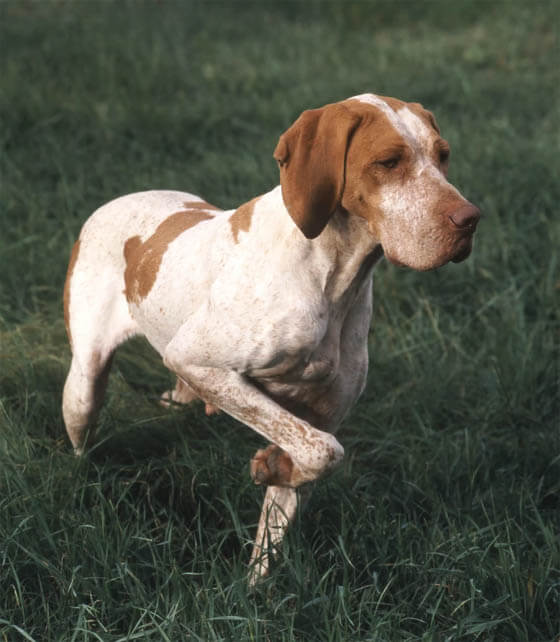


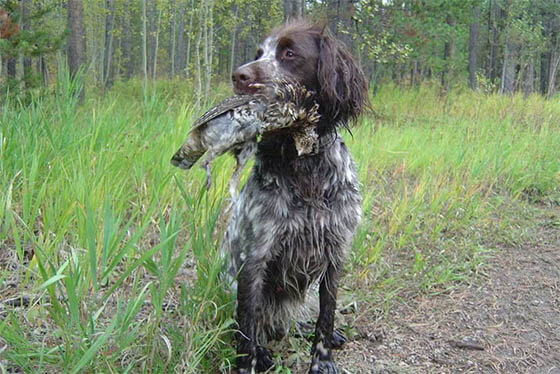
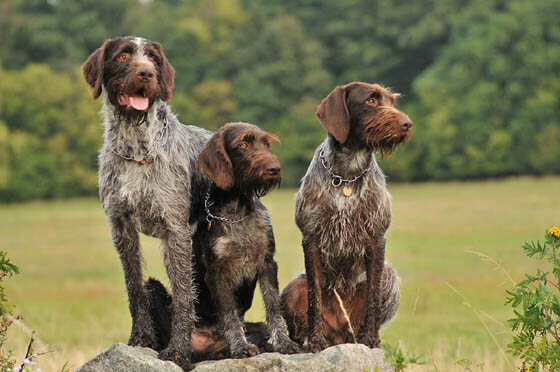

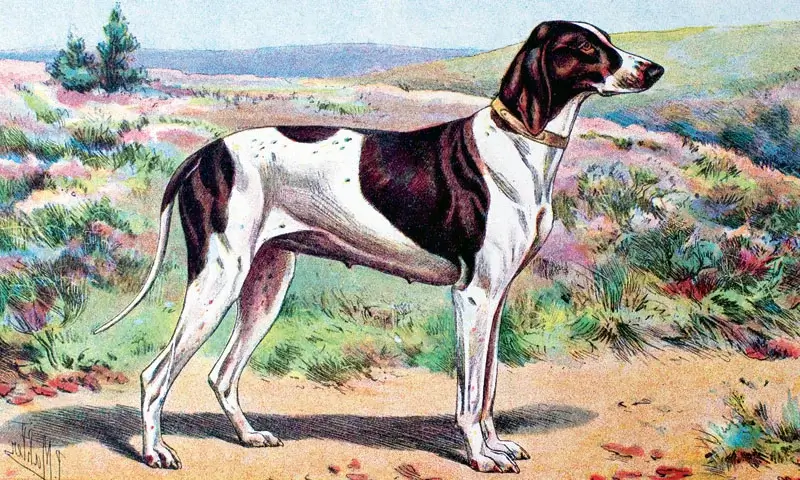













WORLD OF DOG & PUPPY 🐶