28 Chinese Dog Breeds Unique & Special Dogs from China Rare Chinese Dog Breeds Chinese Male & Female Dog Names Dogs Originating in China
Domesticated dogs in China
Steeped in legacy and lore, China holds an ancient past and the native Chinese dog breeds originating there have long guarded the land and its people. The history of dogs in China reaches as far back as 15,000 years to a time when the first wild dog locked eyes with a human. Modern humans can not seem to figure out exactly when our ancient ancestors first began domesticating dogs. We have a lot of guesses, but no specifics.
One 2015 study on canine genomes found dogs from East Asia have the "highest genetic diversity" among native dog groups and are more closely linked to wolves. Canine bones have also been discovered in Neolithic (Stone Age) graves and dump sites in China, some of which are 15,000 years old. These findings indicate domesticated dogs likely originated in China.
Initially bred for herding, hunting and transportation, dogs in this part of the world assisted early humans with day-to-day tasks. According to the World History Encyclopedia, the Banpo Village in China’s Shaanxi Province was full of people and animals from 4500 to 3750 B.C. The villagers worked alongside dogs and researchers believe once the dogs became too frail for labor, the villagers would kill them for fur and sustenance.
Chinese dogs have been a key part of stories, myths, artwork and archaeological discoveries in this vast and ancient land. Since they were tamed, they have served as protectors, haulers, herders, hunters, and regal companions throughout China. Many ancient Chinese philosophies state that dogs link the living and the dead. Canines were said to offer protection in the afterlife, guiding their owners on their journey, and defend people on earth from ghosts. Because of this, many imperial family members and notable citizens insisted on being buried alongside a dog after they died.
Even though dogs symbolize guardianship in Chinese culture, they have not always been accepted or allowed as pets. Around the 1300s, dog ownership was a way of declaring high status. The Pekingese was particularly popular among wealthy families in the 1600s.
Cultural Significance
of Chinese Dog Breeds
Chinese Dogs were always Protectors of Temples and Homes and Symbols of Nobility and Wealth! They were friends but also spiritual protectors. TTemple dogs such as the Fu Dog, Lhasa Apso, and Tibetan Spaniel were believed to alert monks from slumber and protect sacred spaces by chasing away evil spirits. Pekingese and Shih Tzus were symbols of nobility and wealth, typically curled up on the lap of nobles and empresses. They were once the luxury to possess by the aristocracy. Political unrest and a change of attitude among society almost eradicated certain breeds. Through the work of dedicated breeders and conservationists, many were saved from extinction and continue to this day.
The Chongqing Dog is an ancient, rare Chinese breed known for being loyal, courageous, and versatile, used historically for hunting game like boar and deer, and now as alert family guardians. They are medium-sized, muscular, with a short, reddish-brown or black coat, distinct upright triangular ears, a "bamboo shoot" tail, and a blue-black tongue. While intelligent and affectionate with family, they are independent, have a strong prey drive, and require early socialization to manage potential wariness of strangers and other dogs. The ancient mastiff Tugou known as the Chongqing dog has a long history of service as a hunter and watchdog in the Chinese city of Chongqing. These dogs are highly sought after because of their reputation as stalwart guardians of the home and family. The Chongqing Dog is noble, alert, intelligent, brave, loyal and dignified. It is good with respectful children, but can be aloof with dogs it is not familiar with. Proper leadership and canine to human communication will resolve this. Socialize this working breed well as a puppy with other dogs and non-canine pets. The Chongqing Dog is fearless, powerful and muscular, tough and agile. They are natural non-canine pets. The Chongqing Dog is fearless, powerful and muscular.
They are natural guard dogs with high drive but are not suitable for competitive or police bite work. If its owner is not with it and a stranger approaches, the Chongqing Dog will heighten watchfulness and make its presence known. If its owner is present, and it sees the stranger is friendly, it will drop its guard even if the owners leave. They are independent and can be a little standoffish with strangers at first but are extremely devoted to their family. Since the Chongqing Dog is an evolutionary breed and not "manmade," their natural instincts are extremely keen and require a dominant owner that isn’t heavy-handed. They do best with an owner who is calm, but firm, confident and consistent with the rules. The Chongqing dog is known for being a loyal, protective, and courageous breed with a strong personality. They are often wary of strangers and can be territorial, making them good watchdogs. Chongqing dogs are typically affectionate and loyal to their family, but they may be reserved or aloof with strangers. They require early socialisation and training to ensure they are well-behaved and adaptable in different environments.
While they are generally good with children and other pets in the household, they may exhibit dominant or territorial behaviour towards unfamiliar animals. Overall, the Chongqing dog is a devoted and protective companion for those who can handle their strong-willed and independent nature. The Chongqing dog can adapt to a variety of living conditions, but they are generally better suited to homes with a moderate amount of space and access to outdoor exercise. They are an active breed that enjoys daily exercise and playtime, so having access to a secure garden or a nearby park is ideal. Chongqing dogs can do well in apartments or small homes if they receive adequate exercise and mental stimulation.
The Chuandong Hound is an ancient, medium-sized Chinese scent hound from Sichuan, known for being loyal, clever, and cat-like, with a reddish coat, erect ears, and often a blue-spotted tongue. Used historically for hunting, they are excellent companions, good with families, require moderate exercise, and possess high intelligence and drive, needing consistent training. They're distinct from the shorter-snouted Chongqing Dog, being more of a scenthound built for work. The Chuandong Hound is noble, loyal, courageous, alert, intelligent and dignified. It is good with respectful children, but can be aloof with dogs it is not familiar with. Proper leadership and canine to human communication will resolve this. Socialize this working breed well as a puppy with other dogs and non-canine pets. They are natural non-canine pets.
The Chuandong Hound is fearless, powerful and muscular, tough and active with excellent jumping ability. In the past, it has been used for hunting. They are natural guard dogs with high drive but are not suitable for competitive or police bite work. If its owner is not with it and a stranger approaches, the Chuandong Hound will heighten watchfulness and make its presence known. If its owner is present, and it sees the stranger is friendly, it will drop its guard even if the owners leave. They are independent and can be a little standoffish with strangers at first but are extremely devoted to their family. The Chuandong Hound is noble, loyal, courageous, alert and intelligent. With children he is respectful (never aggressive), he is aloof with dogs he is not familiar with. The Chuandong Hound is fearless, powerful and muscular, tough and active with excellent jumping ability. In the past it was used for hunting, even today it is sometimes used for hunting, but less often than in the past. They are natural guard dogs with a high drive, they are not suitable for sport. If his owner is not with him and a stranger approaches, the Chuandong Hound will increase his alertness and make his presence known. If their owner is present and sees that the stranger is friendly, they will let their guard down even if the owners leave.
They are independent and can be a little standoffish with strangers at first, but they are extremely devoted to their family. Since the Chuandong Hound is a breed that has evolved over time and is not "artificial", their natural instincts are extremely sharp and require a dominant owner. They need an owner who is calm, yet firm, confident and consistent with the rules. The Chuandong Hound originated from the ancient Chinese Chongqing dog, an ancient breed, which is thought to have existed since the Han Dynasty in China. The origin of this breed is Chongqing, located in the southwestern region of China. The Chongqing Dog was once divided into two types: the Chuandong Hound and the Chongqing Dog. They are not the same breed but come from the same ancestors and both are commonly called Chongqing dogs. The Chuandong Hound has a longer muzzle and is a hound used in the mountains for hunting. It is being recognized and classified in group 6 of the FCI. Chuandong Hounds are used for home protection at times; they are good working dogs and family companions.
The Kunming Dog (or Kunming Wolfdog) is a Chinese working breed developed in the 1950s by crossing German Shepherds with local dogs, used extensively by the Chinese military and police for tasks like detection and rescue, known for intelligence, loyalty, and high energy, bearing resemblance to GSDs but often taller with shorter coats, and recognized internationally as China's only indigenous working breed. Kunming dogs are exceptionally bright, assured, confident, fun, enthusiastic, and inquisitive. They are eager to learn, so you can teach them almost anything. They are similar in appearance to the German Shepherd but they stand taller in the back. It is the only working dog breed created in China that has gained recognition on a global scale. Its coat is black and yellow. The Chinese Kunming Dog, often known as the Kunming Dog, is a working dog breed that was created in Kunming, China, in the 1950s from the crossbreeding of native dogs with Alsatians. Their coats can be any colour from deep rust to white to light tan, and they have pointed ears, a robust build, and shorter fur that is thick in hue. In 2007, it gained breed status. In its country of origin, the police and military utilise it often, and it has been exported to many other nations.
They are also known by other names such as Kunming Wolfdog and Chinese Wolfdog. The objective in training this dog is to achieve pack leader status. It is natural instinct for a dog to have an order in its pack. When we humans live with dogs, we become their pack. The entire pack cooperates under a single leader. Lines are clearly defined and rules are set. Because a dog communicates his displeasure with growling and eventually biting, all other humans MUST be higher up in the order than the dog. The humans must be the ones making the decisions, not the dogs. That is the only way your relationship with your dog can be a complete success. The Kunming Wolfdog was one of the main dog breeds used by the Chinese during the Vietnam War for tasks like search and rescue, tracking, and as sentry dogs. Despite their name, Kunming Wolfdogs do not actually have wolf ancestry - the "wolfdog" part of their name likely comes from their wolf-like appearance. The Kunming Wolfdog is a popular breed for use in the police and military in China, but they are relatively unknown outside of their home country.
The breed was officially recognized by the Chinese Public Security Bureau in 1988. Kunming Wolfdogs are known for their intelligence, bravery, and strong work ethic, traits they likely inherited from their German Shepherd ancestors. They are trainable, obedient, and versatile, able to adapt to various tasks and environments. They are also known for being very loyal and protective of their families, making them good guard dogs. However, they can be wary of strangers, so socialization from a young age is crucial. While they can make good family pets in the right environments, these dogs are not suitable for everyone. They need a lot of mental and physical stimulation, and without this, they can become bored and potentially destructive.
The Tibetan Kyi Apso (or Kyi-Apso) is a rare, ancient Tibetan livestock guardian dog, a lighter, more agile relative of the Tibetan Mastiff, characterized by a shaggy, bearded muzzle, long hair, and a curled tail, known for being independent, intelligent, and territorial guardians of yak herds, typically large, athletic, and black with lighter markings, though other colors exist. Originally from Tibet and the Himalayas, the Tibetan Kyi Apso is a medium- to large-sized breed of livestock guardian dog. The breed was actually unknown to the West, up until it was photographed by Mrs Eric Bailey, the wife of a British diplomat attached to the British Diplomatic Mission in Lhasa. She took a photograph of the dog that belonged to the 13th Dalai Lama. It is believed that this dog has been around since ancient times and that it diverged from the Tibetan Mastiff as a distinct, bearded variety at some point. The Tibetan Kyi Apso is known for its protective instincts and loyalty to its family. It is closely related to the Tibetan Mastiff but is distinguished by its unique coat and slightly leaner build.
This breed is rare and is prized for its capabilities as a livestock guardian in the harsh environments of the Himalayas. Training requires patience and consistency due to its independent nature. Positive reinforcement methods work best with this sensitive breed. Daily exercise is essential for this active breed, including long walks or runs to meet its physical needs. Mental stimulation through training or interactive play is also crucial. The Kyi-Apso is an ancient bearded Molosser, believed by some to be the oldest of its kind and a variant of the Tibetan Mastiff breed. Indigeneous to the Mt.Kailish region of the Tibetan Plateau, this rare dog has evolved over the countless centuries into a superbly resilient and resourceful animal. Used primarily for guarding livestock and property, the Tibetan Kyi Apso is also a very fast and effective hunter. The breed is naturally suspicious of strangers and some specimens might be quite stubborn and independent, but with early socialization and proper training, the Kyi Apso can make an amenable companion.
Devoted to its owner and even-tempered, this lovely bearded mastiff will surely become very popular as a family pet in the future. There is only a small number to be found in the West, but the breed is well-represented and cared for by the Tibetan Kyi Apso Club, established in the 1990's. The body is strongly-boned and muscular, with a powerful neck and a wide head. The ears are fairly long and carried low on the sides. Deep-chested and long-legged, the mighty Kyi Apso is truly an agile and athletic Moloss, prized for its stamina end energetic nature. As is the case with most of its cousins, the tail of the Kyi-Apso is fully curled.
The Shar Pei or Chinese Shar-Pei is one of the seven Chinese dog breeds discussed in our article The Year of the Dog. The Shar Pei is an exotic looking medium dog breed with wrinkled skin and a large head with scowling features. The lineage of the Chinese Shar-Pei can be traced back to the Han Dynasty when they found works of art featuring very similar appearing dogs. Some historians believe the breed was descended from a much larger (now extinct) Tibetan breed and others believe it is related to the Service Dogs of Southern China. The Shar Pei is serious, calm, dignified, quiet, confident, independent and is devoted to its family. Shar Peis are very clean and easy to house train but because of its independent and strong-willed manner they are difficult to obedience train. The Shar-Pei is an ancient, loyal Chinese breed known for its unique, wrinkled skin, broad "hippopotamus" muzzle, and blue-black tongue, originally used for hunting, guarding, and fighting, requiring experienced owners due to their independent and sometimes stubborn nature.
They have a short, bristly "sandy" coat (horse or brush coat) and need diligent wrinkle cleaning to prevent infection, alongside moderate exercise and attention to potential skin and eye health issues common to the breed. The Shar-Pei is very loyal to its handler. Intelligent playful, active, dominant, and brave, It bonds with its family, but is not unfriendly toward strangers. If the dog meets cats and children while it is still young, it usually will not have a problem with them. The Chinese Shar-Pei is easy-going, calm, independent and devoted. It makes a delightful companion and a good watchdog. The Shar-Pei needs a confident handler. If you are uncertain, inconsistent, too soft or mild in the dog's eyes, it will take over as the boss. The Shar-Pei needs a firm, but gentle, extremely consistent authority figure. The dog must be taught all humans are above him in the pecking order. Those who see themselves as above humans will be stubborn and bold. This breed needs firm obedience training to establish your leadership. They may refuse commands from family members who have not established leadership over them. They need an owner who has the ability to be a leader. The Shar-Pei is generally not fond of water and often tries to avoid it.
This breed is very clean and one of the easier breeds to housebreak. Mixing other dogs can sometimes be a problem if one of the dogs is displaying dominant behaviors. Originally bred to guard livestock, shar-peis are alert, intelligent and protective dogs who make excellent guardians. They possess a calm and devoted nature that makes them loving companions. They tend to be aloof with strangers, but are fiercely loyal and affectionate with their own people and love to spend time in the company of their families. While shar-peis can be aggressive toward other dogs, early socialization can help them learn to get along with other pets. Providing them with socialization and obedience training as puppies can also make them easier to handle as adults, as shar-peis are strong-willed dogs whose personalities may overwhelm an unprepared pet parent. These dogs do best with confident, assertive leadership to help them know how to properly behave.
Both the Bone-Mouth and Meat-Mouth are Shar Pei. They are just different variants of the breed. The AKC does not acknowledge the two different types of Shar Pei. But the Bone-Mouth is typically called the "Chinese variety," and the Meat-Mouth is the “American variety.” The "Bone-Mouth" is an older, original type of Chinese Shar-Pei, contrasting with the heavily wrinkled "Meat-Mouth" popular today, featuring a narrower, more bony muzzle, less body wrinkling (more on the head and neck), and a stronger, more athletic build, reflecting its history as a working dog for hunting, guarding, and fighting, needing early training and socialization due to its loyal but independent and sometimes dog-aggressive nature. When most people think of a Shar Pei, they will envision a dog with many wrinkles. However, not all Shar Peis have wrinkly faces. The Bone Mouth Shar Pei is a type of Shar Pei that has a smooth face. They are not as well-known in the US, but you can find several Bone Mouth Shar Pei breeders in China. Bone Mouth Shar Peis were intentionally bred to be versatile working dogs, but they are also known to be very affectionate and loyal to their families. They are an uncommon type of Shar Pei, and there is still much to learn about them.
Shar Peis can be generally categorized as either Meat Mouth or Bone Mouth Shar Peis. Meat Mouth Shar Peis, also known as Western or American Shar Peis, are more widely recognized in the US. While they can be good watchdogs, Meat Mouth Shar Peis are most often seen in show rings. Bone Mouth Shar Peis were bred specifically for work. Along with having fewer wrinkles, Bone Mouth Shar Peis have a more athletic build and tend to grow larger in size. While they share similarities with Meat Mouth Shar Peis, they do have some distinct differences that make them distinguished dogs that are worth knowing. Bone Mouth Shar Peis can be good pets if they meet the right family. They require early socialization, as they generally act reserved toward other dogs.
They also do best with training that is a good mix of fun and fair. They respond very poorly to harsh treatment and have been known to rebel if they feel they are being treated unfairly. Because they require a strong leader and consistent training, they are best for experienced dog owners. It is important to note that Bone Mouth Shar Peis were bred to be working dogs. Therefore, while they are not highly energetic dogs, they are often happy when they are given a job or a responsibility. They tend to become very affectionate with their families, but they do best with older children who know how to respect their boundaries and refrain from roughhousing. Shar Pei have blue-black tongues like the Chow Chow. In Chinese folklore, it was believed that black tongues would ward off evil spirits and ghosts. It was also thought the tongues contributed to the viciousness of the dog’s appearance, which would be a valuable attribute in a guard dog. The name Shar Pei was given to these dogs as a way to refer to their skin. Considering their skin is what is so eye-catching, this should not come as a surprise. Shar Pei translates to “sand skin” because of the color and rough texture of their skin.
The Chinese Crested is a lively and graceful member of the toy dog breeds. There are two varieties of Chinese Crested – The Hairless and the Powder Puff. The Hairless Chinese Crested has a fine grained smooth skin that seems warm to the touch. These Chinese Hairless have a crest of hair on their heads, tufted feet and plumed tails. The origin of this breed is unknown but was said to have been discovered by Chinese traders in Mexico or possibly Africa. Although this breed is said to have an origin in China, there is a fact also pointing to the fact that this breed originates from Africa.
Historical and genetic evidence suggest they originated from ancient hairless dogs in Africa, which were later reduced in size and carried across the globe on Chinese trading ships. The breed was refined in China, where they were famously kept by the Han Dynasty as temple guards and hunting dogs. Both Hairless and Powder Puff varieties can be found in the same litter and the two Crested varieties are often interbred. The Crested has evolved to be a perfect apartment dog. The Chinese Crested is a happy and animated dog that needs a lot of personal interaction with its owner. These agile dogs are very good climbers and jumpers and can even grip objects and toys with their paws. The breed loves its owner and family and gets along well with older children and other pets. The Cresteds are very active and inquisitive indoors and need early training while puppies to control these activities.
These intelligent, sensitive dogs thrive on companionship, shedding little but needing attention and warmth, especially the hairless variety, making them devoted indoor lapdogs. The most popular of the hairless breeds, the Chinese Crested is still very rare. These dogs are alert, charming, agile and lovable. Though affectionate and playful with children, children should be taught not to be rough with this breed as it is friendly, but it does not have the protective hair that other breeds have and can get injured easily. It is an entertaining and amusing companion. Do not baby this breed or you might cause it to be timid. Socialize your dog well, starting when it is a small puppy, exposing it to loud noises and outside activity. This intelligent dog has the ability to perform tricks. They are generally good with other pets. They are not barkers. Chinese Crested Dogs like to climb and dig holes.
They tend to become very attached to their owners. These dogs enjoy companionship and need constant human leadership. They tend to be friendly toward everyone, even people they are just meeting. That said, socializing your Chinese Crested puppy early and consistently is important for her to be comfortable in new situations. The Chinese Crested is a dog with some rather cat-like quirks, the breed is known to perch on the back of couches, much like felines do. But they are also eager to please their people and form strong bonds with those they love. Cresteds crave attention, and they might get a little needy if they don’t get enough affection. As with all dog breeds, Chinese Crested puppies need early socialization and exposure to new animals, people, and situations.
The Liangshan Dog (or Hound) is a medium-sized, courageous Chinese scent hound from Sichuan, known for its excellent tracking, endurance, and ferocity in hunting wild boar in mountainous terrain, featuring a short coat (black on head, mixed colors elsewhere), triangular drop ears, and a bushy tail curving over the back. Prized by hunters, they are tenacious, versatile, and possess survival skills, with some having distinctive black-blue spots on their tongue. The Liangshan Hound is an intelligent, hardy breed with enough stamina and tracking skill to hunt a variety of large and small prey. Liangshan Hounds are native to the mountains of southwest China's Sichuan Province. Experts believe Yi people brought the dogs with them when they migrated to the region hundreds of years ago. Called Hushan dogs by locals, Liangshan Hounds are excellent hunters with impressive endurance and tracking abilities.
People in Liangshan use the breed for hunting, herding, and guarding. But many Liangshan Hounds are free-roaming dogs that largely fend for themselves. The Liangshan's coat is short and glossy. The hair on the head is black, whereas the rest of the body is black mixed with shades of red and yellow. Some Liangshans have banded hairs that are gray at the root, yellowish-red in the middle, and black at the tip. Prominent features of this breed include triangular drop ears, deep-set brown eyes, and a bushy tail that curves over the back. Some Liangshans have black-blue spots on their tongue. Liangshan Hounds are courageous dogs with good survival skills and a tenacious attitude. They can hunt a range of animals, including bears, foxes, wild boars, otters, and pheasants. Hunters appreciate their endurance and versatility. These hounds thrive on a high-quality diet formulated for their life stage - puppy, adult, senior. To keep your dog at a healthy weight, measure their portions to avoid overfeeding, and keep an eye on how many treats you're giving them. As a guideline, treats should make up no more than 10% of a dog's daily calories.
Liangshan Hounds are active dogs happy to hunt all day. When not hunting, they need plenty of daily exercise to stay happy and healthy. Long walks, hikes, and runs will give them much-needed outlets to burn energy. Positive reinforcement using treats or favorite toys as rewards is a great approach when training this breed. Additionally, all dogs benefit from early socialization. Introducing them to different people and environments when they're young help them develop into confident, well-mannered adult dogs. The Liangshan dog is an ancient canine breed originating from the Liangshan Mountains in China's Sichuan Province. This unique breed has a rich history, dating back thousands of years, and has been a vital part of the local culture and economy. As one of the most ancient dog breeds in the world, the Liangshan Dog has adapted to its harsh mountainous environment, making it highly resilient and an excellent working animal.
The "Manchurian Hairless" likely refers to the Hairless variety of the Chinese Crested Dog, a lively, fine-boned toy breed known for its smooth skin (with tufts on head, tail, feet) and affectionate nature, requiring special skin care (sunscreen, moisturizer, bathing) and companionship, despite its lack of hair. They need protection from sun and cold, regular grooming for skin health, and thrive with their families, often adaptable to apartment living. Few people are familiar with the Manchurian Hairless dog. The hairless Chinese Crested dog is noteworthy for being a "relative" of the more popular hairy Chinese Crested. There are therefore many shared features between the two. They are affectionate and loyal companions, who love being around family.
The temperament of Manchurian Hairless is playful, loving, adaptable, and entertaining companions. Can be prone to barking and stubbornness. In essence, while named with "Manchurian," this breed is the well-known Chinese Crested, celebrated for its unique look and devoted personality, but demanding specific skin and temperature care. Daily walks and play are sufficient; good for dog sports like agility. Highly social, can suffer from separation anxiety if left alone too much. Prone to sunburn, dryness, acne; requires sunscreen, moisturizer, and regular bathing. Hairless needs skin maintenance; Powderpuffs need daily brushing. Need protection from cold (jackets) and strong sun (sunscreen orclothing). Manchurians are affectionate and social dogs so they make great companions. They do tend to be wary of strangers so this breed can make an excellent watchdog.
The Pekingese is a small, ancient Chinese toy dog known as a "lion dog" for its luxurious coat, regal bearing, and dignified, affectionate, yet independent personality, thriving as a devoted lap dog in apartments with moderate exercise but requiring significant daily grooming, and is prone to breathing issues due to its flat face - brachycephalic. The Pekingese or Peke has quite a sturdy and strong build for a small toy dog breed. The breed is characterized by a lion-like appearance with a broad chest and straight back. The Peke has a very flat face with a snub nose, and wide set eyes. The Pekingese or "Lion Dog" seems to date back to the 9th century in China. Ownership of the Peke was restricted to members of the Chinese Imperial Court and they were considered sacred by the Chinese Tang dynasty. The Pekingese seems to believe in its royal heritage and is a dignified, regal, confident and stubborn dog. The Peke is fearless, good-tempered and not aggressive. Pekes are fairly quiet and are not particularly fond of children or strangers.
Pekingese is a very brave little dog, sensitive, independent and extremely affectionate with its master. These adorable dogs can make wonderful companions. If overfed, the Pekingese will quickly become overweight. This breed makes a good watchdog. The Pekingese may be difficult to housebreak. Do not allow this dog to develop Small Dog Syndrome, human induced behaviors where the dog believes he is pack leader to humans. Another breed that was bred for royalty, Pekingese are affectionate and loyal. Despite their size, they make pretty good watchdogs and will alert you of the comings and goings around your house. These small dogs do well in families with little roughhousing and tend to get attached to one person in the family. This can cause varying degrees of negative behaviors, including, but not limited to being obstinate, self-willed, jealous, separation anxiety, guarding, growling, snapping, biting, and obsessive barking as the dog tries to tell YOU what to do.
They can become wary of strangers, and may become untrustworthy with children and even adults. If you feed them table scraps, they have been known to refuse to eat, as much to show dominance over their owner, as to lack of appetite. They can become dog aggressive and courageous to the point of foolhardiness as they try and take over. These are NOT Pekingese traits. They are behaviors resulting from humans allowing them to take over the home. If a Pekingese is given rules to follow, limits to what they are and are not allowed to do, along with a daily pack walk to relieve their mental and physical energy, they will display a totally different, more appealing temperament. A Pekingese is an independent and alert toy dog and a charming lapdog companion, but this breed is stronger and braver than its compact appearance might suggest. Among the favorite characteristics of the Pekingese is their friendly, social, and affectionate personality and the fact that they can appear so dignified, "opinionated," and walk with a seemingly effortless rolling gait. However, this dog has an assertive side to their personality.
The Tang Dog (or Tong Gau, Tugou) is an ancient, medium-sized Chinese landrace dog known for being a loyal companion, watchdog, and hunter, characterized by a sturdy build, prick ears, almond eyes, and a bluish-black tongue. They are intelligent, trainable, and adaptable, needing early socialization and consistent training to manage their protective instincts, making them good family pets with fulfilling exercise. Southern China is home to the historic medium-sized dog breed known as the Tang Dog. Tang dogs are native to southern China and have served as devoted gatekeepers there for countless years. Although they are occasionally employed for hunting and as meat dogs, tang dogs are treasured as companions and watchdogs. The Tang dog has a dense coat, compact body, and short in height. Tang dogs are always solid-colored, and their hues can range from cream to red to black. The face has a long, broad nose, long, slightly slanted eyes, and a tongue that is bluish-black in colour. The breed bears the name of China’s prosperous Tang Dynasty. Tang dogs are loyal, playful and make excellent companions for families as they tend to have balanced temperaments. While they should never be either timid nor aggressive, they become courageous protectors if they need to be.
They can adapt to many different household situations and are capable of living as only-dogs or with other pets when introduced from a young age. They do need daily exercise although as long as this is fulfilled they are generally calm and easygoing in the home. Tangs are intelligent and highly trainable as long as the owner stays consistent and patient. They do learn quickly although can sometimes be hard-headed. It’s best to start training and socializing at a young age. The Tangkhul Hui is a very intelligent and obedient yet fierce dog. This breed learns very quick and is friendly to family members, but aloof to strangers. Tang dogs are loyal, playful and make excellent companions for families as they tend to have balanced temperaments. While they should never be either timid nor aggressive, they become courageous protectors if they need to be. They can adapt to many different household situations and are capable of living as only-dogs or with other pets when introduced from a young age. They do need daily exercise although as long as this is fulfilled they are generally calm and easygoing in the home. Tangs are intelligent and highly trainable as long as the owner stays consistent and patient. They do learn quickly although can sometimes be hard-headed. It’s best to start training and socializing at a young age.
With their unique appearance and hunting ancestry, the Lai Dog is sometimes confused with mammals like dingoes. They are, however, a real dog breed recognized by the AKC. Laizhou Hong originated in Zhuqiao Town, Laizhou City, Shandong Province, China in the 19th century. It was bred by local enthusiasts using Xigou, Langqing Quan and other native Chinese dog breeds as well as Great Danes, German Shepherds, Rottweilers and other breeds. Laizhou Hong is now widely distributed throughout China. They are known for their calm and loyal personality, unique ornamental value and ability to quickly adapt to new environments and cope with situations. The Laizhou Hong (Chinese Red Dog) is a large, muscular, brave Chinese guarding breed known for its loyalty, intelligence, and athleticism, developed from German Shepherds, Rottweilers, and Great Danes crossed with local dogs. Laizhou Hong pups have gorgeous red coats ("hong" means red) and tall, pointed ears. It is believed these dogs were bred by combining indigenous Chinese breeds with German Shepherds and Rottweilers in the 19th century when German settlers made their way into China. These dogs are brave yet kind and make good social companions. Be sure to give them a job to do.
The dog has a longer body than it has at the withers. Their skull is robust, proportionate to the rest of the body, and musculoskeletal. Their snout is as long as the top of their head and they have a very prominent skull. In the 1970s, local, regional working dogs in China were crossed with German Shepherd, Great Dane, and Rottweiler breeds from Europe to create the Chinese Red Dog. They have a short, dense coat with red markings on a black base, large ears, and often black-spotted tongues, making them excellent but demanding guard dogs needing firm, consistent training and significant exercise, ideal for experienced owners seeking a protective family companion. The Laizhou Hong is known to be very calm, loving, and friendly to everyone. They are a loyal breed and want to please their family. They also love to work and are hardy and strong. Laizhou are known to be independent, confident, and adapt well to new surroundings. They are used as working dogs, guard dogs, and companion dogs. The Laizhou Hong is a brave, intelligent dog, combining characteristics of both European and Chinese dogs. This intelligent breed makes an excellent guard dog and loyal family companion. The Laizhou Hong may have started as a guard dog, but they also make friendly, loving companions. Just be sure to give them plenty of mental stimulation, so they do not get bored and resort to destructive habits. This energetic breed gets along with other dogs, especially when raised with them as puppies and makes a great playmate for sturdy kids. However, because of their naturally protective personalities, they may be wary of strangers.
The Tibetan Mastiff is a massive, ancient guardian breed from Tibet, known for being an independent, loyal, and territorial family protector with a massive double coat, requiring significant grooming, especially during heavy seasonal sheds. They are intelligent but stubborn, needing early socialization and consistent, positive training, with moderate exercise needs but sensitivity to heat, making them calm, aloof-but-loving companions for experienced owners. A huge breed of Tibetan dog is the Tibetan Mastiff. Depending on the temperature, its double coat can be medium to lengthy and come in a broad range of hues, including solid black, black and tan, different degrees of red (from pale gold to deep red), bluish-gray (diluted black), and occasionally with white patterns on the neck, chest, and legs. These canines were initially employed to guard Tibetan Buddhist monasteries and monks from creatures like bears, wolves, and snow leopards. The Tibetan Mastiff is courageous, fearless, even-tempered, calm and thoughtful.
Very loyal to its own family. Tends to bark at night if left outside, but will be quiet indoors. It is an outstanding flock guardian and is ferocious against wolves, leopards or any prey that try to approach its flock. It is easy to housebreak, but matures later in life than the average breed. The Tibetan Mastiff needs a firm, confident, consistent pack leader to prevent it from becoming willful and stubborn, overprotective and territorial. These dogs have a strong desire to please their owners. They are loving with children, but can distrust and be reserved with strangers if not properly socialized. It comes naturally to this Mastiff to guard its family and their property. It has to be raised to adulthood in a careful, well-balanced manner. A stable, well-adjusted and trained dog is for the most part generally good with non-canine pets. It is possible for them to get along with other dogs if the owners are able to communicate with them that fighting is an unwanted behavior.
Tibetan Mastiffs will not listen if they sense that they are stronger minded than their owners. Tibetan Mastiffs are exceptional guard dogs with a strong protective instinct, requiring experienced dog owners for proper handling. The breed demands cautious socialization and training due to its territorial nature and potential aggression toward strangers. Because of their background as guardian dogs, they don't like to take direction from their families and can be difficult to train. The breed’s guarding instincts are heightened at night, which can cause them to bark loudly and excessively in the evening hours. It’s best to keep your mastiff indoors at night to avoid bothering your neighbors. Also, make sure you have a secure fence to keep your dog from roaming day or night. While they can be lazy indoors and sleep during the day, Tibetan Mastiffs are more active at night. They’re fairly quiet dogs but will bark to alert their family if anything seems amiss. They require much contact and early training to avoid unwanted behavior or aggression problems towards other animals and people, children. They are very territorial and heavy socialization from puppyhood is important.
A uncommon breed of sighthound that originated in China is called the Shanxi Xigou. Shaanxi Xian Hounds have been around for at least 2,500 years, according to the China Native Breed Conservation Club. These tall, elegant canines are likely the ancestors of Greyhounds and Afghan hounds. Bred to chase and hunt, their bodies are aerodynamically designed for optimal speed. Though calm when not in motion, Xians are independent and respond only to those they know and love best. These magnificent dogs are excellent security dogs, faithful companions, and skilled hunters. The Shanxi Xigou, often called the Xian Hound, is an ancient breed of dog from China. Dogs that resemble the Shanxi can be seen in artworks that date back to the Qin Dynasty that are more than 2,500 years old. The Chinese god Zhang Xian, who frequently assumes the form of a dog, is the source of the breed's name.
The Shaanxi Xigou (or Xian Hound) is an ancient, rare Chinese sighthound known for its speed, endurance, and hunting prowess, used for royalty and capable of guarding, it is independent yet devoted, with a sleek build, short coat, and a distinctively long, narrow head, often described as having a "sheep's nose". They are athletic, need significant exercise, possess high prey drive, and require patient training despite their intelligence, making them excellent but aloof companions and versatile working dogs. These majestic dogs are skilled hunters, dependable guard dogs, and devoted companions. These noble, independent, often aloof dogs are devoted to their humans but are often wary of strangers. In addition to being skilled hunters, they make excellent guard dogs. Shanxi are active dogs that need daily exercise to stay happy and healthy. Showing off their speed inside fenced yards and taking long walks on a leash are both great ways for them to burn energy. These athletic dogs also make fine candidates for dog sports - such as agility or rally. These intelligent, self-reliant dogs can be stubborn. But consistent obedience training using positive reinforcement tends to work well for them. It's also important to socialize your pup when they are young, as this helps them develop into a predictable, well-mannered adult dog.
The Hebei Xigou (or Chinese Sighthound) is a rare, ancient Chinese breed known for its speed, endurance, and hunting prowess, resembling a Greyhound with a sleek build, used historically by Chinese nobility and emperors for chasing game like hares across open plains. Also called the Kangxi Imperial Dog or Shandong Xigou, this loyal, strong-scented hunter is facing declining numbers but remains a valued part of Chinese canine heritage, praised for its loyalty and keen senses. The Xigou is an ancient indigenous dog breed from China, with evidence suggesting it has existed for over 2,500 years. Historically, the Xigou has been highly regarded by both nobility and commoners throughout various Chinese dynasties. Representations of the breed can be found in numerous Chinese tombs and cultural relics. While some cynologists speculate the Xigou is the principal ancestor of all sighthounds known today, others indicate modern stock may have been intermixed in more recent years, pointing to greyhounds shipped to China by the East India Company.
Once used to chase and capture prey on the open, flat land of the Huangtu Plateau, the breed is now in trouble, its numbers plummeting as a result of the government curbing the rights of its citizens to hunt. The China Kennel Union (CKU) classifies the breed as "rare", and is trying to resurrect it. To that end, the CKU initiated an effort to collect DNA from the dogs in 2017. The existing Xigou varieties mainly include Shaanxi Xigou, Shandong Xigou, Hebei Xigou and Menggu Xigou, etc. The Hebei Xigou, also known as the Kangxi Imperial Dog, closely resembles the Greyhound in appearance. This breed was primarily used for hunting hares and is highly regarded for its loyalty, strong memory, keen sense of smell, high prey drive, and excellent endurance. The Hebei Xigou is well-suited for hunting in open plains and can also serve as an effective guard dog. It is an improved and expanded variety of the Shandong Xigou, with some scholars suggesting it emerged during the Five Dynasties and Ten Kingdoms period. During the Qing Dynasty, the Hebei Xigou was selected as the royal hunting dog and was favored by the Kangxi Emperor.
The Mongolian Xigou (or Menggu Xigou) is a slender, athletic ancient Chinese sighthound, known for being a fast, loyal hunter used for centuries by nomadic people, characterized by a narrow head, drooping ears, and a powerful but lean build for endurance and speed, requiring lots of exercise and experienced owners. While some consider it a type of Xigou (Chinese hound), it is distinct from the more common Chinese Chongqing Dog and is valued for guarding, hunting, and as a symbol of heritage, though it's a rare breed today. The Mongolian Xigou is an ancient hunting breed known for its tenacity, keen sense of smell, and running ability. Mongolian Xigou are tall, slender dogs with powerful, sturdy builds. The thick coat of the Mongolian Xigou protects them from bites when fighting off predators or controlling large prey. The breed is typically white or yellow, but shades of blue, gray, and black are also possible. Slightly narrow heads, folded drop ears, small, dark brown eyes, and thin legs are some of the Mongolian Xigou's key features. Mongolian Xigou are active, loyal dogs and generally eager to please their people. They have a fierce, protective nature and can be territorial, which makes them good guard dogs but can also lead them to distrust strangers.
You should avoid letting this breed off-leash in an unfenced area. Mongolian Xigou have extremely strong hunting instincts, and they may mistake neighborhood pets and critters for potential prey. Dating back to the Liao Dynasty (907–1125), these speedy sighthounds were favorites of the Khitan royal family. Nobles regarded them as skilled long-distance hunters, guard dogs, and loyal companions. Historical records indicate that Genghis Khan brought Mongolian Xigou with him when he traveled through Europe, using the versatile dogs for both protection and hunting. Experts believe the Mongolian Xigou originated from one of the oldest dog breeds, the Saluki. Once a top hunting dog in Northeastern Mongolia, this breed is relatively rare today. Mongolian Xigou are active dogs that need daily exercise to stay fit and healthy. Playing within a fenced yard and going for long walks or better yet, jogs are suitable outlets for their energy. These athletic pups also excel at competitive activities, such as agility and rally. These loyal, hardworking dogs are typically easy to train. Positive, reward-based methods using treats and favorite toys tend to work well. Additionally, socializing your pup when they are young will help them develop into a well-mannered adult dog.
The Xiasi Hound (or Xiasi Dog) is a rare, ancient Chinese hunting breed from Guizhou province, known for being a loyal, protective, and versatile hunter with a distinctive white/cream wiry coat, pricked ears, and a pig-like snout. These muscular, medium-sized dogs are agile, fast, and excel at tracking, making them great working dogs but also affectionate family companions with proper training, thriving on activity and a high-quality diet. The Xiasi is a true hunting dog bred in China’s Guizhou province. Their wiry hair gives them a plucky, terrier-like look. These hounds enjoy a hard day’s work - herding, chasing, running - but know when to relax with their families at home. Xiasis love their families and work well with kiddos! Smaller pets, like cats or hamsters, might trigger their high prey drive. Again, this is a very rare breed. If you have the good fortune of meeting a Xiasi, count your lucky stars.
The Xiasi, also known as the Xiasi Hound, is a rare breed from China. Few of us will have the pleasure to encounter one in person. Sadly, this cherished breed faces a dwindling population, with less than 300 remaining. The Miao people, dwelling in the Guizhou mountains, raised these remarkable dogs. Prized for their hunting skills and guarding abilities, Xiasis made their way into the hearts of the people. They were also considered a symbol of good luck, believed to bring prosperity and blessings to their community. The Xiasi is renowned for its trustworthiness and amiable nature. These loving dogs make an ideal and versatile companion. However, when not working, they revel in being devoted pets and love joining their human family on outings. These dogs are highly intelligent and willing to learn, which can go a long way when it comes to training. The Xiasi Quan is an extraordinary dog breed renowned for its lean and muscular body, short wiry white coat, and exceptional hunting and protective capabilities. This breed has a long history, residing in China’s Guizhou province for centuries, where they are believed to bring prosperity and good fortune to their owners. Their affectionate and fiercely loyal nature makes them highly trainable and adaptable to various situations.
Originally bred as guard dogs, they possess a keen sense of smell, remarkable speed, and enduring stamina. While they continue to excel as hunting dogs, they have also gained popularity as beloved companions. However, due to their strong hunting instinct, it is advisable to keep them on a leash while on walks. Xiasi Quans generally get along well with other dogs but may view smaller animals as prey if not properly socialized with them. For their overall well-being, the Xiasi should receive daily walks of at least 40 minutes to an hour, but longer walks are even better. However, physical exercise alone is not enough; they also crave mental stimulation, which can be achieved through training, scentwork activities, and other enrichment exercises. When understimulated, the Xiasi may make it abundantly clear that they are bored, so it’s crucial to keep them mentally engaged and fulfilled.
The Tibetan Terrier or TT is a sturdy small- to medium-sized dog with a profuse coat. Tibetan Terriers have a square and powerful build with a fall of hair that covers their dark brown eyes. Although you may not see their eyes, the TT’s have long eyelashes that keep the hair away from their eyes and have very good eyesight. Tibetan Terriers originated in Tibet almost 2,000 years ago where they were bred and raised as companion dogs for the Lamas in monasteries. Tibetan Terriers were considered as good luck charms and were called “Little People” by the Tibetans. They were called terriers because of their small size but there is no terrier in their backgrounds. The Tibetan Terrier is good-natured, happy, lively, affectionate and very intelligent. This breed is very athletic and agile and is adept at using its paws to hold toys and open cabinet doors. Tibetan Terriers can be somewhat stubborn and mischievous and they mature slowly and will need puppy socialization and training longer than many other faster maturing breeds.
The Tibetan Terrier, a small-to-medium companion dog from Tibet, is an intelligent, affectionate, and lively breed known for its shaggy double coat and "snowshoe" feet, originally serving as monastery guardians and herders. Despite their name, they are not true terriers but belong to the utility group, requiring consistent grooming, patient training (due to potential stubbornness), and moderate exercise, thriving as devoted family pets. A brave, intelligent, dedicated, medium-sized dog. Sweet, loving and gentle, the Tibetan Terrier is lively, mild and fun, with great agility as well as endurance. Be sure you are this dog's pack leader. Dogs that are allowed to run the show, believing they are alpha to humans will become willful and may begin to bark more than you wish them to, as they try and control things, telling you what THEY want YOU to do. This breed's bark is deep like a rising siren. While they do make a good watchdog, Tibetans that bark a lot need to be told enough is enough. After it first alerts you, tell your dog to quiet down. You can handle things from here. If the dog believes he is your leader, rather than the other way around, he will get upset when you leave him. Instinctually, pack leaders are allowed to leave the followers, however followers are not allowed to leave the pack leader.
Will do well with children so long as the entire family is pack leader. As soon as the dog begins to question the order, he may not be trustworthy with young kids and may become reserved with strangers as he tries to assess this role among humans. He may also try to dominate other dogs. Tibetans that have firm, confident, consistent pack leaders and that get enough mental and physical exercise will be wonderful, trustworthy family companions. The Tibetan terrier is known for having a gentle, loving, and companionable personality that thrives with human company. These dogs make excellent family pets, providing the children are respectful and gentle, and can also make excellent therapy dogs because of their temperament. Tibetan terriers typically have a calm temperament inside the home, but they're also happy to play and exercise with their family when opportunities are presented. Barking is a common trait in this breed, so owners should be prepared for a vocal dog and consider special training techniques if it becomes excessive.
Pug is an ancient Chinese dog breed, originating in China thousands of years ago where they were prized companions for Chinese emperors and Buddhist monks, living in luxury and even guarded by soldiers. They were later brought to Europe by Dutch traders, becoming popular with royalty and eventually spreading worldwide. Pugs are small, charming toy dogs known for their wrinkly, flat faces (brachycephalic), curled tails, big eyes, and playful, affectionate nature, making them great companions, especially for apartment dwellers. The Pug is keen, with a happy-go-lucky attitude. Animated, peppy and spirited, it is loyal, loving and affectionate with its family. Playful, lively and rambunctious, it is sure to keep you laughing. Highly intelligent, it bores easily without variety in its training. These dogs can be a bit willful if they sense they are stronger minded than the humans around them. Pugs are sensitive to the tone of your voice, so harsh punishment is unnecessary. They need an owner who is calm, yet firm, confident and consistent with the rules. This dog is neither excitable nor dull. They are good watchdogs, very devoted and are not yappers. Pugs get along well with other dogs and pets, and they behave impeccably with both children and visitors. Be sure to be your Pug's pack leader. Pugs that do not have strong human leaders can become jealous, and begin to display guarding behaviors, such as guarding furniture, food, toys, or other spots in the house.
This behavior only happens when dogs are allowed to take over. These behaviors can be corrected when the owners start displaying the proper leadership. Pugs are not the lively socialites that some of the toy breeds are. They are a bit more serious, with a dry sense of humor. The breed motto is "multum in parvo," meaning a lot in a little, with plenty of dog in a small package. Pugs can be stubborn but normally want to please. These are fairly laid-back dogs, not usually given to extensive barking, digging or chewing. Pugs tend to get along well with other dogs and are sturdy enough to get along with children. They enjoy company and can be quite affectionate. True to their grouping, they are good companion dogs. Pugs are extremely easy to keep and have a serious tendency to become obese unless their diet and exercise are watched carefully. With the short muzzle, they do not do well in hot, humid weather and must be observed carefully for heatstroke. Pugs do tend to snore, again a result of the short muzzle. The prominent eyes are easily injured and care must be taken to keep them moist. Pugs are fairly robust and often live to 14 or 15 years of age. Pugs do best with some daily exercise to help with their weight problems. Despite their heroic alarm years ago, they are not usually great watchdogs, preferring instead to greet newcomers with a wagging tail. Pugs should be socialized to keep that outgoing temperament, and they do well with other pets.
Japanese Chin's origins are actually in China, though they became highly prized and developed further in Japan's imperial courts, leading to their name and fame as royal lapdogs. They were likely introduced to Japan as gifts from China or Korea centuries ago, becoming symbols of royalty before eventually being brought to the West. The Japanese Chin is a small, elegant toy dog known for being an affectionate, intelligent, and graceful indoor companion with a distinct oriental look, large eyes, and silky coat, often described as "cat-like" for their fastidiousness. They are loyal, playful, enjoy learning tricks, and are generally quiet, making them ideal lap dogs, though they thrive on attention and can suffer from separation anxiety, requiring mental stimulation and gentle play. The Japanese Chin is a compassionate and energetic breed that makes an ideal indoor companion.
Japanese Chin dogs are extremely affectionate, fun-loving, and playful. Often described as cat-like, according to the JCCA, these dogs can be found lounging on the back of a couch or arm of a chair, much like a feline. But they are still canines, and they love going on walks through the park and performing tricks for their humans. Japanese Chin are very affectionate to their family members, though they can be reserved around people they do not know. It’s important to enroll your Japanese Chin puppy in socialization classes at an early age - before they are 12–16 weeks old, so they can grow accustomed to new people, other dogs, and novel experiences. Though they are generally good with children, interactions between kids and Japanese Chin should always be supervised. This breed is so small that they can accidentally be injured during play. While Japanese Chin were bred to be palace companions, do not assume they are content sitting on the couch all day. These pups have a moderate amount of energy and need a short walk every day, as well as playtime in a fenced space. Thirty minutes of exercise a day is enough to keep this breed happy. Japanese Chin can display separation anxiety, as these people-oriented pups prefer to be around their family members. It is important to train them at an early age so they are not anxious when left alone.
This can be done through crate training. Chin are not known to bark a lot, but they will let their family know when there is a stranger nearby or if they hear an unknown sound. They also do not tend to dig. Japanese Chin are very intelligent dogs, but this does not mean the are always a breeze to train. Pet parents need to use positive reinforcement training methods in short sessions that are made to be fun. Japanese Chin need treats and praise to keep them interested in learning. The Japanese Chin is a charming, lively, and happy animal. It is pleasant, loving, intelligent, affectionate and extremely devoted to its master. This breed loves everyone it is familiar with, but is known to be reserved around strangers and in unfamiliar situations; socialize this dog well. If you do have small children, teach them to be nice and gentle with the dog. The Chin is good with other dogs and pets. The Japanese Chin has a mind of its own and likes to be the center of attention. This breed is not a barker. It is mild mannered, graceful, yet playful. Sensitive, agile, dainty and clean.
The Mojee (or Mojee Quan) is a large, strong, relatively new Chinese working dog, often a cross of German Shepherd and Great Dane, known for its loyalty and versatility as a police, guard, or family dog, appearing black with erect ears, though rare outside China and recognized by some Chinese kennel clubs as a working breed. Mojee and the Laizhou Hong (also known as the Chinese Red Dog or "laighou" colloquially) are considered two distinct, albeit related, Chinese dog breeds. They originated in different regions of China and have different foundational breed mixes. Mojee Quan originated in northern China in the 19th century. It is a Chinese dog breed formed by crossing German Shepherd with the tugou native to northern China and the wild wolf from northern China. The Mojee is a new Chinese dog originally combining German Shepherd (48%) and Great Dane (30%). The Mojee Quan is a large working dog breed.
Their fur is short and black in color. The ears are erect. Some atavistic Mojee Quan will have some white fur growing on their chests. The Mojee Quan is a versatile working dog. They are often used as fighting dogs, detection dogs, search and rescue dogs, guard dogs, military working dogs, assistance dogs, service dogs, etc. They can also be used as companion dogs. On July 25, 2011, the China Working Dog Management Association tested Mojee Quan’s obedience, desire to pick up, and other aspects, affirmed this dog breed, and granted its breed working dog registration and chip implantation. In 2013, Mojee Quan was tested in multiple Chinese police dog bases and was recognized by the China National Police Dog Base.
Fu quan, also known as xiong quan, long quan, tian quan, Chinese foo dog, Chinese foo and Chinese temple forest dog, is a rare working dog breed that originated in China. Due to the fu quan's rarity, they are on the list of endangered and protected species of China. The fu quan has been present in China for at least 3,000 years ago. There are multiple origins theorized, including that the fu quan was originally a mix of Northern Europe's wolves and Chow Chows and another being a mixture of Chinese wolves and Chow Chows. Fu quan are versatile working dogs. The Chinese use fu quan as a shepherd dog, hunting dog, guard dog and sled dog. Today, the fu quan can also be used as a companion dog. In addition to being used as working dogs, Fu Quan are also the mascots of Chinese temples and are considered by the Chinese to bring good luck. Because Fu Quan were believed to bring good fortune, they were used as national symbols during the Tang dynasty. The fu quan is spitz tugou with a compact, square-shaped body, broad head, pricked ears, deep chest, muscular loin, and a tail that is carried over their back.
This dog has a thick, rough coat that comes in a variety of colors, such as silver, blue, black, brown, or red. Fu Quan have played an important role in ancient Chinese culture. In early times, they were used in religious sacrifices and royal hunting. In later periods, especially during the Song, Ming, and Qing dynasties, Fu Quan became symbols of good fortune, loyalty, and prosperity in Chinese culture. In Chinese art, Fu Quan has shown playing with children, symbolizing family harmony and future blessings. The "Fu Quan" (or Chinese Foo Dog/Lion Dog) refers to the ancient Chinese Spitz-type breed, closely related to the Chow Chow, known as the "puffy-lion dog," used as guardian figures and symbols of protection in Asian culture, characterized by a square build, broad head, pricked ears, and thick double coat, with modern depictions influencing art rather than being a single distinct breed today, but embodying traits of ancient Chinese dogs.
The Chinese Foo Dog is one of obscurity and rarity. These bright-eyed, Chow Chow-looking pups have certainly made an impression. After all, they have the adorable, bear-like look and hunting background of the Chow Chow without the sometimes-unpredictable temperament. The Chinese Foo is known for being very active, comical, and alert. They are on their A-game at all times. They are constantly aware of their surroundings and will absolutely not hesitate to intervene if they know their family member is in trouble. For this reason, they make fantastic guard dogs that can truly protect a family. They won’t simply alert you and let you do all the work. They are going to respond in the event of a threat.
The Formosan Mountain Dog (Taiwan Dog) is a loyal, intelligent, energetic, and primitive breed from Taiwan, known for being wary of strangers but deeply bonded to its family, needing lots of exercise and mental stimulation to prevent destructive boredom. They have a "primitive" look with pointy ears, almond eyes, and a sickle tail, and excel as agile working dogs, but require early socialization due to their protective nature. This hardy breed is an agile, athletic, and intelligent breed that is easy to train. This Chinese dog breed is very loyal and protective and can be aggressive to strangers if not properly socialized. However, due to their alert nature, Formosan Mountain dogs are excellent watchdogs that have even been used as rescue dogs in their native China. The Formosan mountain dog typically has an alert and intelligent temperament. They are often quite connected to their owner and respond well to training, though they can be reserved around strangers. High energy also helps to shape the breed’s personality. A breed that roamed wild for years, the Formosan mountain dog is an intelligent breed used for several purposes in its long-standing partnership with human companions.
They have served as watchdogs, pest exterminators, hunting companions, and more. While they can tend to bond exclusively with one person, they can prove to be exceptional family members. They also are more than capable of serving several different purposes in any home. They are exceedingly loyal dogs, particularly to their favorite person, which is a signature trait of the Formosan Mountain Dog personality. This can be off-putting to some families, as they stick to a certain person more than others. They are an intelligent breed with a wide range of skills, from hunting to guarding a home. The Formosan Mountain Dog will also require regular exercise to drain its extensive energy reserves. Families that fail to give their dogs a daily walk or playtime may find furniture or carpet damaged or destroyed. They can also have a fair bit of separation anxiety if not properly trained, which can also wreak havoc on your home. The breed is very hesitant towards strangers and can grow fearful and, at times, aggressive if not properly trained to socialize from an early age. However, this makes them worthwhile watchdogs as they tend to be very attentive to who is in or around the house. The Formosan mountain dog has a history of working in packs, which has made them accepting of other canines.
This should still be reinforced by early socialization with other dogs, particularly any the mountain dog will share a home with. Cats and smaller animals may not be as lucky, as the prey drive for this miniature mutt is still deeply a part of its character. Considering their history, it would be perfectly understandable if they wrote off humans altogether. Thankfully, they are still deeply loyal to their family and one of the sweetest breeds you will ever meet. Unfortunately, their disdain for strangers is well-documented, and while it makes them good guard dogs, it can also cause them to go into barking fits. They do bark, and depending on where you live, they may bark quite often. This is not to say they are vicious, they are anxious and fearful of newcomers, which can cause the dog to nip. This characteristic can be minimized through a socialized upbringing and training with other people and animals.
The Lhasa Apso is a small, sturdy dog from Tibet, originally bred as a sentinel for monasteries, known for its long, luxurious double coat, watchful nature, and loyal but sometimes aloof personality with strangers, requiring significant grooming but well-suited for apartments with proper training. These intelligent, alert dogs are known as "Lion Dogs" (Abso Seng Kye in Tibetan) and are hardy companions for families, needing early socialization to manage their innate watchdog tendencies and potential suspicion of newcomers. The Lhasa Apso is a small dog with a lot of personality. The Tibetan Apso dates back at least two thousand years when it was bred in Tibet by holy men and nobles to guard palaces, monasteries, and temples in the holy city of Lhasa. This is a hardy dog with a friendly, assertive manner. Intelligent and lively, it makes a good pet. Lhasa Apsos are spirited and devoted little dogs that are affectionate with their masters. They can be very obedient to their masters. This breed responds to motivational training. They have a keen sense of hearing, and make good watchdogs.
The Lhasa Apso travels well. Sadly, this little dog often falls into Small Dog Syndrome, a human induced behavior where the dog thinks he is pack leader to humans. This causes many varying degrees of negative behaviors to come out in the dog. They become suspicious of strangers, and may not tolerate children. They will become willful with a loud persistent bark, as they try and get THEIR humans to listen to them. They will become nervous and untrustworthy with strangers and children, and inclined to fight with other dogs. Often times they will develop separation anxiety, getting very upset when left alone. Followers are not allowed to leave the pack leader, however pack leaders can leave the followers. The Lhasa Apso typically has an affectionate personality with family members, exhibiting incredible loyalty and sometimes experiencing separation anxiety. However, they may be standoffish toward strangers, showcasing a vigilant watchdog temperament and moderate barking tendency. The Lhasa Apso is an energetic and intelligent dog breed.
Because they were bred to be watchdogs, Lhasa Apso dogs are independent and typically aloof around strangers. This history also led to their frequent sharp, loud barks. But Lhasa Apsos were also bred to be companions for those in the Tibetan monasteries where they served as guardians, making them affectionate with people they know. Despite their history as guardians, Lhasa Apsos can be fun, affectionate family dogs. Their origins mean they’re still alert and will bark often, but training can help reduce nuisance barking behavior. Lhasa Apsos are playful and smart, so mental stimulation is important. Bored dogs might become destructive in attempt to entertain themselves. Play with your dog every day and make sure they have interactive toys to keep them busy, too. Though affectionate and resilient, these tiny pups aren’t afraid to go full watchdog mode. Lhasa Apso dogs are very protective and may bristle at new people or animals. Since they are definitely smarty pants, exercising their minds is as important as exercising their bodies. This can be done during playtime, long walks and agility training. Many Lhasa Apsos also excel at therapy work due to their incredible loyalty.
Forget everything you thought you knew about small, yappy dogs! Shih Tzu pups are cheerful, outgoing and kid-friendly pets. They adapt very well to many different households, even teeny tiny apartments. These are dogs bred by royal families for companionship and status. If you want your pet to enjoy sitting on your lap and giving you tons of attention, the Shih Tzu is the dog for you. The Shih Tzu is a small, affectionate Chinese toy dog known as a "lion dog," prized for its long, flowing double coat, short snout, and large eyes, bred to be a royal lap companion. They are friendly, sturdy, and adaptable, enjoying lounging but also needing short daily walks and playtime; consistent, patient training with praise works best, though they can be stubborn. Key care points include daily brushing to prevent mats, managing their flat face (brachycephalic) to avoid breathing or overheating issues, and providing plenty of attention to prevent separation anxiety. The Shih Tzu is an alert, lively, little dog. It is happy and hardy, and packed with character.
The gentle, loyal Shih Tzu makes friends easily and responds well to consistent, patient training. It makes a very alert watchdog. It is courageous and clever. Playful and spunky, this affectionate little dog likes to be with people and is generally good with other pets. Some can be difficult to housebreak. The Shih Tzu needs all of the humans in the house to be pack leaders, with the rules of the house made consistently clear. Owners who allow their dogs to take over may find them to be snappish if they are surprised or peeved. Because of this dog’s small size and its adorable face, it commonly develops Small Dog Syndrome, human induced behaviors where the dog believes he is the boss of humans. This causes a varying degree of behavioral issues, such as, but not limited to separation anxiety, guarding, growling, snapping, and even biting. These dogs may become untrustworthy with children and sometimes adults, as they try and tell the humans what THEY want THEM to do.
They will be obstinate as they take their stand and defend their top position in the pack. They may bark obsessively as they try and TELL you what they want. These behaviors are NOT Shih Tzu traits, but rather behaviors brought on by the way they are treated by people around them. Give this dog rules and limits as to what it is and is not allowed to do. Be its firm, stable, consistent pack leader. Take it for daily pack walks to burn mental and physical energy. Its temperament will improve for the better, and you will bring out the sweet, trustworthy dog in it. Shih Tzu love to be spoiled with attention and treats; they love to please their pet parents and are usually quick to learn new tricks to get the reward and praise they crave.
Tugou literally translates as "Dirt Dog" in the Chinese language. They are a diverse group of dogs that are native to China and are still widespread today. The Chinese Pastoral Dog, the Chongqing Dog, the Liangshan Hound, the Taiwan Dog, and the Xiasi Dog are among the recognised breeds and landraces that are categorised as tugou. The Tugou is not a single breed but a collective term for diverse, indigenous Chinese rural dogs, often called Chinese Field Dogs, known for being sturdy, adaptable, loyal working dogs with prick ears, almond eyes, and sickle tails. Tugou (also known as the Chinese Pastoral Dog) is considered a primitive spitz-type dog. They are ancient landraces with high genetic diversity, serving as ancestors to breeds like the Shar Pei and Chongqing Dog, and are prized for their intelligence, fearlessness, and strong guarding instincts, acting as versatile family protectors and hunters.
Tugou are believed to have evolved from grey wolves, and have been domesticated by Han Chinese following their migration, and distributes widely across China. Tugou have significantly higher genetic diversity compared to other populations, indicating that they may be a basal group relating to the divergence of dogs from wolves. Tugou are the ancestors of ancient spitzes like the Sharpei and Chow chow. Sometimes they have black, blue or spotted tongues just like Chows and Sharpeis. They can vary widely in size and coat type like lots of village dogs. Two variations of the Tugou include the Wuhong and Wuhei dogs (meaning five red and five black) I found these pics on red book under the tag for Tugou.
The Tibetan Spaniel (Tibbie) is a cheerful, alert companion dog from Tibet, prized by monks for sentinel duty on monastery walls, known for its cat-like agility, lion's mane, and plumed tail, requiring moderate exercise, regular grooming for its silky coat, and firm, fun training to manage their independent streak, making them great for apartments but needing consistent attention and socialization. The Tibetan Spaniel or Tibbie is an attractive small dog breed that looks a little like a Pekingese but with a less profuse coat and a longer muzzle. The Tibbie has a wide and slightly domed head that is carried high. The muzzle is medium length and wrinkle free and the pendant, feathered ears are set high. The Tibetan spaniel is misnamed because although it originated in Tibet, it has no real spaniel heritage in its ancestry. Small monastery dogs are thought to be the Tibbies predecessors.
These small dogs accompanied the Llamas, turned prayer wheels and performed watch dog duties in the monasteries. The Tibbie is lively, cheerful, affectionate, alert, very intelligent and thrives on lots of human companionship. Tibetan Spaniels are calm, playful and very good natured and they do well with considerate older children. The Tibbie is very devoted to its family and if properly socialized will get along well with other cats and dogs and family pets. This breed is quite reserved with strangers and may bark when they approach. The Tibetan Spaniel is cheerful, happy, charming, very clever and trusting. This breed is a fine family companion, very independent and a good watchdog. It is not yappy, yet will bark at intruders and odd noises. It can move fairly quickly. This breed gets along with dogs and other animals. Tibetan Spaniels can be slightly difficult to train. If you allow this dog to be pack leader over humans, he can become overprotective, may not be trustworthy with children and reserved with strangers. He may become stubborn and sometimes dog aggressive.
Tibetan Spaniel dogs are often described as alert and are quick to warn their pet parents of anything unusual. Just as they did all those years ago at the monasteries, you might find your Tibetan Spaniel perched high on a lookout point, such as a windowsill or back of a sofa. Above all, Tibbies are affectionate companions that thrive on attention from their pet parents, though they also have an independent streak. Their small size makes them great house or apartment dogs. Tibetan Spaniels have a happy attitude, and they love outings or playing games with their family. But they are fine dozing on the couch with you, too. Although well-socialized Tibbies are friendly with animals and other dogs, you might find they’re more reserved with strangers. Tibbies can adapt to almost any lifestyle. They are known as sensitive dogs that sense and respond to their family's moods and feelings. Daily exercise needs are minimal for Tibbies, but they will appreciate short on-leash walks and outdoor outings. As mentioned, Tibetan Spaniels were originally bred as guardians, so they love to keep watch and will bark at anything out of the ordinary - even if it is just the delivery person.
The Chow Chow is a dignified, independent Chinese breed known for its dense, plush coat (rough or smooth), distinctive blue-black tongue, and lion-like mane, requiring moderate exercise and regular grooming, with early socialization crucial for managing its naturally reserved and cat-like temperament, making them loyal but aloof companions best suited for experienced owners. The Chow Chow is certainly one of the more exotic dog breeds. The Chow has a leonine appearance and its mouth and tongue are blue to black in color. This proud and serious-looking breed walks with a stiff-legged gait due to the lack of angulation in the rear legs. This ancient breed is a member of the Spitz family and is thought to have evolved from the Samoyed and the Tibetan Mastiff. Chows seemed to have appeared in China over 2000 years ago. Chows are aloof and independent and are reserved and even unfriendly to everybody but their owner. The Chow while totally devoted to its master is not affectionate and is reluctant to play games. Chows are not very good dogs with children and can be very aggressive toward strange animals. The Chow Chow is a well-mannered dog. Quite good with children. If they get to know cats and other household animals when they are young, they will get along with them when they are adults. Should be thoroughly socialized preferably when they are young.
They need firm authority and training starting at puppyhood. Whether you are adopting a puppy or an adult dog, owners need to set the rules for the dog to follow and stick to. This is a very dominant breed that requires a dominant owner. The owner of this breed of dog should be a calm person who is naturally firm, confident and consistent. With such a handler, the Chow Chow can develop well. The problems arise when the dog lives with owners who do not understand how to be, and stay in, the alpha position. If you allow this dog to believe it is the boss of your house it will become stubborn, protective and sometimes downright unruly. Unless the dog senses the owners are very strong-minded, it will work hard at keeping its alpha position in your human pack. When this happens it does not consider itself as being mean, but instinctually is telling you in the way dogs communicate with one another that it gets to decide when and how things are done. It will be self-willed to the point of obstinacy and may be overprotective. When you have a Chow Chow that believes he is the ruler of humans, and strangers push themselves on this dog, he may become aggressive, telling the humans he would like to have his space. Space means a lot to a dog. It is respect in the dog world. Chow Chows that believe they are boss will often be a one-person dog, very loyal to their master, though he may act reserved, even with them. Alpha Chow Chows like to dominate other dogs. A Chow Chow that is not 100% convinced humans are the boss will be harder to obedience train. A Chow Chow's temperament might be aloof and wary of new people and other pets. But with early socialization, they can be more welcoming. Chow Chows are very unique dogs. They are known for needing their space and being incredibly fluffy (aka shedding constantly). While hopelessly devoted to their humans, Chow Chows aren’t keen on strangers or other pets. Another huge aspect of Chow Chow ownership is grooming. Get ready for daily brushing and monthly baths.
Dogica® collects only technical cookies. No any personal or private information being collected, saved or shared here. 3rd Party cookies could be collected by various installed widgets.
The information contained in or provided through DOGICA® site is intended for general consumer understanding and education only and is not intended to be and is not a substitute for professional advice.
Use of this site and any information contained on or provided through this site is provided on an "as is" basis without any representations, warranties or pay.











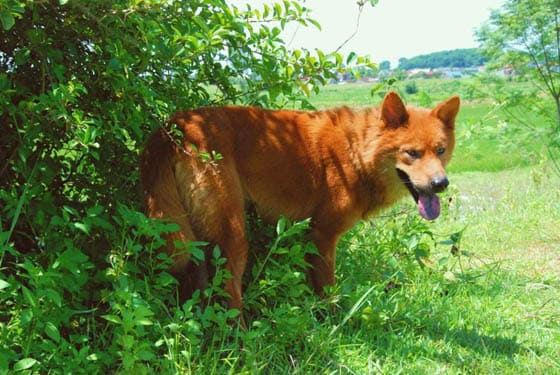


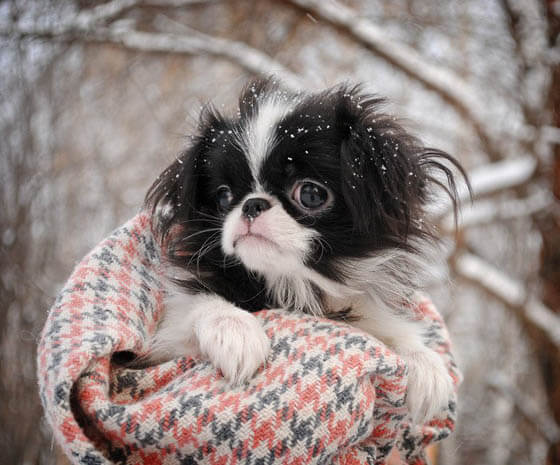













WORLD OF DOG & PUPPY 🐶