Breed historians believe the spaniel is "The Dog of Spain" and might have traveled throughout Europe as early as 55 B.C. With a history that extensive, these dogs have diversified and gained popularity all over the world today. So what characteristics do spaniel dog breeds have in common? Historically, spaniel breeds were bred to be compact, athletic, and enthusiastic hunting companions. They usually have long ears, soft, silky coats and penetrating, soulful eyes. These canines excel at finding, flushing out, and retrieving game across a wide variety of terrain, including water. Spaniels are still popular hunting dogs, and they are also popular as companion breeds because of their loyalty and propensity for affection.
The spaniel was originally bred for hunting and is still used as a gun dog today. Spaniels have a wide range of versatility in hunting. They have great stamina and endurance. Their medium frame is great for most terrains, from flat, empty spaces to rolling hills and thick underbrush. These small to medium-sized dogs with an aptitude for flushing and retrieving game were popular with their owners for how well they did their job. Their appearance was secondary, but since they had a common ancestry, they also shared common physical characteristics like droopy and hairy ears, feathery coats, and long tails. There is a lot of variation in spaniel breeds, too. They can be short or tall, heavy or slight, large or small, curly-coated, long-haired, or short-haired.
Spaniels tend to be high-energy, agile, and driven. Because of this, they are generally best suited to living in an active household. Problem behaviors can quickly surface if they do not get enough exercise and enrichment. These breeds often make fantastic hiking, canicross, or competitive dog sports partners. Spaniels generally require active households to match their high energy levels, and they make excellent companions for outdoor activities and sports. By nature, most types of spaniels are level-headed, dedicated, easy to train, and loyal, making them appealing canine companions.
Characteristics of Spaniels
Affectionate Active Gentle Loving Athletic Energetic Fun Easy-going Devoted Medium-sized Independent Water-Loving
Do all Spaniels turn into water babies the second they see a puddle?
Pretty much, yes. Springers and Cockers are basically four-legged sponges: ears first, brain second. If you hate wet-dog smell, keep a microfibre towel by the door and teach a "shake" cue before they shake on your cream carpet. Irish Water Spaniels take it up a notch, they will cannonball into anything deeper than a puddle.
Do Spaniels bark a lot?
Honestly, it depends which Spaniel you are talking about. A working Springer will treat every passing pigeon like a personal insult and bark the house down, while a chilled-out Cavalier might only pipe up when the biscuit tin rattles. The trick is matching the dog to your noise tolerance and teaching a solid "thank you, that is enough" cue early on.
True Spaniels
Working spaniels are "workhorses." They are quick, affectionate, intelligent, and courageous. Never one to give up or back down, they will endure on the hunt or on your living room floor, as long as you bid them to. Sometimes stubborn but never mean, they will win your heart and be forever devoted. Most spaniels are medium-sized with a wide muzzle, drooping ears, and curly or silky coats.
They flourish in active lifestyles and would not live their best lives in a sedentary family environment. Their coloring can be liver and white, red and white, black and white, or mostly solid browns and blacks. Positive reinforcement techniques are the only way to train your cocker spaniel. They do not respond well to anger or negative reinforcement. If given proper amounts of exercise and socialization, most spaniel breeds can be calm. The Cavalier King Charles Spaniel, however, is one of the top calmest breeds to have.
The Field Spaniel is a loyal, intelligent, medium-sized sporting dog known for its gentle, docile, yet active temperament, making it a great family pet for active homes that can provide regular exercise and grooming for its silky coat, excelling in activities but reserved with strangers. They are sturdy, love water, possess strong retrieving instincts, and come in solid black, liver, roan, or with tan points, needing consistent mental and physical challenges. Field Spaniels are active, robust hunting dogs that have very pleasing temperaments. They are very independent in nature, but easygoing, charming, affectionate, intelligent and playful. They make an excellent family member as long as they are given regular exercise and leadership. They are especially known for their docile nature. Socialize this breed well and be its strong, calm, confident pack leader to avoid timidity, reservations with strangers, and problems with other dogs. Very friendly, this breed loves everyone. Field Spaniels like to roam. They are good with other dogs, animals and excellent with children, but tend not to like super rough play.
If they sense their owners are meek or passive they can become a bit stubborn and temperamental. Field Spaniels are happiest when they have a job to do. They are quick to learn and react very strongly to your voice. They should be trained with a kind but consistent manner. This dog has a sensitive nature and harsh words and a tough approach will greatly disturb it. These dogs need regular contact with people and become extremely neurotic if locked away in a kennel. While the personality of each Field Spaniel dog varies, this breed is known for having moderate energy levels. In general, Field Spaniels will readily take to outdoor activities like dog sports, hiking, or hunting, but they aren’t likely to be the fastest or most driven dog on the field. They are an athletic breed, but in steady fashion. These dogs are affectionate with family members of all ages but can be aloof with strangers. This is why socializing your Field Spaniel puppy early and consistently is so important.
Field Spaniels can be shy if not properly socialized. But if you expose them to a multitude of different environments and do so gently, they will develop into a wonderful companion As for other animals, the Field Spaniel usually gets along well with other dogs and cats. But caution should be used with smaller pets because of the breed’s moderate prey drive. A Field Spaniel has a docile nature. These dogs aren’t prone to excessive barking, but they can be mischievous. Field Spaniels may resort to silly antics to get your attention, like stealing socks or household objects to engage you. Especially when young, keep a close eye on them and consider crate training your dog for times when you are away from home. Because Field Spaniels bond closely with their human companions, they can experience separation anxiety. Good training fundamentals that foster independence can help prevent separation anxiety and teach your dog to be confident even when alone.
The Nederlandse Kooikerhondje is a lively, agile Dutch sporting breed, known as the "little white and orange dog with a big heart," famous for luring ducks with its plumed tail (the "earrings" with black tips) into traps. These energetic, intelligent, and loyal dogs are medium-sized, have a distinctive orange-red and white coat, and thrive with active families who enjoy dog sports like agility, but can be reserved with strangers. The Dutch kooikerhondje, or kooiker for short, is a petite spaniel with an easygoing temperament. This dog's compact size and friendly nature accompanied duck hunters for centuries, but today they’re masters of canine competition, such as flyball and agility. The kooiker is a low-maintenance, alert family companion but can be wary of strangers. Do not let the long name put you off from getting to know this unique dog breed - many people refer to these dogs as Kooikers for short. The Kooiker makes for a low-maintenance and alert family companion, but they can have a sensitive nature and be wary of strangers.
While they are often wary of strangers at the start, they make fast friends and will likely do well in homes with other pets. Perhaps one of the lesser-known members of the sporting group, Kooikers are personality-packed, faithful, good-natured, and confident, making them excellent companions for a young and active family. They are up for an adventure any day of the week and love to be put to work with a "job" that keeps them mentally and physically stimulated. Kooikers are happy, well-behaved dogs that love spending time with their people. Because they tend to be fairly quiet, Kooikerhondjes are a good breed for apartments or homes with small yards. Kooikerhondjes can be reactive around other dogs, especially when on a leash. And dog parks are not generally a good fit for them. To help your Kooiker become a well-mannered dog, start socializing them early. As long as they get plenty of physical exercise and mental stimulation, Kooikerhondjes make easy-going, good-natured, affectionate companions. But they may be slow to warm up to strangers. The Kooikerhondje's affectionate and sturdy nature makes it a delightful family dog. This breed is happy and self-assured, yet cautious with strangers and other dogs. Its temperament should be neither aggressive nor anti-social.
While it may take a little time, the Kooikerhondje, once accustomed to somebody, will always be a good and loyal friend. Generally speaking, due to the sensitive nature of the breed and the fact that the breed as a rule doesn't like unnecessary handling, Kooikerhondjes are not recommended as playmates for small or unruly children. Kooikerhondjes are sensitive and intelligent and have a strong character. For that reason, they need consistent, firm training with a stern but calm voice. Yelling at a Kooikerhondje accomplishes little and can do more harm than good. Clicker training comes highly recommended. This breed responds well to positive reinforcement and food. Most Kooikerhondjes love to be active and use their minds. Here is a list of activities that Kooikerhondjes are well suited to: Flushing Birds (primarily for fun), Retrieving (if they are taught well), Tracking, Agility, Obedience, Conformation, Dance (obedience and maneuvers set to music), Swimming and playing in Water.
The Picardy Spaniel is an old, rare French gundog known for being a calm, intelligent, and versatile hunter that excels in water, with a medium-long, wavy coat in grey/brown mottling with tan points, it is a gentle, family-friendly companion needing lots of exercise, though prone to ear infections like many long-eared breeds. Its cousin, the Blue Picardy Spaniel, shares similar traits but has a distinctive blue-roan coat and comes from crosses with English Setters. Both are affectionate, eager to please, and thrive with active owners who can provide regular activity, especially swimming. The Picardy is a hidden gem among gundogs. Created by hunters, for hunters, it is still an artisanal breed. The vast majority of Picardy Spaniels look like they are supposed to look and hunt the way they are supposed to hunt. There are no large kennels breeding dozens of litters per year, no trucks full of Picardies on the major field trial circuit or show-only breeders seeking blue ribbons in the ring. Picardy Spaniels are still bred the old-fashioned way - mainly in the homes of hunters who produce a litter or two every couple of years from their personal hunting companions. The overall population of Picardy Spaniels is very low and that means the dreaded popular sire syndrome can occur more easily and have a stronger negative effect. Have a look at the graph I drew up showing the registration stats from the French kennel club. It shows that while the breed has gained ground over the last 45 years it still averages less than 100 registrations per year. Of course there are dogs that are not registered, but even if we include them, the number of Picardy Spaniels whelped in France has probably never been more than 200 pups in any given year.
The Picardy Spaniel is an old, rare French gundog known for being a versatile, energetic hunter and a calm, affectionate family companion, though it requires significant exercise, related to the Blue Picardy Spaniel, it is a sturdy, loyal breed with a distinct grey/brown coat, thriving with active owners who provide mental and physical challenges, loving water and retrieving. This breed is quite old. Picardy Spaniels were once extremely favored by the French nobility for hunting purposes. Their weather-resistant coat enables them to hunt in just about any condition, which is an essential trait for any hunting dog. Calm, even-tempered and intelligent, Blue Picardy Spaniel's very much enjoy the company of their owners. They are gentle with children, making great pets. Rustic looking, relatively tall and powerfully built, the Blue Picardy Spaniel trains well. Training should be gentle, firm and consistent. They need human companionship and lots of exercise. The Blue Picardy Spaniel is an obedient, brave, even-tempered sporting dog. Highly skilled at hunting and retrieving, these pups are equally adept at winning over their humans with their sweet natures and speckled blue coats. Known and appreciated for its hunting skills, the Blue Picardy Spaniel works very well on rugged terrain and in the water as a flusher.
This breed tends to score well in field trials. Blue Picardy Spaniel's have an excellent nose and are great at locating and retrieving game under most adverse conditions. They are enthusiastic hunting dogs, persistent, hardy and courageous. This breed gets along well with other dogs. It is important owners are even-tempered, but firm and consistent with the rules set upon the dog. It is also equally important, when the dog is not hunting, that he receives daily pack walks where he heels beside the handler during the walk. When a dog is lacking in either leadership and or proper mental and physical exercise it causes separation anxiety. Blue Picardies are playful, calm, and usually friendly dogs. Though bred for hunting, they thrive on human companionship and are gentle and affectionate with children. This breed typically gets along with other dogs and pets - making for a loyal family companion. Though generally considered quiet dogs, Blue Picardies will let you know if a stranger comes around. Blue Picardies are athletic dogs that need a fair amount of exercise due to their high energy levels. Long walks, hikes, and runs are good ways for them to get exercise while spending time with their beloved humans. This breed is a natural in the water.
So, swimming and splashing after a ball are other fun activities. Blue Picardies also enjoy dog sports - such as hunting, tracking, retrieving, agility, rally, and obedience. This breed was primarily bred for hunting purposes, and it shows in their temperament. Generally speaking, they are quite docile. While they do have high stamina and decent exercise needs, they are not as high-strung as some other dogs. Usually, these dogs bond well with their owner. They were bred to follow and listen to their owner above all else. While this behavior is essential for hunting, it is also useful for a family pet. Relatively speaking, these dogs are easy to train. They were bred to listen to people, so they are quite obedient. Often, these dogs are extremely gentle. While this breed is not as water-oriented as some others out there, they are often not hesitant to swim and jump in the water. They excel most when hunting in marshes, where they can hunt waterfowl and other birds. They can also hunt rabbits, though this isn’t their primary purpose.
The "Frisian Pointer" is the Stabyhoun (or Stabijhoun), a rare, versatile Dutch hunting dog from Friesland, known for being a gentle, intelligent, loyal family companion, and an excellent pointer, retriever (especially in water), and vermin catcher, needing consistent mental stimulation and exercise, with a medium build, slightly wavy black/brown/white coat, and long lifespan. Devoted, soft and gentle as a pet, very intelligent, obedient, the Stabyhoun is a good guard dog, not vicious or snappy. It is highly trainable, but needs consistency. The Stabyhoun has a nice temperament, is friendly, tolerant and willing to please. A characteristic of the Stabyhoun is its great tolerance toward children. Animals that belong to the household are treated in a friendly way. This dog has a laid-back temperament and it loves to play with children. It makes a good watchdogs. It is very affectionate and many of these dogs love to "cuddle." Many Dutch owners use its natural retrieving abilities for playing with balls, because it will go into the water and find the balls and then bring them back.
This dog is a wonderful pet to have around the house and is just perfect for life in Holland with its many waterways and parks. While it makes a good watchdog, it is friendly and amiable. It is also a very powerful dog and larger ones can pull sleds in the winter. By its nature, the Stabyhoun is an obedient, peaceful, kind and patient dog that is deeply fond of its family, and it likes to please its owner. Social and quiet, friendly. Socialize well to prevent your Stabyhoun from becoming reserved with strangers. The Stabyhoun is utmost a wonderful family and companion dog. This breed likes to have a job to do, because of its great intelligence, speed, flexibility and eagerness to please, it is ideally suited as an agility dog, they do Flyball, they love to retrieve tennis balls, they show off at obedience class, etc. These dogs are keen and active dogs outside, but calm dogs inside of the house, as long as they get a moderate amount of daily exercise. The origin of the breed is in hunting, and while they are still used for that purpose, they are nowadays foremost used as family companions. Those who have hunted with the breed have stated, The Stabyhoun can be taken out in the field for hours. It will wait steadily and calmly for the shot.
The Stabyhoun is both a soft-mouthed retriever and a pointer that is particularly useful for hunting ducks. It is a fine retriever, and water work is one of its strongest sides. It marks well and is easily controlled over greater distances and is an eager searcher. It brings in any game alive and undamaged. When catching moles and other vermin these animals are killed through breaking the neck, but the furs remain undamaged. It is an excellent swimmer that can handle cold water and loves to please its owner. Today the Stabyhoun is ultimately a wonderful companion and family dog, but it also enjoys a moderate, though very devoted fancy among Dutch sportsmen. Its numbers are increasing slowly but steadily. However, since they have a prey drive, Stabyhouns should not be left alone with small animals, and may not be suitable for households with other pets who would be viewed as prey. You’ll need to watch them closely while they’re outside to be sure they do not get the urge to chase after wildlife, too.
The Pont-Audemer Spaniel, or "Clown of the Marshes," is a rare, medium-sized French hunting dog known for its distinctive curly topknot and wavy coat, making it a hardy water dog for waterfowl hunting but also a gentle, fun-loving, and affectionate family companion that needs plenty of exercise. These courageous, intelligent dogs excel at swimming, retrieving, tracking, and pointing, adapting well to family life if their energetic needs are met. The Pont-Audemer Spaniel is a rare dog that is battling extinction. This canine is affectionately known as Le petit clown des marais, which means 'the little clown of the marshes' due to their fun loving nature and happy temperament. This dog has incredible skills to hunt in the marshlands; their ability surpasses all other Spaniels for this type of hunting. The Pont-Audemer Spaniel is affectionate, gentle and kind and makes a great family pet. But do not let that fool you, they are hardy, vigorous and tough dogs that can withstand some fierce weather conditions. Born to work, they are happiest when tracking through the great outdoors, and for this reason, they need a home with a bit of room to move around. Because of their gentle nature, they can adapt to an apartment, but you will need to take them outside for a run and play at least twice a day to keep them happy.
This dog is kind with children, and they demonstrate a rare calmness in the home. Elegant in appearance, this noble dog is sadly battling declining numbers due to the hunter's preference for an all round hunting dog rather than a specialist duck and water fowl dog which is your Pont-Audemer. The Pont-Audemer Spaniel is a gentle dog by nature which seems at odds with their excellence in hunting. But aggression is not the aim of this dog, they are more of a track and trace type dog, and will collect the game after their owner has dispatched it. Dedicated and easy to train, the quiet Spaniel is surprisingly tough and can tolerate severe weather conditions, plus they have a strong work ethic. Sadly their numbers have never really increased, and they are a hard breed to find if you are interested in getting one. Due to their specialist nature (mostly ducks and wild fowl, plus an occasional rabbit), most hunters seem to prefer a dog that is a good all rounder. The Pont-Audemer are loyal and affectionate to their human family, and they crave companionship.
They make ideal playmates for children and are quite comical and playful. This dog is good with other dogs in the household but may show combativeness with other dogs. Because they are bred to hunt, they will tend to chase smaller pets, but with socialising and obedience training this can be overcome. The Pont-Audemer is always eager to please, and they respond well to positive training methods. With their long curly topknot and curly ruff around the neck, this is an attractive, loving dog. The Pont-Audemer is hard working, dedicated dog who is only too willing to please their master. At home, they are less hyperactive than most Spaniels but are still considered active by most dog standards. They are no couch potato; they like to move around, checking things out. As a companion dog, they will require a decent walk each day, and as they love to play - games are an ideal way to wear this dog out. Ideally, they love the wide open spaces, a bit of water, and some dense undergrowth to nose around and explore. But they can adapt to the city as long as you can meet their exercise needs. The Pont-Audemer is easy to train as they bond so closely with their owners and love to please them. Friendly and affectionate, this rare but lovely Spaniel is in a class of their own.
The Markiesje, or Dutch Tulip Hound, is a small, elegant, and rare Dutch companion dog known for its striking black coat, feathery ears, and sweet expression, bred for companionship rather than work, possessing a friendly, alert, and playful nature that thrives on attention, making them great family pets, though they need daily exercise and mental stimulation. They are generally healthy with an average lifespan of around 14 years, requiring minimal grooming beyond regular brushing, and are recognized by their distinctive look and lively, affectionate temperament. The Markiesje breed dog is a small black dog that many believe dates back as far as the 1600s. The recent contributions from other breeds lead other individuals to see the modern Markiesje as a breed that began its development in the late 1970s when the breed club was first established. This dog is very friendly and gets along well with other animals of all sorts as well as people of all ages, but it is also an active breed that requires quite a bit of exercise each day and may have difficulty in an apartment like setting, preferring a larger house and fenced in yard.
These are generally very friendly little animals who love everyone, and thrive on attention but don’t tend to be particularly demanding about it. The Markiseje is gentle and playful with other dogs as well as with children of all ages, and although all interactions between small children and canines should be monitored, this breed is generally very trustworthy with the younger set. They are not prone to separation anxiety when left home alone, and they are generally well behaved when taken out in public as well. While this dog's smaller size and cuteness make it popular as a family pet, they are also willing to do the work of a gun dog, easily taking to retrieving small game or game birds. These small dogs are typically too friendly to make an appropriate guard dog, but due to their alert natures, they often excel in the role of watchdog, alerting their family to any perceived threats and dangers. The Markiseje is a moderately active breed that needs to get around an hour of vigorous activity each day in order to keep them happy and healthy. These dogs can keep up on most walks and jogs, but they may also enjoy or possibly excel at several other canine activities as well, such as swimming, agility training, or canine freestyle dance.
While these dogs are on the smaller side, they are often inappropriate as pets in smaller living environments such as apartments due to their higher activity and noise levels than some other dogs and are more likely to thrive in a larger home with a fenced yard. Markiesjes are a very rare breed, whose lineage can be traced carefully. Not just any generic small black fluffy dog is one, and they can’t be recreated by mixing any random dog breeds. The tulip dog has a very good-natured, balanced disposition, an excellent memory, it is easy to train. The Dutch Tulphond treats its owner with love and tenderness, and in separation it will begin to get bored and sad. Infinitely devoted to the family and always striving to protect, therefore the marquisier can show aggression towards strangers. It is friendly to small children, but can scratch them while playing. The Dutch Tulphond gets along well with all kinds of pets. The dog is moderately active: he loves to run after sticks, balls, play toys. She will be happy to accompany you on a walk in the park and during a wellness run.
The Russian Spaniel is a cheerful, energetic gun dog from Russia, first standardised in 1951 in the Soviet Union after World War II from English Spaniels, known for flushing and retrieving birds and small game, yet also a devoted family companion, characterized by a medium-length, wavy coat (often piebald), strong nose, and a spirited, eager-to-please personality, requiring regular exercise and ear care for its predisposition to infections. To its owner, the Russian Spaniel is unparalleled in devotion and ability. It is amiable toward other dogs regardless of the breed. In addition to providing impressive work in the field, the Russian Spaniel makes a good-natured house pets and a reliable watchdog. Great with children, his handsome appearance and agreeable nature make him a good companion, and most are kept at home. Easy to train, the Russian Spaniel is devoted to his master, never letting him out of sight. The Russian Spaniel needs a firm, but calm, confident, consistent pack leader in order to be mentally stable. The Russian Spaniel is a combination of the English Springer Spaniel, the English Cocker Spaniel, and a variety of other spaniel breeds. In the 1900s, in Russia, gun dogs existed, but a dog was needed with longer limbs for more agile navigation.
This breed excels at scent work and endurance and is naturally drawn to flushing and retrieving. They have, however, tried to keep these dogs affectionate and obedient to also be the wonderful companions they are. Russian-born Spaniel dogs share a common ancestry with the English Spaniels, whose ancestors came from Spain. These dogs, bred from English Springer Spaniel, Field Spaniel, and a few other flushing dogs available at the time, were utilized by Russian sportsmen as far back as the late 1800s. While they never reached the height of popularity seen by the Cockers, Russian Spaniels retain a strong following in their native country and a growing following in the United States. It is an energetic, free-spirited breed. Even though it is a gundog, it is also kept as a companion dog because of its easy-going nature and devotion. It is a cheerful, active dog and is always ready to play, responding to any form of attention with a happily wagging tail. Russian Spaniels are trainable, can make a good watchdog, and are amiable with children. The Russian spaniel swims and dives to retrieve wounded birds. It is used for hunting marsh, field and upland game. Previously the breed was also tested for blood trailing. Russian spaniels possess a good instinct, stamina. They could be used as a watchdog. Although it is believed that deliberate development of watchdog qualities could harm the hunting qualities of the dog. Russian Spaniels are intelligent and eager to please, making them relatively easy to train.
They respond well to positive reinforcement and consistent training techniques. These dogs have a high energy level and require daily exercise to keep them mentally and physically stimulated. Long walks, playtime, and hunting activities are ideal. While the Russian Spaniel is hard-working flushing and retrieving dog out in the field, they are also a devoted and charming animal with a spirited, fun-loving attitude when they are at home. Small children should always be supervised when interacting with any canine, however, this breed does tend to be gentle with the younger set and often makes a jovial playmate. The Russian Spaniel also has a nose for trouble, and while they are typically friendly toward everyone, even people who are new to them, they are known to make very alert and capable watchdogs. They tend to be outgoing and friendly with most other dogs and cats as well, although their instincts may lead them to chase birds and rodents, both indoors and out. They are very bright and eager to please and training the Russian Spaniel is typically a breeze, but like most spaniels, they respond best to firm but gentle training methods.
The Drentsche Patrijshond (Dutch Partridge Dog) is a versatile, medium-sized pointing/retrieving hunting dog from the Netherlands, known for its loyalty, intelligence, and gentle nature, making it a great family pet for active owners who can provide plenty of exercise and mental stimulation, as they are energetic and need activity beyond just walks. They have a medium-length, dense, water-resistant coat, often brown and white, requiring brushing and regular ear checks, and are adaptable to various games on land and in water, excelling in sports like agility or hiking. The Drentsche Patrijshond (pronounced Da’Rinse Ah Puh’Trice Hoon) hails from the Netherlands and is a gundog that has been in existence for many centuries. He was not officially recognized as a breed until the late 1940s but enthusiasts of the breed have passed their love for him down through the generations. He is a devoted companion and loves being with his family. He is a multipurpose working dog and will help keep pests from your yard and home. He is a spaniel-type dog that is medium sized and can be very active. He does require a lot of daily exercise to keep him happy. The Drentsche Patrijshond is an excellent gundog and avid hunter.
He is loyal to his family and is softer in nature than most hunting dogs. He is considered to be a multipurpose dog that loves hunting, but is just as comfortable chasing vermin away from the home. He should always be watched closely with small pets that are in the home including cats, birds, rabbits, ferrets and guinea pigs. These animals are perceived as prey and he will try to harm them. Training is important for the Drentsche Patrijshond, however, because he is softer in nature he needs a gentler training program that uses positive reinforcement techniques. He is great for families with children. He announces visitors by barking and is more reserved with strangers. He should never exhibit shyness or aggression towards people. Since he is a hunting dog, he does require a lot of physical exercise each day such as a long walk or chasing a ball in the back yard with the kids. A sturdy fence is needed to keep him contained. The Drentsche Patrijshond is characterized by a calm, balanced, and friendly nature. It is people-oriented, socially compatible with other dogs, and particularly fond of children.
Despite a pronounced hunting instinct, it usually stays close to its owner and does not tend to roam - an advantage in everyday life. Its high intelligence and willingness to cooperate make it a reliable partner, both in hunting and family life. Toward strangers, it is neutral to friendly, without aggressive behavior. It has great patience, a high threshold for stimuli, and seeks the proximity of its human, even when off-leash. Drents are considered sensitive dogs with a gentle character that respond to non-violent, positive communication. However, if not sufficiently occupied, they can become restless. Therefore, they need both physical and mental engagement. Due to this versatility, the Drent is suitable for active families as well as for rescue or therapy work. Training the Drentsche Patrijshond is usually uncomplicated due to its willingness to cooperate and sensitivity. It learns quickly, provided positive reinforcement is used. Force or harshness is counterproductive.
The American Water Spaniel (AWS) is a merry, intelligent, and versatile sporting dog from the Great Lakes, known for its waterproof curly or wavy brown coat, webbed feet, and love for swimming and hunting ducks/upland birds. They are eager-to-please, trainable, energetic companions needing regular activity and mental stimulation, making them great for active families but potentially prone to boredom and barking if under-exercised. They're affectionate with family but can be aloof with strangers, requiring early socialization. The American Water Spaniel is intelligent and very trainable. It is eager to learn and very enthusiastic about its work. It is used, above all, for hunting quail, duck, pheasant, grouse and rabbit. It also makes a good guard dog and companion. Friendly, energetic, confident persistent and obedient, the American Water Spaniel is a pleasant, willing dog that is highly sensitive, so obedience training should be calm, firm, quiet and persuasive, rather than demanding or sharp.
He is an easy going, loving companion that is usually excellent with children. If this dog believes he is, or that he could be, in an alpha position over humans he could snap defensively if startled or harshly disciplined. The American Water Spaniel is very willing and responsive, therefore heavy-handed training methods are not necessary, instead be sure to be firm, but calm, consistent and confident. Be authoritative but in an even-tempered, stern way. Dogs do not respond well to harshness or anger. Socialize this breed well at an early age to avoid timidity and potential dog aggressiveness as an adult. They usually get along with non-canine pets. It loves attention, but can entertain itself. Some American Water Spaniels snore. If the dog is lacking in daily mental and/or physical exercise it will tend to bark and whine and can sometimes be hyper or over-excited. It is an enthusiastic swimmer and makes a wonderful hunter in difficult waters, in the woods and over uneven terrain.
This breed likes to roam. Some may drool. American Water Spaniels are affectionate dogs that enjoy spending time with their families. This breed has a lot of energy and needs a way to unleash their energy daily, such as going swimming, or for a hike or run. If they are left alone for an extended time, they can be destructive out of boredom. While friendly with familiar people, American Water Spaniels can be more reserved around strangers. However, proper socialization as puppies can reduce or prevent this behavior. This breed can also be susceptible to separation anxiety, as they prefer to spend as much time as possible with their family. They will bark if they are ignored or not given a way to expend their energy. They also have a strong prey drive and may dig to chase after a wild animal, like a rabbit.
The Boykin Spaniel is a medium-sized, energetic, and loyal sporting dog from South Carolina, known for its love of water and hunting, but also as a friendly family pet that's eager to please, loves kids and other dogs, and needs plenty of exercise to prevent boredom. They have distinctive liver-brown coats, floppy ears, and are highly trainable, making them adaptable companions for active owners who enjoy outdoor activities like hiking and swimming. Another spaniel native to the United States, the Boykin is the official dog of South Carolina, and has a rich history in the state. These are bird dogs, known for their brown coat, athletic physique, and webbed-toes. They were developed to retrieve fowl from swamps, lakes, and rivers. If you live near a lake or the ocean, this water-loving breed could be a good match. The Boykin is known for being gentle, friendly, and enthusiastic. They respond well to positive training methods, tend to be very sociable, and love being active. If they get enough exercise and enrichment, they're usually mellow and snuggly.
The typical Boykin spaniel is friendly and eager to please. He is a born hunter, but also makes a lively, friendly companion in the home. They are outgoing toward people and children, although early socialization is recommended. The Boykin is full of energy and will need a yard to play in or at least a brisk daily walk. The Boykin is easily trained, and should have basic obedience training at an early age. They are fantastic swimmers and are fast learners who enjoy having a job to do. This breed is full of enthusiasm for hunting and is suited for a family that enjoys regular hunting or camping trips. Like many of the sporting breeds, Boykin spaniels make the transition from hunting companion to family pet easily. Stamina even in hot weather and eagerness to please make this a favorite among hunters in the field, but the Boykin is just as enjoyable at home. His compact size allows a family on the go to include their Boykin on many outings.
He will need lots of exercise as the breed seems to have boundless energy. The Boykin spaniel has an energetic personality and lots of love to give. Because of its background in hunting, this breed is best suited for pet parents who can spend plenty of time with their dog and bring them along for outdoor activities. As loyal and affectionate companions, Boykin spaniels thrive in active family settings and are well-suited for homes with children. With proper socialization from a young age, they often get along well with other dogs and pets, including cats. These highly trainable dogs are eager to learn, making excellent hunting partners and favorable pets for those who can provide the proper care. Boykin Spaniels are inquisitive dogs and have an excellent sense of smell. These qualities help them excel at hunting but may lead them to roam free in search of wildlife (or adventure) if left to their own devices. So, it’s best to keep them in a fully-fenced yard or on a leash.
The Cavalier King Charles Spaniel is a small, affectionate, and adaptable toy spaniel known for its sweet expression, silky coat, and gentle nature, making it a popular companion dog that thrives on human interaction, suited for apartments or homes, and needing moderate exercise, with four recognized colors (Blenheim, Tricolor, Black & Tan, Ruby) and a desire to please, though prone to certain health issues due to its flat face. Despite only being recognized officially by the AKC in 1995, the Cavalier King Charles has a long and noble heritage. They are the most popular spaniel in the United States today. Their popularity can be attributed to their typically affectionate, sociable, happy-go-lucky, and eager-to-please personality. Although they're an active breed, their energy is more subdued. They were originally bred as companions for British nobility. They will not need as much exercise as the average spaniel and are a popular choice for apartment living. The Cavalier King Charles Spaniel is an eager, affectionate and happy dog, always seeming to be wagging its tail.
Outgoing and sportive, these fearless lively little dogs are eager and willing to please. They are intelligent enough to understand what you want and therefore are usually easy to train and respond well to gentle obedience training. They are said to be naturally well behaved and get along well with other dogs and non-canine pets. Cavaliers love people, enjoy companionship, and need rules to follow and limits to what they are allowed to do. They are not suited to kennel life and should not be left alone all day. If you do need to leave them, be sure to take them for a pack walk before you leave to put them in a natural rest mode. Do to their hunting background they have an instinct to chase. Do not allow this sweet dog to develop Small Dog Syndrome, human-induced behaviors where the dog thinks he is pack leader to humans. This can cause a varying degree of behavior problems, which are not Cavalier traits, but are brought on by the way they are being treated. They are recommended with older considerate children, simply because most small dogs are treated in such a way they start to believe they rule the home. In addition to being the dog's leader, socialize well to avoid them being reserved with strangers.
The Cavalier King Charles Spaniel is a pleasant companion dog. They have remarkable eyesight and sense of smell and can be used in short hunts in open country. They do well in competitive obedience. The Cavalier King Charles Spaniel’s temperament is friendly and loyal. They make great family dogs and are known to be tolerant, patient, and good with other pets and young children. Although Cavaliers were bred to be lap dogs, they are descendants of the sporting family and enjoy moderate exercise and outdoor activities. They can do well with both active, athletic families and with less active, homebody types who still prioritize their dog’s well-being with daily walks and playtime. Cavalier King Charles Spaniels need human interaction and companionship to thrive and should not be left alone for long periods of time. They’re exceptionally friendly, good with both families and strangers, and can do well in many different living situations.
The Clumber Spaniel is a large, sturdy, and gentle spaniel known as the "aristocrat of spaniels," favored by royalty for its stealthy hunting (flushing/retrieving) in heavy brush, characterized by a massive head, low build, and predominantly white coat with lemon/orange markings. They are affectionate, loyal, calm companions with a dignified but sometimes clownish personality, making them good family dogs, though they are heavy shedders, droolers, and require regular grooming and moderate exercise. The Clumber Spaniel is described as a docile, sweet, intelligent and pleasant dog. Among the most low-key and easygoing of the hunting breeds, they are very affectionate, well-behaved, and not very active when mature. Clumbers will get along with other dogs and cats as well as other household animals if they are raised with them. If they sense the owners are meek or passive they can become a bit willful. They are not barkers. Clumbers are playful and usually trustworthy with children of the family. Socialize them well to help them adjust to making friends with strangers.
They do not respond well to harsh discipline, but they do need a calm, firm, confident owner who knows how to communicate the rules. This dog has a good memory and likes to do things to please their master, therefore training is not usually difficult. Clumber Spaniels can be used as hunting dogs. They prefer to hunt for pheasant and partridges, take naturally to retrieving, and are good water dogs. Make sure you have good chew toys for them to chew on. Clumber Spaniels are known for their gentle and laid-back temperament. They are affectionate, loyal, and form strong bonds with their family, according to the breed club. Clumber Spaniels enjoy moderate exercise and play, requiring regular walks and interactive activities to keep them mentally stimulated. Their calm demeanor makes them suitable for many different living situations, and they typically get along well with other pets and children when they are properly socialized as a puppy. Clumber Spaniels benefit from having a job or tasks to fulfill their drive, especially if those tasks are related to their historical role as hunting and retrieving dogs.
Clumber Spaniels are not typically known to be anxious or overly fearful. However, individual temperament can vary, and early socialization is imperative to ensure a well-adjusted adult dog. While not excessively vocal, Clumber Spaniels may bark to alert their family to something unusual. If your Clumber Spaniel tends to bark, use positive reinforcement to encourage quiet behavior. Rewarding silence with treats or praise is more effective than negative reinforcement. Like every dog, Clumber Spaniel puppies benefit from consistent training and socialization from an early age. They are an intelligent and eager-to-please breed that can take to training well. Always use positive reinforcement; Clumbers are sensitive dogs, and harsh methods or punishment can be counterproductive, potentially causing anxiety or fear. Clumber Spaniels are known for their gentle, affectionate, and easygoing temperament, making them ideal companions for families and individuals alike. They are calm and steady dogs, well-suited to a variety of living situations, and they form strong bonds with their owners. Their loyal and devoted nature means they thrive on human companionship and enjoy being part of family activities. With their combination of calmness, loyalty, and a touch of independence, Clumber Spaniels are wonderful companions who adapt well to family life while maintaining their unique and charming personality.
The American Cocker Spaniel is a merry, compact sporting dog known for its big eyes, long ears, and luxurious coat, developed in the U.S. from English Cockers to be a beloved family companion with hunting instincts. They are affectionate, eager to please, and good with families, requiring regular grooming for their silky double coat and moderate exercise like daily walks and playtime. Key needs include diligent ear care (prone to infections), socialization, and mental stimulation, with a lifespan of 10-14 years. The American cocker spaniel is one of the most popular spaniels, known for their friendly nature. Their compact size, lively personalities, and sweet expression endear them to dog lovers worldwide. Smart, athletic, and eager to please, this people-oriented and playful breed enjoys the company of respectful children. They usually get along well with other dogs, too. Their coat is high-maintenance and will require regular grooming unless kept clipped short. American cocker spaniels typically have very affectionate and friendly personalities with a gentle temperament.
Many tend to love kids and even other dogs. They are moderately energetic and enjoy playtime with their humans. American Cocker Spaniels have a wonderful temperament, characterised by their affectionate and gentle nature. They are loving, loyal dogs that form strong bonds with their families, making them excellent companions for both individuals and households. These sociable dogs typically get along well with children, displaying patience and playfulness, which makes them a popular choice for families. With proper socialisation from a young age, they can also adapt well to living with other pets, fostering a harmonious environment. American Cocker Spaniels thrive on human companionship and enjoy being actively involved in family activities. Whether it is a walk in the park, playtime at home, or simply curling up next to you, they love being part of their family's daily life.
A hallmark of their cheerful disposition is their famously happy and waggy tail, a reflection of their friendly and outgoing personality. With their eager-to-please attitude and natural sociability, American Cocker Spaniels are truly a joy to be around. American Cocker Spaniels have moderate exercise needs and generally require about one hour of daily activity to stay healthy and happy. This can include a mix of walks, playtime in a securely fenced garden, and interactive games that engage their mind and body. Activities like retrieving, obedience training, or dog sports such as agility can be excellent ways to meet their exercise requirements while keeping them mentally stimulated. Providing regular exercise is essential to prevent boredom and avoid potential behavioural issues, as this breed thrives on activity and interaction. Engaging them in varied activities can also strengthen your bond and ensure they remain both physically and mentally fit.
The English Cocker Spaniel is a merry, intelligent, and affectionate sporting dog known for its silky coat, floppy ears, and cheerful personality, making it a great family pet, but needing significant exercise (around an hour daily), regular grooming (hours weekly), and attention as they dislike being left alone. They are eager to please, good with kids and other pets when socialized, and excel at flushing and retrieving birds, though they can develop health issues like eye/ear problems or cancer, so reputable breeders are key. Compact, enthusiastic, and agile, English cocker spaniels were once prized as woodcock hunting companions, likely the source of the breed's name. Nowadays, English cockers are a popular, active companion breed. They have a silky coat and soft eyes that will melt the heart. They also love spending time with their human family. Often described as Velcro dogs, they are best suited to a household where they'll have company for most of the day. They share similar characteristics to the American cocker, although their hunting drive tends to be more pronounced. You might need to work harder on recall training, and you'll have to ensure they get plenty of exercise and stimulation around the home.
The English cocker spaniel has kept strong hunting instincts; this dog likes few things better in life than to go out in search of birds. Yet that pleasure is closely rivaled by the pleasure the dog derives from being close to family members. This is a breed that likes to be part of every family activity. He is cheerful, biddable, loyal, sensitive and playful; in short, a perfect companion for a considerate child or an adventurous adult. This is a friendly dog, whether to other dogs and pets, children, strangers, and even burglars. The English cocker spaniel is a pretty good watchdog, but a poor choice for a protection dog. The English cocker spaniel was bred to hunt all day long, searching for, flushing, and retrieving upland game birds. This kind of energy cannot be burned off in a walk around the block. These dogs need a lot of exercise, but fortunately they can satisfy their needs with a couple of good exercise periods a day. Ready access to a fenced yard is a definite help. All spaniels were originally bred from the same family lines, but the English cocker spaniel stands out today for a well-proportioned appearance and friendly disposition. With plenty of energy but a calm demeanor, the English cocker spaniel is a great family pet. They do well with other dogs, and they also have a friendly temperament with cats when raised together, though this dog does have a prey drive for smaller animals.
These sporting dogs have plenty of energy and need owners who are able to fulfill their exercise needs, whether it be on a hike, bike ride, run, or simply taking walks together. The English Cocker Spaniel is an intelligent, sturdy and robust dog. Lively, perky and lovable, pleasant, gentle, playful and affectionate, they are excellent with children. They are average barkers, and are willing and happy to listen to their owners. A superior companion dog. Generally an outgoing breed, taking to strangers easily, some individuals can be reserved without enough socialization. This breed can do well with family cats. There are two types, field lines and show lines (bench). Field types are bred for hunting and field trial work. The bench type is bred for conformation shows. Both types are energetic and need daily exercise, but field lines have a higher energy level, and need even more exercise. The dominancy level in this breed varies widely even within the same litter. They are sensitive to the tone of one's voice and will not listen if they sense they are stronger-minded than their owner, however they will also not respond well to harsh discipline.
The English Springer Spaniel is an energetic, intelligent, and affectionate sporting dog, ideal for active families, known for its cheerful nature, trainability, and strong desire to please. They need significant daily exercise (2+ hours), have medium-length coats (liver/white, black/white, tricolor), and excel in activities like agility, but can suffer separation anxiety if left alone too often. English Springers are even-tempered, gentle, friendly, and sociable dogs that make great child companions. Intelligent, skillful, willing and obedient and a quick learner. Brave, playful, energetic, pleasant and cheerful, their tails are seemingly always in motion. They are affectionate, good natured and sincere; this dog loves everyone. Springers do best when they are with people who can provide them with some kind of consistent structure where the rules are made clear. Negative issues can arise with meek owners and/or owners who do not provide daily mental and physical exercise. This can cause frustration in the dog and they may become destructive and start to bark a lot if left alone. If a Springer does not see the owners as strong authority figures they will begin to believe it is their job to take over the leadership role. If you allow this to happen the dog can become a biter in an attempt to keep the humans in line. Adolescent Springers need a lot of authoritative guidance. They are sensitive to the tone of one's voice and will not listen if they sense that they are stronger minded than their owner, however they will also not respond well to harsh discipline. Owners need to be calm, yet possess an air of natural authority. At this age they can be extra high-energy, testing and challenging the leadership position.
There are two types, field lines and show lines (bench). Field types are bred for hunting and field trial work. The bench type is bred for conformation shows and has more liver or black on its coat, and the coats are longer and fuller. The field type has more white on its coat than the show type and a lot less hair. Both types are intelligent and energetic and need daily exercise, but field lines have a higher energy level and need even more exercise. The dominancy level in this breed varies even within the same litter. If you are not the type of person who can display a natural air of calm, but firm authority, then be sure to choose a pup that is more submissive. The temperament of both show and field lines vary widely, depending upon how the owners treat the dog and how much and what type of exercise they provide. They love water and may constantly get themselves wet and muddy. Usually they are good with other pets but since they are natural fowl hunters they should not be trusted with birds. They can be sometimes argumentative with other dogs if owners do not communicate clearly who is in charge. English springer spaniels were selected as fairly close-working hunting partners and have a strong desire to be with people and to be working.
Energetic and lively dogs, they have a fair amount of intelligence and are reasonably easy to train. Most spaniels have a retrieving urge, and the English springer spaniel is no exception. This urge can lead to chewing problems if left alone for long periods of time.Socialise English springer spaniels to other dogs and people right from the start, even though most are fairly outgoing and friendly. Most English springer spaniels do not do well in kennels or sedentary lifestyles. Digging can be a problem with bored dogs. The English springer spaniel can gain weight fairly easily, so too many treats can lead to obesity. They do best with plenty of exercise, be that hunting, jogging with you or training in agility. As intelligent dogs, they are happiest when working with you and respond well to training. English springer spaniels are often seen competing in hunting, obedience and agility tests. These dogs are hardy and often live into their teens.English springer spaniels can be surprisingly good watchdogs, offering a loud alarm bark and at least some protectiveness. They do well with children if raised with them. These dogs do best with early socialisation and training. A few English springer spaniels may be content as "couch potatoes," but most prefer to be active.
The English Toy Spaniel (also King Charles Spaniel) is a small, gentle, and affectionate lap dog known for its domed head, short muzzle, and silky coat in Blenheim, Ruby, Prince Charles, or King Charles colors, making it ideal for apartment living but requiring care in hot weather due to its brachycephalic (flat-faced) nature. They are quiet companions, need moderate grooming, and thrive with consistent training to prevent small dog syndrome, enjoying short walks and lots of affection. The English Toy Spaniel is gentle, happy, playful, loving and sweet. The breed is intelligent and naturally well-behaved. These dogs will be quiet and laid-back if treated gently, but firmly. They are friendly with other dogs. They will be good with all children if both owners and children are clear pack leaders toward the dog. It is an average barker, and is an okay watchdog. They are, however, considered exclusively a companion dog. Some are known to be picky eaters. The English Toy Spaniel needs to be with people who can provide them with a determined, consistent, loving approach.
Do not allow this sweet dog to develop Small Dog Syndrome, human induced behaviors where the dog is led to believe they rule the home. This can cause a wide, varying degree of behavior issues including, but not limited to, acting timid, demanding, willfulness and possible obsessive barking. If you allow things to escalate even higher they may begin to guard objects or become untrustworthy with children and/or strange adults. The typical English Toy Spaniel personality is sweet, loving, and playful. The breed is a delight for those that know them, but that they tend to be much more selective in those they allow into their friendship circle, as opposed to their Cavalier King Charles Spaniel cousins, who tend to love everyone. English Toy Spaniels often fit into any home and thrive on human contact. While they are generally not high-energy, they enjoy frequent interaction with their family, and need regular attention and affection from their pet parents. With proper socialization and introductions, they are gentle with other dogs, cats, and children. The English Toy Spaniel generally has a calm and affectionate nature, but they can have some behavioral considerations to keep in mind. They are not typically anxious or fearful, but English Toy Spaniels can develop separation anxiety.
While crate training and offering interactive toys when you are gone can help dogs with separation anxiety or prevent it from developing, severe cases may need help from a certified behaviorist. English Toy Spaniels tend to be curious and enjoy exploring their environment, but they are not known for excessive barking or digging. Some may bark to alert their pet parents of visitors, but they are generally quiet dogs. Early socialization is important for this breed to ensure they are comfortable around new people and animals. The English toy spaniel tends to have an affectionate and playful personality with its family, though it can be somewhat reserved around strangers. Its temperament also can include a stubborn streak, which might complicate training. But overall this breed is happy, friendly, and relatively quiet. Start training and socializing your English toy spaniel ideally when it is a puppy to instill good behaviors and prevent bad habits from forming. A puppy class can teach both basic obedience commands and manners. Always use positive-reinforcement training methods, such as treats and praise. This breed can be especially sensitive to harsh corrections and might shut down and refuse to learn.
The Irish Water Spaniel (IWS) is the tallest spaniel, known for its unique curly, liver-colored coat, webbed feet, and "rat tail," making it a superb swimmer and retriever for water work, while also being an intelligent, playful, and loyal family companion that needs significant exercise but sheds very little. They are energetic, eager to please, good with families, but require early socialization and consistent mental stimulation to prevent boredom. The Irish water spaniel - also called the rat tail spaniel for their distinctive, smooth tail, is a medium to a larger-sized gun dog used for retrieving waterfowl like ducks and geese and flushing and retrieving upland game like quail and pheasant. They are solidly built, athletic dogs that are loving, devoted, and affectionate with their families, but they can be standoffish with people they don’t know. They are alert and curious. They have a unique and charming appearance with loose cascading curls on the head. The Irish Water Spaniel is intelligent, devoted and spirited. Self-assured, eager and willing with a desire to please. Clever and capable of learning a great deal.
A loving family dog. With enough mental and physical exercise and owners who convincingly display a natural, firm, confident and consistent leadership over the dog owners will find it to be mild-mannered and docile. Can do well with other pets if properly introduced. Can be reserved with strangers. Should be well-socialized as a puppy and does best with children who know how to be little pack leaders. The Irish Water Spaniel is a quiet dog, barking only when necessary to warn the family, making a good watchdog; some can act as a guard dog. Hardworking in both the obedience ring and on the hunt, this breed lives for a job to do. An excellent swimmer, he has considerable stamina and drive, and a very good nose. If this breed senses its owners are meek or passive it can become stubborn, mischievous, timid, nervous, suspicious, and/or even overprotective, thinking it needs to start making up its own rules, as it will not feel its owners are strong minded enough to keep the pack stable and safe. It may refuse commands from family members who have not established leadership over it. Requires an owner who understands proper human to canine communication. This breed may drool and slobber. Still a relatively rare breed with the American Kennel Club, the Irish water spaniel is sought after for its desirable characteristics of being an excellent hunting and water dog. Powerful, it has a strong desire to please, as do many hunting dogs.
Because of its great intelligence and inquisitive nature, the Irish water spaniel has the reputation of being the clown of the spaniel family and can often obey you in the most unique and amusing ways! A devoted companion, this dog can be an exceptional watchdog if properly socialized from an early age. Socialization is particularly important if you want this exuberant dog to live with small children. While this breed has the courage to protect itself or its owners when needed, the dog has been bred for the characteristic of not barking excessively. The Irish water spaniel is an alert and inquisitive dog. He can often be reserved with strangers. However, aggressive behavior or excessive shyness should not be tolerated. A stable temperament is essential in a hunting dog. Breeders have worked hard not to make a distinction between field dogs and show dogs. Because the Irish water spaniel is not a highly sought show dog, breeders have been able to follow breeding programs that produce the type of sporting dog most desired: that of a good family companion and a marvelous retriever. The Irish water spaniel can also be a true dual-purpose hunting dog, used for upland game as well as waterfowl.
The Sussex Spaniel is a cheerful, loyal, golden-liver colored sporting dog from England, known for its distinctive low build, deep chest, and baying bark when hunting; they are affectionate family pets, good with kids/pets, but require firm training due to stubbornness, have moderate exercise/grooming needs, and suffer from separation anxiety if left alone, making them excellent companions but demanding of attention. With enough exercise the Sussex Spaniel is stable and calm inside the house. It is not very outgoing compared to other spaniels. It works very enthusiastically. On the hunt in the field it barks continuously, moving with a characteristic swinging gait. This breed adapts well to hunting and retrieving small game, especially in wooded areas. This dog sometimes bays when it is hunting. The Sussex Spaniel is the only Spaniel that does this. It is also a good companion dog. This breed loves everyone and is charming, gentle and loyal. These are very sociable dogs, which usually get along well with cats and are excellent with children. A well-socialized Sussex with a true pack leader will get along with other dogs. They tend to be less playful and demonstrative than other Spaniels, with a lower energy level.
The Sussex Spaniel is a quick learner, but it is important to be consistent with them. They need firm leadership and patient training. This breed likes to bark. You should teach them, one bark, for instance when the doorbell rings, is sufficient. Owners need to make clear who runs the home, needing to be stronger minded, in a firm but calm way, than the dog or it can become snappish if annoyed, along with other behavior problems. The Sussex Spaniel has a well-balanced temperament that makes them an excellent companion. The breed is laid-back and loving, noting that these dogs like to be by your side all the time. However, far from being a one-person dog, the Sussex Spaniel has plenty of loyalty and affection to share. They bond with the whole family and they are very sensitive and gentle toward children. When it comes to other pets Sussex Spaniel generally does fine with dogs but does not necessarily long for their company.
Early socialization and obedience training will help set your Sussex Spaniel up for success when meeting new animals. But when it comes to smaller animals, keep in mind that the breed's prey drive could mean that they see pets like cats, rabbits, or guinea pigs as an opportunity for a game of chase. The Sussex Spaniel’s even-tempered disposition means they are not overly prone to fear or anxiety, but they do tend to be a bit aloof toward strangers, says Lewis. The initially cool reception does not last long, however, and these dogs are generally friendly and easygoing. Keep in mind that any dog who does not receive enough physical and mental exercise is more likely to exhibit restlessness or destructive behaviors, like chewing and digging. This is true for Sussex Spaniels, too, so keep up with regular exercise and playtime. Expect to take at least one long walk a day. The Sussex Spaniel is a sporting dog and needs exercise and activity on a daily basis, they are not couch potatoes!
The Welsh Springer Spaniel is a compact, energetic, red-and-white sporting dog, known for being loyal, sensitive, and devoted to family but reserved with strangers, requiring ample exercise and consistent, gentle training. Originally bred to "spring" game, they are smart, active companions that thrive on activity, need regular grooming (especially feathering), and generally enjoy a lifespan of 12-15 years. The Welsh Springer Spaniel is loyal and willing to please. Happy to be with its family, it is good with children, and loves to be included in activities. It is smaller with a lower energy level than its English Springer ancestor. This independent breed needs anowner who displays leadership or it may not listen to known commands and can become overprotective. Dogs that do not have humans who are consistent pack leaders can develop protective tendencies. Can be reserved with strangers and should be socialize well to avoid timidity. These dogs are sensitive to the tone of one's voice and will not listen if they sense that they are stronger minded than their owner, however they will also not respond well to harsh discipline.
Owners need to be calm, yet possess an air of natural authority. They must be trained early to hunt, so they learn to use their skills in a positive manner, listening to commands and learning not to wander. You will never curb the hunting instinct in this dog, therefore working with his natural ability, rather than against it, will be in you and your dog's best interest. Generally good with dogs and other pets. The WSSCA describes Welsh Springer Spaniels as loyal, affectionate, and devoted family members. Often referred to as "Velcro dogs," Welshies are happiest when they’re with their humans. This breed can get along well with other dogs and even cats when properly socialized, introduced, and supervised. Welsh Springer Spaniels are active, energetic working dogs who still need "jobs" each day. If you are not a hunter, other forms of mental stimulation and physical exercise are just fine. The Welsh Springer Spaniel was originally bred to be a bird dog, and their natural instincts to chase require careful consideration. Their powerful sense of smell and strong prey drive are grounds for keeping them either on a leash or within a securely fenced area at all times. They also shouldn’t join homes with small pets like birds and bunnies for the same reasons.
Welshies are innately reserved around strangers, which often leads to barking. Boredom stemming from lack of exercise or companionship may also cause an increase in barking and potentially other unwanted behaviors like chewing. During your Welsh Springer Spaniel puppy's first four months of life, it is important to expose them to new people, animals, sights, sounds, and situations. These first weeks are a crucial learning period for them, and socializing your Welshie can help them feel comfortable in a wide variety of settings as they grow. Welsh Springer Spaniels are all about their families. They are loving and playful with the grownups, kids, dogs, and cats in their household. They have such an amenable nature it can come as a surprise when they are aloof or nervous with strangers, but this is par for the course with the breed. They are intelligent dogs who are strong-willed. Though eager to please, they require consistent, firm training that is also gentle and patient. The Welshie’s behavior is decidedly improved with an abundance of exercise and attention.
The German Spaniel (Deutscher Wachtelhund) is a versatile, medium-sized German hunting dog known for its lively, friendly, and adaptable nature, excelling in flushing, tracking, and retrieving game in heavy cover and water. It has a distinctive long, wavy coat (brown/roan/white) that requires moderate grooming and is loyal, intelligent, and needs significant exercise, making it a great but demanding family companion for active owners. The German Spaniel is also known as the Deutscher Wachtelhund or the German Quail Dog. Germans are known for their clear-headed straightforward personalities, and so is this breed. They are rarely found outside of Germany and are hunter dogs. They’re well-built and have a long, wavy fur coat that is weather resistant. This breed requires a ton of daily physical activity and is not that suitable for being kept in closed spaces because of their strong prey drive. However, they are also very docile, trustworthy, and friendly. The German watchdog is generally a rather unknown breed. Due to its appearance, it is often mistaken for a spaniel. Nevertheless, it is particularly popular with hunters and foresters. The German watchdog reaches a shoulder height of up to 54 cm. Its weight is around 30 kg. Bitches are usually somewhat smaller and lighter.
The German watchdog is a hunting dog. Its coat is dense and robust. In general, the coat is slightly wavy or long and smooth. Occasional white markings or white spots are possible. It has long floppy ears and a pointed muzzle. In hunting, the German watchdog is mainly used as a retrieving dog. However, it is also a rummaging and water dog. It has a very fine sense of smell and a pronounced will to find. It particularly enjoys hunting ducks, as it is very fond of water. But it also achieves excellent results when hunting hoofed game. It works very independently. It masters any terrain without any problems. It is recommended that this breed is only used for hunting. It needs a lot of work and must be regularly challenged and kept busy. Nevertheless, the German watchdog is a loyal and good-natured animal. It is outgoing and forms a close bond with its owner. It has a cheerful nature and plenty of energy and stamina. He is uncomplicated with other people and dogs. He is very social and loves the company of others. His character is also characterized by courage and a high willingness to learn.
His protective and guarding instincts, on the other hand, are only weakly developed. It is particularly important to keep German quail dogs in a species-appropriate manner, as otherwise they tend to poach. Other behavioral problems can also occur. In any case, it should receive comprehensive and competent hunting training. This should begin as early as puppyhood. The Deutscher is an exceptional versatile gundog. It is used to hunt upland game, will match the retrieving ability of any other breed and excels at tracking and blood trailing large game. It is an all-around bird dog and will hunt all other types of game. It has a vibrant, friendly personality, it is an intelligent, aggressive hunter, and loves water work. It has the scent following ability of a Bloodhound, birdiness guaranteed. Needs a firm, but calm, confident and consistent owner who has an air of natural authority to them. Proper canine to dog communication is essential.
The French Spaniel (Épagneul Français) is a medium-sized, intelligent, and gentle hunting dog known for being an excellent pointer and retriever, making them superb sporting companions that are also calm family pets. They are well-balanced, muscular, and possess a distinctive white coat with brown markings, requiring regular exercise and consistent, gentle training due to their energetic and eager-to-please nature. French spaniels have an even temperament and are not very excitable, which makes them friendly dogs to humans and animals alike. This medium-sized family dog loves spending time with their family outside or inside. This lovable breed almost went extinct until the extensive efforts of Father Fournier, a French priest who worked to preserve this old breed. Calm, even-tempered and intelligent, French Spaniels very much enjoy the company of their owners. They are gentle with children, making great pets. Rustic looking, relatively tall and powerfully built, the French Spaniel trains well but is easily intimidated; training should be gentle, firm and consistent. They need human companionship and lots of exercise.
Known and appreciated for its hunting skills, the French Spaniel works very well on rugged terrain and in the water as a flusher. French Spaniels are one of the best retrievers and point very precisely. Hunting at a gallop or extended trot, the French Spaniel has an excellent nose, but has less speed and a more limited search range than the Brittany Spaniel. They are enthusiastic hunting dogs, persistent, hardy and courageous. This breed gets along well with other dogs. It is important owners are even-tempered, but firm and consistent with the rules set upon the dog. It is also equally important, when the dog is not hunting, that he receives daily pack walks where he heels beside the handler during the walk. When a dog is lacking in either leadership and or proper mental/physical exercise it causes separation anxiety. The French Spaniel is not only an excellent hunting dog, known for its skill in bird hunting, but also a wonderful family companion This breed thrives on physical and mental stimulation, requiring at least an hour of high-energy exercise daily While generally healthy, French Spaniels are prone to certain conditions like hip dysplasia and ear infections. Due to their intelligence and eagerness to please, French Spaniels respond well to positive training methods and early socialization. The French Spaniel’s temperament is celebrated for being calm, gentle, and affectionate, making it a wonderful addition to family settings, including those with children. This breed is known for its intelligence and a kind demeanor that endears it to its human companions.
They cherish being involved in family activities and excel in environments where they are integrated into the family's daily life. Their friendly disposition and patient nature make French Spaniels particularly suited for families, creating a harmonious and loving home atmosphere. It’s noteworthy that while French Spaniels are not herding dogs, they do possess a hunting heritage which can influence their behavior. This instinct may occasionally surface in the form of enthusiastic chasing or retrieving, which is more a reflection of their hunting background than of aggression. Consistent and positive training from an early age is essential to harness these instincts positively. Training should concentrate on obedience and socialization, guiding the dog to understand and adapt to appropriate family behaviors. For those considering a French Spaniel, it’s important to provide an environment where the dog can understand its role within the family; with the right combination of training, socialization, exercise, and mental stimulation, a French Spaniel can adapt excellently to various home settings, becoming a well-mannered and delightful family member.
You might be surprised to learn that the papillon has spaniel ancestry. This toy breed used to have dropped ears before it was selectively bred to have ears that form the upright butterfly-like shape they have now. Papillons are also known as continental toy spaniels. They are one of the smallest spaniels but are far from just a lapdog. One of the toy breeds' smartest, these feisty little characters are known for being friendly, alert, and active. The Papillon is a small, intelligent, and energetic toy dog known for its large, butterfly-like ears, originating from European Toy Spaniels, popular with royalty, and excelling in agility and companionship. They are friendly, affectionate, and eager to please, but need socialization to prevent shyness and require regular grooming and dental care despite their silky, single coat. Papillons have a long lifespan, can be sensitive to rough handling by children, and come in two ear types: upright (Papillon) and dropped (Phalène). The Papillon is sometimes called the butterfly dog, because the ears look like butterfly wings.
It is a friendly, intelligent dog that is tougher than it looks, and loves outdoor exercise. It is a playful, lively, amusing, animated and charming little dog. Affectionate, gentle, patient, and proud, it loves to cuddle and enjoys a good romp outdoors. They are steady, obedient and are not yappers. Papillons can be trained to perform small tricks. Good with cats when they are socialized with them. They can also be difficult to housebreak, but are, in general, easy to train otherwise. If you allow this dog to become pack leader to humans, it may become very possessive of its owner and resent outsiders. They will be calm if sufficiently exercised. Papillons are an intelligent breed that love to spend time with their family and give kisses, according to the breed club. They do not have a reputation for being nervous and often love to meet new people, especially when socialized from puppyhood. Papillons live well with other dogs, cats, kids, adults, and seniors alike. But know that very young or very rambunctious children can easily, though accidentally, injure small dog breeds like the Papillon, so make sure to supervise their interactions.
While they enjoy a good cuddle, Papillons are no couch potatoes. They are active, playful, and need daily exercise and mental stimulation. The good news is that their petite size makes this task easy, indoors or outdoors; Papillons are happy to play with toys inside the home, go for leash walks, or run around in a fenced-in yard. Papillons are companion dogs at heart and are eager to please their humans. However, some Papillons may develop separation anxiety. This can result in undesired behaviors, such as excessive barking or destructive activities, like chewing your furniture. Crate training your dog can help with mild separation anxiety, as can leaving your pup with enrichment toys whenever you’re away from home. A comprehensive behavioral modification plan is usually necessary for severe cases of separation anxiety. Papillons are one of the smartest dog breeds and are eager to please their human, so obedience training can be easy when proper methods are used. Sessions need to be consistent, fun, and positive for your pup.
The Phalène is the drop-eared variety of the Continental Toy Spaniel, essentially a Papillon with folded ears, named for the French word for "moth," while the erect-eared version is the "butterfly" (Papillon). In Europe, the drop-eared variety of Papillon is called Phalene, and it competes with equality in the ring against the erect-eared type These small, elegant, intelligent, and lively toy spaniels are affectionate companions, good watchdogs due to their tendency to bark, and excel in dog sports like agility, needing regular exercise and mental stimulation despite their lapdog nature. Phalène dogs are small, rarely weighing above 5kg, with a dainty, rounded head, silky ears that flop downwards, a fine bone structure and a plumed "squirrel" tail. Never really used as working dogs, though they may have caught the odd rat or two in their time, the Phalène has primarily been a dog used for companionship; a job in which it excels. A sweet little dog, the Phalène has been "man's best friend" for centuries and will happily snooze on your lap at the end of the day.
They thoroughly enjoy being in the company of people, and do not tolerate being left alone for prolonged periods because of this. When adequately socialised, they will get on with young children well. They make good watch dogs and will happily bark away at anyone they perceive to be an intruder. "Yapping" is a word that springs to mind when one thinks of the Phalène, and it is undeniable that they have an extraordinary tendency towards barking, often at a very high pitch! This trait needs to be considered if living close to a neighbour that is not as understanding of this as you may be. Phalène dogs are renowned for their exceptional intelligence levels and are known to excel in a number of disciplines, mastering a great variety of tricks. While often independent, they have the potential to do very well in training, and typically will outperform any other dogs in the class. It has been anecdotally reported that the Phalène can take longer than average to become house-trained, although this is certainly not linked to its intelligence or trainability. Limiting their toilet training area to a small section of the home can help, as otherwise, owners tend to find ‘small accidents’ in a variety of places.
The Brittany is commonly called a Brittany Spaniel, but the AKC dropped the word "spaniel" from the breed's name in 1982 because this dog shares more traits in common with pointers. The Brittany spaniel is a medium-sized sporting breed developed in France with a dense white and orange coat. Bred as a stylish bird-hunting dog the Brittany is an agile gundog enjoyed on both sides of the Atlantic. Bird dog lovers and families alike appreciate the “softness” of the Brittany’s face and their high-set ears, as well as their high energy level and eagerness to please. The Brittany is an energetic, intelligent, and versatile sporting dog, originally from France, known for being a great hunting companion and active family pet, requiring significant exercise and mental stimulation; they are affectionate, friendly with kids/pets, but need socialization and secure fencing due to their high energy and escape artistry. They typically have orange/white or liver/white coats, a compact build, and come in American (larger) and French (closer to original) types. The Brittany is a friendly, bright dog who is full of energy. His sweet disposition is good for children and he usually does not mind some roughhousing. Eager to please, Brittanys enjoy being taught basic obedience and they are quick learners.
They are best suited to a home with an active owner who will take time to train and hunt with the dog. The Brittany should at least have a fenced yard to run in. They can be restless and may be prone to excessive barking or roaming. Early obedience, socialization and daily exercise are a must. The Brittany is a high-energy dog who will need daily exercise. This breed is best suited to an active family, one that will channel the dog's desire to hunt and exercise. Homes with a fenced yard or lots of land are best. As with many energetic breeds, if left on its own too often the Brittany may become bored and can be prone to barking, roaming, or other destructive behavior. If you have got endless energy, this breed is the dog for you! Brittanys are fast learners and even faster runners. Bred to work closer to hunters than the larger pointers, Brittanys love to be engaged with their person and are very task-oriented. If you do not give your Brittany something to do, they will exhibit hyperactive and even neurotic behavior. You will tire out long before a Brittany does, so combine lots of physical activity with a good amount of mental enrichment. Incorporating lots of mental enrichment activities into your Brittany’s daily routine will help you manage their endless amount of energy.
Feed regular meals in food puzzles or snuffle mats and provide lots of interactive toys. Invest in basic training classes, but don’t stop there! Continue training throughout your Brittany's life to keep their brain sharp and give them an outlet for their energy. This breed is versatile and does well in so many different dog sports, plus these classes also teach humans a lot too. Brittany puppies need mental enrichment activities to prevent unwanted puppy behaviors like chewing or digging and build strong problem-solving skills. A versatile sporting dog, the Brittany spaniel makes an intelligent, affectionate, and playful pet for a family, while also eager and tireless out in the field. A Brittany craves companionship, so they are susceptible to separation anxiety when left alone for more than a few hours. Like most breeds, the Brittany needs proper training and socialization. When well-socialized, most of these dogs will become gentle and peaceful with both people and other animals.
(Toy breed that technically do not have enough traits to qualify as spaniel - the primary reason is that it is not hunting dog)
The Japanese Chin, also known as the Japanese Spaniel, was actually thought to originate in China before becoming popular in Japan. Today, these dogs are loved for their elegant appearance, vocal personality, and the fact that they make perfect lap dogs.is a dainty, elegant toy dog bred for royalty, known for its large eyes, short muzzle, silky coat, and plumed tail, making it a sensitive, intelligent, and affectionate indoor companion that thrives on human attention, though they can be stubborn and reserved with strangers. They are lively and playful but suited to apartment living with moderate exercise, needing regular grooming and training to manage potential separation anxiety. The Japanese Chin is a charming, lively, and happy animal. It is pleasant, loving, intelligent, affectionate and extremely devoted to its master. This breed loves everyone it is familiar with, but is known to be reserved around strangers and in unfamiliar situations, socialize this dog well.
If you do have small children, teach them to be nice and gentle with the dog. The Chin is good with other dogs and pets. The Japanese Chin has a mind of its own and likes to be the center of attention. This breed is not a barker. It is mild mannered, graceful, yet playful. Sensitive, agile, dainty and clean. So long as you set rules the dog needs to follow, limits to what he is allowed to do, providing consistent leadership, the Chin will be obedient. Chins also make good watchdogs. The Japanese Chin can be taught to perform tricks. Be sure to be this dog's pack leader. Do not allow the dog to develop Small Dog Syndrome, human induced behaviors where the dogs believe they are pack leaders to humans. Chins who are allowed to be pack leaders to humans will develop all types of varying degrees of behavior problems, including, but not limited to, separation anxiety, snapping, growling and guarding, and will not be trusted with children.
The Japanese chin is known for being even-tempered, loyal, and affectionate. They can also be fond of curling up on your lap. And, thanks to their small size, they do well living in an apartment. Japanese chin are renowned for their climbing abilities, and this is one of the reasons they are often described as being "cat-like." It is not unusual to find them perched on a high and cozy vantage point within the hom - just like a cat. This dog is also a fastidious self-groomer and can even learn to use a litter box. While the Japanese chin can be reserved with new people and pets, they are generally an incredibly social and very loyal companion when introductions are done appropriately. This is a companion dog who should not be left alone for long periods, as they can suffer from separation anxiety. The Japanese chin is intelligent, but they have a reputation for being stubborn, so a little patience and extra perseverance may be required when it comes to training.
(Toy breed that technically do not have enough traits to qualify as spaniel - the primary reason is that it is not hunting dog)
The Tibetan Spaniel (Tibbie) is a cheerful, alert, and affectionate companion dog, originally from Himalayan monasteries where they served as watchdogs from high perches, giving them a cat-like love for elevated spots. Despite their "spaniel" name, they are not true spaniels but related to Chinese breeds like Pugs and Shih Tzus, known for their silky double coat, "lion's mane," and plumed tail. Tibbies are independent, loyal, and good watchdogs, requiring gentle but firm training, consistent grooming (especially for teeth), and thrive on attention, making them great indoor companions for various owners. The Tibetan Spaniel is cheerful, happy, charming, very clever and trusting.
This breed is a fine family companion, very independent and a good watchdog. It is not yappy, yet will bark at intruders and odd noises. It can move fairly quickly. This breed gets along with dogs and other animals. Tibetan Spaniels can be slightly difficult to train. If you allow this dog to be pack leader over humans, he can become overprotective, may not be trustworthy with children and reserved with strangers. He may become stubborn and sometimes dog aggressive. These are not Tibetan Spaniel traits, but what is known as Small Dog Syndrome, human induced behaviors, where the dog believes it is the boss of the home. As soon as the humans take the control away from the dog, the behaviors will subside. Tibetan Spaniels have a happy attitude, and they love outings or playing games with their family. But they are fine dozing on the couch with you, too. Although well-socialized Tibbies are friendly with animals and other dogs, you might find they are more reserved with strangers. Daily exercise needs are minimal for Tibbies, but they will appreciate short on-leash walks and outdoor outings.
As mentioned, Tibetan Spaniels were originally bred as guardians, so they love to keep watch and will bark at anything out of the ordinary - even if it is just the delivery person. The Tibetan spaniel generally has a bright and social temperament. They love to be around their families and can be reserved around strangers. A somewhat independent and stubborn streak is usually a part of the breed’s personality, but they are trainable dogs with positive reinforcement and patience. The Tibetan spaniel is smart but can be stubborn about training at times. It’s important to start training from a young age to prevent bad habits from forming. Always use positive reinforcement methods, such as treats and praise, and keep training sessions varied and fun to hold your dog’s attention.
The Saint-Usuge Spaniel (Épagneul de Saint-Usuge) is a rare, small-to-medium French pointing breed originally from the Bresse region. Known for being affectionate, intelligent, and highly trainable "velcro" dogs, they excel as family pets and versatile, passionate hunters. Extremely friendly, gentle, and eager to please, making them suitable for families, children, and novices. They are known to follow owners closely, rarely wandering. High-energy and very active. They require significant daily exercise, such as long walks, running, or hiking. Highly skilled in both water and thicket, used for hunting feathered and furred game. Generally healthy with a lifespan of 12–13 years, but may be prone to hip dysplasia and ear infections. They are considered an excellent, affectionate, and loyal companion for active owners.
The Saint Usuge Spaniel is a small French pointing breed. Attractive in appearance, the only color their coat comes in is brown, but they often have white markings. Affectionate and willing to please, this lovely dog fits right into family life. If you use them for hunting, you will find them obedient and passionate about hunting and they can handle a variety of terrain from swamps to thickets. They are best suited to a house with a secure yard to patrol as they need an area to explore and burn off a little of their energy. They are also inquisitive and will follow you around to help you with whatever they can! Ideal companions, they enjoy interacting with children and if socialized from an early age they can get along with most pets, except birds whom they consider to be prey. The Saint Usage Spaniel is a loyal and affectionate breed. As a hunter, they are as much at home in the swamps as they are in the thickets. Loyal and obedient, the Saint Usuge Spaniel never strays far from their owner and remains obedient regardless of temptations to follow a strong scent. They make great family dogs as they are mellow in nature, kind, and patient with youngsters.
As a companion dog, they make ideal running or hiking buddies. At home, they are not adverse to a snuggle cuddle or keeping you company. Yet, they can be goofy and fun when indulging in water play or chasing the children around the yard. Easy to train, they have a desire to please which makes them adaptable to learning. While they are ideally suited to the country lifestyle, they can live in a house or even an apartment as long as they get a daily walk and have an area to prowl. Socialized well when young, they get on well with other animals except for birds, which they consider prey. The Saint Usage Spaniel is a dog with moderate needs to exercise. When out hunting they are tireless at their work, but at home, they are calm and gentle dogs who are very affectionate. If they are a companion dog, they will require a daily walk to keep their fitness levels up. They make a great trekking companion, eager to explore the sights and smells of any trail. Training is uncomplicated and a pleasure with this dog. They are natural pleasers which makes training easy. They respond best to kindness and praise, and if you add in a treat, well, that is even better. A home with a secure yard is great for your Saint Usuge Spaniel as they like to wander around and check the perimeter every now and again.
The Tweed Water Spaniel is an extinct breed of dog from the 19th-century Scottish Borders, specifically the Berwick-upon-Tweed area. Known as athletic, liver-brown water dogs with curly coats, they played a critical role in developing the Golden Retriever and Curly-Coated Retriever. These dogs were known for their love of water and fishing along the coast lines. They were intelligent, loyal, and very friendly. The Tweed Water Spaniel, or Tweed Spaniel, is a breed of dog extinct since the 19th century. It is best known for being involved in the early development of the modern Curly Coated Retriever and Golden Retriever breeds of dogs. They were described as generally brown, athletic dogs from the area around Berwick-upon-Tweed near the River Tweed and close to the Scottish Borders. A type of water dog, the breed was not well known outside the local area. This breed may have been created by crossing local water dogs with imported St. John's water dog, another breed which is also now extinct. Quote about these dogs: "Along rocky shores and dreadful declivities beyond the junction of the Tweed with the sea of Berwick, water dogs have derived an addition of strength, from the introduction of a cross with the Newfoundland dog, which has rendered them completely adequate to the arduous difficulties and diurnal perils in which they are systematically engaged". The Tweed Water Spaniel had a long tail and a curly, liver-colored coat, and looked similar to the Irish Water Spaniel except it had a heavier muzzle and a pointed skull. The dog also had thick, slightly feathered, hound-like ears, droopy lips, and fore legs that were feathered, but hind legs that were not. Their size was that of a small retriever, with a liver-coloured curly coat.
Dogica® collects only technical cookies. No any personal or private information being collected, saved or shared here. 3rd Party cookies could be collected by various installed widgets.
The information contained in or provided through DOGICA® site is intended for general consumer understanding and education only and is not intended to be and is not a substitute for professional advice.
Use of this site and any information contained on or provided through this site is provided on an "as is" basis without any representations, warranties or pay.



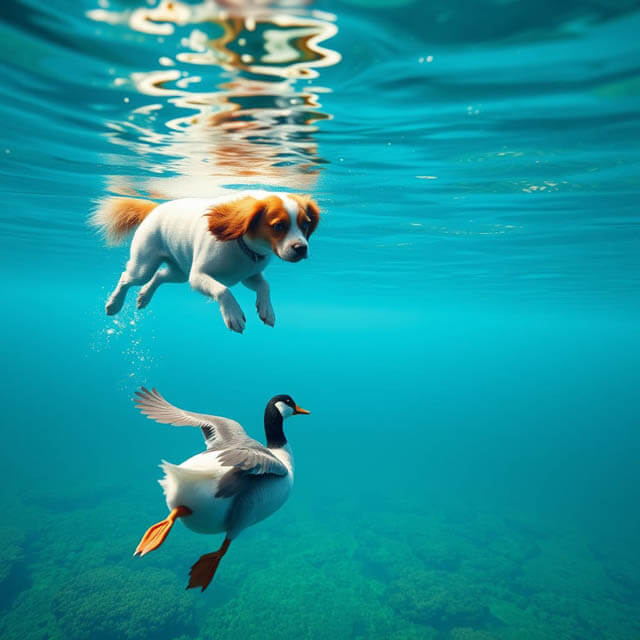

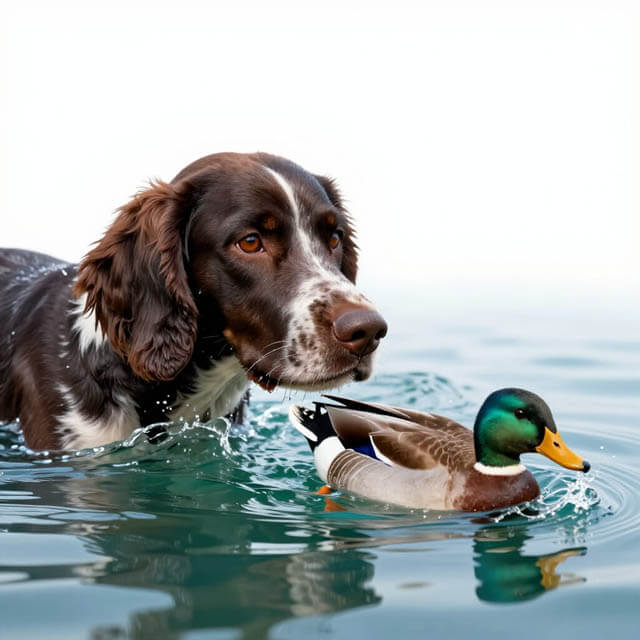


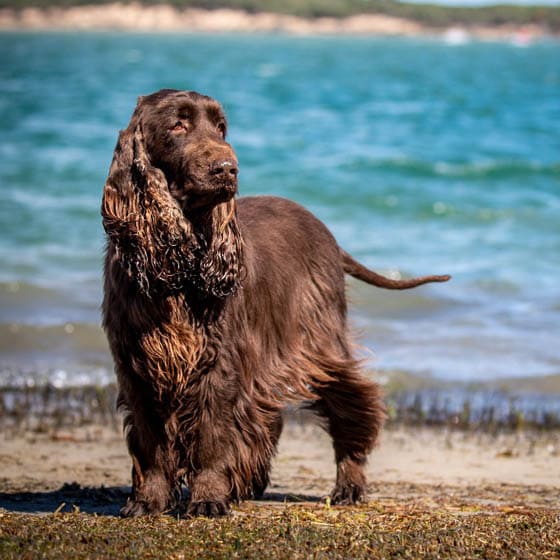
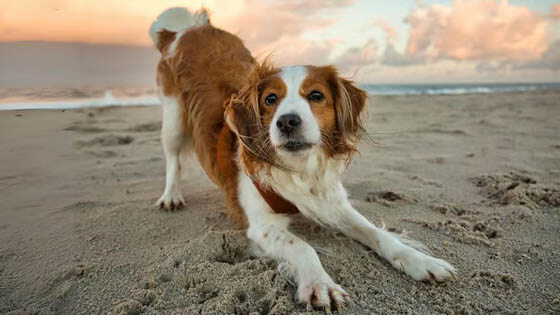
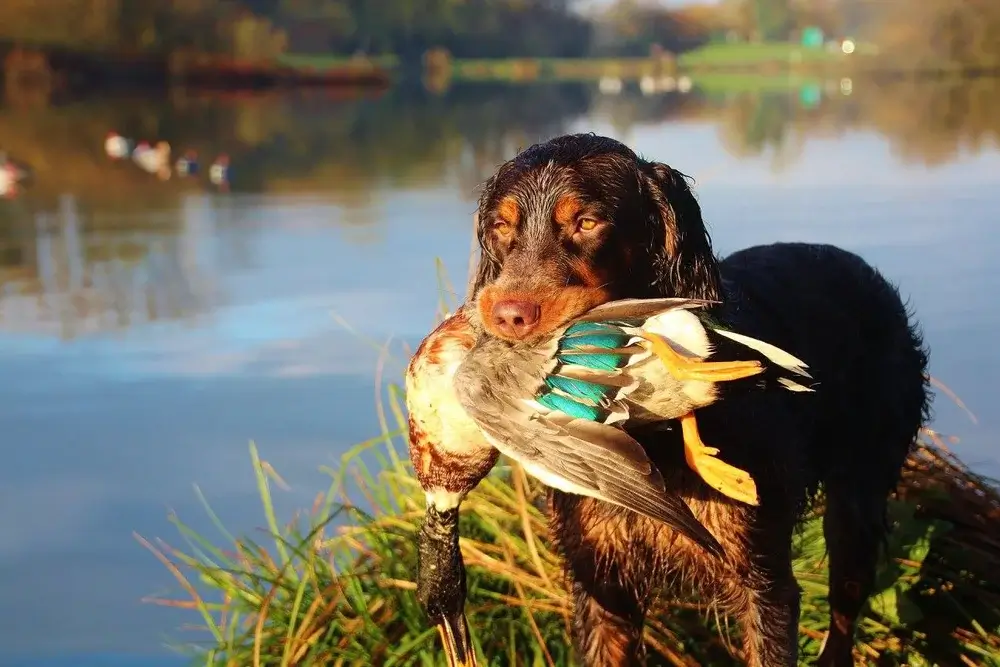
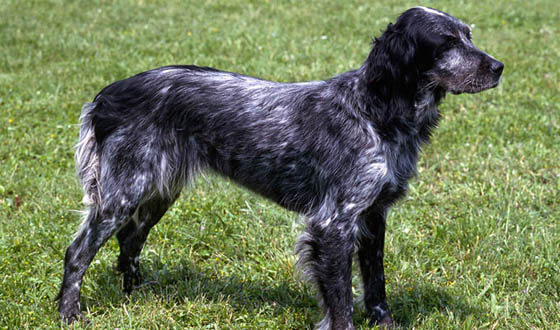


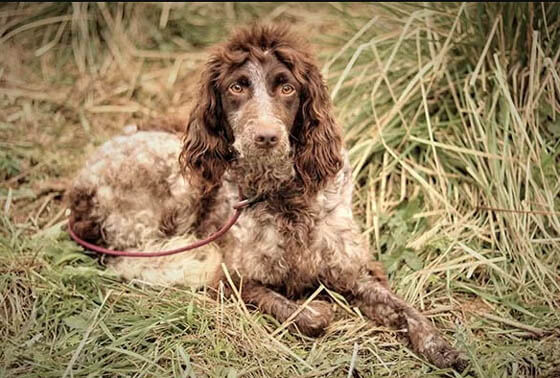
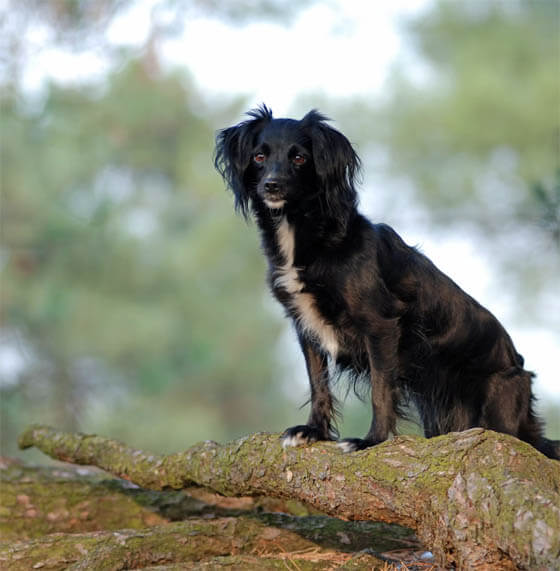
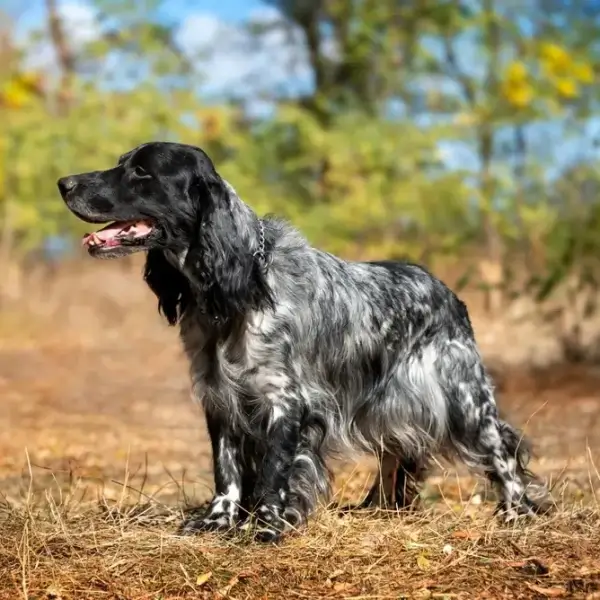
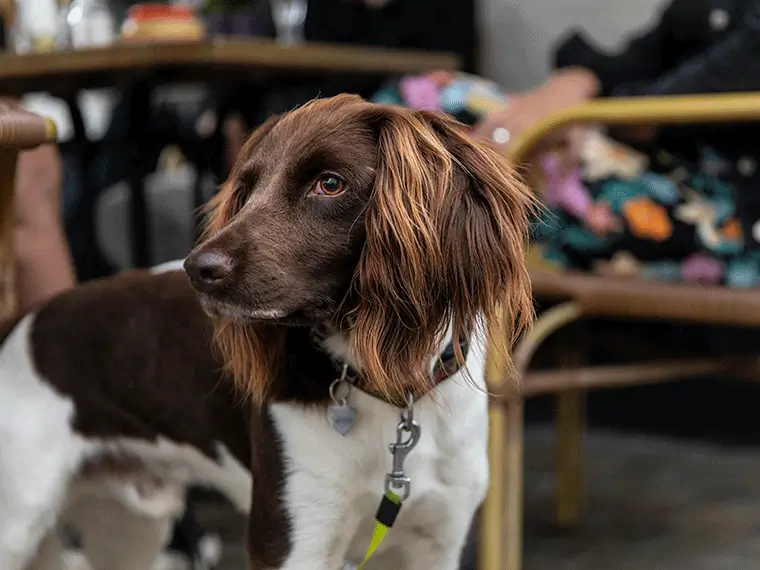
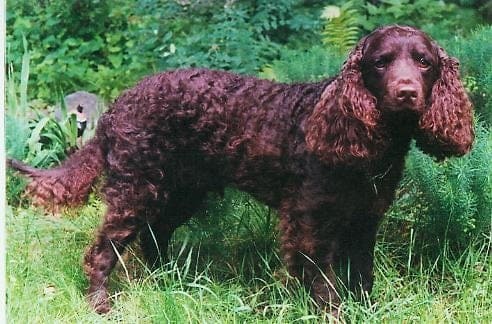

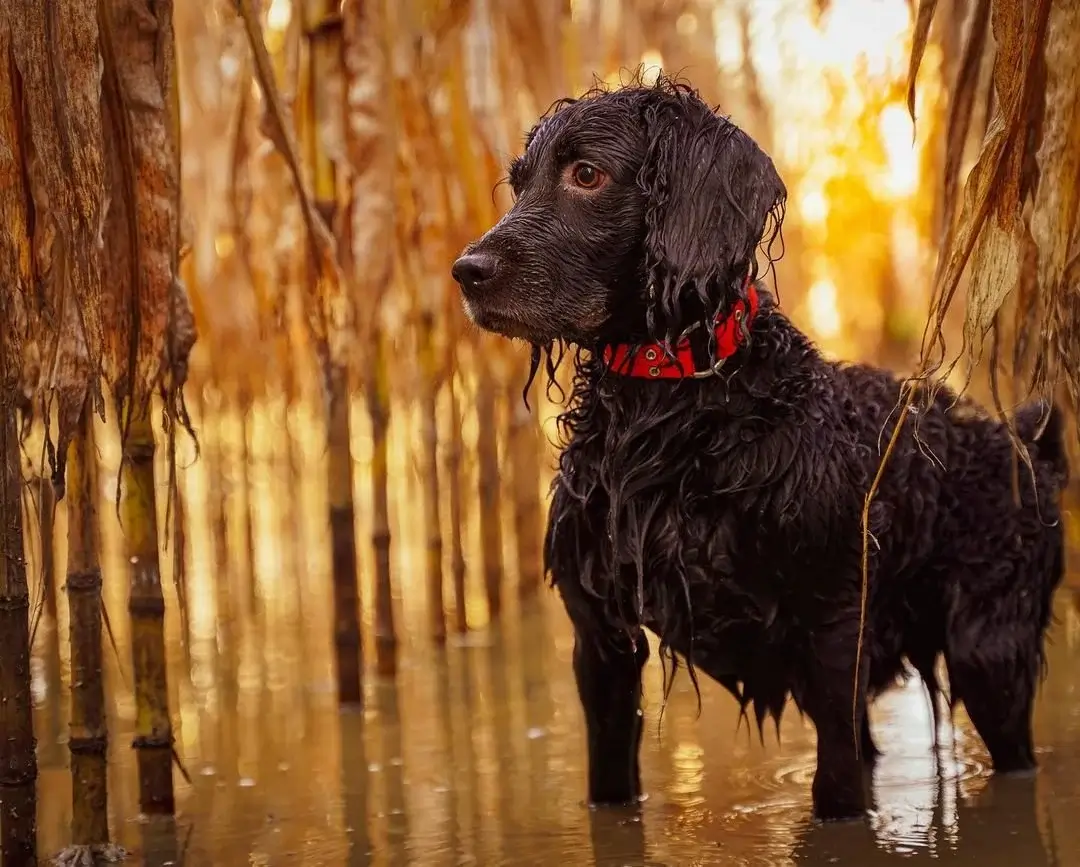
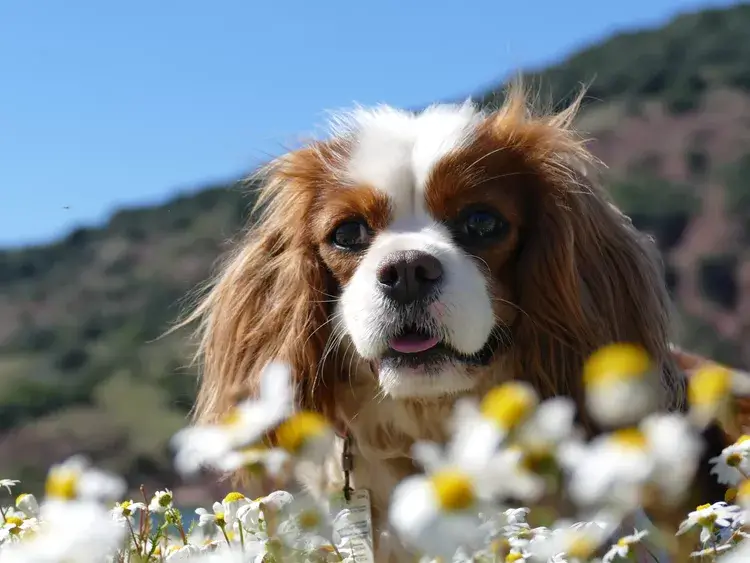
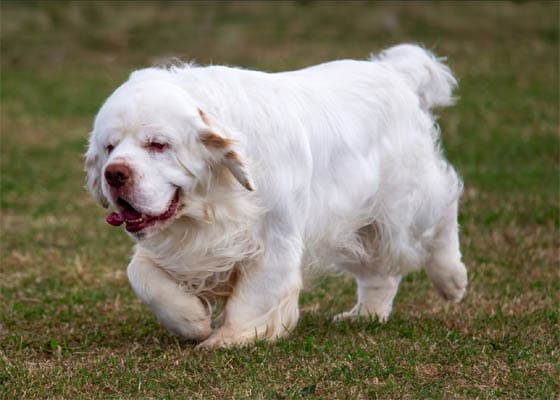
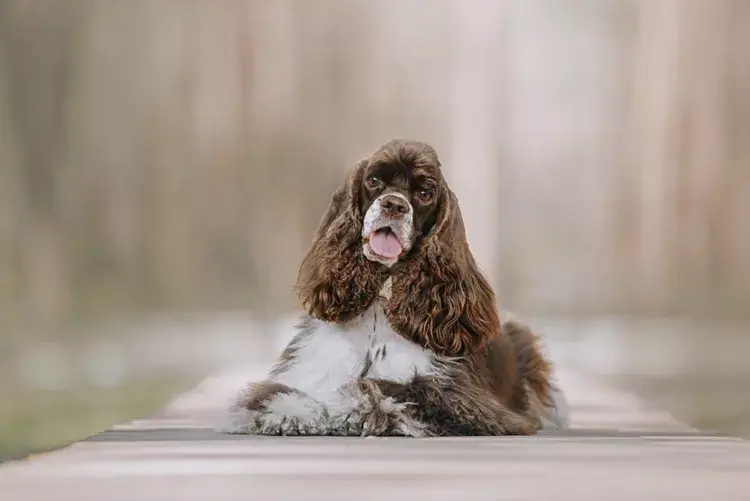
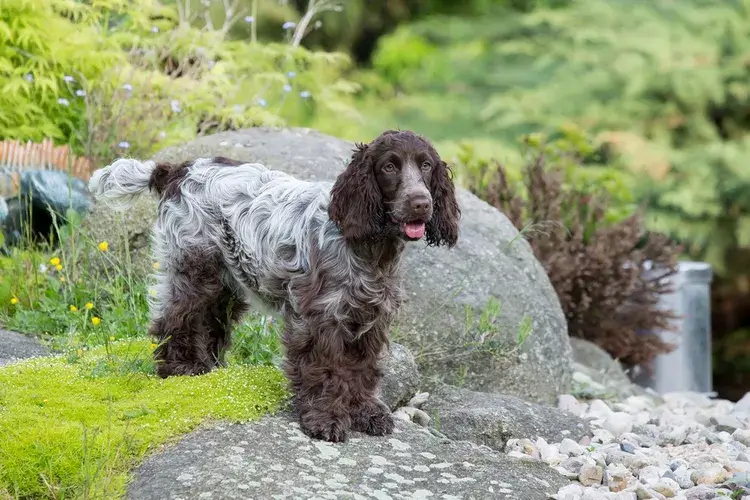
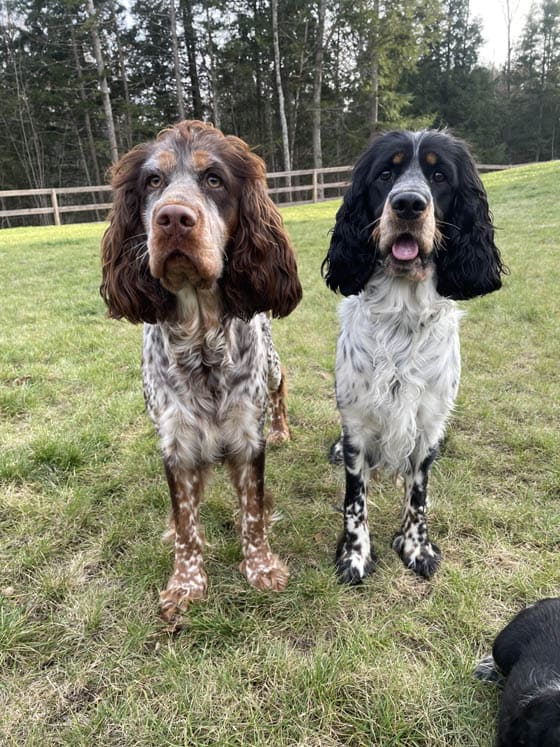
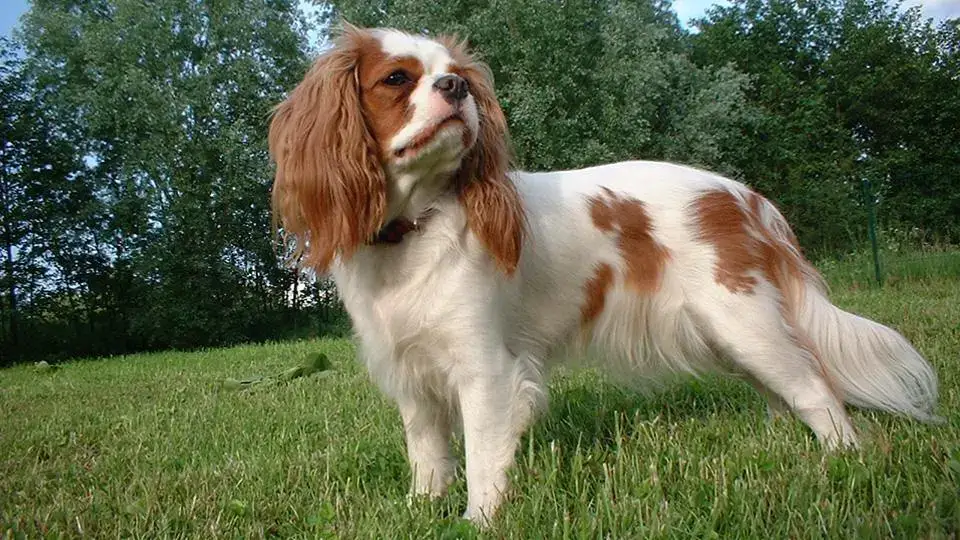
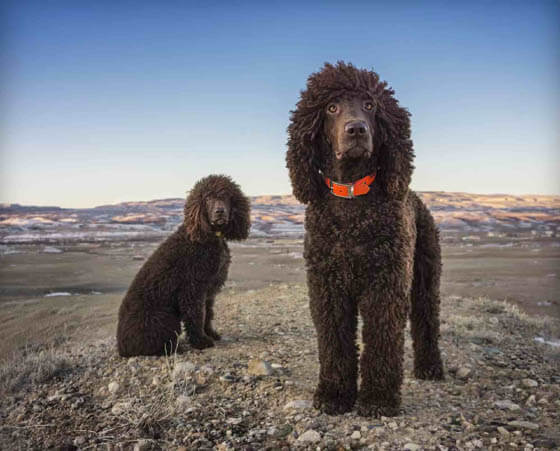
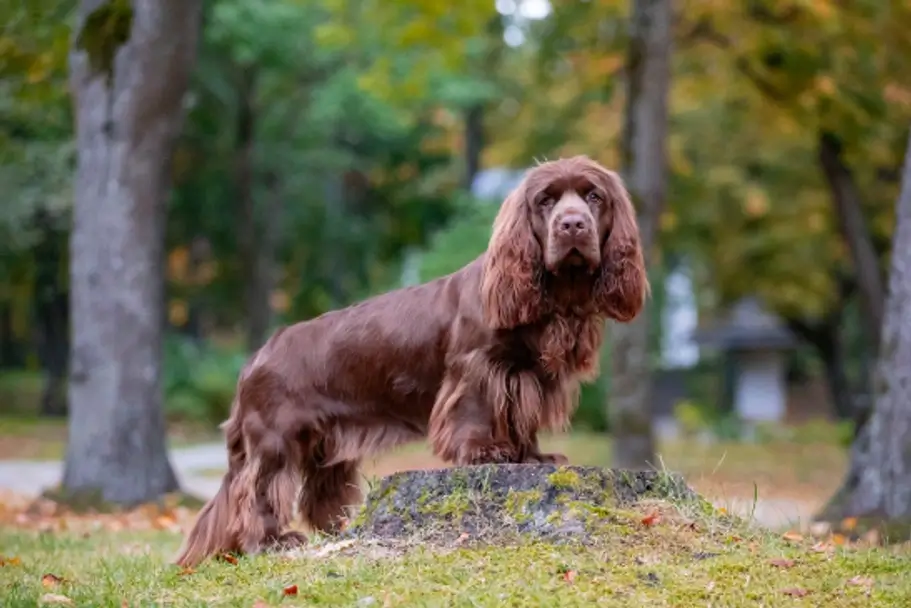
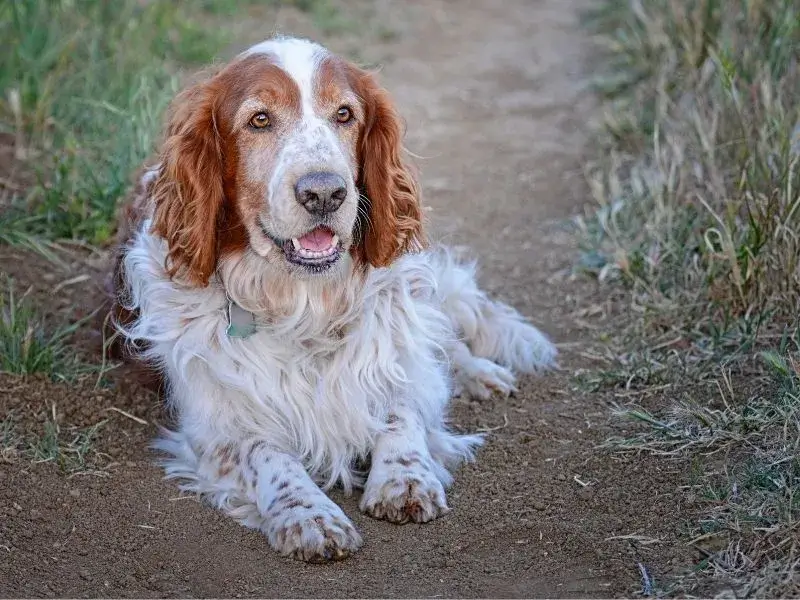
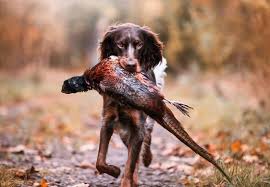
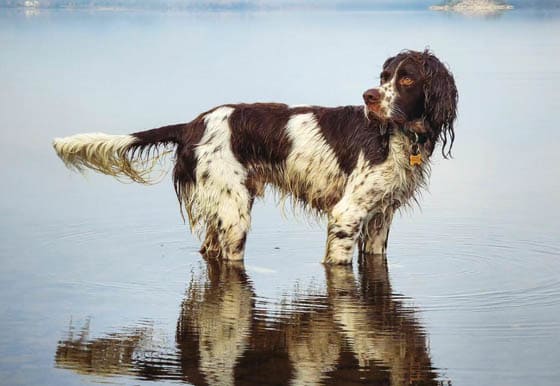
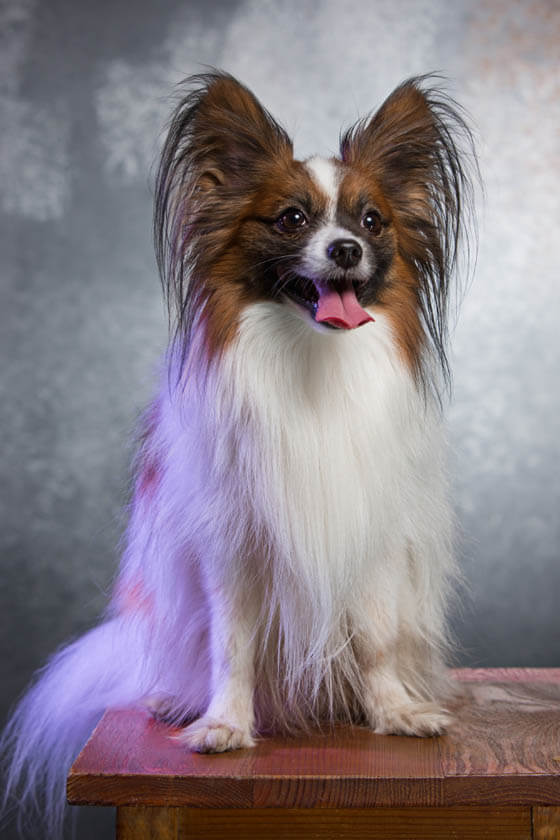
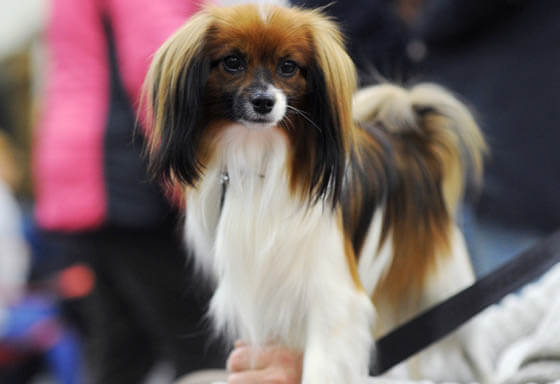
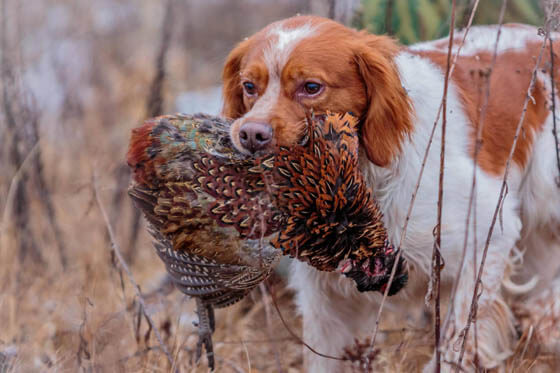
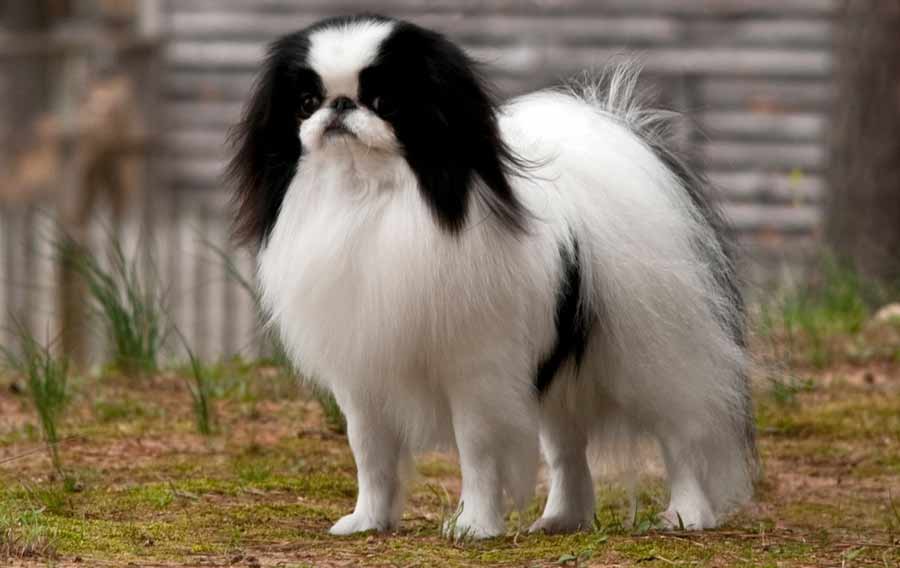
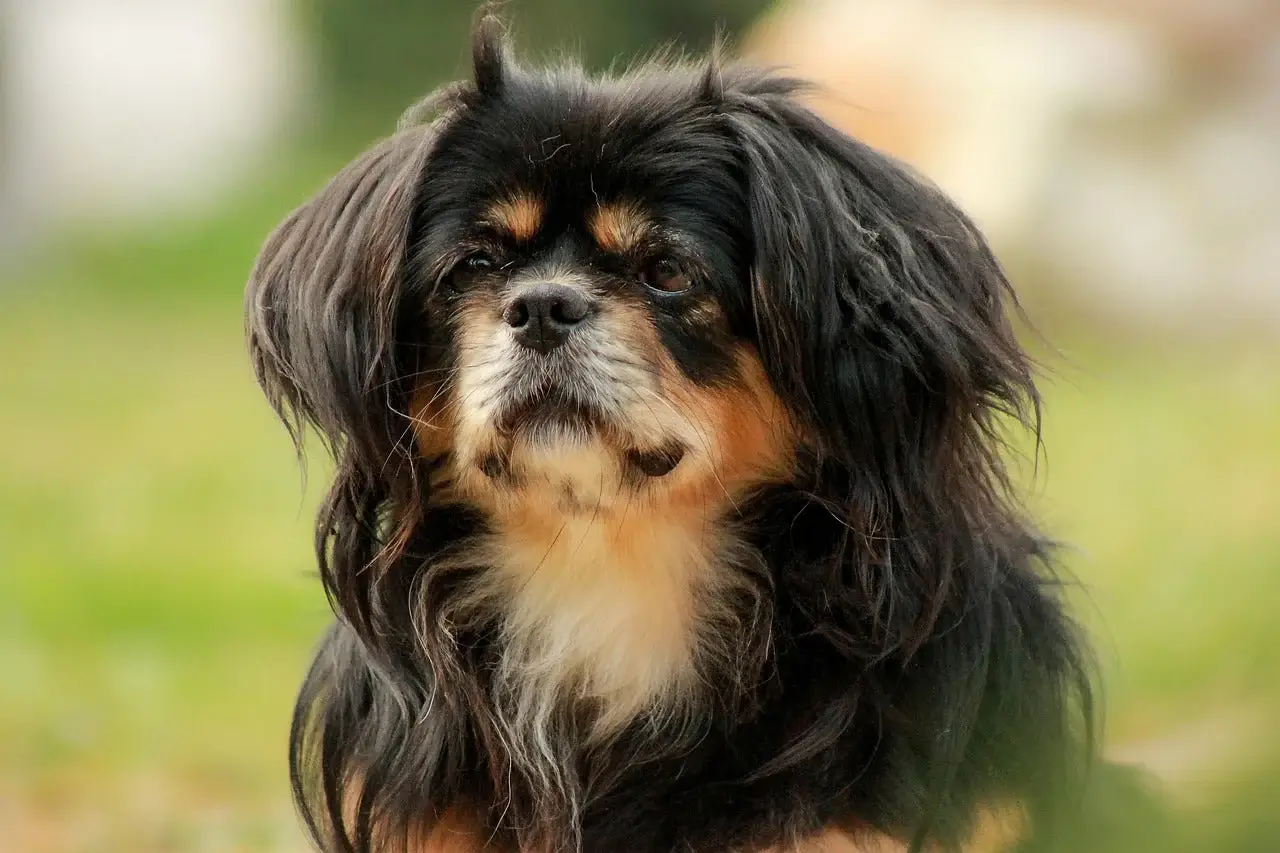
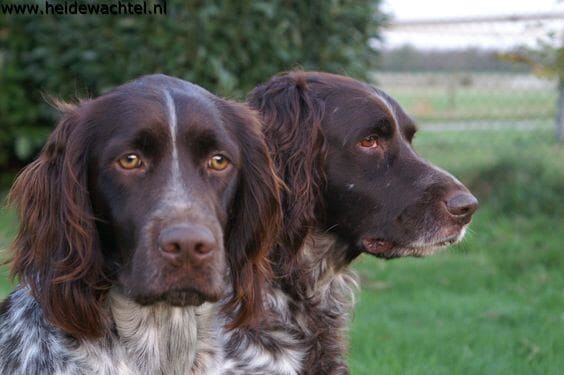
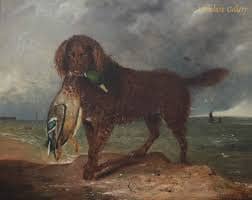















WORLD OF DOG & PUPPY 🐶