22 Flushing Dog Breeds Unique & Special Bird-Flushing Dogs How Flushing Dogs Work? Why is called a Flushing Dog? What dog breeds are flushers? What is flushing for dogs? What is a Flushing Dog? Flushing Dog Personality Bird Dog Hunting Styles Bird Dog Breeds Bird-Flushing Dogs
What is a Flushing Dog?
For serious upland bird hunters, the idea of hunting pheasants (or any other gamebird for that matter) without a bird dog is a path to frustration, futility and no fun. Flushing dogs work cover close to the hunter – within shotgun range – and work to put birds into the air for a shot. It is up to hunter to know his or her dog and when it is "birdy," and be ready. Many flushing dogs are also natural retrievers, and it can be as easy to train the dog to bring birds back as it is to teach the dog to stay close while scouring cover. Compared to pointers, flushing dogs hunt closer (usually within 20-30 yards) and when they smell game, they charge forward and push the bird into the air. If you shoot and the bird goes down, a flushing dog will retrieve it.
THEY FIND GAME
A dog is essential for finding birds and helping you get them in the air. Of course, this is a bird dog's number one job and the number one reason to own one. While you can find birds on your own, a good bird dog will find more thanks to their nose and their ability to cover far more ground.
PIN AND FLUSH
RUNNING BIRDS
Dogs help you locate downed birds and track down winged birds. Many bird dogs will even retrieve your trophy to hand. When faced with danger, most game birds run rather than fly. If you are hunting without a dog, many birds will dash away before you know they are there. A good pointer will find and track running birds until he pins and points them. Flushing dogs catch up to running birds and push them into the sky.
RETRIEVE DOWNED BIRDS
The bond between hunter and bird dog is both ancient and magical. One of the greatest disappearing acts you will ever see is when you shoot a pheasant, run to pick it up, and discover it's absolutely nowhere to be found - even after you spend 30 minutes looking for it. With their noses, dogs can track down these magic birds and make sure they appear in your game bag.
How Flushing Dogs Work?
Flushing dogs work by systematically searching dense cover, staying close to the hunter, and using their nose to drive birds (like pheasants or grouse) into the air (flush them) within shooting range, then sitting ("hup") on command to allow the hunter to shoot and mark the fallen bird for retrieval, demonstrating a balance of aggressive hunting, control, and soft mouth retrieval for a productive and safe hunt.
1. Quartering The dog moves back and forth in a pattern (quartering) in front of the hunter, covering ground and staying within gun range (around 20 yards).
Scenting & Locating They use their strong sense of smell to find hidden game birds.
Flushing When they find a bird, they push through the cover aggressively and quickly, causing the bird to fly up into the air (a "hard flush") so the hunter has a shot.
Steadiness (Hup/Sit) After flushing the bird, the dog is trained to immediately sit (or "hup") on command, even with the sound of gunfire, preventing them from chasing and losing the bird or marking the downed game.
Marking While sitting, the dog watches the bird's flight to remember exactly where it falls (marks the bird).
Retrieving Once released by the handler, the dog retrieves the downed bird, ideally with a soft mouth, and brings it directly back to the hunter's hand.
Flushing Dogs:
Key Characteristics
Work Style - They move through thick cover (like hedgerows, swamps) and actively push birds into flight.
Proximity - Typically stay within shotgun range of the hunter.
Retrieving - Many flushers, like Spaniels and Retrievers, have a strong natural instinct to retrieve downed birds, especially in water.
Scenting - Many use ground scent effectively, aided by their lower profile in thick cover.
Flushing Dogs:
Key Traits & Training
Control & Obedience - Essential for staying within range and heeding commands like "sit" or directional signals.
Drive & Biddability - Strong hunting instinct combined with a willingness to follow the handler's directions.
Gentle Mouth - Important for carrying game without damaging it.
Training Tools - Hand signals, whistles, and birds (like pigeons) are used to teach these skills, emphasizing consistency.
Developed in the upper Midwest, this mid-sized flusher is well-suited to a variety of game
The American Water Spaniel (AWS) is an upbeat, intelligent, and versatile sporting dog from the Midwest, known for its curly/wavy brown coat, love of water, and excellent retrieving and hunting skills, making them energetic but trainable companions for active families who can provide plenty of exercise and mental stimulation, though they can be stubborn and aloof with strangers. They are muscular, medium-sized, and have a distinctive oily, water-resistant double coat that requires regular brushing. The American Water Spaniel is intelligent and very trainable. It is eager to learn and very enthusiastic about its work. It is used, above all, for hunting quail, duck, pheasant, grouse and rabbit. It also makes a good guard dog and companion. Friendly, energetic, confident persistent and obedient, the American Water Spaniel is a pleasant, willing dog that is highly sensitive, so obedience training should be calm, firm, quiet and persuasive, rather than demanding or sharp. American water spaniels are steady, close-working flushers and excellent retrievers that stay within shotgun range at a moderate pace. Their dense, curly coats and strong retrieving instinct also makes them excellent waterfowl dogs. Like many of the small flushers, American water spaniels are versatile dogs that take to flushing naturally. They have keen noses, a naturally strong desire to retrieve, and are as at home hunting over water as in upland areas; as such they make excellent dual-purpose dogs.
American water spaniels were developed in Wisconsin and Minnesota as a do-it-all dog to meet the unique challenges of hunting the Great Lakes region. In 1985, the American water spaniel was named the official state dog of Wisconsin. He is an easy going, loving companion that is usually excellent with children. If this dog believes he is, or that he could be, in an alpha position over humans he could snap defensively if startled or harshly disciplined. The American Water Spaniel is very willing and responsive, therefore heavy-handed training methods are not necessary, instead be sure to be firm, but calm, consistent and confident. Be authoritative but in an even-tempered, stern way. Dogs do not respond well to harshness or anger. Socialize this breed well at an early age to avoid timidity and potential dog aggressiveness as an adult. They usually get along with non-canine pets. It loves attention, but can entertain itself. Some American Water Spaniels snore. If the dog is lacking in daily mental or physical exercise it will tend to bark and whine and can sometimes be hyper or over-excited. It is an enthusiastic swimmer and makes a wonderful hunter in difficult waters, in the woods and over uneven terrain. This breed likes to roam. Some may drool.
American Water Spaniels are affectionate dogs that enjoy spending time with their families. This breed has a lot of energy and needs a way to unleash their energy daily, such as going swimming, or for a hike or run. If they are left alone for an extended time, they can be destructive out of boredom. American Water Spaniels can do well with other pets and children if they are socialized and properly trained when young. While friendly with familiar people, American Water Spaniels can be more reserved around strangers. However, proper socialization as puppies can reduce or prevent this behavior. This breed can also be susceptible to separation anxiety, as they prefer to spend as much time as possible with their family. They will bark if they are ignored or not given a way to expend their energy. They also have a strong prey drive and may dig to chase after a wild animal, like a rabbit. Make sure your dog has enough exercise and mental stimulation so you can help prevent these unwanted behaviors.
Developed in the Carolina lowlands, but well-suited to a variety of upland hunting
The Boykin Spaniel is a compact, energetic American sporting dog from South Carolina, known as a versatile hunter (especially for waterfowl) and a loyal, affectionate family companion with a signature brown coat and webbed feet. They are intelligent, eager to please, need significant exercise and mental stimulation, are great with kids or pets, and thrive in active homes that enjoy outdoor activities like hiking or canoeing. Key needs include regular grooming for their wavy coat and diligent ear cleaning to prevent infections. Boykin spaniels generally quarter within shotgun range at a moderate, steady pace. This gives them the ability to hunt for long stretches of time. Boykins track birds both by scent and sight. Known for "hesitation flushes" – they do not flush birds with wild abandon, instead taking their time before making an aggressive flush – Boykin spaniels are versatile dogs that do not need to be commanded to flush birds. Boykin spaniels were first bred in the early 1900s by hunters in South Carolina. They needed small, rugged dogs for hunting ducks and wild turkeys in the Wateree River Swamp; larger retrievers were too big for the small boats hunters used to access the river corridors.
They have keen noses, a naturally strong desire to retrieve, and are as at home hunting over water as in upland areas; as such they make excellent dual-purpose dogs for uplanders who also like to chase a few ducks too. Docile, pleasant and obedient, an intelligent and loyal companion, Its trademark yellow/amber eyes that stare expectantly into your eyes are often commented upon as if the dog is asking, “What do you want me to do next?” The Boykin Spaniel is a fantastic swimmer. They enjoy water and swimming; however they are prone to Spaniel ear infections and should be dried well after getting wet. Most owners report that each of these dogs has a unique personality and an enthusiastic field ability seldom matched by other dogs. His fine nose and enthusiasm in the field make him a versatile hunter. They have been bred as hunting Spaniels and have exceptionally good noses. Their sense of smell can lead them on an excursion if allowed to roam off-lead. This dog needs an owner who displays natural leadership consistently communicating with the dog what is expected of him and what is not.
The typical Boykin spaniel is friendly and eager to please. He is a born hunter, but also makes a lively, friendly companion in the home. They are outgoing toward people and children, although early socialization is recommended. The Boykin is full of energy and will need a yard to play in or at least a brisk daily walk. The Boykin is easily trained, and should have basic obedience training at an early age. They are fantastic swimmers and are fast learners who enjoy having a job to do. This breed is full of enthusiasm for hunting and is suited for a family that enjoys regular hunting or camping trips. Like many of the sporting breeds, Boykin spaniels make the transition from hunting companion to family pet easily. Stamina even in hot weather and eagerness to please make this a favorite among hunters in the field, but the Boykin is just as enjoyable at home. His compact size allows a family on the go to include their Boykin on many outings. He will need lots of exercise as the breed seems to have boundless energy. This breed is prone to separation anxiety and requires plenty of exercise and mental stimulation to prevent boredom and destructive behavior.
The Welsh Springer Spaniel has a strong, natural ability to flush game. The breed was specifically developed for this purpose, and its hunting style involves "springing" or flushing hidden quarry - such as birds or rabbits from cover for the hunter
The Welsh Springer Spaniel (WSS) is a loyal, energetic, medium-sized sporting dog from Wales, known for its distinct red and white coat, compact build, and "springing" action to flush game. They are affectionate family dogs, good with children if socialized, but require significant daily exercise and mental stimulation, excelling at activities like agility, hiking, and retrieving. Welshies are devoted but can be reserved with strangers, need consistent training with positive reinforcement, and have moderate grooming needs for their soft, flat coats. The Welsh Springer Spaniel is loyal and willing to please. Happy to be with its family, it is good with children, and loves to be included in activities. It is smaller with a lower energy level than its English Springerancestor. This independent breed needs anowner who displays leadership or it may not listen to known commands and can become overprotective. Dogs that do not have humans who are consistent pack leaders can develop protective tendencies.
Can be reserved with strangers and should be socialize well to avoid timidity. These dogs are sensitive to the tone of one's voice and will not listen if they sense that they are stronger minded than their owner, however they will also not respond well to harsh discipline. Owners need to be calm, yet possess an air of natural authority. They must be trained early to hunt, so they learn to use their skills in a positive manner, listening to commands and learning not to wander. You will never curb the hunting instinct in this dog, therefore working with his natural ability, rather than against it, will be in you and your dog's best interest. Generally good with dogs and other pets. Often referred to as "Velcro dogs," Welshies are happiest when they are with their humans. This breed can get along well with other dogs and even cats when properly socialized, introduced, and supervised. Welsh Springer Spaniels are active, energetic working dogs who still need “jobs” each day. If you aren’t a hunter, other forms of mental stimulation and physical exercise are just fine.
The Welsh Springer Spaniel was originally bred to be a bird dog, and their natural instincts to chase require careful consideration. Their powerful sense of smell and strong prey drive are grounds for keeping them either on a leash or within a securely fenced area at all times. They also shouldn’t join homes with small pets like birds and bunnies for the same reasons. Welshies are innately reserved around strangers, which often leads to barking. Boredom stemming from lack of exercise and/or companionship may also cause an increase in barking and potentially other unwanted behaviors like chewing. During your Welsh Springer Spaniel puppy’s first four months of life, it’s important to expose them to new people, animals, sights, sounds, and situations. These first weeks are a crucial learning period for them, and socializing your Welshie can help them feel comfortable in a wide variety of settings as they grow.
The German Spaniel is a purpose-bred flushing dog with excellent and natural flushing abilities
The German Spaniel (Deutscher Wachtelhund) is a medium-sized, muscular German hunting dog known for being a versatile gundog, flushing game, tracking, and retrieving in water. They are lively, intelligent, friendly, and adaptable, possessing strong scenting abilities and a love for water, making them excellent, biddable family companions for active owners who can meet their high exercise needs. They have a distinctive thick, wavy coat, usually brown or brown roan, and require moderate grooming. The German watchdog is generally a rather unknown breed. Due to its appearance, it is often mistaken for a spaniel. Nevertheless, it is particularly popular with hunters and foresters. The German watchdog reaches a shoulder height of up to 54 cm. Its weight is around 30 kg. Bitches are usually somewhat smaller and lighter.
The German watchdog is a hunting dog. Its coat is dense and robust. In general, the coat is slightly wavy or long and smooth. Occasional white markings or white spots are possible. It has long floppy ears and a pointed muzzle. In hunting, the German watchdog is mainly used as a retrieving dog. However, it is also a rummaging and water dog. It has a very fine sense of smell and a pronounced will to find. It particularly enjoys hunting ducks, as it is very fond of water. But it also achieves excellent results when hunting hoofed game. It works very independently. It masters any terrain without any problems. It is recommended that this breed is only used for hunting. It needs a lot of work and must be regularly challenged and kept busy. Nevertheless, the German watchdog is a loyal and good-natured animal. It is outgoing and forms a close bond with its owner. It has a cheerful nature and plenty of energy and stamina. He is uncomplicated with other people and dogs. He is very social and loves the company of others. His character is also characterized by courage and a high willingness to learn. His protective and guarding instincts, on the other hand, are only weakly developed. It is particularly important to keep German quail dogs in a species-appropriate manner, as otherwise they tend to poach.
Other behavioral problems can also occur. In any case, it should receive comprehensive and competent hunting training. This should begin as early as puppyhood. The Deutscher Wachtelhund is a determined, courageous hunting breed. These pups have a strong willingness to work and a love of scent tracking that borders on obsessive. When not hunting alongside their humans, they make devoted family pets. Adaptable, friendly, affectionate dogs, Deutscher Wachtelhunds are quick to learn new things, love the water, and get along well with other pups. Though hunting is their true passion, they make loyal family dogs and enjoy spending time at home with their humans. Because they love to follow a scent, Deutscher Wachtelhunds should be kept on a leash or in a fully fenced yard to keep them from wandering off when outside.
A rugged and loyal retriever that can withstand the harshest of conditions and hunt all day
The Chesapeake Bay Retriever (CBR) is a powerful, intelligent, and loyal American gundog known for its exceptional water retrieving skills in icy conditions, featuring a waterproof wavy coat and amber eyes, but requires consistent training due to potential stubbornness and high energy, thriving with active families who can provide plenty of physical and mental stimulation, especially swimming and retrieving. They are protective of their family, aloof with strangers, and generally good with kids and pets if socialized, but need firm, reward-based training to manage their independent nature and strong guarding instincts. Chesapeake Bay retrievers are rugged, tough dogs that are in many ways synonymous with harsh hunting conditions. Their coats and skin are designed to resist low temperatures and icy water – as their name suggests, they are built to make long retrieves in the icy waters of the Chesapeake Bay, but they make good upland partners as well. Athletic dogs with stamina in abundance, Chesapeake Bay retrievers have strong hunting drive, a natural retrieving ability, and they generally stay within gun range. They are also great for tracking wounded or running birds because they just won't give up.
These are intelligent, brave and obedient dogs. They are trainable, willing and able to please, although they may be a little slow to learn. Chesapeake Bay Retrievers are affectionate, loving, friendly and good with children. They have a passion for water, swimming and retrieving. This breed will get along with cats that are already living in your house, but may chase other cats. The Chesapeake Bay Retriever is not recommended for an inexperienced new dog owner. The handler needs to be confident, exerting a natural authority over the dog. A firm, consistent, but kind approach is the most successful way to handle them. If possible, attend obedience classes with this breed. Proper canine to human communication is essential. The Chesapeake can be fairly dominant and will become willful and may develop dominance problems if it senses the owners are passive, meek or timid. Be sure to properly train and socialized them. Take your puppy out with you as much as possible and introduce it to other dogs so that it has a chance to feel relaxed with them. The Chesapeake tends to be more dominant than other retrievers. Without the proper leadership they can become territorial, aggressive, willful, reserved with strangers and may not get along with other dogs. Chessies are strong canines that require firm training and good management. Chesapeakes are usually slow to mature. With the right owners they are a joy to own.
Chesapeake Bay retrievers generally have an affectionate and devoted temperament with their family. But they also have a protective streak to their personality that makes them only moderately open to strangers. In addition, their high energy level makes them very bright and alert dogs. This breed is smart and can learn quickly. But this dog also can be independent-minded and stubborn. So, it is key to be consistent in your training to prevent bad habits from forming. Use only positive training methods for this sensitive breed; harsh corrections can cause them to shut down and not learn. Aim to expose your dog to different people, other dogs, and various settings from as young of an age as possible. Having positive experiences can help to offset the breed's protective instinct and make them comfortable and confident around strangers.
The largest of the spaniels, stockily built to work slowly and power through thick cover in a thorough and relentless search for birds
The Clumber Spaniel is the largest spaniel breed, known as a dignified, gentle, and loyal hunting dog with a distinctive white coat (lemon/orange markings) and heavy build, favored by royalty for retrieving game in dense cover. They are calm, good-natured housemates but shed heavily, drool, snore, and need regular grooming, moderate exercise, and training to manage their intelligence and sometimes aloof nature with strangers. If you are looking for a slow-working flushing dog that is easy to keep up with and is not going to leave any cattail unturned or thicket un-snuffled during its search for pheasants or quail, then you have found your dog. Clumbers have an interesting plowing-cruising gate, quartering well and working cover thoroughly. For older hunters, or hunters who move slowly or find walking challenging, Clumbers are easy to keep up with, and their gait puts pheasants - used to fast-working dogs off guard.
The Clumber Spaniel is described as a docile, sweet, intelligent and pleasant dog. Among the most low-key and easygoing of the hunting breeds, they are very affectionate, well-behaved, and not very active when mature. Clumbers will get along with other dogs and cats as well as other household animals if they are raised with them. If they sense the owners are meek or passive they can become a bit willful. They are not barkers. Clumbers are playful and usually trustworthy with children of the family. Socialize them well to help them adjust to making friends with strangers. They do not respond well to harsh discipline, but they do need a calm, firm, confident owner who knows how to communicate the rules. This dog has a good memory and likes to do things to please their master, therefore training is not usually difficult. Clumber Spaniels can be used as hunting dogs. They prefer to hunt for pheasant and partridges, take naturally to retrieving, and are good water dogs. Make sure you have good chew toys for them to chew on.
As a companion, Clumber spaniels are loyal and affectionate with a great enthusiasm for work and play. They are sometimes reserved with strangers, and they tend to be more aloof than other spaniels. However, they show no tendencies toward aggression. Clumber spaniels can live happily with other pets, but early socialization is always recommended. These dogs are content indoors or out, although they usually prefer to be wherever you are. Clumbers are not prone to bark, and they are suited as companions in the home rather than watchdogs. The Clumber spaniel is generally a healthy, robust breed. This dog loves exercise, especially swimming, but can adjust to quiet home life as well. The Clumber is content to sleep all day while you are at work as long as companionship and a brisk walk await him at the end of the day. In fact, frequent walks are recommended for the Clumber to keep him from becoming overweight. Clumbers love the company of their human family and thrive on affection.
A good-sized, family-friendly flushing dog for pheasants, quail and other upland birds
The English Springer Spaniel is a medium-sized, energetic, and intelligent sporting dog known for being a sweet-faced, eager-to-please companion and hunter, excelling in flushing game with high stamina, needing significant daily exercise, regular grooming, and consistent training for their affectionate, sociable nature to thrive as family pets. English Springer Spaniels are affectionate, energetic, and known for their "Velcro dog" nature, always wanting to be with their humans. They featuring distinctive feathered coats that require upkeep, and possess a strong retrieving instinct. Named for their propensity to flush or "spring" birds, English springer spaniels quarter well and bust into any cover they encounter. They are capable retrievers, too, whether it ןs pheasants in the field, grouse in the woods, or ducks in smaller waters. English springer spaniels are animated hunters and at times their exuberance can make them range too far in front of the gun. Proper training and gentle reminding is a necessity. Springers plow cover like troopers, and make great all-season pheasant dogs. English Springers are even-tempered, gentle, friendly, and sociable dogs that make great child companions. Intelligent, skillful, willing and obedient and a quick learner.
Brave, playful, energetic, pleasant and cheerful, their tails are seemingly always in motion. They are affectionate, good natured and sincere; this dog loves everyone. Springers do best when they are with people who can provide them with some kind of consistent structure where the rules are made clear. Negative issues can arise with meek owners and/or owners who do not provide daily mental and physical exercise. This can cause frustration in the dog and they may become destructive and start to bark a lot if left alone. If a Springer does not see the owners as strong authority figures they will begin to believe it is their job to take over the leadership role. If you allow this to happen the dog can become a biter in an attempt to keep the humans in line. Adolescent Springers need a lot of authoritative guidance. They are sensitive to the tone of one's voice and will not listen if they sense that they are stronger minded than their owner, however they will also not respond well to harsh discipline. Owners need to be calm, yet possess an air of natural authority. At this age they can be extra high-energy, testing and challenging the leadership position.
There are two types, field lines and show lines (bench). Field types are bred for hunting and field trial work. The bench type is bred for conformation shows and has more liver or black on its coat, and the coats are longer and fuller. The field type has more white on its coat than the show type and a lot less hair. Both types are intelligent and energetic and need daily exercise, but field lines have a higher energy level and need even more exercise. English springer spaniels are smart and pick up on commands quickly. They love to be busy, have a job to do, and are extremely eager to please. This means they respond very well to reward-based training methods. Clear direction and patience may be needed sometimes, as their enthusiasm can mean they try to take things a little fast and get overexcited. You may have to work on mastering things like jumping up, excitement barking, leash mannersת especially around other dogs, and even toilet training, as they can be prone to piddling if they are in a frenzy. Their hunting background means they may want to chase small furries and care would need to be taken if you have small pets in the same household. You'll likely have to work on getting a rock-solid recall, too.
One of the happiest hunting breeds out there, these hard-working retrievers make great triple-purpose dogs: upland bird flusher (and retriever), reliable waterfowling companion and fetcher, and exuberant family member
The Flat-Coated Retriever is a happy, energetic, and affectionate gundog known as the "Peter Pan of Dogs" for its youthful, playful spirit that lasts into adulthood. They are friendly with families, love to retrieve, need vigorous daily exercise, and have a dense, flat coat in black or liver. While intelligent and trainable, their boundless energy requires an active owner who can provide plenty of activity to prevent boredom. Originating in the 1800's, the flat-coated retriever became very popular as a gamekeeper's dog in England. Flatcoats are versatile hunting retrievers that score high in trainability. In the uplands, flatcoats are flushing dogs. The breed works close and hunts smart. If there’s bird scent in the area, you can be confident your flatcoat is on something and let the fun begin!
Like most retrieving breeds, the flatcoat will quarter in front of the hunter to flush upland birds within comfortable gun range. They are extremely good at finding and retrieving downed birds. The Flat-Coated Retriever is excellent with children and a great family dog with a reliable temperament. Friendly, sweet and high-spirited, it loves everyone, even strangers. It has a puppy-like attitude and always appears to be in good spirits. It loves to play and retrieve, and with enough exercise it will be quiet indoors, saving the activity for the outside. It is an intelligent, loyal companion. This very sociable breed needs lots of gentle but firm leadership from its family. The Flat-Coated Retriever gets along well with dogs and other pets. They are active, obedient and highly trainable, and can get bored easily without variety. Keep training sessions short and fun, without excessive repetition. Be sure to take them for daily walks to satisfy their migration instinct. Flat Coats that are over-excitable are showing signs that they are lacking in the walk. Proper canine to human communication is essential. Flat-coated retrievers are wonderful family dogs. They are loving toward children, friendly to everyone and extremely sociable. They live to be with their family, and they thrive on attention and affection.
Temperamentally, the flat-coated retriever may seem forever young. While this youthful exuberance is often endearing, it can pose challenges to the owner who labors under the misconception that all dogs reach adulthood by the time they turn 1 year of age. Relatively speaking, the flat-coat is quite slow to mature; they may seem puppy-like well beyond their third birthday.As is the case with other retrievers, flat-coated retrievers like to carry things in their mouths, but they are not known to chew excessively. They are known to be quite intelligent and sensitive; they respond well to positive, non-coercive training methods. The individual or family who wants a dog that can keep up with an active schedule should consider welcoming a flat-coated retriever into their lives. These sociable, boundlessly energetic dogs love to be with their human companions, especially if those companions are active and on the go. Flat-coated retrievers enjoy running, swimming and other forms of vigorous exercise. And they live up to their names, they are excellent retrievers of birds, or of less traditional "prey" such as tennis balls.
A beautiful, versatile and people-loving retriever that is a pro in the uplands
The Golden Retriever is a popular, intelligent, and friendly Scottish sporting dog known for its beautiful golden coat, gentle temperament, and eagerness to please, making them excellent family pets, service animals, and companions, though they require regular grooming for shedding and significant exercise to manage their energy. They are loyal, patient, and adaptable, thriving with active families who can provide training, play (especially fetching and swimming), and consistent companionship, as they are prone to separation anxiety and love being involved in family activities. A Golden Retriever is a high energy, active dog who needs daily exercise. The ideal pet parent for this breed of dog is also active and willing to be there for the daily exercise - up to one hour - this dog craves. Golden Retrievers enjoy swimming, running, walking, and if you want to do less of the running, a good game of fetch. Golden retrievers are versatile retrievers that love to work and live to please. They are excellent at retrieving waterfowl in and around water, and fully capable of solid work in the field as well. They take to both styles of hunting with enthusiasm, and will quarter in front of hunters to flush birds. While their beautiful coat keeps them warm and dry even in cold conditions, it also makes them warm on hot days, so hunters who bring them afield must ensure they don’t overheat. In general, golden retrievers are tough and durable, and the way they perform in the field reflects that.
Golden Retrievers generally have a sweet-natured temperament; they are often friendly dogs that get along with children, other pets, and even strangers. They enjoy being the center of attention and being petted. In fact, Goldens will often nudge you gently so that you continue to pet them. Unsupervised Golden Retrievers tend to eat things they shouldn’t, especially when they are puppies. They may try to eat socks, shoes, furniture, or get into the trash. To keep your Golden Retriever safe and prevent digestive issues or gastrointestinal obstructions, keep a watchful eye on them, especially during puppyhood. Cute Golden Retrievers have a lot of energy and require lots of physical exercise and mental stimulation to be happy and healthy. They are considered a quiet breed because they bark infrequently, and they’re not known for digging up yards. That said, if your Golden is allowed to grow bored, they may turn to these and other undesirable behaviors to keep themselves entertained. Golden Retrievers are one of the smartest dog breeds and were originally bred to hunt, so they need to keep their brain busy to be happy.
It is usually easy to train Golden Retrievers due to their kind temperament and their eagerness to please. Because of this, Goldens are great dogs for first-time pet parents. These dogs are eager to please, which probably explains why they respond so well to obedience training and are such popular service dogs. They also like to work, whether it involves hunting birds or fetching their owner's slippers. Golden retrievers are not often barkers, and they lack guard instincts, so do not count on them to make good watchdogs. However, some golden retrievers will let you know when strangers are approaching. This breed likes to be active. Remember, golden retrievers are bird dogs at heart, so they love a good game of fetch or a swim. If exercise is provided daily, golden retrievers can adapt to any type of home, even if it is a city apartment. They are also highly intelligent and empathic and often excel in roles as service dogs or therapy dogs. It’s no surprise that the Golden Retriever is among the top ten most popular dogs in the United States!
Perhaps the most versatile hunting dog of all; warrior in the field, family pooch at home
The Labrador Retriever is a popular, friendly, and energetic sporting dog known for its intelligence, eagerness to please, and love of water, making it an excellent family companion and service dog; they have a short, dense double coat in black, yellow, or chocolate, require significant exercise, and thrive on training and companionship, though they can be prone to weight gain and need early socialization to manage their exuberance. The most popular dog breed in America, Labrador retrievers are active and outgoing dogs that are as comfortable in a family setting as they are cruising the wide-open prairie in October or November, or crashing through cattail swamps in the dead of winter. Blessed with good agility and speed, Labrador retrievers also have stamina in abundance and a desire to retrieve for hours on end. They have a sturdy build and are plenty durable, able to perform well in a variety of upland and water-based hunting scenarios.
While hunting in the field, they quarter in front of the hunter and are wonderful flushers. Labrador retrievers’ popularity among hunters is easy to understand. Labs are extremely versatile and highly social, affectionate enough to be considered part of the family and enthusiastic enough to work hard and perform well in a variety of hunting-related tasks. They are the ultimate combo dog for the hunter who wants to pursue both waterfowl and upland birds. But plenty of Labs just go uplanding. They are highly intelligent and willing to be trained. Most Labs pound the upland fields with reckless abandon, then turn into big cuddle-lovers at home. One of the most popular breeds in the USA, the Labrador Retriever is loyal, loving, affectionate and patient, making a great family dog. Highly intelligent, good-natured, very willing and eager to please, it is among the top choices for service dog work. Labs love to play, especially in water, never wanting to pass up the opportunity for a good swim. These lively dogs have an excellent, reliable temperament and are friendly, superb with children and equable with other dogs. They crave human leadership and need to feel as though they are part of the family. Labs are easily trained. Some may be reserved with strangers unless very well socialized, preferably while they are still puppies. Adult Labs are very strong; train them while they are puppies to heel on the leash, and not to bolt out doorways and gateways before the humans.
These dogs are watchdogs, not guard dogs, although some have been known to guard. They can become destructive if the humans are not 100% pack leader or if they do not receive enough mental and physical exercise, and left too much to their own devices. Show lines are generally heavier and easier going than field lines. Field lines tend to be very energetic and will easily become high strung without enough exercise. Labs bred from English lines (English Labs) are more calm and laid back than Labradors bred from American lines. English Labs mature quicker than the American type. The Labrador Retriever temperament is part of what makes them such a popular pet. They are typically affectionate toward children, other pets, and even strangers. Labrador Retrievers are prone to eating things that they should not, especially as puppies. They may try to eat socks, shoes, furniture, and other items, or get into the trash. Pet parents must keep a watchful eye on Lab puppies and dedicate time to train them on what they can and cannot eat. These friendly dogs also love to play and remain highly energetic throughout most of their lives. They need lots of exercise and attention to make them happy. Generally, Labrador Retrievers need at least an hour of exercise every day, though this varies based on your dog's age and health.
Originally bred to lure ducks into traps, Kooikerhondjes would wiggle their white-tipped tails to capture the ducks' attention. The Nederlandse Kooikerhondje possesses natural instincts for flushing and retrieving, a remnant of its original role as a duck hunter's "decoy dog". While the modern breed's primary use in traditional duck hunting is rare, these instincts can be channeled into various dog sports and activities
The Nederlandse Kooikerhondje is a lively, agile, orange-red and white Dutch sporting dog, historically used to lure ducks into traps (tolling) and hunt vermin, known for its faithfulness, energetic nature, and distinctive black-tipped "earrings". They are intelligent, playful, require moderate exercise, and excel in dog sports, fitting well with active families but needing consistent training to manage their alertness and energy. Don’t let the long name put you off from getting to know this unique dog breed - many people refer to these dogs as Kooikers for short. The Kooiker makes for a low-maintenance and alert family companion, but they can have a sensitive nature and be wary of strangers. While they are often wary of strangers at the start, they make fast friends and will likely do well in homes with other pets. Perhaps one of the lesser-known members of the sporting group, Kooikers are personality-packed, faithful, good-natured, and confident, making them excellent companions for a young and active family.
They are up for an adventure any day of the week and love to be put to work with a "job" that keeps them mentally and physically stimulated. Like many other spaniel-type dog breeds, the Kooiker benefits from having clear pack leadership. If a leadership void exists, the Kooiker will easily rise to the occasion and can turn dominant and strong-willed. Frequent and ongoing training will reinforce your dog's pack position and help them feel secure in the household. While not watchdogs per se, the Kooiker can be wary of strangers. To overcome this shyness, it’s advisable to introduce your dog to new faces and situations early and often, including frequent guests at home and trips to the dog park. This will help your dog to become well-adjusted and adaptable. The Nederlandse Kooikerhondje is a spirited, trainable breed that excels at agility, obedience, and hunting. Known as the "little white and orange dog with a big heart," the Kooikerhondje is a natural fit for families wanting a high-energy, loyal pet. Kooikers are happy, well-behaved dogs that love spending time with their people. Because they tend to be fairly quiet, Kooikerhondjes are a good breed for apartments or homes with small yards.
These dogs were favoured by Dutch nobility and can even be spotted in old Dutch paintings. Despite their small size, Kooikerhondjes are incredibly agile and excel at sports like agility and flyball. Living with a Kooikerhondje is like having your very own perpetual playmate. These dogs are full of energy, personality, and an endless desire to have fun. They are happiest when they are part of the family action, whether it is running around in the garden, playing with the kids, or joining you on a weekend hike. Their size makes them adaptable to both larger homes with gardens and smaller apartments, as long as they get plenty of daily exercise.
The Spanish Water Dog possesses strong natural flushing abilities, in addition to its retrieving and herding instincts. It is a versatile gundog that has historically been used to find, flush out, and retrieve game, particularly waterfowl
The Spanish Water Dog (SWD) is an ancient, highly intelligent, rustic, medium-sized working breed known for its curly, woolly, low-shedding coat and versatility as a herder, retriever, and family companion, requiring significant exercise, consistent training (especially early socialization), and thrives on activity, making them great for active owners who enjoy dog sports like agility or herding. The Spanish Water Dog is an extremely intelligent and well-balanced, versatile working dog with strong herding, hunting and guardian instincts. He is an exceptional companion, devoted to family, attentive and happy dog, showing strength and stamina combined with unusual agility. He is versatile and easily trained, performing his assigned tasks with competence and dignity. He is reserved with strangers but should not exhibit shyness. Although an authoritative worker, viciousness toward people or animals is intolerable.
The Spanish Water Dog is a large dog in a medium body. It should be socialized at a young age with people and other small animals. Be sure you are this dog's firm, consistent, confident pack leader to prevent it from becoming protective and territorial. Although it makes a fine companion and pet, the Spanish Water Dog (as any other dog) should never be left unsupervised with small children. Because of its high intelligence and working drive, this dog must be kept mentally and physically active doing something. Some of the tasks that the Spanish Water Dogs are used for are search and rescue, bomb detection, narcotics detection, herding, water sports, competitive agility, therapy work, etc. Teams of Spanish Water Dogs as rescue dogs were sent to Turkey, Mexico and Colombia after they experienced earthquakes. Known for their friendly and affectionate temperament, Spanish Water Dogs thrive as family companions. When properly socialized from a young age, these dogs are generally good with other pets and children. However, pet parents may need to teach their dog that kids and the family cat are not something to herd.
Spanish Water Dogs are energetic and have a strong work ethic. Because of their history as working dogs, they are happiest when they have a job to focus on, even if it is just working through a puzzle toy. Spanish Water Dogs typically aren't prone to fearfulness, but anxiety may arise in some dogs if they are not properly socialized. While not excessive barkers, Spanish Water Dogs may vocalize to alert or express excitement, and like many breeds, they may dig if bored. The breed club recommends supervising your Spanish Water Dog when they are in the yard so they do not jump over or dig under the fence to explore the neighborhood or try herding cars.
This intelligent and fascinating duck dog takes to the uplands well
The Nova Scotia Duck Tolling Retriever (Toller) is an intelligent, energetic, fox-like retriever from Canada, known for luring waterfowl with playful antics before retrieving them, they are affectionate family dogs needing significant exercise, mental challenges, firm training, and have a distinctive "scream" when excited, featuring a red/orange coat with white markings and high shedding. Nova Scotia duck tolling retrievers, also known as "tollers," are tireless retrievers that are well-adapted to cold hunting conditions. They are equally as adept in the uplands as they are the water, though they were bred specifically to hunt by frolicking and splashing along the bank to lure or toll curious waterfowl. When the birds are in range, the dog heads back to the blind so hunters can make their shots. Tollers retrieve the ducks from the water. Tollers are compact dogs with a sturdy build, sufficiently agile to flush birds in the uplands and blessed with sufficient energy to hunt all day long.
Tollers are the smallest of the retrievers, a medium-sized dog with a medium coat that is mostly straight. It is double-layered with water-repelling properties that allows them to retrieve ducks even in harsh conditions. Their coat is various shades of red with lighter featherings and white markings on the tip of tail, feet, chest and blaze, and their almond-shaped eyes are alert and hint at their desire to always be active. Their tails are left full and have a slight curve in them. Sensible and very devoted to its family. These dogs are intelligent, easy to obedience train and good with children. They make great companion dogs as long as they get enough exercise to fulfill their energetic needs. Tollers may be a bit more reserved around strangers than the Golden Retriever; socialize them well. The same charming way this water dog has with his game, he demonstrates with his owner. He is hard-working and clever, and enjoys being with his master. His expression may seem low-spirited, but once in the hunt he is the happy hunter.
The Toller's strong retrieving desire and playfulness are natural traits, both necessary for his tolling ability. Tolling (luring) is a natural trait (like pointing) and cannot be taught. They have an intense natural excitement about their duty. Young dogs need to practice; training sessions involve establishing a close relationship and having children throw things for them to retrieve. Some owners say the Toller is a retrieving fool. They love retrieving games! These are excellent family pets which get on well with other dogs and animals. They are very patient with children. They bark when there is danger but that is likely to be all. They need owners who know how to properly communicate authority over them. This breed requires significant daily exercise and mental stimulation to prevent destructive behavior. Beware that these dogs can be strong willed. And because of their intelligence they're even known to outwit their owners. This calls for friendly, firm and consistent training from a young age - they are quite soft at heart and need to know they are loved. Rewards-based obedience regimes in fun, short, productive sessions are best.
Poodles are not just for laps and limousines: meet the real thing hunting dog
The Standard Poodle is an elegant, highly intelligent, athletic, and versatile dog, originally bred as a German water retriever, known for its curly, low-shedding coat and dignified appearance, requiring regular grooming and plenty of mental and physical stimulation, thriving as loyal family companions with a lifespan of 12-15 years. They are larger than Miniature and Toy Poodles, generally good with families, and excel in obedience and dog sports. Standard poodles may not typically be classified in the sporting category , but do not be fooled: They originated as water dogs and are fully capable of flushing birds on land and retrieving them in water. It is true that many of today’s poodles are not hunting dogs, but the breed itself has many qualities that are attractive to hunters.
Active and intelligent, poodles are rather easy to train and can make excellent hunting companions. The Standard Poodle is proud, graceful, noble, good-natured, enjoyable and cheerful. This highly intelligent dog is one of the most trainable breeds. Some can be trained to hunt. The Standard Poodle is generally lower energy and often calmer than the smaller varieties of Poodles, but will become high strung if you do not give it the proper amount and type of exercise. It is sensitive to the tone of one's voice and will not listen if it senses that it is stronger minded than its owner, however it will also not respond well to harsh discipline. Owners need to be calm, yet possess an air of natural authority. It are not the type of dog to live outside in a kennel, as it enjoys being with its owners and dislikes being alone. It is generally friendly toward strangers, and is excellent with children. The Standard Poodle is good with other dogs. Some can make good guard dogs.
Make sure you are this dog's firm, consistent, confident pack leader, providing daily pack walks to avoid separation anxiety and other unwanted behavior issues. Standard Poodles are generally kind and friendly dogs, but they are very energetic and do best with lots of exercise and consistent training. They like having a job to do and are eager to please, making them highly trainable with positive reinforcement. As long as your dog has an outlet for their energy, Standard Poodles typically do well with children. But know that a rambunctious Standard Poodle might be too energetic for small kiddos and, because of the breed’s large size, might accidentally knock over children during play. Always supervise children and pets when they are together. A busy Standard Poodle is a happy Standard Poodle. These dogs are energetic and can become restless without an outlet, so make sure your dog gets at least one to two hours of exercise every day. Poodles are one of the smartest dog breeds, so consistent mental stimulation is just as important as exercise. Offer your Standard Poodle puzzle toys, take them on long walks where they’re allowed to sniff around, and keep up with regular training exercises throughout the day. Bored Standard Poodles can develop unwanted behaviors like excessive barking or digging when they have too much pent-up energy.
A versatile flushing dog, bred for both flushing game birds and retrieving them from water and dense cover
The Irish Water Spaniel (IWS) is the tallest spaniel, known for its distinctive curly liver coat, "rat tail," and webbed feet, making it a superb swimmer and water retriever, bred as an adaptable, intelligent, and playful gundog. They are loyal, energetic, love families, but need lots of exercise and mental stimulation, and while they shed little, their coat needs regular grooming to prevent mats, and they can be mischievous and smart-alecky. The Irish Water Spaniel (IWS) is a large, intelligent, curly-coated flushing dog from Ireland, known as the tallest spaniel, with a distinctive "rat tail" and topknot, bred for retrieving waterfowl and upland game by flushing birds from marshes and water, excelling as a versatile, energetic, and loyal sporting companion needing significant exercise and grooming. The Irish Water Spaniel is intelligent, devoted and spirited. Self-assured, eager and willing with a desire to please. Clever and capable of learning a great deal. A loving family dog. With enough mental and physical exercise and owners who convincingly display a natural, firm, confident and consistent leadership over the dog owners will find it to be mild-mannered and docile.
Can do well with other pets if properly introduced. Can be reserved with strangers. Should be well-socialized as a puppy and does best with children who know how to be little pack leaders. The Irish Water Spaniel is a quiet dog, barking only when necessary to warn the family, making a good watchdog; some can act as a guard dog. Hardworking in both the obedience ring and on the hunt, this breed lives for a job to do. An excellent swimmer, he has considerable stamina and drive, and a very good nose. If this breed senses its owners are meek or passive it can become stubborn, mischievous, timid, nervous, suspicious, or even overprotective, thinking it needs to start making up its own rules, as it will not feel its owners are strong minded enough to keep the pack stable and safe. It may refuse commands from family members who have not established leadership over it. Requires an owner who understands proper human to canine communication. This breed may drool and slobber. Still a relatively rare breed with the American Kennel Club, the Irish water spaniel is sought after for its desirable characteristics of being an excellent hunting and water dog. Powerful, it has a strong desire to please, as do many hunting dogs. Because of its great intelligence and inquisitive nature, the Irish water spaniel has the reputation of being the clown of the spaniel family and can often obey you in the most unique and amusing ways!
A devoted companion, this dog can be an exceptional watchdog if properly socialized from an early age. Socialization is particularly important if you want this exuberant dog to live with small children. While this breed has the courage to protect itself or its owners when needed, the dog has been bred for the characteristic of not barking excessively. The Irish water spaniel is an alert and inquisitive dog. He can often be reserved with strangers. However, aggressive behavior or excessive shyness should not be tolerated. A stable temperament is essential in a hunting dog. Breeders have worked hard not to make a distinction between field dogs and show dogs. Because the Irish water spaniel is not a highly sought show dog, breeders have been able to follow breeding programs that produce the type of sporting dog most desired: that of a good family companion and a marvelous retriever. The Irish water spaniel can also be a true dual-purpose hunting dog, used for upland game as well as waterfowl.
Great gundog to find and flush game birds from dense cover, working closely with the hunter and remaining steady to shot
The Field Spaniel is a loyal, affectionate, and sensitive sporting dog known for being a great family companion, though they need significant exercise and mental stimulation, enjoying activities like tracking and agility. They are medium-sized with a glossy coat in black, liver, or roan, require regular grooming, and possess a gentle, eager-to-please nature that makes them trainable, but they can be reserved with strangers. This rare breed thrives with active families who can meet their needs for physical and mental engagement, preventing boredom. Field Spaniels are active, robust hunting dogs that have very pleasing temperaments. They are very independent in nature, but easygoing, charming, affectionate, intelligent and playful. They make an excellent family member as long as they are given regular exercise and leadership. They are especially known for their docile nature. Socialize this breed well and be its strong, calm, confident pack leader to avoid timidity, reservations with strangers, and problems with other dogs. Very friendly, this breed loves everyone.
Field Spaniels like to roam. They are good with other dogs, animals and excellent with children, but tend not to like super rough play. If they sense their owners are meek or passive they can become a bit stubborn and temperamental. Field Spaniels are happiest when they have a job to do. They are quick to learn and react very strongly to your voice. They should be trained with a kind but consistent manner. This dog has a sensitive nature and harsh words and a tough approach will greatly disturb it. These dogs need regular contact with people and become extremely neurotic if locked away in a kennel. While the personality of each Field Spaniel dog varies, this breed is known for having moderate energy levels. In general, Field Spaniels will readily take to outdoor activities like dog sports, hiking, or hunting, but they aren’t likely to be the fastest or most driven dog on the field. They are an athletic breed, but in steady fashion. These dogs are affectionate with family members of all ages but can be aloof with strangers. This is why socializing your Field Spaniel puppy early and consistently is so important.
Field Spaniels can be shy if not properly socialized. But if you expose them to a multitude of different environments and do so gently, they will develop into a wonderful companion. As for other animals, the Field Spaniel usually gets along well with other dogs and cats. But caution should be used with smaller pets because of the breed’s moderate prey drive. A Field Spaniel has a docile nature. These dogs are not prone to excessive barking, but they can be mischievous. Field Spaniels may resort to silly antics to get your attention, like stealing socks or household objects to engage you. Especially when young, keep a close eye on them and consider crate training your dog for times when you’re away from home. Because Field Spaniels bond closely with their human companions, they can experience separation anxiety. Good training fundamentals that foster independence can help prevent separation anxiety and teach your dog to be confident even when alone.
The Curly-Coated Retriever is an old, tall, proud gundog known for its unique, dense coat of tight curls (black or liver), excellent swimming ability, and loyal, intelligent, but sometimes mischievous temperament that matures slowly. These energetic dogs need significant exercise, enjoy water sports, and have relatively low grooming needs (don't brush!) but require early socialization and consistent, positive training to manage their intelligence and potential shyness. The Curly-Coated Retriever is easy to get along with, loyal and eager to please. Proud and confident, very intelligent and trainable, be sure to thoroughly obedience train your dog starting from puppyhood. They have been used in competitive obedience and agility, but are not as predictable as some other breeds. This is not a breed for everyone. They do not fully mature until they are about three years old and can be willful with meek owners. Make sure you are the dog's firm, but confident, consistent pack leader to bring out the best in its temperament.
Curly-coated retrievers are among the most versatile and oldest of the retriever breeds. Records indicate curly-coats have been used for retrieving work in England since at least the early 1800s. These dogs are agile and quick, perform well on land and in water, but require plenty of exercise to stay in shape and stave off boredom. They naturally perform well in upland situations, staying within gun range and effectively flushing birds from cover. Proper canine to human communication is essential. The Curly-Coated Retriever is affectionate, loving and excellent with children. The more mental and physical exercise you give it, the calmer it will be. Socialize them well with people and other pets at an early age. Without proper balance in its life, it can be reserved or timid with strangers. This breed loves to swim. They make good therapy dogs. Curly-Coated Retrievers make an ideal partner for an active, outdoor-oriented person who also wants a loyal family companion. They make good watch and even guard dogs if they see the family is threatened. The Curly-Coated Retriever is a highly intelligent, alert, and friendly do, as well as a devoted family member. This breed tends to be independent and less needy compared to others in the retriever family.
Curly-Coated Retrievers need lots of attention and frequent exercise. For these reasons, a Curly should be part of an active family, preferably one that can provide plenty of outdoor space for them to run and play. So, apartment living is not a good fit for a Curly These charming, gentle, and affectionate family dogs are friendly towards children and other pets. But they may be aloof or suspicious of strangers. This quality makes them better watchdogs than other, more outgoing retrievers. Curlies do not reach maturity until they are three years old. That means their "puppy phase" will go on longer than with other breeds. Curlies respond well to reward-based training. This can be helpful when training them to release inappropriate items that they have retrieved - a common occurrence for any retriever. Simply offer a favorite treat or toy in exchange for whatever it is that they have found. Because they are slow to mature, Curly-Coated Retrievers may take longer to train than other breeds. Make training sessions fun and engaging to keep their attention. Curly-Coated Retrievers are extremely affectionate with their family members and do well with children who know how to interact with pets correctly. Curlies aren’t as outgoing and friendly as some other retrievers, like the Golden or Labrador, and they might be reserved around new people at first. Curly-Coated Retriever dogs are high energy and need an outlet to unleash this energy, such as playing outdoors, going on a long walk or run, or swimming. They need about two hours of exercise every day. This also means Curlies can be destructive if they are left alone for several hours with no attention or entertainment, such as interactive toys.
Born to Flush. Cheerful nature, intelligence, and adaptability
The American Cocker Spaniel is a merry, small sporting dog known for its long, silky coat, big expressive eyes, and gentle, affectionate nature, originally bred for hunting woodcock. They are cheerful companions, good with families, but require significant grooming (weekly brushing, professional trimming) and moderate exercise, thriving with consistent training and mental stimulation, though they can suffer from separation anxiety and ear infections. The American Cocker Spaniel is a merry, small sporting dog originally bred to flush and retrieve woodcock, known for its cheerful nature, intelligence, and adaptability, though today primarily a companion, they retain strong hunting instincts (bold in the field, good nose), need significant exercise and grooming, and thrive with firm, consistent leadership and early socialization to manage potential shyness or prey drive, making them great family pets if their energy & instincts are channeled. Bold and keen to work, the American Cocker Spaniel is equally suited to life as a gundog or as a household pet. Cheerful, gentle and sweet, this breed is of average intelligence and is respectful of its master's authority.
Amusing, trustworthy and charming with an ever-wagging tail, it is active, playful and devoted, but should be socialized well when it is young to avoid a tendency for shyness. Cockers that understand their place is under humans are good with children. They love everyone and need firm, loving leadership and daily exercise to be happy. They can be difficult to housebreak. They are mostly easy to train and get along well with other animals. Do not allow this dog to develop Small Dog Syndrome, human induced behaviors where the dog believes he is pack leader to all humans. This can cause a varying degree of behavior issues and is where a lot of owners go wrong. The goal with all dogs is to achieve pack leader status. It is natural instinct for a dog to have an order in its pack. When we humans live with dogs, we become their pack. The entire pack cooperates under a single leader, lines are clearly defined, and rules are set. You and all other humans MUST be higher up in the order than the dog. Owners who allow their dogs to believe they are higher up in the order or who do not provide daily mental and physical exercise will experience a whole different temperament than the one described above. The dog may develop shy-sharpness, which is a combination of fear and dominance that can cause viciousness. American cocker spaniels typically have very affectionate and friendly personalities with a gentle temperament. Many tend to love kids and even other dogs.
They are moderately energetic and enjoy playtime with their humans. American Cocker Spaniels have a wonderful temperament, characterised by their affectionate and gentle nature. They are loving, loyal dogs that form strong bonds with their families, making them excellent companions for both individuals and households. These sociable dogs typically get along well with children, displaying patience and playfulness, which makes them a popular choice for families. With proper socialisation from a young age, they can also adapt well to living with other pets, fostering a harmonious environment. American Cocker Spaniels thrive on human companionship and enjoy being actively involved in family activities. Whether it is a walk in the park, playtime at home, or simply curling up next to you, they love being part of their family’s daily life. A hallmark of their cheerful disposition is their famously happy and waggy tail, a reflection of their friendly and outgoing personality. With their eager-to-please attitude and natural sociability, American Cocker Spaniels are truly a joy to be around.
The original pocket rocket: the biggest-hearted, hardest hunting little dog out there
The English Cocker Spaniel is a merry, energetic, and affectionate sporting dog known for its silky coat, cheerful personality, and strong hunting instincts, making it a great family companion if given enough exercise (around 1 hr daily) and mental stimulation, though they dislike being left alone and need regular grooming. They are intelligent, eager to please, and generally good with kids and other pets, but come in "field" (more driven) and "show" (bench) types. English cocker spaniels are adept at quartering across the field within gun range in front of their hunters, but they are also eager and fully willing to dive into the heaviest cover around if the reward is a flushed bird. Indeed, their stature is small but their heart and drive are big. All spaniels were originally bred from the same family lines, but the English cocker spaniel stands out today for a well-proportioned appearance and friendly disposition. With plenty of energy but a calm demeanor, the English cocker spaniel is a great family pet.
These little spaniels have no qualms about entering thick, dense cover. Field-bred cockers are excited hunters – a blur of motion when they are afield – that have the word "work" bred into their genes. They make superb all-around upland dogs, and their approach is effective on pheasants in particular. The English cocker spaniel has kept strong hunting instincts; this dog likes few things better in life than to go out in search of birds. Yet that pleasure is closely rivaled by the pleasure the dog derives from being close to family members. This is a breed that likes to be part of every family activity. He is cheerful, biddable, loyal, sensitive and playful; in short, a perfect companion for a considerate child or an adventurous adult. This is a friendly dog, whether to other dogs and pets, children, strangers, and even burglars. The English cocker spaniel is a pretty good watchdog, but a poor choice for a protection dog. The English cocker spaniel was bred to hunt all day long, searching for, flushing, and retrieving upland game birds. This kind of energy cannot be burned off in a walk around the block. These dogs need a lot of exercise, but fortunately they can satisfy their needs with a couple of good exercise periods a day. Ready access to a fenced yard is a definite help.
Known for their loving, affectionate personalities, English cocker spaniels are a great breed choice for homes with children. They do well with other dogs, and they also have a friendly temperament with cats when raised together (though this dog does have a prey drive for smaller animals). These sporting dogs have plenty of energy and need owners who are able to fulfill their exercise needs, whether it be on a hike, bike ride, run, or simply taking walks together. Your English cocker spaniel should learn basic obedience and even fun tricks with ease, as this breed's eagerness to please and intelligence make it a pleasure to train. However, they have a sensitive nature and need plenty of positive reinforcement. Harsh training methods can cause fear and anxiety, and may contribute to undesirable behaviors like submissive urination or separation anxiety.
The Sussex Spaniel was originally bred specifically for its strong flushing ability and continues to excel at this work. This breed is a dedicated, methodical gundog, known for working in dense cover at a moderate, steady pace where other, faster spaniels might struggle
The Sussex Spaniel is a charming, low-set, golden-liver dog from England, known for its cheerful yet calm demeanor, excellent nose, and unique baying when hunting; they are loyal family pets needing patient training, moderate exercise, and regular grooming, thriving on companionship but prone to loneliness if left alone. With enough exercise the Sussex Spaniel is stable and calm inside the house. It is not very outgoing compared to other spaniels. It works very enthusiastically. On the hunt in the field it barks continuously, moving with a characteristic swinging gait. This breed adapts well to hunting and retrieving small game, especially in wooded areas. This dog sometimes bays when it is hunting. The Sussex Spaniel is the only Spaniel that does this. It is also a good companion dog. This breed loves everyone and is charming, gentle and loyal. These are very sociable dogs, which usually get along well with cats and are excellent with children. A well-socialized Sussex with a true pack leader will get along with other dogs. They tend to be less playful and demonstrative than other Spaniels, with a lower energy level.
The Sussex Spaniel is a quick learner, but it is important to be consistent with them. They need firm leadership and patient training. This breed likes to bark. You should teach them, one bark, for instance when the doorbell rings, is sufficient. Owners need to make clear who runs the home, needing to be stronger minded, in a firm but calm way, than the dog or it can become snappish if annoyed, along with other behavior problems. The Sussex Spaniel has a well-balanced temperament that makes them an excellent companion. Lee Silensky, a Sussex Spaniel breeder and vice president of the Sussex Spaniel Club of America, describes the personality of the breed as laid-back and loving, noting that these dogs like to be by your side all the time. However, far from being a one-person dog, the Sussex Spaniel has plenty of loyalty and affection to share. They bond with the whole family, the same goes for its younger members: They are very sensitive and gentle toward children. When it comes to other pets, the Sussex Spaniel generally does fine with dogs but does not necessarily long for their company.
Given a choice, I believe most Sussex would prefer to be the only pet in the house. Early socialization and obedience training will help set your Sussex Spaniel up for success when meeting new animals. But when it comes to smaller animals, keep in mind that the breed's prey drive could mean that they see pets like cats, rabbits, or guinea pigs as an opportunity for a game of chase. The Sussex Spaniel's even-tempered disposition means they are not overly prone to fear or anxiety, but they do tend to be a bit aloof toward strangers, says Lewis. The initially cool reception does not last long, however, and these dogs are generally friendly and easygoing. Keep in mind that any dog who doesn’t receive enough physical and mental exercise is more likely to exhibit restlessness or destructive behaviors, like chewing and digging. This is true for Sussex Spaniels, too, so keep up with regular exercise and playtime. Expect to take at least one long walk a day. The Sussex Spaniel is a sporting dog and needs exercise and activity on a daily basis, they are not couch potatoes. While the Sussex Spaniel isn’t known to be a big barker at home, these dogs are vocal while tracking game, letting out intermittent barks or yipping as they follow the scent of a bird or rabbit.
The Lagotto Romagnolo was historically used as a water dog for retrieving game from marshlands, which is a form of gundog work that includes flushing. However, its hunting instincts have been largely modified by genetic selection to focus exclusively on truffle hunting, meaning it is generally not used for flushing game today
The Lagotto Romagnolo is an intelligent, active, small-to-medium Italian water dog known for its curly, low-shedding coat and exceptional truffle-hunting ability, though they also excel in dog sports like agility due to their strong sense of smell and trainability; they are affectionate, bond closely with families, but need significant physical and mental stimulation, and regular grooming for their woolly coat. The Lagotto is a working dog. It has a natural gift for searching and its very good nose has made this breed very efficient in searching for truffles. While on the search he is not usually distracted by the scent of wild animals or other dogs. The Lagotto is loyal, keen, affectionate, very attached to his owner and easy to train. It gets on well with other dogs and other pets if sufficiently socialized. It is an excellent family companion and a very good warning dog.
The Lagotto is a good pet and loves people, but in addition to needing plenty of exercise, it needs to use its brain. This intelligent dog needs a job to do, something to keep its mind occupied. Tracking, games of searching for people in the woods or searching for mushrooms are some ideas. Obedience is also something they like and are good at, and agility is a favorite! If you are not interested in competition, you can always play hide-and-seek at home. As long as you let the dog use its brain, it won't have to find things to do on its own - that is never anything good! In Sweden the breed is very popular. For some this breed is perfect because of its allergy friendly, non-shedding coat, its medium size, its happy disposition, its intelligence and its willingness to work. Make sure you are this dog's firm, but calm, consistent pack leader. Proper human to canine communication is essential to ensure it gets along with other dogs and listens to human commands. While Lagotto Romagnolos have become popular truffle hunting dogs, they were originally bred for duck hunting, hence their signature curly coats, and their instincts for swimming and retrieving still remain in modern generations. This breed enjoys stimulation and exercise each day, but your Lagotto will also be happy to relax around the house with family members when not being active.
These dogs are affectionate toward their family, but they also require consistent training: Since they have plenty of energy and intelligence to pair with it, Lagottos may entertain themselves by getting into mischief around the house if not offered more vigorous activity than daily walks. Thankfully, this breed can be trained easily with the right guidance. Lagotto Romagnolos are known for sometimes being rather vocal; they can be keen alert barkers. You may have to spend some time working on bark training to ensure that this does not become out of control. They are a very bright breed and are keen to please their owner. They respond well to positive reinforcement training methods and can begin training at about 8 weeks of age. Lagotti are active but not hyper. This breed is an avid problem-solver and eager to please the people they love. They enjoy learning new things and being active, and one of their favorite pastimes is going for a swim.
While not their primary method in the field, they are capable of flushing game. In fact, the breed is often classified as a "utility gun dog," meaning it can perform multiple roles including pointing, flushing, and retrieving. However, most field trial Brittanys are trained to be steady to point and shot, rather than flushing on their own
The Brittany is a highly energetic, intelligent, and versatile sporting dog, originally from France, known for its friendly nature, eagerness to please, and strong hunting instincts, making it an excellent companion for very active families who can provide ample physical and mental stimulation through activities like hiking, running, or dog sports. They are compact, medium-sized dogs with a distinctive orange/white or liver/white coat, often born with short tails, and thrive with consistent training, socialization, and plenty of outdoor exercise. The French Brittany is very similar to the American Brittany. Some main differences between the two breeds are their style of hunting; they have stronger hunting instincts thanks to their English counterpart. Temperament and conformation are also somewhat different. Make sure the French Brittany sees humans as above him in the pack order. Proper canine to human communication is essential. The Brittany is a friendly, bright dog who is full of energy. His sweet disposition is good for children and he usually does not mind some roughhousing. Eager to please, Brittanys enjoy being taught basic obedience and they are quick learners.
They are best suited to a home with an active owner who will take time to train and hunt with the dog. The Brittany should at least have a fenced yard to run in. They can be restless and may be prone to excessive barking or roaming. Early obedience, socialization and daily exercise are a must. The Brittany is a high-energy dog who will need daily exercise. This breed is best suited to an active family, one that will channel the dog's desire to hunt and exercise. Homes with a fenced yard or lots of land are best. As with many energetic breeds, if left on its own too often the Brittany may become bored and can be prone to barking, roaming, or other destructive behavior. The Brittany requires weekly brushing of their coat to remove excess hair and dirt. The breed will shed somewhat year round, with heavier periods in the warmer months. The Brittany is an intelligent breed, easy to train and very sociable. They are generally good with other pets and pleasant with visitors in the home. Brittanys love people and will be happiest when they are allowed to be in the house with their family.
A versatile sporting dog, the Brittany spaniel makes an intelligent, affectionate, and playful pet for a family, while also eager and tireless out in the field. A Brittany craves companionship, so they are susceptible to separation anxiety when left alone for more than a few hours. Like most breeds, the Brittany needs proper training and socialization. When well-socialized, most of these dogs will become gentle and peaceful with both people and other animals. A sensitive dog with a softer temperament, the Brittany spaniel responds best to gentle, calm training. These dogs are not likely to do well in tense, stressful home environments or situations. Fortunately, the breed is smart and eager to please, so the dogs are not particularly difficult to train. Some Brittany spaniels may be timid, submissive, and have a tendency to whine, so early socialization will help them develop a confident, easygoing temperament.
Dogica® collects only technical cookies. No any personal or private information being collected, saved or shared here. 3rd Party cookies could be collected by various installed widgets.
The information contained in or provided through DOGICA® site is intended for general consumer understanding and education only and is not intended to be and is not a substitute for professional advice.
Use of this site and any information contained on or provided through this site is provided on an "as is" basis without any representations, warranties or pay.



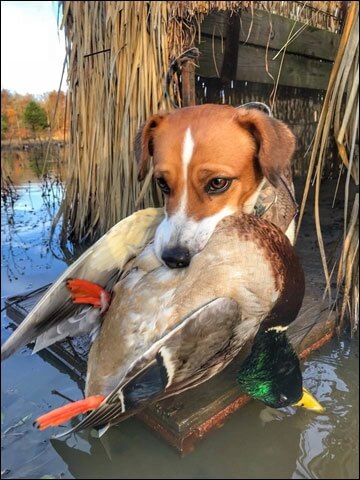

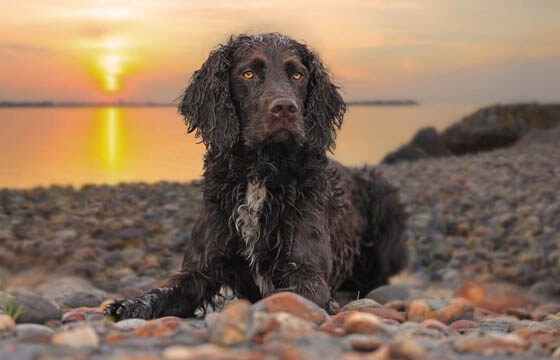
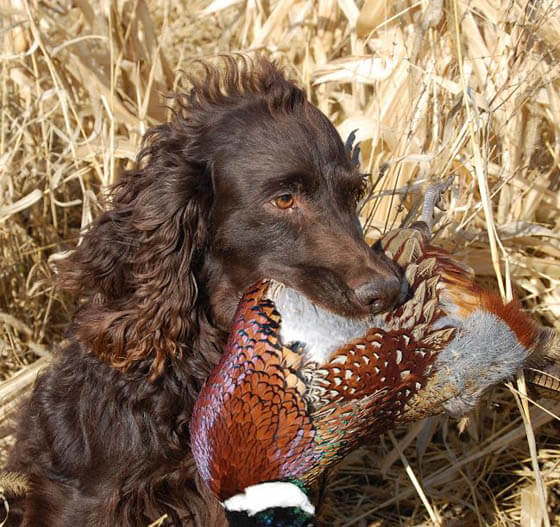
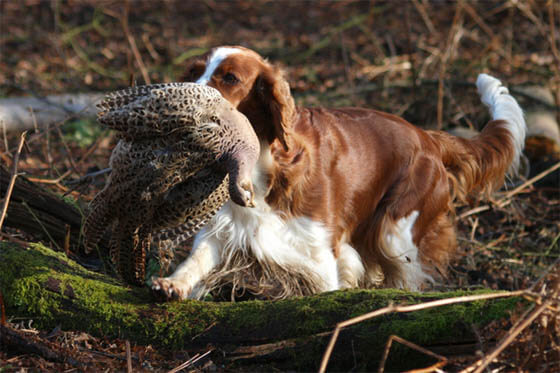


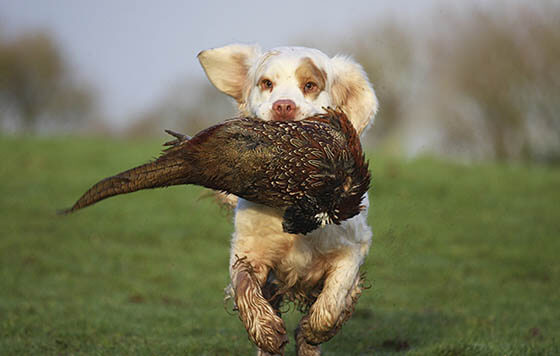
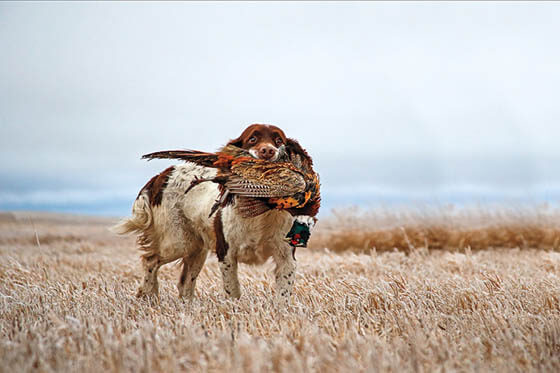
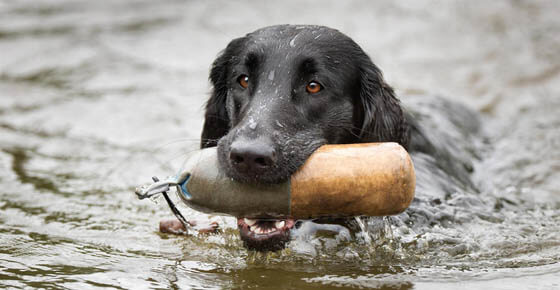
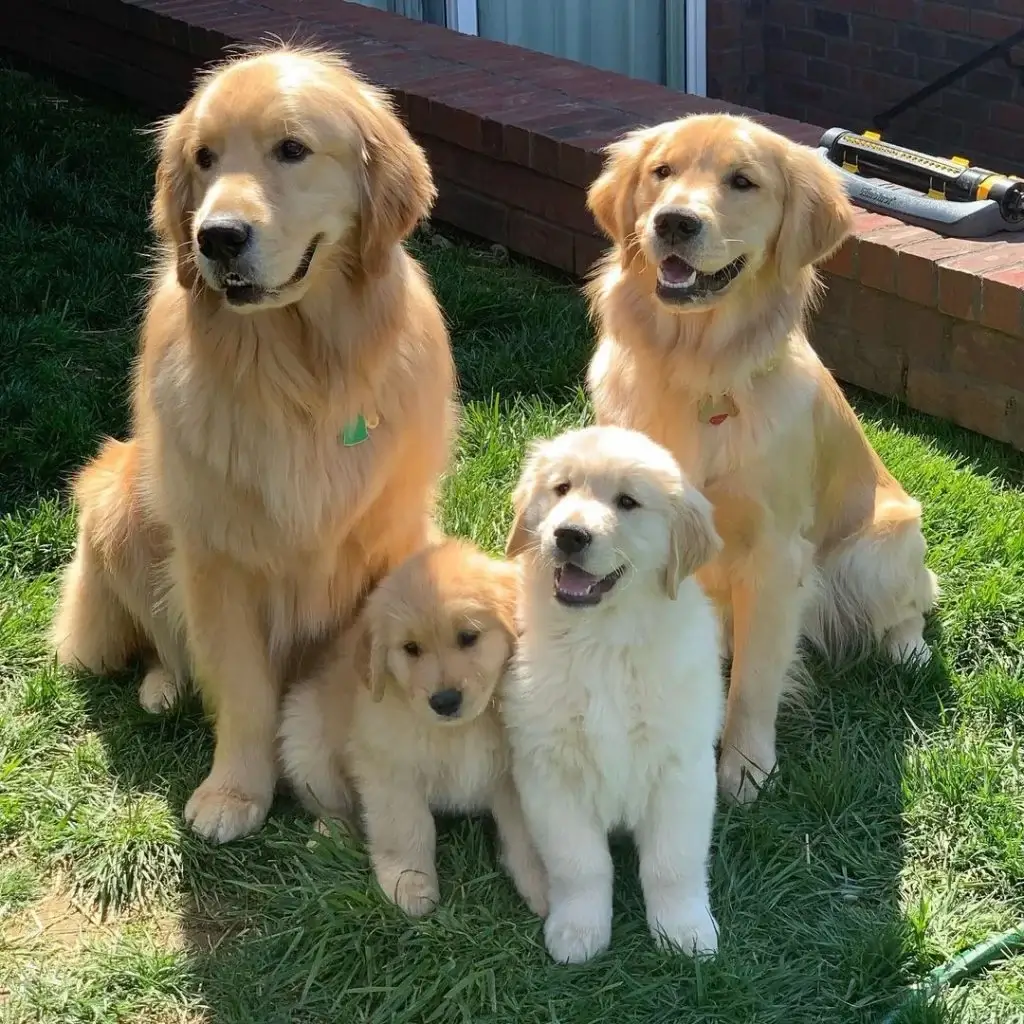
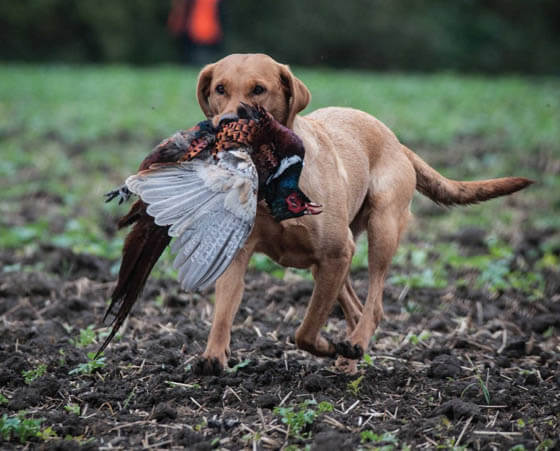

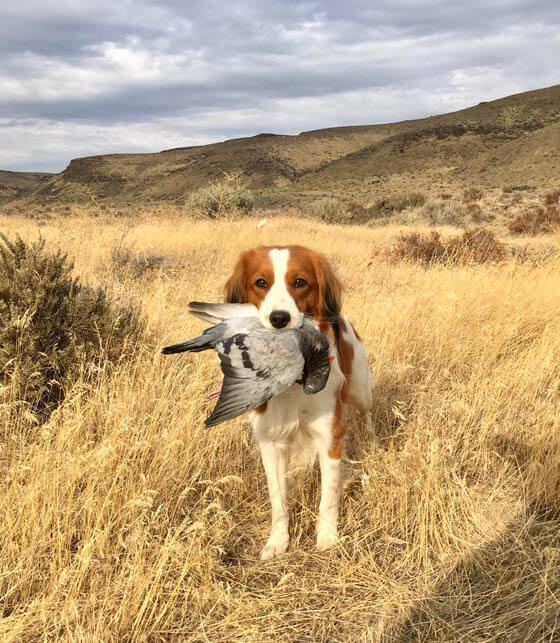
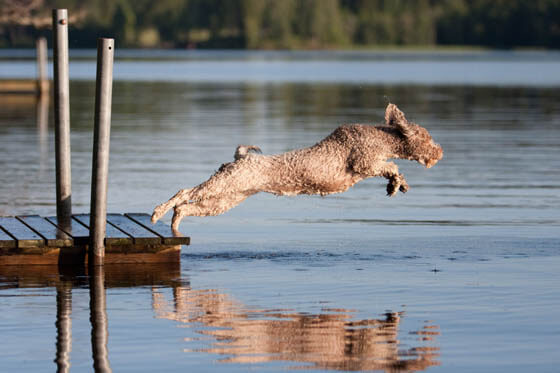
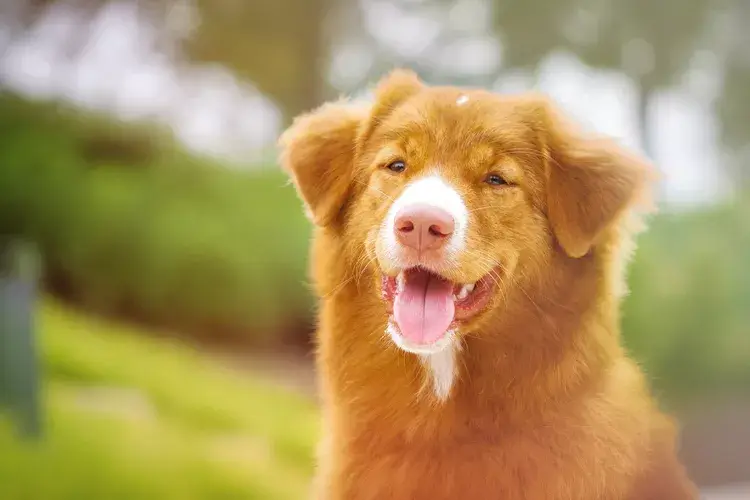
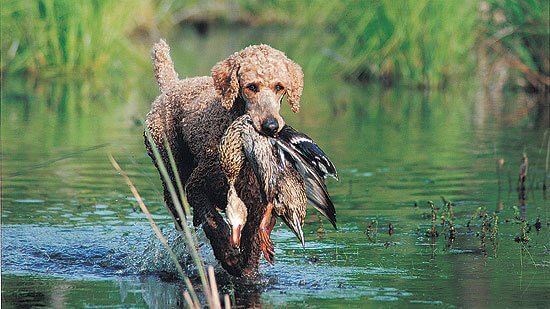
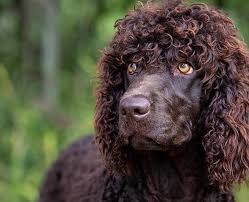
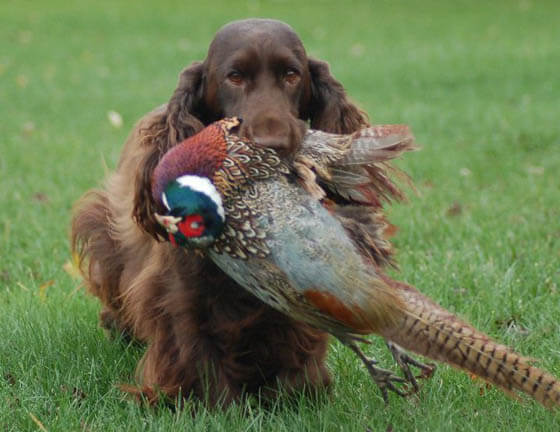
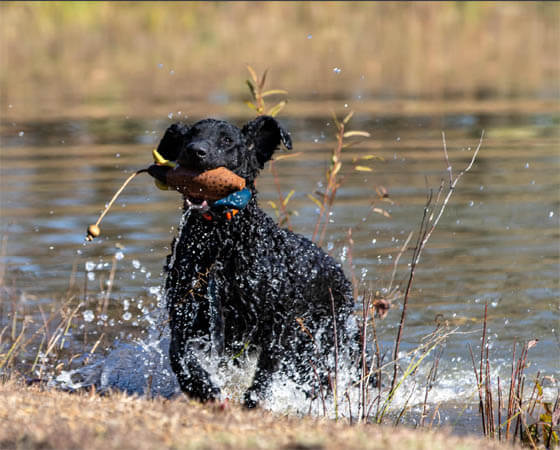
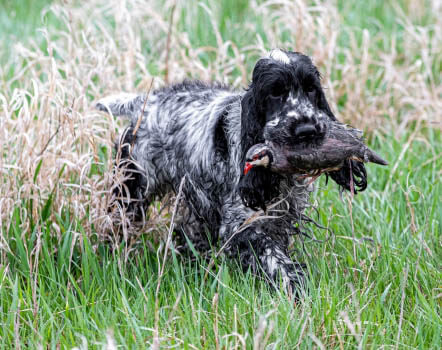
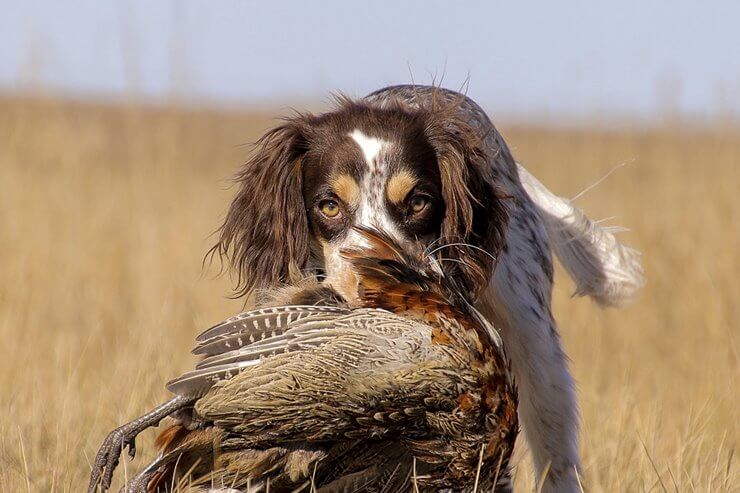
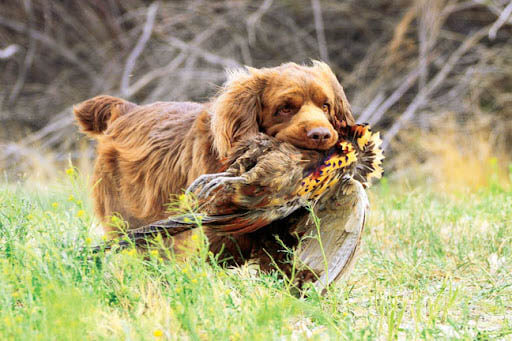
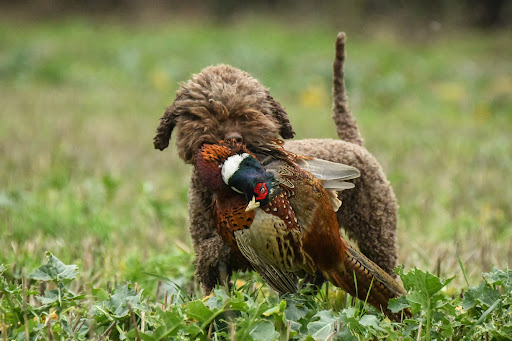
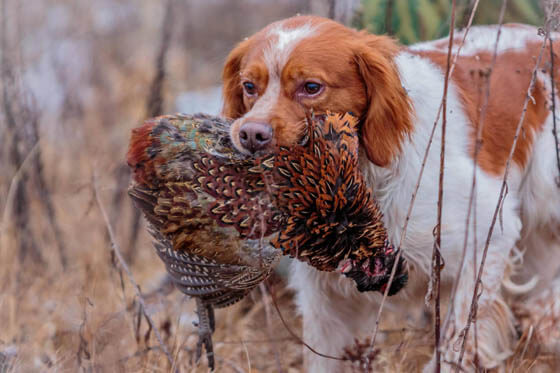














WORLD OF DOG & PUPPY 🐶