17 Modern Japanese Dog Breeds 42 Extinct Japanese Dog Breeds Unique & Special Dogs from Japan Japanese Male & Female Dog Names Rare Japanese Dog Breeds Dogs Originating in Japan
1. Japanese dog breeds have ancient origins, with several dating back to the Paleolithic period. Many Japanese dog breeds originate from the island nation.
2. The Nihon Ken (日本犬) breeds include Shiba Inu, Akita, Kai Ken, Kishu, Shikoku, and Hokkaido, and they are considered Japan's national dogs.
3. In a moment, you are about to see a lot of dogs with term "Inu" and "Ken" in their names like the Shiba Inu or the Kai Ken. However, this does not mean that all dog breeds with "Inu" or "Ken" are similar or share a bloodline. Both Inu and Ken mean dog in Japan.
4. Unique traits of Japanese breeds vary from hunting skills and protective instincts to distinctive "shiba screams" and tree-climbing abilities.
5. Apart from their appearance, Japanese dogs are recognized for their independent and proud nature, making them reserved around strangers. However, they are deeply attached to their families, and that is what has made them famous.
6. Not all dogs from Japan belong to the type of Japanese Spitz with their breed characteristics. Exceptions include the Japanese Chin, the Japanese Terrier, and the Tosa. All three are rather rare, even in Japan, and are not part of the national natural monument like the other breeds.
Japanese Male Dogs Names Yoshi Koji Kotaro Leo Kenzo
Japanese Female Dogs Names Sakura Momo Hana Nana Kurumi
The Shiba Inu is a small, fox-like Japanese breed known for its independent, bold, and alert personality, originally bred for hunting small game. They have a thick double coat, curled tail, and require moderate daily exercise, thriving in both city and country settings but needing secure areas as they have a strong prey drive and tendency to wander. Key traits include high affection but medium friendliness, moderate barking (and the famous "Shiba scream"), good trainability despite independence, and a need for mental stimulation through puzzle toys and activity. The Shiba is alert, confident, courageous and bold. It is loving, kind, trainable and brave. It is clean and most try to avoid puddles and are relatively easy to housebreak. They bark little and bond closely with their handler. Playful and delightful, a well-adjusted Shiba is good with kids, other dogs and cats. Active, lively, agile and fast. Socialize this breed well as a puppy, as they can be reserved with strangers. If the Shiba is not completely convinced that its handler can handle the pack leader position and regards itself as stronger minded it will become a bit stubborn as it will believe it needs to make up its own rules.
Proper human to canine communication is essential. A natural hunting dog, the Shiba should not be trusted alone with small pets such as rabbits, guinea pigs, rodents and small birds. Be careful when taking them off leash as they like to chase, especially if they do not regard their owners as a strong pack leader. Adapts well to traveling. Make sure you are this dog's firm, confident, consistent leader, providing daily pack walks to avoid behavior issues. Shibas were bred for hunting and are still quite muscular and athletic. They also have a reputation for being independent and aloof at times. And they tend to groom themselves much like cats do. The Shiba Inu overall tends to have a reserved personality but can be quite affectionate and attentive with their family. High intelligence and some stubbornness are generally components of the breed's temperament.
The Akita Inu is a large, powerful Japanese breed known for its dignity, loyalty, and protective nature, with a thick double coat, bear-like head, and curled tail. Originating as a versatile hunter of large game, they require experienced owners due to their dominant, sometimes aloof, temperament and high prey drive, needing consistent training, ample exercise, and careful socialization, especially around other pets and kids. They shed heavily seasonally and need regular grooming. The Akita is docile, intelligent, courageous and fearless. Careful and very affectionate with its family. Sometimes spontaneous, it needs a firm, confident, consistent pack leader. Without it, the dog will be very willful and may become very aggressive to other dogs and animals. It needs firm training as a puppy. The objective in training this dog is to achieve a pack leader status. It is a natural instinct for a dog to have an order in its pack. When we humans live with dogs, we become their pack. The entire pack cooperates under a single leader. Lines are clearly defined. You and all other humans MUST be higher up in the order than the dog.
That is the only way your relationship can be a success. If the dog is allowed to believe he is the leader over the humans he may become very food-possessive as he tells the humans to wait their turn. He eats first. Considered a first-class guard dog in Japan, Japanese mothers would often leave their children in the family Akita's care. They are extremely loyal and thrive on firm leadership from their handlers. They should definitely be supervised with other household pets and children. Although the breed may tolerate and be good with children from his own family, if you do not teach this dog he is below all humans in the pack order he may not accept other children and if teased, Akitas may bite. Children must be taught to display leadership qualities and at the same time respect the dog. With the right type of owner, the proper amount of daily mental and physical exercise and firm training, they can make a fine pet. Obedience training requires patience, as these dogs tend to get bored quickly. The Akita needs to be with its family. It vocalizes with many interesting sounds, but it is not an excessive barker. The proud and confident Akita dog breed does best in a home with experienced pet parents. They are an independent dog breed that bonds closely with their family, but they can be reserved or even uncomfortable around new people at first. Because of their independent nature, Akita dogs may do best as the only pet at home. Their natural prey drive that stems from their hunting history means they may see smaller animals, like small dogs or cats, as something to chase after.
The Kishu Ken is a medium-sized, athletic Japanese hunting dog known for its loyalty, alertness, and endurance, used historically for boar and deer; they have a coarse double coat, erect triangular ears, a curled tail, and come in solid white (most common), red, or sesame, requiring significant exercise and experienced handling due to their strong prey drive, but make affectionate family companions. The Kishu Ken is loyal and loving with its family. It is a friendly, quiet and calm, but tough and agile breed. Intelligent, clean and easily housebroken. Can be aloof with strangers; socialize well. Not a barker. Does well with other dogs. An excellent pack hunter, the Kishu stalks prey rather than barks. It has a high prey drive and should be socialized with cats at a young age and should not be trusted with other small non-canine pets such as hamsters and guinea pigs. The Kishu has been known to climb trees to catch prey. This breed needs an owner who is calm, but firm, confident and consistent, displaying a natural authority over the dog. If the Kishu senses the humans around it are weaker minded than itself, it will become headstrong and willful as it will assume the position of the leader. Proper human to canine communication is essential. A Kishu Ken that is well socialized and that sees itself as below humans in the pack order will be good with children. Children should be taught not to tease the dog.
Despite the Kishu's rustic appearance, the National Kishu Ken Club (NAKC) describes the breed as being "spirited, affectionate, and focused dogs who have a tendency to "wear their heart on their sleeve" and may have some big opinions they want to share.” And because they were bred to hunt alongside humans, they tend to be very close, but not clingy with their family. Kishu Ken are devoted, affectionate, and smart dogs, but their temperament and hunting instincts require careful consideration. Bred to work, Kishu are active, alert, and need a lot of daily mental stimulation and exercise. In fact, it is very unlikely that you will ever be able to provide enough physical exercise to truly wear your Kishu Ken out, but they will thank you for trying! Hunters at heart, Kishu Ken may need help learning to pay more attention to you than their own nose and ears when out and about. For this reason, all exercise should be done on a leash or within a securely fenced area so they don’t put themselves in harm's way. Though Kishu love their humans, they may have a hard time distinguishing other animals -particularly small ones, from things to chase, thanks to their hunting history and prey drive. Multi-animal households are more likely to succeed if a Kishu Ken puppy grows up alongside the other pets. Kishu Ken have strong hunting instincts, which means they can easily follow their senses into trouble and need to be kept either on a leash or within a fenced area when exercising outdoors.
The Shikoku is a rare, medium-sized Japanese spitz breed, known as a primitive hunting dog for boar and deer, with a wolf-like appearance, erect ears, curled tail, and distinctive sesame-colored coat. These energetic, loyal, and intelligent dogs are hardy, agile, and protective but require significant exercise, consistent training, and early socialization due to their strong prey drive and independent nature; they thrive with active owners who understand primitive breeds. The ancient Shikoku dog is what is known as a primitive breed, which means they retain more wild characteristics than other domesticated dogs that have grown accustomed to living with humans over the centuries. Because of their nature, your Shikoku's temperament around others will vary considerably depending on socialization in puppyhood. They are calm, reserved, and loyal to their family, but typically are not suitable for homes with other pets or young children. Although this dog resembles a larger version of the more common Shiba Inu, the Shikoku is generally calmer, less stubborn, more obedient, and more submissive than the Shiba. This breed is best for experienced dog parents, as Shikoku dogs require consistent training and have protective tendencies. Although the Shikoku is intelligent and fairly obedient toward their human, the breed is still primitive. This dog is somewhat willful and independent, so training can be a challenge. Train daily using positive techniques and rewards, and always be a fair and consistent leader.
Despite their superior hunting skills or because of it, the Shikoku Inu is often said to be a less stubborn Shiba Inu. They are fast learners, and training is a breeze making them wonderful pets to have for an active family. The Shikoku dog has a high prey drive - the instinct to chase and kill small animals and can be territorial or aggressive toward dogs and other animals. However, if raised together, the Shikoku may be able to live peacefully with another family pet. The Shikoku is somewhat strongly tied to nature. It is cautious and brave; a temperate dog with good judgment. The Shikoku is also very loyal and submissive to its owner; it loves to be touched and often likes to give kisses. Although, it may be slightly aloof with strangers. This breed needs socialization early to avoid becoming aggressive toward other dogs. Dogs that do become dog aggressive need a competent owner/trainer who knows how to communicate to the dog that this is unacceptable behavior. Shikokus can get along with children if they are raised properly and vice-versa. They have a high prey drive and therefore may not be for everyone; should not be trusted with non-canine pets such as guinea pigs and hamsters. Since they are natural hunters, small animals in their yard may not exactly be safe. Shikokus are very intelligent and are fast learners. They need firm, confident and consistent leadership from the humans around them or they will become somewhat stubborn and quite relentless in attitude and play. Although, they are said to be an easier dog to handle than their smaller Shiba and larger Akita cousins.
The Kai Ken is a rare, medium-sized Japanese hunting dog known for its distinctive "tiger" brindle coat (red, black, or medium brindle), loyalty, intelligence, and agility, capable of swimming and climbing trees. A Natural Monument in Japan, they are alert, devoted guardians that bond strongly with family but are reserved with strangers, requiring early socialization and plenty of exercise to channel their strong prey drive and active nature. The Kai Ken is a medium-sized and rare dog known for their athletic, muscular build and mix of German shepherd and wolf-like features. The Kai Ken originates from Japan and was widely used as a versatile hunting dog. Their famous brindle coat acts as a natural camouflage, perfectly equipping this breed for the mountainous terrain in which they were bred to work. Being a loyal, amiable, and affectionate dog, the Kai Ken usually does well with respectful children and other dogs, especially if properly socialized at an early age. In addition, these are hunting dogs, so they listen well and take direction well. They’re eager to please and bond well with family. Though the breed's strong prey drive may take over around smaller pets, each individual Kai Ken will differ. Kai Kens are athletic dogs that like to swim and climb. A tall fence in your yard can prevent them from escaping. As long as they receive enough physical activity daily, they can live in apartments. Getting plenty of exercise will also help prevent unwanted behaviors like barking, digging, and chewing. Fast and agile, the Kai Ken is an intelligent dog that loves running and hunting. They are determined and will chase prey through water even if that means swimming in a river with strong currents. This all means the Kai Ken prefers living in the country where they have room to run out all their energy. So they might not be the best dog for city living.
The Kai Ken is an extremely loyal, intelligent dog sure to win over the heart of any dog lover. However, these canines require a high amount of mental and physical activity, so they are best for active families. Because of their high prey drive, they may not be suitable for families with other pets. A strong, energetic hunter, the Kai Ken is a pack animal that bonds with its people and makes an excellent guard dog. Kai Kens require lots of exercise and careful socialization to become well-mannered companions. The Kai Ken is both active and eager to please. Though reserved around strangers, the breed prefers to be a member of a pack. It is famously devoted to its people - forming strong attachments and working as a steadfast guardian. Bred as a hunting dog, the Kai Ken retains a strong desire to hunt and may view smaller animals as prey. These dogs are excellent climbers known to climb trees in pursuit of game during hunts. These same climbing skills make Kai Kens escape artists that require tall, secure fencing. With adequate exercise, a Kai Ken makes an excellent apartment dog as it is quiet and clean and will happily relax alongside its owners. Kai Kens are smart and eager to please, which makes them a pleasure to train. But they do not respond well to harsh training methods. So, stick with positive, rewards-based training. Offering praise, treats, and toys will enhance your bond with your Kai Ken, leading to more training success. The Kai Ken is less independent and more willing to please their owners than other native Japanese breeds.
The Hokkaido (or Hokkaido Inu) is a rare, medium-sized Japanese spitz breed known for its bravery, loyalty, and endurance, originally used by the Ainu people for hunting large game like bears in harsh, snowy conditions. These sturdy, well-balanced dogs have a thick double coat, small triangular ears, and a curled tail, coming in colors like red, black, sesame, brindle, and white. Hokkaidos are intelligent, active, and form strong bonds, requiring consistent training and exercise to manage their protective instincts and high energy, making them confident family companions with proper socialization. These dogs are known for their bravery and alertness. They were originally bred as hunting dogs and possess a strong prey drive. Hokkaido Dogs are loyal and devoted to their families. They can form strong bonds with their owners and are protective when necessary. They have an independent streak and may not always be as eager to please as some other breeds. Early socialization and training are essential to ensure they are well-behaved. When properly socialized, Hokkaido Dogs can be good family pets. They are often gentle with children, but supervision is recommended. The Hokkaido Dog is considered one of Japan’s oldest native breeds, with a history dating back thousands of years. They were initially used for hunting large game in the rugged Hokkaido region. At one point, the breed faced endangerment, but efforts to preserve and promote the Hokkaido Dog have helped maintain its population.
The Hokkaido makes for one faithful hunting companion with a personality that’s similar to the Shiba Inu and Kai Ken. Their natural hunting ability gives them a great sense of smell and a whole lot of confidence. The Ainu Dog's character is packed full of desirable qualities. He has proven a fearless and determined hunter, watchdog, guard and defender, and at the same time, a loyal and well-behaved dog. They have also been used as sled dogs and scenting hounds and can be trained for defense. It is intelligent and quickly trained. This large game hunter is extremely courageous for its size, willing to attack a 650-pound bear! Yet it is still gentle, obedient and home-loving. It has an innate sense of direction and can therefore return to its master no matter how great the distance. This is a typical Shika-Inu, or medium-sized dog. If its owners do not display true pack leader qualities it can become headstrong, stubborn and aggressive with other dogs. They need owners who understand what it means to be a leader and the differences between human and canine. Despite its long history as a working breed, the Ainu Dog ideally combines the roles of family pet and hunter. This breed should not be allowed to run free around other animals. They are good with children if they are raised with them from puppyhood and properly socialized. Fortunately, the Hokkaido dog is an intelligent breed, and this along with their love of food makes them easy to train.
The Kawakami Dog (Kawakami Inu) is a rare, native Japanese spitz breed from Nagano's Kawakami Village, known for its wolf-like appearance, fearless loyalty, and high energy, closely related to the Shiba Inu but distinct, acting as a natural guardian with a cautious, stubborn streak requiring firm training and lots of exercise, recognized as a Japanese Natural Monument. The legend of the Kawakami Inu's origin tells how hunters tamed the wild wolves of the Chichibu Mountains, and all Kawakami Inu are thus related to the now extinct Japanese wolf. Because of this, it is believed that a Kawakami Inu will confront an opponent larger than itself. One story tells of a Kawakami Inu that protected its owner from a bear. Personality curious active. And vigilance is also strongly loyal to his master. In addition, I am also facing watchdog. When welcoming a Kawakami dog into your home, it is essential to engage in ample physical affection. In Japan, it is believed that a lack of affection can lead to instability and aggression in dogs. However, with proper communication, a Kawakami dog can develop a deep bond and grow into a loyal and magnificent companion.
Among pet owners in Japan, there is a shared understanding that possessing a Kawakami dog comes with the significant responsibility of providing ample time and the right environment to satisfy their substantial exercise needs. To cater to the energetic requirements of this active breed, strategic care is essential. The temperament of the Kawakami dog deeply resonates with the ancient values of Japan. Their unwavering loyalty and devoted love towards their owner mirror the virtues expected of a samurai. Often perceived as less sociable, this could very well be an expression of the pride inherent in Japanese dogs, pledging their allegiance only to a select few. With lineage tracing back to the Japanese wolf, they convey a samurai-like presence through their piercing gaze and dignified demeanor. It is only those who choose to understand and live alongside the Kawakami dog that can truly appreciate their noble traits. Their unique qualities and deep connection with Japanese history make them a cherished and culturally significant breed.
The Tosa Inu (or Tosa Ken) is a large, powerful Japanese mastiff known for its calm, courageous, and loyal temperament with family, but aloofness with strangers, requiring experienced owners due to its watchdog and fighting dog history and potential dog aggression. These muscular dogs have short, hard coats in colors like red, fawn, brindle, or black, and vary greatly in size, with Japanese-bred Tosas generally smaller than international versions. They are quiet, protective, and need early socialization and consistent leadership, as they were bred for silent fighting and possess high pain tolerance. The Tosa is loyal, sensitive to the tone of one’s voice, paying close attention to commands. This is not a noisy breed. The Tosa was once used for dog fighting and was bred to fight quietly as Japanese dog fighting rules called for silence. This natural guard dog is protective, courageous and fearless. It needs an owner who knows how to display leadership at all times. Socialized this dog well starting at puppyhood. Aggression and attacks on people are due to poor handling and training. Problems arise when an owner allows the dog to believe he is pack leader over humans and/or does not give the dog the mental and physical daily exercise it needs to be stable. Because of their large size and strong protective nature, Tosa Inus are not great dogs for first-time owners. They need a lot of training, especially when it comes to them being around other dogs and animals.
This breed needs owners who are naturally authoritative over the dog in a calm, but firm, confident and consistent way. A stable, well-adjusted and trained dog is for the most part generally good with other pets and excellent with children in the family. It must be firmly trained in obedience from an early age. This is not a breed for first-time dog owners. A well-balanced Tosa that knows his place in the pack will not snap or bite. Early proper manners and training is a must with this breed; teach the dog to heel on the lead and go in and out doorways after the humans. The Tosa is great with children in the family. Docile and affectionate with the owner. It is protective yet gentle. The Tosa has a very stable temperament. It makes an excellent guard dog. Its deep bark and massive size is enough to keep out intruders. Can be reserved with strangers, however a well-balanced Tosa will accept newcomers if properly introduced. Tosa Inus can be quietly affectionate with their families, but they are usually aloof with strangers. They require extensive socialization to help them become accepting of welcome visitors. Due to their history of dogfighting, they can also be aggressive toward other dogs, especially those they do not know. Though Tosa Inus are massive, powerful dogs, their temperament is calm, quiet, and obedient. They are innately watchful and will alert you to anything deemed threatening or out of the ordinary. Although a Tosa might react aggressively toward a trespasser or a person threatening their home or family, they are not aggressive toward non-threatening humans. Tosas also have gentle and tolerant personalities with children in the family who are taught to interact with the dog respectfully.
The Japanese Spitz are little comedians who want to make you happy and laugh. They are very loyal and smart and make wonderful companions. Game for adventures, they will tag along on a hike, a car ride, or a trip to the beach or lake. They love their humans and just enjoy being with them. The Japanese spitz is a small companion breed developed in Japan with a white, fluffy coat. Spitz breeds, also called Northern breeds, are a type of dog commonly found in cold and snowy regions. Like most spitz breeds, the Japanese spitz has a thick double coat, a wedge-shaped head, upright triangular ears, and a long tail that curls up and over the back. The friendly and fun-loving Japanese spitz is the consummate family dog. Cheerful, quiet, and clean, they are ideal house dogs, which is a good thing because there is nothing they want more than to be with their families. The Japanese spitz’s small size and moderate energy level make them an ideal apartment dog. Most Japanese spitz get along great with other dogs, cats, and respectful children. The Japanese spitz resembles other dogs, such as the Pomeranian, the German spitz, and the American Eskimo dog. Japanese spitz are happy, little dogs that make wonderful companions, especially for your kids! Unlike many of the other dogs on our list, the Spitz is not known for their hunting skills. As well, they bark occasionally, for example, when there is a visitor at the door. Loving, loyal, and friendly are the three best words to describe the Japanese Spitz.
They can be trained to live well with other dogs and cats. They have a gentle temperament, are easy to train, and are perfectly content in a smaller home or apartment. These fluffy friends are smart and a great deal of fun. However, they are prone to separation anxiety, and may bark when alone or excited. Please note: these small dogs have a louder bark than you'd imagine, so do not be startled when you hear it. The Japanese Spitz is a high-spirited, intelligent and playful dog, which is alert and obedient. This bold little dog is a good watchdog and will alert its owners when it feels it is necessary. The Japanese Spitz is not difficult to train as long as the owner is always consistent. This breed learns quickly and really enjoys agility and playing games of catch with balls or Frisbees. This happy dog is usually good with children and usually gets along well with other dogs and household pets. The Japanese Spitz is, in spirit, a big dog in a little dog's body. This tough little dog acts as a house protector and guardian. The Japanese Spitz can be an inveterate barker if you allow it to believe it is in charge. Be sure to tell your dog enough is enough and to quiet down if he starts barking obsessively. Cheerful, bold, proud and affectionate toward its masters. The Japanese Spitz temperament is fun and energetic, this breed loves to entertain their humans by performing tricks and learning skills. They are great with children and other pets as long as they are properly socialized at an early age. This breed has a moderate amount of energy and needs 30 - 60 minutes of exercise every day, which can consist of playing with toys, doing tricks, going on walks, or running in a fenced yard.
The Sanshu Inu is actually a modern dog, because unlike other dog breeds , it is not so old. The origins of it are marked at the beginning of the 20th century, exactly in the year 1992. The Sanshu Inu is a rare, medium-sized Japanese dog, a cross between Chow Chows, Akitas, and other Japanese breeds, known for being loyal, alert companions and good watchdogs, smaller and friendlier than Akitas but sharing similar traits with a straight tail, making them elegant family dogs despite their rarity. When it comes to selecting a dog breed that combines elegance, loyalty, and a gentle nature, the Sanshu stands out as a remarkable choice. Known for its distinctive appearance and affectionate temperament, the Sanshu is a breed that has captured the hearts of dog lovers around the world. Whether you are a first-time dog owner or an experienced handler, understanding the traits, care requirements, and history of the Sanshu can help you decide if this breed is the perfect addition to your family. The Sanshu is renowned for its affectionate and loyal nature. It forms strong bonds with its family members and thrives on human interaction. Over the years, the Sanshu has maintained its traditional qualities, remaining a symbol of loyalty and elegance within Japanese culture. It was recognized by various kennel clubs in Japan and has gained international recognition for its unique appearance and temperamental qualities. This breed is known to be gentle with children and gets along well with other pets, especially when socialized from an early age.
Despite its friendly demeanor, the Sanshu is alert and observant, making it an excellent watchdog. It tends to be wary of strangers, which can be beneficial for home security. However, early socialization and consistent training are essential to ensure the breed remains friendly and well-behaved. The Sanshu is intelligent and eager to please, which makes training relatively straightforward. Positive reinforcement methods and patience work best with this breed. They are also known for their adaptability, functioning well in both apartment settings and larger homes with yards. Early socialization is key for Sanshu puppies to develop into well-behaved adults. Expose them to different people, environments, and other animals in a positive manner. This breeds’ intelligence and eagerness to please make training sessions enjoyable and effective. Consistency, patience, and positive reinforcement are essential. Avoid harsh punishments, as they can damage the trusting relationship you build with your dog. Enrolling in puppy training classes can provide structured socialization and help address any behavioral issues early. Due to its adaptable nature, the Sanshu can thrive in various living environments. They are well-suited for apartment living provided they receive daily exercise and mental stimulation. A home with a secure yard is ideal for outdoor play and exploration. This breed’s alertness makes it a good choice for homes where it can serve as a watchdog. However, their social and affectionate nature means they prefer being close to their family members. They do best in environments where they receive ample attention and companionship. The Sanshu dog is affectionate, affectionate and very cheerful, so you will always see them playing and having fun with his owners and family. They are dogs that love to receive affection, when they notice that you have time they will approach you in search of affection and attention. They are active, as they carry the genes of Japanese dogs in their blood, they love to have constant physical activity, so it will be essential that you provide them with entertainment and daily exercise.
The Ryukyu Inu (or Ryukyuken) is a rare, indigenous Japanese hunting dog from Okinawa, known for being agile, brave, loyal, and intelligent, originally used for wild boar hunting, possessing strong natural instincts, high prey drive, and unique climbing ability via working dewclaws, requiring significant exercise and mental stimulation, they are generally good with family but wary of strangers and small animals unless socialized early, often sporting a distinctive brindle coat. The Ryukyu Inu is capable of climbing trees due to their working declaw. The Ryukyu Inu has its roots in Okinawa, Japan. They are a pure breed and are considered to be rare as they are decreasing in number because of their unpopularity. They usually cost around $400- $600. They are not as sensitive as other breeds which makes them courageous and great hunting dogs. They have lived in the rainforest for years and are believed to be able to climb trees, but currently, a very small percentage of Ryukyu Inu has a working declaw. They may look similar to the Kai Ken but their behavior is more similar to a Hokkaido. The Ryukyu Inu are intelligent and like to be respected. They are not scared of danger and will protect their family as they are loyal-natured. Even though the Ryukyu Inu is a wild breed, it does not mean they are not playful and friendly. The Ryukyu is not a big barker and mostly enjoys relaxing around. They are extremely confident dogs and difficult to intimidate.
They love to socialize and like to be included in everything. These dogs are known for their agility and endurance, and they were originally used for hunting. They have a short coat and come in brindle or red. Ryukyu Inus are intelligent and loyal, and they make great companions for active individuals. The Ryukyu Inu is one of the easiest to train among other Japanese dog breeds. They are very intelligent and respond well to their owner's voices. They can be trained through treats. The Ryukyu is a hunting dog which is why they are not trusted with other pets. They may be okay with a cat if they are introduced early on. They are an active dog breed and may need their owner to take them for long walks or hikes. They can be good with kids for a short period. They can climb vertical trees and may have a strong prey instinct. You may not be able to leave the dog alone for a long time as they require time from their owners. The Ryukyu Inu is the perfect partner to have If you are looking for someone who is not only athletic and playful but also very affectionate. They also don’t bark too much and are quiet. They are a friendly breed that loves their family. The more you get to know this breed the more you fall in love with their amicable spirit and pleasing nature. They are very loyal to their masters and would never leave their side in any difficult situation. If you are looking for a brave partner they are the one!
Mino Shiba" ( Mino-Shiba / 豆柴) refers to a historical regional type of Shiba Inu from Japan's Gifu Prefecture, known for its deep red color, thick ears, and sickle tail, distinct from modern Shibas but crucial to their foundation, and can also refer to artificially miniaturized versions sometimes called "Mame Shiba" (豆柴), meaning "bean Shiba". The "Mino Shiba" is not a separate breed but refers to one of the original Japanese Shiba Inu types (Mino, Sonnen, Shinshu) that were blended after WWII to create the modern Shiba Inu, known for its foxy look, curled tail, double coat, alert nature, and independent spirit, originating from Japan as a hunting dog for small game. They are small, muscular, intelligent, bond closely with family, but can be aloof with strangers, requiring early socialization and consistent training to manage their strong prey drive and unique "Shiba scream". The Mino Shiba is a rare Japanese breed, closely related to the Shiba Inu but native to the Mino region. Known for its alertness, loyalty, and independence, this small yet agile dog typically lives 12-16 years and thrives in active, experienced households. A Mino Shiba is a type of Shiba Inu native to the Gifu prefecture in Japan; it is a beautiful deep red colour and extremely rare. There are only something like 200 in Japan. They are one of the oldest Shiba breeds and are quite frankly, stunning as well as endangered, but I know there is a movement in Japan to preserve them.
The Sakhalin Husky (Karafuto Ken) is a critically endangered, powerful sled dog from Japan's Sakhalin Island, known for its endurance, loyalty, and distinctive thick double coat, often darker than Siberian Huskies. Used for freighting and hunting, they are intelligent, hardy, and can haul heavy loads in harsh conditions, but are rarely seen today, with only a handful surviving. The Sakhalin Husky is a rare and ancient breed originating from the Sakhalin Island in Russia. Also known as the Karafuto-Ken or Ainu-ken, the Sakhalin is recognized for its endurance, strength, and resilience. The breed was traditionally employed by the indigenous Ainu people for various tasks, including hunting and pulling sleds in harsh Arctic conditions. These dogs have distinctive characteristics, such as a thick double coat that provides insulation against extreme cold. Additionally, their erect triangular ears and curled tail contribute to their adaptation to the frigid climates of Sakhalin. Known for their loyalty and intelligence, Sakhalin Huskies are typically reserved and independent, displaying a strong sense of pack mentality. While they make devoted companions, their unique history and characteristics make them better suited for experienced dog owners who understand their needs. The breed's rarity and historical significance have led to conservation efforts to preserve and protect the Sakhalin Husky, ensuring its continued existence and recognition as a valuable part of canine heritage.
While bred primarily as a sled dog, Sakhalin Huskies are also used for hunting bear and fishing. They often exhibit a strong pack mentality and reserved demeanor, making them well-suited for experienced dog owners who appreciate their working and primitive nature. Conservation efforts are underway to preserve and protect this rare breed, recognizing its unique historical and cultural significance. While relatively uncommon outside its region of origin, the Sakhalin Husky continues to captivate enthusiasts with its fascinating history and distinctive physical characteristics. Adapted to extreme cold climates, the breed features a thick double coat, erect triangular ears, and a curled tail, all of which contribute to its resilience in frigid temperatures. Known for its strength and endurance, the Sakhalin Husky played a crucial role in sled-pulling, showcasing its impressive work ethic and ability to navigate challenging terrains. Sakhalin Huskies exhibit strong loyalty to their owners and often display an independent nature. They have a distinct pack mentality, making them suitable for experienced dog owners. Due to its rarity and historical significance, conservation efforts are in place to protect and preserve the Sakhalin Husky, ensuring the continuation of this unique breed. The breed is easily recognizable by its curled tail, erect ears, and overall robust build, setting it apart from other husky breeds.
The Japanese Terrier (Nippon Terrier) is a small, smart, and lively companion dog from Japan, known for its short, smooth, white coat with black/tan markings and black head. They are intelligent, affectionate, and adaptable, requiring moderate exercise, minimal grooming, and thrive as alert, loyal, and cheerful family pets, though they retain typical terrier independence and prey drive. Observant, alert, intelligent, and dignified. The Japanese Terrier is a non-sparring breed and generally friendly with other dogs, but may be reserved with strangers. Submissiveness is not a fault. Any agression and excessive shyness should be penalized. Japanese Terriers are animated, happy dogs of marked intelligence. Adaptability and great affection are two uppermost qualities of this breed. A small-sized dog of smart appearance with a clear-cut and compact outline. Like your typical Terriers they are active, versatile athletes, intelligent, and a firecracker. They are small yet sturdy and know how to hold their grounds. However, the Japanese Terriers are considered to be "Terrier-lite" meaning they are not as intense as most Terrier breeds. They also should not have any sorts of aggression and should do well with other dogs and in a multi-dog household making them a nice beginner Terrier breed. Like the primitive breeds they are aloof with strangers, independent, alert, and cautious.
They are not the kind of dogs to go up to anyone for attention and would rather keep it to themselves and the people they know and trust. They are independent and do not live to please you or work for or with you. They only do things because they want to or because they can get something out of it, and have the "What's in it for me?" attitude. Many Japanese Terriers are food motivated which helps a lot keep their focus and attention during training, but without food or a reason, they could care less. They are also very alert and cautious and think before they act to make sure it's "safe". Anything they feel is a threat or anything amiss they will alert. They were bred to be small watch dogs and still have those great senses and qualities. Due to their unique temperaments this breed is NOT suited for first time owners or anyone who is not prepared to provide a big amount of training and socialization. Lack of training and socialization will result in your Japanese Terrier being very nervy and skittish and in worst cases aggressive. Cases like these are not uncommon in Japan with first time owners, especially, and others who failed to provide any or enough socialization. All of these qualities may sound like a challenge, but to me the relationship you create with this breed is very special and nothing like the ones you have with other breeds with a more "normal" or easier personalities. Seeing all of the work and time you spend with each other pay off is one of the best thing one could ever feel and I live for those special moments.
They also tend to only show their true colors and silly and sassy personalities with the people they trust making those moments extra special. Being able to preserve this rare breed with unique challenges is another great adventure I have with the breed and I hope more can experience this with this breed. Energy and drive, I would consider them to be medium, some can be lower. Providing them with both mental and physical exercises is important. My dogs live an active lifestyle adventuring the mountains and the beach as well as training and competing in various sports, but in the house they know to calm down and have a nice off switch. There are many lower energy dogs who are happy with a walk and play time in the yard, but they are also capable of living a more active lifestyle. As a terrier breed many have prey drive and like to chase small animals, but can learn to live around them. There are a number of them living with small animals like cats, birds, guinea pigs, and more. Proper introduction and supervision is a must for the safety of both animals.
The Kishu Inu (or Kishu Ken) is a medium-sized, muscular Japanese hunting dog from the Spitz family, known for being loyal, alert, and tenacious, originally used for hunting boar and deer, with erect ears, a curled tail, and a short, coarse double coat, most commonly solid white, though red, sesame, and black & tan are also seen. They are spirited, intelligent, and affectionate with family but can be aloof with strangers and have a strong prey drive, requiring experienced owners. The Kishu Ken is an alert, good-natured hunting dog from Japan’s Kii Peninsula. Often described as being a descendant of the Japanese wolf, the breed certainly looks the part with their short, coarse coat; triangular ears; and sickle-shaped tail. Kishu Ken are devoted, affectionate, and smart dogs, but their temperament and hunting instincts require careful consideration. Though Kishu love their humans, they may have a hard time distinguishing other animals - particularly small ones from things to chase, thanks to their hunting history and prey drive. Multi-animal households are more likely to succeed if a Kishu Ken puppy grows up alongside the other pets. The Kishu is one of the quietest dogs around and can easily sneak up on you without you noticing. Fortunately, they are wonderfully loyal, and unlike some of the other hunting breeds on our list, the Kishu is great with kids.
Kishu Ken is bold and dignified but docile in nature - provided you are not a wild boar, of course. As alert observers, the breed appears to have the courage and spirit that makes them ready for a challenge. Kishu Ken have strong hunting instincts, which means they can easily follow their senses into trouble and need to be kept either on a leash or within a fenced area when exercising outdoors. Kishu may also have a difficult time distinguishing fellow pets from prey at home. And while they can do well with older children who know how to properly interact with dogs, Kishu Ken may not be the best playmates for very young children. Bred to work alongside humans, Kishu Ken living as family pets still need close companionship and daily opportunities to flex and exercise their brain and body. Bored, lonely Kishu Ken with energy to spare will be more likely to engage in unwanted behaviors. That being said, they are not all work. Kishu are good-natured and can develop a faithful, affectionate bond with their family. And importantly, they can trade the challenge of boar hunting for challenges like hiking, jogging, and play. The Kishu Ken is loyal and loving with its family. It is a friendly, quiet and calm, but tough and agile breed. Intelligent, clean and easily housebroken. Can be aloof with strangers; socialize well. Not a barker. Does well with other dogs. An excellent pack hunter, the Kishu stalks prey rather than barks.
The Satsuma Inu is a large, powerful, rare Japanese dog breed, essentially an extinct or merged ancestor of modern fighting dogs like the Tosa Inu. Bred for hunting and fighting in the Satsuma region, it was a large, courageous, loyal dog known for its strength, often crossed with larger breeds like mastiffs; today, it's largely absorbed into other breeds or lost, though some enthusiasts seek its traits in modern dogs like the Shikoku or Tosa. The Satsuma Inu is a rare breed from the Kagoshima region, Japan. They are medium-sized with a short coat and were originally used for hunting. These dogs are intelligent, loyal, and protective, making them excellent companions for families who appreciate an active lifestyle. "Satsuma Inu" translates to 薩摩犬 (Satsuma-ken or Satsuma-inu) in Japanese, referring to the Satsuma Dog, a rare, ancient Japanese breed from the Satsuma region (Kagoshima), known for its loyalty and distinct look, though often confused with the Tosa Inu (Fighting Dog) or even Shiba Inu in general English discussions.
"Odate Inu" refers to the Akita dog breed, named after Odate City in Japan's Akita Prefecture, its birthplace, and is famous globally due to the loyal dog Hachiko. These strong, dignified dogs were historically used for hunting and fighting but are now cherished national treasures, known for their loyalty and protective nature, with a dedicated visitor center and festivals in Odate celebrating them. The Odate Inu is a regional variant of the Akita breed, known for its strong build and thick double coat. They have traits similar to the Akita Inu, such as loyalty and bravery. Originally bred for hunting, Odate Inus are protective independent, and require an experienced handler.
The Aizu Dog (or Ainu Dog, Hokkaido Dog) is an ancient, rare Japanese Spitz breed, known for its muscular physique, erect ears, and curled tail, originally used for big-game hunting (especially bears) and guarding, possessing a tenacious, courageous, and loyal personality to its master, with a strong hunting instinct and wild nature, and is considered a National Monument in Japan, similar in appearance to other Japanese breeds like the Akita but with distinct characteristics, sometimes noted for their blue-black tongues. Have the appearance of a typical Nipponinu, it is a dog of a muscular physique. Have the legs open to Matagi dog seems to figure-eight like a papier-mache dog, chest is broad. Has a muzzle was thick Kutoga' a little short, ear Standing ear, tail stab or wound tail tail. Court is a short coat, hair color is no particular limitation. On white plaques hair color of papier-mache was real. Force is very strong, strong wild taste for the real hunting species. Personality is only loyal to his master obedient, tenacious and courageous. Hunting instinct is high, momentum is large.
The Amagi dog is a rare, local Japanese dog landrace from the Amami Islands (Kagoshima Prefecture) that is considered extinct. It is not a widely recognized dog breed by major kennel clubs like the American Kennel Club (AKC) or the Fédération Cynologique Internationale (FCI). Origin: Amami Islands, Japan (Shizuoka Prefecture is also mentioned as a potential region). Considered extinct or extremely rare, existing only in specific local areas at one time. Historically used as a hunting dog for wild boars. Not an officially standardized or globally recognized breed. Due to its likely extinction as a distinct landrace, detailed, standardized information on its characteristics and temperament is limited. The available information suggests it was a spitz-type dog related to other native Japanese breeds and a potential precursor to the Akita Inu. The six well-known native Japanese dog breeds that are officially recognized are the Shiba Inu, Akita Ken, Hokkaido Ken, Kai Ken, Kishu Ken, and Shikoku Ken. The Amagi dog is separate from these standardized breed.
4. ATSUMA DOG
The term "Atsuma dog" most likely refers to the historic Atsuma bloodline of the Hokkaido Ken (also known as the Ainu Ken), one of Japan's six native dog breeds. The Atsuma line itself is largely considered extinct as a pure lineage; only the Chitose bloodline fully survived the effects of World War II and other population crises. Posibly not extinct completely.
5. AWA DOG (Tokushima)
Awa dog (Awaken, Awainu) is, Tokushima Prefecture (formerly Awa countries were present in) Japan dog kind of. Showa early extinction are. Awa and is of the opposite shore falls Kishu Kishu many points in common with, is also seen as a cognate. On the other hand, the dog having a property in common with Kishu are distributed is a coast near the region of in Tokushima, frog is in the area of the mountain side of the peripheral is also referred to as a separate system called pinholder system, or Iya system was present. Faithful to it surly but master. However, it does not compromise a foreign person. The "AWA" in Japanese dog breeds likely refers to the Awa line of the Shikoku Ken, a native Japanese hunting breed known for being courageous, loyal, medium-sized, with a Spitz-type appearance and distinctive coat colors, though this specific line largely disappeared post-WWII, with the modern Shikoku drawing from other lines like Hongawa and Hata. Akitas (Akita Inu/American Akita) are also prominent, large, protective Japanese breeds, but "Awa" specifically points to the rarer Shikoku heritage.
In the land of dog Chichibu born, it is said that a dog close to the Shinshu Shiba. There is also a legend that Canis lupus hodophilax of descendants. But the dog has been popular long in the place of origin, but extinct name recognition now got downfall. Although there is no purebred ones, sum-based dog catching the land are few survival. Larger size than usual Shiba Inu, winter pelage is especially thick. In projecting features are not Nipponinu, ear Standing ear, tail Kamao. Court is at the show Tokoto, hair color such as red. Personality or other status is unknown. The "Chichibu Dog" likely refers to local hunting dogs from the Okuchichibu region of Japan, often medium-sized with brown or black-sesame coats, curled tails, and used for boar hunting, closely related to native Japanese breeds like the Shiba Inu and Kawakami Inu, known for being sturdy, vigorous, and loyal hunters tied to regional traditions. While not a distinct modern breed, these dogs embody the hardy spirit of native Japanese hunting dogs, sharing traits with the Shiba Inu but reflecting local variations.
The Daito dog (Daito inu, Daito ken) is a local dog of Minamidaito Island in the Daito Islands of Okinawa Prefecture , and is a type of Japanese dog . It does not have a pedigree. Daito Dog is not completely extinct, but only 4 purebreds, Daito Islands, Okinawa. The Daito Islands were once uninhabited, but settlement began in 1900 with immigrants from Hachijojima . The Daito dog was brought to the area by these immigrants about 100 years ago. Its origins are unclear, but one theory is that it evolved into its current appearance through repeated inbreeding in an isolated environment. The Daito's facial features and body shape are typical of Japanese dogs. A unique feature not found in other Japanese dogs is its very short legs and bow-legged stance . Purebred Daito dogs have very short legs and a short, stepping gait, similar to Welsh Corgis and Dachshunds , but dogs with a weaker ancestry may have longer legs. Their ears are erect, and their tails are either curly or pointed. Curly-tailed dogs, like other breeds, tend to lose their curl with age. Their coat is a stiff, short coat, similar to that of regular Japanese dogs, and there are no restrictions on color. They are resistant to heat but not so much to cold. They are loyal to their owners, but not very friendly with people and have a somewhat aggressive temperament. This aggressiveness is a characteristic of a hunting dog and is not unique to this breed. As a family dog, they are happy to watch over their owners and spend time with their families while also serving as guard dogs. Although they have short legs, they are just as active as other Japanese dogs, and are prone to skin diseases and herniated discs.
"Ichigo-Shiba" is not a distinct dog breed but rather refers to a Shiba Inu. "Ichigo" (meaning "strawberry" or "number one" in Japanese) is a common name for a Shiba Inu dog, while "Shiba" means brushwood and "Inu" means dog in Japanese.
The Shiba Inu is an ancient Japanese breed, the smallest of the six native Japanese Spitz breeds, originally bred for hunting small game and birds in mountainous terrain.
10. HIGO DOG (Kumamoto)
Absorbed into Higo Wolf Dog.
11. HOSHINA DOG (Nagano)
Its synonyms are Azusayama and Togakushi.
12. HYUGA HINATA DOG (Miyazaki)
Possible not completely extinct. Is a rare hound that has long been used in the old Hyuga clan. Also a lot of ground dog present in addition to Miyazaki, but both in the rare species of the regional data is not almost floating around. Hinata dog is also pure blood in the place of origin is protected now. Almost everything is a real hunting dog, has also been crossed with other earth dog. If you are a typical figure of the earth Dog Kyushu south, there is no feature that protrudes. Standing ear-piercing tail on the court is smooth, hair color is white, red, brown, etc. tiger. Personality is loyal and brave, tenacious. It is a genuine real hunting species that face not flinch even wild boar.
Its origins are unknown. It is a rare hunting dog that was used for a long time by the former Hyuga Domain. There are many other local dogs in Miyazaki, but they are all rare breeds limited to the area and little data is available. The pure breed of the Hyuga dog is still preserved in its place of origin. Almost all of them are hunting dogs, and they are also crossbred with other local dogs. It has the appearance of a typical local dog from Kyushu and south, with no outstanding features. It has erect ears, a pointed tail, and a smooth coat, with colors including white, red, brown, and tiger. It has a loyal, brave, and tenacious personality. It is a genuine hunting breed that can stand up to wild boars without flinching. Many of the Japanese dog breeds in Miyazaki and Oita are shrouded in mystery, and the true identities of most of them are still unknown. This is because hunters have continued to protect and pass down these breeds as practical hunting dogs, not for commercial purposes. However, because they are so little known, they are also at risk of extinction due to the decline in the number of hunters.
The "Jomon Dog" refers to the ancient canine ancestor of modern Japanese breeds, particularly the Shiba Inu, existing since Japan's Jomon Period (over 10,000 years ago). Jomon dogs were small, hardy hunting companions, similar in size to today's Shibas, but with flatter foreheads, narrower faces, and larger teeth. "Jomon Shiba" or "Jomon-Shiba" refers to a specific breeding effort to recreate this ancient type, characterized by a more wolf-like, primitive look with a slender build and less stop (forehead indentation) than modern Shibas, often called the "fox-faced" type. One of the oldest dog lineages in East Asia, forming the base for Japanese native breeds. Stout body, erect ears, curled tail, but distinct skull features (flat stop, narrow face) compared to modern Shibas. Deeply integrated into Jomon society as family members, sometimes buried with their owners. Crossed with immigrant dogs later, leading to modern Japanese breeds like the Shiba, with the Jomon dog representing the original form. The Jomon dog is a breed of dog found in the Japanese archipelago . Along with the Yayoi dog , it is the ancestor of Japanese dogs . There are various theories about its origin, but examples have been excavated throughout the country, mainly in the Kanto region, from the early to late Jomon period. It has a generally sturdy build, and the difference between males and females is greater than that of modern Japanese dogs. There are also various theories about its use, including as a hunting dog.
This breed is a spitz type related to other Japanese dogs, and considered to be a precursor to the Akita Inu. The size varies between 56 cm and 66 cm at the withers with a weight range from 30 kg to 40 kg. The ears are small, pointed, sometimes slightly tilted forwards or sometimes falling. This breed comes in many colours, including but not limited to russet-red and black. The hair is fine and thick, with an undercoat of very dense hair, similar to the hair of the Greenland Dog. Karafuto-ken breaks down as Karafuto, the Japanese name for Sakhalin and Ken, a Japanese word for dog; hence, this provides the breed's geographical origin. This breed is used rarely now; therefore, few breeders remain in Japan. As of 2011, there were only two surviving pure bred members of the breed, which never recovered from the ill effects of World War II.
Are indigenous to Koshikijima Islands from ancient times jackals in the dog species, such as, objection there is the Jomon period to around the Japanese archipelago Niida Jomon dog protect purebred by that was in the environment that has been isolated from the other regions of the island, Yayoi era Jomon dog and different traits have been brought over to Japan in Yayoi dog is believed that crossbreeding with was able to develop as its own breed not performed. Mainly as well as the Jomon dog hunting , but that had been used for have been identified, most of which is said to have been carried out a semi-wild life. Although age and the like is not clear, in the Edo era old from Koshiki Island Satsuma clan Koshiki jackals are brought in, the local hound dog called Satsuma dog by being crossed, such as the species was born. Satsuma dog rabbit gradually become famous in the Kagoshima clan as a hunting dog to be used in hunting, such as, but steamers jackals became fathers to reverse Gradually reduce the number, came other breeds on the island of origin It was those of purebred and hybrid by it had gone almost. In addition to follow out as if multiplying the Second World War broke out, or are forced to edible, for making a coat of military fur dogs to draw blood for you or is overfishing in order to take even be crisis It has been exposed. But it was done island of search is by post-war Nipponinu boom, purebred most found not things, is determined to extinct and Nipponinu Preservation Society, in general it is said that steamers jackals disappeared. However, people who believe believe in the survival of the dog to pull the blood of steamers jackals number many, sometimes at a large-scale search activities and search tours are held. In same Spitz type of dog breed with other species of Nipponinu, Standing ear-winding tail. Legs are sharp eyes with long, it has been reported that the motor nerves was superior muscular physique. Coat is shorter than the other Nipponinu, hair color is sesame and Akatora, red, tiger, black, etc.. Personality in the medium-sized dog size is a faithful and cautious.
The Koshino Inu (Koshino Dog) is an extinct Japanese dog breed that was designated a national natural treasure in 1934, but its population declined significantly after World War II and eventually disappeared. The Hokuriku three provinces of Toyama, Ishikawa, and Fukui prefectures in Japan. Depending on their specific place of birth, the dogs were called the Tateyama Inu, Hakusan Inu, or Oono Inu. They were all renamed Koshino Inu when designated a natural treasure. They were medium-sized dogs, part of the Nipponinu (Japanese dog) system. They had a robust body, rough and fluffy hair, small, thick, erect ears, and a relatively short face. Many dogs of this type had red coats. The Koshino Inu was a traditional Japanese spitz-type hunting dog, similar to other native Japanese breeds like the Kishu Ken and the Shikoku Inu. After their peak as a recognized breed, their purity of blood began to decrease, and the effects of WWII led to their final extinction. While the Koshino Inu is no longer in existence, it is a part of the history of the six remaining native Japanese dog breeds, which include the Akita Inu, Hokkaido, Kai Ken, Kishu Ken, Shikoku Ken, and Shiba Inu. Belongs to the Zhongbei system Nipponinu, have a robust body with medium-sized. Hair is rough fluff, ears are small thick, standing straight forward. Many red dog, face is short in proportion, height is 50cm, weight about 1.5kg, but looks like a seemingly insensitive is agile. Nationally specified without determining the region, in the prefecture but Hokuriku three provinces are the main habitat after World War II, almost disappeared, it is now in a state close to extinction.
23. KOYASU DOG
Koyasu's dogs is, Yamagata Prefecture Higashiokitama District, Yamagata Takahata-machi of Koyasu was once kept at the district Japan dog kind of. Shrine "in Takahata-machi dog of the house as seen from the guardian stone statue that enshrined in the precincts of", this breed is papier-mache dog is a type reminiscent of. Excellent stride as a dog, the bear had been used to beast hunting and Gomoku hunting, such as, but Showa to the initial extinction was. This breed of roots Kai dogs are said to be in, according to the legend of the dog of the house, Wado year ( 708 years - 718 years ), Kai tortoiseshell dog was brought from the country, the four-hair dog but, garbled had annoy the villagers large badger that was getting rid of (Oh badger). Writer, Yukio Togawa of the Naoki Prize winners and became "Takayasu's dog story" is a work that depicts the figure of the "Chin" that has been with this breed of the last of one animal. Togawa the old system Yamagata high school that was know about this dog while in school. The Chin is last moment heartworm is said to have died susceptible to. The Rear View and Leave alone stuffed tried to, because the skill of the taxidermist failed with bad, it is only the current photo of living remains several sheets. Fit muscular figure. Thick chest like a papier-mache dog. Hair a little harder, coat color in Torage or white, ears brown. Those of white coat color is also referred to as a white Takayasu (Shiroko Yasu). Standing ear-winding tail. Good watchdog. Hound classification. Select the person well faithful, become attached to favorite person only. Medium-sized dog.
24. MADE OF KAGA DOG
Maeda dog (Ken Maeda) is a type of hound that had been made quite a few in the old Kaga clan. Now seems to have been extinct. Medium-sized dog. Stocky muscular. Foot is a little long. Hair quality and hair color: slightly shorter, soft. Coat color is jet black shiny. Face: eyes big, semi-lop-eared. Dog face sum. Fang is slightly longer, enough out of the mouth length. Tail: end of a book Personality: strong it but patience, even lonely Ya Do one side. Bright and mild. Faithful. Origin of the species name: Kaga feudal lord, because I had from the time of the reign of Toshiie Maeda.
25. MIKAWA / AICHI DOG (Aichi)
The Mikawa dog (Mikawa-inu, Mikawa-ken) is a breed of Japanese dog . It was developed in Aichi Prefecture . It is also known as the Sanshu dog or the Mikawa mixed dog. It is a Japanese-style dog breed that was developed by crossbreeding the Chinese Shan Dog ( a short-haired Chow Chow ) and the Korean Nurongi , giving it prominent ears and a curled tail. This is Aichi Prefecture (formerly Mikawa countries had been actually produced in), is a land dog type of hound. Medium in the herd for a long time - have been used to hunt large animals, it has been used as an important right-hand man of the hunters. Many have a cross or round pattern on the forehead, hair color is red, sesame, black and so on. Standing ear, have the limb firmly in the winding tail, personality is loyal and is in addition to the owner difficult to Natsuki. Winter pelage is ceramics were used in painting of. Extinct already purebred, it is only the dog to pull the blood remains slightly. The reasons for the near-extinction of Japanese dogs from the Meiji to the beginning of the Showa era were due in part to crossbreeding with Western dogs and breeding for fighting dogs, but the influence of the Mikawa dog was also significant.
Mikawa dog (Mikawa land dog) is also another of the dog species. The Mino Shiba nearly pedigree basis, are also close appearance and capabilities. In rare regional species in the minor, they were extinct by hunting of decline and the ravages of war. Unknown at all about the existence and the Society for the Preservation of the sum-based dog. Not particularly prominent feature, seems Chishiba of the same raccoon face system as the Mino Shiba. Larger than the size of today's Shiba Inu, ear stood ear facing the front, tail tail wound or stab tail. Court is a short coat, hair color is Shiba, red, black, sesame, white, etc.. Personality is only loyal to his master obedience, strong vigilance.
27. SANIN-TORA (Sanin)
The "Sanin-tora" is a reference to the Kai Ken (also known as the Tora Inu or "Tiger Dog"), a rare Japanese breed known for its distinctive brindle coat. "Sanin" may refer to the San'in region of Japan, but the "tora" (tiger) refers to the dog's striped appearance, which served as natural camouflage for hunting in the mountainous Kai province (modern Yamanashi Prefecture).
28. SEKISHU DOG (Shimane)
The originally Sanin Shiba Inu there were two strains. And "Inaba dog" is "stone State dog". Inaba The (Inaba), we hit the eastern current of Tottori Prefecture. Sekishu (cough week) is true to Iwami of Shimane Prefecture. But it had a different personalities, Because the number of Chishiba decreased sharply before and after the Second World War, breeding attracted Shiba Inu of the remaining two systems have been made. Then is it was born of the Sanin Shiba Inu. Inaba dog and Sekishu Dog characterized as the dog was lost, but I was able to survive as Sanin Shiba Inu. But population is very small now, Nationwide it has been said that there are only about 250 animals. The "Sekishu" refers to a historical regional line of the popular Shiba Inu, a small, agile Japanese hunting dog known for its bold, independent, yet loyal and affectionate nature with family, though stubborn with strangers, requiring early socialization and consistent training; they are clean, have a cat-like demeanor, unique vocalizations (like the "Shiba scream"), and a distinctive fox-like appearance with a curled tail.
29. SENDAI DOG (Miyagi)
Sendai dog (Sendai Prefecture, Sendai dog) is a ground dog of Sendai. The history is a little old, a dog species junior samurai has been produced on its own as a hound for deer hunting in the Warring States period. To the sum-based dog to pull the blood of Iwate dog referred to in the current (Japanese dogs), Takayasu's dogs and Soma dog, was made today by mating the dog species almost extinct, such as Tsugaru dog. Takayasu Some rare cases of black tiger pattern on a white background individual in order to have drawn the blood of the dog. Hunting ability is high, that had been kept loved to generations of Sendai feudal lord. Then Sendai of its high hunting ability to warriors widely known, Sendai dog all the way to become extinct began to continue to be kept between the old samurai us. The little-known even to this dog species in the local citizen is for that. In addition, this mutant species that Koshiji dog in the early Taisho has been varieties of. Medium-sized dog. The eyes are large, Standing ear-winding tail. Body Type: I somewhat muscular, but smart. Coat color: white only. But the black stripe was in the white background rare. Is said to have been mainly used for deer hunting. Not suitable so much to guard dog so friendly. Personality: quiet, they do not bite even put my hand in my mouth. However, when it comes to the time of hunting, his personality is transformed. Not turn a deaf ear to other than the voice of the master, Kuraitsuku to deer at full speed Takeshi rush. Went decreased Sendai dog: but he instantly What Meiken species that hunt deer, Iwate Madagi dog and the famous to become thing is not as Aizu dog, and woe is the physique during the famine of the Showa, decreased to 12 horses Oops. As further if multiplying the chase of which, by the outbreak of a large number of war, horses 10 out of which it has been what kept it had been conceded. Although the rest of the two horses was a male-female, death by air strikes. From such circumstances, purebred of Sendai dog in this world currently does not exist. However, there are sum-based dog-catching very few Sendai dog of blood in the heart of Sendai (such as Aoba-ku, and Taebaek-ku, Tokyo). The dogs are very many things that tell heavily trait of Sendai dog. It is often those of monochromatic in the same way as Sendai dog (such as white and brown), striped pattern is unusual.
30. SHIIBA DOG
(Miyazaki and Oita)
31. TSUGARU / AOMORI DOG (Aomori)
In the land dog that existed from quite old, climate Ya improvements tailored to prey hunt of Aomori has been produced is carried out. Therefore, since the breeding with an emphasis on power than looks different from the current show dogs was done, etc. exact sizing is not performed. However, about the dog breed size has become the order of magnitude of the boundary of the medium-sized dogs and large dogs. Is used for the same hunting and other Nipponinu, in a pack bear and wild boar had been used in hunting. Old hunter is not only prevented from being devastated the field by making hunted these beasts in Aomori dog, bitter cold of valuable food procurement of winter was also also plays a role of performing at the same time. However, after World War II to better economic conditions, work would be reduced. Despite improved name recognition by temporary Nipponinu boom, many of the dogs taken away in the city are sold at high prices to instant breeder, the number of individuals in Origen had decreased rapidly. Not remain in it by those of good pedigree, it was reluctantly been forced to the other dog species and interbreeding, become extinct as a breed. However, the blood is passed down without withstand it, the dog pulling the blood of Tsugaru dogs have been used, such as a bear hunt still, the number of dogs to pull the blood of this Tsugaru dog is also very little by the aging of the hunter It is becoming. Although complete disappearance of the crisis of the Tsugaru dog is imminent, it is extremely difficult save for too number of individuals is small. In athletic muscular Nipponinu, muzzle is short and thick. Standing ear-winding tail or stab tail. Coat with a thick double coat that is dense, limited to hair color is not. Withers height, body weight is not determined clearly, but it is said that the size is about the middle of the approximately medium-sized dogs and large dogs. Simple diet withstand, with strong physical strength often hefty dog species in cold, personality Natsuki only to one of the master, not fit easily for other people. However, build a deep friendship for members of the pack.
32. YAKUSHIMA DOG (Kagoshima)
Locality of the island, with Shimagai of dog species from time immemorial Mixed does not proceed, a dog that close relatives breeding was Deki been carried out only on the island of dogs. Origin because of unknown pedigree does not exist. In addition, the Second World War brought to Japan in the inland and later hunting purposes, for progress in Mixed with other breeds, it has been that there is no purebred at present. In a broad sense, pure Yakushima dog, hunting may also be referred to as a Yakushima dogs that multiplied by the other dog species improvement purpose for. Although Yakushima dog close to the relatively purebred among the hunters seem to be distribution, between the general public, pet shop using the vague definition of Yakushima dog, referred to as a hybrid of mere hound and Yakushima dog It sold on, often in circulation. Japanese dog ancestor "Jomon dog is said to be a kind of", originally wild dogs that had captured the deer on the island is, in recent years from its brave personality, brought into the mainland as a hunting dog, such as deer and wild boar hunting, other dogs for hunting that mating between the seed has been underway seen a lot of. Physique of pure Yakushima dogs, small - is a medium-sized, those that have been improved slightly larger than it. Hair color is light brown, to dark brown, before the breast is characterized by containing the white pattern of the diamond. A relatively petite even in medium-sized dog, shallow stop in the center around the forehead and the nose of the line, fox face with a broad forehead, which was the development of the back of the head. Deeply sunken triangular sharp eye, tilted forward the strong large ears, moderately extending closed the snout, big sharp teeth, firm type, the tail is pointing tail, is given before the chest containing the white pattern of diamond There features. Fast that run in the brisk operation, nature also somewhere wild, primitive-species basis, wise and brave, strong vigilance. The master shows a very loyal, obedient loyalty.
33. YAMAKARIYA DOG
(Miyazaki and Oita)
34. YAYOI DOG (Holocene)
An ancient breed that is one of the two main ancestors of Japanese dog breeds . It originated from the pariah-type dogs that were brought with people who immigrated to Japan before the Jomon period. They support their master's family by guarding homes and villages and working as hunting dogs. When the Yayoi dog arrived, interbreeding progressed and they disappeared, but their bloodline is still strongly present in the Hokkaido dog, Ryukyu dog, and Shiba dog. Its appearance has been revealed through the remains of Tobimaru and other animals excavated from ruins. It is a pariah-type dog close to primitive Japanese dogs, with no unnecessary parts of its body. It has long legs, a thick muzzle, a shallow stop, and fox-like eyes. Its ears are erect and its tail is pointed. Its coat is a hard, short coat, and it is thought to have been black or brownish in color.
Wild boar hunting is common on Amami Oshima and Tokunoshima in the Amami Islands , and native dogs were used as hunting dogs for this purpose. Bones of small dogs have been found in shell mounds from the Jomon period on Tokunoshima, and the Amami dog is thought to be a descendant of dogs that existed in the Stone Age. In Amami Oshima, it is said that the dogs used to hunt wild boars must be native dogs. At one time, Western dogs were introduced and hybrids were made, but the dogs with Western blood lacked spirit, so they began to be bred with only native dogs. Most of the blood cell hemoglobin A gene was type B, and there was almost no type A, which had been introduced from the Korean Peninsula. In Tokunoshima, native dogs were used mainly for boar hunting. However, hunting was forced to be stopped due to the effects of World War II , and it became difficult to keep dogs. This led to the dogs becoming stray or hybridized, and due to the burden of hunting stray dogs and dog taxes, pure dogs were either slaughtered or turned into stray dogs.
37. HANE (Kochi)
A local dog from Hane Town near Cape Muroto. It is said to have originated from the Kuo dog, which has the same short tail as the Kaifu dog , and became famous for being used for wild boar hunting. It was a hunting dog with extraordinary hunting skills , and was capable of stopping small wild boars by mainly barking them. The last genuine pedigree dog died out due to the owner's will. The improved dogs generally known as "feather dogs" are significantly different from the original feather dogs because they were bred with American Pit Bull Terriers and Siberian Huskies to improve their size and bite. The area around Cape Muroto is a remote area where wild boar hunting is a means of livelihood, and so local dogs of Hane-inu descent were left behind. However, due to aging and depopulation , the number of hunters has decreased, and so have the number of Ino-inu dogs. Currently, only a small number of relatively pure local dogs remain, mainly in Shishikui Town.
38. KUROSAKAISHI (Gumma)
Three or four ri (12-16 km) from Ashio was a village called Kurosakaishi. The villagers claimed to be the descendants of defeated warriors , and made their living by hunting. The Kurosakaishi dogs bred in the village had a reputation for being of a fine breed since ancient times. The dogs they kept were of the highest quality, carefully selected, and the townspeople would even cross the mountains and valleys where wolves were said to roam to bring their dogs from Kurosakaishi. However, due to the development of the Ashio Copper Mine , the number of animals decreased, and it is said that the breed became extinct around the time of the Sino-Japanese War. In their place, Shiba Inu dogs came to be kept, and at the end of the Meiji period, it was the Shiba Inu that was called the Kurosaka Ishi Inu.
39. KUMANO DOG
It seems to be an estimated distribution map of Kumano cherry blossoms that I wrote about in my last blog. This distribution map made me think of the local dog of Yoshino and Kumano, the "Kumano dog". If you think about it, it can be said that the "Japanese Dog Preservation Society" has wiped out local dogs that lived all over Japan. My family had three generations of Kishu dogs from before I started elementary school until I was in high school. At that time, we let our dogs run free, so I often heard stories about Japanese dogs from dog lovers. There are Shiba dogs such as San'in Shiba, Mino Shiba, and Shinshu Shiba, and their characteristics are such. And there are Kishu dogs such as the boar dog of Mie and the deer dog of Wakayama, and how to tell them apart. Rather, the original story was about local dogs that have lived on the Kii Peninsula since ancient times. They were called Ouchiyama dog, Taiji dog, Nachi dog, Kumano dog, Hidaka dog, Koya dog, and Myojin dog, respectively. Most Kishu dogs today are white, but it seems that local dogs used to be black, brown, or sesame-colored. It seems that colored dogs were selected because white dogs were popular and they are easy to distinguish in the mountains. After the Kishu dog was designated a natural monument in 1934, all local dogs were designated as Kishu dogs and selection proceeded. Kumano dogs existed in Yoshino and Kumano as practical dogs trained for boar hunting, and they retained the appearance of local dogs. However, the number of Kumano dogs is decreasing, and it is said that they will soon disappear. Awa dogs, which were very similar to Kishu dogs and lived in Tokushima Prefecture, across from Wakayama Prefecture, are also said to have disappeared. The pedigrees of the "Japan Dog Preservation Society" include Akita dogs, Kishu dogs, Shiba dogs, Kai dogs, Shikoku dogs, and Hokkaido dogs. In other words, they are a group of dog breeds designated as natural monuments, not a group of local dogs. It is ironic that the designation as a natural monument led to the disappearance of local dogs all over Japan. The distribution map of Kumano cherry blossoms reminded me of the "Kumano dog," a local dog that used to live in Yoshino and Kumano as a wild boar dog. Kumano dog's color and shape are slightly different from the commonly seen "Kishu dog."
40. NERI (Gumma)
This dog is a breed from Akagin Village, Tone District ( now Numata City , after passing through Tone Village ). It was considered to be a pure Japanese dog, like the Jikkoku dog and the Nakanojo Oku Japanese dog from Agatsuma District. It was bred in a basin upstream of the Katashina River near Tochigi Prefecture , which was known for producing fine dogs .
Originally, they were used to hunt deer and wild boar, but after deer and wild boar disappeared, they were used only for birds and small animals. Therefore, few dogs have been fully tested as hunting dogs. Also, their abilities are said to be far inferior to those of the Tokoku dog. With some exceptions, the Tokoku dog can chase, but the Tokoku dog cannot.
Compared to the Tokoku dog, the number of these dogs kept as pets is smaller, and only a small proportion of people in the prefecture knew of their existence. The Gunma Prefectural Assembly also called for their protection, along with that of the Tokoku dog.
41. SATSUMA DOG (Kagoshima)
The Satsuma dog was used as a hunting dog for the Satsuma region and was used to hunt wild boars. It was also well suited to hunting rabbits. Saigo Takamori was also a fan of this dog, and was said to have had a doting female dog named "Tsun." The statue of Saigo Takamori at Ueno Station is said to have one of these dogs, but the original was Admiral Nirei Kagenori 's pet dog "Sawa," and the statue's appearance is not that of Tsun. Although it was a familiar breed, it was crossbred with other breeds and was thought to have become extinct as a pure breed in the 1920s. Towards the end of the Showa era , it was discovered that a dog with strong purebred bloodlines had survived in the mountains of the former Shimokoshiki village in Kagoshima Prefecture. Breeding began in 1989 , and in 1996 , the first pedigrees were issued to seven dogs of the fourth generation, which were said to have a stable bloodline. The dog is not designated as a national or prefectural natural monument . By 2000 , the number had increased to nearly 100, but the preservation society's activities stalled, and by around 2010 , the dog had become extinct again. Genetic studies suggest that it is close to the Ryukyu dog and possibly related to dogs in South Asia.
42. SANYO DOG
(Okayama, Hiroshima, and Yamaguchi)
The Japanese dogs of the San'yo region are more similar to the Kishu (Kumano) dogs than those of Shikoku and Kyushu. There are two types, medium-sized and small. They were primarily used as hunting and guard dogs. However, the Sanyo region has been a center of East-West trade since ancient times, and new cultures and trends have spread quickly. Tosa fighting dogs , terriers , bulldogs , etc. were used in dog fighting , and no one valued the Sanyo dog. Also, when deer and wild boars disappeared, the Sanyo dog disappeared as well. The medium-sized dogs were around 4.5 to 5 kan (approximately 16.9-18.8 kg). As for the wild dogs, they were around 7 to 8 kan (approximately 26.3-30 kg), but their appearance was very poor. Their coats were tiger-striped. The medium-sized dogs of Tawarayama were of better quality than those of other Sanyo regions, but hunters were not very interested in them, and the quality of the dogs gradually declined. The medium-sized dogs of better quality found in the Sanyo region were imported dogs. Small dogs tended to be more eager than medium-sized ones and were used for small game hunting, which persisted for a time, but is now extinct.
Dogica® collects only technical cookies. No any personal or private information being collected, saved or shared here. 3rd Party cookies could be collected by various installed widgets.
The information contained in or provided through DOGICA® site is intended for general consumer understanding and education only and is not intended to be and is not a substitute for professional advice.
Use of this site and any information contained on or provided through this site is provided on an "as is" basis without any representations, warranties or pay.


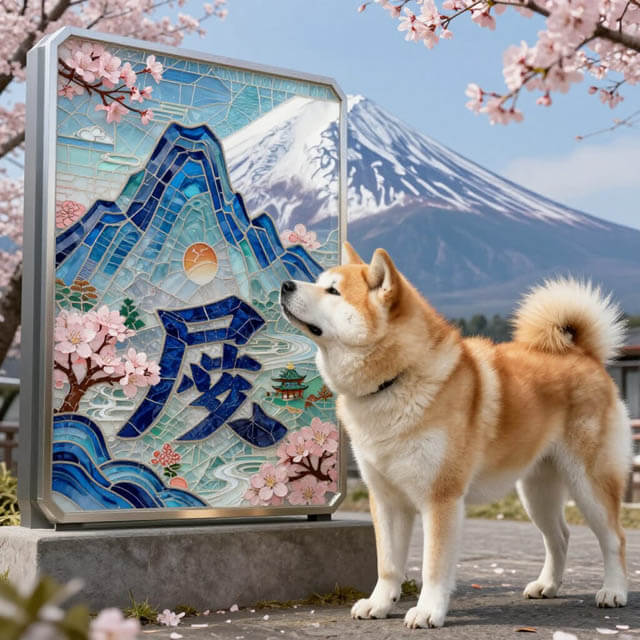

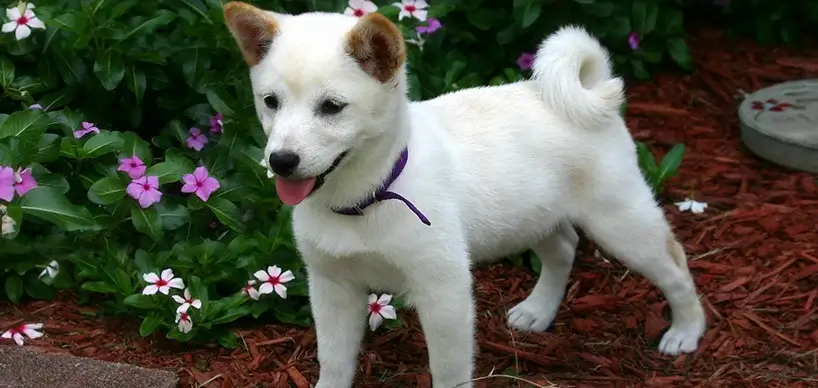
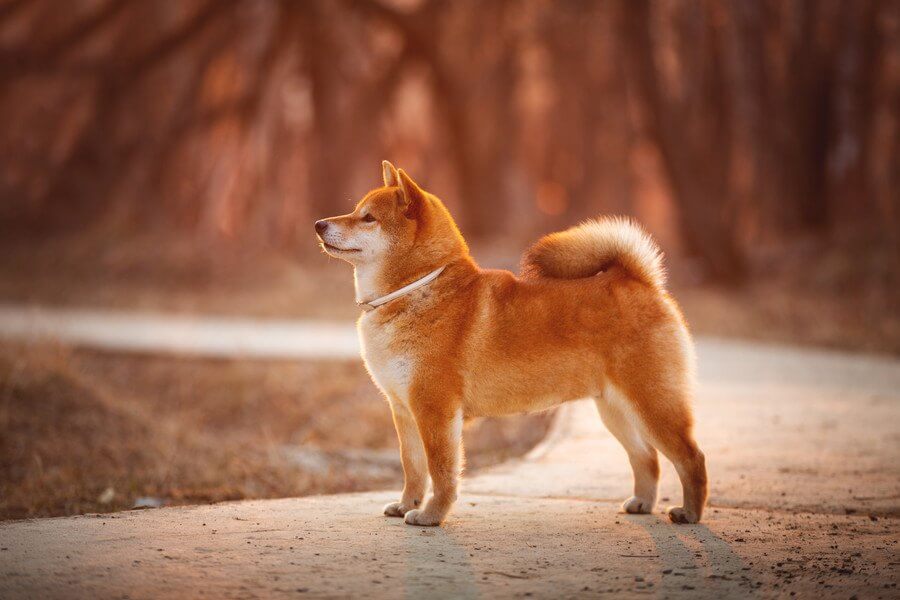
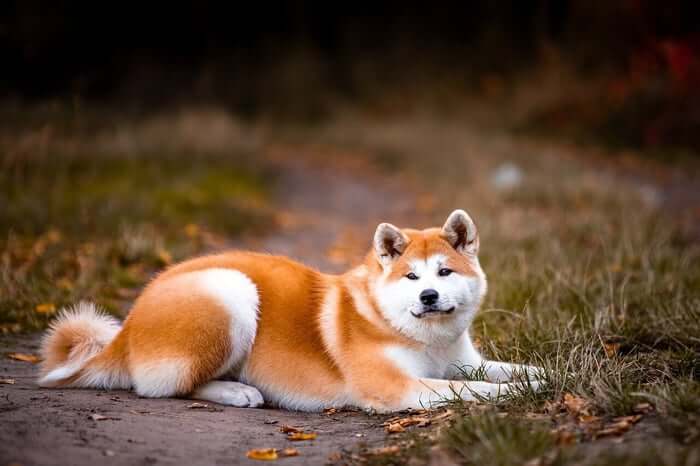
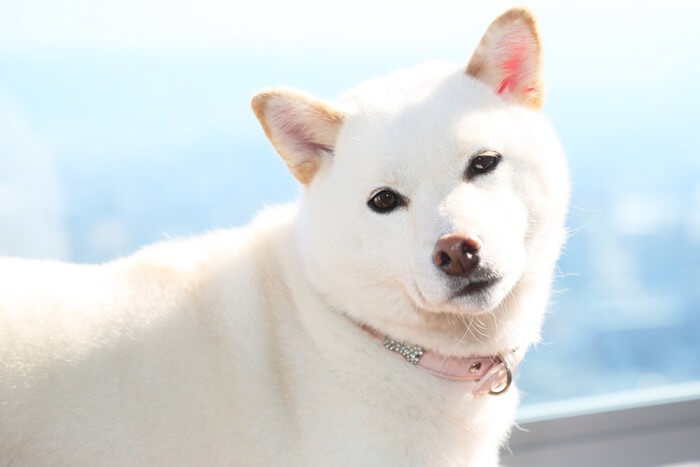
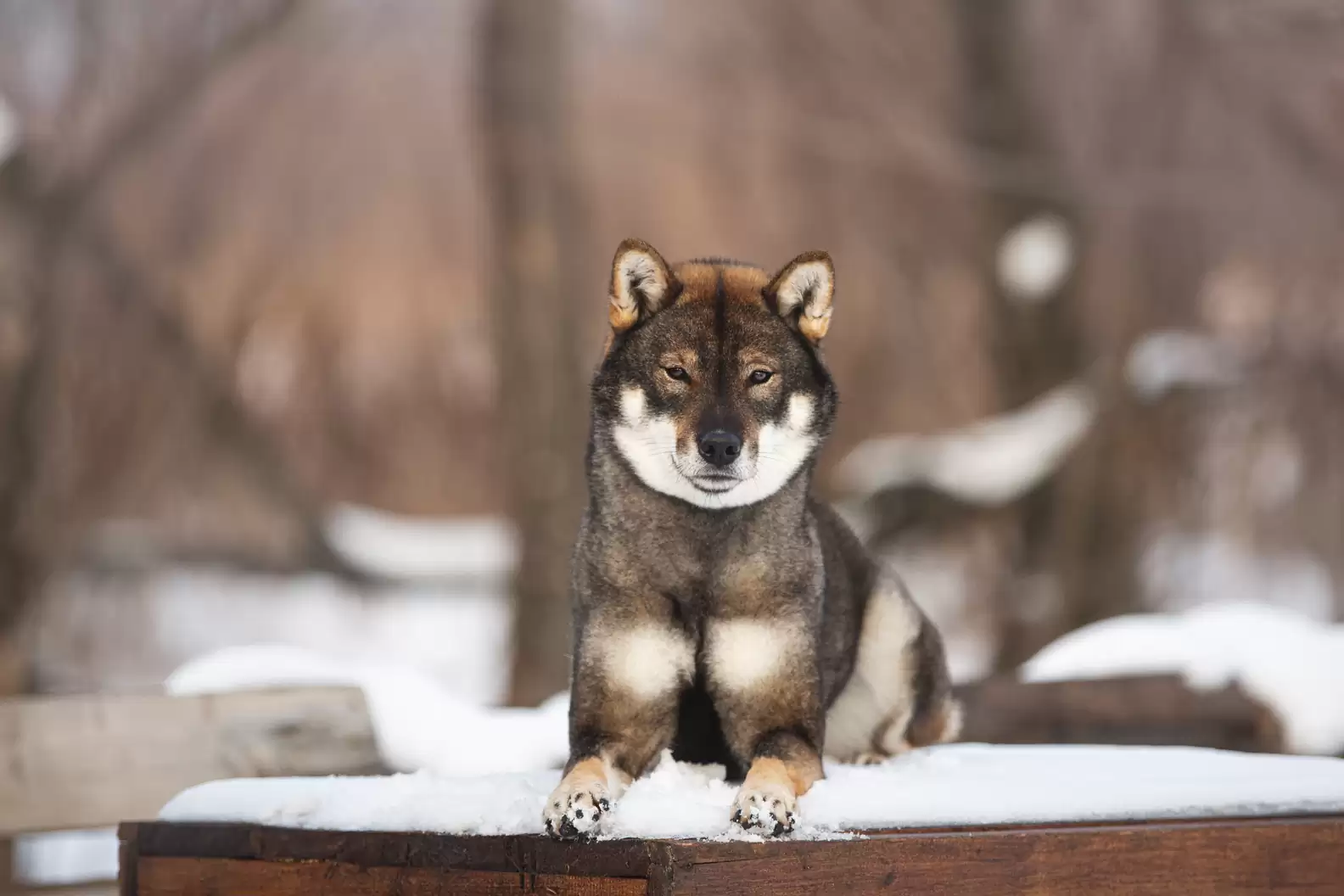
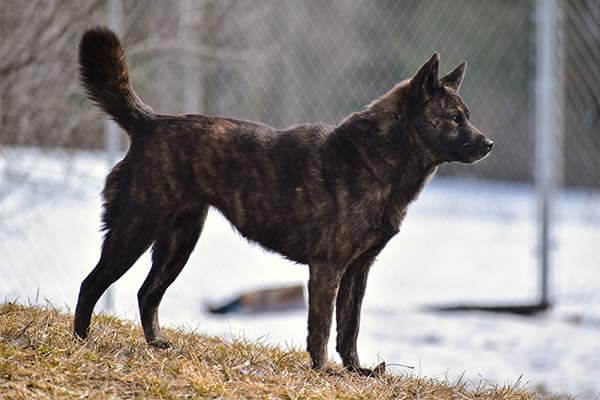


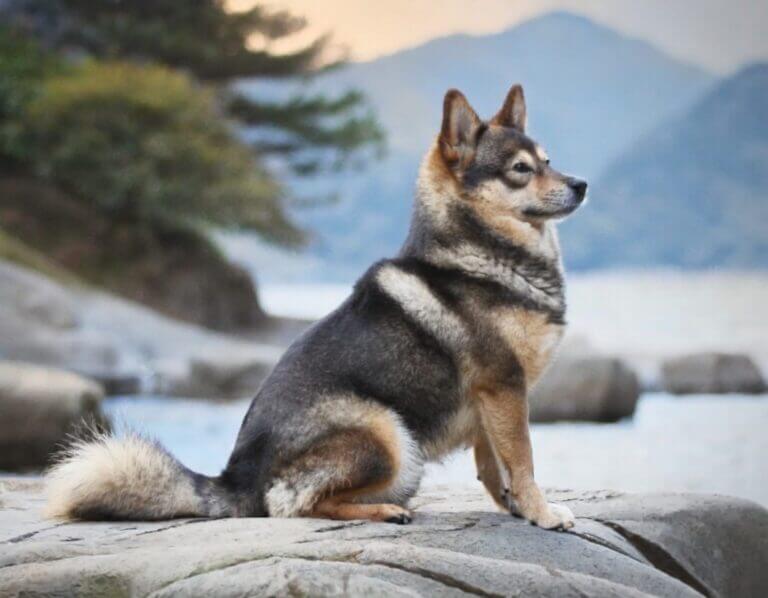
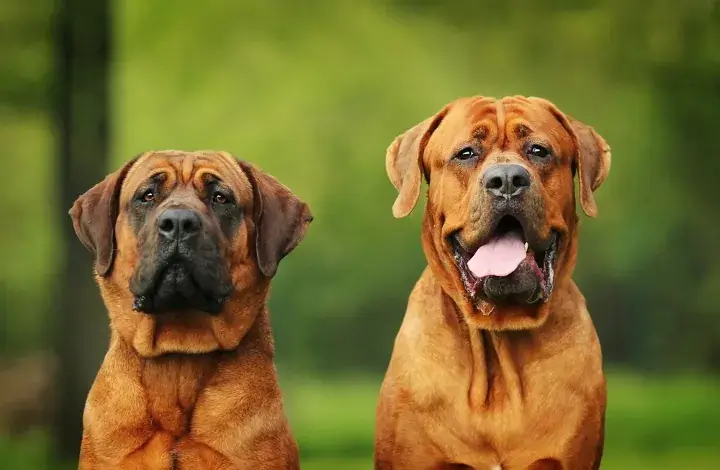
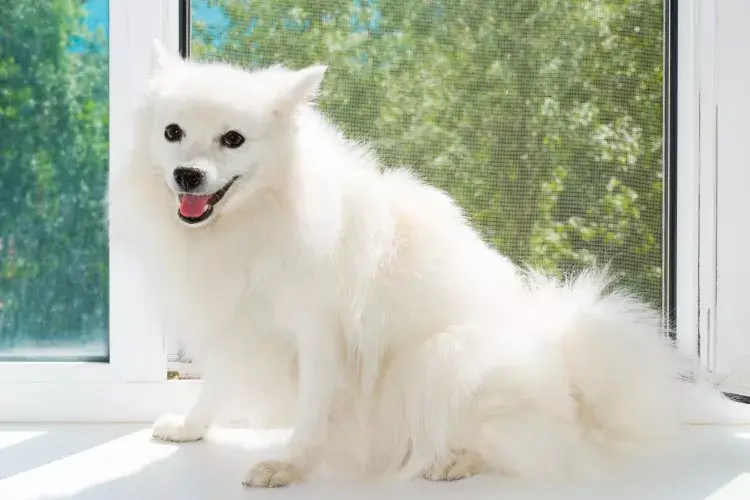
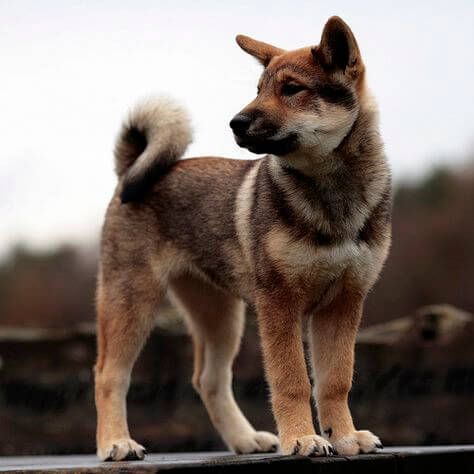

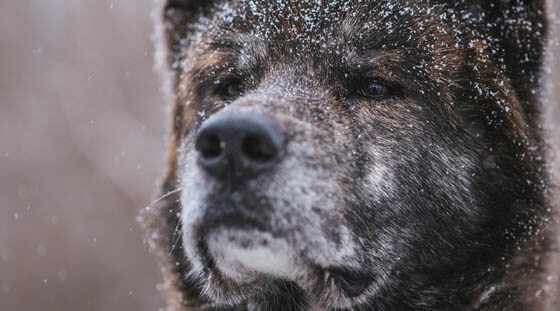
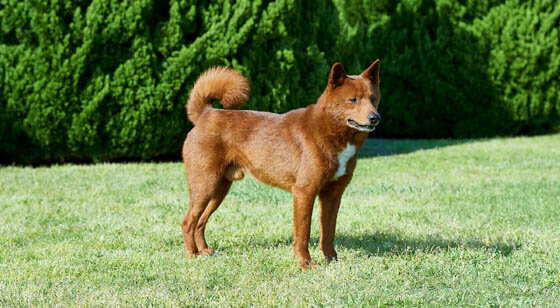
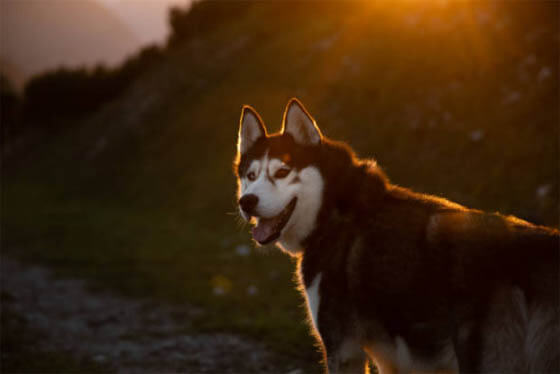
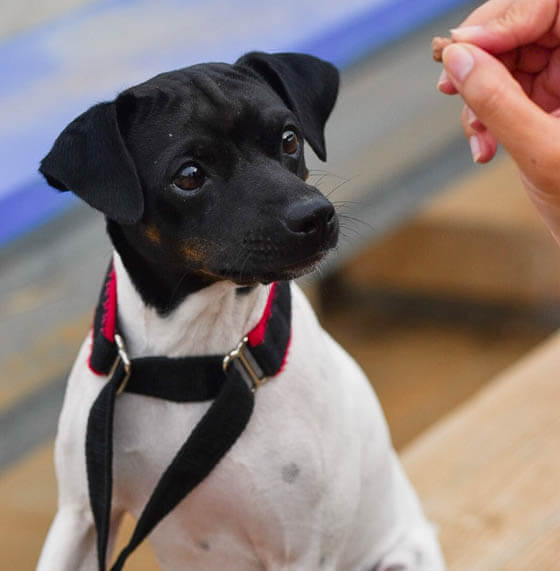
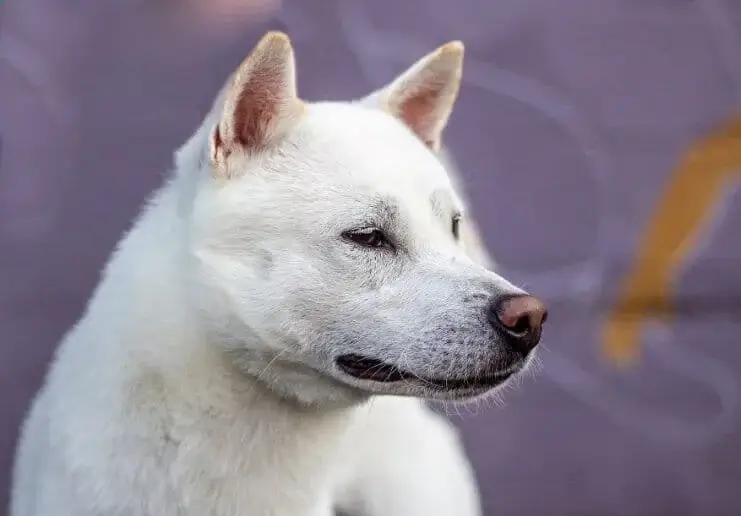
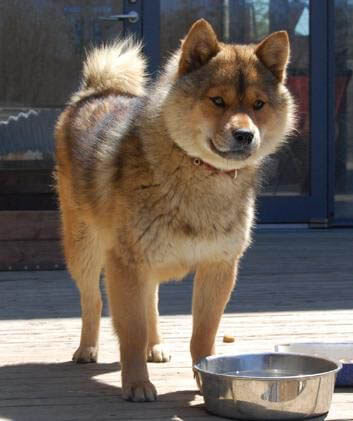
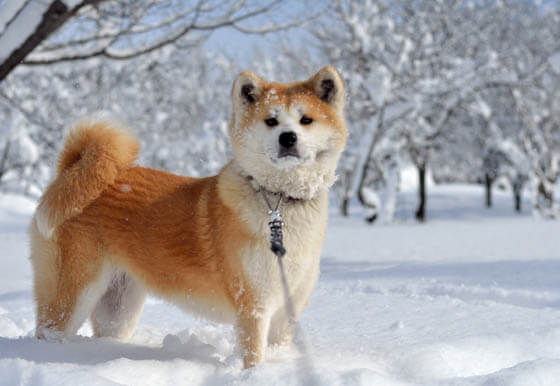











WORLD OF DOG & PUPPY 🐶