5 Setter Dog Breeds Unique & Special Bird-Hunting Dogs How Setter Dogs Work? Why is called a Setter Dog? What is a Setter Dog? Setter Dog Personality Bird Dog Breeds Bird-Hunting Dogs
Setter breeds are known for their hunting skills and sociable nature. There are four main setter breeds: Irish Setter, Gordon Setter, English Setter, and Irish Red and White Setter, each with distinct physical characteristics and temperaments. Early socialization and consistent training are crucial for setters due to their strong prey drive and need for exercise. If you are seeking an active canine companion, an adept hunting dog, or a loyal family pet, consider a setter breed. As hunting dogs, setter breeds often do not get along with small animal pets in the home. Their prey drive might even cause them to chase cats and small dogs, though with proper training and socialization from a young age, many setters can coexist fine with other pets.
What is a Setter Dog?
A Setter dog is a type of sporting gundog known for its ability to silently hunt game birds, getting its name from the distinctive way it crouches, or "sets," to indicate the location of prey to hunters. Originally trained to find birds and then lie down so hunters could cast nets, Setters now freeze and point (stand rigidly) when they find game, alerting the shooter before the birds flush.
Why is called a Setter Dog?
Setter breeds gained their name and notoriety as hunting dogs for their instinctive tendency to crouch, or "set," when they find their quarry. Typically, a setter will take a low stance with its body nearly touching the ground and its attention firmly fixed on the game. In the past, this position allowed hunters to cast a net over the game without being obstructed by the dog's body. Today, it is not as necessary with the use of firearms in hunting, but it remains a characteristic mark of setter breeds nonetheless.
How Setter Dog Works?
Setter dogs work by using their incredible sense of smell to systematically search for game birds, then freezing in a motionless "set" or pointing stance to indicate the prey's location to the hunter, allowing the hunter to flush the birds for a shot. They move with high energy, covering ground methodically, but stop abruptly when they find birds, relying on airborne scent rather than tracking footprints, a trait that gives them their name.
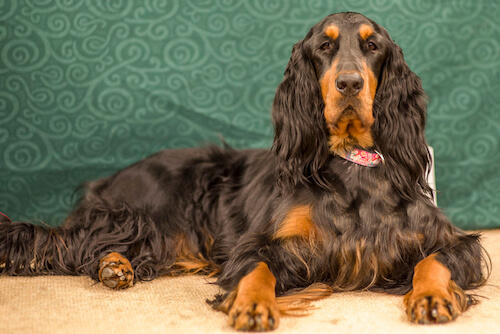
The largest of the setter breeds, there is no mistaking the Gordon setter. With its large bone structure and distinctive black-and-tan coat, the Gordon stands out. This dog can trace its roots back to northern Scotland where Alexander the Fourth, Duke of Gordon developed a hunting dog capable of traversing the hilly Scottish countryside. The dog's large stature served it well in inclement weather, and the breed was further optimized for stamina over speed. The United Kennel Club first recognized the breed in 1872, calling it the black and tan setter. In 1924, its name changed to the Gordon setter. The breed possesses a family-friendly disposition, but it does have a strong protective instinct. Early socialization and training are key to encouraging a friendly and obedient nature. The Gordon Setter is a large, intelligent, and energetic Scottish hunting dog known for its black-and-tan coat, loyal and affectionate nature, and high exercise needs, requiring at least two hours of daily activity like running or fetching to prevent boredom and destructive behaviors, they form strong family bonds but need consistent training and grooming for their long, silky fur.
The Gordon Setter is distinguished both for its loyalty and obedience. It is a polite, sweet-tempered, devoted dog, making an enjoyable companion that is excellent with children. Intelligent and willing, it is a skilled hunter that is seldom wrong about a scent. Brave, cheerful and affectionate, This breed needs lots of exercise or it may become high-strung. Very loyal to the family, it can be distant with strangers. Generally good with other pets but may try to dominate if it is lacking in human leadership. Proper human to canine communication is essential. This breed likes to roam, so it is a good idea to have a fenced-in yard. Puppies may be clumsy. Train early with good leadership before bad habits set in; while not impossible, it is easier to prevent negative behaviors than it is to fix them. Training these dogs is certainly not difficult, provided the owners are firm, but calm. If they sense the owners are meek or passive they will become stubborn. This dog should be introduced to all situations (people, animals and things) as a young pup to produce a well-balanced dog.
A Gordon Setter that has been introduced as a puppy to cats will get along well with them. If strangers visit, they adopt a wait-and-see attitude. In general they get along well with other dogs and with children because they are friendly to everyone. Gordon Setters are full of energy; they need regular exercise and mental stimulation to keep them happy. These friendly dogs can be great with children, according to the breed club, especially when they are introduced to children during puppyhood. Remember that every interaction between kids and dogs should be supervised, and children must be taught how to appropriately interact with dogs. Though they have lots of energy outside, Gordon Setters are known to be calm dogs at home. While they will bark to alert their family or to get attention, this breed isn’t known to be overly vocal. However, Gordon Setters may bark excessively and become destructive if they are allowed to grow bored. All dogs, including the Gordon Setter breed, need obedience training as puppies. Use positive reinforcement methods like praise and treats to teach them basics like “sit” and “come.” Recall training is especially important for Gordon Setters due to their high prey drive.
The Irish Red & White Setter is an aristocratic, athletic gundog from Ireland, known for its distinctive white coat with deep red patches, silky feathering, and a fun-loving, loyal temperament, requiring significant exercise and mental stimulation, making them great but active family pets. They are intelligent, good with kids and other pets, but need consistent training and are best suited for active households with space to run, enjoying activities like hunting, agility, or field work. Although the all-red Irish setter has more notoriety among the setter breeds, the Irish red and white setter (also referred to as the IRWS) actually was the first Irish-bred setter on the scene. Believed to have originated in Ireland in the 17th century, the bright coloring of the red and white setter stood out against the landscape and allowed hunters to easily track their dogs in pursuit of game birds. Over time, the solid red setter was developed through selective breeding of the IRWS, eventually leading to a separate breed standard for the IRWS and Irish setter. Besides their coat colors being different, the IRWS is slightly smaller than the Irish setter. But they show just as much durability and athleticism as their setter cousins. Irish Red and White Setters are energetic, intelligent, affectionate, loving, high-spirited and full of energy. They have no guarding instincts, get along with other pets and are good with children.
This breed can be reckless and high-strung if it do not receive the proper amount of mental and physical exercise and may become destructive and hard to manage. Impulsive, with an independent spirit, they are sensitive to the tone of one's voice and will not listen if they sense that they are stronger minded than their owner, however they will also not respond well to harsh discipline. Owners need to be calm, yet possess an air of natural authority, being firm, confident and consistent, giving the dogs clear rules they must follow and sticking to them. Meek or passive owners or owners who do not provide enough exercise will find them to be difficult to train. Given firm handling and plenty of exercise, these dogs can be a joy to own. Start firm training early in life as it is easier to prevent behavior issues than it is to fix them once they start happening. Do not let this dog jump on humans, even as a small puppy. The Irish Red and White Setter almost became extinct until hunters realized his hunting abilities and began preserving the breed. He is similar to his cousin, the Irish Setter, and can be just as stubborn. The Irish Red and White Setter is enthusiastic and loves to work. Many people describe him as tireless. He needs an active family who will take him on long walks or jogs. He also needs to live inside with his family or he could become a nuisance to the neighbors.
If he becomes frustrated and has excess energy, he can easily become destructive. Be sure to give him a job to do to keep him happy. The Irish Red and White Setter is a very affectionate and good natured dog. He is not just a hunting dog; he is a devoted family companion. He likes children but can be a little too rambunctious for small children. He is a very active sporting dog and requires a lot of daily exercise as well as interactive play with his family. Generally, the Irish Red and White Setter gets along well with other dogs but he does need to be supervised with smaller pets and cats. If he is raised with cats, then he should do very well. However, even if raised with smaller pets such as ferrets, hamsters or rabbits, he still needs to be supervised when they are together. He can be extremely stubborn and training needs to be approached as a fun-filled activity with lots of praise and positive reinforcement. Training needs to begin as soon as he comes home.
The Irish setter is a beautiful example of a setter dog breed. Easily identified by its rich mahogany coat with flowing locks and feathering, the red setter (as the breed is sometimes called) was originally developed in Ireland as a steady and capable birding dog. These dogs have an innate ability to locate game birds and signal their presence to a hunting companion. From a young age, many Irish setters display a drive to please their owners, and they take to fieldwork quickly. Irish setters are known to be excellent family dogs and mellow housemates, as long as they get consistent training and exercise. The Irish Setter is a stunning, high-energy gundog known for its beautiful mahogany coat, playful personality, and boundless enthusiasm, making them great companions for active families but requiring significant daily exercise and grooming. Bred for hunting, they are intelligent, eager to please, and excellent with kids, but need consistent training and secure fencing due to their strong prey drive and tendency to follow their noses. Irish Setters are energetic, intelligent, affectionate, loving, high-spirited and full of energy.
They have no guarding instincts, get along with other pets and are good with children. This breed can be reckless and high-strung if it does not receive the proper amount of mental and physical exercise and may become destructive and hard to manage. Impulsive, with an independent spirit, they are sensitive to the tone of one's voice and will not listen if they sense that they are stronger minded than their owner, however they will also not respond well to harsh discipline. Owners need to be calm, yet possess an air of natural authority, being firm, confident and consistent, giving the dogs clear rules they must follow and sticking to them. Meek or passive owners or owners who do not provide enough exercise will find them to be difficult to train. Given firm handling and plenty of exercise, these dogs can be a joy to own. Start firm training early in life as it is easier to prevent behavior issues than it is to fix them once they start happening. Do not let this dog jump on humans, even as a small puppy. Teach them to heel on a lead and to let humans pass in and out gate and doorways before them.
Relatively easily to housebreak. There are two types, field lines and show lines (bench). Field types are bred for hunting and field trial work and are generally somewhat smaller with shorter coats. The bench type is bred for conformation shows. Both types are energetic and need daily exercise, but field lines have a higher energy level and need even more exercise. The dominancy level in this breed varies even within the same litter. If you are not the type of person who can display a natural air of calm, but firm authority, then be sure to choose a pup that is more submissive. The temperament of both show and field lines vary widely, depending upon how the owners treat the dog and how much and what type of exercise they provide. The Irish Setter is used for all types of hunting. It is extremely swift, with an excellent sense of smell and is hardy over any terrain and in any climate, working well even in wetlands.
Smaller in stature than the Gordon and Irish setters, the English setter stands out for its freckled coat and pleasant demeanor. Its white base coat has either orange or black markings, or it can be tricolor in appearance. Good looks and temperament aside, this breed has been developed to excel in setting and retrieving game birds. The English setter is believed to have descended from a cross of pointer and spaniel breeds, though its exact origin is unknown. Today, English setters often show a strong desire to bond closely with their families, and they don't like being left alone for long periods. They also need a lot of exercise and mental stimulation to keep them happy and healthy. The English Setter is an elegant, friendly, and energetic gundog known for its beautiful, feathered coat (often flecked or "belton") and gentle, people-oriented nature, making it a great family companion, but requiring significant exercise, regular grooming, and consistent training to manage their high energy and prevent boredom. They are intelligent, good with kids and other pets, but thrive in active homes with space to run, not city apartments, and need early socialization. The English Setter temperament is gentle, friendly, and easygoing, making this highly sociable dog an excellent friend for children and other pets, though, because of their history as bird dogs, a home with feathered pets might not be a good fit. This breed possesses a mild-mannered, sensitive nature and loves giving and receiving affection.
They do not like being left alone for long and just want to be by their human's side. Alert and watchful over their families and home, a usually quiet English Setter will bark to let you know if someone unfamiliar is approaching, even if it is just a delivery person. English Setters are generally friendly and sociable, making them well-adjusted and confident dogs. They are not typically known to be anxious, fearful, or excessive barkers, aside from the occasional bark to alert you to something unfamiliar. They are naturally inclined to explore their surroundings and can be curious about new sights and smells, so having a fenced-in yard is essential for keeping English Setters safe. Otherwise, they might wander off in search of an interesting scent. Train your English Setter with positive reinforcement methods, using praise, treats, and rewards to motivate and encourage desired behaviors. When training any dog, including English Setters, consistency and patience are key. Early socialization and training are crucial, and a calm and gentle approach will help develop a well-mannered and well-adjusted dog.
The English setter is a gentle, friendly, placid dog that is especially good with children. They are mild-mannered and sensitive and love to both give and receive affection. These dogs are known to be alert and protective of their families and territories, but will calm down quickly when told to.English setters are very sociable dogs. They enjoy being with both people and other dogs.They are known to enjoy roaming, digging and jumping. They are very active as puppies but are known to mellow out considerably when fully mature. The active English setter needs plenty of exercise, particularly when a puppy. Hikers or joggers will find this breed blends in beautifully with their lifestyles. Minimum exercise should be a long, brisk walk every day, without which the dog might become difficult to manage. However, one should exercise a puppy or young English setter carefully; the dog's bones do not mature fully until about 12-14 months of age.The English setter is an intensely friendly dog. They do not do well banished to the backyard or to a doghouse. Even more than most dogs, they need to be with people and included in their daily lives.The coat will mat and tangle if not brushed at least once a week. The deep flews tend to drip water after drinking.
The Llewellin Setter is a highly energetic, intelligent, and people-oriented gundog, a specific working strain of English Setter, bred for superior bird hunting with excellent stamina and a strong nose, known for loyalty and a calm, affectionate demeanor indoors when exercised, but needing consistent, firm training and plenty of outdoor activity in a rural setting due to their active nature and potential for mischief. They are medium-sized, feathered dogs with diverse color patterns like belton (blue, lemon, orange, liver) and white, and have a distinctive high tail carriage for visibility in tall grass. The Llewellin Setter is a very gentle, calm dog. Friendly and excellent with children, it is mild mannered, loving all the affection it can get. Enthusiastic and lively outdoors, but relatively inactive indoors. With meek owners it will become willful. Can be difficult to housebreak. Rules, structure and training should start early to prevent development of bad habits. This breed needs authoritative, calm, but firm, confident and consistent owners, but should never be harshly treated.
Needs a lot of structure and enjoys playing with other dogs. Llewellin Setters are adequate watchdogs. They like to roam and are diggers and good jumpers. Owners need to be firm, but calm, confident and consistent. Proper human to canine communication is essential. The Llewellin Setter is considered by some to be a breed separate from the English Setter, while others claim that it is a specific strain within the breed. Developed originally by a Welshman by the name of R. Purcell Llewellin from stock obtained from the breeder who initially refined the English Setter, Edward Lavarack, the Llewellin Setter also has a small infusion of Gordon and other Setters. This small contribution has given the Setter developed by Llewellin a slightly smaller stature on average, as well as slightly shorter ears, and a tendency to range closer to the hunter than the dogs developed by Lavarack. The Llewellin Setter in the field is an enduring dog with a natural desire to find and retrieve birds. Hunting enthusiasts report that they tend to be closer ranging than the Lavarack strain of Setter and more frequently check in with the hunter.
The Llewellin Setter at home is a mild-mannered, sweet canine with a strong desire to be in the company of people. While they are athletic and playful enough to keep up with even the most active of kids, they are also generally aware enough of their surroundings to keep from knocking over the smaller ones. They can be difficult to housetrain, in fact, despite their amicable temperament and their natural skill in the field, they can be challenging to train in general when it comes to anything but hunting. Their affection does not always translate into a desire to please, and they can be both stubborn and manipulative, making calm, consistent training the most effective, particularly if it starts early in life. While this breed may not be as active indoors as many other working dogs, they are still working dogs. In order to be at their happiest and healthiest both mentally and physically, they should get at least forty-five minutes to an hour of vigorous exercise each day and they should be provided with some form of mental stimulation as well. Along with regular walks and jogs, these dogs may enjoy alternative activities such as rally sport, flyball, and hunting trials. They are not prone to over vocalization so if given enough extra exercise they may be able to adjust to apartment living, but they are much better suited to a larger home with a yard.
Dogica® collects only technical cookies. No any personal or private information being collected, saved or shared here. 3rd Party cookies could be collected by various installed widgets.
The information contained in or provided through DOGICA® site is intended for general consumer understanding and education only and is not intended to be and is not a substitute for professional advice.
Use of this site and any information contained on or provided through this site is provided on an "as is" basis without any representations, warranties or pay.





























WORLD OF DOG & PUPPY 🐶