17 African Dog Breeds: Photo, Characteristics, Temperament Dogs Originating In Africa What breed of dogs come from Africa?
What is the most common dog in Africa? What are African dogs called? What is the most popular dog in Africa? What is the strongest dog in Africa? What is the biggest wild dog in Africa? What breed of dogs come from Africa? What dog breeds are native to Africa? What is the most common dog breed in Africa? What are the top 10 African dog breeds? What are the exotic African dogs? Dog Breeds from Africa African Dog Breeds List
Africa is a serene land with a wide selection of flora and fauna. The content's wildlife is eye-catching, making it easy to overlook some of their domesticated counterparts. From the magnificent Azawakh to the spirited Basenji, African dog species offer diverse personalities and traits worth looking into.
What is Considered
an African Dog Breed?
An African dog breed refers to a type of dog that originated from the continent of Africa. These breeds can be found in different parts of the world, not just in Africa. Some African dog breeds have deep roots in Africa and have been present there for thousands of years. Some breeds have also been introduced to other regions and have gained popularity globally. Not only are African dogs a testament to adaptability, but they also showcase a stunning array of features forged in an equally varied set of environments. The genetic diversity is as vast as the African continent itself, encompassing every extreme from the thirst-quenching deserts to the rain-drenched jungles.
Why African Breeds
Stand Out
From the vast landscapes of Africa come some remarkable dog breeds that captivate with their unique qualities and rich history. With a heritage deeply intertwined with the continent’s diverse cultures, these African dog breeds showcase striking physical characteristics, impressive skills, and unwavering loyalty.
Ancient Origins: Many are among the oldest breeds, dating back thousands of years
Natural Adaptation: Built to survive Africa's diverse environments
Functional Breeding: All were bred with a clear purpose - guarding, herding, or companionship
Resilient Temperament: Known for loyalty, independence, and intelligence.
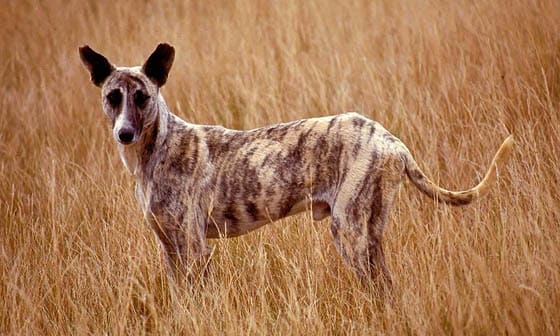
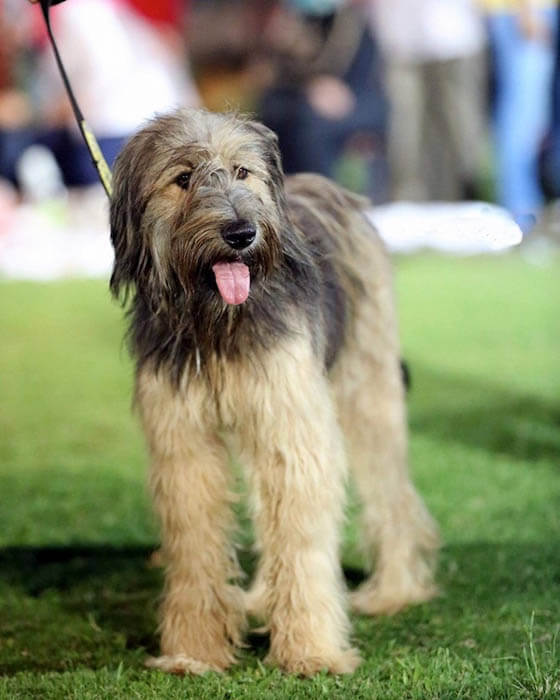
The name Africanis is a portmanteau of the words "Africa" and "canis". The Africanis is an ancient, natural southern African landrace dog known for its high intelligence, loyalty, and exceptional endurance. Primarily a hardy, medium-sized guardian and hunting companion, it boasts high disease resistance, a 10–15 year lifespan, and a need for active, open spaces. The Africanis is an ancient, natural landrace breed from southern Africa, known for being highly intelligent, loyal, and hardy. These medium-sized, athletic dogs are versatile hunters and guardians, characterized by a short coat, slender muscular build, and high endurance. They are low-maintenance, affectionate, and suited for active families. The Africanis is very loyal and courageous with tremendous stamina. It is very playful and intelligent. Good with kids and very social
The Africanis has always been attached to human settlements in southern Africa. The dogs have been used to help herd sheep, goats and cattle, guard against predators and help their human companions in the hunt. While generally looked down upon by European settlers who preferred their imported dog breeds, the Africanis was held in higher esteem by Europeans in Africa than the Indian pariah dog was in India. Efforts have been made to protect, preserve and promote these dogs, and prevent them from being split into a number of different breeds based upon different distinguishing physical features. African dog easily describes this nomadic classic shepherding breed, as historians with the AfriCanis Society believe it's a true representation of the continent's indigenous canines south of the equator. This breed is one of the few dogs in the world to evolve without interference from people. Friendly and faithful, these athletic doggos are naturally tribe-oriented and enjoy activities with their humans such as hiking and agility training.
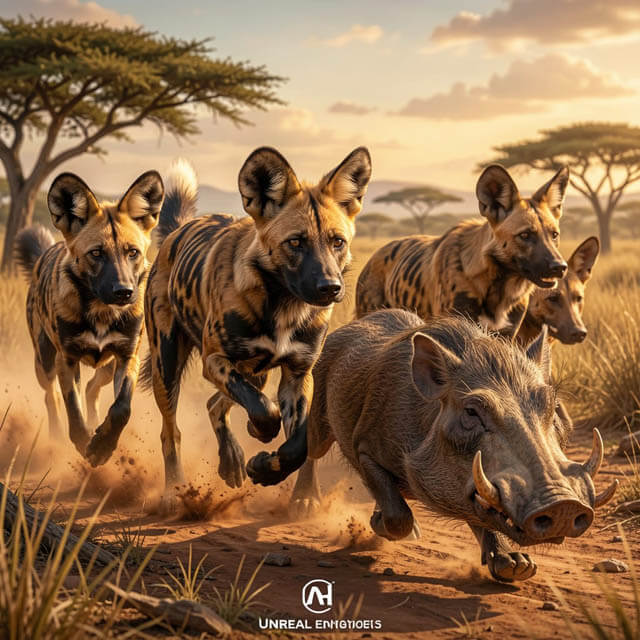
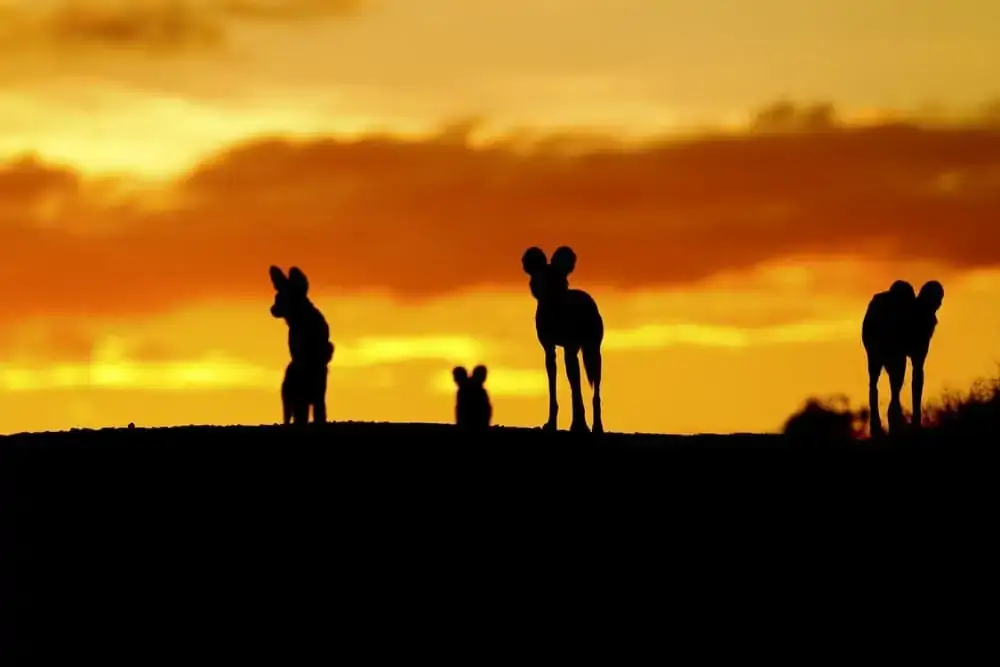
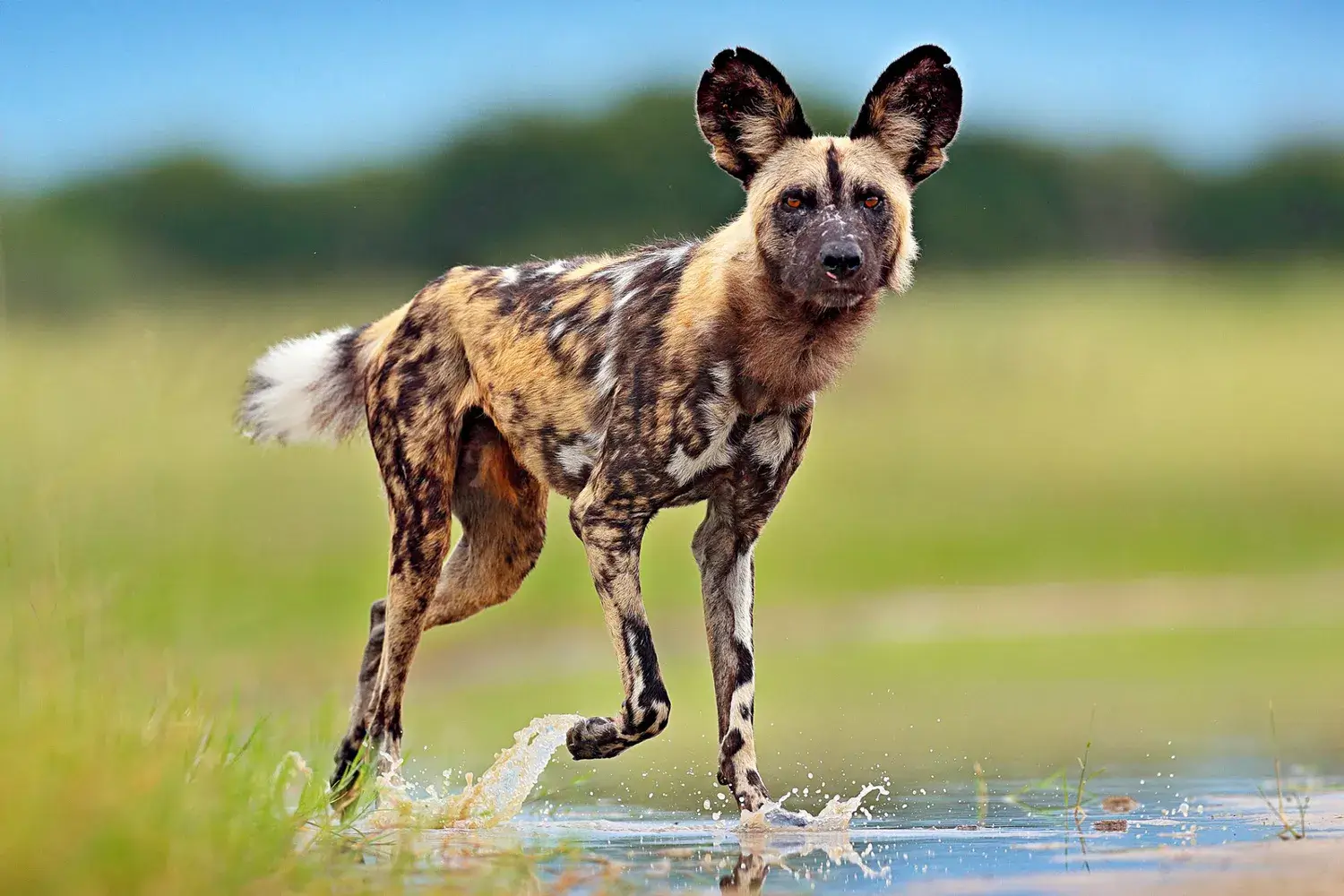
Here is one African dog we won't be seeing at the dog park! Also sometimes referred to as the African painted dog or the African wolf dog, the World Wildlife Federation says this wild dog is one of the most endangered mammals, with barely 1,500 in existence. Primarily located in Mozambique and Tanzania, these ancient grassland, forest, and desert pack predators reach speeds of up to 45 mph. They can't be crossbred with any other canine, so keep a lookout for them during your next safari. The African Wild Dog (Lycaon pictus) is an endangered, undomesticated canid native to sub-Saharan Africa. Also known as the "painted wolf" or Cape hunting dog, it cannot be domesticated and does not belong to the same species as traditional domestic dogs. They are highly social, pack-dwelling animals known for their stamina, unique colorful coats, and cooperative family structures.
Unlike domestic dogs, wild dogs have long legs, four toes on their front feet and large, rounded ears. Though both species descended from wolves, they are unable to interbreed, and wild dogs can not be domesticated. Wild dogs live in tightly knit social groups of between two and 27 individuals. They are strongly bonded. They will even look after injured dogs, bringing them food until they recover. Even though they are much smaller than lion and leopards, wild dogs have a higher success rate when it comes to killing prey. Hunting at dawn and dusk, they work as a team and can bring down much larger animals, including antelope and wildebeest. The wild dog’s short hair is in yellow, gray, white and black patches. No two dogs have the same markings and colorations, making it easy for conservationists to identify individuals. A wild dog's vocalizations go well beyond that of a domestic dog. They greet each other with twittering and whining sounds, and when one dog has lost the group, it will make an owl-like "hoo" call to find the pack. Wild dogs can run more than 44 miles per hour and roam across large areas of more than 770 square miles. They stick closer to their dens when caring for a litter of pups. WWF is working to protect the wild dog by preserving wildlife corridors between reserves and reducing conflicts with locals.
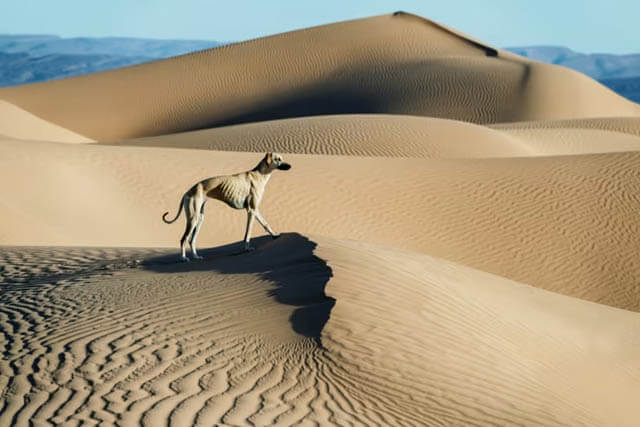
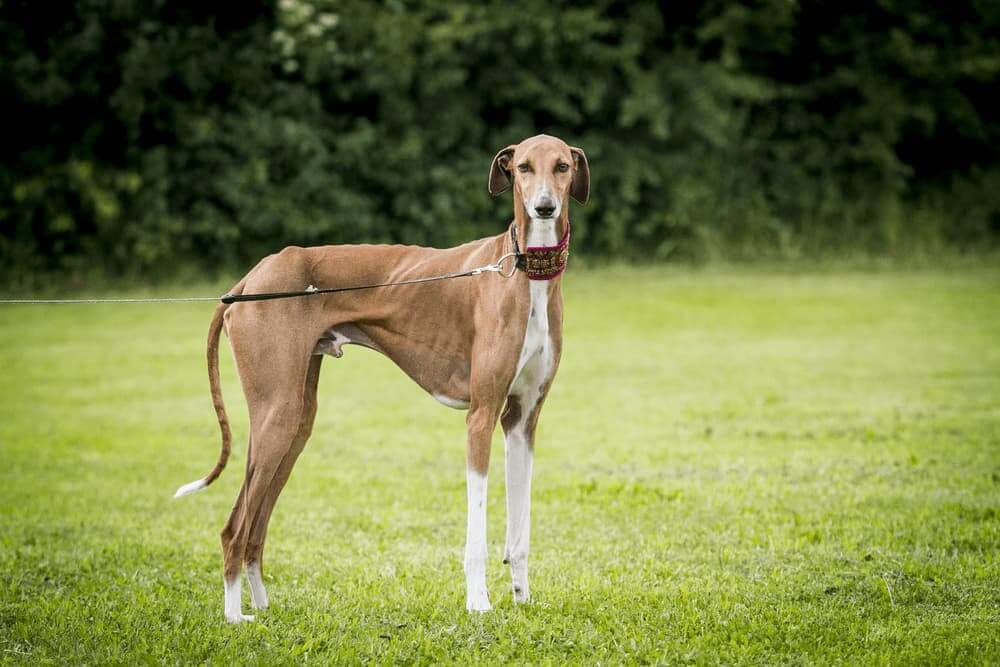
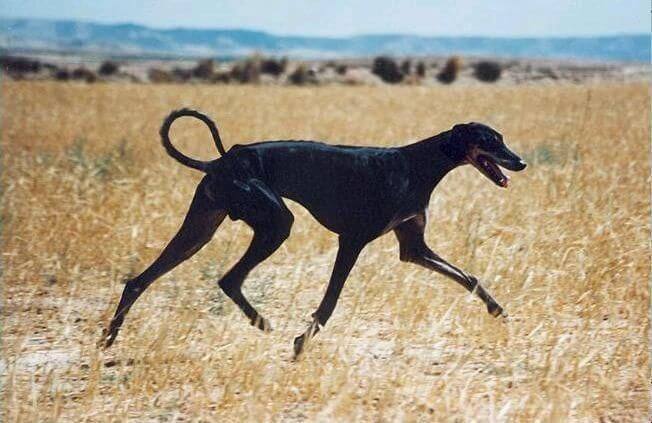
The Azawakh (pronounced oz-a-wok) is a sight hound native to sub-Saharan Africa. No written records exist that document the breed’s origin, but these dogs were relied on as hunters and guardians for tribes in countries like Mali, Niger, and Burkina Faso, according to the American Azawakh Association. The Azawakh is a tall, elegant West African sighthound, standing 23–29 inches and weighing 35–50 lbs, known for its short coat and "dry," muscular frame. Originally from the Sahara as hunters and guardians, they are loyal, affectionate with owners, yet aloof with strangers. They need consistent, gentle training and, while active, are calm indoor companions. Relative to its native environment, the smooth-coated Azawakh hound mentally and structurally manifests his vocation as hunter, protector and companion. Quick, attentive, distant, proud and alert, he remains instinctively reserved with strangers and gentle with those he loves. Socialize well. Especially slender and elegant, his frame and muscles are visible under a dry, fine skin.
The Azawakh has a natural tendency to guard. Be sure you are this dog's calm, but firm, confident and consistent pack leader. Does best with an owner who is even-tempered, displaying a natural, but gentle authority over the dog. Independent and exceptionally fast, these dogs can reach up to 37 mph (60 km/h). The personality of the Azawakh has been shaped by the breed,s history as guardians and hunting dogs. They are incredibly loyal to their humans and quick to notice the strange, unusual, or suspicious. They were valued for their speed, stamina, and courage, excelling in tracking and coursing game such as hares, gazelles, and antelopes. Azawakh are known for being independent, reserved, and somewhat distant. They are loyal to their families but may be wary of strangers. Azawakh dogs also have a strong prey drive and should be kept in a securely fenced area. Exercise is essential for Azawakh dogs as they are sighthounds bred for speed and agility. Grooming for Azawakh dogs is relatively low maintenance as their short coat requires minimal brushing to remove loose hair and dirt.
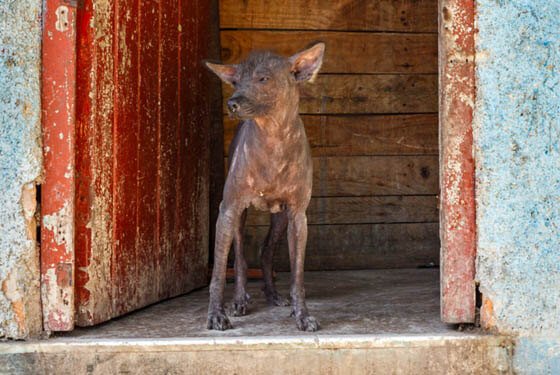
The Abyssinian Sand Terrier, or African Hairless Dog, is an ancient and extremely rare breed. Known for being almost entirely hairless with exposed skin and bat-like ears, this loyal companion is highly affectionate but feared to be functionally extinct in the modern world. The Abyssinian Sand Terrier is one of the rarest and most mysterious dog breeds. They only sport hair on the top of their head and the very tip of their tails. Some Abyssinian Sand Terriers are completely hairless. That makes them highly unique. They are also incredibly rare. Abyssinian Sand Terriers have not been seen in modern society for decades leading some to wonder if they have gone extinct. All of this intrigue fuels one of the most interesting dog breeds in the world. Abyssinian Sand Terriers Are the Likely Ancestor to All Current Hairless Breeds. While many people today value dog breeds for their potential as family companions, many dogs were bred for a specific job or adapted out of a certain environment. Native Abyssinian Sand Terriers were what many people call "semi-wild."
Abyssinian Sand Terriers existed in their highest numbers in a time before traditional dog foods. They would have eaten food scraps and whatever small morsels they could have hunted and caught on their own around the house. Despite not really being kept as pets, Abyssinian Sand Terriers were easy to train due to the combination of their intelligence and willingness to please. The Abyssinian Sand Terrier, also known as the African Hairless Dog, is an extremely rare and mysterious breed. Valued as a loyal, affectionate, and protective companion, they typically feature smooth, sleek skin with tufts of hair only on the head and tail. Because they lack fur, they require vigilant skin and temperature care. The Abyssinian Sand Terrier got along well with other animals, including other dogs. The calm nature of the Abyssinian Sand Terrier lends itself to getting along with both people and pets alike. They are not too big and did not show many signs of aggressive tendencies. They would get along with their owners, children, and strangers.
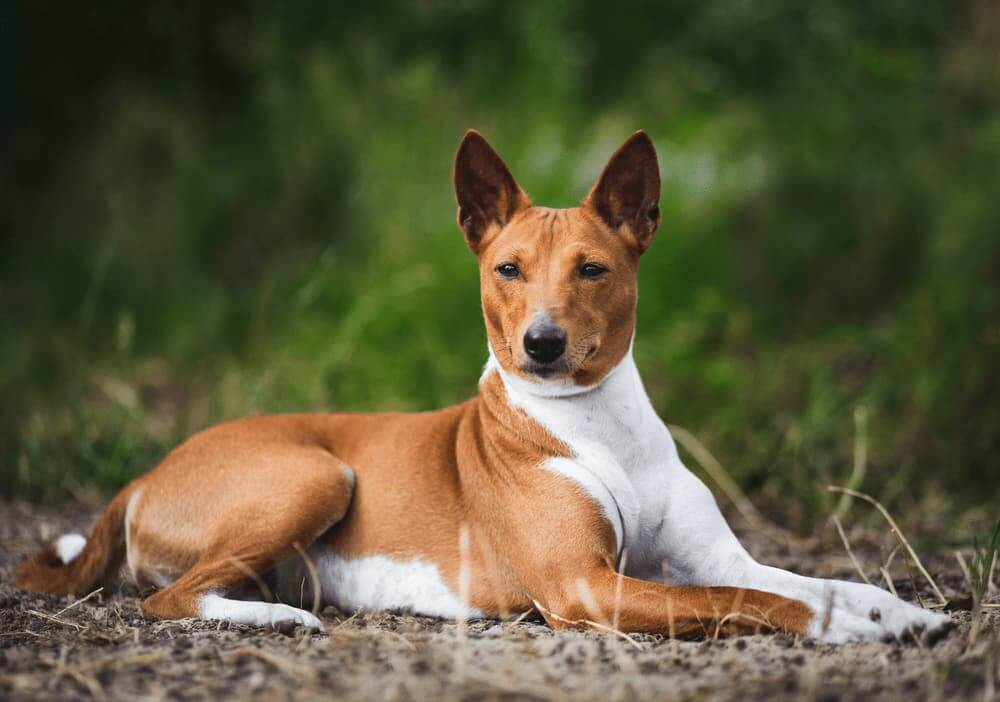
The Basenji, or "African Barkless Dog," is an ancient, compact hound famous for being virtually barkless. Instead, they communicate through a unique yodel-like sound. Highly intelligent and cat-like in their meticulous grooming habits, they make energetic, loyal companions for experienced and patient owners. Basenji seems to be the smartest dog of Africa. The Basenji is alert, affectionate, energetic and curious. It loves to play and makes a good pet, as long as it is handled regularly from an early age. It is very intelligent and responds well to training with a strong desire to please. It can be reserved with strangers, so socialize well. The Basenji is somewhat reserved, but can still form strong bonds with humans. It should not be trusted with non-canine pets. It does best with children who understand how to display leadership toward the dog. The Basenji dislikes wet weather. It likes to chew, so giving it lots of toys of its own would be a good idea. The breed likes to climb and can easily get over chain wire fences. It has the unique properties of not barking (it makes a low, liquid ululation instead) and of cleaning itself like a cat. It can be described as speedy, frisky and tireless at play. Most Basenji problems usually involve a mismatch between owner and pet.
The owners mistake the adjective "quiet” to mean inactive instead of noiseless, thus, they become harassed by an active, though relatively silent, dog. Basenjis need daily exercise to release mental and physical energy. Basenjis are very clever at getting their own way,they succeed less by obstinacy than by charm, and therefore need an owner who displays natural authority. one who makes rules and sticks to them. The Basenji is highly intelligent, very energetic, and prone to mischief. They are hounds with a keen sense of smell and, because of this, may wander off in search of a scent. Whenever a Basenji is outside, they should be kept in a fenced yard or on a leash. But know that they can jump quite high, so you’ll need a 6-foot-tall fence. The Basenji can be aloof and independent, but they also need extended exercise and play sessions to keep them out of trouble. They can be wary of strangers and might not do well with small children, who can make Basenjis anxious with their unpredictable behavior. Early socialization and training are vital for helping a Basenji dog thrive.
The Aidi (also known as the Atlas Mountain Dog or Chien de l'Atlas) is a tough, instinctive livestock guardian native to North Africa's Atlas Mountains. Highly protective and agile, they are deeply loyal to their families, serve as excellent watchdogs, and possess an outstanding sense of smell. It is most commonly found in Morocco, which holds the standard under the Fédération Cynologique Internationale. The Aidi is also found in Algeria, Tunisia and Libya. It possesses hunting capabilities and good scenting ability. In Morocco, it is often paired in hunting with the Sloughi, which chases down prey that the Aidi has located by scent. While they are excellent watchdogs, they are not traditional herding dogs. They instinctively assess threats and protect property but require dedicated training and early socialization. Because they are sensitive and highly independent, they are generally not recommended for first-time dog owners. Although they are common to Morocco, they are actually quite rare to find in other countries and have not spread to the extent many other breeds have.
Despite the often hot, dry climate of its origin, the Aidi possesses a surprisingly heavy coat that is both long and thick to protect it from both weather extremes and predators, somewhat resembling a sheepdog. They are generally known to be loyal, energetic, and alert dogs that take their watchdog duties very seriously, so early training and socialization is important if they are to happily co-exist with other people and dogs, as they can grow quite protective of their families. But that's not to say they are not friendly either. Aidis are an affectionate and playful breed as well, and due to their high level of intelligence, are usually easy to train, making them both great companions and utility dogs. They are known to be a bit sensitive, however, so training that centers around positive reinforcement is more successful than one that employs punishments. Because of their history and energy level, Aidis generally do far better in a home with space to run and roam and an active family who engages them on a regular basis.
Aidis are known to be quite affectionate and equally loyal, which is largely why they've transitioned into being companion dogs as much as they are protectors and herders, if not more so. They are highly intelligent and take well to training, but tend to be sensitive in comparison to other breeds, so they need a good amount of attention and lots of positive reinforcement as opposed to a punishment-based training/treatment. They are exceptionally protective and have been known to go to great lengths to keep their families safe, which also tends to make them leery of other dogs, animals, and strangers, so proper training and socialization early on is key to their co-existence with others. They are relatively high energy dogs with a love for purpose so they ideally do best with active families, big yards, and those who are willing to give them things to do, or at least frequent interaction to keep them entertained, as well as an alpha who consistently maintains authority. If left unattended for long periods, especially in small spaces, they tend to get bored and frustrated and can become destructive or loud, especially since they are highly alert, so mental and physical stimulation are paramount to a happy, healthy life for both owner and dog.
The Armant, also known as the Egyptian Sheepdog or Ermenti, is a rare, medium-sized herding and guard dog from Egypt. Known for its fierce loyalty and lion-like bravery, this intelligent breed bonds closely with its family but requires consistent training and vigorous daily exercise. This rare Egyptian sheepdog is a hardworking and tough dog that also makes an affectionate family companion. They are fearless when working and will guard their flock with their life. The Armant loves to play when not working and is an excellent playmate for children. They are generally easy to train and want to very much please their family. They are not overly fond of strangers and will sound the alarm when a stranger approaches their home. This breed is full of energy and needs to have time outside to play and run. They also need plenty of toys to keep them occupied when they are left alone. This is an extremely intelligent breed that is very trainable. They do require an owner that has the time to properly train them and give them the daily attention and exercise they deserve. The Armant will bond closely with their family and will naturally become guardian of your home.
They thrive in a home where they have a set job to complete. When not working, they love to play with children and go for long hikes. Keep plenty of toys available when you are not able to devote time to them or they can become destructive in your home. Being a sheepdog with an inbred herding instinct, they require a sturdy fence to keep them from trying to herd vehicles, bicycles or neighborhood children. Early socialization will make them more accepting of new situations and people. The Armant is not known to be dog aggressive and should do well in a home with multiple dogs. The Armant was used exclusively as a working dog for many years until farmers saw the benefit of having them as a companion. They require a job to do and when there is nothing for them to do they will get bored and find things to occupy their time.
When training the Armant, they work best using positive reinforcement and treats. This is an agile breed that would do marvelous in dog sports such as agility. Long daily walks or playing fetch in the backyard are also a good way to wear them down and give them the exercise they desire. Armant dogs, also known as Egyptian Sheepdogs or Egyptian Greyhounds, have a long history in Egypt, believed to be one of the oldest indigenous breeds of the region. They were primarily used as herding dogs and guardians of livestock. In ancient times, they were highly valued for their intelligence, loyalty, and versatility in various working roles. Armant dogs are known today for their affection towards their families. They are typically gentle, friendly, and tolerant, making them great companions. They have a strong protective instinct and can be somewhat unfriendly with strangers. Armant dogs have high energy levels and require daily walks, playtime, and opportunities to run in a secure and enclosed space. Armant coats are relatively low maintenance and require regular brushing to keep clean and remove loose hairs.
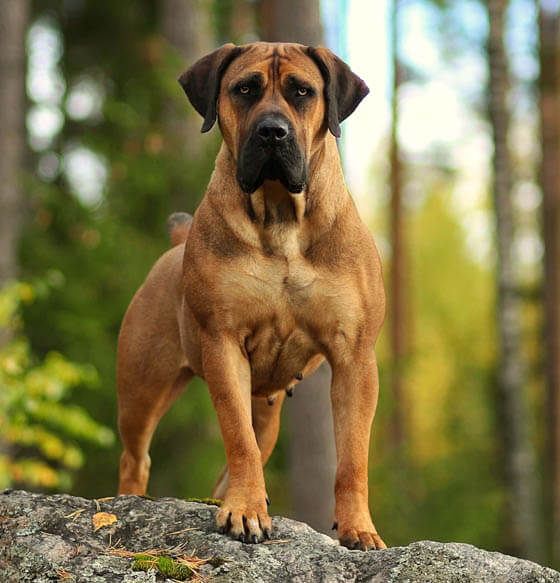
The Boerboel (pronounced BOR-bul) is a breed from South Africa, which is why the dogs are sometimes known as South African Mastiffs. This mastiff breed is athletic and reaches 90 kg in size. The Boerboel is a large, incredibly powerful, and highly intelligent working breed. Originally bred to protect farms from predators in South Africa, they are intensely loyal to their families but require experienced, confident owners due to their strong guarding instincts and dominant nature Plan on at least one long walk each day for your Boerboel, and do not overlook the importance of building a strong bond through engaging training sessions, since the breed is known for their independent nature. Boerboel seems to be the strongest dog of Africa. The boerboel is mastiff-type dogs that had arrived in the country with 17th-century European settlers as well as local African dogs. The boerboel was used as a farm guardian, protecting livestock from predators and thieves, and keeping the family safe. Although this massive dog is protective, they are not aggressive toward friendly people and are gentle with respectful children. Massive, stocky, and muscular, boerboels need space, so they are not well-suited to apartments or city life.
The breed responds well to positive reinforcement training, but because of their large size and dominant nature, this dog is not for inexperienced dog parents. Consistent and early training and socialization are extremely important. With lots of training and socialization and the right owner, the Boerboel is an intelligent, friendly dog that is known for getting on very well with children. The Boerboel’s name derives from the word "boer" which means "farmer", so it is not difficult to guess what these dog's were originally used for. A giant breed, these pups were originally bred to be guardians and protectors, although nowadays are also known for being pets and companions. They are actually known to be quite lazy and laid-back dogs, despite their size and power! The Boerboel is reliable, obedient and intelligent, with strong watch and guard-dog instincts. It is self-assured and fearless.
The Boerboel is very playful and affectionate toward its owner. Its favorite pastime would be to play a game of fetch loving every minute it spends with its master. Its jaws are strong and they will most often pop the ball it it playing with. Not to fret, it will just play with the popped ball! They are very gentle and good with children they know; allowing them to ride on their backs like a horse, loving every minute of the attention they are getting. Boerboels will do okay with other dogs, cats and other non-canine pets, letting birds come down and snatch from their food bowl! They will guard their family, friends and property with their life. When their owners are not home they will not allow anyone to enter the home, unless they know them very well. When welcomed visitors arrive they will accept them after being properly introduced. This breed requires a dominant owner.
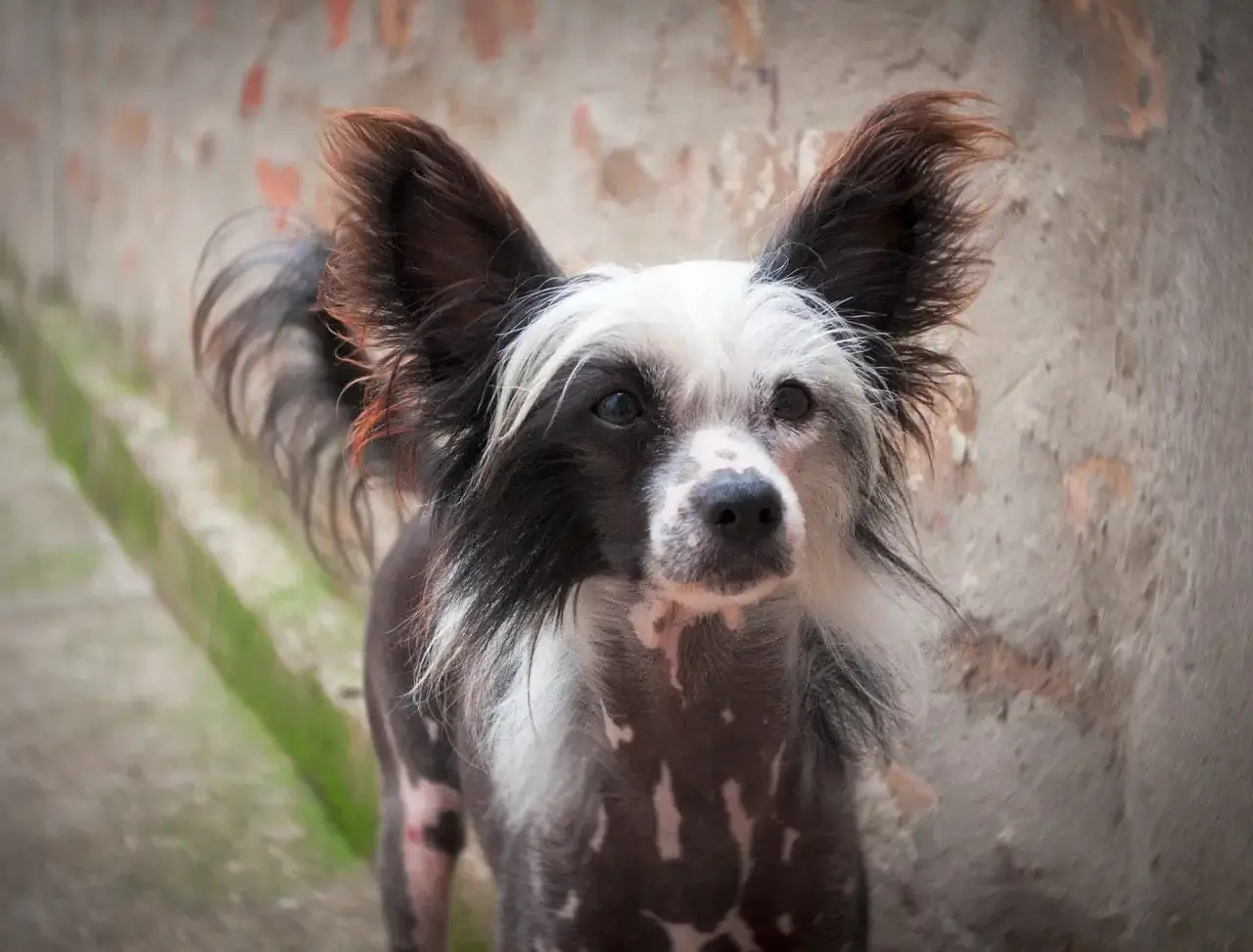
The Chinese Crested is a playful, highly affectionate toy breed weighing 5 to 12 pounds. Known for being an ultimate "Velcro dog," they form deep bonds with their families. They come in two striking varieties: Hairless (having tufts of fur on the head, tail, and feet) and Powderpuff (a full coat). The Chinese crested dog is also a hairless dog with origin said to be from Africa. The Chinese crested dog comes in two types with fur and without fur(Powder Puff and Hairless). The powder puff is a type of the Chinese crested dog with a long and soft coat. Hairless is also a type of the Chinese crested dog, but the difference it has with the powder puff is that the hairless has no hair. The breed is seen as a small breed with a weight of 46-60kg. Although this breed is said to have an origin in China, there is a fact also pointing to the fact that this breed originates from Africa.
Historical and genetic evidence suggest they originated from ancient hairless dogs in Africa, which were later reduced in size and carried across the globe on Chinese trading ships. The breed was refined in China, where they were famously kept by the Han Dynasty as temple guards and hunting dogs. The most popular of the hairless breeds, the Chinese Crested is still very rare. These dogs are alert, charming, agile and lovable. Though affectionate and playful with children, children should be taught not to be rough with this breed as it is friendly, but it does not have the protective hair that other breeds have and can get injured easily. It is an entertaining and amusing companion. Do not baby this breed or you might cause it to be timid. Socialize your dog well, starting when it is a small puppy, exposing it to loud noises and outside activity. This intelligent dog has the ability to perform tricks.
They are generally good with other pets. They are not barkers. Chinese Crested Dogs like to climb and dig holes. They tend to become very attached to their owners. These dogs enjoy companionship and need constant human leadership. They tend to be friendly toward everyone, even people they’re just meeting. That said, socializing your Chinese Crested puppy early and consistently is important for her to be comfortable in new situations. The Chinese Crested is a dog with some rather cat-like quirks—according to the breed club, the breed is known to perch on the back of couches, much like felines do. But they’re also eager to please their people and form strong bonds with those they love. Cresteds crave attention, and they might get a little needy if they don’t get enough affection.
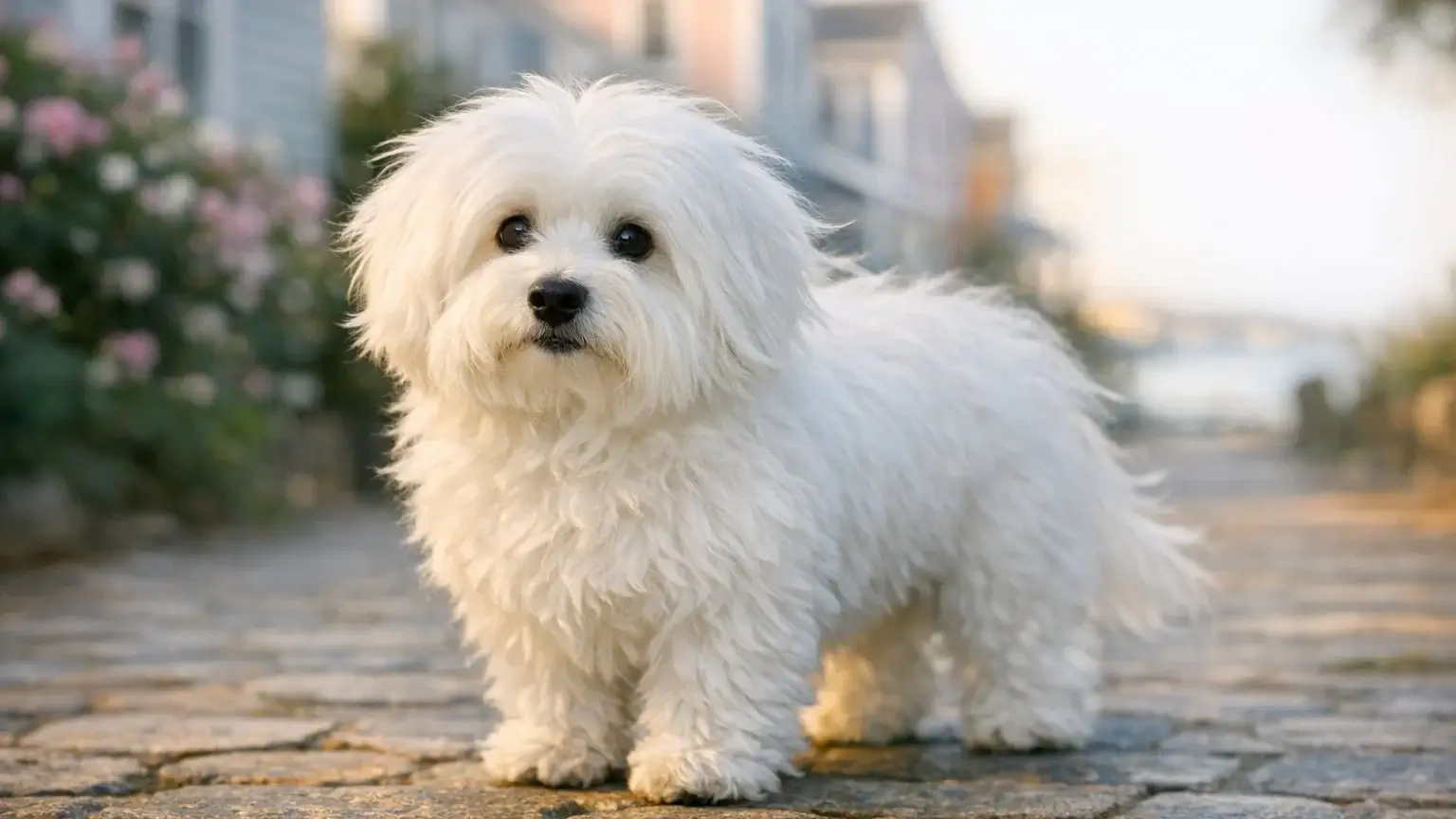
The Coton de Tulear is a small, immensely charming companion dog from Madagascar, known for its cotton-like white coat, joyful "clownish" personality, and deep loyalty to its family. Nicknamed the "Royal Dog of Madagascar," this breed is incredibly affectionate, adaptable, and generally great with children and other pets. This is a typical Bichon-type dog. It is very friendly, gentle, affectionate and alert. Cotons are very sociable dogs that get along well with children, other dogs and animals. It is very attached to its home and master, wanting always to be in their presence and trying its best to please. The Coton makes a great watchdog. Full of tricks and surprises to fulfill his master's every wish. One of their most endearing traits is a tendency to jump and walk on their hind legs. Their teasing expressions enhance any home willing to spend a few moments a day in the necessary play and grooming routines.
The Coton learns quite quickly, but can be a little bit stubborn without the proper leadership. They are intelligent and eager to work. The Coton de Tulear, known as the "Royal Dog of Madagascar", is a small, immensely charming companion dog famous for its cotton-like white coat and clownish, affectionate personality. Highly adaptable and playful, they form deep bonds with their families and thrive on human companionship. Coton de Tulears are companion dogs through and through, making them excellent pets for those seeking a loyal and affectionate companion. The Coton de Tulear has a wonderful temperament, making them a delightful addition to any family. They are known for their affectionate and friendly nature, always eager to shower their loved ones with love and attention. These dogs thrive on human companionship and make excellent family pets, as they tend to get along well with children and other animals.
Their gentle and playful demeanour brings joy and laughter to every household. However, early socialisation is crucial to ensure they develop into well-rounded and confident dogs. They make loyal companions and will prefer spending as much time with you as possible, whether lying at your feet while you work, going on drives with you, or following you from room to room. And when you’re busy, they’ll take a nap and wait for you to have the time to dedicate to them. These dogs also can have quite a lively and playful temperament but do not tend to bark much, though they will bark to alert you to sounds, intruders, the doorbell, or anything else that they think you should know about. Your coton might even learn the non-barking vocalizations that are best for getting your attention and letting you know what they want. They are also known for tilting their head when you speak to them - this is known as the coton head tilt. Often cited as one of the friendliest dog breeds around, the Coton de Tulear is charming, affectionate, and ultra-sociable.
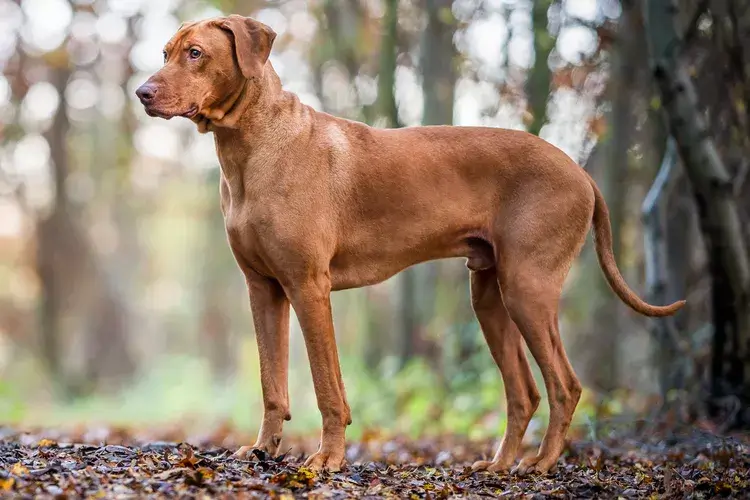
The Rhodesian Ridgeback is a large, athletic hound originally bred in Southern Africa to track and hold large game, including lions. Famous for the distinct "ridge" of backward-growing hair along its spine, this breed is loyal, dignified, and protective, making a great companion for active families. A fine hunter, the Rhodesian Ridgeback is ferocious in the hunt, but in the home it is a calm, gentle, obedient, good dog. It is good natured, but some do not do well with small children because they may play too roughly and knock them down. They are intelligent, skillful and straight-forward dogs that are loyal to the family. They are brave and vigilant. Can be reserved toward strangers, so socialize well.
They possess considerable stamina and without enough mental and physical exercise they can become high strung and unmanageable. This breed needs a firm, confident, consistent pack leader who can provide rules the dog must follow and limits as to what it can and cannot do. Meek and/or passive owners, or owners who treat the dog like a human rather than a canine will have a hard time controlling this breed and may also cause them to become combative with other dogs. When given what they need as the canine animal they will be excellent companion dogs, but are not recommended for most people, as most do not have the time nor energy to put into them. Ridgebacks react best to an extremely consistent and firm but calm approach to training. They are intelligent and learn quickly, but will be stubborn and willful if they are stronger-minded than the humans. Training should be gentle, but firm and should start young while the dog is still small enough to manage.
They are also very good watchdogs, but not suggested for guard dogs. They were originally bred in Africa for big game hunting and possess a high prey drive. Suitable for experienced dog owners, they require consistent training, socialization, and daily exercise. They are loyal, intelligent, and protective, making them good family dogs when properly socialized. Prone to certain health issues, including hip dysplasia and dermoid sinus, they require regular veterinary checkups. Ridgebacks are athletic dogs with a moderate energy level. They often bond closely with their family and have a protective streak to their temperament - that personality trait can cause them to be wary around strangers, but they don’t tend to bark a lot. Though they have many appealing qualities, these dogs are a lot to handle, so they are not the ideal breed for novice dog parents.
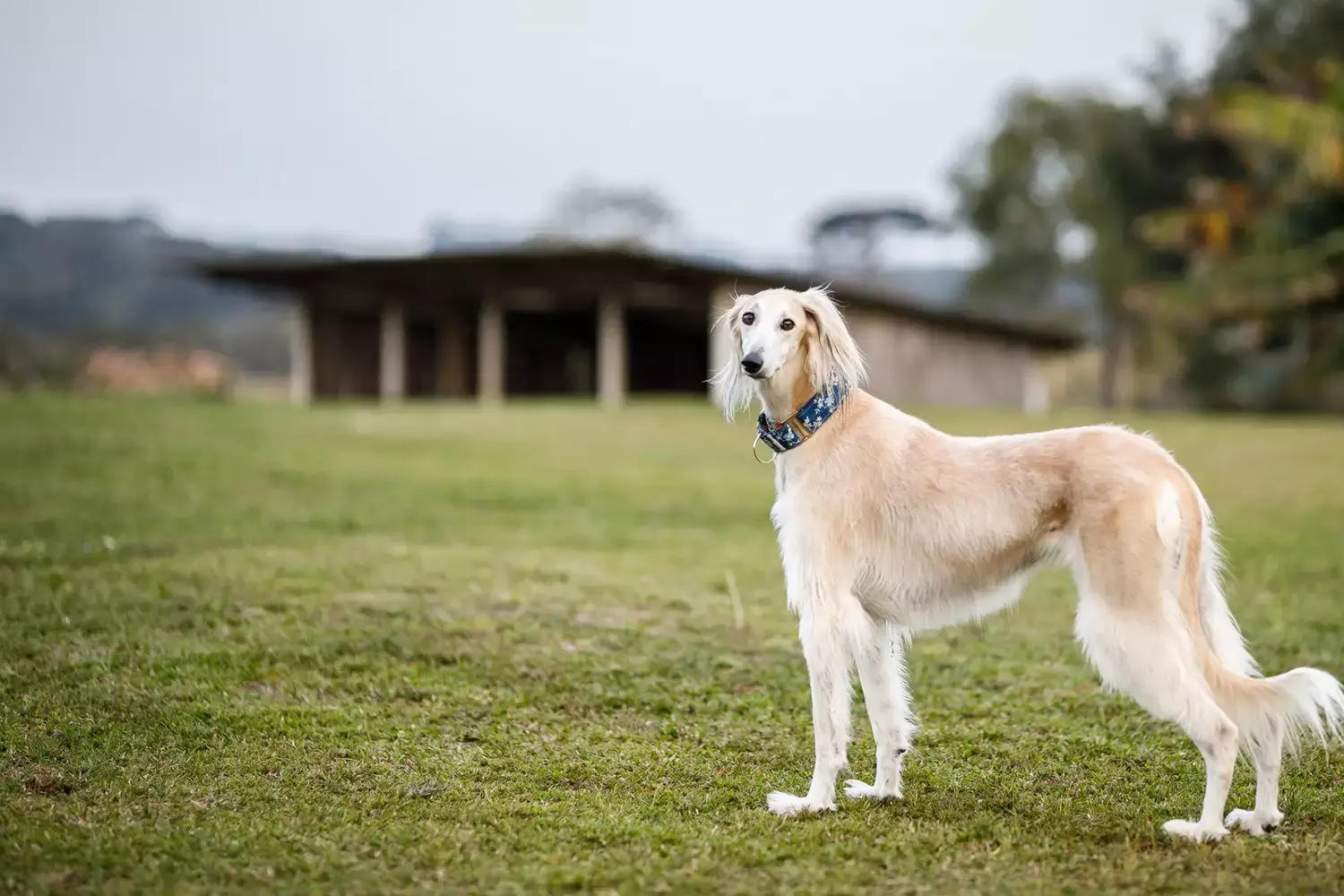
The Saluki is one of the world's oldest domesticated dog breeds, historically prized by nomadic tribes and royalty for their incredible speed, endurance, and hunting prowess. These elegant, gentle sighthounds make loyal and dignified companions but require dedicated care and exercise. An elegant, ancient sighthound from North Africa and the Middle East, known for its speed and grace. The Saluki is gentle, friendly, even-tempered and extremely devoted. It can be somewhat aloof, even with its family. This loyal dog may become attached to one person. Good with children who do not try and roughhouse with it. Sensitive, this breed does not take kindly to harsh discipline. It must be trained with calm, gentle, but firm, consistency. These dogs are fairly submissive by nature to people and dogs and are easily distracted. Be sure you remain the dog's pack leader so the dog feels secure with his surroundings. Dogs want nothing more than to know what is expected of them and the Saluki is no exception. The Saluki does well with other Salukis. They are a pleasant and calm companion and make good watchdogs.
Though not aggressive with people, the Saluki's natural instinct is to chase and kill non-canine animals. Salukis are not your couch potato companions. They have a high exercise requirement and enjoy a daily dose of vigorous activity. However, once they’ve had their fill, they’re content to curl up and enjoy a peaceful nap indoors. Despite their love for activity, Salukis are not excessively noisy; they might alert you when someone arrives, but they soon return to their composed demeanor. Salukis flourish when socialized early, be it with other dogs, children, or even cats. They can coexist harmoniously with other pets if they have proper training and socialization. Salukis often make excellent companions for children, yet responsible supervision is key for the dog’s comfort and the child’s safety. Salukis adore the outdoors and thrive on exercise. Their high level of independence means that they might entertain themselves if not provided with adequate stimulation. Boredom can lead to destructive behaviors, so a spacious yard and daily dog walks are essential.
Due to their slim physique and lack of natural padding, Salukis benefit from a soft dog bed for restful kip. The Saluki is renowned for its calm, gentle, and dignified temperament, making them a pleasure to have as a companion. Often described as reserved, Salukis form deep bonds with their families but may appear aloof or cautious around strangers. This is a reflection of their independent nature, which is characteristic of many ancient breeds. Early and consistent socialisation is key to helping Salukis feel more comfortable and accepting of new people, pets, and environments. Exposure to a variety of experiences during puppyhood can ensure they grow into well-adjusted, confident adults. As sighthounds, Salukis have a strong prey drive and are naturally inclined to chase small animals. For their safety and the safety of other animals, it’s important to keep them in a secure, fenced area or on a leash during outdoor activities. Despite their hunting instincts, well-socialised Salukis can get along well with other dogs, especially if raised together. They often show a preference for the company of other sighthounds, sharing their calm yet active nature. Salukis are affectionate and loyal to those they trust, making them a unique combination of elegance and devotion. With proper care, training, and socialisation, they are gentle and loving companions.
The Sloughi, often nicknamed the "Arabian Greyhound," is an ancient, medium-sized sighthound from North Africa. Known for their elegance, speed, and endurance, they are deeply loyal and affectionate with their families but famously aloof and wary around strangers. The Sloughi is a medium-sized, short-coated hunting sighthound of the desert type. An African sighthound, it was used to hunt wild game, such as desert hare, gazelles, foxes and jackals, often in cooperation with hunting falcons. It also protected the house and livestock of its owner. The breed is adapted to desert and semi-desert life in the Maghreb region of northwest Africa. This dry, lean and muscular hound gives an impression of rustic elegance as well as strength, and it is an efficient hunter with great endurance as well as speed. The Sloughis are affectionate, gentle, and very closely knit to their owners. They are intelligent and independent, and curious of their surroundings. They are quiet and calm indoors, and prefer to lie on soft rugs and blankets, often on their backs with their legs in the air and the neck twisted at a seemingly physically impossible angle. Strangers are met with aloofness and caution, while friends are greeted with enthusiasm.
Sloughis do not make great obedience dogs, but they respond to fair and gentle training methods. Sloughis get along well with children and other animals if they are raised with them. But as Sloughis are hunting hounds with a strong chase instinct, caution is recommended when the dog is outside with smaller animals. Any small, running animal may trigger the dog's hunting instinct. The Sloughi personality can be rather reserved, especially when they do not know you very well. However, they are noble, loving dogs once thehave had a chance to get to know you. The primitive Sloughi is a hunting dog that bonds loyally to its people. They are an attentive and loving breed, although they can be wary of strangers. They have a strong prey drive, so they always need to be leashed or in a secure area when outside. This dignified breed makes an excellent companion pet, as long as they are properly trained and socialized early. The Sloughi can be great with kids, as long as the kids are not overly rambunctious.
Similar to the Greyhound, the Sloughi is an athletic dog that tends to stay calm when it is not on the move. This breed's temperament is typically reserved, preferring to err on the side of independence rather than being involved in every facet of household life. Sloughi needs a lot of exercise for a dog, he is a sporting dog. He should be given the opportunity to exercise, he is suitable for dog sports that encourage this love of speed, such as Greyhound racing. Sloughi is a gentle breed, typically reserved with his environment, this should be taken into account when socialising him. Generally speaking, especially in Greyhounds, their anatomy is designed for explosive, fast running, not jogging, which the owner can provide. So as obvious as it might be to run together in the morning, unless it is in an area where you can safely run at your own pace, itis not the right sport for him.
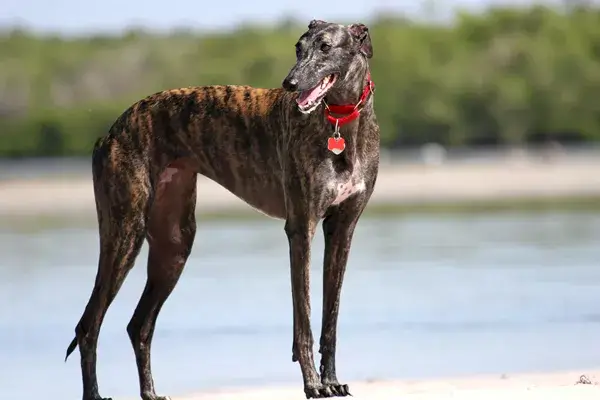
Greyhounds are ancient, gentle, and noble sighthounds renowned as the world's fastest dogs, capable of reaching speeds over 40 mph (65 km/h). Despite their athletic racing history, they are remarkably low-energy, quiet, and affectionate indoor companions that love to lounge, making them surprisingly well-suited for apartment living. The Greyhound seems to be one of the oldest breeds across Europe and Africa. The oldest Greyhound archeological finding predates 6,000 B.C. Ancient Egyptians revered greyhounds as gods and royalty. So, they had pretty good living conditions in olden times. Another fun fact? Greyhounds are the only dog breed mentioned in the Bible. The Greyhound has ancient roots all over, but African natives consider them to be original African dogs since they’re so heavily influential in their history. Greyhounds are diplomatic, self-confident, and reserved. They do very well in families or as solo pets. Early socialization should happen to prevent territorial tendencies with outsiders. Greyhounds are fast - this is no secret. But off the racetrack, you can find a Greyhound lounging around quietly. They are not inherently hyper or overbearing. If you want a chill-out type of dog, you could even adopt a retired racer.
The Greyhound is brave and devoted. Intelligent, laid-back, charming and loving, its character is often undervalued because of its reserved behavior toward strangers and even its master. Greyhounds are sensitive to the tone of one's voice and will not listen if they sense that they are stronger minded than their owner, however they will also not respond well to harsh discipline. Owners need to be calm, yet possess an air of natural authority. Socialize well to prevent timidity. As a rule, they are gentle and even-tempered - both racing lines and show lines. Most Greyhounds have a definite prey drive. It is instinctive for these dogs to chase anything that moves quickly. They are extremely fast and some will kill cats and other domestic animals. These dogs are rarely aggressive and respond well to strangers. Greyhounds are also sensitive, requiring patience and understanding. It's best for these dogs to live in a peaceful household and be spoken to with kindness.
Because of this prey drive, they should be kept on a leash while going for walks to prevent them from running after wildlife. Greyhounds tend to have higher energy levels and prefer to keep an active lifestyle, physically and mentally. That means that their families need to routinely provide them with high-energy activities and exercise outlets. Training this breed can sometimes be difficult, as they are bred for independent pursuit for hunting and prefer to make decisions rather than be told what to do. Patience while in the training phase is important. Their independent nature can sometimes give them an aloof, cat-like demeanor, but most are willing to befriend anyone who presents them with a treat. Despite being bred for high-energy activities, Greyhounds are typically very calm dogs at home and tend to not get overly excited about new people or environments. As long as they get their routine exercise, they are great couch potato dogs that love to lay around with their people. Greyhounds can be patient with children and are more likely to walk away from a child than snap, but they do require their own space, which can often be invaded by young children.
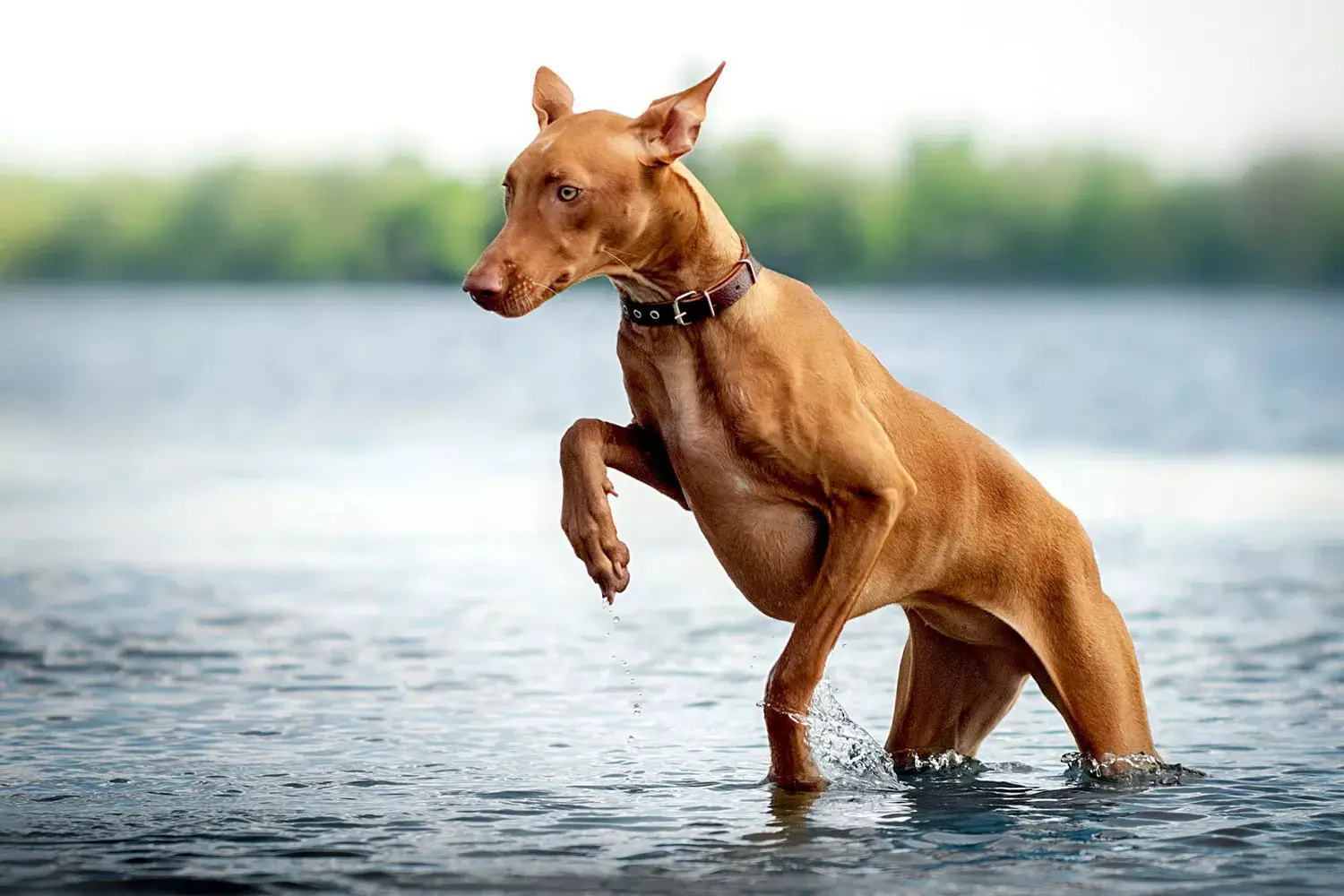
The Pharaoh Hound is a striking and elegant breed that traces its roots back to ancient Egypt. They were initially used for hunting rabbits. However, they made their way to other countries and have gained popularity worldwide as devoted family pets. Pharaoh Hounds are known for their affectionate and gentle nature. They form strong bonds with their family members and can be reserved but not aggressive with strangers. These dogs are intelligent, trainable, and have a strong independent streak. Pharaoh Hounds are active and energetic dogs that require regular exercise to keep them happy and healthy. They enjoy activities such as running, walking, and playing games. Mental stimulation through training or puzzle toys is also important to prevent boredom. Pharaoh Hounds have a short coat and they do not require a special diet. These dogs generally thrive in a loving and active household, where they receive plenty of attention and exercise. The Pharaoh Hound is an ancient, elegant, and athletic sighthound originally from Egypt and Malta, famed for its rabbit-hunting prowess. Known as the "Blushing Dog of Malta," this affectionate and energetic breed can actually flush its face and ears a glowing red when excited.
This sight hound - bred to hunt by sight, is used to working in packs, which means they are especially dog-friendly and get along well with new people. Since pharaoh hounds have such a friendly temperament with humans, they are more likely to engage a stranger in play than to guard the home front. However, they tend to bark at suspicious sounds to alert their family. This breed has a high prey drive, so while pharaoh hounds can do well with cats when raised together, they are likely to chase other pets like birds and small mammals. Pharaoh Hounds have an innate sense of their owner's feelings and moods. They know when to dive for cover or be on their best behavior. They are generally not high strung, but are active and do enjoy running and playing. They will entertain themselves for hours on end, and if they can entertain those they own at the same time, they are twice as happy. They can be quite "cat-like" in their personalities and habits.
Some will decide when they want to cuddle. Others will throw themselves at you! Personality is an inherited trait, so a puppy will likely be similar to their parents in personality and looks. With strangers, they can be aloof until properly introduced. They will judge each new person and decide if they are worthy of their attention. Given time, most will warm up to any situation or environment. Proper socialization is essential. With other dogs, they tend to avoid fights, but if challenged they will stand their ground and defend themselves. Remember not all dogs are the same and these traits may vary from one dog to another. Pharaohs are hounds through and through. They can be stubborn and will try to outsmart you. They must be trained with positive motivation and rewarded for all proper behavior. Their motto is often "What is in in for me?" A lesson learned is never forgotten. This applies to bad habits also. Just because that puppy is so cute doing something, if it is something that you will not be able to live with later in his life, correct it immediately. Untraining those bad habits is much harder than enforcing the good habits, no matter the age. Be consistent, firm and fair. Help the dog learn and praise all good behaviors.
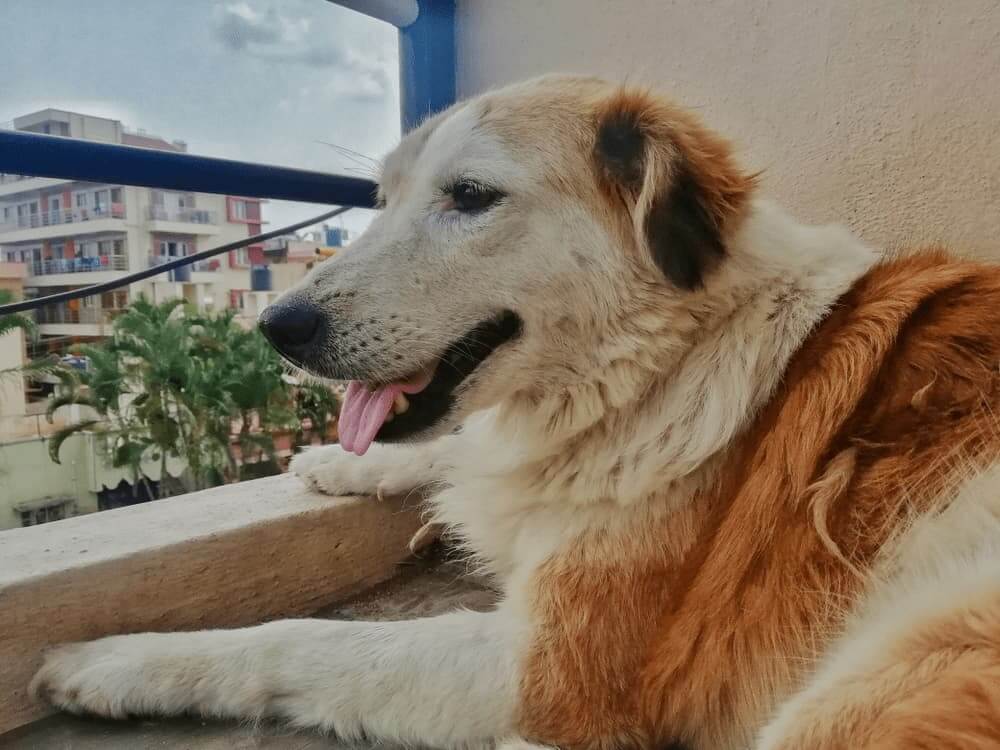
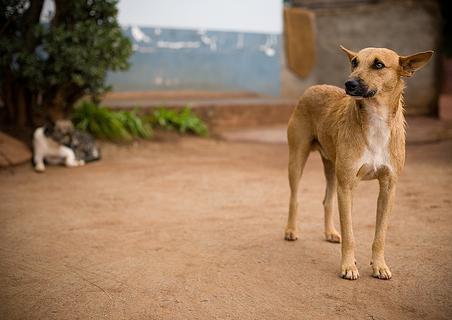
African village dogs are a genetically diverse, indigenous group of landrace dogs that have lived alongside human settlements in Africa for thousands of years. Unrestricted by artificial breeding standards, they boast a robust immune system and high adaptability, making them deeply ingrained in the continent's cultural and natural history. The African Village dog is not a dog breed, but it is a group of native and indigenous dogs living in various parts of Africa, spreading from the north to the south. They trace back to dogs that arrived from the Middle East and migrated across the continent with early human populations. African Village dogs are common companions of African people and they are thousands years old. But they are not standardized at all. This is a list of different African Village dogs. They have different sizes, coat types and colors and utilizations.
African village dogs are not a mixture of modern breeds but have directly descended from an ancestral pool of indigenous dogs, according to a Cornell-led genetic analysis of hundreds of semi-feral village dogs. That means that village dogs from most African regions are genetically distinct from non-native breeds and mixed-breed dogs. They also are more genetically diverse because they have not been subjected to strict breeding, which artificially selects genes and narrows breeds' gene pools. The study, published online Aug. 3 in the Proceedings of the National Academy of Sciences, sheds light on the poorly understood history of dog domestication. Future work may help explain the timing and locations of dog domestication and how dogs have adapted to the African environment, human settlements and dietary shifts. The genes of modern breeds all cluster together in one little group, but the African village dogs we sampled show much greater diversity genetically. They naturally resist many congenital defects found in modern purebreds and possess strong immune systems that can ward off parasites. They generally feature medium, athletic builds, short coats, and wedge-shaped heads, though physical traits can vary widely from region to region. African Village Dogs seems to be the most popular dog in Africa.
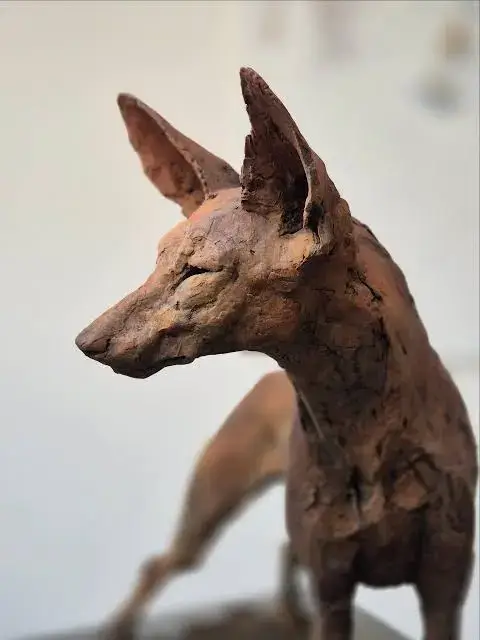
The Tesem was an ancient Egyptian hunting dog that originated from Egypt. It is an extinct breed, and its lineage is believed to extend further south into regions like Nubia and the Horn of Africa. The term "Tesem" referred to a type of hunting dog, and it is thought to be an ancestor of modern breeds like the Saluki or Pharaoh Hound. Since these dogs are extinct, there is no way to accurately know the temperament of the Tesem. We can only speculate that they were fierce hunters, loyal, friendly companion dogs. The Tesem ranks average in the intelligence ranking of dogs.
Dogica® collects only technical cookies. No any personal or private information being collected, saved or shared here. 3rd Party cookies could be collected by various installed widgets.
The information contained in or provided through DOGICA® site is intended for general consumer understanding and education only and is not intended to be and is not a substitute for professional advice.
Use of this site and any information contained on or provided through this site is provided on an "as is" basis without any representations, warranties or pay.

















WORLD OF DOG & PUPPY 🐶