86 Dog Breeds by Country: Photo, Characteristics, Temperament Dogs by Country Indigenous Dog Breeds Dog Breeds by Country Dog Breeds Geographicaly Holland Dog Breeds Norway Dog Breeds Polish Dog Breeds Scottish Dog Breeds Welsh Dog Breeds Turkish Dog Breeds Swedish Dog Breeds Portuguese Dog Breeds Spanish Dog Breeds Serbian Dog Breeds Slovakian Dog Breeds Romanian Dog Breeds Dogs by Country of Origin Dogs by Native Country National Dog Breeds
The Kombai (or Combai) is an ancient, medium-to-large Indian hound from Tamil Nadu, historically used for hunting and guarding. Known for being intensely loyal, intelligent, and fiercely protective, they are athletic, muscular dogs with short, red-brown coats and black masks. They require high physical activity, making them ideal for experienced owners. Intelligent, alert and eager to please, the Combai is good with children. It does a great job guarding its home and property. The Combai dog has a natural tendency to hunt, it is used for hunting wild boar and other big game such as bison and deer. Be sure you are this dog's calm, but firm, confident and consistent pack leader. Does best with an owner who is even-tempered, displaying a natural, but gentle authority over the dog. By nature, Kombai are intelligent as well as fearless. They are truly loyal to their family and strongly bond with their owners. They are excellent watchdogs, and they're very protective. They are alert and sometimes wary of strangers but calm and composed around familiar faces.
Like the Rhodesian Ridgeback, they have a ridge of fur that runs down their spine. They are native to Southern India, specifically to the Tamil Nadu region. As a working dog breed, they originally were used by the Indian Royalty to hunt bear, tigers, and other dangerous animals. These days this attractive dog is used as a guard dog for rural farmers, householders, or as a companion dog. The Combai is becoming a rare dog, even in their homeland, with many experts believing them to be on the verge of extinction. Many Indian dogs have been dominated by the European Breeds that many people have seen as more fashionable and valuable than the native dog. In their favor, the Combai dog is known to be fierce towards their enemies, and intensely loyal to their family. They have a natural resistance to disease and parasites in Southern India which has produced a strong and hardy animal. They love to be close to their family, and are known to be gentle and tolerant with small children in their family 'pack'. Eager to please their master, this dog has an intensity and commitment that is highly valued by their owners. Although some think that the Combai dog is savage or has a ferocious temper, this dog has a great family history as a kind and affectionate pet. In the past, the Combai was used to track and hunt not just any old prey, but prey that was known to be ferocious.
For example, they were used by Indian Royalty to hunt wild boar, bears and tigers, not to mention the solid bison. These animals far outweighed the Combai in size and stature, but it was the sheer tenacity of the dog, and the focus to do what their owner had requested them to do that has earned them the reputation for being savage. There is no denying that the Combai will defend their owner and family members without any regard for their own life. But at home, this is a quiet dog that only seeks to be left alone by strangers and who loves interacting with its people. This dog has an innate sense of who is welcome and who is not. The Combai strives to please their master and responds to the mood and command of their leader right from youth and onward. Being an active dog, they require a lot of exercise and mental stimulation to keep them happy, and they are easy to train as long as you are consistent in your methods, and you make the dog respect you as the leader, without resorting to physical means to do so. Beautiful in appearance, and well loved by their owners, this impressive dog is worth any effort to save the dwindling numbers.
The Drentsche Patrijshond (Dutch Partridge Dog) is a versatile, medium-sized pointing and retrieving breed originating from the Netherlands, known for being an excellent family companion and capable hunter. Weighing 40-60 lbs, they are active, intelligent, and affectionate dogs that require consistent training and daily vigorous exercise. The Drentsche Patrijshond hails from the Netherlands and is a gundog that has been in existence for many centuries. He was not officially recognized as a breed until the late 1940s but enthusiasts of the breed have passed their love for him down through the generations. He is a devoted companion and loves being with his family. He is a multipurpose working dog and will help keep pests from your yard and home. He is a spaniel-type dog that is medium sized and can be very active. He does require a lot of daily exercise to keep him happy. The Drentsche Patrijshond is an excellent gundog and avid hunter. He is loyal to his family and is softer in nature than most hunting dogs. He is considered to be a multipurpose dog that loves hunting, but is just as comfortable chasing vermin away from the home. He should always be watched closely with small pets that are in the home including cats, birds, rabbits, ferrets and guinea pigs.
These animals are perceived as prey and he will try to harm them. Training is important for the Drentsche Patrijshond, however, because he is softer in nature he needs a gentler training program that uses positive reinforcement techniques. He is great for families with children. He announces visitors by barking and is more reserved with strangers. He should never exhibit shyness or aggression towards people. Since he is a hunting dog, he does require a lot of physical exercise each day such as a long walk or chasing a ball in the back yard with the kids. A sturdy fence is needed to keep him contained. The Drentsche Patrijshond is known for its friendly and adaptable personality . This breed is typically described as affectionate, intelligent, and eager to please. These traits make the Drent an excellent choice for those seeking a dog that can provide emotional support. Its gentle nature means that the Drent can be very in tune with its owner's emotions, responding with warmth and empathy. This makes it a valuable companion in various settings, including homes where emotional support is needed. The breed's Intelligence also means it is highly trainable, which can be beneficial in emotional support roles where specific behaviors are required.
The Dutch Smoushond is a small (approx. 9–10 kg, 35–43 cm), yellow-coated, shaggy-haired terrier-type breed from the Netherlands, historically used as a "gentleman's stable dog" and ratter. They are known for being friendly, lively, and intelligent, making excellent, affectionate family companions. They require moderate grooming, regular exercise, and thrive on human companionship. This easy care, obedient house-dog is a friendly and charming companion. The Smoushond tends to be quiet with those he does not know, but is loving with those that he does know. This skillful, intelligent dog has considerable adaptability. It is alert with a sense of humor. Dependent, sober and sensitive, it makes a good watchdog. Do not allow this dog to become yappy. They need to be corrected if their barking becomes obsessive. They get along well with children and happily accept the family cat. Most Dutch Smoushond get along well with other dogs. The Dutch Smoushond is eager to please, which means training it is not hard. It is important, though, to ensure that you are consistent toward it because some can try to take over if they get an idea that their handler is rather easy-going. Proper human to canine communication is essential.
The Dutch Smoushond is a smaller dog that was originally used as a vermin hunter. This terrier shares many of the same traits as other more popular terriers and can become destructive if not given enough attention. Generally, he is an easy keeper, but he is also prone to becoming a nuisance barker, therefore, apartment living may not be ideal for this little terrier. He does do well with other dogs and will do well with cats when raised with them. Since he was used as a ratter, never leave him alone with small pets such as guinea pigs, ferrets or even birds. This charming little dog is usually easy going when he is given plenty of time to play and enjoy his family. The Dutch Smoushond is relatively easy to train and does want to please his owner. He is strongly devoted to his family but will not be so accepting of strangers. He can become very vocal and is not a great choice for apartment dwellers that work all day and leave him home alone. The Dutch Smoushond can become a very annoying neighbor and destructive to your home when he is ignored for long. Training should be started as soon as possible to curb his natural propensity to bark. Early socialization will help him become more accepting of strangers. Children are excellent playmates for the Dutch Smoushond and he also gets along well with other dogs. He can be accepting of cats that he has been raised with but should never be left alone with other small pets in the home. He still has a high prey drive and will try to harm smaller pets such as ferrets, guinea pigs or rabbits.
The Keeshond is a medium-sized, intelligent, and affectionate spitz-type dog known for its silver-and-black coat, fox-like face with "spectacles," and curly tail. Weighing 35-45 pounds, they were originally Dutch barge dogs and make lively, loyal companions that require regular, weekly grooming. An excellent children's companion, active, intelligent, very keen and outgoing, Keeshonden are full of personality. They can be trained to perform. Affectionate and friendly, the Keeshond loves everyone and needs to be part of the family activities. This breed is a real character that is quick to learn if its owners are consistent. It should be trained using gentle, but firm, calm leadership. It is generally good with other pets. Socialize well to avoid them from becoming reserved or timid. Keeshonden like to bark and are good watchdogs because of their notable gift for warning of danger. Teach them enough is enough, to stop barking after their first initial warning bark. Beware of overfeeding, for the Keeshond will gain weight easily.
Be sure to take them for a daily pack walk to drain both mental and physical energy, to avoid over-excitability, such as spinning in circles and other behavior issues. A Keeshond that spins in circles has excess energy he needs to burn, both physical and mental. Always be your dog’s pack leader, remaining firm, confident and consistent. Give the dog rules he must follow and limits to what he is and is not allowed to do. Dogs crave, and instinctually need, this type of order in their lives. Keeshonden are friendly, eager to please, and get along well with other pets and children who know how to interact with animals. These are social dogs who don’t do well when left alone for long hours. Keeshond dogs love their people and should be treated like a family member. Sometimes known as the “smiling Dutchman” because of their happy temperament, Keeshonden are fun-loving dogs who are always ready to play. They are typically well-mannered and not known for excessive barking. However, Keeshonden can become vocal when left alone without their humans or if they sense something amiss.
The Nederlandse Kooikerhondje is a small, athletic Dutch spaniel-type dog originally bred for luring ducks, weighing 19–39 lb (9–18 kg) and standing 14–16 in (35–40 cm) tall. Known for their white coat with orange-red patches and black-tipped ears ("earrings"), they are intelligent, energetic, and loyal, making them ideal for active families, agility, and hunting. They require regular brushing, have a 12–15 year lifespan, and are generally healthy, though they can be prone to patellar luxation. The Kooikerhondje's affectionate and sturdy nature makes it a delightful family dog. Pictures painted by the Dutch artist Jan Steen depict the Kooikerhondje's past role an integral part of family life. This breed is happy and self-assured, yet cautious with strangers and other dogs. Its temperament should be neither aggressive nor anti-social. While it may take a little time, the Kooikerhondje, once accustomed to somebody, will always be a good and loyal friend. Generally speaking, due to the sensitive nature of the breed and the fact that the breed as a rule does not like unnecessary handling, Kooikerhondjes are not recommended as playmates for small or unruly children.
Kooikerhondjes are sensitive and intelligent and have a strong character. For that reason, they need consistent, firm training with a stern but calm voice. Yelling at a Kooikerhondje accomplishes little and can do more harm than good. Clicker training comes highly recommended. This breed responds well to positive reinforcement and food. Most Kooikerhondjes love to be active and use their minds. Here is a list of activities that Kooikerhondjes are well suited to: Flushing Birds (primarily for fun), Retrieving (if they are taught well), Tracking, Agility, Obedience, Conformation, Dance (obedience and maneuvers set to music), Swimming and playing in Water. Activities that require a lot of physical exertion should be properly managed in order to prevent injury to the dog. Kooikers are happy, well-behaved dogs that love spending time with their people. Because they tend to be fairly quiet, Kooikerhondjes are a good breed for apartments or homes with small yards. Kooikerhondjes can be reactive around other dogs, especially when on a leash. And dog parks are not generally a good fit for them. To help your Kooiker become a well-mannered dog, start socializing them early. As long as they get plenty of physical exercise and mental stimulation, Kooikerhondjes make easy-going, good-natured, affectionate companions. But they may be slow to warm up to strangers.
The longhaired Dutch Shepherd is a rare, intelligent, and highly energetic medium-large herding dog, characterized by its long, straight, or slightly wavy coat (often with a ruff and feathering) and mandatory brindle coloring. Standing 21.5-24.5 inches tall, they are loyal, trainable, and excel in active lifestyles or dog sports. The Dutch Shepherds are among the most competent of all shepherd dogs at such tasks as agility, catch, obedience competitions, guard work, herding, field trailing and companionship. Attached to its territory, and an enthusiastic worker, this affectionate, happy-to-be-around dog is obedient, sober and very loyal to its handler and family. Friendly, loving, playful and highly energetic, this very happy dog is cunningly smart. Provided children are seen as pack leaders, they can also be good friends with them. Unwanted visitors will be stopped in their tracks, while known family friends will be greeted enthusiastically.
Dutch Shepherds enjoy the company of their own kind and get along fine with other animals. Intelligent, easy to obedience train and eager to learn - they learn new commands quite easily. This breed makes an excellent watch and guard dog. Active, lively and alert. The shorthaired variety is the most common sort for defense and police dog trials. Dutch Shepherds are intelligent, loyal, and high-energy dogs that thrive with lots of mental stimulation and exercise. While affectionate toward their family, Dutch Shepherd dogs require proper socialization to be comfortable and well-mannered around strangers, children, and other animals in the home - just like all other dogs. Because of their history as working dogs, Dutch Shepherds are alert and may bark to let you know someone is approaching your home - even if it’s just the mail carrier. They may also develop undesirable behaviors such as digging or trying to herd other pets (like the family cat) when they’re allowed to grow bored. As a pet parent, it's important to provide consistent training, exercise, mental stimulation, and socialization so your Dutch Shepherd thrives and practices positive behaviors.
The Short-haired Dutch Shepherd is an intelligent, high-energy, and versatile working breed originally from the Netherlands, characterized by its distinctive brindle coat, athletic, medium-sized build 45–70 lbs, and erect ears. They are loyal, trainable, and excel in police, agility, and herding work, requiring intense daily exercise and mental stimulation to prevent boredom. Dutch Shepherds are athletic, intelligent, and independent dogs. Innate herding instincts have helped the breed earn a reputation as a world-class working dog that retains its wild ancestors' characteristics. Dutch Shepherds are alert, watchful, reliable dogs that delight in completing a task. The breed is confident enough to work solo but also cooperative and willing to work alongside its owner or other dogs to get the job done.
Their demeanors as active, independent, and persistent. Despite being bred for work, Dutch Shepherds know how to relax and will adjust their energy levels to the situation. As pets, Dutch Shepherds love spending time with their people and fit in well with active families. This is not a breed that wants to be left alone for long periods with nothing to do. If you are looking for a dog to teach, you have found a great contender. The Dutch shepherd is an incredibly intelligent dog that can learn tricks easily and participate in agility or flyball competitions. Because of their high intelligence, you will be best served training your Dutch shepherd in short bursts with little repetition. Keep your training sessions varied and fun, and these dogs will keep coming back for more. They thrive on mental stimulation, so once you get past the obedience basics, you'll find them getting more excited about training as your cues get more complicated. Dutch shepherds who have completed certified training through the Royal Dutch Police Dog Association are highly sought after by police forces around the globe for their intelligence and trainability, as well as their naturally high drive.
The Wirehaired (or Rough-haired) Dutch Shepherd is a rare, versatile, and hardy breed originating in the Netherlands as a farm dog. Recognized by their distinct, tousled brindle coat, they are intelligent, loyal, and energetic, requiring extensive exercise and training. They are independent-minded and make excellent working or active-family dogs. The Dutch Shepherd is a lively, athletic, alert and intelligent breed, and has retained its herding instinct for which it was originally developed. Having an independent nature, it can be slightly obstinate and have a mind of its own. Since its original duties were to keep flocks of sheep in a particular location, it is able to run all day, and that is reflected in its physique and structure. The Dutch Shepherd was discovered as a naturally occurring shepherd's dog living in rural areas. It was developed as an all-purpose farm dog, working originally as a farm guard, drover, and livestock dog. A well known dog fancier wrote about the Dutch Shepherd in 1910: "...bearing a great resemblance to the wolf." Of course this is not entirely true, but it is another aspect that shows that the Dutch Shepherd still has many of the characteristics of its wild forebears. Although it is not a widely known breed, the Dutch Shepherd is a loyal companion and competent working dog used for obedience, dog sports, herding, tracking, search and rescue, and as a police dog. Dutch shepherds have high intelligence, a great temperament, and working skills, but they can be quite independent. However, they are affectionate, steadfast, and loyal dogs that form strong attachments with their family. With the right introductions, they live well with other dogs and children, too.
The Schapendoes, or Dutch Sheepdog, is a medium-sized, long-coated, and lively herding breed from the Netherlands (16–20 inches, 26–55 lbs). Known for being cheerful, intelligent, and agile, they make excellent family companions. They require high-energy exercise, including daily walks or jogs, and weekly grooming to maintain their thick coat. The “shaggy sheepdog of Holland” is a friendly, affectionate, cheery dog that excels as a pet for active families looking for a spirited companion. Schapendoes are herding dogs that moved flocks between pastures. The job required attentiveness and courage - traits that remain hallmarks of the breed; these are also characteristics that make Schapendoes excellent watchdogs. With their families, Schapendoes are outgoing, high spirited, and friendly. They develop a strong sense of loyalty to their human packs and enjoy spending time together, especially outdoor activities. But remember, these are herding dogs so they may attempt to corral children or other pets.
The schapendoes is a cheerful, active, friendly family dog that learns easily and gets along well with children and other dogs and pets. He has a long and disheveled coat and stands between 40 and 50 cm. (15 and 20 inches) tall, and weighs between 12 and 18 kg. (26 and 40 pounds). All colors are permitted. Nothing will please an schapendoes more, than to be out and about with his owner. He will particularly enjoy accompanying you on walks, bike rides, visits to friends or attending obedience or agility training. But he is equally comfortable at your feet in front of the television. He can easily be left home alone, if he is accustomed to it. The schapendoes considers children to be his friends, as long as they don't treat him like a toy, and parents are sensible. Of course any dog may defend himself with a nip or a bite, if he is hurt or mistreated by a child. He also gets along very well with other pets. By nature, the schapendoes is not a dominating dog and will not seek a fight, but will not allow him to be picked on either. There are times, when the schapendoes can be quite stubborn and may pretend not to hear your request. Taking a tough stand with training does not work well. Since he is eager to please, a playful and positive approach, along with praise and affection is much more effective in getting results.
The Stabyhoun is a rare, versatile, and medium-sized Dutch gun dog known for its gentle, loyal, and patient temperament, making it an excellent family companion. Weighing 40–60 lbs and standing 19–21 inches tall, these intelligent dogs are eager to please but can be independent. They require high, consistent daily exercise and have a long, straight, silky, black/white or brown/white coat. Devoted, soft and gentle as a pet, very intelligent, obedient, the Stabyhoun is a good guard dog, not vicious or snappy. It is highly trainable, but needs consistency. The Stabyhoun has a nice temperament, is friendly, tolerant and willing to please. A characteristic of the Stabyhoun is its great tolerance toward children. Animals that belong to the household are treated in a friendly way. This dog has a laid-back temperament and it loves to play with children. It makes a good watchdogs. It is very affectionate and many of these dogs love to "cuddle." Many Dutch owners use its natural retrieving abilities for playing with balls, because it will go into the water and find the balls and then bring them back. This dog is a wonderful pet to have around the house and is just perfect for life in Holland with its many waterways and parks.
While it makes a good watchdog, it is friendly and amiable. It is also a very powerful dog and larger ones can pull sleds in the winter. By its nature, the Stabyhoun is an obedient, peaceful, kind and patient dog that is deeply fond of its family, and it likes to please its owner. Social and quiet, friendly. Socialize well to prevent your Stabyhoun from becoming reserved with strangers. The Stabyhoun is utmost a wonderful family and companion dog. This breed likes to have a job to do, because of its great intelligence, speed, flexibility and eagerness to please. They do Flyball, they love to retrieve tennis balls, they show off at obedience class, etc. These dogs are keen and active dogs outside, but calm dogs inside of the house, as long as they get a moderate amount of daily exercise. The origin of the breed is in hunting, and while they are still used for that purpose, they are nowadays foremost used as family companions. Stabyhouns are pointer dogs. Males typically have heavier heads than females. Their coat features spots on the legs. These pointers generally have a friendly and loving temperament with their family and are intelligent and eager to please. A high energy level also helps to shape their personality, and they prefer to keep mentally and physically active with some sort of job every day.
The Wetterhoun (Frisian Water Dog) is a rare, medium-sized Dutch gun dog, known for its dense, oily, and curly water-repellent coat. Originating in the Netherlands, they are loyal, independent, and protective family dogs that thrive with active owners who enjoy outdoor activities. They are intelligent but can be stubborn, requiring consistent training. Though touted as a hunting breed, Wetterhouns have tolerant and loyal personalities that make them ideal family pets. They love the water and prefer an active lifestyle, happy to accompany their owners on hikes, runs, and adventures outdoors. They are a fiercely loyal and attached breed, preferring to be by their owner's side at all times. The Wetterhoun is not a suitable dog for beginners. This rugged and soundly built working water dog is an unsinkable capable, canine. It is an all-weather, all-purpose dog that is a popular canine companion and farmhand in its native Holland. It is physically very demanding of itself and can be sensitive. Intelligent and somewhat independent, often with a mind of its own. It is brave, reliable and very watchful. These dogs learn quickly, but they are independent-minded enough to refuse your commands if you are not assertive in a calm manner at all times toward the dog. A consistent but kind approach is absolutely essential. It is strong-willed and needs a firm pack leader. Do not allow this dog to take over the house. Its guarding instinct is still sharp, so training from an early age is imperative. Depending upon the individual dog, corrective action may be appropriate.
For its own people, the Wetterhoun is a good-natured and friendly dog. It is good with children in the family, provided the family displays proper leadership, including the children and the children do not tease or harass the dog. It tends to be wary of strangers. This breed makes a good guard dog. Family and friends will get a hearty welcome. It will accept other dogs and pets with no problem. While this canine may have the alert and wary nature of a good watchdog and an appropriately dour appearance to encourage would-be intruders to go on about their way, they are also very gentle and sensitive animals when it comes to their families. While all interactions between canines and children should be supervised, this dog is known to be stable and reliable around both adults and children. These dogs are known for their perseverance in all things and whatever task you set them to, they are likely to be unswayed from doing it until it is complete. They are intelligent and can be easily trained as long as their persistent nature is taken into account and they are allowed to complete one activity before going on to the next. They can be socialized to get along with other canines, particularly if socialization takes place at an early age, but their prey drive may be difficult to suppress when it comes to cats and other small animals.
The Saarloos Wolfdog is a large, athletic, and wolf-like Dutch breed standing 60–75 cm tall and weighing 30–45 kg. Created by crossing a German Shepherd with a European wolf, they are intelligent, independent, and reserved, requiring experienced owners, significant space, and consistent, gentle training to manage their shy, cautious nature. The Saarlooswolfhond is only for the lover of the old canine ways, as it retains in a limited state some of the wolf-like or ancient canine ways, including an intense pack instinct, tendency toward shyness, and a need to roam or at least have adequate space. It needs to be taken for daily pack walks to satisfy its instincts. These dogs are exceptionally strong-willed and do not take well to obedience or Schutzhund work. They are still pack-oriented and need a strong leader and a social atmosphere. Not recommended as a child companion. They are not suitable for kennel life. Seclusion intensifies anti-social behavior, and the dog may panic if locked in an enclosure.
Owners must establish the dominant alpha position, be willing to spend a great deal of time with them, and train with patience, understanding canine behavior. The breed is quiet, seldom barking, alerting homeowners in other ways. They do well in packs, with a leader emerging and keeping order. That leader MUST be the human. The club's publication notes that most owners of the breed have at least two to provide the necessary "pack." Problems can occur, however, if a dog who does not understand the established order is introduced to the pack. When introducing a new dog into the pack, it is important to first walk the dogs separately to drain excess energy, and then walk them together to help them secure the new order. Be sure you make the dogs heel beside you, rather than walking out in front, as the pack leader always goes first. Though lively and independent, Saarloos Wolfdogs are typically reserved around strangers. They may seem aloof, which isn't surprising considering the breed so recently descended from wolves.That said, these dogs are very devoted to their people and form tight bonds with them. They're protective of family and make good watchdogs. For the same reason, they may need help socializing and living among a full household or other animals.
The Black Norwegian Elkhound is a rare, small-to-medium, agile Spitz-type hunting dog known for its solid black coat, erect ears, and curled tail. Originating in Norway as a versatile, courageous, and energetic companion, they are quieter and more compact than their grey counterparts. They are affectionate, loyal, and intelligent but require early socialization and active exercise. The Black Norwegian Elkhound is fearless and friendly. Although some may be somewhat reserved with strangers, it will greet family and friends it knows with enthusiasm. They are reliable, energetic and alert companions for children and make sensible guard dogs. It is clean and docile with an outstanding character. They are affectionate and loyal, engaging and sensitive. Like other Arctic dogs, the Black Norwegian Elkhound has a mind of its own and is fairly independent. It may be somewhat resistant to obedience training. It is important to be firm with this dog, showing good pack leadership.
Puppies need firm but gentle discipline. Be fair when training this breed, understand it is a canine, not a human and treat the dog accordingly. They have been bred to hold prey at bay, barking constantly until the hunter arrives. Some Black Norwegian Elkhounds bark a great deal and must be taught enough is enough; after they alert you once, it's time to quiet down. They also have a tendency to roam. It is best to pair sled dogs in teams of one male and one female, as males have a tendency to fight if harnessed together if they are not 100% sure of their follower place in the world. They may also be aggressive with same sex dogs in the household if owners are not showing strong pack leadership skills with the dog, but this tends to be the exception rather than the rule. Some sources say Elkhounds are usually good with non-canine pets, others say they shouldn't be trusted so use caution. Without enough mental and/or physical exercise they can become high strung.
The Black Norwegian Elkhound is an energetic dog who enjoys the outdoors, particularly in colder environments. This dog tends to become very attached to their families and while all interactions between canines and children should be closely supervised, as a breed they are usually quite tolerant of children as well. They can be territorial and tend to be rather loud about it, even more so than the grey version of the Norwegian Elkhound, so they don’t tend to make good roommates in smaller spaces and they are often rather combative with other canines. For some Black Norwegian Elkhounds, you may find that they view a fence more as a suggestion and their strong hunting instincts will often tempt them to exit the yard in pursuit of fast moving objects, so a tall, sturdy fence and supervision may be required if you want to keep your dog from wandering. For the most part, this is an easy breed to train if positive training methods are used, although heavy-handed training may prompt more aggressive behavior from these canines.
The Dunker, or Norwegian Hound, is a rare, medium-sized scent hound from Norway, known for its distinct, often mottled (harlequin) coat, exceptional stamina, and ability to hunt hares in deep snow. They are intelligent, affectionate, and relatively calm family companions but require high daily exercise (45-60+ mins) and consistent training due to an independent, sometimes stubborn nature. Dunkers are very affectionate dogs that form strong bonds with their families - adults and children alike. They are also quite gentle and easygoing and quite relaxed when they aren’t exercising or working. Dunkers get along with everyone they meet, so they really are not effective guard dogs, but their instincts to bark make them great watchdogs. Dunkers are intelligent, but like all hound dogs, they are incredibly stubborn when they catch a scent, which also gives them a high prey drive. Like most scenthounds, the Dunker was bred to be tolerant of strange hunters and handlers. This breed is usually non-aggressive, and when properly trained and socialized, most breed members are quite friendly. The Dunker lacks the aggression to make an effective guard dog, and most of these dogs would follow a stranger home before they would show them aggression. Dunkers are known to be very affectionate dogs, many of them fawningly so. The Dunker is an independent breed and may not be easy to train. It will need a firm and consistent trainer who is ready to put in time and effort to train this dog. The dog needs a firm and confident trainer.
The Haldenstøvare is a senthound that was developed for hunting hare, although it is capable of being used against almost any small prey. This breed excels at fast chases over open spaces, even if that space is covered in snow. Its name comes from the town of Halden, which is located in the southeastern part of Norway. A rare breed, this dog is kept primarily by hunters and rarely seen outside of its homeland. The Haldenstovare (Halden Hound) is a rare medium-sized Norwegian scent hound developed in the early 1900s for hunting hare and fox. Known for its high energy, stamina, and white coat with black/tan patches, this athletic breed is generally affectionate with families but requires extensive daily exercise. They are known to be independent, energetic, and loving. While good with families, their strong hunting instinct means they may wander if not properly trained or exercised. They are often vocal (barking) when working or bored. The Halden is a loving and an affectionate pet as well as a good hunting breed. They are said to be good family dogs and to behave well with children. Haldens are hardy and energetic, able to bear cold weather and maintain a quick pace for extended periods. They do best in homes with large areas to play or owners who provide extensive exercise. Prolonged periods of inactivity can cause them to become restless and unhappy. The Halden does not hunt in packs, as many hounds do. They are bred to hunt alone with their owner.
The Hygenhund (Hygen Hound) is a rare, medium-sized Norwegian scenthound developed in the 19th century for hunting in harsh Arctic conditions. Known for immense stamina, they are solid, muscular, and loyal, typically weighing 44-55 lbs. They are highly active, requiring extensive outdoor space, and are suited for active owners, not apartment living. The Hygenhund is a Norwegian scent hound used to hunt fox and hare. He is also an affectionate family companion. The Hygenhund is popular in his native country but virtually unknown anywhere else in the world. He is loyal and loving towards those he lives with, but is very suspicious of any strangers. He can become aggressive towards strangers who approach him or try to pet him. Expect him to be somewhat possessive towards his toys and food dish, training is important to ensure that this possessiveness is checked early and he does not become aggressive towards the family. Early socialization is also a must for the Hygenhund. The Hygenhund is a lively, happy and very energetic breed. He lives to stay busy and will find things to do if you do not give him a job to perform each day. He is affectionate and devoted to his family, however, he can be very possessive of his food, family and toys.
Training is necessary to ensure he does not become aggressive. The Hygenhund does not like strangers and will be wary of anyone who comes around his home or family members. Early socialization will help keep him from becoming shy or aggressive towards strangers. He does not like strangers approaching him or trying to pet him. He does need an owner familiar with the breed and able to handle his quirks. First time dog owners should not consider the Hygenhund. People who are not able to take a leadership role with their dog should also not consider this dog. The Hygenhund has a brain that never stops working. These dogs are constantly on the lookout for a task to carry out. Even though these traits make them excellent in their work, it can be challenging to have them as a pet. This is not the kind of dog that is going to want to cuddle up next to you on the couch for extended periods. They can become nervous and restless if they are not appropriately stimulated. These dogs need a lot of space to explore, and high-intensity games are a must. Best of luck keeping your dog in the house. These pups are bred for outdoor elements, making them perfect for homes with lots of acreage or country dwellings. These dogs are sharp and quick on their feet. Because of their intensity, they might be a challenge in multi-pet or livestock situations.
The Norwegian Buhund is an ancient breed with a confident, alert temperament. These fun-loving, energetic dogs have excelled as hunters and herders and their friendly, easygoing natures have made them popular family dogs.The Norwegian Buhund is an intelligent, energetic, and affectionate Nordic herding dog, historically used by Vikings for guarding and farm work. Standing 16-18.5 inches and weighing 26-40 pounds, these medium-sized spitz-type dogs are known for being vocal, loyal, and in need of daily, vigorous exercise. They are excellent, cheerful family companions requiring consistent training. The Norwegian Buhund is vigilant, cheerful, active, untiring, intelligent and attentive. Very affectionate, it loves giving kisses and snuggling. This breed needs physical and mental stimulation and require consistent, firm leadership as it can be headstrong if it senses its handlers are not as strong minded as itself. These dogs like to be taught and learn very quickly. A natural watchdog, the Buhund is brave and vocal but not aggressive. It is unlikely to bite or snap unless provoked and led to believe it is alpha over the humans as a result of lack of leadership. Buhunds love their family and are known for their fondness of children.
It is an ideal size for a house dog and a great people lover. This is a very trainable breed. The Norwegian Buhund is very active and needs a lot of exercise. It needs obedience training to establish reliable manners. If your dog tends to bark at you when it wants something it is a sign that your dog believes he is above you in the pack order, and you not only need to hush him, but you also need to reevaluate your canine to human leadership skills. A dog that believes he is alpha can be very stubborn. May try to herd humans and needs to be taught this is not acceptable. The Norwegian Buhund is a self-confident and alert breed. These dogs often assume the role of self-appointed watchdogs. They take in their surroundings and alert their owners (usually by barking) if something is amiss. These instincts make them excellent watchdogs, but potentially problematic apartment dogs. Though the breed is alert, Norwegian Buhunds aren't aggressive and feel comfortable living with families and other animals. But, due to their herding instincts, they might attempt to herd children and pets. Bred as a working dog, the Norwegian Buhund has strength and stamina to spare. They like having a job to do and enjoy taking part in outdoor activities. Though they're hard workers, these dogs are calm and affectionate and love spending time with their families.
The Norwegian Elkhound is a hardy, medium-sized spitz breed from Norway, historically used for hunting big game like elk and bear. Known for their thick grey double coat, curly tail, and confident, friendly demeanor, they are loyal family companions. They require high, daily exercise (at least 1 hour) and are independent, intelligent, and vocal. The Norwegian Elkhound is alert, bold, loyal and friendly. Although some may be somewhat reserved with strangers, it will greet family and friends it knows with enthusiasm. Docile, trustworthy and energetic, they are good child companions. Like other Arctic dogs, the Norwegian Elkhound has a mind of its own and is fairly independent, however it is affectionate with its family. They have an outstanding character, and are relatively clean compared to some other breeds. Can be somewhat difficult to obedience train. It is important to be firm with this dog, showing good pack leadership. They need firm, but gentle discipline. A natural watch and guard dog. This breed likes to roam and bark. They were bred to be hunters who hold their prey at bay, barking at it constantly until the hunter arrives. If their barking becomes obsessive they must be taught enough is enough after they alert you once, it's time to quiet down. Be fair when training this breed, and understand it is a canine, not a human and treat the dog accordingly. If they are not 100% sure of their follower place in the world they can develop a tendency to fight with other dogs. Elkhounds are hunters and should not be trusted alone with small non-canine pets such as hamsters, pet rats, mice or guinea pigs, however some have been known to get along with them when the owners worked at communicating to the dog that the small pet was alpha over them. They can get along with cats of the family. Without enough mental and/or physical exercise they can become high strung.
The Norwegian Lundehund is a small, incredibly flexible Arctic spitz, weighing 13–15 pounds, renowned for having six fully functional toes on each foot, the ability to bend its head backward to its spine, and flexible shoulders. Historically bred for hunting puffins on cliffs, this alert, intelligent, and loyal breed is now a unique, active family companion that requires consistent, positive training. Norwegian Lundehunds are friendly and love people. They are not aggressive and will snuggle with people or other dogs for hours. They love to play and will enjoy long sessions of it. Curious, they are ready to explore the world. This breed is intelligent and can be trained for agility. Because of the Norwegian Lundehund’s very unique characteristics, it makes an exceptional hunter. Its six toes on each foot, including two dewclaws, allow the dog to climb steep areas; the extra joints in the nape of the neck allow the dog to turn its head at a 180-degree angle, it has extremely flexible shoulder joints; and its ears have mobility which other dogs do not have. Consistent crate training is mandatory. A doggy door may have to be used. The Norwegian Lundehund is somewhat primitive and can be extremely difficult to housebreak. Some owners say they never do get their Norwegian Lundehunds housebroken. A Norwegian Lundehund is best described as alert, independent, and inquisitive. They have a reputation for being active enough to keep up with activities like hiking and long walks, but they are also happy to settle down inside the house. Most Norwegian Lundehund dogs have a balanced disposition that is not overly hyperactive, skittish, or needy. While these dogs do enjoy time spent with their pet parents, they are not overly affectionate or cuddly. They are alarm barkers and will alert you to unfamiliar sights and sounds, but they are not prone to nuisance barking - if they get enough exercise and mental stimulation to prevent boredom. This rare dog breed also has some interesting physical attributes: At least six toes per foot, Elongated paw pads, A neck that bends all the way back so the head touches the spine, Triangular ears that fold shut to block debris, Shoulders that are flexible enough to allow the legs to stretch out perpendicularly to each side of the body.
The Chart Polski (Polish Greyhound) is a large, muscular, and robust sighthound originating from Poland, used traditionally for hunting. Standing 26–32 inches tall, they are loyal, affectionate with family, yet reserved and protective. They are powerful runners needing space but are often calm, lazy, and silent indoors, requiring daily exercise. The Polish Greyhound is a brave, confident, and loyal breed. Like other sighthounds, these dogs are hardy, skilled hunters and make for quiet, well-mannered family pets. The Polish Greyhound is a good-tempered, loyal breed. These brave pups make excellent guardians and form strong bonds with their people. Despite their large size, they are typically careful around kids of all ages. Polish Greyhounds are speedy dogs that love to sprint and chase things—including cats, small pets, or wildlife. When they catch something, their instincts tend to take over, which usually is not good for the little critter. For this reason, it's wise to have a securely fenced yard and warn neighbors not to let their small pets come over for a surprise visit. The Chart Polski is an active, intelligent, and loyal dog with an independent nature. Typical of sighthounds is their pronounced urge to move - they require regular and intensive exercise.
Notably, compared to other sighthound breeds, it has a protective instinct, making it an attentive guardian. It is considered independent and somewhat solitary, which is particularly evident in interactions with other dogs: Many Chart Polskis do not get along well with other dogs. However, it is very affectionate, sensitive, and loyal to people. Early socialization is essential, especially if it is to live with other pets. Overall, the Chart Polski is a loyal family dog with high demands for activity and structure in daily life. In training, the Chart Polski is intelligent and eager to learn. Its independence, however, requires consistent, loving guidance. Harsh training methods are counterproductive for this sensitive breed. Although the Chart Polski is generally suitable for dedicated beginners, it is advisable to thoroughly understand the breed-specific needs. Early socialization and mental and physical stimulation are crucial for a stable human-dog relationship. Due to its hunting passion and tendency to go off on its own, it needs clear rules and a patient, structured training framework. The Chart Polski is not a typical apartment dog - it needs plenty of space and exercise. Ideally, it should have a home with a secure garden or access to fenced exercise areas, such as those offered by some sighthound clubs. It is especially important to have the opportunity to regularly satisfy its running instinct.
The Gonczy Polski (Polish Hunting Dog) is a medium-sized, intelligent scent hound originating from Poland, known for its bravery, agility, and loyalty. Traditionally used for hunting boar and deer in dense forests, they are affectionate, calm household companions that require high levels of exercise. They are generally black and tan, have low-maintenance coats, and are well-suited for active owners. The Polish Hunting Dog is a very active dog, always ready to work. Hunters use this type of dog for hunting wild boar and for tracking. It is a sporty type of dog. The Gonczy likes agility, Frisbee, sport tracking, etc. It is also quite good in obedience and dog dance. Be sure to provide plenty of daily exercise, and be your dog's firm, but calm, confident, consistent pack leader to avoid behavior issues. Proper human to canine communication is essential. The Polish Hunting Dog is an intelligent, alert scent hound. These energetic dogs have strong hunting instincts and are always game for outdoor adventures. Polish Hunting dogs are courageous hunters and gentle companions bred for working. They make devoted family pets but may be wary of strangers - a characteristic that makes them good watchdogs.
These energetic pups love spending time outdoors, where they get to use their keen sense of smell. However, because they are prone to following a scent, it's best to keep them on a leash or in an enclosed area. The Polish Hunting dog is an active dog, bred as the hunter's helper, and as such, has energy to burn. They are ideal for the active family or those that have an active lifestyle. For runners, cyclists, joggers or hikers, this dog is a loyal and trusted companion. They enjoy the company of children and are affectionate and kind as well as patient with young toddlers. The children can throw a ball all day and this dog will happily fetch it back for them. The Polish Hunting dog makes an ideal watchdog as they are wary of strangers, and have a startling loud bark that is in itself a deterrent. Intelligent and a reasonably quick learner, they respond well to training and to positive rewards. Adaptable house pets, they are best suited to a house with a large yard where they can roam and patrol. This canine needs to be socialized early in life to bring out their best qualities. They may chase other dogs in the open, so keep them on a leash. When raised with other dogs they get along well, but are not to be trusted around a cat unless they are raised together. This dog is attractive, has a solid, dependable temperament and they make a wonderful companion.
The Polish Hunting dog is said to be brave, gentle, courageous and have a solid stable temperament. They adapt well to family life, being kind and gentle with children and affectionate to all family members. The Polish Scenthound doesn't respond well to rough play so teach children to respect the dog and not to bite or pull at your dog. Always supervise children and dogs, regardless of the breed. Having been bred to be a working dog in the mountainous regions of Poland, they have a natural energy that needs an outlet. This canine is best with an active family, as they will join in all activities. They are a tireless, devoted companion. They are trainable and are keen to please their owners, but respond best to kindness and thoughtful lessons. They don't respond well to harsh training methods. Vary the lessons to retain their interest, and offer small rewards for work well done. The Polish Hunting dog is not an aggressive dog but will be wary of strangers or visitors. They make a natural watchdog and do not miss much at all that is happening in their domain.
The Owczarek Podhalanski, or Polish Tatra Sheepdog, is a large, intelligent, and independent working breed from Poland, known for its protective nature, pure white, self-cleaning coat, and calm demeanor. Weighing 36–59 kg, they serve as excellent guardians, requiring confident training, consistent handling, and ample space for exercise. Underneath the Polish Tatra Sheepdog's white, fluffy coat is a calm, quiet, independent spirit. These alert, intelligent dogs are hard workers, natural guardians, and gentle giants. Though they are working dogs through and through, Tatras also make good family dogs and are gentle and reliable with children. However, due to their massive size, these pups still require supervision when around kids. Tatras usually get along well with other household pets, too. But they may be wary of strangers.
Typical of livestock guardians, Tatras are naturally protective. Though calm and intelligent, they require socialization throughout their lives to overcome their independent nature and strong guarding instincts. The Polish Tatra Sheepdog is used for herding, and as a guardian for flocks of sheep and goats. It can also be kept as a companion and a watchdog. This natural working dog is independent, self-thinking, highly intelligent and able to assess situations without human guidance. Socialize them well while they are still young and throughout their entire life. Basic obedience is a must. Devoted and loving to their family and close friends but will often be reserved around strangers. This flock guard tends to be territorial of the home and their surroundings so consistent human leadership is a must. They will give big warning barks at anything deemed suspicious or strange and will bite eventually if challenged or pushed. If left outside they will be awake and vigilant during night hours, patrolling the property. They will bark at anything out of place or unusual. They love snow and cold weather, very weather resistant. They are not dog aggressive and tend to get along with other non-canine pets. Generally very gentle with well-behaved and mannerly children.
The Polish Hound (Ogar Polski) is a large, athletic, and muscular hunting dog known for its endurance and resonant, musical bark. Originating from Poland, these intelligent and affectionate dogs are loyal family pets that require significant daily exercise (1-3 hours) and are generally good with children, though they can be wary of strangers. Developed as a hunting breed, the Polish Hound is an intelligent and trainable breed but he also has a gentle side. These dogs tend to mature slowly, so they may retain some of their puppy-like tendencies into their second or third year, but they are generally calm and easy to handle in the home. Polish Hounds are affectionate with family and they can also be loyal, sometimes to the point of being protective of both their land and their people. For this reason, the breed often does well as a guard dog. This dog is not, however, inherently aggressive, though some say the breed can be somewhat defensive against intruders while others say he is passive around new people. Individual temperament will vary, so make sure your Polish Hound is properly trained and socialized. The Polish Hunting Dog is an intelligent, alert scent hound. These energetic dogs have strong hunting instincts and are always game for outdoor adventures. Polish Hunting dogs are courageous hunters and gentle companions bred for working. They make devoted family pets but may be wary of strangers - a characteristic that makes them good watchdogs. These energetic pups love spending time outdoors, where they get to use their keen sense of smell. However, because they are prone to following a scent, it's best to keep them on a leash or in an enclosed area.
The Polish Lowland Sheepdog, or "PON" (Polski Owczarek Nizinny), is a medium-sized, shaggy, and muscular herding breed known for high intelligence, alertness, and a confident, sometimes stubborn, temperament. They stand 42–50 cm tall and are ideal, affectionate family dogs, but require experienced handling and regular, vigorous exercise. This animated, clever, happy, and alert dog has a good memory. It is obedient, intelligent and affectionate. Somewhat reserved and watchful with strangers, it will announce visitors loudly. The Polish Lowland Sheepdog should be accustomed to people at an early age. Dependable and fairly easy to train, once convinced the handler is a strong minded being that can take care of its "pack," the Polish Lowland Sheepdog will make the owner happy. It learns quickly and is very willing to please; however, it can be willful if it senses it is stronger minded than its owner. This breed is responsive to firm, fair obedience training, but he is also clever, strong-willed, and will think he knows best if you are not properly communicating with him. The Polish Lowland Sheepdog is a serious, responsible dog who could bite if provoked.
This sheepdog may nip at people's heels, displaying herding behavior. The Polish Lowland Sheepdog is excellent with children when raised with them from puppyhood or properly socialized. This breed can be friendly with other dogs, but will hold their own if another dog tries to knock them out from being the leader. The Polish Lowland Sheepdog will usually do okay with other non-canine pets. As a working dog for many centuries, the Polish Lowland Sheepdog is happiest when it is given a job to do. This breed is lively and clever enough to work sheep alone. This cute, shaggy dog does not grow into a calm, little lap-dog. The Polish Lowland Sheepdog is a curious, muscular, agile dog that is liable to find trouble if left alone without leadership and the proper mental and physical exercise. This breed needs an owner who is firm and consistent. Socialization and training are important. This breed is adaptable and makes a good traveling companion. Polish Lowland Sheepdogs are vocal dogs who often bark to alert, but this barking can become excessive if they’re allowed to grow bored. Pet parents can reduce nuisance barking by offering their dog engaging toys, playing mentally enriching games, and keeping their PON worn out with regular exercise.
The Cão de Castro Laboreiro is a rare, ancient Portuguese Livestock Guardian Dog breed known for its wolf-like appearance, loyalty, and fierce protective instincts. These large, robust, and intelligent dogs typically stand 55–64 cm tall, weigh 25–40 kg, and have a short, dense coat in varied shades of grey ("wolf color"). They are calm with family but require experienced, confident handling and consistent obedience training due to their independent, dominant nature. The Laboreiro is a very brave protective flock guardian dog that is intelligent, very dominant and fearless. It is a loyal, docile friend to its owners, but is sometimes aggressive with strangers. The Laboreiro is trustworthy and very tolerant of children within its own family. All those the Laboreiro does not know is considered suspicious, is not trusted and will be watched closely. It will only tolerate orders of its owners. It will not tolerate a stranger telling it what to do. This breed will instinctively patrol its territory. It lives with its livestock, not letting strange people or animals anywhere near what it is protecting. The Laboreiro will find high ground to rest where he can watch over his flock. This is not a yappy breed; if the Laboreiro is barking, the dog feels there is something wrong.
This is a breed which requires a very dominant owner. Starting from puppyhood, the dog must learn to respect its owner, not fear him. Harsh training does not work with this breed. These dogs may be difficult to control and need experienced training and firm handling. Not a breed for the average owner. Does best with a job to do. The shape of its face, its general build and even its coat have been described as wolf-like and its cautious approach of anyone not accepted as family confirms the point. They are known to be a dominant and protective breed but are also sensitive, being much more responsive to positive reinforcement than outright domination and fear. With their owners and families, Cão de Castro Laboreiros are affectionate, loyal, docile and endlessly devoted but do tend to take their guardian status seriously, meaning they can be protective of their family from strangers and other animals and will show it with a stiff posture and loud warning barks. While it may seem intimidating, they are far and wide mostly non-aggressive and prefer to bark over anything else. While they are inherently intelligent, brave and strong-willed, they can also be sensitive and stubborn and need an experienced owner to assert their authority with positive reinforcement. If given thorough training and proper socialization, they are excellent companion and family dogs, showing considerable awareness with their surprisingly gentle nature if raised with small children.
The Cão Fila de São Miguel is a rare, intelligent, and hardy Portuguese cattle dog, originally from the Azores to manage livestock. Standing 48–60 cm and weighing 20–35 kg, they are muscular with a short, brindle coat. They are loyal to owners but territorial, demanding, and require experienced handling and extensive exercise. The Cão de Fãila de São Miguel is a rustic and dominant animal, capable of remaining outdoors during the entire year guarding the herds and the tools used in agriculture. It's very intelligent and quick to learn, executing various commands. As a dog used in driving milk cows it usually bites low so as not to wound the mammary glands of the cows, biting higher on the lost cattle. It is a working dog par excellence, but also a good guard dog of property or protection dog. It can have a very sharp temperament, but is docile with his master. Very intelligent with a great capacity to learn. For the right owner, this breed makes an excellent guard and watch dog.
They are very defensive of their territory. He should be well socialized, preferably when young with both dogs and people, especially with children, as the breed tends to be naturally wary of strangers, though he is very friendly with those he knows. In order to successfully keep a Cão de Fila de São Miguel the family must achieve pack leader status. It is a natural instinct for a dog to have an order in their pack. The Cão de Fila de São Miguel is a determined, intelligent working breed. Highly protective of their herds, these pups also make loyal companions. Filas are intelligent, hardworking dogs that excel at protecting both livestock and people. They're loyal to their humans and form tight bonds with their families, but they can be wary of strangers. These driven, sometimes territorial pups are best suited for experienced pet parents. While they are believed to be descended from ancient molosser type dogs, they are somewhat smaller than other molosser breeds and have longer muzzles than most. They tend to be extremely loyal to their owners and families, protecting them at all costs, but are standoffish towards strangers and violent towards other animals.
This breed of dog typically was bred as an outdoor dog that was tasked with staying with the cattle and keeping them safe and in line. This is not a typically affectionate canine, although they tend to bond deeply with one specific person or family and can be extremely difficult to re-home. They can be socialized to be fairly gentle with children, but these are exceptionally muscular dogs which may not know their own strength, so supervision is always required. They are extremely alert and territorial making them an exceptional candidate as a watchdog, but a poor one for apartment living. It is important to remember that this is a breed designed to be highly aggressive towards other animals, and it is not uncommon for them to attack and even kill smaller animals, including other dogs. While training and socialization will help to curb violent reactions, some Cao Fila de Sao Miguel dogs may never be trustworthy around other canines.
The Estrela Mountain Dog (Cão de Serra da Estrela) is an ancient, large Portuguese livestock guardian breed known for its loyalty, protective instincts, and calm demeanor with family. Weighing 77–132 lbs and standing 24.5–29 inches tall, they are brave, independent, and often wary of strangers, requiring early socialization and firm, consistent training. Loyal, affectionate to owners, aloof to others. Intelligent and alert. Self-willed yet trainable. The Estrela is Portuguese and was bred to fight wolves to protect sheep. They are very defensive of their territory. They should be well socialized, preferably when young with both dogs and people, especially with children, as the breed tends to be naturally wary of strangers, though they are very friendly with those they know. In order to successfully keep an Estrela Mountain Dog, the family must achieve pack leader status. It is a natural instinct for a dog to have an order in their pack. When we humans live with dogs, we become their pack. The entire pack cooperates under a single leader lines are clearly defined and rules are set.
The humans must be the ones making the decisions, not the dogs. That is the only way your relationship with your dog can be a complete success. While slow to warm to strangers, Estrela Mountain Dogs are devoted to their families. Their history makes them watchful working dogs, but they can be playful and loving with children. Estrela Mountain Dogs can even share a home with other pets, especially if they are well-socialized and raised alongside them. Like many dogs bred to make decisions in the field, Estrela Mountain Dogs have a definite independent streak. They are not particularly energetic, but they do need daily exercise to keep their brain and body healthy. Estrela Mountain Dogs are best for pet parents who have experience with independent working dogs. Thanks to their history as guardians, Estrelas are likely to bark to alert their family at things they deem suspicious - even if that is just your neighbors taking a walk. Consistent training can help keep barking to a minimum, but you should not expect an Estrela Mountain Dog to be quiet all the time. The dogs are more agile than they look, according to the Estrela Mountain Dog Association (EMDA), and might prove to be escape artists. Keep an eye on your dog whenever they are outside, and make sure your fence is tall and secure.
The Portuguese Podengo Grande is a rare, ancient, and large, versatile hound from Portugal, standing 22–28 inches tall and weighing 44–66 lbs. They are highly intelligent, independent, and active, traditionally used for hunting deer and boar. Known for being loyal and protective, they are excellent watchdogs requiring significant, daily exercise and secure fencing to contain their hunting instincts. The Podengo Portugueso Medio is probably the fastest of three Podengos. It is an intelligent, lively dog. Courageous and a good watchdog it is affectionate, making a good family companion. Many Portuguese owners favor the Medio over both of its brothers, the Grande and Pequeno because they feel its size is ideal - not too big and not too small. Regardless of its size, the Medio is a wonderful companion dog and super-efficient hunter. Socialize this breed at an early age and be sure to teach it simple obedience like walking on a leash. They need a firm, but calm, confident, consistent handler. Proper canine to human communication is essential. The Portuguese Podengo is a clever, lively hunter with a playful streak.
As their name suggests, the breed developed in Portugal to become a podengo, or warren hound. They use their exceptional sight and sound to flush out rabbits from their warrens and to hunt down larger game like deer. Portuguese Podengos are an intelligent breed with a lot of energy. They are happiest when they can keep both their mind and their body occupied throughout the day. This breed loves to play with their packmates, whether they be humans or other dogs. They especially enjoy games like tag and keep away, as chasing feeds into their hunting instincts. However, these dogs can be standoffish with people outside their pack. If you want to introduce your Portuguese Podengo to a new person or pet, you’ll need to do so gradually so the dog can warm up to them. A Portuguese Podengo needs space to roam and play - even the Pequenos need a large open area to stretch their legs. Rural homes or houses with large yards are likely to have suitable space. If you live in the city, you will need to give your dog a brisk walk every day. Additionally, these dogs get along well with rambunctious kids or larger dogs like themselves. They are quite affectionate and love to be part of a pack.
The Portuguese Podengo Medio is a versatile, intelligent, and energetic hound standing 16–22 inches tall and weighing 35–44 lbs (16–20 kg). Historically used for hunting rabbits, they are agile, vocal, and independent, often acting as loyal watchdogs. They need high, secure fencing to prevent jumping/digging and require, active, firm training. The Portuguese Podengo Médio is active and playful among family. And though these pups can be reserved with strangers, they're generally good with other dogs and children. Portuguese Podengos enjoy the company of other dogs and humans alike. So, they make excellent companions and natural pack dogs. That being said, the Podengo may view smaller animals as prey, and they tend to dig. Funny, playful dogs, Portuguese Podengos are usually good with children when socialized at an early age. They make good guard dogs, too, as they readily bark when strangers approach their home. But some Podengos have such a piercing bark that they may not make a suitable pet for those who live in close quarters, such as an apartment complex. Podengo Medio are friendly, hardy and intelligent companions.
They are very active and usually good with children and other animals, including livestock, especially when socialised from an early age. When trained, they can have good recall when not on leash. While hiking with them, they generally stay in visual distance and "check" on their owners frequently, always being aware of their position, although that can mean a few acres away. Of course, they must be trained with a reliable recall first. They are enthusiastic, trainable dogs. They are watchful and observant and will bark when something gets their attention. Most enjoy digging and need a secure fence, optimally enclosing their own yard. As they are very agile, regular fencing might not be enough, as they are excellent jumpers and climbers. The best way to address this is with a high enough fence to prevent jumping. The Portuguese Podengo is considered a national treasure in Portugal and has been depicted in Portuguese art and literature for centuries. They are a versatile breed and can adapt to different environments, making them excellent companions for active individuals and families.
The Portuguese Podengo Pequeno is an ancient, small, and energetic hound (8–12 inches, 9–13 lbs) originally bred for hunting rabbits, known for its intelligence, alertness, and loyal, playful nature. They feature upright ears, a wedge-shaped head, and come in smooth or wire-coated varieties in yellow, fawn, or black. The Portuguese Podengo Pequeno, a small hunting dog native to southern Europe with a slim build, pointed ears, and either short and smooth or long, wiry fur. This breed is quick, sweet, and energetic, and it's the smallest of Portugals’ three Podengo breeds. Portuguese Podengo Pequenos are little dogs with a long name. The breed looks similar in appearance to American dogs like the Jack Russell Terrier and Rat Terrier, though interestingly, the Portuguese Podengo Pequeno is not a terrier at all. Other names for the Portuguese Podengo Pequeno include the Portuguese Warren Hound and the Portuguese Rabbit Dog.
The Portuguese Podengo Pequeno has an active personality. Bred as rabbit hunters, these small dogs are known for their friendly temperament in households with multiple pets thanks to their pack-minded nature. They typically get along well with children and enjoy exercising, whether it be joining their owners on hikes or playing outside with kids. However, it is important to be mindful of the Podengo's tendency to follow its nose: This breed is likely to chase after small animals or dig, so it's best to keep them on a leash or safely inside a secure fence. For its size, the Portuguese Podengo Pequeño is a tough and hearty little dog that loves playing games and making people laugh. There's something endearing about these pups that captures the heart of everyone they meet. Quiet, cheerful, and curious, the Podengo Pequeño relies on its smarts, speed, and sprightliness to hunt. They have short bursts of energy but are otherwise content curling up for a nap. Podengo Pequeños are loyal to their family members and tend to be friendly and loving toward most people. That said, they can be wary and a bit reserved with strangers. Overall, they are fun-loving and expressive little dogs that enjoy attention from their humans.
The Portuguese Pointer (Perdigueiro Português) is an ancient, medium-sized hunting dog known for its extreme devotion, high energy, and desire to stay close to its handler. Weighing 35–60 lb, these athletic, short-haired dogs are affectionate family companions but require significant daily exercise. They are intelligent, trainable with positive reinforcement, and generally healthy. The Portuguese Pointer is a dog of medium size and has a very distinctive square face, similar to that of a Boxer. His hunting instincts are very strong and he does require continual training to ensure he does not become unruly. He is considered to be a tenacious hunter and can work through all types of terrain. He should not be left alone with smaller pets such as rabbits or guinea pigs. He can do fine with cats if he is raised with them. The Portuguese Pointer is very affectionate in nature and devoted to his family. He generally likes all people and is friendly to most strangers. The Portuguese Pointer is an active dog and requires daily exercise to keep them fit and happy. He is not naturally an aggressive dog towards people or other dogs but will sound the alarm when unknown people or dogs approach. This makes him a good watchdog, but do not expect him be the typical guard dog. He loves the outdoors and would spend hours playing or soaking up the sun if allowed. But he is also just as happy being indoors relaxing. He does have a high prey drive and he will be on the constant lookout for potential games, therefore, do not be surprised if he flushes birds out of shrubbery in the yard or chases smaller pets in the home.
Never leave small pets alone with a Portuguese Pointer even if they are raised with him. He would do well in field trials or dog sports such as agility to help him expel some energy and keep him mentally sharp. This breed is loyal, intelligent and very energetic. Sweet and affectionate to its owner. With enough exercise they will be calm in the home. Patient, friendly, love children and are a true friend to the family. They adapt well to new situations. Socialize well at an early age and as the owner of the dog, be sure to stay mentally strong so the dog can feed from your energy to avoid timidity. Nervous humans tend to have nervous dogs because the dog can feel your emotions. If you do not provide enough mental and/or physical exercise they will become high-strung and distractible and can become neurotic and destructive. If they sense their owners are not as strong-minded as themselves they will become a bit willful as they will believe they need to be the leader of the relationship. It will bark at suspicious noises, but it is not a watchdog. Hunting instincts develop early. They have an excellent nose. Puppies will start to display pointing behavior as young as 2 to 3 months old without training. These dogs are generally good with other pets and are not usually dog-aggressive.
The Portuguese Sheepdog (Cão da Serra de Aires) is an intelligent, lively, and devoted medium-sized herding breed from Portugal, known for its "goat-like" coat, agility, and protective nature. Weighing 37–60 lbs and standing 17–22 inches, they are excellent, active companions or working dogs. They are wary of strangers but highly trainable and thrive with consistent exercise. One of the most devoted and clever of the sheepdogs, this is a high-spirited, happy dog that is eager to work. Very loyal and bonds with its own people, the Cão da Serra de Aires demands extremely consistent and well-balanced training. It has a lively, above-average intelligence and learns quickly and easily, but can be dominant and will be stubborn if it senses its owners are not as strong minded as itself. Therefore, they have always been a challenge for shepherds to train. Once trained, this dog is more reliable than any owner could possibly wish. It requires a confident, firm handler. These dogs mix well with other dogs, although some males may try to dominate other males. They can live happily alongside other pets provided they have been properly socialized. Portuguese Sheepdog are usually patient with children but the males in particular can be possessive of their territory. This breed is reserved with strangers and makes a good watchdog. It tends to like only the livestock it cares for and its master, these it will defend tirelessly.
This all-purpose shepherd has proven outstanding in both guarding and herding sheep, cows, horses and pigs. These dogs are known for their quick, clever attitude and are particularly adept at bringing back strays. They love their master above everything on earth. It is said that it is unlikely to snap or bite unless provoked. Portuguese Sheepdogs are devoted to their owners and their herd, including children. They are smart, vigilant, and wary of strangers - qualities that make Portuguese Sheepdogs excellent watchdogs. These dogs are known to bark at strange noises or unfamiliar people, which can be challenging in an apartment. Portuguese Sheepdogs require a lot of exercise and are best for active families. The Portuguese Sheepdog is a very loyal companion and is always willing to get to work. He is happy and energetic. He will bond closely to his family and will be naturally suspicious of strangers. Keep in mind that the Portuguese Sheepdog will try to take the leadership role within the family if he senses there is no established leader. He can have a stubborn streak and be dominant. It is easy to train a Portuguese Sheepdog when positive reinforcement is being used and he understands his place within the family. He does require a fenced yard to keep him contained so he is not out trying to herd the neighborhood pets or children. Since he is a herding breed, he can be very vocal and become a nuisance barker when left alone for long periods of time. Be sure to provide him with plenty of toys and social interaction to keep him happy. His devotion and loyalty makes him a great choice for dog sports where he works closely with his master.
The Portuguese Water Dog (or Cão de Água) is an intelligent, athletic, and high-energy working breed, originally bred to aid fishermen in Portugal. They are known for their waterproof, hypoallergenic, and minimal-shedding coats, requiring regular grooming, and they possess webbed feet for excellent swimming. These 35–60 pound, medium-sized dogs thrive in active households. The Portuguese Water Dog is a loyal, lively, water-loving dog. Animated, amusing, spirited and fun to be around, it often makes people laugh. This breed is affectionate with its family. They have great stamina, and with enough exercise will be calm. They are excellent with children and usually get along with other dogs and pets without any problems. They need to get to know cats so that the company of them will also cause no problems. They are even- and pleasant-tempered. Brave, keenly aware, highly intelligent and trainable; keen to work and quick to learn and understand instructions. Training these dogs is not difficult if you understand how to properly communicate with the canine animal.
They are very sensitive to the tone of your voice and owners need to be calm, but show a consistent authority. Bear in mind that this extremely intelligent dog will take liberties if it feels it is stronger minded than its owners. Make sure you are consistent, firm and confident in the way you handle the dog. This breed may out-think its owner! Willing and eager to please, this is a faithful, obedient dog. They make good watchdogs. They have a very good sense of smell. Suitable for agility skill trials and numerous other dog sports. Portuguese Water Dog puppies are notorious chewers. Be sure to provide them with things they are allowed to chew on. Portuguese Water Dogs are intelligent and loyal companions that make wonderful additions to families of all sizes, though they require proper training, socialization, and exercise to manage their high energy levels and curious natures. Since these water-loving dogs were bred to be the right-hand pups of Portuguese fishermen, they love to work and learn new things. They need jobs - whether that is learning new tricks, agility training, or fetching balls and Frisbees, to keep them happy. Athletic and clever, Portuguese Water Dogs are ideal for households that enjoy exercise and outdoor activities like hiking, walking, jogging, and swimming.
The Rafeiro do Alentejo is a giant, muscular Portuguese livestock guardian breed (75–130+ lbs, 25–29 inches) known for being a calm, loyal, yet independent and territorial guardian. They are notably vigilant at night, possess a "heavy, slow roll" gait, and require consistent, experienced training due to their protective, stubborn nature. The thought of adding a 130-pound cattle guardian to your home may sound a bit daunting, but properly socialized and trained Rafeiros Alentejanos are loyal, confident, and calm dogs. However, regardless of your training experience, it’s unlikely that you’ll be able to completely override the breed’s instincts, so they should be an expected part of life to some degree. Expect a dog that’s loyal to you but reserved around new people, that likes to roam in a fenced yard, and that may bark to alert you to something new in their environment. Rafeiros Alentejanos are smart working dogs. Without proper socialization, training, and daily outlets for using their body and mind, they can develop unwanted behaviors like barking and chewing.
Bred to work but not exceedingly high in energy, Rafeiros Alentejanos need daily exercise. All outdoor activity needs to take place on a leash or within a securely fenced area. If not properly socialized, he can become aggressive and dangerous. He is an independent and stubborn dog who will require continuous training throughout his life to ensure he knows his proper place within the family. He is a territorial dog and will protect his home and family if he feels they are threatened. The Rafeiro Do Alentejo is an impressive looking, large, self-confident dog that makes an excellent guard dog, especially at night. He can be very stubborn and does not respond well to most common training techniques; it takes an experienced handler to train him. He can be sensitive to overly harsh reprimands and will not work well for that trainer. He does require continual training throughout his life to ensure he is a well-adjusted family member. New dog owners should not consider him as a pet, he will be too much dog for them and without proper socialization and training can become aggressive. He does do well with children as long as the children understand that he requires respect. Children who do not respect the Rafeiro Do Alentejo will find him to be aloof and in some instances, aggressive. He is standoffish with strangers and will sound the alarm when they approach his property.
The Bucovina Shepherd is a large, powerful Romanian livestock guardian dog, originally from the Carpathian Mountains. They are known for being courageous, loyal, and protective, with a calm demeanor toward their family and a special fondness for children. They require experienced, authoritative training, early socialization, and daily exercise. The Bucovina has a very strong defensive instinct and while not aggressive, when faced with a threat they are bold and brave, not to mention formidable! They will bark to warn of any threat, a bark that is deep, loud and at a low tone that can be heard from long distances. Think about your neighbors here, you may be best in the country on a plot of land! These dogs are used to making their own decisions, so they can be a handful to train, but respond well to consistent commands and instructions. They are ideal for guarding the family and home, often patrolling the boundaries at night. A gentle giant, they are devoted and kind to the family children, but can be wary of strangers. They are also playful and have energy and boundless enthusiasm.
This large dog does require extra effort in coat maintenance, as their coat is quite dense although not too long, and they do drool fairly often. A dog with the nature and stature of the Bucovina Shepherd needs lots of activity, plenty of mental stimulation, and good socialization. In return, you have a dog who is an excellent companion, good company, and a defender of you and your family. The Bucovina Shepherd is famous for their calm and even temper, their ability to guard and protect either livestock or homes, and their reliability to be gentle and kind with young children in the family. In Romania, this giant of a dog is valued because of their loyalty and total dedication. The Bucovina is a dog with a strong personality as part of their job is to be alone and guarding; therefore, they often take the initiative and think for themselves. This ability can make them very dominant and highly protective which can be an issue with training. They need an experienced handler because of this nature. The Bucovina Shepherd is very protective of their family and home and because of this can be reserved and aloof with strangers.
Proper training will allow this dog to discern what is a threat and what is not. And although they can be trained to accept strangers coming onto the property, they will always remain somewhat aloof and wary towards them. The Bucovina Shepherd has a very loud booming bark, which will alert you (and your neighbors) to intruders. They rarely attack unless provoked, but the breed has been known to fight bears and armed outlaws to the death, and they will give their life to protect their family. In regards to other animals, the Bucovina Shepherd will consider other pets as members of their pack if they are raised with them, but they can be aggressive towards other animals. They will attack and kill smaller animals, presenting them to their owners as a 'gift'. Training and socialising will help, but will never replace that strong protective and dominant instinct. The Bucovina Shepherd is best as the only dog in the family, or with a single member of the opposite sex. These gentle giants are very energetic and can walk for miles without tiring. They need plenty of exercise and stimulation to keep them mellow and happy and are ideal as pets for an active family who loves the great outdoors.
The Romanian Carpathian Shepherd dog is a large, agile, and robust livestock guardian breed originating from the Carpathian Mountains. Known for their wolf-like appearance, wolf-grey and white coats, and unwavering loyalty to their, this courageous breed acts as a natural, calm, and devoted guardian for both flocks and families. Born as a watchdog, the Carpathian Sheepdog is remarkable for its instinctive, unconditioned devotion to the flocks and its master. It is a dignified, calm and well-balanced dog. In order to successfully keep a Carpatin, the family must achieve pack leader status. It is a natural instinct for a dog to have an order in their pack. When we humans live with dogs, we become their pack. The entire pack cooperates under a single leader; lines are clearly defined and rules are set. Because a dog communicates his displeasure with growling and eventually biting, all other humans MUST be higher up in the order than the dog. The humans must be the ones making the decisions, not the dogs. That is the only way your relationship with your dog can be a complete success. These are intelligent and independent animals who are still primarily used as working dogs in Romania even today.
While they are extremely devoted and loyal to their family, they have a tendency to be polite but standoffish to outsiders. Although interactions with young children and dogs should always be closely supervised, properly socialized Carpathian Shepherds are known to be very patient with children. If this dog perceives a threat to their family or flock they will deter it, whatever the cost. Their independent natures and strong wills can make them a challenge to train so they are not usually recommended for first-time or novice dog owners. They are on average more conducive to social interaction with other canines than the majority of independent herd guardians, but some individuals may tend towards shyness or aggression. Early and extensive socialization can often help to prevent negative personality traits like these from becoming a problem. Born as a watchdog, the Carpathian Sheepdog is remarkable for its instinctive, unconditioned devotion to the flocks and its master. It is a dignified, calm and well-balanced dog. In order to successfully keep a Carpatin, the family must achieve pack leader status. It is a natural instinct for a dog to have an order in their pack. When we humans live with dogs, we become their pack. The entire pack cooperates under a single leader; lines are clearly defined and rules are set. Because a dog communicates his displeasure with growling and eventually biting, all other humans MUST be higher up in the order than the dog. The humans must be the ones making the decisions, not the dogs. That is the only way your relationship with your dog can be a complete success.
The Romanian Mioritic Shepherd Dog is a large, powerful livestock guardian breed from the Carpathian Mountains, standing 65–75 cm tall with a long, thick coat. Renowned for being calm, devoted to family, and excellent with children, they are also independent, courageous, and protective, making them suspicious of strangers. They require firm training, regular brushing, and sufficient space to exercise. The Romanian Mioritic Shepherd Dog is vivid and balanced, alert and vigilant, disciplined and very attached to its owner, but suspicious with strangers. Fearless and very courageous, he is the perfect protector of his owner and the herds. He is a vigilant, courageous and dominant dog, though he obeys his owner with calm and discipline. An incorruptible guard and a wonderful pet. A very goodflock guard, very brave and an efficient fighter against possible attackers (bear, wolf, lynx). When raised as a working livestock guardian it will not be trustworthy with unknown people. It loves children very much.
Romanian Mioritic Shepherd Dogs are calm, confident dogs with strong protective instincts. They originally earned their keep herding and guarding livestock, but today are just as adept as family dogs and loyal companions. Like most livestock guardian dog breeds, the Romanian Mioritic Shepherd Dog has a calm, independent, courageous personality. These loyal pups are devoted to their family members and like to spend time surrounded by their pack. Because of their protective nature, they are willing to defend their people from perceived dangers. They typically get along great with children but are often wary of strangers. When it comes to temperament, the Romanian Mioritic Shepherd Dog is considered to be an excellent mix of gentle giant and devoted protector. This breed of dog will form very strong and loving bonds with the adults and children in their life, while also retaining their guardian instincts towards any intruders or threats. While the Romanian Mioritic Shepherd Dog is huge, they’re necessarily considered to be a breed that requires lots of vigorous and intense exercise. This is a dog who will prosper when given the opportunity to embark on long slow-paced hikes. Just be warned that due to the dog’s independent streak, the Romanian Mioritic Shepherd Dog benefits from being led by an experienced dog parent who can calmly and resolutely lay down leadership boundaries.
The Bearded Collie ("Beardie") is a medium-sized, intelligent, and high-energy Scottish herding breed, standing 20–22 inches tall and weighing 45–55 pounds. Known for their shaggy, waterproof double coat and cheerful, independent "clownish" personality, they require extensive daily grooming and consistent training. The Bearded Collie has an air of cheerful, happy-go-lucky, tail-wagging humor. It is affectionate, playful and lively, and can make a perfect companion for children. They love to be with their people. An unexercised Beardie that is left alone without anything to do will not be happy, and you may not be happy with what it does while you are gone. If you must leave your Beardie, be sure to take it for a long jog or walk prior to leaving. Known for its "bounce," the Beardie is exuberant and high-energy; without enough daily mental and physical exercise it may get itself into mischief. It is very trainable for many activities. An owner who displays a natural authority is a must as Beardies think a lot and will be headstrong if he sees you as meek.
One needs to be calm, but firm, confident and consistent when dealing with this dog. Set the rules you wish the dog to follow and stick to them. Obedience training is recommended. The Beardie is a natural herder of people and animals. They are noisy barkers, but are not watchdogs. They should not be shy or aggressive. When well balanced between leadership and exercise they will be stable and self-confident. The bearded collie is known for being quick-witted and lively. They are smart, active and can be stubborn or independent. With all that athletic ability and intelligence in one package, they definitely do best with firm patient training and quite a bit of it. They are usually good with other dogs and can be friendly to a fault. They enjoy working and do very well competing in most dog sports including agility and herding. As with most intelligent, active dogs, if bearded collies do not receive enough exercise and attention they can develop some bad habits. Nuisance barking, digging and sometimes chewing habits can occur. Bearded Collie temperament can range from laid-back and sweet to rowdy and rambunctious. As an intelligent working dog, a Bearded Collie needs to keep both mind and body active. They are naturally curious pups and can thrive as herders, but they don’t need to be on a farm to be happy as long as their needs are met.
The Border Collie is a highly intelligent, intensely energetic, and agile medium-sized breed originating from the Scotland-England border, traditionally used for herding sheep. They require over 2 hours of daily exercise, making them best for active owners. The Border Collie is very intelligent and aware of its surroundings. It is able to be trained to a high degree. This is one of the hardest working dogs thriving on praise. Border Collies are represented among the leaders in competitive levels in various sports, excelling in agility skills, obedience, sheepdog trials and Frisbee™. These competitions are right up their alley, and they are commonly used and often win. For those who wish to reach high levels in dog sports, the Border Collie is a gift from heaven. Farmers are also happy with them, as they were originally bred as a farmhand. The Border Collie is highly energetic with great stamina.
Provided they get sufficient activity to keep them occupied and ample exercise, the Border Collie will get along quite happily with other dogs and children, however they may be aggressive with other dogs of the same sex if you are not showing 100% leadership with them. They should not be trusted with small non-canine pets, however there are plenty of Border Collies that live and get along with family cats. This breed can be sensitive and should be very well socialized as a puppy to prevent shyness. To be truly happy, they need a lot of consistent leadership, extensive daily exercise, and a job to occupy their minds. Border Collies will often challenge their owners' authority when they are adolescents. While excellent for dog sports and herding, border collies may not be ideal for first-time dog parents or small apartment living due to their high exercise needs and strong herding instincts. This breed is extremely driven, loyal, and hard-working. Border collies are happiest when they are working or playing, and will only settle down for cuddle time when the workday is done. Therefore, these dogs do best in homes with large, fenced yards, as well as on farms and ranches, rather than apartments. Border collies are very sensitive to noise and will alert you to visitors, passersby, and any other movement. They may also be sensitive to sudden loud noises like fireworks and thunder.
The Border Terrier is a small, hardy, and energetic British breed, weighing 11–16 lbs and standing 11–16 inches, originally developed for fox-hunting along the Anglo-Scottish border. Known for their distinctive "otter-like" head, wiry double coat, and agile, narrow body, they are friendly, affectionate, and intelligent family companions. They require consistent exercise, excel in dog sports, and can be stubborn but are generally trainable. The Border Terrier is an alert, bold little hunter. Very agile, it is willing to squeeze through a narrow space to capture any quarry that may be on the other side. Lively, they enjoy playing with children. Affectionate, mild-mannered dogs that aim to please their owners makes them easy to train. This sturdy, scruffy, little terrier is a good watchdog, and may bark, but is not aggressive. Be sure to socialize them well. Puppies should be made accustomed to loud noises while they are still young to avoid excessive timidity.
Puppies and adolescent Border Terriers are very active, but will mellow as adults provided they get plenty of exercise. Border Terriers like to dig; it is a good idea to install additional reinforcements along the bottom of fences. Good with family cats if socialized with them, however this hunting terrier has strong instincts and should not be trusted with non-canine pets such as hamsters, guinea pigs, rabbits, and birds. A bored Border means trouble, as they will find a way to keep themselves engaged, usually by destroying your couch or digging up your yard. These dogs need a job to focus on, plus regular exercise and play to set them up for success. After they have worked out their energy, Border Terriers are cuddle bugs that love affection and curling up with you on the couch. Border Terriers have a reverberating bark and are known to be independent with a penchant for getting in trouble if they are bored, especially through chewing and digging. They will often dig to free themselves from their fenced yards, so it’s important to supervise your Border whenever they are outside.
The Cairn Terrier is a small, hardy, and energetic dog breed originating from Scotland, known for its wiry, weather-resistant double coat and fox-like expression. Typically weighing 13–17 lbs, they are alert, intelligent, and confident, with a strong prey drive. They live 12-15 years, requiring moderate exercise, weekly grooming, and consistent, firm training. The Cairn Terrier is an alert, animated, hardy, little dog. Loyal, curious, cheerful, lovable and friendly, they enjoy playing with children. Independent, but will listen if it sees the human is stronger minded than itself. Meek and/or passive owners will find the dog to be willful. This breed can be taught to do tricks. A fearless, bold vermin hunter, Cairns like to dig. With enoughmental and physical exercise along with consistent leadership they will be calm and easy-going. Cairns adapt well to their new homes. They need firm, but not harsh, training and discipline. Without the proper leadership, the Cairn can become destructive and/or bark excessively. If they spot a rabbit or other small animal they may take off chasing it. Do not allow this little dog to develop Small Dog Syndrome, human induced behaviors where they believe they are pack leader to humans.
Cairns with this syndrome will develop all types of varying degrees of behavior problems, including, but not limited to separation anxiety, stubbornness, snapping, growling and guarding. While every dog is an individual and every Cairn Terrier has distinct personality traits, overall this is an active, intelligent, and highly social breed. They can be good family pets with proper training and if they have outlets to expend their energy. They make good playmates for children, though interactions between kids and dogs should always be supervised. Because of their hunting origins, Cairn Terriers cannot resist the urge to chase anything and everything - squirrels, cats, rabbits, cars, and other dogs. Always keep your Cairn inside of a fenced-in space or on a leash whenever they’re outside, so they don’t dart off after something that catches their eye. And just in case, make sure your Cairn is microchipped and always wearing an up-to-date ID tag. These dogs also love to dig. So if you leave your Cairn Terrier in the backyard unsupervised, do not be surprised if they turn your garden into a trench.
The Dandie Dinmont Terrier is a rare, low-slung, and long-bodied dog (8–11 inches tall, 18–24 pounds) known for its distinctive silky topknot and "pepper" or "mustard" coat. Originating in the 1700s to hunt vermin, this breed is affectionate and loyal with family, though independent, intelligent, and occasionally stubborn. They are suitable for city or country life, needing moderate exercise. The Dandie Dinmont makes a great companion dog, affectionate and happy-go-lucky. It is lively, bold, brave, independent and intelligent. Because of this terrier's hunting instincts, it should not be trusted with non-canine pets, such as hamsters, rabbits, pet mice and guinea pigs. It will be okay with cats that it is raised with from puppyhood. They are not difficult to train, if you are firm and consistent.
Makes a good watchdog, but needs to be told, after getting your attention with the first warning bark, it is time to be quiet and let you handle the rest. Because of this breed's small size, a lot of Dandie Dinmont Terriers develop Small Dog Syndrome, human induced behaviors where the dog believes he is king of the home. Dogs with small dog syndrome are led to believe they own the humans and everything else around them, and do their best to keep and defend what they own. This causes many varying degrees of behavior issues, including, but not limited to, stubbornness, determination, willful, guarding, separation anxiety, difficulty with obedience training, reserved with strangers, snapping, biting, dog-aggressiveness, and obsessive barking, as the dog tries to keep his humans and everyone else around him in line. Dandie Dinmont Terriers are personable, friendly dogs that love people. This breed enjoys being trusted with a job, but is also happy to relax and nap away the afternoon. They do have a prey drive because their job was to go dispatch things with fur. Dandie Dinmonts are mostly well behaved and calm companions. As farm dogs, these terriers learned to stay alert of their environment.
The Golden Retriever is a popular, intelligent, and affectionate medium-large breed originally from Scotland, known for its friendly, gentle, and eager-to-please temperament. They are excellent family pets, highly trainable for service roles, and require daily exercise (40+ minutes). They have a water-resistant golden coat, weigh 25–34 kg, and live 10–13 years. These are lovable, well-mannered, intelligent dogs with a great charm. They are easily trained, and always patient and gentle with children. Charming, devoted and self-assured, they are a popular family dog. Energetic and loving, Golden Retrievers enjoy pleasing their masters, so obedience training can be very rewarding. They excel in competitions. Friendly with everyone, including other dogs, the Golden Retriever has very little, if any, guarding instincts. While unlikely to attack, Goldens make good watchdogs, loudly signaling a stranger's approach. This breed needs to be around people who display leadership to be happy. The Golden Retriever may become destructive or high-strung, over-exuberant and distractible if he is lacking in daily mental and physical exercise. Be sure to remain this dog’s firm, but calm, confident, consistent pack leader to avoid behavioral issues.
Some of the Golden's talents are hunting, tracking, retrieving, narcotics detection, agility, competitive obedience and performing tricks. These dogs also love to swim. Golden Retrievers generally have a sweet-natured temperament, they are often friendly dogs that get along with children, other pets, and even strangers. They enjoy being the center of attention and being petted. In fact, Goldens will often nudge you gently so that you continue to pet them. Unsupervised Golden Retrievers tend to eat things they shouldn’t, especially when they are puppies. They may try to eat socks, shoes, furniture, or get into the trash. To keep your Golden Retriever safe and prevent digestive issues or gastrointestinal obstructions, keep a watchful eye on them, especially during puppyhood. Cute Golden Retrievers have a lot of energy and require lots of physical exercise and mental stimulation to be happy and healthy. They are considered a quiet breed because they bark infrequently, and they’re not known for digging up yards. That said, if your Golden is allowed to grow bored, they may turn to these and other undesirable behaviors to keep themselves entertained. Golden Retrievers are one of the smartest dog breeds and were originally bred to hunt, so they need to keep their brain busy to be happy.
The Gordon Setter is a large, sturdy Scottish bird dog known for its striking black-and-tan coat, high intelligence, and affectionate nature. As active, high-energy hunting dogs, they require significant daily exercise and mental stimulation to prevent boredom and destructive behavior. They make loyal family companions, often retaining a puppy-like enthusiasm. The Gordon Setter is distinguished both for its loyalty and obedience. It is a polite, sweet-tempered, devoted dog, making an enjoyable companion that is excellent with children. Intelligent and willing, it is a skilled hunter that is seldom wrong about a scent. Brave, cheerful and affectionate, This breed needs lots of exercise or it may become high-strung. Very loyal to the family, it can be distant with strangers. Generally good with other pets but may try to dominate if it is lacking in human leadership. Proper human to canine communication is essential. This breed likes to roam, so it is a good idea to have a fenced-in yard. Puppies may be clumsy.
Train early with good leadership before bad habits set in; while not impossible, it is easier to prevent negative behaviors than it is to fix them. Training these dogs is certainly not difficult, provided the owners are firm, but calm. If they sense the owners are meek or passive they will become stubborn. Gordon Setters are full of energy; they need regular exercise and mental stimulation to keep them happy. These friendly dogs can be great with children, according to the breed club, especially when they’re introduced to children during puppyhood. Though they have lots of energy outside, Gordon Setters are known to be calm dogs at home. While they will bark to alert their family or to get attention - the breed club calls them "great talkers", this breed is not known to be overly vocal. However, Gordon Setters may bark excessively and become destructive if they are allowed to grow bored. Gordon setters are loyal and affectionate. Intelligent and eager to please, their high energy levels require ample daily exercise. Today, these dogs are still natural athletes, and they tend to be quite devoted to their humans. They also need a lot of space for physical activity daily, so they may not be the right choice for pet parents living in apartments or homes without yards.
The Rough Collie is a medium-to-large, highly intelligent, and loyal herding breed originating from Scotland, best known for its long, dense double coat and gentle temperament. Standing 22–26 inches tall, they are devoted family companions requiring 45–60 minutes of daily exercise, making them excellent, calm house dogs. The Collie is a highly intelligent dog. Sensitive, mild-mannered, sweet, easy to train and loyal, it is usually good with other pets and friendly with other dogs. They are natural herders; puppies may try and herd humans, and need to be taught not to do this. Faithful, playful, docile and protective of their family members and good with children, Collies have an uncanny sense of direction. They are good-natured, friendly dogs. They are energetic outdoors. Socialize them well to prevent them from becoming wary of strangers. They are not aggressive, but they do tend to be suspicious of people they sense unstable vibes from. Daily pack walks are important. Without a firm, but calm, confident and consistent owner who sets the rules and sticks to them, they can become willful, stubborn and indolent. This breed should be trained gently, but with an air of authority or he will refuse to cooperate. A clean breed, the Collie is relatively easy to housebreak. Some owners report that rough Collies do not like the water due to how heavy their coats get when wet. We have seen clips on the Internet of rough Collies swimming, however, so while a lot may not, it's never an absolute. Some smooth Collies have become successful at water rescue. As part of the herding classification, the rough collie personality is known to most as smart, quick to learn, and very in tune to people. Collies respond well to consistent, reward-based training, and they tend to enjoy the attention that comes with performing, whether doing tricks or competing in agility, obedience or herding events. Many collies make great therapy dogs as well, due to their calmness indoors and medium height. Rough collies, like the one featured in Lassie, can at times be very vocal. When rough collie dogs are bored, their bark is a clear sign that they need attention. They also have a tendency to nip at peoples' heels in play, another indication of their herding background. It is important to train your rough collie to not nip, especially around children, as it may frighten little ones. Due to the rough collie's high intelligence level, he is easy to house train and learns tricks quickly. However, switch up training activities occasionally to prevent boredom. They are very smart, so you should get creative with their training!
The Scottish Deerhound is a large, tall, and dignified sighthound, historically used to hunt red deer in the Scottish Highlands. Weighing 75–110 lbs, they are gentle, friendly, and affectionate, often acting as "couch potatoes" indoors despite their need for occasional, intense, running exercise. They require regular, low-intensity maintenance (brushed twice weekly) and have a lifespan of 8–11 years. The Scottish Deerhound is a gentle, well-mannered dog. It is polite and affectionate. Loving, friendly and excellent with children. Very courageous and dignified, devoted and loyal, but it is not a watch or guard dog, for it just loves everyone. These dogs need a firm, consistent, confident pack leader who knows how to display calm, but stern authority over the dog or they will be willful at times and slow to obey commands. Although friendly with other dogs, they should not be trusted with non-canine pets.
Scottish Deerhounds are quiet and rarely ever bark. Some are aloof, some are more ebullient, but once fully mature, most spend the better part of the day asleep on the couch or your bed. These calm dogs are more laid-back than many other dog breeds, though Scottish Deerhounds still need at least 30 minutes of exercise twice a day to stay healthy. Deerhounds are gentle, affectionate, and loyal, often called “gentle giants” for their calm and friendly nature. Despite their size, they are well-mannered indoors and thrive in relaxed home environments. They are excellent with children and usually get along well with other pets when properly socialised, though their hunting instincts may need managing around smaller animals. Deerhounds can be independent and occasionally stubborn, so consistent, positive training is essential. They enjoy lounging but require regular exercise and space to run. Overall, they are elegant, loving companions with a calm yet playful disposition. Scottish deerhounds are very loyal and extremely affectionate with their families and typically prefer not to be left alone. With a friendly temperament, this breed is rarely aggressive and responds well to strangers. This is definitely not a guard dog.
The Scottish Terrier, or "Scottie," is a small (18-22 lbs), sturdy, and confident breed known for its distinctive beard, wiry coat, and "diehard" personality. Originating in Scotland for hunting vermin, they are independent, feisty, and loyal, making excellent, intelligent watchdogs that require regular grooming and moderate daily exercise. Brave and alert, the Scottie is hardy and lovable. It is charming and full of character. Playful and friendly as a puppy, he matures into a dignified adult. The Scottish Terrier makes a very good watchdog. It is inclined to be stubborn, however, and needs firm, but gentle handling from an early age or it will dominate the household. Socialize well. This breed is sensitive to correction, therefore if you are firm and confident, the dog should respond to you. However, if you do not mean it when you tell him, "No," he will know it, and will not listen.
Obedience training must be consistent but persuasive. Never hit a dog and do not play aggressive games with a terrier such as the Scottie, like wrestling and tug-of-war. He can challenge family members who have not established leadership over him. Lively, proud and intelligent, the Scottie has a reliable temperament. Likes to dig, enjoys walks, loves to play ball games, and is thoroughly sporty, home loving and independent. It has been described as the dog that can go anywhere and do anything - a big dog in a small dog's body. Though loyal and loving toward their family, a Scottish Terrier’s personality can be pretty independent. Many will want to lie beside you rather than cuddle in your lap, and Scotties can do OK when home alone. However, you shouldn’t leave your dog alone for extended periods (more than four hours at once, according to the STCA). Separation anxiety can be a concern for these dogs. Scotties are incredibly curious and, thanks to their terrier genes, natural-born hunters with a strong prey drive. Because of this, they must be on a leash or inside a fenced yard whenever they are outside. If they are left unsupervised in a yard, make sure the fence can’t be jumped, scaled, or dug under; Scotties are notorious diggers. Their prey drive also means introductions to smaller animals.
The Shetland Sheepdog (Sheltie) is a small, highly intelligent, and active herding dog originating from Scotland, closely resembling a miniature Rough Collie. They are known for being affectionate, loyal, and vocal, making excellent family companions that require significant daily exercise and grooming. The Shetland Sheepdog is loyal, willing and eager to please, making a wonderful companion dog. Docile and alert with a pleasant temperament. Loving, loyal and affectionate with its family, this breed needs people. Socialize it well starting at puppyhood. It is a good guard and watchdog. Sensitive to the tone of your voice, these dogs will not listen if they sense you do not mean what you say, and will also not listen if you are too harsh. They need their owners to be calm, but firm. They must be raised in a home where the humans are confident, consistent, pack leaders. Very intelligent, lively and trainable, the Shetland Sheepdog is one of the smartest breeds. With intelligence comes the need to occupy their minds. They like to be kept busy.
The Sheltie is above all an intelligent herder, capable both of commanding large cattle and holding small sheep in check. The herding instinct is still very strong in many of them. They love to chase things. Teach this dog not to chase cars. A Sheltie should not be allowed to run free near a road as it may decide to chase a car or something else it sees across the road, running a high risk of getting hit by a car. Because of its beauty and kindness, the Sheltie has become a popular companion dog. Do not allow this dog to believe he needs to run your home, or many behavior problems will start to develop. They can become suspicious with strangers, especially with children. Shelties are working dogs that require ample physical and mental stimulation. Because they love to please, training a Sheltie can be fun for everybody. These pups have been known to excel in obedience and agility. Their playful and energetic nature makes Sheltie dogs suitable for families with children and other pets.Shetland Sheepdogs tend to be quite vocal and will bark - not only to alert, but also when they are excited. True to their herding nature, Shelties will chase anything that moves. Keeping them on a leash or inside a fenced yard is crucial with this breed, which will dart after squirrels, rabbits, and even cars.
The Skye Terrier is a rare, long-bodied, and short-legged Scottish breed known for its long, silky coat, courageous personality, and extreme loyalty to owners. Weighing 25–40 lbs and standing about 10 inches tall, these dogs are devoted family companions, generally friendly with known people but cautious around strangers. They are considered "big small dogs" requiring moderate daily exercise. The Skye is very good-natured, loyal, polite, loving and affectionate. Brave, bold, spirited, playful and happy, it loves attention. Can become a bit willful with a meek or passive owner, needing a handler with a natural air of authority. Socialize well with different people, noises and sights. This breed likes to chase; take caution with other small non-canine pets. Do not allow this breed to develop Small Dog Syndrome, human induced behaviors where the dog believes it is the boss of the home.
When this is allowed to happen the dog’s temperament changes for the worse, and may include such behaviors as dog aggressiveness, suspicion of strangers, overprotectiveness, obsessive barking and, in the worst cases, biting. With proper care and training, a Skye Terrier has a balanced personality. These dogs are not generally hyperactive, but they aren’t couch potatoes, either. They have the drive and stamina to engage in a variety of activities and respond well to gentle, consistent training. The breed can be somewhat reserved with strangers but forms a deep and close bond with their family. Although Skyes may be selective as to whom they give their deepest affection, their intense loyalty and devotion is truly unsurpassed by any other breed. Skye Terriers tend to be confident and assured, but those qualities require the support of consistent training from an early age. To those whom he chooses to love, the Skye terrier is adoring, affectionate and, above all, loyal. However, this dog does not bestow such devotion on just anyone. He will be eager to please his family and others whom he holds in high regard; with the rest of humanity, he is likely to be standoffish. Skye terriers are known to be somewhat willful. They have minds of their own and generally are not submissive, timid or fearful. They are alert and protective of their people and territories, and they like to bark.
The Smooth Collie is an intelligent, loyal, and active medium-to-large herding dog, closely related to the Rough Collie but with a short, dense, low-maintenance coat. Renowned as a versatile family companion and working dog, they stand 51–61 cm tall and weigh 18–30 kg, with a 12–15 year lifespan. The Collie is a highly intelligent dog. Sensitive, mild-mannered, sweet, easy to train and loyal, it is usually good with other pets and friendly with other dogs. They are natural herders; puppies may try and herd humans, and need to be taught not to do this. Faithful, playful, docile and protective of their family members and good with children, Collies have an uncanny sense of direction. They are good-natured, friendly dogs. They are energetic outdoors. Socialize them well to prevent them from becoming wary of strangers. They are not aggressive, but they do tend to be suspicious of people they sense unstable vibes from. Daily pack walks are important. Without a firm, but calm, confident and consistent owner who sets the rules and sticks to them, they can become willful, stubborn and indolent. This breed should be trained gently, but with an air of authority or he will refuse to cooperate. A clean breed, the Collie is relatively easy to housebreak.
Some owners report that rough Collies do not like the water due to how heavy their coats get when wet. We have seen clips on the Internet of rough Collies swimming, however, so while a lot may not, it's never an absolute. Some smooth Collies have become successful at water rescue. Smooth Collies are a charming and versatile breed known for their intelligence and loyalty. They are a medium-sized dog breed that originated in the United Kingdom. Smooth Collies are closely related to their long-haired counterparts, Rough Collies, but they have shorter and smoother coats. These dogs have a striking appearance with a well-proportioned body, elegant head, and a keen and alert expression. Smooth Collies are known for their gentle and friendly nature. They are highly affectionate dogs and form strong bonds with their families. These loyal and devoted companions are excellent with children and generally get along well with other pets when properly socialised from a young age. Smooth Collies can be watchful and protective, making them good watchdogs. They will alert their families to any unusual sounds or activities, but they are not typically aggressive. They thrive on mental stimulation and enjoy engaging in activities that challenge their intellect. These dogs have a strong herding instinct, so providing them with appropriate outlets for their energy and mental stimulation is essential to keep them happy and content.
The West Highland White Terrier ("Westie") is a small, hardy, and intelligent Scottish breed known for its friendly, confident, and, at times, mischievous personality. The West Highland White Terrier is a game and hardy little terrier that is easy to train. It is fairly friendly toward strangers and gets along well with children. Easy dog to travel with. These dogs are lively and extremely self-assured toward other dogs, but will not pick fights if their owners know how to display proper leadership. They may chase a cat for fun, and need to be corrected if they do attempt this. Robust, friendly and spirited, Westies just love companionship. Despite their size, they make a very good watchdog. The Westie likes to dig and bark. If a Westie is allowed to become the pack leader, it may snap when irritated and be combative with other dogs. A lack of leadership on the owner’s part can cause many behavior problems, such as biting, guarding food and furniture. A Westie that has an owner who knows how to display firm, confident, consistent, leadership will not experience these behavioral problems. Westies are typical terriers.
They are smart, independent, and a little stubborn. Obviously they are tough, determined little dogs to be willing to go underground after a fox or badger. This can make them a handful to train, and much patience and firmness is in order. They are lively and fun dogs but do not always feel the need for human direction.Again, showing the terrier temperament, Westies are not always good with other dogs that they have not been raised with and can be dangerous around other small house pets such as rabbits. As befits their heritage, they have a tendency to be nuisance barkers and serious diggers. Terriers in general are easy dogs to keep, bred to exist on scraps and their own hunting skills. Too much indulging in rich treats can lead to a very heavy dog. These are hardy little dogs, often living well into their teen years.All Westies should be socialised early and continuously, especially to other dogs and other pets. These are dogs still close to their roots of hunting and do best with plenty of exercise. Left to their own devices, they will excavate your garden and bark while doing so. Westies are alert and will alarm bark to defend their homes and families.Terriers in general should start training as soon as possible and with creative and positive methods, backed up by a firm hand. West Highland white terriers do well at many dog sports including obedience, agility and earth dog trials.
The Serbian Hound is a medium-sized, athletic, and tenacious scenthound originally from the Balkans, known for its expertise in hunting deer, fox, and hare. Recognized for a short, red-and-black coat, this breed is lively, friendly, and intelligent, though independent, requiring consistent, patient training. They are characterized by high stamina, a loud voice, and a deep,fox-red to rust-colored coat with a black saddle. Lively in the hunt, affectionate in the home, and dedicated in both, the Serbian Hound is known to be equally as good as a companion as it is a hunter. Stemming from nearly a millennium ago, this breed has long stood as a favorite of hunters in the Balkans for centuries, prized for its excellent nose, endurance in the hunt, and overall intelligence. While many are run in packs in efforts to track and bring down deer and boar, they are similarly good solo hunters and are often used to track small game like hares and foxes. While their hunting instincts often imbue a nearly endless drive in the hunt, in the home this breed is easy-going and known to be kind, gentle, and affectionate. Serbian Hounds are intensely loyal, especially to whoever trains them and their family, which, given their intelligence, can sometimes be a challenge.
They are quite social and do well with other dogs and are known to be a good with kids, but may be a problem if in a home with other non-canine animals because of their strong prey drive. All in all, they make an excellent all-around pet, as they are able to function as hunters, guardians and companions equally well. Serbian Hounds are known to be exceptionally well-mannered animals both in the field and at home. They are tenacious hunters with a determined drive and significant endurance while on the hunt, but while at home with the family, they have been noted to be regularly kind, gentle, affectionate and incredibly loyal. Because they were used as pack animals for so long, they are generally good with other dogs as well as children, especially if properly trained and socialized, but may still be aloof with strangers. They are not recommended for homes with other non-canine animals, as their high prey drives may be problematic. While they may be relaxed at home, they do require a considerable amount of exercise and may exhibit poor behavior if it is not provided to them. They can also be a bit of a pain to train, as their intelligence and independence can often translate into stubbornness. Overall, however, considering their minimal setbacks, they still make both fantastic family pets as well as companions and will even act as an intimidating guard dog if trained to do so.
The Serbian Tricolour Hound (Srpski Trobojni Gonič) is a rare, medium-sized scent hound originating from Serbia, standing 17–22 inches tall and weighing 44–55 lbs. Renowned for their tenacity, loyalty, and high energy, they are primarily used for hunting hare, fox, and wild boar. They are known to be affectionate family companions that require significant exercise and space. Though originally bred for hunting, the Serbian Tricolour Hound also makes a wonderful family pet. These dogs are incredibly loyal and devoted to family and, as long as they are properly socialized, they generally get along well with children. This breed is friendly with strangers and he does get along well with other dogs. Use caution, however, when keeping him around cats and other small pets due to his strong hunting instincts.
These dogs are energetic and active, though not typically hyperactive as long as his exercise needs are met – he does well as a biking or jogging companion. He also requires plenty of mental stimulation to prevent boredom which can lead to undesirable behaviors. The Serbian Tricolour Hound is a loving, lively and devoted breed that is totally loyal to its owner. Its kind and dependable nature has helped it to become popular both in the home and the field where its tenacity in the hunt is greatly admired. When the country of Yugoslavia was disbanded in 1991, the name of the Yugoslavian Tricolour Hound was changed to the Serbian Tricolour Hound, in a bid to avoid any confusion. Many dog lovers assume that the Serbian Tricolour Hound is just the same dog as a Serbian Hound, with different colouration, but this is not the case. They are in fact two totally separate breeds.
The Slovakian Wirehaired Pointer (Slovenský hrubosrstý stavač) is a versatile, intelligent, and hardy hunting dog developed in the mid-20th century by crossing German Wirehaired Pointers, Weimaraners, and Cesky Fousek. Known for their distinctive grey, wiry, and often bearded coat, they are excellent gundogs that thrive on 1-2 hours of daily exercise, making them ideal for active families. Slovakian Wirehaired Pointers are skilled gun dogs and energetic companions. Their hard-working nature, eagerness to please, and happy demeanor make them a great choice for hunters and active families alike. These energetic, happy dogs have an outgoing personality and a genuine desire to please their people. Though they are primarily working dogs, Slovakian Wirehaired Pointers make affectionate, fun-loving pets and eager adventure buddies. This dog is not the type of canine to snooze on the porch; they have energy to burn.
Without enough exercise, you will have one unhappy dog on your hands. But once they have gone for a run, or out on a hunt, they are a happy pooch and love to be with their family. In fact, they crave your company and will get anxious if left alone for long periods of time. The Slovakian Rough-haired Pointer is not a dog you want to have time on their paws; behavioral problems will arise if they are not given a good work out each day. They are a happy, friendly dog who is generally good with children although they can be boisterous, so they do need supervising around small ones. With a whiskery face, deep warm eyes, and impressive size, the Slovakian Rough-haired Pointer is an elegant, almost noble dog. They are known for being eager to please and adapt to training easily. Loyal and dedicated to their owner, they will do anything for a kind word or a pat. While they are usually a working dog, they can adapt to being a family companion as long as the family is active.
This dog is not a couch potato unless they have just spent six hours working on a hunt. They thrive on activity and have great stamina, and are comical buddies joining in the family games with gusto. This dog forges strong bonds with their master and family, and can fret and get anxiety attacks if left alone for too long. They are best in a country setting where they can run and explore but can adapt to living in an urban area as long as the house has a large yard and they get taken for a challenging run for an hour or so each day. A relative new comer, this breed is not well known outside of their homeland, but they are a dog that has a wonderful nature and are hard working, too. Keeping this dog busy channels their energy in a positive way, and if trained and socialized from puppyhood, the Slovakian Rough-haired Pointer can be a valuable, lovable companion or an accurate, busy and high achieving gundog.
The Slovensky Cuvac (Slovak Chuvach) is a large, intelligent, and courageous livestock guardian dog from the Slovakian mountains. Known for its thick white coat and loyal, protective nature, it makes an excellent, gentle family pet but is wary of strangers and requires firm, consistent training. They are not ideal for apartment life. The Slovac Cuvac is a powerful, calm, loyal flock guardian. It is a fearless defender of its territory and "pack," whether it is humans or animals. These dogs have been known to be dramatically affectionate with members of their own family, but reserved with and even suspicious of strangers. They are wonderful with children in their own family. The Cuvac is a natural guardian of its family, especially of the children. This breed can be stubborn with an independent nature, which must be overcome with proper training, along with a firm, confident, consistent pack leader. It has been said that once a Cuvac has learned something, it never forgets it.
This breed requires a dominant owner and someone who understands the instincts of flock guardians. This is not a breed for the average pet owner. Bred in harsh mountainsides, the Slovakian Chuvach is ready for anything. This breed is alert and fearless, courageous, and ready to fight off anyone (or any animal) that comes into their territory. They are fiercely loyal and protective of their people, and can be wary of strangers, but when they are with people they know, Slovakian Chuvachs are faithful and lively. If you are looking for an excellent guard dog, the Slovakian Chuvach has its roots in watchmanship. They are suspicious of strangers, and aggressive when they feel like they need to be, although with their own family they are loyal and loving. When given the proper amount of room to roam and explore, and the right amount of exercise, they make excellent family pets. They continue to excel as livestock guardians. Farms and ranches with lots of room to roam and play are ideal for the Slovensky Cuvac, apartment life is not recommended for this large dog. Expect him to guard your home and aloof to strangers who come close to his property.
The Slovensky Cuvac is a faithful friend and a courageous guard dog ready to take on any predator who threatens his flock or family. He is naturally wary of strangers and will be suspicious of any unknown person or animal that comes near their territory. A strong, tall fence is required to keep him contained in his yard. He is a calm dog but will show his liveliness when he is playing with his family. The Slovensky Cuvac does well with children but does need to understand the pack order and he should never be allowed to have authority over any human in the family. Do not leave him unattended with children who are not a part of the family, he may see these children as a threat and become aggressive. He does need a dominant owner and continuous training to ensure he is a well-adjusted family member. The Slovensky Cuvac is not recommended for inexperienced dog owners.
The Slovenský Kopov (Slovakian Hound) is a medium-sized, courageous, and intelligent scent hound developed in Slovakia for hunting wild boar and tracking game. Known for incredible stamina and a distinct black and tan coat, they are tenacious hunters that are highly trainable yet often stubborn. They are loyal family dogs, but require high daily exercise (1–2 hours) and are best suited for active, experienced owners. Most commonly used for tracking downed deer the breed makes an exceptional house pet with its laid back demeanor. They are good with children and easy to train. They tend to become protective of the property and of family members but are not known to be an aggressive breed. Unlike a typical hound, they are not vocal unless a stranger comes onto your property or at a carcass find. As to their tracking abilities, the Slovaks cut no corners in only breeding proven stock and culling all others. Their tracking abilities are some of the best in the world for deer and hogs.
The Slovenský Kopov is a scenthound that was originally developed to hunt boar. In more recent times it has also been used as a guard and police dog in its homeland. In Slovakia it is a popular breed, but it is little known outside its homeland. Though known to be independent, it is intelligent, and is easy to train. Also, it has a good sense of direction. The Slovensky Kopov is stubborn, playful and happy. He has boundless energy and does require a lot of exercise each day. His family is extremely important to him. His faithfulness encompasses the entire family but there is usually a special bond formed with one family member. This person is usually the one doing his training or general care. He does well with small children however he can become overexcited and knock them down. It is best to raise him with small children so he learns how to act with them. The Slovensky Kopov is a vocal hound and will easily become a nuisance when left alone for too long. Make sure he has plenty of toys and activities to keep him from becoming bored. Socialization should be started at an early age to ensure he does not become overly shy or fearful of strangers. Training also should be started at an early age and continued through his life but it should never feel like work for him or he will become stubborn and will not work for you.
The Ca de Bestiar, or Majorca Shepherd Dog, is a rare, intelligent, and fiercely loyal Spanish breed used for guarding and herding. Weighing 77–88 lbs and standing 22–29 inches tall, they are typically all-black with short, easy-to-groom coats. These hardy, courageous, and highly sensitive dogs require firm training, early socialization, and active, experienced owners. The Ca de Bestiar is a Spanish dog breed that is native to the Balearic Islands, especially Mallorca. It is characterized by its deep black coat and its strong, robust build. It is also known as the Majorca Shepherd Dog and, as its name suggests, is a suitable herding and farm dog. If you are an experienced dog owner looking for a loyal but also self-confident new companion, you should opt for the Ca de Bestiar. This dog impresses with its robust and courageous appearance.
It is harmoniously proportioned, weighs up to 40 kg and is muscular. A large property is required to keep him, as the Ca de Bestiar has only one task: to protect the farm and the herd. He is a herding and herding dog and should be given the opportunity to fulfill this task. It must be emphasized that this imposing herding dog is definitely not for beginners. He is often not very friendly towards other dogs and strangers. It is therefore best to keep him alone, without other dogs. However, he loves and protects children. To have a lot of fun with him, you need to give him enough exercise and keep him busy, as he really needs a balance to his strong temperament. This breed is often times mistaken with the Black Labrador Retriever and many people think that it is a Labrador cross. But that is not a true, the Majorca Shepherd is a separate breed, that has nothing to do with Labs. This dog was originally developed to work on farms as a skilled livestock protector and indeed, they are great herders with highly protective and territorial temperament. The Ca de Bestiar is quite suspicious around strangers, which is why they can be trained to be good guards.
On the other hand, when they are with its family, than they are very affectionate, loyal and playful breed. This is a social dog who tends to create a very strong bond with its owner. But it is definitely not a dog for everyone, because of its independent and protective personality, they need good early socialization to not become overprotective and overall, they are not good dogs for unexperienced dog owners. The Ca de Bestiar needs a patient, firm and experienced trainer. Just like majority of dog breeds that were bred for work on farms, even the Ca de Bestiar is pretty active dog breed who needs plenty of exercise to stay healthy and happy. This breed will always be ready for any kind of an adventure or playtime. You will have to také them on daily longer walks and ideally you should let them run freely if possible.
The Ca de Bou (Majorca Mastiff) is a powerful, medium-sized Spanish Molosser known for being a loyal, calm, and protective family guardian. Originally bred for guarding and bull-baiting, they are courageous but affectionate with owners. They typically stand 52–58 cm, weigh 30–38 kg, have short hair, and require experienced, firm handling. Quiet by nature, the Perro de Presa Mallorquin can under some circumstances be courageous and brave. He is at ease with people, faithful and devoted to his master. As a watch and guard dog, he is unsurpassed. In quiet situations, he is trusting and self-assured. When roused, his expression is piercing. Were one to find a purebred Mallorquin Bulldog one would possess a guard dog of unsurpassable ability - a dog that would require discipline and leadership. This breed is strong-minded but obedient if the owners are stronger minded than the dog. If they are not, they will find a dog that will test them every step of the way. These dogs adore children. They remain formidably powerful and alert, and retain the tenacity of their bull-baiting past. This breed is not for the casual pet owner. The Perro de Presa Mallorquin is a medium sized molosser with a strong build and deep wide chest.
An ancient dog bred to guard and protect, their history includes bull baiting and dog fighting. They need a strong human leader who understands the canine pack ranking and the owner must be the leader, stronger in character than the dog or the dog will become stubborn and dominating. If brought up correctly and socialized while young, they make a loyal and affectionate family member. They are quiet by nature, but are courageous and brave. This dog is at ease with people and devoted to their owner. The Mallorquin is an independent breed that is psychologically well balanced and laid back in nature - unless challenged to protect their family! The Perro de Presa Mallorquin is a laid back dog with a quiet nature but they are also protective and loyal to their family.
They are brave, courageous and self-assured by nature. Although they have an independent nature with a streak of stubbornness, they can be trained from puppyhood to have the type of behavior that you want from them. The Mallorquin should be taught obedience and manners in a positive, kind way. Harsh methods only instigate aggression in this dog. The Mallorquin is not an easy dog for an owner to raise. They do need an owner that they can respect, one that is a leader and sets fair limits for their behavior. They are reasonably active dogs who will enjoy a long brisk walk each day to keep them fit and healthy. Although they mix well with other dogs of the opposite sex, they can be aggressive with other male dogs so always keep them on a leash when out and about. With an attractive coloring of brindle, fawn and black with white patches on the feet, chest or muzzle, the Mallorquin can also sport a black mask that gives them a mysterious appearance. Devoted and loyal to their owner and family, they are gentle and kind with children that they have been raised with.
The Catalan Sheepdog (Gos d'Atura Català) is a medium-sized, intelligent, and versatile herding breed from the Spanish Pyrenees. Known for its, loyal, and sometimes stubborn nature, it is a devoted family companion with a, lively, and, hardy temperament. They require regular, exercise, and mental stimulation to prevent boredom. The Catalan Sheepdog is an alert, courageous working dog and a loyal, affectionate family pet. Add to that the breed's cheerful attitude, adorable facial hair, and friendly smile, and it's easy to see why these dogs are growing in popularity! Catalan Sheepdogs are good-natured, energetic working dogs. These courageous pups possess a natural desire to care for their sheep and an ability to make instinctual decisions when monitoring the flock. They are also well-suited to work in any weather conditions - it's never too hot, too wet, or too chilly for these dogs to do their jobs. At home, Catalan Sheepdogs make loyal family members. They are usually good with children (provided adults supervise) and friendly with other dogs and pets.
They can, however, be wary of strangers. Thanks to their extensive history of use for a variety of activities, the Catalan Sheepdog is known as one of the most versatile dogs around. Like other dogs that share the region such as the Great Pyrenees, this breed was bred to guard livestock. Some speculate the guarding instinct is so ingrained that they will guard flocks without instruction once introduced to the environment and if they do not have one, they will treat their home and family as such, keeping a steady watch for danger from the vantage point of their yard. So it likely comes as no surprise that they also make good watchdogs but what may be surprising is their overall agility. Despite having a heavy, lumbering look, they are actually quite athletic and often do quite well with skills and agility training. They are also known to be great show dogs, as they are surprisingly easy to train. Unlike some of their regional relatives, however, they are much more social and are much more likely to form close bonds with their family, although their mild independence still requires they be properly socialized to be around children and other dogs, even if they are considered a gentle breed.
Catalan Sheepdogs are known to have very favorable temperaments and are able to live in numerous different home environments. Unlike many other guard dogs from nearby regions, this breed is much more likely to get attached to its family and generally forms strong bonds with them, especially with those who take the time and effort to train and socialize them. They are considered relaxed, easy-going dogs in the home but will take at least some socialization to get them on their best behavior around children and other dogs, even if they are considered a gentle breed overall. They thoroughly appreciate being given a job to do, whether that is patrolling the yard as a watch dog or even just playing games, but because of their endurance, take quite a bit of mental and physical stimulation to tire them out. They are inherently wary of strangers but are generally non-aggressive, choosing to calmly position themselves between unknowns and their home or family, as they would while guarding flocks of livestock. They are a highly intelligent breed and unlike many others who translate their smarts into stubbornness, Catalan Sheepdogs use their brains to the best of their ability, quickly learning commands and exercising obedience with regularity.
The Galgo Español (Spanish Greyhound) is an ancient, elegant sighthound, often described as a 40-mph "couch potato." Weighing 44–70 lbs, they are leaner and more endurance-oriented than English Greyhounds. They are typically calm, gentle, and quiet indoors, but need regular, safe, high-speed running, making them excellent, loving companions. The Spanish Greyhound will do okay in an apartment if it gets enough exercise. It is relatively inactive indoors and a small yard will do. Greyhounds are sensitive to the cold but do well in cold climates as long as they wear a coat outside. Do not let this dog off the leash unless in a safe area. They have a strong chase instinct and if they spot an animal such as a rabbit they just might take off. They are so fast you will not be able to catch them. The Galgo generally has a laid-back personality and is friendly with people, including children. Galgos also typically get along with other dogs and sometimes cats, but they might view smaller animals as prey.
A moderate energy level also helps to shape this breed’s temperament, making this a good dog for those who like to be active but also curl up on the couch. Spanish Galgos are friendly, calm, and even-tempered dogs that are known for their athletic abilities but do not require excessive exercise. The Spanish Greyhound is a gentle and sensitive athlete. Though typically reserved, these dogs make energetic, lively hunters. Like other sighthounds, they tend to be affectionate toward their people and don't mind spending most of the day napping on the couch. Spanish Greyhounds are gentle and affectionate dogs that make excellent companions. They form close bonds with their families but can be a little shy around strangers. They also have a reputation for being good with other animals they're raised with—including cats. However, these dogs may chase smaller outdoor animals due to their sighthound instincts. Though they need to run regularly, Spanish Greyhounds like to sleep a lot during the day (preferably on a soft couch). And as long as they get their daily exercise, they can make good apartment dogs thanks to their quiet, low-key personalities. To help prevent separation anxiety, be sure to expose your pup to some alone time when they are young.
The Ibizan Hound is an ancient, elegant, and athletic sighthound originally bred for hunting rabbits, known for its large upright ears, slender build, and remarkable ability to jump up to 6 feet high. These intelligent, sensitive, and often "clownish" dogs are loyal family companions that require vigorous daily exercise and secure, high-fenced areas due to their prey drive and escape capabilities. The Ibizan Hounds, sometimes called "Beezers" by their fanciers, are quiet, clean, playful and polite. Good with children, gentle, sensible and sensitive. Protective and somewhat independent, they will hold back watchfully with strangers. Once they decide the stranger means no harm, they will relax very quickly. Be careful with small pets such as rabbits, cats and rodents; the Ibizan Hound is bred to hunt these creatures. Cats that are raised with the Ibizan Hound will fit in just fine as part of the "family pack," but it will chase and possibly kill a cat it does not know. As with all breeds, the Ibizan Hound should be well socialized with other dogs, other animals, adults and children. Beezers are pack animals by nature, so introducing a puppy to the household is easy. An Ibizan thinks its humans are its pack, so any addition - human visitor or new baby, must be introduced slowly.
When introducing an adult dog, be sure to take both dogs together on a pack walk, making both dogs heel on the walk before bringing the new dog home. Ibizans are members of the family. They cannot be kept as kennel dogs. They love their humans, are as clean as a cat, and respect the rules of a household. This breed blushes when it gets excited, as does the Pharaoh Hound. Ibizans like to learn and do so very quickly. They are trainable, but tend to be willful if they sense their owners are meek or passive and get bored easily. Provided they have been properly trained, they can participate in many types of dog sports. These dogs are very sensitive to the voice of their handler and a friendly, calm, but assertive command will always achieve more than a harsh command. Ibizan Hounds are eager to please their people, but they are also historically known to be independent thinkers. Forming a strong bond is essential, and they may be more reserved around new people. With early socialization, the Ibizan Hound is a steady companion around children and other pets. The breed's aptitude for play means it will eagerly engage with active children and other dogs. The Ibizan Hound learns quickly and wants to please their pet parent. But in the absence of appropriate training, the Ibizan Hound can become strong-willed and resistant to following training cues. In addition, without sufficient exercise, this energetic breed can become anxious and might manifest undesirable traits - such as barking excessively or destructive behavior.Ibizan Hounds also retain a strong prey drive because of their history as hunters.
The Perdiguero de Burgos (Burgos Pointing Dog) is a rare, robust Spanish hunting breed known for its exceptional scenting ability, calm demeanor, and hanging, "corkscrew" ears. Originating in the 16th century, these medium-to-large, muscular dogs are versatile hunters (quail, hare) that are loyal and affectionate companions, standing 23–26 inches tall and weighing 55–70 lb. The Perdiguero de Burgos was used to hunt deer for most of its history. Today it is mainly used as a pointer and retriever of small, fast game such as hare, quail and partridge. Its excellent nose could fairly qualify it as a scenthound and it is known for not giving up on a scent. It is a much faster and more athletic dog than it looks and is able to easily clamber over rough and hilly terrain and to master steep slopes. At the same time, like other gun dogs, this is a very obedient animal if it has a firm, but calm, confident and consistent pack leader who provides the proper amount of mental and physical exercise and who sets the rules of the home and sticks to them. Easy to train. It swims well and works in the water. It is a very patient dog with children and other dogs and is very eager to please its master, as befits its gun dog status. It is a gentle, quiet dog, and is rarely startled. It does not do well in urban environments. Due to their even temper they are very good with children. Their reactions are predictable, and a common description of their temperament is "noble". It is intelligent and learns easily when it comes to hunting.
The Podenco Andaluz is an ancient, agile Spanish hound used for hunting, known for its extreme intelligence, loyalty, and high energy. Recognized in three sizes (small, medium, large) and three coat types (smooth, wire, long), these dogs are versatile hunters with a strong prey drive. They are affectionate with family but often reserved with strangers, requiring significant daily exercise and positive reinforcement training. Small game hunting dog. Intelligent, affectionate and loyal with its owners. Podencos are high-energy dogs that require significant exercise and stimulation, making them well-suited for active families. The Podenco is a breed of sighthound dogs, ranging from small to large sizes, originating from the Mediterranean region, particularly Spain, where 'podenco' means 'hound' in Spanish. They have smooth, wired, or long-haired coats and are often used for hunting rabbits. While all of the podenco types share common characteristics, they can vary greatly in size and appearance. However, they all have large prick ears that give them a distinctive appearance. Pods range from the almost dachshund-shaped podenco maneto, to the much larger podenco Andaluz. They are often all just referred to simply as podenco (or podengo, which is the Portuguese word for the same dog breed), rather than by the specific type as often it can be difficult to determine their true lineage. Regardless of the type of podenco you have, you can expect it to be a very high-energy dog that develops a close bond with its family. Pods can be goofy and playful, and also sometimes a touch mischievous.
The Podenco Valenciano (or Xarnego Valenciano) is a rare, ancient, medium-sized Spanish sighthound/hunting dog (13–28 inches, 18–70 pounds) originally from the Valencian community. Known for their high energy, extreme athleticism, and sensitivity, they are loyal family companions that thrive with, and require, significant daily exercise and mental stimulation. The Podenco Valenciano originated as a dog kept by lower classes, and used for hunting small game, primarily rabbits, during the night. It has historically been found in the autonomous communities of Aragon, Andalusia, Catalonia and Murcia, and in the La Mancha region of Castilla–La Mancha. In 2009, fanciers of the dog established the Club de Amigos del Xarnego Valenciano to advocate for the breed's official recognition. In 2013, the dog was officially recognized as a native breed of Valencia, and in 2017 by the Real Sociedad Canina de España. In 2026 it was among the sixteen Spanish breeds considered by the Real Sociedad Canina de España to be vulnerable. The dog is well adapted to warmer climates.[1] It is a medium dog, muscular, and its coat, which may be silky, smooth, or rough, comes in black, white, or a variety of shades of brown. It does not have an undercoat. Show standards dictate that the dog may not have floppy ears.
The Pyrenean Mastiff is a rare, giant Spanish livestock guardian dog known for its calm, gentle, and protective nature, often called a "gentle giant". Originating in the Pyrenees Mountains to protect flocks from wolves and bears, they are intelligent, loyal, and good with children. The Pyrenean Mastiff has an extremely gentle, loving personality, which can make them an excellent dog for families with kids. Like other livestock guardian dogs, this breed is calm and a little lazy, says Kaiser, but also likes having a job. Obedience training and low-impact exercise, like leisurely walks and hikes, are great activities for the Pyrenean Mastiff. Although the Pyrenean Mastiff is generally laid-back and low-energy, this breed does have a guardian instinct. If an unfamiliar person or animal comes around, they may bark to grab your attention. They let you know when something is out of the ordinary or amiss, noting that barking is otherwise uncommon for Pyrenean Mastiffs. However, once they know the situation is under control, they go back to their mellow selves. Pyrenean Mastiffs are independent thinkers and can get stuck in their ways if not trained early. But they also love to please their pet parents and are up for the challenge of learning new things. Pyrenean Mastiffs are natural guardians that will never back down from a challenge. In their homes, these great protectors are friendly, calm, and even-tempered; they are welcoming to friends and family, love children, and only show their protective instincts when there is truly a threat. Pyrenean Mastiffs do bark a loud, deep rumble, to warn off danger but are mostly calm and laid back. Their natural guardian tendencies extend toward other animals, making these dogs great companions for other pets. Like other mastiffs, Pyrenean Mastiffs drool profusely. The soggy mess is a small price to pay for their love, loyalty, and protection.
The Sabueso Español (Spanish Hound) is an ancient, medium-to-large scent hound from Northern Spain, standing 18–22 inches tall and weighing 45–55 lbs. Primarily a working dog used for hunting boar, hare, and deer, it is loyal but independent, stubborn, and requires high exercise, making it less suitable as a casual house pet. Ancestors of the Spanish Hound have been Iberian hunters’ best friends since at least the Middle Ages. This calm, courageous breed has a keen sense of smell and an affectionate personality, and is known for its distinctive voice changes when on the hunt. The Spanish Hound is brave and tenacious while hunting and calm and affectionate at home. They love being outside and are well-suited for active families with plenty of safe spaces to explore. Because they often hunt in small groups, they typically get along with other dogs. Like other scent hounds, they are prone to wandering off if they pick up an irresistible smell. For this reason, it is best to keep them on a leash or in an enclosed area. The Spanish Hound is an old breed that was originally used to hunt all kinds of game ranging from fox and hare to wild boar and bear.
They have amazing stamina and can run for long distances when they pick up the scent of their prey. The Spanish Hound is a high energy breed and requires a large area to run or they can easily become destructive. These dogs are not meant for apartment living and must be contained behind a secure fence when they are not hunting. They were used exclusively for work and were not necessarily a companion, although with plenty of patience and exercise they can settle into a home and become a faithful addition to the family. The Spanish Hound is a true hunting dog. They have a strong sense of smell and can track a wounded animal over various terrains for many miles. Their distinctive voice can carry for many miles while they are on the hunt and they are not afraid to use their vocal skills when left alone for long periods of time. Expect them to become destructive if you do not give them plenty of room to run and play. Being a large game hunter, the Spanish Hound can be tenacious and unrelenting when working. They can become territorial and can make great watchdogs; their voice alone will make strangers think twice about entering your home. They are more independent and do require a strong leader within the home. The Spanish Hound has been strictly a working breed and is not generally kept solely as a companion; they will need a lot of training and attention to settle into life as simply a companion.
The Spanish Mastiff is a giant, powerful, and intelligent livestock guardian dog originating from Spain, historically used to protect sheep from predators. Males weigh 80-120 kg (180-260 lbs) and stand 28-33 inches tall. They are affectionate and protective with families but require firm training and early socialization due to their independent, territorial nature. Spanish Mastiffs have a kind and calm temperament around family members, including children they know. However, they can be on guard around strangers, which is why socialization and training during puppyhood is crucial. Many Spanish Mastiffs can live happily with other pets, including small dogs and cats, but they must be supervised and socialized with them starting at an early age. This breed is considered low-energy but does need about an hour of exercise every day. Spanish Mastiffs are docile when they are around people and pets they know. They are not known to be anxious or fearful, but they will quickly become alert when a stranger or unfamiliar animal is nearby.
This breed does not bark a lot, but they will bark to alert loved ones of a possible threat- even if it is just a delivery person. Their bark is low-pitched and deep, and can be heard from a distance. The Spanish Mastiff dog breed is smart and can be difficult to train due to their desire to be independent. Because of this, Spanish Mastiffs may not be well-suited for first-time pet parents. Spanish mastiffs generally have an affectionate and easygoing personality around their family. But wariness of strangers and even other dogs also can greatly impact their temperament. They don't bark excessively, but they will use their deep bark as an alert to perceived threats. These enormous pups make excellent guard dogs and loyal, lovable family pets. These gentle giants have a laid-back, calm personality and typically get along well with other animals and children. These qualities, combined with their affectionate, loyal nature make them wonderful family pets.Mastín Español are protective guard dogs by trade. Due to their large size, Mastín Español are not a great fit for apartment living. They can happily live in urban areas, however, provided they get outside daily to stretch their legs.
The Spanish Water Dog (Perro de Agua Español) is a versatile, intelligent, and athletic medium-sized breed originating from Spain, renowned for its curly, corded coat and strong working instincts as a herder, fisher companion, and guardian. These loyal, active dogs require significant daily exercise (1+ hours) and mental stimulation, making them ideal for active families but potentially destructive if bored. The Spanish Water Dog is an extremely intelligent and well-balanced, versatile working dog with strong herding, hunting and guardian instincts. He is an exceptional companion, devoted to family, attentive and happy dog, showing strength and stamina combined with unusual agility. He is versatile and easily trained, performing his assigned tasks with competence and dignity. He is reserved with strangers but should not exhibit shyness. Although an authoritative worker, viciousness toward people or animals is intolerable. The Spanish Water Dog is a large dog in a medium body. It should be socialized at a young age with people and other small animals. Be sure you are this dog’s firm, consistent, confident pack leader to prevent it from becoming protective and territorial.
Although it makes a fine companion and pet, the Spanish Water Dog, as any other dog, should never be left unsupervised with small children. Because of its high intelligence and working drive, this dog must be kept mentally and physically active doing something. Some of the tasks that the Spanish Water Dogs are used for are search and rescue, bomb detection, narcotics detection, herding, water sports, competitive agility, therapy work, etc. Teams of Spanish Water Dogs as rescue dogs were sent to Turkey, Mexico and Colombia after they experienced earthquakes. Known for their friendly and affectionate temperament, Spanish Water Dogs thrive as family companions. When properly socialized from a young age, these dogs are generally good with other pets and children. However, pet parents may need to teach their dog that kids and the family cat are not something to herd. Spanish Water Dogs are energetic and have a strong work ethic. Because of their history as working dogs, they’re happiest when they have a job to focus on, even if it is just working through a puzzle toy. According to the breed club, Spanish Water Dogs typically are not prone to fearfulness, but anxiety may arise in some dogs if they are not properly socialized. While not excessive barkers, Spanish Water Dogs may vocalize to alert or express excitement, and like many breeds, they may dig if bored. The breed club recommends supervising your Spanish Water Dog when they’re in the yard so they don’t jump over or dig under the fence to explore the neighborhood or try herding cars.
The Danish-Swedish Farmdog (or "Dansky") is a small, energetic, and intelligent versatile working breed from Scandinavia, standing 12–15 inches tall and weighing 15–25 pounds. Known as a "little big dog," they are friendly, alert watchdogs historically used for vermin control, herding, and companionship. They are generally healthy with a 10–15 year lifespan, making excellent, active family pets. The Danish Swedish Farm Dog is an active, alert, lively and intelligent breed. It loves attention and is sweet and friendly. Curious and full of personality, it is good with children, making a good family dog. Always eager to play. Generally good with other dogs, but not to be trusted with pets such as guinea pigs, hamsters or pet birds. They will point and flush a bird. Fast and agile, they make good rat and mousers, and have an instinct to dig. Easily trained, they learn quickly. Leadership, exercise and training are important and should start while the dog is still a young puppy. They have the ability to learn a wide variety of tricks and are capable of a high level of obedience and different types of dog sports. They have even been used in circus acts.
A great herding dog, they will herd a large animal with no fear. Not a yapper, they tend only to bark when necessary, making good watchdogs. Proper canine to dog communication from an owner who displays a natural authority is essential. Danish-Swedish Farmdogs tend to love two things: play and people. Their working dog/farmhand instincts and high energy reserves need to be addressed through daily physical and mental exercise, and through close companionship with their family. Bored, lonely Danish-Swedish Farmdogs with energy to spare are more likely to engage in unwanted behaviors like excessive barking. Their ancestors worked as watchdogs, and they have the pipes to prove it. Training can help reduce unwanted barking, but it’s important to keep your dog entertained and engaged to prevent this behavior. With a job history that includes hunting, it’s important to ensure that all outdoor exercise takes place either on a leash or within a securely fenced area. Otherwise, a Danish-Swedish Farmdog could easily follow their nose into trouble or run off after a squirrel or rabbit. These intelligent pups have outgoing personalities and enough energy to keep up with their humans all day long. But when it's time to cuddle up on the couch, you do not have to ask these little dogs twice. Left to their own devices, Danish Swedish Farmdogs sometimes decide to occupy themselves with undesirable or destructive behaviors, such as chewing or digging. And since old habits die hard, these hunters and ratters may chase small pets or wildlife.
The Drever is a sturdy, short-legged Swedish scent hound (12–15 inches tall) originally developed for hunting deer and hare. Known as a "hunting machine," they are energetic, intelligent, and stubborn, requiring consistent training. They are generally healthy, living 12–14 years, but need regular exercise to avoid becoming loud or headstrong. TemperamentAlert, calm, friendly and even, the Drever is known for the ongoing slight wag of his tail. The Drever often wants to continue working long after its human companion has satisfied his own hunting instinct. It has a first-class nose and is a powerful tracker. Because of its short legs, it is slower than other hounds. This makes it ideal for maneuvering game toward the hunter's gun. The Drever is a steady worker that hunts hare, fox, and occasionally deer; but this dog has the courage to pit himself against even a wild boar. In such cases, he circles and dodges the prey, warning the hunter by barking furiously. The Drever has an excellent nose and a musical voice which is much larger than his size would seem to warrant. The Drever was bred to be tenacious on the hunt and therefore it is very important that the owners of this breed are just as stern when dealing with him in order to show him where his place is among his human pack.
Owners who are determined and consistent with the rules, displaying a natural firm but not harsh authority over the dog will bring out the best in this breed. Passive owners will find the dog to become stubborn and headstrong. Highly skilled hunters, Drevers also make great family dogs when properly trained. They typically have an alert disposition and a strong love for their people. Like most hunting dogs, the Drever can sometimes be stubborn. Starting training early can help temper this independent streak. Overall, Drevers are even-tempered and do not tend to be overly aggressive or shy. The Drever is a lovely, devoted companion who gets on very well with children and other dogs due to his calm nature. He would make a good family dog, is social and reliable. Drever is playful and active, but adapts well to everyday life when regularly tired. This dog does not need hours of exercise to meet the physical and mental needs of the breed. He makes an excellent companion on long walks and hikes, but does not mind the occasional snuggle with his owner. A well-balanced routine does him no harm, but he will adapt to changes if necessary. He is not a barker, but he will give regular signals and it is not uncommon for him to bark during play.
The Hamiltonstövare (Hamilton Hound) is a medium-to-large, tri-colored scent hound from Sweden, originally developed for hunting fox and hare. They are energetic, intelligent, and friendly. These dogs require high daily exercise, possess a strong hunting instinct, and are generally healthy with a 10–17 year lifespan. Hamilton Hounds are very easy going, but can be stubborn. They are very patient with children. This breed makes a fantastic hunter as it has a very high prey drive, so caution needs to be taken with small animals. Though loyal and friendly, Hamiltonstovares can sometimes be wary of strangers and stubborn. That said, they're food-motivated, which makes them easy to train. As a hound, the Hamiltonstovare may chase smaller animals and requires a lot of exercise to remain happy and healthy. But with a little work, these dogs make wonderful companions. Most Hamiltonstovare fans find the breed's quirks charming. But there are a few personality traits to consider before bringing one home. For example, Hamiltonstovares can be very loud - particularly when they have found something of interest. Also, this breed is a hound at heart and will take chase when given the opportunity. Their well-balanced temperament, intelligence, and trainability further contribute to their adaptability as both skilled working dogs and loyal household members.
The Hamiltonstovare is a beautiful breed that loves the outdoors. They’re medium-sized with high energy levels, which means they love to go out and play with their human parents. They are also affectionate and can stay indoors and cuddle with you on the sofa. Hamiltonstovares have a strong prey drive, as they were originally developed to hunt small game. They love open, rural areas and will follow a scent for several miles. Before you let them loose, you need to train your Hamiltonstovare to reliably return on your command, and you will need some way to enclose your yard, or they may wander. These dogs are not known for being "yappy," but will certainly bark if they notice anything suspicious in their surroundings. Because they have a strong prey drive and can, at times, be stubborn, you will need to be energetic and consistent with training to curb any unwanted behaviors. Hamiltonstovares love their human families and are only able to be by themselves for short amounts of time before feeling lonely. They’re great dogs for households of all sizes but are best suited for homes with a yard.That said, Hamiltonstovares are relatively low-maintenance. And when home with their people, they tend to be friendly and even-tempered.
The Jämthund, or Swedish Elkhound, is a large, powerful Spitz-type hunting dog from Sweden known for its intelligence, independence, and calm, loyal demeanor. Originally bred to hunt big game like moose and bear, they are active, hardy working dogs requiring significant exercise,, making them ideal for experienced owners with large, secure, outdoor spaces. Swedish Elkhounds are intelligent, independent, and alert dogs with a reputation of being loyal to family. Traditionally used in hunting, Swedish Elkhounds have a high prey drive, independent nature, and boundless energy. That means the breed needs plenty of room to run and lots of opportunities to do so. Swedish Elkhounds were bred to hunt elk and other large game. They can be stubborn and overbearing with other dogs, but they show a calm and affectionate side with their family. Swedish Elkhounds also tend to have harmonious relationships with children due to their protective nature. A patient breed, the Swedish Elkhound doesn't get annoyed easily, making it a stable companion while on a hunt or at home.
The Jämthund, also known as the Jämtland Pointer, is a robust and versatile Nordic dog breed that originally comes from Sweden. It belongs to the group of pointing dogs and was specifically bred for hunting large game such as moose and bear. The Jämthund is characterized by its strong, muscular build, a dense, weather-resistant coat, and a distinctive curled tail. Its head is broad with alert, almond-shaped eyes that give an intelligent and watchful expression. This breed is known for its endurance, independence, and loyalty, making it a reliable hunting and family dog. As with many working dogs, consistent training and sufficient exercise are important for the Jämthund to fully realize its potential. The Jämthund is a strong and confident Nordic hunting dog with a pronounced work drive and a strong bond to its family. It is characterized by its calmness and composure, but at the same time shows high endurance and determination in hunting, especially for big game such as moose and bear.
Despite its independent nature, the Jämthund is very loyal and people-oriented, but requires consistent and experienced leadership. Its intelligence and willingness to learn make it a reliable partner who enjoys being challenged – both physically and mentally. The Jämthund needs a lot of exercise and activity to remain balanced, as otherwise it can tend to restlessness or destructive behavior. It is an excellent guard dog, initially reserved towards strangers but not aggressive. Due to its strong hunting drive, early socialization and consistent training are important to establish good control and bonding. The Jämthund is not a dog for beginners, but for people who respect its independence and can provide clear structures. As a family dog, it is loyal and protective, but especially suitable for active people with hunting or sporting ambitions.
The Norrbottenspets is a small, agile, and alert spitz-type hunting dog from Scandinavia, known for its fox-like appearance, white coat with reddish-yellow patches, and, most notably, high-pitched barking while hunting. They are intelligent, affectionate with families, and highly energetic, thriving in active homes. Norrbottenspets are energetic dogs who generally have sweet, attentive temperaments, but tend to bark when they get excited. They're loving with owners but not always tolerant of children. High energy also helps to shape this dog’s personality, and they prefer an active household. Nordic Spitz are alert, confident, and daring dogs. These qualities make them excellent watchdogs and their affectionate, loyal, and devoted natures make them great family pets as well. Nordic Spitz are keen, attentive, and self-confident dogs when working and calm and affectionate companions at home. The breed is known for its fearless attitude. It used its keen senses to hunt forest game and alert hunters to its location with high-pitched vocalizations.
That strong hunting drive remains, so the Nordic Spitz is likely to chase small pets. However, it is not considered an aggressive breed and may get along well with other pets if introduced properly. The Norrbottenspets is an intelligent and sweet dog that is loyal and attentive to their family. They are energetic and active dogs that enjoy playful activities and nice cuddle sessions. They are wary of strangers and enjoy a good barking session, so combine these traits with their confidence and alertness, and you have got an excellent guard dog and a loving companion. Norrbottenspets are highly energetic and require a fair amount of exercise. You will be looking at roughly 1 to 2 hours every day, which should include walks and playtime. You can take them for hikes, jogging, swimming, and even fetch. They will also do quite well in dog sports like rally and agility. Canines like Norrbottenspets can become destructive if they are not exercised both physically and mentally. Nordic Spitz tend to bark when excited, so they do not do well in apartments. Due to their high prey drive, you should keep the Norrbottenspets on a leash and in a securely fenced yard.
The Schillerstövare (Schiller Hound) is a Swedish scent hound bred for hunting fox and hare, standing 49–61 cm and weighing 18–25 kg. Known for being exceptionally fast, athletic, and loyal, they feature a distinctive black and tan coat. These high-energy dogs are intelligent, affectionate with families, but require extensive daily exercise. While the Schillerstövare may look like some other dogs from the region, it boasts a relatively well-documented history to go along with its numerous accolades. Many breeds stemmed from Western Europe including Germany and France, but only a few Swedish breeds were held in similar regard. Aptly dubbed "the hunting dog for the Frozen Land," this breed is exceptionally hardy, able to not only traverse the mountainous terrain of its homeland, but also to withstand the harsh and bitter cold of Scandinavian winters. It was developed by a Swedish farmer named Per Schiller, whose aim was not to create a new breed entirely but rather augment established breeds to produce a dog with his desired characteristics. These scent hounds were the descendants of numerous Swedish, German and Swiss Hounds and English Harriers, a combination which produced a rugged dog with an excellent nose and an even temperament.
They are known to be both great hunters and great companions, as efficient in the field as they are affectionate and loyal in the home. Unlike many other scent hounds from nearby regions, they were not employed as pack hunters but were run solo, which may have had an influence on their lack of sociability with other dogs. Schillerstövares are lively, intelligent dogs with great personal attributes both in the field and at home. While hunting, they are energetic and attentive, taking instruction well and putting in great efforts to please their owners. Especially when owned and trained by the same person, which isn't uncommon given their moderate ease of training, Schillerstövares form very close bonds with their owners and although they still generally enjoy family time, are prone to attach to one person over many, and their devotion will likely be evident. While inside, they are docile, easy-going and even affectionate but can become wary of strangers who enter, although their inherent response is non-aggressive, especially if properly trained and socialized. This behavior does make them good watch dogs, as their most likely response to strangers or something feeling amiss is a deep, booming bark or howl to alert their owners, although it could cause issues in an apartment setting.
The Smålandsstövare (Smaland Hound) is a rare, medium-sized, black-and-tan scent hound from Sweden, recognized as the oldest Swedish hound breed. Bred for hunting fox and hare, they are robust, intelligent, and require high daily exercise, often featuring a natural bobtail. They are affectionate with owners yet reserved with strangers, making excellent, vigilant watchdogs. While the primary purpose of the Smaland Hound has always been as a hunting dog, they have integrated well as family pets over the years. Their calm nature means that, as long as they have had plenty of exercise, they can relax alongside their family each evening and are unlikely to become destructive or to misbehave. Their good temperament means that they tolerate children well and they tend to form strong bonds with all of the family members. A notable watchdog, the alert nature and natural wariness of the breed mean that they are naturals at protecting their territory and letting an owner know when someone has shown up unannounced. Socialising with other dogs is not often an issue, however, this should be done from a young age to ensure success. Not really kept as a pack dog, some Smaland Hounds may initially resent sharing their home with another canine. As with other hunting dogs, to integrate them with smaller pets, such as cats, can pose a challenge. The Smaland Hound requires a devoted owner who is able to put plenty of time and effort into their training. Their natural intelligence makes them easy to train in the right hands, and they are anecdotally good at learning a large number of different commands. Positive reinforcement works best with the Smaland Hound. Desired behaviours should be rewarded with kind words and tasty treats and bad behaviours should be ignored, not punished.
The Swedish Lapphund is a lively, intelligent, and affectionate medium-sized Spitz breed, renowned as Sweden's national dog. Originally used by the Sami people for herding reindeer, they are versatile working dogs, excelling in agility, obedience, and tracking. They are known for their dense, primarily black, weather-resistant coats, and they thrive on companionship, making them loyal family pets that require active daily exercise. Lively, alert, kind and affectionate. The Swedish Lapphund is very receptive, attentive and willing to work. Its abilities as a good herding dog made it very useful in the reindeer trade. It is very versatile, suitable for obedience training, agility, herding, tracking, etc. It is easy to train, full of endurance and toughness. Swedish Lapphund are wonderful family dogs and should do well in homes with other dogs, cats, small animals, livestock, small kids, and elderly. They can be sensitive to a harsh hand and do not tolerate those types of corrections well. Aggressive and overly shy dogs will be disqualified from the show ring and should not be bred. The Swedish Lapphund is a friendly, energetic, alert breed. These affectionate pups love to spend time with their humans and make excellent pets for active families. Kind, affectionate dogs, Lappies have a playful, lively personality and love to be included in family activities.
Though they need daily outlets for their energy, they are also more than happy to curl up with their people when it's time to relax. Swedish Lapphunds worked as herding and guard dogs for centuries, and the qualities that made them successful in those jobs remain. That means they are alert and always willing to work. It also means they tend to bark if they want to get your attention. He should never be put out in the backyard alone for long periods of time or he will become very unhappy and can become destructive and a nuisance barker. The Swedish Lapphund is a fun loving dog who is always alert and ready to play a game or do a job. He loves people, especially children. Since he is a typical herding breed, he will be very vocal and can easily annoy neighbors. The Swedish Lapphund is not recommended for apartment living unless he has a stay-at-home parent who can devote a lot of time and energy into keeping him happy and well exercised. He is an intelligent dog and needs mental stimulation as well as physical activity. Expect to spend at least an hour a day playing with him and exercising. Training should involve a lot of praise and positive reinforcement as well as treats and playfulness or he will not cooperate with you. Do not leave him alone in the backyard for long periods of time. He will become very unhappy and could become destructive or a pest with his barking.
The Swedish Vallhund is an ancient, small, yet powerful, "long and low" herding breed originating from Sweden over 1,000 years ago, often called the "Viking Dog". They are highly intelligent, energetic, and versatile companions known for their spitz-type coat, unique vocalizations, and, despite their small size, a confident, sturdy, and alert personality. The Swedish Vallhund is a responsive and even-tempered companion. It is intelligent and affectionate. He loves attention and instinctually craves leadership. Owners are never disappointed in his multi-faceted ability or his spontaneous sense of humor. Extremely active and devoted little dog. Be sure you are this dog's pack leader to avoid Small Dog Syndrome, human induced behaviors where the dog believes he is above humans in the pack order. Dogs that do not clearly know their place in the pack can be untrustworthy with children, may begin to guard, bark obsessively, become wary of strangers, and be dog aggressive with other dominant dogs. Properly socialize this dog, providing rules he must follow, and limits as to what he can and cannot do, in order to avoid overprotective behaviors.
These dogs sometimes try to herd people by nipping at their heels, although they can be trained not to do this. The Swedish Vallhund makes a good alarm dog, but should be told to quiet down after it has already given off its warning bark. This breed makes a great companion and can be used for herding and ratting. They also make excellent show and obedience dogs. The Swedish Vallhund temperament is generally very affectionate. While all dogs and children should be supervised and taught how to interact with each other, most Swedish Vallhunds are patient and gentle with children when socialized as puppies. These dogs love to play and have excess energy that requires a lot of physical and mental stimulation. If not worked physically and mentally, they may develop undesirable behaviors like excessive barking or being destructive. Scent walks around the neighborhood are a good way to keep their mind focused. Some Swedish Vallhunds are reserved around new dogs or people they don't know. Slow introductions and early socialization are helpful to make your dog more confident and outgoing. They may be excessive barkers, which can be curbed somewhat with extensive exercise, training, and mental stimulation. Due to their history as a herding breed, Swedish Vallhund dogs may have a strong prey drive. This means they may chase after small animals, and they must be kept safely on a leash or inside a fenced space when outside.
The Akbash is a large, intelligent, and independent Turkish livestock guardian dog, typically weighing 80-140 lbs (36-63 kg) and standing 28-34 inches tall. Known for their solid white, weather-resistant double coat, they are loyal, protective, and calm, but require experienced owners due to their protective instincts, high barking potential, and independent nature. The Akbash Dog is a primitive guard dog breed, requiring owners who understand canine behavior. The dogs are a combination of submissive posturing to livestock and dominance aggression - to stand up against bears and wolves. They require owners dedicated to constant socialization if kept as companions. They are naturally dog aggressive. In town with sights and sounds everywhere, barrier frustration-aggression is common. This is a serious working breed and is best placed where it can have a job to do. They are opportunists for taking over control so they are best placed with children over eight years of age, when the child can participate in submission exercises, with an adult, on the dog. Barking and patrolling is their primary means of defense and so they will bark if out at night. Trouble usually occurs when friends come over and aren't supervised by someone the dog knows. As a guardian/guard dog breed, the trained and socialized dog will defer to the owner when the owner is present and will be friendly and happy to visit visitors, however they consider unsupervised people as suspicious. This is an intelligent, courageous and loyal dog, completely dedicated and devoted to its owner and any livestock in its charge. Independent with strong protective instincts. The Akbash is a natural guardian that even at a very young age will bond strongly with the livestock it is protecting.
The Anatolian Shepherd Dog is a large, powerful livestock guardian originating from Turkey, known for its protective, independent, and intelligent nature. They are loyal family protectors but require early socialization and firm training. They need significant space and mental stimulation, making them better suited for rural life than small, contained spaces. The Anatolian Shepherd is a flock guardian with a superior sense of sight and hearing. It is not a herding dog. It is very loyal, alert and capable of great speed and endurance. It is intelligent, alert and easy to train, but is not a dog for beginners. It needs a handler who naturally radiates leadership. Independent, calm, unwavering and brave, but not aggressive, they tend to bark at night and if they are living indoors with you, you need to correct this behavior if it is unwanted. Since the Anatolian Shepherd is a born flock guard it will be very watchful and can become possessive if not kept in its rightful place below the humans. If it sees itself above the family it may act affectionate with them but very suspicious of strangers to a point where it is a problem. This is an issue that is particularly worrisome after the dog reaches adulthood. Anatolians will walk the border of their territory every night, then find a high place to lie down to watch over their charges. Every few hours they will get up and walk around their flock again just to make sure all is safe. If they detect danger they will give off a deep warning bark. If that does not scare away the threat they will deepen their bark, making themselves sound more serious and alerting the flock to gather behind them. If the danger persists and approaches the flock the Anatolian will attack, but this is always saved as a last resort. Extensive early socialization, obedience training and consistent dominantleadership are very important when owning an Anatolian Shepherd. The Anatolian shepherd generally has an independent and watchful temperament. These dogs don't display overly affectionate personalities, and are not cuddly. But they are loyal to their families, some even expressing possessive behavior. Some Anatolian shepherds can be prone to barking, especially if they detect a threat. That is their procedure when they're protecting their flocks. From a big dog, those woofs can be awful loud.
The Kangal Shepherd Dog is a massive, powerful Turkish livestock guardian known for its calm, protective, and loyal temperament. They are independent yet devoted family dogs that are often gentle with children but aloof toward strangers. They require secure, large outdoor spaces, as they are strong, territorial, and prone to digging. The typical Kangal Dog is first and foremost a stock guardian dog and possesses a temperament typical of such dogs - alert, territorial and defensive of the domestic animals or the human family to which it has bonded. The Kangal Dog has the strength, the speed and the courage to intercept and confront threats to the flocks of sheep and goats that it guards in both Turkey and the New World. Kangal Dogs prefer to intimidate predators but will take a physical stand and even attack if necessary. Kangal Dogs have an instinctive wariness of strange dogs but are not typically belligerent toward people. They are somewhat reserved with strangers, but loyal and affectionate with family. Kangal Shepherd Dogs bond really closely with their family. They tend to be pretty cool and calm, unless they think they need to protect their family. Kangals are very intelligent, and can also be quite independent at times. They do not tend to show any dislike to other dogs in social situations, as long as they were well-socialised when young and unless they are provoked or think their family is in danger. They tend to bark quite a lot as they can be quite territorial. They are powerful chewers and diggers, so watch for escape plans in the garden!
The Cardigan Welsh Corgi is an ancient, intelligent, and versatile herding breed, characterized by its long body, bushy tail, and large, rounded ears. Standing 10.5–12.5 inches and weighing 25–38 lbs, they are loyal, affectionate companions suitable for city or country living, provided they receive daily exercise. They are generally healthy with a 12–15 year lifespan. The Cardigan Welsh Corgi is highly intelligent and obedient, able and willing to please its owner. Reliable, dedicated and loving, but can be wary of strangers. Socialize well, preferably when young. Corgis are extremely active and devoted little dogs, and are good with considerate children so long as the dog sees himself below humans in the pack order. Protective and sturdy, they make fine guards, and excellent show and obedience dogs. Good with other non-canine animals, but can be combative with other dogs if the owners do not properly communicate to the dog that aggressiveness is an unwanted behavior. They sometimes attempt to herd people by nipping at their heels, and should be taught not to do this. The Pembroke tends to bark a lot and makes a good watchdog. If you find your dog is barking at you in order to communicate, you need to hush the dog and look into your leadership skills. This breed is known for its playful temperament and larger-than-life personality. Your Cardigan Welsh Corgi will enjoy spending time with you and showing plenty of affection to close family members. These dogs are naturally attentive, which can make them excellent watchdogs that alert their owners to any sign of trouble with a quick bark. It also means that you may need to work on excessive barking if you live in an apartment, though this breed is otherwise well-suited for apartment living as long as it's provided with daily walks.
The Pembroke Welsh Corgi is a small, intelligent, and active herding dog known for its, long body, sturdy build, and affectionate, yet sometimes stubborn, personality. Typically weighing 22–30 lbs and standing 10–12 inches tall, they are popular family companions. They require moderate daily exercise and regular grooming due to heavy, year-round shedding. The Pembroke Welsh Corgi is highly intelligent, loyal, able and willing to please its owner. Corgis are extremely active and are good with children so long as the dog sees humans as above him in the pack order. Protective and sturdy, they make fine guards, and excellent show and obedience dogs. Wary of strangers, it should be properly socialized and trained when it is still young. They need their humans to have a determined, consistent loving approach, showing firm but calm leadership with proper human to canine communication to avoid over-protective behaviors as an adult. They sometimes try to herd people by nipping at their heels, although they can and should be trained not to do this. The Pembroke tends to bark a lot and makes a good watchdog. Pembroke Welsh corgis are very intelligent, active, and loyal. Their short legs also give them the ability to sploot - lie on their stomach with their back legs extended out, which is very cute. They make great pets because of their upbeat personality and their love for their family. Because of their high energy level, though, they need to be able to enjoy plenty of physical activity daily. Otherwise, they could develop problematic behaviors. They can be territorial around other dogs and cats, as the breed was developed to drive off strange dogs around the flocks. This might lead to aggression at the dog park or against animals that enter your yard.
The Sealyham Terrier is a rare, sturdy, and charming small-to-medium Welsh dog (10.5 inches tall, 23-24 lbs) known for its signature white, wiry double coat and "fall" of hair over the forehead. Developed for hunting, they are brave, friendly, and spirited, yet calmer indoors than many terriers. They make affectionate family companions with a moderate exercise need and a lifespan of 12-16 years. The Sealyham is affectionate, loving, loyal, independent and spirited. It is a brave little dog. It has been descried as "the most beautiful union between cheerfulness and courage." Sealyhams are not as rowdy as some of the other terrier breeds. They are somewhat reserved with strangers, fairly independent and generally good with other pets. Be sure you socialize this dog well and be his pack leader. Do not allow this sweet dog to develop Small Dog Syndrome, human induced behaviors, where the dog believes he is pack leader to humans. This can lead to many behavior problems, including, but not limited to separation anxiety, dog-aggression and obsessive barking. If this dog sees himself a stronger minded then the humans around him he will become stubborn, as he will believe he needs to make up his own rules. This breed needs an owner who has good human to canine communication skills and can be calm but consistently firm with the dog. The negative traits brought by allowing your dog to be pack leader are not breed traits, but behaviors which are the result of how the human treats the dog. This breed is a little difficult to train, but they can hunt, track and are good watchdogs. Sealyhams are good at catching mice and rats. Because of their original purpose as hunters, Sealys can be active and outgoing dogs. It’s not uncommon to find them digging or hear them barking; they also have a strong prey drive and love to chase other animals. Sealyham Terriers are confident, spunky, and natural leaders. They enjoy investigating and going on walks, but because of their tendency for chasing other animals, you must always keep them on a leash.
The Welsh Hound, or Welsh Foxhound, is an ancient, high-energy, and vocal scenthound breed originally developed for hunting in Wales' mountainous terrain. While loyal and gentle, they are stubborn, requiring consistent training, and need substantial daily exercise, making them better suited to active homes than apartments. The Welsh Hound was bred specifically to hunt fox in their native Wales; they are rarely kept just as pets. However, as fox hunting has become illegal in many parts of the world, the Welsh Hound is left without a specific job. They are an active, smart and fun breed that does require a strong leader to keep them in line. Bred to hunt in packs, the Welsh Hound is a very social dog and does require daily interactions with other dogs. When they are bored, they can easily become destructive and cause their owners a headache. Still considered a rare breed, the Welsh Hound is gaining popularity throughout the world, especially within the United States. The Welsh Hound was bred to be strictly a hunting dog and not a companion. They were bred to be pack animals and do need daily interactions with other dogs. Welsh Hounds that live in one dog homes are more likely to be unhappy and become destructive or unruly. They are intelligent and gentle. Their happy nature makes them an excellent companion for children, although young children should be watched to ensure they are respecting the dog’s personal space. There is a stubborn streak in their nature that can make training interesting. The Welsh Hound learns quickly as long as the learning environment is fun and consistent. They do need a definite leader within the household or they will assume that role. They are a higher energy dog, do not expect them to be happy just sitting around the house. These dogs do not willingly become couch potatoes and will find their own entertainment if you do not provide enough stimulation for them.
The Welsh Springer Spaniel is a medium-sized, loyal, and energetic gun dog known for its striking rich red and white coat. Originally bred in the 1600s, this affectionate breed is highly active, requiring over 40 minutes of daily exercise, making them ideal for active families. The Welsh Springer Spaniel is loyal and willing to please. Happy to be with its family, it is good with children, and loves to be included in activities. It is smaller with a lower energy level than its English Springerancestor. This independent breed needs anowner who displays leadership or it may not listen to known commands and can become overprotective. Dogs that do not have humans who are consistent pack leaders can develop protective tendencies. Can be reserved with strangers and should be socialize well to avoid timidity. These dogs are sensitive to the tone of one's voice and will not listen if they sense that they are stronger minded than their owner, however they will also not respond well to harsh discipline. Owners need to be calm, yet possess an air of natural authority. They must be trained early to hunt, so they learn to use their skills in a positive manner, listening to commands and learning not to wander. You will never curb the hunting instinct in this dog, therefore working with his natural ability, rather than against it, will be in you and your dog's best interest. Welsh Springer Spaniels as loyal, affectionate, and devoted family members. This breed can get along well with other dogs and even cats when properly socialized, introduced, and supervised. Welsh Springer Spaniels are active, energetic working dogs who still need "jobs" each day. If you are not a hunter, other forms of mental stimulation and physical exercise are just fine. The Welsh Springer Spaniel was originally bred to be a bird dog, and their natural instincts to chase require careful consideration. Their powerful sense of smell and strong prey drive are grounds for keeping them either on a leash or within a securely fenced area at all times. They also should not join homes with small pets like birds and bunnies for the same reasons. Welshies are innately reserved around strangers, which often leads to barking. Boredom stemming from lack of exercise and/or companionship may also cause an increase in barking and potentially other unwanted behaviors like chewing.
The Welsh Terrier is a compact, sturdy, and intelligent, yet often stubborn, working dog originally bred in Wales to hunt fox, rodents, and badgers. Known for their wiry, black-and-tan coat, they are playful, high-energy, and affectionate family dogs that generally live 12-15 years. They require consistent training, regular exercise, and frequent, specialized grooming. The Welsh Terrier is a vigilant, active, cheerful dog that is affectionate and intelligent. Loving, devoted, playful and happy, it is usually patient with children and can withstand rough play. Curious, courageous, hardy, energetic and peppy, it is best suited to an active family. Welsh Terriers need plenty of exercise along with leadership, clearly knowing the rules of the home and what is expected of them. This structure is what makes a dog happy and well balanced. When a dog is lacking in this it can become timid and unsure. They can also possibly become dog-aggressive and stubborn as they make up their own rules. They will not listen if they sense that they are stronger minded than their owner, however they will also not respond well to harsh discipline. Owners need to be calm, yet possess an air of natural authority. Socialize this breed well with people, places, dogs and other animals. The Welsh Terrier has a slightly lower energy level than some of the other hunting terrier breeds. It likes to swim and dig. Some can be difficult to housebreak. The Welsh Terrier is bright enough to understand quickly what you want of it, but if you are not a calm, assertive leader, it can be sly enough to try to divert you from your intentions. Give these dogs constant variety in their training and remain consistent toward them. Remember to always be your dog’s pack leader. The Welsh Terrier’s temperament is friendly and outgoing. They can be good with young children and other dogs when properly socialized, and when introductions are supervised and done properly. Welsh Terriers also have a lot of energy and need at least one or two hours of exercise every day. This could be a long walk, a brisk run, or chasing a ball or Frisbee in the yard. They need a job to do to stay fit and stimulated, and to prevent obesity and boredom.
Dogica® collects only technical cookies. No any personal or private information being collected, saved or shared here. 3rd Party cookies could be collected by various installed widgets.
The information contained in or provided through DOGICA® site is intended for general consumer understanding and education only and is not intended to be and is not a substitute for professional advice.
Use of this site and any information contained on or provided through this site is provided on an "as is" basis without any representations, warranties or pay.





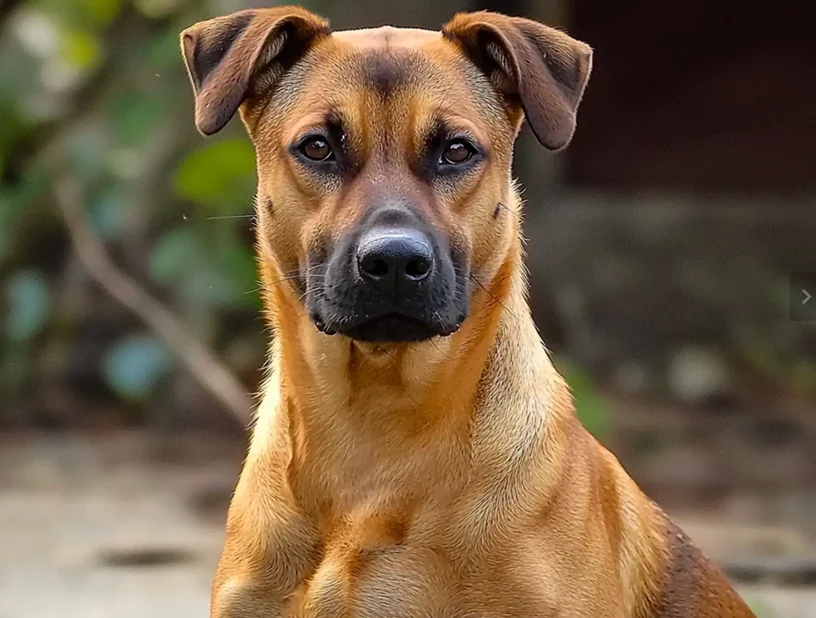
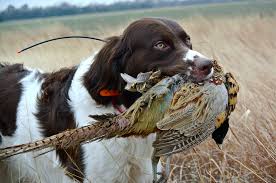
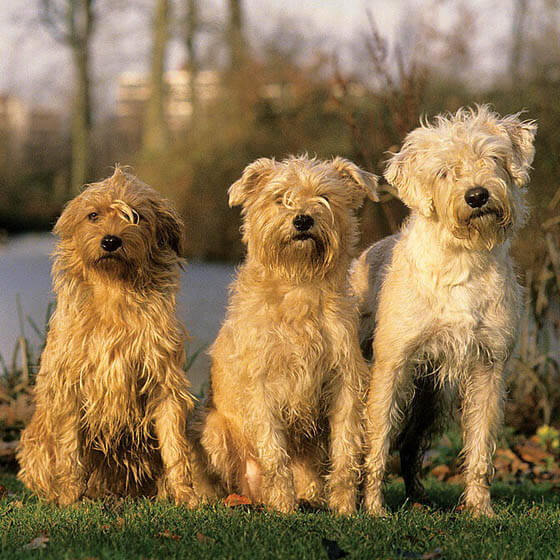
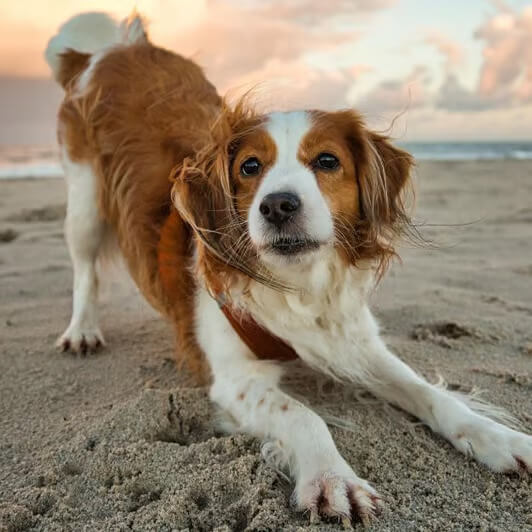

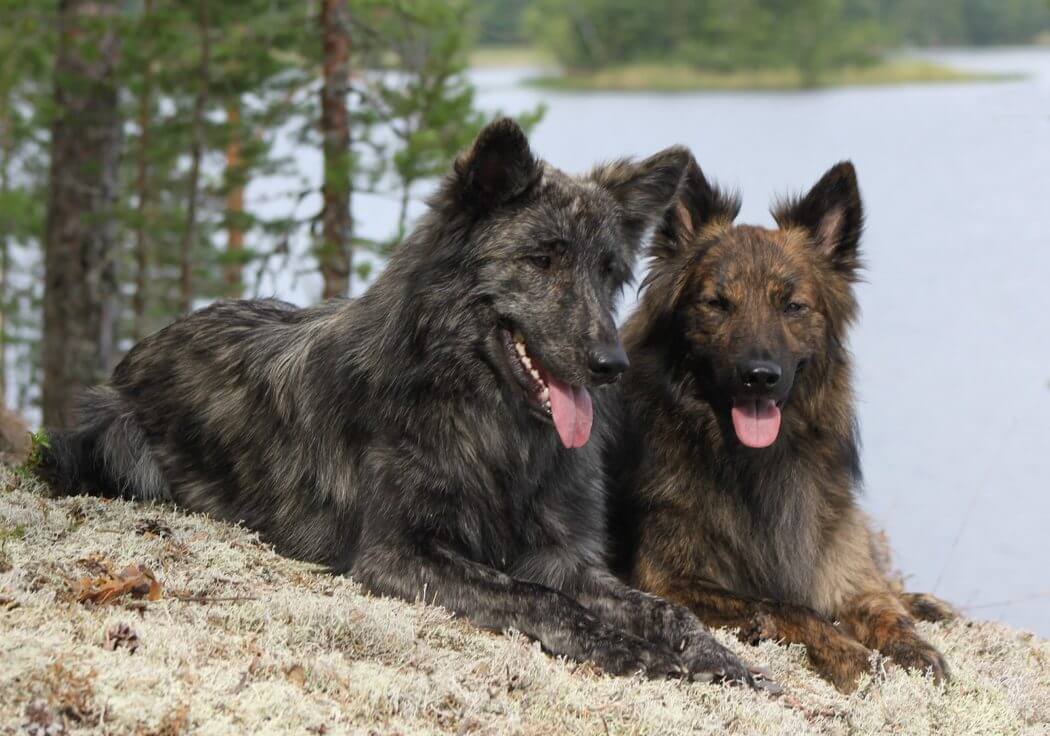
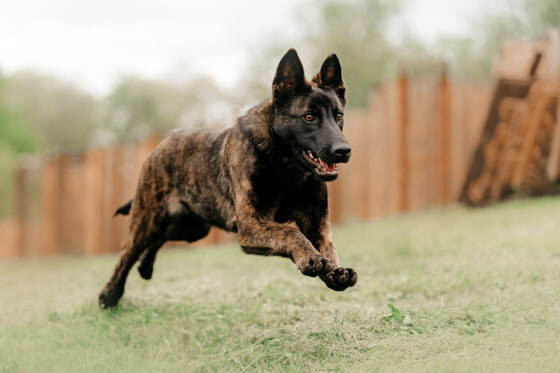
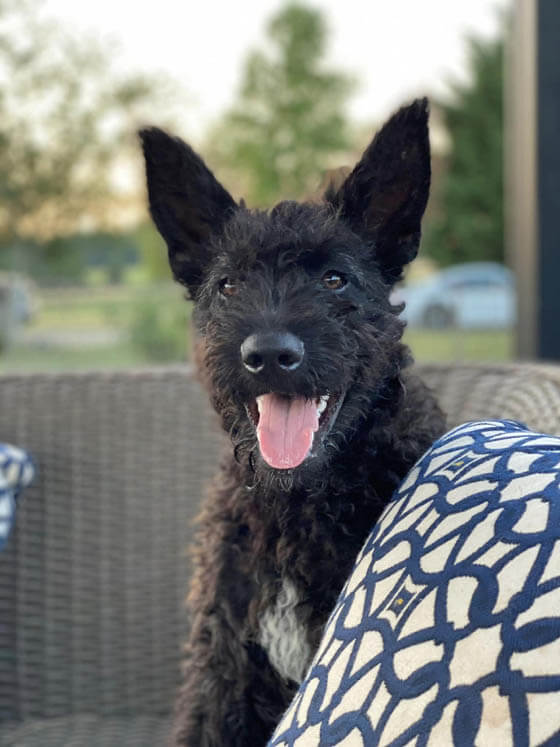
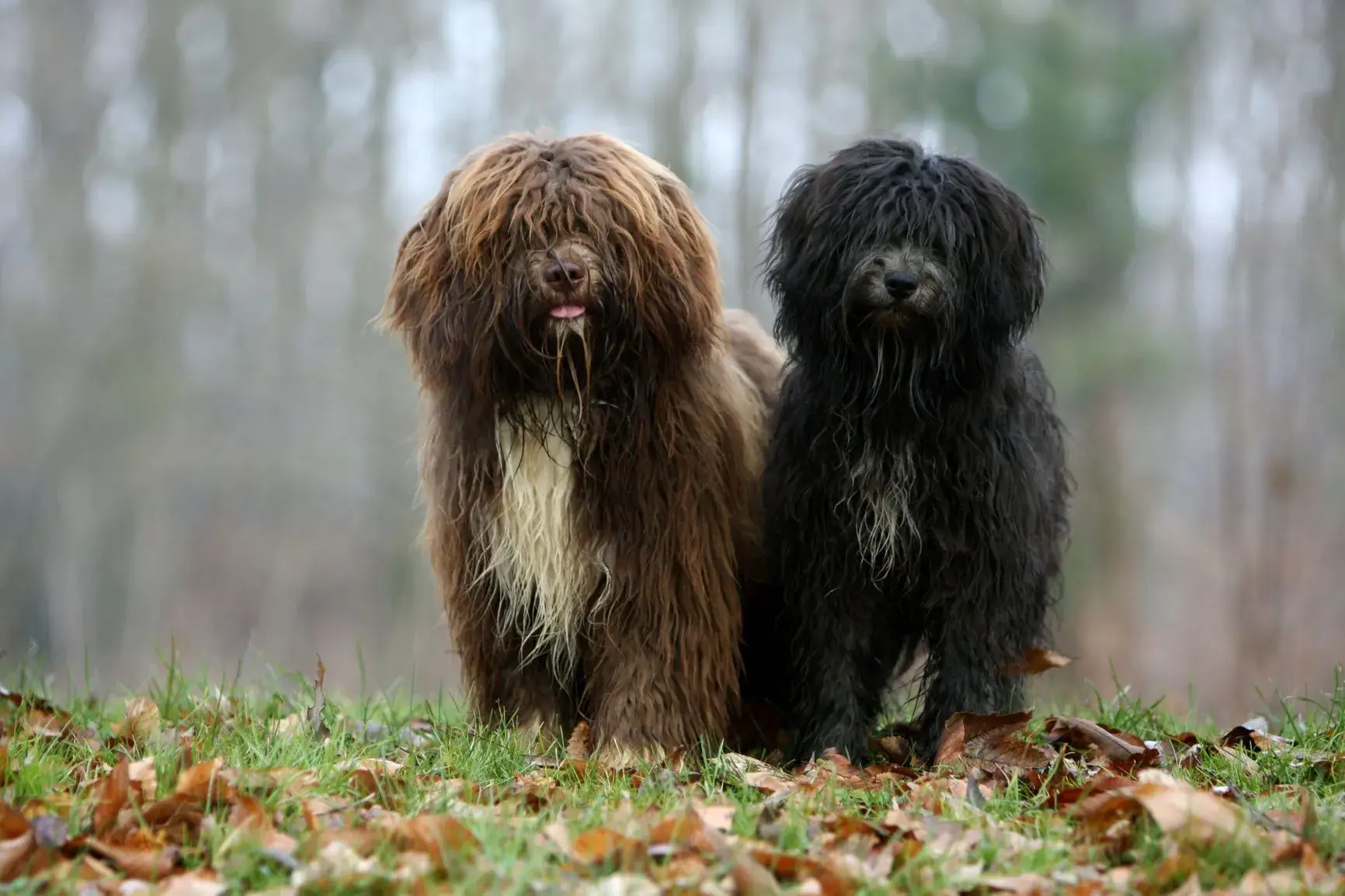
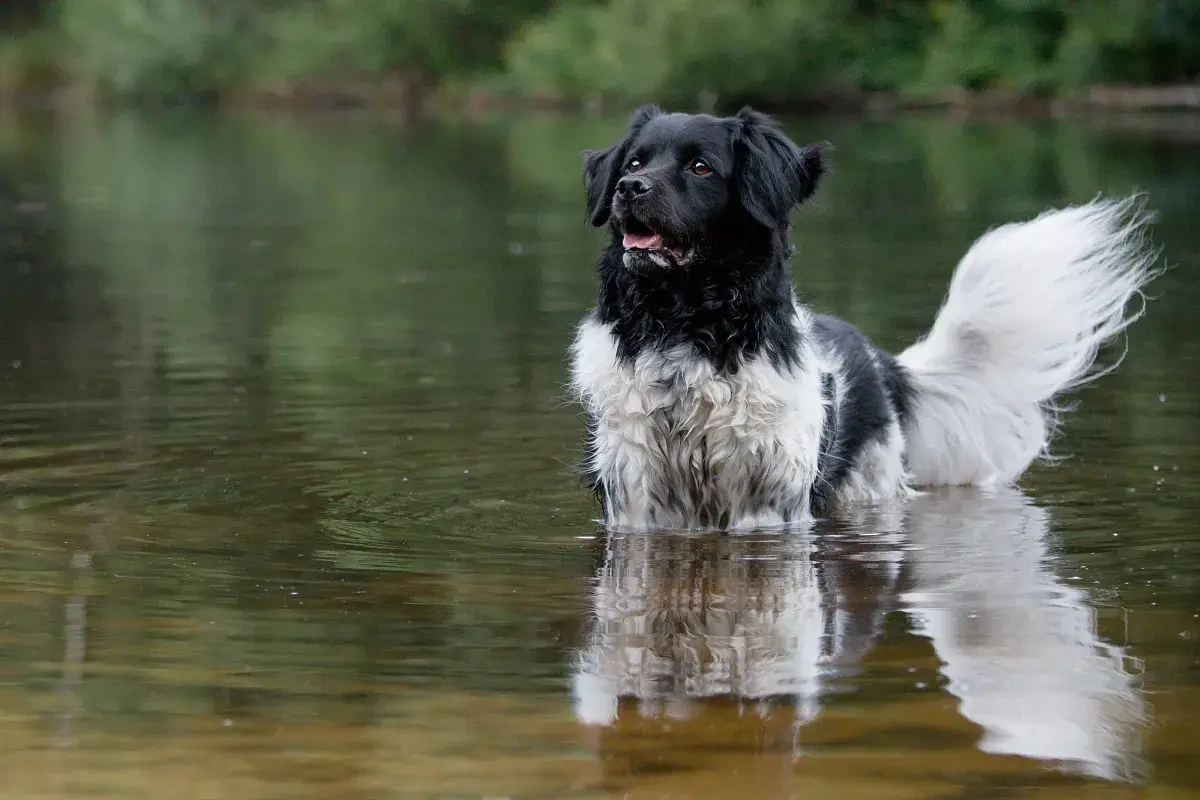

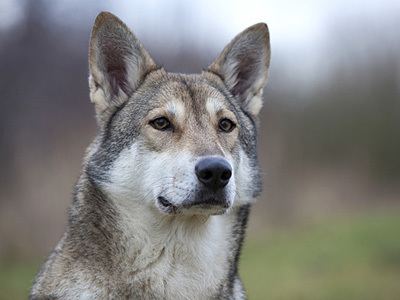
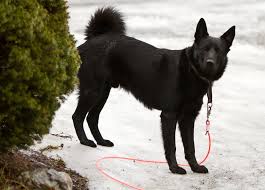
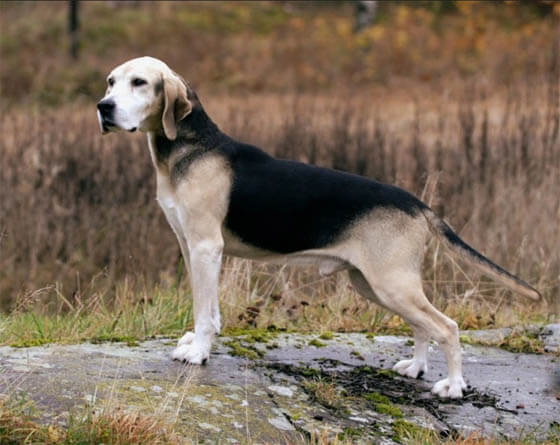
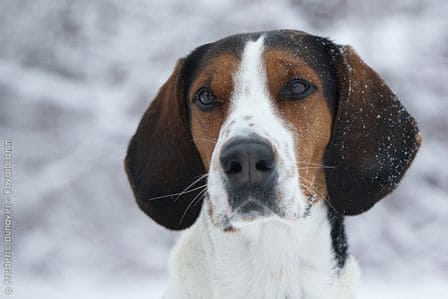
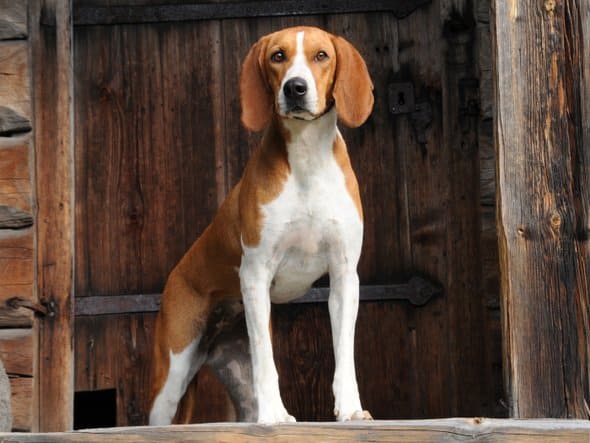
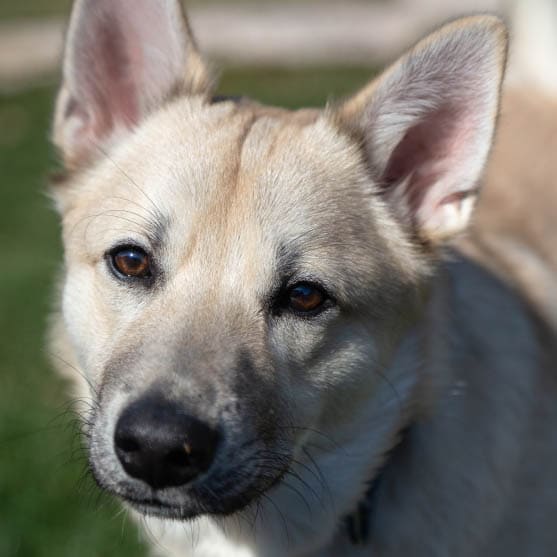
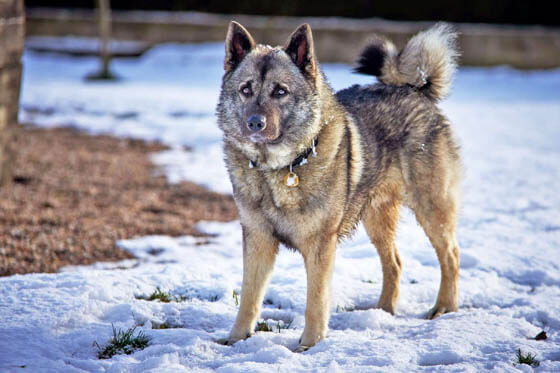
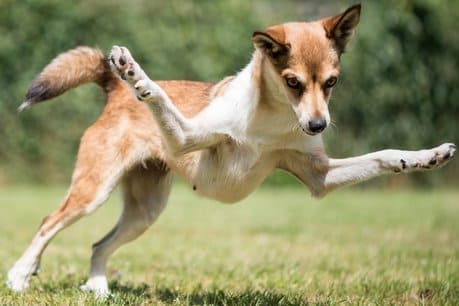
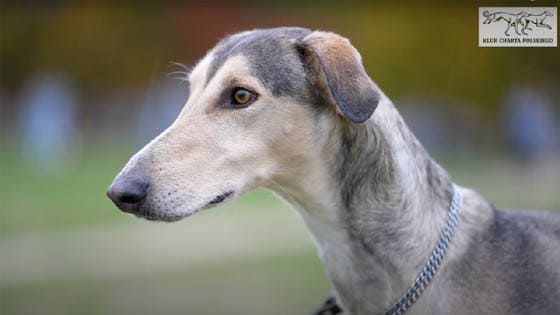
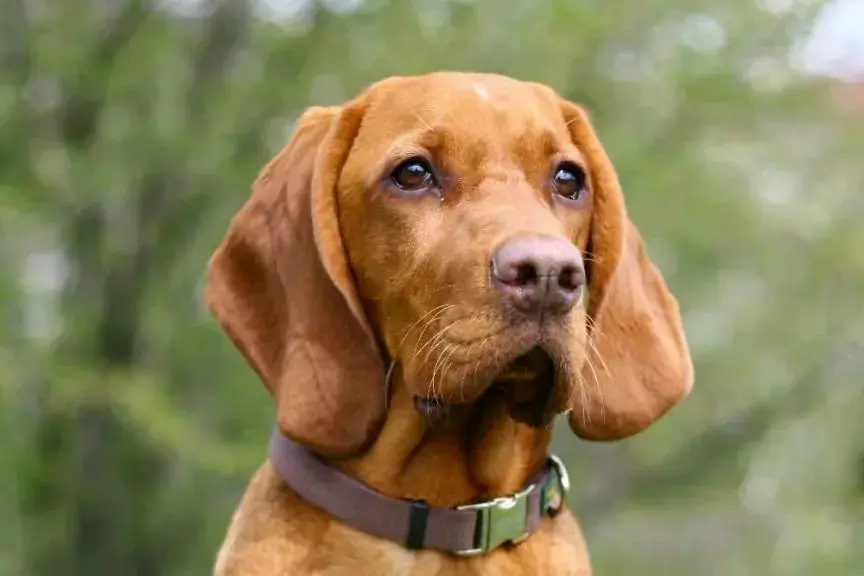
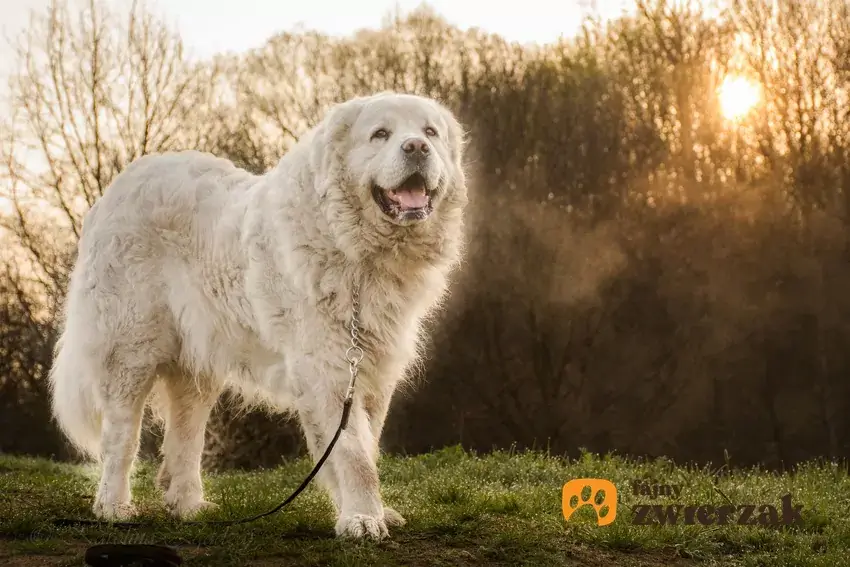
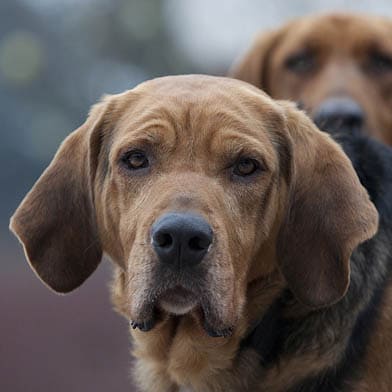
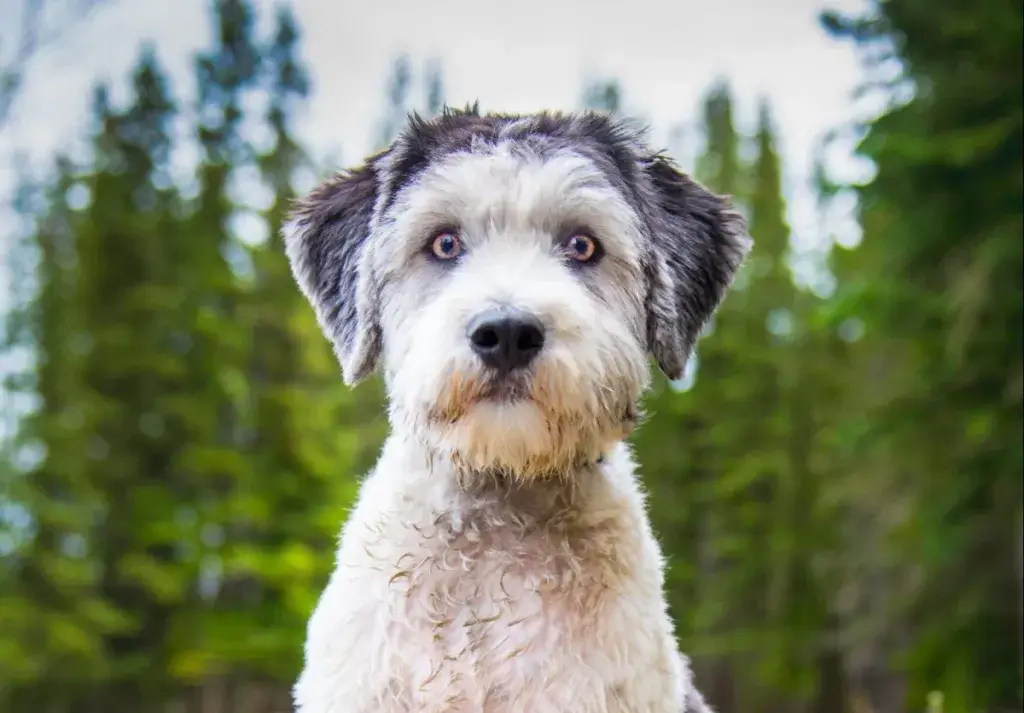
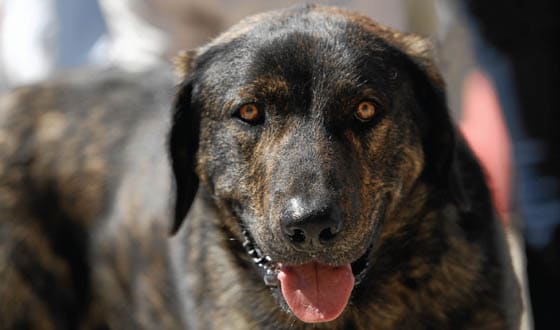
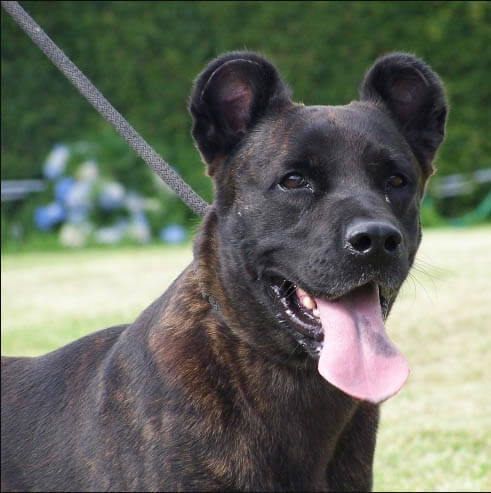
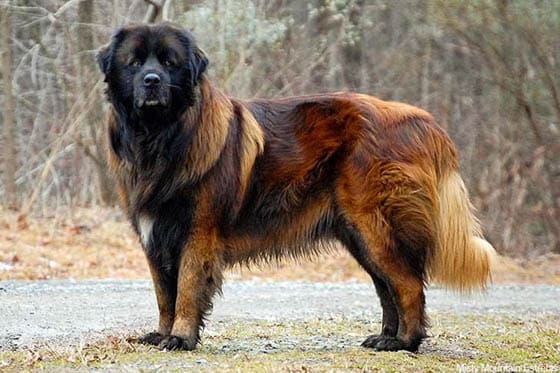
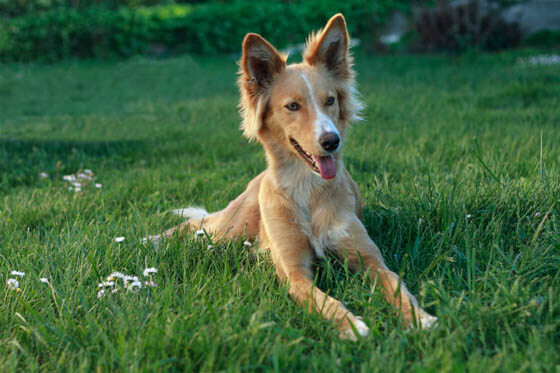
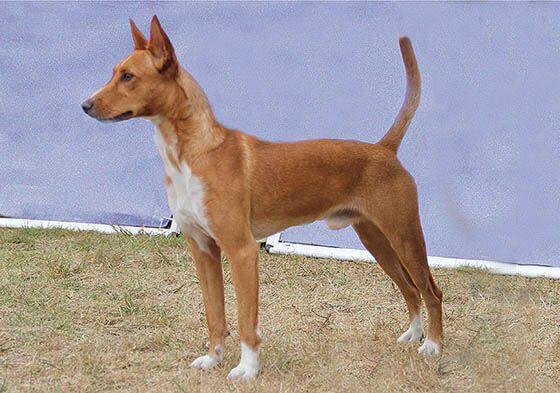
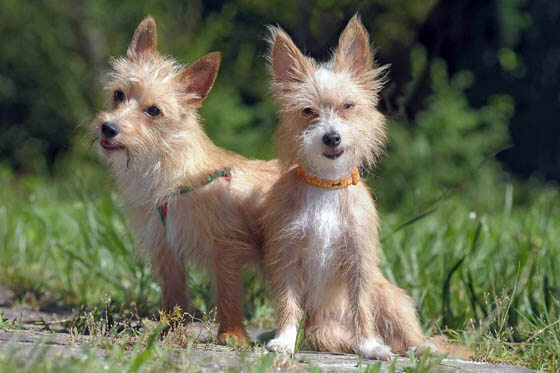
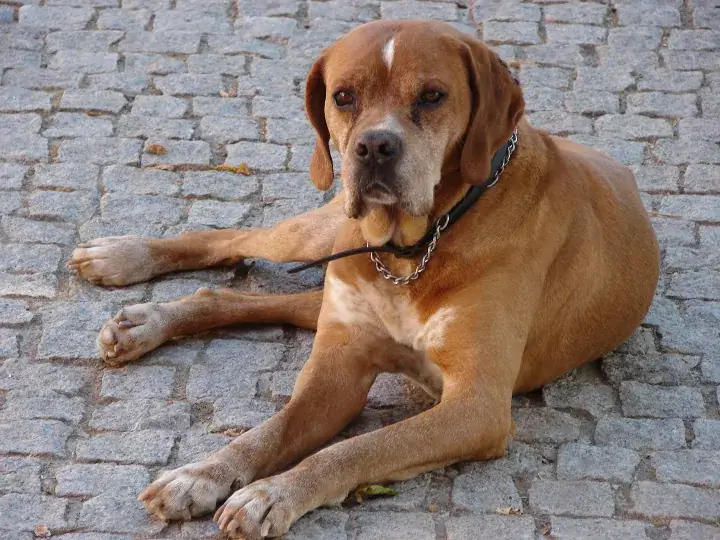
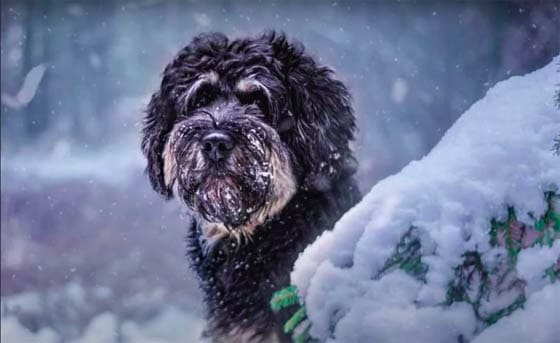
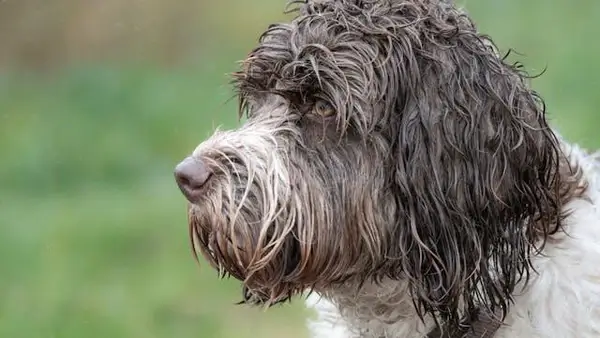
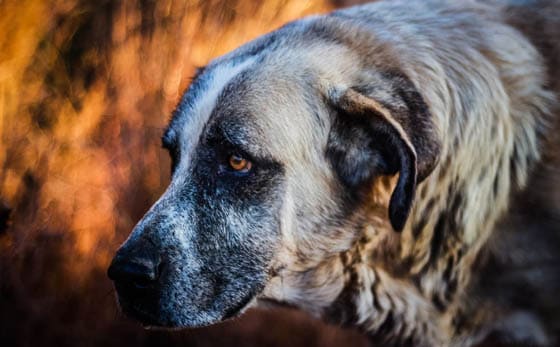
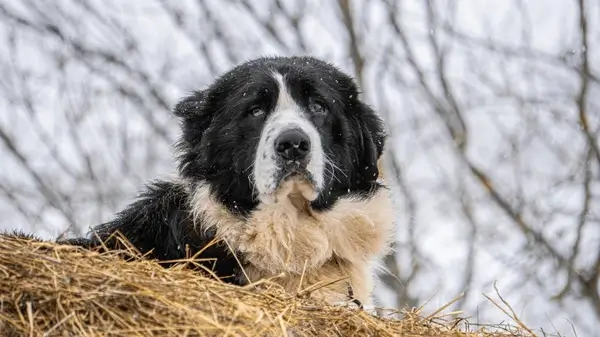
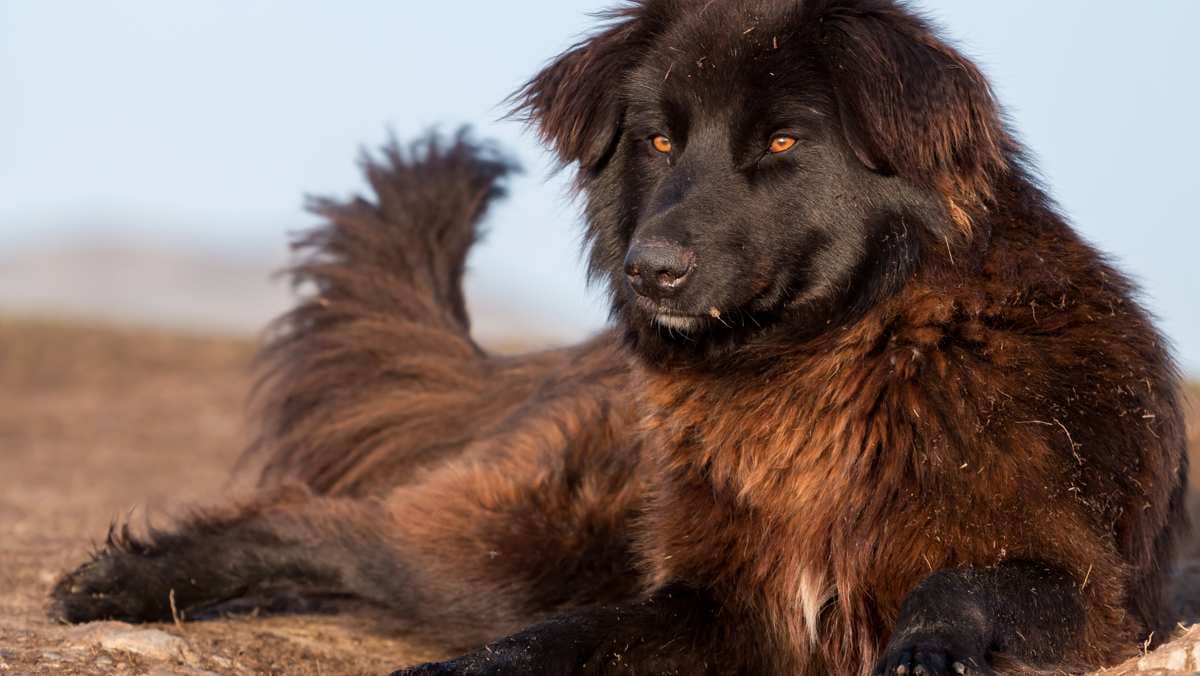
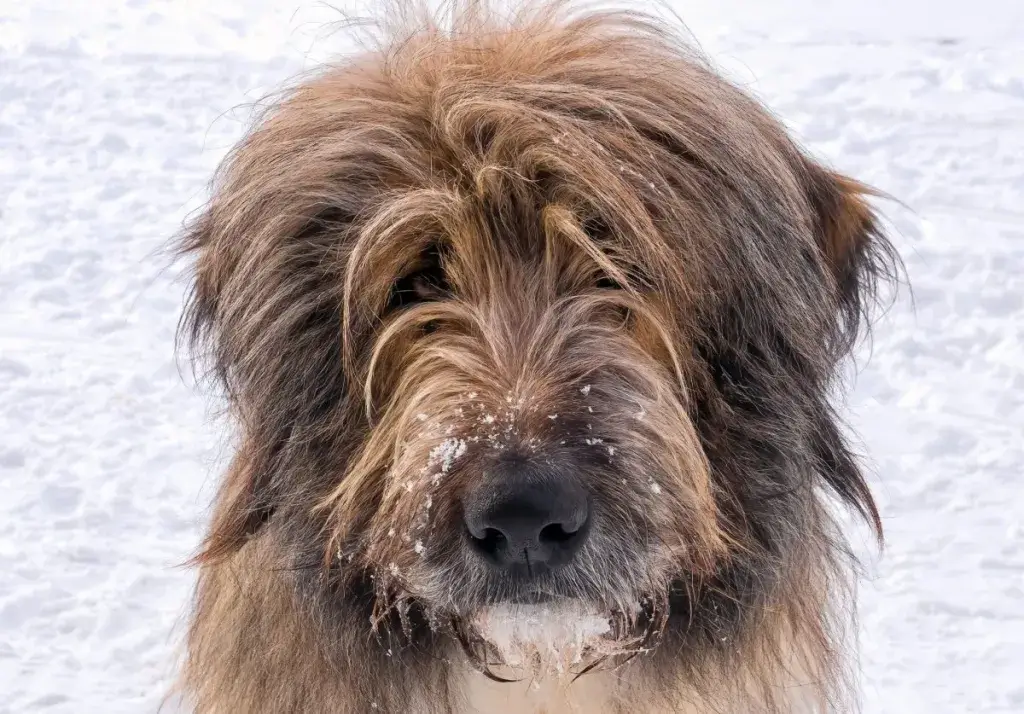
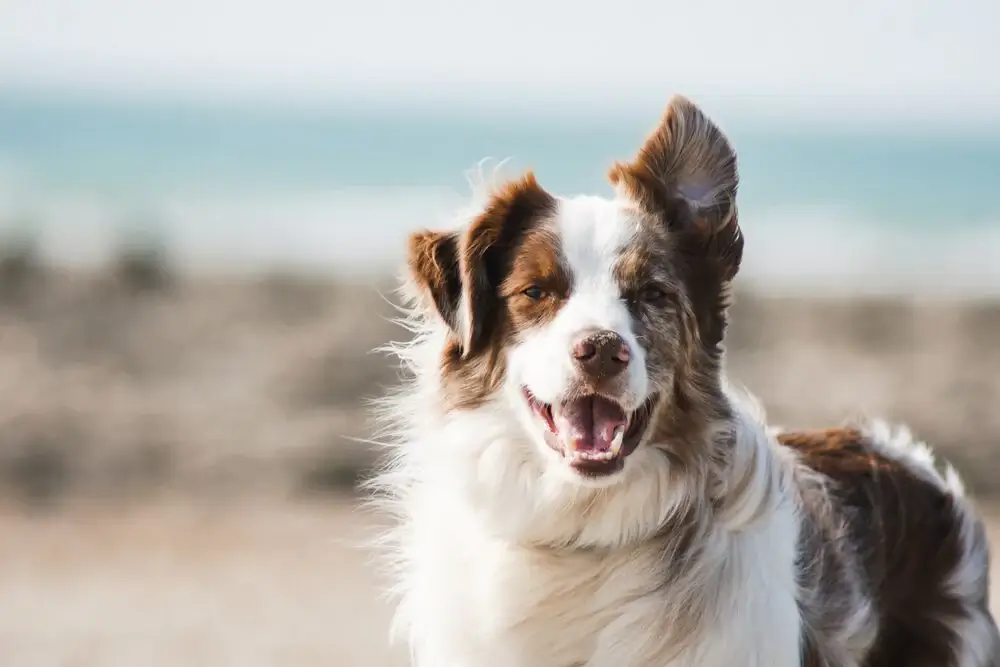
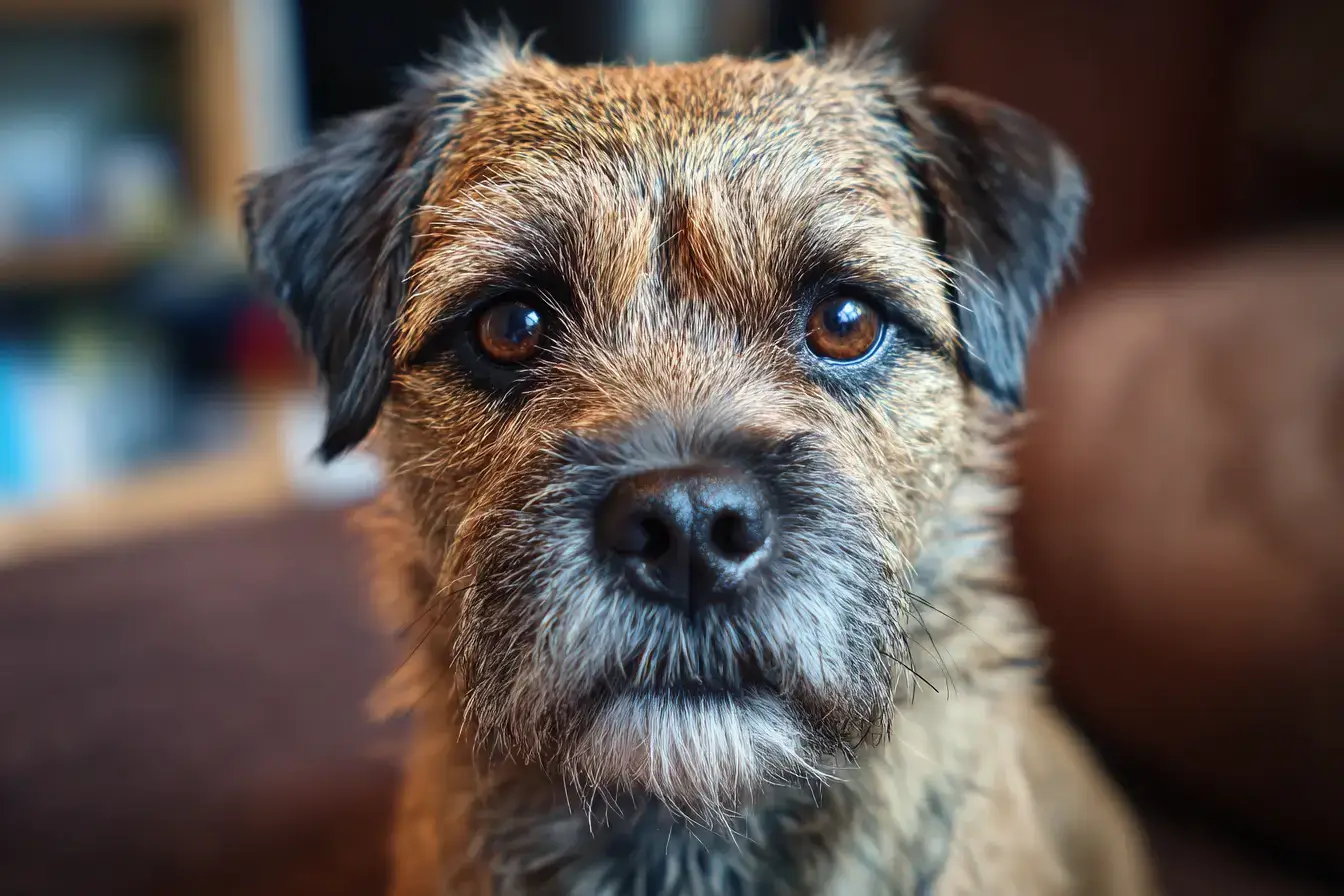
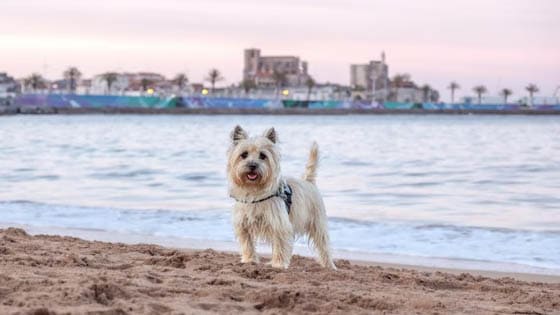
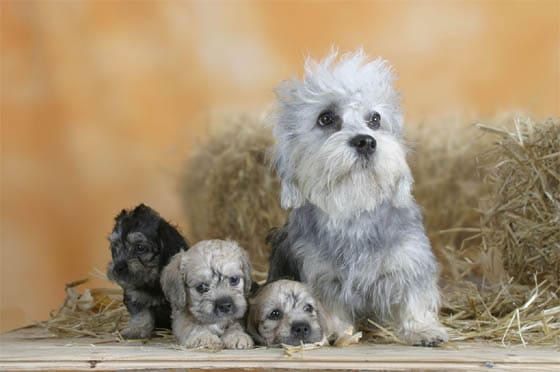
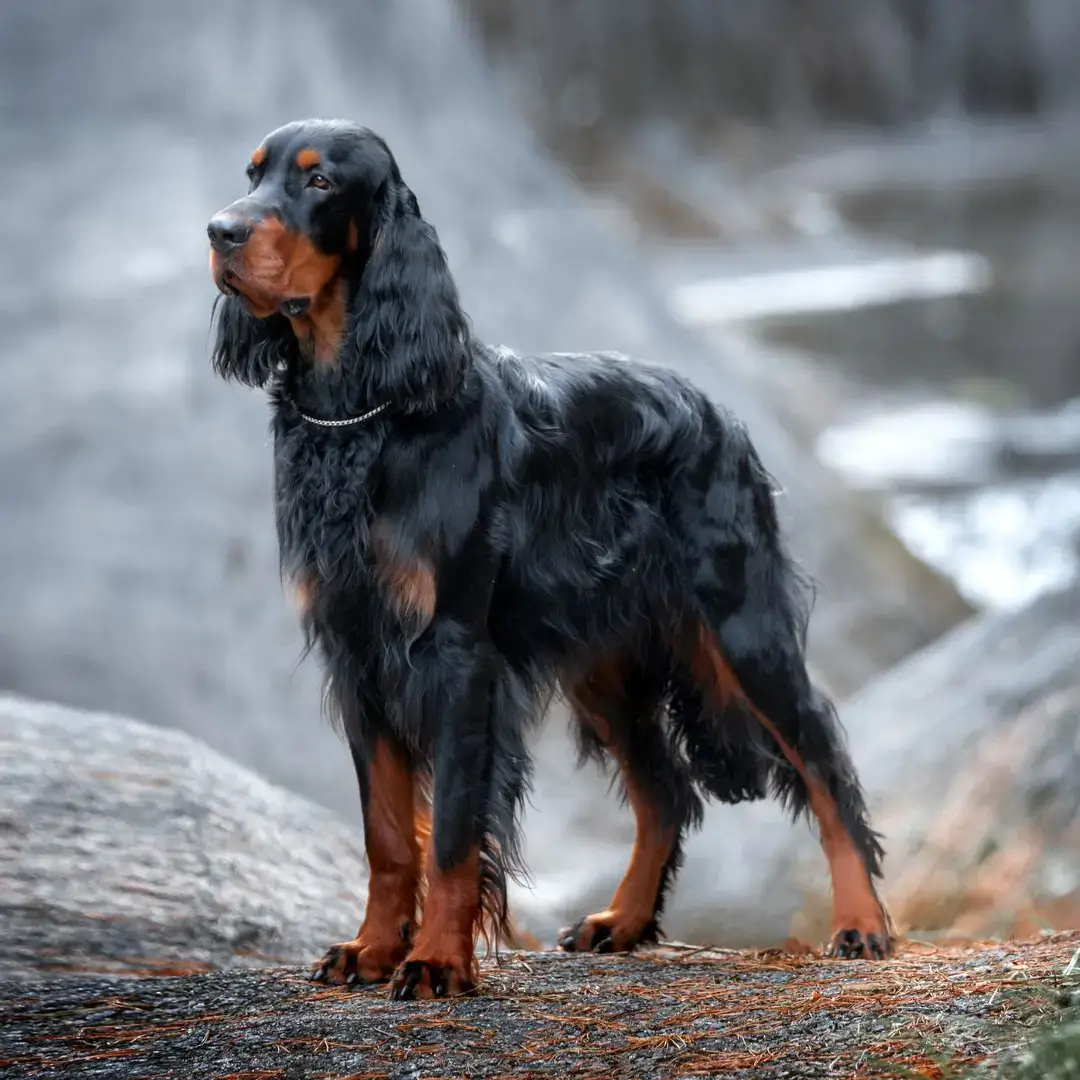
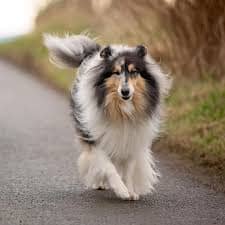
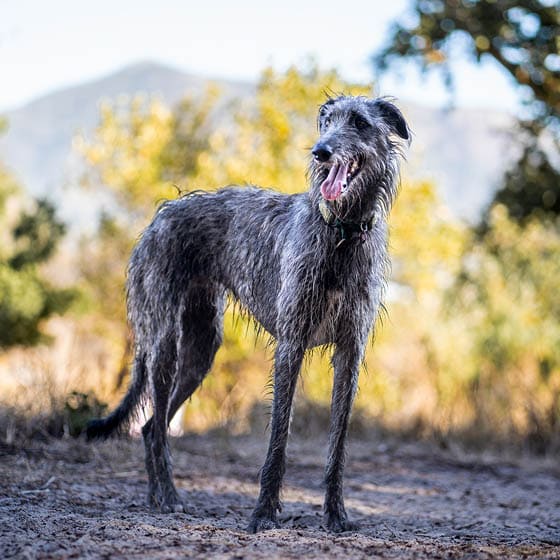
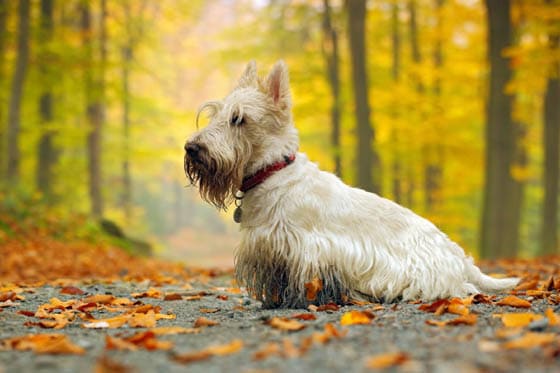
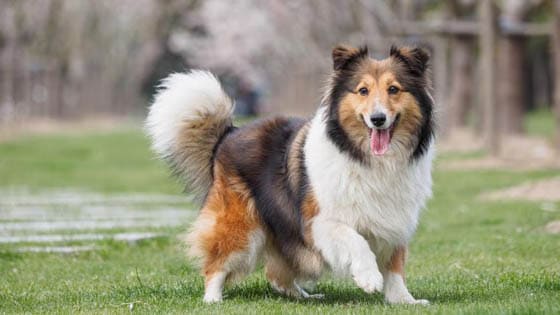
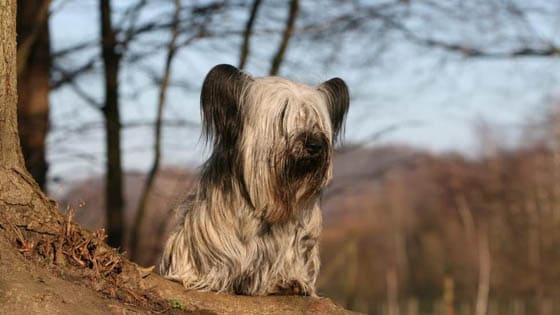
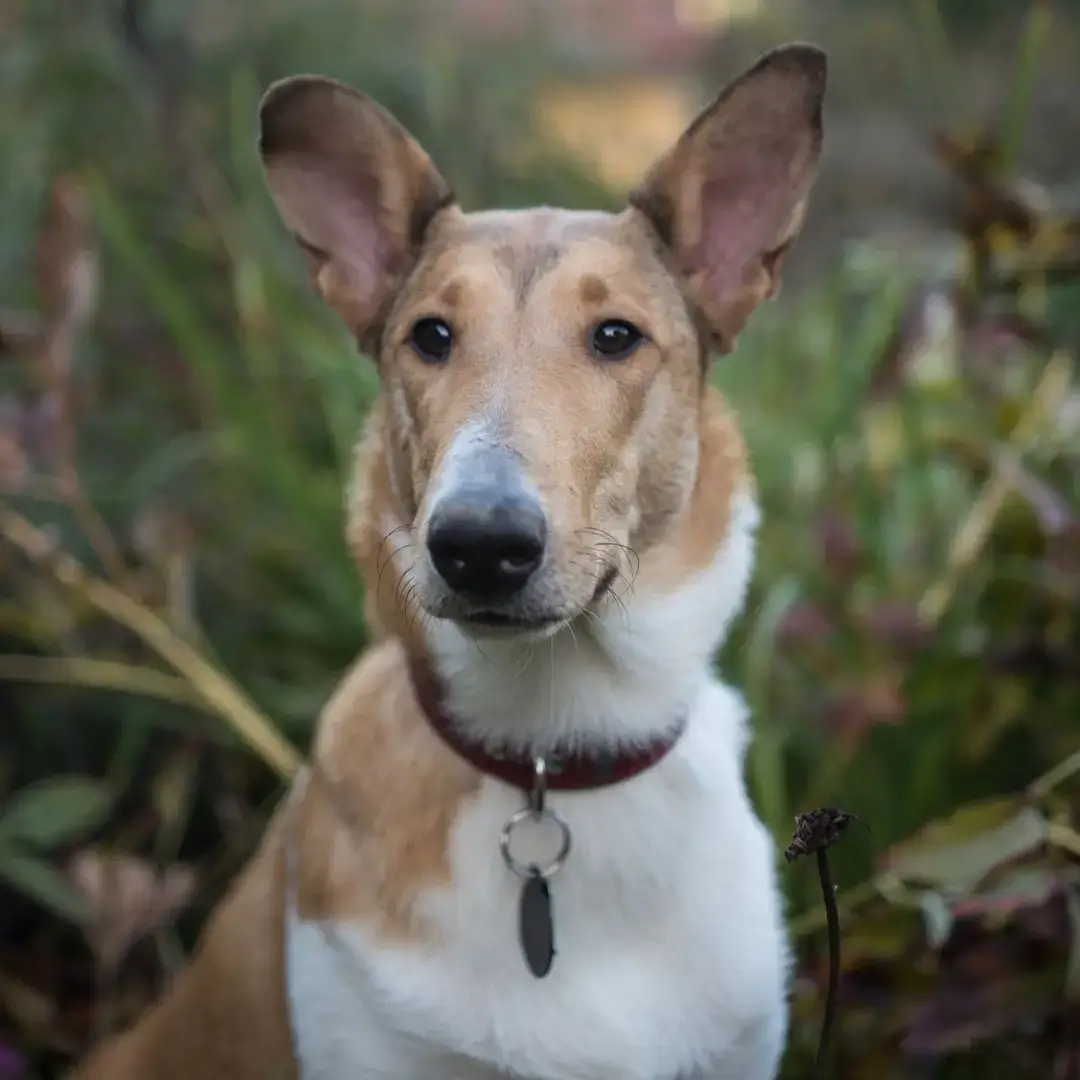
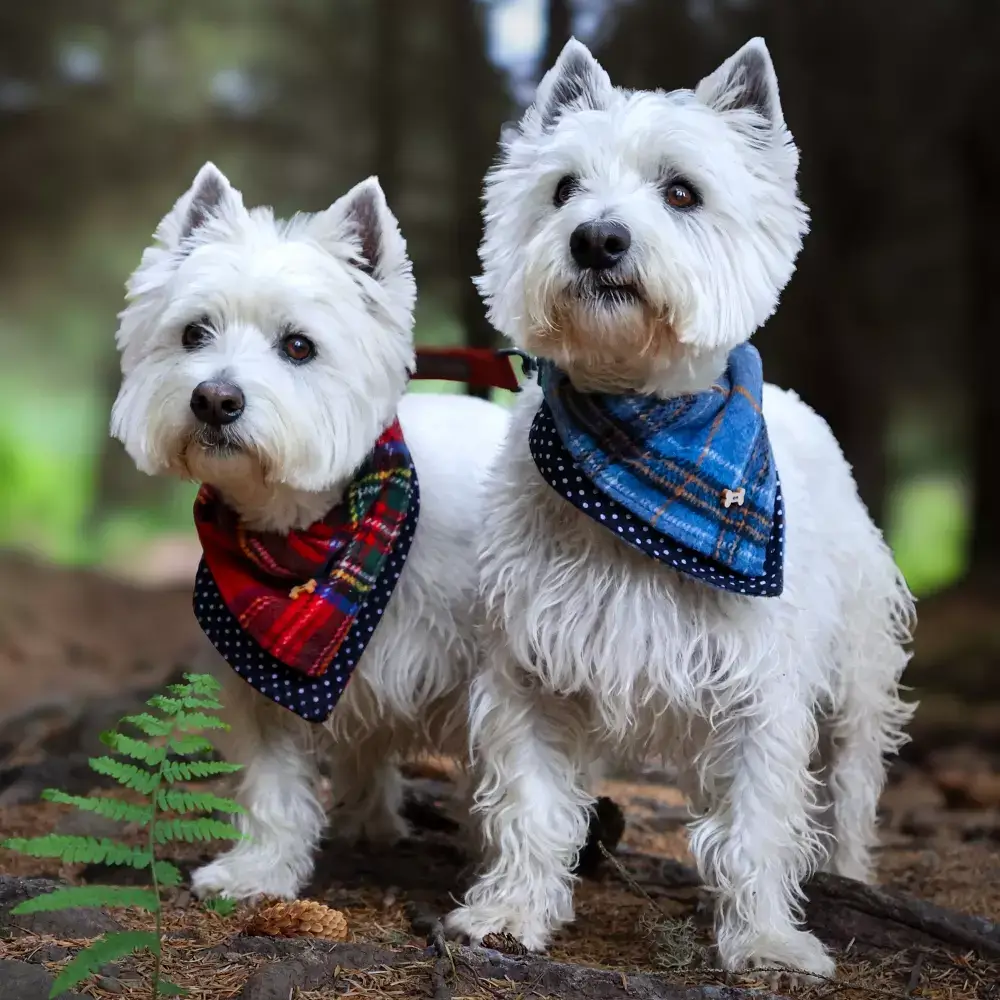
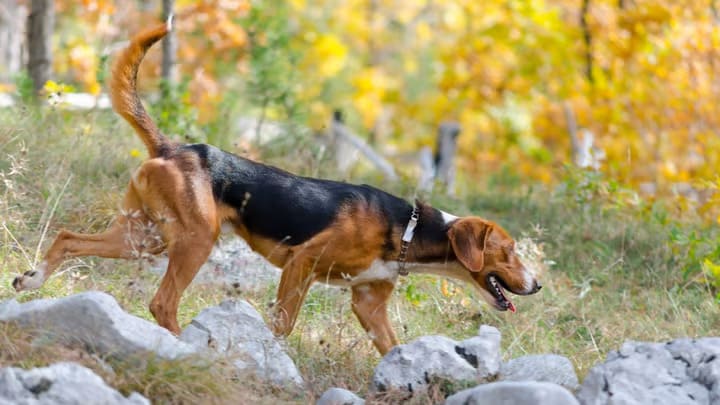
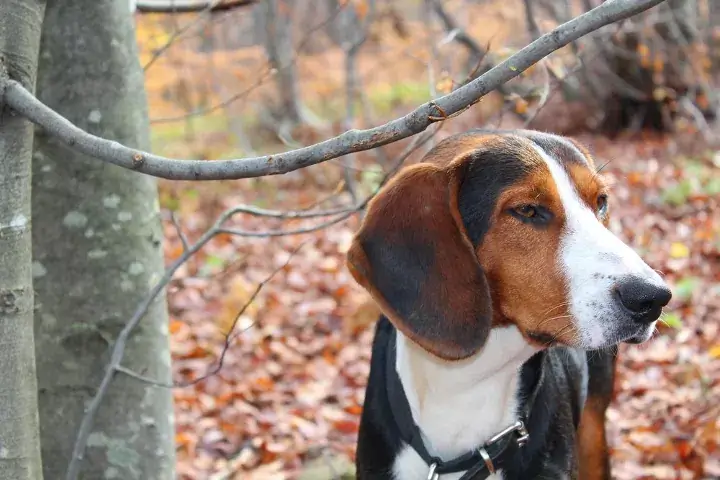
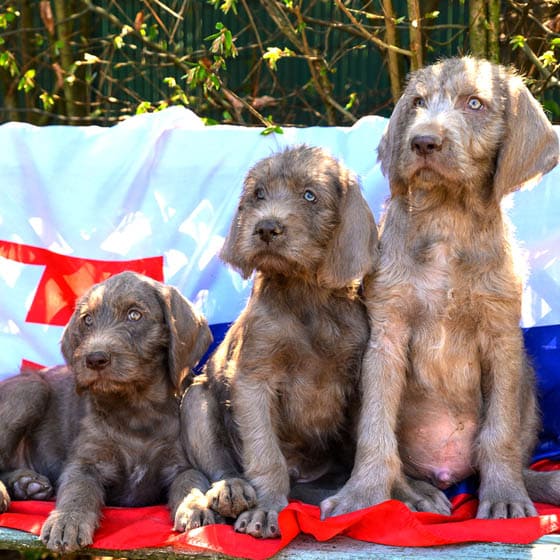
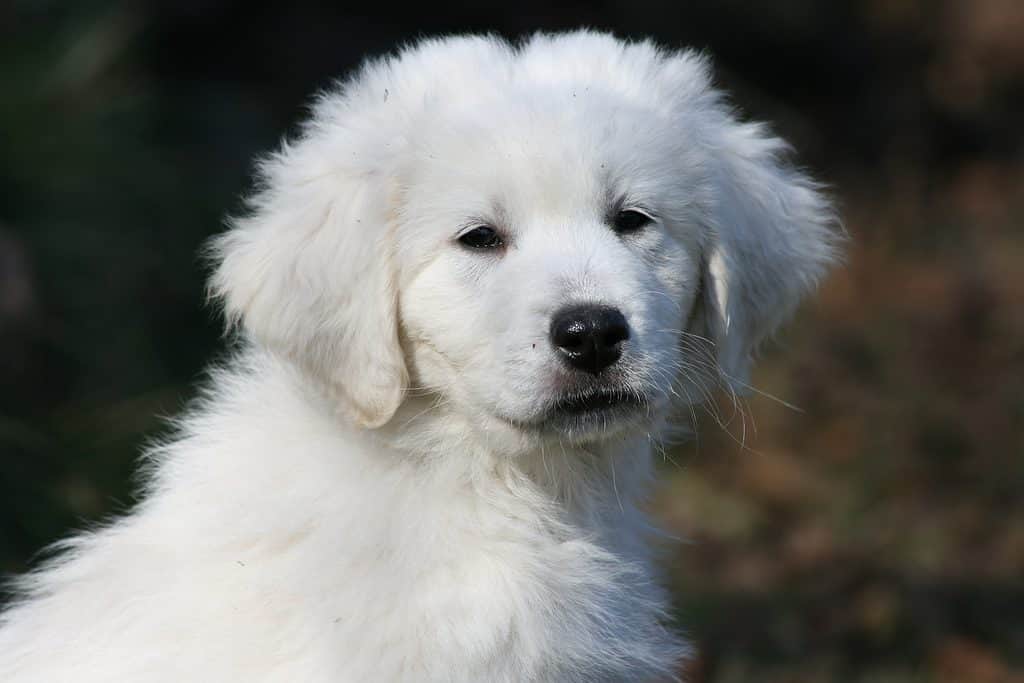
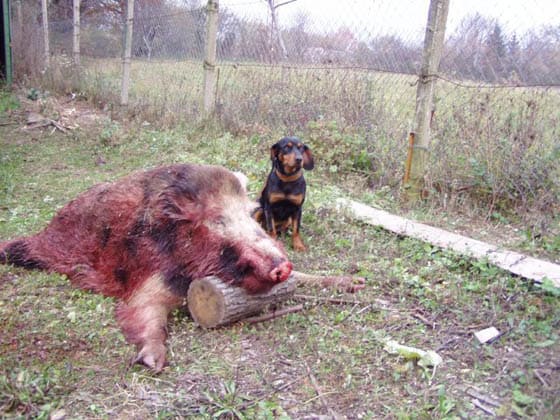
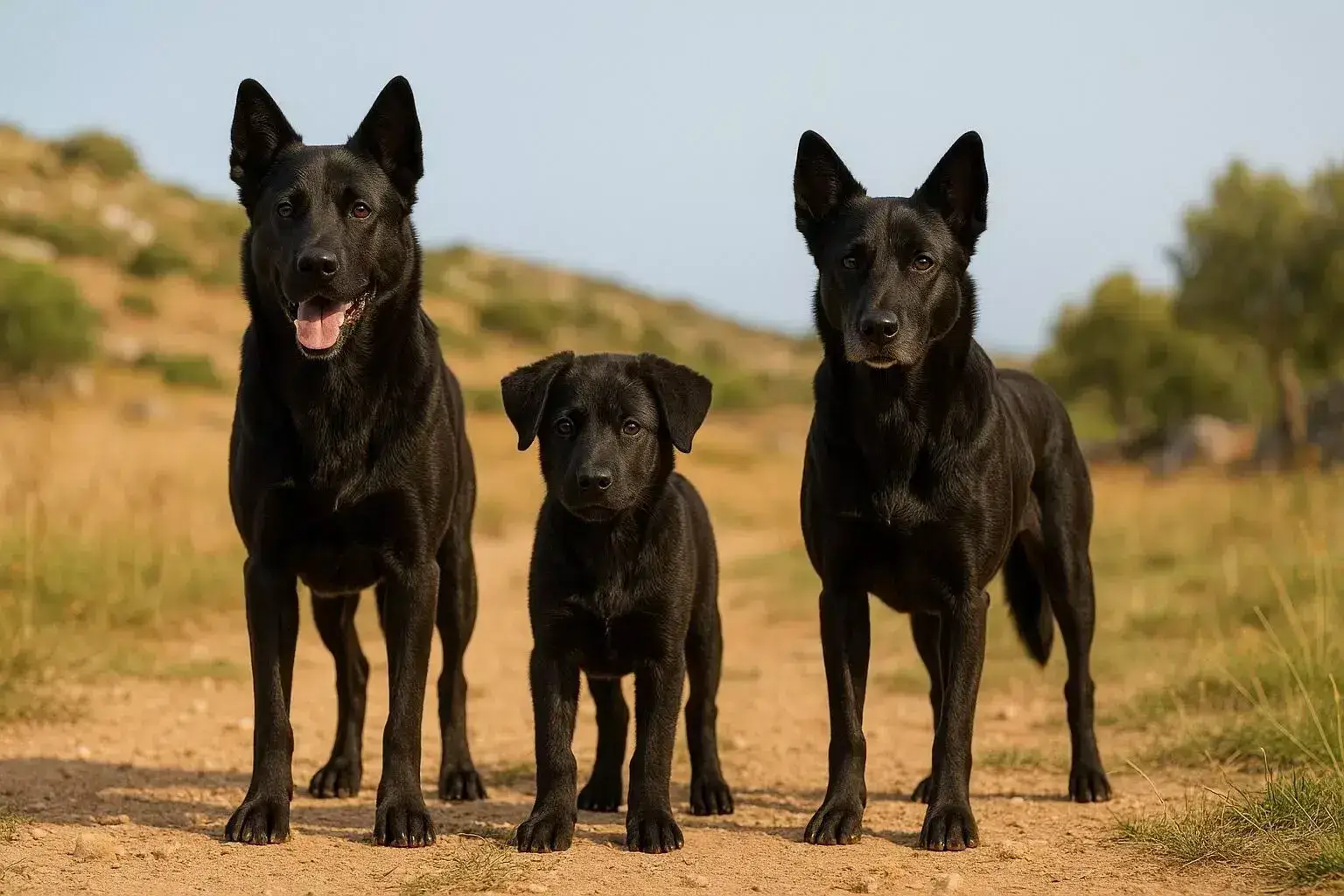
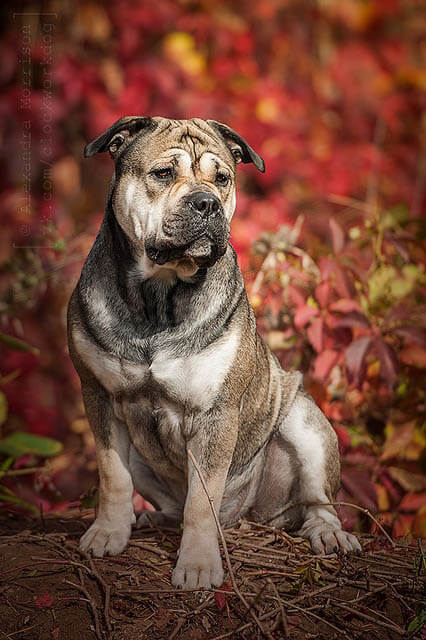
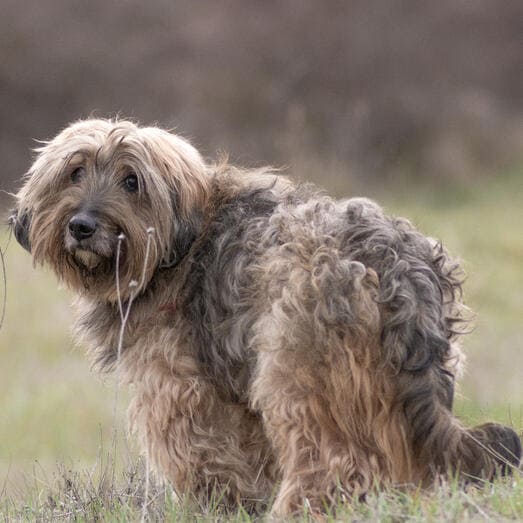
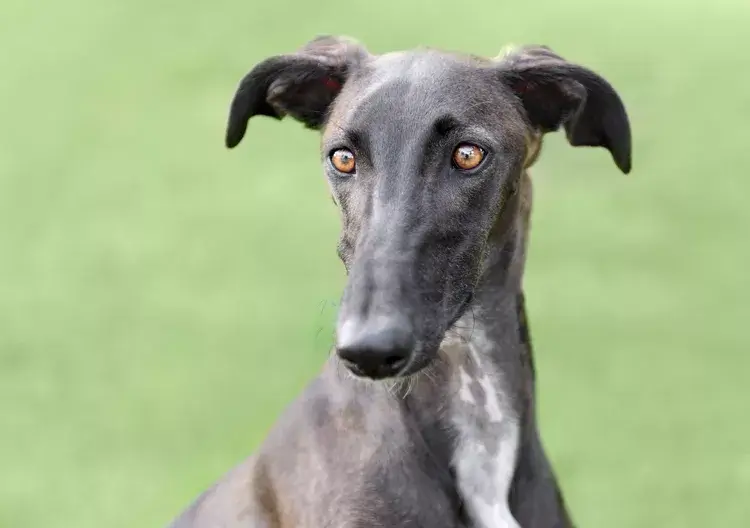
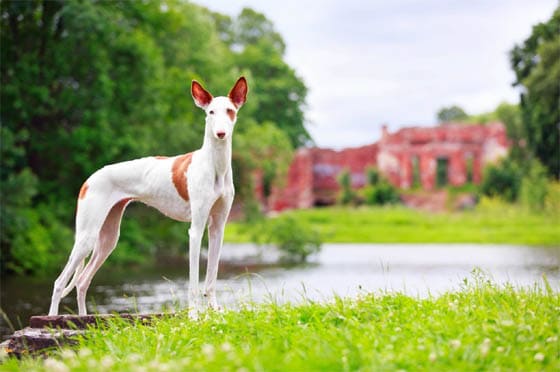
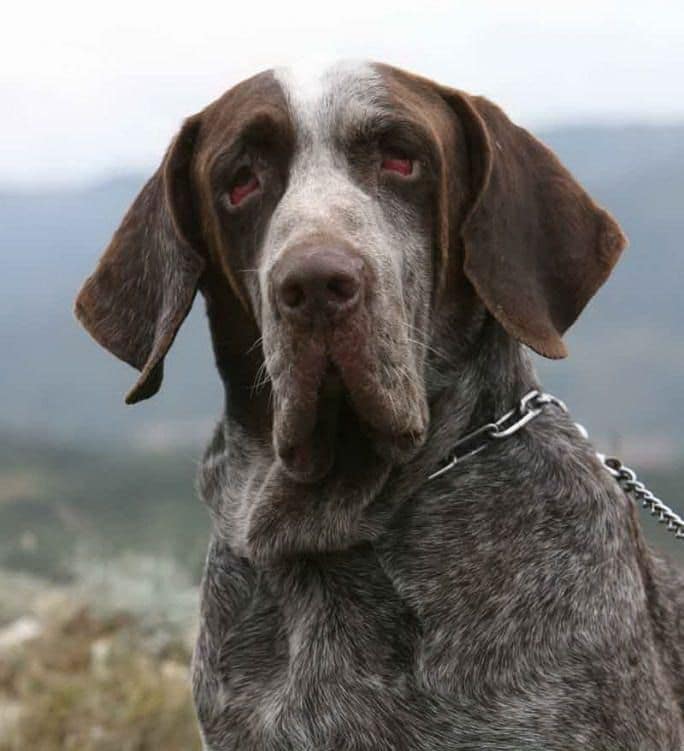
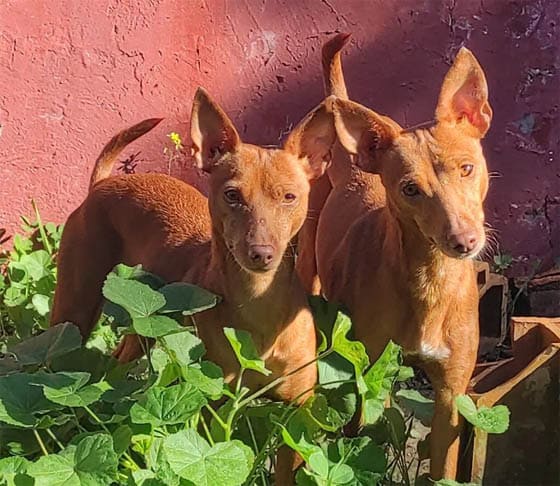
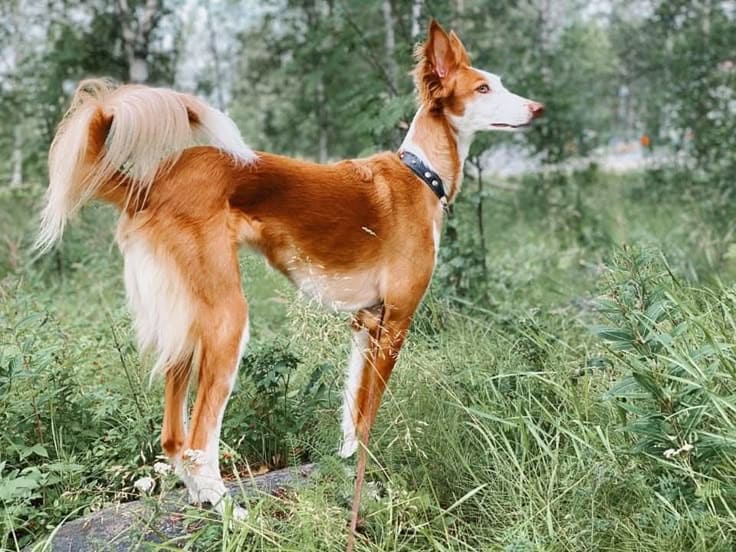
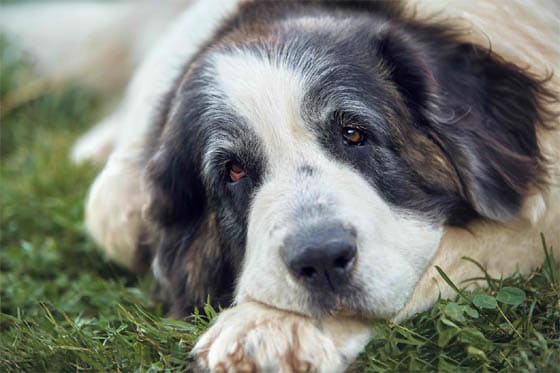
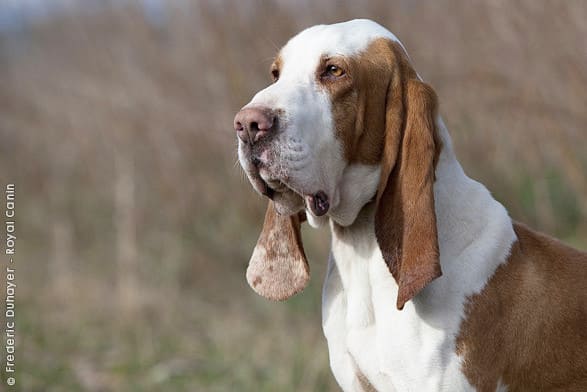
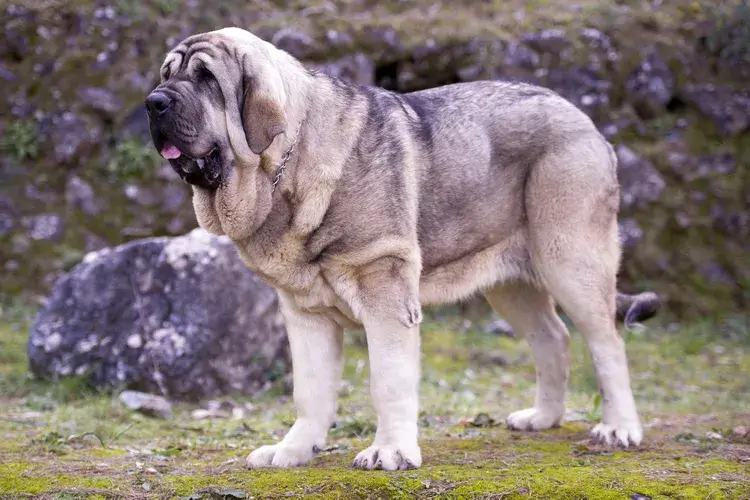
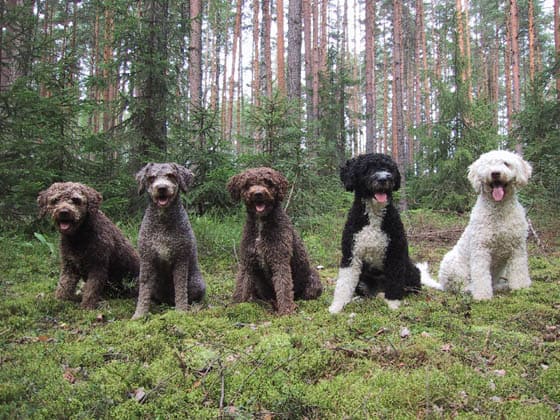
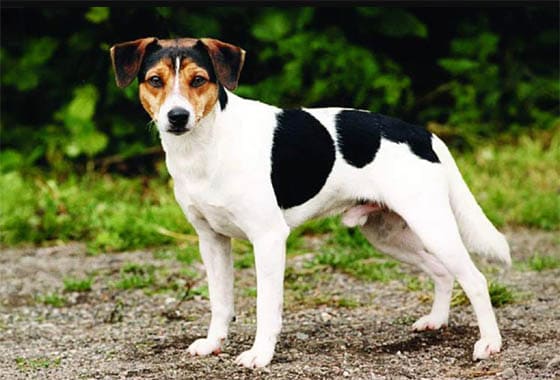
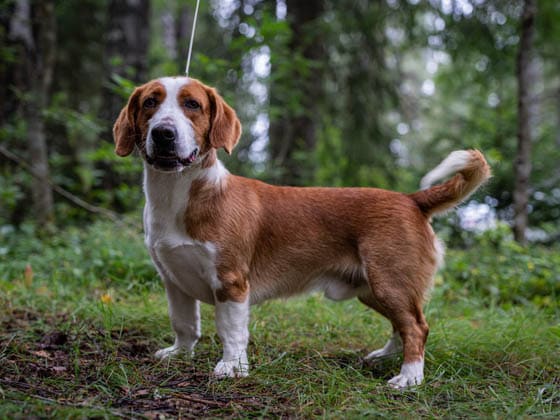
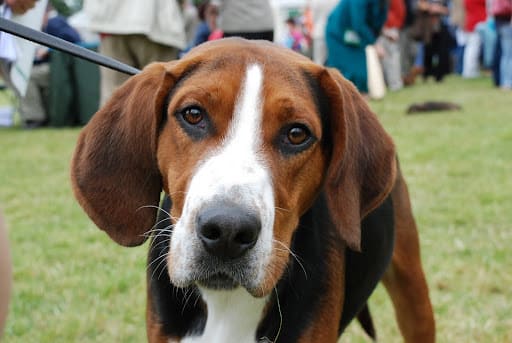
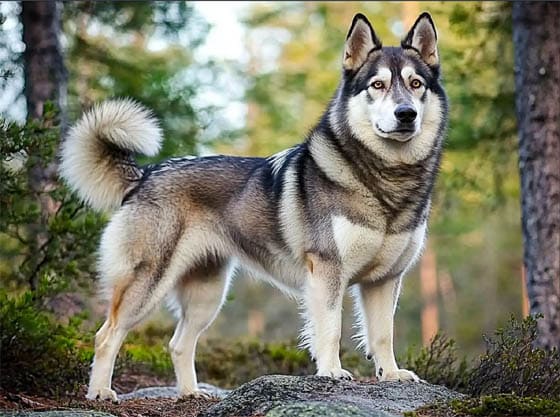
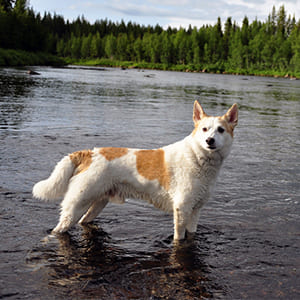
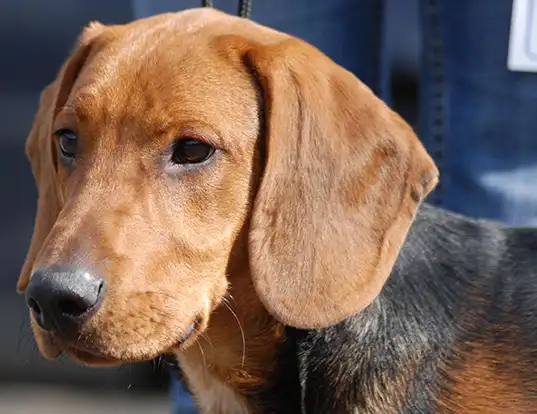
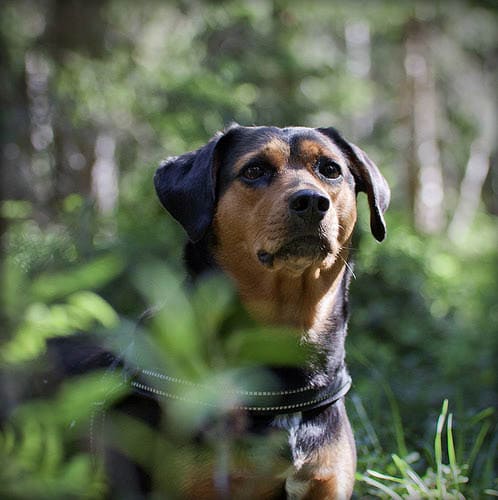
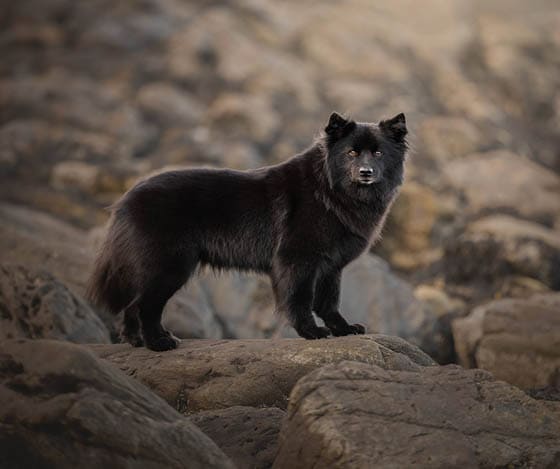
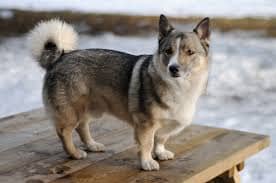
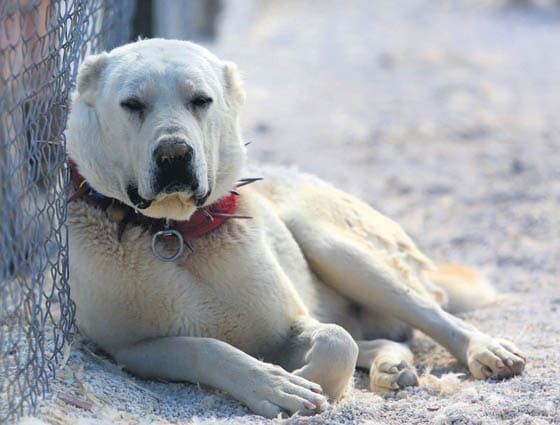
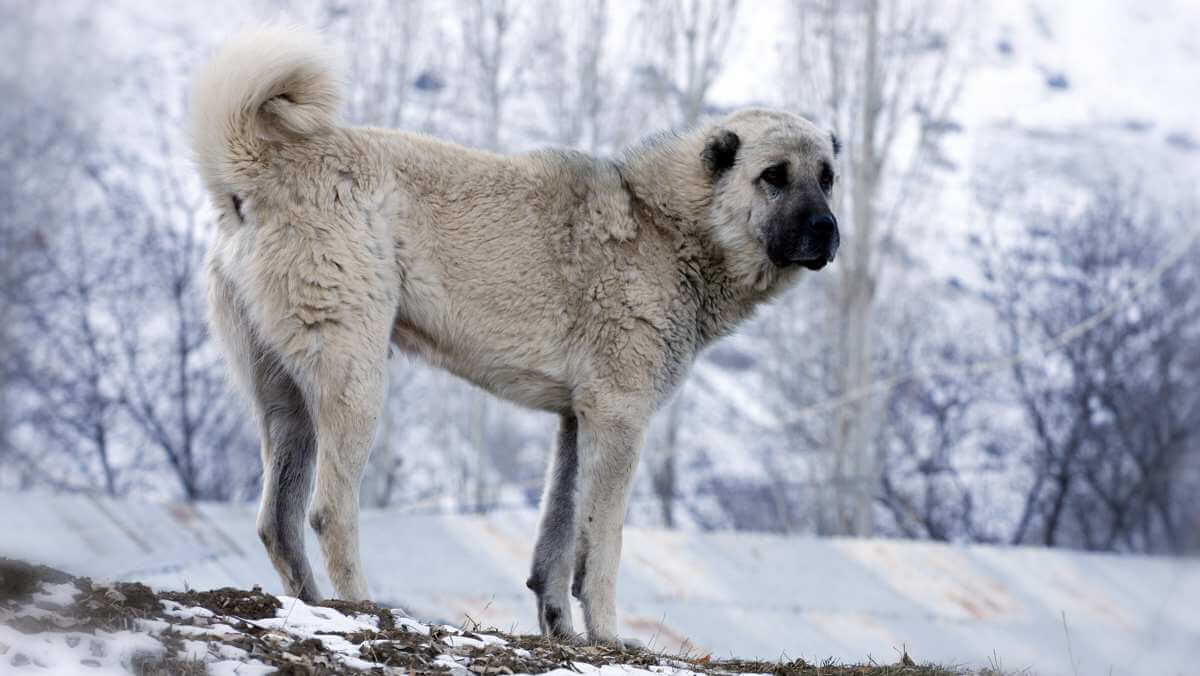
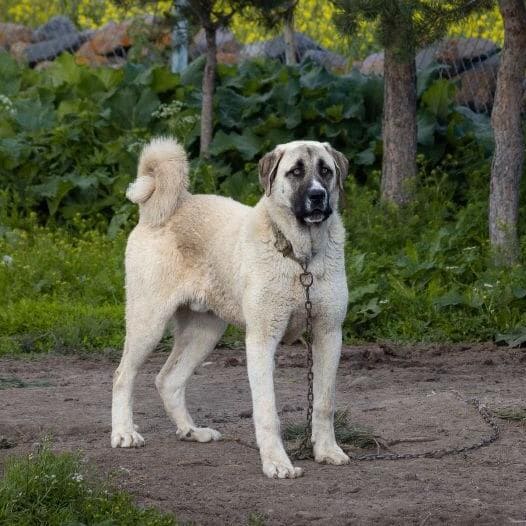
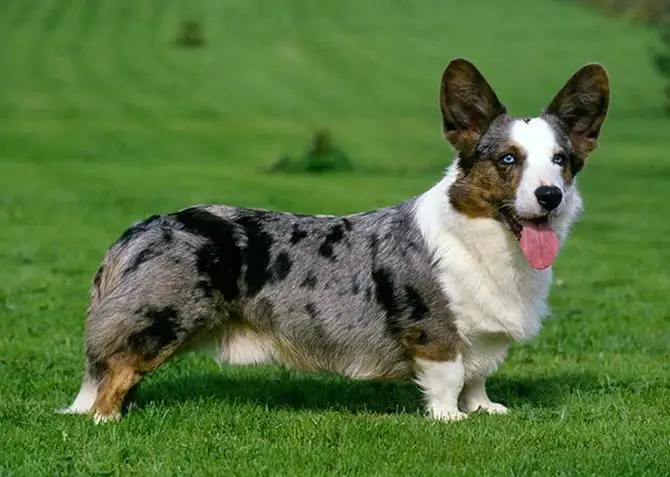
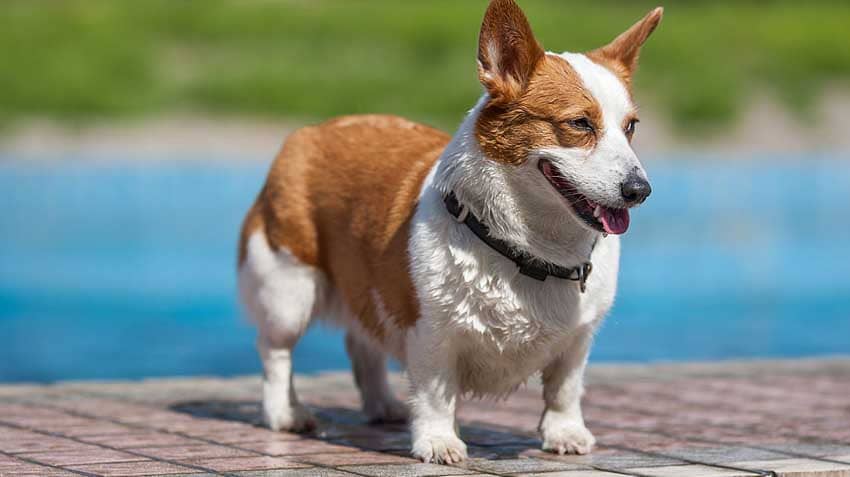
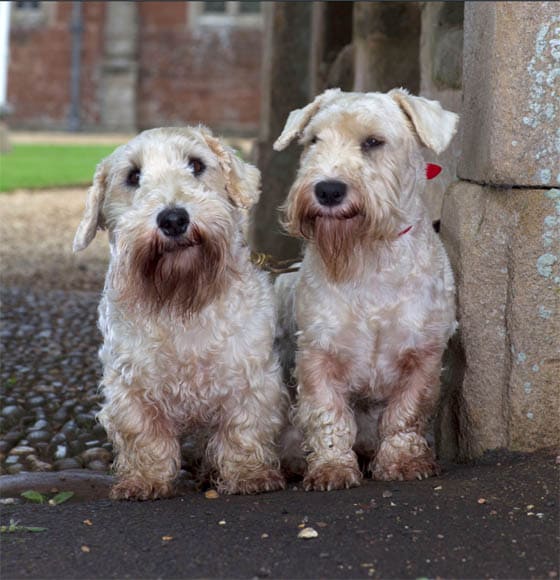
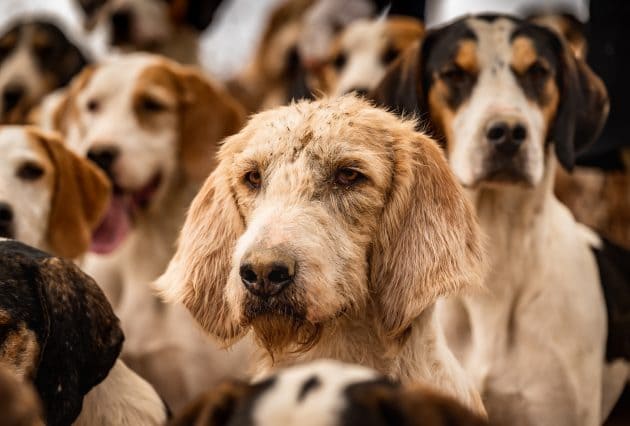
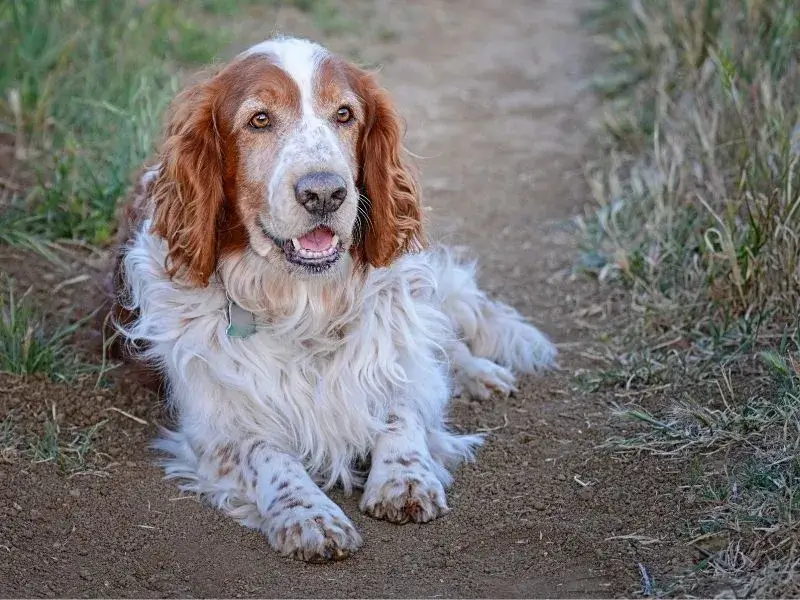
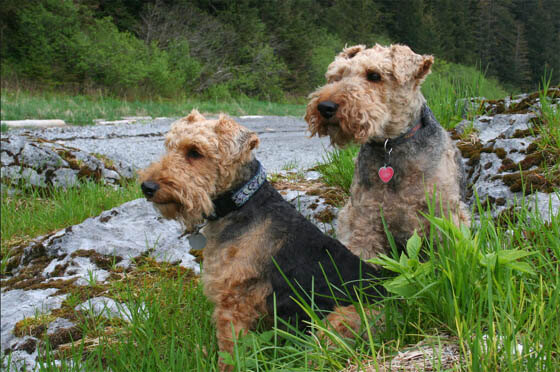











WORLD OF DOG & PUPPY 🐶