100 Dog Breeds by Country: Photo, Characteristics, Temperament African Dog Breeds Asian Dog Breeds Australian Dog Breeds European Dog Breeds Danish Dog Breeds Belgian Dog Breeds Australian Dog Breeds Korean Dog Breeds Greek Dog Breeds Italian Dog Breeds Irish Dog Breeds Hungarian Dog Breeds Chinese Dog Breeds Japanese Dog Breeds Finnish Dog Breeds Bosnian Dog Breeds Maltese Dog Breeds Czech Dog Breeds Indigenous Dog Breeds Dog Breeds by Country Dog Breeds Geographicaly Dogs by Country of Origin Dogs by Native Country National Dog Breeds Dogs by Country
The name Africanis is a portmanteau of the words "Africa" and "canis". The Africanis is an ancient, natural southern African landrace dog known for its high intelligence, loyalty, and exceptional endurance. Primarily a hardy, medium-sized guardian and hunting companion, it boasts high disease resistance, a 10–15 year lifespan, and a need for active, open spaces. The Africanis is an ancient, natural landrace breed from southern Africa, known for being highly intelligent, loyal, and hardy. These medium-sized, athletic dogs are versatile hunters and guardians, characterized by a short coat, slender muscular build, and high endurance. They are low-maintenance, affectionate, and suited for active families. The Africanis is very loyal and courageous with tremendous stamina. It is very playful and intelligent. Good with kids and very social. The Africanis has always been attached to human settlements in southern Africa. The dogs have been used to help herd sheep, goats and cattle, guard against predators and help their human companions in the hunt. While generally looked down upon by European settlers who preferred their imported dog breeds, the Africanis was held in higher esteem by Europeans in Africa than the Indian pariah dog was in India. Efforts have been made to protect, preserve and promote these dogs, and prevent them from being split into a number of different breeds based upon different distinguishing physical features.
The Aidi (or Atlas Mountain Dog) is a hardy, medium-to-large, and highly intelligent working breed from Morocco. They are recognized by their thick, weather-resistant coat, muscular build, and protective, loyal, yet independent nature. They are excellent, alert guardians for families and farms, requiring active, daily exercise and, due to their high energy, are not suited for apartment living. Energetic and highly protective, the Aidi is a flock guard, used to protect herds of sheep and goats. It also makes a good hunting and scent dog, which is typical of a mountain dog. It is powerful, agile, alert and ready for action. It makes a very good guard and watchdog, however, is not a breed for everyone. It needs an owner who knows how to remain alpha, and it needs a job to do, preferably as a flock guard. As a sensitive breed, the dog should receive kind yet firm training. One of the world's first professionally bred dogs, the Aidi is a kind-hearted working breed with a long standing history in Northern Africa, where it originated as a hunting and guarding dog.
Although they are common to Morocco, they are actually quite rare to find in other countries and haven't spread to the extent many other breeds have. Despite the often hot, dry climate of its origin, the Aidi possesses a surprisingly heavy coat that is both long and thick to protect it from both weather extremes and predators, somewhat resembling a sheepdog. They are generally known to be loyal, energetic, and alert dogs that take their watchdog duties very seriously, so early training and socialization is important if they are to happily co-exist with other people and dogs, as they can grow quite protective of their families. But that's not to say they aren't friendly either. Aidis are an affectionate and playful breed as well, and due to their high level of intelligence, are usually easy to train, making them both great companions and utility dogs. They are known to be a bit sensitive, however, so training that centers around positive reinforcement is more successful than one that employs punishments. Because of their history and energy level, Aidis generally do far better in a home with space to run and roam and an active family who engages them on a regular basis.
The Azawakh (pronounced oz-a-wok) is a sight hound native to sub-Saharan Africa. No written records exist that document the breed’s origin, but these dogs were relied on as hunters and guardians for tribes in countries like Mali, Niger, and Burkina Faso, according to the American Azawakh Association. The Azawakh is a tall, elegant West African sighthound, standing 23–29 inches and weighing 35–50 lbs, known for its short coat and "dry," muscular frame. Originally from the Sahara as hunters and guardians, they are loyal, affectionate with owners, yet aloof with strangers. They need consistent, gentle training and, while active, are calm indoor companions. Relative to its native environment, the smooth-coated Azawakh hound mentally and structurally manifests his vocation as hunter, protector and companion. Quick, attentive, distant, proud and alert, he remains instinctively reserved with strangers and gentle with those he loves. Socialize well. Especially slender and elegant, his frame and muscles are visible under a dry, fine skin. The Azawakh has a natural tendency to guard. Be sure you are this dog's calm, but firm, confident and consistent pack leader. Does best with an owner who is even-tempered, displaying a natural, but gentle authority over the dog. Independent and exceptionally fast, these dogs can reach up to 37 mph (60 km/h). The personality of the Azawakh has been shaped by the breed,s history as guardians and hunting dogs.
The Bardino Majorero, or Perro Majorero, is a rare, athletic medium-to-large herding and guarding dog from Fuerteventura in the Canary Islands, known for its brindle coat and high intelligence. These loyal, independent, and protective dogs thrive in active, rural environments. They require firm, experienced handling and early socialization due to their natural aloofness toward strangers. Many dog breeds experienced a period of rapid decline surrounding the two World Wars but the Bardino Majorero is one of the few that continues to struggle. In fact, it is in real danger of extinction, even in its native land. It is unfortunate to see this breed in such danger because it is a beautiful dog and excellent family companion. Hopefully through concerted breeding efforts, this breed can be brought back from the brink of extinction. The Bardino Majorero originated on the island of Feurteventura in the Canary Islands off the coast of Morocco. Popularly known in-country as the Perro Bardino, the Bardino Majorero was traditionally used as a cattle dog and livestock guardian. The first dogs of this type arrived on the island of Ferteventura in the 1400s but the process for officially recognizing the breed wasn’t even begun until 1979. The breed was finally recognized by the Royal Canine society of Spain in 1994 but, unfortunately, no specific breeding plan was enacted to protect the breed and it continues to decline rapidly toward extinction.
The Basenji is an ancient, small, African hunting hound renowned for being "barkless," instead producing a unique yodel-like sound. Known for being cat-like, fastidious, intelligent, and highly energetic, they possess a tightly curled tail and wrinkled forehead. They are affectionate with family but often aloof with strangers. The Basenji is alert, affectionate, energetic and curious. It loves to play and makes a good pet, as long as it is handled regularly from an early age. It is very intelligent and responds well to training with a strong desire to please. It can be reserved with strangers, so socialize well. The Basenji is somewhat reserved, but can still form strong bonds with humans. It should not be trusted with non-canine pets. It does best with children who understand how to display leadership toward the dog. The Basenji dislikes wet weather. It likes to chew, so giving it lots of toys of its own would be a good idea. The breed likes to climb and can easily get over chain wire fences. It has the unique properties of not barking (it makes a low, liquid ululation instead) and of cleaning itself like a cat. It can be described as speedy, frisky and tireless at play. Most Basenji problems usually involve a mismatch between owner and pet. The owners mistake the adjective "quiet" to mean inactive instead of noiseless; thus, they become harassed by an active, though relatively silent, dog. Basenjis need daily exercise to release mental and physical energy.
The Boerboel, or South African Mastiff, is an imposing, intelligent, and fiercely loyal working dog bred for guarding homesteads. Weighing up to 200 pounds, these powerful, "velcro" dogs are affectionate with family but protective of their territory, requiring confident, experienced owners to manage their dominant nature. The Boerboel is reliable, obedient and intelligent, with strong watch and guard-dog instincts. It is self-assured and fearless. The Boerboel is very playful and affectionate toward its owner. Its favorite pastime would be to play a game of fetch loving every minute it spends with its master. Its jaws are strong and they will most often pop the ball it it playing with. Not to fret, it will just play with the popped ball! They are very gentle and good with children they know; allowing them to ride on their backs like a horse, loving every minute of the attention they are getting. Boerboels will do okay with other dogs, cats and other non-canine pets, letting birds come down and snatch from their food bowl!
The Coton de Tulear is a small, affectionate, and intelligent "royal dog of Madagascar" known for its long, cotton-like white coat and cheerful,, clownish personality. Related to the bichon frise and Maltese, cotons were bred to be friendly companion dogs. These sturdy companions are ideal for families, generally living 14–19 years, and require daily, intensive grooming. This is a typical Bichon-type dog. It is very friendly, gentle, affectionate and alert. Cotons are very sociable dogs that get along well with children, other dogs and animals. It is very attached to its home and master, wanting always to be in their presence and trying its best to please. The Coton makes a great watchdog. Full of tricks and surprises to fulfill his master's every wish. One of their most endearing traits is a tendency to jump and walk on their hind legs. Their teasing expressions enhance any home willing to spend a few moments a day in the necessary play and grooming routines. The Coton learns quite quickly, but can be a little bit stubborn without the proper leadership. They are intelligent and eager to work. Coton de Tulear dogs are friendly, fun-loving fluff balls of energy that thrive on affection. They generally get along great with children and other pets, especially when introductions are done properly and are easily trained. While they need daily playtime and walks around the neighborhood, they are not particularly hyper dogs that require constant stimulation. But what they do need is near-constant attention. In fact, a Coton de Tulear can develop separation anxiety if her pet parents leave her alone for more than a few hours at a time.
The Presa Canario (or Perro de Presa Canario) is a large, powerful mastiff-type breed from the Canary Islands, historically used as a guardian and for handling cattle. Weighing 73–117 lbs (males up to 130 lbs), they are confident, intelligent, and fiercely loyal to their family, but suspicious of strangers. The Presa is a docile, affectionate dog. They are great family protectors and are bred to be family companions as well as guardians. They are distrustful of strangers, but should accept strangers if the owner accepts them. They should be very alert and ready to defend the owner or property if necessary. It is generally a quiet breed but has a very intimidating bark. This breed requires an owner who understands the alpha nature of canines. No member of the family can be uncomfortable around the dog. Canaries make outstanding guard dogs. Just their appearance is a deterrent, not to mention their ability to confront any intruder. As with all guardian type dogs early socialization and obedience training are a must. Occasionally you will have some dog aggression in the Presa Canario, but with proper socialization and training this is the exception and not the rule. The Presa Canario competes and does well in many conformation, obedience, iron dogs, agility, dock diving, schutzhund and other working trials.
The Podenco Canario (Canarian Warren Hound) is an ancient, athletic, and intelligent sighthound from Spain's Canary Islands, primarily used for hunting rabbits. They are lean, muscular, and energetic. They are known for their high prey drive, independence, and loyalty, requiring active, experienced owners. They are used for hunting and while relatively known in Gran Canaria (for over 500 years!), they are not so recognised in the mainland of Spain. Podencos Canarios are excitable, hard-working, and alert dogs. With a high level of energy and endurance, they make enthusiastic hunting companions and loyal family pets. Podencos Canarios are active, intelligent, and sensitive dogs. They get very attached to their families and are usually gentle with kids. Though often reserved with people they do not know, these dogs typically are not aggressive. But they do have a high prey drive and may chase cats, other small pets, or wildlife. Early socialization can help curb this behavior. Podenco Canarios are intelligent, independent, and highly energetic dogs. They are known for their strong prey drive and exceptional hunting instincts. As a result, they require experienced and dedicated owners who understand their unique needs. Active, intelligent, and fast on their feet, the Podenco is an experienced hunter and has a high prey drive. Small animals in the household would pay to be wary of this dog.
The Sloughi (SLOO-ghee), or "Arabian Greyhound," is an ancient, medium-to-large North African sighthound known for its speed, grace, and independence. Standing 24-29 inches tall, these lean, short-coated dogs are loyal, sensitive, and aloof with strangers. They are generally healthy, living 12-16 years, but require high-intensity exercise and secure, fenced areas. The Sloughi is a medium-sized, short-coated hunting sighthound of the desert type. An African sighthound, it was used to hunt wild game, such as desert hare, gazelles, foxes and jackals, often in cooperation with hunting falcons. It also protected the house and livestock of its owner. The breed is adapted to desert and semi-desert life in the Maghreb region of northwest Africa. This dry, lean and muscular hound gives an impression of rustic elegance as well as strength, and it is an efficient hunter with great endurance as well as speed. The Sloughis are affectionate, gentle, and very closely knit to their owners. They are intelligent and independent, and curious of their surroundings. They are quiet and calm indoors, and prefer to lie on soft rugs and blankets, often on their backs with their legs in the air and the neck twisted at a seemingly physically impossible angle. Strangers are met with aloofness and caution, while friends are greeted with enthusiasm. Sloughis don't make great obedience dogs, but they respond to fair and gentle training methods.
The Rhodesian Ridgeback is a large, powerful, and intelligent hound originally bred in Africa for hunting lions. Weighing 70–85 pounds (31–38 kg), they are characterized by a unique ridge of hair running backward along their spine. They require intense exercise (at least 1–2 hours daily), are highly affectionate with family but aloof with strangers, and need firm, consistent, positive reinforcement training. A fine hunter, the Rhodesian Ridgeback is ferocious in the hunt, but in the home it is a calm, gentle, obedient, good dog. It is good natured, but some do not do well with small children because they may play too roughly and knock them down. They are intelligent, skillful and straight-forward dogs that are loyal to the family. They are brave and vigilant. Can be reserved toward strangers, so socialize well. They possess considerable stamina and without enough mental and physical exercise they can become high strung and unmanageable. This breed needs a firm, confident, consistent pack leader who can provide rules the dog must follow and limits as to what it can and cannot do.
The Korean Jindo is a medium-sized, athletic spitz breed originating from South Korea, known for its intense loyalty, independent, and protective nature. Often considered a one-person dog, they are intelligent yet strong-willed, making them best for experienced owners. The Jindo is a medium-sized spitz-type dog that originated from the Jindo Island in Korea. Similar in appearance to the smaller Shiba Inu and the larger Akita, it was originally bred for hunting game as small as rodents to as large as deer. Almost all Jindos possess strong wills (even the ones that seem deceptively compliant) and have independent minds. They love to roam and are quite the free spirits. They tend to be the dominant type, trying to get things their own way, and can be very protective of their loved ones and territory. Because of these traits, Jindos are not recommended for inexperienced owners. Traditionally the Jindo does not work with guns, rather it is turned loose and returns later with its prey. Normally it kills small game, such as pheasant or hare. However if they manage to take down something too large to carry such as deer it will lead their master to the kill. If hunting in a pack one dog leaves while the others stand guard over the dead animal.
The Poongsan (or Pungsan) is a rare, medium-to-large North Korean spitz-type hunting dog known for its thick white double coat, muscular build, and immense courage. They are loyal, independent, and were traditionally used for hunting, including big game like tigers. They are excellent watchdogs but best suited for experienced owners. The Poonsang is a rare breed that excels in hunting large prey in small packs such as tiger, deer and wild boar. It is said that only three dogs can take down a Siberian Tiger. As a secondary role it also works as a property guard. Pungsan Dogs tend to be the dominant type, trying to get things their own way, and can be very protective of their loved ones and territory. Because of these traits, Pungsans are not recommended for inexperienced owners. Like most independent breeds, they need (and thrive under) firm but loving handling and consistency. Owners need to set the rules and stick with them. An owner who has earned the respect of his/her Pungsan will be rewarded with unsurpassed loyalty and obedience. As with all breeds, the Pungsan temperament varies with the quality of breeding and environment. This breed has a high prey drive. These dogs are typically very loyal and protective canines when it comes to their people and property, but they are also more independent than the average dog and may be more aggressive as well, particularly in regards to other animals. While they do have strong territorial instincts, they are not prone to barking unless it is truly needed, making them excellent watchdogs and guard dogs. They are intelligent and can learn commands when they choose to but they are also somewhat stubborn and are not particularly eager to please, which can make training challenging.
The Sapsaree is an ancient dog breed from South Korea. They are gentle, obedient dogs with loyal personalities. It is an ancient, medium-sized South Korean dog breed, historically revered as a "ghost hunter" that wards off evil spirits. Known for their thick, shaggy double coat, lion-like appearance, and loyal, gentle temperament, they are excellent, affectionate family companions, though they require consistent grooming to prevent matting. Overall, Sapsarees are charming, loyal dogs that are happiest when close to their people. They are devoted to their families but can be wary of strangers. The breed is typically quiet and only barks when necessary, but when they have something to say, their bark is loud and strong. Thanks to their gentle, obedient nature, Sapsarees make excellent therapy dogs. The Sapsali dog is an extremely loyal and protective canine that is both affectionate and tender towards their owner or family. While they tend to be somewhat cautious around new individuals, they will readily accept those who their family accepts, quickly becoming warm and friendly. They are highly intelligent and with proper early socialization, tend to be amicable towards other animals, as long as they remain unthreatening. These dogs are eager to learn and eager to please making them very easy to train even for the novice dog owner. They are also particularly well-suited to therapy work as they are naturally gentle and well behaved as well as being very accepting and open with their affections. While this canine is usually extremely well-mannered and gentle, they also have a strong protective streak. It is extremely rare that a Sapsali breed dog will start a fight, but they are unlikely to back down in the face of a true threat and will typically respond decisively and without mercy.
The Thai Bangkaew Dog is an intelligent, athletic, and loyal spitz-type breed from Thailand, known for its protective nature, thick, multi-colored double coat, and plumed tail.
A great family dog the Thai Bangkaew is good with children. The breed is intelligent, easy to train and loving. Alert and lively, they make a good watch dog with a natural instinct to protect the family home. Thai Bangkaew can be a challenging breed. Not only can they be suspicious of strangers and other dogs, but this Thai dog can be stubborn when it comes to learning commands. However, parents with a bit of canine experience and a wealth of patience will be able to tame a Thai Bangkaew dog. After a successful socialization period, some of the breed’s more positive attributes will shine through - this includes loyalty, intelligence and playfulness. Their constant alertness is prized by some parents who want a watchdog, it is a breed that sees its role as protecting its family. The Thai Bangkaew is an alert, intelligent dog with a protective nature. They are loyal to their people but often wary of strangers. These qualities make them excellent guard dogs. They are also an active breed that enjoys spending time outdoors.
The Thai Ridgeback is an ancient, muscular, and athletic medium-sized breed known for a distinct ridge of hair running backward along its spine and a loyal but independent nature. Originally from Thailand as hunters and guardians, they are intelligent, high-energy, and territorial, requiring experienced owners, extensive socialization, and secure fencing. While every dog is an individual, the typical Thai Ridgeback temperament is relatively independent. While they can be reserved around people they do not know, this dog breed is devoted to their family. They can make a good family dog with proper training. Until recently the Thai Ridgeback was relatively unknown outside of eastern Thailand and is very rare elsewhere. This breed is a good watch, guard and hunting dog, but also makes a nice companion. Tough and active with excellent jumping ability. It is a very active and alert dog but also without socialization can be a bit aloof toward strangers. May be difficult to train. The Thai Ridgeback needs a dominant owner who understands the breed. One who has natural authority, in a firm but calm manner; confident and consistent with the rules placed upon the dog. A Thai’s owner that does not correct the dog at the proper times may find that the dog develops aggressive tendencies.
The Afghan Hound is considered an aristocratic sighthound. The Afghan Hound is an ancient, elegant sighthound known for its long, silky coat, high-fashion appearance, and independent, "cat-like" temperament. They are athletic, high-energy dogs requiring extensive grooming, daily exercise, and secure, high-fenced areas. They are loyal yet aloof, often described as clownish with family, and were originally used for hunting in mountainous terrains. Courageous, dignified, spirited, very sweet, loyal, affectionate and sensitive, with a low dominance level, the Afghan can be somewhat aloof, but socialize well. They must be trained kindly yet in a calm and firm manner. The Afghan has been described as "a king of dogs" - noble, majestic and elegant. They tend to be suspicious of those they do not know, but not hostile. Although tough, they will pine if they are deprived of proper gentle leadership. They will do best with older, considerate children who understand how to be a gentle pack leader. Amenable to training and discipline, they can be disobedient if an owner does not give the dog clear guidelines and consistency with what is expected of their dog. This breed can be difficult to housebreak. It can also be timid and high-strung if it does not receive enough mental and physical exercise.
The Canaan Dog is an ancient, medium-sized, and hardy pariah-type breed originating from Israel, known as a loyal, intelligent, and highly territorial guardian. The Canaan Dog is a pariah breed that has been domesticated for a wide range of tasks. These include herding, guarding, military and police dogs, as well as guide dogs for the blind. Although recognized by all major kennel clubs the Canaan dog remains a rare breed. Not only does the Canaan Dog excel as a herder, but it has also proven itself in a variety of tasks involving dependability and obedience such as agility, tracking and herding trials. They work well as a team, but at the same time can think independently. Will respond to positive, motivational training if the owner mixes things up, but will get bored with repetition. This very intelligent breed can do exceptionally well in obedience. Devoted, gentle and loyal, they like their families. A naturally protective, independent guard dog as well as an excellent watchdog that has an instinct to defend their territory, the Canaan Dog will bark a lot if allowed to get away with it. He has a higher dominancy level and can be aggressive with dogs so he needs an authoritative owner who can communicate that aggressiveness toward other dogs is an unwanted behavior. Active, alert and docile, they are very friendly with those they know.
The Kintamani is a medium-sized, intelligent, and loyal spitz-type dog originating from the highlands of Bali, Indonesia. Recognized by the FCI, these active dogs are known for their thick double-coat (often white), erect ears, and bushy, curved tails. They are excellent, alert watchdogs, with a territorial yet affectionate nature toward their families. The Kintamani is an ancient breed of landrace dog that developed on the streets of Bali. Many of these dogs remain feral but they tend to be quite amicable towards humans and are often brought into the home as family pets and as watchdogs. They are extremely territorial and do not generally get along with other dogs or other animals, but they are also extremely devoted and can display intense loyalty towards their chosen owner. While these dogs make excellent watchdogs, they are often too vocal and energetic to make appropriate roommates in a small home or apartment type setting. These dogs generally have a rather amicable temperament towards humans but are known to be somewhat territorial towards other dogs. Even feral dogs that are brought in off of the streets in Indonesia have been known to easily integrate into life as a household pet. They are alert and curious and they are more than happy to alert you if something has entered the territory, making them excellent guard dogs, but they do tend to be rather aggressive towards other dogs, particularly those that encroach on their perceived territory. They are intelligent and resourceful enough to easily train but they are also independantly minded, and this can make training a bit more challenging. They have a moderately strong prey drive and may be prone to chasing cats and other small animals. These dogs are particularly adept at climbing and should not be left to their own devices, even in what may appear to be a securely fenced yard, as they can easily climb over most fences.
The Phu Quoc Ridgeback is an rare, ancient, medium-sized hunting dog originating from Vietnam, characterized by a distinct ridge of hair running along its spine, webbed feet for swimming, and a blue-spotted tongue. They are highly intelligent, athletic, and loyal, making them excellent, albeit stubborn, guardians that require active, experienced owners. The Phu Quoc is a brave, noble dog that's loyal and loving toward its people. Though generally friendly, they can be cautious around strangers. This energetic breed likes to swim, run, and play, making them a great fit for active families. A tall, fenced yard is best for these pups, who are excellent at jumping and climbing trees. This breed is one of four rare national dogs in Vietnam. It is also one of only three dog breeds worldwide with a distinctive ridge of fur along its back, sharing this rare trait with the Rhodesian and Thai Ridgeback. Phu Quoc Ridgebacks are known for their exceptional intelligence. They quickly learn commands and can master them with just a few repetitions. Their loyalty is perfect, and they always pay attention to their owners' moods to please them. These dogs are formidable hunters when catching small prey like mice. They can also catch bigger animals like deer and wild boar when trained well.
A typical habit of Phu Quoc ridgebacks is not eating food from people other than their owner, which helps them avoid poisoning traps. Another notable trait is their excellent memory of recognizing their owner, even after long periods of separation. Despite their wild nature and ferocity, these dogs are calm around humans. They rarely bite, reserving aggression only for threats, and typically bark loudly to warn of danger.
The Saluki, known as the "Royal Dog of Egypt" and one of the world's oldest breeds, is a swift, slender, and independent sighthound. Weighing 35-70 lbs, they are loyal, gentle, and quiet, but aloof with strangers. They require regular, vigorous exercise (daily running) and a secure, fenced area, as they have a strong prey drive. The Saluki is gentle, friendly, even-tempered and extremely devoted. It can be somewhat aloof, even with its family. This loyal dog may become attached to one person. Good with children who do not try and roughhouse with it. Sensitive, this breed does not take kindly to harsh discipline. It must be trained with calm, gentle, but firm, consistency. These dogs are fairly submissive by nature to people and dogs and are easily distracted. Be sure you remain the dog's pack leader so the dog feels secure with his surroundings. Dogs want nothing more than to know what is expected of them and the Saluki is no exception. The Saluki does well with other Salukis. They are a pleasant and calm companion and make good watchdogs. Though not aggressive with people, the Saluki's natural instinct is to chase and kill non-canine animals. They may need obedience training to keep their deep-rooted hunting instincts under control, but you can never train the instinct out of the dog.
The Taiwan Dog, also known as the Formosan Mountain Dog, is an ancient, medium-sized, loyal, and alert breed, originally used as a hunting companion in Taiwan's, central mountains. These intelligent and protective dogs are known for their sharp senses, agility, and strong bond with their owners. The Formosan mountain dog typically has an alert and intelligent temperament. They are often quite connected to their owner and respond well to training, though they can be reserved around strangers. High energy also helps to shape the breed’s personality. The Taiwan Dog is a very trainable dog and does well in many dog sports. He also loves to play games and perform tricks that will get him some sort of reward. He works best on when a reward system is put in place, he will become stubborn and unresponsive if he is handled roughly. The Taiwan Dog is a fearless and loyal companion. He loves his family and will be protective of them around strangers. He will not willingly go up to strangers to greet them but will sit back and watch. The Taiwan Dog loves children and will spend hours playing games with them or simply watching over them as they play. He can be hardheaded and does require training in order for him to understand his role within the family. He does not respond well to harsh treatment or commands and will not work for a trainer that does not give him positive reinforcement. The Taiwan Dog trains best using the reward system. His devotion to his home and family makes him a wonderful companion for almost any type of environment as long as he is given the opportunity to run and play each day. Being native to Taiwan, he does find cold weather a bit hard to take and should not be left outdoors when the weather is cold.
The Telomian is a rare, athletic medium-sized hunting dog originating from Malaysia, known for its ability to climb, high energy, and "pariah" dog heritage. They were bred by indigenous people to hunt vermin. They are intelligent, protective, and require significant daily exercise. The Telomian is a very rare purebred dog and is the only dog breed native to Malaysia that has been bred outside of the country. They were originally bred by the indigenous people of Malaysia to control pests such as snakes, rats, mice and other small jungle animals. The Telomian strongly resembles the Basenji but has a different temperament. He is an athletic dog and is not as domesticated as most other dog breeds. He descends from feral dogs such as dingoes, therefore, he does not necessarily make the best family companion. He does require early socialization with people and other dogs. He is not recommended for families with small children. The Telomian is an extremely intelligent dog. He does have a high prey drive and loves running. Games that require he use his intelligence and prowess are especially fun for him. He also enjoys interactive games or toys that make him think. It is best to remember that the Telomian is not as domesticated as most dogs, therefore, he does require intensive training and socialization from a young age. He is not recommended for families with small children but can do well with older children who respect him and can properly exert their authority over him. The Telomian makes a very unique sound instead of a bark. He will make a howling sound that is similar to the Basenji or the New Guinea Singing Dog. This does not mean he cannot learn to bark if he grows up with other dogs who do bark. If he is an only dog, he will not learn how to bark in the normal sense.
The Australian Cattle Dog, or Blue/Red Heeler, is a sturdy, intelligent, and highly energetic herding breed developed in Australia for driving cattle over long distances. They are known for their extreme endurance, loyalty, and "mouthy" nature. Australian Cattle Dogs are tremendously intelligent, hard-working dogs characterized by an intense protective nature for their owners and property. They bond strongly to their owner and are curious but wary of strangers. They can become aggressive when threatened or cornered but are generally friendly and eager to please their owners. Australian Cattle Dogs do not make good sedentary house pets and require a job as an outlet for their high-energy personality. Australian Cattle Dogs are courageous and will fearlessly take on animals - cattle, sheep, and even other dogs, that are bigger than them. They are strong-willed and selective when making friends. When not properly stimulated mentally or physically, Australian Cattle Dogs can act out with destructive behaviors, or they may develop conditions like separation anxiety. Due to their high degree of loyalty and bonding, adult Australian Cattle Dogs can struggle with rehoming or changing owners - these dogs are lifelong commitments. Bred to perform demanding tasks, the Australian cattle dog is extremely alert, intelligent, watchful and courageous. Highly trustworthy and reliable, they have a tenacious sense of duty. Loyal to their owners and wary of strangers, they are fiercely protective when used as a watch dog, although they are not barkers.
The Australian Kelpie is a highly intelligent, intensely energetic, and agile working dog developed for herding sheep in Australia's harsh climate. Renowned for their "tireless" work ethic, they require substantial daily exercise (1-2 hours) and mental stimulation, making them best suited for active lifestyles, farms, or working dog sports, rather than small apartments or sedentary households. The Australian Kelpie is an intelligent, strong working dog with almost inexhaustible stamina. The breed is as devoted to its owners as it is to its work, making it an ideal companion for those looking for a dog that plays as hard as it works. Australian Kelpies have a natural aptitude for work and incredible stamina, so it should come as no surprise that these dogs do best in homes where there are jobs to do or opportunities for regular exercise. Kelpies are also used to wide open spaces and prefer living situations where there is a fenced yard or lots of room to roam. With sufficient opportunities for fast-paced, high-intensity activities, these alert, eager dogs will be loyal and devoted to their families. Australian Kelpies are not the right fit for all families. Their strong herding tendencies could lead them to chase cars, corral children, or herd other pets, and, despite their friendly natures, it can take time for these dogs to warm up to strangers.
The Australian Silky Terrier is a small, feisty toy breed known for its long, silky blue-and-tan coat, alert expression, and confident, terrier-like personality. Originally bred for companionship and hunting vermin, these intelligent, energetic dogs are excellent, vocal watchdogs that thrive on human interaction. This loving, little terrier is very intelligent, courageous and alert. Affectionate, spunky, cheerful and sociable, it likes to be close to its master. It is full of energy and needs a good amount of exercise in order to be calm. Curious and keen, it is an enthusiastic digger. Active, smart and quick. Despite its size, this docile dog makes a good watchdog. This is a sturdy breed that adjusts well to traveling. It is not generally trustworthy with other non-canine pets such as rabbits, hamsters and guinea pigs. Socialize well, including with cats, so it does not chase them. Good with children so long as the dog does not have a meek owner who fails to give him the discipline and structure all dogs instinctually need. Training these dogs is very straightforward because it is very eager to learn. Do not allow this little dog to develop Small Dog Syndrome, human induced behaviors where the dog believes he is pack leader to humans. When a Silky believes it is the boss, its temperament changes, as it tries to control everyone and everything around it. It may become demanding, willful, protective and may begin to bark a lot. It may begin to be untrustworthy with children and sometimes adults, becoming snappish if peeved and may pick fights with other dogs.
The Australian Stumpy Tail Cattle Dog is a, high-energy, and intelligent, working breed, standing 43–50cm tall and weighing 15–20kg, known for its natural bobtail, speckled red or blue coat, and intense loyalty. Originating in Australia for herding, they require significant daily exercise and mental stimulation. They are generally healthy (12-15 year lifespan) but need early training to manage their alert, sometimes reserved, and dominant nature. The Stumpy may be the epitome of a working dog, but they also require some work from their pet parents. Even the breed club is quick to note that the dogs aren’t the right fit for every family. Stumpy families will need to provide their dog with a job, though it does not have to be in an official capacity. Australian Stumpy Tail Cattle Dogs have chart-topping smarts and stamina, so daily physical exercise and mental stimulation is an absolute must. While Stumpies are not always outwardly affectionate, they are loyal, obedient companions. The breed club describes them as "Velcro dogs" because they prefer to be close to their people. Strangers, however, are another story. While every Stumpy is different, most need time to warm up to people they don’t know. Socializing your Stumpy puppy can help make them more comfortable around new people.
The Australian Terrier is a small, spirited, and confident breed, typically weighing 5-8 kg and standing 22-28 cm tall, with a rough, shaggy double coat, often blue-and-tan or red. Known as intelligent, loyal, and energetic, they were originally bred for hunting vermin in Australia, making them active companions suitable for apartments with sufficient exercise. The Australian Terrier temperament is self-assured and confident. That said, Australian Terriers need proper socialization and training to be fully comfortable in new situations, just like any dog breed. Australian Terrier breeders emphasize that these dogs thrive with close human bonds, so Australian Terriers do not do well when isolated for long periods. Their high energy level makes them great companions for children. An alert companion, the Australian Terrier will not hesitate to bark at a stranger or unfamiliar noise. You should not expect them to be silent sentries at the window, but consistent training can help reduce barking. Another common behavior of the Australian Terrier breed is digging. Because these terriers were originally bred to track and capture small prey underground, it comes naturally to them to dig in the yard or garden. They might do it to entertain themselves when left unattended in the yard or because they detect a burrowing animal. If the digging activity is frequently in the same area, you can add rocks or chicken wire to discourage the behavior. Alternatively, set up a designated space for digging to satisfy the breed's instinct. Keeping in mind that the Australian Terrier was bred to hunt rodents, it’s no surprise they have a strong prey drive. This is not a breed that can be trusted off-leash or in an unfenced yard. Their skill set makes them ideal candidates for scent work or tracking competitions, and they also excel in obedience and agility because of their desire to work alongside their human handler.
The Dingo (Canis dingo) is Australia’s native wild dog, an ancient, medium-sized, and highly intelligent carnivore introduced roughly 3,500-4,000 years ago. Known for being lean and agile, dingoes have erect ears, bushy tails, and coats ranging from sandy-yellow to red-ginger or black-and-tan, typically with white feet. They are apex predators that rarely bark, preferring to howl. Though not commonly kept as pets, Dingoes can make loving, loyal companions if brought into the home at a very young age and consistently trained. Dingoes get attached to their environments and if kept as pets to their people at a young age. Once they have bonded, they do not like to be alone, and it's difficult to relocate or rehome them as adults. These wild dogs rarely bark, but they do howl (and very melodically, at that). They have a curious nature and are generally not aggressive toward strangers. However, they typically do not accept people that are outside their "pack." Throughout their first year of life, Dingoes need persistent socialization to get comfortable with different people and situations. The Dingo is first and foremost a wild animal. Some have been kept as companions although this is highly controversial. The legality of owning a Dingo as a pet varies from state to state within Australia. Previously the Australian National Kennel Council had a written breed standard for the Dingo. However, it appears to have been removed from their classifications.
The Maltese is a,,small toy breed weighing under 7 pounds, recognized for its long, silky, pure white coat and affectionate, lively, and playful temperament. Ideal for apartment living, they are intelligent,,hypoallergenic, and require,daily grooming to maintain their coat, with a,12–15 year lifespan. While every pup is an individual, the typical Maltese dog's temperament is affectionate and friendly. They make good family dogs but interactions between them and young children must be supervised, as rambunctious children may accidentally hurt this tiny dog. A family with older children who understand how to interact with a dog may be better suited for a Maltese. Maltese dogs form close bonds to their family and prefer to always be by your side. This breed can develop separation anxiety when left alone for too long. Like all dogs, Maltese do well with daily activity, but they do not require vigorous exercise to maintain their physical or mental health. They will enjoy taking a walk around the neighborhood, playing in the backyard or living room, and learning new ticks. A Maltese that is allowed to grow bored or become lonely may turn to unwanted behaviors such as excessive barking. The Maltese is spirited, lively and playful. Gentle, loving, trusting and devoted to its master. Highly intelligent. Good at learning tricks. Bold and quick to sound the alarm in case of suspicious noises. It is a classic companion dog: graceful and lovable. It does well with other non-canine animals and other dogs. Maltese love to play outdoors. Some like to jump in puddles. May be difficult to housebreak. If you feed them table scraps, they can become picky eaters. The Maltese is gentle, affectionate, intelligent, responsive and trusting. A good family dog, Maltese are lively, playful, vigorous, and they generally enjoys learning tricks. They can be snappy with raucous children. The petite build of the Maltese belies its fearless presence. Highly alert, the Maltese elicits a flurry of barking in response to unfamiliar noises.
The Australian Koolie is a highly intelligent, energetic, and loyal medium-sized herding dog originating in the early 1800s. Bred for stamina to work livestock in harsh Australian conditions, they require 1–2 hours of daily vigorous exercise, making them better suited for active owners or farms than sedentary households. The Koolie is a high-energy medium-sized herding dog that originated in Australia in the 19th century and contributed to the development of the Australian Cattle Dog and Australian Kelpie. The Koolie, like the majority of herding dogs, has an intense drive and a powerful work ethic, one that can’t be denied. These dogs will herd anything from ducks to bulls and that includes other pets as well as people. Historically, a large number of Koolie dogs had merle markings, but the correlation between this coloration and dogs that are born blind or deaf has led to a preference for solid color dogs. While it’s inherent friendliness keeps this breed from being much of a guard dog, it is attentiveness and intelligence make it an excellent watchdog. This breed is extremely dedicated and hard-working in the field and just as dedicated to having fun when they get home. They are loyal and devoted to their family and while interactions between dogs and children should always be supervised, they tend to be patient with children as well as adults. While they are alert and will bark to let you know if someone is approaching, they don’t generally excel as guard dogs due to their outgoing natures. They are typically friendly with both people and other animals, although their enthusiastic behavior and unwavering herding instincts may rub some individuals the wrong way. Like most herding dogs, these are high energy, high intelligence animals that require a great deal of exercise and attention, and generally do best with a job. They are not only well-suited to herding activities, but also to therapy positions as they tend to have outgoing and happy-go-lucky attitudes, and their willingness and ability to learn and remember large numbers of commands makes them good candidates for performance work.
The Miniature Fox Terrier is a small, energetic, and fearless Australian terrier. Known for their high intelligence, loyalty, and hunting instinct, they are popular, active family companions with a 12–15 year lifespan. They require daily exercise to manage their "pocket rocket" energy levels and have low-maintenance, short coats. Mini Foxies are known for being fiercely loyal to their owners and their owners' property, a characteristic written into the breed standard. They must have a bold and inquisitive nature. According to the breed club, they make excellent family pets. They get along well with other animals but, like most terriers, cannot innately distinguish between small pets, such as reptiles and fancy rats and vermin, and must not be left alone with such animals. Miniature Fox Terriers are courageous and energetic small-sized dogs that are popular with Australian families and on farms where they work as vermin catchers. They are affectionate and confident, animated, entertaining and playful. Both a lapdog and a watchdog, they love to be pampered, love an adventure and roughhousing, and love to bark at strangers. Courageous and confident, the Mini Foxie is eager to learn. They have a defensive attitude that is reflected in their tendency to bark at strangers walking past the house and coming into their home. They are adaptable to most domestic situations, including small apartments, as long as their barking can be controlled. Animated, entertaining and playful, Mini Foxies love to be pampered and treated like the king or queen of the household.
The Tenterfield Terrier is a small, athletic, and intelligent Australian breed. Developed for vermin control, these high-energy, confident dogs have a short, white-based coat and are loyal family companions.The Tenterfield Terrier is a strong, active, agile working terrier of great versatility and of pleasing proportion. Bright, happy and confident, with an eagerness to learn, showing great loyalty to its owner. Fearless, lively, clever, independent, bold, keen, and very intelligent with an alert expression. Like all terriers, it takes loving patience to train them. They respond well to a positive reinforcement method of training; yelling and hitting will not get a good response from this loving breed. They are friendly and love to cuddle in your lap. This terrier is a useful working dog and a wonderful companion. It needs an owner who understands how to be a strong pack leader. To keep them from developing Small Dog Syndrome, human induced behaviors, owners need to be consistently firm and confident, providing rules they must follow and limits as to what they are and are not allowed to do. Meek owners will find this dog can easily take over the home, causing a varying degree of behavior issues. These issues include, but are not limited to, quick to bark, bossy, feisty, scrappy, stubborn, persistent, impulsive and intense. This breed does well with children however, should not be trusted with other small pets due to their high kill instinct. They are bright, clever, independent and generally alert. They enjoy cuddling with their owner and respond well to positive persistent training.
The Alpine Dachsbracke is a sturdy, short-legged scent hound from Austria, bred for tracking wounded game, foxes, and hares in mountainous terrain. They are intelligent, fearless, and energetic, with a high prey drive and an independent nature, requiring consistent, early training. They are generally friendly with people and other dogs, but need significant exercise. Alpine Dachsbrackes are active, loyal dogs with keen hunting instincts. Their fearlessness and intelligence make them great working dogs. But it's their friendly nature that wins people over when choosing their ideal furry friend. Though bred for hunting, Alpine Dachsbrackes enjoy the companionship of people and other dogs. They're friendly, easygoing pups that get along well with kids. Because of their strong prey drive, Alpine Dachsbrackes may chase cats or other small pets. They also love to follow a scent, so it's essential to have a fenced yard to prevent them from wandering off.
The Austrian Black and Tan Hound (Brandlbracke) is a medium-sized, intelligent, and hardworking scenthound originating from Austria, historically used for hunting in mountainous areas. They possess a smooth black coat with distinct tan markings. Known for being loyal, affectionate, and energetic, they require extensive daily exercise and are best suited for rural environments. The Austrian Black and Tan Hound is the type of dog people think of when they imagine a friendly and good-natured breed. These dogs have a lot of energy that gets them excited to explore the world and meet new people. They can be a bit independent, causing them to have a wild side, but they are playful, loving, and intelligent. At the same time, Austrian Black and Tan Hounds are good with strangers. The breed is not known to be aggressive or wary to people they don’t know. With that being said, the dog will not make a great guard dog because it is not wary against strangers and is not naturally vocal, unless it is lonely.
The Austrian Pinscher is a rare, medium-sized, and sturdy farm dog from Austria, known for being an active, alert, and devoted watchdog. They require significant daily exercise, making them well-suited for rural life, but can be noisy and suspicious of strangers. The Austrian Pinscher is an interesting medium sized dog. He has been described as a pleasant companion and does best in rural or suburban areas. He is not an ideal choice for apartment living or super busy parents. Do not expect your Austrian Pinscher to be a fierce hunter even though he at one time was used as a ratter. He is better suited as a guard dog since he is assertive and strongly devoted to his family. He is suspicious of strangers and will sound the alarm. Usually, he is easy to train but does need a consistent trainer to keep him from slacking off and becoming unruly. This is considered to still be a working breed, but the Austrian Pinscher is not really an ambitious hunter. He is still an excellent guard dog because he is naturally suspicious of all strangers. Expect him to become devoted to his family and he will sound the alarm if anyone unknown approaches his property. The Austrian Pinscher is great for rural or suburban homes; however, he should not be considered if you live in an apartment or a home with a small yard. He also needs a family that is devoted to him and willing to spend the time needed for socialization, training and playtime. He is the type of dog that can easily become destructive if he is left alone for too long. Since he is a natural watchdog and guard dog, he does have a natural propensity to bark. Curbing this desire may be his owner’s biggest challenge. While his prey drive is not high, he should still be watched closely around smaller pets in the home.
The Styrian Coarse-haired Hound is a medium-sized Austrian scent hound, developed in the 1870s for hunting in mountainous terrain. Known as a tenacious, passionate hunter, this breed has a harsh, wiry red or fawn coat designed for working in all weather conditions. They are best suited for active owners and require significant daily exercise. The Coarse-Haired Styrian Hound is suitable for hunting by so-called "bracking" or for "welding work". Never one to shy away from hard work, the Styrian Coarse-Haired Hound is talented at what it does. It is a working dog and not a pure family dog. As the dogs were bred specifically for this task, they have a pronounced hunting instinct. The Coarse-Haired Styrian Hound is therefore not suitable as a pure family dog! However, with appropriate hunting training, it can become an affectionate and loyal companion. This dog’s passion is for hunting and this is reflected in their personality. They devote themselves to the job they are given, not stopping until they have achieved the goal set to them. Their undeniable tenacity means that they have got themselves a reputation for tirelessly pursuing their prey, even in the face of hunger, thirst and poor weather.
The Tyrolean Hound, originating from Austria, is a medium-sized, athletic scent hound bred for trailing, searching, and hunting in,mountainous terrain. These independent, hardy, and intelligent dogs are known for their exceptional sense of smell and,steady temperament. They require significant daily exercise and are ideal for active owners or hunters. Strongly believed to be descendants of the storied Celtic Hounds, the Tyrolean Hound has a history that seems to reach back centuries, but has only been established in any official capacity over the last 160 years. While they are most revered for their hunting abilities, Tyrolean Hounds also make great companions. In the home, they are relaxed and easy-going animals that generally do well with children. Compared to other hunting breeds, they are not as quick to accept strangers, but most negative or neutral reactions result in them being aloof and rarely, if ever, aggressive.
They are inherently used to being solo hunters and although they do well with their families, usually take regular socialization early on to have the best results with other dogs. The Tyrolean Hound may not be as ideal in temperament as a breed like some Bohemian and German Pointers, but they are still considered a well-behaved breed that does well both in the field and in the home. While on the hunt, they are energetic and determined, using their superb scenting abilities to track down everything from foxes and hare to deer with both endurance and zeal. In the home, they are a loving, affectionate breed that forms strong bonds with their family, especially those who take the time and effort to train them. Because they were largely used as solo hunters instead of pack hunters, they do take some socialization to get along well with other dogs. With strangers, they are generally aloof but may resort to barking, which makes them good watch dogs, but they do not tend to get aggressive, so their use as a guard dog is extremely limited.
The Belgian Griffon (often grouped with the Brussels Griffon) is a small, intelligent, and affectionate toy breed, weighing 8–10 lbs and living 12–15 years. Known for their "human-like" faces, whiskers, and wire or smooth coats, these sensitive companions are energetic, alert, and prone to "Velcro" behavior, preferring to be with their owners constantly. The Griffon is an intelligent cheerful dog with a terrier-like disposition. With lots of personality, it makes a fine companion dog and is good with other dogs and cats. Affectionate, charming, lively and curious, they love everyone. The Griffon cannot live outside in a kennel. If you feed them table scraps, they may become greedy or picky eaters. May be difficult to housebreak. They make good watchdogs and can be taught to perform tricks.
Because of this dog's almost human looking facial expression, they have not only been nicknamed "monkey face," but are prone to being treated as if they are not dogs, but little humans. This causes something called Small Dog Syndrome. The dog begins to believe IT is the ruler of the home, and IT tells ITS humans what they can and cannot do. When a human allows a dog to take over the home, it causes varying degrees of behavior problems, including, but not limited to, willfulness, demanding, obsessive barking, guarding, separation anxiety, snapping and even biting. They may become untrustworthy with children and sometimes even adults. Without enough mental and physical exercise, they will become high-strung, moody and sensitive. These are NOT Griffon traits, but behaviors brought on by the lack of a firm, confident, consistent pack leader, who provides rules they must follow and limits as to what they are and are not allowed to do along with the right amount and type of exercise.
Brussels Griffons, also known as Griffon Bruxellois, are small toy dogs that originated in Belgium. They were developed by crossing various breeds such as the Affenpinscher and the Pug. They are known for their distinctive and expressive faces, featuring a short, pushed-in nose, large round eyes, and a prominent beard and moustache. Brussels Griffons have charming and affectionate personalities. They are loyal and devoted to their families, often forming strong bonds with their owners. Despite their small size, they possess a confident and fearless nature. These little dogs are known to be alert and make excellent watchdogs, as they will bark to alert their families of any potential intruders. Brussels Griffons are generally good with children and can adapt well to apartment living, making them suitable companions for various types of households. Brussels griffons are very active. They do not make good kennel dogs and prefer being with their owners. They can be demanding and assertive. They are good for apartment dwellers and homes with small backyards, but require daily exercise. They tend to be stubborn and very intelligent. They do not accept harsh punishment and require patience when training. Brussels griffons need a large amount of interaction with people. They are good with family dogs and cats, but can be dog aggressive toward strange dogs. Other pets, such as rodents, birds or reptiles, should be kept away from them. They make excellent watchdogs, but poor guard dogs because of their small size. They can bark excessively if not properly trained. They can become aggressive if threatened by either a stranger or another dog and are fearless, regardless of the size discrepancy.
The Bichon Frise is a small, cheerful, and affectionate companion dog known for its fluffy white, hypoallergenic coat and playful personality. Typically weighing 12-18 pounds, they are intelligent but can be challenging to housebreak. They require regular, daily grooming to prevent matting and thrive on human companionship. The Bichon is a fluffy, little white dog that loves human company. It has an independent spirit, is intelligent, affectionate, bold and lively. This charming, gentle dog is not a yapper. It has a self-assured, happy temperament that is easy to live with. These bright little dogs are easy to train and just plain old love everyone. They need people to be happy. They are naturally sociable and are happiest when they are part of a family that takes them everywhere.
This sociable trait also means that they are fine in the company of other dogs and pets and are excellent with children. Used as watchdogs and to perform tricks, this breed is competitive and obedient. Like a lot of smaller breeds, the Bichon may be difficult to housebreak. The Bichon Frise needs rules to follow, and limits to what they are and are not allowed to do. They also need a daily pack walk. Do not allow this little dog to develop Small Dog Syndrome, a human induced behavior where the dog feels he is pack leader to humans. This can cause varying degrees of a wide variety of behavior problems. including, but not limited to, obsessive barking, guarding, separation anxiety, snapping, and even biting. These are not Bichon traits, but rather behaviors brought on by the way the dog is treated. If you begin to be your dog’s pack leader, and are consistently self-assured, calm and assertive toward the dog, providing daily pack walks, the Bichon will be a very stable-minded, trustworthy dog.
The Bloodhound is a large, scent-driven breed originally from Belgium, renowned for its extraordinary ability to track people or animals over long distances, often used in search and rescue. They are docile, affectionate, and gentle with families, though they can be stubborn and independent. Key features include long, drooping ears, wrinkled skin, and a short coat in black-and-tan, liver-and-tan, or red. The Bloodhound is a kind, patient, noble, mild-mannered and lovable dog. Gentle, affectionate and excellent with children, this is truly a good natured companion. These dogs are so good-natured that they will lie there and meekly let children clamber all over them. This breed loves all the attention they receive from them. To be fair to your Bloodhound, make sure your children do not pester or hurt the dog, because Bloodhounds will sit there and take it. Very energetic outdoors and boisterous when young, determined and independent, Bloodhounds need firm, but not heavy handed training.
An owner who displays anything but a natural, calm but stern authority will bring out a streak of willfulness. The new owner of a Bloodhound will need to have plenty of patience and possess great tact for consistent leadership for training to succeed. Clear rules need to be set and followed. If you show signs of being a meek owner, this dog will not listen to you. Do not expect too much by way of obedience from this dog. They are naturally gentle animals but they are not easy to obedience train. If they catch a scent of something it can be hard to redirect their attention back to you if you are out of physical range of them. A Bloodhound becomes devoted to its master and gets along well with people. This dog loves everyone and some will greet wanted and unwanted visitors happily. Others do not welcome unwanted guests. They can be protective of their domain if no one is home, but out on a trail, they will welcome anyone. Some will bark and let you know when strangers are around. They can live in harmony with other dogs and household pets. Bloodhounds are droolers and have a tendency to snore and howl.
The Bouvier des Ardennes is a rare, medium-sized Belgian cattle dog, known for being a hardy, intelligent, and highly energetic working breed. They feature a rough, weather-resistant coat, possess a strong, compact build, and are exceptionally loyal, making them excellent, albeit stubborn, guardians and companions for active families with ample space. He is a large dog with a rugged look and can be adaptable to his surroundings. The Bouvier des Ardennes is not just a working dog; he also enjoys playing and spending time with his family. He is intelligent and relatively easy to train. Since he is a large herding breed, he is not well suited for apartment living; he needs a large fenced yard to run and play. He does need a job to perform to keep him healthy and from becoming a nuisance.
The Bouvier des Ardennes is a hard worker and is the type of dog that must have a job to do to be happy. He is also adaptable to his surroundings but expect to provide him with plenty of toys and activities to keep him from becoming a nuisance. Being a herding breed, the Bouvier des Ardennes can be vocal and will let you know when he is happy or displeased. Generally, he makes an excellent family companion when he is properly socialized and trained. He can be an independent dog and many times may seem to prefer his own company rather than be with people or other dogs. When raised with other dogs, the Bouvier des Ardennes should do well with them. He will show aggression towards anyone he perceives as a threat to his family. Do not allow him to wander the neighborhood; he needs a secure fence to keep him from getting into trouble because he is naturally curious and will investigate or explore everywhere. The Bouvier des Ardennes can easily develop separation anxiety once he forms a strong bond with his family.
The Bouvier des Flandres is a large, powerful, and shaggy-coated herding dog from Belgium, historically used for cattle driving and guarding. Standing 23.5–27.5 inches tall and weighing 70–110 lbs, these intelligent, loyal, and calm dogs are excellent, protective family companions that require consistent training. The Bouvier des Flandres is an obedient dog that may look intimidating, but is actually pleasant natured and gentle. With the proper amount of exercise it will also be calm. Enthusiastic, responsible, even tempered and fearless, it is an excellent guard and watchdog that is easy to train. This breed learns commands relatively fast, though not quite as fast as, for example the German Shepherd. They require well-balanced training that remains consistent in nature.
Once they learn a command they will remember it for the rest of their life. It is important to consistently make the dog aware, without being harsh or rough, that you are and will remain the boss. This breed needs an experienced owner to prevent dominance and over-protectiveness problems. He should be socialized well, preferably starting at an early age to avoid shyness, suspiciousness, and reservations with strangers. Protection of the family when danger is present is not something that needs to be taught, nor is it something you can train out of them. The dog will arise to the occasion if needed. They are affectionate dogs that enjoy being around children and other large dog breeds. But Bouviers also have a strong prey drive, so it is best not to have this breed around cats, small dogs, or pocket pets unless introductions are done properly and slowly. They may see these smaller animals as something to chase.
The Papillon is a small, intelligent, and highly active toy breed known for its distinctive large, wing-shaped ears and friendly, confident personality. Originating as a companion for European nobility, they are affectionate, trainable, and generally healthy with a long lifespan of 14–16 years. The Papillon is sometimes called the butterfly dog, because the ears look like butterfly wings. It is a friendly, intelligent dog that is tougher than it looks, and loves outdoor exercise. It is a playful, lively, amusing, animated and charming little dog. Affectionate, gentle, patient, and proud, it loves to cuddle and enjoys a good romp outdoors. They are steady, obedient and are not yappers. Papillons can be trained to perform small tricks. Good with cats when they are socialized with them. They can also be difficult to housebreak, but are, in general, easy to train otherwise.
If you allow this dog to become pack leader to humans, it may become very possessive of its owner and resent outsiders. When a dog believes he is pack leader to humans, it is called Small Dog Syndrome, human induced behaviors, where the dog is allowed to believe he owns the house. This can cause a varying degree of behavior problems such as, but not limited to, being nervous, high-strung, timid, separation anxiety, guarding, growling, snapping, biting, obsessive barking, dog aggression and being untrustworthy with children. These are not Papillon traits, but rather behaviors brought on by the way humans are treating the dog. Since most people who own small dogs, because of their size, unknowingly allow them to run the show, they are not generally recommended for young children. However, if you are your dog's firm, consistent pack leader, providing rules he must follow and limits to what he is and is not allowed to do, along with daily pack walks, the Papillon can be very trustworthy with children. They will be calm if sufficiently exercised.
The Groenendael, commonly known as the Belgian Sheepdog in the US, is a versatile, intelligent, and loyal herding breed known for its long, solid black coat, erect ears, and elegant, athletic build. Typically weighing 45–75 lbs and standing 22–26 inches, they require extensive daily exercise, mental stimulation, and consistent training, making them best suited for active, experienced owners. It is a very bright and obedient dog, determined and observant with strong protective and territorial instincts. This breed needs extensive socialization, preferably from an early age, to prevent it from becoming shy or sensitive. Belgian Shepherds need an experienced master who is firm, but not heavy handed. If you are harsh or overbearing they will become uncooperative. Owners need to display a confident, natural authority over the dog. Consistent rules must be set and made clear. This breed is instinctively protective so it should be trained and socialized very well from an early age.
Puppies should be socialized right from birth. Good for working and competition obedience. These dogs make excellent police and guard dogs. This type of work is currently their main occupation. They do however, make excellent pets if they have owners who can challenge their minds with an air of leadership. They are ever watchful, alert and loyal. Belgian Sheepdogs are good with children if socialized well with them. This breed needs to be part of the family and not locked up in a kennel. They need leadership, daily exercise along with training and companionship, for without it they may become destructive and hard to handle. The Belgian Shepherd is high energy, with a high mental capacity, and is quick to comprehend. They need a job to do, especially if you are dealing with working lines. Take care when introducing this dog with small non-canine pets. They can be rather dominant toward other dogs and need an owner who can communicate to the dog that dominance is an unwanted behavior. Provided they are correctly socialized with cats and other pets, they should not present any problems. This Belgian Sheepdog may instinctively display herding behavior such as chasing and circling, moving effortlessly for hours and nipping at people's heels. They must be taught not to do this to people.
The Belgian Laekenois is a rare, intelligent, and affectionate herding dog known for its distinctive curly, rough, and wiry coat, typically appearing in fawn or red shades. As the rarest of the four Belgian Shepherd types, they are energetic, protective, and require significant daily exercise (1-2 hours) and mental stimulation, making them ideal for active owners and competitive dog sports. The rarest of the four Belgian Sheepdog breeds, the Belgian Laekenois is a very bright and obedient dog. It is determined and observant with strong protective and territorial instincts. Socialize well to prevent it from becoming shy or sensitive. Belgian sheepdogs need an experienced master who is firm, but not heavy handed. If you are harsh or overbearing they will become uncooperative. Owners need to display a confident, natural authority over the dog. Consistent rules must be set and made clear. This breed is instinctively protective so it should be trained and socialized very well from an early age. Puppies should be socialized right from birth.
Good for working and competition obedience, these dogs make excellent police and guard dogs. This type of work is currently their main occupation. They do however, make excellent pets if they have owners who can challenge their minds with an air of leadership. They are ever watchful, alert and loyal. It requires extensive daily physical and mental exercise, as well as proper obedience training and early socialization, making it unsuitable for novice owners. The personality and work ethic of these dogs make them outstanding protectors, but affectionate companions. At the same time, this is not a dog breed for the novice owner. They require abundant mental and physical exertion to keep their inner working-dog persona satisfied. The Laekenois is known to be incredibly loving and attached to its family members, including children. It is not known to have an aggressive personality toward strangers, but it is best described as very wary of them. The breed standard of Laekenois dogs describes their temperament as watchful, attentive and always in motion when not under command.
The Belgian Malinois is a highly intelligent, intensely active, and loyal herding breed often used for police and military work. Known for their "square" build, short fawn-to-mahogany coat with a black mask, they stand 22–26 inches tall and weigh 40–80 lbs. They require extensive daily exercise, mental stimulation, and experienced handling to manage their high energy and protective, prey-driven nature. The Belgian Malinois is one of four Belgian sheepdogs. A very bright and obedient dog, it is determined and observant with strong protective and territorial instincts. Socialize well to prevent it from becoming shy or sensitive. The Belgian Malinois needs an experienced master who is firm, but not heavy handed. If you are harsh or overbearing it will become uncooperative. Owners need to display a confident, natural authority over the dog. Consistent rules must be set and made clear. This breed is instinctively protective so it should be trained and socialized very well from an early age. Puppies should be socialized right from birth. Good for working and competition obedience, these dogs make excellent police and guard dogs.
This type of work is currently their main occupation. They do however, make excellent pets if they have owners who can challenge their minds with an air of leadership. They are ever watchful, alert and loyal. They need leadership, daily exercise along with training and companionship, for without it they may become destructive and hard to handle. The Belgian Malinois is high energy, with a high mental capacity, and is quick to comprehend. It needs a job to do, especially if you are dealing with working lines. Take care when introducing this dog with small non-canine pets. It can be rather dominant toward other dogs and need an owner who can communicate to the dog that dominance is an unwanted behavior. Provided it is correctly socialized with cats and other pets, it should not present any problems. The Belgian Malinois requires at least one to two hours of vigorous exercise daily to prevent anxiety and destructive behavior. They are highly intelligent and trainable but require positive reinforcement and early socialization. When Belgian Malinois do not get enough exercise or stimulation, they often start to exhibit destructive behaviors, such as: Destroying furniture, rugs, curtains, or plants; Chewing personal items, such as shoes; Gnawing through doors and window frames, or breaking windows;Digging holes in the yard.
The Petit Brabancon is a small, affectionate, and spirited Belgian toy breed known for its smooth, short coat and expressive, almost human-like face. Developed from terrier-type ratters, they are intelligent, loyal companions with a 13-16 year lifespan, requiring minimal grooming but plenty of mental stimulation. Petit Brabançons adapt well to various living environments, including apartments. However, they thrive best in homes where they can be close to their human companions. Petit Brabançons are delightful, lively dogs known for their affectionate and playful nature. They form strong bonds with their owners and thrive on attention and love. These dogs need a present and attentive owner to ensure their well-being and happiness. The Petit Brabançon is exceptionally friendly and sociable, getting along well with people and other animals. They are great companions for children due to their gentle and tolerant demeanor. Early socialization is crucial to help them develop good social skills and confidence. Although adaptable, Petit Brabançons benefit from an outdoor environment where they can explore and expend their energy. Access to a yard or frequent trips to parks allows them to satisfy their curiosity and enjoy physical activities. The Petit Brabançon is an intelligent and trainable breed, responding well to positive reinforcement and engaging training sessions. Given their curiosity, a GPS collar is recommended to prevent losses or escapes during outdoor activities.
The Schipperke is a quick, energetic little dog. It is high-spirited, alert and self-confident. Very devoted and loyal, especially with children. It really bonds to its master. Pet cats will be happily accepted and it is usually good with other dogs. The Schipperke is very smart, curious and mischievous. These dogs do exceptionally well on boats. Among the Schipperke's best qualities is the ability to defend its home against intruders—backing down from nobody, and being an excellent friend to children. Some can be difficult to housebreak. Socialize well to prevent them from becoming wary and aloof with strangers. Easy to train as it is intelligent and eager to learn. Oftentimes small dogs such as the Schipperke develop what is known as Small Dog Syndrome, varying degrees of human induced behaviors, where the dog believes he is pack leader to humans. When a dog is allowed to rule the home, it can develop behavior problems, such as, but not limited to, guarding, obsessive barking, separation anxiety, growling, snapping and even biting. Schipperkes that have been allowed to take over are said to have become hot-tempered, willful and protective. If someone new visits, they will adopt a watchful position and try to defend their territory, whether it is an apartment or a piece of land, against both two-legged and four-legged intruders. They may become obsessive barkers as they try and tell YOU what to do or try and TELL OTHERS to leave THEIR area. Schipperkes like to howl. After the initial bark to alert you, they need to be told enough is enough and to quiet down. Schipperkes that are given rules to follow, limits as to what they are and are not allowed to do, along with a consistent, firm pack leader, and a daily pack walk, will not develop these negative behaviors. Dogs that have already developed them will change for the better as soon as their canine instincts are being met.
The Belgian Tervuren is an intelligent, high-energy, and versatile medium-to-large herding dog (45–75 lbs) known for its striking long, black-masked fawn to mahogany coat. Originally bred for guarding and herding, they are intensely loyal and protective, requiring active owners who provide significant mental stimulation and daily exercise. The Belgian Tervuren is one of four Belgian sheepdogs. A very bright and obedient dog, it is determined and observant with strong protective and territorial instincts. Socialize well to prevent it from becoming shy or sensitive. Belgian Tervurens need an experienced master who is firm, but not heavy handed. If you are harsh or overbearing it will become uncooperative. Owners need to display a confident, natural authority over the dog. Consistent rules must be set and made clear.
This breed is instinctively protective so it should be trained and socialized very well from an early age. Puppies should be socialized right from birth. Good for working and competition obedience, these dogs make excellent police and guard dogs. This type of work is currently their main occupation. They do however, make excellent pets if they have owners who can challenge their minds with an air of leadership. They are ever watchful, alert and loyal. The Belgian Tervuren is good with children if socialized well with them. This breed needs to be part of the family and not locked up in a kennel. They need leadership, daily exercise along with training and companionship, for without it they may become destructive and hard to handle. The Belgian Tervuren is high energy, with a high mental capacity, and is quick to comprehend. They need a job to do, especially if you are dealing with working lines. Take care when introducing this dog with small non-canine pets.
They can be rather dominant toward other dogs and need an owner who can communicate to the dog that dominance is an unwanted behavior. Provided they are correctly socialized with cats and other pets, they should not present any problems. Belgian Tervurens may instinctively display herding behavior such as chasing and circling, moving effortlessly for hours and nipping at people's heels. They must be taught not to do this to people. This is a very demanding dog. It needs an experienced owner for it can easily be difficult to control unless the owner knows how to handle him. The way the owner handles the dog can produce wide differences in temperament and aggressiveness. Talk to someone experienced with the breed before you buy your dog. These dogs are often impressive, do not base your purchase solely on achievement records and appearances. Only adopt this type of dog if you fully understand what it means to be alpha.
The Bosnian Broken-Haired Hound (or Barak) is a medium-sized, sturdy, and shaggy hunting breed from Bosnia, recognized for its exceptional endurance in the field. Known as a "hard-working" scent hound, they are characterized by their long, coarse coats, bushy eyebrows, and a loud, deep bark. Baraks were bred for the purpose of hunting hare, fox, and wild boar and are amazingly good hunters and trackers in the field thanks to their excellent noses, endurance, and drive to work. They share many characteristics of other European scent hounds in that they are easy-going in the home and wildly dedicated on the hunt. They generally get along well with other dogs and people, especially when fully trained and socialized, but have a strong prey drive that is hard to kick, so they generally don't do very well in homes with other non-canine animals unless raised with them from a very young age. While they are an intelligent breed, they are also a bit stubborn, so training can be an uphill battle at times, requiring an experienced owner with a knack for consistency. Although they are a relatively popular breed for hunting in their home region, they never made a transition to that of solely companion animals and are still considered quite rare outside of their region of origin.
Baraks stem from the classic European scent hound model in that they are a tale of two personalities, one inside the home and one outside. While hunting, they are excitable, dedicated and highly efficient trackers and hunters who will keep their noses to the ground and keep moving for hours on end if need be. In the home, they are generally easy-going and will follow the family with whatever activity they participate in, whether doing work around the house or just lounging. Because of their pack-hunting background, they are generally good with others dogs and children, but are sometimes wary of strangers, which can also make them good watch dogs. Like when on a hunt, their first instinct is to bark when something piques their interest. They will continue to do so until given direction otherwise and are considered moderate to high frequency barkers compared to other similar breeds. If they are thoroughly trained and socialized, they will be less likely to make as much noise and will be quicker to accept strangers. Unfortunately, training is not always easy because the Barak's high intelligence often means they can be notably stubborn and usually take an owner with experience, a firm hand, and consistency to get the best behavior out of them. Because of their high energy levels, they generally do best with active families or those with a large yard to run in or a dog park nearby.
The Tornjak, also known as the Bosnian-Herzegovinian and Croatian Shepherd dog, is a large, powerful, and intelligent livestock guardian breed with ancient origins. They are loyal, affectionate with their family, and, while generally calm, are excellent, fearless, and suspicious watchdogs. The Tornjak is used for herding and protection of livestock, a farmyard guard dog. He has a stable temperament. He is friendly, calm, courageous, obedient, intelligent, full of dignity and self-confidence. When working he is fierce in guarding property entrusted to him, cannot be bribed and is suspicious of strangers. He will protect his owners, herd and property with his life. The Tornjak is friendly with people he knows. Devoted to his master and very composed in his presence, he is very affectionate toward people living in his immediate vicinity. Learns quickly and does not forget things easily, gladly performs tasks assigned to him. Strong and hardy, during the snowing winter nights, these dogs lie on the ground and often get covered by snow. He is easy to train. he objective in training this dog is to achieve pack leader status. It is a natural instinct for a dog to have an order in its pack. When we humans live with dogs, we become their pack..
The entire pack cooperates under a single leader; lines are clearly defined. You and all other humans MUST be higher up in the order than the dog. That is the only way your relationship can be a success.The Tornjak is an intelligent, highly trainable, and very obedient dog. Full of dignity and self-confidence, this breed's calm demeanor combines with a steady disposition. Tornjaks have friendly personalities and are extremely devoted to their immediate families. These dogs are known to bestow abundant affection on their people, but they're also very wary of strangers, especially anyone the dog believes to be threatening. Owners of this breed should be aware that it's courageous in the face of danger and fiercely protects its flock. The Tornjak acts with swift and appropriate aggression when warranted, but at home, it is laid-back and relaxed. The Tornjak is protective of livestock thanks to its origins as a guardian breed, but it can become aggressive with other dogs - especially those it does not know. Some Tornjaks may get along with a family cat, though not all will be able to live with cats peacefully. While this breed is certainly not for everyone, it makes an especially devoted companion for the right owners.
The Dalmatian is a medium-to-large, short-haired dog, historically known as a carriage or "firehouse dog," recognizable by its white coat with black or liver-colored spots. Known for high energy, intelligence, and a loyal, playful temperament, they require significant daily exercise and consistent training. Dalmatians were bred to run under or alongside horse-drawn carriages and therefore have a vast amount of stamina and energy. They do not like to sit around all day with nothing to do. They are playful, happy, easy going and very dedicated. The Dalmatian needs a lot of leadership along with human companionship in order to be happy. They will not do well left out in the yard all day and have been known to dig crater-size holes when done so. The Dalmatian enjoys playing with children, but if they do not receive enough mental and physical exercise they may become high-strung, and too excitable for a small child. This buildup of energy causes their minds to become unstable and they can become timid without enough socialization.
They get along well with other pets, but without proper human to dog alpha communication where the human clearly tells the dog that he is not in charge and fighting is an unwanted behavior, they may become aggressive with strange dogs. Quite intelligent, but can be willful if they sense their owners are in the slightest bit meek or passive, and/or if the owner is not properly communicating with the dog. Generally does well with firm, consistent training. The Dalmatian is trainable to a high degree of obedience. They can be trained for defense and are good watchdogs. Half of the people who adopt a Dalmatian puppy do not keep them past the first year. Young Dalmatians are very energetic, and need a tremendous amount of leadership and exercise. If you give them what they instinctually need, daily walks where the dog is made to heel beside or behind the human, never in front of the person holding the lead, and very stern, but not harsh leadership, they will make a wonderful pet and will calm down after a few years. People who keep them long enough to get past their active stage tend to be very pleased.
The Croatian Sheepdog (Hrvatski Ovčar) is an ancient, medium-sized, intelligent, and energetic working breed. Known for its all-black, curly or wavy coat andfox-like head, it is a devoted, alert, and trainable breed, ideally suited for herding but requiring active, firm handling. The Croatian Sheepdog is an alert, agile, keen and intelligent dog with enormous energy and a strong need for human leadership. It is healthy, resistant to disease and inexpensive to keep. It possesses a well-developed herding instinct and is an excellent watchdog. An instinctive herder, it is wary of strangers. If socialized early, however, it responds well to obedience training. As a pet without early obedience training and exercise to occupy its athletic body and excellent mind, it can become very noisy, even destructive. Sometimes incorrectly labeled as a livestock guardian, it often works with a large dog that specializes in defense of the flock, such as the Karst Shepherd or Sarplaninac. Aside from sheep, it is adept at herding cattle, pigs, and horses.
Compared to other breeds the Croatian Sheepdog is comparatively "harder" when working. It sticks close to the herd as it drives them, forcing obedience from stragglers. In tight quarters it will run on the back of its charges and can work independently from humans. The Croatian sheepdog is an ancient herding breed that has retained many of its original characteristics, like a stocky build, lively temperament, and calm disposition, to this day. They're hard-working, healthy, and loyal herding dogs that will thrive best in an active home where they are given a lot of exercise and stimulation. Croatian sheepdogs share many of their personality characteristics with others breeds in the herding group, including their voracious appetite for exercise, quick intelligence, and desire for a "job." The breed thrives on strong leadership from their humans and will be a loyal and gentle companion given the right training and care.
The Istrian Shorthaired Hound (Istarski Kratkodlaki Gonič) is an ancient, medium-sized scenthound from Croatia, prized for hunting hare and foxes. Known for its snow-white coat with orange markings, this breed is active, intelligent, and affectionate, requiring significant daily exercise and space to run. Istrian Short-Haired Hounds are calm, docile dogs with exceptional hunting abilities. They're also gentle, devoted, and easy to train. No wonder they have been beloved in their native country for centuries! Istrian Hounds are calm and laid-back at home and lively and enthusiastic when hunting. These gentle pups get very attached to their humans but are often wary of strangers. They are loyal and obedient with a powerful, persistent bark. This active breed needs daily exercise to stay happy and healthy.
Their preferred activity is hunting. But long walks, runs, and ball-chasing are also great ways to keep them active. While many European scent hounds are well-known for having well-rounded personalities, Istrian Shorthaired Hounds tend to be much more wary and reserved in comparison to their regional counterparts. They are generally not great with children, strangers or other dogs, and although not inherently aggressive, will proceed to bark incessantly if they feel threatened, nervous, or uncomfortable unless thoroughly trained and socialized from a very young age and sometimes will anyway. With their owners, they tend to be much better, as they are loyal, generally calm, and listen well when given orders, even if they're not the most playful or affectionate. They do, however, have quite a presence in the field, quickly showing their tracking ability, determination, and agility when given the chance, making them excellent overall hunters, even if they're not the best candidates for companion animals.
The Istrian Wire-haired Hound (Istarski Oštrodlaki Gonič) is a medium-sized Croatian scent hound, specialized for hunting hare and fox in rough, rocky terrain. They are known for their rough, snow-white coat with orange markings, bushy eyebrows, and a, soulful, melodic bark. These loyal, gentle, and energetic dogs require significant exercise. Istrian Wire-Haired Hound are specialised in hares and foxes, although they can also be employed as a bloodhound. Physically, they are well suited to the terrain of the Istrian peninsula. Soft, docile, calm and very close to their owners, these Croatian hounds are made to hunt. The long and bristly coat is snow white, with lemon-orange markings and bushy eyebrows. They have a severe, sombre expression, and strong voices. The Istrian Wirehaired Hound has a moderate temperament and friendly disposition. She is energetic and assertive. At home, she is peaceful and calm, friendly and affectionate with children.
Strongly attached to the owner and members of his family. Despite the fact that the dog is affectionate and peaceful, only experienced owners should start it. The fact is that the hunting nature of this dog still gives it stubbornness and obstinacy, which you need to be able to cope with. The rough-haired hound is more stubborn than its short-haired brother, so its training requires more time and patience. This is an excellent, versatile hunter who is not afraid of bad weather. Today, this hound is bred exclusively for hunting, as it is not very suitable for the role of a pet. It is difficult to keep an Istrian Hound in an ordinary city apartment, it is almost impossible. They need a lot of living space to get the necessary daily amount of movement, and constant physical activity in the proper amount. This dog needs to spend a lot of time outdoors and eat quality food. Ideal living conditions for them – this is a country house with a large yard.
The Posavac Hound (Posavski Gonič) is an ancient, medium-sized Croatian scent hound known for its red-wheaten to fawn coat with white markings, gentle temperament, and high hunting stamina. Standing 18-23 inches tall and weighing 35-55 lbs, they are loyal, affectionate, and suited for active families, though they require significant daily exercise and consistent training. The Posavac Hound is a self-assured, small-game hunting dog with a fine sense of smell. Obedient, lively and a good watchdog. Daily exercise is very important. If these dogs do not receive enough exercise they can become high strung. The objective in training this dog is to achieve pack leader status. It is a natural instinct for a dog to have an order in its pack. When we humans live with dogs, we become their pack. The entire pack cooperates under a single leader. Lines are clearly defined. You and all other humans MUST be higher up in the order than the dog. The Posavac Hound is a trailing hound that was developed somewhere in the region of Croatia several hundred years ago. While there are several theories as to the ancestors of the Posavac Hound, there is no way to know for sure which breeds went into the creation of the Posavac.
While they are not typically sociable with other animals, they an are affectionate and docile canine with regards to people. They tend to be obedient, as long as their nose doesn’t distract them, but require a great deal of exercise is needed to prevent exasperating and even destructive behaviors from developing. These dogs are typically very good-natured towards humans and tend to form strong attachments towards their master and human family. Although all interactions between canines and the younger set should be fully supervised, these dogs are typically easy-going and gentle with children, particularly if they have been raised around children. While they are not particularly gregarious with other dogs they can learn to get along if socialized early, but their strong prey drive may make them unsuited for households with small or fast moving pets. While these dogs are obedient, they also have a tendency to be led by the nose and are known to lose focus during training sessions. They respond best to firm and consistent training and should remain leashed unless they are in working mode. They are also a lively and alert breed with a tendency towards barking, making them an excellent watchdog but a poor apartment dweller.
The Český Fousek (Bohemian Wirehaired Pointing Griffon) is a versatile, medium-sized, wire-haired hunting dog from the Czech Republic, renowned for its ability to work in field, water, and forest. Known for being loyal, intelligent, and highly energetic, they require an active lifestyle with plenty of exercise. The Cesky Fousek is very energetic, smart and willing to please. Cheerful and friendly, he likes children. Loyal and protective, he loves all family members equally, especially if they are carrying the leash, car key, gun or Frisbee. They are very people-oriented, and not happy if isolated from the family. If exercised sufficiently once or twice a day and given calm, but firm, confident and consistent authority, the Cesky Fousek makes a very agreeable family companion. If left to his own devices for long periods without exercise or leadership, he can become destructive and nervous. If raised with other dogs and cats from puppyhood, the Cesky Fousek does quite well. A hunting dog by nature, they are bred and trained to work in the field, forest and water.
This breed has a natural keen hunting instinct to go on point, stretching his body long, taking in the scents. These are noble and gentle, easy to train dogs. They have all the qualities one could wish for in a hunting partner and 700 years of breeding to back them up. This breed likes to bark and needs to be told enough is enough if it becomes a nuisance. Socialize them well to prevent them from becoming reserved with strangers. The Cesky Fousek, or Ceska Fouska for a female, is a medium-sized, wirehaired, noble pointer, whose general appearance shows strength and endurance. It is a multipurpose dog with inherent qualities for field and water, as well as for work in woodland. In spite of his innate sharpness to vermin, he is easily trained and very devoted to his mater. The lean, somewhat narrow and long head is set high on the neck. The muzzle is somewhat longer than the skull and the nasal bridge is moderately arched (Ram's nose). Skull: In the upper part of the forehead and the cranial region, moderately domed and slightly rounded, somewhat broader in males than in females. The superciliary arches are clearly defined and pronounced so that they emphasize the impression of angularity of the head and form deeper eye sockets.
The Cesky Terrier is a small, short-legged, and, for a terrier, relatively calm breed developed in the Czech Republic for hunting in packs. They are known for their distinctively long, silky grey or brown coats, bearded faces, and loyal, loving temperament towards families, though they can be reserved with strangers. This cute little Terrier with the hipster haircut was developed by Frantisek Horak, a Czech breeder, in 1948, in order to have a little dog who could hunt the bohemian forests without getting stuck in the burrows of pursued rodents. The Cesky Terrier is muscular and rectangular with short legs, drop ears, an uncropped tail, and a coat that can come in various shades of gray and occasionally brown. Ceskies are calm, quiet, and less active than the typical Terrier; aggression is a breed disqualification. The Cesky Terrier has calmness bred into him, it is a standard for the breed.
Aggression is even seen as a breed disqualification! Playful, loyal, brave, and protective, the Cesky Terrier is a patient dog that is excellent with children. Easier to train than other Terriers, as well as quieter and more sedate than the typical Terrier, the Cesky is an obedient dog that is also intelligent. He will enjoy earth dog trials and agility, obedience, tracking activities. Socialization with both people and animals is important at an early age to encourage a positive disposition. This breed is somewhat friendly around strangers, but can be protective and feisty. The Cesky will generally get along well with other family pets, and makes an excellent addition to the family. He is an excellent and devoted companion dog, a strong candidate for a therapy dog, and a good starter dog for someone who has never owned a dog before. Known for being a loyal and loving family dog, the Cesky Terrier is friendly with other dogs and people, especially children. However, it is important to socialize this dog breed at an early age so it does not become wary of strangers. Bred originally for hunting purposes, the Cesky Terrier is an obedient, calm and smart breed.
The Czechoslovakian Wolfdog (CSV) is a working breed developed in 1955 by crossing German Shepherds with Carpathian wolves, designed for border patrol. These highly intelligent, loyal, and energetic dogs are 25% wolf, requiring experienced handlers, extensive socialization, and intense daily exercise. They are known for their wolf-like appearance, endurance, and quiet demeanor. The Czechoslovak Wolfdog is lively, very active, capable of endurance, docile with quick reactions. It is fearless, courageous, suspicious, yet does not attack without cause. It shows tremendous loyalty towards its master. Resistant to weather conditions. Versatile in his use. The Czechoslovakian Wolfdog is very playful. Without proper leadership it can be temperamental. It learns easily. We can admire its all-around qualities rather than its specialization. However, we should not expect it should train spontaneously; the behavior of the CsV is strictly purposeful - it is necessary to find motivation for training.
The most frequent cause of failure is usually the fact that the human is not as strong-minded as the dog, lacking leadership or the dog is tired out with long, useless repetitions of the same exercise, which results in the loss of motivation. These dogs have admirable senses and are very good at following trails. They are really independent and can cooperate in the pack with a special purposefulness. If required, they can easily shift their activity to the night hours. The independent work of the pack without the necessary control of a man was the reason for their use in the army. Sometimes problems can occur during their training when barking is required. Czechoslovakian Wolfdogs have a much wider range of means of expressing themselves and in some situations barking is unnatural for them; they try to communicate with their masters in other ways. Generally, to teach CsVs stable and reliable performance takes a bit more time than it does to teach traditional specialized breeds. The Czechoslovakian Wolfdog can be a bit dog aggressive if the humans are not displaying the proper authority. It is not generally trustworthy with other pets. It is usually good with children, but suspicious and watchful with strangers.
The Broholmer is a large, mastiff-type Danish breed, traditionally used as a guard dog, standing 27.5–30 inches tall and weighing 90–150 pounds. They are calm, confident, and friendly companions with a strong guarding instinct, requiring consistent training and moderate exercise. Their short coat is typically yellow (often with a black mask), golden-red, or black. Calm, good tempered, friendly, yet watchful, the owner of the Broholmer must show great self-confidence. The objective in training this dog is to achieve pack leader status. It is a natural instinct for a dog to have an order in their pack. When we humans live with dogs, we become their pack. The entire pack cooperates under a single leader; lines are clearly defined and rules are set. Because a dog communicates his displeasure with growling and eventually biting, all other humans MUST be higher up in the order than the dog. The humans must be the ones making the decisions, not the dogs. That is the only way your relationship with your dog can be a complete success. Broholmers are calm, docile, and even-tempered. They may be wary of strangers, but they're loyal and affectionate to their family.
Keep in mind, however, that Broholmers are best for families with older children who know how to approach and play with large dogs. Despite their large size, Broholmers often act as though they think they are lap dogs. They love to be around or even on members of their human pack. As a big breed, the Broholmer requires a large home with a yard. And because Broholmers can also be stubborn or willful, training is a must. He should never be timid or unwilling to try new things. He does take his job of being a guard dog very seriously and is naturally wary of strangers. The Broholmer must have a solid, tall fence to keep him contained. He will patrol his fence line and alert you to any suspicious activity. He does require continual training with a specific pecking order within the family. He will try to take the leadership role and must understand that he is lowest in the family. Generally, the Broholmer will do well with older children as long as they are a part of the training process and he sees them as above him. He is not recommended for families with young children. Small pets, including cats, should be kept away from him and in sturdy cages so he cannot harm them.
The Danish-Swedish Farmdog ("Dansky") is a small, energetic, and intelligent working breed from Scandinavia, originally used for herding, guarding, and vermin control. The Danish Swedish Farm Dog is an active, alert, lively and intelligent breed. It loves attention and is sweet and friendly. Curious and full of personality, it is good with children, making a good family dog. Always eager to play. Generally good with other dogs, but not to be trusted with pets such as guinea pigs, hamsters or pet birds. They will point and flush a bird. Fast and agile, they make good rat and mousers, and have an instinct to dig. Easily trained, they learn quickly. Leadership, exercise and training are important and should start while the dog is still a young puppy. They have the ability to learn a wide variety of tricks and are capable of a high level of obedience and different types of dog sports. They have even been used in circus acts. A great herding dog, they will herd a large animal with no fear.
Not a yapper, they tend only to bark when necessary, making good watchdogs. Proper canine to dog communication from an owner who displays a natural authority is essential. Danish-Swedish Farmdogs tend to love two things: play and people. Their working dog/farmhand instincts and high energy reserves need to be addressed through daily physical and mental exercise, and through close companionship with their family. Bored, lonely Danish-Swedish Farmdogs with energy to spare are more likely to engage in unwanted behaviors like excessive barking. Their ancestors worked as watchdogs, and they have the pipes to prove it. Training can help reduce unwanted barking, but it is important to keep your dog entertained and engaged to prevent this behavior. With a job history that includes hunting, it’s important to ensure that all outdoor exercise takes place either on a leash or within a securely fenced area. Otherwise, a Danish-Swedish Farmdog could easily follow their nose into trouble or run off after a squirrel or rabbit.
The Old Danish Pointer is a calm, confident, and loyal medium-sized hunting dog originating around 1710 in Denmark. Known for a methodical, close-working hunting style and a keen sense of smell, these white-and-brown piebald dogs are patient with family but require significant daily exercise. He is extreme1y popular in his native Denmark but is virtually unknown anywhere else in the world. The Old Danish Pointer is a calm, steady dog with an incredible amount of determination and bravery. When he is on the hunt, he will maintain contact with the hunter throughout the hunt and move slowly while searching for his prey. When home, he is loyal and loves to lounge around the house after taking long walks or playing in the backyard. The Old Danish Pointer is a steady hunting dog that is calm when on the hunt and has great determination and courage. He does not get in a hurry when he is hunting. When home, he is a medium energy dog that needs to spend time moving during the day to keep him happy. Long walks around the block or even playing at the dog park are good ways to expend some of his energy.
Overall, he is a great family dog. He likes children and adults and will bond quickly with his family. He is a little unsure of strangers, especially when they approach his home. If your home has pet birds, you will need to keep them separate and watch your Old Danish Pointer closely; he is a bird hunter. Other small pets should also be closely monitored around the Old Danish Pointer. Early socialization is an important part of his training. The Old Danish Pointer is a medium energy dog, but he is not a good fit for apartments or small homes with small yards. Daily exercise and mental stimulation are needed; long walks or jaunts to the dog park are good ways to provide both. He would excel in a home where he can use his hunting prowess as well as be a family companion. Expect him to become unruly if he is left alone with no daily interaction. Provide him with plenty of new, interesting and interactive toys to ensure he can stay busy when you cannot spend time with him.
The Finnish Hound (Suomenajokoira) is a medium-sized, tricolor scent hound developed in Finland for hunting hares and foxes. Known for immense stamina in cold weather, they are energetic outdoors but calm, friendly, and loyal indoors. They are independent trackers, typically weighing 45–55 lbs and standing 20–24 inches tall, requiring significant daily exercise. Friendly, calm and never aggressive, yet energetic in the hunt, the Finnish Hound is used as a hunting dog for hare and fox by following the scent. Eager to hunt in difficult circumstances. He works independently, is a versatile tracker and pursues the quarry with passionate barking. Make sure you are this dog’s calm, but firm, confident pack leader to prevent behavior issues. Proper human to canine communication is essential. The Finnish Hound is found predominantly in Finland and is used almost exclusively for hunting hare or fox. The breed is usually calm and friendly, which means they make for a good family pet. Keep in mind that this breed tends to bond closely with their owners, and they don’t do well when left alone for long periods. Because of their stubborn streak, they also aren’t necessarily the best option for novice dog owners. As an active hunting dog, the Finnish Hound requires plenty of exercise to avoid boredom. When properly cared for, they make intelligent, high-spirited, and friendly companions. They are also good family pets since they get along well with other animals and children. Finnish Hounds are easy to train; it’s important to do so early and steadily since their hunting instincts can kick in on a whim.
The Finnish Lapphund is a medium-sized, sturdy reindeer-herding Spitz breed from Lapland with a friendly, intelligent, and calm temperament. They possess a thick, waterproof double coat, require moderate exercise, and are excellent, agile family companions, though they are known to bark and shed. These dogs usually weigh 33–53 pounds (15–24 kg) and have a lifespan of 12–15 years. Bred to herd reindeer, the courageous Finnish Lapphund is active, alert, and loud. Expect a vocal dog that needs exercise - whether it be neighborhood walks or running an agility course every day. As companions, Lappies are smart and gentle dogs. Their need for attention is high, and they can get along with people of all ages when socialized as a puppy. Just remember: Interactions between children and all dogs should be supervised. Finnish Lapphunds are noisy herders, and you do not necessarily remove this working dog trait by removing Lappies from their work. Training can help limit their barking, but it’s best to anticipate a highly communicative dog and to plan accordingly.
The Lappy may not be the best dog for apartment-dwellers. Reindeer are not the only animals Lappies are interested in rounding up, which is why all outside exercise should occur either on a leash or within a securely fenced area to keep them from running after squirrels, rabbits, or cats. Finally, Finnish Lapphunds are dogs that crave companionship. Bored and lonely Lappies are more likely to engage in unwanted behaviors like excessive barking, chewing, and digging.The Finnish Lapphund is an intelligent dog who is naturally submissive to people and eager to please. As such, this breed does not tolerate being left alone for long and will develop negative habits, such as chewing or barking. The Finnish Lapphund's "pack" mentality demands that he feels like part of the family, so they require a good deal of interaction with people. Because of this, the Finnish Lapphund is friendly towards strangers and gentle with children and other pet, especially if raised with them at a young age. The Finnish Lapphund's intelligence makes him a quick learner, but this breed can also be strong-willed and independent. He needs to stay engaged mentally, which can be achieved through exercise. The Lappie needs a moderate amount of exercise, such as daily walks or a game of ball in the yard. The Finnish Lapphund should not be left alone in the yard, but all yards should also be fenced in because this breed has a strong tendency towards wanderlust, especially if there is a nearby squirrel, rabbit, cat, or other animals.
The Finnish Spitz is a medium-sized, fox-like dog known as the national breed of Finland, originally bred as a "barking bird dog" to hunt small game. Weighing 23–36 lbs, they are active, friendly, and loyal companions, famous for their vocal nature and distinctive, ringing bark. They require regular exercise and weekly brushing to manage their dense double coat. The Finnish Spitz is friendly, active, playful, keen and courageous. It can be obedience trained, if the owner has an air of natural, gentle, calm, authority to them. The Finnish Spitz is renowned as a hunting dog, and also makes a great companion for family members of all ages, especially children and older adults. This breed does not fully mature until it is about 3 to 4 years old. The Finnish Spitz is aware of its place in the dominance hierarchy, and owners need to clearly communicate to the dog that its place is below all humans.
Finnish Spitzes that believe they are higher in the order can become protective, demanding affection and attention, become domineering and can be fairly dog aggressive. Meek or passive owners will find them hard to manage. Socialize them well or they can be reserved and sometimes aloof with strangers. They are generally good with other pets. This breed is lively and curious, though not overwhelmingly so. They are loyal to their own families, but require much consistent patience and understanding. They are good watchdogs, but are not guard dogs. In Finland the Finnish Spitz is nicknamed the "barking bird dog." They were bred to bark a lot and even participate in barking contests, where it is not uncommon for a dog to bark over 150 times in one minute. They were bred to bark (which can sound like a yodel) continuously to point the hunter in the direction of the game bird, therefore you will never get this dog to be totally silent. If you leave the dog outside for long periods of time without the proper exercise or human leadership it can become a nuisance. Teach this dog enough is enough and to limit its barking.
The Karelian Bear Dog (KBD) is a medium-sized, fearless Finnish spitz-type dog (19–23.5 inches tall, 44–49 lbs) originally bred for hunting large game like bears and moose. Known for their independent nature, high prey drive, and black-and-white coat, they are loyal, protective family dogs that require experienced handling, intensive training, and vigorous daily exercise. The Karelian Bear Dog has a good sense of humor. It is sensitive, independent, intelligent, skillful, tough on itself and energetic. A robust, persistent, and powerful dog, it is willing to take on virtually any game animal. This dog is very loyal to its owner's family and makes a good household companion when it has owners who know how to display leadership and the dog is extensively trained. This is not a breed for the casual pet owner, the Karelian Bear Dog is a hunter of unyielding bravery and determination. It will put a bear to flight or attack it with great pugnacity.
The true outdoors enthusiast and dedicated hunter can look to this hard-working breed with delight and utter satisfaction. Owners must be capable of handling this very forceful canine. An owner who understands canine behavior, how to communicate by displaying authority over the dog, proper training and socialization are absolute musts. It may try to dominate other dogs and is perfectly willing to fight. Owners must communicate this is not an acceptable behavior. This dog needs a handler with natural authority. The training should be very consistent with both a firm hand and affection. This is not a breed for inexperienced dog owners. They are affectionate toward people and will announce both welcome and unwelcome visitors. Visitors the dog knows well will get an enthusiastic welcome while strangers may be treated coldly. This breed is very protective. They will protect you with their life. Karelian Bear Dogs have a moderate amount of energy and need ways to release this energy through exercise. They enjoy running in a fenced-in backyard, hunting, playing ball or Frisbee, and going on long walks. They also can do well in dog sports, such as agility and rally.
The Lapinporokoira (or Lapponian Herder) is a medium-sized Finnish spitz-type dog, originally bred by the Sami people for herding reindeer in Arctic conditions. Known for their intelligence, calm demeanor, and strong work ethic, these dogs are highly trainable, loyal family companions that require significant mental and physical stimulation. The Lapponian Herder is an intelligent and affectionate working dog. Bred for herding, as their name suggests, these dogs make excellent high energy companions for active families. Words like docile, calm, intelligent, and energetic best describe Lapponian Herders. This breed is friendly, outgoing, willing to serve, and eager to spend time with family. Lapponian Herders are excellent companions but can be standoffish (though not aggressive) with strangers.
Lapponian Herders are hardworking, active dogs that require a lot of mental and physical stimulation. This breed is happiest when given a job to do. They are good with children and pets but, due to their strong herding instincts, they may attempt to herd them. These dogs are known for being vocal and are especially prone to barking while working - a trait that may not endear them to the neighbors. Lapponian Herders need a job to do. This active breed likes to be on the go. They excel at sports such as competitive obedience, search and rescue, conformation, agility, rally, and dock diving. Any activities that take advantage of their strong work ethics, stamina, and eagerness to serve are good fits for this breed. Lapponian Herders also make excellent companions for hiking, trail running, herding, and other outdoor activities. And they will happily engage in vigorous play sessions in their backyard or at the dog park. Without adequate exercise, these dogs are prone to becoming bored and destructive. Mental stimulation is important, too. Offering puzzle toys or playing games like hide-and-seek will help tire out Lapponian Herders mentally and physically.
The Hellenic Hound (Hellinikos Ichnilatis) is a medium-sized, short-haired black and tan scenthound from Greece known for its endurance, independent nature, and resonant voice. As an active hunting dog with high prey drive, they thrive with significant daily exercise and are often used to hunt in packs or alone. Brave, outgoing, intelligent and sometimes impatient, this breed is a passionate hunter but it is never vicious. Friendly, affectionate and extremely playful. As a farm dog, it’s happy and useful in many ways, as it is not without a sense of boundaries and it will give voice in the presence of strangers or danger, relentlessly chasing vermin as well. Extremely courageous and resourceful, it possesses the stamina and cunning necessary to face a wild boar. However, in the presence of its master, it’s a happy and friendly fellow, wagging its tail and living peacefully with other dogs. Traditionally, the breed hunts in pairs or small groups of three or four dogs. They are surprisingly swift and powerful for their size. While essentially good-natured, this is an independent breed, young males are best raised by an experienced handler. Maturity comes late, usually at two or three years of age.
The Greek Hound has a beautiful and loud voice that can be heard for many miles. The breed gives voice on the chase and is fit to travel great distances on the gallop, capable of hunting independently if it has to, before turning the hare to its handler. This innate ability means that the breed has a strong temperament and it can be stubborn if it senses it owner is meek or passive. These dogs are slow at maturing. Rough handling makes them worse, as does lack of proper discipline; they need careful guidance, patience and understanding. This is an outgoing and intelligent breed. He can be impatient when he is waiting to go on the hunt. The Hellenic Hound is a very playful hound and loves to play games. He does have a high prey drive and will need to be closely monitored around small pets. Expect him to be happiest when he is a hunting dog first and a companion second. He has to have a job to complete each day or he will become a nuisance and may even become destructive. While he is a pretty laid back dog when he is home after a hunt, he can become a difficult dog to live with if there is no defined leader within the home. He can be territorial and will sound the alarm when strangers approach. This does make him an ideal watchdog. Generally, he does well with children that show him respect but may have an issue with young children that invade his space and do not show respect.
The Kritikos Ichnilatis (or Cretan Hound) is an ancient Greek hunting breed from Crete, dating back over 3,500 years. It is a slender, fast, and agile hound, 19–27 inches tall, used for hunting hare on rocky terrain. Known for being intelligent, affectionate with family, and independent, they have high prey drive and require secure fencing. The Cretan Hound is lively and agile with the need for physical exercise, but at home it is quiet and very clean. With strangers it is reserved or shy, otherwise gentle and friendly and easy to get along with other dogs. It is intelligent, sensitive, playful and gregarious. It is considered to be trained easily, if you offer it enough action and physical exercise and are considerate of his love of freedom and his hunting instincts. It can't stand gruff and harsh treatment and is bored by monotonous training. Smart, noble, dashing in hunting, persistent, brave, and with endurance.
Mild, obedient, excellent companion and much attached with family. They can be reserved with the strangers but never aggressive. He searches using all senses following scent by ground and air, flushes out the game and pursuits rushing with exceptional agility. Gives tongue, sharp and rather low volume at the visual detection of the game and its pursuit. In ancient times he was considered to be excellent at hunting deer, wild boar and bear. With its people, the dog is curious, but calm, affectionate, but also stubborn. When a Cretan Hound is chasing something, it’s next to impossible to call him off, so this is not a breed to take off leash in unfenced areas. Because of its strong prey drive, a Cretan Hound shouldn’t be trusted around non-canine pets. When hunting, watch out, rabbits. He is a persistent, deadly and relentless hunter who works both by sight and scent. Indeed, it’s said that a Cretan seems to literally suck the scent of the prey from the ground, follow the trail and flush out the critter out with tenacity. On the scent, a Cretan becomes rigid while his tail moves in circular fashion, a sign that the chase is about to begin. While hunting, the Cretan’s body language provides hints as to its progress.
The Hungarian Greyhound, or Magyar Agár, is a large, intelligent, and resilient sighthound known for its incredible stamina, speed, and loyal, somewhat reserved nature. Originating from Hungary, they are used for coursing and racing, particularly over long distances, and make excellent, affectionate family companions, often living 12-14 years. They are slightly longer than they are tall, with a strong, muscular build, and require significant daily exercise. The Hungarian Greyhound is a docile and loving dog. They love people but may be a little nervous around small children. Being a sight hound, the Hungarian Greyhound is drawn to movement so children or smaller animals will draw their attention. They do make excellent guard dogs when they bond to their new home. Expect them to be very reserved when they meet a stranger, but they should never exhibit shyness or fear when in new situations.
Early socialization is an absolute must for the Hungarian Greyhound. They are easy to train and will bond closely to their family. This breed is elegant, sturdy and intelligent. Generally the Hungarian Greyhound is a docile breed. They do very well with other dogs and love playing with children, although they can be a little nervous around small children or overly exuberant children. Once they have bonded with their family, expect the Hungarian Greyhound to become a great guard dog which is unusual for a sight hound. They will be standoffish with strangers but should never exhibit shyness or aggression towards people or other dogs. The Hungarian Greyhound does require early and continual socialization to ensure they do not become shy or unwilling to meet challenges. Being a hunting and coursing breed, they have amazing stamina and love to run. They require a significant amount of exercise each day to keep them content. These dogs do not do well in an apartment setting or living in a small yard. They need room to stretch their legs and play games.
The Komondor is a large, powerful Hungarian livestock guardian dog, renowned for its unique, white, corded coat that resembles dreadlocks and protects it from predators. Weighing 36–60 kg, they are independent, fiercely loyal, and protective, making them ideal for guarding, but they require experienced, firm, and consistent training. Komondors can be good family dogs if they have owners who know how to display a natural, firm authority over the dog, are socialized, trained thoroughly, and are raised with children from the start, but they are not recommended for most families. Komondors are serious working flock guardians bred to be fiercely protective and confident, as they watch over their charges. Relentless against wolves and bears that would attack the flock with which it is entrusted. In a few minutes the Komondor can get the better of even the strongest enemy.
Because this breed is bred to work independently as a flock guardian it has a high dominancy level. When they are raised to work as the flock guardian they were bred to be, they will be very reserved with strangers and territorial. This breed must be thoroughly socialized with people and other dogs preferably at an early age. They need complete and firm leadership with clear rules they must follow and obedience training by an experienced owner, as they can be very willful if they are stronger minded than the humans around them. Smart, but easily bored, loyal to and respectful of their master, but fierce against threats to their charges. The objective in training this dog is to achieve pack leader status. It is a natural instinct for a dog to have an order in its pack. The komondor is a strong, loyal, and independent dog that needs a confident leader to train and care for them, otherwise, they may prove to be an unruly pet. When they find a match, the intelligent komondor makes a top-notch furry friend. This powerful guardian and beloved pet has a temperament that is calm and quiet until they sense danger and spring into action, fiercely protecting their home and loved ones.
The Kuvasz is an ancient, large Hungarian livestock guardian dog (70–115 lbs) known for its intelligence, loyalty, and protective instincts. Originally bred for guarding, they are independent, spirited, and require firm, consistent training and early socialization. They are excellent family dogs but best suited for active owners with ample space. The Kuvasz is intelligent and can be a good family dog if it has an owners who know how to display a natural, firm authority over it, is socialized, trained thoroughly, and raised with children from the start, but it is not recommended for most families. The Kuvasz was bred to be a livestock guardian and therefore is very territorial with strong protective instincts. It is an outstanding herder and defender of the flock against wolves. They make excellent guard dogs and are easy to housebreak, but they are large in size and with their protective instincts extra owner responsibility is required. This breed will fiercely defend his people and territory. The Kuvasz is devoted to his family, forming a strong bond, however if it does not see the humans as being stronger minded than itself, it will be stand-offish even with them. This breed is bold, brave and fearless. They were bred to work independently, which means they are not easy to obedience train. Training should never be harsh, but rather needs to be calm but firm, by a confident experienced, dominant person. The handler needs to have an air of natural authority to them.
This dog needs to be controlled with the mind, not the hand. The dog will be looking for a leader and owners need to be stronger minded than the dog. Kuvasz that are going to work as flock guards need special training. An expert should be called in to assist if you are not familiar with the process. Puppies that are about 6 weeks old should not live inside the home with the humans, but rather with the flock they will be called upon to guard, so they can form a bond. When they are raised to work as the flock guardian they were bred to be they will be very reserved with strangers and territorial. A police dog trainer would be exactly the wrong kind of trainer to use. A police dog type of temperament is not what the Kuvasz is. They make terrible police dogs because they are too independent. Kuvasz dogs are best described as confident and intelligent. The breed is not known for being overly energetic or strong-willed, but they have the capacity for independent thinking. This is a trait that serves them well as livestock guardians but can work against an inexperienced dog parent. Because the Hungarian Kuvasz was bred to do a job, don’t expect these dogs to be couch potatoes. They need an outlet for their energy and thrive when given a purpose in life and regular exercise.
The Mudi (pronounced "moody") is a rare, highly intelligent, and versatile medium-sized Hungarian herding dog. Weighing 17–29 lb and standing 14–20 inches tall, they are known for their curly coats, erect ears, and "daredevil" expression. They require high, daily exercise and mental stimulation, making them ideal for agility and active homes, but less suited for apartments. The Mudi is truly a rare dog. The few owners who employ and favor the Mudi find him incomparable. His seemingly unending list of talents combined with his pleasant disposition makes him a top dog among canines. Highly intelligent, the Mudi can learn as quickly as a Border Collie or even faster. Extremely powerful and courageous, the Mudi is afraid of nothing, not even wild boar, which it can overpower quickly. It makes a good guard dog. It is very loving and gentle in the family and has therefore gained appreciation as a companion dog that, if the need arises, will defend both property and person. Within the family it also has a tendency to bond with one particular person.
Mudik can be wary of strangers. Socialize them well, preferably at a young age. Some will not come up to a stranger until it sees that the person is friendly and does not want to hurt it. They are not aggressive when they meet someone they do not know; they just need to get accustomed to them. They will do okay with children if they are treated in such a way that they see humans above them in the pack order. Mudik are friendly with other dogs and will be okay with non-canine pets if they are raised with them from puppyhood or properly introduced as a new pet in the home. It is an obedient and playful companion, but can sometimes be noisy. They need to be taught not to bark unnecessarily. Mudik will do very well with a job to do. They need an owner who knows how to properly communicate the rules and one who has time for daily exercise. As a herding dog, the Mudi is alert, attentive, and quick to action. Mudi dogs are high-energy with great stamina. To channel that energy, the breed does best when given a job to do or extensive daily exercise. Mudik tend to be "one-person" dogs or "one-family" dogs, and they can struggle to accept strangers sometimes. Mudik are vocal dogs, and they will use a range of noises to communicate with you for attention or during times of play. Mudi dogs will also not hesitate to use their high-pitched bark as an alert response when confronted with unfamiliar people or animals.
The Puli is an ancient, intelligent Hungarian herding dog renowned for its distinctive, corded, dreadlock-like coat, which requires significant maintenance. Standing roughly 16–17 inches tall and weighing 25–35 lbs, they are agile, energetic, and loyal, making them excellent family pets and alert watchdogs. The Puli is a lively, cheerful little dog that is very loyal. It is an excellent family pet and will adapt to most surroundings and circumstances. Its innate intelligence makes it easy to train. If the Puli senses its owners are not as strong minded as itself, it will become willful with a mind of its own, as it will believe it needs to make up its own rules of the home. Pulik do very well in obedience and agility as well as in the show ring. Though wary of strangers, they are never aggressive, but may well give a vocal warning if they feel their owner is being threatened. The Puli's history as a herder and guardian has a big impact on the breed's temperament. The breed is intelligent and loyal to their family members but can be reserved around new people. The Puli dog breed is active, intelligent, and playful, according to the PCA. Because of their herding instincts, they may try to round up children or small animals, and they can bark excessively if they’re allowed to grow bored.
This active, intelligent, self-confident, self-possessed and manipulative dog is fiercely dedicated to his family and friends. The puli is an extremely intelligent dog with a sense of humor and will remain happy and playful to an advanced age. Bred to be the sole companion of a shepherd working in isolation in the hills, the dog is above all an incomparable companion. The puli can be either outgoing or discriminating in his dealings with those outside the family. Although a herding dog, above all the puli is a family companion and a guardian of family and flock. This dog feels that his place in life is with his family and will always put them first and come back to check on them, whether off investigating something, working with his flock, or barking an alarm. The puli is a good watchdog but does not usually bark inappropriately. As a herding dog, the puli tends to circle and be quite active. Pulik will often try to "herd" their people by nipping at their owners' heels. If properly trained and exercised daily, the puli makes an excellent family companion. Because of the denseness of the corded coat, special care should be taken to avoid letting pulik overheat. If a puli is swimming, either in a pool or pond, pay close attention and help him out of the water if he becomes tired. Washing and drying a fully corded coat can be an ordeal.
The Pumi is an intelligent, energetic, and vocal Hungarian herding breed known for its distinctive curly coat, whimsical expression, and semi-erect ears. These medium-small dogs are highly trainable but require significant daily exercise and mental stimulation, making them ideal for active families or farm work. Like the Mudi, the Pumi is a multi-functional dog. It is a vigorous and sturdy sheepdog, but also a successful guard dog and hunting dog. Its probable terrier heritage has given it a great interest in the lairs of wild animals such as foxes and hares. It is said to be a successful ratter and also makes a wonderful family companion. It is alert, watchful and energetic. If this dog senses his owners are weaker minded than himself, he will become willful, believing he needs to be the one making the decisions in the relationship. Ready to spring at the slightest noise, the Pumi is an ideal guardian for isolated houses or factories. This is an intelligent breed that is not difficult to train. They are smart enough to grasp what you mean quickly. It is affectionate with its master and when at home surrounded by familiar faces, it is a happy, cheerful fellow. Shy and reserved with strangers, socialize this dog well. A superb watchdog, the Pumi uses its voice liberally and consistently.
If you are surrounded by neighbors where you live, it is sensible to teach the dog that after a couple of barks it must be quiet. If you find the dog is barking at you in order to tell you what he wants, you must hush the dog and look into your human to canine communication skills, as a dog who barks at you in that way is displaying dominance behaviors. A well brought up and socialized Pumi will get along with children as long as the dog sees humans as below him in the pecking order. This breed can be dog-aggressive if it is alpha and has a tendency to wander. The Pumi is similar to other herding breeds in that they are active, extremely intelligent, and need a job. They are wary and shy with strangers if not introduced early to many experiences. Vigilance to any unusual sights or sounds is part of the Pumi personality. Pumik often bark to sound the alarm, but whether the alert is justified is sometimes up for debate. They do not bark without reason, but their reason could be a butterfly flying by. Bred to be a compact sheepdog, the pumi was once responsible for moving flocks on narrow roads between pastures in western Hungary thanks to their penchant for gathering, driving, and keeping livestock under control. Today, the pumi is well-known for their exceptional intelligence and unique personality.
The Transylvanian Hound is a rare, athletic, and intelligent Hungarian scent hound, originally bred for hunting big game. Standing 18–25.5 inches tall and weighing 55–77+ lbs, they are known for their black-and-tan coat, high-pitched bark, and loyal, courageous, and energetic nature. They require extensive daily exercise, making them ideal for active owners in rural, fenced environments. The Transylvanian Hound is intelligent, friendly, playful and brave. Good spirited, yet stubborn and determined. The breed has an animated personality that is full of life. This lean muscular dog is an exellent hunter that can adapt to a lot of different terrains. The Transylvanian Hound is a black and tan scent hound and is considered to be a rare breed that originated in Hungary. He is a tenacious and successful hunter that can easily hunt on different terrains. He is also an excellent family companion when he has had proper training. Because of his exuberance, he may be too much dog for first time dog owners and he may also not be suitable for young children. He loves to play and may be too rambunctious for small children. With the proper training and enough daily exercise, he can become a fantastic pet that understands his role within the family.
As with most scent hounds, the Transylvanian Hound can make a fantastic family companion when properly trained. He is happy, smart and very loyal, all wonderful characteristics for a companion. He is curious and may find himself in trouble when he picks up a scent and follows it, he can follow a scent for miles. It is important to keep him contained behind a fence or on a long leash when walking to ensure he is safe and cannot track a scent without you being there to keep him safe. Even though he is a loyal dog to his family, he can be independent in nature and expect to have time alone to discover new things. He loves games and puzzles and will play for hours with the kids. He also is a social dog and likes to play with other dogs. To keep him from developing bad habits and behavioral problems, be sure to provide plenty of physical exercise and mental stimulation. The Transylvanian Hound is an all-around good-natured and even-keeled dog, with a lively spirit. Their background has made them a tough breed, adaptable to any situation, and are playful enough to make a great family pet. They are also quiet and determined, and built to endure any weather condition. This stoic Hungarian breed carries with it a lot of noble traits from its days hunting in the Carpathian mountains. At home, they are good-natured and loyal. With an active streak, the Transylvanian Hound is even-tempered and brave, making the breed a good candidate for guard dog duty. Transylvanian Hounds make excellent family pets, as long as they are provided with ample exercise every day since they are very active.
The Vizsla is a medium-sized, high-energy Hungarian hunting dog known for its "velcro" affectionate personality and striking golden-rust coat. Weighing 45–65 pounds and standing 21–24 inches tall, they are intelligent, loyal companions requiring intense daily exercise (over 40 minutes) and mental stimulation. Ideal for active owners, they excel in hiking, running, and swimming, living 10–15 years. The Vizsla is expressive, gentle and loving. Keen and trainable to a high degree, it needs daily mental stimulation. It needs a patient, calm, firm hand. If this breed does not see you as a strong authority figure it will become stubborn. Reliable with children, loving to play for hours. Without extensive daily exercise these dogs may be too energetic and excitable for very young toddlers, but are excellent for energetic kids. Able to adapt quickly to family life, and are generally good with other dogs. They are very athletic, and when lacking in exercise they may become destructive or neurotic. Socialize them well to people, places, noises, dogs and other animals. It is very important to obedience train your Vizsla. Without enough exercise, they can be overly eager, prancing around you in sheer excitement.
This breed is highly trainable and very willing to please - if you can get them to understand exactly what it is you want of them. If you do not train this breed they may become difficult to handle and control. Example: See Video of a Vizsla that needs more exercise. Notice how very eager-to-please the dog is, yet she has more built up energy than she knows what to do with. She is obviously stressed and not relaxed. Vizslas tend to chew. This breed is not for everyone. If you want a calm dog and are not willing to walk a couple of miles or jog at least one mile a day, do not choose a Vizsla. Without proper exercise, they can easily become high-strung. They have many talents such as: tracking, retrieving, pointing, watchdog and competitive obedience. Vizsla needs at least seven hours of exercise per week and relishes activities such as walking, jogging, running, or swimming. Because they love to stick by their pet parents at all times, Vizslas have been nicknamed "the Velcro dog". As a result, they’re sensitive pups that require consistent positive training and caregiving. They love problem-solving, and if they are not given ample amount of attention, the pups are prone to boredom, which can result in undesirable behavior such as chewing or getting into closets and cupboards.
The Wirehaired Vizsla is an athletic, loyal, and intelligent hunting dog developed in Hungary during the 1930s for harsh winter conditions. Known for a, dense, wiry rust-colored coat, they are excellent family companions that require significant daily exercise (1–2+ hours) and mental stimulation. They are generally healthy, living 12–14 years, and excel in active households. The Wirehaired Vizsla is expressive, gentle and loving. Keen and trainable to a high degree, it needs daily mental stimulation. It needs a patient, calm, firm hand. If it does not see you as a strong authority figure it will become stubborn. Reliable with children, loves to play for hours. Without extensive daily exercise it may be too energetic and excitable for very young toddlers, but is excellent for energetic kids. Able to adapt quickly to family life, and is generally good with other dogs. Wirehaired Vizslas are very athletic, and when lacking in exercise they may become destructive or neurotic. Socialize them well to people, places, noises, dogs and other animals. It is very important to obedience train your Wirehaired Vizsla. Without enough exercise, it can be overly eager, prancing around you in sheer excitement.
This breed is highly trainable and very willing to please, if you can get it to understand exactly what it is you want of it. If you do not train this breed it may become difficult to handle and control. Wirehaired Vizslas were born to work. However, the hunting breed can adjust well to the life of a family pet, as they’re loyal, affectionate, and smart dogs. But keep in mind: The energy that serves them well on the job won't simply go away because they’ve traded hunting fields for family life. Potential families must be prepared to provide their energetic Wirehaired Vizsla with lots of exercise and attention. Wirehaired Vizslas love people and are gentle enough to play with children, but their hunting instincts could cause problems with other pets that could be mistaken for things to chase. Their high prey drive also means that all outdoor play must be either on a leash or within a fenced area. Wirehaired Vizslas need exercise and companionship. Bored, lonely dogs with energy to spare are more likely to engage in unwanted behaviors like excess barking. They may also experience separation anxiety, though proper socialization and a lifestyle that doesn’t keep you away from home for long periods can help this issue.
The Glen of Imaal Terrier is a sturdy, medium-sized Irish breed (32–36 lbs) originally used for badger hunting, known for being calmer, quieter, and less yappy than other terriers. They are intelligent, affectionate family dogs with a "rough-and-tumble" temperament. Key needs include moderate daily exercise, weekly grooming, and training for their independent nature. The Glen of Imaal is a spirited, brave, patient and devoted little dog. Mellow and gentle with the family, it is vigorous and unyielding when hunting, otherwise mild-mannered and calm indoors. It is intelligent, but also a late bloomer, taking longer to mature than the average dog. It is sensitive to the tone of one's voice and will not listen if it senses that it are stronger minded than its owner, however it will also not respond well to harsh discipline. Owners need to be calm, yet possess an air of natural authority. Do not allow this dog to develop Small Dog Syndrome. If it senses the owners are meek or passive it will become stubborn, pushy, and dominating as it will believe it needs to run the home. If under exercised it will become rambunctious. These loyal dogs make fine family pets. Playful and good with children. Should not be trusted alone with small animals due to their hunting instincts. Use caution around pets such as hamsters, rabbits and mice. With proper leadership and human to canine communication they can get along well with other dogs.
They can live with cats if the cats are able to establish their dominance over the dog. The rules of the home should be made clear and stuck to. Training should always be consistent with some play in every session. They respond well to obedience training and can be taught to retrieve. Glens are keen to learn. A hunting terrier at heart, the Glen likes to dig and chase. This breed does not bark much but when it does its voice is deep. These dogs will bark if they detect danger but will rarely bark without a reason. In general, the Glen of Imaal Terrier dog breed is known for being active and engaged with their pet parents. Although these dogs have a docile temperament at home, they do require an outlet for physical exertion and mental stimulation. Fortunately, they’re game for many different activities, including a walk around the neighborhood, or more specific training for dog sports or competition. It is not hard to find an activity you and your Glen will enjoy doing together. Glen of Imaal Terriers are known for being curious, so caution is recommended in unfamiliar situations. Keep them secure in a fenced yard or on a leash so they don’t chase small critters that catch their eye, like squirrels. Unlike a lot of terriers, this breed is typically a quiet companion. In fact, the Glen of Imaal Terrier was specifically bred for this trait, and the breed standard even describes these dogs as silent while working. That being said, a Glen of Imaal Terrier will bark on occasion.
The Irish Red and White Setter is a friendly, energetic, and intelligent gundog originating from Ireland in the 17th century. Known for being affectionate, loyal, and good with children, they require significant daily exercise and thrive in active households. They are distinct from the fully red Irish Setter, possessing a shorter,, sturdier, and feathered white coat with deep red patches. Irish Red and White Setters are energetic, intelligent, affectionate, loving, high-spirited and full of energy. They have no guarding instincts, get along with other pets and are good with children. This breed can be reckless and high-strung if it do not receive the proper amount of mental and physical exercise and may become destructive and hard to manage. Impulsive, with an independent spirit, they are sensitive to the tone of one's voice and will not listen if they sense that they are stronger minded than their owner, however they will also not respond well to harsh discipline. Owners need to be calm, yet possess an air of natural authority, being firm, confident and consistent, giving the dogs clear rules they must follow and sticking to them.
Meek or passive owners or owners who do not provide enough exercise will find them to be difficult to train. Given firm handling and plenty of exercise, these dogs can be a joy to own. Start firm training early in life as it is easier to prevent behavior issues than it is to fix them once they start happening. Do not let this dog jump on humans, even as a small puppy. Teach them to heel on a lead and to let humans pass in and out gate and doorways before them. Relatively easily to housebreak. The Irish Red and White Setter is a very affectionate and good natured dog. He is not just a hunting dog; he is a devoted family companion. He likes children but can be a little too rambunctious for small children. He is a very active sporting dog and requires a lot of daily exercise as well as interactive play with his family. Generally, the Irish Red and White Setter gets along well with other dogs but he does need to be supervised with smaller pets and cats. If he is raised with cats, then he should do very well. However, even if raised with smaller pets such as ferrets, hamsters or rabbits, he still needs to be supervised when they are together. He can be extremely stubborn and training needs to be approached as a fun-filled activity with lots of praise and positive reinforcement. Training needs to begin as soon as he comes home.
The Irish Setter is an athletic, medium-to-large gun dog known for its striking chestnut or mahogany red coat and "rollicking" affectionate,, and mischievous personality. Originally bred as a bird dog, they are high-energy, intelligent, and require extensive daily exercise, making them excellent, playful companions for active families. Irish Setters are energetic, intelligent, affectionate, loving, high-spirited and full of energy. They have no guarding instincts, get along with other pets and are good with children. This breed can be reckless and high-strung if it does not receive the proper amount of mental and physical exercise and may become destructive and hard to manage. Impulsive, with an independent spirit, they are sensitive to the tone of one's voice and will not listen if they sense that they are stronger minded than their owner, however they will also not respond well to harsh discipline. Owners need to be calm, yet possess an air of natural authority, being firm, confident and consistent, giving the dogs clear rules they must follow and sticking to them. Meek or passive owners or owners who do not provide enough exercise will find them to be difficult to train. Given firm handling and plenty of exercise, these dogs can be a joy to own. Start firm training early in life as it is easier to prevent behavior issues than it is to fix them once they start happening. Do not let this dog jump on humans, even as a small puppy.
Teach them to heel on a lead and to let humans pass in and out gate and doorways before them. Relatively easily to housebreak. Irish setters are the quintessential family dog, with a sweet and playful temperament that makes them ideal companions for owners of any age. They are highly intelligent and easy to train, whether you want to participate in a sport alongside them or just want them to walk by your side on a leash. They typically get along great with other pets and often make friends (human and otherwise) wherever they go. Irish setters are known for being highly affectionate with their family and open to meeting strangers wherever they go. While they are first recognized by their stunning appearance, Irish setters are equally well known for their "rollicking" attitude. These are the clownish rogues of the dog world: lively, intelligent and with a great sense of mischief. It has to always be remembered that these are hunting dogs, bred to run hard all day long over rough terrain. They have a good attitude for training but, if left neglected, they will take to running on their own, and they can be chewers, barkers and diggers. Irish setters tend to be outgoing and friendly dogs, both with people and other dogs. Some caution must be taken when introducing them to other smaller house pets however, because they are hunters. Some socialization is important to counter the few shy specimens of the breed.
The Irish Terrier is a medium-sized, courageous, and lively breed, often called a "red daredevil," originally bred to hunt vermin and act as versatile farm dogs. Known for their solid red, wiry, and low-shedding coat, they possess a muscular yet athletic build. They are intelligent but can be headstrong, requiring consistent, reward-based training. The Irish Terrier is courageous, energetic and loyal, often affectionately called "daredevils" by their fanciers. Sweet with their families, they are entertaining companions. The Irish Terrier is a good friend for active children, loving a good play. Bold, inquisitive and ready for action and adventure. Intelligent, they are very trainable. They have a strong protective instinct and therefore need dominant owners. If this breed senses an owner has a meek side to them it will become willful, as the dog will believe he needs to be in charge. Can be quite a handful. Train firmly, starting when the dog is a puppy, providing rules the dog must follow and limits to what he is and is not allowed to do. Be calm, but stern and always consistent. Socialized this breed well. May not get along with other dogs if the owners are not on top of communicating that the dog is not in charge and that fighting is an unwanted behavior.
This hunting terrier should not be trusted with non-canine pets. They can be difficult to housebreak. The Irish Terrier likes to dig, explore and chase anything that moves. Do not let it run free unless it is in a safe area. Irish Terrier dogs are energetic, intelligent, and love being involved in family activities. Their smaller size and high-energy personality mesh well with children who understand appropriate play with dogs. As always, make sure all interactions between kids and dogs, no matter the breed, are supervised. However, Irish Terriers may prefer to be the only dog in the household. As terriers, Irish Terriers were bred to hunt small animals such as rodents and foxes. Because of this, they may see cats, small pets such as hamsters, and neighborhood wildlife as something to chase. Make sure to keep your Irish Terrier on a leash or inside a fenced-in space whenever they’re outside to keep everyone safe from this prey drive. Typically quite curious and alert by nature, Irish Terriers might bark to alert their family of strangers or unusual activities, but they are not known to be excessive barkers. However, Irish Terriers have been known to be talented escape artists. They must have a securely fenced-in yard, as they will jump or dig to get out, particularly if they see something to chase. Providing ample physical and mental stimulation will help prevent unwanted destructive behaviors both in and outside of the home.
The Irish Water Spaniel is a large, intelligent, and athletic breed known as the "clown" of the spaniel family due to its lively, inquisitive nature. Recognized by its dense, curly liver-colored coat and "rat tail," they are skilled swimmers originally bred for hunting and retrieving in water. They require significant exercise and mental stimulation. The Irish Water Spaniel is intelligent, devoted and spirited. Self-assured, eager and willing with a desire to please. Clever and capable of learning a great deal. A loving family dog. With enough mental and physical exercise and owners who convincingly display a natural, firm, confident and consistent leadership over the dog owners will find it to be mild-mannered and docile. Can do well with other pets if properly introduced. Can be reserved with strangers. Should be well-socialized as a puppy and does best with children who know how to be little pack leaders. The Irish Water Spaniel is a quiet dog, barking only when necessary to warn the family, making a good watchdog; some can act as a guard dog. Hardworking in both the obedience ring and on the hunt, this breed lives for a job to do. An excellent swimmer, he has considerable stamina and drive, and a very good nose.
If this breed senses its owners are meek or passive it can become stubborn, mischievous, timid, nervous, suspicious or even overprotective, thinking it needs to start making up its own rules, as it will not feel its owners are strong minded enough to keep the pack stable and safe. It may refuse commands from family members who have not established leadership over it. Requires an owner who understands proper human to canine communication. This breed may drool and slobber. As a sporting breed, Irish Water Spaniels have a moderate to high energy level, and need regular exercise and mental stimulation. They enjoy having a job to do, whether it's retrieving, participating in dog sports, or simply engaging in active play. Irish Water Spaniels generally get along well with children and other pets, although supervision is always recommended, especially with smaller animals due to the dogs’ hunting instincts. Known for their curious and inquisitive nature, Irish Water Spaniels enjoy exploring their surroundings and investigating new sights, sounds, and smells in their environment. Interactive toys, puzzle games, and yard games can help satisfy their curiosity and prevent boredom-related behaviors like excessive barking.
The Irish Wolfhound is the world's tallest dog breed, known as a "gentle giant" with a calm, patient, and loving temperament. Originally bred to hunt wolves, they are affectionate, intelligent, and loyal, making them great family companions, though they need substantial space and moderate daily exercise. They are sensitive, requiring early training, and have a short life expectancy of roughly 6–9 years. Irish Wolfhounds are sweet-tempered, patient, kind, thoughtful and very intelligent. Their excellent nature can be trusted with children. Willing and eager to please, they are unconditionally loyal to their owner and family. They tend to greet everyone as a friend, so do not count on them being a watchdog, but may be a deterrent simply due to their size. This giant breed can be clumsy and are slow to mature in both body and mind, taking about two years before they are full grown. However, they grow rapidly and high-quality food is essential. While it is important to take a growing pup for daily walks for their mental well-being, hard exercise should not be forced and may be too taxing for this dog's body when it is young. Teach it not to pull on its leash before it gets too strong.
The Irish Wolfhound is relatively easy to train. He responds well to firm, but gentle, consistent, leadership. This approach with plenty of canine understanding will go a long way because this dog quickly grasps what you intend. Make sure the young dog is given as much self-confidence as possible and that you are always consistent with it, so that it grows into an equable, confident dog. This calm dog gets along well with other dogs. This is also true with other animals. Most Irish Wolfhounds do not bark to excess, but they will alert you if anything is amiss. Some might develop separation anxiety when left alone, so they shouldn’t spend hours apart from their family. Increasing physical and mental activity will also help prevent anxiety from developing. Irish Wolfhound temperament is generally calm, gentle, and easygoing. Wolfhounds will become accustomed to nearly any level of activity, but they should be exercised regularly to limit health concerns and prevent obesity. Most Irish Wolfhounds are comfortable with children and with other dogs if they are socialized at an early age. That said, they can have a powerful prey drive and may chase smaller animals, such as cats, or bolt to catch a squirrel while on a walk.
The Kerry Blue Terrier is an intelligent, energetic, and affectionate medium-sized dog from Ireland, known for its distinct, non-shedding blue coat. Originally working dogs, they are versatile, loyal family guardians, but require consistent training, significant daily exercise, and regular grooming. They typically weigh 25–50 lbs, stand 17–19 inches tall, and live 12–15 years. The Kerry Blue Terrier is a smart and affectionate breed that will attach closely to their family, according to the breed club. They enjoy hiking, dock diving, and agility. They have a lot of energy and want to play all the time, so they’re the best fit for an active and outdoorsy family. When properly introduced to children, most Kerry Blue Terriers are patient with kids. They can be wary of other dogs if not introduced at a young age, so make sure introductions are always done slowly and positively. Understanding a Kerry Blue Terrier’s behavior requires understanding their history. This Irish dog breed was historically bred to work on farms as a ratter, retriever, and herder.
These behaviors can carry over into pet Kerry Blues today. Kerry Blue Terriers may be tempted to chase smaller animals, like neighborhood squirrels or cats. Because of this, always keep your dog within a securely fenced space or on a leash whenever they’re outside. They may also bark to excess, especially if they are not receiving enough mental stimulation or exercise - they need about one hour of exercise every day. Training can help reduce barking, but you shouldn’t expect a Kerry Blue to be a quiet companion. Kerry Blue Terriers are spirited, gentle, and active. These adaptable and versatile farm dogs are as happy to hang out at home as they are to put in a hard day's work. Loyal and very protective of family, the Kerry Blue Terrier makes a wonderful companion and pet. Kerry Blue Terriers are intelligent. But like many terriers, they have an independent streak. Though these dogs are known to be strong-headed and highly spirited, they're also loving and affectionate toward their families and very gentle with children. Common behaviors to be aware of are chasing wildlife, barking, and digging. Because of their working dog backgrounds, Kerry Blue Terriers can be challenging to distract once they're engaged in an activity.
The Soft-Coated Wheaten Terrier is an intelligent, medium-sized Irish terrier (17–20 inches, 30–45 lbs) known for its silky, low-shedding, wheat-colored coat that requires daily brushing. These lively, friendly, and affectionate dogs are generally good with children, possess a "puppy-like" attitude throughout life, and require active daily exercise. They are prone to stubbornness and have a high prey drive. The Soft Coated Wheaten Terrier is strong, agile and well-coordinated. It is a happy, playful, spirited and friendly terrier. Alert, it makes a great watchdog and barks at the arrival of guests. It is usually very loving with children and gets along reasonably well with other dogs. An unsocialized dog with a meek owner who does not know how and when to correct negative behaviors may end up with a dog-aggressive dog. Some of these dogs that were not raised with cats may not get along well with them. All it takes is some fast movement on the part of the cat, and the dog's instincts will take over and he will chase them. The dog needs to be corrected right before it takes off after the cat.
These dogs have a puppy attitude that remains with them throughout their lives. They are sweet-tempered, docile and self-confident. This breed needs to be taught, preferably when young, but older dogs can learn what is and is not acceptable behavior. It is very intelligent, so it will generally grasp quickly what is required of it. It has a straightforward nature and needs to be handled in a straightforward manner. Soft Coated Wheaten Terriers bond closely with their family. They seldom bark unnecessarily. Soft-coated wheaten terriers tend to have an upbeat, extroverted temperament. They’re known for bouncing and giving kisses, and are typically loving with and devoted to their humans. They are moderately wary when it comes to strangers. A bubbly, high energy level also shapes the wheaten's personality. Although they can be good family dogs, they might not be best for the elderly or very small children, even though they’re well-behaved around kids with proper training and socialization. These dogs do not like to be left home alone for long, so they aren’t ideal for those who are at work all day. When alone and bored, they can exhibit unwanted behaviors like destructiveness and barking. Thanks to their history as farm dogs, soft-coated wheaten terriers may also bark at new sights and sounds, and that is something to consider if you live close to your neighbors.
The Bergamasco Shepherd is an ancient, large, and intelligent Italian herding breed recognized for its unique, low-maintenance, felt-like corded coat (comprised of hair, "goat hair," and undercoat). Weighing 57–84 lbs, these loyal, patient, and protective dogs are excellent family companions that generally get along well with children and other pets. The Bergamasco Sheepdog is an ancient breed that is at least 2000 years old. The ancestors of the Bergamasco spread out along the Alpine chain. Ancient dog lovers speak of a dog of the Alps and some describe a sheepdog in the Vallese region. The only common element in these vague sources is that the coat is described as long, thick and shabby. Strong, sound and brave, this dog is also very intelligent and has a good equilibrium.
The Bergamasco is a medium size dog, well-proportioned and harmonious, having a rustic appearance. He is a solidly compact dog with a strong, powerful build that gives him great resistance without taking away any of his agility or speed of movement. His imposing aspect is increased by the thick coat which is one of his typical characteristics and makes him different from any other dog. The Bergamasco's coat is characterized by three types of hair which are abundant and form mats or flocks, which are the distinguishing characteristic of this breed. The mats start from the spine and go down the flanks, growing every year to reach the ground. The thick curtain of hair that covers the eyes has a functional purpose as well; it serves as a visor so as not to be dazzled by the sun reflecting off the snow in the mountains. The color of the coat can be anything from gray or silver gray to anthracite (coal color). This color served as a camouflage when working in the mountains.
The entire hereditary pattern is deeply ingrained in the breed. Even in our modern times, the Bergamasco remains the same. The Bergamasco sheepdog is a wonderful companion to have around the house. They have a gentle, attentive personality that is not aggressive in any way. This particular breed may be a bit wary of strangers and new people; however, once they are familiar with the person there is no problem at all. The Bergamasco is not a very active dog, which is surprising for a herder, and does not have any specific exercise needs. They are eager to please, and can be trained to some extent. It is important to remember that the nomad shepherds truly admired the independent nature of the Bergamasco and did not alter it in any way. So, while your Bergamasco will want to please you, he will most likely want to do it in his own way. If you are looking for a low maintenance, friendly, hypoallergenic dog that is good with kids and people of all ages, then the Bergamasco may be the breed you are looking for.
The Bolognese is a small, affectionate Italian toy breed (10–12 inches, 6–10 pounds) from the Bichon family. Renowned for their long, fluffy white coats and calm, loyal demeanor, they are ideal apartment companions that require daily grooming. These intelligent dogs are relatively low-energy, generally healthy (12–14 year lifespan), and bond closely with owners. Very serious, generally not very high energy. Enterprising, docile, enjoying his masters, the Bolognese is slightly more reserved and shy than its cousin, the Bichon Frise. Bolognese enjoy companionship of people and form a close relationship with their owners. Vivacious, playful and happy, Bolognese get along very well with other animals. This willing little dog is quite responsive to obedience training. Outdoors he's rough-and-tumble; indoors he is quiet and happy. They are friendly with strangers.
Get them accustomed to people and noises at an early age. Because of this breed’s size, they are prone to Small Dog Syndrome, human induced behaviors where the dog believes he is pack leader to humans. This causes many behavior problems, including separation anxiety and being timid. He may howl mournfully when his owner is busy and cannot pay attention to him, as instinctually the pack leader is allowed to leave the followers, however the followers are not allowed to leave the pack leader. The Bolognese is recommended for older children, simply because the majority of small dog owners do not display the proper leadership, giving them rules to follow and limits as to what they can and cannot do. Bolognese dogs generally exhibit a balanced personality without tipping to extremes like being hyperactive or overly timid. The breed is known to be calm but alert, affectionate but reserved. In contrast to some small-breed dogs that are known to be very vocal, the Bolognese dog personality is not especially talkative. However, Bolognese dogs are very alert and will not hesitate to bark at an unfamiliar sound or person. The Bolognese is happy to show (and receive!) affection from members of the household, but the breed can be a bit shy around strangers if socialization isn’t part of their early training.
The Bracco Italiano is an ancient, large Italian hunting dog (gundog) known for being affectionate, intelligent, and highly active, with a distinct, serious expression, long ears, and loose skin. They thrive on human companionship, require extensive daily exercise (2+ hours), and are excellent family companions. They weigh 55–88 lbs, stand 21–27 inches, and come in white-and-orange or white-and-chestnut. The Bracco Italiano temperament is playful, intelligent, gentle, and affectionate. Their adaptable nature makes them an excellent fit for active families willing to meet their dog’s exercise and engagement needs. Pet parents can expect a loyal and social dog eager to please and bond with family members. Inman describes the breed as having a "sense of humor," which can be endearing—but occasionally exasperating at times.
The Bracco Italiano is generally friendly and curious, though they may develop anxiety if not properly socialized or if their exercise needs aren't met. While they are not typically anxious or fearful, they are curious and love to explore their environment. Bracchi Italiani are high-energy dogs that thrive on having a job, ideally bird hunting. But you don’t need to be a hunter to keep your dog happy: They also love neighborhood walks, hiking, dock diving, or swimming. Daily mental and physical exercise is crucial; without it, a Bracco may develop unwanted behaviors such as chewing or excessive barking. Bracco Italianos are intelligent, friendly, inquisitive, loyal, and active family dogs. These big pups love people and thrive on human companionship. Bracco Italianos are very affectionate and make great family pets. They bond very closely with their families and thrive as human companions. They are good with children and make excellent family members and housemates, as long as they get enough exercise. They also typically get along with other dogs and pets. Because they originated as hunting dogs, they may chase wildlife and bark. Bracco Italianos also have a great sense of smell. And when they catch a scent, they may not be able to resist the urge to investigate if they aren't in a fenced area or on a leash.
The Cane Corso is a large, muscular Italian mastiff (88–110+ lbs, 23–27 inches) known as a loyal, intelligent, and protective "bodyguard dog". They are affectionate with family but aloof with strangers, requiring experienced owners for consistent training, early socialization, and daily exercise to manage their confident, willful temperament. Very loyal, willing to please and quiet around the house, the Cane Corso is highly intelligent and very trainable. Active and even-minded, he is an unequalled watch and protection dog. The Cane Corso Italiano is great with children in the family. Docile and affectionate with the owner, they are protective yet gentle. The Cane Corso has a very stable temperament. It makes an excellent guard dog and watchdog. It will not wander from the home. They stick close to their masters. If necessary he becomes a terribly brave protector of people, house and property.
The Cane Corso is not a fighting dog. They were bred as powerful working dogs for hundreds of years. Therefore they will not go out "looking" for a fight, but on the other hand they will not back down from other dogs who try to dominate them. The Cane Corso requires an experienced owner who knows how to display a natural authority over the dog. The Cane Corso temperament is loyal and unwavering. These dogs are great companions and enjoy having a family with children to watch over. However, their instinct to take charge can be an issue for pet parents who have not invested in training their Corso dog. These dogs must be socialized and trained with positive reinforcement starting at a very young age to be accepting of new people, animals, and situations. The Cane Corso is reserved, confident, and extremely attentive to their surroundings. They tend to be quiet dogs. With a deep ancestry as working dogs, Cane Corso dogs can be sensitive and serious. Their behavior largely depends on the care and training they receive when they are young. They can be gentle and affectionate in the right hands, but if the pet parent is inexperienced or unkind, the Cane Corso can become reactive. Corsi like to have their family close by, ideally in the same room. Consider placing dog beds in the rooms where you spend the most time.
The Cirneco dell'Etna is an ancient, small-to-medium Italian sighthound (approx. 16.5–19.5 inches, 17–26 lbs) originating from Sicily, specifically the Mount Etna region. Known for their chestnut-tan coat, large ears, and intelligent, affectionate, yet independent nature, they make excellent, active family companions. They require daily exercise due to high energy levels, are generally low-maintenance, and are healthy, hardy, and long-lived, averaging about 15 years. Since he is a sight hound, he is sensitive to movement and will chase cats and other small animals. He is also an expert jumper and requires a tall, sturdy fence. Being a typical hound, the Cirneco Dell’etna will gladly steal any food he can and can easily become overweight from his foraging for goodies. He is a low maintenance dog who does require a good amount of attention to keep him happy. The Cirneco can become destructive and noisy if left to his own devices. Provide him with plenty of toys and companionship to keep him content.
The Cirneco Dell’etna is independent by nature but is also very smart and trainable. He is curious and playful, making him a great family companion. The Cirneco does well with children. He trains easiest when using positive reinforcement techniques, especially treats. However, do not over do it on the treats as the Cirneco can easily become obese. He is an escape artist and an expert jumper. Have a fence that is dig proof as well as sturdy and tall. Never leave your Cirneco alone in the yard for longer than a few minutes as he will begin to look for ways to entertain himself. He can easily become noisy and destructive if he becomes bored. Provide plenty of toys and play games with him to keep him occupied. When walking your Cirneco Dell'etna, keep him tightly leashed. He is a sight hound and is sensitive to movement. He will give chase to any small animal or bird that crosses his path if not properly restrained.
The Italian Greyhound ("Iggy") is a small, elegant sighthound, typically weighing 7-14 lbs and standing 13-15 inches tall, known for being affectionate "Velcro dogs". They are highly active, playful, and fast, but also love lounging on soft surfaces. They have short coats, are prone to cold, require gentle handling, and are prone to leg fractures, needing 12-15 years of care. Italian greyhounds generally have a sensitive and sociable personality and are very playful. These little sighthounds are also loyal and love to be around people. They even get along well with other dogs. They crave companionship and do not like to be left alone. For this reason, Italian greyhounds do well in pairs because they can keep each other company. Italian greyhounds can easily adjust to apartment life, and like to be inside where they can be warm and comfortable.
This breed is sensitive to the cold because of the short coat and low body fat. Many people use coats and sweaters to provide extra warmth for their dogs. Although these dogs are members of the toy group, their size puts them on the larger end of the group’s typical size. They’re also similar in temperament and appearance to the whippet. Italian Greyhounds have a gentle and friendly personality that fits well into most families, including those with children and other pets. And while they have moderate energy needs, these can be easily met with a daily walk or outdoor playtime. Their friendly personality can sometimes lean more toward “needy,” and when Italian Greyhounds don’t receive the love and attention they seek, they can become shy or hyper. To keep your mini Greyhound happy, give them lots of lap time and break up the day with frequent, short activities such as walks or playtime. It is also important to note that Italian Greyhounds have a prey drive, thanks to their history as hunters. This can be triggered by small, fast-moving animals such as cats, rabbits, or squirrels. If you’re bringing an Italian Greyhound into a home with smaller pets, teach them that they’re not something to chase.
The Lagotto Romagnolo is an ancient Italian breed, historically used as a waterfowl retriever and now renowned as a specialized "truffle dog." Known for their dense, curly, hypoallergenic coats and affectionate, intelligent nature, they are small-to-medium-sized working dogs (24-35 lbs). They require high, daily, mental, and physical exercise. The Lagotto is a working dog. It has a natural gift for searching and its very good nose has made this breed very efficient in searching for truffles. While on the search he is not usually distracted by the scent of wild animals or other dogs. The Lagotto is loyal, keen, affectionate, very attached to his owner and easy to train. It gets on well with other dogs and other pets if sufficiently socialized. It is an excellent family companion and a very good warning dog. The Lagotto is a good pet and loves people, but in addition to needing plenty of exercise, it needs to use its brain. This intelligent dog needs a job to do, something to keep its mind occupied.
Tracking, games of searching for people in the woods or searching for mushrooms are some ideas. Obedience is also something they like and are good at, and agility is a favorite! If you are not interested in competition, you can always play hide-and-seek at home. With its laid back, playful and affectionate nature, the Lagotto is almost a walking teddy bear that loves to please. It is also good with other animals, pets and young children - especially when trained well. The Lagotto is super smart, obedient and highly social as well. Its alertness and heightened intelligence make it a great guard dog that tends to bark only when necessary. However, it may bark more if left alone too long. That’s because it does not like being cooped up by itself – so if you get too busy to provide adequate exercise and mental stimulation, you should consider another breed. Despite their high exercise needs, these dogs are happy to live in apartments – especially with a daily romp in the park. While outside, however, beware of the Logotto’s heightened sense of smell – and urge to to track down animals that have long vacated. Good early training can correct this issue. On the flip side, training may not stop these "Water Dogs of Romagna" from diving into the nearest bay or river: they absolutely love water. And because they also enjoy a good dig - being bred as "Truffle Dogs", they won’t be the best pet for proud gardeners.
The Maremma Sheepdog is a large, intelligent, and independent Italian livestock guardian breed, standing 59–73 cm tall and weighing 30–45 kg. Renowned for protecting sheep from predators, they are loyal, protective, and often wary of strangers, requiring experienced handling, early socialization, and large, secure spaces. They have a thick white coat requiring moderate grooming and are generally healthy, living 11-14 years. The Maremma is a friendly and well-balanced flock guardian. For several decades, it has also achieved success as a companion dog. Sober and dignified, this loyal, brave and determined dog makes an excellent guard dog without being a constant barker. It is correctly described as affectionate, but not dependent. Working lines that are put out to work will not easily follow your every command submissively, as they are bred and trained to be independent. You must display calm, but firm, confident and consistent leadership toward the dog in order to make it listen. It is very intelligent and its training requires mutual respect in handling and voice, and above all, consistency. It gets along with other dogs and pets and can be slightly reserved with strangers but not strongly so.
People who are not welcome on your property will be stopped in their tracks. The Maremma is not as large as many of its fellow flock guards, but he still possesses comparable endurance and strength, as well as the ability to make up for the extra 50 pounds it lacks. It is alert and independent. A flock guard of impressive dominance and lifelong dedication, this breed takes control over its flock. Independent, intelligent and loyal, Maremma Sheepdogs are affectionate with their family, yet may be reserved around strangers. This makes early and ongoing socialisation important to ensure your Maremma grows into a confident and well-rounded dog, who is familiar with being around children and smaller animals. With a strong herding instinct, Maremmas are happiest when protecting their flock. They are known to be strong willed, and training can take time and experience. This dog breed is best suited to farm life, with plenty of outdoor space and livestock to guard. Whilst Maremma Sheepdogs are not an overly active breed, they do become bored quickly if they don’t have enough work to keep them occupied. Natural livestock guardians, Maremmas are always alert to potential threats, and they do have a tendency to bark. Secure fencing is a must, to prevent them from wandering.
The Neapolitan Mastiff is a massive, powerful Italian guardian breed weighing 110–150 pounds (50–70 kg) and standing 24–31 inches tall, known for its,,skin folds, wrinkles, and heavy dewlap. These loyal, intelligent, and protective dogs are devoted to their families but wary of strangers, making them excellent guardians. They are low-energy, affectionate, and sometimes lazy, requiring consistent training and early socialization. The Neapolitan Mastiff is not a breed for everyone. This breed looks a bit intimidating, but is actually affectionate, calm, peaceful and loving. They enjoy family and friends. This breed is a heavy drooler, particularly in hot weather or after getting a drink. Males may drool more than females. They are very keen to their owners’ commands. Intelligent, very protective, courageous, serious and mild-mannered. Generally quiet, they tend to only bark when necessary. They can be reserved with strangers; socialize them well with people, places, sounds and animals. These dogs are usually very loving with children, provided the children know how to display leadership skills. A Neo can get along well with non-canine pets if raised with them from puppyhood and/or properly socialized.
Obedience training is very important. Teach them to heel on a lead and to go in and out door and gateways after the humans. This breed needs a dominant owner who understands and is capable of controlling them properly. They will be easiest if this is established when the dog is still a puppy, but it is still possible to communicate with an adult Neo that the human is in charge. Children should be taught how to be pack leaders. Socialize this breed while they are young. This is a natural guard dog and protection training is not necessary. You cannot breed out the guard in the dog, no matter how submissive they become. If they sense there is a threat to the home they will react unless the owner is there and tells them everything is OK. Be sure you are consistent in approach and do not keep repeating commands the dog has failed to obey. If they are not listening, try a different approach, making sure you are in a confident state of mind. Neos will not listen to meek owners. It шы not unusual for the Neapolitan Mastiff to be stubborn, determined, and strong-willed with a mind of its own. The Neapolitan Mastiff may not get along well with other dogs. Their size may be intimidating, which can lead to aggression or fighting.
The Spinone Italiano is an ancient, large Italian gundog known for its shaggy coat, friendly nature, and versatile hunting skills. Weighing 60–85 pounds, these affectionate, patient, and sometimes stubborn dogs are excellent family companions that generally get along well with children and other pets. They are moderate-energy dogs requiring regular exercise and have a lifespan of 10-14 years. The Spinone has great strength and stamina, suited for hunting in all climates and on all terrains. Extremely intelligent, happy, upbeat and enthusiastic, the Spinone Italiano is a pleasant, easy-going breed. He is easily satisfied when treated as a lower-ranking member of his human pack family. Although serious when at work in the field, he definitely has a clownish side that is often quite entertaining. Never bossy or whiny, unless he does not see humans as pack leader, this gentle soul loves children, those he knows, and those he does not. Children must be taught how to display leadership skills. His great patience should never be taken for granted, for abuse is abuse, whether intentional or not. This breed gets along well with other animals, particularly enjoying the company of another dog.
He wants to be with his people, whether that means at home or traveling. He is a quiet breed in general, but may occasionally howl along with a siren. The Spinone is not a protection breed. He is either unlikely to attack under any circumstance or would only do so if he or his family is directly threatened. He learns fast. If the dog does not see humans as ranking over him in the pack order, he can become stubborn. An intelligent hunter, the Spinone is aware of the difference between a real hunt and an exercise. Spinoni Italiani are muscular sporting dogs bred to point, track, and retrieve game on land and water. When working, the breed is seemingly tireless, built for endurance rather than speed. But when they фre not on the job, Spinoni know how to take it easy. With only moderate amounts of energy, these are dogs who need around an hour of regular exercise daily to be healthy, but they wonэt constantly be hounding you for playtime. The breed is known for having opinions, and according to the SCOA, they may express them with grumbling, staring, or a paw of disapproval. As previously noted, Spinoni need moderate amounts of exercise and large amounts of attention. Bored, lonely Spinoni with energy to spare will be more likely to display unwanted behaviors like excessive barking. Hunting dogs at heart, Spinoni need to be kept on a leash or within a fenced area when outside to keep them from following their noses into danger.
The Volpino Italiano is a small, energetic, and loyal Spitz-type dog, historically cherished by Italian royalty and laborers alike. Weighing 9–12 lb and standing 10–12 inches tall, they feature a thick, standing-off coat, typically in white, red, or champagne. They are intelligent, vocal watchdogs with a 14–16 year lifespan, requiring regular grooming and moderate daily exercise. He is a smart, alert dog and makes an excellent watchdog. The Volpino Italiano can be vocal and will sound the alarm when a stranger comes near his property. He does not like strangers, including dogs, and will show his displeasure at having to meet them when out and about by vocalizing. He will require early and ongoing socialization for him to become a well-adjusted family member. He is a big dog in a small package and does make a good family companion. The Volpino Italiano is a very lively and happy dog that loves to play games. He is a typical Spitz-breed and is not trusting of strangers, including strange dogs.
He is a natural watchdog and will sound the alarm when strangers approach either at home or when he is out for a walk. He does tend to vocalize often and will need to be trained early so he does not become a nuisance. The Volpino Italiano loves his family and forms a close bond with all family members. He will need to be closely monitored with small children until you determine that everyone respects each other. Watch him closely when he is around small family pets. He does not generally have a strong prey drive but may become overbearing towards smaller animals. The Volpino Italiano is a very intelligent dog and would excel in dog sports which also help form a strong bond between dog and owner. Start his training early and make sure he gets plenty of daily exercise to keep him healthy. If you are looking for a lot of personality in a small, fluffy package, the Volpino may be the pup for you. Volpino Italianos are playful, lively, and affectionate dogs. They grow very attached to their people and homes and make excellent family dogs. Usually friendly around children, these energetic dogs are typically good playmates in homes with kids (as long as there is appropriate adult supervision). They are, however, often wary of strangers. In fact, Volpinos tend to bark when someone approaches their territory. This trait makes them excellent watchdogs. But their noisy nature can be a poor fit for apartment living.
The Pharaoh Hound is an ancient, medium-sized, and athletic sighthound from Malta, known for its tan/chestnut coat, large erect ears, and a unique "blushing" expression when excited. They are affectionate, intelligent, and, while high-energy with a strong prey drive, they are calm, clean, and quiet indoors. The Pharaoh Hound is reasonably independent and a most pleasant companion dog. It is peaceful in the house and loves to play outdoors. It will be calm provided it receives enough exercise. Loyal, brave and loving, this quiet dog is naturally well-behaved and intelligent. It loves children, but is reserved with strangers. A truly unique trait of this breed is when it is excited it "blushes," turning a glowing deep rose on its nose and ears. The Pharaoh Hound should not be too difficult to train. The handler needs to be understanding of the dog's character and to be consistent in approach. It can do well in competitive obedience. Socialize the Pharaoh well at an early age and as the owner of the dog, be sure to stay mentally strong so the dog can feed from your energy to avoid timidity. Nervous humans tend to have nervous dogs because the dog can feel your emotions.
Generally good with other dogs, but can be rather dominant toward other male dogs if the owners are not there to communicate to the dog that dominance is an unwanted behavior. This breed likes to chase and it is very fast. A speedy hunter, it should not be trusted with pet mice, rats, guinea pigs, rabbits, cats and other small non-canine pets. Do not take it off the leash unless you are in a safely contained area, because if it spots a rabbit it will be gone. The Pharaoh Hound needs an owner who is calm, displaying a confident, consistent, natural authority over him. The rules must be made clear in such a way that the dog can understand. Like all sighthounds, pharaoh hounds are chasers. They cannot be let off lead in an unfenced area without the danger of them running after something and into a roadway. Nobody ever accused a pharaoh of being an obedience wiz, or of having any ability as a watchdog or protection dog. Indoors, the pharaoh hound is calm, quiet and clean, content to stretch out on your best sofa and sleep as long as you have given him a daily run or romp. He prefers to lie near you, but not on you. The pharaoh is sensitive and aloof and cautious with strangers. Few breeds can claim to match this breed's patience and gentleness with children, and they get along well with other dogs.
Dogica® collects only technical cookies. No any personal or private information being collected, saved or shared here. 3rd Party cookies could be collected by various installed widgets.
The information contained in or provided through DOGICA® site is intended for general consumer understanding and education only and is not intended to be and is not a substitute for professional advice.
Use of this site and any information contained on or provided through this site is provided on an "as is" basis without any representations, warranties or pay.






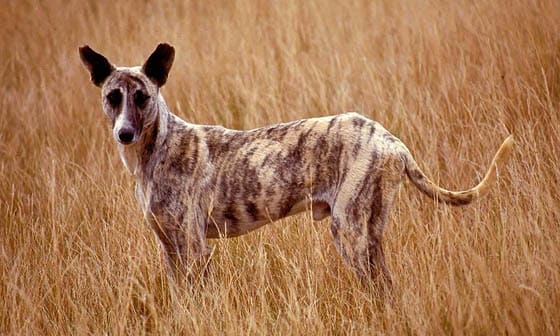
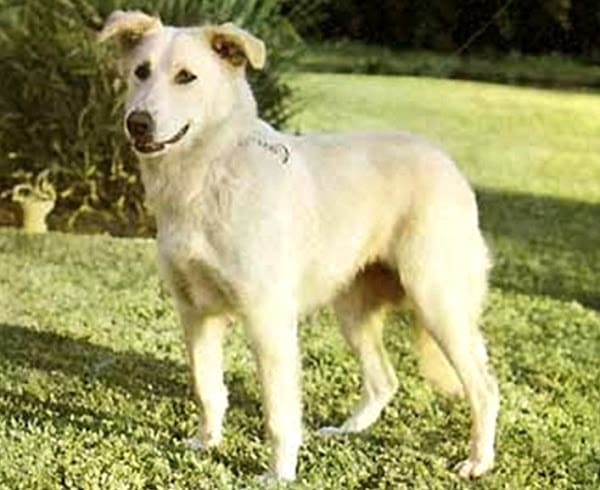
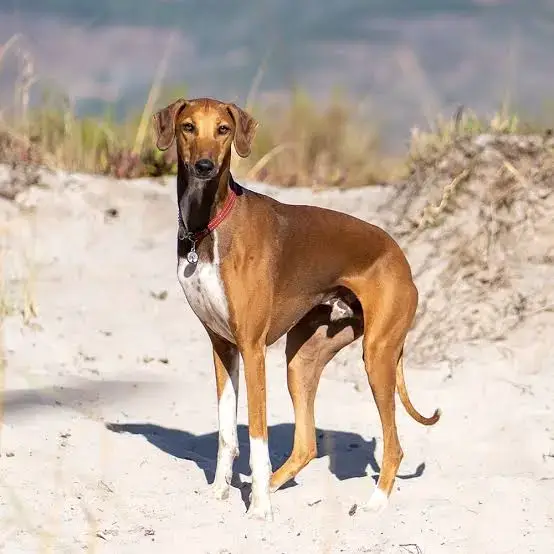
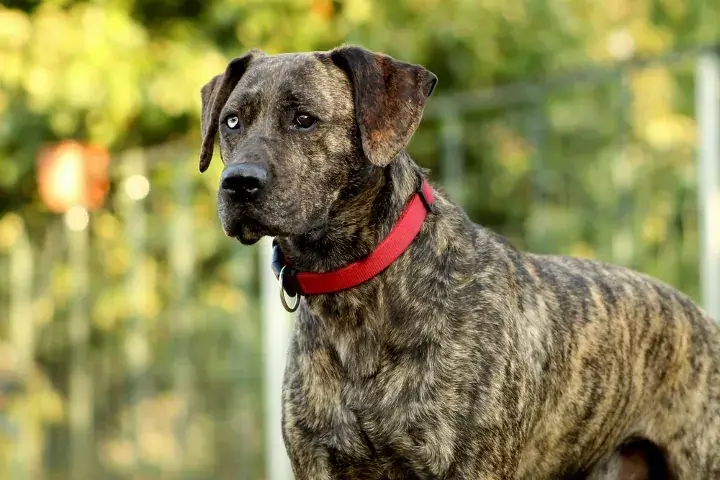
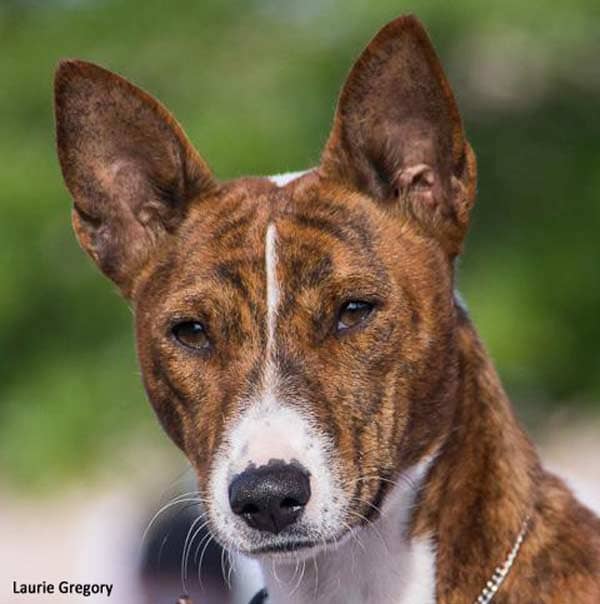

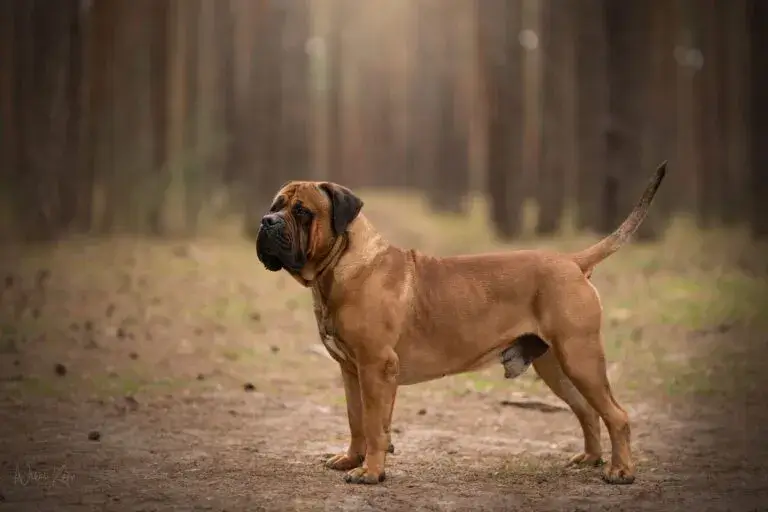
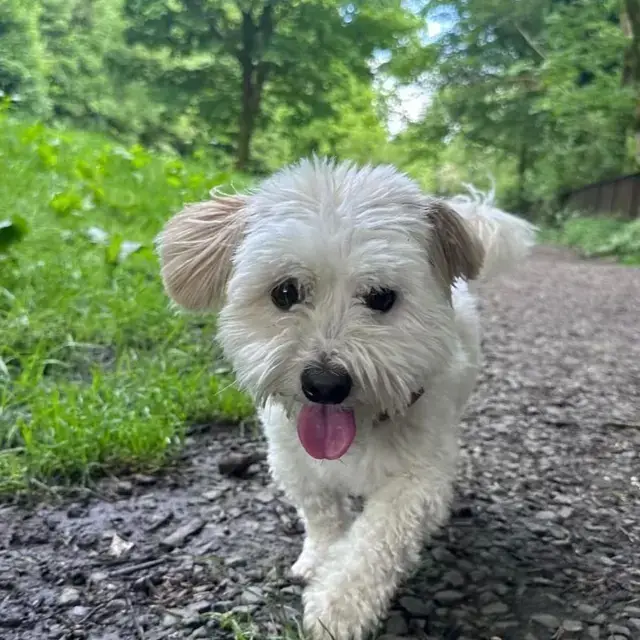
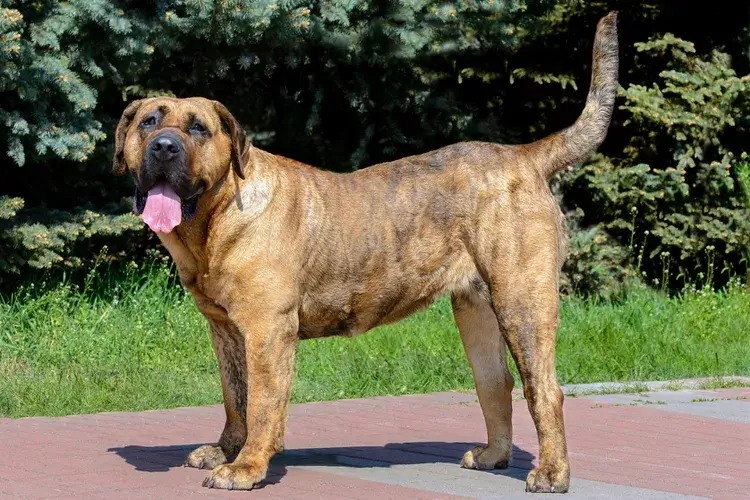
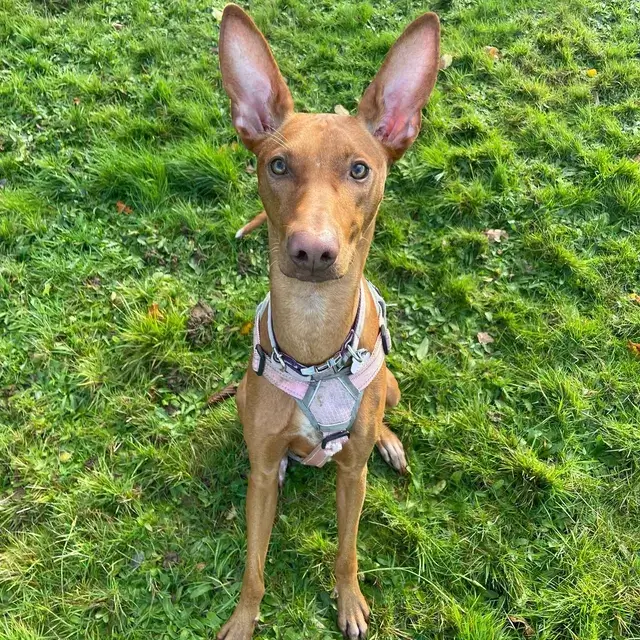
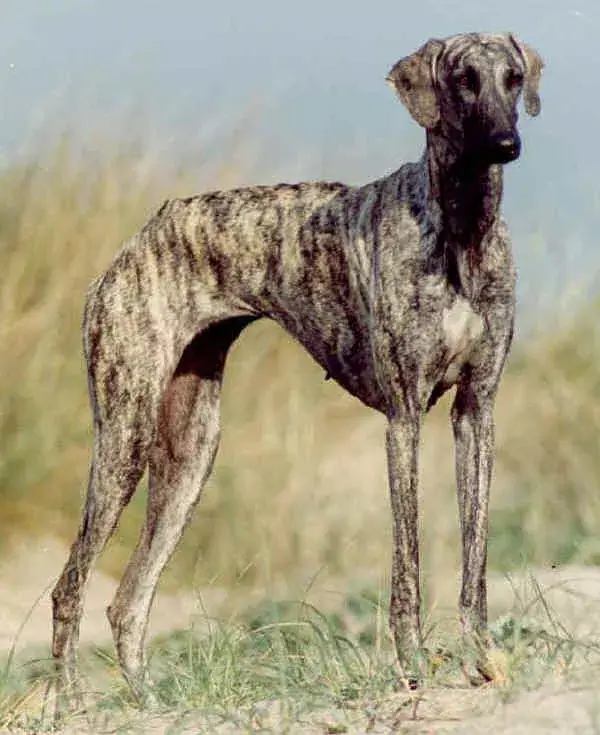
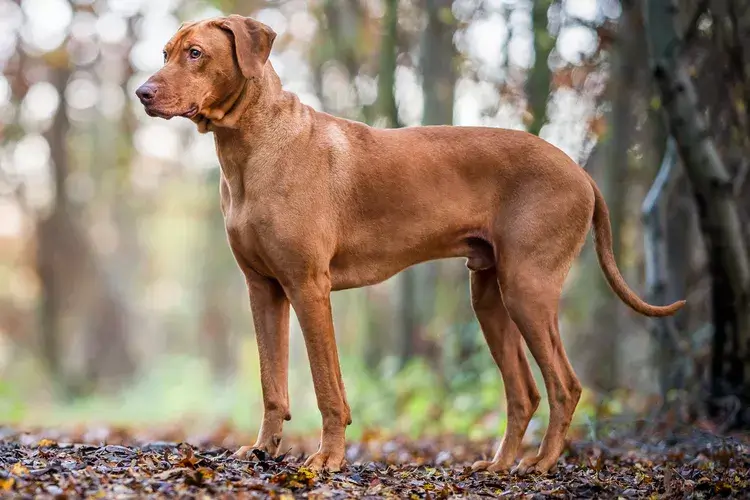

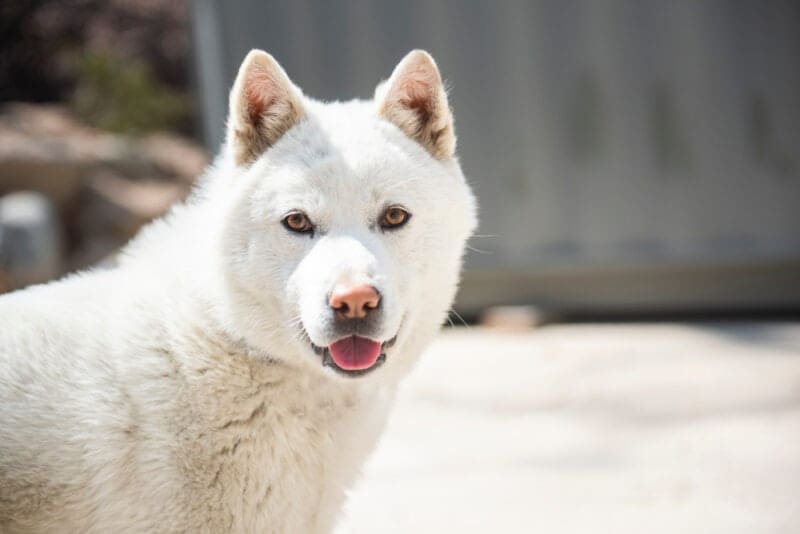
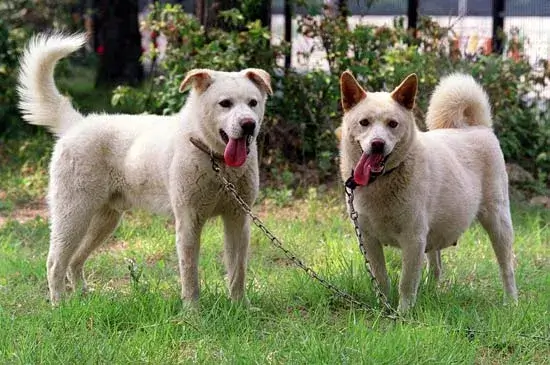
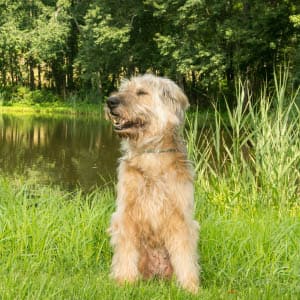
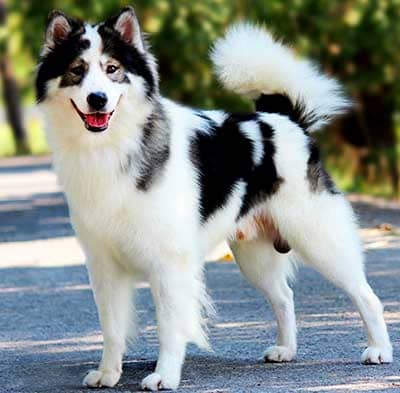
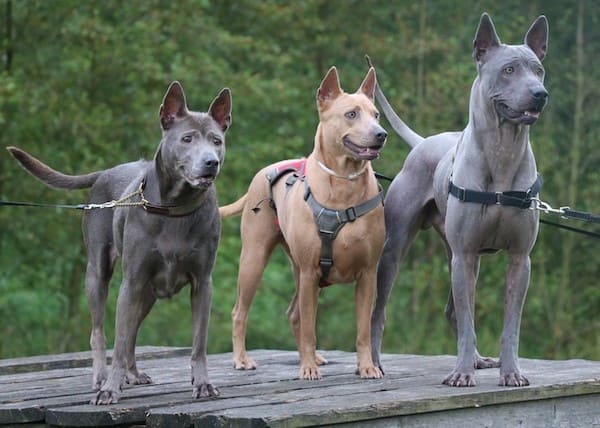
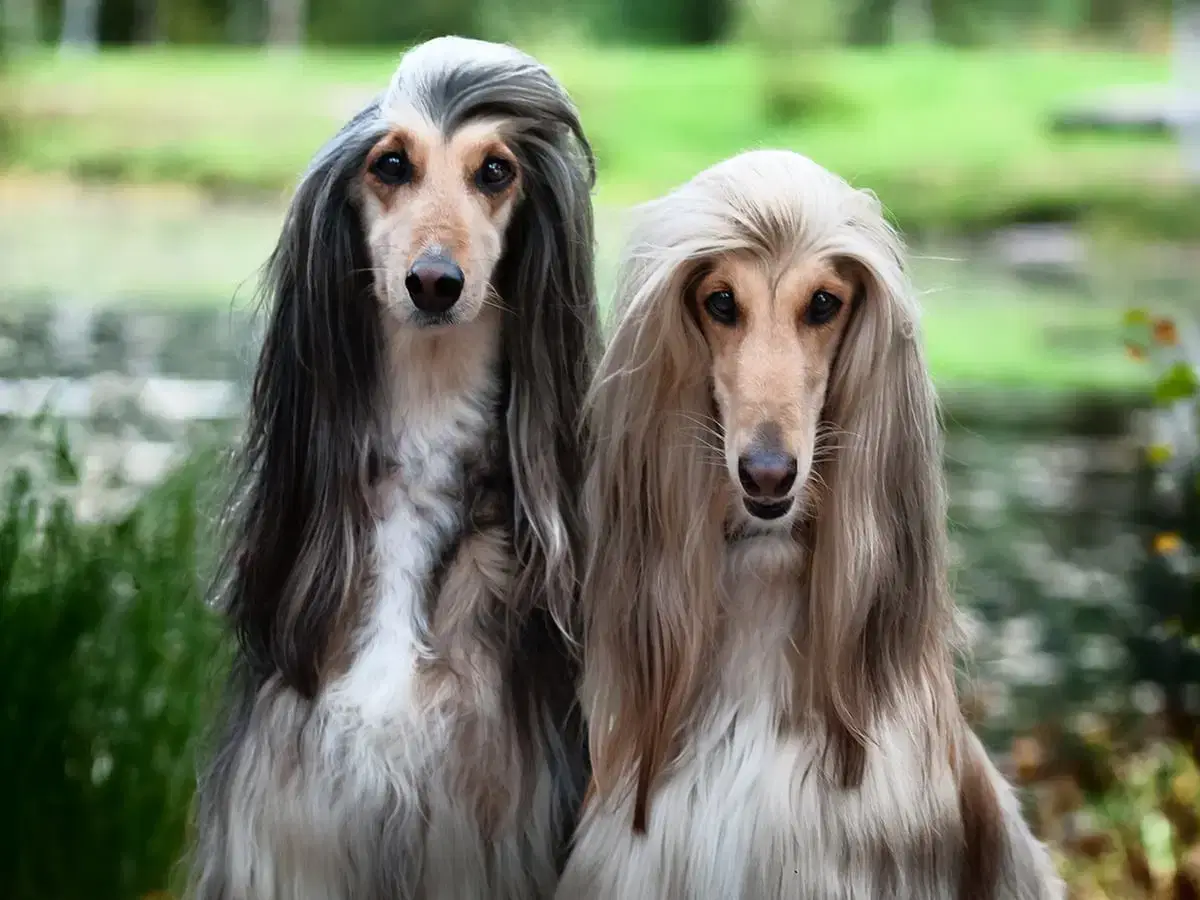
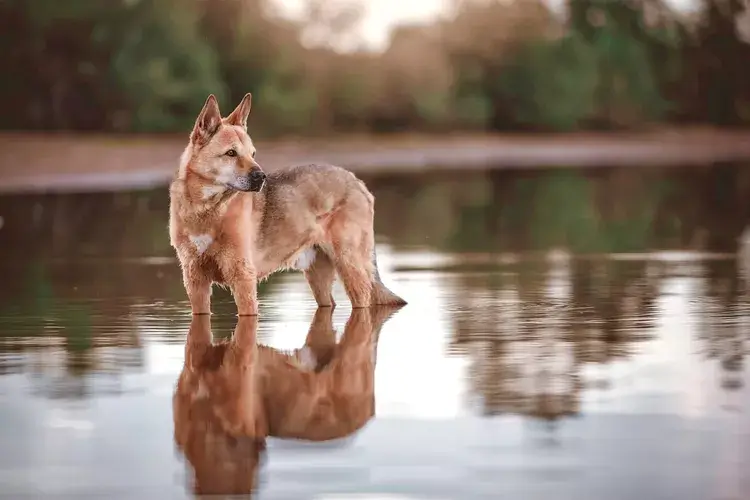
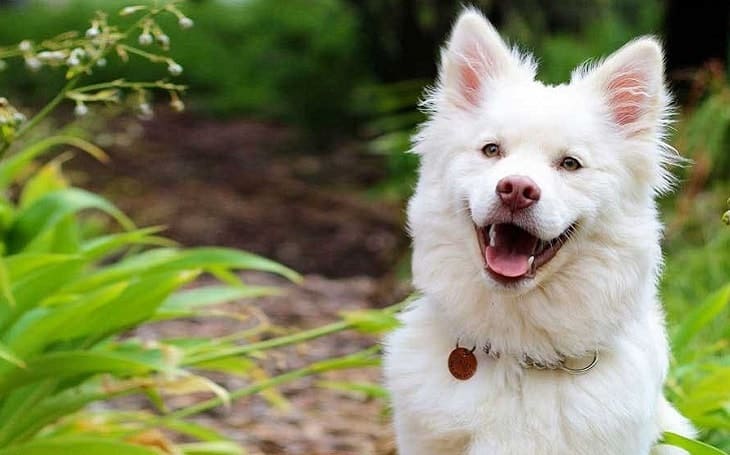
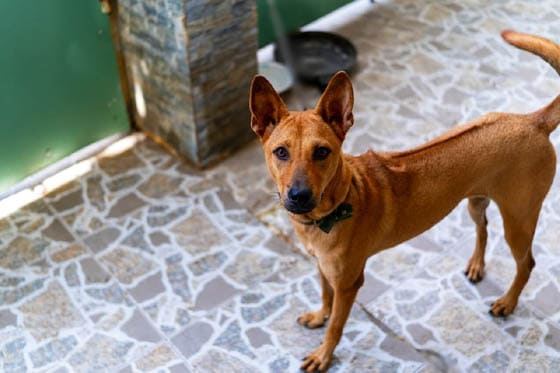
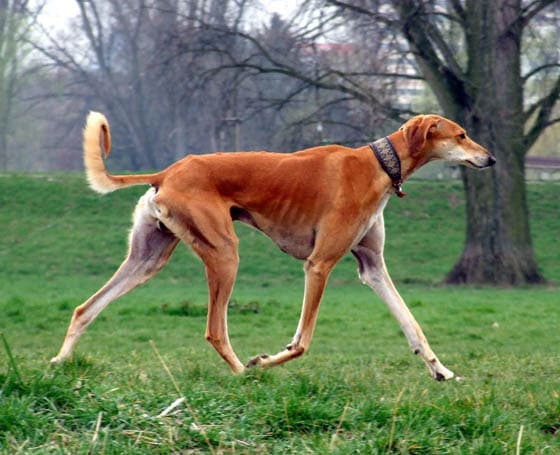
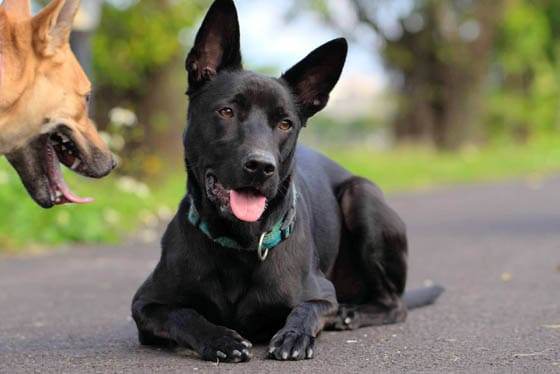
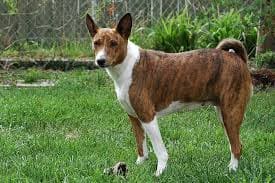
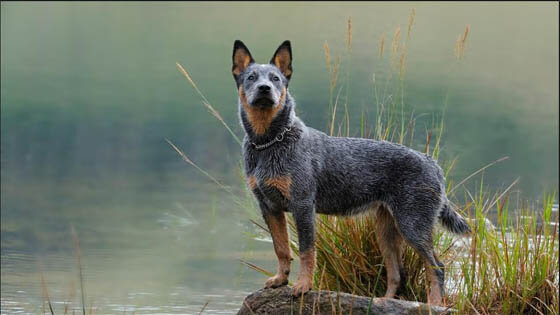
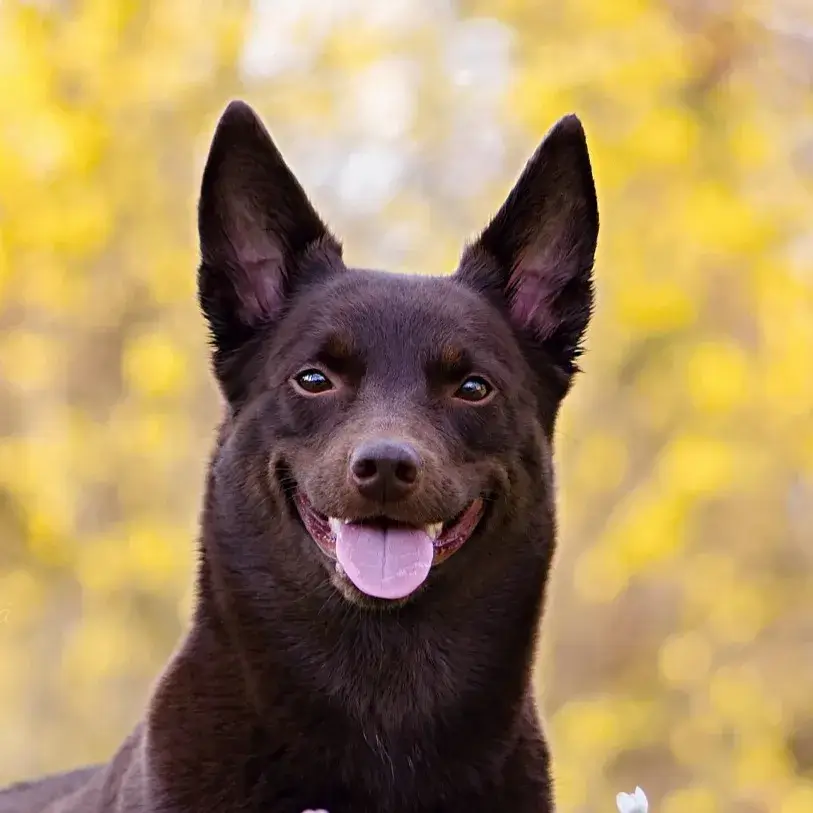
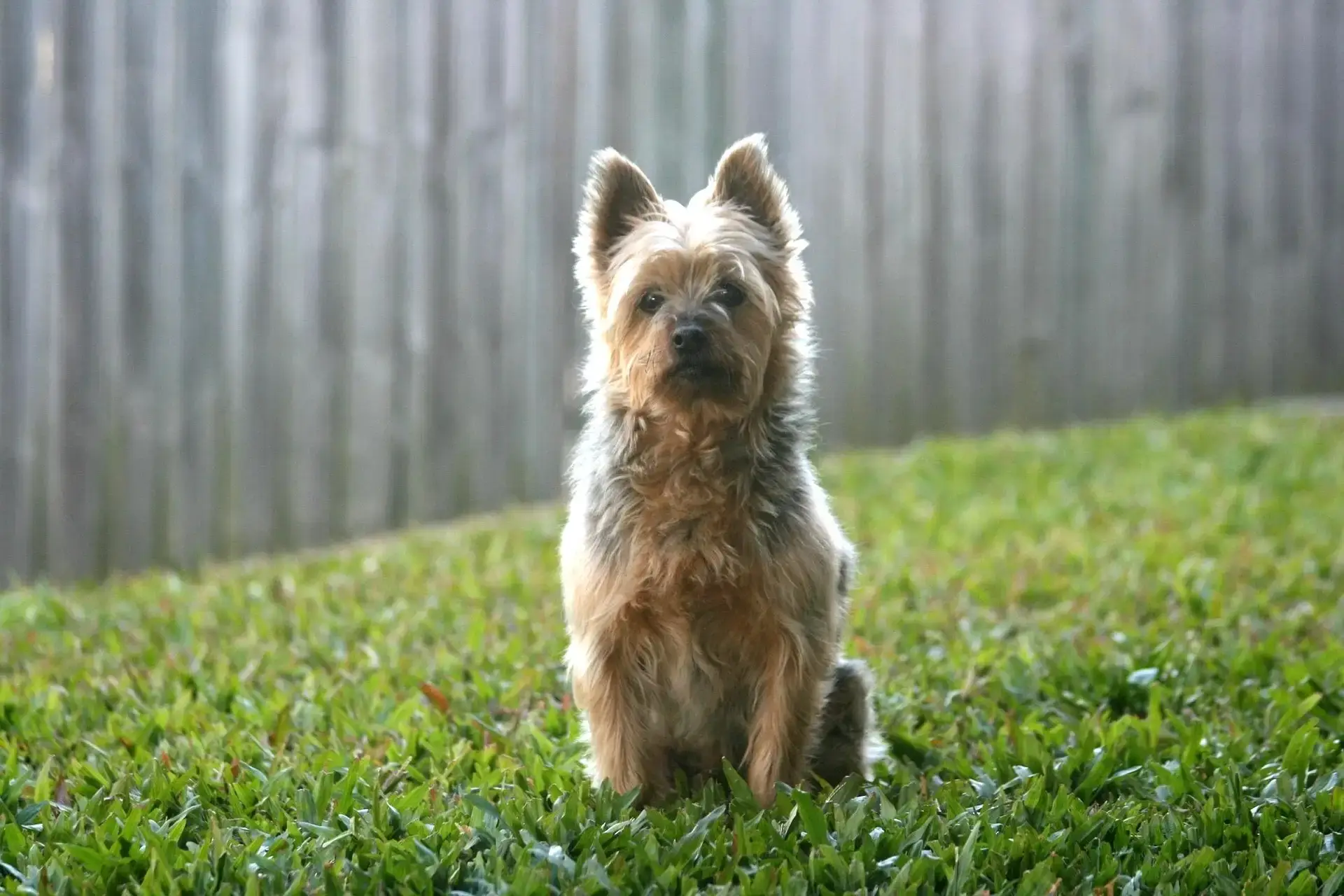
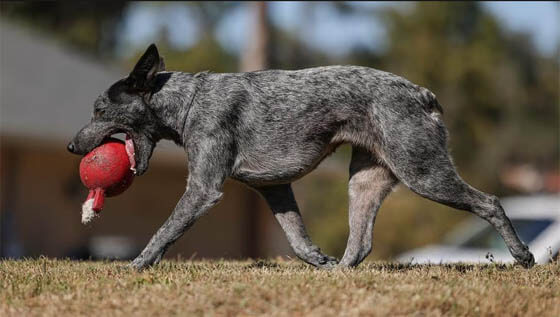
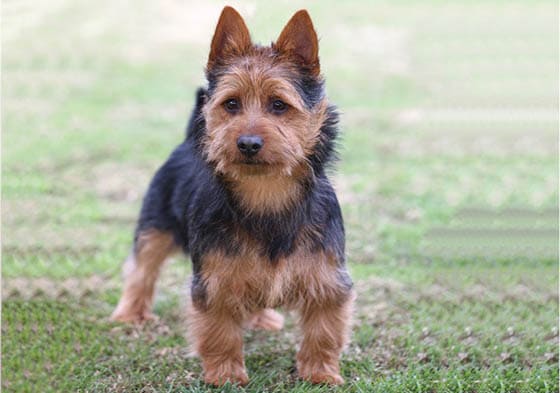
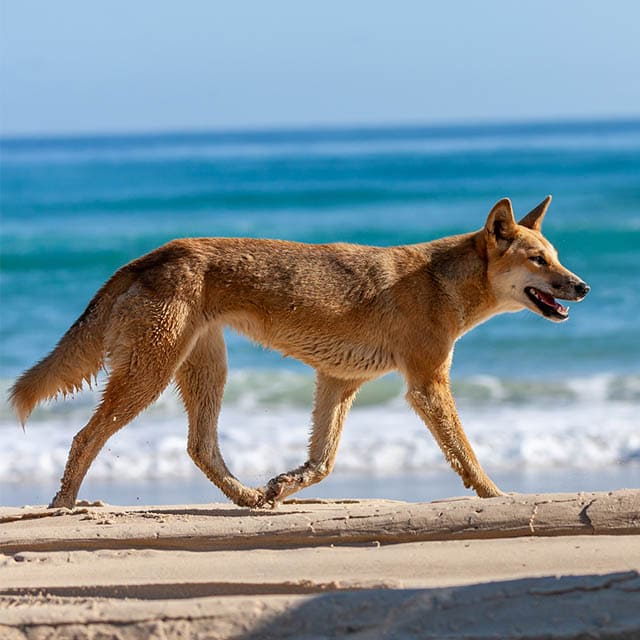
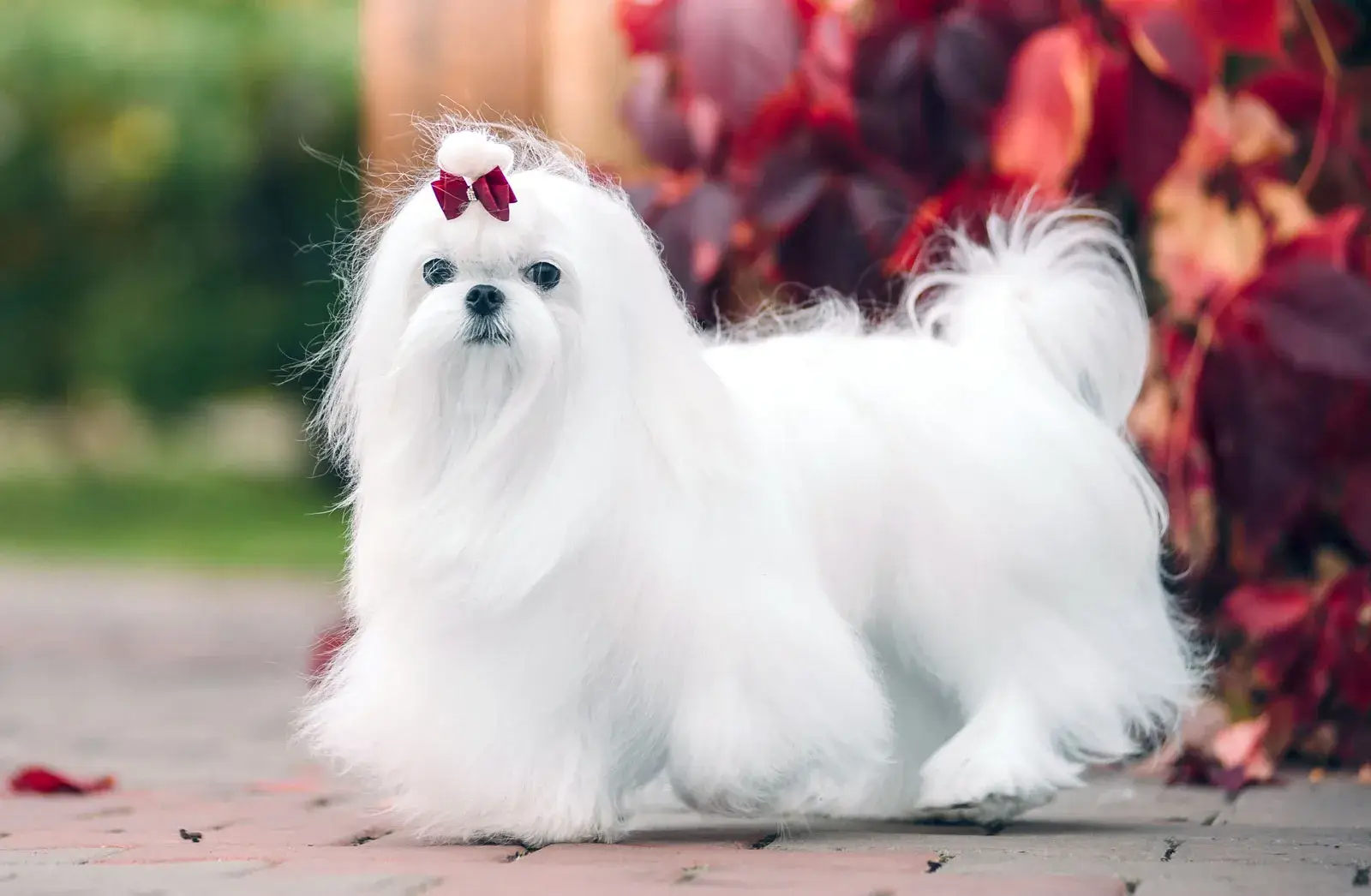
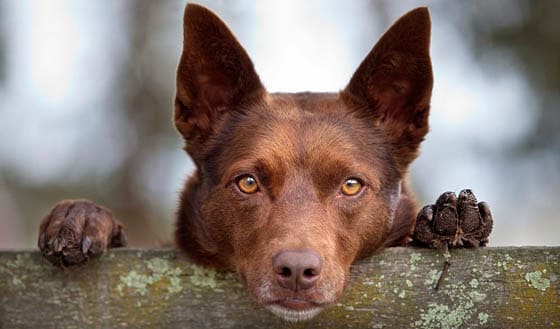
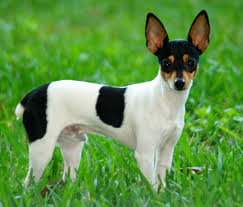
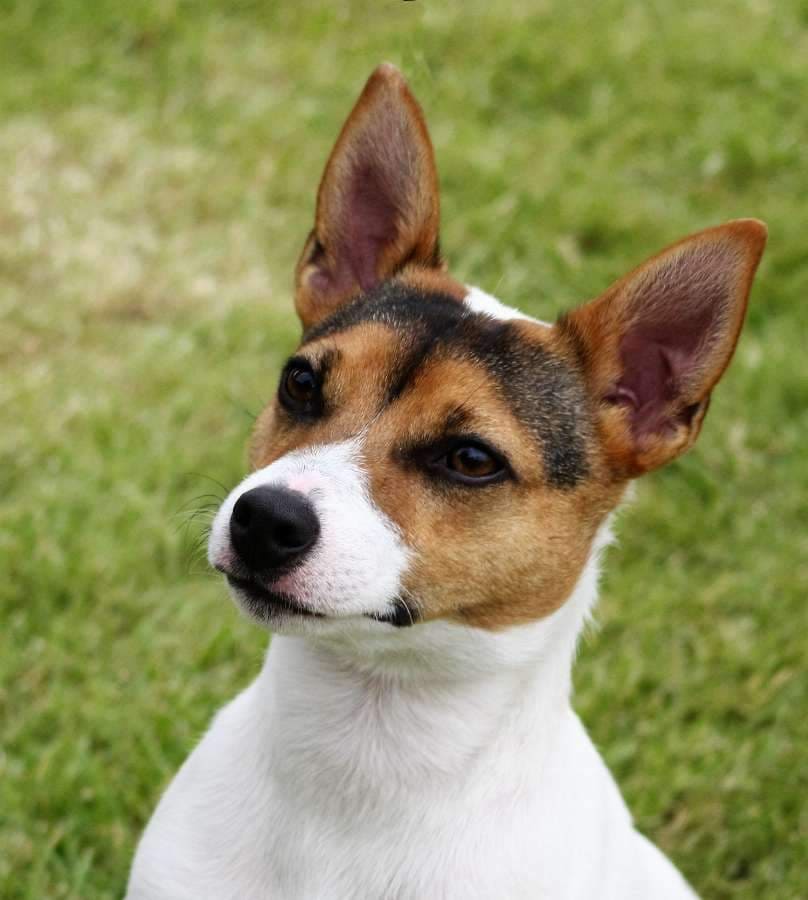
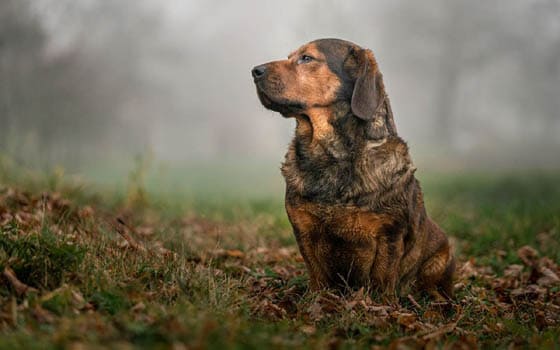
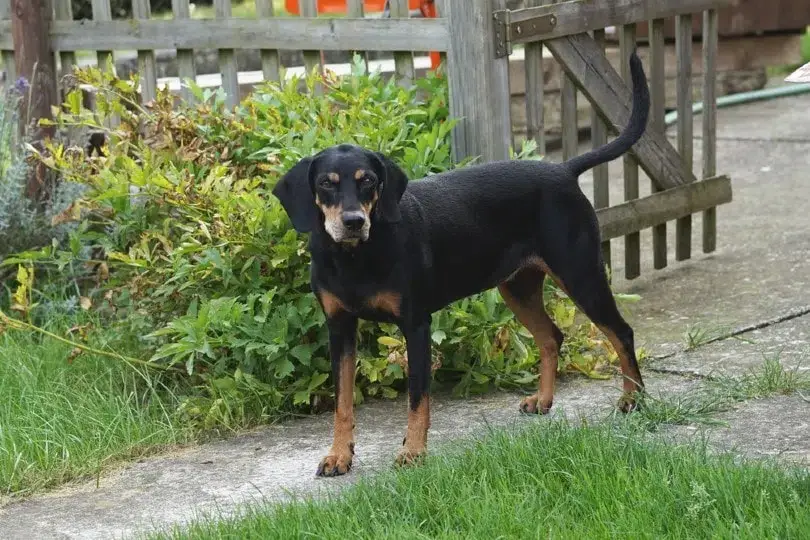
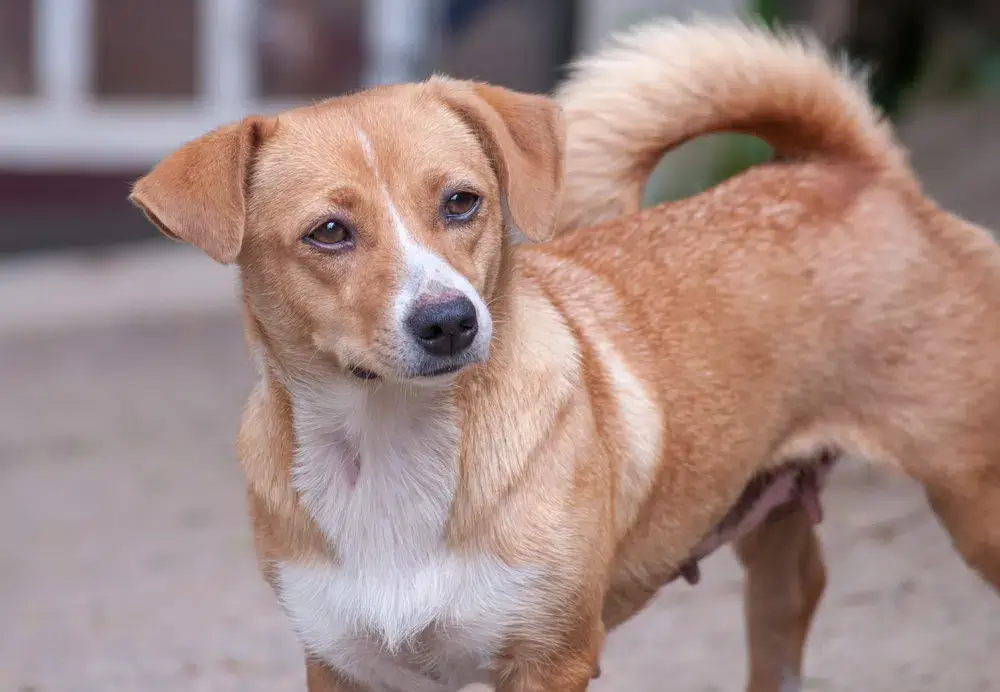
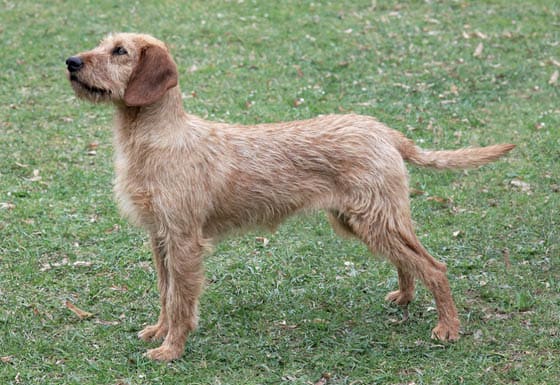
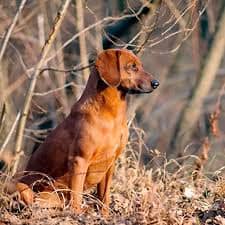
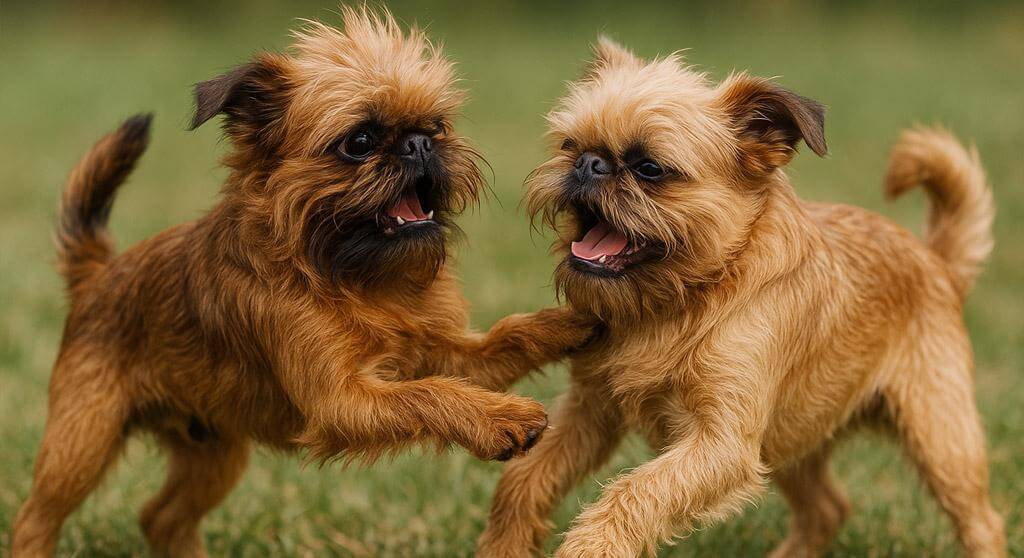
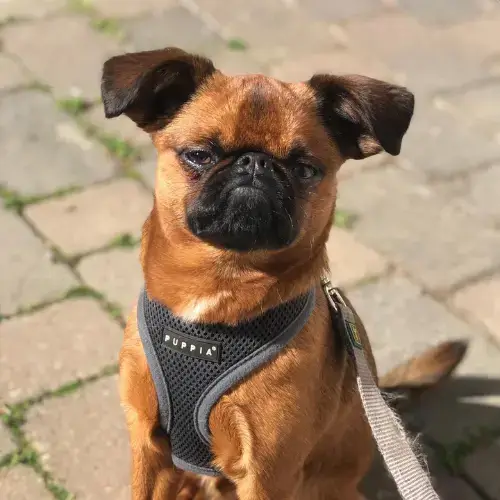
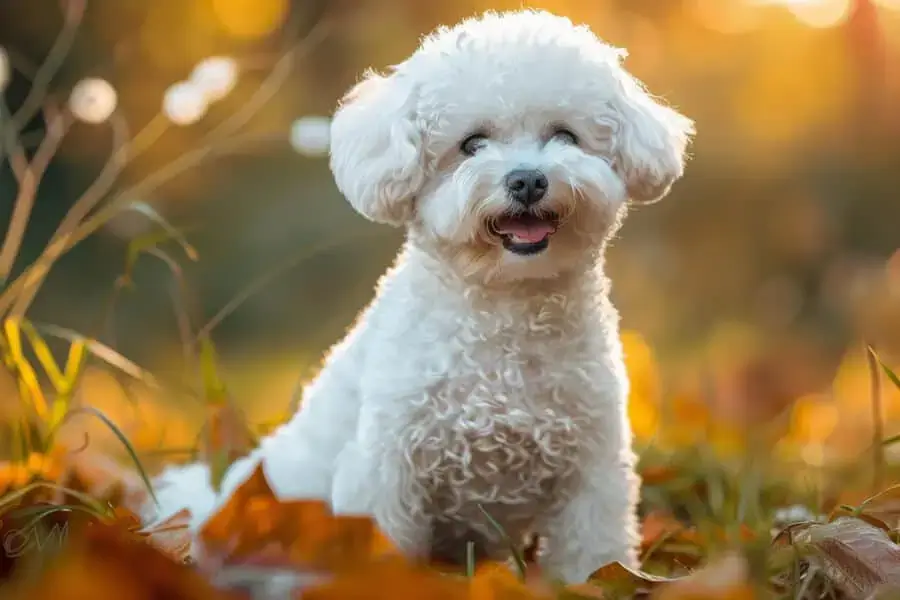
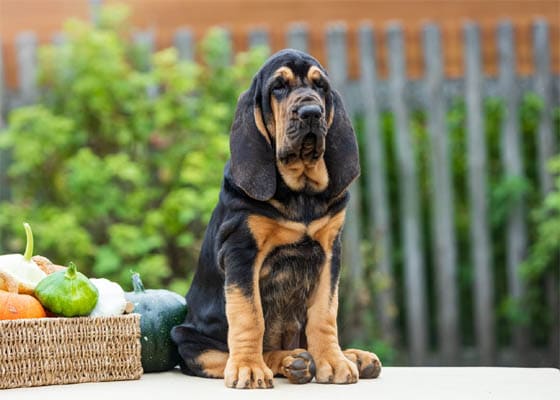
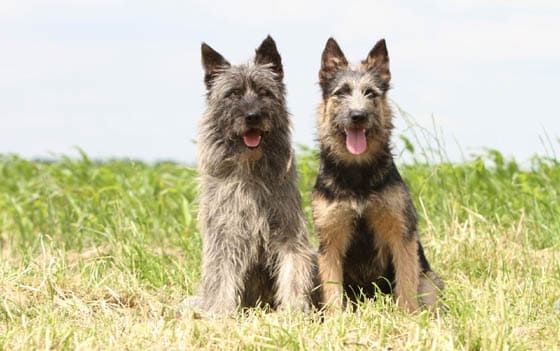
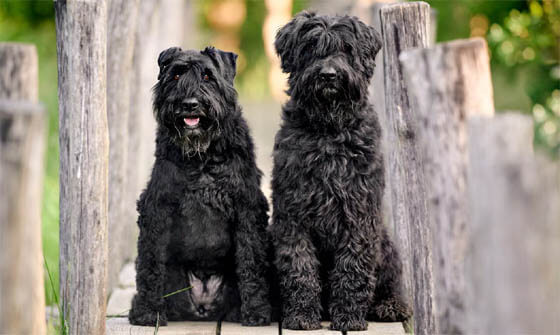
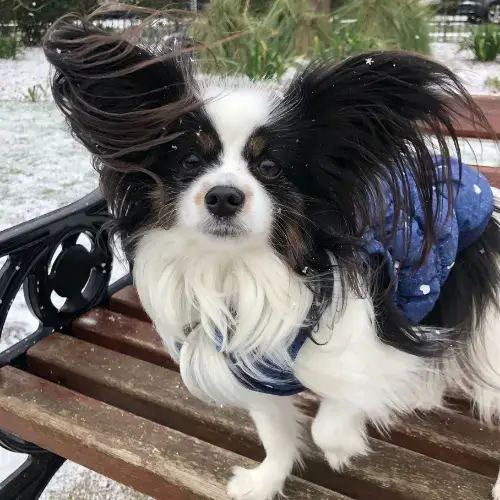
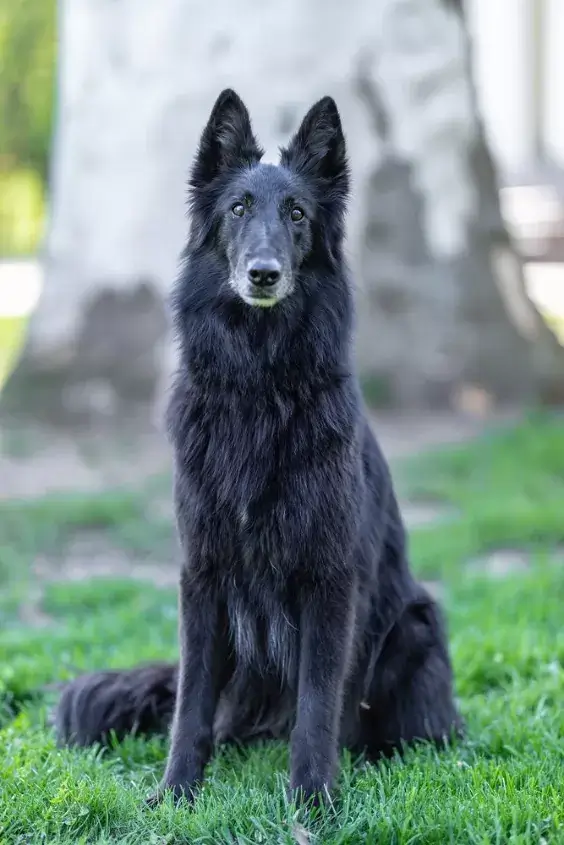
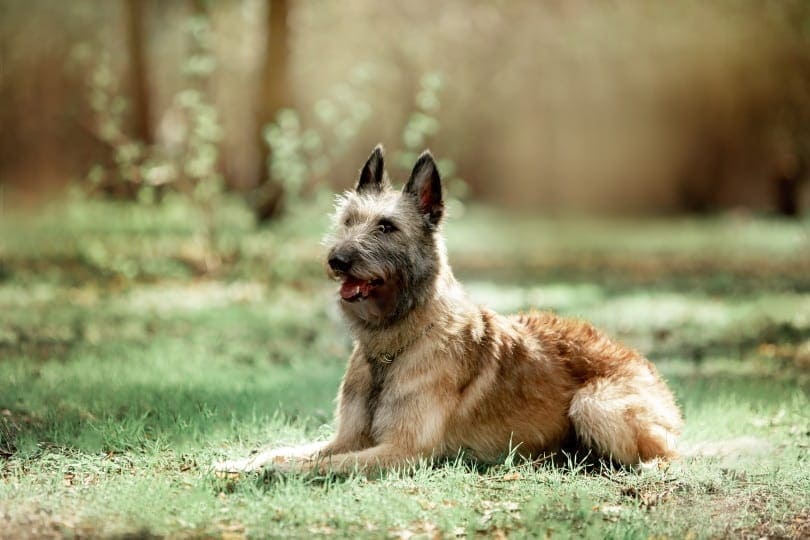
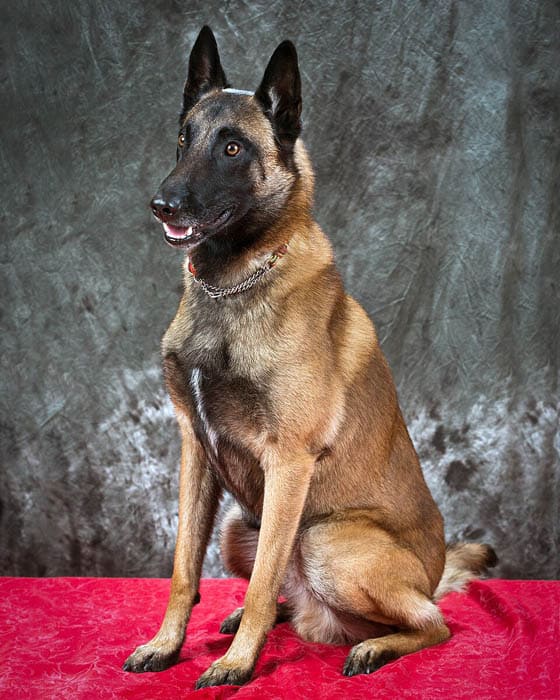
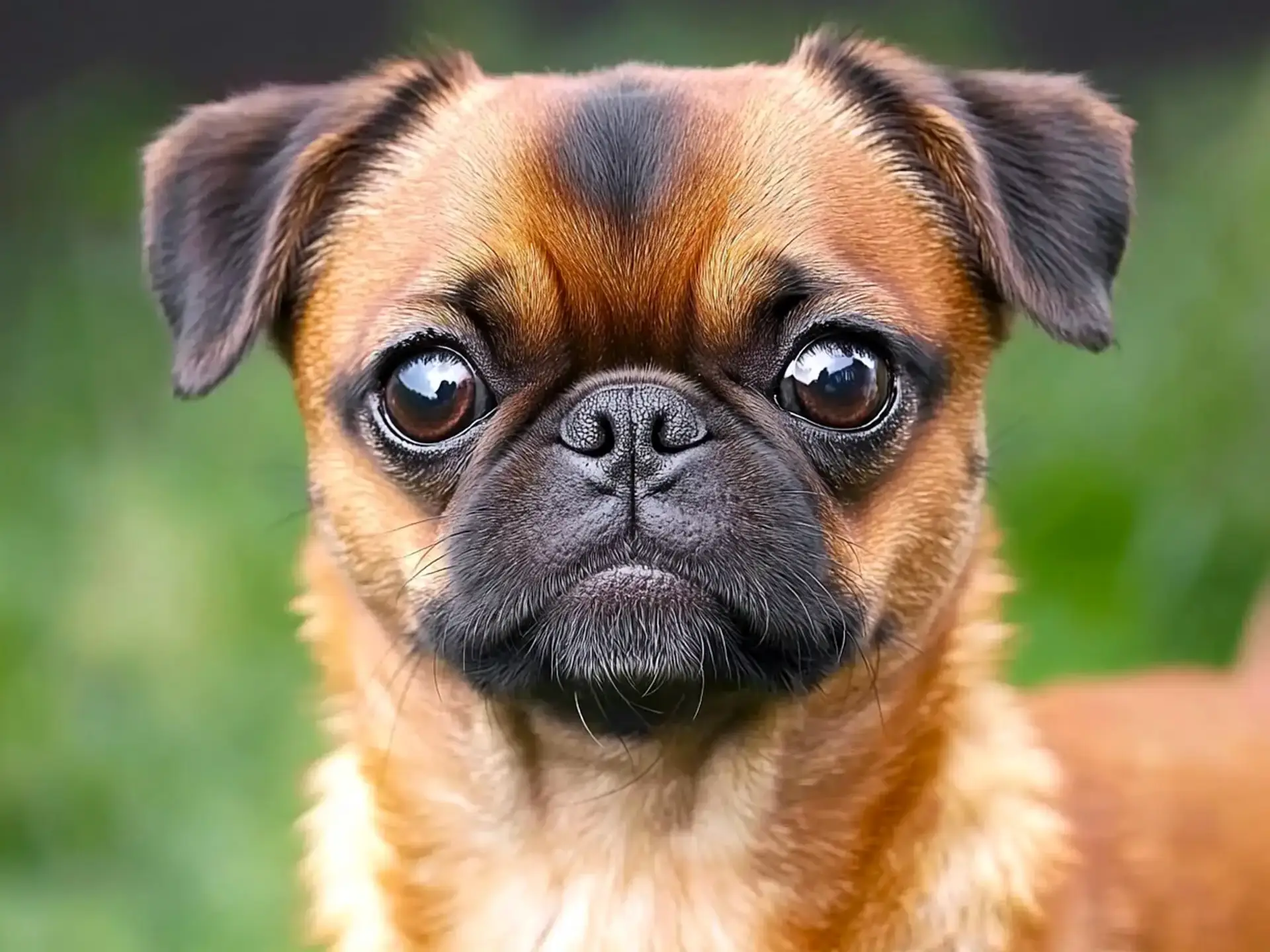
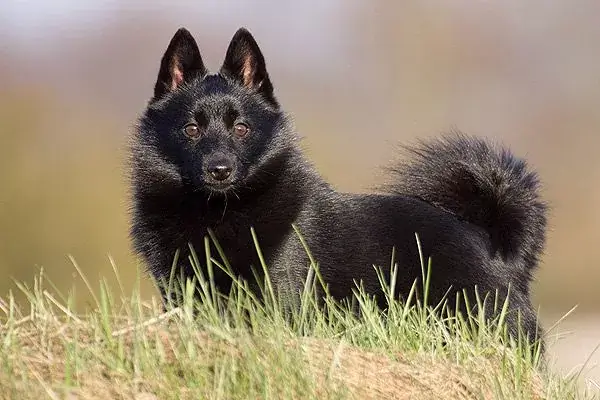
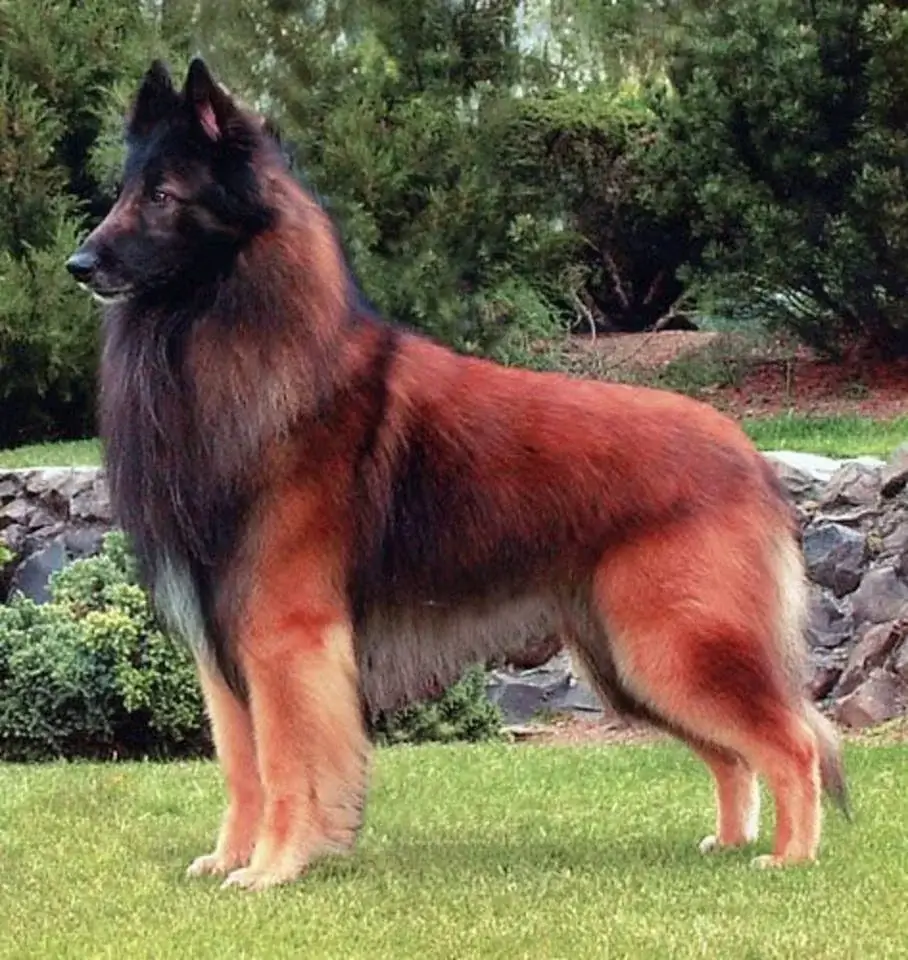
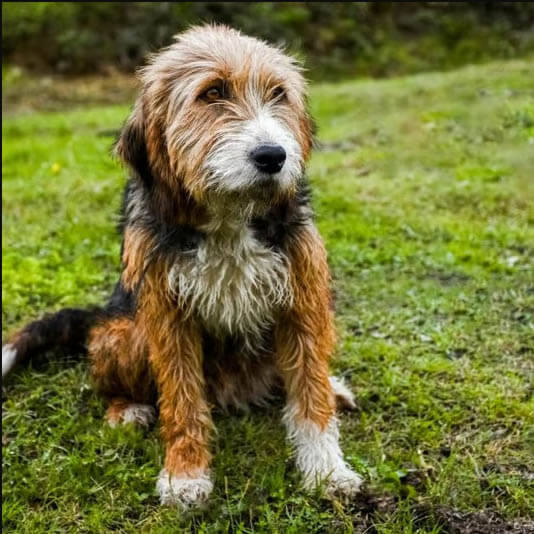
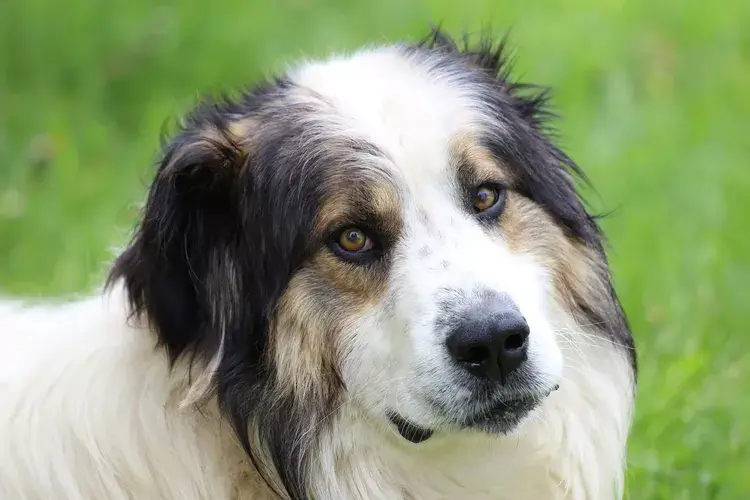
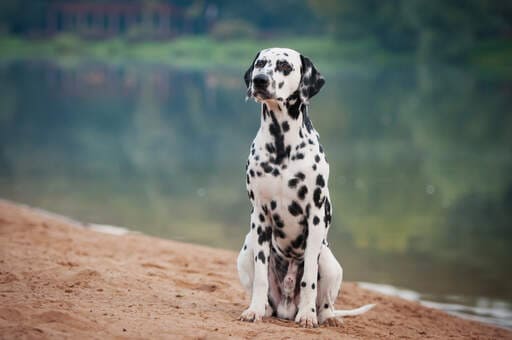
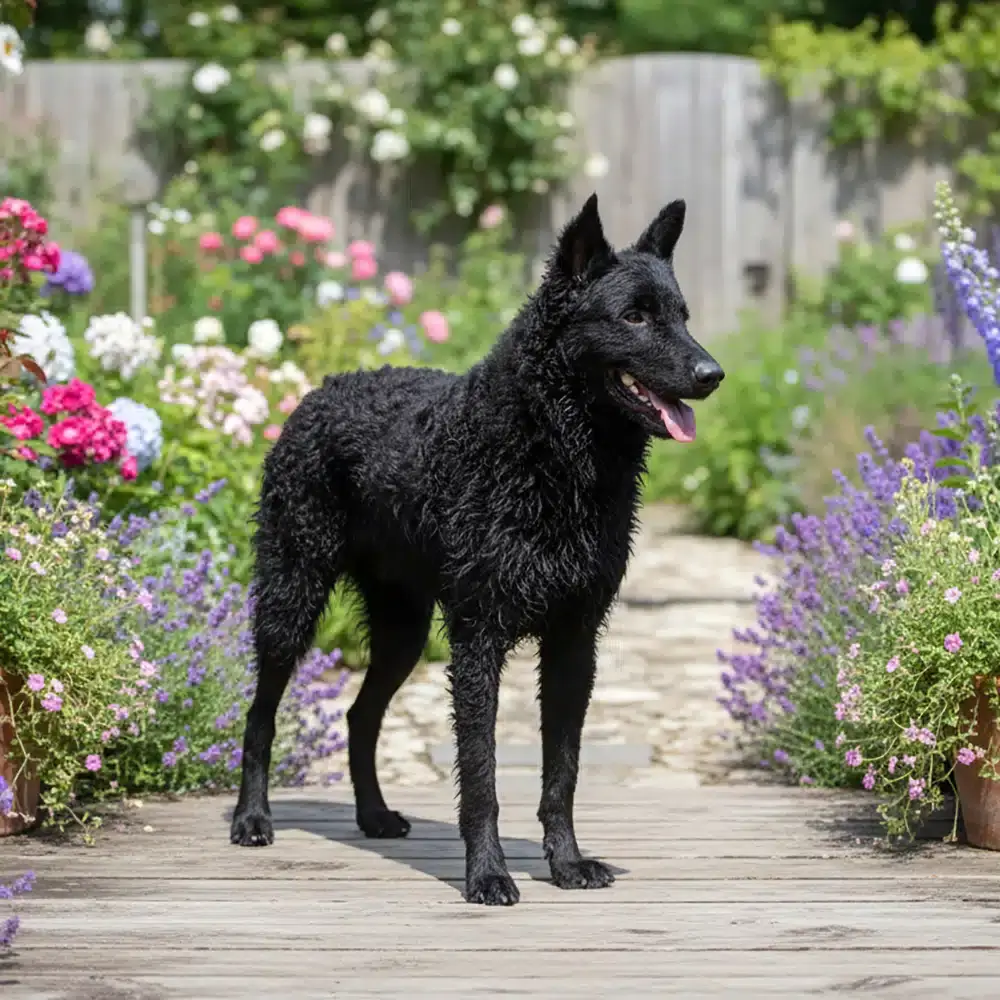
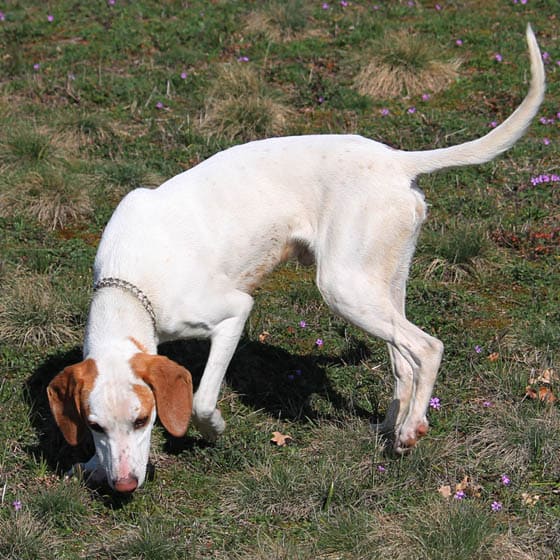
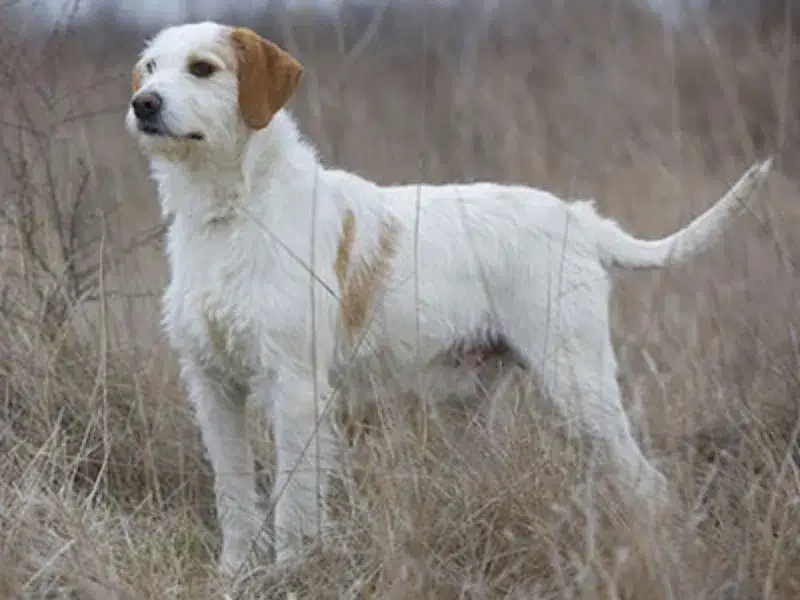
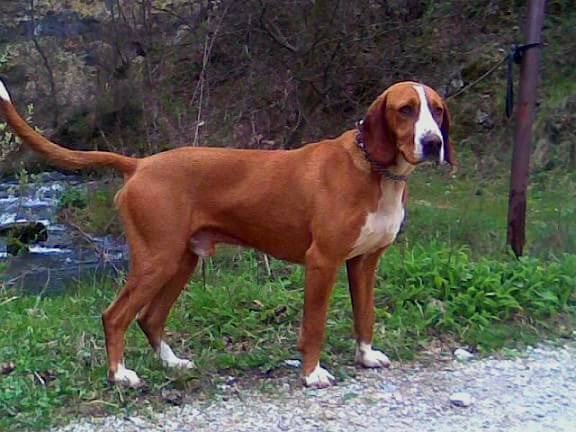
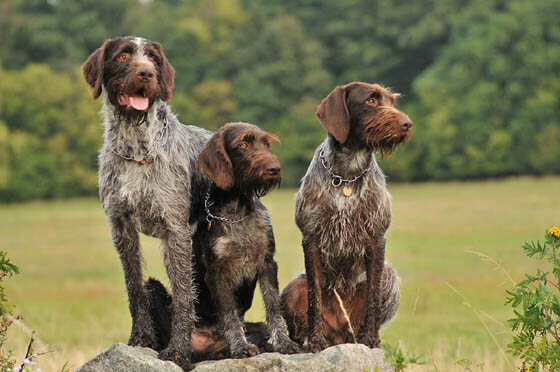
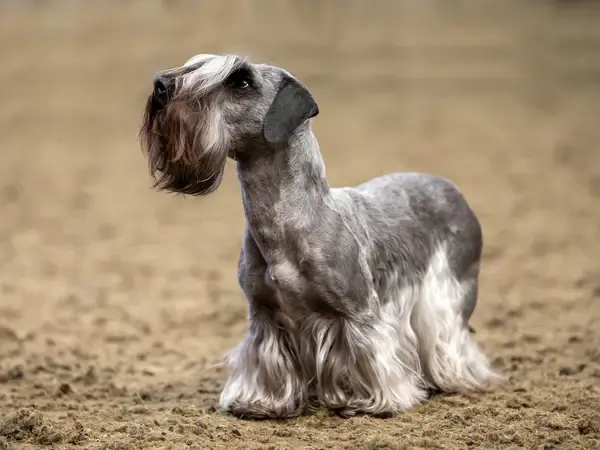
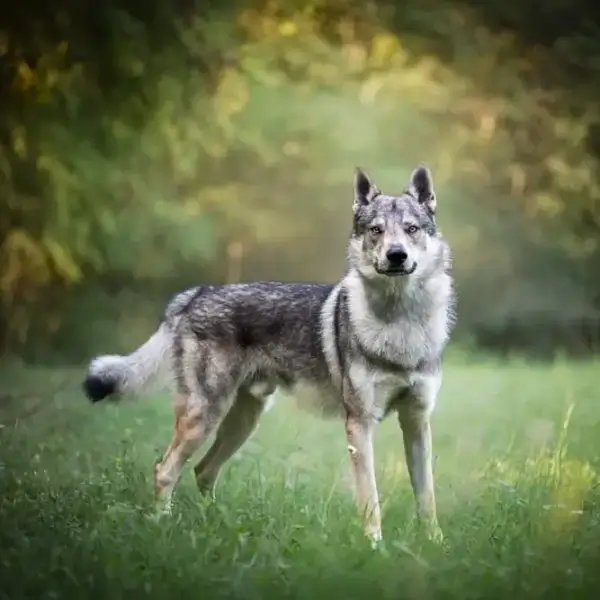
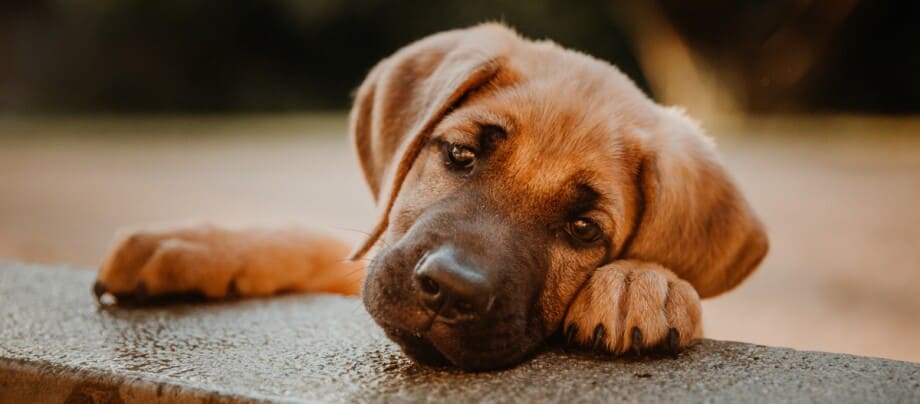
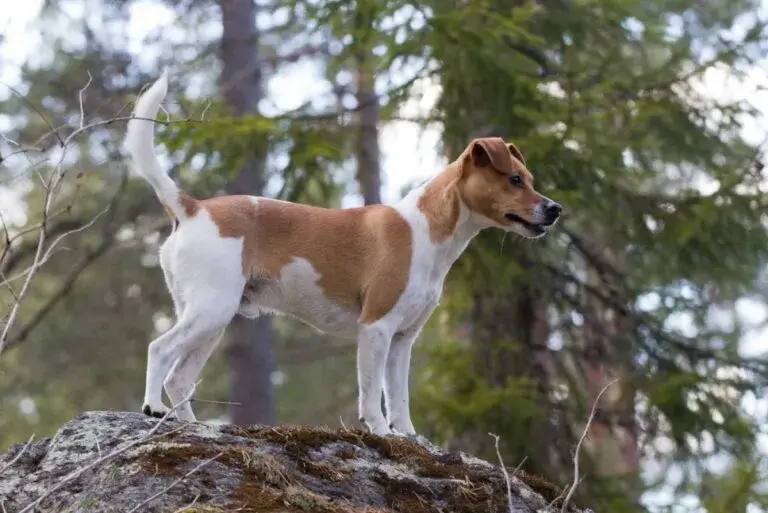
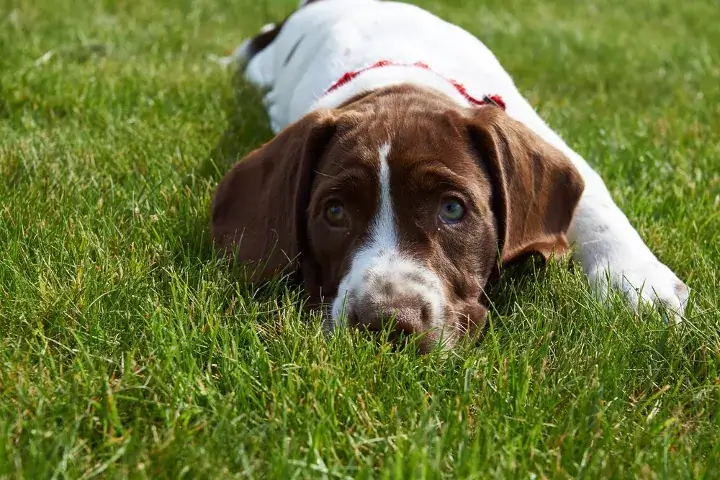
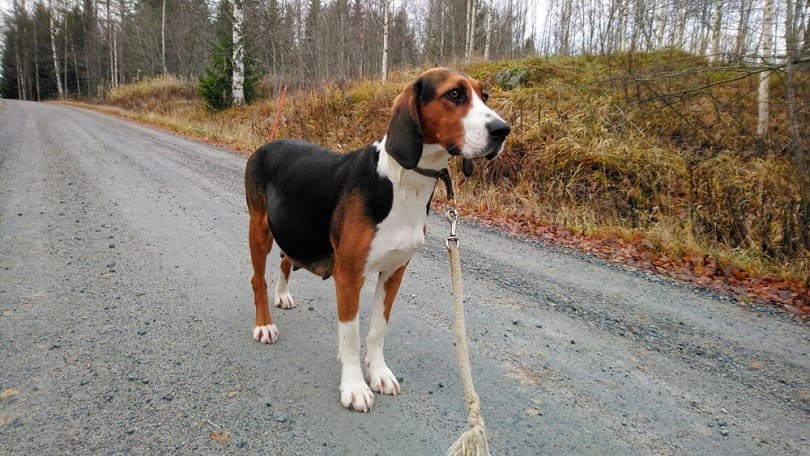
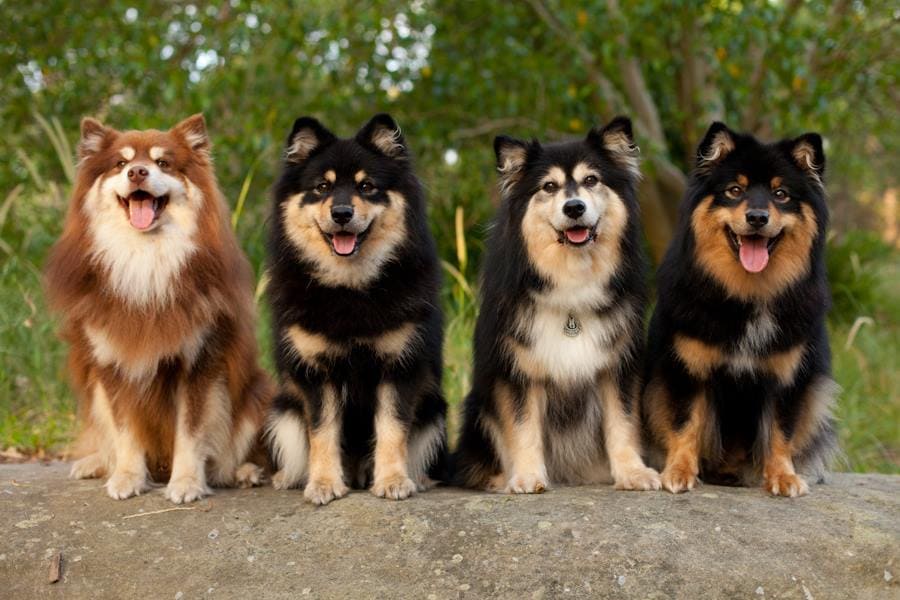
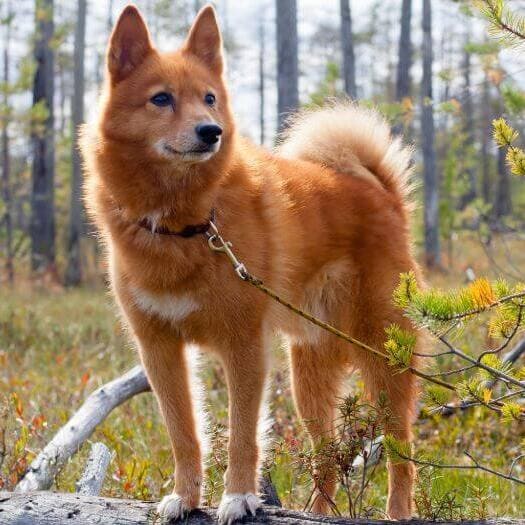
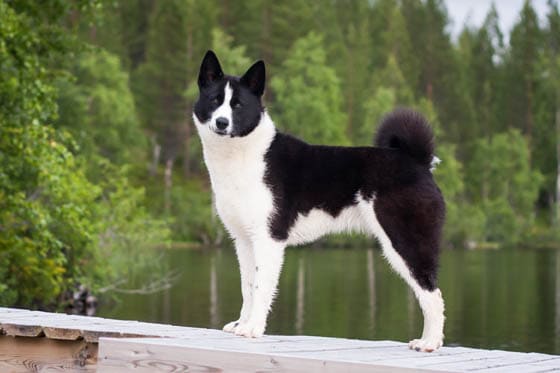
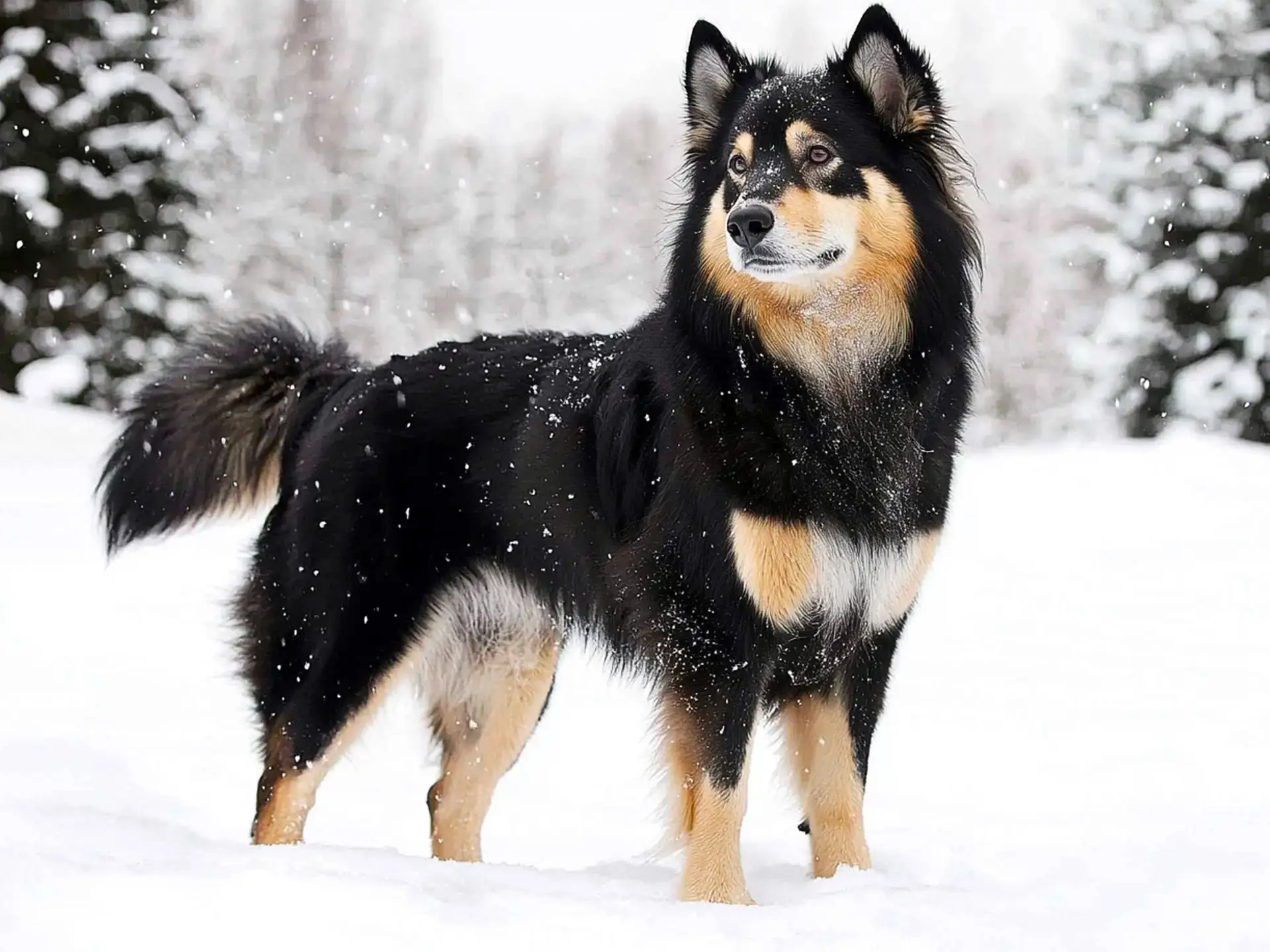
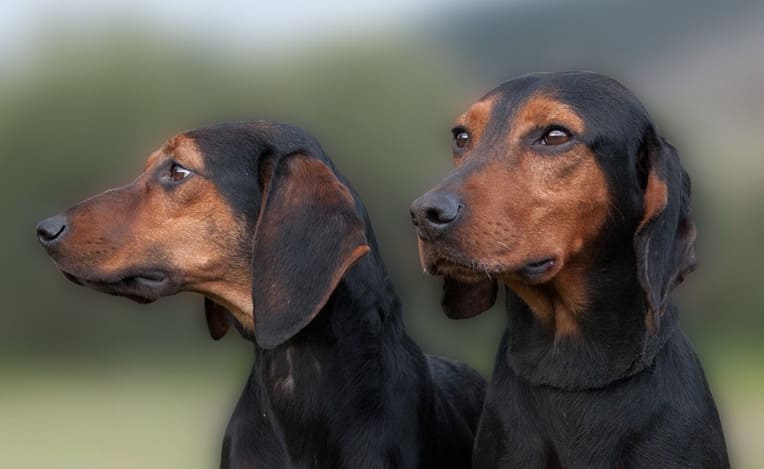
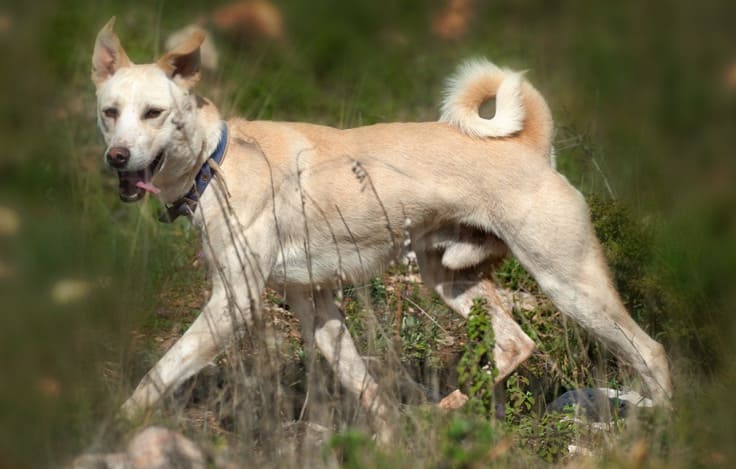
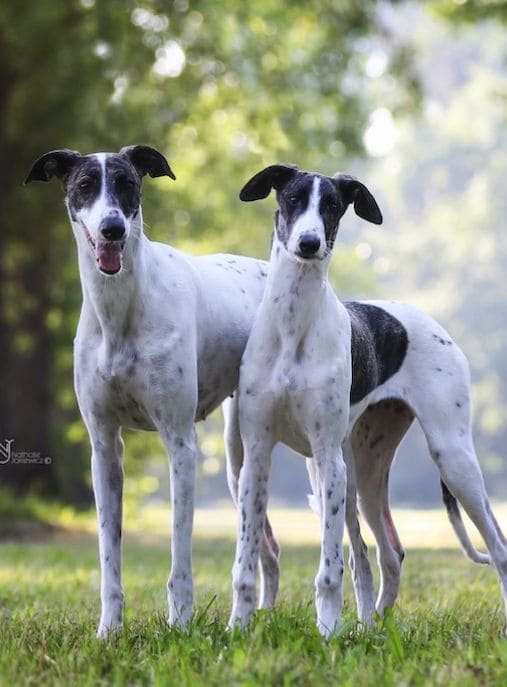
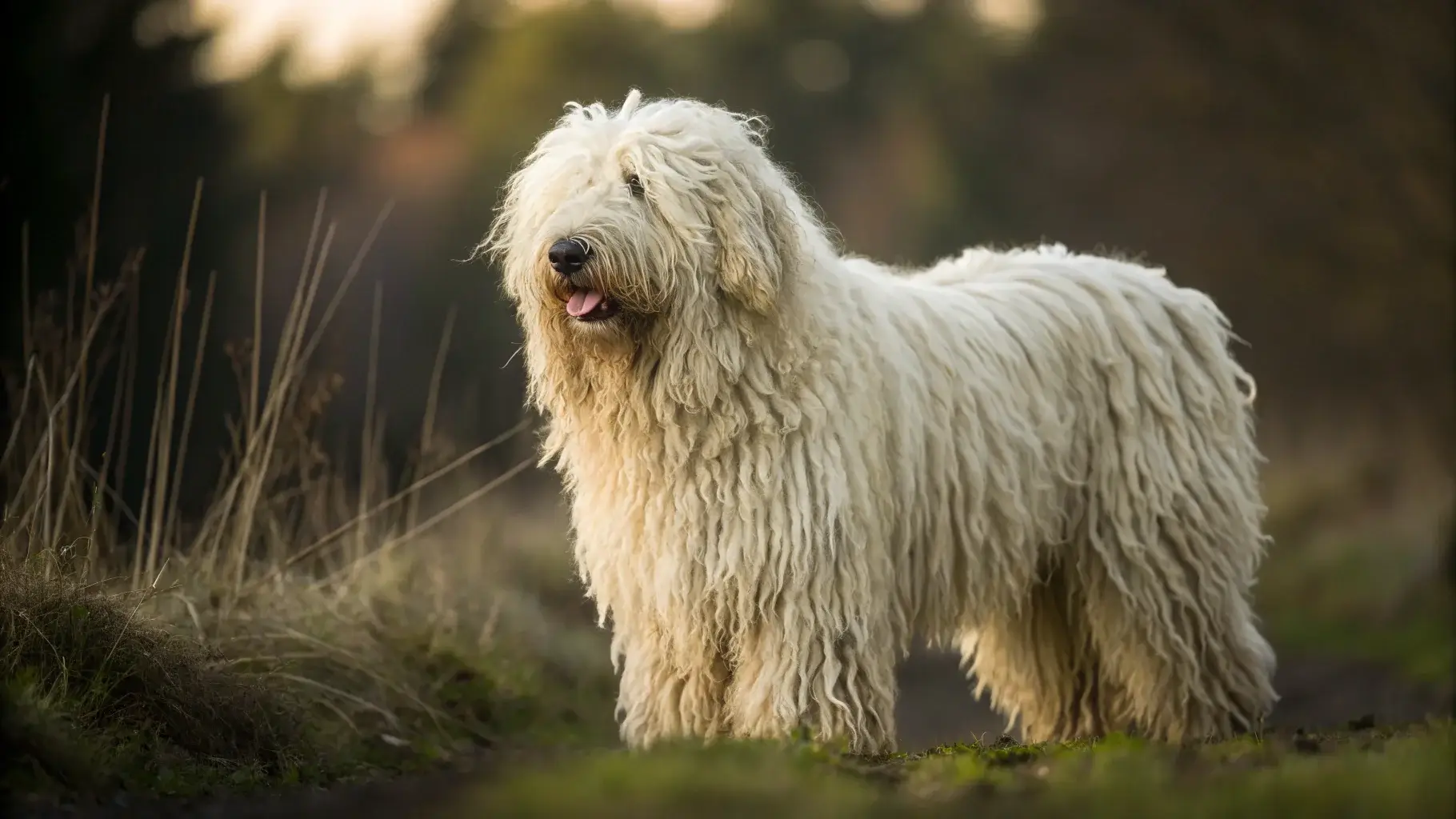
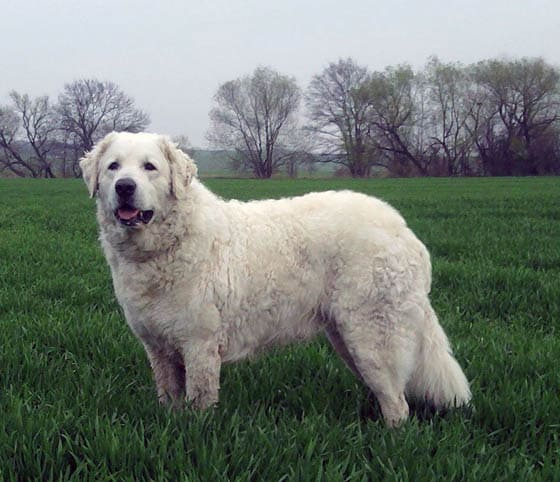
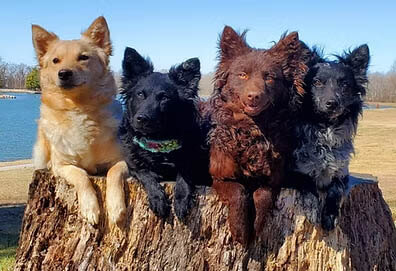
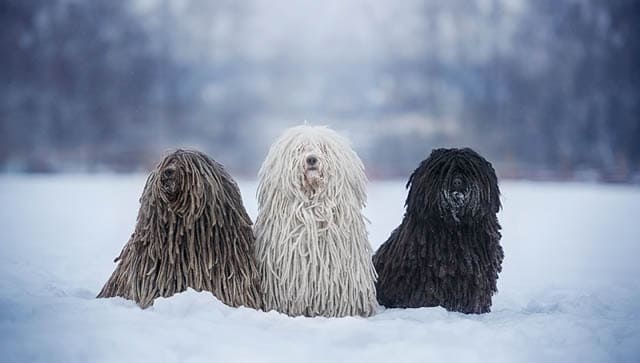
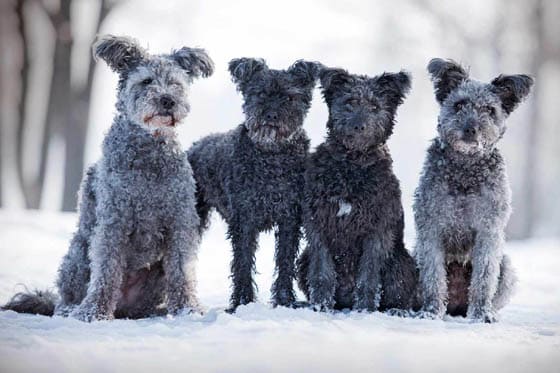
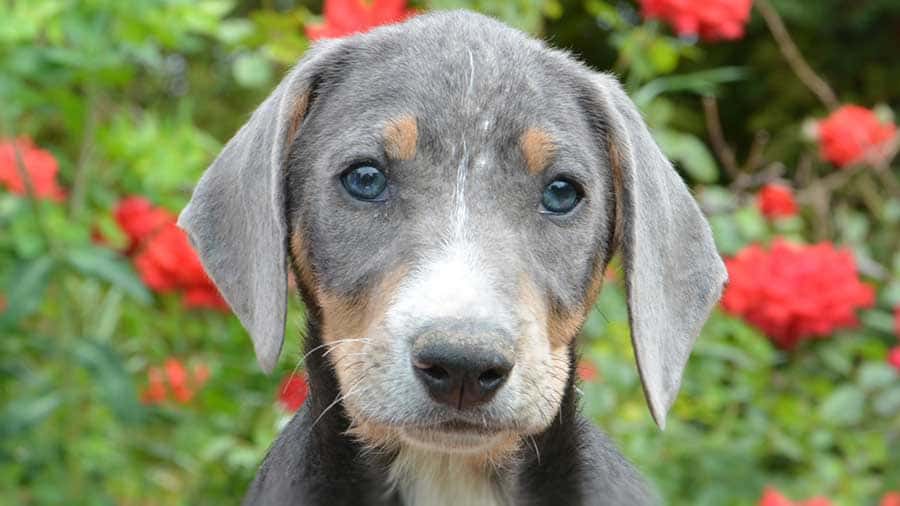
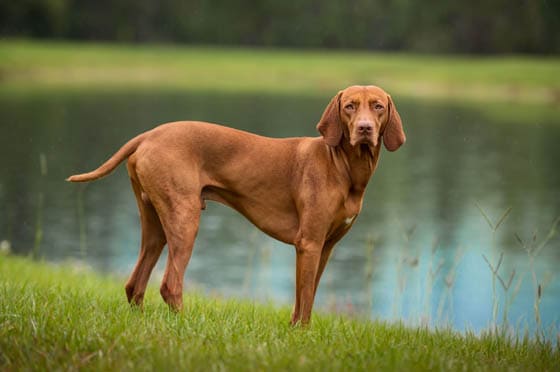
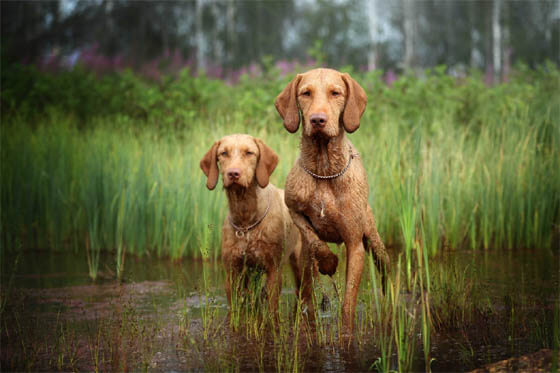
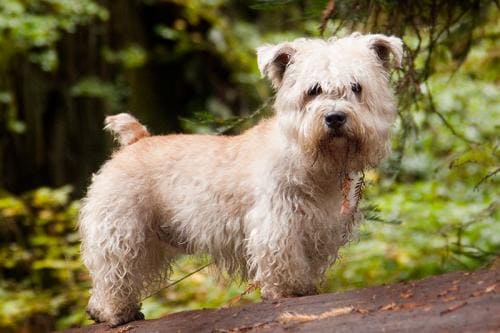
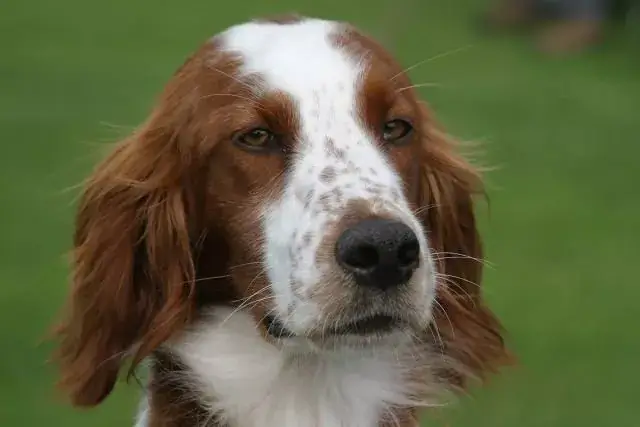
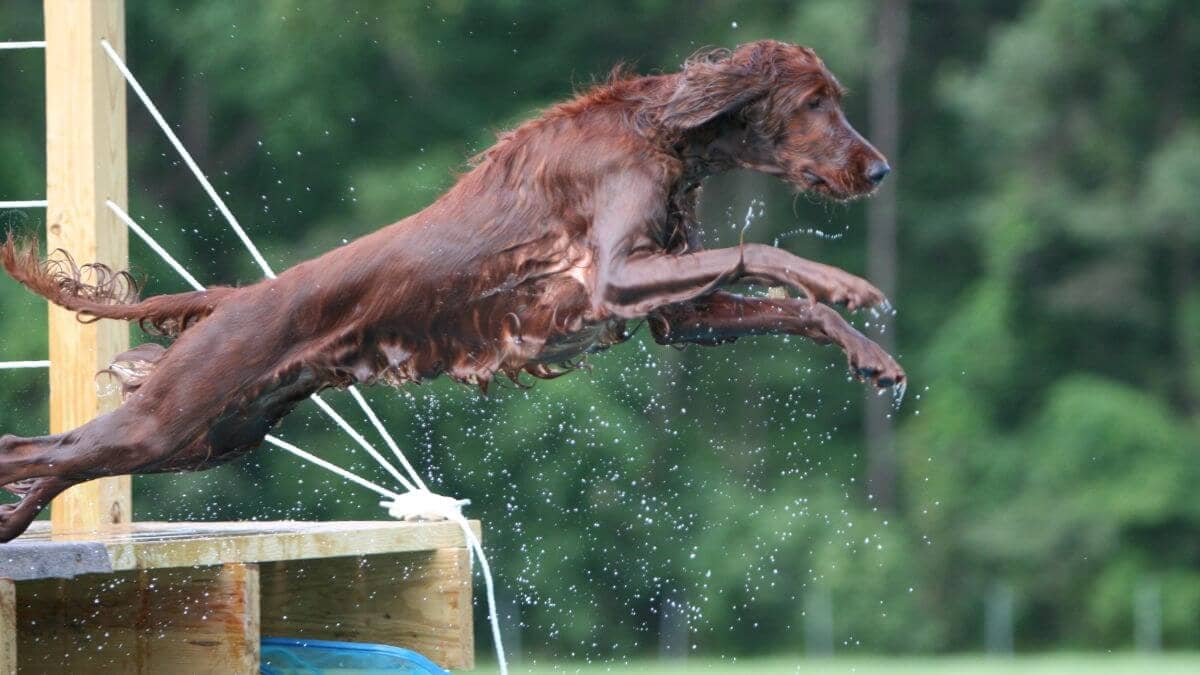
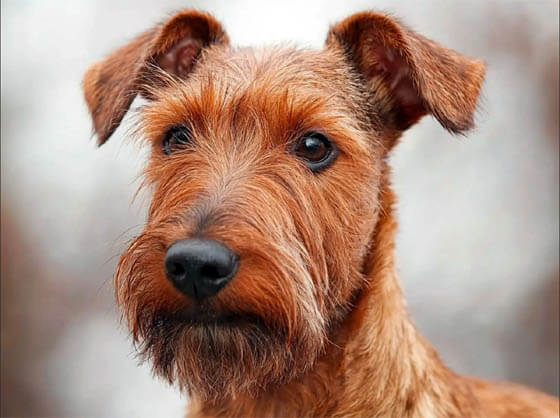
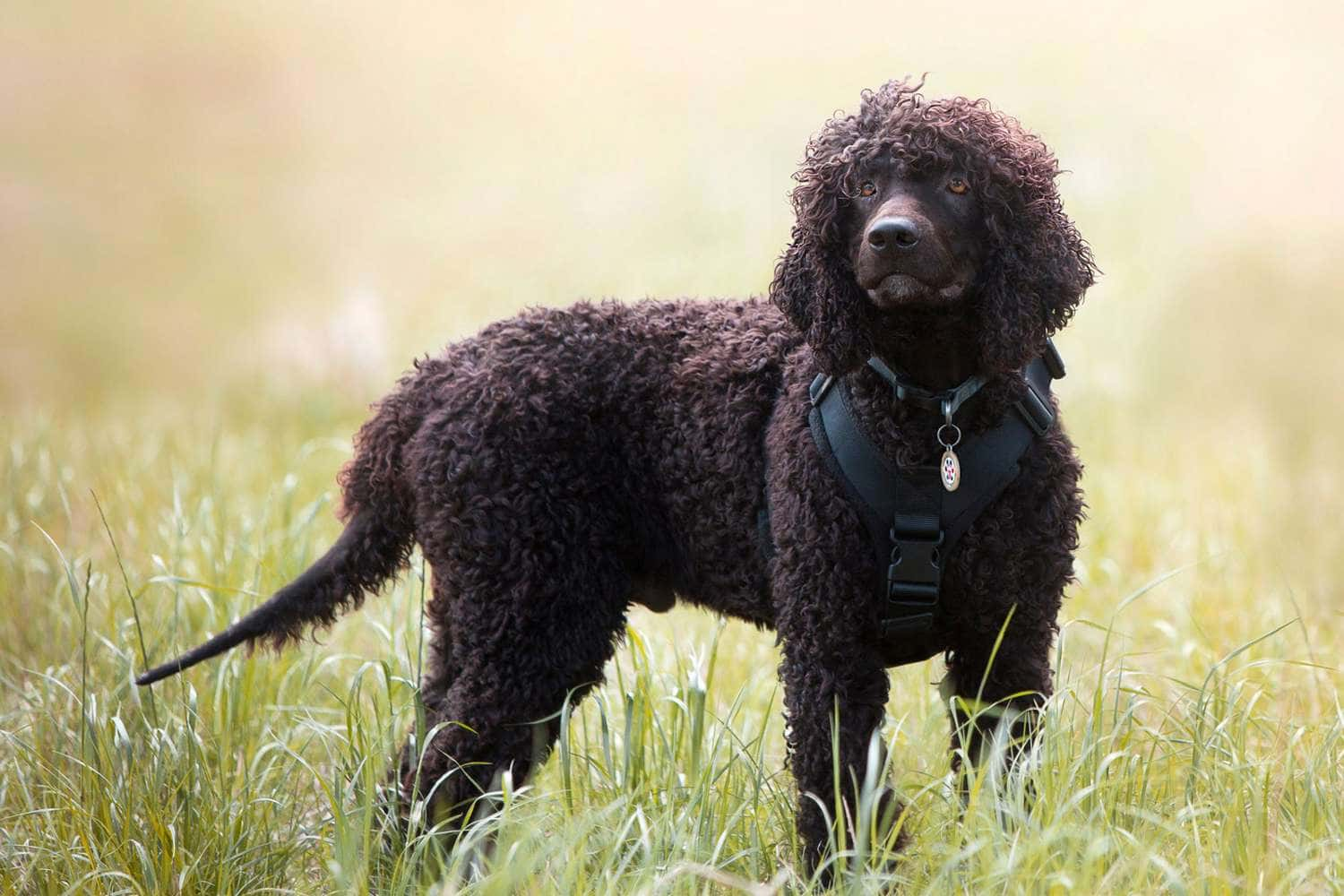
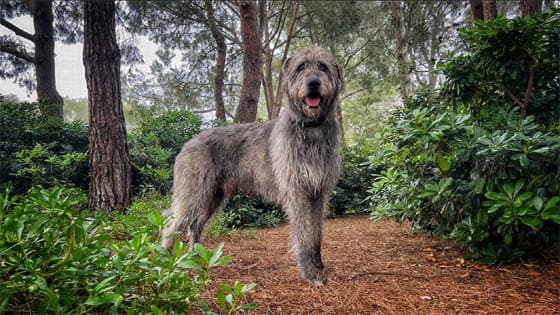
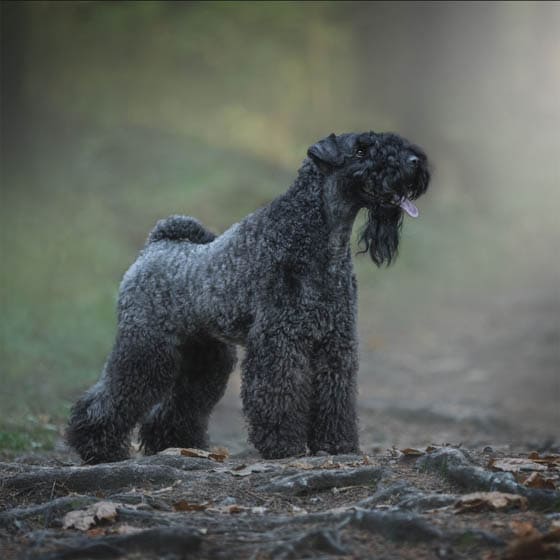
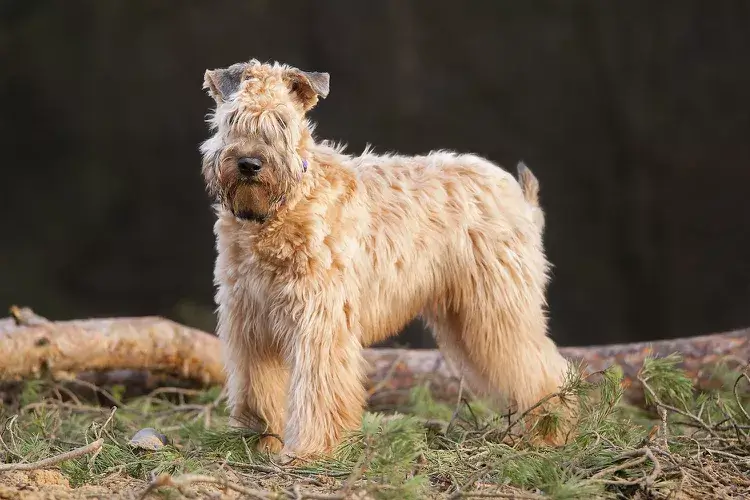
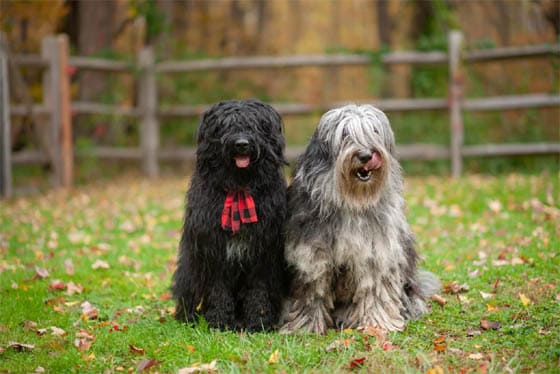
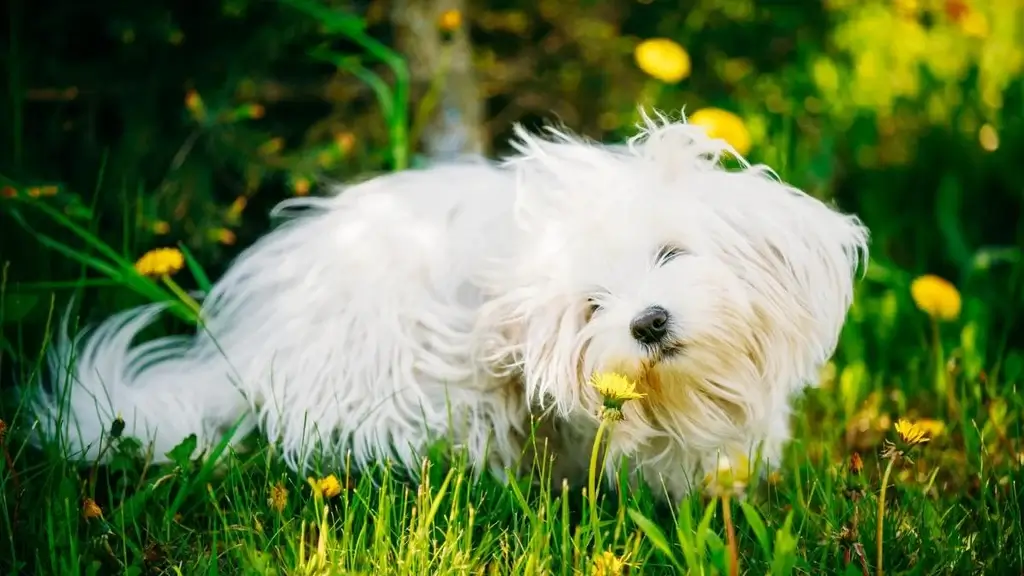
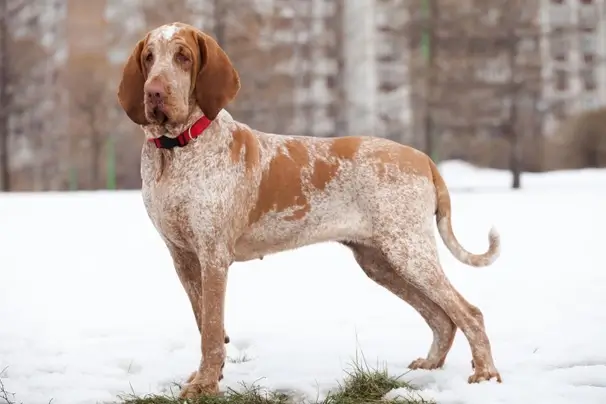
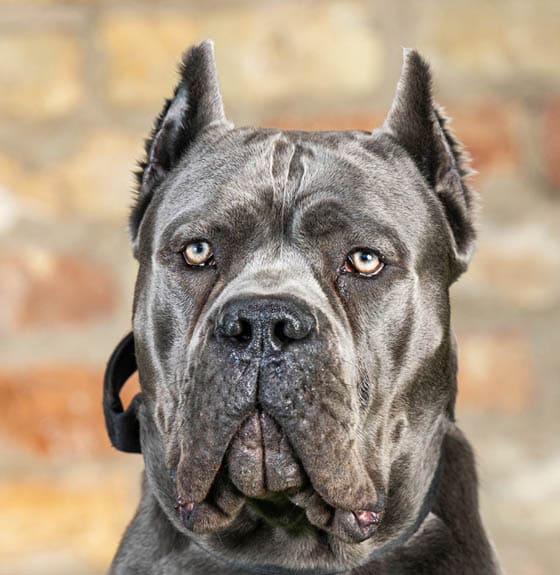
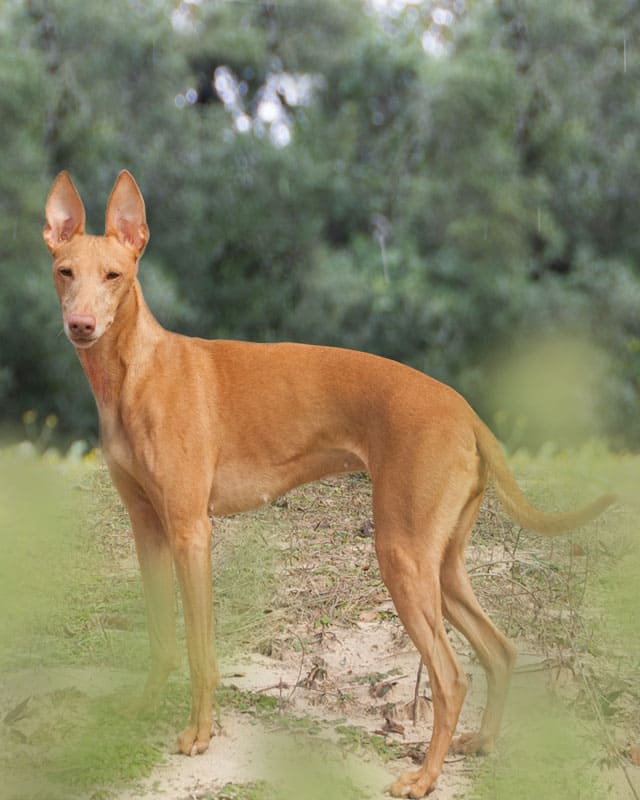
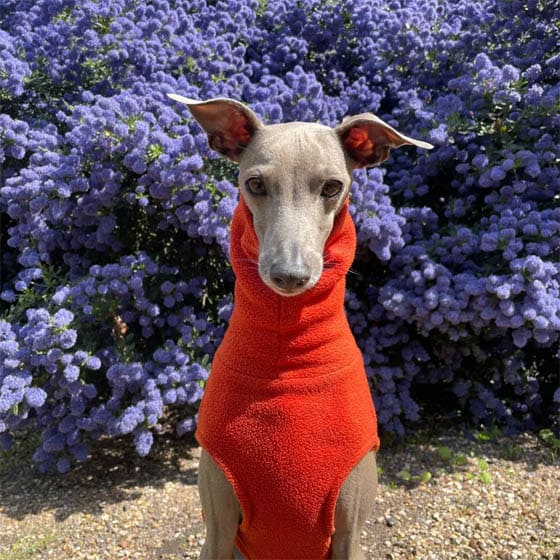
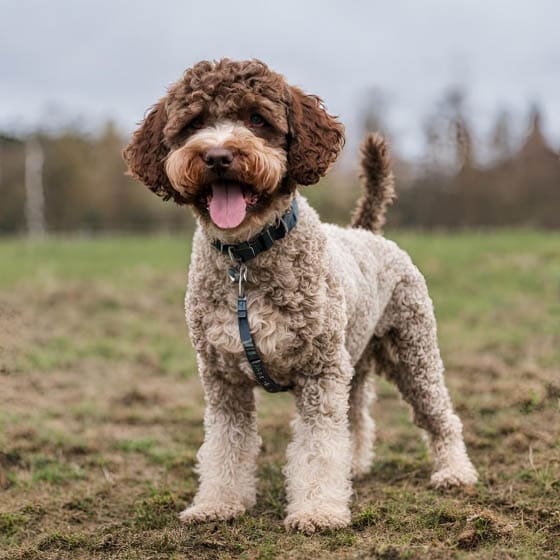
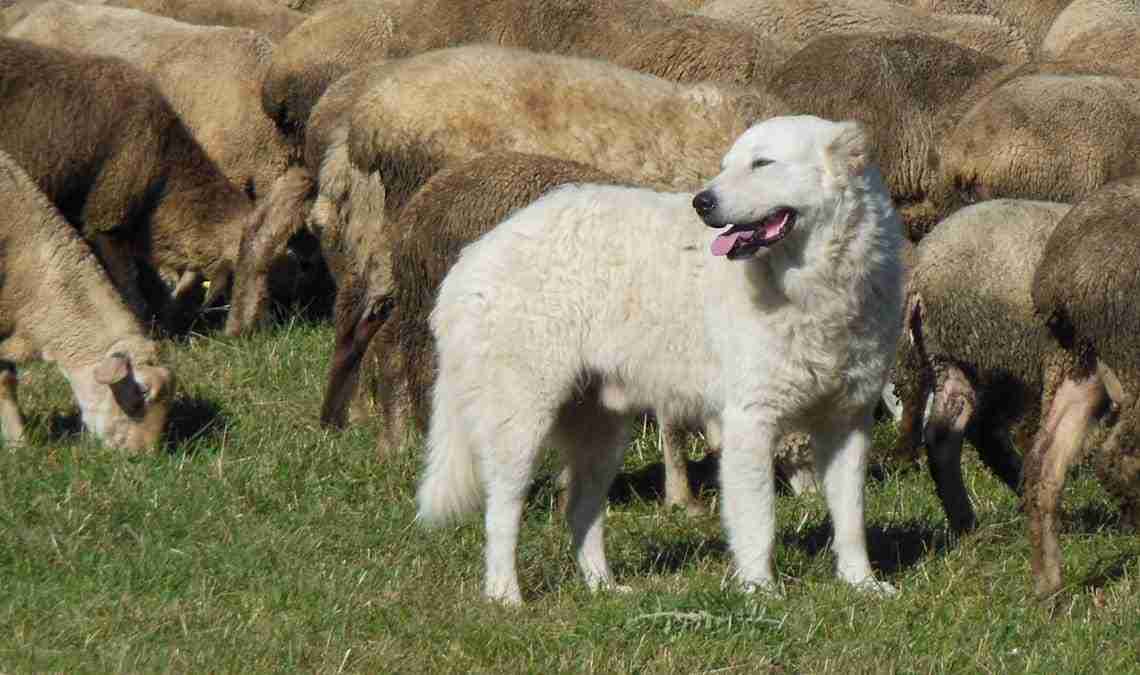
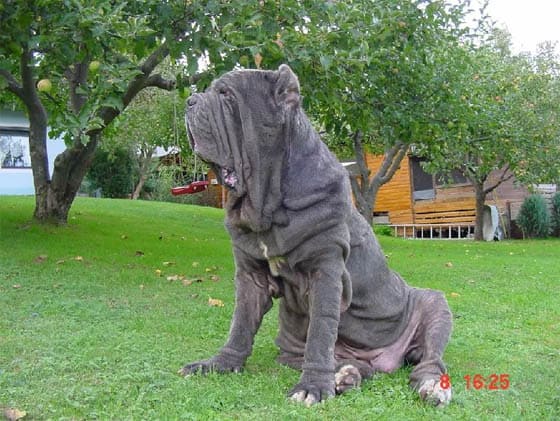
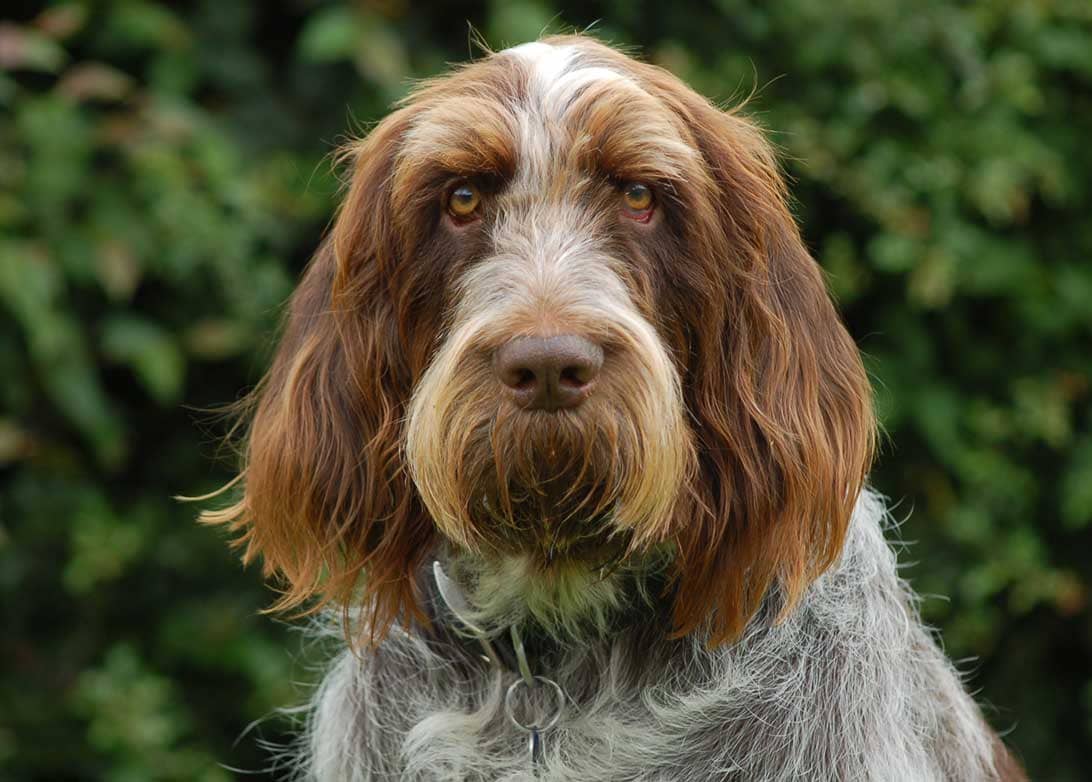
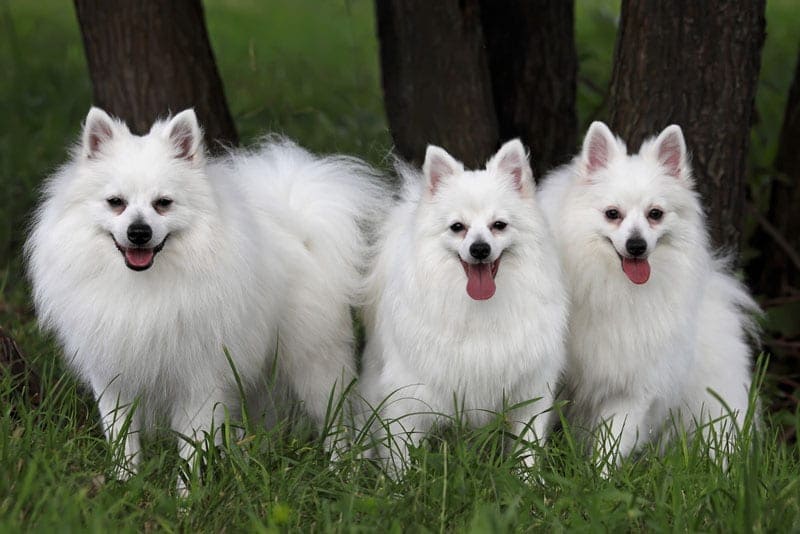
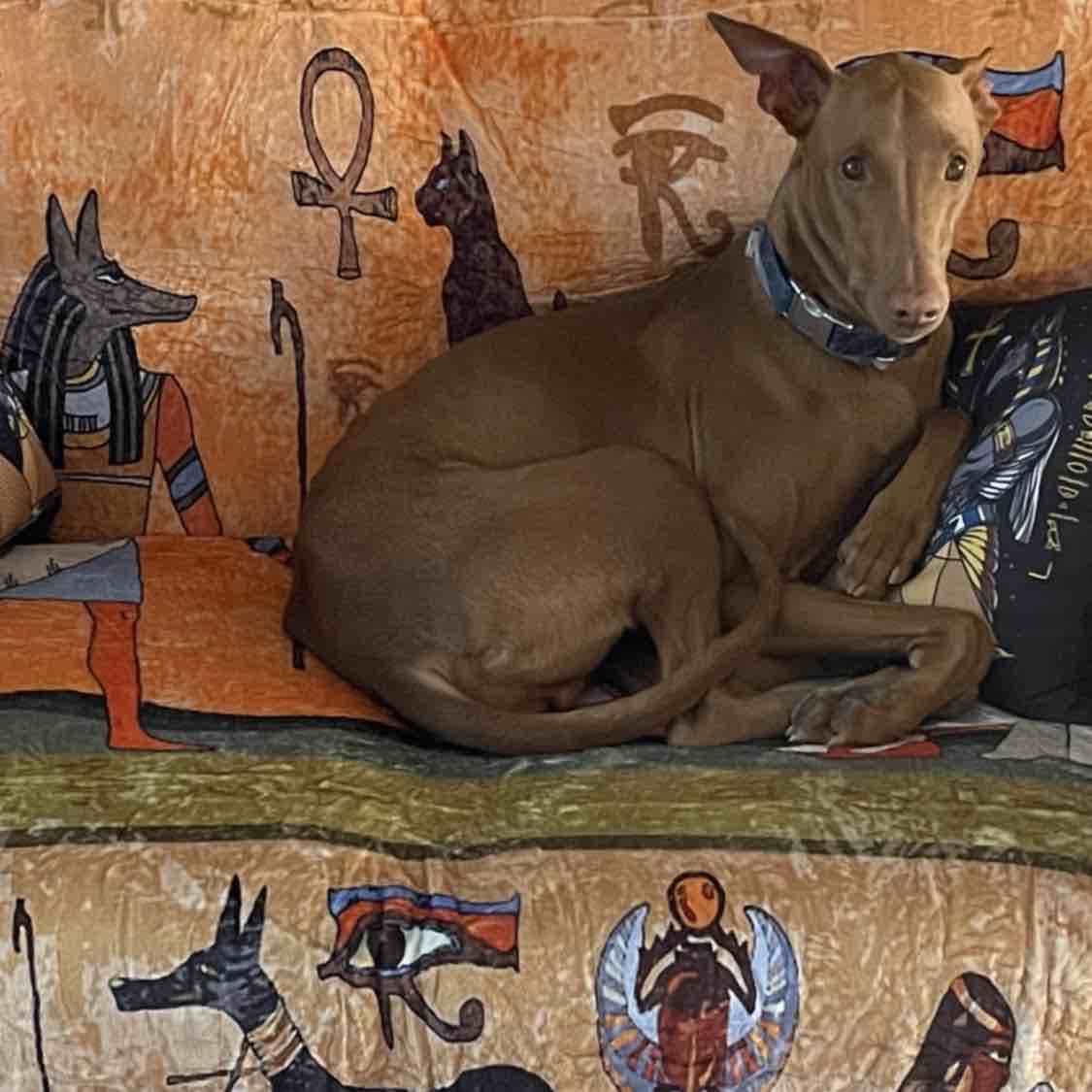











WORLD OF DOG & PUPPY 🐶