Africanis - The original dog of Africa Indigenous African Dog Africanis Dog Temperament Are Africanis dogs good pets? How long do Africanis dogs live? What is the difference between Africanis and African dogs? How to train an Africanis dog? Africanis Dog Breed Africanis Dog Photos Africanis Characteristics Africanis Temperament Africanis Behavior Where From Africanis? Africanis Care Tips Africanis Health Tips Africanis Coat Africanis Diet Africanis Training Tips Africanis Variations
The Africanis is one of the rare natural breeds of dogs in extistence today, unspoilt by man’s likes and desires. It is a dog for Africa, developed and molded by Africa. The Africanis is an ancient, naturally adapted landrace of indigenous dogs native to Southern Africa. Shaped by natural selection rather than selective human breeding, they are known for their hardiness, intelligence, loyalty, and strong working instincts as herders and hunters. Africanis appear in Namibia, Mozambique, Botswana, Limpopo and some other african territories.
The Africanis breed of dogs is truly a special one. These adorable pups have captured the hearts of many pet lovers around the world.
The Africanis breed is a true gem when it comes to pets. Their rich history, combined with their gentle temperament, loyalty, and adaptability, makes them an excellent choice for individuals and families alike. By understanding their unique characteristics and providing the right care, training, and companionship, you can experience the joy and love that comes with having an Africanis by your side. So, embrace the Africanis magic and let these incredible dogs add a touch of adventure and companionship to your life!
"AfriCanis" is an umbrella term for all subequatorial African aboriginal dogs. This name originated with the AfriCanis Society in 1996. It covers all classifications used for the multiple different subequatorial African languages. The term "AfriCanis" is made up of the words "Africa" and "Canis." It describes the indigenous African dog, which has been an integral part of the life of Bantu- and Khoisan-speaking people in Southern Africa for centuries.
The Africanis is a hardy, adaptable, and loyal "landrace" dog from Southern Africa that is known for being a healthy and low-maintenance companion. It is a short-coated dog that can be any color, with a well-muscled build and features that make it agile and fast. These dogs are a distinct breed, endemic to southern Africa. And they have a proven lineage going back at least 7,000 years. Africanis are intelligent, trainable, and generally good with families, though they can also be watchful and territorial.
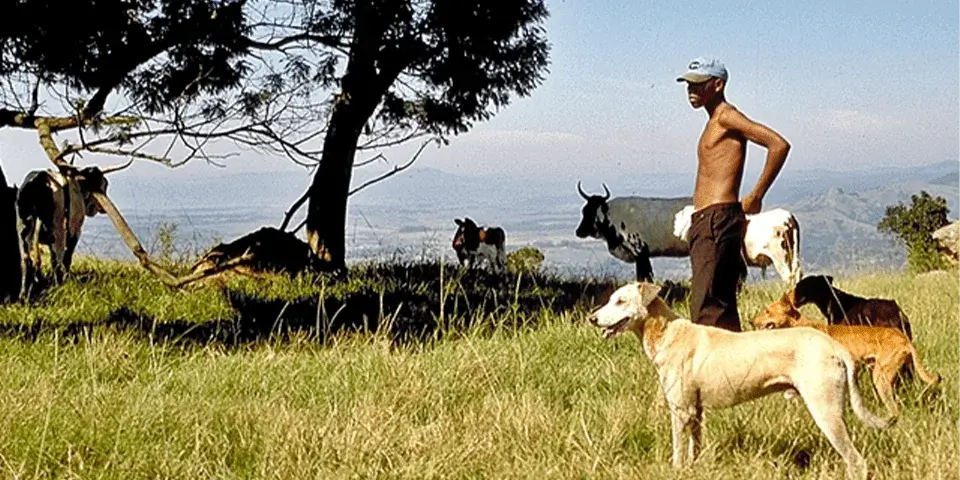
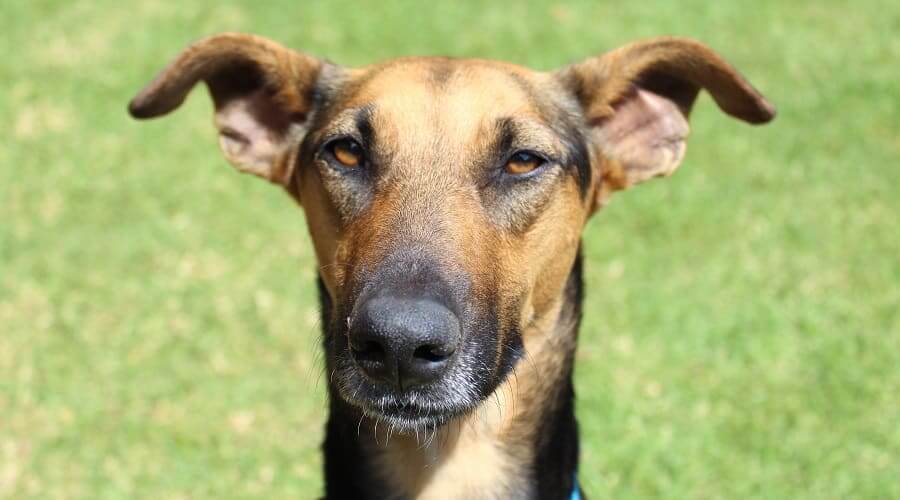
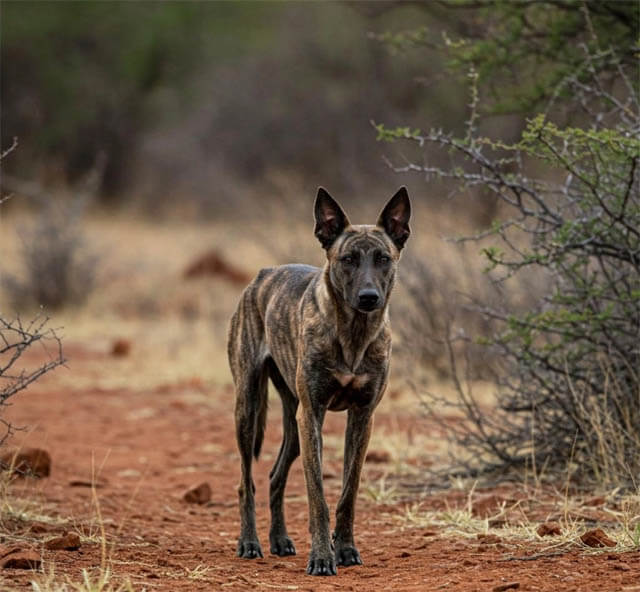
You will see them in the villages and on the dirt roads of rural South Africa, and in the country's townships. They are ordinary-looking medium-sized dogs, sometimes scrawny, with long snouts, pointed ears, short brownish coats and springy upcurled tails. They have been dismissed as mongrels, strays, curs and street dogs. Africanis dogs have expressive eyes that reflect their intelligence and curiosity. Their ears are often erect and alert, allowing them to catch every sound in their surroundings. With their confident stance and wagging tail, it is hard not to fall in love with these charming pups. What makes the Africanis unique is that the dog is a mainly a result of natural, not human, selection.
The Africanis is the real African dog – shaped in Africa, for Africa. It is part of the cultural and biological heritage of Africa. Today, Africanis dogs are found all over southern Africa. Africanis dogs were long valued in precolonial South Africa for their hardiness, intelligence, loyalty and hunting ability. But it was only in the 21st century that they began to lose the Western stigma of "mongrel", thanks to the work of two men: dog experts Johan Gallant and Joseph Sithole. For years Gallant and Sithole roamed rural KwaZulu-Natal, studying and photographing the dogs they came across in kraals and homesteads. They concluded that these animals were not a mess of mongrels but members of coherent breed of dog, with a distinct behaviour and appearance.
The original dog of Africa, Africanis, is widely regarded as affectionate, intelligent, and gentle. They have a natural desire to please their owners, which makes them easy to train. They have been dismissed as mongrels, "township dogs" and worse. But as a breed they are smart, tough, athletic, loving – and ancient. They are the Africanis, the dog of Africa. They respond best to positive reinforcement training. They are also known for being good with children and make good family pets. However, they do display watchful, territorial behaviour. One of the most endearing qualities of Africanis dogs is their gentle and affectionate nature. They are incredibly loyal and thrive on human companionship. Africanis dogs have a strong sense of family and are known to form deep bonds with their owners.
These dogs are also highly intelligent and adaptable, making them easy to train. They have a natural desire to please their owners and excel in obedience training. Africanis dogs are quick learners and respond well to positive reinforcement techniques. While Africanis dogs have a calm and even-tempered nature, they still have an inherent protectiveness. They are watchful of their surroundings and make excellent guard dogs. However, with proper training and socialization, Africanis dogs can also be friendly and welcoming to strangers.
Unlike Western dog breeds, whose bodies have been artificially shaped by the arbitrary and sometimes cruel standards of the Kennel Clubs, Africanis dogs are healthy and valued only for their usefulness and loyalty. In their rural ancestral land, each dog has an owner, and most have names. The dogs are not restrained and may meander to other homesteads or go to the river for a drink. Most of the time, these dogs are found lying around the homestead, often keeping the older women and children company. A ridge of hair is sometimes be seen on the back – one of the Africanis’s genetic contributions to the Rhodesian Ridgeback.
Traditionally it is always close to humans, other dogs, livestock and domestic animals. Africanis is well disposed without being obtrusive: a friendly dog, showing watchful territorial behaviour. These dogs are incredibly versatile and capable of various tasks. AfriCanis are used as livestock guard dogs, trackers, trail dogs, and search and rescue dogs. The dog displays unspoiled social canine behaviour with a high level of facial expressions and body language. Its nervous constitution is steady, but the dog is always cautious in approaching new situations. In other words: it displays a high survival instinct.
A D V E R T I S E M E N T
As is typical with landraces, there are several regional variations, believed to be the result of isolation and, to a limited degree, deliberate breeding. Some modern writers describe the Africanis as a pariah dog. This is considered an inappropriate classification, as the term typically denotes an ownerless, free-ranging dog. Considered a landrace with limited human interference in their breeding, the Africanis has also been maintained by human owners. Today, the true Africanis is only found in isolated, traditional, tribal lands, where the modern, exotic dog breed does not occur. This is juxtaposed with the township dog, a mixture of dogs from unidentified origins.
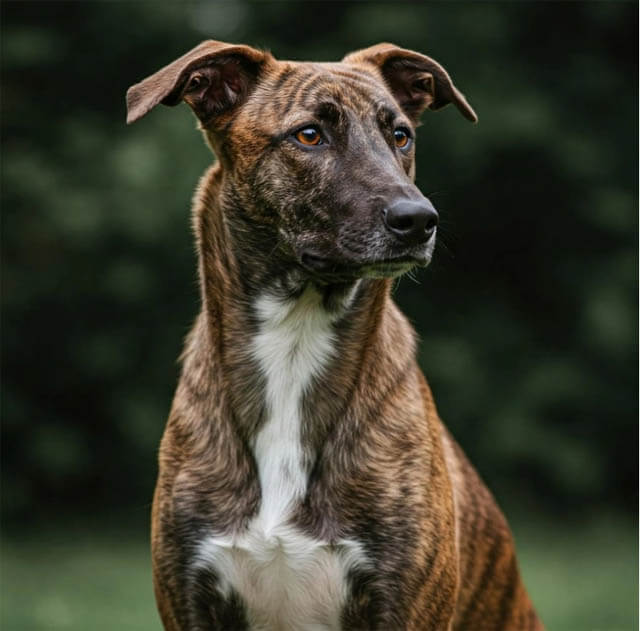
The Africanis is a medium-sized, lightly built dog with a long slender muzzle and, usually, a short coat. The head is wedge-shaped, and the face expressive. Its slender build is sometimes wrongly attributed to starvation. When in good condition, the animal’s ribs are just visible. It has been described as resembling a cross between a Greyhound, a terrier and a dingo. It can be found in almost any colour or combination of colours, although fawns, browns, brindles and blacks with various white markings are common. A distinctive, possibly primitive, feature is a black patch found high on the outside of the tail where the caudal gland is found in the wild wolf. The Africanis usually stands between 50 and 62 centimetres. Being a landrace, minor variations in appearance may be common. The Africanis is nonetheless known to breed true to a recognisable form.
It is believed the descendants of these dogs spread throughout Africa with population migrations, first throughout the Sahara and finally reaching southern Africa around the 6th century AD. The Africanis has always been attached to human settlements in southern Africa. The dogs have been used to help herd sheep, goats and cattle, guard against predators and help their human companions in the hunt. The Africanis is known by a number of names. These include the Kasi dog, mbwa wa ki-tamaduni ("traditional dog" in Kiswahili), the Khoikhoi dog, the Tswana dog and the Zulu dog. Other local names include Sica, Isiqha, umhuqa, umgodoyi, Ixhalaga, Ixalagha, Isigola, I-Twina, and Itiwina.
While generally looked down upon by European settlers who preferred their imported dog breeds, the Africanis was held in higher esteem by Europeans in Africa than the Indian pariah dog was in India. Efforts have been made to protect, preserve and promote these dogs, and prevent them from being split into a number of different breeds based upon different distinguishing physical features. In South Africa, a society was established in 1998 to preserve the Africanis, the Africanis Society of Southern Africa.
A D V E R T I S E M E N T
Dog Breed Description
The Africanis is described as a dog that is somewhat domesticated but also a bit feral in nature. They are hounds that prefer a pack and a very strong alpha. They are also rather adaptable and continue to become popular outside South Africa where they are most commonly found. These dogs are extremely intelligent, and while they are fine with little human contact, they live and work well enough with people too. The right person can train them for a variety of jobs from hunting, to guarding, to herding. Africanis dogs typically have an average lifespan of 10 to 12 years. However, thanks to natural selection and a highly resilient immune system, many of these dogs live 10 to 14 years, and some even reach 15 years old with proper care and nutrition.
The one thing these dogs recognize above all else is loyalty to the pack. As the pack is headed up by a master (or alpha), they tend to be extremely easy to train once that hierarchy is established. They can be devoted family companions, fierce territorial watch- and guard dogs, and able to be on their own. The Africanis has a high drive to survive, and with it comes a very potentially energetic demeanor. They understand the need to conserve this energy, however, so they are not needlessly hyper. They do demand to stretch their legs frequently enough, and they do need long daily walks or a significant run.
Africanis Character
The character of the Africanis dog breed is marked by speed, intelligence, loyalty, and independence. This breed combines a strong hunting instinct with tenderness and loyalty to its owners. Africanis dogs are friendly but can also be wary of strangers, making them excellent guards and protectors. Africanis are independent dogs with a tendency for self-sufficiency. They possess high energy levels, so it is essential to consistently stimulate their physical and mental activity. To release excess energy and maintain their fitness, Africanis require regular exercise and long walks.
Known for their bravery and determination, Africanis are great companions for active sports or playtime. However, they may exhibit dominant behavior and need clear leadership and mental engagement. It is crucial to start their socialization from an early age and establish clear rules and boundaries. Africanis are highly intelligent and trainable. They can learn quickly and grasp new commands and tricks. However, they might show stubbornness and independence, which is why using positive reinforcement and demonstrating patience during training is important.
Socialization is vital for Africanis to develop their social skills and relationships with other animals and people. These dogs can be very loving and playful with their family members but may be cautious when encountering unfamiliar dogs or individuals. Early exposure and training with other animals and people will help instill proper social skills and behavior in Africanis. If you need a loyal, energetic, and intelligent dog, the Africanis breed could be an excellent choice. They embody an unmatched combination of fearlessness, loyalty, and remarkable intelligence. They thrive when close to people they trust and are ready to take action for their protection and well-being.
Africanis Temperament
The Africanis have a friendly but cautious nature. While they are generally very patient and friendly with people of all ages, they do require some space. Too much physical contact and they can sometimes become uncomfortable and if pushed can occasionally become reactive. Although all interactions between canines and children should be supervised, the Africanis dogs are particularly patient and playful with children and can typically be trusted to be gentle. They tend to be amicable with other dogs and although they are watchful and would alert you to an intrusion, they are not generally aggressive canines unless their family is directly threatened. These dogs are independent thinkers who are able to come up with creative solutions to their problems, and therefore need mental stimulation. Fortunately, they’re also highly intelligent and eager to please, so can be easily trained when positive training methods are used.
Get ready to be charmed by the love and loyalty of an Africanis dog! Their smarts and flexibility make them great friends and family members. Whether they are going on adventures with you or snuggling up to you, an Africanis dog knows how to protect their family and love them unconditionally. Their temperament is independent, quick to learn, and full of charm. They make great therapy dogs, great search and rescue dogs, or just great cuddle buddies.
Africanis Variations
The nature of variations in the Africanis "breed" may or may not be thoroughly documented, and even calling them a breed is contested. The Africanis Society of Southern Africa argues that the Africanis is not a breed but a "landrace," (meaning bred without a formal registry) whereas kennel clubs, such as the Kennel Union of South Africa (KUSA), claim that the dog is an emergent breed. There can be a bit of confusion understanding these two views as they are somewhat similar. For example, the former view implicitly states that the Rhodesian Ridgeback is a breed that is an "Africanis" (i.e., landrace) and the latter opinion claims that the big African dogs like the Rhodesian Ridgeback are not so much breeds in itself as they are part of the breed "Africanis", along with the Hottentot Hunting Dog and other native South African dog types that many perceive as separate breeds.
Depending on which perspective you believe, there may be an immense variety of Africanis dogs based on geography, purpose and the ethnic groups that fashion the dogs in their region or there may a single breed with no real variations due to such "variations" being nearly impossible to catalog. The jury is still out on this aspect of these dogs, and it may remain so for some time.
Sizes and Shapes
of Afrikanis Dogs
One of the defining characteristics of Afrikanis dogs is their diversity in size, shape, and appearance. While they share common traits such as agility, intelligence, and loyalty, Afrikanis dogs can vary greatly in their physical attributes. Here are some of the different sizes and shapes you may encounter within the Afrikanis breed:
Medium to Large Size
Afrikanis dogs typically range from medium to large in size, with males generally being larger than females. Their sturdy build and muscular frame reflect their heritage as working dogs capable of enduring demanding tasks.
Variety of Coat Types
Afrikanis dogs can have a variety of coat types, including short, smooth coats or longer, wiry coats. Their coat colors range from solid black, brown, or tan to brindle or spotted patterns, reflecting their adaptation to different environments and climates.
Distinctive Facial Features
Many Afrikanis dogs have distinctive facial features, including alert, expressive eyes and ears that may be erect or folded. Their strong jaws and muzzle contribute to their overall appearance of strength and athleticism.
Tail Length and Carriage
The tail of an Afrikanis dog can vary in length and carriage, with some individuals having long, bushy tails while others have shorter, more tapered tails. Tail carriage may also vary, with some dogs holding their tails high in confidence while others have a more relaxed or low carriage.
Africanis Distinctive
Features
Head The head of the Africanis has a characteristic wide and massive shape, giving the dog an impressive appearance. The skull is rounded, with well-defined cheekbones that emphasize the breed's masculinity. The forehead is pronounced, and the transition from the forehead to the muzzle is smooth, making the silhouette of the head harmonious and attractive.
Muzzle The muzzle of the Africanis is short and broad, with a straight profile and strong jaws. This shape is necessary for effectively performing hunting tasks, as the dog's jaws are strong and capable of securely grasping its prey. The lips fit tightly, preventing the teeth from falling out.
Ears The ears of the Africanis can be either erect or semi-erect. They are medium in length and have rounded tips. The ears are set high on the head, which contributes to good hearing and allows the dog to better pick up surrounding sounds.
Eyes The eyes of the Africanis are expressive, almond-shaped, and usually dark in color. They give the dog an attentive and intelligent expression. The eyes are set at a moderate distance from each other, which adds harmony to the overall appearance.
Teeth The African dogs have strong and healthy teeth with a proper bite. Their jaws are powerful, allowing the dog to effectively hold and seize objects. Healthy teeth are essential for proper nutrition and overall health.
Body The body of the Africanis is strong and muscular, which gives it power and endurance. The chest is wide and deep, ensuring ease of breathing during physical activity. The back is straight and strong, allowing for stability in movement.
Limbs The limbs of the Africanis are strong and straight, with good muscle mass. The front and hind paws have sturdy pads, allowing the dog to move confidently across various types of terrain. These paws provide excellent traction and maneuverability.
Tail The tail of the Africanis is of medium length, thickened at the base and tapering towards the tip. It is typically held at the level of the back and may be raised when the dog is excited. The tail serves as an important means of communication and reflects the dog's emotional state.
Coat The fur of the Africanis is short and dense, with a coarse texture. This characteristic makes it resistant to adverse weather conditions and easy to care for. The fur can come in various colors, including brindle, black, brown, and fawn, often with different patches.
Coat Color The coat of the Africanus is diverse and can include various combinations of colors, giving each representative of the breed uniqueness and individuality.
Exercise Requirements
for Africanis
Africanis dogs are an energetic breed that requires regular exercise to stay happy and healthy. Daily walks, playtime, and mental stimulation are essential for their well-being. Explore different activities such as agility training, fetch, or hiking to keep your Africanis engaged and fulfilled. Africanis dogs need sufficient physical activity every day. They enjoy long walks, running, and outdoor games. Providing them with opportunities for walks and active exercise will help satisfy their energetic needs and maintain their health and fitness.
Training Techniques
for Africanis
Training and exercise are vital for the mental and physical well-being of your Africanis. These dogs have a natural energy and intelligence that needs to be channeled correctly. When it comes to training your Africanis, positive reinforcement is the key. These dogs respond best to reward-based training methods. Utilize treats, praise, and playtime as motivators to help your Africanis understand and follow commands. Consistency, patience, and a gentle approach will ensure successful training sessions.
Africanis dogs are highly intelligent and require mental stimulation. Games, training, and puzzles will keep their minds engaged and can help prevent potential behavioral issues related to boredom or inactivity.Regular grooming and hygiene: Regular grooming and checking ears, teeth, and nails are part of the overall care for an Africanis. Ensure your pet receives regular baths, excess hair is removed, and ears, teeth, and nails are kept clean.Awareness of hereditary diseases: Like other breeds, Africanis dogs may be prone to certain hereditary conditions, such as hip dysplasia or heart problems. Be aware of potential breed-specific diseases and consult a veterinarian if symptoms or issues arise.Attention to health and regular care will help keep your Africanis in good physical shape and protect them from problematic conditions. However, remember that each breed may have its own health characteristics, so consult with your veterinarian for personalized information and care advice for your pet. – the best site about animals where you can buy or sell a puppy.
Dietary Requirements
of Africanis
A well-balanced and nutritious diet is vital for the overall health and vitality of your Africanis. Consult with your veterinarian to determine the appropriate amount and type of food for your dog based on their age, size, and activity level. Remember, providing your Africanis with a healthy diet is key to longevity and a happy, energetic life. It is important to provide a balanced diet for your Africanis that contains all necessary nutrients. It is recommended to choose high-quality foods designed specifically for medium-sized dogs with moderate activity levels. Adhering to the recommended amount of food helps maintain a healthy weight and activity level.
Grooming and Coat
One of the Africanis’ appealing traits is its low-maintenance coat. They possess a short, fine, and compact coat that naturally adapts to seasonal changes. This makes grooming straightforward compared to many standardized breeds.
Brushing A weekly brushing with a slicker or soft bristle brush is typically sufficient to remove loose hair and keep the coat glossy.
Bathing Only bathe when necessary to preserve the natural oils in the skin and coat. Over-bathing can strip these protective oils and make the dog more susceptible to skin irritations.
Additional Care Regular ear checks, nail trimming, and dental hygiene should be part of the routine to maintain overall health.
Diet and Nutrition
Africanis dogs are active and athletic, requiring a diet that supports their energy levels and lean, muscular build. Historically, these dogs thrived on modest diets in challenging environments, but modern domestication calls for high-quality, protein-rich food formulated for medium to large breeds.
Puppies Feed up to four small meals per day to support growth and development.
Adults Typically, two balanced meals per day suffice.
Treats Can be given in moderation, especially during training sessions.
While Africanis dogs are adaptable and hardy, a low-quality or nutritionally insufficient diet is not recommended. Providing nutrient-rich meals ensures optimal energy, muscle maintenance, and overall longevity.
Africanis Health
The Africanis is a very healthy breed genetically. Unfortunately, these dogs have been exposed more and more to foreign diseases, and the pack nature has helped the transmission of them. The result has been a high incidence rate of canine distemper, rabies, and parvovirus, ailments that are not hereditary but transmissible. Cancer is perhaps the biggest genetic concern. These dogs have developed over several thousand years and along the way have basically built up immunity against most parasites and bred out most congenital health problems. One issue that persists at a very low rate is the ridgeback type; breeding of these types is discouraged but may not be altogether prevented by non-domesticated dogs with this defect. The average lifespan of the Africanis is 10 to 12 years.
Africanis Pros & Cons
PROS High stamina Easy to train Great watchdog Extremely loyal Highly adaptable Reserved attitude Lots of endurance Excellent guard dog Works well in packs Few health concerns Low grooming needs
CONS Very territorial Needs a lot of space Can be dog-aggressive Extensive exercise needs Hypoallergenic aspect is unknown Not good for apartments or confined homes
Why Africanis is unique?
The Africanis Dog stands apart as a fascinating breed with rare, natural traits developed through centuries of natural selection. Unlike modern breeds shaped in kennels, the Africanis evolved alongside people in Southern Africa, adapting to life, climate, and survival through real-world challenges. One of its most unique strengths is its intelligence. The Africanis learns quickly, solves problems, and reacts fast in both rural and urban settings. This makes the dog ideal for situations that need both brains and instinct like protecting a home or guiding livestock.
Another special trait is its natural health and resilience. Shaped by the African environment, the Africanis developed a strong immune system. It resists many diseases that affect other breeds of dogs. That’s part of what makes it a true landrace dog type a breed formed by the land, not people. Physically, the dog is lean, fast, and powerful. Its smooth, short coat stays clean and healthy with little grooming. The dog's agility and stamina make it perfect for long runs, hikes, or outdoor work.
The Africanis is the result of natural selection and physical and mental adaptation to environmental conditions. It has not been "selected" or "bred" for appearance. For centuries, the fittest and cleverest dogs survived to give us one of the rare remaining natural dog races in the world. Also unlike Western breeds, the Africanis does not have a rigidly uniform appearance, although Gallant and Sithole have identified the common traits that define the breed - the beauty of this dog is embodied in the simplicity and functionality of its build.
Because the Africanis has roamed freely in and around rural settlements for centuries, it has a need both for space and for human companionship. Traditionally it is always close to humans, other dogs, livestock and domestic animals. Africanis is well disposed without being obtrusive: a friendly dog, showing watchful territorial behaviour. The dog displays unspoiled social canine behaviour with a high level of facial expressions and body language. Its nervous constitution is steady, but the dog is always cautious in approaching new situations. In essence, the AfriCanis is both utilitarian and a companion. If correctly socialized (or imprinted) with livestock, it will coexist with all domestic animals traditionally found in and around African homesteads, living harmoniously with animals such as chickens, goats, and pigs, and protecting the homestead. Even though these dogs are safe with livestock due to genetics and environmental imprinting, they have a high prey drive, ensuring they are an asset in traditional subsistence hunting.
Africanis are real dogs that display uncorrupted behavior patterns. Over the years, they have learned to serve humankind in many applications. They are attached to their people, eager to work, adaptable, intelligent, and hardy. As a result, they need physical and mental stimulation. Over the years, these dogs have been, and are still, shaped by Africa for Africa. They are the result of relentless and enduring natural selection. Down through the generations, only the strongest and best adapted survive and reproduce. Natural selection was, and is, the best recipe for creating individuals that are adapted to their environment, tolerant of parasites, resistant to common diseases, and less affected by hereditary diseases.
Genetic evidence has shown that dogs are descended from an ancient species of wolf, the ancestor of both today’s dogs and wolves. Dog evolution was slow and uneven, but generally determined by one thing: their association with people. Over millennia they evolved from wild hunters to scavengers looking for scraps around human settlements until, finally, they became our domesticated best friend. But how did the Africanis land up on the southern tip of the continent?
It is known that the domestic dog migrated with Mongol people to the Americas, arrived in Japan with early Jomo immigrants, later making its way with Eastern seafarers all along the archipelagos in the Pacific and finally reaching Australia, where these dogs became the feral dingo – making the Africanis a distant dingo relation. Dogs arrived in Africa via a similar route, according to Gallant’s research. The earliest record of domestic dogs – Canis familiaris – on the African continent are fossils found in the Nile estuary and dated to 4 500 BCE. The animals, descended from wild wolf packs of Arabia and India, probably arrived from the East with Stone Age traders exchanging goods with the people of the Nile valley.
Even before the time of the Egyptian dynasties, domestic dogs spread quickly along the Nile River. Seasonal migrations and trade also took them into the Sahara and Sahel. Iron-using people brought their domestic dogs along when they left the grasslands of Cameroon in a massive migration which eventually led to their settlement in southern Africa. Dogs presumably accompanied these Bantu-speaking people in their long migration from West Africa down south to South Africa, an expansion that started in about 3,000 BCE and continued to around 1,000 CE. Once here, the dogs were acquired by San hunter-gatherers and Khoekhoe pastoralists.
The earliest evidence of domestic dogs in South Africa is remains found near the Botswana border and dated at 570 CE. By 650 CE the dog is found in the lower Tugela valley, and by 800 CE in a Khoesan settlement at Cape St Francis, indicating that contact between the Bantu and Khoesan had been established. The evidence that the Africanis is a distinct breed, and not a mongrel of Western types, is increasingly clear. A good thousand years before any possible serious Western influence, the people of southern Africa were hunting with dogs that had become endemic to the region.
The Africanis is a primitive hound guided by its natural survival instincts, resulting in non-confrontational and docile behavior in relation to people. It is instinctively bound to its human partners and territory and will follow its owner for hours without being on a lead. These characteristics ensured that its ancestors were prime candidates for domestication. When we take the Africanis away from its natural environment, we interfere with its future. But rural communities are shrinking at an alarming rate. Traditional homesteads where the Africanis originated and has been integrated for thousands of years are rapidly changing. Therefore, we must conserve this dog outside its traditional context by continuing to utilize it in its original function. For instance, working an Africanis as a flock guard dog, search and rescue dog, or anti-poaching dog. These dogs make good family dogs but need a consequent and consistent upbringing. In other words, it is vital to be a responsible owner by teaching good behavior and enforcing it consistently.
While the Africanis dog is relatively unknown outside of its home continent, its unique characteristics are being recognised and celebrated around the world. These amazing dogs have captured the hearts of many people as search and rescue dogs, therapy dogs that bring smiles and comfort, and family dogs that bring endless joy and laughter. Their adaptability is remarkable as they can adapt to almost any environment, whether it be a busy city or a peaceful countryside.
They should also be included in the following family activities: Long walks, running alongside those who run or cycle. Dog sports training, including obedience, tracking dog trials, or in agility (dog jumping) competitions. As with any pet, proper care and maintenance are crucial to ensuring the well-being of your Africanis. Additionally, it is cost-effective. It neither needs pampering nor special food. AfriCanis are omnivores. They have survived a low-protein diet for thousands of years.
Its deep association with people, especially in traditional communities, adds to its value. This dog did not just live beside humans it helped shape the social history of African families. Simply put, the Africanis is not just a survivor. It is a symbol of nature, tradition, and loyalty. This dog has a tendency to gather in packs. When these packs are organised, they can undoubtedly contribute to village protection and hunting. They are not always treated with due respect and incidents between packs of stray dogs and other animals or even humans are not uncommon. It is undoubtedly used as a watchdog and hunting dog even though hunting techniques have evolved, making the support of such a dog not as paramount as it once was. Hunting as it is understood in the West should not be confused. In those places in antiquity a different kind of hunting took place with arrows and spears for the sole purpose of survival that has little in common with the modern hunting concept.
How to Choose
Africanis Puppy
Choosing a puppy of the Africanis breed is a serious and significant decision that requires a thorough and careful approach. Here are some recommendations to help you choose the ideal representative of the Africanis breed: Before you start looking for a puppy, study the Africanis breed. Learn about their characteristics, needs, and activity levels. Understanding the breed’s traits will help you make an informed decision and prepare for what lies ahead. Finding a reliable breeder is one of the key steps in choosing an Africanis puppy. Research the breeder’s reputation, check reviews about them, visit the kennel, and ensure the conditions in which the puppies are raised are suitable. Healthy and well-socialized puppies will thrive in a nurturing and loving environment.
If possible, try to meet the puppy’s parents. This will allow you to assess their temperament, health status, and breed standards. Africanis parents should be well-balanced, good-tempered, and physically healthy. When choosing an Africanis puppy, pay attention to its health condition. The puppy should be energetic, cheerful, and show no signs of illness. Make sure you have the opportunity to conduct a vet check-up, ensure vaccinations are up-to-date, and that the puppy has been treated for parasites.
It is important to spend some time with the puppy to understand its character and temperament. An Africanis puppy should be sociable, curious, and avoid aggressive or fearful behaviors. It is essential to choose a puppy that fits your lifestyle. If you are unsure about your knowledge of the Africanis breed or cannot make a final decision, seek advice from an experienced dog breeder or veterinarian. They will help you make the best choice and provide professional recommendations. Choosing an Africanis puppy is a responsible process that requires time, research, and attention. Do not rush and feel free to ask questions to ensure that the puppy you are considering is the right match for you and your family. Remember, the puppy should be your loyal companion for many years, so make your choice with care and love. Zoosunika is the best place to choose from a variety of listings.
Foreign influence on the breed came only with the colonisation of Trankei and Zululand in the 19th century. Later, migrant labourers brought Western dogs back from the cities, where they bred with local dogs. Particularly favoured was the Greyhound, which migrants would have come across at the dog races popular at the time. Their speed would have made them ideal hunting dogs. In Zululand, crosses between Greyhound and Africanis are called Ibhanzi. They are not considered to be traditional dogs. Today, the true Africanis is mostly found in rural areas. A fast-changing South Africa, urbanisation and disdain for the traditional dog poses a threat to the breed's survival. The Africanis Society was established to conserve this ancient and valuable canine gene pool. The society is strictly a conservation body, launched in 1998 by Gallant and Dr Udo Küsel, director of the National Cultural History Museum.
Unique in the world, the society’s purpose is to conserve a natural dog – not to "develop" the breed, or artificially breed dogs for selective characteristics. It maintains a code of ethics, guidelines for breeding, regulations and a procedure for registration, and a register of inspected and approved Africanis dogs. Advanced DNA testing is standard. The society also helps members obtain true Africanis puppies. So if you are looking for a dog, this hardy and intelligent breed may be for you.
Dogica® collects only technical cookies. No any personal or private information being collected, saved or shared here. 3rd Party cookies could be collected by various installed widgets.
The information contained in or provided through DOGICA® site is intended for general consumer understanding and education only and is not intended to be and is not a substitute for professional advice.
Use of this site and any information contained on or provided through this site is provided on an "as is" basis without any representations, warranties or pay.































WORLD OF DOG & PUPPY 🐶