40 Nordic Dog Breeds: Photo, Characteristics, Temperament Dogs Originating In North Regions Dog Breeds from North North & Nordic Dog Breeds List Scandinavian Dog Breeds Norwegian Dog Breeds Scandinavian Dog Breeds Icelandic Dog Breeds Finnish Dog Breeds Swedish Dog Breeds Siberian Dog Breeds Rare Nordic Breeds
If Vikings had Instagram, their feed would have been full of epic fjord selfies, mead-fueled feasts, and, of course, at least one tough-looking, wolfish dog stealing the spotlight! Forget swords and helmets - these dogs would have conquered with their loyalty, strength, and refusal to back down from anything less than a frost giant.
With paws steady on deck and hearts fiercer than a Norse storm, these breeds are the stuff of legend and possibly Viking bedtime stories. If reincarnation is real, some of these pups are probably still dreaming of longships and howling proudly into the northern winds. Just do not try putting a horned helmet on them. They have got their dignity.
Nordic dog breeds, originating from Denmark, Finland, Iceland, Norway, and Sweden, are characterized by their thick double coats, athleticism, and rich histories of herding, hunting, and guarding. The Nordic countries have seen the development of different types of breeds, all adapted to the climate, the lifestyles and the needs of the local people. Historically, hunting has been an important part of Nordic culture and it still remains so today.
Although some of these breeds have only recently been recognized internationally, many of them have a long history. For example, The Vikings kept dogs for hunting, herding cattle and guarding their farms. Historically, hunting has been an important part of Nordic culture and it still remains so today. For most hunters, the hunting dog is essential.
The Nordic Kennel Union officially recognizes 29 native breeds. They were primarily used for hunting or livestock management. These hardy, tenacious Scandanavian dog breeds adapted well to cold weather conditions and harsh terrain. If you are drawn to one of these breeds, you will need to consider whether you can offer the right type of home and lifestyle to meet their needs. Most are high-energy, are work-oriented, and crave activity and enrichment to keep them motivated and happy
The Norrbottenspitz (Norrbottenspets) is a smaller hunting spitz. It is alert, keen and agile. The breed is mainly known as an excellent hunting dog for forest game birds, such as large forest grouse, capercaillie and black grouse. The Norrbottenspets is a small, energetic, and fearless Nordic Spitz dog known for its fox-like face and high-pitched tree bark. Also known as the Nordic spitz, they once played an integral role in Scandinavia as hunting and farm dogs. This compact, muscular, well-balanced, and rugged breed can withstand rough terrain and climates. Originating in Sweden, these agile dogs are highly intelligent, affectionate with families, and make excellent, albeit very vocal, hunting and companion pets. The Norrbottenspitz, has a distinctive temperament shaped by its survival instincts. It is alert, and known for its rapid response to stimuli, often by barking. This breed is cooperative, lively, and enjoys outdoor activities. It has strong hunting instincts and requires an environment where its natural instincts can be fulfilled. It is best suited for active owners who can provide the necessary stimulation and training.
These active and affectionate dogs are mainly seen as companion animals today. Norrbottenspets are energetic dogs who generally have sweet, attentive temperaments, but tend to bark when they get excited. They are loving with owners but not always tolerant of children. High energy also helps to shape this dog’s personality, and they prefer an active household. These dogs are excellent hunters and not only that it is their original purpose, they are still very often used for hunting these days. The Norbottenspets is most often used for hunting forest grouse, but they can hunt fur game as well and they can even baying elks. It is a very courageous and versatile hunter, with strong prey drive, high endurance and speed, excellent sense of smell but also very good hearing and sight. Typically the Norbottenspepts is released into the forrest where it is finding and chasing the game. When the game is cornered or treed, than they start barking to alert the hunter. They barking is quite loud, which makes it easier for the hunter to find the dog. Be sure to provide plenty of exercise to keep him healthy, this can include a lengthy walk or simply playing fetch in the backyard. He should never be left alone for long in the backyard without something to keep him occupied.
He can easily become a nuisance barker or destructive when he becomes bored. The Norrbottenspets is a very loyal and loving family companion. He will bond closely with his family and does expect to be allowed to be with the family and not left out in the yard alone. Children make great playmates for the Norrbottenspets and he is generally gentle during playtime, however, he does expect children to respect him and will avoid children who do not show respect. He is a wonderful guard dog because he is a very vocal dog. He can easily become a problematic barker if he is not taught limits or is left to his own devices for too long. Other dogs and smaller pets are usually accepted however, he should be watched when first introduced. Daily exercise is essential to keep him happy. He loves games that make him think and challenge him physically, this is why he can excel in dog sports such as agility and obedience.
The Icelandic Sheepdog, is an Icelandic breed of dog of Nordic Spitz type. The Icelandic Sheepdog is Iceland’s only native dog breed. It derives from dogs brought to Iceland by Viking settlers in the ninth century, it is both similar and closely related to the Buhund of Norway and the Vallhund and Norrbottenpets of Sweden, which derive from the same ancestral stock. Originally brought to Iceland by the Vikings it is is the ancestor of the Shetland sheepdog and Welsh corgi. In the late 19th century over 75% of the breed were killed from plague and canine distemper. The Icelandic sheepdog is the island country's only native breed. Their descendants were brought to Iceland by Viking settlers. Farmers used these hardy, intelligent dogs to herd and protect livestock roaming the harsh, sparsely populated landscapes. The breed is fun-loving, affectionate, and highly trainable.
These dogs drip stamina, drive, and athleticism and are best suited for an active home that can offer them plenty of physical and mental enrichment. As a family dog, its herding instincts have to be managed, and the breed can be rather vocal. While every dog is an individual with their own personality, the Icelandic Sheepdog temperament is known to be affectionate, curious, and friendly. They are not known to be fearful or anxious, and these friendly dogs will greet strangers as old friends. The Icelandic Sheepdog’s herding history carries over to their behavior today. They are known to chase cars and neighborhood wildlife, so it’s important to supervise your dog and keep them within a fenced area or on a leash whenever they’re outside. Icelandic Sheepdogs can also bark a lot, as this was a form of communication when herding livestock. These dogs do best in a home with active and outdoorsy pet parents as Icelandic Sheepdogs love being outside, and need exercise and mental stimulation to be content. Taking long walks and hiking are two of their favorite activities. The Icelandic Sheepdog does not do well with pet birds or birds in the wild.
The Icelandic Sheepdog is usually a very affectionate and happy dog. He does not fear strangers, rather he sees everyone as a friend. This makes him not the best watchdog, even though he may bark when a stranger approaches his home. The Icie will be seen often staring up into the sky searching for birds of prey. For this reason, he is not a good playmate for domesticated birds. Do not leave him unsupervised with any pet birds. He is vocal and will bark, consistent training can minimize this behavior. The Icelandic Sheepdog is very smart and responds well to positive reinforcement when training. He benefits from having a daily routine that includes plenty of playtime and quality time with his family. He does not like to be left alone so be sure to provide plenty of toys and things to keep him occupied when he has to be alone. The Icelandic Sheepdog is a typical herding breed and will chase cars, bicycles, motorcycles and basically anything with a motor. A fenced yard is a necessity for the Icie.
The Swedish Vallhund is an ancient, small, yet powerful, "long and low" herding breed originating from Sweden over 1,000 years ago, often called the "Viking Dog". They are highly intelligent, energetic, and versatile companions known for their spitz-type coat, unique vocalizations, and, despite their small size, a confident, sturdy, and alert personality. The Swedish Vallhund is a responsive and even-tempered companion. It is intelligent and affectionate. He loves attention and instinctually craves leadership. Owners are never disappointed in his multi-faceted ability or his spontaneous sense of humor. Extremely active and devoted little dog. Be sure you are this dog's pack leader to avoid Small Dog Syndrome, human induced behaviors where the dog believes he is above humans in the pack order. Dogs that do not clearly know their place in the pack can be untrustworthy with children, may begin to guard, bark obsessively, become wary of strangers, and be dog aggressive with other dominant dogs. Properly socialize this dog, providing rules he must follow, and limits as to what he can and cannot do, in order to avoid overprotective behaviors.
These dogs sometimes try to herd people by nipping at their heels, although they can be trained not to do this. The Swedish Vallhund makes a good alarm dog, but should be told to quiet down after it has already given off its warning bark. This breed makes a great companion and can be used for herding and ratting. They also make excellent show and obedience dogs. The Swedish Vallhund temperament is generally very affectionate. While all dogs and children should be supervised and taught how to interact with each other, most Swedish Vallhunds are patient and gentle with children when socialized as puppies. These dogs love to play and have excess energy that requires a lot of physical and mental stimulation. If not worked physically and mentally, they may develop undesirable behaviors like excessive barking or being destructive. Scent walks around the neighborhood are a good way to keep their mind focused. Some Swedish Vallhunds are reserved around new dogs or people they don't know. Slow introductions and early socialization are helpful to make your dog more confident and outgoing. They may be excessive barkers, which can be curbed somewhat with extensive exercise, training, and mental stimulation. Due to their history as a herding breed, Swedish Vallhund dogs may have a strong prey drive. This means they may chase after small animals, and they must be kept safely on a leash or inside a fenced space when outside.
You may be surprised to see the Samoyed on this list. Admittedly, the breed originated in Siberia. In the late 1960s, the breed standard was assigned to the Nordic Kennel Union and added to the Nordic breeds list. The Samoyed's beautiful thick coat, smiling expression, and gentle temperament are famous the world over. This breed has not deviated much from its origins as a hunter, herder, and sled dog for the semi-nomadic Siberian people. Sammies have a thick, heavy shedding coat and can withstand the coldest temperatures. They're also known for being pack dogs and form strong bonds with their family. This breed is best suited for a household with people home most of the day because they are prone to separation anxiety. Samoyeds are ancient, heavy-shedding working dogs famed for their sparkling white double coats and "Sammy smile".
Bred for centuries to herd reindeer and pull sleds in the harsh Arctic, they are incredibly intelligent, social, and energetic companions. The Samoyed is a gentle dog. Very devoted, easygoing, friendly and quite playful, it loves everyone. It will gladly be friendly to all, including intruders. It is too friendly to be of much use as a watchdog, although its bark will alert you to the presence of strangers. It willingly adapts to family life and gets along well with children. It is highly intelligent, and will respond to firm, patient training, which should be started at an early age. Make sure you are this dog’s firm, confident, consistent pack leader to avoid potential behavior issues such as, but not limited to, obsessive barking. The Sammy is accustomed to working in teams, and shows outstanding qualities. When this dog is given what it needs to be a stable-minded dog, i.e. enough mental and physical exercise, along with clear leadership, it proves itself to be outstanding, good-natured, lively and sociable. It never seeks trouble but can handle an adversary if necessary.
These dogs have a reputation of being chewers. If the Sammy is lacking in leadership and/or exercise it can become very destructive if left alone for many hours at a stretch. The average Samoyed dog temperament is influenced by their background. Because of their history as working and herding dogs, Samoyeds are clever, quick-witted, and even mischievous. They are adaptable dogs that can get along well with other dogs, cats, and children with the right socialization and introductions. Despite being hard workers, Samoyed dogs are extremely playful and need lots of exercise and mental stimulation to prevent boredom. A bored Samoyed is bound to develop destructive behaviors like chewing and digging. Supervise your Samoyed when they’re around smaller animals like cats, rabbits, or neighborhood squirrels - they may try to herd these critters and even small children. It’s important to keep your dog on a leash or within a fenced area whenever they are outside, too, to stop them from wandering off to explore.
The Finnish Lapphund is a medium-sized, sturdy reindeer-herding Spitz breed from Lapland with a friendly, intelligent, and calm temperament. Although most people still refer to this breed as the Finnish Lapphund, in 2015, the name was officially changed to the Finnish Lapponian Dog. They possess a thick, waterproof double coat, require moderate exercise, and are excellent, agile family companions, though they are known to bark and shed. These dogs usually weigh 33–53 pounds (15–24 kg) and have a lifespan of 12–15 years. Bred to herd reindeer, the courageous Finnish Lapphund is active, alert, and loud. Expect a vocal dog that needs exercise - whether it be neighborhood walks or running an agility course every day. As companions, Lappies are smart and gentle dogs. Their need for attention is high, and they can get along with people of all ages when socialized as a puppy. Just remember: Interactions between children and all dogs should be supervised.
Finnish Lapphunds are noisy herders, and you do not necessarily remove this working dog trait by removing Lappies from their work. Training can help limit their barking, but it is best to anticipate a highly communicative dog and to plan accordingly. The Lappy may not be the best dog for apartment-dwellers. Reindeer are not the only animals Lappies are interested in rounding up, which is why all outside exercise should occur either on a leash or within a securely fenced area to keep them from running after squirrels, rabbits, or cats. Finally, Finnish Lapphunds are dogs that crave companionship. Bored and lonely Lappies are more likely to engage in unwanted behaviors like excessive barking, chewing, and digging.The Finnish Lapphund is an intelligent dog who is naturally submissive to people and eager to please. As such, this breed does not tolerate being left alone for long and will develop negative habits, such as chewing or barking. The Finnish Lapphund's "pack" mentality demands that he feels like part of the family, so they require a good deal of interaction with people.
Because of this, the Finnish Lapphund is friendly towards strangers and gentle with children and other pet, especially if raised with them at a young age. The Finnish Lapphund's intelligence makes him a quick learner, but this breed can also be strong-willed and independent. He needs to stay engaged mentally, which can be achieved through exercise. The Lappie needs a moderate amount of exercise, such as daily walks or a game of ball in the yard. The Finnish Lapphund should not be left alone in the yard, but all yards should also be fenced in because this breed has a strong tendency towards wanderlust, especially if there is a nearby squirrel, rabbit, cat, or other animals. Lappies are also loyal, sociable, and smart. They can be strong-willed and tend to bark. Their long, dense, weatherproof double coats kept them warm in the harsh climates; thus, they are not as well suited to living in hotter climates. Lappies shed a lot and need regular brushing.
The Greenland Dog is a true unaffected Arctic Spitz and is still necessity for the people in North Greenland. For them these dogs are vital for their survival and the care for them is reduced to the necessary amount required to maintain the dog's ability to pull their sleighs and detect venison.he Greenland Dog is a Nordic breed. In fact, kennel clubs (like the Fédération Cynologique Internationale) classify it specifically as a Nordic Sledge Dog. The Greenland Dog is an ancient, tireless Spitz-type breed historically used by the Inuit for hunting and pulling sleds. Known for incredible endurance and a pack-oriented temperament, they are best suited for highly active, outdoorsy owners. The Greenland Dog is a true unaffected natural dog with all that this entail. Therefore, this breed is only suitable as a family dog for people, who have great canine experience and who understand the special needs and distinctive character of this dog. In the right environment, this dog is energetic, mentally robust, vigilant and generally kind towards adults and children. It is an overall curious dog with a distinct pack mentality. Aloof and very independent, the Greenland Dog can be loving with an owner he bonds with. The breed remains principally a working dog. It has the typical Nordic, good, loyal temperament, but when the dogs work in teams, they do not have the opportunity to develop a relationship with one master. They are independent, self-willing, rowdy and boisterous in their play.
This dog is not content to simply lie around the house all day long,; the Greenland Dog needs to work or have some kind of vigorous activity. In recent times it has become more popular in Norway and Sweden as a hiking companion. This breed also lives with the Eskimos and shares the hardships the Eskimos face. They pull sleds and help with the hunt for bears and seals. They are usually friendly toward people and have no guarding or protector instincts, but their hunting skills are very developed. Normally the Greenland Dog cannot roam free once puppyhood is over, as it sees cats, smaller mammals and birds as fair game. It is incredibly devoted to the people it respects, it happily follows instructions and keeps good contact. The upbringing of this strong and independent dog requires patience and consistency. Once adult, the dog enjoys bicycle rides, hiking or preferably pulling a cart or sleigh. Activities such as scent tracking is also something this breed enjoys. The character of the breed is defined by its area of use: As Inuit sled dogs, Greenland Dogs are very resilient and full of energy. Additionally, the hunting companions are brave and show a pronounced hunting instinct. Since they often lived in packs and served several people loyally, they typically do not bond strongly to individual people, but they are generally friendly toward humans – making them unsuitable as guard dogs. However, they often greet friends or strangers loudly and cheerfully.
The Gotland Hound (also known as the Gotlandsstövare) is a rare, medium-sized Swedish scent hound primarily bred for hunting hare and fox. Known for their friendly temperament, stamina, and sleek build, they are highly valued as both working dogs and loyal family companions in their native Sweden. They are an endangered breed and remain very rare outside of Sweden. They are recognized by the Swedish Kennel Club but are not recognized by the FCI. The Gotland Hound is among the oldest and most versatile hunting and scenting swedish dogs. These Swedish dog breeds are rare in existence today because they were reduced in numbers in the 1920s by The Swedish Kennel Club. This has led to their extinction in numbers, with around 20 remaining in the 1980’ s. Today, they are almost fewer in number (less than 200) and rarely seen.
Cheerful, soft, and gentle, making them excellent family pets. High. They require substantial exercise and mental stimulation to keep their strong hunting instincts satisfied. Generally friendly with humans and other dogs, but like most hounds, they may not be safe around cats or small animals. The Gotland Hound (Gotlandsstövare) is a beautiful scent hound with strong hunting instinct, bred for hunting hare and fox. The breed is friendly with lively personality and needs regular exercise. It is a very rare dog breed, even in Sweden. The Gotland Hound has a strong hunting instinct and is intended for hunting in forests and fields. The breed is mainly used for hunting hare. It requires a lot of exercise, training and stimulation. The breed is not suitable as a companion dog only. The Gotlandsstövare is primarily a hunting dog breed, having been bred for generations for this purpose.
They excel in hunting with their superb nose and tracking ability. They are vocal, loyal to their hunter, highly enduring, and agile. And most importantly, they just love the hunt, they are absolutely passionate about it. However, they are not just hunters, they also make loving companion dogs. They adore their families and have a gentle temperament, which makes them suitable for living with kids. Nonetheless, it is important to never leave a young child unsupervised with any dog breed. They can easily socialize with other dogs, but other household pets might pose a problem due to the Gotlandsstövare's high prey drive. This breed is energetic and thrives on long outdoor walks, hikes, vigorous playtime, and enjoyable training sessions. They require a sufficient amount of exercise; otherwise, they may develop problematic behavior, such as excessive barking.
The Hällefors Elkhound (Hälleforshund) is a large hunting spitz with strong hunting instinct, expecially for big game. It is known for its high energy levels and bravery. It is a strong and sturdy breed, capable of handling challenging environments. The Hällefors Elkhound (Hälleforshund) is a brave, high-energy Swedish spitz originally bred to track large game like moose and bear in harsh Scandinavian climates. It was developed by crossing local Swedish hounds with various European scent hounds, including Bloodhounds and German Hounds. The breed was primarily used for tracking and hunting small game, such as hare and fox, in the dense forests of Sweden. Known for their intelligence and stamina, these loyal, hardy dogs require extensive daily exercise, making them best suited for active, outdoor-focused owners. The breed is also referred to as the Hällefors Elkhound, even though it is not a true Elkhound breed. Temperamentally, Hälleforshunds are known for their intelligence, energy, and unwavering loyalty to their families. While generally good with children and other pets when properly socialized, their strong prey drive and need for extensive exercise make them less suitable for apartment living..
They thrive in active households with access to outdoor space, benefiting greatly from training and mental stimulation. The Halleforshund personality is characterized by an intelligent, energetic, and good-natured disposition. This breed is known for its loyalty and devotion to its family, often forming strong bonds. While initially reserved with strangers, they are not typically aggressive and warm up once they perceive no threat. Their temperament of Halleforshund is generally quite friendly and sociable, enjoying the company of their human companions. Despite their energy, they are adaptable and, with sufficient exercise, can be suited to various living environments, though a house with a yard is ideal. Apartment living is possible but requires a dedicated owner to meet their significant exercise needs. They are excellent with children, displaying patience and a playful nature, making them wonderful family pets. With proper socialization from a young age, they can coexist peacefully with other pets, though their strong prey drive means they may require more careful introduction to smaller animals..
They are intelligent and eager to please, making them highly trainable, though their independent streak means consistent and positive reinforcement is key. The Halleforshund temperament is characterized by a friendly, sociable, and loyal nature, making them excellent companions. They form strong bonds with their families and are known for their unwavering devotion. While generally good-natured, their strong hunting instincts mean early socialization is crucial for harmonious living. Halleforshunds are typically friendly towards people, including strangers, though some may exhibit a watchful reserve initially. Expect a highly loyal dog deeply attached to their owners. Their intelligence makes them eager to please, contributing to good trainability. However, they can possess a degree of stubbornness, especially if they perceive a task as lacking purpose or if their independent hunting drive kicks in. Consistent, positive reinforcement training is key. Their high prey drive can make them challenging with smaller pets like cats or rodents, though they can learn to coexist with other dogs if introduced carefully and early.
The Småland Hound (Smålandsstövare) is a scent hound and being used for hunting hares and foxes. The breed is one of the Swedish national breeds and is rare even in Sweden. The Smaland Hound (Smålandsstövare) is Sweden Sweden's Oldest and Smallest Scenthound. Due to a similar coloration, the Smaland Hound is often times mistaken with Rottweiler or Doberman, but this breed has no links to these two dogs. They are much smaller than the Rottweiler and they have much slimmer face and the similarities are purely accidental and this truly is completely separate dog breed. Bred as a versatile, solo hunting dog, they are known for their hardy disposition. They are the smallest of the Swedish hound breeds, and have black and tan markings similar to the rottweiler. Internationally, it is recognized by a number of kennel clubs and registries including the Fédération Cynologique Internationale and United Kennel Club. It is considered rare, even in its native Sweden where only around sixty puppies are registered each year.
Småland Hound has high energy level and strong hunting instinct. The breed is friendly and form strong bonds with its family. A popular Swedish hunting dog, members of the breed can form strong attachments to their master, but are also seen as household pets due to their gentle and protective nature. In hunting, they are used to drive the quarry for the hunter. They are a highly intelligent breed, and require a high level of exercise. They therefore are not best suited to living in a small apartment. Smålandsstövare are wary of strangers and can be territorial, but this can also make a Smålandsstövare a good watchdog. Participation in field trials for Smålandsstövares are becoming increasingly common. They remain active up until around twelve years old. While the primary purpose of the Smaland Hound has always been as a hunting dog, they have integrated well as family pets over the years.
Their calm nature means that, as long as they have had plenty of exercise, they can relax alongside their family each evening and are unlikely to become destructive or to misbehave. Their good temperament means that they tolerate children well and they tend to form strong bonds with all of the family members. A notable watchdog, the alert nature and natural wariness of the breed mean that they are naturals at protecting their territory and letting an owner know when someone has shown up unannounced. The Smaland Hound requires a devoted owner who is able to put plenty of time and effort into their training. Their natural intelligence makes them easy to train in the right hands, and they are anecdotally good at learning a large number of different commands. Of course, this is not only a hunter, but also amazing lively, loyal and intelligent companion dog. They are very playful and affectionate dogs that create very strong bond with its owner and family and they tend to be very protective over their loved ones.
On the other hand, they are known to be suspicious and alert around strangers, but they should never be agressive without a reason. Unlike many other hounds, these dogs were not used to work in large packs, which is why they do not need company of other dogs, but of course, they can be socialized to live with other dogs. Other household pets might be little bit more problematic, because of the high prey drive of Smaland Hound. The Smalandsstovare can be good playful partners for kids as well, but of course, they should never be left with a very young child unsupervised.
The breed of man's best friend most famed for his blue eyes has got to be the Siberian Husky. About 50% of Huskies have those classic, ice blue eyes that we have come to associate with this arctic breed. Fortunately, the gene responsible for those beautiful peepers in this breed is not typically linked to health conditions like deafness. Spirited but tender-hearted, these pack dogs bred pull to sleds make great pets for active families that can provide the daily exercise they require. The Husky is a medium-sized, energetic working dog from Siberia known for its friendly, intelligent, and independent nature. They have a thick double coat, erect ears, and a lifespan of about 12–15 years. Huskies need significant daily exercise, require consistent training, and shed heavily. Siberian Huskies made their U.S. debut in 1908 when they were brought to Nome, Alaska, by Russian fur trader William Goosak. According to the Siberian Husky Club of America, Alaskans were not impressed with this Siberian breed at first. But over the century that followed, Husky dogs became one of the most popular breeds. Siberian Huskies need space to roam and a lot of mental stimulation. Because of this, they make great pets for active families and children. A Siberian Husky will likely become bored with a sedentary lifestyle.
Because Huskies are smart and active, they require consistent training from an early age. Lots of socialization with people and other animals is important for Siberian Husky puppies, but these dogs won’t do well in homes with shared walls or close-by neighbors because they love to talk loudly, and about everything! They are very vocal dogs and can be expected to howl, sing, and bark. Siberian Huskies like to be active and part of the family. They are smart, outgoing, and tend to be independent thinkers, which can easily lead to behavior problems - such as excessive barking and chewing up your furniture, if not corrected early as a puppy. If you are a first-time Husky parent, consider reaching out to a certified professional trainer to get extra help. Look for a trainer that is fear-free certified and uses the LIMA method (Least Intrusive, Minimally Invasive). Huskies are friendly dogs that are typically good with kids and other pets, but they are also very smart and strong-willed. They need to have room to run and be active with family members. If they are cooped up all day or are not given proper attention, your Husky will be a handful. Always supervise dogs and children together. Bored Siberian Huskies have a reputation for being destructive indoors, digging holes outside, and escaping yards to run freely. It is important to provide your Husky dog with lots of mental stimulation and activity or they will likely look elsewhere for entertainment.
The Schillerstövare (Schiller Hound) is a Swedish scent hound bred for hunting fox and hare, standing 49–61 cm and weighing 18–25 kg. Known for being exceptionally fast, athletic, and loyal, they feature a distinctive black and tan coat. The Schiller Hound (Schillerstövare) is homogenous, stable in both looks and working ability and a very thorough and keen tracker. It is still considered by many to be the best scent hound for hunting fox and it is highly appreciated for its most powerful, clean voice. These high-energy dogs are intelligent, affectionate with families, but require extensive daily exercise.
While the Schillerstövare may look like some other dogs from the region, it boasts a relatively well-documented history to go along with its numerous accolades. Many breeds stemmed from Western Europe including Germany and France, but only a few Swedish breeds were held in similar regard. Aptly dubbed "the hunting dog for the Frozen Land," this breed is exceptionally hardy, able to not only traverse the mountainous terrain of its homeland, but also to withstand the harsh and bitter cold of Scandinavian winters. It was developed by a Swedish farmer named Per Schiller, whose aim was not to create a new breed entirely but rather augment established breeds to produce a dog with his desired characteristics. These scent hounds were the descendants of numerous Swedish, German and Swiss Hounds and English Harriers, a combination which produced a rugged dog with an excellent nose and an even temperament. They are known to be both great hunters and great companions, as efficient in the field as they are affectionate and loyal in the home. Unlike many other scent hounds from nearby regions, they were not employed as pack hunters but were run solo, which may have had an influence on their lack of sociability with other dogs.
Schillerstövares are lively, intelligent dogs with great personal attributes both in the field and at home. While hunting, they are energetic and attentive, taking instruction well and putting in great efforts to please their owners. Especially when owned and trained by the same person, which isn't uncommon given their moderate ease of training, Schillerstövares form very close bonds with their owners and although they still generally enjoy family time, are prone to attach to one person over many, and their devotion will likely be evident. While inside, they are docile, easy-going and even affectionate but can become wary of strangers who enter, although their inherent response is non-aggressive, especially if properly trained and socialized. This behavior does make them good watch dogs, as their most likely response to strangers or something feeling amiss is a deep, booming bark or howl to alert their owners, although it could cause issues in an apartment setting.
The Broholmer is a large, mastiff-type Danish breed, traditionally used as a guard dog, standing 27.5–30 inches tall and weighing 90–150 pounds. They are calm, confident, and friendly companions with a strong guarding instinct, requiring consistent training and moderate exercise. Their short coat is typically yellow (often with a black mask), golden-red, or black. Calm, good tempered, friendly, yet watchful, the owner of the Broholmer must show great self-confidence. The objective in training this dog is to achieve pack leader status. It is a natural instinct for a dog to have an order in their pack. When we humans live with dogs, we become their pack. The entire pack cooperates under a single leader; lines are clearly defined and rules are set. Because a dog communicates his displeasure with growling and eventually biting, all other humans MUST be higher up in the order than the dog. The humans must be the ones making the decisions, not the dogs. That is the only way your relationship with your dog can be a complete success. Broholmers are calm, docile, and even-tempered. They may be wary of strangers, but they're loyal and affectionate to their family.
Keep in mind, however, that Broholmers are best for families with older children who know how to approach and play with large dogs. Despite their large size, Broholmers often act as though they think they are lap dogs. They love to be around or even on members of their human pack. As a big breed, the Broholmer requires a large home with a yard. And because Broholmers can also be stubborn or willful, training is a must. He should never be timid or unwilling to try new things. He does take his job of being a guard dog very seriously and is naturally wary of strangers. The Broholmer must have a solid, tall fence to keep him contained. He will patrol his fence line and alert you to any suspicious activity. He does require continual training with a specific pecking order within the family. He will try to take the leadership role and must understand that he is lowest in the family. Generally, the Broholmer will do well with older children as long as they are a part of the training process and he sees them as above him. He is not recommended for families with young children. Small pets, including cats, should be kept away from him and in sturdy cages so he cannot harm them.
The Danish-Swedish Farmdog ("Dansky") is a small, energetic, and intelligent working breed from Scandinavia, originally used for herding, guarding, and vermin control. The Danish Swedish Farm Dog is an active, alert, lively and intelligent breed. It loves attention and is sweet and friendly. Curious and full of personality, it is good with children, making a good family dog. Always eager to play. Generally good with other dogs, but not to be trusted with pets such as guinea pigs, hamsters or pet birds. They will point and flush a bird. Fast and agile, they make good rat and mousers, and have an instinct to dig. Easily trained, they learn quickly. Leadership, exercise and training are important and should start while the dog is still a young puppy. They have the ability to learn a wide variety of tricks and are capable of a high level of obedience and different types of dog sports. They have even been used in circus acts. A great herding dog, they will herd a large animal with no fear.
Not a yapper, they tend only to bark when necessary, making good watchdogs. Proper canine to dog communication from an owner who displays a natural authority is essential. Danish-Swedish Farmdogs tend to love two things: play and people. Their working dog/farmhand instincts and high energy reserves need to be addressed through daily physical and mental exercise, and through close companionship with their family. Bored, lonely Danish-Swedish Farmdogs with energy to spare are more likely to engage in unwanted behaviors like excessive barking. Their ancestors worked as watchdogs, and they have the pipes to prove it. Training can help reduce unwanted barking, but it is important to keep your dog entertained and engaged to prevent this behavior. With a job history that includes hunting, it’s important to ensure that all outdoor exercise takes place either on a leash or within a securely fenced area. Otherwise, a Danish-Swedish Farmdog could easily follow their nose into trouble or run off after a squirrel or rabbit.
The Old Danish Pointer is a calm, confident, and loyal medium-sized hunting dog originating around 1710 in Denmark. Known for a methodical, close-working hunting style and a keen sense of smell, these white-and-brown piebald dogs are patient with family but require significant daily exercise. He is extreme1y popular in his native Denmark but is virtually unknown anywhere else in the world. The Old Danish Pointer is a calm, steady dog with an incredible amount of determination and bravery. When he is on the hunt, he will maintain contact with the hunter throughout the hunt and move slowly while searching for his prey. When home, he is loyal and loves to lounge around the house after taking long walks or playing in the backyard. The Old Danish Pointer is a steady hunting dog that is calm when on the hunt and has great determination and courage. He does not get in a hurry when he is hunting. When home, he is a medium energy dog that needs to spend time moving during the day to keep him happy. Long walks around the block or even playing at the dog park are good ways to expend some of his energy.
Overall, he is a great family dog. He likes children and adults and will bond quickly with his family. He is a little unsure of strangers, especially when they approach his home. If your home has pet birds, you will need to keep them separate and watch your Old Danish Pointer closely; he is a bird hunter. Other small pets should also be closely monitored around the Old Danish Pointer. Early socialization is an important part of his training. The Old Danish Pointer is a medium energy dog, but he is not a good fit for apartments or small homes with small yards. Daily exercise and mental stimulation are needed; long walks or jaunts to the dog park are good ways to provide both. He would excel in a home where he can use his hunting prowess as well as be a family companion. Expect him to become unruly if he is left alone with no daily interaction. Provide him with plenty of new, interesting and interactive toys to ensure he can stay busy when you cannot spend time with him.
The Finnish Hound (Suomenajokoira) is a medium-sized, tricolor scent hound developed in Finland for hunting hares and foxes. Known for immense stamina in cold weather, they are energetic outdoors but calm, friendly, and loyal indoors. They are independent trackers, typically weighing 45–55 lbs and standing 20–24 inches tall, requiring significant daily exercise. Friendly, calm and never aggressive, yet energetic in the hunt, the Finnish Hound is used as a hunting dog for hare and fox by following the scent. Eager to hunt in difficult circumstances. He works independently, is a versatile tracker and pursues the quarry with passionate barking. Make sure you are this dog’s calm, but firm, confident pack leader to prevent behavior issues. Proper human to canine communication is essential. The Finnish Hound is found predominantly in Finland and is used almost exclusively for hunting hare or fox. The breed is usually calm and friendly, which means they make for a good family pet. Keep in mind that this breed tends to bond closely with their owners, and they don’t do well when left alone for long periods. Because of their stubborn streak, they also aren’t necessarily the best option for novice dog owners. As an active hunting dog, the Finnish Hound requires plenty of exercise to avoid boredom. When properly cared for, they make intelligent, high-spirited, and friendly companions. They are also good family pets since they get along well with other animals and children. Finnish Hounds are easy to train, it is important to do so early and steadily since their hunting instincts can kick in on a whim.
The Finnish Spitz is a medium-sized, fox-like dog known as the national breed of Finland, originally bred as a "barking bird dog" to hunt small game. Weighing 23–36 lbs, they are active, friendly, and loyal companions, famous for their vocal nature and distinctive, ringing bark. They require regular exercise and weekly brushing to manage their dense double coat. The Finnish Spitz is friendly, active, playful, keen and courageous. It can be obedience trained, if the owner has an air of natural, gentle, calm, authority to them. The Finnish Spitz is renowned as a hunting dog, and also makes a great companion for family members of all ages, especially children and older adults. This breed does not fully mature until it is about 3 to 4 years old. The Finnish Spitz is aware of its place in the dominance hierarchy, and owners need to clearly communicate to the dog that its place is below all humans.
Finnish Spitzes that believe they are higher in the order can become protective, demanding affection and attention, become domineering and can be fairly dog aggressive. Meek or passive owners will find them hard to manage. Socialize them well or they can be reserved and sometimes aloof with strangers. They are generally good with other pets. This breed is lively and curious, though not overwhelmingly so. They are loyal to their own families, but require much consistent patience and understanding. They are good watchdogs, but are not guard dogs. In Finland the Finnish Spitz is nicknamed the "barking bird dog." They were bred to bark a lot and even participate in barking contests, where it is not uncommon for a dog to bark over 150 times in one minute. They were bred to bark (which can sound like a yodel) continuously to point the hunter in the direction of the game bird, therefore you will never get this dog to be totally silent. If you leave the dog outside for long periods of time without the proper exercise or human leadership it can become a nuisance. Teach this dog enough is enough and to limit its barking.
The Karelian Bear Dog (KBD) is a medium-sized, fearless Finnish spitz-type dog (19–23.5 inches tall, 44–49 lbs) originally bred for hunting large game like bears and moose. Known for their independent nature, high prey drive, and black-and-white coat, they are loyal, protective family dogs that require experienced handling, intensive training, and vigorous daily exercise. The Karelian Bear Dog has a good sense of humor. It is sensitive, independent, intelligent, skillful, tough on itself and energetic. A robust, persistent, and powerful dog, it is willing to take on virtually any game animal. This dog is very loyal to its owner's family and makes a good household companion when it has owners who know how to display leadership and the dog is extensively trained. This is not a breed for the casual pet owner, the Karelian Bear Dog is a hunter of unyielding bravery and determination. It will put a bear to flight or attack it with great pugnacity.
The true outdoors enthusiast and dedicated hunter can look to this hard-working breed with delight and utter satisfaction. Owners must be capable of handling this very forceful canine. An owner who understands canine behavior, how to communicate by displaying authority over the dog, proper training and socialization are absolute musts. It may try to dominate other dogs and is perfectly willing to fight. Owners must communicate this is not an acceptable behavior. This dog needs a handler with natural authority. The training should be very consistent with both a firm hand and affection. This is not a breed for inexperienced dog owners. They are affectionate toward people and will announce both welcome and unwelcome visitors. Visitors the dog knows well will get an enthusiastic welcome while strangers may be treated coldly. This breed is very protective. They will protect you with their life. Karelian Bear Dogs have a moderate amount of energy and need ways to release this energy through exercise. They enjoy running in a fenced-in backyard, hunting, playing ball or Frisbee, and going on long walks. They also can do well in dog sports, such as agility and rally. They're not always suited to living in multi-dog homes; carefully manage introductions with new dogs. Another active breed, a Karelian will not thrive in a sedentary household.
The Hygenhund (Hygen Hound) is a rare, medium-sized Norwegian scenthound developed in the 19th century for hunting in harsh Arctic conditions. Known for immense stamina, they are solid, muscular, and loyal, typically weighing 44-55 lbs. They are highly active, requiring extensive outdoor space, and are suited for active owners, not apartment living. The Hygenhund is a Norwegian scent hound used to hunt fox and hare. He is also an affectionate family companion. The Hygenhund is popular in his native country but virtually unknown anywhere else in the world. He is loyal and loving towards those he lives with, but is very suspicious of any strangers. He can become aggressive towards strangers who approach him or try to pet him. Expect him to be somewhat possessive towards his toys and food dish, training is important to ensure that this possessiveness is checked early and he does not become aggressive towards the family. Early socialization is also a must for the Hygenhund. The Hygenhund is a lively, happy and very energetic breed. He lives to stay busy and will find things to do if you do not give him a job to perform each day. He is affectionate and devoted to his family, however, he can be very possessive of his food, family and toys.
Training is necessary to ensure he does not become aggressive. The Hygenhund does not like strangers and will be wary of anyone who comes around his home or family members. Early socialization will help keep him from becoming shy or aggressive towards strangers. He does not like strangers approaching him or trying to pet him. He does need an owner familiar with the breed and able to handle his quirks. First time dog owners should not consider the Hygenhund. People who are not able to take a leadership role with their dog should also not consider this dog. The Hygenhund has a brain that never stops working. These dogs are constantly on the lookout for a task to carry out. Even though these traits make them excellent in their work, it can be challenging to have them as a pet. This is not the kind of dog that is going to want to cuddle up next to you on the couch for extended periods. They can become nervous and restless if they are not appropriately stimulated. These dogs need a lot of space to explore, and high-intensity games are a must. Best of luck keeping your dog in the house. These pups are bred for outdoor elements, making them perfect for homes with lots of acreage or country dwellings. These dogs are sharp and quick on their feet. Because of their intensity, they might be a challenge in multi-pet or livestock situations.
The Norwegian Buhund is an ancient breed with a confident, alert temperament. These fun-loving, energetic dogs have excelled as hunters and herders and their friendly, easygoing natures have made them popular family dogs.The Norwegian Buhund is an intelligent, energetic, and affectionate Nordic herding dog, historically used by Vikings for guarding and farm work. Standing 16-18.5 inches and weighing 26-40 pounds, these medium-sized spitz-type dogs are known for being vocal, loyal, and in need of daily, vigorous exercise. Another dog with Viking heritage, the spitz-type Norweigian buhund was an adaptable and reliable little farm dog. This fun-loving, affectionate, and sweet-tempered breed is a devoted family companion. Another smart and energetic dog, it won't be satisfied with a quick walk around the neighborhood. It needs lots of in-home entertainment and exercise. You will need to stay on your toes when it comes to training, too. Buhunds are smart, but they can also be independent and stubborn. Keep them motivated with tasty treats and short, fun sessions.
They are excellent, cheerful family companions requiring consistent training. The Norwegian Buhund is vigilant, cheerful, active, untiring, intelligent and attentive. Very affectionate, it loves giving kisses and snuggling. This breed needs physical and mental stimulation and require consistent, firm leadership as it can be headstrong if it senses its handlers are not as strong minded as itself. These dogs like to be taught and learn very quickly. A natural watchdog, the Buhund is brave and vocal but not aggressive. It is unlikely to bite or snap unless provoked and led to believe it is alpha over the humans as a result of lack of leadership. Buhunds love their family and are known for their fondness of children. It is an ideal size for a house dog and a great people lover. This is a very trainable breed. The Norwegian Buhund is very active and needs a lot of exercise. It needs obedience training to establish reliable manners. If your dog tends to bark at you when it wants something it is a sign that your dog believes he is above you in the pack order, and you not only need to hush him, but you also need to reevaluate your canine to human leadership skills. A dog that believes he is alpha can be very stubborn. May try to herd humans and needs to be taught this is not acceptable.
The Norwegian Buhund is a self-confident and alert breed. These dogs often assume the role of self-appointed watchdogs. They take in their surroundings and alert their owners (usually by barking) if something is amiss. These instincts make them excellent watchdogs, but potentially problematic apartment dogs. Though the breed is alert, Norwegian Buhunds aren't aggressive and feel comfortable living with families and other animals. But, due to their herding instincts, they might attempt to herd children and pets. Bred as a working dog, the Norwegian Buhund has strength and stamina to spare. They like having a job to do and enjoy taking part in outdoor activities. Though they're hard workers, these dogs are calm and affectionate and love spending time with their families.
The Norwegian Elkhound is a hardy, medium-sized spitz breed from Norway, historically used for hunting big game like elk and bear. Known for their thick grey double coat, curly tail, and confident, friendly demeanor, they are loyal family companions. They require high, daily exercise (at least 1 hour) and are independent, intelligent, and vocal. It has an ancient history, believed to be a Viking dog. It also resembles dogs in Norse mythology. They get their name from the big game they used to hunt. Elkhounds also guard and herd the livestock of remote Norwegian farms. They have great endurance and energy and aren't suited to apartment living with inactive owners. Loyal and friendly to their family, this breed still has an independent spirit and can be wary of strangers. Their thick, shedding coat also needs regular brushing. The Norwegian Elkhound is alert, bold, loyal and friendly. Although some may be somewhat reserved with strangers, it will greet family and friends it knows with enthusiasm. Docile, trustworthy and energetic, they are good child companions.
Like other Arctic dogs, the Norwegian Elkhound has a mind of its own and is fairly independent, however it is affectionate with its family. They have an outstanding character, and are relatively clean compared to some other breeds. Can be somewhat difficult to obedience train. It is important to be firm with this dog, showing good pack leadership. They need firm, but gentle discipline. A natural watch and guard dog. This breed likes to roam and bark. They were bred to be hunters who hold their prey at bay, barking at it constantly until the hunter arrives. If their barking becomes obsessive they must be taught enough is enough after they alert you once, it's time to quiet down. Be fair when training this breed, and understand it is a canine, not a human and treat the dog accordingly. If they are not 100% sure of their follower place in the world they can develop a tendency to fight with other dogs. Elkhounds are hunters and should not be trusted alone with small non-canine pets such as hamsters, pet rats, mice or guinea pigs, however some have been known to get along with them when the owners worked at communicating to the dog that the small pet was alpha over them. They can get along with cats of the family. Without enough mental and/or physical exercise they can become high strung.
The Black Norwegian Elkhound is a rare, small-to-medium, agile Spitz-type hunting dog known for its solid black coat, erect ears, and curled tail. Originating in Norway as a versatile, courageous, and energetic companion, they are quieter and more compact than their grey counterparts. They are affectionate, loyal, and intelligent but require early socialization and active exercise. The Black Norwegian Elkhound is fearless and friendly. Although some may be somewhat reserved with strangers, it will greet family and friends it knows with enthusiasm. They are reliable, energetic and alert companions for children and make sensible guard dogs. It is clean and docile with an outstanding character. They are affectionate and loyal, engaging and sensitive. Like other Arctic dogs, the Black Norwegian Elkhound has a mind of its own and is fairly independent. It may be somewhat resistant to obedience training. It is important to be firm with this dog, showing good pack leadership.
Puppies need firm but gentle discipline. Be fair when training this breed, understand it is a canine, not a human and treat the dog accordingly. They have been bred to hold prey at bay, barking constantly until the hunter arrives. Some Black Norwegian Elkhounds bark a great deal and must be taught enough is enough; after they alert you once, it's time to quiet down. They also have a tendency to roam. It is best to pair sled dogs in teams of one male and one female, as males have a tendency to fight if harnessed together if they are not 100% sure of their follower place in the world. They may also be aggressive with same sex dogs in the household if owners are not showing strong pack leadership skills with the dog, but this tends to be the exception rather than the rule. Some sources say Elkhounds are usually good with non-canine pets, others say they shouldn't be trusted so use caution. Without enough mental and/or physical exercise they can become high strung.
The Black Norwegian Elkhound is an energetic dog who enjoys the outdoors, particularly in colder environments. This dog tends to become very attached to their families and while all interactions between canines and children should be closely supervised, as a breed they are usually quite tolerant of children as well. They can be territorial and tend to be rather loud about it, even more so than the grey version of the Norwegian Elkhound, so they don’t tend to make good roommates in smaller spaces and they are often rather combative with other canines. For some Black Norwegian Elkhounds, you may find that they view a fence more as a suggestion and their strong hunting instincts will often tempt them to exit the yard in pursuit of fast moving objects, so a tall, sturdy fence and supervision may be required if you want to keep your dog from wandering. For the most part, this is an easy breed to train if positive training methods are used, although heavy-handed training may prompt more aggressive behavior from these canines.
The Dunker, or Norwegian Hound, is a rare, medium-sized scent hound from Norway, known for its distinct, often mottled (harlequin) coat, exceptional stamina, and ability to hunt hares in deep snow. They are intelligent, affectionate, and relatively calm family companions but require high daily exercise (45-60+ mins) and consistent training due to an independent, sometimes stubborn nature. Dunkers are very affectionate dogs that form strong bonds with their families - adults and children alike. They are also quite gentle and easygoing and quite relaxed when they aren’t exercising or working. Dunkers get along with everyone they meet, so they really are not effective guard dogs, but their instincts to bark make them great watchdogs. Dunkers are intelligent, but like all hound dogs, they are incredibly stubborn when they catch a scent, which also gives them a high prey drive. Like most scenthounds, the Dunker was bred to be tolerant of strange hunters and handlers. This breed is usually non-aggressive, and when properly trained and socialized, most breed members are quite friendly. The Dunker lacks the aggression to make an effective guard dog, and most of these dogs would follow a stranger home before they would show them aggression. Dunkers are known to be very affectionate dogs, many of them fawningly so. The Dunker is an independent breed and may not be easy to train. It will need a firm and consistent trainer who is ready to put in time and effort to train this dog. The dog needs a firm and confident trainer.
The Haldenstøvare is a scenthound that was developed for hunting hare, although it is capable of being used against almost any small prey. This breed excels at fast chases over open spaces, even if that space is covered in snow. Its name comes from the town of Halden, which is located in the southeastern part of Norway. A rare breed, this dog is kept primarily by hunters and rarely seen outside of its homeland. Named for its city of origin, the Halden Hound is a scent-hound from southern Norway. The breed was created by crossing local scent-hounds with Beagles and English Foxhounds. The Halden Hound was nearly destroyed due to an outbreak of Parvo and the Second World War, but was fortunately preserved by some breed enthusiasts. These medium sized dogs are friendly and calm, and are excellent hunters. They resemble the American Foxhound, with their floppy ears and strong backs, but are much smaller, with white coats and darker patches.
The Haldenstovare (Halden Hound) is a rare medium-sized Norwegian scent hound developed in the early 1900s for hunting hare and fox. Known for its high energy, stamina, and white coat with black/tan patches, this athletic breed is generally affectionate with families but requires extensive daily exercise. They are known to be independent, energetic, and loving. While good with families, their strong hunting instinct means they may wander if not properly trained or exercised. They are often vocal (barking) when working or bored. The Halden is a loving and an affectionate pet as well as a good hunting breed. They are said to be good family dogs and to behave well with children. Haldens are hardy and energetic, able to bear cold weather and maintain a quick pace for extended periods. They do best in homes with large areas to play or owners who provide extensive exercise. Prolonged periods of inactivity can cause them to become restless and unhappy. The Halden does not hunt in packs, as many hounds do. They are bred to hunt alone with their owner.
The Norwegian Lundehund is a small, incredibly flexible Arctic spitz, weighing 13–15 pounds, renowned for having six fully functional toes on each foot, the ability to bend its head backward to its spine, and flexible shoulders. Historically bred for hunting puffins on cliffs, this alert, intelligent, and loyal breed is now a unique, active family companion that requires consistent, positive training. Norwegian Lundehunds are friendly and love people. They are not aggressive and will snuggle with people or other dogs for hours. They love to play and will enjoy long sessions of it. Curious, they are ready to explore the world. This breed is intelligent and can be trained for agility. Because of the Norwegian Lundehund’s very unique characteristics, it makes an exceptional hunter. Its six toes on each foot, including two dewclaws, allow the dog to climb steep areas; the extra joints in the nape of the neck allow the dog to turn its head at a 180-degree angle, it has extremely flexible shoulder joints; and its ears have mobility which other dogs do not have. Consistent crate training is mandatory. A doggy door may have to be used. The Norwegian Lundehund is somewhat primitive and can be extremely difficult to housebreak.
Some owners say they never do get their Norwegian Lundehunds housebroken. A Norwegian Lundehund is best described as alert, independent, and inquisitive. They have a reputation for being active enough to keep up with activities like hiking and long walks, but they are also happy to settle down inside the house. Most Norwegian Lundehund dogs have a balanced disposition that is not overly hyperactive, skittish, or needy. While these dogs do enjoy time spent with their pet parents, they are not overly affectionate or cuddly. They are alarm barkers and will alert you to unfamiliar sights and sounds, but they are not prone to nuisance barking - if they get enough exercise and mental stimulation to prevent boredom. This rare dog breed also has some interesting physical attributes: At least six toes per foot, Elongated paw pads, A neck that bends all the way back so the head touches the spine, Triangular ears that fold shut to block debris, Shoulders that are flexible enough to allow the legs to stretch out perpendicularly to each side of the body. This breed is intelligent, problem-solving, agile, and energetic. If it doesn't get enough physical exercise and at-home enrichment, it can be destructive. Lundes also love to dig, so provide a dig spot if you can. In an active home, a Lunde can thrive and make a playful and loyal companion.
The Drever is a sturdy, short-legged Swedish scent hound (12–15 inches tall) originally developed for hunting deer and hare. Known as a "hunting machine," they are energetic, intelligent, and stubborn, requiring consistent training. They are generally healthy, living 12–14 years, but need regular exercise to avoid becoming loud or headstrong. TemperamentAlert, calm, friendly and even, the Drever is known for the ongoing slight wag of his tail. The Drever often wants to continue working long after its human companion has satisfied his own hunting instinct. It has a first-class nose and is a powerful tracker. Because of its short legs, it is slower than other hounds. This makes it ideal for maneuvering game toward the hunter's gun. The Drever is a steady worker that hunts hare, fox, and occasionally deer; but this dog has the courage to pit himself against even a wild boar. In such cases, he circles and dodges the prey, warning the hunter by barking furiously. The Drever has an excellent nose and a musical voice which is much larger than his size would seem to warrant. The Drever was bred to be tenacious on the hunt and therefore it is very important that the owners of this breed are just as stern when dealing with him in order to show him where his place is among his human pack.
Owners who are determined and consistent with the rules, displaying a natural firm but not harsh authority over the dog will bring out the best in this breed. Passive owners will find the dog to become stubborn and headstrong. Highly skilled hunters, Drevers also make great family dogs when properly trained. They typically have an alert disposition and a strong love for their people. Like most hunting dogs, the Drever can sometimes be stubborn. Starting training early can help temper this independent streak. Overall, Drevers are even-tempered and do not tend to be overly aggressive or shy. The Drever is a lovely, devoted companion who gets on very well with children and other dogs due to his calm nature. He would make a good family dog, is social and reliable. Drever is playful and active, but adapts well to everyday life when regularly tired. This dog does not need hours of exercise to meet the physical and mental needs of the breed. He makes an excellent companion on long walks and hikes, but does not mind the occasional snuggle with his owner. A well-balanced routine does him no harm, but he will adapt to changes if necessary. He is not a barker, but he will give regular signals and it is not uncommon for him to bark during play.
The Hamiltonstövare (Hamilton Hound) is a medium-to-large, tri-colored scent hound from Sweden, originally developed for hunting fox and hare. They are energetic, intelligent, and friendly. These dogs require high daily exercise, possess a strong hunting instinct, and are generally healthy with a 10–17 year lifespan. Hamilton Hounds are very easy going, but can be stubborn. They are very patient with children. This breed makes a fantastic hunter as it has a very high prey drive, so caution needs to be taken with small animals. Though loyal and friendly, Hamiltonstovares can sometimes be wary of strangers and stubborn. That said, they're food-motivated, which makes them easy to train. As a hound, the Hamiltonstovare may chase smaller animals and requires a lot of exercise to remain happy and healthy. But with a little work, these dogs make wonderful companions. Most Hamiltonstovare fans find the breed's quirks charming. But there are a few personality traits to consider before bringing one home. For example, Hamiltonstovares can be very loud - particularly when they have found something of interest. Also, this breed is a hound at heart and will take chase when given the opportunity. Their well-balanced temperament, intelligence, and trainability further contribute to their adaptability as both skilled working dogs and loyal household members.
The Hamiltonstovare is a beautiful breed that loves the outdoors. They’re medium-sized with high energy levels, which means they love to go out and play with their human parents. They are also affectionate and can stay indoors and cuddle with you on the sofa. Hamiltonstovares have a strong prey drive, as they were originally developed to hunt small game. They love open, rural areas and will follow a scent for several miles. Before you let them loose, you need to train your Hamiltonstovare to reliably return on your command, and you will need some way to enclose your yard, or they may wander. These dogs are not known for being "yappy," but will certainly bark if they notice anything suspicious in their surroundings. Because they have a strong prey drive and can, at times, be stubborn, you will need to be energetic and consistent with training to curb any unwanted behaviors. Hamiltonstovares love their human families and are only able to be by themselves for short amounts of time before feeling lonely. They are great dogs for households of all sizes but are best suited for homes with a yard.That said, Hamiltonstovares are relatively low-maintenance. And when home with their people, they tend to be friendly and even-tempered.
The Jämthund, or Swedish Elkhound, is a large, powerful Spitz-type hunting dog from Sweden known for its intelligence, independence, and calm, loyal demeanor. Originally bred to hunt big game like moose and bear, they are active, hardy working dogs requiring significant exercise,, making them ideal for experienced owners with large, secure, outdoor spaces. Swedish Elkhounds are intelligent, independent, and alert dogs with a reputation of being loyal to family. Traditionally used in hunting, Swedish Elkhounds have a high prey drive, independent nature, and boundless energy. That means the breed needs plenty of room to run and lots of opportunities to do so. Swedish Elkhounds were bred to hunt elk and other large game. They can be stubborn and overbearing with other dogs, but they show a calm and affectionate side with their family. Swedish Elkhounds also tend to have harmonious relationships with children due to their protective nature. A patient breed, the Swedish Elkhound does not get annoyed easily, making it a stable companion while on a hunt or at home.
The Jämthund, also known as the Jämtland Pointer, is a robust and versatile Nordic dog breed that originally comes from Sweden. It belongs to the group of pointing dogs and was specifically bred for hunting large game such as moose and bear. The Jämthund is characterized by its strong, muscular build, a dense, weather-resistant coat, and a distinctive curled tail. Its head is broad with alert, almond-shaped eyes that give an intelligent and watchful expression. This breed is known for its endurance, independence, and loyalty, making it a reliable hunting and family dog. As with many working dogs, consistent training and sufficient exercise are important for the Jämthund to fully realize its potential. The Jämthund is a strong and confident Nordic hunting dog with a pronounced work drive and a strong bond to its family. It is characterized by its calmness and composure, but at the same time shows high endurance and determination in hunting, especially for big game such as moose and bear.
Despite its independent nature, the Jämthund is very loyal and people-oriented, but requires consistent and experienced leadership. Its intelligence and willingness to learn make it a reliable partner who enjoys being challenged – both physically and mentally. The Jämthund needs a lot of exercise and activity to remain balanced, as otherwise it can tend to restlessness or destructive behavior. It is an excellent guard dog, initially reserved towards strangers but not aggressive. Due to its strong hunting drive, early socialization and consistent training are important to establish good control and bonding. The Jämthund is not a dog for beginners, but for people who respect its independence and can provide clear structures. As a family dog, it is loyal and protective, but especially suitable for active people with hunting or sporting ambitions.
The Swedish White Elkhound (Svensk Vit Älghund) is a hardy, medium-sized spitz bred in Sweden for hunting big game like elk, bear, and lynx. Known for their solid white coat, erect ears, and curled tail, these high-energy dogs are intelligent, loyal, and require active owners with plenty of open space. The Swedish White Elkhound (Svensk vit älghund) is a hardy hunting dog that can thrive in various environments, including cold climates. The breed is enduring, strong, sturdy build and hunts big games. Swedish White Elkhound is originally bred for hunting large game like elk and bear and is incredibly versatile. Despite its hunting background, the breed is gentle and affectionate with their families, and are known to be good with children and other pets when properly socialized.
The breed has high energy level and needs plenty of physical and mental stimulation. Swedish White Elkhound and the Swedish Elkhound are two distinct, officially recognized breeds, though they are closely related. The Swedish White Elkhound is known for its intelligence, loyalty, and versatility. They have a strong prey drive and were bred to work independently when hunting, making them determined and focused dogs. Despite their hunting background, they tend to be gentle and affectionate with their families. However, early socialization and training are essential to ensure they get along well with other pets and strangers. Their intelligence and quick learning abilities make them trainable, but they do require consistent and firm handling due to their independent nature. Additionally, they need plenty of physical and mental stimulation to prevent boredom, as a bored Swedish White Elkhound may become destructive.
The Danish Spitz (or Dansk Spids) is a rare, medium-sized Nordic companion breed originally kept as a versatile farm and family dog in Denmark. Known historically as the "children's dog," they are highly prized for their friendly, playful, and incredibly patient temperament around kids. The Dansk Spids has probably existed in Denmark for many years. It has lead a very anonymous and unnoticed existence under names such as samoyed-spitz, wolf-spitz and Greenland-spitz. Dansk spids is a kind, tolerant and sociable breed around people as well as other animals. It is vigilant and somewhat prone to barking. Within the family, it is loving, very devoted and always an enthusiastic playmate for the children. This breed can be a bit reserved towards strangers. It is an unpretentious breed, that enjoys life as a treasured companion dog. The Danish Spitz is primarily a companion dog, known for being cheerful, affectionate, and loyal. While it bonds strongly with its family, it is also naturally alert and vocal, making it a good watchdog. It typically barks to announce the presence of strangers but is not aggressive. This breed enjoys being part of daily activities and thrives on interaction with people. It is gentle with children, friendly with other pets, and thrives in environments where it is included as a family member. Its lively yet even-tempered personality makes it an adaptable and pleasant companion.
This breed always has and still does serve as a combination of farm- and companion dog. Its inclination to hunt is very contained and it is unlikely to stray. This breed generally stays in close proximity to its territory and family. The upbringing and teaching of manners rarely causes challenges as long as it is initiated early and with kind consequences. This breed is quick-witted and enjoys solving a number of tasks, so with energetic and varied training it is suitable for many different kinds of dog sports. In the past, the Danish Spitz was used as guard, versatile worker and as a great companion. And they do have great temperamental traits for being amazing family companions. It is curious and friendly little dog, that is always ready for a good playtime or any kind of an adventure. They seem to be always in a good mood. This is also pretty tolerant and social dog, who is devoted to its family and pack. Because of their guarding instincts, they can be little bit reserved with strangers, but this can be vastly influenced by early socialization.
The Halden Hound (Haldenstøver) is a scent hound and a very good hunting dog with a strong hunting desire and a friendly nature. They can thus be characterised as an excellent combination of a hunting and companion dog. This breed excels at fast chases over open spaces, even if that space is covered in snow. Its name comes from the town of Halden, which is located in the southeastern part of Norway. A rare breed, this dog is kept primarily by hunters and rarely seen outside of its homeland. The Haldenstovare (Halden Hound) is a rare medium-sized Norwegian scent hound developed in the early 1900s for hunting hare and fox. Known for its high energy, stamina, and white coat with black/tan patches, this athletic breed is generally affectionate with families but requires extensive daily exercise.
They are known to be independent, energetic, and loving. While good with families, their strong hunting instinct means they may wander if not properly trained or exercised. They are often vocal (barking) when working or bored. The Halden is a loving and an affectionate pet as well as a good hunting breed. They are said to be good family dogs and to behave well with children. Haldens are hardy and energetic, able to bear cold weather and maintain a quick pace for extended periods. They do best in homes with large areas to play or owners who provide extensive exercise. Prolonged periods of inactivity can cause them to become restless and unhappy. The Halden does not hunt in packs, as many hounds do. They are bred to hunt alone with their owner. The Halden Hound is a good hunting dog with a strong hunting desire and a friendly nature. The breed is characterised by strong nerves and by being especially sociable and trusting. Many Halden Hounds have done very well in hunting trials. They can thus be characterised as an excellent combination of a hunting and companion dog. Due to its good temperament and open nature, the breed is also easy to train.
The Swedish Lapphund is a lively, intelligent, and affectionate medium-sized Spitz breed, renowned as Sweden's national dog. Originally used by the Sami people for herding reindeer, they are versatile working dogs, excelling in agility, obedience, and tracking. The Swedish Lapphund (Svensk lapphund) is an eye-catching, long-haired beautiful dog. It is a smart, active dog breed that was originally a herding, hunting and watch dog but is today considered to be a great companion dog. They are known for their dense, primarily black, weather-resistant coats, and they thrive on companionship, making them loyal family pets that require active daily exercise. Lively, alert, kind and affectionate. The Swedish Lapphund is very receptive, attentive and willing to work. Its abilities as a good herding dog made it very useful in the reindeer trade. It is very versatile, suitable for obedience training, agility, herding, tracking, etc. It is easy to train, full of endurance and toughness.
Swedish Lapphund are wonderful family dogs and should do well in homes with other dogs, cats, small animals, livestock, small kids, and elderly. They can be sensitive to a harsh hand and do not tolerate those types of corrections well. Aggressive and overly shy dogs will be disqualified from the show ring and should not be bred. The Swedish Lapphund is a friendly, energetic, alert breed. These affectionate pups love to spend time with their humans and make excellent pets for active families. Kind, affectionate dogs, Lappies have a playful, lively personality and love to be included in family activities. Though they need daily outlets for their energy, they are also more than happy to curl up with their people when it's time to relax. Swedish Lapphunds worked as herding and guard dogs for centuries, and the qualities that made them successful in those jobs remain. That means they are alert and always willing to work. It also means they tend to bark if they want to get your attention. He should never be put out in the backyard alone for long periods of time or he will become very unhappy and can become destructive and a nuisance barker. The Swedish Lapphund is a fun loving dog who is always alert and ready to play a game or do a job. He loves people, especially children.
Since he is a typical herding breed, he will be very vocal and can easily annoy neighbors. The Swedish Lapphund is not recommended for apartment living unless he has a stay-at-home parent who can devote a lot of time and energy into keeping him happy and well exercised. He is an intelligent dog and needs mental stimulation as well as physical activity. Expect to spend at least an hour a day playing with him and exercising. Training should involve a lot of praise and positive reinforcement as well as treats and playfulness or he will not cooperate with you. Do not leave him alone in the backyard for long periods of time. He will become very unhappy and could become destructive or a pest with his barking. They are represented in all different kind of dog sports and activities; such as tracking, agility, rally obedience, dog dancing, obedience and as rescue dogs to name a few. The Swedish Lapphund is mainly known as reindeer herder, but they were originally used as hunting dogs. The Lapphund is still used as a reindeer herder in some places but modern equipment like snowmobiles have reduced the need for dogs. The breed is nowadays mainly kept as a companion dog.
The Alaskan Malamute is a Nordic dog breed. It belongs to the Spitz family and is classified as one of the oldest Arctic sled dog breeds. The Alaskan Malamute is one of the oldest Arctic sled dog breeds, originally bred by the Inuit Mahlemut tribe for their strength, endurance, and heavy-duty pulling. They are highly affectionate, intelligent, and pack-oriented, making them fantastic, loyal companions for active families. The Alaskan Malamute is extremely loyal and intelligent, sweet and most affectionate toward its master. Great with children who are old enough to play with him safely. If its canine instincts are met, it matures into a dignified and mellow adult dog. They are very friendly and therefore are not suitable as guard dogs. Malamutes are happiest living outdoors as long as they receive enough companionship, but they also enjoy living indoors where their human "pack" lives. Without firm leadership and daily mental and physical exercise, these dogs may become destructive nuisances, acting like big, rambunctious puppies.
In one case, a single dog ruined an entire living room of furniture valued at $15,000 in just three hours! Malamutes love outdoor activities and even do well in obedience with firm encouragement. Although it can be difficult to train Malamutes for formal obedience, it is not particularly hard to train them to be well-mannered because they love to please. Males can be very dominant. This breed needs the humans around him to be firm, confident and consistent pack leaders. Some dogs may be difficult to housebreak. This breed is a thrifty feeder and needs less food than you might expect. However they do tend to wolf down whatever is offered, which can lead to obesity and bloat. Malamutes are quiet compared to most dogs but they do like to howl and dig. This breed should be supervised around unfamiliar small animals, as they have a strong prey instinct. This does not mean they are not good with small animals, some Malamutes have been known to raise small kittens as their own. Both sexes can be combative with other dogs, especially with the same sex and breed and firm handling and training are necessary to curb this.
Proper socialization with people and other dogs is imperative. Obedience training is highly recommended. Life with Malamutes can be remarkably rewarding, though it can also be challenging if you do not know what to expect. They are gregarious and happiest when treated as an intelligent partner. Alaskan Malamutes love their human pack, and when they are well-trained with positive reinforcement, they can be excellent companions for families. That said, Alaskan Malamutes might be too much for young children because of their large size and high energy. Interactions between children and all dogs, no matter the breed, should always be supervised to make sure nobody is accidentally knocked over or injured. Pet parents need to socialize their Alaskan Malamute puppy early, so they get along with other pets and learn that smaller animals are not something to chase, as Malamutes can have a high prey drive.
American Eskimo Dog (often called "Eskie") is a member of the Nordic or Spitz family. Despite its name, the breed actually originated in Germany and is descended from the German Spitz. The American Eskimo is an affectionate, loving dog. Hardy and playful, they are excellent with children. Charming and alert. Because of the dog's high intelligence and its willingness to please, it is easy to train and often ranks among the top scorers in obedience trials. American Eskimos like to work. They are naturally wary of strangers, but once introduced they become instant friends. Eskimos need to be part of the family with a firm, consistent, confident pack leader. If you allow the dog to believe he is the ruler of your home, many varying degrees of behavior issues will arise, Including but not limited to, separation anxiety, obsessive barking, dog aggressiveness, willfulness and guarding. Without enough mental and physical exercise, they can become hyperactive and high strung, spinning in circles.
This alert breed can range from friendly and easygoing to overly alert and reserved with strangers. While many American Eskimo dogs can be excellent family dogs, others struggle with the bustle of family life. When socialized early, most Eskies are patient with children who are taught how to interact with small- to medium-size dogs. Eskies are friendly and attentive, especially toward their pet parents. Some individuals have a lot of energy that needs to be expended through daily walks, playtime, and training. The American Eskimo Dog needs mental and physical stimulation to maintain interest and stay out of trouble. An under-exercised or under-challenged Eskie may become destructive in the home or yard, or begin barking excessively. Some Eskies will develop separation anxiety if left alone too often or for too long. With their history as circus performers, American Eskimo Dogs have a reputation for being easy to train. These playful dogs learn best when training games and positive reinforcement methods are used
With a playful nature and eager-to-please personality, Eskies make excellent (and adorable) four-legged family members. The American Eskimo Dog is a natural performer and quick to learn. However, this breed can also be conservative and guarded in unfamiliar situations or with unknown people. Eskies may be small, but they have big barks. They alert their people to a stranger's arrival, but Eskies are never aggressive or threatening. The breed can be vocal and might not be the best option for apartment life. A quick walk around the block is not enough to satisfy their desire to explore. Providing American Eskimo Dogs with a fenced yard to roam and lots of different toys to play with can help channel their energy in positive directions. Without adequate stimulation, the breed can become bored and destructive. Eskies form strong relationships with their owners. They are kid-friendly canines that are happiest spending time with their people. Keep these pups engaged by playing games of fetch or teaching them new tricks.
The Faroese Sheepdog is a rare, energetic landrace originating from the North Atlantic's Faroe Islands. Bred for rugged terrain and harsh weather, they are intelligent, loyal, and possess a unique working style, often used to catch and hold free-ranging sheep. They require active owners and are relatively easy to train. Faroese Sheepdog is considered a Nordic dog breed. Originating in the Faroe Islands, it is a hardy, ultra-intelligent breed that has adapted to cold, rugged, and windy northern climates. The Faroese Sheepdog is a medium-sized dog breed belonging to the Herding group originating from Faroe Islands. Known for its Intelligent, energetic, loyal, alert, work-focused, independent, this breed has captivated dog lovers around the world. With a life expectancy of 11-15 years, it makes a wonderful companion for the right family. Faroese Sheepdogs are intelligent and eager to learn, making them relatively easy to train. Consistent, positive reinforcement methods work best. They respond well to a firm but gentle approach. This breed requires regular physical activity to keep them healthy and happy. Daily walks and ample playtime in open spaces are ideal.
They benefit from tasks that stimulate their herding instincts. Irish monks were the first known settlers in the Faroe Islands, and it was they who told of the "Islands of the Sheep and the Paradise of Birds" in the 6th century. The next wave of visitors were Viking settlers who arrived from Norway in the 9th century. The exact origin of the Faroes Sheepdog is not known, but almost certainly it descended from dogs brought to the Faroe Islands by the monks, as well as from sheepdogs that came with the Norsemen. Over time, the gene pool expanded with imported Border Collie-type dogs, especially of late. While the Faroese Sheepdog may look similar to the Border Collie, it works very differently. Sheep on the island have little flocking instinct and are free ranged. The dogs are used to chase down a sheep, catch it by the shoulder wool or foreleg, and bring it to the ground to hold it. The argument could be made that the Faroes Sheepdog is a land race, but it breeds true, and the dogs are more similar to each other than they are different.
The Lapponian Herder (or Lapinporokoira) is an energetic, intelligent, and calm Finnish spitz-type dog originally bred by the Sámi people to herd reindeer. Known for their stamina, they are highly capable workers and loyal family companions who thrive on having a job to do. A Lapponian Herder in reindeer herding, but also typically performs well in dog sports. Examples include flyball, agility or obedience. He responds well to training, is a very smart and intelligent dog who is almost a workaholic. He likes to be given a task and is happy to do it, but is also a friendly and loyal family dog. Reindeer herders appreciate the courage, commitment and loyalty of the breed. So much so, that in their circles they consider anyone without a dog of this type to be truly poor, as the last resort is to part with this precious dog. The breed is best suited to its original working role, but is also ideal as a family dog if it is given plenty of attention to ensure that its needs are met, both physically and mentally.
He is not aggressive, but can be dominant with other dogs of his breed, so early socialisation is important. It is recommended for an active family. Not usually an overly barky dog, the Lapponian Herder can become a nuisance if left alone to keep himself entertained. The Lapponian Herder is a very friendly breed that loves children. Remember he is a herding breed and may try to herd children when playing, including nipping at their legs and barking. He is a patient dog and generally does well with other dogs and small pets. Strangers are not readily accepted and he prefers to watch new people rather than interact with them. Do not force him to approach strangers unless he is agreeable. He is not an overly active dog when he is home but he is very active when he is working. Never leave the Lapponian Herder alone with nothing to do; he will amuse himself by barking at the wind or tearing up anything left in the yard. Early socialization and training is necessary to ensure he is a well-adjusted member of the family. Daily exercise is needed to keep him mellow and happy. He also enjoys dog sports such as agility.
Not only, that these dogs were used for reindeer herding in the past, because in many regions, the breed still herds and guards reindeer even today. And they are excellent at it, these dogs use their stamina and intelligence when working. They just love the herding and it is their natural instinct to herd. When these dosg are herding the reindeer, they tend to be quite lively and they bark readily, but when they are at home around their people, around their family, these dogs tend to be very calm, laid back and quiet. These dogs are absolutely friendly, docile, eager to please and intelligent. Thanks to those temperamental traits, they are highly trainable. This is also very patient dog. The Lapponian Herder is a spitz type of a dog and just like all Spitzes, they do have the typical pricked ears. The eyes are almond shaped and set apart. Interesting fact is, that some owners claim, there is a visible difference between the expression of males and females. While the males have a lively and alert expression, the females should have more devoted expression.
First developed in Norway during the 1980s as a cross between the German Shorthaired Pointer and American Greyhound, these energetic, loyal and sporty dogs are balanced, reliable and quiet. While they are often kept as sled dogs or sporting dogs, they are adaptable enough to become companion dogs – provided their very high requirements for exercise are met. If they are, owners will find the Greyster to be a devoted, well-behaved and obedient pet. The Greyster is a modern performance crossbreed developed in Scandinavia by mixing the Greyhound and the German Shorthaired Pointer (GSP). Designed for elite endurance and speed, they are the ultimate canine athletes, primarily used in high-speed dryland sled dog sports like canicross and bikejoring.
The Greyster is specially bred for the sled dog sport, but is also suitable as a family dog if handled correctly. He is a devoted companion dog. This dog needs however much movement and appropriate tasks, since it has a large hunting dog portion. Greysters possess an extraordinary amount of energy. They are behaving soriginell and pay attention to every communication of their owner. Suitable activities are all forms of nose work such as mantrailing and retrieval training. He is very suitable for work in front of the sled, but is sensitive and very quick in the perception of any situation - positive as well as negative. The Greyster is an extremely energetic and enduring dog specifically bred for sled dog sports. It combines the speed and eagerness of a pointing dog with the power and endurance of a sighthound, making it an ideal companion for athletically active people.
Its friendly and people-oriented nature ensures it builds a close bond with its handler and integrates well into a family environment. At the same time, it possesses a pronounced work drive and is happiest when it has a task that challenges it both physically and mentally. Despite its enormous energy, it shows itself balanced and approachable in interactions with people, as long as its needs for exercise and activity are met. The Greyster is an extraordinarily high-performing and enduring breed specifically bred for sled dog sports. Its high energy level makes it an ideal companion for active people who enjoy running long distances or cycling. These dogs are extremely eager to learn and intelligent, making them very trainable. They respond sensitively to their handler and work in a motivated manner when trained with positive reinforcement. Due to their strong work drive, they need physical activity and mental challenges to stay balanced and content.
The Scandinavian Hound (widely known as the Eurohound or European sled dog) is an athletic crossbreed explicitly developed for sled dog racing, skijoring, and cani-cross. It primarily combines the immense endurance of the Alaskan Husky with the blistering speed of pointing breeds, such as the German Shorthair Pointer. Competitive dog sports and sledding. They are highly favored in sprint and mid-distance races. Highly social, friendly, and deeply bonded to their humans. They show an unbridled joy for running and are very easy to train due to their desire to please their musher. Because of their Husky heritage, they tolerate cold climates exceptionally well - handling temperatures down to -25°C without issues. The Scandinavian Hound is a robust, healthy type of dog with very good paws. At temperatures down to -25°C these dogs do not have any problems with the cold. Before breeding with these dogs one should deal as a Musher first intensively with the different breeding directions and argue. There are lines that produce extremely large and strong dogs or those that produce a very high percentage of unlimited dogs.
When the Eurohound is not competing, they actually make good lively, playful and affectionate companion dogs. They typically enjoy company of other dogs as well and typically have strong pack mentality. The Eurohound is known for its loyalty to its owner, overall friendliness, but also for being kind of mischevious. You will never be bored with this breed. The Eurohound is also a good playful partner for kids, but of course, you should never leave any dog breed with a very young child unsupervised. Many of Eurohounds have naturally strong prey drive and chasing, which is why smaller household pets might be problematic, but this can be vastly influenced by early socialization. The Eurohound can either have dark brown eyes, but thanks to the Alaskan Husky heritage, they can also have the popular blue eyes. These dogs can also show heterochromia, which means they will have each eye in different color, one in dark color and the second one in blue color. And the utilization of Eurohound is racing and they are absolutely best at it. If you would visit any Canicross championship, it is guaranteed that many of the breeds in the starting field will be Eurohounds. And they are not only great at canicross, you will see these dogs competing in dog scootering, bikejoring and skijoring, relays or sledding.
The Mackenzie River Husky is not a standardized dog breed but rather a rugged, historic landrace of Arctic sled and freight dogs from Canada’s Mackenzie River basin. Bred for heavy hauling and endurance in extreme winter conditions, they are significantly larger and more powerful than standard Siberian Huskies. Mackenzie River husky describes several overlapping historical populations of Arctic and sub-Arctic sled dog. Mackenzie River Husky is a type of Northern sled dog, but it is not an officially standardized breed. Instead, it is considered a working "landrace" - a strong, resilient Arctic dog developed by Indigenous peoples and settlers for freight pulling and survival. They were originally bred to support fur traders for Hudson's Bay Company and later prospectors during the Klondike Gold Rush. Mackenzie River huskies are a mixture of native sled dogs and European freighting dogs that were prized for their ability to haul heavy loads long distances in the snow with minimal care.
Since the advent of modern mechanized travel in the Arctic, moving cargo by dogsled has become nearly obsolete and only small populations of these dogs still exist. Friendly yet somewhat independent, these dogs typically form strong bonds with their families but also appreciate personal space. If you are seeking a shadow that never leaves your side, they might be a bit aloof at times. Still, they are known to be protective when it counts, watching over their loved ones with unwavering vigilance. Because they were bred for collaboration in pack settings, they often get along well with fellow canines, especially if socialized early. Their loyalty runs deep, but they can be cautious around unfamiliar faces. Proper introductions and positive interactions help them feel comfortable, and once trust is established, they show a playful, mischievous side that can be quite entertaining. The Mackenzie River Husky usually thrives on daily mental and physical stimulation, preventing boredom and curbing any destructive habits. This breed loves challenges - puzzle toys, advanced obedience classes, or even agility training can help channel that energetic mind. They are affectionate with children but, given their size and energy, supervised play is recommended to keep everyone safe and happy.
The "Manchurian Spitz" is not recognized by major kennel clubs and is an extinct or heavily obscure variety of Spitz-type dog originally from the Manchuria/Siberia region. The Manchurian Spitz is an extinct spitz-type dog that was historically used to help breed the legendary Argentine Polar Dog (Perro Polar Argentino). Developed in the 1950s by the Argentine Army, these dogs were originally bred for pulling sleds and surviving extreme, freezing polar climates. They were mixed with the Siberian Husky, Alaskan Malamute, and Greenland Dog to create resilient working dogs for Antarctic military bases. As a classic spitz type, the Manchurian Spitz contributed strong cold-weather traits, such as dense insulating fur, pricked ears, and a thick body. The Argentine Polar Dog was entirely removed from the Antarctic in the 1960s to comply with environmental protocols. Relocated to warmer climates and isolated from their native environment, they largely succumbed to canine diseases and eventually died out completely by 1994.
This now-extinct breed originated in Sweden as far back as 1,700 A.D., but sadly went extinct around 1870. The breed we’ve been describing was called the Dalbo Hound, also known as the Dalbohund or Dalsland Mastiff, a Swedish cattle dog that went extinct in 1913. ‘Dalbo’ meaning Valley native, Dalsland a nod to the breed’s origin. They were bred to protect livestock from wild animals and thieves and were known for their courageous nature. It is thought that an eruption of rabies in 1945 contributed to their extinction, as well as the Swedish Famine of the 1860s. The Dalbo dog, also known as the Dalbohund or Dalsland Mastiff, was a giant, fearless livestock guardian breed from Sweden. Officially extinct since 1913, these massive, furry molosser-type dogs were historically celebrated for protecting herds from wolves and marauding brown bears.
From the Icelandic Sagas, there are indications to suggest that the Vikings had acquired large cattle/guard/war dogs from their invasion of Britain. The Dalbo dog was a Molosser type of dog that was used to protect livestock from wild predators, such as wolves and bears. They were large and courageous dogs, with long furry coats to protect them from the elements. The breed went extinct around 1870, though it was never particularly common throughout Sweden. The death of the Dalbo can be linked to the near extinction of wolves and bears in Sweden in the late 19th century. The lack of wild predators meant that the Dalbo was out of a job, and many people considered them too large and expensive to keep. Rabies and famine may also have contributed to the extinction of the Dalbo. Today, there have been some attempts to reconstruct the Dalbo breed. There have been some promising results, though as yet a breed standard has not been given. In Njals Saga, the Viking "Gunnar from Hlidarende" is given a large Irish Wolfhound as a gift. In Olaf Tryggvasson's Saga "Heimskringla", there is a mention of his dog, and it seems to have been a very large herding dog. There is a preserved large brown skin of a Dalbo dog in Hindås, Sweden.
The skin clearly shows livestock guardian-type characteristics. There are some photos and paintings that might show the breed. The Dalbo dog was noted for its courage and bold nature. The stories that remain tell of a legendary giant dog who killed wolves, took on marauding brown bears, and defended small children who had got lost in the deep Swedish forests. There are also stories of Dalbo dogs who fought to the death saving humans from wolfpacks. A large breed, it is often a playmate for his or her owner’s children, and if the kiddies get lost in the forests, the dogs are reliably trusted to find and return them safely home. Much of what we know about the Dalbo comes from Il Öhman who in the 1950s interviewed locals who remembered the breed. Öhman wrote the book, 'Nybörjarens Hundbok" (translated from Swedish to English as "The Beginner’s Dog Book") published by Natur & Kultur, a Swedish publishing house.
Dogica® collects only technical cookies. No any personal or private information being collected, saved or shared here. 3rd Party cookies could be collected by various installed widgets.
The information contained in or provided through DOGICA® site is intended for general consumer understanding and education only and is not intended to be and is not a substitute for professional advice.
Use of this site and any information contained on or provided through this site is provided on an "as is" basis without any representations, warranties or pay.



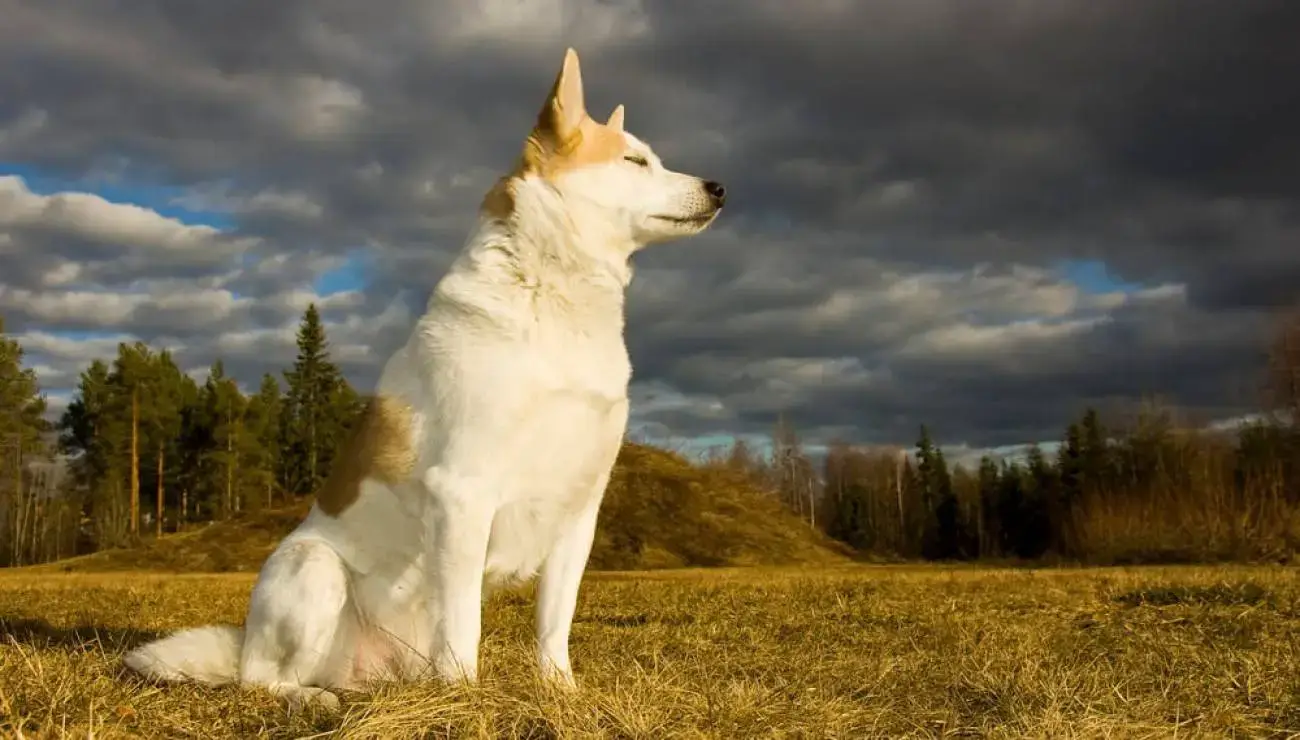
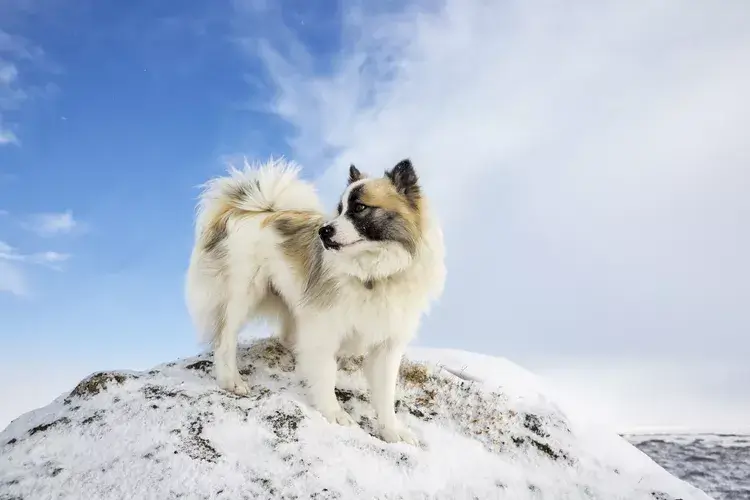
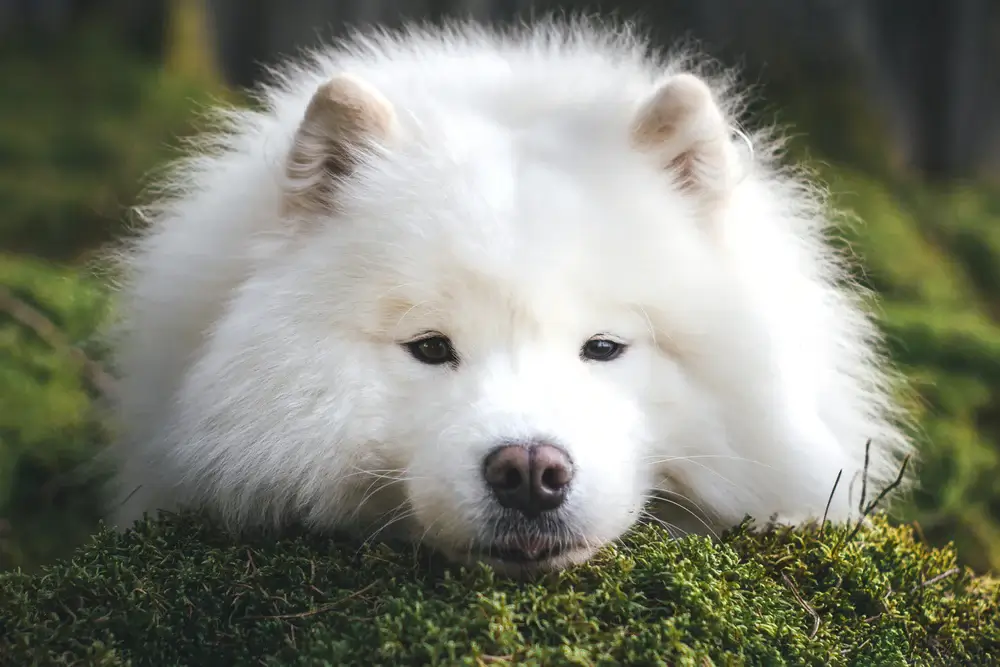
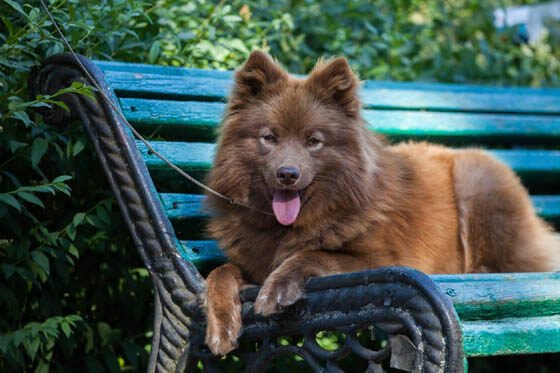

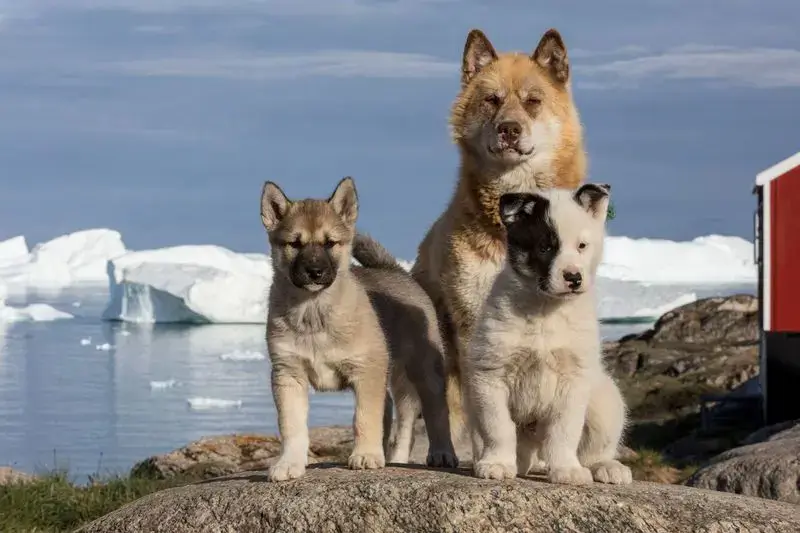
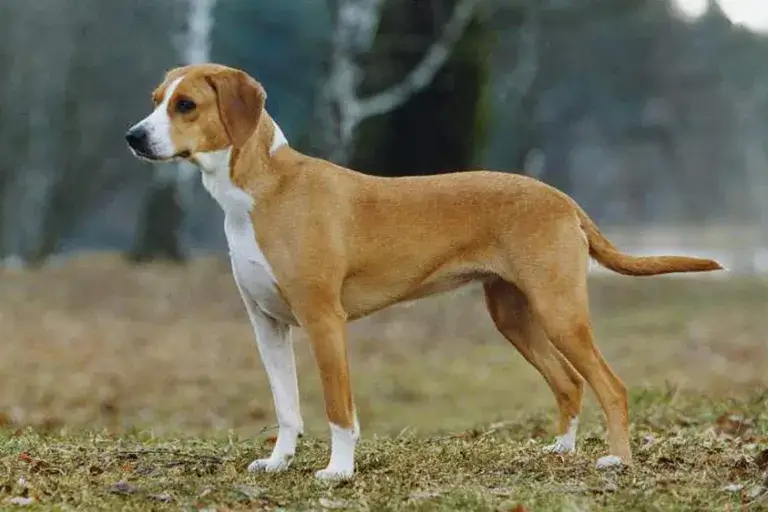
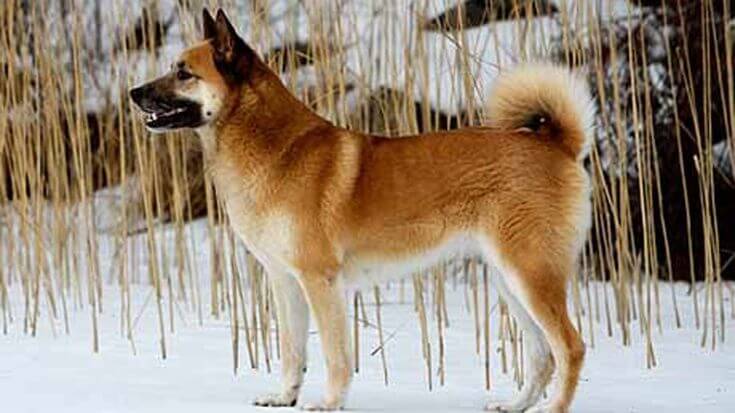
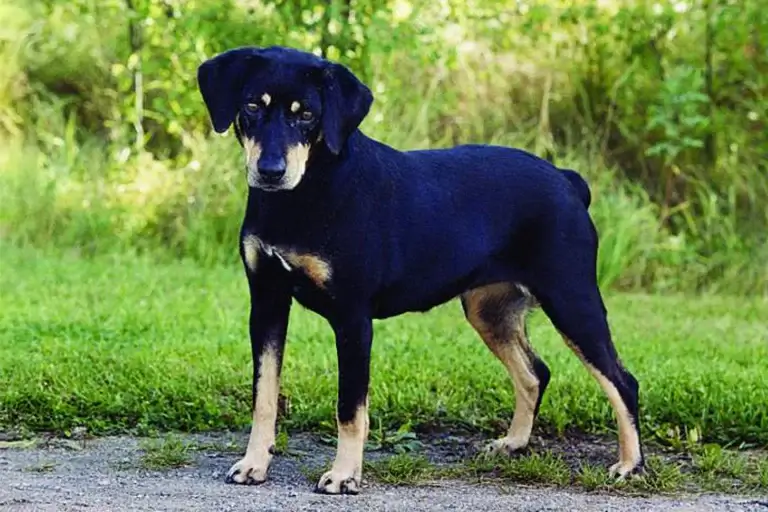
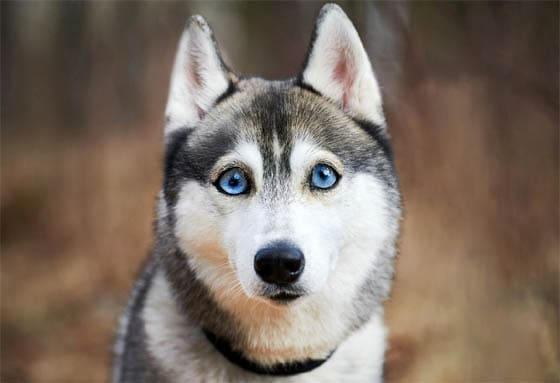
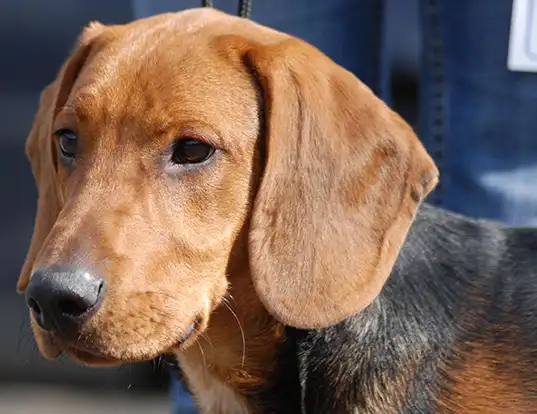
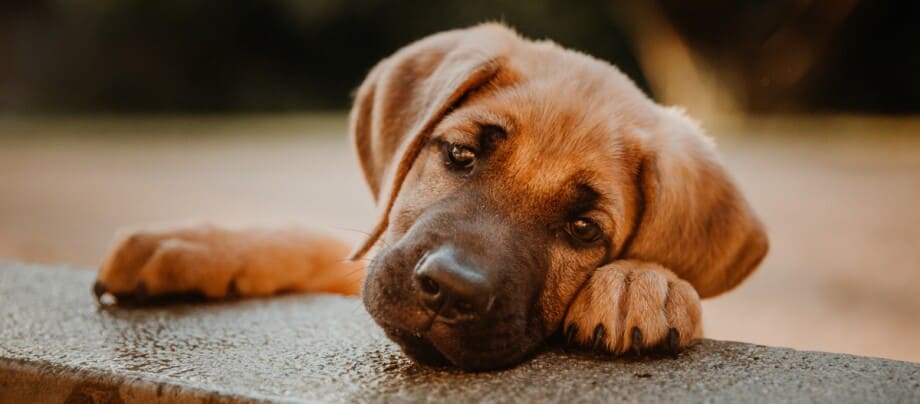
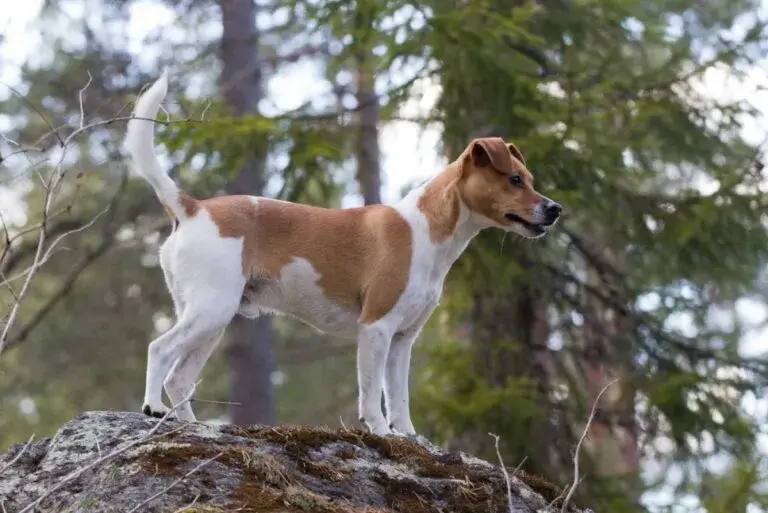
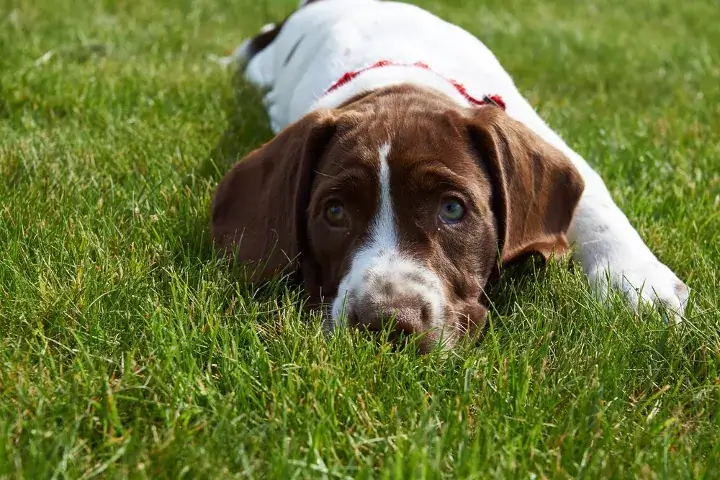
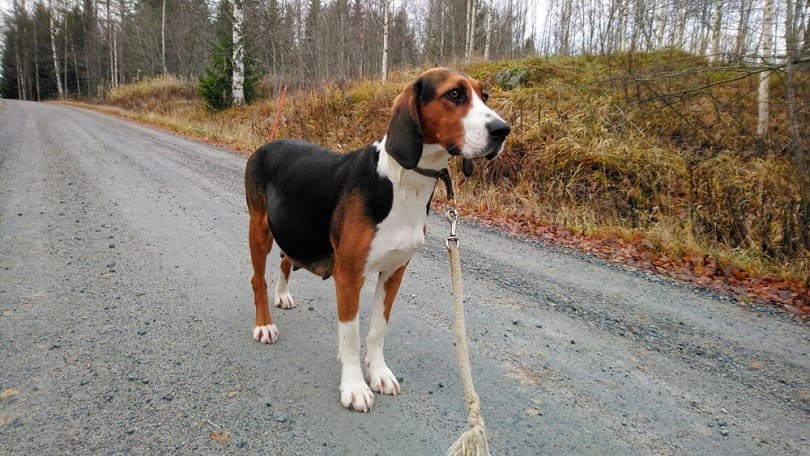
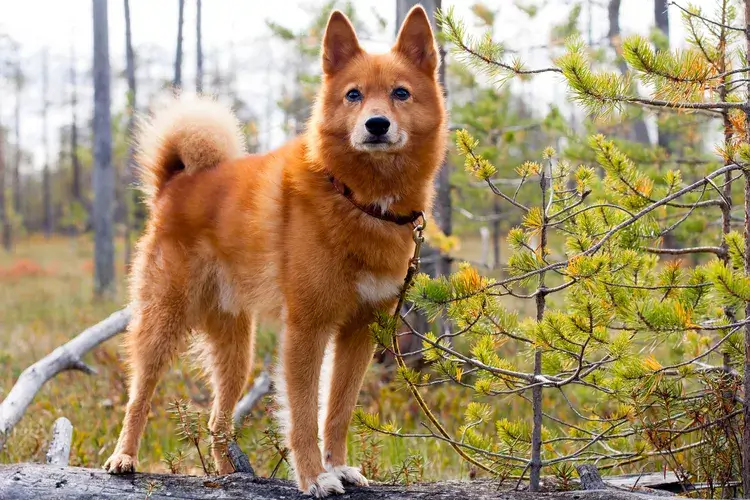
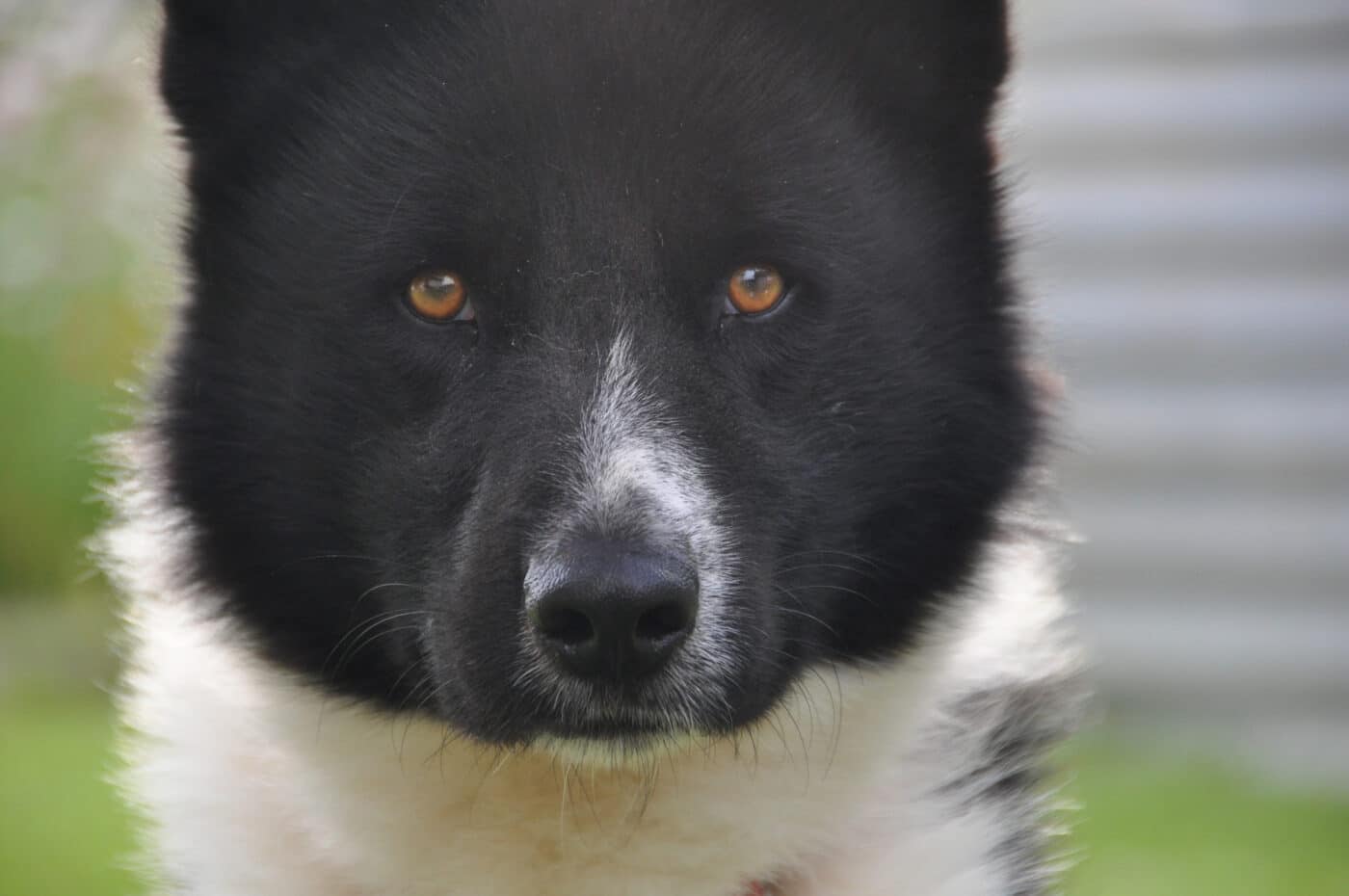
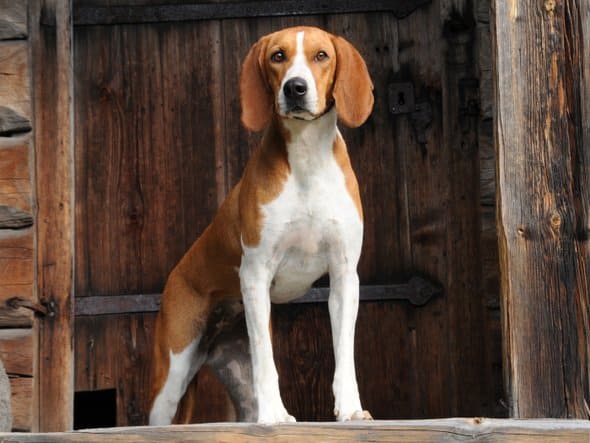
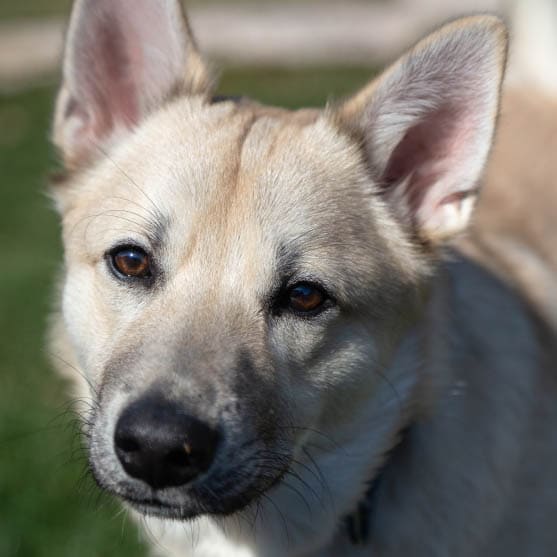
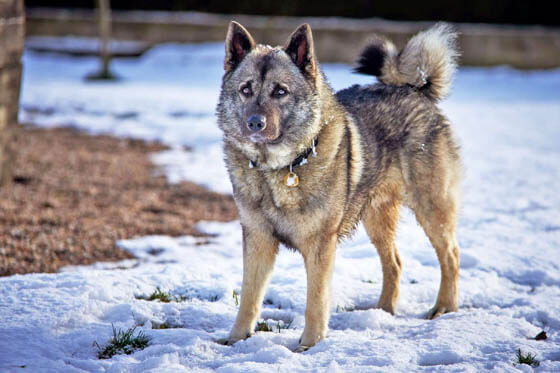
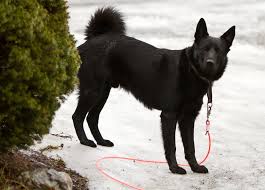
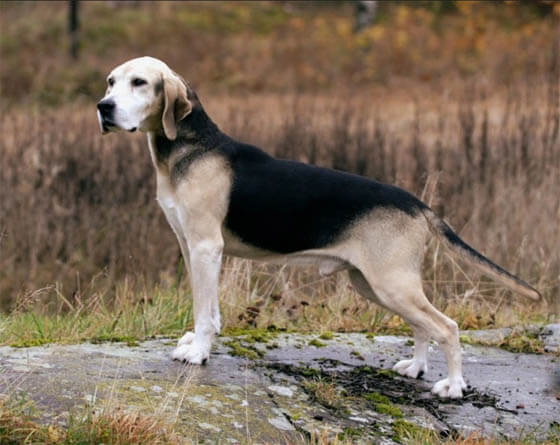
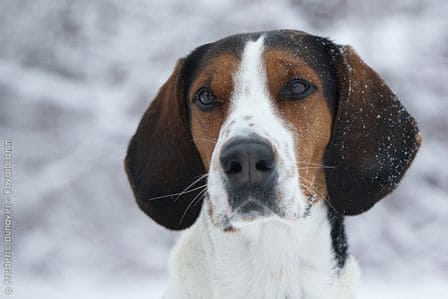
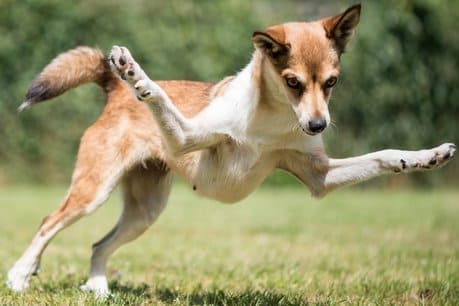
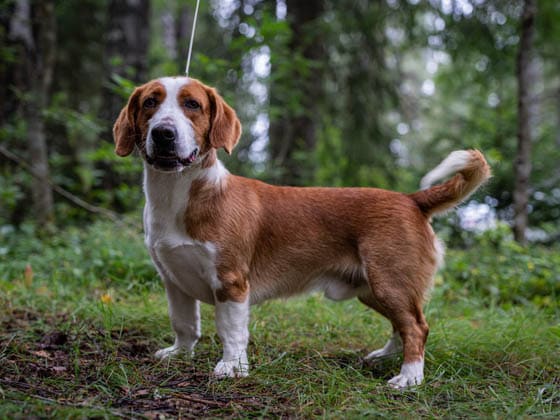
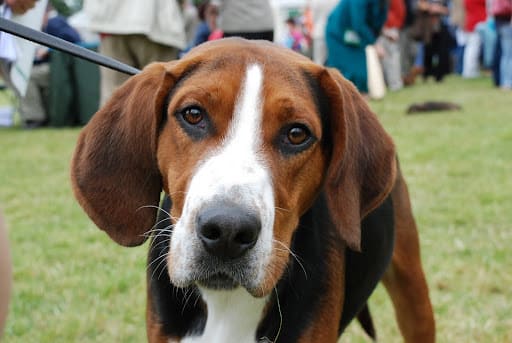
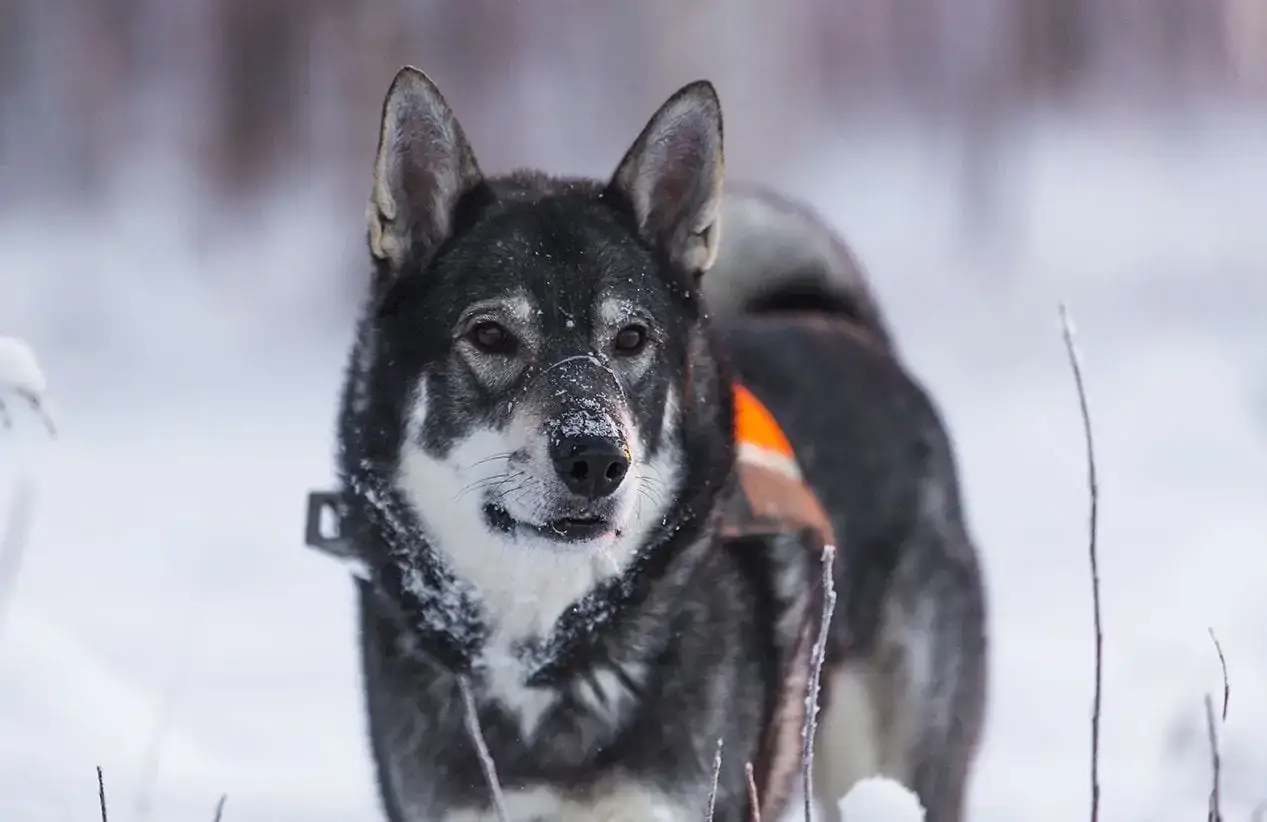
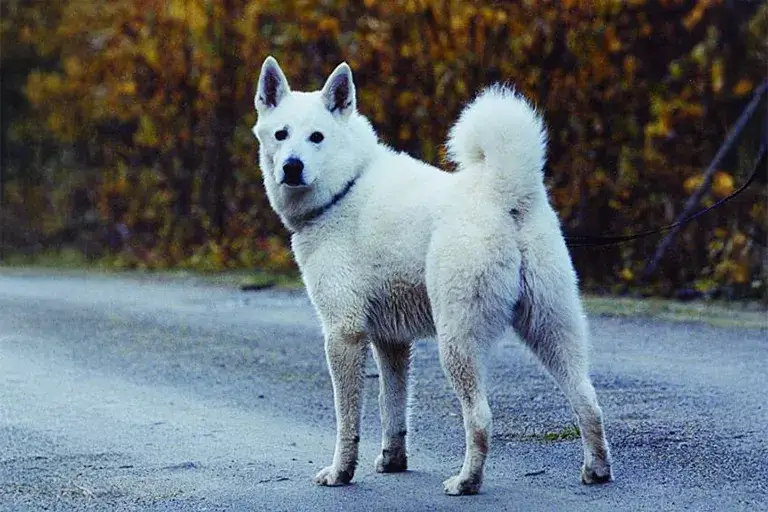
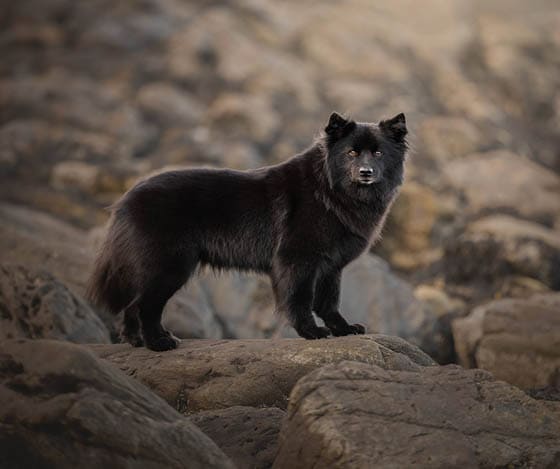
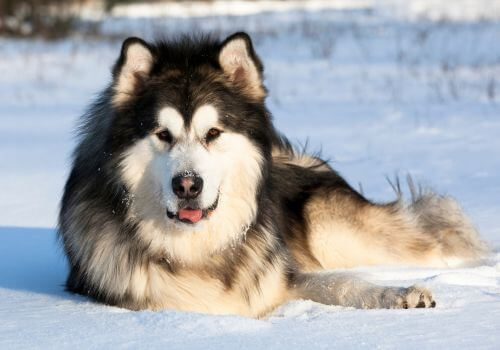
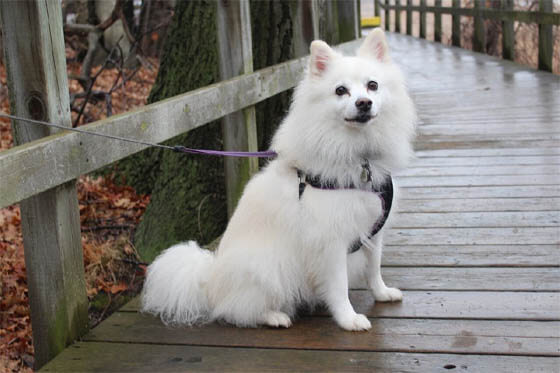
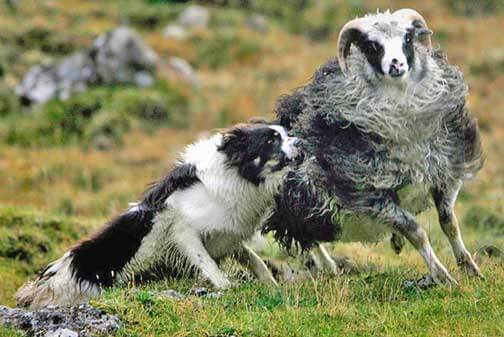
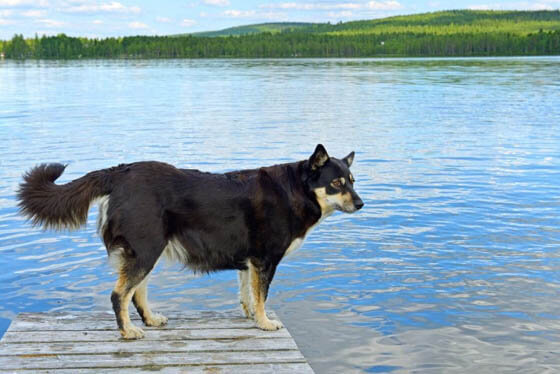
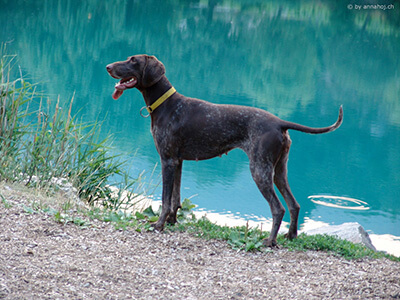
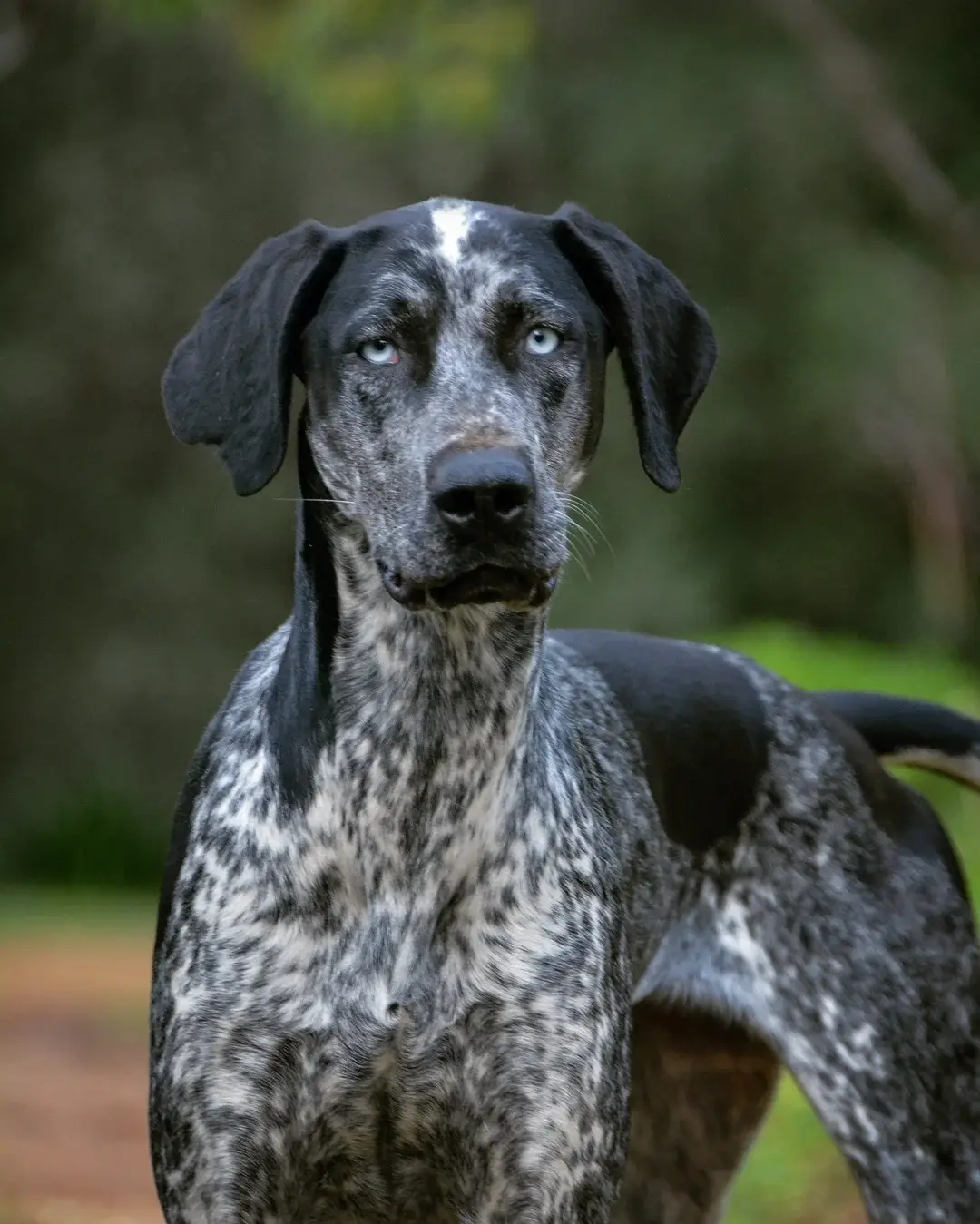
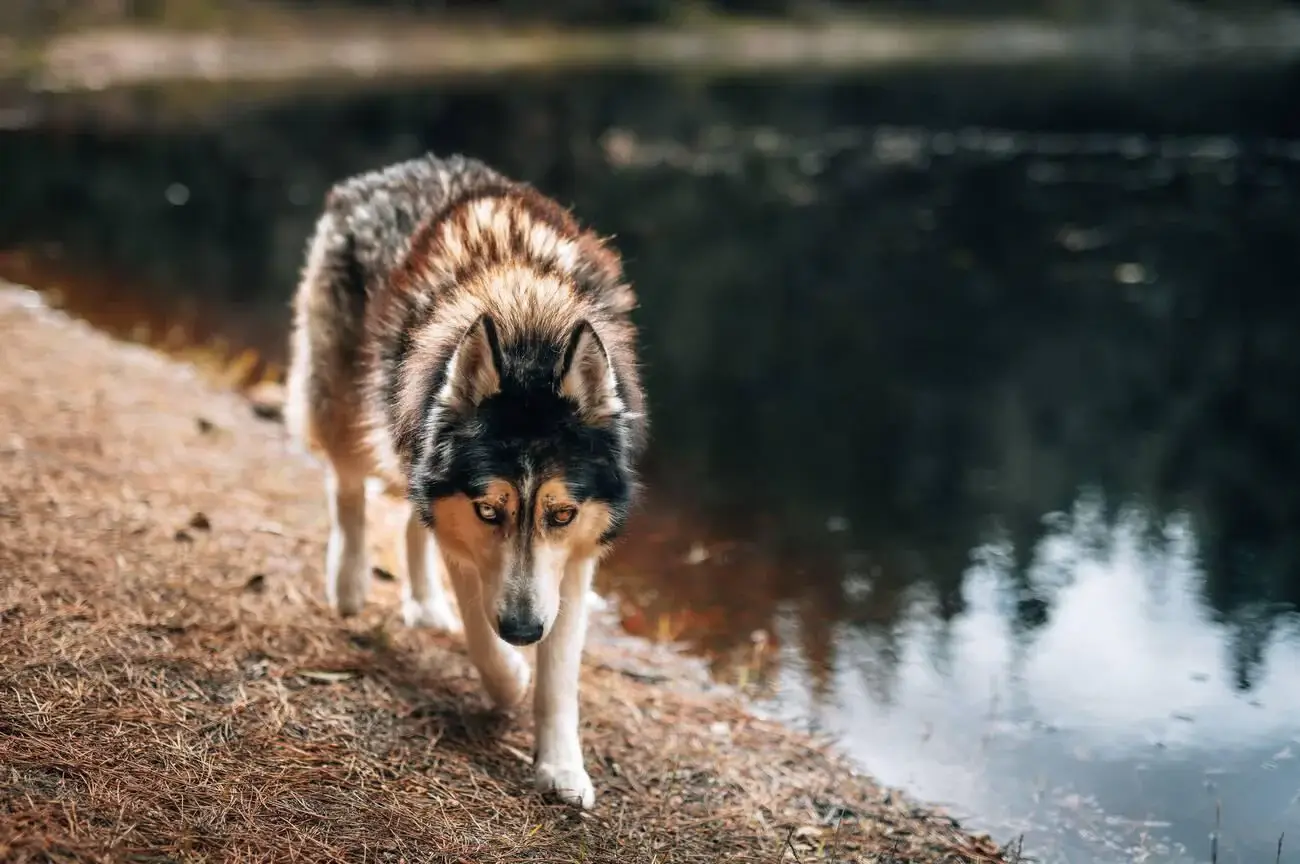
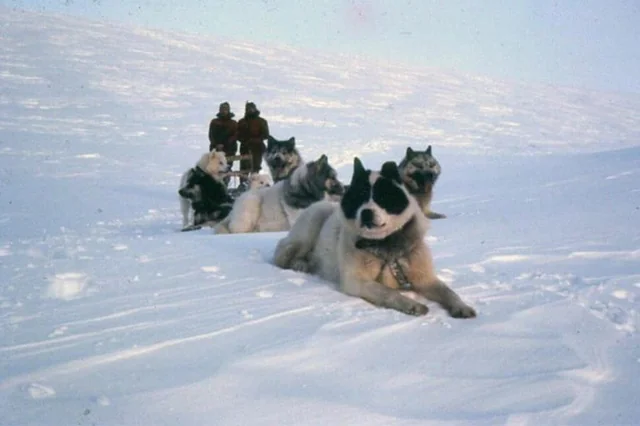
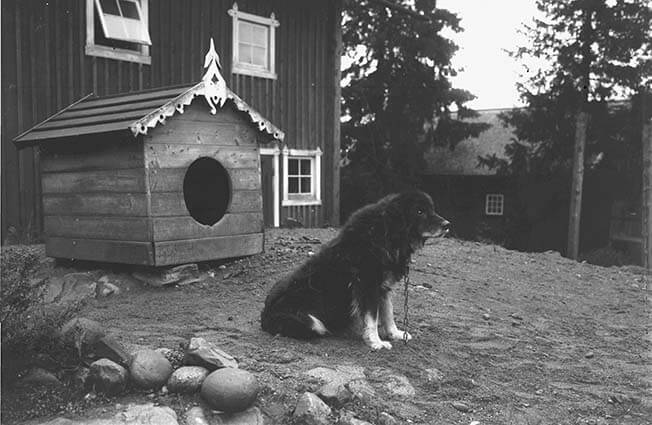










WORLD OF DOG & PUPPY 🐶