17 Feist Dog Breeds What is Feist Dog? Feist Dog Breeds List Rare Hunting Feist Dog Breeds What is a Feist type dog? Is a Feist a good family dog? Is a Feist a Jack Russell? What's another name for a Feist dog? Squirrel Hunting Dogs Raccoon Hunting Dogs
What is Feist?
The word feist is of German origin from the word fice, or fyst, meaning "to stink" or a "foul smell". How these dogs have come to be known as such is believed to be due to their early name of fisting or fysting curres, which meant "stinking dog". These little dogs were developed for several purposes, including hunting, pest eradication, and companionship.
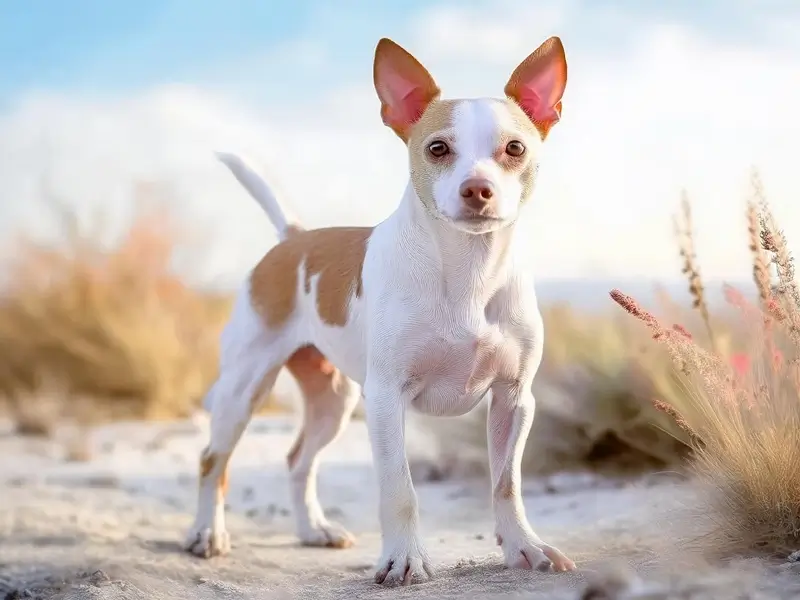
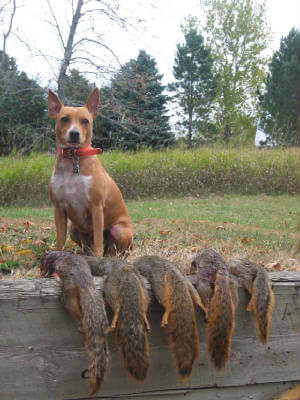
A feist is a small, energetic hunting dog breed developed in the rural Southeastern United States, often used for hunting squirrels and small game.
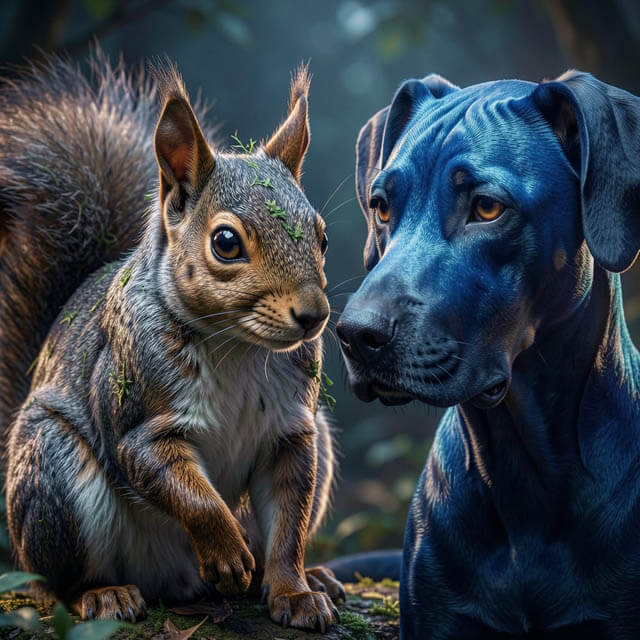
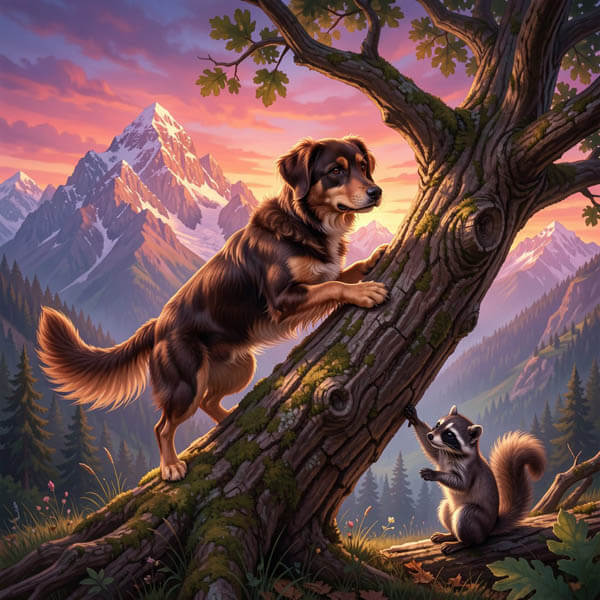
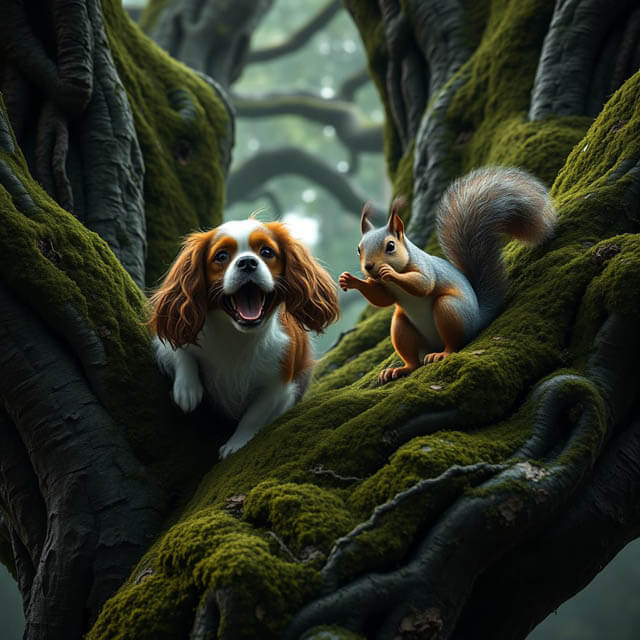
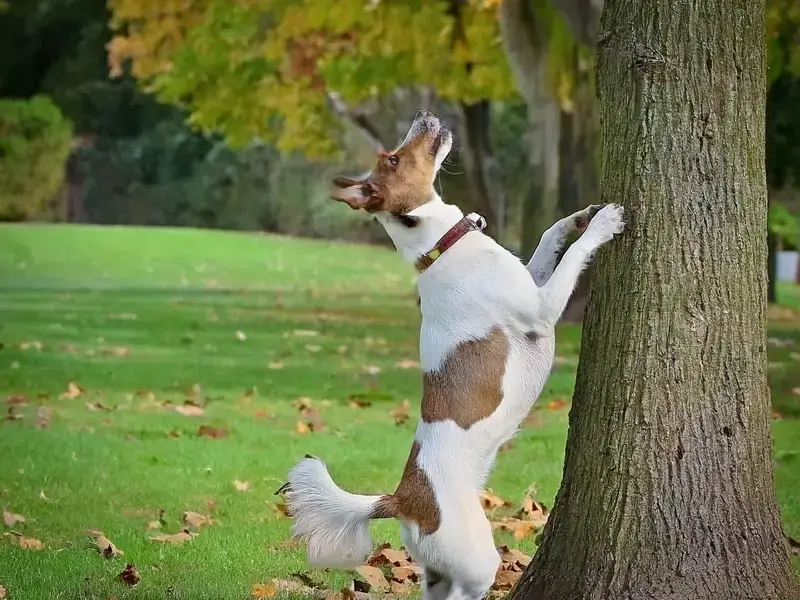
Originating from terrier and hound mixes, these "feisty" dogs are known for being alert, intelligent, and vocal, often hunting by treeing game. They are also known as loyal, active companions. The canine archnemesis of rats and squirrels, feists were bred and trained to catch and kill small animals and protect homes and farms from vermin. With an endless energy supply, a feist dog can chase prey animals for many miles. They often trap them in trees while they wait for their owners to catch up.
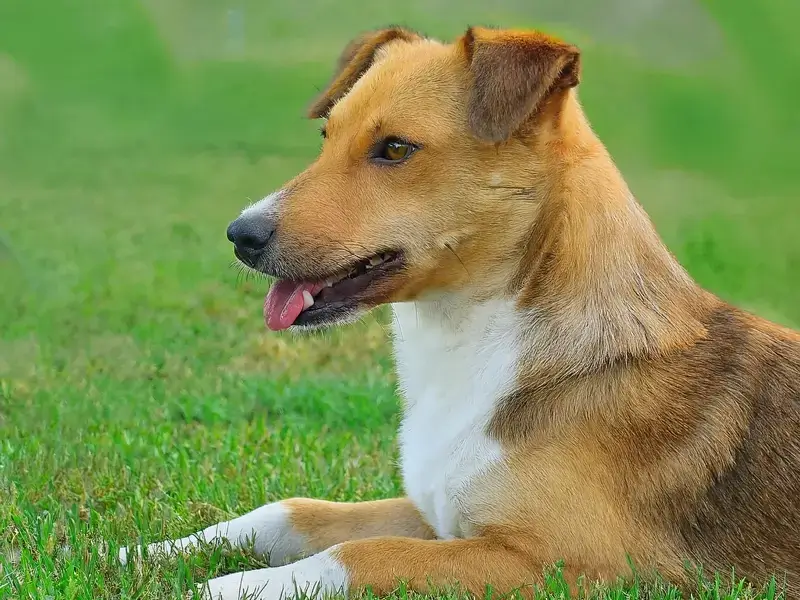
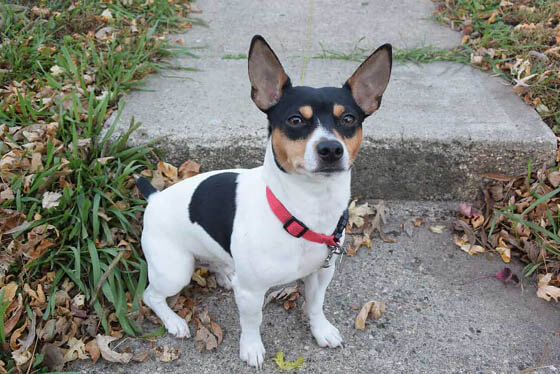
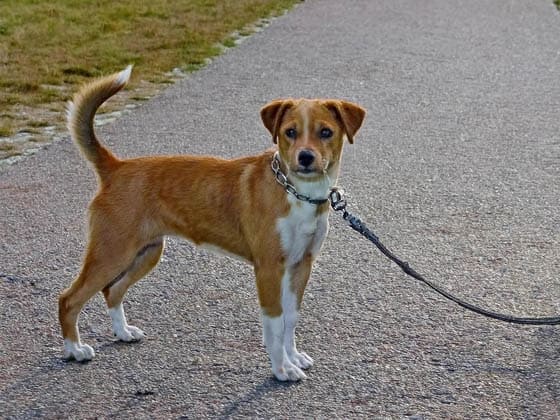
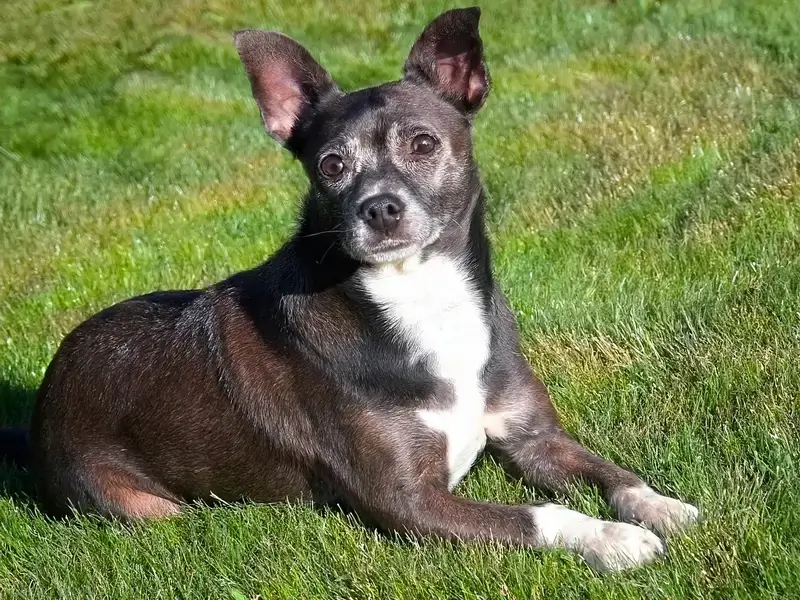
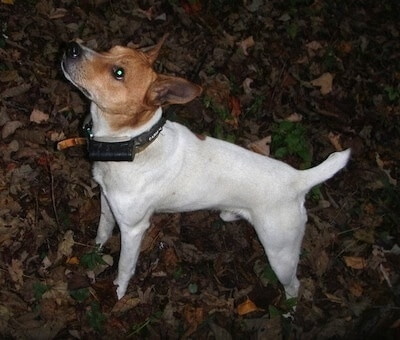
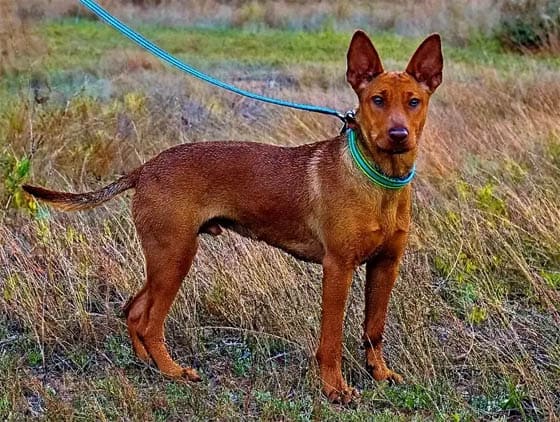
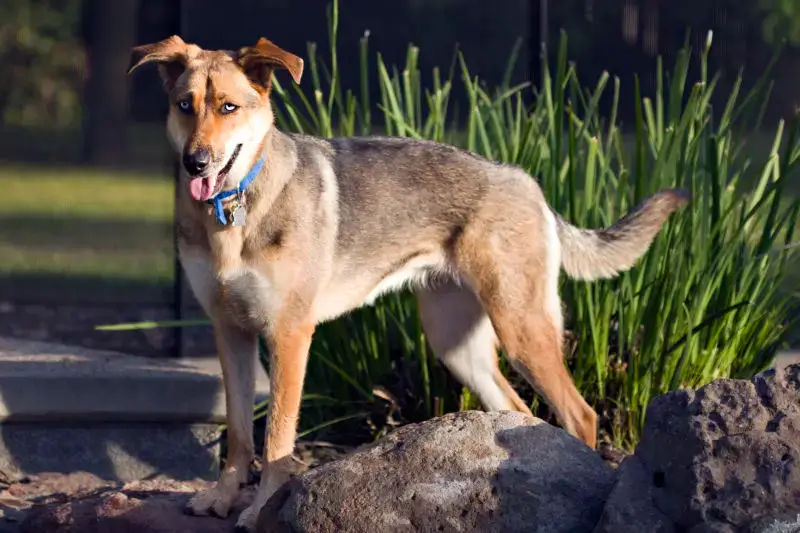
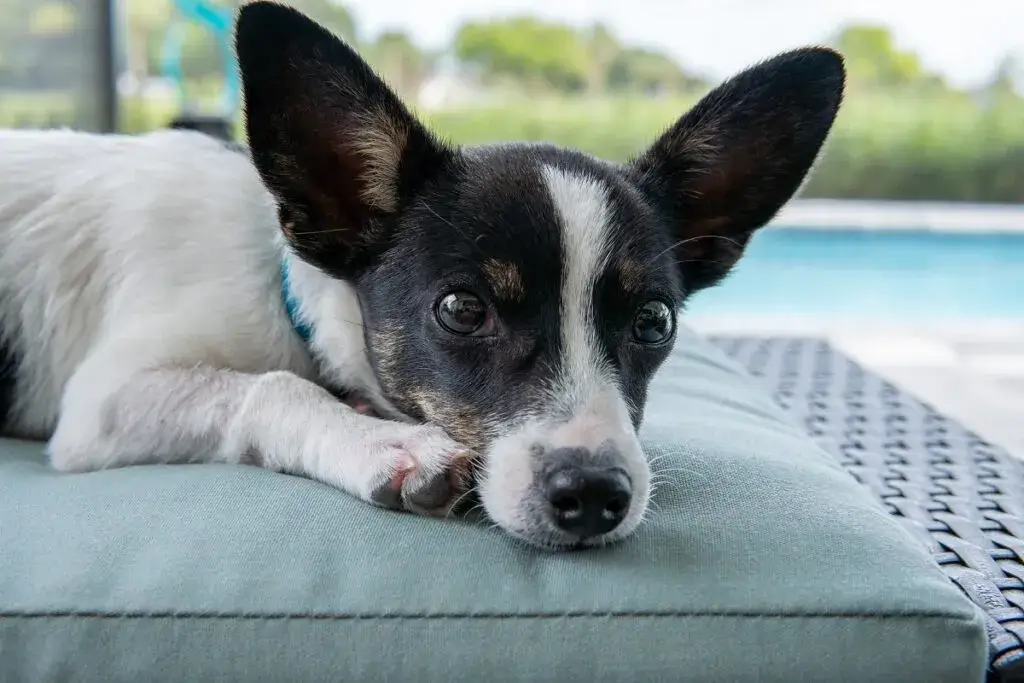
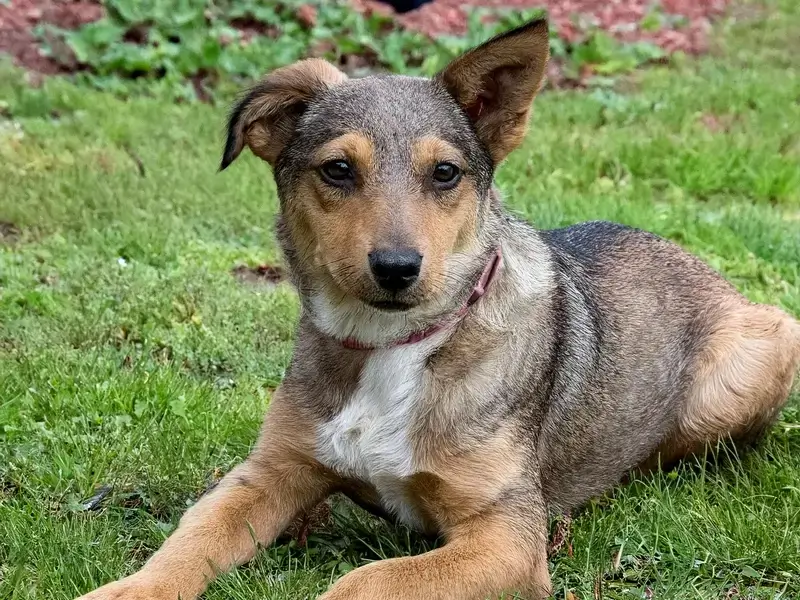
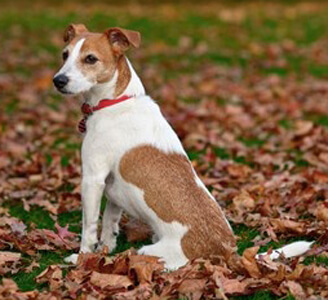
The feist dog breed is a unique little hunting dog descended from terriers that came to the United States with European immigrants. U.S. President George Washington even mentioned "fices" (small hunting dogs) in his diary dating back to the 1700s! These spirited dogs likely came from a mix of Manchester terriers, smooth fox terriers, and English white terriers (which are now extinct). Some may also have greyhound, beagle, or other hound breeds in their ancestry as well. Since feist dogs were primarily bred for their hunting skills and companionable nature - rather than their appearance, there are many different looking feist dogs, and there is not always a great deal of consistency in their appearance. However, whatever color or shape a feist dog is, these beloved canine companions are nothing but cuteness on four legs!
Why are Feist Breeds
Good for Hunting?
Feist breeds are effective hunting dogs because they were bred to hunt small game with speed, focus, and precision. Unlike hounds, feist dogs rely on a balance of sight, nose, and instinct to locate squirrels, rabbits, and other small animals quickly. Their small dog size helps them move easily through rough terrain while staying close to hunters.
The Treeing Feist is a small-to-medium, agile American hunting dog (12–18 inches, 12–30 lbs) specifically bred to hunt small game, especially squirrels, by scent and sight, chasing them up trees and alerting with loud barking. Originating in the Southeastern U.S. from terrier stock, they have been used for centuries by hunters and settlers to catch small game. They are recognized by the United Kennel Club (UKC). They are highly energetic, intelligent, and possess a strong prey drive, making them excellent, loyal, yet vocal companions for active owners. Primarily a "squirrel dog" but also used for raccoons and opossums. Active, alert, and intelligent. They are typically bold and confident, yet loving with their families. A first-time pet owner would have no problem keeping one. They make wonderful companions and are certainly man’s best friend. Active, alert, and intelligent. They are typically bold and confident, yet loving with their families. Highly intelligent and trainable, but require positive reinforcement. They can be sensitive to harsh methods.
The Treeing Feist is a small, agile dog that was bred over centuries to be, as their name implies, a top treeing breed, meaning it is trained to chase prey into a tree until the hunter arrives and calls it off or kills whatever game is being tracked. Because of their refined abilities, they are often referred to as the "ultimate squirrel dog" although they are also used for raccoon and opossum as well, and take only a second to prove it, taking off with great speed yet maintaining a silent approach and alerting their owners with loud, repetitive barking once they have successfully pinned their target in a tree. They are an affectionate breed and form close bonds with their families, children included, but because of their size and excitability, usually need at least some training and socialization to keep from being too rambunctious around kids. Likely because of their terrier heritage, they are a bit territorial and although they do pretty well with other dogs for the most part, are usually wary of strangers and will issue a round of barking if they are uncomfortable. All in all, they are great companions and possibly even better hunters and watch dogs.
High-spirited, yet very lovable. American breeders are breeding three different varieties: the Mountain Feist, the Bench-legged Feist and the Pencil-tail Feist. For squirrel hunting, this dog is par excellence. These dogs also take on rabbits, birds and any small game. Originally bred as hunting dogs, they are also curious and instinctual - so do not be surprised if your dog's temperament changes on a dime when they smell or see a prey animal. They can be happy, playful, or cuddly. However, turn them into the woods and they become all business. They love to hunt. These "dual-purpose" dogs are adaptable and can thrive in many different living arrangements and situations. With proper socialization, feists get along with just about anyone - kids, other dogs, and even cats. As their name suggests, these dogs are feisty. As such, they have a lot of energy to burn off every day and they need an owner who’s willing to accommodate them. Long hikes, spirited fetch sessions, nosework, and other activities will help keep your feist on her best behavior. Without enough exercise, these little pups can become bored and destructive. Since they’re highly prey driven and bred to chase squirrels and other scurrying creatures, keep a tight hold on your feist's leash unless you are in a securely fenced area. Feists are also skilled athletes who often excel at canine sports. They are particularly well-suited for flyball, agility, and weight pull. And, of course, feists love to go on hunts for small animals. These dogs are very active and love to roam and play.
The Barger Stock Feist is a small, treeing type of the Feist breed produced by Bill and Rita Barger of Harriman, Tennessee. These dogs, as with many Feists, vary quite a bit in appearance and are more classified for their hunting style. They make excellent companions to hunters and are trainable and eager to please. They also make suitable playmates for children and usually do well around other dogs; they may retain prey instincts towards smaller animals if not trained and socialized early. Outdoor space to explore, hunt and play daily is best, however, as true companions, they need plenty of attention. Barger Feists should be low maintenance in regards to grooming, training and keeping them in good health. The Barger Stock Feist is a specialized, Tennessee-originated hunting dog, typically standing 15 to 18 inches tall and weighing 20 to 35 pounds. Known as "treeing feists," these intelligent, short-haired dogs are used for hunting small game like squirrels and raccoons, characterized by a high prey drive, high energy, and loyalty.
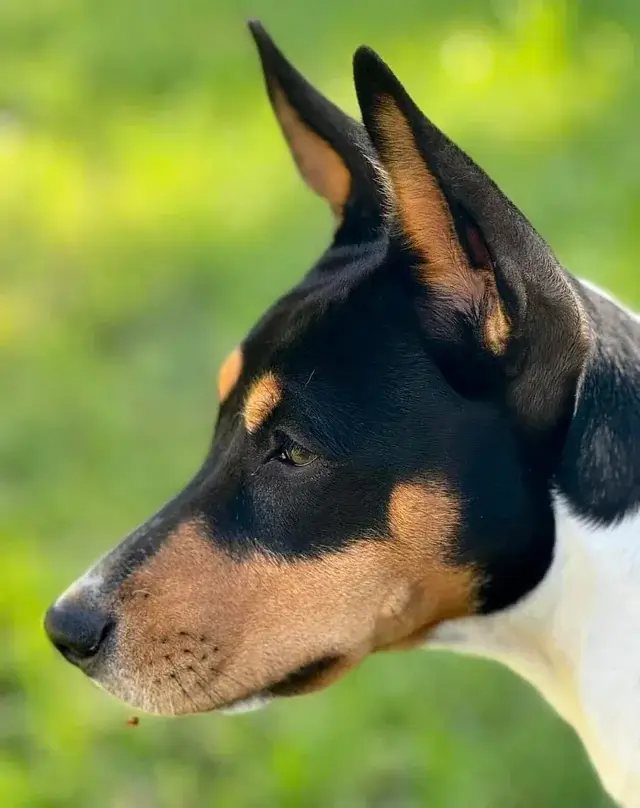
They are often white, brown, tan, or black with varied markings, featuring long legs, pointed noses, and ears that may be erect or button. Extremely intelligent, trainable, and eager to please, making them excellent, attentive companions, though they require significant exercise. They are used to tree game, often barking loudly to alert the hunter. Specific bloodlines, including Baldy, Magnum Force, and Doc Holliday, have significantly contributed to the development of this stock. Originating in the Appalachian and Ozark regions, Feists were historically bred by settlers from various small terriers and farm dogs for their agility, keen noses, and efficiency in hunting. Unlike show dogs, the Barger Stock Feist is bred primarily for function - specifically treeing game and is popular in competition hunting and as a working companion. Barger Feists are small sized dogs that will be up to 18 inches at the shoulders and typically weigh no more than 30 pounds. Females will be slightly smaller than males. Feists, in general, are typically alert and agile, using smell, sight and scent to track and tree game.
Many feist breeds do well with other dogs, make playful companions for kids, and have a tendency to see smaller animals as prey. They are capable watchdogs if need be but are not large and aggressive enough to be guard dogs. Outdoorsy, treeing dogs are typically very low maintenance when it comes to grooming. They are often intelligent and naturally adept at hunting activities, however, it is best to start training and socializing them as early as possible. Members of this breed will need daily outdoor exercise and do best when they have, at least, a fenced yard to patrol. These dogs usually are true companions that need plenty of attention to stay happy and productive. Although they are typically black, tan, brown and combinations thereof with or without white/white markings, Barger Feists vary in looks from individual to individual. Their heads are small and somewhat "pointed" with small ears that can be hang next to the face or stand erect. They have tails that may or may not be naturally bobbed and, of course, long legs for their small bodies.
The Bench-legged Feist is a small-to-medium, short-legged hunting dog (8–15 inches, 8–30 lbs) known for its muscular build, high energy, and loyalty. Often a type of Teddy Roosevelt Terrier or similar terrier-feist mix, these dogs were bred for hunting squirrels and pests but make affectionate, intelligent family pets needing1–2 hours of daily exercise. They are bold, energetic, and intelligent, making them excellent companions, though they have a high prey drive and love to hunt. While they are avid hunters, they are generally good with children and other pets if properly socialized. High energy; they require significant daily exercise and stimulation, such as long walks or jogs. They tend to live between 14 and 16 years. Developed in the southeastern U.S. for hunting squirrels and small game, they are often related to early Terrier and Hound, or Rat Terrier, stocks.
"Bench-legged" - This term refers to their low-set, often slightly bowed or turned-out front legs, which are a functional adaptation for their hunting style. Highly intelligent but can be determined, requiring consistent training. Bench-Legged Feists are known for their keen intelligence, alertness, and determination. They are quick learners and thrive on mental stimulation, making them highly trainable dogs. However, they can also be independent-minded at times, so consistent and patient training is essential to bring out their full potential. While Bench-Legged Feists can adapt well to various living environments, they thrive in homes with access to outdoor space where they can burn off their abundant energy. Daily exercise and interactive play sessions are a must to keep these active dogs happy and fulfilled. Additionally, owners should provide mental stimulation through training, puzzle toys, and interactive games to prevent boredom and destructive behaviors.
The Decker Hunting Terrier is a larger, specialized line of Rat Terrier developed for hunting, standing 15-20 inches tall and weighing 20-40 pounds. Known for being versatile hunters, intelligent, and loyal companions, they are affectionate with family but possess a strong prey drive. They are generally healthy, living 15-18 years. The Decker Hunting Terrier is an intelligent, alert and loving dog. It is very inquisitive and lively. This affectionate dog makes an excellent companion for those who will enjoy an energetic dog. They are good with children, especially if they are raised with them from puppyhood. They are, for the most part, friendly with strangers. Decker Hunting Terriers make good watchdogs. These dogs are quick, very playful and are not yappers. The temperament of these dogs is pure terrier. The lively, feisty, fearless nature can be found in the best of terriers. They are eager to please and respond and pick training up faster than most dogs. The Decker Hunting Terrier is a very well-mannered, well-rounded dog. It is easy to train, very eager to learn and to please its owner. They love to go with you and to do what you do. They are also very good swimmers, not bashful or afraid and have no problem with the water.
They make good farm dogs as well as excellent family dogs for pets and companionship. This hardy dog is used for hunting expeditions as well as terrier work. Adult dogs can adjust easily into families with or without children. The Decker Hunting Terrier, as the name would suggest, is primarily bred for hunting. They are high-energy dogs that will benefit from pet parents that are going to use them for their intended purpose rather than just a family pet. Although they can also make wonderful companions, especially if they get enough mental and physical stimulation. While they get on great with people and other dogs, they will chase after any creature they see as prey, so be aware of that. The Decker Hunting Terrier has the typical temperament of the terrier, which can be lively and feisty. The breed is also a friendly and affectionate dog. They love to be with you and go wherever you go.
They are typically good with children, particularly if socialized with them at an early age. They also get on with dogs that are their size and bigger. Smaller animals, including dogs that are smaller than them - may be chased. This breed tends to be good with strangers but can also make good watchdogs. But, they tend to be slightly less yappy than other Fox and Rat Terriers. They are quite alert, intelligent and attentive, which makes them fairly easy to train. This breed is inquisitive as well as being eager to learn and please their owner, so they tend to pick up on commands fairly quickly. Although, their prey drive can sometimes mean they get distracted. Decker Hunting Terrier dogs are energetic and playful. They do not respond well to boredom or a lack of obedience training which can result in anxious, territorial, or destructive behaviors. It’s important to be firm, confident and consistent with this breed. They need to know you are the pack leader. They are not really suited to living in an apartment and will do better in a house with a yard. However, they do like to dig so you should be aware that they could try and escape even if you have a fence.
The Denmark Feist (or DenMark Feist) is a small-to-medium American hunting dog originating from Virginia in 1917, developed by the Slade family to hunt squirrels, bobcats, and feral pigs. They are muscular, short-coated, active, and intelligent, typically weighing 11-16 lbs with red, white, or yellow coloring and often docked/natural bobtails. The Denmark Feist is descended from a single dog acquired by the Slade family of Chatham, Virginia in 1917, supposedly the dog was bartered from a travelling salesman for three opossum hides, a large raccoon and a wagon wheel. The family were so impressed with the hunting abilities of this dog that they used him as the foundation sire of a line of dogs. In 1984 Mark Slade, with friend Dennis Willis, unveiled these dogs as a breed, in 1986 the DenMark Treeing Feist Association was formed. The Denmark Feist, also known as the Denmark Treeing Feist, is a very agile type of Feist with very little information. It stands around 15-18 inches tall, and can weigh around 25-35 lbs. Its primary coat colors are brown & white, chocolate, light brown, or golden. Denmark Feists have short and rough coats. They have a flat and broad skull, upon it sits dark eyes, a black nose, and short drop ears. They have a deep and broad chest that supports a body that is slightly longer than it is tall.
Many of these dogs are born with bob-tails, but natural ones do occur too, which are carried in an upward curve when excited. Its life expectancy is 12-14 years. The Denmark Feist is used mainly for hunting squirrels, raccoons, bobcats, and occasionally, wild boar! When not hunting, it needs to be taken on a long and brisk daily walk or jog. They are a fearless, friendly, and loyal pooch. It needs little grooming. Contrary to what its name suggests, this breed was actually bred in the United States. "Denmark" references the two creators of this wonderful breed, Dennis Willis, and Mark Slade. The Denmark Feist has its beginnings on a rural farm in the 1917s when the Slade family purchased a Feist dog. The dog's descendants remained on the farm until 1984, when Willis and Mark introduced it as a new breed. The UKC did recognize the Denmark Feist as a separate breed in 1998, until they decided that it was just a strain of Treeing Feist. The Denmark Feist is used to hunt feral pig, bobcat and squirrel, they are said to be silent hunters that can hunt game on the ground or run the game into trees for the hunter to shoot. Denmark Feists are known for their intelligence, alertness, and strong work ethic. They excel in tasks requiring problem-solving skills and adaptability, making them versatile companions for various activities.
The charming Charlie feist dog is one of the few feists that can directly trace its roots back to the United Kingdom. In the 1800s, European immigrants brought these adorable canine companions over to the United States as beloved travel buddies. Charlie feist dogs have captivating and heartwarming personalities that match their adorable appearance. They are friendly, loyal, and absolutely love being with people. In fact, Charlie feists do not make very good guard dogs because they are so good-natured that they see everyone as a potential friend! If you are looking for a feist pup with a jolly attitude and gentle nature, then the Charlie Feist is the perfect fit. They are energetic and do require exercise, but not nearly as much as other feist dogs need. In fact, Charlie feists are quite adaptable. They can live in large apartments as well as homes with lots of land. They only need around 20 to 30 minutes of daily exercise to stay happy and healthy, although they certainly do love to play and thrive in homes with a fenced-in backyard. Charlie feists are also one of the most healthy members of the feist family.
The charming Charlie feist dog is one of the few feists that can directly trace its roots back to the United Kingdom. In the 1800s, European immigrants brought these adorable canine companions over to the United States as beloved travel buddies. Charlie feist dogs have captivating and heartwarming personalities that match their adorable appearance. They are friendly, loyal, and absolutely love being with people. In fact, Charlie feists do not make very good guard dogs because they are so good-natured that they see everyone as a potential friend! If you are looking for a feist pup with a jolly attitude and gentle nature, then the Charlie Feist is the perfect fit. They are energetic and do require exercise, but not nearly as much as other feist dogs need. In fact, Charlie feists are quite adaptable. They can live in large apartments as well as homes with lots of land. They only need around 20 to 30 minutes of daily exercise to stay happy and healthy, although they certainly do love to play and thrive in homes with a fenced-in backyard. Charlie feists are also one of the most healthy members of the feist family. They typically live to be around 15 years old! One of the most distinctive traits of Charlie Feists is their distinctive “treeing” behavior. When they locate prey, they will bark loudly and eagerly at the base of the tree, alerting hunters to the animal’s presence. This trait has made them invaluable assets for hunters seeking to track and harvest small game in wooded areas.
The Buckley Feist has its roots in the Southern United States. They were bred by Jack Buckley of Kentucky. However, these canines are not recognized by any breed groups except the Buckley Registry. This may be because many kennel clubs consider the Buckley to be a sub-breed of the Mountain Feist. The Buckley Mountain Feist is a rare, small-to-medium hunting dog (14-18 inches, 18-30 lbs) originating from Kentucky, developed by Jack Buckley for over 100 years to hunt squirrels and small game. They are highly energetic, intelligent, and agile treeing dogs, known for being loyal family companions that are good with children, while acting as intense, "all-business" hunters in the woods. Even though the Buckley Mountain Feist was and is bred to hunt, it is a people dog that makes a great pet and is very good with children. The Buckley Mountain Feist was bred for hunting, but still remains good with children and other pets.
They do well indoors, but needs brisk walks daily if not hunting. They are recognized by BMFR and DRA. Feists often hunt squirrels. Short, tight, often multi-colored coats (white, black, tan). They have prick ears and often feature docked or natural long tails. Affectionate and outgoing with their family, yet possess a very strong prey drive. Extremely high. They require daily long walks, jogs, or hunting opportunities to burn energy. Generally healthy, with a lifespan of approximately 10 to 18 years. Intelligent and eager to please, making them suitable for active first-time owners. Adaptable, but they thrive in homes with space to run rather than small apartments. Developed in the Appalachian mountains, these dogs are "dual-purpose," serving as both dedicated hunting tools and affectionate companions. Buckley Feists are renowned for their intelligence, agility, and keen sense of smell. They possess a strong prey drive and excel in tasks requiring speed, endurance, and determination. Buckley Feists are also known for their versatility, adapting well to various hunting environments and game species.
Kemmer Feist dogs originated in the Southern United States, specifically developed by Robert Kemmer to be a specialized, high-stamina hunting dog for small game like squirrels. They were bred from a mix of Mountain Curs, Old Timey Mountain Feists, and Fox Terriers, designed to be compact yet tenacious treeing dogs. The Kemmer Feist is a specialized, small-to-medium American hunting dog (12-18 inches, 14-30 lbs) developed by Robert Kemmer, often utilizing Mountain Curs, Fox Terriers, and other Feist lines. Known for exceptional squirrel hunting, they are highly active, agile, and intelligent, with strong scenting abilities and a short, low-maintenance coat. Kemmer Feists will do okay in an apartment so long as they get enough daily exercise. They are fairly active indoors and should have at least a small to medium-sized yard. Kemmer Feists love to dig, and they can get out of a fenced yard relatively easily. Provided they have the proper protection, they are able to spend a good amount of time outdoors. They love to be inside the house and outside to play. Feist dogs were bred to be small and feisty hunting dogs for small prey. Kemmers were developed for their strong scenting abilities. They are considered tree dogs, whose instincts are to drive small prey up into a tree and ensure that it stays there until the hunter arrives.
These dogs can look similar to the Rat Terrier, with long muzzles and floppy triangular ears. They have short coats that are typically tricolor with black, brown, and white or bicolor in brown and white, but they can also be a yellowish or cream color. These dogs are quite an active, energetic, and healthy breed. They have a good lifespan and are moderately easy to train. They are known to be friendly and social dogs. Kemmer Feists are excellent hunting dogs that also make wonderful companions for the entire family. They are loving and loyal dogs that enjoy spending time with their families, and they tend to get along well with most people. While they are active dogs, they are also considered calmer than most other terriers. These dogs have high intelligence and are social and friendly with strangers. This also means they do not necessarily make good watchdogs. Due to their social natures, they don’t do well when left alone for too long, so you should consider another dog to keep them company if you are away from home often. Kemmer Feists are great family dogs! Their playful natures make them great companions for children of all ages. However, always teach your children to be respectful and gentle with all dogs. The younger the child, the more supervision there should always be.
The Kemmer Stock Hybrid Squirrel Dog makes a good all-around dog if you want a good hunting dog or a dog for the kids. It will hunt about 200 yards from you and use every ability it has. Friendly, active and alert. Make sure you are this breed’s confident, firm, but calm, consistent pack leader and plenty of mental and physical exercise to avoid any unwanted temperament issues. The Kemmer Stock Hybrid Squirrel Dog comes in yellow or yellow with white, brindle or blue brindle, reddish or sometimes black and white, but most of the time yellow, like its kin the Kemmer Cur. The Kemmer Stock Hybrid Dog is a stocky dog. It has a medium coat with a soft undercoat. The Kemmer Stock Hybrid Squirrel Dog needs to be taken on a daily long walk or jog. While out on the walk the dog must be made to heel beside or behind the person holding the lead, as in a dog's mind the leader leads the way, and that leader needs to be the human.
The Rat Terrier is a, small-to-medium, high-energy American farm dog known for being intelligent, playful, and affectionate, with a lifespan of 12-18 years. Originally bred as vermin hunters, they are fast, trainable, and often bark or dig, making them ideal for active families but requiring consistent training and exercise. The Rat Terrier is an intelligent, alert and loving dog. It is very inquisitive and lively. This affectionate dog makes an excellent companion for those who will enjoy an energetic dog. They are good with children, especially if they are raised with them from puppyhood. They are, for the most part, friendly with strangers. Rat Terriers make good watchdogs. These dogs are quick, very playful and are not yappers. The temperament of these dogs is pure terrier. The lively, feisty, fearless nature can be found in the best of terriers. They are eager to please and respond and pick training up faster than most dogs. The Rat Terrier is a very well-mannered, well-rounded dog. It is easy to train, very eager to learn and to please its owner. They love to go with you and to do what you do.
They are also very good swimmers, not bashful or afraid and have no problem with the water. They make good farm dogs as well as excellent family dogs for pets and companionship. Rat Terriers are persistent and tenacious when it comes to problem-solving and getting a job done. Kallas loves this about the breed, but she admits it can also be downright difficult for inexperienced dog parents who are not prepared to set and stick to, firm and consistent rules. Ratties need plenty of physical and mental stimulation; remember, these are bright pups with a curious nature, so it is on you to keep them out of trouble. As members of the terrier group, Rat Terriers can have a propensity to dig, particularly if they are not receiving enough attention. Paired with their insatiable curiosity and athletic nature, this can make them talented escape artists, so this is not a dog you should leave alone in your backyard. They are not generally nuisance barkers but, again, if they are feeling bored or lonely, they may let you know. Regular exercise is non-negotiable, but they do not need to be kept moving at all times.
The important thing is that your Rat Terrier feels engaged in what their family is doing. They are smart enough and social enough to want to be a part of everything, to want to know and understand what is going on around them, and to try to be part of the fun. Rat terriers are ideal for active families with a large, fenced-in space to run around to help manage their high energy. If their energy is not properly managed, rat terriers can become destructive when bored. It's also important to note that rat terriers have extremely strong prey drives, so they should not be allowed to romp off-leash in open spaces where they can meet up with small animals unless you've done extensive recall training or desensitization. They are fast and can jump high, so a 5- or 6-foot fence is recommended. Rat Terriers are also known for their shrill barking, so if you live in an apartment or a neighborhood with noise rules, be aware of their barking instinct. They were bred to be quick runners and need the space and time to exercise, so make sure they get plenty of exercise. When training a Rat Terrier, be patient and firm. They are highly intelligent but can also be stubborn.
The Mountain Feist is a small-to-medium (12–18 inches, 12–30 lbs) hunting dog developed in the Appalachian/Ozark regions, known for being active, alert, and intelligent. They are primarily squirrel-hunting dogs used as affectionate, low-maintenance companions with a very high prey drive. They are usually short-coated and thrive with high activity. High-spirited, yet very lovable. American breeders are breeding three different varieties: the Mountain Feist, the Bench-legged Feist and the Pencil-tail Feist. For squirrel hunting, this dog is par excellence. These dogs also take on rabbits, birds and any small game. The Mountain Feist was recognized by the United Kennel Club on February 1, 2015. The Mountain Feist is an agile, active, small tree dog. The body is slightly longer than tall. Regardless of the size of the individual dog, the legs must be long enough to allow the dog to move quickly and with agility in rough terrain. The head is blocky, with a broad skull, a moderate stop, and a strong muzzle. The tail is straight, set on as a natural extension of the topline, and may be natural or docked.
The coat is short and smooth. Mountain Feist hunt using sight, sound and scent, and are extremely alert dogs. On track, they are virtually silent. The Mountain Feist should be evaluated as a working dog. The ancestors of the mountain feist dog came from the Ozark Mountains and the southern Appalachian Mountains in the southeastern United States. Families in these mountainous areas have taken pride in the lineage of their feist dogs for several generations. Mountain feist dogs are excellent at hunting raccoons, squirrels, rabbits, and birds. In fact, President Abraham Lincoln included a feist dog in his 1863 poem, “The Bear Hunt.” In his poem, Lincoln describes a "short-legged fice" (feist) with "grinning teeth" who is "brim full of spunk and wrath." Though historians debate whether Lincoln meant today’s mountain feist or simply a generic small cur/terrier type, it certainly sounds like an apt depiction of the mountain feist dog!
The Mullins Feist is an American hunting dog breed developed in the 1970s, specifically designed as an elite, high-energy squirrel dog, weighing 16–40 lb. Known for being silent on the trail but vocal at the tree, these intelligent, "gritty" dogs have strong prey drive, typically featuring yellow, black, or white coats with folded ears. Developed by Jodi Mullins in 1970 for squirrel hunting. A descendant of the mountain feist dog, the Mullins feist was bred by Jodi Mullins in 1970. Mullins’ goal was to breed the very best squirrel dog ever and the Mullins feist dogs certainly make the cut! Even without training, Mullins face dogs have a natural instinct to chase down squirrels, and can commonly be found at the base of a tree barking up at the squirrels. These cute feist pups absolutely adore the great outdoors. They love to be out and about exploring new terrain, enjoy walks and hikes, and seem to always be on the move. Mullins feist dogs bound through life with an endless supply of enthusiasm and are perfect four-legged companions for anyone who loves outdoor adventures. Unlike many of their brindle-coated feist relations, Mullins feist dogs stand out from the crowd with bright yellow coats that are accented with black or white accents. These dogs grow 14 to 18 inches tall and typically have button or folded-over ears and long tails. However, breeders and owners often dock their tails for hunting and working. Their immense joy for life and the outdoors makes Mullins feist dogs some of the cutest feist dogs out there!
The Pencil-tail Feist is a small-to-medium, agile hunting dog (10–18 inches, 10–30 lbs) primarily bred for treeing squirrel and small game. Known for being high-spirited, intelligent, and loyal, they are tenacious hunters that often hunt silently. They are a variant of the Feist breed, featuring a long, slender tail and a short, dense coat. The Pencil-Tail Feist is a lively, agile breed known for its exceptional hunting instincts and signature upright "pencil-like" tail. Bred in the rural South for treeing squirrels and small game, this compact yet athletic dog is cherished for its energy, loyalty, and alert personality. It’s a top pick for outdoorsy owners who want a spirited and devoted canine partner. Expect a playful, spunky demeanor packed into a compact frame. Pencil-Tail Feists are known to be bright, curious, and unafraid to explore every corner of their territory. Their sharp senses make them equally adept at detecting squirrels in treetops or friends dropping by for a visit. They form strong bonds with their families, often insisting on constant companionship. While energetic, these dogs also have an affectionate streak. Many owners describe their Pencil-Tail Feist curling up on the couch after a day’s adventure, seeking ear rubs and attention.
They can be wary around strangers at first - loyalty to their family is a hallmark. Proper socialization from puppyhood eases any timidity, ensuring a well-rounded, welcoming adult dog. With children, they are typically gentle and ready for mischief, matching a kid’s playful energy step for step. However, boisterous toddlers should be supervised to avoid accidental bumps or pulled tails. Pencil-Tail Feists can coexist with other pets if introduced correctly, but their strong prey drive may trigger chase instincts, so early exposure and consistent training are key to multi-pet harmony. Lean yet muscular, the Pencil-Tail Feist was built for speed and agility. Their moderate bone structure keeps them light on their feet, allowing them to maneuver through dense underbrush during hunts. One glimpse of their bright eyes, and it’s clear these little dynamos are constantly alert, ready to leap into action at the faintest rustle of leaves. One of the standout traits of Pencil-tail Feists is their distinctive thin tail, which sets them apart from other Feist breeds. This unique feature not only gives them their name but also serves as a symbol of their heritage and lineage. Additionally, their compact size and muscular build allow them to navigate rough terrain with ease, making them well-suited for hunting in dense forests and rugged mountains.
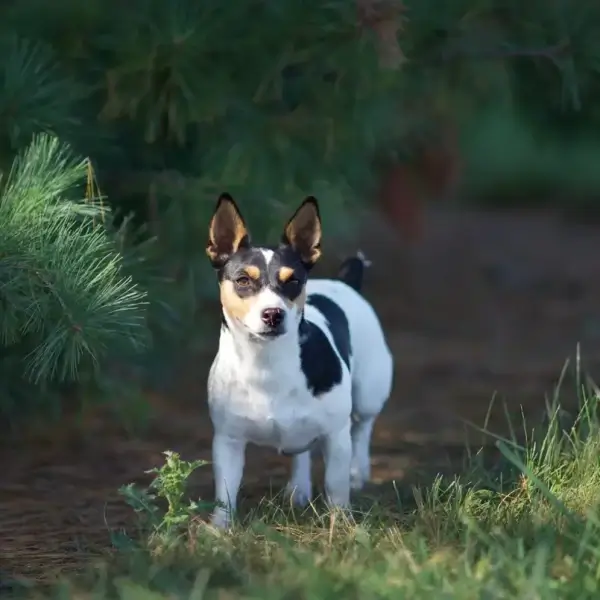
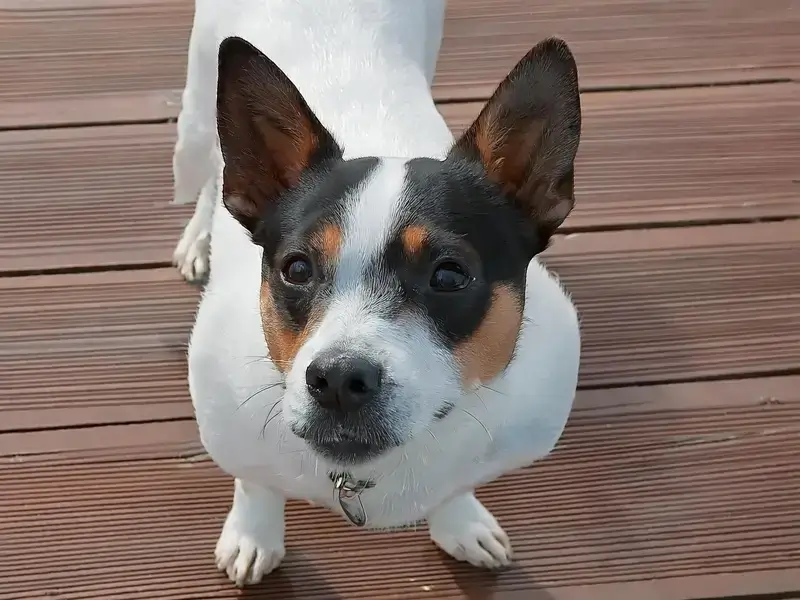
The Teddy Roosevelt terrier, named for the 26th President of the United States, is a small hunting terrier with a short and dense bi- or tri-colored coat. Many people believe that President Theodore Roosevelt had a hand in developing the breed, but these claims have not been substantiated. The Teddy Roosevelt terrier is closely related to the rat terrier, but with shorter legs. Affectionately known as “Teddies,” the Teddy Roosevelt terrier is a small but feisty breed, with an energetic and fun-loving personality. The Teddy Roosevelt Terrier is a small-to-medium (8–25 lbs), low-set, and muscular hunting dog known for being affectionate, playful, and high-energy. Originally bred to hunt vermin, they are intelligent companions suitable for active families. They require 30–60 minutes of daily exercise and have low grooming needs. Teddy Roosevelt terriers are friendly, outgoing, and always ready for the next adventure. They make great family dogs and are wonderful friends to respectful children who handle them gently.
Thanks to their small size, Teddy Roosevelt terriers can live happily in smaller homes and apartments, as long as they get enough daily exercise. After a long day playing and exploring, Teddy Roosevelt terriers are happy to cuddle on the couch. Unlike some terriers, Teddies tend to be dog-friendly and will even get along with much larger breeds. However, the Teddy Roosevelt terrier has a high prey drive - the instinct to chase and kill small critters, so they can not be trusted around smaller pets like rabbits, guinea pigs, hamsters, and sometimes cats. Teddy Roosevelt terriers are athletic and full of energy. They need much more exercise than you might assume considering their small size. Daily walks or hikes are nice, but you can also consider swimming, vigorous games of fetch or Frisbee, or even training for a competitive dog sport like agility or flyball. Make sure to keep your Teddy on a leash when you're out and about - their instinct to chase and hunt small creatures is so strong, it can even cause them to run out into traffic. Smart, curious, and eager to please, Teddy Roosevelt terriers can be taught almost anything. Keep training upbeat, fun, and positive, using treat or toy rewards and plenty of praise. They love to dig and will gladly keep your home and property free from rats, mice, gophers, moles, and other vermin if given the chance.
To keep your Teddy Roosevelt terrier from digging in places you’d rather it leave alone, provide it approved digging spots in certain areas of the yard. You can even use a child’s sandbox filled with sand or soil. Try secretly burying treasures like treats, chews, and toys for your Teddy Roosevelt terrier to find. The Teddy Roosevelt Terrier is a very active, playful terrier with a heart of gold. He loves his family and usually does well with other dogs, although he should be watched around other small pets such as ferrets, hamsters or guinea pigs. He is a relentless hunter and will be tenacious when he is on the scent of vermin around the house or property. The Teddy Roosevelt Terrier requires a lot of exercise, including mental stimulation to keep him happy. He would excel in certain dog sports. He is not the type of dog to be left alone outside in the backyard with little interaction; he will become an intolerable nuisance. To make his own fun, he will dig and find things to occupy his time, such as pulling laundry off the clothesline. Training is important to ensure he knows that he has boundaries when in the house. He can also be trained to be an excellent guard dog for your home.
The Thornburg Feist is a specialized line of small-to-medium-sized hunting dog, typically weighing 15–30 lbs, developed for superior treeing ability, particularly for squirrels. Known for being intelligent, high-energy, and often, silent on track, they are popular as both working companions and loyal, alert pets. The best feist dog for family life is probably the Thornburg feist. The Thornburg feist is a bundle of energy wrapped in a cuddly furball of sweetness! Although these dogs were originally bred for hunting, today they are often family dogs and can be found constantly pinned to their owner’s side. These dogs come in a wide variety of colors. However, they are usually white with brown or black patches and have short, smooth coats. Thornburg feist dogs still need plenty of exercise, but not nearly as much as other types of feist dogs. In fact, Thornburg feists are very adaptable, and with the right amount of attention and exercise, they do great in both city and rural environments. Thornburg feist dogs have unshakeable loyalty and love for their families. They thrive on attention and affection, and they are great with children.
They are not quite as stubborn as many other types of feist dogs, although they are just as intelligent. Thornburg feists are quick to learn, curious, and love exploring the world. The Thornburg Feist traces back to tightly controlled bloodlines developed for reliable squirrel hunting. This line emphasizes instinct and endurance. Thornburg Feists boast a spirited personality coupled with an unwavering sense of determination. Their sharp intellect, coupled with an innate sense of curiosity, makes them keen observers of their surroundings. While their strong prey drive and exceptional tracking abilities are remarkable, it’s their fearlessness and tenacity that truly set them apart. Among the traits that define Thornburg Feists, their remarkable adaptability stands out. Whether they are navigating dense forests in pursuit of squirrels or darting through open fields after rabbits, Thornburg Feists effortlessly acclimate to diverse hunting environments and prey species. Their versatility is matched only by their unwavering loyalty and affection towards their human companions, making them beloved members of both families and hunting parties alike.
Gray’s Mountain Feist is a specialized, high-prey-drive hunting line developed by Marcus Gray in 2005 from Mountain Feist stock. These small-to-medium athletic dogs (12-30 lbs) are bred primarily for treeing small game like squirrels, boasting high intelligence and intense stamina. They are intense hunting dogs requiring high physical and mental activity. Wildlife biologist and conservationist Marcus Gray began breeding his own line of feist dogs in 2005, which are now known as Gray’s mountain feists. Even more than other feist breeds, Gray’s mountain feists are very specifically bred for hunting. These cute feist pups do not do well as stay-at-home family dogs and are not made to sit around all day. They need plenty of physical and mental stimulation to keep them from getting bored. A Grays mountain feist needs an owner who can provide it with lots of exercise and mental challenges. As a hunting dog, Gray’s mountain feists are some of the very best!
These cute pups are experts when it comes to chasing squirrels. They have a particularly strong prey drive, even more so than the other cute types of feist dogs. Gray’s Mountain Feists are known for their intelligence, versatility, and fierce loyalty to their owners. They possess a strong prey drive and excel in tasks requiring agility and quick reflexes. Despite their small size, Gray’s Mountain Feists are fearless and tenacious hunters, capable of tracking and treeing game with remarkable efficiency. One of the standout traits of Gray’s Mountain Feists is their exceptional treeing ability. When they locate prey, they will eagerly bark and circle the base of the tree, alerting hunters to the animal’s presence. This trait, combined with their sharp senses and relentless determination, has made them invaluable assets for hunters seeking to harvest small game in the dense forests of the Appalachian Mountains.
The Hunter’s Creek Feist is a small-to-medium, American-bred hunting dog (15–30 lbs, 10–18 inches) known for its high energy, agility, and prowess in treeing small game like squirrels. As a type of Mountain Feist, they are intensely loyal and intelligent, requiring significant daily exercise to prevent boredom-induced destruction. They are fast and active, often "treeing" prey rather than catching it, and keeping it in sight. They need vigorous, daily activity (running, fetch, hiking) and excel in agility or scent games. If you are looking for an all-American feist dog that is both cute and hardworking, then the Hunter’s Creek feist is your pup! With their high energy and expert hunting skills, these dynamic dogs are both animated and hardworking. They were originally bred by Irish and German immigrants in the Southern United States, and even today retain an incredible desire to work.
Hunter’s Creek feists are the perfect companions for hunters and active families. However, Hunter’s Creek feists have an unwavering drive to catch prey, so they should always be supervised so they do not hurt smaller animals like cats, rabbits, or squirrels. When they get bored, Hunter’s Creek feists can be destructive and noisy, so they need a home where they can put their boundless energy and incredible work ethic to good use. In addition to being expert hunters, Hunter’s Creek feist dogs are incredibly loyal and become deeply attached to their owners. They are very intelligent and full of curiosity, which makes them a joy to work with. Hunter’s Creek dogs are easy to train and excel in all kinds of canine sports, which can be a great outlet for all that energy and athletic expertise. These sturdy dogs live roughly 13 - 18 years. They may not be suitable for homes with small pets (cats, rabbits) and should be kept on a leash in unfenced areas. Hunter’s Creek Feists are known for their intelligence, loyalty, and strong work ethic. They excel in tasks requiring problem-solving skills and adaptability, making them versatile companions for various activities. They can be prone to excessive barking if not properly exercised. While not recognized by the AKC, they are recognized by the UKC and Continental Kennel Club.
Dogica® collects only technical cookies. No any personal or private information being collected, saved or shared here. 3rd Party cookies could be collected by various installed widgets.
The information contained in or provided through DOGICA® site is intended for general consumer understanding and education only and is not intended to be and is not a substitute for professional advice.
Use of this site and any information contained on or provided through this site is provided on an "as is" basis without any representations, warranties or pay.




















WORLD OF DOG & PUPPY 🐶