67 Spitz Dog Breeds: Photo, Characteristics, Temperament What makes a dog a spitz? How many types of Spitz dogs are there?
Is a spitz a good family dog? Spitz Dog Breeds Characteristics Spitz Dogs Behavior Types of Spitzes Viking Dogs Feather Dogs
While spitz dog breeds do not refer to one specific breed, they do include a consistent set of characteristics that can be found in a variety of different dogs. The term "Spitz" comes from the German word "spitz," which means "pointed," referring to the shape of their muzzle and ears.
Spitz dogs are descendants of ancient Arctic and subarctic breeds, originally bred for tasks such as hunting, herding, and sled-pulling in harsh, cold climates. As a result, they have developed a dense, double coat that provides excellent insulation against the elements. Spitz is a type of dog that are characterized by their wolf-like appearance.
Spitzes are double-coated dogs, and they shed profusely. Some drop their undercoat once or twice a year, and they will still drop hairs in between these shedding periods throughout the year. The best way to manage the dust bunnies around the house is regularly using a deshedding tool or ordering a deshedding service from a groomer.
Spitz dogs have a rich and ancient history, with their origins dating back thousands of years. The earliest known depictions of Spitz-type dogs can be found on the tombs of the Fourth Dynasty of Egypt, which ruled from around 2613 to 2494 BC. These early representations suggest that Spitz dogs have been companions to humans for a very long time. In ancient Greece, toy dogs of Spitz type were popular and have been depicted in pottery as far back as 500 BC. These small, fluffy dogs were cherished companions and were often associated with nobility and luxury.
Over time, Spitz dogs spread across the globe, particularly in Arctic and subarctic regions where their thick, insulating coats and hardy nature made them well-suited for the harsh climate. They were used for various tasks, including hunting, herding, and sled-pulling, and were essential to the survival of many ancient cultures in these regions. As Spitz dogs were bred and adapted to different environments and purposes, various distinct breeds emerged, each with their own unique characteristics and traits.
Characteristics
of Spitz Dogs
Each dog is unique, but here are some general characteristics:
Pointed ears Double coats Medium-sized Alert Communicative Loyal Courageous Muscular Curled tails High stamina High endurance Long lives Working, non-sporting, foundation stock or herding dogs
The Norrbottenspitz (Norrbottenspets) is a smaller hunting spitz. It is alert, keen and agile. The breed is mainly known as an excellent hunting dog for forest game birds, such as large forest grouse, capercaillie and black grouse. The Norrbottenspets is a small, energetic, and fearless Nordic Spitz dog known for its fox-like face and high-pitched tree bark. Also known as the Nordic spitz, they once played an integral role in Scandinavia as hunting and farm dogs. This compact, muscular, well-balanced, and rugged breed can withstand rough terrain and climates. Originating in Sweden, these agile dogs are highly intelligent, affectionate with families, and make excellent, albeit very vocal, hunting and companion pets. The Norrbottenspitz, has a distinctive temperament shaped by its survival instincts. It is alert, and known for its rapid response to stimuli, often by barking. This breed is cooperative, lively, and enjoys outdoor activities. It has strong hunting instincts and requires an environment where its natural instincts can be fulfilled. It is best suited for active owners who can provide the necessary stimulation and training.
These active and affectionate dogs are mainly seen as companion animals today. Norrbottenspets are energetic dogs who generally have sweet, attentive temperaments, but tend to bark when they get excited. They are loving with owners but not always tolerant of children. High energy also helps to shape this dog’s personality, and they prefer an active household. These dogs are excellent hunters and not only that it is their original purpose, they are still very often used for hunting these days. The Norbottenspets is most often used for hunting forest grouse, but they can hunt fur game as well and they can even baying elks. It is a very courageous and versatile hunter, with strong prey drive, high endurance and speed, excellent sense of smell but also very good hearing and sight. Typically the Norbottenspepts is released into the forrest where it is finding and chasing the game. When the game is cornered or treed, than they start barking to alert the hunter. They barking is quite loud, which makes it easier for the hunter to find the dog. Be sure to provide plenty of exercise to keep him healthy, this can include a lengthy walk or simply playing fetch in the backyard. He should never be left alone for long in the backyard without something to keep him occupied.
He can easily become a nuisance barker or destructive when he becomes bored. The Norrbottenspets is a very loyal and loving family companion. He will bond closely with his family and does expect to be allowed to be with the family and not left out in the yard alone. Children make great playmates for the Norrbottenspets and he is generally gentle during playtime, however, he does expect children to respect him and will avoid children who do not show respect. He is a wonderful guard dog because he is a very vocal dog. He can easily become a problematic barker if he is not taught limits or is left to his own devices for too long. Other dogs and smaller pets are usually accepted however, he should be watched when first introduced. Daily exercise is essential to keep him happy. He loves games that make him think and challenge him physically, this is why he can excel in dog sports such as agility and obedience.
The Danish Spitz (or Dansk Spids) is a rare, medium-sized Nordic companion breed originally kept as a versatile farm and family dog in Denmark. Known historically as the "children's dog," they are highly prized for their friendly, playful, and incredibly patient temperament around kids. The Dansk Spids has probably existed in Denmark for many years. It has lead a very anonymous and unnoticed existence under names such as samoyed-spitz, wolf-spitz and Greenland-spitz. Dansk spids is a kind, tolerant and sociable breed around people as well as other animals. It is vigilant and somewhat prone to barking. Within the family, it is loving, very devoted and always an enthusiastic playmate for the children. This breed can be a bit reserved towards strangers. It is an unpretentious breed, that enjoys life as a treasured companion dog. The Danish Spitz is primarily a companion dog, known for being cheerful, affectionate, and loyal. While it bonds strongly with its family, it is also naturally alert and vocal, making it a good watchdog. It typically barks to announce the presence of strangers but is not aggressive. This breed enjoys being part of daily activities and thrives on interaction with people. It is gentle with children, friendly with other pets, and thrives in environments where it is included as a family member. Its lively yet even-tempered personality makes it an adaptable and pleasant companion.
This breed always has and still does serve as a combination of farm- and companion dog. Its inclination to hunt is very contained and it is unlikely to stray. This breed generally stays in close proximity to its territory and family. The upbringing and teaching of manners rarely causes challenges as long as it is initiated early and with kind consequences. This breed is quick-witted and enjoys solving a number of tasks, so with energetic and varied training it is suitable for many different kinds of dog sports. In the past, the Danish Spitz was used as guard, versatile worker and as a great companion. And they do have great temperamental traits for being amazing family companions. It is curious and friendly little dog, that is always ready for a good playtime or any kind of an adventure. They seem to be always in a good mood. This is also pretty tolerant and social dog, who is devoted to its family and pack. Because of their guarding instincts, they can be little bit reserved with strangers, but this can be vastly influenced by early socialization.
You may be surprised to see the Samoyed on this list. Admittedly, the breed originated in Siberia. In the late 1960s, the breed standard was assigned to the Nordic Kennel Union and added to the Nordic breeds list. The Samoyed's beautiful thick coat, smiling expression, and gentle temperament are famous the world over. This breed has not deviated much from its origins as a hunter, herder, and sled dog for the semi-nomadic Siberian people. Sammies have a thick, heavy shedding coat and can withstand the coldest temperatures. They're also known for being pack dogs and form strong bonds with their family. This breed is best suited for a household with people home most of the day because they are prone to separation anxiety. Samoyeds are ancient, heavy-shedding working dogs famed for their sparkling white double coats and "Sammy smile".
Bred for centuries to herd reindeer and pull sleds in the harsh Arctic, they are incredibly intelligent, social, and energetic companions. The Samoyed is a gentle dog. Very devoted, easygoing, friendly and quite playful, it loves everyone. It will gladly be friendly to all, including intruders. It is too friendly to be of much use as a watchdog, although its bark will alert you to the presence of strangers. It willingly adapts to family life and gets along well with children. It is highly intelligent, and will respond to firm, patient training, which should be started at an early age. Make sure you are this dog’s firm, confident, consistent pack leader to avoid potential behavior issues such as, but not limited to, obsessive barking. The Sammy is accustomed to working in teams, and shows outstanding qualities. When this dog is given what it needs to be a stable-minded dog, i.e. enough mental and physical exercise, along with clear leadership, it proves itself to be outstanding, good-natured, lively and sociable. It never seeks trouble but can handle an adversary if necessary.
These dogs have a reputation of being chewers. If the Sammy is lacking in leadership and/or exercise it can become very destructive if left alone for many hours at a stretch. The average Samoyed dog temperament is influenced by their background. Because of their history as working and herding dogs, Samoyeds are clever, quick-witted, and even mischievous. They are adaptable dogs that can get along well with other dogs, cats, and children with the right socialization and introductions. Despite being hard workers, Samoyed dogs are extremely playful and need lots of exercise and mental stimulation to prevent boredom. A bored Samoyed is bound to develop destructive behaviors like chewing and digging. Supervise your Samoyed when they’re around smaller animals like cats, rabbits, or neighborhood squirrels - they may try to herd these critters and even small children. It’s important to keep your dog on a leash or within a fenced area whenever they are outside, too, to stop them from wandering off to explore.
The Keeshond is a medium-sized spitz breed recognized for its plush, silver-and-black coat, fox-like face with distinct "spectacles," and curled tail. Originally kept as Dutch barge dogs, they are highly affectionate, intelligent, and known as "people's dogs" that thrive in active family environments. The keeshond is a kind, friendly, people-loving dog breed known for their beautifully unique "spectacle" facial markings. They are native to Holland and were kept as guard dogs and companions on the barges that sailed through the waterways. The keeshond also sports a thick frill of fur that covers the shoulders and chest. You can find their thick coats in varying shades of gray, black, cream, or a combination. An excellent children's companion, active, intelligent, very keen and outgoing, Keeshonden are full of personality. They can be trained to perform. Affectionate and friendly, the Keeshond loves everyone and needs to be part of the family activities.
This breed is a real character that is quick to learn if its owners are consistent. It should be trained using gentle, but firm, calm leadership. It is generally good with other pets. Socialize well to avoid them from becoming reserved or timid. Keeshonden like to bark and are good watchdogs because of their notable gift for warning of danger. Teach them enough is enough, to stop barking after their first initial warning bark. Beware of overfeeding, for the Keeshond will gain weight easily. Be sure to take them for a daily pack walk to drain both mental and physical energy, to avoid over-excitability, such as spinning in circles and other behavior issues. A Keeshond that spins in circles has excess energy he needs to burn, both physical and mental. Despite their loud barks and excellent watchdog skills, they have extremely loving, loyal personalities. They form close bonds with their people and get along with kids, other pets, and strangers alike. In fact, keeshonds present such a friendly temperament to strangers that they are not recommended as actual guard dogs, though their bark may scare away potential intruders.
Keeshonds are ideal for families that are home often. If left alone for too long, they have been known to bark incessantly or even become destructive. Keeshonds are suitable for first-time dog parents, as they are extremely intelligent and relatively easy to train. Because the keeshond was bred to live on small barges, they can thrive living in a variety of spaces, from a small apartment to a large house. Sometimes known as the "smiling Dutchman" because of their happy temperament, Keeshonden are fun-loving dogs who are always ready to play. They are typically well-mannered and not known for excessive barking. However, Keeshonden can become vocal when left alone without their humans or if they sense something amiss.
The Finnish Lapphund is a medium-sized, sturdy reindeer-herding Spitz breed from Lapland with a friendly, intelligent, and calm temperament. Although most people still refer to this breed as the Finnish Lapphund, in 2015, the name was officially changed to the Finnish Lapponian Dog. They possess a thick, waterproof double coat, require moderate exercise, and are excellent, agile family companions, though they are known to bark and shed. These dogs usually weigh 33–53 pounds (15–24 kg) and have a lifespan of 12–15 years. Bred to herd reindeer, the courageous Finnish Lapphund is active, alert, and loud. Expect a vocal dog that needs exercise - whether it be neighborhood walks or running an agility course every day. As companions, Lappies are smart and gentle dogs. Their need for attention is high, and they can get along with people of all ages when socialized as a puppy. Just remember: Interactions between children and all dogs should be supervised.
Finnish Lapphunds are noisy herders, and you do not necessarily remove this working dog trait by removing Lappies from their work. Training can help limit their barking, but it is best to anticipate a highly communicative dog and to plan accordingly. The Lappy may not be the best dog for apartment-dwellers. Reindeer are not the only animals Lappies are interested in rounding up, which is why all outside exercise should occur either on a leash or within a securely fenced area to keep them from running after squirrels, rabbits, or cats. Finally, Finnish Lapphunds are dogs that crave companionship. Bored and lonely Lappies are more likely to engage in unwanted behaviors like excessive barking, chewing, and digging.The Finnish Lapphund is an intelligent dog who is naturally submissive to people and eager to please. As such, this breed does not tolerate being left alone for long and will develop negative habits, such as chewing or barking. The Finnish Lapphund's "pack" mentality demands that he feels like part of the family, so they require a good deal of interaction with people.
Because of this, the Finnish Lapphund is friendly towards strangers and gentle with children and other pet, especially if raised with them at a young age. The Finnish Lapphund's intelligence makes him a quick learner, but this breed can also be strong-willed and independent. He needs to stay engaged mentally, which can be achieved through exercise. The Lappie needs a moderate amount of exercise, such as daily walks or a game of ball in the yard. The Finnish Lapphund should not be left alone in the yard, but all yards should also be fenced in because this breed has a strong tendency towards wanderlust, especially if there is a nearby squirrel, rabbit, cat, or other animals. Lappies are also loyal, sociable, and smart. They can be strong-willed and tend to bark. Their long, dense, weatherproof double coats kept them warm in the harsh climates; thus, they are not as well suited to living in hotter climates. Lappies shed a lot and need regular brushing.
The Black Norwegian Elkhound is a rare, small-to-medium, agile Spitz-type hunting dog known for its solid black coat, erect ears, and curled tail. Originating in Norway as a versatile, courageous, and energetic companion, they are quieter and more compact than their grey counterparts. They are affectionate, loyal, and intelligent but require early socialization and active exercise. The Black Norwegian Elkhound is fearless and friendly. Although some may be somewhat reserved with strangers, it will greet family and friends it knows with enthusiasm. They are reliable, energetic and alert companions for children and make sensible guard dogs. It is clean and docile with an outstanding character. They are affectionate and loyal, engaging and sensitive. Like other Arctic dogs, the Black Norwegian Elkhound has a mind of its own and is fairly independent. It may be somewhat resistant to obedience training. It is important to be firm with this dog, showing good pack leadership.
Puppies need firm but gentle discipline. Be fair when training this breed, understand it is a canine, not a human and treat the dog accordingly. They have been bred to hold prey at bay, barking constantly until the hunter arrives. Some Black Norwegian Elkhounds bark a great deal and must be taught enough is enough; after they alert you once, it's time to quiet down. They also have a tendency to roam. It is best to pair sled dogs in teams of one male and one female, as males have a tendency to fight if harnessed together if they are not 100% sure of their follower place in the world. They may also be aggressive with same sex dogs in the household if owners are not showing strong pack leadership skills with the dog, but this tends to be the exception rather than the rule. Some sources say Elkhounds are usually good with non-canine pets, others say they shouldn't be trusted so use caution. Without enough mental and/or physical exercise they can become high strung.
The Black Norwegian Elkhound is an energetic dog who enjoys the outdoors, particularly in colder environments. This dog tends to become very attached to their families and while all interactions between canines and children should be closely supervised, as a breed they are usually quite tolerant of children as well. They can be territorial and tend to be rather loud about it, even more so than the grey version of the Norwegian Elkhound, so they don’t tend to make good roommates in smaller spaces and they are often rather combative with other canines. For some Black Norwegian Elkhounds, you may find that they view a fence more as a suggestion and their strong hunting instincts will often tempt them to exit the yard in pursuit of fast moving objects, so a tall, sturdy fence and supervision may be required if you want to keep your dog from wandering. For the most part, this is an easy breed to train if positive training methods are used, although heavy-handed training may prompt more aggressive behavior from these canines.
Not all spitz dog breeds are big and wolf-like. The Pomeranian is a toy dog breed that is no heavier than 7 pounds. Though these tiny fluff balls lack wolf-like sizing, they still sport the famous pointed ears, long snout, and curled tail. Do not let these tiny pups fool you. They may be small, but they have big personalities. They are playful, bold, and intelligent, making great family dogs and watchdogs - they bark a lot. They are also known for competing in dog sports and working as therapy dogs. Pomeranians are lively, affectionate, and intelligent toy dogs known for their fox-like faces, luxurious fluffy double coats, and proud, commanding personalities. They typically weigh 3 to 7 pounds (1.3 to 3.2 kg) and stand 8 to 11 inches tall. Poms make excellent, highly alert companions for any living space. The Pomeranian is a proud, lively little dog. It is intelligent, eager to learn, very loyal to its handler and family. The Pom is a wonderful companion and show dog. The breed's docile temper and affectionate nature endear it to many. It is alert, inquisitive and active: one of the most independent of the toy breeds, it needs a firm, gentle hand. Its liveliness and spirit make it well-liked by persons who do not usually care for toy dogs.
Pomeranians may be picky eaters. If they are properly introduced they usually get along with other dogs and household animals without any problems. Poms make good little watchdogs. Teach this dog early that it may bark a couple of times when the doorbell rings or when there are visitors, but then to keep quiet. Be very consistent about this. Poms have a delightful nature and do not cling to their handlers. This happy pup is good at learning tricks. Pomeranians need to see their owners as boss or they will become very demanding. If you allow your dog to tell YOU when and where to do things than you have a potential problem on your hands and you may not even realize it. It is not cute or smart, it's dominance and will lead to bigger problems in the future if it has not already.
Pomeranians are intelligent dogs with large personalities. Their intelligence means they enjoy learning and do well with training and mentally stimulating activities for dogs. But Pomeranians like their independence, and because of this, they prefer to walk on the ground instead of being carried. Despite being high-energy, their small frame ensures that they can get plenty of exercise running around the home and with short neighborhood walks. While Pomeranians can make great companions for a lot of homes, potential pet parents must learn about positive reinforcement training and socialization to ensure they develop into well-adapted dogs. Do not expect to adopt a Pomeranian puppy and have them grow into a friendly and well-mannered dog without investing in training and socialization. Socialization is a vital part of a Pomeranian puppyэs development, as it is with every dog. Without proper socialization and training, behaviors such as excessive barking, reactive behavior, separation anxiety, and hyperactivity can emerge.
The Hällefors Elkhound (Hälleforshund) is a large hunting spitz with strong hunting instinct, expecially for big game. It is known for its high energy levels and bravery. It is a strong and sturdy breed, capable of handling challenging environments. The Hällefors Elkhound (Hälleforshund) is a brave, high-energy Swedish spitz originally bred to track large game like moose and bear in harsh Scandinavian climates. It was developed by crossing local Swedish hounds with various European scent hounds, including Bloodhounds and German Hounds. The breed was primarily used for tracking and hunting small game, such as hare and fox, in the dense forests of Sweden. Known for their intelligence and stamina, these loyal, hardy dogs require extensive daily exercise, making them best suited for active, outdoor-focused owners. The breed is also referred to as the Hällefors Elkhound, even though it is not a true Elkhound breed. Temperamentally, Hälleforshunds are known for their intelligence, energy, and unwavering loyalty to their families. While generally good with children and other pets when properly socialized, their strong prey drive and need for extensive exercise make them less suitable for apartment living..
They thrive in active households with access to outdoor space, benefiting greatly from training and mental stimulation. The Halleforshund personality is characterized by an intelligent, energetic, and good-natured disposition. This breed is known for its loyalty and devotion to its family, often forming strong bonds. While initially reserved with strangers, they are not typically aggressive and warm up once they perceive no threat. Their temperament of Halleforshund is generally quite friendly and sociable, enjoying the company of their human companions. Despite their energy, they are adaptable and, with sufficient exercise, can be suited to various living environments, though a house with a yard is ideal. Apartment living is possible but requires a dedicated owner to meet their significant exercise needs. They are excellent with children, displaying patience and a playful nature, making them wonderful family pets. With proper socialization from a young age, they can coexist peacefully with other pets, though their strong prey drive means they may require more careful introduction to smaller animals..
They are intelligent and eager to please, making them highly trainable, though their independent streak means consistent and positive reinforcement is key. The Halleforshund temperament is characterized by a friendly, sociable, and loyal nature, making them excellent companions. They form strong bonds with their families and are known for their unwavering devotion. While generally good-natured, their strong hunting instincts mean early socialization is crucial for harmonious living. Halleforshunds are typically friendly towards people, including strangers, though some may exhibit a watchful reserve initially. Expect a highly loyal dog deeply attached to their owners. Their intelligence makes them eager to please, contributing to good trainability. However, they can possess a degree of stubbornness, especially if they perceive a task as lacking purpose or if their independent hunting drive kicks in. Consistent, positive reinforcement training is key. Their high prey drive can make them challenging with smaller pets like cats or rodents, though they can learn to coexist with other dogs if introduced carefully and early.
The Shiba Inu is more than just a meme icon - it is one of Japan's oldest and most cherished dog breeds. Agile, bold, and fiercely independent, this fox-like canine has captivated hearts for centuries with its confident spirit and expressive charm. Whether you first discovered the Shiba through viral internet fame or fell in love with its spirited personality in person, one thing’s for sure: this breed has serious charisma. The Shiba Inu is a confident, spirited Japanese breed known for its fox-like appearance, tightly curled tail, and cat-like independence. They are highly intelligent but strong-willed, making them best suited for experienced dog owners rather than beginners. The Shiba is alert, confident, courageous and bold. It is loving, kind, trainable and brave. It is clean and most try to avoid puddles and are relatively easy to housebreak. They bark little and bond closely with their handler. Playful and delightful, a well-adjusted Shiba is good with kids, other dogs and cats. Active, lively, agile and fast. Socialize this breed well as a puppy, as they can be reserved with strangers.
If the Shiba is not completely convinced that its handler can handle the pack leader position and regards itself as stronger minded it will become a bit stubborn as it will believe it needs to make up its own rules. Shiba Inus are known for their bold, confident, and independent personalities. They are knowledgeable and can be trained effectively, though it has been known for cheekier Shibas to test what they can get away with during the training period, Due to their strong prey drive, they should always be kept on a leash or in a secure outdoor area. Shibas are loyal and form strong bonds with their families, but they can be reserved around strangers and may not always get along with other pets. Early socialisation is key to helping them adapt to new environments and people. This breed is often known for dramatics. They may talk, yodel, scream, or even throw temper tantrums if they need attention or things do not go their way. Both genders have a reputation for being "cat-like" due to their grooming habits and strong independence. That said, Shiba Inus can be good family dogs due to their loyal, affectionate, and devoted qualities, though their solitary breed history usually makes them best suited for single-pet households.
They can do well with children as long as they are properly trained and socialized, and the kids treat them kindly. Shiba Inu dogs also make good watchdogs as they are known for being fearless, alert, and selfless. Shiba Inu dogs are very smart but also quite stubborn and independent. While they do understand when the owner wants them to stay or sit, they may only listen when they feel like it. The good news is these dogs are naturally obedient and very devoted. With some patience, consistency, and positive reinforcement, you should get the desired results. Early training and socialization are a must in order for your Shiba to learn to have good manners. However, these dogs should never be off-lead unless in a confined area as they are prone to escaping. Do not be fooled by their cuddly, fox-like faces. Shiba Inus are highly independent and confident. They are known for their keen awareness of everything going on around them and can be somewhat reserved, especially with strangers. Yet, they are deeply loyal to their families and form strong bonds when treated with respect and consistency.
The breed of man's best friend most famed for his blue eyes has got to be the Siberian Husky. About 50% of Huskies have those classic, ice blue eyes that we have come to associate with this arctic breed. Fortunately, the gene responsible for those beautiful peepers in this breed is not typically linked to health conditions like deafness. Spirited but tender-hearted, these pack dogs bred pull to sleds make great pets for active families that can provide the daily exercise they require. The Husky is a medium-sized, energetic working dog from Siberia known for its friendly, intelligent, and independent nature. They have a thick double coat, erect ears, and a lifespan of about 12–15 years. Huskies need significant daily exercise, require consistent training, and shed heavily. Siberian Huskies made their U.S. debut in 1908 when they were brought to Nome, Alaska, by Russian fur trader William Goosak. According to the Siberian Husky Club of America, Alaskans were not impressed with this Siberian breed at first. But over the century that followed, Husky dogs became one of the most popular breeds. Siberian Huskies need space to roam and a lot of mental stimulation. Because of this, they make great pets for active families and children. A Siberian Husky will likely become bored with a sedentary lifestyle.
Because Huskies are smart and active, they require consistent training from an early age. Lots of socialization with people and other animals is important for Siberian Husky puppies, but these dogs won’t do well in homes with shared walls or close-by neighbors because they love to talk loudly, and about everything! They are very vocal dogs and can be expected to howl, sing, and bark. Siberian Huskies like to be active and part of the family. They are smart, outgoing, and tend to be independent thinkers, which can easily lead to behavior problems - such as excessive barking and chewing up your furniture, if not corrected early as a puppy. If you are a first-time Husky parent, consider reaching out to a certified professional trainer to get extra help. Look for a trainer that is fear-free certified and uses the LIMA method (Least Intrusive, Minimally Invasive). Huskies are friendly dogs that are typically good with kids and other pets, but they are also very smart and strong-willed. They need to have room to run and be active with family members. If they are cooped up all day or are not given proper attention, your Husky will be a handful. Always supervise dogs and children together. Bored Siberian Huskies have a reputation for being destructive indoors, digging holes outside, and escaping yards to run freely. It is important to provide your Husky dog with lots of mental stimulation and activity or they will likely look elsewhere for entertainment.
The Tonya Finosu (also known as Kobi) is a rare, small spitz-type dog indigenous to the Trabzon province in northeastern Turkey. Bred for the damp, mountainous Black Sea region, they are loyal, playful family companions and exceptional, loud watchdogs. Features a fox-like face, erect triangular ears, and a plumed tail that curls over the back. Highly energetic, watchful, and naturally suspicious of strangers. Despite their small size, they have strong territorial guarding instincts and will sound a loud bark to alert owners of intruders. They are lively and active, so they require daily exercise and mental stimulation. The breed is highly localized, very rare even in its home country, and is actively monitored by conservation efforts to maintain its distinct genetic traits and protect it from extinction. The Tonya Finosu is very good alert watchdog, but also loving and loyal family companion. Due to their small size, they are not good choice for guarding purposes, but their alert and watchful temperament makes them great adepts for watchdogs. They will definitely alert you by barking when they will hear something suspicious around your house or when they will see a stranger approaching. They can also be used to watch over farms, where they can also be used to hunt rodents.
As you already know, thanks to the dense doublecoat, this is very adaptable breed capable of withstanding colder and rainy conditions. And indeed, if they are provided with some form of shelter, they can stay outside all day long. But they will be happiest next to their family. They create very strong bond with its owner and with the whole family and the Tonya Finosu is known as a tolerant, friendly, playful, lively and cheerful companion. If socialized from the puppyhood, they can happily live with other dogs in the household. The Tonya Finosu is also tolerant and playful partner for kids, but of course, you should never leave any dog breed with a very young child unsupervised. When getting a Tonya Finosu, do not expect a coach potatoe. This is rather active breed with a lot of energy. They will be always ready for any outdoor adventure, walk, hike or jog. And they will be happiest if they are provided with proper daily exercise and playtime. Even though small in size, the Tonya Finosu has pretty strong and very athletic body. This dog is lightning fast and their body structure is almost square to rectangular. The first thing you will most likely notice about Tonya Finosu is their fluffy coat. The coat is always white, it is the only permitted color. And it is a very practical coat as well! It is a dense and thick doublecoat, which is helping the dog withstand harsh, rainy and cold conditions along the Black Sea, where they were developed.
The Podenco Canario is a Spanish breed of warren hound from the Canary Islands. It is used principally for hunting rabbit, but may also be used to hunt other small or larger game. It is morphologically similar to other warren hounds of Iberia and the Mediterranean region, some of which area also named podenco or podengo, among these are the Podenco Andaluz, the Podenco Ibicenco or Ca Eivissenc, and the Podenco Valenciano. Podenco Canario is considered a primitive or ancient dog breed due to its ancient lineage, believed to be descended from Egyptian and Phoenician hunting dogs. It has been isolated on the Canary Islands for centuries, preserving its original form and characteristics as a highly specialized and multi-sensory hunter. The breed is thought to have ancient roots, brought to the Canary Islands by ancient traders. While it has ancient origins, genetic studies have shown it is more closely related to other European hunting breeds than a truly "primitive" type in the modern sense. However, it is still categorized with primitive dogs by organizations like the American Kennel Club.
This sporty dog was trained as a hunting dog from the outset and is still its main area of use today. The Canarian Warren Hound originated in the Canary Islands and was traditionally bred to hunt rabbits and other small game in the rugged island terrain. Known for its keen scenting ability and agility, it served as a versatile hunting companion for local farmers and hunters. He is reserved indoors and hardly attracts attention. However, if you take him outside, he shows just how much temperament he has. He has a pronounced hunting instinct, but is not aggressive. The Podenco Canario needs a firm hand when it comes to training. Even if he is quite temperamental outdoors, his nature is friendly and he loves his owner unconditionally. It feels most at home in a stress-free environment where it can move around freely. The Podenco Canario is only suitable as a family dog to a limited extent. They are not a dog for an inexperienced owner as they have a streak of stubbornness that requires gentle but firm management. This gentle beauty with the interesting name suits a home with room to roam to use up their abundant energy and stamina. Known as the quiet dog, the Podenco Canario rarely barks. They are a dog that is gentle and emotional, responding best to fair and even treatment.
Harsh methods will not work for this dog; they need patience and kind training methods. It is the same in play; they are ideal playing with children as long as the play is respectful and not rough. This type of play will earn a quick reprimand nip as the dog will not tolerate ears and tail pulls. Their main qualities are their independence, intelligence and loyalty. Coupled with alertness, endurance and affection, the Podenco Canario is one heck of a hound. They do require a lot of exercise, so if you are a couch potato you best forget about this dog, unless you enjoy the couch being chewed out beneath you by your bored pooch. As you can tell by their fine physique, they are built for speed and need to exercise that lean muscled body. Perfect for hunters who can control them without bullying or shouting, the Podenco Canario responds best to an experienced, confident owner.
The Icelandic Sheepdog is a small-to-medium Nordic spitz breed and the only dog indigenous to Iceland. Brought over by Viking settlers, they are energetic, highly sociable, and known for their "smiling" expressions. They thrive as active, loyal family companions. The Icelandic sheepdog is Iceland’s only native dog breed, making it a well-loved favorite. These happy, playful dogs are on the smaller end, topping out at 18 inches tall. Their ancestors traveled to Iceland with Norse settlers. Bred for herding sheep and ponies, these dogs were the forefathers of the modern Iceland sheepdog. With families, Icelandic sheepdogs are loyal and love being outside with their humans. They also enjoy participating in dog sports. Icelandic Sheepdog temperament is known to be affectionate, curious, and friendly, according to the breed club. They are not known to be fearful or anxious, and these friendly dogs will "greet strangers as old friends".
The Icelandic Sheepdog’s herding history carries over to their behavior today. They are known to chase cars and neighborhood wildlife, so it is important to supervise your dog and keep them within a fenced area or on a leash whenever they’re outside. Icelandic Sheepdogs can also bark a lot, as this was a form of communication when herding livestock. These dogs do best in a home with active and outdoorsy pet parents as Icelandic Sheepdogs love being outside, and need exercise and mental stimulation to be content. Taking long walks and hiking are two of their favorite activities. Over and over again owners of the Icelandic Sheepdog will say that what they love about the breed is its kindness, gentleness, loving nature and attachment to humans. They are intelligent and so willing to please that they are easy to train. They are gentle and tolerant of children, they love all people, greeting strangers as old friends.
They love other dogs, also greeting new dogs as old friends as well. Known to be incredibly friendly, the Icelandic Sheepdog is both energetic and playful. They are a very vocal breed and are known to bark at unfamiliar things, which makes them good watchdogs. The Icelandic Sheepdog is both intelligent and eager to please, which makes them relatively easy to train. However, they can sometimes be stubborn, and their herding instinct can be a challenge. If you are interested in obtaining an Icelandic Sheepdog, you should begin by visiting the website of the national breed club or association in your country. These organizations typically maintain a list of reputable breeders and can provide guidance on what to expect when purchasing or adopting an Icelandic Sheepdog.
The Finnish Spitz is a medium-sized, fox-like dog known as the national breed of Finland, originally bred as a "barking bird dog" to hunt small game. Weighing 23–36 lbs, they are active, friendly, and loyal companions, famous for their vocal nature and distinctive, ringing bark. They require regular exercise and weekly brushing to manage their dense double coat. The Finnish Spitz is friendly, active, playful, keen and courageous. It can be obedience trained, if the owner has an air of natural, gentle, calm, authority to them. The Finnish Spitz is renowned as a hunting dog, and also makes a great companion for family members of all ages, especially children and older adults. This breed does not fully mature until it is about 3 to 4 years old. The Finnish Spitz is aware of its place in the dominance hierarchy, and owners need to clearly communicate to the dog that its place is below all humans.
Finnish Spitzes that believe they are higher in the order can become protective, demanding affection and attention, become domineering and can be fairly dog aggressive. Meek or passive owners will find them hard to manage. Socialize them well or they can be reserved and sometimes aloof with strangers. They are generally good with other pets. This breed is lively and curious, though not overwhelmingly so. They are loyal to their own families, but require much consistent patience and understanding. They are good watchdogs, but are not guard dogs. In Finland the Finnish Spitz is nicknamed the "barking bird dog." They were bred to bark a lot and even participate in barking contests, where it is not uncommon for a dog to bark over 150 times in one minute. They were bred to bark (which can sound like a yodel) continuously to point the hunter in the direction of the game bird, therefore you will never get this dog to be totally silent. If you leave the dog outside for long periods of time without the proper exercise or human leadership it can become a nuisance. Teach this dog enough is enough and to limit its barking.
The Norwegian Elkhound is a hardy, medium-sized spitz breed from Norway, historically used for hunting big game like elk and bear. Known for their thick grey double coat, curly tail, and confident, friendly demeanor, they are loyal family companions. They require high, daily exercise (at least 1 hour) and are independent, intelligent, and vocal. It has an ancient history, believed to be a Viking dog. It also resembles dogs in Norse mythology. They get their name from the big game they used to hunt. Elkhounds also guard and herd the livestock of remote Norwegian farms. They have great endurance and energy and aren't suited to apartment living with inactive owners. Loyal and friendly to their family, this breed still has an independent spirit and can be wary of strangers. Their thick, shedding coat also needs regular brushing. The Norwegian Elkhound is alert, bold, loyal and friendly. Although some may be somewhat reserved with strangers, it will greet family and friends it knows with enthusiasm. Docile, trustworthy and energetic, they are good child companions.
Like other Arctic dogs, the Norwegian Elkhound has a mind of its own and is fairly independent, however it is affectionate with its family. They have an outstanding character, and are relatively clean compared to some other breeds. Can be somewhat difficult to obedience train. It is important to be firm with this dog, showing good pack leadership. They need firm, but gentle discipline. A natural watch and guard dog. This breed likes to roam and bark. They were bred to be hunters who hold their prey at bay, barking at it constantly until the hunter arrives. If their barking becomes obsessive they must be taught enough is enough after they alert you once, it's time to quiet down. Be fair when training this breed, and understand it is a canine, not a human and treat the dog accordingly. If they are not 100% sure of their follower place in the world they can develop a tendency to fight with other dogs. Elkhounds are hunters and should not be trusted alone with small non-canine pets such as hamsters, pet rats, mice or guinea pigs, however some have been known to get along with them when the owners worked at communicating to the dog that the small pet was alpha over them. They can get along with cats of the family. Without enough mental and/or physical exercise they can become high strung.
The Greenland Dog is a true unaffected Arctic Spitz and is still necessity for the people in North Greenland. For them these dogs are vital for their survival and the care for them is reduced to the necessary amount required to maintain the dog's ability to pull their sleighs and detect venison.he Greenland Dog is a Nordic breed. In fact, kennel clubs (like the Fédération Cynologique Internationale) classify it specifically as a Nordic Sledge Dog. The Greenland Dog is an ancient, tireless Spitz-type breed historically used by the Inuit for hunting and pulling sleds. Known for incredible endurance and a pack-oriented temperament, they are best suited for highly active, outdoorsy owners. The Greenland Dog is a true unaffected natural dog with all that this entail. Therefore, this breed is only suitable as a family dog for people, who have great canine experience and who understand the special needs and distinctive character of this dog. In the right environment, this dog is energetic, mentally robust, vigilant and generally kind towards adults and children. It is an overall curious dog with a distinct pack mentality. Aloof and very independent, the Greenland Dog can be loving with an owner he bonds with. The breed remains principally a working dog. It has the typical Nordic, good, loyal temperament, but when the dogs work in teams, they do not have the opportunity to develop a relationship with one master. They are independent, self-willing, rowdy and boisterous in their play. This dog is not content to simply lie around the house all day long,; the Greenland Dog needs to work or have some kind of vigorous activity. In recent times it has become more popular in Norway and Sweden as a hiking companion. This breed also lives with the Eskimos and shares the hardships the Eskimos face. They pull sleds and help with the hunt for bears and seals. They are usually friendly toward people and have no guarding or protector instincts, but their hunting skills are very developed. Normally the Greenland Dog cannot roam free once puppyhood is over, as it sees cats, smaller mammals and birds as fair game. It is incredibly devoted to the people it respects, it happily follows instructions and keeps good contact. The upbringing of this strong and independent dog requires patience and consistency. Once adult, the dog enjoys bicycle rides, hiking or preferably pulling a cart or sleigh. Activities such as scent tracking is also something this breed enjoys. The character of the breed is defined by its area of use: As Inuit sled dogs, Greenland Dogs are very resilient and full of energy. Additionally, the hunting companions are brave and show a pronounced hunting instinct. Since they often lived in packs and served several people loyally, they typically do not bond strongly to individual people, but they are generally friendly toward humans – making them unsuitable as guard dogs. However, they often greet friends or strangers loudly and cheerfully.
The Jämthund, or Swedish Elkhound, is a large, powerful Spitz-type hunting dog from Sweden known for its intelligence, independence, and calm, loyal demeanor. Originally bred to hunt big game like moose and bear, they are active, hardy working dogs requiring significant exercise,, making them ideal for experienced owners with large, secure, outdoor spaces. Swedish Elkhounds are intelligent, independent, and alert dogs with a reputation of being loyal to family. Traditionally used in hunting, Swedish Elkhounds have a high prey drive, independent nature, and boundless energy. That means the breed needs plenty of room to run and lots of opportunities to do so. Swedish Elkhounds were bred to hunt elk and other large game. They can be stubborn and overbearing with other dogs, but they show a calm and affectionate side with their family. Swedish Elkhounds also tend to have harmonious relationships with children due to their protective nature. A patient breed, the Swedish Elkhound does not get annoyed easily, making it a stable companion while on a hunt or at home.
The Jämthund, also known as the Jämtland Pointer, is a robust and versatile Nordic dog breed that originally comes from Sweden. It belongs to the group of pointing dogs and was specifically bred for hunting large game such as moose and bear. The Jämthund is characterized by its strong, muscular build, a dense, weather-resistant coat, and a distinctive curled tail. Its head is broad with alert, almond-shaped eyes that give an intelligent and watchful expression. This breed is known for its endurance, independence, and loyalty, making it a reliable hunting and family dog. As with many working dogs, consistent training and sufficient exercise are important for the Jämthund to fully realize its potential. The Jämthund is a strong and confident Nordic hunting dog with a pronounced work drive and a strong bond to its family. It is characterized by its calmness and composure, but at the same time shows high endurance and determination in hunting, especially for big game such as moose and bear.
Despite its independent nature, the Jämthund is very loyal and people-oriented, but requires consistent and experienced leadership. Its intelligence and willingness to learn make it a reliable partner who enjoys being challenged – both physically and mentally. The Jämthund needs a lot of exercise and activity to remain balanced, as otherwise it can tend to restlessness or destructive behavior. It is an excellent guard dog, initially reserved towards strangers but not aggressive. Due to its strong hunting drive, early socialization and consistent training are important to establish good control and bonding. The Jämthund is not a dog for beginners, but for people who respect its independence and can provide clear structures. As a family dog, it is loyal and protective, but especially suitable for active people with hunting or sporting ambitions.
The Swedish White Elkhound (Svensk Vit Älghund) is a hardy, medium-sized spitz bred in Sweden for hunting big game like elk, bear, and lynx. Known for their solid white coat, erect ears, and curled tail, these high-energy dogs are intelligent, loyal, and require active owners with plenty of open space. The Swedish White Elkhound (Svensk vit älghund) is a hardy hunting dog that can thrive in various environments, including cold climates. The breed is enduring, strong, sturdy build and hunts big games. Swedish White Elkhound is originally bred for hunting large game like elk and bear and is incredibly versatile. Despite its hunting background, the breed is gentle and affectionate with their families, and are known to be good with children and other pets when properly socialized.
The breed has high energy level and needs plenty of physical and mental stimulation. Swedish White Elkhound and the Swedish Elkhound are two distinct, officially recognized breeds, though they are closely related. The Swedish White Elkhound is known for its intelligence, loyalty, and versatility. They have a strong prey drive and were bred to work independently when hunting, making them determined and focused dogs. Despite their hunting background, they tend to be gentle and affectionate with their families. However, early socialization and training are essential to ensure they get along well with other pets and strangers. Their intelligence and quick learning abilities make them trainable, but they do require consistent and firm handling due to their independent nature. Additionally, they need plenty of physical and mental stimulation to prevent boredom, as a bored Swedish White Elkhound may become destructive.
The Norwegian Lundehund is a small, incredibly flexible Arctic spitz, weighing 13–15 pounds, renowned for having six fully functional toes on each foot, the ability to bend its head backward to its spine, and flexible shoulders. Historically bred for hunting puffins on cliffs, this alert, intelligent, and loyal breed is now a unique, active family companion that requires consistent, positive training. Norwegian Lundehunds are friendly and love people. They are not aggressive and will snuggle with people or other dogs for hours. They love to play and will enjoy long sessions of it. Curious, they are ready to explore the world. This breed is intelligent and can be trained for agility. Because of the Norwegian Lundehund’s very unique characteristics, it makes an exceptional hunter. Its six toes on each foot, including two dewclaws, allow the dog to climb steep areas; the extra joints in the nape of the neck allow the dog to turn its head at a 180-degree angle, it has extremely flexible shoulder joints; and its ears have mobility which other dogs do not have. Consistent crate training is mandatory. A doggy door may have to be used. The Norwegian Lundehund is somewhat primitive and can be extremely difficult to housebreak.
Some owners say they never do get their Norwegian Lundehunds housebroken. A Norwegian Lundehund is best described as alert, independent, and inquisitive. They have a reputation for being active enough to keep up with activities like hiking and long walks, but they are also happy to settle down inside the house. Most Norwegian Lundehund dogs have a balanced disposition that is not overly hyperactive, skittish, or needy. While these dogs do enjoy time spent with their pet parents, they are not overly affectionate or cuddly. They are alarm barkers and will alert you to unfamiliar sights and sounds, but they are not prone to nuisance barking - if they get enough exercise and mental stimulation to prevent boredom. This rare dog breed also has some interesting physical attributes: At least six toes per foot, Elongated paw pads, A neck that bends all the way back so the head touches the spine, Triangular ears that fold shut to block debris, Shoulders that are flexible enough to allow the legs to stretch out perpendicularly to each side of the body. This breed is intelligent, problem-solving, agile, and energetic. If it doesn't get enough physical exercise and at-home enrichment, it can be destructive. Lundes also love to dig, so provide a dig spot if you can. In an active home, a Lunde can thrive and make a playful and loyal companion.
The Alaskan Malamute is a Nordic dog breed. It belongs to the Spitz family and is classified as one of the oldest Arctic sled dog breeds. The Alaskan Malamute is one of the oldest Arctic sled dog breeds, originally bred by the Inuit Mahlemut tribe for their strength, endurance, and heavy-duty pulling. They are highly affectionate, intelligent, and pack-oriented, making them fantastic, loyal companions for active families. The Alaskan Malamute is extremely loyal and intelligent, sweet and most affectionate toward its master. Great with children who are old enough to play with him safely. If its canine instincts are met, it matures into a dignified and mellow adult dog. They are very friendly and therefore are not suitable as guard dogs. Malamutes are happiest living outdoors as long as they receive enough companionship, but they also enjoy living indoors where their human "pack" lives. Without firm leadership and daily mental and physical exercise, these dogs may become destructive nuisances, acting like big, rambunctious puppies.
In one case, a single dog ruined an entire living room of furniture valued at $15,000 in just three hours! Malamutes love outdoor activities and even do well in obedience with firm encouragement. Although it can be difficult to train Malamutes for formal obedience, it is not particularly hard to train them to be well-mannered because they love to please. Males can be very dominant. This breed needs the humans around him to be firm, confident and consistent pack leaders. Some dogs may be difficult to housebreak. This breed is a thrifty feeder and needs less food than you might expect. However they do tend to wolf down whatever is offered, which can lead to obesity and bloat. Malamutes are quiet compared to most dogs but they do like to howl and dig. This breed should be supervised around unfamiliar small animals, as they have a strong prey instinct. This does not mean they are not good with small animals, some Malamutes have been known to raise small kittens as their own. Both sexes can be combative with other dogs, especially with the same sex and breed and firm handling and training are necessary to curb this.
Proper socialization with people and other dogs is imperative. Obedience training is highly recommended. Life with Malamutes can be remarkably rewarding, though it can also be challenging if you do not know what to expect. They are gregarious and happiest when treated as an intelligent partner. Alaskan Malamutes love their human pack, and when they are well-trained with positive reinforcement, they can be excellent companions for families. That said, Alaskan Malamutes might be too much for young children because of their large size and high energy. Interactions between children and all dogs, no matter the breed, should always be supervised to make sure nobody is accidentally knocked over or injured. Pet parents need to socialize their Alaskan Malamute puppy early, so they get along with other pets and learn that smaller animals are not something to chase, as Malamutes can have a high prey drive.
The Swedish Lapphund is a lively, intelligent, and affectionate medium-sized Spitz breed, renowned as Sweden's national dog. Originally used by the Sami people for herding reindeer, they are versatile working dogs, excelling in agility, obedience, and tracking. The Swedish Lapphund (Svensk lapphund) is an eye-catching, long-haired beautiful dog. It is a smart, active dog breed that was originally a herding, hunting and watch dog but is today considered to be a great companion dog. They are known for their dense, primarily black, weather-resistant coats, and they thrive on companionship, making them loyal family pets that require active daily exercise. Lively, alert, kind and affectionate. The Swedish Lapphund is very receptive, attentive and willing to work. Its abilities as a good herding dog made it very useful in the reindeer trade. It is very versatile, suitable for obedience training, agility, herding, tracking, etc. It is easy to train, full of endurance and toughness.
Swedish Lapphund are wonderful family dogs and should do well in homes with other dogs, cats, small animals, livestock, small kids, and elderly. They can be sensitive to a harsh hand and do not tolerate those types of corrections well. Aggressive and overly shy dogs will be disqualified from the show ring and should not be bred. The Swedish Lapphund is a friendly, energetic, alert breed. These affectionate pups love to spend time with their humans and make excellent pets for active families. Kind, affectionate dogs, Lappies have a playful, lively personality and love to be included in family activities. Though they need daily outlets for their energy, they are also more than happy to curl up with their people when it's time to relax. Swedish Lapphunds worked as herding and guard dogs for centuries, and the qualities that made them successful in those jobs remain. That means they are alert and always willing to work. It also means they tend to bark if they want to get your attention. He should never be put out in the backyard alone for long periods of time or he will become very unhappy and can become destructive and a nuisance barker. The Swedish Lapphund is a fun loving dog who is always alert and ready to play a game or do a job. He loves people, especially children.
Since he is a typical herding breed, he will be very vocal and can easily annoy neighbors. The Swedish Lapphund is not recommended for apartment living unless he has a stay-at-home parent who can devote a lot of time and energy into keeping him happy and well exercised. He is an intelligent dog and needs mental stimulation as well as physical activity. Expect to spend at least an hour a day playing with him and exercising. Training should involve a lot of praise and positive reinforcement as well as treats and playfulness or he will not cooperate with you. Do not leave him alone in the backyard for long periods of time. He will become very unhappy and could become destructive or a pest with his barking. They are represented in all different kind of dog sports and activities; such as tracking, agility, rally obedience, dog dancing, obedience and as rescue dogs to name a few. The Swedish Lapphund is mainly known as reindeer herder, but they were originally used as hunting dogs. The Lapphund is still used as a reindeer herder in some places but modern equipment like snowmobiles have reduced the need for dogs. The breed is nowadays mainly kept as a companion dog.
American Eskimo Dog (often called "Eskie") is a member of the Nordic or Spitz family. Despite its name, the breed actually originated in Germany and is descended from the German Spitz. The American Eskimo is an affectionate, loving dog. Hardy and playful, they are excellent with children. Charming and alert. Because of the dog's high intelligence and its willingness to please, it is easy to train and often ranks among the top scorers in obedience trials. American Eskimos like to work. They are naturally wary of strangers, but once introduced they become instant friends. Eskimos need to be part of the family with a firm, consistent, confident pack leader. If you allow the dog to believe he is the ruler of your home, many varying degrees of behavior issues will arise, Including but not limited to, separation anxiety, obsessive barking, dog aggressiveness, willfulness and guarding. Without enough mental and physical exercise, they can become hyperactive and high strung, spinning in circles.
This alert breed can range from friendly and easygoing to overly alert and reserved with strangers. While many American Eskimo dogs can be excellent family dogs, others struggle with the bustle of family life. When socialized early, most Eskies are patient with children who are taught how to interact with small- to medium-size dogs. Eskies are friendly and attentive, especially toward their pet parents. Some individuals have a lot of energy that needs to be expended through daily walks, playtime, and training. The American Eskimo Dog needs mental and physical stimulation to maintain interest and stay out of trouble. An under-exercised or under-challenged Eskie may become destructive in the home or yard, or begin barking excessively. Some Eskies will develop separation anxiety if left alone too often or for too long. With their history as circus performers, American Eskimo Dogs have a reputation for being easy to train. These playful dogs learn best when training games and positive reinforcement methods are used
With a playful nature and eager-to-please personality, Eskies make excellent (and adorable) four-legged family members. The American Eskimo Dog is a natural performer and quick to learn. However, this breed can also be conservative and guarded in unfamiliar situations or with unknown people. Eskies may be small, but they have big barks. They alert their people to a stranger's arrival, but Eskies are never aggressive or threatening. The breed can be vocal and might not be the best option for apartment life. A quick walk around the block is not enough to satisfy their desire to explore. Providing American Eskimo Dogs with a fenced yard to roam and lots of different toys to play with can help channel their energy in positive directions. Without adequate stimulation, the breed can become bored and destructive. Eskies form strong relationships with their owners. They are kid-friendly canines that are happiest spending time with their people. Keep these pups engaged by playing games of fetch or teaching them new tricks.
The Chow Chow is an ancient Chinese breed known for its thick, lion-like mane, sturdily built frame, and unique blue-black tongue. Highly devoted, quiet, and independent, this majestic breed requires consistent socialization and is best suited for experienced owners. This ancient Chinese dog breed has been bred for more than a millennium, and may even date back as early as 206 B.C.E. They were kept as companions, guards, hunters, and haulers. Because of their thick coat, they do not tolerate heat well. These distinct dogs are known for their blue-black tongue, wrinkled face, and neck ruff. Though they are serious-mannered and aloof with strangers, chows can form extremely loyal bonds with the humans they love. The Chow Chow is a well-mannered dog. Quite good with children. If they get to know cats and other household animals when they are young, they will get along with them when they are adults. Should be thoroughly socialized preferably when they are young.
They need firm authority and training starting at puppyhood. Whether you are adopting a puppy or an adult dog, owners need to set the rules for the dog to follow and stick to. This is a very dominant breed that requires a dominant owner. The owner of this breed of dog should be a calm person who is naturally firm, confident and consistent. With such a handler, the Chow Chow can develop well. The chow chow is a smart, independent, and sometimes aloof dog that tends to have a dominant and protective nature. This breed can work out well as a watchdog or guard dog. The chow chow is definitely not the right breed for everyone but can be an excellent addition to the right home. The chow chow also tends to be a one-person dog, focusing their loyalties on the main owner. With proper training and socialization, the chow chow can get along with all family members, including children, though a home with older kids will be a better fit.
Chow chows can often show aggression towards dogs of the same sex and, with their hunting background, may have a prey instinct directed towards cats and other small pets. As such, it is best that a chow chow only is brought into a multi-pet household as a puppy and raised with good attention to socialization so the dog accepts the other pets. The independently minded Chow Chow is smart and loyal to their humans. When in a family unit, a Chow dog will typically have one person they are especially close with. However, they are not known to be cuddly dogs and appreciate when their space and boundaries are respected. If they want attention, they will let you know. Chow Chows are more likely to overheat because of their thick coats and short snout, so short spurts of exercise are better for them. A couple of 20-minute walks every day is enough. Chow Chow might prefer being the only pet at home. They are a reserved breed that likes their personal space. But if your Chow Chow puppy is raised with other animals, they can live well together.
The Norwegian Buhund is an ancient breed with a confident, alert temperament. These fun-loving, energetic dogs have excelled as hunters and herders and their friendly, easygoing natures have made them popular family dogs.The Norwegian Buhund is an intelligent, energetic, and affectionate Nordic herding dog, historically used by Vikings for guarding and farm work. Standing 16-18.5 inches and weighing 26-40 pounds, these medium-sized spitz-type dogs are known for being vocal, loyal, and in need of daily, vigorous exercise. Another dog with Viking heritage, the spitz-type Norweigian buhund was an adaptable and reliable little farm dog. This fun-loving, affectionate, and sweet-tempered breed is a devoted family companion. Another smart and energetic dog, it won't be satisfied with a quick walk around the neighborhood. It needs lots of in-home entertainment and exercise. You will need to stay on your toes when it comes to training, too. Buhunds are smart, but they can also be independent and stubborn. Keep them motivated with tasty treats and short, fun sessions.
They are excellent, cheerful family companions requiring consistent training. The Norwegian Buhund is vigilant, cheerful, active, untiring, intelligent and attentive. Very affectionate, it loves giving kisses and snuggling. This breed needs physical and mental stimulation and require consistent, firm leadership as it can be headstrong if it senses its handlers are not as strong minded as itself. These dogs like to be taught and learn very quickly. A natural watchdog, the Buhund is brave and vocal but not aggressive. It is unlikely to bite or snap unless provoked and led to believe it is alpha over the humans as a result of lack of leadership. Buhunds love their family and are known for their fondness of children. It is an ideal size for a house dog and a great people lover. This is a very trainable breed. The Norwegian Buhund is very active and needs a lot of exercise. It needs obedience training to establish reliable manners. If your dog tends to bark at you when it wants something it is a sign that your dog believes he is above you in the pack order, and you not only need to hush him, but you also need to reevaluate your canine to human leadership skills. A dog that believes he is alpha can be very stubborn. May try to herd humans and needs to be taught this is not acceptable.
The Norwegian Buhund is a self-confident and alert breed. These dogs often assume the role of self-appointed watchdogs. They take in their surroundings and alert their owners (usually by barking) if something is amiss. These instincts make them excellent watchdogs, but potentially problematic apartment dogs. Though the breed is alert, Norwegian Buhunds aren't aggressive and feel comfortable living with families and other animals. But, due to their herding instincts, they might attempt to herd children and pets. Bred as a working dog, the Norwegian Buhund has strength and stamina to spare. They like having a job to do and enjoy taking part in outdoor activities. Though they're hard workers, these dogs are calm and affectionate and love spending time with their families.
The Swedish Vallhund is an ancient, small, yet powerful, "long and low" herding breed originating from Sweden over 1,000 years ago, often called the "Viking Dog". They are highly intelligent, energetic, and versatile companions known for their spitz-type coat, unique vocalizations, and, despite their small size, a confident, sturdy, and alert personality. The Swedish Vallhund is a responsive and even-tempered companion. It is intelligent and affectionate. He loves attention and instinctually craves leadership. Owners are never disappointed in his multi-faceted ability or his spontaneous sense of humor. Extremely active and devoted little dog. Be sure you are this dog's pack leader to avoid Small Dog Syndrome, human induced behaviors where the dog believes he is above humans in the pack order. Dogs that do not clearly know their place in the pack can be untrustworthy with children, may begin to guard, bark obsessively, become wary of strangers, and be dog aggressive with other dominant dogs. Properly socialize this dog, providing rules he must follow, and limits as to what he can and cannot do, in order to avoid overprotective behaviors.
These dogs sometimes try to herd people by nipping at their heels, although they can be trained not to do this. The Swedish Vallhund makes a good alarm dog, but should be told to quiet down after it has already given off its warning bark. This breed makes a great companion and can be used for herding and ratting. They also make excellent show and obedience dogs. The Swedish Vallhund temperament is generally very affectionate. While all dogs and children should be supervised and taught how to interact with each other, most Swedish Vallhunds are patient and gentle with children when socialized as puppies. These dogs love to play and have excess energy that requires a lot of physical and mental stimulation. If not worked physically and mentally, they may develop undesirable behaviors like excessive barking or being destructive. Scent walks around the neighborhood are a good way to keep their mind focused. Some Swedish Vallhunds are reserved around new dogs or people they don't know. Slow introductions and early socialization are helpful to make your dog more confident and outgoing. They may be excessive barkers, which can be curbed somewhat with extensive exercise, training, and mental stimulation. Due to their history as a herding breed, Swedish Vallhund dogs may have a strong prey drive. This means they may chase after small animals, and they must be kept safely on a leash or inside a fenced space when outside.
The Kai Ken is a rare, medium-sized Japanese spitz known for its loyalty, intelligence, and striking brindle "tiger" coat. Originally bred as versatile hunters in the mountainous regions of Japan, they are fiercely devoted to their families, highly athletic, and excellent climbers. The Kai Ken was bred for hunting a wide range of game in Japan. One of the six native breeds of Japan, the Kai Ken is highly regarded and loved by many. Known for their naturally camouflaged brindle coat, these dogs may be seen with black or red in their coats as well. They are extremely loyal to their people and are willing to go to great lengths to guard them. They are also brilliant and learn new things extremely quickly. Being a loyal, amiable, and affectionate dog, the Kai Ken usually does well with respectful children and other dogs, especially if properly socialized at an early age. In addition, these are hunting dogs, so they listen well and take direction well. They are eager to please and bond well with family. Though the breed's strong prey drive may take over around smaller pets, each individual Kai Ken will differ. Kai Kens are athletic dogs that like to swim and climb.
A tall fence in your yard can prevent them from escaping. As long as they receive enough physical activity daily, they can live in apartments. Getting plenty of exercise will also help prevent unwanted behaviors like barking, digging, and chewing. This dog is often mistaken for Akitas with their brindle coat. Kais share the characteristics of other dogs living in the mountainous regions of Japan: strong legs and especially well-developed hocks. A strong, energetic hunter, the Kai Ken is a pack animal that bonds with its people and makes an excellent guard dog. Kai Kens require lots of exercise and careful socialization to become well-mannered companions. The Kai Ken is both active and eager to please. Though reserved around strangers, the breed prefers to be a member of a pack. It is famously devoted to its people, forming strong attachments and working as a steadfast guardian. Bred as a hunting dog, the Kai Ken retains a strong desire to hunt and may view smaller animals as prey. These dogs are excellent climbers known to climb trees in pursuit of game during hunts.
These same climbing skills make Kai Kens escape artists that require tall, secure fencing. With adequate exercise, a Kai Ken makes an excellent apartment dog as it is quiet and clean and will happily relax alongside its owners. A ferocious hunter, this dog breed has been said to climb trees in an effort to get his prey. It is a brave dog who was not always a companion dog; however, once it came to the United States, many families adopted it as a family pet. The Kai Ken is a natural hunter. He is also a superior guard dog, keeping a watchful eye over his family at all times. He is usually reserved, even suspicious of strangers. This trait makes him a superior watch dog. When he is with people he knows, he is often quite friendly. This affectionate dog is extremely devoted to its family and requires a fair amount of love and attention from their owner in order to be happy. However, the Kai Ken is often likely to attach himself to one member of the family. For all his watchfulness and protective nature, he is rarely aggressive. He can be stubborn and rather dominant; in this case, dog training should begin at an early age.
The Alaskan Klee Kai (AKK) is an energetic, intelligent spitz breed developed in the 1970s to resemble a miniature Siberian Husky. Ranging in size from 5 to 22 pounds, they are loyal family companions but are notably reserved with strangers. They require consistent training, daily exercise, and early socialization. Though the Alaskan klee kai looks like a tiny husky, these dogs were bred for companionship rather than work. Still a relatively new dog breed, the klee kai is less than 50 years old and was only recently recognized as its own breed in 1997 by the United Kennel Club. The Alaskan Klee Kai is named after the Inuit term for "little dog." Though not as big as their sled dog ancestors, Alaskan Klee Kai are active dogs that love to be on the go. And they excel at activities such as (miniature) carting. Full of spunk and playfulness, the Alaskan klee kai makes a great companion dog for the active family.
Though they are loving to their families, they are wary of strangers, making them excellent watchdogs. Alaskan Klee Kais shed, bark and have a high energy level, therefore not making them ideal choices for everyone. Without the proper amount of daily and physical exercise they can become high strung. However, if in an appropriate home, the Klee Kai can be a wonderful companion. They are friendly but somewhat reserved with strangers. The Alaskan klee kai is an intelligent, high-activity dog. However, they are not "hyper." Unlike other husky breeds, they are highly trainable and make good watchdogs. Also unlike their cousins, they are suspicious of strangers. They require their owner's attention and are most likely found at their owner's side. They "talk back" and howl, but are not excessive barkers. Occasionally, a klee kai will be people-shy. This temperament is considered undesirable and dogs with this temperament are neutered. Klee kai need a moderate amount of exercise. Because of their intelligence, they can become escape artists. If unhappy, the klee kai can escape through fences.
Klee kai have a sense of humor and may play tricks on their owner. They excel in the sport of dog agility. The Alaskan Klee Kai is curious, active, intelligent, and agile. Though small in size, they have big personalities. They will often sound the alarm—with a cute "woo woo" bark—to guard their territories. Their tendency to be on high alert combined with their sense of loyalty makes the Alaskan Klee Kai an excellent guard dog. However, because they're so vocal, they're generally not a good fit for apartment living. Klee Kais are affectionate dogs that are great for active families, but they can be standoffish with strangers. They get along well with other dogs but aren't well-suited for homes with smaller pets due to their strong prey drive. Like Siberian huskies, they require plenty of daily exercise and play. Additionally, these dogs are vocal and like to bark, so they might not be the best choice for those living in close quarters.
The Phu Quoc Ridgeback is a rare, ancient dog breed native to Phu Quoc Island in southern Vietnam. Highly athletic and famous for its climbing and swimming abilities, this medium-sized breed is most easily identified by the distinct ridge of hair running in reverse along its spine. The Phu Quoc Ridgeback is classified as a primitive and Spitz-type dog. In many breed classification systems (such as those used by the Phu Quoc Ridgeback Kennel Club), they belong to Group 5, which encompasses Spitz and primitive types. The Phu Quoc is an alert, loyal breed with a sweet disposition and regal appearance. The Phu Quoc is a brave, noble dog that's loyal and loving toward its people. Though generally friendly, they can be cautious around strangers. This energetic breed likes to swim, run, and play, making them a great fit for active families. A tall, fenced yard is best for these pups, who are excellent at jumping and climbing trees. Known for exceptional agility, sharp intelligence, and unwavering loyalty, this athletic dog thrives with active owners who appreciate its adventurous spirit. Whether as a devoted companion or an agile partner, the Phu Quoc Ridgeback stands out as a truly remarkable breed. Confident and spirited, these dogs form tight bonds with their families, often seeking out companionship at every opportunity.
Their intelligence and keen observation skills mean they quickly pick up on household routines. Those who spend plenty of time engaging them mentally and physically often witness a well-mannered companion, able to transition seamlessly from guard dog mode to friendly playmate. With children, they tend to be gentle yet energetic, thriving in environments where they can run and explore. Proper socialization from puppyhood encourages them to remain open-minded around newcomers. Though they are typically reserved with strangers, consistent positive interactions help curb any wariness. Households with other pets usually fare well if introductions are handled calmly and patiently. At times, this breed may appear aloof, quietly assessing a situation before deciding how to respond. Such measured caution can be an asset in unpredictable settings. A Phu Quoc Ridgeback that’s supported with reassurance and guidance grows into a confident, attentive dog. Ultimately, owners who nurture trust and cooperation will be rewarded with steadfast loyalty and unwavering affection. Given their island heritage, these dogs have an inherent love for exploration and outdoor activity. Expect them to thrive on long walks, hikes, or even supervised swimming sessions.
Games of fetch or agility drills tap into their natural athleticism. In fact, daily exercise helps channel their energy in positive ways, reducing the likelihood of boredom-induced mischief at home. Aim for at least one to two hours of activity per day, which can be broken into shorter sessions for busy households. Mental stimulation is equally critical, so puzzle toys or scent-based games keep them sharp. Owners who neglect their exercise needs may find them becoming restless or prone to digging and other undesirable behaviors. Off-leash play in a securely fenced area is a great way for them to burn off steam, as these agile athletes excel in sprinting and quick directional changes. Even older individuals appreciate gentle walks or slower-paced outings. The Phu Quoc Ridgeback benefits tremendously from varied, engaging workouts that provide both physical exertion and mental enrichment.
Thai Ridgeback is an ancient aboriginal dog breed that originated in Thailand. It is considered one of the oldest dog breeds, with historical documents referring to the dog as far back as the 1600s. The Thai Ridgeback is an intelligent, agile, and active primitive dog breed from Thailand, known for the distinctive ridge of hair running down its back. They are loyal and protective but can be independent and reserved with strangers, requiring experienced owners for proper socialization and training. They have a short coat, moderate energy levels, and a lifespan of about 12 to 15 years. Until recently the Thai Ridgeback was relatively unknown outside of eastern Thailand and is very rare elsewhere. This breed is a good watch, guard and hunting dog, but also makes a nice companion.
Tough and active with excellent jumping ability. It is a very active and alert dog but also without socialization can be a bit aloof toward strangers. May be difficult to train. The Thai Ridgeback needs a dominant owner who understands the breed. One who has natural authority, in a firm but calm manner; confident and consistent with the rules placed upon the dog. A Thai’s owner that does not correct the dog at the proper times may find that the dog develops aggressive tendencies. With the right handler it is never too late to curb any unwanted behaviors once the owners learn how to properly treat the dog, along with providing the proper mental and physical exercise. While every dog is an individual, the typical Thai Ridgeback temperament is relatively independent. While they can be reserved around people they don’t know, this dog breed is devoted to their family.
They can make a good family dog with proper training. Thai Ridgebacks need at least one hour of exercise every day to meet their moderate-to-high energy level. They can burn off their energy in a variety of ways, including going on walks, swimming, running in a fenced-in yard, or playing fetch outside. Once their energy is spent, they enjoy being lazy inside with their humans. They can be good with young children and other dogs when introductions are supervised and done properly, and if trained from a young age. However, due to their strong prey drive, Thai Ridgebacks might not be the best fit for homes with smaller pets like cats, rabbits, or hamsters. Because of this prey drive, Thai Ridgeback dogs also need to be kept on a leash or in a fenced yard when they are outside. Make sure the fence is tall, about 6 feet, as the American Thai Ridgeback Association (ATRA) says these dogs can jump high and easily clear lower fences.
The Thai Bangkaew Dog is a medium-sized, spitz-type breed from Thailand known for its loyal, alert, and protective nature. Recognized for their dense double coats and plumed tails, they are excellent watchdogs and loving family companions. The Thai Bangkaew dog is a prominent breed in the Phitsanulok province of Thailand, named for a village there. Some suggest this may be a cross between an Asiatic jackal, the domestic Thai dog, and the shepherding dogs of the Song people. The Thai Bangkaew emerged from selective breeding starting in 1957. These dogs were kept as watchdogs and guardians because of their protective and alert nature. Though wary of strangers, they make devoted, loving members of the family. Like the Kintamani dog, they can be aggressive towards other dogs, so proper socialization and training are important. A great family dog the Thai Bangkaew is good with children.
The breed is intelligent, easy to train and loving. Alert and lively, they make a good watch dog with a natural instinct to protect the family home. The Thai Bangkaew is an intelligent, athletic, spitz-type dog. They have strong protective instincts and make loyal family companions. The Thai Bangkaew is an alert, intelligent dog with a protective nature. They are loyal to their people but often wary of strangers. These qualities make them excellent guard dogs. They're also an active breed that enjoys spending time outdoors. This is a loyal guard dog breed, like an Akita in a small package. They are loyal and tenacious, without as much of the prey drive that I see in similar breed types. They are not really as active as the other nordic breeds, happiest playing a game of tug or going for a hike and then settling down on the couch for the rest of the night. Unless there is something to alert to, they are generally quiet and stoic overall, not at all a nuisance barker in my experience. They will alert you to things going on outside, but they do no usually bark just for the sake of barking. As they are a guard dog breed, they tend to be one person or one family breeds and are much more aloof with strangers. Fancy will accept other people handling her after she has some time to get to know them but she is happiest with us and will make a "big display" of dirt kicking and hair raising if you approach her at first.
They will need a lot more early socialization to overcome their stranger neophobia and they typically do not do well if rehomed as adults. A Bangkaew needs to be a lifelong commitment. They can be escape artists, using their small, nimble size to their advantage when it comes to purely climbing out of things. Fancy has never tried to escape anything but some of her relatives are notorious for it, so if you plan to leave a Bangkaew in a fence or dog run, lean ins are a must! Another important thing to mention is, that even though this is definitely a very intelligent breed, they are not pushovers to train. It is because, just like any other natural, lets say wild breed, they are independent and can be stubborn. Because of that, the training is not so easy as with lets say Labrador Retriever, but it definitely does not mean, that the dog is stupid, quite the opposite. The Thai Bangkaew is excellent problem solver, but when it comes to classic obedience training, they need an experienced, patient and most importantly consistent trainer who will train them regularly. It is a very confident breed who needs to be trained and socialized from the puppyhood. This is not a good choice for novices or unexperienced dog owners.
The Kintamani-Bali dog is an ancient, agile spitz-type breed native to the volcanic highlands of Mount Batur in Bali, Indonesia. Known for their intelligence and fierce territoriality, these alert dogs make excellent guardians. They feature a thick double coat, semi-erect ears, and a curved, bushy tail. The Kintamani Bali dog is a wild dog found on the island of Bali. Though feral, these Indonesian dogs adapt well to home living and are often kept as companions. These dogs were recognized as their own breed by the International Canine Federation (FCI) in 2019. Because of their wild origins, they are territorial and do not usually get along well with other dogs. They make great watchdogs and are very loving towards members of their family. These dogs are known to be good at climbing, so keep an eye on them, even in fenced-in yards. Many of these dogs remain feral but they tend to be quite amicable towards humans and are often brought into the home as family pets and as watchdogs. The Kintamani dog comes from the cool, rough, and forested highlands of the Kintamani region. The active Mount Batur volcano dominates this area.
This setting shaped the breed. It became the hardy and agile dog we see today. For example, their thick, double-layered coats keep them warm. They adapt perfectly to the cool mountain climate. This is a big difference from the coast’s heat. Local stories talk about their past. Some people believe they are descendants of ancient Chinese Chow Chows. These dogs arrived with traders many centuries ago. They are extremely territorial and don’t generally get along with other dogs or other animals, but they are also extremely devoted and can display intense loyalty towards their chosen owner. While these dogs make excellent watchdogs, they are often too vocal and energetic to make appropriate roommates in a small home or apartment type setting. These dogs generally have a rather amicable temperament towards humans but are known to be somewhat territorial towards other dogs. Even feral dogs that are brought in off of the streets in Indonesia have been known to easily integrate into life as a household pet. They are alert and curious and they are more than happy to alert you if something has entered the territory, making them excellent guard dogs, but they do tend to be rather aggressive towards other dogs, particularly those that encroach on their perceived territory.
They are intelligent and resourceful enough to easily train but they are also independantly minded, and this can make training a bit more challenging. They have a moderately strong prey drive and may be prone to chasing cats and other small animals. These dogs are particularly adept at climbing and should not be left to their own devices, even in what may appear to be a securely fenced yard, as they can easily climb over most fences. The Kintamani’s personality is interesting. It is a mix of strong independence and deep, constant loyalty. They do not crave constant attention like many other breeds. The Kintamani is a free-thinker. This trait developed because they served as village guardians. They are very smart and quick. They are known to be surprisingly good climbers! Also, they make excellent watchdogs. They can be reserved with strangers. But they are incredibly devoted and loving with the families they choose. They form a powerful bond.
The Eurasier is a medium-sized, fluffy companion breed developed in Germany in the 1960s. Bred specifically for an even-tempered and devoted personality, they combine the best traits of the Chow Chow, Keeshond, and Samoyed. They are known for being calm indoors, highly loyal, and alert watchdogs. The Eurasier may look like a tough, burly breed, but these dogs are sensitive souls with a loving, calm nature. They need to be with their people to be happy. As suggested by its name, the Eurasier breed is of both European and Asian descent. An excellent companion dog, the Eurasier is calm, quiet, even tempered and friendly. Watchful and alert. Affectionate and loyal toward its family, yet reserved and shy with strangers, without being timid or aggressive. Socialize well when young with other dogs and people. This breed forms a strong bond with its family. It is intelligent and quick to learn. Consistent training should start early. Responds well to training, however one must understand the breed in order to train it successfully. This breed does not respond well to ruthless discipline, you must use soft reprimand, firm, but not harsh.
Proper human to canine communication is a must. They can get bored if the training becomes repetitive. If they sense the owners are meek or passive they may become stubborn. Many Eurasiers excel at agility. Playful, a stable-minded Eurasier will get along well with children who have good pack leader skills. They are not guard dogs, but make good watchdogs, barking at things that are unfamiliar to them. This breed rarely barks without good reason; however, as with any breed, some are more vocal than others and you need to communicate to them when enough is enough. Do not allow them to bark at you when they want something as that is a dog a displaying dominant behavior. Usually does well with other dogs. A Eurasie's exercise needs are fairly straightforward: A healthy walk or hike for about an hour a day, with opportunities to sniff and explore, is usually sufficient. After a busy day, they are happy to relax with their family.
Eurasiers are cheerful, confident, relaxed dogs that maintain a close bond with their family despite being reserved with strangers. They are described as humorous and engaging pets that make for entertaining household members. While they are generally quiet, they will occasionally bark when a neighbor walks by or a delivery person approaches your home. Adaptable and socially savvy, Eurasiers are easygoing companion dogs that thrive on joining their pet parents in daily adventures. Whether it is traveling, running errands, or neighborhood walks, Eurasiers are up for anything! Eurasiers thrive on positive reinforcement and interactive, engaging training sessions. Their intelligence and close bond with humans make them eager learners in obedience and dog sports. They excel with varied and engaging activities but dislike repetitive drills. To keep your pup motivated, incorporate diverse training tasks and respect their independent nature.
The name of this type of Husky is misleading. Many believe that the Labrador Husky is a cross between a Siberian Husky and a Labrador Retriever. In fact, the Labrador Husky is a kind of Husky that originated from an area in Canada called Labrador. Though often confused with Husky-Labrador mixes, it is a distinct purebred spitz-type. They are a cross of the Alaskan malamute, Siberian husky, Samoyed, and Canadian Eskimo dog by the Thule people around 1300 AD. Labrador husky is a very powerful breed and a cross between a farm dog and a Husky in Northern Canada. The Labrador Husky worked hauling heavy loads on sleds. The Inuits bred the dogs with wolves to increase strength, stamina, and intelligence. When the snowmobile was invented, Labrador huskies and other sled dogs lost their jobs of transporting heavy sleds. Lab huskies are loyal, strong, energetic, playful, good with children and dogs, intelligent, and dedicated to their people. They have a strong prey drive, so their owner has to establish dominance to keep them calm. This breed started to be formed in the 1300s.
Several other breeds were over the centuries added to the gene pool, including the Siberian Husky and German Shepherd. Labrador Huskies are large dogs that can grow up to 100 pounds in weight. They are generally friendly, but have high exercise needs. Labrador Huskies possess a strong prey drive, which makes them unsuitable for families with cats or very small dogs. These highly energetic, pack-oriented dogs weigh 60–100 pounds and thrive in active, outdoor homes. They were developed for their endurance when pulling a sled and for their personality which is ideal for working with other dogs in a pack. They are playful and lively, very loyal and dedicated, and very energetic. This is not a dog for everyone as their intelligence can get them into trouble without the strength and guidance of a strong owner. They are also very active and need a family that matches. Not content to sit around and gaze at the world, this dog races ahead and takes life head on! The Labrador Husky forms strong bonds with their family, and they are kind and gentle with children. They get on very well with other dogs, but they do have a strong prey drive which makes small pets a target. Give this dog a job and they will be happy and contented. While the Labrador Husky is a rare breed, those that own them absolutely love them!
They say that this dog is lively, fun to be around, and very affectionate and protective. The Labrador Husky loves activity so expect them to be first in line if you are going out for a run, going on a trek or just heading out to explore a new part of your world. They have a wolf-like appearance and have the same lean but powerful body. It has been said that the Thule Inuit people who developed this dog bred their dogs with the wolves to increase their endurance. They are well known for their tenacity for work and the long hours they can endure. Their dense double coat makes them adorable puppies - they are more like a ball of fluff than a dog! But before you lose your heart to this fluffy puppy, remember they require a lot of human interaction, they need plenty of exercise, and their coat needs quite a bit of grooming. If you are okay with that, then this dog will be an affectionate and loyal dog who will guard you and your property, but will work with other dogs willingly. On the downside, they have a very strong hunting instinct so smaller pets like cats and rabbits may not mix well with this dog, even if raised together.
The Japanese Spitz is a small to medium-sized companion breed known for its striking, snow-white double coat, fox-like face, and cheerful, intelligent personality. Developed in Japan in the 1920s, these affectionate dogs are highly loyal, playful, and bond deeply with their families. Another tiny spitz dog breed, these little white dogs are known for their happy-go-lucky, comedian-like personalities and loving attachments to their people. They are smart, eager to learn, and are up for any adventure, as long as it is with the person they love. This spitz dog breed makes a great watchdog since they have a large bark for a small dog. They adapt to apartment living quite well as long as they continue to get daily walks. The Japanese Spitz is a high-spirited, intelligent and playful dog, which is alert and obedient. This bold little dog is a good watchdog and will alert its owners when it feels it is necessary.
The Japanese Spitz is not difficult to train as long as the owner is always consistent. This breed learns quickly and really enjoys agility and playing games of catch with balls or Frisbees. This happy dog is usually good with children and usually gets along well with other dogs and household pets. The Japanese Spitz is, in spirit, a big dog in a little dog's body. This tough little dog acts as a house protector and guardian. The Japanese Spitz can be an inveterate barker if you allow it to believe it is in charge. Be sure to tell your dog enough is enough and to quiet down if he starts barking obsessively. Cheerful, bold, proud and affectionate toward its masters. The Japanese Spitz temperament is fun and energetic, this breed loves to entertain their humans by performing tricks and learning skills. They are great with children and other pets as long as they are properly socialized at an early age.
This breed has a moderate amount of energy and needs 30–60 minutes of exercise every day, which can consist of playing with toys, doing tricks, going on walks, or running in a fenced yard. Japanese Spitz dogs are friendly, and eager to meet new people and other pets - again, if they have been properly socialized at a young age around children, adults, and other dogs, cats, and pocket pets. A dog that hasn’t been properly socialized may be more reserved and nervous. These dogs love to be with their family and can develop separation anxiety if left alone for long periods during the day. Japanese Spitz may bark for attention or when they are excited, but training them at an early age by working with a dog trainer can help minimize their barking habits. Japanese Spitz are intelligent dogs that are devoted to their family members. This can make them easy to train, as they always are eager to please by learning skills and tricks. Always use positive reinforcement training techniques with lots of rewards.
The Volpino Italiano is an ancient, rare Spitz-type breed from Italy. Standing 9 to 12 inches tall and weighing 9 to 14 pounds, they are known for their lively, affectionate personalities, fox-like wedge heads, and curled tails. The Volpino Italiano descended from the ancient European Spitz. Italy's contribution to the Spitz family of dogs, Volpinos go back as far as the 15th century. This is very rare dog breed, with only something around 4000 Volpinos in the world. Most of them are living in their home country, Italy, but you can also find them in Scandinavian countries, Great Britain and North America. They make exceptional, vigilant watchdogs and loyal family companions. Though this Italian dog breed is closely related to the Pomeranian and the German spitz, it has its own unique characteristics and history. These dogs have been around for hundreds of years and can be seen in paintings as early as the 1500s. They make fun-loving, active companions and alert watchdogs. This is a friendly, affectionate, happy, playful and lively dog breed, that makes awesome family companion.
They tend to create very strong bond with their owners and family. Their positive and happy nature is quite contagious and they will definitely makes you smile. This might be a small breed, but they do have a big personality. It is true, that they are affectionate and playful when they are around their family, but on the other hand, Volpino makes a good watchdog. Just like most of the Spitzes, Volpino is an alert breed and they will most likely bark to let you know when something is going on around your home. This is pretty vocal breed. Volpinos have a lot of energy and they need daily longer walks and playtime. Thanks to their small size it is not hard to deal with their energy. This is also pretty intelligent breed, but they are not pushovers to train. Volpinos are highly food motivated, so prepare a lot of treats before training sessions. The Volpino Italiano is a sweet, lively, and happy breed. These pups make vigilant watchdogs and playful family pets. If you're looking for a lot of personality in a small, fluffy package, the Volpino may be the pup for you. Volpino Italianos are playful, lively, and affectionate dogs.
They grow very attached to their people and homes and make excellent family dogs. Usually friendly around children, these energetic dogs are typically good playmates in homes with kids, as long as there is appropriate adult supervision. They are, however, often wary of strangers. In fact, Volpinos tend to bark when someone approaches their territory. This trait makes them excellent watchdogs. But their noisy nature can be a poor fit for apartment living. This small dog breed is very energetic and lively. The Volpino Italiano is a good breed for a family dog as it has a loyal personality. This breed is known for bonding with its family and is very playful. The Volpino Italiano is a lively and attentive companion that quickly wins the hearts of its people with its intelligent and playful nature. It shows itself affectionate and loyal without being clingy, and develops a close bond with its family. Despite its small size, it possesses a watchful temperament and tends to vocally defend its home and loved ones. However, it remains friendly and open toward familiar people. Its cheerful and spirited nature makes it an entertaining companion suited for both active people and families. With the right training and sufficient activity, it proves to be an eager learner and uncomplicated dog that enjoys spending time with its caregivers.
The Indian Spitz is a highly intelligent, adaptable, and affectionate small-to-medium breed, perfect for apartment living in India's climate. Renowned as popular family dogs, they weigh 5–20 kg, have thick white/brown coats requiring regular grooming, and are excellent watchdogs. They are easy to train but need consistent exercise. During the years of 1980’s and 1990’s, the import rules of the foreign dog breeds became harder. In the result, The Indian Spitz Dogs got a huge popularity among the dog lovers in India. This popularity is continuing among the people even today. However, this fame of Indian Spitz is bit put in the shade by the other dog breeds such as Lhasa Apso and Pugs but still this dog breed has maintained the status of being one of the most reasonably priced yet pleasing pets. The Indian Spitz is a high-spirited, intelligent and playful dog, which is alert, vocal and obedient. This bold little dog is a good watchdog and will alert its owners when it feels it is necessary. The Indian Spitz is not difficult to train as long as the owner is always consistent. This breed learns quickly and really enjoys playing.
This happy dog is usually good with children and usually gets along well with other dogs and household pets. The Indian Spitz is, in spirit, a big dog in a little dog's body. This little dog acts like the house protector and guardian. The Indian Spitz can turn into a barker if you allow it to believe it is in charge. Be sure to tell your dog enough is enough and to quiet down if he starts barking obsessively. The Indian Spitz is the dog with great zeal, energy and enthusiasm. They are flexible to all the living conditions of India. They can adapt very well with the owner living in a small apartment and in the same way they also fit themselves perfectly and easily in the large farmhouse as well. Their diet is also highly adaptable as per the conditions. They can survive on milk, yogurt and rice. If possible, the owner can also provide them a diet of chicken and rice. The Indian Spitz is a breed that is friendly and loyal towards the members of the family. They mix up with the family very easily and they act as an awesome watchdog as well. They greet the strangers with a thrilling and high-pitched bark.
This dog breed is friendly with the other dog breeds and thus do not engage themselves in fighting with other dogs. Indian Spitz is an extremely intelligent breed of dog. The master of this dog can make them learn various tricks in a small amount of time provided they are trained in a proper way. These dogs are very clever by mind and have the quality to understand the human intentions in an astounding way. In 1970’s and 1980’s, these dogs were used to a major extent in the circuses of India. Indian Spitz dogs are known for their friendly and lively nature. They are highly intelligent and quick learners, which makes them easy to train. Their temperament can be described as: Affectionate: They form strong bonds with their families and love being involved in household activities. Energetic: They are active and require regular exercise to stay happy and healthy. Alert: Indian Spitz dogs make excellent watchdogs due to their keen senses and alert nature.
The Yakutian Laika is a versatile, ancient Siberian working dog originally bred for hunting and sled pulling. This active and intelligent breed is friendly, social, and energetic, with a thick, weather-resistant double coat that can be white or patched in various colors. Yakutian Laikas are known for being vocal and have high exercise needs, making them best suited for experienced owners who can provide plenty of activity. The Yakutian Laika is a large spitz dog breed from Russia with pointed ears, an athletic build, a thick double coat, and a tail that curls upwards over the back. This rare breed has been prized for centuries in Russia as a sled dog, hunting dog, and all-around family companion. The Yakutian Laika has a very affectionate personality, especially with their own family (including respectful children). However, these dogs may be wary of strangers initially until they get to know them or understand that they are welcome. They are protective of their humans and eager to please, which also makes them trainable as long as lessons are consistent, positive, and mentally stimulating.
This breed has a high prey drive, so it shouldn’t be trusted with small pets. Though, the Yakutian Laika can learn to live peacefully with a family cat. It is best to introduce your Yakutian Laika to cats early on to help them keep a friendly temperament toward them throughout their life. The Yakutian Laika breed has co-evolved with humans over thousands of years, so it’s no wonder they are so affectionate and loyal to their people. Since being so close to humans is in their DNA, the Yakutian Laika will not thrive in a home where they have to be alone for long hours. The ancient breed loves to be in the thick of it, constantly interacting with their humans. This is why the Yakutian Laika makes such an amazing family dog. An intelligent breed, the Yakutian Laika is relatively easy to train. Positive reinforcement works best. Your Yakutian Laika might be stubborn or give you a hard time with training if they feel you aren’t giving them the amount of attention they deserve. Scheduling play sessions before and after training can help with this. Yukatian Laikas are a medium-sized dog, and they can fare well in any abode as long as they have their own nook and plenty of play and cuddle time with you. Yard space is definitely a bonus, but again, the Yukatian Laika will want you out there playing with them! If you work from home or live in a home environment where at least one person is always around, this breed could be a great fit for you.
The West Siberian Laika (WSL) is an intelligent, energetic Russian hunting spitz. Known for their wolf-like appearance and curled tails, they are highly athletic and possess a strong prey drive. They make loyal family companions but require dedicated training and extensive outdoor exercise. These born hunters are considered to be among some of the dog breeds that hunted alongside humans in prehistoric times. With such an ancient history, it is no wonder that these dogs retain some of the looks and traits of the wolf. They have a strong prey drive and a protective, territorial attitude. They are loving towards members of their adopted people or "pack." With proper training, they make devoted, protective companions. The West Siberian Laika is a medium sized Nordic spitz type of hunting dog. This domestic breed of dog shares many primitive breed characteristics to his wild ancestors. For example, he has little to no " doggy" body odor, females comes into estrus usually only one time of year, generally has puppies in the spring, regurgitates food for puppies, is capable of digging a den in the earth for whelping puppies, and has extreme acute senses that are naturally used for hunting purposes.
Although many specimens look wolfy in color pattern, this is not a wolf hybrid, but rather it is an established breed of dog developed in Russia. In the early 1900's the Russians made more effort to fix the individual breed characteristics of the breed and established an actual breed standard. However, with that said, the breed is always preserved to be a natural hunter of various quarry. The natural hunting instincts of the Laika is much different than most modern domestic breeds of hunting dogs. For example, most Laikas naturally look up into the tree canopy for animals, whereas this is a hunting trait that some modern hunting dogs never seem to learn. In Russia and more particularly in the Western Siberia region of Russia the West Siberian Laika is used on quarry that reside in the trees, such as squirrel and sable, which is similar to the North American pine marten. Once quarry is found in the tree the dog will naturally bark and follow the quarry from tree to tree. However any quarry chased on the ground is run silently until it is bayed up in a tree. If a squirrel is found feeding on the ground the WSL will try to catch it before it gets to a tree and if it is not caught the WSL will continue to chase it until treed, this chase on the ground is silent. When the West Siberian Laika is not on the hunt, they actually make good loyal companion dogs.
These dogs are also known to be quite affectionate towards its owner and family. They can also live without any problems with other dogs and they are typically okay with kids in the family as well. Of course, you should never leave any dog breed with a very young child unsupervised. On the other hand, West Siberian Laikas are known to be alert and suspicious towards strangers, but they should never be agressive without a reason. Just like with all dogs, the temperament is vastly influenced by early training and socialization. This is very energetic, lively and endurant dog breed that needs daily longer outdoor walks, hikes or jogs and ideally off leash runs. But because they have high prey drive, you should only let them off leash in fenced or well known areas. Without enough exercise, the Laika will most likely develop another ways how to deal with their energy, but often times, it will be things you will not like, such as excessive barking, digging or destruction. The Laika is not a dog for everyone, they definitely need an active owner.
The Russo-European Laika is a highly energetic, medium-sized hunting Spitz developed in the forested regions of northern Russia. Known for their loyalty and independence, these resilient dogs require substantial daily exercise and are best suited for active owners who spend plenty of time outdoors. The Russo-European Laika is closely related to the Karelian bear dog. Though these tough hunting dogs can hunt large game like bear, their prey typically consists of squirrels or other smaller game. As suggested by its name, this breed was developed in the northern regions of Russia and Europe. This smaller Laika breed is full of energy, smarts, and courage, and is very affectionate towards family, including children. Their bold personality and protective nature make these dogs territorial towards other dogs, so proper training is essential. Lively and affectionate dogs, Russian-European Laikas are loyal to their humans. They have a friendly nature and get along well with kids, making them an excellent choice for a family pet. These friendly, loyal dogs make excellent family pets.
They are affectionate with their people and extremely tolerant of kids. But they can be aloof around strangers. Russian-European Laikas have a territorial nature and may act aggressively if another dog enters their space. So, it is essential to socialize these dogs early to teach them how to respond appropriately to such situations. Consistent training can also help them overcome any natural tendencies to guard toys, food, or other objects when sharing a household with other pets. As you already know, Laika dogs are most often hunters and the Russo European Laika is no different. These dogs have a very strong prey drive, extremely good sense of smell and well developed hunting instinct. Most often they are used for searching, following and treeing small game such as squirrels. After the prey is cornered or on the tree, the Laika start baying or hunting, so the hunter can easily locate it. The Russo European Laika was also used to hunt larger game such as moose. Even today, these dogs are very often used for hunting and these dogs are known for extremely good orientation, which enables them to hunt independently on larger distances from the hunter and they do not get lost. This is not only a great hunter, but also very good and loyal companion dog. This dog truly loves its family and is completely devoted to it.
They also tend to be quite protective over its owners and family, which is why they can be trained to be good guard dogs as well. This is very intelligent breed, which is also quite eager to please and they tend to be quite good at training. Of course, patience and consistency is the key for the training, just like with any other breed. These dogs are also very tolerant towards kids and they can live with other dogs in the family as well. Other smaller household pets might be problematic, due to the dogs higher prey drive. As you can probably imagine, the Russo European Laika is a highly energetic dog with high exercise needs. These dogs are very endurant and they need a lot of daily outdoor walks, hikes or jogs to stay healthy and happy. They will love off leash runs, but you should only let them off leash in fenced or well known areas. Without enough daily exercise, these dogs will be bored and can potentionally develop some unwanted behaviour, such as excessive barking or destruction.
Fu quan, also known as xiong quan, long quan, tian quan, Chinese foo dog, Chinese foo and Chinese temple forest dog, is a rare working dog breed that originated in China. Due to the fu quan's rarity, they are on the list of endangered and protected species of China. The fu quan has been present in China for at least 3,000 years ago. There are multiple origins theorized, including that the fu quan was originally a mix of Northern Europe's wolves and Chow Chows and another being a mixture of Chinese wolves and Chow Chows. Fu quan are versatile working dogs. The Chinese use fu quan as a shepherd dog, hunting dog, guard dog and sled dog. Today, the fu quan can also be used as a companion dog. In addition to being used as working dogs, Fu Quan are also the mascots of Chinese temples and are considered by the Chinese to bring good luck. Because Fu Quan were believed to bring good fortune, they were used as national symbols during the Tang dynasty. The fu quan is spitz tugou with a compact, square-shaped body, broad head, pricked ears, deep chest, muscular loin, and a tail that is carried over their back.
This dog has a thick, rough coat that comes in a variety of colors, such as silver, blue, black, brown, or red. Fu Quan have played an important role in ancient Chinese culture. In early times, they were used in religious sacrifices and royal hunting. In later periods, especially during the Song, Ming, and Qing dynasties, Fu Quan became symbols of good fortune, loyalty, and prosperity in Chinese culture. In Chinese art, Fu Quan has shown playing with children, symbolizing family harmony and future blessings. The "Fu Quan" (or Chinese Foo Dog/Lion Dog) refers to the ancient Chinese Spitz-type breed, closely related to the Chow Chow, known as the "puffy-lion dog," used as guardian figures and symbols of protection in Asian culture, characterized by a square build, broad head, pricked ears, and thick double coat, with modern depictions influencing art rather than being a single distinct breed today, but embodying traits of ancient Chinese dogs.
The Chinese Foo Dog is one of obscurity and rarity. These bright-eyed, Chow Chow-looking pups have certainly made an impression. After all, they have the adorable, bear-like look and hunting background of the Chow Chow without the sometimes-unpredictable temperament. The Chinese Foo is known for being very active, comical, and alert. They are on their A-game at all times. They are constantly aware of their surroundings and will absolutely not hesitate to intervene if they know their family member is in trouble. For this reason, they make fantastic guard dogs that can truly protect a family. They won’t simply alert you and let you do all the work. They are going to respond in the event of a threat.
Tugou literally translates as "Dirt Dog" in the Chinese language. They are a diverse group of dogs that are native to China and are still widespread today. The Chinese Pastoral Dog, the Chongqing Dog, the Liangshan Hound, the Taiwan Dog, and the Xiasi Dog are among the recognised breeds and landraces that are categorised as tugou. The Tugou is not a single breed but a collective term for diverse, indigenous Chinese rural dogs, often called Chinese Field Dogs, known for being sturdy, adaptable, loyal working dogs with prick ears, almond eyes, and sickle tails. Tugou (also known as the Chinese Pastoral Dog) is considered a primitive spitz-type dog. They are ancient landraces with high genetic diversity, serving as ancestors to breeds like the Shar Pei and Chongqing Dog, and are prized for their intelligence, fearlessness, and strong guarding instincts, acting as versatile family protectors and hunters.
Tugou are believed to have evolved from grey wolves, and have been domesticated by Han Chinese following their migration, and distributes widely across China. Tugou have significantly higher genetic diversity compared to other populations, indicating that they may be a basal group relating to the divergence of dogs from wolves. Tugou are the ancestors of ancient spitzes like the Sharpei and Chow chow. Sometimes they have black, blue or spotted tongues just like Chows and Sharpeis. They can vary widely in size and coat type like lots of village dogs. Two variations of the Tugou include the Wuhong and Wuhei dogs (meaning five red and five black) I found these pics on red book under the tag for Tugou.
The Shikoku is a rare, medium-sized Japanese spitz breed, known as a primitive hunting dog for boar and deer, with a wolf-like appearance, erect ears, curled tail, and distinctive sesame-colored coat. These energetic, loyal, and intelligent dogs are hardy, agile, and protective but require significant exercise, consistent training, and early socialization due to their strong prey drive and independent nature; they thrive with active owners who understand primitive breeds. The ancient Shikoku dog is what is known as a primitive breed, which means they retain more wild characteristics than other domesticated dogs that have grown accustomed to living with humans over the centuries. Because of their nature, your Shikoku's temperament around others will vary considerably depending on socialization in puppyhood. They are calm, reserved, and loyal to their family, but typically are not suitable for homes with other pets or young children. Although this dog resembles a larger version of the more common Shiba Inu, the Shikoku is generally calmer, less stubborn, more obedient, and more submissive than the Shiba. This breed is best for experienced dog parents, as Shikoku dogs require consistent training and have protective tendencies. Although the Shikoku is intelligent and fairly obedient toward their human, the breed is still primitive. This dog is somewhat willful and independent, so training can be a challenge. Train daily using positive techniques and rewards, and always be a fair and consistent leader.
Despite their superior hunting skills or because of it, the Shikoku Inu is often said to be a less stubborn Shiba Inu. They are fast learners, and training is a breeze making them wonderful pets to have for an active family. The Shikoku dog has a high prey drive - the instinct to chase and kill small animals and can be territorial or aggressive toward dogs and other animals. However, if raised together, the Shikoku may be able to live peacefully with another family pet. The Shikoku is somewhat strongly tied to nature. It is cautious and brave; a temperate dog with good judgment. The Shikoku is also very loyal and submissive to its owner; it loves to be touched and often likes to give kisses. Although, it may be slightly aloof with strangers. This breed needs socialization early to avoid becoming aggressive toward other dogs. Dogs that do become dog aggressive need a competent owner/trainer who knows how to communicate to the dog that this is unacceptable behavior. Shikokus can get along with children if they are raised properly and vice-versa. They have a high prey drive and therefore may not be for everyone; should not be trusted with non-canine pets such as guinea pigs and hamsters. Since they are natural hunters, small animals in their yard may not exactly be safe. Shikokus are very intelligent and are fast learners. They need firm, confident and consistent leadership from the humans around them or they will become somewhat stubborn and quite relentless in attitude and play. Although, they are said to be an easier dog to handle than their smaller Shiba and larger Akita cousins.
The Hokkaido (or Hokkaido Inu) is a rare, medium-sized Japanese spitz breed known for its bravery, loyalty, and endurance, originally used by the Ainu people for hunting large game like bears in harsh, snowy conditions. These sturdy, well-balanced dogs have a thick double coat, small triangular ears, and a curled tail, coming in colors like red, black, sesame, brindle, and white. Hokkaidos are intelligent, active, and form strong bonds, requiring consistent training and exercise to manage their protective instincts and high energy, making them confident family companions with proper socialization. These dogs are known for their bravery and alertness. They were originally bred as hunting dogs and possess a strong prey drive. Hokkaido Dogs are loyal and devoted to their families. They can form strong bonds with their owners and are protective when necessary. They have an independent streak and may not always be as eager to please as some other breeds. Early socialization and training are essential to ensure they are well-behaved. When properly socialized, Hokkaido Dogs can be good family pets. They are often gentle with children, but supervision is recommended. The Hokkaido Dog is considered one of Japan’s oldest native breeds, with a history dating back thousands of years. They were initially used for hunting large game in the rugged Hokkaido region. At one point, the breed faced endangerment, but efforts to preserve and promote the Hokkaido Dog have helped maintain its population.
The Hokkaido makes for one faithful hunting companion with a personality that’s similar to the Shiba Inu and Kai Ken. Their natural hunting ability gives them a great sense of smell and a whole lot of confidence. The Ainu Dog's character is packed full of desirable qualities. He has proven a fearless and determined hunter, watchdog, guard and defender, and at the same time, a loyal and well-behaved dog. They have also been used as sled dogs and scenting hounds and can be trained for defense. It is intelligent and quickly trained. This large game hunter is extremely courageous for its size, willing to attack a 650-pound bear! Yet it is still gentle, obedient and home-loving. It has an innate sense of direction and can therefore return to its master no matter how great the distance. This is a typical Shika-Inu, or medium-sized dog. If its owners do not display true pack leader qualities it can become headstrong, stubborn and aggressive with other dogs. They need owners who understand what it means to be a leader and the differences between human and canine. Despite its long history as a working breed, the Ainu Dog ideally combines the roles of family pet and hunter. This breed should not be allowed to run free around other animals. They are good with children if they are raised with them from puppyhood and properly socialized. Fortunately, the Hokkaido dog is an intelligent breed, and this along with their love of food makes them easy to train.
The Kawakami Dog (Kawakami Inu) is a rare, native Japanese spitz breed from Nagano's Kawakami Village, known for its wolf-like appearance, fearless loyalty, and high energy, closely related to the Shiba Inu but distinct, acting as a natural guardian with a cautious, stubborn streak requiring firm training and lots of exercise, recognized as a Japanese Natural Monument. The legend of the Kawakami Inu's origin tells how hunters tamed the wild wolves of the Chichibu Mountains, and all Kawakami Inu are thus related to the now extinct Japanese wolf. Because of this, it is believed that a Kawakami Inu will confront an opponent larger than itself. One story tells of a Kawakami Inu that protected its owner from a bear. Personality curious active. And vigilance is also strongly loyal to his master. In addition, I am also facing watchdog. When welcoming a Kawakami dog into your home, it is essential to engage in ample physical affection. In Japan, it is believed that a lack of affection can lead to instability and aggression in dogs. However, with proper communication, a Kawakami dog can develop a deep bond and grow into a loyal and magnificent companion.
Among pet owners in Japan, there is a shared understanding that possessing a Kawakami dog comes with the significant responsibility of providing ample time and the right environment to satisfy their substantial exercise needs. To cater to the energetic requirements of this active breed, strategic care is essential. The temperament of the Kawakami dog deeply resonates with the ancient values of Japan. Their unwavering loyalty and devoted love towards their owner mirror the virtues expected of a samurai. Often perceived as less sociable, this could very well be an expression of the pride inherent in Japanese dogs, pledging their allegiance only to a select few. With lineage tracing back to the Japanese wolf, they convey a samurai-like presence through their piercing gaze and dignified demeanor. It is only those who choose to understand and live alongside the Kawakami dog that can truly appreciate their noble traits. Their unique qualities and deep connection with Japanese history make them a cherished and culturally significant breed.
The Kishu Inu (or Kishu Ken) is a medium-sized, muscular Japanese hunting dog from the Spitz family, known for being loyal, alert, and tenacious, originally used for hunting boar and deer, with erect ears, a curled tail, and a short, coarse double coat, most commonly solid white, though red, sesame, and black & tan are also seen. They are spirited, intelligent, and affectionate with family but can be aloof with strangers and have a strong prey drive, requiring experienced owners. The Kishu Ken is an alert, good-natured hunting dog from Japan’s Kii Peninsula. Often described as being a descendant of the Japanese wolf, the breed certainly looks the part with their short, coarse coat; triangular ears; and sickle-shaped tail. Kishu Ken are devoted, affectionate, and smart dogs, but their temperament and hunting instincts require careful consideration. Though Kishu love their humans, they may have a hard time distinguishing other animals - particularly small ones from things to chase, thanks to their hunting history and prey drive. Multi-animal households are more likely to succeed if a Kishu Ken puppy grows up alongside the other pets. The Kishu is one of the quietest dogs around and can easily sneak up on you without you noticing. Fortunately, they are wonderfully loyal, and unlike some of the other hunting breeds on our list, the Kishu is great with kids.
Kishu Ken is bold and dignified but docile in nature - provided you are not a wild boar, of course. As alert observers, the breed appears to have the courage and spirit that makes them ready for a challenge. Kishu Ken have strong hunting instincts, which means they can easily follow their senses into trouble and need to be kept either on a leash or within a fenced area when exercising outdoors. Kishu may also have a difficult time distinguishing fellow pets from prey at home. And while they can do well with older children who know how to properly interact with dogs, Kishu Ken may not be the best playmates for very young children. Bred to work alongside humans, Kishu Ken living as family pets still need close companionship and daily opportunities to flex and exercise their brain and body. Bored, lonely Kishu Ken with energy to spare will be more likely to engage in unwanted behaviors. That being said, they are not all work. Kishu are good-natured and can develop a faithful, affectionate bond with their family. And importantly, they can trade the challenge of boar hunting for challenges like hiking, jogging, and play. The Kishu Ken is loyal and loving with its family. It is a friendly, quiet and calm, but tough and agile breed. Intelligent, clean and easily housebroken. Can be aloof with strangers; socialize well. Not a barker. Does well with other dogs. An excellent pack hunter, the Kishu stalks prey rather than barks.
The Chukotka Sled Dog is an ancient, hardy aboriginal breed from Eastern Russia, developed by the Chukchi people for transportation and hunting marine mammals. Most famous as the direct progenitor of the modern Siberian Husky, this breed is prized for its extreme endurance, problem-solving skills, and deep-freeze tolerance. The Chukotka sled dog is not just a dog breed but also a historical and cultural symbol of the northern peoples. These amazing creatures serve not only as loyal companions on polar expeditions but also form an integral part of the life of the local residents of Chukotka and other Arctic regions. The history of the breed goes back deep into antiquity. Chukotka sled dogs have been bred for thousands of years to assist with movement across harsh northern terrain. Their ancestors lived alongside humans, providing transport, protection, and help in hunting.
These dogs were developed with strict natural selection in mind, leading to the formation of a breed with its unique characteristics and features. The significance of the Chukotka sled dog to local cultures cannot be overstated. They play a key role in the lives of the Chukchi, Eskimos, and other peoples, providing a means of transportation and assistance in daily tasks. Furthermore, these dogs are often used in the modern sporting world, participating in dog sledding competitions and attracting the attention of many enthusiasts and professionals. In today's world, the preservation and protection of the breed are becoming increasingly important, as changing climate conditions and cultural trends may affect their numbers and characteristics.
Thanks to the efforts of many enthusiasts and advocates, the Chukotka sled dog continues to thrive, maintaining its role as one of the most unique and important representatives of northern breeds. The character of the Chukchi sled dog is a true reflection of its unique history and functional purpose. These dogs possess an unparalleled combination of qualities that make them ideal companions and workers in the north. The first thing that stands out is their pronounced loyalty and friendliness, which characterize the Chukchi sled dog. They form strong attachments to their owners and families, making them wonderful companions for both adults and children. At the same time, they remain vigilant and protect their loved ones in case of danger. These dogs are also known for their intelligence and cleverness. They learn easily and quickly grasp new commands, making them excellent participants in various competitions and training.
Their adaptive minds allow them to adjust rapidly to different conditions and tasks, making them invaluable during extended hikes or expeditions. One of the most important traits of the Chukchi sled dog is their endurance and spirit. They are ready to cover long distances and face difficulties while maintaining enthusiasm and energy. These qualities make them indispensable partners in work and play. Finally, Chukchi sled dogs are known for their friendly and playful nature. They love active games and time spent outdoors. Their cheerful disposition and joy for life are infectious, making them not only loyal friends but also a source of unending fun. Overall, the character of the Chukchi sled dog is a unique blend of loyalty, intelligence, strength, and liveliness, making them one of the most appealing and valuable dog breeds for life in the north and other harsh conditions.
The German Spitz is an intelligent, energetic companion and watchdog. Known for their fluffy double coats, fox-like faces, and curled tails, they are highly devoted to their families but can be vocal. They are considered a single breed with multiple sizes recognized globally. German Spitz dogs are intelligent, lively, and highly adaptable. They are known for their outgoing nature and tend to form strong bonds with their family. They are naturally curious and make excellent watchdogs due to their alertness. They have a confident and assertive personality. The German spitz is a lively and entertaining family pet. Happy and outgoing with people they know, the dog is naturally suspicious of strangers and will bark to alert you to anyone approaching the home. A German spitz is extremely devoted to their family. The breed is playful, adoring, and simply fun to have around. Although some German spitzes are small in size, do not get into the habit of carrying your dog everywhere like a baby or they can't fully experience the world like a dog. Happy, alert, watchful and buoyant, German Spitzes make good watchdogs.
They are excellent jumpers and love to stand on their hind legs. They enjoy a lot of human attention, and are very happy to please. Teach this dog early that it may bark a couple of times when the doorbell rings or when there are visitors, but then to keep quiet. Be very consistent about this. They are alert, curious and very busy. They must be taught that the owner is the boss, or they will not listen. This breed may become too demanding if the owner allows it. If you do not show this dog all humans are pack leader to him, he will not be trustworthy with children. They may become nervous and snappish toward them. However, they can get along well with children so long as the child is taught how to demonstrate leadership skills. It is a good companion for an elderly person. Without a stern, confident, consistent pack leader, they will be feisty, willful, bold, temperamental, and will not be easy to obedience train.
The German Spitz is generally regarded as a friendly and independent breed. Their history as a working dog makes them an active member of the family, but they have been bred to be companions for decades. They are much happier running around the yard than they are lying on the couch, and they would love nothing more than to play games and learn new activities. These dogs retain many of their guardian and herding tendencies. This means German Spitz can be more reserved around strangers and are prone to bark at anything and anyone new. This behavior can be managed with training, but it will not be stopped completely and you should be prepared for some high-pitched vocalizations in your home. Because German Spitz were originally bred for herding, the breed tends to retain a strong prey and chase drive. Agility training and chase-based games can turn this behavior into an activity for you both to enjoy. Be aware that they may be distracted by fast-moving children and smaller pets, so these interactions should be closely monitored.
The Kamchatka Sled Dog (Russian: Kamchatskaya ezdovaya sobaka) is a rare, ancient landrace of sled dog originating from the Kamchatka Peninsula in Russia, traditionally developed by the Itelmen and Koryak people. These dogs are known for their exceptional endurance and ability to work in extreme, blizzard-prone Arctic conditions. They are large, hardy dogs with a strong, elongated, heavy-boned frame and long legs, built for pulling heavy loads over deep snow. They possess a thick double coat capable of withstanding high winds and extreme temperatures. Commonly black, dark or light grey. They have erect (prick) ears and oblique eyes that can be yellow, brown, or blue. They are described as loyal, intelligent, and very friendly toward people. They generally do not bark and are not suited for guarding. Working Ability: They are specialized for long-distance travel and are noted for having a high prey drive - sometimes attacking local reindeer. They have been used for thousands of years in the Russian Far East, with evidence of similar dogs in the region dating back 10,000 years.
The population suffered significantly during the 20th century due to Soviet modernization, which favored mechanical transport over dog sleds, leading to a drastic reduction in numbers. Efforts are currently underway to revive the breed, and a breed standard was approved by the Russian Federation of Service Dog Breeding in February 1992. They are closely associated with the "Beringia" dog sled race, the longest in the world, which was established in 1990 to help revive the use of traditional sled dogs in the region. Traditionally, these dogs are fed salmon, often every other day, supplemented with seal blubber or other local food sources. They are designed to work with minimal care in harsh environments. While similar to the closely related Chukotka Sled Dog - the progenitor of the Siberian Husky, the Kamchatka Sled Dog is distinct to its specific region. The breed is considered particularly intelligent, courageous, determined and tough, and owners often describe its temperament as similar to that of a Dobermann.
The Sakhalin Husky (Karafuto Ken) is a critically endangered, large Japanese/Russian sled dog landrace nearly extinct, with few individuals left worldwide. Known for extreme endurance and strength, these 66–88 lb, thick-coated dogs were famously used in the 1958 Antarctic research expedition. They are loyal, intelligent, and best suited to cold climates. The Sakhalin Husky is a rare and ancient breed originating from the Sakhalin Island in Russia. Also known as the Karafuto-Ken or Ainu-ken, the Sakhalin is recognized for its endurance, strength, and resilience. The breed was traditionally employed by the indigenous Ainu people for various tasks, including hunting and pulling sleds in harsh Arctic conditions. These dogs have distinctive characteristics, such as a thick double coat that provides insulation against extreme cold. Additionally, their erect triangular ears and curled tail contribute to their adaptation to the frigid climates of Sakhalin. Known for their loyalty and intelligence, Sakhalin Huskies are typically reserved and independent, displaying a strong sense of pack mentality. While they make devoted companions, their unique history and characteristics make them better suited for experienced dog owners who understand their needs.
The breed's rarity and historical significance have led to conservation efforts to preserve and protect the Sakhalin Husky, ensuring its continued existence and recognition as a valuable part of canine heritage. In terms of temperament, Sakhalin Huskies are known for their loyalty, independence, and intelligence. They often exhibit a strong pack mentality and reserved demeanor, making them well-suited for experienced dog owners who appreciate their working and primitive nature. Conservation efforts are underway to preserve and protect this rare breed, recognizing its unique historical and cultural significance. While relatively uncommon outside its region of origin, the Sakhalin Husky continues to captivate enthusiasts with its fascinating history and distinctive physical characteristics. The Sakhalin Husky possesses a distinctive personality shaped by its historical role as a working sled dog in the Arctic. Renowned for its loyalty, these dogs form strong bonds with their owners, reflecting their historical connection to the Ainu people. Their independence is a notable trait, likely developed from the need to make decisions and navigate challenging terrains during sled-pulling tasks.
Intelligence is another key aspect of their personality, with Sakhalin Huskies being quick learners and capable of understanding complex commands - a crucial skill in their historical roles. A strong pack mentality is evident in these dogs, emphasizing teamwork and cooperation within a family or living environment. Resilience characterizes the Sakhalin Husky, adapted to endure harsh Arctic climates with their thick double coat. Alert and attentive, they remain vigilant to changes in their surroundings, a trait honed through their historical roles as working dogs. While reserved with strangers, their dignified demeanor is not to be mistaken for aggression, representing their independent and loyal nature. These unique personality traits, coupled with their working heritage, make Sakhalin Huskies well-suited for experienced dog owners who understand and appreciate their distinct characteristics. Early socialization and positive training further contribute to shaping a balanced and well-behaved Sakhalin Husky.
The Canaan Dog is an ancient, highly alert, and agile breed native to the Middle East. Known as the national dog of Israel, these medium-sized, square-built dogs are deeply devoted to their families but can be naturally aloof and distrustful of strangers. The Canaan Dog is considered a spitz-type breed. Not only does the Canaan Dog excel as a herder, but it has also proven itself in a variety of tasks involving dependability and obedience such as agility, tracking and herding trials. They work well as a team, but at the same time can think independently. Will respond to positive, motivational training if the owner mixes things up, but will get bored with repetition. This very intelligent breed can do exceptionally well in obedience. Devoted, gentle and loyal, they like their families. A naturally protective, independent guard dog as well as an excellent watchdog that has an instinct to defend their territory, the Canaan Dog will bark a lot if allowed to get away with it. He has a higher dominancy level and can be aggressive with dogs so he needs an authoritative owner who can communicate that aggressiveness toward other dogs is an unwanted behavior.
Active, alert and docile, they are very friendly with those they know. Confident and alert, the Canaan dog is territorial and will bark when there is any change to his immediate environment. This and his wariness of strangers, strong personality and pack mentality can make him appear overly independent. The trick to tempering his temperament is good, experienced leadership and firm, consistent obedience training. The Canaan is intelligent and hardy, thanks to over a thousand years of having to fend for himself, so if you can appreciate and work with his in-built traits, you will have a willing and amenable dog who’s ‘on your side’. If you try to train the wild out of him, you may find yourself being challenged at every turn. He will get along with other dogs if he undergoes extensive socialisation from as young an age as possible, continuing with it all through his life. Since he is territorial, he tends to be aggressive with other dogs; the Canaan must be continually shown that most situations with other animals are safe and he can remain calm. Persistent and consistent obedience training will also help to round out the Canaan's personality. Despite the seemingly endless energy required to survive in the desert, as a companion animal the Canaan dog only needs moderate daily exercise to be healthy and happy.
A couple of dog walks or a walk and some high-energy playtime in the backyard will keep him satisfied. A Canaan who trains for agility or other canine sports activities will be more than adequately exercised and trained, and bonded with his owner as a happy bonus. When it comes to training the Canaan dog, he needs a strong, confident leader from the outset. Any challenges to the household authority must be met with sensitivity (do not punish him), patience and consistency. He will need lifelong socialisation and reinforcement of his obedience – all the better to ensure he is a well-rounded dog. The Canaan is a natural digger, so rather than trying to train it out of him, give him a dedicated patch of the garden where he can practise these instinctive behaviours. By nature, Camilleri says herding dogs are loving to their owners and look up to them for guidance and love. In return, they are incredibly loyal creatures that will watch over their family, show lots of affection, and are very eager to please.
The Akita is a large, powerful, and deeply loyal breed originating from the mountains of Japan. Renowned for their courage and dignity, they are famously devoted to their families but can be aloof with strangers. Because they are strong-willed and independent, they are best suited for experienced owners. The Akita is docile, intelligent, courageous and fearless. Careful and very affectionate with its family. Sometimes spontaneous, it needs a firm, confident, consistent pack leader. Without it, the dog will be very willful and may become very aggressive to other dogs and animals. It needs firm training as a puppy. The objective in training this dog is to achieve a pack leader status. It is a natural instinct for a dog to have an order in its pack. When we humans live with dogs, we become their pack. The entire pack cooperates under a single leader. Lines are clearly defined. You and all other humans MUST be higher up in the order than the dog. That is the only way your relationship can be a success. If the dog is allowed to believe he is the leader over the humans he may become very food-possessive as he tells the humans to wait their turn.
He eats first. Considered a first-class guard dog in Japan, Japanese mothers would often leave their children in the family Akita's care. They are extremely loyal and thrive on firm leadership from their handlers. They should definitely be supervised with other household pets and children. Although the breed may tolerate and be good with children from his own family, if you do not teach this dog he is below all humans in the pack order he may not accept other children and if teased, Akitas may bite. The proud and confident Akita dog breed does best in a home with experienced pet parents. They are an independent dog breed that bonds closely with their family, but they can be reserved or even uncomfortable around new people at first. Because of their independent nature, Akita dogs may do best as the only pet at home. Their natural prey drive that stems from their hunting history means they may see smaller animals, like small dogs or cats, as something to chase after. Akitas may also not have much patience for young children. They prefer interacting with others on their own terms, so supervise all interactions between kids and Akitas. Akitas are very intelligent and confident.
The breed is loving and protective. They make good pets for families - ideally with older children. Never leave children unsupervised. Always seek advice from the breeder. Akitas have specific needs best suited to experienced dog owners. The breed is naturally dominant with other dogs, although they can live with other dogs if well socialised and disciplined. They thrive on human company, and so are not recommended for people who are out all day. If left for too long they can become destructive. The Akita is a large dog who needs a large house and a reasonable-sized secure garden to play in. They are an active breed but will enjoy snuggling up on the sofa too. Owners should be careful not to over-exercise young puppies. Once mature, an Akita will need around two hours' exercise a day.
The American Akita is a massive, powerful, and deeply loyal breed renowned for its courage and guarding instincts. While they make devoted family companions, they are strong-willed and independent thinkers, making them best suited for experienced dog owners rather than novices. Both the Akita and the Akita Inu belong to the spitz dog family. Spitz breeds share distinct traits such as a thick double coat, a wedge-shaped head, erect triangular ears, and a high, curled tail. American Akitas are playful, protective, lively, very loyal, dignified, courageous, and strong-willed. They differ from their Japanese counterparts in that the American Akita is a bit larger (supersized). American Akitas – not to be confused with the Japanese Akita Inus – are big, strong, loyal dogs. Almost bear-like, they are not for the faint-hearted! They like their independence, and it is fair to say they are not the most social dog breed. For these reasons, they need an experienced dog owner who understands them and their protective nature. This breed is often wary of strangers and other canines.
Like many dogs, they need consistent early training and socialisation - teaching a dog to interact in an appropriate way with people and other dogs. Akitas are best suited to homes with plenty of space. Their ideal human is someone who is ready for the challenges of this unique breed. Akitas have a cuddly teddy-bear appearance, but that is not the full picture! These dogs are confident, dignified, and reserved. They’re also incredibly loyal, but not social butterflies. Akitas are suspicious of strangers because of their heritage as guard dogs. Whilst they're intelligent and quick learners, Akita's are highly independent, so aren't always eager to follow instructions. It can get tricky if whatever they’re doing is more fun or interesting than whatever you want them to do! Mature Akitas can be gentle giants at home, but need proper outlets for their energy to prevent unwanted behaviours. This is especially true for adolescents, who are likely to jump up and mouth (play bite) when they get overwhelmed. Despite their size and calm exterior, Akitas can be super playful and affectionate with their people.
Although American Akitas are descended from the Japanese Akita Inu, they’re actually a separate breed with different traits than their ancestors, research both to understand their similarities and differences. The Akita is a strong, confident, profoundly loyal breed. These burly, double-coated dogs frequently serve as hunting dogs and guard dogs. Part of the working dog group, these quiet, often aloof pups, are affectionate with their owners. They thrive on human companionship, as long as those humans are part of their "pack." Akitas are fierce hunters that can be intensely loyal to their owners, earning them a reputation as excellent guard dogs. Because these dogs have strong protective instincts and bond to their owners, they may perceive strangers as a threat and exhibit aggressive behaviors. So, it is crucial to socialize Akitas to prevent their protective instincts from taking over. Akitas can also be aggressive toward other dogs and dogs of the same sex, in particular. So, they often are not the best breed to take to the dog park or doggie daycare. In fact, Akitas do best as the only dog in a home. Owners should supervise interactions with other dogs cautiously.
The Mackenzie River Husky is not a standardized dog breed but rather a rugged, historic landrace of Arctic sled and freight dogs from Canada’s Mackenzie River basin. Bred for heavy hauling and endurance in extreme winter conditions, they are significantly larger and more powerful than standard Siberian Huskies. Mackenzie River husky describes several overlapping historical populations of Arctic and sub-Arctic sled dog. Mackenzie River Husky is a type of Northern sled dog, but it is not an officially standardized breed. Instead, it is considered a working "landrace" - a strong, resilient Arctic dog developed by Indigenous peoples and settlers for freight pulling and survival. They were originally bred to support fur traders for Hudson's Bay Company and later prospectors during the Klondike Gold Rush. Mackenzie River huskies are a mixture of native sled dogs and European freighting dogs that were prized for their ability to haul heavy loads long distances in the snow with minimal care.
Since the advent of modern mechanized travel in the Arctic, moving cargo by dogsled has become nearly obsolete and only small populations of these dogs still exist. Friendly yet somewhat independent, these dogs typically form strong bonds with their families but also appreciate personal space. If you are seeking a shadow that never leaves your side, they might be a bit aloof at times. Still, they are known to be protective when it counts, watching over their loved ones with unwavering vigilance. Because they were bred for collaboration in pack settings, they often get along well with fellow canines, especially if socialized early. Their loyalty runs deep, but they can be cautious around unfamiliar faces. Proper introductions and positive interactions help them feel comfortable, and once trust is established, they show a playful, mischievous side that can be quite entertaining. The Mackenzie River Husky usually thrives on daily mental and physical stimulation, preventing boredom and curbing any destructive habits. This breed loves challenges - puzzle toys, advanced obedience classes, or even agility training can help channel that energetic mind. They are affectionate with children but, given their size and energy, supervised play is recommended to keep everyone safe and happy.
The Pungsan (or Poongsan) is a rare, Spitz-type hunting dog originating from the mountainous Kaema Highlands of North Korea. Highly prized for their courage and endurance, they were historically used to hunt large game like tigers and boars. These dogs are highly regarded in their homeland, and in 2000, the president of North Korea gifted two Pungsan dogs to the president of South Korea. Pungsan is also the name of a town in South Korea. They make loving family dogs and protective watchdogs. They are loyal to their families but independent, territorial, and dominant around other dogs. Pungsan Dogs tend to be the dominant type, trying to get things their own way, and can be very protective of their loved ones and territory. Because of these traits, Pungsans are not recommended for inexperienced owners. Like most independent breeds, they need (and thrive under) firm but loving handling and consistency. Owners need to set the rules and stick with them. An owner who has earned the respect of his/her Pungsan will be rewarded with unsurpassed loyalty and obedience. As with all breeds, the Pungsan temperament varies with the quality of breeding and environment. This breed has a high prey drive. Pungsans are loyal, brave dogs. They enjoy spending time with their people and often get along well with other dogs. But they may be wary of strangers.
Though their protective nature makes them good guard dogs, Pungsans should be properly trained and socialized for the safety of all. Due to a high prey drive, this breed may not be the best choice for households with small pets. Many enthusiasts believe that this breed's cleverness, hunting ability, and their aggressiveness are due to the inclusion of wolf DNA to the breed but no evidence has been presented either way. This breed came close to extinction due to their perceived value as a fur-bearing animal in the early 19th century but concentrated efforts from the North Korean government has begun to restore their population. These dogs are typically very loyal and protective canines when it comes to their people and property, but they are also more independent than the average dog and may be more aggressive as well, particularly in regards to other animals. If properly socialized, they can be quite companionable with children but as these are extremely powerful dogs, interactions between the two should be supervised. Although they may get along with other canines, particularly those they are raised with, these are not appropriate dogs to have in mixed pet households as their dominant personality and high prey drive can make them dangerous to smaller animals even when socialized.
They tend to be standoffish or aloof with strangers as long as their territory is left alone. While they do have strong territorial instincts, they are not prone to barking unless it is truly needed, making them excellent watchdogs and guard dogs. They are intelligent and can learn commands when they choose to but they are also somewhat stubborn and are not particularly eager to please, which can make training challenging. This is intelligent dog, but definitely not a pushover to train. Again, this is because of their independent personality, they are just not that eager to please just like some other dogs. But they are definitely capable of learning all the basic commands easily. Another important fact to know is that the Pungsan has quite high prey drive. This can make them dangerous to other smaller pets in the household. Also, this is a reason why it is recommended to not let them offleash in unknown or unfenced area. They are just hunters by heart and they might try to chase other small animals outside.
The Korean Jindo is a fiercely loyal, medium-sized hunting dog originating from South Korea's Jindo Island. Revered as a national treasure, they are known for their extreme cleanliness, high intelligence, and strong independence. They require firm, experienced owners. Once these fiercely loyal Korean dogs choose their person, they remain forever faithful to them. The agile, intelligent Jindo requires plenty of mental and physical stimulation, too. From the Korean island of Jindo, these dogs were used for hunting for thousands of years. They are a national treasure in Korea. The president of South Korea gifted the president of North Korea two Jindo dogs in return for the gift of two Pungsan dogs. When paired up with the right person (this is a one-person dog), this breed is loyal, and protective, making for an excellent watchdog that rarely feels separation anxiety or clinginess. A Korean Jindo is also calm, clean, and well-behaved, making them an enjoyable house pet in the right situation. The Korean Jindo is beautiful to behold but is also one that demands a specific type of dog parent.
They are tremendously territorial, which makes them great watchdogs. However, their territorial nature means they can be aggressive toward other animals, especially other dogs of the same sex. Korean Jindos are also suspicious of strangers, to the point that it can be difficult to have other people watch the dog if you must be out of town. In the right hands, the Korean Jindo is an exceedingly loyal and faithful companion. However, they can be prone to anxiety, including separation anxiety when they’re left alone for too long. They also may feel anxious during moves or traveling. All of this could lead to unwanted behaviors like barking and chewing. Jindos are careful and intelligent with a calm, confident demeanor. According to the Korean Jindo Association of America (KJAA), they rarely bark without provocation, but they are extremely territorial and will not back down if challenged. The Jindo is an independent breed with exceptional problem-solving skills. These traits worked well for the Jindo during its time roaming free in South Korea. Their intelligence combined with their desire for freedom makes them modern-day escape artists.
There are few fences and crate doors they cannot conquer! Fierce free loyalty is the Jindo’s most prominent personality trait. This can be both a blessing and a curse. Dog lovers will be hard-pressed to find a more faithful, protective companion. However, the Jindo may be aloof with other humans and hesitant to share their favorite person with other pets. The Jindo is a medium-sized spitz-type dog that originated from the Jindo Island in Korea. Similar in appearance to the smaller Shiba Inu and the larger Akita, it was originally bred for hunting game as small as rodents to as large as deer. Almost all Jindos possess strong wills (even the ones that seem deceptively compliant) and have independent minds. They love to roam and are quite the free spirits. They tend to be the dominant type, trying to get things their own way, and can be very protective of their loved ones and territory. Because of these traits, Jindos are not recommended for inexperienced owners. Like most independent breeds, they need (and thrive under) firm but loving handling and consistency. Owners need to set the rules and stick with them. An owner who has earned the respect of his/her Jindo will be rewarded with unsurpassed loyalty and obedience.
The Donggyeongi is an endangered, indigenous spitz-type Korean dog breed from Gyeongju, recognized for its naturally short or absent tail. Designated as a South Korean National Treasure, they are intelligent, loyal, and athletic mid-sized dogs that share ancient lineage characteristics with the Jindo. The Donggyeongi is a protected breed in Korea. These dogs are famous for their short, bobbed tails. Their history involves significant roadblocks, though, since the Japanese nearly destroyed them during their colonial period in Korea. They are an ancient Korean breed, but too closely resembled the Komainu in Japanese figurines. Since no dog breed likes to be without a purpose, these dogs excel at hunting. They have a small but muscular frame that gives them great agility. In a pack, they function seamlessly.
The Donggyeongi dog weighs between 40 to 55 pounds but stands a bit taller than average at about 22 inches. They can be brown, black, cream, and sometimes white. Their ancient bloodline maintains a wild streak in them that can make them challenging to train in a household setting. Donggyeongis are alert, active dogs best suited for experienced pet parents. They are intelligent but strong-willed, and they may become unmanageable if not adequately trained. A fenced yard with lots of space for running will help this breed thrive. They originated in the coastal Korean city of Gyeongju. During the Japanese Colonial Era, many dogs were unfortunately killed because they resembled the Komainu, which were the lion-like statues that guard the entrances of many Japanese shrines. The Japanses also saw their stump tail as a sign of bad luck.
The Donggyeongi now a protected breed, and has been listed as a national treasure in Korea since 2012. There is not much information about the DongGyeongi's temperament or personality, but they are generally thought to be friendly. They arealert and active, require early socialization and training, and are better suited to experienced dog owners. The DongGyeongi is the only dog breed in Korea with a short tail. It is estimated, that there are only few hundreads of purebred dogs alive these days. Interesting fact about this dog is, that they are naturally bob-tailed. It is another Spitz from Korea which excels at hunting. It is a medium sized dog with quite muscular and athletic body and with absolutely devoted and loyal personality. Donggyeong are loyal dogs who like people. They are generally regarded to have a good affinity. Due to the lack of a tail, they express pleasure and welcome others by shaking their hips or licking with their tongue. Donggyeong, rarely bark aggressively or act threatening towards people. Most donggyeong hate baths and they should only be done when absolutely necessary, such as when the smell is severe or the hairs are tangled. It should be combed to remove missing hair.
The Kawakami Dog (Kawakami Inu) is a rare, native Japanese spitz breed from Nagano's Kawakami Village, known for its wolf-like appearance, fearless loyalty, and high energy, closely related to the Shiba Inu but distinct, acting as a natural guardian with a cautious, stubborn streak requiring firm training and lots of exercise, recognized as a Japanese Natural Monument. Originating in Nagano Prefecture, these agile and courageous dogs were historically bred for hunting and are officially designated as a natural monument. Local legend claims the breed originated from hunters mating female dogs with the wild Japanese wolves of the Chichibu Mountains, giving them their wild, wolf-like look. Declared a living national treasure/natural monument of Nagano Prefecture, strict preservation efforts were enacted to keep the pure breed alive after a decline in the 1920s. Kawakami Inu dogs are fearless and loyal.
They are smart, but not friendly towards everyone, and can be cautious and aggressive towards strangers. These traits make the breed a good guard or watchdog. Kawakami Inu dogs are not quiet and will bark a lot. They have a stubborn personality and may misbehave if they do not respect and trust their owners. They have a strong homecoming instinct. The legend of the Kawakami Inu's origin tells how hunters tamed the wild wolves of the Chichibu Mountains, and all Kawakami Inu are thus related to the now extinct Japanese wolf. Because of this, it is believed that a Kawakami Inu will confront an opponent larger than itself. One story tells of a Kawakami Inu that protected its owner from a bear. Personality curious active. And vigilance is also strongly loyal to his master. In addition, I am also facing watchdog. When welcoming a Kawakami dog into your home, it is essential to engage in ample physical affection. In Japan, it is believed that a lack of affection can lead to instability and aggression in dogs. However, with proper communication, a Kawakami dog can develop a deep bond and grow into a loyal and magnificent companion.
Among pet owners in Japan, there is a shared understanding that possessing a Kawakami dog comes with the significant responsibility of providing ample time and the right environment to satisfy their substantial exercise needs. To cater to the energetic requirements of this active breed, strategic care is essential. The temperament of the Kawakami dog deeply resonates with the ancient values of Japan. Their unwavering loyalty and devoted love towards their owner mirror the virtues expected of a samurai. Often perceived as less sociable, this could very well be an expression of the pride inherent in Japanese dogs, pledging their allegiance only to a select few. With lineage tracing back to the Japanese wolf, they convey a samurai-like presence through their piercing gaze and dignified demeanor. It is only those who choose to understand and live alongside the Kawakami dog that can truly appreciate their noble traits. Their unique qualities and deep connection with Japanese history make them a cherished and culturally significant breed.
The Lapponian Herder (or Lapinporokoira) is an energetic, intelligent, and calm Finnish spitz-type dog originally bred by the Sámi people to herd reindeer. Known for their stamina, they are highly capable workers and loyal family companions who thrive on having a job to do. A Lapponian Herder in reindeer herding, but also typically performs well in dog sports. Examples include flyball, agility or obedience. He responds well to training, is a very smart and intelligent dog who is almost a workaholic. He likes to be given a task and is happy to do it, but is also a friendly and loyal family dog. Reindeer herders appreciate the courage, commitment and loyalty of the breed. So much so, that in their circles they consider anyone without a dog of this type to be truly poor, as the last resort is to part with this precious dog. The breed is best suited to its original working role, but is also ideal as a family dog if it is given plenty of attention to ensure that its needs are met, both physically and mentally.
He is not aggressive, but can be dominant with other dogs of his breed, so early socialisation is important. It is recommended for an active family. Not usually an overly barky dog, the Lapponian Herder can become a nuisance if left alone to keep himself entertained. The Lapponian Herder is a very friendly breed that loves children. Remember he is a herding breed and may try to herd children when playing, including nipping at their legs and barking. He is a patient dog and generally does well with other dogs and small pets. Strangers are not readily accepted and he prefers to watch new people rather than interact with them. Do not force him to approach strangers unless he is agreeable. He is not an overly active dog when he is home but he is very active when he is working. Never leave the Lapponian Herder alone with nothing to do; he will amuse himself by barking at the wind or tearing up anything left in the yard. Early socialization and training is necessary to ensure he is a well-adjusted member of the family. Daily exercise is needed to keep him mellow and happy. He also enjoys dog sports such as agility.
Not only, that these dogs were used for reindeer herding in the past, because in many regions, the breed still herds and guards reindeer even today. And they are excellent at it, these dogs use their stamina and intelligence when working. They just love the herding and it is their natural instinct to herd. When these dosg are herding the reindeer, they tend to be quite lively and they bark readily, but when they are at home around their people, around their family, these dogs tend to be very calm, laid back and quiet. These dogs are absolutely friendly, docile, eager to please and intelligent. Thanks to those temperamental traits, they are highly trainable. This is also very patient dog. The Lapponian Herder is a spitz type of a dog and just like all Spitzes, they do have the typical pricked ears. The eyes are almond shaped and set apart. Interesting fact is, that some owners claim, there is a visible difference between the expression of males and females. While the males have a lively and alert expression, the females should have more devoted expression.
The Pembroke Welsh Corgi is a small, energetic herding dog known for its fox-like head, short legs, and affectionate, outgoing personality. Famous as the preferred breed of Queen Elizabeth II, they make excellent, loyal family companions and are highly adaptable, athletic, and intelligent. Pembroke Welsh Corgi is descended from the Spitz family of dogs. Characterized by their fox-like faces, pointed upright ears, and thick coats, they share many distinct physical and personality traits with other northern Spitz breeds like the Samoyed and Pomeranian. The Pembroke Welsh Corgi is highly intelligent, loyal, able and willing to please its owner. Corgis are extremely active and are good with children so long as the dog sees humans as above him in the pack order. Protective and sturdy, they make fine guards, and excellent show and obedience dogs. Wary of strangers, it should be properly socialized and trained when it is still young.
They need their humans to have a determined, consistent loving approach, showing firm but calm leadership with proper human to canine communication to avoid over-protective behaviors as an adult. They sometimes try to herd people by nipping at their heels, although they can and should be trained not to do this. The Pembroke tends to bark a lot and makes a good watchdog. Pembroke Welsh Corgis are intelligent and active dogs requiring plenty of physical activity. This breed and the Cardigan Welsh corgi are often confused, despite the fact that the two are separate breeds. Pembrokes have slightly smaller builds than Cardigans, their ears are pointier, and they have short stubby tails, as opposed to the long tail of the Cardigan. Pembroke Welsh corgis are very intelligent, active, and loyal. Their short legs also give them the ability to sploot (lie on their stomach with their back legs extended out), which is very cute. They make great pets because of their upbeat personality and their love for their family.
Because of their high energy level, though, they need to be able to enjoy plenty of physical activity daily. Otherwise, they could develop problematic behaviors. These dogs tend to be good with other dogs and cats that are part of their household, especially if they were raised together. However, they can be territorial around other dogs and cats, as the breed was developed to drive off strange dogs around the flocks. This might lead to aggression at the dog park or against animals that enter your yard. Pembroke Welsh Corgis are friendly and energetic dogs, with a large-dog mentality in a medium-sized body. They are eager to please everyone around them, so they enjoy training and learning new things. Bred as herding dogs, Corgis require significant mental stimulation, such as a job or an activity to engage their brain. Exercise and stimulation will also help decrease their tendency to dig and chew if they’re left alone too long or get bored. Most Pembroke Corgis do well with other pets in the house, and their playful nature makes them good pals for children. Corgis can have an instinct, thanks to their herding background, to try herding kids or small animals. It’s important to supervise all interactions between kids and dogs. Despite their short stature, Corgis are athletic dogs who enjoy playing with other pups and people that can match their high energy level. Let them run around inside a fenced space, play fetch, and go on multiple daily walks.
The Cirneco dell'Etna is an ancient, athletic Sicilian hunting dog known for being affectionate with its family but wary of strangers. This medium-sized hound has a short, tan or chestnut coat, requires daily physical and mental stimulation, and excels at sports like agility and tracking. They are generally healthy, low-maintenance in terms of grooming, but require secure fencing and leash use due to their strong prey drive and tendency to chase. Hailing from Sicily, the Cirneco dell'Etna is a good-natured, independent, and athletic sighthound. Their petite size makes them a particularly alluring breed for pet owners who want a sporty dog that is not overwhelmingly large or domineering. For the majority of their existence, Cirnechi (the plural of Cirneco) were only found in Italy, and the breed is still considered rare in the United States. Cirnechi were originally bred as fast-moving hunting dogs, but they can be calm, low-maintenance house dogs, perfect for active owners or families with older children.
Although Cirnechi can get along with other pets, it is best to start socialization early and introduce them very slowly.
Cirnechi are considered high energy and need at least 30 minutes to one hour of exercise every day. They are not very tolerant of being left alone, either, so if your family has a very busy schedule or if you're away from the home often, you may want to consider a different breed. Cirnechi are intelligent dogs and are considered easy to train if the trainer uses food-based rewards and positive reinforcement. You can try do-it-yourself dog training or find a local trainer who can help you. Early socialization is also vital in Cirnechi, especially if you plan to introduce him or her to another pet or want to frequent local dog parks often. Cirnechi are good-natured and calm, two factors that can make them excellent family dogs. In generally, they are a very active breed, and would benefit most from a family with older children who can be active alongside them. He is a low maintenance dog who does require a good amount of attention to keep him happy. The Cirneco can become destructive and noisy if left to his own devices. Provide him with plenty of toys and companionship to keep him content.
The Cirneco Dell’etna is independent by nature but is also very smart and trainable. He is curious and playful, making him a great family companion. The Cirneco does well with children. He trains easiest when using positive reinforcement techniques, especially treats. However, do not over do it on the treats as the Cirneco can easily become obese. He is an escape artist and an expert jumper. Have a fence that is dig proof as well as sturdy and tall. Never leave your Cirneco alone in the yard for longer than a few minutes as he will begin to look for ways to entertain himself. He can easily become noisy and destructive if he becomes bored. Provide plenty of toys and play games with him to keep him occupied. When walking your Cirneco Dell'etna, keep him tightly leashed. He is a sight hound and is sensitive to movement. He will give chase to any small animal or bird that crosses his path if not properly restrained.
The Canadian Eskimo Dog is an ancient, powerful spitz-type working breed originally bred by the Inuit for pulling heavy loads and hunting in the Arctic. Highly intelligent, loyal, and energetic, they are strictly specialist dogs that require cold climates and massive amounts of daily exercise. Canadian Eskimo dogs are working dogs, highly pack oriented and will challenge their guardians. They are friendly to people but are aggressive to dogs outside their pack and may fight, especially if not worked. They are high-energy dogs. Meet the Canadian Eskimo Dog, the ancient, snow-loving warrior of the Arctic that is as tough as they come. This dog can pull a sled, protect you from polar bears (okay, maybe not in your local park), and still have the energy to run circles around you in the snow. Despite their rugged background, they are also surprisingly affectionate with their families, though they might sometimes look at you as if to say, "You call this weather? Where is the blizzard?".
Known for their endurance, strength, and ability to survive in the harshest of environments, the Canadian Eskimo Dog is not for the faint-hearted. But if you are looking for a dog that is as loyal as they are tough, who can happily swap snowy adventures for some family downtime, this breed could be your perfect match. Canadian Eskimo dogs are destructive chewers and diggers. They pull on a leash owing to their working heritage. Canadian Eskimo dogs require human interaction and the ability to work. They do not do well with dogs outside their pack. Other pets, such as cats, rodents, birds and reptiles, should be kept away from them as the dogs see them as prey. Canadian Eskimo dogs are vocal and howl. They can do well in a kennel setting provided there are other Canadian Eskimo dogs around to provide companionship. These dogs will fight among themselves for dominance, and should be kept separated from each other to minimize fighting and injuries. Feed your Canadian Eskimo dog a high-protein dog food. If working or otherwise active, consider supplementing with meat, bonemeal and fat. Canadian Eskimo dogs have difficulty digesting certain grains other than corn and rice.
Canadian Eskimo dogs are ideal for guardians who want a large, intelligent, active dog for sledding and backpacking activities. They make poor watchdogs and poor guard dogs. The Canadian Eskimo Dog is not your average people-pleaser. These dogs are known for their independence and strong will, which makes sense given their history as working dogs in extreme conditions. They are the kind of dog who’ll look at you with an expression that says, I have pulled sleds across the Arctic - I think I can handle chasing this tennis ball without your help. That said, they are also loyal and affectionate with their family, forming strong bonds with those they trust. They are incredibly brave and protective, always on the lookout for anything that might threaten their "pack." While they can be a bit aloof with strangers, they warm up once they get to know someone, just do not expect them to throw themselves at new guests in excitement. Training a Canadian Eskimo Dog requires patience and consistency, as they are not the kind of dog to blindly follow commands. They prefer to think for themselves, which can be both a blessing and a challenge. But with the right approach, they will be happy to show off their impressive abilities.
The Schipperke (pronounced SKIP-per-key) is a small, fox-like Belgian breed originally bred as a barge watchdog and ratter. Translating to "little captain" in Flemish, these energetic, highly intelligent dogs are known for their mischievous personalities, distinct black double-coats, and lack of tails. These unique little barge dogs were bred as watchdogs and were used to hunt rats aboard ships. Their strong jaws and necks made them perfect for the job. The schipperke is a confident, lively protector, earning them the name "little skipper." They are known for their fox-like face, their thick ruff of fur around the neck, and their bold personalities. They make active, fearless watchdogs and companions and are known for their affinity for water. The Schipperke is a quick, energetic little dog. It is high-spirited, alert and self-confident. Very devoted and loyal, especially with children. It really bonds to its master. Pet cats will be happily accepted and it is usually good with other dogs. The Schipperke is very smart, curious and mischievous. These dogs do exceptionally well on boats.
Among the Schipperke's best qualities is the ability to defend its home against intruders - backing down from nobody, and being an excellent friend to children. Some can be difficult to housebreak. Socialize well to prevent them from becoming wary and aloof with strangers. Easy to train as it is intelligent and eager to learn. Schipperkes might get along with other family pets if raised with them, but some might not want to be friends with strange pets. Schipperkes are born to chase, so they are not safe around small pets like hamsters, rabbits, and birds, and some might bother the family cat. Excellent watchdogs, schipperkes are naturally suspicious of strangers and protective of their home territory. If you are after a little dog with a big personality, the Schipperke will not disappoint. They are spirited, independent, and always on the lookout. While they are affectionate with their family, they can be reserved with strangers and are not the type to sit on your lap all day. Instead, they are busy exploring, observing and guarding. Despite the breed’s small stature, Schipperkes are active, confident dogs.
The small black dog breed being interested in everything around them, while maintaining a loyal but independent personality. Schipperkes love their human family members and are often described as "Velcro dogs." They are affectionate and patient with children who are gentle with pets. The active and intelligent Schipperke needs lots of outlets for their energy. If bored and unstimulated, they may become an excessive barker, chewer, or digger. Take your Schipperke on frequent walks, and dedicate time for brain exercises like puzzles and games. Due to their history as rodent hunters, some Schipperkes maintain a high prey drive and will chase small birds, rodents, reptiles, and sometimes cats. Proper socialization and introductions can help them learn that feline family members are not for chasing, but you should always keep your Schipperke on a leash or inside a fenced space when they are outside. Otherwise, your little pup may dart off after a squirrel.
The Karelian Bear Dog (KBD) is a medium-sized, fearless Finnish spitz-type dog (19–23.5 inches tall, 44–49 lbs) originally bred for hunting large game like bears and moose. Known for their independent nature, high prey drive, and black-and-white coat, they are loyal, protective family dogs that require experienced handling, intensive training, and vigorous daily exercise. The Karelian Bear Dog has a good sense of humor. It is sensitive, independent, intelligent, skillful, tough on itself and energetic. A robust, persistent, and powerful dog, it is willing to take on virtually any game animal. This dog is very loyal to its owner's family and makes a good household companion when it has owners who know how to display leadership and the dog is extensively trained. This is not a breed for the casual pet owner, the Karelian Bear Dog is a hunter of unyielding bravery and determination. It will put a bear to flight or attack it with great pugnacity.
The true outdoors enthusiast and dedicated hunter can look to this hard-working breed with delight and utter satisfaction. Owners must be capable of handling this very forceful canine. An owner who understands canine behavior, how to communicate by displaying authority over the dog, proper training and socialization are absolute musts. It may try to dominate other dogs and is perfectly willing to fight. Owners must communicate this is not an acceptable behavior. This dog needs a handler with natural authority. The training should be very consistent with both a firm hand and affection. This is not a breed for inexperienced dog owners. They are affectionate toward people and will announce both welcome and unwelcome visitors. Visitors the dog knows well will get an enthusiastic welcome while strangers may be treated coldly. This breed is very protective. They will protect you with their life. Karelian Bear Dogs have a moderate amount of energy and need ways to release this energy through exercise. They enjoy running in a fenced-in backyard, hunting, playing ball or Frisbee, and going on long walks. They also can do well in dog sports, such as agility and rally. They're not always suited to living in multi-dog homes, carefully manage introductions with new dogs. Another active breed, a Karelian will not thrive in a sedentary household.
The Tamaskan Dog is a rare, athletic working breed developed in the late 1990s in Finland. It was selectively bred from arctic lines, including German Shepherds, Siberian Huskies, and Alaskan Malamutes, to closely resemble a wolf while retaining a friendly, highly trainable temperament. Highly intelligent, active, and affectionate. Unlike some other arctic breeds, they typically have good off-leash recall. They are social pack dogs that thrive on human or canine companionship and can suffer from separation anxiety if left alone for extended periods. Excellent at obedience, agility, and sled racing. They are generally too "soft" or gentle to be guard dogs, but are highly intuitive and devoted to their families. Require substantial daily mental and physical exercise. The Tamaskan is a good family dog, being gentle with children and accepting of other dogs. His high intelligence makes him an excellent working dog and the Tamaskan has been known to exceed in agility and obedience as well as sled racing. This pack dog prefers not to be left alone for long periods of time. It is better suited to other human or canine company. Be sure you are this dog's pack leader, providing plenty of daily mental and physical exercise to avoid separation anxiety. The objective in training this dog is to achieve pack leader status. It is a natural instinct for a dog to have an order in its pack. When we humans live with dogs, we become their pack.
The entire pack cooperates under a single leader. Lines are clearly defined. You and all other humans MUST be higher up in the order than the dog. Tamaskan Dogs are highly intelligent and make wonderful pets, but are not for beginners or first time dog owners. I cannot stress this enough. Northern breed experience is highly recommended. The Tamaskan Dog is a very social breed. They do best with companionship in the form of another dog. They also require a lot of human attention and interaction. They may be reserved at an initial meeting but are easily won over. Some are independent; they do not display the possessive qualities of guard dog, and are not not aggressive towards other dogs. A sense of reserve and dignity is to be expected in a mature dog. Their intelligence and eager disposition make them an agreeable companion. When deciding if the Tamaskan is right for you, please take your lifestyle into consideration. If you do not have the time to dedicate to these dogs, please reconsider if this is the right breed for you. Tamaskans strive when given a job. Several owners partake in sports, scent work, agility etc. with their dogs. There are even a few Tamaskans working as service dogs! Tamaskans require plenty of room to exercise and are not typically suitable for apartment living. It is recommended that an owner have a fenced in yard with 6ft high fences.
They have been known to easily scale smaller fences and some are even capable of getting over 6ft fences if bored or motivated enough. Despite looking like one of the greatest hunters nature has to offer, Tamaskans are actually quite gentle, friendly and affectionate dogs. Likely due to their heritage of being raised as pack animals, they are highly social and enjoy being a part of a family, whether it is primarily canine or human. Because of it, however, they don't generally do well being left alone, as they have a tendency to get frustrated or bored and may either become destructive or try to escape. They are exceptionally intelligent which allows them to excel at nearly everything they attempt from simple training to agility, work, and even sledding. They are known to be accepting of other dogs, patient with children, and either relaxed or somewhat aloof with strangers, and usually maintain a pretty laid back attitude when in the home. They do need a considerable amount of exercise though, and will get restless if they're not given the proper amount, which can sometimes translate into poor behavior, so they generally do better with larger homes, preferably with a large yard, and an active family. But given their great overall temperament, intelligence, and social nature, they still make great companions and work dogs regardless.
The Salish Wool Dog is an extinct breed of small, white, long-haired Spitz-type dogs that were developed and carefully bred by the Coast Salish peoples of the Pacific Northwest. They were exclusively kept for their thick, crimpy hair, which was shorn like sheep's wool and woven into highly prized traditional blankets and textiles. Resembling a slightly larger Pomeranian, they had pointed prick ears, a curled "question-mark" tail, and fox-like faces. They possessed a dense, highly crimped white undercoat that was ideal for spinning. Because they were bred in a coastal environment, they thrived on a rich marine diet primarily consisting of salmon and seafood. Spanish and British explorers noted that they generally did not bark, instead making a mournful, miserable howl. Coast Salish women meticulously protected their genetic purity by isolating them on specific islands or in specialized corrals to prevent interbreeding with village dogs.
Before the arrival of Europeans and the introduction of sheep, these dogs were the primary source of fiber for the Coast Salish. Women raised, groomed, and sheared the dogs one to three times a year using sharpened mussel shells. The fur was spun alongside mountain goat wool and plant fibers to create luxurious textiles. These blankets were major symbols of status, wealth, and spiritual reverence within the tribes. European colonization brought an influx of new diseases, cultural displacement (such as the ban of the potlatch), and easier access to machine-woven Hudson's Bay Company blankets. These factors devastated the specialized breeding practices and led to the breed's interbreeding and eventual extinction. The DNA Study: In 2023, geneticists sequenced the genome of "Mutton," a 160-year-old Salish Wool Dog pelt preserved at the Smithsonian Institution. The DNA findings confirmed that the breed was intentionally raised for thousands of years and represented a uniquely Indigenous North American lineage, putting to rest past historical skepticism.
The "Manchurian Spitz" is not recognized by major kennel clubs and is an extinct or heavily obscure variety of Spitz-type dog originally from the Manchuria/Siberia region. The Manchurian Spitz is an extinct spitz-type dog that was historically used to help breed the legendary Argentine Polar Dog (Perro Polar Argentino). Developed in the 1950s by the Argentine Army, these dogs were originally bred for pulling sleds and surviving extreme, freezing polar climates. They were mixed with the Siberian Husky, Alaskan Malamute, and Greenland Dog to create resilient working dogs for Antarctic military bases. As a classic spitz type, the Manchurian Spitz contributed strong cold-weather traits, such as dense insulating fur, pricked ears, and a thick body. The Argentine Polar Dog was entirely removed from the Antarctic in the 1960s to comply with environmental protocols. Relocated to warmer climates and isolated from their native environment, they largely succumbed to canine diseases and eventually died out completely by 1994.
The Argentine Polar Dog (Spanish: perro polar argentino) was an officially recognized dog breed developed by the Argentine Army to serve as a sled dog and cargo hauler in Antarctica. The breed is unfortunately now extinct. Created in the 1950s by the Argentine military to aid polar expeditions, carry heavy loads across glaciers, and operate where mechanized transport struggled. The breed was meticulously developed over decades by crossbreeding the Siberian Husky, Alaskan Malamute, Greenland Dog, and the Manchurian Spitz. They were large, muscular dogs (males weighing up to 60 kg) with a thick triple-coat (wool, hair, and under-hair) and a 2 cm thick layer of subcutaneous fat to survive sub-zero Antarctic temperatures.
The breed's decline began in 1991 when Article 4 of the Antarctic Treaty and the Protocol on Environmental Protection required the removal of all non-native species from the continent. All the dogs were relocated, and the breed ultimately went extinct in the mid-1990s due to genetic integration with other breeds. Friendly and outgoing temperament. Highly intelligent and trainable. Loyal and affectionate with their owners. Energetic and athletic, requiring regular exercise. The Argentine Polar Dog had a loyal, friendly, and affectionate temperament. Since they were trained to transport people from one place to another, they knew how to behave with strangers and new people. The Argentine Polar Dogs were also so protective that they did not back to defend their owners from wild animals or intruders. Their giant-like body and trustworthy nature made them perfect allies for journey. The Argentine Polar Dog was also known as Perro polar argentino. These dogs helped the Argentine military safely, quickly, and cheaply all across Antarctica. They were triple-coated which acted as a shield preventing them from the harsh climate of Antarctica. It was a large and strong dog with weight around 60 kg, which is 130 pounds.
Dogica® collects only technical cookies. No any personal or private information being collected, saved or shared here. 3rd Party cookies could be collected by various installed widgets.
The information contained in or provided through DOGICA® site is intended for general consumer understanding and education only and is not intended to be and is not a substitute for professional advice.
Use of this site and any information contained on or provided through this site is provided on an "as is" basis without any representations, warranties or pay.



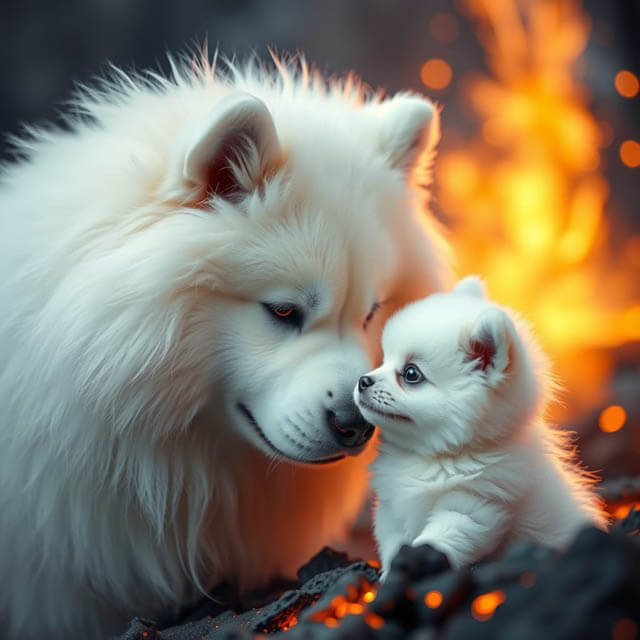

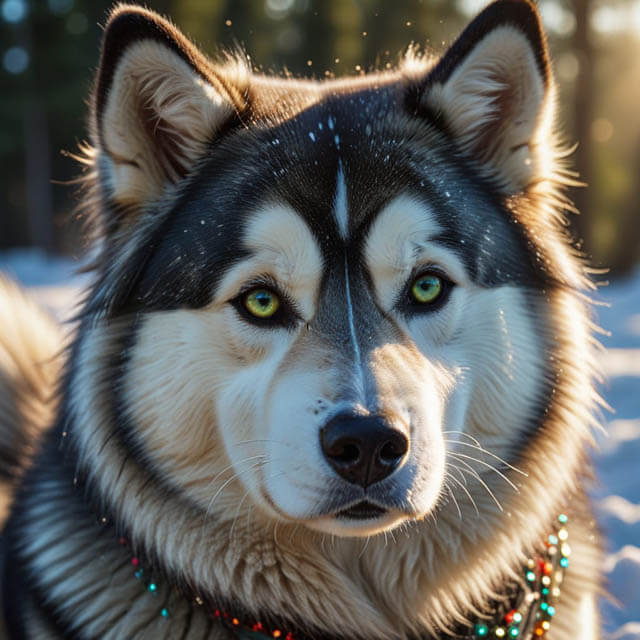
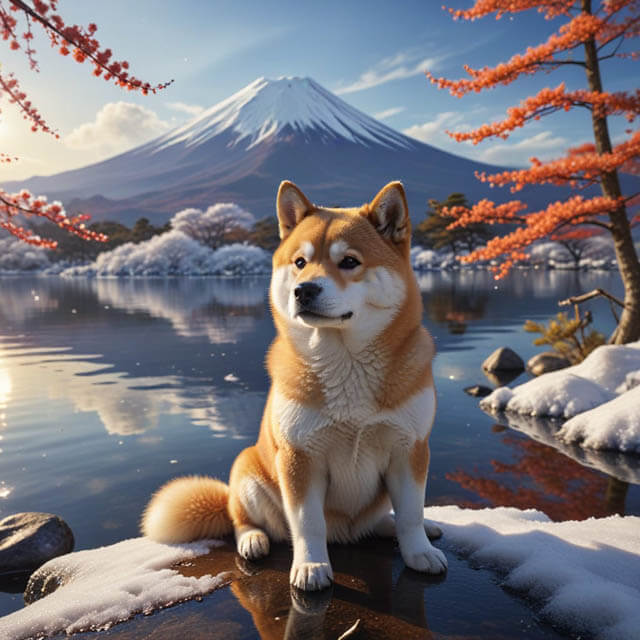
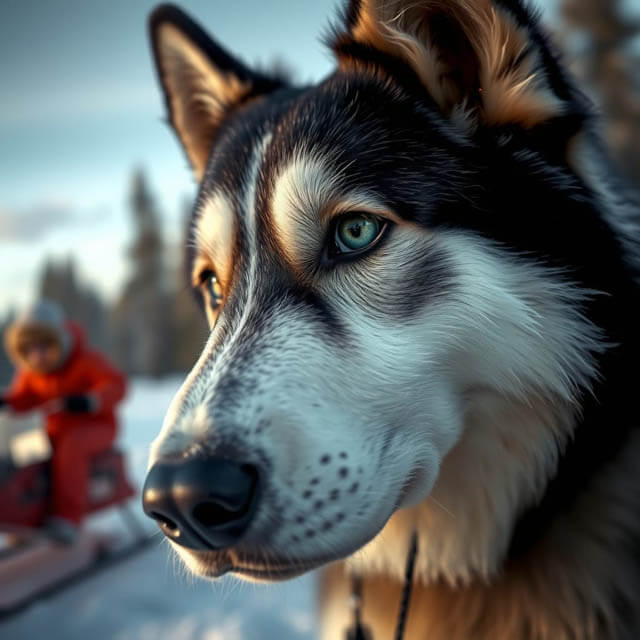
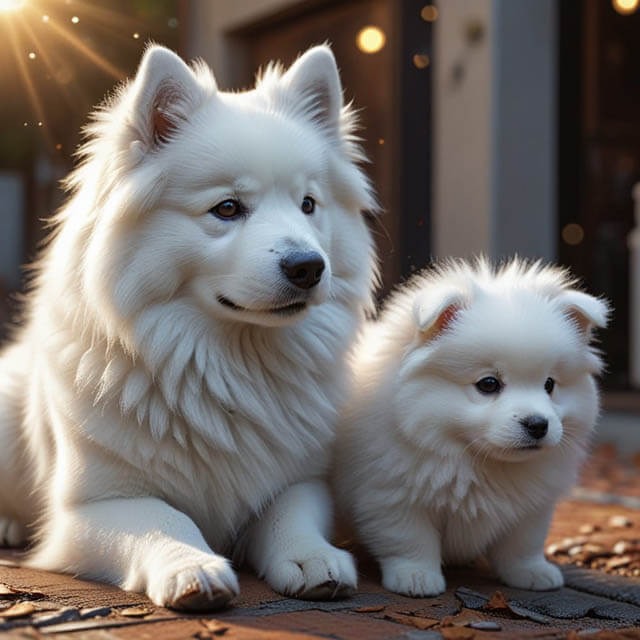
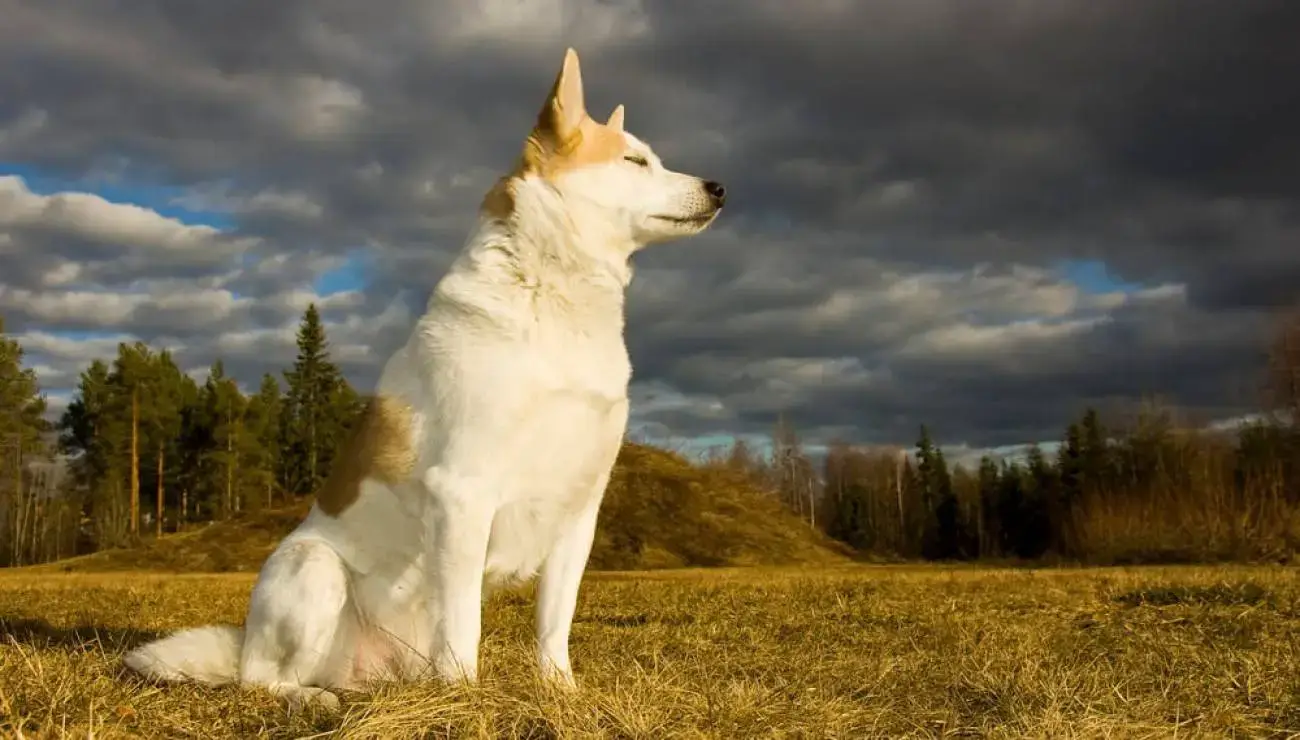
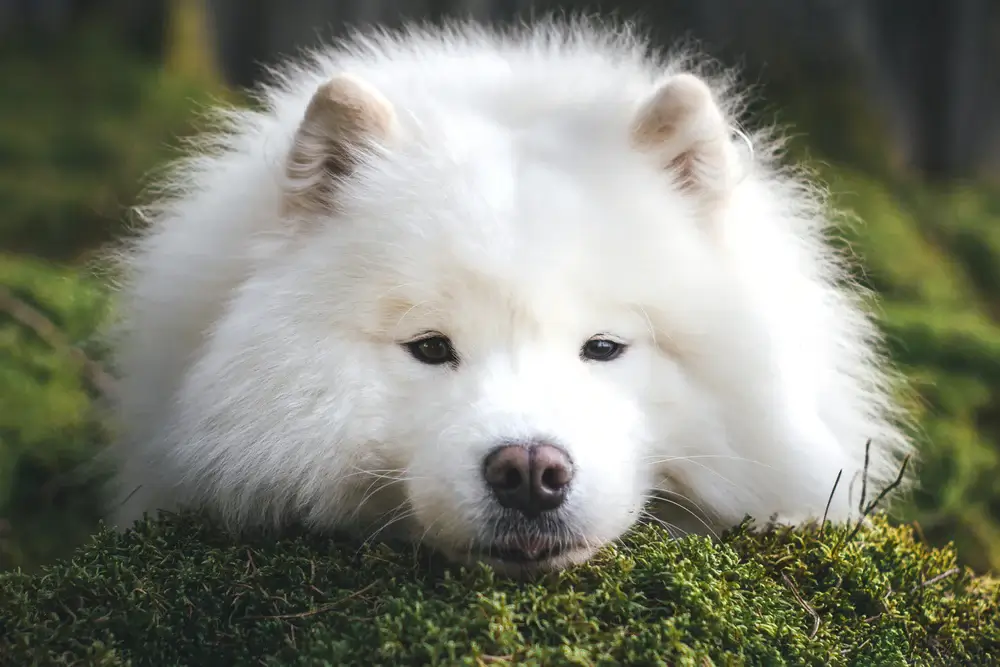
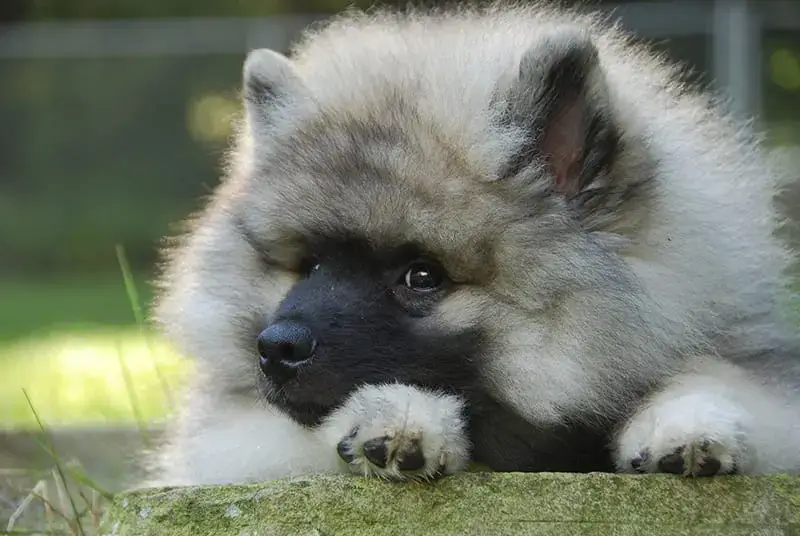
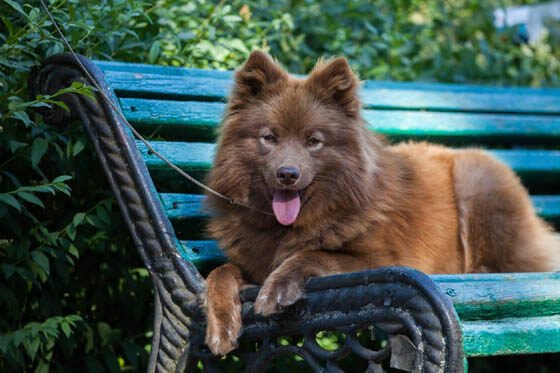

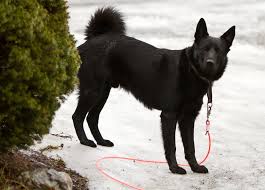
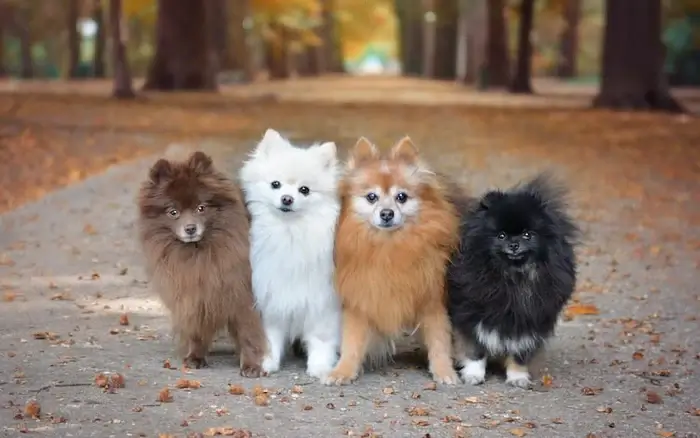
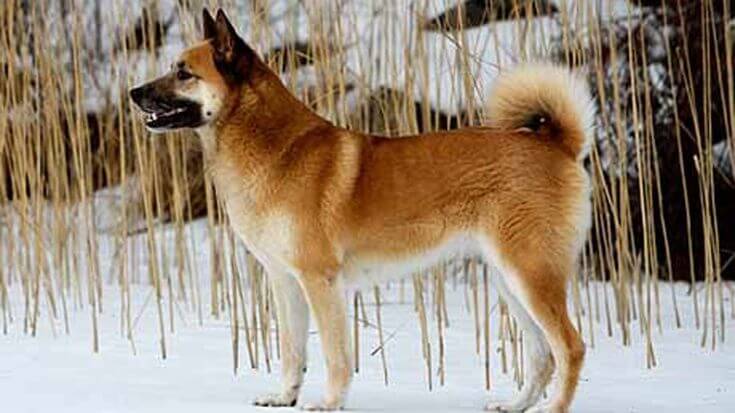
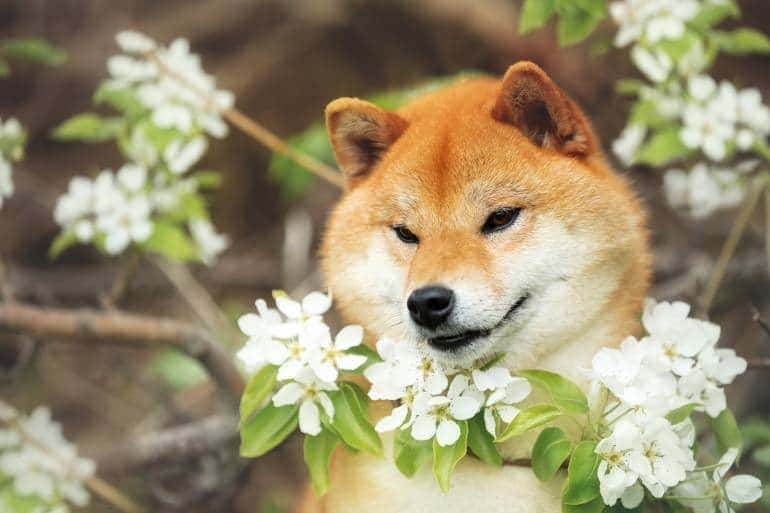
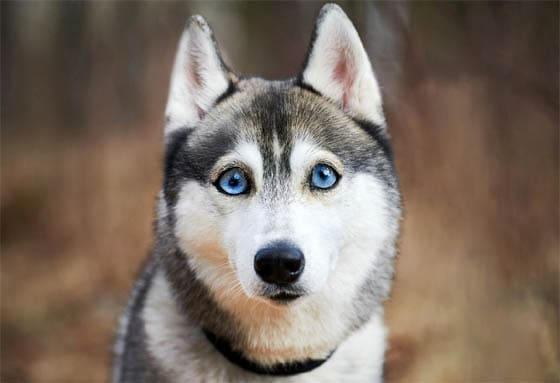

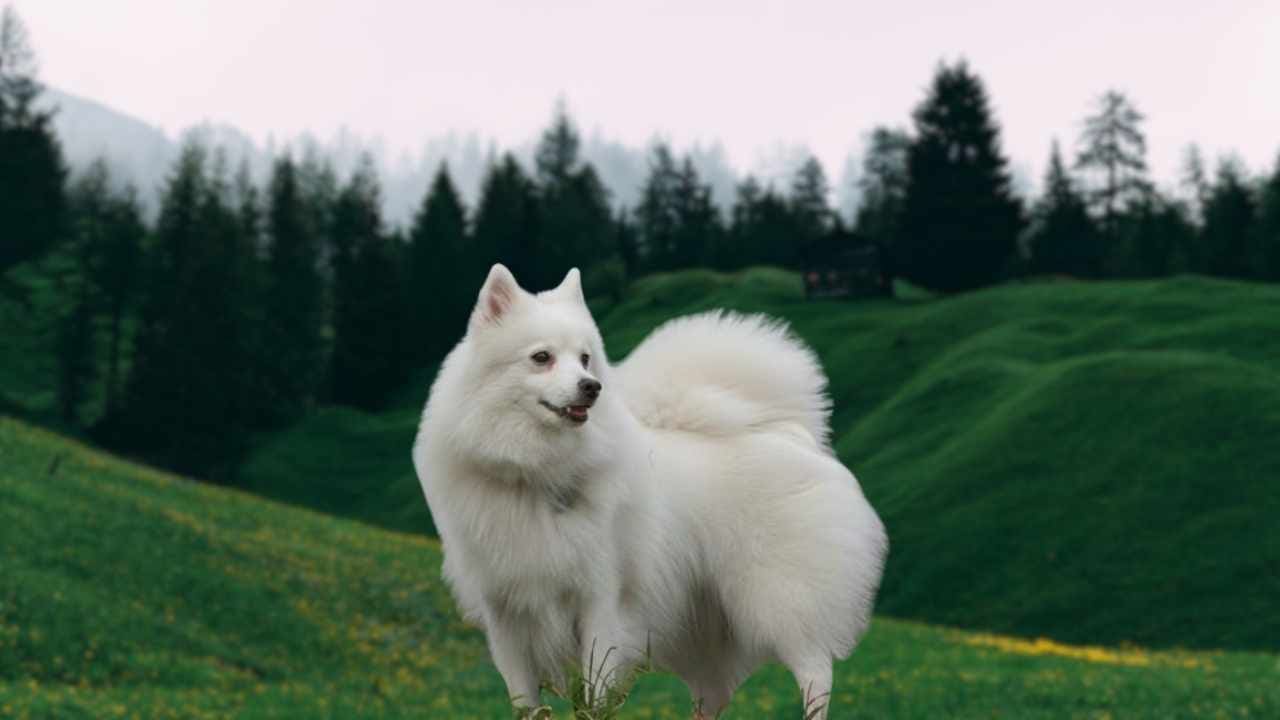
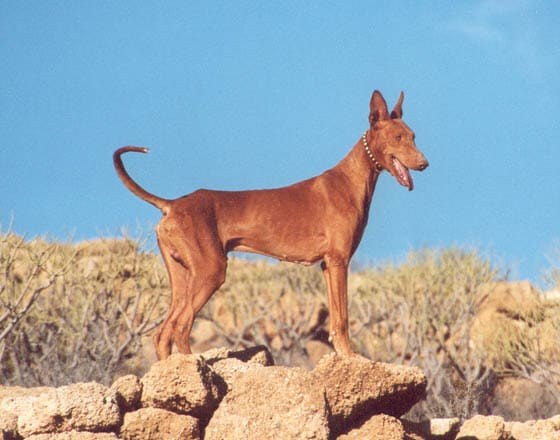
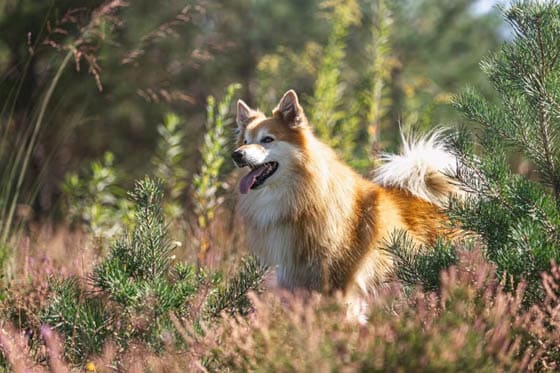
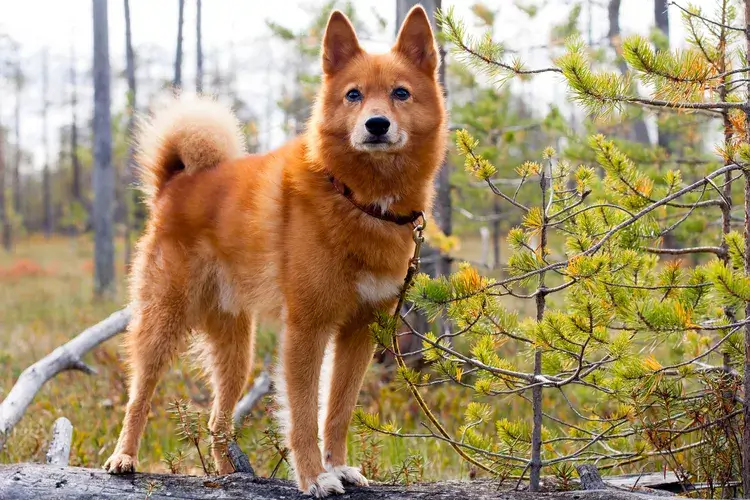
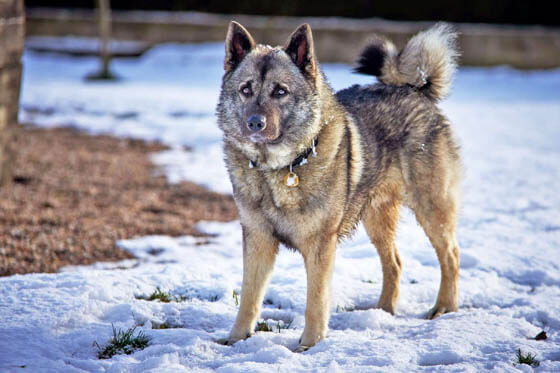
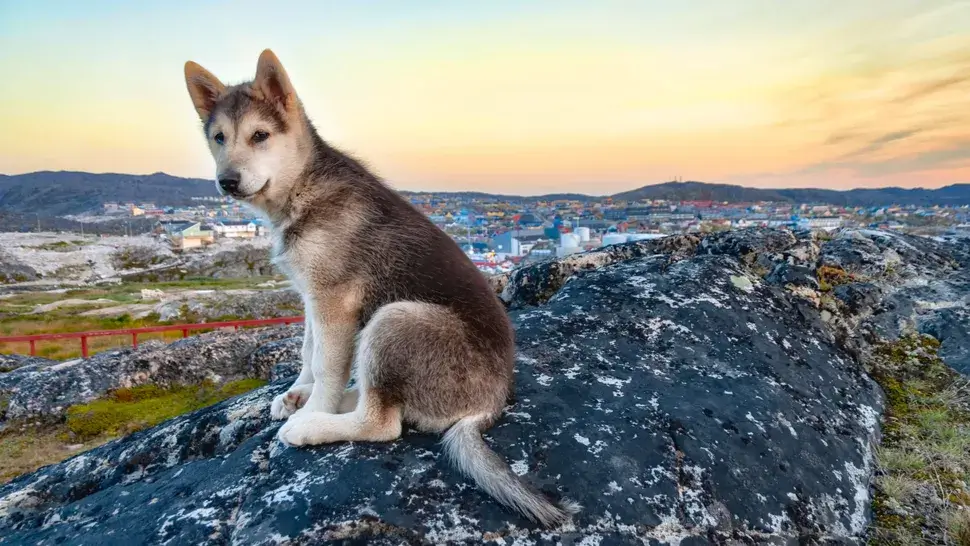
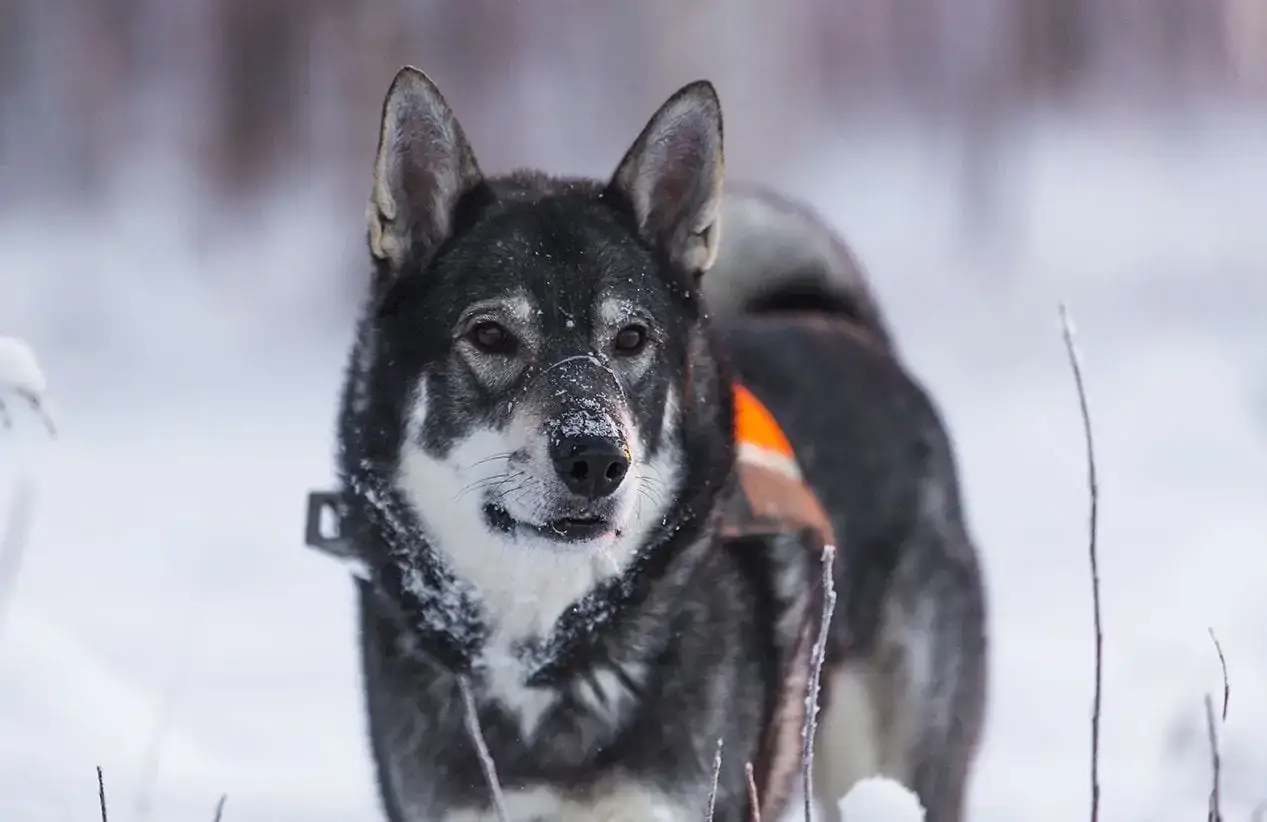
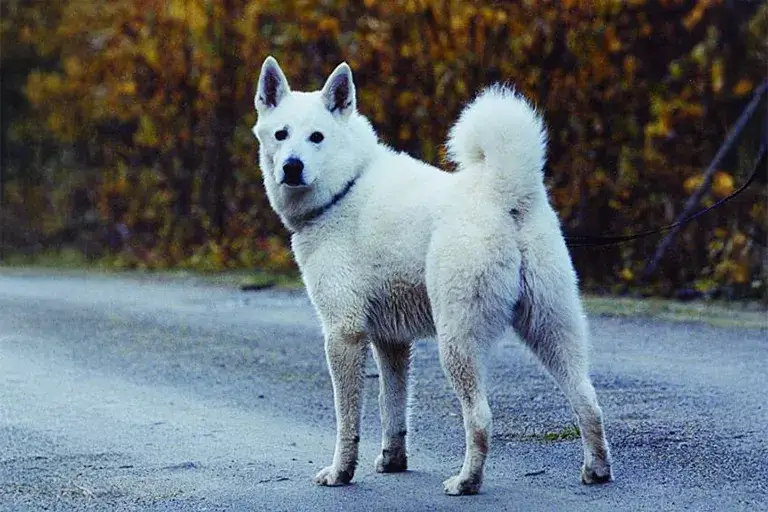
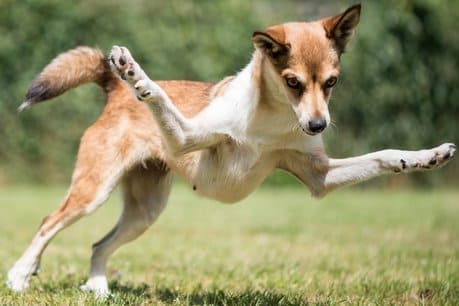
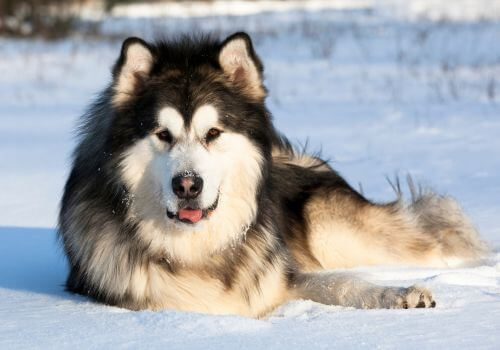
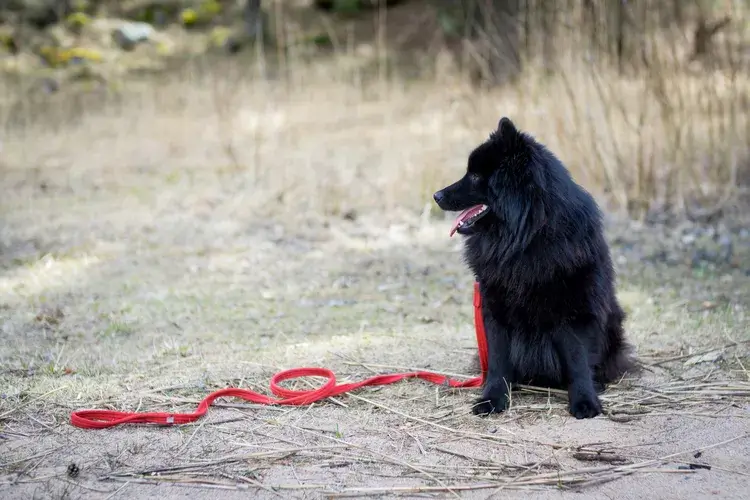
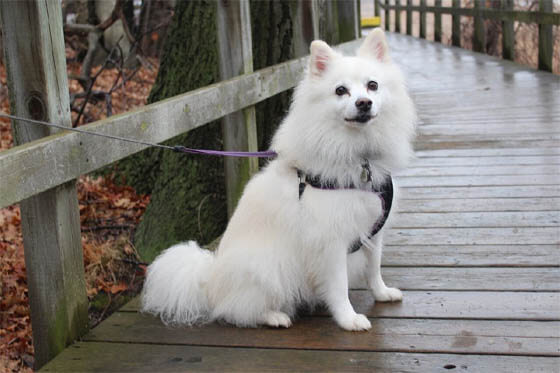
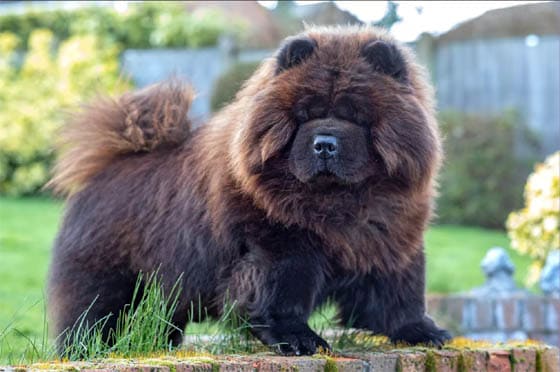
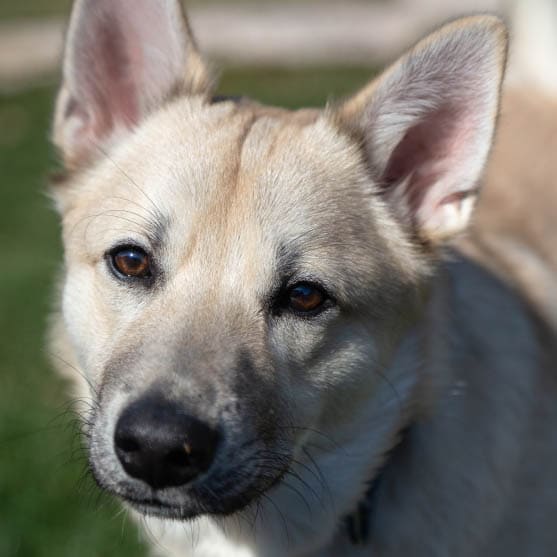
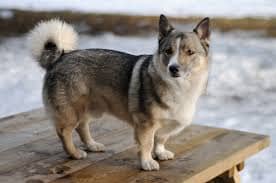
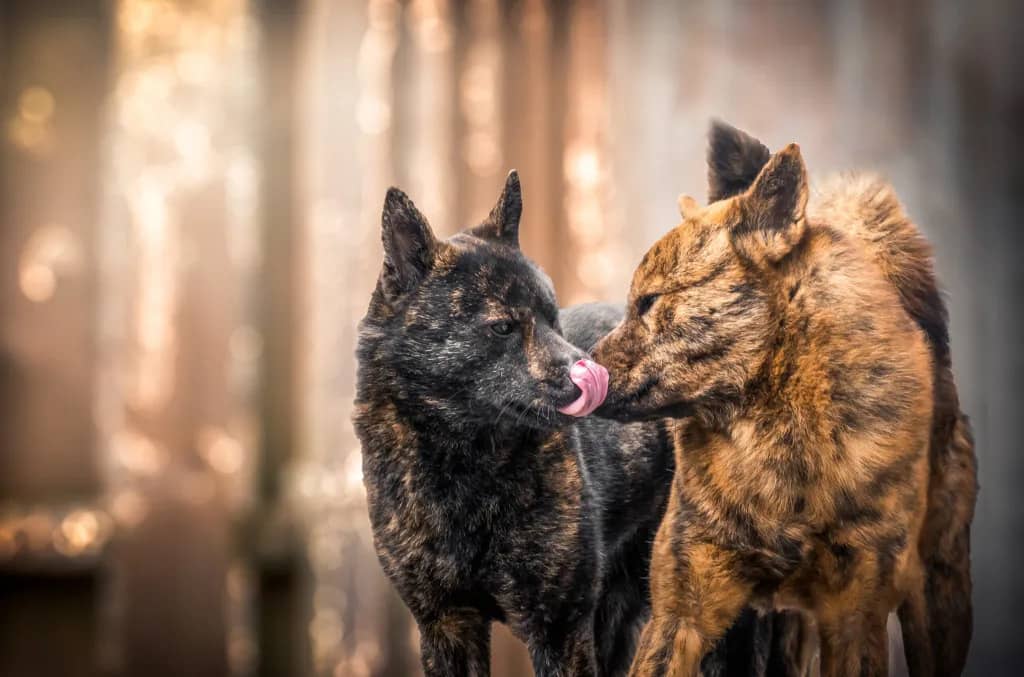
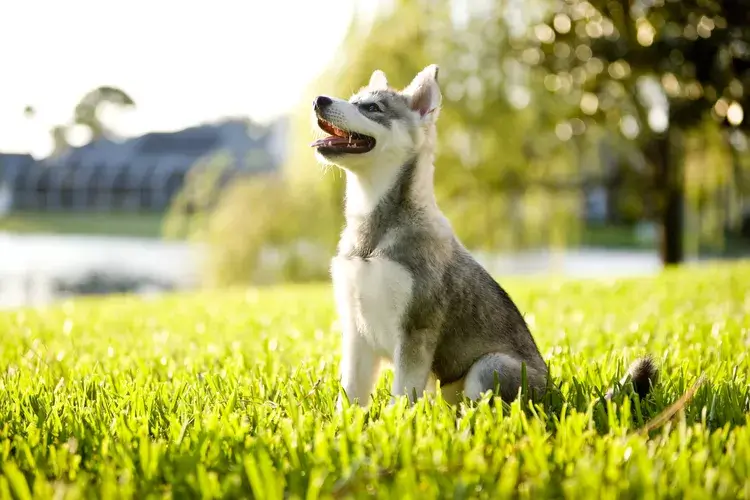
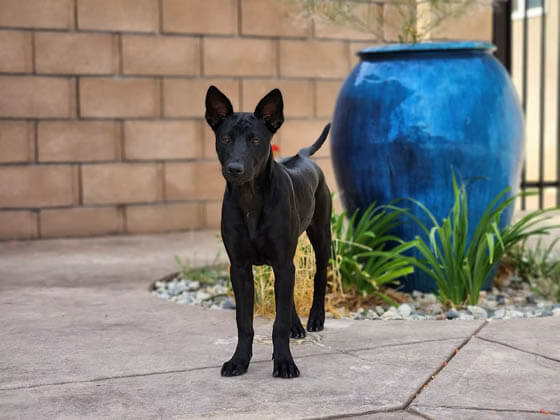
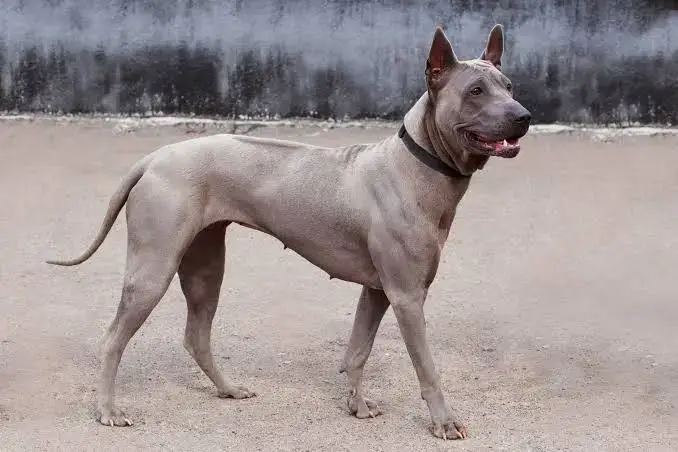
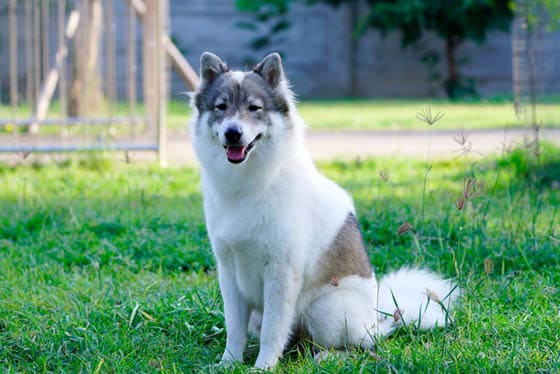
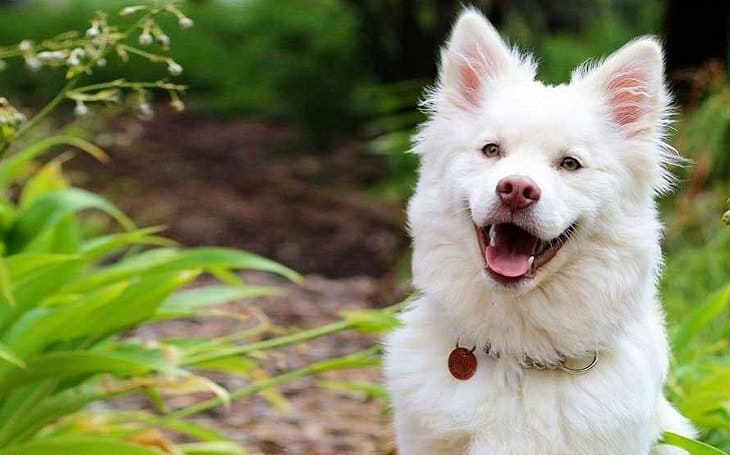
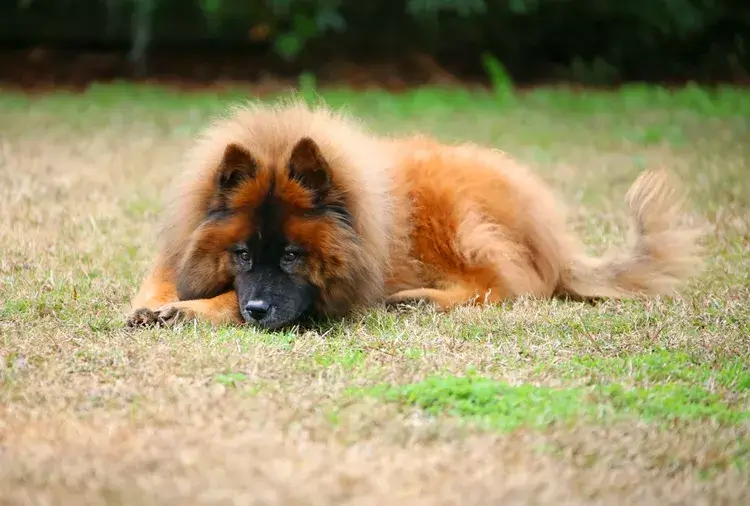
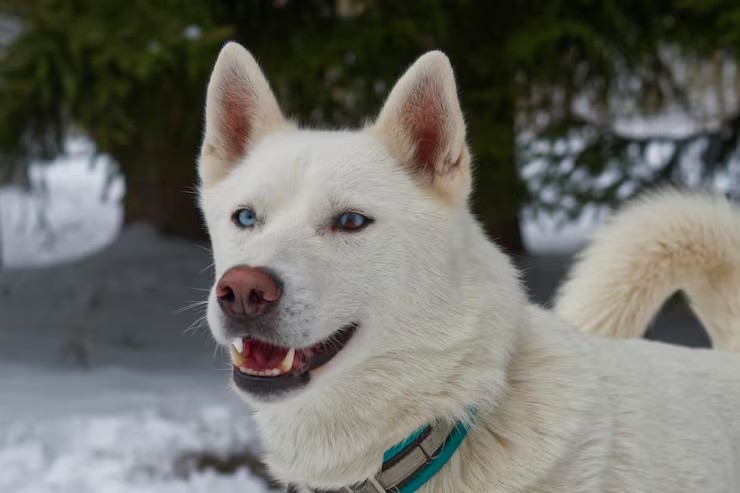
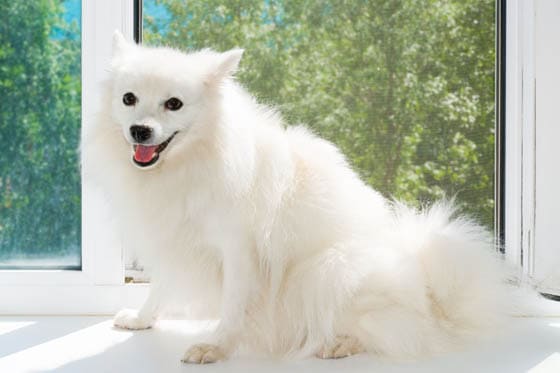
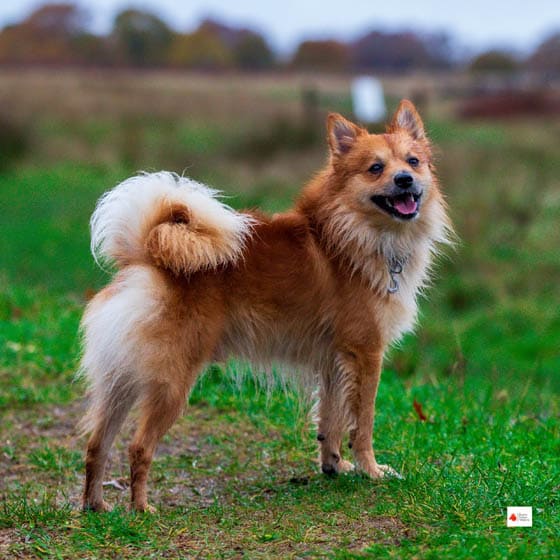
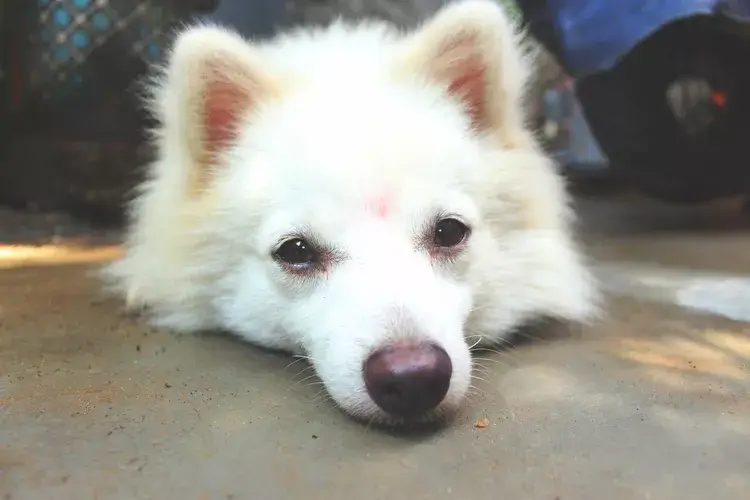
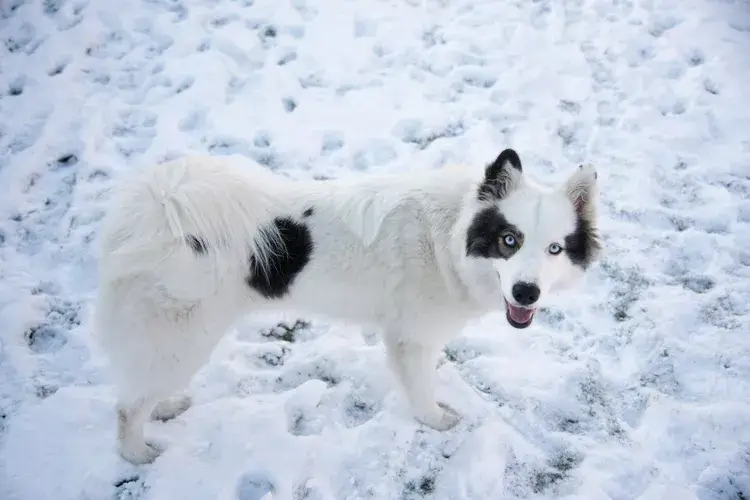
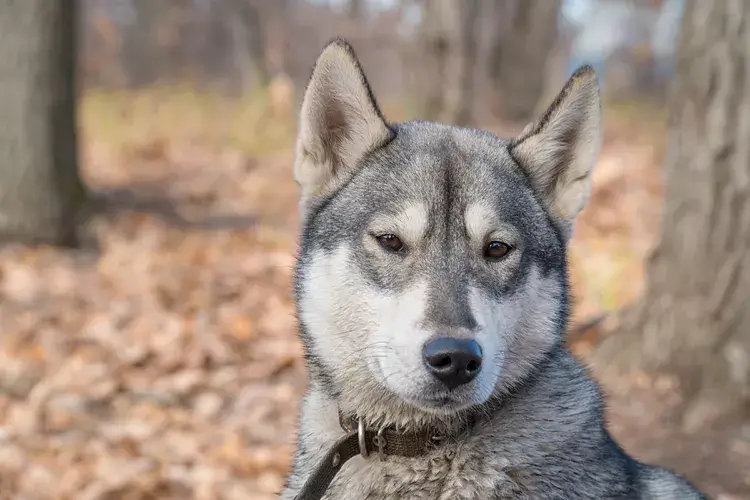
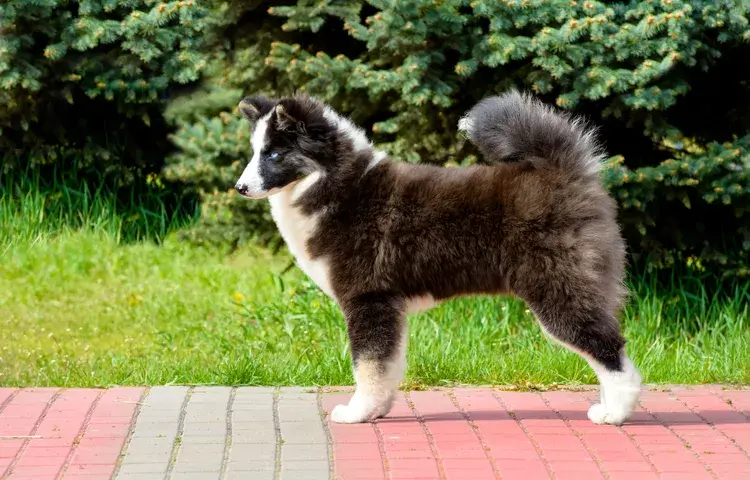


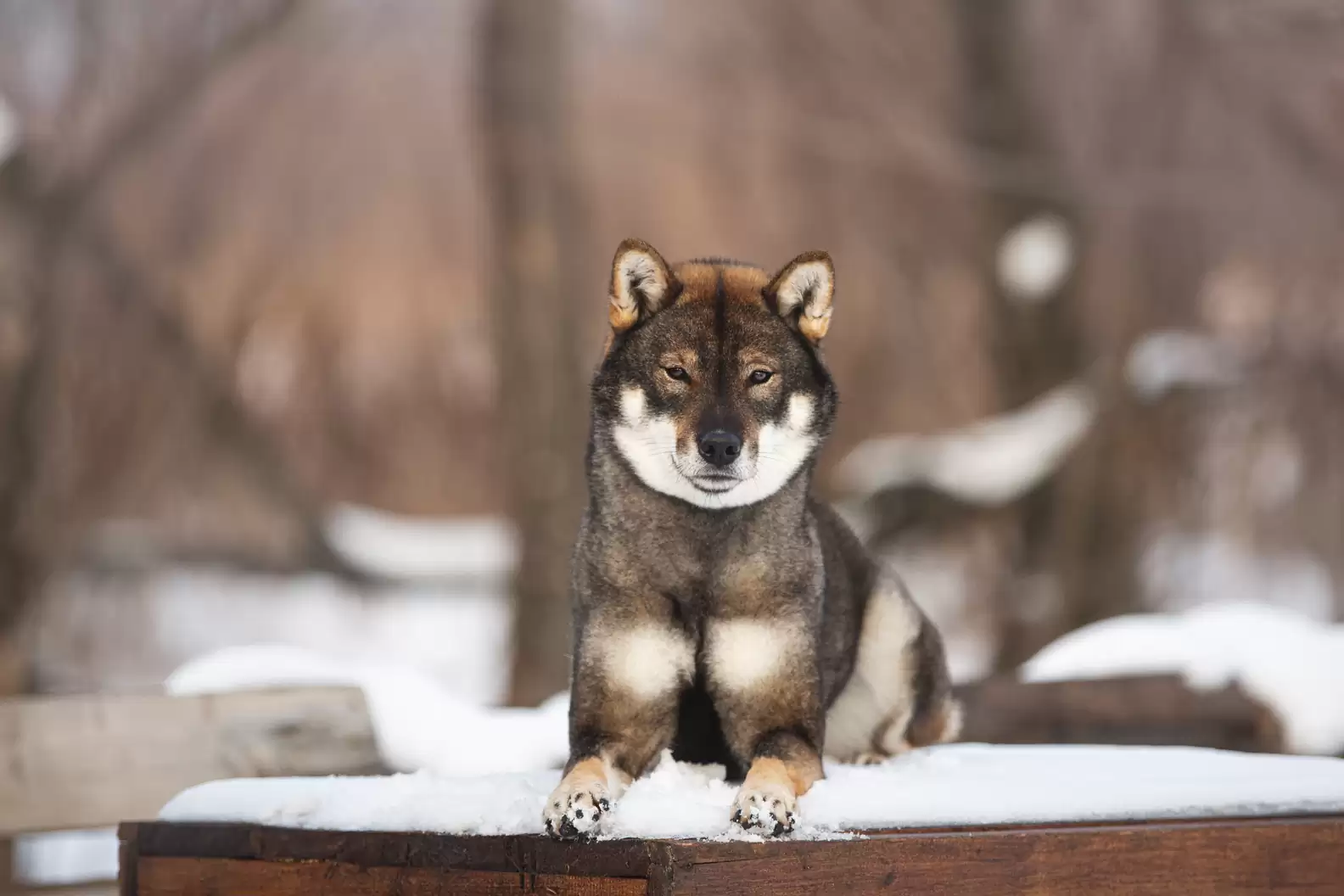

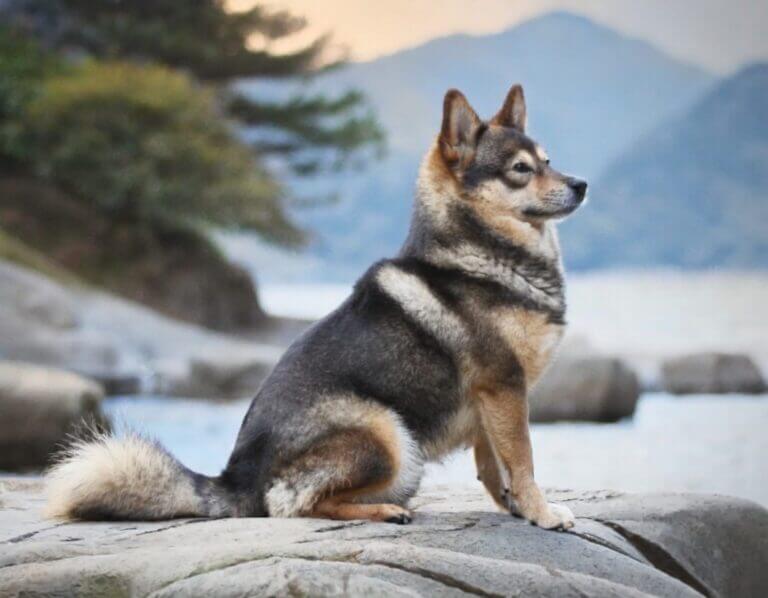
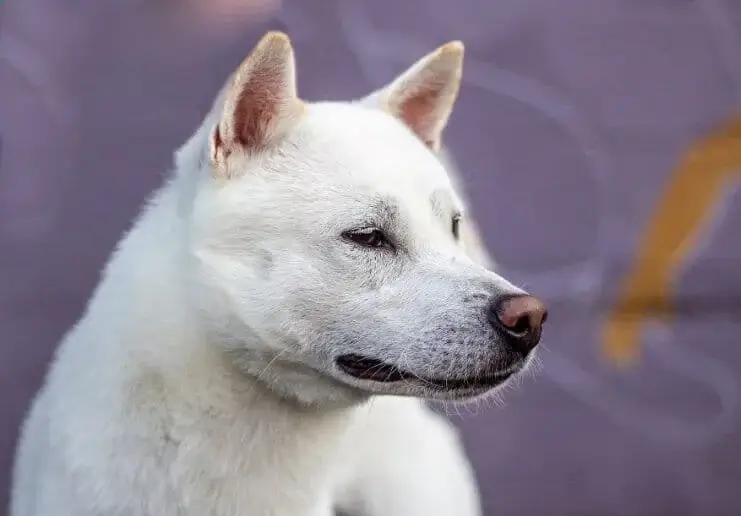
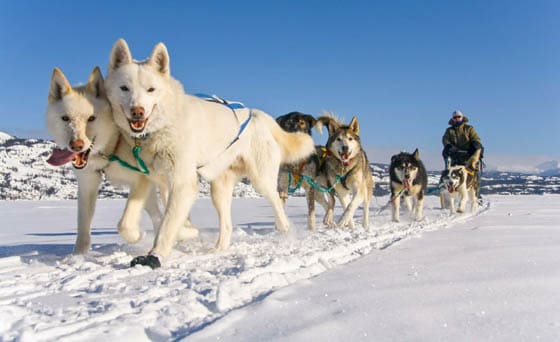
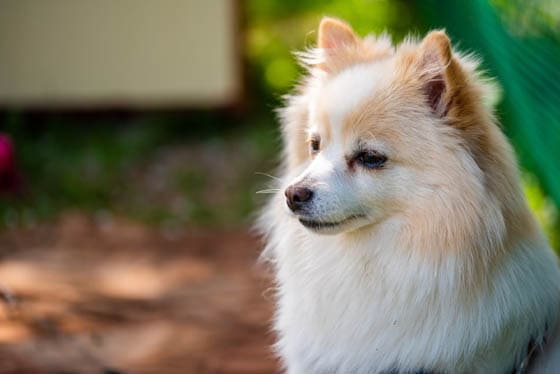
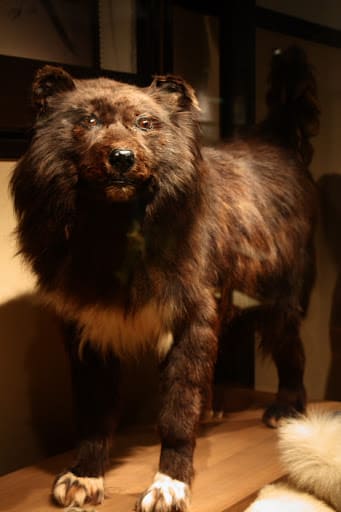
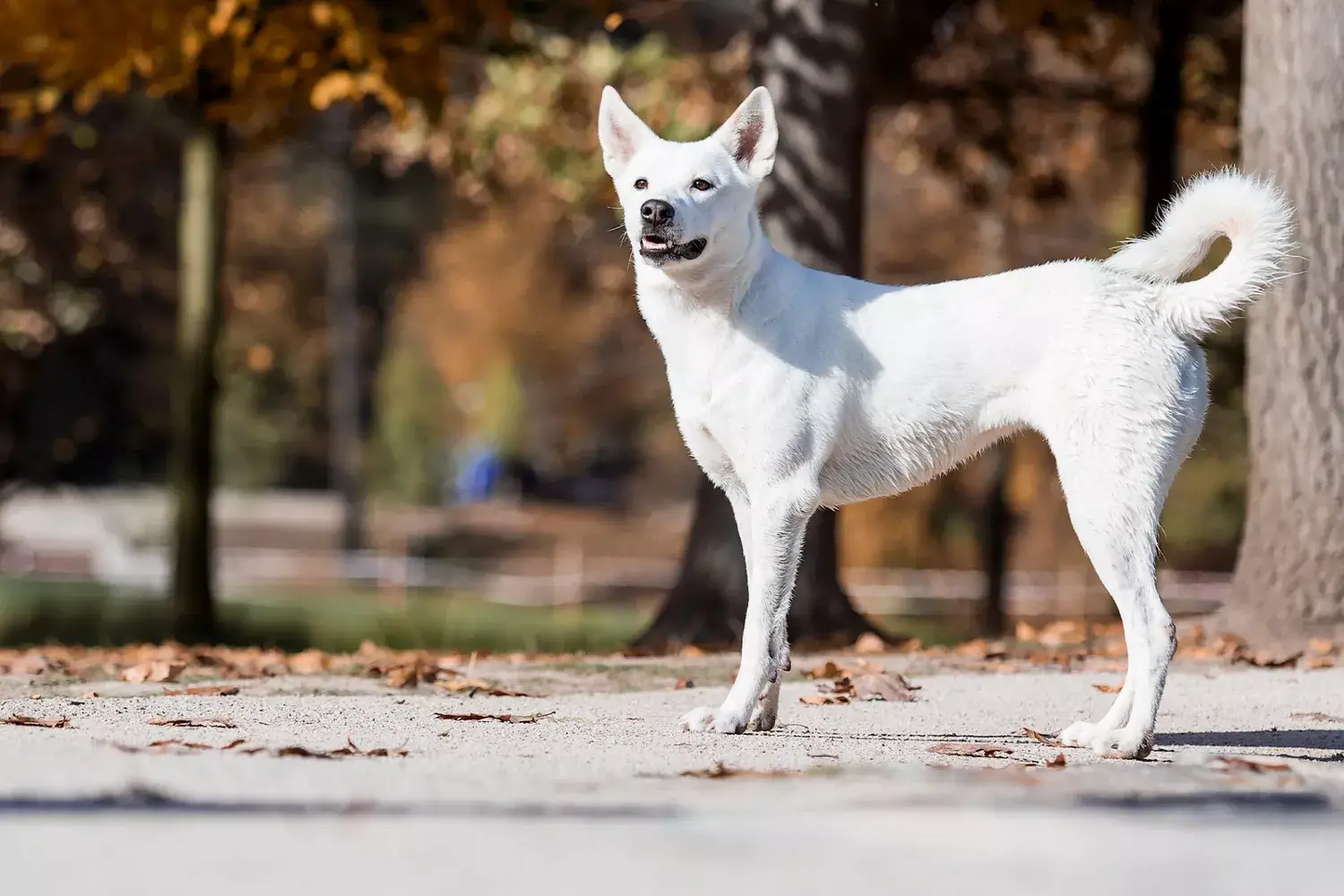
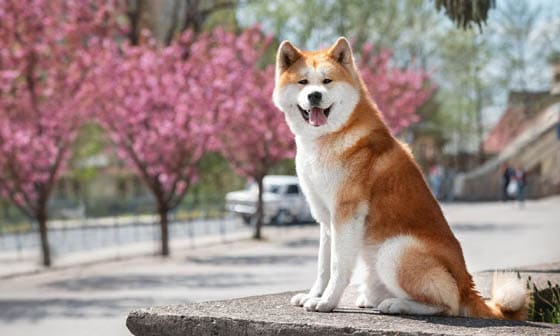
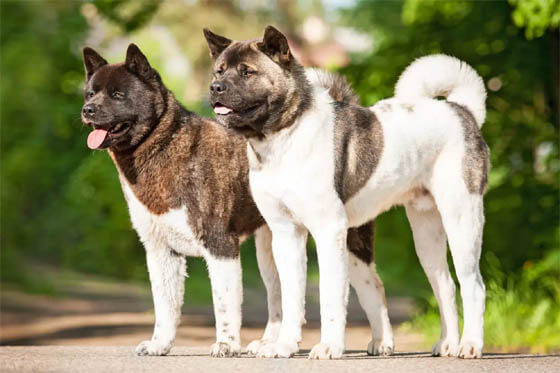
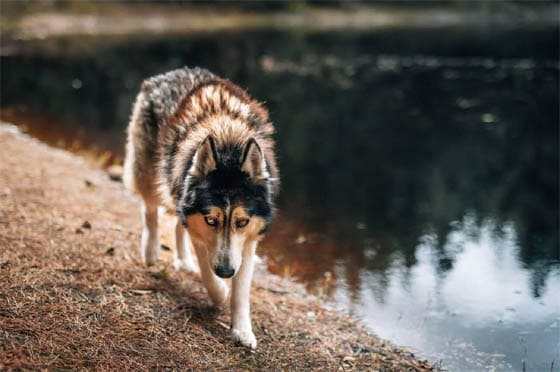
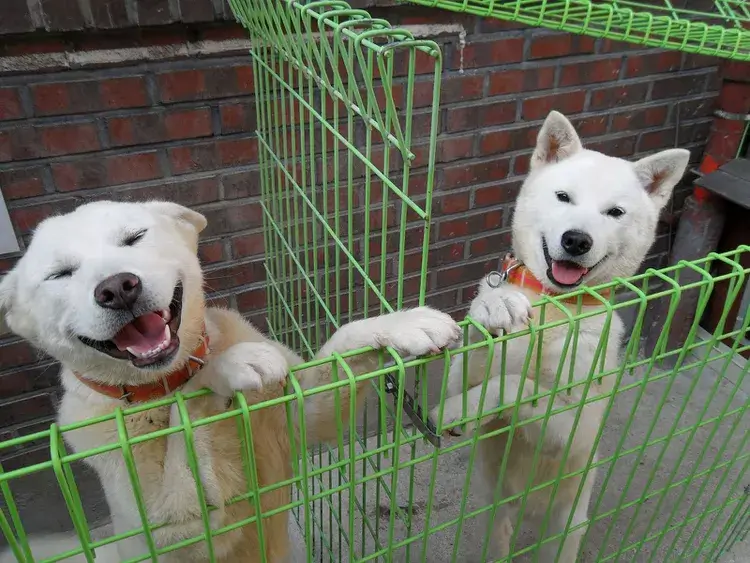
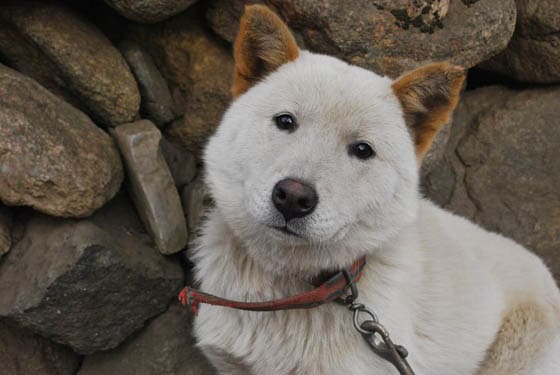
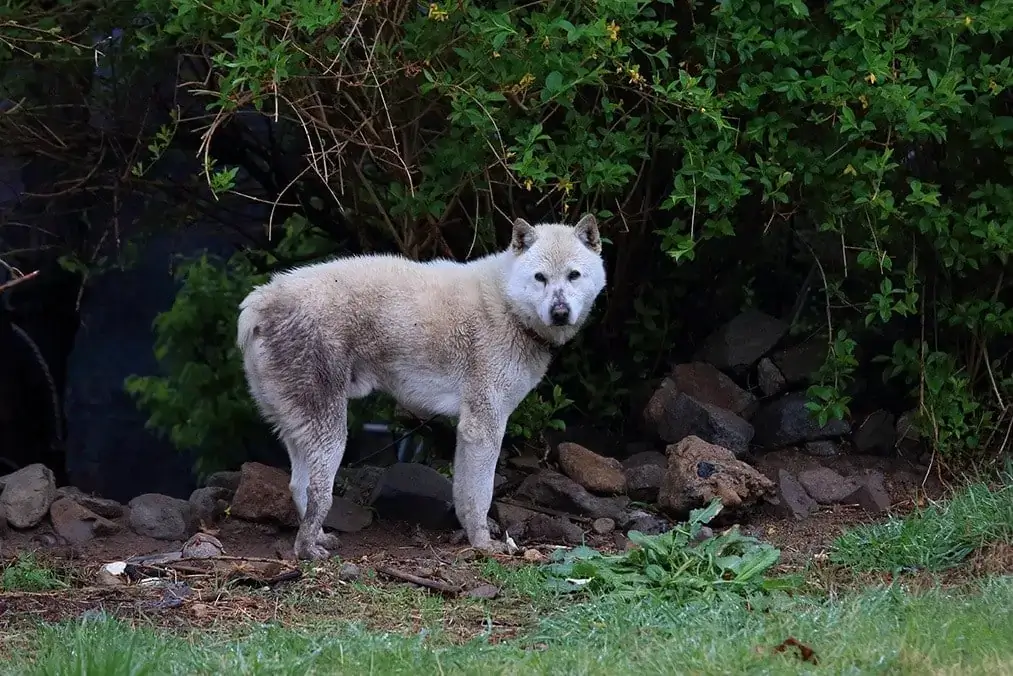
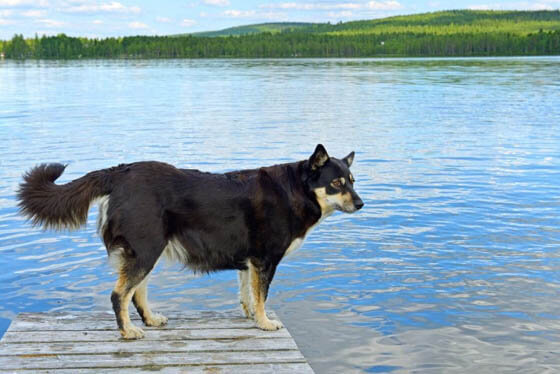
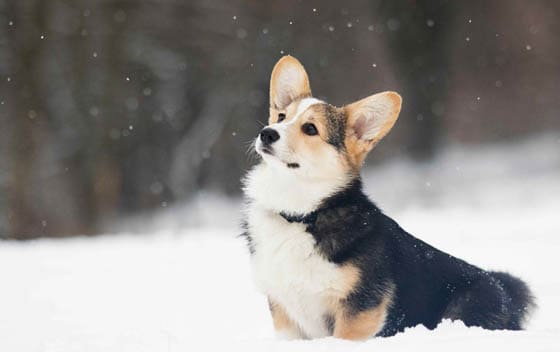
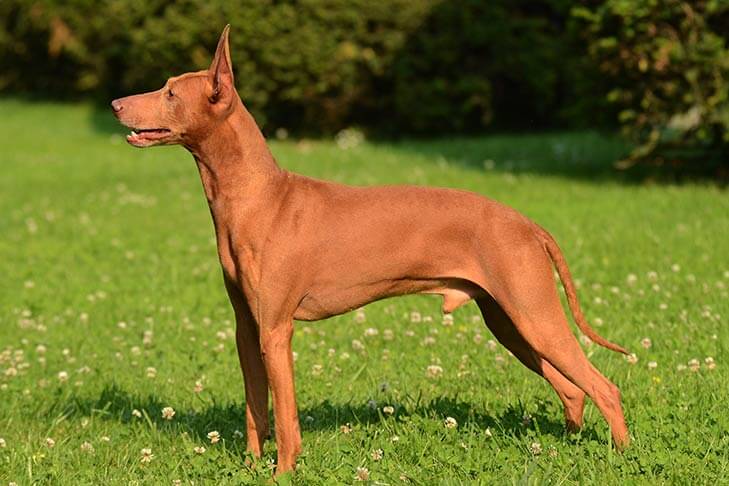
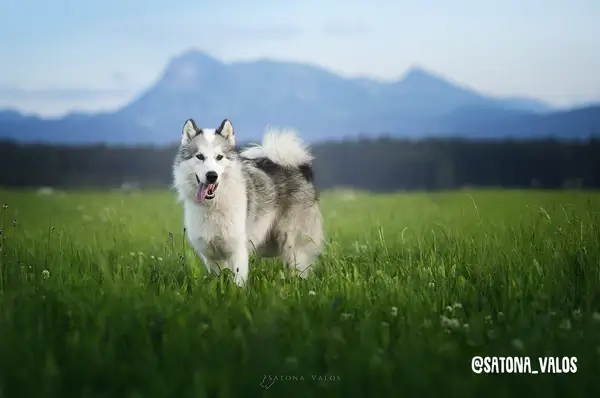
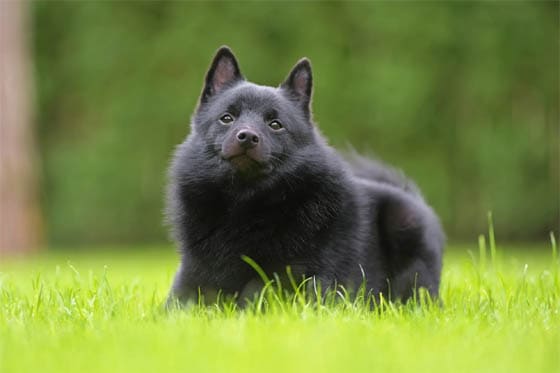
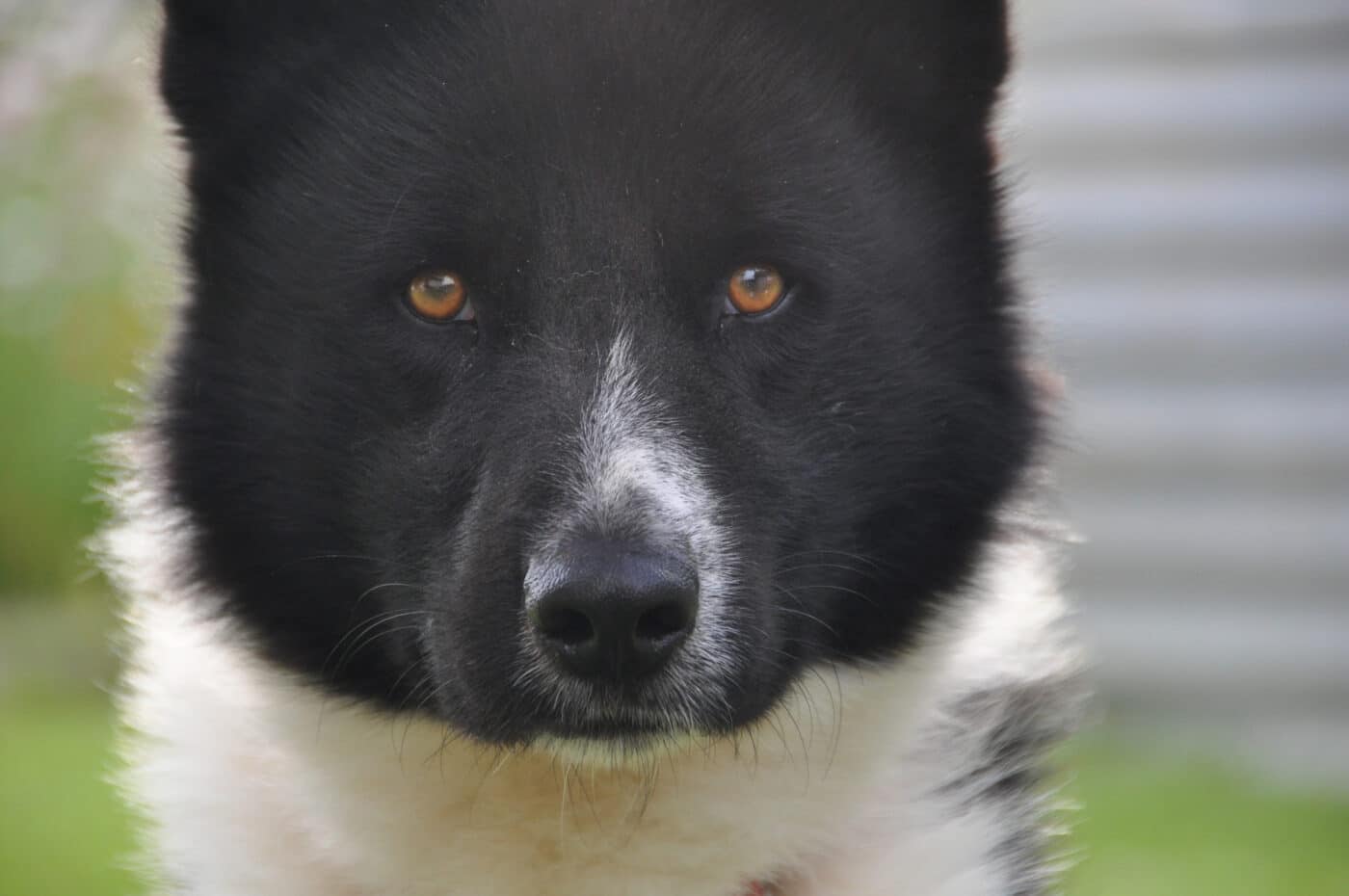
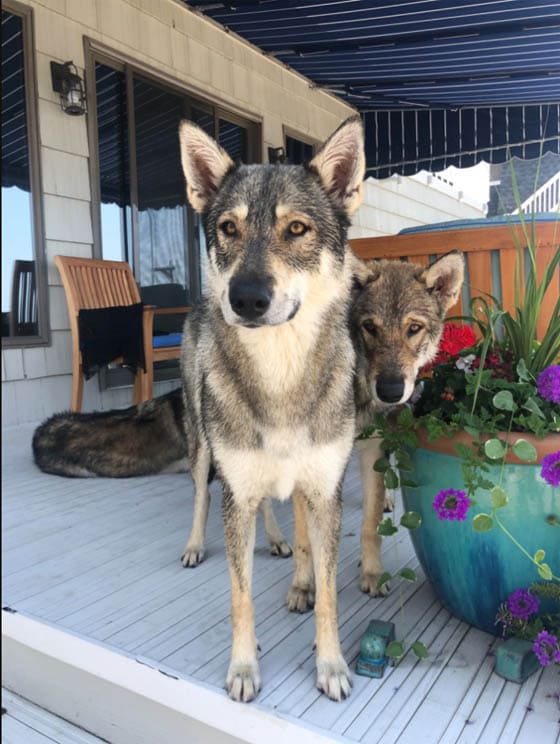
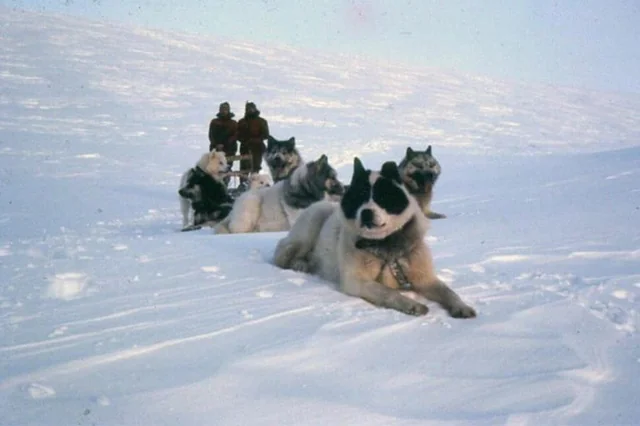
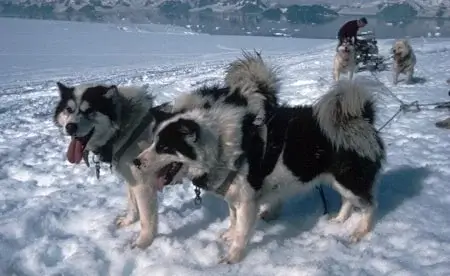










WORLD OF DOG & PUPPY 🐶