14 Turkish Dog Breeds Rare Turkish Dog Breeds Extinct Turkish Dog Breeds Popular Turkish Dog Breeds Dog Breeds from Turkey Dog Breeds Originating in Turkey Unique Characteristics of Turkish Dog Breeds Most Complete List of Turkish Dog Breeds Top Turkish Dog Breeds Most Popular Turkish Dog Breeds Temperament of Turkish Dog Breeds Behavior of Turkish Dog Breeds What Makes Turkish Dog Breeds Special? What dog breeds are native to Spain? Which dog breed is Turkish? Indigenous Turkish Dog Breeds Native Turkish Dogs Turkish Dog Breed Photos Turkish Dog Names
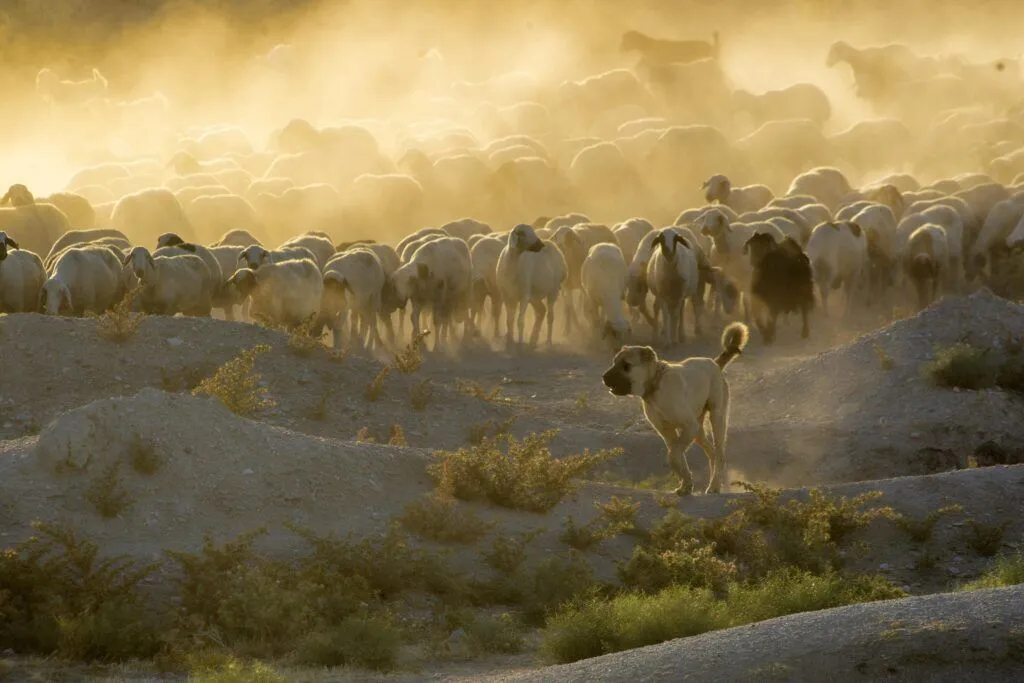
Turkey is known for its rich cultural history, exotic food, beautiful art, and gorgeous landscape. It has abundant wildlife, including the endangered Anatolian leopard, but it’s also home to some of the most unique dog breeds on the planet! For thousands of years, shepherds across Anatolia relied on powerful livestock guardian dogs to defend their flocks from wolves, bears, and other predators. Bred for courage, endurance, and independent thinking, these dogs became trusted partners in a way of life that still survives in parts of rural Turkey.
In the world of dog breeds, Turkish dogs hold a special place. These canines exhibit a diverse range of characteristics and have a rich history intertwined with the cultural heritage of Turkey. Understanding the origin and distinct qualities of Turkish dog breeds is key to appreciating their value as companions and working dogs. Some on this list are big pooches with big personalities and need an owner that recognizes and respects this.
The historical significance of Turkish dogs traces back centuries, with evidence suggesting their presence in ancient Anatolian civilizations. These dogs played vital roles in various aspects of human life, including guarding, herding, hunting, and personal protection. Their deep-rooted connection with the Turkish people and their land has contributed to the preservation and development of breed-specific traits.
The diverse geography of Turkey has significantly influenced the development of Turkish dog breeds. The varied landscapes and climate conditions shaped the physical and behavioral attributes of these dogs. From the mountainous regions to the coastal areas, different breeds emerged, each tailored to the specific needs of the communities they served.
Unique Characteristics
of Turkish Dog Breeds
Turkish dog breeds have captivated dog enthusiasts around the world with their fascinating physical and behavioral traits. These breeds exhibit a wide range of physical characteristics that reflect their adaptability to different environments, making them remarkable.
Physical Traits
and Attributes
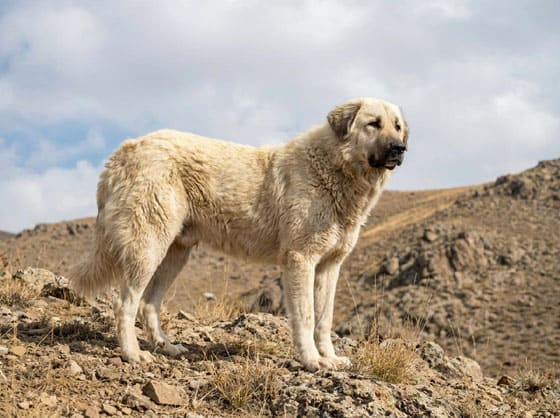
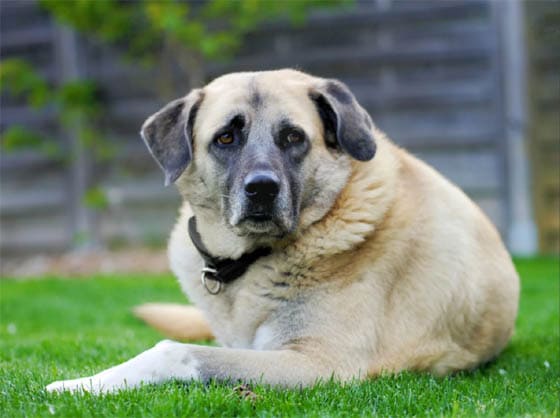
One of the most striking physical attributes of Turkish dog breeds is their muscular build and thick double coat. Take, for example, the Anatolian Shepherd. This majestic breed possesses a robust and powerful physique, perfectly suited for its role as a guardian. Its muscular build allows it to easily navigate challenging terrains, while its thick double coat protects against harsh weather conditions, keeping it warm and comfortable. Another Turkish breed renowned for its physical traits is the Kangal. This breed boasts a strong jaw and a robust body structure, making it an ideal guardian of . With its impressive strength, the Kangal can effectively deter predators and protect its flock. Its muscular physique and powerful bite make it a force to be reckoned with.
Behavioral Traits
and Temperaments
Aside from their physical attributes, Turkish dog breeds are also known for their distinct behavioral traits and temperaments. These dogs are celebrated for their unwavering loyalty, intelligence, and strong protective instincts. Their innate vigilance makes them exceptional watchdogs, always on high alert to defend their family and territory.Despite their formidable nature, Turkish dog breeds possess a gentle and affectionate disposition toward their loved ones. They form deep bonds with their human companions and are known to be highly devoted. Their affectionate nature shines through in their interactions with their family, displaying a loving and caring attitude.
Furthermore, Turkish dog breeds are known for their intelligence and quick learning abilities. They are highly trainable and excel in various tasks, making them versatile working dogs. Whether it's herding , performing search and rescue operations, or participating in dog sports, these breeds showcase their intelligence and adaptability. Turkish dog breeds possess a unique combination of physical and behavioral traits that make them truly exceptional. From their muscular builds and thick double coats to their loyalty and intelligence, these dogs have captured the hearts of dog lovers worldwide. Their adaptability to different environments and their unwavering devotion to their loved ones make them remarkable companions and guardians.
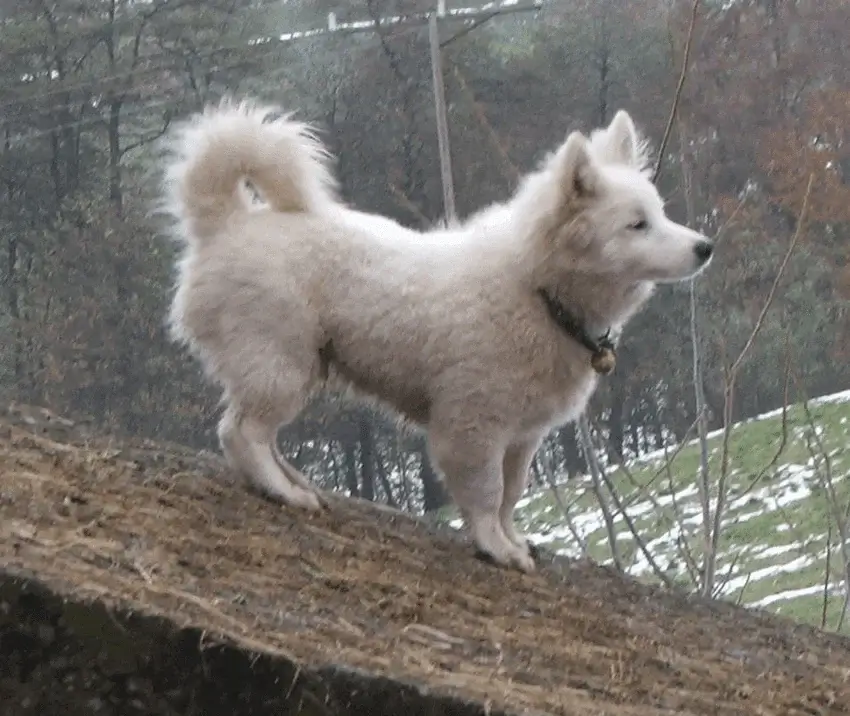
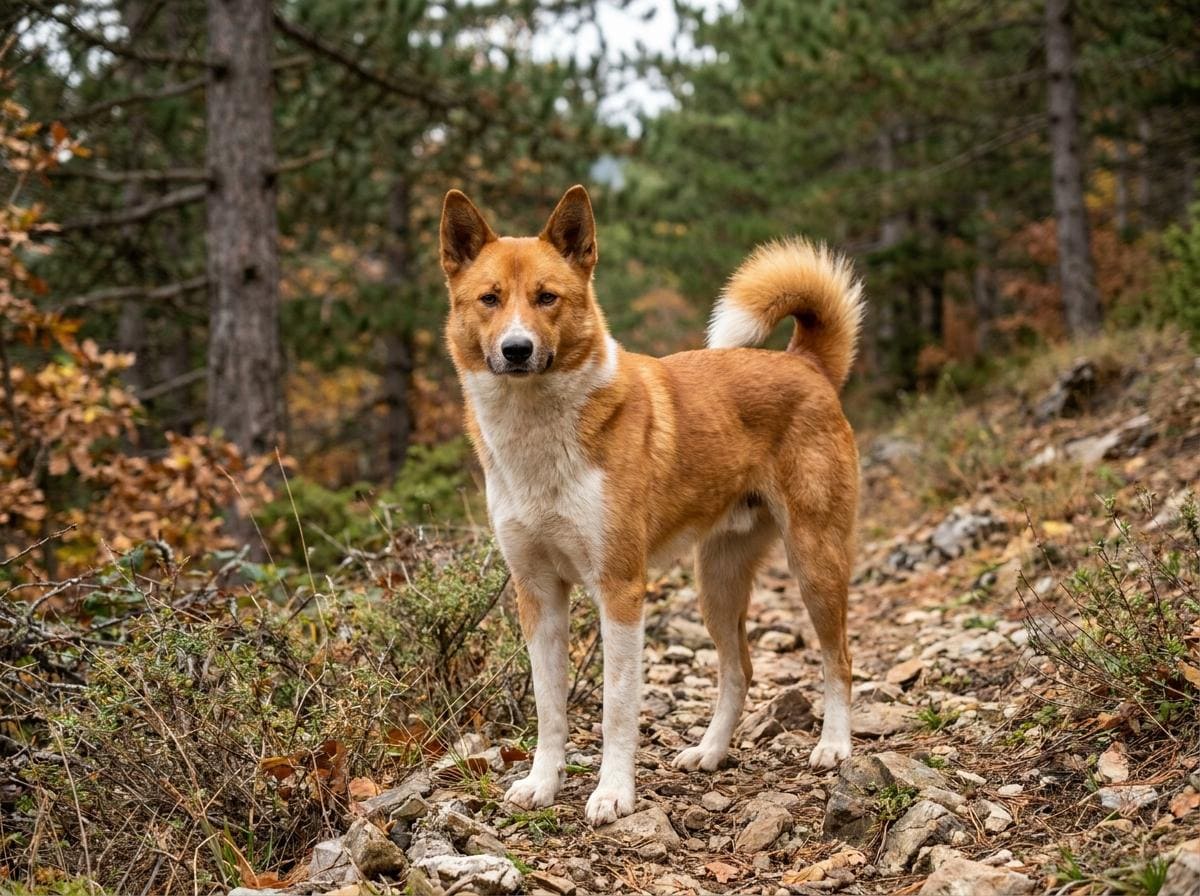
The Tonya Finosu (also called the Fino of Tonya or Kobi) is a rare, small Spitz-type dog breed indigenous to the Trabzon province of Turkey, specifically the Tonya district. Legend suggests the breed's ancestors arrived via medieval Baltic-Black Sea trade sailors during historic fur trades. Unrecognized by major international kennel clubs, though local authorities in Turkey have pursued geographical trademark and indication status to protect and preserve the breed. The Tonya Finosu is a medium-sized breed weighing between Male: 7-11 kg, Female: 6-10 kg and standing Male: 28-32 cm, Female: 26-30 cm tall. Its sturdy physique and well-proportioned body make it instantly recognizable. The Tonya Finosu is known for being Alert, intelligent, energetic, loyal, friendly, courageous. It is very active and needs plenty of daily exercise. It is great with children and families. Early socialization and consistent training are key to bringing out its best qualities.
The Tonya Finosu is highly intelligent and responds excellently to positive reinforcement training. Early obedience classes are recommended for all dogs of this breed. Short, engaging training sessions work best to keep their attention and build a strong bond with their owner. The Tonya Finosu thrives best in a home with a yard or garden where it can run and play freely. Active owners who enjoy outdoor activities will find a perfect partner in this breed. High-energy, athletic, playful, and very affectionate with family members and household pets. Alert and vocal, showing a natural suspicion toward strangers, though they are too small to be true guard dogs. Highly active, they need daily play and exercise to stay happy. The Tonya Finosu is very good alert watchdog, but also loving and loyal family companion. Due to their small size, they are not good choice for guarding purposes, but their alert and watchful temperament makes them great adepts for watchdogs. They will definitely alert you by barking when they will hear something suspicious around your house or when they will see a stranger approaching. They can also be used to watch over farms, where they can also be used to hunt rodents. Thanks to the dense doublecoat, this is very adaptable breed capable of withstanding colder and rainy conditions. And indeed, if they are provided with some form of shelter, they can stay outside all day long. But they will be happiest next to their family.
They create very strong bond with its owner and with the whole family and the Tonya Finosu is known as a tolerant, friendly, playful, lively and cheerful companion. If socialized from the puppyhood, they can happily live with other dogs in the household. The Tonya Finosu is also tolerant and playful partner for kids, but of course, you should never leave any dog breed with a very young child unsupervised. When getting a Tonya Finosu, do not expect a coach potatoe. This is rather active breed with a lot of energy. They will be always ready for any outdoor adventure, walk, hike or jog. And they will be happiest if they are provided with proper daily exercise and playtime. There is not much information and no scientific studies about the health of Tonya Finosu breed. The average lifespan is around 12 or 13 years.
The Dikkulak is a small, erect-eared spitz-type landrace dog native to the northeastern provinces of Turkey (including Ağrı, Ardahan, Erzurum, Iğdır, and Kars). The Dikkulak is a medium-sized dog breed belonging to the Sighthound group originating from Turkey. In Turkish, dik kulak literally means "erect ear". It is also known locally as Çivikulak ("nail ear") or Zağar. Known for its Alert, energetic, loyal, intelligent, this breed has captivated dog lovers around the world. With a life expectancy of 12-16 years, it makes a wonderful companion for the right family. The Dikkulak is known for being Alert, energetic, loyal, intelligent. It is very active and needs plenty of daily exercise. Early socialization and consistent training are key to bringing out its best qualities. The Dikkulak is highly intelligent and responds excellently to positive reinforcement training. Early obedience classes are recommended for all dogs of this breed. Short, engaging training sessions work best to keep their attention and build a strong bond with their owner. Traditionally kept as a village farm dog and a vocal watchdog rather than an attack dog or standard house pet.
Highly alert, active, and vocal. Instead of attacking intruders, it relies on loud barks to alert owners of strangers. It is naturally reserved or unfriendly toward strangers, but forms tight bonds with its owners. Unsuitable for apartment living or standard urban pet life because it requires rural space, high activity, and freedom to move. The Dikkulak is a native landrace not recognized or standardized by major international kennel clubs. Its population in rural Turkey has been gradually declining over time. It is a genuine native landrace, documented in Turkish and international livestock surveys, but it has never been standardized by a kennel club, it is rarely seen outside its home provinces, and its numbers are reported to be falling. This page covers what the breed actually is, where it comes from, how to recognize one, what it was bred to do, and the honest reality of trying to find or keep one, with realistic guidance rather than the glossy invented detail that fills most breed pages for obscure dogs like this one. The Dikkulak was kept for one main job: to notice things and say so. It is a watch dog in the literal, old sense.
Owners keep it around the home and yard, either tethered or loose inside an enclosed area, and its value is that it is alert and vocal. A stranger approaching gets announced with a loud, insistent bark. What it does not do is act as a guard dog that physically confronts or restrains an intruder. It is small, and it was never bred to bite and hold. It raises the alarm and leaves the response to its people. Temperament follows from that job. This is not a soft, indiscriminately friendly companion breed. Descriptions of the dogs consistently note that they are wary of strangers and not naturally sociable with unfamiliar people. That wariness is the trait its keepers wanted, and it is baked into the working type rather than being a fault to train out. A Dikkulak bonds to its household and treats outsiders with suspicion, which is exactly what you would expect from a dog selected for generations to be a sentinel. None of this is formal behavioral science. There is no large temperament study of the breed, and any individual dog's disposition depends heavily on how it was raised, socialized, housed, and handled, as it does in every breed. What the record supports is a consistent working picture: alert, vocal, territorial, attached to its own people, and reserved with everyone else. A dog bred to announce every arrival will announce every arrival. In a dense neighborhood that alertness becomes noise complaints. In a rural home with land to guard it is doing its job. Match the dog to the setting.
The Kars Dog (or Kars Shepherd) is a traditional livestock guardian dog from the cold, mountainous northeastern provinces of Turkey. Bred to protect sheep and cattle from harsh weather and dangerous predators like wolves and bears. Compared with the short-coated Kangal, Kars dogs are often shaggier and more variable in color and outline, reflecting their landrace background and the influence of regional Caucasian and Anatolian guardian populations. Independent, courageous, territorial, and naturally suspicious of outside threats. Best suited for experienced owners with working farms, secure acreage, and a clear routine. They are rare outside of Turkey. Kars dogs are rare outside Turkey and are not as uniformly standardized as many international breeds. They are best suited to experienced guardian-dog homes with secure acreage, clear routines, and livestock or territory to watch. The coat needs regular attention during shedding and can be uncomfortable in hot, humid climates.
Early socialization should teach the dog who belongs on the property without weakening its natural suspicion of threats. Buyers should distinguish true regional working dogs from casual crosses sold under a rare-breed name. It is one of three breeds of flock guardian dog in Turkey, the others being the Akbash and the Kangal. The Kars Shepherd Dog is known for its loyalty and protective nature. These dogs have been bred to be independent thinkers, a trait essential for making decisions while guarding livestock without human intervention. This independence can sometimes be mistaken for stubbornness, but it is a reflection of their intelligence and training aptitude. Due to their history, they are naturally wary of strangers but do not display unnecessary aggression if properly socialized. They are vocal, often barking to alert their owners of perceived threats. Prospective owners should appreciate their need for mental stimulation and a clear role within the household to channel their instincts positively. Kars Shepherd Dogs require regular exercise to maintain their physical and mental health.
Their exercise needs vary by age, but consistent activity is crucial to prevent boredom and destructive behaviors. Activity: 60-90 minutes per day. Incorporate variety, including walks, runs, and mental challenges. Training a Kars Shepherd Dog requires patience and consistency. Their intelligence and independent nature mean they respond best to positive reinforcement methods. Early socialization is crucial to ensure they are comfortable with various environments and situations. Basic obedience training should focus on recall and impulse control, given their protective instincts. This foundation will help manage their natural tendencies to bark and guard, ensuring they are well-adjusted members of the family. While not suited for every household, those who can provide the necessary space and training will find a loyal and protective companion. This breed is ideal for experienced dog owners who enjoy outdoor activities and need a reliable guardian.
The Tarsus Çatalburun (also known as the Turkish Pointer or fork-nose dog) is a rare hunting and pointing breed native to the Tarsus district of Mersin Province in southern Turkey, instantly recognized by its unique split or bifid (double) nose. The Tarsus Çatalburun is a medium-sized breed weighing between Male: 20-25 kg, Female: 16-24 kg and standing Male: 48-61 cm, Female: 46-61 cm tall. Its sturdy physique and well-proportioned body make it instantly recognizable. The Tarsus Çatalburun is a medium-sized dog breed belonging to the Sporting group originating from Tarsus, Turkey. He looks very similar to a Pointer, and he also has a similar prey drive to a Pointer. We say similar because you need to double their prey drive, times that by ten, and you might be somewhere close to his prey drive. He is described as having an aggressive prey drive, so you best be able to handle his strength when he catches the scent of a squirrel.
Extremely rare (historically estimated at around 200 remaining in localized populations). It is not recognized by major international kennel clubs like the FCI or the Turkish Kennel Club (KIF). Known for its Loyal, intelligent, energetic, alert, work-focused, this breed has captivated dog lovers around the world. With a life expectancy of 10-14 years, it makes a wonderful companion for the right family. The Tarsus Çatalburun is highly intelligent and responds excellently to positive reinforcement training. Early obedience classes are recommended for all dogs of this breed. Short, engaging training sessions work best to keep their attention and build a strong bond with their owner. He is a smart and devoted family companion as well as a fierce pointer. He is treasured as an excellent partridge hunter. The Tarsus Çatalburun has not been officially recognized as a breed; however, those devoted to the breed are pushing for recognition. Generally, the Tarsus Çatalburun is an even tempered dog and is very loyal to his family. He still has a high prey drive and makes an excellent hunting companion.
He has acute wind and ground tracking capabilities which makes him ideal for search and rescue, narcotic and police work. He is patient with children when he is properly trained. The Tarsus Çatalburun can be dog aggressive because he is dominant about his property. Without proper training, he can become aggressive toward other dogs and strangers. This makes him a great guard dog but he does require a sturdy fence to keep him from attacking those who come near his property. The Tarsus Çatalburun prefers to live indoors with his family and is generally a quiet breed. He is not ideal for apartment life because of his high energy levels. When trained, he will bow to his trainer’s commands and enjoys his training when positive reinforcement is being utilized. You already know about his protective streak, but what else is there to the Tarsus Catalburun? When it comes to his family, he is sweet and loyal.
He is not overly affectionate, but every now and then, he will get the overwhelming urge to cuddle you. When he does this, be sure to enjoy it, because it will not happen every day. He is calm in the family home and likes to lay by the windows, keeping a watch of his property or in the porchway. Outside enough that he can keep his beady eyes on the perimeter, but close enough to you that he can protect you too. When trained well, he is a fun-loving dog who likes to have a good time with his family. He’ll love a game or three with his loved ones, and being energetic, he will go on for hours if you have the time for it! Again, make the most of it when he does because he does not always take time off from his protecting duties. Because he is protective, he makes a fantastic guard dog, and this guy has a tremendous bark. If he barks in the middle of the night, there is probably a good reason for it. And you can be sure that he’ll wake up the whole neighborhood too. He is intelligent, and because of his loyalty, he is very trainable and obedient. This is great if you are after an obedient dog who will always respond to heel. Not so much if you have not got the time or energy to look after such an intensely intelligent dog. When bored, this guy can be very destructive.
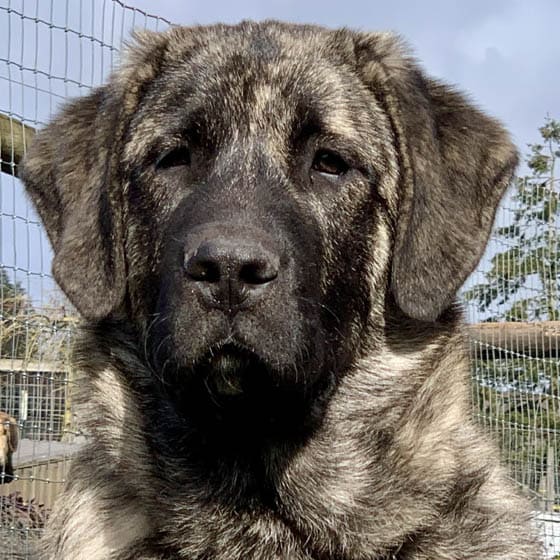
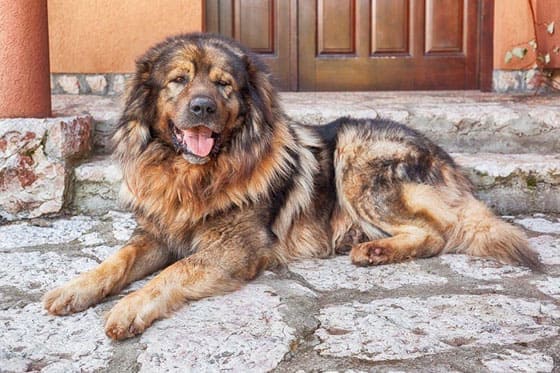
The Aksaray Malaklisi is a giant dog breed belonging to the Working group originating from Aksaray Province, Central Anatolia, Turkey. Known for its Protective, loyal, independent, calm, alert, courageous, intelligent, this breed has captivated dog lovers around the world. With a life expectancy of 8-12 years, it makes a wonderful companion for the right family. The Aksaray Malaklisi (also known as the Turkish Mastiff or Anatolian Lion) is an ancient, giant livestock guardian dog breed from the Aksaray Province of Central Anatolia, Turkey. Many believe them to be one of the oldest livestock guardian breeds, with roots in the time of the Hittites, an ancient civilization from around 2000 BCE. Deeply loyal and affectionate toward their master and family, but obeys only trusted leadership. Despite the black mask and similarity in colour, malacals have a different genetic heritage to Anatolian Shephersd. Highly protective, serious, and aggressive toward strangers or perceived threats, intolerant of same-sex dogs.
Best suited for very experienced dog owners who can provide firm, consistent handling and early socialization. Bred over thousands of years to protect sheep flocks from major predators like wolves and bears in harsh terrains. Recognized by the Turkish Dog Federation, though not by major international kennel clubs like the AKC or FCI. The Aksaray Malaklisi is a fascinating breed with several interesting characteristics. They are not a mix of other breeds but are an ancient breed with a unique lineage. Their core traits include their impressive size, strength, and agility. Despite their imposing appearance, they are gentle and affectionate, forming strong bonds with their human family.
Their unwavering loyalty and protective instincts make them an exceptional choice for those seeking a powerful and loving canine companion. While the primary role of the Aksaray Malaklisi has been as a livestock guardian, they have also worked in search and rescue, large-game hunting, and even military and police forces in Turkey. The Aksaray Malaklisi has a balanced temperament characterized by loyalty, protectiveness, and gentle nature. They are deeply devoted to their family and have a strong sense of guardianship. They make excellent work dogs, and many owners use them to protect livestock from predators and thieves, and in fact, it is their original purpose.
They are intelligent and can think and problem-solve, but they can also be stubborn and strong-willed, making them difficult to train, especially for inexperienced owners. The main requirement for the Malakli was not primarily speed and agility, but raw, overwhelming power and the ability to destroy the stranger, the attacking opponent. The role of the Malaklis, unlike the Anatolian Shepherds, was therefore not to repel, chase away and fend off predators around the herds, but to fight off and destroy any strangers that might come close. Considering their size and weight, which can exceed 100 cm in height and 80-90 kg in weight, these dogs were not and are not suitable for persistent pursuit. If an apt World War II analogy is to shed some light on the difference between the two, the Anatolian Shepherds's role might be likened to that of a light, fast-moving but still very effective Panzer III tank, while the Malakli is a slow-moving, heavily armoured and heavy but deadly Tiger tank.
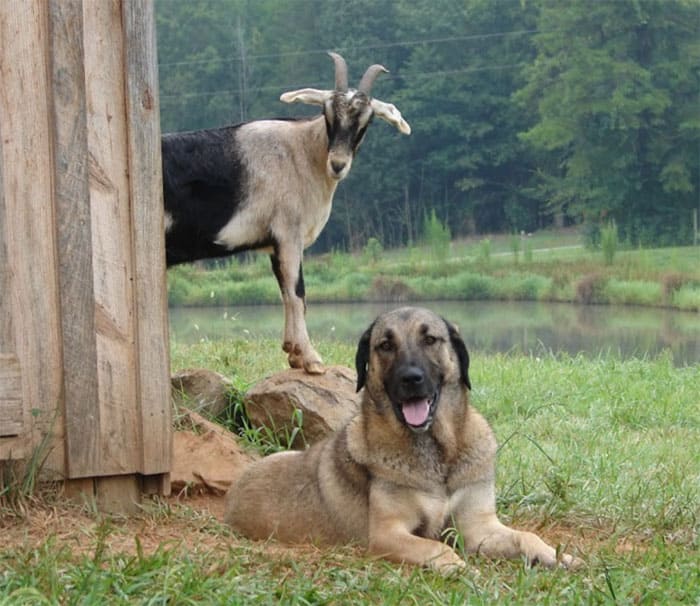
One of the oldest dogs descending from a bloodline that goes back 6,000 years, the Anatolian Shepherd is an independent, smart, and calm dog that is fiercely protective of its entire household. They are a part of the Working Group as they were bred to watch over and protect livestock, namely sheep and goat herds, in Ancient Turkey. The Anatolian Shepherd is an ancient, giant livestock guardian breed from Turkey. Standing up to 29 inches tall and weighing 80 to 150 pounds, these powerful, independent dogs were bred to protect flocks from wolves and bears. They are fiercely loyal, deeply territorial, and require extensive early socialization. The Anatolian Shepherd is a headstrong dog that was bred to protect livestock. They infrequently will be seen with the brindle coat, and are usually fawn or apricot in coloring. You can expect to pay a premium for this coloring of Anatolian, and their size can make them look somewhat intimidating. Anatolians are known to be protectors and are dedicated to their families. They were bred to guard livestock, so barking is instinctive for these Shepherd dogs. They will bark to warn of anyone approaching the house or when they feel the need to protect their family. The Anatolian Shepherd is a great choice for people living in rural areas that can offer their dog plenty of space to run around in. They are quite energetic so they will need regular exercise and mental stimulation to avoid boredom.
They are reserved with strangers, making them ideal guardians. Because they are headstrong, you will need to brush up on your training skills if you plan to own one of these dominant pups. The Anatolian Shepherd is a flock guardian with a superior sense of sight and hearing. It is not a herding dog. It is very loyal, alert and capable of great speed and endurance. It is intelligent, alert and easy to train, but is not a dog for beginners. It needs a handler who naturally radiates leadership. Independent, calm, unwavering and brave, but not aggressive, they tend to bark at night and if they are living indoors with you, you need to correct this behavior if it is unwanted. Since the Anatolian Shepherd is a born flock guard it will be very watchful and can become possessive if not kept in its rightful place below the humans. If it sees itself above the family it may act affectionate with them but very suspicious of strangers to a point where it is a problem.
This is an issue that is particularly worrisome after the dog reaches adulthood. This is why it is very important that the dog sees the humans as boss. This proud dog is demanding of itself, and can be stubborn and dominant if it sees itself as a leader of the home. The Anatolian shepherd generally has an independent and watchful temperament. These dogs do not display overly affectionate personalities, and are not cuddly. But they are loyal to their families, some even expressing possessive behavior. Some Anatolian shepherds can be prone to barking, especially if they detect a threat. As already mentioned, this breed comes from an extremely ancient line of dogs that know how to take care of themselves. This instinct has carried on into the modern Anatolian Shepherd. Like most dogs, they should not be left on their own for long periods, but they can spend time on their own without resorting to destructive behavior like many other dogs. Namibia began a conservation program for cheetahs in 1994 because of a sharp decline in the cheetah population. This was due to ranchers exterminating cheetahs to help protect their livestock, so the Cheetah Conservation Fund introduced dogs to help the ranchers guard their animals. The Anatolian has reduced the loss of livestock by 80 to 100%, which has helped the cheetah population with this non-lethal method of protecting herds.
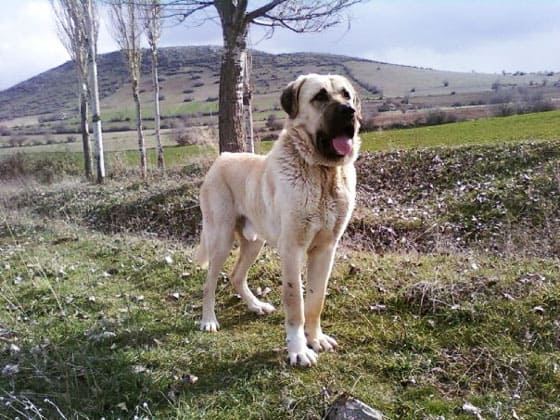
The Kangal dog is a massive, powerful livestock guardian breed originating from the Sivas Province in Turkey. Famed for having one of the strongest bite forces in the animal kingdom, these loyal and independent dogs are traditionally used to protect sheep and goats from large predators like wolves and bears. The Kangal is so beloved in its native country that the people made it their national dog as their first indigenous breed. There’s even an annual festival celebrating this pup. Kangals have only recently been added to the list of top LGDs, but do not let that deter you. They are not particularly great for herding animals though they are still a good selection for simply guarding your livestock. That is one tough canine! The two breeds share a common ancestry. This pup is the more agile of the two with a leaner body, albeit still a massive dog. The UKC breed standard is particular about the accepted colors of the Kangal. Tan to gray are the only permitted variations, with a distinctive black mask on the muzzle and ears. A liver, black, or all white dog is a red flag that the pup is not a purebred. They are quite popular in their native land, but not as well-known in the United States. Plus, these dogs are supposed to be great with children and other pets.
The American Kennel Club (AKC) does not recognize this breed. However, the United Kennel Club (UKC) and Great Britain’s The Kennel Club do. They are also on the roster with the Federation Cynologique Internationale (FCI). The classification of this pup is somewhat controversial in some organizations because of their similarity to the Anatolian Shepherd Dog. Some people may think that the Kangal and Anatolian Shepherd are the same breed because of their similar markings. The former is the more ancient of the two. The latter often has a thicker coat with a narrower muzzle and head. They are known for their loyalty and how gentle they are. They are also very agile dogs and quite speedy too, which is great because when they need to sprint after a predator they are capable of doing so. The typical Kangal Dog is first and foremost a stock guardian dog and possesses a temperament typical of such dogs - alert, territorial and defensive of the domestic animals or the human family to which it has bonded.
The Kangal Dog has the strength, the speed and the courage to intercept and confront threats to the flocks of sheep and goats that it guards in both Turkey and the New World. Kangal Dogs prefer to intimidate predators but will take a physical stand and even attack if necessary. Kangal Dogs have an instinctive wariness of strange dogs but are not typically belligerent toward people. They are somewhat reserved with strangers, but loyal and affectionate with family. One of the most notable features of the Kangals is its incredible jaw strength. Studies and measurements show that the Kangal's bite force can reach up to 743 pounds per square inch (PSI). This bite pressure far exceeds that of many other dog breeds, making the Kangal one of the most powerful dogs in the world. Kangal Shepherd Dogs bond really closely with their family. They tend to be pretty cool and calm, unless they think they need to protect their family. Kangals are very intelligent, and can also be quite independent at times. They do not tend to show any dislike to other dogs in social situations, as long as they were well-socialised when young and unless they are provoked or think their family is in danger.
They tend to bark quite a lot as they can be quite territorial. They are powerful chewers and diggers, so watch for escape plans in the garden! The Kangal dog is confident yet reserved. They are calm yet protective. This pup requires a good deal of daily exercise and work, and simple walks may not be sufficient to fulfill all of their daily needs. This pooch is also intelligent and independent, which comes from doing the kind of work they have done. Therefore, they need mental stimulation to prevent boredom and the development of bad habits like digging or destroying. This breed’s independent lifestyle means that the Kangal may show a stubborn streak, especially when they are young. That makes training crucial to encourage good canine manners. Early socialization will also help them accept visitors to your home better. We don’t recommend the Kangal for the first-time or inexperienced pet owner because of their size, energy requirements, and temperament. They are ideal for a rural or farming setting where they have a job to do.
The Rize Koyun (also called the Rize Koyan) is a regional Molosser-type livestock guardian dog native to the rugged Black Sea coast and the Canik Mountains in northeastern Turkey. Named after a small town off the coast of the Black Sea, the Rize Koyun is the Turkish variant of Molasses Dog. Found primarily in the Rize and Ordu provinces, as well as surrounding hilly areas in northeast Turkey. The Rize Koyun is a giant dog breed belonging to the Working group originating from Rize Province, Turkey. Known for its Protective, independent, courageous, loyal, alert, this breed has captivated dog lovers around the world. With a life expectancy of 10-13 years, it makes a wonderful companion for the right family. The Rize Koyun is known for being Protective, independent, courageous, loyal, alert. It is calm and well-balanced, adapting well to different lifestyles. Early socialization and consistent training are key to bringing out its best qualities. The Rize Koyun is independent-minded but can be trained with patience and consistency. Early obedience classes are recommended for all dogs of this breed.
Short, engaging training sessions work best to keep their attention and build a strong bond with their owner. Bred strictly as a working livestock protector and household property guardian rather than a house pet. Highly vigilant, serious, and deeply protective of flocks, property, and human owners. Not typically friendly toward unfamiliar people or outside animals; can be suspicious or dangerous to strangers. Uses a booming, deep, and intimidating bark to alert owners of potential threats or intruders and to deter unwanted animals. This dog breed has a very strong muscular build, particularly their legs. Initially used to protect the livestock, the Rize Koyun are also very protective of their owners and will do everything to protect them. They have a very intimidating and formidable bark. Their booming bark alerts the owners about any potential threat. Hence, they become an ideal choice for home guard dogs which protect property and land from intruders. They have very powerful jaws and short heads. The design of their ears gives them an intimidating look. The terrifying look and strong muscular build give them the strength to fight off any challenges that come their way. If you are an inexperienced dog owner, it is best to avoid them because you won't be able to manage them due to their strong muscular build and aggressive behavior.
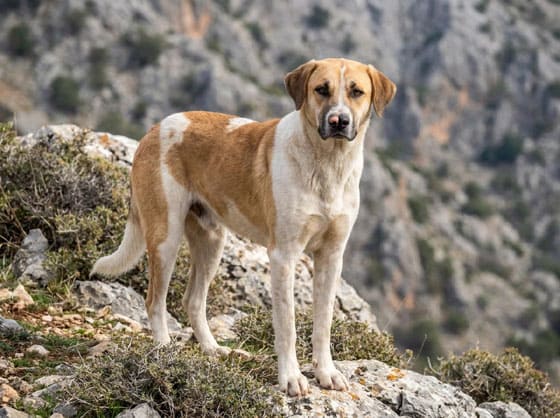
Native to the Toros Mountains of South Anatolia, the Boz Shepherd is an ancient dog tribe. They share various physical characteristics with the Kangal breed. However, they are slightly bigger in size than the Kangals. The Boz Shepherd has a very relaxed and calm demeanor. Even with decent athleticism and agility, these dogs have a kind of laid-back attitude. It makes them an ideal candidate for family pets. They have high socializing skills and gel well with children and other animals. However, when it comes to strangers, they may not be as friendly because of their ingrained protective instincts. The Boz Shepherd Turkish dog breed is not ideal for living in apartments as they require a lot of open space for playing and exercise. Loyal and devoted, this dog makes an ideal family companion and is extremely tolerant of young children, even as far as letting them ride them like a horse. They will protect your family with their own lives, but mostly their sheer size and weight are deterrent enough for any foolish intruder. The Turkish Boz Shepherd has been employed as family guardians, as security dogs, and the police have utilized them in the forces. As a guardian and protector of stock, they are superbly suited for the task, and have the ability to take on any threat to their charges.
They are calm and gentle with sheep and are often part of the flock, sleeping right beside them. As a companion, they are adorable and affectionate. But they are big, so you need more than an apartment to keep these gentle beast. The Turkish Boz Shepherd is an intelligent and loyal dog of giant proportions. They are gentle and dedicated to their family and to the stock they are protecting. When this dog detects a true threat, they will defend stock or their family members to ensure their safety and survival. As you can well imagine, this dog has incredible power and strength that comes with their size. But normally the Turkish Boz Shepherd is a mellow, even-tempered dog. They tend to be relaxed in nature and have a lower energy or exercise requirement. The Turkish Boz Shepherd is content to prowl around open pasture, guarding their charges. At home, they are a valuable addition to the family. They are not aggressive by nature, but their sheer size, their deep bark and their undeniable speed are enough to make any intruder reconsider promptly about invading this dog's territory.
Their high intelligence and extraordinary ability to make judgment on the severity of any situation makes this dog stand out from the crowd. Their affection and need to be a loving part of the family keep this dog grounded. The relationship between the Turkish Boz Shepherd and their humans is one of trust and mutual respect. While the Turkish Boz Shepherd can wander over a large area of land looking to care for the stock entrusted to them, they don't have a high energy level. They are more consistent movers, wandering here, or strolling over there to check on the layout of the land. If they are a companion dog in a city environment, then they will need a walk each day to keep them fit. They are not runners, but can reach impressive speeds when they have to. Everything is quite refined with the Turkish Boz Shepherd. This is one dog who likes to be with the family and will check out each member constantly, or to be with a herd or flock to protect. During training, they respond to gentle methods with plenty of praise and affection. They can become emotionally crushed if treated harshly, and they will not forget it.
The livestock guardian abilities of the Boz are innately ingrained in both their acceptance and protection of livestock. With their increased size and strength, the Turkish Boz Shepherd provides not only a more intimidating sense of risk from the predator's perspective but also is more able to contend with a physical encounter if forced to do so. Owners who have both breeds and can compare them in the same environment have consistently stated that they prefer their Boz Shepherds as instinctual livestock guardians over their Kangals. They will usually choosing to stay by your side even unrestrained when in public. They have a calm and regal presence even as puppies. Pressing themselves up against you, between you and a perceived danger is a deeply ingrained trait. At home they become much more defensive. The range is from accepting after an introduction, to highly defensive. Special socialization and recognition of behaviors is a must for dogs to be exposed to the public or visitors at home. Keeping a watch full eye on any visitors is normal, with intervention of any unfamiliar action by the visitor. This breed is not a good breed for every home or situation. The ability to train, contain and control if needed are a must. They are far from the PET breeds of dogs the average person is accustom to.
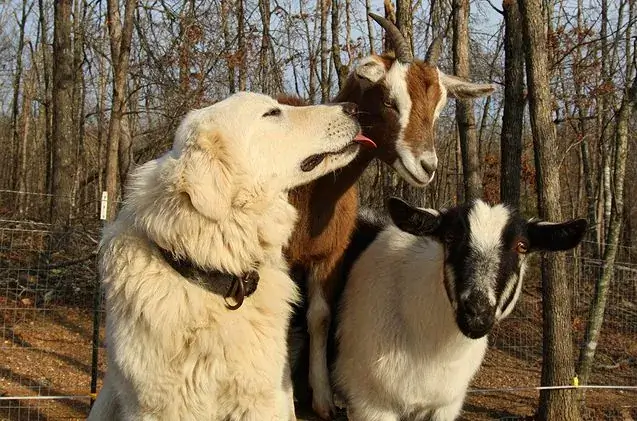
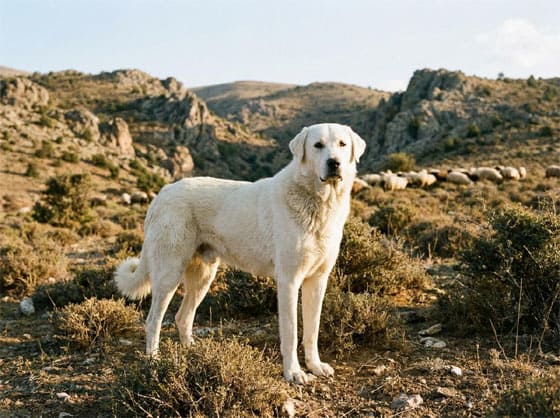
The Akbash is a large, powerful livestock guardian dog from western Turkey known for its solid white coat and independent, protective nature. The Akbash Turkish dog breed is native to the Western Turkey. The Akbash Dog is a purebred dog whose origins date back as many as 3,000 years. This breed may share some of its heritage with other livestock protection breeds including the Komondor, the Kuvasz, the Pyrenean Mountain Dog and the Tatra Mountain Sheepdog. These dogs gained international prominence in the 1970s when around 40 Akbash dogs were imported to the USA. These dogs belong to the livestock protection breed and can protect and shield a large flock of cattle. These dogs are also popular in families due to their calm and joyful nature. Their gentle behavior makes them children-friendly, and people with kids can think about keeping them. The Akbash dogs have dense white coats to save themselves from the harsh winters of Turkey. You must remember that these dogs have very strong protective instincts. Hence, they require proper training to avoid becoming too aggressive towards strangers.
His main job has been to protect property and flocks from predators. He is evolving to become more of a family protector and guard dog. The Akbash is gentle and affectionate towards his family, however he is suspicious and possibly even vicious to strangers and other dogs. He needs continual training and is not the best choice for someone who cannot be an authoritative owner. He respects authority and will look to take the leadership role from his owner. He idoes not do well with children and can also be food aggressive. Generally, the Akbash is a protective, watchful dog who takes his job of protecting his family and flock seriously. He is suspicious of strangers including dogs he does not know. He can become aggressive towards people and animals he is not familiar with. The Akbash does require early socialization and training to ensure he is a well-adjusted family member.
He can be food aggressive and families with children are not ideal families for the Akbash. Inexperienced dog owners should not consider an Akbash for a family companion. Akbash puppies may be cute, but they are big, powerful puppies who like to play rough including biting or mouthing during play. His training must begin at a young age and continue throughout his lifetime. He also must be socialized from a young age to ensure he does not become an aggressive dog. Puppies are very active, however their activity level does become less as they mature. He does require a solid fence that is at least five or six feet tall. This is an intelligent, courageous and loyal dog, completely dedicated and devoted to its owner and any livestock in its charge. Independent with strong protective instincts.
The Akbash is a natural guardian that even at a very young age will bond strongly with the livestock it is protecting. It has such strong maternal instincts that sheep will often allow this dog to sniff and clean their newborn lambs and will flock behind their guardian when threatened. This is a serious working breed and is best placed where it can have a job to do. Even though this dog is quite intelligent, they can be difficult to train due to their self-governing personality. They are gentle giants with a kind heart, and their greatest joy in life is just spending time with you. They enjoy playtime but are not hyperactive and learn to see kids and other pets as members of the family flock they must protect. This breed has a reputation for being a protector because they really do not like strangers. Akbash are suspicious by nature of anyone they do not know and will gladly voice their displeasure at unexpected arrivals. They can learn to be polite in public with training but prefer to be homebodies protecting their flock. Akbash are more independent than Velcro breeds and enjoy their own time away from you as well.
The Zerdava is a rare, compact, athletic spitz-type dog breed native to the Eastern Black Sea region of Turkey (especially Trabzon and Giresun) and parts of Georgia. Also known as the Kapı Köpeği (gate dog) or Black Sea Spitz, it has been documented for over a century as a fearless hunter and vigilant guardian. These pups are a little different from other Turkish dogs on the list because they are a spitz breed. Very rare, a recovering landrace with small breeding numbers, effectively unavailable outside Turkey. They have compact bodies, erect ears, and beautiful, fluffy tails that curve over their backs. They can be in many different colors and patterns and have thick coats. Little is known about the origins of these dogs but some experts think they have been around since the middle ages! They were first discovered in the Baltic and Black Sea ports so it is presumed they came in with traders and were further bred. Zerdava are excellent hunters and guard dogs and are very loyal. They work well in a group and can even hunt large animals such as bears and boars. Whilst devoted to the ones they love, they can be very suspicious of strangers and other canines, making them great guard dogs too! Forms an intense, unwavering bond with its primary owner and family.
Acts as a classic "gate dog" - suspicious, territorial, and protective against outsiders. Known for high courage when confronting large wildlife or perceived threats. Possesses a strong hunting instinct and high energy, meaning it needs robust daily exercise (60–90 minutes) and mental stimulation. Requires early, continuous socialization to manage its stubbornness and wariness around unfamiliar people or animals. Used historically and currently to track and hunt wild boar, bears, badgers, foxes, and jackals. Excellent rural watchman and perimeter guard. Since 2016, the Turkish Armed Forces has utilized Zerdavas for specialized tasks, including bomb and narcotic detection, search and rescue, and tracking. The Zerdava is devoted to its humans but highly distrustful of strangers. These versatile hunters are capable of treeing small game, stalking large prey, and working in teams to corner bears and boar.
They are especially prized for avoiding injury while hunting boar. Zerdava puppies need considerable socialization to avoid shyness or aggression. This breed is known for being extremely loyal to their first owner, and may struggle being rehomed. Every honest description of the Zerdava lands on the same handful of words: brave, loyal, independent, and stubborn. This is a dog bred to make its own decisions at the gate and in the field, and that independence is baked in. Toward its own family it is devoted and closely bonded. Toward strangers it is naturally aloof and suspicious, which is exactly why it earned the gate-dog reputation and why it is an effective watchdog with very little training required to be wary. That same wiring is the thing a prospective owner has to respect.
A confident, protective, strong-willed dog is a liability rather than an asset without early, consistent socialization. Keepers and the breed association emphasize exposing a Zerdava young and often to people, other animals, and normal life so its natural guarding instinct stays discerning instead of curdling into fearfulness or indiscriminate reactivity. This is not a dog that raises itself well in a vacuum. It reads as clever and capable in the studies that have looked at it, but “trainable” here means it will work with a handler it respects, not that it will offer blind obedience like a biddable gundog. A note on a claim you will see repeated online: that the Zerdava has such a powerful homing instinct and owner-bond that it is nearly impossible to rehome and will run off to find its original person. That fits the breed’s intense loyalty and its pastoral roots, and keepers do report a strong attachment, but it is a keeper observation and a bit of breed lore rather than a measured trait, so treat it as a reason to take placement seriously rather than a guarantee about any individual dog.
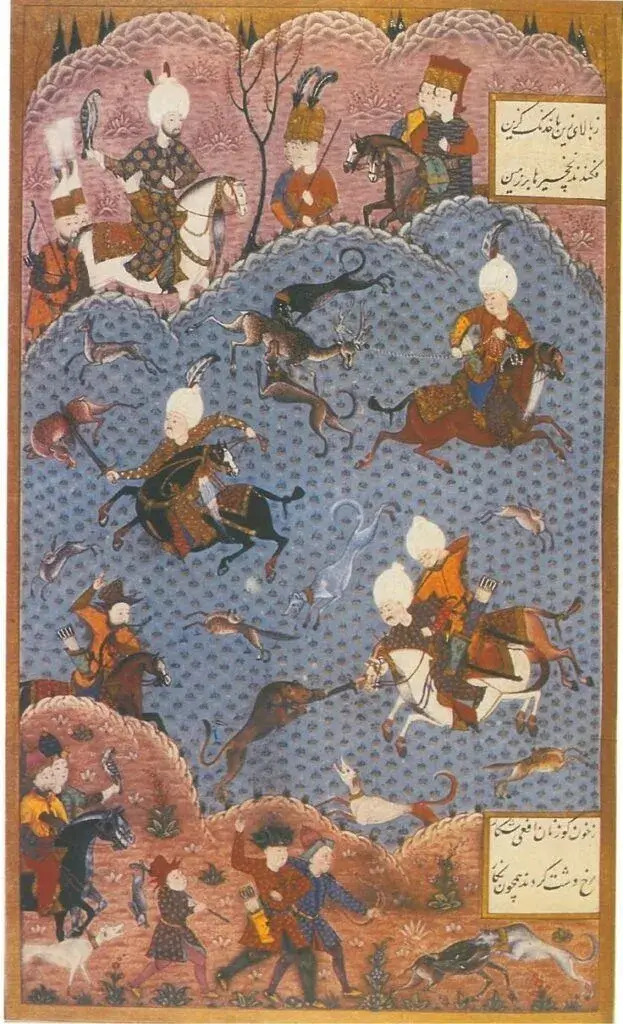
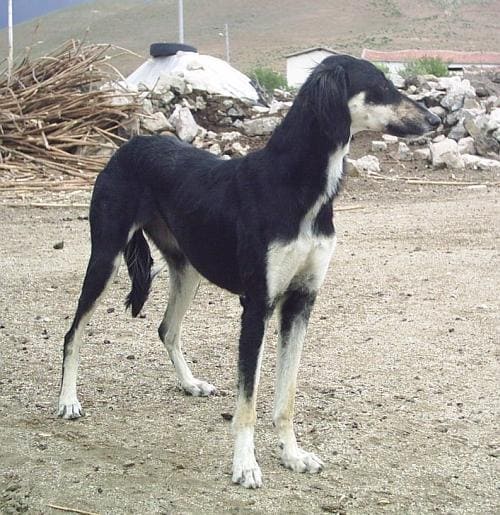
The Turkmen Tazi is an ancient, slender, and highly athletic sighthound native to Central Asia and Anatolia, traditionally prized for its incredible speed, endurance, and hunting prowess in open terrain. The Tazi has roots stretching back thousands of years across nomadic regions of Persia, Turkmenistan, and Anatolia. They hunt by sight rather than scent, often spotting hares, foxes, or wolves across flat steppes and retrieving them with great agility. Across Central Asian and Turkic traditions, Tazys have historically held elite cultural status, regarded not just as working animals, but as loyal companions and treasures of nomadic life. Unlike hyperactive breeds, they possess a calm, dignified, and quiet demeanor indoors. They form deep bonds with their owners but retain a strong, independent sighthound mindset. Known for having a soft, non-aggressive personality and rarely barking or picking fights. Their sight-hunting instincts are deeply hardwired, meaning they will chase fast-moving objects or small animals. Exercize needs - extremely high. They need secure, enclosed spaces to sprint and long daily physical activities; regular leashed walks are not enough to burn their energy. Best suited for rural or suburban homes with large, securely fenced yards.
Apartment living is difficult unless intense daily athletic outlets are provided. Generally hardy and durable, though like other deep-chested sighthounds, they can occasionally be prone to gastric torsion (bloat), hip dysplasia, or running injuries. Tazy needs opportunities for fast running in secure areas, because its chase instinct is strong and roads or livestock can create real risks. It is usually clean-coated and low odor, but the fine coat offers less protection than that of northern working dogs. Many Tazys are gentle in the home yet independent outdoors, so training should build cooperation without expecting off-leash reliability in open country. Prospective buyers should look for sound feet, good wind, stable temperament, and breeders who can explain the dog's working background.
Tazi has a soft and non-aggressive personality. They rarely bark. Their tendency is not to fight. These traits of Tazi allows one to keep several tazis together, although in practice they are not kept in packs. Anything that runs or moves attracts the attention of Tazi. The initial training given to Tazi in Anatolia is taking the young one to the hunting field with the experienced Tazis. It is not preferred to have a six-month-old Tazi chasing a hare, because its skeleton and muscle system is not yet mature. The young Tazi either watches the experienced Tazis chasing the hare and gets used to the activity mentally or just wrestles, runs and plays with its peers in order to gain and master speed and agility. When Tazi catches and retrieves the hare, some hunters give a few pieces back to Tazi as a reward. Others give Tazi only lamb meat in order to avoid Tazi’s eating the hare.
The skin of a hare, fox or a wolf is given to the Tazi for it to play with it. This helps Tazi to understand and recognize the hare and prepares the Tazi’s willingness to chase the prey. Although the Tazi is no more a wolfhound than English Greyhound, the Anatolian Tazi can go wolf coursing. When the wolf coursing ends with success which is a rare incidence, the victim is usually a young or a sick wolf. Wolf hunting with tazis in Turkey is not a well-known and popular subject, but it is known among some shepherds; especially when the wolves cause damage on several flocks and disappear. When the shepherd dogs of various flocks are helpless against the wolves, then shepherds and hunters get together and start a wolf-chasing event which can cover about 40 sq miles. Then some hunters with pointer-like dogs and some other with tazis join the chase. Some people bring their shepherd dogs too. When the hunting dogs or tazis spot the wolf and if the hunters are away from the wolf or if it is dark and if the shepherd dogs are unwilling to attack the wolf, then the hunting dogs and tazis are killed by the wolf or wolves. Tazi has been historically bred purely for coursing ability. The climate, the terrain, the prey species and the native people’s culture has shaped their physical and mental formation. Today 4W jeeps replace the Turkmen Horses, and rifles and binoculars replace the tazis. The worse change is the culture: it is replaced by human arrogance against the children of nature.
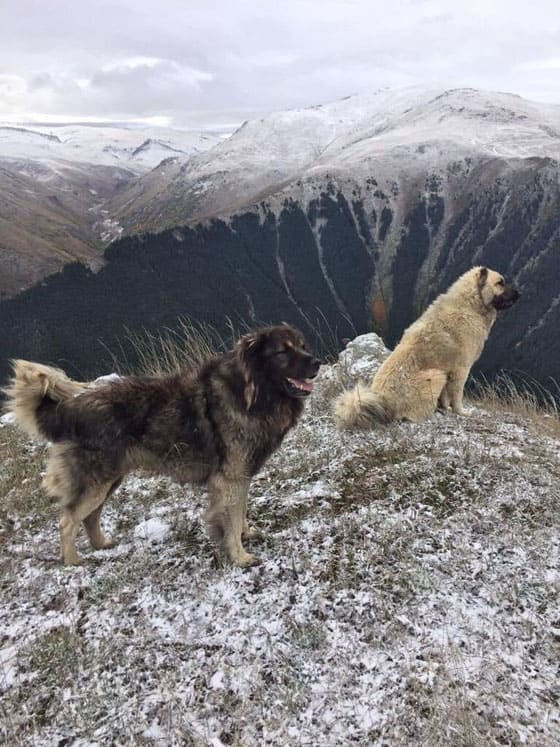
The Karadeniz Dog (also known as the Black Sea Shepherd or Karadeniz Çoban Köpeği) is a rare, heavyweight livestock guardian dog native to the rugged, high-altitude, and rainy mountains of northern Turkey along the Black Sea coast. An indigenous value to Turkey, Karadeniz Shepherd Dogs, are bred as livestock guardian dogs. They have remained hidden on the highlands of the Blacksea Region. They are preferred as livestock guardian canines by the livestock breeders in the region because of their determined battle against predators, including bears and wolves. Karadeniz Shepherd Dogs adapt significantly to the region’s harsh climate conditions. Karadeniz Shepherd Dogs are perfect working dogs suitable for being used, especially in high-altitude places with heavy rain.
They are known for their power, speed, and loyal characteristics to the herd among the heavyweight category of livestock guardian dogs. Karadeniz Shepherd Dogs are in low numbers in far out places of the Blacksea highlands. Protecting livestock (sheep and cattle) from apex predators like wolves and bears. Known for combining immense physical power with surprising speed and fierce loyalty to the herd. The breed remains quite rare and is found mostly in remote highland areas, though preservation and formal recognition efforts are underway by organizations like the Turkish Dog Federation. Bred to actively confront and battle large predators like bears and wolves rather than just hiding or barking. Possesses an autonomous working mindset required for high-altitude survival and protection duties. Extremely faithful and bonded to their owners and the flock they protect.
Due to their strong guardian instincts, they are naturally suspicious of unfamiliar people and animals entering their territory. Even today, most Karadeniz Shepherds are working dogs, but that does not mean they do not have strong bond with its owners and that they do not make great companions. Of course they do. They are absolutely faithful and friendly towards their people, towards their pack. They might not be overly affectionate just like some other breeds, but they truly love its people and they create strong bond with them. The Karadeniz Shepherd is not under the spotlight like some other Turkish breeds, such as Kangals and their numbers declined a lot in last decades. The breeders did not care about the purity and they often times crossbreed Karadeniz Shepherds with other dogs. Today they can be almost exlusively found in remote places of Blacksea highlands, where they were recently re-descovered and efforts are being made to increse the breeds numbers once again and to preserve the breed, while keeping its original traits.
This breed is highly protective of its family and flock, making it an excellent guard dog. They are wary of strangers and will not hesitate to defend their charges. Despite their formidable appearance and guarding instinct, Karadeniz Shepherds are known to be loyal and affectionate with their families. They form strong bonds with their owners and can be gentle with children. They are intelligent dogs that can make decisions independently, a trait that has been honed by their traditional role as livestock guardians. This intelligence, however, means they require consistent training and socialization from a young age. They are active dogs that require regular exercise to maintain their physical and mental health. Given their size and energy levels, they are best suited to living in areas where they can roam freely or have ample space to exercise. With their considerable size and abundant energy, Karadeniz Shepherds undeniably demand routine exercise and intellectual stimulation. They are undoubtedly an excellent match for a home that boasts a spacious yard or farm, providing ample space for patrolling and maintaining their activity levels.
The Turkish Pali is a rare, affectionate family companion and watchdog distinct from Turkey's heavy livestock guardian breeds. The Turkish Pali is a perfect friend for the family. Because they are tolerant to rainy and cold climates, they are often used to protect house and farm animals. With their doorbell title, they are incredibly protective, skeptical in every environment, playful towards their owner and family, and their energy never ends. They are compatible with family and children, highly dependent on farm animals, intelligent, patient, and tolerant. Unlike the Kangal or Akbash, which work as intense livestock guardians in open fields, the Pali is specifically valued as an in-home protector and companion. Recognized locally by groups like the Turkish Dog Federation (Köpek Irkları ve Kinoloji Federasyonu) as a distinct regional farm and home protector. Highly affectionate, playful, and gentle with its own owners and family members. Known for being patient and tolerant around children. Retains a natural alertness to guard the home, serving as a reliable watchdog without the excessive aggression of heavier guard breeds. Highly intelligent and quick to respond to household routines. Exceptionally resilient and well-adapted to harsh, cold, or rainy climates due to a sturdy natural coat. Highly playful, loving, and deeply affectionate with its own owners and family members. Highly alert and skeptical of strangers or unfamiliar noises. Known colloquially for its "doorbell" capability - barking persistently to announce visitors or intruders. Despite its smaller size relative to other Turkish breeds, it is courageous, fiercely protective of its home territory, and unintimidated by outsiders. Noted for being patient and generally compatible with children. Adapts well to farm life or home environments where it can act as an active property watchdog. Benefits from standard socialization to balance its natural suspicion toward unfamiliar people.
Dogica® collects only technical cookies. No any personal or private information being collected, saved or shared here. 3rd Party cookies could be collected by various installed widgets.
The information contained in or provided through DOGICA® site is intended for general consumer understanding and education only and is not intended to be and is not a substitute for professional advice.
Use of this site and any information contained on or provided through this site is provided on an "as is" basis without any representations, warranties or pay.















WORLD OF DOG & PUPPY 🐶