48 Spanish Dog Breeds Rare Spanish Dog Breeds Extinct Spanish Dog Breeds Popular Spanish Dog Breeds Dog Breeds from Spain What Makes Spanish Dog Breeds Special? What dog breeds are native to Spain? Which dog breed is Spanish? Indigenous Spanish Dog Breeds Native Spanish Dogs Spanish Dog Breed Photos Spanish Dog Names
The Pyrenean Mastiff or Mastín del Pirineo is a rare Spanish breed of large livestock guardian dog from the autonomous community of Aragón in north-eastern Spain. It was traditionally used to protect flocks during the annual transhumance to high summer pasture in the Pyrenees. An ancient breed from the Pyrenees Mountains in Spain, this breed protected livestock from a variety of threats. Nowadays, its predominant use is as a loving family pet. Pyrenean mastiffs are considered to be among the rarest - and oldest breeds, dating back roughly 3,000 years. They have a lengthy history as working dogs, specifically livestock guardians, protecting sheep from wolves and bears. Pyrenean Mastiffs are certainly gentle giants. The guardian breed is known for its gentle, calm, good-natured demeanor and outsized love for its family. Pyrenean Mastiffs are natural guardians that will never back down from a challenge.
In their homes, these great protectors are friendly, calm, and even-tempered; they are welcoming to friends and family, love children, and only show their protective instincts when there is truly a threat. Pyrenean Mastiffs do bark - a loud, deep rumble, to warn off danger but are mostly calm and laid back. Their natural guardian tendencies extend toward other animals, making these dogs great companions for other pets. Like other mastiffs, Pyrenean Mastiffs drool profusely. The soggy mess is a small price to pay for their love, loyalty, and protection. The Pyrenean Mastiff has an extremely gentle, loving personality, which can make them an excellent dog for families with kids. Like other livestock guardian dogs, this breed is calm and a little lazy, says Kaiser, but also likes having a job. Obedience training and low-impact exercise, like leisurely walks and hikes, are great activities for the Pyrenean Mastiff.
Although the Pyrenean Mastiff is generally laid-back and low-energy, this breed does have a guardian instinct. If an unfamiliar person or animal comes around, they may bark to grab your attention. They let you know when something is out of the ordinary or amiss, noting that barking is otherwise uncommon for Pyrenean Mastiffs. However, once they know the situation is under control, they go back to their mellow selves. Pyrenean Mastiffs are independent thinkers and can get stuck in their ways if not trained early. But they also love to please their pet parents and are up for the challenge of learning new things. Because of their history as livestock guardians, they are naturally protective of their family and make exceptional watchdogs. Though they do not bark much, they're a bit cautious of strangers and will be sure to alert their people upon seeing one if they feel the need to.
Pyrenean mastiffs may be a more suitable option for an experienced pet parent, or a new one who's committed to learning about the breed and providing them with the proper care they need to thrive. Some of the features which make the Pyrenean Mastiff distinct from the Great Pyrenees are features similar to the Saint Bernard. This is because the Pyrenean Mastiff is related to mountain breeds like the Saint Bernard, whereas the Great Pyrenees is related to Italian flock guardians. This does not mean the Saint Bernard was used to "create" the Pyrenean Mastiff, but simply that they have common ancestors. We feel that this is where the Pyrenean Mastiff has inherited its ability to be more versatile than some other livestock guardian breeds. Some of the most distinct differences between the Saint Bernard and the Pyrenean Mastiff are the skull shape and coat color.
The Great Pyrenees is a majestic, large livestock guardian dog known for its thick white coat and gentle, calm nature at home. The Great Pyrenees is a capable and imposing guardian, devoted to its family, and somewhat wary of strangers - human and canine. It is often used to guard livestock. When not provoked, it is calm, well-mannered and somewhat serious. Courageous, very loyal and obedient. Gentle and affectionate with those he loves. Devoted to family even if self-sacrifice is required. It is very gentle with its family and children. It does best with children when it is raised with them from puppyhood, and if it is not being used as a working flock guard be sure to socialize it well with people, places and noises. It has an independent nature, and may try to dominate a less secure or meek owner, and/or an owner who treats the dog as if he is human, becoming stubborn or territorial. Owners need to be firm, but calm, confident and consistent with the dog.
Setting rules the dog must follow and stick to them. The Great Pyrenees is a serious worker, but very independent. Be patient when training the Great Pyrenees, as it may be slightly difficult. If left alone inside the home without the proper amount of exercise and or leadership it can become destructive. The Great Pyrenees is good with non-canine animals, and usually loves cats. These dogs do not reach maturity until they are about 2 years old. Some are not good off the leash and may wander away. They need an owner who understands and practices natural dogmanship. The Great Pyrenees tends to bark a lot and some tend to drool and slobber. Great Pyrenees were initially bred to herd, and they have maintained this instinct over the years. Bred to watch over sheep and livestock for long periods of time, the Great Pyrenees have a temperament that is patient, calm, and composed.
The ones I see are fairly stoic. They will kind of let you do what you want. They are not overly dramatic like some other breeds. Independence is in their nature, and that can come through as willfulness or aloofness towards strangers. Because of that tendency, and their large size, it's important to train and socialize Great Pyrenees puppies while they are young. Overall, this breed is gentle and loyal, and he can be a great family dog as well as a guardian, watching over his owners, their children, and other pets. Great Pyrenees have a fantastic ability to recognize what their pet parents think and feel. They can sometimes seem willful and challenging to train one moment, and docile and endearing the next. For the right owner, however, the Great Pyrenees can be a loyal family dog. With mountain-dog roots, the Great Pyrenees can not get enough of the cold.
With that roaming tendency comes a desire to escape and explore, so gates and leashes are a must for this breed-off-leash adventures are not advised. Historically, the Great Pyrenees spent a lot of time alone. Today, they can tolerate solo time but also have a tendency to get bored, and that can lead to undesirable behaviors. In the mid-19th century, Queen Victoria of England was a proud Great Pyrenees owner. The Great Pyrenees have something called double dewclaws, which are two toenails that stick out on the interior of the rear legs, just a bit above the feet. This is a rare feature, found only on working dogs that once needed the extra support to navigate challenging terrain-including mountains.
The Perro de Presa Canario is a large, powerful mastiff breed that originates from the Canary Islands of Spain. The Presa is a docile, affectionate dog. They are great family protectors and are bred to be family companions as well as guardians. They are distrustful of strangers, but should accept strangers if the owner accepts them. They should be very alert and ready to defend the owner or property if necessary. It is generally a quiet breed but has a very intimidating bark. This breed requires an owner who understands the alpha nature of canines. No member of the family can be uncomfortable around the dog. Canaries make outstanding guard dogs. Just their appearance is a deterrent, not to mention their ability to confront any intruder. As with all guardian type dogs early socialization and obedience training are a must. Occasionally you will have some dog aggression in the Presa Canario, but with proper socialization and training this is the exception and not the rule. The Presa Canario competes and does well in many conformation, obedience, iron dogs, agility, dock diving, schutzhund and other working trials.
As historic guardian dogs, Presa Canarios have off-the-charts courage and confidence. But importantly, they form loyal, affectionate attachments to their families, they are even well-suited to snuggling. It may be hard to imagine such a muscular, stern-looking dog craving cuddle time or acting as your shadow, but Presa Canarios absolutely do. Given their size and strength, Presa Canarios are not an ideal companion for very young children, and all interactions between kids and dogs should be closely monitored to ensure the safety of both the pet and the child. Presa Canarios tend to do best in homes where they can be the only dog, but remember that every dog is an individual with their own personality. And because of their prey drive, it’s best to avoid other animal housemates like cats and bunnies, too. Presa Canarios may look tough, but they crave close companionship with their families.
And while they are not a particularly high-energy breed, they do need daily exercise. Bored, lonely Presa Canarios may express their displeasure with unwanted behaviors like barking and chewing. Presa Canarios have a high prey drive, so all outdoor exercise should be done either on a leash or within a securely fenced area. Presa Canarios thrive in homes that can provide plenty of attention and consistent guidance. Socialization is especially important for breeds like the Presa Canario, which can be naturally aloof around strangers.
Fun Activities for Presa Canario Dogs: Walking, Hiking, Swimming, Fetch, Agility, Rally, Obedience training, Skills training. The Presa Canario watches over his family with an attentive gaze. He is confident and occasionally strong-willed - but, if your Presa Canario is well-trained as a puppy, he can become a loving companion with an unmatched work ethic. The Presa Canario's temperament is often misunderstood in the U.S. due to his history intwined with dog fighting in Spain - which is now illegal. But at his best, the Presa Canario is calm and friendly in his interactions. People are astounded by how loving the Presa Canario is. The dog will always be right at your feet. He will be sleeping in the room, and you will go to get a drink of water, and the dog will be with you every time. They will never leave you. The Presa Canario needs a committed owner, quality exercise, and time with his family in order to thrive. He is not a dog who will be happy left at home for hours to entertain himself.
The Pachon Navarro is a rare Spanish hunting dog from Navarre, notable for its distinctive split or "double" nose, though its scent sensitivity is not scientifically proven to be superior. It is a sturdy, medium-to-large dog with a rectangular body, high energy, and a calm, friendly temperament when raised correctly. The breed has high exercise needs and can be prone to health issues like cleft palate due to a small gene pool, but is otherwise relatively easy to care for in terms of grooming. Quiet, smart, strong and loyal, the Pachon Navarro is a friendly dog born to hunt with their master. These hard-working dogs have droopy ears and a mouth that gives them a solemn appearance, which is dispelled by their warm brown eyes. The breed was developed in Spain and is easy to recognize due to their unique double nose. The nostrils are divided by a band of skin and they have a deep cleft which divides the nose - it is like looking at the business end of a double barrelled shotgun!
Apart from hunting or carousing in the country, this dog makes an ideal family dog. They are affectionate and fun-loving, relate well to other dogs, and are gentle and kind with children. Nothing much escapes their sharp eyes, and they will warn you about strangers, but generally, the Pachon is a quiet natured dog. Other smaller animals or birds do not fare so well, as the Pachon are bred to chase and hunt them. While they can get along well with cats and other small animals if raised with them, they are not to be trusted as the instinct to chase can kick in at a moments notice. This dog is best where they have a large yard to roam in, with a farm being the ideal location, especially if the owner likes to hunt. The Pachon Navarro likes to be with their people and will sulk if left alone outside. They are part of your pack and want to be included, cossetted and loved.
The Pachon Navarro is a kind, gentle dog who's devoted to their family and master. They like to be active - large open spaces suit this dog best. Apartment living is not for them. The Pachon is well adapted for their purpose, that of a hunting dog. They have the focus and patience for hunting small game animals and birds, and yet are obedient and loyal to their master. Daily exercise is important for this dog; they need to be out doing something, not just lazing on a patio, although they will indulge themselves given the opportunity. Although they have a somber appearance, the Pachon is a happy dog and very playful. They will join in family games and enjoy fetching and playing tug of war or other games. No slouch in the muscles stakes, this dog is a good one to have on your side in a game that requires strength. The Pachon Navarro is a devoted pet and will sulk if left outside. They want to be inside with you and the family as that is where they believe they belong - they are part of your "pack". Adorable as puppies, they grow into a lovely mature dog with a great nature and loving personality.
The Carea Leonés is a traditional, medium-sized herding dog from the León region in northwestern Spain. The Carea Leones is dog with spots, bred for herding sheep. It is medium-sized with a long snout and floppy or erect ears, depending on the individual. It has a strong, muscular body with an upward curling tail. The Carea Leonés has a semi-long and smooth coat. It has white or grey fur speckled with liver or black spots. There are also some all-black specimens. The Carea Leonés, also known as the Leonese Sheepdog, is a Spanish herding breed from the León region known for its intelligence, loyalty, and high energy. This medium-sized, hardy dog has a coat that can be short or semi-long, typically black, black and tan, or merle, and requires moderate grooming. Their best qualities for this utilization are extraordinary intelligence, great stamina, strong body and adaptability for any kind of weather.
Historically used for herding sheep and other livestock, today the Carea Leonés makes a devoted companion for active owners who can provide plenty of physical and mental exercise, though it remains relatively unknown outside of Spain. The Leonese Sheepdog, originating in Spain’s León region, is celebrated for its keen intelligence and unwavering loyalty. They have a lively, hardworking spirit and excel at driving livestock across rugged terrain. Despite their strong herding instincts, they can make devoted pets for those who understand their high energy and mental stimulation needs. These dogs are famously quick-witted and thrive when given a job. They have a "can-do" attitude that keeps them busy from rounding up stray sheep to herding the family cat. Energetic and focused, they need clear direction to channel their intense drive. When their minds are engaged, they are an absolute delight to have around. The Leonese Sheepdog is generally loyal and protective toward its family, though early socialization is vital for managing their strong herding instincts.
Children who respect boundaries will find a devoted playmate ready to chase balls and accompany endless backyard adventures. With strangers, they may appear reserved but rarely shy away from a friendly introduction once trust is established. For households with other pets, patience and training can help the dog coexist peacefully. They might try to ‘herd’ smaller animals, so gentle introductions and supervision are key. This breed forms strong attachments to its favorite humans, often following them around the house like a shadow. Confident owners who appreciate a smart, enthusiastic companion will find these canines incredibly rewarding. These energetic dogs thrive on intense physical and mental activity. Daily walks are a start, but they shine when given herding tasks or challenging games like fetch with obstacles. Without enough outlets for their energy, they may resort to herding family members or pacing the yard. Aim for at least an hour of exercise each day to keep them content. These dogs are extremely intelligent and they are highly and easily trainable, which, in combination with their high energy, makes them great adepts for almost any kind of a dog sport, like agility.
Spanish Mastiff is a massive, powerful livestock guardian breed from Spain known for its courage, calm demeanor, and deep protective instincts. Spanish Mastiffs are considered brachycephalic because they have a short, broad muzzle and a "pushed-in" facial conformation. This trait is shared with other mastiff breeds and can lead to potential respiratory issues, such as difficulty breathing, due to shortened upper airways. The Spanish Mastiff or Mastín Español is a breed of mastiff from Spain, originally bred to be a guard dog and whose specialized purpose is to be a livestock guardian dog protecting flocks and/or herds from wolves and other predators. The Spanish Mastiff was originally bred to keep livestock safe from large predators, so it is no surprise that these large dogs typically reach 100 kg. While the Spanish Mastiff looks somewhat similar to the Pyrenean Mastiff, the breed's short, thick coat comes in a wider range of colors, including yellow, red, black, and fawn and might have a brindle pattern, according to the breed standard. True to their guardian nature, the Spanish Mastiff is gentle around their trusted humans but can be aloof around new people.
Spanish Mastiffs, with their giant size and powerful bodies, have been used as livestock guardians for more than 2,000 years. Originally from Spain, the breed was tasked with protecting sheep from wolves and other predators and one Spanish Mastiff dog was considered to be capable of looking after up to 100 sheep on their own, according to the American Kennel Club (AKC). Spanish Mastiffs have a kind and calm temperament around family members, including children they know. However, they can be on guard around strangers, which is why socialization and training during puppyhood is crucial. Many Spanish Mastiffs can live happily with other pets, including small dogs and cats, but they must be supervised and socialized with them starting at an early age. This breed is considered low-energy but does need about an hour of exercise every day. In character and function, the Spanish Mastin is a classic LGD (Livestock Guardian Dog) and is very similar in many ways to his cousin, the Anatolian Shepherd Dog. These dogs are dignified, noble and not overly demonstrative. They are loyal and really do love you, and will sacrifice his/her own life to protect you, your family or your livestock, when necessary. They like to be close to their owners.
This breed needs a 100% firm, consistent, confident pack leader at all times. Without it, being independent-minded, they may not take your orders. Although the Mastin may appear lazy and even slothful at times, it is always watchful and alert to everything that goes on around it. It can be surprisingly quick and agile in spite of the breed's massive size and bulk. The type of owner the dog has and the people who are around it have a whole lot to do with this dog's temperament. These are not dogs for beginners. A good Mastin should be a strong, utterly fearless, self-confident and stable-minded dog. This breed is a loyal dog to his family but is generally wary of strangers. He is also aware of his enormous power and carries himself with dignity. Spanish mastiffs generally have an affectionate and easygoing personality around their family. But wariness of strangers and even other dogs also can greatly impact their temperament. They don't bark excessively, but they will use their deep bark as an alert to perceived threats.
The Alano Espanol or Spanish Bulldog is a Spanish breed of medium to large sized dog of alaunt-bulldog type. It has at various times been used as a war dog, for bullfighting, for the management of cattle, for hunting and as a guard dog. Serious, Obedient, Reliable, Affectionate, Dominant, Patient. The temperament of the Alano is very dominant and serious but very controllable by his master, acting submissively toward him/her. This breed is very affectionate with the family and people it knows. It is also extremely patient and good with children. They are reliable, stable, very obedient and bark very little. However, the Alano will watch strangers with suspicion, attacking with little warning, only when the situation requires it. When holding wild animals with its jaws, regardless of the size, nature, or aggressiveness of the animal, the Alano totally ignores feelings like pain or fear and will not surrender until he is told to do so or until he achieves the orders given. The Alano will fight to the death to follow orders, fighting the wild boar or the bull until the end. They are a fearless, loyal, devoted, hard worker.
Well-balanced and stable, self-confidant with a very high pain threshold. Powerful and protective, but not aggressive. These characteristics of the breed are not fully apparent until the animal reaches full maturity, which usually happens when the dog reaches 2 1/2 years old or older. Because this breed is bred to function in packs as a team, he is good and sociable around other dogs, enjoying a good romp, playing and just having fun. However, the Alano will not back down if challenged by them. The Alano Español is known for being Loyal, courageous, protective, intelligent, confident. It is calm and well-balanced, adapting well to different lifestyles. Early socialization and consistent training are key to bringing out its best qualities. The Alano Español is highly intelligent and responds excellently to positive reinforcement training. Early obedience classes are recommended for all dogs of this breed. Short, engaging training sessions work best to keep their attention and build a strong bond with their owner. With a large stature and distinctly primitive looks, the Alano Español dog is not a breed for everyone.
However, for the people who can handle them, they make excellent companions. This dog could be a watchdog, a guard dog, a companion, or a ranch dog. Few dogs have the dominant stature and personality of an Alano Espanol, but despite their outward dominance, they act very submissively toward their owners. They are very affectionate, quiet dogs that display the utmost obedience but will fight to the death if ordered. Although the Alano has an impressive appearance, they are characterized by a gentle and friendly disposition. They are usually expressive and affectionate with their family and are amicable toward guests. However, they also demonstrate dominant traits and can be highly protective if they sense a threat to their family. The Spanish Bulldog, Alano, is characterized as a powerful, strong, and proud breed. They have a pronounced instinct for protection and guarding, and are ready to use their strength and power to defend their loved ones. Training and education of the Spanish bulldog Alano are essential aspects of their upbringing. While Alanos were originally used as fighting dogs and protectors, modern Alano owners strive to train them as good and obedient pets.
The Galgo Español or Spanish Greyhound is a Spanish breed of dog of sighthound type, bred specifically for coursing hare and other game. Spanish Greyhound (Galgo Español) is a member of the sighthound family, which is a specific type of hound breed known for hunting by sight. While the terms "hound" and "sighthound" are sometimes used interchangeably for the Spanish Greyhound, it is more precisely classified as a sighthound within the broader hound group due to its hunting method and physical characteristics. The Spanish Greyhound is an elegant and slender sighthound with an athletic build designed for speed and endurance. Its body appears elongated and harmoniously proportioned, with a deep chest that provides ample room for strong lungs. The legs are long and slender yet muscular, allowing the Galgo to develop tremendous agility and speed. Its head is narrow and elongated, with fine, expressive eyes that often convey a gentle and intelligent gaze. The ears are set high and can be carried both folded and half-erect.
The coat of the Galgo can be short and smooth or slightly rough and comes in many different colors and patterns. Despite its delicate appearance, it is a robust and resilient breed distinguished by its adaptability and noble expression. Galgos are athletic, with good swiftness and endurance. But they do not require an excessive amount of exercise and are typically calm in the house. They can make for very gentle and loving companions. The Galgo generally has a laid-back personality and is friendly with people, including children. Galgos also typically get along with other dogs and sometimes cats, but they might view smaller animals as prey. A moderate energy level also helps to shape this breed’s temperament, making this a good dog for those who like to be active but also curl up on the couch. The Spanish Greyhound is an elegant and graceful sighthound breed known for its gentleness and friendly nature. Despite its impressive speed and endurance, it shows itself calm and balanced in everyday life.
It is a sensitive dog that builds a close bond with its people and willingly seeks their company without being intrusive. It is often described as rather reserved, especially toward strangers, yet in familiar surroundings it shows itself playful and affectionate. The Spanish Greyhound usually gets along well with other dogs, as it has a social nature and enjoys company. At the same time, it possesses a pronounced prey drive, which is why a securely fenced area or controlled off-leash running is important. In the home, it is surprisingly relaxed and values cozy rest periods as much as extended runs. The Spanish Greyhound is an extremely agile and enduring breed known for its speed and agility. Through its original use as a hunting dog, it possesses a high energy level and needs regular exercise to stay physically and mentally satisfied. Despite its lively nature, it often shows itself balanced and reserved in everyday life. In training, the Spanish Greyhound proves to be sensitive and intelligent, requiring an empathetic, consistent approach. With patience and positive reinforcement, it learns quickly and shows itself cooperative, even though its independent character occasionally surfaces.
The Podenco Andaluz (Andalusian Hound) is an intelligent, energetic Spanish hunting breed originating from Andalusia. The Podenco Andaluz is a Spanish hound breed known for its ancient origins, intelligence, and hunting abilities. It is a versatile and energetic dog that comes in three sizes (small, medium, and large) and three coat types (smooth, wire-haired, and long-haired), resulting in nine variations of the same breed. The Podenco Andaluz is a one of the so called Warren Hounds, which refers to a group of Mediterranean rabbit hunting dogs, also known as Podencos. It is believed that all these Podenco dogs were distributed across the Meditterranean region by Phoenicians centuries ago. But there is only very limited information about the Podenco Andaluz history, so its impossible to say for how long they live in mainland Spain, nor what is their exact ancestry. Podencos are loyal and affectionate companions but require significant exercise and consistent training to manage their independent and spirited nature. The Podenco Andaluz hails from the Andalusian region of southern Spain.
It is believed that this dog is likely to have descended from the European hunting dog. Because of the lack of distinctive characteristics, and also the similarities the dog shares with other dog breeds, the dog is not typically recognized in its own right. They have always been used as hunting dogs. The Andaluz is actually one of the lesser known Podencos and it is not recognized by the FCI. The Podenco Andaluz, or Andalusian Podenco varies in looks and size. Bred for hunting, as the name suggests, they originated in the Andalusia region of Spain. It is one of the Mediterranean sighthounds directly descended from the early Egyptian hounds. Despite being a smaller size than the Ibicenco and Canario, these guys are huge characters. Super bright and intelligent, very affectionate and extremely loyal with their owners. The need daily walking and enjoy a good run in a safe field. The Podenco Andaluz excels at obediences and love to please their owners. Their life span is 10-12 years. Regardless of the type of podenco you have, you can expect it to be a very high-energy dog that develops a close bond with its family.
Pods can be goofy and playful, and also sometimes a touch mischievous. Speaking of temperament, this breed was used for centuries for hunting rabbits and other game and this utilization formed their personality. This is an intelligent, energetic and naturally protective dog breed with excellent senses and high prey drive. These dogs truly have amazing sense of smell, great sight and hearing. The Podenco Andaluz tends to be very attached to its family, it is a very loyal dog, but they can be very alert around strangers, which makes them very good watch dogs as well. They also typicaly do not have problems with other dogs or kids in the family, especially if they are raised together from the puppyhood. As you can probably imagine, these dogs require plenty of daily exercise to stay healthy and happy. If they are not used for hunting, but they are living the typical life of companion pet, they need several daily outdoor walks or jogs. They will also love off leash runs in fenced or well known area, where they can stretch their fast legs. These dogs really have high stamina and they are best suited for active people who love outdoors.
The Podenco is a breed of sighthound dogs, ranging from small to large sizes, originating from the Mediterranean region, particularly Spain, where "podenco" means "hound" in Spanish. They are believed to have descended from ancient Egyptian and Phoenician hunting dogs. Podenco Canarios are highly skilled in scent detection and excel in hunting small game, such as rabbits. They have a remarkable ability to jump. They are known for their impressive vertical leap, which allows them to clear obstacles and navigate rough terrain during hunts. The Podenco Canario is an ancient, lean, and athletic hunting dog breed from Spain's Canary Islands prized for its incredible speed, stamina, and exceptional scent and sight hunting abilities. They have smooth, wired, or long-haired coats and are often used for hunting rabbits. While all of the podenco types share common characteristics, they can vary greatly in size and appearance. However, they all have large prick ears that give them a distinctive appearance. Pods range from the almost dachshund-shaped podenco maneto, to the much larger podenco Andaluz.
They are often all just referred to simply as podenco (or podengo, which is the Portuguese word for the same dog breed), rather than by the specific type as often it can be difficult to determine their true lineage. Podenco Canario is a hound breed, specifically a sighthound from the Canary Islands used for hunting. While its primary use is hunting rabbits, its status as a hound is based on its classification by breed organizations and its characteristics, such as its keen prey drive and speed. Podencos are high-energy dogs that require significant exercise and stimulation, making them well-suited for active families. As a breed, they are known for their large erect ears, hunting skills, sensitivity, and intelligence, albeit with a strong prey drive and sometimes stubborn temperament. Due to abuse and neglect in some regions, there are several international charities helping in their rescue and adoption, making them gradually more known in the U.S. Podenco Canarios are intelligent, independent, and highly energetic dogs. They are known for their strong prey drive and exceptional hunting instincts. As a result, they require experienced and dedicated owners who understand their unique needs.
While Podenco Canarios can be affectionate and loyal with their families, they may be reserved or aloof with strangers. Early socialisation is crucial to help them develop proper behaviour and become more accepting of new people and situations. These dogs are renowned for their agility and speed. They are lively and active, enjoying opportunities for exercise and mental stimulation. Due to their hunting background, they have a strong desire to explore and may chase small animals, so it's important to keep them on a lead or in a securely fenced area. Podenco Canarios are generally not recommended for households with small pets such as cats or rabbits, as their strong prey drive may make them incompatible. However, with proper training and socialisation, some can coexist with other dogs and animals in the same household. Podenco Canarios are highly active dogs that require a significant amount of exercise. They need at least 1.5 to 2 hours of vigorous exercise every day to keep them physically and mentally stimulated. Engaging in activities such as long walks, jogging, running, and play sessions can help fulfil their exercise needs. It is important to note that Podenco Canarios have a strong instinct to chase, so they should always be kept on a leash or in a securely fenced area during outdoor activities.
The Podenco Valenciano is an ancient, medium-sized Spanish hunting dog known for its loyalty, intelligence, and high energy. It is a multi-sensory hunter with keen sight, hearing, and smell, adapted to warm climates and capable of jumping great heights and even climbing trees. The Podenco Valenciano (also known as the Xarnego Valenciano) is an ancient, lean, and athletic Spanish hound breed traditionally used for night-hunting small game like rabbits. They have large pricked ears, a muscular build, and come in various coat types (smooth, wire, or long) and colors, most commonly shades of brown or red, often with white markings. Like other Mediterranean Podenco types (e.g., Ibizan Hound, Pharaoh Hound, Podenco Canario), the Podenco Valenciano's ancestry is widely believed to trace back to ancient Egyptian hunting dogs (specifically the Tesem) brought to the Iberian Peninsula by Phoenician traders centuries ago. Podencos are high-energy dogs that require significant exercise and stimulation, making them well-suited for active families.
As a breed, they are known for their large erect ears, hunting skills, sensitivity, and intelligence, albeit with a strong prey drive and sometimes stubborn temperament. Due to abuse and neglect in some regions, there are several international charities helping in their rescue and adoption, making them gradually more known in the U.S. The Xarnego Valenciano has also one other name, which is Gos coniller, that can be translated as Rabbit Dog and indeed these dogs are highly valued for their hunting abilities, especially for their excellent vision, hearing, sense of smell, high prey drive and chasing insticnt, agility, speed and athleticism. These dogs are perfectly adapted for the rabbit hunt on the Iberian peninsula and they can hunt long hours even when its very hot and dry outside.
Hunting with Xarnegos have long history and tradition. Every dog is different, but most often the Xarnego Valenciano is wonderful family companion with lively, playful and curious personality, great loyalty and devotion to its owner, high intelligence and confidence and pretty independent mind. They are typically good partners for older kids or other dogs in the family, but other smaller household pets might be problematic due to the dogs high prey drive. Overall, this is very loving and loyal companion dog. Even though highly intelligent, these dogs are not total pushovers to train, which is mostly due to their independent mind. They are very good problem solvers, but they are not so eager to please dogs just like some other breeds.
They need good motivation for the training and of course, patient, consistent and kind trainer. This is pretty sensitive breed and harsh training methods will not work on them. That said, Podenco Valenciano will easily learn all the different obedience commands, but they just love to be independent and make their own decision, so they are not completely obedient all the time. The Xarnego Valenciano is both, very energetic, but also relaxed hound at the same time. They are always ready for an outdoor walk, hike, jog or vigorous playtime, but they also love to relax in their home with its people. It is important to properly exercise your Podenco every day with at least few longer daily walks and some fun playtime, so they stay healthy, happy and so they do not develop some unwanted behaviour, such as destruction. These dogs are great athletes and excellent jumpers and you should have a high fence around your property so the Xarnego could not jump over it.
The Podenco Maneto is a small, short-legged hunting dog breed native to Andalusia in Spain, specifically the provinces of Cádiz and Málaga. Maneto is another dog breed often used for rabbit hunting, given its small size, short legs, and agile body. It is native to the Southern Spanish region of Andalucia. It is said to have descended directly from the previously mentioned Podenco Andaluz, which has a larger dimension. Its robust body and short legs made it an ideal dog for hunting in terrains with thick vegetation, where larger dogs have more difficulty entering. The Podenco Maneto is alert, tireless and affectionate with its family, with a strong hunting instinct and an excellent nose. Like all dogs, it needs early socialisation, clear routines and positive-reinforcement training to reach its full potential. Investing time, exercise and affection in its wellbeing is the best investment. It is a very active dog that needs daily exercise and, above all, activities that stimulate its nose and hunting instinct. Jumps that strain its back are best avoided. A dog that moves and "thinks" every day is a more balanced dog: the right amount of exercise prevents boredom, stress and weight gain.
The Maneto is an expert at hunting in dense brush, they are also used in narrow canyons; a are particularly suited for detecting and retrieving the prey, both on land and in water and are often combined with the Ibizan Andaluz during the hunt, as they can go where the bigger dogs cannot. Manetos also often work closer to the hunter than the Andaluz. The Maneto is used for both prey detection and killing, and also retrieves the prey when it has been shot. They hunt in packs where they help each other to detect the rabbit. They are not particularly fast, given their short legs, but they work quietly and methodically. Once they detect a prey, they stop and bark, then the other dogs move in quickly to continue the hunt. But Maneto is not just a hunting dog, they also have a reputation as very sweet family pets which adapt easily to family life. They also love being with their owner and keen for affection. They like to sleep in your bed and your feet warm during cold winter nights, and they will gladly do anything for you as long as they are rewarded with a tasty reward.
This is a dog well suited to family life because they are very kind to their own families. Another major advantage of the Maneto their short legs as they cannot use whirling drumsticks come to your face while playing, like their older cousins often do! They are affectionate to their family, but may be reluctant and suspicious of strangers; however their natural curiosity and openness prevails after a while. The Maneto have hunting in their genes, that is, it is not something they learn, so even if you adopt a puppy, the hunting instinct could be arounsed when exposed to certain stimuli. You have to practice and train the dog, call him to you, make contact, encourage him to follow you. The advantage of their short legs is that they can not get away from you too quickly! If you are looking for a loyal friendly dog, then the Maneto is the perfect temperament for you. He is very effective for hunting birds, especially partridge and quail, and the collection of ducks on the water, he is one of the most important collectors of small game in all mountain areas and areas with dense vegetation and shrubs.
The Podenco Orito (or Podenco Orito Español) is a rare, ancient Spanish hunting hound closely related to the Podenco Andaluz, distinguished primarily by its unique dark coat and golden markings. The Podenco Orito is similarly looking dog to another Podenco – the Podenco Andaluz. The Podenco Orito is medium sized dog with typical Podenco appearance, such as long legs and strong limbs, slim but muscular body, upright triangular ears, long muzzle and powerful jaws and smaller round eyes. You can definitely tell on the first sight, that this is Podenco type of a dog. Like other warren hounds, their lineage traces back across the Mediterranean to ancient hunting dogs brought by Phoenician traders to the Iberian Peninsula. When standard guidelines for the Podenco Andaluz were formalized, the dark-coated Orito variety was largely sidelined or rejected because standard preferences favored cinnamon or white coats. The type survived only because rural hunters in Andalusia kept and bred them in secret for their exceptional working traits, eventually forming dedicated groups like the National Association of Spanish Podenco Orito to secure recognition.
They hunt using a combination of exceptional scent, sight, and hearing, making them versatile and formidable trackers in thick brush. Highly energetic, resilient, and determined with an intense passion for the trail. Like other Podencos, they are typically intelligent, loyal, and affectionate with their families, though they retain a strong independent and primitive hunting instinct. They require high amounts of daily physical activity, secure open-field running space, and mental stimulation due to their working background. Because they are a regional working type rather than a heavily commercialized breed, standard DNA tests may identify broad Mediterranean hound / Podenco ancestry rather than labeling them "Podenco Orito" specifically. To understand Podenco Oritos temperament, it is important to know that for most of their history they were used as amazing hunters, most often rabbit hunters. And these dogs make just incredibly good rabbit hunters.
They have exceptional sense of smell, but also very good sight, they have quick reflexes, good endurance, high prey drive and they are able to easily chase down the rabbit. Podenco Oritos are just passionate hunters with high chasing instinct. They are absolutely devoted to the job. As good hunters, these dogs are also quite alert and active. Because of their high prey drive, Podencos are not ideal companion dogs for households with other smaller pets, such as hamsters or rabbits, but most podencos can happily live with other dogs in the family without any problems. Of course, the Podenco Orito is not only a hunter, but also affectionate companion dog. They are known to create a strong bond with its owners and they are absolutely devoted to them. Podencos Oritos are known as docile and affectionate dogs, which are also quite sensitive and that should never be handled badly.
These are also very intelligent dogs with good problem solving ability, but also with independent mind, which is why they are not pushovers to train, but they can definitely learn all the basic obedience commands easily. These dogs can be somewhat reserved with strangers, with people they do not know. It is their nature, they are naturally alert and watchful. But they should never be agressive without a reason and once they get to know the stranger, they will be friendly towards them. Podenco Oritos are active dogs that need daily physical stimulation to stay healthy and happy. This includes daily longer walks, jogs, vigorous playtime or fun training sessions. Without enough exercise, they might develop some unwanted behaviour, such as destruction.
The Podengo Galego is a traditional, medium-sized warren hound originating from the Galicia region in northwestern Spain. It is one of four traditional breeds of Galicia, the others being the Can de Palleiro, the Guicho or Quisquelo, and the Perdigueiro Galego. It is related to the medium-sized variety of the Podengo Português of northern Portugal. Recognized by the Spanish Ministry of Agriculture (Ministerio de Agricultura, Pesca y Alimentación) and the regional government (Xunta de Galicia), though recovery efforts are ongoing by local breed groups rather than the national kennel club. Traditionally bred as an agile working dog to hunt rabbits and hares, and occasionally foxes or feathered game. Highly alert, energetic, and independent with a strong natural hunting drive. Requires plenty of daily physical exercise and mental stimulation due to its working background. Best suited for active owners or rural environments where its hunting instincts and high energy can be properly managed. Its conservation status was described in 2009 as "in danger of extinction", but improving. The Podengo is a warren hound, used principally for hunting rabbit and hare, or occasionally for fox. It can also be trained to hunt feathered game such as partridge, quail or woodcock.
The Valencian Terrier (known locally as the Gos Rater Valencià or Ratonero Valenciano) is a small, athletic, and high-energy dog breed originating from the Valencian Community in Spain. The Ratonero Valenciano or Gos Rater Valencià is a Spanish breed of ratting dog. It was recognised by the Real Sociedad Canina de España in 2004. A member of the breed won the Spanish National Dog Show in 2011. It is a traditionally docked breed. The Valencian Terrier was formerly used in hunting vermins in stables, as well as rats along the riverside villages of Albufera. There are several speculations about how the breed came about, with the main theory being a cross between the local breeds with the Fox Terriers of Great Britain. Though the exact origin is unclear, the existence of the breed since the 16th century has been verified. Despite its long-existing history, the Valencian Terrier was only officially recognized in 2004 and has just registered with the Fédération Cynologique Internationale (FCI) in 2022, and adopted the terrier name.
The Gos Rater Valencià is also known as the Valencian Ratter. The latter name explains something of what these dogs are: A hunting dog from Valencia. In this respect, these game four-legged fellows could almost be described as the Spanish equivalent of a Jack Russell terrier. Indeed, in appearance they are a little like a cross between a Jack Russell and a Fox Terrier. The Valencian Terrier, Ratonero valenciano, or Gos rater valencià, is a Spanish dog breed originating from the Valencian Community. Thought to have existed since the sixteenth century. There are several theories around the breed's origin, including either that stock from British Fox Terriers may have been introduced to native dogs, or that it is simply that breeding dogs for similar purposes have led to similar results. This dog breed has traditionally been dedicated to the traditional hunting of water rats, rabbits and moles. Moreover, it is a watchdog because of its ability to warn by barking. Brave, both in hunting and defending the property of their owners. Another aspect of the Valencian Ratter’s nature is a love of their own voice. These little guys know how to bark and are not afraid to advertise the fact. This makes them a great guard dog, but in their modern role as companion animals, this barking can make them unpopular with neighbours.
The Valencian Ratter is a typical terrier by temperament. If they see something small and furry move, then it’s fair game to chase it. Sadly, this can include other fur-family members, such as cats or pet rabbits. Thus, the Valencian Ratter makes for an uneasy housemate in a multi-pet household. As you would expect from a dog whose business it is to hunt rats, these are bold, brave, and courageous fellows, to the point of being reckless. This also means they are strong-minded and do not readily back down from a challenge. Indeed, when a terrier feels anxious or fearful, they are liable to come out fighting, as their breeding dictates that attack is the best from of defence. This can make their behaviour around young children a little unpredictable.Whilst there are many sweet-natured, reliable Valencian Ratters, the prospective owner needs to be aware of this tendency to attack when cornered and supervise children at all times. Although the Valencian Ratter is an outgoing dog, they are also happiest with people they know well.
The Andalusian Terrier or Sherry Terrier is a Spanish breed of dog of terrier type. Its Spanish name reflects its main occupation: hunting rats and mice hidden between barrels in the wineries of Andalusia in Spain. This small sized breed is always tricolored (a solid white body with a black and tan head) and has a short, smooth coat. Long ago the English visited Spain to sample their wines, bringing with them smooth coated English Fox Terriers which were later crossed with other dog breeds of the area. It is believed that the Andalusia Ratter's ancestors were smooth coated fox terriers. The Club Nacional del Perro Andaluz Ratonero Bodeguero was established and in 1993 a standard for the breed was set. It is only fairly recently that the breed was recognized by the Royal Canine Society of Spain but it is not recognized by any of the major kennel clubs.
Typical of the terriers, the Perro Ratonero Andaluz is very active, lively and tenacious. It is a good guardian and sweet with people, but has a strong prey instinct. It is also a very fast and agile dog that is used for killing vermin such as rats and mice, in horse stables and in Andalusian cave homes. These dogs should not be trusted with non-canine pets. Be sure to be this breed’s firm, confident, consistent pack leader to prevent behavior problems from developing. Not recommended for the average pet owner. They need to have their minds challenged along with plenty of mental and physical exercise. If they sense you are not as strong minded as they are, the dog will believe they are alpha and the humans will run into issues. Do not allow this dog to develop Small Dog Syndrome.
The Ratonero Bodequero Andaluz is an energetic and friendly animal that tends to have a rather upbeat demeanor. They tend to get along with most people, both familiar and unfamiliar, as well as most other canines, but their extremely high prey drive and speed make them unsafe companions for smaller animals such as rabbits, ferrets, and even some cats. They are often quite entertaining and clownish when relaxing at home but tend to be more somewhat more reserved and well-mannered in more unfamiliar settings when well-socialized. This breed also tends to be drawn to children, and while it is always important to supervise interactions between canines and children, these sturdy, energetic dogs often make very good playmates for the younger set.
These dogs are also highly intelligent and tenacious, but good socialization as well as introducing basic obedience early in their life typically helps to prevent that from turning into stubbornness. Like most terriers, the Ratonero Bodeguero Andaluz is a very high-energy dog with a quick mind that requires a great deal of both mental and physical exercise each day. Along with a brisk thirty to sixty-minute walk each day, you may want to consider enrolling this dog in alternate activities such as barn hunt, agility training, or even canine freestyle dance. This breed is small enough to live comfortably in most apartments, and they do not tend to be overly vocal or territorial in general, but if not given enough to do, both mentally and physically, they can become anxious, mischevious, and even occasionally destructive.
The Ibizan Hound is an ancient, elegant, and athletic sighthound known for its deer-like grace, large erect ears, and incredible vertical jumping ability. With their large, erect ears and svelte shape, the Ibizan hound is a distinctive and elegant sighthound. They originate from the Balearic Islands, off the coast of Spain. These dogs have a very long history, their ancestors can be traced back to ancient Egypt. Fast, agile, and full of stamina, this dog hunts rabbits and hares. Unlike most breeds, Ibizan Hounds have an extremely efficient two-step gait, a trait they share with horses. This allows them to cover a large area of ground quickly and makes them excellent sprinters and high jumpers. With a high prey drive, they may not be suited to living with small furries, and you have to work hard to achieve a solid recall. This breed can be aloof with strangers but is usually calm and even-tempered.
This breed has a highly unique trait of being able to "blush." Their nose and ears turn a deep rose color when they become excited or happy. They make good family dogs in an active household. Ibizan Hounds are eager to please their people, but they are also historically known to be independent thinkers. Forming a strong bond is essential, and they may be more reserved around new people. With early socialization, the Ibizan Hound is a steady companion around children and other pets. The breed’s aptitude for play means it will eagerly engage with active children and other dogs. The Ibizan Hound learns quickly and wants to please their pet parent. But in the absence of appropriate training, the Ibizan Hound can become strong-willed and resistant to following training cues.
In addition, without sufficient exercise, this energetic breed can become anxious and might manifest undesirable traits, such as barking excessively or destructive behavior. Ibizan Hounds also retain a strong prey drive because of their history as hunters. This means they might see smaller animals such as cats, pocket pets, and neighborhood squirrels as something to chase after. It is important to keep your dog on a leash or inside a tall fence for their safety. Make sure your fence is at least 6 feet tall, as the breed club says Ibizan Hounds are accomplished jumpers. The Ibizan's intelligent and sensitive nature means you’ll need to provide consistent training, using positive reinforcement methods. Never resort to using force when training - this will only erode trust.
Expect to spend around 60-90 minutes a day on exercise, as these dogs thrive on running and sprinting games. Their short, smooth coat is easy to maintain, needing just a weekly brush to keep shedding in check. Training an Ibizan Hound can be a delightful challenge; they respond well to positive reinforcement, though their independent streak requires patience and consistency. Reward-based training is more effective at motivating an Ibizan Hound to learn your request and comply with it. An Ibizan Hound dog should not be left alone for extended periods or they may develop separation anxiety. Crate training your puppy and giving them an interactive toy when you are gone might help reduce separation anxiety. The Ibizan Hounds, sometimes called "Beezers" by their fanciers, are quiet, clean, playful and polite. Good with children, gentle, sensible and sensitive. Protective and somewhat independent, they will hold back watchfully with strangers. Once they decide the stranger means no harm, they will relax very quickly.
The Bichon Frise is a cheerful, small, and sturdy dog breed known for its fluffy white coat and playful, affectionate personality. The bichon frise is most commonly associated with France, where they grew in popularity as a companion dog in the 16th century. But this merry little breed originated from Tenerife in the Canary Islands, where people used them as sailing dogs and sometimes even as eager little herders. Bichons are compact, playful, and usually have happy-go-lucky personalities with moderate exercise requirements. They are a popular choice as a family dog and can adapt well to apartment living. Bichons can be prone to separation anxiety. The breed's coat needs a fair amount of maintenance to prevent mats. The Bichon is a fluffy, little white dog that loves human company. It has an independent spirit, is intelligent, affectionate, bold and lively. This charming, gentle dog is not a yapper. It has a self-assured, happy temperament that is easy to live with.
These bright little dogs are easy to train and just plain old love everyone. They need people to be happy. They are naturally sociable and are happiest when they are part of a family that takes them everywhere. This sociable trait also means that they are fine in the company of other dogs and pets and are excellent with children. Used as watchdogs and to perform tricks, this breed is competitive and obedient. Like a lot of smaller breeds, the Bichon may be difficult to housebreak. The Bichon Frise needs rules to follow, and limits to what they are and are not allowed to do. They also need a daily pack walk. Bichon frises tend to have a very playful and affectionate personality, and they love people. They also have a good temperament for kids and other household pets. They respond fairly well to training and typically do not bark a lot. Bichons Frise are energetic dogs, but they are also very adaptable to their surroundings.
These traits are what make Bichons good with small children. And because they are very social with humans and other pets, Bichons fit right into most families and make ideal lap dogs. With proper training and socialization from puppyhood, Bichons are friendly dogs that are comfortable meeting new people and animals. Smart and social Bichons Frise warm up to new people and animals quickly. At home, Bichons are gentle, playful, and loving dogs. They love to play and need lots of attention and affection to be happy. If they’re bored or lonely, Bichons may turn to undesirable behaviors like excessive barking or chewing in an effort to entertain themselves. Schedule regular playtime with your dog, and make sure they have plenty of interactive toys to play with on their own, too. The Bichon Frise is highly trainable, smart, and learns quickly. Bichon frises love to please, and will impress their owners with their quick ability to learn; it's not surprising that bichons frequent dog shows. They are eager to please their humans and can learn a variety of tricks. Bred to be performers, their chief goal is to make people happy.
The Majorca Shepherd Dog (also known as the Ca de Bestiar or Perro de Pastor Mallorquín) is a robust, athletic, and fiercely loyal guard and herding breed originating from the Balearic Islands of Spain. The perro de pastor Mallorquin or Majorcan sheepdog was used in the Balearic Islands for guarding sheep and as a general-purpose farm dog. The Majorca Shepherd Dog is recognized by the FCI but has yet to be recognized by the AKC. This breed's lineage traces back to the 1200s, although its history likely dates back to ancient times. While still used on Spanish farms today and kept as a companion animal, this breed is rarely spotted internationally and is considered a rare breed. The dog comes in both shorthaired and longhaired varieties. The Majorca Shepherd Dog is a Spanish breed developed for shepherding cattle and used as an all-purpose farm dog. The exact origins of the Majorca Shepherd Dog are unknown but it is thought to be an ancient breed, used throughout Majorca and the Balearic Islands as a shepherd and general-purpose farm dog.
The Majorca Shepherd was developed as a shepherd and general-purpose farm dog so his independent and willful nature is part of his breeding. Because these dogs have a strong independent streak, you should be prepared to offer a firm and consistent hand in training. You need to establish yourself as the alpha of the household then set and stick to firm rules with your dog. These dogs are protective and have strong guarding instincts, so early socialization is also recommended to make sure that these dogs do not become overly protective around strangers. Though firm training and discipline is recommended, punishment is not – it may only lead your dominant-willed dog to develop aggressive tendencies. The Majorca Shepherd Dog was developed as a shepherd and farm dog so he has high needs for exercise.
This breed requires a long daily walk as well as plenty of free time to run in a fenced yard. Without enough exercise, this breed is at risk for developing destructive behaviors. The Majorca Shepherd Dog will take his responsibility of guarding his territory seriously. This working dog requires a lot of exercise to keep them content, and if not kept on a farm, should be provided with a variety of activities each day to ensure their needs are met. Unfortunately, the Majorca Shepherd Dog has a reputation for being territorial – a trait that is hard to train out of them and can lead to difficulties when meeting new people or pets.
The Majorca Shepherd Dog has a temperament that would be expected in a farm dog: energetic, protective and courageous. They will diligently patrol their land, herd their flock and guard their territory. They will readily warn off any intruder and have the potential to become aggressive if the situation warrants it. Their plucky attitude makes for a headstrong dog that often develops a dominant personality. An independent soul, the Majorca Shepherd Dog is used to working alone, and is content to be the only dog in the household. Despite this, they will bond with their master, always willing to jump to their defense. When new people arrive in their home, they are suspicious of them and can be hostile. Owners need to work hard to ensure these dogs are socialised from a young age and do not become a danger to new house guests. The territorial nature of the Majorca Shepherd Dog is an inherent trait and not one that owners are likely to be able to eradicate completely.
The Ca de Bou, also known as the Majorcan Bulldog or Perro de Presa Mallorquin, is a powerful, medium-to-large molosser-type dog originating from the island of Mallorca, Spain. The Majorcan bulldog or mastiff, otherwise known as the ca de bou in Catalan, or perro de presa Mallorquin in Spanish, was used on the island of Majorca for blood sports like bullbaiting and dogfighting. It likely developed during the Catalan period in Majorca between 1270 and 1570. This breed is devoted to family, having a loving spirit and playful nature. They are a high-energy breed, can become dominant if not trained appropriately, and benefit from experienced owners who live a more active lifestyle. Quiet by nature, the Perro de Presa Mallorquin can under some circumstances be courageous and brave. He is at ease with people, faithful and devoted to his master. As a watch and guard dog, he is unsurpassed. In quiet situations, he is trusting and self-assured.
When roused, his expression is piercing. Were one to find a purebred Mallorquin Bulldog one would possess a guard dog of unsurpassable ability - a dog that would require discipline and leadership. This breed is strong-minded but obedient if the owners are stronger minded than the dog. If they are not, they will find a dog that will test them every step of the way. These dogs adore children. They remain formidably powerful and alert, and retain the tenacity of their bull-baiting past. This breed is not for the casual pet owner. Makes a good watch and guard dog. Needs an owner who understands a dog's natural "pack order". Proper human to canine communication is essential. The Ca de Bou is a strong and muscular dog with an imposing appearance. Its compact, well-proportioned build gives it a robust and athletic aura.
The broad head with its distinctive, slightly rounded skull structure and pronounced stop underscores its powerful expression. Particularly notable is its strong jaw, which gives it a characteristic look. The medium-sized ears are set to the sides and fold slightly backward. Its short, dense coat is low-maintenance and comes in various color variants such as fawn, brindle, or black, often with white markings. Its dark, expressive eyes give it a watchful and determined gaze that reflects its alert and loyal nature. The Ca de Bou is a confident and well-balanced dog with a strong personality. Quiet and calm, in general, the Ca de Bou is content to relax in their home, serenely surveying their environment. However, one should never assume that they are unaware of their surroundings, as this is a dog that can react in seconds.
A superb watch dog, the Ca de Bou may not seem like they are paying attention all the time, when in fact they are always "switched on". Territorial and devoted to their owner, they will not hesitate to defend their home courageously. It is loyal to its caregivers and develops a close bond with its family. It can initially be reserved with strangers, but with good socialization, it shows itself to be friendly and composed. Its pronounced guarding and protective drive makes it an attentive companion that instinctively watches over its home without being unnecessarily aggressive. Despite its imposing appearance, it is calm and adaptable in everyday life. Consistent but empathetic training is important to channel its intelligent and independent character in the right direction. With proper guidance, it shows itself to be obedient and willing to work, without losing its natural determination.
The Spanish Pointer (also known as the Burgos Pointer or Perdiguero de Burgos) is a large, hardy hunting dog native to the Castile region of Spain. This breed originates from the Castile region and the province of Burgos on the Spanish mainland. It is a larger, heavier dog with distinctive long ears and double-fold flews (cheeks), standing roughly 59–67 cm tall with a characteristic white and brown liver-spotted coat. The Burgos pointer, also called the Burgalese or Spanish pointer, originated from the Castile region, primarily in the province of Burgos. The breed dates back to the 16th century, likely descended from the old Spanish pointer and Spanish scenthound. This hardy dog was historically used for deer hunting. Today, they are used for hunting small game like hare, quail, and partridge. The Perdiguero de Burgos was used to hunt deer for most of its history. Today it is mainly used as a pointer and retriever of small, fast game such as hare, quail and partridge. Its excellent nose could fairly qualify it as a scenthound and it is known for not giving up on a scent.
It is a much faster and more athletic dog than it looks and is able to easily clamber over rough and hilly terrain and to master steep slopes. At the same time, like other gun dogs, this is a very obedient animal if it has a firm, but calm, confident and consistent pack leader who provides the proper amount of mental and physical exercise and who sets the rules of the home and sticks to them. Easy to train. It swims well and works in the water. It is a very patient dog with children and other dogs and is very eager to please its master, as befits its gun dog status. The Spanish Pointer is a hunting breed so it does well when it is trained to perform a certain job. These dogs are also intelligent, so they typically respond well to training. Positive reinforcement training methods are preferred and socialization is just as important as training from a young age. As long as you maintain a firm and consistent hand in training, your Spanish Pointer will learn quickly.
The Spanish Pointer is naturally a gentle and quiet dog. As a pointing breed, these dogs signal their prey to hunters by pointing rather than barking. Spanish Pointers are not startled easily and they are typically not aggressive. When raised with children, they can get along well and they generally make good family pets. As long as this breed gets enough exercise it will do well as an indoor dog, but they generally do better in larger homes or houses with yards than they do in urban settings. The Spanish Pointer is a nice companion dog with high prey drive. Because of its high prey drive, these dogs aren’t best for beginners or apartment dwellers, but they are relatively easy to train and socialize. If you have a lot of time to dedicate to your Spanish Pointer, you can expect a great companion that loves going on outdoor adventures with you.
Spanish Pointers are not known for being a particularly difficult dog to train, but they are best suited for dog owners with a little bit of experience training dogs. Because these dogs are so hyper, they require a hand that knows how to manage their energy and prey drive. Spanish Pointers aren’t the easiest dogs to train, but they are relatively obedient, nonetheless. If you posit yourself in a firm and consistent way, your Spanish Pointer will likely respond to your commands relatively quickly due to their obedience and intelligence. For best results, start training your Spanish Pointer as soon as possible. The younger you start the dog, the better. Remain firm and consistent, but do not use negative reinforcement. Instead, be positive and make training sessions short.
The Ca Mè Mallorquí, also known as the Majorcan Pointer, is a rare native Spanish pointing dog breed from the island of Mallorca. The breed has existed on the Balearic Islands since at least the 14th century, with historical records and royal hunting ordinances mentioning them as far back as 1383. Popularity dropped heavily in the 20th century due to the import of other breeds like the English Pointer, leaving the Ca Mè Mallorquí close to extinction by the century's end. Spain officially recognized the breed under national law in 2004, though major international kennel clubs like the FCI do not yet recognize it. A pointer-type dog, they are used by local sportsmen when hunting game. Considered a rare breed, they were at one time thought to be extinct until small pockets of them were found on Majorca. An intelligent dog, they are thoughtful and sure-footed, and like to look to their master for guidance. The Majorcan Pointer was bred as a hunting dog. He excels at finding and flushing out quarry, and then using a gentle mouth bringing the prize back to his owner. He’s a watcher and an observer who notices what is going on around him, taking cues from his master.
When out hunting, the Majorcan Pointer keeps an eye on his master for guidance. Unlike terriers or other hunting dogs, he does not stray far away. Instead, he prefers to work as a unit with his master, and stays close by. His gentle mouth and enthusiasm for team work mean he can make a great dog for the active family. The Majorcan Pointer likes to be part of a team. He therefore responds exceptionally well to reward-based training methods. Patient handling will be hugely rewarded by a dog that likes to please. Indeed, a well-trained Majorcan Pointer seems to be an extension of the owner, responding to their every instruction or move. The Ca Mè's hunting technique is rather slow, with the trot being the main pace of action. It covers much ground, not in terms of area but as result of zigzagging here, there and everywhere inspecting every inch. It does not stray far from the hunter, searching close to him, and ever dependant on the instructions that he may give it. If the dog does not receive any orders, it circles the hunter in request. It wants to be guided, and to be in sync with the hunter.
The Sabueso Español or Spanish Hound is a scenthound breed with its origin in the far north of Iberian Peninsula. This breed has been used in this mountainous region since hundreds of years ago for all kind of game: wild boar, hare, brown bear, wolf, red deer, fox, roe deer and chamois. The Sabueso Español is a Spanish Scenthound, hailing from the Iberian Peninsula, Spain. Beyond Spanish borders, this dog is virtually unknown. There is not much on its origins but it is believed that it may have developed from the bloodhound. The dog has been used for hundreds of years to hunt down wild boar, deer and all kinds of game. To this day it is essentially a hunting dog and not particularly used as a pet. When he is on the hunt, he uses his baying bark to communicate with the pack. The dog is recognised by the UKC under the category "Scent Hound". The Spanish Hound is an old breed that was originally used to hunt all kinds of game ranging from fox and hare to wild boar and bear. They have amazing stamina and can run for long distances when they pick up the scent of their prey.
The Spanish Hound is a high energy breed and requires a large area to run or they can easily become destructive. These dogs are not meant for apartment living and must be contained behind a secure fence when they are not hunting. They were used exclusively for work and were not necessarily a companion, although with plenty of patience and exercise they can settle into a home and become a faithful addition to the family. The Spanish Hound is a true hunting dog. They have a strong sense of smell and can track a wounded animal over various terrains for many miles. Their distinctive voice can carry for many miles while they are on the hunt and they are not afraid to use their vocal skills when left alone for long periods of time. Expect them to become destructive if you do not give them plenty of room to run and play. Being a large game hunter, the Spanish Hound can be tenacious and unrelenting when working. They can become territorial and can make great watchdogs; their voice alone will make strangers think twice about entering your home.
They are more independent and do require a strong leader within the home. The Spanish Hound has been strictly a working breed and is not generally kept solely as a companion, they will need a lot of training and attention to settle into life as simply a companion. The Spanish Hound is a working dog with a strong prey drive. They do require a significant amount of daily exercise and human interaction to keep them healthy and happy. They require a large, secure fenced yard to keep them contained when you cannot be with them. Keep them leashed when going for walks or they may take off after a scent and leave you in the dust. Interactive toys are a good way to keep them entertained so they do not become destructive or obnoxious when left alone. The Spanish Hound is independent and does not usually choose to interact with a pack, they much prefer playing only with one or two canine friends so dog parks may not be the best choice for them.
The Majorca Ratter (known locally as the Ca Rater Mallorquí or Ratonero Mallorquín) is a small, energetic Spanish dog breed native to the island of Majorca in the Balearic Islands, traditionally bred for hunting vermin. Majorca Ratters were originally bred to hunt vermin and keep the rat population in check on the island of Majorca. They are small dogs who look a lot like Miniature Pinschers, but have the typical attitude of a terrier. Majorca Ratters are very intelligent and can be easily trained and even taught tricks. They are, however, very active little dogs who love to run, dig, and bark. They are not lap dogs and if they are treated as such, behavioural problems may arise. If properly cared for though, the Majorca Ratter can make a delightful companion, both affectionate and loyal. The Majorca Ratter has the characteristics and traits of a typical terrier. This small but lively dog is the result of the inbreeding of dogs imported onto the island of Majorca in the 19th century. >Originally a working dog, they were bred to hunt vermin and keep the rat population in check. In more modern times, this engaging breed, with the looks of a Min Pin and the character of a terrier, is rising in popularity as a pet. It is, however, essential to ensure the pups are well socialised from an early age. This reduces a natural tendency to anxiety, and this defensiveness can manifest itself as snappiness. Although an independent thinker, the Majorca Ratter will look to their owner for guidance. The trick is to use reward-based training methods, which encourages good behaviour so the dog is eager to repeat them. Small size is no predictor of how much energy a dog has. Despite being on the diminutive side, the Majorca Ratter is energetic and needs daily exercise off lead. They also thrive when given mental challenges, which makes them great candidates for activities, such as agility or obedience training.
The Ca Rater Mallorquí is used for generations on Mallorca island for hunting rats and rabbits and as a good and alert watchdog. This is a very good hunter, showing high prey drive, determination to the hunt, tenacity and great passion. This is also quite courageous dog with relatively high working ethic. Overall, this is a very skilled small game hunter. But the Majorca Ratter is not only excellent hunter, it is also very loving and affectionate companion. These dogs truly love its people and can be pretty protective over them. They also do okay around other dogs in the family or around kids, but of course, the kid should be old enough to know how to treat small and fragile dog gently so it does not hurt it. On the other hand, the Ratonero Mallorquín is typically quite alert dog towards strangers and it can take a while before a complete stranger will gain a trust of this dog. Thanks to this alertness towards strangers, this breed can be trained to be good watchdog, because the Ca rater Mallorquí will most likely alert you, when someone is approaching your property or when he will hear something suspicious. It is important to mention that these dogs a quite lively, energetic and playful. They might be small, but they have big energy. They will always be ready for any outdoor adventure, long walk or hike. And you must také them on several daily outdoor walks every day, so they stay healthy and happy.
The Basque Shepherd Dog (known locally as Euskal Artzain Txakurra) is a rare, highly intelligent, and energetic herding breed originating from the historic Basque Country in northern Spain. The Basque Shepherd is an ancient Spanish breed of dog known as a landrace breed, a breed that has been developed without any formal registry. Landrace breeds like the Basque Shepherd tend to have a greater variation in both appearance and temperament than more standardized breeds, and the Basque Shepherd, in particular, has developed two distinct varieties, the Gorbeiakoa and the Iletsua. While some of these dogs may be territorial or protective, in general, these are high-energy, high-intelligence canines who are friendly with people of all ages, although they may be less so with other animals. While ancient, only the Royal Canine Society of Spain formally recognizes the breed. Basque Shepherd dogs are typically very affectionate and outgoing with family members of all ages and are happiest when they are physically close to their families.
While they are generally extremely kind and loving towards children and very loyal towards all of the members of the family, they can sometimes become overly protective and may occasionally be too rambunctious for smaller children, causing spills and bumps. They are naturally somewhat territorial and do have some guarding instincts, so they can be quite wary of strangers but when they are introduced they quickly display their friendlier side. While generally amicable towards humans, Basque Shepherds typically require socialization to get along with other animals. This is an intelligent and easily trainable breed of dog that is generally quite willing to please, but they may get bored with training sessions that are overly repetitive and they have a mischievous side and a tendency to test their boundaries, making both innovation and consistency necessary to keep them challenged. The Basque Shepherd is an extremely active dog with both an agile mind and an agile body.
These canines require a great deal of exercise and mental stimulation and can become bored, inducing behavioral problems which can be difficult to eradicate. This breed of dog requires some room to run and is not an appropriate choice for apartment living. In addition to their obvious talent for herding, these canines are well-suited to a number of other activities, including agility training, freestyle canine dance, and parkour. Despite not being particularly well-built for swimming, most of these dogs enjoy the water and manage to swim quite effectively. Like other sheepdogs, the Basque Shepherd Dog is extremely bright and notoriously quick and able to learn. They enjoy being outside and active and can often be found circling their territory, a habit that is clearly difficult to break from their shepherding days. Keen to please their master, they make a rewarding pet for a dedicated and involved owner.
Their eager nature however, can be a double-edged sword, as they rarely tire and need adequate stimulation, including both mental and physical. Known for being particularly good with young children due to their sweet and gentle nature, they are commonly used in the Basque region as family pets. They can be protective of their family and are classically good guard dogs, being generally wary of strangers. They will, however, quickly warm to a stranger once their sense of threat has been allayed. They can usually get along well with other pets if socialised with them from an early age. The Basque Shepherd dog will truly thrive when mentally stimulated and is always willing to follow commands. When paired with a good trainer, this dog’s abilities are vast. They are highly adaptable, and can be used successfully for herding trials, obedience, agility, flyball and many other disciplines.
The Can de Chira (also called the Perro pastor altoaragonés) is a rare, medium-sized Spanish herding dog from the mountainous Alto Aragón region in north-eastern Spain. The Can de Chira is known for being Intelligent, energetic, loyal, alert, work-focused. It is very active and needs plenty of daily exercise. Early socialization and consistent training are key to bringing out its best qualities. The Can de Chira is highly intelligent and responds excellently to positive reinforcement training. Early obedience classes are recommended for all dogs of this breed. Short, engaging training sessions work best to keep their attention and build a strong bond with their owner. The Can de Chira has a common ancestor with many other European herding dogs. The ancestor is a dog of Asian origin that migrated with its nomadic tribes to Europe. This dog became very famous during the time of the Roman Empire for its herding abilities and quickly spread to all parts of Europe, where it would mix and cross with other local breeds.
This is most likely how the Can de Chira dog came into existence. Other breeds with similar ancestry are, for example, the Catalan Shepherd, Basque Shepherd, Pyrenean Sheepdog, or Polish Lowland Sheepdog. The existence of the Can de Chira breed has been confirmed by their appearance in pastoral photographs from the early 19th century. And what about the name? Well, Can de Chira comes from the Aragonese language and can be translated as "dog that turns or rotates the flock." Basically, it means a herding dog. The Can de Chira is a worker. They love to be outside and work with the cattle. They are really passionate about this utilization. The Can de Chira creates a strong bond with the owner, but also with the livestock. A big advantage is that they can handle herds of sheep and goats without biting them. Of course, today, this breed is not only a worker but also a companion pet.
The Can de Chira is known for its obedient, disciplined, loyal, and playful character. It is a lively and intelligent breed, a great combination for various dog sports, such as agility. Because this is a quite energetic dog breed, they need daily longer walks, jogs, hikes, vigorous playtime, or fun training sessions to stay healthy and happy. This is definitely not a couch potato, quite the opposite, and they will be happiest in an active family. This breed is pretty eager to please, which makes them very trainable. They can easily learn all the basic obedience commands fast and easy. The Can de Chira can live in the family with other dogs or other pets, especially if socialized together from puppyhood, and they can make good playful partners for kids. But, of course, you should never leave a very young children with any dog breed unsupervised. The Can de Chira thrives best in a home with a yard or garden where it can run and play freely. Active owners who enjoy outdoor activities will find a perfect partner in this breed.
The Cão da Serra de Aires looks like just another sheepdog with its long, shaggy coat but it is actually a unique and interesting dog breed. These dogs hail from the Serra de Aires mountain in the Alentejo region of Portugal which is why they are sometimes called the Portuguese Sheepdog. Cão da Serra de Aires dogs are a lively, energetic breed with a hard-working personality but a friendly temperament. If you are looking for the ideal herding dog or simply a dog that will bond closely with your family and provide endless amusement, the Cão da Serra de Aires may be the right dog for you! Although the Cão da Serra de Aires might look like nothing more than a shaggy mutt, he is actually a highly intelligent and versatile dog breed. These dogs respond incredibly well to training and they have a great ability to work independently, when needed. The Portuguese Sheepdog is particularly skilled at herding, though it can be trained for a variety of other dog sports including obedience, agility, flyball, tracking, and more. Because these dogs have so much energy and intelligence, they require a firm and consistent handing in training as well as firm leadership throughout the duration of their lives. This being the case, it may not be a good breed for inexperienced dog owners.
Like many herding breeds, the Cão da Serra de Aires can sometimes develop a bit of an independent streak but they are by no means willful dogs. This breed is generally mild-mannered, though he does have a bit of a goofy side and he is extremely lively. The Cão da Serra de Aires bonds closely with family and they are always eager to please and excited to work. These dogs can adapt to a family life and they are generally patient with children, though they are often reserved around strangers and make good watchdogs. The Cão da Serra de Aires can also live alongside other household pets with proper training and socialization. Because the Cão da Serra de Aires is a herding breed he has fairly high needs for exercise. A long daily walk is the minimum exercise requirement for this dog, though they will appreciate some outdoor time and will also do well with training for various dog sports. The Cão da Serra de Aires can be a very independent breed. They are not willful dogs but can be slightly stubborn at times. Generally, they are mild mannered and easy to train. The Cão da Serra de Aires is loyal and loves to be with their family.
They are patient with most children but will not tolerate children that are mean to them. They are reserved towards strangers and will display aggression if someone threatens their family. Early socialization is required for them to fully accept other pets within the household. Carefully monitor them with smaller pets until they are comfortable with each other. Provide a secure fenced area for them to romp and play when you do not have time to play with them. Give them plenty of toys to keep them from becoming destructive and busy. While not necessarily vocal dogs, the Cão da Serra de Aires can become barky when left alone with no job to perform. Being a herding dog and livestock guardian dog, the Cão da Serra de Aires does require daily exercise and a specific task to perform each day. While not necessarily a high energy dog, they do still need time to exercise each day and some type of job to keep their minds active. Providing interactive toys when you are not available is a good way to keep them happy. Take them for a long walk or hike daily or let them run and play at the local dog park. The Cão da Serra de Aires is a social dog and would do well having a canine friend in the home if you do not have a lot of time to play with them each day.
The Perro Majorero (also known as the Bardino or Perro Bardino) is a rare, robust working dog breed from Fuerteventura in the Canary Islands, Spain, traditionally used for herding cattle and guarding property. Possesses a strong working mindset, meaning it requires an experienced, confident handler rather than a novice owner. The Majorero dog or Perro Majorero is a cattle dog breed. This Spanish dog breed is medium in size and is known for its great guardian skills, especially in protecting livestock. Its coat color varies, but black and yellow chestnut are the most common. Whether it is used for herding cattle or sheep, keeping intruders away or simply acting as a companion for the farmer and their family, the Perro Majorero is well-respected as a sensible addition to any rural farm. Used to working alone on the farmyard with little human intervention, the Perro Majorero is an independent and calm dog.
They are content to get along with their task, requiring little input from their owner. They continue to act as fantastic guard dogs and remain very territorial to this day. When it comes to their own family, the Perro Majorero will accept them willingly and show them a certain level of affection. While they will generally bond well with children, small children should be supervised in their company due to their sheer size and strength. The same cannot be said for strangers, who are likely to be ignored, or potentially even treated aggressively if the Perro Majorero thinks he senses a threat. Bred for guarding property, any ‘intrusion’ on their territory can put the intruder at risk. This is best avoided by thoroughly socialising young Perro Majoreros and encouraging new guests to bring food treats and to allow the dog to approach them in its own time.
The Perro Majorero does not typically get along well with other dogs and can be hostile in their company, so any canine introductions should be done at a safe distance and in a neutral environment. The stubborn nature and autonomous tendencies of the Perro Majorero do not make for a breed that is easy to train. Basic commands can be mastered, though teaching them may require more time than expected. Even after learning commands, it is not unheard of for the willful Perro Majorero to ignore them. An inexperienced trainer can find this very off-putting and may be best considering a breed that is easier to work with. Tasks that are inherent to the breed, such as guarding and herding, come so naturally to them that they often perform them with no training whatsoever.
The Bardino Majorero was used for centuries as a cattle dog and as a guard dog, which formed the dogs personality. To be a good livestock protector, the dog must be courageous, territorial and protective and indeed, Bardino Majorero is alert and reserved towards strangers – both people and other animals. They definitely need proper early socialization with strangers, if you are raising your Bardino Majorero as a companion dog. On the other hand, the Bardino Majorero is incredibly loyal, affectionate and gentle towards its family and they tend to create a strong bond with its owner. But because of the dogs strength and independent and protective temperament, this is definitely not a dog for novices, they need firm and patient trainer. This is pretty active dog who will love to go on any outdoor adventure with you. They like longer walks or hikes and if you are not using the dog for work, they do need daily longer walks or good playtime to stay healthy and happy.
The Garafian Shepherd (Pastor Garafiano) is a rare, wolf-like rare Spanish sheepdog native to the rugged island of La Palma in the Canary Islands. The Pastor garafiano or Garafian Shepherd is a Spanish shepherd dog breed also from the Canary Islands and is considered a great watchdog. This Spanish dog breed is known for its protective, faithful character and abundantly smooth fur. It is also characterized for its elongated snout and pointed ears. It is recognized by the Asociación Española Perro Pastor Garafiano. Calm, patient, and deeply docile with family, yet alert and watchful. A quirky behavioral trait when meeting strangers is a unique "smiling" display (retracting lips) accompanied by tail wags and soft barking. Possesses incredible stamina, high intelligence, and an independent problem-solving streak honed from working unassisted in remote pastures. Highly intelligent and quick to pick up new commands, though they need varied, engaging training to prevent boredom. Average-to-high barking frequency, they make great watchdogs but can be quite vocal or prone to howling if under-stimulated.
This is a breed with high intelligence, strong territorial instincts, and deep loyalty to its household. These dogs bond intensely with their primary handlers and maintain a watchful, slightly aloof presence around strangers until formally introduced. They possess a strong territorial instinct. While not typically aggressive without cause, they will alert heavily to unusual activity and place themselves between perceived threats and their family. Proper socialization is required to ensure this instinct remains manageable throughout adulthood. Like many dogs from remote pastoral regions, they were bred to navigate challenges without waiting for human commands. This independence makes them brilliant problem solvers but can manifest as stubbornness during repetitive obedience drills if instruction lacks variety and purpose. Their stamina is extraordinary. A dog without enough daily exercise is prone to becoming restless, vocal, and destructive. They thrive when given disciplined activities and mentally engaging routines, whether that involves formal dog sports, hiking, or advanced command work.
Once trust is established, their devotion is strong. They thrive on physical proximity to their people, and some individuals may develop distress if isolated for prolonged periods despite their rugged exterior. Built to traverse volcanic mountains all day and cannot be satisfied with brief neighborhood strolls. Most adults thrive with 60 to 90 minutes of vigorous daily movement plus dedicated mental stimulation sessions. Activities should engage both body and mind. Hiking, trail running, agility courses, and scent work are excellent outlets. Because they are exceptionally agile and responsive, they make superb companions for outdoor enthusiasts who want a dog capable of keeping pace on wilderness treks. These dogs are energetic and thrive when they have a job to do. Whether it’s herding, obedience training, or agility courses, they love activities that challenge their minds and bodies. Without sufficient stimulation, they can become bored and develop unwanted behaviors.
Galician Shepherd Dog, also known as the Can de Palleiro, is a rare, rustic working breed from the northwest region of Spain. This Galician dog breed was originally developed for gracing and can reach 60 or 62 cm at the withers. It is currently recognized by the Club Can de Palleiro. "Palleiro" translates to haystack or hayloft in the Galician language, reflecting where these farm dogs traditionally slept. Believed to be an old, Indo-European breed, their ancestors likely arrived in Galicia during the Paleolithic era. Local authorities and the Can de Palleiro Breed Club began active preservation and registry efforts in the late 1990s and early 2000s. The Can de Palleiro is a strong and independent breed, though not inherently stubborn or strong-willed. This dog was bred to work on his own with little direction, but that does not mean that he can not be trained. The breed was traditionally used by shepherds of Galicia as versatile working dog. As their name, Galician Shepherd, suggest, their primary work was to herd and protect the livestock, but they were also used as courageous farm and property guards.
And the breed was excellent for this purpose. They create close bond with the livestock and with the owner, they are very alert, watchful, brave, loyal and they have the much needed athleticism and endurance for this kind of a job. This breed will respond well to a firm and consistent leader using positive reinforcement methods. Early socialization and training is recommended, as is true for all dogs. The Can de Palleiro's primary characteristic is his protective instincts. This breed was developed to guard livestock and farm property, so he has an innate strength and independence but is still gentle and calm. The Can de Palleiro is reserved, particularly around strangers, and he takes a little while to warm up to new people. This breed is fiercely devoted to his master and to other people in his family – he can even be sweet and calm around children. If you plan to keep this dog with children or other household pets, however, early socialization and training is recommended.
The Can de Palleiro has excellent stamina as a working breed, but he is generally not an overactive dog. This breed does require plenty of daily exercise, however, and will appreciate having some outdoor space in which to roam. If the Can de Palleiro is used as a working dog for herding or guarding, they do not need any additional exercise. But if they are kept as companions, they need some kind of a job, some kind of an exercise in their life. These dogs have incredible stamina and they love to go on outdoor walk, hike or jog anytime. They will be ready for any adventure any time you want to. But even though active, they are not hyperactive. With few daily longer walks accompanied with some playtime and fun traning sessions, these dogs will be pretty calm and relaxed when they are at home.
Of course, they will prefer, if they will live in a place with big yard, where they can stretch their legs whenever they want to. The Can de Palleiro tends to be suspicious and distrustful towards strangers, but once they get to know the stranger, they accept it as a friend and have no problem with it. The breed truly is very friendly, playful, affectionate and loyal with people they know. It is also incredibly smart breed, capable of learning all the different tricks and commands quite easily. They can also live with other dogs, pets or kids in the family without problems, especially if socialized together from the puppyhood. But of course, you should never leave any dog breed with a very young child unsupervised.
The Villano de las Encartaciones is a rare, athletic working dog breed native to the Basque Country and northern Spain, historically bred for catching feral mountain cattle and hunting wild boars. It is one of five recognized traditional Basque dog breeds. Farmers used them to cut out and drive semi-wild Monchina cattle from mountain pastures. They worked alongside heavier Alano Español dogs, using their speed and bite-hold skills to control livestock. The breed nearly died out around World War II, but dedicated breeders revived and modernized the line in the 1950s and 1960s. Today, numbers remain extremely low. Brave, loyal, energetic, highly independent, and confident. They can be suspicious or cautious around strangers. Not recommended for apartment living or first-time dog owners. They require a large rural space, a clear job or task, and expert, firm handling. Not recognized by major international kennel clubs like the AKC or FCI, but valued locally in Spain as a regional landrace working breed.
The Villano de las Encartaciones (not to be confused with the Villanuco de las Encartaciones) was bred for a purpose and has a long history. Sadly, their fierceness and hunting abilities have little place in the modern world, which is reflected in a dramatic decline in numbers. These once-desirable traits include the ability to herd semi-wild cattle, and control them by biting down hard on their necks until the beasts yield. Give a Villano de las Encartaciones a guarding job to do and they will be happy. These high-energy dogs are the action hero of the canine world. Indeed, if they were a movie star they'd be Vin Diesel, always busting their way out of trouble. The majority of the character traits of the Villano reflect their job of work. They are brave, courageous, and protective. Out on a mountain side, when faced with a threat, Villanos have to think for themselves and this can make them difficult to train. Indeed, the Villano is suspicious of strangers, which makes them good guard dogs but not good as family pets.
In a domestic setting, it is vital the dog is well-socialised from a pup, so visitors or strangers do not arouse their aggressive side. However, when an owner earns their dog’s respect, the Villano is said to be loyal, calm, sociable, and gentle. But this is only if the dog is given plenty of exercise. Even the most obedient Villano becomes a ticking time-bomb if not given a sufficient outlet for their energy. In the right hands, the Villano is highly trainable and makes for an obedient dog. However, this only happens when the dog has an active lifestyle and is trained by an experienced handler. The Villano requires plenty of mental stimulation and a job to do. However, this does mean that one-to-one time spent training helps bond this dog to his handler. It is essential to use reward-based training methods that encourage the dog to offer desirable behaviours.
Dominance-based methods are liable to create a dog that’s well-behaved for the handler, but is unpredictable around family-members or strangers. The Villano de las Encartaciones is the opposite of a coach potato. Activity is like breathing, an essential act for this breed. Ideally, they not only need to be on the go but have a job to do, such as guarding or herding. The Villano is best suited as a farm or guard dog, and absolutely unsuited to life in a city or apartment. If the need for exercise and mental stimulation is not met, the consequences can be dire. At best, the Villano may divert his energy into barking or chewing, and, at worst, they become unruly and even aggressive out of sheer pent up frustration.
The Villanuco de Las Encartaciones is a critically endangered small Spanish dog breed of the ratter type, originating from northern Spain. These dogs are known as ratters, meaning they are good at hunting rats. Kept as a "door dog" on rural properties to alert owners of strangers with its alertness and speed, as well as to hunt and control rats. Prized for its lively character and small size, making it a potential companion pet, though exceedingly rare to find outside specialized preservation efforts in northern Spain. The Villanuco is one of several ratting breeds in Spain. It shows some similarity to the Ca Rater Mallorquí of Mallorca and to the Gos Rater Valencià, but is phenotypically less similar to them than they are to each other. The Villanuco de Las Encartaciones is known for being Intelligent, alert, courageous, energetic, loyal. It is very active and needs plenty of daily exercise.
They are also very good watchdogs. This means they are alert and will let their owners know if strangers or intruders are nearby. Early socialization and consistent training are key to bringing out its best qualities. The Villanuco de Las Encartaciones is highly intelligent and responds excellently to positive reinforcement training. Early obedience classes are recommended for all dogs of this breed. Short, engaging training sessions work best to keep their attention and build a strong bond with their owner. The Villanuco de Las Encartaciones thrives best in a home with a yard or garden where it can run and play freely. Active owners who enjoy outdoor activities will find a perfect partner in this breed. Sadly, the Villanuco de Las Encartaciones is a critically endangered breed. This means there are very few of them left. In 2009, there were fewer than 50 of these dogs in total. The Basque Ratter has a reputation for being quiet and intelligent. Quiet, that is, until a stranger calls at which point they have a piercing loud bark. As a hunting dog, they are used to living on their wits and making decisions.
This makes sense as a dog that has to wait for their handler’s instruction when cornering a vicious rat, is not going to fare well in the long run. The low numbers of Basque Ratters seems to indicate that their niche is indeed hunting. However, the limited information available does suggest they make good pets in the right hands. The latter is most likely a household without pet cats and rabbits, since the hunting instinct of any Ratter mean their strong prey drive makes them uneasy housemates with other small mammals. Intelligent dogs generally respond well to reward based training methods. This is where a treat (either a tasty titbit or praise) motivate the dog when they respond correctly. The keen intelligence of the dog means they quickly realise what they need to do in order to earn that reward. Conversely, working dogs generally do better with an experienced handler.
The independent nature that allows the dog to make decisions in the field can also be used to run rings around an inexperienced owner. These dogs bred to work have a high requirement for both exercise and mental stimulation. The Basque Ratter is no exception. They should be given a generous amount of physical exertion each and every day, not just at weekends. For example, two, one-hour walks per day are a minimum. They also need ample time off lead to explore and follow scents. As for mental stimulation, this can be in part supplied through training sessions, which challenge the dog to concentrate. But also, they should have plenty of opportunity to play and also sniff out interesting smells. Puzzle feeders are another way of providing a mental work out, as these dogs will enjoy solving a puzzle in order to get food. An owner that falls short in providing mental stimulation or sufficient exercise, risks their dog developing bad habits. A Basque Ratter may well divert their superfluous energy into traits, such as excessive barking, digging, or chewing. Indeed, a lack of exercise will quickly lead to weight gain and obesity.
The Ca de Conills is a rare Spanish warren hound from the island of Menorca in the Balearic Islands, traditionally used for gunless rabbit hunting. Historically bred and utilized for traditional, large-scale rabbit hunting without guns, relying on its keen sense of smell, sight, and hearing. Mostly medium-to-small, though taller and larger specimens exist due to functional selection by hunters rather than strict cosmetic standards. Exceptionally sturdy, agile, and fast.Features large, expressive ears and a lean, athletic frame adapted for rough Mediterranean terrain. It is the least-known of the native Balearic dog breeds, with a reported census of around 316 individuals. Recognized by the government of the Balearic Islands as an agrupació racial (breed grouping). Not recognized by the Fédération Cynologique Internationale (FCI) or the Real Sociedad Canina de España (RSCE). Managed locally by the Associació de Criadors i Conservadors de Ca de Conills de Menorca based in Ferreries, Menorca. There is no official standardized written breed prototype yet, as breeding focus remains on working ability. As in the past, the dogs are used in their traditional rôle, hunting rabbit in the rocky terrain of the island. They hunt using a combination of scent, sight and hearing. Groups of dogs of all three sizes are used together, each carrying out the task to which it is best suited. Due primarily to the lack of a defined prototype for this group, there is much morphological variation, since the selection is generally made according to the needs of the hunter. The majority of specimens are medium-to-small in size, although there are large and taller examples as well.
The Cantabrian Water Dog is a rare, medium-sized Spanish working breed from the northern coastal region of Cantabria, historically used by fishermen for maritime tasks like retrieving fallen fish and acting as lifeguards. Helped fishermen by retrieving lost fish, catching ropes between ships and docks, guarding moored boats, and acting as marine lifeguards. Officially recognized under Spanish law in 2011/2012 as a distinct northern sub-population formerly grouped with the Spanish Water Dog. Intelligent, independent thinkers, highly playful, and deeply loyal to their families. High energy and very active, they require regular physical exercise and mental stimulation. Best suited for homes with yards or active owners, they are not ideal for small apartment living without ample daily outlets for their energy. The dogs are always white, and are in general smaller and lighter than examples of the Spanish Water Dog. The population of Cantabrian Water Dog shows a clear morphological and genetic differentiation that allows discrimination from other dog populations in the same group with close geographic distribution.
One genetic study place it as close to the Spanish Water Dog as to the Barbet or Caniche. They were also said to be adept at spotting shoals of fish in shallow water, and guiding their masters where to cast their nets. They were also ratters, playing an important role in keeping down the numbers of vermin down onboard ship. Then there were other talents, such as catching the rope between ship and shore, to aide in tying up alongside. But the Cantabrian’s usefulness did not end there. They also acted as watchdogs, and sometimes acted as a lifeguard, helping those fishermen who had fallen in the sea. However, by the middle of the 20th century, many of these roles had become superfluous. Modern technologies replaced the Cantabrian and so numbers started to fall. Now, they are mainly to be found as pets around the docks, rather than working animals.
The Cantabrian has a soft mouth (gently collecting up those spilt fish!) and sharp eyes (spotting shoals of fish.) They are an intelligent breed capable of thinking for themselves and reacting accordingly. Generally an easy-going breed that likes to be around people, they do make for a good pet provided they get plenty of exercise. However, their roots as a rat-catching dog do mean they have a high prey drive, which means they don’t necessarily make a good housemate for cats or other small furries. In common with many working dogs, the Cantabrian responds best to an experienced dog owner. They are best motivated using reward-based training methods, which encourage good behaviours. They do best when given a task to do, and so activities, such as agility or canicross, will give them much needed mental stimulation. A consummate swimmer, ratter, and guard dog, the Cantabrian Water Dog needs to be active. Although he does not require extreme amounts of exercise, it’s important that he’s kept busy and given an outlet for his mental acuity.
The Erbi Txakur (or Erbi Txakurra, meaning "hare dog" in Basque) is a rare Spanish breed of scenthound native to the provinces of Álava and Bizkaia in the Basque Country. It originates in the provinces of Álava and Bizkaia in the Basque Autonomous Community in northern Spain. It is one of five Basque breeds of dog, the others being the Basque Shepherd Dog, the Pachón de Vitoria, the Villano de Las Encartaciones and the Villanuco de Las Encartaciones, and is one of fourteen animal breeds native to the Paîs Vasco It is one of the most critically endangered dog breeds in the region. Records from 2009 showed fewer than 50 individual dogs remaining. One of five recognized traditional Basque dog breeds, alongside the Basque Shepherd Dog, Pachón de Vitoria, Villano de Las Encartaciones, and Villanuco de Las Encartaciones. Originally bred and used for hunting hares. Because hares became scarce in the Basque Country, the dogs are now more frequently utilized to hunt wild boar, roe deer, and occasionally foxes. The Erbi Txakurra originates in the provinces of Álava and Bizkaia in the Basque Autonomous Community in northern Spain, and is the traditional hare-hunting dog of Basque hunters. It is one of five Basque breeds of dog, the others being the Basque Shepherd Dog, the Pachón de Vitoria, the Villano de Las Encartaciones and the Villanuco de Las Encartaciones. Of these, all but the Pachón de Vitoria are indigenous to the Basque Autonomous Community, and were recognised as traditional Basque breeds by government decree in 2001. It was among the fourteen indigenous animal breeds included in the rural development plan for the País Vasco for 2007–2013.
The Lobito Herreño, also known as the Perro de Pastor Herreño or Hierran Wolfdog, is a rare wolf-like pastoral dog native to the island of El Hierro in Spain's Canary Islands. Traditionally used by local shepherds to manage and move flocks of sheep and goats across steep volcanic terrain. Not yet recognized as an official standard breed by major international kennel clubs, though local authorities and associations like Amilobo are actively pursuing official autochthonous recognition in Spain. Highly loyal, affectionate, and playful with their chosen family, but naturally curious and alert. Wary and suspicious of unfamiliar people, making them good watchdogs, though they accept guests once properly introduced. They need plenty of daily exercise, long walks, or mental stimulation and do not adjust well to a sedentary or full-time apartment lifestyle. Traditionally, these dogs were used to work with livestock animals.
To herd them and also to protect them. But over the time, the need for livestock working dogs declined and most Lobito Herreno dogs turned into companion dogs. And they make amazing companions as well! Even though they look like wolves, they should not have extremely high prey drive and they can be socialized to live with other pets in the family as well. They can also live with other dogs, or with smaller kids in the family, but of course, you should never leave any dog breed with a very young child unsupervised. The Hierran Wolfdog is described as absolutely loyal, very active and playful, affectionate and curious dog breed. If they are provided with enough daily exercise, which is an absolute must and it can be done with daily longer walks, hikes, jogs, vigorous playtime or fun training sessions, than they are pretty calm and relaxed at home.
They are very friendly with people they know, but are typically suspicious towards strangers. But they should never be agressive without a reason and once they got to know the stranger, they will accept it. They can also be territorial. As i already said, these dogs are highly energetic. They are also very very intelligent and they love fun traning sessions. They can learn almost all the tricks quickly and easily. Thanks to this, the intelligence, eagerness to please and high energy, they are excellent for various dog sports, like agility. Overall, these dogs, that once were amazing herders, are today extraordinary companions, especially for active people and families. Like other pastoral dogs, it was traditionally used to assist the shepherd with the movement and management of the flock, and was suspicious of strangers but faithful to its master. With the disappearance of the pastoral way of life, it is increasingly kept as a companion dog.
These dogs have been raised by shepherds to herd goats, sheep and cattle for at least 200 years, but no one seems to know with certainty where they came from. One theory is that they arrived with the people who conquered the islands in the 15th century, another is that similar dogs lived in the area long before Europeans arrived. There is a bit more "heft" to the latter hypothesis because chaplains who accompanied Conquistadors at the arrival of the Spanish conquest wrote about the presence of wild dogs like wolves, but they are small. This "real" breed is described as faithful and affectionate to its master, suspicious of strangers, and possessing an excellent aptitude as a shepherd dog for small livestock. As far as utility and temperament are concerned, these animals are used above all for their excellent aptitude as a herding dog for small livestock, faithful to their master and suspicious of strangers.
The Papillon is a dainty, highly intelligent toy dog breed famous for its large, wing-shaped butterfly ears. The Papillon dog is a dainty, highly intelligent toy spaniel originating from France and Belgium, with early roots tracing back across Western Europe including Italy and Spain. Miniature dwarf spaniels existed in Southern Europe (Italy and Spain) as early as the 13th to 16th centuries. The Papillon is sometimes called the butterfly dog, because the ears look like butterfly wings. It is a friendly, intelligent dog that is tougher than it looks, and loves outdoor exercise. It is a playful, lively, amusing, animated and charming little dog. Affectionate, gentle, patient, and proud, it loves to cuddle and enjoys a good romp outdoors. The Papillon is a small dog with a big personality and fun attitude that is bred primarily for companion or show purposes. They are friendly, active, and affectionate and can get along well with other pets and children when supervised. They are steady, obedient and are not yappers. Papillons can be trained to perform small tricks. Good with cats when they are socialized with them. They can also be difficult to housebreak, but are, in general, easy to train otherwise. If you allow this dog to become pack leader to humans, it may become very possessive of its owner and resent outsiders.
Papillons are an intelligent breed that love to spend time with their family and give kisses, according to the breed club. They do not have a reputation for being nervous and often love to meet new people, especially when socialized from puppyhood. Papillons live well with other dogs, cats, kids, adults, and seniors alike. But know that very young or very rambunctious children can easily, though accidentally, injure small dog breeds like the Papillon, so make sure to supervise their interactions. While they enjoy a good cuddle, Papillons are no couch potatoes. They are active, playful, and need daily exercise and mental stimulation. The good news is that their petite size makes this task easy, indoors or outdoors; Papillons are happy to play with toys inside the home, go for leash walks, or run around in a fenced-in yard. Papillons are companion dogs at heart and are eager to please their humans. However, some Papillons may develop separation anxiety. This can result in undesired behaviors, such as excessive barking or destructive activities, like chewing your furniture.
Crate training your dog can help with mild separation anxiety, as can leaving your pup with enrichment toys whenever you’re away from home. A comprehensive behavioral modification plan is usually necessary for severe cases of separation anxiety. If you want a lap dog who is lovable, intelligent, and energetic, the Papillon is a good choice for you. Since they are small, they can be carried around in purses or doggie pouches or held on your lap and cuddled. If the Papillon is socialized well, they can be trained to get along well with children and other pets in the house. Your Papillon can be aggressive to strangers or other animals who approach you, so they must be trained properly. Some dogs of this breed can be difficult to housetrain, but they are intelligent and fast learners that can be trained in other areas such as agility and competition. Keeping your dog on a schedule and using crate training can help decrease the chance of accidents in the house. They make great apartment dogs but are prone to separation anxiety so they may become noisy if left alone. Proper training can help that problem, though. They enjoy being outdoors and like to romp around in the yard so be sure they get plenty of outdoor activity. A daily walk or trip to the park is great exercise for your Papillon.
In 1985, the breed was officially recognized and admitted into the Fédération Cynologique Internationale. The Spanish Water Dog was recognized by the United Kennel Club on January 1, 2004. The breed was originally assigned to the Gun Dog Group, and was moved to the Herding Dog Group on July 1, 2013. The Spanish water dog is a herding dog with an upbeat personality and endless energy. It is distinguished by its curly coat. The breed was added to the AKC stud book in 2015. The Spanish Water Dog is an athletic, medium-sized multi-purpose breed recognized for its distinctive curly, woolly coat and strong herding and swimming instincts. The Spanish Water Dog is an extremely intelligent and well-balanced, versatile working dog with strong herding, hunting and guardian instincts. He is an exceptional companion, devoted to family, attentive and happy dog, showing strength and stamina combined with unusual agility. He is versatile and easily trained, performing his assigned tasks with competence and dignity. He is reserved with strangers but should not exhibit shyness.
Although an authoritative worker, viciousness toward people or animals is intolerable. The Spanish Water Dog is a large dog in a medium body. It should be socialized at a young age with people and other small animals. Be sure you are this dog’s firm, consistent, confident pack leader to prevent it from becoming protective and territorial. Although it makes a fine companion and pet, the Spanish Water Dog (as any other dog) should never be left unsupervised with small children. Because of its high intelligence and working drive, this dog must be kept mentally and physically active doing something. Some of the tasks that the Spanish Water Dogs are used for are search and rescue, bomb detection, narcotics detection, herding, water sports, competitive agility, therapy work, etc. Teams of Spanish Water Dogs as rescue dogs were sent to Turkey, Mexico and Colombia after they experienced earthquakes. Lots of energy is the cornerstone of the Spanish water dog’s personality, but they’ll gladly relax once indoors after some fun outside. These dogs generally have an upbeat temperament and like having a job to do.
They are also quite smart and eager to learn. But, when bored, they can become destructive, such as by digging, and when they’re excited or alert, they can be vocal. Spanish water dogs are great family dogs and can get along with kids and other pets, but they might try herding small children and animals. They are typically very affectionate, playful, and loyal with family, and excel at training. This is an excellent breed for people with an active lifestyle who like spending lots of time outdoors. However, this dog might not be ideal for some first-time dog parents, as they need lots of mental stimulation and exercise, and they have strong protective and herding instincts. Today, this medium-sized breed is renowned for its intelligence and loyalty as a cherished companion. Their distinctive curly coat and robust build reflect their heritage as capable workers. Spanish Water Dogs thrive on an active lifestyle and require both physical exercise and mental stimulation to stay happy and engaged. They are known for their affectionate nature and strong bonds with their human families, making them excellent choices for households that can provide ample interaction and activity. Whether herding or cuddling, these dogs bring both utility and companionship to their owners.
The Pyrenean Sheepdog (also known as the Pyrenean Shepherd or Pyr Shep) is an ancient, highly energetic, and intelligent herding breed originating from the French Pyrenees mountains. Developed in the Pyrenees mountains to drive and move sheep flocks, often working alongside the larger Pyrenean Mountain Dog (Great Pyrenees), which guarded the livestock from predators while the nimble Sheepdog managed the herding. Used during World War I by the French army as swift message couriers, watchdogs, and search-and-rescue dogs. Extremely intelligent, eager, and athletic; they need a "job" or heavy mental and physical stimulation (like agility or obedience training) to stay happy. Deeply devoted to their owners, but can be wary or suspicious of strangers and may experience separation anxiety if left alone for long periods. Bred to alert shepherds to danger, they have a strong tendency to bark and require early training on the "quiet" command.
May attempt to herd children or other pets by nipping at heels; early socialization and obedience training are vital. The Smooth-Faced Pyrenean Sheepdog is an intelligent, energetic and loyal dog. It is known for being protective of its family and wary of strangers. This dog is ideal for families with children and active people. It excels at play and physical activities. Its behaviour can be slightly vocal, making it a good guard dog. It adapts well to apartment living, provided it gets daily exercise to channel its energy. Training should be based on positive reinforcement, as a coercive approach could harm its lively and friendly character. To be happy, the Smooth-Faced Pyrenean Sheepdog needs a stimulating environment. An hour's walk each day is essential to keep it balanced and satisfied. It is adaptable to different types of homes, but a house with a garden is ideal.
For feeding, high-quality dry food, suited to its size and activity level, is recommended. Accessories such as dog toys for mental stimulation and dog harnesses for walks are also useful to meet its physical and mental needs. The Smooth-Faced Pyrenean Sheepdog is known for its liveliness, intelligence and loyalty. It is protective of its family and can be reserved with strangers, making it an excellent guard dog. The Pyrenean Shepherd is a remarkable dog, but can be quite demanding. This is a dog best suited to an active country lifestyle, but with adequate exercise and companionship can cope in more urban environments. The most important thing for a Pyrenean Sheepdog is to be with their owner – this is not a dog suited to being left alone for long periods. This is a dog that must be occupied or they can become noisy and difficult to live with. Having said that given enough exercise and plenty to do it is a dog that you can take anywhere with you.
They can become very possessive of their owners and members of the family, so needs very good socialisation from a very young age. They should not be nervous or aggressive even if they can appear "stand-offish" with those they do not know. These dogs require a lot of exercise, at least an hour free running every day. The coat is not hard to care for and can be managed with a short grooming session once a week. You will need to have the time to commit to this dog and knowledge and patience to train him well. We do not recommend this as a dog for a first time owner. According to the AKC, only two Pyrenean Sheepdogs are needed to manage a flock of 1,000 sheep! Berger des Pyrenees is one of the smallest herding dogs, but they are known for their speed and agility despite their small size. This breed is still used for herding in its native region of the Pyrenees Mountains, showcasing its hardworking nature and agility. They have a distinct, expressive face, and are known for their almost human-like expressions.
The Ratonero Palmero (also known as the Perro Ratonero Palmero) is a small, agile, and alert traditional ratter dog breed native to the island of La Palma in the Canary Islands, Spain. The breed traces its roots back to the late 19th and early 20th centuries when British fruit and agricultural trading companies established operations on La Palma and brought their working terriers. These English terriers crossed with local farm dogs, native island curs, and small dogs known locally as "chulitos" or "gozques". They were bred to keep fruit warehouses, port facilities, and agricultural fields free of rats and mice. They also served as watchdogs ("perros de aviso") to sound the alarm for larger guard dogs. Local enthusiasts organized under the Asociación del Perro Ratonero Palmero (ARPE) to preserve the dog, achieving official recognition as a distinct ethnic group/native breed by the Royal Canine Society of Spain (Real Sociedad Canina de España). They are deeply tied to local farmhouses, vineyards, and wine cellars (bodegas) on La Palma, where they have been preserved for generations. They were bred primarily to exterminate rats, mice, and other pests in storage areas and agricultural fields, and to assist the Podenco Canario in rabbit hunting. They also served as vigilant "alarm" dogs to alert larger companion guard dogs. Exceptionally active, lively, and quick on their feet. Possesses a strong watchdog instinct, remaining constantly sharp and vocal when strangers approach. Retains a strong natural hunting instinct for small vermin and rodents. Makes a very affectionate, loyal, and playful house pet when given enough physical exercise and mental stimulation.
The Valdueza (officially Perro Montero Valdueza) is a rare, large Spanish pack-hound breed selectively bred for big-game hunting in rugged mountainous terrain. Development began in the 1940s by Alfonso Álvarez de Toledo y Cabeza de Vaca (the 11th Marquess of Valdueza) and continued by his son. Designed to create the ultimate hunting pack (rehala) for tracking and hunting wild boar and deer in Spain's mountainous regions like the Montes de Toledo and Sierra Morena. Created by crossing large, rough-haired Podenco Andaluz / Podenco Campanero with lightweight Mastín Extremeño, later infusing French Griffon (Griffon Nivernais / Vendeen) blood for scenting and voice tenacity. Officially recognized as a pure indigenous Spanish breed by the Spanish Ministry of Agriculture (Ministerio de Agricultura, Pesca y Alimentación) in July 2020, though it is not recognized by the Fédération Cynologique Internationale (FCI). A rustic yet elegant cross-appearance between a slender sighthound and a robust molosser.
Fierce, courageous, and highly resilient with an exceptional sense of smell and loud tracking bark when hunting. Surprisingly docile, independent, and loyal companions at home. They get along very well with other dogs, given their pack-hunting background. Highly unsuited for urban or apartment living, they require extensive daily exercise, open space, or active working roles. These dogs are kept mainly by hunters and kennels that can use a strong, vocal, scent-driven pack dog. Daily life requires space, secure fencing, steady handling, and conditioning before hard work in hot or rough country. Coat care is uncomplicated, but burrs, ears, feet, and hydration need attention after hunts. Outside Spain the Valdueza is uncommon, so buyers should be prepared for limited availability and variation in documentation. Good breeding programs emphasize stamina, nose, pack manners, courage around game, and stable behavior with people rather than size alone. As many people already know, Podencos and especially Griffons and even Mastins make great company pets that do very well living with a family in a house.
A dog that is a mixture of the three, of course will be a great dog to have around as a loyal friend. All three breeds are known to be pretty independent though and supposedly these dogs need a lot of excercise. Hopefully we can publish a blog post in the future about the experiences people have living with a Valdueza as a pet. The Valdueza is not a dog that is saturating Spanish pounds, or at least, not that we know of. Perhaps because their territory is the interior of Spain and therefore they may be less visible on places like Facebook. But it is inevitable that some of these dogs will end up at local shelters and are offered for adoption. And probably more so in the future, because also in Spain the laws about abandoning dogs and killing them are slowly changing for the better. It is good when the persons who want to rescue one of these amazing dogs, will know a little about them.
The Perdigueiro Galego (Galician Pointer) is a rare, medium-sized pointing dog breed native to the autonomous community of Galicia in northwestern Spain. Traditionally used as a versatile pointer and retriever. Predominantly employed to hunt and point game birds - such as partridge, quail, and woodcock, as well as small ground game like hares and rabbits. Known for having strong hunting instincts combined with a generally calm, noble demeanor. It is one of four traditional native dog breeds of Galicia (alongside the Can de Palleiro, Podengo Galego, and the Galician Quisquelo/Guicho). The breed is exceptionally rare and has teetered near extinction due to a decline in local game populations and crossbreeding with imported foreign pointer types. It is recognised by the Ministerio de Agricultura, Pesca y Alimentación – the Spanish ministry of agriculture – and by the Xunta de Galicia, but not by the Real Sociedad Canina de España.
The Perdigueiro Galego – like other regional pointer breeds such as the Old Spanish Pointer, the Portuguese Pointer, the Pachón Navarro and the Braque Français – descends from dogs of Bracco Italiano type imported into north-western Iberia and south-western France several centuries ago, all developing into distinct types according to the preferences and requirements of local sportsmen. The Perdigueiro Galego was formerly commonly found in the municipalities of A Mezquita, Viana do Bolo, Riós, Laza and A Veiga in the Galician Province of Ourense. From the 1970s onward, foreign breeds of pointer became available to Spanish hunters and numbers of the Perdigueiro Galego went into decline; this was compounded by a decline in partridge numbers throughout the Galician Massif. The Perdigueiro Galego is a versatile pointing breed, used to hunt and point to game, and then to retrieve it once shot by the hunter. It is used predominantly to hunt game birds, in particular partridge, quail and woodcock, although it is also used to hunt small ground game such as hare and rabbit.
This breed is loyal, intelligent and very energetic. Sweet and affectionate to its owner. With enough exercise they will be calm in the home. Patient, friendly, love children and are a true friend to the family. They adapt well to new situations. Socialize well at an early age and as the owner of the dog, be sure to stay mentally strong so the dog can feed from your energy to avoid timidity. Nervous humans tend to have nervous dogs because the dog can feel your emotions. If you do not provide enough mental or physical exercise they will become high-strung and distractible and can become neurotic and destructive. If they sense their owners are not as strong-minded as themselves they will become a bit willful as they will believe they need to be the leader of the relationship. It will bark at suspicious noises, but it is not a watchdog. Hunting instincts develop early. They have an excellent nose. Puppies will start to display pointing behavior as young as 2 to 3 months old without training. These dogs are generally good with other pets and are not usually dog-aggressive.
The Galician Quisquelo (also widely known as the Guicho, Can Guicho, or Coeillero) is a traditional, rare small warren hound originating from the autonomous community of Galicia in northwestern Spain. Bred primarily as a warren hound to hunt small game in the rugged, rocky terrain of northwestern Spain. Known to be alert, energetic, resilient, and deeply tied to its working heritage, yet fiercely loyal in a rural home setting. The Guicho is a traditional breed of warren hound from the autonomous community of Galicia. It was officially recognised by the Xunta de Galicia in April 2001, it received national recognition by royal decree in May the same year. A stud-book was established at the same time, it is maintained by the breed society, the Club de Raza do Can Guicho ou Quisquelo. The Guicho is distributed throughout Galicia, but mainly in the provinces of Ourense and Pontevedra. Until its recognition in 2001 it was close to extinction. Its conservation status was described in 2009 as "in danger of extinction", but improving. A dog census in the comarcas of O Deza and Tabeirós – Terra de Montes in Pontevedra in 2024 found 309 of the dogs, or about 2% of all dogs identified by breed in the census. In 2025 the Guicho was listed by the Real Sociedad Canina de España among the breeds in the process of recovery. The Guicho has deep roots in rural Galician culture.
Considered a rare and ancient breed of warren hound, the dogs are renowned for their small, agile build and distinctive upright "guichas" ears, a name derived from Galician dialect. These ears are erect, pointed, and highly mobile, giving the dog an alert expression but more than that, they help the dogs hunt by enhancing sound detection. The Guicho was bred specifically to thrive in Galicia’s rugged, forested landscapes, particularly in the provinces of Ourense and Pontevedra. Historically, the breed’s principal function has been as a rabbit dog, highly prized by hunters for its speed, keen senses, bravery, and the knack for pursuing quarry through dense underbrush. Some local accounts even credit the breed with the tenacity to chase foxes and wild boar when needed, a reflection of a bold temperament and endurance. While much folklore surrounds its history (locally, these dogs were believed to possess a "sixth sense" for detecting danger, finding hidden game, or warning of ill omens on the mountain), reliable sources confirm the Guicho's deep roots in the Celtic-influenced rural culture of Galicia (though evidence of Paleolithic or precise pre-Celtic ancestry is a bit speculative). What is clear is that the Guicho, like other Mediterranean and Atlantic warren hounds, developed a compact, lupoid/wolf-like physique well-adapted for hunting in challenging terrain.
The Ratonero Murciano (also known as the Ratonero Murciano de Huerta or Murcian Ratter) is a rare, small-to-medium-sized Spanish dog breed traditionally bred to hunt rats and mice in the fertile agricultural fields and irrigation canals of Murcia. The breed's lineage dates back centuries, with roots tied to dogs brought to the Iberian Peninsula by ancient Egyptian, Carthaginian, and Roman traders. In the 16th and 17th centuries, they were known as canis villaticus (farm or garden dogs). By the 18th century, farmers called them irrigation ditch dogs (perro de acequias) because they hunted rodents nesting in water canals. Later crossbreeding with terriers like the Fox Terrier and Manchester Terrier sharpened their tenacious ratting instincts. By 1997, a specialized breeding program was launched in Spain to revive and protect the dwindling population. The breed remains quite rare outside of its native Spain. Highly focused and relentless when tracking vermin, boasting an impressive vertical jump and fast reflexes. Despite their working background, they are deeply devoted, affectionate, and get along well as household companions or children's playmates.
Naturally alert, they will vocalize or notify owners if strangers approach. With a lively and cheerful character, although with traits of restlessness, which, in turn, demonstrates courage and bravery, sociable with human interaction, loyal and grateful to its owner. In defense and protection, it acts energetically and decisively. At rest, it appears peaceful, self-confident. When alert, its gaze is intent and penetrating. As the name suggests, the Murcian Ratter was expert at vermin control. With bold endeavour they controlled the rat and mouse population, which would otherwise have decimated local farmers’ crops. However with changing farming practices the niche filled by the Murcian Ratter niche became redundant. The result being that this once popular dog is now considered a rare breed. However, there is good news.
This game fellow’s jolly personality makes them a great companion and there is a resurgence in numbers as people take them on as pets. Originally a working dog, it is no surprise that the Murcian Ratter has a strong prey drive. When they see a small animal move, this triggers an instinctive need to give chase. This makes the breed a poor choice in a household that cats and rabbits also call home.Biological Sciences However, an instinct to hunt is not the same as being aggressive, and the breed has a reputation for friendliness. They love people and like attention and being made a fuss of. They are also tolerant of children, and when treated with respect make great family dogs, but of course, you should never leave children and dogs together unsupervised. Other character quirks include a strong protective streak. This diminutive dog has a healthy pair of vocal chords and is not afraid to use them. Combine protectiveness with barking and it makes for a great watchdog.
As well as making a good family dog, the Murcian Ratter will also protect the home and sound the alert if threatened. The Murcian Ratter is said to have above average intelligence and be a quick learner. When trained with reward-based training methods, they rapidly master new commands. However, it is essential to keep the dog interested and engaged. Not to do so means the dog becomes bored and loses concentration. As a breed used to the great outdoors, they also have a wanderlust. The Murcian Ratter is prone to explore, even if this does mean escaping to do their own thing. Therefore, teaching a strong recall from an early age is highly desirable. Good socialisation as a puppy will go a long way to having a responsive and well-trained adult Murcian Ratter. Again, as a they can develop bad habits, such as herding children or nipping at heels. But teaching the puppy the appropriate way to behave helps short-circuit these issues.
The Carea Castellano Manchego is a traditional rustic herding dog breed from the Castilla-La Mancha region of Spain. Driving and guiding large flocks of sheep and dairy goats across rough, elevated terrain. Using Carea Castellano Manchego dogs aligns with sustainable farming practices. The dogs provide a natural and non-lethal method of predator control, reducing the need for harmful deterrents like poisons or traps. Considered a rare or vulnerable regional type, listed as a grupo étnico canino (canine ethnic group) by the Real Sociedad Canina de España as part of ongoing breed recovery efforts. Highly intelligent, energetic, and agile, bred to work independently or closely with a shepherd's hand signals. Loyal, devoted, and watchful with family, though naturally reserved around strangers. While fundamentally a working dog, they can adapt to being affectionate household companions or great with children if given enough physical exercise and mental engagement. These dogs are known for their calm demeanour around livestock and fierce protective instincts. They are intelligent and highly trainable, which makes them excellent guardians. The primary role of the Carea Castellano Manchego dog in Familia Gómez Moreno’s operations is to deter predators. The presence of these dogs reduces the risk of attacks from wolves, foxes, and other wildlife that threaten the livestock.
The Pastor del Osu (also known as the Mastín Asturianu or Asturian Mastiff) is a traditional livestock guardian dog from the Asturias region of northern Spain. Long considered a distinct type of working dog by local shepherds, the breed officially achieved recognition as a distinct "Canine Ethnic Group" (Grupo Étnico Canino) by the Real Sociedad Canina de España (RSCE). "The Bear Shepherd": The name Pastor del Osu translates to "Bear Shepherd" in the Asturian language. It stems from a mythical folk belief that these massive dogs were originally the result of a cross between a dog and a bear. Historically, it has also been called mastín de puerto (pass mastiff), perru carrancón (spiked-collar dog), and can lobero (wolf dog). The breed was meticulously shaped across centuries by mountain shepherds to protect livestock (predominantly goats, sheep, and cattle) from large predators like wolves and Cantabrian brown bears. Compared to the heavily built, official Spanish Mastiff (Mastín Español) seen in dog shows, the Pastor del Osu is built for functionality, endurance, and navigation through steep, rocky mountain crags.
They are known for being exceptionally calm, noble, and stable dogs that do not waste energy. Their primary instinct is defense, not unprovoked aggression. In their working environment, they protect herds by alert barking and standing their ground, only escalating to an attack if a predator directly threatens the livestock. Because they were bred to spend days autonomously managing herds in alpine regions, they are highly independent and make their own decisions. Due to their massive size and sharp protective instinct, they are not suited for apartment living or novice owners. If they sense an owner lacks firm, confident leadership, they will challenge the hierarchy. For decades, modern dog shows shifted the standard of the Spanish Mastiff toward a much heavier, more wrinkled, and less agile dog. Fearing the loss of the functional, athletic mountain working dog, Asturian breeders formed the Asociación de Criadores de Pastor del Osu to preserve the true working strains. The population remains rare and vulnerable, though targeted conservation efforts, including managed breeding and working placements with active livestock herds - are ongoing.
The Catalan Sheepdog is an intelligent, medium-sized herding breed from the Pyrenees mountains of Spain known for its shaggy coat and loyal nature. This ancient breed has been used to herd and protect livestock in the northeast of Spain. Rare outside of their home country, they are more common in European countries than in the United States. Their distinctive long coat kept them warm when working in the mountainous and often chilly Pyrenean mountains. The Catalan sheepdog is an intelligent, driven, and hard-working breed. They will be best suited to an active home that loves spending time outdoors. They are smart and easy to train but require physical and mental enrichment to prevent behavioral issues. This breed is incredibly loyal and protective. Their tendency to herd and chase needs to be kept in check. Catalan Sheepdogs are good-natured, energetic working dogs.
These courageous pups possess a natural desire to care for their sheep and an ability to make instinctual decisions when monitoring the flock. They are also well-suited to work in any weather conditions, it is never too hot, too wet, or too chilly for these dogs to do their jobs. At home, Catalan Sheepdogs make loyal family members. They are usually good with children (provided adults supervise) and friendly with other dogs and pets. They can, however, be wary of strangers. The Catalan Sheepdog is a true thinker and problem solver. They were bred to work independently, often making decisions on the fly when herding livestock, so don’t expect a dog who’ll follow every command without thinking it through themselves first. While this independent streak can make training a challenge, it also means that these dogs are incredibly intelligent and adaptable. In addition to their sharp minds, Catalan Sheepdogs are highly spirited, affectionate, and protective of their families. They are especially good with children, often forming close bonds with them and watching over them like little guardians. With strangers, however, they can be a bit reserved. Once they trust you, though, they’ll open up and show just how loving they can be.
Training a Catalan Sheepdog requires patience and consistency. Positive reinforcement works best, as these dogs respond well to praise and rewards. If you keep training fun and engaging, your Catalan Sheepdog will be eager to learn and impress you with their intelligence. Catalan Sheepdogs are not couch potatoes. With their herding background, they need a lot of physical exercise - ideally 1-2 hours a day. These dogs love outdoor adventures and thrive when they can run, hike, and explore. Activities like agility, obedience training, and interactive games are perfect for keeping them mentally and physically engaged. If you have a secure garden, they will happily run around and burn off energy, but do not expect them to be satisfied with just a quick walk around the block. This breed loves a good challenge, so be prepared to offer them tasks that stimulate both their body and mind. Catalan Sheepdogs often respond better to commands in Catalan, so it might be time to brush up on your language skills! Despite not having to herd livestock anymore, Catalan Sheepdogs are still excellent at herding. They may try to herd your children or even the family cat! Their scruffy coats are great for keeping them warm in harsh weather, but they also add an extra layer of cuteness to their hardworking personality
The term perro de punta translates from Spanish as "pointing dog" and historically refers to the Old Spanish Pointer (perro de punta español), the foundational ancestor of modern pointing breeds like the English Pointer and closely tied to the Burgos Pointer (Perdiguero de Burgos). Dating back to the 16th and 17th centuries in Spain, these dogs were bred to locate and "point" at game birds or small animals before the widespread use of firearms. The Old Spanish Pointer, or Perro de Punta Español, is an extinct breed of Spanish pointing dogs known from the Early Modern Period; it is considered the first of its type from which all modern pointing dog breeds descend. It was used for hunting in Spain and England Introduced to England in the early 1700s, the original heavy-set, slower Spanish Pointers were crossed with faster hounds (like Foxhounds and Greyhounds) to create the modern, high-speed English Pointer. In Spain, the lineage survived and evolved primarily as the Burgos Pointer (Perdiguero de Burgos), a distinct, heavy-boned regional gundog. Known for an even-tempered, docile, and affectionate nature at home. Highly trainable, focused, and resilient when working in the field. Possesses a powerful sense of smell and natural hunting instincts that require active outlets. High exercise requirements; they are working dogs built for endurance across rough terrain and do not thrive in cramped, sedentary indoor environments. The Old Spanish Pointer was a medium sized muscular dog, larger than the English pointer, and with a broad chest. In terms of colouration, it was typically a mix of white with either brown, red, or black. Breed standards also allowed for the dog to be completely brown.
Dogica® collects only technical cookies. No any personal or private information being collected, saved or shared here. 3rd Party cookies could be collected by various installed widgets.
The information contained in or provided through DOGICA® site is intended for general consumer understanding and education only and is not intended to be and is not a substitute for professional advice.
Use of this site and any information contained on or provided through this site is provided on an "as is" basis without any representations, warranties or pay.


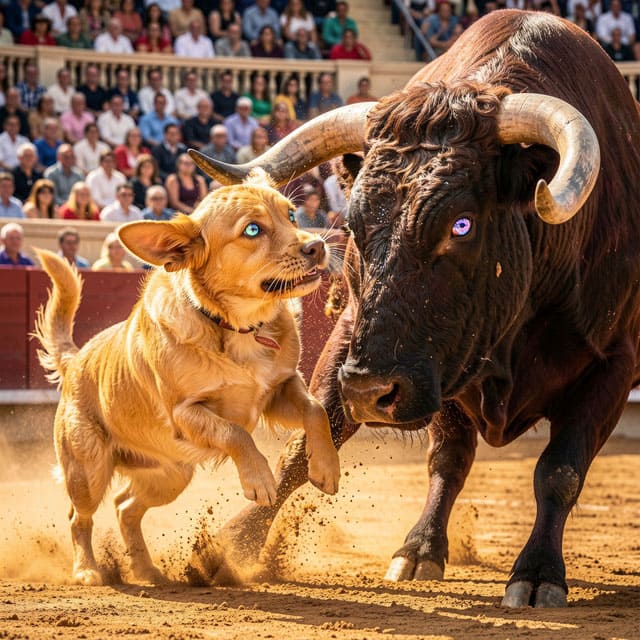

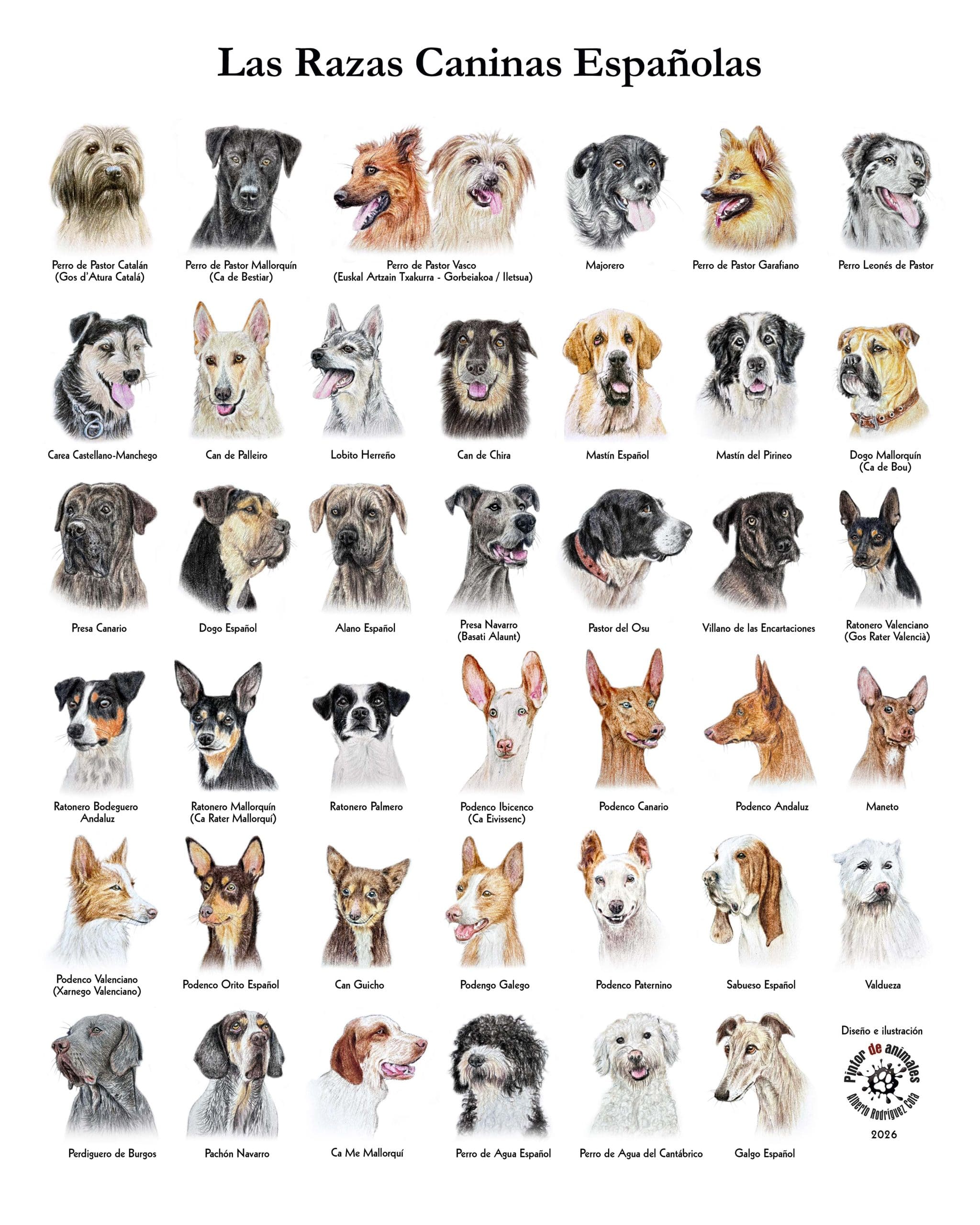
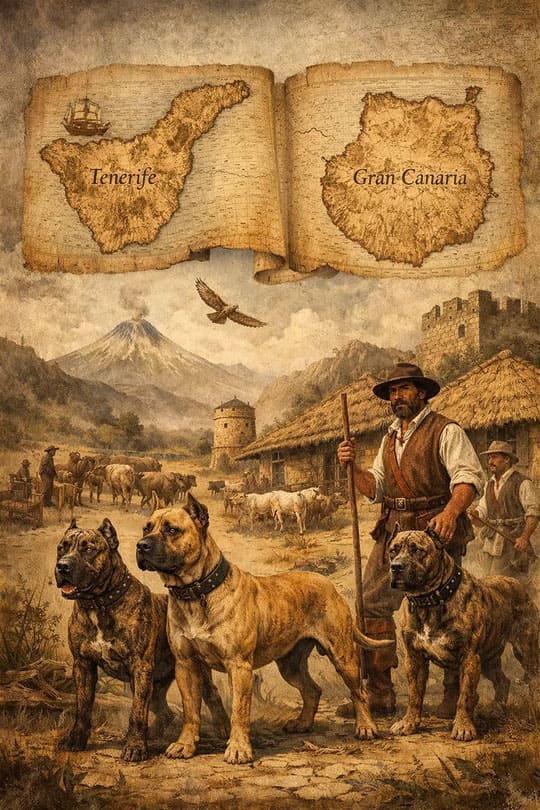
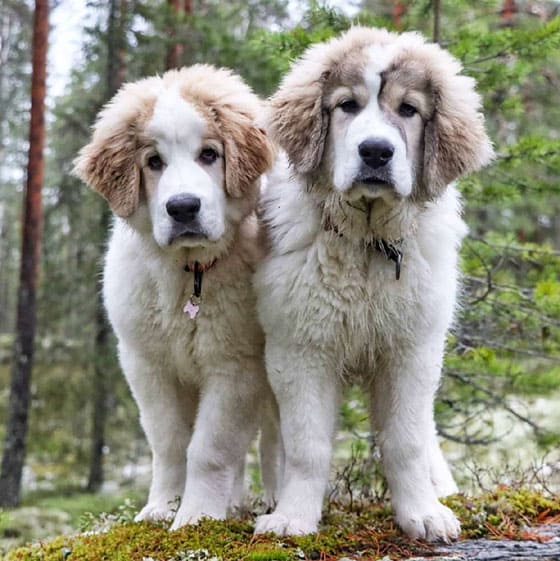
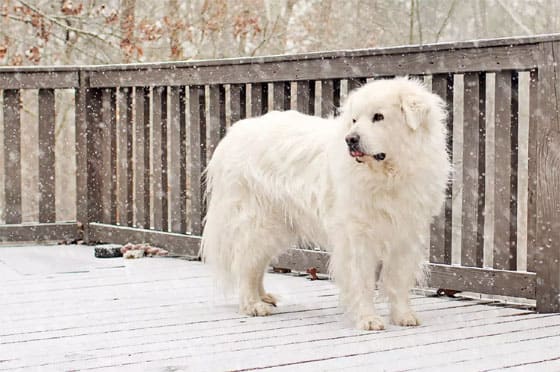
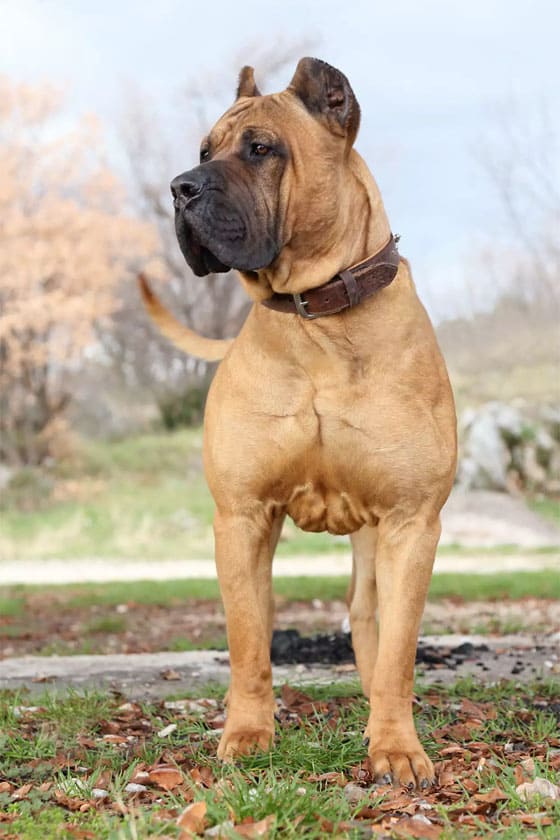
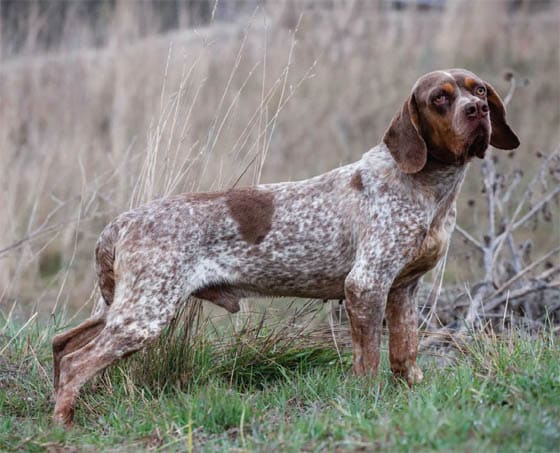
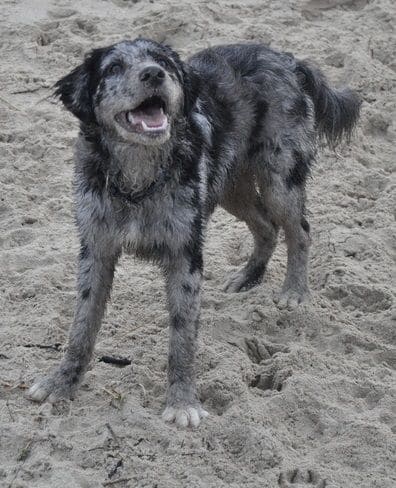

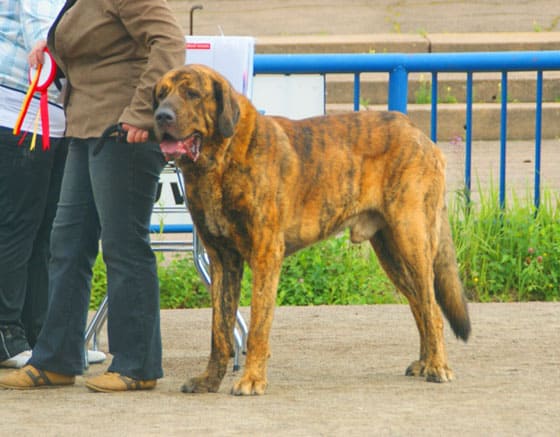
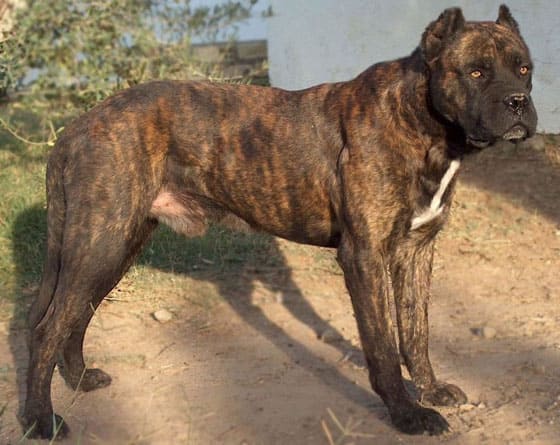
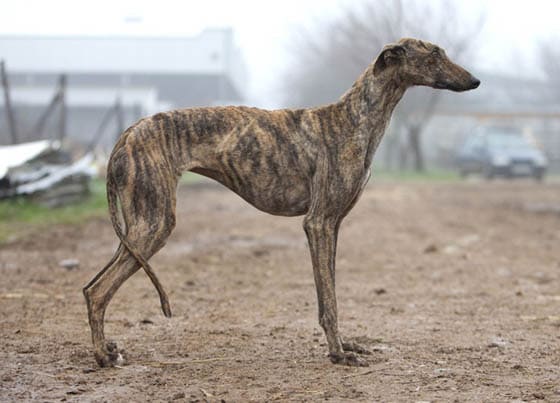
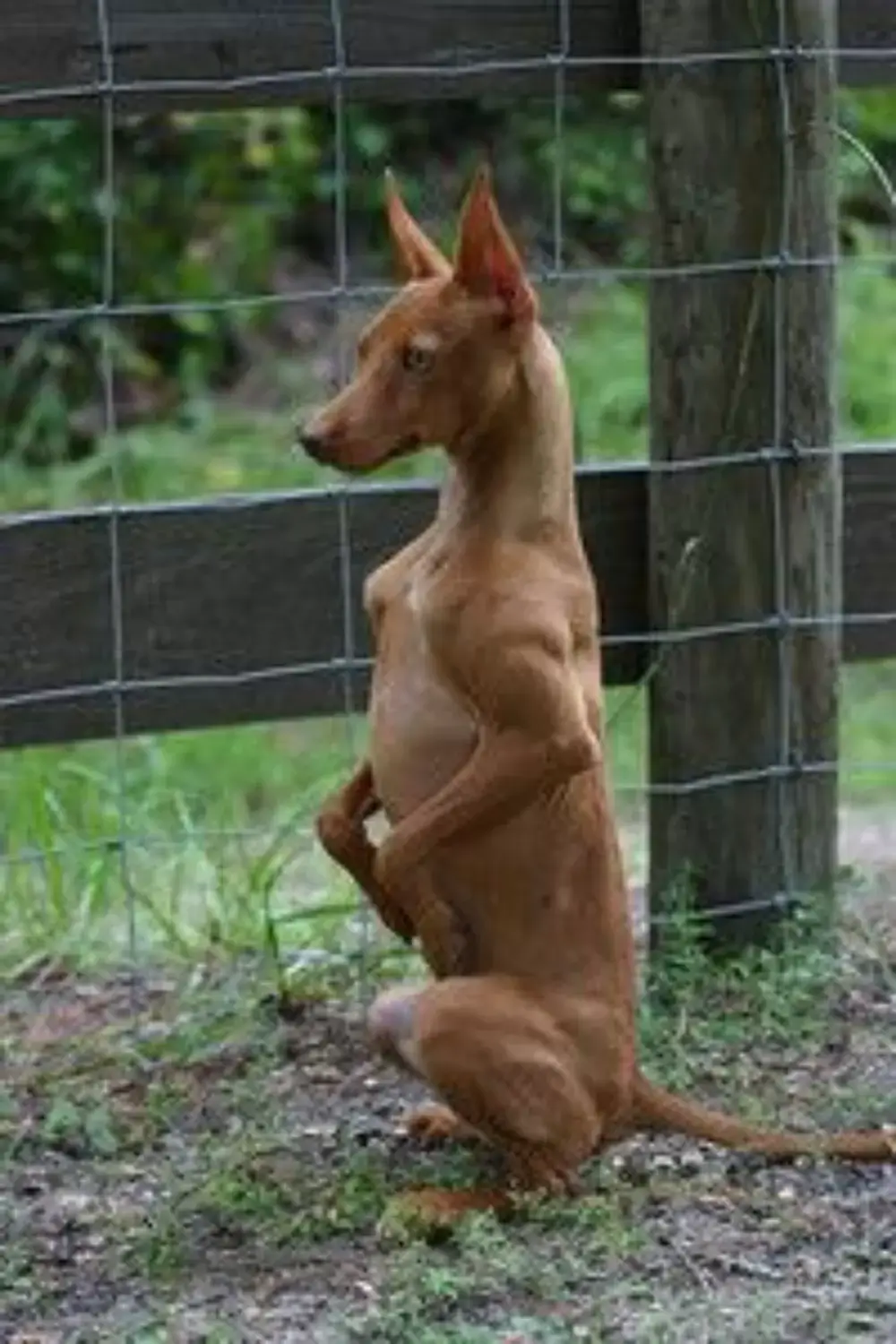
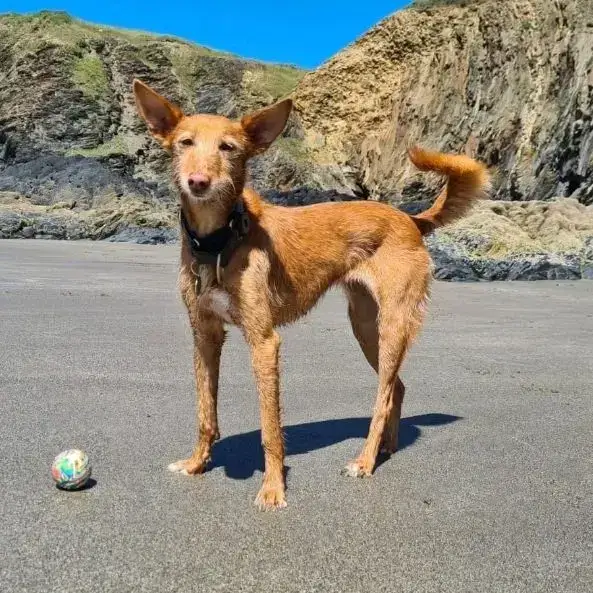

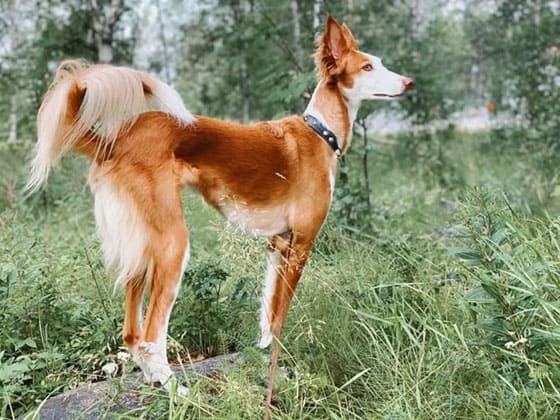
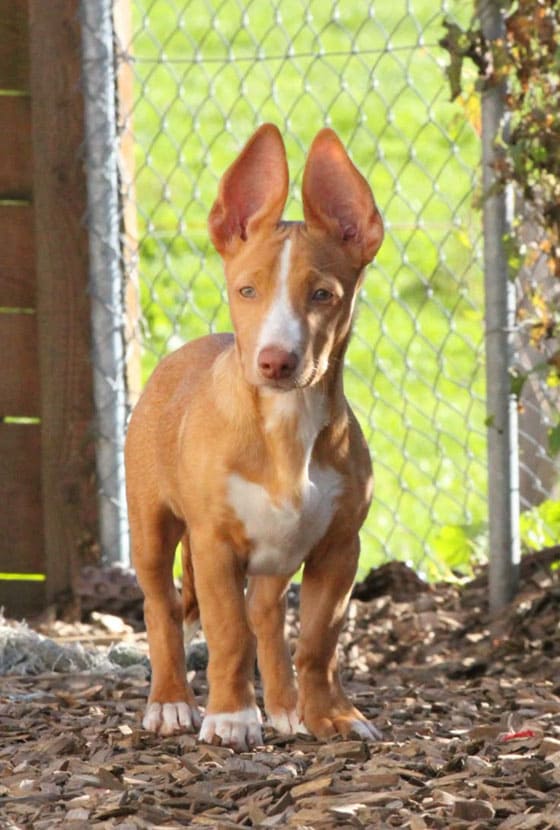
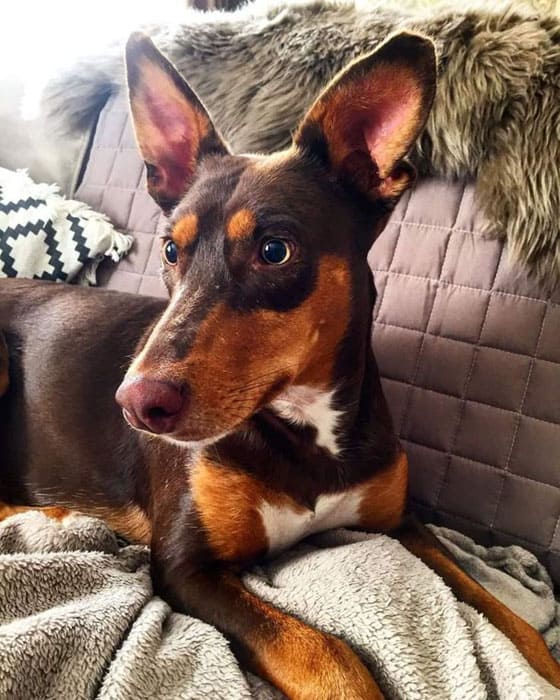
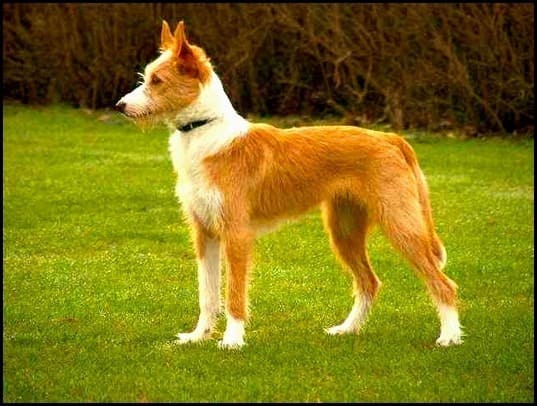
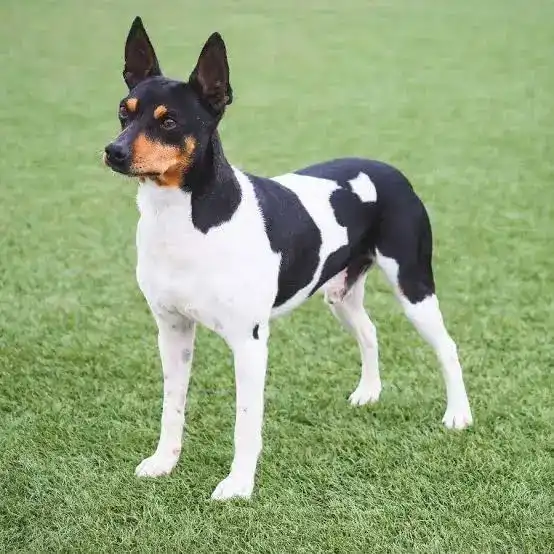
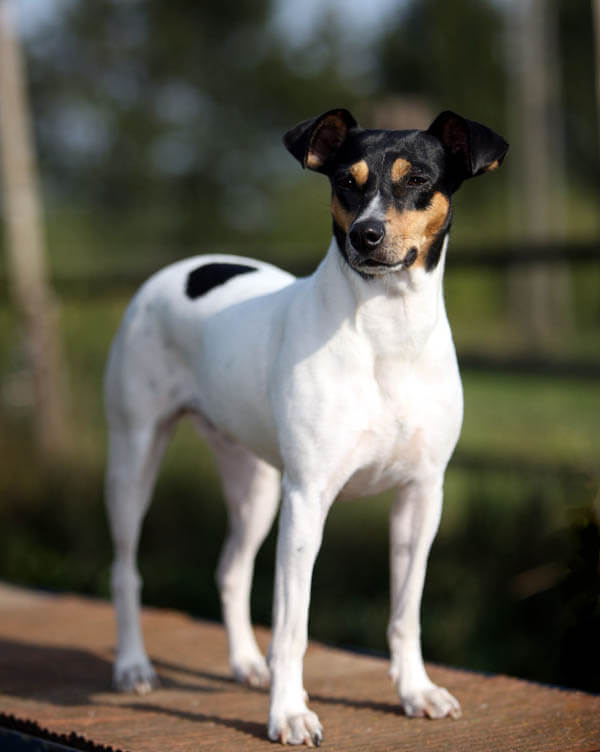
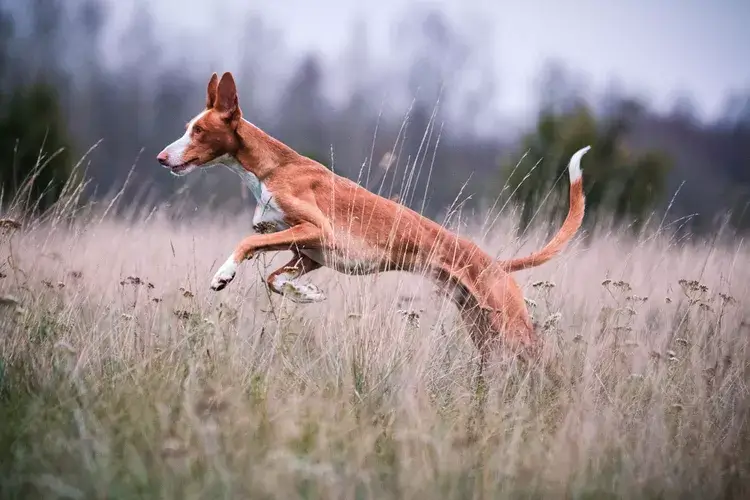
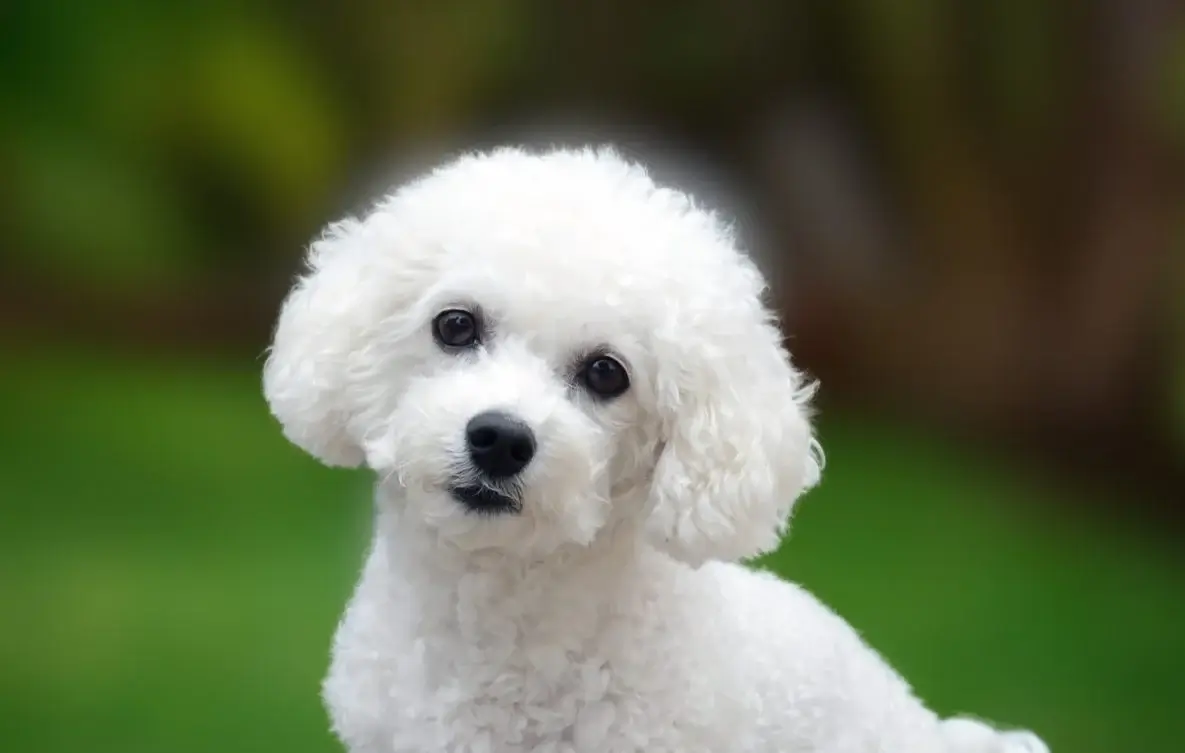
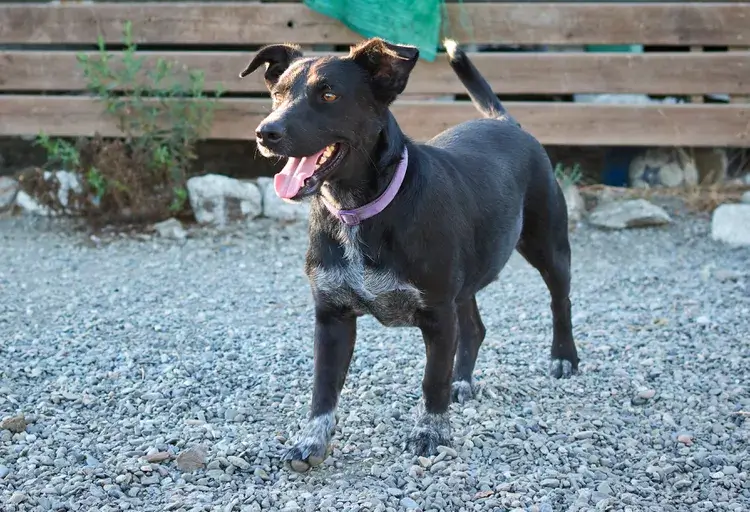
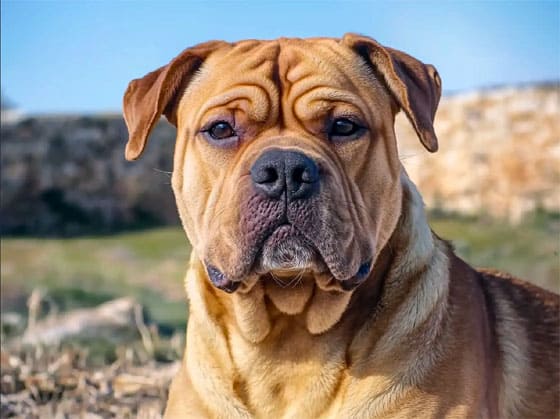
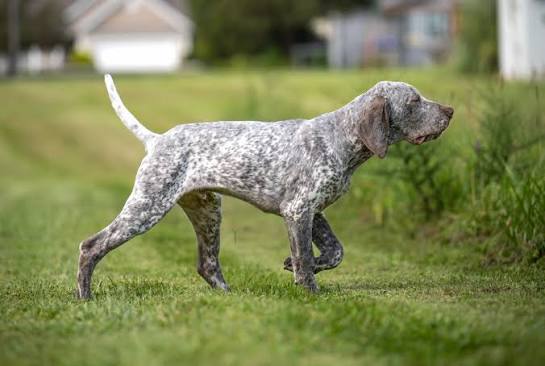
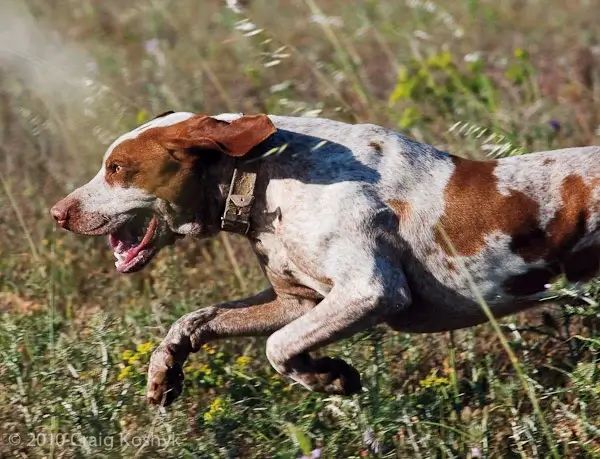
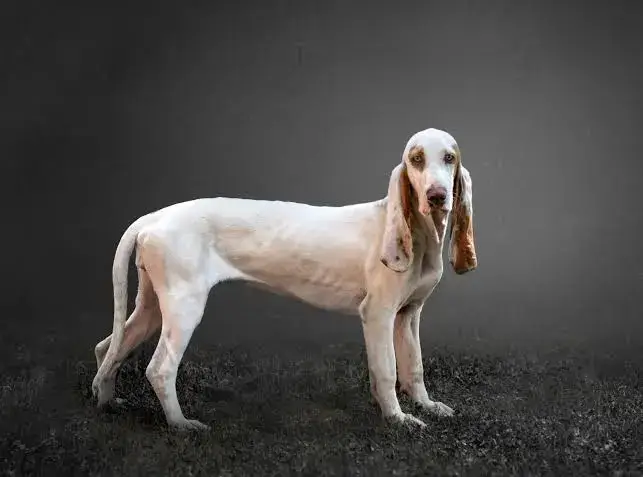
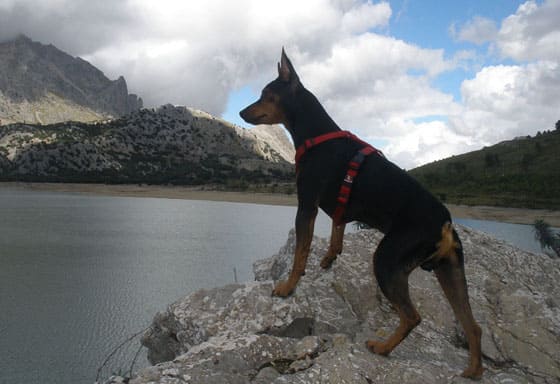
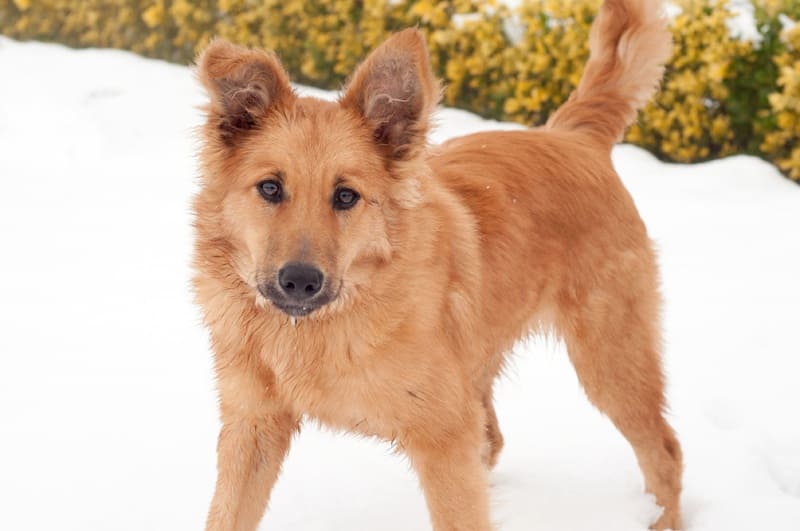
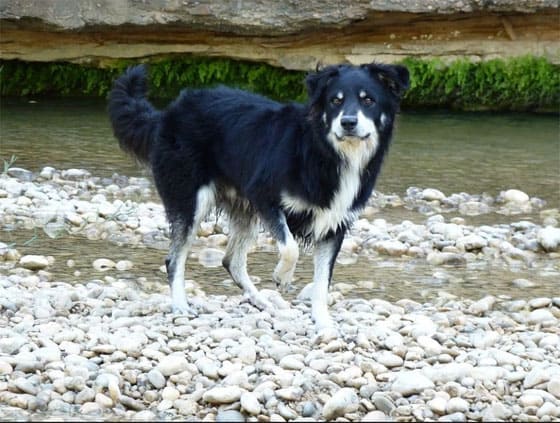
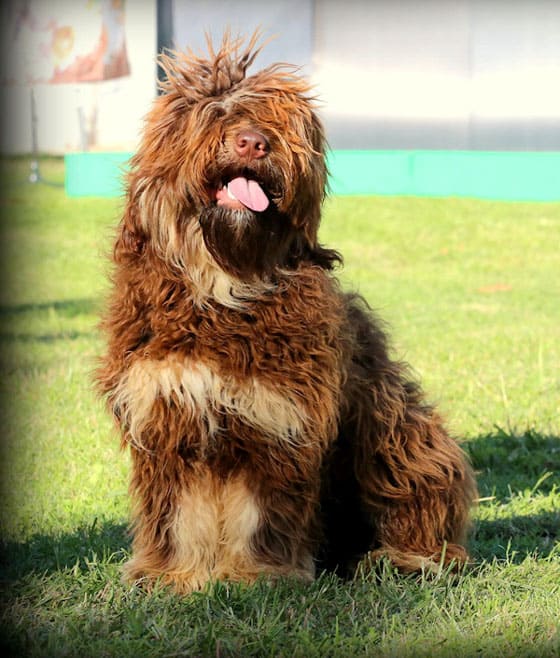
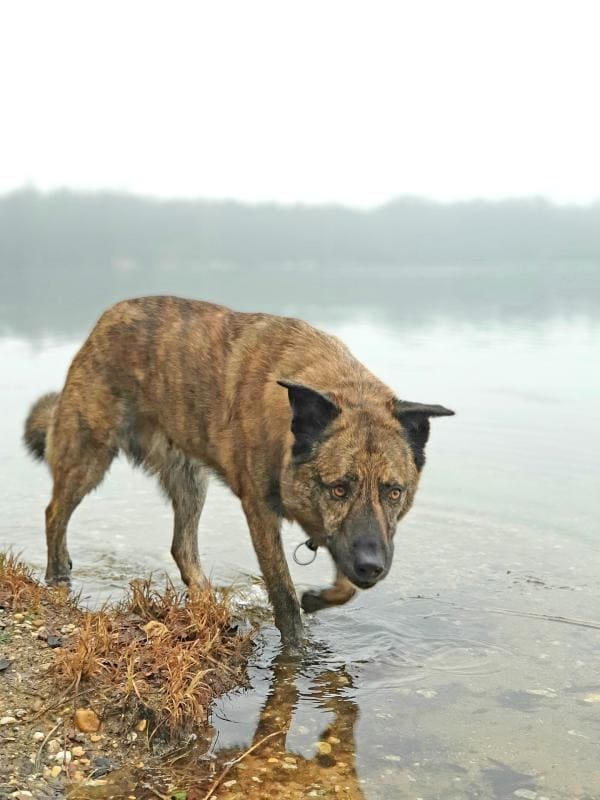
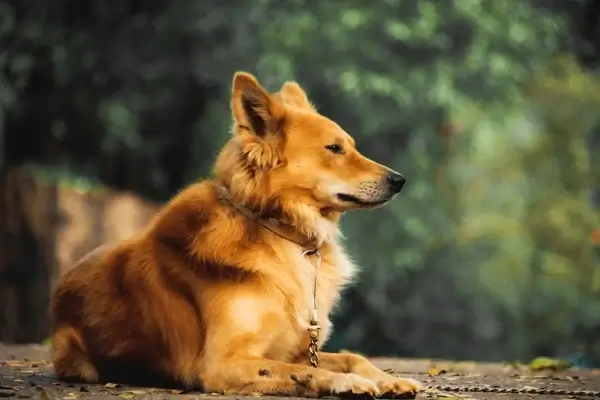
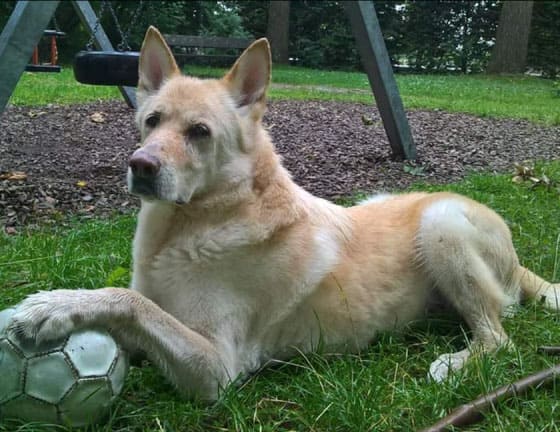
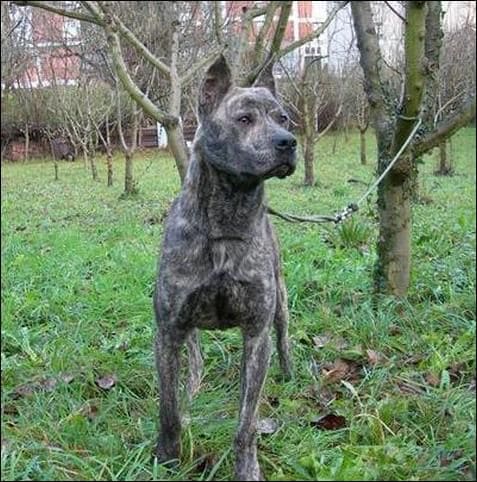
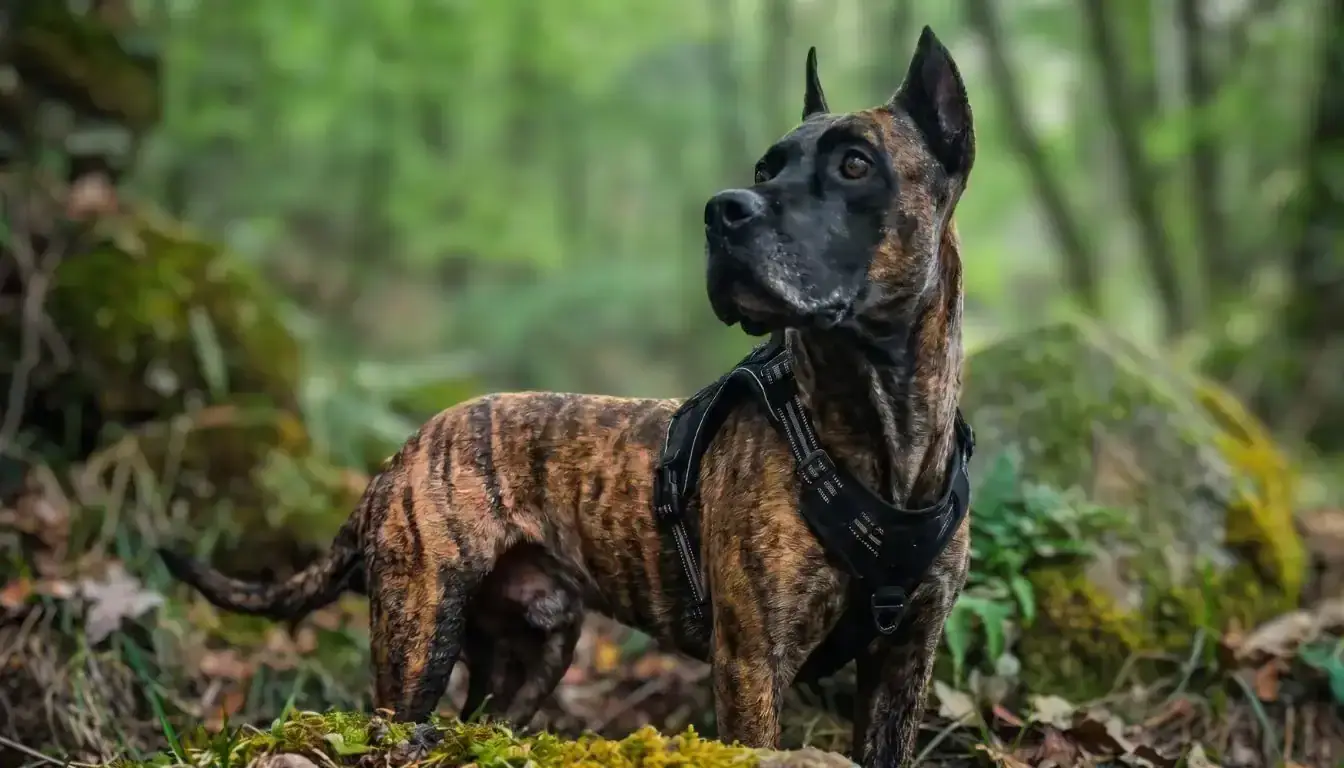
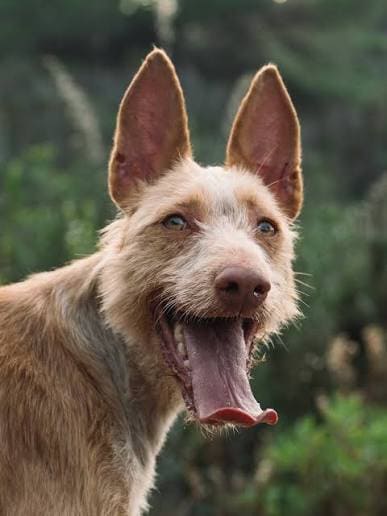
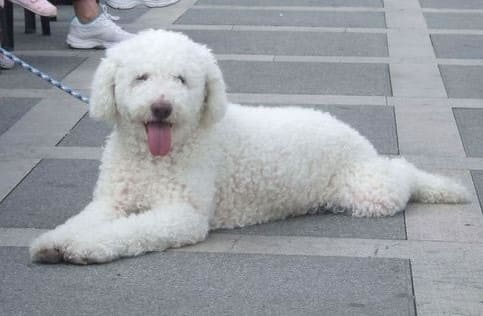
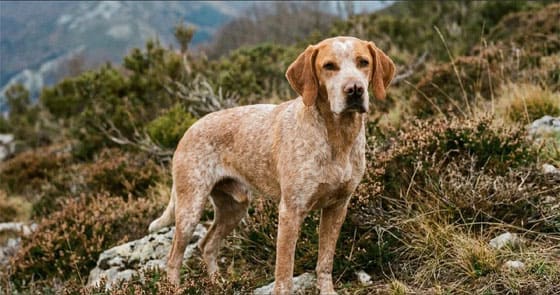
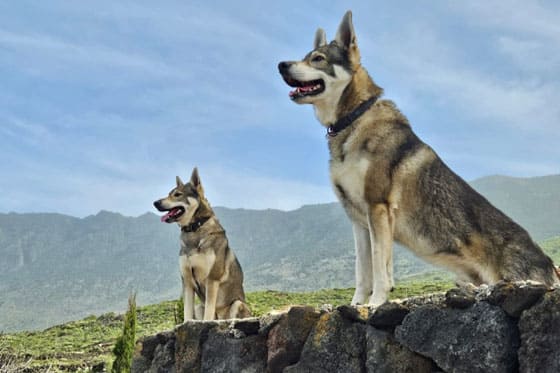
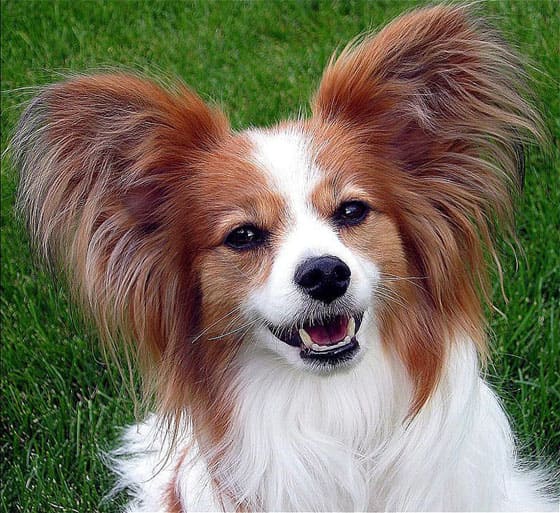
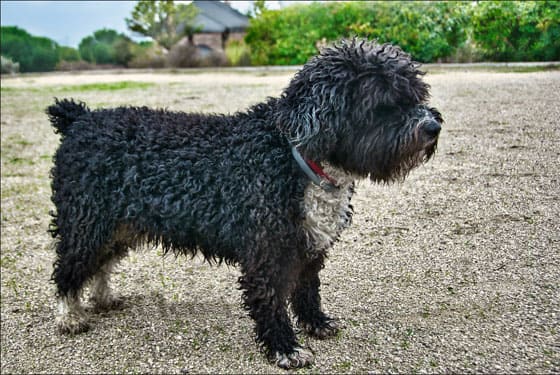
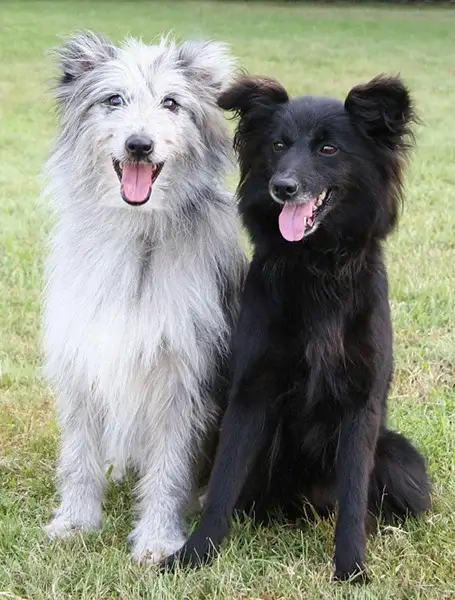
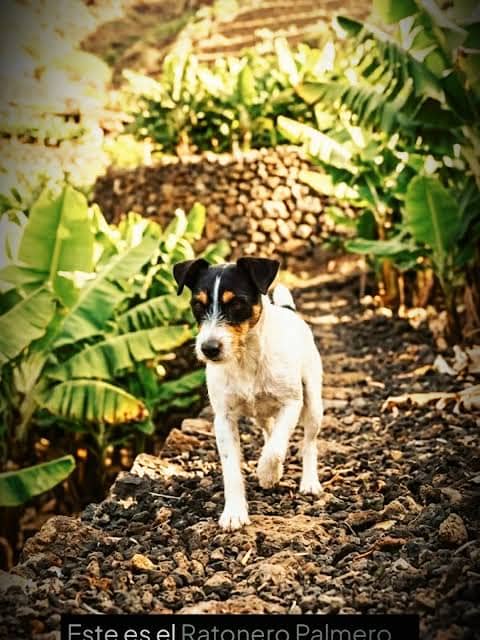
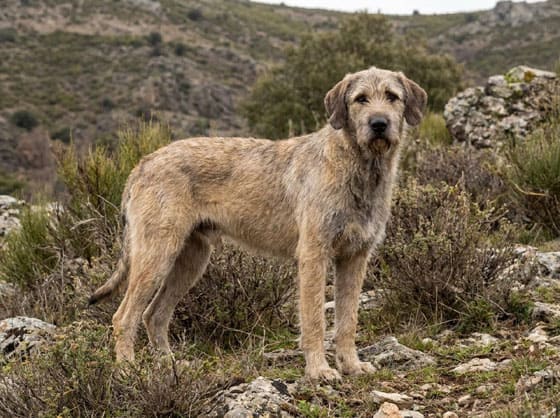
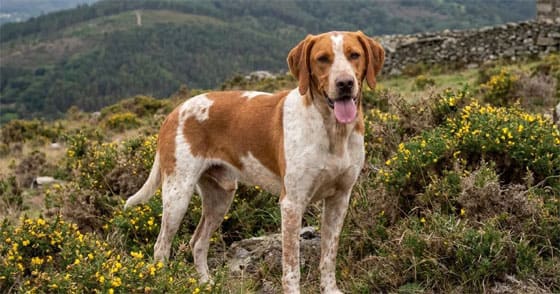
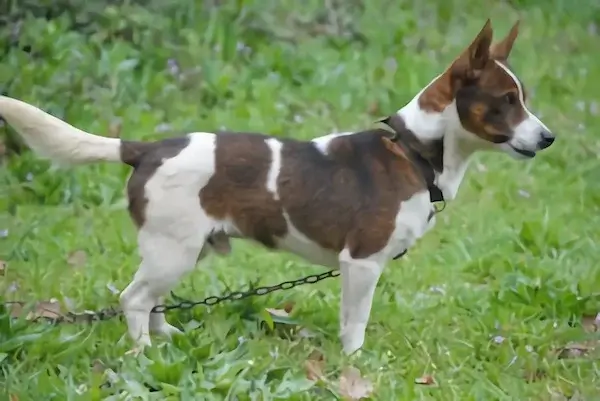
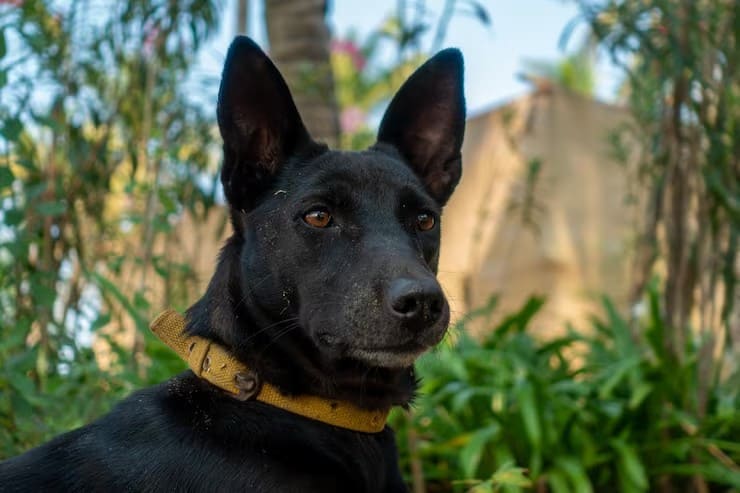
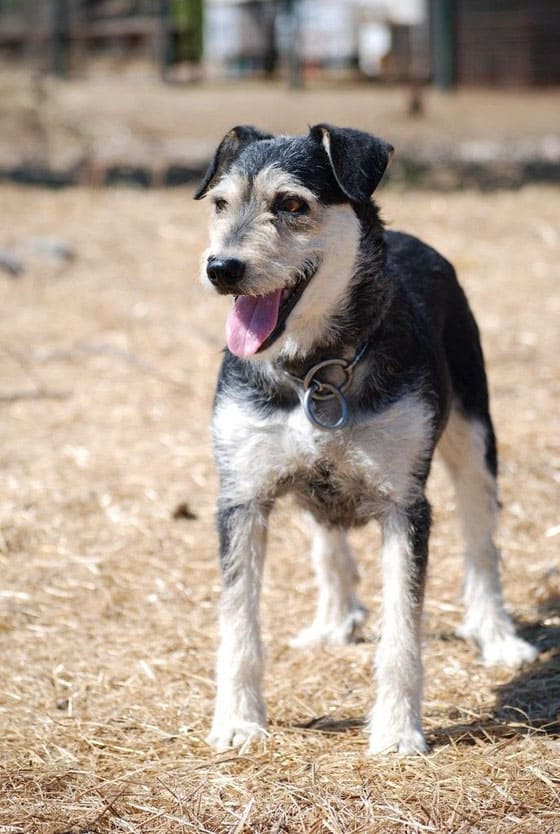
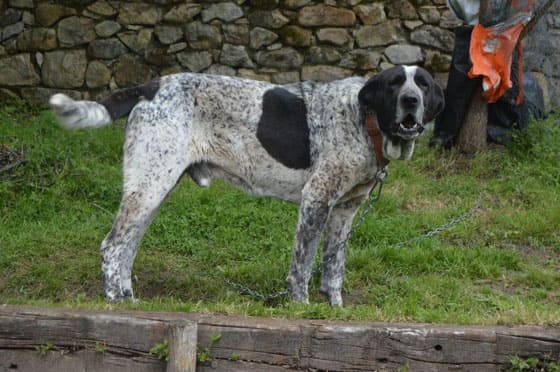
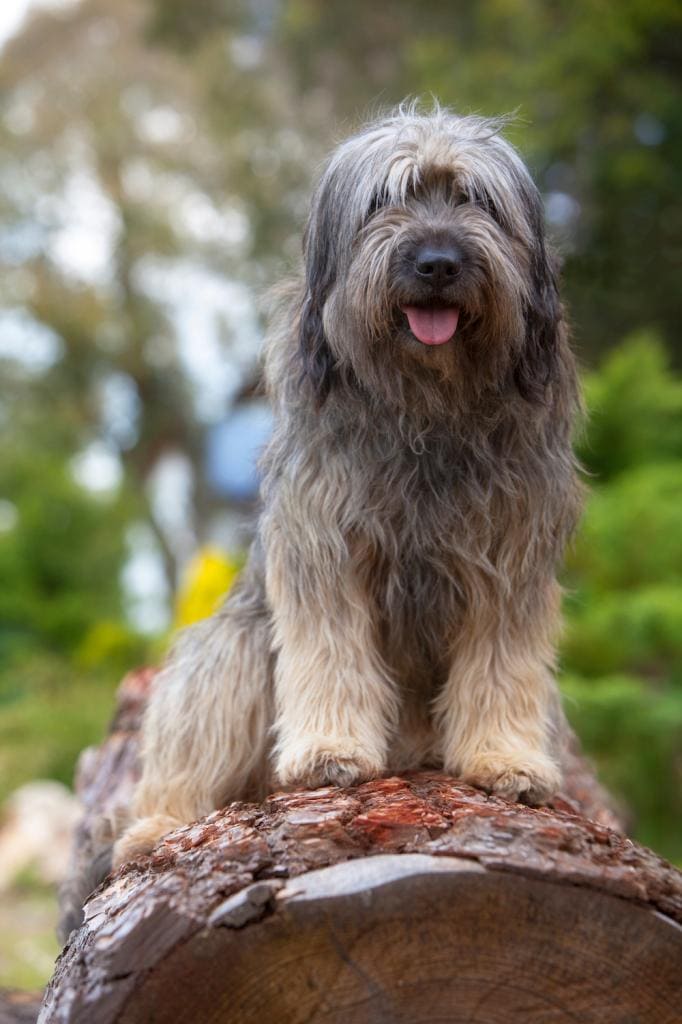
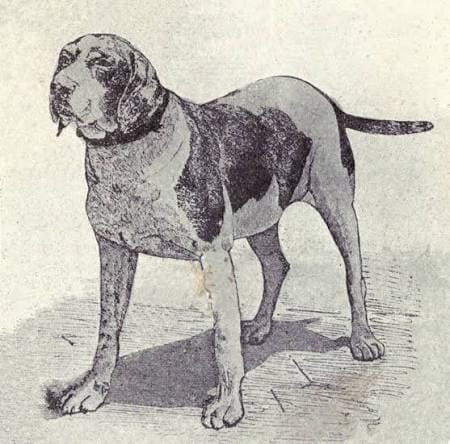











WORLD OF DOG & PUPPY 🐶