18 Swiss Dog Breeds: Photo, Characteristics, Temperament Dogs Originating In Switzerland Dog Breeds from Switzerland Swiss Dog Breeds List What is Sennenhund?
Most of us think of cows with bells around their necks when we think of Swiss animals, not dogs. But there are actually so many great Swiss dog breeds that are popular in their home country and around the world. As you might imagine from the mountains, pastures, and said cows, many of these pups were bred for hard work on farms. A good majority of them are hardworking, used to spending time outdoors and they make wonderful family pets.
Sennenhunde (Swiss Mountain / Cattle Dogs) are a group of four distinct working breeds originating from the Swiss Alps, known for their striking tricolor coats (black, rust, and white) and loyal, intelligent, and versatile nature. They range from large to medium, originally acting as farm, guard, and drafting dogs.
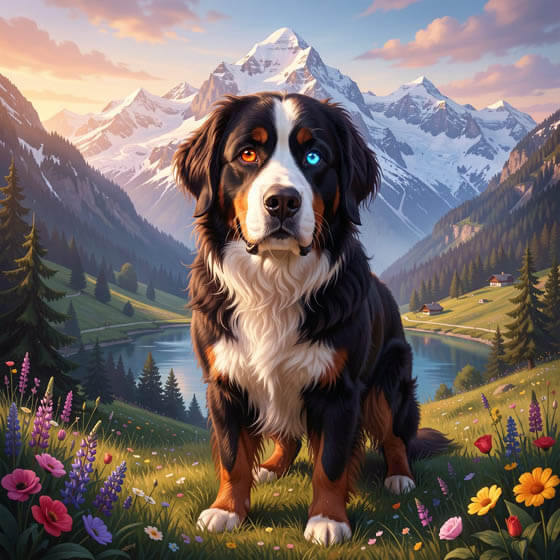
Bernese Mountain Dog (Berner Sennenhund): - The most popular; large, long-haired, calm, and loyal family companions.
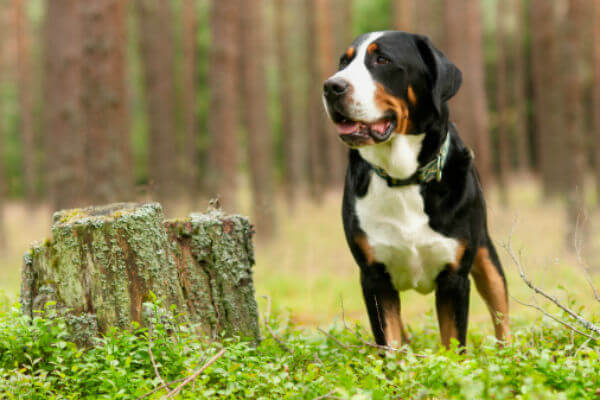
Greater Swiss Mountain Dog (Grosser Schweizer Sennenhund): - The largest and oldest; heavy-boned, strong, and short-haired.
The origin of the breed is suspected to trace back to the Roman invasion of Switzerland when Roman mastiffs crossed with the native flock-guarding dogs. They were mainly used as a general farm dog for guarding property and driving cattle. The Bernese Mountain Dog, German: Berner Sennenhund or Dürrbächler, is a large dog breed originating from the canton of Bern, Switzerland and the Swiss Alps. It is one of four Sennenhund-type breeds, with ancestral roots in Roman mastiffs. The Bernese Mountain Dog ("Berner") is a large, sturdy, and good-natured Swiss working breed known for its striking tri-colored coat (black, rust, white) and gentle, loyal temperament. They require daily moderate exercise, weekly grooming to manage heavy shedding, and early training due to their size. Berners generally live 7–10 years and are prone to hip dysplasia and cancers. In general, the Bernese Mountain Dog is an affectionate and intelligent dog. They are eager to please, which makes them good with training. They may be a little shy around people they do not know, but the Bernese Mountain Dog tends to be patient with children and other pets.
That said, interactions between kids and dogs of all breeds should always be supervised. And while Bernese Mountain Dogs were bred as working farm dogs, today most prefer to lie on the couch all day. The Bernese Mountain Dog is relatively adaptable to change and minor stressors, but these sweet pups may be shy in new settings. When properly socialized to dogs, cats, and people as puppies, a Berner is more adaptable and less likely to develop anxiety as an adult. Many Bernese Mountain Dogs dislike being left alone, and some may develop separation anxiety. The Bernese mountain dog is alert and good-natured. Coming from a working background, they enjoy the challenge of learning new things. They should be obedience trained because of their large size at an early age to make them pleasant household companions. Their natural instincts to guard and work on the farm still carry over in the breed today. The Bernese makes a good watchdog, and is even better at herding and draft work. Draft work is demonstrated in field trails for Bernese mountain dogs and popular with owners today. The dogs are judged on ability to both pull and have control over a cart. As a family pet, the Bernese will enjoy some physical work and a job to do.
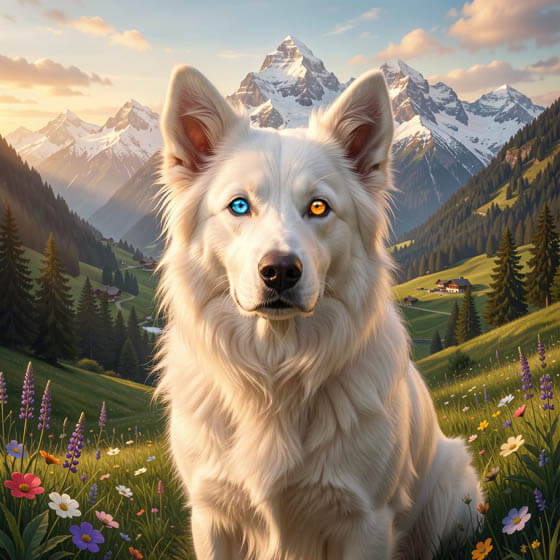
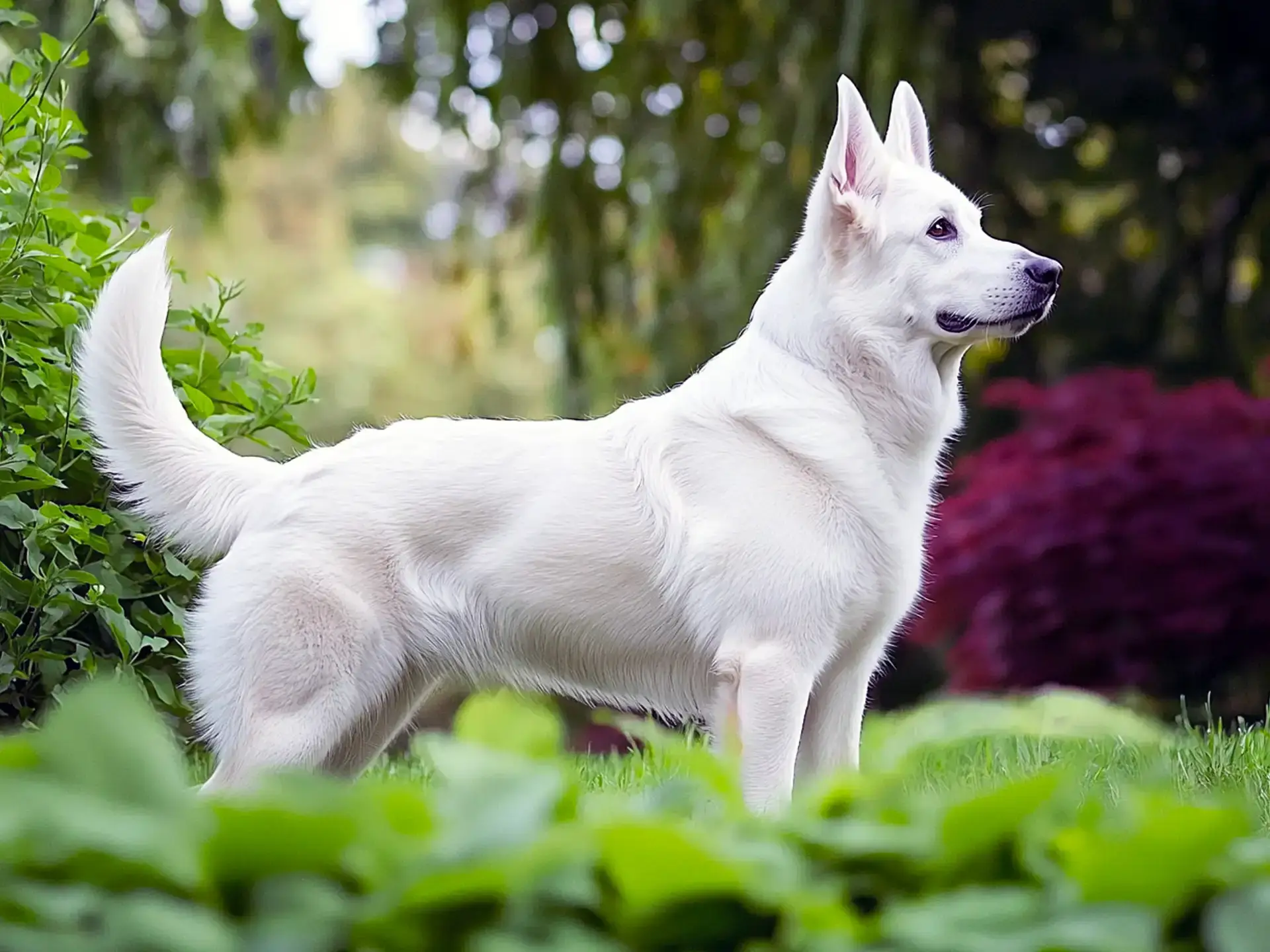
The White Shepherd (or White Swiss Shepherd) is a distinct breed closely related to the German Shepherd, known for its striking white coat, intelligence, and loyal, versatile nature. Developed from white-coated German Shepherds, they are active, trainable, and generally more mellow, yet possess strong protective instincts and require high daily exercise. White Shepherds are courageous, keen, alert and fearless. They are cheerful, obedient and eager to learn. Tranquil, confident, serious and clever, White Shepherds are extremely faithful and brave. They will not think twice about giving their lives for their human pack. They have a high learning ability. White Shepherds love to be close to their families, but can be wary of strangers. This breed needs its people and should not be left isolated for long periods of time. They only bark when they feel it is necessary. Often used as police dogs, the White Shepherd has a very strong protective instinct, and is extremely loyal to its handler. Socialized this breed well starting at puppyhood. Aggression and attacks on people are due to poor handling and training.
The White Shepherd has a distinct personality marked by self-confidence. The breed is poised, but when the situation demands, they are eager, alert and ready to serve in any capacity. White Shepherds demonstrate both herding and protective instincts. With those he/she knows, the White Shepherd is open and friendly. With strangers he is observant and may be somewhat aloof but not apprehensive. They enjoy running, playing fetch or any activity with their human family. This is a joyful, active, intelligent and easy to train working dog with the ability to adapt and integrate to all kinds of social events and situations. Timidity in a mature dog or aggressive behavior is not typical of this breed. White Shepherds are very loyal and tend to be especially protective of the young of various species. With their playful and curious personalities, they make wonderful companions although some do have the tendency toward being quite vocal by exhibiting whining, grunting, moaning and sometimes howling. He is naturally wary of strangers but rarely barks unless he is issuing a warning.
He is eager to learn and training should be a breeze. The White Shepherd does need interaction with people and will become depressed or even destructive if left alone for too long. Be prepared to spend extra time with your White Shepherd if you work away from the home all day. The White Shepherd is a very intelligent, courageous and fearless dog. He is fiercely devoted to his family and forms bonds quickly, especially with the person training him. He does need to be socialized from an early age to ensure he does not become fearful or aggressive towards strangers. He is naturally wary of strangers and can become aggressive if he fears for his safety or his family’s safety. Lack of training and socialization are the main factors in why White Shepherds become aggressive and unmanageable. He will greatly benefit from going to training classes starting at a young age. Generally, he is great with children and other pets, although he does command respect. Children or pets that do not respect his boundaries may not be able to handle the consequences of him becoming annoyed. He is extremely trainable but does require daily interactions such as long walks or playtime in the backyard. When you cannot be with him, he will require a strong fenced yard to play.
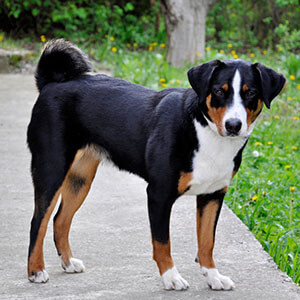
The Appenzeller Sennenhund (Appenzeller Mountain Dog) is a medium-sized, high-energy Swiss herding breed, known for its tricolor coat, and, intelligent, loyal, and fearless temperament. Originating as cattle drivers and farm guards, they require extensive exercise and firm training. Ideal owners are active and able to provide a job or high activity levels, as they are not suited for apartment living. Charming and affectionate, tough, sober, brave, intelligent and lively, the Appenzell usually gets along well with other dogs and mixes well with livestock and household animals if it has become used to them while still young. They are rather unsure of strangers but greet family and friends effusively. A well brought up Appenzell Mountain Dog that understands his lower place in the human pack is fine with children. Loyal to the whole family, but tends to bond closely with one person, it responds best to firm, but consistent, even-tempered training. Socialize this dog well with all kinds of situations, people and other animals.
Appenzells learn quickly, partly because they are so intelligent, but also because they really want to have something to do. This breed enjoys the outdoors, loving freedom and open spaces to run. Agility skill trials and games of catch are suitable sports for this breed. The Appenzell Cattle Dog, as the name implies, is a cattle dog at heart, and to this day they are excellent watchdogs. They are incredibly fast and very intelligent, as well as lovingly devoted to their people. They can be wary of strangers, though, and they need plenty of exercise every day to stay healthy and happy. They’ve also been known to be heavy barkers, and they can be destructive when bored. This good-natured breed produces loyal dogs that bond closely with their people. They can be boisterous at times, and they need to be kept busy and get plenty of exercise to avoid boredom. They are enthusiastic, and their rough ways may be too much for small children, although they would love to make playmates with kids.
Appenzell Cattle Dogs have strong, dominant personalities. They require extra work to train, which is necessary for proper socialization, especially since these are territorial dogs that make excellent watchdogs and are wary of strangers. They are loud barkers and can become destructive when bored. They require a lot of exercise because they are an active breed. The breed is quite versatile, having been used for various jobs around farms and serving as a beloved family companion. The Appenzeller Sennenhund generally has a lively and alert temperament. This dog typically bonds closely with their family, though they can be somewhat wary of strangers. High energy and intelligence also help to shape the breed’s personality. These are dogs that like to work, so they aren’t best if you’re looking for a less active breed.
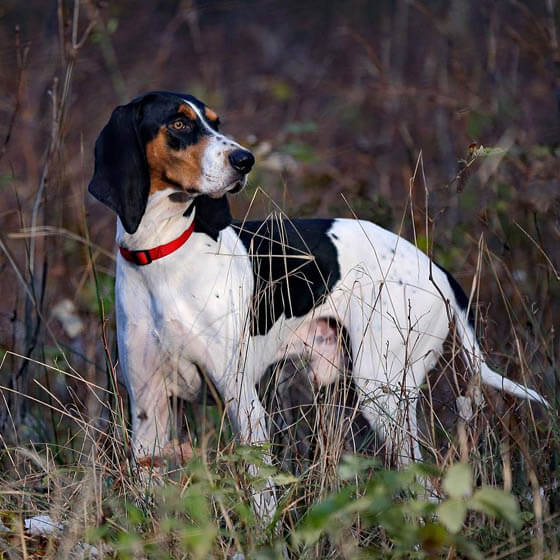
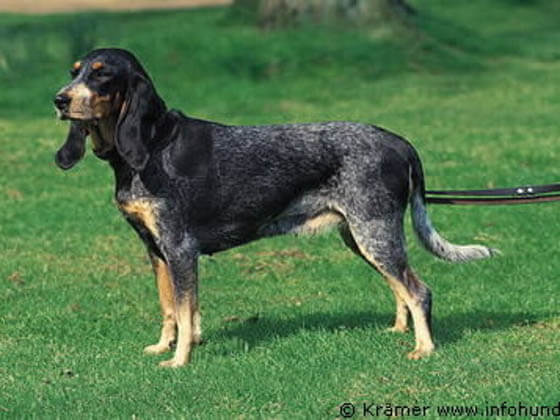
The Berner Laufhund (Bernese Hound) is an ancient, medium-sized Swiss scent hound, renowned as a passionate and agile hunter with a great sense of smell. Known for being friendly, intelligent, and energetic, they require significant daily exercise and make excellent, loyal family companions, often living 12-15 years. The Berner Laufhund is considered a "Hunting Dog in the Most Specific Meaning of the Word." The Berner Niederlaufhund is considered by many to be the best hunting dog in the world. It is a tri-colored hound, but one in every 20 or more dogs has a rough coat. Bernese Hounds are naturally active and lively dogs with a friendly and outgoing nature. They are known for their endurance and desire to run and explore, making them excellent companions for active people. They love being part of the family and are known for their affection and people-oriented nature. Their temperament is active rather than calm, meaning they need regular exercise and mental stimulation to stay happy and healthy. They are intelligent and willing to learn, which increases their trainability and makes them a good choice for dog sports such as agility or obedience. Bernese Hounds can stay alone well if they are properly prepared and trained. However, they tend to develop separation anxiety when left alone for long periods of time. It is therefore important that they spend enough time with their family and are not left alone for long periods of time.
Despite their friendly and outgoing nature, Bernese Hounds can display strong hunting behavior. They were bred to hunt and therefore have a strong prey drive. This means that they should always be supervised when going on walks or playing outside to ensure that they do not run off to pursue an interesting smell or movement. Bernese Hounds are also known as vigilant dogs that protect their family and home. They are not aggressive, but can be wary of strangers until they are sure they do not pose a threat. This makes them good watchdogs, alerting their family to possible threats. Overall, Bernese Hounds are lively and active dogs that need a loving and active family. They are intelligent and willing to learn, making them well suited to a variety of activities and sports. Their friendly and open-minded nature makes them wonderful companions who fit well into a family and can lead a fulfilling and happy life. They do not see themselves as small and their personality more than makes up for their smaller stature.
Their lively disposition can be easily curbed when they get plenty of exercise and attention. They do have a higher prey drive and should not be left alone with small pets such as ferrets, rats, or bunnies. They do require a strong leader to train them. These dogs do not see themselves as small and can easily become boisterous and difficult to manage without a proper leader. They are still primarily used as a hunting dog in their native Switzerland and they prefer large yards to run and play in rather than apartment living.
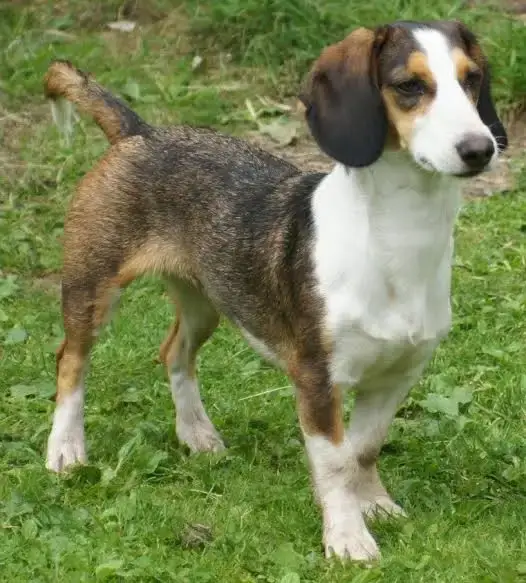
The Berner Niederlaufhund, also called the small Bernese Hound, is one of 4 varieties of Swiss scent hounds known collectively as the Schweizerischer Niederlaufhund. Niederlaufhund actually translates to "short-legged scenthound", which is exactly what the breed came into prominence for, hunting small game in mountain valleys. They are small dogs, tri colored white black and tan. This is a great breed for any age due to its happy, calm, obedient nature. Active families and owners will find a great friend in the small Bernese Hound; it has a high amount of daily energy to be expended and enjoys runs and long walks as well as any other sort of playtime. This can be both an indoor or outdoor pet and is easily trained with consistency. With no typical recorded health issues, this is a healthy breed that can live up to 12-13 years. The Berner Niederlaufhund is not the same as the Berner Laufhund, though they are closely related. The "Niederlaufhund" is a smaller, shorter-legged version of the "Laufhund". Short-legged scent hound, designed for smaller hunting areas.
The Swiss Niederlaufhund is an excellent hunting dog used to find and follow a scent even through difficult ground. This dog is also often used to pursue and find wounded animals. The Niederlaufhunde have a great sense of smell; they are fast, agile and passionate hunters which keep good track of the scent they are supposed to follow. Their voice is pleasant. These dogs are friendly, courageous and never aggressive. Some specimens are calmer than others. This small breed is about 13-16 inches tall for females and 14-17 inches for males. They typically weigh 13-33 pounds. The small Bernese Hound is known for being calm, soft, and happy-go-lucky so he will make an excellent companion for an active person of any age. These dogs prefer companionship and will get along very well with other dogs. Although they are not aggressive, they were bred to hunt small game so they may have a prey drive towards pets of that size. These dogs have a very friendly look which matches their calm personality. Courageous and obedient, they not only make a great companion for a hunter but also anyone else with the energy for them, even children.
This breed is never aggressive but will bark if hunting or upon noticing a potential danger. Small Bernese Hounds are easily trained and are readily obedient to their owner as long as they show the dog some patience in return. Overall, this is a free-spirited, happy breed but they do not enjoy being alone. Although they enjoy being an outdoor dog, they can easily adapt to an indoor living environment. Exercise is another story, although they are calm and gentle, they have plenty of energy that needs to be exercised each day. They should be provided with alternatives to the hunting work that they were bred for with other intense activity such as runs or long walks with the owner. Members of this breed are obedient and ready to please so training will not be difficult but will require patience in consistently refreshing the commands.
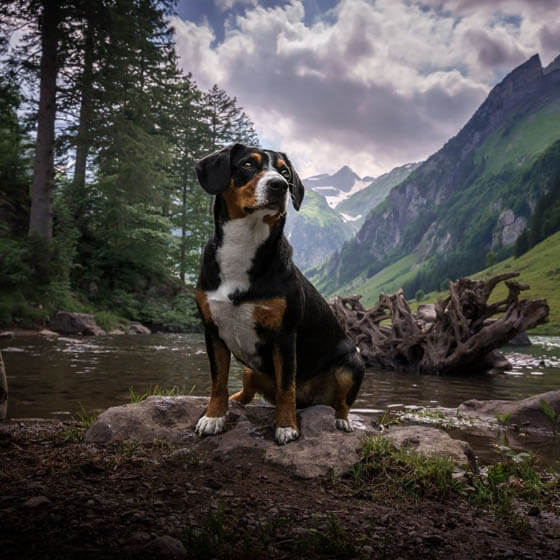
The Entlebucher Mountain Dog is one of the four Sennenhunds, or Swiss Mountain Dogs, the other three being the Greater Swiss, Bernese, and Appenzeller. The word Senn is the term for Alpine herdsmen, so a Sennenhund is a 'dog of the Senn'. Traditionally the Entlebucher Mountain Dog was a cattle driver, as secondary tasks they were used to protect the livestock, as property guards and for general farm work. The Entlebucher Mountain Dog is a medium-sized, high-energy Swiss herding breed known as the smallest of the four Sennenhund (Swiss Mountain) dogs. They are intelligent, loyal, and athletic, characterized by a tricolor coat (black, tan, white), 16–21 inch height, and 45–65 lb weight. They require intense daily exercise and mental stimulation. The Entlebucher Mountain Dog is a people-dog that loves to be surrounded by his people and friends. Alert and very eager to please, it was first used as a cattle driver; today it is used as a livestock guarder and a companion. Entlebucher Mountain Dogs are loyal, smart dogs with a fun-loving personality - they are even sometimes called the "laughing dogs" of the Swiss Alps. They are affectionate with their family, but they might need time to warm up to strangers. As with all dog breeds, early socialization is important. Entlebuchers can be good with children, cats, and other dogs as long as they are well socialized from puppyhood.
Entlebucher Mountain Dogs need both physical and mental exercise to curb boredom and unwanted behaviors - such as digging, chewing, and excessive barking and to channel their excess energy. They also love a challenge, like solving puzzles. As working dogs, they also enjoy keeping close to their families and following along with whatever they are doing. But know that their innate herding tendencies may still result in their attempting to herd other small animals and children if this behavior is not redirected. Entlebucher Mountain Dogs are eager to please and highly motivated, which can make training easy. They respond best to positive reinforcement. They can get bored easily, however, so it’s important to vary your training methods and keep your dog mentally stimulated. They can be wary of strangers, so they make good watchdogs, and because they can be rambunctious at times, they should be supervised when they are with young children.
Proper training and socialization is recommended to help Entlebuchers reach their full potential. The Entlebucher Mountain Dog is a smart and loyal companion, and although these dogs have an independent streak, they prefer to be with their people at all times, they do not do well when left alone. They are spirited and independent at times, but they take relatively quickly to training. This high-energy dog requires extensive exercise every day to stay happy and healthy. The Entlebucher Mountain Dog makes a great family pet, if you’re willing to give him all the attention he needs to be happy. These dogs develop a deep bond with their people, and they prefer to spend time with them most hours of the day. They are loyal and loving, and they don’t do well when left alone. They can also be wary of strangers, and have strong, powerful barks that will alert you to new people in their presence. They are usually good around kids, but they can get rambunctious, so proper training and socialization is recommended.
The Greater Swiss Mountain Dog ("Swissy") is a large, powerful, and loyal working breed, known for its striking tri-color coat (black, rust, white) and gentle, dependable nature. Standing up to 28.5 inches and weighing up to 140 pounds, they were historically used as draft and herding dogs. They require moderate exercise, are good with children, and have a short "wash-and-wear" coat. The Greater Swiss Mountain Dog is willing and eager to please. It is excellent with children, devoted, sweet and easy-going, generally good with other pets and is not dog aggressive. Teach it not to chase. It is Cautious and protective of the home. The Swissy warms up quickly to welcomed newcomers. An admirable, courageous, keen watchdog who will bark if it hears something out of the ordinary. The Greater Swiss Mountain Dog will not be happy confined to kennel life, preferring its family.
This giant breed matures slowly in both mind and body, taking anywhere from 2 - 3 years to do so. The Greater Swiss Mountain Dog temperament is "happy" and "jovial," with an "enthusiastic nature and strong affinity to people and children," according to the breed club. This makes them great family dogs who are gentle with children. However, all interactions between kids and dogs should be supervised, regardless of the dog's breed. Swissies have bursts of activity, but they are not hyper and keep a robust napping schedule when well-exercised. More than anything, this breed wants to be with their family and involved in their activities, whether that includes hiking or lounging on the couch.
Greater Swiss Mountain Dogs are known for their resounding bark, friendly temperament, and a "wash-and-wear coat" that requires minimal maintenance outside of brushing and washing. Always alert, Greater Swiss Mountain Dogs will bark if they think something is amiss. But, in general, this friendly breed is accepting of new people if they’ve been well-socialized as puppies. Due to their history, these dogs can have a strong herding instinct, so Greater Swiss Mountain Dog puppies need to be taught early that they should not chase smaller animals, such as cats. Greater Swiss Mountain Dogs should be consistently trained with positive reinforcement methods throughout their lives. Early and consistent socialization is equally important for them to grow into well-mannered companions. Training a Swissy will take some patience, as the breed was historically bred to work independently and can have a strong will. Since Swissies were once bred to pull heavy carts, take the time to properly leash train your dog, so they learn to not pull on walks.
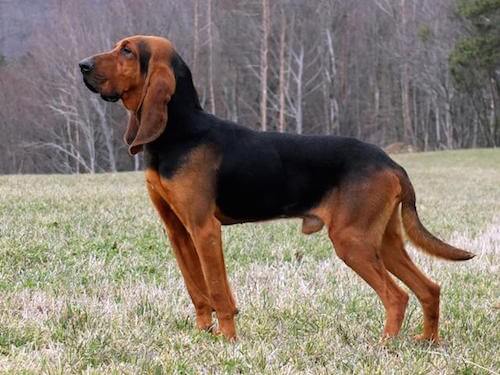
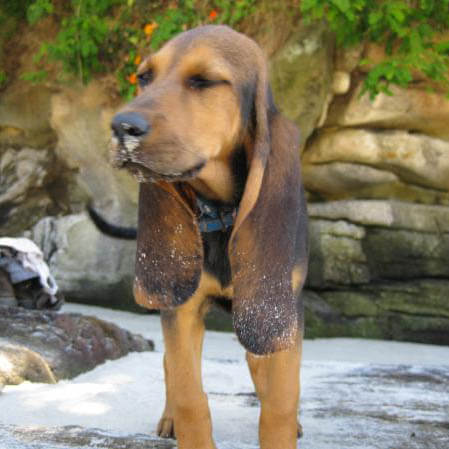
The Jura Laufhund (or Bruno Jura Hound) is a medium-sized, scent-driven Swiss hunting dog known for its endurance, loyalty, and affectionate nature. Standing 17–23 inches tall, these dogs have long ears, a short, dense coat (often tan with a black saddle), and are highly active, requiring significant daily exercise. The Bruno Jura Hound was bred in the Middle Ages for the sole purpose to be a hunter in the Jura Mountains, which are on the Switzerland-France border. Their prey is mostly fox, hare and even small deer. Their excellent nose can track the slightest hint of a scent over the rough terrain that is the Jura mountains. They are a medium sized dog and are closely related to the St. Hubert Jura Hound. These beautiful dogs need specialized training when being kept as a companion dog, as they are an active creature that is clever and energetic. They have a broad shaped head with long pendulous ears. Solid in build with a long body and shorter legs, they are an attractive dog. They have a pleasant nature, getting along with both children and other dogs in the household.
Although an ancient breed and popular in some European countries, they remain quite rare as a companion dog. The Bruno Jura Hound is extremely loyal and devoted to their owners, and their thick but short coat requires little maintenance. This dog is perfect for the hiking enthusiast as they will have the perfect companion on their trips. This hound truly loves to explore new territory, and they are mellow in nature, gentle and affectionate. Keep this dog busy and active, and you will have a devoted friend and companion for life. The Bruno Jura Hound is blessed with a gentle, mellow personality, although that may seem at odds with their occupation as a hunting dog. But while they are excellent at tracking prey often over nearly impossible terrain, and are excellent at cornering their prey, they remain unaggressive at home and make excellent family pets, becoming devoted playmates. These hounds are bred to be active though, so they are not suited to a small yard where they cannot stretch their legs or their imagination. This confinement will only lead to destructive behavioral problems.
They love to get out at least once or twice per day to go on long exploratory walks. The Bruno Jura Hound is an ideal companion for people who love to get out on long treks, such as athletes or even photographers. They will make a devoted companion and loyal buddy. These dogs have excellent noses, so maybe even if you get lost, they can find a way home for you both. They enjoy the company of other animals including other dogs, and are described as a dog with a sweet nature, friendly attitude, and gentle, loving personality. The Swiss Hound is a natural-born hunter. These energetic, intelligent dogs possess a keen sense of smell. Though known to be lively when hunting, they make docile, loyal companions when home with their people. Swiss Hounds are passionate, confident, agile hunting companions. But when not engaged in a hunt, they make loving, even-tempered pets. These sensitive dogs grow very attached to their humans. The Bruno Jura Laufhund (Jura Hound) can be considered a "velcro dog" in that they are extremely loyal, devoted to their owners, and tend to bond very closely with their people.
The Jura Niederlaufhund (also known as the Small Jura Hound or Small Swiss Hound - Jura variety) is a small to medium-sized short-legged scenthound from Switzerland, recognized for its exceptional tracking abilities in difficult, mountainous terrain. "Niederlaufhund" translates to "short-legged hound," and they were specifically developed in the early 1900s for smaller hunting grounds where larger hounds were deemed too fast. The Jura Niederlaufhund is one of four varieties of Small Swiss Hounds, the other three being the Berner, Luzerner, and Schwyzer. The title ‘Niederlaufhund’ means ‘short-legged scenthound’, and due to their size they are sometimes referred to as dachbrackes or bassets. Each variety specializes in its own hunting grounds, the Jura being used to track small game over difficult terrain. They are known to be keen and excellent hunters, with fox or hare as their favorite prey. Like some hounds, they are able to track and follow scents to miles throughout the stony terrain of mountains that are bordering Switzerland and France.
The Bruno Jura Hound is a skilled scent follower and is capable of following the slightest trace of a scent over the rough terrain of the Jura mountains. It needs firm handling if kept solely for companionship. The Bruno Jura Hound likes to explore new and fascinating terrains that they have never come across before. These dogs absolutely fit for those people whose interests are hiking and exercising since they will enjoy going out with their owners. Additionally, these dogs also make great friends to children and they’re not extremely aggressive when it comes to strangers. But, this depends on how well they are being handled. When training these hounds to become hunting partners, the process is very simple because they have extraordinarily brilliant hunting techniques. Having them as a hunting partner will be very beneficial for the owner since they are incredibly gentle and affectionate. Also, these dogs are even-tempered and because they are very loyal, they will defend their mastersin any kind of extent possible most especially if they have sensed an impending danger.
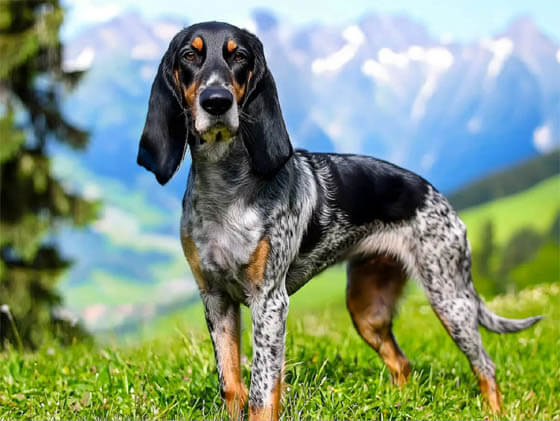
The Luzerner Laufhund (Lucerne Hound) is a medium-sized Swiss scent hound breed known for its distinctive "blue" coat and excellent hunting abilities. Originating from the Lucerne region of Switzerland, this ancient breed is part of the Swiss Hound family, primarily used for hunting hare, roe deer, foxes, and sometimes wild boars. The The Luzerner Laufhund is one of four varieties of Swiss Hounds, the other three being the Jura, Berner, and Schwyzer. The title ‘Laufhund’ means ‘walking dog’, the name given to these scenthounds as they are not used with horses, but rather with hunters traveling on foot. Each variety specializes in its own prey, the Luzerner being used with boar, deer, hare and other small game. uscular and robust, yet noble and lean. They have long, drooping ears that are set low and a long, tapering tail. Highly tenacious, alert, and passionate about tracking, even in difficult terrain.
They are independent trackers that "tongue" (bark) to alert the hunter to their whereabouts. When not hunting, they are gentle, docile, and very affectionate, often becoming closely attached to their families. Luzerner Laufhund vs. Niederlaufhund: The Luzerner Laufhund is the medium-sized hound, while the Luzerner Niederlaufhund is a smaller, short-legged variety designed for smaller hunting grounds. Primarily popular in Switzerland, they are not recognized by the AKC, but they are known in European cynological circles. These dogs are best suited for active owners or hunters, requiring ample space to run and engage their senses. The Schweizer Laufhund is an excellent and independent hunting dog used to find and follow a scent even through difficult ground including hare, roe deer, fox, and sometimes boar. The collective breeds are known by several names including Chien Courant Suisse and Swiss Hound and generally have the same characteristics regardless of type. The laufhund has a great sense of smell; they are fast, agile, and passionate hunters with great endurance and are able to track various game by scent independently of the hunter.
The Luzerner Niederlaufhund (Small Lucerne Hound) is a small, short-legged scent hound variety originating from Switzerland, developed specifically for hunting in smaller, enclosed hunting grounds. They are a variety of the Schweizerischer Niederlaufhund and are known for their ability to trail, drive game, and work in challenging terrain. In the early 20th century, Swiss hunting regulations changed, reducing the size of hunting areas. The larger Swiss Hounds were too fast, prompting the development of smaller, slower scent hounds by crossing existing lines. They are recognised by the Fédération Cynologique Internationale (FCI).
The Luzerner Niederlaufhund is one of four varieties of Small Swiss Hounds, the other three being the Berner, Jura, and Schwyzer. The title "Niederlaufhund" means "short-legged scenthound", and due to their size they are sometimes referred to as dachbrackes or bassets. Each variety specializes in its own hunting grounds, the Jura being used to track small game in mountain valleys. They are a "big dog in a small package," featuring a long, tapering tail, long drooping ears, and a rectangular, muscular body. They have a smooth, dense, and short coat. They are white and speckled with black or grey, giving them a "blue" appearance, with black patches and tan markings over the eyes. They are medium-sized in stature but short-legged (nieder = low), with a height ranging from 35-43 cm (approx. 14-17 inches) for males and 33-40 cm (13-16 inches) for females. They are passionate, tenacious hunters with an excellent sense of smell and a melodious cry when tracking game. They are friendly, loyal, and gentle with their families, but can be a little wary of strangers.
They have high energy and require significant daily exercise, such as long walks, hikes, or playing, to prevent boredom. While intelligent, they can have a stubborn streak, requiring a firm, patient, and experienced owner who uses positive reinforcement. They can make good family pets but do not like to be left alone all day, as they bond strongly with their owners. Overall, the Luzerner Niederlaufhund is an easy to train breed due to their high intelengece. Meant for an adult house hold only, with no other pets, this breed is extremely passionate about its love for hunting. A long, daily walk is required for this breed as well as other activities out doors to keep their mental and physical health in check. As always, positive reinforcement training methods are the only methods reccomended for training this breed. Loyal to their owner, the Luzerner Niederlaufhund wants to please you and make you proud. This breed would do best in a country living situation where he or she is able to join their owner hunting or hiking.
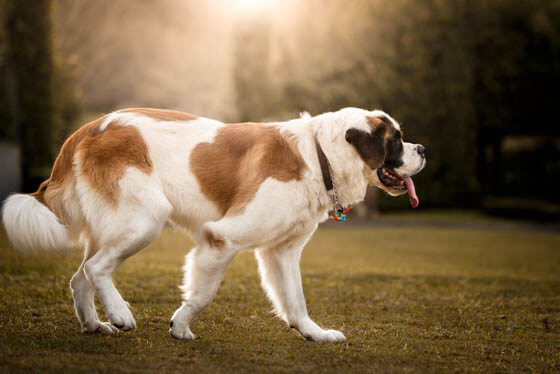
The Saint Bernard is a giant, muscular Swiss alpine dog known as a gentle, patient family companion, often weighing 120–180 pounds. Renowned for their calm temperament and love for children, they require early training due to their immense size and stubbornness. They are high-maintenance regarding grooming and drooling, with a 8–10 year lifespan. Saint Bernards are extremely gentle, friendly and very tolerant of children. They are slow moving, patient, obedient, extremely loyal, eager and willing to please. Be sure to socialize this breed very well at a young age with people and other animals. It is highly intelligent and easy to train; however, training should begin early, while the dog is still a manageable size. Teach this dog not to jump on humans starting at puppyhood. Bear in mind that an unruly dog of this size presents a problem for even a strong adult if it is to be exercised in public areas on a leash, so take control right from the start, teaching the dog to heel. The Saint Bernard is a good watchdog. Even its size is a good deterrent.
They drool after they drink or eat. Be sure you remain the dog's pack leader. Dogs want nothing more than to know what is expected of them and the St Bernard is no exception. Allowing a dog of this size and magnitude to be unruly can be dangerous and shows poor ownership skills. Saint Bernards have a highly developed sense of smell and also seem to have a sixth sense about impending danger from storms and avalanches. Saint Bernards generally have a calm and affectionate temperament. And their love of kids is a hallmark of their personality. Despite their large size, they are only moderately energetic and do not need an excessive amount of exercise. Saint Bernards have a mellow demeanor that can make them a wonderful addition to the family. They have a reputation for being especially gentle around children that know how to properly interact with dogs. As people-orientated dogs, Saint Bernards can develop separation anxiety if they’re left alone for long periods of time.
A Saint Bernard puppy is energetic and playful. But as they grow older, they become calmer. Most Saint Bernards have a low prey drive and do well around other animals when socialized from a young age. The breed isn’t known to bark a lot, but they do like to dig. This digging behavior is indicative of their past training as search and rescue dogs. To protect your property, make sure to supervise your Saint Bernard whenever they are outside. These loyal dogs are highly protective of their families and often display a calm, patient demeanour. While they may initially be reserved around strangers, St. Bernards are generally good-natured and thrive on human companionship. Due to their large size, early socialisation and consistent training are crucial. This ensures they grow into well-mannered and well-behaved companions, allowing their affectionate and protective qualities to shine. St. Bernards’ temperament, combined with their gentle nature, makes them a beloved breed for families and dog lovers alike.
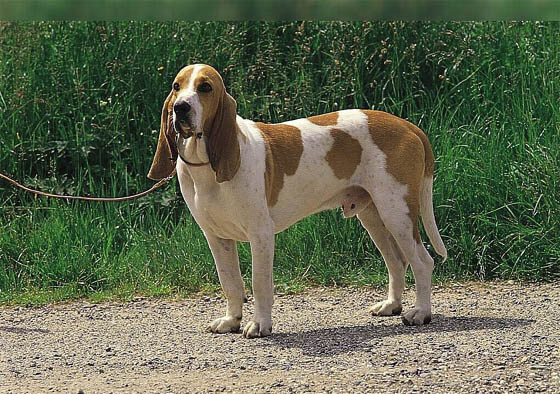
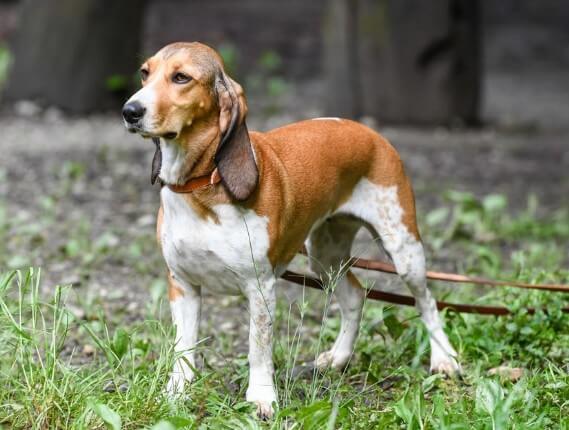
The Schwyzer Laufhund (Schwyz Hound) is a rare, medium-sized Swiss scent hound, characterized by its white coat with orange-red patches. Known for its passion for hunting, stamina, and, according to amiradog.com, Facebook affectionate, sensitive nature, this breed requires significant daily exercise. It is a variety of the Schweizer Laufhund, a group of ancient hunting dogs. The Schwyzer Laufhund is one of four varieties of Swiss Hounds, the other three being the Jura, Berner, and Luzerner. The title "Laufhund" means "walking dog", the name given to these scenthounds as they are not used with horses, but rather with hunters traveling on foot. Each variety specializes in its own prey, the Schwyzer being used with deer, hare and other small game. The Small Swiss Hound is a hunting dog in the most specific meaning of the word. It is able to hunt on difficult terrain. It has an excellent nose, driving the game with great determination. Friendly, companionable, reliable and strong, it makes an excellent companion. Temperament varies from calm to lively depending on the amount of exercise received. Do not allow this dog to develop Small Dog Syndrome. Always provide for your dog what it instinctually need as an animal.
If you have ever daydreamed about exploring the Swiss countryside with a loyal, long-eared companion by your side, the Schweizer Laufhund might be your dream dog. This medium-sized scenthound is known for its keen nose, agile build, and friendly disposition. Despite its rarity, it has won the hearts of dedicated hunters and active families who appreciate its spirited personality. The story of this hound traces back centuries, when Swiss hunters needed a sure-footed dog to navigate mountainous terrains. Renowned for its acute scent-tracking ability, it aided in finding everything from rabbits to larger game. Over time, these dogs developed specialized lines, each adapted to different Swiss regions, leading to the distinct variety we recognize today. Spending time with this hound reveals a quiet confidence and a warm, sociable nature. Though originally bred for robust hunting tasks, it thrives on companionship and relishes time with family members.
Do not be surprised if it greets you with enthusiastic tail wags and a gentle nudge, even when meeting new faces for the first time. Its patient demeanor often makes it suitable for households with older kids who understand how to respect a dog’s boundaries. While this breed is affectionate, it can be a bit single-minded when it catches an interesting scent. Providing early socialization helps ensure it remains calm around other animals, including dogs of different sizes and temperaments. The Schweizer Laufhund has an inherent eagerness to please, making it a generally well-mannered companion—especially if mentally stimulated. Yet, a hint of independence can surface if it senses a chance to roam and sniff. Owners who channel that inquisitive streak with structured play, puzzle games, or sniff-based exercises will enjoy a dog that’s both clever and endearingly attentive.
The Schwyzer Niederlaufhund (also known as the Small Schwyz Hound) is a small Swiss scenthound breed specifically developed for hunting in mountainous terrain. Developed at the turn of the 20th century to satisfy the need for slower, smaller hounds suitable for smaller hunting, as the traditional medium-sized Swiss Hounds were too fast for enclosed shoots. It is one of four varieties of "Small Swiss Hounds" (Niederlaufhunde) and is known for its passionate hunting drive, excellent scenting abilities, and affectionate, loyal nature at home. The Schwyzer Niederlaufhund is one of four varieties of Small Swiss Hounds, the other three being the Berner, Jura, and Luzerner. The title "Niederlaufhund" means "short-legged scenthound", and due to their size they are sometimes referred to as dachbrackes or bassets. Each variety specializes in its own hunting grounds, the Schwyzer being used to track small game in mountain valleys. This type has a smooth coat. The base color is white with reddish-colored spots. Some smaller spots and a mantle are allowed.
The skin is dark grey-colored under the reddish coat and marbled under the white coat. They are short-legged, rectangular-shaped hounds with a "noble" head, drooping ears, and a long tail. They are passionate, energetic, and untiring hunters known for their melodious barking (tonguing) while tracking prey, which includes hares, foxes, and roe deer. Despite their hunting prowess, they are gentle, friendly, and affectionate with their families.They are known for being devoted to their owners. Due to their high energy, they are best suited to active households, hunting enthusiasts, or people who enjoy outdoor activities. As a hound breed, they can be quite vocal, which should be considered if living in an apartment. The breed is recognized by the Fédération Cynologique Internationale (FCI). The other varieties of Small Swiss Hounds are the Bernese, Jura, and Lucerne Niederlaufhund. The Swiss Niederlaufhund is an excellent hunting dog used to find and follow a scent even through difficult ground. This dog is also often used to pursue and find wounded animals. The Niederlaufhunde have a great sense of smell; they are fast, agile and passionate hunters which keep good track of the scent they are supposed to follow.
Their voice is pleasant. These dogs are friendly, courageous and never aggressive. Some specimens are calmer than others. The Small Swiss Hound does well as a family companion but they do prefer to be out hunting over different types of terrain, sniffing out small and large game. When not given enough attention, the Small Swiss Hound can become a nuisance and destructive around the home. Overall, they are friendly, intelligent dogs that have great determination making them a little stubborn. The Small Swiss Hound becomes very bonded to their family and is an affectionate dog. They can be difficult to re-home once they have bonded with their family so if adopting an older Small Swiss Hound be prepared to spend a lot of time earning their trust and creating a new bond. They are friendly towards strangers but will not willingly give them their trust or affection. Small Swiss Hounds do well with other dogs and small children.
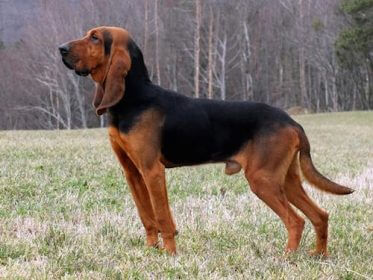
The St. Hubert Jura Hound (or Bruno Saint-Hubert Français) is a medium-sized, black-and-tan scent hound from the Jura Mountains on the French-Swiss border. Renowned for immense tracking prowess and speed, this working breed is typically used to pursue hare, fox, and deer. They are, independent, loyal, and possess a short, smooth coat. Both the St. Hubert Jura and Bruno Jura Hounds are closely related to nearby French hounds; all are believed to have descended from the St. Hubert Hound, which the St. Hubert Jura Hound closely resembles. Closely resembles the smaller Bruno Jura Hound but is distinguished by more pendulous flews (lips) and dewlaps. They are generally black with tan markings over the eyes, cheeks, and legs, or tan with a black saddle, according to the FCI Standard. Generally, Jura hounds stand 47-59 cm (about 18-23 inches) and weigh 15-20 kg. Persistent, independent, and loyal. They are hunting machines, often described as having a high scent drive and being very focused when tracking. Used in the difficult terrain of the Jura mountains to track in both pack and solo scenarios. The breed is primarily a working hound, and many possess a strong, independent hunting instinct.
They are rarely seen as companions, rarely kept as house pets, and are not recognized by major kennel clubs like the AKC (they are part of the FCI Group 6: Scent Hounds). They require significant space and daily exercise. Difference from Bloodhound: while the breed is related to the ancient St. Hubert Hound (as is the modern Bloodhound), the St. Hubert Jura Hound is a distinct, smaller, and more agile hound than the heavy, wrinkled breed known today as the Bloodhound (Chien de Saint-Hubert). The St. Hubert Jura Hound is used by hunters to pursue quarry that is hunted on foot in the Jura Mountains on the Swiss side of the French-Swiss border; it is said to possess incredible scenting prowess and surprising speed and agility when hunting. The St. Hubert Jura Hound is renowned for its friendly and loyal disposition. These dogs are known to form strong bonds with their families, displaying a remarkable level of affection and dedication.
Owners often describe their Hounds as gentle and approachable, making them excellent family pets and companions. Given their history as hunting dogs, they also possess a keen sense of smell and a high level of intelligence, which makes them alert and responsive. With an energetic nature, the St. Hubert Jura Hound thrives on physical activity and mental stimulation. They love to engage in games that involve problem-solving and are ideal for active owners who enjoy long walks or outdoor adventures. However, it's essential to provide them with ample exercise to prevent boredom, which can sometimes lead to destructive behaviors. Despite their hunting instincts, these Hounds are usually good with children and other pets, provided they are well-socialized from a young age. Their adaptability and eagerness to please make training a rewarding experience for both the dog and the owner. The St. Hubert Jura Hound's exceptional tracking skills are unparalleled; their ability to follow a scent trail for hours without losing focus is a marvel to witness and a testament to their superior hunting heritage.
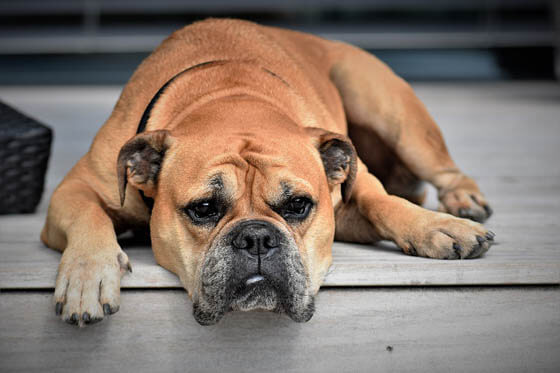
The Continental Bulldog (or "Conti") is a medium-sized Swiss breed developed to be a healthier, athletic bulldog with free-breathing capabilities. Created by crossing Olde English Bulldogges and English Bulldogs, they are known for their friendly, confident nature, sturdy build, and lack of extreme breathing issues. They are excellent family dogs, weighing 20–30 kg, and are quite agile. The European Convention for breeding and keeping domestic animals as well as the new Swiss laws for animal protection (Art. 10.) were the decisive factors to start a new breeding program. Goal of these experiments was to create a medium sized bulldog which meets all the requirements established by the animal protection laws for a healthy dog which however maintains the valued temperament of the English Bulldog that is so well liked. The cross-breeds with English Bulldogs and Old English Bulldogs – with the permission of and under the leadership of the Swiss Kennel Club – however, showed very soon that the program eventually led to the creation of a new breed, a breed that comes fairly close to the original Bulldog type. In order to clearly distinguish the new breed from the English Bulldog, the name “Continental Bulldog” was chosen.
The decisions and measures in connection with the creation of the new breed were made in accordance with FCI (representatives of the Standard and Scientific Commissions). The fact that so far no middle-sized, resilient family dog of the molosser type exists but is very much in demand, is confirmed by the many testimonials from enthusiastic owners of the young breed. The Continental Bulldog is ready to fulfil this gap. A smooth coated, almost square, medium-sized bulldog-type dog of athletic build. Despite his compact body, the Continental Bulldog is mobile and of staying power; his respiration even at full speed is noiseless. His weight, depending on his height, is between 20 and 30 kg. Dogs and bitches shall possess distinctive characteristics of their sex. Continental Bulldog is a confident, agile, trustworthy, family friendly, social dog, always with happy nature. Temperamental and stubborn bulldog with a developed good sense of humour. Most of the day they are characterized by clowning, but they also like laying down the couch. However, they are originated from English Bulldog, we definitely need to prescind from it.
Continental Bulldog is witty, teachable but their stubbornness makes them a real bulldog. Though they rarely bark, they are good watchdogs who may be leery of strangers at first. Their need for movement cannot be underestimated. Their early socialization is essential. Continental Bulldogs’ nature: quite insistent, company loving, real partner animal. The stubborn surface covers a sentimental inside. Therefore, during their teaching and training the positive feedback is essential to be given. The Continental Bulldog is attentive and requires the communication from their environment. They observe everything and therefore they are able to fit into a family’s everyday life very quickly. Their attentiveness often stays behind their stubbornness. The Continental Bulldog has the bulldog’s stubbornness and therefore they insist on things that are important to them and refuse things that are useless, boring or uninteresting to them. The Continental Bulldog is sociable. More active than the regular bulldog but it can be different in each case. There are Continental Bulldogs who prefer to sit on the couch and there are those who prefer to move a lot and longer. They love the daily walks, practically they are able to walk with us on any distance but they like the free running as well.
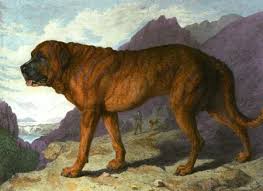
The Alpine Mastiff was a giant, ancient working dog breed from the Swiss Alps, considered the ancestor of the modern St. Bernard and a contributor to the English Mastiff. Standing up to three feet tall and weighing over 200 lbs, these powerful dogs were used by monks for mountain search and rescue and to guard against predators, but the original breed was absorbed through crossbreeding by the 1850s. Developed in the Swiss Alps, famously kept by the monks at the Great St. Bernard Hospice for protection and rescuing travelers. Colossal size, frequently exceeding 200 lbs and 30 inches at the shoulder, with heavy muscle suited for snowy environments. Used as guardians against wolves, cart-pullers, and, most famously, as search and rescue dogs in the snowy Alps. The original type was largely lost by the 1850s after being crossed with other breeds like the Newfoundland to increase size, resulting in the modern St. Bernard. They are considered the direct ancestors of the modern St. Bernard and heavily influenced the development of the English Mastiff.
The term "Alpine Mastiff" was often used interchangeably with early Saint Bernards, though the original, thinner-coated dog was a distinct, earlier iteration of the modern, long-haired mountain dog. The Alpine Mastiff was known for its loyal, gentle, and even-tempered nature. It was a devoted companion and protector of its family and territory. Despite its large size, the breed was said to be calm and composed, making it an excellent guardian without being overly aggressive. The Alpine Mastiff was renowned for its loyalty and protective instincts, making it an excellent guardian. The breed was highly intelligent and responsive to training, which made it a valuable working dog. The Alpine Mastiff was well-suited to the harsh Alpine environment, with a thick coat and robust build that enabled it to thrive in challenging conditions. The Alpine Mastiff was a massive breed, which made it difficult to manage in smaller living spaces. The breed's thick coat required regular grooming, and its large size meant it needed plenty of exercise and space to move around.
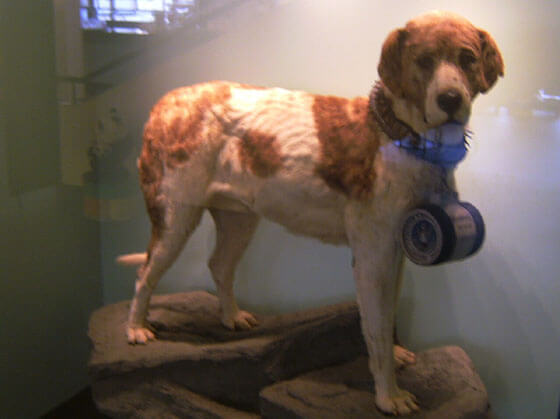
Alpine Spaniels were kept by the canons of the monasteries in the Alps in order to search for travellers during heavy snowstorms, including the Great St. Bernard Hospice in the Great St. Bernard Pass between Italy and Switzerland. The dogs would be dispatched in pairs to search for fallen travellers and were trained so that upon finding them would return to the canons in order to lead rescuers back to the unfortunate individuals. The Alpine breed was also used as a watchdog to guard sheep and cattle of mountainous regions, including the Himalayas. Between 1800 and 1814, a dog named Barry lived as a rescue dog at the hospice and was famous enough at the time for his body to be preserved at the Natural History Museum of Bern. However, during the preservation, the taxidermist and the director of the Museum agreed to modify the body towards what they thought was a good example of the breed during that period. The head itself was further modified in 1923 to represent the Saint Bernard of that era.
Prior to this, the skull was a great deal flatter with a moderate stop. In 1829 a Mastiff-like dog was brought from the Great St. Bernard Hospice and was exhibited in London and Liverpool to thousands of people. This publicised the existence of an Alpine Mastiff, but drawings of the dog did not match descriptions of the Alpine Spaniel from before the exhibition and the descriptions of the Spaniel were ridiculed by later publications. Because of the treacherous conditions in which this breed of dog was used, coupled with a succession of accidents, talk of the whole stock becoming extinct was raised as early as 1839. However at some point prior to 1847 a pestilence swept through the region and reduced the number down to a single specimen, which forced the canons into crossing it with other breeds.
The Alpine Spaniel is an extinct breed of dog which was used in mountain rescues by the Augustinian Canons, who run hospices in the region around the Great St. Bernard Pass. The spaniel was a large dog notable for its thick curly coat. One of the most famous specimens of the Alpine Spaniel is Barry, however, his preserved body has been modified on more than one occasion to fit with descriptions of the extinct breed from earlier time periods. Due to the conditions in the Alps, and a series of accidents, extinction was discussed as a possibility by authors during the 1830s, and at some point prior to 1847, the entire breed was reduced to a single example due to disease. Evidence held at the Natural History Museum in Bern shows that two distinct breeds of dog were being used in the area during this time period. The breed is thought to be the predecessor to the modern St. Bernard and the Clumber Spaniel.
Dogica® collects only technical cookies. No any personal or private information being collected, saved or shared here. 3rd Party cookies could be collected by various installed widgets.
The information contained in or provided through DOGICA® site is intended for general consumer understanding and education only and is not intended to be and is not a substitute for professional advice.
Use of this site and any information contained on or provided through this site is provided on an "as is" basis without any representations, warranties or pay.

















WORLD OF DOG & PUPPY 🐶