35 Italian Dog Breeds Rare Italian Dog Breeds Extinct Italian Dog Breeds Popular Italian Dog Breeds Dog Breeds from Italia What Makes Italian Dog Breeds Special? What dog breeds are native to Italia? Which dog breed is Itallian? Indigenous Italian Dog Breeds Sicilian Dog Breeds Native Italian Dogs
When Italy is not busy perfecting pasta or serenading us with opera, it is gifting the world with dog breeds that are pure "Bella Vita". From the rolling hills of Tuscany to the bustling streets of Rome, Italy has mastered the art of wining, dining, and... designing dogs you can not resist!
An old Italian proverb wisely states, "Whoever loves me, loves my dog," and as you might expect, Italy's dog breeds are deeply woven into the fabric of the country's rural and cultural life.
The Neapolitan Mastiff turns heads not just because of their size, but because of their droopy, loose skin, heavily wrinkled face; and gorgeous short coat that can be black, tawny, or blue-gray. Though Neapolitan Mastiffs historically worked as guardians, today they are known for their legendary laziness. The breed loves to stretch out in the sun and is a frequent napper. With their enormous build, wrinkled skin, and formidable expression, the Neapolitan mastiff looks every bit the war dog that they once were in Ancient Rome. It is believed that the breed was purposely developed to look intimidating so the appearance alone would be enough to stop attackers, and the effect works extremely well. With family, the Neapolitan mastiff is calm, gentle, and affectionate, and they get along well with children they are familiar with. Due to the breed’s guarding background and great size, early training and socialization are needed to help the Neapolitan mastiff mature into a well-balanced and well-behaved family member. You won't have to groom a Neapolitan mastiff very often, but a bib might be nice, as those large jowls release a lot of drool!
Regardless, this Italian beauty captivates dog lovers with her charm, wits, and generally calm nature. If you have a big enough apartment to make a 150-pound dog comfortable, this type of mastiff might be the perfect fit, as she only needs a casual daily stroll and plenty of nap space to be happy. The Neapolitan Mastiff is not a breed for everyone. This breed looks a bit intimidating, but is actually affectionate, calm, peaceful and loving. They enjoy family and friends. This breed is a heavy drooler, particularly in hot weather or after getting a drink. Males may drool more than females. They are very keen to their owners' commands. Intelligent, very protective, courageous, serious and mild-mannered. Generally quiet, they tend to only bark when necessary. They can be reserved with strangers; socialize them well with people, places, sounds and animals. These dogs are usually very loving with children, provided the children know how to display leadership skills. A Neo can get along well with non-canine pets if raised with them from puppyhood and/or properly socialized.
Obedience training is very important. Teach them to heel on a lead and to go in and out door and gateways after the humans. This breed needs a dominant owner who understands and is capable of controlling them properly. They will be easiest if this is established when the dog is still a puppy, but it is still possible to communicate with an adult Neo that the human is in charge. Despite its size, it is a dog with surprising agility and elastic and measured movementsHis deep and attentive gaze reveals a lively intelligence and a sovereign calm. He is a devoted companion, capable of establishing a strong bond with his owner and family, towards whom he shows a sense of natural and selfless protection. Behind the austere appearance and the imposing mass, the Neapolitan Mastiff hides a surprisingly balanced character. It is gentle and calm with the family, extremely affectionate with his owner, of whom he becomes a real shadow. He has a strong but controlled temperament, never acts without reason and evaluates every situation calmly and clearly.
It is a dog protective by nature, wary of strangers unless well-socialized, but never impetuous or unnecessarily aggressive. Their guarding instinct is innate: they watch over the home and their loved ones with absolute dedication, ready to intervene only when truly necessary. With those he knows, however, he knows how to be sweet, quiet and surprisingly sensitive, adapting to the family's rhythms and often seeking physical contact as a form of affection. Behind his ancient giant's armor beats the heart of a faithful and aware companion, who gives his all to those who respect and understand him.
The Cane Corso, also known as the Italian Mastiff, has typical mastiff features, with a large head and muscular build. But these dogs also mature on the smaller side, weighing between 45 and 50 kg on average. In general, a Cane Corso is more serious and reserved than other mastiff breeds, but that does not mean they enjoy family time any less. Cani Corsi (the proper plural of Cane Corso) thrive when they have a job to do and their favorite humans by their side. Originally used as war dogs, the cane corso eventually transitioned to less ferocious work, including hunting wild boar, working on farms and with livestock droving, and guarding homes and property. Smart, strong, and assertive, the cane corso is a wonderful family pet due to his easygoing and affectionate personality. But be aware he requires mental and physical stimulation lest he begin acting out from boredom and frustration. Twice daily short runs or, at least, very brisk walks, are needed to keep this breed happy. The cane corso can be willful, so they need intensive socialization to avoid aggression toward people or other dogs. It is considered an expert-level breed, but with the right person, the cane corso can be a loyal and affectionate family companion. The Cane Corso is recognized as a "Molossus" dog breed.
This breed appeared constantly throughout Ancient Greek history in old sculptures and paintings. Molosser dog breeds are made up of both Bully dog and Mastiff dog breeds. The Cane Corso was not recognized by the American Kennel Club (AKC) until 2010. This means that they have a breed standard and breeders try not to stray too far from their Italian heritage. Unfortunately, the Cane Corso is banned in some states throughout the United States due to their involvement of the injuring and killing of smaller domestic animals. There are also restrictions in some places for dogs who have a history of hurting or killing other animals, so you will need to check your local area. Very loyal, willing to please and quiet around the house, the Cane Corso is highly intelligent and very trainable. Active and even-minded, he is an unequalled watch and protection dog. The Cane Corso Italiano is great with children in the family. Docile and affectionate with the owner, they are protective yet gentle. The Cane Corso has a very stable temperament. It makes an excellent guard dog and watchdog. It will not wander from the home. They stick close to their masters. If necessary he becomes a terribly brave protector of people, house and property. The Cane Corso is not a fighting dog.
They were bred as powerful working dogs for hundreds of years. Therefore they will not go out "looking" for a fight, but on the other hand they will not back down from other dogs who try to dominate them. The Cane Corso requires an experienced owner who knows how to display a natural authority over the dog. The Cane Corso temperament is serious and sensitive. These working dogs are quite independent and if not trained properly, they will assert themselves as being dominant. Because of their size and build, Cane Corsos can easily overpower some animals or even people. However, despite their appearance, they are very kind. According to the American Temperament Test Society (ATTS), 88.1% of the Cane Corso dogs passed the Temperament Test.These big dogs need something to keep them active or they will become bored and easily agitated. On the other hand, Cane Corsos are not very social and tend to be comfortable only around their family. Early socialization is crucial to make them understand that not everyone is a threat.While some members of the breed can get along well with other pets, Cane Corsos have a strong prey drive and will often chase other animals down. With children, early introduction when the dog is young is a must. Be sure to supervise your Cane Corso when they interact with children or other pets.
The Maremma Sheepdog is an ancient, large Italian livestock guardian breed known for its majestic white coat, independent protective instincts, and fierce loyalty. The Abruzzese Mastiff is the traditional name for a large, white Italian sheepdog that is now more widely recognized as the Maremma-Abruzzese Sheepdog, or Maremma Sheepdog. This breed is known for being a loyal, protective, and calm "gentle giant" that forms a strong bond with its family. Historically, it was used by shepherds to guard sheep from wolves. The Abruzzese Mastiff is believed to be one of the oldest Italian sheepdogs and was developed over 2,000 years ago. Although it is an ancient breed, it is relatively unknown outside of its native land of Italy. In the past, the Abruzzese Mastiff was primarily employed as a livestock guardian. It would defend animals from dangerous predators, even predators as imposing as bears. While it can still be used as a defender of livestock today, many households enjoy the Abruzzese Mastiff simply for its good company.
The Abruzzese Mastiff was bred to be the guardian of the flock and is an even-keeled, docile dog. It will think before it acts, yet it acts decisively. They are hardworking and love to have a job. They are exceptional team players since the breed was developed to work in groups when defending livestock from predators. In short, the Abruzzese Mastiff is friendly, devoted, and unwaveringly courageous. The Abruzzese Mastiff’s protective nature around livestock extends to its family. They are excellent guard dogs while still having a friendly disposition. The Abruzzese is remarkably devoted to their loved ones and will shower their family with affection. While it may be wary around strangers, the dog will warm up to newcomers over time. The Abruzzese is known to tolerate small children, but as with any dog, training, socialization, and supervision will still be necessary. The Abruzzese Mastiff was bred to work in groups, so it is adept at adjusting to the presence of new animals in the home. Although it may be somewhat hesitant at first, it tends to be friendly and welcoming to other animals after a while. However, adequate socialization and proper introductions will be necessary to ensure that all your pets can coexist harmoniously. Always supervise your Abruzzese Mastiff's interactions with other pets, especially smaller animals whom a larger dog may accidentally injure.
If you are after a dog that’s calm yet courageous, loyal but independent, the Maremma might be your kind of mate. These dogs aren’t clingy. In fact, they’re often content doing their own thing as long as they know their family or flock is safe. They are gentle with kids and livestock but may be reserved or territorial around strangers. With their natural guarding instincts, they thrive in environments where their protective nature is understood. Maremma temperament is shaped by independence, loyalty and watchfulness. They are usually calm around familiar people and animals, but they may become suspicious of unfamiliar visitors, dogs or movement near their property. This does not mean they are naturally aggressive, but their guarding instinct needs careful management. A well-raised Maremma should learn the difference between normal everyday activity and a real concern. They need calm exposure to people, livestock, other pets, vehicles, noises, gates, fences and household routines from a young age.
The Italian Greyhound is a tiny, delicate, and affectionate sighthound known for its slender build, graceful curves, and playful, "velcro-dog" personality. These iconic sprinters look like a smaller version of the Greyhound, topping out at about 15 pounds. Despite their name, archeological evidence suggests Italian Greyhounds were first bred in modern-day Greece and Turkey about 2,000 years ago, according to the Italian Greyhound Club of America. These noble furry friends were viewed as status symbols throughout much of European history, making their way into the lives of figures such as Frederick the Great, Catherine the Great, and Queen Victoria. Italian Greyhounds are perfectly content enjoying some quality couch time with their pet parents, but they do need daily exercise and appreciate any opportunity to use their powerful legs. Despite their regal appearance, these dogs are lovey-dovey around their favorite people and always up for playtime.
They do have short coats, so it's important to keep them warm in chilly weather! The Italian Greyhound is playful, keen, affectionate, intelligent and kind-mannered. It is generally submissive and wants nothing more than to please its owner. It is sensitive to the tone of one's voice and will not listen if it senses that it is stronger minded than its owner, however it will also not respond well to harsh discipline. Owners need to be calm, yet possess an air of natural authority. Can be reserved with strangers; socialize well. Adult dogs are not as fragile as they may appear. Generally they are not difficult to train provided their handler is consistent with them. This dog can be high-strung and timid if overprotected, and does not receive enough exercise, including a daily pack walk. It does best in a quiet household, although it does get along well with children and other dogs and cats, so long as the humans around it display leadership. In a stressful situation, do not try to reassure the dog by stroking or cuddling, as this intensifies the stress in the dog.
Deeply affectionate, Italian Greyhounds are often forming an intense bond with their owners. They’re gentle, quiet dogs that love to cuddle, but they can also be playful and mischievous when confident and comfortable. Most are happiest curled up on a lap or burrowed under blankets. Their sensitivity means they respond best to calm, positive reinforcement. Loud environments, harsh training, or rough play can overwhelm them. Early socialisation helps prevent timidity and allows their loving, loyal personalities to shine. Italian Greyhounds are sprinters, not marathoners. They adore short, high-energy zoomies around the yard but don’t require long-distance walks. Two short daily strolls, combined with bursts of play, usually satisfy their exercise needs. Because of their lean build and thin coat, Italian Greyhounds dislike cold or wet weather. Many owners find that walks need to be adapted seasonally - with dog jumpers, raincoats, or even indoor play sessions in poor conditions. Secure spaces are critical, as their prey drive and speed make recall unreliable.
This rough-coated scent hound looks like it could wrestle a wild animal and win. It’s often confused with its short-haired cousin, but this version’s wiry fur makes it more suited to rugged conditions. Bred for hunting deer and boar, the breed thrives on stamina and sharp instincts. Apartment life? Not its thing. The Segugio Italiano (Italian Hound) is an ancient, athletic scenthound known for its exceptional stamina, keen tracking skills, and gentle, loyal demeanor. The Segugio Italiano is a lively, intelligent breed that's adored equally in the field and home. These hounds hunt well solo and in packs and make calm, eager-to-please pets. Well-balanced and lean but muscular, the Segugio is a robust hound with a deep chest and medium proportions. The Segugio comes in both smooth- and rough-haired varieties. The smooth-haired dogs have dense, straight, short coats with a horse hair texture. Rough-haired Segugi have rough coats, as the name implies, but the coat is smoother on the head, ears, legs, tail, and muzzle compared to the body. Segugi have longish, oval heads and Roman noses. Their large, almond-shaped eyes come in a dark ochre color and offer a soft expression. They have long, triangular-shaped hanging ears that start wide and end in a narrow point.
Their thin tails are set high, hanging when at rest and raised above the back when in action. The Segugio Italiano is a hunting dog that is mostly used for hares, and is not interested in birds or other animals. It has a noble, calm character. Good with people and other dogs, but most be socialized at an early age. It also hunts in packs with other Segugios. When he is on a rabbit’s trail, he makes a funny excited and distinctive barking with a high-pitched "ba ba ba" noise. These wonderful dogs are very intelligent and affectionate. Good with children and other dogs. Makes a good watchdog. With intelligence comes a dog that needs to be mentally challenged. If not properly exercised and mentally stimulated they will become bored, destructive, and may become barky and unhappy. The Segugio Italiano has a natural ability to learn, and they are eager to please. They can have a touch of stubbornness, usually if training is becoming boring. Gentle and friendly with other dogs, their high hunting instincts render them not so good with smaller pets. They are not suitable for apartment living, requiring too much exercise and having a loud, melodious voice when stating an opinion. Although the Segugio Italiano is mostly known as a hunting dog, the Segugio is a kind, gentle dog that will adapt admirably to family life.
A home without other small furry pets is probably the wisest, as they have strong hunting instincts that may spell disaster for other small critters. They may bark to warn of strangers, but will not attack. While not a clingy dog, they do love to have company and will resent being left alone. Boredom can soon set in if they are not cared for or are left too long, which can result in destructive behavior. You may come home to a redesigned garden, or if left inside they may have done an instant makeover of your lounge. Floating pieces of fluff in the air is an indication of the mischief your dog has had by entertaining themselves. The Segugio Italiano responds to kind but firm guidance; they need a strong pack leader that they can respect and want to obey. Although they can have a touch of stubbornness (like most of the Hound family members), they are intelligent and reasonably eager to please. Incentives such as praise and the occasional treat will get you past this stumbling block. Elegant and delightful, the Segugio Italiano is a unique and gentle dog for a family pet.
The Segugio Italiano a Pelo Raso is an ancient Italian smooth-coated scent hound renowned for its exceptional stamina, keen sense of smell, and athletic, sighthound-like build. The Segugio Italiano (Italian Hound) is an ancient, athletic scenthound known for its exceptional stamina, keen tracking skills, and gentle, loyal demeanor. The Segugio Italiano is a lively, intelligent breed that's adored equally in the field and home. These hounds hunt well solo and in packs and make calm, eager-to-please pets. Well-balanced and lean but muscular, the Segugio is a robust hound with a deep chest and medium proportions. The Segugio comes in both smooth- and rough-haired varieties. The smooth-haired dogs have dense, straight, short coats with a horse hair texture. Rough-haired Segugi have rough coats, as the name implies, but the coat is smoother on the head, ears, legs, tail, and muzzle compared to the body. Segugi have longish, oval heads and Roman noses. Their large, almond-shaped eyes come in a dark ochre color and offer a soft expression. They have long, triangular-shaped hanging ears that start wide and end in a narrow point.
Their thin tails are set high, hanging when at rest and raised above the back when in action. The Segugio Italiano is a hunting dog that is mostly used for hares, and is not interested in birds or other animals. It has a noble, calm character. Good with people and other dogs, but most be socialized at an early age. It also hunts in packs with other Segugios. When he is on a rabbit’s trail, he makes a funny excited and distinctive barking with a high-pitched "ba ba ba" noise. These wonderful dogs are very intelligent and affectionate.The smooth-coated sibling of the rough-haired version, this breed is lean and elegant. Used for rabbit and hare hunting, it relies on scent and speed. It’s less rugged, more refined, but still driven. It’s like the sports car of hounds, sleek, responsive, and built for motion.
The Cirneco dell'Etna (Sicilian: Cirnecu) is an Italian breed of hunting dog from the Mediterranean island of Sicily. It is named for the Etna volcano in eastern Sicily. The Cirneco dell'Etna is an ancient, slender Sicilian hunting hound known for its striking amber eyes, large erect ears, and exceptional agility on rough volcanic terrain. It has a keen sense of smell, and is used to hunt small game, particularly rabbits. As with many working dogs, registration is conditional on successful completion of a working trial. The Cirneco dell'Etna is a small, trainable sighthound known for its sleek coat and blazing speed. It makes for a gentle, low-maintenance companion. Though the breed has history dating back 3,000 years, it was not until 2015 that the AKC officially recognized them. The Cirneco dell'Etna is a dog with a strong hunting instinct. It is intelligent, tenacious and capable of working for long hours without rest. Its agility makes it ideal for hunting in difficult and rocky terrain. In addition to his hunting skills, the Cirneco is a loyal and affectionate companion. He is very attached to his family and loves to participate in domestic life.
This breed can live with other dogs, but may show some reserve towards small pets, given its nature as a hunter. These dogs require at least 1-2 hours of daily physical activity . Long walks, runs, and play sessions are essential for their well-being. They are not very tolerant of being left alone, either, so if your family has a very busy schedule or if you are away from the home often, you may want to consider a different breed. Cirneco dell’Etna dogs are known for their gentle, affectionate, and intelligent nature. The name Cirneco dell'Etna is pronounced 'Cheer-Nek-o dell-et-na'. The AKC states that Cirneco is derived from a Greek word meaning "dog of Cyrene (Libya)", and that its ancestors probably arrived in Sicily on Phoenician boats. According to the AKC, the Cirneco is said to resemble a smaller version of its cousin from the island of Malta, the Pharoah Hound. Loving and loyal family pets, Cirnechi make wonderful companions. Do not be fooled by their delicate frames, they are powerful and speedy hunters that make wonderful coursing dogs. Considered easier to train then most hounds, they are kind and adoring companions.
Cirneci have their own unique personality and will bring a bright, positive energy to any family. The Cirneco can become destructive and noisy if left to his own devices. Provide him with plenty of toys and companionship to keep him content. The Cirneco Dell'etna is independent by nature but is also very smart and trainable. He is curious and playful, making him a great family companion. The Cirneco does well with children. He trains easiest when using positive reinforcement techniques, especially treats. However, do not over do it on the treats as the Cirneco can easily become obese. He is an escape artist and an expert jumper. Have a fence that is dig proof as well as sturdy and tall. Never leave your Cirneco alone in the yard for longer than a few minutes as he will begin to look for ways to entertain himself. He can easily become noisy and destructive if he becomes bored. Provide plenty of toys and play games with him to keep him occupied. When walking your Cirneco Dell'etna, keep him tightly leashed. He is a sight hound and is sensitive to movement. He will give chase to any small animal or bird that crosses his path if not properly restrained.
The Bracco Italiano is an ancient, powerful Italian pointing dog known for being tireless in the field yet gentle and affectionate at home. The Bracco Italiano is an easygoing and enthusiastic dog, always ready to play. They are easy to train with the energy to follow through with the task. This breed was originally a gun dog and pointer, with the stature to succeed in the field. Its history goes back over 2,000 years. It is one of the oldest pointers. Italian nobility and falconers took a liking to the pup, adding to its popularity. The Bracco Italiano temperament is playful, intelligent, gentle, and affectionate. Their adaptable nature makes them an excellent fit for active families willing to meet their dog's exercise and engagement needs. Pet parents can expect a loyal and social dog eager to please and bond with family members. The breed haves a "sense of humor," which can be endearing, but occasionally exasperating at times.
Bracchi Italiani are Velcro dogs that will want to be by your side. The Bracco Italiano is generally friendly and curious, though they may develop anxiety if not properly socialized or if their exercise needs are not met. While they are not typically anxious or fearful, they are curious and love to explore their environment. Bracchi Italiani are high-energy dogs that thrive on having a job, ideally bird hunting. But you do not need to be a hunter to keep your dog happy: They also love neighborhood walks, hiking, dock diving, or swimming. Daily mental and physical exercise is crucial; without it, a Bracco may develop unwanted behaviors such as chewing or excessive barking. For those new to dog ownership, the Bracco Italiano might be a tad overwhelming. The breed's energy and drive, especially during those younger years, necessitates an owner who can channel this enthusiasm productively. However, with the right guidance, Bracchi can be remarkably adaptable and eager to please. One of Bracco's most endearing traits is its affinity for children. Gentle and patient, they make excellent family pets.
Nevertheless, supervision during interactions with very young kids is always recommended to ensure safety for both the child and the dog. When it comes to strangers, a well-socialized Bracco Italiano is typically approachable and friendly, though they might exhibit initial caution. Early exposure to a variety of people and settings can help to mold these dogs into sociable, well-rounded citizens. Training a Bracco Italiano is a journey that unveils the breed's harmonious blend of eagerness to please and innate intelligence. However, the process demands patience, consistency, and an understanding of the dog's unique temperament and characteristics. Bracco Italiano's sharp intellect and history as a versatile hunting dog make it a responsive and quick learner. The breed is generally easy to train, but its sensitive disposition means that it responds best to positive reinforcement techniques. Heavy-handed or punitive methods might prove counterproductive with this breed. Instead, offering praise, treats, or toys as rewards can foster a more fruitful training experience.
The Lagotto Romagnolo is an Italian breed of dog. It is a traditional breed of the formerly extensive marshlands of the Delta del Po, in the eastern part of the Emilia-Romagna region of Italy, where it was used as a gun dog, specifically as a water retriever. After the drainage of large areas of wetland habitat in its area of origin in the nineteenth and twentieth centuries, it came to be more often used to hunt for truffles. In the twenty-first century it may be kept as a companion animal. The lagotto Romagnolo is a keen and devoted dog breed known for its curly coat. It comes from Italy, where it is known for its ability to sniff out truffles. The breed was recognized by the AKC in 2015. The Lagotto is a working dog. It has a natural gift for searching and its very good nose has made this breed very efficient in searching for truffles. While on the search he is not usually distracted by the scent of wild animals or other dogs.
The Lagotto is loyal, keen, affectionate, very attached to his owner and easy to train. It gets on well with other dogs and other pets if sufficiently socialized. It is an excellent family companion and a very good warning dog. The Lagotto is a good pet and loves people, but in addition to needing plenty of exercise, it needs to use its brain. This intelligent dog needs a job to do, something to keep its mind occupied. Tracking, games of searching for people in the woods or searching for mushrooms are some ideas. This dog can sniff out truffles. Many trained dogs do not immediately use their paws to scratch the ground. Some try to grab the truffle using only their mouth, others simply sit on the spot and wait for the handler to do the rest. If a Lagotto digs deep holes obsessively, the cause is almost always loneliness. This breed craves the presence of its human family. When a busy daily routine pushes the dog to the sidelines, they manifest their frustration through digging. Compared to some other dogs, Lagottos are more sensitive and may not do well in a loud or stressful house.
They do best in a calm, structured setting with an active family. Because of their background as a working dog, they are very smart. This means they respond well to dog training, especially when using positive reinforcement. They enjoy learning fun tricks, participating in dog sports, and solving problems. Their attraction to water is a true ancestral calling. The historical roots of the breed trace back to their role as water retrievers in the marshlands of Ravenna, Italy. Even today, the outside temperature does not matter to a Lagotto: any puddle, river, lake, or body of water is the perfect excuse to take a dip. Taking them out for a swim is an exceptional alternative activity that will make them far happier than a standard walk on asphalt. This breed enjoys stimulation and exercise each day, but your Lagotto will also be happy to relax around the house with family members when not being active. Lagotti are active but not hyper. This breed is an avid problem-solver and eager to please the people they love. They enjoy learning new things and being active, and one of their favorite pastimes is going for a swim.
The Spinone Italiano is an ancient, rugged, and versatile all-purpose Italian gundog known for its gentle, "human-like" expression and shaggy coat. The Spinone Italianois an Italian breed of hunting dog, traditionally used for tracking, for pointing and for retrieving game. The modern Spinone originated in Piedmont, in north-western Italy, in the nineteenth century and was for some time the most important hunting breed of that region. The Spinone has great strength and stamina, suited for hunting in all climates and on all terrains. Extremely intelligent, happy, upbeat and enthusiastic, the Spinone Italiano is a pleasant, easy-going breed. He is easily satisfied when treated as a lower-ranking member of his human pack family. Although serious when at work in the field, he definitely has a clownish side that is often quite entertaining. Never bossy or whiny, unless he does not see humans as pack leader, this gentle soul loves children, those he knows, and those he does not. Children must be taught how to display leadership skills. His great patience should never be taken for granted, for abuse is abuse, whether intentional or not.
This breed gets along well with other animals, particularly enjoying the company of another dog. He wants to be with his people, whether that means at home or traveling. He is a quiet breed in general, but may occasionally howl along with a siren. The Spinone is not a protection breed. He is either unlikely to attack under any circumstance or would only do so if he or his family is directly threatened. He learns fast. An intelligent hunter, the Spinone is aware of the difference between a real hunt and an exercise. For example, one breeder mentioned that his dog is perfectly willing to pick up downed birds, but he is reluctant to retrieve a training dummy. Patient, loving, and often playful with family, Spinoni are an even-tempered breed with a sweet nature. Though they may be hesitant with new people, well-socialized Spinoni will warm up quickly. If their high level of energy is not given an appropriate outlet, they may resort to destructive or rambunctious behavior. They can be couch potatoes and often enjoy stretching out on the furniture for a good nap.
They may have a bit of a stubborn streak and may be easily distracted, but they're generally an eager-to-please, easy-to-train breed. Fun lessons during everyday activities are the best way to earn a well-behaved Spinone - the less it feels like training, the more the Spinone will cooperate. Goofy antics may ensue during training, so a balance between firmness and allowing for the breed's playfulness is important. When working, the breed is seemingly tireless, built for endurance rather than speed. But when they are not on the job, Spinoni know how to take it easy. With only moderate amounts of energy, these are dogs who need around an hour of regular exercise daily to be healthy, but they won't constantly be hounding you for playtime. They might, however, demand your attention. While their dense fur and thick skin are ideal for the outdoors, a Spinone Italiano's personality demands close companionship with their families. In other words, these are decidedly indoor dogs.
The Volpino Italiano is an ancient, rare Spitz-type breed from Italy. Standing 9 to 12 inches tall and weighing 9 to 14 pounds, they are known for their lively, affectionate personalities, fox-like wedge heads, and curled tails. The Volpino Italiano descended from the ancient European Spitz. Italy's contribution to the Spitz family of dogs, Volpinos go back as far as the 15th century. This is very rare dog breed, with only something around 4000 Volpinos in the world. Most of them are living in their home country, Italy, but you can also find them in Scandinavian countries, Great Britain and North America. They make exceptional, vigilant watchdogs and loyal family companions. Though this Italian dog breed is closely related to the Pomeranian and the German spitz, it has its own unique characteristics and history. These dogs have been around for hundreds of years and can be seen in paintings as early as the 1500s. They make fun-loving, active companions and alert watchdogs. This is a friendly, affectionate, happy, playful and lively dog breed, that makes awesome family companion.
They tend to create very strong bond with their owners and family. Their positive and happy nature is quite contagious and they will definitely makes you smile. This might be a small breed, but they do have a big personality. It is true, that they are affectionate and playful when they are around their family, but on the other hand, Volpino makes a good watchdog. Just like most of the Spitzes, Volpino is an alert breed and they will most likely bark to let you know when something is going on around your home. This is pretty vocal breed. Volpinos have a lot of energy and they need daily longer walks and playtime. Thanks to their small size it is not hard to deal with their energy. This is also pretty intelligent breed, but they are not pushovers to train. Volpinos are highly food motivated, so prepare a lot of treats before training sessions. The Volpino Italiano is a sweet, lively, and happy breed. These pups make vigilant watchdogs and playful family pets. If you're looking for a lot of personality in a small, fluffy package, the Volpino may be the pup for you. Volpino Italianos are playful, lively, and affectionate dogs.
They grow very attached to their people and homes and make excellent family dogs. Usually friendly around children, these energetic dogs are typically good playmates in homes with kids, as long as there is appropriate adult supervision. They are, however, often wary of strangers. In fact, Volpinos tend to bark when someone approaches their territory. This trait makes them excellent watchdogs. But their noisy nature can be a poor fit for apartment living. This small dog breed is very energetic and lively. The Volpino Italiano is a good breed for a family dog as it has a loyal personality. This breed is known for bonding with its family and is very playful. The Volpino Italiano is a lively and attentive companion that quickly wins the hearts of its people with its intelligent and playful nature. It shows itself affectionate and loyal without being clingy, and develops a close bond with its family. Despite its small size, it possesses a watchful temperament and tends to vocally defend its home and loved ones. However, it remains friendly and open toward familiar people. Its cheerful and spirited nature makes it an entertaining companion suited for both active people and families. With the right training and sufficient activity, it proves to be an eager learner and uncomplicated dog that enjoys spending time with its caregivers.
The Bolognese is a Bichon-type dog from Italy. It was bred to be a companion dog among the royal and wealthy Italians. Although its exact history is not full known, there are records of Bolognese dogs as far back as the 17th century. The Bolognese is a small, affectionate, and calm companion dog from the Bichon family, recognizable by its fluffy, pure-white coat and gentle demeanor. The Bolognese is a cheerful, affectionate and intelligent dog that loves to be the centre of attention. It is a sociable dog that enjoys human company and loves to be part of family life. The breed is generally friendly towards strangers and other pets, making it an ideal companion for families with children. The Bolognese is intelligent and eager to learn, but can sometimes be a bit stubborn. Positive reinforcement and patience are the keys to successful training. Bolognese dogs generally exhibit a balanced personality without tipping to extremes like being hyperactive or overly timid. The breed is known to be calm but alert, affectionate but reserved. When well-socialized and trained, Bolognese dogs are adaptable companions for children and seniors. While they may not play for hours on end like some small dog breeds, they’ll be happy to have fun for awhile and then cuddle on just about any occasion.
What is most important to a Bolognese is that they have human companionship. In contrast to some small-breed dogs that are known to be very vocal, the Bolognese dog personality is not especially talkative. However, Bolognese dogs are very alert and will not hesitate to bark at an unfamiliar sound or person. The Bolognese is happy to show and receive affection from members of the household, but the breed can be a bit shy around strangers if socialization isn’t part of their early training. A Bolognese is intelligent and eager to please, which makes them relatively easy to train. The key is to understand what motivates your pet. The desire to please their pet parent can entice the Bolognese to learn new things, so focus on building a strong rapport and a healthy dynamic with your dog. Bolos also get along with other dogs and enjoy playtime whenever it's available. However, for pet parents that are not active throughout the day, this breed's laid-back temperament also makes them content to stay inside and relax. Very serious, generally not very high energy.
Enterprising, docile, enjoying his masters, the Bolognese is slightly more reserved and shy than its cousin, the Bichon Frise. Bolognese enjoy companionship of people and form a close relationship with their owners. Vivacious, playful and happy, Bolognese get along very well with other animals. This willing little dog is quite responsive to obedience training. Outdoors he's rough-and-tumble, indoors he is quiet and happy. They are friendly with strangers. Get them accustomed to people and noises at an early age. As a smaller breed, don’t expect a Bolognese to be up for a long hike or other strenuous activity. They’d rather watch from the sidelines! They do not need much space at home either, so can be a good choice if you live in a city or apartment. Bolognese dogs tend to be quite calm. They are playful, easygoing, and earnest. A calm demeanor makes the Bolognese an excellent traveling companion and well-suited to apartment living. Bolos are not excessive barkers. Still, they are vigilant dogs and will alert their owners if something is amiss.
The Maltese is a gentle, playful, and affectionate toy dog breed famous for its pure white, silky coat and long history as an aristocratic companion. The Maltese is known as the ancient dog of Malta, where it was bred to be a companion dog for royal women. The oldest record of Maltese dogs is in 500 BC by Greek philosophers, with many more references in ancient Greek and Roman writings. The Maltese is spirited, lively and playful. Gentle, loving, trusting and devoted to its master. Highly intelligent. Good at learning tricks. Bold and quick to sound the alarm in case of suspicious noises. It is a classic companion dog: graceful and lovable. It does well with other non-canine animals and other dogs. Maltese love to play outdoors. Some like to jump in puddles. May be difficult to housebreak. If you feed them table scraps, they can become picky eaters. Though diminutive in size, the energetic Maltese dog is spunky and has a personality fit for a much larger pup. Gentle, playful, smart, affectionate, trainable - Maltese lovers swear that these charming pups are among the best out there. They are a small dog breed that has a good temperament.
They are just playful, they are vigorous, they are cute, and they are affectionate. A small apartment is just fine for this compact canine. While the bouncy Maltese is happy to go on walks and sprint around a fenced-in yard, she does not require much exercise. Rather, her most pressing need is to be near her beloved owner. Like all dogs, Maltese do well with daily activity, but they do not require vigorous exercise to maintain their physical or mental health. They will enjoy taking a walk around the neighborhood, playing in the backyard or living room, and learning new ticks. A Maltese that is allowed to grow bored or become lonely may turn to unwanted behaviors such as excessive barking. Maltese are smart dogs that can pick up training cues quickly when positive reinforcement is used. Keep training sessions short and fun, like a game, to keep your dog's attention. Be mindful of how many treats you are feeding your Maltese during training sessions, as calories can quickly add up for these tiny dogs. You can use praise and toys as positive reinforcement as well. Fun Activities for a Maltese: Walking, Indoor / Outdoor playing, Obedience, Agility, Learning tricks. If you are looking for a dog that is completely silent, the Maltese is not the best choice.
These dogs are quite vocal, and they have been known to bark at everything from a knock at the door to the telephone ringing to their favourite toy. Happy or angry or bored, your Maltese will let you know. Since they are so eager to please, you can easily train a Maltese dog - as long as you invest the time necessary to do it. They respond well to positive reinforcement. Maltese dogs also become highly protective of their families. While they’re not guard dogs, they certainly seem to think they are. Because of their love for humans, Maltese dogs will also need plenty of human attention. Without enough love and care from their owners, these pups are prone to separation anxiety. For their small size, Maltese seem to have boundless energy. Fortunately, that same small size makes it easy to give them the exercise they need with simple walks. Most Maltese prefer indoor play to being outside, so playing with their people is often enough to satisfy their exercise needs and build the human-canine bond.
The Segugio Maremmano is a boar hunting dog from Tuscany. It is only recognizeed by the Italian Kennel Club and therefore is rarely seen outside its home country. It has remained popular in Italy and is bred almost exclusively for its working ability. The average life expectancy is around 12–14 years. The Segugio Maremmano is a medium-sized Italian scent hound originating from the coastal plains of Maremma in Tuscany, prized primarily for its exceptional ability to hunt wild boar. The Segugio Maremmano is a robust and enduring hunting dog with a pronounced sense of smell and strong work motivation. Originally bred for wild boar hunting in the Maremma region of Italy, it is characterized by its fearlessness and strong hunting drive. Despite its independent nature, it is loyal to its owner and shows a close bond with the family. The Segugio Maremmano requires a lot of exercise and mental stimulation to fully develop its potential. It likes to work independently but needs consistent and patient training to channel its independence into controlled paths. Due to its strong prey drive, early training in recall is essential.
When dealing with strangers, the Segugio Maremmano is usually reserved but does not show unnecessary aggression. It has good watchdog qualities and reliably alerts to unusual sounds or intruders. As a family dog, it is vigilant and protective but not overly dominant. Overall, the Segugio Maremmano is a demanding but loyal companion for experienced dog owners who respect and promote its hunting instincts. Rarely kept purely as a casual house pet, they are high-energy working dogs that need vast amounts of daily physical exercise and mental engagement. Requires early, patient, and consistent training - especially focused on reliable recall, to manage their independent streak and strong prey drive. Thrives best in active, rural, or working environments with plenty of open space rather than tight indoor or urban settings. Maremmano hound he is a dog from strong hunting temperament: passionate, determined on the track, with shrill voice and well modulated in the different phases of the sequel. He works willingly both in move be alone, showing courage e determination, especially on wild boar.
Outside of work, if well managed, it can be balanced e loving with its handler, but remains a dog autonomous, more accustomed to making decisions independently than to living as a classic "couch dog". Maremmano hound It born as "working" dog selected on the field rather than on the exhibition ring: even today many subjects come from lines where they count above all hunting passion, nose e resistance. Its voice in succession It is highly appreciated by wild boar hunters: it must be loud, clear and recognizable, so that the handler can understand even from a distance what is happening in the forest. Despite the image of a "hard hunting" dog, many Maremma Hounds turn out to be dogs sensitive and attached to their handler, who give their best when they live a real collaboration relationship and are not considered only as "working dogs". It is a breed very active: if he does not hunt, he still needs: at least one long daily outing (not just a walk around the house), moments of olfactory exploration free (long lines, safe fenced areas), sniffing games, research, nature trails.
The Cane da Pastore di Oropa (Oropa Sheepdog) is a rare, medium-sized herding and cattle-driving dog originating from the Biella region in the Western Italian Alps. The Cane di Oropa, also known as the Oropa Mastiff, can trace its lineage back to ancient times. This breed’s origin can be linked to the region of Oropa, near the city of Biella in the Piedmont area of Italy. Here, amidst the majestic mountains and picturesque landscapes, the breed’s ancestors were primarily bred as loyal guardians of livestock and properties. Cane di Oropas are not the largest of dogs, but they are hardy and powerful, built for lives in the tough weather of the Western Italian Alps. These are herding dogs, used for driving sheep and cattle over the rugged mountainous terrain. They are incredibly athletic and naturally bobtailed so that there’s no risk of losing the tail to frostbite or getting stepped on. The Cane di Oropa is one of the five Italian breeds that share a common ancestor with German Shepherds. Hailing directly from the Alps, this medium-sized dog has been used since ancient times to drive cattle and sheep across steep, treacherous terrain.
Highly intelligent and athletic, the Cane di Oropa is typically bob-tailed, often sporting a striking merle coat paired with expressive brown eyes. The Cane di Oropa is renowned for its gentle and affectionate nature, particularly with its human family members. They are known to be devoted and loyal, forming strong bonds with their owners. While they might seem aloof towards strangers, their underlying calm and steady temperament makes them excellent watchdogs. Early socialization is essential to ensure they grow into well-mannered and well-adjusted pets. As descendants of livestock guardians, Cane di Oropa has a natural protective instinct. This can manifest in their strong sense of territory and a watchful eye over their family and property. However, responsible training and socialization are vital to channel this instinct in a healthy and manageable manner. Given their history as working dogs in the mountainous region, the Cane di Oropa thrives in an active lifestyle. They enjoy regular exercise, such as long walks, hikes, or opportunities to roam freely in a secure environment.
Apartment living is not recommended for this breed due to their size and need for space. A house with a secure yard or access to open areas would be more suitable. The Cane di Oropa represents a living link to Italy’s past, embodying the strength, loyalty, and beauty that have adorned the Alpine region for centuries. The Oropa Shepherd must be balanced, vigilant, intelligent, moderate, and patient. He can act with decisiveness and courage when needed, but the standard does not describe a reckless or unmotivatedly aggressive dog. He learns easily and can adapt to farm, herding, sport, and active companionship if managed well. As a working shepherd, he needs exercise, training, and mental tasks; without them, he may invent his own work by chasing, barking, or controlling movements. Early exposure to livestock, people, dogs, vehicles, and domestic routines is important. Coat care depends on its length, but usually includes brushing, nail trimming, ear checks, and inspection after working in the field. This breed is more suited to active owners than a sedentary lifestyle.
The Cane Paratore is a rare, ancient herding and driving dog breed native to the Abruzzo region of Italy. The Cane Paratore is a robust, medium-sized dog with a wolf-like appearance. It has a wide head, erect or semi-erect ears, and a thick coat which can be agouti, sable, grey brindle, leopard (merle), black, or tan with a black mask. Although short and semi-long coats are popular, the breed's coat length can vary. The name Cane Paratore, sometimes called the Cane Toccatore, comes from an Italian dialect where "Paratore" translates to "to stand in front" or "to touch." The meaning is rooted in the breed's integral role of aiding in farming practices as a herding dog by moving livestock through less aggressive methods, such as light touches or standing in the path of livestock. Nowadays, efforts are being made in Italy to conserve its bloodlines, particularly as its numbers have declined due to changes in farming techniques. The Cane Paratore is a rather rare breed, mainly because they never became popular enough to expand from their homeland of Italy. This breed is to be found in Abruzzo, but you won't have much luck finding them anywhere else. Along with Cane Corsos, the Cane Paratore is one of the few Italian breeds that’s actually related to German Shepherds by a common ancestor.
The Fédération Cynologique Internationale (FCI) does not recognize the breed, but it is being maintained by enthusiasts in Abruzzo and nearby areas. One of the most endearing qualities of the Cane Paratore is its gentle and affectionate nature towards its family. Despite its imposing appearance, it is known for being remarkably loving and loyal, making it an excellent companion and family pet. They are highly protective of their loved ones, and their natural instinct to guard makes them effective watchdogs. Early socialization and training are crucial to help them develop into well-mannered and balanced dogs. With the right guidance, the Cane Paratore can be amiable and well-behaved around other pets and children. However, due to their protective instincts, they may remain reserved or aloof with strangers until they earn the dog's trust. As an energetic and robust breed, the Cane Paratore requires regular exercise to keep both their physical and mental health in check.
Engaging them in daily walks, play sessions, or interactive activities will prevent boredom and ensure they remain content and well-behaved. While the breed has a short coat, it still requires occasional grooming. Weekly brushing will help remove loose hair and maintain a healthy coat. Regular dental care, ear cleaning, and nail trimming are essential aspects of their overall grooming routine. Cane Paratore is an exceptional breed that combines strength, loyalty, and affection, making it an ideal companion for those seeking a devoted and watchful family pet. With their striking appearance and gentle demeanor, these dogs have gained admirers both in their native Italy and beyond. However, potential owners should be prepared to invest time in training, socialization, and exercise to ensure a well-adjusted and happy Cane Paratore.
The Pastore della Lessinia e del Lagorai is a rare, medium-sized Italian herding dog native to the northeastern Triveneto mountain region. This ancient landrace developed in the alpine valleys of Trentino, Veneto, and Friuli Venezia Giulia to work with transhumant sheep flocks. The Italian Kennel Club (ENCI) officially recognized the breed in 2020 as a native breed in recovery. In 2018, a genetic study found that just prior to 1859 a broadly distributed European herding dog had given rise to the German Shepherd Dog, the French Berger Picard, and the five Italian herding breeds: the Bergamasco Shepherd, Cane Paratore, Lupino del Gigante, Pastore d'Oropa, and the Pastore della Lessinia e del Lagorai. Experts often note it as one of the Rarest Shepherding Breeds globally. It has a wolf-like ("lupine") shape, a sturdy and athletic build, and stands about 58 cm tall at the shoulder for males. As detailed by the Lessinia and Lagorai Shepherd overview, these dogs are tireless workers with great physical endurance, bred to drive sheep, cattle, and horses. They are lively, curious, highly intelligent, and very loyal to their owners. They are balanced and friendly with people, though they need plenty of physical activity and mental stimulation due to their high energy levels.
The breed is lively, active, docile, and curious, requiring plenty of exercise. It is also a tireless worker, driving both sheep, cattle, and horse. The Pastore della Lessinia e del Lagorai has been traditionally used in pastoral activities, such as managing herd and driving cattle across plains of Triveneto. Still used for the same purpose, natural selection has made it a rustic and healthy working dog. There is a project going on to protect the breed from extinction and to gain an official breed status, led by Società Italiana Pastore della Lessinia e del Lagorai. A group of Italians recognized a decade ago that this breed was little known and at risk because of a lack of demand for its skills. Some believed (and still do) that it may easily be the rarest shepherding dog breed in the world. Though the dedication of volunteers over the last ten years, breed numbers have increased throughout the mountainous area of the Triveneto and eastern Lombardy. An important step came a few months ago when the president of the ENCI (Italian Kennel Club), Dino Muto, confirmed the news that the Shepherd of Lessinia and Lagorai had been admitted to the club’s Herd Book of recognized dog breeds. The next phase will lead to the development of the blood lines making up the population necessary for the FCI international recognition. The Rarest Shepherding Breed in the World?
The Cane Lupino del Gigante (also called the Giant Lupine or Luvin) is a rare Italian herding and farm landrace dog from the Apennines of Reggio Emilia. The exact origin and ancestry of Lupino del Gigante is unclear, as it is a very old and ancient dog breed. There are several theories about the breeds origin. One says, that it is a direct descendant of a primitive lupoid that lived in Secchia valley, Reggio Emilia. This is an incredibly rare breed with a mere 200 living members remaining. They are used specifically in the Apennine Mountains for herding sheep. Unfortunately, sheep raising has seen a sharp decline in the region, which is the cause for the dwindling numbers of Cane Lupino del Gigantes. From the name, you might expect this to be a very large breed, but ironically, they are mid-sized dogs. The Lupino del Gigante is a breed with well developed muscles, but which has quite athletic body, with strong back and long legs, deep chest and well sprung ribs. The average height of Luvin is between 48-62 cm and weight is usually between 20-30 kg, which is 44-66 lbs. Females are naturally slightly smaller than males.
This breed has a relatively small, almond shaped eyes, that are typically in brown color, but they can also have blue eyes and they can show heterochromia, which means, that each eye is in different color. The Lupino del Gigante can be found in two coat varieties, short and long haired. Both coats are very dense. The short coat has rough texture and wooly undercoat. The long haired variety can have normal or bearded face. The breed can be in any possible color or color combination, but the most common color is the classic wolf gray or different shades of brown, reddish, copper, gray and black. The main utilization of Lupino del Gigante is working with livestock and they were used for this purpose for a long time, which formed their personality. To be good herders and livestock protectors, the breed must be smart, but also independent, quite lively, alert to its surroundings, loyal to the shepherd and determined to its work. And Lupino del Gigante is just like that. These dogs are also good adepts for personal protection or just as companions. And they can make excellent companion dogs for active families who will take their dog on daily outdoor walks, hikes or jogs. The Lupino del Gigante is amazing playful and affectioante companion, that creates a very strong bond with its owners.
They can live with kids in the family, but of course, you should never leave any dog breed with a very young child unsupervised. The Luvin dog can also live with other dogs in the family and they can be socialized with other household pets as well. These dogs have rather higher energy level and it is extremely important to exercise them every single day, so they do not become bored and possibly develop some unwanted behaviour, such as destruction. Thanks to their intelligence and lively spirit, they can compete in various dog sports, such as agility. Dog sports, task oriented playtimes or fun training sessions are excellent way how to deal with the dogs physical, but also mental needs.
The Dogo Sardesco, also known as the Sardinian Mastiff or Dogo Sardo, is an extremely rare, ancient working molosser breed native to Sardinia, Italy. This working breed is believed to be a Molosser or Mastiff and is most commonly employed as a guardian for livestock. But that is far from the only job they have served. They are also used pretty frequently as hunting dogs. Unfortunately, there was also a time when they were popular to use for dog fighting. Because they are naturally very protective, the breed has been gaining ground recently in Italy as an effective guard dog. The average life expectancy of a Dogo Sardesco is 10-13. Protective, Loyal, Courageous, Intelligent, Confident, Independent. The Dogo Sardesco is known for being Protective, loyal, courageous, intelligent, confident, independent. It is calm and well-balanced, adapting well to different lifestyles. Early socialization and consistent training are key to bringing out its best qualities. The Dogo Sardesco is highly intelligent and responds excellently to positive reinforcement training. Early obedience classes are recommended for all dogs of this breed.
Short, engaging training sessions work best to keep their attention and build a strong bond with their owner. The Dogo Sardo was bred to be the best guard for centuries, which means they are extremely loyal to their owners and family and very suspicious and alert towards strangers. Prepare for a strong bond between you and your dog, because Dogo Sardo will want to be around you all the time, they are totally devoted. Because of their strong body and dominant nature, this dog breed is a poor choice for novice dog owners. It is because early socialization and proper training is a must, otherwise, they can grow into agressive dogs who will be extremely territorial. This is one of the best watchdog and protector you can get. If they are not raised with other dogs, they can be agressive towards them. They normally dont have problems with other animals, like goats, horses and sheeps, but this can be vastly influenced by socialization and training. The Dogo Sardo is definitely an intelligent breed, but not a pushover to train. It is because of their independent and dominant nature.
The trainins session should be short, otherwise they might become bored, stubborn and unwilling to train. It is important to be firm and patient leader, only than you can train obedient Dogo Sardo. Until the 20th century, only a few Dogo Sardos left the island of Sardinia. It was because the Sardinians valued this working dog very highly and they were suspicious towards outsiders. This changed lately, when more Dogo Sardos left the island and now you can find them in other Italian regions as well. Well, the only thing we know for sure is, that the Dogo Sardo was predominantly developed on the island of Sardinia, and even today, you can find them mostly on this island only. They were highly valued by Sardinian farmers for their extraordinary guarding skills, but they were also used for guarding property or hunting wild pigs and deers. It is also believed, that Sardinian army used Dogo Sardo as a war dog in the past, but it is, just like most of the Dogo Sardo history, disputed.
The Levriero Sardo (Sardinian: Cani de lèpori or vertreddru) is a very rare, ancient sighthound landrace originating from the island of Sardinia, Italy. Believed to have been brought to the island by Phoenician traders centuries ago, it is traditionally used for hunting hares and managing small game. Today, the breed is critically rare, with only a small number of specimens remaining mostly on the island. The Levriero Sardo can also be named as a Sardinian Greyhound and locally they are also called as Vertreddru, which can be translated as a little hunting dog. They are large sighthounds similar in appearance to the Greyhound, but with a different head structure. Being a very old breed that has not been influenced in any way by crossbreeding, these dogs are very independent and have a strong prey drive and should not, under any circumstances, be kept in an apartment. This incredibly rare breed of sighthound is used for hunting hares and is believed to have been brought to the island of Sardinia by ancient Phoenician traders.
In their homeland of Italy, there are only about 100 of these dogs left, with very few breeders dedicating their efforts to the continuation of the breed. Exercise Needs - Very high. Because they are athletic sighthounds bred for speed and stamina, they require ample daily physical activity and space to run. They are unsuited for apartment living. Temperament: Independent, Alert, Loyal, Intelligent, Reserved. The Levriero Sardo is known for being Independent, alert, loyal, intelligent, reserved. It is calm and well-balanced, adapting well to different lifestyles. Early socialization and consistent training are key to bringing out its best qualities. The Levriero Sardo is highly intelligent and responds excellently to positive reinforcement training. Early obedience classes are recommended for all dogs of this breed. Short, engaging training sessions work best to keep their attention and build a strong bond with their owner. The Levriero Sardo is a skilled hunting breed with well developed sight, but also other senses, such as smell and hearing.
Back in the past, they were used as hunting dogs and they were a real asset to the hunter. Later, they were also used alongside the flock and they would deter and hunt foxes and other dangerous animals. And these dogs have great qualities for a hunter, they are strong and fast, independent and intelligent, they have strong prey drive and chasing instinct, great determination, courage and alertness, all very important traits for a hunter. But of course, this is not only a hunter, but also pretty good family companion. These dogs tend to create a strong bond with its owner and family. The Levriero Sardo is very affectionate and loyal dog to its family, but they are known to be quite alert and suspicious towards strangers and it can take a while before they accept a complete stranger as a friend. This breed is not recommended to complete novices, beucase of their strong hunting instinct and kind of independent mind. They definitely need an owner who will properly train them and socialize them from the puppyhood and who will also give them opportunities for daily exercise. It can be daily longer walks, some interactive playtime like nosework or fun training sessions. Without enough exercise, they can develop some unwanted behaviour, such as descruction.
The Cane di Mannara (also known as the Sicilian Shepherd or Sicilian Mastiff) is a rare, ancient livestock guardian dog breed originating from the rural and pastoral regions of Sicily. The Cane di Mannara has long been used for guarding livestock and plantations in Sicily, where the breed was created. Also known as Pastore Siciliano, this breed is strong and hardy, weighing just under 100 pounds on average. The breed has largely been kept in Sicily, so you are not very likely to run into one or find a breeder for these rare dogs in the West. He is the mighty heir of an ancient lineage of dogs Molossers for defense and work arrived in Sicily during the Bronze Age. Its discreet presence has been alive for thousands of years within the dry stone walls of the sheepfolds called "mannara" and the farmhouses where man and dog respect a pact of mutual trust and need. The Sicilian Mastiff never barks in vain: his calm is authoritative, his strength is measure. In pastoral work he moves with balance and intelligence, facing every threat with firmness and clarity. He is a dog with character, proud and loyal, capable of a deep devotion towards those he recognizes as companions. His faithfulness is not servile, but noble - it is born from mutual respect, in the sharing of effort and destiny.
Today Sicilian Mastiff It represents more than a race: it is an emblem of identity and continuity. It enshrines the pride of a people who have learned to resist and protect what they love. The same strength of the landscapes they defend flows through its veins - that of an authentic, gentle, and generous Sicily. The Sicilian Mastiff It is a dog imposing, vigorous, but surprisingly agileIts appearance expresses strength and solidity, with robust bones, developed muscles and a broad, massive head, with a moderate stop and powerful jaws. The coat has fur semi-long, dense, with weaving wavy/curly, in shades ranging from sandy fawn to grey, to black, with possible brindle shades. The eyes, amber or hazel in color, reveal a keen and profound intelligence. The medium-sized ears generally hang down to the sides of the head. All in all, the Dog of Mannara unites the majesty of the mastiff to the endurance of the rustic working dog, perfectly adapted to the arid climate and difficult terrain of Sicily. It is a dog proud, loyal and protective, but never aggressive without reason. The Sicilian Mastiff is distinguished by its balanced distrust of strangers and for his absolute devotion to the family and the territory entrusted to him.
Gifted with great intelligence and sensitivity, he assesses every situation calmly and discerningly. He is not an impulsive dog: acts only when necessary, with firmness and courage. His guard instinct is innate, but always controlled, which makes him a reliable and dignified guardian, not an attack dog. Since they are puppies they feed great respect and attention for the familyThey bond quickly with children and other animals if present. During juvenile and hormonal development, males can be quite lively and intrusive. This behavior becomes gentler as they mature. It is a dog intelligent but independent, who learns by association and observation rather than by mechanical repetition. He dislikes abrupt orders or coercion: he responds much better to a hands-on approach. respect, consistency and calm authority. Un Sicilian Mastiff well managed he is a docile and reliable dog, but must be educated with firmness and patience, with full respect for his dignity. Although it is not a sporting dog, it needs daily walks and freedom of movement in large spaces. A large garden or a rural setting are the ideal habitat, but it can also adapt to the city, as long as it has a regular routine and mental stimulation. His energy is contained but constant: he loves to observe, monitor and maintain control of his environment.
The Lupo Italiano (Italian Wolfdog) is a rare canine breed from Italy originally created in 1966 by crossing a wild Italian wolf with a German Shepherd. The Lupo Italiano is known as the Italian Wolf. This breed is protected and managed, and you have to follow very strict rules in order to own one. There are very few of these pups bred each year, and if you want one, you'd have to be on the waiting list. Moreover, you'd be required to comply with all rules or the dog would be removed from your possession. Temperament: Lively, intelligent, and fiercely loyal to family, but often cautious or wary around strangers. Highly resistant to fatigue and harsh weather, making them exceptional search-and-rescue dogs used widely for mountain and avalanche operations. Cannot be bought or sold commercially, individuals must apply through official oversight groups (such as the Lupo Italiano Caregivers Association) and pledge to use or train the dogs responsibly for public interest or civil defense.
The Lupo Italiano is a lively dog with an independent streak. These pups bond closely with their human family members but are often wary of strangers. Their strength, bravery, and temperament make them well-suited as working or herding dogs. The official history of the Lupo Italiano states that the first dog was a result of crossing a German Shepherd Dog with a now-extinct Apennine wolf variant from the Upper Lazio region of Italy in 1966. This dog had ideal characteristics of both species, and was subsequently selectively bred to additional German Shepherd Dogs to create a stable breed. Recent genetic studies have suggested that although the Lupo Italiano is indeed a cohesive breed, it has little surviving evidence of wolf ancestry. In 1988, the Italian Ministry of Agriculture and Forestry officially recognized the Lupo Italiano, and since its inception, the breed cannot be sold. Those who want a dog must apply for one, demonstrating that they will continue to train, use, and breed the Lupo responsibly in cooperation with the official registry. Due to their stamina, intelligence, and keen senses - as well as their ability to perform in rough terrain and snow, these dogs are often used for search and rescue. Additionally, Italian forest rangers often use Lupi Italiani as patrol and hunting dogs.
They have also been successfully employed as therapy dogs. Since 2012, the Association of the Affidatari del Lupo Italiano or AAALI exclusively manages the responsible breeding and distribution of the Lupo Italiano. This breed has a lot of energy and stamina. Take them on long brisk walks, hikes, or runs to keep them physically and mentally fit. Vigorous play sessions in an enclosed yard will also help them release pent-up energy. The Lupo Italiano is an intelligent breed with an independent nature. It is important to establish yourself as the pack leader and use firm, consistent training techniques. The Lupo Italiano’s temperament and behavior are complex. These animals are highly intelligent, deeply devoted to their handler, and naturally wary of strangers. A sound, balanced temperament depends heavily on early work, this is not a dog that wants to play fetch with unfamiliar people at the park. Its focus stays on the job and its trusted human partner. Once a bond forms, they are utterly devoted. They thrive when given a specific job to do alongside their person. Sharp minds mean they learn quickly, but they will tune out a handler they do not respect. Firm, calm leadership is a daily expectation. The instinct to chase moving things runs deep. They need secure fencing and should not be trusted off-leash in open areas. Introducing one to a home with small pets calls for extreme caution and careful, early socialization.
The Sardinian Shepherd Dog, also known as the Cane Fonnese or Fonni's Dog, is an ancient landrace breed from Sardinia, Italy, traditionally used for herding, catching, and guarding livestock. Though only recognized by the Italian Kennel Club as recently as 2013, the Sardinian Shepherd Dog is an ancient breed that has served a lot of purposes over the years. They were used during the Italian campaign in Libya in 1912; they helped to counter rebel attacks on Italian Camps. They were also trained to find weapons hidden in the sand. Before leaving to aid in the war they were taught to mistrust people in Arabic military uniforms, which they would encounter in Libya. There is little concrete historical documentation available about this breed. However, it's widely believed that these dogs have a centuries-old lineage, originating from the domestic dogs of the Neolithic age in Sardinia.
Medium-sized rustic livestock guardian native to the island of Sardinia, known for its robust build, weather-resistant goat-like coat, and strong protective instincts developed through centuries of guarding livestock in rugged terrain This landrace breed was originally used for herding and guarding livestock. They were also longtime companions of Sardinian bandits that made their lives in the woods. Later, the breed was even used as fighting dogs in the Libyan military campaign. To keep your Sardinian Shepherd Dog happy and healthy, regular exercise is vital. Aim for at least 1-2 hours of physical activity per day, including walks, runs, and playtime in a securely fenced area. Sardinian Shepherd Dogs are known for their loyal, protective, and hardworking nature. These traits make them excellent herding dogs and family companions. They are courageous and alert, making them good guard dogs. However, they can be somewhat reserved or wary around strangers, a trait common in many herding breeds. Despite their protective nature, they are generally not overly aggressive.
They are intelligent and independent, a trait that serves them well when they are working in the fields, but it can make training a challenge for first-time dog owners. They need a patient, firm, and consistent handler. These dogs are a part of the Spitz family, with genetic characteristics that are adapted to the mountainous environment of their origin. The breed exhibits a level of genetic diversity common among dogs with a long, geographically isolated lineage. The Sardinian Shepherd Dog It, in fact, a faithful hound with an easy gait. Known for his intelligence and diligence, it is also a particularly dignified and aggressive dog, in fact you need a lot of physical activity. Although he is used to living alone, is not violent towards other animals or people. He is very attached to his owner, whom he protects and blindly obeys. Has excellent instincts, so it can also be said that it is a defense and hunting dog.
The Apennine Hound (Segugio dell'Appennino) is a medium-sized Italian scent hound specialized in hunting hare and other small game over rough, steep mountain terrain. This small breed of Italian scenthound was purpose-bred for hunting hares. They’re small and slight but still muscular; perfectly built for being fast and agile. These dogs weigh about 20-40 pounds and generally stand 15-20 inches tall. This breed has a typical life expectancy of About 12–14 years. Though the breed has been used for centuries, they were just recognized as an official breed by the Italian Kennel Club in 2010. The Segugio dell'Appennino is an Italian breed of small scent hound, bred specifically to hunt hare. It may be either smooth-haired or wire-haired. It is one of four Italian breeds of scent hound, the others being the Segugio Italiano a Pelo Forte, the Segugio Italiano a Pelo Raso and the Segugio Maremmano.
It received full recognition from the Ente Nazionale della Cinofilia Italiana in 2010, and was provisionally accepted by the Fédération Cynologique Internationale in 2026. It is a scent hound, bred specifically for use in hunting hare, but also used on wild boar. It hunts well either singly or in pairs, and can also form part of a small pack. It is particularly well suited to hunting in mountain terrain. It is subject to working trial. The Apennine Hound is a medium, sturdy Italian scent hound of roughly 13–23 kg, shaped by the central Apennine mountains and worked mainly on hare, and sometimes wild boar, over steep, rough ground. It is recognised by the ENCI and carries an official FCI standard (FCI №375, Group 6), and comes in two coats - rough (a pelo forte) and smooth (a pelo raso). It has a strong nose, a strong prey drive and a good voice on the trail, bonds closely with its handler, and needs real work more than a quiet home.
Outside Italy it stays little known. The Apennine Hound is hardy and high in stamina, a passionate hunter with a strong nose and a good voice once it opens on a line - a reliable finder, keen flusher and dogged pursuer. Italian hunters were already writing about it in the journal La Caccia in 1882, and the breeder Filippo Zacchini set down its type in 1932. With its handler it works in close symbiosis, balanced and cooperative in the field and steady off duty. It stays first a working dog, though: without hunting or a lot of vigorous exercise it grows restless, and its prey drive makes loose small stock and unsecured gardens a problem.
The Mastino Abruzzese, also known as the Abruzzo Mastiff or Cane da Pastore Abruzzese, is an ancient Italian livestock guardian dog used to protect flocks from wolves and bears. It is closely related to or considered a regional type of the Maremma Sheepdog. Often mistaken for the more famous Maremma Sheepdog, the Mastino Abruzzese is its breed. It is huge, snow-white, and fearless. Livestock guardian by trade, family protector by instinct. Some say it even fends off wolves. If you own land or animals, this dog is your white knight. The Maremmano-Abruzzese Sheepdog is an Italian breed of livestock guardian dog. It is indigenous to central Italy, especially to the Maremma region of Tuscany and Lazio, and to northern areas of Southern Italy, particularly to Abruzzo. It has been used for centuries by Italian shepherds to guard sheep from wolves.
The "Maremmano" name derives from that of the Maremma marshlands where, until recently, shepherds, dogs and hundreds of thousands of sheep over-wintered, and where the dogs are still abundant although sheep-farming has decreased substantially. However, the breed is still widely employed in and closely culturally associated with the nearby region of Abruzzo, where sheep herding remains vital to the rural economy and where the wolf, specifically the Apennine wolf, remains an active and protected predator. The "Abruzzese" portion of the dog's name derives from its ubiquity in Abruzzo and the surrounding area. It may share a common ancestor with other European breeds of similar appearance and function such as the Pyrenean Mountain Dog, the Kuvasz of Hungary, the Polish Tatra Sheepdog and the Šarplaninac. Known for their loyalty and protective nature, Abruzzese Mastiffs are considered excellent guardians.
They are generally calm, gentle, and very attached to their families, displaying a sense of alertness and seriousness when it comes to their work. Despite their protective nature, they are known to be good with children and other pets if socialized from an early age. Training these dogs requires patience and consistency due to their independent nature. The Abruzzese Mastiff is known to "blend in" with the sheep that they guard, due to their coat color often being similar to that of the sheep. This camouflage tactic allows them to surprise predators. Despite their large size and impressive strength, these dogs are known for using psychological intimidation tactics rather than physical force to deter predators.
The Bergamasco Shepherd (or Sheepdog) is an ancient, medium-sized herding breed from the Italian Alps, famous for its unique, felt-like corded coat. They are intelligent, loyal, and highly watchful, thriving as affectionate family companions and protective guardians when properly trained and socialized. The Bergamasco continues to be used for herding to this day and also competes in dog shows due to their impressive intelligence. On top of all that, the Bergamasco is a wonderful companion and family dog; perfect for those with allergies or people who don’t want to deal with a lot of shedding. The Bergamasco sheepdog is a wonderful companion to have around the house. They have a gentle, attentive personality that is not aggressive in any way. This particular breed may be a bit wary of strangers and new people, rcise needs. They are eager to please, and can be trained to some extent. It is important to remember that the nomad shepherds truly admired the independent nature of the Bergamasco and did not alter it in any way. So, while your Bergamasco will want to please you, he will most likely want to do it in his own way. If you are looking for a low maintenance, friendly, hypoallergenic dog that is good with kids and people of all ages, then the Bergamasco may be the breed you are looking for. Bergamasco sheepdogs tend to have a patient and protective temperament, and they are very devoted to their work.
They generally are loyal and loving with their family, though they also have an independent streak to their personality. Definitely one of the shaggier dog breeds on our list, the Bergamasco Sheepdog’s coat is designed for mountain life. Developed over centuries in the Middle East and the Italian Alps, their coats regulate their body temperatures to keep them warm in winter and cool in summer. You will need to do some extra grooming work in the first year or so of owning a Bergamasco Sheepdog to ensure their coats grow correctly. Then, grooming is a cinch. As independent and intelligent dogs, they are eager to please but not overly outgoing. Though stubborn, the Bergamasco is a very intelligent dog. It has a strong protective instinct but is not aggressive without cause. Although Bergamascos have a distinct look that attracts a lot of attention, these dogs might not want strangers in its space. The Bergamasco is a vigilant guard dog with a strong protective instinct. While the breed is not known for being aggressive without cause, it can be standoffish with strangers. The Bergamasco is also patient, quiet, eager to please, and affectionate, making it a good companion for those in its trusted circle. The Bergamasco is used to patrolling wide open spaces and still prefers room to roam.
It will do best in a home with a large, fenced yard and is not well-suited to apartment living. Strong, sound and brave, the Bergamasco is above all very intelligent and balanced. The intelligence of the dog has been refined for natural selection. Being alone with hundreds of sheep to look after and having to sort out different and unexpected problems caused the Bergamasco's intelligence to develop steadily. The Bergamasco is a peaceful dog. Puppies play together nicely. Attentive and reserved, it participates constantly in everything that goes on around it and, even when it appears to be asleep, its eyes will be following you, because it always wants to know where you are and what you are up to. Although not instinctively aggressive, the Bergamasco is an excellent watchdog because it doesn't like strangers invading its world. Its relationship with children is something special. Their presence awakens its most profound and primitive instincts, first as a wolf and then as a sheepdog. Patient, tolerant, attentive and protective, it seeks their company, encouraging their games and establishing true friendship with them. The Bergamasco is both a watchdog and guard and will alert when people come to the home, however, the Bergamasco is not aggressive as long as there is no serious threat to the family.
The Spino degli Iblei is an ancient Sicilian livestock guardian dog originating from the Iblei Mountains in southeastern Sicily. The Spino degli Iblei is a rustic herding dog from the Monti Iblei of south-eastern Sicily, the flock dog that Sicilian shepherds have long worked alongside. It is a medium, bristly-coated dog named for its rough, thorn-tough hair (spino means thorn), a jacket that shrugs off weather and scrub on open hill ground. ENCI recognises it as a native Italian breed and has entered it in the RSR, its supplementary register for recognised breeds, so it is a recently recognised breed rather than a long-established one; its breed club is the Club del Pastore Siciliano. It bonds hard to its shepherd, stays watchful with strangers, and wants real work and space rather than a quiet indoor life.
The Spino degli Iblei reads as a hardy, level-headed flock dog, bonded to its shepherd and quick to work with a familiar handler. Bred for long days on the Sicilian hills, it takes heat, rough ground and weather in its stride, stays alert and watchful toward strangers, and does its best with a job and daily activity rather than a still indoor routine. Detailed measurements and points of type live in ENCI's official standard. The Spino degli Iblei is a Sicilian sheepdog recognised by ENCI as a native breed and entered in its RSR supplementary register - a recently recognised breed rather than a long-established one. This dog, known as the Spino degli Iblei, was bred as a guardian dog with the specific purpose of protecting flocks from predators like wolves, foxes, and feral dogs. This practical focus has kept the Spino's character sharp and consistent - strong, rustic, and resilient. As part of its Sicilian breed history, it is a naturally healthy breed, with females that give birth easily and very low puppy mortality rates.
The Spino is intelligent, obedient, and highly adaptable, capable of handling tough days in the field or settling comfortably into family life. Despite its size, it is gentle with children and makes for an affectionate, loyal companion. Territorial by nature, the Spino is a calm but vigilant protector. When the owner is home, it remains relaxed, showcasing its balanced temperament. However, in the owner's absence, its guardian instincts come to the forefront: it patrols carefully, watches over the property with quiet confidence, and never barks without good reason. Retains a strong protective instinct for herds and property, acting as a resolute defender when working. Deeply devoted to its owner or shepherd, and naturally gentle or submissive with children. It can socialize well with strangers when the owner is present. Accustomed to rugged rural environments and extreme weather, making it very hardy and resilient, though it thrives best with access to open space due to its working heritage.
The Cane delle Alpi Apuane (also known as the Pastore Apuano or Apuan Shepherd) is a rare, athletic, and rustic mountain herding dog native to the Apuan Alps in upper Tuscany and Liguria, ItalyThe Cane delle Alpi Apuane (also known as the Pastore Apuano or Apuan Shepherd) is a rare, athletic, and rustic mountain herding dog native to the Apuan Alps in upper Tuscany and Liguria, Italy. The Cane delle Alpi Apuane shares similar temperament and personality with many other herding dogs. This means that it is very very lively and active, intelligent, alert, attentive and docile dog breed. Indeed, this is very active breed that is always ready for any kind of an action. If they are not used for herding, than they need proper daily exercise, including long walks, jogs, but also mental stimulation like regular training or vigorous playtime. This breed is also excellent for various dog sports, like agility, rally, obedience or disc. Without proper exercise, they might develop some problematic behaviour, like destruction. These dogs love to work and learning new things.
They are able to learn almost any trick you want to. It is also a dog breed with docile and well balanced character, which just loves every member of its family. It can live with kids, other dogs or even other pets in the family, especially if socialized together from the puppyhood. On the other hand, they might be alert and little bit distrustful towards strangers, but they should never be agressive without a reason. Overall this is a passionate worker, but also loving family companion, especially suitable for active families. Today's Apuano dogs retain the attitude of working with livestock; their aptitude for learning enables them to achieve outstanding results in cino-sport disciplines such as agility, disc dog, utility and defense, rally-obedience and trekking. Many subjects are suitable for pet therapy and pet advice. Depending on their upbringing and the environment in which they live, they can be little or highly socialized. They are extraordinary pets and family dogs, companions for life and adventure. Selection has considerably harmonized aesthetic characteristics while maintaining efficiency in the ability to learn and function in parallel.
The Cane da Presa Meridionale (southern catch dog) is an old, functional, and athletic working variant of the Neapolitan Mastiff from southern Italy. Visually similar to the Neapolitan Mastiff, this breed is considered to be the more “functional” and athletic working version. Breed enthusiasts are actively seeking to recreate the working drive of the traditional Neapolitan Mastiff, arguing that many modern mastiffs have been bred strictly for dog shows rather than actual fieldwork. Historically, the Cane da Presa was simply another name or regional variant alongside the Cane Corso and the traditional Neapolitan Mastiff. Before 1965, they shared common roots as working farm, catch, and guard dogs. Modern Neapolitan Mastiffs often suffer from extreme physical exaggerations (hyper-types) from dog shows. In contrast, the Cane da Presa Meridionale represents the original, agile, and athletic working mastiff. This traditional type is not officially recognized as a separate breed by major international kennel clubs, but dedicated breed preservationists and specialized groups work to rescue and breed remaining authentic specimens. Visually similar to a Neapolitan Mastiff, but leaner, more functional, and less weighed down by excessive wrinkles or bulk. It features a powerful, well-muscled body, a strong jaw, and great agility. Known for being intelligent, courageous, and deeply loyal. They act as natural guardians and homestead protectors while maintaining a stable, balanced disposition with their immediate families when properly socialized.
The Branchiero Siciliano (also called the Sicilian Branchiero or Cane da Macellaio) is a rare, muscular working molosser dog breed native to Sicily, Italy, historically used as a cattle driver, farm guardian, and butcher's dog. Origin: Sicily province of Trapani. Attitude: from farm dog, unbleached conductor. Agile, muscular, very active, black or red with tan markings, special feature are the ears to pink. Often it arises naturally anuro or brachiuro. The race situation: probably extinct. Used by Sicilian cowherds and butchers for droving, herding, and guarding property. It is closely related to mainland Italy's Cane Corso, though historical regional naming often grouped several southern Italian working dogs under overlapping local dialects. The breed is critically rare, we suggest only a small number of pure representatives survive today, mostly in western Sicily and parts of France. not drooling, a vital trait that allowed them to work closely around milk and cheese production without contaminating goods. Unlike many other molosser breeds, the traditional Branchiero Siciliano is noted for not drooling, a vital trait that allowed them to work closely around milk and cheese production without contaminating goods. Known as a capable, active working dog with strong protective instincts and defense drive, but lacking an overly aggressive or hyper-reactive prey-drive. A guardian of property, family and livestock, in the past it was used to watch over livestock and hunt big game.
The Vucciriscu is a rare, large molosser-type dog breed originating from Palermo, Sicily. Extremely rare today, with some sources considering pure specimens close to or on the verge of extinction, though traditional working types still occasionally persist in rural Sicily. The Sicilian Vucciriscu is similar to the Cane Corso and the Calabrian Bucciriscu, but it is quite smaller and not as massive. There is also a slight difference in head-type, being less pugnacious in facial features. This is an energetic and agile breed, capable of great speeds. Its coat can be various colors, although it is usually brindle or red, sometimes with white markings or a solid color. Some Vucciriscus are blue, black and tan, or entirely black, but these dogs of different colors are considered mixed breeds and not purebred. Its tail is fairly thin and is either docked at the base or left to a medium length when undocked.
Some are also known for their broad chest, although it appears narrower than in other mastiff breeds. Traditionally used as a butchershop guardian, the powerful Vucciriscu also went under the Cane di Macellaio name. This is a rare breed today, but it can still be found in some rural parts of Sicily, where it's used as a livestock guardian and a very capable watchdog. In recent years, some odd-coloured, taller and more massive dogs have been encountered, but most authorities believe that these aren't pure U Vucciriscu dogs, having been crossed with the Cane Corso, Rottweiler, Boxer and some other breeds. Naturally suspicious of strangers and alert, making it an intense watchdog. Athletic and capable of great speed, but generally calm and energy-conserving until action is required. Requires experienced, responsible owners and early, rigorous socialization due to its protective instincts and potential for dog-aggressiveness. The Vucciriscu is a molosser type dog therefore it is related to the mastiffs and bully breeds.
Their face is similar to that of a Boxers where their head is less defined compared to other molosser breeds. Their snout is medium length and their ears flop down on either sides of their head. They have droopy lips that tend to drool, long, thin front legs and more muscular back legs. They may be a variety of colors although they are usually brindle or red, some with white markings while others are solid in color. Some other Vucciriscu are blue, black and tan, or all black although these other color dogs are considered to be mixed, not pure. Their tail is quite thin and is either cut short when they are born or they are medium length when not cut. Some are also known for having wide chests although their chests seem to be smaller than other molosser breeds. They need to be socialized a lot as a puppy in order for them to be used to their surroundings. While they are known to look active and muscular, they are actually quite lazy and only use their strength when necessary.
The "Cirneco di Bagheria" is a hunting dog breed from the town of Bagheria in Sicily, Italy. However, it is fundamentally a localized variant or close relative of the much more prominent and globally recognized Cirneco dell'Etna. Because the "di Bagheria" strain exists as a small, specialized local abbozzo (stub/historical hunting type), it follows the primary biological, visual, and behavioral traits of the standard Sicilian Cirneco. These dogs evolved primarily through natural selection rather than human crossbreeding. They are built to endure harsh, rocky, and hot Mediterranean terrains, using a masterful mix of sight, acute hearing, and an exceptional sense of smell to track small game like wild rabbits. They boast an elegant, slender, and athletic build closely resembling a miniature Pharaoh Hound. Their most striking features are their large, completely upright, rigid triangular ears and amber or ochre-colored eyes. They boast an elegant, slender, and athletic build closely resembling a miniature Pharaoh Hound. Their most striking features are their large, completely upright, rigid triangular ears and amber or ochre-colored eyes. Because of their deep-rooted history as pack hunters, they have an incredibly intense urge to chase small animals. They require high, secure fencing and are generally unsafe to let off-leash in open areas. Highly energetic and fast. They thrive in active households that can offer consistent daily exercise, interactive toys, or canine sports like agility and lure coursing. They are highly intelligent but free-thinking. They respond brilliantly to positive reinforcement, game-based coaching, and clicker training, but they will shut down or become stubborn if subjected to harsh, heavy-handed corrections.
Largely forgotten and considered extinct, the Dogo Siciliano is one of the working mastiffs belonging to the ancient Cane da Presa group of Italian Molossers. Closely related to the Cane Corso, Bucciriscu Calabrese, U Vucciriscu, Branchiero Siciliano and old Neapolitan Mastiffs, the Dogo Siciliano was never used for the duties these other Italian breeds were known for in the past, but was rather strictly a protection dog and property guardian. Because it was neither a hunter nor a livestock protector, its appeal was limited and the Dogo Siciliano was actually more common outside Sicily and by the first decade of the 20th century the breed has become very rare. Only a small number of specimens survived in northern Italy, where they were kept as estate guardians by a dedicated group of fanciers. After the 2nd World War, the Dogo Siciliano was proclaimed extinct, but some examples survived up until the 1960's, when they were reportedly used in the Mastino Napoletano revival programmes. It should be noted that the name Dogo Siciliano has often been used to describe any dogge from Sicily, creating a great deal of confusion, which resulted in this Molosser being a completely unknown breed presently, even in Italy.
Although it was very much a strain of the Cane da Presa Italiano population, the Dogo Siciliano's appearance was quite different in comparison to the Cane Corso and its relatives, even though white-coated Corsi did exist in the past and can still be found in small numbers if parts of Sicily. This was a wide-chested and straight-backed mastiff, with a strong neck and a fairly square head type, with high set semi-erect ears and large eyes. The muzzle was broad and short, with well-developed jaws, which gave the Dogo Siciliano's head its square appearance. Some believe that the imported Corsican Mastiffs, Spanish Alanos and a number of undisclosed working breeds from the Balkans played a role in its development, but there is very little historical data to support this theory. Abruzzo dogs have also been suggested as being partially responsible for the white colouring of this breed. There was no need to dock the tails, since the dogs were naturally born bobtailed. Another interesting feature of the Dogo Siciliano was its coat and colouring, which separated it from other Sicilian and Italian breeds. Unlike the Cane Corso, this old bulldogge had no undercoat at all, but the coat itself was a bit longer, hard and flat. The breed's coat existed in only one colouring, which was uniform white, with a strongly pigmented muzzle. Average height for the Dogo Siciliano is 24 inches.
The Cane pecoraio varbutu (known locally as cani varbutu picurariscu or varbuteddu) is an ancient, rare Sicilian livestock-guarding and herding dog breed that is now considered critically endangered or extinct. Different from the Sicilian Spino, and much more like the dog Manyara, with the characteristic of a thick and long mane that starting from dewlap almost reaches the legs; old shepherds claim that coexisted with the were-dog and was particularly resistant to snow storms and bad weather. Native to the high central plateaus and mountains of Sicily, particularly around Cammarata, Santo Stefano Quisquina, and surrounding areas. Used by local shepherds as a livestock guardian and driving dog (conduttore e guardiano delle greggi), built to manage flocks and protect them from predators. Believed to be nearly or completely extinct today due to shifting agricultural practices and the historical disappearance of wolves from Sicily in the 20th century. Its most striking feature was a very thick, long mane starting from the dewlap and often reaching all the way down to the legs. Renowned by old shepherds for being exceptionally rugged and resistant to harsh winter weather, heavy snowstorms, and mountain conditions. Distinct from the Sicilian Spino (Spinusu), it shared closer morphological traits with the traditional Sicilian Cane di mannara type.
We all associate the Saint Bernard dog with the Switzerland Alps, but they also originated in the Italian Alps when a monk named Bernard of Menthon created a hospice to help pilgrims traveling to Rome in 1050. The weather was extremely cold, and crossing the Bernard Pass that went through Italy and Switzerland was very dangerous. According to the AKC, The Saint Bernard breed was created when hospice monks near the Swiss Alps bred powerful canines for rescue missions to help the monks save travelers who were buried in avalanches and drifts near the Bernard Pass. The rescue missions made this breed world famous. In TV shows, cartoons, and movies, Bernards carry brandy in a barrel around their necks, but not in reality.The Saint Bernard dog has a gentle temperament, is affectionate, good with children, protective, very trainable, loyal, and patient. They are the largest of the Italian dog breeds and a gentle giant. First-time dog owners may want to get a dog that is smaller because Saint Bernard are really big dogs. The Saint Bernard is a giant, powerful working dog breed originating from the Western Alps, famous for their gentle temperament and historic Alpine rescue work.
The breed is generally: calm, friendly, patient, family-oriented and loyal, stable and dependable. Saint Bernards are extremely gentle, friendly and very tolerant of children. They are slow moving, patient, obedient, extremely loyal, eager and willing to please. Be sure to socialize this breed very well at a young age with people and other animals. It is highly intelligent and easy to train, however, training should begin early, while the dog is still a manageable size. Teach this dog not to jump on humans starting at puppyhood. Bear in mind that an unruly dog of this size presents a problem for even a strong adult if it is to be exercised in public areas on a leash, so take control right from the start, teaching the dog to heel. The Saint Bernard is a good watchdog. Even its size is a good deterrent. They drool after they drink or eat. Be sure you remain the dog's pack leader. Saint Bernards have a mellow demeanor that can make them a wonderful addition to the family. They have a reputation for being especially gentle around children that know how to properly interact with dogs. As people-orientated dogs, Saint Bernards can develop separation anxiety if they are left alone for long periods of time.
Saint Bernards are not as energetic as many other breeds, but they still need moderate exercise every day. Aim for about 30 minutes of exercise every day. A Saint Bernard puppy is energetic and playful. But as they grow older, they become calmer. Most Saint Bernards have a low prey drive and do well around other animals when socialized from a young age. The breed is not known to bark a lot, but they do like to dig. This digging behavior is indicative of their past training as search and rescue dogs. To protect your property, make sure to supervise your Saint Bernard whenever they are outside. A well-socialized Saint Bernard is rarely nervous or overly reactive. Most individuals prefer to observe unfamiliar situations before responding, and many have a remarkable ability to remain calm even when there is plenty of activity around them. The Saint Bernard is intelligent and capable of learning quickly, but it rarely has the same intense drive to perform as some working breeds. Many owners describe the breed as thoughtful, independent and occasionally stubborn.
Dogica® collects only technical cookies. No any personal or private information being collected, saved or shared here. 3rd Party cookies could be collected by various installed widgets.
The information contained in or provided through DOGICA® site is intended for general consumer understanding and education only and is not intended to be and is not a substitute for professional advice.
Use of this site and any information contained on or provided through this site is provided on an "as is" basis without any representations, warranties or pay.




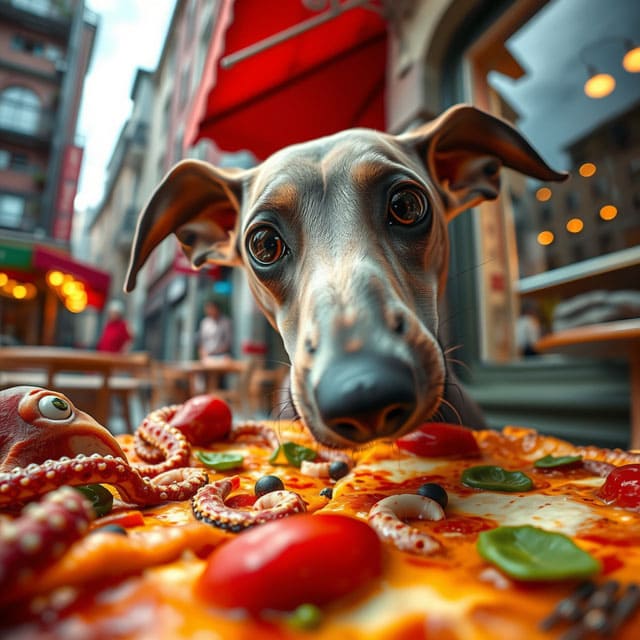

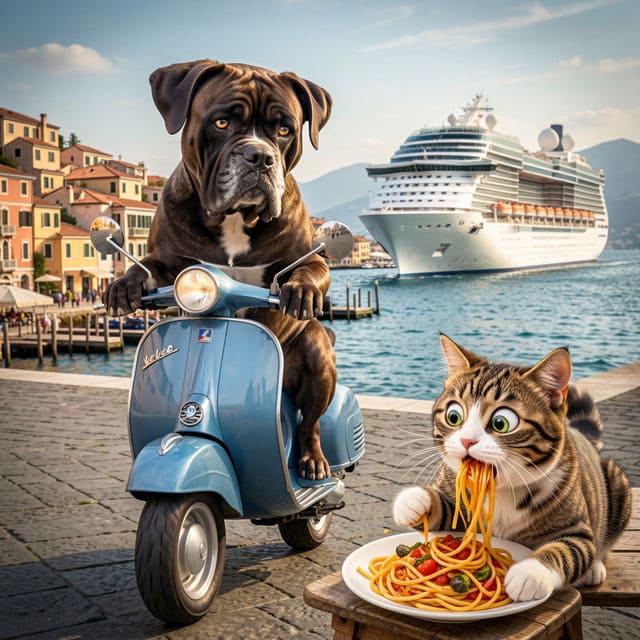
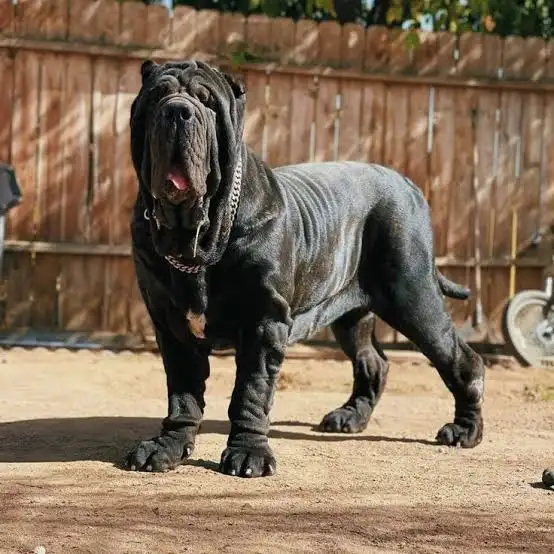
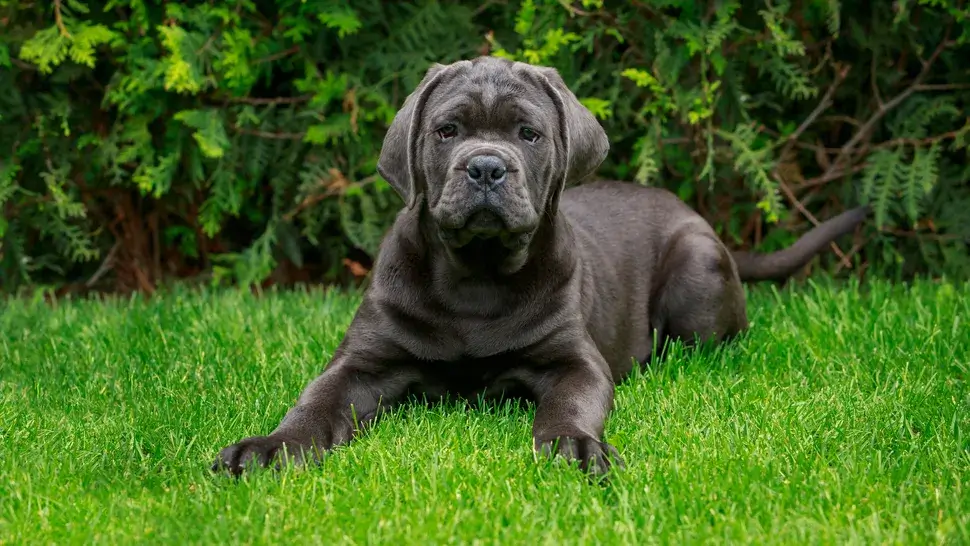
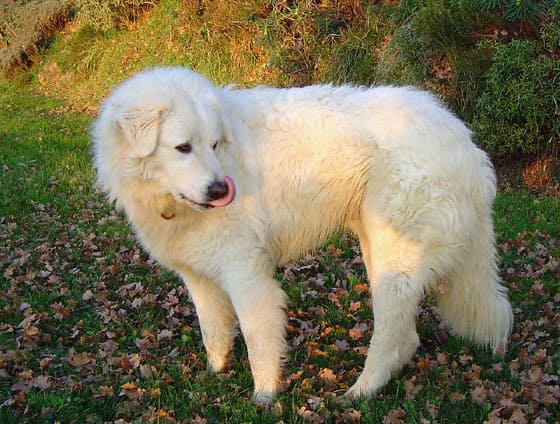
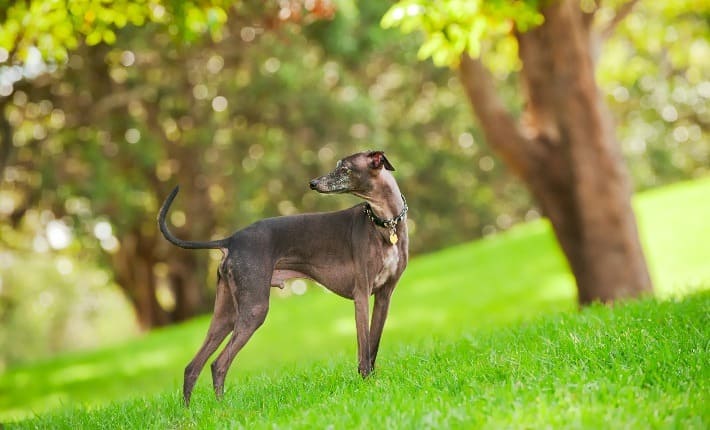
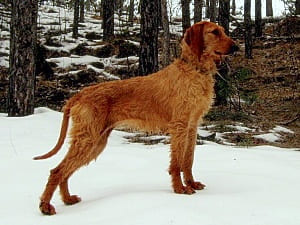

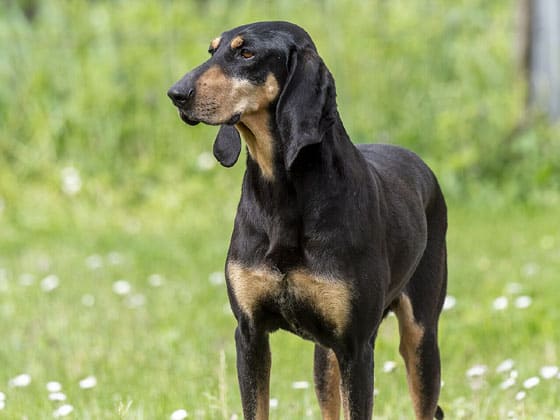



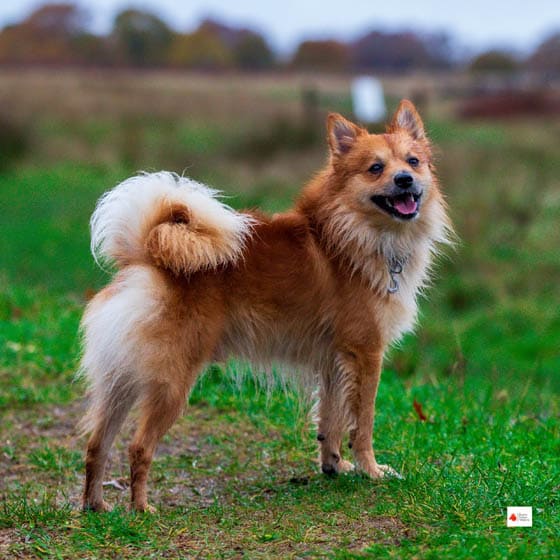
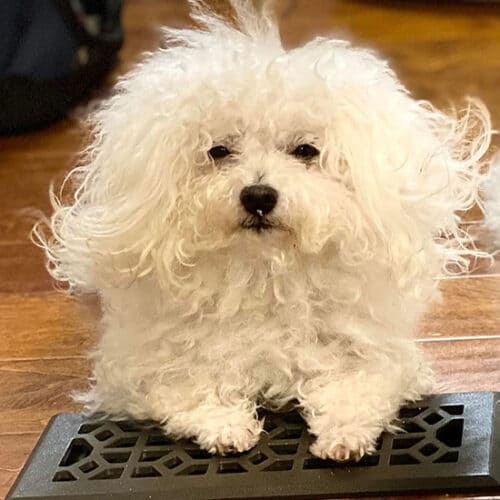
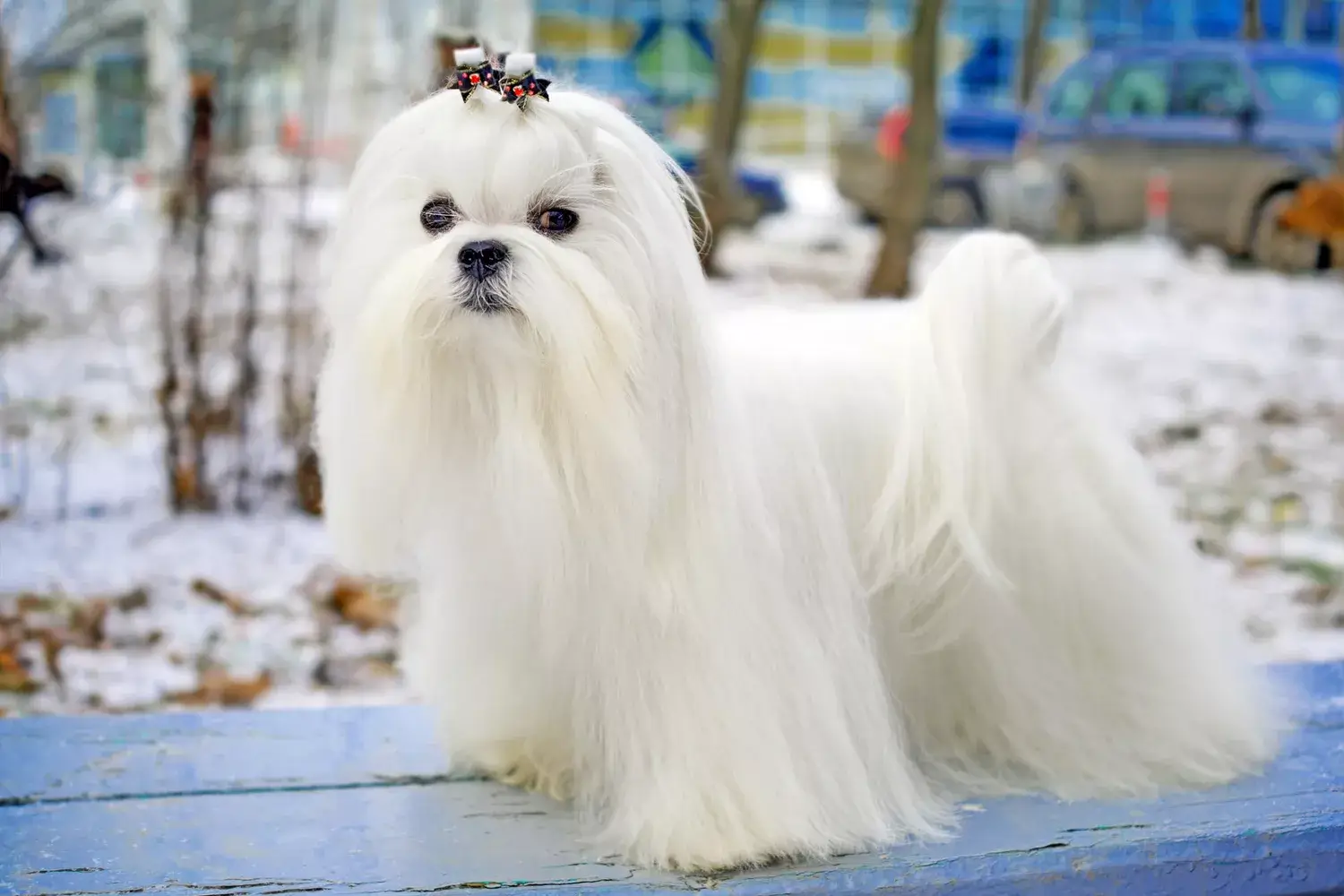
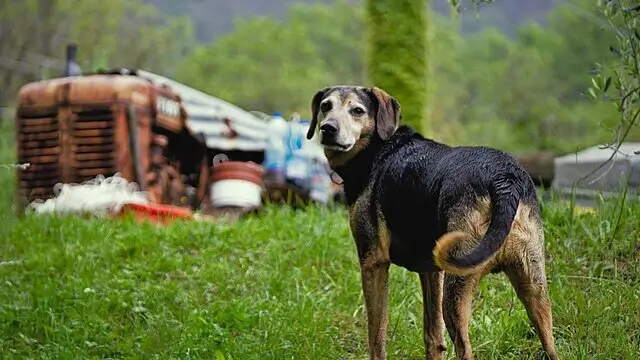
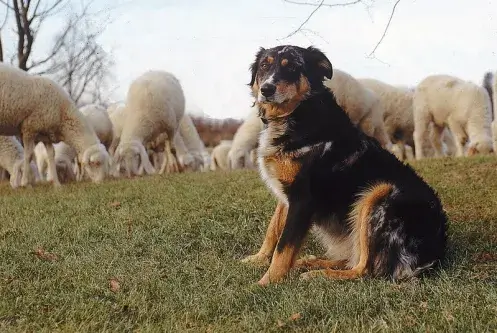
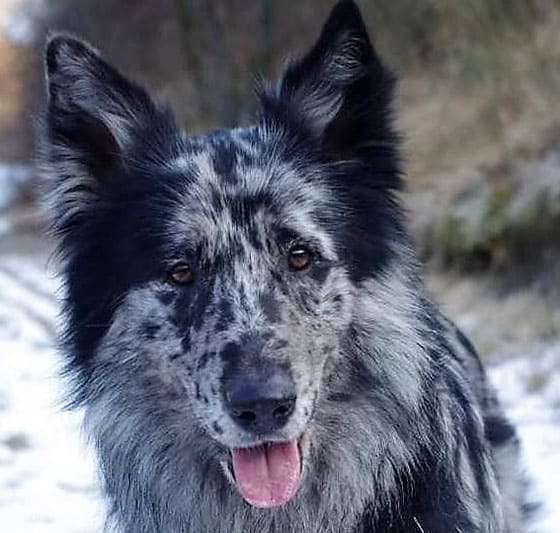
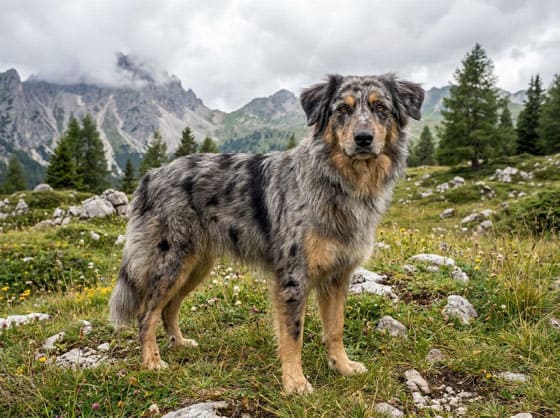
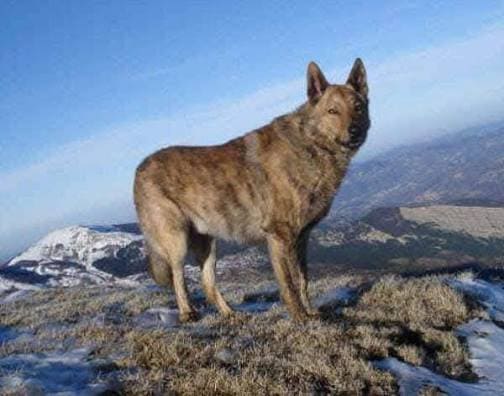
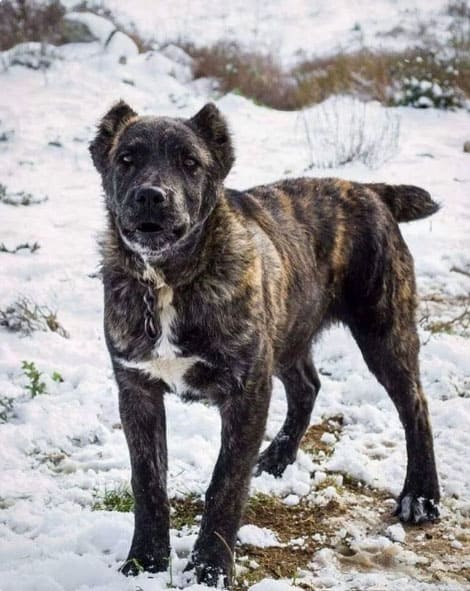
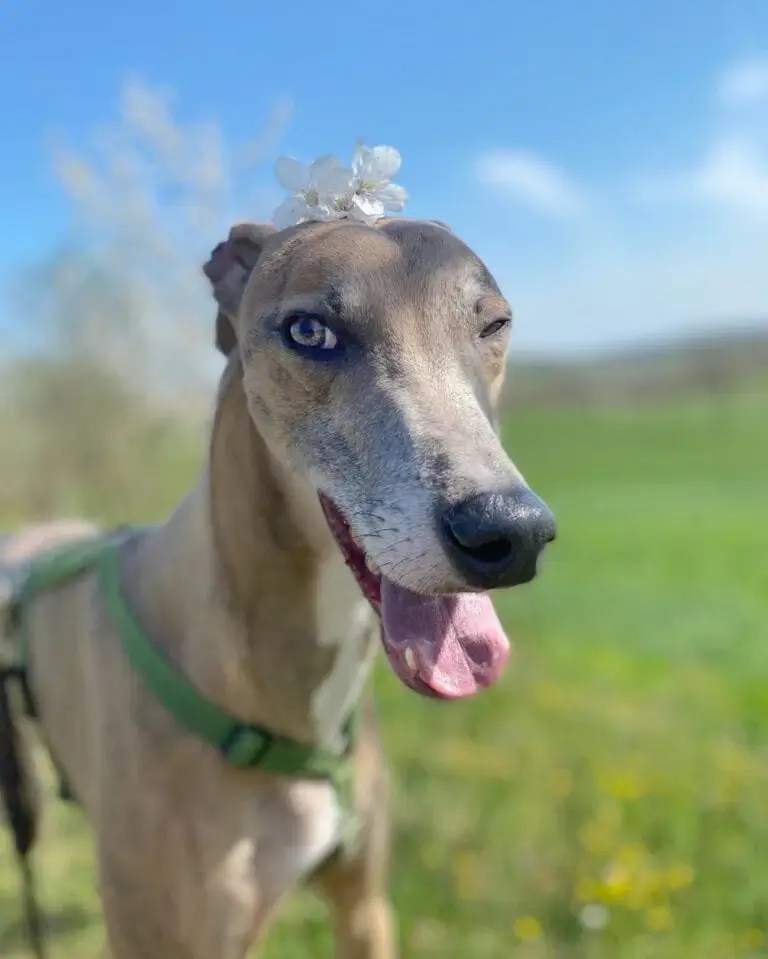
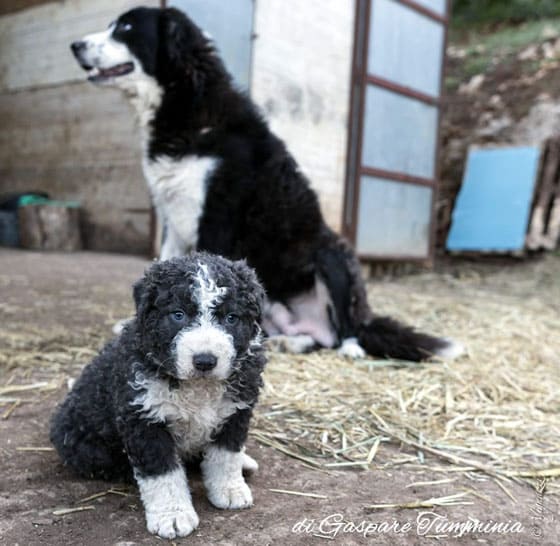
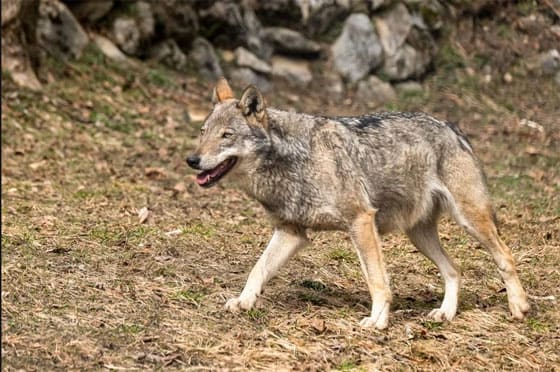
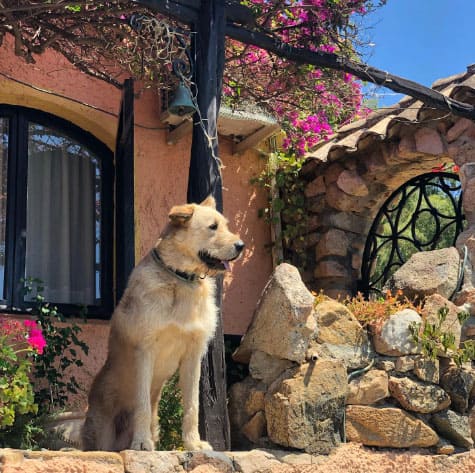
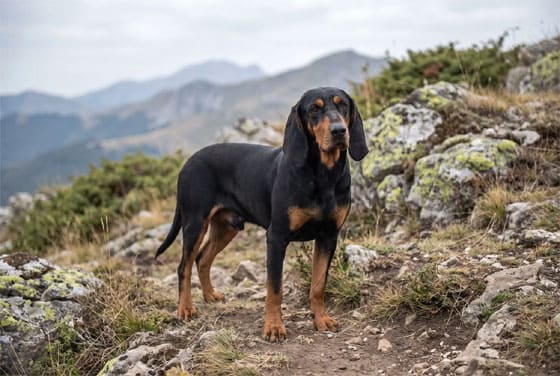
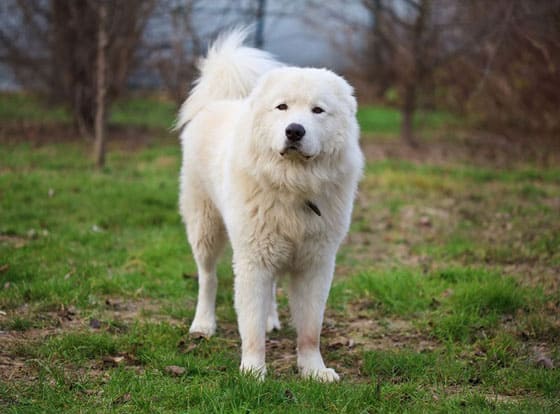
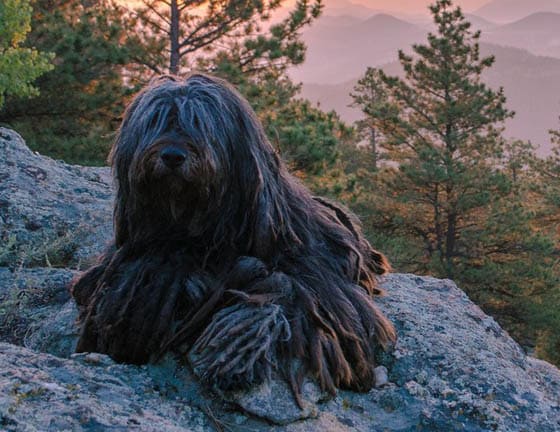
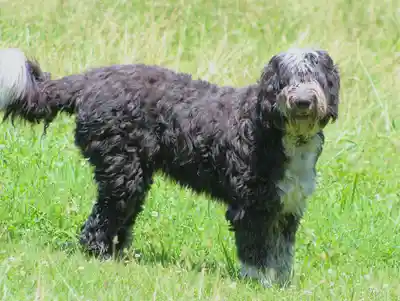
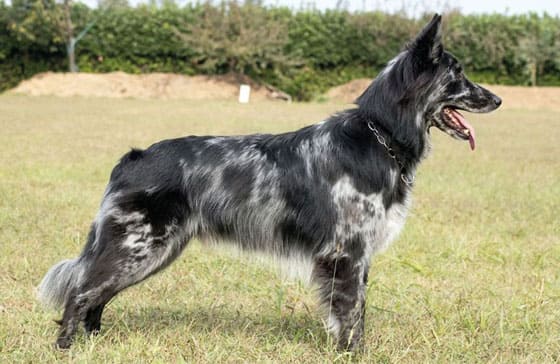
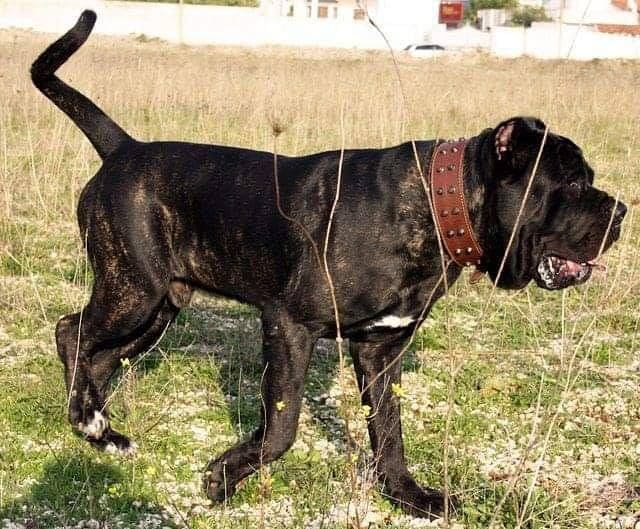
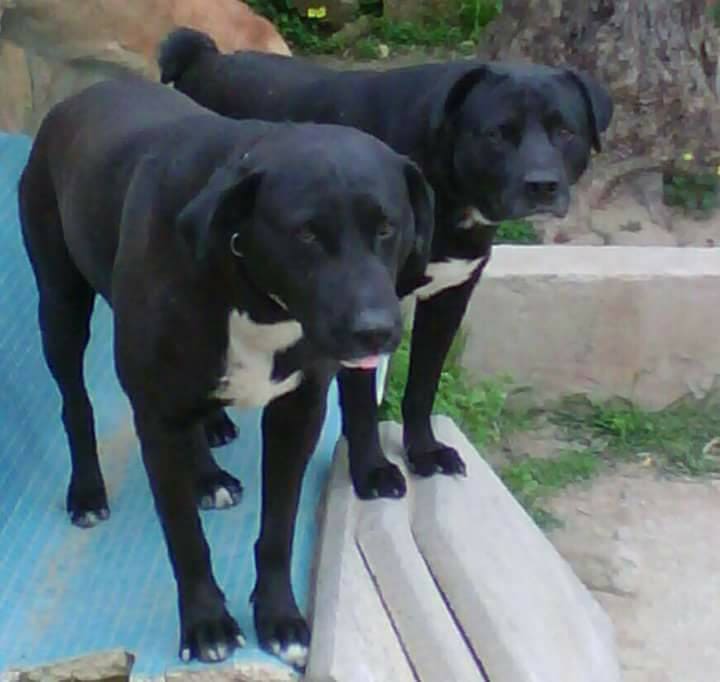
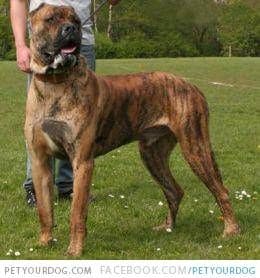
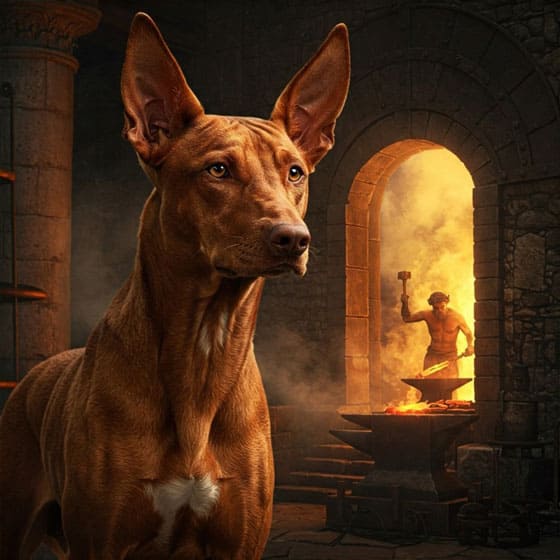
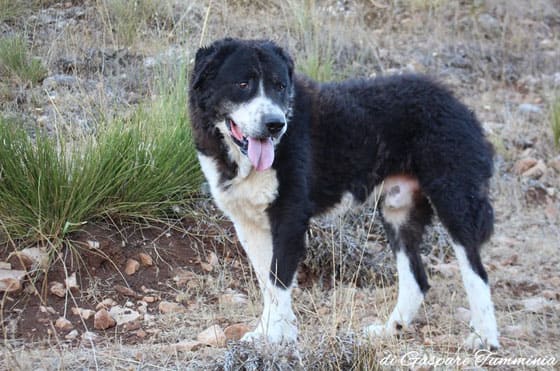
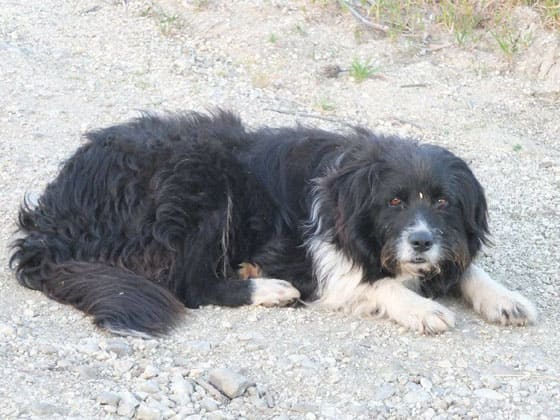
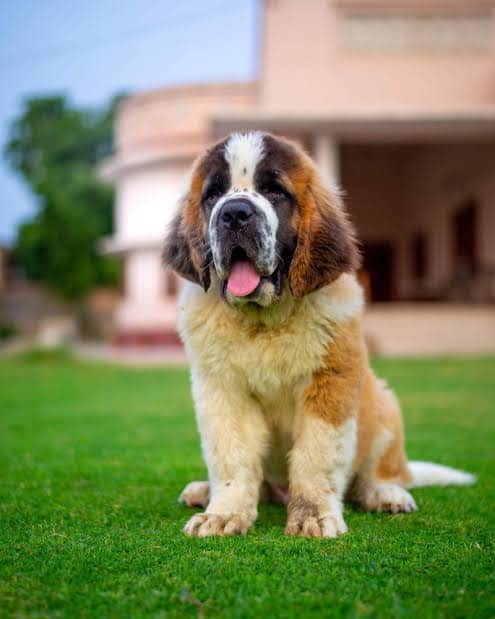











WORLD OF DOG & PUPPY 🐶