7 Serbian Dog Breeds Rare Serbian Dog Breeds Popular Serbian Dog Breeds Serbian Dog Breeds Dog Breeds from Serbia Dog Breeds Originating in Serbia Unique Characteristics of Serbian Dog Breeds Most Complete List of Serbian Dog Breeds Top Serbian Dog Breeds Most Popular Serbian Dog Breeds Temperament of Serbian Dog Breeds Behavior of Serbian Dog Breeds Extinct Serbian Dog Breeds What Makes Serbian Dog Breeds Special? What dog breeds are native to Serbia? Which dog breed is Serbian? Indigenous Serbian Dog Breeds Native Serbian Dogs Serbian Dog Breed Photos Serbian Dog Names Serbian Stray Dogs Balkans Street Dogs Balkan Dog Breeds Yudoslavian Dogs Dogs from Macedonia Dogs from Balkan
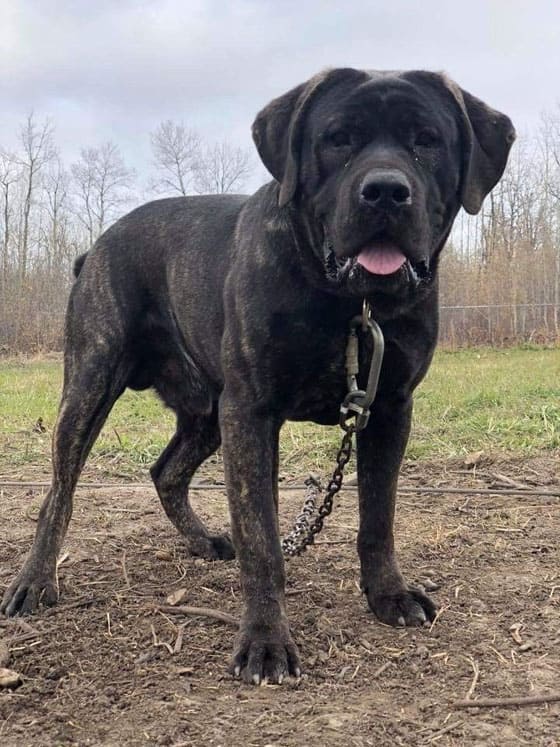
The Serbian Defense Dog (Serbian: Srpski Odbrambeni Pas or SOP) is a modern, athletic Molosser working breed created in Serbia during the early 1980s. Developed in the 1980s by Nenad Gavrilović (a Bosnian herbalist and healer) with the goal of recreating the extinct medieval "Serbian Mastiff" or ancient border-guard dogs. The Serbian Defense Dog is a re-creation of the old Serbian Mastiff of the Middle Ages, which became extinct during the early 20th century. In the Serbian Defense Dog there is about 5% wolf blood, 5% American Staffordshire terrier blood, and 30% of each Tornjak, Rottweiler and Neapolitan Mastiff. Of course it is not possible to calculate exactly, but this is an approximate ratio of participation of these breeds in the creation of the SDD. This program began in the year of 1981 and for 10 years there was about 100 dogs with fixed morphological and character features. Therefore the year of 1991 is taken as the year of creation of SDD breed. The breed is not recognized by major international kennel clubs like the FCI (Fédération Cynologique Internationale) or the AKC, it remains a regional working and protection breed. It is widely treated as a working breed still in development. Calm and stable in routine situations, with high situational awareness and strong defensive instincts. They are deeply loyal to their family but naturally distrustful of strangers. Built as a property guardian, watchdog, and personal or family protection dog.
Requires an experienced, confident handler, firm leadership, and thorough early socialization due to its protective and strong-willed nature. This Serbian breed was moderately popular before becoming very rare thanks to the Yugoslavian wars in the 1990's, but today, this large mastiff is once again finding its way into many European countries and the enthusiastic followers of the SOP are working on its official recognition. The mighty SOP was originally bred and promoted primarily by its creator and the Belgrade Zoo, but today there are quite a few reputable breeding stations to be found in Serbia. Agile and powerful, this mastiff is a very healthy and resilient Moloss, due to the strict selection philosophy of dedicated breeders authorized by Gavrilovic, who approves only those breeding programmes based on working abilities and rigourous physical standards. The Srpski Odbrambeni Pas, or SOP for short, possessess remarkable intelligence, as well as a noble, intuitive and strong-willed personality.
This brave goliath makes a superb property guardian and a capable service dog, even though it's characterized by some of its fanciers as a one-person breed. A devoted family dog, the SOP needs experienced owners, who never employ overly firm and violent handling. The Serbian Defense Dog responds very well to obedience training and makes a truly remarkable personal protection dog, but early socialization around humans and dogs is necessary to make sure that the SOP doesn't grow up to be an extremely aggressive and overly territorial dog. However, a number of people still use these proud dogs for fighting duties and there are some unpure bloodlines of questionable quality and uncharacteristic temperaments to be found, which are not endorsed by the breed's creator, making the standardization process difficult. The Serbian Defense Dog is a very protective, territorial and loyal breed to its owner. Their natural protective instinct, amazing speed and insane strenght makes them extarodinary dogs for protection and guarding purposes. These dogs are also absolutely brave and courageous and they should never be intimidated by any man or animal. It is also almost impossible to bribe the Serbian Defense Dog. But this does not mean that this dog is unmanageable agressive breed, not at all. In normal situations, this is very stable breed with pretty calm and laid back personality.
With good socialzitaion and training, this dog is excellent companion dog and he will not show any agression on outside walks. This dog is also known to be pretty tolerant towards kids, but of course, you should never leave any dog breed with a very young child unsupervised. As you can probably guess, this dog is alert and suspicious towards strangers and it will take a while before the stranger gets a trust of this dog. The stranger must always be introduced to the dog by the owner. Its important to mention, that even though this is very smart and obedient dog, they are not the best choice for novices or unexperienced owner. It is because of their enormous strength and protective instinct. If the novice would fail the socialization and training with dog this powerful, he can have a lot of troubles. These dogs need patient, firm and consistent training and proper early socialization. But with experienced owner, this is very easily and adaptable breed capable of learning a lot of different commands and being absolutely obedient.
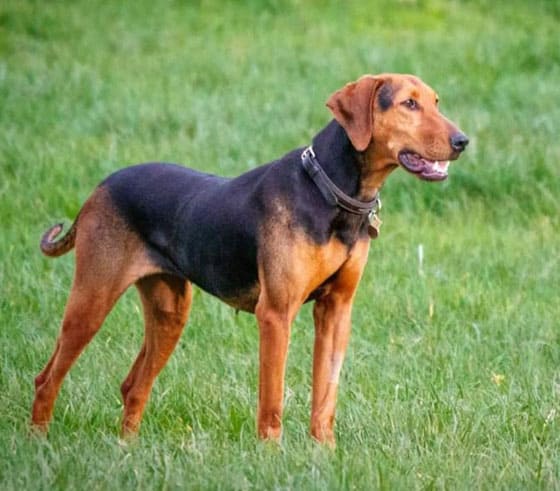
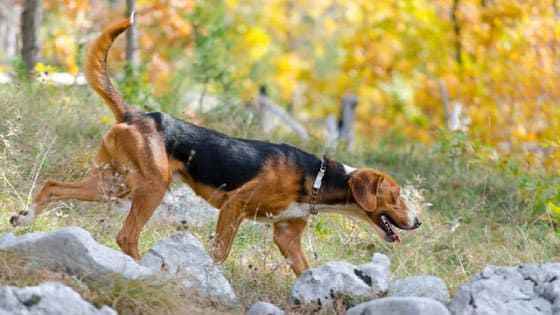
The Serbian Hound (formerly known as the Balkan Hound) is a medium-sized, energetic scent hound originating from Serbia. The breed belongs to a group of tracking dogs that have spread throughout the Balkans. It is believed that tracking dogs from Anatolia (Asia Minor) played an important role in the development of the breed. The first description of these dogs is striking, but is thought to date from 1005. The evidence is thanks to Frank Laska, who described it as the "Balkan scent hound" along with other similar dogs. First standard was developed in 1924, but was not adopted until 1940. As the breed was most widespread in Serbia, the Yugoslavian Kinological Association controlled the breeding and introduced the first official registrations in the studbook. In 1996, the FCI meeting, on the basis of a proposal by the association, gave the Balkan scent hound - Balkan scent hound or Balkan hound, its current name, and it is now Srpski Gonič or Serbian Hound. Traditionally kept as a pack dog. Its usual prey includes wild boar, deer, fox and rabbit. While their hunting instincts often imbue a nearly endless drive in the hunt, in the home this breed is easy-going and known to be kind, gentle, and affectionate.
Serbian Hounds are intensely loyal, especially to whoever trains them and their family, which, given their intelligence, can sometimes be a challenge. They are quite social and do well with other dogs and are known to be a good with kids, but may be a problem if in a home with other non-canine animals because of their strong prey drive. All in all, they make an excellent all-around pet, as they are able to function as hunters, guardians and companions equally well. Serbian Hounds are known to be exceptionally well-mannered animals both in the field and at home. They are tenacious hunters with a determined drive and significant endurance while on the hunt, but while at home with the family, they have been noted to be regularly kind, gentle, affectionate and incredibly loyal. Because they were used as pack animals for so long, they are generally good with other dogs as well as children, especially if properly trained and socialized, but may still be aloof with strangers.
They are not recommended for homes with other non-canine animals, as their high prey drives may be problematic. While they may be relaxed at home, they do require a considerable amount of exercise and may exhibit poor behavior if it is not provided to them. They can also be a bit of a pain to train, as their intelligence and independence can often translate into stubbornness. Overall, however, considering their minimal setbacks, they still make both fantastic family pets as well as companions and will even act as an intimidating guard dog if trained to do so. In common with other scent hounds, the Serbian Hound is known to be dedicated to their work. They are determined dogs that will put all their energy into whatever task is at hand. They love to be in the field or to be active in some way. If this natural tendency to activity is fulfilled, then in the home, they are known for their relaxed nature. In the right hands, a Serbian Hound can be an active outdoor companion, as well as a well-mannered and sociable family pet. Serbian Hounds are often described as gentle and affectionate with their owners.
They form strong bonds with their owners and will develop an unbreakable loyalty to them. Since they enjoy attention so much, well-behaved children are often not a problem. Since Serbian Hounds were previously kept as pack animals, they are sociable and get on well with other dogs. There is some conflicting advice as to their ability to share a home with other household pets. In general, if they are brought up with other animals, they can adapt to their presence. But, it should be noted that any hunting dogs retain a strong prey drive, so whilst they may be able to co-habit with cats, other domestic animals, such as rabbits, may prove too much of a temptation. The Serbian Hound is a dog with many facets. His work as a hunting dog requires endurance, dedication and a strong desire to please his human companions. Therefore, as a working dog, he is very focused and committed. It can travel long distances over rugged terrain and is known for its keen sense of smell, which allows it to follow tracks over long distances. Despite its hard work disposition, the Serbian Hound is an extremely people-oriented dog that builds a strong bond with its family. He is known for his friendliness and his even-tempered nature. His temperament is rather calm and he is not a hyperactive dog, although of course he has his active moments, especially when he is doing his favorite activity, hunting. But even when he is not hunting, he enjoys long walks and activities that allow him to use his sense of smell. With its strong hunting instincts, it is not surprising that the Serbian Hound exhibits strong prey catching and hunting behavior. This can cause him to chase small animals and he must therefore always be guided in safe terrain or have a good recall command. Inside the house, he tends to be alert and aware of his surroundings, but is usually not an excessive barker.
The Serbian Tricolour Hound is a resilient and focused scent hound developed for tracking game in Serbia's rugged terrain. Known for its tricolored coat, keen nose, and strong work ethic, this medium-sized breed is both a skilled hunter and a loyal companion. Its spirited nature and endurance make it a standout choice for active, experienced owners. Today, the FCI recognizes not only the Serbian Hound, but also Serbian Tricolor Hound. Both breeds have identical origins and for most of the time, they were recognized as the same breed, with only different color, but the Serbian Tricolor Hound was given its own breed status in 1946, though except for color the breed standards are nearly identical and other than the color, there really is not much differences in appearance and temperament of those two breeds. This breed, just like almost all the hounds, is very lively and they have rather higher energy level. Of course, they will naturally use this energy on the hunt, but when they are not used for hunting, they need regular daily exercise. Long walks, jogs, hikes, playtime and fun traning sessions are must with this dog. But when you meet their exercise needs, they are typically pretty calm when they are at home.
This dog has a confident and playful temperament. It is naturally lively and adaptable, able to be calm indoors and energetic when out and about. Its high intelligence makes training easier, although it does require early introduction to recall and basic commands. Although reserved with strangers, it is very attached to its family and shows a definite sociability with other animals when socialised correctly from a young age. Its tenacity during hunting activities highlights its natural instinct and perseverance. Despite its independent side, its loyalty and devotion to its owner are evident in daily interactions, making it a companion that is both reliable and respectful of rules. On a daily basis, this dog requires a spacious environment and regular physical activity. It needs long walks and play sessions to satisfy its abundant energy and hunting instinct. Ideally, a house with a large, fenced garden is best, allowing for both relaxation and mental stimulation exercises.
Enthusiasm practically radiates from these hounds whenever there’s a chance to explore. They’re naturally curious, reveling in new scents and terrain with the gusto of a seasoned adventurer. Combined with a gentle yet lively demeanor, they do well around people they trust. However, they can appear reserved initially, keeping a watchful eye on unfamiliar guests or environments. Serbian Tricolour Hounds typically bond closely with their family, showing loyalty and readiness to please. Due to their keen instincts, they benefit from activities that engage both mind and body. While not overly protective, they’ll alert you if something seems amiss. Above all, these dogs thrive on being included in family life and appreciate patient handling. Early socialization is crucial to help them comfortably adapt to various situations. With consistent positive reinforcement, they can flourish alongside children and other pets. Their balanced energy levels allow them to be playful yet calm indoors. Ultimately, they shine when there is ample interaction and a sense of purpose, forming a supportive bond with those they consider their pack.
As a high-energy scenthound, this breed craves daily physical challenges. Long walks, jogs, or vigorous games of fetch help them burn off steam and maintain muscle tone. They thrive on exploring wooded areas, open fields, or even agility courses that tap into their keen nose and athletic build. Consistent activity keeps them balanced, preventing boredom-fueled mischief around the home. Serbian Tricolour Hounds excel when given tasks that spark their innate hunting drive. Engaging them with scent work, such as hiding treats around the yard, can sharpen their tracking instincts while providing mental stimulation. Early morning or late afternoon sessions are ideal in hotter climates, ensuring they remain comfortable during exercise. A bored hound often channels energy into unproductive activities. Weekly hikes or extended playdates with similarly energetic dogs are excellent ways to keep them engaged socially. Consistency is key: skipping routine exercise can lead to restless behavior or excessive vocalization. With the right balance of movement and mental challenges, these hounds remain content, healthy, and ready to share in outdoor adventures whenever you’re up for exploring the great outdoors. The Trobojac does not know how to quit. Liveliness, tenacity, and resilience – that’s what this breed was made for.
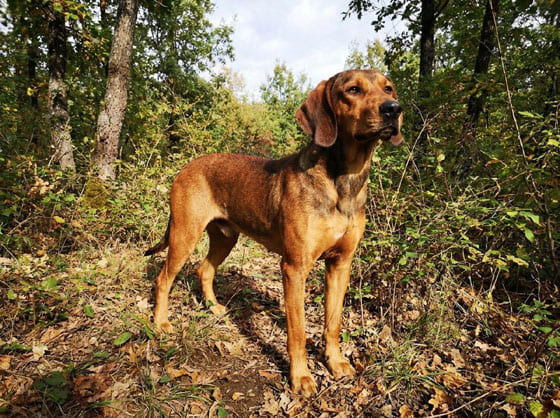
The Serbian Yellow Hound (known in Serbian as Srpski Žuti Gonič) is a rare, regional scent hound variety from Serbia. The Serbian Yellow Hound and the Serbian Tricolour Hound are not the same breed, though they are closely related and share a common background in the Balkan region. It is worth mentioning briefly the two types mentioned above. The Serbian Yellow Hound and the Serbian Tricolour Hound are both medium-sized scent hounds from Serbia, but they differ significantly in official recognition, coat color, and population status. The Serbian Yellow Hound is a non-standardised variety, but the Committee for Indigenous Varieties of the Yugoslav Kinological Association recommended as early as 1954 that the standards in force for the Serbian Tricolour Hound should be adopted for the Serbian Yellow Hound. It was later recognised as a separate breed in its home country, but is still not registered by the FCI. According to some sources, it is a popular breed, according to others it is extremely rare and on the verge of extinction. It is a non-standardized or locally recognized variety in Serbia rather than a globally mainstream breed, and it is not recognized by the Fédération Cynologique Internationale (FCI).
Dragisa Pavlovic, PhD, states that after the exibitions in Belgrade in 1948 and in Ljubljana and Belgrade in 1949 a board of judges for beagles recognized the pedigree of the Balkan Hound, Montenegrin Mountain Hound and Yellow Beagle, naming it "the Yellow Balkanite". In 1954, the Federation of Cynology formed the Indigenous Breeds Commission which suggested that the standards of the Balkan Tricolour Hound should be acknowledged, which was later done. The Commission also suggested the standarads for the Balkan Yellow Hound, a coarse-haired hound. In the documents of the Yugoslavian Federation of Cynology there is still a record of pedigrees of the Yellow Hound as a separate breed, and not as a variety of the Balkan Hound, as it was thought until recently. The evidence of that are also the pedigrees from 1950. These dogs were presented at dog shows and parades, which was recorded in the catalogues from these manifestations in 1949, as well as in the catalogue of the First International Dog Show held in Belgrade in 1952. A research on the size of the Yellow Hound population in Serbia began, based on these historical facts and data collected on the spot in the autumn of 2008. This breed still has not been recognized by the FCI.
Yellow Hounds are medium-sized, strong and tenacious dogs of a rectangular shape. Their head is in proportion with the body, the muzzle is wedge-shaped, with a black nose, and pendant ears of a medium length. The neck is strong, and almost the same length as the head. The trunk and the back are well-muscled and strong. The thorax is approximately 50% of the height at the withers. The hair is short, smooth, gleaming, clinging to the body, with well-developed undercoat. Colours range from yellow to reddish-yellow. Not many specimens have white markings on the head, chest, paws, front part of the legs, and the tip of the tail. In contrast to the Serbian Hound, the Yellow Hound has no black markings on its body. It is used as a hound in big and small hairy game hunting. Historical committees recommended aligning its standards with the Serbian Tricolour Hound, though it is sometimes considered rare or endangered. Tenacious, energetic, and driven, much like other Balkan scent hounds. It is traditionally bred for hunting small game and hares, possessing high stamina and a vocal tracking style. Requires an active owner, significant daily outdoor exercise (at least 1–2 hours), and routine checks for its hanging ears to prevent infections. Extremely rare and considered endangered or on the verge of extinction. Persistence is the main trait here. These hounds do not just chase - they work until the job is done.
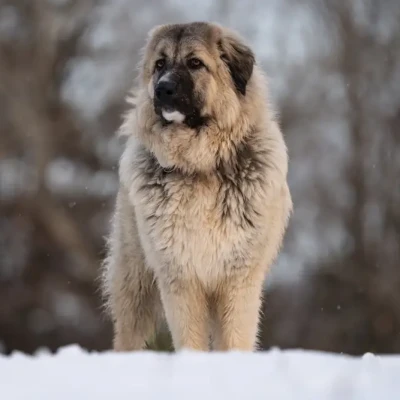
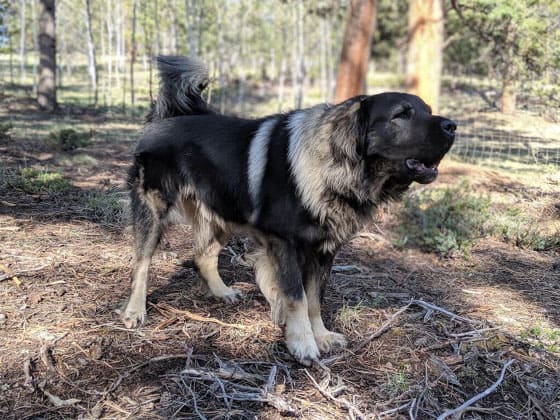
The Sarplaninac (also known as the Yugoslavian Shepherd Dog or Sharplanina) is an ancient, large livestock guardian dog native to the Šar Mountains in the Balkans (Serbia, North Macedonia, and Kosovo). The Yugoslavian Shepherd Dog claimed by both Serbs and Macedonians as their own. Both countries are also listed on the breed's FCI (Fédération Cynologique Internationale) pedigree as the countries of origin. It takes its name from the Šar Mountains on the border between Kosovo and northern Macedonia. It is still most common in this area, but can be found all over the world. The breed has been registered by the FCI since 1939; it was first recognised as a Yugoslavian breed under the name of the Irish Sheepdog. In 1957, the General Assembly accepted the proposal of the Yugoslav Kinological Association and the breed was renamed the Sarplanina Sheepdog. Its origin remains controversial to this day. However, it seems likely that it arrived in Europe from Asia during the prehistoric migrations. The Sar is a flock-guard dog that needs to be working. This sheep-herding guard dog is unaffectionate toward its humans. It prefers the flock it so enthusiastically protects. It has natural guarding qualities and independent thinking typical of the flock guard group. Usually calm, but when the situation warrants, it is ferocious in its efforts to protect the flock. It takes its work seriously. When on sheep-guarding duty it will investigate anything that catches its eye, and has no hesitation about confronting adversaries larger than itself. This is not a brainless tail-wagger; the Sarplaninac is a very wise dog that chooses friends carefully and trusts no one completely. He is more obedient to his ingrained code of proper behavior than to accept commands from one master, to whom he is most loyal.
Calm, intelligent, independent, and devoted, Šarplaninacs have a protective, fearless nature that makes them excellent guard dogs. Though they are not known to be overly affectionate, they typically get along with children and are loyal family members. The Sarplaninac is very often described as head strong or stubborn and it is true. It is an independent breed. They must be able to make their own decisions when they are working and guarding. Independent and stubborn does not mean stupid. Quite the opposite. The Sarplaninac is very intelligent breed, but they might not be the easiest dogs to train the classic obedience, due to their independence. The Sarplaninac is sometimes viewed as dangerous and agressive dog breed, which is a reason why they are banned in some countries, for example in Denmark. But just like with all dogs, if the adult Sarplaninac is agressive without a reason, it is most often fail of the owner, who did not socialize and train the puppy properly. There are many Sarplaninac dogs that are living as family companion dogs and they have no behavioural issues. But it is true, that this is definitely not a dog for novices as they need experienced dog owner who will provide them with firm, but kind, patient and most importantly consistent training and socialization.
When the Sarplaninac is with its family, they are very friendly, they would never harm its own pack. They are also known to be quite gentle with kids, but of course, you should never leave any dog breed with a very young child unsupervised. The Sarplaninac can also live with other dogs or other pets in the family, as they dont have high prey drive, but it is better if they are socialized together from the puppyhood. The personality and temperament of Sarplaninac is just perfect for its purpose. These dogs are used for centuries for protecting the livestock, and they are just amazing at it. The Sarplaninac create pretty strong bond with the livestock, they live with them and they are absolutely devoted to the owner, but also, to the flock. And their loyalty is expceptional. They will definitely protect the flock, its owners and its property against any kind of predator or intruder. It is a highly protective, courageous and brave, alert and watchful breed. In order to be capable of working all day long, these dogs just must be very endurant and indeed, they do have high stamina. If they are not used for livestock protection, they need some kind of regular job in their life. They will naturally patrol your yard if they have the chance and they will definitely enjoy daily long walks and playtime.
They will do best if they can have access to some kind of large outdoor space which they can naturally guard. While Šarplaninacs are known to be protective, family-oriented dogs, they are not particularly affectionate or playful and are much happier when they have work to do. That's not to say that they do not form strong bonds, however, as once they live and work with a family for a period of time, they are endlessly loyal and will go to great lengths to protect them. Once they reach that level, they are great with nearly all family members and even children, despite their lumbering size, and are usually gentle and patient even with small kids, but should be thoroughly socialized and trained to reduce any potential issues. Training itself is a difficult task - it is not for inexperienced owners. Šarplaninacs not only like to assert their dominance, calling for a consistent and firm hand out of their trainers or owners, but even after being trained are still head-strong and independent dogs that will often override commands with their own decision making. Because of their protective nature, they are generally standoffish with strangers and new dogs and will position themselves between newcomers and their families, acting as a barrier when they sense any level of potential threats. They are also high energy dogs and usually need consistent work to do or regular and thorough exercise, leaving them best reserved for active families with big houses and large outdoor spaces for them to roam and patrol.
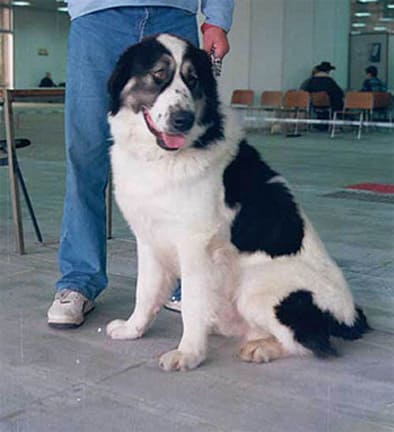
The Serbian Shepherd Dog is a distinct breed - officially recognized by the FCI in 2009 as the Southeast European Shepherd Dog, whereas the Šarplaninac (Yugoslavian Shepherd Dog) is a separate, well-known livestock guardian dog named after the Šar Mountains. However, "Serbian Shepherd Dog" is also sometimes used informally as a regional or alternate name for the Šarplaninac or related Balkan mountain dogs. This noble shepherd breed has been living for centuries on the hills and mountains of Serbia. It belongs to a large family of shepherd dogs, spreading from Tibet, to the Middle Europe, and to the North of Africa. Many of these dogs are still not recognized, although they are highly valued by the shepherds in hills as their irreplaceable aid. The population of these dogs in the terrains of Stara Planina and Kopaonik has probably developed from the inter-breeding of the dogs which were brought to that area by Vlachs and the people from Kosovo which arrived to the area of Negotinska Krajina and the western parts of Rtanj Mountain at the end of the 17th and the beginning of the 18th century. This breed was officially cynologically recognized by FCI under the name of Southeast European Shepherd dog. Serbian Shepherd Dog is large and dignified. It is a dog of calm temperament, well-balanced, and children-loving. It is brave, an excellent flock guardian, and a true fighter against potential predators (a bear, wolf and lynx). It barks energetically. When a stranger or an animal shows up in its territory, its barking is loud and low-pitched. During the night, it patrols the household or sheepfold. The height at the withers for a male is from 27 to 31 inches (68 to 78 cm), from 28 to 30 inches (71 to 75 cm) ideally. The height of the majority of female dogs is from 25 to 28.3 inches (64 to 72 cm), from 26 to 27 inches (66 to 68 cm) ideally. Basic color is pure white or beige-white, with black, grey-black or black-reddish markings over the body and on the legs. It is kept as a shepherd dog, the guardian of flocks and households. This specie is endangered.
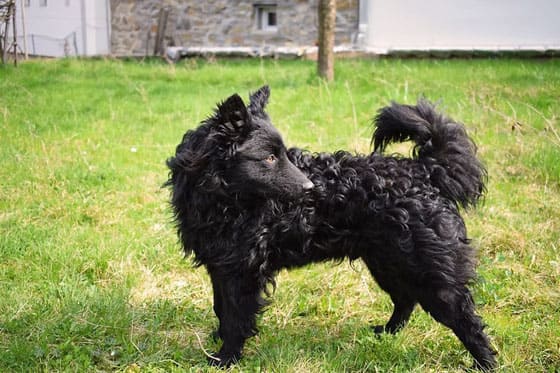
The Pulin (most commonly known as the Vojvođanski Pulin) is an ancient working and herding dog originating from the Vojvodina region in northern Serbia and the Pannonian plains. One of the oldest breeds in the world, the Pulin has existed in the Balkans since ancient times and remained unchanged for at least 2000 years, although some fanciers believe it to be even older. A number of theories about the breed's origin exist, from it being a variety of Russian Laikas to it belonging in the Alopekis group of Greek dogs. Some trace its ancestry to the spitz dogs and black wolves of Asia, while others claim that its roots are firmly tied to the Balkans, especially the Pannonian plains, as evidenced by many archaelogical findings and old folklore references to the Pulin in the region. The Voivodina Pulin is the ancestor of many similar breeds of Europe, with the Hungarian Mudi and Croatian Sheepdog being its direct descendants, while various other breeds were shaped by introducing this remarkable working dog into their bloodlines, such as some strains of Austrian and German herders, as well as other small sheepdogs of Europe.
Initially a distinct variety of the original Pannonian Herder population, the Pulin has existed in its pure form since the early 9th century, when its versatility, intelligence and resilience made it a herding, hunting and watchdog breed of choice for many Serbs, but also other ethnic groups of the region, with the largest population of these dogs traditionally being found in the territories presently divided between Serbia, Hungary, Romania and Slavonia, now the eastern part of modern Croatia. Although it was never standardized or bred for appearance, this rugged little dog hasn't changed much throughout the centuries and in the late 1600's the breed was a celebrated national treasure of many Serbian farmers and herdsmen in Banat, Backa, Baranja, Srem, Slavonia, as well as parts of Bosnia and Shumadia. The Vojvodjanski Pulin is a resilient and tough working dog, with a strong back, deep chest and a broad, but fairly small head with expressive eyes, small erect ears, powerful jaws and a narrow muzzle. According to the breed fanciers, it resembles a miniature wolf more than a black fox, but the Pulin can understandably be mistaken for a Croatian Sheepdog at a first glance, even though upon closer examination it becomes clear that the Pulin has remained a stronger and more muscular breed than its Croatian and Hungarian descendants. Pulin has always been primarily used as a herding dog. They are highly skilled at herding sheep, cows, and goats.
They truly are amazing herders and they can work basically with any animal. When needed, the Pulin can also serve as livestock protectors, but of course, they are relatively small for this purpose. It is more traditional for the Pulin to work with other powerful livestock protector dog, such as Tornjak or Sarplaninac. The strong LGD protects the livestock, while the Pulin control it and herd it.With their endless energy and stamina, Pulins are naturally gifted herders. However, their abilities extend beyond herding - they have historically been used as watchdogs and even as vermin hunters. This is a truly versatile breed. This is highly energetic breed. In addition to their boundless energy, they possess several other traits that make them exceptional herding dogs. They are extremely alert, focused, intelligent, and intuitive. This breed is also deeply loyal - to both its owner and the livestock it protects. Athletic and highly trainable, the Pulin is perfectly suited for herding work. However, the Pulin is not just a hardworking dog, it is also a wonderful companion. They are incredibly affectionate with their family and generally good with children. Of course, like with any breed, interactions between dogs and very young children should always be supervised. The Pulin is known as very playful dog that is always ready for any kind of playtime or outdoor adventure. On the other hand, they are also known as wary of strangers – it takes some time for Pulin to gain a trust for a complete stranger. Overall the Pulin makes superb companion, but they should live in active family and they generally do better in countryside rather than in city as typical apartment dogs.
Dogica® collects only technical cookies. No any personal or private information being collected, saved or shared here. 3rd Party cookies could be collected by various installed widgets.
The information contained in or provided through DOGICA® site is intended for general consumer understanding and education only and is not intended to be and is not a substitute for professional advice.
Use of this site and any information contained on or provided through this site is provided on an "as is" basis without any representations, warranties or pay.















WORLD OF DOG & PUPPY 🐶