7 Polish Dog Breeds Rare Polish Dog Breeds Popular Polish Dog Breeds Polish Dog Breeds Dog Breeds from Poland Dog Breeds Originating in Poland Unique Characteristics of Polish Dog Breeds Most Complete List of Polish Dog Breeds Top Polish Dog Breeds Most Popular Polish Dog Breeds Temperament of Polish Dog Breeds Behavior of Polish Dog Breeds Extinct Polish Dog Breeds What Makes Polish Dog Breeds Special? What dog breeds are native to Poland? Which dog breed is Polish? Indigenous Polish Dog Breeds Native Polish Dogs Polish Dog Breed Photos Polish Dog Names Polish Stray Dogs
Even though Poland is known worldwide for its delicious pierogi, Chopin's melodious melodies, and tasty kielbasa sausages, its contributions go beyond these industries. Located in Central Europe, the Republic of Poland stands out as a stunning country with diverse natural scenery that has shaped its cultural fabric and fostered the birth of wonderful canine companions. Each canine has a specific function and unique story that contributes to the country's rich heritage.
Each breed serves as a living example of history and the strong link that has been created between people and their devoted furry friends.The tumultuous history of Poland made the Polish breeds almost extinct. But, after World War II, the Polish Kennel Club, breeders and cynologists got together to reproduce the breeds for the delight of its inhabitants. Polish dog breeds were used to hunt and herd and today they are admired for their beauty and strength.
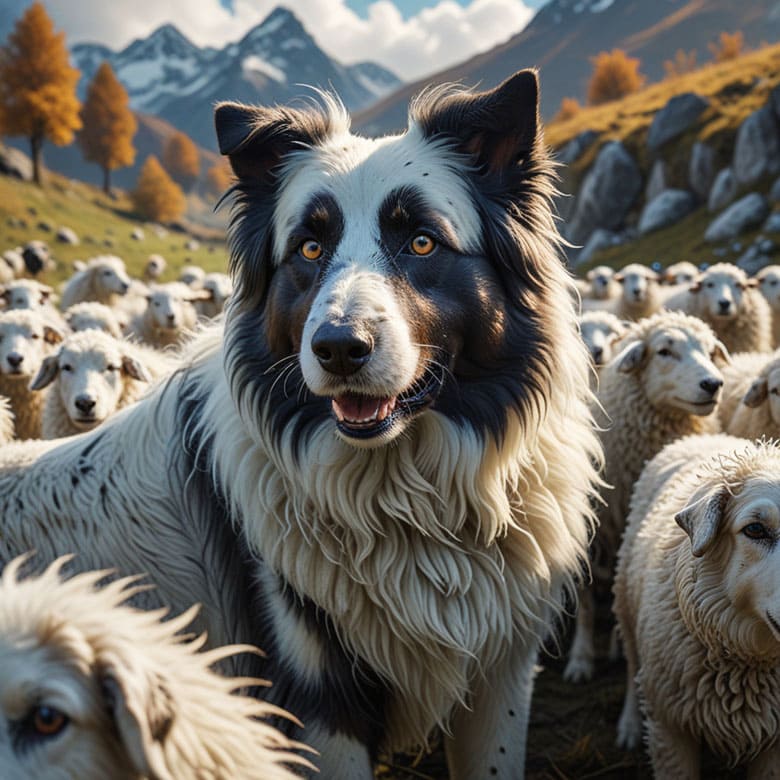
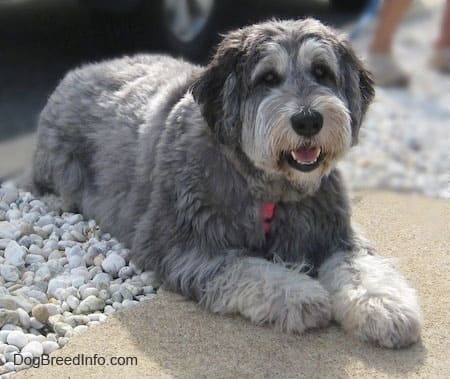
The Polish Lowland Sheepdog (Polski Owczarek Nizinny, or PON) is a medium-sized, shaggy herding dog native to Poland with a confident, lively, and intelligent temperament. Intelligent, energetic, and highly trainable, it requires regular physical activity and mental stimulation. Polish Lowland Sheepdog was bred to herd and guard sheep. The PON is known for its high intelligence and excellent memory. The Polish Lowland Sheepdog is an excellent working dog breed and was originally bred for hunting and guarding. Due to its origin, this pooch is very energetic and will need a fair amount of physical activities every day. This animated, clever, happy, and alert dog has a good memory. It is obedient, intelligent and affectionate. Somewhat reserved and watchful with strangers, it will announce visitors loudly. The Polish Lowland Sheepdog should be accustomed to people at an early age. Dependable and fairly easy to train, once convinced the handler is a strong minded being that can take care of its "pack," the Polish Lowland Sheepdog will make the owner happy. It learns quickly and is very willing to please; however, it can be willful if it senses it is stronger minded than its owner.
This breed is responsive to firm, fair obedience training, but he is also clever, strong-willed, and will think he knows best if you are not properly communicating with him. The Polish Lowland Sheepdog is a serious, responsible dog who could bite if provoked. This sheepdog may nip at people's heels, displaying herding behavior. Polish Lowland Sheepdogs have everything that hardworking herders need to do their job well: intelligence, loyalty, and intuition. But they are also an affectionate dog who can thrive off the farm - if they are in the right family environment. With moderate to high energy levels, PONs do best with daily routines, lots of mental stimulation, and regular activities like walks, playtime, or dog sports like agility. Polish Lowland Sheepdogs are vocal dogs who often bark to alert, but this barking can become excessive if they are allowed to grow bored. Pet parents can reduce nuisance barking by offering their dog engaging toys, playing mentally enriching games, and keeping their PON worn out with regular exercise.
They may be a bit standoffish with strangers at first, but proper socialization and patience usually help them build trust and warm up to new people. With early exposure and slow introductions, they typically do well with children and other pets. The Polish Lowland Sheepdogэs intelligence and independence make training rewarding, but training this smart dog can also be challenging. PONs excel in training activities that engage both their mind and body. They enjoy having a job to do and respond best when training is fun, structured, and mentally stimulating. Always use positive reinforcement methods that focus on consistency, praise, and rewards like special toys or training treats. With early obedience training and socialization, PONs make joyful family companions. PONs are not recommended for first-time pet owners because they may dominate inexperienced owners and can be independent and stubborn; early obedience and socialization is recommended.
They are lively yet self-controlled, very clever with excellent memories. This makes them easy to train but as they are so intelligent, they will not follow commands blindly and frequently make their own decisions! They are affectionate and loyal to family members and are very good with children and other dogs and pets. However, they can be wary with strangers and will certainly let you know when you have visitors. Polish Lowland sheepdog is an active and motivated breed that loves having a "job" to accomplish. Like other dogs in the herding group, the PON is full of energy and needs appropriate outlets. Both physical and mental exercise are essential to preventing PONs from becoming bored and destructive. Few breeds possess the razor-sharp intellect of the Polish Lowland Sheepdog, but along with that intelligence comes a strong independent streak. This independence was originally fostered since it is necessary for a herding dog that’s expected to work all day without much supervision. But it can make them much more difficult to train. For the most part, these dogs have a calm demeanor. They are never hyper or overly-energetic, though they can certainly by playful and have a lot of fun. Still, they are bred to work and their disposition is mainly calm.
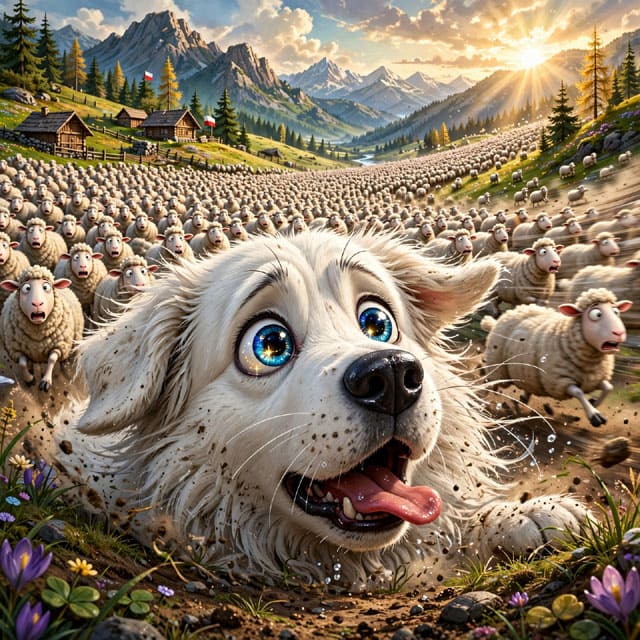
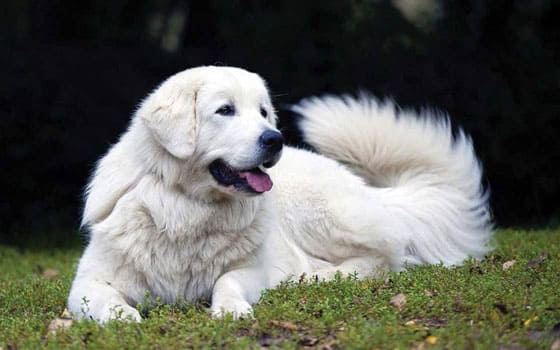
The Polish Tatra Sheepdog (Polski Owczarek Podhalański) is a large, snow-white livestock guardian dog from the Tatra Mountains of southern Poland. The Polish Tatra Sheepdog looks like a small polar bear, with its beautiful and long white coat. Polish Tatra Sheepdogs are majestic, calm guardians with a surprisingly sensitive side. This dog was originally bred to nudge the sheep in the right direction and due to its size, it did not need to nip the sheep’s heel. And at night, The Polish Tatra Sheepdog would patrol and protect the pack, its bark his so loud that this would warn any predators that the dog was prepared for any attacks. This multi-tasking dog is loyal, reliable, even-tempered and protective. The Polish Tatra Sheepdog needs a fair amount of exercise to feel fulfilled. High-energy working instincts that require a large, securely fenced area to patrol and daily exercise. The Polish Tatra Sheepdog is used for herding, and as a guardian for flocks of sheep and goats. It can also be kept as a companion and a watchdog. This natural working dog is independent, self-thinking, highly intelligent and able to assess situations without human guidance. Socialize them well while they are still young and throughout their entire life. Basic obedience is a must.
Devoted and loving to their family and close friends but will often be reserved around strangers. This flock guard tends to be territorial of the home and their surroundings so consistent human leadership is a must. They will give big warning barks at anything deemed suspicious or strange and will bite eventually if challenged or pushed. If left outside they will be awake and vigilant during night hours, patrolling the property. They will bark at anything out of place or unusual. They love snow and cold weather, very weather resistant. They are not dog aggressive and tend to get along with other non-canine pets. Generally very gentle with well-behaved and mannerly children. Unlike a large variety of other breeds who get easily frustrated when left unattended too long, the Tatra usually does fairly well flying solo and will usually resort to their watchdog duties both indoor and out at their own discretion.
Because of their size and heavy double coat, they generally do better with families that have large spaces to run and patrol, are active, live somewhere that isn't consistently hot, and have an experienced, authoritative owner who is able to train and socialize them. Even with their watchdog, herding, guardian background, they can still make fantastic companion animals in the right setting. Although they are well-known as guardians, Polish Tatra Sheepdogs are a non-aggressive breed and generally maintain a calm regard towards other animals and people. They are quite gentle for their size and have a keen awareness of their surroundings at all times. They are not overly affectionate unless raised as a companion from early on, but they will treat their family as they would a flock, protecting them with endless resolve all while maintaining a moderate to high level of independence. It can become an issue though, especially if they are untrained, as they are somewhat easily stimulated and tend to bark when presented with a possible threat, whether it is real or just perceived.
Because of their high intelligence and strong will, they can be quite stubborn and need a consistent authority figure to train and socialize them, as well as act as the alpha to promote good behavior. Polish Tatra Sheepdogs are mid-to-high energy dogs, largely due to a combination of their size and the stamina developed over centuries of standing as herders and sentinels. They require a good amount of exercise and generally do best in a home with a large space to run and patrol both inside and out. They are usually inactive indoors but will expel energy outdoors at will, whether through play or self-appointed rounds of patrol, but they will also need at least an hour of exercise a day. While intelligent and independent, they thrive on clear guidance and a strong bond with their humans, sometimes exhibiting a stubborn streak when they believe they know best. Their impressive bark is naturally reserved for real threats, making them excellent, discerning protectors.
Polish Greyhound (known as the Chart Polski) is a large, muscular sighthound from Poland that is distinct from the common English Greyhound. The dog is recognized by the Federation Cynologique Internationale (FCI) and the United Kennel Club (UKC) and is a great family companion. The Polish Greyhound is surprisingly not related to the English Greyhound despite its name. The breed is said to have originated from Asiatic sighthounds. For many centuries, the Chart Polski was a favorite hunting companion for the Polish nobles and royals and was used for hunting rabbits, deer, and wolves. Because of the harsh conditions in Poland during the 19th and 20th centuries, the number of Polish Greyhounds declined, and the breed was on the verge of being wiped out. But thanks to the efforts of breed enthusiasts in the 1980s, they survived imminent extinction. However, the breed is still rare outside Poland. Originally, the Polish Greyhound was highly valued by Polish nobles and royals and they would use these dogs to go hunting with them. Common game were wolves, rabbits and deers.
The Polish Greyhound, or Chart Polski, originated in medieval Poland for hunting large game. Known for its agility, strength, and grace, this breed retains its hunting instincts. Cherished for its unique qualities, the Polish Greyhound symbolizes nobility. It excels in hunting, racing, dog sports, and as a loyal companion. Polish Greyhounds are intelligent, brave, and affectionate. They form deep bonds with their owners and are gentle and calm at home. But unlike other sighthounds, it is intrinsically protective, territorial, and tends to be somewhat aggressive. It could, therefore, be a challenge to first-time dog owners. Sociable with people and dogs, they show affection through gentle nudges. This dog is very affectionate and highly protective so can sometimes be quite territorial. The Polish Greyhound is a brave, confident, and loyal breed. Like other sighthounds, these dogs are hardy, skilled hunters and make for quiet, well-mannered family pets.
The Polish Greyhound is not adapted to first time owners as it will need a firm, confident and experienced owner. It will also need an early socialisation and a basic level of obedience training. The Polish Greyhound is a good-tempered, loyal breed. These brave pups make excellent guardians and form strong bonds with their people. Despite their large size, they are typically careful around kids of all ages. Polish Greyhounds are speedy dogs that love to sprint and chase things - including cats, small pets, or wildlife. When they catch something, their instincts tend to take over, which usually is not good for the little critter. For this reason, it is wise to have a securely fenced yard and warn neighbors not to let their small pets come over for a surprise visit. Intelligent and moderately easy to train, they respond best to patient and kind training methods. Polish Greyhounds are loyal, calm, and affectionate.
They form deep bonds with their owners and need an attentive and present owner to thrive. Polish Greyhounds can adapt to various living situations, whether in apartments, houses, urban, or rural environments. However, they require significant attention from their owners to thrive. Daily walks of at least 30 minutes, twice a day, are recommended to keep them healthy and happy. While adaptable, Polish Greyhounds benefit greatly from having access to outdoor spaces. This allows them to satisfy their curiosity and expend energy. A secure yard or regular visits to parks can help them stay active and engaged. Sighthounds are known for their gentle and mild manner, but the Polish Greyhound differs greatly. It is protective and territorial and can be alert and wary of strangers. However, it loves its family and is generally gentle, well-mannered, affectionate, and playful. The Chart Polski is also an intelligent breed and will respond well to commands. It is confident, well-assured, and brave. And when in action, it is brutally skillful and fast.
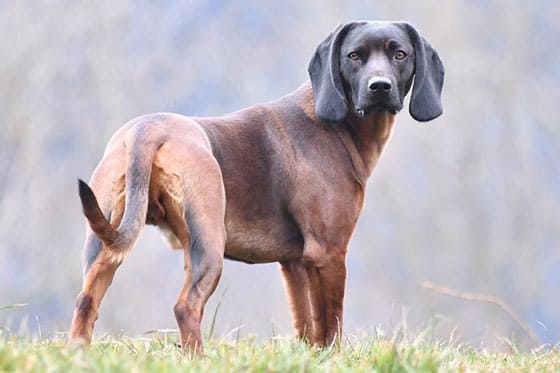
The Polish Hound (known in Poland as Ogar Polski) is a rare, medium-to-large scent hound indigenous to Poland. Originally bred to hunt, the Polish Hound is quite rare outside of its native country. The Polish Hound is rare outside of Poland, and there are few breeders in the U.S. While the breed is recognized by the Fédération Cynologique Internationale, an international federation of several breed clubs, the AKC does not yet recognize the breed as of this writing. This pooch is clever, eager to please, energetic and very protective of its family. The Polish Hound would make a perfect companion and family dog. However, it does have one default: it barks a lot! This dog is easy to train so you will easily be able to teach it when to bark. Polish Hounds are often described as smaller, lighter, and more agile versions of Bloodhounds, and indeed, the breed resembles Bloodhounds in several ways. They have the same droopy, velvety ears, similar coloring, and a comparable scenting nose. These dogs are fairly rare outside of Poland, although they are gradually becoming popular working dogs. This breed needs to be taken on a daily, brisk, long walk.
While out on the walk the dog must be made to heel beside or behind the person holding the lead, as in a dog's mind the leader leads the way, and that leader needs to be the human. While the gentle and docile nature of the Polish Hound makes them a less-than-ideal guard dog, the loud and persistent bark of the breed is a deterrent all on its own. Not only is the Polish Hound’s bark deep and startling, but these dogs appear to love the sound of their own voice and are known to bark almost constantly, especially when bored. Polish Hounds are fairly large and powerful animals and combined with their startling bark, make for quite an intimidating package. However, these loyal pooches are highly sensitive and form a powerful bond with their owner. This makes them sensitive to harsh training and reprimands, and this form of training is likely to do far more damage than good with this breed.
They need a confident and gentle yet firm owner who is tuned in to their sensitive nature. The Polish Hound is an active breed, a scent hound developed for scenting and hunting down game. Despite this hunting history, they are also known as brave, loyal, and dependable dogs that are kind and gentle to everyone they come in contact with. It is important to note that these dogs are slow to mature and retain their puppy-like playfulness for 2 or 3 years. While Polish Hounds are generally a calm and gentle breed, they are exceedingly loyal, and this may cause them to be overly protective and territorial with their family. Combined with their powerful bark, this makes them a useful watchdog, but guard dogs, they are not. They are rarely aggressive and slow to anger and are passive around people they know but alert and aware enough to make them adept watchdogs. Polish Hounds are not overly energetic dogs but have a history of high activity and have a ton of stamina. They’ll need a minimum of 1–2 hours of exercise per day and a large, fenced yard to play in.
These dogs have powerful noses and can easily be enticed by scents, so a well-fenced yard is a must to prevent them from running off after a tempting scent. If they are not working, they will need to be exercised twice per day if possible, to prevent boredom. This can be a moderate stroll around the block for one session and an intensive run for the other, these dogs have tons of stamina and make great running partners! They love water, so the occasional swim will be a welcome addition to their exercise routine, and due to their hunting heritage, they will adore off-leash activity too. Polish Hounds are eager to please, loyal, and devoted to their owners, and this usually makes training easy. However, some breeders have noted that Polish Hounds do have a stubborn streak at times that can present a challenge. His qualities also include having an excellent nose for scents and are capable of following a trail come rain or shine. In summary, the Polish Hound is gentle and energetic. He does need a certain amount of space, so isn’t ideal for apartment life, but he does make a great companion to partake in active family life. The Polish Hound is a clever dog who likes to think he came up with the idea.
The Polish Hunting Dog, known in its homeland as the Gończy Polski, is a medium-sized scent hound native to Poland prized for tracking big game like wild boar and deer. The Polish Hunting dog is an excellent scent hound as it was able to pick up a scent and follow it for miles, a great asset for anyone in the medieval times. This medium sized dog is intelligent and brave but won’t be looking for any confrontation. However, it is wary of strangers and will need to be socialised at an early age. The Polish Hunting dog will be easy to train and will be a good candidate for any competitive obedience competitions, agility or dog dancing. It will however need a lot of exercise to feel fulfilled. Gentle, loyal, and affectionate with owners, though naturally reserved or wary around strangers, making them effective watchdogs. High-energy dogs that require extensive daily exercise, long walks, or active jobs (like agility or tracking) to stay mentally and physically balanced. The Polish Hunting Dog is very energetic and needs thorough, frequent exercise. It needs to be taken on a daily, long walk or jog where the dog is made to heel beside or behind the person holding the lead, as instinct tells a dog the leader leads the way and that leader needs to be the human. It will also thrive on some type of sporty activity.
The breed is just amazing hunter and they have many qualities for this purpose, whether it is tireless and energetic body, independent mind combined with high intelligence, natural high prey drive, determination and passion for the hunt or loyalty to the hunter, to its owner. But the biggest weapon of this breed is definitely its incredible sense of smell, which is highly valued by any hunter. It is believed, that the Gonczy Polski has one of the best noses in the dog world. The Polish Hunting dog makes an ideal watchdog as they are wary of strangers, and have a startling loud bark that is in itself a deterrent. Intelligent and a reasonably quick learner, they respond well to training and to positive rewards. Adaptable house pets, they are best suited to a house with a large yard where they can roam and patrol. This canine needs to be socialized early in life to bring out their best qualities. They may chase other dogs in the open, so keep them on a leash. When raised with other dogs they get along well, but are not to be trusted around a cat unless they are raised together.
This dog is attractive, has a solid, dependable temperament and they make a wonderful companion. The Polish Hunting dog is said to be brave, gentle, courageous and have a solid stable temperament. They adapt well to family life, being kind and gentle with children and affectionate to all family members. The Polish Scenthound doesn't respond well to rough play so teach children to respect the dog and not to bite or pull at your dog. Always supervise children and dogs, regardless of the breed. Having been bred to be a working dog in the mountainous regions of Poland, they have a natural energy that needs an outlet. This canine is best with an active family, as they will join in all activities. They are a tireless, devoted companion. They are trainable and are keen to please their owners, but respond best to kindness and thoughtful lessons. They do not respond well to harsh training methods. Vary the lessons to retain their interest, and offer small rewards for work well done. The Polish Hunting dog is not an aggressive dog but will be wary of strangers or visitors. They make a natural watchdog and do not miss much at all that is happening in their domain.
The Polish Hunting dog is an active dog and will require a daily walk or two each day if they are not a working or hunting dog. They make a great walking or running companion, although keep them on a leash in case they catch a whiff of something interesting. They can take off and forget about you if they aren't restrained. Family games will be enthusiastically welcomed, and they love water so swimming is social entertainment for this dog. Flexible and able to manage difficult terrain without hesitation, they can make a great hiking buddy if not a hunting companion. They pick up new tricks in training quickly if you are patient and use kind commands and offer a reward treat or two. They are best in a home with a fenced yard where they can explore with the children, play games, or just chill out and relax. The Polish Hunting Hound could be described in character as an honourable dog. He is brave when the need arises, but without looking for confrontation. He is intelligent but without being overly wilful; and wary of strangers, but extremely loving towards those who treat him as family.
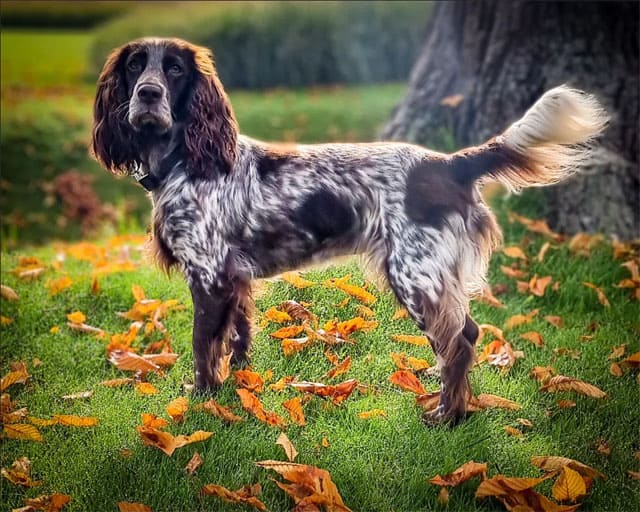
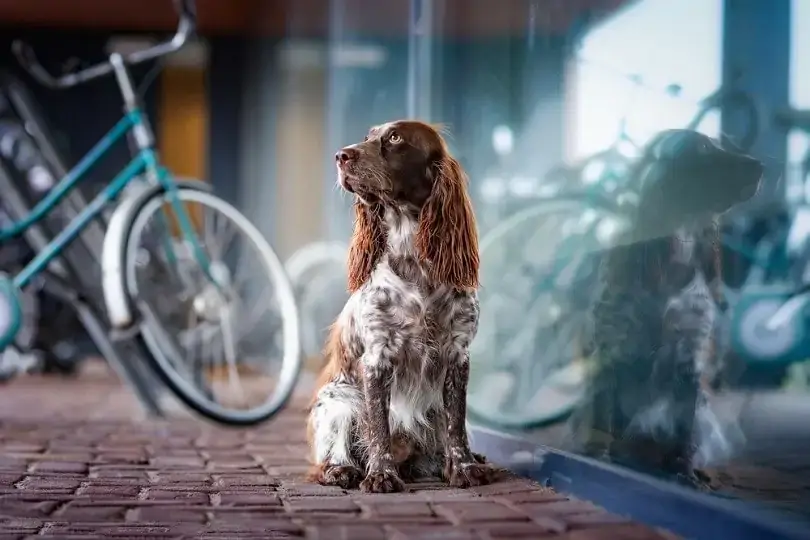
The Polish Hunting Spaniel (Polski Spaniel Myśliwski) is a medium-sized, athletic, and versatile gun dog bred for flushing, tracking, and retrieving birds, small game, and predators in tough terrain like fields, forests, bogs, and water. The Polish Hunting Spaniel, sometimes called the Polski Spaniel Mysliwski, has a medium-sized body and coat on the long ears, underbelly, hind legs, and tail. These dogs have a typical pea color, where an admixture of white hair lightens the darker shade, and they have a double coat with a medium-length coat. Additionally, they often have larger chocolate-colored spots, and their tails often have white tips. The main utilization of the Polish Hunting Spaniel is, of course, hunting and their personality and character is excelent for it. They are known for their courage and intelligence, problem solving ability, determination for the hunt, stronger prey drive and extraordinary sense of smell, all very important traits for excellent hunter. These dogs have high energy level and they can hunt tirelessly for hours, even in harsh terrain and in bad weather, without any problems. Because of that, they are best suited for active people who will provide them with enough outdoor exercise.
These dogs cooperate well with hunters and are charming and friendly, winning the hearts of everyone who meets them. But of course, this is not only a hunter, but also loving, loyal and affectionate companion dogs. The Polski Spaniel Mysliwski is often times described as balanced and sociable companion that enjoys company of other people, including older kids. Of course, you should never leave any dog breed with a very young child unsupervised. It is also important to mention that some of the Polish Hunting Spaniels are pretty alert and watchful and that they like to bark. Because of that, they might alert you when they will hear or see something suspicious around their home and around your property which can make them okay watchdogs. Polish Hunting Spaniels impress with intelligence; they learn very quickly and surprise with ingenuity. Courage and endurance make them excellent working dogs in harsh conditions. They require physical activity and mental stimulation, so if given enough exercise they will be calm and balanced at home, otherwise, boredom and destructive behaviors may occur. This is a working dog that combines energy with composure, loves its owner unconditionally, and enjoys doing tasks for them. It is an excellent hunting dog, a great service dog, and an ideal companion for people who enjoy dog sports and active families
The Polish Hunting Spaniel combines the best traits of a flushing dog and a retriever, and with proper training can also successfully serve as a tracking dog. Its versatility, stable temperament, and strong hunting passion make it an extremely valuable tool for the modern hunter. Training for the Polish Hunting Spaniel should begin at an early age. This breed is intelligent, quick to learn, and strongly bonded to its handler, which allows for rapid progress with consistent, calm guidance and time dedicated to both play and training. In the field, the Polish Hunting Spaniel initially works using the upper wind to catch fresh game scent. The dog moves in a fan pattern with a wide, rhythmic range of up to 50 meters, maintaining contact with the handler and regularly checking wind direction.
Upon detecting a stronger scent, the dog lowers its nose and switches to ground scent work, focusing on locating the game’s resting place or trail. After flushing a bird, the dog remains under control and focused on the handler, enabling an effective shot and quick dispatch for retrieval. Polish Hunting Spaniels are not suited to a primarily sedentary lifestyle – providing them with plenty of vigorous activity and mental engagement helps them become calm, well-mannered companions. As working dogs bred for endurance, they need ample daily activity to be satisfied and content in the home. Polish Hunting Spaniels have personalities as lively and energetic as their hunting drive. This is a breed that typically maintains a youthful temperament well into adulthood, exuding playfulness, exuberance and zest for life. Polish Hunting Spaniels form deep, devoted bonds with their family that go beyond mere loyalty. They are truly velcro dogs, tending to follow their special person from room to room just to be near them.
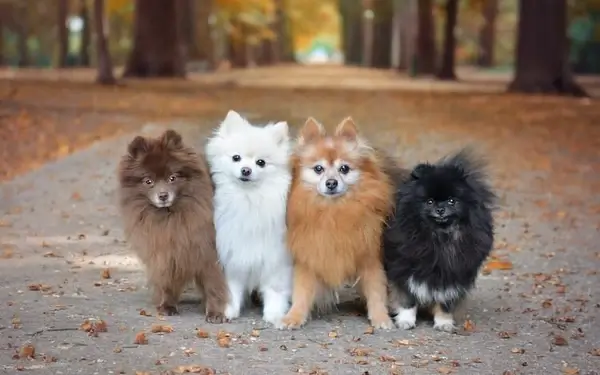
The Pomeranian is a tiny, energetic toy dog breed descended from larger Arctic and German Spitz-type working dogs. Pomeranians are not exclusively from Poland, they originate from the historical region of Pomerania, which is split between north-west Poland and north-east Germany. The Pomeranian is unique as it is the smallest Spitz breed. Although they display a wide spectrum of colors, red or orange tones are most often seen, well-known breeds of dogs with fluffy orange tone or coats. Pomeranians prefer playing with older children mainly because of their intellect, energy, and active demeanor. The Pomeranian is a tiny, toy-sized Spitz breed known for its fluffy double coat, perky personality, and lively disposition. The Pomeranian is a proud, lively little dog. It is intelligent, eager to learn, very loyal to its handler and family. The Pom is a wonderful companion and show dog. The breed's docile temper and affectionate nature endear it to many. It is alert, inquisitive and active: one of the most independent of the toy breeds, it needs a firm, gentle hand. Its liveliness and spirit make it well-liked by persons who do not usually care for toy dogs.
Pomeranians may be picky eaters. If they are properly introduced they usually get along with other dogs and household animals without any problems. Poms make good little watchdogs. Teach this dog early that it may bark a couple of times when the doorbell rings or when there are visitors, but then to keep quiet. Be very consistent about this. Poms have a delightful nature and do not cling to their handlers. This happy pup is good at learning tricks. Pomeranians need to see their owners as boss or they will become very demanding. If you allow your dog to tell YOU when and where to do things than you have a potential problem on your hands and you may not even realize it. It is not cute or smart, it is dominance and will lead to bigger problems in the future if it has not already. Because of this breeds tiny size and its adorable Ewok-looking face, there are a very high percentage of Poms that fall victim to Small Dog Syndrome, human induced behaviors where the dog believes he is pack leader to humans.
This can cause many varying degrees of behavior problems, which are NOT Pomeranian traits, but behaviors brought on by the way they are treated by the humans around them. Behaviors include, but are not limited to separation anxiety, becoming willful, nervous, bold and sometimes temperamental, not hesitating to attack much bigger dogs. Guarding behaviors and excessive barking as they try and tell THEIR humans what THEY want them to do. They can become reserved with strangers, barking at them excessively, and sometimes growling, snapping and biting. The Pomeranian temperament matches his proud looks. Alert and inquisitive, Poms spend their days lively and active, without being hyperactive. They are very clever dogs who can adapt from snuggling on your lap - they love to give kisses! or trotting around the house on some self-prescribed mission to competing on agility courses and going for brisk walks to greet everyone in the neighborhood.
They are born extroverts. Be aware of their curiosity, independence, and take-charge temperament. Pomeranians like to explore new things and will be watchful around their home and family with plenty of barking as a soundtrack, but may also get themselves in trouble by challenging larger dogs. Poms may be aware of their beauty, but they don't seem to process their stature. They do not take up a lot of space, but are surprisingly hearty, active little pups who enjoy getting out for walks. They especially love to meet new people and furry friends along the way. But do keep an eye on them when outside, as they are escape artists, slipping through cracks or even climbing small fences and are susceptible to predatory birds because they are so petite. Poms love to play, perform for an audience, and show off their tricks. Make sure you have plenty of toys around to challenge their active minds and rotate them out to keep things fresh. Pomeranians are intelligent dogs with large personalities. Their intelligence means they enjoy learning and do well with training and mentally stimulating activities for dogs. But Pomeranians like their independence, and because of this, they prefer to walk on the ground instead of being carried. Despite being high-energy, their small frame ensures that they can get plenty of exercise running around the home and with short neighborhood walks.
Dogica® collects only technical cookies. No any personal or private information being collected, saved or shared here. 3rd Party cookies could be collected by various installed widgets.
The information contained in or provided through DOGICA® site is intended for general consumer understanding and education only and is not intended to be and is not a substitute for professional advice.
Use of this site and any information contained on or provided through this site is provided on an "as is" basis without any representations, warranties or pay.
















WORLD OF DOG & PUPPY 🐶