4 Romanian Dog Breeds Rare Romanian Dog Breeds Popular Romanian Dog Breeds Romanian Dog Breeds Dog Breeds from Romania Dog Breeds Originating in Romania Unique Characteristics of Romanian Dog Breeds Most Complete List of Romanian Dog Breeds Hunting Romanian Dog Breeds Top Romanian Dog Breeds Most Popular Romanian Dog Breeds Temperament of Romanian Dog Breeds Behavior of Romanian Dog Breeds Extinct Romanian Dog Breeds What Makes Romanian Dog Breeds Special? What dog breeds are native to Romania? Which dog breed is Romanian? Indigenous Romanian Dog Breeds Native Romanian Dogs Romanian Dog Breed Photos Romanian Dog Names Romanian Stray Dogs Romanian Street Dogs Transylvanian Dogs
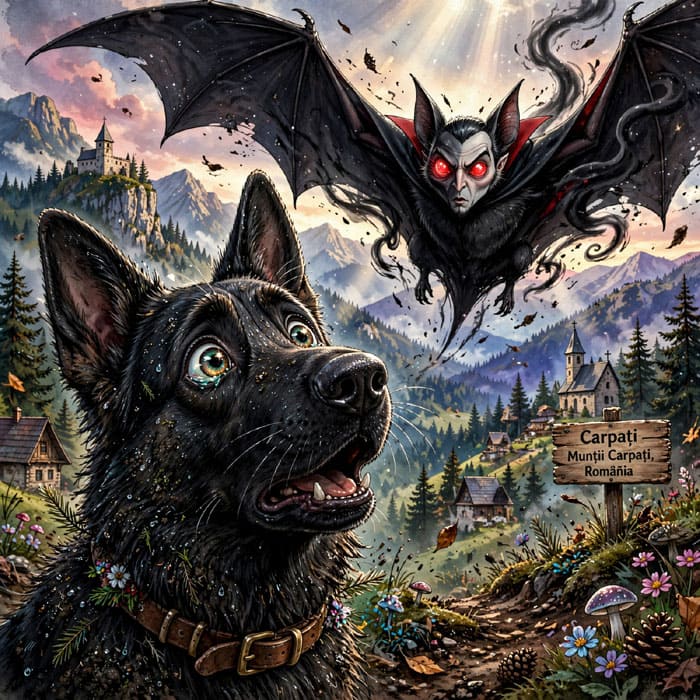
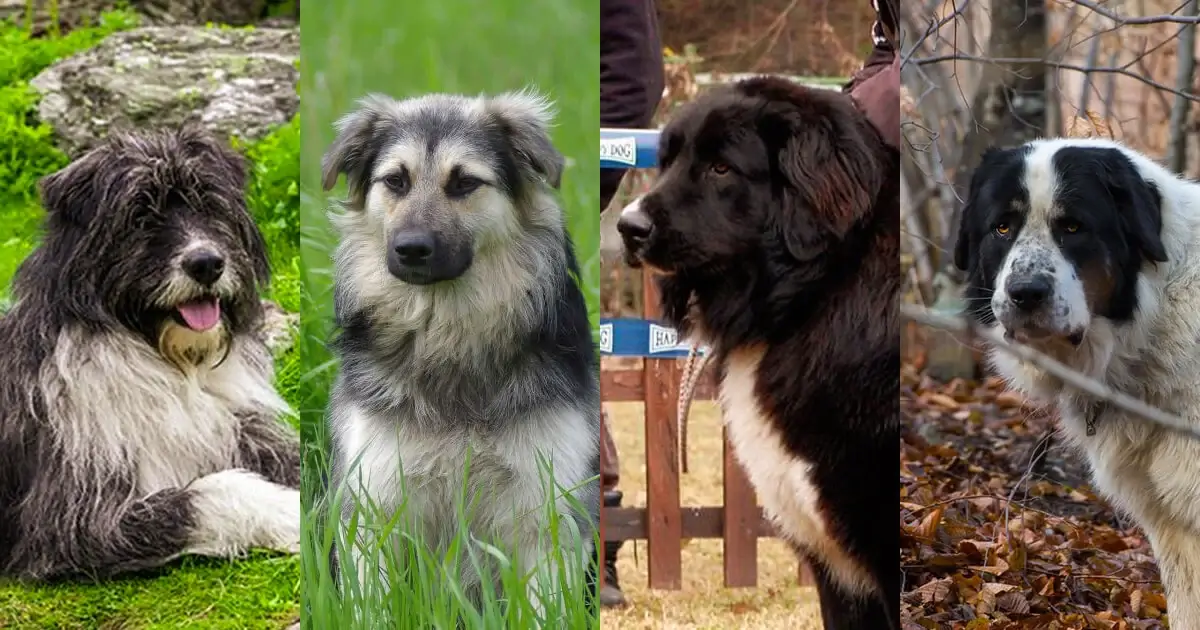
Romania has four primary native livestock-guardian and mountain dog breeds, all traditionally bred to protect flocks from large predators like wolves, bears, and lynx in the Carpathian Mountains.
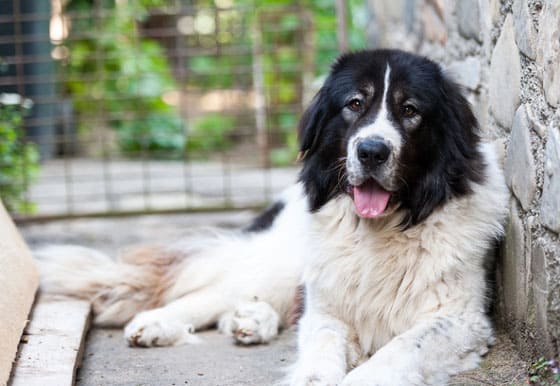
Bucovina Shepherd is a giant livestock guardian dog native to the Carpathian Mountains of Romania. Weighing 110 to 200 pounds and standing 25 to 31 inches tall, this rare breed features a thick white coat, a powerful build, a loud, deep bark, and a calm yet fearless personality. The Bucovina Shepherd - Caine Ciobanesc de Bucovina - is a large and strong rustic dog which was for many centuries the traditional partner and companion for Romanian shepherds in the Carpathian Mountains. The original purpose of this Mountain dog was to guard and protect the herds against predators - wild animals or thieves. Bucovina Shepherd Dogs have become appreciated by people living in cities, who keep them as watch dogs or just as pets, because of their balanced temperament and the kindliness they show to children. There are three types of Romanian shepherd dogs: Mioritic - old name Barac, Carpatin - old name Zavod and Bucovina Shepherd. In the FCI, this breed is known as the Southeastern European Shepherd. Bucovina Shepherd Dog is an official livestock guardian dog breed native to the Carpathian Mountains and the Bukovina region of Romania.
It is one of four recognized Romanian shepherd dog breeds. The Bucovina has a very strong defensive instinct and while not aggressive, when faced with a threat they are bold and brave, not to mention formidable! They will bark to warn of any threat, a bark that is deep, loud and at a low tone that can be heard from long distances. Think about your neighbors here, you may be best in the country on a plot of land! These dogs are used to making their own decisions, so they can be a handful to train, but respond well to consistent commands and instructions. They are ideal for guarding the family and home, often patrolling the boundaries at night. The Bucovina Shepherd is famous for their calm and even temper, their ability to guard and protect either livestock or homes, and their reliability to be gentle and kind with young children in the family.
In Romania, this giant of a dog is valued because of their loyalty and total dedication. The Bucovina is a dog with a strong personality as part of their job is to be alone and guarding, therefore, they often take the initiative and think for themselves. This ability can make them very dominant and highly protective which can be an issue with training. They need an experienced handler because of this nature. The Bucovina Shepherd is very protective of their family and home and because of this can be reserved and aloof with strangers. Calm, balanced, devoted, and gentle or affectionate with children. Proper training will allow this dog to discern what is a threat and what is not. And although they can be trained to accept strangers coming onto the property, they will always remain somewhat aloof and wary towards them. The Bucovina Shepherd has a very loud booming bark, which will alert you (and your neighbors) to intruders. When they are working as protectors, and it does not matter if they are guarding the livestock or home, they are brave, courageous and they will not step back against any predator, including wolf or even a bear.
During the night, they naturally patrol around the home or livestock. They rarely attack unless provoked, but the breed has been known to fight bears and armed outlaws to the death, and they will give their life to protect their family. They need plenty of exercise and stimulation to keep them mellow and happy and are ideal as pets for an active family who loves the great outdoors. Requires a spacious rural environment with a large, securely fenced yard; not suited for small homes or city apartments. Needs about 60+ minutes of daily vigorous activity or long walks. Also common among natural watchdogs, Bucovinas have a booming bark that serves as a warning to potential threats and a natural wariness of strangers. But while they might not immediately take to newcomers, they are devoted to their family members and have a particular fondness for children. The Bucovina Shepherd is independent and lets say dominant breed, which are needed temperamental characteristics to become a great livestock protector. But because of that, they are not pushovers to train and they need firm and patinent trainer. This is a very old dog breed and it is impossible to track their history or ancestry due to the lack of available records. One theory suggest that they are ancestors of ancient Mastiffs that spread over the Europe during the Roman Empire era. Other people suggest, that they are descendants of Alaunts.
The Romanian Carpathian Shepherd is a large, powerful livestock guardian dog originating from the Carpathian Mountains. Weighing 70 to 100 pounds and standing up to 29 inches tall, these brave and calm dogs have a wolf-like head, a dense double coat, and live 12 to 14 years. Although an original standard was published in 1934, this was not adapted by major Kennel Clubs such as the FCI until 2002. These are intelligent and independent animals who are still primarily used as working dogs in Romania even today. Although the Romanian Carpathian Shepherd is an old breed, the breed is still widely available in Romania. While most breed members still work as livestock guards in the Carpathian Mountains, an increasing number of Romanians have adopted this breed as a companion and property guardian. While they are extremely devoted and loyal to their family, they have a tendency to be polite but standoffish to outsiders. Although interactions with young children and dogs should always be closely supervised, properly socialized Carpathian Shepherds are known to be very patient with children.
The Carpathian Shepherd’s first purpose was as a livestock guardian, but it has proven itself to be a good companion for children. Because of its high energy and large size, it requires a knowledgeable owner. This ancient breed of dog thrives in cold climates and farms. But this does not mean you should take this breed of dog home just yet. It will take some time and patience, and you should make sure that you are fully prepared before getting your new pet. If this dog perceives a threat to their family or flock they will deter it, whatever the cost. Their independent natures and strong wills can make them a challenge to train so they are not usually recommended for first-time or novice dog owners. They are on average more conducive to social interaction with other canines than the majority of independent herd guardians, but some individuals may tend towards shyness or aggression.
Early and extensive socialization can often help to prevent negative personality traits like these from becoming a problem. While these dogs are quite large, they were also developed for their skill and athleticism and they require at least an hour or so of exercise per day, preferably in the form of a long walk or jog. As these are large dogs, care should be given to their diet, particularly when they are in their growth stages. The bones of larger dogs are more susceptible to skeletal and joint problems caused by diets that are either too high or too low in calcium. This dog is happiest if it has a large yard or property to patrol and is much too large and active to make a good apartment dweller. Needs at least 60+ minutes of daily physical activity or working time. Not suitable for small apartments. These serious, hard working dogs are extremely loyal and devoted towards their family members striving hard to protect them even at the cost of their lives.
Their close attachment with their near and dear ones makes them feel lonely when left alone for a prolonged period. Having a gentle and loving disposition, the Carpathian Shepherd dog will mingle well with children of the family. They are so well-mannered that they might even put up with the pranks of mischievous children. It is because of the guard dog instincts inherent in them that these canines might be suspicious and indifferent towards strangers, even going to the extent of growling or nipping at them. As they had been bred to work with other dogs to protect livestock, this breed may get along well with familiar canines, though might be aggressive with strange types, especially if the latter tries to intrude into his territory. They are well-suited for country life, but may also thrive well in cities provided they are kept in big, spacious houses with a yard or garden. They may detest apartment life, and can also be destructive and aggressive when confined to a small and limited space. Having high energy levels, these active dogs need to be exercised for a couple of hours on a daily basis. They can be taken for long walks or allowed to play around freely in a big yard. If you are out on a jogging or cycling spree, take your Carpathian along with you, who may be a perfect company, running beside you tirelessly. Its headstrong and strong willed nature can be tackled well by a firm and patient trainer.
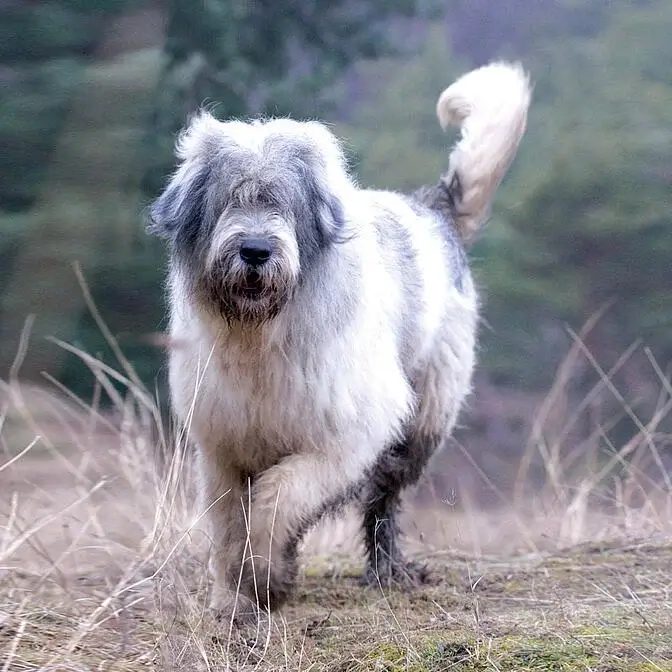
The Romanian Mioritic Sheepdog is a large, powerful livestock guardian breed from the Carpathian Mountains. Males stand 28–30 inches tall and females stand 26–28 inches tall. They feature a thick, shaggy coat, a calm yet courageous temperament, and live 12 to 14 years. This is a large livestock guardian and shepherd dog breed originating from the Carpathian Mountains of Romania. It is traditionally used to protect flocks of sheep from large predators like wolves and bears. An old romanian dog breed name is Barac. The Mioritic Sheepdog has a massive body that is fully covered with abundant long and fluffy, light colored hair. The head is massive; the skull is broad, slightly arched, the stop is not clearly marked, the muzzle is strong, tapering gradually on to the nose. The Mioritic Sheepdog is vivid and balanced - alert and vigilant, disciplined and very attached to its owner, but suspicious with strangers. Fearless and very courageous, he is the perfect protector of his owner and the herds. He is a vigilant, courageous and dominant dog, though he obeys his owner with calm and discipline. An incorruptible guard and a wonderful pet. A very goodflock guard, very brave and an efficient fighter against possible attackers - bear, wolf, lynx.
When raised as a working livestock guardian it will not be trustworthy with unknown people. It loves children very much.The Mioritic Sheepdog has a massive body that is fully covered with abundant long and fluffy, light colored hair. The Romanian Mioritic Shepherd Dog is vivid and balanced; alert and vigilant, disciplined and very attached to its owner, but suspicious with strangers. Fearless and very courageous, he is the perfect protector of his owner and the herds. He is a vigilant, courageous and dominant dog, though he obeys his owner with calm and discipline. An incorruptible guard and a wonderful pet. A very goodflock guard, very brave and an efficient fighter against possible attackers (bear, wolf, lynx). When raised as a working livestock guardian it will not be trustworthy with unknown people. It loves children very much. Like most livestock guardian dog breeds, the Romanian Mioritic Shepherd Dog has a calm, independent, courageous personality. These loyal pups are devoted to their family members and like to spend time surrounded by their pack. Because of their protective nature, they are willing to defend their people from perceived dangers.
They typically get along great with children but are often wary of strangers. But even with their relatively high energy outputs, lively personalities, and assertive command of their living spaces, these dogs are usually calm and easy-going inside the home, happy to engage in play appropriated to their partner depending on size and strength, or just lounge around the house with the family. They are quite affectionate and form strong bonds with nearly all members of the family, making them universally lovable even if they can be a pain to train at times. In the home, the Ciobanesc Romanesc Mioritic often become exceptionally attached to their families, showing copious amounts of loyalty and a fair amount of affection to boot, employing patience and gentleness with children and generally maintaining regular obedience.
Because they were so long trained to be an independent breed, they still maintain a strong will and the desire to make their own decisions, so they need firm, consistent training early on to get the absolute best out of them. They also have a considerable amount of energy and will become frustrated or restless if not properly exercised, so they generally do best with an active family or one with a large yard they can regularly roam and burn off some energy. The Mioritic is an intelligent breed that is naturally quite obedient. However, they are not suitable for first time owners, given their strength and protective instinct. Instead, the ideal Mioritic owner should be experienced with dogs and know how to motivate a dog that can be stubborn at times. A powerful dog, the Mioritic must be obedience-trained. The Romanian Mioritic Shepherd is extraordinary livestock protector, so they just have to be courageous, fearless and wary of strange animals or people. They would try to repel any intruder, it can be a thief, but also a wolf or a bear. Because of their strong protective instinct and very big power this is not the best choice for novices or first time owners.
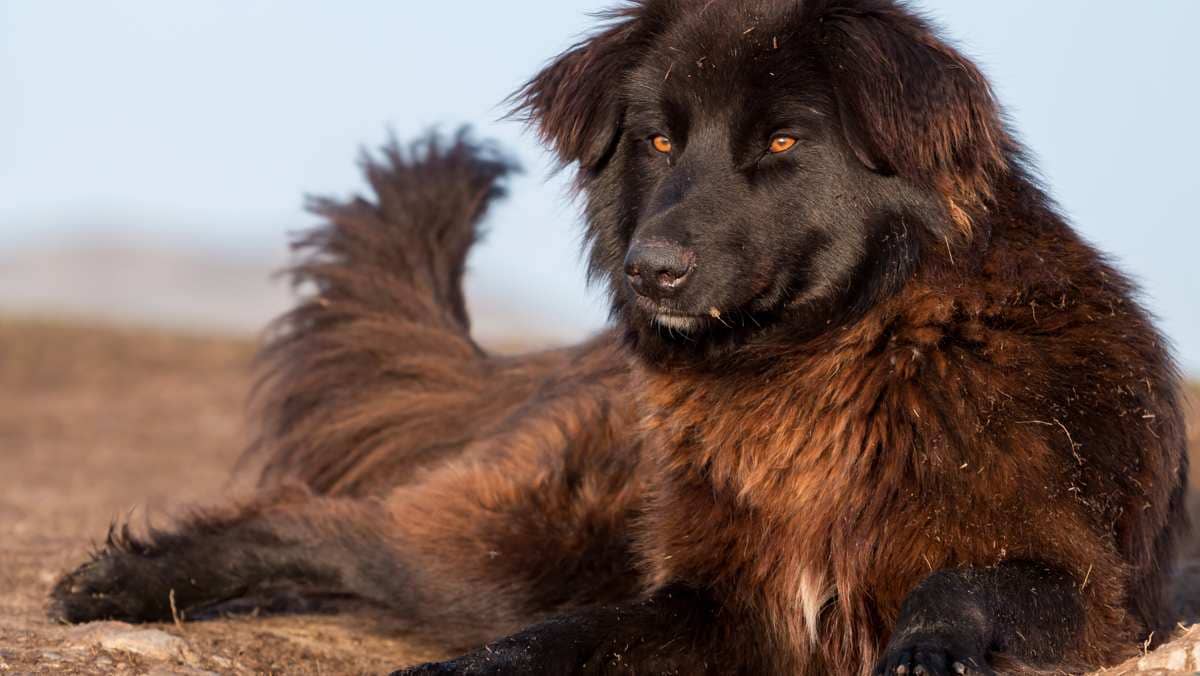
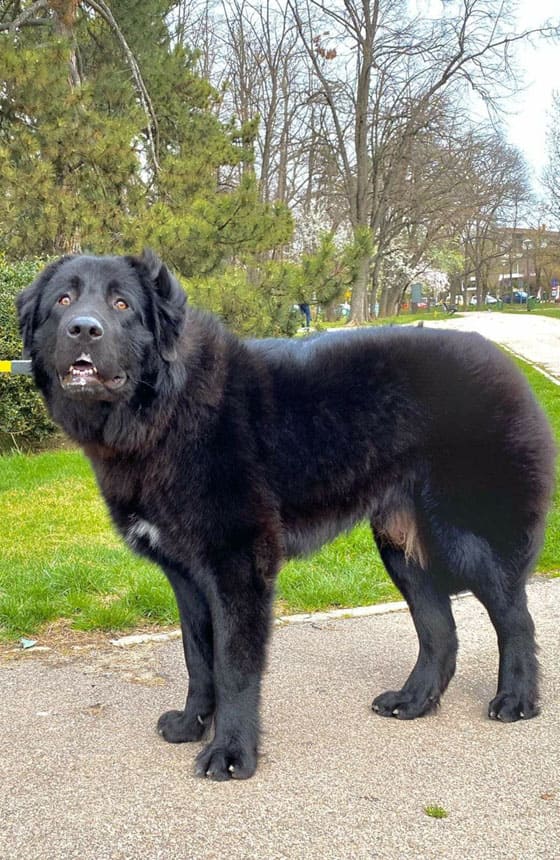
The Romanian Raven Shepherd Dog is one of four native livestock guardian breeds from the Carpathian Mountain region of Romania. Out of all four Romanian dog breeds, the Corob Shepherd might be the toughest and the rarest. This rugged environment shaped the breed's characteristics, making them hardy and resilient. Over the years, the breed has maintained its traditional role as a guardian of flocks, and their reputation as reliable protectors has spread beyond the borders of Romania. The breed's name 'Raven' is derived from their predominantly black coats, which are reminiscent of the bird. The breed makes a calm, courageous working dog and a devoted family companion. The Romanian Raven Shepherd Dog (Ciobanesc Romanesc Corb or Corb) is a large, powerful livestock guardian dog native to the southern and sub-Carpathian regions of Romania (including Argeș, Brașov, Dâmbovița, and Prahova). Traditionally bred as a high-altitude watchdog and livestock guardian against large predators like wolves and bears. Calm, courageous, devoted, and affectionate with family, yet wary and reserved toward strangers.
Known for a deep, booming bark that carries over long distances. Requires ample space to roam (best suited for rural or large properties), weekly brushing to manage its thick coat, regular exercise, and consistent, gentle obedience training. Romanian Raven Shepherd Dogs have natural guardian abilities and a booming bark, making them an ideal breed for protecting livestock from predators or watching over property. As with many watchdogs, they are skeptical of strangers but devoted to their humans. When not working, they typically make happy, playful family pets. The Romanian Raven Shepherd Dog is known for its protective and loyal nature. They are highly intelligent and can be trained to perform various tasks, making them versatile working dogs.
Their temperament is often described as calm and composed, especially within the family setting. While they are affectionate and gentle with family members, they can be wary of strangers, which makes them excellent watchdogs. Their guarding instincts mean they may require early socialization to become comfortable in various social situations. They generally get along well with children and can coexist peacefully with other pets if introduced properly. This breed has a moderate to high energy level, requiring regular exercise to maintain their physical and mental health. They enjoy activities that stimulate their minds, such as obedience training or complex games. Training the Romanian Raven Shepherd Dog requires consistency and patience. They are intelligent and eager to learn, but their independent nature can sometimes pose challenges. Positive reinforcement methods such as treats and praise are most effective. Socialization is crucial, particularly from a young age, to ensure they are comfortable around other people and animals. Introduce them to a variety of environments and experiences to build their confidence.
The Raven Shepherd is intelligent, brave and watchful, with strong guarding instincts. At home it is calm, devoted and gentle with its own people, but it is reserved and doubtful around strangers. It has a deep, far-carrying bark and will not hesitate to confront a threat. Early socialisation and confident, consistent handling are important for such a powerful guardian. This is a dog for a large property, ideally with a job to do or a secure territory to patrol. It needs daily exercise and mental engagement, but is not frantic indoors. As the breed tends to live an average of 12 years it is important to start young and introduce training while they are still at an easier size to manage. It is also interesting to note that although they usually love everyone in the family, they will generally choose one person who they are more likely to "listen to". Corb Shepherd Dogs, or Raven Shepherd Dogs, are powerful, courageous, and easy to train. They are excellent guard dogs and will defend livestock from wolves and bears. Corb Shepherds are friendly and affectionate with family but are unsure of strangers. Sometimes they may display strong protective instincts and behavioral issues which need handling. Because they're large, around 30 inches, they need a lot of exercise. They need at least 60 minutes a day, to curb boredom behaviors.If trained well, the Corb Shepherd is a family dog that is very loyal and affectionate.
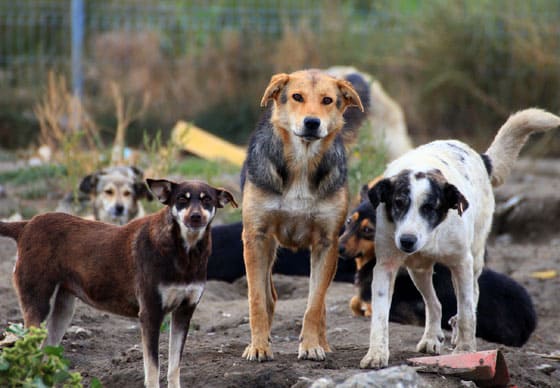
Though not a breed, it would be impossible to speak of Romanian dogs without mentioning its thousands of street dogs. Unfortunately, stray dogs are a very big problem in Romania. Romania has one of the largest stray dog populations in Europe, with estimates ranging between 500,000 and 600,000 free-roaming dogs living on the streets, in rural villages, and on the outskirts of cities. Hundreds of thousands of unneutered, free-roaming dogs populate cities and rural regions like Ilfov County and Argeș County. Thousands of unneutered and homeless dogs roam the streets, constantly adding to the problem litter after litter. While some are caught and brought to dog pounds, the living conditions in these non-funded places are far from ideal. Following a fatal child attack in Bucharest in 2013, Romania passed a law authorizing the capture and euthanasia of unclaimed stray dogs in public pounds. Thankfully, there are organisations that rescue these stray dogs and try to find them loving homes. Thanks to social media, many of these dogs are discovered by owners abroad, such as in the UK, and travel to their new homes there.
While many of these dogs are longer-lived than Pedigree dogs due to their being mainly mixed breeds, many Romanian rescue dogs suffer from behavioural issues due to traumatic pasts. It is therefore essential that anyone considering adoption of a Romanian street dog do a lot of research on their dog and the rescue it is being handled by beforehand. While municipal catch-and-kill policies still exist, animal welfare groups and shelters argue that mass culling fails to solve the root problem. Large-scale organizations focus instead on widespread spay/neuter programs. Many Romanian rescue dogs are adopted into families across Western Europe (particularly Germany and the UK) through dedicated networks and charities. Roaming packs are more common on the edges of cities, industrial areas, or rural farmlands. Local measures like feigning picking up a rock or using firm vocal commands (e.g., "Pleacă!") are commonly used by residents to deter strays. In mountainous or rural regions, guard and shepherd dogs protecting livestock can be aggressive if approached. Minor scrapes or bites from strays require immediate medical attention, washing the wound thoroughly, and seeking a 24-hour rabies and tetanus evaluation at a hospital (such as Institutul Matei Balș in Bucharest).
Dogica® collects only technical cookies. No any personal or private information being collected, saved or shared here. 3rd Party cookies could be collected by various installed widgets.
The information contained in or provided through DOGICA® site is intended for general consumer understanding and education only and is not intended to be and is not a substitute for professional advice.
Use of this site and any information contained on or provided through this site is provided on an "as is" basis without any representations, warranties or pay.















WORLD OF DOG & PUPPY 🐶