21 Scottish Dog Breeds Rare Scottish Dog Breeds Popular Scottish Dog Breeds Dog Breeds from Scotland Dog Breeds Originating in Scotland Unique Characteristics of Scottish Dog Breeds Most Complete List of Scottish Dog Breeds Top Scottish Dog Breeds Most Popular Scottish Dog Breeds Temperament of Scottish Dog Breeds Behavior of Scottish Dog Breeds Extinct Scottish Dog Breeds What Makes Scottish Dog Breeds Special? What dog breeds are native to Scotland? Which dog breed is Scottish? Indigenous Scottish Dog Breeds Native Scottish Dogs Scottish Dog Breed Photos Scottish Dog Names
Scotland is known for its stunning castles, Scotch whisky, and numerous impressive dog breeds. These Scottish dog breeds vary widely in appearance and temperament. Some breeds are small, while others are large. Additionally, some are bred for herding, while others are hunting dogs. What unites these breeds is their origin.
All the dog breeds that originated in Scotland have physical traits that reflect the climate, environment and historical era of their birthplace and, not surprisingly, Scotland's earliest dogs were no-nonsense, hard working breeds who earned their keep, while also much loved companions.
Many Scottish dog breeds were developed for specific jobs, such as hunting or herding, and they still have a strong desire to work today. If you are considering one of these dogs, ensure you provide ample mental and physical stimulation to satisfy their work ethic. Dog sports offer an excellent way to keep these dogs engaged.
The Bloodhound is a large, powerful scent hound known for its extraordinary sense of smell, loose wrinkled skin, and long, pendulous ears. While the Bloodhound traces its deepest ancestral roots back to medieval Belgium, where it was meticulously bred as the Chien de Saint-Hubert by monks at the Saint-Hubert Monastery around the 8th to 10th centuries, its development in Scotland starting from 1300 is a vital part of the modern breed's legacy. From the 1300s onward, Bloodhounds were bred and used in Scotland, where they were known as "sleuth-hounds". This droopy-faced scent maestro is known to have a nose that won’t quit, a mournful bay and a gentle, quiet temperament. Give them a job, patient training and a comfy bed, and they will be devoted to you for life. Perhaps the most hound of all the hound dog breeds is the Bloodhound. They are so ancient, it is unclear where they originated. These scenthounds are very good at what they do (sniff and smell). Bloodhounds need long daily walks and early training before they become set in their ways. With droopy ears and soulful eyes, the Bloodhound might look gentle, but do not be fooled - this is one of the most legendary scent hounds on the planet.
Its extraordinary sense of smell has solved mysteries that baffled humans. This hound dog tracked game and later became famous for trailing people. Even the American Kennel Club recognizes its unmatched tracking skills. Persistence defines this hound dog. Once a trail is found, nothing distracts it - other dogs, small animals, or even loud distractions fade into the background. Firm training and patience are key. This hound is clever but often stubborn, preferring scent work over obedience drills. Daily walks are not enough. Bloodhounds need mental stimulation, physical activity, and a fenced yard to burn off energy. Family members adore their loyal dog's nature. Despite size and droopy ears, they are surprisingly affectionate companions. Their evidence in court has been accepted thanks to that keen sense of smell, making them both loyal companions and four-legged detectives.
Requires daily exercise, secure fencing, and patient, reward-based training because their tracking drive makes off-leash recall difficult. The Bloodhound is a kind, patient, noble, mild-mannered and lovable dog. Gentle, affectionate and excellent with children, this is truly a good natured companion. These dogs are so good-natured that they will lie there and meekly let children clamber all over them. This breed loves all the attention they receive from them. To be fair to your Bloodhound, make sure your children do not pester or hurt the dog, because Bloodhounds will sit there and take it. Very energetic outdoors and boisterous when young, determined and independent, Bloodhounds need firm, but not heavy handed training. An owner who displays anything but a natural, calm but stern authority will bring out a streak of willfulness. The new owner of a Bloodhound will need to have plenty of patience and possess great tact for consistent leadership for training to succeed. The bloodhound is a soulful, deliberate companion with a nose that never quits and a tender heart.
Their overall droopy appearance creates an air of quiet wisdom. But don’t let their serious expression fool you - bloodhounds are affectionate and often goofy in their own lumbering way. They are independent thinkers, driven by scent and curiosity, which means they may follow their nose before they follow a command. But they're also gentle and patient, especially with kids. Living with a bloodhound means embracing a little drool, a lot of loyalty and a dog who always knows when something's up. Bloodhounds are affectionate but also independent. They tend to be reserved and patient with children, but their determination can be interpreted as stubborn by people unfamiliar with the breed. Their prey drive and tracking ability can distract them during training sessions, but they make up for that by being eager to please. They tend to form strong bonds with individuals. Often, one person in the household becomes their best buddy, but they are still warm and tolerant toward the rest of the family. With proper socialization, they generally get along well with children and other pets. Aggression is not typical and well-trained bloodhounds are typically very gentle. They don’t make great watchdogs, and they tend to enjoy sleeping on the couch until an interesting scent comes along. The superpower of the bloodhound is their nose. One study reports that bloodhounds have approximately 230–300 million olfactory (scent) receptor cells, which is among the highest of dog breeds.2 Once they catch an interesting scent, they may enter "follow mode," which is adorable in a fenced yard.
The Scottish Deerhound is a large, stately sighthound known as the "Royal Dog of Scotland". Originally bred in the Scottish Highlands to stalk and hunt wild red deer, they are gentle giants at home. Tall, aristocratic, and wrapped in a tousled coat that seems perpetually kissed by the Highland wind, the Scottish Deerhound is the very embodiment of rugged nobility. Often described as a “Royal Dog of Scotland,” this ancient sighthound carries centuries of history in its long stride and soulful gaze. The Scottish Deerhound is independent-minded but can be trained with patience and consistency. Scottish Deerhounds are smart dogs and can easily learn training cues. The more challenging part is motivating the dog to follow your request. Some are aloof, some are more ebullient. The Scottish deerhound moves with a drifting elegance that feels unique even among sighthounds. Tall, ethereally peaceful and noble, they carry the quiet mystique of a dog built for ancient landscapes.
Originally bred to hunt in the Scottish Highlands alongside men in kilts, they still retain a combination of athleticism, sensitivity and an understated charm that's simply magnetic. But once fully mature, most spend the better part of the day asleep on the couch or your bed. The breed’s strong prey drive means extra vigilance may be needed with smaller household pets, like cats. This is especially true in outdoor settings, where the tendency to chase animals can be especially strong. These calm dogs are more laid-back than many other dog breeds, though Scottish Deerhounds still need at least 30 minutes of exercise twice a day to stay healthy. The Scottish Deerhound is a gentle, well-mannered dog. It is polite and affectionate. Loving, friendly and excellent with children. Very courageous and dignified, devoted and loyal, but it is not a watch or guard dog, for it just loves everyone.
Scottish Deerhounds are quiet and rarely ever bark. A Scottish deerhound has a way of appearing beside you as though they materialized out of thin air. These dogs are quietly observant, and their tall frame, wiry coat and expressive eyes create a presence that's graceful and comforting. Many settle into homelife with a mellow, sensitive disposition and a fondness for soft bedding. Scottish deerhounds are gentle, affectionate companions who bond closely with their families without demanding constant contact. Many choose one human as the center of their universe, but deerhounds still spread their affection in families when they feel secure. Many choose a specific favorite spot in the home where they can rest while still keeping an eye on people. Their interactions tend to be subtle, deliberate and gentle. Deerhounds can coexist with respectful children when boundaries and supervision are in place. Strangers are usually greeted with polite reserve, warming as the dog becomes comfortable. Most deerhounds do well with calm, polite dogs.
Their prey drive varies from moderate to high - quick movement often flips on their "chase" switch. Squirrels, rabbits and anything darting across a field can trigger instinctive pursuit, so good management and recall work are important for safety. Their mischief is usually soft and strategic: think blanket rearranging, selective sock relocation or a decision to nap on the sofa you did not intend to share. In general, deerhounds love when you give them space to make small choices throughout the day. Letting them choose their resting spot or taking them for free-choice sniffing walks help them feel grounded and understood. For all their imposing size and hunting heritage, Scottish Deerhounds are remarkably gentle. Often described as dignified, courteous, and sensitive, they are deeply devoted to their families. While not typically exuberant in the way some breeds are, Deerhounds form strong, quiet bonds and thrive on companionship. Often compared to oversized Greyhounds in temperament, they are fond of lounging on soft surfaces and can spend much of the day stretched out in regal repose. A large couch or dog bed quickly becomes their throne.
Bred to hunt like the rest of the terrier family, the West Highland White Terrier is closely related to the Scottish Terrier and the Cairn Terrier, with a distinctive white coat that was propagated by Colonel Edward Donald Malcolm of Poltalloch to prevent hunting accidents. Known for their crisp white coats and black button eyes, they are spirited, friendly, and adaptable, with a strong prey drive. Westies require regular grooming and moderate exercise to maintain their happy disposition. Westies are typically confident and charming little dogs. They were bred to hunt, but they also tend to love playtime with their family. It is only fitting that the wee West Highland White Terrier dog breed is fondly referred to as the Westie. A furry family member since the 17th century, this terrier breed is known for their brown button eyes, snowy coats and playful personalities. Ranked as one of the most popular terrier breeds, the West Highland White Terrier was named after the rugged terrain of the Scottish Highlands and was officially listed in 1907 at the Crufts dog show in England. Prior to that, the breed was referred to as the Poltalloch Terrier or the Roseneath Terrier.
The West Highland White Terrier is a game and hardy little terrier that is easy to train. It is fairly friendly toward strangers and gets along well with children. Easy dog to travel with. These dogs are lively and extremely self-assured toward other dogs, but will not pick fights if their owners know how to display proper leadership. They may chase a cat for fun, and need to be corrected if they do attempt this. Robust, friendly and spirited, Westies just love companionship. Despite their size, they make a very good watchdog. The Westie likes to dig and bark. But do not let that cuteness fool you: Despite being rather short in stature, there's not a lot a Westie is afraid of. The West Highland white terriers are excellent vermin hunters, and they will chase just about anything that moves. Known for their tenacity, adaptability, and affection for their humans. Both a hunter and a snuggler, these little guys are very affectionate with their owners while also fostering a strong prey drive.
They have a predisposition to run and chase (after hundreds of years of being bred to hunt rats and other rodents), so it is a good idea to keep your terrier on a leash or make sure he has a fenced-in yard to play in. The West Highland white terrier is just as smart as he is scrappy, so while it might take patience, he can be quite well-trained. Westies might be small, but they have a huge personality. Friendly, alert, and confident, they enjoy being the centre of attention and fit beautifully into active households. They are known for being bold without being aggressive and loyal without being clingy. Their cheerful disposition makes them a joy to be around, whether you are living in a flat or a large home. The Westie will definitely alert bark when he sees or hears something suspicious, and without fail he’ll announce visitors, letter carriers, and dogs who walk in front of the house. Some will even announce bugs who fly by. In other words, he can be pretty darn noisy. But with appropriate training from a young age, he can be taught to bark only once when he sees or hear something.
A popular breed, the Westie can be affectionate and loyal but still possess enough independence and self-assurance that he does not need pampering (although he will never turn it down).Some Westies like being a lapdog more than others. He likes being clean, which makes him a piece of cake to housetrain. Although he does not require quite as much exercise as some breeds, expect to walk him once or twice every day to keep him happy and healthy. The Westie is not meant to live outside, however. He does best in the house, although he is not really a lapdog or an avid cuddler. On the independent side, he’ll bypass the center of the action for a spot just near it. (If that spot is close to a heating vent, so much the better.) He can watch the household while you are at work, although some individuals can suffer from separation anxiety, it’s not a common trait in the breed. Just give him safe but entertaining toys and activities to keep him from becoming bored: turn on a radio, leave him with frozen kongs stuffed with peanut butter, and make his crate a cozy haven.
The Scottish Terrier, or "Scottie," is a small, compact, and confident dog breed originally from Scotland, famous for its stubborn personality and distinct silhouette. Also known as the "Scottie," Scottish Terriers originated in Scotland as a vermin hunter. They are compact, with a distinctive wiry coat and upright ears. Confident, independent, and sometimes stubborn, they are fiercely loyal to their family. Scotties thrive in a structured environment with consistent training and mental stimulation. These short legged terriers are spirited and courageous. Instantly recognizable with their wiry coats and pointed ears, Scotties are known for being fiercely protective and playful terrier dogs. The National Dog of Scotland, the Scottish Terrier was developed as a badger and vermin hunter in the Scottish Highlands. The breed dated back to as early as the 1700s and was initially referred to as a variant of the Skye Terrier. Though unclear if the Scottish Terrier actually came from the now-extinct Scotch Terrier, it does share a common root with the West Highland White Terriers, both with origins tracing to the Blackmount region of Perthshire and the Moor of Rannoch.
The Scottish Terrier is known for being Confident, independent, alert, intelligent, loyal. It is calm and well-balanced, adapting well to different lifestyles. Early socialization and consistent training are key to bringing out its best qualities. Brave and alert, the Scottie is hardy and lovable. It is charming and full of character. Playful and friendly as a puppy, he matures into a dignified adult. The Scottish Terrier makes a very good watchdog. It is inclined to be stubborn, however, and needs firm, but gentle handling from an early age or it will dominate the household. Socialize well. This breed is sensitive to correction, therefore if you are firm and confident, the dog should respond to you. However, if you do not mean it when you tell him, "No," he will know it, and will not listen. Obedience training must be consistent but persuasive. Never hit a dog and do not play aggressive games with a terrier such as the Scottie, like wrestling and tug-of-war. He can challenge family members who have not established leadership over him. Lively, proud and intelligent, the Scottie has a reliable temperament. Likes to dig, enjoys walks, loves to play ball games, and is thoroughly sporty, home loving and independent. It has been described as the dog that can go anywhere and do anything - a big dog in a small dog's body. It is very sensitive to criticism and praise and therefore should be trained gently. These dogs make good house pets. The Scottie can be affectionate, but only with their favourite humans. They love to be around them and will seek attention through licking! But they are certainly not lap dogs. In fact, they are pretty independent and need their own space. Scotties make excellent home alarm systems. They are extremely vigilant when it comes to home security and will let their people know if anyone is about – friend or foe. Scotties are a fit, athletic little breed with lots of stamina. They need a good hour's free running exercise every day. Their high chase drive means having them off lead in rural areas is risky. If they’ve got their sights set on any form of wildlife, they turn their ears off. You can probably forget about trying to call them back! Access to secure open spaces is essential for Scotties. As a dog which was originally a working breed, it’s vital their brains are exercised as much as their bodies. Scent games, puzzle feeders, and activity toys will help stimulate their busy brains. Scotties are incredibly curious and, thanks to their terrier genes, natural-born hunters with a strong prey drive. Because of this, they must be on a leash or inside a fenced yard whenever they’re outside. If they are left unsupervised in a yard, make sure the fence can not be jumped, scaled, or dug under, Scotties are notorious diggers. Though Scottish Terriers are smart, training can take time and patience due to their independent nature.
The Skye Terrier is a rare, long-bodied, short-legged Scottish terrier known for its flowing double coat, deep loyalty, and royal history. The Skye Terrier is known for being Loyal, courageous, intelligent, calm, confident. It is calm and well-balanced, adapting well to different lifestyles. Early socialization and consistent training are key to bringing out its best qualities. With proper care and training, a Skye Terrier has a balanced personality. These dogs are not generally hyperactive, but they are not couch potatoes, either. They have the drive and stamina to engage in a variety of activities and respond well to gentle, consistent training. Skye Terriers tend to be confident and assured, but those qualities require the support of consistent training from an early age. Once a Skye Terrier feels comfortable, the breed’s personality blossoms and these dogs are very playful, spunky, and affectionate. The most important thing to know about training a Skye Terrier is how smart and sensitive the breed is. A heavy-handed or loud approach can cause these dogs to shut down.
The Skye is very good-natured, loyal, polite, loving and affectionate. Brave, bold, spirited, playful and happy, it loves attention. Can become a bit willful with a meek or passive owner, needing a handler with a natural air of authority. Socialize well with different people, noises and sights. This breed likes to chase; take caution with other small non-canine pets. You will need to be careful with the type of activity you allow your pet to enjoy. Skye Terriers are prone to back injuries, due to their elongated spines. Puppies can hurt themselves simply by going up and down stairs or jumping onto hard surfaces. In fact, because of their long and low structure, Skye Terriers can suffer disc injuries very easily. Puppies should never be allowed to jump from any height.
Landing on hard surfaces is also dangerous for these guys. The Skye terrier's tendency to be suspicious of strangers needs to be moderated with as much socialization as possible, preferably when he is a puppy. By exposing the Skye to as many different people, places, and situations as possible, one can temper his pickiness with people and his unease in new situations. Training the Skye terrier can be a bit of a challenge. Crucial to the success of any obedience training is an attitude that is all business, in which the trainer leaves no room for negotiation by the independent-thinking Skye. This does not mean the use of physical discipline but rather a confident and consistent attitude from the trainer. To those whom he chooses to love, the Skye terrier is adoring, affectionate and, above all, loyal. However, this dog does not bestow such devotion on just anyone. He will be eager to please his family and others whom he holds in high regard, with the rest of humanity, he is likely to be standoffish. Skye terriers are known to be somewhat willful. They have minds of their own and generally are not submissive, timid or fearful.
They are alert and protective of their people and territories, and they like to bark. Like other terriers, these dogs are also independent and likely to follow their own desires. They often have dominant personalities, so although they can get along with other dogs when raised together, they typically prefer life in single-dog households. The Skye Terrier's stubborn habits mean that it is not suitable for everyone, but for the right owner, this unique and beloved breed will become a devoted family member. This is an exceptionally loyal and devoted breed, but they have an independent streak that can make them more challenging to train, and they can become possessive of their owner. They are generally affectionate and friendly with their families, but they can be suspicious of new people and animals. Early and extensive socialization may help mitigate these traits, and obedience training will help them to focus their energy in a positive way.
The Skye is a high energy breed, but short daily walks or vigorous play sessions can expend this energy fairly easily. They can be prone to problem barking but otherwise make fairly good apartment dogs. This breed should not be left unattended in a yard as they are quick diggers with a high prey drive and can easily get into trouble when left to their own devices. Although these dogs are fine companions for older children, many Skye Terriers have a tendency to snap at younger or rowdier children.
The Bearded Collie (or "Beardie") is an active, medium-sized herding dog from Scotland known for its shaggy coat and cheerful personality. Of course we kick off our list of bearded dog breeds with the pooch that not only sports the growth but bears the name. This laddie was bred for herding, hails from Scotland and is one of the oldest breeds in Britain. His long, coarse outer coat repels wind, snow and rain while his handsome beard just looks super cool. The Bearded Collie is perhaps the founder of the beardie dog breeds - after all, that signature trademark beard is right there in this dog breed's name! In fact, sometimes the Bearded Collie is simply called "the beardie," which in this case is a term of endearment by enthusiasts. They were bred to be independent thinkers - canine leaders who could herd without help from their shepherd, who might realistically be hours away from their sheep dog partner and busy tending to another part of the farm. The Bearded Collie is known for being Intelligent, energetic, playful, affectionate, alert, confident, outgoing. It is very active and needs plenty of daily exercise. It is great with children and families. Early socialization and consistent training are key to bringing out its best qualities.
The Bearded Collie has an air of cheerful, happy-go-lucky, tail-wagging humor. It is affectionate, playful and lively, and can make a perfect companion for children. They love to be with their people. An unexercised Beardie that is left alone without anything to do will not be happy, and you may not be happy with what it does while you are gone. If you must leave your Beardie, be sure to take it for a long jog or walk prior to leaving. Known for its "bounce," the Beardie is exuberant and high-energy, without enough daily mental and physical exercise it may get itself into mischief. It is very trainable for many activities. An owner who displays a natural authority is a must as Beardies think a lot and will be headstrong if he sees you as meek. One needs to be calm, but firm, confident and consistent when dealing with this dog. Set the rules you wish the dog to follow and stick to them.
Bearded Collies are social butterflies. They thrive in homes where they are included in daily life - from walks and games to nap time. Beardies form deep bonds with their people and are especially gentle with children. Their natural herding instinct may lead to nipping at heels during play, but with training, they become polite and well-mannered. These dogs are emotionally sensitive, harsh training or long hours alone can leave them anxious. With the right environment, their joyful nature makes them a delight to live with. Bearded Collies are clever and quick learners, though their enthusiasm can sometimes lead to a cheeky or independent streak. They respond best to positive reinforcement, especially praise and play-based rewards. As herding dogs, Bearded Collies were bred to work, which means they have lots of energy to burn.
They excel in dog sports such as agility and obedience competitions. If you're an active pet owner, your Bearded Collie will happily join you on hikes, jogs, or long walks at the dog park. Their intelligence and eagerness to please also make them a joy to train, though their high energy levels mean they do best with mental stimulation and physical exercise. The Bearded Collie is highly intelligent and responds excellently to positive reinforcement training. Early obedience classes are recommended for all dogs of this breed. Short, engaging training sessions work best to keep their attention and build a strong bond with their owner. All dogs bark from time to time (although, some breeds are louder than others), but Bearded Collies are not known to be especially talkative. Expect them to bark for the same reasons other dogs do, such as for attention or to alert their family. Without supervision and stimulation, Bearded Collies easily become bored, which, mixed with their boisterous nature, results in destruction. They often turn to digging, barking and chewing when left alone, even for shorter periods of time, if they are not crate trained.
The Shetland Sheepdog, or "Sheltie," is a small, intelligent, and agile herding dog from the remote Shetland Islands of Scotland. The Shetland Sheepdog is known for being Intelligent, loyal, alert, playful, gentle, eager to please. It is very active and needs plenty of daily exercise. It is great with children and families. Early socialization and consistent training are key to bringing out its best qualities. The Shetland Sheepdog is highly intelligent and responds excellently to positive reinforcement training. Early obedience classes are recommended for all dogs of this breed. Short, engaging training sessions work best to keep their attention and build a strong bond with their owner. The Shetland Sheepdog is loyal, willing and eager to please, making a wonderful companion dog. Docile and alert with a pleasant temperament. Loving, loyal and affectionate with its family, this breed needs people. Socialize it well starting at puppyhood. It is a good guard and watchdog. Sensitive to the tone of your voice, these dogs will not listen if they sense you do not mean what you say, and will also not listen if you are too harsh.
They need their owners to be calm, but firm. They must be raised in a home where the humans are confident, consistent, pack leaders. Very intelligent, lively and trainable, the Shetland Sheepdog is one of the smartest breeds. With intelligence comes the need to occupy their minds. They like to be kept busy. The Sheltie is above all an intelligent herder, capable both of commanding large cattle and holding small sheep in check. The herding instinct is still very strong in many of them. They love to chase things. Teach this dog not to chase cars. A Sheltie should not be allowed to run free near a road as it may decide to chase a car or something else it sees across the road, running a high risk of getting hit by a car. Because of its beauty and kindness, the Sheltie has become a popular companion dog. Do not allow this dog to believe he needs to run your home, or many behavior problems will start to develop.
They can become suspicious with strangers, especially with children. They may not allow themselves to be touched by strangers and will display noisy persistent barking, as they tell the humans to leave them alone. This can lead to guarding, snapping and even biting. They may hide behind something, barking persistently when company arrives. The dog needs to be told this is not an acceptable behavior. Shetland Sheepdogs make deeply beloved family pets. Keen to delight you, devoted, energetic and boundlessly positive, they enjoy learning and repay kind but firm training with affection to the moon and back. They’re communicative souls – a trait hearkening back to their sheepdog days – and this should not necessarily be taken as a sign of misbehaviour. A defining trait of the Shetland Sheepdog is its inherent herding instinct.
This working dog heritage means Shelties often display behaviors like chasing and nipping at heels, particularly with children or other pets. Providing appropriate outlets for this instinct, such as dog sports or specific training, is essential for a happy and well-adjusted Sheltie dog. Shelties are generally known for their sweet and gentle temperament, making them excellent family companions. However, their intelligence and sensitivity mean they thrive on routine and positive reinforcement. Understanding their behavior patterns is key to nurturing a happy and well-behaved Shetland Sheepdog puppy and adult dog. The Shetland Sheepdog boasts a personality that is both intelligent and sensitive. They are highly trainable and eager to please, making them excel in dog sports like obedience and agility. However, they can also be prone to shyness if not properly socialized from a young age. Their loyal and affectionate nature makes them devoted family members.
Goldens were first bred in Scotland in the mid-19th century. There are three breed variations - British, American, and Canadian, and they all feature a golden-yellow shaggy coat. Goldens require regular grooming. Their water-repellant double-coat regularly sheds, particularly during the twice-a-year major shedding event. Daily or weekly brushing reduces shedding around the house. The Golden Retriever is a popular, intelligent, and friendly Scottish sporting dog known for its beautiful golden coat, gentle nature, and eagerness to please, making them excellent family pets, service and therapy dogs, and companions for active owners who can provide plenty of exercise, training, and mental stimulation to prevent boredom and separation anxiety. They are loyal, good with children and other pets, but require regular grooming and activity to manage their energy and prevent destructive behaviors. These are lovable, well-mannered, intelligent dogs with a great charm. They are easily trained, and always patient and gentle with children.
Charming, devoted and self-assured, they are a popular family dog. Energetic and loving, Golden Retrievers enjoy pleasing their masters, so obedience training can be very rewarding. They excel in competitions. Friendly with everyone, including other dogs, the Golden Retriever has very little, if any, guarding instincts. While unlikely to attack, Goldens make good watchdogs, loudly signaling a stranger's approach. This breed needs to be around people who display leadership to be happy. The Golden Retriever may become destructive or high-strung, over-exuberant and distractible if he is lacking in daily mental and physical exercise. Be sure to remain this dog’s firm, but calm, confident, consistent pack leader to avoid behavioral issues. Some of the Golden's talents are hunting, tracking, retrieving, narcotics detection, agility, competitive obedience and performing tricks. These dogs also love to swim. Golden Retrievers generally have a sweet-natured temperament, they are often friendly dogs that get along with children, other pets, and even strangers.
They enjoy being the center of attention and being petted. In fact, Goldens will often nudge you gently so that you continue to pet them. Unsupervised Golden Retrievers tend to eat things they should not, especially when they are puppies. They may try to eat socks, shoes, furniture, or get into the trash. To keep your Golden Retriever safe and prevent digestive issues or gastrointestinal obstructions, keep a watchful eye on them - especially during puppyhood. Cute Golden Retrievers have a lot of energy and require lots of physical exercise and mental stimulation to be happy and healthy. They are considered a quiet breed because they bark infrequently, and they are not known for digging up yards. That said, if your Golden is allowed to grow bored, they may turn to these and other undesirable behaviors to keep themselves entertained. Golden Retrievers are one of the smartest dog breeds and were originally bred to hunt, so they need to keep their brain busy to be happy. It is usually easy to train Golden Retrievers due to their kind temperament and their eagerness to please. Because of this, Goldens are great dogs for first-time pet parents
The Golden Retriever is highly intelligent and responds excellently to positive reinforcement training. Early obedience classes are recommended for all dogs of this breed. Short, engaging training sessions work best to keep their attention and build a strong bond with their owner.They enjoy being the center of attention and being petted. In fact, Goldens will often nudge you gently so that you continue to pet them. Since they were originally bred as hunting dogs, goldens can also have a fearless streak, similar to a beagle. They are rarely intimidated by larger dogs, and will happily stand their ground, especially if they feel that they are protecting their family. Fortunately, these situations rarely arise, and most of the time, goldens are content as the fun-loving, people-pleasing pups they were born to be. Golden retrievers can stay cool, calm, and collected so long as they get their daily exercise. For this breed, the minimum requirement is 90 minutes of simulating daily exercise. Throw a few tennis balls around in the park or go for a relaxing jog, and your pup will be happy to keep up.
The Gordon Setter is a large, athletic gundog originally developed in Scotland. It is the heaviest of the setter breeds, distinguished by its rich black-and-tan coat. The largest of the setter breeds, there is no mistaking the Gordon setter. With its large bone structure and distinctive black-and-tan coat, the Gordon stands out. This dog can trace its roots back to northern Scotland where Alexander the Fourth, Duke of Gordon developed a hunting dog capable of traversing the hilly Scottish countryside. The dog's large stature served it well in inclement weather, and the breed was further optimized for stamina over speed. The United Kennel Club first recognized the breed in 1872, calling it the black and tan setter. In 1924, its name changed to the Gordon setter. The breed possesses a family-friendly disposition, but it does have a strong protective instinct. Early socialization and training are key to encouraging a friendly and obedient nature. The Gordon Setter is a large, intelligent, and energetic Scottish hunting dog known for its black-and-tan coat, loyal and affectionate nature, and high exercise needs, requiring at least two hours of daily activity like running or fetching to prevent boredom and destructive behaviors, they form strong family bonds but need consistent training and grooming for their long, silky fur.
The Gordon Setter is distinguished both for its loyalty and obedience. It is a polite, sweet-tempered, devoted dog, making an enjoyable companion that is excellent with children. Intelligent and willing, it is a skilled hunter that is seldom wrong about a scent. Brave, cheerful and affectionate, This breed needs lots of exercise or it may become high-strung. Very loyal to the family, it can be distant with strangers. Generally good with other pets but may try to dominate if it is lacking in human leadership. Proper human to canine communication is essential. This breed likes to roam, so it is a good idea to have a fenced-in yard. Puppies may be clumsy. Train early with good leadership before bad habits set in - while not impossible, it is easier to prevent negative behaviors than it is to fix them.
Training these dogs is certainly not difficult, provided the owners are firm, but calm. If they sense the owners are meek or passive they will become stubborn. This dog should be introduced to all situations - people, animals and things, as a young pup to produce a well-balanced dog. A Gordon Setter that has been introduced as a puppy to cats will get along well with them. If strangers visit, they adopt a wait-and-see attitude. In general they get along well with other dogs and with children because they are friendly to everyone. Gordon Setters are full of energy,they need regular exercise and mental stimulation to keep them happy. These friendly dogs can be great with children, according to the breed club, especially when they are introduced to children during puppyhood. Remember that every interaction between kids and dogs should be supervised, and children must be taught how to appropriately interact with dogs.
While they will bark to alert their family or to get attention, this breed is not known to be overly vocal. However, Gordon Setters may bark excessively and become destructive if they are allowed to grow bored. All dogs, including the Gordon Setter breed, need obedience training as puppies. Use positive reinforcement methods like praise and treats to teach them basics like "sit" and "come." Recall training is especially important for Gordon Setters due to their high prey drive. The Gordon Setter is known for being Confident, loyal, affectionate, intelligent, eager to please, alert. It is calm and well-balanced, adapting well to different lifestyles. Early socialization and consistent training are key to bringing out its best qualities. Deeply devoted to their families, often acting as a "shadow" that stays close and craves physical contact. Possesses high stamina and a strong working drive, requiring a solid outlet for energy, though they tend to be calm and settled inside the home once exercised.
The Rough Collie is a graceful, intelligent, and famously loyal herding dog originating from Scotland and Northern England. The Rough Collie is a devoted, smart, and gentle herding breed, famous for starring as (Lassie). They stand 22 to 26 inches tall, weigh 50 to 75 pounds, and feature a long, thick double coat. Rough collie is a traditional shepherd and herding dog that was originally bred in Scotland to move and control sheep. Rough collies can do well in the country or the city, but they need companionship and daily runs or long walks. Although they are a little less active than border collies, rough collies do need at least forty-five to sixty minutes of outdoor activity every day. Surprisingly, once he is back inside, he is very calm and happy to sit and lounge with his owner. As part of the herding classification, the rough collie personality is known to most as smart, quick to learn, and very in tune to people. Collies respond well to consistent, reward-based training, and they tend to enjoy the attention that comes with performing, whether doing tricks or competing in agility, obedience or herding events. Many collies make great therapy dogs as well, due to their calmness indoors and medium height.
Rough collies, like the one featured in Lassie, can at times be very vocal. When rough collie dogs are bored, their bark is a clear sign that they need attention. They also have a tendency to nip at peoples' heels in play, another indication of their herding background. It is important to train your rough collie to not nip, especially around children, as it may frighten little ones. Due to the rough collie's high intelligence level, he is easy to house train and learns tricks quickly. However, switch up training activities occasionally to prevent boredom. They are very smart, so you should get creative with their training! Rough Collies are highly intelligent and devoted companions, but their herding instincts and sensitivity can sometimes lead to unwanted behaviors without clear guidance and training. Intelligent and famously loyal, Rough Collies have a gentle, calm nature. They are affectionate, without being clingy, and form strong bonds with their humans, often choosing one to be attached to the most. They are typically patient with kiddos and seem to have a greater sense of intuition than some other breeds.
They can read human emotions and often know instinctively how to act around their human family. They can be a little shy with strangers but will soon welcome pats and attention from all. Devoted, gentle, intelligent, and sensitive. Famously good with families and children. Vocal. Collies are alert watchdogs and can be quick to bark, so early training helps. These are gentle, loyal dogs that bond deeply with their families and are especially good with children. They are also highly intelligent and quick to learn, which makes them a joy to train and naturals at obedience, agility, herding, and therapy work. They are natural herders, puppies may try and herd humans, and need to be taught not to do this. Faithful, playful, docile and protective of their family members and good with children, Collies have an uncanny sense of direction. They are good-natured, friendly dogs. They are energetic outdoors. Socialize them well to prevent them from becoming wary of strangers. They are not aggressive, but they do tend to be suspicious of people they sense unstable vibes from.
The Rough Collie is known for being Intelligent, loyal, devoted, gentle, protective, alert, athletic. It is very active and needs plenty of daily exercise. It is great with children and families. Early socialization and consistent training are key to bringing out its best qualities. Collies tend to have quite a friendly and attentive personality. They have good temperaments for households with children, as long as they have proper training and socialization. Collies are fairly active and playful dogs, and they can be rather vocal. Known for their intelligent and eager-to-please nature, Rough Collies are relatively easy to train. They respond best to positive reinforcement techniques such as praise and treats. Rough Collies thrive in environments where they can be part of family activities. While they can adapt to various living situations, they do best in homes with space to play and exercise.
The Smooth Collie is an intelligent, active, and friendly herding dog with a short, dense coat, sharing the same lineage as the famous Rough Collie. They have high intelligence, respond eagerly to positive reinforcement, and excel in obedience and dog sports. They respond poorly to harsh correction and prefer a gentle approach. They are generally gentle, loyal, and good with children and other pets, though they may display mild herding or nipping tendencies. They are alert watchdogs and can become vocal or develop separation anxiety if left alone too long. They require about 1 to 2 hours of daily activity, including walks, play, and mental stimulation. They do best in active homes with enough space to move, ideally with a fenced yard in a suburban or rural environment. A very intelligent breed, originally used for herding and droving livestock to market, the smooth collie has now turned his paws to a variety of roles including search and rescue, disability assistance and medical detection as well as making ideal family companions. They enjoy a variety of activities with their owners such as agility, tracking and CaniX.
The Smooth Collie is an active, friendly and intelligent dog. They make excellent house dogs and bond closely with their family. They are happiest when with their family, whether it is curled up on the sofa with you or out walking the fells. Due to their gentle nature they make excellent companions for children and are always happy to play when treated with respect. Smooth Collies are also good with other animals, and with careful introductions can live happily with cats and chickens for example. They are highly affectionate dogs and form strong bonds with their families. These loyal and devoted companions are excellent with children and generally get along well with other pets when properly socialised from a young age. Smooth Collies can be watchful and protective, making them good watchdogs. They will alert their families to any unusual sounds or activities, but they are not typically aggressive.
They thrive on mental stimulation and enjoy engaging in activities that challenge their intellect. These dogs have a strong herding instinct, so providing them with appropriate outlets for their energy and mental stimulation is essential to keep them happy and content. The smooth collie is a resilient dog whose quick wits, strong work drive, and endless energy have allowed them to excel as a herding dog for decades. However, they also have plenty of attributes that make them just as well-suited to family life. They are affectionate, loyal, and famously people-oriented, with an envious ability to make friends with practically anyone. They are also playful and energetic, making them great playmates for both kids and other canines. The smooth collie needs companionship throughout the day to thrive. They should not be left alone for more than a few hours at a time, as otherwise they can experience separation anxiety.
They may try to self-soothe through potentially destructive behaviors, such as excessive barking. You should only consider the smooth collie if you are prepared to adjust your schedule around them. Smooth collies aren’t inherently aggressive dogs. They have been selectively bred to be fond of people and go to great lengths to please them. Even when they do get anxious or overwhelmed, this typically shows as barks or pacing rather than growls. Although aggression is rare in smooth collies, they may still develop aggressive tendencies if their needs are neglected or they lack socialization. That’s why you should always prioritize their training and care to help them grow into a well-adjusted, even-tempered adult. The smooth collie is not a tier, barking at absolutely everything and anything, in terms of their barking tendency. However, they are still vocal and will bark to communicate their needs. They often bark when they are working, playing, or trying to catch their owner’s attention. They have also been known to bark to alert their family to passersby and visitors. The smooth collie tends to bark more when they’re feeling bored, so you will want to ensure they always have access to mentally-enriching toys. However, do not expect the smooth collie to be a quiet dog. Barking is their main way of communicating with the world around them. Their barks are also loud and audible from afar, so they are not a good fit for apartment dwellers.
Dandie Dinmont Terriers originated in England and Scotland to hunt badgers and otters. They have a distinctive "top knot" of hair and large eyes. The brave, bold and characterful Dandie Dinmont always makes an impression. Friendly by nature and boasting a charming look, this diminutive terrier is an excellent family pet but one with a stubborn streak. Originally bred to "go to ground" after otters and badgers, this Scottish pup's hunting days are far behind him. In fact, Dandies are exceedingly rare today, and you might not ever see one outside of the show ring. But if you are lucky enough to have one in your family, you'll have a devoted, happy companion. Less demanding than most terriers, a Dandie will steal your heart while destroying your home if you do not provide them with exercise and mental stimulation.
Those seeking to welcome a Dandie into their lives may have a long wait as few puppies are now registered each year. They are affectionate, loyal, and gentle adaptable to many living situations. As with most terriers, Dandie Dinmonts are big personalities in little bodies. They are generally affectionate dogs with placid natures but they possess a stubborn streak which can make them difficult to train. They like to be kept busy and don’t appreciate being left home alone. They require a generous amount of exercise and can become destructive if left to their own devices. Dandie Dinmont Terriers are tiny, about eight to eleven inches tall and weigh between eighteen to twenty-four pounds. Their average life expectancy is between twelve to fifteen years. They were initially bred to hunt badgers and otters on the border of England and Scotland. They are known for being affectionate and loyal protectors who bond closely to their humans but may not get along well with other animals.
Their rough double coat needs regular grooming to keep them looking in tip-top shape. The Dandie Dinmont Terrier, the only breed with permission from the Duke of Buccleuch (Chief of Clan Scott), to wear the official black and white tartan, owing its breed name to Sir Walter Scott and his famous novel, "Guy Mannering". Possible ancestries traced to a crossing between the Otterhound and the now-extinct Scotch Terrier, the breed was originally bred for hunting small animals and later became known for its otter tracking ability. Dandie Dinmont Terrier was considered a vulnerable native breed by The Kennel Club (KC) in 2016, with sightings of low birth rates in both the United Kingdom and the United States. Known for being more placid, independent, and gentle than many other high-strung terrier breeds. Deeply loyal and devoted to their family, though they can be reserved or wary around strangers. Smart but independent-minded, training requires patience, consistency, and positive reinforcement. Possesses a deep, surprisingly loud bark for a small dog.
The Dandie requires daily exercise, but are not built for extensive walks or hikes. They thrive in both a country or city setting, and are perfectly suited for those in need of a laid-back, but affectionate, little terrier. Along with their unique appearance, Dandie Dinmont terriers also boast a charming and funny personality. They are known as "the gentlemen of the terrier group". A Dandie can thrive in virtually any living situation, including apartments, as long as he gets an opportunity to stretch his legs outside every day. Dandie Dinmont Terriers are personable, friendly dogs that love people. This breed enjoys being trusted with a job, but is also happy to relax and nap away the afternoon. These dogs are generally soft-spoken and only bark when they hear unexpected noises. Otherwise, Dandies are happy to lie around and relax in between meals and play time. Many Dandie Dinmonts are show dogs and love to learn new tricks to please their audience. They are, for the most part, very food-motivated!
Cairn Terriers are a tenacious breed who were initially bred for hunting foxes and badgers in the rocky hillsides of Scotland. They have a strong prey drive that keeps them busy - they like to dig and chase vermin around the yard. Cairn Terriers are cute, scruffy looking small size dogs with loads of energy and personality. Best known as the dog in The Wizard of Oz, they love being part of the family and being busy and active. Small but mighty, the Cairn Terrier was first bred to be a working dog. Originating from the Isle of Skye and the Scottish Highlands, Cairn Terriers were expert vermin hunters for farmers, according to the Cairn Terrier Club of America. Today, these pups thrive in homes with a fenced yard, since they are prone to chase thanks to their high prey drive. The cairn terrier is a small Scottish dog breed with a round head, short legs, coarse fur, and small, pointed ears. These dogs are smart, energetic, affectionate, and known for their cheerful personalities with classic terrier traits. Cairn terriers rose to prominence when one played Dorothy's dog, Toto, in the classic movie The Wizard of Oz.
The Cairn Terrier is known for being Alert, confident, friendly, intelligent, courageous, energetic. It is very active and needs plenty of daily exercise. It is great with children and families. Early socialization and consistent training are key to bringing out its best qualities. The Cairn Terrier is an alert, animated, hardy, little dog. Loyal, curious, cheerful, lovable and friendly, they enjoy playing with children. Independent, but will listen if it sees the human is stronger minded than itself. Meek or passive owners will find the dog to be willful. This breed can be taught to do tricks. A fearless, bold vermin hunter, Cairns like to dig. With enoughmental and physical exercise along with consistent leadership they will be calm and easy-going. Cairns adapt well to their new homes. They need firm, but not harsh, training and discipline. Alert and intelligent Cairn Terriers are loyal little dogs with a true terrier temperament.
The attention-loving Cairn's personality is often bigger than her body. Usually cheerful and affectionate, Cairns are happiest when included in the day-to-day activities of the home. They are assertive and prefer to make their own choices, but are responsive to gentle correction and praise. The duty to protect property from intruders is as deep in the Cairn Terrier's DNA as its wiry coat and bright eyes. Their history of patrolling the farms of Scotland has given the modern Cairn a courageous attitude. They will sound the alarm if anyone approaches the house. Due to their size, they are not guard dogs, but their bark alerts you to newcomers in plenty of time. Tenacious is a word that seems like it could have been coined specifically for the terrier temperament. Although one of the smaller of the 30-plus AKC-recognized terrier breeds, Cairns are no exception to that description of unwavering determination.
They are small enough to fit comfortably on your lap (although they aren’t inclined to spend much time there), and game and sturdy enough to continue their traditional work of hunting rodent pests, including squirrels in your yard! Cairn terriers are adaptable pups who can do well in homes or even apartments, so long as they get their daily exercise needs met. Though small, they do have lots of energy, so regular walks or visits to the dog park are a must. If left alone for many hours at a time, cairns can become bored and might chew up your pillows to keep themselves busy, so this might not be the best dog to bring home if you're out of the house all day. Be sure your backyard is fenced in, as cairns can easily get distracted by small animals and run off to chase them, thanks to their hunting instincts. Cairn terriers love to lounge around with their owners and cuddle up on the sofa, but they can also make great outdoor companions. Cairns are what we would call "terrier-lite," as they have a mischievous side and a high intelligence and activity level, but they're not just go-go-go and are a lot less challenging to own than other terrier breeds.
The Sporting Lucas Terrier is a small, sturdy, working terrier developed in the 1990s by Brian Plummer in Scotland and England. He crossed original Lucas Terriers with Jack Russell, Fell, and Plummer Terriers to enhance working and hunting traits. It is distinct from the traditional Lucas Terrier, which only allows Norfolk and Sealyham bloodlines. The Sporting Lucas Terrier breed, sharing the same origin as the Lucas Terrier, was further developed by crossing with smaller terrier breeds such as the Jack Russell Terrier and various Fell Terriers. The Sporting Lucas Terrier is a modern breed with a well-documented history. Today, the breed is maintained primarily as a working Terrier in Great Britain, where it is used to hunt ground vermin and go to ground when required. The Sporting Lucas Terrier is a low-stationed, sturdy, well-boned, compact but free-moving working terrier, standing about 12 inches at the withers, with a wiry outer coat and a thick dense undercoat.
The Sporting Lucas Terrier is determined, self-confident, lively, bustling, alert, sharp-eyed, spirited, keen to hunt, fearless but not foolhardy, physically robust, active without being hyperactive, independent-minded yet responsible to training and commands. This breed is friendly by nature, extroverted but not dog aggressive or prone to give tongue without good reason. Sporting Lucas Terriers are not immediately welcoming with strangers but not immediately submissive either. This breed has a stable temperament without excessive excitability. It is willing to hunt ground vermin above and below ground, persevering in difficult working conditions. When hunting, this breed displays no hesitation in tackling ground quarry, without being too hard or oblivious to instruction. It has an offensive approach without ever being out of control. Confident, energetic, and alert with strong hunting instincts. Can be affectionate and playful with people, though they have a strong independent streak and need clear boundaries.
The Sporting Lucas Terrier at one time was strictly used to hunt ground vermin but has evolved into an enchanting, loving companion dog. He is energetic, feisty and alert, he is a terrier after all. Even though he is an energetic dog, he is not typically a hyperactive dog and is relatively easy to train. He does enjoy spending time running, playing and being with his family but he is also able to take it down a notch and spend time relaxing and lazing around the house. The Sporting Lucas Terrier does require early socialization for him to become a well-adjusted member of the family. Overall, the Sporting Lucas Terrier is a friendly breed but he is wary of strangers and does not readily accept new people into his home. He is an energetic dog, but he is not as hyperactive as his other terrier cousins and can be content spending the evening chewing on a bone or lazing at your feet. Early socialization and training are important to ensure he understands his position within the home and his boundaries. It is a rare occurrence for any Sporting Lucas Terrier to show aggression towards people, however he may show a bit of an attitude towards other dogs when trying to determine dominance.
He is not an overly barky dog, he will sound the alarm when a strange person or animal approaches his home or threatens his family. He does require daily interaction and exercise to keep him from becoming a destructive nuisance. The Sporting Lucas Terrier is a good choice for a first time dog owner. The Sporting Lucas Terrier is a high energy dog without being the Tasmanian Devil. He does crave mental stimulation along with daily exercise to keep him happy and sharp. Interactive toys are a great way to engage him when you do not have the time throughout the day to play games with him. Taking long walks around the neighborhood or going for long hikes through the local park are great ways to keep him moving. Since he is a terrier, he would excel at many dog sports such as fly ball, barn hunts or agility. Plan on spending between 30 and 45 minutes a day with your Sporting Lucas Terrier doing some type of physical exercise.
The Border Collie is a medium-sized, high-energy herding dog. The Border Collie is a British herding dog breed that originates from the Anglo-Scottish border region, spanning both Scotland and England. Known as one of the world's smartest dog breeds, they weigh 30 to 55 pounds, stand 18 to 22 inches tall, and live 12 to 15 years. They require extensive physical exercise and mental stimulation. The Border Collie is very intelligent and aware of its surroundings. It is able to be trained to a high degree. This is one of the hardest working dogs thriving on praise. Border Collies are represented among the leaders in competitive levels in various sports, excelling in agility skills, obedience, sheepdog trials and Frisbee™. These competitions are right up their alley, and they are commonly used and often win. For those who wish to reach high levels in dog sports, the Border Collie is a gift from heaven. Farmers are also happy with them, as they were originally bred as a farmhand. The Border Collie is highly energetic with great stamina. Provided they get sufficient activity to keep them occupied and ample exercise, the Border Collie will get along quite happily with other dogs and children, however they may be aggressive with other dogs of the same sex if you are not showing 100% leadership with them.
They should not be trusted with small non-canine pets, however there are plenty of Border Collies that live and get along with family cats. This breed can be sensitive and should be very well socialized as a puppy to prevent shyness. To be truly happy, they need a lot of consistent leadership, extensive daily exercise, and a job to occupy their minds. Border Collies will often challenge their owners’ authority when they are adolescents. Dominance levels vary greatly, even within the same litter. You need to be this dog’s firm, confident, consistent pack leader, or he may try and take over. If you allow him to take over, without enough socialization and mental and physical exercise, he can be highly reactive and sound sensitive, making him a poor choice for families with young children. The Border Collie is a perfectionist with a permanent will to please. This breed lives for serving you day in and day out. It is not an ideal pet for people who do not plan to spend a lot of time with it.
These dogs are too intelligent to lie around the house all day with nothing to do. If you are not willing to put many hours a day into keeping these dogs well exercised in both mind and body, then it is recommended you do not adopt a Border Collie. There are other breeds that are similar yet not as demanding such as the Shetland Sheepdog or the Australian Shepherd, which are both highly trainbable, still need stimulation and exercise, but can usually get away with less than a Border Collie. If there is insufficient activity then the Border Collie will find its own work to do, and that may not be what YOU had in mind when we say the word WORK. When not challenged daily they can and will become destructive. They cannot be left alone for too long with nothing to do if they have not been exercised to the point where they are both mentally and physically tired. A bored Border Collie will not make a good pet, as it can become neurotic and may start using its escape artist talents, among other behavior problems.
They have strong herding instincts and may try to herd children and strangers and must be told this is not acceptable. This breed is extremely driven, loyal, and hard-working. Border collies are happiest when they are working or playing, and will only settle down for cuddle time when the workday is done. Therefore, these dogs do best in homes with large, fenced yards, as well as on farms and ranches, rather than apartments. Border collies are very sensitive to noise and will alert you to visitors, passersby, and any other movement. They may also be sensitive to sudden loud noises like fireworks and thunder. Today, border collies are perhaps most well known for their agility and ability to take subtle directions in various canine sports. This eager breed is quick to learn and is one of the most trainable dogs in the world. Despite their interest in learning obedience and tricks, border collies can be strong-minded and independent. It takes a patient, dedicated owner to get the best out of a border collie.
The Border Terrier is not exclusively a Scottish breed; it is a British breed that originated in the Anglo-Scottish border region, spanning both England and Scotland. Known for their wiry coat and friendly little faces, these pups are a small terrier breed, weighing in at a max of 15 pounds. The Border Terrier dog breed will benefit from consistent training and TLC from their humans. The border terrier is a small but perky terrier dog breed native to the United Kingdom with a short, wiry coat and a characteristic broad head with V-shaped ears. These dogs are generally friendly and affectionate. But like other terriers, they also can be vocal and stubborn, and they are prone to chase and dig. They make up for their small stature with a loud, reverberating bark they use to announce something they deem suspicious. Though they do not bark often, positive reinforcement training to avoid undesired behaviors does not hurt and it will keep your pup active and engaged, too. They have an average lifespan of twelve to fifteen years. Border Terriers are a high-energy, affectionate, and obedient breed that plays well with others, including children and other pets. Unlike its terrier peers, the Border Terrier was bred to be less aggressive and is able to work with other dogs, as opposed to working solo.
Upbeat, plucky, friendly, and deeply loyal. Unlike some more aggressive terrier breeds, they generally get along well with people, children, and other dogs. High energy and active, they love exploring, digging, and chasing small animals (high prey drive). Require about 1 to 2 hours of daily exercise, play, or brisk walks. Old habits die hard. The Border Terrier enjoys digging and rootling around in the undergrowth, and your garden fences will need monitoring for potential escape routes! The Border Terrier loves being around families and is a highly active little creature who thrives on plenty of walks. Somewhat nervy while young, this breed will mellow out with age. Border Terriers are obedient little dogs and not too hard to train, but you will need to be careful around other pets, especially rodents, which are best avoided full stop – and socialise them well. The Border terrier is atypical of the other terrier breeds. Naturally bred to run peacefully with foxhounds, they were bred for a less dog-aggressive temperament than terriers who hunted primarily on their own.
Although the standard says that "in the field he is hard as nails, game as they come and driving in attack," it also describes the border as "affectionate, obedient, and easily trained." Borders can work and live peacefully with other dogs. If you are looking for just a part-time dog or one to put in the kennel, the border is not for you. They want to be part of the family. Although not constantly demanding your attention, they do want to be with you. Borders are not big barkers, but will let you know when someone is at the door. Since they were trained to follow fox to the ground, you can expect a border to be a determined digger. A border was bred to think for himself, which can be both his most endearing and most frustrating quality. Borders are not a high-maintenance breed. They do not require frequent bathing, and toweling off your dog is enough when he is wet and dirty. Too many baths tend to soften the harsh coat that is a natural dirt repellant, and they do not normally have strong odor. Use a slicker brush. A border will shed minimally, but his coat will not shed out completely without help. The border is usually hand stripped twice a year. If you choose to go with the natural look and not strip the coat, it will have a bit more odor than a stripped coat. You can clip the coat, but clipping is not done by many owners.
Borders are active dogs that love and need regular exercise in fairly large quantities. Being terriers, they are also active and noisy when someone comes to the door and must be the first to meet the visitors. Border greetings are quite profuse. Chewing is something that all puppies do, but many borders don't outgrow the chewing stage. No such thing as a border-proof toy exists. Common household objects are prime targets. If you do not want to crate your dog when you go out or have your house strewn with suitable chew toys, then perhaps the border terrier may not be the dog for you. The border can get along with other dogs and cats (if they were there first) but remember other small furry pets like mice and gerbils may look like prey to them. Even the best-trained border will dash off after a squirrel or rabbit, so keep him on a leash. They are quite adaptable to different circumstances, and will do well in big cities, in small towns, or in the country, as long as they have their family to dote on them. Expect your Border to be a part of your family for 13 to 14 years. Since they gain weight easily, care should be taken to match food intake with proper exercise.
The Scotch Collie is different from the rest of the Scottish Dog Breeds on this page, because it is both an old, and a new, breed. The Scotch Collie (also known as the Farm Collie or Old-Time Scotch Collie) is a historic, multi-purpose working landrace dog native to the Scottish Highlands and Lowlands. It served as the original farm and herding dog before modern show-ring breeding split the lineage into the standardized Rough Collie and Smooth Collie. Originally bred in Scotland, this breed was initially developed as a sheepdog or herder. They had to be strong enough to keep up with the sheep but also gentle enough not to scare them away. This combination gave them the ideal qualities for the job: intelligence, loyalty, and strength. As time went on, these dogs were used for more than just herding; they were also used for hunting and protection work as well. The modern-day Scotch Collie is still often used in herding, but they can now be found in homes as beloved pets too! Whether you’re looking for an active working dog or a loyal companion to snuggle up with on the couch, the Scotch Collie may just be perfect for you.
Their intelligence makes them easy to train and their loyalty ensures they will always have your back when needed. Exceptionally smart, eager to please, and valued for natural problem-solving skills. Sweet, outgoing, and tolerant with children and other pets. Retains strong herding and guarding abilities. Without proper outlets, they may occasionally display nuisance barking, digging, or heel-nipping. Scotch Collies are very multi-purpose. There is one line that is being bred towards a "Squirrel Dog" type, though it still has the traditional look and temperament of the Scotch Collie. Most Scotch Collies can be used as hunting dogs, however their primary focus is as a herding dog, and are nowadays kept as a house pet by some. They are excellent with children. Scotch Collies generally get along with other dogs and are usually good with non-canine pets. Depending on the individual dog and the humans that surround him, they are friendly to reserved or aloof with strangers.
The Scottish Collie is best described as "sweet." This breed tends to get along with everyone, from other dogs and other household pets to the neighbor's pet down the street. This breed is a favorite one of families with small children, as the dog is very tolerant. Rarely you may come across a timid collie, but most are outgoing and friendly. Like most herding dogs, however, the collie is quite intelligent and does not fare well without attention and training. A gentle but firm hand works best while training, as this dog has a fairly soft temperament. Collies can be seen nipping at the heels of recalcitrant children, as if the children were sheep. Left to their own devices, collies can be extensive diggers and sometimes chewers. The complaint most often heard, however, is that the alarm barking can quickly become nuisance barking. Collies are fairly easy keepers, needing a minimum amount of good-quality food. They do need exercise, but they are not as "high octane" as the border collie. A long walk once or twice a day suffices for most mature collies, puppies will need more. Collies are intelligent and bred to work with people, so they have a strong desire to please.
They need human companionship and attention and would not do well if left outdoors or in a kennel. They are excellent at "alarm barking," but they tend to follow that up with a wagging tail instead of threats. Without training, some collies will try to herd running children and might nip at their heels. The Scotch Collie is intelligent, loyal and sensitive, with a strong herding instinct and a close connection to its family. It is typically attentive, responsive and eager to understand what is expected of it. Scotch Collies are often gentle and affectionate, making them well suited to family life when given enough exercise and mental stimulation. They can be alert, vocal and reserved with strangers, so positive socialisation and consistent training are helpful. Scotch Collies need regular daily exercise and mental stimulation to satisfy their herding background. Walks, play, training games, agility-style activities and time in secure outdoor spaces help keep them happy and balanced. They enjoy having a role within the family. Training is usually successful with positive reinforcement, as Scotch Collies are intelligent and responsive. They can be sensitive, so calm guidance works better than harsh correction. Early socialisation and training around barking or herding behaviours are helpful. Though they are strong-willed and independent dogs, they can also be incredibly sensitive and responsive to their owner’s commands. Just as a knight follows orders from his liege, the Scotch Collie is eager to please its family with obedience training. They are intelligent breeds that can quickly understand complex commands – an essential trait for any guard dog!
The Blue Paul Terrier (also known as the Blue Poll Bulldog) is an extinct Scottish dog breed that was developed in the 18th and 19th centuries. The history and origins of the Blue Paul Terrier (also known as the Blue Poll or Poll Terrier) are even more hazy than those of many other Scottish breeds and very little is known about it. Possibly this is because the breed existed for such a short time, appearing on the scene in the 1800's, and yet gone by the mid 1900's, meaning there aren't a lot of records associated with it. The Blue Paul Terrier did not look like the other Scots terriers, either in terms of size or coat type, and it was bred as a fighting dog rather than a working dog. Extremely game, resilient, and high in dog-on-dog aggression, as they were bred to fight in pits. Despite their aggressive fighting background, historical accounts often noted they could be affectionate and loyal to their human handlers at home. Legends link the breed to the American sailor John Paul Jones (who allegedly landed them in Kirkcudbright around 1770) or Scottish Gypsies in Kirkintilloch. Most historians classify them as a "bull and terrier" cross derived from old Bulldogs and local terriers (with potential influences from Greyhounds or Irish terriers). As blood sports were outlawed and formal kennel clubs favored other standardized breeds, the Blue Paul faded away. Paul is included in the name of this dog since it is widely believed that John Paul Jones, a sailor, first brought this dog to the USA in 1777.
The Blue Paul Terrier, which looks a lot like the pit dogs of our day and age, is unfortunately extinct. They used to be powerful dogs, yet could not survive into the 20th century, mainly due to lack of selective breeding in the United States as well as in European countries. Additionally, these dogs were made to fight each other till death since they had extraordinary fighting skills, which may have led to a great decline in their numbers. Where they came from has been a point of debate even when they existed and where they have gone seems to have become another mystery of modern times. The temperament of the Blue Paul Terrier was brave, fierce, and courageous. The bravery and strength are what we can expect from the fighting dog that is involved in a death game. It was aggressive and violent which is why people involved in dogfighting fancied them. The bold and threatening personality of the Blue Paul Terrier was the reason that it was not kept in a house as a pet. Its nature was not suitable to live as a family companion. With his excellent fighting skills, the Blue Paul was introduced as part of Staffordshire Bull Terrier breeding in the early 19th century and the blue colouring has appeared in Staffords ever since, in particular, the Blue Staffordshire Bull Terrier.
The Paisley Terrier, also known as the Clydesdale Terrier, is an extinct Scottish breed (circa early 1900s) that served as the progenitor to the modern Yorkshire Terrier. Primarily bred as a show-dog version of the Skye Terrier, it was smaller, with a long, silky, blue-and-tan coat, and was kept as an elegant companion, often nicknamed the "Silky". More relaxed than other terrier breeds, the Paisley Terrier was known to be affectionate and loving towards humans, especially its owner. They were not as good a ratter compared to other terriers, but they would follow commands when necessary. Along with being slightly lazy compared to other small dogs, the Paisley Terrier was known to be less dog aggressive than other dogs and was overall more submissive and laid back. They were also known to have separation anxiety. When left alone for too long they would bark endlessly and became aggressive without their owner with them, resulting in what we now call Small Dog Syndrome. They were a high maintenance little dog.
The Paisley Terrier (also known as the Clydesdale Terrier or the Glasgow terrier) originated in the Paisley area (in the Scottish Lowlands). The Paisley Terrier was a small Scottish toy terrier type associated with Paisley and Glasgow, remembered mainly for its long silky coat and influence on the Yorkshire Terrier. It is now extinct as a separate breed, but nineteenth-century accounts describe a refined companion and show dog rather than a hard-working earth terrier. Blue-and-tan coloring, floor-length coat, and careful presentation were central to its appeal. Its story shows how some terrier families moved from practical vermin work toward urban companionship and exhibition. Modern care notes for the Paisley Terrier are necessarily historical. People encounter the name while studying early toy terriers, Yorkie ancestry, or old dog-show classes. A living dog advertised under the name should be treated as a recreation unless transparent documentation explains the breeding program. The practical lessons concern coat maintenance, small-dog soundness, and the risk of selecting for glamour over health.
For breed historians, the Paisley Terrier marks a transition point between regional terriers and the highly groomed companion breeds that followed. As with the Blue Paul Terrier, unlike most of the native Scottish dog breeds, the Paisley Terrier existed for a very short period of time. Differentiating it from the Skye Terrier is difficult, as they were so similar in appearance, and it is existence appears to overlap with both the Skye and Dandie Dinmont terriers and the Yorkshire Terrier (who many believe descended from the Paisley Terrier). So... was it actually a breed in it is own right? Or just a stepping stone between the Skye Terrier and the Yorkshire Terrier? Whatever the truth of the situation, terriers who were referred to as Paisley's or Clydesdale's definitely existed during the later part of the 1800's into the early 1900's, but were extinct by the end of WWII, most likely even earlier.
The Tweed Water Spaniel is an extinct breed of dog from the 19th-century Scottish Borders, specifically the Berwick-upon-Tweed area.The Tweed Water Spaniel (who may have also been called the Ladykirk Spaniel) was a hardy, industrious, athletic, tireless and affectionate working dog who's bloodlines came from the water dogs who lived and worked on the banks of the River Tweed and the coast of the Berwick Sea in the 1800's. This area is in the Borderlands which stretch north and south of the Scotland / England border. The first written record of the Tweed Water Spaniel describes a brown, curly coated dog who looked more like a retriever than a spaniel. They played a foundational role in the creation of the Golden Retriever (notably through Lord Tweedmouth's breeding program using dogs like a female Tweed Spaniel named Belle), as well as the Curly Coated Retriever. These dogs were the constant companions and work partners of the fisherman of the area, and their courage, strength, endurance and water resistant coats were suited perfectly for such hard, and sometimes dangerous work.
The Tweed Water Spaniel is believed to be one of the ancestors of today's Golden Retriever, but sadly it slipped into extinction at some point during the early 20th century. Known as athletic, liver-brown water dogs with curly coats, they played a critical role in developing the Golden Retriever and Curly-Coated Retriever. These dogs were known for their love of water and fishing along the coast lines. They were intelligent, loyal, and very friendly. The Tweed Water Spaniel, or Tweed Spaniel, is a breed of dog extinct since the 19th century. It is best known for being involved in the early development of the modern Curly Coated Retriever and Golden Retriever breeds of dogs.
They were described as generally brown, athletic dogs from the area around Berwick-upon-Tweed near the River Tweed and close to the Scottish Borders. A type of water dog, the breed was not well known outside the local area. This breed may have been created by crossing local water dogs with imported St. John's water dog, another breed which is also now extinct. Quote about these dogs: "Along rocky shores and dreadful declivities beyond the junction of the Tweed with the sea of Berwick, water dogs have derived an addition of strength, from the introduction of a cross with the Newfoundland dog, which has rendered them completely adequate to the arduous difficulties and diurnal perils in which they are systematically engaged". The Tweed Water Spaniel had a long tail and a curly, liver-colored coat, and looked similar to the Irish Water Spaniel except it had a heavier muzzle and a pointed skull. The dog also had thick, slightly feathered, hound-like ears, droopy lips, and fore legs that were feathered, but hind legs that were not. Their size was that of a small retriever, with a liver-coloured curly coat.
The Tweed Water Spaniel had a long tail and a curly, liver-colored coat, and looked similar to the Irish Water Spaniel except it had a heavier muzzle and a pointed skull. The dog also had thick, slightly feathered, hound-like ears, droopy lips, and fore legs that were feathered, but hind legs that were not. Their size was that of a small retriever, with a liver-coloured curly coat. Instances of offspring which were liver-coloured but tan below the knees were noted in Hugh Dalziel's 1897 work British Dogs: Their Varieties, History, Characteristics, Breeding, Management, And Exhibition, although the author speculated this may have been due to Bloodhound ancestry in one of the parents of the litters. The breed was known for its intelligence, courage, and sporting ability.
The Dumfriesshire hound (Dumfriesshire Black and Tan Foxhound) is an extinct regional Scottish pack hound. Kennelled at Glenholm Kennels in Kettleholm, near Lockerbie, Dumfriesshire, Scotland. Established after World War I by Sir John Buchanan Jardine, author of Hounds of the World (1937). The pack was disbanded in 2001, and the line is now considered extinct as a standardized breed. Created by crossing the English Foxhound, Bloodhound, and Grand Bleu de Gascogne. Larger and heavier in build than standard English Foxhounds with a distinctive black-and-tan coat. Bred for fox hunting over rough terrain; prized for a strong nose, deep voice, and great stamina rather than show-ring uniformity. A descendant pack exists in France known as Équipage de la Roirie, and some have been used as staghounds by Équipage Pique Avant Nivernais. Contributed to the development of other scenthounds, including Dumfriesshire Otterhounds and helping improve clean-boot hunting speed in Bloodhounds. There are no pet breeders producing verified Dumfriesshire hounds today, dogs advertised under this name are typically modern hound mixes or recreations.
Dogica® collects only technical cookies. No any personal or private information being collected, saved or shared here. 3rd Party cookies could be collected by various installed widgets.
The information contained in or provided through DOGICA® site is intended for general consumer understanding and education only and is not intended to be and is not a substitute for professional advice.
Use of this site and any information contained on or provided through this site is provided on an "as is" basis without any representations, warranties or pay.

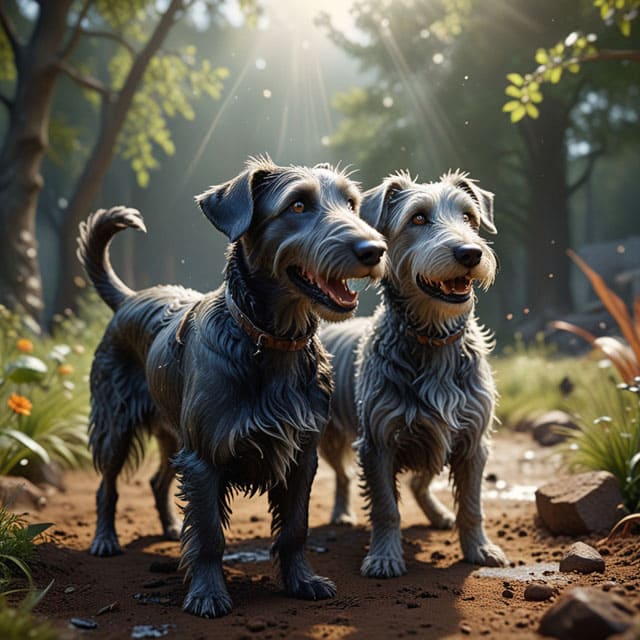

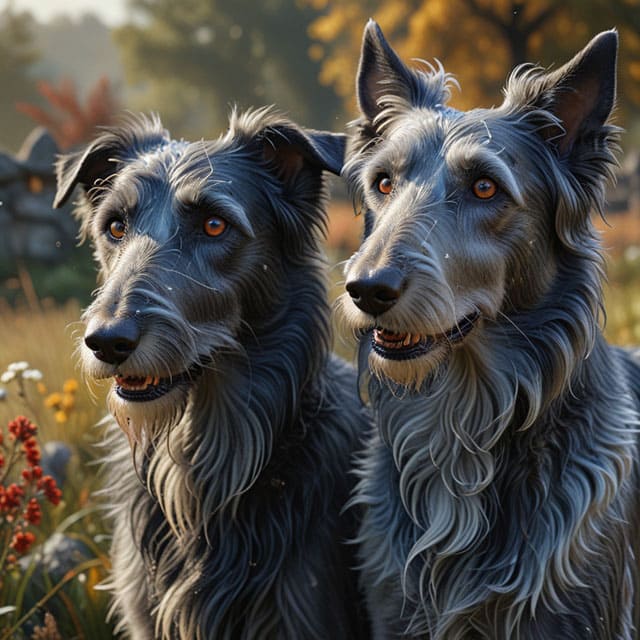
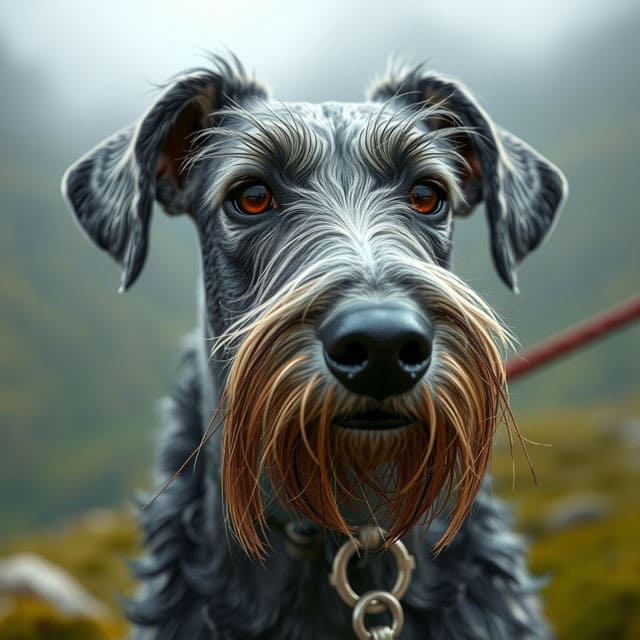
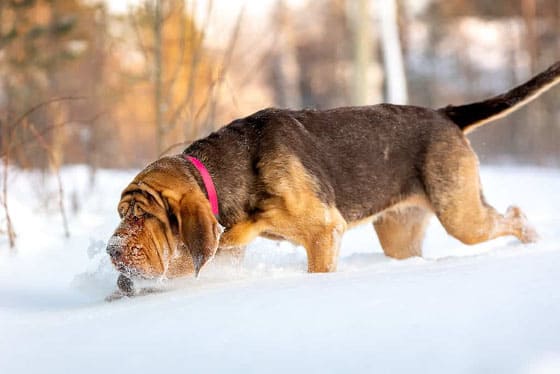
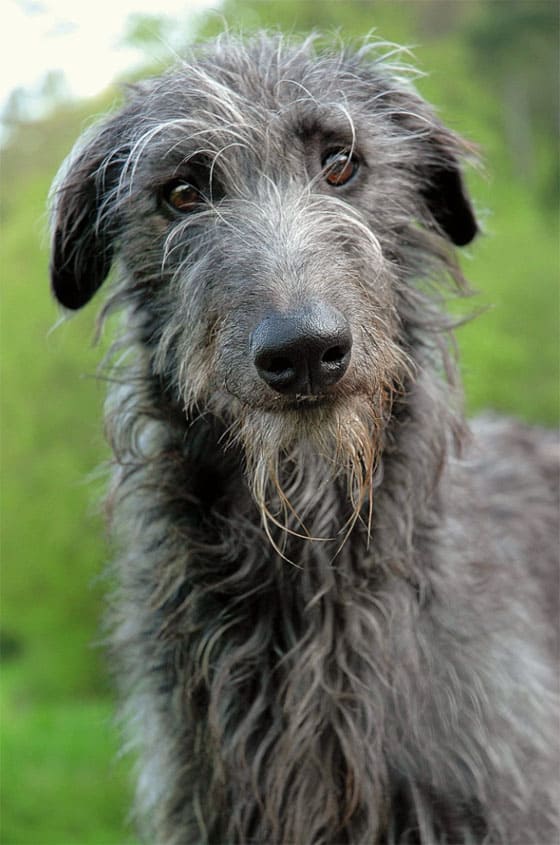
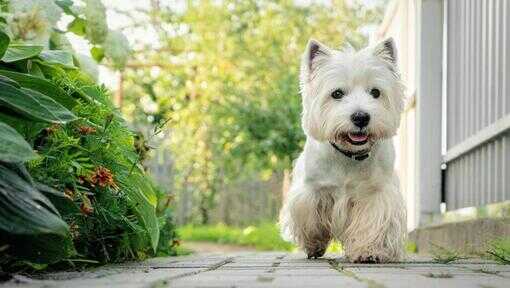
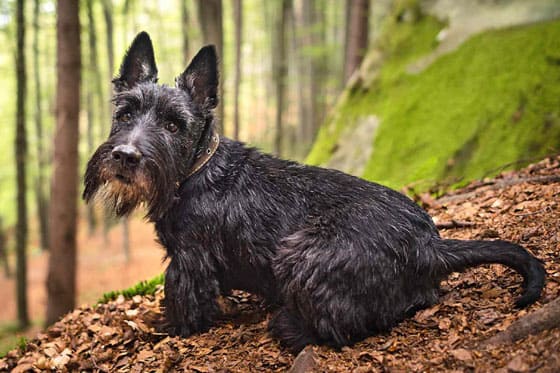
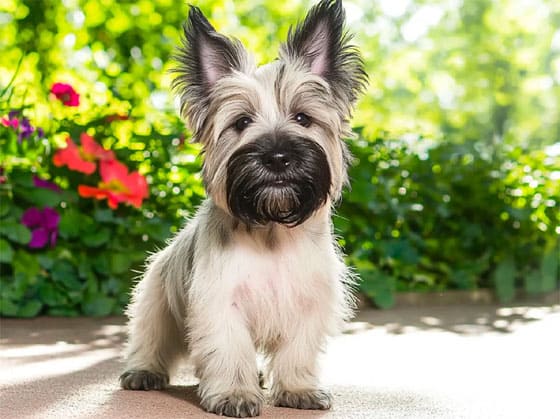

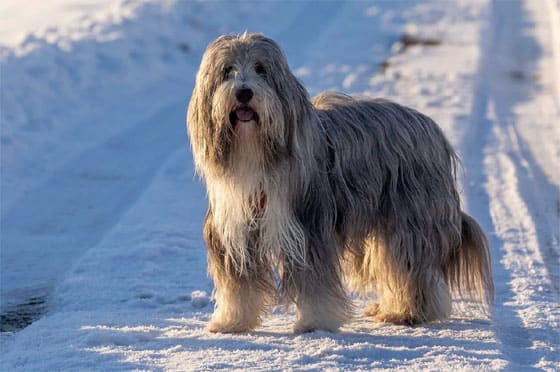
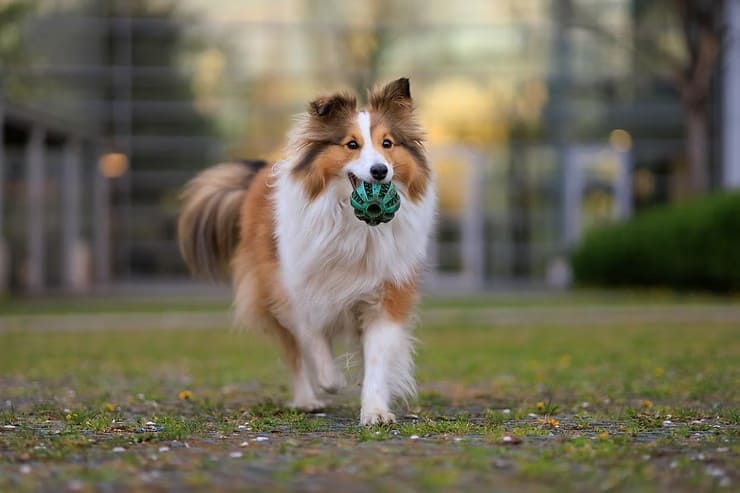
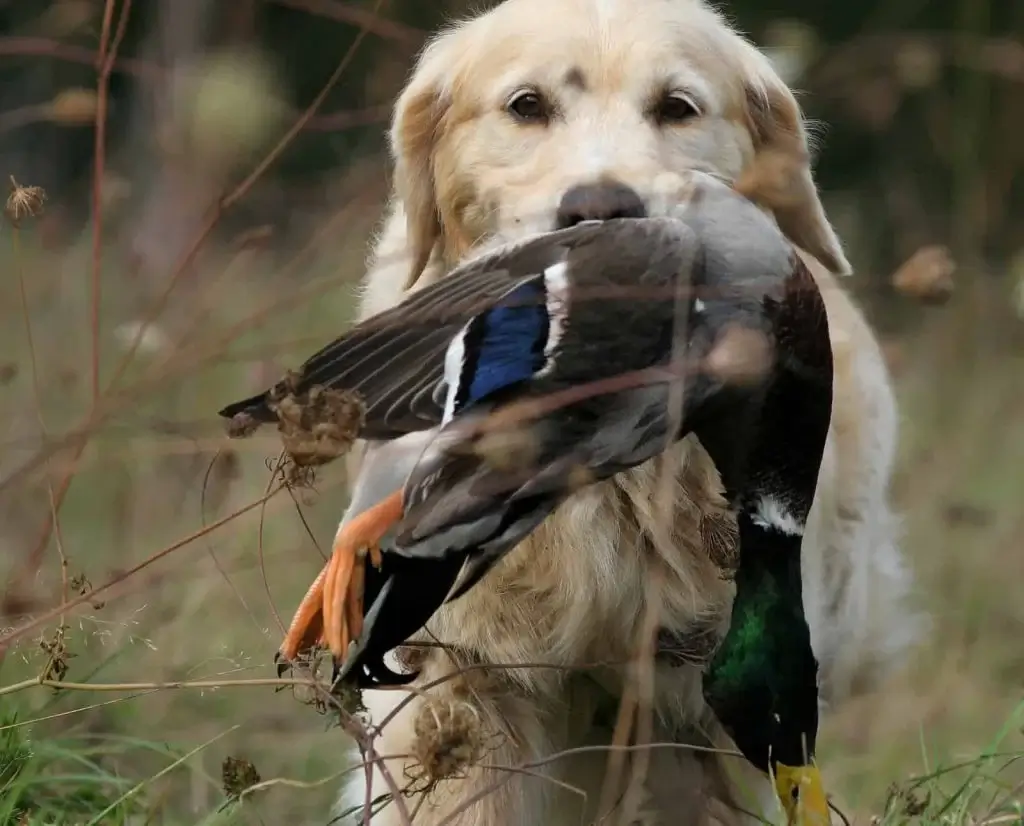
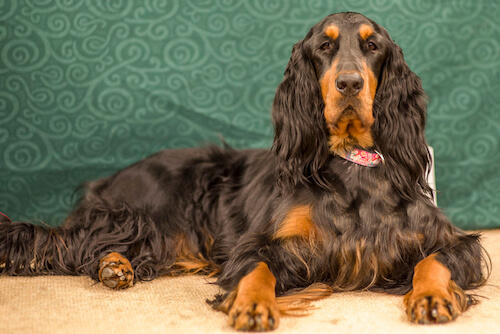
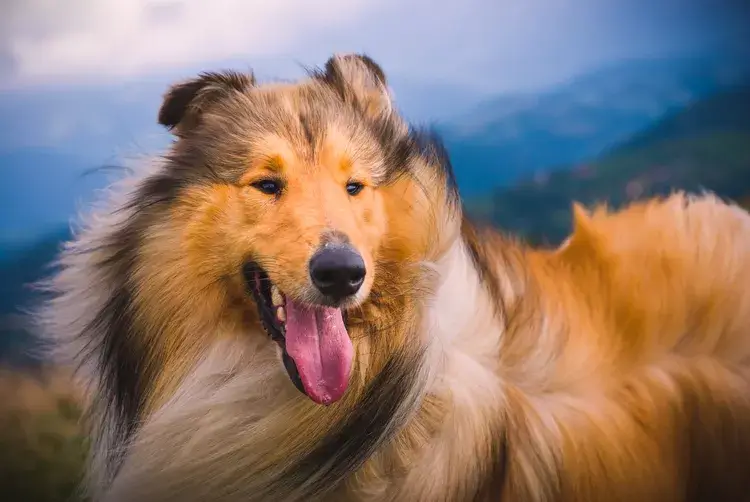
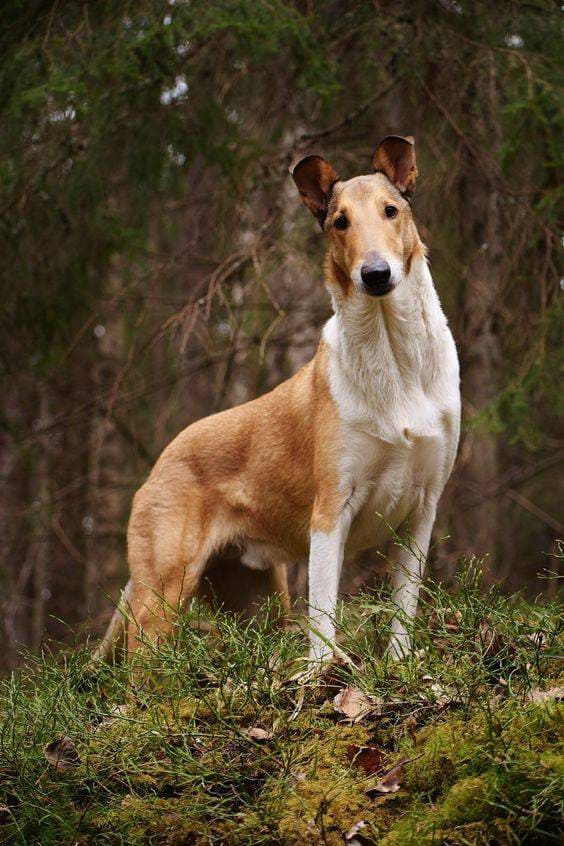
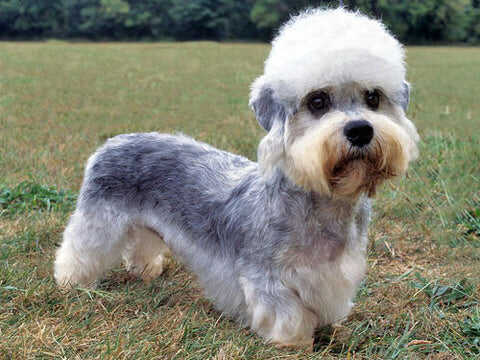
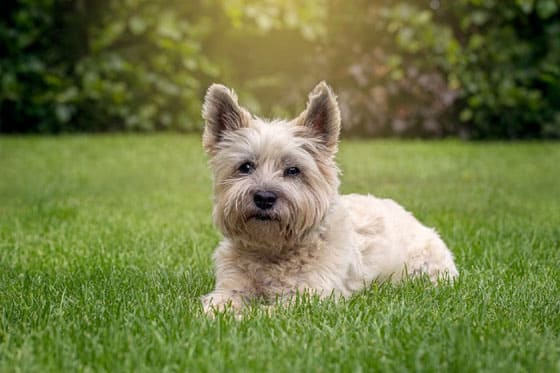
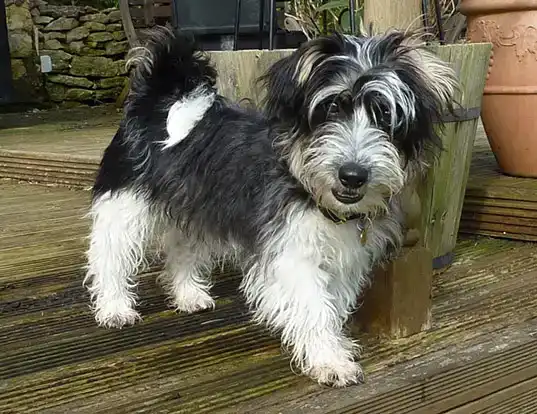
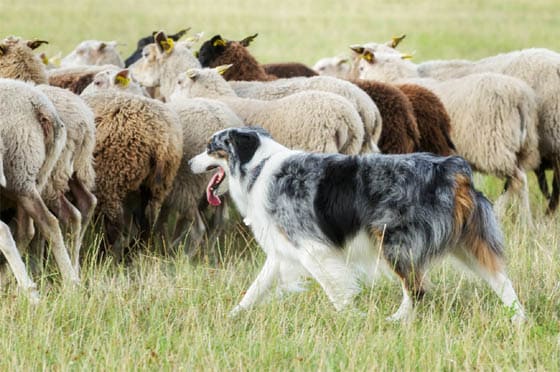
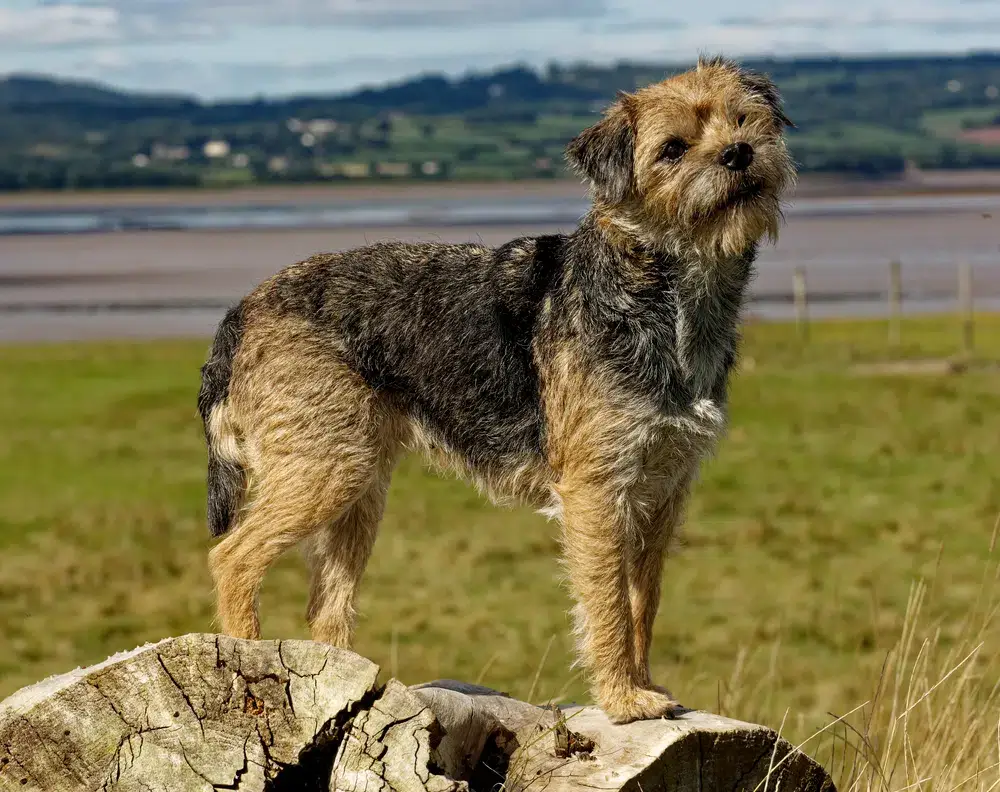
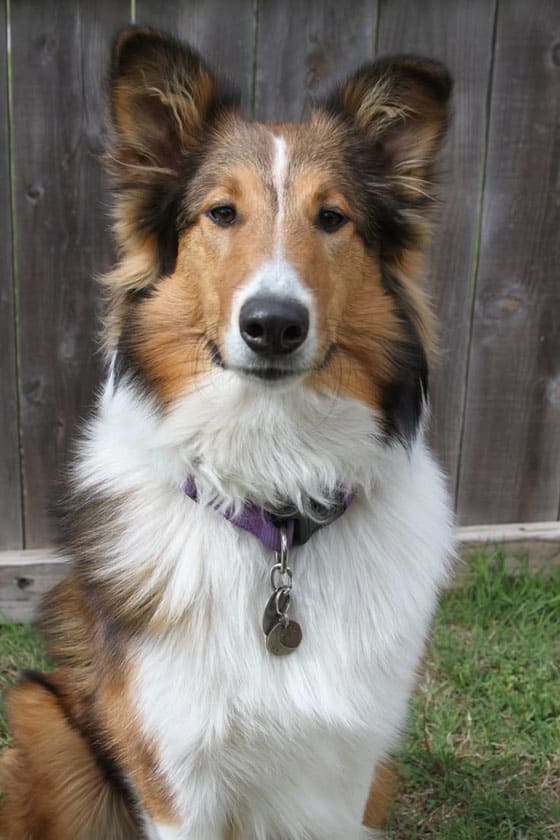
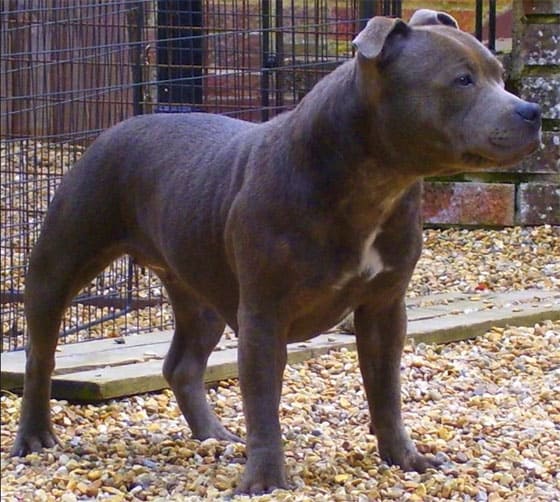
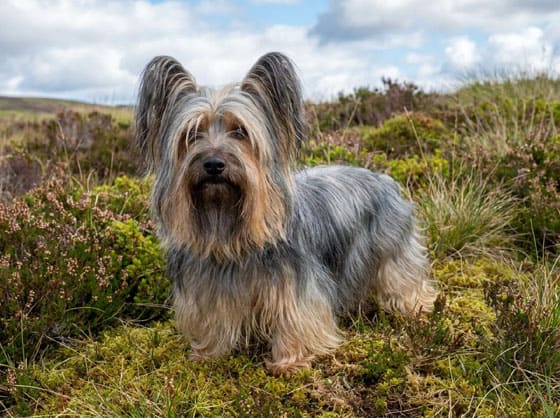
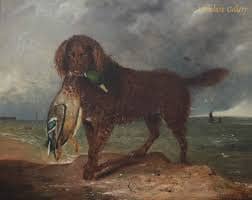
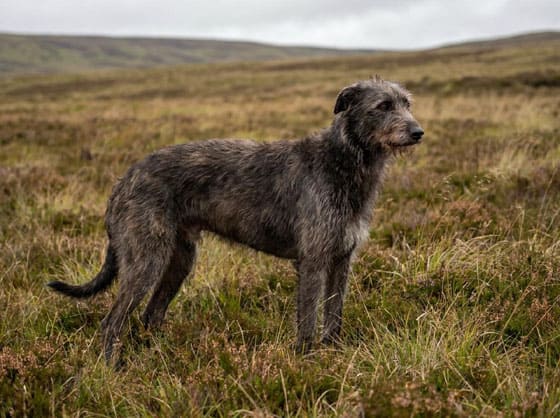










WORLD OF DOG & PUPPY 🐶