14 Portuguese Dog Breeds Rare Portuguese Dog Breeds Popular Portuguese Dog Breeds Dog Breeds from Portugal Portugal Dog Breeds What Makes Portuguese Dog Breeds Special? What dog breeds are native to Portugal? Which dog breed is Portuguese? Indigenous Portuguese Dog Breeds Portuguese Native Dogs
Portuguese dog breeds vary widely in appearance, temperament, and purpose. But these breeds all can trace their roots back to Portugal. Living in a country dependent on agriculture and maritime activity, Portuguese dog breeds tend to be built for a life outdoors - on land or in water. Large shepherds, hunting dogs, and watchdogs are in the majority among Portugal’s native canines, but there are smaller companion dogs as well. Portuguese doggos are usually full-time working dogs bred for a purpose, not just as a companion. They must earn their keep, and boy, are they good at it. They also make fantastic family dogs, just as long as you can keep up with their energy needs.
Portuguese dog breeds are diverse, ranging from athletic water dogs to sturdy cattle dogs, all originating in Portugal. Many of these breeds were developed for herding, hunting, or guarding purposes in Portugal, showcasing their versatility and working capabilities. Some Portuguese dog breeds are readily available in places like the United States, while others are rare and may require more effort to find.
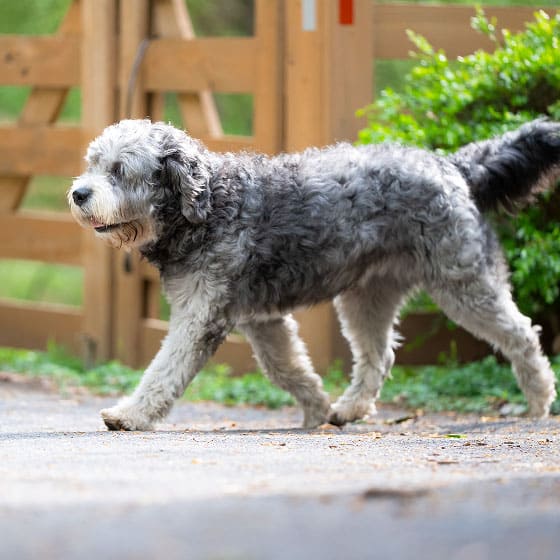
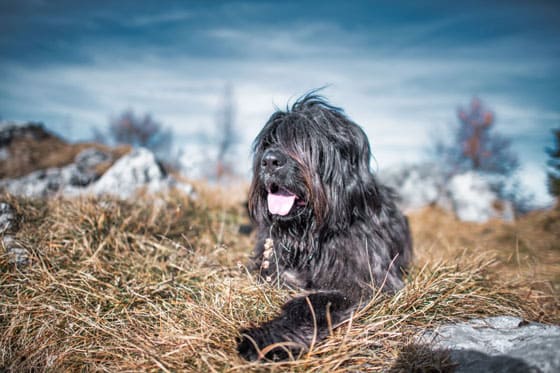
The Barbado da Terceira is an incredibly rare, athletic, and intelligent medium-sized herding breed originating from Terceira Island in the Azores, Portugal. Despite their recent recognition by the Portuguese Kennel Club in 2004, the breed is one of the oldest to hail from the Azores, with documented sightings dating back to the 19th century. The Barbado da Terceira is known for being Intelligent, loyal, energetic, docile, playful, courageous, alert. It is very active and needs plenty of daily exercise. It is great with children and families. Historically, these dogs were primarily used as herding dogs and their exceptional ability to guide and protect livestock is still evident today. The Barbado da Terceira's unique "herding eye" - an intense gaze employed to control herd animals - is a unique trait rarely found in other breeds. Early socialization and consistent training are key to bringing out its best qualities.
The Barbado da Terceira is highly intelligent and responds excellently to positive reinforcement training. Early obedience classes are recommended for all dogs of this breed. Short, engaging training sessions work best to keep their attention and build a strong bond with their owner. The name translates from Portuguese to "Bearded from Terceira," referencing the thick, wavy hair around the jaw that forms a distinct beard and mustache. Deeply devoted to their families, highly alert, and naturally protective. As a primitive working breed, they possess high stamina, strong herding instincts, and an independent streak. Joyful, playful, and affectionate with active owners, though they do not enjoy being left alone for long periods. Requires early socialization and training, can be sensitive and is best suited for experienced dog owners. Needs high daily physical and mental stimulation (roughly 60–90 minutes of activity per day, such as long walks, interactive play, or swimming).
These dogs are social butterflies and adore being around their human family. They are keen observers and fast learners, so expect some fun-filled training sessions! Their playful nature makes them a hit with kids, while their alertness could make them a casual watchdog. The breed displays an unusually high level of intelligence, learning commands and routines more quickly than many other breeds. Although not as familiar to the mainstream as other working dogs, the Barbado da Terceira is known for its incredibly versatile nature, adaptability is one of the breed’s distinguishing characteristics. One of the most endearing traits of this breed is its love of water; Barbados da Terceira are known for their strong swimming skills and fondness of water games. A distinct trait of the breed is their webbed feet, a characteristic that aids their swimming prowess and sets them aside from many other dog breeds.
As a guardian, the Barbado da Terceira is alert and vigilant, demonstrating a natural inclination to protect its home and family. Yet, it does so with balanced energy, avoiding unnecessary aggression while still being an effective deterrent. This combination of traits – intelligence, loyalty, adaptability, and a balanced approach to guarding – makes the Barbado da Terceira a unique and highly desirable breed, whether for work or companionship. These dogs enjoy being involved in family activities and thrive in an environment where they are part of the daily hustle and bustle. This breed's amiable disposition and patient demeanor make it particularly well-suited for families with kids. However, it is important to note that the Barbado da Terceira's herding instincts are deeply ingrained. These instincts can sometimes manifest in the form of herding behavior, even towards family members, particularly children. This behavior is not out of aggression but rather a natural expression of their herding heritage.
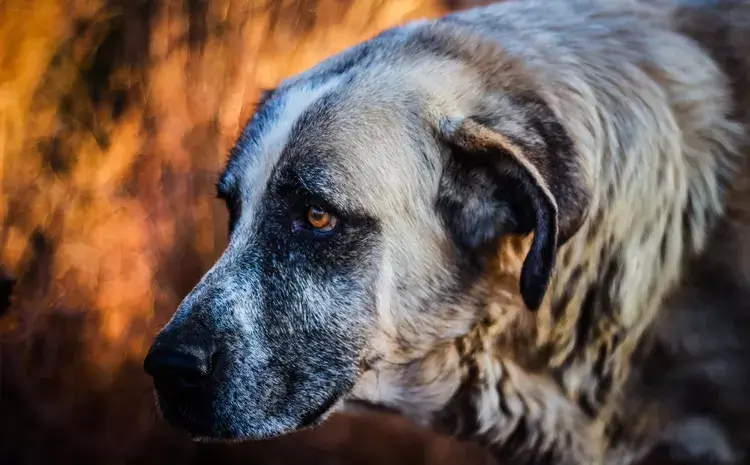
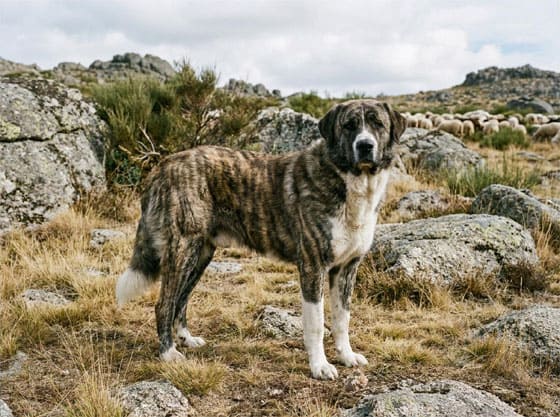
The Rafeiro do Alentejo is a massive, powerful Portuguese livestock and estate guardian dog known for its calm confidence and exceptional nocturnal vigilance. The Rafeiro do Alentejo, also known as the Portuguese mastiff, Portuguese watchdog, or Alentejo mastiff, is a large working dog from Portugal. This powerful, nocturnal breed is designed to work so while they can make a great farm dog, they are not well suited for a sedentary life in a small home. The Rafeiro do Alentejo is known for being Calm, confident, protective, loyal, independent, alert. It is calm and well-balanced, adapting well to different lifestyles. Early socialization and consistent training are key to bringing out its best qualities. The Rafeiro do Alentejo is independent-minded but can be trained with patience and consistency. Early obedience classes are recommended for all dogs of this breed. Short, engaging training sessions work best to keep their attention and build a strong bond with their owner.
The thought of adding a 130-pound cattle guardian to your home may sound a bit daunting, but properly socialized and trained Rafeiros Alentejanos are loyal, confident, and calm dogs. However, regardless of your training experience, it is unlikely that you will be able to completely override the breed’s instincts, so they should be an expected part of life to some degree. Expect a dog that’s loyal to you but reserved around new people, that likes to roam in a fenced yard, and that may bark to alert you to something new in their environment. Rafeiros Alentejanos are smart working dogs. Without proper socialization, training, and daily outlets for using their body and mind, they can develop unwanted behaviors like barking and chewing. Bred to work but not exceedingly high in energy, Rafeiros Alentejanos need daily exercise.
All outdoor activity needs to take place on a leash or within a securely fenced area. It’s important to safely expose your Rafeiro do Alentejo puppy to various animals, people, environments, activities, and objects throughout their life. In particular, the first 16 weeks of life is an important learning period for every puppy. This can be particularly important for dogs with historic guardian instincts. The Rafeiro do Alentejo is an excellent, safe and self-confident guard dog that is particularly alert at night. It's not a dog for beginners; it needs a handler who naturally radiates leadership. Calm, steadfast, and brave, but not aggressive. Independent, very watchful and self-assured. Affectionate with its own family, but suspicious of strangers, especially after dark.
This dog can be stubborn and dominant. When training the Rafeiro do Alentejo, the best results are achieved by motivational training methods with a determined, consistent and loving approach. It is very important to begin training as early as possible, because a fully grown dog may be too strong and too big to be corrected and because this dog has his own ideas and will not cater to his owner's every whim. This breed is sensitive to reprimands and eager to receive affection. They will generally get along with other animals provided they have been introduced to them when they are still young. It is important to socialize them while they are still young. They do not eat much for their size. Extensive early socialization, obedience training and consistent dominant leadership are very important when owning a Rafeiro do Alentejo. This is not the kind of dog to learn useless tricks; they usually want to keep their energy for the real work. He can be very stubborn and does not respond well to most common training techniques; it takes an experienced handler to train him. He can be sensitive to overly harsh reprimands and will not work well for that trainer. He does require continual training throughout his life to ensure he is a well-adjusted family member.
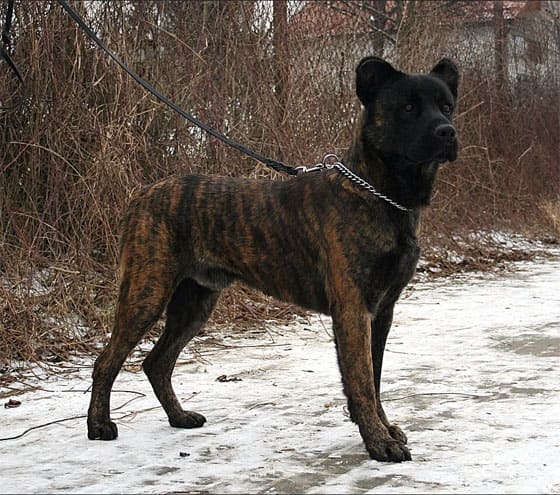
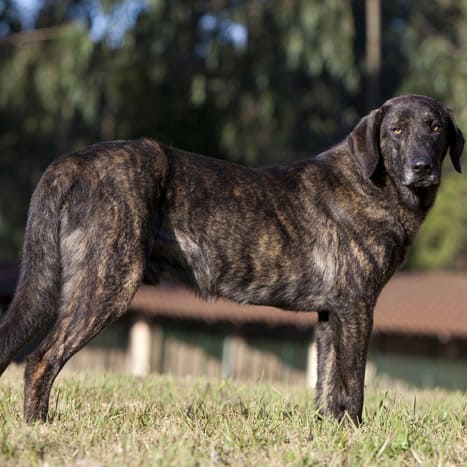
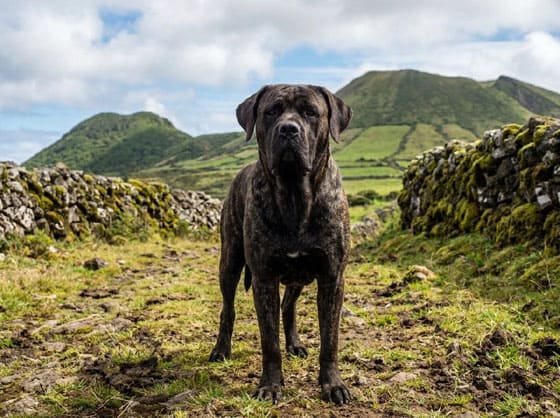
The Saint Miguel Cattle Dog, also known as the Cão de Fila de São Miguel, is a rare, muscular working molosser breed originating from São Miguel Island in the Azores, Portugal. While they are believed to be descended from ancient molosser type dogs, they are somewhat smaller than other molosser breeds and have longer muzzles than most. They tend to be extremely loyal to their owners and families, protecting them at all costs, but are standoffish towards strangers and violent towards other animals. The Saint Miguel Cattle Dog is known for being Loyal, intelligent, protective, work-focused, courageous, alert. It is calm and well-balanced, adapting well to different lifestyles. Early socialization and consistent training are key to bringing out its best qualities. The Cão de Fãila de São Miguel is a rustic and dominant animal, capable of remaining outdoors during the entire year guarding the herds and the tools used in agriculture. It is very intelligent and quick to learn, executing various commands. As a dog used in driving milk cows it usually bites low so as not to wound the mammary glands of the cows, biting higher on the lost cattle. It is a working dog par excellence, but also a good guard dog of property or protection dog. It can have a very sharp temperament, but is docile with his master.
Very intelligent with a great capacity to learn. For the right owner, this breed makes an excellent guard and watch dog. They are very defensive of their territory. This breed of dog typically was bred as an outdoor dog that was tasked with staying with the cattle and keeping them safe and in line. This is not a typically affectionate canine, although they tend to bond deeply with one specific person or family and can be extremely difficult to re-home. They can be socialized to be fairly gentle with children, but these are exceptionally muscular dogs which may not know their own strength, so supervision is always required. They are extremely alert and territorial making them an exceptional candidate as a watchdog, but a poor one for apartment living. It is important to remember that this is a breed designed to be highly aggressive towards other animals, and it is not uncommon for them to attack and even kill smaller animals, including other dogs. While training and socialization will help to curb violent reactions, some Cao Fila de Sao Miguel dogs may never be trustworthy around other canines.
This is an athletic and powerful animal and it will need a great deal of exercise to maintain that athleticism. These dogs should get at least an hour to an hour and a half worth of vigorous exercise in each day and if they are not actively working strength training activities may be recommended to maintain muscle tone, particularly as they age. There are several alternative activities which can help you to keep your dog in good condition including herding exercises and agility training. This dog is not generally suited to apartment living as they are typically too territorial for close living. The Fila de Sao Miguel is both – extraordinary working dog, but also great companion. When they are working, they are usually serving as cattle dogs and as protectors. And they are excellent at those jobs, because the Saint Miguel Cattle dog is very determined and it is said, that one Fila de Sao Miguel can manage a herd of cows. They are best for working with cows, because some farmers say that they are too rough to handle smaller farm animals like sheeps, but with enough training, they can do it as well.
These dogs also have high protective instinct, are pretty territorial, alert and very brave and courageous. All these traits makes them perfect fit for guarding, and indeed, this is exceptionally good guarding dog. But this is not only a great cattle dog and protector, because this is also great companion. They tend to create a very strong bond with its owner and family, likes human companionship and they are very loyal. They are not overly affectionate like some other breeds, but they definitely love its people. Even though this is highly intelligent breed capable of being very obedient and learning a lot of tricks, it is not a dog for novice and unexperienced owners. It is mostly because of their protective instinct. Without proper early socialization and training, they might become overprotective and agressive and that is why they need experienced owner who will show them the boundaries and will train them patiently and consistently. Just like majority of cattle dogs, even this is pretty highly active breed and they definitely need proper daily physical and mental stimulation. Especially if you have this dog just as a companion, they need at least several daily outdoor walks accompanied with training sessions or some playtime.
The Portuguese Podengo Pequeno is an ancient, lively, and sturdy small hound originating from Portugal over 2,000 years ago. The Portuguese Podengo has the honor to be one of the National Dogs of Portugal. Brought to the Iberian Peninsula by Phoenicians and Romans before evolving into a tireless rabbit hunter. Historically utilized on Portuguese ships for rodent control. Recognized as the smallest of the three Podengo sizes (Grande, Medio, and Pequeno). Playful, alert, affectionate, and fiercely loyal to their owners. Possess a strong natural prey drive and love to run or perform their signature "Podengo hop". Friendly with families, though they need early socialization and supervision around tiny non-canine pets due to their hunting instincts. The Portuguese Podengo is known for being Alert, intelligent, energetic, loyal, independent. It is very active and needs plenty of daily exercise. Early socialization and consistent training are key to bringing out its best qualities.
The Portuguese Podengo is highly intelligent and responds excellently to positive reinforcement training. Early obedience classes are recommended for all dogs of this breed. Short, engaging training sessions work best to keep their attention and build a strong bond with their owner. Today, many of the Portuguese Podengo dogs are companion dogs, but throughout the history and even today, many of these dogs are used for hunting. Large podengos are used for hunting big game, such as deer or boars. Medium Podengos is mostly used for hunting rabbits, but when they are in a pack, they can also hunt larger game. And the small Podengo is mostly used for searching rabbits in holes and rocks. All varieties are also succesfully used as watch dogs. The Portuguese Podengo is an excellent companion for active people and families. These dogs are known for their high intelligence, but also independence, which means they are not total pushovers to train, even though they will understand new tricks fairly quickly.
These dogs tend to be very loyal to its family and create a strong bond with it. On the other hand, they are pretty suspicious towards strangers and it can také some time before a complete stranger will gain their trust. The Portuguese Podengo is playful and lively dog that is always ready for some activity. The only problem might be some smaller household pets, which might be view as a prey in the eyes of Portuguese Podengo. These dogs need quite a lot of daily phyiscal exercise to stay in good shape, healthy and happy. Daily longer outdoor walks are must and these dogs are great adepts for various dog sports, such as agility, lure coursing, flyball or some other sports where they can combine their ahtleticism with intelligence. Without enough exercise, they can develop some unwanted behaviour, such as destruction.
The Portuguese Podengo Pequeno has an active personality. Bred as rabbit hunters, these small dogs are known for their friendly temperament in households with multiple pets thanks to their pack-minded nature. And not only that, because the Portuguese Podengo is also the symbol of Portuguese Kennel Club. As you can see, this breed is pretty popular in its home country! Portuguese Podengos are known for their lively, intelligent, and independent nature. They are active dogs that require mental and physical stimulation to be happy and well-adjusted. They have a strong prey drive and may chase small animals, so caution should be exercised when they are off-lead in unfenced areas. For its size, the Portuguese Podengo Pequeño is a tough and hearty little dog that loves playing games and making people laugh. There's something endearing about these pups that captures the heart of everyone they meet.
The Portuguese Podengo Medio is an ancient, primitive-type medium hound from Portugal traditionally bred as a nimble rabbit hunter (Portuguese Rabbit Dog) and all-around working farm dog. The Portuguese Podengo Médio is active and playful among family. And though these pups can be reserved with strangers, they are generally good with other dogs and children. Portuguese Podengos enjoy the company of other dogs and humans alike. So, they make excellent companions and natural pack dogs. That being said, the Podengo may view smaller animals as prey, and they tend to dig. Funny, playful dogs, Portuguese Podengos are usually good with children when socialized at an early age. They make good guard dogs, too, as they readily bark when strangers approach their home. But some Podengos have such a piercing bark that they may not make a suitable pet for those who live in close quarters, such as an apartment complex. Brought to the Iberian Peninsula over 2,000 years ago by Phoenicians and Romans, and later influenced during the Moorish invasions. The larger Grande evolved first, from which the Medio and smaller Pequeno were refined. The Medio became the classic rabbit-hunting size - working either alone or in packs and also served as a guardian and ratter. Considered a national treasure in Portugal, recognized by major kennel clubs including the The Royal Kennel Club and the United Kennel Club. High-energy, playful, and swift-footed. They love running, hiking, and participating in dog sports like agility and nose work. As primitive hounds, they think for themselves rather than blindly obeying commands. They require patient, firm, positive-reinforcement training. Naturally suspicious of strangers and quick to sound the alarm with a piercing bark, making them alert watchdogs but less ideal for close-quarters apartment living. Deeply loyal and affectionate with their chosen household, generally good with children and other dogs if properly socialized early. Possess a strong instinct to chase small animals (rabbits, squirrels, cats). They require a securely fenced yard with adequate height, as they are capable jumpers and climbers.
The Portuguese Podengo Grande is an ancient, rare large-sized hound from Portugal originally bred for hunting deer and wild boar. Height: 22 to 28 inches (55 to 70 cm). Weight: 44 to 66 pounds (25 to 40 kg). Descended from ancient Mediterranean and North African hunting dogs brought to the Iberian Peninsula by Phoenicians and Moors over 2,000 years ago. The Grande is the largest and original size of the Portuguese Podengo lineage, from which the medium (Médio) and small (Pequeno) sizes later evolved. Designed to hunt large game like deer and wild boar in packs or individually, using both sight and scent to track, exhaust, and hold down prey until the hunter arrives. Today, the Podengo Grande is extremely rare, even in its native country of Portugal, where it is sometimes considered critically scarce or hard to find. Possesses strong primitive hound instincts, making it a keen watchdog. Very clever and capable, though its independent nature means it requires a patient, consistent handler rather than harsh discipline.
Loyal and loving with its family, but can be cautious or suspicious of strangers if not properly socialized. Built for endurance and speed, requiring a high level of daily physical and mental exercise. Needs vigorous daily exercise (1 to 2 hours minimum), such as long running sessions, hiking, or scent work. Requires high, secure fencing because of their strong prey drive and impressive jumping or leaping ability. All podengos great and small (and in between) are generally lively and loving dogs with large appetites for play. And as sight and scent hounds with a long history of hunting rabbits, stags, and wild boars, these alert, agile pups have also gained a reputation for their wits. There is a famous architectural principle that says form should follow function. In other words, a building should be designed for how it will be used. The same could certainly be said of not only the podengo's appearance but of his temperament as well.
These dogs were built for hunting, both physically and mentally. So what traits make for a prime hunting dog? In addition to their impressive scent, vision, and hearing abilities, the Portuguese podengo is prized for being alert, brave, and intelligent. They are able to work alone but can also hunt in packs and are quick learners. When they are not working, podengos can be loyal, affectionate companions. But while he adores his family, the Portuguese podengo can be wary around strangers and will bark to let you know when anyone unfamiliar approaches. A hardy breed, they can thrive in a variety of climates and terrains, although smooth-haired podengos do especially well in wet climates (their fur dries faster) while wirehaired podengos are especially suited to dry, hot weather. Because podengos often work in packs, they can share a home with other dogs their own size. But use caution when introducing a podengo to a smaller animal, like a cat, that the breed could mistake for prey.
The Cão de Gado Transmontano (also known as the Transmontano Mastiff) is the largest Portuguese livestock guardian dog breed, originating from the Trás-os-Montes e Alto Douro region in northeastern Portugal. The Cão de Gado Transmontano is a giant breed weighing between Male: 50-75, Female: 40-60 kg and standing Male: 75-84, Female: 68-78 cm tall. Belonging to FCI Group 2 (Molossoid mountain type), it received provisional recognition from the FCI (Fédération Cynologique Internationale) in 2020. Scale is only half the story. This is a serious working guardian, independent, territorial, and calmest when it has animals to protect. It is not a heavy, wrinkled companion mastiff, and it is not a beginner’s pet. Portugal still uses the breed for exactly what it was made for: these dogs guard flocks inside the country’s wolf coexistence programs, and a small number have been field-tested by the USDA against wolves and grizzly bears in the American West.
Common coat colors include White with black, yellow, fawn or wolf grey markings most common. Its sturdy physique and well-proportioned body make it instantly recognizable. The Cão de Gado Transmontano is known for being Protective, independent, calm, loyal, confident, courageous. It is calm and well-balanced, adapting well to different lifestyles. Early socialization and consistent training are key to bringing out its best qualities. The Cão de Gado Transmontano is independent-minded but can be trained with patience and consistency. Early obedience classes are recommended for all dogs of this breed. Short, engaging training sessions work best to keep their attention and build a strong bond with their owner. Shaped centuries ago by the need to protect sheep and goat flocks from Iberian wolves, foxes, and wild boars in rugged mountainous terrain. Unlike herding dogs, a guardian dog like the Transmontano lives among the flock 24/7, bonding with the animals and acting independently to deter predators without needing human commands.
Calm, stable, independent, intelligent, and deeply loyal. It is watchful and fearless when on duty. Uniquely, the dog's loyalty is tied to its "tribe" or flock rather than a fixed plot of land; if the flock moves or is sold, the dog goes with it. They are intensely protective and dominant near their flock or family, yet remarkably docile, quiet, and reserved when away from their working environment. Known to dig deep holes in the ground to buffer against extreme mountain temperatures. Completely unsuited for small homes, urban apartments, or confinement or chaining, they require vast open spaces and extensive daily movement. Requires early, firm, consistent, and positive (non-violent) socialization. Because of their strong independent and dominant traits, they are not recommended for first-time dog owners. The name says exactly what the dog is. "Cao de gado" means livestock dog, and "transmontano" means from Tras-os-Montes, the historical province “beyond the mountains” in Portugal’s far northeast.
The FCI standard sums up the breed's purpose in one line: a livestock guarding dog for sheep and goat flocks. A guardian is not a herder. A Border Collie gathers and drives sheep on command; a guardian like the Transmontano lives among the animals day and night, bonds with them from puppyhood, and treats the flock as its own to defend. It does not need instructions to do this. In Tras-os-Montes the threat it evolved to answer has always been the Iberian wolf, and that pressure explains almost everything about the breed, from its size to its watchful, deliberate temperament. The Transmontano belongs to the family of big Iberian mastiffs and is most closely tied to the Rafeiro do Alentejo, its cousin from Portugal’s southern plains. The two populations diverged over centuries as the long seasonal flock migrations that once connected north and south fell away. To see where guardians sit among working dogs more broadly, start from the Creatures dog species page.
The Portuguese Pointer (known locally as the Perdigueiro Português) is an ancient, medium-sized gun dog from the Iberian Peninsula, valued for its stamina, deep devotion, and natural pointing skills. The Portuguese Pointer is a large breed weighing between Male: 20-27, Female: 16-22 kg and standing Male: 52-56, Female: 48-54 cm tall. Its sturdy physique and well-proportioned body make it instantly recognizable. The Portuguese Pointer is known for being Affectionate, loyal, intelligent, devoted, energetic, alert. It is very active and needs plenty of daily exercise. Early socialization and consistent training are key to bringing out its best qualities. The Portuguese Pointer is highly intelligent and responds excellently to positive reinforcement training. Early obedience classes are recommended for all dogs of this breed. Short, engaging training sessions work best to keep their attention and build a strong bond with their owner. Partnering with royalty and commoners to hunt red-legged partridge and flush out birds, contributing heavily to the ancestry of the modern English Pointer.
Nearly went extinct in the 19th and early 20th centuries due to shifting hunting laws and social changes, before being successfully revived by Portuguese breeders in the 1920s. This breed is loyal, intelligent and very energetic. Sweet and affectionate to its owner. With enough exercise they will be calm in the home. Patient, friendly, love children and are a true friend to the family. They adapt well to new situations. Socialize well at an early age and as the owner of the dog, be sure to stay mentally strong so the dog can feed from your energy to avoid timidity. Nervous humans tend to have nervous dogs because the dog can feel your emotions. If you do not provide enough mental and/or physical exercise they will become high-strung and distractible and can become neurotic and destructive. If they sense their owners are not as strong-minded as themselves they will become a bit willful as they will believe they need to be the leader of the relationship.
He will bark at suspicious noises, but it is not a watchdog. Hunting instincts develop early. They have an excellent nose. Puppies will start to display pointing behavior as young as 2 to 3 months old without training. These dogs are generally good with other pets and are not usually dog-aggressive. Bred to work closely with their handlers, Portuguese Pointers are hardy, alert, and eager to please. With their limitless affection and calm, social nature, these smart dogs make fans out of hunters and housemates alike. The Portuguese Pointer is an energetic breed that loves to be among people and makes a great family pet. Curious by nature, these friendly dogs are fun to be around. Portuguese Pointers are extraordinarily affectionate and devoted to their family members. However, they can be a little arrogant around other dogs. When they are on the hunt, they are typically very dedicated and enthusiastic. They just enjoy it.
They love to work with its master and is totally devoted. This breed has a high prey drive, which is great on the hunt, but it might be little bit problematic if you have smaller household pets in your home. Today, more and more Portuguese Pointers are companion dogs. And they are perfect companions for active people and families. They love human companionship and thrive for our attention. It is almost impossible to be bored with this breed, because they are pretty active, curious, playful and sometimes little bit mischevious. They definitely need daily longer outdoor walks, jogs or some other activity, where they will exercise their body and also mind. This breed can succesfully compete in field trials, but also in agility and some other dog sports. When they are provided with enough exercise, than the Portuguese Pointer tends to be pretty calm and gentle when they are at home. Thanks to their gentleness, they are good partners for kids, but of course, just like with all dogs, you should always supervise them with very young child. It is true, that the Portuguese Pointer is a very friendly dog, but they are somehow reserved and alert towards strangers, which actually makes them perfect watchdogs.
They will most likely alert you by barking when they will hear or see something suspicious around your home. He is not naturally an aggressive dog towards people or other dogs but will sound the alarm when unknown people or dogs approach. This makes him a good watchdog, but do not expect him be the typical guard dog. He loves the outdoors and would spend hours playing or soaking up the sun if allowed. But he is also just as happy being indoors relaxing. He does have a high prey drive and he will be on the constant lookout for potential games, therefore, do not be surprised if he flushes birds out of shrubbery in the yard or chases smaller pets in the home. Never leave small pets alone with a Portuguese Pointer even if they are raised with him. He would do well in field trials or dog sports such as agility to help him expel some energy and keep him mentally sharp.
The Portuguese Sheepdog (known locally as the Cão da Serra de Aires or nicknamed the "monkey dog" for its simian facial hair) is a rare, lively, and intelligent herding breed from Portugal. The Portuguese Sheepdog is a large breed weighing between Male: 17-27, Female: 16-25 kg and standing Male: 43-55, Female: 41-52 cm tall. Its sturdy physique and well-proportioned body make it instantly recognizable. The Portuguese Sheepdog is known for being Intelligent, loyal, energetic, alert, devoted. It is very active and needs plenty of daily exercise. Early socialization and consistent training are key to bringing out its best qualities.The Portuguese Sheepdog is highly intelligent and responds excellently to positive reinforcement training. Early obedience classes are recommended for all dogs of this breed. Short, engaging training sessions work best to keep their attention and build a strong bond with their owner.
The Portuguese Sheepdog is an extremely rare breed and there are not many found outside of his native Portugal. He is a herding breed and therefore can be a very vocal dog if he is left to his own devices. He will tend to pull double duty by also being a livestock guardian and a herder. Training the Portuguese Sheepdog is relatively easy when using positive reinforcement. He does make a good family companion and gets along well with children and other dogs as long as he understands his role within the family. Since he has strong herding instincts, he should be kept on leash when he is out of the yard. The Portuguese Sheepdog is a very loyal companion and is always willing to get to work. He is happy and energetic. He will bond closely to his family and will be naturally suspicious of strangers. Keep in mind that the Portuguese Sheepdog will try to take the leadership role within the family if he senses there is no established leader.
He can have a stubborn streak and be dominant. It is easy to train a Portuguese Sheepdog when positive reinforcement is being used and he understands his place within the family. He does require a fenced yard to keep him contained so he is not out trying to herd the neighborhood pets or children. Since he is a herding breed, he can be very vocal and become a nuisance barker when left alone for long periods of time. Be sure to provide him with plenty of toys and social interaction to keep him happy. His devotion and loyalty makes him a great choice for dog sports where he works closely with his master. Portuguese Sheepdogs are devoted to their owners and their herd, including children. They are smart, vigilant, and wary of strangers - qualities that make Portuguese Sheepdogs excellent watchdogs. These dogs are known to bark at strange noises or unfamiliar people, which can be challenging in an apartment.
Portuguese Sheepdogs require a lot of exercise and are best for active families. One of the most devoted and clever of the sheepdogs, this is a high-spirited, happy dog that is eager to work. Very loyal and bonds with its own people, the Cão da Serra de Aires demands extremely consistent and well-balanced training. It has a lively, above-average intelligence and learns quickly and easily, but can be dominant and will be stubborn if it senses its owners are not as strong minded as itself. Therefore, they have always been a challenge for shepherds to train. Once trained, this dog is more reliable than any owner could possibly wish. It requires a confident, firm handler. These dogs mix well with other dogs, although some males may try to dominate other males. They can live happily alongside other pets provided they have been properly socialized. Portuguese Sheepdog are usually patient with children but the males in particular can be possessive of their territory. They have high stamina and energy. They are working dogs that thrive on daily long walks, intense play, and canine sports like agility, obedience, or herding. Apartment life is generally not ideal for them.
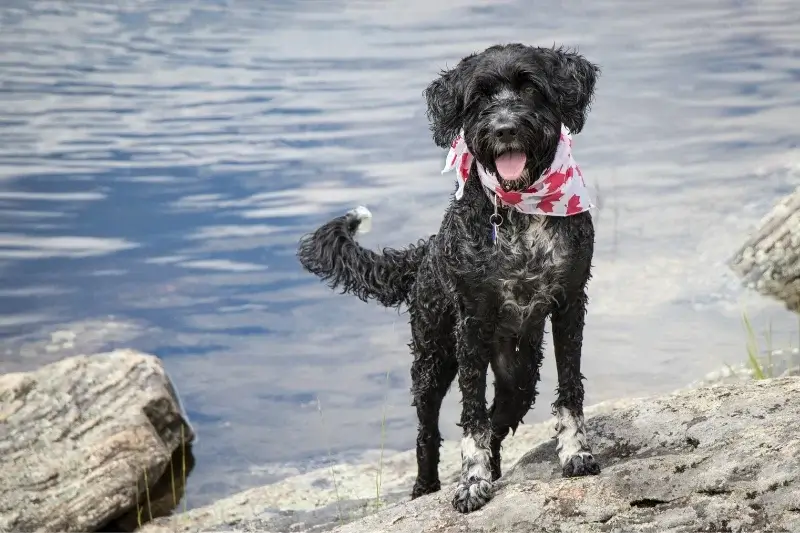
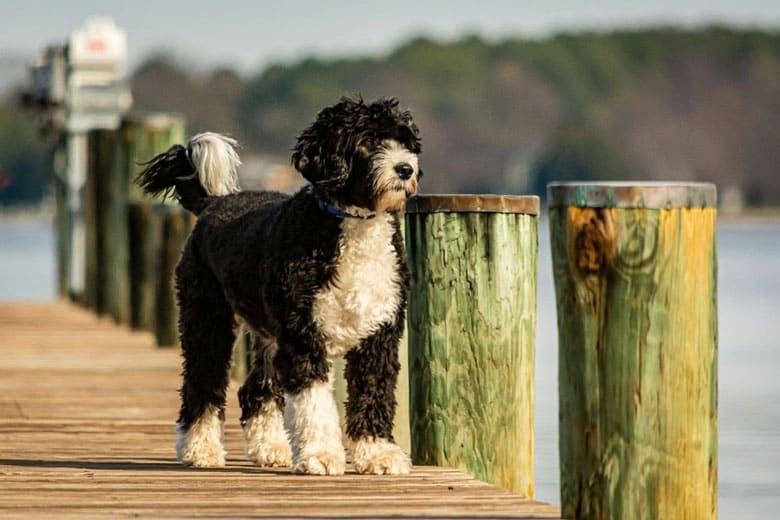
The Portuguese Water Dog (also known as the Cão de Água Português or "Portie") is a smart, athletic, and water-loving working dog originally bred along the coast of Portugal to help fishermen. It is disputed, how these curly dogs arrived in Portugal. Some theories suggest, that they were developed from the same ancient genetic pool and that they have originated on the central Asiatic steppes around 700 BC. What we know for sure is, that they were developed into the dogs we know today in Algarve, Portugal. The Portuguese Water Dog is a large breed weighing between Male: 19-27, Female: 16-23 kg and standing Male: 51-58, Female: 43-53 cm tall. Its sturdy physique and well-proportioned body make it instantly recognizable. The Portuguese Water Dog is known for being Intelligent, loyal, energetic, athletic, eager to please. It is very active and needs plenty of daily exercise.
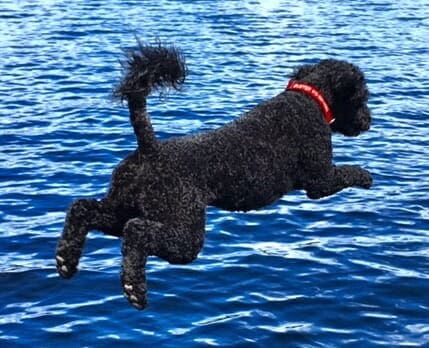
Early socialization and consistent training are key to bringing out its best qualities. The Portuguese Water Dog is highly intelligent and responds excellently to positive reinforcement training. Early obedience classes are recommended for all dogs of this breed. Short, engaging training sessions work best to keep their attention and build a strong bond with their owner. Portuguese Water dogs are just made for swimming. They have webbed toes and flat paws that work like flippers. Their strong tail is like a rudder and it makes it easier for them to navigate when swimming. And we can not forget about the waterproof thick coat, which enables them to swim even in cold waters. These dogs were bred to work hard, so its no wonder, that they need quite a lot of daily exercise. They are also very intelligent so you should keep their mind busy as well. They just need some kind of a job to be healthy and happy. Portuguese water dogs are amazing jogging partners and you should let them swim from time to time. You can also try some dog sport with them, like agility, tracking or obedience trials.
The Portuguese Water Dog is a loyal, lively, water-loving dog. Animated, amusing, spirited and fun to be around, it often makes people laugh. This breed is affectionate with its family. They have great stamina, and with enough exercise will be calm. They are excellent with children and usually get along with other dogs and pets without any problems. They need to get to know cats so that the company of them will also cause no problems. They are even- and pleasant-tempered. Brave, keenly aware, highly intelligent and trainable; keen to work and quick to learn and understand instructions. Training these dogs is not difficult if you understand how to properly communicate with the canine animal. They are very sensitive to the tone of your voice and owners need to be calm, but show a consistent authority. Bear in mind that this extremely intelligent dog will take liberties if it feels it is stronger minded than its owners. Make sure you are consistent, firm and confident in the way you handle the dog. This breed may out-think its owner! Portuguese Water Dogs have a loud distinctive bark.
They are generally quiet but do communicate vocally with owners. The gregarious Portie is an affectionate, people-oriented dog who thrives with a job to do. Retrieving is a favorite pastime and fetch is a game he'll play diligently. The breed is active and requires plenty of exercise and mental stimulation to prevent undesirable behaviors due to boredom. Never to be taken too seriously, the Portuguese Water Dog has a sense of humor and will display his goofy side to earn laughs. Occasionally, Porties may be too smart for their own good - they may try to outsmart their owners, so a firm and consistent, but never harsh, training method should be practiced. Portuguese Water Dogs were bred for the stamina to work all day. They are not likely to slow down until the job is done. Because the Portie is so driven, it is important to observe for signs that he is overworking himself, as he is not likely to stop on his own. Running Miles: Healthy, well-conditioned Portuguese Water Dogs make wonderful running partners and may be able to run more than five miles. Hiking Miles: The Portuguese Water Dog is a top pick as a hiking companion. If fully grown, a Portie may be able to hike up to 10 miles.
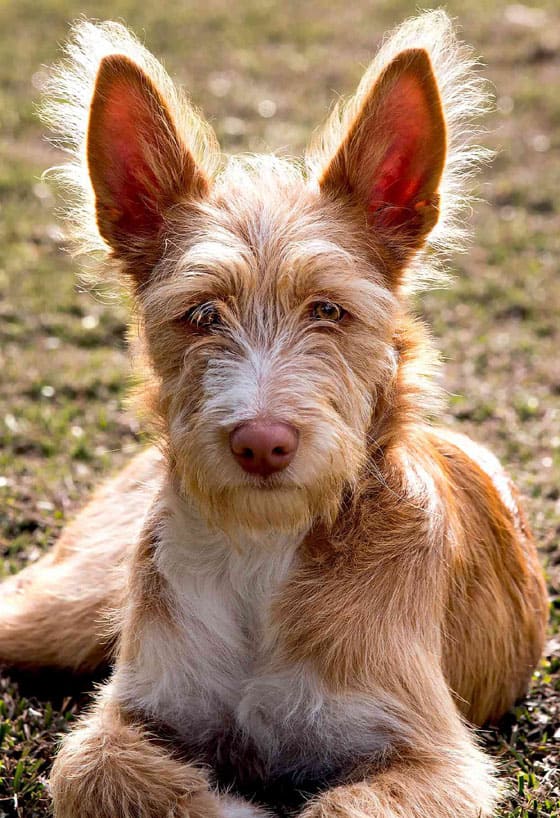
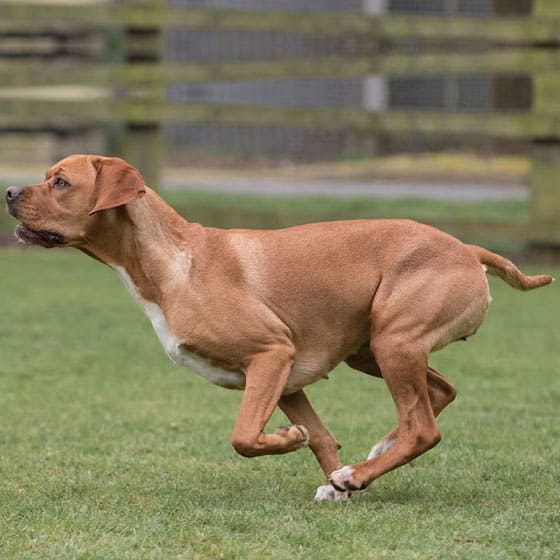
The Cão do Barrocal Algarvio is a rare, indigenous Portuguese warren hound native to the Barrocal sub-region of the Algarve. The Cão do Barrocal Algarvio is different from the other Portuguese dog breeds and not just in appearance. These pups are descendants of the Egyptian Greyhound and have a particularly stunning look. The exact ancestry of Cão do Barrocal Algarvio is unknown. The most accepted theory claims, that the first ancestors of this breed got into the southernmost part of Porgual, also known as Algarve, on the boats of Phoenician traders or Berbers. It is very likely, that one of the breeds brought to this area was the Egyptian Greyhound, who was crossed with other dogs that already lived in Portugal, for example the Border Collie and Podenco breeds, such as Portuguese Podengo and you can see some clear similarities between Podencos like Ibizan Podenco, Podenco Andaluz or Portuguese Podengo and the Cão do Barrocal Algarvio. The breed also share notable similarities such as its double suspension gallop with Galgos. Their orangey-red coats are beautifully feathered around their necks and tails.
They often have white markings, including a white blaze. These dogs are expert rabbit hunters. Their speed and agility mean they can cross difficult terrain in pursuit of prey. Because they are sight hounds, care should be taken when they’re off leash as they can easily sprint after something they think could be prey. They are very active pups and love to play with their owners or join them on runs or long hikes. Docile, sweet, loyal, playful, and intelligent. They make affectionate family companions while retaining a natural curiosity and alertness. High-energy working and hunting dogs with a strong prey drive (historically specialized in tracking and hunting wild rabbits). They require intense daily exercise (such as running or long hikes) to prevent boredom or destructive behavior. Naturally suited to warm, hot southern climates, though they are happiest when given indoor access to be close to their human family. The breed faced near-extinction in the 1960s (dropping to fewer than 30–50 pure specimens) due to the introduction of foreign hunting breeds, but dedicated recovery efforts by the Association of Algarvian Barrocal Dog Breeders (ACCBA) brought numbers back past 1,500 dogs.
The Cão do Barrocal Algarvio was developed by local hunters as an ultimate hunting dog breed specialized on predominant prey, which were wild rabbits. They had to hunt quick and agile rabbits in sharp and rocky terrain of Algarve and hot Portuguese weather. And indeed, the Barrocal Algarvio is just perfect for this purpose. These dogs love to work, they can hunt all day long, they can withstand hot climate, they have higher prey drive, they have extremely good hearing and vision, they can work independently, but they are very loyal to the hunter and they are very quick, agile and endurant, all very important traits for a succesfull hunting dog. Barrocal Algarvio dogs also have the ability to dig deep holes quickly and easily when they are searching the prey. They have thin paws perfect for digging and thanks to the slim body they can reach bottom of the hole quickly and easily. A very playful, curious, but also patient, docile and gentle family companion.
These dogs are very smart. They most likely have a Border Collie in their lineage which gives them great intelligence, eagerness to please and trainability. These dogs can also happily live with kids in the household and they typically have no problems with other dogs, especially if socialized together from the puppyhood. On the other hand, other smaller household pets, like cats, might be problematic, due to their high prey drive. The Barrocal Algarvio is known for its social, sweet and friendly temperament and it truly makes extraordinary companion pet. They are not for everyone. It is important to say, that this is highly active breed and they need an active owner, who will provide them with intense exercise. They love to run and you should let them run as they wish every day. But if they have enough exercise, they will be very calm and relaxed indoors. The Barrocal Algarvio will be always ready for any outdoor adventure with you and they truly need plenty of physical exercise. Without enough exercise, they might develop some bad behaviour, such as destruction.
The Castro Laboreiro Dog (Cão de Castro Laboreiro) is an ancient, rare livestock guardian and watchdog originating from the rugged northern mountains of Portugal, particularly the village of Castro Laboreiro in the Peneda-Gerês region. The Minho River area and the Peneda and Soajo mountains in northern Portugal, operating at altitudes up to 1,400 meters. Traditionally bred to protect cattle flocks and homesteads from wolves, bears, and other large predators. Recognized by the Fédération Cynologique Internationale (FCI Standard) in Group 2 (Molossoid type) and the United Kennel Club (UKC Standards) in 2006. Considered a rare breed with a small global population and limited numbers outside of Portugal.
The Castro Laboreiro Dog is a large breed weighing between Male: 30-40, Female: 25-35 kg and standing Male: 58-63, Female: 55-60 cm tall. Its sturdy physique and well-proportioned body make it instantly recognizable. The Castro Laboreiro Dog is known for being Loyal, protective, intelligent, independent, alert, courageous. It is calm and well-balanced, adapting well to different lifestyles. Early socialization and consistent training are key to bringing out its best qualities. The Castro Laboreiro Dog is highly intelligent and responds excellently to positive reinforcement training. Early obedience classes are recommended for all dogs of this breed. Short, engaging training sessions work best to keep their attention and build a strong bond with their owner. Loyal, calm, affectionate, and deeply devoted to familiar people and children. Naturally suspicious, vigilant, and protective, acts as an incorruptible sentinel that rarely "switches off".
Unsuited for apartment living; thrives best in a house with a large, secure yard or rural environment where it has space to move. High stamina; requires daily long walks and physical activity (though intense forced exercise should be avoided while young). Demands early, consistent socialization, firm and calm leadership, and positive reinforcement training. The Laboreiro is a very brave protective flock guardian dog that is intelligent, very dominant and fearless. It is a loyal, docile friend to its owners, but is sometimes aggressive with strangers. The Laboreiro is trustworthy and very tolerant of children within its own family. All those the Laboreiro does not know is considered suspicious, is not trusted and will be watched closely. It will only tolerate orders of its owners. It will not tolerate a stranger telling it what to do. This breed will instinctively patrol its territory. It lives with its livestock, not letting strange people or animals anywhere near what it is protecting. The Laboreiro will find high ground to rest where he can watch over his flock.
This is not a yappy breed, if the Laboreiro is barking, the dog feels there is something wrong. This is a breed which requires a very dominant owner. Starting from puppyhood, the dog must learn to respect its owner, not fear him. Harsh training does not work with this breed. These dogs may be difficult to control and need experienced training and firm handling. Not a breed for the average owner. Does best with a job to do. The Cao de Castro Laboreiro is a fearless flock guard with strong protective instincts. They are highly intelligent and brave. They are loyal, docile, and devoted to their owners. They are reliable and trustworthy with children in their family. They are very suspicious of strangers, and they will only obey the commands of their owner. They will only bark if they feel there is something wrong. The Cao de Castro Laboreiro requires a dominant owner. Heavy-handed or overly harsh training does not work with this breed. The Cao de Castro Laboreiro possesses a fearsome and penetrating expression.
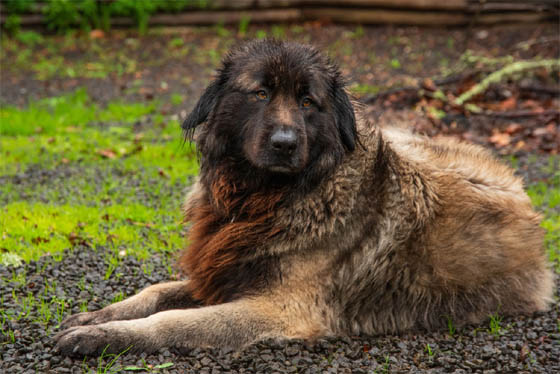
The Estrela Mountain Dog (Cão de Serra da Estrela) is an ancient Portuguese livestock guardian breed known for its loyalty and imposing size. Standing 24 to 30 inches tall and weighing up to 132 pounds, they feature a thick coat, characteristic black mask, and a confident temperament. With roots in Portugal, the majestic Estrela mountain dog is a loyal breed renowned for its strong guarding instincts, intelligence and independent nature, notes the AKC. They’re robustly built with a dense coat, which can be long or short - often in shades of fawn, brindle or yellow, which helps provide excellent insulation against harsh mountain climates. In fact, they’ve historically been utilized as guardians of livestock in the rugged terrain of the Estrela Mountains. This breed is relatively high-energy and strongly benefits from consistent training and socialization from early pup-hood. Despite their imposing appearance, well-trained Estrela mountain dogs display a gentle and loyal demeanor toward family members and children that make them a cherished family guard dog and companion.
While slow to warm to strangers, Estrela Mountain Dogs are devoted to their families. Their history makes them watchful working dogs, but they can be playful and loving with children. Estrela Mountain Dogs can even share a home with other pets, especially if they are well-socialized and raised alongside them. Like many dogs bred to make decisions in the field, Estrela Mountain Dogs have a definite independent streak. They are not particularly energetic, but they do need daily exercise to keep their brain and body healthy. Estrela Mountain Dogs are best for pet parents who have experience with independent working dogs. Thanks to their history as guardians, Estrelas are likely to bark to alert their family at things they deem suspicious, even if that is just your neighbors taking a walk. Consistent training can help keep barking to a minimum, but you should not expect an Estrela Mountain Dog to be quiet all the time. The dogs are more agile than they look, according to the Estrela Mountain Dog Association (EMDA), and might prove to be escape artists. Keep an eye on your dog whenever they are outside, and make sure your fence is tall and secure. Bored, lonely Estrela Mountain Dogs are more likely to engage in unwanted behaviors.
The Estrela Mountain Dog is the ultimate gentle guardian - they may look tough, but they have got a heart of gold. These dogs are incredibly loyal to their families, often forming strong bonds with every member of the household. They are known for being protective, always keeping watch over their loved ones, and they take their guarding duties seriously. If a stranger approaches, the Estrela will be cautious and may let out a deep, resonant bark to alert you, but they are not naturally aggressive. While they are all business when it comes to protecting the home, the Estrela has a softer side too. They are affectionate with their family, gentle with children, and enjoy being part of daily family activities. Whether it is snuggling up during movie night or joining you for a stroll, they are happiest when they are with their people. Estrela mountain dogs are large guard dogs that are good at herding flocks. Their thick coats protect them from the outdoor elements. They are known for their characteristic hooked tails and double dew claws and can sport either a long or short coat. Estrela mountain dogs may be wary of strangers but form strong bonds with their family.
The Terceira Mastiff (also known as Cão de Fila da Terceira, Fila da Terceira, or Rabo Torto) is an extinct Portuguese dog landrace that originated on Terceira Island in the Azores. Terceira Mastiffs are not playful dogs and can sometimes be disobedient if owners do not have the patience to train them properly. They are popular because of their sensitive nature, and they are very affectionate towards their owners and family. They will pick up on and react to your emotions and feelings. They will also sulk and avoid their owners if told off too firmly. Bred from a mix of local Azorean dogs, old Spanish and English bulldogs, mastiffs, the Dogue de Bordeaux, and the Bloodhound. It is also recognized as an ancestor to the Cão Fila de São Miguel and the Fila Brasileiro. In the 1880s, Dr. José Leite Pacheco drafted a formal breed standard, proposing Rabo Torto as the official name. However, the breed was already critically endangered and was never officially recognized by the Fédération Cynologique Internationale (FCI).
Government-backed conservation efforts in the 1960s collapsed due to disagreements between state officials and local breeders. By the 1970s, the pureline vanished, though local farmers and breeders attempted unverified private reconstructions. Historical descriptions portray a powerful molosser used to grip and drive difficult cattle, with a broad head, strong neck, brindle or fawn coat, and a short or twisted tail that led to the nickname rabo torto. It is generally treated as extinct, or at least not surviving as a verified pure breed. Modern references to the Terceira Mastiff are mainly useful for breed history, Azorean rural heritage, and studies of Iberian and Atlantic working dogs. Claims of living pure examples should be checked carefully, since descendant dogs, look-alikes, and reconstruction projects are not the same as an unbroken population. A dog of this working type would have required experienced handling, secure space, and firm management around livestock, strangers, and other dogs. Researchers and buyers should separate historical identity from modern marketing.
Dogica® collects only technical cookies. No any personal or private information being collected, saved or shared here. 3rd Party cookies could be collected by various installed widgets.
The information contained in or provided through DOGICA® site is intended for general consumer understanding and education only and is not intended to be and is not a substitute for professional advice.
Use of this site and any information contained on or provided through this site is provided on an "as is" basis without any representations, warranties or pay.




















WORLD OF DOG & PUPPY 🐶