The Black Russian Terrier is a large, powerful, and intelligent working dog developed in Russia during the 1950s for military and guarding tasks. Known for a calm, confident, and protective nature, they are devoted to their families but aloof with strangers. They require experienced owners, firm training, and extensive grooming. Black Russian Terriers are brave and very observant. Suspicious of strangers, they have a strong protective instinct that will appear at the age of one and a half to two years. Growing puppies should be treated lovingly but firmly, to steer them in the right direction. Puppies are sensitive, playful, adaptive and quick to learn. They are inquisitive and will get into everything. Even as an adult they are enthusiastic about children and love to play with them. This breed seeks intense contact with humans and animals. BRTs have a strong and balanced temperament. They avoid fighting with other dogs, although males cannot live with other big dominant dogs if the owners are not 100% alpha over both of them. This breed can easily live with non-dominant or small dogs, cats, horses, rabbits etc. They are easy to housebreak and should easily accept the leash. BRTs enjoy their training sessions and love to please their master. This breed only barks when they feel it is necessary.
Quick to act, they are always ready to protect their owner and house. Black Russian Terriers are "late bloomers" and take a long time to fully mature. If the dog is given firm leadership as a puppy and the owners remain consistent through adulthood, dominance is no problem. You should only share the bed, couch and table with your puppy if you are willing to do that one year later as well. No matter how sweet and charming the puppy is, remember that within a year this will be a strong and powerful dog. Black Russian Terriers are easy to have in the house with a little care. They should not live in a kennel outside because such dogs get too little attention and stimulation. Black Russian Terriers can be reserved with strangers but are affectionate with their family members. They need to spend lots of time with their family and be socialized early and consistently throughout their life. The breed can live well with other dogs and cats when well-socialized and introduced properly, and they can be good with children when supervised. The Black Russian Terrier is a confident dog that, thanks to the breed’s history as a herder and guardian, has a strong desire to use their intellect and abilities. Pet parents should aim for at least two walks a day and plenty of play time in between. Black Russian Terriers enjoy games like fetch, frisbee, and tug-of-war, and activities like hiking or swimming can be great outlets for their energy.
The Borzoi, formerly known as the Russian Wolfhound, is a large, elegant sighthound characterized by its silky, long coat, slender build, and calm, affectionate, yet independent temperament. Originating in Russia for hunting, they are devoted to their families but need regular exercise (approx. 45 mins/day). They are prone to chasing small animals due to their high prey drive. The Borzoi is a sweet, intelligent dog. It is proud and is extremely loyal to its family. It is quite affectionate with people it knows well. They can be trained in obedience, but it should be remembered that they are hounds, and as such are more free-thinking and less willing to please humans than some breeds. They are, however, very intelligent and capable learners. The training of this breed needs to be gentle, but firm and consistent. The Borzoi needs an owner who displays a natural authority over him, making the rules of the home clear and confidently sticking to them. Borzoi often appear to be cat-like in that they keep themselves quite clean. They are quiet dogs, rarely barking. Like all other sighthounds, they are very fast and have little to no territorial instinct. Therefore, they cannot be trusted off leash, unless in a securely fenced or very safe area. If they get sight of a small animal they may take off after it and not even hear you calling them back. Borzoi know they are aristocrats, but they also hide a bit of court jester. They are good-natured, gentle and calm, seemingly amused at whatever entertainment comes their way.
They are happiest when that entertainment involves running. True to their heritage, borzoi are avid hunters, and will chase any small fleeing animal. They cannot be called off the chase, and they are oblivious to cars. Obedience lessons are apt to be met with a sense of humor, but borzoi will humor you and do some semblance of what you ask them. If you make it worth their while and a lot of fun, they can actually turn in a fairly decent performance. But they will always remind you they are doing it only as a favor to you. Like most sighthounds, borzoi are very sensitive and are one family dogs. They are friendly, but not gregarious, toward strangers. They are adequate watchdogs, and will bark. That's about all they will do, and they are not very good at actually protecting you. Borzoi need room to stretch out, inside and out. They are not a breed that can curl up in a corner or exercise in a pen. Their owners need to consider the larger feed, medicine and boarding bills a large dog entails. Their laid-back nature means that they are quite content to lounge about most of the day. But these dogs are athletes and need to push themselves running every day. As would be expected from a Russian dog, borzoi enjoy cold weather, and often lie on hard, cold surfaces. Like the greyhound, the Borzoi is known for its even-tempered, calm, and quiet demeanor, paired with gentle and elegant mannerisms. While they are loyal and affectionate family pets, Borzois are generally too dignified to engage in much roughhousing with children.
The Caucasian Ovcharka, or Caucasian Shepherd, is a massive, ancient livestock guardian breed from the Caucasus Mountains, weighing 99–220 lbs. They are intensely loyal and affectionate with family but fiercely protective, requiring highly experienced, firm handling. Suited for large rural areas, they are independent, confident, and generally low-energy but need daily activity to manage their weight. The Caucasian Shepherd's original purpose was to protect livestock. The typical Caucasian Ovtcharka is assertive, strong-willed and courageous. Unless properly socialized and trained, the Caucasian Shepherd may exhibit ferocious and unmanageable tendencies. It is very brave, alert, strong and hardy. It does not accept people it does not know and it has a powerful urge to defend. Everything and everyone who belongs to the family, including children, cats, other dogs, etc., will be regarded by this dog as part of "its" family and will be respected and protected. This dog should not be left alone with children, because if play becomes too rough, the Caucasian Ovtcharka may feel the need to protect your child, and may do it extensively. It has no time for strangers, but it will greet family friends warmly. It can be rather dominant toward other dogs it does not know.
Some German fanciers employ the dogs as foremost guardians and deterrents. This is not a dog for everyone. It requires an owner who knows how to display strong leadership and who is willing to spend a lot of time socializing and training. Caucasian shepherds generally have a very watchful and protective personality. Their breeding as a guardian plays a huge role in their temperament, and this may make them unsuitable for first-time dog parents. They are typically wary of strangers but are devoted to their family. Also, due to this breed’s large size, these dogs do best in homes with lots of indoor and outdoor space, including a yard with a high fence. They are not suitable for apartment dwellers. Because of this working dog’s independent nature, many Caucasian Shepherds prefer to be the only pet in the home. They also do best in homes without young children, as they don’t do well with kiddos pulling their tail or climbing on them. Historically, this breed has been protective and naturally suspicious around strangers. If you travel a lot, a Caucasian Shepherd will find it difficult to be boarded or even to be cared for by a pet sitter. The breed thrives in a quiet, calm environment with a homebody pet parent. The Caucasian Shepherd Dog is a loyal guardian to the core.
These dogs were bred to help shepherds in the Caucasus Mountain region keep their flocks safe from predators like wolves and bears. They often use these instincts in modern times to act as watchdogs and protectors, though they are sometimes overly apprehensive around strangers and don’t take well to other animals entering their territory, including other dogs. Smart but headstrong, the massive Caucasian Shepherd Dog needs an experienced trainer that can handle an independent attitude with firm boundaries and patience. They are not high-energy dogs, but their size demands space, making them ill-suited for apartment life. A yard with a solid, high fence is ideal. Although they aren’t known for barking more than most dogs, they will alert owners to any dangers, even in the middle of the night, and their bark is quite loud. Caucasian Shepherd Dogs can make excellent family companions and should be indoors with their humans as much as possible. They should not be chained up outside, as this is a recipe for creating an aggressive, dangerous dog. With proper training, they can make loving family pets and guardians, and some have even been trained as therapy dogs.
Central Asian shepherds may be one of the first dog breeds to ever exist, but they definitely aren't a good first dog for someone looking for a pet. The Central Asian Ovcharka (or Alabai) is an ancient, massive livestock guardian breed originating from Central Asia, weighing 88–150 pounds. They are fearless, independent, and fiercely protective of family and territory, making them excellent guardians but best suited for experienced owners with plenty of space. The Central Asian Ovtcharka is a calm, fearless flock guardian. Independent, they stand their ground and do not back down. They are good with all members of their own family, however, they should be supervised with children. Outside the home they may try to dominate other dogs and are wary of strangers; they are guardians and will act as such. They like to bark at night and this may present a problem if you have close neighbors. Socialization is a must for the Central Asians, unless they are being used as flock guards.
They get along with cats and other non-canine animals and other dogs, as long as the dog is not a threat to their charge. The CAS lived its life with the Family of Turkmen thus they are family dogs that want and seek interaction with daily life. This flock guardian is not for everyone. They need an owner who understands the flock guard type and the temperament that comes along with it. This is not a breed for the timid or meek owner. The Central Asian Ovcharka is a unique breed, created by the climate of their native land. These dogs are territorial guard dogs that are protective of their property and their people. They are a large and powerful breed, but they are loyal and loving with the people they know and trust. The Central Asian Ovcharka is not a breed for the first-time pet parent, and it is not suited to apartment life because of their size. This breed is stubborn, fiercely protective, and territorial; they love to dig and bark, and require a lot of attention from their families. With the proper training, though, the Central Asian Ovcharka makes a good companion and excellent watchdog for the seasoned dog owner who is willing to be patient and give this breed the proper attention and care that it craves.
Central Asian Shepherd Dogs are hard workers dedicated to their family. This family can include other dogs - with proper introductions and children. The breed can also do well with farm animals such as cows and horses, and they prefer having a fenced space to roam within. Though they are not clingy dogs likely to follow you from room to room, Central Asian Shepherd Dogs are not loners. The breed has worked alongside humans for centuries and still prefer to be by their side. Some of the attributes that make Central Asian Shepherd Dogs excellent working guardians do not translate well to family dog life. For example, loud barking is great for warning predators, but not so great for you or your neighbors. They might also be wary around strangers, though consistent lifelong socialization and training can help them be more accepting. But despite their reluctance to welcome new people and animals, Central Asian Shepherd Dogs do not prefer to be solitary. In fact, too much time left alone can bring out unwanted behaviors, such as excessive barking and digging. In addition to being large and intimidating, the Central Asian shepherd can be possessive and territorial. This is another reason why properly socializing them is so important.
The East Siberian Laika is a medium-to-large, hardy Russian hunting spitz (20–26 inches tall, 40–65 lbs) bred for versatility in harsh climates. They are intelligent, energetic, and independent dogs with strong prey drives. Known for their wolf-like appearance and curled tails, they require significant exercise and firm, consistent training. East-Siberian Laikas are intelligent, energetic, and watchful dogs. They have strong hunting instincts, fast reactions, and an incredible sense of direction. The Laika is a courageous, affectionate, highly versatile breed. These dogs are protective of their people and make excellent guard dogs. But they have a territorial nature and may act aggressively toward dogs of the same sex that approach their property. Male Laikas are typically friendly toward strangers, whereas females tend to be more aloof. It's essential to socialize these pups so they learn to respond appropriately to different people and situations. The East Siberian Laika is the largest of the Russian Laika breeds and is used as an all purpose dog. In the past, he was mostly used for hunting both large and small game; however he was also used as a sled dog and a drover. He is known to be territorial and can become aggressive to any dog, especially dogs of the same gender that come onto his property.
While he is not usually aggressive towards people, the East Siberian Laika can easily become violent when not properly socialized or trained. He is not the right dog for the first time dog owner. Developed initially as a hunting dog for small and large game, the East Siberian Laika evolved into an all-around dog through the years. He is a stubborn and independent dog but will generally make a good family companion. He usually does well with children that he is raised with although he may not be a tolerant of very young children that do not respect him. The East Siberian Laika is a territorial dog and will generally not do well with other dogs, especially dogs of the same gender. Early socialization is important, but even then he must be constantly watched around other dogs. The prey drive of the East Siberian Laika is very high and he will not do well in a household with other pets. When properly trained he will be a well adjusted family member and will bond closely to his family and will act as protector for all family members. The East Siberian Laika makes an excellent watchdog; however, he can become aggressive towards strangers.
The Karelo-Finnish Laika is a small-to-medium, red-coated spitz-type hunting dog developed in the Karelia region of Russia, closely related to the Finnish Spitz. Known for their fox-like appearance, high energy, and "barker" temperament, they are used for hunting small game and birds. They are affectionate with family but can be independent, vocal, and wary of strangers. The Karelo-Finnish Laika was developed as a hunting dog in the Karelia area of Russia. They are an attractive looking dog with a rich thick fur that is a red coloration. Devoted to their owners, they are affectionate and loyal. But they do tend to distrust strangers and can bark when they arrive and be very standoffish and protective towards their family. Sensitive by nature, they respond best to praise, patience and kindness. If they are punished, this dog can hold a grudge and be stubborn and resentful when handled. While they normally get on well with other family dogs, they can be aggressive to unknown dogs that invade their territory. Being a hunter born and bred, they do tend to treat smaller pets as prey and will often give chase. But their loving nature and their attractive appearance makes for a beloved family member who will bond well with children and adults alike. While this dog matures quickly, they never lose their playful and animated nature and will be a starter for any game, walk or challenge that you can think up.
Affectionate, friendly and loveable are words to describe the Karelo-Finnish Laika. However, they can also be sensitive to tone and resentful towards punishment, with some dogs carrying a grudge against their owners for mistreatment that damages their relationship forever. Kindness and patience should be practiced with this dog (or any dog for that matter) to get the best from them. They make great family pets, and have the energy and enthusiasm to play for hours with children. With other household dogs they are fine, although a strange dog encroaching upon their territory will bring out aggressive behavior. Away from home, they mix well with strange dogs. Because of their instinct, which is to hunt small animals, some household pets will be considered as prey so care is needed when raising rabbits, guinea pigs and other small creatures. This pup is intelligent and willing to learn but training does require patience and kindness. Expect to repeat the lessons frequently until they understand and get it. Make training fun or they will lose interest and focus. Several short fun sessions are better than one long tedious lesson.
The Karelo Finnish Laika has an almost puppyish enthusiasm, even when they are mature. They have a high energy level, and will bark to let you know who has entered the property. Alert, lively and with a sense of fun in the personality, this dog is an interesting companion. Frisky, energetic, gregarious, and loving are all words that apply to this vigilant little dog. At heart, he is a protector, prone to barking when faced with an unfamiliar situation, person, or dog. This extends into a deep-seated desire to protect those in his "family". As a family dog, the Karelo-Finnish Laika has distinct possibilities. He is loving, loyal, and gentle to those he trusts. Indeed, if he has a fault it’s that he can be over-protective and bark incessantly if he perceives his pack is threatened. However, never forget that at heart the Karelo-Finnish Laika is a hunter. He has a high prey drive, which could make life a misery for other pets in the home. But unlike other hunting animals, the Karelo-Finnish Laika distinguishes himself by not bringing down his prey so much as stalking them and keeping them in sight. So, with good obedience training, you can at least aim to keep other pets safe!
The Russian Spaniel is a small to medium-sized, energetic gun dog developed in the USSR post-WWII by crossing English Cocker and Springer Spaniels. Standing 15–18 inches tall and weighing 20–35 lbs, they are known for being affectionate, loyal, and excellent family companions, though they require high daily exercise. To its owner, the Russian Spaniel is unparalleled in devotion and ability. It is amiable toward other dogs regardless of the breed. In addition to providing impressive work in the field, the Russian Spaniel makes a good-natured house pets and a reliable watchdog. Great with children, his handsome appearance and agreeable nature make him a good companion, and most are kept at home. Easy to train, the Russian Spaniel is devoted to his master, never letting him out of sight. The Russian Spaniel needs a firm, but calm, confident, consistent pack leader in order to be mentally stable.
The Russian Spaniel is a newer breed of gun dog, developed in the Soviet Union shortly after the end of World War II. They are typically happy-go-lucky members of the household when they are spending time with their family, always up for a game of fetch but able to spend some quality time relaxing as well. These dogs were bred to be hunting dogs, however, and in the field they are known for their stamina as well as their ability to both flush and retrieve game birds. They are still an extremely rare breed, although they are gaining some popularity in their country of origin. While the Russian Spaniel is hard-working flushing and retrieving dog out in the field, they are also a devoted and charming animal with a spirited, fun-loving attitude when they are at home. Small children should always be supervised when interacting with any canine, however, this breed does tend to be gentle with the younger set and often makes a jovial playmate. The Russian Spaniel also has a nose for trouble, and while they are typically friendly toward everyone, even people who are new to them, they are known to make very alert and capable watchdogs. They tend to be outgoing and friendly with most other dogs and cats as well, although their instincts may lead them to chase birds and rodents, both indoors and out.
They are very bright and eager to please and training the Russian Spaniel is typically a breeze, but like most spaniels, they respond best to firm but gentle training methods. This is a fairly energetic canine, but they generally are satisfied with a moderate amount of walk time followed by some vigorous playtime. This breed would definitely be happiest with their own backyard to play in, but they are often able to get quite a bit of exercise playing indoors and are easily able to adapt to an apartment home lifestyle. These dogs are quite intelligent and may enjoy taking part in alternate activities such as tracking trials, swimming, and rally sport training. Their small size, coupled with an outgoing but gentle nature, may make these dogs good candidates for therapy dogs as well. The Russian Spaniel has many qualities you’d expect to find in a hunting companion. The pup is loyal and eager to please, plus they are intelligent animals that can handle the tasks expected of a gun dog. They are friendly and get along well with other canines on the hunt. These dogs are alert to spot game reliably and have an independent streak, which is not uncommon with others with similar jobs. The breed gets its easy-going nature from its breeding stock. Those dogs are well-known for their gentle temperament, and their loyalty makes them good watchdogs, although they aren’t noisy animals, so they reserve barking to threats.
Meet the Russian Toy, one of the tiniest dog breeds in the world! These good-natured and elegant dogs are beloved for their intelligent, confident personalities. The Russian Toy is a tiny, active, and intelligent breed (8–11 inches, up to 6 lbs) with a 12–14 year lifespan, known for being affectionate, playful, and loyal companions. They exist in smooth and long-haired varieties, requiring moderate exercise, and thrive in homes as, despite being initially aloof, they are not aggressive. Lively and merry, the Russian Toy breed has a sharp intelligence and seeks to please. Russian Toys are superb dogs for folks of all stripes. They love to cuddle and be near their human companions. Intelligent, affectionate, and outgoing, the Russian Toy is a people-oriented breed that forms close family bonds. These easy-going dogs interact well with both children and elderly people. The breed thrives on human companionship and does not do well if left alone, as it often suffers from separation anxiety. In general, the Russian Toy is a cheerful little rascal that loves to scamper about the yard and play. But at the same time, they are also happy to lounge around the house all day. A loving, intelligent, trustful companion for you and your family. You will fall in love instantly, and the only problem your RTT will create immediately upon arrival will be that he will make you want another one. Agile, hardy, lifetime devoted to the owner - this is how Russian Toy owners describe their dogs. Small, elegant dog, tall on legs, of square build.
Active, very lively, neither shy nor vicious, these dogs are said to be easy to train. Despite their small size, Russian Toys are fearless and love a challenge. They are known for their energetic and playful personalities, but they are also quick learners who enjoy practicing new tricks. According to Dietrich, they excel in various sports, like: Agility, Barn hunt, Scent work, Coursing ability tests. These feisty little pups are also highly affectionate and thrive on human companionship. Russian Toys love to be close to their people - whether you are in the kitchen or working in the yard, they will never be far behind. They like to have your lap all to themselves but will share willingly, especially if it is chilly outside. Russian Toys can be slightly aloof with strangers, but their loyalty makes them good watchdogs. Russian Toys love and try to protect their people. Once they find no threat, they love everybody else as well. Russian Toys generally get along well with children and other pets. If you have young children, though, you will want to pay close attention and supervise their interactions. These dogs are so tiny that rough handling can hurt them easily. Sometimes two males may not like each other - something to keep in mind if you are thinking of getting more than one dog. Like all dogs, Russian Toys thrive in a loving and attentive home. When it comes to training and socializing Russian Toys, it is best to start early.
The Bolonka Zwetna is a rare and charming toy breed from Russia, adored for its affectionate personality and hypoallergenic coat. These small dogs are perfect companions for families and seniors, with their adaptable nature making them well-suited for apartment living. Their playful spirit, combined with minimal shedding, ensures they bring joy and ease to any home, making them ideal for a variety of lifestyles. The Russian Tsvetnaya Bolonka ("Russian Colored Lapdog") is a small, affectionate, and intelligent companion breed developed in1950s Soviet-era Russia for apartment living. Weighing only 4–11 lb, these charming, wavy-coated dogs are loyal, sociable, and generally quiet, making them ideal family pets. They are low-shedding but require regular grooming and do not enjoy being alone. Bolonki are sturdy, happy, playful little dogs with an affectionate and loving temperament that is ideal for their role in life. They are intelligent, outgoing, trusting and energetic dogs that will also be content to sit quietly on a lap for as long as it is allowed. They need gentle, firm obedience training. The Russian Tsvetnaya Bolonka is a charming, curious, clever, and spirited breed. These little dogs have big hearts and make great family pets. Despite all of their positive qualities, this toy breed remains rare. Bolonki are sweet, even-tempered dogs that are affectionate with their families and friendly toward strangers. Children love them for their small size and spirited but easy going personalities and Bolonki love them right back. These charming dogs can turn strangers into friends and transform those unfamiliar with the breed into enthusiastic fans. Although Bolonki are quick to alert their owners if something seems amiss, they are not vocal dogs and, with training, will not be a constant barker.
This intelligent breed adapts well to many different situations, including apartment living. The Bolonka Zwetna is known for its affectionate and gentle disposition. They thrive on human companionship and love being part of family activities. Their friendly nature makes them excellent companions for individuals of all ages. With children, these dogs are playful yet patient, enjoying games and cuddles alike. They generally get along well with other pets, including cats, especially when socialized early. Their non-aggressive demeanor contributes to a harmonious household. When it comes to strangers, the Bolonka Zwetna is typically welcoming, though they may be slightly reserved at first. Their intelligent and adaptable personality allows them to adjust quickly to new people and environments, making them ideal for social settings. Despite their small size, the Bolonka Zwetna enjoys regular exercise to stay healthy and content. A daily 30-minute walk combined with indoor playtime suffices for their moderate energy levels. They love interactive games that stimulate both mind and body. The Bolonka Zwetna is intelligent and eager to please, making training a generally positive experience. They respond well to positive reinforcement methods, such as treats and praise. Consistency and patience are key to successful training sessions. Bolonki have an interesting mix of characteristics. They are friendly and approachable to all, making them great with strangers, yet they also serve as alert watchdogs, alerting their owners to any new or unfamiliar presence in their environment. While they are not excessive barkers, proper training can help them develop a balanced approach to alerting their owners when necessary.
The Russo-European Laika is a descendant of two related breeds, the Karelian Bear Laika (which is extinct) and the Karelain Bear Dog. This quickly developed breed was conceived in 1944, recognized by 1960, and represented in space during that two-generation period. Yes, that dog that the Soviets shot into space in 1957, aboard the Sputnik II - was a Russo-European Laika! The Russo-European Laika is a medium-sized, agile, and robust hunting Spitz originating from Russia, known for its intense energy, loyalty, and independence. Standing 19–24 inches tall and weighing up to 55 lbs, they require extensive daily exercise, making them ideal for active owners. They have a dense, black and white double coat and are excellent hunters. Lively and affectionate dogs, Russian-European Laikas are loyal to their humans. They have a friendly nature and get along well with kids, making them an excellent choice for a family pet. These friendly, loyal dogs make excellent family pets. They're affectionate with their people and extremely tolerant of kids. But they can be aloof around strangers. Russian-European Laikas have a territorial nature and may act aggressively if another dog enters their space. So, it's essential to socialize these dogs early to teach them how to respond appropriately to such situations. Consistent training can also help them overcome any natural tendencies to guard toys, food, or other objects when sharing a household with other pets.
The Russo-European Laika is for specific people. They are definitely not for first-time dog owners, homes with other non-canine pets or apartments. They are also not recommended for people with merely moderate dog experience or homes with other dog breeds. These are hunting dogs whose strength, versatility and fearlessness make them very challenging dogs to live with. They are primarily hunters, but they can perform a great number of roles, among them herding, watch/guard dogs, and protection. Although they need little training to perform their natural hunting, pulling and watchdog duties, training them in basic commands and obedience may take more than a little effort. They are smart but need a master (alpha) that can firmly and consistently train them from puppyhood. This is the person to whom they will be most loyal. Socialization is especially important if you have other dogs and additional training may be necessary to curb excess barking. Very strong, Resourceful, Highly agile, Amazingly sharp, Very protective, Top-notch hunter, Remarkably versatile, Wonderful family companion, Works well with other Laikas, Extremely devoted to the master, Bonds closely with the first trainer, Can hunt and kill bears, boars, and other large game, Highly tolerant of children they have been socialized with. Can be Stubborn, Difficult to train, Very aloof toward strangers, Tends to attack non-canine animals, May not hesitate to dominate other dogs, Requires lots of outdoor space to run and hunt freely, If given to a new owner after 8 months, may be difficult, Absolutely must be socialized no later than four weeks old.
The Samoyed is an intelligent, friendly, and vocal working breed originating from Siberia, famous for its thick, white "smiling" face and double coat. Weighing 35–65 lbs, they require high daily exercise (1-2+ hours) and significant grooming. These affectionate, family-oriented dogs are prone to, and thrive on, human companionship. The Samoyed is a gentle dog. Very devoted, easygoing, friendly and quite playful, it loves everyone. It will gladly be friendly to all, including intruders. It is too friendly to be of much use as a watchdog, although its bark will alert you to the presence of strangers. It willingly adapts to family life and gets along well with children. It is highly intelligent, and will respond to firm, patient training, which should be started at an early age. Make sure you are this dog’s firm, confident, consistent pack leader to avoid potential behavior issues such as, but not limited to, obsessive barking. The Sammy is accustomed to working in teams, and shows outstanding qualities. When this dog is given what it needs to be a stable-minded dog, i.e. enough mental and physical exercise, along with clear leadership, it proves itself to be outstanding, good-natured, lively and sociable. It never seeks trouble but can handle an adversary if necessary. These dogs have a reputation of being chewers. If the Sammy is lacking in leadership and/or exercise it can become very destructive if left alone for many hours at a stretch. Samoyeds can get along with non-canine pets when raised with them from puppyhood or when properly trained to do so, however they do have an instinct to hunt and caution should be taken around other small animals.
They can get along with a family cat. This breed has an instinct to herd. Every dog is an individual with their own personality, but the average Samoyed dog temperament is influenced by their background. Because of their history as working and herding dogs, Samoyeds are clever, quick-witted, and even mischievous. Despite being hard workers, Samoyed dogs are extremely playful and need lots of exercise and mental stimulation to prevent boredom. A bored Samoyed is bound to develop destructive behaviors like chewing and digging. Supervise your Samoyed when they are around smaller animals like cats, rabbits, or neighborhood squirrels - they may try to herd these critters and even small children. It’s important to keep your dog on a leash or within a fenced area whenever they are outside, too, to stop them from wandering off to explore. As high-energy dogs, Sammies are best suited for people with plenty of time to dedicate to their daily exercise and training needs. Also, these dogs are vocal: they will bark, whine, growl, and make other sounds, including when they are playing. These dogs can do fine in warm temperatures, but do not be surprised if your Samoyed refuses to come inside in cold weather. Like other arctic breeds, snowy days are cause for celebration in the Samoyed's mind, and your dog will be especially happy to play outside with you or bury themselves in a snowy mound. Some people even provide their Sammie with kiddie pools filled with ice during the summer for this breed to play in.
The Siberian Husky is a medium-sized, athletic working dog originating from Siberia, known for its thick double coat, incredible endurance, and striking blue or brown eyes. Highly intelligent but independent and stubborn, they require consistent training and intense daily exercise (40-60+ mins) to prevent destructive behaviors. They are friendly, vocal, and generally good with families, but possess a high prey drive. Siberian Huskies are loving, gentle, playful, happy-go-lucky dogs that are fond of their families. Keen, docile, social, relaxed and rather casual, this is a high-energy dog, especially when young. Good with children and friendly with strangers, they are not watchdogs, for they bark little and love everyone. Huskies are very intelligent and trainable, but they will only obey a command if they see the human is stronger minded than themselves. If the handler does not display leadership, they will not see the point in obeying.
Training takes patience, consistency and an understanding of the Arctic dog character. If you are not this dog’s 100% firm, confident, consistent pack leader, he will take advantage, becoming willful and mischievous. Huskies make an excellent jogging companion, as long as it is not too hot. Huskies may be difficult to housebreak. This breed likes to howl and gets bored easily. Does not do well if left alone for a long period of time without a great deal of exercise beforehand. A lonely Husky, or a Husky that does not get enough mental and physical exercise can be very destructive. Remember that the Husky is a sled dog in heart and soul. It is good with other pets if raised with them from puppyhood. Huskies are thrifty eaters and need less food than you might expect. This breed likes to roam. Siberian Huskies can make wonderful companions for people who are aware of what to expect from these beautiful and intelligent animals and are willing to put the time and energy into them. Siberian Huskies like to be active and part of the family.
They are smart, outgoing, and tend to be independent thinkers, which can easily lead to behavior problems, such as excessive barking and chewing up your furniture, if not corrected early as a puppy. If you are a first-time Husky parent, consider reaching out to a certified professional trainer to get extra help. Look for a trainer that is fear-free certified and uses the LIMA method (Least Intrusive, Minimally Invasive). Huskies are friendly dogs that are typically good with kids and other pets, but they are also very smart and strong-willed. They need to have room to run and be active with family members. If they are cooped up all day or are not given proper attention, your Husky will be a handful. Always supervise dogs and children together. Bored Siberian Huskies have a reputation for being destructive indoors, digging holes outside, and escaping yards to run freely. It’s important to provide your Husky dog with lots of mental stimulation and activity or they will likely look elsewhere for entertainment.
The South Russian Ovcharka is a large, powerful livestock guardian dog (108–110 lb, 24–26 in) known for its long, thick shaggy coat, which is often white, fawn, or gray. They are intensely loyal and protective, requiring experienced handling, rigorous socialization from a young age, and ample space, as they can be independent and aggressive toward strangers. The Ovtcharka of southern Russia is a very large, robust dog. He adapts easily to diverse climatic conditions and temperatures. This breed needs an owner who knows how to display strong leadership; someone who is firm, confident, and 100% consistent. If you do not show your authority over this flock guard, he may become very dominant with strange people and other dogs. This breed is not very demanding, but he does need a strong-minded human to be his leader. Males are stronger and more massive than females. They were bred to guard their property; therefore, they are independent and will respond negatively to nervous activity. These dogs are strong, balanced and lively. They have a dominant reaction; it is their active way of defense. As guardians they extend themselves to include their families, their home and as much land as they can scent and thus fully call their own. The possessive nature of this dog requires extensive property, a sizable family, and preferably other animals that he can protect. He has a dominating personality and can enforce his will upon other dogs with ease. Socialize well while young.
The South Russian Ovcharka has many desirable traits. They are loyal and active with their people, and they can be great with children. On the other hand, this breed can also bore easily, tends to be independent, and can, if not properly socialized, show aggression towards strangers and other dogs. They tend to be possessive of their food, toys, and bed. Proper training and socialization from a young age is very important for this breed. This dog is loyal and energetic, easygoing, and protective of the people they know and love. They are confident and fearless, which can sometimes get them into trouble, but they’re always up for a good time. On the other hand, the South Russian Ovcharka’s protective instincts often make them wary of, and sometimes even aggressive towards, other dogs and people that they do not know. They can become possessive of their things if they aren’t properly trained, and training can sometimes be difficult because they tend to be stubborn and headstrong. A well-socialized and well-trained South Russian Ovcharka can overcome these traits, but will always have a certain impulse to guard and protect. The South Russian Ovcharka is a steadfast guardian and that may be its most dominant characteristic. They were bred to be guard dogs in every facet in order to protect the family, home, and property and they take their responsibility with zeal, willingly acting as intimidators if they sense a big enough threat. They are highly attuned to their environment and act as sentinels of their home even if it is not requested of them.
They are highly intelligent but they use it two-fold: one to understand the rigors and aim of training quickly and the other to make their own decisions. They are not particularly difficult dogs to train, as they pick things up rather quickly. But what they do require is a firm and consistent hand, as even after they are fully trained, still prefer to often make their own decisions unless they have someone to tell them otherwise. While South Russian Ovcharkas are generally easy-going and relatively affectionate dogs with their families, they still retain much of their ancient status as independent guardians. They are not a particularly difficult breed to train, as they are incredibly intelligent, but their strong-willed nature often means that even once fully trained, they will still attempt to make their own decisions unless told otherwise. Because of it, they need an extremely consistent and firm hand to maintain ideal behavior, as they will often try to reassert themselves as the dominant member of the family if not given direction with regularity. Although they do enjoy spending time with the family, they are just as happy to be alone as long as they've received a proper amount of exercise. If left to their own devices, they will often patrol their home or yard, making sure they do not see or hear anything potentially harmful. Because of the independence acquired by years of guardianship over flocks and families, they can be a bit standoffish, especially with strangers and other dogs and will need thorough socialization early on if they are to co-exist with either regularly with minimal issues.
The West Siberian Laika is a versatile, medium-to-large Russian spitz breed known for its exceptional hunting skills, wolf-like appearance, and independent, courageous temperament. Originally bred for big and small game, they are highly active, vocal, and intelligent dogs requiring extensive daily exercise. They are loyal to family but, due to high prey drive and independence, need early training and socialization. The West Siberian Laika (WSL) is a medium sized Nordic spitz type of hunting dog. This domestic breed of dog shares many primitive breed characteristics to his wild ancestors. For example, he has little to no "doggy" body odor, females comes into estrus usually only one time of year, generally has puppies in the spring, regurgitates food for puppies, is capable of digging a den in the earth for whelping puppies, and has extreme acute senses that are naturally used for hunting purposes. Although many specimens look wolfy in color pattern, this is not a wolf hybrid, but rather it is an established breed of dog developed in Russia. In the early 1900's the Russians made more effort to fix the individual breed characteristics of the breed and established an actual breed standard. However, with that said, the breed is always preserved to be a natural hunter of various quarry. The natural hunting instincts of the Laika is much different than most modern domestic breeds of hunting dogs. For example, most Laikas naturally look up into the tree canopy for animals, whereas this is a hunting trait that some modern hunting dogs never seem to learn. In Russia and more particularly in the Western Siberia region of Russia the West Siberian Laika is used on quarry that reside in the trees, such as squirrel and sable, which is similar to the North American pine marten.
Once quarry is found in the tree the dog will naturally bark and follow the quarry from tree to tree. However any quarry chased on the ground is run silently until it is bayed up in a tree. If a squirrel is found feeding on the ground the WSL will try to catch it before it gets to a tree and if it is not caught the WSL will continue to chase it until treed, this chase on the ground is silent. Once the squirrel runs up the tree to escape the hot pursuit, the WSL will then give voice. This is different to many modern hound type of dogs that give voice as soon as scent is detected. The WSL has desire to catch small quarry on the ground if he can. The tenacity of the WSL on dangerous quarry is well known and is considered a paramont Russian grizzly bear or bore hunter. However, due to his natural primitive hunting instincts and ability to survive these dogs just do not charge into dangerous quarry and get hurt. The West Siberian Laika is a sturdy, rather intimidating dog with a rangy, wolf-like appearance. He is a hardy dog with a very dense and harsh coat. The West Siberian Laika is similar to his cousin the East Siberian Laika but has a stronger prey drive and a slightly larger body. Along with the East Siberian Laika, the West Siberian Laika directly descends from the wolf. The West Siberian Laika has a keen sense of direction and can track game for many miles.
Generally, he can make a good family companion as long as he has plenty of opportunity to play and has a job to perform each day. The West Siberian Laika is not meant for the first time dog owner simply because he is a stubborn dog that needs constant socialization and training. He will not do well in an apartment setting or a home with a small yard. The West Siberian Laika is an inquisitive dog and loves to go exploring. This dog is not meant to be left alone in the backyard for hours at a time. He will find something to occupy his time and can easily become a very destructive dog. He also likes to be vocal, he would alert hunters when he found his prey by barking, and can become an annoyance to the neighborhood if left to his own devices. WSL can be protective of property and his master against dangerous animals such as bear or stray dogs. Some dogs may be protective against strange people however that is not overly common within the breed. These dogs may appear to be aloof, but to those who know them well know they are just independent thinkers. As a breed showing primitive characteristics being great hunters in the vast wilds of Western Siberia they are able to engage with dangerous quarry without getting hurt. They hunt with their masters, but for the hunt itself they are expected to react on their own to the unfolding hunting situation without waiting for assistance or direction from their master. They do this so they do not get injured and so that they can also be successful in the field. The WSL is very good at problem solving and have the ability to remember situations very well. In the home environment they are very affectionate and enjoy their human companions, but again, they are not simple lap dogs.
The Bankhar dog is an ancient, large livestock guardian landrace from Mongolia, often called the "Mongolian Four Eye Dog" due to spots above its eyes. Weighing 50–60 kg, they are intelligent, loyal, and independent workers known for protecting livestock and families. They are rare outside Mongolia. These dogs are lighter in build and more athletic than their nearby relatives the Tibetan Mastiff or Central Asian Ovcharka. DNA analysis by Cornell University indicates that the Bankhar has very high genetic diversity - this is related to a more primitive genome and high gene flow between regional "races" of a landrace versus the decreased genetic diversity of a standardized breed. A current danger to the population of Bankhar is interbreeding with the fashionable Tibetan Mastiff. Mastiffs are genetically distinct from Bankhar and are not working dogs. Mixed Mastiff genes in the Bankhar gene-pool have degraded the quality of the working dog genes of Bankhar. There are few pockets of true Bankhar dogs left. Mongolian Bankhar Dog Project has identified them using DNA testing and has isolated these dogs for breeding the next generation of genuine working Bankhar guardian dogs. The Bankhar, like many other livestock guardian dogs across Asia and Europe, is not a breed, but a "landrace".
A landrace is a domesticated species of animal that has evolved over time, in a natural and cultural environment, and in this case has adapted to the local agricultural and pastoral conditions under the guidance of nomadic herders. This is a critical distinction from the word,"breed". Bankhar dogs have evolved and co-evolved with humans to fit to a very particular niche. The reason why a Bankhar dog looks and behaves as it does is to maximize its efficiency and effectiveness as a working livestock protection animal. Bankhar are comparatively long-lived. Examples of 15-18 year old dogs working with nomads in the field is not uncommon – this is of interest since most Bankhar never receive veterinary care and eat solely boiled livestock innards, rice or noodles, and bones. Our experience and data show that the Bankhar breeds once a year in Mongolia (one of the coldest countries in the world). In a less hostile climate it is possible that they might breed more often – we simply do not know. Bankhar, like most livestock guardian dogs, have an independent nature and tend to think for themselves. They are very loyal to their charges and protect them with their lives. They do not tend to be dogs that chase predators for vast distances, but they will attack predators without hesitation if the predator does not back down or leave the area immediately. Bankhar are not very aggressive toward people unless raised to be so. Once introduced, a working Bankhar will typically ignore a human and return to its protection job. Bankhar will not let people approach their charges if they are unaccompanied by a human the dog trusts. Raised well and socialized with people, Bankhar are like any other pet dog, trustworthy and part of the community.
The Chukotka Sled Dog is an ancient, aboriginal Spitz-type breed from Russia’s Chukotka Peninsula, historically developed by the Chukchi people for extreme endurance, hauling heavy loads over sea ice, and hunting. Renowned as the direct progenitor of the Siberian Husky, they are medium-sized (53–65 cm), double-coated, highly trainable, and possess a friendly but intense working disposition. Originally bred to live closely with families, they are typically friendly, intelligent, and possess a very high prey drive. They require significant mental and physical stimulation, as they are bred for long-distance, fuel-efficient travel rather than just speed. They are exceptionally hardy, designed to work in arctic conditions (down to -50°C to -60°C) and can sleep in the snow. They are known for high metabolism and endurance, with a metabolism suited to arctic conditions. The breed is still used in its native region for transportation and, while nearly lost during the Soviet era, has seen a resurgence as a distinct, working arctic breed. Chukotka sled dog teams have been used since prehistoric times to pull sleds in harsh conditions, such as when hunting sea mammals on oceanic pack ice. While most famous as the progenitor of the Siberian husky and related to the Alaskan Malamute, Chukotka sled dogs almost died out during the Soviet era due to lack of interest in preserving genetically purebred examples and have only recently made a resurgence.
In 1999, the Russian Kynologic Federation (RKF) approved the first official standard of the breed. From the 1890s to the 1930s, Chukotka sled dogs were actively exported to Alaska, to transport gold miners to the Yukon as part of the Klondike Gold Rush. then later for the "All-Alaska Sweepstakes," a 408-mile (657-km) distance dog sled race in Alaska. In 1913, Leonhard Seppala inherited a team of Chukotka sled dogs by chance. Jafet Lindeberg, his friend and supervisor at Pioneer Mining Company, had brought the puppies from Siberia as a gift for the explorer Roald Amundsen, whom he hoped would use them for his upcoming expedition to the North Pole. Seppala was assigned to train the dogs. Chukotka sled dogs are prized for their high endurance, strength, ability to work and trainability. They should have a friendly disposition as required for working in teams.They have double coats and come in a variety of colors. Males and females of this dog are 53–65 cm at the withers. Roald Amundsen wrote: At dog sledding these Russians and Chukchi are ahead of everyone, whom I could see. Unlike other Arctic dogs which are multifunctional, Chukotka sled dogs are selected strictly for fuel efficiency during long-distance runs.
The Kamchatka Sled Dog (Russian: Kamchatskaya ezdovaya sobaka) is a rare, ancient landrace of sled dog originating from the Kamchatka Peninsula in Russia, traditionally developed by the Itelmen and Koryak people. These dogs are known for their exceptional endurance and ability to work in extreme, blizzard-prone Arctic conditions. They are large, hardy dogs with a strong, elongated, heavy-boned frame and long legs, built for pulling heavy loads over deep snow. They possess a thick double coat capable of withstanding high winds and extreme temperatures. Commonly black, dark or light grey. They have erect (prick) ears and oblique eyes that can be yellow, brown, or blue. They are described as loyal, intelligent, and very friendly toward people. They generally do not bark and are not suited for guarding. Working Ability: They are specialized for long-distance travel and are noted for having a high prey drive - sometimes attacking local reindeer. They have been used for thousands of years in the Russian Far East, with evidence of similar dogs in the region dating back 10,000 years. The population suffered significantly during the 20th century due to Soviet modernization, which favored mechanical transport over dog sleds, leading to a drastic reduction in numbers. Efforts are currently underway to revive the breed, and a breed standard was approved by the Russian Federation of Service Dog Breeding in February 1992. They are closely associated with the "Beringia" dog sled race, the longest in the world, which was established in 1990 to help revive the use of traditional sled dogs in the region. Traditionally, these dogs are fed salmon, often every other day, supplemented with seal blubber or other local food sources. They are designed to work with minimal care in harsh environments. While similar to the closely related Chukotka Sled Dog - the progenitor of the Siberian Husky, the Kamchatka Sled Dog is distinct to its specific region. The breed is considered particularly intelligent, courageous, determined and tough, and owners often describe its temperament as similar to that of a Dobermann.
The East European Shepherd (VEO) is a large, intelligent, and loyal working dog developed in the USSR to withstand harsh, cold climates. Heavier and taller than the German Shepherd, they excel as guard dogs and family companions, exhibiting a confident, calm, and highly trainable temperament. They require consistent training, significant exercise, and thrive with active owners. The East-European Shepherd is very loyal to its own people. It is balanced, confident and can be wary of strangers. An excellent guard dog, the East-European Shepherd will protect its owners at all costs. This breed is a working dog and will be happiest with some type of job to do. The objective in training this dog is to achieve pack leader status. It is a natural instinct for a dog to have an order in its pack. When we humans live with dogs, we become their pack. The entire pack cooperates under a single leader. Lines are clearly defined and rules are set. Because a dog communicates his displeasure with growling and eventually biting, all other humans MUST be higher up in the order than the dog. The humans must be the ones making the decisions, not the dogs. That is the only way your relationship with your dog can be a complete success. The East European Shepherd breed was developed by selectively breeding from the old-style German Shepherd lines to local dogs, reportedly including Ovcharkas and Laikas, to produce a larger dog that was capable of performing in and withstanding some of the harshest environments of the former USSR. The breeding program was carried out by the Soviet Union in the early 1920s in Byelorussia (Belarus), and for this reason, the dogs are also known as the Byelorussian Ovcharka. The breed type was established and fixed by the 1930s-1950s. These dogs became a fixture of the KGB, particularly those adorned in a jet black coat. Litters bred to KGB kennels that included any coat color other than black were destroyed, and mating between the parent dogs was never repeated. These dogs were used extensively in the military and police work for patrol, apprehension, and detection. Eventually, the dogs were released to the public, and restrictions on colors lessened. Today, the breed is seen in a variety of coat colors and patterns. The East European Shepherd remains one of the more popular breeds throughout the countries of the former Soviet Union, but the dogs are still considered quite rare in other countries, including the United States.
The Chortai (or Hortaya Borzaya) is a rare, athletic sighthound originating from Russia and Ukraine, developed for hunting and guarding with high endurance. Often described as a cross between a Greyhound and a Borzoi, they have a slender build, long legs, and a short coat, typically standing 24–30 inches tall and weighing 40–77 lbs. The Chortai is said to resemble a cross between a Greyhound and a short haired Borzoi, being a quite heavily built running hound but nevertheless displaying typical sighthound features. The Chortai is believed to have been developed from the now extinct Krymstaja and Gorskaja breeds and was a favourite breed of the Russian nobility; one was exhibited at the London Zoo in 1829 as a Russian Greyhound although otherwise they have rarely been seen outside their own country. After the October Revolution remnants from the abandoned kennels of the nobility were widely crossed with local hound varieties producing what is now known as the South Russian Steppe Hound, despite this the breed received recognition from the Soviet authorities at the Cynological Congress in Moscow in 1952. The breed's numbers steadily declined under the Soviet Union to the point of near extinction, but with the collapse of the Soviet Union there has been renewed interest in pre-revolutionary breeds within Russia and attempts have been made to rescue the breed. The Chortai is typically hunted in the traditional Russian manner, with the hunters mounted on horseback accompanied by a brace of hounds and a raptor. Chortai is a sleek, shorthaired, sighthound. This Russian breed is used for hunting and used to be referred to as the Russian Greyhound in the early 1800s. They are hounds they need exercise and mental stimulation to prevent them from getting bored and destructive. They have a natural prey drive too, so the owner needs to be able to handle that as well. Any small animal and they might be on the go before you can blink. Chortai isn’t aggressive though, but usually alert their owners if they see something unusual.
The Moscow Watchdog is a massive, powerful Russian breed (100–150+ lbs) developed from Saint Bernards, Caucasian Ovcharkas, and Russian Spotted Hounds. Bred for military guarding, they are intelligent, loyal, and confident, with a gentle temperament at home but strong protective instincts against threats. A magnificent guard, a giant ready to stand up for protection - all this is about the Moscow Watchdog (‘Moskovskaya Storozhevaya’) dog breed. It can equally well serve as a guard or watchdog and be a devoted companion to its owner. The history of the breed began after the Great Patriotic War. In the famous ‘Red Star’ kennel (the Russian Black Terrier breed was born there), they began to create another breed. It had to be large, powerful, unpretentious, easy to train and capable of performing guard and watchdog tasks in different climatic conditions - as well as in Siberia and in Central Asia. The ancestors of the Moscow Watchdog were Caucasian and East European Shepherds, St. Bernards and Russian Piebald Hounds, Newfoundlands and their crossbreeds. By the mid-1950s, cynologists managed to get a real breed group with a recognizable type. In 1958, the first breed standard was approved and, in 1985, the Moscow Watchdog was officially recognized as a breed. These are large dogs (when fully grown, their height is not less than 72-78 cm and their weight is from 45 kg) with a massive head and a wide tail. Despite their stern appearance, the "watchdogs" do not show unmotivated aggression. Thick long hair, meanwhile, protects them from the cold. The spotted red-piebald color and dark "glasses" on the muzzle give them a solemn look. The Moscow Watchdog is muscular, big-boned but not clumsy dog. It is a crossbreed of the Caucasian Ovtcharka with its watchful and assertive traits, and the Saint Bernard for its size. This dog is well developed, muscularly and mentally. Its temperament is fine if brought up properly. No dogs are known outside Russia. This breed is well developed in body and mind. It makes a good companion and watchdog. The Moscow Watchdog is intelligent and can be trained as a seeing eye dog. If properly reared it is fine in temperament. This breed is a suitable choice for owners who have the space to keep it. This dog requires an experienced owner and firm obedience training. The Moscow Watchdog is not recommended for apartment life; it is a big breed that needs space and room to move and a lot of regular exercise. Gentle, devoted, and calm with family, but wary of strangers and independent. They need firm, consistent training from an experienced owner.
The Moscow Water Dog (or Moscow Diver) was an extinct Soviet-era, experimental, water-rescue breed (1960s-1980s) created by the Red Star Kennels by crossing Newfoundlands with Caucasian Shepherds and East European Shepherds. Designed for icy water rescues, the breed failed due to extreme aggression, attacking rather than saving victims. This dog breed is Extinct (mostly disappeared by the 1980s), with some genetics surviving in the Black Russian Terrier. Created at the Red Star Kennels (Central Military School of Working Dogs). Likely a large, dense-coated, powerful dog, inheriting the size of the Newfoundland and the working drive of the shepherds. Highly aggressive, making them unsuitable for their intended role. The Moscow Water Dog is often confused with the Moscow Watchdog, a separate, existing breed, or the Black Russian Terrier. The Moscow Water Dog, also known as the Moscow Diver, Moscow Retriever or Moskovsky Vodolaz, was a little-known dog breed derived from the Newfoundland, Caucasian Shepherd Dog and East European Shepherd. It is now extinct, but was used in the development of the Black Russian Terrier.[1] The Moscow Water Dog was produced only by the Red Star Kennels, the state-operated organization chartered to provide working dogs for the armed services of the Soviet Union. The breeding program was discontinued as the dogs would attack drowning victims instead of saving them. Though the Moscow Water Dog was developed from a number of intelligent breeds, it is likely that he was very difficult to train. With his aggressive nature, it is possible that he also had a tendency toward independence and dominance. This breed would have required an experienced dog owner and a firm hand in leadership and authority in order to curb his aggressive tendencies. Even the Russian Navy was not able to counteract these tendencies, however, so it is possible that no amount of training would have turned the Moscow Water Dog into a family-friendly pet.
The Nenets Herding Laika is an ancient, rare Spitz-type landrace from Northern Russia, historically developed by the Nenets people to herd and guard reindeer. Known as the progenitor of the Samoyed, this intelligent, independent working dog is hardy, medium-sized (42–50 cm, 18–25 kg), and possesses a thick coat adapted to Arctic conditions. The Nenets Herding Laika[a] is an aboriginal spitz landrace of dog originating from the Yamalo-Nenets Autonomous Okrug, in Russia. Unlike other laikas, Nenets Herding Laika are less commonly used for hunting. Instead they have been selected primarily for reindeer herding ability, originally by the Nenets people, and later by reindeer herders through Russia. Nenets herding laika are thought to be the progenitor of several modern breeds, the most well-documented being the Samoyed. Despite this, the breed almost died out during the Soviet era due to lack of interest in preserving genetically purebred examples. In 1994, the Russian Kynologic Federation (RKF) approved the first official standard of the breed. Nenets Herding Laika should be functional and resilient in a wide range of conditions with minimal care. They are confident, energetic dogs who learn quickly and strive to please their humans. They are neither shy nor aggressive with humans. While traditionally associated with herding, Nenets Herding Laika are versatile dogs that can and should perform a wide range of tasks, including hunting small game and dog sledding. The Nenets people would often rank the quality of their dogs by their ability to herd as well as catch Arctic foxes, with especially fast dogs being able to catch up to three foxes in a day. They have been successfully used as search and rescue dogs, especially in mountainous regions where dogs must be tough and agile. Nenets Herding Laika have been successfully used as detection dogs, and the Sulimov jackal-dog hybrids used for bomb detection in Moscow International Airport were bred using Nenets Herding Dog.
The Sakhalin Husky (Karafuto Ken) is a critically endangered, large Japanese/Russian sled dog landrace nearly extinct, with few individuals left worldwide. Known for extreme endurance and strength, these 66–88 lb, thick-coated dogs were famously used in the 1958 Antarctic research expedition. They are loyal, intelligent, and best suited to cold climates. The Sakhalin Husky is a rare and ancient breed originating from the Sakhalin Island in Russia. Also known as the Karafuto-Ken or Ainu-ken, the Sakhalin is recognized for its endurance, strength, and resilience. The breed was traditionally employed by the indigenous Ainu people for various tasks, including hunting and pulling sleds in harsh Arctic conditions. These dogs have distinctive characteristics, such as a thick double coat that provides insulation against extreme cold. Additionally, their erect triangular ears and curled tail contribute to their adaptation to the frigid climates of Sakhalin. Known for their loyalty and intelligence, Sakhalin Huskies are typically reserved and independent, displaying a strong sense of pack mentality. While they make devoted companions, their unique history and characteristics make them better suited for experienced dog owners who understand their needs.
The breed's rarity and historical significance have led to conservation efforts to preserve and protect the Sakhalin Husky, ensuring its continued existence and recognition as a valuable part of canine heritage. In terms of temperament, Sakhalin Huskies are known for their loyalty, independence, and intelligence. They often exhibit a strong pack mentality and reserved demeanor, making them well-suited for experienced dog owners who appreciate their working and primitive nature. Conservation efforts are underway to preserve and protect this rare breed, recognizing its unique historical and cultural significance. While relatively uncommon outside its region of origin, the Sakhalin Husky continues to captivate enthusiasts with its fascinating history and distinctive physical characteristics. The Sakhalin Husky possesses a distinctive personality shaped by its historical role as a working sled dog in the Arctic. Renowned for its loyalty, these dogs form strong bonds with their owners, reflecting their historical connection to the Ainu people. Their independence is a notable trait, likely developed from the need to make decisions and navigate challenging terrains during sled-pulling tasks.
Intelligence is another key aspect of their personality, with Sakhalin Huskies being quick learners and capable of understanding complex commands - a crucial skill in their historical roles. A strong pack mentality is evident in these dogs, emphasizing teamwork and cooperation within a family or living environment. Resilience characterizes the Sakhalin Husky, adapted to endure harsh Arctic climates with their thick double coat. Alert and attentive, they remain vigilant to changes in their surroundings, a trait honed through their historical roles as working dogs. While reserved with strangers, their dignified demeanor is not to be mistaken for aggression, representing their independent and loyal nature. These unique personality traits, coupled with their working heritage, make Sakhalin Huskies well-suited for experienced dog owners who understand and appreciate their distinct characteristics. Early socialization and positive training further contribute to shaping a balanced and well-behaved Sakhalin Husky.
The Yakutian Laika is a versatile, intelligent, and affectionate working dog originating from Siberia, designed for sledding, herding, and hunting. Weighing 40–55 lbs (21-23 inches tall), they are high-energy, friendly, and require significant daily exercise. Known for their thick, weather-resistant double coat, they need regular brushing. The Yakutian Laika is a large spitz dog breed from Russia with pointed ears, an athletic build, a thick double coat, and a tail that curls upwards over the back. This rare breed has been prized for centuries in Russia as a sled dog, hunting dog, and all-around family companion. Spitz dogs (sometimes called Northern breeds) are known for their characteristic wolf-like appearance, including a wedge-shaped head and triangular upright ears. Many spitz breeds were bred to work alongside humans in cold conditions. Yakutian Laikas have always been treated more as companions than strictly working dogs, so they evolved to be extremely friendly toward humans. The Yakutian Laika has a very affectionate personality, especially with their own family, including respectful children. However, these dogs may be wary of strangers initially until they get to know them or understand that they are welcome. They are protective of their humans and eager to please, which also makes them trainable as long as lessons are consistent, positive, and mentally stimulating.
This breed has a high prey drive, so it should not be trusted with small pets. Though, the Yakutian Laika can learn to live peacefully with a family cat. It's best to introduce your Yakutian Laika to cats early on to help them keep a friendly temperament toward them throughout their life. The Yakutian Laika, often referred to simply as the Yakut Laika, is a resilient and versatile dog breed native to the Sakha Republic of Russia, a region known for its harsh climate and rugged terrain. This breed is renowned for its exceptional adaptability to extreme cold weather conditions, making it a valuable asset to the indigenous peoples of the region. Yakutian Laikas are medium-sized dogs known for their strong, muscular bodies, and they possess a thick double coat that insulates them from the frigid temperatures of the Siberian wilderness. They are highly skilled hunters and excel in various roles, including sled pulling, hunting, and guarding, making them invaluable companions for the local communities in Siberia. Yakutian Laikas are known for their intelligence, loyalty, and independence, making them excellent working dogs and devoted family pets. Despite their robust appearance, they are generally friendly and affectionate with their owners, making them suitable for households that can provide them with the physical and mental stimulation they need.
This breed’s heritage and unique adaptations to the harsh Siberian environment make them a captivating and sought-after breed for those who appreciate their history and value their skills as both working dogs and loving companions. The Yakutian Laika breed has co-evolved with humans over thousands of years, so it’s no wonder they are so affectionate and loyal to their people. Since being so close to humans is in their DNA, the Yakutian Laika will not thrive in a home where they have to be alone for long hours. The ancient breed loves to be in the thick of it, constantly interacting with their humans. This is why the Yakutian Laika makes such an amazing family dog. An intelligent breed, the Yakutian Laika is relatively easy to train. Positive reinforcement works best. Your Yakutian Laika might be stubborn or give you a hard time with training if they feel you aren’t giving them the amount of attention they deserve. Scheduling play sessions before and after training can help with this. Yukatian Laikas are a medium-sized dog, and they can fare well in any abode as long as they have their own nook and plenty of play and cuddle time with you. Yard space is definitely a bonus, but again, the Yukatian Laika will want you out there playing with them! If you work from home or live in a home environment where at least one person is always around, this breed could be a great fit for you.
The Sulimov dog (or Shalaika) is a specialized Russian jackal-dog hybrid developed primarily by Klim Sulimov for Aeroflot airline to serve as high-performance scent-detection dogs, particularly for explosives. They are known for their exceptional sniffing abilities, ability to work in extreme temperatures (-70 to +40), and high-intensity, independent searching behavior. Crossing Siberian Huskies (sometimes referred to as the Russian Husky) with wild jackals to create a highly efficient sniffer dog was the idea of Soviet biologist Klim Sulimov when he was working at the Interior Ministry in 1965. The breeding program was started in 1975, and in 2002, the institute successfully produced hybrids that were a quarter jackal and three-quarters Husky. The resulting hybrid is sometimes called the Sulimov dog, though Sulmov said in an interview, It is not a breed. We have reproduced the initial "pre-breed norm" of a dog, the way it used to be 100,000 years ago. In other words before humans began to "specialize" it, breeding it for hunting, guarding, etc. Any specialization limits possibilities. The highly scent sensitive jackal and dogs are now being used at Russian airports. As of 2003, twenty-five of the dogs were employed at Russia’s largest airline Aeroflot base in Sheremetyevo Airport, and ten more were working at the forensic criminology examination department nearby.
The approach being used to detect bombs is groundbreaking because it is based on analyzing the bioelectric activity of the jackal / dog's brain and central nervous system. In other words, using the dog’s body reaction generated by the dog's central nervous system. This new technique was developed and patented together with Aeroflot in 2015 and replaced a reliance on the traditional dog method of “signal behavior", which was only 60 % accurate. The new method increased detection accuracy to nearly 100 %, a result repeated when scientists conducted about 1,000 experimental tests and only eight of them recorded a mistake. Explosives detection is not the only thing that a Sulimov dog can do with the use of the new technology. It has the potential to diagnose cancer by smell, and can easily find ivory in a heap of jewelry or garbage, something that could help stop the slaughter of thousands of elephants every year. These animals are now being used by Russian scientists to test a new method for detecting explosives and other hazardous materials. This new technique was developed and patented together with Aeroflot in March 2015. The technology tracks changes in the animals' central nervous system, which improves their detection abilities.
The Russian Harlequin Hound (or Russian Piebald Hound) is a rare, medium-to-large (22–26 inches, 40–70 lbs) scent hound breed, originally developed in the USSR by crossing the Russian Hound with the English Foxhound. Known for tracking wolves and foxes, they are energetic, sociable, and loyal, featuring a short tricolor coat. The Russian Harlequin Hound is a rare breed of dog that is found almost exclusively in Russia. A blend of the Russian Hound and the English Foxhound, this scenthound is known for their ability at tracking game traditionally referred to as red game, such as fox and wolves. They tend to be friendly and outgoing with most everyone that they meet, both human and canine, but have a high prey drive and may not be safe around cats and other small animals. This breed is not well suited to living in an apartment due to their high activity levels and their vocal nature. This dog is typically friendly and playful with almost everyone that they meet, but are still gentle enough to be trusted around most children, although interactions between children and canines should always be well supervised.
They are very loyal and people-oriented animals with a sharp mind who are very easy to train and respond particularly well to positive training techniques. These dogs are agile and active and can enjoy and even excel at many different dog sports. The Russian Harlequin Hound is usually amicable towards other dogs, but they are also hunting dogs, and they have a high prey drive, which may make them unsafe to have around smaller animals like cats unless they have grown up with them or were well socialized with them. They have a particularly melodic voice, which they enjoy using. This, combined with their high activity levels, makes them unsuited for apartment living. The Russian Harlequin Hound is a very active dog, with a rather high prey drive. They generally require at least an hour or two of vigorous activity each day, and can often handle much more. Because of their high prey drive, they may have difficulty resisting the urge to chase smaller animals, so a leash should be utilized unless they are actively working. They are typically quite intelligent as well, so their minds must also be exercised each day. Puzzles and alternate forms of exercise that use the mind, such as rally sport, advanced obedience, and agility training, can be helpful in filling those requirements.
The Russian Tracker, also known as the Russian Retriever, is an extinct large, intelligent, and thick-coated livestock guardian dog originating from the Caucasus Mountains. Used historically by Indo-Aryan peoples to protect sheep from predators, they were known for their independence and ability to survive harsh conditions. Large, intelligent livestock-guarding dog used by the Indo - Aryan people from the Caucasus Mountains, weighing up to 100 pounds and standing about 30 inches at the shoulder. While some experts believe it is the ancestor of the Golden Retriever, it faded from existence around the 1800s, with the exact cause unknown. The breed was used for hundreds of years by farmers in the Caucasus Mountains to guard and herd sheep. The breed was still in existence in the late 1800s, but it disappeared sometime after, with the exact cause not precisely documented. A popular theory suggests that the modern Golden Retriever is descended from the Russian Tracker. According to this account, a man named Sir Dudley Marjoribanks acquired a pack of Russian Trackers from a circus in England and used them in the foundation of the Golden Retriever breed.
The Taigan (or Kyrgyz Taighany) is an ancient Central Asian sighthound from Kyrgyzstan, prized for its speed (up to 60 km/h), intelligence, and hunting skills in mountainous terrain. They are medium-to-large (24–28 inches, 35–55 lbs), featuring a long-haired, often curly coat and a loyal but independent,, reserved demeanor. Taigans are active, alert, intelligent dogs with versatile hunting skills. Like other sighthounds, they are gentle, even-tempered, and fast. Taigans are balanced, independent dogs. They have a reputation for being aloof, even to people they know. But they are loyal and friendly to their families, though they seem to prefer older children. These clever pups respond quickly to changes in their environment and usually get along with other dogs. Due to their sighthound instincts, they may chase cats or other small pets. As a sighthound, the Taigan primarily relies on its sight and speed to capture prey. Renowned for its exceptional stamina at high altitudes and versatility in hunting, this breed demonstrates proficiency in following scent trails and is also recognized for its ability to retrieve game. Taigans are frequently employed in hunting scenarios alongside trained bird of prey, particularly the golden eagle. The Taigan is used to hunt a wide range game including marmot, hare, fox, badger, wildcat, hoofed game such as the ibex and roe deer, and even wolf.
The Taigan is characterized by its medium-length, slightly curly coat, which comes in a diverse array of colors ranging from white and various shades of fawn to greys and black examples. Since the breakup of the Soviet Union, the Taigan's population has experienced a notable decline. However, the Russian Kennel Club has undertaken concerted efforts to preserve the breed, along with the Tasy breed. These efforts include recognising both breeds and actively seeking out high-quality breeding stock to support their continued existence. For centuries the Taigan has been valued by the Kyrgyz people as an essential part of their nomadic way of life. The Taigan was a prolific hunter and kept meat on the table for their owners, and the pelts of the prey they captured were either sold or used for barter for other goods. The appearance of this dog is very regale and dignified, and they have amazing focus during the hunt. But at home they are very calm and dignified pets, bonding closely with family members and are very loyal and devoted. They are not adverse to a bit of fun with the children or joining in a family outing, but they will not tolerate mistreatment or harsh training methods.
The Taigan loves their freedom to explore and run at will so is best kept in the country, where they can burn off some of their abundant energy. Gentle and affectionate with the family, the Taigan can be wary of strangers, although not aggressive. They mix well with other dogs, but smaller pets could be considered prey. Only consider this lovely dog if you have an active life and have the room for this dog to enjoy. They are not suited to apartment living and sometimes even the city is a questionable choice for this very active dog. Elegant, mysterious, regal and yet energetic and a persistent hunter, the Taigan is all of these. This dog is very loyal and yet is not pushy or fawning around those they love. They are very dignified and like to be treated fairly and kindly. You will get nowhere with rough handling with this dog, they will not tolerate it. This is one dog that is often considered on par with their owner, not below them. They have a quiet dignity and make a lot of their own decisions, especially when out hunting. Many of the locals have relied on these swift hunters to provide meat for the table, and skins of their prey are in demand in the markets. While the Taigan has an undying devotion to their owner and family, they are often mistrustful of strangers although not aggressive. They demonstrate a calm demeanor around other dogs, but smaller quick moving pets may not fare so well. The Taigan has a very strong hunting instinct which is hard to overcome, even if they are raised with smaller pets. Beautiful, resourceful, and a great companion - this is one dog that exceeds all expectations when in their natural wild surroundings.
Laika refers to a group of versatile, intelligent spitz-type hunting and sled dogs from Russia, known for being vocal ("barking dogs"), independent, and high-energy. Key types include the West Siberian, East Siberian, Russo-European, and Yakutian Laika. They are generally medium-sized, have thick double coats, and need extensive daily exercise. Laika was a Soviet space dog who was one of the first animals in space and the first to orbit the Earth. A stray mongrel from the streets of Moscow, she flew aboard the Sputnik 2 spacecraft, launched into low orbit on 3 November 1957. As the technology to re-enter the atmosphere had not yet been developed, Laika's survival was never expected. She died of hyperthermia hours into the flight, on the craft's fourth orbit. Little was known about the effects of spaceflight on living creatures at the time of Laika's mission, and animal flights were viewed by engineers as a necessary precursor to human missions. The experiment, which monitored Laika's vital signs, aimed to prove that a living organism could survive being launched into orbit and continue to function under conditions of weakened gravity and increased radiation, providing scientists with some of the first data on the biological effects of spaceflight. Laika's death was possibly caused by a failure of the central R‑7 sustainer to separate from the payload. The true cause and time of her death were not made public until 2002, instead, it was widely reported that she died when her oxygen ran out on day six or, as the Soviet government initially claimed, she was euthanised prior to oxygen depletion.
In 2008, a small monument to Laika depicting her standing atop a rocket was unveiled near the military research facility in Moscow that prepared her flight. She also appears on the Monument to the Conquerors of Space in Moscow. Laika was found as a stray dog wandering the streets of Moscow. Soviet scientists chose to use Moscow strays since they assumed that such animals had already learned to endure conditions of extreme cold and hunger. She was a five-kilogram (11 lb) mongrel female, approximately three years old. Another account reported that she weighed about six kilograms (13 lb). Soviet personnel gave her several names and nicknames, among them Kudryavka (Russian for Little Curly), Zhuchka (Little Bug), and Limonchik (Little Lemon). Laika, the Russian name for several breeds of dogs similar to the husky, was the name popularised around the world. Its literal translation would be "Barker". According to some accounts, the technicians actually renamed her from Kudryavka to Laika owing to her loud barking. The American press dubbed her Muttnik (mutt + suffix -nik) as a pun on Sputnik, or referred to her as Curly. Her true pedigree is unknown, although it is generally accepted that she was part husky or other Nordic breed, and possibly part terrier. NASA refers to Laika as a "part-Samoyed terrier". A Russian magazine described her temperament as phlegmatic, saying that she did not quarrel with other dogs.
Dogica® collects only technical cookies. No any personal or private information being collected, saved or shared here. 3rd Party cookies could be collected by various installed widgets.
The information contained in or provided through DOGICA® site is intended for general consumer understanding and education only and is not intended to be and is not a substitute for professional advice.
Use of this site and any information contained on or provided through this site is provided on an "as is" basis without any representations, warranties or pay.




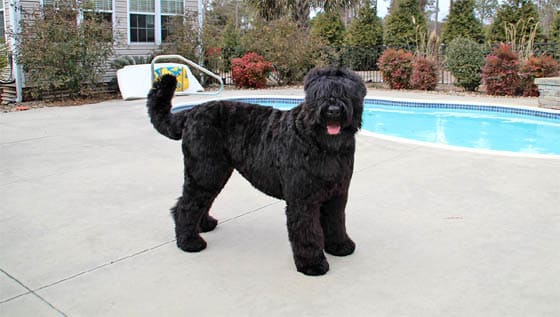
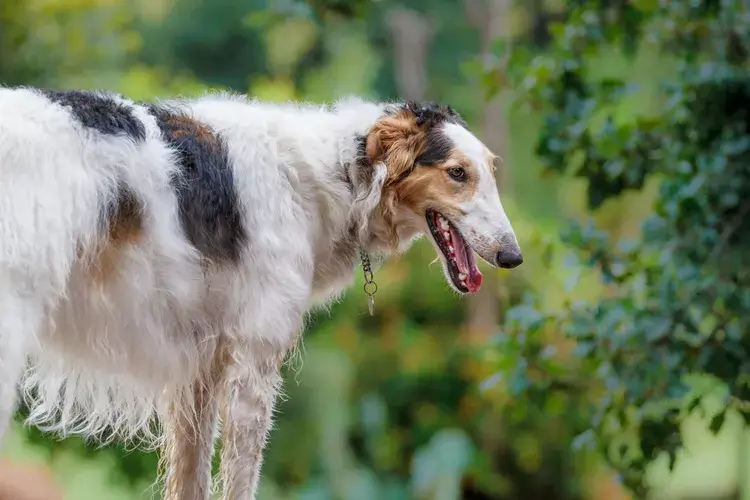
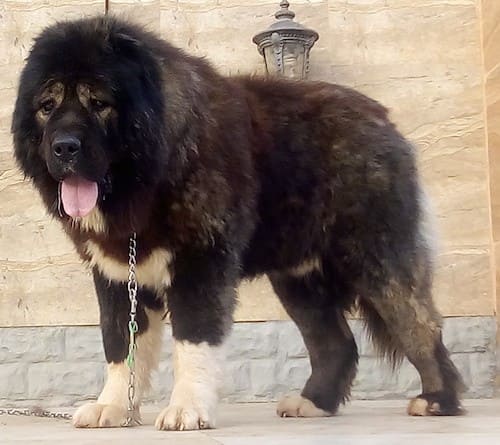
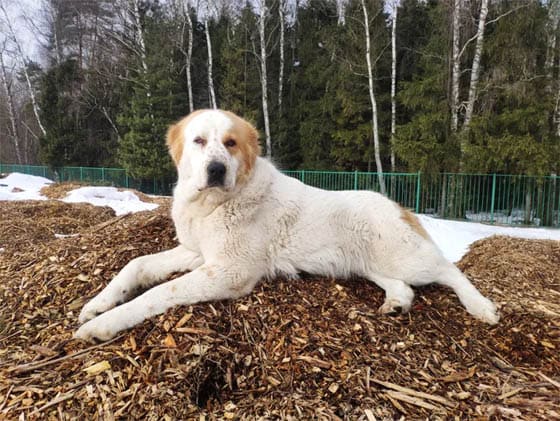
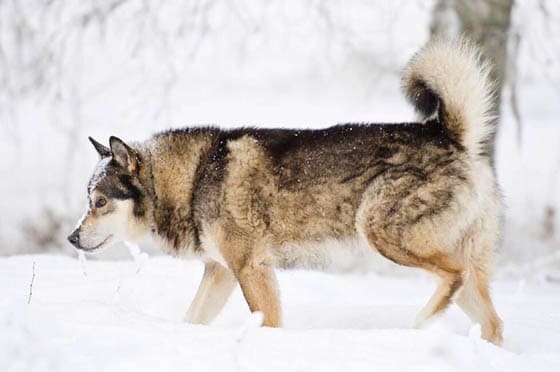

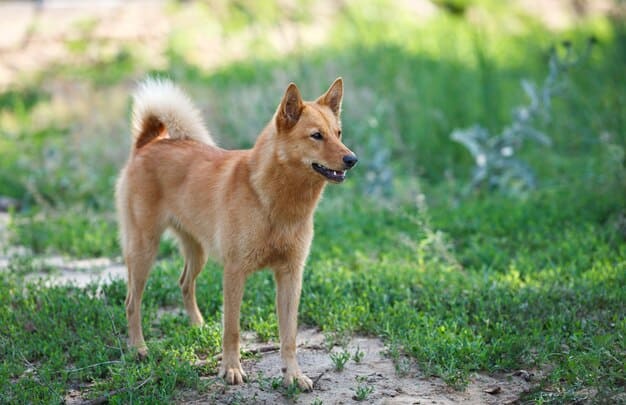
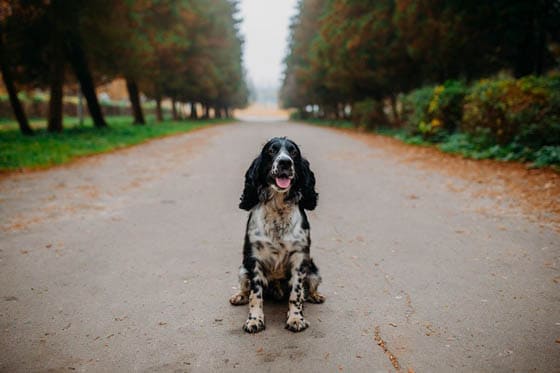
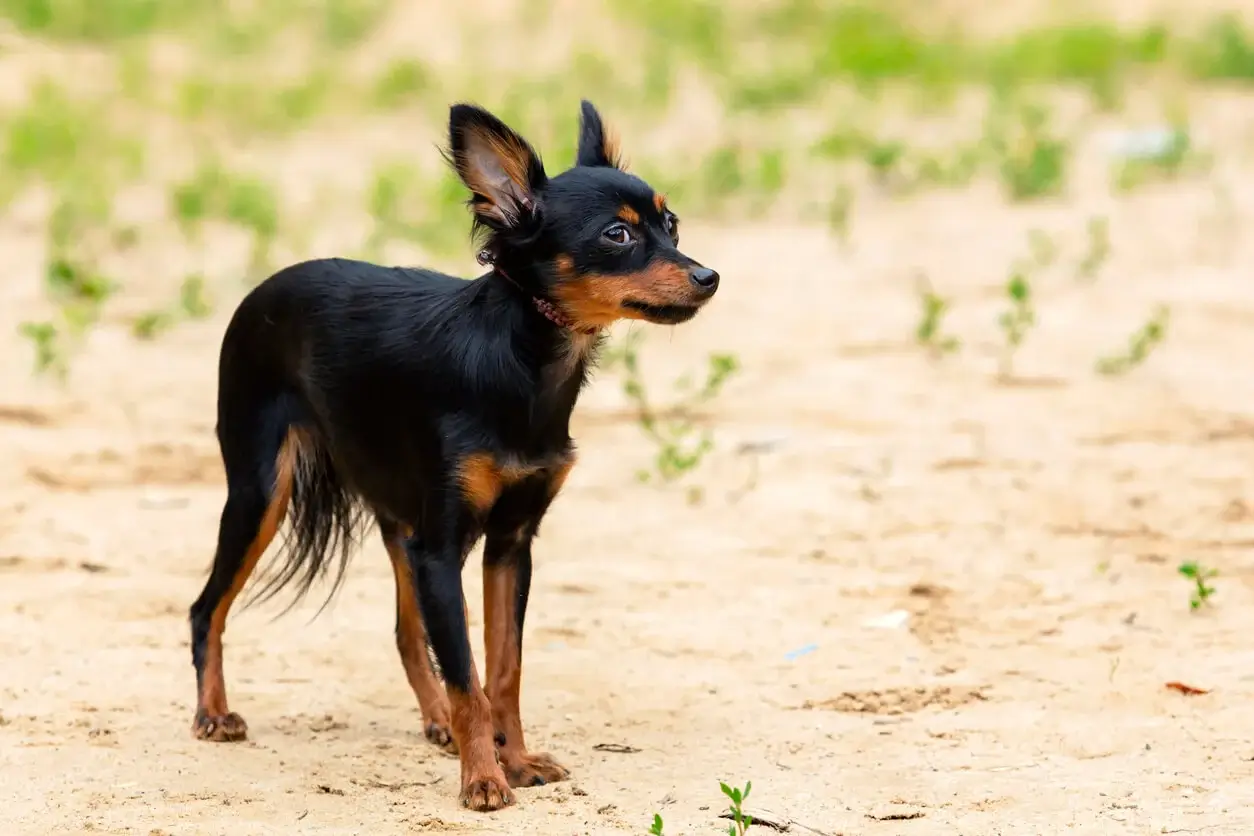
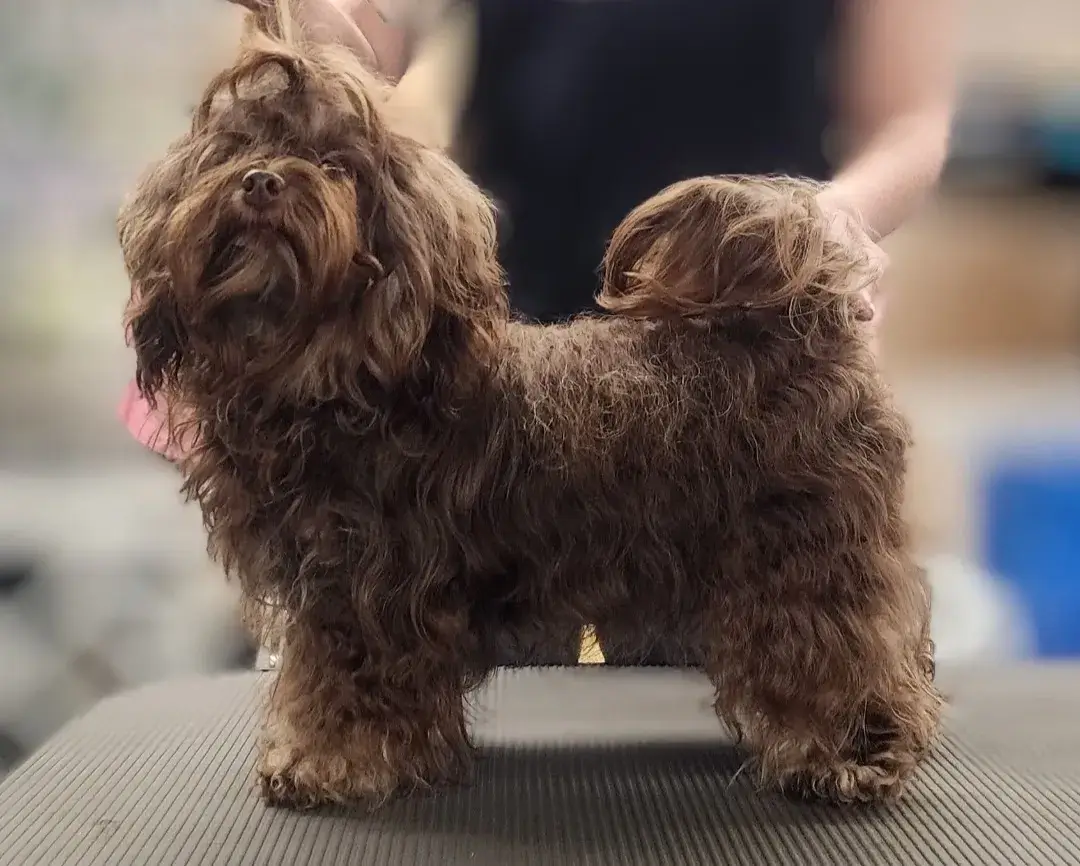
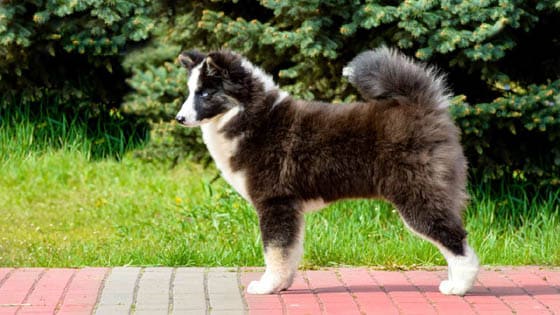

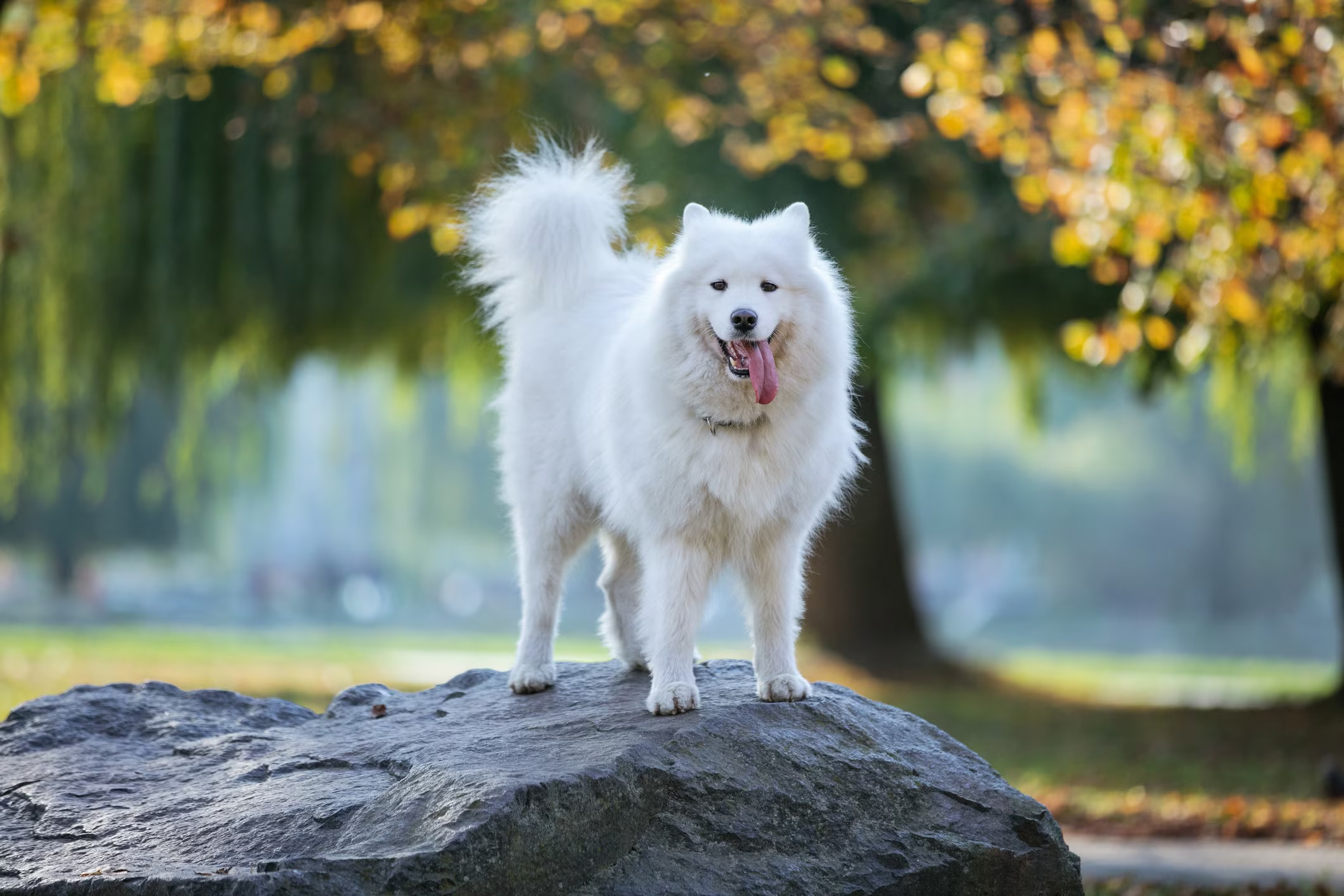
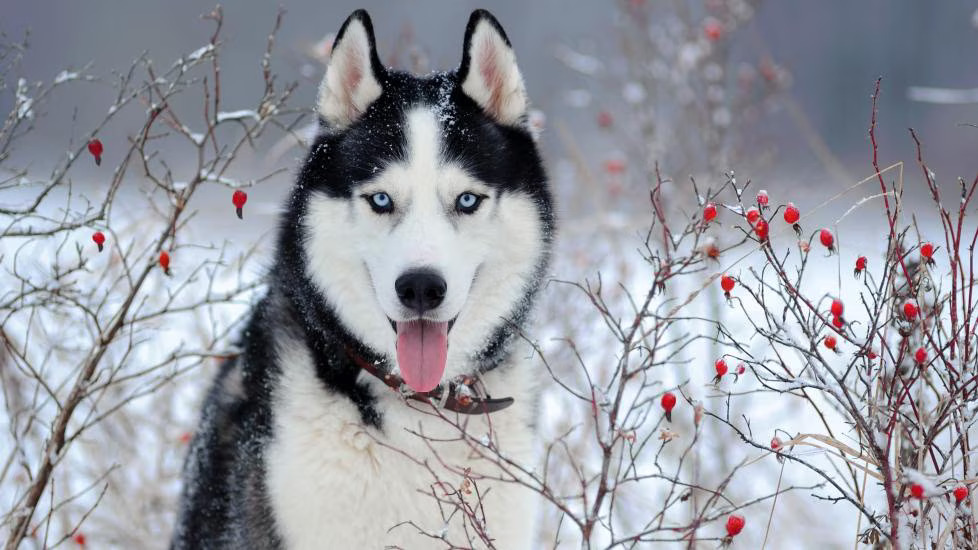
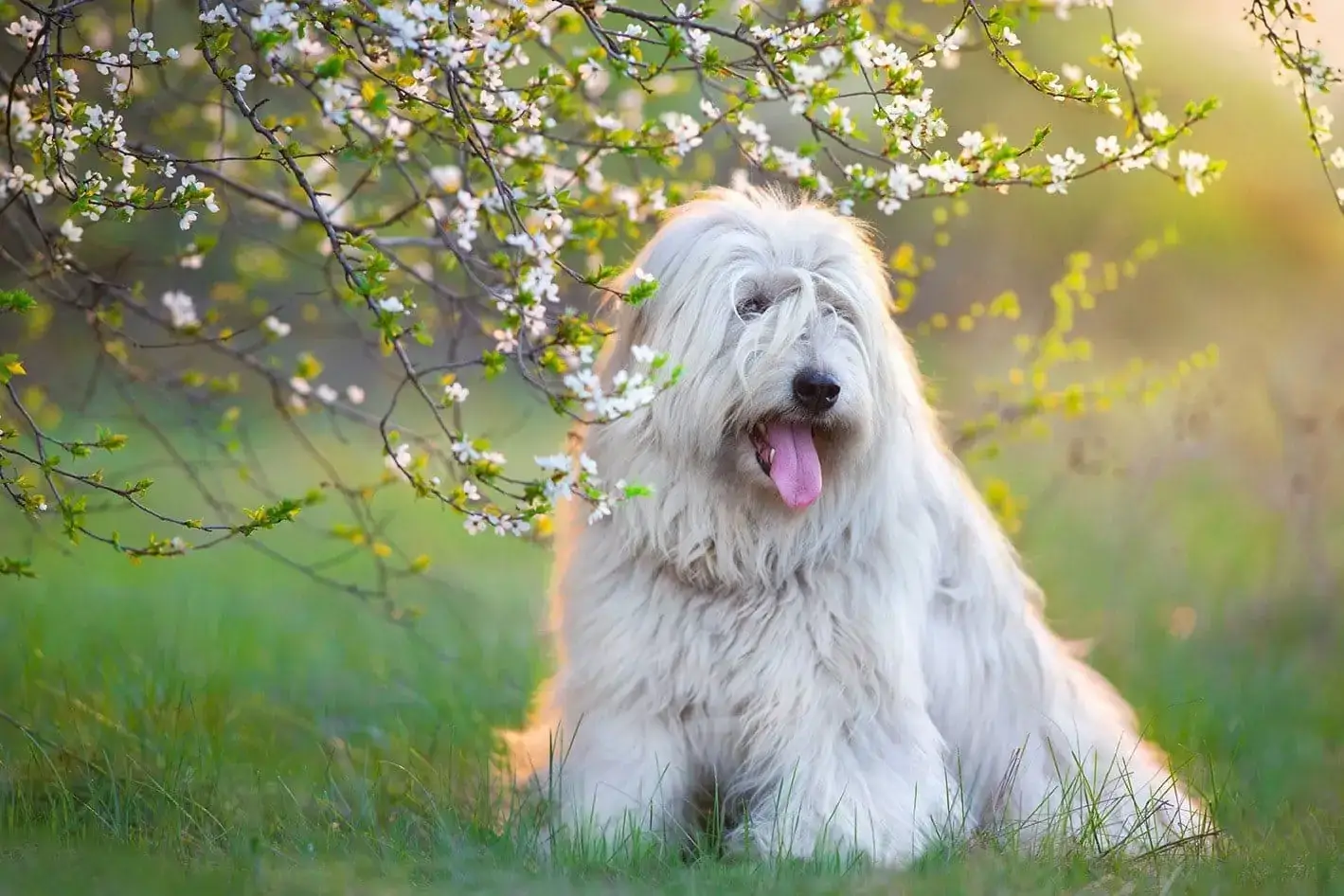
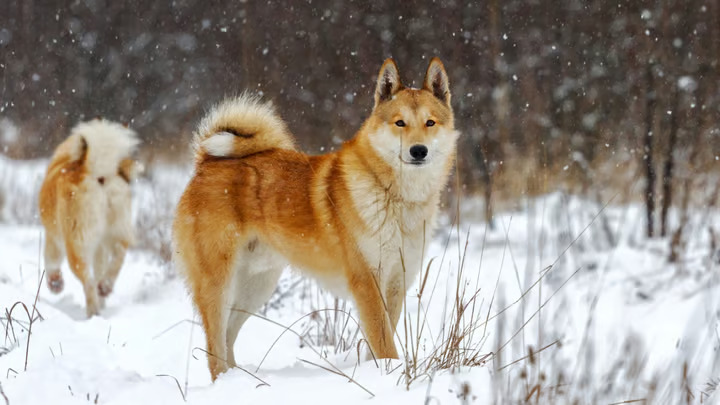
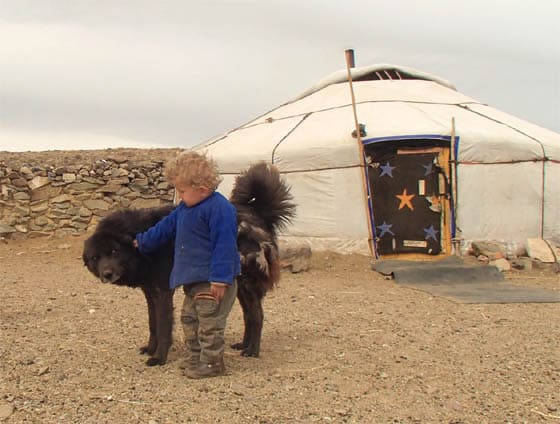
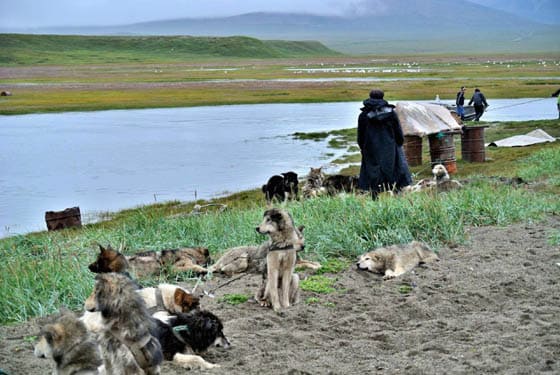
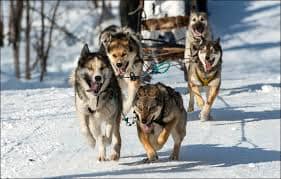
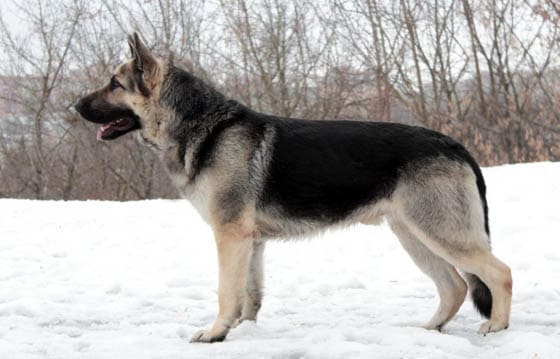
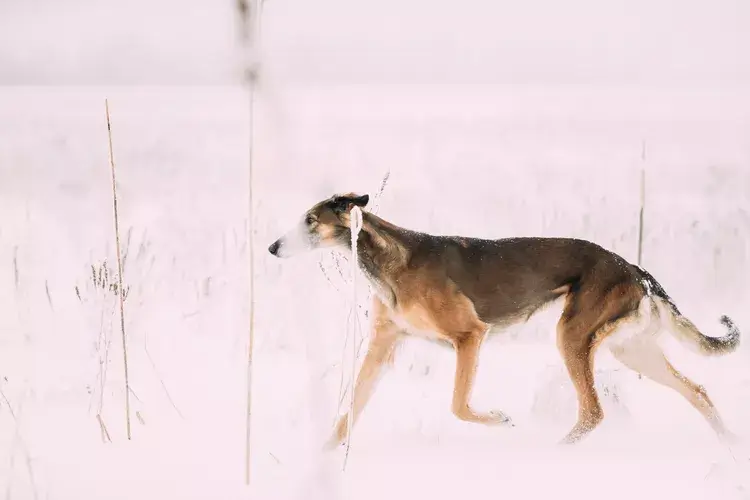
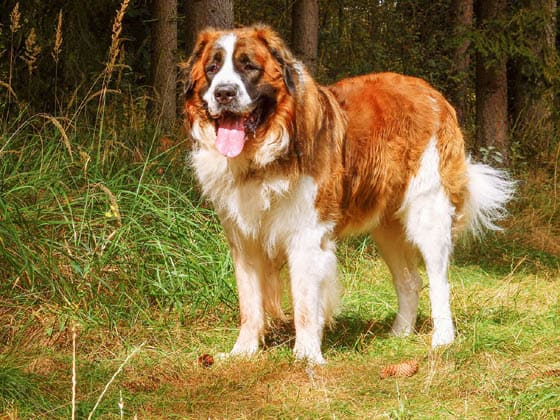
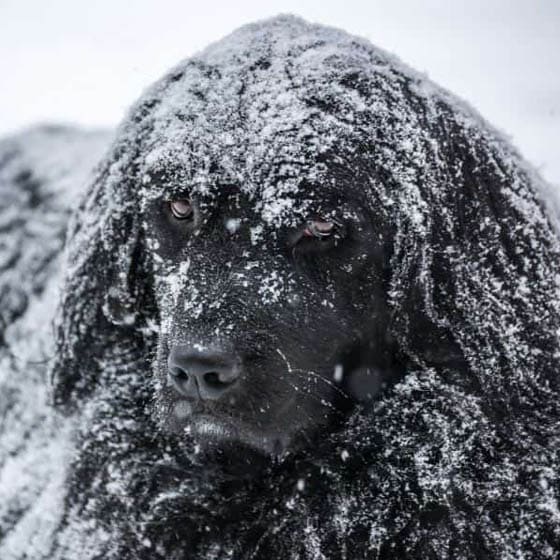
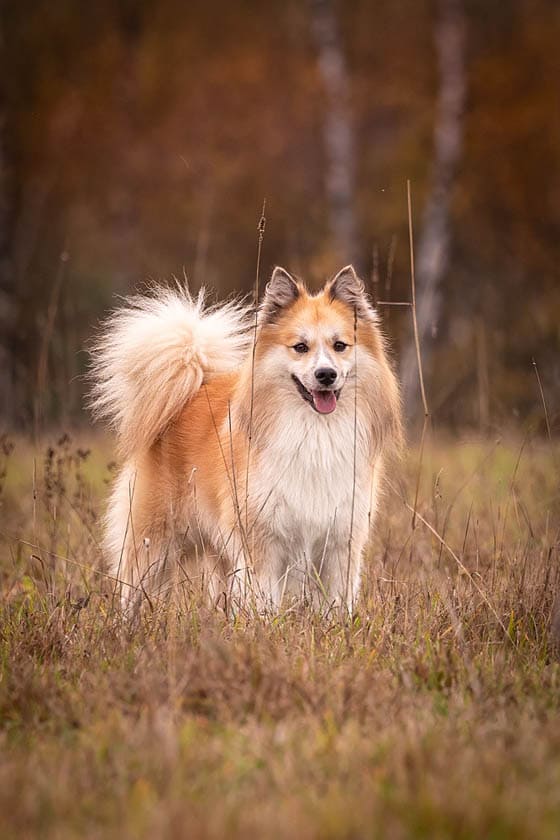
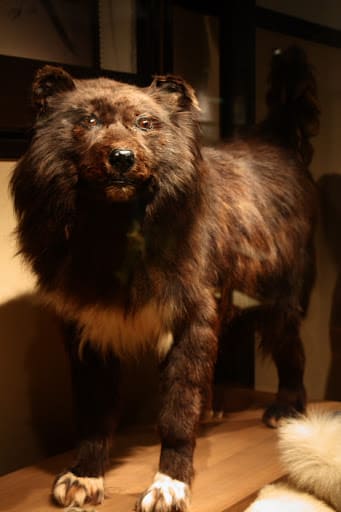
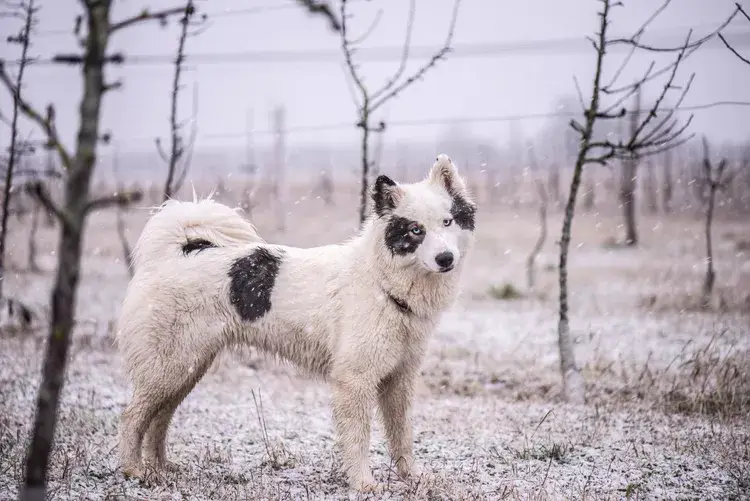
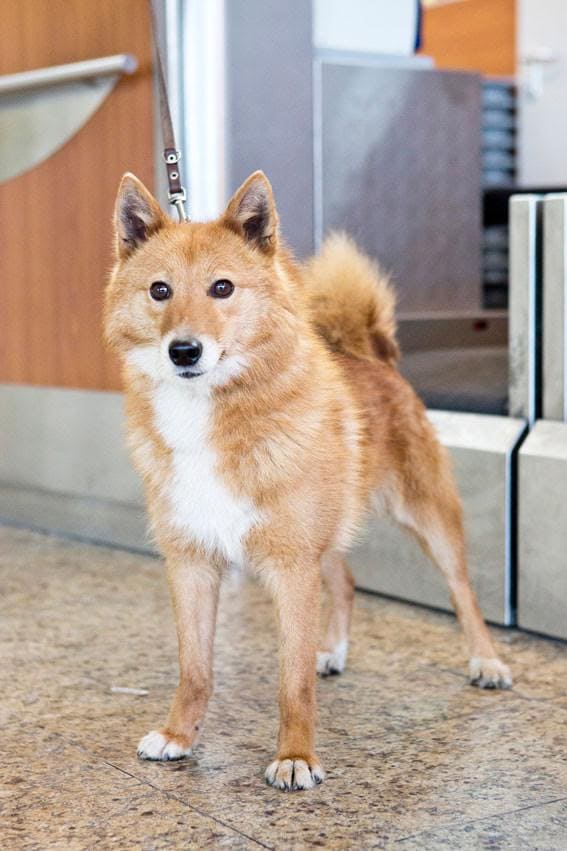
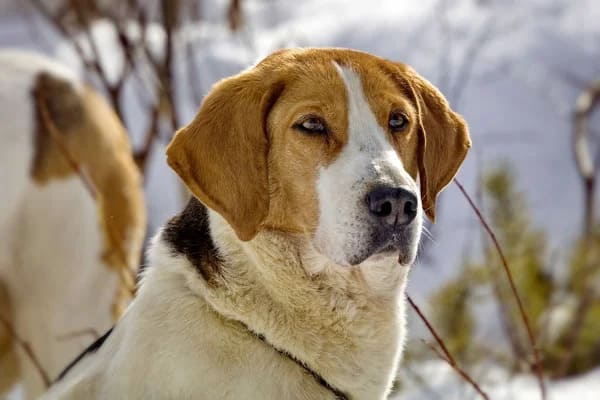
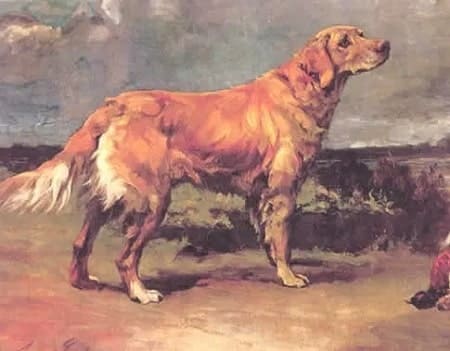
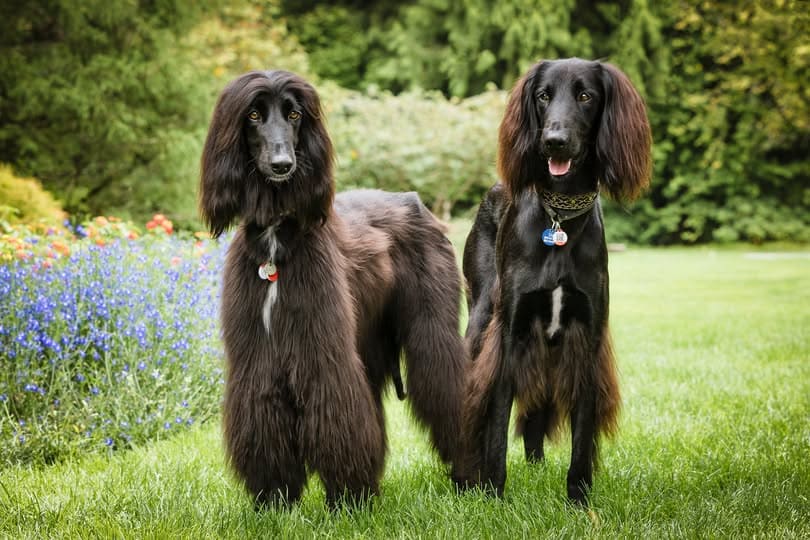
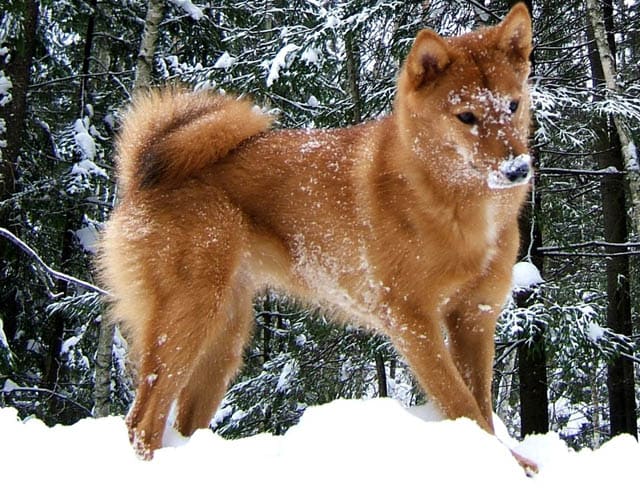













WORLD OF DOG & PUPPY 🐶