16 Brazilian Dog Breeds Rare Brazilian Dog Breeds Popular Brazilian Dog Breeds Brazilian Dog Breeds Dog Breeds from Brazil Dog Breeds Originating in Brazil Unique Characteristics of Brazilian Dog Breeds Most Complete List of Brazilian Dog Breeds Hunting Brazilian Dog Breeds Top Brazilian Dog Breeds Most Popular Brazilian Dog Breeds Temperament of Brazilian Dog Breeds Behavior of Brazilian Dog Breeds Extinct Brazilian Dog Breeds What Makes Brazilian Dog Breeds Special? What dog breeds are native to Brazil? Which dog breed is Brazilian? Indigenous Brazilian Dog Breeds Native Brazilian Dogs Brazilian Dog Breed Photos Brazilian Dog Names
Brazil is a nation in South America that stands apart for its interesting culture and a massive amount of natural diversity. Some of the most interesting dogs in the world originate from Brazil. Among the South American countries, Brazil stands out not only for its continental dimensions and its multifaceted culture, but also for its enormous natural diversity. From North to South of the Brazilian territory, we find diverse ecosystems that make up a privileged bio-diverse landscape. Although this tropical country is usually associated with more exotic species, some dog breeds are representational of the Brazilian history and its culture.
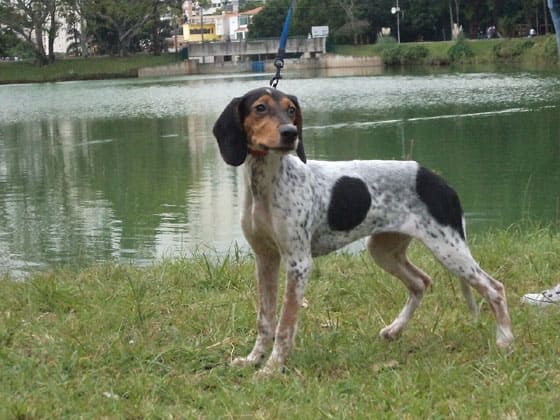
The Pampas Deerhound (Portuguese: Veadeiro pampeano) is a rare, slender, medium-sized sighthound and scent hound native to South America - primarily Brazil, Argentina, and Uruguay. Evolved or descended from Portuguese colonial primitive dogs and native South American stock; used historically by Gauchos and hunters. They were first recognized as a breed by the National Kennel Club in Brazil, but their country of origin is up for debate. These dogs would help their human hunters track and capture deer, which is what gives them the name Pampas. In Brazilian Portuguese, it translates to deerhound. The Pampas Deerhound comes from a lineage which is different from the National Deerhound (Veadeiro Nacional), despite the similarity in the two names. Both breeds are recognized in Brazil by the SOBRACI as being distinct from each other.They are still used for this purpose, as well as tracking wild boar because they are such ruthless hunters. In terms of their personalities, they have a relatively balanced temperament and can be quite obedient. They do well in most families because they are extremely loyal, protective, and patient. Toward strangers, they are generally quite distrustful and can even be unfriendly.
They need to get plenty of socialization early on to train this out of them. Relentless, tireless tracker and pursuer of Pampas deer, wild boars, hares, and smaller game; hunts alone, in pairs, or in packs while vocalizing to signal hunters. Quiet, docile, child-friendly, loyal, and deeply attached to its family. Despite its relatively unknown status, this breed has gained popularity among dog enthusiasts due to its unique characteristics and temperaments. The Pampas Deerhound requires space to roam freely, making it essential for pet owners to provide a sufficiently sized living area. A house with a spacious yard or a farm setting is ideal for this breed, allowing them to exercise and engage in natural behaviors such as running and grazing. However, they can also thrive in a city apartment if provided with adequate daily exercise. While the breed may not require intense training sessions, they do need regular exercise to maintain physical health and mental stimulation.
Aim for a minimum of two hours of daily activity, which can include running, walking, or off-leash exercises in an enclosed area. Adequate exercise will help prevent unwanted behaviors like digging or howling. Alert to visitors and barks to guard property, though generally balanced and gentle. High energy and endurance, requires significant daily exercise - such as a large yard, farm, or long daily runs. While hunting, the Pampas Deerhound is a relentless pursuer that is not intimidated by obstacles. They are excellent scenters. After identifying the trail, the canine can follow the prey relentlessly without a break, even if it takes two days to track down. After finding its prey, the dog knocks it down and brings it to the hunter. If for some reason the dog is unable to bring down its prey, it fences the target till it is within the reach of the hunter.
Throughout the duration of hunting, the dog could howl, or emit different sounds for each situation: one while finding the trail, another while losing it, and yet another when it is close to the prey. This dog can hunt alone, in pairs, in packs, or with its owner. They are superb hunters, and are frequently used for hunting deer and wild boars. As they are relatively agile, they can also hunt hares and Brazilian guinea pig. Due to their ability to hunt in packs, these dogs have a quiet demeanor, and they also make excellent companions. They are valued for being very docile and friendly with children, wherein they show patience and remain calm in the company of active children. They are also very attached to their owners and make excellent watchdogs that would alert their masters to the presence of strangers by barking. While the breed's intelligence and agility, in some cases, has been appreciated in context of activities like sheep and cattle herding, it is still regarded as having an inherent aptitude for hunting.
The Rastreador Brasileiro (also called the Brazilian Tracker or Urrador) is a rare scent hound originating from Brazil. Created in the 1950s by Oswaldo Gudolle Aranha Filho using crosses of the Veadeiro-pampeano and American hounds (such as Foxhounds and Coonhounds). Recognized by the FCI in 1967. Rastreador Brasileiro: wiped out by a tick, rebuilt from 40 dogs! The Rastreador Brasileiro was created by Oswaldo Aranha Filho to hunt jaguar and peccary, tracking by scent. In 1973 the breed was declared extinct: an outbreak of babesiosis - a tick-borne disease, killed almost all the dogs of the only registered breeder. The breed was left without official existence for more than three decades. The rescue began in 2007, when a group set out to look for specimens that had survived outside the formal registry, and found fewer than 40 purebred dogs in the entire country. It was from that small group that the breed was rebuilt: re-recognized by the CBKC in 2013, with FCI standard 275 updated on September 4, 2019.
The babesiosis that nearly erased the breed remains a real risk for any dog today - it is transmitted by ticks and can be serious without quick treatment. VCA Hospitals explains the signs and prevention of canine babesiosis: tick control is the most effective defense, because the disease depends on the insect to reach the dog. The Rastreador Brasileiro is a strong and athletic, rustic looking dog with appearance similar to Coonhounds. These dogs are relatively thin with long legs and straight back. The Brazilian Tracker has pretty long floppy ears, long muzzle and dark almond shaped eyes with lively expression. Lively, cheerful, balanced, loyal, self-confident, and tireless. Known for a loud, resonant bay or howl ("Urrador") when tracking. A dedicated working scent hound accustomed to hunting in packs or pairs. Generally built as a working hunting dog with high endurance and a strong prey drive; they require significant daily exercise and space, making them a poor fit for standard apartment life or casual household pet roles. The Rastreador Brasileiro is an energetic, courageous dog with an excellent nose. It is adapted to the hot and humid climate of Brazil, being very physically resilient. It has an active temperament and can be affectionate with the family, but needs plenty of exercise and space.
The Rastreador Brasileiro was developed as hunting companion, which formed the dogs personality. As a hunter, the Rastreador Brasileiro must be confident, alert, independent, smart and agile dog with high prey drive. These dogs also have extermely well developed sense of smell. But today, many of brazilian trackers are family companions and not hunting dogs and they make okay companions for active and experienced dog owners. If you will provide this dog with enough physical and mental exercise, than they tend to be pretty calm, docile and affectionate. They definitely create a strong bond with its family and are attached to their owners. If you will have this dog as a pet, extensive training and socialization from the puppyhood is needed. These dogs require very consistent, firm and patient training to become completely obedient. They are not the best choice for families with other household pets, because they might try to chase them. But they will happily live with other dogs.
The Rastreador Brasileiro is a hunting dog, not a type of dog traditionally kept as a pet. Not recommended for homes with small children or frail elderly, and the very similar coonhounds "are famous for chewing through drywall, ripping the stuffing out of sofas, and turning your yard into a moonscape of giant craters" and with strong instincts to "chase and seize cats and other fleeing creatures." This is a hunting dog that needs extensive amounts of exercise. Without it, the dog could become problematic for its owners. It should be taken on walks daily, and this dog is great for healthy people who love to jog and hike. These dogs are not recommended for apartment life. They are moderately active indoors and do best with acreage. As many other races of this group is a dog hunter, exclusive countryside environments and that has not been used in other purposes. Within this hunting breed is described as "trace and shows by its smell so. It is used for both hunting hair - rabbits, hares, etc. As for the feather (birds). It is perfect for hunting in any terrain (hard as it is) because it has an enviable physical endurance and speed.
The Original Fila Brasileiro (also called the Old Brazilian Fila or OFB) is a rare, rustic working farm dog from Brazil distinct from the heavily crossed modern show-line Fila Brasileiro. The Fila Brasileiro is considered dangerous and is banned in England and Wales. The Original Fila Brasileiro (OFB) or Old Brazilian Fila is a rare working farm dog breed from Brazil. The term "Fila dog" has historically been used as a description of the duty or purpose of a dog. In Portuguese the verb filar means "to grasp strongly with the teeth". The remaining Old Fila dogs preserved on farms in the interiors of Brazil are being gathered to become a formalised breed. The Original Fila Brasileiro is recognized by the SOBRACI in Brazil, and despite the similar name, it is a breed apart from the modern Fila Brasileiro. Descending from the Portuguese Alaunt and Transmontano Cattle Dog brought to Minas Gerais, the OFB serves as an all-around working farm dog, cattle herder, property guardian, and hunter. Known for a self-confident, balanced, and loyal disposition, the breed focuses on authentic working temperaments rather than exaggerated modern show traits.
Restoration projects like Nucleus OFB actively rescue these traditional rural specimens. The temperament of the modern Fila Brasileiro dog has become a controversial topic. The breeders of the modern dogs are proud of their "ojeriza" (extreme aversion to strangers) and are totally averse to the use of guard dog training. However some canine behavior experts have recently been demonstrating their opinion of what they consider to be the true temperament of modern dogs by classifying them as fearful dogs. According to Jairo Teixeira, a very influential dog trainer in Brazil, and some other dog trainers, the "ojeriza" of modern dogs is a synonym of fear. The Original Fila Brasileiro is so far bred by natural selection in the rural environment, in the isolated farms, working with the cattle and protecting the property and some breeders believe that this may possibly have helped to preserve their characteristic temperament. With the current rescue work – of which there are canine behavior experts adept at the project – the original temperament of a brave, intelligent, self-confident dog averse to strangers - with the genuine "ojeriza" of the old Fila dogs is being prioritized, as well as the use of professional dog training, still unprecedented in the breed. With these actions, the critics of modern dogs declare that they intend to rescue and preserve the true temperament of the Original Fila Brasileiro.
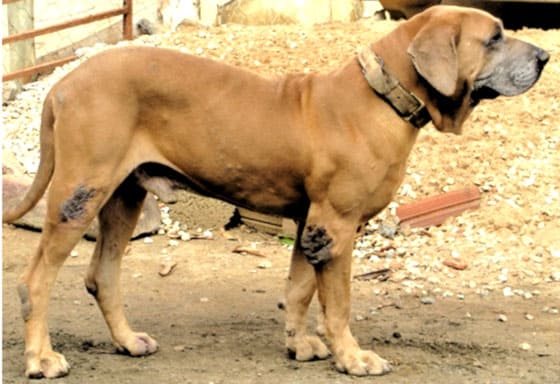
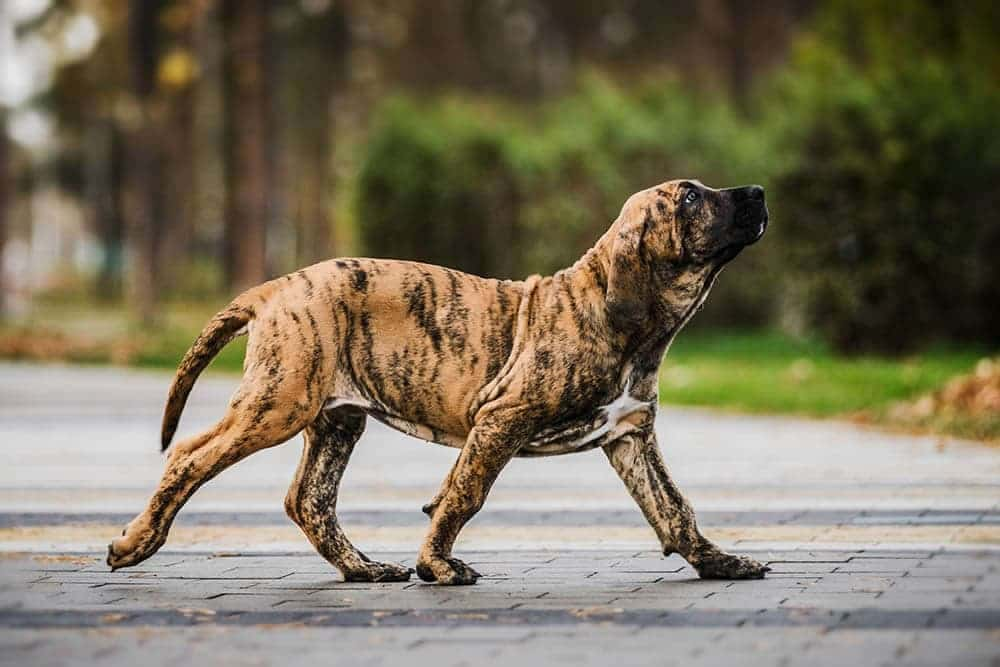
The Fila Brasileiro is a Brazilian breed of large working dog of mastiff type. It is used as a guard dog, for cattle herding and for big-game hunting, it may also be kept as a companion dog or pet. Also called the Brazilian mastiff, the Fila Brasileiro was developed in Brazil centuries ago. Their origins are uncertain, but they are believed to have originated from mastiffs, bloodhounds, and ancient bulldogs. These dogs are often used as guard dogs and have been fighting dogs in the past. They have a strong personality, and they are not suggested for first-time dog owners. These Mastiffs display dominant traits and will prefer to take control of a situation if not properly handled. In their family circle, they can be affectionate and are loyal. However, outside of that group, they are quite reserved and unfriendly. The Brazilian Fila was originally mixed with native Brazilian dogs and those that the Portuguese colonizers brought with them. They were used as rural workers and would even be trained to persecute fleeing slaves and hunt large animals. Filas were valued for their protective instincts and power, which enabled them to hunt and subdue large prey such as jaguars. The Fila Brasileiro is bold, strong, and devoted to their human family, and they can do well with respectful children.
They like to stay close and keep watch over their people. The Fila is fiercely protective of loved ones and property but is often reserved with strangers. Filas may not do well with small pets due to their strong hunting instinct, but usually get along well with other medium and large dogs if they're raised together. Fans of the Fila Brasileiro, or Brazilian Mastiff consider it a very special dog, partly because of its personality. It is truly a dog of extremes, being so gentle and loyal with its family, whether it be a cat or a human, child or adult. It protects and loves anyone who is a member of its group. However, it is instinctively suspicious of those who are not part of its group. Even as puppies, they tend to withdraw from strangers, and as adults, they can act more assertively if necessary. A Brazilian saying goes, "nothing is as loyal as the Fila." This interesting duality makes it an excellent guard dog with extremely fast reaction times.
It is a true bodyguard for everyone in the household. The Fila is an active, intelligent, and sometimes stubborn dog, but with the right owner, it is always obedient, although its aversion to strangers cannot be trained out of it. Is extremely brave, determined, and always vigilantly watches over its property. Nothing escapes its attention, and it is never afraid to intervene or take strong action if it deems the situation requires it. The Fila Brasileiro is not recommended for inexperienced owners at all. Even with proper socialization, it cannot be trained out of its instinct to protect what is its own. It will never be fond of strangers, so it is not recommended for households where guests frequently visit. If guests do come occasionally, the dog should be kept separated, and it should never be left alone with a stranger.
A Brazilian word that is typically applied to the Fila Brasileiro is "Ojeriza". This basically translates to mean a distrust and dislike of strangers, and for some, forms an important part of the character of the traditional Fila Brasileiro. The ethics of breeding a dog for "Ojeriza" are questionable to say the least, though it ensures an alert and protective guard dog, who is fiercely defensive of its trusted family. Independent, they are loyal only to their master. Any bold, aggressive and dominant dog requires an experienced handler. A Filo Brasileiro dog needs to be integrated into family life, they need to learn how to behave and must obey their master. A well raised Filo Brasileiro will reward you with devoted loyalty, affection and respect. The Filo Brasileiro dog is moderately active, requiring the need to burn off that pent up energy each day to enable the dog to be the best it can be. If your dog is a working farm dog, they will keep themselves active enough, but otherwise, a good walk each day will be a minimum requirement. They are a large dog, and while they are happy exploring around the back yard - ensure it is well fenced for everyone's safety, including the dog's.
The Brazilian Terrier, also known as the Terrier Brasileiro, is a compact, energetic and intelligent dog originating from Brazil. This breed is known for its restless, lively and playful nature and has a distinctive tricoloured, smooth coat. Registered at the Fédération Cynologique Internationale (FCI) and the Brazilian Confederation of Cynophilia (CBKC), the Brazilian Terrier is a native breed created from the crossing of European terrier breeds and local breeds common in the São Paulo region. Though the ancestry of the Brazilian Terrier is unclear, researchers have proposed the breed as a possible cross between terrier breeds such as Fox Terrier, Jack Russell, and Parson Russell, with the local breeds. And through generations of breeding, a fixed phenotype was reached. The Brazilian Terrier too was bred for hunting vermins in warehouses and farms. And it is precisely for this pest-controlling quality, that terriers were common aboard merchants' vessels and eventually arriving at the shores of Brazil. The Brazilian Terrier is a cheerful and lively breed from Brazil. Endowed with energy and intelligence, it shows a strong bond with its family. This breed is an active companion that loves to spend time outdoors and is enthusiastic about games and exercise.
These pups are hyperactive, always on the lookout for something new and interesting to do. They are cheerful and intelligent and need to be occupied to stay out of mischief. They can be affectionate dogs but are also independent, with strong personalities and a streak for being territorial. The temperament of the Brazilian Terrier is best described as being like a big Jack Russell Terrier. They are very perky, alert, intelligent and frisky. This breed loves to play and will do so the whole time they are with their owners. They love to bark and dig and make good watchdogs. Tell this dog after they bark to warn you of something, that is enough and you will take care of things from there. They are great ratters, excellent at tracking and dispatching the rodents that inhabit rural ranches in Brazil. This devoted, loving dog needs an owner who is familiar with the terrier personality, one who can be a strong pack leader. Spirited and obedient, yet absolutely fearless, the Brazilian Terrier is friendly and generally kind to children. The Brazilian Terrier is a confident, energetic and intelligent dog with a natural curiosity and vigilance.
This makes him an excellent watchdog and a wonderful companion for active families. Recommended for active people who are able and willing to exercise with him on a daily basis. There is no need to think of marathons or several hours of exercise every day, but it is worth taking him for long walks frequently and choosing one (or more) sports that suit his mental and physical needs , so that he can regularly drain his energy. He is friendly and cautious with those he knows and is devoted to his owner. On the other hand, he is distant and suspicious of strangers. It is not impossible to gain his trust, but it's usually not the first time, and it may not even happen the second. He is a clever and teachable breed, willing and even eager to learn tricks if the right attitude is adopted. Gentler methods based on positive reinforcement work best with him. He is rarely particularly stubborn or difficult to motivate. This breed has an endless supply of enthusiasm and joy. They love to play and be mischievous, turning dull moments into exciting entertainment.
Despite their small size, Brazilian Terriers are bold and determined dogs. They do not shy away from challenges and are always ready to overcome new obstacles.This breed has a strong sense of curiosity-they are always eager to explore new places and scents around them.The Brazilian Terrier embodies vibrant energy, intelligence, and kindness. These frisky Terriers love to dig and to bark, but with training can be taught to overcome any excessive levels of this behavior. The Brazilian Terrier loves to be active, whether that involves a long walk around town, going on a hunt, or clowning around with the family. This dynamic small dog will eagerly participate in games of chasing, seeking, or those involving a ball. The Brazilian Terrier is an active dog and much like an energizer battery, they just keep on keeping on. Usually, you will tire well before they do. Because of their active nature, they require regular daily exercise. A long walk through parks or along a beach is ideal, just ensure you keep them on a leash, as their tendency to chase any fast moving small creature is legendary. Rather than chasing after them, usually futile as they are in hunt mode, keep them well leashed unless in a securely fenced area. A great way to wear this dog out is to take them out while you are biking; this way you can last the distance while the dog gets the exercise. The Brazilian Terrier will happily join you in a pool, river or just fooling around with a water hose. Then tired and content, they will happily snuggle up next to you and lapse into a deep sleep to recharge their energy.
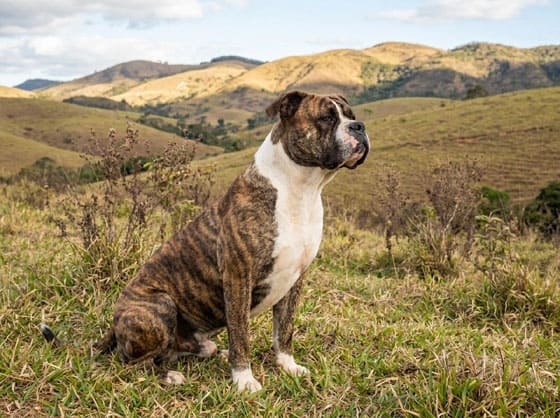
The Campeiro Bulldog (Buldogue Campeiro) is a medium-to-large working dog breed originating from Brazil, descended from Old English Bulldogs brought over by European immigrants. The Campeiro Bulldog was first developed as a breed in southern Brazil. Most researchers believe that they are a descendant of the Old English Bulldog which is now extinct and was brought to Brazil by the Europeans when they came to conquer. This variety of bulldog gained much in the way of popularity in the state of Mato Grosso do Sul. The main and traditional utilization of Campeiro Bulldog always was to be the best possible catch dog. Which means that they were trained to catch and hold the cattle, they traveled long distances to fetch cattle and they were also used to round up pigs. Later, they were used to work with cattle in slaughterhouses as well. To be good at this kind of utilization, the Campeiro Bulldog must be very durable and endurant, fearless and courageous, quite strong and they must be able to make good decisions on their own.
They would herd cattle into the slaughterhouses, keeping them in line and not allowing them to rampage. However, in the 1970s, new sanitary regulations were put in place, and the dog breed almost became extinct. Ralf Bender ended up saving the breed through breeding programs designed to bring back Brazilian dogs. Traditionally used as a catch dog on rural farms and in slaughterhouses to track, catch, and hold cattle and pigs. When use in slaughterhouses was banned in the 1970s, the breed's numbers plummeted toward extinction. A dedicated private recovery program led by preservationists like Ralf Schein Bender saved the breed. Recognized by the Confederação Brasileira de Cinofilia (CBKC) in 2001 and by the Fédération Cynologique Internationale (FCI). Loyal, calm, brave, vigilant, and devoted to its family. Barks very little and maintains a steady, quiet demeanor, though it can be wary of strangers and is sometimes dog-aggressive.
Requires regular daily exercise and acts as a capable property guardian. Today, Campeiro Bulldogs are popular not only in Cuba but also in other countries, thanks to their unique character and appearance. They have become part of many families, offering their owners not only fidelity and loyalty but also bright moments of happiness and joy, making them special and valuable companions. These dogs maintain their hunting instinct and can be good herding dogs on farms. They are also suitable for sports events and active play. Campeiro Bulldogs are a part of Brazil’s history and culture, and their distinctive character and appearance make them unique. These dogs are ideal for people who appreciate loyalty, intelligence, and a unique heritage in their furry companions. These dogs are known for their calm and balanced nature. They are not prone to excessive aggression or nervousness and easily adapt to various situations. Despite their friendliness, Campeiro Bulldogs can also be great watchdogs. They have a protective instinct and are ready to defend their owners if they sense a threat.
This breed is known for its bravery and determination. They are not afraid to face challenges and can be great sports partners.Intelligence and trainability: Campeiro Bulldogs possess good intelligence and learn quite quickly. Their smart and understanding expression indicates their ability to learn and follow commands.Energy and activity: Despite their balanced character, Brazil Bulldogs need regular physical activity. Walks and play not only keep them physically fit but also improve their mental well-being. Versatile, with guardian characteristics. It stands out for its loyalty to its owner, tenacity and courage. The temperament is vigilant, calm and persevering, with a strong working spirit. Excellent companion/ family dog, very docile with children, is an easily adaptable dog. Controllable, without being shy, barks little, and is calm. The Campeiro Bulldog has average exercise needs. They are not hyperactive dogs, but definitely not coach potatoes neither. Daily walks accompanied with some playtime or training will be enough for these dogs. But they are always ready for a long hike as well, they love outdoor adventures and they will love to accompany you to even harsh terrain hikes. It is important to provide them with some longer daily walks, so they stay in good shape, happy and healthy.
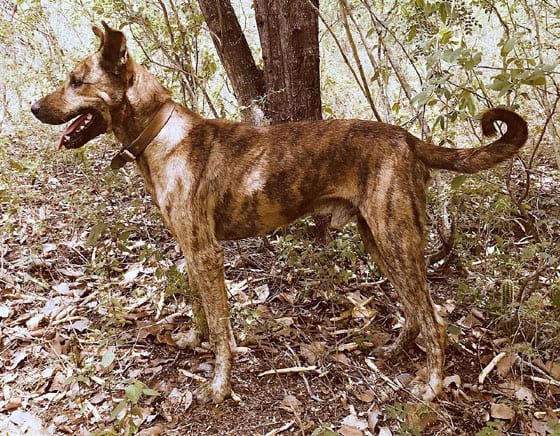
The Boca-preta Sertanejo (also known as the Sertanejo Black-Muzzle Dog, Pé-duro, or Pé-seco) is a rustic, regional landrace of dog native to the semi-arid Sertão region in Northeast Brazil. Other names for the Boca-preta Sertanejo include Cowboy’s Dog, Pé-seco, Pé-duro, Farm Dog, Orelhudo, and Canindé. This breed has short fur, with varied colors such as white, bay, brindle, black, red, and brown brindle. Alert, intelligent, resilient, and deeply loyal. Known for a rhythmic trot and the ability to cover long distances across rough terrain. Works closely alongside the vaqueiro nordestino (Northeastern cowboy) to maneuver livestock through dense, thorny brush. Acts as an adept scent hound and predator tracker (traditionally used for subsistence hunting of local game like armadillo and preá). Naturally vigilant property and farm watchdog.
It is registered with alternative kennel clubs such as SOBRACI and ALKC as part of efforts to preserve it as a distinct regional and cultural heritage of Northeast Brazil. Its identification and preservation began with a morphometric study conducted by Embrapa in 2011. This is a rustic animal, naturally selected in the sertanejo regions, adapted to the climate, fauna, flora, and soils of the Sertão. It is considered a historical-cultural heritage of the region, being part of the popular memory, especially of countrymen involved in subsistence hunting (such as hunting preá and armadillo), cattle work by the vaqueiros, and even activities of small farmers. It is believed that the breed's origins go back to indigenous dogs, possibly mixed with Portuguese Podengo-type dogs or other European hunting breeds, and were kept by Amerindian peoples of the Brazilian Northeast. According to the book História da Missão dos Padres Capuchinhos na Ilha do Maranhão e Terras Circunvizinhas (1614), domesticated dogs were already found with indigenous peoples in the Northeast, who called them Januare. The breed developed naturally in geographic isolation for more than four centuries, being selected through harsh droughts, scarce food, and the sertanejo way of life. The Boca-preta Sertanejo is a versatile dog, used by sertanejos for a wide range of tasks, such as cattle handling and subsistence hunting.
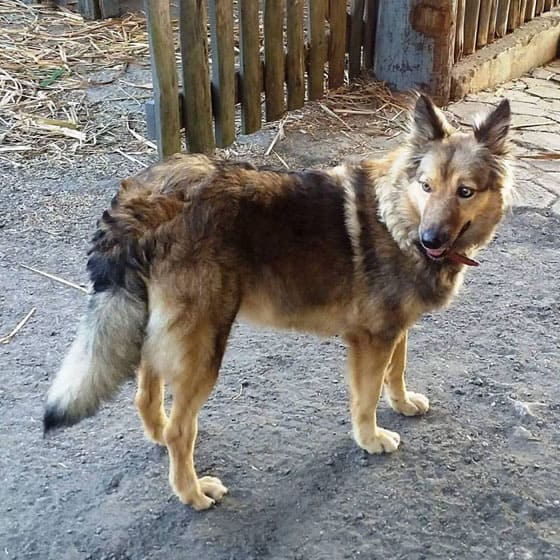
The Mantiqueira Shepherd (Cão-pastor-da-mantiqueira), also known as the Policialzinho or Pastor Brasileiro, is a medium-sized herding dog breed from the Serra da Mantiqueira mountains in southeastern Brazil. The breed was developed from dogs of European immigrants. These dogs were known as Policialzinho, or little Policmen and even today, the Pastor da Mantiqueira is known under this nickname, the Policialzinho. But what exact breed are the ancestors of the Mantiqueira Shepherd? Well, we do not know it for sure. Some theories say, that one of the ancestors are Belgian and Dutch Shepherds. But it is more likely that native Spanish and Portuguese breeds played bigger role in the breeds development. This would include dog breeds like Pastor Garafiano, Basque Sheepherd, Can de Palleiro or Estrela Mountain dog.Three main coat varieties exist: long coat, medium coat, and short coat (which can be smooth, short, or curly). Males stand approximately 53 cm (21 in) at the withers and weigh up to 25 kg (55 lbs).
Primarily used as a versatile cattle and livestock dog (boiadeiro) capable of working rugged, steep mountain terrain independently. Intelligent, loyal, energetic, alert, and hardworking with a balanced temperament. Opinions on working style vary, a discussion among users on Facebook notes that while their style resembles Australian cattle dogs, some individuals can be quite assertive or rough with heavy livestock. Most users on Facebook agree that the breed was shaped by selecting rustic, agile, and resilient working animals rather than appearance. Recognized nationally in Brazil by the CBKC (Confederação Brasileira de Cinofilia), SOBRACI, and ALKC, though it is not recognized internationally by the FCI. The breed remains rare and is primarily found among local farmers in Brazil.
The Pastor da Mantiqueira temperament is formed by its utilization, which is cattle herding. It is a hard working, tireless, agile, hardy, resistant, very intelligent dog with all the needed instincts for handling the cattle. For a long long time, the Mantiqueira Shepherd is indispensable for shepherds of Mantiqueira mountains. This breed is not primarily bred for companionship, but just like all the dog breeds, they will create very strong bond with its owner and family. They are very loyal, they love good playtime, they show affection and they love recieving affection from its owners. If the breed is not used for herding, than it must be properly exercised. These dogs are active and endurant and they need daily long walks, jogs, hikes, playtime, training sessions, just anything that will occupy their mind and body. They can also live with other kids, dogs or even with other pets in the family, especially if socialized from the puppyhood.
They should not have high prey drive. Some Mantiqueira Shepherds can also make good guardians and watchdogs, which is mostly thanks to their alert nature. The breed evolved into the dog we know today by adapting to local mountanious environement and by breeding for utilization. Over the time, the Pastor da Mantiqueira becomes slightly smaller, but much more agile, resilient and adaptable, which was extremely important to become excellent herding dog in the mountains of Mantiqueira. The breed was mostly used for herding cattle and it was very popular for this purpose in Southeast Brazil. But over the time, the numbers of cattle declined, so as the numbers of dogs used for herding. That is why, today, the Mantiqueira Shepherd is endangered dog specie. It is very rare breed and it is almost impossible to find this breed outside Brazil.
The Serrano Bulldog (Portuguese: Buldogue serrano) is an athletic, medium-to-large working and guard dog breed originating from the mountain and ranching regions of southern Brazil. Known for being calm and steady indoors while spirited and driven when working. Alert, courageous, and protective, naturally wary of strangers, yet deeply submissive and gentle with its family. Does not display gratuitous or random aggression toward people or known dogs, though it will defend itself or attack when commanded or provoked. Adaptable to rural or urban settings, though it needs a secure area, proper socialization, and shade and temperature management during hot weather. Best suited for owners or families experienced with strong, intelligent working molosser breeds; early socialization and clear boundaries are essential. The Serrano Bulldog is known for being Loyal, protective, confident, courageous, calm, alert.
It is calm and well-balanced, adapting well to different lifestyles. Early socialization and consistent training are key to bringing out its best qualities. The Serrano Bulldog is independent-minded but can be trained with patience and consistency. Early obedience classes are recommended for all dogs of this breed. Short, engaging training sessions work best to keep their attention and build a strong bond with their owner. A Serrano Bulldog suits people who understand strong working dogs. Calm handling, early socialization, and clear boundaries are important, because the breed may be protective and physically powerful even when friendly with its family. It needs regular exercise and a secure property, but also shade and sensible limits in heat. Coat care is easy; closer attention belongs on skin, feet, teeth, and any signs of breathing or joint trouble. Buyers should favor breeders selecting for stable nerve, sound structure, and the practical farm temperament that defines the breed. The Serrano Bulldog is known for its mild-tempered, dignified, and submissive nature towards its owner. It is an agile, energetic, and courageous dog that excels as a working dog, particularly in herding and moving cattle.
The breed is a balanced and versatile guardian, showing no gratuitous aggression towards people or other dogs but being fearless when provoked or on command. Primarily a working dog, the Serrano Bulldog is suitable for herding, guarding, and companionship. Its strong protective instincts and loyalty make it an excellent guard dog. The breed is also known for its agility and energy, making it a good candidate for various canine sports and activities. This breed is intelligent and responds well to training, especially when it is consistent and positive. Early socialization and obedience training are recommended to ensure a well-behaved and balanced dog. The Serrano Bulldog enjoys mental stimulation and can excel in various training activities. It is an active breed that requires regular exercise and mental stimulation to prevent boredom and destructive behavior. This breed has moderate exercise needs. Daily walks, playtime, and mental stimulation are essential to keep it physically and mentally stimulated. The Serrano Bulldog enjoys activities such as fetch, agility, and obedience training.
The Brazilian Bullmastiff (often called Bullmastiff Brasileiro) is a rare, rustic working dog breed developed in Brazil starting around 1988 in the state of Minas Gerais. Created between 1988 and 2005 to serve on beef and dairy cattle farms in Minas Gerais, requiring high heat resistance and endurance. Bred by crossing the English Bullmastiff, Dogue de Bordeaux, American Pit Bull Terrier, Rottweiler, and traditional Fila Brasileiro / Brazilian Mastiff bloodlines. Designed as an all-around ranch guardian, cattle driver, hunter, and family protector. Loyal, fearless, courageous, and calm when not provoked. Naturally protective and territorial; works as a property and personal guardian. Requires early, broad socialization and firm, experienced handling. The modern incarnation of the Brazilian Bandogge is a recently created protection breed, developed by crossing the American Pit Bull Terrier with the Fila Brasileiro and the English Bullmastiff, but a small percentage of Tosa Inu blood has admittedly been used as well.
After experimenting with breeds such as the Weimaraner, Bullterrier, Boxer, Patterdale Terrier and others early in the programme, the creator of the Brazilian Bandogge settled on the use of the best available representatives of true rural Cabecudo-style Filas, imported game Pits and working lines of the Bullmastiff breed. This powerful bandog is an extremely territorial and aggressive property guardian and personal protection dog, being more agile, as well as more driven than the Brazilian Mastiff. Intended to be the ultimate property protector and farm dog, this Molosser has a strong hunting instinct and very little tolerance for strangers, but is devoted to its master and gentle with children it shares the home with. The Bandogue Brasileiro is primarily a working dog, but it can also make an amenable companion for experienced and responsible owners. This rugged bandog has been recognized as a rare breed by the W.B.M.O. registry in the United States. Early and broad socialization is needed to help control its natural dislike of strangers and a somewhat confrontational attitude towards other dogs, although animal aggression is undesired.
Reportedly healthy and intelligent, this is a fairly large, compact and agile dog, with a muscular body, strong bones and a powerful head. The breed was developed to be a good cattle dog that drives cattle through the tropical mountains of Brazil and defends them from predators and thieves and thanks to their great strength, endurance and fearless, courageous and intelligent character they are very very good at this purpose. It is said, that these dogs are able to perform ranch duties without extensive training. It is just their natural behaviour to be guardians. But the Bullmastiff Brasileiro should not be agressive without a reason. On contrary, it should be friendly with other dogs or animals but fearless when provoked, when he sense a danger or on command. Of course, this is not only guardian, but also docile, loyal and loving family companion. This breed is strongly attached to its owner and typically it is quite obedient. This is also quite sensitive dog breed that does not handle well harsh handling. Kind, but firm handling is recommended. They can live with other kids in the household and they are typically quite gentle with them, but you should never leave any dog breed with a very young child unsupervised. Last but not least, lets say that this is quite energetic dog breed, that will love if you will provide him with daily longer walks, hikes, vigourous playtime or fun training sessionss. Without enough physical and mental activity, they might develop some problematic behaviour.
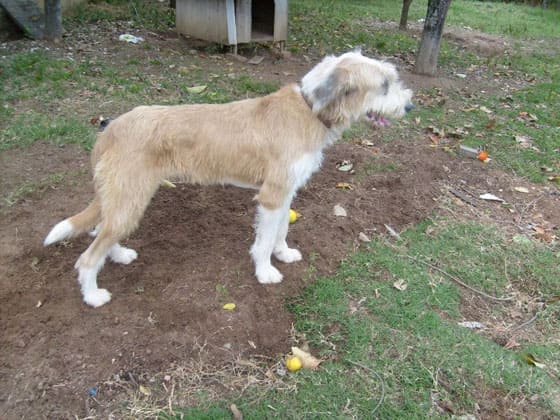
The Griffon Barbudo (also known as the Barbudo Caçador, Barba de Arame, or Griffon Gaúcho) is a rare, rustic working and hunting dog breed native to the southern region of Brazil (primarily Rio Grande do Sul). Medium-to-large, rugged, and muscular build. Height at the withers typically ranges from 55 to 65 cm, with a weight around 35 to 40 kg. A smaller variation known as the Barbudinho also exists, weighing between 5 and 12 kg. Traditionally used across southern Brazilian farms and ranches (estâncias) as an all-around working dog. They excel as tracking and hunting dogs (caça de javali, capivara, tatu) and are notable for being strong, fearless swimmers capable of navigating dense brush, marshes, and waterways. Larger dogs were also historically used for cattle herding (pastoreio), while smaller Barbudinhos worked with sheep. Courageous, resilient, energetic, and loyal to their handlers, though they can have an independent or headstrong (genioso) streak. The exact lineage is debated among historians and breeders. Theories point to a mix of European working/hunting dogs brought during colonial times , such as Portuguese breeds like the Barbado and Cão d'Água Português, later crossbreeding with regional Uruguayan griffon types, the Ovelheiro Gaúcho, or terrier and schnauzer stock. The breed is not officially recognized by major international cynological federations or the Brazilian national kennel club (CBKC), and it currently faces a serious risk of extinction due to a shrinking working population and lack of structured breeding programs.
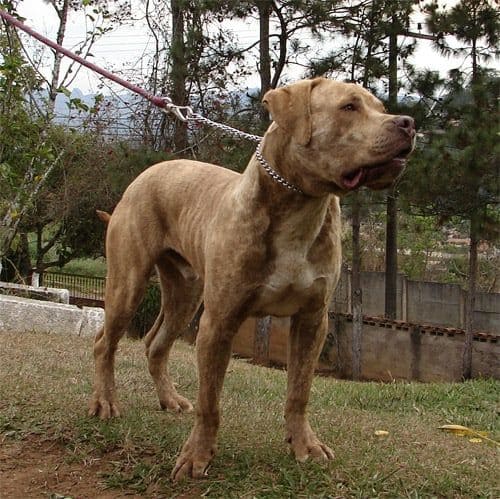
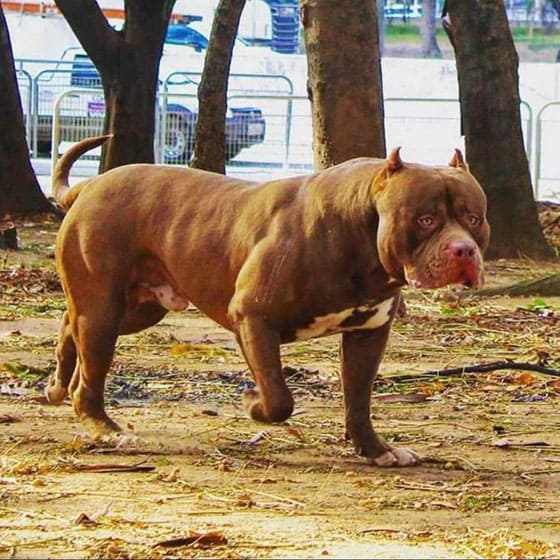
The Pit Monster (formally known in some registries as the Brazilian Bull or Brazilian Monster Pit) is an extra-large, heavily muscled dog breed developed in Brazil. The Brazilian Pit Monster represents a contemporary achievement in Brazil's growing expertise in elite canine breeding. This 21st-century creation reflects the ongoing evolution of bully-style dogs, developed through the intentional combination of large, muscular breeds known for their commanding presence and stable temperament. A key influence behind this development stems from the molosser lineage - powerful working dogs that trace their roots to the ancient Molossians, a Greek tribe from Epirus. The Molossians bred massive guardian dogs to protect livestock and property. Contemporary molosser breeds such as the Cane Corso, American Bulldog, and Old English Bulldog carry forward this legacy of strength and loyalty, which has influenced both the XL bully and now forms part of the Brazilian Pit Monster's foundation.
Bred by crossing the American Pit Bull Terrier, American Bully, Johnson-style American Bulldog, and working red and pit bulldog lines. Managed and registered primarily by specialized parent clubs like the International Breed Certificate (IBC), though it is not yet recognized by major global kennel clubs like the FCI or AKC. Its name, ancestry, and relationship to the XL American Bully can be confusing, especially when different registries use different terminology. ALKC publishes a Pit Monster standard, while IBC publishes a Brazilian Bull standard. Understanding those distinctions is a useful starting point for anyone researching the breed or considering a puppy. Breeders sometimes use the name "Brazilian Bull" to rebrand and formalize the breed's identity. Despite their intimidating appearance, responsibly bred dogs tend to be calm, affectionate, and playful with their families. They can be aloof or indifferent to strangers, and early socialization is vital to prevent antisocial or reactive behaviors toward other dogs. High energy, requires daily vigorous exercise (1–2 hours) and mental stimulation. Intelligent with a strong desire to please, but requires an experienced, confident handler due to their sheer physical power. When bred responsibly, Brazilian Pit Monsters demonstrate the calm, loyal, and affectionate temperament characteristic of quality bully breeds.
Many owners report that despite their imposing appearance, these dogs often display gentle, even playful personalities within their family units. The breed exhibits high intelligence and a strong desire to please, making them highly trainable when handled by experienced owners. Their size requires early, consistent training, but their willingness to work with their handlers makes this an achievable goal for dedicated owners. Properly socialized Brazilian Pit Monsters can excel as family companions and protectors. Their natural loyalty and protective instincts, combined with appropriate training, make them excellent guardians. However, their size necessitates careful supervision around small children and proper socialization from an early age. Despite their size, Brazilian Pit Monsters require regular exercise to maintain physical and mental health. This includes daily walks, structured play sessions, and activities that engage their natural athleticism. However, exercise programs must be tailored to avoid overexertion and joint stress. Brazilian Pit Monsters are best suited for experienced dog owners who understand large breed requirements and have the time, space, and resources to meet their needs. They require consistent leadership, adequate space, and owners committed to ongoing training and socialization.
The Brazilian Dogo (known in Portuguese as the Dogue Brasileiro) is a medium-to-large working and guard dog breed developed in Brazil in the late 1970s and 1980s. Crossbreed of the English Bull Terrier and the German Boxer (later incorporating American Staffordshire Terrier lines). The Brazilian Dogo currently holds recognition with the Brazilian Confederation of Cynophilia, but not many other kennel clubs around the world. Recognized by the Confederação Brasileira de Cinofilia (CBKC) since 1999, not recognized by the AKC or FCI. They are a large dog breed of a Molosser-type and are recognized as working dogs in Brazil. The Brazilian Dogo originated from a cross between a female Boxer dog and a male Bull terrier. The cross is attributed to Pedro Pessoa Ribeiro Danta, who had become a famous creator of Bull Terrier breeds throughout the '60s and '80s. In 1978, he conducted the cross between the two dogs, and the Dogo was born. These dogs have large, agile bodies with plenty of muscle in an elegant display. They are quite obedient and can be used in a wide variety of working scenarios. Created as an alert, functional urban guard dog and protector - historically associated with personal and carjacking protection.
This breed is good with kids and other pets but may need to be socialized early to be trusted around small children and cats. They are excellent guard dogs and will make sure no strangers come in your yard or home unannounced so be sure to place a Beware of Dog sign on your home as a warning. However, the Dogue Brasileiro has been bred to have an even temperament with those who do not provoke them and will not become aggressive unless necessary. They are also easy to train because they are fast learners who are eager to please you. This breed needs a moderate amount of activity every day to keep them from becoming bored or anxious. At least 45 to 60 minutes per day is recommended. They can become lazy and get overweight if they do not get enough exercise and have a tendency to develop bad habits like chewing on furniture and barking excessively. Some activities that your Dogue Brasileiro may enjoy include hunting, swimming, hiking, going for a walk or jog around your neighborhood, a trip to the local dog park, and playing fetch. This breed is also excellent at fly ball and competing in agility or obedience training.
They should never be agressive without a reason, but when they or their family is threatened, they should be vigorous and defend them. These dogs are typically not trustful towards complete strangers and it can take a while before they accept a stranger as a friend. On the other hand, when these dogs are with its family, they are absolutely friendly, affectionate and gentle. The Dogue Brasileiro is known for its great devotion and loyalty to its owners. They are typically good gentle partners for kids, but of course, you should never leave any dog breed, with a very young child unsupervised. These dogs are intelligent and they get new commands fairly easily, but of course, they need experienced owner who will train them patiently and consistently. The Dogue Brasileiro is quite active dog, who will need daily outdoor walks, hikes, fun training sessions or proper playtime to stay healthy and happy. Without enough exercise, they might develop some unwanted behaviour such as destruction. While the parent breeds have a violent history, both are quite loyal dogs and tolerant of children.
However, early socialization is imperative for any pet but especially with a pup the size of the Dogue-Brasileiro. He is intelligent, so that will make it easier to teach him to obey. It’s essential to establish yourself as the leader of the pack for building trust with this loyal pet. This pup has a moderate tendency to bark, which you’ll need to curb early. The other thing to remember is that a bored dog is a destructive one and even more so with a pet as large as the Dogue-Brasileiro. He needs mental stimulation just as much as physical activity to cultivate good canine manners. The Brazilian Dogo is an active and balanced, yet alert, fearless, and watchful dog with a strong guarding instinct. Towards its family, it is obedient, gentle, and affectionate. However, it is serious towards strangers and will be ready to attack if provoked. It should not demonstrate aggressive behaviour without a clear reason - such as purposeful provocation - not even with other dogs. Instead of the more common working trial, a specific character trial is demanded for the breed to reach championship in Brazilian dog shows.
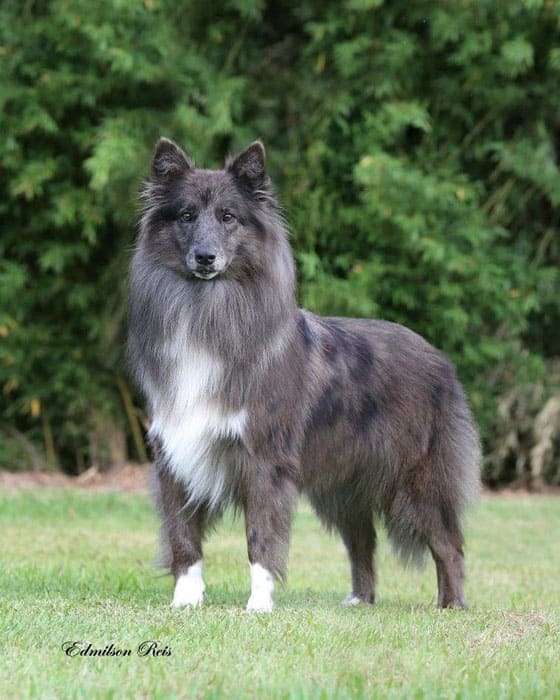
The Gaucho Sheepdog (Portuguese: Ovelheiro Gaúcho), also called the Brazilian Collie, is a working herding and watchdog breed from the Pampas grasslands of Rio Grande do Sul in southern Brazil. Recognized by the Brazilian Kennel Club (CBKC) on April 20, 2000. Developed in the late 19th century when European immigrants brought collie-type and shepherd dogs to work on southern Brazilian ranches. Later crossed with Border Collies imported in the mid-20th century. Types vary slightly depending on their working focus: sheepdogs tend to resemble smaller Border Collies, while cattle-working strains are taller and sturdier, bearing closer resemblance to a traditional Rough Collie. The Brazilian Collie sits in much the same place in terms of international recognition as the Mountain Bulldog, which is little to none. However, they are an attractive and hard-working breed that has been around for many years in Brazil.
These dogs are medium-sized and look similar to a Border Collie, only with longer fur. They are intelligent and agile, with a loyal temperament that suits them well for any family home. Much like other sheepdogs, these pups are used primarily to herd and shepherd cattle and protect the land. Intelligent, agile, docile, loyal, and quick to learn. They are affectionate with their families and make alert watchdogs without being aggressively hostile. Used to gather, drive, and sort sheep and cattle, as well as stand guard against predators like cougars or maned wolves. The Gaucho Sheepdog is a dog breed used for centuries for working with sheep and cattle. Their job is herding and they are great at driving sheep, look at them in the field and to bring them back home to the pens.
They are known to do the job naturally, even if they are not directly trained for herding. It is just their natural instinct. But of course, training makes them better at their job. The breed has amazing personality traits for being great herding dog. They are very intelligent and they are great problem solvers. They are loyal to the owner, but also to the farm animals. They are very lively, alert and watchful. And most importantly, they just love the work, they love to be outside all day long working on the farm and they are very determined to their purpose. But of course, not all Gaucho Sheepdogs are used on farms. Today many of them are also typical companion pets. And of course, they make very good companion dogs. These dogs are very docile and affectionate companions to its own family and owners. The Gaucho Sheepdog is adaptable breed with cheerful, playful and faithful temperament.
They are very good and tolerant partners for kids, but of course you should never leave any dog breed with a very young child unsupervised. They can also try to herd the kids, or some other smaller household pets, it is their nature. But they do not have high prey drive and they can happily live with other pets, like cats, or other dogs in the household, especially if socialized together from the puppyhood. If the breed is not used for working puropses, they should have some other kind of a job in their life. It can be regular exercise, long walks, hikes, jogs, playtime and fun training sessions. Or you can try some dog sport with this dog. The Gaucho Sheepdog is known to have amazing results in agility, where they can combine their extraordinary intelligence with athletic and agile body.
The Mountain Bulldog is a designer hybrid dog breed created by crossing an English Bulldog and a Bernese Mountain Dog. Friendly, playful, devoted, docile, and adaptable. Naturally protective and initially wary or aloof around strangers, growing warm once introduced. Mountain Bulldogs were originally bred from Old English Bulldogs, Terceira Row, and other dogs native to southern Brazil. They accompanied and protected the first European immigrants who moved into the southern regions of Brazil. From their beginning, these dogs have been used to protect and to herd cattle. They are not currently recognized by most international canine societies, but they do have a place in Brazil’s Confederation of Canines. Early training and socialization are essential to manage their protective instincts and help them get along well with children and other pets. These hybrids are strong, muscular dogs that can appear to be very intimidating to those who meet them. However, the breed is considered to be quite friendly and playful, making them an excellent companion for families with other pets and children.
The Mountain Bulldog is an adaptable breed that does well in most households, however, due to their dense coats, they may be better suited to a cool climate. The Mountain Bulldog is a friendly, protective and hardworking breed that will do well in a family household. It is important to remember though, that the Mountain Bulldog stems from the English Bulldog, once considered an aggressive breed. Early training and plenty of socialization will allow your hybrid to be at his best and feel comfortable when around children and other pets. In general, due to their Bernese lineage and if socialized well, the Mountain Bulldog makes an excellent, docile companion. When encountering a new stranger, your Mountain Bulldog will be on guard and alert. Compassionate is the first description that comes to most owners' minds.
These dogs are caretakers and loyal to their family but hold judgment in the case of new people or animals. They have a heart of gold, even if it has been hidden behind an intimidating mask of muscle. Both of the parental breeds are brilliant dogs. They want to please their owners and make them happy. The combination makes them highly trainable. They pick up new commands and emotional nuances quickly. Neither breed has a feisty personality, although they do have a big one. The Mountain Bulldog is docile and happy, patient around kids and other animals. They are not immediately friendly to strangers. They retain a wariness that makes them an excellent guard dog. They would not naturally attack someone unless they were trained to do so, though. These dogs can be protective over their families and may take time to warm up to new people. However, once accustomed to a new face, your hybrid will become friendly towards the stranger.
Despite its size, the Mountain Bulldog is a medium energy dog that will require about 60 minutes of daily exercise. The Bernese Mountain dog parent with its docile nature helps to temper the courageous English Bulldog nature that might result in aggression toward other dogs. Both parent breeds are loyal, intelligent dogs so the offspring of these two dogs excels at training as it wants to please its owners. They may be wary of strangers and will be very protective until they know the new person isn’t going to hurt their family. These hybrids thrive in colder environments, so they will be more active during winter time. The Mountain Bulldog will enjoy activities such as play time with other dogs at the dog park, long walks in winter, playing in the snow and runs in cold weather. Due to their dense coats, your hybrid is likely to remain relatively inactive in the summertime and may overheat if overexercised. These dogs are lovely, fitting into almost any family. They are a large breed and might not always remember their size, especially around small children. They love their family members and go out of their way to protect them.
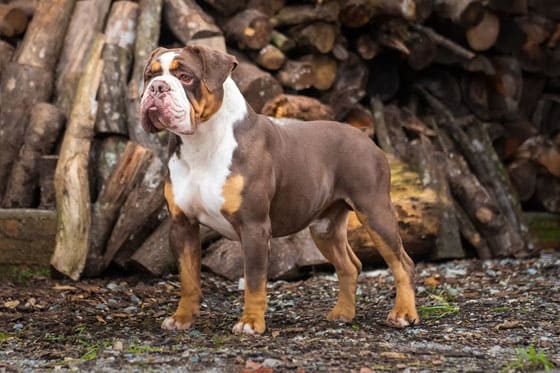
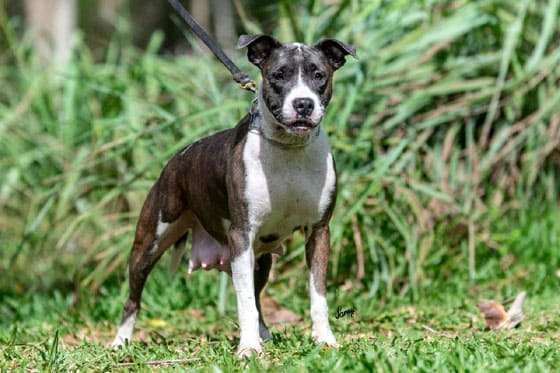
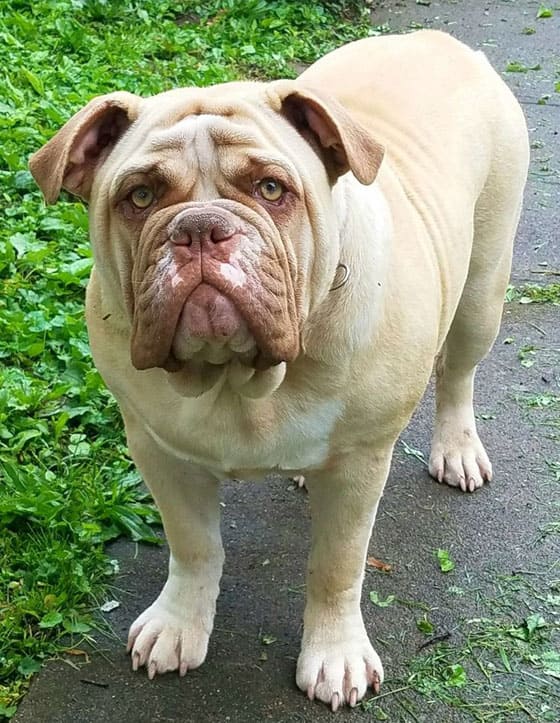
The Bullbras (officially known as the Bulldogge Brasileiro or Brazilian Bulldogge) is a rare, modern bulldog-type dog breed developed in Brazil to retain the classic look of bulldog breeds while avoiding severe health issues. This breed created in March 2006 by breeder Wagmar de Souza in partnership with Sérgio Infante, Geraldo Starling, and Fernando Starling. Created by crossing the Olde English Bulldogge, English Bulldog, Campeiro Bulldog, Boxer, and other breeds. Recognized by the SONARB (National Society of Brazilian Breeds) in 2013. Features uncommon coat variations for traditional bulldogs, including solid chocolate, blue, or black (often with a white mark under the belly). Tan points may also appear.
Dogica® collects only technical cookies. No any personal or private information being collected, saved or shared here. 3rd Party cookies could be collected by various installed widgets.
The information contained in or provided through DOGICA® site is intended for general consumer understanding and education only and is not intended to be and is not a substitute for professional advice.
Use of this site and any information contained on or provided through this site is provided on an "as is" basis without any representations, warranties or pay.

























WORLD OF DOG & PUPPY 🐶