41 Mountain Dog Breeds Photo, Characteristics, Temperament Unique Characteristics of Mountain Dogs Rare Mountain Dog Breeds Photos Dogs that excel in hiking Mountain Dog Breeds List
With their majestic manes, rugged good looks and rich histories, it is hard not to instantly feel drawn to mountain dog breeds. Originating from all corners of the earth, these incredible canines have become some of the most popular dog breeds today. They come in a multitude of coat colors and sizes, and while some make excellent family companions or guard dogs, others are known for their athletic prowess and herding abilities.
UNIQUE
MOUNTAIN DOG BREED
CHARACTERISTICS
Mountain dog breeds share common traits that make them well-suited for navigating the treacherous and dangerous conditions they typically encounter. Mountain dogs are watchful dogs that are always on the lookout. They can be territorial if something – or someone – invades their space, and they will nott hesitate to act. This natural instinct must be kept in check if you plan to bring a mountain dog home as a family pet
Size
Most mountain dog breeds are large, so it is important that owners are dedicated to taking care of a bigger dog. Large dogs require a person dedicated to large dog needs. It will cost more money to house, feed, medicate, treat, and even transport large and giant breeds of dogs than smaller dogs. Large dogs have their own set of health challenges and prospective owners should do their homework.
Training
Remember that big dogs are also a bigger physical investment. Leash training mountain dog breeds at an early age is a must so that they do not pull you around. Emotionally, most mountain dogs are fiercely protective of their owners, which can translate into making them a little more difficult to train than say a golden retriever. But with patience, early socialization, and plenty of positive reinforcement, they will be able to sit and stay in no time!
Personality
Mountain dogs are huge, but they are nothing to be intimidated by. They are typically good-natured, calm, and friendly and will always want to spend time with you! Many mountain dogs have strong protective tendencies. This is because canines in these climates were most often used as herding dogs or working dogs who watched over livestock like cattle and sheep. Herding and working dogs are often more independent, meaning they are not always eager to follow commands and tend to show their love for their humans in subtle ways, unlike Golden Retrievers who greet you at the door with a wagging tail and want to cuddle constantly. Because mountain life requires intelligent, quick decision-making, these dogs may not look to you for approval as often. Independence and protectiveness do not mean these dogs don’t love and bond with their people. They can certainly thrive in a family setting with consistent training and early socialization.
The Tibetan Mastiff is an ancient, imposing giant breed originally from the Himalayas, known for its thick lion-like coat and fierce guarding instincts. Weighing 70 to 150+ pounds, they are deeply loyal and calm at home, but highly territorial and aloof with strangers. The Tibetan Mastiff is courageous, fearless, even-tempered, calm and thoughtful. Very loyal to its own family. Tends to bark at night if left outside, but will be quiet indoors. It is an outstanding flock guardian and is ferocious against wolves, leopards or any prey that try to approach its flock. It is easy to housebreak, but matures later in life than the average breed. The Tibetan Mastiff needs a firm, confident, consistent pack leader to prevent it from becoming willful and stubborn, overprotective and territorial. These dogs have a strong desire to please their owners. They are loving with children, but can distrust and be reserved with strangers if not properly socialized. It comes naturally to this Mastiff to guard its family and their property. It has to be raised to adulthood in a careful, well-balanced manner.
A stable, well-adjusted and trained dog is for the most part generally good with non-canine pets. It is possible for them to get along with other dogs if the owners are able to communicate with them that fighting is an unwanted behavior. Tibetan Mastiffs will not listen if they sense that they are stronger minded than their owners. Owners need to possess a natural air of authority to their demeanor. The objective in training this dog is to achieve pack leader status. It is a natural instinct for a dog to have an order in its pack. When we humans live with dogs, we become their pack. The entire pack cooperates under a single leader. Lines are clearly defined and rules are set. Because a dog communicates his displeasure with growling and eventually biting, all other humans MUST be higher up in the order than the dog. The humans must be the ones making the decisions, not the dogs. That is the only way your relationship with your dog can be a complete success. When owners make it absolutely clear they are alpha over the dog in a calm, but very firm manner, and the dog is well exercised, trained and socialized, it can be a very good family companion. This breed requires an experienced owner. Because of their background as guardian dogs, they don't like to take direction from their families and can be difficult to train.
The breed's guarding instincts are heightened at night, which can cause them to bark loudly and excessively in the evening hours. It’s best to keep your mastiff indoors at night to avoid bothering your neighbors. Also, make sure you have a secure fence to keep your dog from roaming day or night. The Tibetan Mastiff displays an aloof, watchful, and alert temperament and can make a loyal family dog. Because they are so loyal to their family, they can be reserved around strangers and introductions need to be made carefully. While they can be lazy indoors and sleep during the day, Tibetan Mastiffs are more active at night. They’re fairly quiet dogs but will bark to alert their family if anything seems amiss. Because of the massive Tibetan Mastiff size and their athletic capabilities, they need moderate exercise and plenty of space to roam and play. They do not do well as an apartment dog, it is important that these pups have access to a fenced-in yard they can patrol without wandering away. A Tibetan Mastiff that feels confined or bored may become destructive and anxious, resulting in digging and chewing.
The Bernese Mountain Dog is a large, gentle giant originally bred in Switzerland as an all-around farm dog. Known for their striking tricolored coats and affectionate, easygoing temperaments, they make excellent, loyal family companions who love cold weather and spending time outdoors. These cheerful dogs love children. They are very intelligent, easy to train and are natural watchdogs, but not overly dominant. A Bernese Mountain Dog will be your friend for life. Self-confident, alert and good-natured, be sure to socialize well as a puppy. These dogs are slow to mature, acting like puppies longer than other breeds. They are rather friendly with strangers, and are generally good with other pets and dogs. The Bernese needs to be with people and not confined to the backyard or a kennel. These dogs are sensitive and should be trained firmly, but gently.
Owners will only run into issues with this dog if they are not displaying natural leadership towards the dog, treating him more like their baby and lacking in the knowledge as to what dogs instinctually need to be stable minded. Owners who fail to convince the dog humans are alpha may find themselves with a totally different dog than what is described above. For a dog to feel secure it needs to clearly know the rules so they can be followed, thriving in structure, along with a daily pack walk to satisfy its instinct to migrate. The Bernese Mountain Dog was bred for draft work and can be trained to pull a cart or wagon. The Bernese mountain dog's trainability and eagerness to please has charmed owners since the dog's earliest days on Swiss farms. It is one of my all-time favorite breeds. They are smart, they're quick learners, and they're exceptionally faithful dogs. Bernese mountain dogs have long acted as guardians for livestock and, considering their large size and intimidating bark, make good watchdogs. However, with their loving and gentle nature, owners should not expect much real threat behind the bark.
In general, the Bernese Mountain Dog is an affectionate and intelligent dog. They are eager to please, which makes them good with training. They may be a little shy around people they do not know, but the Bernese Mountain Dog tends to be patient with children and other pets. That said, interactions between kids and dogs of all breeds should always be supervised. And while Bernese Mountain Dogs were bred as working farm dogs, today most prefer to lie on the couch all day. The Bernese Mountain Dog is relatively adaptable to change and minor stressors, but these sweet pups may be shy in new settings. When properly socialized to dogs, cats, and people as puppies, a Berner is more adaptable and less likely to develop anxiety as an adult. Many Bernese Mountain Dogs dislike being left alone, and some may develop separation anxiety.
The Great Pyrenees is a massive, gentle giant originally bred to guard livestock. Known for their thick, weather-resistant white coat, they are calm, patient, and intensely loyal to their families. However, their independent guarding instincts mean they require early socialization and consistent training. The Great Pyrenees is a capable and imposing guardian, devoted to its family, and somewhat wary of strangers—human and canine. It is often used to guard livestock. When not provoked, it is calm, well-mannered and somewhat serious. Courageous, very loyal and obedient. Gentle and affectionate with those he loves. Devoted to family even if self-sacrifice is required. It is very gentle with its family and children. It does best with children when it is raised with them from puppyhood, and if it is not being used as a working flock guard be sure to socialize it well with people, places and noises. It has an independent nature, and may try to dominate a less secure or meek owner, and/or an owner who treats the dog as if he is human, becoming stubborn or territorial.
Owners need to be firm, but calm, confident and consistent with the dog. Setting rules the dog must follow and stick to them. The Great Pyrenees is a serious worker, but very independent. Be patient when training the Great Pyrenees, as it may be slightly difficult. If left alone inside the home without the proper amount of exercise and or leadership it can become destructive. The Great Pyrenees is good with non-canine animals, and usually loves cats. These dogs do not reach maturity until they are about 2 years old. Some are not good off the leash and may wander away. They need an owner who understands and practices natural dogmanship. The Great Pyrenees tends to bark a lot and some tend to drool and slobber. The Great Pyrenees, or Pyr, is an endearing and gentle giant known for its loyalty to the family. They generally get along well with children and are often used as therapy dogs and in search and rescue operations. However, it's important for potential pet parents to be aware of their tendency to bark at night and their requirement for socialization.
Pyr puppies are the cutest, sweetest balls of white fluff who grow up to be big dogs with equally big hearts and souls. They are very affectionate and friendly, and they can get along great with kids and various other animals. However, these are also world-class, potentially excessive barkers with a keen sense of hearing. Because they are so loyal and loving, they will immediately alert you and the entire neighborhood - to an intruder, and this is especially true at night since they were bred to be nocturnal guards and can hear so well that they can pick up on the slightest noise. This may make them less suitable for certain households. The typical Great Pyrenees temperament is calm, independent, and alert. Their gentle demeanor makes them suitable in families with children who understand how to interact with dogs, but Great Pyrenees may be best in homes without smaller children who may be easily harmed by an accidental bump from a 100-pound dog. They are not highly active dogs, but Great Pyrenees do enjoy roaming outside. It’s important to keep your dog within an area enclosed by a sturdy fence to prevent them from roaming too far and becoming lost. Great Pyrenees dogs don’t have a strong drive for chasing, but they are known to bark to alert their family - even if it is just because they spotted the mail carrier.
The Saint Bernard is a giant, gentle giant famed for its heroic history in the Swiss Alps. Known for their docile temperament, they are incredibly loyal, patient with children, and easy to train, provided their training begins during puppyhood while they are still a manageable size. Saint Bernards are extremely gentle, friendly and very tolerant of children. They are slow moving, patient, obedient, extremely loyal, eager and willing to please. Be sure to socialize this breed very well at a young age with people and other animals. It is highly intelligent and easy to train; however, training should begin early, while the dog is still a manageable size. Teach this dog not to jump on humans starting at puppyhood. Bear in mind that an unruly dog of this size presents a problem for even a strong adult if it is to be exercised in public areas on a leash, so take control right from the start, teaching the dog to heel. The Saint Bernard is a good watchdog. Even its size is a good deterrent. They drool after they drink or eat. Be sure you remain the dog's pack leader.
Dogs want nothing more than to know what is expected of them and the St Bernard is no exception. Allowing a dog of this size and magnitude to be unruly can be dangerous and shows poor ownership skills. Saint Bernards have a highly developed sense of smell and also seem to have a sixth sense about impending danger from storms and avalanches. Saint Bernards generally have a calm and affectionate temperament. And their love of kids is a hallmark of their personality. Despite their large size, they are only moderately energetic and don’t need an excessive amount of exercise. Saint Bernards have a mellow demeanor that can make them a wonderful addition to the family. They have a reputation for being especially gentle around children that know how to properly interact with dogs. As people-orientated dogs, Saint Bernards can develop separation anxiety if they’re left alone for long periods of time. A Saint Bernard puppy is energetic and playful. But as they grow older, they become calmer. Most Saint Bernards have a low prey drive and do well around other animals when socialized from a young age.
The breed is not known to bark a lot, but they do like to dig. This digging behavior is indicative of their past training as search and rescue dogs. To protect your property, make sure to supervise your Saint Bernard whenever they are outside. St. Bernards are renowned for their calm, gentle, and affectionate temperament, making them excellent family pets. Their friendly nature, patience, and tolerance, particularly with children, make them a popular choice for households. These loyal dogs are highly protective of their families and often display a calm, patient demeanour. While they may initially be reserved around strangers, St. Bernards are generally good-natured and thrive on human companionship. Due to their large size, early socialisation and consistent training are crucial. This ensures they grow into well-mannered and well-behaved companions, allowing their affectionate and protective qualities to shine. St. Bernards' temperament, combined with their gentle nature, makes them a beloved breed for families and dog lovers alike.
The Leonberger is a giant, majestic German breed famous for its lion-like mane, sweet temperament, and calm, loyal nature. Developed by crossing Newfoundlands, Saint Bernards, and Great Pyrenees, these "gentle giants" make incredibly affectionate family companions and therapy dogs. The Leonberger has a lively nature. It is brave, intelligent, steady and affectionate. It has a sweet expression. Loving and steadfast, stable and calm, the Leonberger just loves everyone. Its intelligence is extraordinary; its loyalty and love for its family is unparalleled. He has a friendly personality. A well-balanced Leonberger will be highly trustworthy and have incredible patience, even with the most obnoxious children. With most of these dogs, if the situation becomes too intense, instead of showing any aggression, the Leonberger simply walks away. Most of these dogs can take bad behavior in their stride.
The Leonberger does not respond very well to harsh training methods; training requires patience. Owners need to be firm, but calm, confident and consistent. Proper human to canine communication is essential. To be an excellent watchdog requires some special training. Often called a gentle giant, the Leonberger is serious, eager and willing to please, responding well to training. The Leonberger can get along with other dogs. Socialize and train early, as this puppy will become a very large adult. Teach your dog to respect humans by training it not to jump, to heel on the lead and to enter and exit all door and gateways after the humans. The Leonberger is more active and coordinated than many other giant breeds. Leonbergers are loving and playful with those they trust. They’re great with children, amenable to other dogs, and welcoming to strangers when well-socialized. They are generally calm and quiet, but they require brisk exercise at least once every day, such as a long walk or hike. Leonberger dogs prefer to have a job, whether it be pulling sleds, swimming, or agility training.
Leonbergers are usually calm and do not bark or dig much. While laid-back, they require a lot of interaction with people and do not do well when left alone for long periods of time. They would prefer around-the-clock love and attention, if possible, and need to be in a house of homebodies. Though bred to be independent, Leonbergers are also highly trainable with experienced pet parents or professional trainers who are familiar with the breed. They respond well to training that’s consistent, repetitive, and positive. The Leonberger is a gentle and sweet dog. Their affectionate, loyal, and protective nature positions them as great family pets. Sometimes, however, a Leonberger will be stubborn and dominant. A Leo’s impressive size and strength make it extra important to teach this breed what he can and can not do. These dogs are eager to please, and they respond best to positive training methods. Be kind, firm, and consistent to achieve the best results with your Leo. Vetstreet also warns that you’ll need to work on training a Leo for at least two years.
The Kuvasz is a majestic, large breed dog, known for its distinctive white coat. They are intelligent, independent, and fiercely loyal, often forming a strong bond with their family. This breed is versatile, used in roles like hunting partner, livestock guardian, and family companion. In terms of temperament, the Kuvasz is bold, brave and very protective of its family, which makes them an excellent watchdog. Kuvasz is a traditional mountain dog and an ancient livestock guardian breed from Hungary. Historically used to protect flocks in rugged terrain, they are large, fiercely loyal, and built to withstand harsh, cold climates. They tend to be aloof around strangers but are gentle and affectionate with their loved ones. Kuvasz dogs require a lot of exercise to maintain optimal health, so a home with plenty of outdoor space is ideal for this breed. Grooming is also a significant commitment, needing weekly brushing to maintain their dense coat. Early socialization and obedience training are essential for this breed, given their independent nature and large size.
These dogs are most suitable for active families or individuals with previous dog ownership experience, due to their energy level and training needs. Despite their imposing size, Kuvasz are sensitive animals that thrive in a loving, structured environment. As with all canine animals, the dominancy level varies from dog to dog, even in the same litter. However this breed is in general more dominant than most because of its inbred flock guard abilities. This means they will be prone to being reserved with strangers and extra care needs to be given in extensively socializing them, most effectively when they are still puppies. Puppies should be handled a lot by strangers. Owners should never let the puppies jump on or chew on humans. They should be taught to heel on a lead right from the start and learn to enter and exit all door and gateways after the humans. This breed is bold, brave and fearless. They were bred to work independently, which means they are not easy to obedience train. Training should never be harsh, but rather needs to be calm but firm, by a confident experienced, dominant person. The handler needs to have an air of natural authority to them.
This dog needs to be controlled with the mind, not the hand. The dog will be looking for a leader and owners need to be stronger minded than the dog. They will be willful with meek or passive owners. All members of the family need to be taught how to handle the dog right from puppyhood. Owners need to teach the dog to accept welcomed guests and to look to the owner for leadership, rather than the dog expecting the owners to look to him for leadership. The biggest key to training a Kuvasz is to understand the nature of the breed as an independent guardian. It is very important NOT to use harsh training methods, but rather calm, firm methods. Kuvasz dogs are best described as confident and intelligent. The breed is not known for being overly energetic or strong-willed, but they have the capacity for independent thinking. This is a trait that serves them well as livestock guardians but can work against an inexperienced dog parent. Because the Hungarian Kuvasz was bred to do a job, don’t expect these dogs to be couch potatoes. They need an outlet for their energy and thrive when given a purpose in life and regular exercise. While the dogs are known for their gentle nature, you should diligently socialize Kuvasz puppies with children and other animals to ensure safe, diplomatic interactions.
The Appenzeller Sennenhund is a medium-sized, high-energy herding dog from Switzerland. Known for their striking tricolor coat and spirited work ethic, they require ample exercise, making them ideal for active owners with farms or large yards. They are intelligent, loyal, and vocal watchdogs. Appenzeller Sennenhund is a type of Swiss mountain dog. It belongs to a family of four regional Alpine cattle dogs (along with the Bernese, Entlebucher, and Greater Swiss Mountain Dogs). The Appenzeller Sennenhund is an intelligent and active, hardy working dog, nowadays they are more often kept as a watchdog or family pet. Its rarity is probably compounded by the fact that it is not recommended for indoor keeping because it requires exercise and space. The Appenzeller Sennenhund is an intelligent, calm (but never lazy), independent, lively, happy and versatile breed of dog. It is basically a working dog, as mentioned above. It was originally used for herding cattle and house herding, and this still shows in its character today.
He is a reliable and brave, confident breed. He loves his family more than anything else, he is affectionate but not attached to his owner. Distrustful and suspicious of strangers, he needs time to accept someone without reservation. He is an active, very energetic breed, excels in a wide variety of sports and enjoys playing with his owner. He is intelligent, teachable and demands to be challenged. It is very important that he is socialised from an early age and that his owner is consistent and confident. This does not mean that you should be rough with the dog, in fact, this is not allowed at all for any breed! But it is important that the owner knows what he is doing and communicates clearly with his dog. With such an active and energetic dog, it is essential that owners provide daily exercise, and often exercise, teach and task them. It adapts easily to different living situations, but is not recommended for indoor housing, mainly because of its endless energy and exercise requirements. As mentioned above, early socialisation to other dogs, cats, pets and children is very important. Once this is done, the incorruptible watchdog will be able to maintain a balanced relationship with other members of the household of different sizes and species. It is not recommended for inexperienced owners because its guarding tendencies, physical strength and confident, independent nature make it important for the owner to be consistent in its training from the very first moment.
The Appenzeller Sennenhund generally has a lively and alert temperament. This dog typically bonds closely with their family, though they can be somewhat wary of strangers. High energy and intelligence also help to shape the breed's personality. These are dogs that like to work, so they are not best if you are looking for a less active breed. Brimming with energy and intelligence, the Appenzeller Sennenhund is a dog that thrives on activity and purpose. They are known for their alertness and make excellent watchdogs, always ready to notify their family of any unusual happenings. With family members, they are affectionate and loyal, forming strong bonds that make them wonderful companions. However, their herding instincts can sometimes translate into nipping or herding behaviors, especially with young children, so early training is essential. Strangers may be met with caution, as this breed is naturally protective of their territory. Socialization from a young age can help them become more accepting of new people and situations, ensuring they grow into well-rounded adults.
The Anatolian Shepherd is a rugged, ancient livestock guardian breed from Turkey. Known for their supreme loyalty, independence, and hardiness, these massive dogs are calm protectors that require a firm hand and vast outdoor space. They make excellent working farm dogs but are generally not suited for apartment life. The Anatolian Shepherd is a flock guardian with a superior sense of sight and hearing. It is not a herding dog. It is very loyal, alert and capable of great speed and endurance. It is intelligent, alert and easy to train, but is not a dog for beginners. It needs a handler who naturally radiates leadership. Independent, calm, unwavering and brave, but not aggressive, they tend to bark at night and if they are living indoors with you, you need to correct this behavior if it is unwanted. Since the Anatolian Shepherd is a born flock guard it will be very watchful and can become possessive if not kept in its rightful place below the humans. If it sees itself above the family it may act affectionate with them but very suspicious of strangers to a point where it is a problem. This is an issue that is particularly worrisome after the dog reaches adulthood. This is why it is very important that the dog sees the humans as boss.
Being a flock guard, it will always have an instinct to protect and this cannot be bred out or raised out of it, however a dog that accepts the humans as its leader will also accept the strangers that the humans formally introduce to them. It will also look to the humans as the ones who make the decisions. You do not want a dog of this size and strength living in your home making all of the calls. The Anatolian Shepherd will still be possessive with the home and property, not allowing anyone in if the owner is not home, unless it has had frequent contact with the person. Friends of the family will be welcomed. This proud dog is demanding of itself, and can be stubborn and dominant if it sees itself as a leader of the home. When training the Anatolian Shepherd, the best results are achieved by motivational training methods with a determined, firm, confident, consistent and loving approach. The Anatolian shepherd generally has an independent and watchful temperament. These dogs do not display overly affectionate personalities, and are not cuddly. But they are loyal to their families, some even expressing possessive behavior.
They can be wary of strangers, which is why socializing your puppy is of the utmost importance. Some Anatolian shepherds can be prone to barking, especially if they detect a threat. That is their procedure when they are protecting their flocks. From a big dog, those woofs can be awful loud. Anatolian Shepherd dogs are generally quite calm and subdued, but they won’t hesitate to leap into action if they perceive a threat to their family or flock. Their instinctive nature to protect their loved ones makes them good dogs in families with older children who understand how to interact with dogs. However, Anatolian Shepherds might be best in homes without smaller children, who can easily be knocked down by an accidental bump from a 150-pound dog. When Anatolian Shepherd puppies are introduced at a young age, they typically get along well with other pets. Anatolian Shepherds were bred for thousands of years to be guardians. This means they tend to bark, especially if they perceive a threat toward their home or territory. Close-by neighbors might not appreciate this behavior, so Anatolian Shepherds won't make the best options for families with shared walls.
The Entlebucher Mountain Dog is a spirited, energetic, and compact herder from the Swiss Alps. Often called the "Laughing Dog" for their cheerful demeanor, they are known for their striking tricolor coat, intense loyalty, and independent problem-solving skills. The Entlebucher (or Entlebucher Mountain Dog) is a mountain and herding dog. Originating from the Swiss Alps, it is the smallest of the four traditional Swiss Sennenhund (mountain dog) breeds. Entlebucher Mountain Dogs are loyal, smart dogs with a fun-loving personality - they are even sometimes called the “laughing dogs” of the Swiss Alps. They are affectionate with their family, but they might need time to warm up to strangers. As with all dog breeds, early socialization is important. Entlebuchers can be good with children, cats, and other dogs as long as they are well socialized from puppyhood. Entlebucher Mountain Dogs need both physical and mental exercise to curb boredom and unwanted behaviors (such as digging, chewing, and excessive barking) and to channel their excess energy. They also love a challenge, like solving puzzles.
As working dogs, they also enjoy keeping close to their families and following along with whatever they’re doing. But know that their innate herding tendencies may still result in their attempting to herd other small animals and children if this behavior is not redirected. Entlebucher Mountain Dogs are eager to please and highly motivated, which can make training easy. They respond best to positive reinforcement. They can get bored easily, however, so it’s important to vary your training methods and keep your dog mentally stimulated. Despite their smaller size, Entlebucher mountain dogs are extremely tough, sturdy, and energetic, making them a good pick for active families with older kids. Because Entles were bred as herding dogs, they are very protective of their people. Although they are loyal and loving to their families, Entlebucher mountain dogs can be wary of strangers, so it's important to begin socializing them with strangers and other animals as early as possible. These appealing mountain dogs are friendly, agile and intelligent. They learn quickly and are reliable by nature. They are people-orientated and can develop very strong bonds with their owners. Entlebuchers excel at canine sports but are easily bored and can become mischievous when not properly entertained.
This breed was not recognized by the American Kennel Club until 2011 and is still quite rare in the United States but popular in Switzerland. It is a good family dog and is mostly kept as a companion pet now rather than a flock guard. The Entlebucher Mountain Dog is a territorial and protective dog so it can be reserved or even aggressive with strangers. This and their loud, deep bark can scare away intruders in no time. However, this trait also means it takes more time for your dog to get used to people. They are an energetic breed that likes attention and exercise so they need to be walked and played with daily. The Entlebucher Mountain Dog is very intelligent and can be trained quickly, learn tricks easily, and would even do well in an agility competition. They also like hiking, running, long games of fetch, hunting, herding, and tracking. While they are good with children, they need to be trained to tolerate young children under five. Stray cats, squirrels, and other small animals are probably not safe in the vicinity of the Entlebucher Mountain Dog because they like to hunt. However, they are happiest when they are home with their family.
The Greater Swiss Mountain Dog (or "Swissy") is a large, powerful working breed recognized by its confident nature and striking tri-colored coat. Known for their loyalty and draft capabilities, these heavy-boned dogs thrive as active, dependable family companions. The Greater Swiss Mountain Dog is willing and eager to please. It is excellent with children, devoted, sweet and easy-going, generally good with other pets and is not dog aggressive. Teach it not to chase. It is Cautious and protective of the home. The Swissy warms up quickly to welcomed newcomers. An admirable, courageous, keen watchdog who will bark if it hears something out of the ordinary. The Greater Swiss Mountain Dog will not be happy confined to kennel life, preferring its family. This giant breed matures slowly in both mind and body, taking anywhere from 2 - 3 years to do so. The Greater Swiss Mountain Dog temperament is happy and jovial, with an enthusiastic nature and strong affinity to people and children.
This makes them great family dogs who are gentle with children. However, all interactions between kids and dogs should be supervised, regardless of the dog’s breed. Swissies have bursts of activity, but they are not hyper and keep a robust napping schedule when well-exercised. More than anything, this breed wants to be with their family and involved in their activities, whether that includes hiking or lounging on the couch. Greater Swiss Mountain Dogs should be consistently trained with positive reinforcement methods throughout their lives. Early and consistent socialization is equally important for them to grow into well-mannered companions. Training a Swissy will take some patience, as the breed was historically bred to work independently and can have a strong will. They love being busy and having jobs to do. And their friendliness, trainability, and strength have led to their success as therapy animals and search-and-rescue dogs. Greater Swiss mountain dogs generally have very people-friendly personalities. Their affectionate temperaments allow them to get along with kids and even strangers.
At the same time, they also can be good watchdogs. While they don't usually bark excessively, they will alert you to something they find unusual or threatening. Topping out at well over 100 pounds, the Swissy’s size, paired with their deep, loud bark make them a good watchdog. But they are a gentle pooch at heart, devoted to their family and loving with kids. Although they need room to stretch their legs - this is not an apartment dog–they need only a moderate amount of exercise. Originally bred to herd cattle, pull carts, and serve as a watchdog, the modern Swissy likes to have jobs to do. They excel in obedience, agility, and conformation competitions and do well in drafting, weight pulling, herding, pack hiking, and versatility. The Swissy has also served as a therapy dog and search and rescue dog. While the Swissy is not the right breed for everyone, those who are willing to love, train, and care for this large dog will enjoy wonderful companionship.
The Maremma Sheepdog is a massive, independent Italian livestock guardian bred to protect flocks from predators like wolves. Known for their thick white coats and bear-like heads, they are deeply loyal and gentle with their families, but wary of strangers and generally unsuited for standard suburban pets. Maremma Sheepdog is a mountain breed. Originating from central Italy (the Abruzzo and Maremma regions), these large, white dogs were bred to live in rugged, mountainous terrain and protect livestock from formidable predators like wolves and bears. The Maremma is a friendly and well-balanced flock guardian. For several decades, it has also achieved success as a companion dog. Sober and dignified, this loyal, brave and determined dog makes an excellent guard dog without being a constant barker. It is correctly described as affectionate, but not dependent. Working lines that are put out to work will not easily follow your every command submissively, as they are bred and trained to be independent. You must display calm, but firm, confident and consistent leadership toward the dog in order to make it listen. It is very intelligent and its training requires mutual respect in handling and voice, and above all, consistency.
It gets along with other dogs and pets and can be slightly reserved with strangers but not strongly so. People who are not welcome on your property will be stopped in their tracks. The Maremma is not as large as many of its fellow flock guards, but he still possesses comparable endurance and strength, as well as the ability to make up for the extra 50 pounds it lacks. They take considerable training and need a strong, consistent owner to give them direction and even so, still sometimes tend to use their high intelligence and independent nature to make their own decisions. They are constantly vigilant and often take to patrolling whatever space they are put in but regularly do much better in homes with large yards or open space - as long as its not hot - and appreciate being exercised often and given work that stimulates them both physically and mentally. They generally maintain a calm demeanor, taking to barking only when necessary to warn of would-be intruders or predators nearby, which is usually a reliable deterrent given the depth and volume of their bark. Without direction from their owner, they can quickly become protective but usually refrain from anything physical unless pushed to that point and would rather stand in front of what they are protecting and/or bark as measures of intimidation but are significantly fierce when engaged.
With proper training and socialization, they can be much more relaxed with strangers. The Maremma Sheepdog is a calm, yet brave and dignified breed. When raised with a family, they are ultimately devoted and frequently show affection towards their family without being needy of attention. They are generally quite independent and are happy to be left alone as long as they feel they have something to keep them occupied, like guarding or patrolling the house/yard or even given tasks. Because of their size and high intelligence, they take an experienced owner with an alpha-like assertive hand that maintains both authority and consistency. Even once fully trained, their intelligence and independent nature can sometimes override given orders, so patience is key. Because of their long-standing history as guardians, their drive to hunt is almost completely non-existent, meaning they can coincide with a wide variety of other non-canine animals and they are equally as gentle with children. But given their protective nature, they are often wary of strangers, so thorough training and socialization is necessary if they are to be in high-traffic areas.
The Caucasian Shepherd (also known as the Caucasian Ovcharka) is a giant, fearless livestock guardian native to the Caucasus region. Weighing up to 170 pounds, they are deeply devoted to their families but highly protective and independent. Because of their massive size and intense guarding instincts, they require an experienced, confident owner and extensive socialization. Caucasian Shepherd (also known as the Caucasian Ovcharka) is an ancient livestock guardian dog specifically native to the Caucasus Mountains region. Equal parts fierce and gentle, the Caucasian shepherd was bred to guard, and guard they shall. They have a natural self-confidence that comes with being a large dog and can be quite fearless at times. However, when it comes to their pack - you and your family, they are quite kind and gentle and love affection from their little tribe. However, they can get temperamental when unknown people are in your household as they are bred to be highly protective animals. The Caucasian Shepherd's original purpose was to protect livestock. The typical Caucasian Ovtcharka is assertive, strong-willed and courageous. Unless properly socialized and trained, the Caucasian Shepherd may exhibit ferocious and unmanageable tendencies. It is very brave, alert, strong and hardy.
It does not accept people it does not know and it has a powerful urge to defend. Everything and everyone who belongs to the family, including children, cats, other dogs, etc., will be regarded by this dog as part of "its" family and will be respected and protected. This dog should not be left alone with children, because if play becomes too rough, the Caucasian Ovtcharka may feel the need to protect your child, and may do it extensively. It has no time for strangers, but it will greet family friends warmly. It can be rather dominant toward other dogs it does not know. This breed originated to protect property and livestock, and these dogs tend to be quite loyal to their family. In general, the Caucasian Shepherd is a relatively low-energy dog that likes and is protective of its family. The Caucasian Shepherd Dog temperament can depend a fair bit on the way you treat the animal. Show your furry friend that it is cared for, loved and included, and it will demonstrate similar behavior in return. Because this is a dog that is used to protecting humans and sheep from predators, it is often on high alert to threats unnecessarily.
Of course, when they need to be on high alert - if you ever have an intruder, for example -there are few dogs you'd rather have in your home. They can also be quite aggressive as far as dogs go so, for this and a few other reasons, a Caucasian Mountain Dog is not a great pet for a nervous or first-time pet parent. It is a breed that needs to be shown firm and kind love and training of the sort that it would have received in the mountains all those centuries ago. Caucasian shepherds generally have a very watchful and protective personality. Their breeding as a guardian plays a huge role in their temperament, and this may make them unsuitable for first-time dog parents. They are typically wary of strangers but are devoted to their family. Also, due to this breed’s large size, these dogs do best in homes with lots of indoor and outdoor space, including a yard with a high fence. They are not suitable for apartment dwellers. Though their enormous size can look a bit imposing, the Caucasian shepherd temperament can be sweet, gentle, and affectionate companions to their families, including other family pets. Caucasian shepherds are empathic as well. Some countries, such as Denmark and Russia, have restrictions or bans on the Caucasian shepherd, so familiarize yourself with your local laws before bringing this breed home.
The Karakachan dog is an ancient, large livestock guardian breed from Bulgaria, historically used by nomadic shepherds to protect flocks from predators. Known as intelligent, fiercely loyal, and independent, they require experienced handlers who can provide firm leadership, routine socialization, and ample outdoor space. Karakachan is a quintessential mountain livestock guardian dog. Native to the Balkan Mountains in Bulgaria, it was bred by nomadic shepherds to independently live outdoors, herd grazing animals, and protect flocks against large predators like wolves and bears. Devoted and calm with their human "flock" and herd animals, but inherently wary and protective around strangers. Because they were bred to make independent decisions in the mountains, they can be challenging to train and are not ideal for first-time dog owners. Because of their deeply ingrained protective and independent instincts, they are best suited for rural or farm environments where they have a designated "job" to do, rather than being confined as indoor pets.
The Bulgarian Shepherd, also referred to as Karakachan, originated in Bulgaria as guardians for mountain livestock. Although they can be reserved with strangers, they are devoted and loyal to their families. Though the Bulgarian Shepherd is loyal and loving to their family, they came about as watchdogs who kept an eye over their land and flock. As such, they have a strong protective instinct, and they may be aggressive towards strangers. Early training and socialization is important, although training may be difficult with this breed because they are independent. These dogs have an imposing bark and stature. Although they can be loving with children when they are properly socialized, make sure to always keep a watchful eye around small children, in particular, because of their imposing size. The Bulgarian Shepherd dog is an independent working guard dog. When it is used as such and on the job, aggressiveness is not strongly expressed, but at the same time the dogs are reserved in their attitude toward strangers and demonstrate distance by warning growling and eventual attack. Toward predatory animals, often even toward dogs, aggressiveness increases.
The Bulgarian Shepherd Dog is alert, easily adapted to the environment, adequately reacting in situations in which it is involved. Toward its master or handler it demonstrates devotion and fidelity. Its basic sensuousness via sense of smell, hearing and sight is very well developed. Usually tolerant to the children they have been raised with, they love and bond with all people and children within their own family. Those bred and raised to work cannot be pulled from their jobs on the weekends and make good home companions who will lie on the sofa all day, go for walks in the noisy town among people and cars, and run joyfully in parks together with other dogs, and returned to work after the weekend is over. If they are going to be raised to work as flock guards that is what they will be. The BSD is a true working dog with great working characteristics, combined with stabilized exterior appearance. This dog defends pets, guards the farm, and looks for his master and family's safety. For centuries this dog was bred as an independent guarder who makes his own decisions out in the field.
If the dog feels he is protecting his property, it is difficult to predict whether or not he will attack. This is a serious guard dog, very loyal to his owners. Bulgarian Shepherd Dogs will keep themselves in distance of strangers. They growl and bark. If the person infringes their perimeter dogs will bite him. The independence in its character does mean, however, that many things are on the pup's terms, do not expect this dog to lie over and just be told what to do. When it comes to training, it may decide that it simply does not wish to do something. It will take an extremely experienced and confident trainer to convince it otherwise. Karakachans can be nervous of newcomers and are famous for being fiercely protective of their human parents. Because it is so large, a Karakachan losing its temper can be intimidating and, because of its history, it is not afraid to lose its temper.
The Estrela Mountain Dog (Cão de Serra da Estrela) is an ancient Portuguese livestock guardian breed known for its loyalty and imposing size. Standing 24 to 30 inches tall and weighing up to 132 pounds, they feature a thick coat, characteristic black mask, and a confident temperament. With roots in Portugal, the majestic Estrela mountain dog is a loyal breed renowned for its strong guarding instincts, intelligence and independent nature, notes the AKC. They’re robustly built with a dense coat, which can be long or short - often in shades of fawn, brindle or yellow, which helps provide excellent insulation against harsh mountain climates. In fact, they’ve historically been utilized as guardians of livestock in the rugged terrain of the Estrela Mountains. This breed is relatively high-energy and strongly benefits from consistent training and socialization from early pup-hood. Despite their imposing appearance, well-trained Estrela mountain dogs display a gentle and loyal demeanor toward family members and children that make them a cherished family guard dog and companion.
While slow to warm to strangers, Estrela Mountain Dogs are devoted to their families. Their history makes them watchful working dogs, but they can be playful and loving with children. Estrela Mountain Dogs can even share a home with other pets, especially if they are well-socialized and raised alongside them. Like many dogs bred to make decisions in the field, Estrela Mountain Dogs have a definite independent streak. They are not particularly energetic, but they do need daily exercise to keep their brain and body healthy. Estrela Mountain Dogs are best for pet parents who have experience with independent working dogs. Thanks to their history as guardians, Estrelas are likely to bark to alert their family at things they deem suspicious, even if that is just your neighbors taking a walk. Consistent training can help keep barking to a minimum, but you should not expect an Estrela Mountain Dog to be quiet all the time. The dogs are more agile than they look, according to the Estrela Mountain Dog Association (EMDA), and might prove to be escape artists. Keep an eye on your dog whenever they are outside, and make sure your fence is tall and secure. Bored, lonely Estrela Mountain Dogs are more likely to engage in unwanted behaviors.
The Estrela Mountain Dog is the ultimate gentle guardian - they may look tough, but they have got a heart of gold. These dogs are incredibly loyal to their families, often forming strong bonds with every member of the household. They are known for being protective, always keeping watch over their loved ones, and they take their guarding duties seriously. If a stranger approaches, the Estrela will be cautious and may let out a deep, resonant bark to alert you, but they are not naturally aggressive. While they are all business when it comes to protecting the home, the Estrela has a softer side too. They are affectionate with their family, gentle with children, and enjoy being part of daily family activities. Whether it is snuggling up during movie night or joining you for a stroll, they are happiest when they are with their people. Estrela mountain dogs are large guard dogs that are good at herding flocks. Their thick coats protect them from the outdoor elements. They are known for their characteristic hooked tails and double dew claws and can sport either a long or short coat. Estrela mountain dogs may be wary of strangers but form strong bonds with their family.
The Hovawart is a loyal, intelligent German working breed historically bred to guard estates. Known for their keen sense of smell and protective nature, they make excellent watchdogs, search-and-rescue dogs, and devoted family companions when properly socialized. The Hovawart has a strong, deep-throated bark. This breed will be calm inside the house provided it receives enough daily exercise. It is determined, obedient and affectionate, especially toward its master. Loyal to the family. Excellent with children when well-socialized, well exercised and see humans as alpha. The Hovawart is a strong-willed, faithful, and intelligent breed. Developed to watch over homes and livestock in Germany, Hovawarts make outstanding guards and search and rescue dogs. They are highly devoted and have a strong sense of territory and will not generally wander far away. Remaining playful and puppy-like in its old age, the Hovawart is reserved with strangers but is a pleasant family dog. Good natured and even-tempered. This brave dog is protective, alert and a good watchdog. It will protect your property against intruders with great passion. When its handler indicates that visitors are welcome, it will accept them immediately. The Hovawart has a good scenting nose. It is intelligent and can be trained to a high degree, learning quickly what you expect of it. The Hovawart is even-tempered and aware of their surroundings. Although they are known to be quiet dogs, they will bark if needed at strangers who seem like a threat.
Like other guardian breeds, Hovawarts are extremely loyal and protective of their families and can be reserved around strangers, but early socialization can help these dogs embrace new people. They have especially loving personalities toward children and can get along well with other pets when introduced at a young age, though adult Hovawarts may try to dominate dogs they are not familiar with. It is important for prospective owners to understand this breed's energy level, as Hovawarts require plenty of exercise along with consistent training due to their above-average intelligence, which can lead to boredom when not mentally stimulated. Overall, for the right person, this breed can make a devoted companion. Hovawarts are affectionate, trustworthy, and obedient. They are also highly intelligent but can be stubborn and strong-willed. As such, Hovawarts require significant time and attention. But they make excellent companions for experienced owners. Because they originated as working dogs, Hovawarts like to have a job to do. If they get bored, they may take it upon themselves to find something (undesirable) to do to keep busy. Hovawarts may be reserved with strangers.
This quality, along with their protective nature, makes them excellent watchdogs. They’re incredibly intelligent dogs that will make decisions for themselves, lest you not do it for them. While they’re bred for work and guarding, their loyalty and moderate energy levels make them potential family dogs. Hovawarts are highly intelligent dogs with powerful noses, which can lead them into trouble if left to their own devices. Like with most working breeds, Hovawarts need a strong leader to follow and a sense of responsibility to keep them motivated. While they may seem like easygoing dogs, Hovawarts can be strong-willed and may test their place in the household. Although they were originally bred for farming, Hovawarts have playful sides that make them great for busy and active families. Hovawarts should have an area to scan and roam the property to fulfill their built-in guarding duties, but a fence is highly recommended as they are prone to following their noses. They love to run around and play for hours, while also keeping a watchful eye on the property.
The Colorado Mountain Dog (CMD) is an emerging, function-based breed of livestock guardian dog selectively developed for small-acreage farms and homesteads. Originating in the 2000s, they are bred from foundational crosses (primarily Great Pyrenees and Anatolian Shepherds) to be human-friendly, gentle with children, and to bark and wander less than traditional guardians. They were specifically bred for their size and temperament toward mountain lions, wolves and any other predators of small livestock. Along with this temperament, they’re also extremely friendly with humans and can keep both humans and livestock feeling at ease on the farm. Known for being devoted, dependable, and accepting of farm visitors. They are typically less aloof and aggressive toward strangers than standard Livestock Guardian Dog (LGD) breeds. Despite their size and capability as inside family dogs, they thrive in outdoor farm environments. They require adequate space (and secure fencing) to roam, patrol, and work. The Colorado Mountain Dog is a livestock guardian dog who has a friendly temperament and enjoys meeting people. They are gentle with children, and despite their size, they adapt well to inside living as they bond closely to their owners and love to be part of their family.
Derived from working dog stock, the Colorado Mountain Dog defends their master's borders against animals of prey that may attempt to take stock. Two dogs are needed where there are larger prey such as mountain lions or packs of coyotes. But one dog is fine for smaller predators such as the wily fox. They are ideal for farms or larger ranches. Usually they are white, although you can find them in other colors. The Colorado Mountain Dog is kind with stock, blending in with the animals becoming a trusted friend. Unlike other guardian dogs, the Colorado Mountain Dog is welcoming and friendly to guests or visitors to your home, making them a good all-around guardian dog. The Colorado Mountain Dog demonstrates a stable temperament, meaning that they are always outgoing, confident dogs with no show of aggression unless they are protecting their stock or family. Animals such as goats and sheep feel at ease with the Colorado Mountain Dog, as the dog blends into the herd or flock and bonds with their charges. Calm and quiet, they wander the perimeter of the property and keep watch over the stock. But don't be fooled by their mellow appearance, they are a dog on a mission and they are always on the alert and have a strong instinct to protect their charges. At home, this powerful dog is quiet and calm inside the home, and they are affectionate and very patient with young children.
They bond well with family members, often wanting to join in their games or just lie beside them and keep them company. Loyal guardians and devoted companions, this dog has been bred to be a companion to family and accepting of visitors or guests that may turn up on your doorstep. While not hyperactive as far as energy goes, they are still an energetic dog who can spend hours wandering around the property, checking every crevice. If they are a working dog on a farm or ranch, they will get plenty of exercise through their daily activities. But if they are a companion dog, they will need a good sized yard to run or wander around, as well as a daily walk each day. They do enjoy a family game or two, and are patient with children who can sometimes get a bit rough in the excitement of a game. Their manners are excellent when inside the home, being quiet and affectionate. They love a snuggle and if you are cold, it will be like having a living rug cuddle up to you.
The Formosan Mountain Dog, also known as the Taiwan Dog, is an ancient, highly athletic landrace indigenous to Taiwan. Known for their keen hunting instincts, intelligence, and intense loyalty to their handlers, they thrive in active homes but require dedicated training and socialization. A medium-sized boy, the Formosan mountain dog almost always has a very special connection to their owner, thanks to generations of the breed hunting small game in the mountains beside their human bestie. This innate connection and willingness to protect can cause Taiwan dogs to be a little wary of strangers, so socialization is super important. And make sure to not leave them alone outside for too long; they will miss you a lot and would much prefer to be an integral part of the household. Bold, fearless, and deeply devoted. They can be highly suspicious of strangers and make excellent watchdogs, but they require early socialization to prevent fear-aggression. This ancient breed traces its genetics back over 10,000 to 20,000 years.
They have historically lived closely alongside indigenous tribes in Taiwan, acting as versatile working dogs, hunters, and guardians. Purebred lines are remarkably rare due to historical interbreeding, but dedicated conservation efforts and recognition by the American Kennel Club and the FCI are helping preserve this breed. The Formosan mountain dog typically has an alert and intelligent temperament. They are often quite connected to their owner and respond well to training, though they can be reserved around strangers. High energy also helps to shape the breed's personality. They are a loyal, intelligent, affectionate, and high-energy breed. They are native to the island of Taiwan and were a semi-wild breed at one point in time. They are known for their speed and agility and have been kept as hunting dogs, guard dogs, rescue dogs, and more commonly and recently simply as loyal companions. Charming, very active, and deeply goofy, these dogs are a rewarding handful. They are exceedingly loyal dogs, particularly to their favorite person, which is a signature trait of the Formosan Mountain Dog personality.
This can be off-putting to some families, as they stick to a certain person more than others. They are an intelligent breed with a wide range of skills, from hunting to guarding a home. The Formosan Mountain Dog will also require regular exercise to drain its extensive energy reserves. Families that fail to give their dogs a daily walk or playtime may find furniture or carpet damaged or destroyed. They can also have a fair bit of separation anxiety if not properly trained, which can also wreak havoc on your home. The breed is very hesitant towards strangers and can grow fearful and, at times, aggressive if not properly trained to socialize from an early age. However, this makes them worthwhile watchdogs as they tend to be very attentive to who is in or around the house. Considering their history, it would be perfectly understandable if they wrote off humans altogether. Thankfully, they are still deeply loyal to their family and one of the sweetest breeds you will ever meet. Unfortunately, their disdain for strangers is well-documented, and while it makes them good guard dogs, it can also cause them to go into barking fits.
The Hellenic Shepherd, also known as the Greek Shepherd or Ellinikós Pimenikós, is an ancient, large livestock guardian dog native to Greece. Originally bred to protect flocks from apex predators like wolves and bears, they are fiercely loyal, highly independent, and protective. They are calm but serious Molossers with an innate sense of guardianship. While they form strong bonds with their human family, they are naturally aloof and suspicious of strangers. They are highly athletic but not hyperactive; they conserve energy to patrol and guard their territory. This breed requires an experienced, confident handler. Because of their independent nature, they can be dominant and require early socialization. The Greek Sheepdog is a medium to large size dog, with a solid body and great physical strength that is capable of escorting the flock and also fight with the enemy while maintaining its physical superiority. Its head is massive with its muzzle-skull. The Greek Sheepdog belongs to the Greece, sometimes referred as Greek Shepherd and Hellenikos Poimenikos. In the first look, the Hellenikos Poimenikos dog is looking like Saint Bernard or Great Pyrenees. A Greek Shepherd might not be suitable for first-time dog owners. As all livestock guardian dogs, they tend to be independent thinkers.
They are considered brave, decisive, loyal, working dogs with a high sense of duty and strong protective instinct towards flock animals and their environment. Hellenikos Poimenikos is a big fluffy dog breed with a peaceful expression. The strong built and willful, the flock guardian, the Greek Sheepdog is fit for ordinary dog owners. Many centuries ago the sheepdogs brought by the migrated persons, traversed from Turkey to Foothills, located in Greece, it is knows as an area with abundance population of sheep. The strong built and willful, the flock guardian, the Greek Sheepdog is fit for ordinary dog owners. The arrogant and meticulous is a sheep and goat guard by nature, but it should never be confined under hard directions. It likes to work in pairs, with preference to move on the sides, it can guard the flock against beast predators and wolves. This flock guardian dog is NOT a breed for the average pet owner. Proud and hard-working, it is a natural sheep and goat guard, but never gathers or directs them. Working in pairs, the dogs prefer to move at the sides of the flock, guarding against wolves and other predators.
The Greek Sheepdog is an independent, brave, decisive, loyal, working dog, with a high sense of duty and strong protective instinct toward animals and its environment. Naturally wary, loyal only to the flock leader-shepherd, the Greek Sheepdog can be characterized as the Big Mountain shepherd's dog of Greece. The Greek Sheepdog is a flock guardian dog used to guard livestock. This breed had to be strong, to be able to persecute during the fight with the enemy as well as to be able to adapt to rough conditions. It does not tolerate violent behavior. It is extremely dominant and requires an owner with very strong leadership; one who understands its flock guardian ways. When placed in a pack situation, this breed will seek to be top dog by intense fights. Suspicious but tactful in the presence of strangers, he doesn’t make friends easily. He may appear calm, but he is ready to protect at all costs at any time. When protecting his flock he moves along the border, selecting places from where he will be able to see a wide area. He is aggressive toward the wild animals and able to drive them back with his deep bark. If his deep bark does not drive them away he will pursue the intruder and attack. Early socialization is vital if the dog is to be a trustworthy companion.
The Bavarian Mountain Scent Hound (Bavarian Mountain Hound) is an agile, medium-sized tracking dog from Germany. Bred to trail wounded game in steep, rugged terrain, they are prized for their legendary "cold nose" tracking ability, intense loyalty to their owners, and calm, balanced demeanor. Bavarian Mountain Scent Hound are easily recognizable by the black fur on their faces and their tan-colored bodies. Back in the 1840s, hunters in Germany needed more agile scent hounds to track big game up in the mountains. By breeding Hanoverian Scent Hounds with Red Mountain Scenthounds, the Bavarian Mountain Scent Hound was born. These days, these dogs still make great hunting companions, though they definitely are not meant for apartments or city-dwellers. Highly intelligent, they need lots of mental stimulation and playtime outdoors. The Bavarian Mountain Hound is truly man's best friend - a loyal, loving, smart, and calm companion. The calm, balanced breed tends to be wary around strangers, but they are not overly shy or aggressive. When it comes to a canine companion, it would be hard to find one more loyal than a Bavarian Mountain Hound, they are entirely devoted to their owners.
Bred from the best hunting stock, these dogs do not do well in small, confined spaces. Instead, they need ample space to roam and explore, as well as plenty of exercise and mental stimulation. This breed is intelligent, so be sure to keep them on a leash or in areas with high fencing. They tend to become escape artists - digging holes or climbing fences, when they need entertainment. They can be reserved or wary around strangers and they much prefer hanging with their humans to spending time in a kennel, but they are not overly shy or aggressive. Although Bavarian Mountain Hounds get along well with other dogs, early socialization and training can help them tolerate strangers and other animals. Bavarian Mountain Scenthounds are known for their calm and balanced temperament. They tend to be reserved, but not aggressive or shy. They are extremely loyal and form strong bonds with their families. While they are calm indoors, these dogs require plenty of exercise and will not do well in an inactive household. Their working dog heritage also means they thrive when given tasks and challenges, such as scent games or tracking exercises. As a breed developed for tracking, these dogs have a strong instinct to follow scents and can be stubborn when on a scent trail.
This instinct, combined with their independent nature, may make training a challenge for inexperienced dog owners. The Bavarian Mountain Scenthound is a hardworking breed, noted for its scenting ability and dedication to its task. This breed is suitable for an active family who enjoys outdoor activities and can provide the necessary mental and physical stimulation this intelligent, independent dog requires. Overall, he is a level-headed dog who can be an asset to a household. He can tend to be a one person dog, showing his affection and loyalty to the person who trains him. He will still be friendly towards other family members and will be wary of strangers. The Bavarian Mountain Scent Hound is very loyal to his owner. In family situations he will typically choose one person as his special person, usually the one who trains him. He will form a special bond with that person but will also be affectionate to all members of the family. He is a level headed, self assured dog but he does require a lot of mental and physical stimulation. He does great playing games and figuring out puzzles. He is reserved with strangers and will sound the alarm when strangers come near his property. The Bavarian Mountain Scent Hound should never show any signs of aggression. Because he is a scent hound, he does require a strong, secure fence to keep him from searching out prey. He generally does well with other dogs, but should be watched with small, toy dogs and other small pets such as rabbits, cats and guinea pigs.
The Bergamasco Shepherd (or Sheepdog) is an ancient, medium-sized herding breed from the Italian Alps, famous for its unique, felt-like corded coat. They are intelligent, loyal, and highly watchful, thriving as affectionate family companions and protective guardians when properly trained and socialized. The Bergamasco continues to be used for herding to this day and also competes in dog shows due to their impressive intelligence. On top of all that, the Bergamasco is a wonderful companion and family dog; perfect for those with allergies or people who don’t want to deal with a lot of shedding. The Bergamasco sheepdog is a wonderful companion to have around the house. They have a gentle, attentive personality that is not aggressive in any way. This particular breed may be a bit wary of strangers and new people, rcise needs. They are eager to please, and can be trained to some extent. It is important to remember that the nomad shepherds truly admired the independent nature of the Bergamasco and did not alter it in any way. So, while your Bergamasco will want to please you, he will most likely want to do it in his own way. If you are looking for a low maintenance, friendly, hypoallergenic dog that is good with kids and people of all ages, then the Bergamasco may be the breed you are looking for. Bergamasco sheepdogs tend to have a patient and protective temperament, and they are very devoted to their work.
They generally are loyal and loving with their family, though they also have an independent streak to their personality. Definitely one of the shaggier dog breeds on our list, the Bergamasco Sheepdog’s coat is designed for mountain life. Developed over centuries in the Middle East and the Italian Alps, their coats regulate their body temperatures to keep them warm in winter and cool in summer. You will need to do some extra grooming work in the first year or so of owning a Bergamasco Sheepdog to ensure their coats grow correctly. Then, grooming is a cinch. As independent and intelligent dogs, they are eager to please but not overly outgoing. Though stubborn, the Bergamasco is a very intelligent dog. It has a strong protective instinct but is not aggressive without cause. Although Bergamascos have a distinct look that attracts a lot of attention, these dogs might not want strangers in its space. The Bergamasco is a vigilant guard dog with a strong protective instinct. While the breed is not known for being aggressive without cause, it can be standoffish with strangers. The Bergamasco is also patient, quiet, eager to please, and affectionate, making it a good companion for those in its trusted circle. The Bergamasco is used to patrolling wide open spaces and still prefers room to roam.
It will do best in a home with a large, fenced yard and is not well-suited to apartment living. Strong, sound and brave, the Bergamasco is above all very intelligent and balanced. The intelligence of the dog has been refined for natural selection. Being alone with hundreds of sheep to look after and having to sort out different and unexpected problems caused the Bergamasco's intelligence to develop steadily. The Bergamasco is a peaceful dog. Puppies play together nicely. Attentive and reserved, it participates constantly in everything that goes on around it and, even when it appears to be asleep, its eyes will be following you, because it always wants to know where you are and what you are up to. Although not instinctively aggressive, the Bergamasco is an excellent watchdog because it doesn't like strangers invading its world. Its relationship with children is something special. Their presence awakens its most profound and primitive instincts, first as a wolf and then as a sheepdog. Patient, tolerant, attentive and protective, it seeks their company, encouraging their games and establishing true friendship with them. The Bergamasco is both a watchdog and guard and will alert when people come to the home, however, the Bergamasco is not aggressive as long as there is no serious threat to the family.
The Mountain Cur is a versatile, intelligent, and highly energetic working dog breed, historically used for hunting and treeing game. Weighing 30–60 pounds, they are loyal, affectionate with family, and protective, making them good, but demanding, family pets that require significant exercise. This is not a submissive, easygoing dog. With the toughness and courage to confront a very angry, very large cat, these Curs have learned to be decisive and dauntless. Usually silent on the trail, they make consistent guard dogs, but certainly are not ideal for suburbia, where there is no call to work. Trailing ability varies with strains, but they have enough nose to follow game and many carry treeing ability. Some lines are bred for tree dogs and others for baying. This very tough large-game, raccoon and squirrel hunter is willing to face a squealing razorback or an angry wildcat when it is cornered. It has a strong desire to please its master.
Very protective of the property and family; without an owner who is more dominant than itself, it can become over-protective. The Mountain Cur is noted for his courage. This hunting dog will catch a mad bull head-on in the nose and will hold his ground even against a bear when threatened. The objective in training this dog is to achieve pack leader status. Mountain Curs are smart dogs known for their loyalty, making them exceptional hunting companions. They are high-energy dogs that require ample regular exercise and mental stimulation to prevent undesired behaviors from forming. Because of their history as pioneer dogs, Mountain Curs are alert. They can be prone to barking, especially if they think anything is amiss - even if that is just a delivery person approaching your home. Socializing your Mountain Cur puppy early and consistently is important to help your pup learn that new people and experiences do not have to be intimidating. You can entertain this dog with: Tracking games, Hiking, Fetch, Agility training, Hunting.
The Pyrenean Mastiff is a rare, giant livestock guardian dog from Spain. Known as gentle giants, they are deeply affectionate and docile with their families but fiercely protective when needed. Weighing up to 190 pounds, they require early socialization and consistent, positive training. The Pyrenean Mastiff has an extremely gentle, loving personality, which can make them an excellent dog for families with kids. Like other livestock guardian dogs, this breed is calm and a little lazy, but also likes having a job. Obedience training and low-impact exercise, like leisurely walks and hikes, are great activities for the Pyrenean Mastiff. Although the Pyrenean Mastiff is generally laid-back and low-energy, this breed does have a guardian instinct. If an unfamiliar person or animal comes around, they may bark to grab your attention. They let you know when something is out of the ordinary or amiss, noting that barking is otherwise uncommon for Pyrenean Mastiffs. However, once they know the situation is under control, they go back to their mellow selves. Pyrenean Mastiffs are independent thinkers and can get stuck in their ways if not trained early.
But they also love to please their pet parents and are up for the challenge of learning new things. Pyrenean mastiffs are considered to be among the rarest and oldest breeds, dating back roughly 3,000 years. They have a lengthy history as working dogs, specifically livestock guardians, protecting sheep from wolves and bears. In addition to being incredible guardians and watchdogs, Pyrenean mastiffs are slobbery sweethearts who are extremely devoted to their people and are great with kids and other pets, making them excellent family dogs. The massive Pyrenean mastiff is a calm, good-natured companion. Because of their history as livestock guardians, they're naturally protective of their family and make exceptional watchdogs. Though they do nщt bark much, they are a bit cautious of strangers and will be sure to alert their people upon seeing one if they feel the need to. Pyrenean mastiffs may be a more suitable option for an experienced pet parent, or a new one who's committed to learning about the breed and providing them with the proper care they need to thrive.
Pyrenean Mastiffs are natural guardians that will never back down from a challenge. In their homes, these great protectors are friendly, calm, and even-tempered; they are welcoming to friends and family, love children, and only show their protective instincts when there is truly a threat. Pyrenean Mastiffs do bark - a loud, deep rumble to warn off danger but are mostly calm and laid back. Their natural guardian tendencies extend toward other animals, making these dogs great companions for other pets. Like other mastiffs, Pyrenean Mastiffs drool profusely. The soggy mess is a small price to pay for their love, loyalty, and protection. They are incredibly loyal to their families and have a calm, composed temperament. These floofs are naturally protective but not aggressive, making them excellent watchdogs. They are particularly good with children, showing patience and a nurturing side that makes them ideal family companions. While they are friendly with people they trust, they can be wary of strangers, which is a testament to their guardian instincts. Socialisation from an early age helps ensure they’re well-mannered and confident.
The Icelandic Sheepdog is a cheerful, energetic, and highly social spitz breed native to Iceland. Weighing 25–30 pounds and standing 16.5–18 inches tall, these affectionate "Viking dogs" are fantastic family companions, provided they get enough physical and mental exercise. Playful, inquisitive, and eager to please. They love being by their human's side and are generally great with children and other pets. While every dog is an individual with their own personality, the Icelandic Sheepdog temperament is known to be affectionate, curious, and friendly, according to the breed club. They are not known to be fearful or anxious, and these friendly dogs will greet strangers as old friends. Social Icelandic Sheepdogs are typically good with children and pets, including other dogs and cats, when introduced properly. The Icelandic Sheepdog's herding history carries over to their behavior today.
They are known to chase cars and neighborhood wildlife, so it’s important to supervise your dog and keep them within a fenced area or on a leash whenever they are outside. Icelandic Sheepdogs can also bark a lot, as this was a form of communication when herding livestock. These dogs do best in a home with active and outdoorsy pet parents as Icelandic Sheepdogs love being outside, and need exercise and mental stimulation to be content. Taking long walks and hiking are two of their favorite activities. As affectionate and smart dogs, Icelandic Sheepdogs are considered easy to train. Always use positive reinforcement methods and keep sessions engaging: These dogs enjoy entertaining their loved ones and receiving rewards for good behavior. Leash training is especially important for Icelandic Sheepdogs. The Icelandic Sheepdog is an affectionate, friendly, curious, smart and lively dog. They cannot tolerate harshness from the owner when growing up. It is extremely social, meaning that it will be your shadow indoors and out, and needs to have close human contact. It is not a breed that does well in a kennel situation. The breed is extremely loving with children, they are quite patient and if they feel threatened they will often walk away rather than show aggression.
It has a natural talent for driving / herding and therefore barking is in its makeup, of course each dog is an individual and some are noisier than others. The Icelandic Sheepdog is a breed that is very intelligent and learns exceptionally fast. It is however a soft tempered dog in the fact that it does not respond well to rough or negative training methods, such methods may cause stress barking in sensitive individuals. The breed is not an aggressive breed by nature. They are very easy going and usually love all humans and animals. However in most cases they are easy to get along with and love the company of other dogs. They seem to bond very well with all types of pets in the same household. This breed is a working dog, they are very individual in the amount of activity they need. They are good in herding sheep, horses, cows and they are excellent in agility, tracking and they are well suited for work as therapy and assistant dogs. Most ISD´s will make it a point to keep in good contact with their owners while running free, they are not loners.
The Alabai, also known as the Central Asian Shepherd, is a massive, ancient livestock guardian breed from Central Asia. Known for being fearless, independent, and fiercely protective. Because of their strong guarding instincts and stubborn nature, they require experienced owners. Evolving over 4,000 years in the high plains and rugged terrain of Central Asia, this ancient breed was forged by harsh climates and mountainous environments. The Central Asian Ovtcharka is a calm, fearless flock guardian. Independent, they stand their ground and do not back down. They are good with all members of their own family, however, they should be supervised with children. Outside the home they may try to dominate other dogs and are wary of strangers; they are guardians and will act as such. They like to bark at night and this may present a problem if you have close neighbors. Socialization is a must for the Central Asians, unless they are being used as flock guards. They get along with cats and other non-canine animals and other dogs, as long as the dog is not a threat to their charge. This flock guardian is not for everyone. They need an owner who understands the flock guard type and the temperament that comes along with it.
This is not a breed for the timid or meek owner. The objective in training this dog is to achieve pack leader status. It is a natural instinct for a dog to have an order in its pack. When we humans live with dogs, we become their pack. The entire pack cooperates under a single leader, lines are clearly defined and rules are set. Because a dog communicates his displeasure with growling and eventually biting, all other humans MUST be higher up in the order than the dog. The humans must be the ones making the decisions, not the dogs. That is the only way your relationship with your dog can be a complete success. Central Asian Shepherd Dogs are hard workers dedicated to their family. This family can include other dogs (with proper introductions and children, when kids are taught to interact with animals and supervised. The breed can also do well with farm animals such as cows and horses, and they prefer having a fenced space to roam within. Though they are not clingy dogs likely to follow you from room to room, Central Asian Shepherd Dogs are not loners. The breed has worked alongside humans for centuries and still prefer to be by their side. Some of the attributes that make Central Asian Shepherd Dogs excellent working guardians do not translate well to family dog life. For example, loud barking is great for warning predators, but not so great for you or your neighbors. They should always be smart, confident, brave, protective, independent.
This breed is known to be fearless and they are able to stand up against any predator, for example, a leopard. This breed is also naturally territorial and they very hard working. This dog loves to have some kind of a job, they want some physical and mental stimulation. If you are not use them for working purposes, you can try some dog sport, task oriented playtime or longer training session to keep them occupied. They might also be wary around strangers, though consistent lifelong socialization and training can help them be more accepting. But despite their reluctance to welcome new people and animals, Central Asian Shepherd Dogs do not prefer to be solitary. In fact, too much time left alone can bring out unwanted behaviors, such as excessive barking and digging. Because of the dogs protective and territorial temperament and big strenghth, this is definitely not a dog for a novice or unexperienced dog owner. They need patient and firm trainer, who knows how to properly socialize a young dog and who knows how to show him boundaries.
The Czech Mountain Dog (or Český horský pes) is a strong, lively, and affectionate working breed developed in Czechoslovakia in the late 1970s. Originally bred for avalanche rescue, dog sledding, and mountain work, they are celebrated for their immense loyalty, outdoor endurance, and very friendly nature. Friendly, confident, and devoted. They are exceptionally good with children and form very strong bonds with their families, though they can be alert to strangers. The Czech Mountain dog is a combination of tireless worker and loving companion dog. They were used for various utilizations, such as avalanache rescue dogs, sometimes also for sledding or for some dog sports such as carting or mushing. They can also serve as livestock guardians, but they should be trained for this purpose from their puppyhood. They have excellent characteristics for being versatile mountain dogs, for example amazing endurance and strength, alertness, confidence, independence, good problem solving ability and intelligence. The breed is extremely friendly towards its own people, but pretty alert and watchful towards strangers, which is why they can make good property guards and watchdogs as well. But of course, this is not only a worker and majority of these dogs are companion dogs today.
This is pretty sensitive breed that creates extremely strong bond with its owner and family. They should never be agressive, which is why they can make good dog partners for kids as well, but of course, you should never leave any dog breed with a very young child unsupervised. They can also live with other dogs or pets in the family, especially if socialized together from the puppyhood. The Czech Mountain dog is known for its gentle, friendly and lively nature. They also enjoy training, although they might be stubborn from time to time. It is better to keep the training sessions short and regular and to be very patient and kind, but also firm during the training. When it comes to exercise, it is important to say, that this is definitely not a coach potatoe. These dogs are best suited for active families who love long walks or hikes, as these dogs will be always ready for any kind of outdoor adventure. They will love any kind of mushing sport and they will love long walks and hikes in any kind of weather and it does not matter if its snowing or raining outside. It is important to be ready for active breed, when considering the Czech Mountain dog. Highly energetic, affectionate, and protective. They are tireless workers that bond intensely with their families and make reliable, gentle companions. Energy Level: Very high. Because of their sledding lineage, they require consistent, rigorous exercise - long walks, hikes, or running and thrive best in active families.
The Carpathian Sheepdog is a large, wolf-like livestock guardian native to the Carpathian Mountains of Romania. Renowned for their courage and loyalty, they weigh between 77–110 pounds, feature a dense weather-resistant coat, and require experienced owners capable of managing their strong protective instincts. The Carpathian Sheepdog (also known as the Romanian Carpathian Shepherd) is an ancient livestock guardian dog native to the Carpathian Mountains of Romania. Their exact ancestry is unknown but there is speculation that there is at least some actual Carpathian wolf in their background, one of many predators that they still guard against on the remote mountains in Romania. While they are popular in their land of origin and they have been recognized by both the Federation Cynologique Internationale and the United Kennel Club, they are still extremely rare outside of their homeland.
Born as a watchdog, the Carpathian Sheepdog is remarkable for its instinctive, unconditioned devotion to the flocks and its master. It is a dignified, calm and well-balanced dog. In order to successfully keep a Carpatin, the family must achieve pack leader status. It is a natural instinct for a dog to have an order in their pack. When we humans live with dogs, we become their pack. The entire pack cooperates under a single leader; lines are clearly defined and rules are set. Because a dog communicates his displeasure with growling and eventually biting, all other humans MUST be higher up in the order than the dog. The humans must be the ones making the decisions, not the dogs. That is the only way your relationship with your dog can be a complete success. These are intelligent and independent animals who are still primarily used as working dogs in Romania even today. While they are extremely devoted and loyal to their family, they have a tendency to be polite but standoffish to outsiders. Although interactions with young children and dogs should always be closely supervised, properly socialized Carpathian Shepherds are known to be very patient with children. If this dog perceives a threat to their family or flock they will deter it, whatever the cost.
Their independent natures and strong wills can make them a challenge to train so they are not usually recommended for first-time or novice dog owners. They are on average more conducive to social interaction with other canines than the majority of independent herd guardians, but some individuals may tend towards shyness or aggression. Early and extensive socialization can often help to prevent negative personality traits like these from becoming a problem. Carpathian Sheepdogs are courageous guard dogs that will fiercely protect their people and property. This is not a particularly cuddly, loving dog breed, but it is gentle and dedicated to its people. Because of their fearlessness, Carpathian Sheepdogs are able to protect their charges against large predators, like wolves and bears. This not only keeps people and livestock safe, but it also reduces interactions between humans and dangerous wildlife and results in fewer killings of wildlife. This is a well-balanced breed that is patient and confident.
The Akbash is a large, majestic livestock guardian dog native to western Turkey. Known for their solid white coat, courage, and independent nature, they combine the power of a Mastiff with the speed of a gazehound. They are watchful, highly protective, and require an experienced handler. The akbash generally has an independent and watchful temperament. Even though this dog is quite intelligent, they can be difficult to train due to their self-governing personality. The breed also has strong protective instincts and will bark at and potentially become aggressive with perceived threats. The Akbash Dog is a courageous, quiet, calm breed. These gentle giants make reliable guardians and loyal family companions. True to their guard dog roots, Akbash Dogs are loyal, brave, and steady. They are also fast enough to chase off predators and independent enough to assess and respond to potential threats without guidance from their people. Despite their imposing size, Akbash are gentle dogs that make affectionate, calm companions. They get along well with kids and make excellent family pets. But they tend to be suspicious of strangers and may act aggressively when an unknown dog enters their territory. Early socialization helps these pups grow into well-mannered adult dogs.
Compared to many other breeds, Akbash mature slowly, so expect their "puppy phase" to continue into adulthood. Akbash dogs have an independent, protective, and purpose-driven temperament. In short, their personality centres around their role as a guardian. Because these dogs are very smart, they respond well to training and can become loving family dogs. That said, since their primary purpose is to protect, they can become wary of other pets and children they’re not familiar with. However, exposing them to various people, places, and situations from a young age can help them get along well with people and other pets who enter their environment. Due to their purpose-driven nature, Akbash dogs will do best with attentive families who can take the time to train and care for them properly. Akbash dogs have a natural instinct to roam and watch over their territory, so they do well living on farms or spaces with a lot of land. A large garden may work for an Akbash dog, but it is important to maintain a secure, fenced outdoor space at all times. The Akbash Dog is a primitive guard dog breed, requiring owners who understand canine behavior. The dogs are a combination of submissive posturing to livestock and dominance aggression to stand up against bears and wolves.
They require owners dedicated to constant socialization if kept as companions. They are naturally dog aggressive. In town with sights and sounds everywhere, barrier frustration-aggression is common. This is a serious working breed and is best placed where it can have a job to do. They are opportunists for taking over control so they are best placed with children over eight years of age, when the child can participate in submission exercises, with an adult, on the dog. Barking and patrolling is their primary means of defense and so they will bark if out at night. Trouble usually occurs when friends come over and are not supervised by someone the dog knows. As a guardian or guard dog breed, the trained and socialized dog will defer to the owner when the owner is present and will be friendly and happy to visit visitors, however they consider unsupervised people as suspicious. This is an intelligent, courageous and loyal dog, completely dedicated and devoted to its owner and any livestock in its charge. Independent with strong protective instincts. The Akbash is a natural guardian that even at a very young age will bond strongly with the livestock it is protecting. It has such strong maternal instincts that sheep will often allow this dog to sniff and clean their newborn lambs and will flock behind their guardian when threatened. Because of their strong maternal instincts, they are usually good with infants. The dog's independent nature allows it to respond swiftly and without guidance in an emergency.
The Bucovina Shepherd Dog is a massive, courageous livestock guardian indigenous to the Carpathian Mountains of Romania. Highly combative against predators like wolves and bears, these loyal giants are known for their booming bark. While deeply devoted to their families, they require an experienced owner to manage their protective, territorial instincts. They are ideal for guarding the family and home, often patrolling the boundaries at night. A gentle giant, they are devoted and kind to the family children, but can be wary of strangers. They are also playful and have energy and boundless enthusiasm. This large dog does require extra effort in coat maintenance, as their coat is quite dense although not too long, and they do drool fairly often. A dog with the nature and stature of the Bucovina Shepherd needs lots of activity, plenty of mental stimulation, and good socialization. In return, you have a dog who is an excellent companion, good company, and a defender of you and your family. The Bucovina Shepherd is famous for their calm and even temper, their ability to guard and protect either livestock or homes, and their reliability to be gentle and kind with young children in the family. In Romania, this giant of a dog is valued because of their loyalty and total dedication. The Bucovina is a dog with a strong personality as part of their job is to be alone and guarding; therefore, they often take the initiative and think for themselves.
This ability can make them very dominant and highly protective which can be an issue with training. They need an experienced handler because of this nature. The Bucovina Shepherd is very protective of their family and home and because of this can be reserved and aloof with strangers. Proper training will allow this dog to discern what is a threat and what is not. And although they can be trained to accept strangers coming onto the property, they will always remain somewhat aloof and wary towards them. The Bucovina Shepherd has a very loud booming bark, which will alert you (and your neighbors) to intruders. They rarely attack unless provoked, but the breed has been known to fight bears and armed outlaws to the death, and they will give their life to protect their family. In regards to other animals, the Bucovina Shepherd will consider other pets as members of their pack if they are raised with them, but they can be aggressive towards other animals. They will attack and kill smaller animals, presenting them to their owners as a "gift". Training and socialising will help, but will never replace that strong protective and dominant instinct. The Bucovina Shepherd is best as the only dog in the family, or with a single member of the opposite sex.
These gentle giants are very energetic and can walk for miles without tiring. They need plenty of exercise and stimulation to keep them mellow and happy and are ideal as pets for an active family who loves the great outdoors. The Bucovina Shepherd is an energetic dog for their size and was bred to roam the mountain passes for countless hours with their flock. Ideally, this dog needs about sixty minutes per day of vigorous exercise and in a perfect world, more time would be better. They adapt well to country living on a large estate or will be just at home in a house, but they do need a large well fenced yard. They are continually prowling about to check the boundaries, so they require a decent amount of room to do so. The Bucovina Shepherd is too big and energetic for an apartment, and remember they do have a very loud, very audible booming bark which will not endear you to close neighbors. They are ideal companions if you jog, bike, or hike. Content to walk for miles, they will be a devoted and protective friend. The Bucovina Shepherd is surprisingly playful and will enjoy being part of the family games. The Bukovina Sheepdog was bred to protect sheep flocks and cattle herds. It is an excellent watchdog. This breed is balanced, calm, very devoted and loves children. The dogs used as flock guardians do not trust strangers. Excellent watchdog for herds, courageous and very combative where potential predators are concerned (bear, wolf, lynx). Has a powerful bark. If strangers or animals come close to its territory, the fact is signaled by a very powerful bark with a low tonality that can be heard from very long distances. During the night it patrols around the property or herds.
The Himalayan Sheepdog (often called the Bhote Kukur) is an ancient, large working breed from the Himalayan range. Known for extreme loyalty and a strong guarding instinct, they thrive in outdoor, rural environments and make excellent, protective watchdogs, though they require early, firm socialization to curb stubbornness. Himalayan Sheepdog is an authentic mountain dog. Originating from the high-altitude regions of the Himalayas (spanning India and Nepal), these robust dogs were bred to protect livestock from predators and navigate rugged, freezing terrain. This large dog tends to bond closely to one owner, but still enjoys the company of the family members. They make great guard dogs and are known for their fearless courage. They do take their role as the family protector seriously and can be aggressive and ferocious. The secret to raising a well balanced Himalayan Sheepdog is to socialise them fully when still a puppy and start training them early as to what is acceptable behavior. This strong dog needs a strong leader; they need to have respect for you as they can be quite willful and stubborn. But apart from these traits, they are a wonderful companion who will guard and protect you forever. Proud and confident, the Himalayan Sheepdog is not a dog to ignore.
They can be quite territorial and will protect the home and family with aggression and courage. Training is necessary for this strong dog to teach them acceptable behavior. The Himalayan Sheepdog needs early socialising to get to know other people and pets which will enable them to relax in their company. They are intensely loyal usually to their owner but accept and love the family as well. They are born to work and need to be active. This dog is not a couch potato; they need to be checking out their territory and people to see that everything is how it should be. Born to herd, they may even try pushing or herding family members but are gentle and kind about it. They can be headstrong and independent dogs, which makes them so good at what they do. But they need a strong pack leader (you) to guide them in social skills. As puppies they are big balls of fluff with large paws, making them irresistible. They are eager to please and like to be of service. A working dog first and foremost, then after a long hard day, this dog will be keen to relax and cuddle up. Himalayan Sheep Dogs are known for their bravery, loyalty, and protective nature. They are highly intelligent and possess a strong guarding instinct, making them excellent watchdogs. However, their independent and sometimes stubborn nature requires consistent and firm training from an early age. Socialization is key to ensuring they are well-behaved around other animals and strangers.
The Polish Tatra Sheepdog is a breed of dog introduced into the Tatra Mountains of Southern Poland by Vlachian (Romanian) shepherds. Tatras are primarily considered livestock guardian dogs. Their instinct, through hundreds of years of breeding, is to protect livestock, though they easily adopt a family as a flock. They are a good companion dog as well as a protection dog. They are not an attack dog, but rather move threats away through intimidation. They have a loud bark. They are not all that similar in temperament to their Mountain dog cousins the Kuvasz, Great Pyrenees or Maremma Sheepdog. They are less aloof than the other breeds, tending to be better tied into their breeding and not as domesticated or inbred as some of their cousins. In the USA the Tatra sheepdog is considered a rare breed. It is not recognized by the AKC. The Polish Tatra Sheepdog, which sometimes goes by the Owczarek Podhalanski and the Polish Mountain Sheepdog, originated in Podhale, in the Tatra Mountain area of Poland, hence the breed's name. They have been known to herd sheep into tight bunches, then stand as a barrier between the flock and predators, preventing any chance of outside attacks while attempting to launch an attack itself.
This characteristic behavior also defines their regard for their owners, as although they are inherently trained to protect livestock, they will accept human families the same and play the watchdog and guardian roles with zeal, which can become problematic if not trained early on, as they like to use their bellowing bark to intimidate potential threats, whether they exist or not. While they are normally a calm, collected breed, their historic duties have also made them quite independent and strong-willed, so they take considerable training to be an obedient and responsive pet. But unlike a large variety of other breeds who get easily frustrated when left unattended too long, the Tatra usually does fairly well flying solo and will usually resort to their watchdog duties both indoor and out at their own discretion. Because of their size and heavy double coat, they generally do better with families that have large spaces to run and patrol, are active, live somewhere that isn't consistently hot, and have an experienced, authoritative owner who is able to train and socialize them.
Even with their watchdog/herding/guardian background, they can still make fantastic companion animals in the right setting. Although they are well-known as guardians, Polish Tatra Sheepdogs are a non-aggressive breed and generally maintain a calm regard towards other animals and people. They are quite gentle for their size and have a keen awareness of their surroundings at all times. They are not overly affectionate unless raised as a companion from early on, but they will treat their family as they would a flock, protecting them with endless resolve all while maintaining a moderate to high level of independence. It can become an issue though, especially if they are untrained, as they are somewhat easily stimulated and tend to bark when presented with a possible threat, whether it is real or just perceived. Because of their high intelligence and strong will, they can be quite stubborn and need a consistent authority figure to train and socialize them, as well as act as the alpha to promote good behavior. But unlike many other highly intelligent breeds, they actually do quite well on their own, especially if they have space to patrol, and will find ways to watch or guard if left unattended. But that is also not to say they won't develop poor behavior if they are not regularly exercised, as they require a fair amount to stay happy and healthy.
The Welsh Sheepdog (or Welsh Collie) is a highly intelligent, energetic working breed indigenous to Wales. Prized for herding ability rather than appearance, they are slightly taller and broader than Border Collies. Because they are bred to work independently without direct commands, they require immense mental stimulation and exercise. Welsh Sheepdog (also known as the Welsh Collie) is a working mountain and hill dog. Bred primarily in the rugged, steep Welsh mountains, they are uniquely built to handle steep and diverse terrain. Like other types of working dog, Welsh Sheepdogs are normally bred for their herding abilities rather than appearance, and so they are generally somewhat variable in build, colour and size. Welsh Sheepdogs are of collie type, usually black-and-white, red-and-white or tricolour, and merle markings may occur over any of these combinations.
The coat may be short or fairly long, and the ears are pricked, but usually folded at the tip. They are longer in leg, broader in chest and wider in muzzle than the Border Collie. They are extremely active and intelligent, and therefore need much exercise and mental stimulation, if they are to be kept as pets. Over many decades the Welsh Sheepdog has largely been replaced for working sheep in Wales by the Border Collie, a standardised breed. However, in more recent years, efforts have been made to maintain the indigenous Welsh Sheepdog as a distinct variety. Welsh Sheepdogs are usually of loose-eyed action, not fixing the stock with their gaze like the strong-eyed Border Collie. They are able to work independently without necessarily being under direct human control. Welsh Sheepdogs are most often used for herding sheep, but also readily work cattle, goats, and even horses and pigs. Traditionally they were often used as droving dogs to take cattle and sheep to markets locally or elsewhere in Britain.
The Welsh Sheepdog's life span is 12-15 years. At one time there existed many sheep-herding dogs peculiar to Wales, during the 18th century Welsh drovers taking sheep for sale took with them five or six sheepdogs as "herders on the narrow roads, guards against highwaymen, and providers of game on the route". These were an early type of Welsh Sheepdog, higher on the leg and more racily built than the modern day breed. Welsh Sheepdogs can compete in dog agility trials, obedience, rally obedience, flyball, tracking, and herding events. This is a working breed with high stamina. They are entirely unsuited for apartment living or sedentary lifestyles. They require expansive rural space or heavy activity like agility trials, running, and obedience training. Their independent streak means they do best with an experienced owner who can provide consistent leadership. Without a job, their intelligence can lead to destructive behaviors.
The Sarplaninac or Sarplaninac or Yugoslavian Shepherd Dog or Illyrian Shepherd Dog is a dog breed of the livestock guardian type named after the Sar Mountains in the border area between Kosovo, Macedonia and Albania. It is a molosser-type mountain dog. The origin of the breed is uncertain, it may have come from Asia in the prehistoric era. Known in Albanian as Qeni i Sharri. Šarplaninac is probably developed from Tibetian shepherd dogs that were brought to the Balkans from Asia. Their descendants have been known as flock guardians in the Sar Mountains area, an mountainous area in Albania, Kosovo and Macedonia, since more than 2000 years ago. The Sarplaninac is a large, strongly built dog. The body is slightly longer than the height at the withers, and the front legs account for approximately 55% of the height. The head is large but proportional to the body, with dark eyes. The Sarplaninac is one of the few flock guards that come in solid colors other than white.
The body is medium in size and bone. The feathering on the underbelly and legs and the bushy tail, however, give the appearance of a much huskier dog. The tip of the nose is quite large, but not protruding. The tail is slightly curved in repose. The forearm is well-boned, well-muscled and almost vertical. The eyes are dark and almond-shaped. A keen, discriminating expression is characteristic. The Sar is a flock-guard dog that needs to be working. This sheep-herding guard dog is unaffectionate toward its humans. It prefers the flock it so enthusiastically protects. It has natural guarding qualities and independent thinking typical of the flock guard group. Usually calm, but when the situation warrants, it is ferocious in its efforts to protect the flock. It takes its work seriously. When on sheep-guarding duty it will investigate anything that catches its eye, and has no hesitation about confronting adversaries larger than itself. This is not a brainless tail-wagger; the Sarplaninac is a very wise dog that chooses friends carefully and trusts no one completely. He is more obedient to his ingrained code of proper behavior than to accept commands from one master, to whom he is most loyal. These dogs are very devoted to their flocks.
An old romanian dog breed name is Barac. The Mioritic Sheepdog has a massive body that is fully covered with abundant long and fluffy, light colored hair. The head is massive; the skull is broad, slightly arched; the stop is not clearly marked, the muzzle is strong, tapering gradually on to the nose. The Mioritic Sheepdog is vivid and balanced - alert and vigilant, disciplined and very attached to its owner, but suspicious with strangers. Fearless and very courageous, he is the perfect protector of his owner and the herds. He is a vigilant, courageous and dominant dog, though he obeys his owner with calm and discipline. An incorruptible guard and a wonderful pet. A very goodflock guard, very brave and an efficient fighter against possible attackers - bear, wolf, lynx. When raised as a working livestock guardian it will not be trustworthy with unknown people. It loves children very much.The Mioritic Sheepdog has a massive body that is fully covered with abundant long and fluffy, light colored hair. Romanian Mioritic Shepherd Dogs are calm, confident dogs with strong protective instincts.
They originally earned their keep herding and guarding livestock, but today are just as adept as family dogs and loyal companions. Like most livestock guardian dog breeds, the Romanian Mioritic Shepherd Dog has a calm, independent, courageous personality. These loyal pups are devoted to their family members and like to spend time surrounded by their pack. Because of their protective nature, they are willing to defend their people from perceived dangers. They typically get along great with children but are often wary of strangers. The Romanian Mioritic Shepherd Dog is vivid and balanced; alert and vigilant, disciplined and very attached to its owner, but suspicious with strangers. Fearless and very courageous, he is the perfect protector of his owner and the herds. He is a vigilant, courageous and dominant dog, though he obeys his owner with calm and discipline. An incorruptible guard and a wonderful pet. A very goodflock guard, very brave and an efficient fighter against possible attackers (bear, wolf, lynx). When raised as a working livestock guardian it will not be trustworthy with unknown people. It loves children very much.
The Slovak Cuvac is a Slovak breed of dog, bred for use as a livestock guard dog. The Slovensky Cuvac (pronounced Slov-en-SKI Chew-votch) is an impressive dog, closely resembling the Great Pyrenees. The Slovensky Cuvac is not an ideal dog for inexperienced owners and does require significant training to ensure he is a well-adjusted family member. He does excellent with children and other animals. Children easily become his playmates, but he has to understand that children are not equal to or lower than him within the home. Farms and ranches with lots of room to roam and play are ideal for the Slovensky Cuvac, apartment life is not recommended for this large dog. Expect him to guard your home and aloof to strangers who come close to his property. The breed is recognised under sponsorship from Slovakia by the FCI with the name Slovensky cuvac. Despite the multiple renderings in English, these refer to only one breed.
The United Kennel Club in the US uses the English version of the name Slovak Cuvac. They do not like strangers. They only like you. And they look like harp seal cubs. The Slovensky Cuvac is a mountain dog breed bred as a livestock guard dog. They have always been bred in white to distinguish them from the beasts of the night. Living mostly in the Slovak mountains, holiday visitors took to the dogs and started bringing them to the lowlands. Cuvacs are ultra loyal and very brave. It can resist predators like bears or wolves. This breed is very affectionate to its family and intensely protective. The Slovac Cuvac is a powerful, calm, loyal flock guardian. It is a fearless defender of its territory and "pack," whether it is humans or animals. These dogs have been known to be dramatically affectionate with members of their own family, but reserved with and even suspicious of strangers. They are wonderful with children in their own family. The Cuvac is a natural guardian of its family, especially of the children. This breed can be stubborn with an independent nature, which must be overcome with proper training, along with a firm, confident, consistent pack leader. It has been said that once a Cuvac has learned something, it never forgets it.
The Slovensky Cuvac is a faithful friend and a courageous guard dog ready to take on any predator who threatens his flock or family. He is naturally wary of strangers and will be suspicious of any unknown person or animal that comes near their territory. A strong, tall fence is required to keep him contained in his yard. He is a calm dog but will show his liveliness when he is playing with his family. The Slovensky Cuvac does well with children but does need to understand the pack order and he should never be allowed to have authority over any human in the family. Do not leave him unattended with children who are not a part of the family, he may see these children as a threat and become aggressive. He does need a dominant owner and continuous training to ensure he is a well-adjusted family member. The Slovensky Cuvac is not recommended for inexperienced dog owners.
The Kuchi Afghan Sheepdog, also known as the Afghan Shepherd or Sage Kuchi, is a large, rugged livestock guardian named after nomadic Afghan tribes. Bred to protect caravans and flocks from predators in harsh terrain, they are fiercely loyal, independent, and highly protective working dogs. It is a working dog following the nomads, protecting caravans and flocks of sheep, goats, camels and other livestock from wolves, big cats and thieves. It is sometimes known as just a local variant of the Central Asian Shepherd Dog and its status as a distinct breed is disputable. Sage Kuchi or Sage Jangi is the standard Persian name, and the Pashto name is De Kochyano Spai or Jangi Spai, meaning "Dog of the nomads" and "Fighter Dog". It is found around the central and northern parts of Afghanistan and the surrounding regions in Central Asia. This Mountain dog shares similar genetic background to the Central Asian Ovtcharka. Because the dog is intricately associated with nomad life in remote and rugged regions where Western breeding techniques are not used, it is difficult to identify a "true" Kuchi type of dog.
Warfare and general unrest in the region has also affected the Kuchi people, of whom many have settled around cities creating ample opportunity for the Kuchi to interbreed with other dogs. There is no organizing body for dogs in Afghanistan and some Kuchi dogs have been exported to Europe. The Kuchi dog breed possesses a very rich gene pool, and the dogs adapt well to varying environments. It also means that gene expression can vary greatly from one individual to another. For that reason, it is often difficult for an unaccustomed observer to determine what makes a particular dog a true Kuchi dog, or what type of a Kuchi dog it is. Throughout history, the Kuchi people needed their dogs to be extremely vigilant in guarding their livestock and belongings. They trusted their dogs to safeguard their camps and caravans on their seasonal journeys. They also needed their dogs to be extremely tough, not only in the face of danger, but also for braving the rough environmental conditions that required incredible ability to adapt.
This breed is extremely suspicious of strangers and it takes a long time before they begin to accept anyone as friend. Do not expect them to willingly greet people. Early socialization is a must for the Kuchi to prevent them from becoming aggressive towards strangers. This is a fiercely independent breed that was bred to be vigilant and hard. They are also very clever and extremely trustworthy. The Kuchi is surprisingly agile for their size and have great stamina. When confronted with a predator trying to attack their flock, the Kuchi will fight fearlessly and to the death if need be. They are very territorial and do not do well with other dogs within their area. Therefore, they are recommended to be the only dog in the home. The Kuchi does bond closely with their family and will become very protective of them. Do not walk them around other people or dogs that they may perceive as a threat. These dogs are very suspicious of strangers and it takes them a long time to accept new people. Generally, the Kuchi does not do well having to be re-homed and bond with a different family. They are not recommended to simply be a family companion, their temperament does not allow them to be content just being a pet.
Savoy Shepherd or Berger de Savoie is a rare, medium-sized working breed from the French Alps. Prized for their intelligence, high endurance, and deep loyalty, these tenacious dogs were traditionally used for herding, cart-pulling, and guarding livestock in rugged mountain terrains. Savoy Shepherd is an ancient mountain dog. Originating from the French Alps, these hardworking dogs were bred specifically to navigate rugged, steep alpine terrain. They are muscular and solidly built. Males typically stand 21 to 28 inches tall and weigh between 50 and 75 pounds. They have a thick, weather-resistant double coat that comes in a variety of colors, including black, merle, red, and sable. Their ears are generally semi-erect. Highly energetic and vigilant. They are incredibly loyal and form strong bonds with their families. While they can be protective, they are not naturally aggressive and can make great companions when properly socialized.
Because they are traditional working dogs, they have high energy levels. They thrive best in active homes and require about 1 to 2 hours of vigorous daily exercise or mental stimulation to prevent boredom. Because the Savoy Shepherd was preserved as a working farm dog rather than through commercial breeding, they remain incredibly rare outside of their native French Alpine region. Bred for guarding livestock in rugged terrains, this resilient dog forms deep bonds with its family. With a keen instinct for protection and an adaptable nature, the Savoy Shepherd thrives in active homes that appreciate its loyalty and drive. The Savoy Shepherd is celebrated for its sharp instincts and fearless demeanor, vital traits for safeguarding flocks against predators. It also boasts a warm, affectionate side, forming deep bonds with those it considers family. This dual nature - a firm protector and steadfast friend, makes it both reliable in the field and endearing at home, provided it receives proper socialization. Early social interactions can mitigate potential wariness toward unfamiliar faces, ensuring a well-rounded companion. While it typically remains calm and composed around children, supervision is recommended due to its protective instincts.
The breed's inherent desire to watch over its family means it is ever on alert, making it an excellent watchdog in diverse living situations. Although calm indoors when given enough exercise, it thrives on mental stimulation. Puzzle toys, obedience challenges, and off-leash exploration keep this dog engaged and happy. Though reserved with strangers, once it recognizes someone as part of the pack, it becomes remarkably devoted. A well-guided introduction to varied environments shapes a confident dog eager to participate in family life. Lively, quick, inquisitive, always on the move and enthusiastic. He's a barker, but can become calm when there's nothing to do, as he knows how to rest. Untiring, he works long hours and recovers quickly. "Very very obedient" is a characteristic of this home-loving dog. Savoyard Shepherds are not runaways; they stay around the house all day.
The Carea Leones or Leonese Shepherd, is a breed of herding dog from Leon, Castile and Leon, Spain, and is used as a sheepdog. For centuries, they tended flocks of Churra - sheep in the mountains of the historical region of Leon. The Carea Leones is a dog whose morphology and character have been molded by its environment, both physical and human. Regarding the physical, it can say that this breed is rooted in the regions of the province of Leon and Zamora. This was so because it are agricultural areas where crops shared its existence with sheep herds. For such coexistence come to fruition, and due to shortage of shepherd men who were at any particular time, and the number of heads could be high, it was necessary to resort to a helper who will control cattle to temptation, and this was the Carea Leones. When Spain colonized America, they introduced Churra sheep for food and fiber. They also brought their Carea Leones to manage the huge flocks. These dogs contributed to the type of herding dogs found throughout California and the Southwestern United States including the Australian Shepherd. Their coat is smooth and short or moderate length and slightly wavy, and ranges from black to dark liver or merle with white and or tan trim. They range in size from 18 to 23 inches (45 cm to 58 cm) and in weight from 30 to 70 pounds (14-32 kg). This breed is used as a working dog and as a companion. Because of its intelligence, the Carea Leones, like most sheepdogs, is easy to train. The function of Carea Leones it is to carry and control livestock, whether sheep, bovine or equine, it is a stubborn and courageous animal with the cattle, not allowing these daunted it.
When you first see a Newfoundland, the word "swimmer" may not immediately pop into your mind because of its massive size. But this breed's history would prove you wrong. Newfoundlands were originally bred to assist with water rescues from a ship. They're also great on land as hiking companions. A great word to describe Newfs would be content. Whether you want to go for a swim or have family over for dinner, your large pal is down. But whatever you decide to do, make sure you make time for leash and crate training right off the bat to make sure they grow into their gentle giant role. The Newfoundland is a giant, sweet-tempered working breed renowned for their natural swimming ability, webbed paws, and legendary lifesaving instincts. Often called "gentle giants," they make loyal, patient family companions. They require consistent grooming, daily exercise, and thrive in cooler climates. The Newfoundland is a dog with an outstanding, sweet temperament, courageous, generous, peaceable and intelligent. A calm, patient dog that is mild with guests and obedient with its master.
They are very devoted, loyal and trustworthy. Its huge body tends to move rather slowly. They rarely bark, but are protective and brave when they need to be. When an intruder is caught they are more likely to hold them at bay, either by trapping them in a corner or placing themselves in between the burglar and the family rather than an all-out attack. They are smart enough to know who is a threat to the pack and who is not. Very sociable and gentle. Any dog, other animal, child, or visitor who has no evil intention will receive a friendly welcome. The Newfoundland usually gets along with other dogs, but should be socialize well with them, giving a correction at any sign of aggressiveness to insure this behavior.
Generally good with other animals. Patient, playful and loving with children. Enjoys the outdoors, but also needs to be with their family. The Newfoundland tends to be very messy when drinking water and often drinks a lot. They do drool, especially after getting a drink, but generally are not one of the worst offenders compared to some other giant breeds. They love to swim, and will lie in water if they get the chance. This breed may be slightly difficult to train. A Newfoundland dog’s personality makes the breed an outstanding family pet. They have a sweet disposition and gentle nature, so Newfies get along well with children, small pets, and other dogs. But just like with all dogs, supervise all interactions between small kids and Newfoundlands. Newfies are gentle, but they are big and might accidentally knock over a young child. Newfoundlands are calm dogs that do not need an excessive amount of exercise, but this does not mean no exercise. Take your Newfoundland on daily walks, occasional hikes, or for a swim to provide mental stimulation and prevent obesity.
Because Newfoundland dogs are so loving, some may develop separation anxiety when left alone. You can help a dog with separation anxiety by providing them with enough exercise and mental stimulation when you are together and by leaving interactive toys with your Newfie when you are gone. They are eager to please, intelligent, hardworking, friendly, adaptable, and versatile. If you are not fond of dog slobber, the Newfoundland may not be the best choice for you. This breed is known for drooling excessively. The Newfoundland thrives in cooler climates, although they can adapt to warmer climates as well. To protect them from heat stroke, it’s important to ensure they have access to air conditioning or fans during hot weather. The Newfoundland possesses a sweet and lovable disposition, reminiscent of a big, cuddly Teddy Bear. This breed is known for its affection towards children, high intelligence, and a strong desire to please its family. They thrive when in the company of their loved ones and should not be left alone for extended periods or isolated in the backyard or kennel.
The Aidi (also known as the Atlas Mountain Dog or Chien de l'Atlas) is a tough, instinctive livestock guardian native to North Africa's Atlas Mountains. Highly protective and agile, they are deeply loyal to their families, serve as excellent watchdogs, and possess an outstanding sense of smell. It is most commonly found in Morocco, which holds the standard under the Fédération Cynologique Internationale. The Aidi is also found in Algeria, Tunisia and Libya. It possesses hunting capabilities and good scenting ability. In Morocco, it is often paired in hunting with the Sloughi, which chases down prey that the Aidi has located by scent. While they are excellent watchdogs, they are not traditional herding dogs. They instinctively assess threats and protect property but require dedicated training and early socialization. Because they are sensitive and highly independent, they are generally not recommended for first-time dog owners. Although they are common to Morocco, they are actually quite rare to find in other countries and have not spread to the extent many other breeds have.
Despite the often hot, dry climate of its origin, the Aidi possesses a surprisingly heavy coat that is both long and thick to protect it from both weather extremes and predators, somewhat resembling a sheepdog. They are generally known to be loyal, energetic, and alert dogs that take their watchdog duties very seriously, so early training and socialization is important if they are to happily co-exist with other people and dogs, as they can grow quite protective of their families. But that's not to say they are not friendly either. Aidis are an affectionate and playful breed as well, and due to their high level of intelligence, are usually easy to train, making them both great companions and utility dogs. They are known to be a bit sensitive, however, so training that centers around positive reinforcement is more successful than one that employs punishments. Because of their history and energy level, Aidis generally do far better in a home with space to run and roam and an active family who engages them on a regular basis.
Aidis are known to be quite affectionate and equally loyal, which is largely why they've transitioned into being companion dogs as much as they are protectors and herders, if not more so. They are highly intelligent and take well to training, but tend to be sensitive in comparison to other breeds, so they need a good amount of attention and lots of positive reinforcement as opposed to a punishment-based training/treatment. They are exceptionally protective and have been known to go to great lengths to keep their families safe, which also tends to make them leery of other dogs, animals, and strangers, so proper training and socialization early on is key to their co-existence with others. They are relatively high energy dogs with a love for purpose so they ideally do best with active families, big yards, and those who are willing to give them things to do, or at least frequent interaction to keep them entertained, as well as an alpha who consistently maintains authority. If left unattended for long periods, especially in small spaces, they tend to get bored and frustrated and can become destructive or loud, especially since they are highly alert, so mental and physical stimulation are paramount to a happy, healthy life for both owner and dog.
Alpine Spaniels were kept by the canons of the monasteries in the Alps in order to search for travellers during heavy snowstorms, including the Great St. Bernard Hospice in the Great St. Bernard Pass between Italy and Switzerland. The dogs would be dispatched in pairs to search for fallen travellers and were trained so that upon finding them would return to the canons in order to lead rescuers back to the unfortunate individuals. The Alpine breed was also used as a watchdog to guard sheep and cattle of mountainous regions, including the Himalayas. Between 1800 and 1814, a dog named Barry lived as a rescue dog at the hospice and was famous enough at the time for his body to be preserved at the Natural History Museum of Bern. However, during the preservation, the taxidermist and the director of the Museum agreed to modify the body towards what they thought was a good example of the breed during that period. The head itself was further modified in 1923 to represent the Saint Bernard of that era.
Prior to this, the skull was a great deal flatter with a moderate stop. In 1829 a Mastiff-like dog was brought from the Great St. Bernard Hospice and was exhibited in London and Liverpool to thousands of people. This publicised the existence of an Alpine Mastiff, but drawings of the dog did not match descriptions of the Alpine Spaniel from before the exhibition and the descriptions of the Spaniel were ridiculed by later publications. Because of the treacherous conditions in which this breed of dog was used, coupled with a succession of accidents, talk of the whole stock becoming extinct was raised as early as 1839. However at some point prior to 1847 a pestilence swept through the region and reduced the number down to a single specimen, which forced the canons into crossing it with other breeds.
The Alpine Spaniel is an extinct breed of dog which was used in mountain rescues by the Augustinian Canons, who run hospices in the region around the Great St. Bernard Pass. The spaniel was a large dog notable for its thick curly coat. One of the most famous specimens of the Alpine Spaniel is Barry, however, his preserved body has been modified on more than one occasion to fit with descriptions of the extinct breed from earlier time periods. Due to the conditions in the Alps, and a series of accidents, extinction was discussed as a possibility by authors during the 1830s, and at some point prior to 1847, the entire breed was reduced to a single example due to disease. Evidence held at the Natural History Museum in Bern shows that two distinct breeds of dog were being used in the area during this time period. The breed is thought to be the predecessor to the modern St. Bernard and the Clumber Spaniel.
The Alpine Mastiff was a giant, ancient working dog breed from the Swiss Alps, considered the ancestor of the modern St. Bernard and a contributor to the English Mastiff. Standing up to three feet tall and weighing over 200 lbs, these powerful dogs were used by monks for mountain search and rescue and to guard against predators, but the original breed was absorbed through crossbreeding by the 1850s. Developed in the Swiss Alps, famously kept by the monks at the Great St. Bernard Hospice for protection and rescuing travelers. Colossal size, frequently exceeding 200 lbs and 30 inches at the shoulder, with heavy muscle suited for snowy environments. Used as guardians against wolves, cart-pullers, and, most famously, as search and rescue dogs in the snowy Alps. The original type was largely lost by the 1850s after being crossed with other breeds like the Newfoundland to increase size, resulting in the modern St. Bernard. They are considered the direct ancestors of the modern St. Bernard and heavily influenced the development of the English Mastiff.
The term "Alpine Mastiff" was often used interchangeably with early Saint Bernards, though the original, thinner-coated dog was a distinct, earlier iteration of the modern, long-haired mountain dog. The Alpine Mastiff was known for its loyal, gentle, and even-tempered nature. It was a devoted companion and protector of its family and territory. Despite its large size, the breed was said to be calm and composed, making it an excellent guardian without being overly aggressive. The Alpine Mastiff was renowned for its loyalty and protective instincts, making it an excellent guardian. The breed was highly intelligent and responsive to training, which made it a valuable working dog. The Alpine Mastiff was well-suited to the harsh Alpine environment, with a thick coat and robust build that enabled it to thrive in challenging conditions. The Alpine Mastiff was a massive breed, which made it difficult to manage in smaller living spaces. The breed's thick coat required regular grooming, and its large size meant it needed plenty of exercise and space to move around.
Dogica® collects only technical cookies. No any personal or private information being collected, saved or shared here. 3rd Party cookies could be collected by various installed widgets.
The information contained in or provided through DOGICA® site is intended for general consumer understanding and education only and is not intended to be and is not a substitute for professional advice.
Use of this site and any information contained on or provided through this site is provided on an "as is" basis without any representations, warranties or pay.

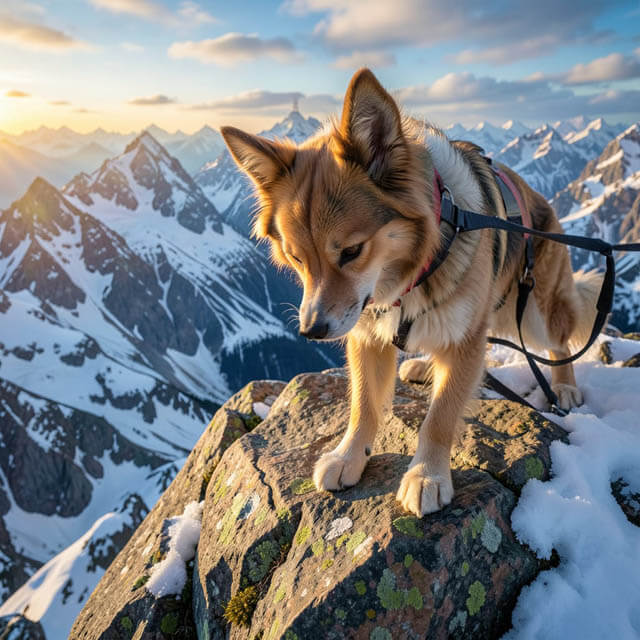

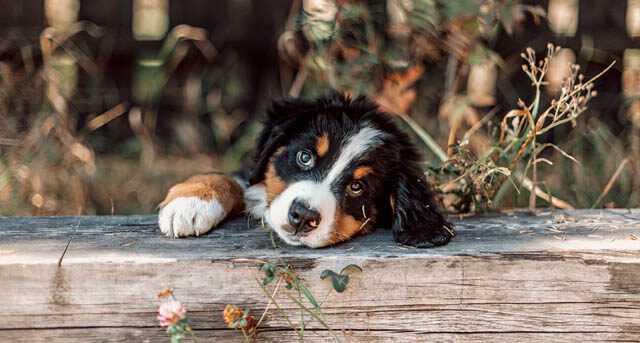
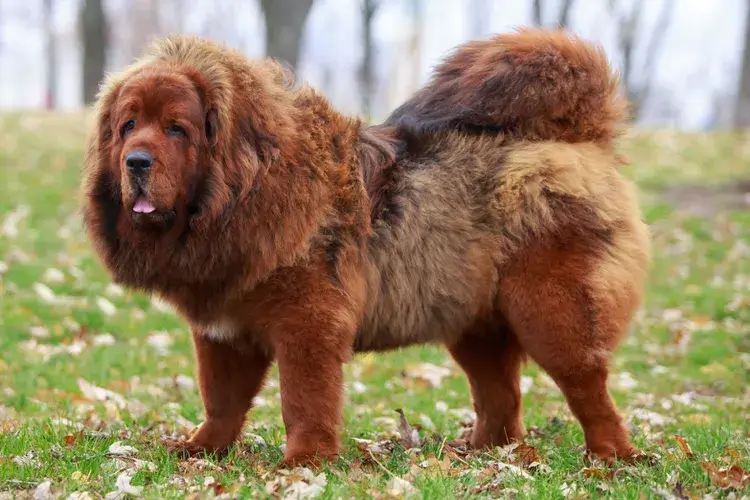
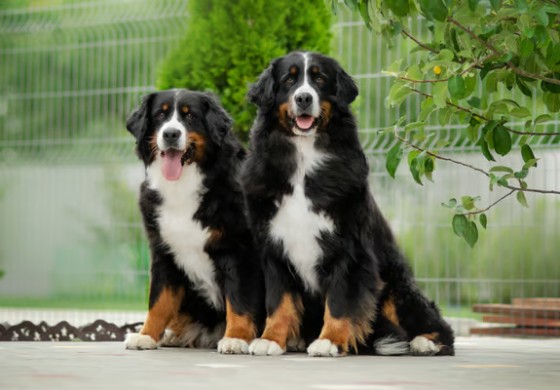
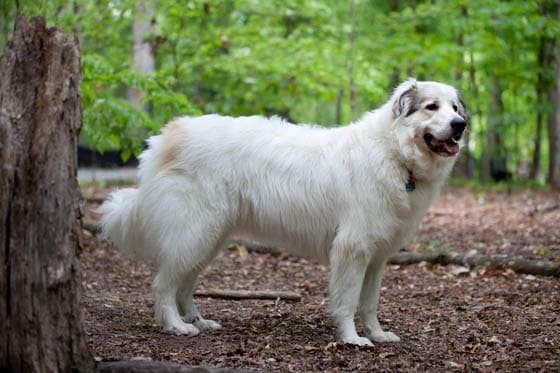
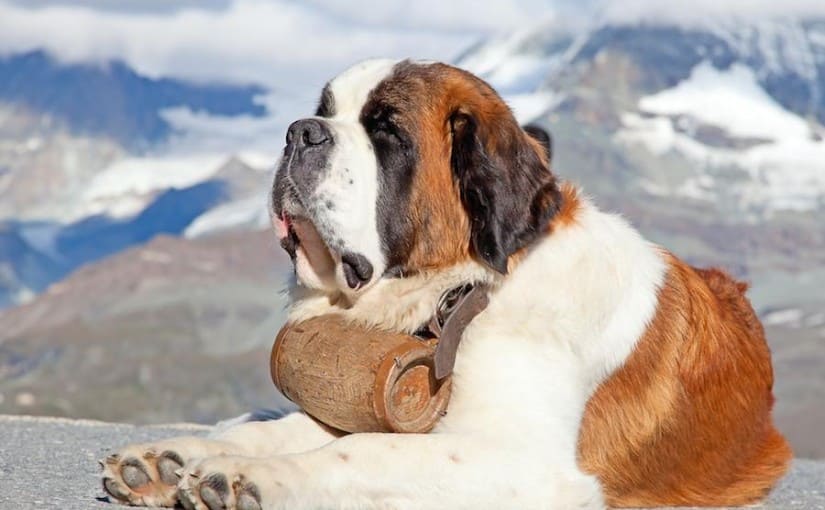
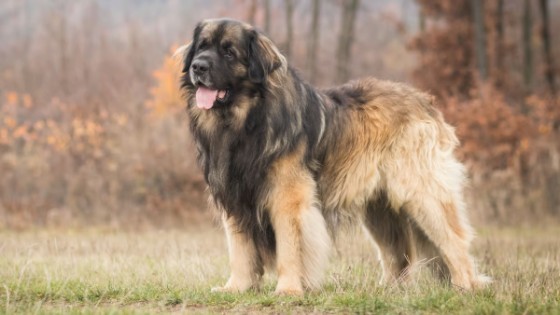

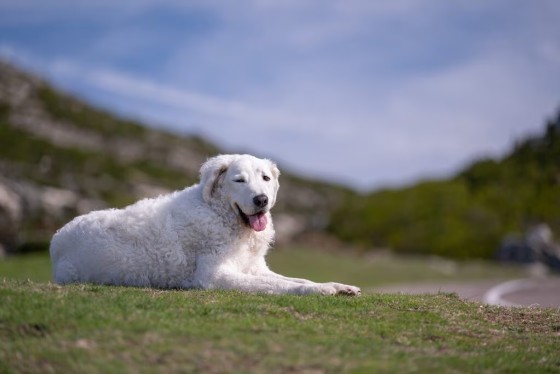
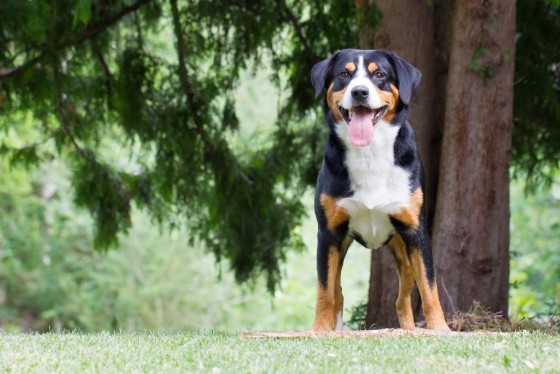
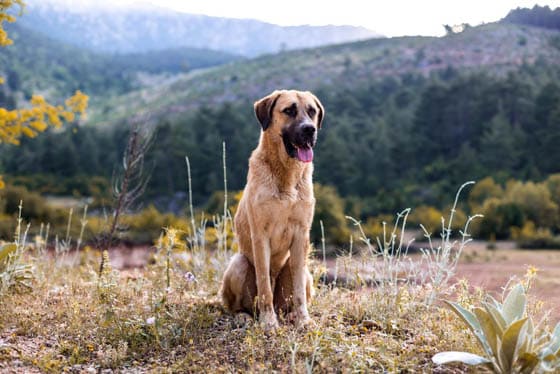
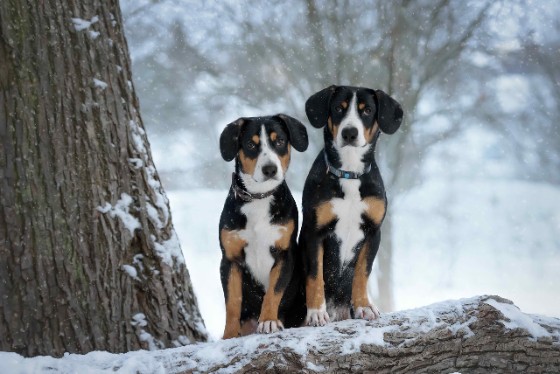
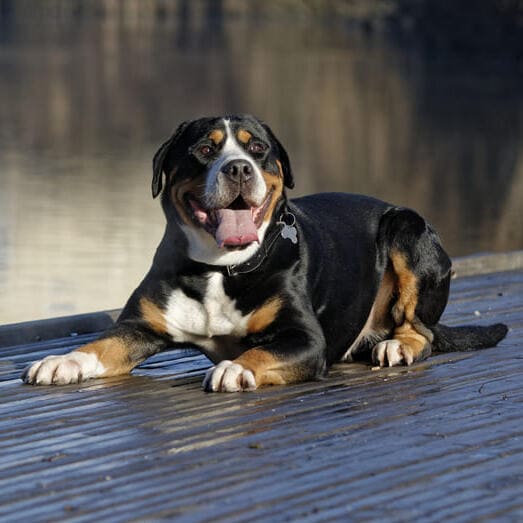

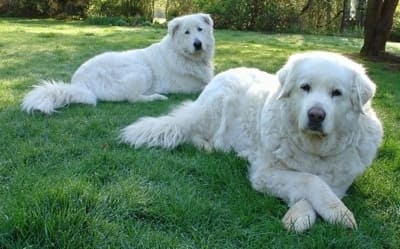
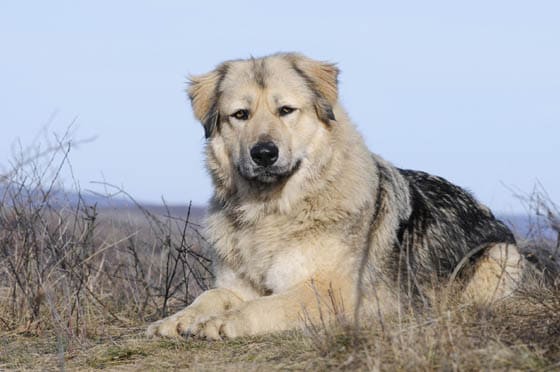
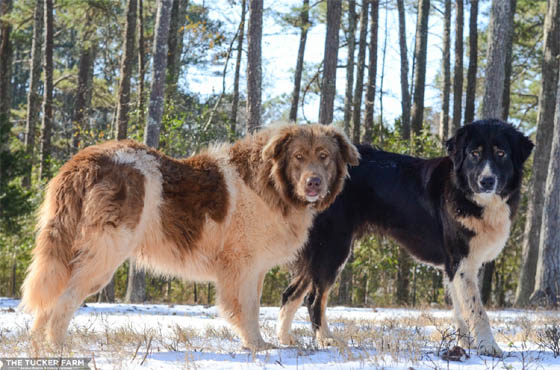
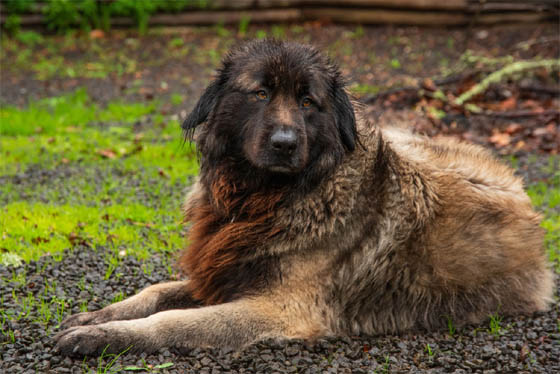
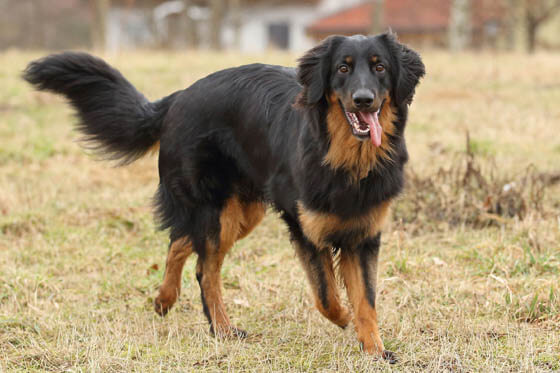
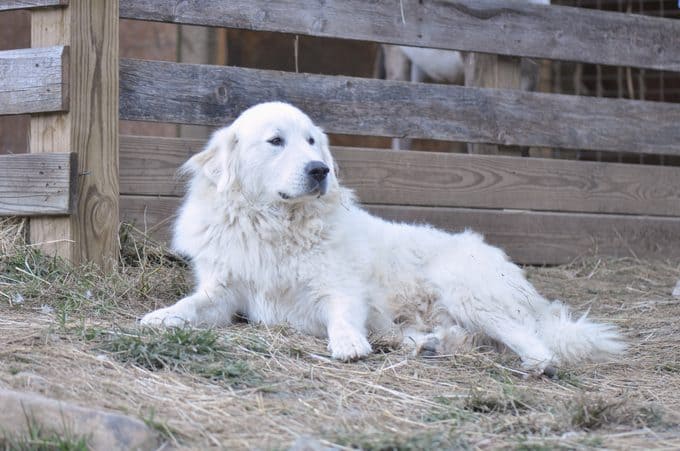
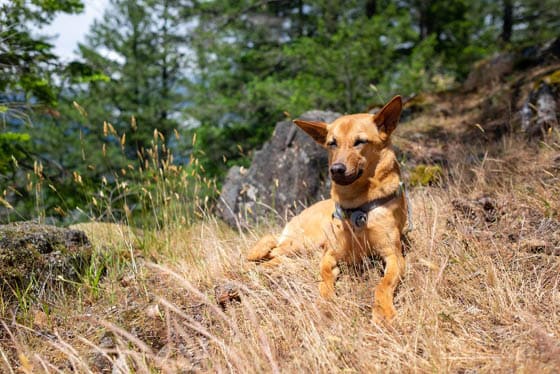
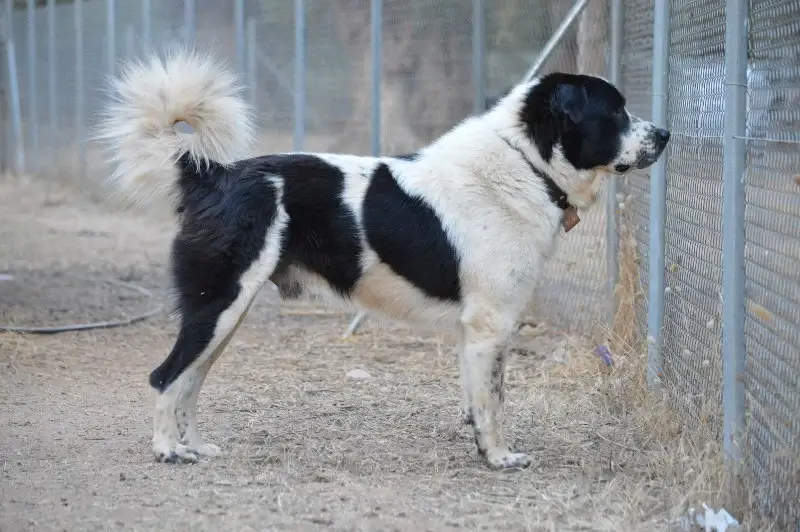
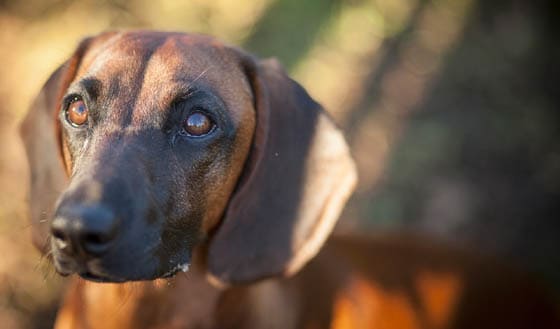
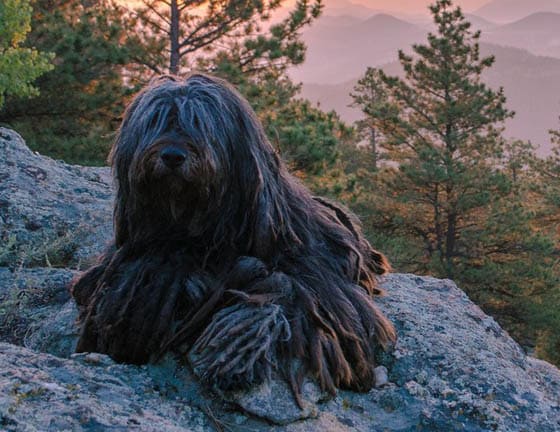
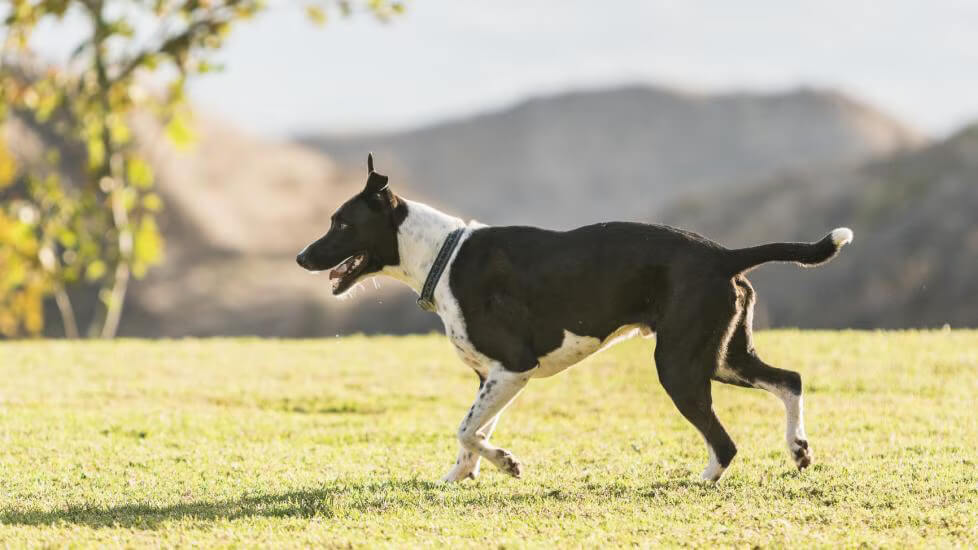
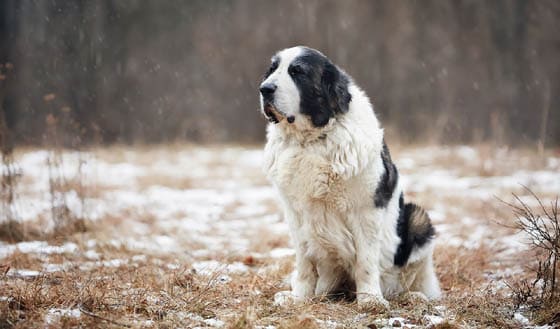
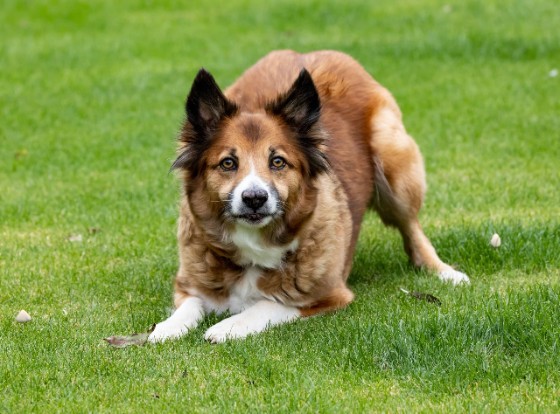
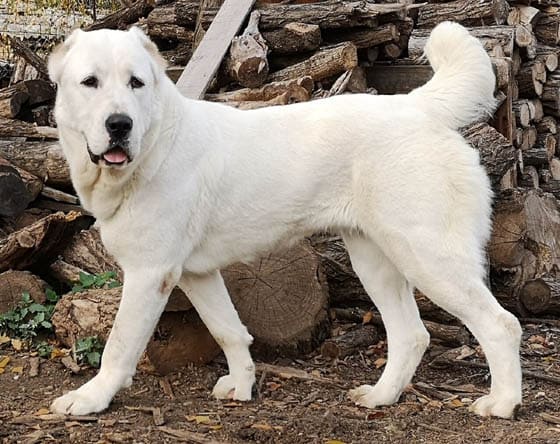
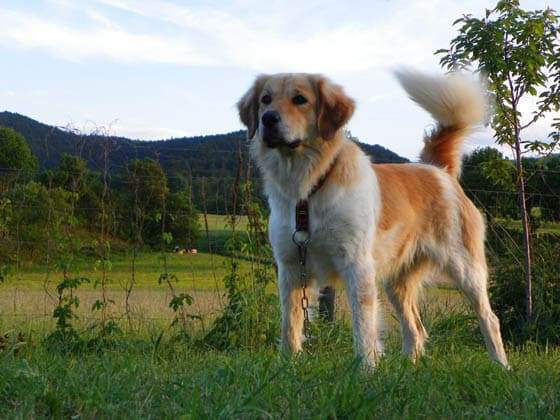
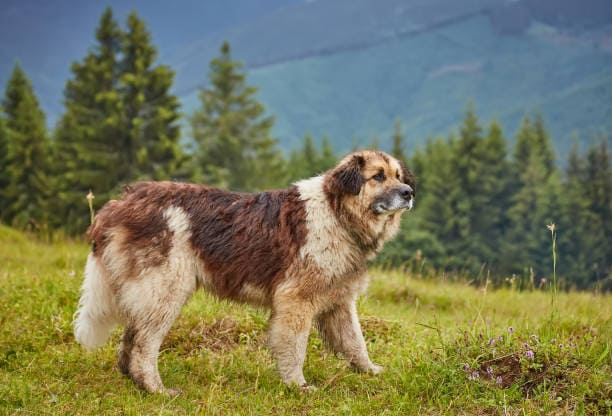
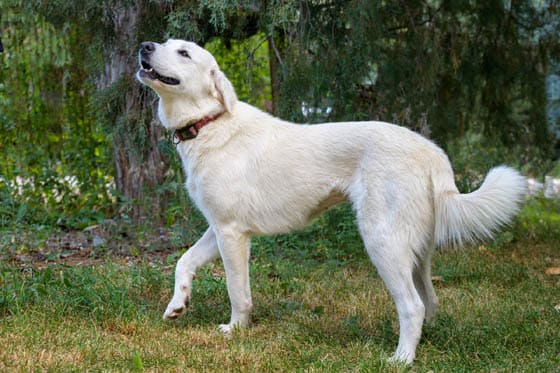
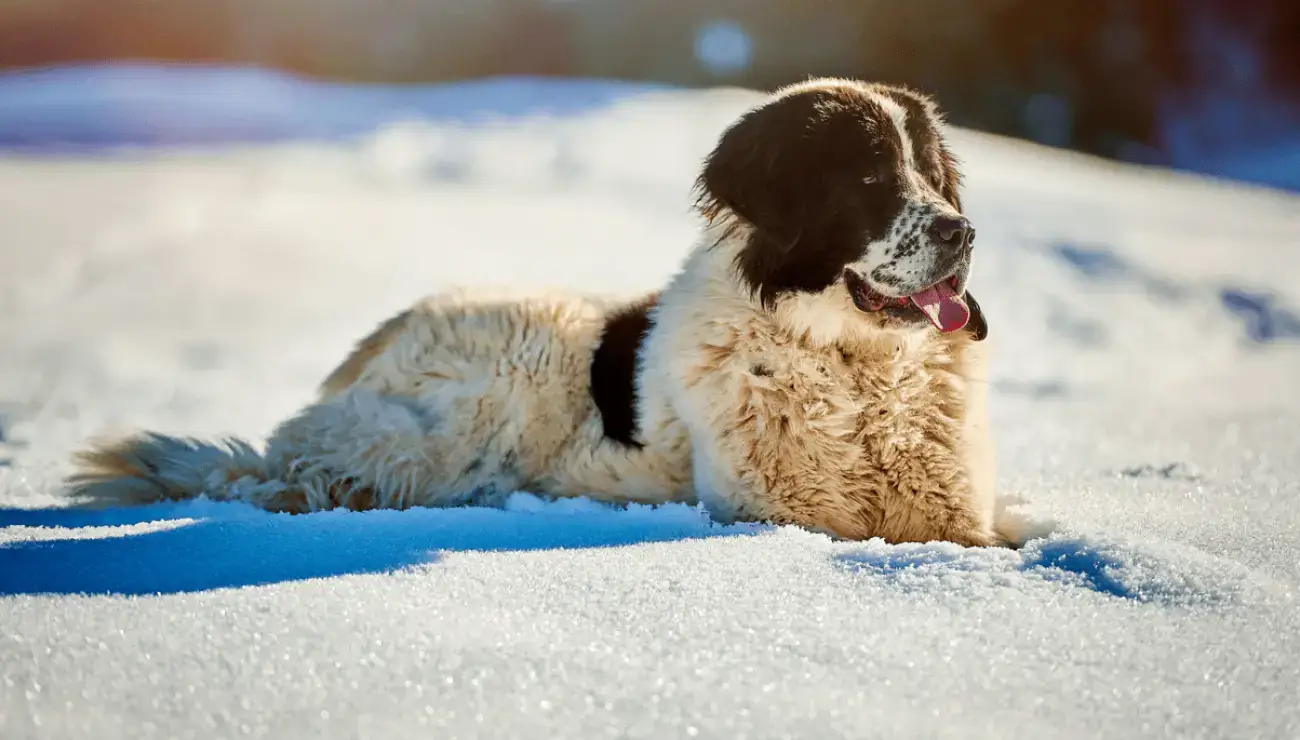
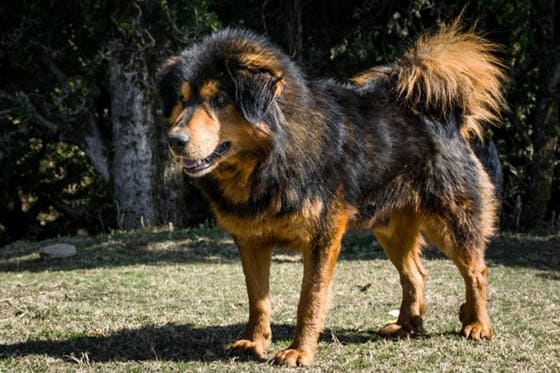
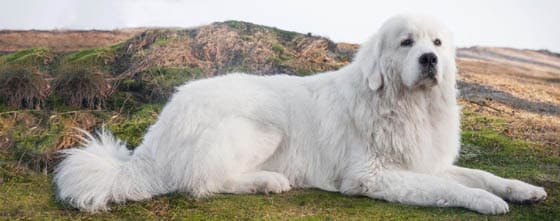


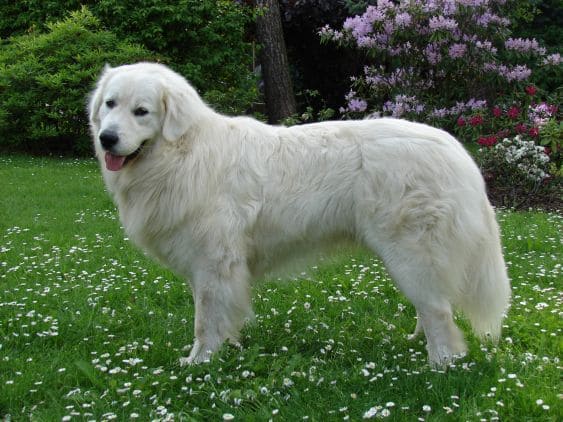

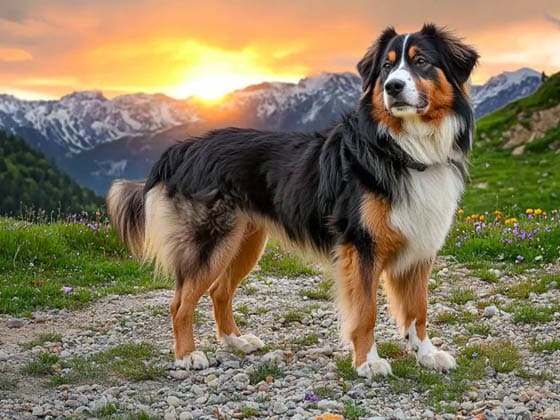

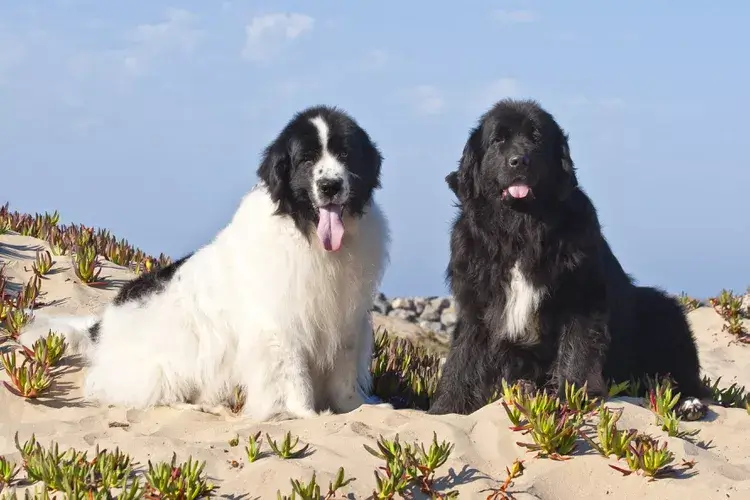
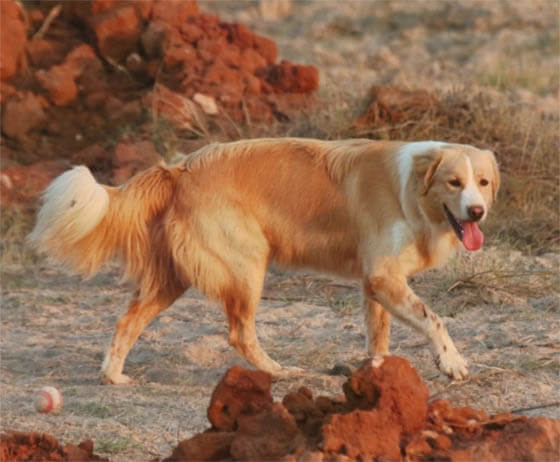
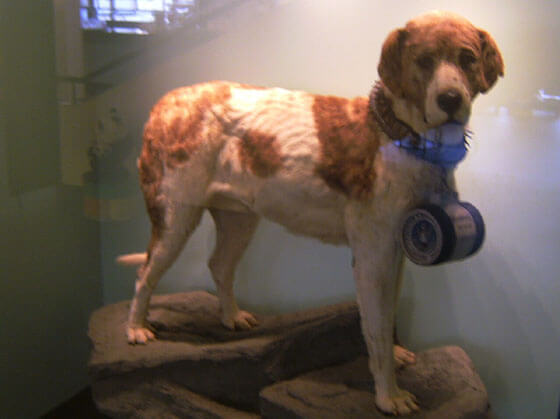











WORLD OF DOG & PUPPY 🐶