77 Child-Friendly Dog Breeds Characteristics, Personality, Behavior What is the most kid friendly dog? What dog breeds are not recommended for kids? What is the most baby friendly dog? Does Breed Type Determine "Kid-Friendliness"? How to Know If a Dog is Kid-Friendly? Kid-Friendly Dog Breeds List
You should remember
1. Each dog breed comes with an unique personality!
2. There is no absolutely "child-friendly" dog - parent MUST always supervise the realtions between dog and children to prevent any unwanted or dangerous situations
When you are considering adding a dog to your family, it is important for that dog to be kid-friendly. It is also important that your children are taught how to properly interact with a dog. Socialization is important to any dog breed and makes a big difference in how comfortable a dog is when they are around children, strangers, other dogs, and other pets. That being said, there are certainly some dog breeds that tend to have a more open temperament to begin with.
The best child-friendly dog breeds are known for their patient, gentle, and affectionate temperaments. Of course, furry companions come in all shapes and sizes, but some breeds are better suited to be around small children.
Each dog can become aggressive and every kid should know very good how to act and interact with a dog. Ideally, people should select a breed based upon the anticipated lifestyle of the dog and not just based on how fluffy the fur baby is. That helps in being mindful to match the personality and age of the child and the traits of the breed. Additionally, parents must remember that nothing can replace careful monitoring of the child with the pet and good training.
How to Know
If a Dog is Kid-Friendly?
Good family dogs are typically patient, trainable, and enjoy being around children. Determining if a dog is kid-friendly involves assessing various aspects of their temperament, behavior, and breed characteristics. A kid-friendly dog should display a gentle and calm demeanor, showing an ability to handle the unpredictable behaviors and noises associated with children. Additionally, behavioral signals like wagging tails and a relaxed body language often indicates a positive interaction with kids.
Breed tendencies also play a role in gauging kid-friendliness. Some breeds are inherently more predisposed to be good with children. It is essential to consider the dog’s personality, socialization history, and any signs of anxiety or discomfort. A well-socialized dog that has positive experiences with children is more likely to be kid-friendly, regardless of their breed.
Always remember biggest safety rule: Playtime between kids and dogs should always be supervised.
Does Breed Type Determine "Kid-Friendliness"?
People previously believed that personality and behaviour were linked to dog breed. So they chose their family dog based on the breed's reputation - for instance, thinking Labrador Retrievers were loving or German Shepherds made excellent guard dogs because they were easy to train.
But new studies have examined dog genetics to see if behaviour is coded in canine DNA. Pairing the data with owner surveys, researchers discovered that only 9% of dogs demonstrated the personalities their breeds were "supposed' to have. And some dogs went in the complete opposite direction of expectations. For example, Pit Bulls - a banned breed in the UK, did not display the aggression their breed was reported to have. This suggests that behaviour and personality have more to do with environment than breed. And that’s excellent news for anyone researching the best dogs for kids.
Golden Retrievers are intelligent, friendly, and devoted medium-large sporting dogs, originally from Scotland. Known for their dense, golden, water-resistant coats, they are high-energy, affectionate family pets. They weigh 55–75 pounds, live 10–12 years, and require regular exercise, training, and grooming due to high shedding. While they were initially bred as hunting dogs in the Scottish Highlands, goldens also make excellent family dogs. Golden retrievers have soft mouths, which refers to their ability to carry things without crushing them or biting into them. This is why they are used for retrieving objects, as their name implies, whether it’s game birds or items around the house. Golden Retrievers are naturally outgoing and friendly with people, including strangers.
They are typically not good guard dogs because they're more likely to greet intruders with wagging tails than protective behavior. This friendliness extends to other dogs and animals when properly socialized. Golden Retrievers generally prefer social interaction to solitary activities and can become depressed when isolated from family life. Golden Retrievers consistently rank among the most intelligent and trainable dog breeds. They learn quickly, retain information well, and are motivated to please their owners through cooperative behavior. Their intelligence means they need mental challenges to prevent boredom. Golden Retrievers who lack adequate mental stimulation often develop behavioral problems like destructive chewing or excessive attention-seeking. Golden Retrievers are high-energy dogs who need substantial daily exercise and mental stimulation. A tired Golden Retriever is typically a well-behaved Golden Retriever, while under-exercised dogs often become problematic.
Their energy levels remain high throughout most of their adult lives, only beginning to decrease in senior years around age 8-10. Potential owners should be prepared for nearly a decade of providing substantial daily exercise. These are lovable, well-mannered, intelligent dogs with a great charm.
Labrador Retrievers are friendly, high-energy, and intelligent medium-large dogs, renowned as popular family companions and working dogs. They typically weigh 25–38kg, live 10–12 years, and require over 2 hours of daily exercise. They have a short double-coat that sheds heavily, coming in black, yellow, and chocolate. Labrador Retrievers are widely considered excellent family dogs, renowned for being gentle, patient, and highly sociable with children of all ages. Their friendly, non-aggressive, and loyal temperament makes them safe companions, though their high energy and puppy-stage biting require consistent training and supervision. One of the most popular breeds in the USA, the Labrador Retriever is loyal, loving, affectionate and patient, making a great family dog. Highly intelligent, good-natured, very willing and eager to please, it is among the top choices for service dog work. Labs love to play, especially in water, never wanting to pass up the opportunity for a good swim. These lively dogs have an excellent, reliable temperament and are friendly, superb with children and equable with other dogs.
They crave human leadership and need to feel as though they are part of the family. Labs are easily trained. Some may be reserved with strangers unless very well socialized, preferably while they are still puppies. Adult Labs are very strong, train them while they are puppies to heel on the leash, and not to bolt out doorways and gateways before the humans. These dogs are watchdogs, not guard dogs, although some have been known to guard. They can become destructive if the humans are not 100% pack leader or if they do not receive enough mental and physical exercise, and left too much to their own devices. By nature, the Labrador does not recognize strangers. Everybody is a friend, everybody is family. With their friendly nature, it may come as no surprise that Labs do great with other dogs, too. Labrador Retrievers are the epitome of friendly, smart, and full of energy. Originally hailing from Newfoundland, Canada, Labs got their start as hardworking helpers for fishermen, retrieving nets and the odd escaped fish.
The Bulldog (English Bulldog) is a medium-sized, muscular, and stocky breed known for its "sourmug" face, wrinkles, and friendly, courageous, and docile temperament. They are excellent family pets, typically weighing 40–50 pounds, with a low-energy, affectionate nature, making them perfect for apartment or house living. Bulldogs might look tough, but deep down, they are softies. And while they might weigh up to 50 pounds, that won't stop them from trying to be lap dogs. They are patient and calm, making them the perfect dog for those with small children. They do best in cooler climates (or air-conditioned homes if it's hot) because their short snouts make it hard for them to cool off naturally. Although the English Bulldog's appearance can be somewhat intimidating, it is among the gentlest of dogs. Just the same it will see off any intruder, and few would risk a close encounter with a dog brave enough to bait a bull. It is described as a very affectionate and dependable animal, gentle with children, but known for its courage and its excellent guarding abilities.
Bullheaded and determined, this breed can be very persistent. They do not give up easily. Bulldogs are very much a people's dog, seeking out human attention and loving every bit it can get!! A lot of human attention is required for the breed's happiness. Some English Bulldogs can be a bit dominating and need an owner who knows how to display strong leadership and understands alpha canine behavior. A Bulldog who understands its place in the human pack is nice to, and reliable with all people. This breed is good with family pets, but some can be combative with strange dogs if they do not see themselves as followers in their pack. When Bulldogs are young, they are full of energy, but slow down as they get older. They snore very loudly, most have drool and slobber tendencies and are messy eaters.
Bulldogs that display guarding behaviors, such as guarding furniture, food, toys, or other spots in the house, or that are dog aggressive do not have humans who are being the dog's pack leader. This behavior only happens when dogs are allowed to take over. These behaviors can be corrected when the owners start displaying the proper leadership. Dogs that feel they need to run the home are not as happy as dogs that know they are human followers, as it is very stressful for a dog to need to keep "his" humans in line. The English Bulldog temperament is known to be gentle, sweet, dependable, and relatively predictable. They’re also known to be good with kids and enjoy human attention, which makes them great family dogs. On the other hand, they were originally bred for bull-baiting, which means they are quite courageous and also make excellent watchdogs. In general, Bulldogs get along well with other pets but can be aggressive to dogs they don’t know without proper training and socialization.
French Bulldogs, or "Frenchies," are small, muscular, and affectionate companions known for their "bat ears" and flat faces. As of 2024, they are ranked as the most popular dog breed in the U.S.. Ideal for city life, they require minimal grooming, low to moderate exercise, and rarely bark, but are prone to health issues like breathing problems and require moderate attention. French Bulldogs are generally excellent family dogs, known for being playful, affectionate, and sturdy companions, often suited for homes with children due to their loving nature and lack of aggression. Weighing 18-28 pounds with a compact, muscular build, they can handle play with children. They adapt well to apartment living and require only moderate exercise. The French Bulldog is a pleasant, easy-care companion who is playful, alert and affectionate. It is enthusiastic and lively, without being yappy and loud. Curious, sweet and absolutely hilarious, it has a very comical personality and loves to clown around.
It is bright and easygoing. The Frenchie gets along fairly well with strangers and other animals and enjoys being with its owner. It plays well with other dogs. Those Frenchies that are allowed to believe they are alpha may become dog aggressive. This breed needs leadership and will not thrive without it. The Frenchie cannot be owned and ignored. Frenchies are affectionate and fun-loving, with a personality that’s larger than life. They love being around people and form strong attachments to their owners. While they are usually quiet and adaptable, they can be a little stubborn during training. French Bulldogs are known to have big personalities. They are highly affectionate with family members and love to play, making them a suitable family pet. However, you should always supervise when children are playing with dogs, in case the children get a little overexcited or rough in playing.
Frenchie's are an intelligent breed and thrive on mental and physical stimulation. Not only does this keep them healthy and active, but playtime helps strengthen your bond. Be prepared. French Bulldogs have a reputation for being stubborn, which can make training a little tricky sometimes. You may have a hard time getting them to do something they do not want to do. French bulldogs are known for their easy-going personality and gentle nature. These loving companions thrive on human contact, making them a great family dog, due to their calm temperament. Their love of com and life stages. Considered relatively low maintenance, the French bulldog can be a quiet breed and does not tend to bark unnecessarily, although this does depend on every individual dog’s personality.
Pugs are small, charming, and affectionate toy dogs characterized by their wrinkled, flat faces and curled tails. Weighing 14–18 pounds, they are excellent, low-maintenance apartment companions with moderate energy levels. They are generally healthy, living 12–15 years, but require careful weight management and face care due to their breed-specific health issues. "A lot in a little package" - אhis tagline perfectly describes these pint-sized dynamos who are fiercely loyal to their families, offering lots of cuddles and tons of personality. The Pug is keen, with a happy-go-lucky attitude. Animated, peppy and spirited, it is loyal, loving and affectionate with its family. Playful, lively and rambunctious, it is sure to keep you laughing. Highly intelligent, it bores easily without variety in its training. These dogs can be a bit willful if they sense they are stronger minded than the humans around them. Pugs are sensitive to the tone of your voice, so harsh punishment is unnecessary.
They need an owner who is calm, yet firm, confident and consistent with the rules. This dog is neither excitable nor dull. They are good watchdogs, very devoted and are not yappers. Pugs get along well with other dogs and pets, and they behave impeccably with both children and visitors. Be sure to be your Pug's pack leader. Pugs generally have a very affectionate and upbeat temperament. Their personalities are marked by their love of people. Pugs love to play but don't need as much exercise as other breeds; they'll be able with daily walks or playtime in the yard with their families. After some exercise, pugs will happily curl up for a snooze. They typically reserve their barks just to alert their families of a stranger but are otherwise on the quieter side, making them good apartment dogs. All in all, pugs just want to spend time with the people they love most. Pugs are generally very friendly and easily excited.
The typical Pug temperament is eager to please, and the breed loves spending a lot of time with humans. They are a loving breed and enjoy cuddling and being close to their people. Pugs are friendly and easygoing dogs, and they make excellent dogs for kids. Just make sure kids are taught to properly interact with dogs. Pugs are typically food-motivated, which makes them relatively easy to train. Always use positive reinforcement when training. Keep track of how many treats you are feeding your pup with small dogs like Pugs, extra calories add up quickly. They are lively enough to keep you laughing yet calm enough for flat living, a truly adaptable companion dog. Most owners describe their wrinkly pal as playful but rarely hyper. A brisk 20-minute stroll plus two short toy sessions meet the average small-sized Pug’s needs. Skip marathon runs, those short legs and brachycephalic airways simply are not built for it.
The Yorkshire Terrier ("Yorkie") is a small, energetic toy breed (7–8 inches, ~7 pounds) known for its long, silky blue-and-tan coat and fearless, spunky personality. Originally bred as working ratters, they are popular apartment dogs due to their size and low-shedding, hypoallergenic hair. They are loyal, intelligent, and vocal, requiring regular grooming and consistent training. If you are looking for a bundle of energy that loves rough and tumble good play, the Yorkshire Terrier is the dog for you. Like a true terrier, they are feisty, tenacious, and brave. Their tolerance and patience make them good with young children and friendly with other humans and dogs. The Yorkie's temperament is brave and bossy. They are typically affectionate with family and strangers alike, though every dog is an individual. Some Yorkies are gentle with children and other pets, though adult supervision is always important when these dogs are around children or other animals.
This is especially important with little Yorkies, who can accidentally be hurt when playing. Yorkshire Terriers seem oblivious of their small size. They are very eager for adventure. This little dog is highly energetic, brave, loyal and clever. With owners who take the time to understand how to treat a small dog, the Yorkie is a wonderful companion! It is affectionate with its master, but if humans are not this dog's pack leader, it can become suspicious of strangers and aggressive to strange dogs and small animals. It can also become yappy, as the dog does their best to tell you what IT wants YOU to do. It has a true terrier heritage and needs someone who understands how to be its leader. Yorkies are often only recommended for older, considerate children, simply because they are so small, most people allow them to get away with behaviors no dog should display.
Yorkies that become demanding and dependent, appearing to need a lot of human attention or developing jealous behaviors, snapping if surprised, frightened or over-teased, have owners who need to rethink how they are treating the dog. Owners who do not instinctually meet the dog’s needs may also find them to become overprotective and become neurotic. Yorkies are easy to train, although they can sometimes be stubborn if owners do not give the dog proper boundaries. They can be difficult to housebreak. The Yorkie is an excellent watchdog. Despite their diminutive size, most Yorkies have a big personality. They generally have an affectionate yet feisty temperament. They love to snuggle, but they also can be very active, playful, and vigilant. Also, these dogs are vocal and act like watchdogs. They bark a lot, and are always ready to let you know when they see something that they think you should know about.
The Bichon Frise is a small, cheerful, and affectionate companion dog known for its white, hypoallergenic curly coat and "powder puff" look. Typically weighing 7–18 pounds, they are excellent for apartment living but require high-maintenance grooming and daily interaction to avoid separation anxiety. Bichon Frises are generally excellent with children, known for being gentle, playful, and affectionate companions. They are ideal for families with older, considerate kids but require supervision with young, rowdy children due to their small size. These affectionate, intelligent, and low-shedding dogs (hypoallergenic) are perfect for active, attentive families, living roughly 13-15 years. These affectionate dogs are good with other household pets and children. They have big personalities that make them lovable companions. If you have allergies, Bichons are hypoallergenic, with brilliant white coats that shed less than the average dog.The Bichon is a fluffy, little white dog that loves human company. It has an independent spirit, is intelligent, affectionate, bold and lively. This charming, gentle dog is not a yapper. It has a self-assured, happy temperament that is easy to live with.
These bright little dogs are easy to train and just plain old love everyone. They need people to be happy. They are naturally sociable and are happiest when they are part of a family that takes them everywhere. This sociable trait also means that they are fine in the company of other dogs and pets and are excellent with children. Used as watchdogs and to perform tricks, this breed is competitive and obedient. Like a lot of smaller breeds, the Bichon may be difficult to housebreak. Bichons Frise are energetic dogs, but they are also very adaptable to their surroundings. These traits are what make Bichons good with small children. And because they are very social with humans and other pets, Bichons fit right into most families and make ideal lap dogs. Smart and social Bichons Frise warm up to new people and animals quickly. At home, Bichons are gentle, playful, and loving dogs. They love to play and need lots of attention and affection to be happy. If they’re bored or lonely, Bichons may turn to undesirable behaviors like excessive barking or chewing in an effort to entertain themselves. Schedule regular playtime with your dog, and make sure they have plenty of interactive toys to play with on their own, too. The Bichon Frise is highly trainable, smart, and learns quickly.
They are eager to please their humans and can learn a variety of tricks. Potty training and simple cues such as "sit" and "stay" are typically mastered quickly due to their intelligence. These dogs are well known for their cheerful personality and charming spirit. There is nothing that a Bichon Frise loves more than to be the center of attention! This is one reason why, on top of being great companions for the royal family, they also made wonderful show dogs. Now, these dogs are still used as show dogs and companions. This breed has an extremely cheerful and merry temperament, which makes him a wonderful companion dog. Bichon’s love to be loved and have a huge desire to be the center of attention. They are playful, friendly, and very optimistic. Despite the fact that this dog has an independent streak, he hates to be alone. If left by himself for many hours, the Bichon is known to suffer from separation anxiety. But, the moment that you come back he will be his happy, playful self again. This breed is extremely intelligent and a quick learner, so training does not require too much effort. The Bichon Frise is a great family dog because they are good with kids and other pets. However, it is important to remember that all dogs need to be socialized appropriately at a young age. If not, and the dog gets a bit nervous, he will have the tendency to bark and possibly nip at a child or other animal. Besides this, the breed is not aggressive. They were designed to be companion dogs and that is what they are. Extremely happy and upbeat, your day will most likely be brighter if a Bichon Frise is around.
The Havanese is a small (7–13 lbs), sturdy Cuban toy breed known for being affectionate, intelligent, and social family companions. With a lifespan of 14–16 years, they are highly trainable but prone to separation anxiety. Their long, silky, hypoallergenic coat requires regular grooming (3+ times a week) or clipping to prevent matting. Havanese are natural companion dogs, gentle and responsive. They become very attached to their human families and are excellent with children. Very affectionate and playful with a high degree of intelligence, these cheerful dogs are very sociable and will get along with everyone including people, dogs, cats and other pets. They are easy to obedience train. This curious dog loves to observe what is going on. It is sensitive to the tone of one's voice and will not listen if it senses that it is stronger minded than its owner, however it will also not respond well to harsh discipline. Owners need to be calm, yet possess an air of natural authority. The Havanese has a long reputation of being a circus dog, probably because it learns quickly and enjoys doing things for people.
Few tend to bark a lot, as they can be taught not to do this; it is not their nature to bark a lot. It is best to teach them not to bark unnecessarily while they are still young to prevent it from becoming a habit. Havanese are good watch dogs, making sure to alert you when a visitor arrives, but will quickly welcome the guest once it sees you welcome them. The friendly and gentle personality of the Havanese makes them suitable for many types of homes, including apartments. They are also a great choice for travel and RV living because they're small and do not bark much. These social dogs are truly considered human companions, with the general consensus being that it is difficult to find a more amicable or humorous pup to spend time with.
They are affectionate, loving, and gentle - ideal family dogs! And are happiest when they are spending time with their people, being silly, and even doing tricks. This love of family means that they do not like to be left alone at home for long periods of time though, since they’d always prefer to be stuck like glue to the person, or persons, they love. They also have a good amount of energy, so they are happy to take strolls around the neighborhood, participate in sports, or spend time doing other activities that challenge them physically and mentally. Charming is an understatement when it comes to the Havanese. This smart, sweet, eager-to-please, and easy-to-train dog is a natural extrovert who loves entertaining. This dog's loving nature also makes him popular as a therapy dog and emotional support animal. Despite his diminutive size, a Havanese has a confident bark and often alerts his family to anything he deems scary, including the mailman. Socializing a Havanese puppy early, plus lots of positive reinforcement training, will help him be comfortable around new people, animals, and new situations.
The Irish Setter is a high-energy, affectionate, and intelligent sporting breed known for its stunning red or mahogany coat and "rollicking" personality. Standing 25–27 inches tall and weighing 60–70 pounds, these active dogs require extensive daily exercise, making them ideal for active families. They are prone to bloat, hip dysplasia, and require regular grooming. Irish Setters are generally excellent with children, known for being sweet-tempered, playful, and affectionate family companions. Their high energy makes them fantastic, active playmates for kids. However, their boisterous, "bouncy" nature can sometimes overwhelm small toddlers, leading to accidental knock-overs. Irish Setters are energetic, intelligent, affectionate, loving, high-spirited and full of energy. They have no guarding instincts, get along with other pets and are good with children. This breed can be reckless and high-strung if it does not receive the proper amount of mental and physical exercise and may become destructive and hard to manage. Impulsive, with an independent spirit, they are sensitive to the tone of one's voice and will not listen if they sense that they are stronger minded than their owner, however they will also not respond well to harsh discipline.
Owners need to be calm, yet possess an air of natural authority, being firm, confident and consistent, giving the dogs clear rules they must follow and sticking to them. Meek or passive owners or owners who do not provide enough exercise will find them to be difficult to train. Given firm handling and plenty of exercise, these dogs can be a joy to own. Start firm training early in life as it is easier to prevent behavior issues than it is to fix them once they start happening. Do not let this dog jump on humans, even as a small puppy. Teach them to heel on a lead and to let humans pass in and out gate and doorways before them. Relatively easily to housebreak. While they typically only bark when necessary, Irish Setters can be chewers or develop other destructive habits, especially if left to their own devices for too long. Remember, this breed wants to spend time with family and has quite a bit of energy to burn off and if you are not helping them find appropriate ways to be engaged, they may find their own outlets. Generally, though, they are friendly, social, and happy to make new friends. Irish Setters are a friendly, playful breed.
They love to be around people and are great with kids. However, this breed is not for everyone. Due to their active, energetic nature, Irish Setters require a lot of exercise. For this reason, they are not a great fit for inactive families or apartment living. Firm but gentle training from an early age is important for Irish Setters. Because of their strong hunting instincts, Irish Setters will happily ignore their owners and follow a scent trail without adequate training to stay on task. Irish Setters are also slower to mature than other breeds, which means their boisterous, mischievous "puppy phase" will last well into their adult years. This good-natured breed loves to be the center of attention. Though they're eager to please and adore their people, Irish Setters can also be independent or stubborn.
The Newfoundland (or "Newfie") is a giant, gentle working breed known for its immense strength, sweet temperament, and exceptional water rescue skills. They are devoted family companions, famously patient with children, weighing 100–150 lbs, and requiring consistent grooming for their thick double coat. They need daily brushing to manage year-round shedding. Newfoundlands are devoted, good-natured pets, but beware: They get big. The average Newfoundland weighs about 130 pounds, so be prepared for a big commitment. Their patient nature makes them the perfect companion for small children, giving them the nickname the "nanny dog." The Newfoundland is a dog with an outstanding, sweet temperament, courageous, generous, peaceable and intelligent. A calm, patient dog that is mild with guests and obedient with its master. They are very devoted, loyal and trustworthy. Its huge body tends to move rather slowly.
They rarely bark, but are protective and brave when they need to be. When an intruder is caught they are more likely to hold them at bay, either by trapping them in a corner or placing themselves in between the burglar and the family rather than an all-out attack. They are smart enough to know who is a threat to the pack and who is not. Very sociable and gentle. Any dog, other animal, child, or visitor who has no evil intention will receive a friendly welcome. The Newfoundland usually gets along with other dogs, but should be socialize well with them, giving a correction at any sign of aggressiveness to insure this behavior. Generally good with other animals.
Patient, playful and loving with children. Enjoys the outdoors, but also needs to be with their family. The Newfoundland tends to be very messy when drinking water and often drinks a lot. They do drool, especially after getting a drink, but generally are not one of the worst offenders compared to some other giant breeds. They love to swim, and will lie in water if they get the chance. This breed may be slightly difficult to train. If you are looking for a "ride-or-die" kind of dog, you won't find a breed more loyal than the Newfoundland. Newfies are known to physically place themselves between their humans and strangers as a form of protection. Unlike many large breeds, Newfoundlands make great house dogs - they are laid-back, relaxed, and are more than happy to spend hours lounging at your feet. But too much lounge time can lead to an overweight Newfie, which is why it is important to make sure Newfoundlands have a large yard or enclosed space to exercise in. Supplement with daily walks and the occasional swim and your Newfoundland will stay in tip-top shape.
The Boston Terrier is a compact, affectionate, and intelligent breed known as the "American Gentleman" due to its tuxedo-like coat and friendly personality. Weighing under 25 pounds, they are excellent city dogs, requiring moderate exercise (about 1 hour daily) and featuring minimal grooming needs. They are generally friendly, but prone to brachycephalic (short-nosed) health issues like overheating and snoring. Boston Terriers are generally excellent with children, often described as gentle, patient, and playful family companions. Their sturdy, small-to-medium size makes them ideal for households with kids, though their high energy and enthusiastic, jumpy nature mean supervision is necessary to prevent accidental knocks. The Boston Terrier is gentle, alert, very intelligent, well-mannered and enthusiastic. Without the proper amount of mental and physical exercise it can become rambunctious and a bit high strung. They are very sensitive to the tone of one's voice. Boston's like to learn and therefore are not difficult to train. Their intelligence ensures they pick things up quickly. If the humans around the dog do not display the leadership that all dogs need, they will become willful as they begin to believe they are running the show and need to tell YOU what to do.
Do not allow the Boston Terrier to develop Small Dog Syndrome, human induced behaviors where the dog believes he is pack leader to humans. This can cause a varying degree of behavior issues. Bostons need a gentle, but firm, confident, consistent pack leader who knows how to display authority over the dog. It is canine instinct to have a strong leader and this little guy is no exception to the rule. Either the human will be that leader, or the dog will. Some owners have reported that their dogs are good watchdogs, barking only when necessary, while other owners have reported their female Boston Terriers do not bark at the door at all. Most reliable with children, especially good with elderly people and very friendly with strangers, the Boston Terrier is playful, very affectionate and likes to be part of the family. Very popular in the United States, due above all to its excellent character, they generally get along well with non-canine pets.
Without proper leadership from humans communicating to the dog what is acceptable behavior and what is not, they can become dominant and may fight with other dogs. These little dogs may be difficult to housebreak. Boston Terriers are full of energy. They love playing with their family and entertaining anyone, and some of their favorite activities include fetch and Frisbee. However, this high energy level needs to be managed in very hot and humid weather, as this can cause breathing difficulties. Bred to be companion dogs, the typical Boston Terrier’s temperament is happy-go-lucky, and they usually do well in multi-pet households with proper training, socialization, and introductions. Bostons do best with several short bursts of exercise throughout the day rather than, for example, one long morning walk. Schedule indoor or backyard playtime throughout the day, and make sure your pup receives enough mental stimulation. Without enough exercise, attention, and mental stimulation, Boston Terriers can resort to undesirable behaviors such as excessive barking and chewing to keep themselves entertained.
The Border Terrier is a small, hardy, and energetic breed known for its "otter-like" head, wiry coat, and affectionate yet independent personality. Bred to hunt foxes, they require high daily activity (30–60+ mins) and have a high prey drive. They are intelligent, trainable, and generally live 12–15 years, though they can be mischievous and prone to digging or chasing. Originally bred as a working dog, the Border Terrier is a bundle of joy and affection in a tiny package. They love exploring the outdoors, which makes them the perfect companion for children. Their wiry coats make them easy to groom. However, they may not mix well with cats, who often trigger their natural hunting instinct. Border Terriers are generally good with children, often described as affectionate, friendly, and playful family companions. Due to their high energy, they are usually best suited for active families and older children, as their boisterous play might overwhelm toddlers.
They are generally sturdy enough to keep up with kids, acting as loyal, energetic playmates. The Border Terrier is an alert, bold little hunter. Very agile, it is willing to squeeze through a narrow space to capture any quarry that may be on the other side. Lively, they enjoy playing with children. Affectionate, mild-mannered dogs that aim to please their owners makes them easy to train. This sturdy, scruffy, little terrier is a good watchdog, and may bark, but is not aggressive. Be sure to socialize them well. Puppies should be made accustomed to loud noises while they are still young to avoid excessive timidity. Puppies and adolescent Border Terriers are very active, but will mellow as adults provided they get plenty of exercise. Border Terriers like to dig; it is a good idea to install additional reinforcements along the bottom of fences. Good with family cats if socialized with them, however this hunting terrier has strong instincts and should not be trusted with non-canine pets such as hamsters, guinea pigs, rabbits, and birds.
Due to their origins, Border Terriers have a high prey drive. If they are not properly socialized at a young age they will chase and may even attack smaller animals like cats, squirrels, rats, rabbits, and hamsters. Most Border Terriers do not do well with other same sex dogs. Border Terriers are curious dogs and love to be included in fun activities. Border Terriers can easily be trained but they can be stubborn. They do not do well with harsh discipline; they respond well to positive reinforcement. The Border Terrier does well in agility training. They are a working breed, so therefore, enjoy having a purpose. The Border Terrier is always happy to have new toys to chew and play with. Border Terriers can make excellent companions for children. However, they can be a bit too spunky for small children.
The English Setter is a medium-to-large, elegant bird dog known for its gentle, affectionate temperament and distinctive "belton" flecked coat. Originally bred for hunting, they are active, high-energy companions that need significant daily exercise (long walks or running) and thrive in homes where they are included in family life. English Setters are known for their lustrous coats and overall good looks. But they are much more than a pretty face. These sweet dogs are also known as the gentlemen of the dog world - calm, competent, and loyal. Yet, they still love to have a good time. English Setters enjoy games of fetch with the kids, learning new tricks, and spending time with the family. The English Setter is a gentle, affectionate, and friendly sporting breed known as a "velcro dog" that thrives on family companionship. They are generally excellent with children due to their calm, patient, and sociable temperament.
They require significant daily exercise, are trainable, and are known for their distinctively speckled ("belton") coat. The English Setter is a quick, quiet worker with an excellent nose and a coat that keeps the dog comfortable in both hot and cold weather. A very gentle, calm dog. Friendly and excellent with children, they are easy going, loving all the affection they can get. Exuberant and vivacious outdoors, but relatively inactive indoors. With meek owners they will become willful. Can be difficult to housebreak. Rules, structure and training should start early to prevent development of bad habits. They need authoritative, calm, but firm, confident and consistent owners, but should never be harshly treated. They are sensitive to the tone of one's voice and will not listen if they sense that they are stronger minded than their owner, however they will also not respond well to harsh discipline.
Owners need to be calm, yet possess an air of natural authority. Need a lot of structure and enjoy playing with other dogs. English Setters are adequate watchdogs. They like to roam, dig and are good jumpers. The English setter is a gentle, friendly, placid dog that is especially good with children. He is mild-mannered and sensitive and loves to both give and receive affection. These dogs are known to be alert and protective of their families and territories, but will calm down quickly when told to. English setters are very sociable dogs. They enjoy being with both people and other dogs. These dogs are known to enjoy roaming, digging and jumping. They are very active as puppies but are known to mellow out considerably when they fully mature.
Beagles are small-to-medium scent hounds known for being merry, friendly, and curious family companions, originally bred in Britain to hunt hares. They typically weigh 20–30 pounds, stand 13–15 inches tall, and are recognized by their long, floppy ears and tricolor coats. Beagles require active daily exercise, are known for being vocal (barking/howling), and are often stubborn, needing patient training. With expressive faces and happy-go-lucky attitudes, Beagles make excellent companions. They are playful in nature and do well in most situations. While they were originally bred to hunt, they have evolved into easy-going dogs. Beagles are generally excellent with children, often described as gentle, affectionate, and fun-loving playmates. Their sturdy, medium size makes them ideal for energetic play without being easily injured, and they are usually patient with kids. However, they are high-energy, stubborn hounds that require consistent training and active supervision. The Beagle is loving, sweet and gentle, happy to see everyone, greeting them with a wagging tail. It is sociable, brave and intelligent.
The Beagle is excellent with children and generally good with other dogs, but because of its hunting instincts, should not be trusted with non-canine pets, unless socialized with cats and other household animals when young. Beagles have minds of their own. They are determined and watchful and require patient, firm training. It is important you are this dog's pack leader and that you provide the proper amount of mental and physical exercise, including daily pack walks, to avoid separation anxiety. With enough exercise they will be calm. You can also purchase animal scents and play tracking games with your Beagle to help satisfy its instinct to track. The Beagle does not have a normal sounding bark, but rather a loud bay cry that almost sounds like a short howl. Beagles are curious and have a tendency to follow their noses. If they pick up a scent they may wander off and not even hear you calling them back, or care to listen, as they will be too busy trying to find the critter at the other end. Take care when letting them off leash that you are in a safe area.
Most Beagle puppies are full of energy, but they tend to slow down as they age and become a bit lazier. That said, Beagles, full-grown or otherwise, still love joining their pet parents for walks, runs, or hikes. They need at least an hour of exercise every day. A Beagle's temperament and behavior are influenced by their history as hunting dogs. Led by their powerful nose, Beagles will unzip backpacks to steal lunches and counter-surf for snacks. Their sense of smell keeps their nose to the ground, and they will follow it to anything that smells curious to them. Beagle pups are very curious, which means they can easily get into trouble and wander away if left unattended. When outside, they always need to be on a leash or inside a fenced-in yard so they don’t walk off in search of an interesting scent.
The Weimaraner, or "Gray Ghost," is a highly energetic, intelligent, and affectionate German hunting dog known for its striking silver-gray coat and intense stamina. They require intense daily exercise, making them ideal for active owners but unsuitable for apartment living or sedentary lifestyles. These loyal, large dogs (55-90 lbs) thrive on human interaction but can develop separation anxiety and destructive tendencies if left alone too long. Most Weimaraners blend seamlessly into large families. They are confident, loyal dogs who are happy to be accepted as part of the pack. Their beautiful, velvety coats are easy to maintain, and their blue-grey eyes are full of expression. They love physical contact and are apt to snuggle up right next to you on the couch. Weimaraners can be excellent with children, often acting as loyal, gentle, and protective family companions. However, due to their high energy, large size, and boisterous nature, they may unintentionally knock over young children. They thrive with active families but require consistent training, socialization, and regular exercise.
The Weimaraner is happy, loving, intelligent, cheerful and affectionate. It is good with children. Without the proper exercise it will be very rambunctious and difficult to control. This breed learns quickly but will get bored if the training is the same thing over and over again. This breed needs firm, experienced training starting at puppyhood, with an owner who understands how to be a dog's pack leader, or it can become stubborn and willful. Without this proper leadership, it can become combative with other dogs. This hunting dog has a strong prey instinct and should not be trusted with small non-canine animals such as hamsters, rabbits and guinea pigs. Socialized well with people, places, things and other animals. Brave, protective and loyal, the Weimaraner makes a good guard and watchdog. Weimaraners absolutely crave leadership. They want to know what is expected of them and for how long. If this is not made consistently clear, they will not be stable minded, may be stressed, possibly developing separation anxiety, becoming destructive and restless.
Owners should not be harsh, but calm with a natural air of authority to their demeanor. These things are instinctually essential to having a happy, behaved, balanced dog. Weimaraners are active dogs and require a lot of physical activity - at least two hours every day. They are also highly intelligent dogs and need to be occupied with activities to prevent destructive behavior such as chewing and digging. They need a large, fenced-in yard where they can play without wandering off. Weimaraners are ideal for pet parents who want a large, active dog for hunting, hiking, and other outdoor activities. Weimaraners are loyal, obedient, and inquisitive. When well socialized, they do great with people of all ages but should be supervised around babies and toddlers. This breed’s large body can accidentally knock down a child when playing or running toward them for a treat.
Collies are intelligent, affectionate, and loyal herding dogs originating from Scotland, famous for their role as "Lassie." They thrive as family pets, known for being gentle with children and highly trainable. Collies need regular exercise, live 14–16 years, and come in two coat types - rough (long) and smooth (short) - which require weekly grooming. Collies are generally excellent with children, often acting as loyal, gentle, and protective family companions. While Rough and Smooth Collies are known for a calm, affectionate nature, Border Collies are highly energetic and best suited for active households with older children, as their intense herding instinct can lead to nipping or chasing.The Collie is a highly intelligent dog. Sensitive, mild-mannered, sweet, easy to train and loyal, it is usually good with other pets and friendly with other dogs. They are natural herders; puppies may try and herd humans, and need to be taught not to do this. Faithful, playful, docile and protective of their family members and good with children, Collies have an uncanny sense of direction. They are good-natured, friendly dogs. They are energetic outdoors.
Socialize them well to prevent them from becoming wary of strangers. They are not aggressive, but they do tend to be suspicious of people they sense unstable vibes from. As part of the herding classification, the rough collie personality is known to most as smart, quick to learn, and very in tune to people. Collies respond well to consistent, reward-based training, and they tend to enjoy the attention that comes with performing, whether doing tricks or competing in agility, obedience or herding events. Many collies make great therapy dogs as well, due to their calmness indoors and medium height. Rough collies, like the one featured in Lassie, can at times be very vocal. When rough collie dogs are bored, their bark is a clear sign that they need attention. They also have a tendency to nip at peoples' heels in play, another indication of their herding background. It is important to train your rough collie to not nip, especially around children, as it may frighten little ones. Due to the rough collie's high intelligence level, he is easy to house train and learns tricks quickly. However, switch up training activities occasionally to prevent boredom.
They are very smart, so you should get creative with their training! Collies are well-known for their herding capabilities. They are high-energy if outdoors and working, but will relax once back inside. Due to their high intelligence and energy needs, Collies could potentially become destructive and vocal if they don’t have enough mental and physical stimulation. They may even bark excessively if they are left alone for long periods of time. Collies are best suited to have physical activity and mental stimulation for at least an hour a day. They do well with agility classes, obedience training, herding, or as therapy dogs. Collies typically do not like to dig, but they do like to explore outdoors with and without their humans. Collies are not commonly known as aggressive dogs, although they may nip at ankles and heels when excited - this may be reminiscent of their herding days. It is important to train your Collie not to nip at people, even during play.
The Boxer is a medium-to-large, high-energy, and muscular working dog originating from Germany. Known for their playful, loyal, and intelligent temperament, they make excellent family guardians and companions, typically living 10–12 years. They require regular, vigorous exercise and training to manage their energetic nature and tendency to jump. Boxer dogs are generally considered excellent with children, known for being patient, protective, and playful family companions. Their high energy makes them great playmates for active kids, though their boisterous, jumping nature requires training to ensure they do not accidentally knock over smaller children. Boxers are intelligent, high-energy, playful dogs that like to stay busy. Their temperament reflects their breeding. They prefer to be in the company of their owners and are loyal pets that will fiercely guard their family and home against strangers. Few boxers bark excessively. If a boxer barks, chances are there is a good reason. Many boxers are vocal, however, and make a growling noise that is really just the dog's way of talking. Boxers are happy, playful dogs with a lot of energy.
Boxers can be directly traced to a now extinct German breed called the Bullenbeiser, used for hunting elk and other large prey. They are known to jump and paw when they play, so teaching them to stay down is beneficial. Because of their tendency to jump, Boxers may not be the best breed for families with young children unless they are well trained to keep all four paws on the ground. Because of their history as hunting dogs, Boxers have a prey drive and can be tempted to chase after birds and small mammals. They should be kept on a leash or inside a fenced-in space whenever they’re outside, and introductions to smaller pets like cats must be done properly and slowly. Many Boxers enjoy digging in the yard and may even tunnel under a fence. Supervision is important when your pup is outside. Early leash training can help stop your dog from pulling on the leash while walking, which is common in Boxers.
You will always know how a Boxer is feeling! They are expressive, fun-loving, and silly. But if they feel like their family is in danger, they are excellent guardians and protectors. Full of energy and seemingly boundless joy, this breed is ready to go-go-go. They were bred as working dogs but make loving companions - quite adept at snuggling on the couch, many think they are lap dogs. Though their medium size makes this a bit difficult, that does not stop them from trying. As great contortionist, a Boxer will twist their body into a donut or pretzel shape and try their best to fit in your lap so they can be closer to you. Boxers were one of the first dog breeds used by German police and were later used by the German military during World Wars I and II as guard dogs and messengers. The name "Boxer" is said to come from their tendency to play by batting at objects with their front paws, resembling the movements of a boxer in the ring. However, not all Boxers engage in this behavior.
Standard Poodles are highly intelligent, active, and athletic dogs known for their hypoallergenic, curly coats and versatile nature. Originally water retrievers, they are now popular, elegant family pets, typically weighing 40–70 pounds. They require regular, professional grooming and daily exercise. Standards are trainable, loving, and generally healthy, with a 12–15 year lifespan. Poodles are generally excellent with children. They are known for being friendly, playful, and intelligent, making them a great fit for families. Standard Poodles are often recommended for younger children, while smaller miniature and toy poodles are better suited to older children due to their smaller, more fragile nature. The Standard Poodle is proud, graceful, noble, good-natured, enjoyable and cheerful. This highly intelligent dog is one of the most trainable breeds. Some can be trained to hunt. The Standard Poodle is generally lower energy and often calmer than the smaller varieties of Poodles, but will become high strung if you do not give it the proper amount and type of exercise. It is sensitive to the tone of one's voice and will not listen if it senses that it is stronger minded than its owner, however it will also not respond well to harsh discipline.
Despite pop culture stereotypes, poodles are athletic, intelligent, and friendly. Their people-pleasing nature makes them excellent companions and peacekeepers among other pets. Of all poodle types, standards are the most athletic and agile, quick to train, low in odor, and among the least-shedding breeds. Poodles are loyal, smart, and playful. And while they are friendly pups, they will bark to alert you to any noises or visitors. The breed's response to unfamiliar faces can range from friendly and engaging to shy and reserved. The personable poodle loves interacting with his human and will do what he can to please you. These highly intelligent dogs also seem to have a sense for reading their owners' body language and expressions, making them intuitive companions. Their sensitivity does not stop there, they are also prone to getting pretty emotional themselves. Poodles are hypersensitive pooches who can be easily startled by touch or sound, so watch out for bouts of anxiety.
These happy, high-strung animals love to romp around, bounce, run, and play nearly non-stop as puppies and young dogs. But their activity levels change with maturity, and you can expect them to calm down a bit between 18 months and 2 years of age. Standard poodles are also generally more calm than miniature and toy poodles. Poodles need plenty of exercise and opportunity for movement, so access to a spacious fenced-in yard is ideal. If you don't have a big backyard to offer your pup, make sure you make plenty of time for walks and visits to the dog park or another pet-safe open area for them to run and play. If you're a nature lover, a poodle is a great pick. They're naturally adventurous and love the water, so they make excellent outdoor companions. Poodles are generally great family dogs and are friendly and accepting of animals in the house. They're gentle and polite with kids, but because of their hypersensitive nature they can be easily overwhelmed by small, loud children and will need time to decompress. Poodles are better suited for families with older (or no) children.
Cavalier King Charles Spaniels are widely considered excellent with children due to their gentle, affectionate, and patient nature. With an abundance of charm, grace, and pluck, the Cavalier King Charles Spaniel really should be considered royalty in the dog world. Though diminutive in size, these pups have made their mark with a personality that consistently sparkles, and sweet, soft eyes that could melt even the coldest heart. It shouldn’t come as any surprise that these dogs continue to become more beloved by individuals and families throughout the world. Bred specifically as family companions, they are generally calm, highly trainable, and rarely aggressive, making them a top choice for families, though they require supervision with toddlers to prevent rough handling. The Cavalier King Charles Spaniel is a small, affectionate, and gentle toy breed known for its silky coat, expressive eyes, and "velcro" personality, often bonding closely with owners. They thrive on human companionship, making them excellent family pets that generally get along with children and other dogs.
They require moderate exercise and weekly brushing. The Cavalier King Charles Spaniel is an eager, affectionate and happy dog, always seeming to be wagging its tail. Outgoing and sportive, these fearless lively little dogs are eager and willing to please. They are intelligent enough to understand what you want and therefore are usually easy to train and respond well to gentle obedience training. They are said to be naturally well behaved and get along well with other dogs and non-canine pets. Cavaliers love people, enjoy companionship, and need rules to follow and limits to what they are allowed to do. They are not suited to kennel life and should not be left alone all day. If you do need to leave them, be sure to take them for a pack walk before you leave to put them in a natural rest mode. Do to their hunting background they have an instinct to chase. Though Cavaliers can come with an array of temperaments, it’s generally a safe bet to say that most of these pups have gregarious, sparkling personalities.
They tend to love almost everyone they encounter, which makes them not the best watch dogs. They are the largest of the toy breeds, and though they’re diminutive and cuddly, they are also very athletic, thanks to their genes, and excel at dog sports like agility and fly ball. Their friendly nature also makes them excellent therapy dogs, and they are also known to be wonderful with children – though you will want to make sure that kids know to be careful with them. And boy are these dogs happy. That tail never stops wagging, and they want nothing more in life than to please their loved ones. Since they do love people so much, they aren’t the type of pup that you’re going to be able to leave home alone for long stretches of time. They crave attention and affection, and can only truly thrive in places where they’re given plenty of both.
The Bernese Mountain Dog, or "Berner," is a large, sturdy Swiss farm dog (23–28 inches tall, 80–110 lbs) known for its striking tri-color coat, gentle temperament, and intelligence. Originally used for drafting, herding, and guarding, they are loyal, affectionate family companions requiring moderate exercise. They require weekly grooming due to heavy shedding, and have a short lifespan of 7–10 years. Bernese Mountain Dogs are widely considered excellent with children, often described as "gentle giants" and "nanny dogs" due to their patient, affectionate, and calm nature. They are devoted family companions, but their large size (often 100+ lbs) requires supervision around small children to prevent accidental knocks. These cheerful dogs love children. They are very intelligent, easy to train and are natural watchdogs, but not overly dominant.
A Bernese Mountain Dog will be your friend for life. Self-confident, alert and good-natured, be sure to socialize well as a puppy. These dogs are slow to mature, acting like puppies longer than other breeds. They are rather friendly with strangers, and are generally good with other pets and dogs. The Bernese needs to be with people and not confined to the backyard or a kennel. These dogs are sensitive and should be trained firmly, but gently. Owners will only run into issues with this dog if they are not displaying natural leadership towards the dog, treating him more like their baby and lacking in the knowledge as to what dogs instinctually need to be stable minded. Owners who fail to convince the dog humans are alpha may find themselves with a totally different dog than what is described above. For a dog to feel secure it needs to clearly know the rules so they can be followed, thriving in structure, along with a daily pack walk to satisfy its instinct to migrate.
The Bernese Mountain Dog was bred for draft work and can be trained to pull a cart or wagon. In general, the Bernese Mountain Dog is an affectionate and intelligent dog. They are eager to please, which makes them good with training. They may be a little shy around people they do not know, but the Bernese Mountain Dog tends to be patient with children and other pets. That said, interactions between kids and dogs of all breeds should always be supervised. And while Bernese Mountain Dogs were bred as working farm dogs, today most prefer to lie on the couch all day. The Bernese Mountain Dog is relatively adaptable to change and minor stressors, but these sweet pups may be shy in new settings. When properly socialized to dogs, cats, and people as puppies, a Berner is more adaptable and less likely to develop anxiety as an adult. Many Bernese Mountain Dogs dislike being left alone, and some may develop separation anxiety.
The Australian Shepherd is a highly intelligent, energetic, and versatile herding dog, weighing 40-65 lbs and standing 18-23 inches. Known for high-intensity exercise needs (running, agility, fetch), they require significant mental stimulation. Their thick, double coats are heavy-shedding, requiring weekly grooming. Australian Shepherds are generally good with children, particularly when well-trained, socialized, and properly exercised. They are known for being affectionate, loyal, and protective companions. Due to their high-energy nature and instinct to herd, they are best suited for active families and require supervision to prevent nipping at heels or knocking over smaller children. Australian Shepherds are loyal, intelligent dogs with a strong character. Many Aussies are quite friendly, but some can be reserved toward new people. But with a proper introduction, they will often warm up and be accepting.
As with all dog breeds, early socialization is very important. Australian Shepherds can be good with children, cats, and other dogs as long as they are well socialized. But know that their innate herding tendencies may still result in their attempting to herd other small animals and children if this behavior is not redirected. Australian Shepherds are highly energetic and maintain their energy levels through their adult life and sometimes into their senior years. As a result, consistent exercise and mental stimulation is a must for this breed. Without an outlet for their energy, the Australian Shepherd may develop destructive behaviors, such as digging and chewing. With proper training, good socialization, and regular exercise, Australian Shepherds can be very well-behaved dogs. They are also very loyal and attentive to their family, so it’s not uncommon for them to become a shadow and follow their pet parents around as much as possible. In some cases, this attachment to their favorite humans can develop into separation anxiety. Be sure to work with a trainer or veterinary behaviorist if your dog becomes overly upset in your absence.
Australian Shepherds are easy-going, remaining puppy-like even in their adult years. This courageous dog makes a good watchdog for the home. Aussies are excellent with children, even with an active child, as they love to play. They are devoted, loyal friends and guardians, for they are naturally protective. Affectionate, very lively, agile and attentive - they are eager to please, with a sixth sense about what the owner wants. Australian Shepherds are highly intelligent and easy to train. Though aggressive when at work with livestock, the Aussie is gentle with human friends. Australian Shepherds are not the kind of dog to lie around the living room all day or live happily in the backyard with only a 15-minute walk.
The Shih Tzu is a small, affectionate toy breed weighing 9–16 pounds, known for its long, luxurious coat and friendly, alert temperament. Originally bred as companions for Chinese royalty, they are lively, charming indoor dogs that live 10–16 years. These little “lion dogs,” as their name means, were associated with Buddhism and bred to look like lions, according to the Shih Tzu Club. Imperial rulers bred Shih Tzu dogs to alert their homes to visitors with a sharp bark. They require high-maintenance grooming to prevent matting and regular exercise. Shih Tzus are generally excellent with children, known for their affectionate, gentle, and playful nature. Their sturdy build for a small breed makes them durable, though they are best suited for families with children who are taught to be gentle and respectful of pets, as they can be overwhelmed by rough play.
The Shih Tzu is an alert, lively, little dog. It is happy and hardy, and packed with character. The gentle, loyal Shih Tzu makes friends easily and responds well to consistent, patient training. It makes a very alert watchdog. It is courageous and clever. Playful and spunky, this affectionate little dog likes to be with people and is generally good with other pets. Some can be difficult to housebreak. The Shih Tzu needs all of the humans in the house to be pack leaders, with the rules of the house made consistently clear. Owners who allow their dogs to take over may find them to be snappish if they are surprised or peeved. Because of this dog’s small size and its adorable face, it commonly develops Small Dog Syndrome, human induced behaviors where the dog believes he is the boss of humans. This causes a varying degree of behavioral issues, such as, but not limited to separation anxiety, guarding, growling, snapping, and even biting.
These dogs may become untrustworthy with children and sometimes adults, as they try and tell the humans what THEY want THEM to do. They will be obstinate as they take their stand and defend their top position in the pack. They may bark obsessively as they try and TELL you what they want. Shih Tzu are small in size but have big personalities. They make loyal, loving companions for families with children and other animals. Shih Tzu are playful, smart, and want to please their pet parents. Just make sure your kids know how to play gently with this small breed so no one is accidentally hurt. They are an affectionate and clever breed, however training them requires patience and consistency on the owners behalf. The Shih Tzu can be a fairly vocal breed so it is important to teach them from an early age that unprovoked barking is not okay. If it is an issue that develops it is essential that it is dealt with before it becomes a habit. It is also important to remember not to ‘baby’ small breeds like Shih Tzu’s, as they can become bossy and demanding - believing they are the top of the hierarchy in your home.
The Great Dane is a giant, short-coated German working breed known as a "gentle giant," typically weighing 100–200 lbs and standing 28–34 inches tall. They are affectionate, loyal family companions with moderate energy levels. While calm, they require significant space and have a short lifespan of 7–10 years. Great Danes are generally excellent with children, often acting as gentle, patient, and protective family companions. They are usually calm indoors, but their massive size, heavy tails, and playful nature can lead to accidental knock-overs of small children. Proper socialization and training are essential. The Great Dane has a good disposition, often called a "gentle giant." Charming and affectionate, it is playful and patient with children. It loves everyone and needs to be around people. The Great Dane does not bark much and only becomes aggressive when the circumstances require it. It is reliable, trustworthy and dependable. Courageous and loyal, it is a good watchdog. The Great Dane does not stay little for long and consistent training and rules should start right from puppyhood. This giant dog should be taught not to jump or lean on people.
The Great Dane's temperament is true to the breed's "gentle giant" nickname. These dogs are loved for their joyful spirits and companionable personalities. Towering over medium breeds, they fall under the giant dog category. They have a regal, intelligent, and loyal temperament, bonding closely with their humans and making wonderful family dogs. A well-trained Great Dane will thrive in most households. These dogs are calm and laid-back both at home and in public when trained well, and their loving nature makes them affectionate members of the family. Great Danes are patient and get along easily with children, but as such a large breed, they can knock small children over accidentally simply by bumping into them. They are also not suitable to be handled on a leash by young kids. Great Danes are a good choice for multi-pet households, as they are usually friendly towards other animals - especially when raised together. Sociable, friendly, and loving, Great Danes are simply delightful. Despite their towering height, they're terrific family dogs and are typically gentle around children, smaller dogs, and cats.
If you have smaller kids at home, make sure to supervise them around your Dane - after all, he's so big he might accidentally step on them. A well-trained Great Dane is so good with kids, he will usually be able to withstand ear- and tail-pulling young children might subject them to. "I always think of the Scooby-Doo personality, they are like that. Despite their typically calm demeanor, Great Danes were originally bred to be guard dogs and sometimes that instinct can be tapped into. Because of this breeding, as well as the dedication and love they feel toward their family, Great Danes might be wary around strangers surprising them in their yard or home. As with all dogs, make sure to socialize your Great Dane from an early age so he will be trusting and comfortable with new people and situations. As social dogs, Great Danes prefer to spend time around humans and other animals rather than in solitude. A large, fenced-in yard will let them comfortably stretch their lumbering legs as desired. But as long as they get the exercise they need, a big yard is not a dealbreaker.
The Border Collie is a highly intelligent, energetic, and athletic herding dog, originating from the Anglo-Scottish border, recognized as a premier working dog. Known for their "eye" (intense gaze) and stamina, they excel in dog sports and ranch work. They require extensive daily exercise and mental stimulation, making them best suited for active owners. Border Collies can be excellent with children, offering loyalty and a gentle, patient nature, but they are generally best suited for families with older children (aged 6-8+). Their intense herding instinct and high energy levels require firm training to prevent nipping or chasing, making them a significant commitment for busy parents with small kids. The Border Collie is very intelligent and aware of its surroundings. It is able to be trained to a high degree. This is one of the hardest working dogs thriving on praise. Border Collies are represented among the leaders in competitive levels in various sports, excelling in agility skills, obedience, sheepdog trials and Frisbee™. These competitions are right up their alley, and they are commonly used and often win.
For those who wish to reach high levels in dog sports, the Border Collie is a gift from heaven. Farmers are also happy with them, as they were originally bred as a farmhand. The Border Collie is highly energetic with great stamina. Provided they get sufficient activity to keep them occupied and ample exercise, the Border Collie will get along quite happily with other dogs and children, however they may be aggressive with other dogs of the same sex if you are not showing 100% leadership with them. They should not be trusted with small non-canine pets, however there are plenty of Border Collies that live and get along with family cats. This breed can be sensitive and should be very well socialized as a puppy to prevent shyness. To be truly happy, they need a lot of consistent leadership, extensive daily exercise, and a job to occupy their minds. Border Collies will often challenge their owners' authority when they are adolescents. Dominance levels vary greatly, even within the same litter. You need to be this dog’s firm, confident, consistent pack leader, or he may try and take over.
If you allow him to take over, without enough socialization and mental and physical exercise, he can be highly reactive and sound sensitive, making him a poor choice for families with young children. The Border Collie is a perfectionist with a permanent will to please. This breed lives for serving you day in and day out. It is not an ideal pet for people who do not plan to spend a lot of time with it. These dogs are too intelligent to lie around the house all day with nothing to do. If you are not willing to put many hours a day into keeping these dogs well exercised in both mind and body, then it is recommended you do not adopt a Border Collie. There are other breeds that are similar yet not as demanding such as the Shetland Sheepdog or the Australian Shepherd, which are both highly trainbable, still need stimulation and exercise, but can usually get away with less than a Border Collie. If there is insufficient activity then the Border Collie will find its own work to do.
Cocker Spaniels are cheerful, affectionate, and intelligent medium-small dogs (20–30 lbs) known for their long, silky ears and merry, tail-wagging demeanor. They are excellent family companions that need daily exercise (roughly 1 hour) and regular grooming to manage their coats. They are highly trainable and often good with children and other pets, living 12-15 years. Originally bred as hunting dogs, they are now adoring members of many families. Cocker Spaniels are great with kids, other animals, and in large settings. Their long coat may require extra grooming, but it is worth it. The English Cocker Spaniel is an intelligent, sturdy and robust dog. Lively, perky and lovable, pleasant, gentle, playful and affectionate, they are excellent with children. They are average barkers, and are willing and happy to listen to their owners. A superior companion dog. Generally an outgoing breed, taking to strangers easily, some individuals can be reserved without enough socialization. This breed can do well with family cats. This is an attentive and cheerful breed, often referred to as merry.
They were bred to run all over the countryside, following their noses and chasing animals out of hiding, and they love their job. It's best to keep your English Cocker firmly attached to a leash when taking them for a walk or a run as they can revert to their natural behavior rather quickly if they scent something interesting, even if you were not planning on hunting. They are typically good with children and other types of animals provided that they are well socialized, as well as being fairly friendly with other people or dogs, although they can show some reservation with strangers. These little dogs can make a good watchdog, in that they will let you know that someone is approaching, but they do not have much in the way of a guarding instinct, so once they have informed you of their concern, they will generally leave the rest up to you. They thrive best in a home with a yard in which to burn off their considerable energy, and they tend to bark fairly frequently, making them a less appropriate choice for apartment living.
Bull Terriers are playful, mischievous, and affectionate "eggheads" known for their unique, flat-topped head and triangular eyes. Muscular and energetic, they require firm training, early socialization, and regular exercise. They thrive on human companionship, making them loyal family pets, but are often too rambunctious for small children and not recommended for novice owners. Bull Terriers can be excellent with children, often described as loyal, playful, and affectionate family companions. However, due to their high energy, strength, and rambunctious "clownish" nature, they are generally better suited for families with older children. Proper training and early socialization are essential to ensure safe interactions. Though this breed was once a fierce gladiator, he is much gentler now. A Bull Terrier might have a preventive effect and it might defend its owner in a truly critical situation, but it isn't bred to be a guard dog. Courageous, scrappy, fun-loving, active, clownish and fearless, the Bull Terrier is a loyal, polite, and obedient dog. They become very attached to their owners.
The Bull Terrier thrives on firm, consistent leadership and affection and makes a fine family pet. Bull Terriers like to be doing something and fit in well with active families where they receive a great deal of companionship and supervision. They do not do well in situations where they are left alone for 8 hours a day. With the right type of owner this breed is a joy to own, but not recommended for most households. Fond of both grownups and children, but if they do not get enough physical and mental exercise they may be too energetic for small children. Children should be taught how to display leadership toward the dog. Meek owners will find them to become very protective, willful, possessive and/or jealous. Bull Terriers may try to join into family roughhousing or quarrel. They need very firm training and lots of exercise. Bull Terriers must be given a lot of structure, or they may become destructive. Be sure to socialize them well and remain their pack leader 100% of the time, otherwise, they can be extremely aggressive with other dogs. Unaltered males may not get along with other male dogs. They are not recommended with other non-canine pets such as rabbits, hamsters and guinea pigs.
The Basset Hound is a friendly, low-slung, and gentle scent hound known for its long ears, droopy eyes, and, often, a stubborn but affectionate personality. Weighing 40–65 pounds, they are excellent family pets that generally get along with other pets, though they are motivated by scent and require leashed walks. They require regular cleaning of their ears and skin folds. Basset Hounds are excellent with children and make fantastic family pets. They are known for being gentle, patient, and good-natured, often tolerating the high activity and noise of a household with kids. Their affectionate, low-energy, and laid-back personality makes them ideal companions, though they are best suited for indoor living. Thanks to their easy-going nature and gentle temperament, these floppy-eared dogs are a good pick for families. Basset hounds are adaptable and affectionate. They are also good with other pets, a plus if you already have a dog or cat in the house. They are not high-energy like some other breeds. This sturdy pup prefers a more relaxed lifestyle, though he does enjoy a good stroll around the block. Basset hounds love to spend time with their humans, including children, and will dote on you as much as you dote on them.
The Basset Hound is sweet, gentle, devoted, peaceful and naturally well-behaved. It fits into family life well. Its temperament should always be friendly, and never vicious, moody or harsh, and would only become so if the owners lead the dog to believe he is pack leader over humans. It is mild but not timid; very affectionate with its master and friendly with children. It can be a bit stubborn with meek owners and needs a firm, confident, and consistent owner who displays natural authority over the dog. Dogs need to know the rules of the house and have the humans stick to them. Bassets like to do tricks for food. They have a deep musical bark. Housebreaking is difficult, but they do well with patient, gentle training. With proper training, they are obedient, but when they pick up an interesting smell, it's sometimes hard to get their attention, as they like to follow their noses and may not even hear you calling them back. Only allow your Basset off lead in safe areas. The Basset Hound is a good-natured and low-energy companion. They are generally affectionate and friendly with kids and other pets, especially with proper introductions, socialization, and supervision. Though these calm dogs are likely happy to sleep in their dog bed all day long, pet parents must be diligent about exercising their Basset Hound to prevent obesity and other health issues.
As friendly dogs, some Basset Hounds do not do well when left alone for long periods and can develop separation anxiety. Make sure your Basset has mental enrichment, such as toys, or company - such as another dog or a pet sitter, when you are away from home for more than a few hours. Basset Hounds bark a lot. They have a very loud, baying bark, and they use it when they are excited or frustrated. You can reduce their barking through training, but don’t expect a silent companion. Basset Hounds also have a keen sense of smell. And because they are low to the ground, they are quick to find dropped food or gobble up anything that smells good from the floor, so it’s not uncommon for these dogs to eat things they should not. Though they may not look it, basset hounds were bred for endurance and stamina on the trail. Their ability to hone in on a scent and track it for hours on end made them a top choice for small-game hunters. Though still frequently used as pack hunting dogs, today's basset hounds are just as content with a long walk followed by lounging around the home all day. These happy pups are just looking for a warm spot to relax with their best friend - you. If you prefer to be more active, scent games are a great way to exercise your basset hound's best skill and engage them mentally.
The Portuguese Water Dog (PWD) is a, intelligent, athletic, and high-energy working breed, originally developed as a fisherman's helper. Known for their waterproof curly or wavy coats, they are hypoallergenic and require regular grooming. Ideal for active owners, they need daily exercise, are excellent swimmers, and thrive on training, standing 17–23 inches tall and weighing 35–60 pounds. Portuguese Water Dogs (PWDs) are generally excellent with children, known for being loyal, affectionate, and fun-loving family companions. Their high-energy, playful nature makes them great partners for active kids. However, because they are rambunctious and can play with their mouths, they are best suited for families with older children or those prepared to train a high-energy dog. The Portuguese Water Dog is a loyal, lively, water-loving dog. Animated, amusing, spirited and fun to be around, it often makes people laugh. This breed is affectionate with its family. They have great stamina, and with enough exercise will be calm. They are excellent with children and usually get along with other dogs and pets without any problems. They need to get to know cats so that the company of them will also cause no problems. They are even- and pleasant-tempered.
Brave, keenly aware, highly intelligent and trainable; keen to work and quick to learn and understand instructions. Training these dogs is not difficult if you understand how to properly communicate with the canine animal. They are very sensitive to the tone of your voice and owners need to be calm, but show a consistent authority. Bear in mind that this extremely intelligent dog will take liberties if it feels it is stronger minded than its owners. Make sure you are consistent, firm and confident in the way you handle the dog. This breed may out-think its owner! Willing and eager to please, this is a faithful, obedient dog. They make good watchdogs. They have a very good sense of smell. Suitable for agility skill trials and numerous other dog sports. Portuguese Water Dog puppies are notorious chewers. Be sure to provide them with things they are allowed to chew on. Portuguese Water Dogs are intelligent and loyal companions that make wonderful additions to families of all sizes, though they require proper training, socialization, and exercise to manage their high energy levels and curious natures.
The Vizsla is a medium-sized, high-energy hunting dog from Hungary, renowned as a "Velcro dog" for its intense loyalty and desire to stay close to its owner. They thrive in active households needing long daily runs or, and require extensive social interaction. These athletic dogs have a short, golden-rust coat. Vizslas are generally excellent with children, known for being affectionate, loyal, and gentle family companions. Their high energy makes them perfect playmates for active kids. However, because they are very boisterous and energetic, they can accidentally knock over toddlers, so supervision is recommended, especially with very young children. The Vizsla is expressive, gentle and loving. Keen and trainable to a high degree, it needs daily mental stimulation. It needs a patient, calm, firm hand. If this breed does not see you as a strong authority figure it will become stubborn. Reliable with children, loving to play for hours. Without extensive daily exercise these dogs may be too energetic and excitable for very young toddlers, but are excellent for energetic kids. Able to adapt quickly to family life, and are generally good with other dogs.
They are very athletic, and when lacking in exercise they may become destructive or neurotic. Socialize them well to people, places, noises, dogs and other animals. It is very important to obedience train your Vizsla. Without enough exercise, they can be overly eager, prancing around you in sheer excitement. This breed is highly trainable and very willing to please - if you can get them to understand exactly what it is you want of them. If you do not train this breed they may become difficult to handle and control. If you prefer lounging on the couch to heart-pumping activity, a Vizsla is not a good match for you. Vizsla needs at least seven hours of exercise per week and relishes activities such as walking, jogging, running, or swimming. That means pet parents who love being outside are the best companions for Vizslas. Vizslas are loyal canines that adore other members of their pack. They can be gentle and affectionate with children and live contentedly with other dogs and even cats, though proper (and early) socialization is essential. And remember: Pet parents should ensure that children and pups are always supervised during play, regardless of the breed.
The Vizsla is an affectionate dog that gets along well with children and is patient and understanding. But for small children under the age of 6, a Vizsla’s excitement can be too much. Because they love to stick by their pet parents at all times, Vizslas have been nicknamed "the Velcro dog." As a result, they are sensitive pups that require consistent positive training and caregiving. They love problem-solving, and if they are not given ample amount of attention, the pups are prone to boredom, which can result in undesirable behavior such as chewing or getting into closets and cupboards. Vizslas are exceptionally companionable and form strong bonds with their family members. As outgoing pets, they can become attached to one person who looks after them the most, or they can bond with everyone in the family. These dogs tend to be friendly with people and other dogs (and cats) in general and thrive in company. This means that they can be prone to developing separation anxiety if left on their own too much, and they are best suited to a household where they will have someone around most of the day.
The Airedale Terrier, or "King of Terriers," is the largest terrier breed, known as an intelligent, energetic, and versatile dog standing 22–24 inches tall and weighing 40–65 pounds. Originating from England, they are loyal, protective family companions with a wiry, black-and-tan coat that needs regular grooming. Airedale terriers are typically adaptable, tolerant and patient, all important qualities when in the presence of curious and high-energy children. This breed is also known to be a healthy breed, but do keep up with the regular check-ups at the vet to ensure this doggo's health and longevity. Airedale Terriers can be excellent with children, often described as loyal, playful, and protective "nanny dogs". However, due to their large size, high energy, and boisterous, "rough-and-tumble" play style, they are best suited for families with older children and require supervision to prevent accidentally knocking over smaller kids. The Airedale Terrier will usually do okay with children if they have early exposure and socialization, however they may play too rough for very small ones. Courageous and protective. Fairly friendly with strangers. Intelligent, pleasant and loyal. Sensitive and responsive, he can be obedience trained at a high level.
Airedale Terriers are fun-loving and playful when they are puppies. Airedales will be happy to please you if there is nothing more pressing in the environment (chipmunk, other dog, food). An Airedale is extremely loyal, but as an avid hunter you would have to be an ace trainer to get him to come away from a chipmunk even for raw steak! They are naturally lively and can be very rowdy if they do not receive enough daily mental and physical exercise. Train this dog not to jump on humans. The Airedale Terrier needs proper obedience training and an owner who knows how to be "Top Dog" The Airedale Terrier may have dominance challenges toward family members he sees as submissive. This can lead to willfulness and disobedience. They are not difficult to train, but they do not respond to harsh, overbearing training methods. The Airedale Terrier is intelligent enough to perceive quickly what is required of it, but if you ask it to do the same thing over and over again it may refuse. Try to give it some variety to its training, making the exercise a challenge. They need a calm, but firm, confident and consistent handler.
Airedale Terriers are smart, jolly, and loyal dogs that love to make their pet parents smile with their shenanigans. But all that intelligence and spunk means they should not be left to their own devices for too long. Airedale dogs and especially Airedale puppies need exercise and benefit from several walks or games of fetch a day. They can adjust to many living environments, but thrive if they have a fenced yard to run around in. Airedales are more reserved than other terrier breeds, but they are nt shy. They make great family dogs and, if trained well, generally get along with children, dogs, and other pets. Airedales are deeply curious dogs that love to investigate anything that catches their attention. Any item that could be potentially interesting - like a newspaper, cardboard box, or bag of chips - should be kept out of an Airedale’s reach when they are unsupervised. While not particularly anxious or vocal, Airedales are known to dig, so be wary of leaving them in the backyard unattended, the breed club advises. Giving your Airedale Terrier lots of engaging toys and keeping them well-exercised will help deter unwanted behaviors that can arise from boredom.
The Alaskan Malamute is a large, powerful arctic sled dog designed for strength, endurance, and hauling heavy loads. Known for their affectionate, loyal, and energetic nature, they make excellent companions but require significant exercise and firm, consistent training due to their independent, high-energy, and sometimes stubborn nature. Alaskan Malamutes are generally great with children, known for being affectionate, loyal, and patient family companions. However, due to their large size, strength, and tendency to play roughly, they are best suited for households with older, sturdier children, as they can unintentionally knock over small toddlers. Life with Malamutes can be remarkably rewarding, though it can also be challenging if you do not know what to expect. They are gregarious and happiest when treated as an intelligent partner. Alaskan Malamutes love their human pack, and when they are well-trained with positive reinforcement, they can be excellent companions for families. A tired malamute is a happy malamute! This breed needs a lot of exercise, whether that be running, pulling a sled through the snow, or skijoring (a combination of cross-country skiing and dog sledding). If they do not get enough exercise, they might find other ways to entertain themselves, like chewing up your couch.
Once they get their fill of exercise, Alaskan Malamutes make delightful couch companions and crave affection from their favorite people. They are curious pups and love being the center of attention at home. Alaskan Malamutes will definitely let you know if they’re bored, have lots of pent-up energy, or are unhappy. They are a highly vocal breed and aren’t shy about using their loud voice to get what they want. Alaskan Malamutes might be too much for young children because of their large size and high energy. Interactions between children and all dogs, no matter the breed, should always be supervised to make sure nobody is accidentally knocked over or injured. The Alaskan Malamute is a powerful, energetic breed that requires dedicated care and attention from potential owners. These dogs thrive in active households where their need for exercise, mental stimulation, and social interaction can be consistently met. Their friendly and loyal nature makes them excellent companions, but their strength and independence require experienced handlers who understand their working-dog temperament. The Alaskan Malamute is as strong-willed as it is strong-bodied.
As a task-seeker, it is a highly intelligent but stubborn breed that requires regular exercise and mental stimulation to avoid destructive tendencies. Despite their dominant appearance, they are extremely friendly, affectionate, and loyal dogs. However, it is also worth noting that Malamute's can display aggressive behavior with other male dogs and children should always be supervised to avoid any accidental injuries due to the powerful stature. Their quintessential pack dog mentality means that owners need to be confident and firm to avoid dominant behaviours. When not engaging in their characteristic "woo woo" vocalizations, accompanying your inline skating sessions, or sharing TV time, they might be exploring the trash, scouting for treats on kitchen counters, or digging cool holes in the yard. Inherently friendly, Malamutes see everyone as a friend, making them unsuitable watchdogs; their size alone may deter intruders, but that’s the extent of their protective nature. Alaskan Malamutes thrive in spacious environments with ample exercise opportunities to stave off boredom and restlessness. Their independent streak sometimes leads to misconceptions of stubbornness, but with proper training, their intelligence shines through.
The Papillon is a small, intelligent, and energetic toy breed known for its distinctive butterfly-like, fringed ears and long, silky coat. Weighing only 3–10 pounds, they are excellent companions, eager to learn, and generally friendly, though they can be vocal and prone to separation anxiety. Papillons can be good with children, especially when raised with them, but their tiny size (typically 5–10 lbs) requires cautious supervision to prevent injury from rough handling. They are affectionate, intelligent, and energetic, making them great playmates for older, gentle children. Papillon dogs are small and could be hurt easily by rough play. Teach kids to be respectful and gentle with them, and supervise interactions with small children. The Papillon is sometimes called the butterfly dog, because the ears look like butterfly wings. It is a friendly, intelligent dog that is tougher than it looks, and loves outdoor exercise. It is a playful, lively, amusing, animated and charming little dog. Affectionate, gentle, patient, and proud, it loves to cuddle and enjoys a good romp outdoors. They are steady, obedient and are not yappers.
Papillons can be trained to perform small tricks. Good with cats when they are socialized with them. They can also be difficult to housebreak, but are, in general, easy to train otherwise. Papillons are delightful little dogs that make great part-time lap dogs and part-time exercise buddies. They also make excellent companions for many types of households, including those living in apartments. This is a great breed for a first-time dog owner, as well as those who want to travel with their pet, as these little dogs can fit into a carrier that will go under an airplane seat. This breed is usually good for households that have more than one pet, and papillon dogs get along well with cats if you have socialized them. However, be careful to ensure papillons will be safe around larger dogs who might view them as prey or accidentally injure them during play. Papillons are an intelligent breed that love to spend time with their family and give kisses, according to the breed club.
They do not have a reputation for being nervous and often love to meet new people, especially when socialized from puppyhood. Papillons live well with other dogs, cats, kids, adults, and seniors alike. But know that very young or very rambunctious children can easily, though accidentally, injure small dog breeds like the Papillon, so make sure to supervise their interactions. While they enjoy a good cuddle, Papillons are no couch potatoes. They are active, playful, and need daily exercise and mental stimulation. The good news is that their petite size makes this task easy, indoors or outdoors. Papillons are happy to play with toys inside the home, go for leash walks, or run around in a fenced-in yard. Papillons are companion dogs at heart and are eager to please their humans. However, some Papillons may develop separation anxiety. This can result in undesired behaviors, such as excessive barking or destructive activities, like chewing your furniture. Crate training your dog can help with mild separation anxiety, as can leaving your pup with enrichment toys whenever you’re away from home. A comprehensive behavioral modification plan is usually necessary for severe cases of separation anxiety.
The German Shepherd is a highly intelligent, loyal, and versatile working breed, originating in Germany as a herding dog. Confident, courageous, intelligent, and gentle. Typically weighing 50–90 pounds and standing 22–26 inches, they are known for their muscular build, erect ears, and high-energy temperament, making them ideal for police, service, and family protection roles. German Shepherds can be excellent with children, often becoming protective and loyal family companions, provided they are properly trained and socialized from a young age. They are generally known for their patience and gentle nature with kids, but their high energy and potential for protective, bossy, or nipping behavior requires consistent training to ensure safe interactions. Often used as working dogs, German Shepherds are courageous, keen, alert and fearless. Cheerful, obedient and eager to learn. Tranquil, confident, serious and clever. GSDs are extremely faithful, and brave. They will not think twice about giving their lives for their human pack. They have a high learning ability. German Shepherds love to be close to their families, but can be wary of strangers.
This breed needs his people and should not be left isolated for long periods of time. They only bark when they feel it is necessary. Often used as police dogs, the German Shepherd has a very strong protective instinct, and is extremely loyal to its handler. Socialize this breed well starting at puppyhood. Aggression and attacks on people are due to poor handling and training. Problems arise when an owner allows the dog to believe he is pack leader over humans or does not give the dog the mental and physical daily exercise it needs to be stable. This breed needs owners who are naturally authoritative over the dog in a calm, but firm, confident and consistent way. A stable, well-adjusted, and trained dog is for the most part generally good with other pets and excellent with children in the family. They must be firmly trained in obedience from an early age. German Shepherds with passive owners or whose instincts are not being met can become timid, skittish and may be prone to fear biting and develop a guarding issue.
Though German shepherds were bred to work and are eager for tasks to complete - they make for great family dogs as long as owners can dedicate time to consistent obedience training and an hour or more daily to vigorous exercise. This breed is not one to laze on the couch and needs regular activity to be their happiest. They love "their people" but can be cautious around strangers or newcomers and thrive on the care and attention of their family. This is not the right breed for you if you are rarely home, live in a very small home without access to a yard, or simply do not have a lot of time to devote to your pet. The German shepherd needs a lot of companionship and attention to thrive and to help ward off destructive or annoying behaviors that can rise out of anxiety or boredom. While most German shepherds are family pets, many of these dogs are hard-working canines in various jobs that serve humans, including search-and-rescue, police, drug- or bomb-sniffing, service, and entertainment work.
The Soft-Coated Wheaten Terrier is a friendly, energetic, and intelligent medium-sized Irish dog breed, typically weighing 30–40 pounds and living 12–14 years. Known for their silky, wheaten-colored coat that sheds very little and is often considered hypoallergenic, they require daily grooming to prevent tangling. Soft-Coated Wheaten Terriers are generally excellent with children, often described as affectionate, playful, and gentle family companions. Known for their "merry" disposition, they tend to bond closely with families and are quite empathetic, though their high energy and bouncy nature might overwhelm or accidentally knock over very small children. The Soft Coated Wheaten Terrier is strong, agile and well-coordinated. It is a happy, playful, spirited and friendly terrier. Alert, it makes a great watchdog and barks at the arrival of guests. It is usually very loving with children and gets along reasonably well with other dogs. An unsocialized dog with a meek owner who does not know how and when to correct negative behaviors may end up with a dog-aggressive dog.
Some of these dogs that were not raised with cats may not get along well with them. All it takes is some fast movement on the part of the cat, and the dog's instincts will take over and he will chase them. The dog needs to be corrected right before it takes off after the cat. These dogs have a puppy attitude that remains with them throughout their lives. They are sweet-tempered, docile and self-confident. This breed needs to be taught, preferably when young, but older dogs can learn what is and is not acceptable behavior. It is very intelligent, so it will generally grasp quickly what is required of it. It has a straightforward nature and needs to be handled in a straightforward manner. Soft Coated Wheaten Terriers bond closely with their family. They seldom bark unnecessarily. Soft-coated wheaten terriers tend to have an upbeat, extroverted temperament. They are known for bouncing and giving kisses, and are typically loving with and devoted to their humans. They are moderately wary when it comes to strangers. A bubbly, high energy level also shapes the wheaten’s personality.
The Saint Bernard is a giant, muscular Swiss Alpine breed known as a "gentle giant," famous for its role in mountain rescues. They are patient, friendly, and excellent family companions, often weighing between 120 and 180 pounds. They require regular grooming, deal with heavy shedding and drooling, and have a 8–10 year lifespan. Saint Bernards are generally excellent with children, often referred to as "gentle giants" or "nanny dogs" due to their patient, loving, and protective nature. They are known for being calm and tolerant, making them wonderful family companions. However, their massive size requires supervision around small children to prevent accidental knock-overs. Saint Bernards are extremely gentle, friendly and very tolerant of children. They are slow moving, patient, obedient, extremely loyal, eager and willing to please. Be sure to socialize this breed very well at a young age with people and other animals. It is highly intelligent and easy to train; however, training should begin early, while the dog is still a manageable size. Teach this dog not to jump on humans starting at puppyhood.
Bear in mind that an unruly dog of this size presents a problem for even a strong adult if it is to be exercised in public areas on a leash, so take control right from the start, teaching the dog to heel. The Saint Bernard is a good watchdog. Even its size is a good deterrent. They drool after they drink or eat. Be sure you remain the dog's pack leader. Dogs want nothing more than to know what is expected of them and the St Bernard is no exception. Allowing a dog of this size and magnitude to be unruly can be dangerous and shows poor ownership skills. Saint Bernards have a highly developed sense of smell and also seem to have a sixth sense about impending danger from storms and avalanches. As people-orientated dogs, Saint Bernards can develop separation anxiety if they are left alone for long periods of time. Despite his size, the Saint Bernard is a quiet indoor dog who makes a wonderful family friend. Although he is calm indoors, it is nice to have easy access to a yard where he can have a little room to spread out.
However, he can live in small quarters as long as he gets a good daily walk. More important than the size of your home is your tolerance for mess. Saints are not the best choice for a fastidious housekeeper. They drool and shed, and they track in mud and dirt. With this breed, saintliness is not necessarily next to cleanliness. He is great to snuggle with while reading or watching television, but he can be a bit much for younger children, accidentally knocking them over with a swipe of his tail. The Saint Bernard does not need a lot of exercise. He is not a jogging companion and will wilt in hot climates. Saints suffer from heat exhaustion quite easily and need access to shade and plenty of fresh, cool water during hot weather. On the other hand, you will never find a happier Saint Bernard than one who is enjoying a good romp in the snow. St. Bernards are intelligent and eager to please, which makes them trainable, but they can sometimes show independent or stubborn behaviour. With the right approach, they respond well to early training and positive reinforcement techniques.
The Wirehaired Pointing Griffon is a medium-sized, high-energy hunting dog developed in the 1800s as a "supreme gundog". Weighing 35–70 lbs, they are known for a harsh, low-shedding wire coat, distinct beard, and friendly, loyal nature. They require significant daily exercise, love water, and are highly trainable companions. Wirehaired Pointing Griffons are generally excellent family dogs, known for being gentle, affectionate, and patient with children. Their playful, "goofy" nature makes them great companions, but their high energy levels and sometimes rambunctious behavior mean they are best suited for active families and require supervision with small toddlers. The Wirehaired Pointing Griffon is a loyal, skilled energetic field dog. It is intelligent and makes a distinguished gundog and tracker. These excellent hunting companions can point and retrieve with a deliberate style, generally staying within the hunter's gun range. Especially good for hunters on foot, it combines the ability to be directed by the hunter with the ability to think independently.
It has an exceptionally fine sense of smell and a great passion for the hunt, especially for quail and hare. Friendly, lively and active, the breed works well in marshland and upland, and is a fine pointer, flusher and water retriever. The Wirehaired Pointing Griffon's coat protects him from dense brush and bad weather. Very loving, it is also an excellent family pet, gentle and affectionate with children. It is very eager and willing to please and is easily trained. If not properly socialized, exercised and given enough mental stimulation, it can be rather high-strung and nervous with strangers and unfamiliar situations. Dogs that do get enough exercise are generally friendly toward strangers, other dogs and pets. Socialize extensively when young and be sure to always be the dog's pack leader. This breed is an excellent watchdog. Despite being bred as a hardworking hunter, the Wirehaired Pointing Griffon is a gentle dog.
Some stories exist that say that the Chinese Crested was used by the Aztecs as a bedwarmer, and other sources claim this breed is a cross between a Mexican Hairless Dog and a Chihuahua. The Chinese Crested was originally used as a “ratter,” and today there are still many Chinese Crested Dogs in port cities. The Chinese Crested is a loyal and entertaining dog. The Chinese Crested is an affectionate, playful, and small toy breed (10–13 lb, 11–13 inches) known for its unique look, featuring two types in one litter: the Hairless (skin with tufts) and the Powderpuff (full silky coat). They are excellent, devoted indoor companions that love being around their owners, often acting as "velcro" dogs, but require protection from extreme temperatures and special skin care for the hairless variety. Chinese Crested dogs are generally good with children, particularly when raised with them, as they are affectionate, playful, and gentle. However, due to their small, delicate build and hairless skin, they are best suited for families with older, respectful children rather than toddlers, as they can be easily injured during rough play. The most popular of the hairless breeds, the Chinese Crested is still very rare. These dogs are alert, charming, agile and lovable.
Though affectionate and playful with children, children should be taught not to be rough with this breed as it is friendly, but it does not have the protective hair that other breeds have and can get injured easily. It is an entertaining and amusing companion. They are not barkers. Chinese Crested Dogs like to climb and dig holes. They tend to become very attached to their owners. These dogs enjoy companionship and need constant human leadership. Chinese Cresteds are happy and alert dogs. They tend to be friendly toward everyone, even people they’re just meeting. That said, socializing your Chinese Crested puppy early and consistently is important for her to be comfortable in new situations. The Chinese Crested is a dog with some rather cat-like quirks, the breed is known to perch on the back of couches, much like felines do. But they are also eager to please their people and form strong bonds with those they love.
Cresteds crave attention, and they might get a little needy if they do not get enough affection. They remember things that get your attention and are likely to do them over and over again to entertain you. Often described as "cat-like," you may find your Chinese Crested sitting in high places, such as the back of the couch or the arm of a chair. Chinese Cresteds learn quickly and have been known to participate successfully in performance activities such as agility, obedience, flyball, and lure coursing. They are fairly active dogs, though they are not hyper. They love children, but as they are very small, supervision is a must. They might not be the best choice for a family with toddlers unless you are prepared to watch them closely. They get along with other dogs well. They seldom bark. Unfortunately, they are tough to housebreak, so the utmost patience should be exercised with the Chinese Crested in this regard. They are often referred to as “clownish,” and they love to please and entertain their owners.
The Shetland Sheepdog, or "Sheltie," is a small, highly intelligent, and obedient herding dog originating from Scotland, closely resembling a miniature Collie. Known for their gentle, loyal, and vocal nature, they are excellent family pets that require moderate exercise and regular grooming to manage their dense double coat. They excel in agility and obedience. Shetland Sheepdogs (Shelties) are generally excellent with children, known for being loyal, affectionate, and gentle family companions. Their small-to-medium size makes them ideal, though their strong herding instinct may cause them to chase or nip at running children's heels, requiring supervision and training to manage this behavior. The Shetland Sheepdog is loyal, willing and eager to please, making a wonderful companion dog. Docile and alert with a pleasant temperament. Loving, loyal and affectionate with its family, this breed needs people. Socialize it well starting at puppyhood. It is a good guard and watchdog. Sensitive to the tone of your voice, these dogs will not listen if they sense you do not mean what you say, and will also not listen if you are too harsh.
They need their owners to be calm, but firm. They must be raised in a home where the humans are confident, consistent, pack leaders. Very intelligent, lively and trainable, the Shetland Sheepdog is one of the smartest breeds. With intelligence comes the need to occupy their minds. They like to be kept busy. The Sheltie is above all an intelligent herder, capable both of commanding large cattle and holding small sheep in check. The herding instinct is still very strong in many of them. They love to chase things. Teach this dog not to chase cars. The Sheltie can be reserved, even aloof. Some say this was bred into the dog so that he would be a better herding dog. The dog barks a lot; often much more than other breeds. It should also be noted that the Sheltie has a bad habit of nipping at objects and, unfortunately, children (this is also the herding instinct in him). Shelties are very smart, so start training them at an early age, and many of the unpleasant characteristics can be trained out of the Sheltie. Shelties are working dogs that require ample physical and mental stimulation. Because they love to please, training a Sheltie can be fun for everybody. These pups have been known to excel in obedience and agility. Shelties are a popular family dog because of their gentle and eager-to-please personalities. However, they are working dogs and prefer to be kept busy over lying around the house. Shetland Sheepdogs tend to be quite vocal and will bark - not only to alert, but also when they are excited. True to their herding nature, Shelties will chase anything that moves. Keeping them on a leash or inside a fenced yard is crucial with this breed, which will dart after squirrels, rabbits, and even cars.
The Tibetan Terrier is a medium-sized, intelligent, and affectionate breed, originally used as companions and watchdogs by Tibetan monks, not for hunting. They are energetic and loyal, characterized by a thick double coat, snowshoe-like feet, and a 15–16 year lifespan. Known as "holy dogs," they are affectionate family pets but require daily grooming. Tibetan Terriers are generally excellent with children, known for being affectionate, playful, and loyal family companions. They are gentle and robust enough to play, making them good partners for active children, though they are often best suited for slightly older, sensible children who can respect the dog’s space. A brave, intelligent, dedicated, medium-sized dog. Sweet, loving and gentle, the Tibetan Terrier is lively, mild and fun, with great agility as well as endurance. Be sure you are this dog's pack leader.
Dogs that are allowed to run the show, believing they are alpha to humans will become willful and may begin to bark more than you wish them to, as they try and control things, telling you what THEY want YOU to do. This breed's bark is deep like a rising siren. While they do make a good watchdog, Tibetans that bark a lot need to be told enough is enough. After it first alerts you, tell your dog to quiet down. You can handle things from here. If the dog believes he is your leader, rather than the other way around, he will get upset when you leave him. Instinctually, pack leaders are allowed to leave the followers, however followers are not allowed to leave the pack leader. Will do well with children so long as the entire family is pack leader. As soon as the dog begins to question the order, he may not be trustworthy with young kids and may become reserved with strangers as he tries to assess this role among humans. He may also try to dominate other dogs.
Tibetan Terriers are devoted family members and extremely affectionate to those who care for them. Because of their history as monastery guardians, they may be suspicious of new people and might bark at strangers. Tibetan Terriers need at least an hour of exercise every day; this could be a long walk, hike, or running around the backyard. They can be good with young children and other dogs when introductions are supervised and done properly. Tibetan Terriers were bred to be companion pets and are devoted to their family members. Because of this, they may develop separation anxiety when left alone. It’s important to crate train puppies at an early age and provide interactive toys when they’re left alone to help keep them occupied. Tibetan Terriers can bark at things they deem a threat, including neighbors walking by or a delivery person ringing the doorbell. Early socialization and positive reinforcement can help keep your pup from barking excessively.
The Bluetick Coonhound is a loyal, intelligent, and highly active American scent hound known for its deep blue-ticked coat, hunting ability, and loud, melodic baying. Weighing 45–80 lbs, they are athletic, affectionate with families, and need intense daily exercise, making them ideal for active owners but demanding for apartment dwellers. They have a high prey drive and can be stubborn, requiring consistent training. Bluetick Coonhounds are generally good with children, known for being affectionate, loyal, and patient family companions. While they are friendly, their high energy and sometimes rowdy, hound-like nature makes them better suited for older children, as they may unintentionally knock over small toddlers. They are used both for hunting and companionship. Above all, this breed belongs in an active home where there is plenty of access to explore the outdoors. Bluetick coonhounds are large, muscular dogs, with females smaller than males. They tend to have a very affectionate temperament with their humans. Also, bluetick coonhounds can be considered high-maintenance because they require a lot of attention. The Bluetick Coonhound is a very intelligent dog. Very devoted to its family, it makes a good companion dog. It does well living indoors and plays a fine guardian to his family and home. They are usually best with older children, but can also do well with younger ones. Some can be a bit dog-aggressive if the owner is not a strong leader relaying the message to the dog that is unacceptable behavior. Owners need to be this dog’s firm, confident and consistent pack leader in order to bring out the best in him. Socialize well, preferably while still young, to avoid them from becoming reserved with strangers. The Bluetick is a passionate hunter and should not be trusted with non-canine pets. This breed is extremely alert, attentive, and able to work over difficult terrain in bad weather. Do not let this breed off the leash in an unsafe area, as they may take off after an interesting scent. They have a strong instinct to tree animals.
As you would expect with a dog bred to track quarry like bears and cougars, Bluetick Coonhounds are ambitious, active, and smart dogs that need a job to thrive, although this does not need to involve a wild boar hunt, thankfully. But when given adequate mental and physical stimulation, these hounds are happy to curl up and take a well-deserved nap. Though affectionate and devoted companions, Blueticks may be better suited for older children, and experienced pet parents who know how to train and manage a dog with their intelligence and strength. If your Bluetick picks up on a scent they’d like to follow, it can be hard to divert their attention. Blueticks also tend to enjoy the companionship of other dogs, a trait that has served them well when hunting in packs.
The Old English Sheepdog (OES) is a large, intelligent, and affectionate herding breed known for its shaggy, dense coat and playful, "bear-like" shuffle. Weighing 60–90+ lbs, they are loving family pets that require significant grooming and moderate exercise, living 10-12 years. Originally from England, they are recognizable for their "bobtail" and face-covering hair. Old English Sheepdogs (OES) are generally excellent with children, known for being gentle, patient, and protective playmates. Their affectionate and loyal nature makes them loving family companions, often acting as devoted guardians. However, their large size and high energy can be overwhelming for small children, making them best suited for families with older kids. The Old English Sheepdog is stable and happy-go-lucky. It is able to adjust oneself readily to different conditions, is loving and friendly.
Loyal, protective and intelligent, it makes a fine family companion. Friendly and gentle, this breed loves and is good with children and is very much part of the family. They have a strong herding instinct and may try to herd people by bumping, not nipping, and need to be taught not to herd humans. Meek or passive owners or those that do not make the rules of the home clear in a way the dog can understand will cause the dog to become strong-willed. This breed needs firm, but calm, confident and consistent leadership. The Old English Sheepdog is a very good worker and is able to follow commands, but will ignore the instruction if it thinks it is stronger minded than its human pack members. The bark of the Old English Sheepdog sounds like a cracked bell. This breed remains puppy-like for many years, and age tends to hit it suddenly. The Old English Sheepdog is an intelligent, affectionate, fun-loving family dog who can be a gentle, playful companion for people of all ages, though their size means that proper precautions should be taken around small kids. Bred to work, Old English Sheepdogs have a moderate energy level and need daily physical and mental enrichment.
With their background in herding and protecting livestock, they can be wary of other animals and may need time to warm up to new people. Old English Sheepdogs were bred to work alongside people, and they’d still like to be by their humans’ sides. Without proper companionship and opportunities to use their brain and body, the breed can become bored, which can lead to behavior issues like excessive barking and chewing. Whether you need a working farm dog or a cuddly family pet, you’ll be happy with an Old English sheepdog by your side. At the dog park, Old English sheepdogs always steal the show thanks to their adorably messy hairdos. Their bubbly personalities only make them cuter. Old English Sheepdogs are quite the comedians. They’re affectionate and great with families and kids. Their playful, clownish nature means they love a good game. These dogs are also fiercely loyal and protective, making them excellent watchdogs. They are social butterflies and get along well with other pets too.
The Nova Scotia Duck Tolling Retriever (Toller) is a medium-sized, high-energy, and intelligent sporting dog originally bred to lure and retrieve waterfowl. As the smallest retriever breed (17–21 inches, 35–50 lbs), they are known for theirfox-like appearance, red-to-copper coats, high-energy, and friendly, yet often independent, personality. Nova Scotia Duck Tolling Retrievers (Tollers) are generally good with children, known for being affectionate, playful, and patient family companions. Their medium size (35–50 lbs) makes them sturdy enough for active play, though they can be boisterous, so they are best suited for families with children who can handle high-energy pets. Sensible and very devoted to its family. These dogs are intelligent, easy to obedience train and good with children. They make great companion dogs as long as they get enough exercise to fulfill their energetic needs. Tollers may be a bit more reserved around strangers than the Golden Retriever, socialize them well.
The same charming way this water dog has with his game, he demonstrates with his owner. He is hard-working and clever, and enjoys being with his master. His expression may seem low-spirited, but once in the hunt he is the happy hunter. The Toller's strong retrieving desire and playfulness are natural traits, both necessary for his tolling ability. Tolling (luring) is a natural trait (like pointing) and cannot be taught. They have an intense natural excitement about their duty. The Nova Scotia duck tolling retriever is a great breed choice for those who want their dog to be their best friend. These active dogs are always up for playtime, exercising, and joining their families on adventures.
Tollers have especially friendly personalities toward children, and they enjoy living in multi-dog households where play is encouraged. This breed also does well with cats when introductions are made properly; however, because of the breed's origins in hunting, this dog still retains a prey drive and may be inclined to chase smaller animals. Nova Scotia duck tollers are very high-energy dogs that need lots of attention and mental stimulation each day. Without it, they may find entertainment elsewhere by becoming destructive around the house. However, with the right care and a loving family, these dogs can quickly become loyal friends to those they love. Like most retrievers, tollers are eager to please, which means they can be easy to train, so long as they don’t get frustrated. Because of their intelligence, however, they need a lot of mental stimulation, like training sessions or obstacle courses, to keep them entertained. Bored or anxious duck tollers tend to bark a lot, and they may bite, chew, or dig to let off excess energy. They are also prone to separation anxiety, so if your job demands long hours, you might want to look into a more independent breed.
Greyhounds are ancient, large sighthounds known as "40-mph couch potatoes," combining immense speed with a calm, gentle, and affectionate demeanor. They are tall (26–30 inches) and lean, typically weighing 60–88 lbs. Known as low-maintenance, quiet, and apartment-friendly, they excel at lounging but require daily walks or short, high-speed, secure, off-leash running. Greyhounds are generally excellent with children due to their gentle, docile, and affectionate nature. They are often described as "couch potatoes" that rarely exhibit aggression and prefer to walk away from disruption rather than snap. However, they need proper introductions, especially retired racers, and must have a quiet, safe space away from children. The Greyhound is brave and devoted. Intelligent, laid-back, charming and loving, its character is often undervalued because of its reserved behavior toward strangers and even its master. Greyhounds are sensitive to the tone of one's voice and will not listen if they sense that they are stronger minded than their owner, however they will also not respond well to harsh discipline. Owners need to be calm, yet possess an air of natural authority. Socialize well to prevent timidity. As a rule, they are gentle and even-tempered - both racing lines and show lines.
Most Greyhounds have a definite prey drive. It is instinctive for these dogs to chase anything that moves quickly. They are extremely fast and some will kill cats and other domestic animals, although this is not the majority - only about 20% of ex-racers are too "keen" on chasing prey to ever be safe with small animals. About 10% are immediately okay due to low prey instinct, and the rest can be trained to leave cats and other small pets in the home alone. They seldom present difficulties with other dogs and are normally good with children, though they do not usually like roughhouse play, and would not be a good choice for young children who are looking for a playmate. Greyhound dogs can make excellent companions for all kinds of people. Even though these dogs are large, many do well with children. They are extremely affectionate with their families and may prefer not to be left alone. Because they have a high prey drive, greyhounds may not be suitable for families with other pets, including cats. Also because of this prey drive, they should be kept on a leash while going for walks to prevent them from running after wildlife.
These dogs are rarely aggressive and respond well to strangers. Greyhounds are also sensitive, requiring patience and understanding. It is best for these dogs to live in a peaceful household and be spoken to with kindness. The Italian Greyhound is surprisingly quite submissive. It is playful, affectionate, and kind-mannered; he generally wants to please his owner. While they do not respond to harsh discipline, they will not listen to a handler that is not firm and consistent. An Italian Greyhound puppy should be socialized as soon as possible. Expose him to people, other animals, and children. This will prepare him for situations later in life. An Italian Greyhound that is not socialized properly may be timid as an adult. Italian Greyhounds are very peaceful dogs, and they may be somewhat dependent upon their owners. Unfortunately, too much pampering can make the Italian Greyhound an example of Small Dog Syndrome, a condition in which your Italian Greyhound may think he rules the home. You should be firm and calm in order for your Italian Greyhound to see you as a pack leader. The Italian Greyhound is very active, quick, and may even climb on your furniture.
The Pointer (English Pointer) is a medium-to-large, high-energy hunting dog known for its "pointing" stance, signaling game with a rigid posture. They are loyal, intelligent, and affectionate family companions, yet require significant daily exercise to prevent destructive behaviors. Pointers are well-suited for active, suburban, or rural homes rather than small apartments. Pointers are generally good with children, particularly when properly socialized and trained. They are affectionate, loyal, and energetic, making them fun, active playmates, especially for older children. However, their high energy and large size mean they can accidentally knock down toddlers. Whether you’re a runner or a hunter, the Pointer would like to join in on all the fun you are having, please and thank you. If you are looking for a companion to adventure with you like there’s no tomorrow, a Pointer is Here. For. It. They might even invite a stranger or two to join you - these social butterflies live by the adage of the more the merrier! And if you enjoy a good debate, Pointers, also known as English Pointers, are ready to share their opinions - maybe not vocally, but they sometimes can not help but follow their nose in the opposite direction of where you were headed. And hey, you never know what new, fun experience you will encounter!
Either way, it is an adventure you and your new Pointer BFF will have together. The Pointer is known for, well, their ability to point at game. Also known as the English Pointer, these sporting dogs are hardworking and friendly but require a lot of exercise. They are eager to please and have boundless energy and a love for adventure. Pointers require proper training and socialization due to their high prey drive, and they require work using their nose, so even if you are not a hunting family, you’ll want to engage that sniffer using exercise, nose work, or games. If you are the type of traveler who loves an all-night party in Ibiza, chances are you and a Pointer will get along famously. While they might not share your concerns about the best party clothes to wear - just a simple collar will do for them, Pointer dogs do share your love for adventure and boundless energy. Intelligent and fun-loving, Pointers are confident, do not take things personally, and enjoy the company of both people, including kids and babies and other dogs.
Pointers are not usually fearful or anxious in nature, so aggression and dog bites are typically uncommon as they are very friendly dogs, especially with proper training and socialization. And if your kiddos are driving you bananas and making you fantasize about your party days, scoot them outside with your Pointer - kids and doggo can wear each other out playing chase in the backyard, giving you some mental space to dream about booking a trip overseas. Pointers can indeed live with cats, but they must be trained and socialized with cats or small critters starting at an early age to contend with their high prey drive. Pointers are hard workers who work through challenges and do not give up on things easily, but sometimes what they work hard at is what they find to be most important in that moment, whether it is chasing a squirrel, pulling you down the street or jumping to greet people at the door. Pointers were originally bred to point out prey (usually hares) for the hounds to chase down and retrieve. Even if they do not find themselves with a hunting family, they need to work by using their nose, whether that’s through lots of exercise, nose work or other games.
The American Pit Bull Terrier is a strong, confident, and intelligent medium-sized breed originating from the US, known for being affectionate and loyal to family. Historically used as working farm dogs, they require firm training, early socialization, and consistent exercise (30–40 mins/day) to manage their high energy and prey drive. American Pit Bull Terriers can be excellent, loving family companions for children when properly trained, socialized, and supervised, often displaying patience and high tolerance. However, they are high-energy, strong dogs that can accidentally knock over small children, and they require responsible ownership to ensure safe interactions. The American Pit Bull Terrier has a strong desire to please. The APBT has evoked more human emotional, rational and irrational response than any other breed that exists today. By no means are these dogs people-haters or people-eaters.
Their natural aggressive tendencies are toward other dogs and animals, not people. However if they are properly socialized with a firm, but calm, confident, consistent pack leader, they will not even be aggressive with them. The American Pit Bull Terrier is a good-natured, amusing, extremely loyal and affectionate family pet that is good with children and adults. Almost always obedient, it is always eager to please its master. It is an extremely courageous and intelligent guard dog that is very full of vitality. Highly protective of his owners and the owner's property, it will fight an enemy to the death. It is usually very friendly, but has an uncanny ability to know when it needs to protect and when everything is okay. The American Pit Bull Terrier can be willful with meek owners and needs a firm hand. They are generally okay with other pets if they are raised with them from puppyhood. They are very friendly, but not recommended for most people, because most people do not understand how to properly raise and treat a dog. Problems arise when one does not understand natural dog behavior, seeing the dog as having human emotions, and ends up with a dog who thinks he is the boss of the house.
For a smaller, not as powerful dog, people can sometimes get away with this, however, for a powerful breed, one really needs to understand and follow this concept of keeping a dog. Excellent with children in the family, they have a high pain tolerance and will happily put up with rough child play. As with any breed, they should not be left alone with unfamiliar children. American Pit Bull Terriers are devoted and loyal to their family and will, if necessary, defend them to the death. These dogs are extremely intelligent and learn commands and tricks with ease. They have a zest for life and love to be involved in everything around them. They maintain a puppyish demeanor well into adulthood, and that vitality makes them a joy to live with. Once you have met and known this breed, you will wonder how you ever lived without one. Letting these dogs run loose in dog parks is not a good idea. While they might not start a fight, they will never back down from one and fight to the finish. American Pit Bulls who are not properly socialized as puppies can become aggressive toward other dogs. American Pit Bull Terriers have a great need to chew, and powerful jaws make quick work of cheap or flimsy toys. Give yours only tough, durable toys that can’t be chewed up and swallowed. American Pit Bull Terriers are best suited to owners who can offer firm, fair training, and gentle consistent discipline.
The Leonberger is a giant, affectionate working breed from Germany, developed in the 1840s by crossing Newfoundland, St. Bernard, and Great Pyrenees. Known for their "gentle giant" temperament and lion-like mane, they are intelligent, loyal family companions that require significant grooming, space, and early, gentle training. Leonbergers are generally excellent with children and are often referred to as "gentle giants" or "nanny dogs" due to their patient, loving, and calm demeanor. They form strong family bonds and are known for being affectionate and protective, often happily tolerating the high energy of children. The Leonberger has a lively nature. It is brave, intelligent, steady and affectionate. It has a sweet expression. Loving and steadfast, stable and calm, the Leonberger just loves everyone. Its intelligence is extraordinary; its loyalty and love for its family is unparalleled.
He has a friendly personality. A well-balanced Leonberger will be highly trustworthy and have incredible patience, even with the most obnoxious children. With most of these dogs, if the situation becomes too intense, instead of showing any aggression, the Leonberger simply walks away. Most of these dogs can take bad behavior in their stride. The Leonberger does not respond very well to harsh training methods, training requires patience. Owners need to be firm, but calm, confident and consistent. Proper human to canine communication is essential. To be an excellent watchdog requires some special training. Leonbergers are loving and playful with those they trust. They’re great with children, amenable to other dogs, and welcoming to strangers when well-socialized. They are generally calm and quiet, but they require brisk exercise at least once every day, such as a long walk or hike. Leonberger dogs prefer to have a job, whether it be pulling sleds, swimming, or agility training. Leonbergers are usually calm and do not bark or dig much. While laid-back, they require a lot of interaction with people and do not do well when left alone for long periods of time.
They would prefer around-the-clock love and attention, if possible, and need to be in a house of homebodies. The Leonberger is a gentle and sweet dog. Their affectionate, loyal, and protective nature positions them as great family pets. Sometimes, however, a Leonberger will be stubborn and dominant. A Leo's impressive size and strength make it extra important to teach this breed what he can (and can’t) do. These dogs are eager to please, and they respond best to positive training methods. Be kind, firm, and consistent to achieve the best results with your Leo. Vetstreet also warns that you’ll need to work on training a Leo for at least two years. Leonberger puppies are active and boisterous. Adult Leos will be more serene and even-tempered, but they still require daily vigorous exercise like hiking or jogging alongside a bicycle. Having a large fenced-in yard where he can run freely is a huge plus for this breed.
The Keeshond is a medium-sized, affectionate, and highly intelligent spitz-type dog, known as the "Smiling Dutchman" for its friendly expression and "spectacles" markings. Originally Dutch barge dogs, they are devoted family companions, excellent with children, and known to be "Velcro dogs" that prefer staying close to their owners. Keeshonds are generally excellent with children, often described as gentle, affectionate, and playful family pets. They are patient with kids and enjoy being involved in family activities. Their intelligent and loving nature makes them a popular, safe choice for families. While these dogs were originally bred to watch over the barges traveling along Holland's many canals and rivers, you are more likely to find a keeshond today cuddled up on the couch. Still, there is no doubt that modern keeshonds have retained their ancestors' loud, stern barks and watchful eyes, which often have black markings that resemble spectacles. The bark is not the only distinguishing feature of keeshonds.
This breed is well-known for its dense, long, fluffy coat that has three layers: a thick double topcoat, a wooly undercoat, and a long outer coat. Even with layers upon layers of hair, keeshonds are surprisingly low-maintenance in terms of grooming. They're also known as friendly companions despite their guarding instincts. Like other spitz breeds (e.g., Siberian husky, Icelandic sheepdog, and American Eskimo dog), keeshonds are intelligent dogs with a fluffy coat. Despite their loud barks and excellent watchdog skills, they have extremely loving, loyal personalities. They form close bonds with their people and get along with kids, other pets, and strangers alike. In fact, keeshonds present such a friendly temperament to strangers that they're not recommended as actual guard dogs - though their bark may scare away potential intruders.
Keeshonds are ideal for families that are home often. If left alone for too long, they've been known to bark incessantly or even become destructive. Keeshonds are suitable for first-time dog parents, as they're extremely intelligent and relatively easy to train. Because the keeshond was bred to live on small barges, they can thrive living in a variety of spaces, from a small apartment to a large house. The natural tendencies of the Keeshond are such that no special training is usually needed for them to act as an alert watchdog. They rarely bite, however, and once a person is welcomed into the home, the keeshond will readily accept them. The keeshond is friendly by nature to both people and other dogs. Their demand for affection is high, and they prefer to be included with the family rather than be left outside on their own. Keeshonden both bark and "talk." The alert keeshond barks a warning that a stranger is near, but rarely are they nuisance barkers.
The Brittany is a high-energy, affectionate, and intelligent sporting dog, weighing 30-45 lbs and standing 17-20 inches tall. Known for being eager to please and easily trained, they excel in hunting, agility, and as family pets, but require extensive daily exercise, making them ill-suited for apartment living. Brittany Spaniels are widely considered excellent with children, known for their gentle, affectionate, and energetic nature. They are patient, playful family companions that thrive on interaction, making them great for active households. However, their high energy requires, at minimum, one hour of daily exercise to prevent anxiety. The Brittany dog breed is a friendly, high-energy pup who needs a lot of exercise. They were bred to be versatile hunting dogs, so they are adaptable and ready for action - whether they are going for a walk or competing in a tracking event. Though they are energetic, the sensitive Brittany does not thrive in chaotic homes, so maybe wait until the kids are a bit older to bring one home.
They are named for the westernmost region in France, as it was there where, hundreds of years ago, French hunters developed this breed that is now considered one of the world’s most versatile bird dogs. Brittany pups are a nice fit for families who like the great outdoors. They make a terrific all-purpose hunting partner, dog-sport teammate, and hiking companion. Bird dog lovers and families alike appreciate the "softness" of the Brittany's face and their high-set ears, as well as their high energy level and eagerness to please. A versatile sporting dog, the Brittany spaniel makes an intelligent, affectionate, and playful pet for a family, while also eager and tireless out in the field. A Brittany craves companionship, so they are susceptible to separation anxiety when left alone for more than a few hours. Like most breeds, the Brittany needs proper training and socialization.
When well-socialized, most of these dogs will become gentle and peaceful with both people and other animals. As a breed, the Brittany is one of the sweetest and most friendly dogs out there, and one way to assure this is to socialize your Brittany early. From an early age, let your Brittany puppy interact with new people, children, and other animals. Not only will this encourage confidence in your Brittany, but it will help them be less timid, as this dog can be quite sensitive. Their sensitive soul means Brittany dogs do not do well when left alone for long periods, as they can be prone to separation anxiety. Eager-to-please, energetic Brittany Spaniels need to stay busy. If they become bored, they will find ways to entertain themselves, like chewing your couch cushions or barking loudly. The Brittany was bred to hunt birds, so they are hardwired with a high prey drive. This means they will chase birds and possibly other smaller animals, whenever they are outside. To keep your Brittany safe, keep them within a fenced space or on a leash whenever they are outdoors.
The Chinook is a rare, athletic American sled dog breed known for its tawny coat, gentle nature, and devotion to family, particularly children. Developed in New Hampshire, they are 21 to 27 inches tall, weigh 45 to 90 pounds, and live 12–15 years. They require moderate exercise and are calm indoors. Chinooks are widely regarded as excellent with children, known for their gentle, patient, and friendly nature. They are devoted family pets, often described as having a special bond with kids and a calm, protective demeanor at home. However, because they are large dogs, they are best suited for families with children who can handle their size. Bred to be an outstanding athlete, Chinooks are hardy, intelligent and loyal. These dogs thrive in a "pack" environment and may not be suitable in a home where they are alone for long periods. Another dog in the family may help, but Chinooks should be introduced to other pets slowly. Their intelligence makes them easy to train and, because of their non-aggressive nature, they make wonderful working dogs to assist the handicapped. The Chinook will bark at strangers but will not advance beyond giving a warning. This breed makes a good watchdog but was not intended to guard or protect.
The Chinook is a rare, athletic American sled dog breed known for its tawny coat, gentle nature, and devotion to family, particularly children. Developed in New Hampshire, they are 21 to 27 inches tall, weigh 45 to 90 pounds, and live 12–15 years. They require moderate exercise and are calm indoors. Every dog is an individual with their own personality, but the typical Chinook temperament is loving, playful, and eager to please their family members, according to the breed club. They have high energy requirements and do best when given a job to do, such as running, hiking, herding, or other dog sporting events. They can be wonderful family dogs, as they are loving around children they know and thrive when they are with other dogs when properly introduced. Chinooks enjoy the company of their family members and other dogs. In fact, the breed can develop separation anxiety if they’re left alone for too long. It may be beneficial to hire a pet sitter to check in on your dog if you will be away. A bored and lonely Chinook dog may turn to destructive tendencies, such as digging their way out of the yard. Attention, exercise, and stimulation are key to keeping this active and alert dog happy.
These are dedicated, hard-working and versatile sled dogs. Performing their given task is their primary concern in life. In addition to sled-pulling, the breed also can be used for carting, obedience, flyball, search and rescue, and packing. The build of the dog, coupled with its agile movement and drive, make it a great agility dog. One of the key breed characteristics is the Chinook's temperament: calm, non-aggressive, with a willing, friendly disposition. Chinooks are bred to work in teams and should not exhibit dog-aggression. Notwithstanding its gentle, even temperament, the Chinook is a dignified dog. Socialize well to prevent them from being reserved with strangers or unfamiliar surroundings. In action, the Chinook is graceful but purposeful, alert but calm. His expression reflects his intelligence; his proud carriage reflects his dignity. Most Chinooks make excellent pets for children, especially when the dog is raised with them - even with rough and tumble children. Most Chinooks tolerate children even when they haven't had any contact with them. These dogs are incredibly loyal. They work totally reliably off-leash and really only want to be with you. Given acres and acres of land, the dogs are generally going to be wherever you are, so having a lot of space is not a requirement, but you do need to take them for daily walks where they are made to heel beside or behind you, never in front, as the pack leader goes first.
The Flat-Coated Retriever is a versatile, active, and affectionate gundog known as the "Peter Pan" of retrievers for its puppy-like exuberance, which lasts well beyond age three. They are intelligent, loving family companions, often black or liver-colored with a sleek, feathered coat. They require significant daily exercise (1.5–2+ hours) and love water. Flat-Coated Retrievers are generally excellent with children, known for their friendly, cheerful, and "Peter Pan" youthful demeanor. They are affectionate and high-energy companions that love playing, though their enthusiastic nature may be overwhelming for very small children. They require consistent training and, according to bertschire.com, significant exercise to manage their "boundless" energy, making them best for active families. The Flat-Coated Retriever is known for being friendly, outgoing, and highly social, with their family always coming first. They bond to their people and get along well with kids, other dogs, and cats.
This active pup is a high-energy sporting dog, so they do best with an active lifestyle, whether that be a retrieving game of fetch, tracking, scent work, or agility. They will always have a puppy-like energy and love having a playmate - whether two-legged or four-legged, to go on adventures with. The Flat-Coat has a goofy nature and tends to mature slowly despite his physical size, but the Flat-Coated Retriever is a sweet, hardworking breed who will make you laugh. The Flat-Coated Retriever has a very outgoing temperament often referred to as bouncy and goofy. This is a sensitive breed that demands active owners with a good sense of humor. The Flat-Coat is a large dog but remains very puppy-like well into its adult years. As such, this breed needs an active but patient family who will not use harsh tones while training. The Flat-Coat is extremely affectionate with its family and great with children and other dogs. When it comes to strangers or intruders, the Flat-Coat's impressive size may caution people, but otherwise, this breed is more likely to lick a stranger than bark at one. Training can be a breeze with the Flat-Coat, who is eager to please and highly intelligent.
It is recommended that training starts early and often to help keep the Flat-Coat on track and occupied. This is a very active dog, and without proper training, the Flat-Coat may develop unpleasant habits, like chewing or barking. Once regarded as an all-around hunting companion, the Flat-Coated Retriever is now regarded as an all-around great family dog and wonderful joker. Flat-Coated Retrievers are spirited dogs who maintain a puppy-like personality well into adulthood; they’re sometimes called a canine Peter Pan. They generally mesh well with kids and other furry friends, especially with proper introductions and socialization. As a working breed, these retrievers flourish when given tasks to focus on, especially ones their family is involved in, like hiking or dog sports. Inherently inquisitive, Flat-Coated Retrievers love adventures and are terrific hunting dogs. But while their adventurous nature makes them a go-to partner in the field, it might cause problems at home if they do not have an outlet for their energy and curiosity. Bored Flat-Coated Retrievers with pent-up energy can dig up your yard, chew your shoes, roll in mud puddles, or scale a fence in an attempt to find something interesting to do.
The Samoyed is a medium-to-large, intelligent, and highly energetic working breed originating from Siberia, known for its thick, white, weather-resistant double coat and friendly "Sammie smile". They are affectionate family dogs but often stubborn, requiring consistent training, high social interaction, and significant daily exercise to avoid boredom, excessive barking, and digging. Samoyeds are generally excellent with children, often described as gentle, loving, and tolerant family companions. Their playful, high-energy nature makes them great playmates for active kids, but their strength and tendency to jump require supervision with small children. Proper training and socialization are essential for the best behavior. The average Samoyed dog temperament is influenced by their background. Because of their history as working and herding dogs, Samoyeds are clever, quick-witted, and even mischievous. They are adaptable dogs that can get along well with other dogs, cats, and children with the right socialization and introductions. Despite being hard workers, Samoyed dogs are extremely playful and need lots of exercise and mental stimulation to prevent boredom.
A bored Samoyed is bound to develop destructive behaviors like chewing and digging. Supervise your Samoyed when they’re around smaller animals like cats, rabbits, or neighborhood squirrels, they may try to herd these critters and even small children. It is important to keep your dog on a leash or within a fenced area whenever they are outside, too, to stop them from wandering off to explore. Very devoted, easygoing, friendly and quite playful, it loves everyone. It will gladly be friendly to all, including intruders. It is too friendly to be of much use as a watchdog, although its bark will alert you to the presence of strangers. It willingly adapts to family life and gets along well with children. It is highly intelligent, and will respond to firm, patient training, which should be started at an early age.
Make sure you are this dog’s firm, confident, consistent pack leader to avoid potential behavior issues such as, but not limited to, obsessive barking. The Sammy is accustomed to working in teams, and shows outstanding qualities. When this dog is given what it needs to be a stable-minded dog, i.e. enough mental and physical exercise, along with clear leadership, it proves itself to be outstanding, good-natured, lively and sociable. It never seeks trouble but can handle an adversary if necessary. These dogs have a reputation of being chewers. If the Sammy is lacking in leadership and/or exercise it can become very destructive if left alone for many hours at a stretch. Samoyeds can get along with non-canine pets when raised with them from puppyhood or when properly trained to do so, however they do have an instinct to hunt and caution should be taken around other small animals. They can get along with a family cat. This breed has an instinct to herd.
Dachshunds are small, long-bodied, and courageous hound dogs originating from Germany, designed for hunting badger. They are characterized by short legs, a loud bark, and a loyal, intelligent, yet sometimes stubborn personality. Popular as affectionate family pets, they require daily walks and careful back management to prevent spinal issues. Dachshunds can be good with children, particularly when socialized early, but they are generally better suited to households with older, gentle children. Due to their delicate, long backs and potential for being territorial or snappy when overwhelmed, they require supervision to avoid injuries to both the dog and child. The Dachshund is curious, clever, lively, affectionate, proud, brave and amusing. Devoted to its family, it can be slightly difficult to train and housebreak, but not impossible. Dachshunds travel well. This little dog needs an owner who understands how to be his pack leader or he will take over the house, and begin to try and tell the owner what to do. If the dog is allowed to take over, many behavior problems will arise, such as, but not limited to, guarding furniture, separation anxiety, guarding food, toys or other objects, snapping, biting and obsessive barking. It will become unpredictable with children and adults they do not know. If it gets really bad, it may become unpredictable with its owner.
They are usually recommended for older, considerate children, simply because most owners do not display proper pack leadership to small dogs, causing moderate to severe protectiveness, a behavior that can change if the humans start being their pack leader. If they do get the proper leadership, they can get along well with children. This breed has an instinct to dig. Still sometimes used as hunting dogs, most modern dachshunds are just as happy with plenty of daily play followed by lazing around the home with their humans.
Their size and low-maintenance requirements make them adaptable to nearly any living situation, but beware: These little hounds can make some mighty noises. Keep reading to learn all about the dachshund. They were bred to hunt badgers - this is not a timid little dog. Energetic and alert with a loud, deep howl, dachshunds will be sure to sound the alarm at the sight of guests, but they שre not, for obvious reasons, suited to guard dog work. Dachshunds can be very playful and will need a decent amount of social attention every day. They also tend to be diggers and burrowers - it ןs not uncommon to find them digging holes in the backyard or burrowing into blankets in bed. Though their small size makes them great for apartment dwellers and the elderly, there are a few very important items to consider before bringing a dachshund into your life. For starters, dachshunds may require special accommodations for getting around the house, such as steps or a ramp up to furniture (if allowed) to mitigate jumping. Too much jumping can seriously injure a dachshund's hips and back, and the dog may need to be lifted frequently - another reason to keep its weight healthy!
The Cairn Terrier is a small, hardy, and intelligent Scottish terrier breed, weighing 13–14 pounds (6–7.5 kg) and standing about 10 inches tall. Known for their bold, loyal, and energetic nature, they are excellent, affectionate family pets that require moderate exercise. They have a water-resistant, wiry double coat that sheds little, needs regular brushing, and comes in various colors (red, grey, brindle). Cairn Terriers are generally good with children, often described as loyal, sturdy, and playful family companions. Their energetic, Terrier nature makes them great playmates for active kids, though they require supervision to ensure play does not become too rough. Properly socialized Cairns are affectionate and highly tolerant of children. The Cairn Terrier is an alert, animated, hardy, little dog. Loyal, curious, cheerful, lovable and friendly, they enjoy playing with children. Independent, but will listen if it sees the human is stronger minded than itself. Meek and/or passive owners will find the dog to be willful. This breed can be taught to do tricks. A fearless, bold vermin hunter, Cairns like to dig. With enoughmental and physical exercise along with consistent leadership they will be calm and easy-going. Cairns adapt well to their new homes.
They need firm, but not harsh, training and discipline. Without the proper leadership, the Cairn can become destructive or bark excessively. If they spot a rabbit or other small animal they may take off chasing it. Do not allow this little dog to develop Small Dog Syndrome, human induced behaviors where they believe they are pack leader to humans. Cairns with this syndrome will develop all types of varying degrees of behavior problems, including, but not limited to separation anxiety, stubbornness, snapping, growling and guarding. While every dog is an individual and every Cairn Terrier has distinct personality traits, overall this is an active, intelligent, and highly social breed. They can be good family pets with proper training and if they have outlets to expend their energy. They make good playmates for children, though interactions between kids and dogs should always be supervised. Because of their hunting origins, Cairn Terriers cannot resist the urge to chase anything and everything - squirrels, cats, rabbits, cars, and other dogs. Always keep your Cairn inside of a fenced-in space or on a leash whenever they’re outside, so they do not dart off after something that catches their eye. And just in case, make sure your Cairn is microchipped and always wearing an up-to-date ID tag.
These dogs also love to dig. So if you leave your Cairn Terrier in the backyard unsupervised, do not be surprised if they turn your garden into a trench. The Cairn Terrier is an alert, lively, hardy little dog who will show undying loyalty to the family. They enjoy playing with children but do need to be supervised as they can be a bit willful and may not respond well to ear and tail pulling. These dogs were bred to be fearless working dogs, and they love to be active. They need firm, but not harsh, leadership and training. The owner must be the pack leader; they must gain the dog’s respect. Meek owners will find these little dogs can become a handful, demonstrating destructive behavior and excessive barking if not controlled. The Cairn Terrier is quick to learn and can be taught to do tricks. They will also take off after a rabbit or small animal if they spot one, chasing it regardless of your frantic calls. It is advised to walk them on a leash and have an escape-proof fence to keep these little characters safe.
The American Staffordshire Terrier (AmStaff) is a muscular, intelligent, and confident dog, standing 17–19 inches tall and weighing 45–70 pounds. Known for being loyal and affectionate with family, they are generally good with children, though they require firm training and early socialization to curb potential dog aggression. They are high-energy dogs needing daily exercise. American Staffordshire Terriers (AmStaffs) are generally excellent with children, often dubbed "nanny dogs" for their loyal, patient, and protective nature. They are affectionate, playful, and gentle with family kids, making them great companions. However, due to their strength and high energy, they require proper training, socialization, and adult supervision. The American Staffordshire Terrier is an intelligent, happy, outgoing, stable, and confident dog.
Gentle and loving toward people, it is a good-natured, amusing, extremely loyal and affectionate family pet. It is good with children and adults. Almost always obedient, this dog wants nothing more than to please its master. It is an extremely courageous and intelligent guard dog that is very full of life. Over the past 50 years, careful breeding has produced this friendly, trustworthy, dog that is an especially good dog for children. Courageous and a persistent fighter if provoked. Highly protective of his owners and the owner's property, it will fight an enemy to the death if the enemy traps the dog in a corner and threatens its loved ones. This breed has a very high tolerance for pain. Some un-socialized Staffs may be dog aggressive. Socialize very thoroughly when young to curb any dog aggressive tendencies. This breed can be difficult to housebreak. It has given outstanding results as a guardian of property, but is at the same time esteemed as a companion dog. When properly trained and socialized, the Staff makes a great family companion. This breed is not for the passive owner who does not understand that all dogs have an instinct to have a pack order.
They need a firm, confident, consistent owner who understands how to display proper leadership. The objective in training this dog is to achieve pack leader status. American Staffordshire Terriers are a high-energy breed that does best with at least 60 minutes of daily vigorous exercise. Proper introductions are essential with animals of all sizes, and introducing your AmStaff to other animals early in life will be extremely beneficial. It is up to you to teach your AmStaff that smaller animals are not something to chase! American Staffordshire Terriers are patient and loving with children, but interactions between kids and dogs of any breed always need to be supervised.
The English Springer Spaniel is a medium-sized, friendly, and energetic sporting dog, weighing 40–55 lbs and standing 18–21 inches tall. Known for being eager to please and highly trainable, they make excellent, active family pets needing daily exercise. They require regular grooming (1-3 times a week) and live roughly 12–14 years. English Springer Spaniels are generally excellent with children. They are affectionate, playful, and gentle, making them wonderful family companions. Their high energy makes them great playmates, though they can be boisterous, so they are best suited for active households and require supervision with small children. English Springers are even-tempered, gentle, friendly, and sociable dogs that make great child companions. Intelligent, skillful, willing and obedient and a quick learner. Brave, playful, energetic, pleasant and cheerful, their tails are seemingly always in motion. They are affectionate, good natured and sincere; this dog loves everyone. Springers do best when they are with people who can provide them with some kind of consistent structure where the rules are made clear. Negative issues can arise with meek owners and/or owners who do not provide daily mental and physical exercise. This can cause frustration in the dog and they may become destructive and start to bark a lot if left alone. If a Springer does not see the owners as strong authority figures they will begin to believe it is their job to take over the leadership role. If you allow this to happen the dog can become a biter in an attempt to keep the humans in line. Adolescent Springers need a lot of authoritative guidance. They are sensitive to the tone of one's voice and will not listen if they sense that they are stronger minded than their owner, however they will also not respond well to harsh discipline. Owners need to be calm, yet possess an air of natural authority. At this age they can be extra high-energy, testing and challenging the leadership position. The English springer spaniel is a sturdy and handsome medium-sized sporting dog breed from England with a medium-length coat in a variety of colors. Known for its big and expressive saucer eyes, long floppy ears, and feathered features, this spaniel is loving and eager to please. The English springer spaniel's sweet face and personality are cherished by many happy owners. If you have lots of energy and are looking for a fun and active family member, then the English springer spaniel could fit in well. English springer spaniels are often a popular choice for families with children or other dogs. They are very affectionate and are often referred to as "Velcro dogs" because they always want to be close to their human companions. As mentioned, Springers love to be put to work! Pet parents can expect a "do-it-all" and eager-to-please breed. English Springer Spaniel puppies require time and patience. They can adapt to different living environments as long as time is dedicated to their exercise and enrichment. That said, a Springer might not be the best fit if you are away from home for regular, extended periods. But they are an ideal family pet and love to spend time with humans young and old.
The Standard Schnauzer is a intelligent, energetic, and versatile medium-sized dog, originally bred in Germany as a farm guardian and vermin catcher. Standing 17-20 inches tall and weighing 30-45 pounds, they have a sturdy square build, a distinctive bearded muzzle, and wire-haired coats in pepper-and-salt or black. Known for being protective, loyal, and sometimes willful, they require firm training and active daily engagement to thrive. Standard Schnauzers are generally excellent with children, known for being sturdy, affectionate, and protective family companions. They are often considered patient with kids, especially when raised with them, though their boisterous and sometimes stubborn nature requires consistent training and supervision to ensure positive interactions, particularly with younger children. The Standard Schnauzer makes a great watch and guard dog. It is lively, but not restless if provided with enough exercise. Enthusiastic, spunky and affectionate, it tends to have the temperament of a terrier.
Bright, intelligent, and playful, Standard Schnauzers need companionship and are good dogs to travel with. This breed has a high learning rate. If the owner does not display a confident demeanor with firm and consistent rules the dog must follow and limits as to what the dog can and cannot do, he can be quite willful, demanding, and may begin to act fearless. He may become untrustworthy with children. May become very protective and dominant, guarding objects, places and people from other people. Along with being this breed’s pack leader, socialize and train him well, and be sure to take him for a daily pack walk to release mental and physical energy. These energetic dogs need active, dominant owners, who have the ability to clearly demonstrate that they are the boss and not the dog and are willing to take the time to keep it well exercised. The Standard Schnauzer’s all-around friendliness is moderate, but this breed is certainly affectionate towards its family as well as children.
However, this breed does not tolerate much rough play so the children should be taught to respect play time with a Standard Schnauzer and play as gently as possible. The Standard Schnauzer has deep instinctual roots as a guard dog and is a vocal dog. Additionally, this breed will bark and not approach strangers or be leery of strangers. The Standard Schnauzer is moderately friendly towards other dogs and may be slightly more aggressive towards unknown cats or small animals. Early socialization with family pets will help the Standard Schnauzer accept all pets under its guardianship role. The Standard Schnauzer has high energy and loves to run and bounce off furniture. Regular exercise time is a must to help burn off some of the extra energy and calm this dog down while indoors. The Standard Schnauzer is also not the best dog for novice owners since this breed needs a lot of attention and training to overcome its sometimes-stubborn nature. This breed is highly intelligent but also loves to give chase and does not recall well. With consistency, time, and a lot of firm yet gentle training, owners can overcome some of the training obstacles and enjoy their Standard Schnauzer.
The Welsh Springer Spaniel is a loyal, affectionate, and high-energy hunting breed known for its distinctive red-and-white coat. Weighing 35–55 pounds, they are excellent, active family companions that need daily exercise, such as long walks or swimming. They are generally healthy, living 12–15 years, but require regular grooming. Yes, Welsh Springer Spaniels are generally excellent with kids, known for being loyal, affectionate, and gentle family companions. They are playful and protective, often forming strong bonds with children of all ages. However, due to their high energy and boisterous, "velcro" nature, they are best suited for active families and require training to prevent energetic, rough play with small children. Welsh Springer Spaniels are loyal, affectionate, and devoted family members. Often referred to as “"Velcro dogs," Welshies are happiest when they’re with their humans. This breed can get along well with other dogs and even cats when properly socialized, introduced, and supervised. Welsh Springer Spaniels are active, energetic working dogs who still need "jobs" each day.
If you are not a hunter, other forms of mental stimulation and physical exercise are just fine. The Welsh Springer Spaniel was originally bred to be a bird dog, and their natural instincts to chase require careful consideration. Their powerful sense of smell and strong prey drive are grounds for keeping them either on a leash or within a securely fenced area at all times. They also should not join homes with small pets like birds and bunnies for the same reasons. They also love learning new things so they will thrive when challenged with games and activities that stimulate their minds. They are also a bouncy bunch, so it is essential to give them plenty of exercise to get out all of their wiggles.
Just watch out for any birds in the area, as they are liable to take off like a shot after them. You also can not expect your Welsh Springer Spaniel to be the greatest guard dog - they are a bit of a soft breed, which means they do not get too aggressive. This breed’s ideal human is someone who is willing to commit sufficient time to their socialization and training. It is also important that their "person" have plenty of energy for an active dog, as these pups will require daily exercise and regular mental stimulation. Basically they should be prepared to have a new best buddy who would love to spend as much time with them as possible. While they generally get along very well with other pets, these dogs are people-orientated. They are a great choice for families with children, and thanks to their amiable personalities, they also welcome strangers as new friends. Welsh springer spaniels were bred to hunt with their humans, and this companionable temperament is still present in the breed today. This also means that these dogs are not suited for homes with people that leave the house often.
The Working Kelpie is an intelligent, high-energy Australian herding dog with unparalleled stamina, designed for farm work. They are loyal, alert, and possess a strong instinct to manage livestock, often requiring immense daily exercise and mental stimulation to prevent boredom-driven behavioral issues. Ideal for active, experienced owners. Working Kelpies can be excellent, loyal family dogs and good with children, often forming deep bonds with them, provided they receive high levels of daily exercise and mental stimulation. While naturally gentle, their intense herding instinct may lead to nipping at heels or chasing, making proper training, early socialization, and supervision necessary. Most people believe that the Working Kelpie and the Australian Kelpie is the same exact breed, and while technically they would be correct, there is one main difference between the two. The Working Kelpie has remained true to his roots and is able to perform all the jobs for which he was bred. The Australian Kelpie has moved away from being able to properly perform the job he was bred for and more towards the conformation and uniformity.
The Working Kelpie may differ in looks from dog to dog, but he is intelligent, agile and able to work as a herder. Working Kelpies are able to register with the Working Kelpie Council of Australia or can also be dual registered with the Federation Cynologique Internationale as a Working Kelpie. The Australian Kelpie can only be registered with the FCI as an Australian Kelpie. He is easy to train and wants to please you. The Working Kelpie would excel at dog sports such as agility, obedience, dock diving, herding trials or even Frisbee toss. Dog sports are also a great way to bond with him and help him expel some of his energy. Expect to spend a good deal of time with your Working Kelpie if he is not being used to work sheep or cattle.
He will also need early socialization to ensure he is able to fit into a family home. Training is also important and should be started at an early age. The Working Kelpie does need a strong fence to keep him safe when he is not working. Get ready to party if you own a Working Kelpie. Not only are they incredibly energetic canines, they love people and are obsessed with games. This is not a dog for a laid-back household. These smarties need a lot of mental and physical exercise to stay sane and in shape. Yes, they can relax after a hard day of work, but they want to earn it. The Australian Kelpie is an intelligent and intensely loyal breed. They form deep bonds with their owners and thrive on having a purpose. Alert and naturally wary of strangers without being aggressive, Kelpies are confident and independent thinkers. They love to work, and without enough stimulation, they may invent their own (not always desirable) activities!
The Pembroke Welsh Corgi is a small, athletic, and intelligent herding dog, famous for its affectionate, "big dog in a small package" personality. Typically weighing 24–31 lbs and standing 10–12 inches tall, they are known for their short legs, long bodies, and high energy. They require consistent exercise, excel in training, and have a 12–15 year lifespan. Yes, Pembroke Welsh Corgis are generally good with children, especially when raised with them or properly socialized, making them loving and loyal family companions. However, their herding instinct can cause them to nip at heels or chase running children, so they are often better suited for families with older children who understand how to interact with dogs. The Pembroke Welsh Corgi is highly intelligent, loyal, able and willing to please its owner. Corgis are extremely active and are good with children so long as the dog sees humans as above him in the pack order.
Protective and sturdy, they make fine guards, and excellent show and obedience dogs. Wary of strangers, it should be properly socialized and trained when it is still young. They need their humans to have a determined, consistent loving approach, showing firm but calm leadership with proper human to canine communication to avoid over-protective behaviors as an adult. They sometimes try to herd people by nipping at their heels, although they can and should be trained not to do this. The Pembroke tends to bark a lot and makes a good watchdog. Pembroke Welsh Corgis are friendly and energetic dogs, with a large-dog mentality in a medium-sized body. They are eager to please everyone around them, so they enjoy training and learning new things. Bred as herding dogs, Corgis require significant mental stimulation, such as a job or an activity to engage their brain. Exercise and stimulation will also help decrease their tendency to dig and chew if they’re left alone too long or get bored. Most Pembroke Corgis do well with other pets in the house, and their playful nature makes them good pals for children.
Corgis can have an instinct, thanks to their herding background, to try herding kids or small animals. It is important to supervise all interactions between kids and dogs. Despite their short stature, Corgis are athletic dogs who enjoy playing with other pups and people that can match their high energy level. Let them run around inside a fenced space, play fetch, and go on multiple daily walks. Corgis also excel in herding and agility competitions. If you do not live on a farm and have no animals for your Pembroke to herd, activities such as Treibball - a game where dogs learn to "herd" giant rubber balls would be a great idea. Socialization and training are important to curb herding behavior in Pembroke Welsh Corgi puppies. Training can also help reduce your Corgi’s barking habits, which can be a bit excessive.
The Cardigan Welsh Corgi is an ancient, intelligent, and versatile herding breed known for its long, low body, large ears, and fox-like bushy tail. Originating in Wales, these 25–38 lb dogs are loyal, affectionate with families, and make excellent, active companions that are highly trainable. They are typically reserved with strangers but get along well with children and other pets. Cardigan Welsh Corgis are generally excellent with kids, often affectionate, loyal, and playful, making them good family pets. Their herding instinct means they might nip at heels or bark to control running children, so they require training and supervision to manage this, particularly with smaller children. The Cardigan Welsh Corgi is highly intelligent and obedient, able and willing to please its owner. Reliable, dedicated and loving, but can be wary of strangers. Socialize well, preferably when young. Corgis are extremely active and devoted little dogs, and are good with considerate children so long as the dog sees himself below humans in the pack order.
Protective and sturdy, they make fine guards, and excellent show and obedience dogs. Good with other non-canine animals, but can be combative with other dogs if the owners do not properly communicate to the dog that aggressiveness is an unwanted behavior. They sometimes attempt to herd people by nipping at their heels, and should be taught not to do this. The Pembroke tends to bark a lot and makes a good watchdog. The Cardigan Welsh Corgi is affectionate and devoted to its pack. The energetic and occasionally goofy, Cardi is intelligent and learns quickly, but may display a strong will at times. Cardigan Welsh Corgis are athletic working dogs with stamina to spare. Though small, these dogs have a big bark that makes them excellent watchdogs. And when not on the job, the Cardigan Welsh Corgi is an affectionate companion. Cardigan Welsh Corgis are active, affectionate dogs. Despite having short legs, these canines are quick and agile. And a history of cattle herding has also given the rugged breed a love for the outdoors. Cardigan Welsh Corgis adore their families and are generally great with other pets and children.
The Great Pyrenees is a large, intelligent, and thick-coated livestock guardian dog, typically weighing over 85–100 lbs and standing 25–32 inches tall. Known for being gentle, affectionate family companions, they are also independent-minded and protective, requiring early training. They need secured outdoor space, regular grooming, and thrive in cool climates. Yes, Great Pyrenees are generally excellent with kids, often described as gentle giants that are calm, patient, and protective of their family. They frequently act as devoted "nanny" dogs, forming strong bonds with children and watching over them. However, their massive size requires careful supervision with small children, as they can accidentally knock them over. The Great Pyrenees is a capable and imposing guardian, devoted to its family, and somewhat wary of strangers - human and canine. It is often used to guard livestock.
When not provoked, it is calm, well-mannered and somewhat serious. Courageous, very loyal and obedient. Gentle and affectionate with those he loves. Devoted to family even if self-sacrifice is required. It is very gentle with its family and children. It does best with children when it is raised with them from puppyhood, and if it is not being used as a working flock guard be sure to socialize it well with people, places and noises. It has an independent nature, and may try to dominate a less secure or meek owner, and/or an owner who treats the dog as if he is human, becoming stubborn or territorial. Owners need to be firm, but calm, confident and consistent with the dog. Setting rules the dog must follow and stick to them. The Great Pyrenees is a serious worker, but very independent. Be patient when training the Great Pyrenees, as it may be slightly difficult. Bred to watch over sheep and livestock for long periods of time, the Great Pyrenees have a temperament that is patient, calm, and composed. The ones I see are fairly stoic, Neabore says. They will kind of let you do what you want.
They are not overly dramatic like some other breeds. Independence is in their nature, and that can come through as willfulness or aloofness towards strangers. Because of that tendency, and their large size, it's important to train and socialize Great Pyrenees puppies while they're young. Overall, this breed is gentle and loyal, and he can be a great family dog as well as a guardian, watching over his owners, their children, and other pets. With mountain-dog roots, the Great Pyrenees can not get enough of the cold. These are the kind of dogs that, if it is snowing out, they want to be outside and they do not want to come inside. Their guardian dog legacy also left them with a high level of patience; this pup's ancestors were accustomed to the slow pace of watching sheep for hours, and years later, that nugget of patience still lies within their soul. But that does not mean they won't bark, in fact, this wise soul will try to tell you what is happening around the house and the neighborhood.
The Australian Terrier is a small, spirited, and confident breed developed in the 1800s to hunt vermin and act as a companion. Weighing 15-20 pounds (6.5-10 kg) and standing 10-11 inches tall, they are sturdy, loyal, and well-suited for apartment living, provided they receive regular exercise. They are generally friendly, intelligent, and affectionate with families, but can be bossy, requiring consistent training. Yes, Australian Terriers are generally good with kids, making affectionate, playful, and energetic companions for families. They are small, sturdy dogs that enjoy interactive games like fetch. However, they are best suited for older, respectful children because they may not tolerate overly rough handling, and they require consistent training to manage their spirited terrier personality. The Australian Terrier temperament is self-assured and confident. That said, Australian Terriers need proper socialization and training to be fully comfortable in new situations, just like any dog breed.
Australian Terrier breeders emphasize that these dogs thrive with close human bonds, so Australian Terriers do not do well when isolated for long periods. Their high energy level makes them great companions for children. An alert companion, the Australian Terrier will not hesitate to bark at a stranger or unfamiliar noise. You shouldn’t expect them to be silent sentries at the window, but consistent training can help reduce barking. Another common behavior of the Australian Terrier breed is digging. Because these terriers were originally bred to track and capture small prey underground, it comes naturally to them to dig in the yard or garden. They might do it to entertain themselves when left unattended in the yard or because they detect a burrowing animal. If the digging activity is frequently in the same area, you can add rocks or chicken wire to discourage the behavior. Alternatively, set up a designated space for digging to satisfy the breed’s instinct. Keeping in mind that the Australian Terrier was bred to hunt rodents, it’s no surprise they have a strong prey drive.
The Siberian Husky is a medium-sized, high-energy working dog known for its thick double coat, striking blue or brown eyes, and high endurance. Originally bred to pull sleds, they are intelligent, independent, and playful, requiring significant daily exercise and stimulation to prevent destructive behavior. Siberian Huskies can be excellent with children, as they are generally friendly, gentle, and energetic playmates. However, their high energy, boisterous play style, and potential to accidentally knock over small children mean they require close supervision and are best suited for families with older kids. Proper training and socialization are essential for a good match. Siberian Huskies are loving, gentle, playful, happy-go-lucky dogs that are fond of their families. Keen, docile, social, relaxed and rather casual, this is a high-energy dog, especially when young. Good with children and friendly with strangers, they are not watchdogs, for they bark little and love everyone. Huskies are very intelligent and trainable, but they will only obey a command if they see the human is stronger minded than themselves.
If the handler does not display leadership, they will not see the point in obeying. Training takes patience, consistency and an understanding of the Arctic dog character. If you are not this dog’s 100% firm, confident, consistent pack leader, he will take advantage, becoming willful and mischievous. Huskies make an excellent jogging companion, as long as it is not too hot. Huskies may be difficult to housebreak. This breed likes to howl and gets bored easily. Does not do well if left alone for a long period of time without a great deal of exercise beforehand. A lonely Husky, or a Husky that does not get enough mental and physical exercise can be very destructive. Remember that the Husky is a sled dog in heart and soul. It is good with other pets if raised with them from puppyhood. Huskies are thrifty eaters and need less food than you might expect. This breed likes to roam. Siberian Huskies can make wonderful companions for people who are aware of what to expect from these beautiful and intelligent animals and are willing to put the time and energy into them. Playful and fun-loving, Siberian huskies have joyful personalities that bring cheer to everyone they encounter. If they are cooped up all day or are not given proper attention, your Husky will be a handful. Always supervise dogs and children together. Bored Siberian Huskies have a reputation for being destructive indoors, digging holes outside, and escaping yards to run freely. It’s important to provide your Husky dog with lots of mental stimulation and activity or they will likely look elsewhere for entertainment.
The Basset Fauve de Bretagne is a small, energetic French scent hound (13–15 inches tall) known for its fawn-colored, wiry coat and tenacious hunting ability. Originally bred to hunt rabbits, they are social, intelligent, and sturdy, generally living 11–14 years. They are, however, independent "free thinkers" that require consistent training, high exercise (1-2 hours daily), and secure fencing due to a strong prey drive. Basset Fauve de Bretagne is generally excellent with children, known for being affectionate, cheerful, and patient family companions. Their sturdy, small size and playful, social nature make them safe and engaging playmates for kids, often adapting well to busy family lives. The Basset Fauve de Bretagne is a small hunting, hound dog. The breed is sweet, friendly, lively, gentle and devoted making an excellent companion dog. Its temperament should always be friendly, and never vicious, moody or harsh, and would only become so if the owners lead the dog to believe he is pack leader over humans.
It is mild but not timid; very affectionate with its master and friendly with children. It can be a bit stubborn with meek owners and needs a firm, confident, and consistent owner who displays natural authority over the dog. Dogs need to know the rules of the house and have the humans stick to them. Bassets like to do tricks for food. They have a deep musical bark. Housebreaking can be difficult, but they do well with patient, gentle training. This courageous dog is a serious, determined hunter. They can easily adapt to different types of game and terrain. With proper training, they are obedient, but when they pick up an interesting smell, it's sometimes hard to get their attention, as they like to follow their noses and may not even hear you calling them back. Only allow your Basset off lead in safe areas. It may not look like it at just over a foot high at the shoulders, but this little French dog is fast and courageous. The Basset Fauve de Bretagne is loved for their small stature and hardiness, two traits that are desirable in hunting dogs of any size. They have wiry, low-maintenance fur, are good with kids and other pets, and are a fairly healthy breed.
There is a lot to love about the Basset Fauve de Bretagne - a smart and joyful breed. These small dogs are full of energy and, with proper training, make wonderful companions. Like most hunting dogs, Basset Fauve de Bretagnes will let you know when something’s worth chasing by sounding their hound alarm and taking chase. Whether they are hunting or providing companionship, Basset Fauve de Bretagnes excel at whatever they do. They are known to be sociable, as well as affectionate and amenable. Though they enjoy keeping their people company, the Basset Fauve de Bretagne really shines at hunting, using their courageousness and intelligence to outsmart and outrun any prey. Many of this breed's excellent hunting traits, such as their endurance, hard-working ethic, and intelligence, make them good pets, as well. With the appropriate amount of exercise, the Basset Fauve de Bretagne can be an agile, lively, and affectionate addition to any household. And early socialization and training can help them be friendly toward strangers and other animals.
The Beauceron is a large, intelligent, and versatile French herding breed known for its loyalty, protective nature, and high energy. Standing 24–27.5 inches tall and weighing 66–99 lbs, they require extensive exercise and consistent training. They are suitable for active, experienced owners, excelling in work, guard duties, and dog sports. Beaucerons can be good with children, particularly when raised with them, as they are loyal and protective family guardians. However, they are generally better suited to families with older children (teens) due to their large size, high energy, and tendency to herd or accidentally knock over small kids. The Beauceron is a brave, highly intelligent, obedient, working dog. Eager and willing to please, it excels at obedience training, very quick to understand and respond to its master’s commands. The Beauceron is capable of police work, as it is loyal, patient, faithful, fearless and keenly watchful, able to detect danger. It is a worthy, natural guard dog that loves to work and exercise in wide open spaces.
Another one of its many talents is working as a herding dog. It may attempt to herd humans and anything else in its sight and need to be taught this is not acceptable. There are places you can take dogs where they can demonstrate herding ability with flocks of sheep. This is an excellent way for them to release energy at the same time working their minds. The Beauceron dog breed is known to be very affectionate and loyal toward their family members.
They can be good with young children and other dogs when introductions are supervised and done properly. Around new people, Beaucerons can be wary and suspicious. It is important to socialize Beauceron puppies with new people early so they learn that strangers aren’t scary. Beaucerons enjoy playing with family members and other dogs. They can adapt moderately well to change inside or outside the household, such as moving or when a new family member or dog is brought home. This breed also has a lot of energy and thrives when they have a job that will keep their body and mind stimulated. Without enough mental stimulation, Beaucerons can become destructive. The desire of a herding dog to keep their "flock" together, be it children, the neighborhood cats, or sheep, oftentimes frustrates an owner, but it is what a Beauceron was bred to do. In general, the breed is tolerant with children, affectionate with family, and protective of the flock, both human and animal.
The Bracco Italiano is an ancient, large Italian hunting dog known for its versatile pointing and retrieving skills, friendly nature, and distinctive, noble head with long ears. Weighing 55–88 lbs and standing 22–27 inches, they are active, loyal family companions requiring extensive daily exercise (1-3 hours). Yes, the Bracco Italiano is generally excellent with children, known for being affectionate, gentle, and patient, making them wonderful family companions. They are highly social, devoted to their families, and often described as "gentle giants" indoors. Bracco Italianos are intelligent, friendly, inquisitive, loyal, and active family dogs. These big pups love people and thrive on human companionship. Bracco Italianos are very affectionate and make great family pets. They bond very closely with their families and thrive as human companions. They are good with children and make excellent family members and housemates, as long as they get enough exercise. They also typically get along with other dogs and pets. Because they originated as hunting dogs, they may chase wildlife and bark. Bracco Italianos also have a great sense of smell. And when they catch a scent, they may not be able to resist the urge to investigate if they are not in a fenced area or on a leash.
The Bracco Italiano temperament is playful, intelligent, gentle, and affectionate. Their adaptable nature makes them an excellent fit for active families willing to meet their dog’s exercise and engagement needs. Pet parents can expect a loyal and social dog eager to please and bond with family members. Inman describes the breed as having a "sense of humor," which can be endearing, but occasionally exasperating at times. Bracchi Italiani are Velcro dogs that will want to be by your side. The Bracco Italiano is generally friendly and curious, though they may develop anxiety if not properly socialized or if their exercise needs are not met. While they are not typically anxious or fearful, they are curious and love to explore their environment. Bracchi Italiani are high-energy dogs that thrive on having a job, ideally bird hunting. But you do not need to be a hunter to keep your dog happy: They also love neighborhood walks, hiking, dock diving, or swimming. Daily mental and physical exercise is crucial; without it, a Bracco may develop unwanted behaviors such as chewing or excessive barking.
The Brazilian Terrier (Fox Paulistinha) is a small-to-medium, high-energy, and intelligent, tricolor working dog from Brazil. Known for a sharp, terrier-like temperament, they are alert, curious, and fearless, often acting as excellent watchdogs and ratters. These devoted family dogs require significant daily exercise and consistent training. Brazilian Terriers are generally good with children, especially when raised with them, as they are playful, energetic, and loyal companions. However, they are high-energy dogs that suit active families and, due to their terrier nature, are best with older children who respect their boundaries. They can be too intense for small, rough-handling toddlers. The temperament of the Brazilian Terrier is best described as being like a big Jack Russell Terrier. They are very perky, alert, intelligent and frisky. This breed loves to play and will do so the whole time they are with their owners.
They love to bark and dig and make good watchdogs. Tell this dog after they bark to warn you of something, that is enough and you will take care of things from there. They are great ratters, excellent at tracking and dispatching the rodents that inhabit rural ranches in Brazil. This devoted, loving dog needs an owner who is familiar with the terrier personality, one who can be a strong pack leader. Spirited and obedient, yet absolutely fearless, the Brazilian Terrier is friendly and generally kind to children. Children need to be taught how to be kind to the dog, but also how to be the dog's leader. This intelligent breed needs firm, experienced training, along with a firm, consistent, confident pack leader, or it will become willful and determined. Recommended for active people who are able and willing to exercise with him on a daily basis.
The Cesky Terrier is a small muscular, and short-legged hunting terrier from the Czech Republic, known for being a calm and intelligent family companion compared to other terriers. Intelligent, smart, obedient and just a little bit stubborn. Developed in the late 1940s by František Horák, they have a silky coat, typically grey-blue or light brown, and require regular grooming. Cesky Terriers are generally excellent with kids, often described as loyal, loving, and playful family companions. They are known for being more laid-back and tractable than many other terrier breeds, making them a good match for families. The Cesky Terrier is affectionate, intelligent, and loyal - an ideal family companion who thrives on human interaction. They are gentler than most terriers, showing less stubbornness and aggression, which makes them wonderful pets for families, couples, or retirees. Despite their calm demeanor, they retain their terrier curiosity and courage, always ready to explore or join in playtime. Cesky Terriers form strong bonds with their families and often shadow their favorite person from room to room. They get along well with children and other dogs when socialized early, though their hunting instincts may surface around smaller pets.
While not overly vocal, they will alert you to strangers with a polite bark, making them excellent small watchdogs without excessive noise. The Cesky Terrier is a small, rare, and long-bodied hunting breed originating from the Czech Republic, known for its friendly, intelligent, and less feisty temperament compared to other terriers. Weighing 16–22 pounds, they feature a low-shedding, silky coat, requiring twice-weekly brushing and regular clipping. Known for being a loyal and loving family dog, the Cesky Terrier is friendly with other dogs and people, especially children. However, it is important to socialize this dog breed at an early age so it does not become wary of strangers. Bred originally for hunting purposes, the Cesky Terrier is an obedient, calm and smart breed. Ceskys are smart, playful, devoted dogs that care deeply about their humans. They make loving family dogs and thrive on attention and companionship. As an added perk, these pups are happy living just about anywhere. The small size of his body requires a relatively large amount of energy, but if care is taken to ensure that his daily exercise needs are met (by walking, playing in the park or garden, perhaps a long hike) and that he has mental effort to do, it is not difficult at all to create a balanced life for him. He thrives in a (usually) active family who can engage him on a daily basis.
The Thai Ridgeback is an ancient, medium-to-large, and highly intelligent breed originally from Thailand, known for a distinctive ridge of hair running along its back in the opposite direction of the coat. They are loyal, agile, and protective, with a strong prey drive, making them excellent, active companions that require confident training, secure fencing, and daily exercise. Thai Ridgebacks can be good with children, especially when raised with them, as they are naturally protective and loyal family companions. However, their independent, sometimes stubborn, and energetic nature means they are generally better suited for homes with older, respectful children rather than toddlers, requiring proper socialization to prevent accidental, high-energy knocks. Until recently the Thai Ridgeback was relatively unknown outside of eastern Thailand and is very rare elsewhere. This breed is a good watch, guard and hunting dog, but also makes a nice companion. Tough and active with excellent jumping ability. It is a very active and alert dog but also without socialization can be a bit aloof toward strangers. May be difficult to train. The Thai Ridgeback needs a dominant owner who understands the breed. One who has natural authority, in a firm but calm manner, confident and consistent with the rules placed upon the dog.
A Thai’s owner that does not correct the dog at the proper times may find that the dog develops aggressive tendencies. Thai ridgebacks also are deeply loyal, fierce, protective, and hardworking dogs that are rarely seen outside of Thailand. While they may boast a somewhat intimidating appearance, Thai ridgebacks are among the most loyal and underrepresented dog breeds. Their playful and energetic nature makes them perfectly suited to an active household, and they respond well to firm but kind training. While every dog is an individual, the typical Thai Ridgeback temperament is relatively independent. While they can be reserved around people they do not know, this dog breed is devoted to their family. They can make a good family dog with proper training. Thai Ridgebacks need at least one hour of exercise every day to meet their moderate-to-high energy level. They can burn off their energy in a variety of ways, including going on walks, swimming, running in a fenced-in yard, or playing fetch outside. Once their energy is spent, they enjoy being lazy inside with their humans.
The Drentsche Patrijshond (or "Drent") is a 400-year-old Dutch versatile spaniel-type hunting dog (pointer/retriever) originating from the Netherlands. Known as an affectionate and intelligent family companion, the Drent is medium-sized, requires moderate grooming, and thrives on active daily exercise and mental stimulation. Drentsche Patrijshonds are known for being excellent with children. They are generally described as patient, loving, loyal, and gentle companions, often forming close bonds with younger family members. Their playful nature makes them great playmates, while their relatively calm demeanor at home makes them suitable for family life. He is a devoted companion and loves being with his family. He is a multipurpose working dog and will help keep pests from your yard and home. He is a spaniel-type dog that is medium sized and can be very active. He does require a lot of daily exercise to keep him happy. The Drentsche Patrijshond is an excellent gundog and avid hunter.
He is loyal to his family and is softer in nature than most hunting dogs. He is considered to be a multipurpose dog that loves hunting, but is just as comfortable chasing vermin away from the home. He should always be watched closely with small pets that are in the home including cats, birds, rabbits, ferrets and guinea pigs. These animals are perceived as prey and he will try to harm them. Training is important for the Drentsche Patrijshond, however, because he is softer in nature he needs a gentler training program that uses positive reinforcement techniques. He is great for families with children. He announces visitors by barking and is more reserved with strangers. He should never exhibit shyness or aggression towards people. Since he is a hunting dog, he does require a lot of physical exercise each day such as a long walk or chasing a ball in the back yard with the kids. A sturdy fence is needed to keep him contained. There is something special about a Drent's temperament that can be hard to put your finger on until you meet one. They are not extreme in any one way, and while that makes it hard for them to “stand out” on the internet, it is hard to ignore the feeling they give you in person. They really are the whole package!
The Japanese Spitz is a small, intelligent, and cheerful companion dog known for its striking pure white, thick double coat and fox-like features. They are loyal, active, and adaptable to apartment or family living. They are energetic and are easy to train, although they can be barky.Japanese Spitz are generally excellent with children, known for being cheerful, affectionate, and gentle family companions. Their playful nature makes them great playmates, though they are small-sized (11–20 lbs) and require supervised interaction with very young children to ensure gentle handling. The Japanese Spitz temperament is fun and energetic, this breed loves to entertain their humans by performing tricks and learning skills. They are great with children and other pets as long as they are properly socialized at an early age. Japanese Spitz dogs are friendly, and eager to meet new people and other pets - again, if they have been properly socialized at a young age around children, adults, and other dogs, cats, and pocket pets. A dog that hasn’t been properly socialized may be more reserved and nervous.
These dogs love to be with their family and can develop separation anxiety if left alone for long periods during the day. Japanese Spitz may bark for attention or when they are excited, but training them at an early age by working with a dog trainer can help minimize their barking habits. This breed has a moderate amount of energy and needs 30–60 minutes of exercise every day, which can consist of playing with toys, doing tricks, going on walks, or running in a fenced yard. The friendly and fun-loving Japanese spitz is the consummate family dog. Cheerful, quiet, and clean, they are ideal house dogs, which is a good thing because there is nothing they want more than to be with their families. The Japanese spitz’s small size and moderate energy level make them an ideal apartment dog. Most Japanese spitz get along great with other dogs, cats, and respectful children. Japanese spitz are happy, little dogs that make wonderful companions, especially for your kids! They can be trained to live well with other dogs and cats. They have a gentle temperament, are easy to train, and are perfectly content in a smaller home or apartment. These fluffy friends are smart and a great deal of fun. However, they are prone to separation anxiety, and may bark when alone or excited. These small dogs have a louder bark than you'd imagine, so do not be startled when you hear it.
The Pont-Audemer Spaniel is an extremely rare, medium-sized French hunting dog known as "the little clown of the marshes" for its curly topknot and affectionate, playful nature. Developed in the 19th century for wetlands, they are hardy water specialists, easy to train, and thrive on active, loving households. Pont-Audemer Spaniel is widely considered excellent with children. They are affectionate, gentle, and patient family pets known for their playful and sometimes comical nature. These loyal dogs often form strong bonds with their families, making them loving companions and, with proper socialization, good friends to children in the household. The Pont-Audemer Spaniel is affectionate, gentle and kind and makes a great family pet. But don't let that fool you, they are hardy, vigorous and tough dogs that can withstand some fierce weather conditions. Born to work, they are happiest when tracking through the great outdoors, and for this reason, they need a home with a bit of room to move around. Because of their gentle nature, they can adapt to an apartment, but you will need to take them outside for a run and play at least twice a day to keep them happy. This dog is kind with children, and they demonstrate a rare calmness in the home. Elegant in appearance, this noble dog is sadly battling declining numbers due to the hunter's preference for an all round hunting dog rather than a specialist duck and water fowl dog which is your Pont-Audemer.
The Pont-Audemer Spaniel is a gentle dog by nature which seems at odds with their excellence in hunting. But aggression is not the aim of this dog, they are more of a track and trace type dog, and will collect the game after their owner has dispatched it. Dedicated and easy to train, the quiet Spaniel is surprisingly tough and can tolerate severe weather conditions, plus they have a strong work ethic. Sadly their numbers have never really increased, and they are a hard breed to find if you are interested in getting one. Due to their specialist nature (mostly ducks and wild fowl, plus an occasional rabbit), most hunters seem to prefer a dog that is a good all rounder. The Pont-Audemer are loyal and affectionate to their human family, and they crave companionship. They make ideal playmates for children and are quite comical and playful. This dog is good with other dogs in the household but may show combativeness with other dogs. Because they are bred to hunt, they will tend to chase smaller pets, but with socialising and obedience training this can be overcome. The Pont-Audemer is always eager to please, and they respond well to positive training methods. With their long curly topknot and curly ruff around the neck, this is an attractive, loving dog.
The Russian Tsvetnaya Bolonka is a small, rare companion dog breed from Russia (often called "Bolonka" for short) specifically developed for apartment living. Renowned for being gentle, intelligent, and affectionate, they weigh 3–4 kg (\(6.6–8.8\) lbs) and feature a hypoallergenic, long, wavy, or curly coat in various colors. Russian Tsvetnaya Bolonka is an excellent choice for families with children, known for being sweet, sociable, and affectionate. They are gentle and playful companions that generally get along well with kids, other pets, and visitors. Bolonki are sturdy, happy, playful little dogs with an affectionate and loving temperament that is ideal for their role in life. They are intelligent, outgoing, trusting and energetic dogs that will also be content to sit quietly on a lap for as long as it is allowed. They need gentle, firm obedience training. The Russian Tsvetnaya Bolonka is a charming, curious, clever, and spirited breed. These little dogs have big hearts and make great family pets. Despite all of their positive qualities, this toy breed remains rare. Bolonki are sweet, even-tempered dogs that are affectionate with their families and friendly toward strangers.
Children love them for their small size and spirited but easy going personalities and Bolonki love them right back. These charming dogs can turn strangers into friends and transform those unfamiliar with the breed into enthusiastic fans. Although Bolonki are quick to alert their owners if something seems amiss, they are not vocal dogs and, with training, will not be a constant barker. This intelligent breed adapts well to many different situations, including apartment living. The Russian Tsvetnaya Bolonka (plural form is Bolonki) is a happy and playful toy breed dog. He has a loving and affectionate demeanor. He should never appear fragile or fine boned, but rather he should be sturdy and moderately boned. He is content to sit quietly on someone’s lap which is exactly what he was bred to do. The Russian Tsvetnaya Bolonka can try to be the boss, it is important that you are the defined pack leader to ensure that he knows his place in the family. This will ensure that he is a well-adjusted member of the family and not a snappy, annoying little dog.
The Segugio Italiano is an ancient, medium-sized Italian scent hound known for its incredible stamina, intelligence, and gentle nature. Originally a hunting dog - working in packs on rabbits and hare, it is affectionate and loyal, making an excellent, relatively quiet, and well-mannered family companion. There are two, almost identical dogs, known as Segugio Italiano. They have the same personality, size, body type and purpose, but they differ in one main thing, and that is the coat type. The two breeds are known as Segugio Italiano a Pelo Forte and as Segugio Italiano a Pelo Raso. A genetic comparison found that these two breeds are almost indistinguishable and they are very close to other italian breeds as well, such as Segugio Maremmano. They are highly active and need regular exercise. Segugio Italiano is generally considered good with children, known for being kind, gentle, and affectionate, making them great companions for active families. They are often described as quiet and calm indoors but require significant exercise to remain content and well-behaved around kids. The Segugio Italiano is a lively, intelligent breed that's adored equally in the field and home. These hounds hunt well solo and in packs and make calm, eager-to-please pets.
The Segugio Italiano is a calm, reserved breed. These dogs love spending time outdoors and are happiest when hunting. They become very vocal when following a scent, showing off their deep, musical bark. Despite being excellent trackers, Segugi rarely go after unintended targets - good news for neighborhood cats and small animals. Though naturally independent, these pups can be gentle, loving companions that fit right in as members of active families. The Segugio Italiano is a hunting dog that is mostly used for hares, and is not interested in birds or other animals. It has a noble, calm character. Good with people and other dogs, but most be socialized at an early age. It also hunts in packs with other Segugios. When he is on a rabbit’s trail, he makes a funny excited and distinctive barking with a high-pitched "ba ba ba' noise. These wonderful dogs are very intelligent and affectionate. Good with children and other dogs. Makes a good watchdog. With intelligence comes a dog that needs to be mentally challenged. If not properly exercised and mentally stimulated they will become bored, destructive, and may become barky and unhappy.
The Segugio Italiano always had one main purpose, which he serves even today and that is of course hunting. Segugio Italiano main weapons on the hunt are its extremely good sense of smell and never ending stamina, they could really hunt all day long without tiring. These dogs are adaptable hunters and they hunt alone, but also in large packs. Their main quarry are hares, but they can be used to hunt larger prey as well, such as wild boar. The Segugio Italiano is known for its loud baying which he is using when pursuing the game. Of course, the Segugio Italiano is not only a hunter, but also loving family pet. It is known for its kind and gentle character and they create strong bond with the family. Most of these dogs adore children and they will love to play with them, but it is always a must to supervise any actions between any dog breed and young child. If considering Segugio Italiano as a pet, you should be prepared for kind of independent and stubborn dog. They are intelligent and they will learn all the commands easily, but because of their independent mind, they dont always want to obey them. And of course, they are not the best for families with other household pets, as Segugio Italiano is natural born hunter with strong prey drive.
The Spanish Mastiff is a giant, powerful livestock guardian breed from Spain, known for being loyal, intelligent, and protective. They weigh 140–200+ pounds (65–120 kg) and are excellent family guardians, though they require firm training and early socialization to manage their protective instincts. Spanish Mastiffs are generally excellent with children, known for being gentle, patient, and protective guardians of their family. However, due to their massive size, often weighing 150–200 pounds supervision is necessary to prevent accidental injuries to small children, and they require proper early socialization. In character and function, the Spanish Mastin is a classic LGD (Livestock Guardian Dog) and is very similar in many ways to his cousin, the Anatolian Shepherd Dog.
These dogs are dignified, noble and not overly demonstrative. They are loyal and really do love you, and will sacrifice his/her own life to protect you, your family or your livestock, when necessary. They like to be close to their owners. This breed needs a 100% firm, consistent, confident pack leader at all times. Without it, being independent-minded, they may not take your orders. Although the Mastin may appear lazy and even slothful at times, it is always watchful and alert to everything that goes on around it. It can be surprisingly quick and agile in spite of the breed's massive size and bulk. The type of owner the dog has and the people who are around it have a whole lot to do with this dog's temperament. These are not dogs for beginners. A good Mastin should be a strong, utterly fearless, self-confident and stable-minded dog. This breed is very intelligent and is capable of making its own decisions and solving problems on its own.
The Teddy Roosevelt Terrier is a lively, affectionate, and low-set hunting terrier (8–25 pounds) known for its "class clown" personality and strong ratting instincts. Originally a short-legged variant of the Rat Terrier, this American breed is known for being an excellent, energetic family companion that is easy to train and often good with children and other pets. Yes, Teddy Roosevelt Terriers are generally good with children, especially when raised with them. They are known for being affectionate, playful, and energetic, making them fun companions for active kids. The Teddy Roosevelt terrier is closely related to the rat terrier, but with shorter legs. Affectionately known as "Teddies," the Teddy Roosevelt terrier is a small but feisty breed, with an energetic and fun-loving personality. Teddy Roosevelt terriers are friendly, outgoing, and always ready for the next adventure. They make great family dogs and are wonderful friends to respectful children who handle them gently. Thanks to their small size, Teddy Roosevelt terriers can live happily in smaller homes and apartments, as long as they get enough daily exercise.
After a long day playing and exploring, Teddy Roosevelt terriers are happy to cuddle on the couch. Unlike some terriers, Teddies tend to be dog-friendly and will even get along with much larger breeds. However, the Teddy Roosevelt terrier has a high prey drive (the instinct to chase and kill small critters) so they can not be trusted around smaller pets like rabbits, guinea pigs, hamsters, and sometimes cats. Many people believe that President Theodore Roosevelt had a hand in developing the breed, but these claims have not been substantiated. It is a fact that President Roosevelt did own a few of these fun-loving dogs. The Teddy Roosevelt Terrier is a very active, playful terrier with a heart of gold. He loves his family and usually does well with other dogs, although he should be watched around other small pets such as ferrets, hamsters or guinea pigs. He is a relentless hunter and will be tenacious when he is on the scent of vermin around the house or property. The Teddy Roosevelt Terrier requires a lot of exercise, including mental stimulation to keep him happy. He would excel in certain dog sports. He is not the type of dog to be left alone outside in the backyard with little interaction; he will become an intolerable nuisance. To make his own fun, he will dig and find things to occupy his time, such as pulling laundry off the clothesline. Training is important to ensure he knows that he has boundaries when in the house. He can also be trained to be an excellent guard dog for your home.
Labradoodles are popular, intelligent, and affectionate crossbreeds of a Labrador Retriever and Poodle, known for being low-shedding family pets. Originally bred as allergy-friendly service dogs, they are highly trainable, energetic, and require regular, intense grooming for their curly or wavy coats. They generally live 12–15 years and come in toy, mini, and standard sizes. What do you get when you combine two of the most popular family dogs? Labradoodles combine the best of Labradors and Poodles into one curly-haired, lovable package. While not completely hypoallergenic like the Goldendoodle, they are easier on those with allergies due to their low shedding coats. The high-energy, attention-seeking, intelligent Labradoodle requires frequent exercise, interaction, and play. Labradoodles do best in homes with active [pet parents who] have time to devote to the dog. The jolly Labradoodle's amicable and playful qualities make them a prime companion for any household, including those with young children, feline friends, and other dogs.
While every Labradoodle is different, proper socialization is a must for helping your dog become a well-behaved companion. Labradoodles tend to do great with other animals and younger children if introduced slowly and properly. Labradoodles adore company and relish time spent with their humans, but hate being left alone for long periods of time.
Crate training your puppy and giving them interactive toys when you are gone may prevent a Labradoodle from developing separation anxiety. These dogs are not known to be excessive barkers, but the right amount of training and exercise is required to ensure they learn to behave appropriately. Labradoodles are very loving and affectionate, but pet parents should be prepared to give them at least an hour of exercise daily. Labradoodles are very friendly dogs that are confident and social with people and pets. However, they can be boisterous when excited and may knock over small children. Therefore, be sure to get your dog to puppy pre-school from a young age. The Labradoodle is intelligent and eager to please. As such, they often become therapy and assistance dogs. However, the breed does not make a great watchdog as they are calm and friendly with most people. Give your Labradoodle plenty of chances to use their brain with training and exercises, such as scent and agility training and fetch.
Mixed-breed dogs often make excellent family pets and are frequently good with children, generally offering robust health, unique personalities, and adaptable temperaments. They can combine the best traits of different breeds, making them gentle and loving companions, though they require proper socialisation, training, and careful introductions to children to ensure a positive, safe relationship. Mixed-breed dogs, or mutts, can be well-balanced and intelligent. There are truly amazing dogs among mixed-breeds, which come in a wide range of sizes and coat types. Mixed breeds often have better physical health than purebreds and may be less high-strung. Additionally, adopting a mixed-breed dog helps save lives, taking them out of shelters and, at times, preventing euthanasia.
Dogica® collects only technical cookies. No any personal or private information being collected, saved or shared here. 3rd Party cookies could be collected by various installed widgets.
The information contained in or provided through DOGICA® site is intended for general consumer understanding and education only and is not intended to be and is not a substitute for professional advice.
Use of this site and any information contained on or provided through this site is provided on an "as is" basis without any representations, warranties or pay.





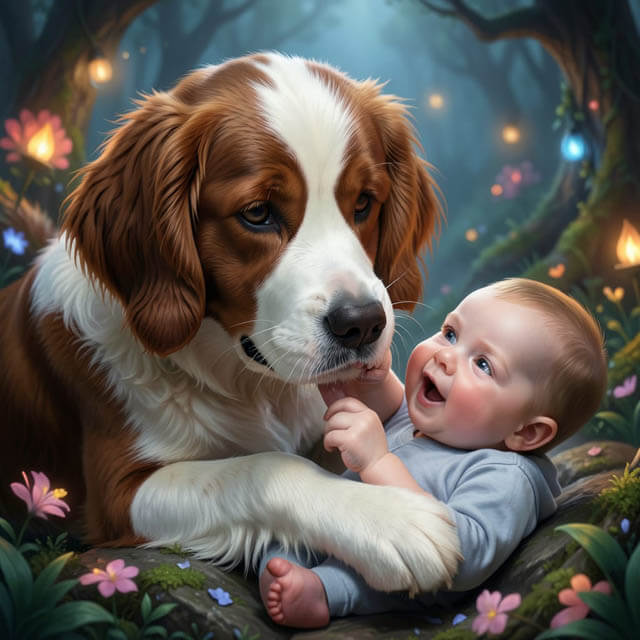
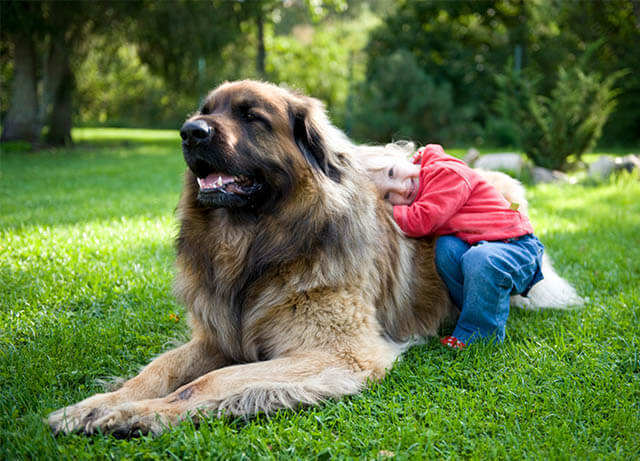

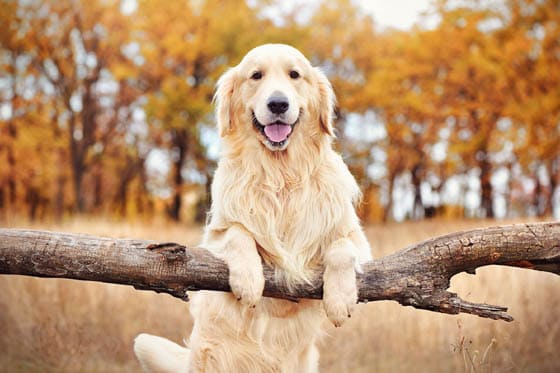
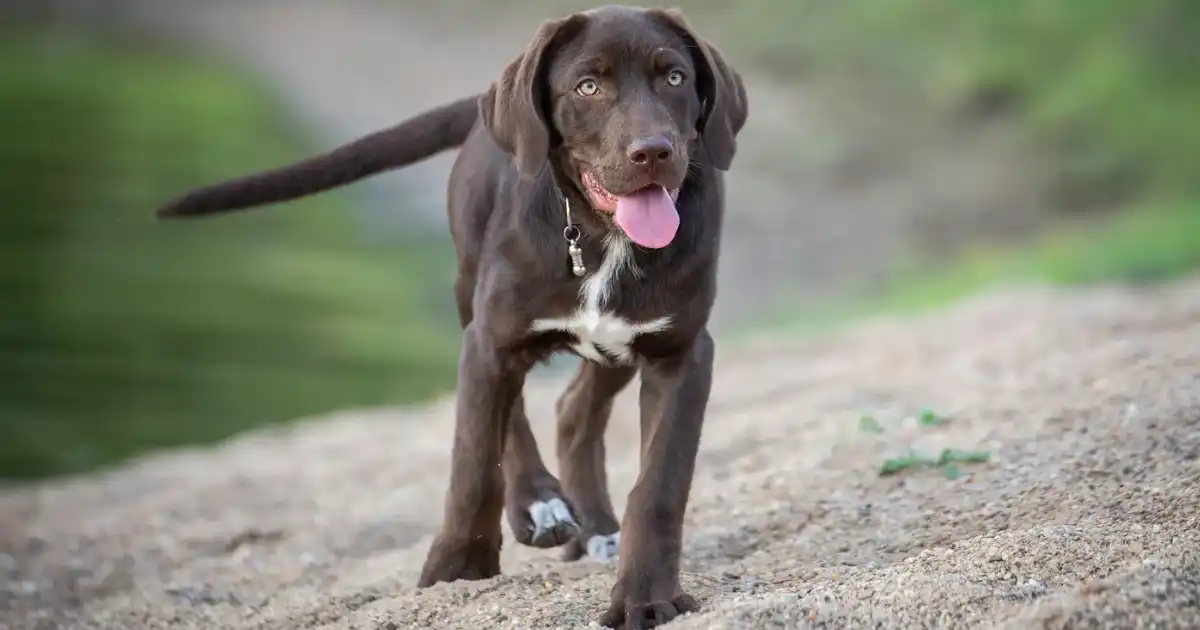
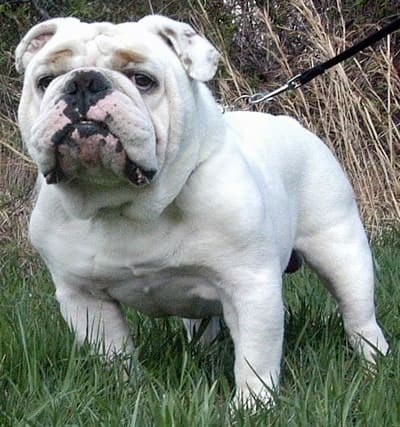
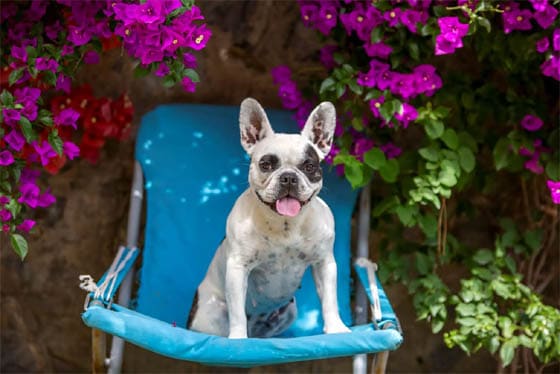
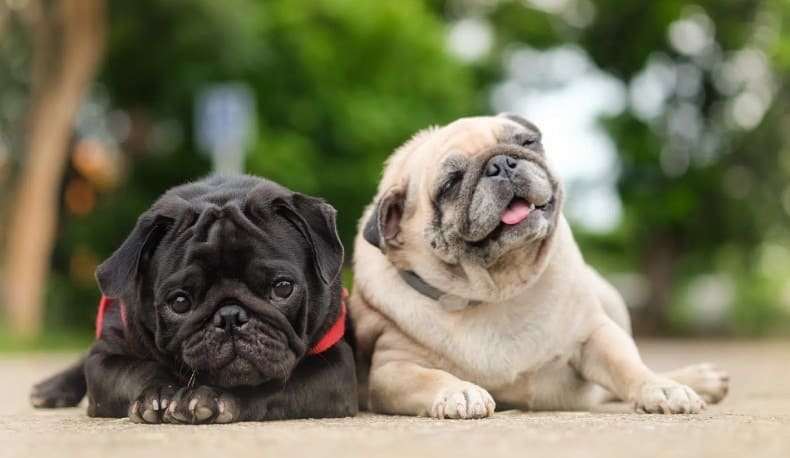

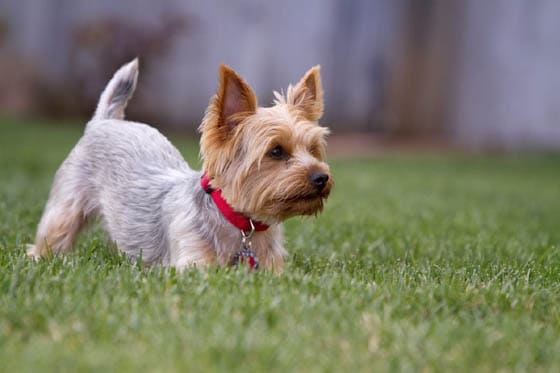
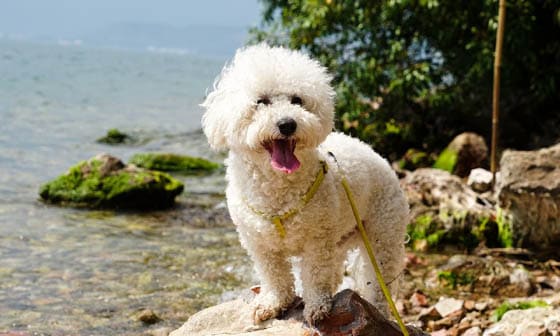
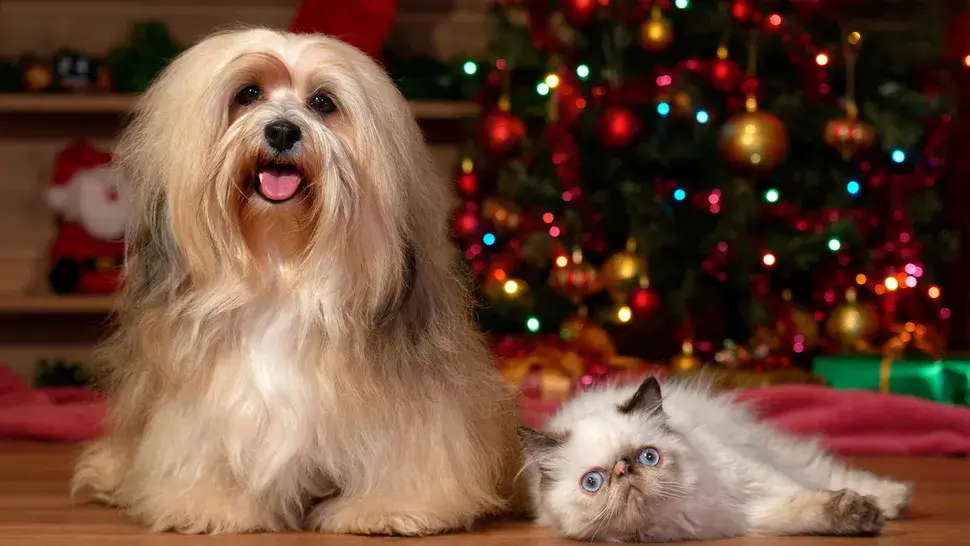
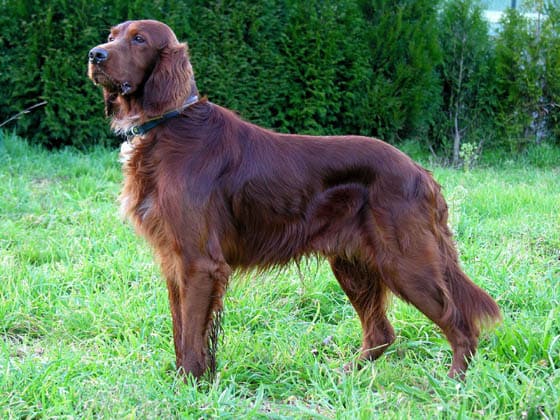
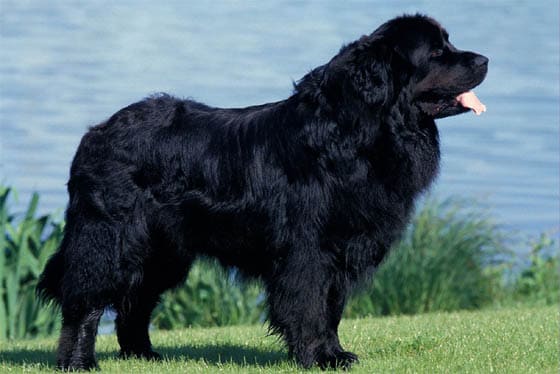

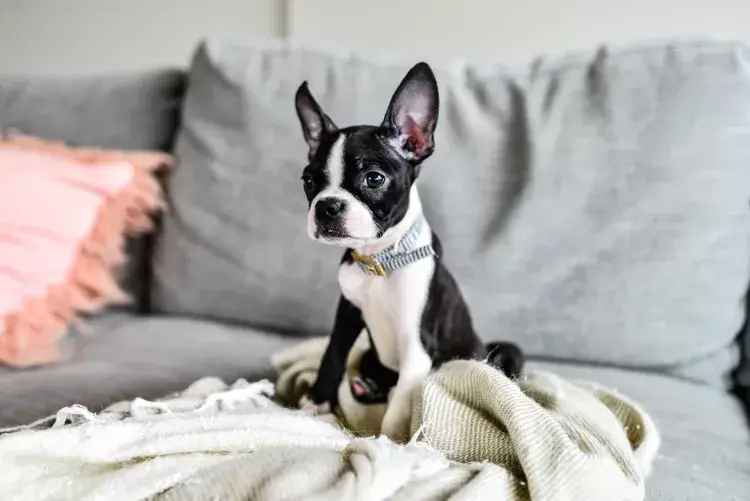
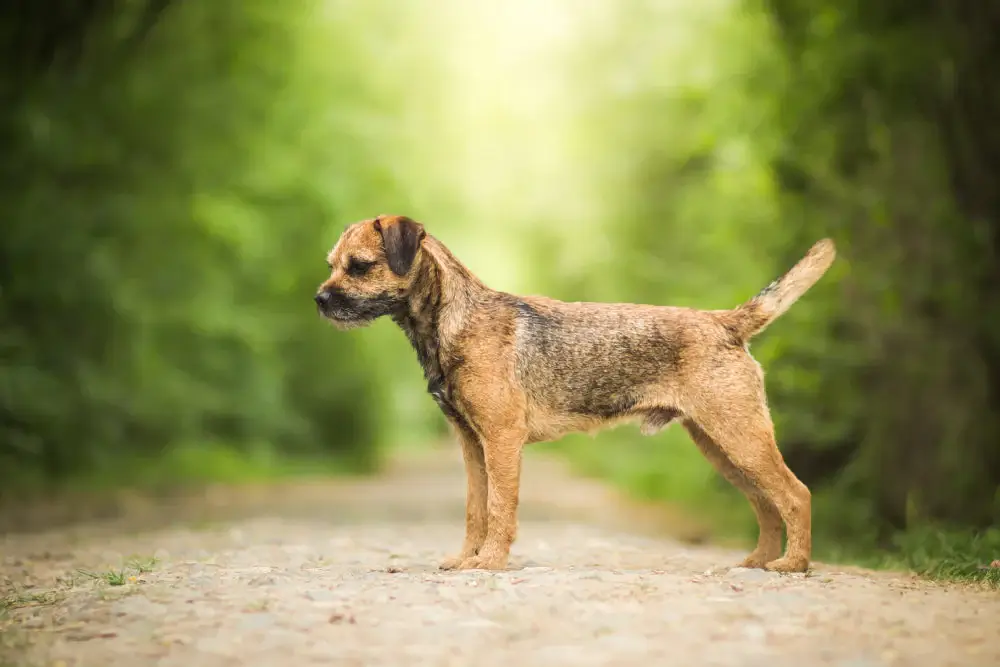
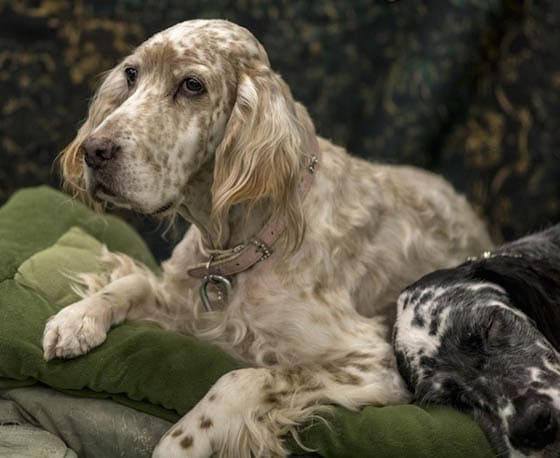
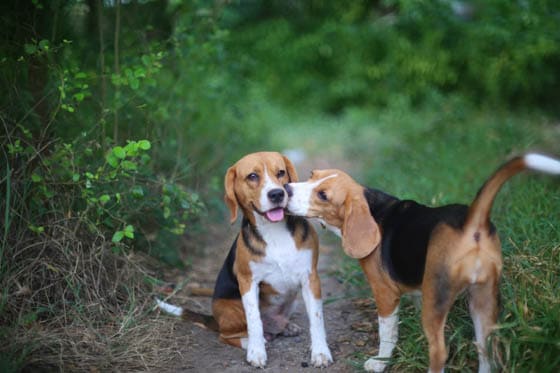
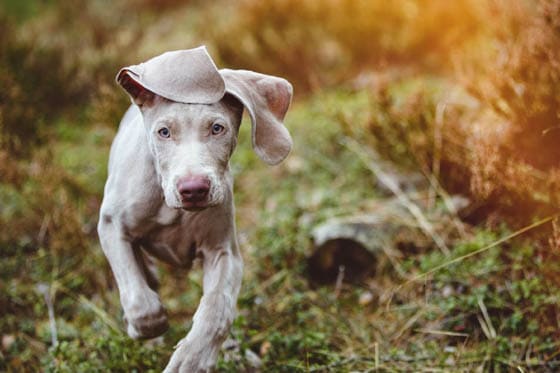
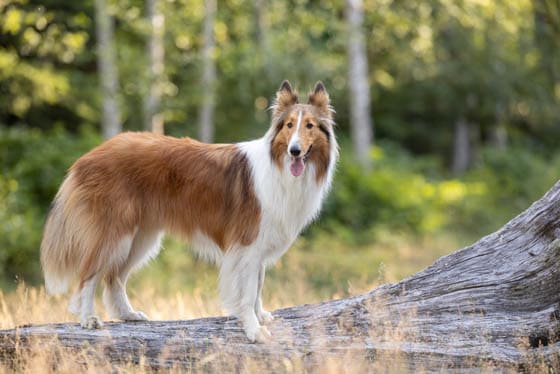
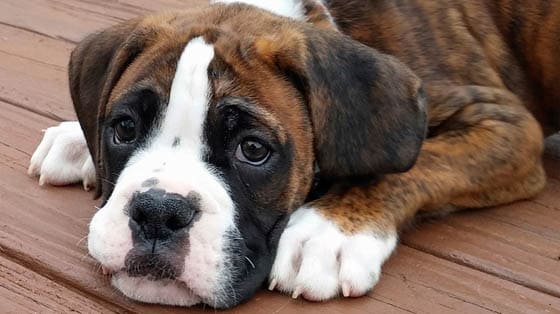
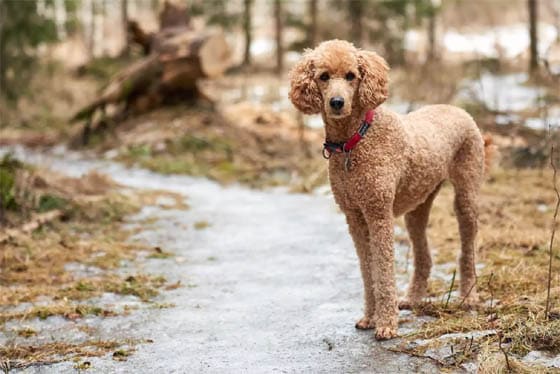
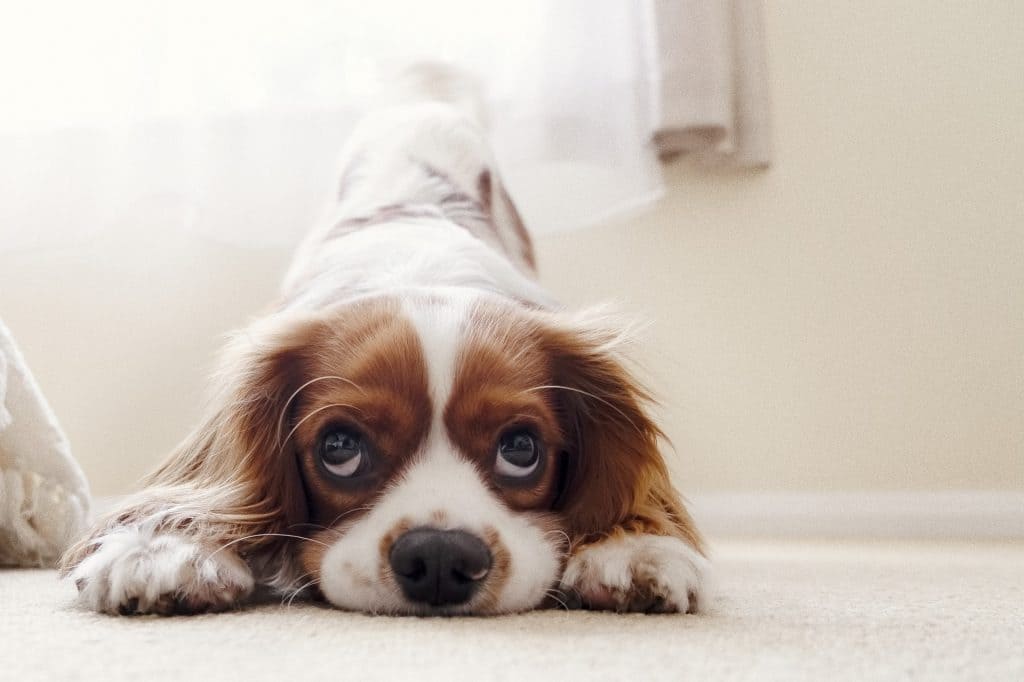
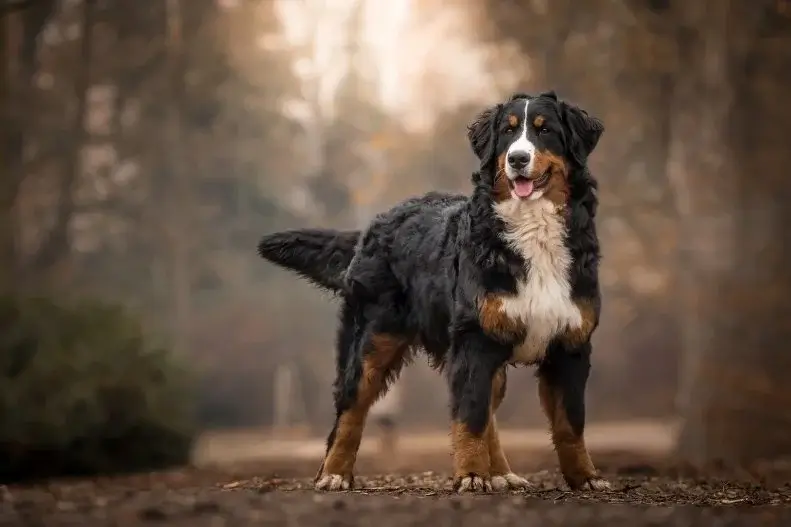
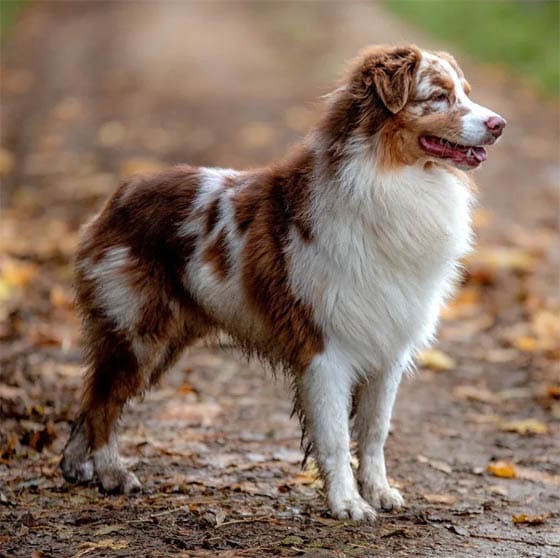
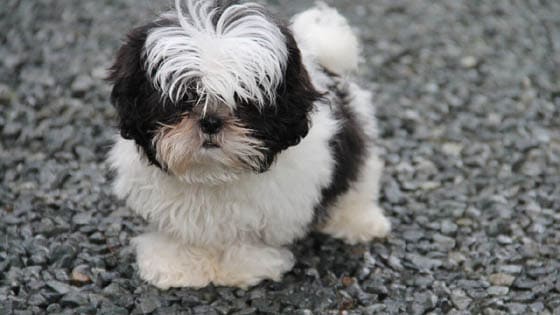
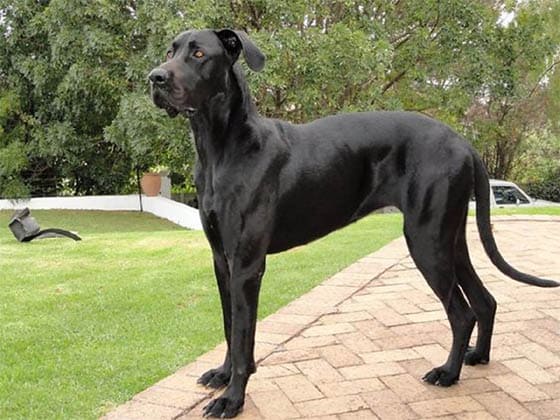
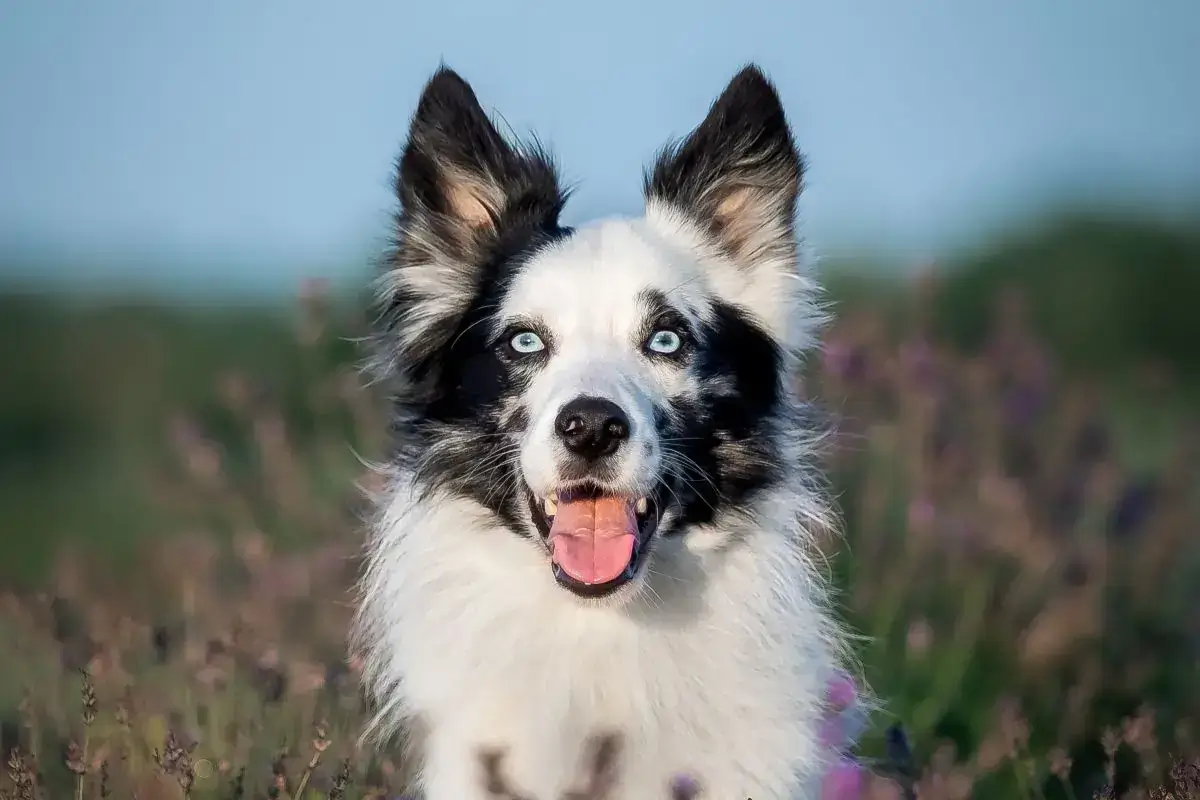
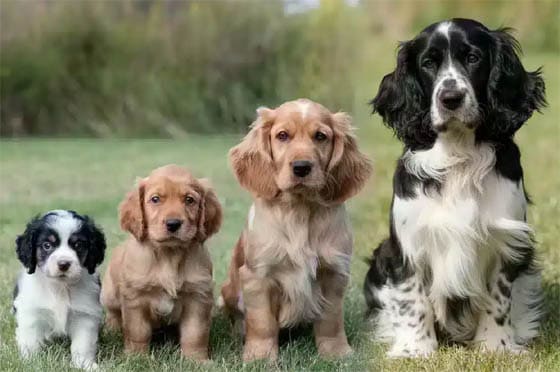
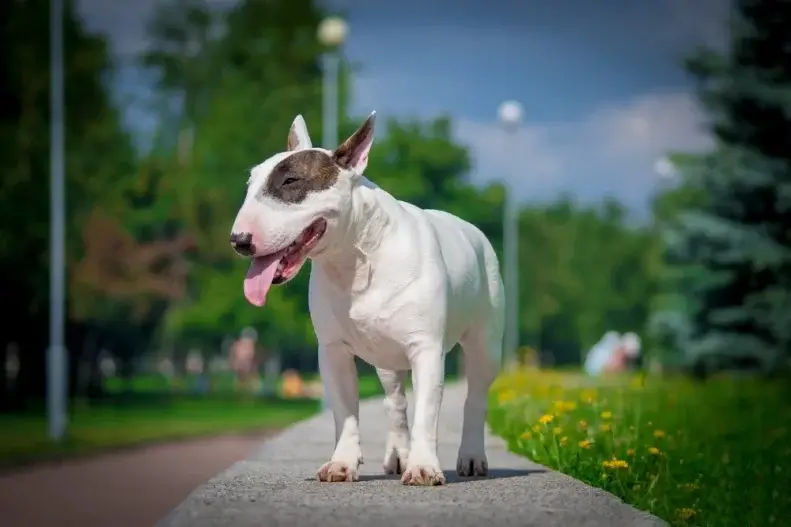
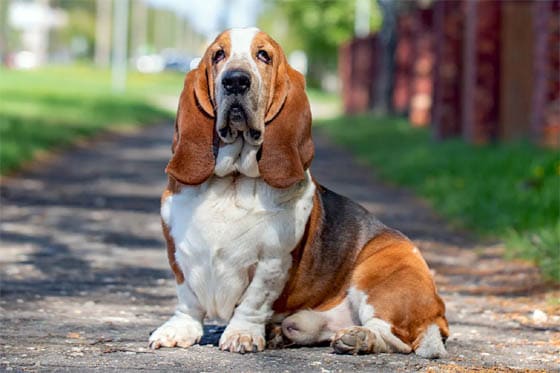
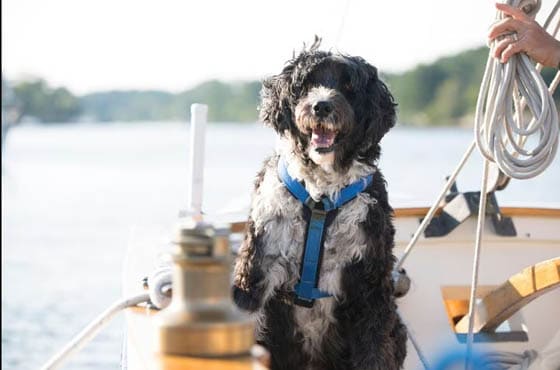
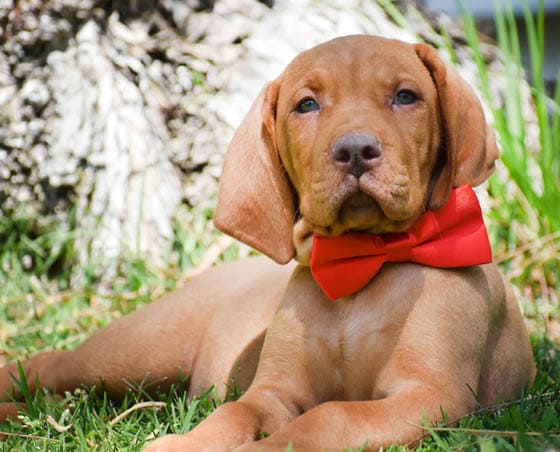
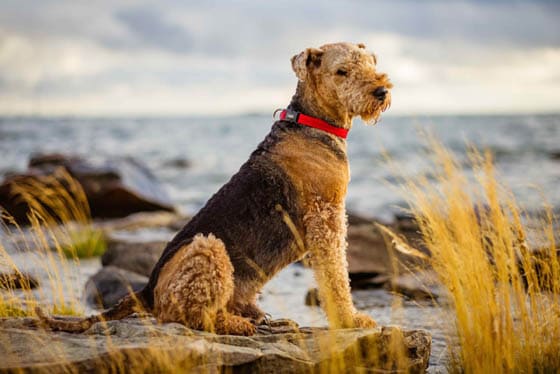
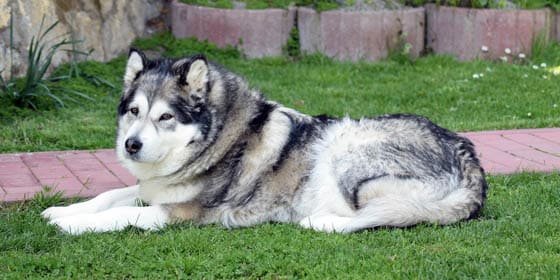

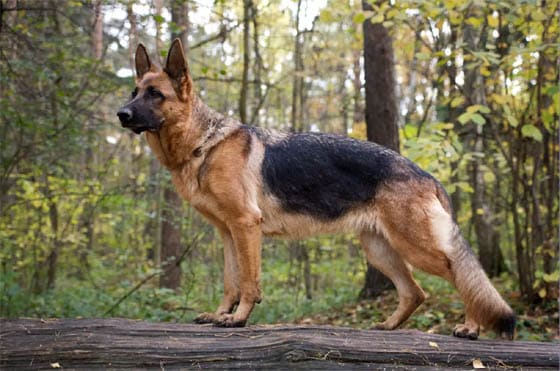
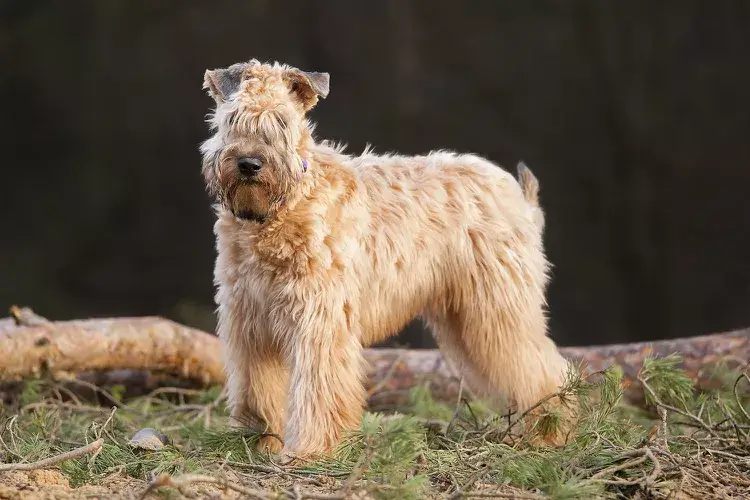
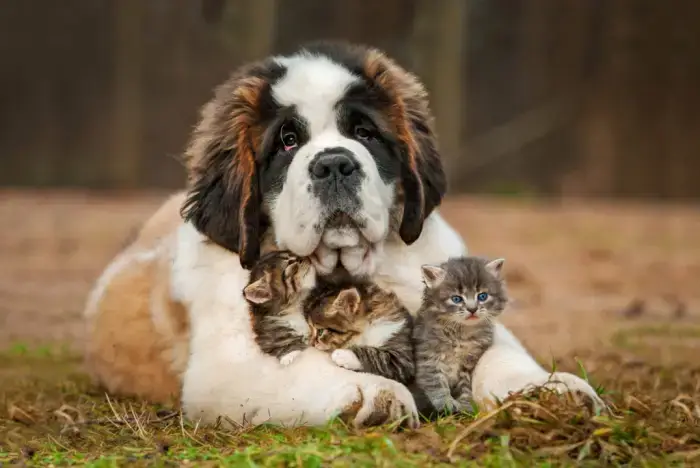
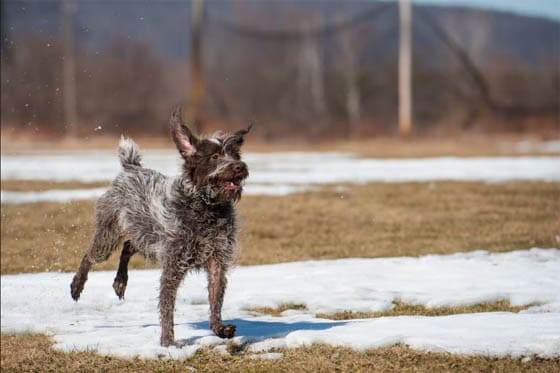
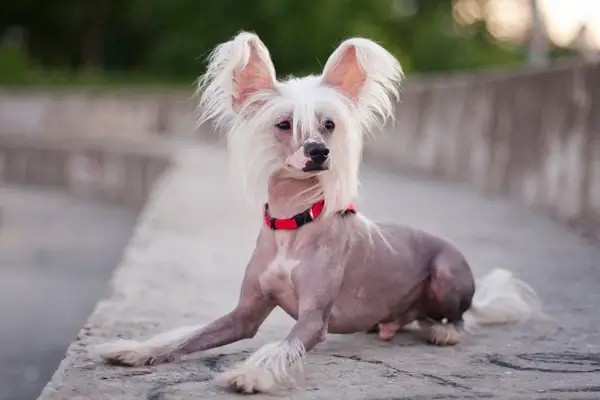
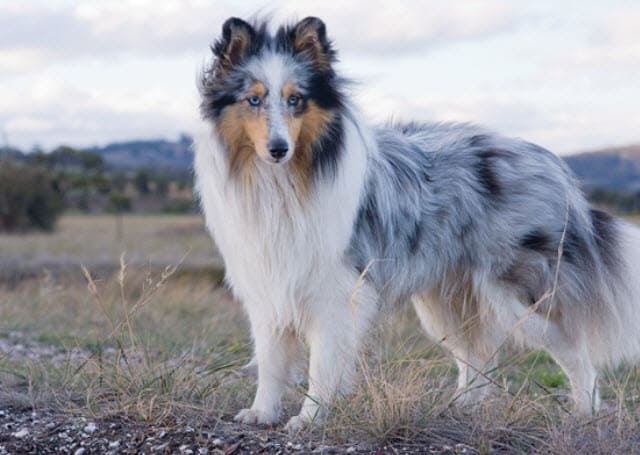
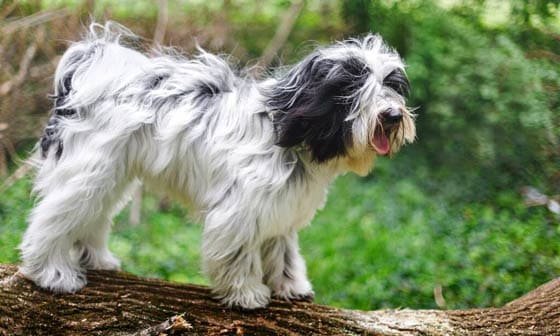
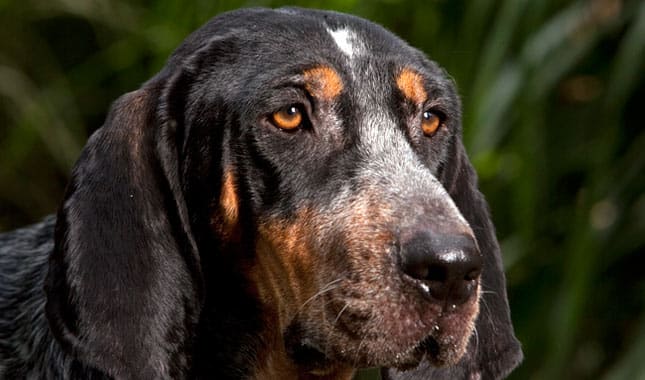
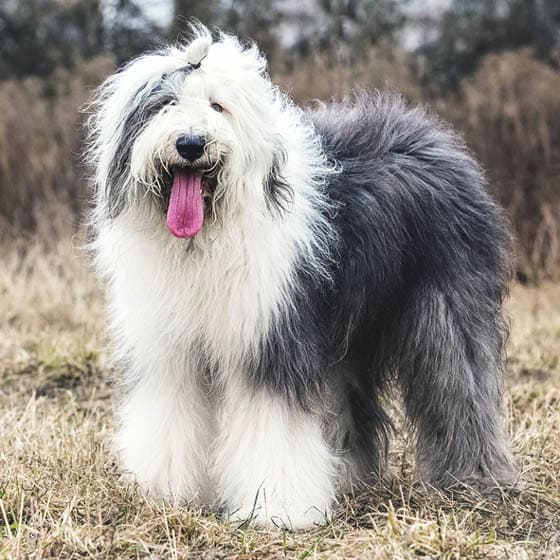

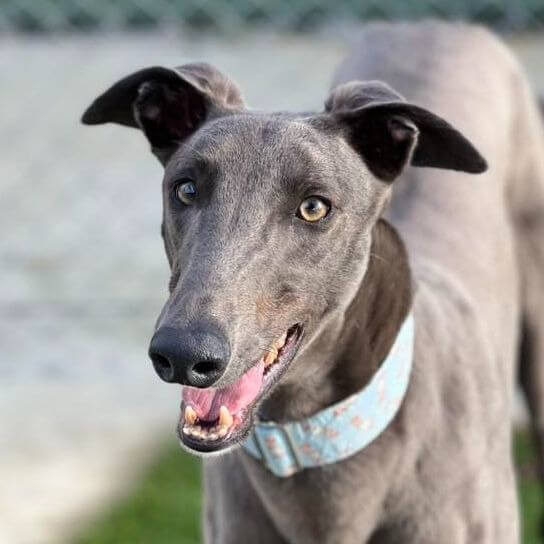
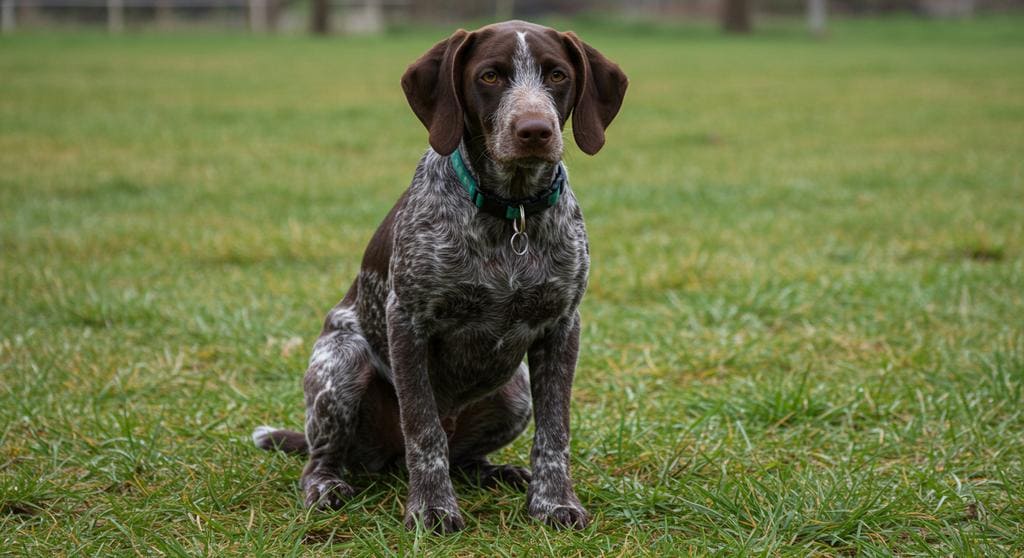
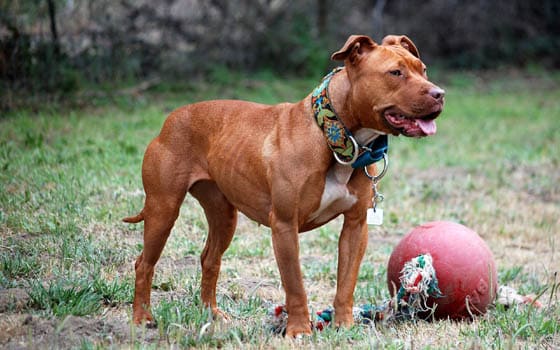
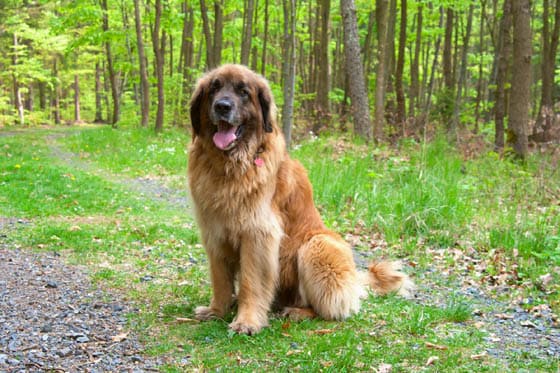
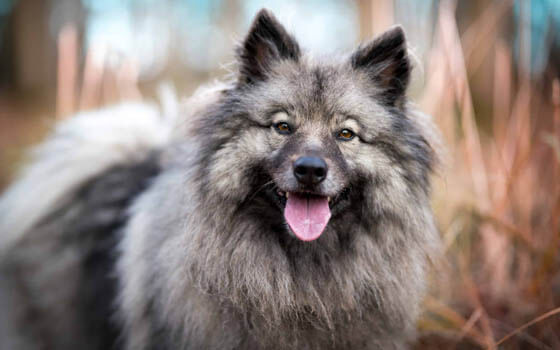
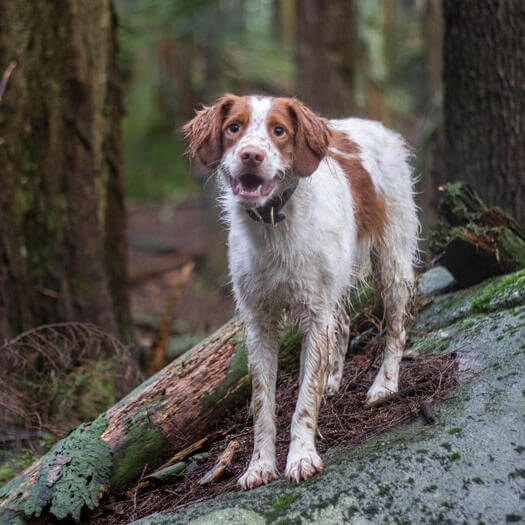
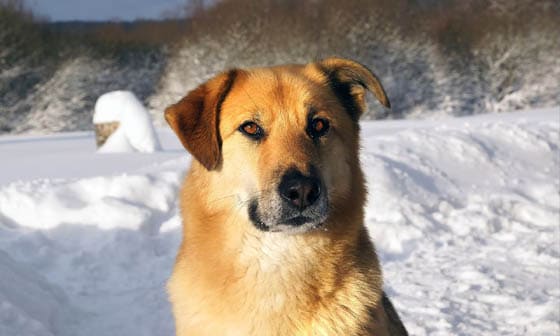
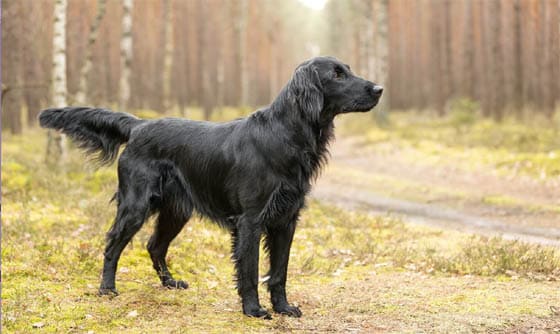
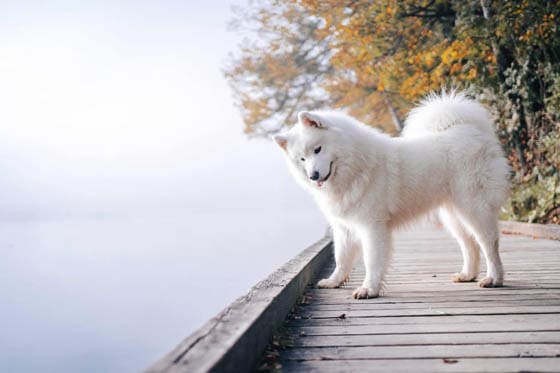
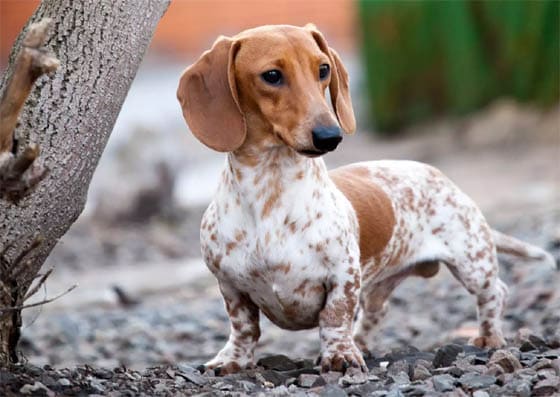
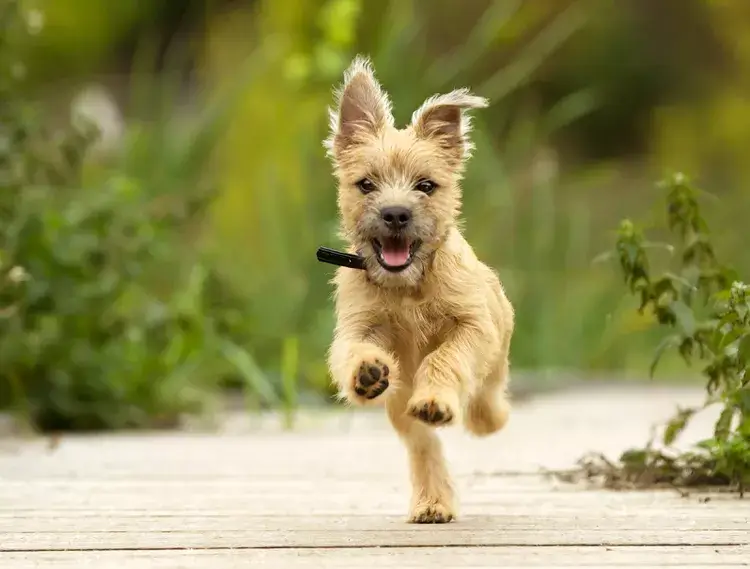

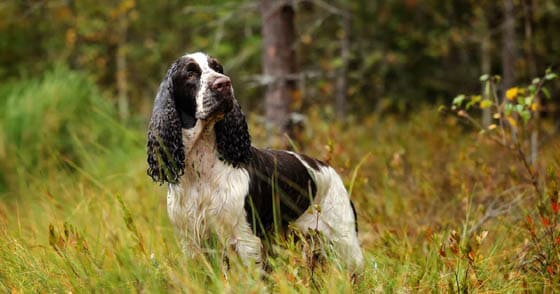
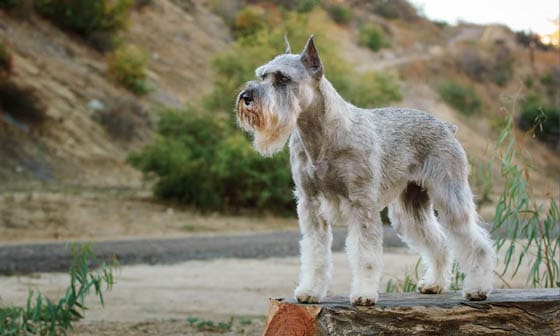
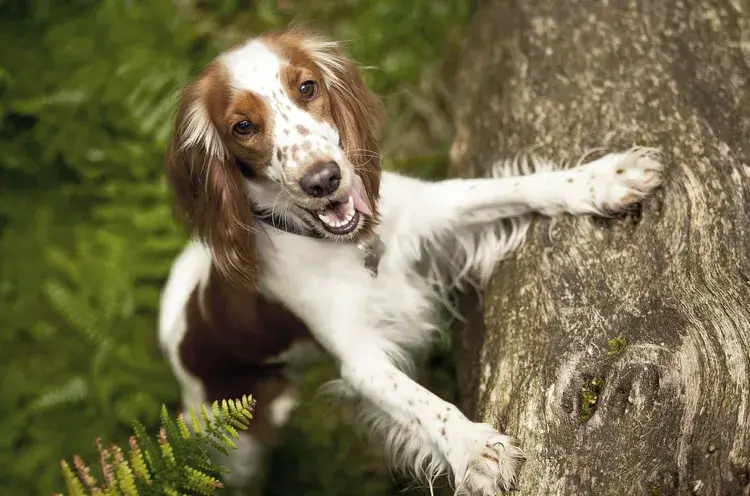

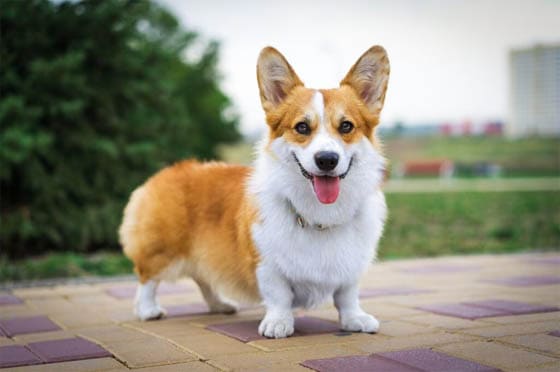
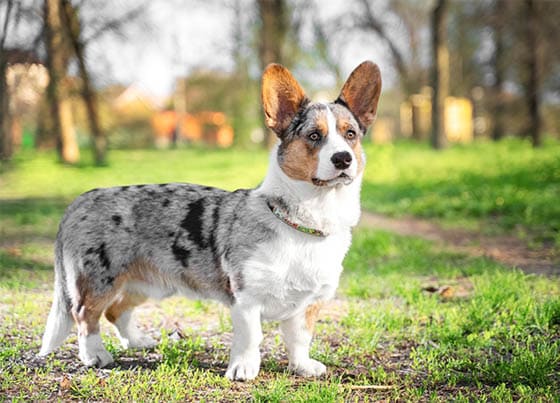
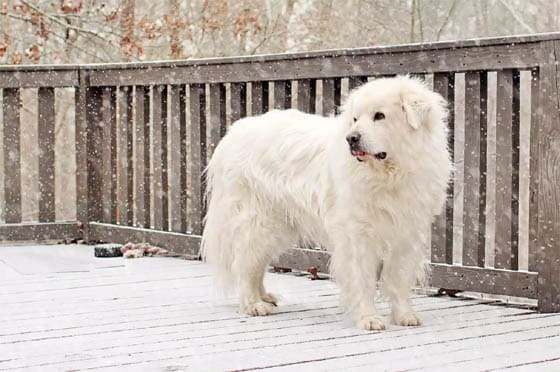
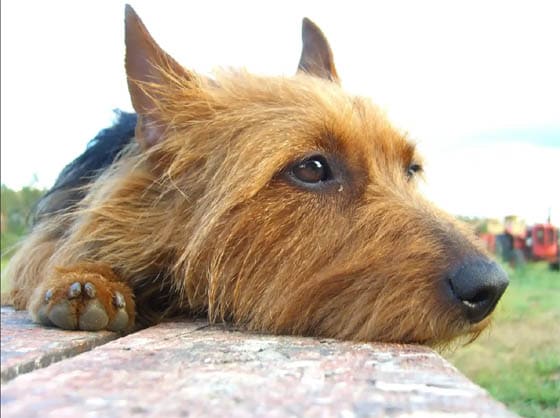
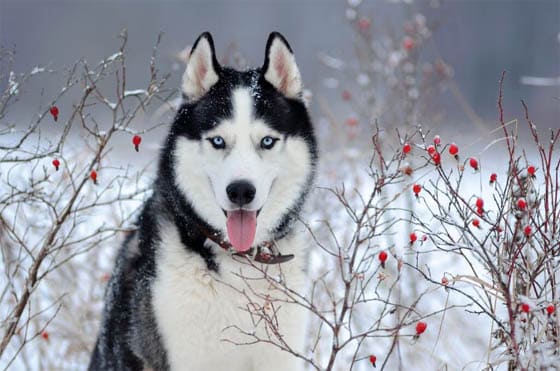
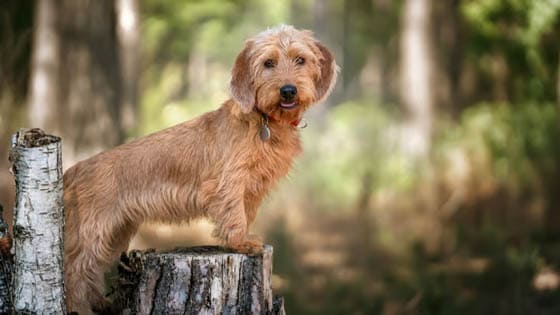
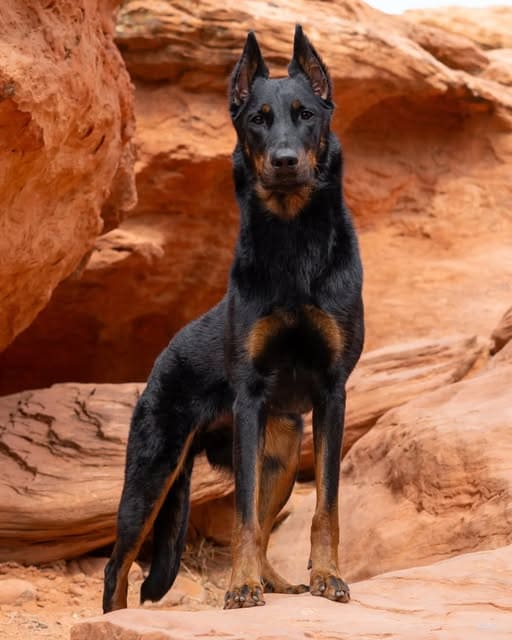
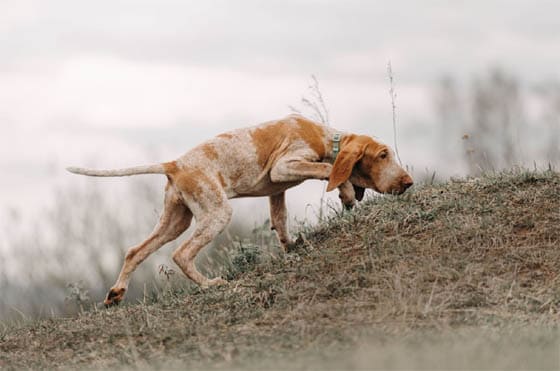
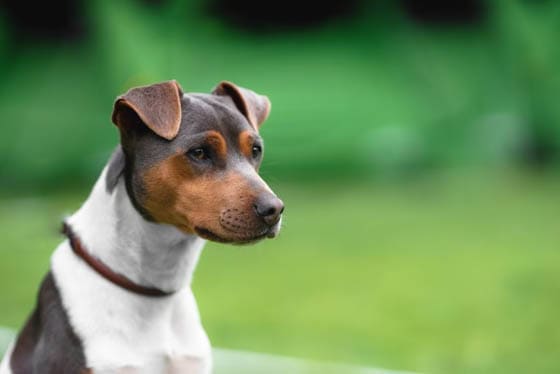
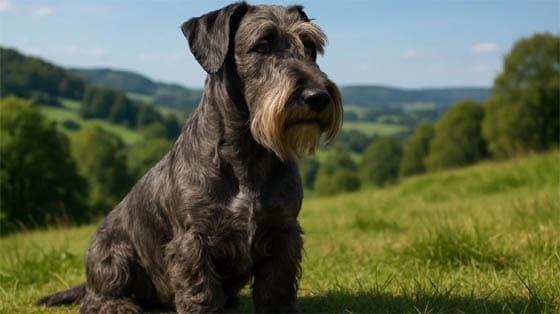
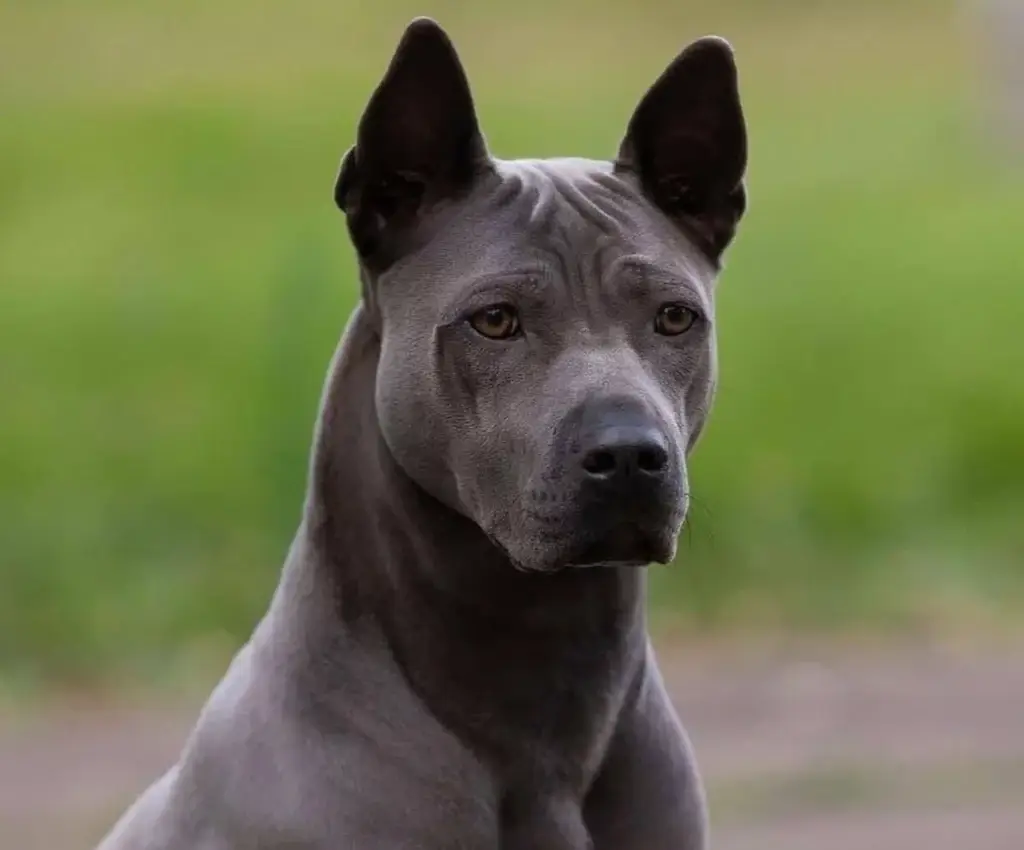
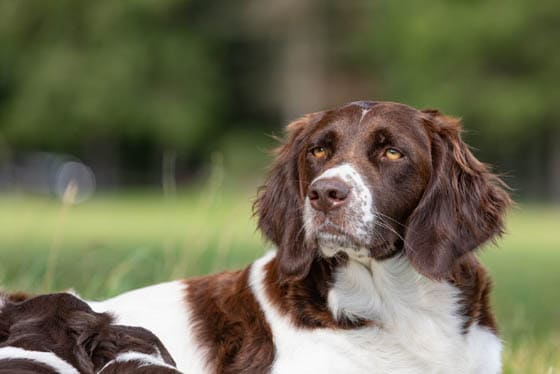
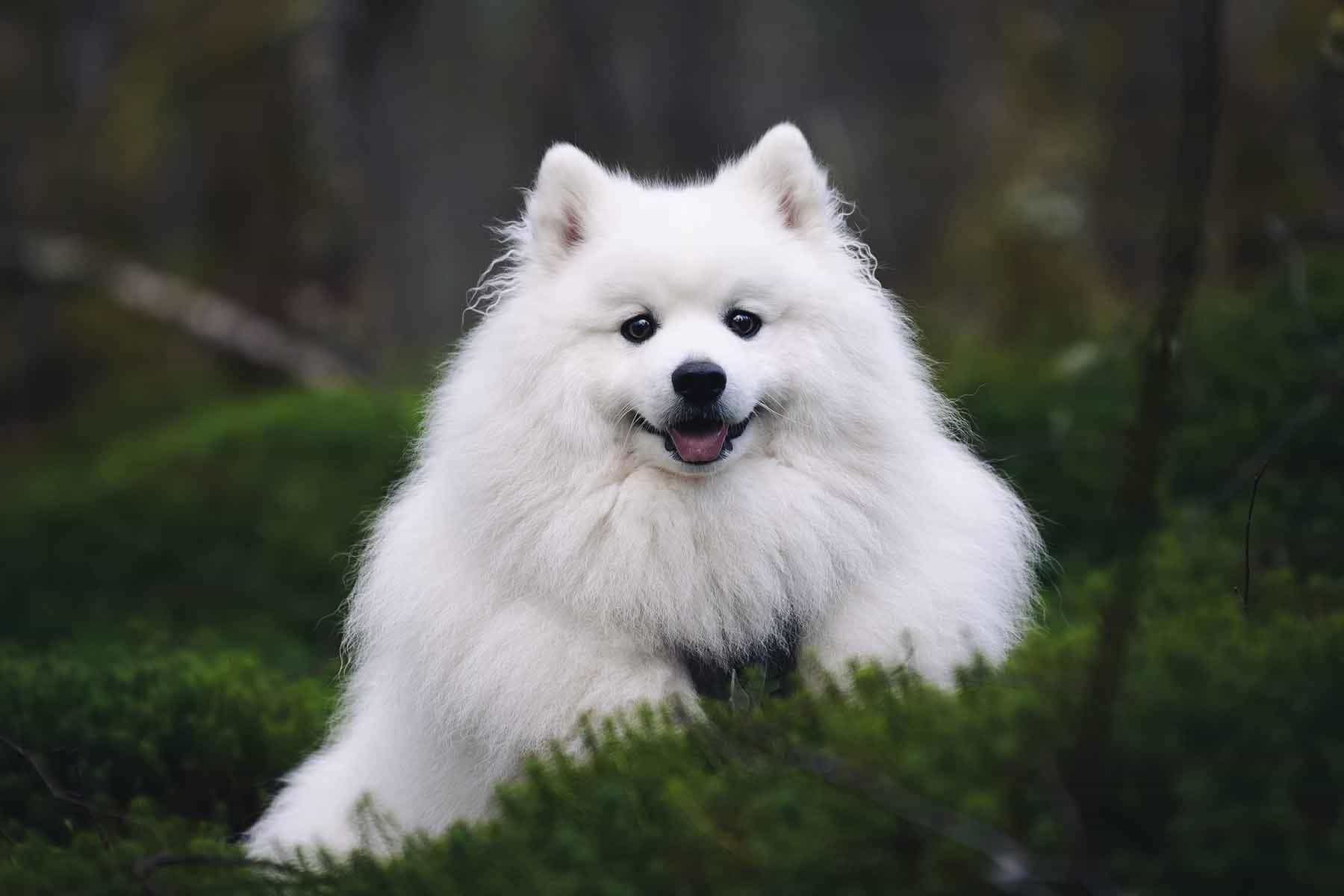
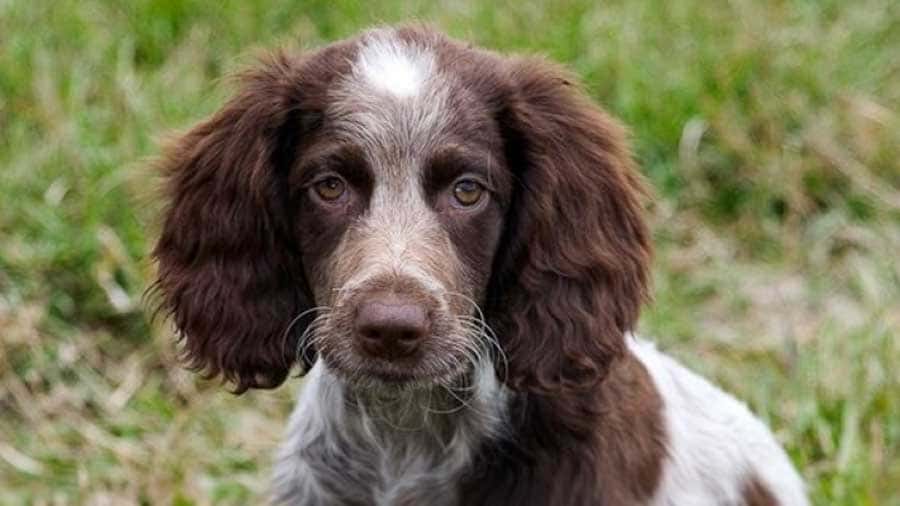
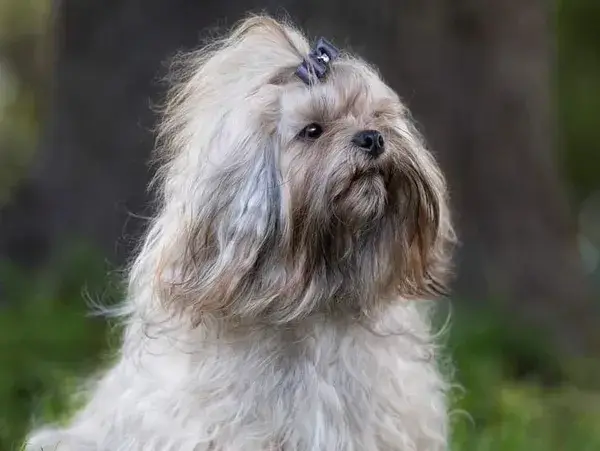

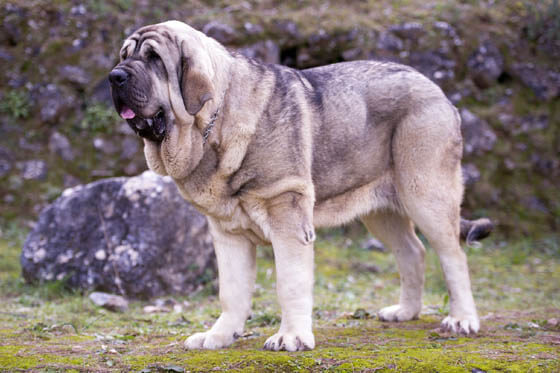
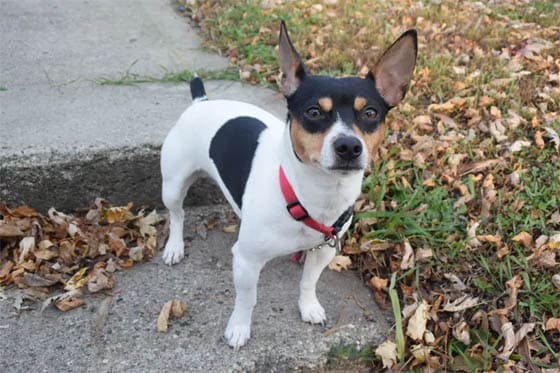
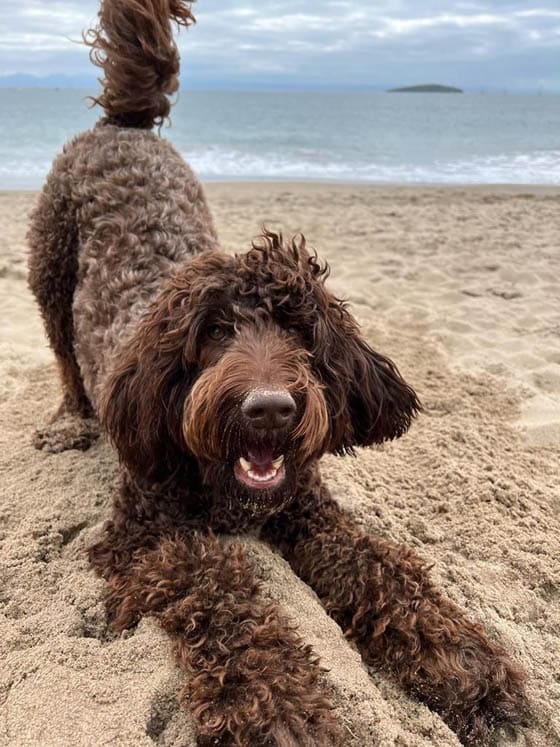
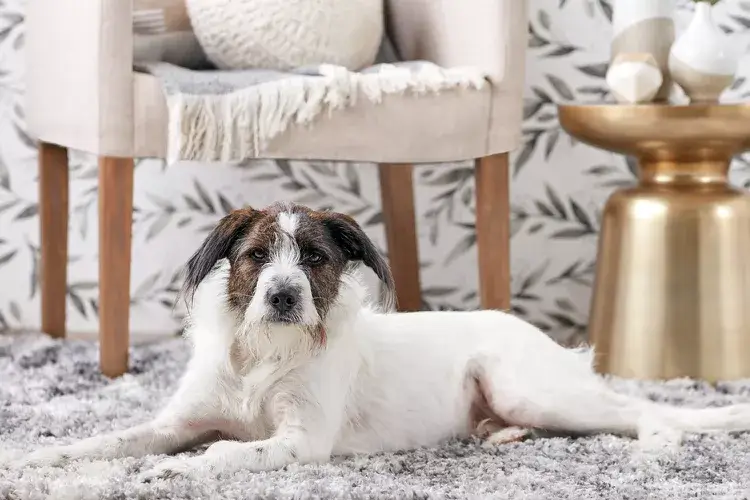










WORLD OF DOG & PUPPY 🐶