56 Swimming Dog Breeds Photo, Characteristics, Temperament Characteristics of Water Dogs Safety Dog Swimming Tips Dogs that excel in water Loving-Water Dog Breeds Swimming Dog Breeds List Dogs Loving Water
Are you drawn to the water? Whether you go boating, fishing, or swimming, having a canine companion along for the ride is always more fun. It is true that the majority of dogs can figure out how to swim if they end up in the water, but the fact is that not all of them are actually good swimmers. That might be true to a certain degree, but some dogs are not built for swimming.
WHAT IS "WATER DOG"?
A "water dog" is a breed that was bred to work in or around water. Many water dog breeds have developed two distinct dispositions, meaning they are outgoing with batteries fully charged all day long (so they can swim and hunt) but serene and calm in the evening when it is time to turn in for the night. Many were trained to retrieve waterfowl, assist hunters, or even help fishermen with fishing nets. Some would herd fish toward nets or assist fishermen when tools fell overboard. For centuries, water dogs have been bred to flush out or retrieve game. They have also worked on ships by reclaiming fallen overboard objects or delivering messages between vessels.
While some of these dog breeds may not be used for their initial purpose as often, they still retain excellent swimming abilities and a high tolerance for cold water. Many water dog breeds even have waterproof coats and webbed feet, setting them apart from the average canine. However, being the only purebred dog does not decide swimming ability. Many mixed-breed dogs are strong swimmers too.
Life with a water-loving dog is a nonstop adventure filled with joy and soggy footprints. These breeds bring excitement to every beach trip, pool splash, and rainy stroll. Their love for swimming goes beyond simple play; it is instinct, passion, and pure freedom. Living with one means accepting that dry moments never last long. Towels become daily essentials, and laughter fills the air as water sprays everywhere. Together, you create memories that shimmer like sunlight on rippling waves, refreshing, heartwarming, and completely unforgettable.
Characteristics
of Water Dogs
These are general characteristics. Every dog is unique and may differ. Breeds with very short legs or flat faces may struggle in deep water. They may tire quickly or have trouble keeping their nose above water.
Low shedders High-energy Webbed feet Barkers Powerful High endurance Adaptable Versatile Medium to large in size Intelligent
SAFETY
DOG SWIMMING TIPS
Swimming is fun and healthy for many water dog breeds, but safety always comes first. Even strong swimmers like the Labrador Retriever or Chesapeake Bay Retriever need supervision. Dogs should always wear a life vest. Fatigue is real. Never leave your dog alone in the water.
1. Check the Water First Look at the water before your dog jumps in. Avoid lakes or ponds with green scum, foam, or a bad smell. These may contain harmful algal blooms. The CDC warns that blue-green algae can be deadly to dogs. Bring fresh water so your dog does not drink from the lake.
2. Start Slow Begin in shallow water where your dog can stand. Never push or throw your dog in. Let them enter at their own pace. Keep first sessions short and positive. It is also smart to bring a familiar dog toy for safe retrieving instead of sticks or unknown objects in the water.
3. Watch for Tiredness Even excellent swimmers can get tired. If your dog’s head drops low or paddling slows, guide them back to shore. Use a life jacket for boating or rough water.
4. Limit Nonstop Fetch Retrievers love chasing balls, but too much water swallowing can cause water intoxication. Take breaks and switch to land play if your dog becomes overly excited.
5. Rinse and Dry After Rinse your dog with clean water after swimming to remove bacteria or salt. Dry your dog thoroughly with a clean dog towel, paying close attention to the ears. The Merck Veterinary Manual notes that trapped moisture can lead to ear infections. Once home, give your dog a calm place to rest, such as a washable dog bed, so they can fully dry and relax.
6. Know Your Dog's Limits Dogs with short legs, flat faces, or heavy bodies may struggle more. Respect your dog's comfort level and never force swimming. Educate yourself on how to train a water dog. Always check weather conditions before going, including checking currents. Know how to give canine CPR.
Newfoundlands, or "Newfies," are giant, intelligent, and famously gentle working dogs known for their sweet temperament, incredible swimming ability, and devotion to families. Weighing 100–150+ lbs, these "nanny dogs" are excellent with children but require extensive grooming, moderate exercise, and have a 8–10 year lifespan. You might not think of this giant sweetheart of a dog as a water dog, but the Newfoundland was developed as a water rescue dog. They have natural lifesaving instincts and, with a large lung capacity, can swim long distances to bring a victim to safety. On land, they are used for carting or drafting… or just being an adored family pet. Newfoundland dogs are exceptional swimmers, often considered one of the best dog breeds for water work. They are naturally built for it, with partially webbed toes, immense strength, a thick water-resistant coat, and a unique "breaststroke" swimming style that makes them natural, calm, and effective, often used as water rescue dogs. The Newfoundland is a dog with an outstanding, sweet temperament, courageous, generous, peaceable and intelligent. A calm, patient dog that is mild with guests and obedient with its master.
They are very devoted, loyal and trustworthy. Its huge body tends to move rather slowly. They rarely bark, but are protective and brave when they need to be. When an intruder is caught they are more likely to hold them at bay, either by trapping them in a corner or placing themselves in between the burglar and the family rather than an all-out attack. They are smart enough to know who is a threat to the pack and who is not. Very sociable and gentle. Any dog, other animal, child, or visitor who has no evil intention will receive a friendly welcome. The Newfoundland usually gets along with other dogs, but should be socialize well with them, giving a correction at any sign of aggressiveness to insure this behavior. Generally good with other animals. Patient, playful and loving with children. Enjoys the outdoors, but also needs to be with their family. The Newfoundland tends to be very messy when drinking water and often drinks a lot. They do drool, especially after getting a drink, but generally are not one of the worst offenders compared to some other giant breeds. They love to swim, and will lie in water if they get the chance.
This breed may be slightly difficult to train. Training must be conducted in a calm and balanced manner. Newfoundlands were originally bred as working dogs, primarily serving as rescue and service dogs on fisherman ships. While they rarely serve as ship hands anymore, their expert swimming abilities are still alive and well. Not only are they amazing swimmers, but Newfoundlands also have a knack for water rescue. Newfoundlands have a natural inclination towards rescuing struggling or drowning people from water and have been known to brave treacherous water and dangerous conditions to pull people to safety. One of the reasons Newfoundlands are such incredible swimmers is that they have partially webbed feet! Not exactly something you’d expect to see on a dog (we’re not talking about a frog, here!). Newfoundlands share this practical feature with several other breeds as well.
The American Water Spaniel (AWS) is a merry, intelligent, and versatile sporting dog from the Great Lakes, known for its waterproof curly or wavy brown coat, webbed feet, and love for swimming and hunting ducks/upland birds. They are eager-to-please, trainable, energetic companions needing regular activity and mental stimulation, making them great for active families but potentially prone to boredom and barking if under-exercised. They're affectionate with family but can be aloof with strangers, requiring early socialization. The American Water Spaniel is intelligent and very trainable. It is eager to learn and very enthusiastic about its work. It is used, above all, for hunting quail, duck, pheasant, grouse and rabbit. It also makes a good guard dog and companion. Friendly, energetic, confident persistent and obedient, the American Water Spaniel is a pleasant, willing dog that is highly sensitive, so obedience training should be calm, firm, quiet and persuasive, rather than demanding or sharp.
He is an easy going, loving companion that is usually excellent with children. If this dog believes he is, or that he could be, in an alpha position over humans he could snap defensively if startled or harshly disciplined. The American Water Spaniel is very willing and responsive, therefore heavy-handed training methods are not necessary, instead be sure to be firm, but calm, consistent and confident. Be authoritative but in an even-tempered, stern way. Dogs do not respond well to harshness or anger. Socialize this breed well at an early age to avoid timidity and potential dog aggressiveness as an adult. They usually get along with non-canine pets. It loves attention, but can entertain itself. Some American Water Spaniels snore. If the dog is lacking in daily mental and/or physical exercise it will tend to bark and whine and can sometimes be hyper or over-excited. It is an enthusiastic swimmer and makes a wonderful hunter in difficult waters, in the woods and over uneven terrain.
This breed likes to roam. Some may drool. American Water Spaniels are affectionate dogs that enjoy spending time with their families. This breed has a lot of energy and needs a way to unleash their energy daily, such as going swimming, or for a hike or run. If they are left alone for an extended time, they can be destructive out of boredom. While friendly with familiar people, American Water Spaniels can be more reserved around strangers. However, proper socialization as puppies can reduce or prevent this behavior. This breed can also be susceptible to separation anxiety, as they prefer to spend as much time as possible with their family. They will bark if they are ignored or not given a way to expend their energy. They also have a strong prey drive and may dig to chase after a wild animal, like a rabbit.
The Boykin Spaniel is a medium-sized, energetic, and loyal sporting dog from South Carolina, known for its love of water and hunting, but also as a friendly family pet that's eager to please, loves kids and other dogs, and needs plenty of exercise to prevent boredom. They have distinctive liver-brown coats, floppy ears, and are highly trainable, making them adaptable companions for active owners who enjoy outdoor activities like hiking and swimming. Another spaniel native to the United States, the Boykin is the official dog of South Carolina, and has a rich history in the state. These are bird dogs, known for their brown coat, athletic physique, and webbed-toes. They were developed to retrieve fowl from swamps, lakes, and rivers. If you live near a lake or the ocean, this water-loving breed could be a good match. The Boykin is known for being gentle, friendly, and enthusiastic. They respond well to positive training methods, tend to be very sociable, and love being active. If they get enough exercise and enrichment, they're usually mellow and snuggly.
The typical Boykin spaniel is friendly and eager to please. He is a born hunter, but also makes a lively, friendly companion in the home. They are outgoing toward people and children, although early socialization is recommended. The Boykin is full of energy and will need a yard to play in or at least a brisk daily walk. The Boykin is easily trained, and should have basic obedience training at an early age. They are fantastic swimmers and are fast learners who enjoy having a job to do. This breed is full of enthusiasm for hunting and is suited for a family that enjoys regular hunting or camping trips. Like many of the sporting breeds, Boykin spaniels make the transition from hunting companion to family pet easily. Stamina even in hot weather and eagerness to please make this a favorite among hunters in the field, but the Boykin is just as enjoyable at home. His compact size allows a family on the go to include their Boykin on many outings.
He will need lots of exercise as the breed seems to have boundless energy. The Boykin spaniel has an energetic personality and lots of love to give. Because of its background in hunting, this breed is best suited for pet parents who can spend plenty of time with their dog and bring them along for outdoor activities. As loyal and affectionate companions, Boykin spaniels thrive in active family settings and are well-suited for homes with children. With proper socialization from a young age, they often get along well with other dogs and pets, including cats. These highly trainable dogs are eager to learn, making excellent hunting partners and favorable pets for those who can provide the proper care. Boykin Spaniels are inquisitive dogs and have an excellent sense of smell. These qualities help them excel at hunting but may lead them to roam free in search of wildlife (or adventure) if left to their own devices. So, it’s best to keep them in a fully-fenced yard or on a leash.
The Labrador Retriever is a popular, friendly, and energetic sporting dog known for its intelligence, eagerness to please, and love for retrieving and swimming, making it an excellent family companion or service dog, but requiring significant daily exercise and training to prevent boredom and destructive behaviors, with common colors being Black, Yellow, and Chocolate. They have a short, dense double coat that sheds, an "otter" tail for swimming, and need firm, positive training from a young age. One of the most popular breeds in the USA, the Labrador Retriever is loyal, loving, affectionate and patient, making a great family dog. Highly intelligent, good-natured, very willing and eager to please, it is among the top choices for service dog work. Labs love to play, especially in water, never wanting to pass up the opportunity for a good swim. These lively dogs have an excellent, reliable temperament and are friendly, superb with children and equable with other dogs. They crave human leadership and need to feel as though they are part of the family.
Labs are easily trained. Some may be reserved with strangers unless very well socialized, preferably while they are still puppies. Adult Labs are very strong; train them while they are puppies to heel on the leash, and not to bolt out doorways and gateways before the humans. These dogs are watchdogs, not guard dogs, although some have been known to guard. They can become destructive if the humans are not 100% pack leader or if they do not receive enough mental and physical exercise, and left too much to their own devices. Show lines are generally heavier and easier going than field lines. Field lines tend to be very energetic and will easily become high strung without enough exercise. Labs bred from English lines (English Labs) are more calm and laid back than Labradors bred from American lines. English Labs mature quicker than the American type. Labrador retrievers tend to have a friendly and outgoing personality. Their temperament also is driven by a high energy level. They like having a job or activity, and they are highly trainable. Labs can become hyperactive and destructive if they do not get enough daily physical activity and mental stimulation. Therefore, they are best for active pet parents. As true family dogs, Labs usually get along well with children and are known to be incredibly loyal and loving.
However, young children should always be supervised around a dog. Labrador retrievers also typically do well in multi-pet households, especially when socialized with other animals from a young age. Labrador Retrievers are prone to eating things that they shouldn’t - especially as puppies. They may try to eat socks, shoes, furniture, and other items, or get into the trash. Pet parents must keep a watchful eye on Lab puppies and dedicate time to train them on what they can and cannot eat. These friendly dogs also love to play and remain highly energetic throughout most of their lives. They need lots of exercise and attention to make them happy. Generally, Labrador Retrievers need at least an hour of exercise every day, though this varies based on your dog’s age and health.
The Barbet is an ancient, medium-sized French water dog known for its curly coat, friendly demeanor, and intelligent, cheerful personality. Known as a "rustic" retriever, it is highly trainable but can be stubborn, thriving in active, outdoorsy households that enjoy swimming, hiking, and daily exercise. Barbet dogs are excellent swimmers. Known as the "French Water Dog," this breed was historically used to flush and retrieve waterfowl, making them natural, enthusiastic swimmers with a passion for water. Barbet is a traditional French water dog and a versatile retriever, often specializing in retrieving waterfowl in marshes and lakes. They are classified as a gundog and were historically used to flush and retrieve game, featuring webbed paws for swimming and a, thick, waterproof curly coat. The Barbet is known for a friendly and affectionate temperament, making the dog breed an excellent companion for many families. They are typically gentle, playful, and intelligent dogs that enjoy being involved in family activities. Barbet have a moderate energy level, and require regular exercise to stay healthy and happy. They thrive when given tasks or activities that engage their minds, such as obedience training and interactive toys. Barbet are calm and friendly dogs, and they generally get along well with other pets and children, thanks to their patient and tolerant demeanor.
They are intelligent and curious dogs, exploring their surroundings with occasional barking to alert or express excitement. Keeping your Barbet well-exercised and entertained will reduce the chance of your dog engaging in undesirable behaviors like excessive barking or digging. Barbets love their humans and need constant attention from them, so they may be susceptible to separation anxiety. Excessive drooling, accidents in the house, and destructive behavior can be signs of the condition. Talk to your vet about ways to ease separation anxiety through training or medication for severe cases. The Barbet is known for being affectionate, loyal, and intelligent. They love being around people and are fantastic with children, making them an ideal family dog. Their friendly nature also extends to other dogs and pets, so if you hhave already got a furry family at home, the Barbet will fit right in. They are smart and quick to learn, which makes training a breeze. However, Barbets also have a bit of a playful side, so do not be surprised if they try to turn training sessions into playtime! Their cheerful, easy-going nature makes them a joy to have around, whether you are lounging at home or heading out for a day of fun. Barbets do well in active households where they can get plenty of attention and stimulation. If you are out and about a lot, this fluffy friend will be more than happy to tag along, especially if there is water involved!
The Small Munsterlander is an energetic, intelligent, and versatile German hunting dog known for pointing, retrieving (land/water), and tracking, making them excellent sporting companions but also adaptable family pets with a strong "off-switch" indoors. They are medium-sized, have a distinctive brown and white coat with feathering, require regular exercise, and bond closely with their families. The Small Münsterländer is a medium-sized hunting dog with an affinity for water and can swim, point, retrieve, track, and even flush out small game. Outside of their favorable hunting qualities, they also make affectionate family dogs and are highly trainable. In their native Germany, they are known as the Kleiner Münsterländer. The Small Münsterländer is an active and intelligent breed. They make great family dogs or hunting companions but regardless of their role, they need a way to exert their energy.
They are highly trainable and love water, so they will probably enjoy dock diving, obedience trials, agility, and other activities. The Small Münsterlander (Kleine Münsterländer) is a natural and excellent retriever, but it's also a versatile German hunting dog that points, tracks, and finds game on both land and water, acting as a multi-purpose gun dog and a loyal family companion. They excel at retrieving due to their strong desire for water and ability to track, making them adept at working after the shot for feathered or furred game. The Small Munsterlander or SM is an affectionate breed that likes, and needs, human company. They dislike being left in a kennel and some do suffer separation anxiety when left at home alone for too long. They are good with children and other pets as long as they are raised with them and usually fine when strangers come in the door. SMs tend to latch on to one person in the family, but will happily cuddle up to anyone on the sofa for attention. They are extremely trainable and intelligent and training should be started early on to get the best out of them. They respond best to firm, loving, consistent training and will soon pick up what you are trying to teach them. Their retrieval and pointing instinct is evident from an early age and using games will help develop this. When used as working dogs, they are trained with a combination of voice commands and hand signals. They often look back to see where you are and rarely wander too far, as they like to be close to you. Their prey drive is strong and they need to learn when not to hunt - easier said than done, but their recall is excellent. SM's like to swim and are equally capable in water or on land.
They are strong swimmers and a game of fetch with a floating dummy will keep them entertained for hours. They need a fair amount of exercise as this will keep them physically fit and mentally stimulated, but just being outside, with you, will keep them happy. They have masses of energy when out in the field and although well suited as a working dog, they make great additions as a pet to an active family. The key is to let them run and explore; this will tire them out and make sure they are calm indoors. Agility and other competitions also suit the breed. Small Münsterländers have an intelligent and confident temperament. Hunting dogs that respond well to hand signals as well as voice commands the Small Münsterländer is a really versatile working dog. They need plenty of mental and physical stimulation in order to be calm around the house. Too little or too inconsistent in training and the Small Münsterländer may become disobedient. They love human company and will usually form a tight bond with whoever takes them out the most.
The Large Munsterlander (LM) is a loyal, intelligent, versatile German hunting dog known as an all-round gundog for pointing, tracking, and retrieving on land and in water, making them excellent companions for active families who can meet their high exercise needs. LMs are eager to please, form strong family bonds, and thrive with consistent training and plenty of physical and mental challenges. The Large Munsterlander is courageous, cheerful, intelligent and obedient. It makes a wonderful house companion dog and is very trainable. Munsterlanders are loyal and friendly dogs that are responsive to their humans. They make very good friends. If the Munsterlander is lacking in leadership and/or mental and pysical exercise it can get destructive and bark when left alone in the house. They are not guard dogs. They like to retrieve and naturally like to carry things about in their mouths. The Munster does well in obedience, and is good with other animals and with children.
Under-exercised Munsterlanders can get overly excited and high strung. Yes, the Large Munsterlander (LM) is a natural and excellent retriever, but it's also a versatile gundog bred to hunt, point, and track, functioning as an all-purpose hunting companion for land and water, known for its strong retrieving drive and devotion. They excel at retrieving waterfowl and gamebirds, often preferring retrieving as a "first love" compared to some other pointing breeds, but they also have the trainability to be great family pets. They will be happiest when used as working dogs. Bred for training and ability to withstand the pressures involved, this dog will adapt to any terrain whether it be valleys, prairies, forest or water, and to every type of hunting. It is resistant to fatigue and to bad weather. Particularly appreciated for the sureness of its point and the precision with which it retrieves, the Munsterlander can easily learn to come and sit on command in the first six months of life. Proper human to canine communication is essential. They love water and will try to retrieve everything out of the water. They are not difficult dogs. If one has a firm hand, even a beginner can manage this breed without a problem, however, they must remain firm, but calm, confident and consistent throughout the dog's life.
It is a slow maturing dog, so do not "over-train" in its field work at too young an age. The breed has shown itself to be a dedicated enemy of birds of prey and they may try to attack small farm animals, however they can be trained to leave sheep and cattle alone. Although he will chase every small rodent and bird, he can not be bothered to chase cars, joggers and bikes. When he spots a bird or rabbit he will usually freeze in his motion. His head will point toward the prey and his whole body shifts slightly forward; one of the front feet will often be off the ground. The rapid motion freeze will prevent the prey from being alarmed and shows the hunter where the prey is hiding. The position can be often seen in old pictures and paintings and is typical for breeds such as pointers. The Large Munsterlander is a very loyal, affectionate, calm and trustworthy dog that is family friendly, but is inclined to bond more strongly with one person in the family.
The curly-coated retriever is the oldest of the retriever breeds. The Curly-Coated Retriever (Curly) is an intelligent, energetic, and loyal sporting breed known for its distinctive tight, waterproof curls, making it an excellent but demanding hunting companion and family dog that needs significant daily exercise, swimming, and socialization, despite their affectionate nature. They are one of the oldest retriever breeds, developed in England for retrieving waterfowl, and while smart, can be independent, mature slowly, and require consistent, positive training to manage their high energy and prevent boredom. It first appeared in the late 1700s. Their coat, either black or liver, consists of tight, waterproof curls. Unlike other retrievers, the curly-coated type features a tapered, wedge-shaped head. Although this type of retriever is friendly and playful with loved ones, they are more independent than other varieties and a little less friendly to strangers. Curly-coated retrievers reportedly descended from two extinct dog breeds, the English water spaniel and the retrieving setter. Some suspect that the distinctive, low-shedding curls may come from a cross with poodles too.
The Curly-Coated Retriever is easy to get along with, loyal and eager to please. Proud and confident, very intelligent and trainable, be sure to thoroughly obedience train your dog starting from puppyhood. They have been used in competitive obedience and agility, but are not as predictable as some other breeds. This is not a breed for everyone. They do not fully mature until they are about three years old and can be willful with meek owners. Make sure you are the dog's firm, but confident, consistent pack leader to bring out the best in its temperament. Proper canine to human communication is essential. The Curly-Coated Retriever is affectionate, loving and excellent with children. The more mental and physical exercise you give it, the calmer it will be. Socialize them well with people and other pets at an early age. Without proper balance in its life, it can be reserved or timid with strangers. This breed loves to swim. They make good therapy dogs. Curly-Coated Retrievers make an ideal partner for an active, outdoor-oriented person who also wants a loyal family companion.
They make good watch and even guard dogs if they see the family is threatened. Curly-coated retrievers are even-tempered, affectionate dogs that get along well with children and prefer to be with their human family rather than left on their own outside. They are highly energetic dogs, however, and may be too rambunctious for very small children. Generally, curly-coated retrievers are considered intelligent and easy to train. However, it is said that some individuals in the breed can be stubborn and that Curlies are slow to mature, so it may take a bit longer to train them compared with other retrievers. Curly-coated retrievers are sporting dogs at heart, so they need lots of exercise. They are not suitable for apartment living; they need a substantial yard where they can romp. The curly is best suited for an active family that will include the dog in home life and outdoor activities. Curlies especially thrive on swimming and retrieving. Curly-coated retrievers can be very reserved around strangers and will guard the family more so than some of the other sporting breeds. They should be socialized carefully from the time they are young to prevent extreme shyness around strangers.
The Irish Water Spaniel (IWS) is the tallest spaniel, known for its unique curly, liver-colored coat, webbed feet, and "rat tail," making it a superb swimmer and retriever for water work, while also being an intelligent, playful, and loyal family companion that needs significant exercise but sheds very little. They are energetic, eager to please, good with families, but require early socialization and consistent mental stimulation to prevent boredom. The Irish water spaniel - also called the rat tail spaniel for their distinctive, smooth tail, is a medium to a larger-sized gun dog used for retrieving waterfowl like ducks and geese and flushing and retrieving upland game like quail and pheasant. They are solidly built, athletic dogs that are loving, devoted, and affectionate with their families, but they can be standoffish with people they don’t know. They are alert and curious. They have a unique and charming appearance with loose cascading curls on the head. The Irish Water Spaniel is intelligent, devoted and spirited. Self-assured, eager and willing with a desire to please. Clever and capable of learning a great deal.
A loving family dog. With enough mental and physical exercise and owners who convincingly display a natural, firm, confident and consistent leadership over the dog owners will find it to be mild-mannered and docile. Can do well with other pets if properly introduced. Can be reserved with strangers. Should be well-socialized as a puppy and does best with children who know how to be little pack leaders. The Irish Water Spaniel is a quiet dog, barking only when necessary to warn the family, making a good watchdog; some can act as a guard dog. Hardworking in both the obedience ring and on the hunt, this breed lives for a job to do. An excellent swimmer, he has considerable stamina and drive, and a very good nose. If this breed senses its owners are meek or passive it can become stubborn, mischievous, timid, nervous, suspicious, and/or even overprotective, thinking it needs to start making up its own rules, as it will not feel its owners are strong minded enough to keep the pack stable and safe. It may refuse commands from family members who have not established leadership over it. Requires an owner who understands proper human to canine communication. This breed may drool and slobber. Still a relatively rare breed with the American Kennel Club, the Irish water spaniel is sought after for its desirable characteristics of being an excellent hunting and water dog. Powerful, it has a strong desire to please, as do many hunting dogs.
Because of its great intelligence and inquisitive nature, the Irish water spaniel has the reputation of being the clown of the spaniel family and can often obey you in the most unique and amusing ways! A devoted companion, this dog can be an exceptional watchdog if properly socialized from an early age. Socialization is particularly important if you want this exuberant dog to live with small children. While this breed has the courage to protect itself or its owners when needed, the dog has been bred for the characteristic of not barking excessively. The Irish water spaniel is an alert and inquisitive dog. He can often be reserved with strangers. However, aggressive behavior or excessive shyness should not be tolerated. A stable temperament is essential in a hunting dog. Breeders have worked hard not to make a distinction between field dogs and show dogs. Because the Irish water spaniel is not a highly sought show dog, breeders have been able to follow breeding programs that produce the type of sporting dog most desired: that of a good family companion and a marvelous retriever. The Irish water spaniel can also be a true dual-purpose hunting dog, used for upland game as well as waterfowl.
The Nova Scotia duck tolling retriever is the smallest of the retrievers. They're a beautiful, compact dog with a dense double coat that's golden red to dark copper red on the body with white markings on the face, chest, and paws. The tolling retriever requires weekly brushing most of the year and daily brushing during the shedding season because of their double coat. This retriever was bred in Nova Scotia. They have a curious nature and quick movements to catch waterfowl. The term "tolling" refers to drawing waterfowl toward the hunter in the style of a fox, which the breed is known for. Nova Scotia duck tolling retrievers joined the AKC sporting group in 2003. The Nova Scotia Duck Tolling Retriever (Toller) is an intelligent, energetic, medium-sized sporting dog from Canada, known for its unique ability to "toll" or lure waterfowl by playing along the shore to draw them to hunters, then retrieving them from the water. These affectionate, loyal dogs have striking red/orange coats, webbed feet, and high energy, requiring significant exercise, firm but gentle training, and mental stimulation to prevent boredom and mischievous behavior like their characteristic excited "scream".
Sensible and very devoted to its family. These dogs are intelligent, easy to obedience train and good with children. They make great companion dogs as long as they get enough exercise to fulfill their energetic needs. Tollers may be a bit more reserved around strangers than the Golden Retriever, socialize them well. The same charming way this water dog has with his game, he demonstrates with his owner. He is hard-working and clever, and enjoys being with his master. His expression may seem low-spirited, but once in the hunt he is the happy hunter. The Toller's strong retrieving desire and playfulness are natural traits, both necessary for his tolling ability. Tolling (luring) is a natural trait (like pointing) and cannot be taught. They have an intense natural excitement about their duty. Young dogs need to practice; training sessions involve establishing a close relationship and having children throw things for them to retrieve. Some owners say the Toller is a retrieving fool. They love retrieving games! These are excellent family pets which get on well with other dogs and animals. They are very patient with children. They bark when there is danger but that is likely to be all. They need owners who know how to properly communicate authority over them.
The Nova Scotia duck tolling retriever is a great breed choice for those who want their dog to be their best friend. These active dogs are always up for playtime, exercising, and joining their families on adventures. Tollers have especially friendly personalities toward children, and they enjoy living in multi-dog households where play is encouraged. This breed also does well with cats when introductions are made properly, however, because of the breed's origins in hunting, this dog still retains a prey drive and may be inclined to chase smaller animals. Nova Scotia duck tollers are very high-energy dogs that need lots of attention and mental stimulation each day. Without it, they may find entertainment elsewhere by becoming destructive around the house. However, with the right care and a loving family, these dogs can quickly become loyal friends to those they love. Tollers look similar to golden retrievers, though smaller in size, and bring with them a personality that is all their own. As for whether that personality brings joy to your life or stress, it all depends on what you’re looking for in a family dog and what lifestyle you can offer these feisty furballs.
The Otterhound is a large, rare, and boisterous scent hound with a rough, waterproof coat and webbed feet, originally bred for hunting in England. Known for a loving and clownish personality, they make excellent, affectionate family pets but require significant exercise and grooming. They are highly affectionate, weighing 80–115 pounds, but are considered vulnerable in population. The first time you see this adorable dog, you might mistake them for a doodle or another mixed breed, but the otterhound is actually a breed all its own. It's believed that these dogs date back to medieval times in England when they were prized for their otter-hunting skills. Today, these large and lovable hounds are full of energy and always ready for fun. Otterhounds are exceptional swimmers and are considered one of the best swimming dog breeds. They were specifically bred for this purpose, possessing, as their name suggests, unique characteristics for water.
As friendly dogs, Otterhounds make great family companions. They can be lively as puppies, so they need exercise as an outlet to unleash their energy. They also need training to learn how to be calm around other pets and small children so they do not knock them over with their large body. Otterhounds can do well with other pets and children, as long as they are properly trained and socialized when they are puppies. Otterhounds are very affectionate dogs. They love to be close to their family members and may try to wiggle their way into your lap, despite their large size. When left alone for long periods, Otterhounds can develop separation anxiety. The OCA recommends that working pet parents have another dog at home to keep the social Otterhound company when no one is around. Otherwise, a bored and lonely Otterhound may bark, or "bay", loudly and often. As a scent hound, their powerful nose may lead them into trouble. To keep your dog safe, ensure they are kept inside a fenced area or on a leash when they are outside.
They adore social interaction and thrive on being part of the action - whether that is a hike, swim, or just lounging in the yard. Their hound instincts mean they will follow their nose wherever it leads, so secure fencing or long leads are must-haves. Since they are such a friendly breed, otterhounds make great family dogs and companions for active households. Their play-driven temperament is a good match for older kids, and their high energy level makes them a great dog for active people who want to bring their pup along on hikes, bike rides, and runs; however, they should not be allowed off-leash. An otterhound's hunting instincts can override even the best obedience training, and like all hound dogs, the desire to follow their noses can get them in trouble. As long as your otterhound is safely kept on a leash or in a fenced-in yard (assuming the fence is tall enough), this dog can quickly become your best friend thanks to their lovable, silly personality.
The Spinone Italiano is a gentle, affectionate, and ancient Italian hunting dog known for its distinctive rough coat, beard, and soulful eyes, excelling as a versatile pointer and retriever on any terrain, including water. They are loyal family companions, requiring moderate exercise, socialization, and grooming (hand-stripping preferred) to maintain their coat, and are known for being intelligent, stubborn at times, but deeply devoted to their families. The Spinone has great strength and stamina, suited for hunting in all climates and on all terrains. Extremely intelligent, happy, upbeat and enthusiastic, the Spinone Italiano is a pleasant, easy-going breed. He is easily satisfied when treated as a lower-ranking member of his human pack family. Although serious when at work in the field, he definitely has a clownish side that is often quite entertaining. Never bossy or whiny, unless he does not see humans as pack leader, this gentle soul loves children, those he knows, and those he does not. Children must be taught how to display leadership skills.
His great patience should never be taken for granted, for abuse is abuse, whether intentional or not. This breed gets along well with other animals, particularly enjoying the company of another dog. He wants to be with his people, whether that means at home or traveling. He is a quiet breed in general, but may occasionally howl along with a siren. The Spinone is not a protection breed. Spinone Italiano is an excellent retriever, but it's also a versatile gundog that excels as a pointer, tracker, and all-around hunter, known for its endurance, soft mouth, and ancient Italian heritage, functioning as both a pointer and retriever for game. He is either unlikely to attack under any circumstance or would only do so if he or his family is directly threatened. He learns fast. If the dog does not see humans as ranking over him in the pack order, he can become stubborn. An intelligent hunter, the Spinone is aware of the difference between a real hunt and an exercise. For example, one breeder mentioned that his dog is perfectly willing to pick up downed birds, but he is reluctant to retrieve a training dummy.
Nor does the breed perform in flashy style; instead being a slow, steady worker on the hunt or in the ring. Sadly, many judges penalize this, expecting all dogs to work like a pointer (field) or a Border Collie (ring). The Spinone can be timid if not properly socialized. It responds well to motivational training. The coat protects it from the water and freezing temperatures of the swamp, casually going into cold, deep water. It is an excellent swimmer and a model retriever. Unlike other sporting breeds, Spinoni have only moderate mental and physical exercise needs. Daily play is still vital for the health of their brain and body, but keeping your pup busy should not be a part-time job. Amid this closeness, you’ll soon notice that the Spinone Italiano has opinions. This independence makes sense for a dog who often has to think for themself in the midst of hunting work but is understandably less popular in a family setting.
The Chesapeake Bay Retriever (Chessie) is a courageous, intelligent, and loyal American water dog known for its waterproof coat, love of swimming, and retrieving skills, making it a great hunting partner and family companion, but its independent and protective nature requires consistent training, high energy, and mental stimulation, and it sheds heavily and can be wary of strangers and small pets. Also known as "Chessie," the Chesapeake Bay retriever is a powerful, stout dog. The AKC recognized the breed in 1878. This breed is larger and sturdier than the other retrievers. Their coat is dense, wavy, and waterproof. The name comes from the breed's popularity among wealthy owners of duck clubs along the Chesapeake Bay during the 19th century. Sporting an oily, thick double coat, these retrievers could withstand the chilly waters of the Bay.
Chessies are the third most popular type of retriever in America and have a similarly bright, happy disposition and noted intelligence as goldens and Labs. The Chessie is loyal, athletic, and tireless. This dog can also be a bit sensitive and independent, which might not make them ideal for a first-time dog parent. Chesapeake Bay retrievers generally have an affectionate and devoted temperament with their family. But they also have a protective streak to their personality that makes them only moderately open to strangers. In addition, their high energy level makes them very bright and alert dogs. These retrievers have good endurance, and they work with ease and efficiency. They have a dense double coat that suits them for the harshest weather conditions. They are powerful, agile dogs with great stamina. They are also happy, intelligent dogs with good sense and affectionate nature. These retrievers are loyal and are also characterized by their versatility and strength. They have great endurance, which makes them wonderful service dogs. They have a happy, courageous temperament. Similar to Labrador retrievers, they are friendly but alert. They are willing to work, especially in or around water. The Chesapeake loves to work and possesses great persistence and raw power.
This places demands on the training, and as a new dog owner, it may be a good idea to take advantage of the club's offer of advice and guidance in order to get the skilled gun dog you want. One of the strengths of this breed is its great enthusiasm for water. The Chesapeake is truly built for water. It stands out from the other breeds because its hind legs, which are extra long to make it an efficient swimmer. It also has webbed skin between its toes. The breed has a long, strong tail to help the dog navigate the waves. A Chesapeake does not give up and shows great perseverance. A Chesapeake combines effective hunting with an appearance that is typical of the breed. A "dual-purpose dog". The breed has been bred to retrieve and with a core skill in water work. In short, it has been bred to work all day at an effective pace. The Chesapeake can of course also be trained to search in short ranges under the gun and/or operate in hunts, so it is not ”just" a post-shoot dog. It is quick and usually close to its handler. It is also an excellent tracking dog, and many of these dogs have been included in the Schweisshund Register, and several Chesapeakes have done well in Bloodhound tracking trials in Denmark. A Chesapeake is a lovely family dog, but requires an active life. It needs to be kept active and both muscles and mind need to be kept stimulated.
The Lagotto Romagnolo is an intelligent, active, small-to-medium Italian water dog known for its curly, low-shedding coat and exceptional truffle-hunting ability, though they also excel in dog sports like agility due to their strong sense of smell and trainability; they are affectionate, bond closely with families, but need significant physical and mental stimulation, and regular grooming for their woolly coat. The Lagotto is a working dog. It has a natural gift for searching and its very good nose has made this breed very efficient in searching for truffles. While on the search he is not usually distracted by the scent of wild animals or other dogs. The Lagotto is loyal, keen, affectionate, very attached to his owner and easy to train. It gets on well with other dogs and other pets if sufficiently socialized. It is an excellent family companion and a very good warning dog.
Lagotto Romagnolo is a retriever, specifically an ancient Italian water retriever originally used for duck hunting in marshlands; its name even means "curly-coated duck retriever," though today it's famous as the world's only purebred truffle hunter, utilizing its powerful retrieving nose. The Lagotto is a good pet and loves people, but in addition to needing plenty of exercise, it needs to use its brain. This intelligent dog needs a job to do, something to keep its mind occupied. Tracking, games of searching for people in the woods or searching for mushrooms are some ideas. Obedience is also something they like and are good at, and agility is a favorite! If you are not interested in competition, you can always play hide-and-seek at home. As long as you let the dog use its brain, it won't have to find things to do on its own - that is never anything good! In Sweden the breed is very popular. For some this breed is perfect because of its allergy friendly, non-shedding coat, its medium size, its happy disposition, its intelligence and its willingness to work. Make sure you are this dog's firm, but calm, consistent pack leader. Proper human to canine communication is essential to ensure it gets along with other dogs and listens to human commands. While Lagotto Romagnolos have become popular truffle hunting dogs, they were originally bred for duck hunting, hence their signature curly coats, and their instincts for swimming and retrieving still remain in modern generations. This breed enjoys stimulation and exercise each day, but your Lagotto will also be happy to relax around the house with family members when not being active.
These dogs are affectionate toward their family, but they also require consistent training: Since they have plenty of energy and intelligence to pair with it, Lagottos may entertain themselves by getting into mischief around the house if not offered more vigorous activity than daily walks. Thankfully, this breed can be trained easily with the right guidance. Lagotto Romagnolos are known for sometimes being rather vocal; they can be keen alert barkers. You may have to spend some time working on bark training to ensure that this does not become out of control. They are a very bright breed and are keen to please their owner. They respond well to positive reinforcement training methods and can begin training at about 8 weeks of age. Lagotti are active but not hyper. This breed is an avid problem-solver and eager to please the people they love. They enjoy learning new things and being active, and one of their favorite pastimes is going for a swim.
The Spanish Water Dog (SWD) is an ancient, highly intelligent, rustic, medium-sized working breed known for its curly, woolly, low-shedding coat and versatility as a herder, retriever, and family companion, requiring significant exercise, consistent training (especially early socialization), and thrives on activity, making them great for active owners who enjoy dog sports like agility or herding. The Spanish Water Dog is an extremely intelligent and well-balanced, versatile working dog with strong herding, hunting and guardian instincts. He is an exceptional companion, devoted to family, attentive and happy dog, showing strength and stamina combined with unusual agility. He is versatile and easily trained, performing his assigned tasks with competence and dignity. He is reserved with strangers but should not exhibit shyness. Although an authoritative worker, viciousness toward people or animals is intolerable.
The Spanish Water Dog is a large dog in a medium body. It should be socialized at a young age with people and other small animals. Be sure you are this dog's firm, consistent, confident pack leader to prevent it from becoming protective and territorial. Although it makes a fine companion and pet, the Spanish Water Dog (as any other dog) should never be left unsupervised with small children. Because of its high intelligence and working drive, this dog must be kept mentally and physically active doing something. Some of the tasks that the Spanish Water Dogs are used for are search and rescue, bomb detection, narcotics detection, herding, water sports, competitive agility, therapy work, etc. Teams of Spanish Water Dogs as rescue dogs were sent to Turkey, Mexico and Colombia after they experienced earthquakes. Known for their friendly and affectionate temperament, Spanish Water Dogs thrive as family companions. When properly socialized from a young age, these dogs are generally good with other pets and children. However, pet parents may need to teach their dog that kids and the family cat are not something to herd.
Spanish Water Dogs are energetic and have a strong work ethic. Because of their history as working dogs, they are happiest when they have a job to focus on, even if it is just working through a puzzle toy. Spanish Water Dogs typically aren't prone to fearfulness, but anxiety may arise in some dogs if they are not properly socialized. While not excessive barkers, Spanish Water Dogs may vocalize to alert or express excitement, and like many breeds, they may dig if bored. The breed club recommends supervising your Spanish Water Dog when they are in the yard so they do not jump over or dig under the fence to explore the neighborhood or try herding cars.
The Clumber Spaniel is a large, sturdy, and gentle spaniel known as the "aristocrat of spaniels," favored by royalty for its stealthy hunting (flushing/retrieving) in heavy brush, characterized by a massive head, low build, and predominantly white coat with lemon/orange markings. They are affectionate, loyal, calm companions with a dignified but sometimes clownish personality, making them good family dogs, though they are heavy shedders, droolers, and require regular grooming and moderate exercise. The Clumber Spaniel is described as a docile, sweet, intelligent and pleasant dog. Among the most low-key and easygoing of the hunting breeds, they are very affectionate, well-behaved, and not very active when mature. Clumbers will get along with other dogs and cats as well as other household animals if they are raised with them. If they sense the owners are meek or passive they can become a bit willful. They are not barkers. Clumbers are playful and usually trustworthy with children of the family. Socialize them well to help them adjust to making friends with strangers.
They do not respond well to harsh discipline, but they do need a calm, firm, confident owner who knows how to communicate the rules. This dog has a good memory and likes to do things to please their master, therefore training is not usually difficult. Clumber Spaniels can be used as hunting dogs. They prefer to hunt for pheasant and partridges, take naturally to retrieving, and are good water dogs. Make sure you have good chew toys for them to chew on. Clumber Spaniels are known for their gentle and laid-back temperament. They are affectionate, loyal, and form strong bonds with their family, according to the breed club. Clumber Spaniels enjoy moderate exercise and play, requiring regular walks and interactive activities to keep them mentally stimulated. Their calm demeanor makes them suitable for many different living situations, and they typically get along well with other pets and children when they are properly socialized as a puppy. Clumber Spaniels benefit from having a job or tasks to fulfill their drive, especially if those tasks are related to their historical role as hunting and retrieving dogs.
Clumber Spaniels are not typically known to be anxious or overly fearful. However, individual temperament can vary, and early socialization is imperative to ensure a well-adjusted adult dog. While not excessively vocal, Clumber Spaniels may bark to alert their family to something unusual. If your Clumber Spaniel tends to bark, use positive reinforcement to encourage quiet behavior. Rewarding silence with treats or praise is more effective than negative reinforcement. Like every dog, Clumber Spaniel puppies benefit from consistent training and socialization from an early age. They are an intelligent and eager-to-please breed that can take to training well. Always use positive reinforcement; Clumbers are sensitive dogs, and harsh methods or punishment can be counterproductive, potentially causing anxiety or fear. Clumber Spaniels are known for their gentle, affectionate, and easygoing temperament, making them ideal companions for families and individuals alike. They are calm and steady dogs, well-suited to a variety of living situations, and they form strong bonds with their owners. Their loyal and devoted nature means they thrive on human companionship and enjoy being part of family activities. With their combination of calmness, loyalty, and a touch of independence, Clumber Spaniels are wonderful companions who adapt well to family life while maintaining their unique and charming personality.
The German Spaniel (Deutscher Wachtelhund) is a versatile, medium-sized German hunting dog known for its lively, friendly, and adaptable nature, excelling in flushing, tracking, and retrieving game in heavy cover and water. It has a distinctive long, wavy coat (brown/roan/white) that requires moderate grooming and is loyal, intelligent, and needs significant exercise, making it a great but demanding family companion for active owners. The German Spaniel is also known as the Deutscher Wachtelhund or the German Quail Dog. German Spaniel (also known as the Deutscher Wachtelhund) is an exceptional swimmer and, in fact, was bred specifically for working in water and retrieving game from it. Germans are known for their clear-headed straightforward personalities, and so is this breed. They are rarely found outside of Germany and are hunter dogs. They’re well-built and have a long, wavy fur coat that is weather resistant. This breed requires a ton of daily physical activity and is not that suitable for being kept in closed spaces because of their strong prey drive. However, they are also very docile, trustworthy, and friendly. The German watchdog is generally a rather unknown breed. Due to its appearance, it is often mistaken for a spaniel. Nevertheless, it is particularly popular with hunters and foresters. The German watchdog reaches a shoulder height of up to 54 cm. Its weight is around 30 kg. Bitches are usually somewhat smaller and lighter.
The German watchdog is a hunting dog. Its coat is dense and robust. In general, the coat is slightly wavy or long and smooth. Occasional white markings or white spots are possible. It has long floppy ears and a pointed muzzle. In hunting, the German watchdog is mainly used as a retrieving dog. However, it is also a rummaging and water dog. It has a very fine sense of smell and a pronounced will to find. It particularly enjoys hunting ducks, as it is very fond of water. But it also achieves excellent results when hunting hoofed game. It works very independently. It masters any terrain without any problems. It is recommended that this breed is only used for hunting. It needs a lot of work and must be regularly challenged and kept busy. Nevertheless, the German watchdog is a loyal and good-natured animal. It is outgoing and forms a close bond with its owner. It has a cheerful nature and plenty of energy and stamina. He is uncomplicated with other people and dogs. He is very social and loves the company of others. His character is also characterized by courage and a high willingness to learn.
His protective and guarding instincts, on the other hand, are only weakly developed. It is particularly important to keep German quail dogs in a species-appropriate manner, as otherwise they tend to poach. Other behavioral problems can also occur. In any case, it should receive comprehensive and competent hunting training. This should begin as early as puppyhood. The Deutscher is an exceptional versatile gundog. It is used to hunt upland game, will match the retrieving ability of any other breed and excels at tracking and blood trailing large game. It is an all-around bird dog and will hunt all other types of game. It has a vibrant, friendly personality, it is an intelligent, aggressive hunter, and loves water work. It has the scent following ability of a Bloodhound, birdiness guaranteed. Needs a firm, but calm, confident and consistent owner who has an air of natural authority to them. Proper canine to dog communication is essential.
The Flat-Coated Retriever is a cheerful, energetic, and loyal sporting breed known as the "Peter Pan of dogs" for its puppyish enthusiasm that lasts into adulthood, requiring lots of vigorous exercise like running and swimming. They have a distinctive sleek, flat black or liver coat with feathering, a long head, and are friendly with families, kids, and other pets, thriving on attention. While generally healthy, they are prone to certain cancers and heart issues, needing regular grooming for their moderate shedding coat. The Flat-Coated Retriever is excellent with children and a great family dog with a reliable temperament. Friendly, sweet and high-spirited, it loves everyone, even strangers. It has a puppy-like attitude and always appears to be in good spirits. It loves to play and retrieve, and with enough exercise it will be quiet indoors, saving the activity for the outside. Flat-coated retrievers are usually quick to train, but they don't reach full maturity until 3 to 5 years old. They're known as the "Peter Pan" of retrievers because they seem never to grow up, showcasing their puppy ways into old age.
It is an intelligent, loyal companion. This very sociable breed needs lots of gentle but firm leadership from its family. The Flat-Coated Retriever gets along well with dogs and other pets. They are active, obedient and highly trainable, and can get bored easily without variety. Keep training sessions short and fun, without excessive repetition. Be sure to take them for daily walks to satisfy their migration instinct. Flat Coats that are over-excitable are showing signs that they are lacking in the walk. Proper canine to human communication is essential. Flat-coated retrievers are wonderful family dogs. They are loving toward children, friendly to everyone and extremely sociable. They live to be with their family, and they thrive on attention and affection. Temperamentally, the flat-coated retriever may seem forever young. While this youthful exuberance is often endearing, it can pose challenges to the owner who labors under the misconception that all dogs reach adulthood by the time they turn 1 year of age. Relatively speaking, the flat-coat is quite slow to mature; they may seem puppy-like well beyond their third birthday.
As is the case with other retrievers, flat-coated retrievers like to carry things in their mouths, but they are not known to chew excessively. They are known to be quite intelligent and sensitive, they respond well to positive, non-coercive training methods. The individual or family who wants a dog that can keep up with an active schedule should consider welcoming a flat-coated retriever into their lives. These sociable, boundlessly energetic dogs love to be with their human companions, especially if those companions are active and on the go. Flat-coated retrievers enjoy running, swimming and other forms of vigorous exercise. And they live up to their names, they are excellent retrievers of birds, or of less traditional "prey" such as tennis balls. They are relatively low-maintenance dogs. Flat-Coated Retrievers are spirited dogs who maintain a puppy-like personality well into adulthood; they’re sometimes called a canine Peter Pan. They generally mesh well with kids and other furry friends, especially with proper introductions and socialization. As a working breed, these retrievers flourish when given tasks to focus on - especially ones their family is involved in, like hiking or dog sports.
Standard Poodles are highly intelligent, athletic, and versatile dogs, originally bred for water retrieving. Known for their hypoallergenic, curly coats, they are large dogs - typically 40–70 lbs and over 18 inches tall, that are active, loyal family companions, requiring daily exercise and regular grooming. The Standard Poodle is proud, graceful, noble, good-natured, enjoyable and cheerful. This highly intelligent dog is one of the most trainable breeds. Some can be trained to hunt. The Standard Poodle is generally lower energy and often calmer than the smaller varieties of Poodles, but will become high strung if you do not give it the proper amount and type of exercise. It is sensitive to the tone of one's voice and will not listen if it senses that it is stronger minded than its owner, however it will also not respond well to harsh discipline. Owners need to be calm, yet possess an air of natural authority. It are not the type of dog to live outside in a kennel, as it enjoys being with its owners and dislikes being alone. It is generally friendly toward strangers, and is excellent with children.
The Standard Poodle is good with other dogs. Some can make good guard dogs. Poodles are loyal, smart, and playful. And while they are friendly pups, they will bark to alert you to any noises or visitors. The breed's response to unfamiliar faces can range from friendly and engaging to shy and reserved. Although each dog should be viewed as an individual, poodles are known to be athletic, energetic, and motivated to learn. The personable poodle loves interacting with his human and will do what he can to please you. These highly intelligent dogs also seem to have a sense for reading their owners' body language and expressions, making them intuitive companions. Their sensitivity does not stop there, they are also prone to getting pretty emotional themselves. Poodles are hypersensitive pooches who can be easily startled by touch or sound, so watch out for bouts of anxiety.
These happy, high-strung animals love to romp around, bounce, run, and play nearly non-stop as puppies and young dogs. But their activity levels change with maturity, and you can expect them to calm down a bit between 18 months and 2 years of age. Standard poodles are also generally more calm than miniature and toy poodles. Poodles need plenty of exercise and opportunity for movement, so access to a spacious fenced-in yard is ideal. If you do not have a big backyard to offer your pup, make sure you make plenty of time for walks and visits to the dog park or another pet-safe open area for them to run and play. Your poodle can technically be left alone for as long as he's able to go without needing to potty, but he will certainly miss you. Try not to spend too much time away; this curly companion thrives on time spent with his people and poodles can develop separation anxiety issues if he does not get enough attention. If you are a nature lover, a poodle is a great pick. They are naturally adventurous and love the water, so they make excellent outdoor companions.
The Portuguese Water Dog (PWD) is a highly intelligent, energetic, and athletic breed, originally bred as a fisherman's helper to herd fish and retrieve gear, known for their strong swimming ability, low-shedding curly or wavy coats, and friendly, eager-to-please nature, making them great, active family companions but requiring significant daily exercise and grooming. They are often considered good for allergy sufferers due to minimal shedding, though they need mental challenges to prevent boredom and potential destructive behaviors. Portuguese Water Dog (PWD) is a retrieving breed, originally developed by Portuguese fishermen to help retrieve lost tackle, herding fish, and acting as a courier, making them natural swimmers with strong retrieving instincts, though they are classified as a working dog, not directly in the "Retriever" group like Labradors. Their strong desire to retrieve makes fetch a favorite activity, but they do need training to manage their enthusiasm, as they can be mouthy. The Portuguese Water Dog is a loyal, lively, water-loving dog.
Animated, amusing, spirited and fun to be around, it often makes people laugh. This breed is affectionate with its family. They have great stamina, and with enough exercise will be calm. They are excellent with children and usually get along with other dogs and pets without any problems. They need to get to know cats so that the company of them will also cause no problems. They are even- and pleasant-tempered. Brave, keenly aware, highly intelligent and trainable; keen to work and quick to learn and understand instructions. Training these dogs is not difficult if you understand how to properly communicate with the canine animal. They are very sensitive to the tone of your voice and owners need to be calm, but show a consistent authority. Bear in mind that this extremely intelligent dog will take liberties if it feels it is stronger minded than its owners. Make sure you are consistent, firm and confident in the way you handle the dog. This breed may out-think its owner! Willing and eager to please, this is a faithful, obedient dog. They make good watchdogs. They have a very good sense of smell.
Suitable for agility skill trials and numerous other dog sports. Portuguese Water Dog puppies are notorious chewers. Be sure to provide them with things they are allowed to chew on. Dominance levels vary even within the same litter. Barking and indoor activity levels vary greatly with the individual owners and their ability to balance out the dog's needs. Make sure you are this dog's firm, consistent, confident pack leader, providing daily mental and physical exercise. If you find your dog is barking at you in order to communicate, you need to hush the dog and look into your leadership skills. A dog that is barking at you in that manner is showing signs of dominancy issues. Do not allow dogs to jump on humans. Since these water-loving dogs were bred to be the right-hand pups of Portuguese fishermen, they love to work and learn new things. They need jobs, whether that is learning new tricks, agility training, or fetching balls and Frisbees - to keep them happy. Athletic and clever, Portuguese Water Dogs are ideal for households that enjoy exercise and outdoor activities like hiking, walking, jogging, and swimming.
The Irish setter is a beautiful example of a setter dog breed. Easily identified by its rich mahogany coat with flowing locks and feathering, the red setter (as the breed is sometimes called) was originally developed in Ireland as a steady and capable birding dog. These dogs have an innate ability to locate game birds and signal their presence to a hunting companion. Irish Setters are generally strong, natural swimmers who enjoy water, but their enthusiasm can vary by individual. While some love swimming, others prefer wading or just getting their paws wet. They are athletic bird dogs with high energy and can make great swimming companions with proper introduction. From a young age, many Irish setters display a drive to please their owners, and they take to fieldwork quickly. Irish setters are known to be excellent family dogs and mellow housemates, as long as they get consistent training and exercise. The Irish Setter is a stunning, high-energy gundog known for its beautiful mahogany coat, playful personality, and boundless enthusiasm, making them great companions for active families but requiring significant daily exercise and grooming.
Bred for hunting, they are intelligent, eager to please, and excellent with kids, but need consistent training and secure fencing due to their strong prey drive and tendency to follow their noses. Irish Setters are energetic, intelligent, affectionate, loving, high-spirited and full of energy. They have no guarding instincts, get along with other pets and are good with children. This breed can be reckless and high-strung if it does not receive the proper amount of mental and physical exercise and may become destructive and hard to manage. Impulsive, with an independent spirit, they are sensitive to the tone of one's voice and will not listen if they sense that they are stronger minded than their owner, however they will also not respond well to harsh discipline. Owners need to be calm, yet possess an air of natural authority, being firm, confident and consistent, giving the dogs clear rules they must follow and sticking to them. Meek or passive owners or owners who do not provide enough exercise will find them to be difficult to train. Given firm handling and plenty of exercise, these dogs can be a joy to own. Start firm training early in life as it is easier to prevent behavior issues than it is to fix them once they start happening. Do not let this dog jump on humans, even as a small puppy. Teach them to heel on a lead and to let humans pass in and out gate and doorways before them.
Relatively easily to housebreak. There are two types, field lines and show lines (bench). Field types are bred for hunting and field trial work and are generally somewhat smaller with shorter coats. The bench type is bred for conformation shows. Both types are energetic and need daily exercise, but field lines have a higher energy level and need even more exercise. The dominancy level in this breed varies even within the same litter. If you are not the type of person who can display a natural air of calm, but firm authority, then be sure to choose a pup that is more submissive. The temperament of both show and field lines vary widely, depending upon how the owners treat the dog and how much and what type of exercise they provide. The Irish Setter is used for all types of hunting. It is extremely swift, with an excellent sense of smell and is hardy over any terrain and in any climate, working well even in wetlands.
Golden retrievers are another one of the most popular breeds in the U.S. The breed's hallmark physical characteristic is a broad head and straight muzzle. They're also full of energy and a friendly family pet. Goldens were first bred in Scotland in the mid-19th century. There are three breed variations - British, American, and Canadian, and they all feature a golden-yellow shaggy coat. Goldens require regular grooming. Their water-repellant double-coat regularly sheds, particularly during the twice-a-year major shedding event. Daily or weekly brushing reduces shedding around the house. The Golden Retriever is a popular, intelligent, and friendly Scottish sporting dog known for its beautiful golden coat, gentle nature, and eagerness to please, making them excellent family pets, service and therapy dogs, and companions for active owners who can provide plenty of exercise, training, and mental stimulation to prevent boredom and separation anxiety. They are loyal, good with children and other pets, but require regular grooming and activity to manage their energy and prevent destructive behaviors. These are lovable, well-mannered, intelligent dogs with a great charm. They are easily trained, and always patient and gentle with children.
Charming, devoted and self-assured, they are a popular family dog. Energetic and loving, Golden Retrievers enjoy pleasing their masters, so obedience training can be very rewarding. They excel in competitions. Friendly with everyone, including other dogs, the Golden Retriever has very little, if any, guarding instincts. While unlikely to attack, Goldens make good watchdogs, loudly signaling a stranger's approach. This breed needs to be around people who display leadership to be happy. The Golden Retriever may become destructive or high-strung, over-exuberant and distractible if he is lacking in daily mental and physical exercise. Be sure to remain this dog’s firm, but calm, confident, consistent pack leader to avoid behavioral issues. Some of the Golden's talents are hunting, tracking, retrieving, narcotics detection, agility, competitive obedience and performing tricks. These dogs also love to swim. Golden Retrievers generally have a sweet-natured temperament, they are often friendly dogs that get along with children, other pets, and even strangers. They enjoy being the center of attention and being petted. In fact, Goldens will often nudge you gently so that you continue to pet them. Unsupervised Golden Retrievers tend to eat things they shouldn’t, especially when they are puppies.
They may try to eat socks, shoes, furniture, or get into the trash. To keep your Golden Retriever safe and prevent digestive issues or gastrointestinal obstructions, keep a watchful eye on them - especially during puppyhood. Cute Golden Retrievers have a lot of energy and require lots of physical exercise and mental stimulation to be happy and healthy. They are considered a quiet breed because they bark infrequently, and they’re not known for digging up yards. That said, if your Golden is allowed to grow bored, they may turn to these and other undesirable behaviors to keep themselves entertained. Golden Retrievers are one of the smartest dog breeds and were originally bred to hunt, so they need to keep their brain busy to be happy. It is usually easy to train Golden Retrievers due to their kind temperament and their eagerness to please. Because of this, Goldens are great dogs for first-time pet parents.
Smaller in stature than the Gordon and Irish setters, the English setter stands out for its freckled coat and pleasant demeanor. Its white base coat has either orange or black markings, or it can be tricolor in appearance. Good looks and temperament aside, this breed has been developed to excel in setting and retrieving game birds. The English setter is believed to have descended from a cross of pointer and spaniel breeds, though its exact origin is unknown. Today, English setters often show a strong desire to bond closely with their families, and they don't like being left alone for long periods. They also need a lot of exercise and mental stimulation to keep them happy and healthy. The English Setter is an elegant, friendly, and energetic gundog known for its beautiful, feathered coat (often flecked or "belton") and gentle, people-oriented nature, making it a great family companion, but requiring significant exercise, regular grooming, and consistent training to manage their high energy and prevent boredom. They are intelligent, good with kids and other pets, but thrive in active homes with space to run, not city apartments, and need early socialization. The English Setter temperament is gentle, friendly, and easygoing, making this highly sociable dog an excellent friend for children and other pets, though, because of their history as bird dogs, a home with feathered pets might not be a good fit. This breed possesses a mild-mannered, sensitive nature and loves giving and receiving affection.
They do not like being left alone for long and just want to be by their human's side. Alert and watchful over their families and home, a usually quiet English Setter will bark to let you know if someone unfamiliar is approaching, even if it is just a delivery person. English Setters are generally friendly and sociable, making them well-adjusted and confident dogs. They are not typically known to be anxious, fearful, or excessive barkers, aside from the occasional bark to alert you to something unfamiliar. They are naturally inclined to explore their surroundings and can be curious about new sights and smells, so having a fenced-in yard is essential for keeping English Setters safe. Otherwise, they might wander off in search of an interesting scent. Train your English Setter with positive reinforcement methods, using praise, treats, and rewards to motivate and encourage desired behaviors. When training any dog, including English Setters, consistency and patience are key. Early socialization and training are crucial, and a calm and gentle approach will help develop a well-mannered and well-adjusted dog.
The English setter is a gentle, friendly, placid dog that is especially good with children. They are mild-mannered and sensitive and love to both give and receive affection. These dogs are known to be alert and protective of their families and territories, but will calm down quickly when told to.English setters are very sociable dogs. They enjoy being with both people and other dogs.They are known to enjoy roaming, digging and jumping. They are very active as puppies but are known to mellow out considerably when fully mature. The active English setter needs plenty of exercise, particularly when a puppy. Hikers or joggers will find this breed blends in beautifully with their lifestyles. Minimum exercise should be a long, brisk walk every day, without which the dog might become difficult to manage. However, one should exercise a puppy or young English setter carefully; the dog's bones do not mature fully until about 12-14 months of age.The English setter is an intensely friendly dog. They do not do well banished to the backyard or to a doghouse. Even more than most dogs, they need to be with people and included in their daily lives.The coat will mat and tangle if not brushed at least once a week. The deep flews tend to drip water after drinking.
The "Frisian Pointer" is the Stabyhoun (or Stabijhoun), a rare, versatile Dutch hunting dog from Friesland, known for being a gentle, intelligent, loyal family companion, and an excellent pointer, retriever (especially in water), and vermin catcher, needing consistent mental stimulation and exercise, with a medium build, slightly wavy black/brown/white coat, and long lifespan. Devoted, soft and gentle as a pet, very intelligent, obedient, the Stabyhoun is a good guard dog, not vicious or snappy. It is highly trainable, but needs consistency. The Stabyhoun has a nice temperament, is friendly, tolerant and willing to please. A characteristic of the Stabyhoun is its great tolerance toward children. Animals that belong to the household are treated in a friendly way. This dog has a laid-back temperament and it loves to play with children. It makes a good watchdogs. It is very affectionate and many of these dogs love to "cuddle." Many Dutch owners use its natural retrieving abilities for playing with balls, because it will go into the water and find the balls and then bring them back.
This dog is a wonderful pet to have around the house and is just perfect for life in Holland with its many waterways and parks. While it makes a good watchdog, it is friendly and amiable. It is also a very powerful dog and larger ones can pull sleds in the winter. By its nature, the Stabyhoun is an obedient, peaceful, kind and patient dog that is deeply fond of its family, and it likes to please its owner. Social and quiet, friendly. Socialize well to prevent your Stabyhoun from becoming reserved with strangers. The Stabyhoun is utmost a wonderful family and companion dog. This breed likes to have a job to do, because of its great intelligence, speed, flexibility and eagerness to please, it is ideally suited as an agility dog, they do Flyball, they love to retrieve tennis balls, they show off at obedience class, etc. These dogs are keen and active dogs outside, but calm dogs inside of the house, as long as they get a moderate amount of daily exercise. The origin of the breed is in hunting, and while they are still used for that purpose, they are nowadays foremost used as family companions. Those who have hunted with the breed have stated, The Stabyhoun can be taken out in the field for hours. It will wait steadily and calmly for the shot.
The Stabyhoun is both a soft-mouthed retriever and a pointer that is particularly useful for hunting ducks. It is a fine retriever, and water work is one of its strongest sides. It marks well and is easily controlled over greater distances and is an eager searcher. It brings in any game alive and undamaged. When catching moles and other vermin these animals are killed through breaking the neck, but the furs remain undamaged. It is an excellent swimmer that can handle cold water and loves to please its owner. Today the Stabyhoun is ultimately a wonderful companion and family dog, but it also enjoys a moderate, though very devoted fancy among Dutch sportsmen. Its numbers are increasing slowly but steadily. However, since they have a prey drive, Stabyhouns should not be left alone with small animals, and may not be suitable for households with other pets who would be viewed as prey. You’ll need to watch them closely while they’re outside to be sure they do not get the urge to chase after wildlife, too.
The Schipperke ("little captain") is a small, energetic, and mischievous Belgian barge dog known for its fox-like face, intense curiosity, and solid black double coat. Weighing only 10-16 pounds, these long-lived (12-16 years) companions are excellent watchdogs but need daily, vigorous activity. They are well-suited for active owners who can manage their independent, intelligent nature and frequent barking. Schipperkes generally swim well and often enjoy the water, largely because they were originally bred as guardians on Belgian canal boats. Their thick, double coat is water-resistant, and they are typically active, confident, and agile swimmers, with many described as excellent, natural companions for boating. The Schipperke is a quick, energetic little dog. It is high-spirited, alert and self-confident. Very devoted and loyal, especially with children. It really bonds to its master. Pet cats will be happily accepted and it is usually good with other dogs. The Schipperke is very smart, curious and mischievous. These dogs do exceptionally well on boats. Among the Schipperke's best qualities is the ability to defend its home against intruders - backing down from nobody, and being an excellent friend to children. Some can be difficult to housebreak. Socialize well to prevent them from becoming wary and aloof with strangers.
Easy to train as it is intelligent and eager to learn. Schipperkes might get along with other family pets if raised with them, but some might not want to be friends with strange pets. Schipperkes are born to chase, so they are not safe around small pets like hamsters, rabbits, and birds, and some might bother the family cat. Excellent watchdogs, schipperkes are naturally suspicious of strangers and protective of their home territory. Though it was once known as a "tailless" breed, it is simply not true. Schipperkes have spitz-like tails - a beautiful full display that is turned up and curled over their backs. The tails of these dogs are docked right after birth. But the traditional and now very controversial practice of docking is illegal in many countries. If you are after a little dog with a big personality, the Schipperke won't disappoint. They are spirited, independent, and always on the lookout.
While they are affectionate with their family, they can be reserved with strangers and are not the type to sit on your lap all day. Instead, they are busy exploring, observing and guarding. Despite the breed's small stature, Schipperkes are active, confident dogs. The SCA describes the small black dog breed as being interested in everything around them, while maintaining a loyal but independent personality. Schipperkes love their human family members and are often described as "Velcro dogs." They are affectionate and patient with children who are gentle with pets. The active and intelligent Schipperke needs lots of outlets for their energy. If bored and unstimulated, they may become an excessive barker, chewer, or digger. Take your Schipperke on frequent walks, and dedicate time for brain exercises like puzzles and games. Due to their history as rodent hunters, some Schipperkes maintain a high prey drive and will chase small birds, rodents, reptiles, and (sometimes) cats. Proper socialization and introductions can help them learn that feline family members are not for chasing, but you should always keep your Schipperke on a leash or inside a fenced space when they’re outside. Otherwise, your little pup may dart off after a squirrel.
The Sussex Spaniel is a cheerful, loyal, golden-liver colored sporting dog from England, known for its distinctive low build, deep chest, and baying bark when hunting; they are affectionate family pets, good with kids/pets, but require firm training due to stubbornness, have moderate exercise/grooming needs, and suffer from separation anxiety if left alone, making them excellent companions but demanding of attention. With enough exercise the Sussex Spaniel is stable and calm inside the house. It is not very outgoing compared to other spaniels. It works very enthusiastically. On the hunt in the field it barks continuously, moving with a characteristic swinging gait. This breed adapts well to hunting and retrieving small game, especially in wooded areas. This dog sometimes bays when it is hunting. The Sussex Spaniel is the only Spaniel that does this. It is also a good companion dog. This breed loves everyone and is charming, gentle and loyal. These are very sociable dogs, which usually get along well with cats and are excellent with children. A well-socialized Sussex with a true pack leader will get along with other dogs. They tend to be less playful and demonstrative than other Spaniels, with a lower energy level.
The Sussex Spaniel is a quick learner, but it is important to be consistent with them. They need firm leadership and patient training. This breed likes to bark. You should teach them, one bark, for instance when the doorbell rings, is sufficient. Owners need to make clear who runs the home, needing to be stronger minded, in a firm but calm way, than the dog or it can become snappish if annoyed, along with other behavior problems. The Sussex Spaniel has a well-balanced temperament that makes them an excellent companion. The breed is laid-back and loving, noting that these dogs like to be by your side all the time. However, far from being a one-person dog, the Sussex Spaniel has plenty of loyalty and affection to share. They bond with the whole family and they are very sensitive and gentle toward children. When it comes to other pets Sussex Spaniel generally does fine with dogs but does not necessarily long for their company.
Early socialization and obedience training will help set your Sussex Spaniel up for success when meeting new animals. But when it comes to smaller animals, keep in mind that the breed's prey drive could mean that they see pets like cats, rabbits, or guinea pigs as an opportunity for a game of chase. The Sussex Spaniel’s even-tempered disposition means they are not overly prone to fear or anxiety, but they do tend to be a bit aloof toward strangers, says Lewis. The initially cool reception does not last long, however, and these dogs are generally friendly and easygoing. Keep in mind that any dog who does not receive enough physical and mental exercise is more likely to exhibit restlessness or destructive behaviors, like chewing and digging. This is true for Sussex Spaniels, too, so keep up with regular exercise and playtime. Expect to take at least one long walk a day. The Sussex Spaniel is a sporting dog and needs exercise and activity on a daily basis, they are not couch potatoes!
The American Cocker Spaniel is a merry, compact sporting dog known for its big eyes, long ears, and luxurious coat, developed in the U.S. from English Cockers to be a beloved family companion with hunting instincts. They are affectionate, eager to please, and good with families, requiring regular grooming for their silky double coat and moderate exercise like daily walks and playtime. Key needs include diligent ear care (prone to infections), socialization, and mental stimulation, with a lifespan of 10-14 years. The American cocker spaniel is one of the most popular spaniels, known for their friendly nature. Their compact size, lively personalities, and sweet expression endear them to dog lovers worldwide. Smart, athletic, and eager to please, this people-oriented and playful breed enjoys the company of respectful children. They usually get along well with other dogs, too. Their coat is high-maintenance and will require regular grooming unless kept clipped short. American cocker spaniels typically have very affectionate and friendly personalities with a gentle temperament.
Many tend to love kids and even other dogs. They are moderately energetic and enjoy playtime with their humans. American Cocker Spaniels have a wonderful temperament, characterised by their affectionate and gentle nature. They are loving, loyal dogs that form strong bonds with their families, making them excellent companions for both individuals and households. These sociable dogs typically get along well with children, displaying patience and playfulness, which makes them a popular choice for families. With proper socialisation from a young age, they can also adapt well to living with other pets, fostering a harmonious environment. American Cocker Spaniels thrive on human companionship and enjoy being actively involved in family activities. Whether it is a walk in the park, playtime at home, or simply curling up next to you, they love being part of their family's daily life.
A hallmark of their cheerful disposition is their famously happy and waggy tail, a reflection of their friendly and outgoing personality. With their eager-to-please attitude and natural sociability, American Cocker Spaniels are truly a joy to be around. American Cocker Spaniels have moderate exercise needs and generally require about one hour of daily activity to stay healthy and happy. This can include a mix of walks, playtime in a securely fenced garden, and interactive games that engage their mind and body. Activities like retrieving, obedience training, or dog sports such as agility can be excellent ways to meet their exercise requirements while keeping them mentally stimulated. Providing regular exercise is essential to prevent boredom and avoid potential behavioural issues, as this breed thrives on activity and interaction. Engaging them in varied activities can also strengthen your bond and ensure they remain both physically and mentally fit.
The English Cocker Spaniel is a merry, intelligent, and affectionate sporting dog known for its silky coat, floppy ears, and cheerful personality, making it a great family pet, but needing significant exercise (around an hour daily), regular grooming (hours weekly), and attention as they dislike being left alone. They are eager to please, good with kids and other pets when socialized, and excel at flushing and retrieving birds, though they can develop health issues like eye/ear problems or cancer, so reputable breeders are key. English Cocker Spaniels are generally excellent swimmers and often love the water. Compact, enthusiastic, and agile, English cocker spaniels were once prized as woodcock hunting companions, likely the source of the breed's name. Nowadays, English cockers are a popular, active companion breed. They have a silky coat and soft eyes that will melt the heart. They also love spending time with their human family. Often described as Velcro dogs, they are best suited to a household where they'll have company for most of the day. They share similar characteristics to the American cocker, although their hunting drive tends to be more pronounced. You might need to work harder on recall training, and you'll have to ensure they get plenty of exercise and stimulation around the home.
The English cocker spaniel has kept strong hunting instincts; this dog likes few things better in life than to go out in search of birds. Yet that pleasure is closely rivaled by the pleasure the dog derives from being close to family members. This is a breed that likes to be part of every family activity. He is cheerful, biddable, loyal, sensitive and playful; in short, a perfect companion for a considerate child or an adventurous adult. This is a friendly dog, whether to other dogs and pets, children, strangers, and even burglars. The English cocker spaniel is a pretty good watchdog, but a poor choice for a protection dog. The English cocker spaniel was bred to hunt all day long, searching for, flushing, and retrieving upland game birds. This kind of energy cannot be burned off in a walk around the block. These dogs need a lot of exercise, but fortunately they can satisfy their needs with a couple of good exercise periods a day. Ready access to a fenced yard is a definite help. All spaniels were originally bred from the same family lines, but the English cocker spaniel stands out today for a well-proportioned appearance and friendly disposition. With plenty of energy but a calm demeanor, the English cocker spaniel is a great family pet. They do well with other dogs, and they also have a friendly temperament with cats when raised together, though this dog does have a prey drive for smaller animals.
These sporting dogs have plenty of energy and need owners who are able to fulfill their exercise needs, whether it be on a hike, bike ride, run, or simply taking walks together. The English Cocker Spaniel is an intelligent, sturdy and robust dog. Lively, perky and lovable, pleasant, gentle, playful and affectionate, they are excellent with children. They are average barkers, and are willing and happy to listen to their owners. A superior companion dog. Generally an outgoing breed, taking to strangers easily, some individuals can be reserved without enough socialization. This breed can do well with family cats. There are two types, field lines and show lines (bench). Field types are bred for hunting and field trial work. The bench type is bred for conformation shows. Both types are energetic and need daily exercise, but field lines have a higher energy level, and need even more exercise. The dominancy level in this breed varies widely even within the same litter. They are sensitive to the tone of one's voice and will not listen if they sense they are stronger-minded than their owner, however they will also not respond well to harsh discipline.
The Vizsla is a medium-sized, high-energy Hungarian hunting dog (gundog) known for its "golden-rust" coat, extreme affection, and intelligence. Often called "velcro dogs," they are devoted companions that require significant daily exercise and close human companionship. They are ideal for active households, offering loyalty and a gentle, trainable nature. Vizslas generally swim very well and often love the water, as they were bred as hunting dogs with webbed feet designed for retrieving. While many are natural water lovers and agile swimmers, some individual Vizslas may be reluctant or timid, requiring gentle encouragement and gradual exposure. The Vizsla is expressive, gentle and loving. Keen and trainable to a high degree, it needs daily mental stimulation. It needs a patient, calm, firm hand. If this breed does not see you as a strong authority figure it will become stubborn. Reliable with children, loving to play for hours. Without extensive daily exercise these dogs may be too energetic and excitable for very young toddlers, but are excellent for energetic kids. Able to adapt quickly to family life, and are generally good with other dogs.
They are very athletic, and when lacking in exercise they may become destructive or neurotic. Socialize them well to people, places, noises, dogs and other animals. It is very important to obedience train your Vizsla. Without enough exercise, they can be overly eager, prancing around you in sheer excitement. This breed is highly trainable and very willing to please - if you can get them to understand exactly what it is you want of them. If you do not train this breed they may become difficult to handle and control. Vizslas are exceptionally companionable and form strong bonds with their family members. As outgoing pets, they can become attached to one person who looks after them the most, or they can bond with everyone in the family. These dogs tend to be friendly with people and other dogs (and cats) in general and thrive in company. This means that they can be prone to developing separation anxiety if left on their own too much, and they are best suited to a household where they will have someone around most of the day.
The Vizsla is an intelligent and energetic breed that loves to learn and please. Devoted and loyal to their families, these dogs are gentle with other animals and kids. Because they prefer to be outdoors, rural environments suit Vizslas best. Vizslas form very tight bonds with their people and do not like to be left alone for long periods. Though they are typically exuberant around people they know, Vizslas may be shy around strangers. These dogs have very strong hunting instincts and may chase or hunt wildlife. Vizslas also like to chew. And if not provided with appropriate chew toys, they may take matters into their own paws and mouths. Whether bounding, wiggling, or racing, the Vizsla is a dog on the go. Their high-energy personality wants adventure, and they want it now. These bright dogs are smart enough to learn things quickly, making them highly trainable. Their intelligence has earned them high honors, including accolades for being guide dogs and search-and-rescue dogs.
The Russian Spaniel is a cheerful, energetic gun dog from Russia, first standardised in 1951 in the Soviet Union after World War II from English Spaniels, known for flushing and retrieving birds and small game, yet also a devoted family companion, characterized by a medium-length, wavy coat (often piebald), strong nose, and a spirited, eager-to-please personality, requiring regular exercise and ear care for its predisposition to infections. To its owner, the Russian Spaniel is unparalleled in devotion and ability. It is amiable toward other dogs regardless of the breed. In addition to providing impressive work in the field, the Russian Spaniel makes a good-natured house pets and a reliable watchdog. Russian Spaniels are excellent swimmers and generally love the water. They are bred as versatile gundogs, specifically designed to hunt and retrieve game from water (waterfowl) and marshes. Great with children, his handsome appearance and agreeable nature make him a good companion, and most are kept at home. Easy to train, the Russian Spaniel is devoted to his master, never letting him out of sight. The Russian Spaniel needs a firm, but calm, confident, consistent pack leader in order to be mentally stable. The Russian Spaniel is a combination of the English Springer Spaniel, the English Cocker Spaniel, and a variety of other spaniel breeds. In the 1900s, in Russia, gun dogs existed, but a dog was needed with longer limbs for more agile navigation.
This breed excels at scent work and endurance and is naturally drawn to flushing and retrieving. They have, however, tried to keep these dogs affectionate and obedient to also be the wonderful companions they are. Russian-born Spaniel dogs share a common ancestry with the English Spaniels, whose ancestors came from Spain. These dogs, bred from English Springer Spaniel, Field Spaniel, and a few other flushing dogs available at the time, were utilized by Russian sportsmen as far back as the late 1800s. While they never reached the height of popularity seen by the Cockers, Russian Spaniels retain a strong following in their native country and a growing following in the United States. It is an energetic, free-spirited breed. Even though it is a gundog, it is also kept as a companion dog because of its easy-going nature and devotion. It is a cheerful, active dog and is always ready to play, responding to any form of attention with a happily wagging tail. Russian Spaniels are trainable, can make a good watchdog, and are amiable with children. The Russian spaniel swims and dives to retrieve wounded birds. It is used for hunting marsh, field and upland game. Previously the breed was also tested for blood trailing. Russian spaniels possess a good instinct, stamina. They could be used as a watchdog. Although it is believed that deliberate development of watchdog qualities could harm the hunting qualities of the dog. Russian Spaniels are intelligent and eager to please, making them relatively easy to train.
They respond well to positive reinforcement and consistent training techniques. These dogs have a high energy level and require daily exercise to keep them mentally and physically stimulated. Long walks, playtime, and hunting activities are ideal. While the Russian Spaniel is hard-working flushing and retrieving dog out in the field, they are also a devoted and charming animal with a spirited, fun-loving attitude when they are at home. Small children should always be supervised when interacting with any canine, however, this breed does tend to be gentle with the younger set and often makes a jovial playmate. The Russian Spaniel also has a nose for trouble, and while they are typically friendly toward everyone, even people who are new to them, they are known to make very alert and capable watchdogs. They tend to be outgoing and friendly with most other dogs and cats as well, although their instincts may lead them to chase birds and rodents, both indoors and out. They are very bright and eager to please and training the Russian Spaniel is typically a breeze, but like most spaniels, they respond best to firm but gentle training methods.
The Weimaraner is a large, athletic, and highly energetic German hunting dog known as the "Gray Ghost" for its distinct silver-gray coat. They are intelligent, friendly, and affectionate, but require extensive daily exercise (>90 mins) to prevent destructive behavior. They are ideal for active owners, standing 23–27 inches tall and living 10-14 years. Weimaraners can be very strong, enthusiastic swimmers, often loving to jump into lakes, rivers, and ponds due to their high energy and athleticism. While many possess webbed toes that aid in swimming, they are not always naturals and may require training to feel comfortable. The Weimaraner is happy, loving, intelligent, cheerful and affectionate. It is good with children. Without the proper exercise it will be very rambunctious and difficult to control. This breed learns quickly but will get bored if the training is the same thing over and over again. This breed needs firm, experienced training starting at puppyhood, with an owner who understands how to be a dog's pack leader, or it can become stubborn and willful. Without this proper leadership, it can become combative with other dogs.
This hunting dog has a strong prey instinct and should not be trusted with small non-canine animals such as hamsters, rabbits and guinea pigs. Socialized well with people, places, things and other animals. Brave, protective and loyal, the Weimaraner makes a good guard and watchdog. Weimaraners absolutely crave leadership. They want to know what is expected of them and for how long. If this is not made consistently clear, they will not be stable minded, may be stressed, possibly developing separation anxiety, becoming destructive and restless. Owners should not be harsh, but calm with a natural air of authority to their demeanor. These things are instinctually essential to having a happy, behaved, balanced dog. Give your Weim plenty of extensive exercise, or he will become very restless and over-excited. Because this breed is so full of energy, the first thing it needs to learn is sit.
Weimaraners are active dogs and require a lot of physical activity, at least two hours every day. They are also highly intelligent dogs and need to be occupied with activities to prevent destructive behavior such as chewing and digging. They need a large, fenced-in yard where they can play without wandering off. Weimaraners are ideal for pet parents who want a large, active dog for hunting, hiking, and other outdoor activities. The Weimaraner temperament makes them good family dogs who are loyal, obedient, and inquisitive. When well socialized, they do great with people of all ages but should be supervised around babies and toddlers. As friendly dogs, Weimaraners can develop separation anxiety. And if they grow bored or lonely, they may bark excessively or try to escape. Weimaraner’s are incredibly smart and know how to use their intelligence to get what they want. They have been known to open doors, unlatch gates, and turn on faucets. Pet parents must supervise their dog and ensure they have appropriate mental stimulation so they stay out of trouble.
The Drentsche Patrijshond (or "Drent") is a 400-year-old Dutch versatile hunting dog, known for its intelligence, loyalty, and adaptability. Standing 21–25 inches tall, they are medium-sized bird dogs that excel in pointing, retrieving, and as family companions. Drents are gentle, active dogs that require regular, engaging activity rather than apartment living. Drentsche Patrijshond (or "Drent") is an excellent swimmer and generally loves the water. Bred as a versatile, all-purpose hunting dog in the Netherlands, they are accustomed to working in both field and water environments. There is something special about a Drent’s temperament that can be hard to put your finger on until you meet one. Many folks, upon meeting a Drent for the first time, have been known to quickly catch the "Drent Virus' and fall in love. I believe it has to do with the balance between their intelligence, intuitiveness, and beauty, with their playfulness, joyfulness, and quirkiness.
They are not extreme in any one way, and while that makes it hard for them to "stand out" on the internet, it is hard to ignore the feeling they give you in person. They really are the whole package! The Drent is a generally friendly dog who should show no aggression towards other dogs or people. The Drent was used as a property watch dog for much of its history, so they are often noticeably aware of their environment and may alert bark, particularly to strangers approaching the home, but it is easy to join a Drent's circle of trust with a proper introduction (treats are a bonus!). That said, a Drent will typically bond most closely to their immediate family. They are affectionate without being overly clingy nor prone to separation anxiety, and love to "help" and generally be involved with whatever you are doing. Drents are well-known to be excellent with children. Drents can live with cats or among farm animals if raised with them, but they are a breed with prey drive, so care should be kept to ensure the dog understands boundaries with other small animals in the home.
Drents are happy, playful, silly dogs who are a joy to have around. They are notoriously slow to mature, and will often seem "behind" other puppies of the same age in terms of physical, mental, and emotional maturity, particularly for the first 18 months, but up until 2 or 3 years old, with males maturing more slowly than females. But with patience and a sense of humor, you will be rewarded with a companion like no other when a Drent reaches its prime. Drents can range from medium to medium-high energy, and thrive when provided opportunities for both physical and mental exercise. They have enough “go” for just about anything you want to do, including long days in the field, in the ring, or at the trial site. Do not expect a Drent to be a couch ornament, but given regular outlets for their body and brain, a mature Drent should be able to turn all the way off in the home and manage a few "off days" when necessary without becoming a nuisance.
The Pudelpointer is a highly intelligent, energetic German hunting dog, a mix of Poodle and English Pointer, known for being a versatile, eager-to-please gun dog on land and water, with a wiry coat, beard, and high exercise needs, making them great for active, outdoorsy families but not ideal for apartment living. They are trainable, friendly with family, shed moderately, and have a distinct hunting instinct. This dog is energetic and tireless. It is very important that it gets daily vigorous exercise to prevent it from becoming high-strung with indoor restlessness. The Pudelpointer can be a challenge for even the most active family and they should not be taken on as a family pet unless they can guarantee plenty of daily vigorous exercise. It needs to be taken on a daily, brisk, long walk, jog or run alongside you when you bicycle. They are excellent jogging companions and love to swim and retrieve. Pudelpointers are excellent swimmers and are renowned for their love of water. Bred specifically to be versatile hunting dogs, they combine the water-loving nature of the poodle with the pointing and retrieving skills of the pointer.
While out on a walk or jog, be sure to make the dog heel beside or behind the person holding the lead, never in front, as instinct tells a dog the leader leads the way, and that leader needs to be the human. German Pudelpointers are loving toward their family, and can be well behaved around children and other dogs as long as they are properly trained and socialized at an early age. They have a lot of energy and do best with active, outdoorsy families. Pudelpointers have a passion for hunting and prefer to be outside, going after game birds on various types of terrain, such as rivers, fields, and ponds. These dogs were bred to be the ultimate hunters. Because of this, the typical Pudelpointer temperament is eager to please and energetic. Pudelpointers need at least two hours of exercise every day to expend their energy and stay mentally stimulated. They thrive when they have a job. Pudelpointers can do well around other dogs if they are socialized as puppies.
Pudelpointer is a retriever, but it's a versatile hunting dog bred to point, track, and retrieve game from both land and water, combining traits from the English Pointer (pointing, keen nose) and the German Poodle (retrieving instinct, love of water). They are skilled water dogs with a strong retrieving drive, making them excellent waterfowl hunters, while also excelling at finding and pointing upland birds. They can also do well around children who know how to interact with animals. However, because of their long history as hunters, Pudelpointers have a strong prey drive and might not do well around small animals, such as cats and pocket pets like guinea pigs. Make sure introductions to smaller pets are done slowly and correctly, and always supervise your Pudelpointer when they are outside. Pudelpointers are easy to train due to their smarts and eagerness to please. They thrive in activities such as agility and obedience. This breed requires a family who is devoted to keeping them active in both outdoor activities and training sessions. Pudelpointers are responsive to training and socialization, and while they may bark when they detect an intriguing scent, they are trained and bred to be less vocal than some other popular hunting breeds. That said, pudelpointers are known to "woo" when playing or happily greeting their humans.
The Picardy Spaniel is an old, rare French gundog known for being a calm, intelligent, and versatile hunter that excels in water, with a medium-long, wavy coat in grey/brown mottling with tan points, it is a gentle, family-friendly companion needing lots of exercise, though prone to ear infections like many long-eared breeds. Its cousin, the Blue Picardy Spaniel, shares similar traits but has a distinctive blue-roan coat and comes from crosses with English Setters. Both are affectionate, eager to please, and thrive with active owners who can provide regular activity, especially swimming. The Picardy is a hidden gem among gundogs. Created by hunters, for hunters, it is still an artisanal breed. The vast majority of Picardy Spaniels look like they are supposed to look and hunt the way they are supposed to hunt. There are no large kennels breeding dozens of litters per year, no trucks full of Picardies on the major field trial circuit or show-only breeders seeking blue ribbons in the ring. Picardy Spaniels are still bred the old-fashioned way - mainly in the homes of hunters who produce a litter or two every couple of years from their personal hunting companions. The overall population of Picardy Spaniels is very low and that means the dreaded popular sire syndrome can occur more easily and have a stronger negative effect. Have a look at the graph I drew up showing the registration stats from the French kennel club. It shows that while the breed has gained ground over the last 45 years it still averages less than 100 registrations per year. Of course there are dogs that are not registered, but even if we include them, the number of Picardy Spaniels whelped in France has probably never been more than 200 pups in any given year.
The Wetterhoun is a robust, medium-sized Dutch gun dog breed known for its thick, curly coat, strong-willed personality, and excellence as both a watchdog and hunter. Originally bred in Friesland for otter hunting, these intelligent, loyal, and sometimes stubborn dogs are protective of their families but can be reserved with strangers. The Wetterhoun (also known as the Frisian Water Dog) is an excellent swimmer. Though touted as a hunting breed, Wetterhouns have tolerant and loyal personalities that make them ideal family pets. They love the water and prefer an active lifestyle, happy to accompany their owners on hikes, runs, and adventures outdoors. They are a fiercely loyal and attached breed, preferring to be by their owner's side at all times. The Wetterhoun is a medium-sized gun dog with a curly coat that originated in the Netherlands and is skilled in retrieving game birds both on land and in the water, as well as smaller game animals like rabbits and otters.
Also known as Frisian Water Dogs, Dutch Spaniels, and the Otterhoun (not to be confused with the Otterhound, a British breed) these canines are an intelligent and persistent breed with an extremely high prey drive that tends to bond very closely to their owners and families but can be wary when it comes to strangers. While they have a rather serious expression and can be very resolute when working, they also tend to be fairly comical and sometimes clumsy when playing at home. While this canine may have the alert and wary nature of a good watchdog and an appropriately dour appearance to encourage would-be intruders to go on about their way, they are also very gentle and sensitive animals when it comes to their families. While all interactions between canines and children should be supervised, this dog is known to be stable and reliable around both adults and children. These dogs are known for their perseverance in all things and whatever task you set them to, they are likely to be unswayed from doing it until it is complete.
They are intelligent and can be easily trained as long as their persistent nature is taken into account and they are allowed to complete one activity before going on to the next. They can be socialized to get along with other canines, particularly if socialization takes place at an early age, but their prey drive may be difficult to suppress when it comes to cats and other small animals. The Wetterhoun is typically a very active animal that requires a great deal of exercise, and as far as this canine is concerned, that exercise should involve you. These dogs love being outdoors but are generally not happy being left outside on their own. They are, however, well-suited to many endeavors that you can enjoy alongside them. Along with their prowess as a retrieving dog, these dogs excel at swimming and at tracking and may enjoy activities that involve these components. Due to their high prey drive, this dog breed should be kept on a leash or should be supervised in a securely fenced yard at all times.
The German Wirehaired Pointer (GWP) is a highly energetic, intelligent, versatile hunting dog known for its distinctive harsh, wiry coat, beard, and eyebrows, built for all-terrain pointing, retrieving, and water work in harsh climates. They are loyal, affectionate family companions but require extensive daily exercise and mental stimulation to prevent boredom and destructive behavior, best suited for active owners with space for vigorous activity, and their strong prey drive needs careful management. The German Wirehaired Pointer is very active and intelligent. Eager to learn and loyal to its family, it needs a handler who is consistent in approach. The GWP likes to be occupied and enjoys working for its owner. It is friendly with those it knows, but can be distant with strangers and should be socialized, preferably at an early age. If it senses its owner is meek or passive it will become rather willful. Its hunting instincts lure it to roam. Powerful and energetic, the GWP can become bored and hard to manage without enough exercise. The German Wirehaired Pointer is a good all-around gundog, able to hunt any sort of game on any sort of terrain. This dog has a good nose and can track, point and retrieve on both land and water. It is steady, lively and vigorous.
the German Wirehaired Pointer (GWP) is an excellent retriever, known as a versatile, all-around hunting dog that excels at pointing, flushing, tracking, and retrieving both furred game and waterfowl on land and in water. They have a strong instinct to retrieve and a protective coat, making them ideal for tough conditions, though they are not technically "retrievers" in the same breed group as Labs, but rather versatile "gun dogs". Children should be taught how to display proper leadership skills. If this dog does not see humans as above it in the pecking order it will become dominating and pushy and may try to dominate other animals. With proper leadership it will get along well with other dogs and household animals. GWPs make good watchdogs. His most well-known characteristics are his wire-like coat that is also weather resistant, and his beard and eyebrows. The German Wirehaired Pointer was originally bred to be a hunter and he is a high energy dog who needs a job to do in order to be completely happy. He should be supervised with children and other pets. His family will benefit from structured training and daily exercise to wear him out. Originally bred in the 19th century in Germany, the German Wirehaired Pointer can hunt on any terrain and point on water or land. The German Wirehaired Pointer will be very loyal and loving to his entire family but will be aloof to any strangers.
While he bonds with the entire family, he will pick one person in the family as his special person. This person is generally the one who takes him for his walks, does his training and spends the most time with him. He does need appropriate training and should not be left unsupervised with young children and small pets. Early socialization is a must for a German Wirehaired Pointer. He is high energy and requires a lot of time to exercise and wear himself out. He is a great watchdog and will sound the alarm when strangers approach his property. He is very possessive of his things, including his toys. He can be aggressive when he is defending his property. Do not allow children to handle his toys or food dish to ensure that everyone is kept safe and he does not perceive that the child is trying to steal his possessions. The German Wirehaired Pointer is an affectionate and loyal companion to his family. While he is friendly towards familiar individuals, he can be reserved and aloof with strangers. When raised in a family environment, he forms strong bonds with everyone but may have a particular person as a favorite. Beyond being a skilled hunting dog, he deeply enjoys human companionship and thrives as a valued member of the household, provided he receives ample physical and mental exercise.
The German Shorthaired Pointer (GSP) is a highly intelligent, energetic, and versatile sporting dog from Germany, known as an all-purpose hunter for land and water, excelling at pointing, retrieving, and trailing, requiring significant daily exercise (40+ mins) and strong leadership, while being affectionate, kid-friendly, and trainable for active families or hunters. Germany is known for developing skilled hunting dogs like the German shorthaired pointer. Some experts consider them the most versatile and capable hunting dog. The breed is a cross between English and Spanish pointers and the now-extinct German bird dog. German Shorthaired Pointers (GSPs) are excellent, natural swimmers that generally love the water. Bred as versatile hunting dogs, they have webbed feet, strong muscular builds, and high energy levels, making them capable of swimming for hours. They are highly athletic, often serving as great companions for docking, fetching, and boating.
Protective, clever, eager and willing to please, it is very fond of its human family. Happy-go-lucky, it loves nothing more than to engage in some type of constructive activity with its owners such as a long walk, jog, hike, hunt, or a game of Frisbee. This breed is not suited to life in a kennel. Faithful, spirited and friendly, it likes and mixes well with children. Dominancy and energy levels vary slightly from puppy to puppy even within the same litter, however those bred for working in high-performance field competitions usually require more activity than the average Shorthair, but are all still very high energy dogs who need a lot of daily exercise. Best suited for an active family. When they lack in exercise they can become high strung and frustrated. The GSP will not listen if it senses that it is stronger minded than its owner, however it will also not respond well to harsh discipline. The GSP needs an owner who displays a natural air of authority providing firm, but calm, confident and consistent with rules it must be made to follow. The GSP crave order and need structure in its life. If this breed lacks in either exercise or leadership it can develop separation anxiety and possibly become destructive and nervous. Well adjusted, stable minded GSPs who receive enough mental and physical activity along with a balance of consistent leadership will get along with other dogs and cats.
This breed likes to bark and can be reserved with strangers. Socialize well. They will be in their glory if they are actually used for what they were bred for and taken on hunting trips. The German shorthaired pointer is a quick learner that thrives on having a job to do. Considering that these dogs were bred to spend hours with hunters tracking, pointing, and retrieving game, they have a tireless work ethic that needs to be channeled into desired behaviors. When they are at home, GSPs have very affectionate personalities. This breed is a popular choice for families with older children thanks to its loyal temperament and enthusiasm for playing. Younger kids, on the other hand, may become overwhelmed by the dog's energy level. Whatever activities you’re into, plan to involve your GSP. It's best to adopt this breed if you spend plenty of time outside and have the ability to bring your dog along regularly. They love to be with their family, but they also require extensive exercise. When they receive both, they are known to be happy, sociable dogs.
The German Longhaired Pointer (GLP) is an intelligent, versatile hunting dog known for pointing, retrieving, and tracking on land and water, requiring significant exercise and grooming for its distinctive long coat, and is loyal, trainable, and affectionate with families but needs a confident owner and is best suited for active, rural lifestyles due to its high energy and love for the outdoors. The German Longhaired Pointer (GLP) is a retriever, but it's a versatile, all-purpose hunting dog that also points, sets, and tracks, excelling in retrieving both waterfowl and upland game on land and in water, making it a true multi-purpose gun dog. German Longhaired Pointers are calm, intelligent, and hardworking dogs. This breed has a unique ability to switch from relaxed household pet to tenacious hunter. German Longhaired Pointers are calm and sweet-natured - very affectionate and people-oriented. These characteristics make them an ideal breed for families, provided they can be part of an active household where they get plenty of physical and mental exercise.
German Longhaired Pointers are usually good with children and get along with other dogs. But due to their background as hunters, they may chase or hunt small animals, including cats or wildlife. German Longhaired Pointers have a higher exercise requirement than most dogs. Since they have a very strong prey drive, hunting and retrieving are their preferred ways to stay active. That said, other excellent options include long daily walks, running in enclosed yards, hiking, and swimming. Activities such as agility, competitive obedience, and rally are also great ways to provide exercise and mental stimulation. The German Longhaired Pointer is an extremely intelligent, trainable breed. Positive reinforcement and a firm, consistent approach help keep stubborn tendencies at bay. German Longhaired Pointers are typically bred to be intelligent, alert, athletic, and trainable dogs. As long as they are well socialized from a young age, German Longhaired Pointers can get along very well with other pets and children. But they also need a lot of outlets for their mental and physical energy, which means you will need to set aside plenty of time for training and exercise sessions. Field trials are the perfect outlet for this breed, but they will enjoy other activities, including agility, hiking, and swimming.
German Longhaired Pointers are friendly, pleasant, and trainable. Additionally, he says they make great pets for an outdoorsy, active family. They are high-energy puppies and will need a lot of attention until they reach maturity at around 11-15 months. Behavior and training issues will arise if they are not adequately exercised mentally and physically. It is typically not enough to walk a working dog around the neighborhood a few times a day to keep them fulfilled. Lastly, he says if pet parents do not take the time to give their German Longhaired Pointer a job, they will find something to do themselves. They might decide to chase wildlife, chew furniture, or dig the garden - all because they are bored. If you are committed to plenty of walks, exercise, playtime, and training, an apartment can be a good fit for this breed. If this breed is understimulated and bored in an apartment setting, they can get destructive.
The French Spaniel (Épagneul Français) is a medium-sized, intelligent, and gentle hunting dog known for being an excellent pointer and retriever, making them superb sporting companions that are also calm family pets. They are well-balanced, muscular, and possess a distinctive white coat with brown markings, requiring regular exercise and consistent, gentle training due to their energetic and eager-to-please nature. French spaniels have an even temperament and are not very excitable, which makes them friendly dogs to humans and animals alike. This medium-sized family dog loves spending time with their family outside or inside. This lovable breed almost went extinct until the extensive efforts of Father Fournier, a French priest who worked to preserve this old breed. Calm, even-tempered and intelligent, French Spaniels very much enjoy the company of their owners. They are gentle with children, making great pets. Rustic looking, relatively tall and powerfully built, the French Spaniel trains well but is easily intimidated; training should be gentle, firm and consistent. They need human companionship and lots of exercise.
Known and appreciated for its hunting skills, the French Spaniel works very well on rugged terrain and in the water as a flusher. French Spaniels are one of the best retrievers and point very precisely. Hunting at a gallop or extended trot, the French Spaniel has an excellent nose, but has less speed and a more limited search range than the Brittany Spaniel. They are enthusiastic hunting dogs, persistent, hardy and courageous. This breed gets along well with other dogs. It is important owners are even-tempered, but firm and consistent with the rules set upon the dog. It is also equally important, when the dog is not hunting, that he receives daily pack walks where he heels beside the handler during the walk. When a dog is lacking in either leadership and or proper mental/physical exercise it causes separation anxiety. The French Spaniel is not only an excellent hunting dog, known for its skill in bird hunting, but also a wonderful family companion This breed thrives on physical and mental stimulation, requiring at least an hour of high-energy exercise daily While generally healthy, French Spaniels are prone to certain conditions like hip dysplasia and ear infections. Due to their intelligence and eagerness to please, French Spaniels respond well to positive training methods and early socialization. The French Spaniel’s temperament is celebrated for being calm, gentle, and affectionate, making it a wonderful addition to family settings, including those with children. This breed is known for its intelligence and a kind demeanor that endears it to its human companions.
They cherish being involved in family activities and excel in environments where they are integrated into the family's daily life. Their friendly disposition and patient nature make French Spaniels particularly suited for families, creating a harmonious and loving home atmosphere. It’s noteworthy that while French Spaniels are not herding dogs, they do possess a hunting heritage which can influence their behavior. This instinct may occasionally surface in the form of enthusiastic chasing or retrieving, which is more a reflection of their hunting background than of aggression. Consistent and positive training from an early age is essential to harness these instincts positively. Training should concentrate on obedience and socialization, guiding the dog to understand and adapt to appropriate family behaviors. For those considering a French Spaniel, it’s important to provide an environment where the dog can understand its role within the family; with the right combination of training, socialization, exercise, and mental stimulation, a French Spaniel can adapt excellently to various home settings, becoming a well-mannered and delightful family member.
Smaller in stature than the Gordon and Irish setters, the English setter stands out for its freckled coat and pleasant demeanor. Its white base coat has either orange or black markings, or it can be tricolor in appearance. Good looks and temperament aside, this breed has been developed to excel in setting and retrieving game birds. The English setter is believed to have descended from a cross of pointer and spaniel breeds, though its exact origin is unknown. Today, English setters often show a strong desire to bond closely with their families, and they don't like being left alone for long periods. They also need a lot of exercise and mental stimulation to keep them happy and healthy. The English Setter is an elegant, friendly, and energetic gundog known for its beautiful, feathered coat (often flecked or "belton") and gentle, people-oriented nature, making it a great family companion, but requiring significant exercise, regular grooming, and consistent training to manage their high energy and prevent boredom. They are intelligent, good with kids and other pets, but thrive in active homes with space to run, not city apartments, and need early socialization. The English Setter temperament is gentle, friendly, and easygoing, making this highly sociable dog an excellent friend for children and other pets, though, because of their history as bird dogs, a home with feathered pets might not be a good fit. This breed possesses a mild-mannered, sensitive nature and loves giving and receiving affection.
English Setters can be excellent swimmers and many thoroughly enjoy water, often acting as strong, active swimmers. While primarily bred for hunting on land, their athletic build allows them to swim well, though their enthusiasm for water varies greatly between individuals, with some loving it and others avoiding it. They do not like being left alone for long and just want to be by their human's side. Alert and watchful over their families and home, a usually quiet English Setter will bark to let you know if someone unfamiliar is approaching, even if it is just a delivery person. English Setters are generally friendly and sociable, making them well-adjusted and confident dogs. They are not typically known to be anxious, fearful, or excessive barkers, aside from the occasional bark to alert you to something unfamiliar. They are naturally inclined to explore their surroundings and can be curious about new sights and smells, so having a fenced-in yard is essential for keeping English Setters safe. Otherwise, they might wander off in search of an interesting scent. Train your English Setter with positive reinforcement methods, using praise, treats, and rewards to motivate and encourage desired behaviors. When training any dog, including English Setters, consistency and patience are key. Early socialization and training are crucial, and a calm and gentle approach will help develop a well-mannered and well-adjusted dog.
The English setter is a gentle, friendly, placid dog that is especially good with children. They are mild-mannered and sensitive and love to both give and receive affection. These dogs are known to be alert and protective of their families and territories, but will calm down quickly when told to.English setters are very sociable dogs. They enjoy being with both people and other dogs.They are known to enjoy roaming, digging and jumping. They are very active as puppies but are known to mellow out considerably when fully mature. The active English setter needs plenty of exercise, particularly when a puppy. Hikers or joggers will find this breed blends in beautifully with their lifestyles. Minimum exercise should be a long, brisk walk every day, without which the dog might become difficult to manage. However, one should exercise a puppy or young English setter carefully; the dog's bones do not mature fully until about 12-14 months of age.The English setter is an intensely friendly dog. They do not do well banished to the backyard or to a doghouse. Even more than most dogs, they need to be with people and included in their daily lives.The coat will mat and tangle if not brushed at least once a week. The deep flews tend to drip water after drinking.
The Australian Shepherd ("Aussie") is a highly intelligent, energetic, medium-sized herding dog known for its athleticism and striking coat, typically weighing 40-70 pounds. Originally bred for ranch work, they need intense daily exercise, mental stimulation, and training. They are loyal, trainable family companions but can be protective and wary of strangers. Australian Shepherds can become good swimmers with proper training and introduction, though they are not natural water dogs like retrievers. Their athletic, muscular build is well-suited for swimming, but their heavy double coat can weigh them down. Many enjoy water, while others prefer wading, making early training key. Australian Shepherds are easy-going, remaining puppy-like even in their adult years. This courageous dog makes a good watchdog for the home. Aussies are excellent with children, even with an active child, as they love to play. They are devoted, loyal friends and guardians, for they are naturally protective.
Affectionate, very lively, agile and attentive - they are eager to please, with a sixth sense about what the owner wants. Australian Shepherds are highly intelligent and easy to train. Though aggressive when at work with livestock, the Aussie is gentle with human friends. Australian Shepherds are not the kind of dog to lie around the living room all day or live happily in the backyard with only a 15-minute walk. Australian Shepherds are loyal, intelligent dogs with a strong character. Many Aussies are quite friendly, but some can be reserved toward new people. But with a proper introduction, they will often warm up and be accepting. As with all dog breeds, early socialization is very important. Australian Shepherds can be good with children, cats, and other dogs as long as they are well socialized. But know that their innate herding tendencies may still result in their attempting to herd other small animals and children if this behavior is not redirected. Australian Shepherds are highly energetic and maintain their energy levels through their adult life and sometimes into their senior years. As a result, consistent exercise and mental stimulation is a must for this breed. Without an outlet for their energy, the Australian Shepherd may develop destructive behaviors, such as digging and chewing. With proper training, good socialization, and regular exercise, Australian Shepherds can be very well-behaved dogs.
They are also very loyal and attentive to their family, so it’s not uncommon for them to become a shadow and follow their pet parents around as much as possible. In some cases, this attachment to their favorite humans can develop into separation anxiety. Be sure to work with a trainer or veterinary behaviorist if your dog becomes overly upset in your absence. Australian Shepherds are athletic and agile. Without thorough and proper recall training, this breed should be kept on a leash or confined to a secure, fenced yard. They are master escape artists if left unattended and are apt to chase neighborhood squirrels or (worse!) cars. While they are not hyperactive, they do need to be actively engaged to avoid unruly behavior. They are highly trainable and thrive on mental and physical stimulation, making them excellent working dogs and companions. While Aussies are known to be friendly and affectionate, they can be reserved around strangers and require proper socialization. They are also protective, making them good watchdogs. Overall, these pups are loving, devoted, and full of life, requiring engaged owners who can meet their active needs.
The English Springer Spaniel is an energetic, intelligent, and affectionate sporting dog, ideal for active families, known for its cheerful nature, trainability, and strong desire to please. They need significant daily exercise (2+ hours), have medium-length coats (liver/white, black/white, tricolor), and excel in activities like agility, but can suffer separation anxiety if left alone too often. English Springers are even-tempered, gentle, friendly, and sociable dogs that make great child companions. Intelligent, skillful, willing and obedient and a quick learner. Brave, playful, energetic, pleasant and cheerful, their tails are seemingly always in motion. They are affectionate, good natured and sincere; this dog loves everyone. Springers do best when they are with people who can provide them with some kind of consistent structure where the rules are made clear. Negative issues can arise with meek owners and/or owners who do not provide daily mental and physical exercise. This can cause frustration in the dog and they may become destructive and start to bark a lot if left alone. If a Springer does not see the owners as strong authority figures they will begin to believe it is their job to take over the leadership role. If you allow this to happen the dog can become a biter in an attempt to keep the humans in line. Adolescent Springers need a lot of authoritative guidance. They are sensitive to the tone of one's voice and will not listen if they sense that they are stronger minded than their owner, however they will also not respond well to harsh discipline. Owners need to be calm, yet possess an air of natural authority. At this age they can be extra high-energy, testing and challenging the leadership position.
There are two types, field lines and show lines (bench). Field types are bred for hunting and field trial work. The bench type is bred for conformation shows and has more liver or black on its coat, and the coats are longer and fuller. The field type has more white on its coat than the show type and a lot less hair. Both types are intelligent and energetic and need daily exercise, but field lines have a higher energy level and need even more exercise. The dominancy level in this breed varies even within the same litter. If you are not the type of person who can display a natural air of calm, but firm authority, then be sure to choose a pup that is more submissive. The temperament of both show and field lines vary widely, depending upon how the owners treat the dog and how much and what type of exercise they provide. They love water and may constantly get themselves wet and muddy. Usually they are good with other pets but since they are natural fowl hunters they should not be trusted with birds. They can be sometimes argumentative with other dogs if owners do not communicate clearly who is in charge. English springer spaniels were selected as fairly close-working hunting partners and have a strong desire to be with people and to be working.
Energetic and lively dogs, they have a fair amount of intelligence and are reasonably easy to train. Most spaniels have a retrieving urge, and the English springer spaniel is no exception. This urge can lead to chewing problems if left alone for long periods of time.Socialise English springer spaniels to other dogs and people right from the start, even though most are fairly outgoing and friendly. Most English springer spaniels do not do well in kennels or sedentary lifestyles. Digging can be a problem with bored dogs. The English springer spaniel can gain weight fairly easily, so too many treats can lead to obesity. They do best with plenty of exercise, be that hunting, jogging with you or training in agility. As intelligent dogs, they are happiest when working with you and respond well to training. English springer spaniels are often seen competing in hunting, obedience and agility tests. These dogs are hardy and often live into their teens.English springer spaniels can be surprisingly good watchdogs, offering a loud alarm bark and at least some protectiveness. They do well with children if raised with them. These dogs do best with early socialisation and training. A few English springer spaniels may be content as "couch potatoes," but most prefer to be active.
The Brittany is commonly called a Brittany Spaniel, but the AKC dropped the word "spaniel" from the breed's name in 1982 because this dog shares more traits in common with pointers. The Brittany spaniel is a medium-sized sporting breed developed in France with a dense white and orange coat. Bred as a stylish bird-hunting dog the Brittany is an agile gundog enjoyed on both sides of the Atlantic. Bird dog lovers and families alike appreciate the “softness” of the Brittany’s face and their high-set ears, as well as their high energy level and eagerness to please. The Brittany is an energetic, intelligent, and versatile sporting dog, originally from France, known for being a great hunting companion and active family pet, requiring significant exercise and mental stimulation; they are affectionate, friendly with kids/pets, but need socialization and secure fencing due to their high energy and escape artistry. They typically have orange/white or liver/white coats, a compact build, and come in American (larger) and French (closer to original) types. The Brittany is a friendly, bright dog who is full of energy. His sweet disposition is good for children and he usually does not mind some roughhousing. Eager to please, Brittanys enjoy being taught basic obedience and they are quick learners.
They are best suited to a home with an active owner who will take time to train and hunt with the dog. The Brittany should at least have a fenced yard to run in. They can be restless and may be prone to excessive barking or roaming. Early obedience, socialization and daily exercise are a must. The Brittany is a high-energy dog who will need daily exercise. This breed is best suited to an active family, one that will channel the dog's desire to hunt and exercise. Homes with a fenced yard or lots of land are best. As with many energetic breeds, if left on its own too often the Brittany may become bored and can be prone to barking, roaming, or other destructive behavior. If you have got endless energy, this breed is the dog for you! Brittanys are fast learners and even faster runners. Bred to work closer to hunters than the larger pointers, Brittanys love to be engaged with their person and are very task-oriented. If you do not give your Brittany something to do, they will exhibit hyperactive and even neurotic behavior. You will tire out long before a Brittany does, so combine lots of physical activity with a good amount of mental enrichment. Incorporating lots of mental enrichment activities into your Brittany’s daily routine will help you manage their endless amount of energy.
Feed regular meals in food puzzles or snuffle mats and provide lots of interactive toys. Invest in basic training classes, but don’t stop there! Continue training throughout your Brittany's life to keep their brain sharp and give them an outlet for their energy. This breed is versatile and does well in so many different dog sports, plus these classes also teach humans a lot too. Brittany puppies need mental enrichment activities to prevent unwanted puppy behaviors like chewing or digging and build strong problem-solving skills. A versatile sporting dog, the Brittany spaniel makes an intelligent, affectionate, and playful pet for a family, while also eager and tireless out in the field. A Brittany craves companionship, so they are susceptible to separation anxiety when left alone for more than a few hours. Like most breeds, the Brittany needs proper training and socialization. When well-socialized, most of these dogs will become gentle and peaceful with both people and other animals.
The Australian Cattle Dog (ACD), or "Heeler," is a high-energy, intelligent, and loyal working breed from Australia with a 13–15 year lifespan. Renowned for stamina and herding, they need intense daily activity and mental stimulation, making them ideal for active owners but unsuitable for apartment life. Australian Cattle Dogs (ACDs) can be excellent swimmers, and many love the water, although it is not universal. Their high energy and athletic nature often lead them to enjoy water sports, hiking, and playing fetch in lakes or pools. However, some ACDs may be hesitant or dislike water, preferring to keep their feet on the ground. The Australian Cattle Dog is a loyal, brave, hardworking, herding breed. One of the most intelligent breeds, it is not the kind of dog to lie around the living room all day or live happily in the backyard with only a 15-minute walk. It needs much more exercise than that and something to occupy its mind daily or it will become bored, leading to serious behavior problems. It needs action in its life and will do best with a job. This alert dog is excellent in the obedience ring and will excel in agility and herding trials.
Can be obedience trained to a very high level. Firm training starting when the dog is a puppy and a lot of daily leadership, along with daily mental and physical exercise will produce a wonderful and happy pet. Protective, it makes an excellent guard dog. It is absolutely loyal and obedient to its master. It is sometimes suspicious of people and dogs it does not know. It can be very dog aggressive if allowed to be pack leader, for its dominance level is high. Teach your Australian Cattle Dog that you are alpha and you will not tolerate him fighting with other dogs. Well balanced Cattle dogs are good and trustworthy with children. Some will nip at people's heels in an attempt to herd them, an owner needs to tell the dog this is not acceptable behavior. This tireless worker is best known for its ability to herd cattle in the dry Australian outback, but it is very happy to take a dip in the water to cool down. They have a water-resistant coat, which helps with buoyancy, and are built for power and stamina, meaning they are not fazed by the physical exertion of swimming.
They even excel at the sport of dock diving - basically a canine long jump into water, so are equally fearless about going underwater. When British settlers arrived in Australia, they brought dogs with them. However, the original dogs brought to Australia were not adapted to its unique climate. The distances in Australia are vast, the landscape is harsh, and the continent is full of unique and poisonous animals. The first dogs to reach Australia aboard British ships were adapted to herd sheep in Britain. They could not handle the new climate. This caused people to seek out an alternative dog that could handle Australia’s climate and demands. Through extensive testing and breeding, the Australian Heeler was born out of a mixture of British hunting and herding dogs and the native Australian dingo. The dingo is a famous wild dog that is endemic to the Australian Outback. The Blue Heeler, therefore, had a healthy dose of dingo genetics in their early ancestry. The Dingo gives Blue Heelers their heft and smarts. Most people have no idea that Blue Heelers have such a strong connection to the Australian Dingo.
The Belgian Malinois is an intelligent, high-energy, and confident herding breed often used for police and military work. Known for their strong work ethic and intense loyalty, they are medium-sized, athletic dogs requiring extensive daily exercise and consistent training. They are not recommended for first-time owners due to their high needs. Belgian Malinois generally make excellent swimmers, thanks to their high athletic ability and high-energy nature, often using it as a great workout. While not technically "water dogs" like Retrievers, most are brave and willing to dive in, with some even excelling in dock diving and loving to chase toys in the water. The Belgian Malinois is one of four Belgian sheepdogs. A very bright and obedient dog, it is determined and observant with strong protective and territorial instincts. Socialize well to prevent it from becoming shy or sensitive. The Belgian Malinois needs an experienced master who is firm, but not heavy handed. If you are harsh or overbearing it will become uncooperative. Owners need to display a confident, natural authority over the dog.
Consistent rules must be set and made clear. This breed is instinctively protective so it should be trained and socialized very well from an early age. Puppies should be socialized right from birth. Good for working and competition obedience, these dogs make excellent police and guard dogs. This type of work is currently their main occupation. They do however, make excellent pets if they have owners who can challenge their minds with an air of leadership. They are ever watchful, alert and loyal. The Belgian Malinois is good with children if socialized well with them. This breed needs to be part of the family and not locked up in a kennel. They need leadership, daily exercise along with training and companionship, for without it they may become destructive and hard to handle. The Belgian Malinois is high energy, with a high mental capacity, and is quick to comprehend. It needs a job to do, especially if you are dealing with working lines. Take care when introducing this dog with small non-canine pets. It can be rather dominant toward other dogs and need an owner who can communicate to the dog that dominance is an unwanted behavior.
Provided it is correctly socialized with cats and other pets, it should not present any problems. The Belgian Malinois may instinctively display herding behavior such as chasing and circling, moving effortlessly for hours and nipping at people's heels. They must be taught not to do this to people. Intelligent, energetic, and challenging, this breed needs an owner who can keep up with them! They thrive on activity, adventure, and mental stimulation. Mali’s will also turn their paw to any dog sport. You have got to admire their enthusiasm! But this is not a relationship to enter into lightly. Many people quickly find this breed is too much for them, with Malinois increasingly ending up in rescue centres. Malinois are often much more than a pet – they are a lifestyle. Owners of Malinois must make sure their dog has all their needs met – come rain or shine. Whatever the weather, there are no days off with this breed! Whilst Malinois can be difficult to train, they learn fast – but they need a confident and skilled owner to guide them to success! They are not the type of dog that can just be left in the backyard to entertain themselves. Ultimately, they are exceedingly devoted dogs and want nothing more than to spend as much time with you as possible.
The Leonberger is a giant, affectionate German breed known as a "gentle giant," characterized by a lion-like mane, black mask, and a calm, friendly, and intelligent temperament. They are excellent family companions that are highly patient with children, though they require extensive grooming, firm training, and consistent daily exercise. This large, lion-like dog may not look like a natural swimmer, but they typically absolutely love it! They are expert swimmers, blessed with webbed paws for serious water work. Underneath their luscious locks lies a powerful, muscular, and athletic physique, meaning they can move through the water with grace and ease. Leonbergers are used to saving lives in water rescue, and on the entertainment side, they excel in the sport of dock diving. It is quite something to witness the sight of a majestic mini lion leaping off a pier! Leonbergers are excellent swimmers and generally love the water.
Thanks to their double-coated, water-resistant fur and webbed paws, they are natural swimmers, often used in water rescue work and active in dog sports like dock diving. The Leonberger has a lively nature. It is brave, intelligent, steady and affectionate. It has a sweet expression. Loving and steadfast, stable and calm, the Leonberger just loves everyone. Its intelligence is extraordinary, its loyalty and love for its family is unparalleled. He has a friendly personality. A well-balanced Leonberger will be highly trustworthy and have incredible patience, even with the most obnoxious children. With most of these dogs, if the situation becomes too intense, instead of showing any aggression, the Leonberger simply walks away. Most of these dogs can take bad behavior in their stride. The Leonberger does not respond very well to harsh training methods; training requires patience. Leonbergers are loving and playful with those they trust. They are great with children, amenable to other dogs, and welcoming to strangers when well-socialized. They are generally calm and quiet, but they require brisk exercise at least once every day, such as a long walk or hike.
Leonberger dogs prefer to have a job, whether it be pulling sleds, swimming, or agility training. Leonbergers are usually calm and do not bark or dig much. While laid-back, they require a lot of interaction with people and do not do well when left alone for long periods of time. They would prefer around-the-clock love and attention, if possible, and need to be in a house of homebodies. Though bred to be independent, Leonbergers are also highly trainable with experienced pet parents or professional trainers who are familiar with the breed. They respond well to training that’s consistent, repetitive, and positive. The Leonberger is a gentle and sweet dog. Their affectionate, loyal, and protective nature positions them as great family pets. Sometimes, however, a Leonberger will be stubborn and dominant. A Leo’s impressive size and strength make it extra important to teach this breed what he can and can not do. These dogs are eager to please, and they respond best to positive training methods.
The Welsh Springer Spaniel is a compact, energetic, red-and-white sporting dog, known for being loyal, sensitive, and devoted to family but reserved with strangers, requiring ample exercise and consistent, gentle training. Originally bred to "spring" game, they are smart, active companions that thrive on activity, need regular grooming (especially feathering), and generally enjoy a lifespan of 12-15 years. The Welsh Springer Spaniel is loyal and willing to please. Happy to be with its family, it is good with children, and loves to be included in activities. It is smaller with a lower energy level than its English Springer ancestor. This independent breed needs anowner who displays leadership or it may not listen to known commands and can become overprotective. Dogs that do not have humans who are consistent pack leaders can develop protective tendencies. Can be reserved with strangers and should be socialize well to avoid timidity. These dogs are sensitive to the tone of one's voice and will not listen if they sense that they are stronger minded than their owner, however they will also not respond well to harsh discipline.
Owners need to be calm, yet possess an air of natural authority. They must be trained early to hunt, so they learn to use their skills in a positive manner, listening to commands and learning not to wander. You will never curb the hunting instinct in this dog, therefore working with his natural ability, rather than against it, will be in you and your dog's best interest. Generally good with dogs and other pets. The WSSCA describes Welsh Springer Spaniels as loyal, affectionate, and devoted family members. Often referred to as "Velcro dogs," Welshies are happiest when they’re with their humans. This breed can get along well with other dogs and even cats when properly socialized, introduced, and supervised. Welsh Springer Spaniels are active, energetic working dogs who still need "jobs" each day. If you are not a hunter, other forms of mental stimulation and physical exercise are just fine. The Welsh Springer Spaniel was originally bred to be a bird dog, and their natural instincts to chase require careful consideration. Their powerful sense of smell and strong prey drive are grounds for keeping them either on a leash or within a securely fenced area at all times. They also shouldn’t join homes with small pets like birds and bunnies for the same reasons.
Welshies are innately reserved around strangers, which often leads to barking. Boredom stemming from lack of exercise or companionship may also cause an increase in barking and potentially other unwanted behaviors like chewing. During your Welsh Springer Spaniel puppy's first four months of life, it is important to expose them to new people, animals, sights, sounds, and situations. These first weeks are a crucial learning period for them, and socializing your Welshie can help them feel comfortable in a wide variety of settings as they grow. Welsh Springer Spaniels are all about their families. They are loving and playful with the grownups, kids, dogs, and cats in their household. They have such an amenable nature it can come as a surprise when they are aloof or nervous with strangers, but this is par for the course with the breed. They are intelligent dogs who are strong-willed. Though eager to please, they require consistent, firm training that is also gentle and patient. The Welshie’s behavior is decidedly improved with an abundance of exercise and attention.
The Wirehaired Pointing Griffon (WPG) is an intelligent, energetic, versatile hunting dog from the Netherlands, known for its distinctive wiry coat, excellent nose, and ability to point and retrieve upland game and waterfowl, thriving as both a field companion and a loving family pet that needs significant daily exercise and mental stimulation, while being trainable, eager to please, and good with children if socialized. They are low-shedding but require regular grooming, including brushing and occasional hand-stripping, and are prone to separation anxiety if left alone too often. The Wirehaired Pointing Griffon is a loyal, skilled energetic field dog. It is intelligent and makes a distinguished gundog and tracker. These excellent hunting companions can point and retrieve with a deliberate style, generally staying within the hunter's gun range. Especially good for hunters on foot, it combines the ability to be directed by the hunter with the ability to think independently. It has an exceptionally fine sense of smell and a great passion for the hunt, especially for quail and hare. Friendly, lively and active, the breed works well in marshland and upland, and is a fine pointer, flusher and water retriever. The Wirehaired Pointing Griffon's coat protects him from dense brush and bad weather.
Very loving, it is also an excellent family pet, gentle and affectionate with children. It is very eager and willing to please and is easily trained. If not properly socialized, exercised and given enough mental stimulation, it can be rather high-strung and nervous with strangers and unfamiliar situations. Dogs that do get enough exercise are generally friendly toward strangers, other dogs and pets. Socialize extensively when young and be sure to always be the dog's pack leader. This breed is an excellent watchdog. Griffon dogs are eager to please and work hard in the field. At home, these pups will cuddle closely to their family. Wirehaired Pointing Griffons are intelligent and respond well to positive reinforcement training. They are an active breed that needs lots of exercise and mental stimulation. Despite being bred as a hardworking hunter, the Wirehaired Pointing Griffon is a gentle dog. They are social pups that desire to spend time with and please their pet parents, especially during outdoor activities.Due to their history as bird dogs, this breed does best with a physical job that will keep their brain and body active. At a minimum, Wirehaired Pointing Griffons need 20 minutes of activity twice a day. If they are left alone too frequently and not given enough stimulation, they can develop separation anxiety and may even become destructive.
The German Shepherd is a highly intelligent, loyal, and versatile working breed, often used as police, service, and protection dogs. Typically weighing 50–90 pounds and standing 22–26 inches tall, they are athletic, energetic companions requiring significant exercise, training, and mental stimulation. They are loving family dogs but protective. Many German Shepherds are excellent swimmers and enjoy the water, making swimming a great low-impact, high-energy activity for them. While not natural-born water dogs like Retrievers, they are athletic, muscular, and intelligent, allowing them to learn to swim well. Unlike many other dog breeds on this list, German Shepherds weren’t specifically bred to swim. They are great at a range of activities from herding, tracking, protection, aiding and helping, and military work. But since they are naturally athletic and courageous dogs, they are more likely to love water and become strong swimmers.
Often used as working dogs, German Shepherds are courageous, keen, alert and fearless. Cheerful, obedient and eager to learn. Tranquil, confident, serious and clever. GSDs are extremely faithful, and brave. They will not think twice about giving their lives for their human pack. They have a high learning ability. German Shepherds love to be close to their families, but can be wary of strangers. This breed needs his people and should not be left isolated for long periods of time. They only bark when they feel it is necessary. Often used as police dogs, the German Shepherd has a very strong protective instinct, and is extremely loyal to its handler. Socialize this breed well starting at puppyhood. Aggression and attacks on people are due to poor handling and training. Problems arise when an owner allows the dog to believe he is pack leader over humans and/or does not give the dog the mental and physical daily exercise it needs to be stable. This breed needs owners who are naturally authoritative over the dog in a calm, but firm, confident and consistent way.
A stable, well-adjusted, and trained dog is for the most part generally good with other pets and excellent with children in the family. They must be firmly trained in obedience from an early age. German Shepherds with passive owners and/or whose instincts are not being met can become timid, skittish and may be prone to fear biting and develop a guarding issue. They should be trained and socialized from an early age. German Shepherds will not listen if they sense that they are stronger minded than their owner, however they will also not respond well to harsh discipline. Though German shepherds were bred to work and are eager for tasks to complete, they make for great family dogs as long as owners can dedicate time to consistent obedience training and an hour or more daily to vigorous exercise. This breed is not one to laze on the couch and needs regular activity to be their happiest.
The Cantabrian Water Dog (Perro de agua cantábrico) is a rare, medium-sized Spanish landrace breed, officially recognized in Spain since 2012, primarily originating from coastal Cantabria. Known as loyal, intelligent, and energetic, these dogs were historically used by fishermen to retrieve nets and herd fish, featuring a woolly, curly, low-shedding white coat. Cantabrian Water Dogs are exceptional swimmers and are naturally built for the water. They are a rare Spanish breed originally developed to work with fishermen on the northern coast of Spain, making them incredibly agile and strong in aquatic environments. The dogs are always white, and are in general smaller and lighter than examples of the Spanish Water Dog. The Cantabrian Water Dog, a rare breed from Spain’s northern coast, combines a curly, low-shedding coat with a love for adventure. Originally bred for fishing and herding, this intelligent and versatile dog is both hardworking and affectionate. With its unique heritage and a hint of seaside charm, the Cantabrian Water Dog makes an ideal companion for those seeking a loyal and lively friend.
Cantabrian Water Dogs are lively, affectionate, and form strong bonds with their families. They thrive on interaction and seek constant companionship, making them ideal for owners who enjoy spending time with their dogs. Their intelligence and curiosity mean they excel at problem-solving but also require mental stimulation to prevent boredom. While generally friendly, they can be a bit reserved around strangers until properly introduced. Early socialization is important to help them grow comfortable in new situations and with unfamiliar faces. This process helps them adapt to various environments and build confidence as well-rounded pets. They are known to be excellent playmates for children when raised together, but due to their energetic nature, supervision is advised. Their playful, engaging personality makes them a delightful addition to any family, especially when their energy is channeled positively.
High energy levels and a history as working dogs mean the Cantabrian Water Dog needs plenty of daily exercise to stay content and well-behaved. Daily walks are a must, but they truly thrive with activities that engage both their minds and bodies, such as agility training or interactive games. Given their love for water, swimming is an excellent outlet for their energy. If possible, providing access to water activities can greatly benefit their mental and physical well-being. Fetch games and agility courses are other great options for keeping them engaged, as they naturally excel in these activities. Without adequate exercise, they may develop undesirable behaviors stemming from boredom. An active lifestyle and a variety of activities are essential for keeping this breed happy and balanced. Intelligent and eager to please, Cantabrian Water Dogs respond well to positive reinforcement methods. Consistency and a patient approach work best to bring out their full potential. They enjoy learning new commands and tasks, which makes training sessions both rewarding and productive.
The Pont-Audemer Spaniel, or "Clown of the Marshes," is a rare, medium-sized French hunting dog known for its distinctive curly topknot and wavy coat, making it a hardy water dog for waterfowl hunting but also a gentle, fun-loving, and affectionate family companion that needs plenty of exercise. These courageous, intelligent dogs excel at swimming, retrieving, tracking, and pointing, adapting well to family life if their energetic needs are met. The Pont-Audemer Spaniel is a rare dog that is battling extinction. This canine is affectionately known as Le petit clown des marais, which means 'the little clown of the marshes' due to their fun loving nature and happy temperament. This dog has incredible skills to hunt in the marshlands; their ability surpasses all other Spaniels for this type of hunting. The Pont-Audemer Spaniel is affectionate, gentle and kind and makes a great family pet. But do not let that fool you, they are hardy, vigorous and tough dogs that can withstand some fierce weather conditions. Born to work, they are happiest when tracking through the great outdoors, and for this reason, they need a home with a bit of room to move around. Because of their gentle nature, they can adapt to an apartment, but you will need to take them outside for a run and play at least twice a day to keep them happy.
This dog is kind with children, and they demonstrate a rare calmness in the home. Elegant in appearance, this noble dog is sadly battling declining numbers due to the hunter's preference for an all round hunting dog rather than a specialist duck and water fowl dog which is your Pont-Audemer. The Pont-Audemer Spaniel is a gentle dog by nature which seems at odds with their excellence in hunting. But aggression is not the aim of this dog, they are more of a track and trace type dog, and will collect the game after their owner has dispatched it. Dedicated and easy to train, the quiet Spaniel is surprisingly tough and can tolerate severe weather conditions, plus they have a strong work ethic. Sadly their numbers have never really increased, and they are a hard breed to find if you are interested in getting one. Due to their specialist nature (mostly ducks and wild fowl, plus an occasional rabbit), most hunters seem to prefer a dog that is a good all rounder. The Pont-Audemer are loyal and affectionate to their human family, and they crave companionship.
They make ideal playmates for children and are quite comical and playful. This dog is good with other dogs in the household but may show combativeness with other dogs. Because they are bred to hunt, they will tend to chase smaller pets, but with socialising and obedience training this can be overcome. The Pont-Audemer is always eager to please, and they respond well to positive training methods. With their long curly topknot and curly ruff around the neck, this is an attractive, loving dog. The Pont-Audemer is hard working, dedicated dog who is only too willing to please their master. At home, they are less hyperactive than most Spaniels but are still considered active by most dog standards. They are no couch potato; they like to move around, checking things out. As a companion dog, they will require a decent walk each day, and as they love to play - games are an ideal way to wear this dog out. Ideally, they love the wide open spaces, a bit of water, and some dense undergrowth to nose around and explore. But they can adapt to the city as long as you can meet their exercise needs. The Pont-Audemer is easy to train as they bond so closely with their owners and love to please them. Friendly and affectionate, this rare but lovely Spaniel is in a class of their own.
The Field Spaniel is a loyal, intelligent, medium-sized sporting dog known for its gentle, docile, yet active temperament, making it a great family pet for active homes that can provide regular exercise and grooming for its silky coat, excelling in activities but reserved with strangers. They are sturdy, love water, possess strong retrieving instincts, and come in solid black, liver, roan, or with tan points, needing consistent mental and physical challenges. Field Spaniels are active, robust hunting dogs that have very pleasing temperaments. They are very independent in nature, but easygoing, charming, affectionate, intelligent and playful. They make an excellent family member as long as they are given regular exercise and leadership. They are especially known for their docile nature. Socialize this breed well and be its strong, calm, confident pack leader to avoid timidity, reservations with strangers, and problems with other dogs. Very friendly, this breed loves everyone. Field Spaniels like to roam. They are good with other dogs, animals and excellent with children, but tend not to like super rough play.
If they sense their owners are meek or passive they can become a bit stubborn and temperamental. Field Spaniels are happiest when they have a job to do. They are quick to learn and react very strongly to your voice. They should be trained with a kind but consistent manner. This dog has a sensitive nature and harsh words and a tough approach will greatly disturb it. These dogs need regular contact with people and become extremely neurotic if locked away in a kennel. While the personality of each Field Spaniel dog varies, this breed is known for having moderate energy levels. In general, Field Spaniels will readily take to outdoor activities like dog sports, hiking, or hunting, but they aren’t likely to be the fastest or most driven dog on the field. They are an athletic breed, but in steady fashion. These dogs are affectionate with family members of all ages but can be aloof with strangers. This is why socializing your Field Spaniel puppy early and consistently is so important.
Field Spaniels can be shy if not properly socialized. But if you expose them to a multitude of different environments and do so gently, they will develop into a wonderful companion As for other animals, the Field Spaniel usually gets along well with other dogs and cats. But caution should be used with smaller pets because of the breed’s moderate prey drive. A Field Spaniel has a docile nature. These dogs aren’t prone to excessive barking, but they can be mischievous. Field Spaniels may resort to silly antics to get your attention, like stealing socks or household objects to engage you. Especially when young, keep a close eye on them and consider crate training your dog for times when you are away from home. Because Field Spaniels bond closely with their human companions, they can experience separation anxiety. Good training fundamentals that foster independence can help prevent separation anxiety and teach your dog to be confident even when alone.
The Nederlandse Kooikerhondje is a lively, agile Dutch sporting breed, known as the "little white and orange dog with a big heart," famous for luring ducks with its plumed tail (the "earrings" with black tips) into traps. These energetic, intelligent, and loyal dogs are medium-sized, have a distinctive orange-red and white coat, and thrive with active families who enjoy dog sports like agility, but can be reserved with strangers. The Dutch kooikerhondje, or kooiker for short, is a petite spaniel with an easygoing temperament. This dog's compact size and friendly nature accompanied duck hunters for centuries, but today they’re masters of canine competition, such as flyball and agility. The kooiker is a low-maintenance, alert family companion but can be wary of strangers. Do not let the long name put you off from getting to know this unique dog breed - many people refer to these dogs as Kooikers for short. The Kooiker makes for a low-maintenance and alert family companion, but they can have a sensitive nature and be wary of strangers.
While they are often wary of strangers at the start, they make fast friends and will likely do well in homes with other pets. Perhaps one of the lesser-known members of the sporting group, Kooikers are personality-packed, faithful, good-natured, and confident, making them excellent companions for a young and active family. They are up for an adventure any day of the week and love to be put to work with a "job" that keeps them mentally and physically stimulated. Kooikers are happy, well-behaved dogs that love spending time with their people. Because they tend to be fairly quiet, Kooikerhondjes are a good breed for apartments or homes with small yards. Kooikerhondjes can be reactive around other dogs, especially when on a leash. And dog parks are not generally a good fit for them. To help your Kooiker become a well-mannered dog, start socializing them early. As long as they get plenty of physical exercise and mental stimulation, Kooikerhondjes make easy-going, good-natured, affectionate companions. But they may be slow to warm up to strangers. The Kooikerhondje's affectionate and sturdy nature makes it a delightful family dog. This breed is happy and self-assured, yet cautious with strangers and other dogs. Its temperament should be neither aggressive nor anti-social.
While it may take a little time, the Kooikerhondje, once accustomed to somebody, will always be a good and loyal friend. Generally speaking, due to the sensitive nature of the breed and the fact that the breed as a rule doesn't like unnecessary handling, Kooikerhondjes are not recommended as playmates for small or unruly children. Kooikerhondjes are sensitive and intelligent and have a strong character. For that reason, they need consistent, firm training with a stern but calm voice. Yelling at a Kooikerhondje accomplishes little and can do more harm than good. Clicker training comes highly recommended. This breed responds well to positive reinforcement and food. Most Kooikerhondjes love to be active and use their minds. Here is a list of activities that Kooikerhondjes are well suited to: Flushing Birds (primarily for fun), Retrieving (if they are taught well), Tracking, Agility, Obedience, Conformation, Dance (obedience and maneuvers set to music), Swimming and playing in Water.
The Airedale Terrier, widely known as the "King of Terriers" due to its status as the largest of the terrier breeds, is an intelligent, confident, and energetic dog. Originally from Yorkshire, England, these highly versatile dogs are bold and loyal companions requiring firm, consistent training. Airedale Terriers are generally excellent swimmers and are physically built for it. Originally bred in the Aire Valley of Yorkshire to hunt otters and retrieve in local rivers, they possess the stamina and natural doggy paddle to handle the water. This is also a strong-willed, sharp-witted, and energetic breed that is full of character. The dog's bold personality, however, means they may not be the best choice for a novice dog parent. The Airedale Terrier will usually do okay with children if they have early exposure and socialization, however they may play too rough for very small ones. Courageous and protective. Fairly friendly with strangers. Intelligent, pleasant and loyal. Sensitive and responsive, he can be obedience trained at a high level. Airedale Terriers are fun-loving and playful when they are puppies. Airedales will be happy to please you if there is nothing more pressing in the environment (chipmunk, other dog, food).
An Airedale is extremely loyal, but as an avid hunter you would have to be an ace trainer to get him to come away from a chipmunk even for raw steak! They are naturally lively and can be very rowdy if they do not receive enough daily mental and physical exercise. Train this dog not to jump on humans. The Airedale Terrier needs proper obedience training and an owner who knows how to be "Top Dog" The Airedale Terrier may have dominance challenges toward family members he sees as submissive. This can lead to willfulness and disobedience. They are not difficult to train, but they do not respond to harsh, overbearing training methods. The Airedale Terrier is intelligent enough to perceive quickly what is required of it, but if you ask it to do the same thing over and over again it may refuse. Try to give it some variety to its training, making the exercise a challenge. This handsome breed is often quoted as being the smartest of all the terriers. Their intelligence, combined with their independent streak, means that they have bags of character, but they can also be a challenge. In addition, if you are looking for a lapdog, the Airedale terrier is not for you.
They are exceptionally loyal to their family, and they can be very affectionate, but it will be on their terms. They are not natural-born snugglers. Airedale Terriers are smart, jolly, and loyal dogs that love to make their pet parents smile with their shenanigans. But all that intelligence and spunk means they should not be left to their own devices for too long. Airedale dogs and especially Airedale puppies, need exercise and benefit from several walks or games of fetch a day. They can adjust to many living environments, but thrive if they have a fenced yard to run around in. Airedales are more reserved than other terrier breeds, but they are not shy. Airedales are deeply curious dogs that love to investigate anything that catches their attention. Any item that could be potentially interesting, like a newspaper, cardboard box, or bag of chips should be kept out of an Airedale’s reach when they’re unsupervised. While not particularly anxious or vocal, Airedales are known to dig, so be wary of leaving them in the backyard unattended, the breed club advises. Giving your Airedale Terrier lots of engaging toys and keeping them well-exercised will help deter unwanted behaviors that can arise from boredom.
Beagles can swim, but they are generally not natural or strong swimmers compared to water-bred dogs, and many dislike it. While some beagles enjoy water, their physical structure - short legs and heavy bodies, makes swimming difficult, often causing them to avoid it. Proper introduction and safety gear are key. These dynamic hounds tend to enjoy expending some of their energy swimming – though they are not as water-obsessed as some. Physically speaking, their broad chests help with buoyancy, while their short, strong legs make excellent paddles. Beagles have webbed feet, which is great for propulsion, although their coats are not as water-repellent. This means short dips rather than long-distance swims are more their thing. They were bred to hunt around water sources so they are quite happy dipping in and out.
The Tweed Water Spaniel is an extinct breed of dog from the 19th-century Scottish Borders, specifically the Berwick-upon-Tweed area. Known as athletic, liver-brown water dogs with curly coats, they played a critical role in developing the Golden Retriever and Curly-Coated Retriever. These dogs were known for their love of water and fishing along the coast lines. They were intelligent, loyal, and very friendly. The Tweed Water Spaniel, or Tweed Spaniel, is a breed of dog extinct since the 19th century. It is best known for being involved in the early development of the modern Curly Coated Retriever and Golden Retriever breeds of dogs. They were described as generally brown, athletic dogs from the area around Berwick-upon-Tweed near the River Tweed and close to the Scottish Borders. A type of water dog, the breed was not well known outside the local area. This breed may have been created by crossing local water dogs with imported St. John's water dog, another breed which is also now extinct. Quote about these dogs: "Along rocky shores and dreadful declivities beyond the junction of the Tweed with the sea of Berwick, water dogs have derived an addition of strength, from the introduction of a cross with the Newfoundland dog, which has rendered them completely adequate to the arduous difficulties and diurnal perils in which they are systematically engaged". The Tweed Water Spaniel had a long tail and a curly, liver-colored coat, and looked similar to the Irish Water Spaniel except it had a heavier muzzle and a pointed skull. The dog also had thick, slightly feathered, hound-like ears, droopy lips, and fore legs that were feathered, but hind legs that were not. Their size was that of a small retriever, with a liver-coloured curly coat.
Dogica® collects only technical cookies. No any personal or private information being collected, saved or shared here. 3rd Party cookies could be collected by various installed widgets.
The information contained in or provided through DOGICA® site is intended for general consumer understanding and education only and is not intended to be and is not a substitute for professional advice.
Use of this site and any information contained on or provided through this site is provided on an "as is" basis without any representations, warranties or pay.




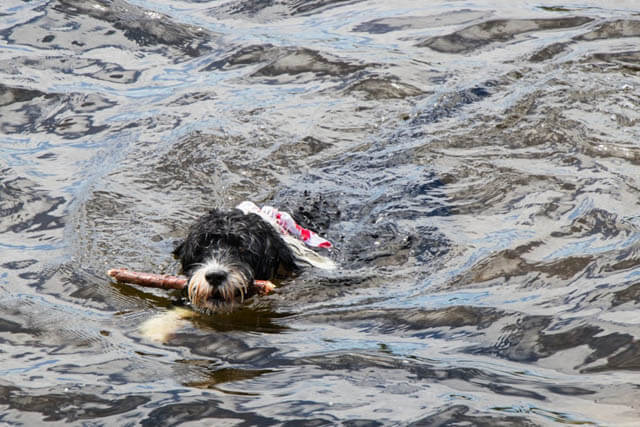
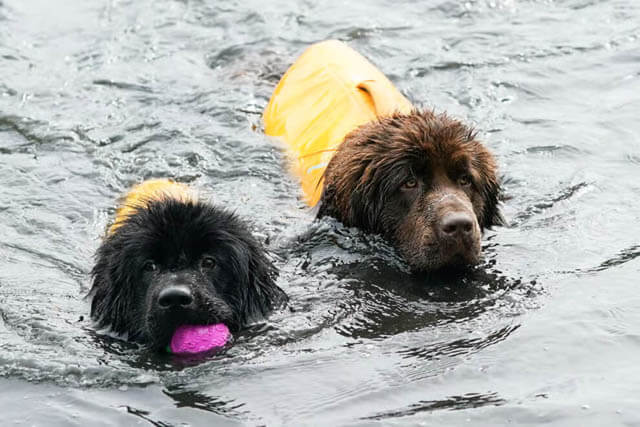
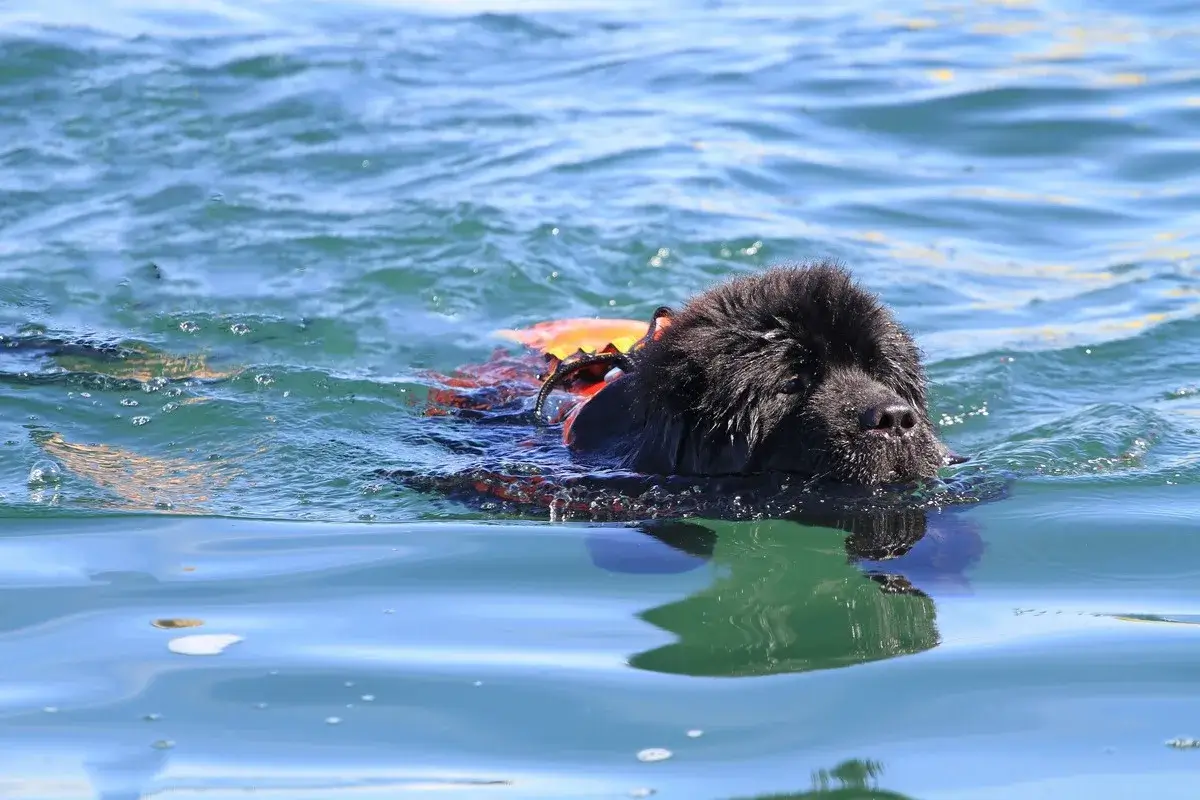
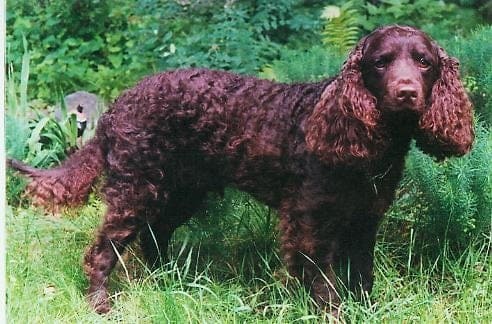
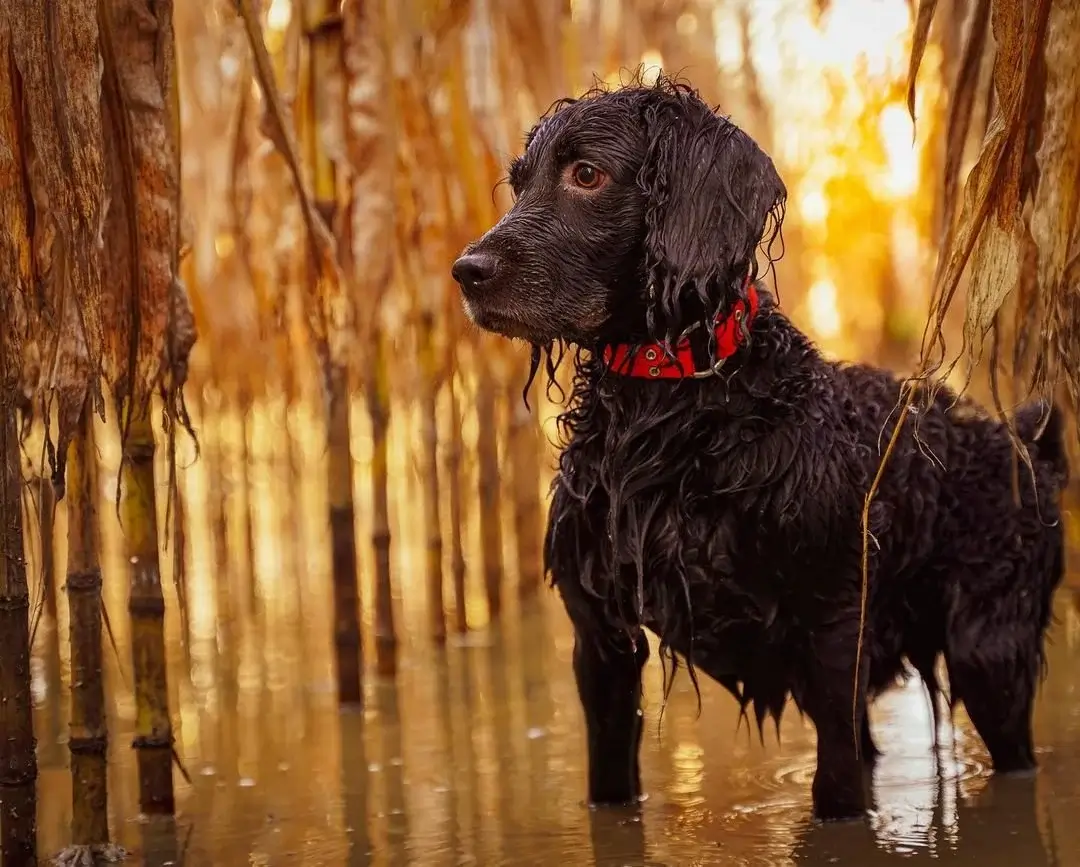
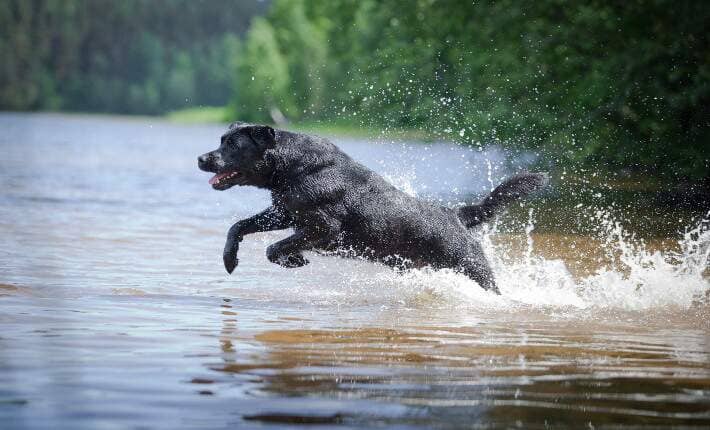
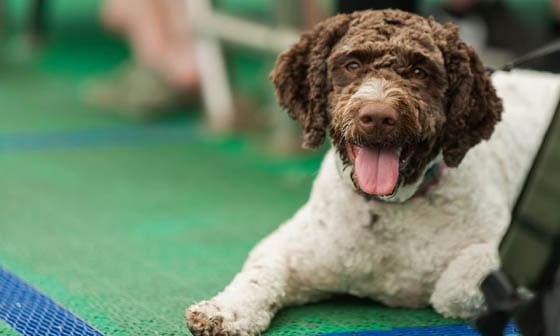



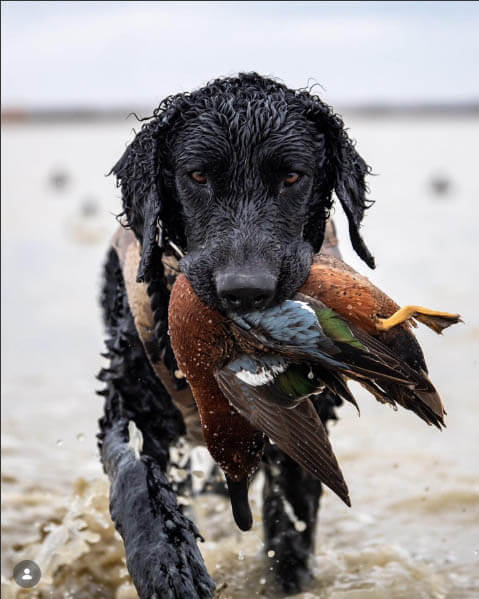
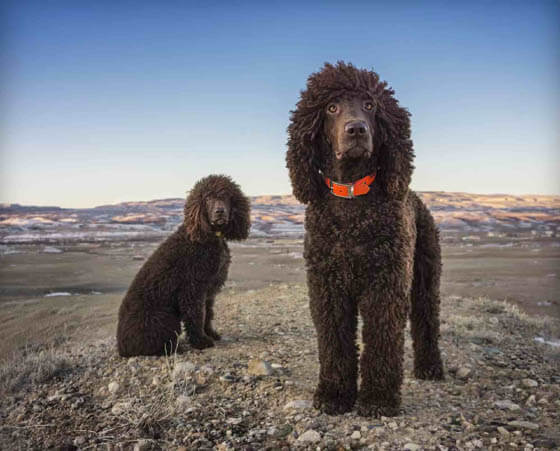
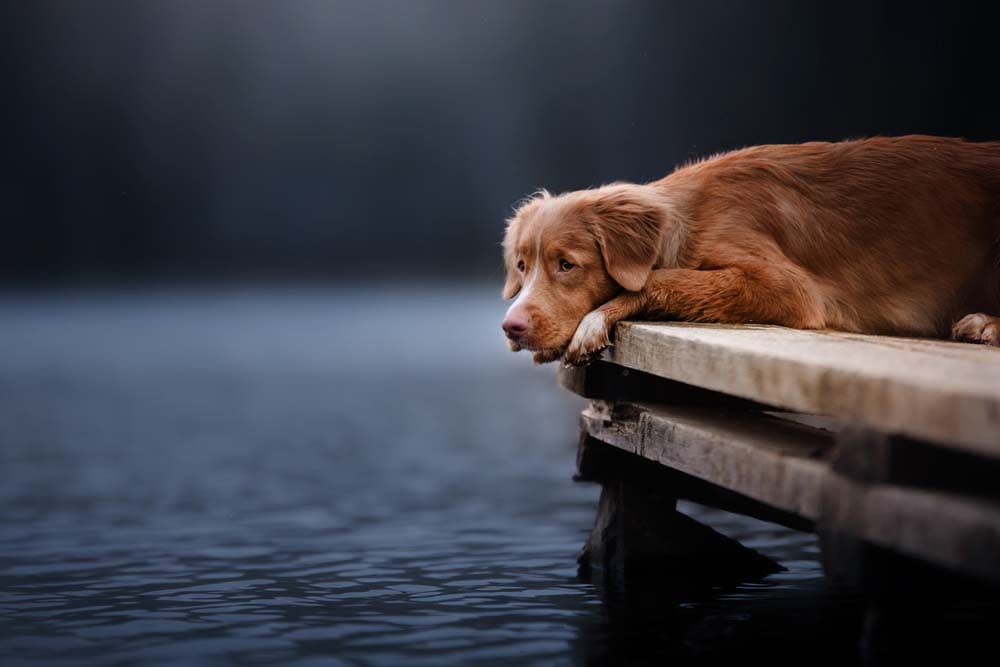

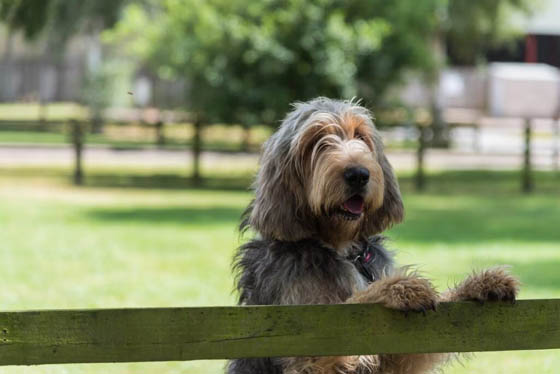

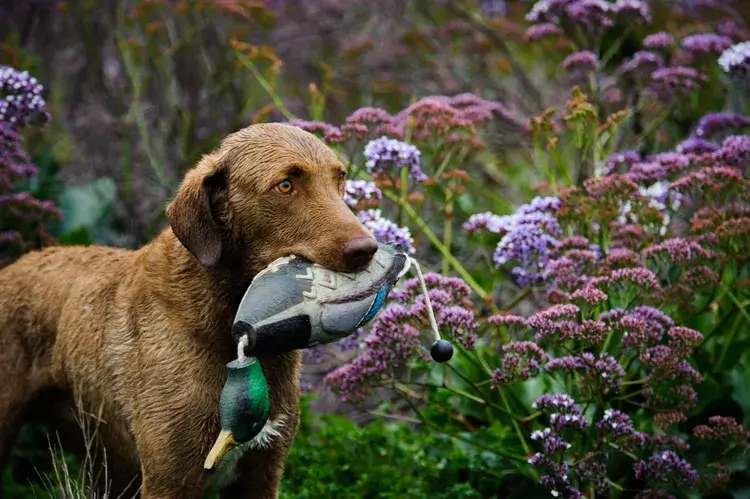
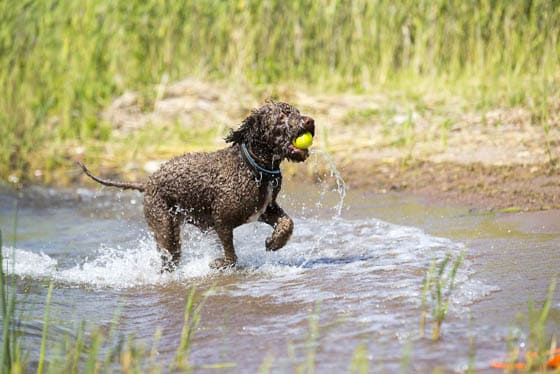
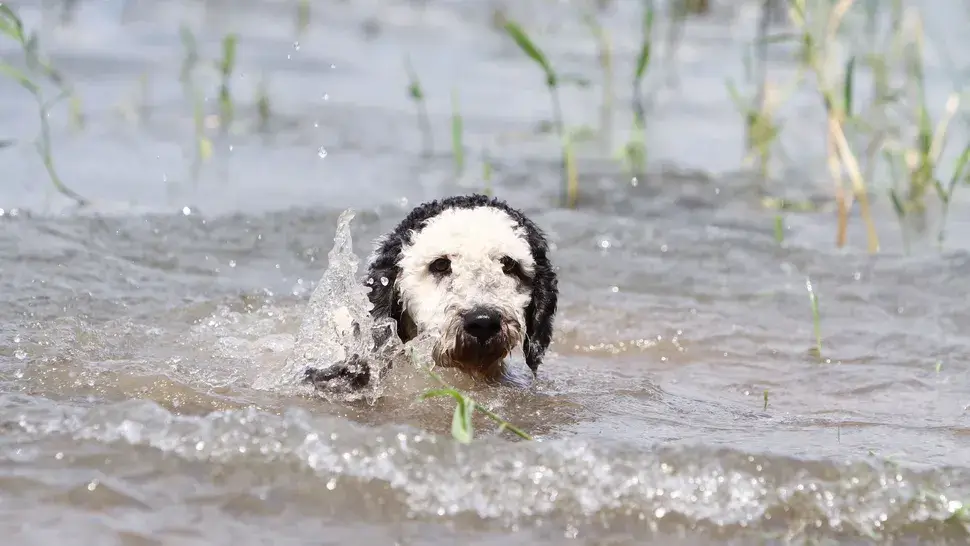
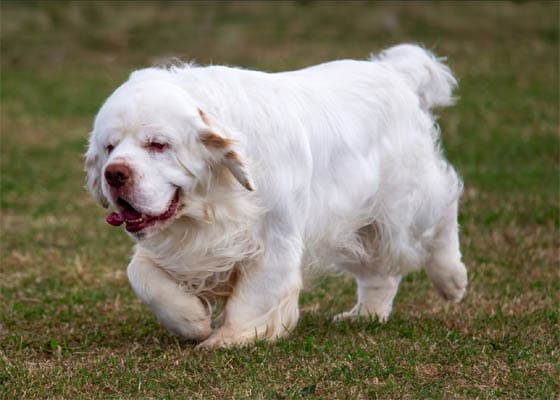
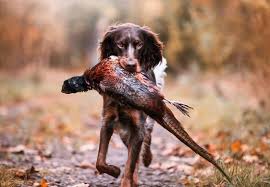
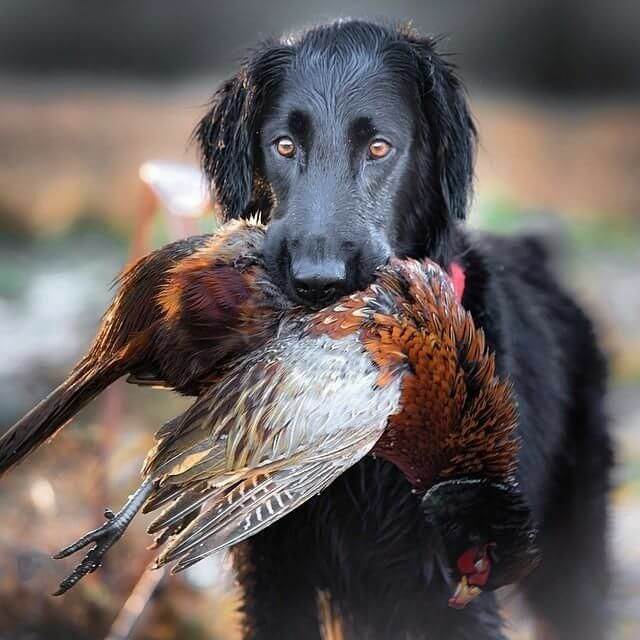
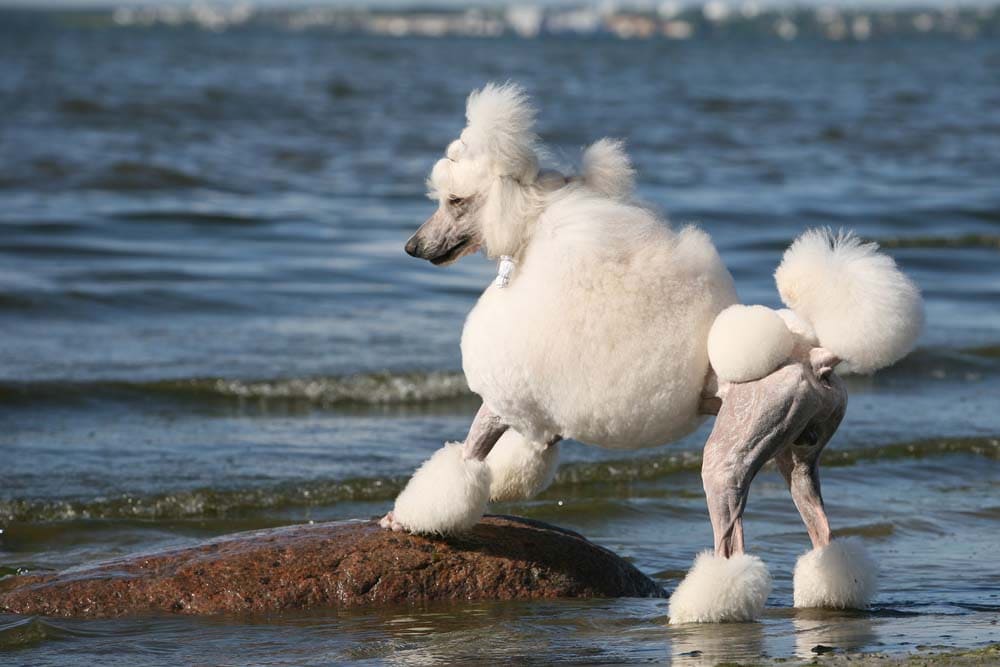
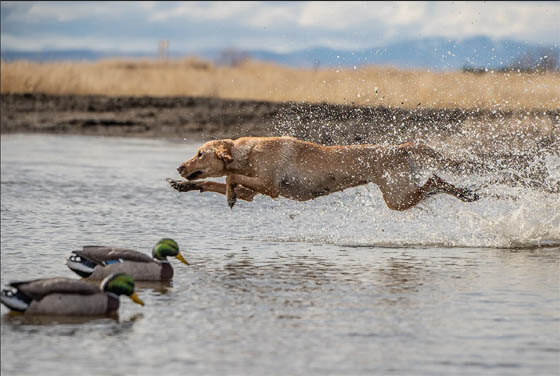
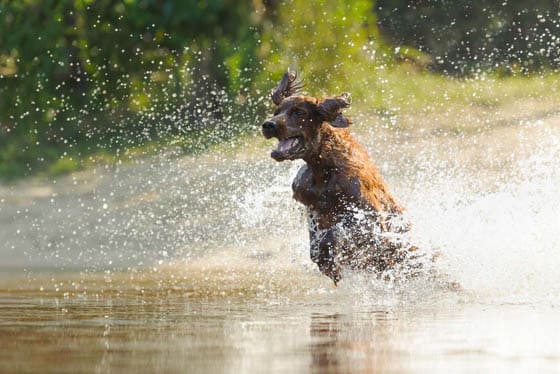
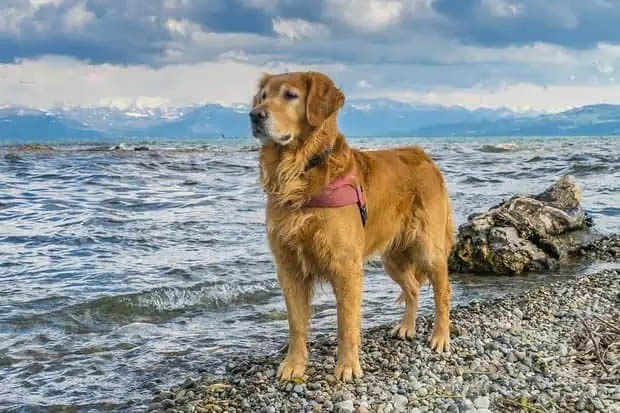
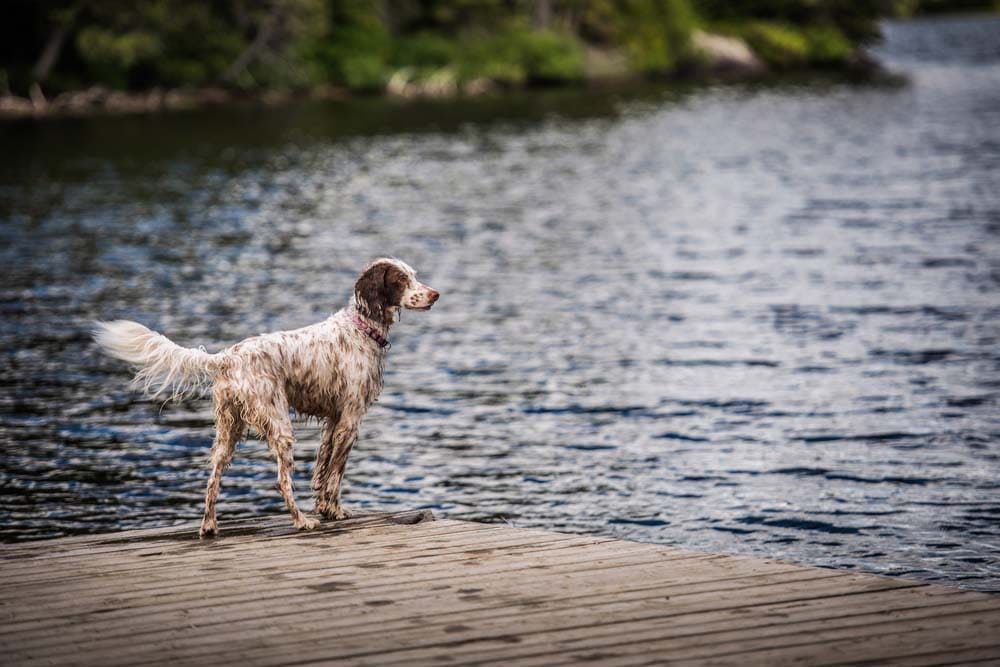

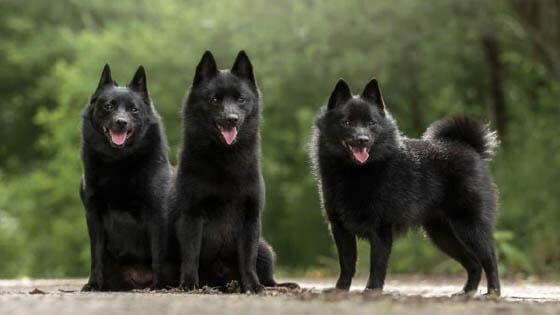
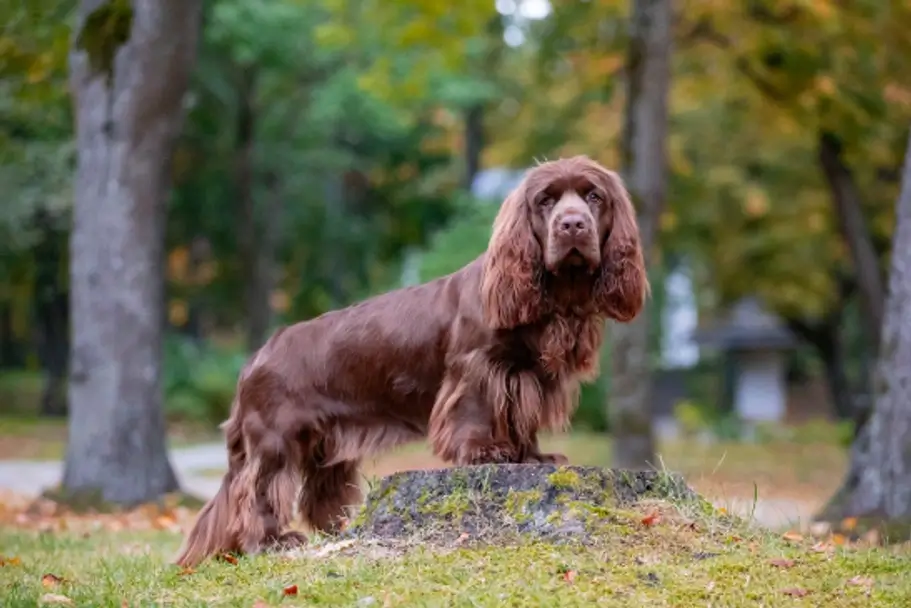
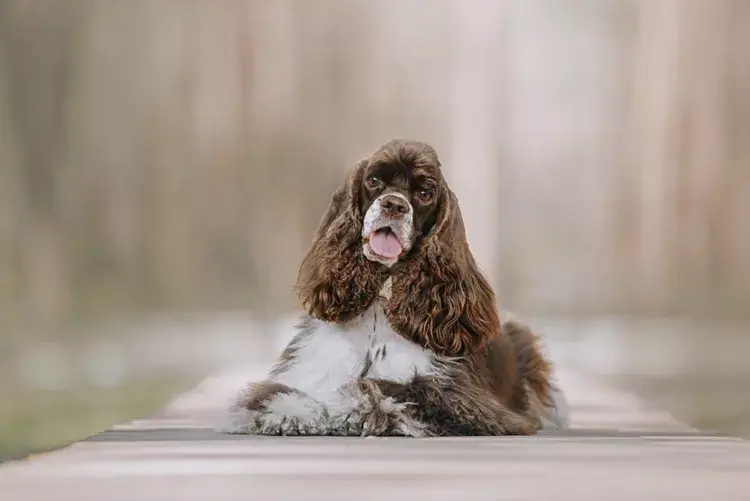
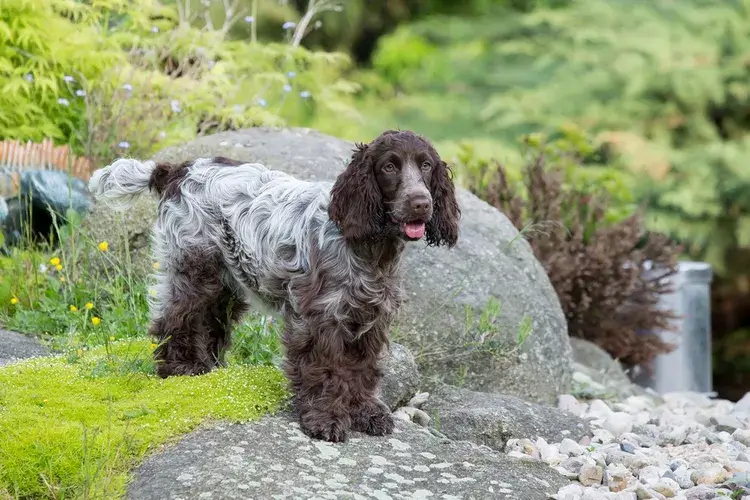
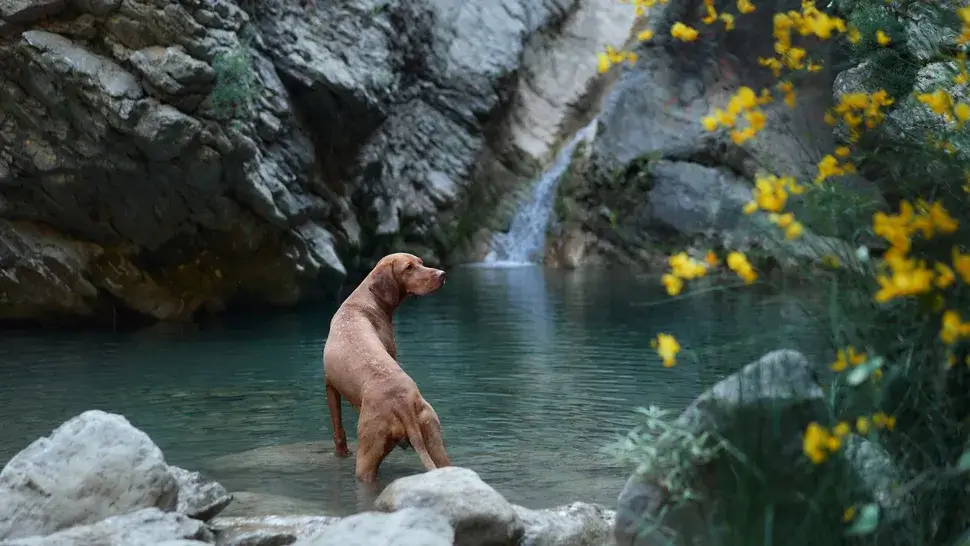
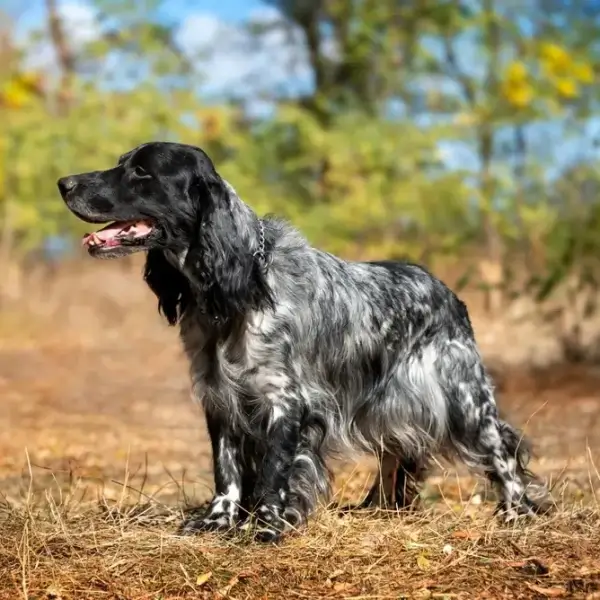
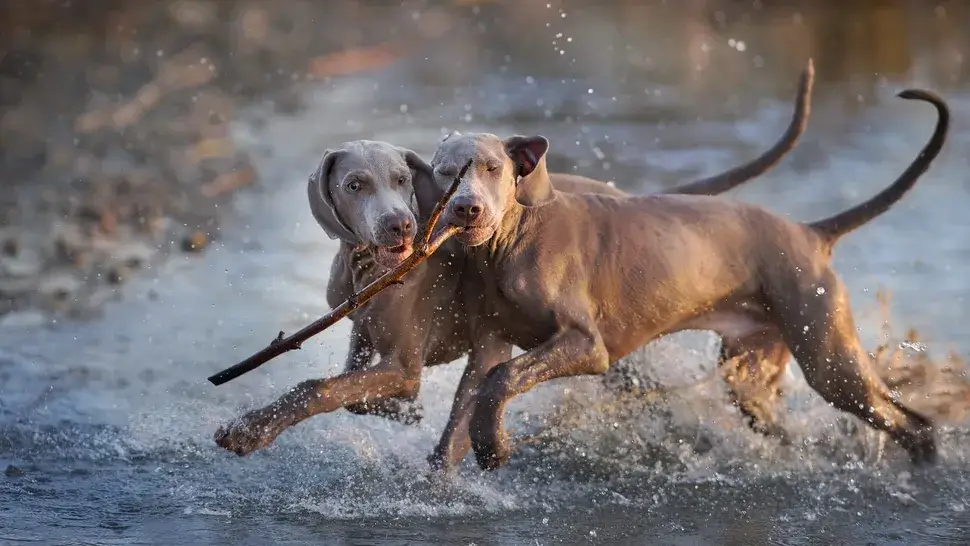
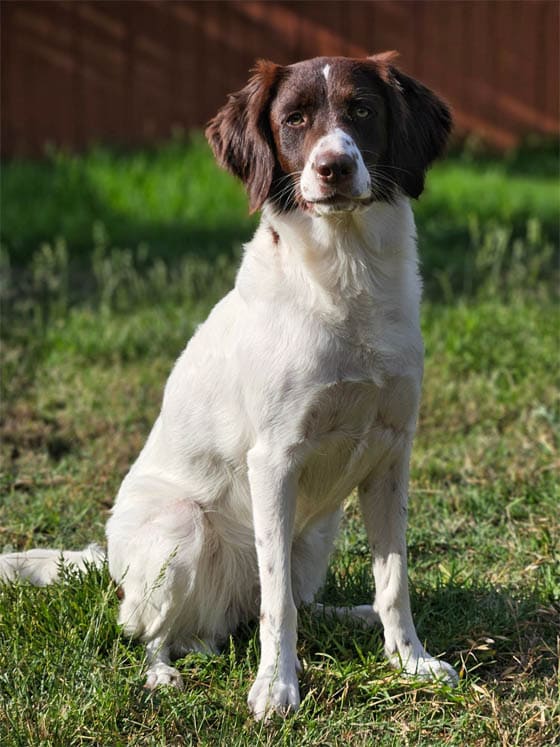

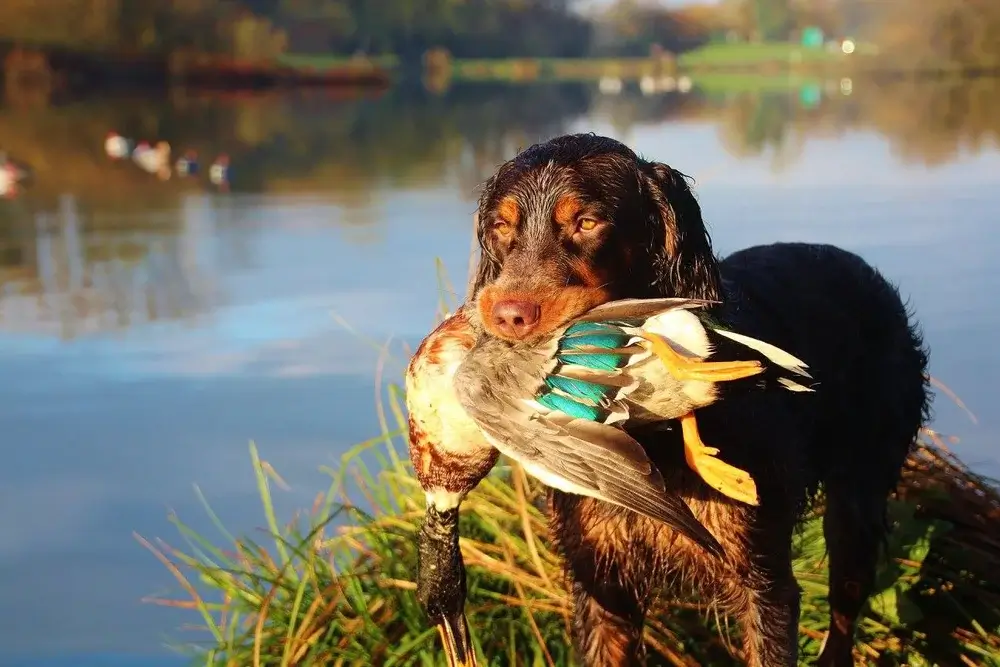
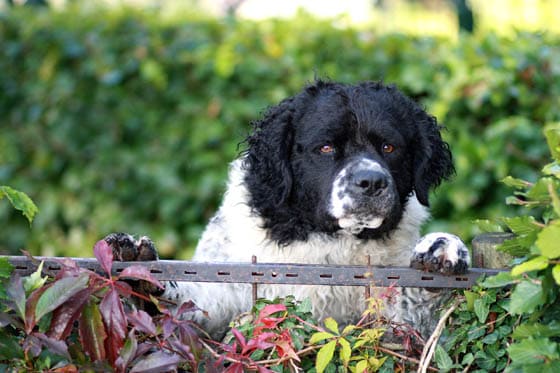

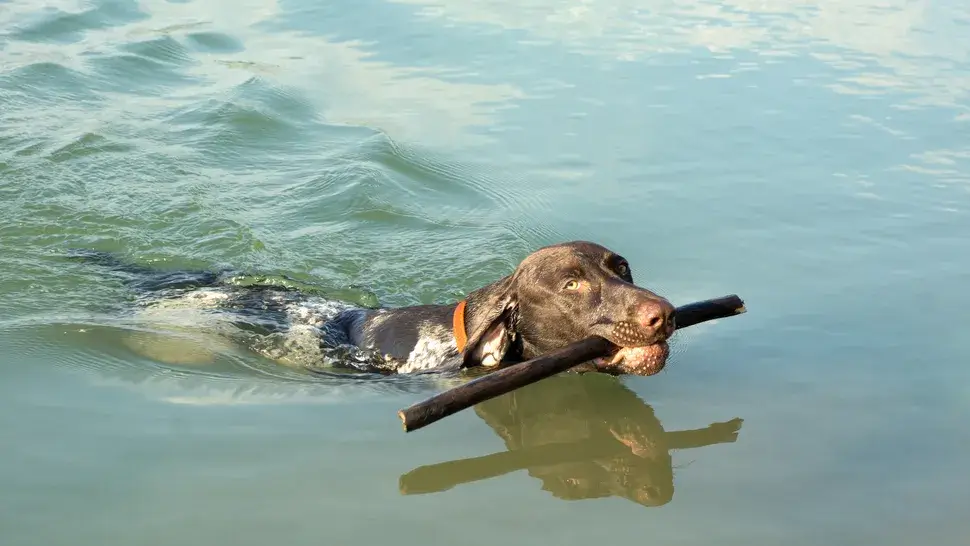
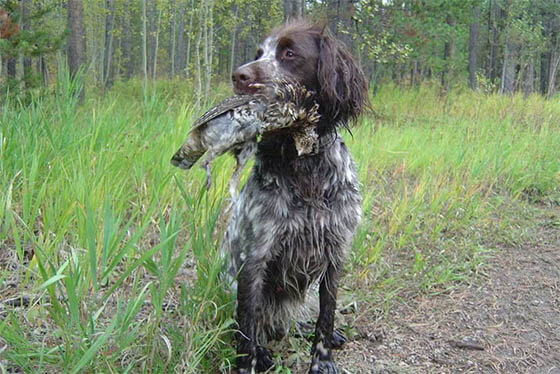
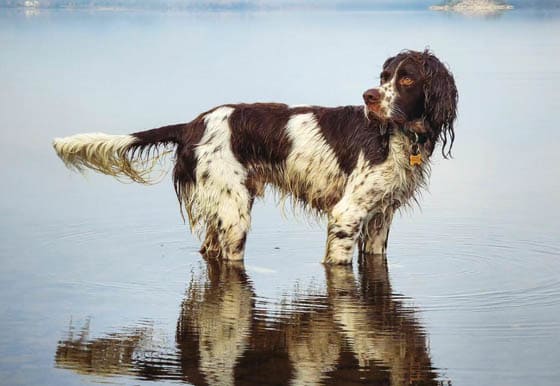
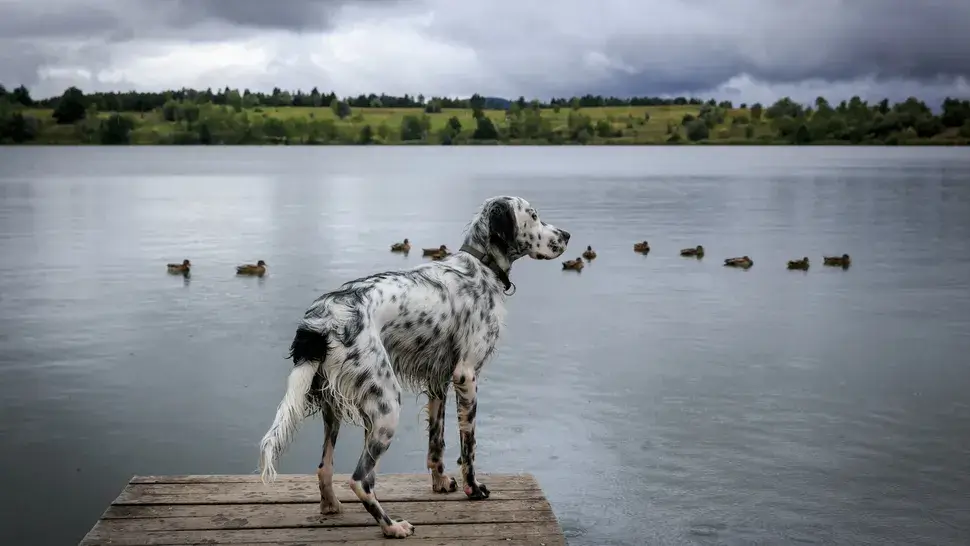
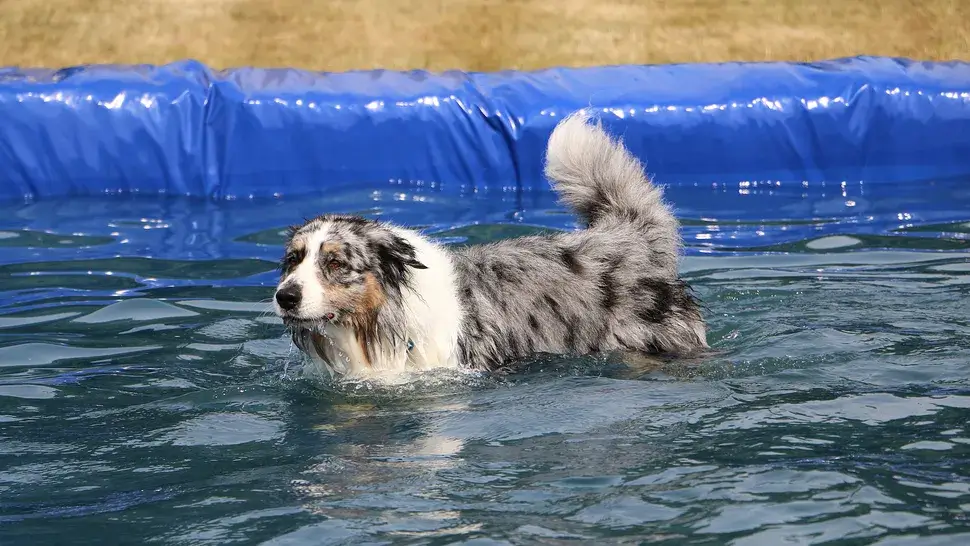
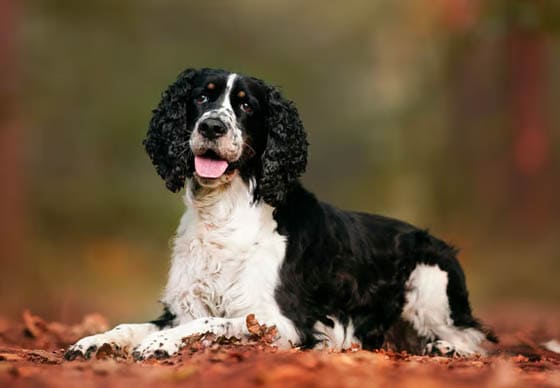
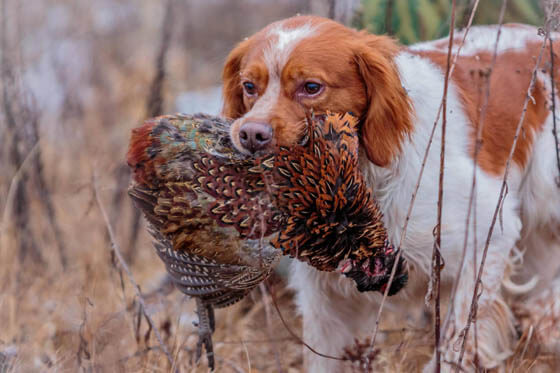
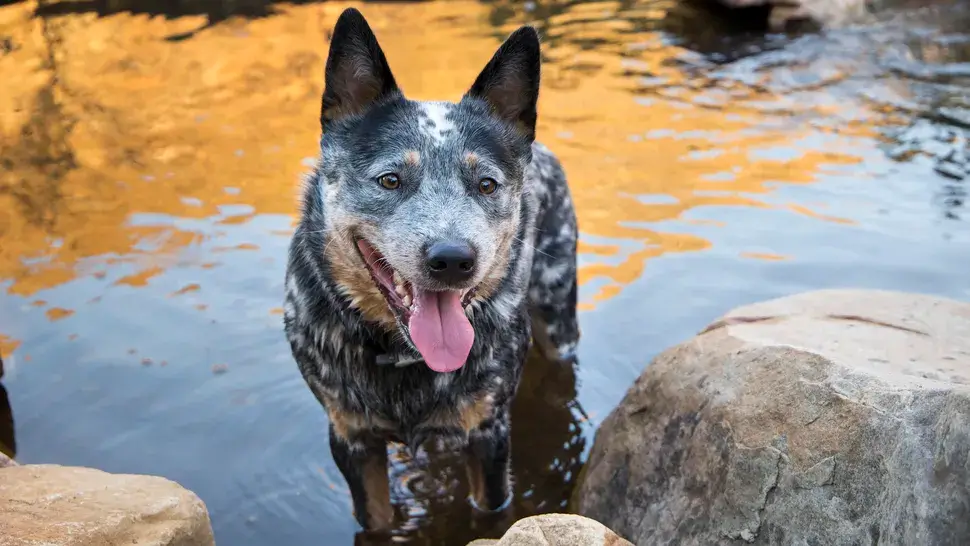
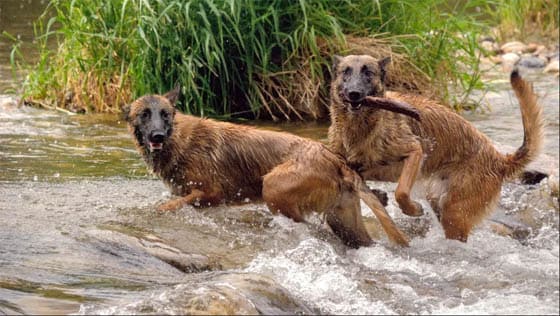
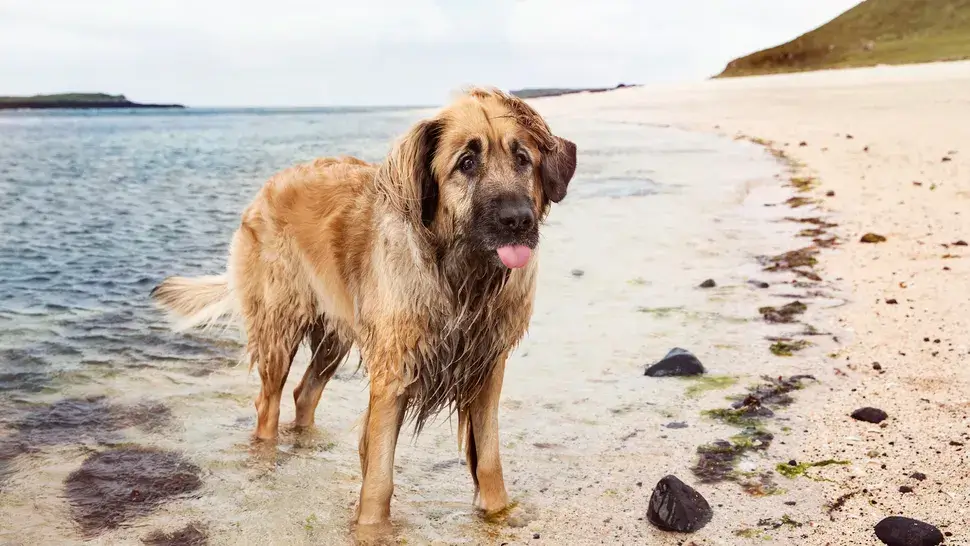
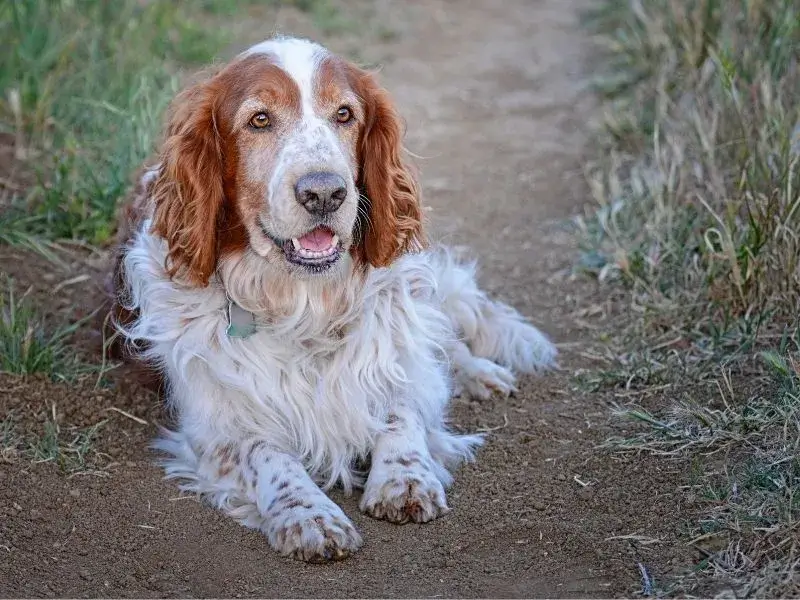
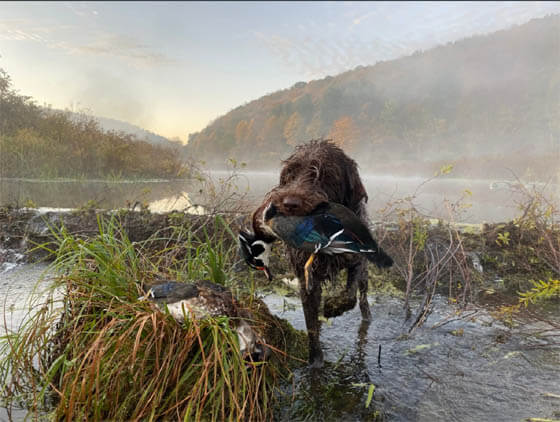
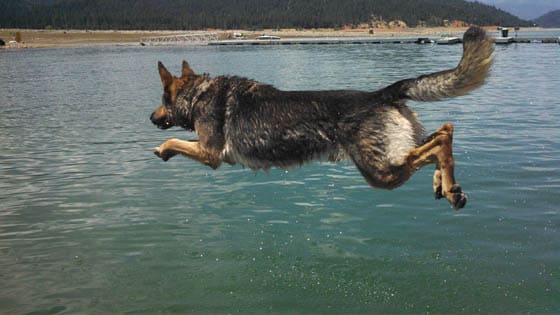
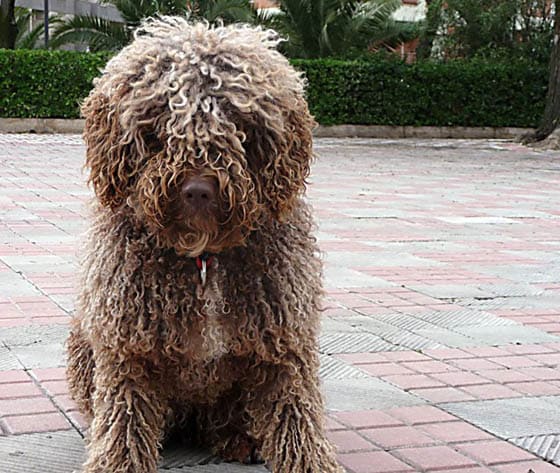
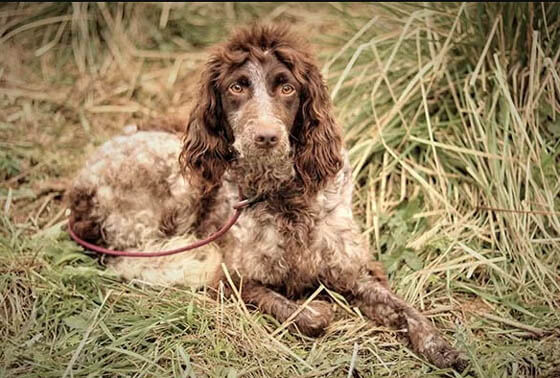
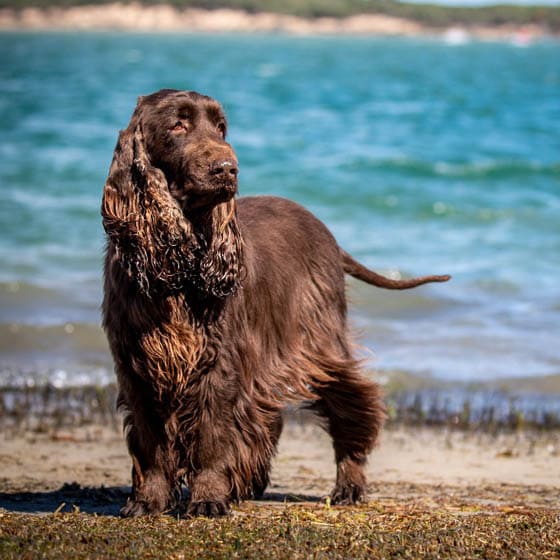
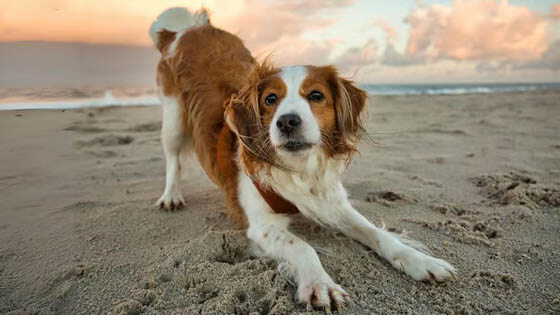
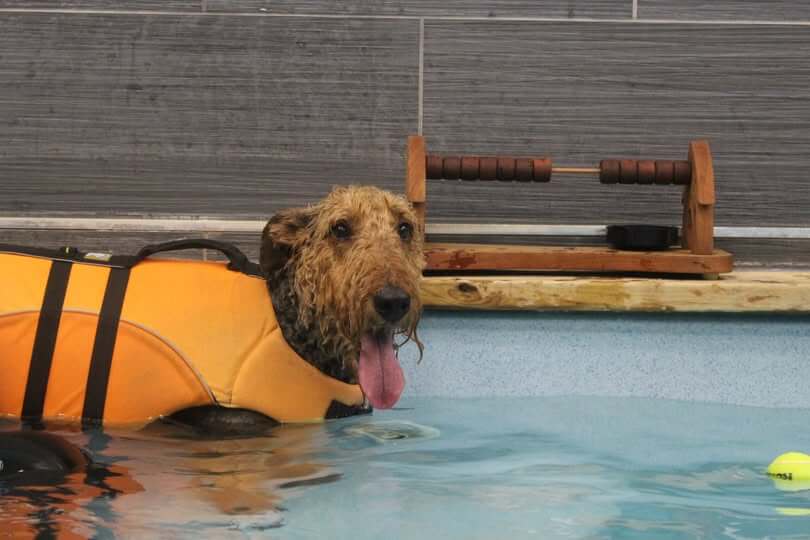
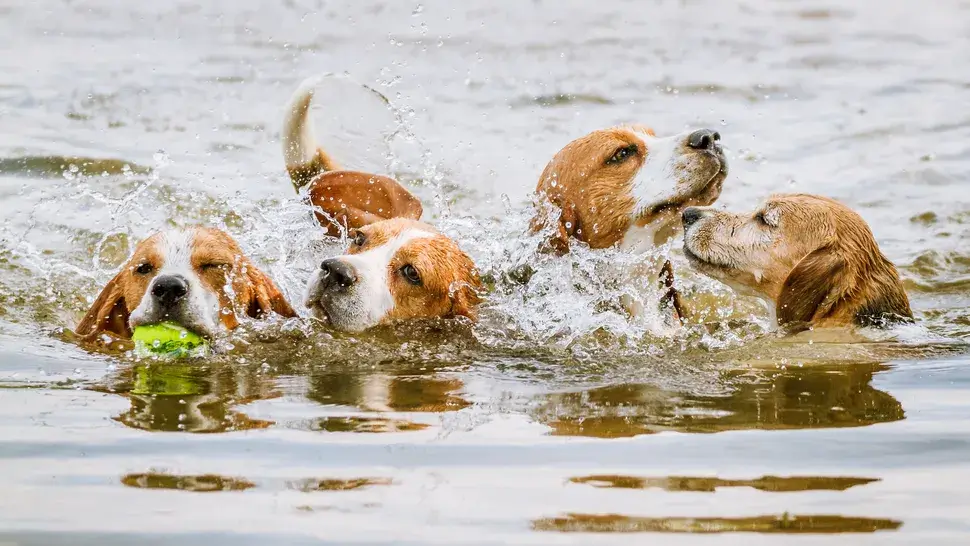












WORLD OF DOG & PUPPY 🐶