30 Indian Dog Breeds: Indian Dog Breed Photos Characteristics, Personality, Behavior Indian Dog Breeds List Rare Indian Dogs Photos Dog Breeds from India Indian Dog Names
Dogs have a special spot in India and are considered sacred animals. That is why even street dogs (aka Indian Pariah Dogs) often get a bit of care and the occasional snack from those living nearby or who happen to cross paths with them.
Dogs have a significant place in Indian culture. They have been revered in different ways throughout history and were believed to be the companions of the god of death, Yama. Indian dogs are associated with the protection of the dead and are believed to possess spiritual powers!
While dogs are not worshiped or considered holy in the same way as cows, which are sacred to Hindus, they’re still respected and valued as important members of society. They are protectors of the home and a symbol of loyalty.
Street dogs, known as Indian Pariah Dogs, are a common sight. While they are not necessarily seen as sacred, they are still generally respected and not harmed. They are also often fed by local communities.
Indian Dog Names:
Akash - Sky Amir - Rich Adil - Sincere Amiya - Delight Arjun - White Asha - Hope Bari - Great Batuk - Boy Champak - Flower Chandra - Glowing moon Falgun - Spring Haddi - Bone Indra - Rainbow Jihan - Cosmos Kumar - Prince Kutta - Dog Raja - King Sakari - Lovely Sona - Golden Sumit - Best bud
The Indian Pariah Dog (or "Indie") is an ancient, medium-sized, and highly resilient landrace native to the Indian subcontinent. Known as one of the healthiest and lowest-maintenance breeds, they are intelligent, loyal, and territorial, making excellent, active family pets and watchdogs. They are characterized by short coats, erect ears, and a wedged head, thriving in hot climates. The Indian Pariah dog is an ancient, primitive dog breed, also known as Indog, Pye-dog, Native Indian Dog and Desi Kutta. It is believed that the Indian Pariah dog is one of the oldest breed of dogs in the world. Its a medium sized, healthy, sturdy, and intelligent dog breed, Which is considered to be one of the healthiest dog breed in the world, which are one of the best suitable dog to live in Indian tropical climate. These dogs were developed naturally and do not have any major disease. After generations of hard living and struggle, they have become tough and healthy dogs. They are considered to be one of the healthiest dog breed in the world that require very less wet care as compared to other dogs. These dogs may not excel at any specific task, but they are multi-talented and highly intelligent dogs who quickly adapt to their environment.
These dogs are active, highly alert, and energetic dogs, which are considered the best watch dogs in Indian climate and conditions. Known for their intelligence, loyalty, and adaptability. Affectionate companions and good watchdogs. Naturally healthy and low-maintenance compared to other pedigree dogs. Social, energetic, independent, and territorial. Pariah dogs have a loving and delightful nature. With more awareness about the breed, many pet lovers are coming forward to adopt them. These native dogs can quickly adjust to your surroundings and new lifestyle. They can prove to be great companions, especially for elderly people, young kids, and lonely individuals. Verified animal shelters such as Kannan Animal Welfare are wondrous facilities in Delhi that offer a wide range of Indie dogs and other Indian street dogs. Organizations like the Animal Welfare Board of India work towards improving the welfare and protection of animals across the country. Adopting from a rescue shelter can help reduce the number of homeless and lonely dogs. Indies are real fast learners. These pets also respond better to some basic training and positive reinforcements.
They can be introduced to simple puzzle games and obedience intrusion training. Training can keep them sharp and alert. Wherever you live, a township or a bustling city, in a small apartment or a big house, Pariah dogs adapt with ease. That is one of the reasons why they are becoming a favourite choice among potential pet parents. Evolved as independent dogs who live as pack dogs, the Indie dog is friendly and gets along with other dogs easily. They have been through evolutionary changes that have aided in forming their temperament which helps them survive. One of the biggest pluses of the Indie dog is that they can be trained easily. Therefore, once you adopt or get one, the earlier you start with their training, the sooner you will see them perform desired behaviors. They are intelligent which helps them pick up commands easily. However, since the Indie dog also tends to get bored easily, ensure that you engage them in lots of fun games to keep them mentally stimulated. Extremely low-maintenance · Thrive on simple food- but the food needs to be nutritionally balanced (does not matter if it is vegan!).
You might think this dog is named bark-uh-well, but actually the Bakharwal dog takes its name from some of its breeders. This dog was bred by the Bakarwal nomadic Indian tribe, among others. Like many dogs the Bakharwal was bred for a job and, in particular, herding sheep, cattle and goats. The Bakharwal dog is an ancient, large, and powerful livestock guardian breed from the Himalayan Pir Panjal range, primarily used by the Gujjar nomadic tribe. Known for being intensely loyal, courageous, and intelligent, these dogs have a thick, double-coated furry coat, often black and tan or white. They are, however, facing extinction. The Bakharwal dog is a livestock guardian dog found in northern India. It is an ancient working Indian dog breed found in Ladakh and across the Pir Panjal Range of Jammu and Kashmir, India. It has been bred by the Gaddis, Jats, Gujjar and Bakerwal castes, as well as other local people of Jammu and Kashmir and Himachal Pradesh, for the purpose of guarding their flocks of goats, sheep and cattle, along with their houses, from centuries. While the Bakharwal Dog is mainly found in Jammu and Kashmir region, India.
A recent study says that this breed is on the verge of extinction and has appealed to include this animal in the endangered species category by local communities. Of late, there were many cases when this mountain breed of dog contracted rabies or was shot by separatist militants. The origin of the Bakharwal Dog lies in Ladakh, northern India, and found in the states of Jammu and Kashmir and Himachal Pradesh. The Bakharwal Dog may be descended from crossbreeding the Tibetan Mastiff with the Indian pariah dog, though other scholars state that the Bakharwal Dog is the "oldest Indian Dog which since centuries has been surviving with the Kashmiri nomads. Bakarwal is divided into two categories, general Bakarwal and Ladakhi Bakarwal. Bakarwal is a powerful, heavy bone, medium to large size dog. It is an agile and a sturdy breed, a typical mountain dog with a furry coat and plumy tail that gives it a majestic look.
It looks like a medium version of Tibetan Mastiff. The Bakharwal Dog, along with the Gaddi Kutta, is particularly used for guarding sheep, protecting farms and homes in Himachal Pradesh as well as in Jammu and Kashmir. It is also used by the Indian Police in order to capture militants across the nation. Bakharwal Dogs, the mountain dogs are an ancient breed of working dogs found in the state of Jammu and Kashmir. Scientists believe that these may be amongst the oldest herding dogs having origins in Central Asia. They are bred by nomadic tribes as a livestock guardian dog and settlement protector. These dogs are not recommended for apartment life and would do best with a mid-to-large sized yard. They need space. They are not really active indoors, but need regular exercise outdoors. A fence is a must as they may wander away in search of the borders to what they believe is their territory. Puppies are very active and might have the tendency to wander off or escape. Prefer cool climates.
The Chippiparai is a rare, elegant South Indian sighthound, historically used by nobility for hunting and guarding. Known for intense loyalty, high intelligence, and a sleek build, they are calm family pets but require significant daily exercise, making them unsuitable for small apartments. They are generally healthy, low-maintenance, and thrive in hot climates. They rarely bark and get on well with other dogs, although miniature dogs and other small fluffy animals may be considered as prey. This dog is a born protector and their devotion and affection for family members make them an ideal guard dog. As you can see from their slim body shape, they don't require much food considering all of their energy. And while some may say the dog looks almost gaunt, the Chippiparai is meant to be slender. Consider this dog only if you have time to keep them company, and you can take them out for some serious exercise each day. They need that exercise and the space to run which makes them ideal for the country or a home with a large secure yard; they are unsuitable for apartment living. The Chippiparai is renowned for their calmness and gentle outlook.
Rarely vocal, they do not bark as much as other breeds. And although they have a lot of energy and love to work, they do not require large meals to compensate. The Chippiparai is a breed that thinks on their own, and can have a tendency towards stubbornness, yet their intelligence and owner devotion make this dog easy to train. They bond closely to their owner and family, although they may be reserved and standoffish with strangers. The breed is ideal as a guard dog due to their highly protective nature. They are kind and gentle with their family children, but don't like rough play or disrespectful tail pulling or ear biting! While you may think they would not mix well with other dogs, the reality is completely the opposite. Socialized at an early age, they can get along very well with other dogs. Smaller pets and even smaller dogs may be considered as prey, so keep your dog on a leash when out walking, and have a very high fence around your yard so your Chippiparai doesn't take off after fast-moving furry objects!
These lovely dogs are close to the edge of extinction but with local breeders now taking interest we can hope that they once again become a popular dog that is revered for their skills and their beauty. Very active is the best way to describe the Chippiparai. They have outstanding hunting instincts using their sight and scenting abilities, and can survive excessive heat better than any other dog known. Fully adapted to a harsh climate, their lean muscular body is designed for running, endurance, and to take on and kill wild and dangerous animals. While your dog will love to go running with you, they also need time to run free. Try to find a safe enclosure so they can burn up their energy without being able to pursue any small animal they may see. They need an active 90 minutes at least for exercise each day to remain healthy and happy dogs.
The Haofa Tangkhul Hui is a rare, indigenous hunting dog from Manipur’s Ukhrul district, known for its exceptional loyalty, strength, and bear-like muzzle. Used by the Tangkhul community for hunting and guarding, this breed is often black-coated with white markings, has high stamina, and is now being used by the Assam Rifles for security operations. First things first, this dog has two names rolled into one and is actually a Haofa or Tangkhul Hui. The Haofa Tangkhul Hui (also known as the Indian Bear Hound) is not a Spitz-type dog. While sources can sometimes cause confusion, the Tangkhul Hui is classified as an ancient indigenous sighthound and hunting bree Like so many dogs on this list and in the world, this Indian dog breed’s name (one of them anyway) comes from the people who developed it as a breed. Namely, the Tangkhul people. The Haofa Tangkhul Hui breed, although rare with only about a thousand dogs in existence, has found its way into the Indian army. Originally, it was bred to help its humans hunt due to its stamina. Oh, and not only does this Indian dog breed have two names but it also comes in two sizes! In terms of appearance, it’s the inverse of the Gull Dong because it has black fur with white markings. The Tangkhul Hui is a very intelligent and obedient yet fierce dog.
This breed learns very quick and is friendly to family members, but aloof to strangers. They are an intelligent breed that make good watchdogs. Traditionally, their ears and tails are docked, to prevent the extremities from being injured during fights with other dogs or animals. They are black in color, with white markings. They come in two sizes, with the smaller size being used to hunt small game which hide in burrows or holes. The larger variety has a long muzzle and wide jaws, and has been compared to a bear in appearance. The breed is known for its stamina, rather than its speed. These dogs are very active and savage, but at the same time they're very protective of their owners. Unfortunately the purebred population of Haofa dogs is declining, and they have been considered to endangered category. The Tanghkul Haofa dogs were developed to be a hunting companion, who also preyed on the larger animals found in the region, including bears. The three different types of bears Asia or Himalayan Black Bear, Sloth Bear and Malayan Sun Bear are found here.
Tanghkul Haofa dogs were used to protect cattle and humans from these bears, and also known as "Indian Bear Hound". The Tangkhul Haofa is a medium-sized, healthy and sturdy dog that is territorial and reserved. It's very protective of its family and livestock, and due to highly protective nature, it shows aggression to strangers. Also, it's reflects aggression towards others dogs. it was bred to hunt, and it's hunting instincts are strong. Tangkhul Haofa is suitable to live in apartment, but they fare not recommended to live in cold temperature. Believed to be highly intelligent, gentle and loyalty to its masters, there are only few thousands of them remaining and efforts are going on to preserve this breed before they decline in space of time.
The Bully Kutta, or Pakistani Mastiff, is a giant, muscular working breed originally from the Punjab region, standing 30–44 inches tall and weighing 70–100+ kg. Renowned as a fearless guardian, it is highly territorial, intelligent, and fiercely loyal, but demands expert handling, extensive socialization, and ample space, making it unsuitable for first-time owners or apartment living. The Indian Mastiff or Bully Kutta is one of the most formidable, ancient, and culturally revered dog breeds ever to emerge from the Indian subcontinent. Known by many names - including Pakistani Bully, Sindhi Mastiff, and the Beast from the East - the Indian Mastiff or Bully Kutta has guarded homes, livestock, and royalty for well over five centuries. The name itself carries etymology rooted in the region. "Kutta" is simply the Hindi and Urdu word for "dog', while 'Bully' derives from the Punjabi word 'Bohli', referring to the heavily wrinkled neck that is a defining hallmark of the breed.
Together, the Indian Mastiff or Bully Kutta paints a vivid picture of an animal built for both beauty and brute function. The is a powerful Mastiff. They are also known as the "Beast From The East." They are a very intelligent and noble breed. This is an extremely dominant dog and is only recommended for experienced dog owners. They can be very difficult to handle if placed with the wrong owner. Pakistani Bully Kuttas are very trainable. They are loyal and protective of their master and property. With proper exercise, leadership, socialization and training, the Pakistani Bully Kutta can make an amenable companion for responsible and knowledgeable owners. Well raised Bully Kuttas are good with kids, very loving and playful. In their homeland they are mostly used for protection and guarding purposes, but are sometimes unfortunately used for dog fighting, and raised to be aggressive toward other dogs, aloof, not tolerating strangers. This Mastiff will not listen if it senses that it is stronger minded than its owner. Owners need to possess a natural air of authority to their demeanor. The objective in training this dog is to achieve pack leader status. It is a natural instinct for a dog to have an order in its pack. The Bully Kutta personality is known for being protective, devoted to their owners, and independent.
They are strong-willed, and it takes an experienced owner to work with these dogs and properly train them. Bully Kuttas are watchful and often distrustful of strangers or intruders in their homes, and they typically need a lot of exercise and mental stimulation to stay happy. Individuals with a bully kutta can expect them to be loyal companions with a noble outlook and unique personality.The Bully Kutta is often portrayed as a powerful, no-nonsense dog, and in many ways, that reputation holds true. This breed is known for its intensity, sharp intelligence, and impressive stamina. Its natural alertness makes it one of the most effective guard dogs in the Indian subcontinent. Because of its size, strength, and strong-willed nature, canine experts generally recommend the Bully Kutta only for experienced handlers. This is not a beginner-friendly breed. However, it’s also a dog that often surprises people. In several temperament assessments, the Bully Kutta has scored higher for stability and predictability than expected, ranking above some well-known family breeds such as Collies and Beagles. This shows that environment and training make all the difference. When a Bully Kutta is raised with early socialization, firm guidance, and consistent positive training, it can grow into a well-balanced, loyal, and respectful companion. The key is responsible ownership and a commitment to structured training from day one.
The Banjara Hound (or Banjari Hound) is a rare, large Indian sighthound originating from Maharashtra, traditionally used by the nomadic Banjara people for hunting. Similar in appearance to a large Saluki with a rougher coat, they are fast, agile, and possess high stamina. They are intelligent and loyal, though territorial, independent, and best suited for experienced owners. A large, slender dog with a rough coat that comes in various colors, including brindle, black, cream, fawn, or bicolour. They have a long, narrow head and floppy ears. While loyal and affectionate with their families, they can be territorial, protective, and reserved with strangers, requiring early socialization. They have high energy and strong prey drive, needing significant space to run. They are considered intelligent but sometimes challenging to train, requiring consistent, positive reinforcement. The Banjara Hound, also known as the Vanjari Hound, hails from the Deccan Plateau of Maharashtra, India.
Bred by the nomadic Banjara community, these dogs were instrumental in hunting, forming an unshakeable bond with their human companions. Their development emphasized speed, stamina, and the ability to take down prey as large as deer. Banjara Hounds are known for their intelligence and independent spirit. While trainable, they require experienced owners who can provide consistent, positive reinforcement training methods. Early socialization is crucial to ensure they adapt well to different environments and people. Their lifespan typically ranges from 10 to 12 years. While undeniably loyal, the Banjara Hound's strong hunting instincts can make them a handful in family settings. Their high energy levels and independent nature necessitate an active owner who can provide ample exercise and mental stimulation. However, they excel in their traditional role as hunting companions and can be valuable assets on farms for pest control.
Their alertness and protective nature also make them suitable guard dogs, especially in rural settings. The Banjara Hound's short coat allows for good air circulation, making them well-adapted to India's hot climate. However, during peak summer months, it's crucial to provide them with ample shade and cool water to prevent overheating. The Banjara Hound is a testament to the deep connection between humans and canines for hunting purposes. Their grace, intelligence, and unwavering dedication make them remarkable companions for the right owner, offering a glimpse into India's rich canine heritage.
The Gull Terrier, or "Gull Terr," is a rare, athletic, and intelligent breed from India and Pakistan, originally developed for guarding and hunting. It is known for its high energy, loyalty, and protective nature. Typically white-coated and medium-sized, they require consistent, firm training and significant daily exercise to remain disciplined and healthy. Pakistani Bull Terriers are often wary of strangers. They are very protective of their master and property. Talented and easily trained, they are gladiators and if pushed they will defend their family till their last breath. Good with kids in the family, but should be supervised around those they do not know. Socialize this breed from an early age to make them easier to handle when they are grown. They should not be trusted with other non-canine pets. Loyal, the Pakistani Bull Terrier likes to stay close to its master. If it senses something is wrong it will bark first to alert the owners. With adequate training and discipline, these dogs can be used as ideal guard dogs. The Pakistani Bull Terrier is widely popular for its fast speed and accuracy. These dogs are agile, quick and always on their feet. They are excellent personal guard dogs. Pakistani Bull Terriers are often wary of strangers. They are very protective of their master and property. Talented and easily trained, they are gladiators and if pushed they will defend their family till their last breath. Good with kids in the family, but should be supervised around those they do not know. Socialize this breed from an early age to make them easier to handle when they are grown. They should not be trusted with other non-canine pets. Loyal, the Pakistani Bull Terrier likes to stay close to its master.
If it senses something is wrong it will bark first to alert the owners. With adequate training and discipline, these dogs can be used as ideal guard dogs. The Pakistani Bull Terrier is widely popular for its fast speed and accuracy. These dogs are agile, quick and always on their feet. They are excellent personal guard dogs. Originally, these dogs were used in fights with other dogs or dangerous animals (such as bulls and bears) - blood sports introduced by the British to the Indian subcontinent. Later, when such violent sports were banned across the Empire, Gull Terriers were primarily used as guard dogs. The Pakistani Gull Terrier is a watchdog that tends to be wary of strangers. Their high level of aggression and strong protective instincts make them excellent protectors of both people and property. This breed is known not only for its potential aggressiveness (when provoked), but especially for its loyalty to its owner - willing to defend them even at the cost of its own life.
These dogs are prized for their physical qualities: they are agile, fast, and extremely aggressive as guard dogs - a fierceness that comes from years of selective breeding and involvement in blood sports. If we would have to describe the personality of the Gull Terrier in two words, we would probably say that they are protective and trainable. And it would be totally true. The Gull Terrier is loyal to its owners, but extremely suspicious towards strangers. Above that, they are absolutely fearless, which makes them extraordinary guard dogs. The breed is intelligent and highly trainable. But because of their protective and agressive nature, they should have experienced owner and trainer, who will handle a strong dog breed. Strong in both – physical and mental strength. The socialization is a must, you should start with it as soon as possible. The Gull Terrier is doing okay with family with kids. But the children should be old enough to know how to act towards dogs and i would always look after them and i would not leave them alone. If they are socialized, they are also okay with other dogs in the house. But i would probably not trust them very much around other pets, like cats. It is better, if you have a yard or a garden when owning a Gull Terrier. It is true that they are capable of living indoors, but they would be much happier when they can romp out their energy outdoors.
The Gull Dong (or Pakistani Bull Dog) is a rare, powerful crossbreed from Pakistan and India, created by mixing the Gull Terrier with the Bully Kutta. Known for its immense strength, intelligence, and protective nature, this high-energy breed is typically used for guarding and hunting. They are highly aggressive, demanding, and not suitable for novice owners, requiring strict training and vast space. The Pakistani Bull Dog is a very loving and loyal dog that tends to be on the dominant side and needs a firm owner who understands dog behavior. Without one, this breed may become hard to control, dog aggressive and wary of strangers. They need to be around people and know their place in their pack to be truly happy. They make good working dogs, serious about the jobs they are given and adjusting well to their environment and job at hand. Good watch and guard dogs. Training and socialization should start at an early age. Very loyal to their family, they will protect them if the need arises. They are extremely alert and agile. Known for their bear hunting skills, one adult Dong can easily challenge a bear. A minimum of training, along with the proper amount of exercise and a firm pack leader, will produce a tranquil, obedient dog.
Socialize very thoroughly when young to combat aggressive tendencies and be sure to keep the dog under control when other dogs are present. Teach this dog respect for humans by not allowing it to jump up and not allowing it to enter doorways first. This is a working dog and they are happiest when given a job to do. They are very active and alert. The Gull Dong is very wary of strangers, and is protective of their territory. With a dog this size who has a grumpy disposition, they are a danger to other pets, dogs, and people they deem to be strangers. Difficult to train, they need someone highly skilled in training and socializing a dog that can be extremely aggressive and dominant. They must be taught to respect humans, and should be on a leash under your control at all times. However, they are loyal, devoted and affectionate to their owners.
While the Gull Dong is rare throughout the world, they are a very popular breed in Pakistan. They are loyal and devoted to their master, but have a natural wariness and distrust of strangers. This fact, combined with their protective territorial instinct, can make them a formidable dog to confront. They tend to have a grumpy disposition and have a dominant nature. A strong owner who can impress their leadership upon this dog is required. The Gull Dong is one dog that needs to be trained and socialized from a very young age. Without a strong leader, they can become willful and a handful to manage. The Gull Dong is intelligent and picks up basic training quickly. You need to be firm and consistent in your management. They do need a lot of exercise as they are bred to be working dogs. A large farm is ideal for this dog, or at least a house with a secure yard. They are not the apartment type of dog. The Gull Dong is a fearsome protector and will fight to the bitter end to protect those they love. Impressive and imposing, the Gull Dong is affectionate to those they love and call family.
The Indian Spitz is a highly intelligent, adaptable, and affectionate small-to-medium breed, perfect for apartment living in India's climate. Renowned as popular family dogs, they weigh 5–20 kg, have thick white/brown coats requiring regular grooming, and are excellent watchdogs. They are easy to train but need consistent exercise. During the years of 1980’s and 1990’s, the import rules of the foreign dog breeds became harder. In the result, The Indian Spitz Dogs got a huge popularity among the dog lovers in India. This popularity is continuing among the people even today. However, this fame of Indian Spitz is bit put in the shade by the other dog breeds such as Lhasa Apso and Pugs but still this dog breed has maintained the status of being one of the most reasonably priced yet pleasing pets. The Indian Spitz is a high-spirited, intelligent and playful dog, which is alert, vocal and obedient. This bold little dog is a good watchdog and will alert its owners when it feels it is necessary. The Indian Spitz is not difficult to train as long as the owner is always consistent. This breed learns quickly and really enjoys playing.
This happy dog is usually good with children and usually gets along well with other dogs and household pets. The Indian Spitz is, in spirit, a big dog in a little dog's body. This little dog acts like the house protector and guardian. The Indian Spitz can turn into a barker if you allow it to believe it is in charge. Be sure to tell your dog enough is enough and to quiet down if he starts barking obsessively. The Indian Spitz is the dog with great zeal, energy and enthusiasm. They are flexible to all the living conditions of India. They can adapt very well with the owner living in a small apartment and in the same way they also fit themselves perfectly and easily in the large farmhouse as well. Their diet is also highly adaptable as per the conditions. They can survive on milk, yogurt and rice. If possible, the owner can also provide them a diet of chicken and rice. The Indian Spitz is a breed that is friendly and loyal towards the members of the family. They mix up with the family very easily and they act as an awesome watchdog as well. They greet the strangers with a thrilling and high-pitched bark.
This dog breed is friendly with the other dog breeds and thus do not engage themselves in fighting with other dogs. Indian Spitz is an extremely intelligent breed of dog. The master of this dog can make them learn various tricks in a small amount of time provided they are trained in a proper way. These dogs are very clever by mind and have the quality to understand the human intentions in an astounding way. In 1970’s and 1980’s, these dogs were used to a major extent in the circuses of India. Indian Spitz dogs are known for their friendly and lively nature. They are highly intelligent and quick learners, which makes them easy to train. Their temperament can be described as: Affectionate: They form strong bonds with their families and love being involved in household activities. Energetic: They are active and require regular exercise to stay happy and healthy. Alert: Indian Spitz dogs make excellent watchdogs due to their keen senses and alert nature.
The Kaikadi is a rare, small-to-medium Indian sighthound and watchdog, historically kept by the nomadic Kaikadi tribe in Maharashtra and Gujarat. These dogs are known for being highly active, loyal, and intelligent, standing 38-46 cm tall with a short coat in white, tan, or black. Kaikadi is a dog of Indian origin, native to Maharashtra, India that is suited for living in the tropical climate. The Kaikadi is an ancient dog breed that has been known to exist since the 1600s. But there are very few dogs of this breed left in India, and they have been introduced in the endangered category. Kaikadi is a naturally healthy and self-dependent dog breed that needs moderate grooming and vet care. The Kaikadi is basically a lean, sturdy, athletic dog of sighthound dog breed group, that was used for hunting rabbits and small prey. The Kaikadi is gentle and friendly dog that makes an excellent companion and family dog. They are excellent hunters and watchdogs, often described as similar in build to a small Greyhound or Whippet. This dog breed is named after the Kaikadi community, whose name is a combination of kai - hand or a stand in word for a name and kade - a basket or twig. This dog breed from India comes in many colours with black, white and tan being most common.
The Kaikadi is a sighthound that is suspicious of those it does not know and it loves guarding its people. This is a small dog with the long lean legs of a supermodel that helps it reach incredible speeds when hunting small prey. With their rich history and affectionate nature, Kaikadi dogs offer much more than just companionship. Let’s dive deeper into what makes these dogs such wonderful companions and what potential owners should consider. Traditionally bred for herding and guarding, these dogs have a strong work ethic and a keen sense of loyalty. But they’re not just workers; they thrive on human interaction and family life. Kaikadi dogs are known for their friendly and outgoing personalities. They are loyal companions who enjoy being involved in family activities. These dogs are playful and full of energy, making them great for active households. Their intelligence means they thrive on mental stimulation, so regular play and training sessions are essential.
While they are generally good with children, early socialisation is key. This ensures they grow into well-rounded adults. If you're looking for a loyal friend who will keep you on your toes, the Kaikadi is an excellent choice! Kaikadi dogs are energetic and require regular exercise to stay happy and healthy. Daily walks, playtime in a secure yard, or engaging activities will keep them physically and mentally stimulated. They love to run and play, so providing ample space for them to stretch their legs is important. Using a martingale collar during walks is advisable, as it provides both comfort and security. Kaikadi dogs can be curious, and this collar helps keep them safe while they explore their surroundings. Kaikadi dogs are highly protective towards their owner and family. Kaikadi dogs are reserved with strangers, but socialized and trained at an early age, gets along with children and other house pets. Kaikadi dogs need moderate exercise and daily walk and runs, if they do not get proper exercise they can become lethargic and irritable. Kaikadi is a naturally healthy and independent dog breed that needs less grooming and vet care. Kaikadi dogs bark less, or only when necessary, and are smaller in size than other sighthound dogs, which makes them a good apartment living dog.
The Jonangi is a rare, athletic Indian dog breed, primarily found in Andhra Pradesh and coastal areas, historically used to herd ducks and guard farms. Known for their short, smooth coat and intense loyalty, they are intelligent, energetic "silent hunters" that require significant exercise, making them unsuitable for apartment life. The Jonangi pooch once helped duck farmers herd ducks! Sadly, that went out of fashion and many of these dogs became semi-feral. Despite these changes, the Jonangi remains a loyal companion, often bonding deeply with a single person or family. Known for their agility and endurance, these dogs can effortlessly cover vast distances with their long, graceful strides. Although the Jonangi breed may show a hint of nervousness, the majority excel as working dogs. They are happy guarding sprawling farms or keeping a watchful eye on their human’s home. With their unique background and steadfast loyalty, Jonangis are not just pets but true partners, embodying a blend of independence and devotion. Nearly went extinct due to the decline of local duck farming and conflicts with fish farmers, now being preserved by enthusiasts.
They are best suited for owners with large, fenced yards and experience handling independent, active working breeds. They can make excellent family companions when properly socialized. Jonangi Dogs are known for their intelligence, loyalty, and strong hunting instincts. They are quiet, often communicating through body language rather than barking, earning them the nickname "silent hunters." Their independent nature requires consistent training from an early age. They are quick learners and respond well to positive reinforcement techniques. Socialization is crucial to ensure they are well-behaved around other animals and people. Typically, Jonangi Dogs have a lifespan of 12 to 15 years. They are active and energetic, requiring regular physical activity and mental stimulation to stay healthy and content. Jonangi Dogs are exceptionally well-adapted to the Indian climate. Their short coat provides adequate protection against the heat, and they are known for their resilience to various weather conditions. Ensuring they have access to shade and fresh water in extreme heat is crucial for their comfort. Their origins in the hot and humid regions of southern India have endowed them with the ability to thrive in such environments. The first thing you need to know about the Jonangi is that they are a one-master or one-family dog. They are also not suited for apartment life. This energetic breed enjoys brisk, playful activities and is, therefore, ideal for houses with a yard.
Judging a Jonangi’s stamina by looking at its size is the biggest mistake you could make. While this breed is not remarkably large or small, they are incredibly agile and are little balls of fire. As a pet parent to a Jonangi, you need to match their liveliness, take them on walks twice a day - when they are adults, in addition to their own play-time in your yard or lawn. If they are not engaged enough, they can start digging up holes in your yard obsessively to release all that pent-up energy. As far as training is concerned, the Jonangi is not the most intelligent breed out there. But they do have sharp instincts and are loyal to a fault. The Jonangi is an intelligent and versatile dog with a balanced and independent nature. Jonangi loves to dig. And i am not talking about the typical digging, they love to dig really big holes and than sleep in them. It is probably giving them the feeling of safety, which is why very often they will prefer to sleep in a ditch, rather than a pet bed. Overall, the Jonangi is a robust, adaptable dog that can be a faithful and reliable companion with the right support.
The Kanni is a rare, indigenous South Indian sighthound breed, particularly found in Tamil Nadu, traditionally used for hunting and guarding. Known as the "Maiden's Beastmaster," they are loyal, affectionate, and athletic, characterized by a slender body, short coat (often black and tan), and a medium size, standing around 25–29 inches at the withers. The Kanni is a dog breed from India whose name means "pure", which perfectly captures the essence of this dog’s unwavering loyalty and pure heart. The Indian dog breed has also been dubbed the Maiden’s Beastmaster. This is also literal because the Kanni is quite the protector, fiercely guarding its home turf from any wild intruders. And here’s a sweet tradition – these dogs are often given as gifts to newlywed brides to be their loyal guardians. As far as Indian dog breeds go, although people call it the Kanni, the Kennel Club of India (KCI) has registered the breed under two names.
Dogs that sport a sleek black and tan coat are registered as a Kanni. Those with solid colours gets the title Chippiparai, which is number four on our list. The Kanni breed is known to be friendly and loyal to their owners although they will most likely appear shy toward strangers. They can become protective of their owners and although most of the time they are willing to follow their owners orders, they can also be independent, doing whatever they want. These dogs are known to be easy to train although if they don’t get enough exercise, they may become destructive and misbehave. The Kanni tends to create a strong bond with its owner and family and once the bond is created, they become very loyal and protective. They are aloof and reserved with strangers, but they should not be agressive without a reason, but they will definitely defend its owner or themselves if the situation needs it.
This is also pretty smart dog. In combination with their loyalty and faithfulness, this is a dog that learns new commands fairly easily and is capable of easy and fast training. On the other hand, just like majority of hunting dog breeds, they are independent and sometimes little bit stubborn, so patient and firm training is required. The Kanni has excellent vision and hearing, which is why they are amazing hunters. They also benefit from their athleticism and strength. Most often, they are used for hunting hares, blackbucks and rodents. Today, the Kanni is not used so much for hunting, but they also serves as great property guards. The Kanni is not a dog for novices, they need experienced dog owner. The Kanni is usually shy, but will always defend its home or master if the need arises. The Kanni dogs are extremely faithful and easy to train, but they will think independently when on a hunt. They are very loyal to their family.
The Rajapalayam is a majestic, rare South Indian sighthound known for its all-white coat, pink nose, and intense loyalty to owners. Historically used for hunting boar and guarding, they are intelligent, protective, and high-energy dogs. They thrive in open spaces, need consistent training, and are well-adapted to India's warm climate. Rajapalayam dogs, also known as the Rajapalayam hound, are a magnificent breed hailing from the town of Rajapalayam in Tamil Nadu, India. These regal canines are renowned for their striking appearance, unmatched loyalty, and fierce protective instincts. One of the most distinctive features of Rajapalayam dogs is their snow-white coat, which glistens in the sunlight. Their muscular build and elegant posture give them an imposing presence. They have a well-proportioned body, a long tail, and a broad head with a tapering snout. Their almond-shaped eyes, usually brown or amber in color, exude intelligence and alertness. Originally bred for hunting and guarding purposes, Rajapalayam dogs possess exceptional strength, agility, and endurance. They are natural hunters, known for their ability to chase down prey with remarkable speed. Their acute sense of smell and excellent tracking skills make them adept at tracking down game.
While they are known to be extremely loyal to their owner, the Rajapalayam is usually wary of strangers. This breed is a good guard dog. The Rajapalayam is a very loving and affectionate dog to whom it knows. It is very friendly and kind to its master and family and with high protective instincts, makes a wonderful and dependable watch and guard dog. It is instinctively wary of strangers to the extent that it does not like to be patted by people it does not know. This intelligent breed has exceptional sense to tell friend from foe and it will instantly attack any perceived threat. Its appearance works as a natural deterrent for intruders. It can get along with other dogs but should not be trusted around smaller pets due to high prey drive. Although it is friendly to all members of its family, the Rajapalayam tends to bond itself more with one person and will ignore the rest when that person is around. It is playful and gentle with older children. A Rajapalayam will immediately attack once danger to its family is perceived. Surprisingly, this breed would instinctively know if a stranger is a threat or not.
This breed is warm, caring and very affectionate especially with older children though it tends to form a special bond with one family member. Although friendly to the whole family the dog will ignore the others once the favorite person is around. This intelligent dog trains easily but training must be started and finished by the same person as the dog will react negatively if the original trainer is changed. These dogs are known to be extremely loyal to their owners and are often good with older children, bonding quickly and becoming playful and affectionate companions. That said, the Rajapalayam is said to be touch sensitive, particularly with strangers, so they generally do not make the best companions for younger children. The Rajapalayam is frequently standoffish or aggressive towards strangers and other dogs, and the breed's high prey drive makes it inappropriate for households with multiple pets. Early socialization is essential for your dog if they are to curb this type of behavior and get along well with others. Training should also begin early with this breed in order to maximize their potential. They are intelligent dogs, but they can also be prone to getting distracted, making training a challenge. A patient and consistent approach should produce the best results.
The Kombai (or Combai) is an ancient, muscular, and intelligent, South Indian guard dog breed known for its intense loyalty and bravery. Originating from Tamil Nadu to hunt and guard, these medium-sized dogs have short, reddish-brown coats with black masks, high energy, and a protective nature, making them excellent, yet territorial, guardians. Komba Dogs are a relatively new breed that originated from a careful crossbreeding between Siberian Huskies and Border Collies. The result is a magnificent dog with striking looks, combining the captivating icy blue eyes of a Husky with the sleek, agile body of a Border Collie. Their medium-sized build and well-muscled physique make them versatile and agile companions for any adventure. One of the standout characteristics of Komba Dogs is their unwavering loyalty. They form deep bonds with their human families, making them excellent watchdogs and protective guardians. Their keen instincts and alert nature ensure that you will always feel safe and secure with a Komba by your side. Intelligence is another remarkable trait of Komba Dogs. They are highly trainable and eager to please, making them suitable for various activities such as obedience training, agility courses, and even search and rescue missions. Their sharp minds crave mental stimulation, so be prepared for games, puzzles, and challenges to keep their brains engaged. Kombais are known for their intelligence, loyalty, and fierce protective nature.
They are naturally territorial and make excellent watchdogs. While they can be affectionate toward their family, they tend to be wary of strangers, making early socialization crucial. Unlike some other breeds, the Kombai is not overly friendly or playful but is highly devoted to its owner. The Kombai is basically a working dog, but it is a very strong and courageous dog that has also been used to participate in dogfighting. The Kombai is also known as one-man dog that makes an excellent dog for personal protection. The personality of Kombai is a perfect blend of dignity and gentleness. This unique combination, along with their fast-learning abilities, makes it very easy for pet parents to train them. Alongside intelligence, loyalty is a trait that the breed develops quite early in life, which is why bringing home Kombai pups is a better idea. When socialized properly, the Kombai can be a loyal and playful pet and form close bonds with children and adults alike. Being a guard dog originally, Kombais remain their usual alert self with strangers until they grow familiar with them.
There are two sides of Kombai personality. When it is around its family and owner it is very faithful, loyal, affectionate, gentle and friendly dog. But on the other hand, they are extremely protective and territorial and they do not like strangers that much. They would defend its territory if needed, even against much stronger intruders. It takes some time before the Kombai accepts a complete stranger. These dogs are very brave and courageous, confident and attentive. The Kombai is a poor choice for a novice dog owner, because they need proper early training and socialization so they dont become overprotective and unmanageable. These dogs need patient and consistent trainer, who knows how to handle quite dominant, confident and very strong dog breed. These dogs will have best results with shorter but regular training sessions, as they can quickly loose interestet and get distracted during long training sessions. Just like with all dogs, even the Kombai is motivated by rewards, which can be some playtime, a lot of praising or, of course, its favourite treats.
The Himalayan Sheepdog, also known as the Bhote Kukur, is a large, intelligent, and fiercely loyal livestock guardian dog native to the Himalayan region (Nepal and India). Renowned for protecting sheep against predators, they possess a thick, harsh double coat, weigh 30-45 kg, and stand 51-75 cm tall. These independent dogs require consistent training, high socialization, and are best suited for rural life. Himalayan sheepdogs are also known as "Dok-Khyi" in Tibet, which means "nomad dog". In Nepal, these dogs are called "Bhote Kukur", or "Tibetan dog". The Himalayan Sheepdog is found in the Himalayan foothills from Kashmir to Eastern Nepal. They help village folks and residents as a guard dog for herding and to protect sheep from predators. The Himalayan Sheepdog resembles the slightly larger Tibetan mastiff. They have a thick double coat, usually black and tan or solid black with some white markings on their toes, chest and neck. The Indian postal department also commemorated the Himalayan dogs and in particular, Bhutia dogs via a special stamp. The Himalayan Sheepdog makes a great companion and is loyal, protective and very affectionate. This large dog tends to bond closely to one owner, but still enjoys the company of the family members. They make great guard dogs and are known for their fearless courage. They do take their role as the family protector seriously and can be aggressive and ferocious.
The secret to raising a well balanced Himalayan Sheepdog is to socialise them fully when still a puppy and start training them early as to what is acceptable behavior. This strong dog needs a strong leader, they need to have respect for you as they can be quite willful and stubborn. But apart from these traits, they are a wonderful companion who will guard and protect you forever. Proud and confident, the Himalayan Sheepdog is not a dog to ignore. They can be quite territorial and will protect the home and family with aggression and courage. Training is necessary for this strong dog to teach them acceptable behavior. The Himalayan Sheepdog needs early socialising to get to know other people and pets which will enable them to relax in their company. They are intensely loyal usually to their owner but accept and love the family as well. They are born to work and need to be active. This dog is not a couch potato; they need to be checking out their territory and people to see that everything is how it should be. Born to herd, they may even try pushing or herding family members but are gentle and kind about it.
They can be headstrong and independent dogs, which makes them so good at what they do. But they need a strong pack leader (you) to guide them in social skills. As puppies they are big balls of fluff with large paws, making them irresistible. They are eager to please and like to be of service. A working dog first and foremost, then after a long hard day, this dog will be keen to relax and cuddle up. The Himalayan Sheepdog is a busy dog; they love the great outdoors and have been bred to be alert and protective. This dog has high exercise requirements and needs at least two good long walks each day to keep them happy. Ideally, they are suited to a country farm but will adapt to a house with a large yard. They are not at all suited to an apartment as they are too active and behavioral problems arise when this dog is bored and inactive. They are great companions when you are out walking, and you can feel safe with this protective dog around. In populated areas, they are best on a leash, as they can be wary of strangers and other dogs. They will surprise you with their agility and affectionate ways, and they will join in family games and have a great time. But they are primarily geared towards working, so if you want a companion who will work alongside you, take instruction (training is important to achieve this) and help you on the farm, then this is the ideal dog.
The Mudhol Hound is a rare, indigenous Indian sighthound from Karnataka, renowned for its incredible speed, high endurance, and intense loyalty. Also known as the Caravan Hound or Pashmi, these large athletic dogs were traditionally used for hunting and guarding but are now used by the Indian Army for surveillance. They require significant daily exercise and are best suited for homes with large, fenced yards. These dogs are believed to have originally arrived in India with settlers from Asia and Arabia that traveled to the region in large caravans from which the breed got its name. This breed, not yet recognized by the major kennel clubs, is the first native breed from India to be inducted into military service. They are typically tolerant of other dogs and of children, but less tolerant of strangers. Like most sighthounds, they also have an extremely high prey drive and without concentrated socialization efforts, they are likely to attempt to catch and even kill smaller animals. The Mudhol Hound is a cultural icon and a bit of a superhero. The Indian Army gives them a salute because these pups are on the front lines. They are trained to sniff out explosives and help in tracking, playing a crucial role in various military operations. These dogs are very loyal to their owners and their families but are typically rather reserved with strangers and may nip if they are touched by someone they are unfamiliar with.
Despite this tendency, they are gentle by nature and fairly tolerant of children, although interactions between children and canines should always be closely supervised. They tend to be good watchdogs and they can quite effective at deterring intruders and other threats. Their well-developed hunting instincts mean that this may not be the best dog for multi-pet households, particularly those with smaller pets. This dog may not be able to easily resist chasing and even killing a moving target. This breed can be somewhat challenging to train as any sort of harshness can result in a dog that is nervous or even aggressive, particularly if it occurs when they are young. If treated with gentleness, particularly at a young age, they will be a much easier dog to train and a much happier canine. The Mudhol is a very active dog who requires long daily walks and a good uninhibited run at least a few times a week. This dog has more endurance than many of the other dogs that are similar in structure and typically requires more commitment to their exercise than other dog breeds and due to their high prey drive should never be let off leash unless they are in a secured environment.
These dogs may also enjoy engaging in alternative activities for their pet such as lure coursing and agility training, While some sighthounds may be able to adjust to living in a smaller space like an apartment, the Mudhol Hound is typically too active and territorial to be comfortable in that environment. The Mudhol Hound is bred for centuries as a hunter and guard, which forms the breeds temperament. They are reserved and alert around strangers and they have natural protective instinct over their family and owners. This is just extraordinary protector. On the other hand, they are loving, loyal and affectionate when they are with their family, with the pack. This is highly intelligent dog, that learns new command fairly quickly, but due to their high strength and lets say dominant and independent personality, they need experienced, firm and patient trainer who will properly train them and socialize them. Not only that the Mudhol Hound is serving in Indian military these days, they are also beloved and respected for fighting for Indian freedom and independence against Brittish army in the past. In 2005 the Indian Postal Department released a postage stamp with Mudhol Hound on it to celebrate this majestic Indian breed.
The Mahratta Greyhound, also known as the Mahratta Hound, is a rare Indian sighthound originating from Maharashtra, typically standing around 22 inches (56 cm) tall and weighing 27-30kg. Primarily used for hunting panther, boar, and blackbuck, this active breed is loyal, intelligent, and requires significant exercise, making them better suited for large spaces than apartments. The Mahratta Greyhound, also known as the Maharashtra Greyhound or the Maratha Hound, is a breed of sighthound that originated in India. This breed was developed in the Maharashtra region of India and is known for its exceptional hunting abilities. The Mahratta Greyhound is an athletic and intelligent breed that is known for its speed, agility, and endurance. In this article, we will discuss the history, characteristics, and temperament of the Mahratta Greyhound. The Mahratta Greyhound is believed to have originated in the Maharashtra region of India. This breed was developed to hunt small game such as rabbits, hares, and foxes. The breed was created by crossing several Indian sighthound breeds such as the Rampur Hound, the Mudhol Hound, and the Rajapalayam Hound. The Mahratta Greyhound was primarily used by the Maratha warriors for hunting and was also popular among the nobility.
This breed was also used for racing and was known for its exceptional speed and endurance. The Mahratta Greyhound is an intelligent and independent breed that is known for its hunting abilities. The breed is loyal and affectionate towards its family members but can be reserved with strangers. The Mahratta Greyhound is an active breed that requires plenty of exercise and mental stimulation. The breed is not recommended for apartment living as they require a large space to run and play. The breed is generally good with children and other pets but may chase small animals due to their strong hunting instincts. The personality of the Mahratta Greyhound can vary greatly depending on individual genetics but generally they are friendly, loyal, intelligent, independent, alert, active dogs who love being around people but also enjoy their alone time too! They make great family pets due to their loving nature but may not be suitable for homes with small children due to their size and energy level which could lead them into trouble if not supervised properly by an adult at all times!
Generally speaking the Mahratta Greyhound gets along well with other animals such as cats if raised together from puppyhood however they may chase smaller animals due to their hunting instinct so it’s important that any interactions between them are supervised by an adult at all times! They also get along well with other dogs if socialized properly however they may be wary of strange dogs due to their independent nature so it’s important that any introductions are done slowly and carefully! As for children they do get along well provided they have been socialized properly however due to their size it’s important that any interactions between them are supervised by an adult at all times! Generally speaking the temperament of the Mahratta Greyhound is friendly yet independent making them great family pets who will bond closely with one person in particular while still being affectionate towards everyone else in the household too! They do need plenty of exercise though so it is important that owners provide this for them otherwise they can become bored which could lead them into trouble if not given enough stimulation mentally or physically!
The Ramanathapuram Mandai is an ancient, large South Indian landrace dog breed from Tamil Nadu, known for its distinct large head, thick tail, and strong guarding capabilities. Primarily used for hunting and protecting livestock ("Mandhai"), these fearless, loyal dogs are highly territorial, making them excellent, self-disciplined guard dogs for farms and homes. Taking its name from the Ramanathapuram district of Tamil Nadu this guard dog is etched into art, culture and memory. That is because you will find it likeness carved out in the form of beautiful temple sculptures. This hound dog is big and strong and has an average lifespan of 19 years. Its short coat comes in several colours, including black, white, grey, tan, bluish and multi-coloured. Fearless and extremely protective, they are very aggressive toward strangers and suspected thieves, yet devoted to their owners. Traditionally used in the Ramanathapuram region for guarding livestock ("Kedai/Mandhai" in Tamil) and hunting. Their ancestors were used in wars.
While they share similarities with other southern Indian hounds, the Ramanathapuram Mandai is considered a distinct, heavy-boned landrace often used to protect and herd sheep and cattle. They are often used as watchdogs to guard against wild animals and theft at night. Their intelligence allows them to manage sheep herds and align them properly. The Mandai do has very powerful jaws, a deep and broad chest, and floppy ears. These dogs are very active and savage, but at the same time they're very protective of their owners. These dogs are highly territorial and aggressive towards unknown dogs or other animals. They have been known to fight intruders - human or animal, to the death. The Mandai is also known as one-man dog that makes an excellent guard dog. The Mandai is basically a working dog, but it is a very strong and courageous dog that has also been used to participate in dogfighting. They bark more than many other dogs, so they need bark training at an early age. Because of their excessive barking, reserved nature, and need for moderate exercise, they are not considered suitable for living in apartments.
Mandai are reserved and aloof dogs that do not welcome strangers, but they get along well with kids. Mandai dogs are highly territorial and do not like other dogs in their territory. Mandai dogs are highly aggressive towards other dogs. Sometimes they attack even the dogs with whom they grew up. They need socialization and training in early age. Mandai Dogs are quite dominant, they are not recommended for the inexperienced or first time owner. The Mandai is an aggressive and dominant dog that is reserved and suspicious. It's very protective of its family and livestock, and due to highly protective nature, it shows aggression to strangers. Also, it's a territorial dog that reflects aggression towards others dogs. Mandai dogs were bred to be a livestock guardian, and hunting companion, and it shows great hunting talent. A well trained and early socialized, Mondai make a great family pet and watch dog.
The Rampur Greyhound, also known as the Rampur Hound, is a distinguished breed from the Rampur region of Uttar Pradesh, India.This Greyhound takes its name from the Rampur district and is a sighthound. Apparently, it descends from the Afghan Hound and has since been crossed with the Greyhound for speed and agility. Dogs are known for being our BFFs but this one is mainly used in Greyhound racing and seldom kept as a pet. Its origins date back several centuries, where it was prized by the Mughal nobility and local royalty for its exceptional hunting abilities. Bred primarily for hunting large game like deer and boar, the Rampur Greyhound has long been celebrated for its speed, agility, and endurance. Its history is intertwined with the royal courts, reflecting its esteemed status in Indian canine heritage. Rampur Greyhounds are known for their graceful and intelligent temperament. They are calm, loyal, and reserved with a strong sense of independence. While they are affectionate with their families, they can be aloof around strangers. Their intelligence and sensitivity make them responsive to training, but they require a gentle and consistent approach. Positive reinforcement methods, such as treats and praise, work best.
Typically, Rampur Greyhounds have a lifespan of 12 to 14 years. They are energetic and require regular exercise to maintain their physical and mental health. Daily runs and interactive play are essential to meet their high activity needs and to keep them engaged. Rampur Greyhounds are well-adapted to the Indian climate, including the hot and humid conditions of Uttar Pradesh. Their short coat provides adequate protection against heat, and they are known for their resilience in various weather conditions. Ensuring they have access to shade and fresh water during extreme heat is crucial for their comfort and health. The Rampur Greyhound is known for being a loyal, fast (up to 40+ mph), and highly active hunter. These athletic dogs, often used for hunting in the 19th century, are known for their great endurance and need significant daily exercise, making them ill-suited for apartment living. They are known to be loyal, gentle, and affectionate within their family, but are highly alert and possess a strong prey drive.
They can be one-person dogs and are often considered courageous. This dog was used for hunting large and dangerous game that could include boars, jackals, and even lions. While the population of this breed has been slowly rising, they are still on the verge of extinction and are extremely difficult to find outside of India. Most of the remaining population of the Rampur Greyhound are still employed as hunting dogs and guard dogs in India and none of the major kennel clubs have officially recognized this breed as of yet. These dogs tend to be rather fastidious in their appearance and very affectionate towards their owners, but they can tend to be more of a one person dog than some other breeds. They are fairly gentle and sensitive towards the children in the family but can become rambunctious and are prone to knocking people over if they haven’t been properly trained. They do not tend to get along well with other dogs, but they do usually enjoy a good play session with another Rampur Greyhound, which sometimes consists of running at each other full bore for a rather intense chest bump. They do have a high prey drive and should be leashed at all times and they should not be left in the yard alone as they are prone to going over fences thanks to those extra flexible toes. They are fairly easy to train as they are both intelligent and obedient but can be distractible, particularly if fast moving objects are involved. These dogs are very active and tend to have a higher level of endurance than most sighthounds. Not only should these dogs get daily walks or jogs of an hour or longer, they should be given the opportunity to run unencumbered, in a safe place like your backyard.
The Vikhan dog breed looks like a Scotch Collie and its long soft dark red fur is sometimes used to make wool! This sheepdog is a protector that guards its flock from prey, even taking on foe such as leopards as part of its mission. This Indian dog breed’s name has a peculiar twist that does not quite match its good looks. The word "vikh" means 'hermit", "broken" or "noseless" in Sanskrit. While this dog certainly doesn’t look broken and has a very handsome nose, we may need to concede on the hermit bit because in some parts of the continent it is pretty solitary. The 'broken" bit may be a reference to the harsh, jagged landscape where its mostly found. The Vikhan is a rare, large livestock guardian dog from India (Himachal Pradesh) and Pakistan (Chitral region), built for speed and endurance rather than brute strength. Often black, reddish, or mottled with a long coat, it is specialized in protecting sheep from leopards in mountainous terrain. It is not recognized by major kennel clubs. Historically, the Vikhan was prized by shepherds for its fierce guarding instincts and formidable presence. Unlike other herding breeds, it was often tasked with protecting livestock from predators like wolves and leopards, requiring both courage and agility. Its ability to navigate harsh landscapes and think independently made it a vital asset in remote villages where sheep and goats were essential for survival.
The Vikhan Sheepdog is a fearless and highly intelligent working breed, known for its strong protective instincts and unwavering loyalty. Bred as a livestock guardian in the challenging Himalayan terrain, it possesses a keen sense of independence and the ability to make quick decisions when defending its flock. Despite its formidable guarding abilities, the Vikhan is gentle and affectionate with those it trusts, forming deep bonds with its family and handlers. This breed is highly active and energetic, requiring regular physical and mental stimulation to thrive. It can be reserved with strangers, making early socialization crucial for balanced behaviour. While it responds well to firm yet fair leadership, its strong-willed nature means it is best suited for experienced owners who understand working dogs. With proper guidance, the Vikhan Sheepdog becomes a devoted companion and an exceptional guardian, embodying both fierce determination and heartfelt loyalty in its character.
The Vikhan Sheepdog is a highly active and energetic breed that requires a minimum of 60 to 90 minutes (ideally 2-4 hours per day) of exercise per day to stay physically and mentally stimulated. As a working dog bred for herding and guarding livestock in the rugged Himalayan terrain, it thrives on intense physical activity and structured tasks. This breed is not suited for a sedentary lifestyle and needs regular opportunities to run, explore, and engage in mentally challenging exercises. Daily walks alone are not enough for the Vikhan Sheepdog. It benefits from activities such as hiking, agility training, obedience exercises, and interactive play sessions that mimic its natural working instincts. Herding-based exercises or tasks that require problem-solving can help keep its mind sharp and prevent boredom-related behaviours. Without sufficient exercise, the Vikhan may develop restlessness or destructive tendencies. This breed excels in environments where it has space to roam and a purpose to fulfil. Owners should ensure a balance of physical exertion and mental engagement to maintain the Vikhan’s overall well-being. Whether working on a farm or engaging in structured outdoor activities, this dog thrives when given a job to do. Consistent exercise is essential to keeping it healthy, happy, and well-adjusted.
The Marwari Sheepdog (also known as Rajasthani Shepherd or Indian Cattle Dog) is a rare, ancient native Indian livestock guardian and herding breed originating from Rajasthan. The Marwari Sheepdog is native to the Marwar region of southwestern Rajasthan, are used by the local people for herding sheep and goats since ancient times. It is a medium to large-sized, hardy, intelligent and intelligent dog that is still restricted to areas near its original origin and is less popular than other dogs. They are known for being loyal, powerful, and intelligent, often used for guarding farms and properties, and are considered excellent, independent protectors that are relatively unknown outside their native region. They take their guarding role seriously and are effective, dedicated guardians for livestock. As a herding and guarding breed, they are intelligent. Requires a handler who can provide consistent, respectful training. These dogs are generally smart, and intelligent, courageous, dedicated, such as the German Shepherd, Border Collie, Australian Cattle Dog, Icelandic Sheepdog and many other sheepdogs. Marwari dogs were developed to protect Marwari sheep, a breed that produces good quality wool, from wild animals such as wolves and tigers.
It was originally a hunting companion dog, which later evolved into a herding dog to herd sheep and goats. These are medium to large sized, healthy, strong, courageous, athletic and powerful dogs, which were also used for dog fighting sports. The bark of Marwari Sheepdogs is quite loud, but they do not bark much. Apart from their native place, dogs of this breed are available in Punjab, Uttar Pradesh, and Madhya Pradesh. It is suitable for living in the climate of almost all regions of India except the snowy regions of the Himalayas. The Marwari Sheepdog dog is an intelligent, confident, fearless dog, that is highly protective and devoted towards its owner and family. They are also friendly towards children and other pets and make a good family pet and watch dog, but they are aloof towards strangers and territorial dogs that are aggressive towards other dogs. These dogs were developed to be a protection and guard dog, latter local shepherds started using it for herding purposes. Marwari Sheepdog is an intelligent, affectionate and devoted dog.
It is an alert, protective, courageous, determined and protective of family. It's reserved towards strangers, and aggressive towards other dogs, and needs early socialization and training. It gets along well with children and other house pets, and make a good family pet. Marwari Sheepdogs are independent and confident dogs that need less grooming than many other dogs. They are well suitable to live in tropical Indian weather, they establish themselves according to the new atmosphere. These dogs are suitable for first time owners. But they are territorial, and dog to dog aggressive, so it is important for first time owners to socialize and train them at an early age. These are highly energetic dogs that can live indoors as long as their physical and mental exercise needs are met. But if they do not get proper exercise, they become stubborn and aggressive. They make excellent hunting dogs. These are sturdy and energetic dogs, their running speed and stamina are also very good. These dogs are also able to protect livestock from large predatory animals like wolves, leopards, leopards etc.
The Tazi (or Tazy) is an ancient, rare sighthound with a regional variety found in India, specifically the Kutchy/Sindhi Tazi, often used for hunting and guarding. These desert dogs are slim, athletic, and agile, adapted to harsh climates, and are currently in danger of extinction. They are known for high intelligence, loyalty, and independence. Tazi is an Indian Sighthound dog, capable of providing an excellent performance in the field on a consistent basis under grueling conditions. It's a medium-sized, slender and sturdy dog, which that was bred to hunt rabbits, and small prey. They have excellent speed and stamina, which help them to chase prey over long and difficult ground. Their physical strength couples with great speed and plenty of stamina to allow- it to catch and kill several types of game, from hare to rabbit, and fox. There are very few dogs of this breed left in India, and they have been kept in the endangered category. Apart from India, dogs of this breed are also found in Pakistan, and Persia (Persian Tazi). Racing of Tazi dogs has become popular in the last few years, due to which the demand for these dogs has also increased. The Kazakh "TAZY" and the Indian "TAZI" have many similarities, both show a lot of similarity and their physical traits are also similar.
Often people compare these two dogs, some people even think that both are dogs of the same breed. Both of them are sighthound dogs, and their breed names are also very similar, which gives the impression that they are the same breed. Both of these are old dog breeds whose breed history is not available, so based on their origin or breed history nothing can be said as to whether they are the same breed or different. We can guess about them only on the basis of their physical traits and characteristics. If you look at their physical traits, both are quite similar, but Kazakh Tazy dogs are hair dogs, having long hair on their ears, paws, and neck. Apart from this, there is also a slight difference in the shape of their muzzles, hence it can be said that both are different breeds. The Tazi is basically a lean, sturdy, athletic dog of sighthound dog breed group, that was used for hunting rabbits and small prey. Taji is a sighthound dog that was developed for hunting, but it is a little different from other hounds of India, it's slightly less in height, and is not reserved and aloof dog like other Indian sighthounds, it is a friendly, and playful dog.
Tazi is an old breed of dogs, but only a few dogs of this breed are left in India and Pakistan and it has been introduced in the endangered category. The Tazi is a dog of Indian origin, which is well suited for living in the tropical Indian climate. Tazi is a naturally healthy, independent, and confident dog breed that needs less grooming and vet care than many other dogs. Tazi dogs are gentle, friendly, and devoted towards their owner and family. They get along well with other pets, children, and guest, but they are less reliable with other house pets. Tazi dogs are adept at chasing and catching their prey, even in adverse geographical conditions, they can leap up to 20 feet horizontally. Tazi is an intelligent, affectionate, athletic and energetic dog, capable of working harder than most other dogs. It's physical strength coupled with their great speed and stamina allows them to catch and kill game, from rabbit, hare to other small prey over rough country. They are energetic dogs that need regular exercise to burn energy, and if they are getting regular exercise and they can live in apartments.
The Gaddi Kutta is a powerful, indigenous Himalayan mastiff-type sheepdog from India, primarily used by the Gaddi tribe for herding and protecting livestock from snow leopards. Known as the "Indian Panther Hound," they are highly territorial, intelligent, and loyal, standing 51-76 cm tall and weighing 25-45 kg. The Gaddi dog is a large mastiff type dog of Indian origin, native to the Himalayan regions Himachal, Jammu and Kashmir and Uttarakhand states. Gaddi dogs were developed by the local Gaddi tribes to protect their livestock from wild animals in the Himalayan forests. They got their name "Gaddi" from the name of a local "Gaddi tribe" who developed them and "Kutta", which means dog. Gaddi dogs were believed to face Himalayan wolves and leopards, to protect the livestock. And local people also call these dogs "Indian Leopard Hound." Gaddi dog breed was developed for guarding encampments and livestock (mainly yak, sheep and goats) from predators. Local tribes have used these agile and confident dogs to guard their livestock against predators since historical times.
They are fearless, resilient, and make great companions for the farmers. They can be tough and aggressive out on the trail but are loyal and devoted to their owners. They adapt well to the family but need plenty of training and socializing to make them friendly with strangers. Perhaps this behaviour is natural as they have been bred to increase protection and guarding traits. They are the best herding dogs and can walk up to 20-25 Kms daily (Dawydiak and Sims, 2019). They are also used to assist hunting. They are native to the foothills of the Himalayas, where the climate is cold with icy winds. The long hair of their double coat, padded paws, and ears covered with long hair make them suitable for living in such cold climate. These dogs have always been farm living dogs, and they are very good dogs for farm living in cold regions. A Gaddi dog is not for the faint-hearted. They are huge, aggressive, and incredibly strong. However, they are very intelligent dogs and can herd livestock including yak, goat, sheep and sometimes buffaloes with little or no instruction (Pawsindia, 2021). They are very friendly with the owner and family but can be ferocious with strangers which make them quite good guard dogs. Three to four members of this breed are powerful enough to guard a flock of 2,000 sheep, no wonder shepherds and tribes rest soundly knowing their companions are capable of fighting off the likes of bears and snow leopards!
They are said to be intuitive enough to pick up on certain behaviors related to herding or following routes. Armies local to the Himalayas are utilizing these dogs to transport supplies to areas unreachable by helicopter or foot. This breed is calm, gentle and loyal towards their owners and will courageously protect them until the end. To other dogs and strangers, however, they can readily be protective of their territory and aggressive. This is likely not a n ideal breed to share the house with small children; the Gaddi will not be rough towards them but in situations of aggression kids may be easily injured. Those seeking a guard dog or an owner with a one-pet household will find a good match in the Gaddi Dog. Owners will find a loyal, calm and gentle pet in the Gaddi; depending on the owner's needs this dog can work intelligently with livestock or as a courageous guard dog. Strangers beware, the Gaddi Dog is reserved and potentially aggressive around strangers. The home environment of this breed should be a one-dog household as they can be territorial and aggressive towards other dogs and will not back down from a fight. They can be affectionate and protective of children but this is not an ideal match for a family with small kids simply because an aggressive Gaddi may unintentionally cause them harm if caught in the vicinity of a territorial dispute.
The Pandikona is a rare, ancient hunting and landrace guard dog breed from the Kurnool district of Andhra Pradesh, India. Known as a "primitive" breed, they are highly territorial, independent, and possess intense stamina, often used for hunting wild boar. Named after the village they originated in, Pandikona is an endangered desi sighthound breed hailing from Andhra Pradesh. Due to this breed’s striking resemblance to the European Dobermans, Pandikona is also commonly referred to as the "Indian Doberman." Although the population of Pandikona is steadily shrinking in our country, with their free-spirited nature, this breed wins all hearts wherever they go. This post will throw light on their appearance, personality, and living requirements that you need to be familiar with before bringing one home. They are medium-sized, loyal, and protective, making them excellent, low-maintenance watchdogs. Pandikona dogs are medium sized, strong, athletic and hardy sighthound dogs, native to India. They have their origin from Pandikona, a small rural area in Kurnool district of Andhra Pradesh, after which they got the name Pandikona.Pandikona dogs were developed by the local tribal there for hunting wild boar and to protect from wild animals such as wolves and leopards. This is an ancient breed, which was developed from the Indian primitive type (Indian Desi) kind of dogs, you can call them modified form of Indian Pariah dogs.
They are sturdy, athletic medium-sized dogs with a square body shape, whose most striking feature is their adaptability to the Indian tropical climate. They have been living the life of free roaming dogs for years and survive by eating leftovers of prey or by eating leftovers of humans, their diet is much less than that of other dogs. Its best dog for rural areas to live in large yard or farm. Pandikona are known to be brave and fearless hunters can are said to be territorial. They are loyal to their owner and are said to be great around children. Because they have such strong hunting instincts, they are a more difficult breed to train and not many people own them as pets. With their high-energy levels, eagerness to please their owners, and unwavering loyalty, a Pandikona will win your heart right away. They fit right in with both large and small families and are easy to train as long as you start young. Pandikonas also get along well with children and once they bond with the little ones, the dogs will protect them fiercely. But when it comes to adults, Pandikonas see all strangers, and other animals, with caution and wariness and will not hesitate to attack if they sense a threat. This instinct can be traced back to their status as village guard dogs, which makes them extremely territorial and with a tendency for bad temper. This is why these dogs do not make ideal second pets.
Pandikonas are not the most intelligent breed you will find out there. If you’re new to pet parenting, it is best to get expert help while training them. Because these sighthounds have strong hunting and guarding instincts, it is best to start their training and socialization early which will help them get along well with friends and family. As a primitive dog breed, Pandikonas require plenty of exercise along with a large space to run and play around at any time. If you own a Pandikona, it is important to take them on brisk walks or jogs twice a day and indulge them in other physical activities, such as obstacle runs, catch, tug of war, trail run, and so on, once or twice a week. One of the main purposes of Pandikona dogs is to guard and protect. They are naturally very territorial and they are used to guard property, villages or livestock. These dogs are also quite sharp, brave and alert. They are very focused and confident in their protection abilities. On the other hand, they should never show any signs of agression towards people they live with. All the ancient primitive dog breeds must be independent, they must be able to survive on their own. And the Pandikona is no different. These dogs need to know how to get food or shelter by themselves. And indeed, the Pandikona likes to be independent and free ranging.
The Soneri Kutta is a rare, endangered Indian dog breed hailing from Uttar Pradesh, often used to herd buffalo in water. They are medium-sized, muscular, and typically black, known as agile swimmers with an independent, aloof, and sometimes stubborn temperament. They are suitable for guarding, often considered a "protective" breed. Soneri dog is a native of the Indian states of Uttar Pradesh and Bihar in the northern part of the country. The dogs were generally used by farmers around the Sone River to retrieve buffalo from the water. These dogs are good swimmers and can do so for hours. Because they are an active, athletic and sturdy dog breed, so they are ideal for work. These dogs are being known for their great stamina and high energy levels, they are also very loyal, alert, and protective dogs. However, it should be noted that loyalty usually extends to just one person. These are working dogs, excellent dogs for field work, perfect for rural areas and farm living. Later they were used as a guardian, herding dog. Soneri Kuttas are territorial, dominant, aloof and reserved. This makes them excellent guard dogs. They are also loyal and protective of their families. It should be noted that Soneri Kuttas tend to be aggressive toward strangers, and they are territorial, which is reflected in aggression towards other dogs as well.
The Sarail Hound (Bengali: সরাইল হাউন্ড), also commonly referred to as the Bengal Hound or Soriala Greyhound, is a rare sighthound breed indigenous to Bangladesh and parts of West Bengal, India. Primarily found in the Sarail Upazila of Brahmanbaria District, it is considered the only native dog breed of Bangladesh. The Soriala Greyhound is a sighthound native to West Bengal, India. They are also known as Sarail Hounds in Bangladesh and Bengal Hounds in West Bengal, India. This dog is also related to the Rampur Hound in the northern Indian city, Rampur, which lies between Delhi and Bareilly. Soriala Hounds were created by combining the bloodlines of very powerful, athletic dogs that had strong jaws; they also inherited a broad and strong skull. A powerful Soriala can bring down a large bull, but they also hunt vermin, deer and jackals. They are at risk of extinction, and very few Sorialas are left. The breed is known for its charming and mild nature, which, along with its grace and speed, makes it beloved by all. It is a gentle, intelligent and highly trainable breed, displaying alertness and boldness and, at times, can be ferocious to the point of chasing large animals.
It is an unique sighthound with great hunting instincts. Just like all the sighthounds, their main skills when they are on the hunt are the extraordinary sight, big strength and very big speed. They are very precise, and it is said, that they can kill a rabbit in mid-air. They can also hunt larger animals without problems. The Sarail Hound is a very endurant and eneregtic dog with very high prey drive. These dogs are not only great hunters, because they also create very loyal companions. They are not overly affectionate just like some other breeds, but they truly love their family and tend to be pretty protective over it. Sarail Hound is also pretty active and energetic dog, which will love to go on any outdoor adventure with you. They are also known to be tolerant and gentle towards kids, but of course, you should never leave any dog breed, with a very young child unsupervised. The Sarail Hound is typically pretty alert and suspicious towards strangers.
Thanks to that, they are naturally good watchdogs and can be trained to be good property guards and protectors. These dogs tend to be quite territorial and it can take a while before a complete stranger will gain a trust of this dog. This is a dog breed for experienced dog owners who have enough time to train, socialize and exercise the dog breed. Because of their high energy, strenght and high prey drive, i would not recommend this dog for a novice. These dogs need experienced, patient and consistent trainer. Sadly, even though these dogs were quite popular back in the past, they are on the verge of extinction these days. It is believed that there is only few hundreads of real purebred Sarail Hounds. But there are some enthusiastic breeders, like brothers Rabidas, who are trying to save and revive the breed. Lets hope they will be succesfull and that the numbers of this legendary breed will grow once more.
The Dhangari Kutta (or Dhangri) is a rare, indigenous Maharashtrian shepherd dog breed primarily used by the Dhangar nomadic community for herding and guarding livestock, particularly sheep. They are highly intelligent, loyal, and territorial, often described as having a "pack intelligence" for protecting against predators. This dog was developed by the herding caste of people known as the Dhangar, who are found in the Indian states of Maharashtra, Karnataka, Goa, Madhya Pradesh, and Uttar Pradesh. Dogs of this breed are almost extinct, and perhaps pure breed Dhangar Sheepdog is not available. This dog's appearance and physical traits are similar to the "Baan Gaddi Dog" of India, and many people believe that it is another variant of the "Baan Gaddi Sheepdog", or a Baan Gaddi Mix dog. These dogs are considered rare livestock guardians of the Dhangar tribes of western India. Some authorities believe that the breed has become extinct due to general working crosses. A mixed breed variety of these dogs dog was developed by the Korku tribes of Maharashtra by mixing them with native Pariah and hound dogs (Kakadi and Pashmi Hound). These dogs were developed to herd sheep and goats, which were suitable for living in native tropical weather.
These dogs are considered rare livestock guardians of the Dhangar tribes of western India. Some authorities believe that the breed has become extinct due to general working crosses. A mixed breed variety of these dogs dog was developed by the Korku tribes of Maharashtra by mixing them with native Pariah and hound dogs (Kakadi and Pashmi Hound). These dogs were developed to herd sheep and goats, which were suitable for living in native tropical weather. The Maharashtrian Shepherd used to be more massive in the past and was used primarily for protection, but the present-day breed makes for a capable herder and hunting dog as well. Dhangaris are slim, thin dogs like Greyhounds, and are very intelligent and loyal - they are aggressive and powerful, and best suited for rural environments. This is the only hairy dog of western India, also it is the only hairy dog of India apart from the Himalayan dogs. The appearance and physical traits of Dhangar Sheepdogs are similar to the "Baan Gaddi Dog" of India, and many people believe that it is a variant of the "Baan Gaddi Sheepdog", or a Baan Gaddi Mix dog. These are the only hairy dog of India apart from the Himalayan dogs, which have medium to long hair on their face, eyes, and paws, making them suitable for cold and snowy areas.
They were first developed as protection dogs, and they are aggressive and unloving dogs. Later, they were mixed with local dogs such as Pashmi hounds and were used for sheep and goat herding. The bark of Dhangar Sheepdogs is quite loud, but they do not bark much. Apart from their native place, dogs of this breed are available in Pune and Satara in Maharashtra, and Rohilkhand in Uttar Pradesh. The breed standard of this dog varies greatly, and is difficult to define, there are two main variants of the original Dhangri sheepdogs. One, which is mixed with local pariah dogs, and the other which is mixed with native hound dogs like Pashmi and Kaikadi. The Dhangar Sheepdog dog is an intelligent, confident, fearless dog, that is highly protective and devoted towards its owner and family. They are also friendly towards children and other pets and make a good family pet and watch dog, but they are aloof towards strangers and territorial dogs that can be aggressive towards other dogs. These dogs were developed to be a protection and guard dog, latter local shepherds started using it for herding purposes.
The Kumaon Mastiff, or Cypro Kukur, is an extremely rare and ancient livestock guardian breed from India's Himalayan region (Uttarakhand), with only 150–200 estimated to remain. They are large (150–180 lbs), short-coated dogs with intense, aggressive guarding instincts, making them unsuitable for first-time owners and requiring rigorous, specialized training. These dogs are known to be an aggressive and fierce breed which can be sometimes difficult to handle. Therefore, proper training and socialization is required for this dog breed at an early age so as to tame its warrior-like spirit. Once this breed of dogs gets use to the command or instruction of the trainer, it can be good-natured and gentle. It is recommended to socialize these dogs at an early age so that they can adapt well to their home environment with the human companions and other pets in the house. By owning this breed of dogs at a young age and giving it with consistent and firm training can make these dogs domesticated. These dogs are loyal companion and have great guarding ability. They can show protective instinct from intruders or strangers once they get close to their trainer and owner. Due to ignorance and the preference for popular dog breeds, the breed of Kumaon Mastiff is suffering.
Thus, exceptionally powerful, these dogs are tireless workers and definitely need to be saved. Kumaon Mastiffs are extremely loyal to their masters and family members. It has a strong protective instinct which often shows up as aggression while guarding its house against strangers and intruders, an instinct that also makes it a good guard- and watchdog. If this dog gets bored too often, it might get destructive. However, it is quite friendly with kids and other pets, especially when it gets the right training, and is socialized regularly. Assertive and rigid training sessions from a tender age can make them gentle and sweet-natured in general. Like most guard and watch dogs, the Cypro Kukurs tend to bark, if provoked. To help your dog keep its barking under control, it is advisable that you just ignore your dog when it yells. Never shout back, but instead, keep such things away from it that you think might motivate it to bark. Teach it simple commands and signals (like "Quiet" or "Shhh"), and reward it with its favorite snacks for obedient behavior.
To reduce chances of aggression or destructive behavior, keep your puppy busy and tired with lots of toys, games, and activities like playing, jogging, walking to burn down calories during the daytime, inducing it to sleep quietly at night. The personality of the Kumaon Mastiff is loyal and protective towards their family members but can be aloof towards strangers. They are intelligent dogs that need consistent training from an early age in order to become well-behaved adults. Kumaon Mastiffs are friendly with other dogs if they have been socialized properly from puppyhood but may be aggressive towards strange animals if not properly trained or socialized. They can also be good with children if raised together from puppyhood but may become overly protective if not given proper training or socialization around children from an early age. The temperament of the Kumaon Mastiff is alert and courageous yet gentle when around their family members. They make excellent guard dogs due to their alertness and loyalty towards their owners but should never be left alone for extended periods as they may become destructive out of boredom or loneliness.
The Hameerpura Sikar Greyhound is a rare, fast, and agile sighthound native to the Sikar district of Rajasthan, India. Known for its slender, muscular build and high prey drive, this breed is specialized for hunting. These dogs are considered a distinct Indian breed often utilized as hunters, distinguishing them from other regional hounds. High prey drive, energetic, and highly skilled at hunting. This breed is part of the diverse, yet often rare, native dog breeds of India. It is listed among specialized Indian sighthounds, distinct from the Rampur Greyhound or Mudhol Hound, although they share similar functional traits. As these are working, regional hounds, specialized information regarding temperament as companions or standard health issues is limited compared to Western Greyhounds.
The dhole (Cuon alpinus) is an endangered wild canid native to Central, South, and Southeast Asia, known as the Asiatic wild dog or whistling dog. They are highly social, living in packs of 12-30+ individuals that, unlike wolves, often lack rigid hierarchies. Dholes are medium-sized - weighing 22–46 lbs with rusty-red fur, dark tails, and a distinctive whistling call. Dhole (Cuon alpinus), also known as the Asiatic wild dog or Indian wild dog, is native to India, with the country holding the largest population. They are highly social, endangered carnivores found in India's forests, notably in the Western Ghats, central Indian landscapes, and northeast India. Dholes live primarily in fragmented populations in southern and eastern Asia, and can adapt to many different landscapes, including forests, shrublands, and high mountain steppes. They den underground, sometimes repurposing old burrows left behind by hyenas or other animals. The canines are very social, living in packs of various sizes, even as small as two. One study on pack size in India, which has the highest dhole population, reported that dhole packs were smaller - around six individuals, where tigers were more abundant, and larger - about 17 animals, where tigers were fewer. This suggests competition with tigers for prey keeps dhole packs smaller. Dholes are considered endangered by the International Union for the Conservation of Nature, with only between 949 to 2,215 adults in the wild.
They are extinct in 75% of their historic range, and remaining populations are isolated into pockets of protected or undeveloped land. The name Whistling Dog comes from one of its many types of vocalisations, a distinctive whistle used to reassemble pack members in their dense forest habitat. They live in packs and are highly sociable, resembling African Wild Dogs in social structure with less of a dominance hierarchy than Grey Wolves. However, the packs regularly split off into small clans of 3-5 individuals for hunting, which is optimal for catching fawns during the spring season. They raise their young in complex cavernous dens which can become interconnected with other dens in the area. The largest and most complicated of these dens are developed over many generations of dholes and are shared by clan females when raising young together. Litters usually consist of 4-6 pups after a gestation period of around 60 days, and when females raise young together one or more adults will always remain at the den while the rest of the pack hunts until the pups are old enough to join in.
Due to their pack hunting strategy, dholes can bring down prey animals over ten times their size. Their diet includes Sambar Deer, Gaur, Water Buffalo and there is even one record of a pack bringing down an Indian Elephant calf. Dholes live in forested areas and meadows, often at high altitudes. Their chosen habitats have high prey density, easily accessible water and appropriate den sites. They have also been persecuted by hunters in the past and are vulnerable to diseases such as rabies spread by domestic dogs. More research needs to be conducted on the Dhole distribution to assess their conservation status definitively, but it is accepted that the network of tiger reserves in India and Nepal are key to their current prevalence in these countries. Dholes are more social than grey wolves, and have less of a dominance hierarchy, as seasonal scarcity of food is not a serious concern for them. In this manner, they closely resemble African wild dogs in social structure.
They live in clans rather than packs, as the latter term refers to a group of animals that always hunt together. In contrast, dhole clans frequently break into small packs of 3–5 animals, particularly during the spring season, as this is the optimal number for catching fawns. Dominant dholes are hard to identify, as they do not engage in dominance displays as wolves do, though other clan members will show submissive behaviour toward them. Intragroup fighting is rarely observed. Dholes are far less territorial than wolves, with pups from one clan often joining another without trouble once they mature sexually. Clans typically number 5-12 individuals in India, though clans of 40 have been reported. In Thailand, clans rarely exceed three individuals. Unlike other canids, there is no evidence of dholes using urine to mark their territories or travel routes. They may defecate in conspicuous places, though a territorial function is unlikely, as faeces are mostly deposited within the clan's territory rather than the periphery. Faeces are often deposited in what appear to be communal latrines. They do not scrape the earth with their feet as other canids do to mark their territories.
Dogica® collects only technical cookies. No any personal or private information being collected, saved or shared here. 3rd Party cookies could be collected by various installed widgets.
The information contained in or provided through DOGICA® site is intended for general consumer understanding and education only and is not intended to be and is not a substitute for professional advice.
Use of this site and any information contained on or provided through this site is provided on an "as is" basis without any representations, warranties or pay.



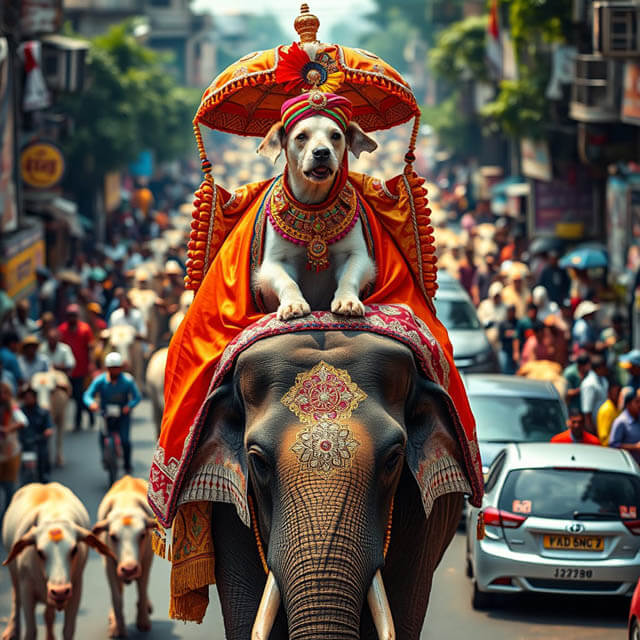

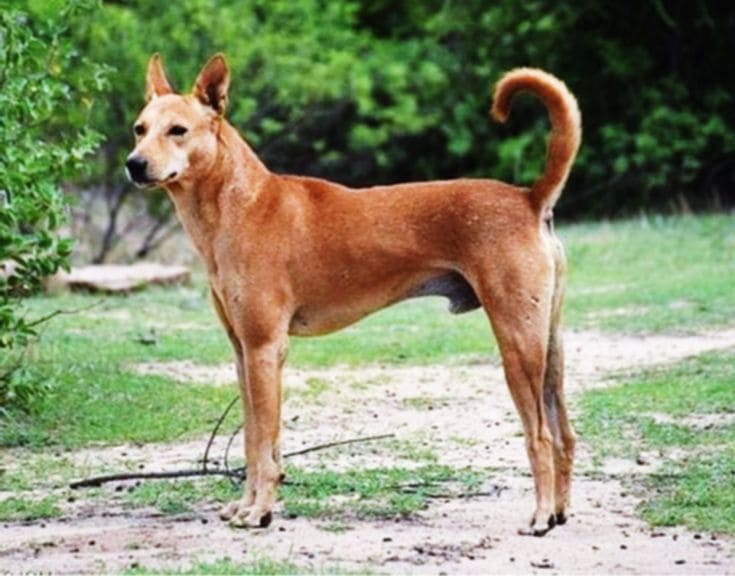
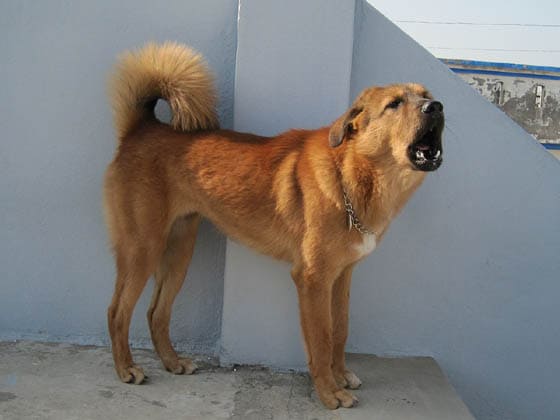
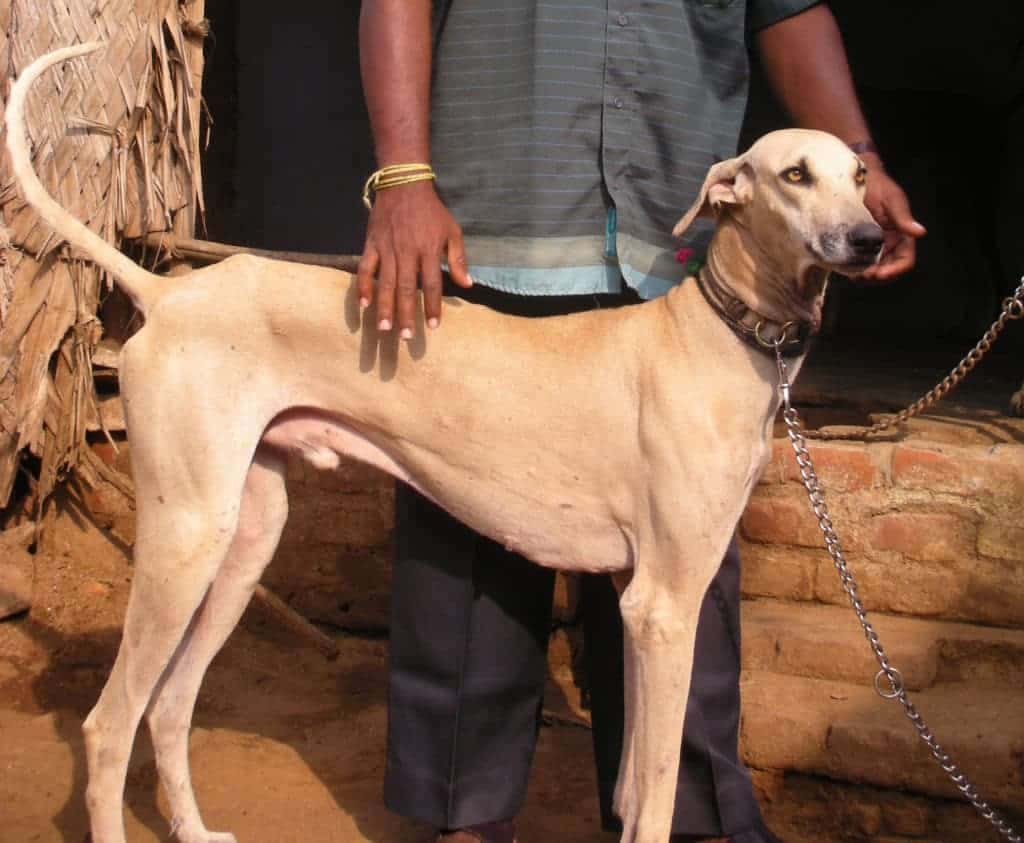
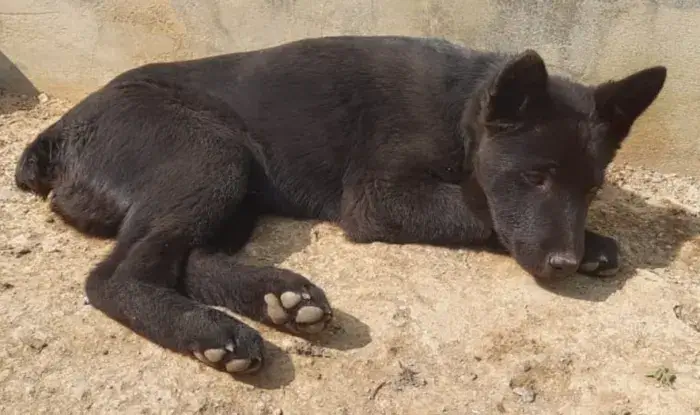
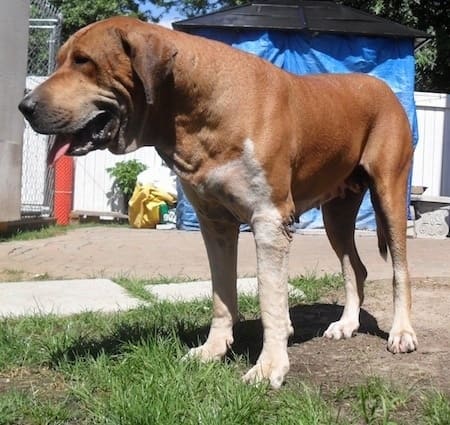

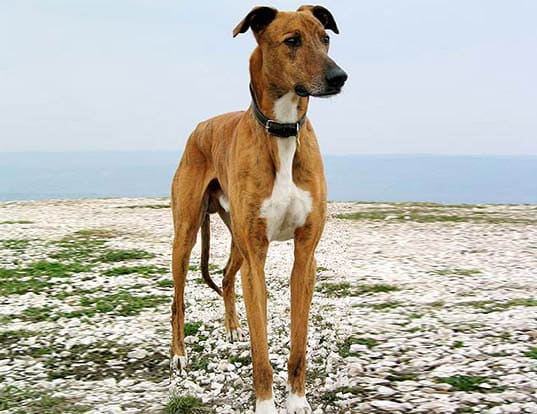
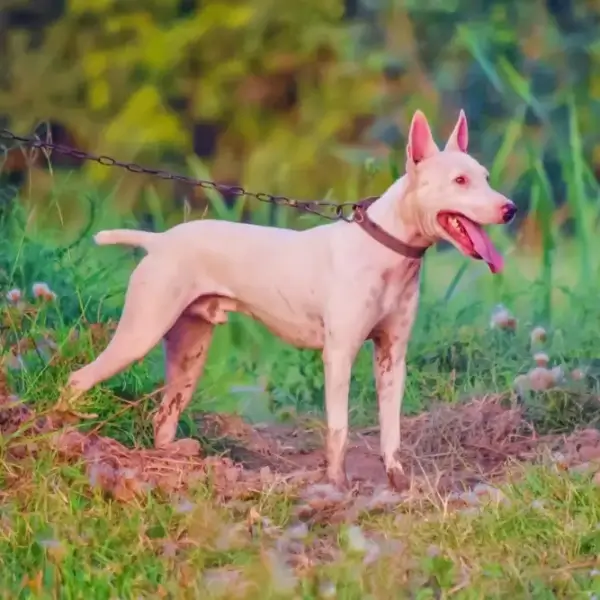
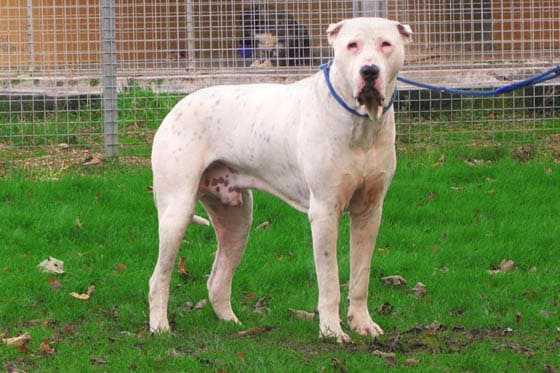
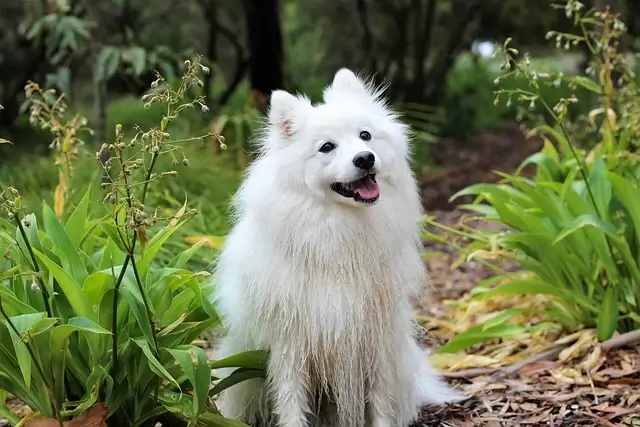
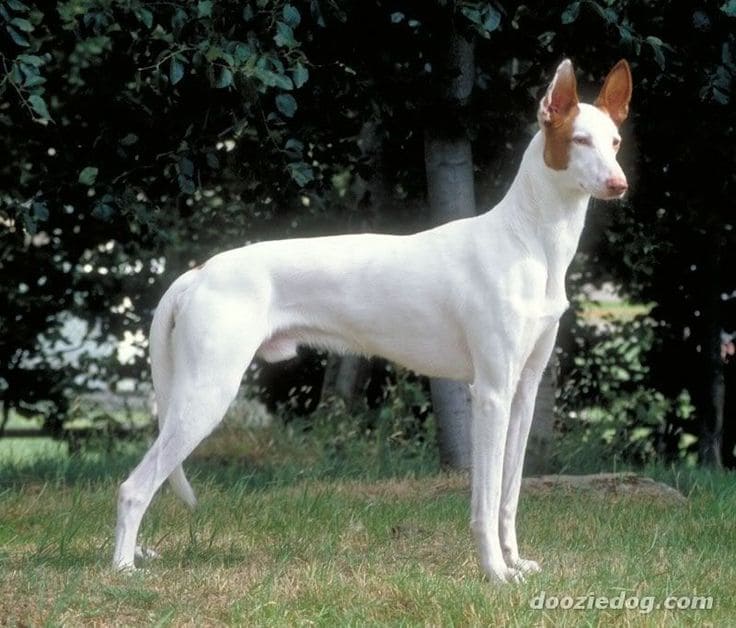

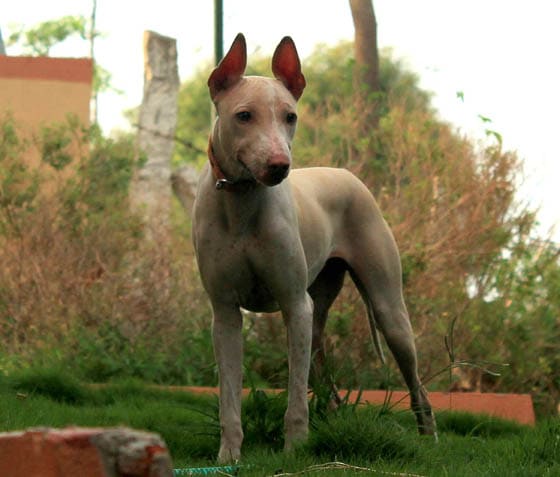
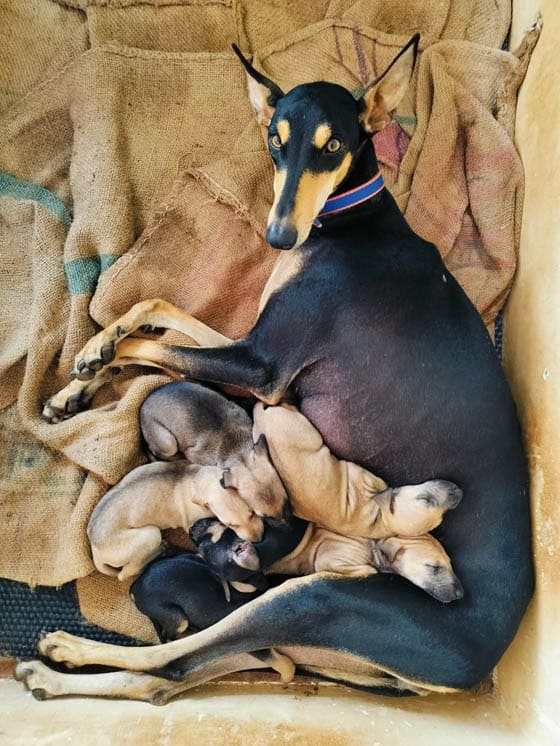
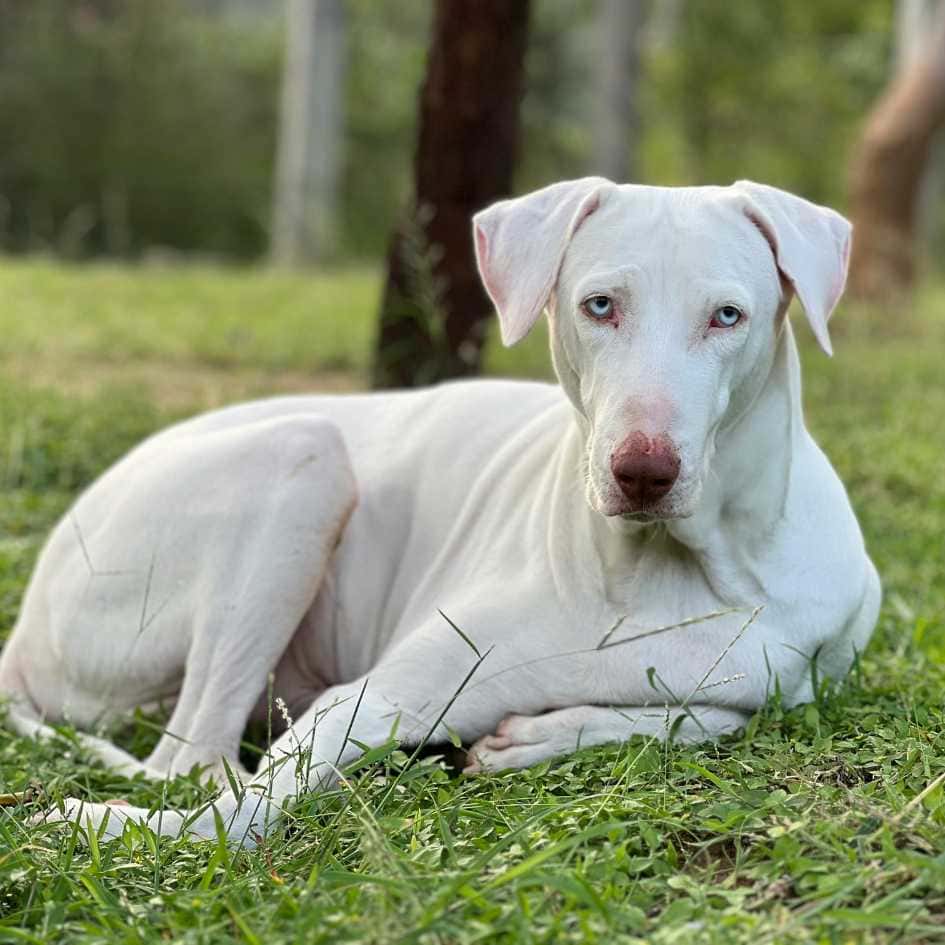
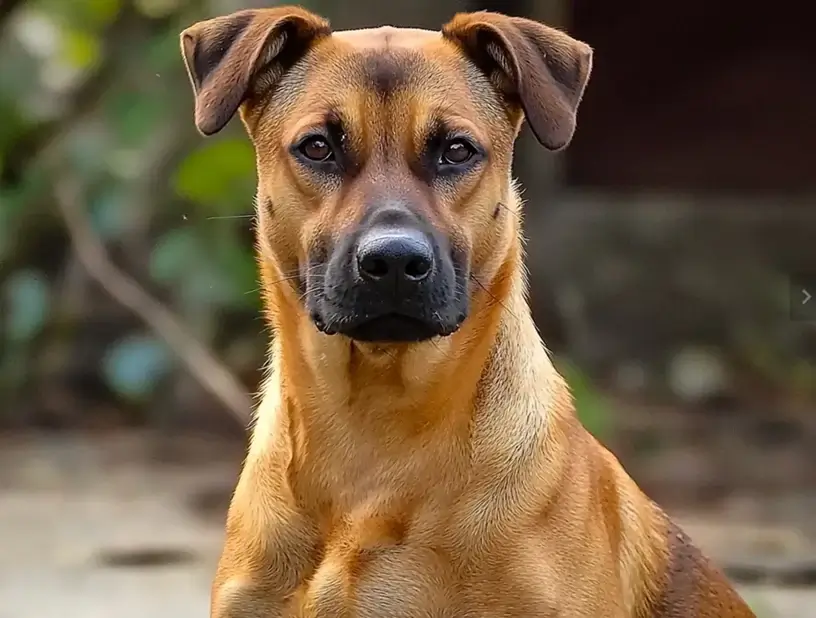
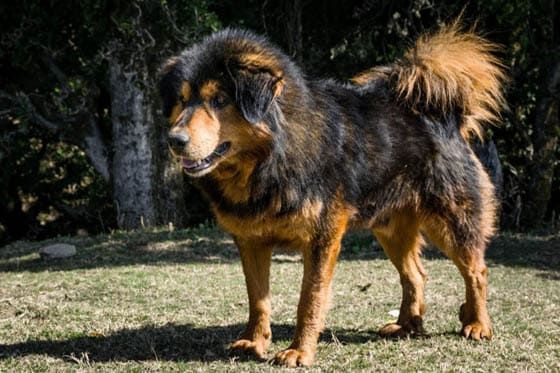
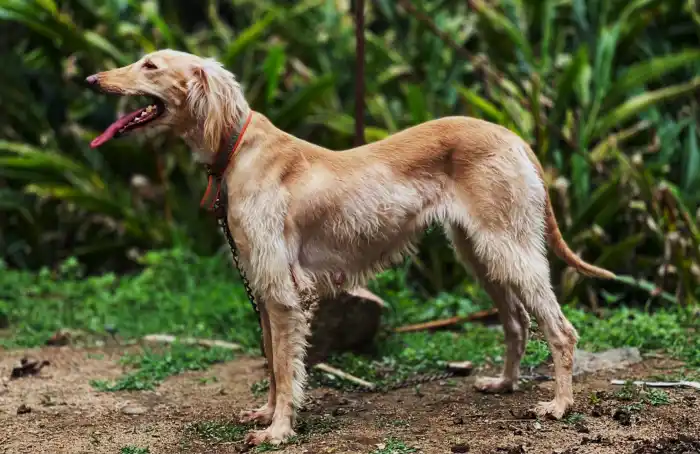
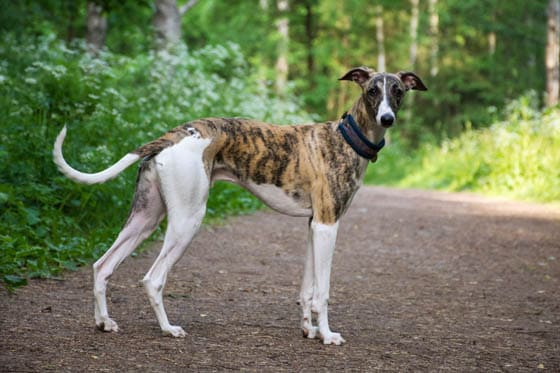
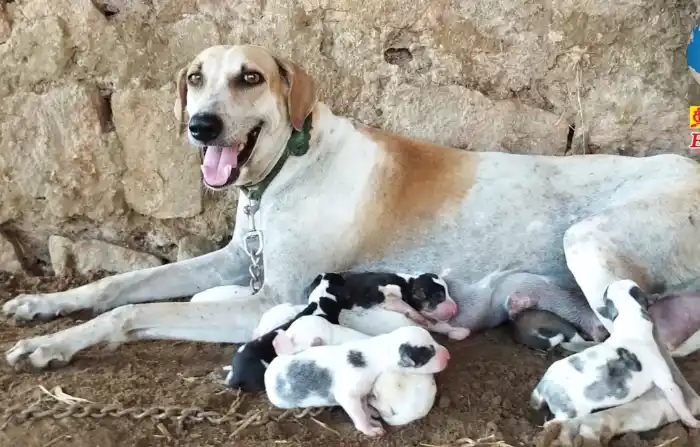
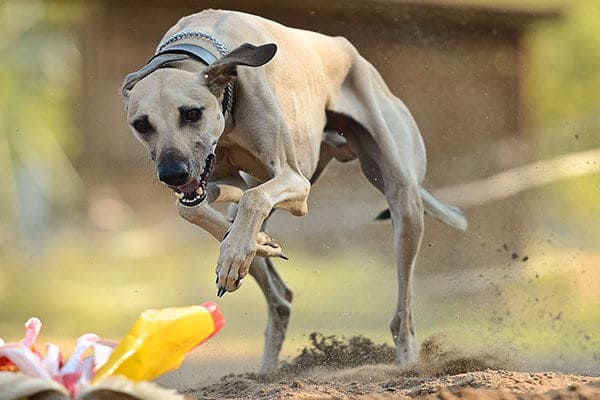
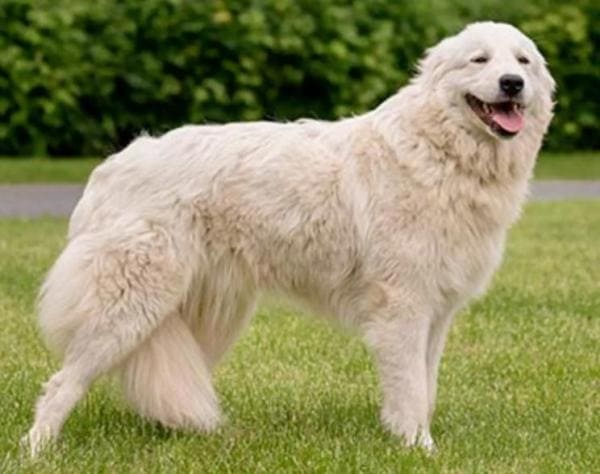
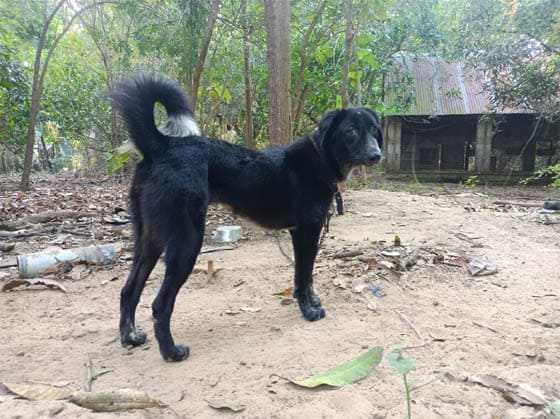
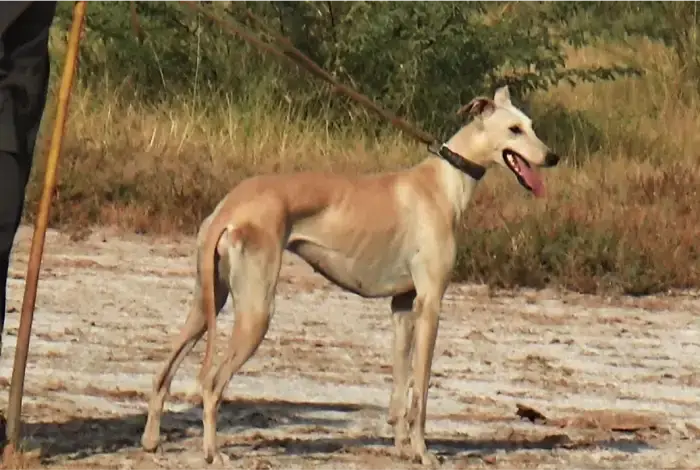
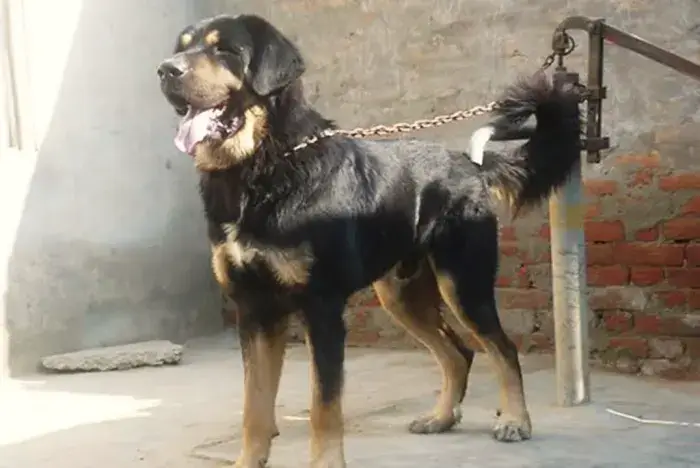
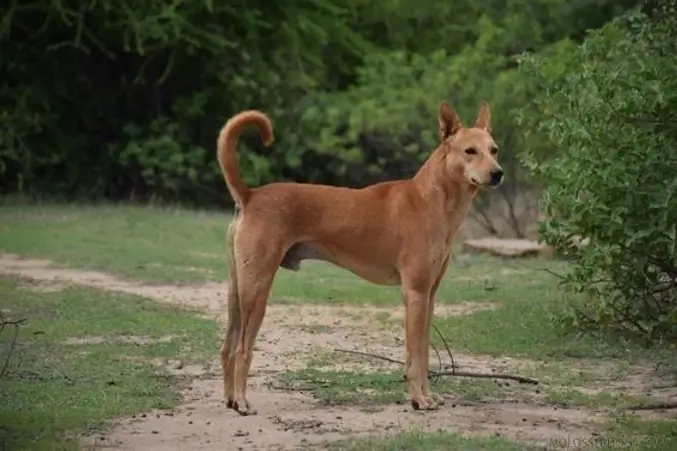
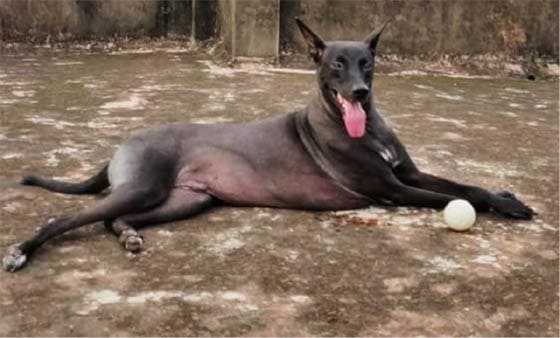
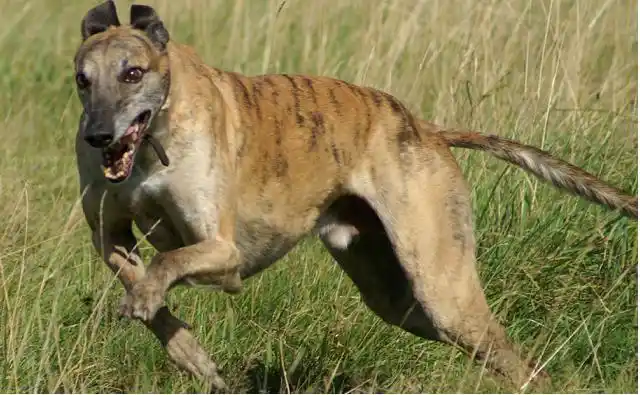
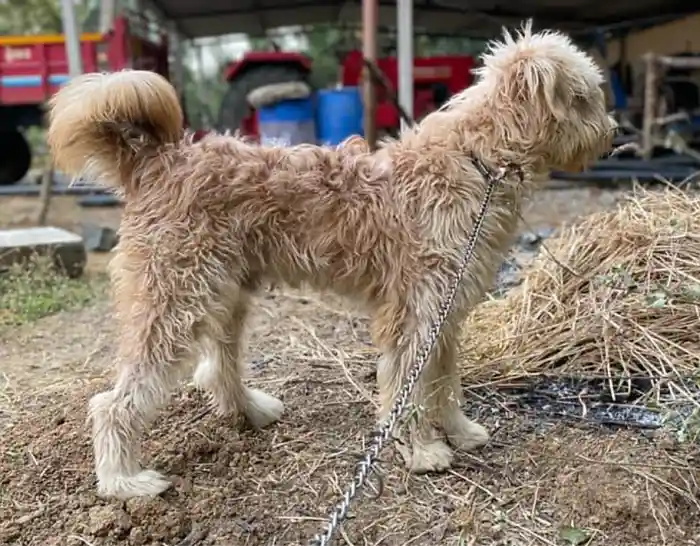
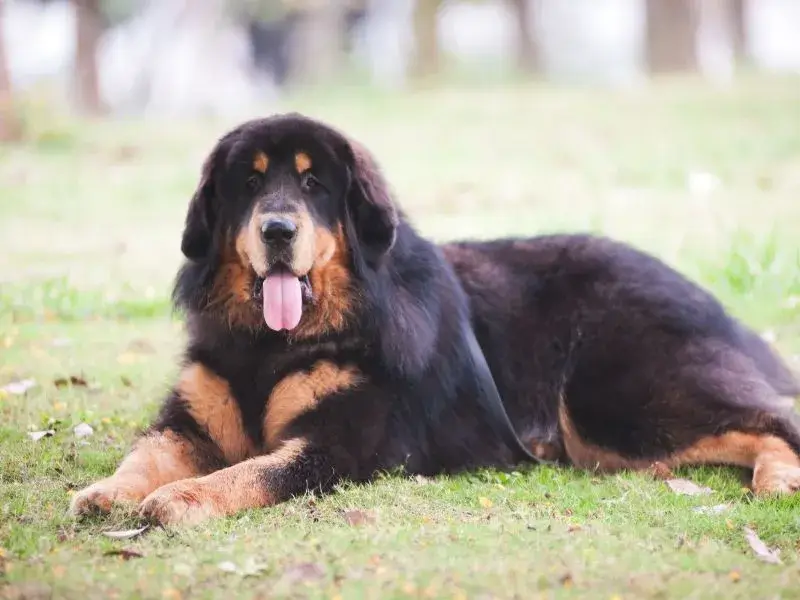
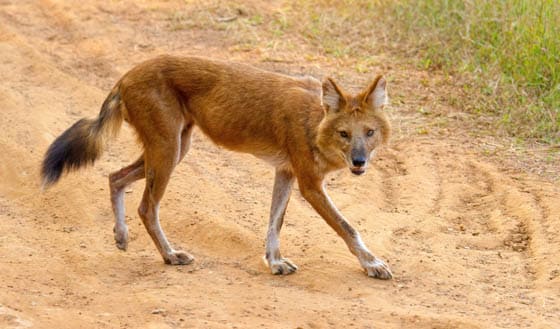










WORLD OF DOG & PUPPY 🐶