38 German Dog Breeds: Photo, Characteristics, Temperament Dogs Originating In Germany How many types of German dogs are there?
Dog Breeds from Germany German Dog Breeds List
Germans seriously love their dogs, no joke! Dogs are more than pets - they are the source of meaning and identity.
Perhaps regulations are more intense in Deutschland because pet dogs are allowed in tons of public areas - public transit, restaurants, hotels, stores and malls.
Dogs must be well-behaved and trained rigorously to avoid nasty confrontations or issues. If your dog is not well-trained, you should get ready to be called out and asked to leave.
The Affenpinscher, or "Monkey Terrier," is a small, wire-haired toy breed originating from Germany, known for its bold, playful, and mischievous personality. Typically weighing 7–10 pounds (3-4 kg) and standing 9–11.5 inches tall, they make excellent, confident, and loyal companions for apartment living, requiring roughly 20-40 minutes of daily exercise. The Affenpinscher has a terrier-like personality. They tend to get along with other dogs and pets, especially when they are raised with them. They are busy, bold, inquisitive and stubborn, but they also love to monkey around, being playful and mischievous. A lively, sharp-witted little dog that is courageous and confident. A fearless defender, the Affenpinscher will quickly become an authoritarian if owners do not give the proper rules, boundaries, limitations and constantly be this dog’s pack leader. It is very affectionate and amusing.
This friendly little dog enjoys being with its family. It needs consistent, firm training. Make sure there is some variety in the training so the dog does not become bored. They learn commands very quickly. Some may be difficult to housebreak. They are not recommended for very young children, simply because most people who own the breed treat them like small dogs, lacking the proper pack leadership, causing negative behaviors to come out in the dog. Children should be taught how to properly handle a dog. Owners need to consistently be the dog's pack leader to avoid the tendency to guard their food and toys. They like to hike and go camping. Without leadership, it may unwisely challenge large dogs and other large animals. They tend to bark and even climb. This little dog does best with a family who likes entertainment and has a very good sense of humor. Any dog that displays growling, snapping or biting is lacking in pack leadership.
These issues can be corrected as soon as the humans take control back from the dog. Affenpinschers have a lively and affectionate temperament, characterized by their confident and curious nature. As a pet parent, you can expect them to be playful, charming, and sometimes a bit mischievous, making them entertaining companions. They have a moderate energy level and enjoy playtime and short walks through the neighborhood, but they don’t need lots of high-intensity exercise. And because they’re smart dogs, Affenpinschers need mental stimulation so they do not become bored. While they are generally not overly anxious or fearful, some Affenpinscher dogs may show anxiety in unfamiliar situations if not properly socialized. This breed tends to be vocal and barks frequently to alert you of changes in their environment, but excessive barking can be managed with training.
The Bavarian Mountain Hound is a medium-sized, athletic German scenthound (20–30 kg) specifically bred for tracking wounded game in rugged terrain. Known for 10-14 year lifespans, they are calm, devoted to owners, and reserved with strangers. They require high daily activity (2+ hours), making them best suited for active rural homes. The Bavarian Mountain Hound is truly man’s best friend - a loyal, loving, smart, and calm companion. The calm, balanced breed tends to be wary around strangers, but they are not overly shy or aggressive. When it comes to a canine companion, it would be hard to find one more loyal than a Bavarian Mountain Hound, they are entirely devoted to their owners. Bred from the best hunting stock, these dogs don’t do well in small, confined spaces. Instead, they need ample space to roam and explore, as well as plenty of exercise and mental stimulation. This breed is intelligent, so be sure to keep them on a leash or in areas with high fencing. They tend to become escape artists - digging holes or climbing fences, when they need entertainment. They can be reserved or wary around strangers and they much prefer hanging with their humans to spending time in a kennel, but they are not overly shy or aggressive.
Although Bavarian Mountain Hounds get along well with other dogs, early socialization and training can help them tolerate strangers and other animals. The Bavarian Mountain Hound enjoys using its intelligence and fitness for hunting, and is best suited for life in a more rural setting. They can be cunning when bored, jumping fences or digging holes under them. Although most Bavarian Mountain Hounds are owned and used by professional hunters, if you can keep this dog properly exercised and mentally stimulated, they make excellent companions. Proper and early training is important for the Bavarian Mountain Hound, since it is an intelligent and active breed that requires daily physical and mental stimulation. When left untrained and without the proper exercise, these dogs become bored, which often leads to destructive habits. The Bavarian mountain hound is determined and loyal, and these dogs tend to form strong bonds with their owners. This breed is active, and they need ample time outdoors running around or working to stay happy.
Without proper exercise and training in their lives, these dogs can become depressed or destructive around the home. The typical Bavarian Mountain Hound personality combines loyalty, determination, and curiosity, making them both attentive companions and excellent working dogs. In general, the Bavarian mountain hound is very curious, alert, brave, and eager to please. They are determined and tenacious, though they might be somewhat stubborn. These dogs typically require experienced owners and trainers to help them stay focused and on track when it comes to learning new things. The Bavarian Mountain Scent Hound is very loyal to his owner. In family situations he will typically choose one person as his special person, usually the one who trains him. He will form a special bond with that person but will also be affectionate to all members of the family. He is a level headed, self assured dog but he does require a lot of mental and physical stimulation. He does great playing games and figuring out puzzles. He is reserved with strangers and will sound the alarm when strangers come near his property. The Bavarian Mountain Scent Hound should never show any signs of aggression. Because he is a scent hound, he does require a strong, secure fence to keep him from searching out prey.
The Biewer (pronounced "beaver") Terrier is a small, tri-colored, long-haired toy breed originating from Germany in 1984, recognized by the AKC in 2021. Weighing only 4–8 pounds and standing 7–11 inches tall, they are intelligent, energetic, and affectionate companions with a, long lifespan of 12–15 years. Biewer Terriers seem oblivious of their small size. They are very eager for adventure. This little dog is highly energetic, brave, loyal and clever. With owners who take the time to understand how to treat a small dog, the Biewer Terrier is a wonderful companion! They are affectionate with their masters, but if humans are not this dog's pack leader, they can become suspicious of strangers and aggressive to strange dogs and small animals. They can also become yappy, as the dog does their best to tell you what THEY want YOU to do. They have a true terrier heritage and need someone who understands how to be their leader.
Biewer Terriers who become demanding and dependant appearing to need a lot of human attention and/or developing jealous behaviors, snapping if surprised, frightened or over-teased, have owners who need to rethink how they are treating the dog. Owners who do not instinctually meet the dogs needs can also find them to become over-protective and become neurotic. Biewer Terriers are easy to train, although they can sometimes be stubborn if owners do not give the dog proper boundaries. They can be difficult to housebreak. The Biewer Terrier is an excellent watchdog.
Biewer Terriers are affectionate and social dogs that thrive on human interaction. According to the breed standard, Biewers have a fun-loving, childlike attitude and are a friendly dog breed. This makes them great for families and individuals alike. They are typically a good fit in homes with children and other pets, especially when socialized from an early age.While they are energetic, they don't have extremely high energy levels and do not need lots of rigorous exercise. One walk every day, plus some playtime, will keep a Biewer satisfied. Biewers are naturally alert and typically curious about their surroundings. They like to explore and may be eager to investigate new things. That said, Biewer Terriers also tend to bark at new stimuli. This behavior can be corrected with early socialization and consistent positive reinforcement training. Many people want to treat Biewer Terriers like babies because they are small and cute. But it is important for pet parents to remember that these dogs are descended from hunting terriers. This means they’re athletic, intelligent, and want opportunities to problem solve and play.
Boxers are intelligent, high-energy, and loyal medium-to-large dogs originating from Germany, known for their playful, patient demeanor with families and protective nature. Weighing 55–80 lbs, they require significant daily exercise, mental stimulation, and early training to manage their, at times, stubborn or boisterous behavior. Boxers are happy, playful dogs with a lot of energy. They are known to jump and paw when they play, so teaching them to stay down is beneficial. Because of their tendency to jump, Boxers may not be the best breed for families with young children unless they are well trained to keep all four paws on the ground. Because of their history as hunting dogs, Boxers have a prey drive and can be tempted to chase after birds and small mammals. They should be kept on a leash or inside a fenced-in space whenever they are outside, and introductions to smaller pets like cats must be done properly and slowly.
Many Boxers enjoy digging in the yard and may even tunnel under a fence. Supervision is important when your pup is outside. Early leash training can help stop your dog from pulling on the leash while walking, which is common in Boxers. Boxers are intelligent, high-energy, playful dogs that like to stay busy. Their temperament reflects their breeding. They prefer to be in the company of their owners and are loyal pets that will fiercely guard their family and home against strangers. Few boxers bark excessively. If a boxer barks, chances are there is a good reason. Many boxers are vocal, however, and make a growling noise that is really just the dog's way of talking. The boxer has a high need for companionship and exercise. If these needs are not met, boxers can be destructive if left alone in the house. Boxers are ideal for people who want a canine companion with them most of the time or for larger busy families with homes that are often occupied by someone. They can do well on a country estate or in a city apartment as long as they have the opportunity to romp and expel energy. If you live in an urban area, regular walks are necessary. Boxers are intolerant of hot weather, and care must be taken to prevent them from getting overheated.
They also need protection from the cold since they are short-coated. Their coats, however, are very easy to care for and will be shiny and bright as long as they have a good diet, are bathed occasionally, and are given regular rub-downs with a grooming mitt or brushings with a rubber curry. Some boxers drool excessively, and some snort and snore. They may look tough, but Boxer dogs are playful, affectionate, and smart. These exuberant, talented snugglers go through a slightly longer puppyhood than some other dog breeds. Like other high-energy, intelligent dogs, they need plenty of attention and mental stimulation to stay out of trouble. Pet parents often report that these smarties come up with their own games for their humans to play with them. So a steady foundation of training and a routine of physical and mental activity will go a long way to preventing mischief. They may have a sometimes intimidating appearance, but Boxers are not aggressive or high-strung, they are typically Velcro pups who are gentle with kids. They are, however, natural and athletic jumpers, so consider upgrading your fence plans.
Dachshunds are small, courageous, and lively scent hounds known for their long bodies and short legs (nicknamed "wiener dogs"). Originating in Germany to hunt badgers, they are stubborn yet affectionate, making excellent, albeit noisy, watchdogs. Available in standard (16–32 lbs) or miniature (under 11 lbs) sizes, they come in smooth, long, or wire-haired coats.The Dachshund is curious, clever, lively, affectionate, proud, brave and amusing. Devoted to its family, it can be slightly difficult to train and housebreak, but not impossible. Dachshunds travel well. This little dog needs an owner who understands how to be his pack leader or he will take over the house, and begin to try and tell the owner what to do. If the dog is allowed to take over, many behavior problems will arise, such as, but not limited to, guarding furniture, separation anxiety, guarding food, toys or other objects, snapping, biting and obsessive barking. It will become unpredictable with children and adults they do not know. If it gets really bad, it may become unpredictable with its owner. They are usually recommended for older, considerate children, simply because most owners do not display proper pack leadership to small dogs, causing moderate to severe protectiveness, a behavior that can change if the humans start being their pack leader.
If they do get the proper leadership, they can get along well with children. This breed has an instinct to dig. Dachshunds are playful and friendly dogs that can make great pets for a first-time dog parent. They love mental challenges like puzzle games or scent-tracking sports. However, be careful with them during high-energy activities to avoid back injuries. The Dachshund's spunky temperament also means playtime with children should be supervised, as they may play too rough for young kids. Children must also be taught how to interact safely with dogs. Even though they are small, Dachshunds need regular exercise to stay fit and build strong muscles to support and protect their back. They should lead active lifestyles and have multiple daily walks, playtime, and activities to mentally stimulate them throughout the day. Dachshunds are good dogs for apartments and small houses, but they do tend to bark a lot. Training can help manage their barking habits. Thanks to their history as hunting dogs, Dachshunds have an excellent sense of smell and a strong prey drive. Because of this, they might not do well in homes with smaller animals that they might see as something to chase after. They can be slightly difficult to train. Despite their size, dachshunds are known for their courageous nature and will take on animals much larger than themselves. Some may be aggressive toward strangers and other dogs.
The Deutsche Bracke (German Hound) is a rare, medium-sized scenthound from Germany, developed around 1900 for hunting, trailing, and pointing. Standing 17–21 inches tall, these dogs are energetic, intelligent, and affectionate, requiring significant daily exercise. They are excellent, loyal family pets but need active owners to manage their high hunting drive. Small to medium in size, the Deutsche Bracke is a distinctive and beautiful dog. They are popular within Germany, but are relatively unknown elsewhere. Bred as a hunting dog, they have high exercise requirements and need a regular daily workout, preferably two. They enjoy human company and can get anxious if left alone for too long, which can lead to them getting into mischief. Gentle with children, they make an excellent family pet. The Deutsche Bracke gets along well with other dogs as they have been raised to hunt in packs or on their own. But when it comes to smaller pets, the Deutsche Bracke maintains their strong hunting instinct. Extreme care must be taken when they are around smaller animals such as cats or rabbits. The Deutsche Bracke has a mellow nature but with an independent streak that can make training interesting. Harsh words or punishment will get a poor response from this dog, and should not be used. Instead, focus on positive reinforcement and keep the training interesting, varied, and at times, short so your dog remains focused.
Keep this dog on a leash when out walking as they will respond quickly to any scent their nose picks up and will be gone in an instant. Once they are on a trail, it is hard to get them back. Overall this hound is eager to please, affectionate, kind and highly intelligent, as well as being a loyal and devoted friend. What can we say about this attractive dog that hasn't already been said? They are great hunters, ideal outdoor pursuit companions, and they are just a big softie when it comes to the family. Loyal and devoted, they are never far away from you when everyone is home. This dog is a cuddle bug as well; they will happily curl up as close to you as they can and slip into a deep snooze. They are very intelligent dogs and respond better to rewards and kind words than they do to threats. The Deutsche Bracke has a streak of independence to their nature, and if you let them get away with doing things their way, you are going to set your self up for all sorts of problems. They are very intelligent dogs and respond better to rewards and kind words than they do to threats. While they mix well with other dogs, they cannot be trusted with smaller animals.
It is not because they are aggressive, because they are not. But because their hunting instinct is very strong, they will chase smaller animals down. Not suited to an apartment, this dog does much better in a large home with a yard or ideally, a small country farm. They are active and inquisitive and will follow you around to see what you are doing or if you need help. This canine is truly a loving companion who doesn't like to be left alone and prefers to be with family members at all times. The Deutsche Bracke is known for its affectionate, loyal, and intelligent personality. They form strong bonds with their family members and thrive on companionship and attention. These dogs are highly intelligent, which aids in their hunting abilities as well as their responsiveness to training. While bred primarily for hunting, they can also adapt well to family life, provided they receive sufficient exercise and mental stimulation. With proper socialization, they can be gentle and tolerant with children and other pets. However, they do have a strong instinct to track scents, so they may exhibit wanderlust if not properly contained. A reliable fence is a must for this breed!
The Deutscher Wachtelhund (German Spaniel) is a versatile, muscular, medium-sized gun dog from Germany, historically bred for hunting, flushing, and tracking game in thick, mountainous terrain. Weighing 40-66 lbs, they are intelligent, loyal, and energetic, requiring intense exercise and mental stimulation. They are rare outside Germany, primarily owned by hunters. The Deutscher is an exceptional versatile gundog. It is used to hunt upland game, will match the retrieving ability of any other breed and excels at tracking and blood trailing large game. It is an all-around bird dog and will hunt all other types of game. It has a vibrant, friendly personality, it is an intelligent, aggressive hunter, and loves water work. The Deutscher Wachtelhund is a determined, courageous hunting breed. These pups have a strong willingness to work and a love of scent tracking that borders on obsessive.
When not hunting alongside their humans, they make devoted family pets. Adaptable, friendly, affectionate dogs, Deutscher Wachtelhunds are quick to learn new things, love the water, and get along well with other pups. Though hunting is their true passion, they make loyal family dogs and enjoy spending time at home with their humans. Because they love to follow a scent, Deutscher Wachtelhunds should be kept on a leash or in a fully fenced yard to keep them from wandering off when outside. He is not a well-known dog and in his homeland of Germany, only hunters and gamekeepers own the Deutscher Wachtelhund. He is a happy, friendly dog who when not hunting makes a wonderful companion. He loves children but may be a little overzealous with toddlers. Training is relatively easy since he aims to please. Positive reinforcement is the best way to train him. He can be a persistence scent follower and will require a strong fenced yard to keep him contained. He will need to be watched around smaller pets and should not be left alone with them. The Deutscher Wachtelhund is an outstandingly versatile gundog.
He is still almost exclusively owned by avid hunters, although he is now beginning to gain popularity as a companion dog. He has a vibrant and friendly personality. The Deutscher Wachtelhund greets everyone and should never be fearful or timid. He is considered to be an aggressive hunter and has scenting abilities similar to those of a Bloodhound. He does need a firm owner who will properly train him. His training will need to be continual to ensure he understands his role within the family. He does well with children but may be a little too much for toddlers and young children. Small pets should be kept in sturdy cages to keep them safe from the Deutscher Wachtelhund. This includes birds and furry pets. He may not respect cats unless he is raised with them from puppyhood. He does require a sturdy fence to keep him contained to your yard so he does not go tracking prey through the neighborhood.
The Doberman Pinscher is a loyal, intelligent, and energetic large-breed dog, standing 24–28 inches tall and weighing 60–100 pounds. Originally bred for protection, they are versatile working dogs that thrive on mental/physical stimulation. Known for being sleek, affectionate family members, they require consistent training and active, daily exercise. Doberman Pinschers are very keen, super energetic with tremendous strength and stamina. Dobes like to be with their people and are not suited to kennel or backyard life; they need human interaction and leadership. Loyal, tolerant, dedicated and affectionate with the family. Determined, bold and assertive while working, they are very adaptable, highly skilled and versatile. They are intelligent and very easy to train. They are an outstanding watch and guard dog and do not need additional protection training. This breed is not for everyone. The Doberman needs an owner who is willing and able to display a natural authority over the dog. All family members must be firm, confident and consistent, setting rules and sticking to them. Learn to handle the dog properly, as Dobermans can become stubborn and willful if allowed to have their own way. Everything must be on the human’s terms.
The dog is the follower, and the humans are the leaders. The dog will appreciate knowing his place in his pack and feel secure about it. He should be thoroughly socialized when young to prevent skittishness. Mental stimulation and a lot of daily exercise are important in order to produce a happy, stable-minded Dobe. The Doberman needs to be consistently and thoroughly trained. Dobes can be good family dogs if the alpha role belongs to the human and if they receive enough exercise, are well trained and are socialized with children. Although the Doberman has the reputation of being a very aggressive dog, this is just not the case. For example, Dobes make great therapy dogs. Issues arise when they reside with owners who do not display the proper leadership or do not provide enough exercise. The Doberman Pinscher temperament is energetic, alert, and loyal. These dogs do well in an active home where they can use their intelligence. Exercise and space for free play are necessities.
They can be destructive if left alone for long periods of time without a way to entertain themselves. Despite their history as a guard dog breed, Dobermans can be fun and loving family dogs, especially with early socialization. Dobermans are usually patient with young children, though their excitable nature means they might accidentally knock very small children over during play. All interactions between kids and dogs, no matter the breed, should be supervised. Dobermans may also have a strong prey drive, which could lead to chasing small animals, including cats. But Dobermans and cats can live together well when introduced properly. The Doberman Pinscher is extremely intelligent and thrives in obedience and basic dog training. Dobermans need to have an outlet for all their energy, so providing a consistent training and socialization routine early in life is a great way to encourage good behavior and redirect undesired behaviors.
The Eurasier is a medium-sized German spitz-type dog developed in the 1960s as the ultimate family companion, crossing Chow Chows, Wolfspitz, and Samoyeds. They are known for being calm, intelligent, and loyal, with a thick coat of various colors and a weight of 18–32 kg (40–70 lbs). They are reserved with strangers but bond strongly with their family, requiring close indoor living and consistent, gentle training. An excellent companion dog, the Eurasier is calm, quiet, even tempered and friendly. Watchful and alert. Affectionate and loyal toward its family, yet reserved and shy with strangers, without being timid or aggressive. Socialize well when young with other dogs and people. This breed forms a strong bond with its family. It is intelligent and quick to learn. Consistent training should start early. Responds well to training, however one must understand the breed in order to train it successfully. This breed does not respond well to ruthless discipline, you must use soft reprimand; firm, but not harsh. Proper human to canine communication is a must.
They can get bored if the training becomes repetitive. If they sense the owners are meek or passive they may become stubborn. Many Eurasiers excel at agility. Playful, a stable-minded Eurasier will get along well with children who have good pack leader skills. They are not guard dogs, but make good watchdogs, barking at things that are unfamiliar to them. This breed rarely barks without good reason; however, as with any breed, some are more vocal than others and you need to communicate to them when enough is enough. Do not allow them to bark at you when they want something as that is a dog a displaying dominant behavior. Usually does well with other dogs. Eurasiers were bred to be fantastic family pets and they are not working dogs. They thrive when they are in close proximity to their humans although they do not need constant attention. They can watch over the home but are not aggressive or problem barkers.
The Eurasier is extremely smart and generally wants to please, so it is a highly trainable dog. The Eurasier is also a sensitive breed - avoid harsh training methods and try gentle and positive techniques, like clicker training, using lots of treats, and showering your dog with heaps of praise. A Eurasier’s exercise needs are fairly straightforward: A healthy walk or hike for about an hour a day, with opportunities to sniff and explore, is usually sufficient. After a busy day, they’re happy to relax with their family. Eurasiers are cheerful, confident, relaxed dogs that maintain a close bond with their family despite being reserved with strangers. They are described as humorous and engaging pets that make for entertaining household members. While they are generally quiet, they will occasionally bark when a neighbor walks by or a delivery person approaches your home. Adaptable and socially savvy, Eurasiers are easygoing companion dogs that thrive on joining their pet parents in daily adventures. Whether it is traveling, running errands, or neighborhood walks, Eurasiers are up for anything!
The German Longhaired Pointer (GLP) is a versatile, affectionate, and intelligent hunting dog originating from Germany. Standing 23–28 inches tall and weighing 60–71 lbs, these medium-large dogs are known for their long, water-resistant coats, webbed feet, and strong, loyal, and friendly temperament. They require high, daily exercise (2+ hours) and make excellent, trainable companions for active, hunting-oriented families. German Longhaired Pointers are calm and sweet-natured - very affectionate and people-oriented. These characteristics make them an ideal breed for families, provided they can be part of an active household where they get plenty of physical and mental exercise. German Longhaired Pointers are usually good with children and get along with other dogs. But due to their background as hunters, they may chase or hunt small animals, including cats or wildlife. German Longhaired Pointers are typically bred to be intelligent, alert, athletic, and trainable dogs. As long as they are well socialized from a young age, German Longhaired Pointers can get along very well with other pets and children. But they also need a lot of outlets for their mental and physical energy, which means you will need to set aside plenty of time for training and exercise sessions. Field trials are the perfect outlet for this breed, but they will enjoy other activities, including agility, hiking, and swimming. The German Longhaired Pointer is a friendly and intelligent breed who can be prone to separation anxiety.
He is a typical German pointer breed and does have webbed feet. If not properly trained, he can become aggressive, especially with food. The German Longhaired Pointer must be socialized starting at a young age to ensure he is a well-adjusted companion. He does require a significant amount of exercise to ensure he is happy and maintains a healthy weight. He has to have a specific job to do and is not ideal for an inactive life. Children make excellent playmates for the German Longhaired Pointer. Generally, the German Longhaired Pointer is friendly, gentle and smart, but when not properly socialized, he can become shy or even aggressive. He loves his family and quickly forms a strong bond. This can cause him to have severe separation anxiety when his family leaves him alone. He should never be left in the yard for long periods of time without supervision; he will find things to entertain himself. The German Longhaired Pointer can become a nuisance barker. He does require a lot of exercise to keep him happy. Long walks or running at the dog park will help him expend his energy. He loves playing games with children. Families that expect him to sit quietly at home without much exercise will be disappointed in him. He will become destructive and a pest. The German Longhaired Pointer would excel at dog sports such as agility, obedience, rally or dock diving. It is very easy to train the German Longhaired Pointer. He wants to please and thrives on positive reinforcement.
The German Pinscher is a medium-sized (17–20 inches, 25–45 lbs), intelligent, and high-energy working dog originating from Germany. Known for being loyal yet strong-willed, they require firm training, consistent socialization, and vigorous daily exercise. They have short, low-maintenance coats, typically in black-and-tan or red, with a lifespan of 12–14 years. The German Pinscher can be an ideal companion dog. This rare breed is brave, not squeamish, sober, and has considerable stamina. It is lively but docile, quite versatile, and a vocal guard dog. It responds to obedience training. If it senses the humans around it are meek or passive it will become bull-headed and stubborn. This breed needs to clearly know who is boss. Proper human to canine communication is essential. This breed only barks when it feels it is necessary, which may be often. Visitors will be announced with loud barking but then things usually calm down quickly. If the dog does not stop barking owners need to tell the dog enough is enough and to quiet down.
The German Pinscher needs to know it owns nothing and is clearly a subordinate of humans or owners will have a very hard time with it. Children need to know how to display proper pack leader skills. If the dog thinks its humans are in trouble it will instinctively protect and will bite first without thinking about it. Like other pinschers and terriers, this breed does not back away from dominance challenges with other dogs, and needs firm handling to control its fighting tendencies through proper communication. German Pinchers are very loyal and protective. They will defend their territory, handler, and the family to the end against those intent upon harm. Without proper leadership they can also get protective of their own things like their bones, a chair or their food. German Pinschers are always up for adventure and are eager to please. Their intelligence shines through in their love for training and challenges.
But remember: their boundless energy needs an outlet through regular exercise and play. German Pinschers don't necessarily need a job in the traditional sense, but they enjoy having a purpose. Activities such as agility training, obedience competitions, or even playful tasks like fetching the newspaper can provide this purpose. They can even excel in working jobs, like herding sheep, with the proper training. Well-socialized German Pinschers are confident and courageous dogs that are not usually afraid of new situations or people, so anxiety isn’t typically a concern. Puppy and human play dates at a young age will help prevent fearfulness and reactivity. They tend to bark to alert when they sense something unusual. Excessive barking can be managed with training and positive reinforcement. The German Pinscher's playful nature can sometimes lead to digging, especially if they’re bored or lacking exercise. Providing your dog with designated digging areas and regular exercise can help curb this behavior.
The German Rough-Haired Pointer (Deutsch Stichelhaar) is a rare, versatile German hunting dog known for its stiff, bristly coat, pronounced beard, and bushy eyebrows. Standing 22–27 inches tall and weighing 60–70 lbs, they are loyal, self-assured, and intelligent companions suited for active, rural lifestyles. They are hardy, 12–14 year companions with high exercise needs. German Rough Haired Pointers are self-assured, loyal, and intelligent dogs. This breed is balanced, calm, and courageous - characteristics that make for a versatile gun dog. Loyal dogs, German Rough Haired Pointers are good with children - especially when raised in a family setting. Though they generally have a calm and even temperament, they do have a lot of energy. German Rough Haired Pointers thrive when provided with lots of mental and physical exercise. Because they are sporting dogs, they may chase or hunt small animals, including cats, other small pets, or wildlife. The German Wirehaired Pointer is very active and intelligent.
Eager to learn and loyal to its family, it needs a handler who is consistent in approach. The GWP likes to be occupied and enjoys working for its owner. It is friendly with those it knows, but can be distant with strangers and should be socialized, preferably at an early age. If it senses its owner is meek or passive it will become rather willful. Its hunting instincts lure it to roam. Powerful and energetic, the GWP can become bored and hard to manage without enough exercise. The German Wirehaired Pointer is a good all-around gundog, able to hunt any sort of game on any sort of terrain. This dog has a good nose and can track, point and retrieve on both land and water. It is steady, lively and vigorous. Children should be taught how to display proper leadership skills. If this dog does not see humans as above it in the pecking order it will become dominating and pushy and may try to dominate other animals. With proper leadership it will get along well with other dogs and household animals.
GWPs make good watchdogs. German Wirehaired Pointers are ready for adventure thanks to their robust energy, strength, and intelligence. Giving this pup a job is a must, even if it is just fetching your slippers in the morning. GWPs form a close bond to their family and do well with children who have been taught how to interact with animals. As with every breed, all interactions between dogs and kids should be supervised. However, because this dog has a high prey drive due to their history as hunters, they might not live well with cats or other small animals. GWPs can be anxious, especially if they are away from their pet parent. German Wirehaired Pointers often want to be with their people constantly. Crate training them from an early age can help decrease separation anxiety, but your GWP should never be left alone for long periods. If you do not like being outside, the GWPCA says a German Wirehaired Pointer won't be a good fit for you. Make sure you can meet the breed’s need for exercise and stimulation. If they grow bored, German Wirehaired Pointers will bark or dig to occupy themselves.
German Shepherds are intelligent, loyal, and confident working dogs, standing 22–26 inches tall and weighing 50–90 lbs. Originally bred for herding, they are versatile, active, and require significant daily physical/mental exercise. They are generally healthy with a 7–14 year lifespan, though they are prone to hip dysplasia. Often used as working dogs, German Shepherds are courageous, keen, alert and fearless. Cheerful, obedient and eager to learn. Tranquil, confident, serious and clever. GSDs are extremely faithful, and brave. They will not think twice about giving their lives for their human pack. They have a high learning ability. German Shepherds love to be close to their families, but can be wary of strangers. This breed needs his people and should not be left isolated for long periods of time. They only bark when they feel it is necessary. Often used as police dogs, the German Shepherd has a very strong protective instinct, and is extremely loyal to its handler. Socialize this breed well starting at puppyhood. Aggression and attacks on people are due to poor handling and training.
Problems arise when an owner allows the dog to believe he is pack leader over humans and/or does not give the dog the mental and physical daily exercise it needs to be stable. This breed needs owners who are naturally authoritative over the dog in a calm, but firm, confident and consistent way. A stable, well-adjusted, and trained dog is for the most part generally good with other pets and excellent with children in the family. They must be firmly trained in obedience from an early age. German Shepherds with passive owners or whose instincts are not being met can become timid, skittish and may be prone to fear biting and develop a guarding issue. They should be trained and socialized from an early age. German Shepherds will not listen if they sense that they are stronger minded than their owner, however they will also not respond well to harsh discipline. With their history as herders and guardians, you can expect your German Shepherd to be a loyal and alert dog. They are known to be gentle around their family but may be reserved around strangers.
Because of their historical roots, German Shepherds have a strong drive and should be kept on a leash or inside a fenced-in yard at all times when outside. Otherwise, they may dart after a squirrel, rabbit, or cat. The breed is considered to be smart and easy to train. Some poorly bred German shepherd dogs can be high-strung and nervous. Coupled with poor socialization and inadequate training, over guarding and aggressive behavior are risks. Because German shepherd dogs are large and powerful and have strong guarding instincts, great care should be taken to purchase German shepherds from reputable breeders. Poorly bred dogs are more likely to be nervous. To prevent over guarding and aggressive behavior, German shepherd dogs should be carefully socialized from a young age and be obedience trained. They should be with the family and continually exposed under supervision to people and other pets around the neighborhood; they should not be confined to a kennel or backyard either alone or with other dogs. German shepherd dogs are active and like to have something to do. They need ample exercise daily; otherwise, they can get into mischief or become high-strung.
The German Shorthaired Pointer (GSP) is a highly energetic, intelligent, and versatile hunting dog developed in the 1800s for land and water. Weighing 45–70 lbs, these athletic dogs need over 40 minutes of intense daily exercise and mental stimulation to prevent destruction. They are affectionate, loyal family companions, though often independent. One of the most energetic breeds, the German Shorthaired Pointer is a hunting dog by nature. Protective, clever, eager and willing to please, it is very fond of its human family. Happy-go-lucky, it loves nothing more than to engage in some type of constructive activity with its owners such as a long walk, jog, hike, hunt, or a game of Frisbee. This breed is not suited to life in a kennel. Faithful, spirited and friendly, it likes and mixes well with children. Dominancy and energy levels vary slightly from puppy to puppy even within the same litter, however those bred for working in high-performance field competitions usually require more activity than the average Shorthair, but are all still very high energy dogs who need a lot of daily exercise. Best suited for an active family. When they lack in exercise they can become high strung and frustrated.
The GSP will not listen if it senses that it is stronger minded than its owner, however it will also not respond well to harsh discipline. The GSP needs an owner who displays a natural air of authority providing firm, but calm, confident and consistent with rules it must be made to follow. The GSP crave order and need structure in its life. If this breed lacks in either exercise or leadership it can develop separation anxiety and possibly become destructive and nervous. Though they're excellent herding dogs, German shepherds are also very well suited to work as service animals, such as guide dogs for the visually impaired. They also serve as police officers, members of the military, guard dogs, and even movie stars. They are undoubtedly versatile dogs, but they need owners who can give them enough ways to expend their energy and smarts. If you think you can keep up, read on to learn more about the German shepherd dog. German shepherds are protective, loyal companions. This is not the right breed for you if you are rarely home, live in a very small home without access to a yard, or simply don't have a lot of time to devote to your pet.
The German shepherd needs a lot of companionship and attention to thrive and to help ward off destructive or annoying behaviors that can rise out of anxiety or boredom. These highly intelligent, loyal, protective, and driven dogs are not for everyone. They have a powerful need for mental and physical stimulation and require a significant commitment to socialization and training to ensure they’re well-adjusted. But in the right hands, a GSD is an unbelievably loyal, loving companion. German Shepherds are intelligent, curious, and motivated dogs who thrive when given a job to do. Whether it’s obedience training, scent work, or agility, their focus, natural prey drive, and work ethic help them excel. At home, German Shepherds are deeply devoted companions who see themselves as part of the family. They tend to form strong bonds with their people - often with one person in particular and crave meaningful interaction with their humans. Many people are surprised by a GSD’s affection at home, as they’re typically skeptical of strangers and can be overprotective.
The German Spitz is a lively, devoted, and intelligent small-to-medium companion dog originating from 15th-century Germany. Weighing roughly 7–14 kg and standing 23–38 cm tall, they come in two main types (Klein/Small and Mittel/Medium) with thick, double coats in various colors. They are excellent, alert watchdogs, highly trainable, but can be vocal. Happy, alert, watchful and buoyant, German Spitzes make good watchdogs. They are excellent jumpers and love to stand on their hind legs. They enjoy a lot of human attention, and are very happy to please. Teach this dog early that it may bark a couple of times when the doorbell rings or when there are visitors, but then to keep quiet. Be very consistent about this. They are alert, curious and very busy. They must be taught that the owner is the boss, or they will not listen. This breed may become too demanding if the owner allows it. If you do not show this dog all humans are pack leader to him, he will not be trustworthy with children. They may become nervous and snappish toward them. However, they can get along well with children so long as the child is taught how to demonstrate leadership skills. It is a good companion for an elderly person. Without a stern, confident, consistent pack leader, they will be feisty, willful, bold, temperamental, and will not be easy to obedience train. When trained properly they make good companions.
The German Spitz is generally regarded as a friendly and independent breed. Their history as a working dog makes them an active member of the family, but they have been bred to be companions for decades. They are much happier running around the yard than they are lying on the couch, and they would love nothing more than to play games and learn new activities. These dogs retain many of their guardian and herding tendencies. This means German Spitz can be more reserved around strangers and are prone to bark at anything and anyone new. This behavior can be managed with training, but it will not be stopped completely and you should be prepared for some high-pitched vocalizations in your home. Because German Spitz were originally bred for herding, the breed tends to retain a strong prey and chase drive. Agility training and chase-based games can turn this behavior into an activity for you both to enjoy. Be aware that they may be distracted by fast-moving children and smaller pets, so these interactions should be closely monitored. The German Spitz is a lively, intelligent, and confident small-to-medium companion dog. German Spitz are the ultimate "faithful companions." They are attentive, affectionate, and devoted to their people. Lapdog, sidekick, or adventure buddy, these pups are up for it all!
The German Spitz is an attentive, intelligent, and upbeat breed that makes an excellent companion. These adorable little bundles of energy have a spring in their steps and the stamina to keep up with their people, until it is time to curl up for a nap. Ideal family dogs, German Spitz develop strong attachments to their people, including small children. Dogs, on the other hand, may be a different story. This breed might object to having another dog in the house. German Spitz eagerly accept attention from their families. Though they can be standoffish toward strangers, they're more likely to be vocal than display fear or aggression. Their tendency to bark at the unfamiliar earned German Spitz the nickname "dung-hill barkers." Though their vocal natures might not make them the best breed for apartment living, they make excellent watchdogs. The German Spitz is a lively breed that thrives on attention and affection. Left alone for too long, these dogs can become bored, destructive, or overly vocal.
The Keeshond is a medium-sized, intelligent, and friendly "spitz" breed known for its distinctive silver-and-black plush coat, "spectacles" around the eyes, and "smiling" expression. Standing 17–18 inches tall and weighing 35–45 lbs, they are excellent, affectionate family companions that require regular grooming, consistent training, and daily exercise. An excellent children's companion, active, intelligent, very keen and outgoing, Keeshonden are full of personality. They can be trained to perform. Affectionate and friendly, the Keeshond loves everyone and needs to be part of the family activities. This breed is a real character that is quick to learn if its owners are consistent. It should be trained using gentle, but firm, calm leadership. While these dogs were originally bred to watch over the barges traveling along Holland's many canals and rivers, you're more likely to find a keeshond today cuddled up on the couch. Still, there is no doubt that modern keeshonds have retained their ancestors' loud, stern barks and watchful eyes It is generally good with other pets. Socialize well to avoid them from becoming reserved or timid.
Keeshonden like to bark and are good watchdogs because of their notable gift for warning of danger. Teach them enough is enough, to stop barking after their first initial warning bark. Beware of overfeeding, for the Keeshond will gain weight easily. Be sure to take them for a daily pack walk to drain both mental and physical energy, to avoid over-excitability, such as spinning in circles and other behavior issues. A Keeshond that spins in circles has excess energy he needs to burn, both physical and mental. Always be your dog’s pack leader, remaining firm, confident and consistent. The natural tendencies of the Keeshond are such that no special training is usually needed for them to act as an alert watchdog. They rarely bite, however, and once a person is welcomed into the home, the keeshond will readily accept them. The keeshond is friendly by nature to both people and other dogs. Their demand for affection is high, and they prefer to be included with the family rather than be left outside on their own. Keeshonden both bark and "talk." The alert keeshond barks a warning that a stranger is near, but rarely are they nuisance barkers. Keeshonden are handsome, intelligent dogs with a delightful personality. Their playful, affectionate nature makes them ideal family pets.
Unlike other northern breeds, the Keeshonden are relatively easy to train. Rarely are they nuisance barkers, but they will bark a warning that a stranger is near. A keeshond is most happy if allowed to live in the home with the family, his "pack." The ideal situation, of course, is one in which the dog can come in and out of the house on its own, through a dog door. Despite their loud barks and excellent watchdog skills, they have extremely loving, loyal personalities. They form close bonds with their people and get along with kids, other pets, and strangers alike. In fact, keeshonds present such a friendly temperament to strangers that they're not recommended as actual guard dogs - though their bark may scare away potential intruders. Keeshonds are ideal for families that are home often. If left alone for too long, they've been known to bark incessantly or even become destructive. Keeshonds are suitable for first-time dog parents, as they are extremely intelligent and relatively easy to train. Because the keeshond was bred to live on small barges, they can thrive living in a variety of spaces, from a small apartment to a large house.
The Great Dane is a giant, short-haired German working breed known as a "gentle giant" for its loving, patient, and friendly nature, making it an excellent family companion. Standing 28–32 inches at the shoulder, they are massive but generally low-energy, requiring moderate exercise, but they need significant space and have a 7–10 year lifespan. The Great Dane has a good disposition, often called a "gentle giant." Charming and affectionate, it is playful and patient with children. It loves everyone and needs to be around people. The Great Dane does not bark much and only becomes aggressive when the circumstances require it. It is reliable, trustworthy and dependable. Courageous and loyal, it is a good watchdog. The Great Dane does not stay little for long and consistent training and rules should start right from puppyhood. This giant dog should be taught not to jump or lean on people. All dogs are individuals with their own personality, but Great Danes tend to be very gentle and quiet companions. Though they won’t have the rambunctious energy of many other breeds, Great Dane dogs can be moderately playful and do require enough space for play and exercise. Expect to take your Great Dane on long walks at least twice a day to provide adequate physical activity.
While the Great Dane dog breed was originally known as a boar hunter and guardian of estates, the Great Danes of today can be timid and anxious without appropriate socialization. It is important to expose your Great Dane puppy to lots of new stimuli, such as other people and pets, within the first four months of life. This will help your dog grow to be confident and fear-free in different situations. Great Danes that are not well-socialized may suffer from anxiety or be excessively fearful in new situations. These behavior traits can be avoided with early safe exposure to new things and positive experiences. These dogs are loved for their joyful spirits and companionable personalities. Towering over medium breeds, they fall under the giant dog category. They have a regal, intelligent, and loyal temperament, bonding closely with their humans and making wonderful family dogs. A well-trained Great Dane will thrive in most households. These dogs are calm and laid-back both at home and in public when trained well, and their loving nature makes them affectionate members of the family. Great Danes are patient and get along easily with children, but as such a large breed, they can knock small children over accidentally simply by bumping into them. They are also not suitable to be handled on a leash by young kids.
The Hanoverian Scenthound (Hannoverscher Schweisshund) is a calm, loyal, and powerful German breed specialized in tracking wounded game. These medium-to-large scent hounds are known for their high concentration, intelligence, and intense, quiet dedication to their handler. They require high exercise, thrive in active/rural homes, and have minimal grooming needs. The Hanoverian Hound is Germany's version of a typical bloodhound. Breeders in the area of Hanover in the central plains of Germany developed the breed by crossing the descendants of 9th century Leithunds with lighter local breeds such as the Haidbracke and the Harzerbracke. Like all blood hounds, the breed has been refined to sniff out a blood trail, sometimes days old, and lead the hunter to dead or wounded game. Originally used for large game tracking, today the Hanoverian Hound is a good hunting companion and pet. As a pet, the Hanoverian Hound tends to be poised, even-tempered and extremely devoted to its owner and family.
As a hunter, the breed is hard-working, persistent, and even obsessed at times. Hanoverian Hounds can follow a "cold" trail for days, never giving up until it eventually sniffs out its game. Due to a tendency to become bored or depressed if there is not any "work" to do, these dogs are best paired with an owner that is an active hunter. They are calm, balanced and loyal dogs who are also brave and persistent. They have a good temperament and are easily habituated to children. Because of their high energy levels, they need daily exercise and mental stimulation to live peacefully together. They are very intelligent and teachable dogs. In order for a dog to really have the characteristics described above, training must start early, as they are stubborn and independent types and are not necessarily recommended as a first dog. Their predatory instinct is high and therefore difficult to habituate to other pets, but this can be controlled with early training. Although they are not guard dogs, they bark frequently. A hunter to the core, the Hanover Hound is often described as single-minded; completely dedicated to their work.
When on the hunt, they will work to the exclusion of all else, determined to find their prey. Their concentration levels are unparalleled, and while they are not likely to find their prey quicker than other hunting dogs, they do have the ability to seek out a cold trail and persist with it for far longer than most. They are known for their superb sense of smell and should be given the opportunity to use it whenever possible, otherwise they may become frustrated and demoralised. Both originally and nowadays, it is rare for the Hanover Hound to be kept purely as a companion animal. This breed is master at their job and thrives when at work. Calm within the home once the working day is done, the Hanover Hound has the ability to bond strongly with their family and are known to make good family pets. While they tolerate children well, they can be quite boisterous, so are not the ideal playmate for young kids. Often wary of new people, the Hanover Hound can take time to warm up to strangers and requires solid socialisation during their maturation phase to ensure their tolerance of guests within the home. They will always be happy to alert their family of a new presence, and make good watch dogs, barking when anyone arrives.
The Hovawart is a large, intelligent German working dog with a high energy level and strong guarding instincts. Known for being loyal and affectionate with family, they require consistent, firm training and early socialization due to their independent and sometimes stubborn nature. They need significant daily exercise (over 2 hours) and are ideal for active households with large spaces. The Hovawart has a strong, deep-throated bark. This breed will be calm inside the house provided it receives enough daily exercise. It is determined, obedient and affectionate, especially toward its master. Loyal to the family. Excellent with children when well-socialized, well exercised and see humans as alpha. They are highly devoted and have a strong sense of territory and will not generally wander far away. Remaining playful and puppy-like in its old age, the Hovawart is reserved with strangers but is a pleasant family dog. Good natured and even-tempered. This brave dog is protective, alert and a good watchdog. It will protect your property against intruders with great passion.
When its handler indicates that visitors are welcome, it will accept them immediately. The Hovawart has a good scenting nose. It is intelligent and can be trained to a high degree, learning quickly what you expect of it. The best results are achieved with extremely consistent, loving and well-balanced training. Unneutered males can be very challenging to handle. The Hovawart is a dominant breed, that requires a firm, experienced owner. If owners are not there to communicate their leadership the Hovawart may be aggressive with other dogs but it does well with non-canine petsin the household if well socialized. If owners do not treat their Hovawarts in such a way that their canine instincts are fulfilled with the proper leadership and release of physical and mental energy, it can cause them to start fear biting, or be rather timid. Hovawarts are ideally suited for tracking, avalanche rescue, as watchdogs and for defense situations.
These dogs are extremely intelligent, free-thinking, loyal companions for anyone up to the challenge of fulfilling their high exercise and training needs. They are used in search and rescue, obedience trials, and therapy dog activities. Though not recommended for first-time dog parents, this breed makes a wonderful companion ready to work alongside those with the time and dedication they require to thrive. The Hovawart is even-tempered and aware of their surroundings. Although they’re known to be quiet dogs, they will bark if needed at strangers who seem like a threat. Like other guardian breeds, Hovawarts are extremely loyal and protective of their families and can be reserved around strangers, but early socialization can help these dogs embrace new people. It is important for prospective owners to understand this breed's energy level, as Hovawarts require plenty of exercise along with consistent training due to their above-average intelligence, which can lead to boredom when not mentally stimulated. Overall, for the right person, this breed can make a devoted companion.
The Jagdterrier (Deutscher Jagdterrier or German Hunt Terrier) is a small,, tenacious German hunting dog known for its high energy, intelligence, and intense prey drive. Standing 13–16 inches tall and weighing 17–22 pounds, they are primarily used for hunting, flushing, and tracking. They require intense daily exercise, firm training, and are not typically recommended for novice owners. This dog is highly intelligent and affable with its master and hunters. It has a determination to work with combustible energy. Very people friendly. The Jagdterrier is bred to be a hunting and sporting dog. Jagdterriers possess a spirit of liveliness and speed at work, yet are regal at rest. "Alert," "athletic" and "active" describe the ambience of the Jagdterrier. A bit of fire is always evident in its expression. A clever hunter, unrelentingly robust and unafraid of the most formidable wild and very intent in the pursuit of such game. Dash, gameness and pluck are all descriptive of a properly bred Jagdterrier.
The Jagdterrier, bred by hunters throughout its existence, has maintained the fearless characteristics of early day den terriers. This breed can become willful and hard to manage without enough exercise and/or leadership. Not for the laid-back type. They need a job to do. Jagdterriers are known for their high energy, intelligence, and strong work ethic. Pet parents can expect a highly active and driven dog that thrives with a job to focus on. While they can be affectionate with their families, Jagdterriers are often more reserved around strangers, making early socialization essential. Well-socialized Jagdterriers can be good with children and around other pets with proper introductions, but their hunting history and strong prey drive might make them a questionable choice for homes with small animals.
Jagdterriers fit best with active pet parents who can provide the necessary exercise and training to keep them happy and well-behaved. Jagdterriers love exploring their environment due to their highly curious nature. They tend to bark frequently, especially if they’re bored or sense something unusual. As a terrier breed, Jagdterriers also have a natural instinct to dig and chase whatever catches their eye. Keeping your dog mentally stimulated and exercised can help prevent unwanted behaviors. While these dogs are not typically anxious or fearful, inadequate socialization or a lack of mental and physical stimulation - can lead to such issues. Mills says it’s important to focus the Jagdterrier’s drive into positive activities, such as dock diving or tracking game. If you take your Jagdterrier hunting, make sure to keep your dog safe. Jagdterriers also excel in dog sports such as obedience, agility, and tracking. They require at least an hour of vigorous exercise every day. Jagdterriers, like every dog, do best with training based on positive reinforcement. Use treats, toys, and praise when your dog follows your cues, but be mindful not to overfeed your Jagdterrier treats.
The Kromfohrlander is a rare and versatile dog breed from Germany, known for its friendly and affectionate nature. Originally bred as a companion dog, this medium-sized breed has a distinctive wiry or smooth coat and a lively personality. Kromfohrlanders are highly intelligent, making them easy to train, and they tend to form strong bonds with their families. They’re also known for their playful energy, making them excellent companions for active households. Despite their rarity, they are cherished for their loyal and loving temperament. The Kromfohrlander ("Kromi") is a medium-sized, intelligent, and affectionate German companion breed, weighing 20–35 lbs with a 13–15 year lifespan. Known for being adaptable and loyal, they are great family dogs that excel in agility. They exist in two coat types (wirehaired or smooth) and require moderate grooming. Kromfohrlanders are intelligent and spirited dogs that make excellent companions and enjoyable pets. Always cheerful and affectionate, they're devoted to their families and like to stay close to home. Kromfohrlanders are lively, good-natured, and intelligent dogs. Unlike some breeds in the terrier group, they have a low hunting drive. They are very adaptable and rarely stray from their owners.
This breed is pleasant, loyal, and enjoys hanging out at home with the family. Though they can be initially hesitant around strangers and children, these playful dogs make for lifelong friends once they warm up to people. The Kromfohrlander also makes a good watch dog and like its terrier cousins an all-star rat catcher. Despite its terrier and hound heritage, the Kromfohrlander has little prey drive or hunting instinct. This affectionate breed is excellent for families with children but tends to attach itself to one family member. The Kromfohrlander is a lively, good-natured, and intelligent breed that is highly adaptable to different living situations. These dogs are definitely "people" dogs and bond strongly with their owners. The Kromfohrlander is an intelligent pup that you’ll find agreeable and laid-back as a family pet. The essential thing is to keep him occupied so that they won’t form bad habits like digging or barking.
They are not pets to keep alone in the backyard without getting some attention. However, they usually do not nip, so you are good on that score. The Kromfohrlander is a companion dog through-and-through. They love to be around family and hate to be left alone for long periods of time. Though wary to strangers, and good watchdogs, Kromfohrlanders are not aggressive. They also get along well with other dogs and can get along with other animals; despite their terrier ancestry, they have a low hunting drive. Kromfohrlanders are intelligent, playful, and social. They are friendly, good-natured dogs, known for their smiles. They are also known for their adaptability - proven on WWII battlefields! These medium-sized, medium-energy dogs can do well in any environment, from house to apartment, from single person to large family. They usually attach themselves particularly closely to one person in the household. Kromfohrlanders can be sensitive, so it is important to be careful not to use harsh discipline with them and never physical discipline, for any dog. They have a stubborn streak, but they do well with firm-but-gentle training.
Pomeranians are tiny, vivacious, and intelligent toy-breed dogs (3–7 lbs) known for their thick, fluffy double coats, foxy faces, and curled tails. With a lifespan of 12–16 years, they are loyal, alert, and active, making excellent, lively companions for apartments or homes, though they need consistent grooming and training to manage barking and high energy. The Pomeranian is a proud, lively little dog. It is intelligent, eager to learn, very loyal to its handler and family. The Pom is a wonderful companion and show dog. The breed's docile temper and affectionate nature endear it to many. It is alert, inquisitive and active: one of the most independent of the toy breeds, it needs a firm, gentle hand. Its liveliness and spirit make it well-liked by persons who do not usually care for toy dogs. Pomeranians may be picky eaters. If they are properly introduced they usually get along with other dogs and household animals without any problems. Poms make good little watchdogs. Teach this dog early that it may bark a couple of times when the doorbell rings or when there are visitors, but then to keep quiet. Be very consistent about this. Poms have a delightful nature and do not cling to their handlers. This happy pup is good at learning tricks.
Pomeranians need to see their owners as boss or they will become very demanding. If you allow your dog to tell YOU when and where to do things than you have a potential problem on your hands and you may not even realize it. It is not cute or smart, it is dominance and will lead to bigger problems in the future if it has not already. Pomeranians are intelligent dogs with large personalities. Their intelligence means they enjoy learning and do well with training and mentally stimulating activities for dogs. But Pomeranians like their independence, and because of this, they prefer to walk on the ground instead of being carried. Despite being high-energy, their small frame ensures that they can get plenty of exercise running around the home and with short neighborhood walks. While Pomeranians can make great companions for a lot of homes, potential pet parents must learn about positive reinforcement training and socialization to ensure they develop into well-adapted dogs. Do not expect to adopt a Pomeranian puppy and have them grow into a friendly and well-mannered dog without investing in training and socialization.
Socialization is a vital part of a Pomeranian puppy,s development, as it is with every dog. Without proper socialization and training, behaviors such as excessive barking, reactive behavior, separation anxiety, and hyperactivity can emerge. Pomeranians respond well to positive reinforcement-based training. They also enjoy mentally stimulating activities, including training exercises and games. Keep training sessions positive, be consistent, and use patience. Do not let their cuteness fool you, however. These independent, bold dogs have minds of their own. They are alert and curious about the world around them. Unfortunately, in their minds, they are much larger than they really are, which can sometimes lead them to harass and even attack much larger dogs. They sometimes don’t know when to stop barking, however, so it’s a good idea to train them to stop barking on command. Pomeranians make excellent pets for older people and those who are busy, because they aren’t an overly dependent breed. They are also good for apartment dwellers or homes that do not have a backyard.
The Leonberger, or "Leo," is a giant, German-developed breed known for its lion-like appearance, gentle demeanor, and deep loyalty to family. These 100–170 lb dogs are intelligent, playful, and sensitive, requiring positive reinforcement training. They thrive with active, loving families, need regular exercise, and possess a water-resistant coat. The Leonberger has a lively nature. It is brave, intelligent, steady and affectionate. It has a sweet expression. Loving and steadfast, stable and calm, the Leonberger just loves everyone. Its intelligence is extraordinary; its loyalty and love for its family is unparalleled. He has a friendly personality. A well-balanced Leonberger will be highly trustworthy and have incredible patience, even with the most obnoxious children. With most of these dogs, if the situation becomes too intense, instead of showing any aggression, the Leonberger simply walks away. Most of these dogs can take bad behavior in their stride. The Leonberger does not respond very well to harsh training methods; training requires patience. Owners need to be firm, but calm, confident and consistent. Proper human to canine communication is essential. To be an excellent watchdog requires some special training. Often called a gentle giant, the Leonberger is serious, eager and willing to please, responding well to training. The Leonberger can get along with other dogs.
Socialize and train early, as this puppy will become a very large adult. Teach your dog to respect humans by training it not to jump, to heel on the lead and to enter and exit all door and gateways after the humans. The Leonberger is more active and coordinated than many other giant breeds. Leonbergers are calm and quiet dogs, but they are not lethargic. They do not make good kennel dogs and prefer being with their guardians. They are active dogs outside and require more exercise than just a walk. Leonbergers are very intelligent and trainable, but they can be stubborn. They are not known to aggressive with people, although they do become reserved with strangers as they mature. Leonbergers need a large amount of interaction with people. They are generally good with other pets if properly socialized but can be dog aggressive. They do not drool. Leonbergers love activities such as agility, carting, sledding, backpacking and swimming. They love water. This breed is ideal for a guardian who wants a large, active dog that can be taken hiking, backpacking, sledding, carting and swimming. Leonbergers do not do well left alone for long periods. Leonbergers typically live eight to 10 years.
Leonbergers are loving and playful with those they trust. They’re great with children, amenable to other dogs, and welcoming to strangers when well-socialized. They are generally calm and quiet, but they require brisk exercise at least once every day, such as a long walk or hike. Leonberger dogs prefer to have a job, whether it be pulling sleds, swimming, or agility training. Leonbergers are usually calm and do not bark or dig much. While laid-back, they require a lot of interaction with people and don’t do well when left alone for long periods of time. They would prefer around-the-clock love and attention, if possible, and need to be in a house of homebodies. Though bred to be independent, Leonbergers are also highly trainable with experienced pet parents or professional trainers who are familiar with the breed. They respond well to training that’s consistent, repetitive, and positive.
The Miniature Pinscher ("King of Toys") is a fearless, high-energy, and compact German breed, weighing 8–11 lbs and standing 10–12.5 inches tall. Known for a high-stepping gait, they are excellent, vocal watchdogs, but require consistent training, daily exercise (40+ mins), and secure, escape-proof environments due to their curious nature. The Miniature Pinscher is a hardy little fellow who is proud and courageous. He is loyal to his master, spirited and alert with high energy. Intelligent, lively and brave. Generally good with other pets and children so long as the humans provide proper leadership toward the dog. Its behavior depends entirely upon how you treat the dog. Do not let this sweet little dog fall into the Small Dog Syndrome, human induced behaviors where he believes he is pack leader to humans. That is when problems start to arise. The dog will become demanding, headstrong and will begin to bark more than you wish. If you allow this, the dog may become a tyrant. If you are not this dog’s pack leader, it will become protective and may become very aggressive with other dogs.
It can also become rather suspicious towards strangers. The Miniature Pinscher can learn extremely well and wants very much to do so. It is certainly beneficial for its socialization to take the dog to puppy courses where it can meet other dogs and people. You will be amazed at how fast the Miniature Pinscher understands and obeys you. Pay particular attention when housebreaking this little Pinscher, since a little puddle from such a small dog can easily be overlooked; the dog may get the idea that you are happy to accept it fulfilling its natural needs indoors. Beware, this little dog will chew small objects and may choke on them. Do not overfeed this breed. A balanced Min Pin will not have the behavior problems listed above. Miniature Pinschers are fearless, spirited dogs that radiate confidence. As outgoing, active, and intelligent animals, they can make excellent family pets with the right socialization and training.
Because of their nonstop energy, Min Pins need activities that will keep their body and mind engaged. But their small size means you do nםt have to run a mile with them every day: These pint-size pups are happy with playtime in the backyard or living room with their favorite toy and human. True to their terrier heritage, these dogs can be scrappy with other dogs and enjoy a chance to play vermin hunter. Miniature Pinschers can be so involved in their own affairs that they ignore your commands. Some would even call them stubborn. This is not a breed that can be let off the lead safely. Miniature Pinschers are forever on the move. This is good if you like activity and entertainment; this is bad if you already have a hectic household or like peace and quiet. This is among the most active of all breeds; fortunately, most minipins can burn off much of their energy playing indoors and do not require wide-open spaces to exercise.
The Small Munsterlander is a versatile, intelligent German hunting dog/pointer (not a spaniel) known for its affectionate, loyal, and energetic nature, making it great for active families. They are 20–22 inches tall, weigh 38–58 lbs, and have a medium-length, white and brown coat. They require high, daily exercise. The Small Münsterländer is a versatile hunting dog that excels at pointing, retrieving, tracking, and swimming. This active and intelligent breed makes a loving family companion but requires significant exercise and mental stimulation. They are highly trainable and love water, so they will probably enjoy dock diving, obedience trials, agility, and other activities. Providing exercise is vital for the health of your Small Münsterländer. Mental and physical stimulation in the form of agility, flyball, dock diving, and other activities can keep your dog busy but ideally, this sporting breed is doing what it was bred to do - hunting, pointing, retrieving, or tracking. Swimming, running around in a fenced-in yard, and going on regular walks are things any Small Münsterländer will enjoy, even if they do not live with a family of hunters. If you don't give your Small Münsterländer enough things to do, they will get bored and may begin to display unwanted behaviors. The Small Münsterlander is an energetic, easily trained, and typically friendly dog. Versatile hunting companions and adaptable family members, Small Münsterlanders enjoy both working hard and curling up on the couch with their people.
Small Münsterlanders have a strong pack instinct that makes them well-suited for family life - they love to be involved in all outings and activities. And if offered a spot on the bed at night, most Small Münsterlanders happily accept. Bred to perform many tasks in extreme weather conditions and on challenging terrain, Small Münsterlanders are versatile hunting dogs. However, the instincts that make them excellent hunters also compel them to chase small pets and bark. Some Small Münsterlanders may be full of nervous energy. Plenty of exercise and early socialization will help them grow into well-adjusted, well-mannered adult dogs. Small Münsterlanders need lots of daily exercise and mental stimulation. Accomplish both with canine sports, such as field trials, tracking, agility, and obedience. Or take advantage of your dog's sporting breed background and throw tennis balls or frisbees for them to retrieve. Whatever you do, just be sure you give them plenty of room to run. Small Münsterlanders can sprint up to 25 mph! Long walks, hikes, and backyard play sessions are other great ways for your dog to release energy. But to truly make a Small Münsterlander happy, take them for a swim. These pups love splashing around - it is great exercise and lets them show off their impressive swimming abilities.
The Large Munsterlander is a versatile, intelligent, and highly energetic German gun dog, originating from the German Longhaired Pointer. Standing 23–26 inches tall and weighing 54–83 lbs, they are loyal family dogs known for hunting, pointing, and retrieving. They require extensive daily exercise (2+ hours) and grooming, making them ideal for active owners with large homes. The Large Munsterlander is courageous, cheerful, intelligent and obedient. It makes a wonderful house companion dog and is very trainable. Munsterlanders are loyal and friendly dogs that are responsive to their humans. They make very good friends. If the Munsterlander is lacking in leadership or mental and pysical exercise it can get destructive and bark when left alone in the house. They are not guard dogs. They like to retrieve and naturally like to carry things about in their mouths. The Munster does well in obedience, and is good with other animals and with children. Under-exercised Munsterlanders can get overly excited and high strung. They will be happiest when used as working dogs.
Bred for training and ability to withstand the pressures involved, this dog will adapt to any terrain whether it be valleys, prairies, forest or water, and to every type of hunting. It is resistant to fatigue and to bad weather. Particularly appreciated for the sureness of its point and the precision with which it retrieves, the Munsterlander can easily learn to come and sit on command in the first six months of life. Proper human to canine communication is essential. They love water and will try to retrieve everything out of the water. They are not difficult dogs. If one has a firm hand, even a beginner can manage this breed without a problem, however, they must remain firm, but calm, confident and consistent throughout the dog's life. The Large Münsterlander is an intelligent, energetic, trainable, and usually friendly breed. Active, outdoorsy people looking for a versatile hunting companion and calm house dog won't be disappointed with the easy-going Large Münsterlander. The Large Münsterlander is characteristically calm, gentle, and intelligent - ideal qualities for family dogs and skilled hunting companions alike. All Large Münsterlanders need regular physical activity. But some have more nervous energy than others, thus requiring extra exercise before they can be laid-back housemates. Because of their strong hunting instincts, Large Münsterlanders may chase small pets or wildlife, bark, or dig.
Poodles are highly intelligent, active, and hypoallergenic dogs available in three size: Standard, Miniature, and Toy - all known for their curly, dense coats and 10–18 year lifespan. Originally German water retrievers, they are athletic, trainable, and require consistent mental/physical stimulation. The Standard Poodle is proud, graceful, noble, good-natured, enjoyable and cheerful. This highly intelligent dog is one of the most trainable breeds. Some can be trained to hunt. The Standard Poodle is generally lower energy and often calmer than the smaller varieties of Poodles, but will become high strung if you do not give it the proper amount and type of exercise. It is sensitive to the tone of one's voice and will not listen if it senses that it is stronger minded than its owner, however it will also not respond well to harsh discipline. Owners need to be calm, yet possess an air of natural authority. It are not the type of dog to live outside in a kennel, as it enjoys being with its owners and dislikes being alone. It is generally friendly toward strangers, and is excellent with children. The Standard Poodle is good with other dogs.
Some can make good guard dogs. These dogs typically get along with people very well and can be trained in a variety of tasks, including work as service and therapy dogs. Poodles tend to have a friendly and outgoing personality. High energy and intelligence also influence their temperament, and they prefer to have an active lifestyle. They generally are good with kids and even open to meeting strangers if socialized properly. Poodles are notorious for their intelligence and ease of training. They are lively, active, fun-loving dogs with a sense of the ridiculous. Poodles thrive on attention and can develop bad habits such as nuisance barking if ignored or left alone. The smaller poodles can be aggressive to people outside their families or to other dogs. They should have early socialization to other people and pets and a firm hand in training. Poodles can be protective of their families and homes. It should be remembered that poodles are basically hunting dogs in elegant attire and do require exercise and training to be at their best as companion dogs. They do best with plenty of exercise for both mind and body and prefer to be with people most of the time.
They are not good kennel dogs. Poodles are "easy keepers," and guardians should not indulge them with treats too much. They can easily become overweight. Standard Poodles are generally kind and friendly dogs, but they are very energetic and do best with lots of exercise and consistent training. They like having a job to do and are eager to please, making them highly trainable with positive reinforcement. Poodles are one of the smartest dog breeds, so consistent mental stimulation is just as important as exercise. Offer your Standard Poodle puzzle toys, take them on long walks where they’re allowed to sniff around, and keep up with regular training exercises throughout the day. Bored Standard Poodles can develop unwanted behaviors like excessive barking or digging when they have too much pent-up energy. The brainy Standard Poodle can learn new training cues and tricks quickly. This breed appreciates a challenge, and they thrive in dog sports like agility, dock diving, and flyball.
The Pudelpointer is a versatile, high-energy German gun dog, created by crossing Poodles with Pointers to excel at hunting, tracking, and retrieving in water and field. Renowned for their intelligence, trainability, and friendly, loyal nature, they thrive as active family companions. They stand 22–27 inches tall, weigh 45–70 lbs, and require significant daily exercise. The pudelpointer is a medium-sized dog breed known for their playful personality and robust work ethic. Although they excel as family companions, this pointer was specifically bred as an ideal hunting partner with a keen sense of smell for tracking scents. Despite their hunting background, pudelpointers can adapt to urban and city living, provided they have plenty of opportunity to explore green space and have jobs to keep them engaged. Pudelpointers are responsive to training and socialization, and while they may bark when they detect an intriguing scent, they are trained and bred to be less vocal than some other popular hunting breeds. That said, pudelpointers are known to "woo" when playing or happily greeting their humans. Pudelpointers are intelligent, calm, versatile gun dogs. They are excellent in the water and always eager to please. Though bred to hunt, these pups have friendly, goofy personalities that make them enjoyable family companions at home. Pudelpointers are hunting dogs through and through. They have strong retrieving instincts and a love of water - making them an excellent choice for waterfowl hunters.
These calm, self-controlled pups typically get along well with other dogs. They also have a friendly, easy-going nature and clownish personality. As a result, they are just as much fun to be around at home as out in the field. These dogs were bred to be the ultimate hunters. Because of this, the typical Pudelpointer temperament is eager to please and energetic. Pudelpointers need at least two hours of exercise every day to expend their energy and stay mentally stimulated. They thrive when they have a job. Pudelpointers can do well around other dogs if they’re socialized as puppies. They can also do well around children who know how to interact with animals. However, because of their long history as hunters, Pudelpointers have a strong prey drive and might not do well around small animals, such as cats and pocket pets like guinea pigs. Make sure introductions to smaller pets are done slowly and correctly, and always supervise your Pudelpointer when they are outside. Pudelpointers are easy to train due to their smarts and eagerness to please. They thrive in activities such as agility and obedience. This breed requires a family who is devoted to keeping them active in both outdoor activities and training sessions.
Pudelpointer's intelligence makes him easy to train and he excels when positive reinforcement is being used. The Pudelpointer may look awkward but he is a devoted companion and hunter. He does require a lot of exercise and daily exercise is recommended to keep him calm and able to adjust to a family setting rather than being out in the field or water hunting. When he is home with his family, he is calm but still requires a lot of social interaction and exercise. He does need a secure fence to contain him so he does not take off after some unsuspecting prey. When he is outside of his fence, be sure to keep him leashed unless he is at a dog park or another area where dogs are allowed off-leash. At home, do not leave him unattended with smaller pets, including cats and birds, he has a very high prey drive and could easily harm them. Basic training is pretty easy with the Pudelpointer as long as training is consistent and upbeat. He is naturally a good watchdog; however, do not expect him to be a guard dog that will protect his home at all cost. He also has been known to be an excellent search and rescue dog because of his strong retrieving skills.
Rottweilers are loyal, intelligent, and confident large-sized working dogs, typically weighing 80–135 pounds and standing 22–27 inches tall. Originally bred for guarding and herding, they make excellent, affectionate family companions, provided they receive early socialization, consistent training, and regular exercise. Their life expectancy is generally 9–10 years. The Rottie is powerful, calm, trainable, courageous and devoted to its owner and family. Loyal and protective, it will defend its family fiercely if needed, seemingly immune to pain. Serious, even-tempered, brave, confident and courageous, this breed needs an owner who is strong minded, calm, but firm and able to handle this dog’s massive size. The Rottie is a docile, natural guard dog with a laid-back, reliable temperament. It is highly intelligent and has proven its worth beyond question in police, military and customs work over many centuries and can be trained for competitive obedience. The typical Rottweiler temperament ranges from natural clowns, affectionate to almost everyone, to the very reserved one-person dog. This breed was originally bred as a working and guardian dog. This means they may develop a barking habit whenever they are in an unfamiliar situation or meeting a new person. Yep, they are smart - sometimes smarter than their owners.
Rottweilers are thinking dogs. They are clever and will take their time working out a situation before they act. It is often hard to keep up with them, and more than one trainer has noted that they tend to be smarter and learn faster than their owners. Willful is a term often used. These are dogs that must have training and socialization. They are generally easy to train, but do not go overboard with the repetitions or response time will get slower and slower. He may even drag his feet. Rottweilers like to eat and will work you for more food every chance they get. It is not unusual to see chubby Rottweilers who’ve convinced their owners they need to be fed more. They are honest and deeply devoted to their humans. Rottweilers have a reputation for being intimidating and aggressive because they are natural guard dogs and can be protective of their home and family, but they thrive on attention and being with their people, and the more time they spend with their family the happier they will be. No matter how big they get. Training and socializing your Rottweiler is your responsibility to the breed and the breed’s reputation. If you love the breed, you will make sure your dog is a good canine citizen, showing others they are not the slavering monster of Hollywood movies.
Rottweilers are very physical and often play with other dogs like linebackers, with body slams and full-body blocks. They are indoor dogs. Because of their size and demeanor, people often think they should be kept as outside dogs, but it is about the worst thing you can do to a Rottweiler. They are calm, quiet dogs. Rottweilers are not a vocal breed, indeed, many owners rarely hear their Rottweiler bark. They bark if there is a reason to bark, but generally respond quietly to their environment. Rottweilers give good eye contact. They are a breed that watches everything, and they do not have a problem with looking you directly in the eye when many dogs would look away in submission. Rottweilers are strong, athletic, alert dogs, with a desire to please - even with that independent streak. They enjoy dog sports like barn hunt, herding, agility, dock diving, nose work and tracking, and carting. But most of all they like to be with you.
Miniature Schnauzers are smart, affectionate, and low-shedding (hypoallergenic) companion dogs typically weighing 10–20 pounds. Originating in Germany as ratters, they are lively, vocal, and often act as excellent watchdogs. They require regular, daily exercise and professional grooming every 4–6 weeks to manage their wiry double coats. The Miniature Schnauzer is an intelligent, loving, happy dog. It is energetic, playful, gets along well with children and likes to be with its people. Affectionate, keen, devoted and docile. With proper leadership it can get along with other dogs. Socialize this breed well. It makes a good companion and family pet. The Mini Schnauzer will not listen if it senses it is stronger minded than its owner. Owners need to be calm, but firm, possessing a natural air of authority. These dogs do not have a yappy bark, but rather they make sounds like a low, carried-out howl of a voice.
This breed makes a good watchdog and vermin hunter. Mini Schnauzers are smart and spunky dogs who love people. They שre energetic but eager to please their family by following cues and commands. Well-trained Miniature Schnauzers do well with kids and other family pets, making fun playmates. Because Schnauzers of all sizes come from a working-dog heritage, many enjoy having a job to do. Try enrolling your Miniature Schnauzer in dog sport classes, such as agility or obedience competitions, so he can give his body (and brain!) a workout. Mini Schnauzers are alert dogs, which means they can be especially vocal and bark at neighbors, delivery people, and neighborhood squirrels. Speaking of barking at neighborhood animals, spunky Miniature Schnauzers can sometimes think they’re much bigger than they actually are. Their history as rat-catching dogs means some are more prone to chasing anything that moves, which can easily get them into trouble. Mini Schnauzers should always be kept on a leash or within a fenced-in yard when they’re outside to prevent them from darting off.
Miniature schnauzers are hardy, alert, courageous little dogs. They can be feisty and may put on a show of scrappiness when confronted by dogs they do not know. The playfulness of miniature schnauzers makes them ideal for families with well-behaved children. They are also known for being obedient, quick to learn and devoted to their human packs. Miniature schnauzers are adaptable. They can be just as happy living in a city apartment getting a couple of walks each day as they can be on a country estate with lots of room to run.Because the breed is somewhat fearless around other dogs, it is important to introduce a miniature schnauzer to other dogs while still a puppy.Miniature schnauzers are sociable dogs that love to be with their people. Their deepest need is to be fully included in family activities, whether those activities centre on watching television or going out for a run.
Schnauzers are intelligent, high-spirited, and devoted dogs known for their distinctive beards, bushy eyebrows, and wiry, low-shedding double coats. Available in Miniature, Standard, and Giant sizes, they are excellent, vocal watchdogs with a loyal yet independent and sometimes stubborn personality. They require regular grooming and consistent, reward-based training. The Standard Schnauzer makes a great watch and guard dog. It is lively, but not restless if provided with enough exercise. Enthusiastic, spunky and affectionate, it tends to have the temperament of a terrier. Bright, intelligent, and playful, Standard Schnauzers need companionship and are good dogs to travel with. This breed has a high learning rate. If the owner does not display a confident demeanor with firm and consistent rules the dog must follow and limits as to what the dog can and cannot do, he can be quite willful, demanding, and may begin to act fearless. He may become untrustworthy with children. May become very protective and dominant, guarding objects, places and people from other people.
Life is never boring with a Standard Schnauzer. They are fun-loving, energetic, and intelligent dogs that are social and thrive in a family environment, especially around children. Because of their guarding instincts, they are moderate barkers, though usually only to alert others around them of something they find concerning. Standard Schnauzers may bark when new people come to your home, but once they get to know these visitors, they quickly accept them. This breed is high-energy, smart, quick to learn, and inquisitive, but Standard Schnauzers can get bored easily if they are not exercised physically and mentally. They are constantly exploring new surroundings and require a moderate amount of exercise and mental games to keep them from destructive behavior, which they usually turn to out of boredom. If they don’t get enough exercise, they will exercise themselves and likely in ways that you won't appreciate, like running through the house, chasing children, and chewing up whatever’s on the floor. Standard Schnauzers prefer to be around their family rather than isolated in a kennel. Standard Schnauzers can also be territorial and watchful over their family and home. Pet parents will need to be patient and calm their pet's worries about visitors with proper training and socialization.
This breed requires a patient, stable, and strong-willed trainer who can redirect misbehavior immediately - remember, Schnauzers can be bold and often mischievous. They tend to learn quickly with repeated consistent training, plenty of controlled exercise, and reward-based exercises involving food and games. The standard schnauzer combines unusual intelligence and reliability with a high-spirited temperament. In this country and in Germany, these dogs are used primarily as personal guards and companions. Their devotion and bravery together with their intelligence makes them suitable in this role. They are watchful, courageous, easily trained, and loyal to family. Standard schnauzers need a fair amount of exercise. They need walks and playtime. If you do not give them enough exercise, they will exercise themselves! Running through the house with toys, chasing the kids, getting in the way, and basically being a pest is the way standard schnauzers will display their boredom and restlessness. Being family-oriented, they would prefer to be with their family rather than isolated in a kennel or in the backyard.
The Giant Schnauzer is a powerful, intelligent, and loyal working breed originally from Germany, standing 23.5–27.5 inches tall and weighing 65–100 lbs. They are active, protective companions needing extensive daily exercise (90+ minutes) and mental stimulation. They have a low-shedding, wiry double coat requiring regular, professional grooming. While giant schnauzers are not true giants like Great Danes or Irish wolfhounds, they are tall! You are not going to do well stuffing them into a small apartment. A male can stand as high as 27.5 inches - meaning part of training is going to be keeping an eye out to make sure they are not counter surfing. And while Giant Schnauzers are generally said to weigh up to 100 lbs, it is not uncommon to meet male giants who run larger. They have hair and not fur, a potential plus for people with allergies. Giants have a distinctive and distinguished look because of the Schnauzer cut that emphasizes their beard, eyebrows, and the furry "boots" on their legs.
Giant Schnauzers are affectionate companions. While their desire to cuddle may vary, they are known for loving their person and always wanting to be around them. The Giant Schnauzer is an intelligent, versatile working dog that will be calm with enough exercise. Reliable, brave, loyal, bold and vigorous, it loves to be with its owner at all times. It is easy to train, responding best to firm, calm consistency with a positive attitude, rewarding good behavior. If the Giant Schnauzer is properly trained and well exercised with a firm owner, it makes a very good pet. The objective in training this dog is to achieve pack leader status. It is a natural instinct for a dog to have an order in its pack. When we humans live with dogs, we become their pack. The entire pack cooperates under a single leader. Lines are clearly defined and rules are set. You and all other humans MUST be higher up in the order than the dog. That is the only way your relationship can be a success.
Giant Schnauzers tend to be on the dominant side and need an owner who understands canine behaviors and knows how to display authority, in a calm, but stern, confident manner and be consistent about it. Without it they may become overprotective and serious, with a hard-headed temperament, as they believe they are alpha to humans. The Giant Schnauzer is a very intelligent and high-energy dog. They are affectionate and playful, but they are also vigilant and can be wary of strangers initially. Like all dogs, Giant Schnauzers must be indoor dogs because they enjoy being with their people, but they also need a fenced yard to play and exercise daily with their favorite human. As long as Giant Schnauzers get sufficient exercise, socialization, and play, they are generally well-behaved dogs. That said, they are always on alert and will bark to let their family know if anything seems suspicious to them - even if it is just a neighbor walking down the sidewalk. Giant Schnauzers are easily trained because they are eager to please and attentive to their family. Like all dogs, they respond well to positive reinforcement methods. Training and socialization need to begin when your Schnauzer is a puppy so they can overcome their wary, territorial tendencies. Full-grown Schnauzers excel at agility, herding, coursing, and obedience.
The Weimaraner, or "Gray Ghost," is a large (60–70 cm), athletic hunting breed known for its sleek silver-gray coat and high energy. Originating in 19th-century Germany, these intelligent dogs require at least two hours of daily exercise, mental stimulation, and close companionship, often struggling with separation anxiety and destructive behavior if left alone. The Weimaraner is happy, loving, intelligent, cheerful and affectionate. It is good with children. Without the proper exercise it will be very rambunctious and difficult to control. This breed learns quickly but will get bored if the training is the same thing over and over again. This breed needs firm, experienced training starting at puppyhood, with an owner who understands how to be a dog's pack leader, or it can become stubborn and willful. Without this proper leadership, it can become combative with other dogs. This hunting dog has a strong prey instinct and should not be trusted with small non-canine animals such as hamsters, rabbits and guinea pigs. Socialized well with people, places, things and other animals. Brave, protective and loyal, the Weimaraner makes a good guard and watchdog. Weimaraners absolutely crave leadership. They want to know what is expected of them and for how long. If this is not made consistently clear, they will not be stable minded, may be stressed, possibly developing separation anxiety, becoming destructive and restless.
Weimaraners are active dogs and require a lot of physical activity - at least two hours every day. They are also highly intelligent dogs and need to be occupied with activities to prevent destructive behavior such as chewing and digging. They need a large, fenced-in yard where they can play without wandering off. Weimaraners are ideal for pet parents who want a large, active dog for hunting, hiking, and other outdoor activities. The Weimaraner temperament makes them good family dogs who are loyal, obedient, and inquisitive. When well socialized, they do great with people of all ages but should be supervised around babies and toddlers. As friendly dogs, Weimaraners can develop separation anxiety. And if they grow bored or lonely, they may bark excessively or try to escape. Weimaraners are incredibly smart and know how to use their intelligence to get what they want. They have been known to open doors, unlatch gates, and turn on faucets.
Pet parents must supervise their dog and ensure they have appropriate mental stimulation so they stay out of trouble. Because Weimaraners are smart they can learn both good and bad behavior quickly. To curb bad behavior, your Weimaraner puppy should be properly socialized and trained as soon as you bring them home. Consistency and positive training methods such as praise, petting, and treats are important. Some Weimaraners are avid chewers, and they need to learn from an early age what is acceptable to chew on. Make sure you provide your dog with safe options for chewing to save your shoes and minimize accidental swallowing of foreign objects. Weimaraners are active dogs, requiring a high level of physical activity given their hunting history. Although they are hunting dogs, they do not make good kennel dogs and prefer being with their owners. They are highly intelligent and need activities to keep them occupied to prevent destructive behaviour such as chewing and digging. They need to be kept in a large fenced-in backyard to prevent them from roaming. They can bark excessively or try to escape if left alone for long hours. They are prone to destructive chewing.Weimaraners typically live from 10 to 15 years.
The Westphalian Dachsbracke is a short legged small to medium sized dog of German origin. It is believed that the German Hound was crossed with a Dachshund to produce this new shorter breed. They make an ideal hunting dog as they are low to the ground and can penetrate burrows, dens and caves. This dog can track their prey for hours, they are a tenacious hunter. The Westphalian is very courageous, and will often take on game animals that are much bigger that themselves and are known as an excellent hunter of wild boar. But don't be fooled by the dog's hunting ability, they are a friendly dog who loves to play games with the family and who has a bit of a mischievous streak as well. With their balanced temperament, they make a great family pet and companion but do need a secure back yard where they can run without a leash. They need to burn their abundant energy and will need to be walked each day. This dog only requires minimal grooming and a bath on an 'as needed' basis. Affectionate, stubborn, intelligent and calm, the Westphalian Dachsbracke is a small dog in size, but large in personality.
Born to hunt, the Westphalian Dachsbracke is a serious dog on the hunt, but is mischievous at home. They adapt well as a companion dog as long as they get plenty of daily exercise and things to do. A busy dog is often a good dog, so keep this little dog busy with tasks to perform and they will stay out of trouble. They get along well with children, being kind and gentle. Their friendly nature extends to other dogs and some pets as well - just be aware that they love to chase small furry prey like animals such as the neighbor's cat. Start socializing this dog from the moment they are born to avoid, or at least control, this instinct. They love an active family life, and will happily accompany you on any outing. Do keep them on a leash in case they get a great scent and take off. Once they are in hunt mode, they can be hard to get back. A firm owner is best with this dog, to avoid small dog syndrome where they think they are the boss. Avoid harsh training methods; kindness and patience will often win you the battle. Tire this active dog out and they will happily snooze at your side, although they will still be active in their dreams, woofing and whining in their sleep! The Westphalian Dachsbracke was developed to be a hunter, so they love to hunt. If they can't hunt they will need plenty of exercise to wear off their abundant energy. They need to have their minds exercised as well, so set them up some challenging tasks.
This is a dog that requires a good long walk each day, not just a stroll. The perfect home for this dog is one with a good sized yard that they can patrol and investigate. The Westphalian Dachsbracke can be a good running companion but keep in mind that they only have short legs, so don't get too far ahead of them. It is best to keep them on a leash when out, as they love to chase small moving animals that they consider prey. Once in hunt mode, they can be gone like a puff of wind! The Westphalian Dachsbracke responds well to training, although they do have a stubborn streak that can get in the way. Patience, kindness and firm but pleasant handling will get you through. The Westphalian Dachsbracke is an enduring and work-oriented hunting breed known for its energy and dedication. It needs daily physical and mental stimulation to remain balanced and is particularly well-suited for active owners who can provide enough exercise and engagement. Thanks to its intelligent and attentive nature, it learns quickly but also shows a certain independence that should be considered during training. Consistency and patience are important to effectively channel its eagerness to learn, while a close bond with its owner makes cooperation easier.
The American Eskimo dog is easily distinguished by its plush white coat. Though the breed’s name may suggest otherwise, American Eskimo Dogs primarily have German heritage. They were bred from the German Spitz breed, which German immigrants brought to the United States to work on farms. However, after the US entered World War I, their names were changed due to anti-German sentiment. Available in three sizes - toy, mini, and standard. This breed is best suited to active individuals and families who can handle their working dog energy. The American Eskimo Dog is an intelligent, high-energy, and trainable spitz-type breed available in Toy (6–10 lbs), Miniature (10–20 lbs), and Standard (25–35 lbs) sizes. Known for their striking white coats, they are loyal, vocal, and often aloof with strangers, requiring consistent training and significant daily exercise. The American Eskimo is an affectionate, loving dog. Hardy and playful, they are excellent with children. Charming and alert. Because of the dog's high intelligence and its willingness to please, it is easy to train and often ranks among the top scorers in obedience trials.
American Eskimos like to work. They are naturally wary of strangers, but once introduced they become instant friends. Eskimos need to be part of the family with a firm, consistent, confident pack leader. If you allow the dog to believe he is the ruler of your home, many varying degrees of behavior issues will arise, Including but not limited to, separation anxiety, obsessive barking, dog aggressiveness, willfulness and guarding. Without enough mental and physical exercise, they can become hyperactive and high strung, spinning in circles. Small dogs have a higher tendency to become the pack leader over humans, because they are small and cute, and oftentimes the humans are oblivious as to what has happened. All dogs need to be socialized as puppies, and this includes American Eskimo Dogs. When socialized early, most Eskies are patient with children who are taught how to interact with small- to medium-size dogs. Eskies are friendly and attentive, especially toward their pet parents. Some individuals have a lot of energy that needs to be expended through daily walks, playtime, and training.
The American Eskimo Dog needs mental and physical stimulation to maintain interest and stay out of trouble. An under-exercised or under-challenged Eskie may become destructive in the home or yard, or begin barking excessively. Some Eskies will develop separation anxiety if left alone too often or for too long. With their history as circus performers, American Eskimo Dogs have a reputation for being easy to train. These playful dogs learn best when training games and positive reinforcement methods are used. The American Eskimo is a family dog. Eskies are very loyal and need to be around their owners. They are highly intelligent, but can be stubborn. They make good watchdogs, but are prone to excessive barking. They must be socialized with people or they can become overly wary of strangers. With proper socialization along with a proper introduction, Eskies warm up to strangers and accept them good-naturedly. An Eskie only needs a moderate amount of exercise, but needs plenty of things to do, or it will find something to do. Like all intelligent dogs, they can become bored and may dig or chew in an effort to entertain themselves. These dogs are smart and capable of Houdini-like escapes if not properly confined.
Panda German Shepherds are rare, purebred German Shepherds featuring a unique black, tan, and white coat pattern (typically 35% white) caused by a spontaneous mutation of the KIT gene first documented in 2000. They share the same intelligence, loyalty, and high-energy working temperament as traditional GSDs. While not recognized by some breed standards, they are not mixed breeds. Often used as working dogs, Panda Shepherds are courageous, keen, alert and fearless. Cheerful, obedient eager to learn, tranquil, confident, serious and clever, Panda Shepherds are extremely faithful and brave. They will not think twice about giving their lives for their human pack. They have a high learning ability. Panda Shepherds love to be close to their families, but can be wary of strangers. This breed needs his people and should not be left isolated for long periods of time. They only bark when they feel it is necessary. Often used as police dogs, the Panda Shepherd has a very strong protective instinct, and is extremely loyal to its handler.
Socialize this breed well starting at puppyhood. Aggression and attacks on people are due to poor handling and training. Problems arise when an owner allows the dog to believe he is pack leader over humans or does not give the dog the mental and physical daily exercise it needs to be stable. This breed needs owners who are naturally authoritative over the dog in a calm, but firm, confident and consistent way. A stable, well-adjusted and trained dog is, for the most part, generally good with other pets and excellent with children in the family. They must be firmly trained in obedience from an early age. Panda Shepherds who have passive owners and or whose instincts are not being met can become timid, skittish, may be prone to fear biting and develop a guarding issue. They should be trained and socialized from an early age. Panda Shepherds will not listen if they sense that they are stronger minded than their owner, however they will also not respond well to harsh discipline. Owners need to have an air of natural authority to their demeanor. Do not treat this dog as if he were human. Learn canine instincts and treat the dog accordingly.
Panda Shepherds are one of the smartest and most trainable breeds. Many traditional breeders claim that the “Panda” results from mixed breeding by using Collies or similar dogs. However, genetic testing has shown that it is a spontaneous coloration. In other words, dogs with the Panda gene are purebred. Their common ancestor had a rare genetic mutation that changed her color. This gene is dominant. However, if a puppy receives two of the genes, then it will not develop correctly. Therefore, this gene is considered to be lethal in the womb. Luckily, this can be avoided by not breeding two Panda dogs together. This color is relatively new. It wasn’t until 2000 that a female German Shepherd spontaneously mutated and displayed the Panda gene. German Shepherds are also incredibly smart. They aren’t the most intelligent breed but are brighter than most. For that reason, you will likely need to provide plenty of mental stimulation as well. This can be accomplished through the use of training and puzzle toys. Some games, like hide-and-seek, can also challenge your dog’s mind. The German Shepherd is eager to learn and easy to train. They are devoted to their owners and bond closely with them, though they aren’t the friendliest around strangers. They can become protective of their people if they are not socialized properly. They make excellent guard dogs for that reason, but they still require training to perform the task correctly. Training is vital for them to be accepting of strangers.
The Saarloos Wolfdog is a Dutch breed (60–75 cm, 30–45 kg) created by crossing German Shepherds with European wolves, resulting in a wolf-like, athletic, and reserved companion. They are loyal yet independent, aloof with strangers, and require experienced, active owners, offering a high-energy, intelligent, and strong-willed temperament unsuitable for apartment living or first-time owners. The Saarlooswolfhond is only for the lover of the old canine ways, as it retains in a limited state some of the wolf-like and/or ancient canine ways, including an intense pack instinct, tendency toward shyness, and a need to roam or at least have adequate space. It needs to be taken for daily pack walks to satisfy its instincts. These dogs are exceptionally strong-willed and do not take well to obedience or Schutzhund work. They are still pack-oriented and need a strong leader and a social atmosphere. Not recommended as a child companion. They are not suitable for kennel life. Seclusion intensifies anti-social behavior, and the dog may panic if locked in an enclosure. The Saarloos Wolfdog is a proud, lively breed with an independent nature. These reliable, wolf-like dogs are affectionate with their people and make good watchdogs.
Though lively and independent, Saarloos Wolfdogs are typically reserved around strangers. They may seem aloof, which isn't surprising considering the breed so recently descended from wolves. That said, these dogs are very devoted to their people and form tight bonds with them. They are protective of family and make good watchdogs. For the same reason, they may need help socializing and living among a full household or other animals. As their name implies, Saarloos Wolfdogs sport a convincing wolf-life look in just about every aspect of their appearance and even have some lupine tendencies thanks to the directness of their early crossbreeding. Instead of being a working dog like they were bred or intended to be, this breed has generally been largely adopted as a companion animal over working and hunting and are significantly more popular in their native region than anywhere else in the world and remain rare for that reason.
Although they may share their wolf-life appearance with other dogs from nearby countries, they stand alone in terms of their overall temperament, as although they are known to be good companions in the home, they are not particularly strong in confidence or assertiveness, making them poor guard and watchdogs and considerably more sensitive in training and overall obedience. But even though they aren't great working dogs, they still possess a relatively high energy level and thus do better with active families or those with larger living spaces. Saarloos Wolfdogs are generally considered good-tempered dogs both inside and outside of the home. Outside they are energetic and curious, happy to explore new territory and follow their noses when they find an interesting smell. Because of it, when kept outdoors, it is recommended that they be retained by a tall fence, as they are athletic enough to hurdle things in order to get out and explore further.
They do have a fair prey drive and will chase small animals if allowed, but that also means they will need to be thoroughly socialized if they are to be kept with small, non-canine animals without incident. Inside the home they are generally calm and relaxed, forming tight bonds with their families and showing a fair amount of affection even if only moderately playful. They tend to be very wary of strangers and instead of barking or having protective instincts, they will slink away to try to avoid confrontation, making them poor guard and watch dogs. However, that does mean they tend to be non-aggressive, so even when they are uncomfortable, prefer to run and hide over asserting themselves. Their aloof behavior generally makes them cautious of young children as well, especially if they are rambunctious, making socialization that much more important if they are to stay happy and comfortable in their home living environment. Because they are used to a pack environment, they tend to have at least some level of separation anxiety and coupled with their high energy levels, means owners need to be proactive in getting them regular exercise to keep them from becoming frustrated, bored or unhappy.
The Bullenbeisser, or "German Bulldog," is an extinct German mastiff-type breed renowned for its strength, agility, and role as a "bull biter" in hunting and guarding. Used in the Middle Ages for hunting large game like wild boar and for holding cattle, this short-coated, muscular breed is the direct ancestor of the modern Boxer and English Bulldog. As a guard dog, the Bullenbeisser was extremely loyal to its owner and intelligent as they also followed commands for hunting. The dominant breeds may have been more territorial as they were taught to protect the master’s home. Like other bully breeds, they were fun, energetic and eager to please. The Bullenbeisser was a mastiff-like dog and thought to have been bred as a hunting dog. In the Middle Ages types of the Bullenbeisser were found in many European countries where they were used as boar dogs. Later in the Bullenbeisser's history, they were thought to hold cattle at cattle markets or during slaughter by biting the animal's nose. In Germany, there were two types of Bullenbeisser: the larger Danziger and the small Brabant Bullenbeisser, which is often regarded as the precursor to the Boxer. The Bullenbeisser had been known in Germany since at least the 16th century. It is believed to have descended from the ancient mastiffs that had existed in the time of the Holy Roman Empire. These dogs were once found throughout Europe. There were several regional varieties of the Bullenbeisser, but the most well-known were the smaller Brabanter and the larger Danzinger. In the late 1870s, German breeders started the process of creating what would become the Boxer by crossing Bullenbeissers of the Brabanter variety with the Old English Bulldogs. Due to the loss of large game, war, and development of other breeds numbers of the Bullenbeisser declined, and it became increasingly rare. By the end of World War II it had been completely replaced by the modern Boxer. The Bullenbeisser specialized in Bull-baiting and boar hunting. This breed was known for its strength, agility, and loyalty. It was highly devoted to its family and could be wary of strangers, making it an excellent watchdog. Despite its protective nature, the breed was generally gentle and affectionate with its loved ones. Early socialization and training were essential to ensure they developed into well-rounded and well-behaved adults.
Dogica® collects only technical cookies. No any personal or private information being collected, saved or shared here. 3rd Party cookies could be collected by various installed widgets.
The information contained in or provided through DOGICA® site is intended for general consumer understanding and education only and is not intended to be and is not a substitute for professional advice.
Use of this site and any information contained on or provided through this site is provided on an "as is" basis without any representations, warranties or pay.


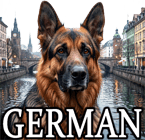

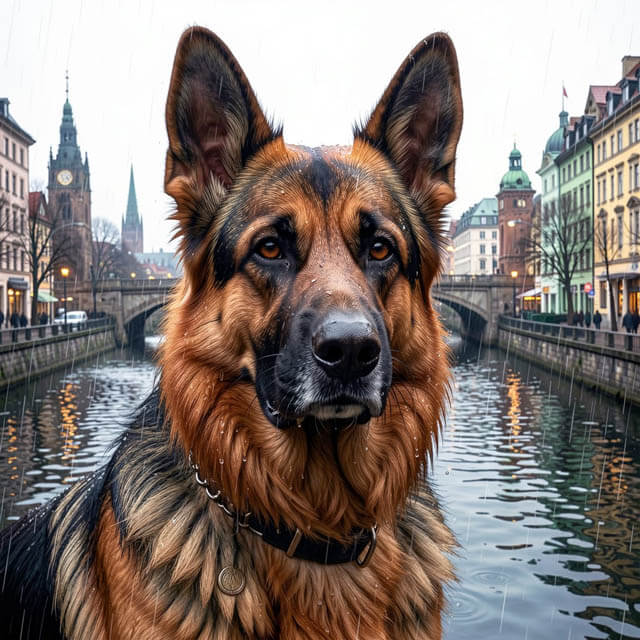
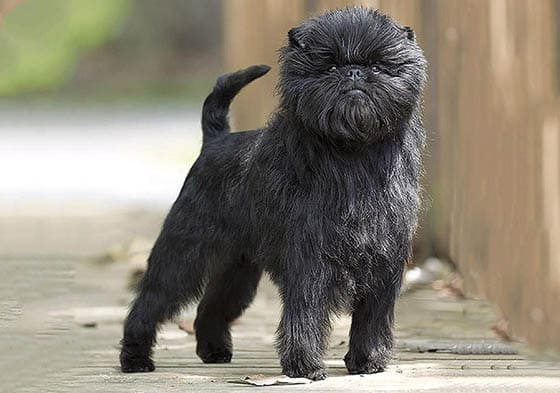
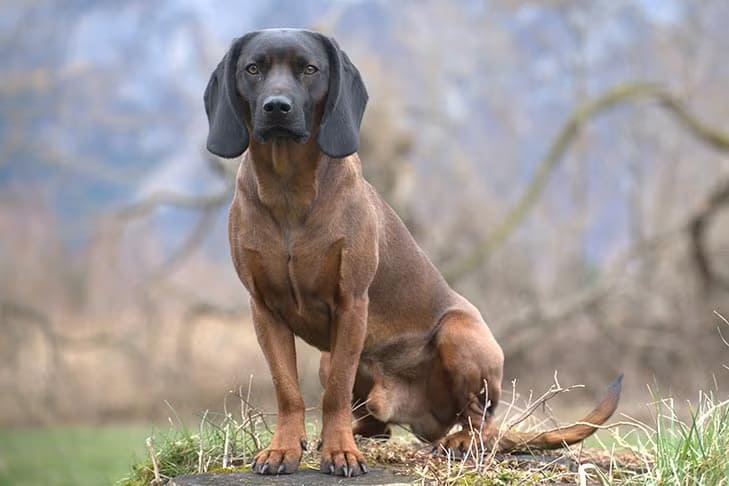
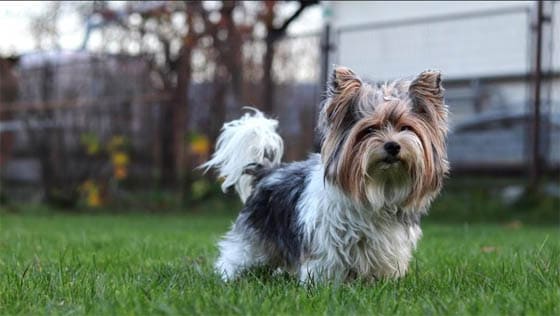
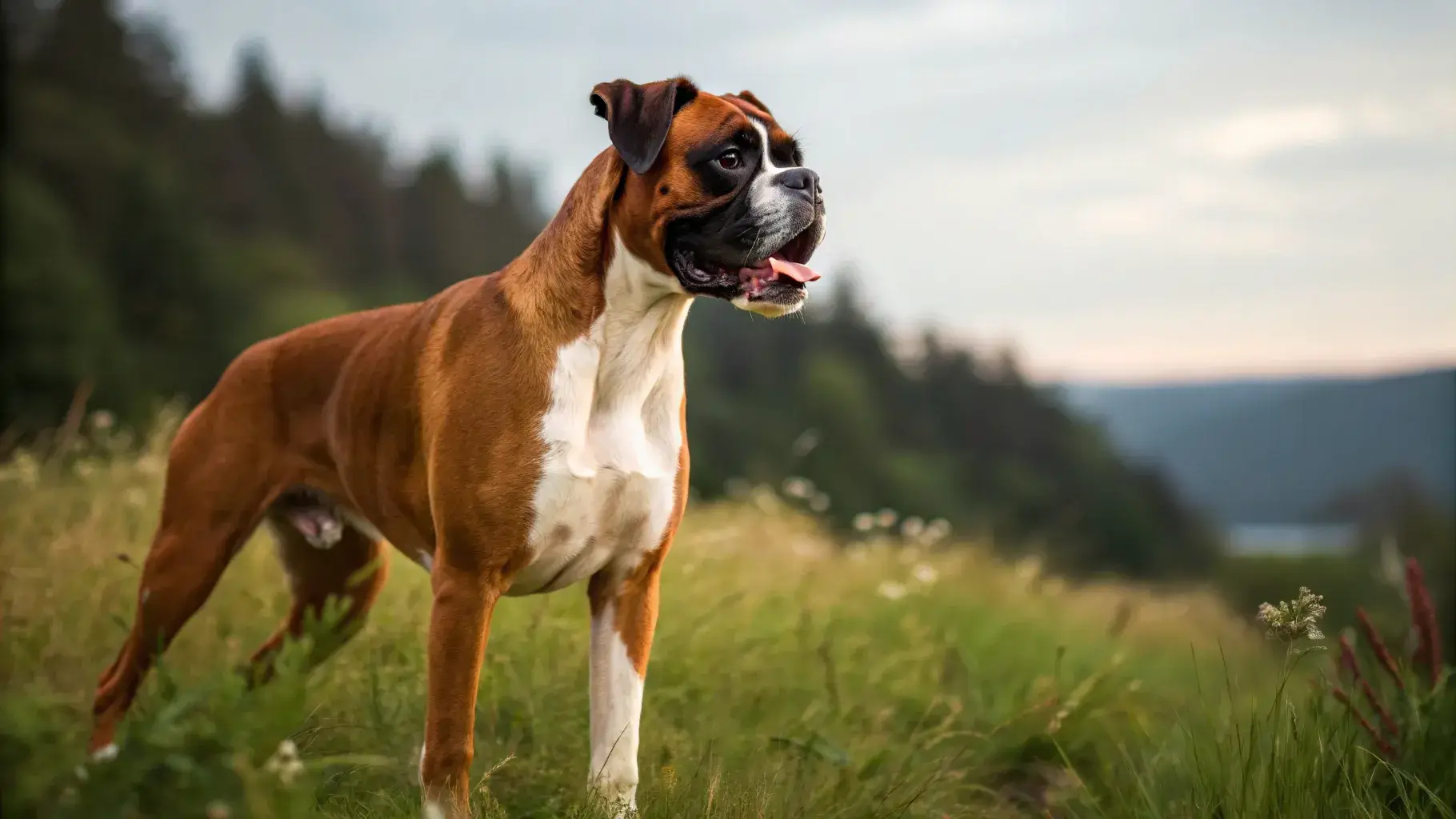
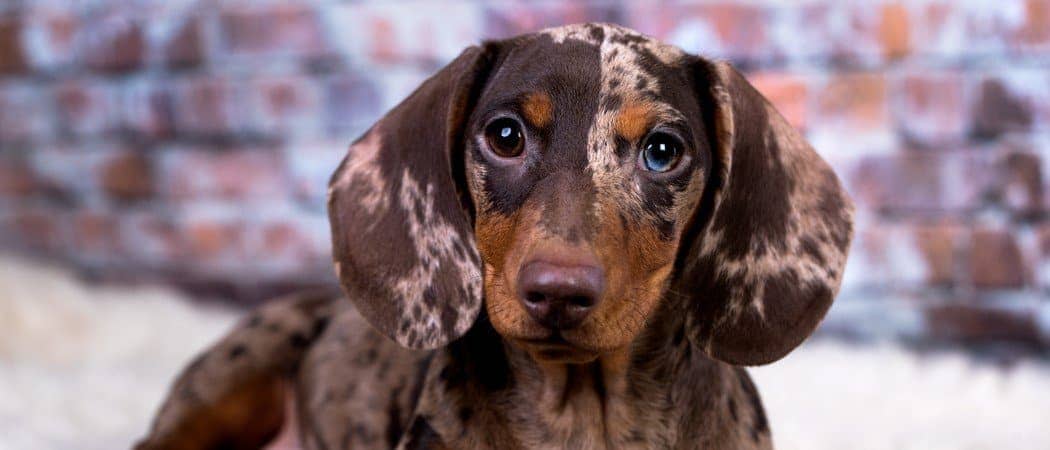

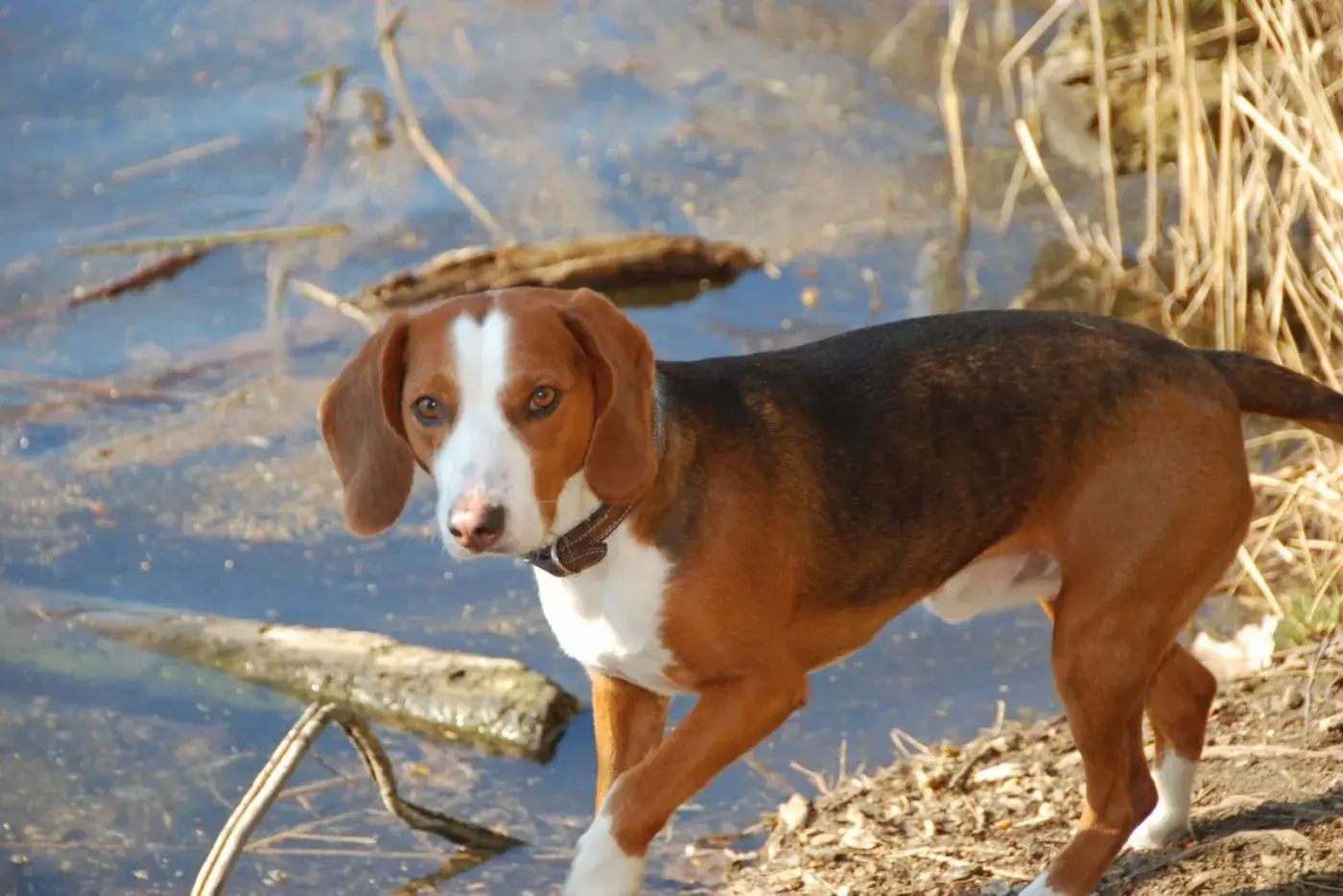
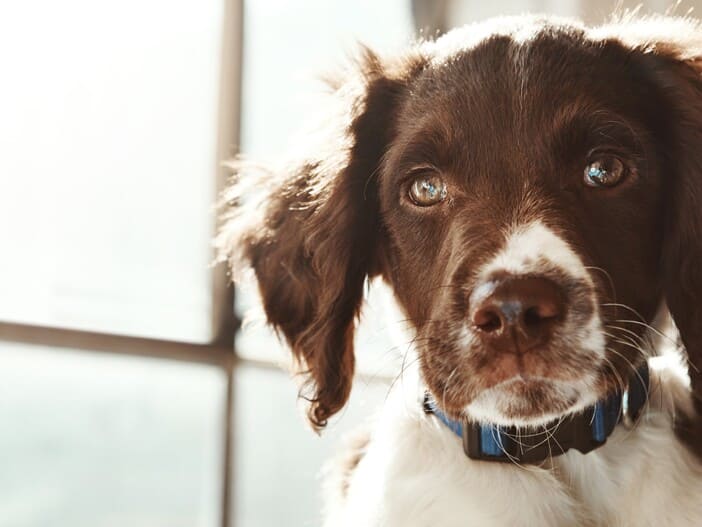
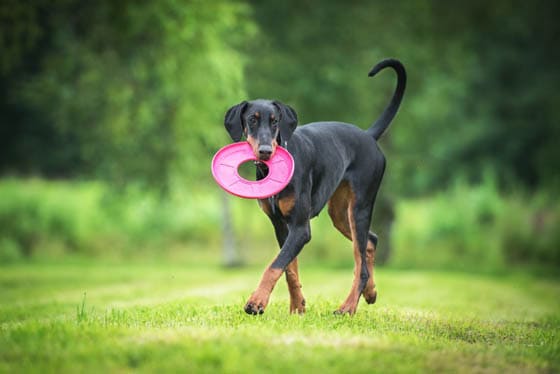
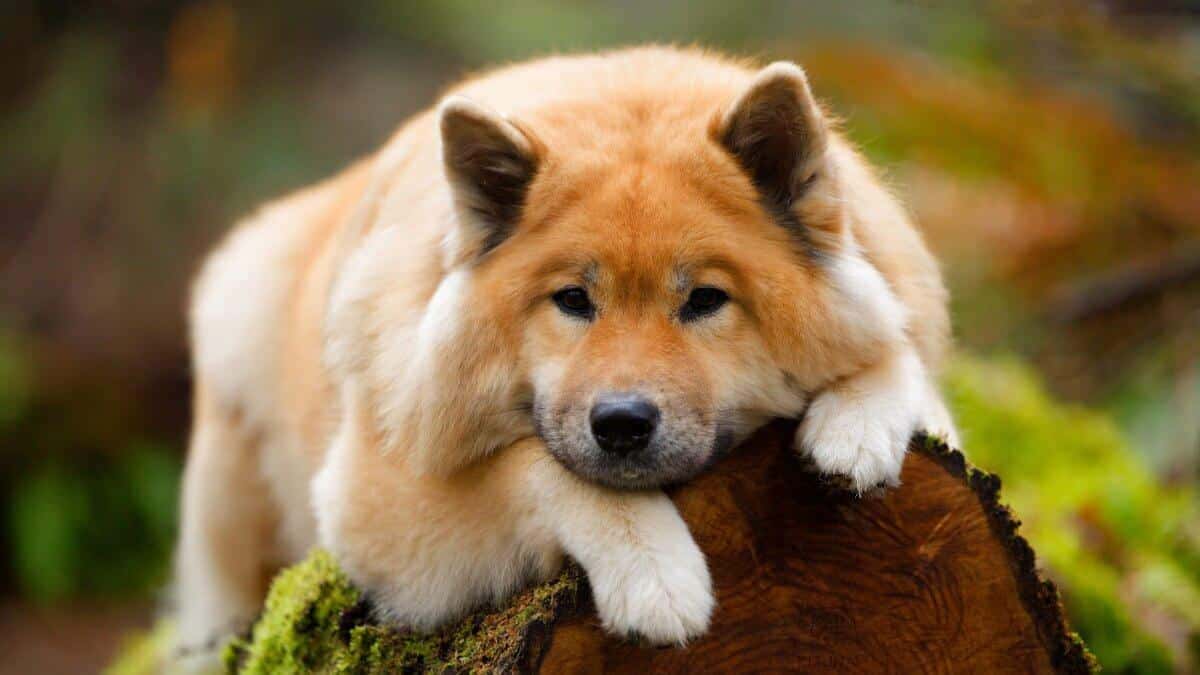
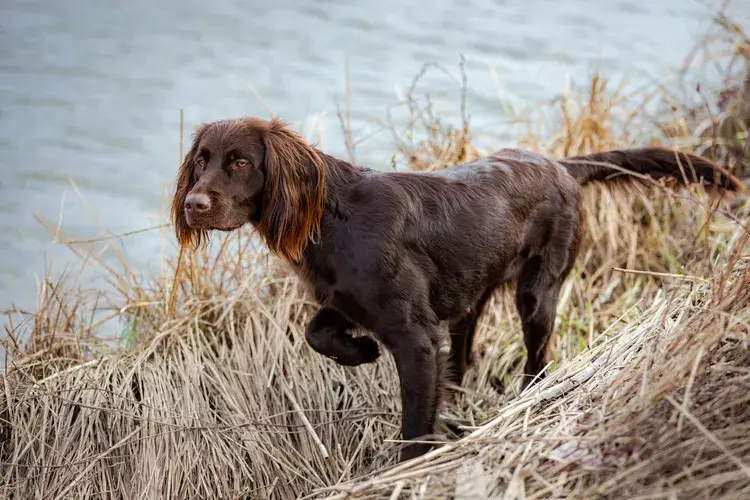

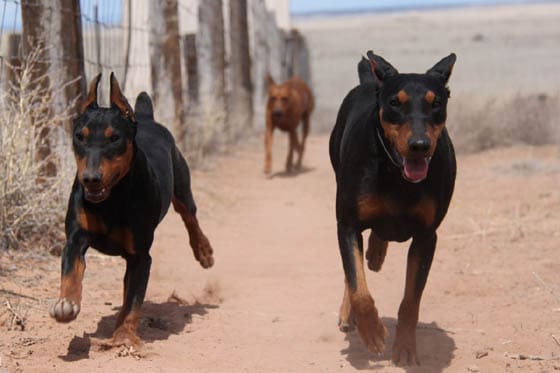
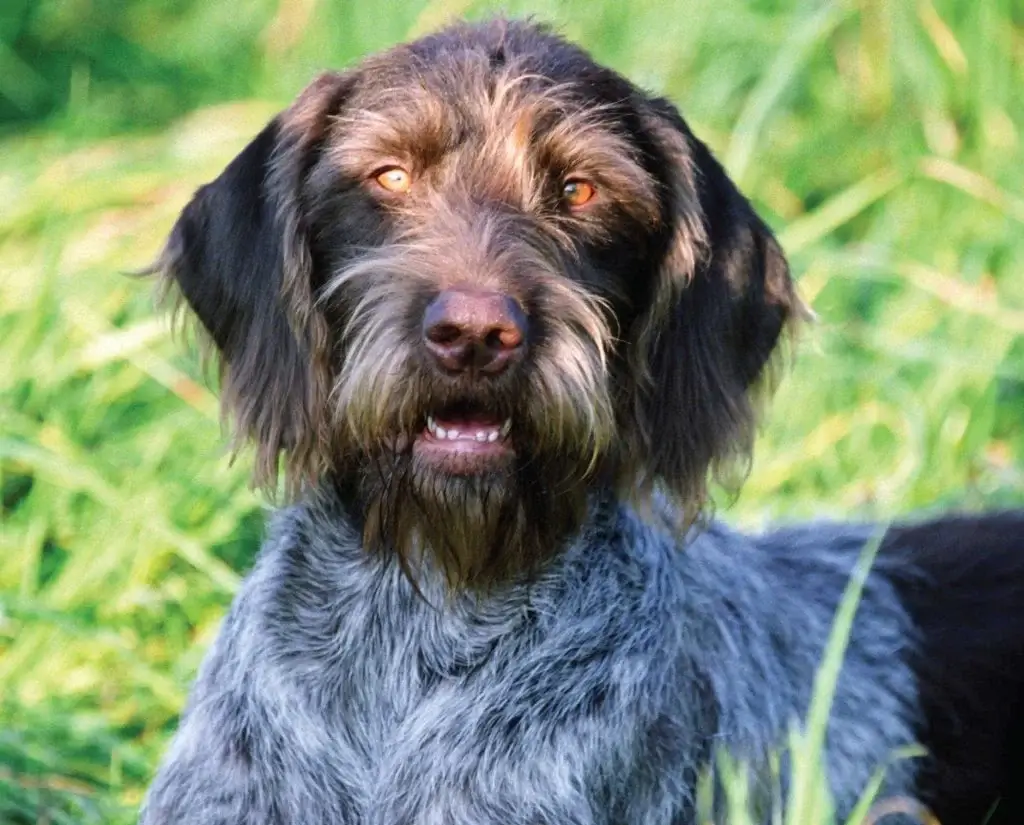
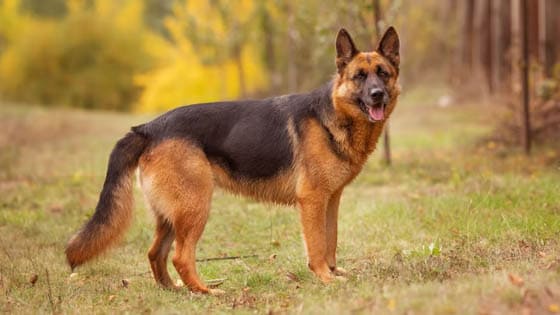
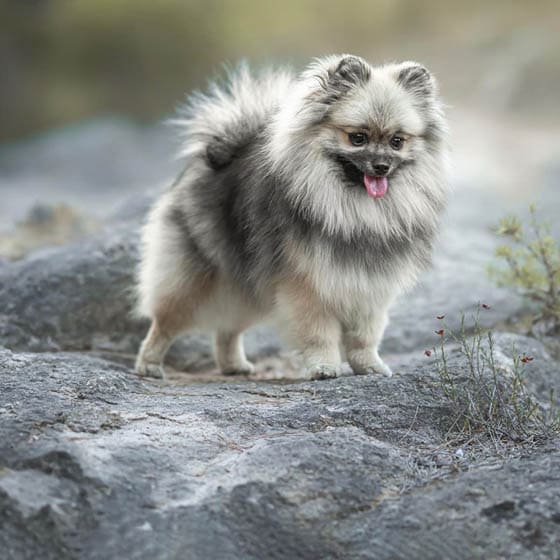
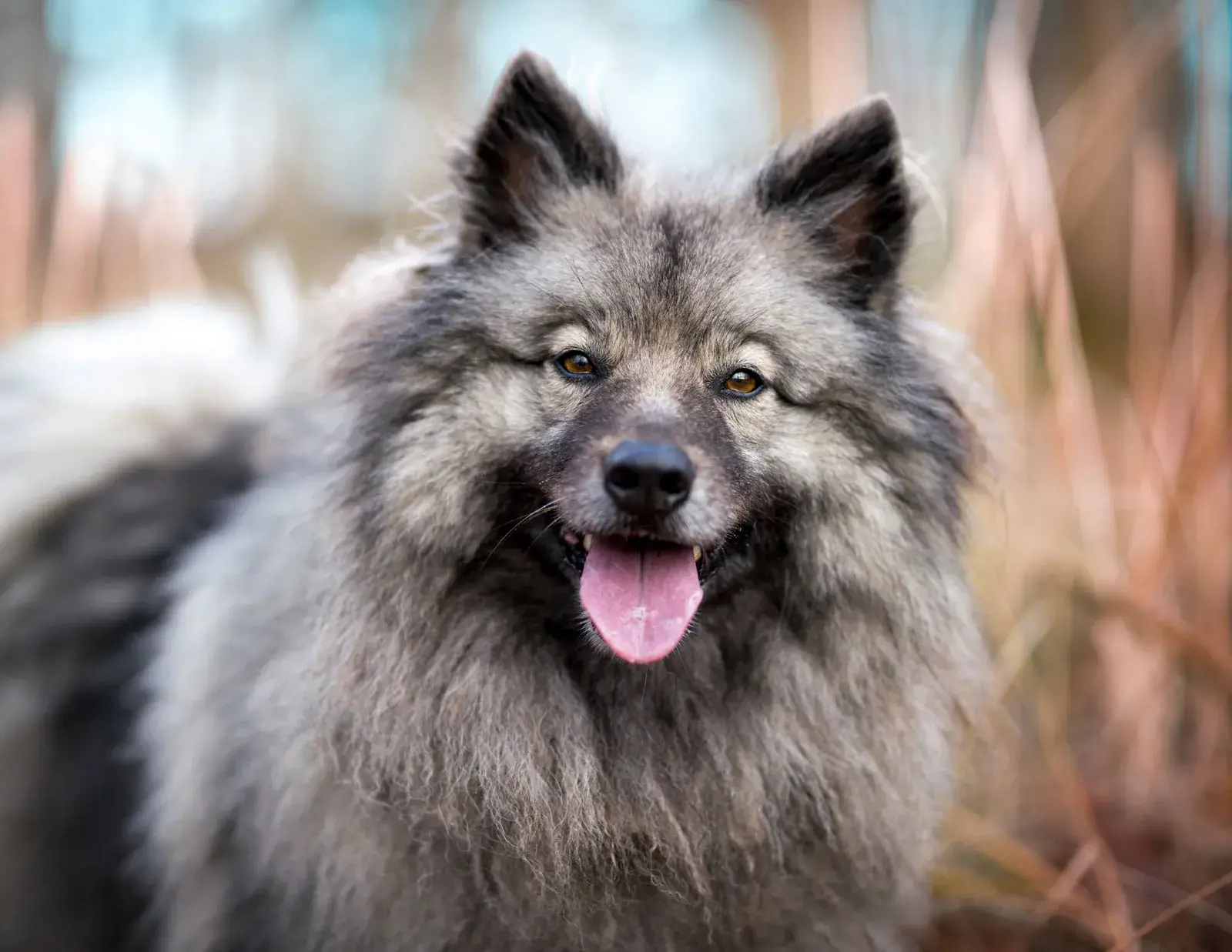
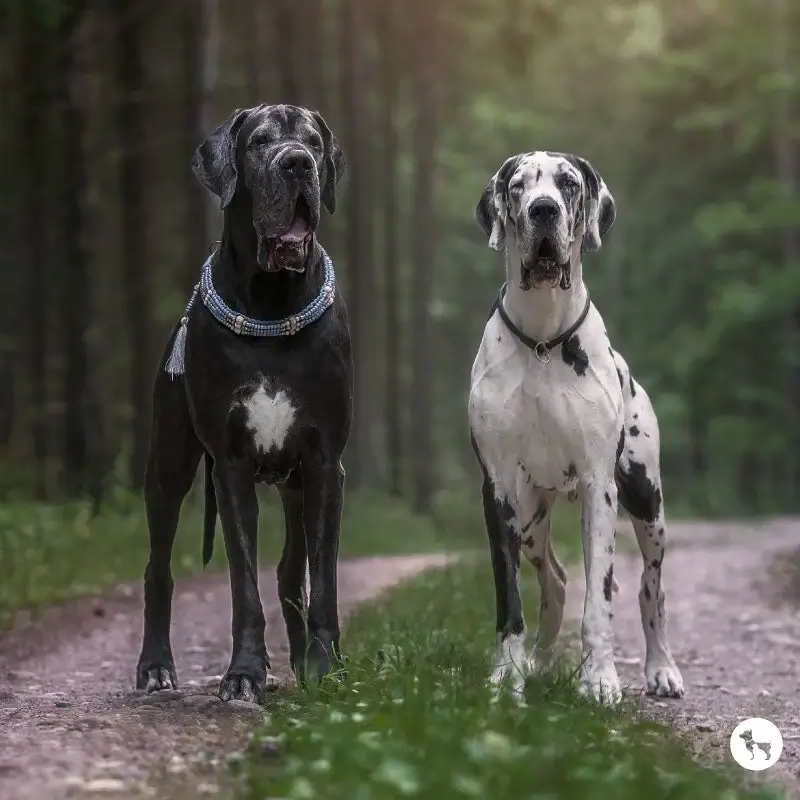
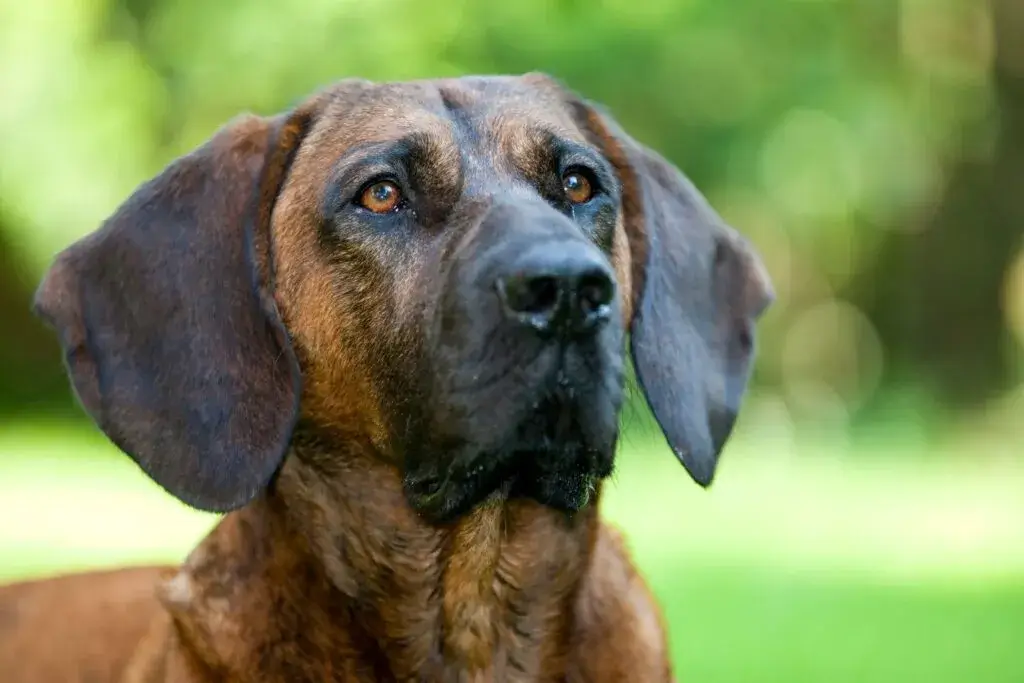
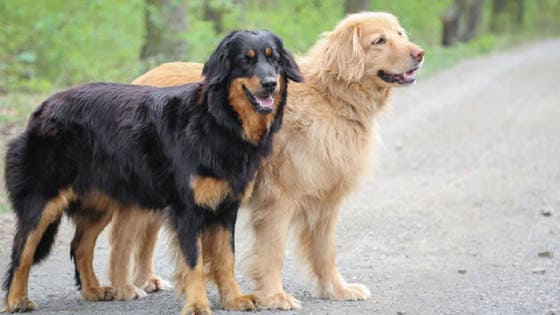
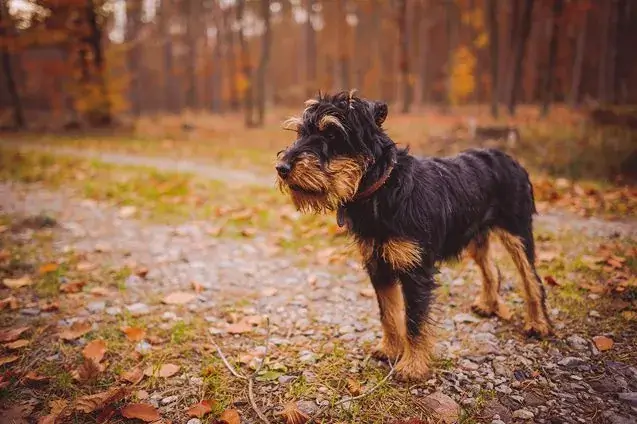

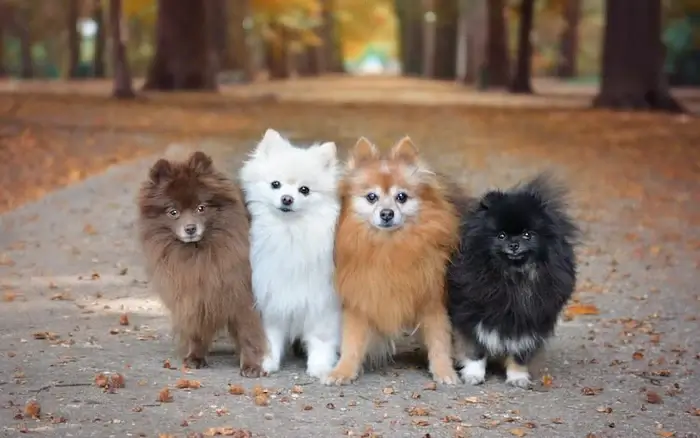
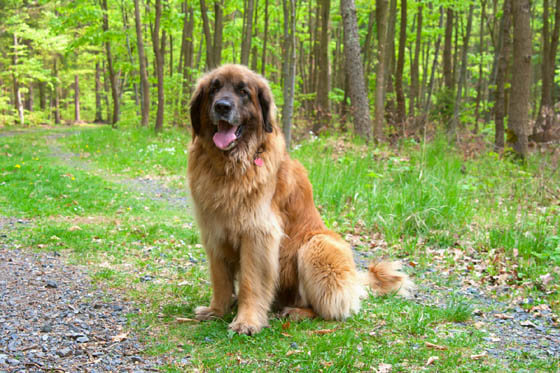
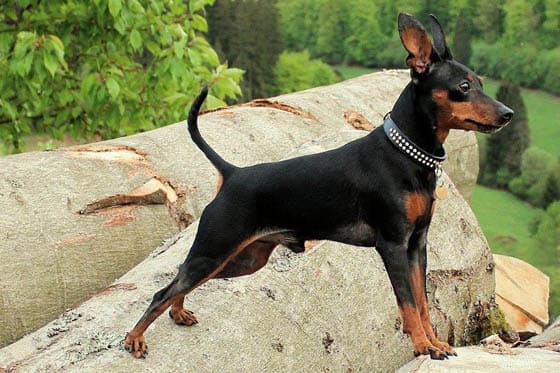
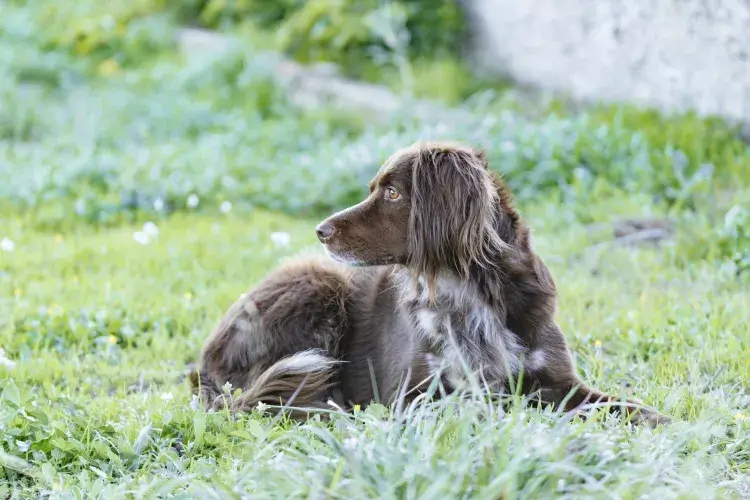
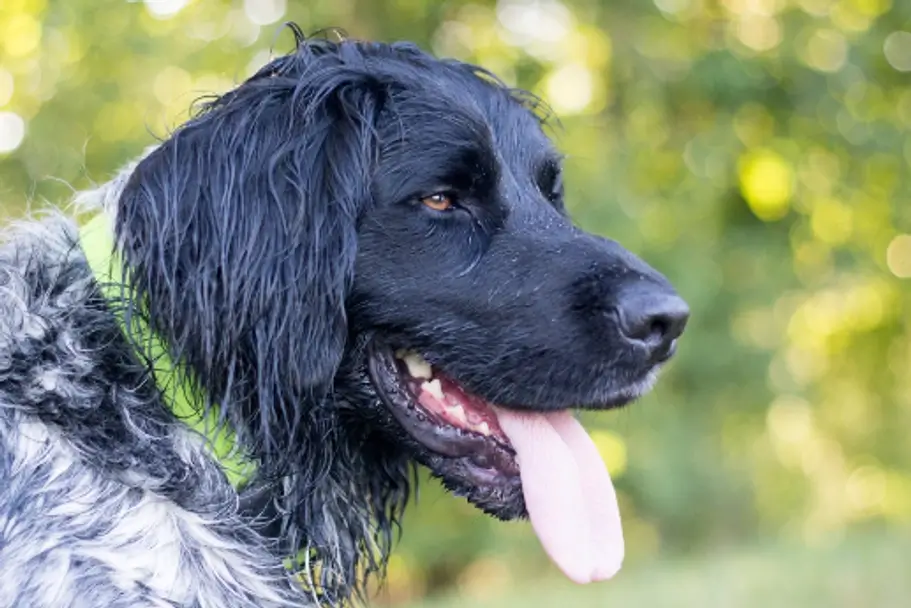
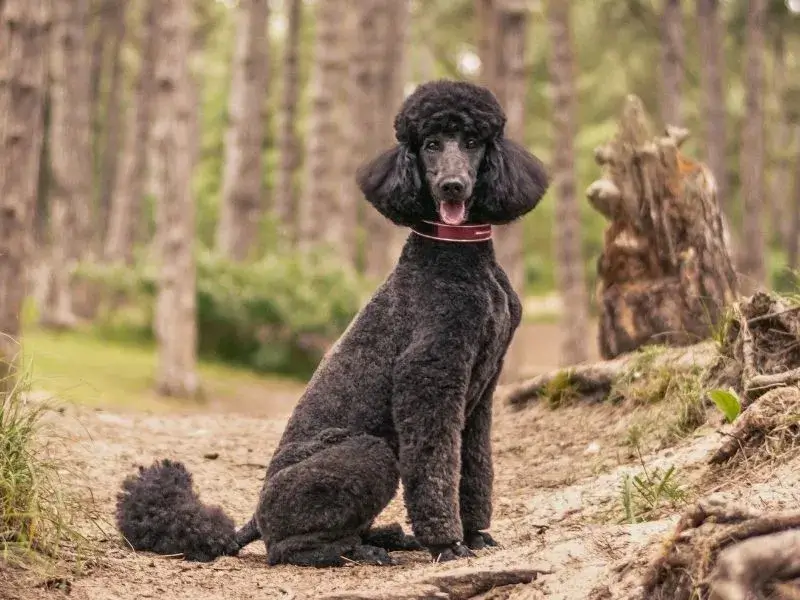
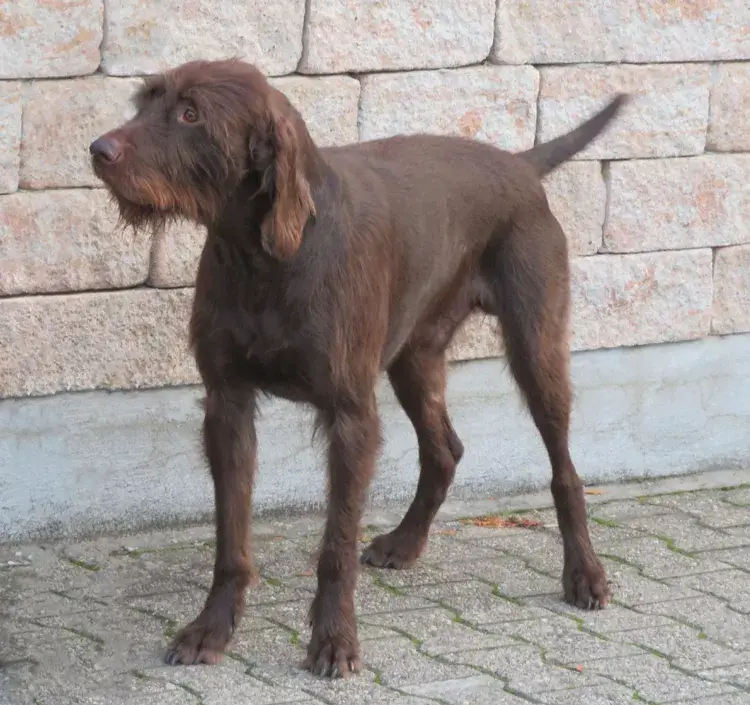
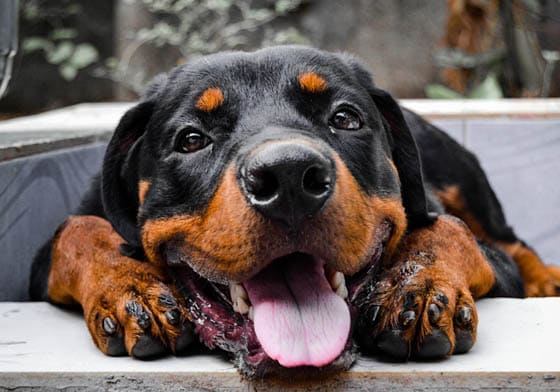
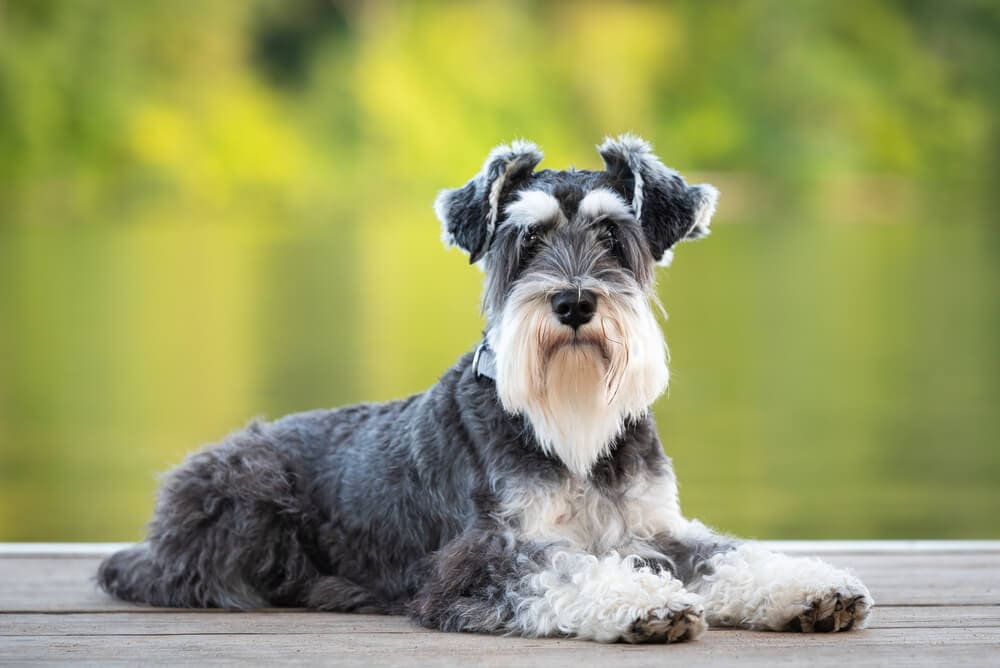
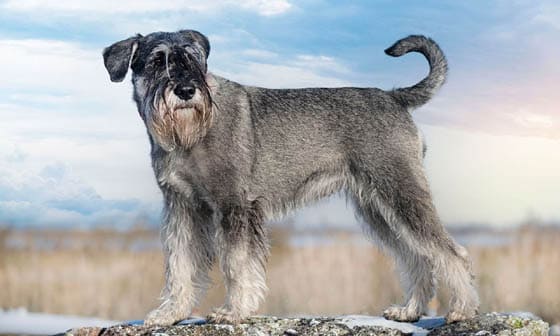
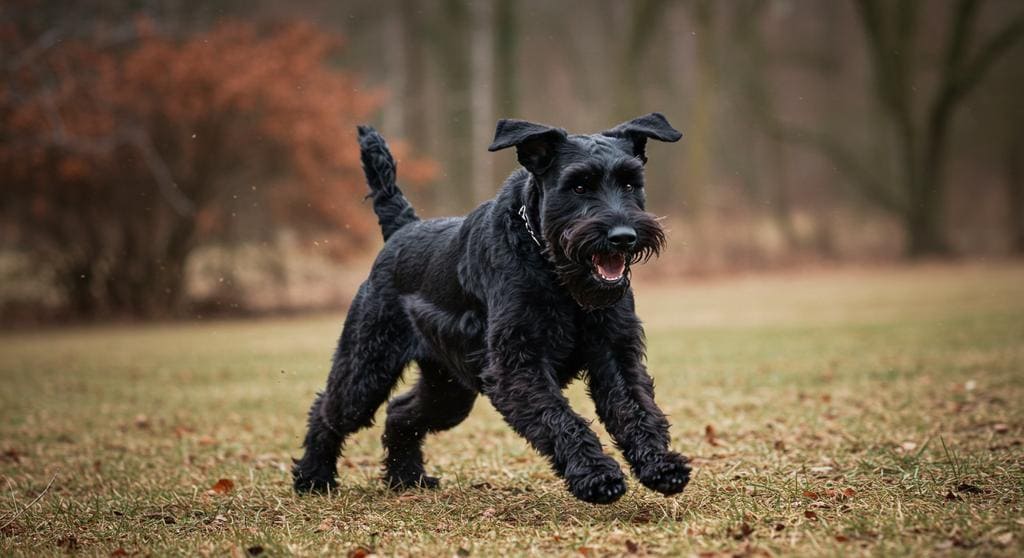
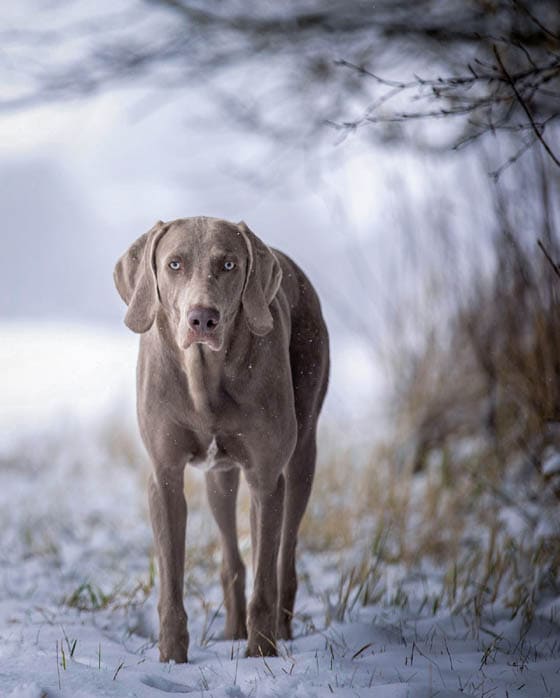
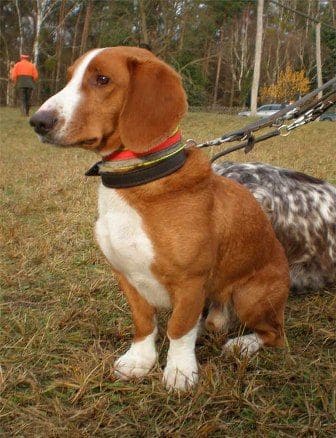
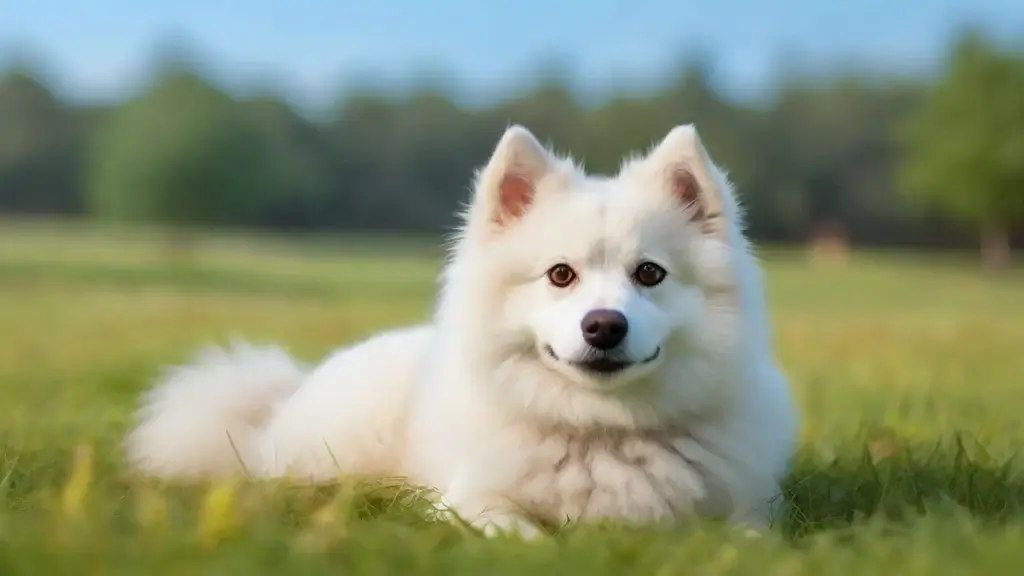
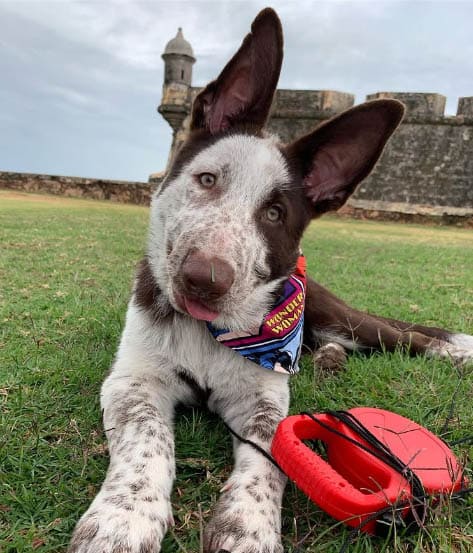
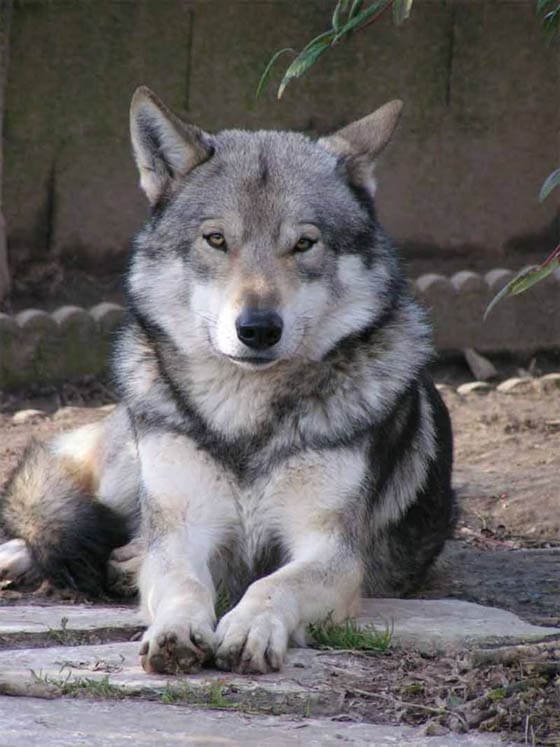
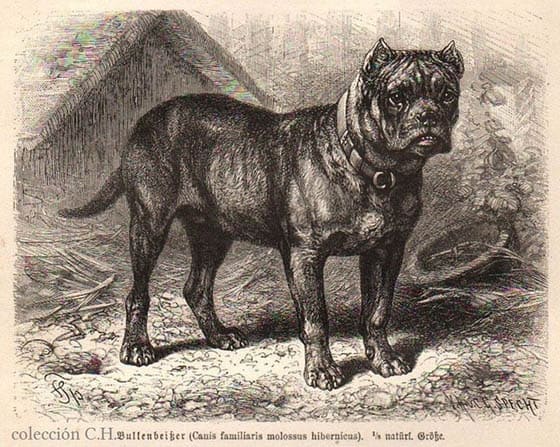












WORLD OF DOG & PUPPY 🐶