61 French Dog Breeds: Photo, Characteristics, Temperament Dogs Originating In France Rare French Dog Breeds Dog Breeds from France French Dog Breeds List
The Anglo-Français de Petite Vénerie is a medium-sized French scenthound (48-56 cm, 35-44 lbs) primarily used for pack hunting small game. Developed by crossing English Foxhounds with French hounds, they are energetic, tenacious, and intelligent, with a short, easy-to-groom white/orange or tri-color coat. They are affectionate and, while suited to country life, require extensive daily exercise. The idea was to create a medium-sized pack hound at the turn of the 15th century to the beginning of the 16th century. Ancestors of the small Chien d’Artois and Beagle were used to produce a dog that excelled at tracking small quarry, including quail, rabbit, and boar. The Anglo-Français de Petite Vénerie is a rare breed not recognized by the American Kennel Club. In France, their origin country, this breed is kept primarily for use as a hunting dog and not as a pet or show dog. Finding a puppy outside of France would be extremely difficult. The Anglo-Français de Petite Vénerie is a working dog in every sense of the word. They were purposely bred to hunt, so their temperament is that of a hunting dog. They are not often kept as pets but instead are kept in shelters outdoors alongside the rest of their pack. That is not to say that they cannot be kept as pets, but they are better suited to living with their canine pack members than humans. This breed is known for their high energy and free spirit.
They can make obedient pets, though they may be a bit reserved. They are courageous and tenacious when hunting and err on the calm and docile side when they are home. They are generally non-aggressive since they have been bred to work closely with other hunters, including strange and familiar dogs. This breed can be a good fit for some families, but they definitely are not suitable for all. Since these are highly active hunting dogs, they are generally not ideal for city or apartment life. They are also vocal and loud, which is a good trait for hunting dogs, as it enables owners to keep tabs on their pets, but it is not a great attribute for people living in cities. The Anglo-Français de Petite Vénerie is happiest in homes in the country with other hounds, where they can feel as if they are part of a pack. The Anglo-Français de Petite Vénerie can absolutely get along great with other dogs. As previously mentioned, they have traditionally been brought up alongside dogs that they consider to be members of their pack. These dogs are born hunters, so they do not require much in the way of training when it comes to scenting, tracking, and hunting. However, they can be one-track-minded, so training them on other cues and tasks and socializing them may take a more concerted effort. They can be stubborn and independent, so it is best to have some degree of experience with dog training if you plan to adopt an Anglo-Français de Petite Vénerie. They are easily distracted by scents and may find focusing on anything else difficult. Teaching the "recall" command can be particularly challenging to train.
The Ariégeois is a, rare French scent hound, originating around 1912, known as a, versatile, energetic, and friendly hunting dog used for tracking hares, foxes, and boar. They stand 18–24 inches tall, weigh 35–60 lbs, and feature a short white coat with black markings. They require high, daily, activity and are best suited for rural, active, homes. The Ariegeois is a moderately large scent hound with an exceptionally good temperament. While they aren't common outside of France, they are well-known to be very easy-going dogs with just about anything but prey. Because they and their ancestors have long-standing histories as pack animals, they show little to no aggression towards other dogs and are usually friendly even to strangers, which is also what makes them subpar watch dogs. They are an affectionate, loving and loyal breed that thoroughly appreciates being a part of the family and even with their high energy levels, will generally follow the group in whatever activity they partake in, even if it's just lounging around. That's not to say they do not need exercise though. As larger, highly-athletic dogs, keeping them at their healthiest and happiest generally means giving them a considerable amount of exercise. If they are not used as coursing and driving dogs, they are generally most satisfied by going on runs or having a large, open space to hit top speed, where they can simulate the work of their lineage by chasing balls.
They are relatively easy to train and generally do much better the closer they are with their owner but once fully trained, take command well. The Ariegeois is known to be a friendly, affectionate, and playful dog that is just as good with other dogs as it is children. They are an intelligent breed that generally does well with training but because of their hunting and coursing drive can sometimes be a bit stubborn at times, especially if stimulated by something prey-like. Outside the home, they are active animals and have a considerable amount of energy that takes a lot of exercise to fully drain. They do best in homes with open space to run and play or ones where they are allowed to go on runs with their owners, but are also just as happy to sit inside and lounge if that is what the family is doing, which can be problematic in certain scenarios, as they have the potential to become obese. Because of their friendly nature, they are generally not great watch dogs, as they are not often wary of strangers unless trained to be or given reason. They also don't do well with other smaller animals in the house, because of their hunting drive. But overall, they are low maintenance, highly-adaptable dogs with big hearts and easy-going personalities, making them a great choice for a wide variety of families. Ariegeois Pointers are calm, loyal, and great for people. Because they were bred for hunting purposes, they are especially good for active families, but they may not be ideal if you have other small animals in your household. Luckily, they are easy to train and will be a dedicated friend for life.
The Barbet is a rare, medium-sized French water dog (30–60 lbs) known for its distinctive, long, curly coat and,, most notably, its beard. Renowned for being intelligent, friendly, and loyal, they are excellent, active family companions with a love for water. They require high grooming maintenance to prevent matting but are low-shedding. The Barbet has a rich cultural influence and has been depicted in various works of art, including paintings and literature, where the breed often symbolizes loyalty and companionship. Known for their versatility, Barbet have been employed in numerous roles beyond hunting, such as therapy dogs and as search and rescue canines. The Barbet is known for a friendly and affectionate temperament, making the dog breed an excellent companion for many families. They are typically gentle, playful, and intelligent dogs that enjoy being involved in family activities. Barbet have a moderate energy level, and require regular exercise to stay healthy and happy. They thrive when given tasks or activities that engage their minds, such as obedience training and interactive toys.
Barbet are calm and friendly dogs, and they generally get along well with other pets and children, thanks to their patient and tolerant demeanor. They are intelligent and curious dogs, exploring their surroundings with occasional barking to alert or express excitement. Keeping your Barbet well-exercised and entertained will reduce the chance of your dog engaging in undesirable behaviors like excessive barking or digging. Barbet dogs respond best to positive reinforcement training methods, such as being offered praise and treats for following your cues. Keep training sessions consistent and fun to help them learn. Barbet puppies need proper socialization to be confident and adaptable as they grow and navigate the world. Talk to your Barbet breeder about how they have approached socialization, and ask your vet for age-appropriate activities for your puppy. With these strategies, you can foster a well-behaved and confident companion. Barbets love their humans and need constant attention from them, so they may be susceptible to separation anxiety. Excessive drooling, accidents in the house, and destructive behavior can be signs of the condition. Talk to your vet about ways to ease separation anxiety through training or medication for severe cases. Because barbets are extremely intelligent, they have the potential for stubbornness. Obedience training, as well as regular exercise and entertainment, can help. Although the barbet is loving and loyal to its family, it may not be so friendly towards strangers. Ongoing obedience training and proper socialization can help.
The Basset Artésien Normand (BAN) is a French scent hound, standing 12–14 inches tall and weighing 33–44 lbs, known for its long body, short legs, and trailing skills. They are affectionate, gentle, and intelligent family dogs. Originally bred to hunt rabbits and hares, they are tenacious trackers requiring daily exercise and a fenced yard. The Basset Artesian Normand is fairly easy to obedience train. Although brave and determined, courageous and headstrong in the hunt, the Artesian is gentle with children and makes a fine, trustworthy pet. They have a very deep bark and may bark loudly when strangers arrive, but will still give a warm welcome. Good-natured and obedient, he is valued as a companion as well as an excellent hunter. Many French owners embrace this dwarfish hunter and welcome him into their home as a member of their family. He has an excellent nose and loves to take off after an interesting scent, so be careful he does not slip away from you. They will get along nicely with other breeds; they live in packs in France. If they are socialized with cats and other household animals when they are young, they will get along with them as well. Owners should be firm, but calm, consistent and confident in their approach. To avoid behavior issues learn canine instincts and treat the dog accordingly, providing plenty of daily mental and physical exercise. The Basset Artesien Normand is an intelligent, calm, obedient breed. Their keen noses make them excellent hunting dogs, while their friendly, playful personalities make them ideal family companions. This breed is energetic, intelligent, and eager to please.
These pack-oriented pups have social personalities and enjoy the company of people and other dogs. They are affectionate with their family members and are always game for an outdoor adventure. Like other scent hounds, Basset Artesien Normands are prone to wandering off wherever their noses lead them. For this reason, keeping them in a fenced yard or on a leash is best. Basset Artesian Normands are great family dogs, they are extremely devoted and can be counted on to be excellent watchdogs. They enjoy nothing more than to be around people they love, and they prefer to remain with their family all the time. They will bark when strangers, odd sounds and unusual movement occurs but they are not aggressive unless aggressed upon. Basset Artesian Normands actually prefer the company of other pets, as their Basset Hound linage was customarily brought up in packs. The Basset Artesian Normand requires minimal maintenance. A few brushings a week, gentle ear washings, occasional nail clipping and a close watch on the eyes is most of all that needs to be done aside from a closely monitored diet to keep him healthy and happy. Of course, lots of exercise, outdoor playtime, and attention is a must, but that should not be considered a chore! This purebred's temperament should be along the lines of very friendly, easily trainable, extremely curious when a scent gets his attention and overall, a great family dog. As this breed came from Basset Hounds that were raised in packs as well as lived and hunted thusly, they socialize easily and are loyal, devoted dogs that are very easy-going. They are not aggressive although they will warn of unusual noises and approaching strangers with an unmistakably low, loud bark that makes them excellent watchdogs.
The Basset Bleu de Gascogne is a medium-sized French hound known for its distinctive white coat speckled with black, creating a "blue" appearance, along with tan markings. Standing 12–15 inches tall and weighing 35–40 lbs, they are athletic, long-bodied, and, as scent hounds, possess a strong hunting instinct. They are generally friendly, affectionate, and low-maintenance, requiring weekly grooming, but they are vocal, independent, and need regular exercise. The Basset Bleu de Gascogne is one of France’s six different Basset Hound breeds. He is a very lively hound and loves hunting. He has a great sense of smell and hunts most of the time with his nose to the ground. He is a people pleaser and is relatively easy to train. His ideal home is with a family that is active and gives him plenty of opportunity to be outside with them playing or hiking. The Basset Bleu de Gascogne can make an excellent family companion if he is raised with children. He may be a little suspicious of children he does not know. Proper socialization is important to ensure he is a happy, well-adjusted family member. The Basset Bleu de Gascogne is a typical hound. He is friendly, fun-loving and eager to please. He likes other dogs but is just as content to spend time with his human family. Generally, he does well with children he is raised with and makes an excellent playmate. The Basset Bleu de Gascogne is not a hyper dog but he does require daily exercise to keep him healthy. It does not take much for him to become a couch potato and he easily gains weight and obesity is a concern in the breed.
He does need a sturdy fenced yard because he is a scent hound and will follow a trail for miles. Do not leave him alone in the yard for long periods of time; he can become a destructive dog. Apartment living is not recommended for him. He can be a very vocal dog and has a typical, loud hound voice that can easily annoy neighbors. The Basset Bleu is a swift, agile hound dog with a keen nose. These dogs can hunt for long periods in all weather - after which they will happily return home for a long nap on the couch! They love being part of a pack and prefer to spend most of their time with human or canine companions. These agile, adventurous, and curious dogs love the "pack life." They enjoy the companionship of other dogs and humans alike and make a great addition to the family. Because of their pack mentality, they don't do well when left alone for long periods. If their humans have to be away from home for long stretches of the day, they may do better with a canine buddy to keep them company. Though they are generally affectionate and lively, they can sometimes be reserved, particularly around strangers. Bred for their excellent nose and strong hunting skills, these pups tend to spend a good deal of time with their face to the ground. And once they pick up a scent, it's challenging to keep them from following it. For this reason, it is best to keep your dog in a fenced area when they're off-leash to prevent endless wandering. Basset Bleus are also known for their musical howls. These can be entertaining to their adoring family members, but close-by neighbors may not have the same appreciation.
The Basset Fauve de Bretagne is a small, energetic, and hardy French hound with a rough, fawn-colored coat, originating from Brittany as a tenacious hunter. They are charming, sociable, and intelligent family companions (32-38 cm, 16-18 kg). They need daily exercise, possess a strong prey drive, and are prone to stubborness, requiring consistent, positive training. The Basset Fauve de Bretagne is a small hunting, hound dog. The breed is sweet, friendly, lively, gentle and devoted making an excellent companion dog. Its temperament should always be friendly, and never vicious, moody or harsh, and would only become so if the owners lead the dog to believe he is pack leader over humans. It is mild but not timid, very affectionate with its master and friendly with children. It can be a bit stubborn with meek owners and needs a firm, confident, and consistent owner who displays natural authority over the dog.
Dogs need to know the rules of the house and have the humans stick to them. Bassets like to do tricks for food. They have a deep musical bark. Housebreaking can be difficult, but they do well with patient, gentle training. This courageous dog is a serious, determined hunter. They can easily adapt to different types of game and terrain. With proper training, they are obedient, but when they pick up an interesting smell, it's sometimes hard to get their attention, as they like to follow their noses and may not even hear you calling them back. Only allow your Basset off lead in safe areas. There is a lot to love about the Basset Fauve de Bretagne - a smart and joyful breed. These small dogs are full of energy and, with proper training, make wonderful companions. Like most hunting dogs, Basset Fauve de Bretagnes will let you know when something’s worth chasing by sounding their hound alarm and taking chase. Whether they are hunting or providing companionship, Basset Fauve de Bretagnes excel at whatever they do. They are known to be sociable, as well as affectionate and amenable. Though they enjoy keeping their people company, the Basset Fauve de Bretagne really shines at hunting, using their courageousness and intelligence to outsmart and outrun any prey. Many of this breed’s excellent hunting traits, such as their endurance, hard-working ethic, and intelligence, make them good pets, as well.
With the appropriate amount of exercise, the Basset Fauve de Bretagne can be an agile, lively, and affectionate addition to any household. And early socialization and training can help them be friendly toward strangers and other animals. It may not look like it at just over a foot high at the shoulders, but this little French dog is fast and courageous. The Basset Fauve de Bretagne is loved for their small stature and hardiness, two traits that are desirable in hunting dogs of any size. They have wiry, low-maintenance fur, are good with kids and other pets, and are a fairly healthy breed. The Basset Fauve de Bretagne needs exercise but also needs training to keep their minds healthy. This is a very smart breed so they may get into mischief if they aren't given proper mental stimulation through activities, games, training games, and toys. Training sessions to practice and make them think should be continued even after puppyhood but when they are young, these sessions are of utmost importance to harness their strong wills.
The Beagle-Harrier is a medium-sized, scent-driven scenthound developed in 19th-century France to hunt hare and deer, often described as a cross between a large Beagle and a small Harrier. They are energetic, friendly, and pack-oriented dogs. The Beagle Harrier is loyal and good with children. They can be stubborn at times if they catch a scent they wish to follow. This breed makes a good watch dog. They tend to have a distinct howl or bay of a bark. Often confused for a large Beagle or a small Harrier, the Beagle Harrier fits somewhere in between the two breeds in weight, height, and look. While many other breeds possess either clear or at least partially documented pasts, the Beagle Harrier's is almost entirely still up for debate, as there are numerous groups that divide their beliefs at various points in its history. However it did happen to develop, at least its current form is available for analysis. What is known is that like both of its related breeds, the Beagle Harrier is exceptionally well-tempered, if not near one of the most beloved personality types of all breeds. Because they were long-kept as hunting dogs, they have a zealousness that translates from their tracking to affection in the home. They are extremely loving, playful dogs that are known to be relaxed, easy-going types around nearly all who could potentially interact with them, from other dogs to strangers and children, making them universally approachable.
While they are enthusiastic and determined hunters, they are generally calm and even-tempered at home, though they do have a mild tendency to bay when excited or startled. They do, however, require a considerable amount of exercise and generally do better in active homes. They are still considered a rare breed. Although they may have a limited history, there is more than enough recent evidence to suggest that Beagle Harriers are as universally lovable as their namesake counterparts. While Harriers may not have achieved the worldwide adoration that Beagles have, they've undoubtedly imparted just as many lovable characteristics as the latter. Outside of some random obnoxious baying and having a high drive for exercise, there is little not to like about this breed. It is generally highly affectionate, playful, good with most types of other dogs and people, children included, goofy and entertaining, and has little trouble entertaining itself if left in a space big enough to follow its nose around. While they do have a tendency to follow a scent with or without their owner's wishes, they are actually quite easy to train, making even their worst habits seem within the realm of control, as long as they've actually received thorough training and enough exercise to keep their behavior positive.
The Beauceron is a versatile, intelligent, and confident French herding breed, often described as a 100-pound dog with a Border Collie's brain. Standing 24–27.5 inches tall and weighing 70–110 lbs, they are athletic, loyal guardians needing 1–2+ hours of daily exercise, making them ideal for active owners, farm work, or competitive dog sports. The Beauceron is a brave, highly intelligent, obedient, working dog. Eager and willing to please, it excels at obedience training, very quick to understand and respond to its master’s commands. The Beauceron is capable of police work, as it is loyal, patient, faithful, fearless and keenly watchful, able to detect danger. It is a worthy, natural guard dog that loves to work and exercise in wide open spaces. Another one of its many talents is working as a herding dog. It may attempt to herd humans and anything else in its sight and need to be taught this is not acceptable. There are places you can take dogs where they can demonstrate herding ability with flocks of sheep. This is an excellent way for them to release energy at the same time working their minds.
With enough exercise your Beauceron will be calm. It will be good with dogs it knows and can learn to get along with other dogs and cats. It should not be left alone for long periods of time without exercise. The desire of a herding dog to keep their "flock" together, be it children, the neighborhood cats, or sheep, oftentimes frustrates an owner, but it is what a Beauceron was bred to do. In general, the breed is tolerant with children, affectionate with family, and protective of the flock, both human and animal. An intelligent breed, the Beauceron is often described as an independent thinking dog. They are highly trainable and can put energy to good use in dog sports and obedience competitions. This dog has a high, strong drive to work and needs to be given a job to do in order to thrive. Socialize your dog from a young age to expose them to a variety of situations so they are not shy or aggressive. The beauceron is loyal and protective, making a good watchdog and guard dog that is protective of his people and property. They tend to be a dominant breed and require a firm hand in training. If handled with patience, this breed can become an ideal companion. They can be territorial around other pets and should be introduced to other dogs early in their training.
The beauceron is an intelligent breed and a quick learner. They enjoy challenging activities and need a regular outlet for their energy. Daily walks are a must, or at least freedom to run in a large yard. The Beauceron dog breed is known to be very affectionate and loyal toward their family members. They can be good with young children and other dogs when introductions are supervised and done properly. Around new people, Beaucerons can be wary and suspicious. It is important to socialize Beauceron puppies with new people early so they learn that strangers are not scary. Beaucerons enjoy playing with family members and other dogs. They can adapt moderately well to change inside or outside the household, such as moving or when a new family member or dog is brought home. This breed also has a lot of energy and thrives when they have a job that will keep their body and mind stimulated. Without enough mental stimulation, Beaucerons can become destructive.
The Berger Picard is a rare, medium-to-large French herding dog known for its,,scruffy, wiry coat, erect ears, and "smiling" expression. Standing 21.5–25.5 inches and weighing 50–70 lbs, they are athletic, energetic, and intelligent, but can be stubborn, requiring confident training. They live 12–13 years and make devoted family pets but need significant daily exercise. To bring up and prepare a Picard for its future life, it needs a well-balanced owner who can give the dog reassurance in everyday life along with daily pack walks. It has to be a member of the "pack," not to be locked away in a kennel and not to be isolated from the family. Intelligent, the Picard learns quickly but if the handler is not displaying a natural authority the dog will become stubborn and may not always want to learn. Meek or passive owners will most certainly run into behavior issues. It is a real task to train Picards for any kind of dog-sport.
These dogs are very sensitive to the voice so being harsh with them is not necessary. One needs to be patient, calm, but firm, confident and consistent. Make the rules clear and sticking to them. It needs to be well-socialized when it is still young with close contact to friends, children, and even strangers, to give it the best start possible for a good and long life in society. If raised with other animals such as cats, pet rabbits, and geese, there is usually no problem in keeping them together. If well trained, the Picard usually will not hunt. In general it does not even have a strong hunting instinct. Picards that do hunt use sight more than smell. However, some lines do have stronger hunting instincts. Some like to bark and do so frequently unless the humans communicate to the dog that barking obsessively is an unwanted behavior. Without this proper communication between the human and the dog the barking can become a problem if you live surrounded by neighbors. Contact with other animals is not generally a problem. Energetic, alert, loyal and sweet-tempered with children, it is a fine sheep and cattle herder and a good farm guard.
Lively and alert, observant, confident and even-tempered. Such traits served them well as herders of sheep and cattle, but they can also translate nicely to house pet life, especially in active families who can provide them with daily exercise. Though they are described as one-person dogs, Berger Picards can get along with people of all ages. They do need time to warm up to strangers, and due to the Picard’s high prey drive, they may not be a great choice for homes with smaller pets. Bored and lonely Berger Picard dogs with energy to burn will be more likely to display unwanted behaviors, like rowdiness. Daily exercise and close companionship are musts. Known as independent problem solvers with strong stubborn streaks, Berger Picards are also loving and devoted companions. The breed can be reserved with strangers but should not be timid or nervous. True to their herding roots, Berger Picards require a great deal of exercise and are best suited to active families. These dogs also have a sensitive side and prefer to not be on their own for long periods of time. If left alone too long, Berger Picards can become bored and destructive.
The Bichon Frise is a small (12–18 lbs), cheerful, and affectionate toy breed known for its fluffy white, hypoallergenic coat. Ideal for apartments and families, they are intelligent, active, and require regular grooming every 4–6 weeks. Generally healthy (12–15 year lifespan), they can suffer from allergies and need consistent training. The Bichon is a fluffy, little white dog that loves human company. It has an independent spirit, is intelligent, affectionate, bold and lively. This charming, gentle dog is not a yapper. It has a self-assured, happy temperament that is easy to live with. These bright little dogs are easy to train and just plain old love everyone. They need people to be happy. They are naturally sociable and are happiest when they are part of a family that takes them everywhere. This sociable trait also means that they are fine in the company of other dogs and pets and are excellent with children. Used as watchdogs and to perform tricks, this breed is competitive and obedient. Like a lot of smaller breeds, the Bichon may be difficult to housebreak.
Bichons Frise are energetic dogs, but they are also very adaptable to their surroundings. These traits are what make Bichons good with small children. And because they are very social with humans and other pets, Bichons fit right into most families and make ideal lap dogs. Smart and social Bichons Frise warm up to new people and animals quickly. At home, Bichons are gentle, playful, and loving dogs. They love to play and need lots of attention and affection to be happy. If they are bored or lonely, Bichons may turn to undesirable behaviors like excessive barking or chewing in an effort to entertain themselves. Schedule regular playtime with your dog, and make sure they have plenty of interactive toys to play with on their own, too. Bichon frises tend to have a very playful and affectionate personality, and they love people. They also have a good temperament for kids and other household pets. They respond fairly well to training and typically do not bark a lot. Do not make the mistake of skipping training just because the bichon is a small and generally affable dog. Bad habits can develop when you let training slide.
Bichon frises tend to learn quickly, though housebreaking can take some extra effort. They respond well to positive training methods; harsh corrections can cause them to shut down and not learn. The bichon frisé is considered a great all-around pet that is a playful yet gentle dog. Bichons get along well with other pets. They are generally considered very good with kids. In one survey, they ranked high on snapping at children, but caution is in order anytime dogs and small children are together. In the same survey, they were found easy to housebreak and train but some owners disagree with the easy housebreaking label. Bichons also make excellent therapy dogs due to their gentle demeanor and ability to brighten anyone’s day. The Bichon has a playful, independent streak, but that does not mean he likes to be alone. This breed hates being alone and commonly suffers from separation anxiety if left alone for many hours. In such situations, Bichons may become destructive, chewing and tearing up anything in sight. The Bichon is not a breed of choice for people who are away from home for long periods.
The Billy is a rare, large French scenthound developed in the 19th century for hunting, known for its white/off-white coat, athletic build, and 12–15 year lifespan. Originally bred from now-extinct hounds to hunt boar and deer, they are intelligent, energetic, and independent dogs that require significant outdoor space. The Billy dog is very intelligent, especially when it comes to hunting. They can hunt easily in packs and are known to change the volume of their howl or bark depending on the prey that they found. They are very loyal to their owner and make strong bonds with humans. They are also very gentle and kind dogs that are great with kids. Because they are often used as hunting dogs, be sure to be watchful if they are around small animals as they may try to hunt the animal out of instinct. These dogs can be easily trained as long as they have a patient teacher. They can become distracted, like most scent hounds, and require repetitive teachings and strict rules in order for them to be at their best behavior. They are also independent by nature so they may seem stubborn when trying to train them.
The Billy dog has an elegant, loyal and obedient disposition. It would adhere to the service of its master and his family. Though they have a gentle and kind nature, owners have reported them to act contentious with its pack mates, and even with other non-canines if they get a chance. At times, it might get distracted on spotting a scent, and controlling it becomes extremely difficult if unleashed then. Billies share a good rapport with children as well as other pets in the family when raised together. They have a friendly demeanor, in general, and would quickly mingle with strangers and guests, a trait that makes them a poor guard dog. Their inborn nature of staying active all day makes it less suitable for leading a confined life in the apartment. Since the Billy is a big and active breed, they require a minimum of 45 to 60 minutes of daily exercise as a replication of their vigorous hunting and outdoor activities. Take them out for an extended walking session, on a leash. Since they do best when outdoors, it is advisable that you have an open yard of your own, where your dog can play around freely. As a scent hound, they would keep following scents on and often, hence leash training since its puppy days is of utmost importance. In France, presently there are a few Billy dog packs for hunting roe deer, and two packs are used to hunt wild boar. Billies were said to be the last dog to have descended from a large-size scent hound.
The Blue Picardy Spaniel is a rare, medium-sized French hunting dog known for its distinctive blue-roan coat, intelligence, and gentle, affectionate nature. Originating in the early 20th century, they are athletic, obedient, and excellent family companions that thrive with, yet need, substantial daily exercise. They are generally healthy, living 12-14 years. Calm, even-tempered and intelligent, Blue Picardy Spaniel's very much enjoy the company of their owners. They are gentle with children, making great pets. Rustic looking, relatively tall and powerfully built, the Blue Picardy Spaniel trains well. Training should be gentle, firm and consistent. They need human companionship and lots of exercise. Known and appreciated for its hunting skills, the Blue Picardy Spaniel works very well on rugged terrain and in the water as a flusher. This breed tends to score well in field trials. Blue Picardy Spaniel's have an excellent nose and are great at locating and retrieving game under most adverse conditions. They are enthusiastic hunting dogs, persistent, hardy and courageous. This breed gets along well with other dogs.
The Blue Picardy Spaniel is an obedient, brave, even-tempered sporting dog. Highly skilled at hunting and retrieving, these pups are equally adept at winning over their humans with their sweet natures and speckled blue coats. Blue Picardies are playful, calm, and usually friendly dogs. Though bred for hunting, they thrive on human companionship and are gentle and affectionate with children. This breed typically gets along with other dogs and pets - making for a loyal family companion. Though generally considered quiet dogs, Blue Picardies will let you know if a stranger comes around. While the Blue Picardy Spaniel is a flexible hunting dog with the capability to track and point out game as well as retrieve it, they are also typically affectionate and loyal canines with a generally calm and well-mannered demeanor. These are dogs who typically get along with most people and other animals as well as bonding strongly to their family, although their eager natures and fairly high prey drive may make smaller animals that scurry or flutter irresistible targets. The Blue Picardy is reported to be slightly more patient with children than the standard Picardy Spaniel, but even so, all interactions between and canines and small children or toddlers should be carefully supervised for the safety of both the animal and the child. They are gentle and responsive animals with a strong desire to please, making them very trainable, although gentle, positive training methods should be employed to prevent fearfulness and anxiety from developing and socialization should start at an early age.
The Bouvier des Flandres is a powerful,, versatile, and intelligent herding breed originating from Belgium, traditionally used for driving cattle and guarding farms. Known as "cow herder of Flanders," these dogs are loyal, courageous, and protective, making them excellent, steady family guardians that require regular, vigorous exercise. The Bouvier des Flandres is an obedient dog that may look intimidating, but is actually pleasant natured and gentle. With the proper amount of exercise it will also be calm. Enthusiastic, responsible, even tempered and fearless, it is an excellent guard and watchdog that is easy to train. This breed learns commands relatively fast, though not quite as fast as, for example the German Shepherd. They require well-balanced training that remains consistent in nature. Once they learn a command they will remember it for the rest of their life. It is important to consistently make the dog aware, without being harsh or rough, that you are and will remain the boss. This breed needs an experienced owner to prevent dominance and over-protectiveness problems. He should be socialized well, preferably starting at an early age to avoid shyness, suspiciousness, and reservations with strangers.
Protection of the family when danger is present is not something that needs to be taught, nor is it something you can train out of them. The dog will arise to the occasion if needed. A good family dog, the Bouvier likes and is excellent with children. Bouvier des Flandres dogs are highly intelligent with a lot of energy, so they thrive when they have a job that will keep their body and mind stimulated. Bouviers enjoy being with family for a hike or run, working to herd cattle, or competing in dog sports. They need at least two hours of exercise every day, and Bouvier des Flandres dogs can become destructive without enough mental stimulation. They are affectionate dogs that enjoy being around children and other large dog breeds. But Bouviers also have a strong prey drive, so it is best not to have this breed around cats, small dogs, or pocket pets unless introductions are done properly and slowly. They may see these smaller animals as something to chase. The Bouvier des Flandres dog breed is known to be affectionate and loyal toward their family members. They can be good with young children and other large dogs when introductions are supervised and done properly. Bouvier des Flandres puppies need early socialization that stays consistent throughout life, as they may be suspicious around new people and bark. Socializing will help your pup be comfortable around new people and learn to stay calm when there are visitors.
The Braque d'Auvergne is a robust, medium-sized French pointing breed known for its gentle, loyal temperament and high energy, making it an excellent working dog and family companion. Originating from the Cantal region, they are characterized by a short, black and white coat (often with a mottled appearance), intelligent expression, and long, hanging ears. Braque d'Auvergnes are natural hunters with a keen sense of smell and tireless work ethic. Kind and intelligent, these dogs also make great additions to active families. These good-natured, intelligent dogs serve well as both hunting partners and family pets. They're affectionate pups that love attention and live to make their people happy. They also typically get along well with other dogs. Gentle and affectionate, considered intelligent and biddable. Forms close attachment to owner and family; considered kind and patient with children and friendly with other dogs. May show prey drive towards smaller pets, including cats. Sensitive nature that takes up to three years to mature and requires firm boundaries and step-by-step training without harsh methods. Historically bred in mid-southern France to hunt, point, flush and retrieve game birds in mountains and woodland. Stamina, persistence and slower, methodical hunting style make it a versatile rough shooter’s companion in many terrains and conditions. Can also work at local shoots in beating line or picking up, as falconer’s dog or in a variety of canine disciplines.
The Braque d’Auvergne, like most gun dogs, is exceptionally intelligent. They can be taught to do just about anything, so if you have the patience and dedication, you can have the most well-behaved dog on the block in no time. They are eager to learn as well, making training nearly effortless. They do not mind repetition, so you do not have to keep them endlessly engaged for best results, although it does not hurt. While their intelligence and trainability are big selling points, their temperament may be even more attractive. These dogs are almost completely non-aggressive, and they love nothing more than a good snuggle, after a long hunt, of course. They can be sensitive as well, and that makes them highly prone to separation anxiety. They will want to be at your side at all times, and they do not do well when left alone for long periods of time. This is not a breed that is suitable for busy people. You will also need to get used to having a dog at your heels all the time. You may find yourself tripping over them constantly, as they will often refuse to be in a different room than you at any point in time. It mixes very well with other dogs, and is said to be happier when living with at least one other dog, but its strong prey drive precludes it from being kept with other small pets, including cats. Its playful, sociable manner means that it does not perform well as a guard dog; although it might raise the alarm when hearing something strange, it is entirely without aggression, and will not attempt to defend its territory from intruders.
The Braque de l'Ariège is a rare, medium-to-large French pointing dog (24–26 inches, 55–66 lbs) known for being a hardy, versatile hunting companion. Originally from the Ariège region, they have a short white coat with orange or liver markings. The dog type used by hunters in the Ariège département of Occitanie was said to be descended from dogs that were crosses of the Perdiguero de Burgos and the Bracco Italiano. They are energetic, intelligent, and affectionate, though they can be independent and require substantial exercise. The Braque de l’Ariege is an energetic pointing breed. They love playing games and staying active. The Braque de l’Ariege is a happy breed that is great at performing their job. They quickly bond with their owners and enjoy spending time with any children within the family. They can easily fit within a pack and like playing with other dogs; however, they should not be trusted with any pets that are not dogs. The Braque de l’Ariege is wary of strangers and does not make friends easily with people they just meet. They are independent thinkers and are considered to be a good judge of character.
The Braque de l’Ariege is a very energetic breed and loves to stay busy. They will find things to occupy their time if you fail to provide them with enough exercise, toys or human interaction. First and foremost, they are working dogs that enjoy spending time searching for game through various terrain. They can adjust to being a family companion when they have understanding families and large fenced yards to run and play in. The Braque de l’Ariege is not recommended for apartment living or for a family that does not have much time to spend with their pet. Because they are hunting dogs with high prey drives, do not leave them unattended with other pets that are not dogs. They may do alright with cats that they are raised with from puppyhood. Do not expect them to openly greet strangers; they are naturally wary of anyone they do not know. It is well suited to hunting wild hare and partridge. These mountain pointers from south-west France are adapted to all forms of hunting. Hardy, docile and easy to train, they are powerful yet lean dogs that exude vigour. The Braque de l'Ariege is an energetic dog with an excellent sense of smell. They are high-spirited and very lovable. This breed is quick and independent and needs a firm hand when training.
The Braque du Bourbonnais is an ancient, medium-sized French pointing dog known for its gentle, affectionate demeanor, making it an excellent family hunting companion. Recognized for a short white coat with brown or fawn "ticking" (speckles) and a pear-shaped head, they are intelligent, active dogs requiring daily exercise, with a lifespan of 13–15 years. The Braque du Bourbonnais is a calm, affectionate family companion. When hunting they are full of passion, cautious, balanced, cooperative and intelligent. They have a remarkable ease of adaptation to the most varied terrains and game. This intense pointing dog has an ability to train easily and quickly. They are people-oriented and not happy if isolated from the family. They need human leadership. Owners must be firm, confident and consistent with the rules. When exercised sufficiently, at least once a day, they make a very agreeable family companion. The Braque du Bourbonnais typically gets along with all other canines. He is one of the oldest pointing breeds known to man, yet he is considered a rare breed because he is not a popular companion dog.
He is an extremely affectionate and loyal companion and easy to train. Since he has been bred exclusively to be a hunting dog, he does have a very high prey drive and is not recommended for homes with small pets or cats. The Braque Du Bourbonnais does well with children but he is a very rambunctious puppy and adolescent dog and can easily overwhelm young children. The Braque Du Bourbonnais is a tenacious hunter, he is passionate about searching out game and will adapt easily to most terrains. At home with his family he is affectionate and even-tempered. Since he has been almost bred exclusively to be a working gun dog, he has a typical working dog temperament. He wants to be constantly with his owners and will follow them anywhere. He does not thrive in a kennel environment and can develop severe separation anxiety. He can also develop separation anxiety when his family is away from him for long periods of time each day. He does not do best in a home where he is alone and can become destructive and very vocal. The Braque Du Bourbonnais does need to be socialized from an early age and they are generally accepting of everyone, even strangers. He loves children; however, he can be too overwhelming for young children when he is young and untrained. Other dogs make good companions for him, but small pets such as rabbits, cats and ferrets should never be left alone with him.
The Braque Francais is a versatile, intelligent, and affectionate medium-sized pointing dog from France, renowned as an excellent hunting companion and family pet. Weighing 40–55 lbs, they come in two types - the smaller Pyrenean and larger Gascogneand are known for their eager-to-please nature, high trainability, and strong, close-working hunting style. The Braques Français are hunting dogs, from a very old type of gun dog used for pointing the location of game birds for a hunter. There are two breeds of Braque Français, both from the south of France, the Braque français, type Gascogne (French Pointing Dog – Gascogne type, larger size) and the Braque français, type Pyrénées (French Pointing Dog – Pyrenean type, smaller size). They are popular hunting dogs in France, but are seldom seen elsewhere. The Braque Français breeds are not just pointers, but versatile hunting dogs that can retrieve, flush, and even trail game in all sorts of terrain. The Pyrénées is a quick dog that can move fast without sprinting, while the Gascogne is a slower moving dog. Braque Français Pyreneans are hunting dogs at heart. They make energetic and versatile companions in the field and affectionate, well-mannered pets at home.
Gentle, friendly, submissive dogs, Braque Français Pyreneans are eager to please their people. They make playful, loyal family pets and good watchdogs. More than anything, these pups are versatile hunting companions. They have solid retrieving and flushing skills, love water, and have a strong prey drive. So, it is best to keep them on-leash when in an unenclosed area to prevent them from chasing after critters. There are 2 primary traits that make Braque Francais-Pyrenees highly desirable in the home - their calm, quiet easy going temperament and their size. The Braque Francais personality is considered to be submissive, friendly, very sociable, gentle, affectionate and loyal to it‘s family. He is very intelligent but sensitive so positive reinforcement training definitely does better for the Braque Francais than harsh methods. Socialization and mental stimulation are recommended for this breed in order to have a great companion and family member. Temperament of individual dogs can vary, and all puppies should be well socialized with people and other animals at an early age. The Braque Francais needs to spend a lot of time outside getting exercise daily if possible. A large fenced-in yard is adequate but a larger area to run is desirable occasionally . A happy Braque Francais needs to be well loved and given lots of exercise.
The Braque Francais Pyrenean is not an ideal watchdog since he is not overly territorial and loves everyone he meets. He is a sporting dog and does require plenty of time to exercise. He is not happy when he is relegated to the backyard with no social interaction with his family. The Braque Francais Pyrenean is a typical hunting dog who possesses a high prey drive. However, he can also adapt easily into a family home. He is not a dominant dog when properly trained and is a great choice for a family with children. Small pets, including cats, should be closely watched around the Braque Francais Pyrenean since his prey drive is so high. He will usually get along well with other dogs and generally does not show any dog aggression. He thrives on attention from his family and will not do well if left alone in the backyard without any social interaction. He can become a headache for your neighbors by incessantly barking when alone too long. He can also become destructive and renovate your backyard for you. The Braque Francais Pyrenean does require early socialization to ensure he is a mellow, happy family companion. Once he has his entire puppy vaccinations, a puppy training class is ideal for him to learn manners and socialize with people and other puppies.
The Braque Saint-Germain is a medium-sized French pointing dog known for being a loyal, affectionate, and intelligent family companion with high energy. Originally bred in the 1800s by crossing English and French pointers, they are versatile hunters with a white-and-fawn coat, weighing 40-57 lbs and standing 22-25 inches tall. While originally developed to be a sporting dog, a combination of both English and French pointers, the Braque Saint Germain actually became popular as a show dog thanks to its clean look and well-balanced temperament. But that is not to say they aren't great hunting dogs. They posses excellent overall awareness, solid sensory tracking skills, a soft mouth for carrying game, and are relatively easy to train. In the home, they are easy-going, friendly and affectionate, often being known to be excessive face-lickers. Because they were long-raised to hunt in packs, they are highly social and generally get along with strangers, other dogs, and even children, though their prey drive can be triggered around non-canine animals if not properly trained and socialized. They make decent watchdogs as well, as they hesitate little when given the chance to alert their owners of new people in the house but are generally not considered good guardians overall, as although they tend to bark, are not aggressive.
Their puppies are particularly boisterous and could be considered a pain to manage if being raised alongside babies or toddlers, given their reckless movement. Otherwise, their even temperament and solid skill set still make them great candidates for hunting dogs, companions or show dogs. Like many hunting dogs that were raised in packs, Braque Saint Germains are well-rounded in terms of temperament both inside the home and out. While on the hunt, they are highly engaged and aware, possessing excellent tracking skills and the obedience to be responsive and efficient hunting partners. In the home, the are very friendly and affectionate, often showering their families with face-licking and cuddling, which is one major reason why they've made such a successful transition from being solely hunters to that of companions. Most accounts written by owners say this breed is easy to train and socialize, which, outside of already being inherently good with other dogs from centuries of being pack animals, also means they are generally good with strangers and children. They do still have a decent prey drive, however, so unless they are raised with non-canine animals, should be monitored closely when the latter are present. Because they are highly social, some dogs may develop some level of separation anxiety and they should be monitored to make sure they do not resort to destructive behavior but otherwise have few inherent issues that keep them from becoming good household pets.
The Briard is an ancient, large French herding breed (50–100 lbs) recognized by its long, wavy, goat-like double coat and intelligent "peek-a-boo" hairstyle. Known as loyal, affectionate family companions, they are independent, protective, and often aloof with strangers. They require high activity, consistent training, and regular grooming. The Briard is a farm worker by nature and lives to herd anything, possessing an exceptional hearing ability. It is kind, but with a strong protective instinct. The Briard makes a wonderful, alert watchdog. Sensitive, playful and obedient, but with a definite mind of its own. A long history of working with humans has left it gentle and sweet-natured, as well as loyal, brave and fearless. This breed has a fine memory and is intelligent with a lot of ambition. The Briard is very trainable, willing and eager to please. It needs a firm owner who is able to display leadership at all times. This is definitely not a breed for everyone. Too often they wind up in shelters because people don't realize what a challenge they can be to raise and live with. If they sense the owner is letting up on the authority at all they will become very stubborn and can be fearful, extremely unfriendly, or both, if not treated like a dog. They not only need a lot of leadership, but they need entertainment and activity to be happy, and are not the sort you can pat on the head and ignore the rest of the day. Briards are really dedicated to their families and tend to be, at best, disinterested in other people.
They still need guidance, but they do not want it. And they do love you most of the time. In other words, Briards are a fascinating mix of intelligence, independence, loyalty, and love. Their independent thinking came in handy while on the job as sheepherders and guardians, but in a family setting, you will need to provide consistent direction. The Briard’s working-dog instincts affect other aspects of their personality as well. They can be unsure when meeting new people and animals, and they may also attempt to herd children. And while they can live with other pets, including cats, introductions need to be done slowly and correctly, no matter if your Briard is meeting a cat or another dog. As a result of their history, Briards can be on high alert and can be aloof around strangers. But early socialization, consistent mental stimulation, and lifelong training can help ease their working instincts. Briards need daily exercise and time with their people. Bored, lonely Briards with energy to burn are more likely to engage in unwanted behaviors like excessive barking and chewing. Briards are active dogs that require a high level of physical activity. Although these dogs are independent in nature, they do not make good kennel dogs and prefer being with their owners. They are highly intelligent and need activities to keep them occupied to prevent destructive behavior such as chewing and digging. They need to be kept in a large fenced-in backyard to prevent them from roaming.
The Briquet Griffon Vendéen is a medium-sized, rugged French scent hound, originally bred for hunting hare and boar. Known for its rough, wire-haired coat, intelligence, and high stamina, it is a lively but independent, often stubborn, companion. They typically stand 48–55 cm tall, live 10–12 years, and require regular grooming and extensive exercise. The Briquet, in comparison to the Grand, can also be used to hunt smaller game like hare and rabbits beside wild boar, deer and other small game. However, in Spain, just like in Switzerland, France and Corsica, the Briquet Vendéen is actively used and specifically for hunting wild boar. These griffons often hunt in packs, sometimes with other breeds, and work together while on the scent, but most of all to drive the boars out from hiding. Briquets make great companions. They love to be with people, they are affectionate and like to cuddle. Also they are quite playful. They are easier to train than Grands. They are really good with children, have little aggression and they generally adapt well to living with cats, other dogs and whatever animals make up the household. As they are used to being around others and love to be with their person(s), teaching them to stay alone at home may need extra time and training. Briquets make great pets. They need exercise though, much more than his basset brothers that are a tad more lazy bums who consider lounging with their owner on the sofa all day also a great activity.
Briquets like long walks where they can use their nose to sniff out their surroundings. Probably you will need to keep them on leash all the time, because they can’t help but to find out where that rabbit went, Some will like it a lot to play with a ball or some other toy, but because they have an innate need to hunt and trace you might also consider a course for nose work, man trailing or a training you and your briquet can learn to track wounded wildlife or lost pets. They can be quite successfully trained for these jobs! The Briquet Griffon Vendeen is enthusiastic and cheerful. It’s always ready to work or play and loves to entertain its owners and family members. It can get stubborn and even a bit mouthy from time to time, but it is generally a loving breed that loves to spend time snuggling on the couch with its owners. It’s also extremely intelligent and will learn new tricks quickly if you can keep it focused. It often has a one-track mind for chasing after small animals. The Briquet Griffon Vendeen will need high-quality food that contains plenty of protein. The Briquet Griffon Vendeen is a smart dog, but it can be difficult to train because it is hard to keep it focused, and it tends to wander off. We recommend setting a few minutes aside each night to train your dog. The best time is after a walk when your pup is a little tired and it will be easier for you to keep its attention. When you have its attention, repeat a command while motioning what you want it to do. If it follows your order, give it a treat and some praise and start again. It may take several tries to lock the command to memory, but you will be successful if you are patient.
The Brittany (formerly Brittany Spaniel) is a high-energy, versatile gun dog originating from France, known for being a compact, agile, and friendly companion. Typically weighing 30–45 lbs (14–20 kg) and standing 17–20 inches tall, they feature a dense, wavy coat in orange/white or liver/white. They are intelligent, trainable, and require vigorous daily exercise. The Brittany is intelligent and easy to handle and train for hunting. It is a loving and gentle animal; obedient and always eager to please. Happy and alert, this vigorous breed is a very active and enthusiastic hunter. Affectionate, yet independent; it is a free-thinker. Good-natured and easy to care for. Brittanys that lack in mental and or physical exercise will become hyperactive and unstable as the energy builds up inside them. When they are not hunting they need to be taken out on daily pack walks where the dog is made to heel beside the handler. Never let them walk out in front, as pack leader goes first. They also need an owner who is firm, but calm, confident and consistent all at the same time, setting the rules and sticking to them. Brittanys that lack in mental and physical exercise or are not secure with their place in the pack may become nervous and/or timid. Socialize extensively as a puppy. Because of the dog's hunting instincts, the Brittany likes to roam. They are good with children if they are raised with them from puppyhood and/or properly socialized. It adapts to all types of terrain: woods, plains or hills. It is resistant to cold and damp conditions. It is used especially for hunting woodcock, partridge and hare, and is always active, enthusiastic and untiring. It also has an outstanding instinct for retrieving from water.
The Brittany has earned great popularity among millions of hunters because of its moderate size, which allows hunters to transport them easily. Because of its jolly character, it is also popular as a companion dog. The Brittany is a friendly, bright dog who is full of energy. His sweet disposition is good for children and he usually does not mind some roughhousing. Eager to please, Brittanys enjoy being taught basic obedience and they are quick learners. They are best suited to a home with an active owner who will take time to train and hunt with the dog. The Brittany should at least have a fenced yard to run in. They can be restless and may be prone to excessive barking or roaming. Early obedience, socialization and daily exercise are a must. As a breed, the Brittany is one of the sweetest and most friendly dogs out there, and one way to assure this is to socialize your Brittany early. Their sensitive soul means Brittany dogs do not do well when left alone for long periods, as they can be prone to separation anxiety. Eager-to-please, energetic Brittany Spaniels need to stay busy. If they become bored, they will find ways to entertain themselves, like chewing your couch cushions or barking loudly. The Brittany was bred to hunt birds, so they are hardwired with a high prey drive. This means they will chase birds and possibly other smaller animals, whenever they are outside. To keep your Brittany safe, keep them within a fenced space or on a leash whenever they are outdoors.
The Chien d'Artois is a rare, medium-sized French scent hound, originally bred in the 15th century for hunting deer, hare, and wild boar. Known for being muscular and tenacious, they are affectionate, loyal, and possess a loud, musical bark. They require significant daily exercise, making them best suited for rural environments. Originating as early as the 15th century, the Chien d'Artois, also known simply as the Artois Hound, is a dog born in antiquity, one that has made it to modernity in small numbers but with a rich history of use and development. It holds a unique place in terms of both time and its relation to other breeds, standing as a descendant of the popular Bloodhound breed and a likely parent to the well-loved Beagle, yet receiving only marginal international acclaim like the other two have undoubtedly shared. And although Artois Hounds share many similarities with both, in character and in look, they still remain a rare breed outside of France, their country of origin. But of course, that's not to imply that they are inferior in any matter. This breed has been beloved by royalty throughout its history, revered by hunters for its top-notch skill set and temperament, and risen in the ranks of scent hounds nearly every step of the way. They have even made a transition from that of hunters and trackers to that of companion animals because of their overall easy-going attitude and loving personalities, and that trend looks to continue as their popularity in recent years has been on the rise.
Like their Bloodhound and Beagle relatives, the Chien d'Artois is not only an excellent hunter, but generally beloved for their friendly, easy-going personalities. Because of their pack-hunting background, they are usually very good with other dogs and tend to do well with children inherently, but will excel with both even more when thoroughly trained and socialized. If there is any great disadvantage to this breed, it is that their intelligence often turns into a strong-willed stubbornness, as they require an exceptionally firm, patient, and experienced owner to get the absolute best out of their character. That being said, their in-home personality characteristics are still highly desired. They are known to be regularly friendly, playful, loving, affectionate and endlessly loyal, making them excellent companion animals even if not used for hunting. They are also decent watchdogs, although less so than many other breeds because of their tendency to become distracted, and will often take command of a self-appointed post to keep an eye out for anything suspicious and will alert their owners with a significant bark if they find that anything is amiss. In the hunt, they are excitable and thoroughly dedicated and employ their seemingly endless endurance to follow a scent for hours or miles if need be. Because of their prey drive, they need to be raised with other non-canine animals at an early age if they are to co-exist without incident. They also do best with active families as their energy level requirements are high for their size and they take a considerable amount of exercise to tire in any meaningful capacity.
The Chien Français Blanc et Noir (French White and Black Hound) is a large, scent-driven pack hound from France, standing 24–28 inches tall and weighing 60–80 lbs. Developed for hunting large game, these intelligent, loyal, and energetic dogs require significant daily exercise, making them better suited for active, experienced owners rather than apartment living. This breed was developed in the 19th century by crossing the now-extinct Chien de Saintonge with the English Foxhound and other French dog breeds like the Poitevin and Gascon Saintongeois. The Chien Français Blanc et Noir was officially recognized in 1957 and is known for its excellent hunting skills, especially when working in packs to track animals like deer. The Chien Francais Blanc et Noir is a very intelligent, loyal, and playful dog that is sure to win you and your family over. However, you should know that it does have a stubborn streak, which can make it difficult to train if you are a first-time dog owner. In this section, we will go more into detail about things you should know before buying one of these dogs. Because of its history as a working breed, the Chien Francais Blanc et Noir is a fairly active breed. You should aim for at least 45 minutes to an hour of activity per day to keep your dog happy and physically fit. In addition to long walks, these dogs enjoy accompanying their owners on runs or hikes. If you have a yard, your Blanc et Noir will love running around in it. If you do not have a yard and you don’t want to take your dog out for a run, consider bringing it to your local dog park where it can go off-leash.
The Chien Francais Blanc et Noir is a highly intelligent dog, but that doesn’t mean that it is always easy to train! These dogs have a tendency to be stubborn, which can make training them a slow and sometimes frustrating process. Make sure that you approach training your Chien Francais Blanc et Noir with patience and positive reinforcements rather than harsh words. You will also want to make sure you socialize your dog from an early age so that it knows how to interact with people, other pets, and sights and sounds it may encounter while out on a walk. One thing to keep in mind about the Chien Francais Blanc et Noir is that it has a tendency to bark a lot. You will need to be diligent about training your dog to keep the barking at a minimum. Given how stubborn these dogs can be from time to time if you are a beginner, you may want to invest the time and money in hiring a professional trainer to work with your animal. The Chien Français Blanc et Noir is an intelligent breed that usually responds well to positive reinforcement training methods. This breed is bred to hunt in packs, so he is very independent-minded and sometimes gets along better with other dogs than with people. He is not willful by nature but can become stubborn, so a firm and consistent hand in training is required and this breed is best for experienced dog owners. If you do not choose to train your dog for hunting, consider training him for another dog sport to keep him active and engaged.
The Chien Français Blanc et Orange is a large, rare French scent hound primarily used for pack hunting, known for its white and orange coat, exceptional stamina, and friendly, manageable nature. Standing 62–70 cm tall, they are athletic, long-legged, andrequire significant outdoor space and exercise. While a tenacious, high-stamina hunter with a good nose, they are known to be surprisingly friendly and easy for humans to handle, even if they are not typical indoor pets. This breed is rarely seen outside of France and is distinct from the Grand Anglo-Français Blanc et Orange, though both are scent hounds. Temperament of individual dogs may vary, but in general dogs bred to be pack hunting dogs do not make good pets. The Chien Francais Blanc et Orange (French White and Orange Hound) is one of three breeds typically classified as Chien Francais or French Hounds. The Chien Francais Blanc et Orange specifically is thought to be the result of crossing the Billy with other dogs. The Chien Francais Blanc et Orange is also known as the French White and Orange Hound, White and Orange French Hound, and Francais Blanc et Orange. Most Chiens Francais do very well with other dogs once such training is complete. In fact, these breeds often crave the company of other dogs and do much better in multiple dog homes, preferably ones with many dogs.
Although generally good with other dogs and people, the Chiens Francais are generally not good with other animals. These dogs have a very strong urge to chase other creatures, and to attack and even kill them when they catch up to them. Breed members that are raised with other pets from a young age will usually be very gentle with those individual animals, but will still probably attempt to chase other small animals. The Chien Francais Blanc et Orange breed of dog is a large sized breed of dog that should be powerful in appearance without appearing course. They should have a level top line that is slightly longer than they are tall and they should have a slight tuck up. They have defined muscles and the structure is strong and sturdy. Many of the most visible traits are: long legs, domed head, and long ears that drop down. The head has a slightly domed and skull occipital bone barely marked. The superciliary arches are prominent. The eyes are large, dark brown. The ears are a little below the line of the eye, soft, thin, slightly wrinkled: they extend up to two fingers of the tip of the nose. The tail is long. It is a versatile Hound, active and strong, with a beautiful voice and a great flair. Known for being a hunting dog that is easy to work with, the Chien Français Blanc et Orange has a pleasant personality, is keen to always perform well and thoroughly enjoys its job. Possibly not the best breed to choose if you are after a peaceful life, the loud howls and bays of this breed can be heard at great distances. While this feature is vital during a hunt, it can become a real nuisance indoors.
The Chien Français Tricolore is a large, athletic, and muscular French pack hound developed for hunting big game, recognized by the FCI in 1957. Known for being independent and energetic, this breed requires significant outdoor space and exercise. They have a tricolor coat (black, white, tan) and a 12–15 year lifespan. The Chien Français Tricolore is a happy blend of Grand anglo-français tricolore, Poitevin and Billy. The aim was to produce a hound with less English blood to hunt deer and wild boar in packs. These elegant, well boned, muscular pack hounds are mid-way between the Poitevin and the Anglo-Français in morphological terms. They are strong athletes that perform to a very high level in packs. The Grand Anglo-Francais is a best-of-both-worlds breed, combining qualities from French and English hounds to create a natural hunter with a keen sense of smell. This breed is a hunting dog at heart. Though they can adapt to home life, they are happiest when using their keen noses or hunting in groups. These pups are hardworking and typically get along well with people, kids, and other dogs. Because they are prone to wandering off when following a scent, it's best to keep them on a leash or in an enclosed area when they are not hunting. This breed has a lot of energy and stamina. At a minimum, they require daily brisk walks. A fenced yard where they can run, play and get more vigorous exercise will help them stay physically and mentally fit.
The Anglo-Francais Tricolore is eager to please but also has a stubborn streak. They respond best to consistent and firm training techniques and positive reinforcement using treats or favorite toys as rewards. Though he is quite rare outside his homeland, the Grand Anglo-Français Tricolore is a talented hunting breed that any hunter would be lucky to own. These dogs are known for their strong hunting instincts and excellent stamina as well as their typical hound-like features. Though they may adjust to family life, this breed is born and bred to hunt. The Grand Anglo-Français Tricolore was developed specifically for hunting, so they are a trainable breed with an inherent desire to hunt. These dogs need little training when it comes to following their natural hunting instincts, though they do need a firm and consistent hand to keep them under control. This breed won’t obey commands from a hesitant trainer and they do have a tendency to become willful or independent at times. Food rewards are a good way to motivate this breed and a few minutes of playtime can be substituted if you do not want to give your dog too many treats. If kept in the home, this breed will do well as a watch dog but they don’t have strong guarding instincts. This breed is born and bred to hunt so they may not do well when kept in a traditional household setting. The Grand Anglo-Français Tricolore has an excellent work ethic and he gets along well with other dogs, but he shouldn’t be kept in a home with small animals. These dogs can get along well with people, including children, but their natural desire is to be out in the field doing their job. Be mindful that this breed has a very high hunting instinct, so he should be kept on a leash outdoors and should be supervised around household pets.
The Continental Toy Spaniel, commonly known as the Papillon (erect ears) or Phalène (dropped ears), is a small, intelligent, and lively companion breed originating from France/Belgium. Weighing 4–9 pounds, they feature long, silky coats, a distinctive butterfly-like ear look, and a 12–15 year lifespan. They are highly trainable, active, and friendly dogs. The Papillon is sometimes called the butterfly dog, because the ears look like butterfly wings. It is a friendly, intelligent dog that is tougher than it looks, and loves outdoor exercise. It is a playful, lively, amusing, animated and charming little dog. Affectionate, gentle, patient, and proud, it loves to cuddle and enjoys a good romp outdoors. They are steady, obedient and are not yappers. Papillons can be trained to perform small tricks. Good with cats when they are socialized with them. They can also be difficult to housebreak, but are, in general, easy to train otherwise. If you allow this dog to become pack leader to humans, it may become very possessive of its owner and resent outsiders. This lively and cheerful breed was a favorite companion dog of the nobility centuries ago. Their elegant appearance made them a luxury dog. Nevertheless, they are not lap dogs, but little bundles of energy. The Continental Toy Spaniel is very lively, active and barking. The lively, spirited puppies need to be kept busy and are very eager to learn. They always seek close contact with their humans.
They want to cuddle and play a lot. However, this breed is also considered to be particularly sensitive. This small dog breed is not recommended for small children. They are particularly sensitive towards their humans. The dogs can sense how their humans are feeling. They react to their human's mood. A harmonious home environment is particularly important for this breed. This dog is suitable for apartments. However, it needs sufficient daily exercise, walks and contact with other dogs. The breed gets on well with other dogs. Despite its small size, this breed is very robust. When the opportunity presents itself, he is a passionate mouse hunter. He is a small dog with a big character. This small dog breed is suitable for individuals. It is also suitable for couples and families with older children. They don’t have a reputation for being nervous and often love to meet new people, especially when socialized from puppyhood. While they enjoy a good cuddle, Papillons are no couch potatoes. They are active, playful, and need daily exercise and mental stimulation. Papillons are companion dogs at heart and are eager to please their humans. However, some Papillons may develop separation anxiety. This can result in undesired behaviors, such as excessive barking or destructive activities, like chewing your furniture. Crate training your dog can help with mild separation anxiety, as can leaving your pup with enrichment toys whenever you are away from home. A comprehensive behavioral modification plan is usually necessary for severe cases of separation anxiety.
The Dogue de Bordeaux (French Mastiff) is a powerful, muscular guardian breed known for its wrinkled, massive head, loyal demeanor, and propensity to drool. Typically weighing over 99–110 pounds, these devoted, calm companions require consistent, firm training to manage their protective nature. They are generally low-energy indoors, needing about 1 hour of moderate daily exercise, and are well-suited for families. The Bordeaux has a good and calm temperament. It is extremely loyal, patient and devoted to his family. Fearless and confrontational with strangers, he is a first class watch and guard dog. Socialize very well with other animals, preferably starting from an early age to avoid him being aggressive with other dogs. The Dogue de Bordeaux snores and drools. Despite his fearsome appearance, the Dogue de Bordeaux is gentle with children and family members. However, this is a powerful animal, and is not suitable for an inexperienced dog owner. The objective in training this dog is to achieve pack leader status. It is a natural instinct for a dog to have an order in its pack. When we humans live with dogs, we become their pack. The entire pack cooperates under a single leader. Lines are clearly defined and rules are set. You and all other humans MUST be higher up in the order than the dog. That is the only way your relationship can be a success. This breed needs a calm, but firm owner who displays a natural authority over the dog. One who is confident and consistent.
The Dogue de Bordeaux possesses an endearing personality that makes them a beloved companion for many families. Known as gentle giants, Dogues de Bordeaux typically have a calm and gentle demeanor. They can be great with kids, especially when socialized from a young age. Dogues de Bordeaux are not overly active. While they enjoy daily walks and playtime, they are not a high-energy breed that requires constant exercise. A moderate amount of physical activity generally keeps them content. Because of their breeding history, Dogues have had a propensity to be protective of their families. This means they may bark when they sense an unfamiliar presence - like a stranger approaching the home. Proper training can help manage barking. Early and thorough socialization is important for all dogs, especially for Dogue de Bordeaux puppies. Proper exposure to different people, pets, and environments can help prevent shyness or fearfulness as they grow. This breed is relatively adaptable to different living situations. They can adjust to apartment living as long as they receive proper exercise and mental enrichment. The Dogue de Bordeaux has a strong temperament and is an excellent dog for most households. They typically get along well with children, but caution should be exercised around small kids as this giant dog may not fully realize its size. Overall, the Dogue de Bordeaux is an ideal choice if you're seeking a large canine that makes a wonderful protector and companion.
The French Bulldog ("Frenchie") is a small, muscular, and affectionate companion breed, famous for its large "bat ears" and flat-faced (brachycephalic), square head. Weighing under 28 lbs, they are ideal for apartment living due to low exercise needs, minimal barking, and a friendly, playful temperament. They are prone to breathing issues and heat sensitivity. The French Bulldog is a pleasant, easy-care companion who is playful, alert and affectionate. It is enthusiastic and lively, without being yappy and loud. Curious, sweet and absolutely hilarious, it has a very comical personality and loves to clown around. It is bright and easygoing. The Frenchie gets along fairly well with strangers and other animals and enjoys being with its owner. It plays well with other dogs. Those Frenchies that are allowed to believe they are alpha may become dog aggressive. This breed needs leadership and will not thrive without it. The Frenchie cannot be owned and ignored. When it senses an owner is meek or passive toward it, it will become very stubborn and even snappish. They can be trained if the owner is calm, but firm, consistent and patient. Proper human to canine communication is essential. Do not give them affection or sweet talk them if they are displaying any type of unwanted behaviors; instead correct them sternly with an air of calm authority.
French Bulldogs are clean, and most will try to avoid puddles. Most cannot swim so take caution around water. This breed does best with considerate children who know how to display proper leadership. This breed may drool and slobber; however a good percentage of them do not. They are also a relentless hunter of mice. The French bulldog is an even-tempered house dog that thrives on attention. In fact, he demands it! This dog is ideal for a single-person household, as he may compete for your attention with other members of the family. The French bulldog does not bark a lot, only when he finds real cause for excitement. It is important to know that Frenchies are prone to several health issues, including common breathing problems attributed to their flat faces, much like their English bulldog relatives. They can be the perfect house pet: playful clowns who lack an enormous amount of energy, so at the end of the day, your Frenchie will be happy to cuddle with you on the couch for some quality time. Their small size means they can do well in smaller homes and apartments - especially because they're quiet, usually only barking when someone arrives at the door. But, again, they do not tolerate being left alone for too long, so if you work long hours or travel frequently, this is not the right breed for you. Frenchies are smart and willing to learn, and teaching them consistently is a great way to strengthen your bond.
This breed also tends to be food-motivated, which is especially helpful when training your dog. Well-behaved, adaptable, and agreeable, French Bulldogs adore being the center of attention and make for fun-loving companions. They’re also silly and mischievous, which is probably why they are very good with children. French Bulldogs are truly people-oriented and crave close contact with humans. They have a strong desire to please their owners and be a part of the family. So, they don’t do well when left alone for long periods. French Bulldogs are curious and enjoy games. They love to be the center of attention and are usually not found too far away from their families. While they can be a little suspicious of new situations, proper socialization usually keeps this from being an issue, as the natural French Bulldog temperament tends to be more laid-back.
The French Spaniel (Epagneul Français) is a medium-to-large, athletic pointing dog known for being a gentle, intelligent, and sociable family companion. Originally bred for hunting, they are eager to please, easy to train, and need regular exercise. They have a white and brown coat, typically weigh 45–60 lbs, and have a 10–14 year lifespan. Calm, even-tempered and intelligent, French Spaniels very much enjoy the company of their owners. They are gentle with children, making great pets. Rustic looking, relatively tall and powerfully built, the French Spaniel trains well but is easily intimidated; training should be gentle, firm and consistent. They need human companionship and lots of exercise. Known and appreciated for its hunting skills, the French Spaniel works very well on rugged terrain and in the water as a flusher. French Spaniels are one of the best retrievers and point very precisely. Hunting at a gallop or extended trot, the French Spaniel has an excellent nose, but has less speed and a more limited search range than the Brittany Spaniel. They are enthusiastic hunting dogs, persistent, hardy and courageous. This breed gets along well with other dogs. This breed’s ability to seamlessly transition from a diligent working dog in the field to a compassionate family member at home makes it an ideal choice for anyone looking for a breed that embodies both the spirit of a skilled hunting dog and the warmth of a household pet.
The French Spaniel’s temperament is celebrated for being calm, gentle, and affectionate, making it a wonderful addition to family settings, including those with children. This breed is known for its intelligence and a kind demeanor that endears it to its human companions. They cherish being involved in family activities and excel in environments where they are integrated into the family's daily life. Their friendly disposition and patient nature make French Spaniels particularly suited for families, creating a harmonious and loving home atmosphere. It’s noteworthy that while French Spaniels are not herding dogs, they do possess a hunting heritage which can influence their behavior. This instinct may occasionally surface in the form of enthusiastic chasing or retrieving, which is more a reflection of their hunting background than of aggression. Consistent and positive training from an early age is essential to harness these instincts positively. Training should concentrate on obedience and socialization, guiding the dog to understand and adapt to appropriate family behaviors.
For those considering a French Spaniel, it’s important to provide an environment where the dog can understand its role within the family; with the right combination of training, socialization, exercise, and mental stimulation, a French Spaniel can adapt excellently to various home settings, becoming a well-mannered and delightful family member. The two most heavily associated traits to this breed are their intelligence and their docility. They make a calm companion, even with quite a bit of energy. The Spaniels seem to understand when to exert this and when it is unnecessary or even dangerous. They make an excellent choice for first-time owners, especially if they are active people. It is because they do not have many stubborn tendencies and love to learn new things. As long as the trainer is consistent with them and gives them plenty of positive reinforcement, they are an easier dog to train. French Spaniels love their human companions. They need their attention and companionship, and without it, they commonly suffer from separation anxiety. If you are around other people, have visitors often, or like to go for outings with your pup, this breed is fitting. They are friendly and always excited to meet new people, greet them, and receive pets. Typical among the Spaniels, the French loves water. They will be in and out of it if given the opportunity. Keep this in mind that if you live in a hot area, they would love to have access to backyard pools.
The Grand Anglo-Français Blanc et Noir is a large, powerful French scent hound primarily used for hunting deer and boar in packs. Standing 62–72 cm at the withers, this breed is known for its white and black coat (often with tan markings), long drop ears, and high stamina. They are intelligent and friendly but need significant exercise, making them unsuitable for apartment living. Hunted in remarkably large packs, which can contain up to 100 dogs, the Grand Anglo-Français Blanc et Noir is confident in the company of other canines, though does tolerate humans well and is known for being placid and obedient. Not commonly kept as a pet, anyone considering purchasing this breed should ensure they can provide a suitable home. A pack dog, the Grand Anglo-Français Blanc et Noir is not designed to be a family pet that lazes on the sofa with children and gets brought on short daily walks. This is an energetic and driven hound that loves nothing more than to be outdoors and hunting with its canine companions.
When hunting, this is a resilient and courageous dog that is always eager to go. When around people, this breed can be quite reserved and aloof. They have a reputation for being easy to handle and friendly with their master. While they are not generally thought to be an aggressive dog, they should not be trusted around young and boisterous children. Their acceptance of children can be improved by ensuring that they are exposed to them from puppyhood. Not particularly mischievous or fun to be around, the Grand Anglo-Français Blanc et Noir tends to prefer work to play. When it comes to its behaviour with other animals, this dog is happiest in the company of other dogs and feels at home when in its pack. Attempting to house a Grand Anglo-Français Blanc et Noir with smaller pets, such as ferrets or guinea pigs, would be completely ill-advised. Smaller animals are seen as prey to this dog and would likely be chased and attacked. As this is a dog that is really only used to hunt, little is known about its skills in other areas, though one would assume that they would be adequate.
They are natural born hunters and need little in the way of instruction when it comes to this job. A breed that has always been kenneled outside alongside other dogs, it may take some extra time and patience to teach the Grand Anglo-Français Blanc et Noir to act sensibly within the home. While this breed can be vocal and will likely give a verbal warning to any new person that arrives in the home, it would be difficult to train them to become an actual watch or guard dog, as they are not naturally hostile or confrontational. The Grand Anglo-Français Tricolore was developed specifically for hunting, so they are a trainable breed with an inherent desire to hunt. These dogs need little training when it comes to following their natural hunting instincts, though they do need a firm and consistent hand to keep them under control. This breed won’t obey commands from a hesitant trainer and they do have a tendency to become willful or independent at times. Food rewards are a good way to motivate this breed and a few minutes of playtime can be substituted if you do not want to give your dog too many treats. If kept in the home, this breed will do well as a watch dog but they don’t have strong guarding instincts.
The Grand Anglo-Français Blanc et Orange is a rare, large French pack hound, standing 60–70 cm (24–28 inches) tall, characterized by a white and orange/lemon coat and strong, muscular build. Developed by crossing French hounds with the English Foxhound, they are used for hunting, requiring significant exercise. They are intelligent, friendly with humans, yet possess a high prey drive. The Grand Anglo-Français Blanc et Orange is one of three Grand Anglo-Français breeds and is thought to be the rarest of them all. They are a large hound dog with short, white and orange fur and medium-sized drooping ears. Their lean, muscular bodies allow for a great athletic ability, and they excel when it comes to hunting. While it is true that the majority, if not all, breed members are kept in packs as hunting dogs, in the correct environment and with adequate exercise, it is quite possible that this breed would make a suitable family pet. They form close bonds with their family and are laid-back and obedient within the home. The Grand Anglo-Français Blanc et Orange, or the Grand Anglo-Français white and orange hound, is the product of crossing French scenting hounds with English Foxhounds in the early 19th century. The Billy, a large, French scent hound is thought to be one of the main French breeds that contributed to their development. An instinctive hunter, the Grand Anglo-Français Blanc et Orange has a superb sense of smell and has the ability to track an animal for miles. Surprisingly nimble, this dog can cover a large amount of land in a small space of time.
They are best known for their ability to hunt deer and boar but are equally adept at hunting smaller animals, such as rabbits and foxes. An authentic working dog, the Grand Anglo-Français Blanc et Orange should be well-muscled and built in proportion. The shape of their head is quite flat and their square muzzle should not be overly long. Their prominent nose should have large nostrils and may be either black or an orangey-brown. Their soulful, dark eyes are deep set and spaced quite widely apart. Their floppy ears hang down to their muzzle and should tilt inwards. Their deep chest reaches their elbows. Their lean limbs end in round feet. The characteristic tail of the breed is long and slim, with some brushing to it. A working dog through and through, this is a breed that is not usually recommended for a family seeking out a companion animal. They are natural born hunters and thrive when they are outside and scenting. Grand Anglo-Français Blanc et Orange dogs are obedient dogs that listen well to their master and can be trained to a high degree. When interacting with humans, this dog tends to be respectful and tolerant. Anecdotally, they can be trusted with children, though make quite sober companions, rarely keen to play or fool around. When it comes to having other dogs as company, the Grand Anglo-Français Blanc et Orange is very used to the presence of other canines, happy to accept them into their life. Due to the rarity of this dog, and the fact that they are not kept primarily as a pet, there is not much more information available regarding their personality traits and quirks.
The Grand Anglo-Français Tricolore is a large, powerful French scent hound developed by crossing tricoloured Poitevins with English Foxhounds. Primarily a hunting pack dog for big game, they are 24–28 inches tall, possess a short tri-colour coat (black, white, tan), and require extensive daily exercise, making them ill-suited for apartment living. The Grand Anglo-Francais is a best-of-both-worlds breed, combining qualities from French and English hounds to create a natural hunter with a keen sense of smell. This breed is a hunting dog at heart. Though they can adapt to home life, they are happiest when using their keen noses or hunting in groups. These pups are hardworking and typically get along well with people, kids, and other dogs. Because they are prone to wandering off when following a scent, it is best to keep them on a leash or in an enclosed area when they're not hunting. This breed has a lot of energy and stamina. At a minimum, they require daily brisk walks.
A fenced yard where they can run, play and get more vigorous exercise will help them stay physically and mentally fit. The Anglo-Francais Tricolore is eager to please but also has a stubborn streak. They respond best to consistent and firm training techniques and positive reinforcement using treats or favorite toys as rewards. In addition to obedience training, all breeds benefit from early socialization. Helping them feel comfortable with different people and environments when they're young will help them grow into well-adjusted adult dogs. The Grand Anglo-Français Tricolore was developed specifically for hunting, so they are a trainable breed with an inherent desire to hunt. These dogs need little training when it comes to following their natural hunting instincts, though they do need a firm and consistent hand to keep them under control. This breed won’t obey commands from a hesitant trainer and they do have a tendency to become willful or independent at times. Food rewards are a good way to motivate this breed and a few minutes of playtime can be substituted if you don’t want to give your dog too many treats. If kept in the home, this breed will do well as a watch dog but they don’t have strong guarding instincts. This breed is born and bred to hunt so they may not do well when kept in a traditional household setting. The Grand Anglo-Français Tricolore has an excellent work ethic and he gets along well with other dogs, but he shouldn’t be kept in a home with small animals.
Bred for the hunt, these dogs thrive on mental and physical challenges, making them alert and quick to respond. They’re naturally pack-oriented, showing strong loyalty to their human families when properly socialized. While not typically aggressive, they can be vocal, especially if they catch an enticing scent lurking in the backyard or along the hiking trail. When living with children, they often assume the role of spirited playmate, happily romping around during outdoor fun. Their high energy levels mean they might accidentally knock over smaller kids, so close supervision is a must. Meanwhile, they can coexist peacefully with other household pets, as long as early introductions establish boundaries and respectful interaction. For strangers, the Grand Anglo-Français Tricolore may be reserved at first but will typically warm up once it senses there’s no threat. They appreciate confident leadership and calm handling, which helps them remain balanced and relaxed. Despite their hunting instincts, they can be surprisingly affectionate, offering plenty of face-licks and tail-wags to anyone they trust.
The Grand Basset Griffon Vendéen (GBGV) is a robust,, medium-sized French scenthound with a shaggy, weatherproof coat and a cheerful, "clown-like" personality. Originally bred to hunt, they are independent, intelligent, and vocal, requiring active owners who can handle a stubborn, high-energy companion that thrives on consistent, positive training. The Grand Basset Griffon Vendeen is known to be fast and courageous when on a hunt. They are alert most times of the day and often make noises such as barking or baying whether it be because they are bored, on a hunt, or restless. They are an intelligent, independent dog breed with a stubborn side. It is best to socialize the Grand Basset Griffon Vendeen while they are a puppy in order to have a balanced dog later on. They are known to be wonderful with people, other dogs, and children although be wary with smaller animals because these dogs have a high hunting instinct. The Grand Basset Griffon Vendeen is very energetic and loves to play, go on walks, and run around outside.
French scent hounds, Grand Basset Griffon Vendéens are independent, cheerful dogs. Though they can be docile and excellent home companions, they are incredibly active and do not tire quickly. As such, this breed needs a lot of exercise to remain happy and healthy. Do not let this breed's shorter stature fool you. The Grand Basset Griffon Vendéen is sturdy, quick, and active. But with enough exercise, the breed can be a docile companion and friendly family pet. Though these noble pack hounds are serious about their work, they're typically calm, happy, and outgoing when off-duty. And Grand Basset Griffon Vendéens tend to fare just fine when left alone- rather than suffer from separation anxiety, as some breeds do. However, like most hounds, the Grand Basset Griffon Vendéen can have an independent streak. Grands are a good fit for households of any size. Those who know this breed best mention their willingness to please their humans and their ability to get along well with other dogs. They are also outgoing, fun-loving, warm and friendly. Expect an energetic, fast-moving pup with lots of stamina. The Grand is a scent hound that likes to chase smaller animals - they used to successfully hunt rabbits and hares in ancient France. Experts says this dog breed can be stubborn and independent, so you need to be prepared to lead. If you are not a strong leader, this probably is not a breed for you. It is not a dog breed suitable for a first-time pet owner.
Grand Basset Griffon Vendéens (GBGVs) are known for their lively, friendly, and outgoing temperament, making them delightful companions for the right household. These dogs have a happy and social nature, thriving in family settings and forming strong bonds with their people. They generally get along well with children and other pets, especially when properly socialised from an early age. GBGVs are intelligent and inquisitive, with a strong scenting instinct inherited from their hunting heritage. This can make them highly focused and independent when tracking a scent, so they may require consistent training to ensure they respond reliably when distracted. Mental stimulation, such as puzzle toys or scent-based games, is essential to keep them engaged and prevent boredom. While they have a moderate energy level, GBGVs enjoy regular exercise and outdoor activities but are equally happy to relax with their family during downtime. Their adaptable personality makes them playful and energetic when needed but also content to settle down after a busy day. Overall, GBGVs are affectionate and playful companions who thrive in active homes that can meet their physical and mental stimulation needs. They are perfect for families or individuals who appreciate their lively and friendly nature.
The Grand Bleu de Gascogne is a large, ancient French scent hound known for its striking mottled black-and-white (blue) coat, exceptional nose, and deep, resonant voice. Originally bred for hunting large game in packs, these dogs are highly energetic, loyal, and affectionate but require significant daily exercise and experienced handling. The Grand Bleu de Gascogne is a friendly dog that does well in packs and tends to get along with most other dogs. They are very affectionate toward people and enjoy playing with children. Since they are hunting dogs, beware around small animals like cats or rodents. They are specialized hunters, slow and a bit plodding but undoubtedly methodical and effective nonetheless, as they've been used for centuries to hunt large game such as deer, wolves, and boar - the size of their game denoted by their name, "grand". Throughout their history, they have been hunted in packs, allowing them to develop a very dog-friendly demeanor and an incredibly powerful and almost melodious voice used to alert other members of the pack as well as the hunter.
They are well-known to be even-keeled dogs, showcasing friendly and pleasant temperaments in the home but truly showing their zeal when in the field. Because of the dying trend of pack hunting, partially due to lack of necessity, partially due to maintenance costs, the Grand Bleu de Gascogne has become a rare breed, especially after twice having their numbers decimated by warring periods prior to their modern decline, but there are still breed enthusiasts that are keeping their numbers stable, even if in a limited capacity. Although they are a French breed, their near cult-status in the United States has lead many to believe they are more populous and popular in the United States than anywhere else in the world. Grand Bleu de Gascognes have all-around great temperaments both inside and outside the home, making them a great fit for a wide variety of families as long as they have ample space to burn energy. Because of their history as a pack-oriented breed, they generally do well with other dogs outside of showing the occasional dominance positioning within their canine group but are usually relatively easy-going in social settings. This also makes them an affectionate, loving, and loyal breed, as they often shower their owners and families with a good amount of attention when not distracted by following their noses. However, this also means they need a considerable amount of attention themselves and do no appreciate being left alone for too long or being kept in an isolated kennel and may become frustrated or lonely and therefore potentially loud or destructive.
They are an intelligent breed, making them moderately difficult to train, so they do best with at least a semi-experienced dog owner who is able to maintain a firm, patient command. Even after they are fully trained and socialized, which should be done at an early age, they still have a high likelihood of following their noses and should be leashed unless they prove that they can listen even when intrigued by a smell. Like many other large scent hounds, they are relatively friendly to strangers unless trained to be otherwise, making them relatively poor guard dogs, but many will still bark if they feel a potential threat is present, so they still function with moderate watch dog abilities. For their size, they are surprisingly gentle with children and patient to boot, making them good family dogs overall. In the field, they may be somewhat slow compared to other scent hounds, but they take to their duties with vigor and determination, which is part of what makes them such great hunters and trackers. All in all, if they are adopted by an active family with space to run, a larger house, and lots of love to give, they make great pets even if just used as companion animals.
The Grand Gascon-Saintongeois is a large, elegant, and muscular French scent hound originally bred for hunting big game. Renowned for its exceptional sense of smell and vocal tracking ability, this breed is calm, affectionate, and loyal to its family, though it requires substantial daily exercise. They are characterized by a white coat with black spots/speckling and long ears. The large, elegant Gascon Saintongeois is a rare French dog breed that’s not well known outside its geographic area of origin, but once you see one of these handsome dogs, you’re not likely to forget it! The Gascon Saintongeois is a scent hound that works in packs to hunt large game like deer and wild boar. Gascon Saintongeois is affectionate towards its owners but not overly social with strangers. While they do certainly get excited while working, these dogs can be calm during their "downtime." The Gascon Saintongeois is very much a pack hunting dog and is often kept in a kennel-type environment with fellow pack members. Living in a household with other dogs is not a problem for the breed. As with other hunting dogs smaller pets like cats can be viewed as prey, and so care should be taken when bringing your dog outside as the scent of prey could set it off running.
The Gascon Saintongeois is primarily a country dog, not a city dog. The breed does not do well in small indoor or outdoor spaces. You will need a home and yard with plenty of space, and the yard should also be fenced for safety if your dog is off its leash. Not surprisingly, a dog bred to chase prey for long distances requires a lot of activity and plenty of space to run. The Gascon Saintongeois is known for having a lot of stamina and enjoys vigorous exercise. If your dog is not used as a hunting dog, taking your dog for long walks or jogs is a good idea. Be sure that your Gascon Saintongeois remains on its leash as that sensitive nose will quickly sniff out a nearby squirrel or another animal and your dog will probably want to go after it! tailored to the dog’s innate tendencies. For a scent hound like the Gascon Saintongeois, you can use this eagerness to follow scents to your advantage by letting your dog follow a scent after it has shown that it can heel and come when called. Don’t be shy about working with a professional trainer when you have a strong-willed dog.
The breed's hunting prowess mean that he’s brave and courageous, but importantly for the pet owner, he lacks an aggressive edge. The Gascon Saintongeois is variously described in glowing terms as being calm, mild, gentle, and endearing. But this is not limited to his owner. After all, most dogs regard their owner with affection. He is also generally accepting of most people, including children, and considered reliable and slow to anger. The one downside of this people-friendly leaning is that the Gascon Saintongeois does not like to be left alone for long periods of time. He gets lonely – simple as that. And, to fill the long empty hours, he is highly likely to howl or dig. However, that hunting instinct does have its disadvantages, especially when it comes to furry pets from other species. The Gascon Saintongeois can not tell the difference between a beloved cat and a deer, and as a result, is going to chase them. So, a great pet the Gascon Saintongeois may be, but make sure it is not a "mixed species" household or fur will fly. This dog loves to make you happy, which makes him the perfect candidate for reward-based training. Whereas other intelligent breeds often carry the caveat of being self-willed or having an independent streak, this isn’t the case for the Gascon Saintongeois.
The Great Pyrenees is a giant, majestic livestock guardian dog known for its thick white double coat, calm demeanor, and independent, protective nature. Weighing 85–130+ lbs, they are intelligent but stubborn, making training challenging. They require consistent grooming, are heavy shedders, and are ideal for rural settings due to their tendency to bark. This dog is known for a hard-working spirit and a sweet disposition, as well as a massive, muscular stature. They were bred for guarding livestock, and can weigh over 100 pounds. The Great Pyrenees is a capable and imposing guardian, devoted to its family, and somewhat wary of strangers - human and canine. It is often used to guard livestock. When not provoked, it is calm, well-mannered and somewhat serious. Courageous, very loyal and obedient. Gentle and affectionate with those he loves. Devoted to family even if self-sacrifice is required. It is very gentle with its family and children. It does best with children when it is raised with them from puppyhood, and if it is not being used as a working flock guard be sure to socialize it well with people, places and noises.
It has an independent nature, and may try to dominate a less secure or meek owner, and/or an owner who treats the dog as if he is human, becoming stubborn or territorial. Owners need to be firm, but calm, confident and consistent with the dog. Setting rules the dog must follow and stick to them. The Great Pyrenees is a serious worker, but very independent. Be patient when training the Great Pyrenees, as it may be slightly difficult. If left alone inside the home without the proper amount of exercise and or leadership it can become destructive. The Great Pyrenees is good with non-canine animals, and usually loves cats. These dogs do not reach maturity until they are about 2 years old. Some are not good off the leash and may wander away. They need an owner who understands and practices natural dogmanship.
The Great Pyrenees tends to bark a lot and some tend to drool and slobber. Pyr puppies are the cutest, sweetest balls of white fluff who grow up to be big dogs with equally big hearts and souls. They are very affectionate and friendly, and they can get along great with kids and various other animals. However, these are also world-class, potentially excessive barkers with a keen sense of hearing. Because they are so loyal and loving, they will immediately alert you and the entire neighborhood - to an intruder, and this is especially true at night since they were bred to be nocturnal guards and can hear so well that they can pick up on the slightest noise. This may make them less suitable for certain households. They are a relaxed and yet vigilant guardian that loves to play and knows when to work. Their affable nature generally makes them great with children and other pets. They are wonderful family pets and can do well in most situations and settings, this depends on their upbringing and how much commitment the breeder and pet parents puts into early training. Great Pyrenees have a fantastic ability to recognize what their pet parents think and feel. It is almost uncanny how they know when you are sad or hurting, so they make great therapy dogs.
The Griffon Bleu de Gascogne is a medium sized hunting dog that is very affectionate. This breed is a part of the hound family and was bred to hunt hare and wild boar. They are independent thinkers, energetic and loyal. The Griffon Bleu de Gascogne can either hunt alone or in a pack. They would make a wonderful family companion, suitable for homes with children that know how to respect a dog’s space. This breed is relatively easy to train and is fun to have around. They are not great watch dogs because they are friendly with everyone and do not seem to know a stranger. This is an adventurous and highly excitable breed, but they are also extremely affectionate and loyal. The Griffon Bleu de Gascogne does have a pack mentality and does well with other dogs but they can also be independent in nature. The Griffon Bleu de Gascogne does not know a stranger and should never exhibit shyness or aggression towards people. They do not make good guard dogs because of their friendly demeanor.
Having been kept mainly as a hunting dog, they have not been closely evaluated for families with children. However, with their propensity towards friendliness and the fact that other Griffon breeds are great with children, it is believed the Griffon Bleu de Gascogne will be excellent with children. They do have a high prey drive and should not be left unsupervised with small pets, especially rabbits, within home. They can learn to accept cats in their home when they are raised with them from puppyhood. While the Griffon Bleu de Gascogne is gentle and patient, they have an independent streak that can get them into trouble sometimes. This dog breed is extremely intelligent and patient. They can get along with everyone, even other animals, in their household due to their patience. They love playing around with children and other dogs, though their large size can be a natural problem to worry about. Too much horseplay can lead to serious injuries to the dog or others around them. Therefore, supervision and steady expectations of behavior should be deployed and in place at all times.
These dogs are playful and can get quite rambunctious if they do not have an outlet for their energy. Therefore, daily walks and other forms of engagement are essential to ensure that they can stay calm and interpretive when in social situations. These dogs can be strong and protective or docile and submissive, depending on their overall training. The Griffon Bleu de Gascogne is an energetic dog but not one that requires everlasting games and entertainment to gain and maintain satisfaction. A daily walk of between 30 minutes and an hour should take care of basic exercise needs. It depends on things like their age, health, and veterinarian recommendations. Playing fetch outdoors or hanging out at the dog park are other good exercise options. These big dogs must learn their size and force so they can interact properly and safely with others, especially children. These are smart dogs, and they are typically eager to please, so training should go smoothly for most owners. That said, these dogs can be stubborn, so a strong yet unbiased hand should be used when necessary.
The Griffon Fauve de Bretagne is a medium-sized French scenthound (19–22 inches, 37–46 lbs) known for its rough, fawn-colored coat and high-energy, friendly, and affectionate nature. Originally bred for hunting, they are intelligent,, somewhat stubborn, and require regular exercise (1–2 hours daily), making them great for active families and country living. Griffon Fauve de Bretagne and Basset Fauve de Bretagne are distinct but closely related French scent hound breeds. The Basset is a smaller, short-legged version (basset) developed from the larger, wire-haired Griffon, sharing the same fawn-colored coat, energetic temperament, and hunting heritage from Brittany. The Griffon Fauve de Bretagne is both talented and good-looking. With a keen sense of smell and a solid work ethic, these dogs make excellent hunters. And their rich, golden color makes them stand out in every family photo.
The Griffon Fauve de Bretagne is a good-natured dog that is affectionate and social with people. Still, their preference is to spend their days doing what they do best: hunting. The Griffon Fauve de Bretagne is rough coated, stocky dog that is a fast runner and very energetic. These interesting little dogs are mischievous and do well with children and other pets in the home. They can become a little overbearing for smaller children. Because of their mischievous nature, training is important to keep them from getting into too much trouble. The Griffon Fauve de Bretagne is not a barker, but does have a distinct voice and will sound off when something catches their attention. They do not know a stranger and will do their best to make friends with everyone they meet. The Griffon Fauve de Bretagne is full of mischief and loves to play games. They are very social dogs and early socialization will help them learn their basic manners.
The Griffon Fauve de Bretagne is relatively easy to train and does well as a family companion. Because they are an active little dog they are not recommended for apartment living. They do well with children and other dogs; they can do well with smaller pets they are raised with. Training is important to ensure the Griffon Fauve de Bretagne becomes a well-adjusted and happy member of the family. Like all dogs, they do need a structured setting with set rules. Because they are so mischievous be sure to provide plenty of toys that keep them occupied when you are too busy to play; interactive toys that make them forage for treats are great tools. They also need a fenced yard to keep them contained when they are outside alone. The Griffon Fauve de Bretagne needs a lot of exercise to keep them mentally and physically fit. Without a proper outlet they can become bored and obnoxious. While they are not a barky dog, they can become loud when left alone for too long. Expect to go for long walks with your Griffon Fauve de Bretagne and also spend time playing either in the backyard or at a dog park. A quick walk around the block just will not do for this breed. They have excellent stamina and love to run, therefore, they can run for up to an hour a day and be content.
The Griffon Nivernais is a medium-sized, rustic French scenthound (55-60 cm, 20-25 kg) known for its shaggy, grizzled coat,, courageous nature, and high stamina. Originally bred for hunting wild boar, these independent, intelligent, and vocal dogs require active owners, consistent training, and regular exercise. The Griffon Nivernais is a stubborn dog that needs to be trained by a leader or they may take control in their own way. They love humans and are very friendly toward strangers although be careful around small animals. If they do not grown up with other animals such as cats, their hunting instincts may come forward. Despite the fact that these dogs can be independent, they still love affection and cuddles. The Griffon Nivernais tends to have an affectionate temperament with its family, but it can be somewhat reserved around strangers. A stubborn streak also can be part of this dog's personality, complicating training at times. Plus, the breed is known for its vocal nature, though that can vary by individual dog. Plan to spend at least one to two hours per day exercising your Griffon Nivernais.
Long walks, jogging, cycling, and hiking all are ideal activities to burn some of this breed’s energy. Plus, dog sports, such as tracking, can provide mental challenges. Always keep your Griffon Nivernais on a leash or in a securely fenced area when outdoors. This breed has a high prey drive. And it might ignore recall commands in favor of chasing a small animal or other perceived prey. The breed is known for having a stubborn and independent streak. But it typically takes well to positive-reinforcement training methods. Avoid harsh corrections, which can cause your dog to shut down and refuse to learn. And be consistent in your commands; do not let bad behaviors slide. He is a very smart dog and an independent thinker. This can get him into trouble and he is somewhat mischievous when he is left to his own devices. He can be extremely willful when he wants his way and therefore does need a strong leader in the home. He also gets along well with other dogs. The Griffon Nivernais is a barker and can become a nuisance if left outside alone for too long.
Even though the Griffon Nivernais is a bold hunting dog, he is very happy and friendly with people. He would do best in a home with older children unless he has been raised with the child from puppyhood. He is not overly suspicious of strangers and will even greet them with a friendly demeanor. He is not generally dog aggressive and works well within a pack. He should never show any aggression towards his food dish. The Griffon Nivernais is an independent thinker and can get into trouble when left alone for too long. He will look for things to occupy his time. He can be very willful and needs a leader who will not let him get by with being stubborn. Since he is a scent hound, the Griffon Nivernais is a barker and can easily turn into a nuisance if left outside alone for too long. He does well with cats if he has grown up with them. However, because he has a high prey drive, he should never be left alone with small pets such as ferrets, rabbits or guinea pigs. They are excellent hunting dogs with exceptional courage.
The Löwchen ("little lion") is a rare, affectionate, and lively small companion dog originating from Europe, often known for its traditional, regal "lion clip" haircut. Weighing roughly 9–18 lbs, these intelligent and sturdy dogs are excellent, playful family pets suitable for apartments. They are relatively healthy (13–15 year lifespan) but need regular grooming. The Löwchen is a cheerful, lively, affectionate dog. Sociable and intelligent, it is eager to learn. These dogs are fearless, but gentle and sensitive. Löwchen usually learn quickly and present little difficulty in their training. Playful, they are good with children and usually will do okay with other dogs as well as non-canine pets. Its lion-cut coat makes it look fragile and rather undignified, although this is definitely not the case. The Löwchen is a robust, even tough, dog that can be strong-willed and arrogant if the owner does not display proper leadership toward the dog. Without this leadership, males, in particular, are quite willing to challenge other large household dogs for leadership. A lot of times they will usually be "top dog" even though they are not the biggest dog in the house. If you are looking for a laid-back dog breed, Löwchen dogs are a great choice. Although these dogs may bark to draw attention to new visitors, once they meet a person or animal, they relax into their friendly temperament.
This amicable personality dates all the way back to the Löwchen’s early days as a chamber dog. If you are running around the castle, you have got to get along with pretty much everybody, noting that Löwchens do well with kids, groups of people, and other animals. The Löwchen is an easygoing breed. Although puppies can be hyper, adult Löwchen are calm dogs that are happy to lounge with their family. This, Beban-Lawless says, makes them great dogs for older pet parents. Löwchens need moderate exercise to stay fit and healthy, but they are not usually up for long hikes or big adventures. Pet parents should take their Löwchens for short walks at least twice daily. Löwchens are relatively relaxed dogs but will dutifully alert you to visitors. However, they will not run over and jump on anyone, Beban-Lawless says. A simple greeting will satisfy their curiosity. They may start out a little aloof, but once you are in, you are in. To prevent excessive barking, it is important to train Löwchen puppies at a young age using positive reinforcement. The löwchen is an adaptable little dog that can make a fantastic pet for most families. The breed is known for being very affectionate and they enjoy being showered with love at all times. They are best suited to living in a home where they will have company most of the day to prevent separation anxiety, which can cause the dog to bark excessively or chew on objects around the house. This isn’t the right dog for you if you work all day.
The Petit Basset Griffon Vendéen (PBGV) is a small, rough-coated French scent hound, weighing 14-18kg and standing 33-37cm tall. Originally bred for hunting rabbits, they are known for a "happy," extroverted, and independent personality. They are active, vocal, and intelligent but can be stubborn, requiring consistent training. The Petit Basset Griffon Vendeen is sometimes called the "Little Griffon Vendeen Basset." Cheerful, friendly and intelligent, this little dog is comical to watch. This delightful bugger is curious and self-assured. Bold and lively, compact and robust, it loves to explore. He's a dog that needs firm leadership and will become demanding and willful if his owner does not provide it. The PBGV is basically a pack animal and much of his behavior reflects this heritage. It has a casual appearance, but is always alert. Loves to dig and is an escape artist.
These dogs are generally good with other dogs, but should not be trusted with non-canine pets, however can get along with cats. The PBGV is intelligent and can be trained for many purposes. He also has a great desire to please. The problem arises when the owners are not as strong minded as the dog and the dog believes he is the leader of the home, needing to come up with his own agenda, which may not be the same as the owner’s!. They are good with children and are fairly friendly with strangers. A bored or lonely PBGV will make his own "entertainment". Giving your dog daily long pack walks, proper human to canine communication, along with a variety of toys and things to chew on, a safe environment and eliminating the opportunity to be destructive will control this potential problem. The use of a crate not only provides this safety, but it also becomes his own special place. A PBGV that is provided with the proper amount of mental and physical exercise along with strong leadership from the humans will be less likely to get himself in trouble.
The Petit Basset Griffon Vendéen is known for being affectionate and loyal with the people they love, but they are also confident and independent. This is not a timid breed, and if they do not get the attention they deserve, they will bark to let you know and find ways to entertain themselves that you might not approve of. PBGVs are very social and often love other people and dogs. They will take great joy spending time at doggy daycare or the dog park. Like any dog, social isolation can lead to behavioral issues, so make sure they have quality time with their family members and canine companions. Because they were bred as hunters, PBGV dogs have a strong prey drive and will chase rabbits and squirrels in the neighborhood. Always keep them on a leash or within a fenced space whenever they are outside, which should be often, as PBGVs are no couch potatoes. Because they are an energetic breed, they are best suited for individuals and families who enjoy an active lifestyle. Though they were initially bred to be skilled hunters, the PBGV is a fun-loving, active dog bound to entertain their family and keep their day-to-day life exciting.
The Petit Bleu de Gascogne is a medium-sized French scent hound, originating from Gascony as a smaller, agile descendant of the Grand Bleu de Gascogne. Known for their distinctive mottled black-and-white "blue" coat, these dogs are affectionate, loyal, and energetic, often used for hunting hare in packs but equally well-suited as active family companions. The Petit Bleu de Gascogne has a superior nose and is an excellent hound that can follow the faintest of scents. Resourceful and determined, this breed is usually not easy to obedience train. It gets along extremely well with other dogs. For anyone well-versed in hound dog lineage, the Petit Bleu de Gascogne may look familiar and for good reason: they are essentially a smaller, shorter-legged version of the storied Grand Bleu de Gascogne. Their greatest difference is truly their size, as their overall appearance and even their personality are otherwise uncanny replicas of their larger relative, of which they descended from a few hundred years ago through the selective breeding of smaller-sized Grand Bleus. Their purpose was much like their predecessors, as they were bred to hunt in packs, but instead of hunting the likes of deer, boar, and wolf like the Grand Bleu, they were bred to hunt smaller game such as hare and rabbit.
Like their larger relatives, they are not particularly fast hunters, but moderately-paced, determined, and methodical, tiring their prey while staying only just behind them. They are well-known to have even-temperaments, doing as well in the field as they do in the home and because of it, especially over the last century, have been making a transition from primarily hunting dogs to those of companions as well, even if still mostly concentrated in their home country of France. While on the hunt or outside in general, Petit Bleu de Gascognes often show their true character, as it is where they are generally happiest, zealously following their noses as far as possible. Even if they are a bit plodding, they are still highly-effective hunters and trackers and will stay on task well if their owners help to reinforce the behavior. If they are not given anything specific to track down, their will likely find something to follow on their own and should be monitored if they are not confined to a leash or fenced area, as although they are generally responsive after training, still often prefer to follow their noses over commands.
Training can be a bit of an uphill battle, as these highly-intelligent dogs tend to be strong-willed and at the mercy of stray scents, so they need a consistent, firm, and experienced hand to train them early on to get the absolute best of their behavior. In the home, they are a pretty relaxed breed, happy to join the family in whatever activity they choose to participate in. They are affectionate and not overly playful and will shower their family with love as soon as they feel they are accepted into the familial structure. However, they are a bit attention-happy and thus can easily form separation anxiety out of boredom, frustration or even simple loneliness and can turn destructive if the situation if not resolved in a timely fashion. Because of their pack mentality, they usually do quite well with others dogs outside of some minor skirmishes to determine their canine hierarchy. They are known to be a friendly breed and generally do not mind strangers, so they are not great watch dogs but they do have an intimidating bark they will quickly employ if they feel any danger is present, so they can still be employed as guard dogs with proper training. All in all, if they are adopted by a moderately active family with lots of love to give, are well-trained and socialized, and are housed in a communal area that is not too isolated, they will be happy and loyal companions and hunters.
The Gascon Saintongeois is a breed of dog of the scenthound type, recognised in two varieties, Grand (large) and Petit (smaller than the Grand, but not a small dog). Originating in France, the breed is used for hunting in packs and descends from the old Hound of Saintonge type of large hunting dog. The Petit Gascon-Saintongeois is a rare, medium-sized French scent hound, originally developed from the Grand Gascon-Saintongeois for hunting hares and smaller game, either in packs or individually. They are known for being tenacious, calm, and affectionate, featuring a short white-and-black coat, long drop ears, and a high-pitched hunting cry. The Grand Gascon Saintongeois is used for hunting big game, including wild boar, roe deer and sometimes gray wolf, usually in a pack. The Petit Gascon Saintongeois is a versatile hunter, usually used on hare and rabbit, but it can also be used for big game. The Petit Gascon Saintongeois is a very well constructed dog, giving both the impression of strength and elegance, typically French regarding the head, the dress and expression. This dog has a friendly and good-natured temperament. Not a very popular breed, but in France he himself is still a popular hunting dog. It is truly an extraordinary spectacle to see a pack of these large hounds in full trot. Apart from being a tenacious and able hunter, the Petit Gascon Saintongeois also has an even and friendly temperament as family pet which makes this breed one of the best family companion among other hunting breeds. It is friendly and loving with all family members and extremely patient and gentle with children. This is an intelligent, amiable and very tractable breed that is easy to train.
The Picardy Spaniel is an old, versatile French gun dog, known for being a hardy, loyal, and affectionate family companion that thrives on active, outdoor lifestyles. Standing roughly 22–24 inches tall and weighing 43–55 lbs, they possess a medium-long, slightly wavy coat often in brown or gray/black tones, with distinctive feathering on their legs and tail. Calm, even-tempered and intelligent, Blue Picardy Spaniel's very much enjoy the company of their owners. They are gentle with children, making great pets. Rustic looking, relatively tall and powerfully built, the Blue Picardy Spaniel trains well. Training should be gentle, firm and consistent. They need human companionship and lots of exercise. Known and appreciated for its hunting skills, the Blue Picardy Spaniel works very well on rugged terrain and in the water as a flusher. This breed tends to score well in field trials. Blue Picardy Spaniel's have an excellent nose and are great at locating and retrieving game under most adverse conditions. They are enthusiastic hunting dogs, persistent, hardy and courageous. This breed gets along well with other dogs.
This French Spaniel was the response of hunters in the bay of the Somme area to the influx of British pointers at the beginning of the 20th century. This gentle breed is still used to catch game, but it is also a very friendly companion dog. Picardy Spaniels are well-set dogs with a gentle expression, carrying their head in a cheerful and imposing way. The official standard was published more than a century ago and the breed has changed little since. These gentle, intelligent dogs are extremely loyal towards their masters, also bonding well with their family members. In fact, they suit well in households where one member is always present to provide them company. They do adjust in apartment living conditions when exercised sufficiently, though houses with backyards are ideal for them. The Picardy Spaniel excels as a perfect playmate for kids, also getting along well with other pets or dogs of the house especially when brought up with them. However, keeping their retrieving instinct in mind, their interaction with small animals needs supervision. Though docile in character, they have a bold disposition, not hesitating to jump in swamps or water while retrieving game. In France, they are still used for hunting pheasants and snipes in wooded area and swamps.
The Blue Picardy Spaniel is a medium-sized French hunting dog known for its distinctive blue-gray mottled coat, friendly nature, and high energy. Developed from Picardy Spaniels and setters, this intelligent and obedient breed makes a calm, loyal family companion, especially good with children. They thrive on activity and require extensive daily exercise. The Blue Picardy Spaniel is relatively rare medium to medium-large sized pointing Spaniel that developed in the northern part of France. While the original Picardy Spaniel comes in chocolate brown, chestnut brown, and white, the Blue Picardy has a distinctive ticked blue and grey coat that may or may not have large dark blue or black patches. Neither the Picardy nor the Blue Picardy Spaniel are recognized by the American Kennel Club, they have been recently recognized by the Federation Cynologique Internationale and the Canadian Kennel Club. The Blue Picardy Spaniel is both an effective hunting companion, providing tracking, pointing, and retrieving services, and an energetic but gentle family pet. The Blue Picardy Spaniel is an obedient, brave, even-tempered sporting dog. Highly skilled at hunting and retrieving, these pups are equally adept at winning over their humans with their sweet natures and speckled blue coats.
Blue Picardies are playful, calm, and usually friendly dogs. Though bred for hunting, they thrive on human companionship and are gentle and affectionate with children. This breed typically gets along with other dogs and pets, making for a loyal family companion. Though generally considered quiet dogs, Blue Picardies will let you know if a stranger comes around. While the Blue Picardy Spaniel is a flexible hunting dog with the capability to track and point out game as well as retrieve it, they are also typically affectionate and loyal canines with a generally calm and well-mannered demeanor. These are dogs who typically get along with most people and other animals as well as bonding strongly to their family, although their eager natures and fairly high prey drive may make smaller animals that scurry or flutter irresistible targets. The Blue Picardy is reported to be slightly more patient with children than the standard Picardy Spaniel, but even so, all interactions between and canines and small children or toddlers should be carefully supervised for the safety of both the animal and the child. They are gentle and responsive animals with a strong desire to please, making them very trainable, although gentle, positive training methods should be employed to prevent fearfulness and anxiety from developing and socialization should start at an early age.
The Poitevin is a rare, athletic French scent hound, often called the "Greyhound among French hounds" for its speed and slender, muscular build. Primarily a pack hunting dog for big game (deer, boar), it possesses exceptional stamina and a melodious voice. They are independent, high-energy, and not typically suited as indoor family pets. A rare and dignified breed revered in its area of origin, the Poitevin is a muscular yet sleek scent hound with a rich history. Stemming from the late 17th century, this breed was originally developed to hunt wolves and despite going through several changes over the last few hundred years, still reflects a vast majority of its origin in both look and personality. The Poitevin was used as a pack animal throughout most of its history, making it exceptionally good with other dogs, but due to limited interactions with people and a highly-independent mindset, is usually only accepting its owner or small family group and is otherwise frequently suspicious of both strangers and children. Because of it, along with a high energy drive, an inability to be left alone for long periods, and the need for a large space and considerable exercise, they are not considered good family or apartment pets and are best reserved for their original purpose of hunting. It has been noted throughout their history that they are notoriously difficult to train and many have wound up in shelters because of it, the product of a combination of their own stubbornness and a lack of patience from their owners.
But despite their inability to transition into the life of solely companionship, the Poitevin is still a magnificent and highly-skilled breed with an exceptional nose, considerable muscle, and the long-standing history of a breed that echoes success, even with their known status of rarity. While many French scent hounds are known for being highly-affectionate and devoted companions, Poitevins are nearly the opposite. They generally only like their owners or immediate family and are otherwise suspicious and wary of both children and strangers. They do tend to do well with with other dogs, likely due to their pack heritage, but are not recommended to join homes that have small non-canine animals, as their prey drive is quite strong. Because they have been independent throughout their history, they are also strong-willed and can be considerably stubborn, making their training well above average in terms of difficulty. They are used to being housed in kennels with other dogs and generally do not do well if left alone and will resort to barking if lonely, bored, or restless, making them anything but ideal in an apartment setting - especially in combination with their high energy requirements. In all, they generally do not make good companion animals but given their high intelligence, excellent noses and tireless endurance, still remain a top hunter for those looking to hunt deer, boar, and hare. The Poitevin thrives on plenty of activity and exercise. Fans of the breed note that it has incredible stamina and can hunt for many hours without a break. The Poitevin is a skilled hunting dog by nature. But natural abilities are not the same thing as learned ones. Breed experts describe the Poitevin as stubborn and challenging to train.
The Pont-Audemer Spaniel is a rare, medium-sized French gun dog known for its curly, brown-and-white coat and a unique, wig-like topknot. Originally bred for hunting waterfowl, these 44–60 lb dogs are affectionate, intelligent, and energetic companions, often nicknamed "clowns of the marshes" for their fun-loving, gentle temperament and excellent swimming ability. The Spaniel de Pont-Audemer's delightful curly coat is a perfect representation of the breed's fun-loving and clownish behavior. Developed for hunting, these hard-working gun dogs also make friendly canine companions. The Pont-Audemer is a happy, fun-loving breed with a gentle nature. Bred to hunt, these agile, adaptable dogs possess an adept sense of smell and excellent swimming and retrieving abilities. They're also known for having silly personalities and a marked sense of humor. When not splashing around the marshes, Pont-Audemers tend to be very affectionate companions that enjoy spending time with their people. These qualities, combined with their friendly manner around children, make them wonderful family pets. Just make sure you give your Pont-Audemer plenty of exercise and space to run. You will both be happier for it.
The Pont-Audemer Spaniel is a rare dog that is battling extinction. This canine is affectionately known as Le petit clown des marais, which means 'the little clown of the marshes' due to their fun loving nature and happy temperament. This dog has incredible skills to hunt in the marshlands; their ability surpasses all other Spaniels for this type of hunting. The Pont-Audemer Spaniel is affectionate, gentle and kind and makes a great family pet. But don't let that fool you, they are hardy, vigorous and tough dogs that can withstand some fierce weather conditions. Born to work, they are happiest when tracking through the great outdoors, and for this reason, they need a home with a bit of room to move around. Because of their gentle nature, they can adapt to an apartment, but you will need to take them outside for a run and play at least twice a day to keep them happy. This dog is kind with children, and they demonstrate a rare calmness in the home. Elegant in appearance, this noble dog is sadly battling declining numbers due to the hunter's preference for an all round hunting dog rather than a specialist duck and water fowl dog which is your Pont-Audemer.
The Pont-Audemer Spaniel is a gentle dog by nature which seems at odds with their excellence in hunting. But aggression is not the aim of this dog, they are more of a track and trace type dog, and will collect the game after their owner has dispatched it. Dedicated and easy to train, the quiet Spaniel is surprisingly tough and can tolerate severe weather conditions, plus they have a strong work ethic. Sadly their numbers have never really increased, and they are a hard breed to find if you are interested in getting one. Due to their specialist nature (mostly ducks and wild fowl, plus an occasional rabbit), most hunters seem to prefer a dog that is a good all rounder. The Pont-Audemer are loyal and affectionate to their human family, and they crave companionship. They make ideal playmates for children and are quite comical and playful. This dog is good with other dogs in the household but may show combativeness with other dogs. Because they are bred to hunt, they will tend to chase smaller pets, but with socialising and obedience training this can be overcome. The Pont-Audemer is always eager to please, and they respond well to positive training methods. With their long curly topknot and curly ruff around the neck, this is an attractive, loving dog.
The Porcelaine is an elegant, medium-sized French scent hound, renowned for its almost translucent white coat and orange-spotted ears. Developed for hunting hares and deer, these intelligent and energetic dogs are affectionate with families but possess an independent,, sometimes willful nature. They require regular exercise and are generally healthy, living 12-13 years. The Porcelaine is an energetic and fierce hunter, but gentle at home and easy to handle. It is good with other dogs and children. This friendly hound is vigorous and tireless with a wonderful sense of smell and a musical voice. It is a hound used for hunting in packs for all types of wild game. Because these dogs hunt together without orders from their owner, they have developed into very independent dogs which are brave and very sociable. This is one of the few French hunting dogs that has overcome the confines of its native land and aroused interest abroad. Given the proper activities and exercise, this is an ideal fellow for the home. Despite their history as hunters, Porcelaines are gentle and pretty easy to handle.
They are very affectionate and known to bond tightly with their human family members, old and young. These pups are very friendly and calm and relatively easy to train, thanks to their eagerness to please their humans. Porcelaine pups are happy to live out their days alongside their humans as companion pets or keeping busy doing the hunting work they were born to do. These dogs are outgoing and never shy. They are eager to please their owners and will do almost anything for a good head pat or hug. Their sweet disposition can make them great medical alert dogs, and they can even thrive in search and rescue. Though pack dogs like the Porcelaine typically communicate with one another via barking, whining, growling, and yipping, this isn’t a particularly vocal breed. Porcelaine definitely are not nuisance barkers, but they do have a beautiful baying call they will use occasionally.
Porcelaines are born and bred working dogs, so they have a fair amount of energy. As scent hounds, they also have a strong instinct to follow their nose. For this reason, it is crucial to ensure your yard is securely fenced to prevent escapes. Just as important, your pup must be leashed when you’re going outside for walks. If you want to do some off-leash work, be sure to invest in a GPS-tracking collar so you can keep tabs on your pup if they wander away. As active dogs, Porcelaines require a lot of exercise. This can look like several walks spread throughout the day, playing in your fenced yard, swimming, hiking, and training for dog sports. Because of their need for physical activity to channel their excess energy, they aren’t generally recommended for apartments. These pups are intelligent and trainable, but the sooner you can begin training, the better. They respond best to positive reinforcement methods, so make sure you have tasty rewards on hand and are generous with the praise.
The Pyrenean Shepherd, or "Pyr Shep," is a small, high-energy, and intelligent herding breed originating from France. Weighing 15-30 lbs and standing 15-21 inches tall, they are known for their, intense loyalty, and, sometimes, mischievous,, "terrier-like" personality. They require significant daily mental and physical exercise, making them excellent, for agility, hiking, and,, active, families. Like all breeds, the Pyrenean Shepherd’s temperament is a very complex matter. They vary greatly from different lines to different techniques used to raise them and how much exercise, both mental and physical, they are given. They are intelligent and are not the type of dog for an owner who does not wish to put a lot of time into keeping them mentally challenged and very well exercised. Owners should be warned that this breed was originally bred to alert the guard dogs of any possible threat. Because of this, they feel it is their duty to bark at anything and everything that comes within proximity of their yard or their people.
There is a fine line between due suspicion and out of control fear-barking or aggressive-barking and dogs need to be taught what is acceptable barking and what is not. Even with proper socialization, Pyres can still go through a long teen phase where they are very cautious of people before they mature and settle down at around 2 years of age. Anyone wanting a Pyre needs to have the time and patience to possibly dedicate months to training and developing a well-adjusted dog. With the right amount of activity, these dogs are especially loving and protective. This breed does very well with children, but is not recommended for homes with other pets; their temperament can become bossy when herding instincts kick in. Your Pyrenean shepherd will be happiest when spending time outdoors with you and doing activities like canine sports, advanced training, or practicing herding lessons. While they are far from being the most popular of today's purebreds, these intelligent, curious dogs have a lot to offer when it comes to working. Pyr sheps are herding dogs at heart. Bred from the same ancient line of dogs, they are related to the Great Pyrenees and share its affinity for family and affection. However, unlike their giant, fluffy cousins, Pyrenean shepherds love to run fast and tend to excel in agility sports.
Combined with their loving nature, Pyr sheps make great dogs for owners that can provide them with a job to do. The Pyrenean Shepherd is an affectionate, enthusiastic breed. These bundles of energy are always ready for outdoor adventures. Pyrenean Shepherds love to work. These intelligent, curious dogs have such strong herding instincts that they can often manage flocks without training from a shepherd or guidance from an experienced dog. In the absence of work, Pyrenean Shepherds need other opportunities to channel their energy and owners must be prepared to provide plenty of exercise. Pyrenean Shepherds develop strong attachments to their owners and want to be part of all activities; it's not a breed that wants to be left home while their families are out having fun. They are loving, cheerful, and affectionate with those they know, but these dogs are also wary of strangers, making them ideal watchdogs.
The Wirehaired Pointing Griffon is a versatile, medium-sized hunting dog (50–70 lbs) known for its wiry, low-shedding coat, friendly nature, and high intelligence. Originating from 19th-century Netherlands/France, they excel as gun dogs and, due to their affectionate, sociable temperament, make excellent family companions. They need significant daily exercise. The Wirehaired Pointing Griffon is a loyal, skilled energetic field dog. It is intelligent and makes a distinguished gundog and tracker. These excellent hunting companions can point and retrieve with a deliberate style, generally staying within the hunter's gun range. Especially good for hunters on foot, it combines the ability to be directed by the hunter with the ability to think independently. It has an exceptionally fine sense of smell and a great passion for the hunt, especially for quail and hare. Friendly, lively and active, the breed works well in marshland and upland, and is a fine pointer, flusher and water retriever. The Wirehaired Pointing Griffon's coat protects him from dense brush and bad weather.
Very loving, it is also an excellent family pet, gentle and affectionate with children. It is very eager and willing to please and is easily trained. If not properly socialized, exercised and given enough mental stimulation, it can be rather high-strung and nervous with strangers and unfamiliar situations. Dogs that do get enough exercise are generally friendly toward strangers, other dogs and pets. Socialize extensively when young and be sure to always be the dog's pack leader. This breed is an excellent watchdog. Despite being bred as a hardworking hunter, the Wirehaired Pointing Griffon is a gentle dog. Due to their history as bird dogs, this breed does best with a physical job that will keep their brain and body active. At a minimum, Wirehaired Pointing Griffons need 20 minutes of activity twice a day. If they are left alone too frequently and not given enough stimulation, they can develop separation anxiety and may even become destructive. Their hunting history also means these pups can have a strong prey drive. A Griff might see smaller animals, such as cats and rabbits, as something to chase.
Introductions between this dog breed and smaller pets need to be done properly to ensure everyone gets along. Wirehaired Pointing Griffons desire to please their family. This, coupled with their high intelligence, makes them easy to train. They respond best to direct, concise instruction particularly when paired with game-oriented positive reinforcement. The Wirehaired Pointing Griffon is an intelligent, active, and affectionate breed. With excellent hunting, pointing, and retrieving skills, Griffons make supreme gundogs. But these pups can be exceptional family dogs, too. Wirehaired Pointing Griffons are intelligent, energetic dogs with outgoing personalities that make them a fun breed for active families. They're very loyal to their people and gentle and loving with kids. All that said, they can be nervous around strangers. This breed loves outdoor activities. But Griffons are also happy to curl up on the couch for a nap when they return home.
The Basset Hound is a friendly, low-slung, and stubborn scent hound, recognized by its long ears, sad-looking eyes, and strong, compact body. Originally bred for hunting, these 40–65 lb dogs are affectionate family pets but require firm, patient training. They have a great sense of smell, are generally low-energy but need daily exercise, and are prone to obesity and ear issues. The Basset Hound is sweet, gentle, devoted, peaceful and naturally well-behaved. It fits into family life well. Its temperament should always be friendly, and never vicious, moody or harsh, and would only become so if the owners lead the dog to believe he is pack leader over humans. It is mild but not timid; very affectionate with its master and friendly with children. It can be a bit stubborn with meek owners and needs a firm, confident, and consistent owner who displays natural authority over the dog. Dogs need to know the rules of the house and have the humans stick to them. Bassets like to do tricks for food. They have a deep musical bark. Housebreaking is difficult, but they do well with patient, gentle training.
With proper training, they are obedient, but when they pick up an interesting smell, it's sometimes hard to get their attention, as they like to follow their noses and may not even hear you calling them back. Only allow your Basset off lead in safe areas. The basset hound is a friendly, easygoing dog. Originally hunting in packs, they tend to be good with other dogs and other pets in general. Bassets are people oriented and get along well with children. Fairly smart dogs, bassets are not easy to train as they are somewhat stubborn. A firm, patient hand with plenty of creativity is required to bring out the best in them. Bassets can be serious barkers and with their sturdy feet and nails they tend to be diggers. The hunting urge is still quite strong and if not safely confined they will go off hunting on their own. The Basset Hound is a good-natured and low-energy companion. They are generally affectionate and friendly with kids and other pets, especially with proper introductions, socialization, and supervision. Though these calm dogs are likely happy to sleep in their dog bed all day long, pet parents must be diligent about exercising their Basset Hound to prevent obesity and other health issues. As friendly dogs, some Basset Hounds do not do well when left alone for long periods and can develop separation anxiety.
Make sure your Basset has mental enrichment - such as toys, or company - such as another dog or a pet sitter, when you are away from home for more than a few hours. Basset Hounds bark a lot. They have a very loud, baying bark, and they use it when they are excited or frustrated. You can reduce their barking through training, but do not expect a silent companion. Basset Hounds also have a keen sense of smell. And because they are low to the ground, they are quick to find dropped food or gobble up anything that smells good from the floor, so it is not uncommon for these dogs to eat things they should not. This puts Basset Hounds at risk for choking, an intestinal blockage, or an upset stomach. Any signs of gastrointestinal problems such as vomiting, diarrhea, and decreased appetite should be evaluated quickly by a veterinarian.
The Bloodhound is a large, scent-driven hound renowned for its unmatched tracking ability, featuring distinctive droopy skin, long ears, and a wrinkled face. Originally bred in Europe for trailing, they are gentle, affectionate, and independent, weighing 80–130 lbs. They need regular, moderate exercise, weekly grooming, and are prone to bloat. Bloodhounds rely on their powerful sense of smell that is even stronger than that of other scent hounds. They have roughly 230 million scent receptors, which is 40 times more than the number humans have. The Bloodhound is a kind, patient, noble, mild-mannered and lovable dog. Gentle, affectionate and excellent with children, this is truly a good natured companion. These dogs are so good-natured that they will lie there and meekly let children clamber all over them. This breed loves all the attention they receive from them. To be fair to your Bloodhound, make sure your children do not pester or hurt the dog, because Bloodhounds will sit there and take it. Very energetic outdoors and boisterous when young, determined and independent, Bloodhounds need firm, but not heavy handed training.
An owner who displays anything but a natural, calm but stern authority will bring out a streak of willfulness. The new owner of a Bloodhound will need to have plenty of patience and possess great tact for consistent leadership for training to succeed. Clear rules need to be set and followed. If you show signs of being a meek owner, this dog will not listen to you. Do not expect too much by way of obedience from this dog. They are naturally gentle animals but they are not easy to obedience train. If they catch a scent of something it can be hard to redirect their attention back to you if you are out of physical range of them. The bloodhound is a gentle, patient, noble and mild-mannered animal. He is especially good with children and is known to be exceptionally tolerant of tots who clamber over him. He also generally gets along well with other animals. Beneath this mild-mannered demeanor, however, run deep streaks of determination and independence. A bloodhound has a mind of his own, and tends to make his own decisions rather than obey his owner's commands. This tendency is especially true if the dog has detected an interesting scent; if that happens, he will be single-minded in his determination to follow the trail as far as he possibly can.
he bloodhound is one of the most melodious members of dogdom. He can perform full canine arias that feature expressive baying, howling and whining. They tend to be less energetic than other hounds, but they love being with their people and can also be great with kids. The Bloodhound is known as an intelligent and affectionate breed. They make great companions for adults and kids alike, since they tend to be very gentle, patient, and good-natured. They can have a stubborn or independent streak, though. For a hunting dog with a particular talent for scent trailing, the Bloodhound’s affectionate and gentle nature may surprise some. This breed gets along well with people and other dogs and can be shy and sensitive at times. Bloodhounds do require daily activity, and it’s important to always keep them on a leash when in an unfamiliar or uncontained area, as their stubbornness and predilection to hunt can get the best of them. They are also known to be very good diggers, easily escaping from areas that aren’t properly and securely fenced.
The origins of the Braque Dupuy have been the subject of speculation since it first appeared on the French gundog scene in the mid-1800s. No one knows exactly how the breed came to be, but it was probably created by hunters who bred sight hounds to French braques. The Braque Dupuy was a rare 19th-century French hunting dog, believed to be extinct today, known for its exceptional speed, "racy" sighthound-like build, and prowess in hot weather. Developed in Poitou, it was the tallest French pointer (26–27 inches), typically white with orange/liver patches, featuring long legs and a full tail. Stubborn and bull headed, these dogs were not for everyone. They were better suited to hunters than as a stay at home family dog. They were great with all people including children. It was not recommended to leave them alone with other small animals. Because of their strong hunting and instinct, they may have found it difficult to see the difference between a pet and a kill.
Once these dogs were trained, they were well versed in listening and paying attention to their owner because of their keen sense of sight and hearing. The Braque Dupuy is very much like the English Pointer in build, but his head is squarer, and he is stouter on his pins. He is a moderately fast ranger, and a clever finder of game, very stanch and steady. When brought-up to it he does not mind rough work, but few of them go well to water. They are dashing workers, and are very greatly prized. I have seen a brace that would come to their points at awful distances, by a tropical heat, hence, for the hot departments of France they are admirably suited. The Dupuy has a lot of drive; when young and rested it searches at a gallop, if it is affected by age or fatigue, its pace is a fast trot. In action, it holds the head high, into the wind, but when a partridge runs, it follows all the twists and turns of its trail, sometimes putting its nose where the game placed its feet. The Dupuy retrieves quail or partridge naturally when he has seen other dogs do it. But the use of the force collar is often necessary to make it retrieve a hare that it finds a bit heavy, or strong smelling waterfowl that it is not used to. The last Dupuy with a real pedigree belonged to Mr. Charpentier, a dentist in the village of St. Jean de Sauves. His wife showed me some color photographs of the dog - it had died in 1964.
The Chien-Gris (Grey Saint Louis Hound) is an extinct, medieval French scent hound, renowned from 1250 to 1470 as a preferred, prestigious royal pack dog. Known for its coarse grey coat, large size, and endurance, this breed was used for tracking game, often featuring tan or red markings on its limbs. This breed was known to be very friendly with an affectionate personality. Because they were used as hunting dogs, they were loyal to their owner and followed commands easily. Because this dog is extinct, not much else is known about the temperment of the Chien-gris.
The Cursinu (Corsican Dog) is an ancient, rare, and versatile breed from Corsica, France, known for being a loyal, intelligent, and sturdy, medium-to-large guardian dog (18–23 in). With a high energy level, they are excellent for herding and hunting. They are affectionate with family but cautious of strangers, making them excellent watchdogs. The Cursinu is a medium-sized dog with a slender build and powerful musculature that sports a striking short brindle coat. They are an ancient breed that originated on the island of Corsica, off the coast of France, hundreds of years ago. Although their numbers declined sharply in the middle of the 20th century, concentrated efforts by breeders and fanciers starting in 1989 have allowed this dog to begin making a comeback. They are a versatile and hardy breed with extremely loyal natures that are equally adept at hunting and herding and make excellent watchdogs as they are alert and prone to barking. This dog is generally a versatile and intelligent animal, able to carry out both herding and hunting activities with equal vigor but while it is extremely active in the field, the Cursinu dog is easily able to calm down and relax at home. They are particularly loyal and attached to their owner but can be suspicious and wary with strangers.
When socialized they are generally sociable but reserved with other dogs and they can get along well with cats if raised with them, although their high prey drive may make cohabitation with animals such as rabbits less predictable. They are extremely intelligent so it is important to keep their mind occupied in order to keep them from getting into mischief or from developing problem behaviors. This breed is also more likely than other dogs to bark, making it a less than ideal pet for apartment living, but an excellent candidate as a watchdog. They also have a tendency to be stubborn and this can sometimes overwhelm their intelligence making them somewhat challenging to train. This canine is quite capable of being a pleasant and well-behaved companion indoors but does require a great deal of exercise to maintain their calm and composed indoor demeanor.
While these dogs love short jogs and long walks, especially in nature, they are also well-suited to many alternative forms of exercise. These dogs naturally excel at hunting and tracking trials as well as herding trials and are intelligent and agile enough to do well on agility courses and rally sport, although their stubborn nature may make these endeavors a bit more challenging. Cursinu dogs should get around an hour to an hour and a half worth of vigorous activity per day. The Cursinu is often described as a loyal and intuitive breed. These dogs naturally bond closely with their owners and are extremely protective of their families. Cursinus exhibit a calm demeanor while being vigilant guardians, making them excellent watchdogs. They are known for their intelligence and quick learning ability, which stems from their historical role as herders and hunters. Due to their strong protective instinct, Cursinus may exhibit a reserved behavior towards strangers but are often affectionate and playful with their family members. Their high energy levels and need for regular exercise make them well-suited for active families who enjoy spending time outdoors. In terms of compatibility with other pets, Cursinus can coexist harmoniously with other animals if properly socialized from a young age. Their playful nature can turn them into wonderful companions for children, especially if both dog and child are taught to respect each other's space and boundaries.
The King's White Hound, the Chien Blanc du Roi in French, was a breed of scent hound from France that is now extinct. The breed was said to be the favourite of the French kings from Louis XI to Louis XIV. The Chien Blanc du Roi (King's White Hound) was a royal pack of scent hounds kept by French kings from the 15th to 18th centuries, renowned for their pure white coats, speed, and hunting prowess, particularly for deer and wild boar. Originating from a white Saint Hubert Hound gifted in 1470, they were later mixed with Italian Pointers and local breeds, becoming a symbol of royal hunts until disbanded in 1725. The Chien Blanc du Roi or King’s White Hound was a pack of scenthounds kept by a line of French kings from the 15th to 18th centuries. They were created in 1470 when a squire gifted King Louis the XI with a pure white Saint Hubert Hound. A superb hunter, he was crossed with the existing royal pack.
In 1500 Louis XII introduced Italian Pointer blood and Francis I added a "Breton Hound" (likely a Grand Fauve de Bretagne) in 1520. Both of these crosses helped strengthen the bloodline, which had been suffering from inbreeding. Hounds were often gifted from one royal court to another, and the Chien Blanc du Roi was no exception. Mary Queen of Scots scent Francis II a white hound in 1560 and Henri IV sent James I of England an entire pack as a special gift. Louis the XIV was perhaps their biggest fancier, and their last. He displayed them proudly on his hunts and as he grew older and could no longer keep up with them he added Normand Hounds to slow them down rather than abandon them. It appears the downfall of the Chien Blanc du Roi began after his son’s reign. When Louis the XV switched to a pack based on Foxhound crosses the remaining dogs were dispersed in 1725. Before their extinction, they contributed to the modern Vendéen breeds, the Porcelaine, and through the extinct Céris, the Billy.
The Phalène (French for "moth") is the drop-eared variety of the Papillon breed (Continental Toy Spaniel), known for its, long, silky, fringed ears that hang down, rather than standing erect. These small, intelligent, and affectionate lapdogs are highly trainable, energetic, and generally weigh between 3–4.5 kg (7–10 lbs). The Phalene Dog standard is exactly the same as the the standard of the Papillon dog, with the ears as the only exception.The ears should be set against the head exactly the same as the Papillon ears . Notice that the ear of a Phalene dog has a slight lift at the base of the ear, before it falls. They are ideal companions that are playful, loyal, and well-suited for both apartments and active families, provided they get regular, consistent exercise. A happy disposition. Gets along well with other pets and loves to be around people. Craves companionship. Can be assertive if it is threatened or stressed. Very protective and, because of its tendency to bark an alarm, is a good watchdog. The Phalène is an intelligent dog. They learn new tricks easily. They are sociable with the family but reserved around new people.
They need to be socialized to get along well with other pets or they can be distrustful and exhibit aggressive tendencies toward other dogs and people. Phalènes are playful and affectionate. They are lap dogs and companion dogs. They have enough energy to keep up with active families, but can also be calm enough to live in an apartment. Due to their rather high energy level, they demand regular exercise routine, as other companion breeds. Papillons are known as good watchdogs and they will alert their owner to changes in their environment. They can be noisy like many other toy dogs. The Papillon can withstand heat but is more sensitive to cold temperatures because of their single-coated fur, and should not be left outside unattended in cold weather. The Phalène is considered a variant of the Papillon in the AKC, where they are registered as Papillons and shown and judged in the same classes. The breed standard is the same with the exception of the dropped ear, which does not sit as low on the head as that of other spaniel types. In nations where clubs follow the guidelines of the FCI, the Phalène is considered a separate breed.
The Pyrenean Mountain Dog is a massive, intelligent, and thick-coated livestock guardian bred for independence and protection. Weighing 36–54kg (80-120+ lbs), they are calm and gentle with family but territorial and vocal, requiring firm, early training. They are generally low-energy, needing only moderate exercise, but require substantial grooming. The Great Pyrenees is a capable and imposing guardian, devoted to its family, and somewhat wary of strangers - human and canine. It is often used to guard livestock. When not provoked, it is calm, well-mannered and somewhat serious. Courageous, very loyal and obedient. Gentle and affectionate with those he loves. Devoted to family even if self-sacrifice is required. It is very gentle with its family and children. It does best with children when it is raised with them from puppyhood, and if it is not being used as a working flock guard be sure to socialize it well with people, places and noises. It has an independent nature, and may try to dominate a less secure or meek owner, or an owner who treats the dog as if he is human, becoming stubborn or territorial. Owners need to be firm, but calm, confident and consistent with the dog. Setting rules the dog must follow and stick to them. The Great Pyrenees is a serious worker, but very independent. Be patient when training the Great Pyrenees, as it may be slightly difficult. If left alone inside the home without the proper amount of exercise and or leadership it can become destructive. The Great Pyrenees is good with non-canine animals, and usually loves cats.
These dogs do not reach maturity until they are about 2 years old. Some are not good off the leash and may wander away. They need an owner who understands and practices natural dogmanship. The Great Pyrenees tends to bark a lot and some tend to drool and slobber. The Great Pyrenees is a calm, well-mannered, serious dog known for their great devotion to family, including well-behaved children. These dogs are generally trustworthy, affectionate and gentle, but if the need arises, they will not hesitate to try to protect their family and their territory.The Great Pyrenees was bred to be left alone and guard sheep in mountain valleys, so they are by nature relatively independent. This independence can make obedience training more of a challenge than is the case with other breeds. The same guarding roots also have left the Great Pyrenees with a strong instinct to bark.Great Pyrenees are adults at 1 year of age but can take up to 2 years to mature. The Great Pyrenees can be a wonderful companion if you live in a suburban or rural area and lead a fairly placid life. These dogs like having quiet time in the house and enjoy a predictable, orderly routine.The guarding nature of this breed makes socialisation especially important. Exposure to as many new people, places and situations as possible, especially when the Great Pyrenees is a puppy, will help moderate any excessive protectiveness. Patience during training is a must, because a Great Pyrenees tends to be independent and even stubborn.They aren’t highly active dogs, but Great Pyrenees do enjoy roaming outside. Even then, do not expect them to win any obedience championships.
The Saint-Usuge Spaniel (Épagneul de Saint-Usuge) is a rare, small-to-medium French pointing breed originally from the Bresse region. Known for being affectionate, intelligent, and highly trainable "velcro" dogs, they excel as family pets and versatile, passionate hunters. Extremely friendly, gentle, and eager to please, making them suitable for families, children, and novices. They are known to follow owners closely, rarely wandering. High-energy and very active. They require significant daily exercise, such as long walks, running, or hiking. Highly skilled in both water and thicket, used for hunting feathered and furred game. Generally healthy with a lifespan of 12–13 years, but may be prone to hip dysplasia and ear infections. They are considered an excellent, affectionate, and loyal companion for active owners.
The Saint Usuge Spaniel is a small French pointing breed. Attractive in appearance, the only color their coat comes in is brown, but they often have white markings. Affectionate and willing to please, this lovely dog fits right into family life. If you use them for hunting, you will find them obedient and passionate about hunting and they can handle a variety of terrain from swamps to thickets. They are best suited to a house with a secure yard to patrol as they need an area to explore and burn off a little of their energy. They are also inquisitive and will follow you around to help you with whatever they can! Ideal companions, they enjoy interacting with children and if socialized from an early age they can get along with most pets, except birds whom they consider to be prey. The Saint Usage Spaniel is a loyal and affectionate breed. As a hunter, they are as much at home in the swamps as they are in the thickets. Loyal and obedient, the Saint Usuge Spaniel never strays far from their owner and remains obedient regardless of temptations to follow a strong scent. They make great family dogs as they are mellow in nature, kind, and patient with youngsters.
As a companion dog, they make ideal running or hiking buddies. At home, they are not adverse to a snuggle cuddle or keeping you company. Yet, they can be goofy and fun when indulging in water play or chasing the children around the yard. Easy to train, they have a desire to please which makes them adaptable to learning. While they are ideally suited to the country lifestyle, they can live in a house or even an apartment as long as they get a daily walk and have an area to prowl. Socialized well when young, they get on well with other animals except for birds, which they consider prey. The Saint Usage Spaniel is a dog with moderate needs to exercise. When out hunting they are tireless at their work, but at home, they are calm and gentle dogs who are very affectionate. If they are a companion dog, they will require a daily walk to keep their fitness levels up. They make a great trekking companion, eager to explore the sights and smells of any trail. Training is uncomplicated and a pleasure with this dog. They are natural pleasers which makes training easy. They respond best to kindness and praise, and if you add in a treat, well, that is even better. A home with a secure yard is great for your Saint Usuge Spaniel as they like to wander around and check the perimeter every now and again.
The Chien de Crau (also known as the Crau Shepherd or Berger de Crau) is a rare rustic sheepdog from the stony Crau plain in southeastern France. Traditional herders use it to drive and manage large transhumant flocks. It remains an active working dog rather than a mainstream pet. The Berger de Crau is a rare and captivating breed from the plains of southern France. Known for its rugged resilience and loyalty, this shepherd dog has been a well-kept secret among herders for centuries. With its keen intelligence and protective nature, the Crau Shepherd makes a devoted companion, blending rustic charm with an instinct for guarding livestock. If you’re looking for a unique, hardworking, and loyal breed, this hidden gem is worth discovering. The Berger de Crau traces its roots to the pastoral landscapes of the Crau region in France. Traditionally, these dogs assisted shepherds in herding livestock across rugged terrains.
Despite their invaluable help, the breed remained relatively unknown outside its homeland. Over the centuries, the Berger de Crau adapted to the demanding environment, developing strength and resilience. Their keen intelligence made them indispensable to farmers. However, industrialization led to a decline in their numbers. The Berger de Crau is renowned for its loyalty and protective nature. These dogs form deep bonds with their families, often acting as vigilant guardians. Their innate intelligence makes them quick learners, but they can be independent thinkers. With proper socialization, these dogs get along well with children and other pets. They thrive in environments where they have a job to do. Idle time may lead to boredom, which is not ideal for this active breed. Strangers might find the Berger de Crau reserved at first. However, once trust is established, they reveal a friendly and affectionate side. Their balanced temperament makes them excellent companions for the right owner. The Berger de Crau is a medium-sized, muscular dog built for the demanding work of herding livestock.
Their sturdy frame reflects the strength and endurance needed for long hours of work in the rugged terrain of southern France. Despite their power, they move with surprising agility, making them effective in navigating uneven landscapes. The Berger de Crau is an active breed with high energy levels. They require at least 1–2 hours of exercise daily. Activities like hiking, running, and herding games are ideal for meeting their needs. Mental stimulation is just as important as physical activity. Puzzle toys and obedience training can keep the Berger de Crau engaged. Without adequate exercise, they may become restless or develop unwanted behaviors. This breed thrives in environments where they have space to roam. A rural setting or a large fenced yard is preferable. The Berger de Crau isn’t suited for apartment living due to their activity requirements. Training a Berger de Crau can be a rewarding experience. Their intelligence and eagerness to please make them responsive to positive reinforcement. Consistency and patience are key when working with this breed.
The Talbot, or St. Hubert Hound, was a popular, now-extinct medium-to-large white scent hound in medieval England, likely introduced after 1066. Known for a slow but thorough hunting style and long, drooping ears, it is believed to be a direct ancestor of modern Bloodhounds and Beagles. It is depicted in art of the period as small to medium-sized, white in colour, with short legs, large powerful feet, a deep chest with a slender waist, long drooping ears, and a very long curled tail. It is shown in one well-known example at Haddon Hall with a fierce facial expression. It is now extinct, but is believed to be an ancestor of the modern Beagle[1] and Bloodhound. It is uncertain whether it was a scenthound - bred for the quality of its nose, a sighthound - bred for the quality of sight and speed, or a dog used for digging out quarry, nor is it known what type of quarry it hunted, whether deer, fox, boar, etc. As earliest references to this dog are much later than those to Bloodhounds, it cannot convincingly be regarded as an ancestor of the Bloodhound. They were associated with the Talbot family (Earls of Shrewsbury, the first of whom is shown presenting a book to Margaret of Anjou) who used them as supporters for their coat-of-arms. It may well be that this family was famous for breeding them. In a world where transport was never faster than a horse, dog breeding was often confined to particular families or counties, without any wide-ranging imports of other strains. Hunting dogs were linked to the nobility and gentry – no one else was encouraged to have one. The Talbot breed eventually died out, possibly by the end of the 18th Century. This is almost certainly because the type of hunting for which it was bred was no longer popular.
Dogica® collects only technical cookies. No any personal or private information being collected, saved or shared here. 3rd Party cookies could be collected by various installed widgets.
The information contained in or provided through DOGICA® site is intended for general consumer understanding and education only and is not intended to be and is not a substitute for professional advice.
Use of this site and any information contained on or provided through this site is provided on an "as is" basis without any representations, warranties or pay.





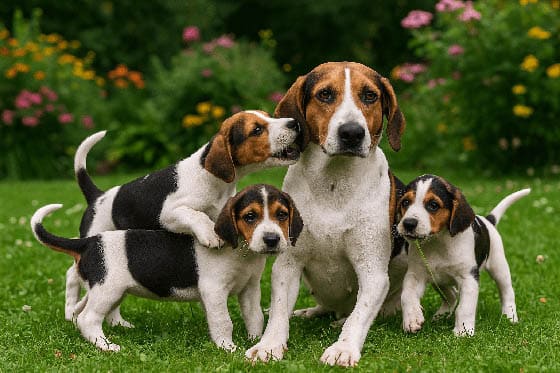
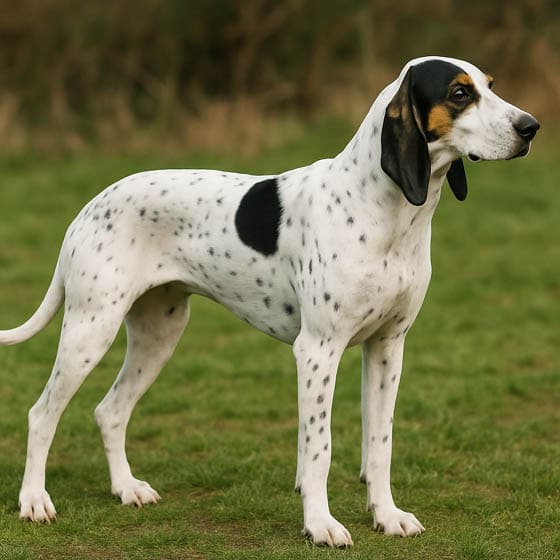
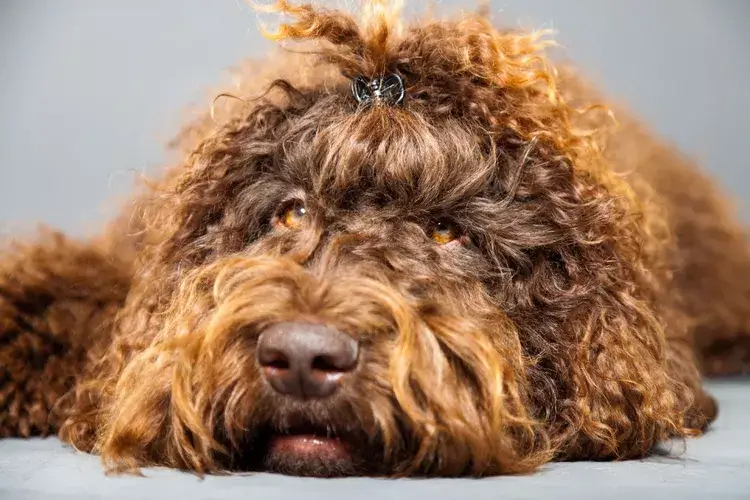
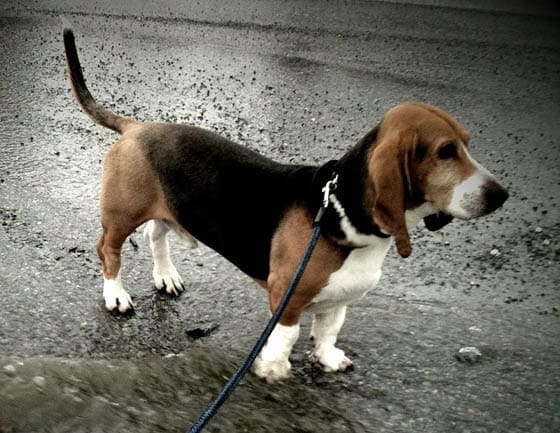
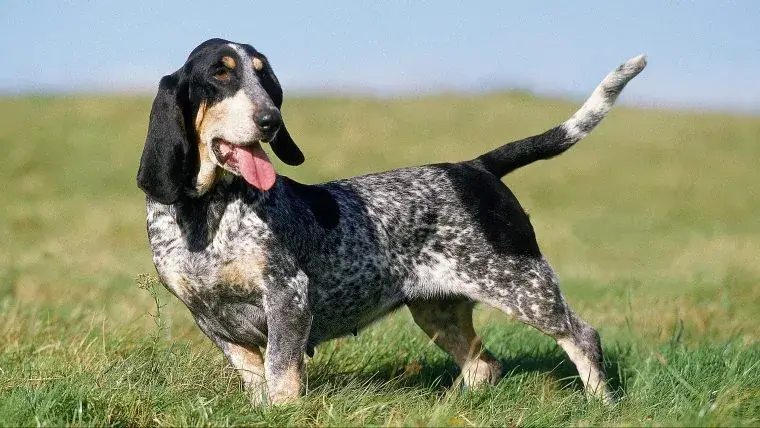

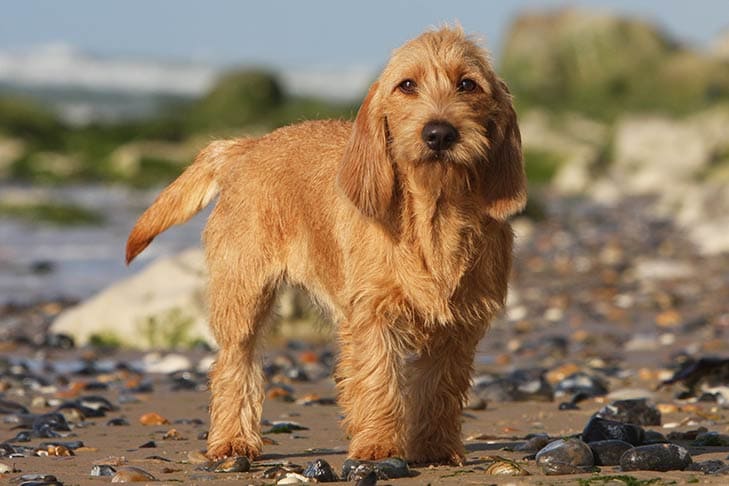
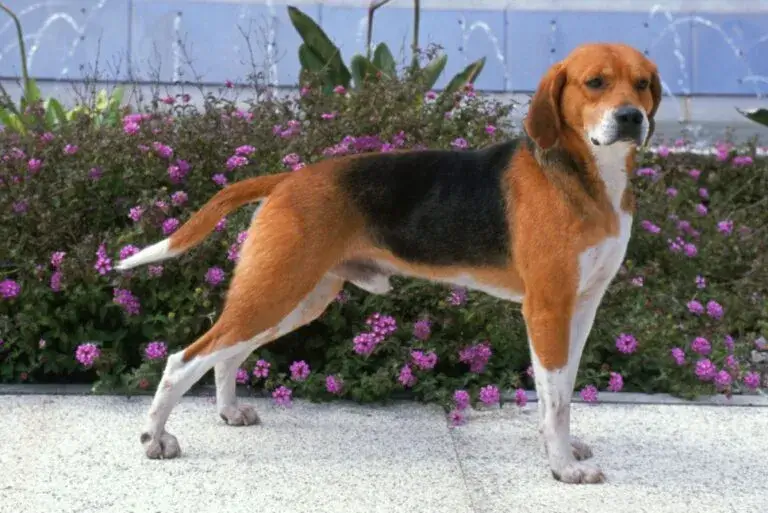
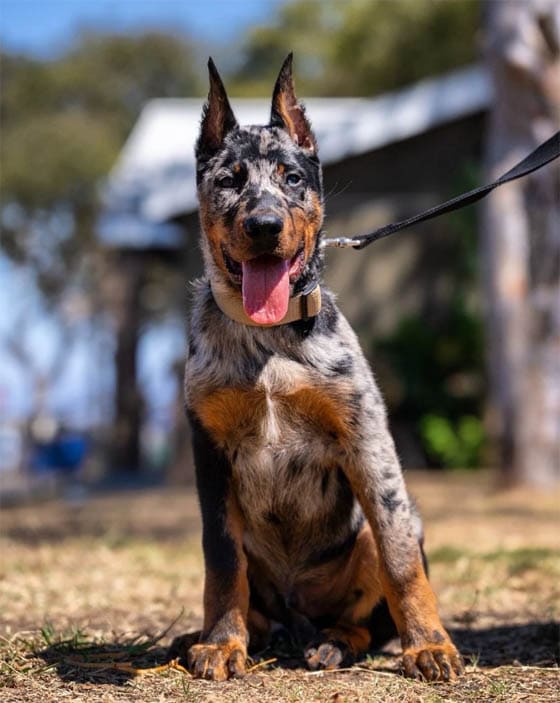
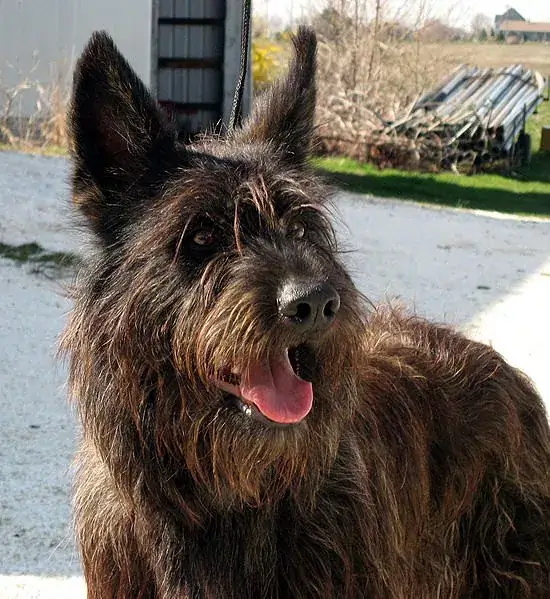
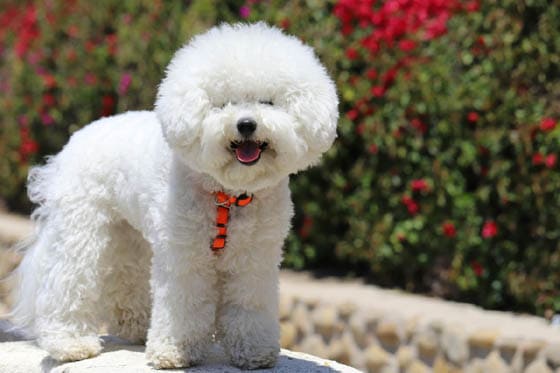

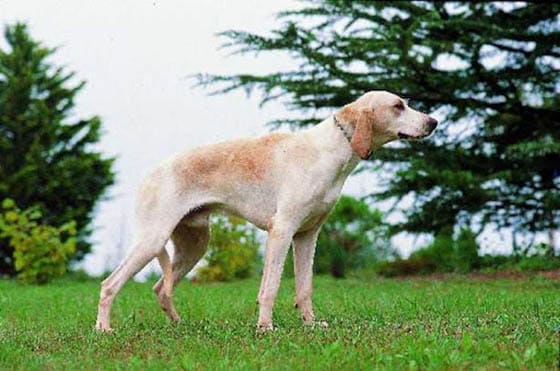
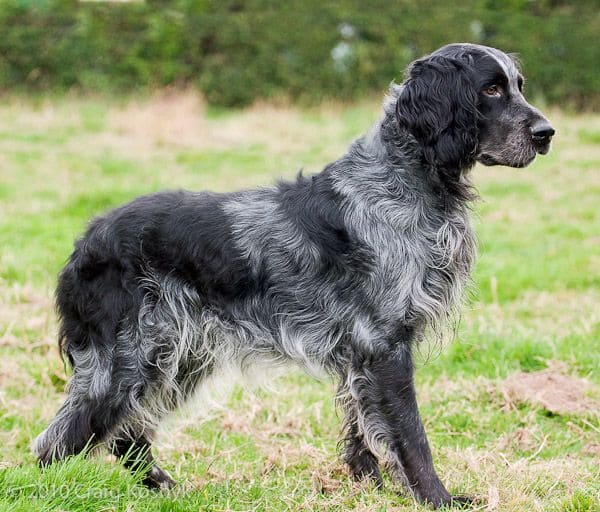
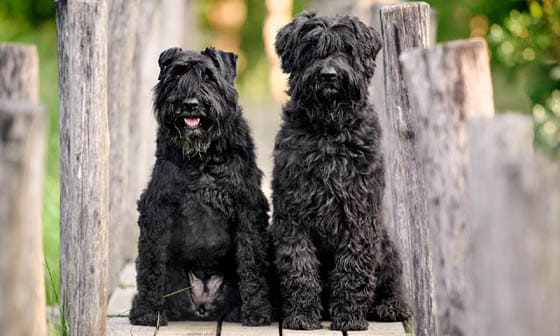
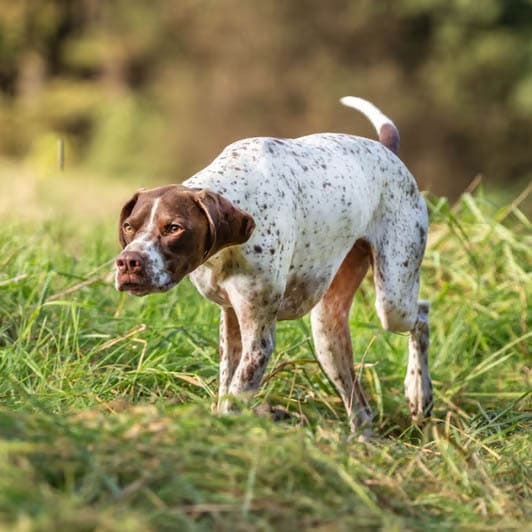
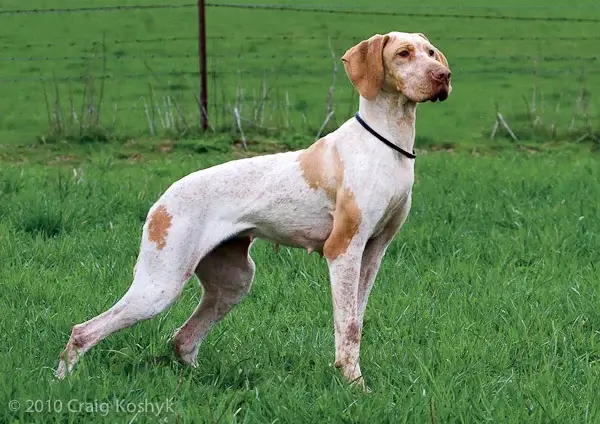
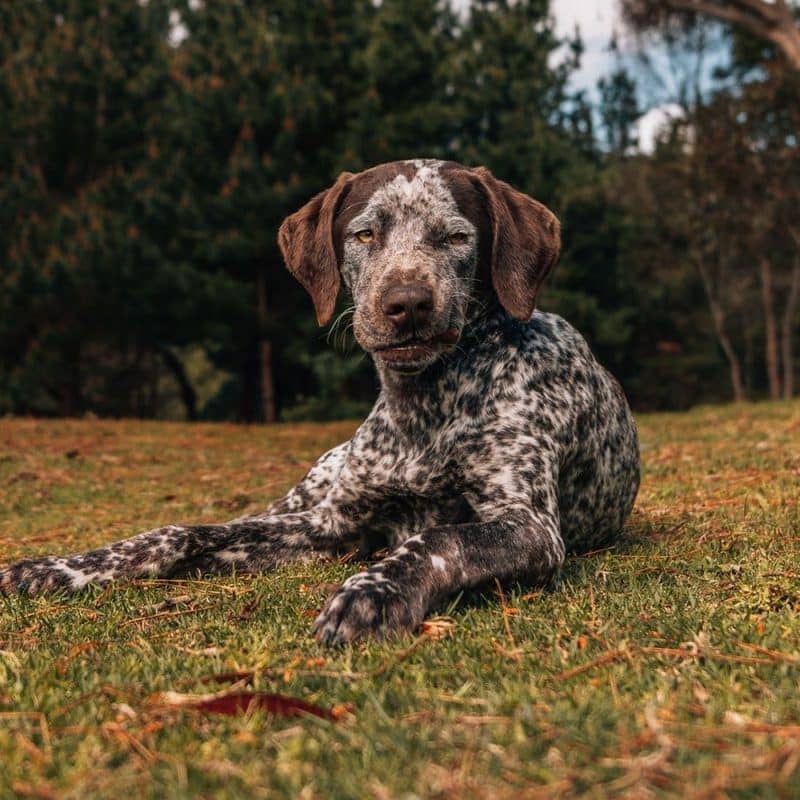
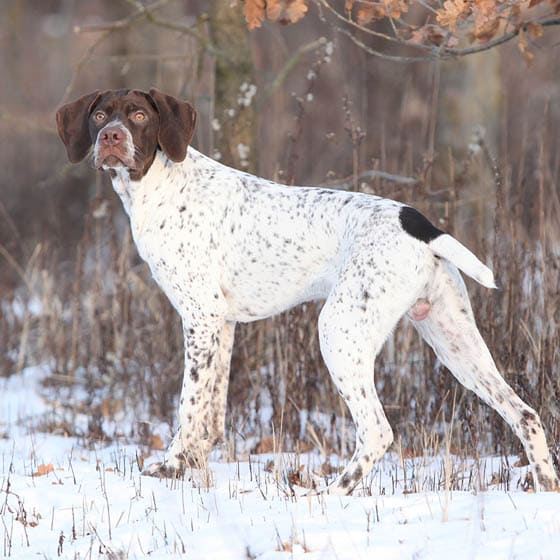
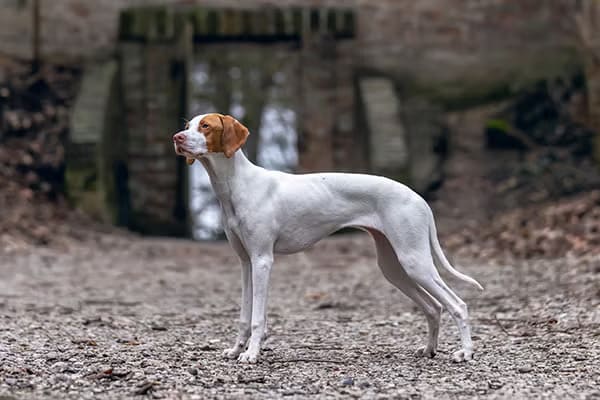
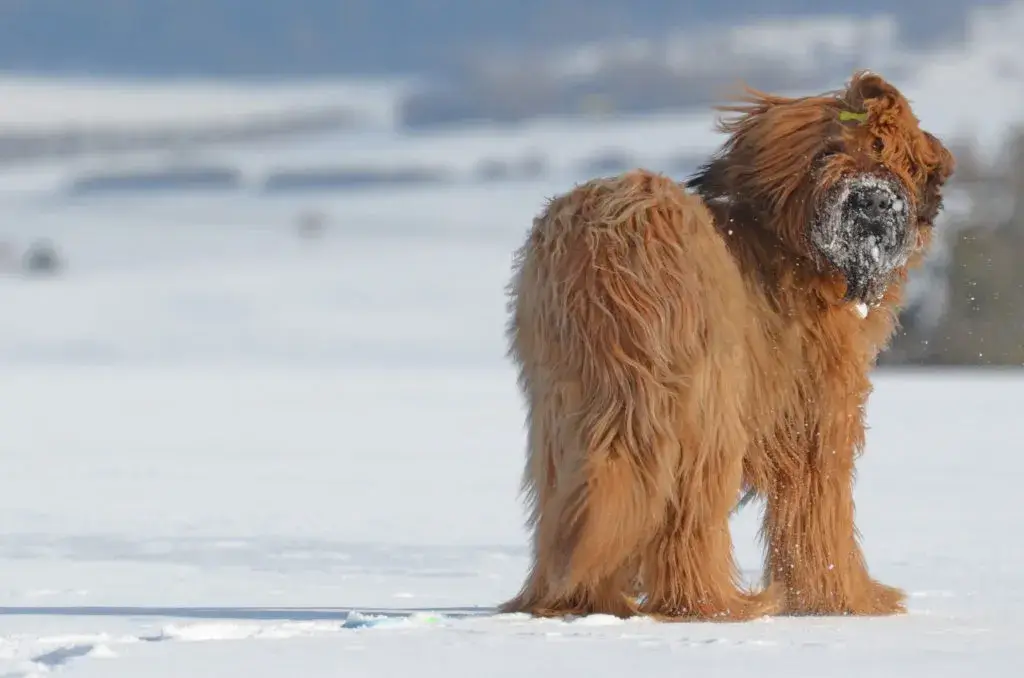
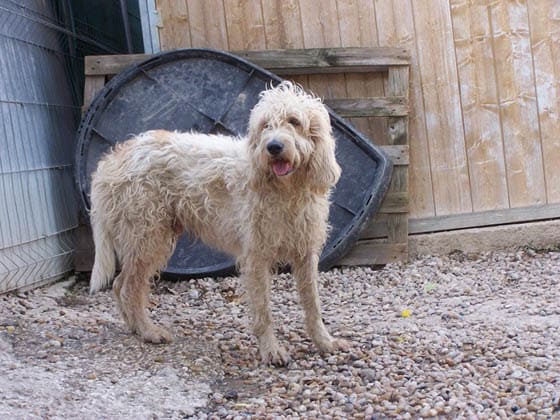
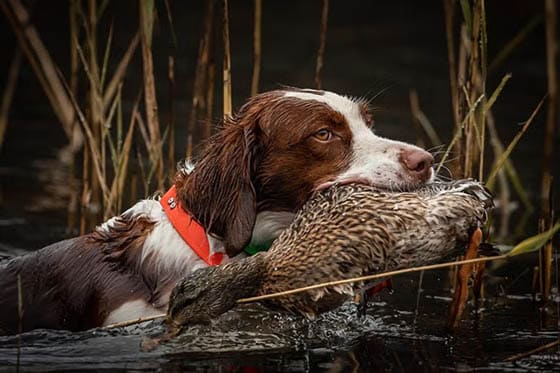
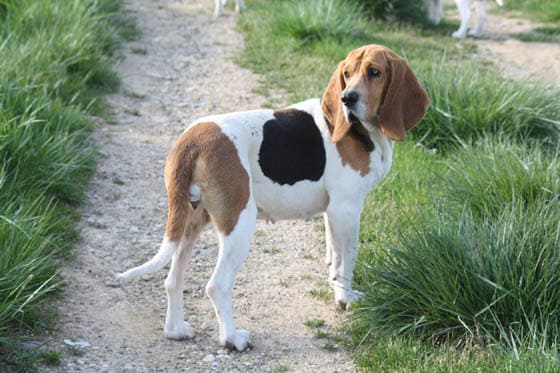
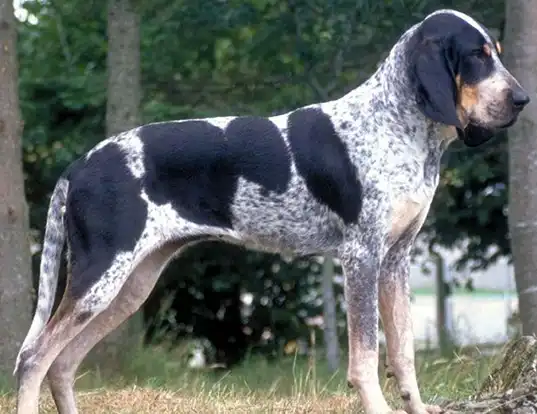
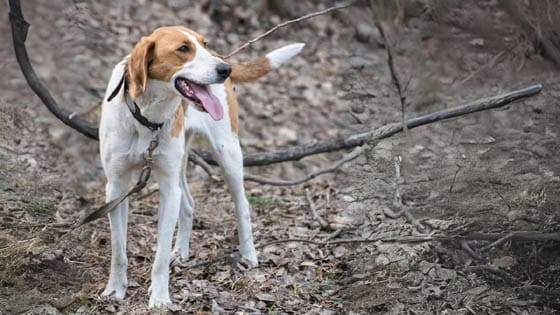
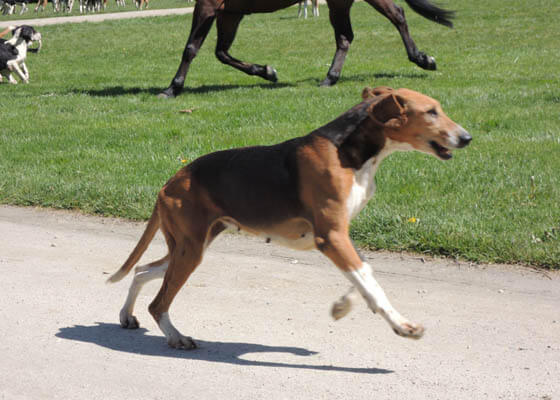
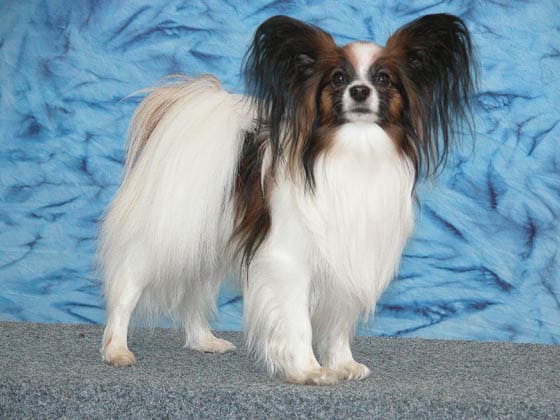
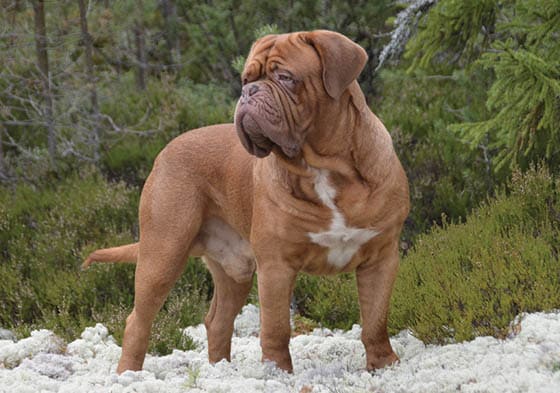
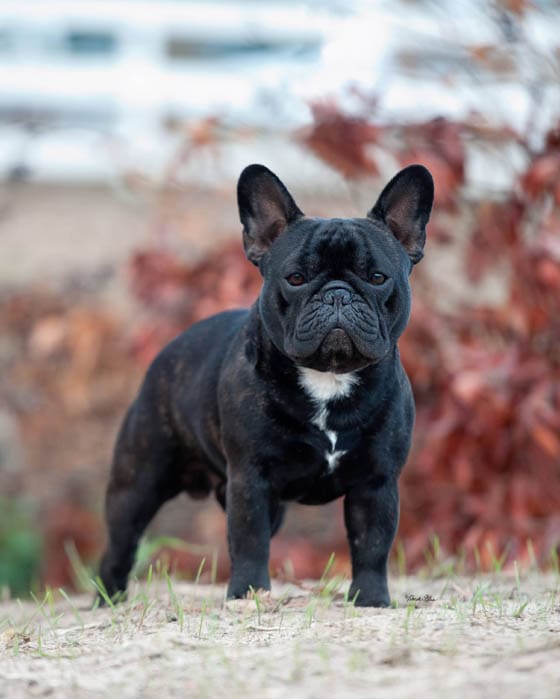
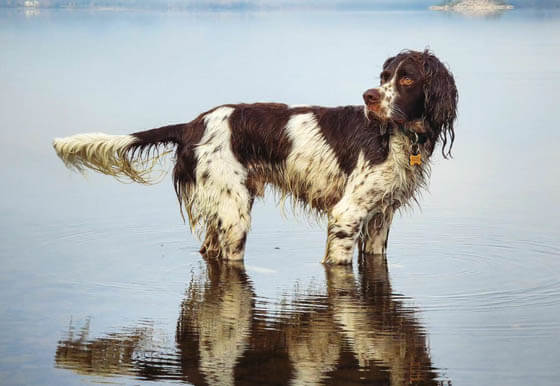
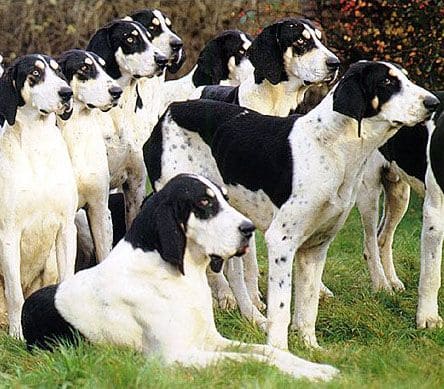
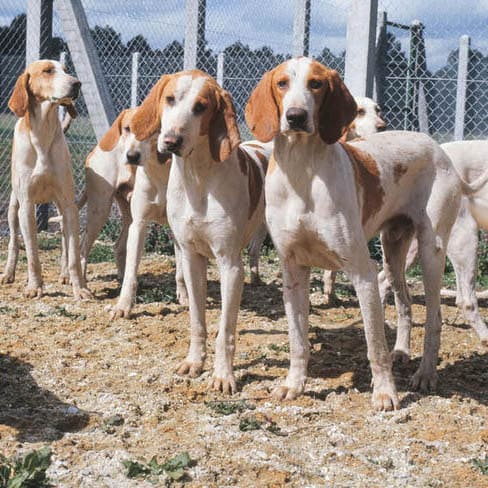
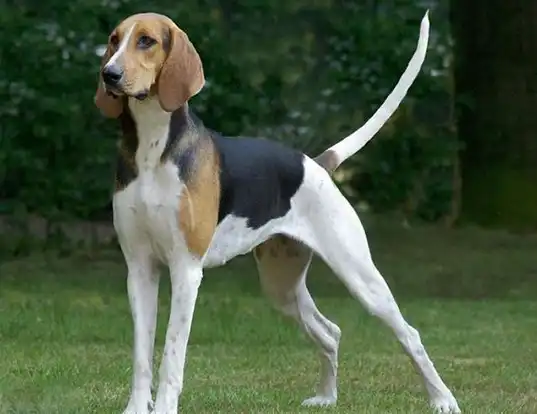
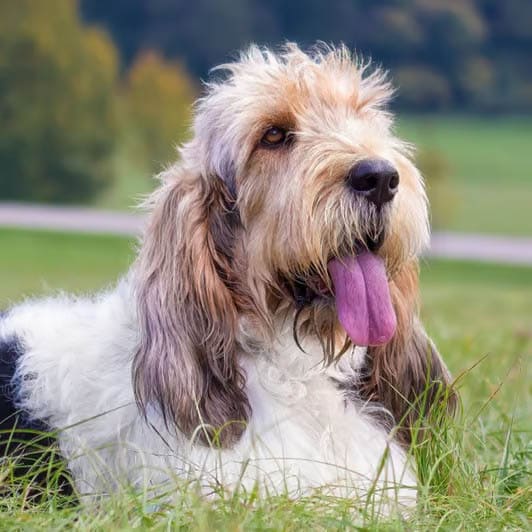
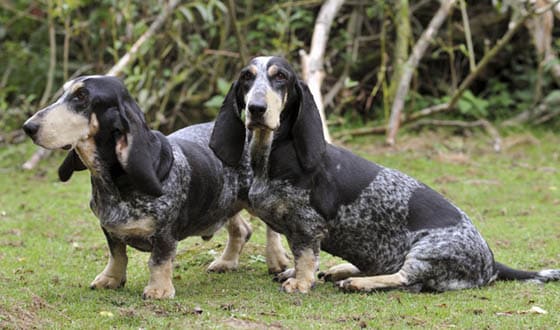
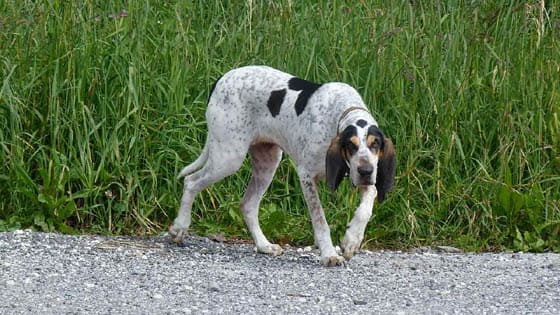
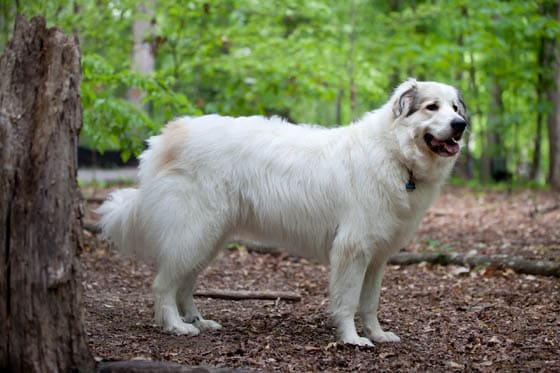
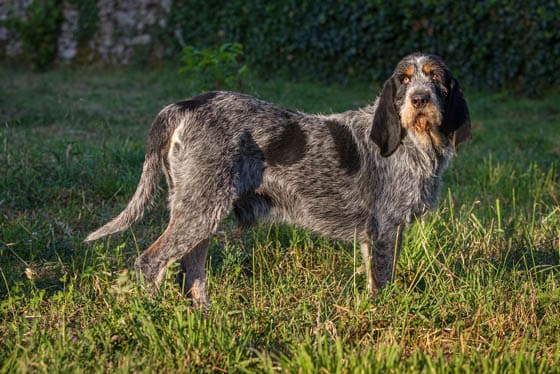
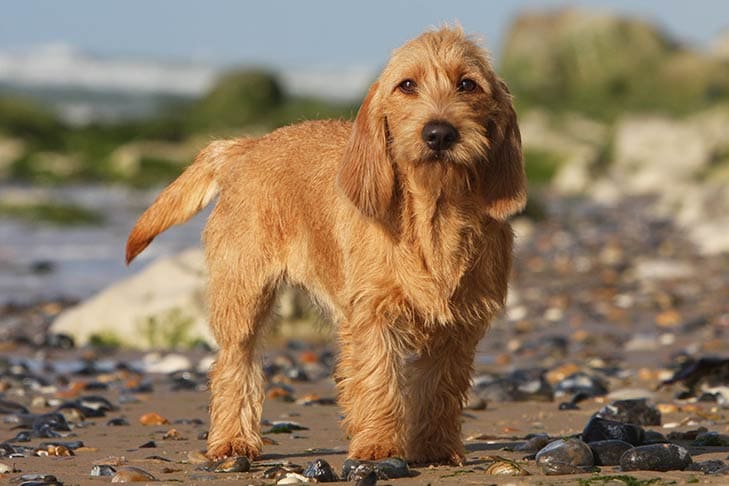
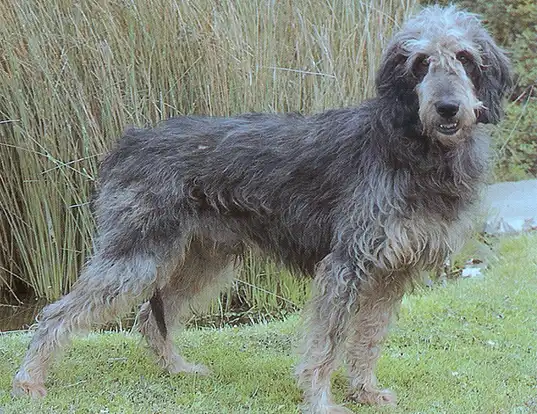
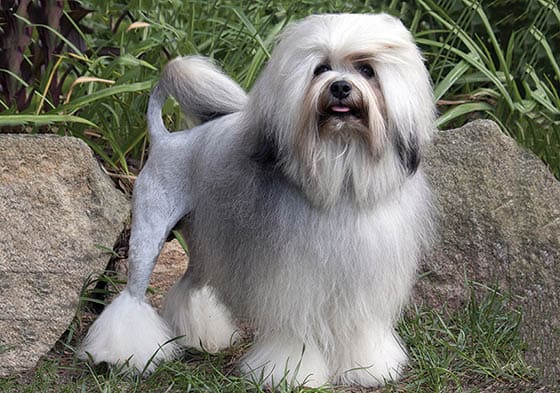
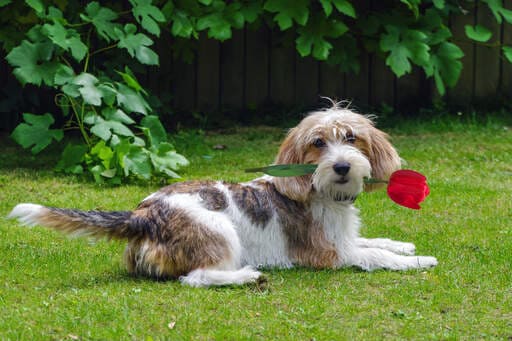
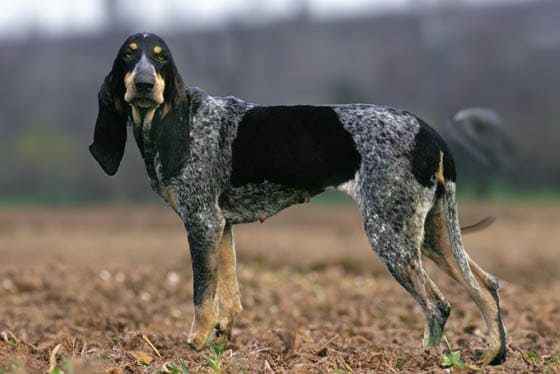
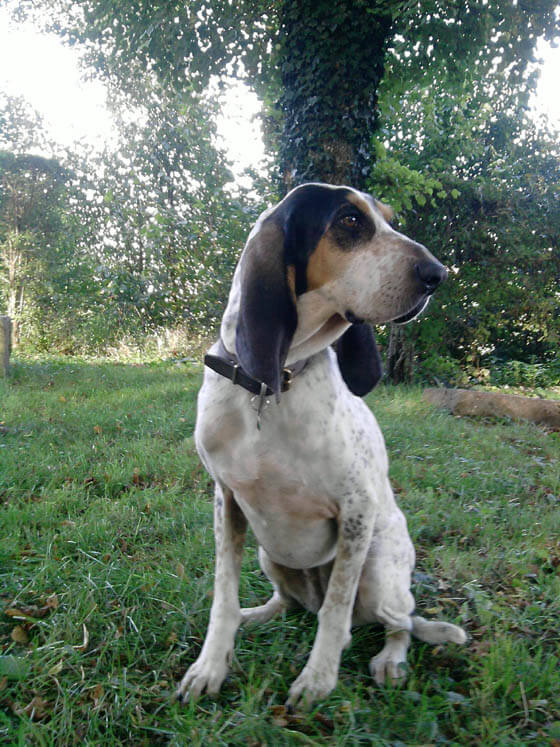
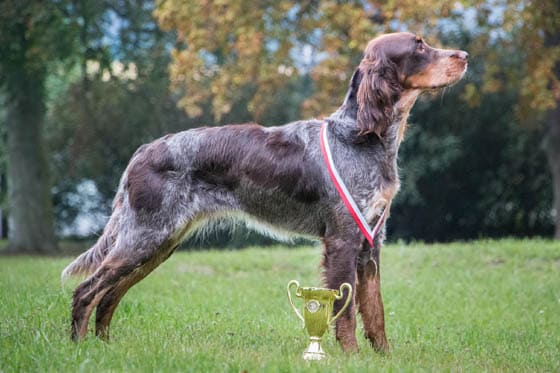
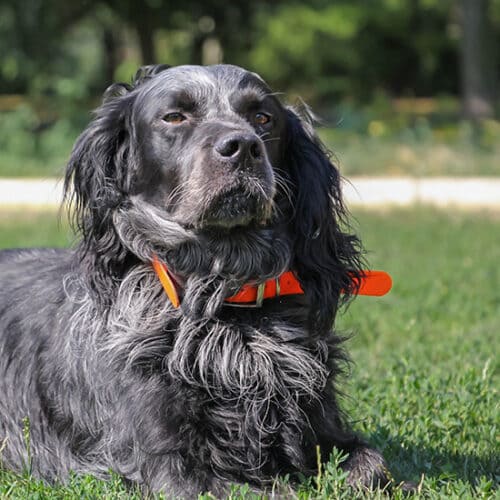
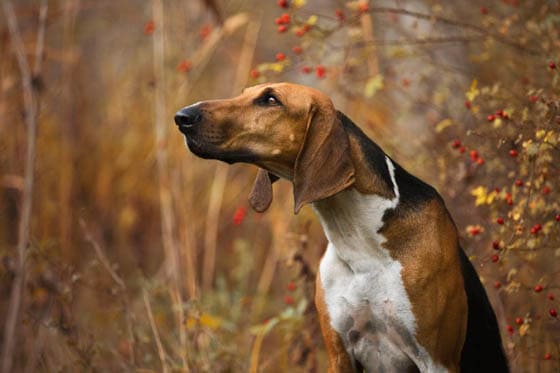
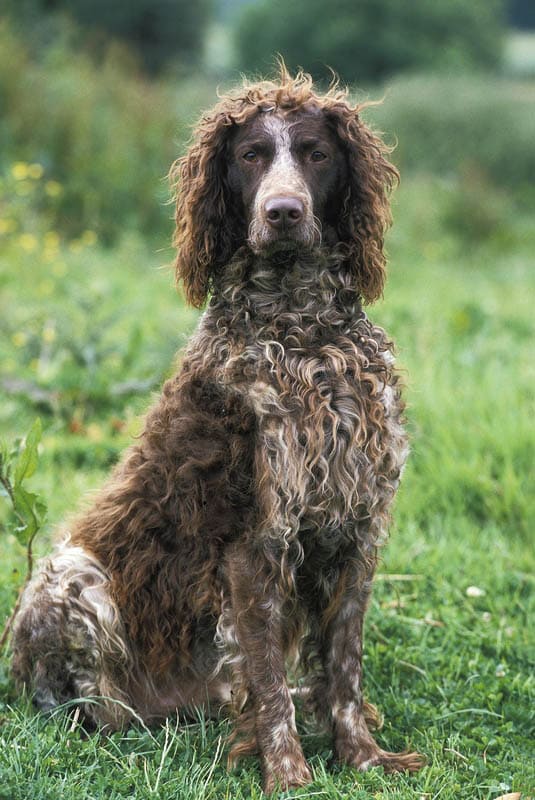
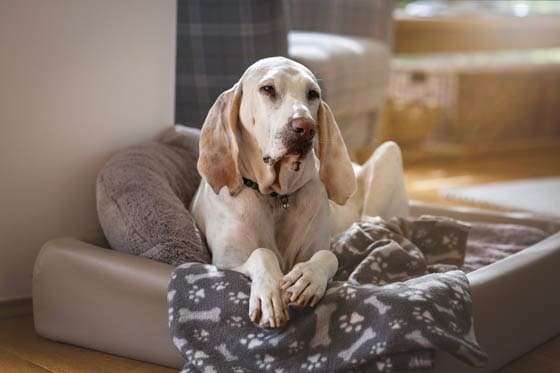
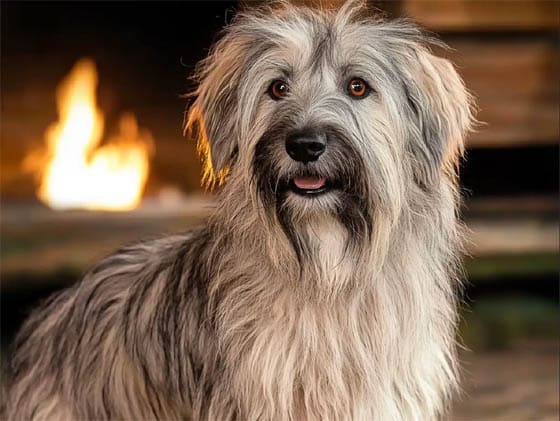
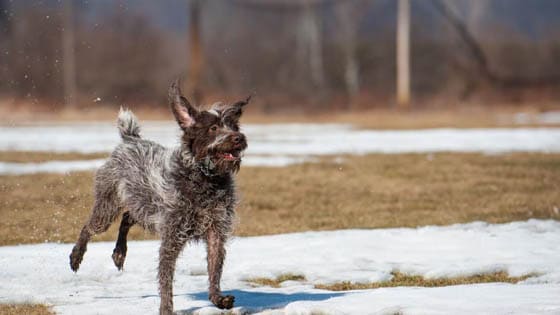
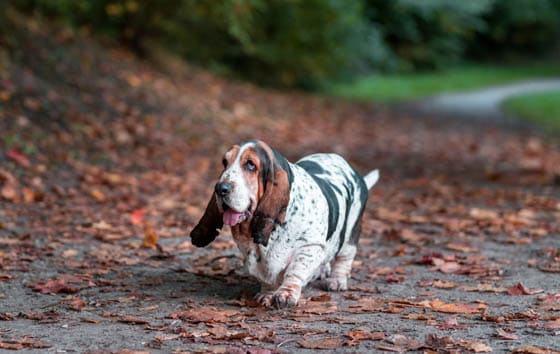
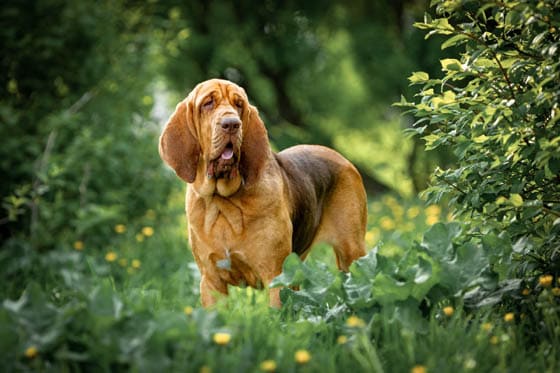
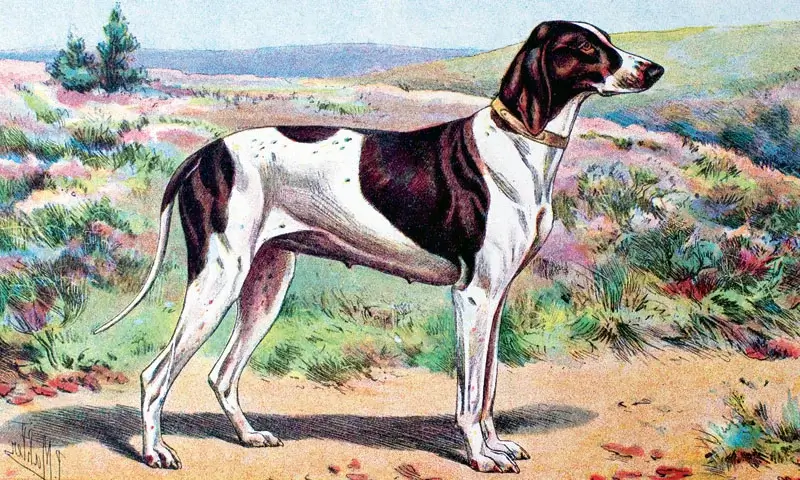
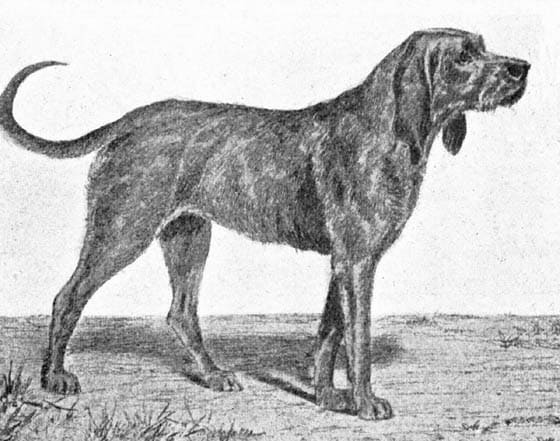
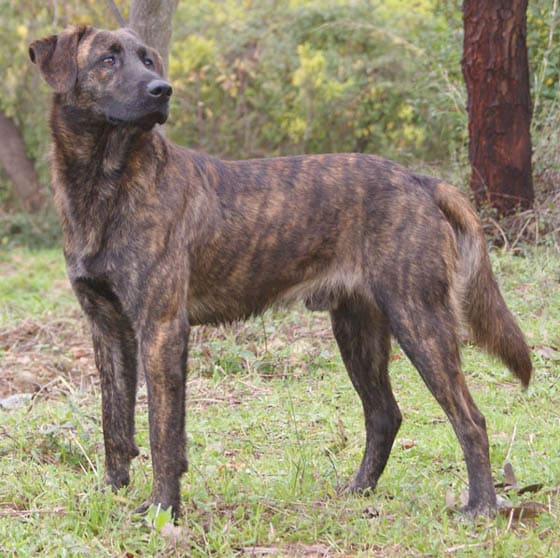
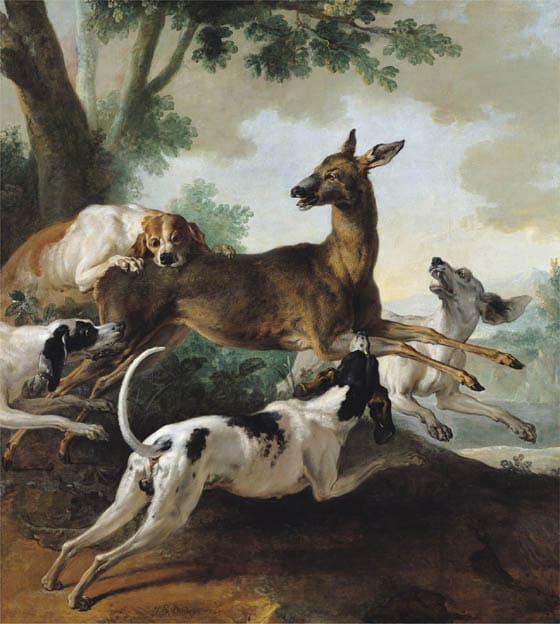
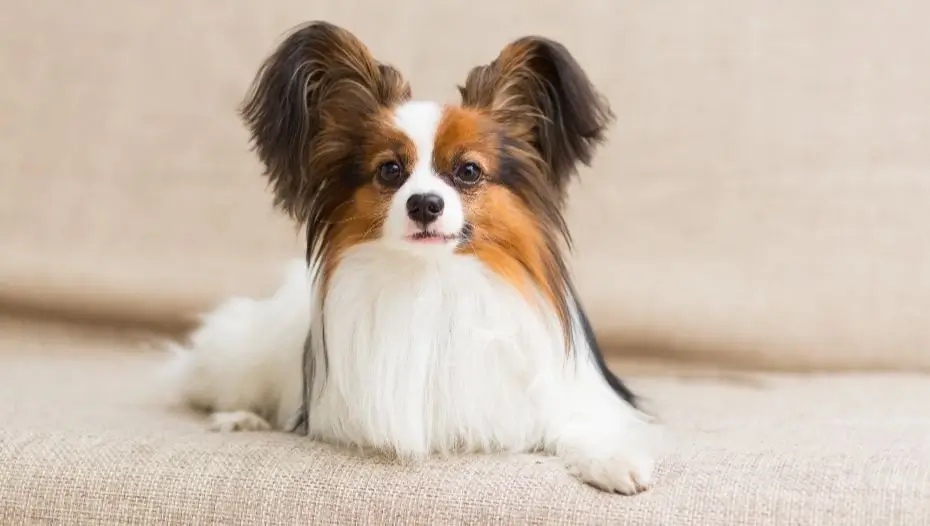
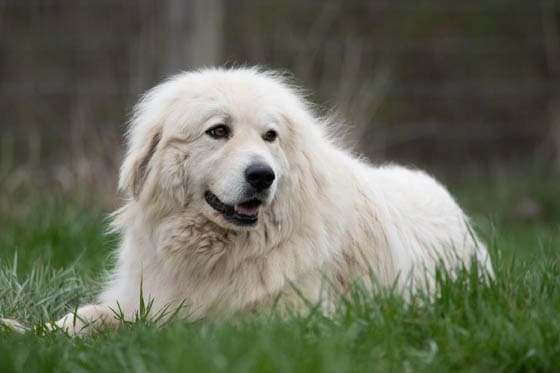
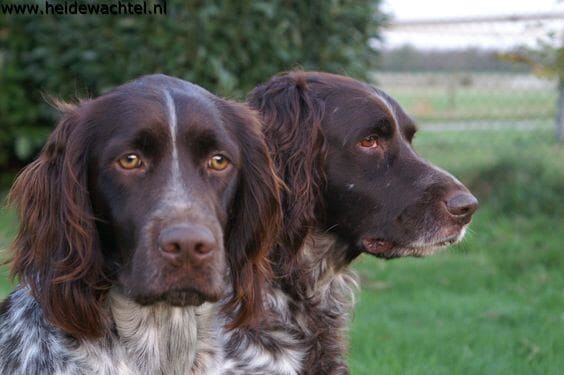
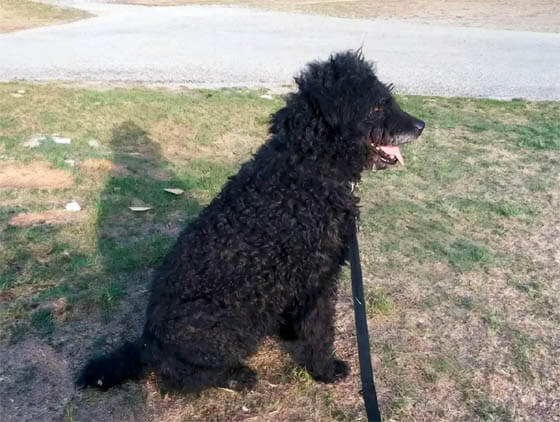
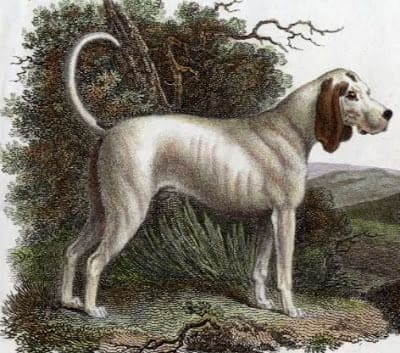












WORLD OF DOG & PUPPY 🐶