50 Extraordinary Dog Breeds Special Dog Breeds Dogs with Unexpected Abilities Dogs with Special Abilities Unique Dogs with Special Characteristics Fantastic Dog Behaviors Outstanding Dog Features Talented Dogs Super-Ability Dogs Unusual Dogs Quirky Dogs
These dog breeds, renowned for their exceptional scent-tracking, sharp vision, or keen hearing, highlight the incredible sensory abilities of dogs. Each breed has evolved to excel in specific skills, whether it is hunting, herding, or serving humans in crucial roles. Their super abilities make them stand out a crowd, being unexpected and extraordinary dogs. Some of them have very special physical traits.
Special Ability: The only dog with tail forehead : ) The hairless variety of the Peruvian Inca Orchid dog breed typically has a small tuft of hair on its forehead or head and also at the tip of its tail.
The Peruvian Inca Orchid (PIO) is an ancient, elegant sighthound from Peru, existing in hairless and coated varieties, coming in small, medium, and large sizes. They are intelligent, loyal, affectionate with family but wary of strangers, need moderate exercise, and have a strong prey drive, requiring leashes and supervision around small pets. They are minimal shedders and known for their distinctive look, often with a head tuft of hair. Peruvian Inca orchids are well-balanced dogs with an affectionate and loyal personality. This devoted, calm, and loving nature is a hallmark of the typical Peruvian Inca Orchid personality, making them exceptional companions for those who can provide them with attention and care. Given that they were kept as companions for hundreds of years, Peruvian Inca orchids are devoted dogs that bond strongly with their immediate family. While affectionate with the family, Peruvian Inca orchids tend to be reserved around strangers. This gives a quick overview of the Peruvian Inca orchid's temperament, but there is more to discuss about its personality traits.
Peruvian Inca orchids are great with dogs. They have a fairly social temperament that makes them enjoy meeting friendly dogs. As long as a Peruvian Inca orchid and other dogs are well-socialized, you won’t have issues with everyone getting along. They can also coexist peacefully with cats, but introductions must be managed. Peruvian Inca orchids are not known for being aggressive. They tend to be wary of strangers at first, but they rarely act in ways that can be associated with aggression. However, like any other dog breed, a lack of socialization and training can make a Peruvian Inca orchid aggressive. These must be prioritized during puppyhood to ensure a Peruvian Inca orchid grows up to become a well-mannered, confident dog. Besides this, Peruvian Inca orchids are not known for aggressive tendencies, such as being overly territorial or growling at strangers at first sight. Peruvian Inca orchids were utilized for many purposes throughout the centuries these dogs have existed. An essential part of that was keeping an eye on their territory to deter intruders and predators. Because of this background, they have a tendency to bark, but this usually happens only to alert the owner.
Special Ability: The New Guinea Singing Dog's special abilities include unique, melodic vocalizations (like yodeling and trills, similar to whale songs) and incredible agility, possessing cat-like flexibility, paws that rotate for better grip, and the ability to climb trees, all crucial for their survival in rugged jungle terrain.
The New Guinea Singing Dog (NGSD) is a rare, ancient wild canid from New Guinea's highlands, known for unique, melodic howls (a "song") instead of barking, making it seem cat-like with its agility, flexible spine, and climbing ability, but it is a primitive dog related to the dingo, highly elusive, not domesticated, and faces critical endangerment due to habitat loss and hybridization. They are intelligent, athletic, have a fox-like look with a dense coat, and require experienced handling, often thriving in zoos or specialized homes due to their wild nature and need for extensive socialization and mental stimulation. The New Guinea Singing Dog is not like your average domesticated dog and is not recommended as a house pet for most people as it is closely related to a wild dog. If properly socialized, it can be tame enough to tolerate the handling of humans, getting attached to its owners. The NGSD’s most unique characteristic is its dramatic ability to vary the pitch of its howl. They do not bark repetitively but have a complex vocal behavior including yelps, whines and single-note howls. NGSDs are active, lively, and alert.
They are constantly exploring everything in their environment, using all five senses, including taste. Their incredible structural flexibility allows them to pass their bodies through any opening wide enough to admit their head. Their hunting drive is very intense and may overwhelm any training when prey is detected. They use their acute sense of hearing in addition to sight and scent to locate prey. Although gentle and affectionate with people they know, they can be aloof with strangers. NGSDs can be aggressive toward other dogs, especially of the same sex. Its howl has an eerie yet synchronized quality, which gives the breed its name. The howl can be spurred when the dog is disturbed or excited. One tone blends with the next, sending goose bumps up a listener's back. Opera singers have expressed a particular interest in this vocally skillful canine. This is a hardy and well-balanced dog. The Singing Dog is similar to the Dingo, although smaller than its near relative. It possesses the erect ears and is a swift hunter with social instincts. Unlike the Dingo, the New Guinea female cycles twice a year in captivity. This is not a dog for most people. The New Guinea Singing Dog has never been studied in the wild and virtually nothing is known concerning its behavior, social organization or general natural history under free-ranging conditions.
Special Ability: The Barkless Dog! This breed is known for its singing abilities and is often called the "barkless dog".
The Basenji is an ancient, "barkless" African hound known for its cat-like grooming, yodeling sounds (instead of barking), wrinkled forehead, and curled tail. These intelligent, energetic, and independent dogs are affectionate with family but aloof with strangers, requiring significant exercise and secure fencing due to their hunting instincts and climbing ability. The Basenj's personality can best be described as catlike. They are generally independent dogs, can be wary of strangers, and are fastidious about cleanliness. Basenjis will often groom themselves like a cat! They are very intelligent, high-energy, and easily bored. Without training and exercise, Basenjis can be mischievous and get into trouble. These African dogs need daily playtime or training sessions. When you take them outside, make sure they are on a leash or inside a fenced area - the Basenji is historically a hunting dog, and their high prey drive means they might be prone to chasing squirrels.
The Basenji is highly intelligent, very energetic, and prone to mischief. They are hounds with a keen sense of smell and, because of this, may wander off in search of a scent. Whenever a Basenji is outside, they should be kept in a fenced yard or on a leash. But know that they can jump quite high, so you will need a 6-foot-tall fence. The Basenji can be aloof and independent, but they also need extended exercise and play sessions to keep them out of trouble. They can be wary of strangers and might not do well with small children, who can make Basenjis anxious with their unpredictable behavior. Early socialization and training are vital for helping a Basenji dog thrive. Without enough exercise and mental stimulation, Basenjis can be destructive. To prevent pillow-shredding, keep your dog busy and entertained so they don’t become bored. Though they are loving with their family, Basenjis might be standoffish around new people. Early socialization and training help make them more adaptable and comfortable around new people.
Special Ability: This breed is known for its unique wrinkled skin and is often compared to a living plush toy. Chinese Shar-Peis naturally have blue-black or purplish tongues, a unique trait shared with the Chow Chow.
The Chinese Shar-Pei is an ancient Chinese breed known for its distinctive wrinkles, blue-black tongue, and short, bristly coat, originally used for guarding and farming, now a loyal but independent family companion requiring firm training, early socialization, and diligent wrinkle care to prevent skin infections. They are calm, dignified, protective, and intelligent but can be stubborn, needing an experienced owner. This breed is not best for novice dog parents, though. The shar-pei can also be prone to several health conditions. The very intelligent shar-pei dog is independent, aloof, and guarded with people they do not know. But they can also be a fiercely loyal and protective family companion who loves to snuggle. They are often wary of other dogs and can have a high prey drive. For these reasons, they do better as the only pet in the household. Originally bred to guard livestock, shar-peis are alert, intelligent and protective dogs who make excellent guardians. They possess a calm and devoted nature that makes them loving companions. They tend to be aloof with strangers, but are fiercely loyal and affectionate with their own people and love to spend time in the company of their families.
While shar-peis can be aggressive toward other dogs, early socialization can help them learn to get along with other pets. Providing them with socialization and obedience training as puppies can also make them easier to handle as adults, as shar-peis are strong-willed dogs whose personalities may overwhelm an unprepared pet parent. These dogs do best with confident, assertive leadership to help them know how to properly behave. Shar-peis are laid-back, low-energy dogs. Because they don't require much exercise, they can make good apartment dogs. Just keep in mind that they need short walks to stretch their legs if a backyard is not available. Due to their stubborn streak, shar-peis need lifelong reinforcement of training and socialization. Their propensity for aggressiveness toward other dogs means they should always be kept on leash and allowed near strange dogs only under strict supervision. The good news is that the shar-pei dog breed is intelligent and eager to please their pet parents, which makes them fairly easy to train.
Consistency is key to successfully training shar-peis and preventing them from unlearning their training. Although shar-peis are not flat-faced like bulldogs or pugs, they do have shorter-than-normal noses and are considered brachycephalic. Because of this, shar-peis don't do well with vigorous exercise like running or jogging. Stay extra vigilant to ensure they don't overheat in warm weather, especially in high humidity.
Special Ability: This breed has a blue-black tongue - a very rare trait in the dog world.
The Chow Chow is a dignified, lion-like dog from China, known for its blue-black tongue, thick double coat - rough or smooth, and independent, aloof nature, making them excellent guard dogs but requiring early socialization and patient training for their stubborn streak; they are loyal, protective, and need moderate exercise and consistent grooming. The independently minded Chow Chow is smart and loyal to their humans. When in a family unit, a Chow dog will typically have one person they are especially close with. However, they are not known to be cuddly dogs and appreciate when their space and boundaries are respected. If they want attention, they will let you know. Remember that a dog's breed only influences about 9% of their behavior, and every Chow Chow is an individual. Chow Chows are more likely to overheat because of their thick coats and short snout, so short spurts of exercise are better for them. A couple of 20-minute walks every day is enough. In addition to physical activity, Chow Chows require mental stimulation to help keep them engaged in activities. The Chow Chow is a well-mannered dog. Quite good with children. If they get to know cats and other household animals when they are young, they will get along with them when they are adults. Should be thoroughly socialized preferably when they are young.
They need firm authority and training starting at puppyhood. Whether you are adopting a puppy or an adult dog, owners need to set the rules for the dog to follow and stick to. This is a very dominant breed that requires a dominant owner. The owner of this breed of dog should be a calm person who is naturally firm, confident and consistent. With such a handler, the Chow Chow can develop well. The problems arise when the dog lives with owners who do not understand how to be, and stay in, the alpha position. If you allow this dog to believe it is the boss of your house it will become stubborn, protective and sometimes downright unruly. Unless the dog senses the owners are very strong-minded, it will work hard at keeping its alpha position in your human pack. When this happens it does not consider itself as being mean, but instinctually is telling you in the way dogs communicate with one another that it gets to decide when and how things are done. It will be self-willed to the point of obstinacy and may be overprotective. When you have a Chow Chow that believes he is the ruler of humans, and strangers push themselves on this dog, he may become aggressive, telling the humans he would like to have his space. Space means a lot to a dog. It is respect in the dog world. Chow Chows that believe they are boss will often be a one-person dog, very loyal to their master, though he may act reserved, even with them. Alpha Chow Chows like to dominate other dogs. A Chow Chow that is not 100% convinced humans are the boss will be harder to obedience train. The Chow will feel IT needs to be deciding what and when to do things, not the human, as humans must listen to IT.
Special Ability: This breed is famous for its unique "split nose" appearance, this physical feature is now generally considered a cosmetic trait rather than one that provides a superior sense of smell over other hunting breeds.
The Catalburun (Turkish Pointer) is an extremely rare Turkish hunting dog, famed for its unique "split" or "forked" nose, believed to enhance its scenting ability for partridge hunting in the Tarsus region. Also known as the Tarsus Çatalburun, it's a quiet, intelligent, and loyal breed, though it's not recognized by major kennel clubs and is very rare, with efforts underway for purebred status. You already know about his protective streak, but what else is there to the Tarsus Catalburun? When it comes to his family, he is sweet and loyal. He is not overly affectionate, but every now and then, he will get the overwhelming urge to cuddle you. When he does this, be sure to enjoy it, because it will not happen every day. He is calm in the family home and likes to lay by the windows, keeping a watch of his property or in the porchway. Outside enough that he can keep his beady eyes on the perimeter, but close enough to you that he can protect you too.
When trained well, he is a fun-loving dog who likes to have a good time with his family. He’ll love a game or three with his loved ones, and being energetic, he will go on for hours if you have the time for it! Again, make the most of it when he does because he doesn’t always take time off from his protecting duties. Because he is protective, he makes a fantastic guard dog, and this guy has a tremendous bark. If he barks in the middle of the night, there’s probably a good reason for it. And you can be sure that he will wake up the whole neighborhood too. He is intelligent, and because of his loyalty, he is very trainable and obedient. This is great if you are after an obedient dog who will always respond to heel. Not so much if you have not got the time or energy to look after such an intensely intelligent dog. When bored, this guy can be very destructive. Generally, the Tarsus Çatalburun is an even tempered dog and is very loyal to his family.
He still has a high prey drive and makes an excellent hunting companion. He has acute wind and ground tracking capabilities which makes him ideal for search and rescue, narcotic and police work. He is patient with children when he is properly trained. The Tarsus Çatalburun can be dog aggressive because he is dominant about his property. Without proper training, he can become aggressive toward other dogs and strangers. This makes him a great guard dog but he does require a sturdy fence to keep him from attacking those who come near his property. The Tarsus Çatalburun prefers to live indoors with his family and is generally a quiet breed. He is not ideal for apartment life because of his high energy levels. When trained, he will bow to his trainer’s commands and enjoys his training when positive reinforcement is being utilized.
Special Ability: The Pachon Navarro dog breed's most notable and unique physical feature is its "double nose" or bifid nose, where the nostrils are separated by a band of skin and fur.
Quiet, smart, strong and loyal, the Pachon Navarro is a friendly dog born to hunt with their master. These hard-working dogs have droopy ears and a mouth that gives them a solemn appearance, which is dispelled by their warm brown eyes. The breed was developed in Spain and is easy to recognize due to their unique double nose. The nostrils are divided by a band of skin and they have a deep cleft which divides the nose - it is like looking at the business end of a double barrelled shotgun! Apart from hunting or carousing in the country, this dog makes an ideal family dog. They are affectionate and fun-loving, relate well to other dogs, and are gentle and kind with children. Nothing much escapes their sharp eyes, and they will warn you about strangers, but generally, the Pachon is a quiet natured dog. Other smaller animals or birds do not fare so well, as the Pachon are bred to chase and hunt them. While they can get along well with cats and other small animals if raised with them, they are not to be trusted as the instinct to chase can kick in at a moments notice. This dog is best where they have a large yard to roam in, with a farm being the ideal location, especially if the owner likes to hunt.
The Pachon Navarro likes to be with their people and will sulk if left alone outside. They are part of your pack and want to be included, cossetted and loved. The Pachon Navarro is a kind, gentle dog who's devoted to their family and master. They like to be active — large open spaces suit this dog best. Apartment living isn't for them. The Pachon is well adapted for their purpose, that of a hunting dog. They have the focus and patience for hunting small game animals and birds, and yet are obedient and loyal to their master. Daily exercise is important for this dog; they need to be out doing something, not just lazing on a patio, although they will indulge themselves given the opportunity. Although they have a somber appearance, the Pachon is a happy dog and very playful. They will join in family games and enjoy fetching and playing tug of war or other games. No slouch in the muscles stakes, this dog is a good one to have on your side in a game that requires strength. The Pachon Navarro is a devoted pet and will sulk if left outside. They want to be inside with you and the family as that is where they believe they belong — they are part of your "pack". Adorable as puppies, they grow into a lovely mature dog with a great nature and loving personality.
Special Ability: Unique Herding Style - Unlike many herding breeds that use intense eye contact, Catahoulas employ a distinctive "canine fence" method. They actively circle and bay (bark at) wild hogs or cattle to create a perimeter and drive the livestock as directed by their handler, a necessary skill for managing challenging, semi-feral stock in dense terrain.
The Catahoula Leopard Dog is a strong, intelligent, Louisiana-bred working dog known for its striking merle coats, varied eye colors (often blue or "glass"), and incredible work ethic, needing experienced owners for plenty of physical activity, mental challenges, firm training, and early socialization to manage their independent, protective, and high-energy nature, making them loyal companions but demanding pets. They excel at herding/hunting but need a "job" and secure fencing due to strong prey drives and energy, with potential health issues like CMO or spinal deformities requiring vet attention.
The Louisiana Catahoula Leopard Dog is independent, protective and territorial. Loving with its family and all people it knows well but can be reserved with strangers. Socialize well, preferably at a young age. They need to be allowed to come up and smell a person. They mature right around 2 years of age. Affectionate with his master. The Catahoula is not recommended for an owner who does not take the pack leader issue seriously. For the right owner who understands the importance of structure, leadership, and exercise the Catahoula can make a wonderful pet. The objective in training this dog is to achieve pack leader status. It is a natural instinct for a dog to have an order in their pack. When we humans live with dogs, we become their pack. The entire pack cooperates under a single leader. Lines are clearly defined and rules are set. Because a dog communicates his displeasure with growling and eventually biting, all other humans MUST be higher up in the order than the dog. The humans must be the ones making the decisions, not the dogs. That is the only way your relationship with your dog can be a complete success.
This breed needs a dominant owner who shows strong leadership. Catahoula leopard dogs generally have an energetic and alert temperament. And with their family they have fairly affectionate and playful personalities. They can be aloof around strangers, but they are not aggressive toward people. They do not always get along with other household pets, including dogs, due to their territorial nature and prey drive. It is important to teach your kids how to interact with a Catahoula, as they do not tolerate mistreatment or physical abuse. These dogs could also accidentally harm small children, so always supervise them when they play together. Male Catahoulas can be aggressive when they are around other male dogs, thanks to their working instinct. But they sometimes can coexist with dogs when raised together from a young age.Though they have a low tendency to bark, these dogs will bark to alert you, and some are more vocal than others.
Special Ability: Adapted to survive in extremely cold conditions, Siberian Huskies have incredible endurance. Their "superpower" is their ability to withstand freezing temp This breed is an excellent sledding dog and also escape artist, known for figuring out how to open gates and doors.
The Siberian Husky is a graceful, energetic, medium-sized sled dog from Siberia, known for its thick double coat, striking eyes - blue, brown, or mixed, and friendly yet independent nature. They require significant daily exercise, secure fencing (due to roaming tendencies), and consistent training, thriving on activity like running, hiking, and pulling sports. Key traits include high endurance, intelligence, a tendency to howl (not bark), shedding, and a desire for companionship, needing early socialization to coexist well with people, kids, and other pets. Siberian Huskies are incredibly smart and agile dogs known for their escape artistry, often learning to open doors by pawing, nudging, or even manipulating handles out of boredom, curiosity, or a desire to find their people or treats, requiring owners to use lever handles, child locks, or security locks to prevent escapes. Videos show them opening doors on command or just as a clever trick, highlighting their intelligence. Siberian Huskies are loving, gentle, playful, happy-go-lucky dogs that are fond of their families.
Keen, docile, social, relaxed and rather casual, this is a high-energy dog, especially when young. Good with children and friendly with strangers, they are not watchdogs, for they bark little and love everyone. Huskies are very intelligent and trainable, but they will only obey a command if they see the human is stronger minded than themselves. If the handler does not display leadership, they will not see the point in obeying. Training takes patience, consistency and an understanding of the Arctic dog character. If you are not this dog’s 100% firm, confident, consistent pack leader, he will take advantage, becoming willful and mischievous. Huskies make an excellent jogging companion, as long as it is not too hot. Huskies may be difficult to housebreak. This breed likes to howl and gets bored easily. Does not do well if left alone for a long period of time without a great deal of exercise beforehand. A lonely Husky, or a Husky that does not get enough mental and physical exercise can be very destructive. Remember that the Husky is a sled dog in heart and soul. It is good with other pets if raised with them from puppyhood. Huskies are thrifty eaters and need less food than you might expect. This breed likes to roam. Siberian Huskies can make wonderful companions for people who are aware of what to expect from these beautiful and intelligent animals and are willing to put the time and energy into them.
Special Ability: The Aquatic Guardian & Water Rescuer! This breed is a record-breaking swimmer, capable of pulling fishermen's nets in icy water.
The Newfoundland ("Newfie") is a giant, gentle, and loyal working dog from Canada, famous for its sweet "nanny dog" temperament, love for water, and impressive size. Bred to help fishermen, they have thick, water-resistant double coats, webbed feet, and natural swimming ability, making them excellent water rescue dogs and family companions. Key needs include consistent grooming for their heavy coat, monitoring exercise for joint health, and a home with space for this big, drooling, but docile giant. The breed originated in Newfoundland, Canada, where the dogs worked alongside fishermen and served as water rescue dogs. Because of this history, Newfoundlands are natural swimmers - their webbed paws allow them to cut through water, and their thick coat insulates them from frigid temperatures. The average Newfoundland dog lifespan is 9–10 years. While they are a generally healthy breed, the Newfoundland’s size and genetics makes them susceptible to certain health conditions pet parents need to be aware of.
A Newfoundland dog's personality makes the breed an outstanding family pet. They have a sweet disposition and gentle nature, so Newfies get along well with children, small pets, and other dogs. But just like with all dogs, supervise all interactions between small kids and Newfoundlands. Newfies are gentle, but they’re big and might accidentally knock over a young child. Newfoundlands are calm dogs that do not need an excessive amount of exercise, but this does not mean no exercise. Take your Newfoundland on daily walks, occasional hikes, or for a swim to provide mental stimulation and prevent obesity. Because Newfoundland dogs are so loving, some may develop separation anxiety when left alone. You can help a dog with separation anxiety by providing them with enough exercise and mental stimulation when you’re together and by leaving interactive toys with your Newfie when you are gone. When bringing home a Newfoundland puppy, know that they won’t stay small for long. Newfoundland puppies grow quickly, to the point where they can overpower their human parents with pulling or jumping. Early and consistent obedience training is a must.
Special Ability: This breed can climb trees like a cat and is known for hunting raccoons.
The Redbone Coonhound is a friendly, energetic American hunting dog known for its solid red coat, tenacious scenting ability, and loud bay, bred for tracking raccoons and other game through swamps and mountains. They are loyal, affectionate family pets needing lots of exercise, regular grooming (low), and leash walks due to their strong scent drive, but can be vocal and need consistent training to manage their high energy and tendency to roam. This breed can climb trees like a cat and is known for hunting raccoons. Redbone Coonhounds, like other Coonhounds, are known for their natural ability and instinct to climb trees, a key part of their hunting heritage for treeing raccoons, though individual dogs vary in skill, and some might need training to stop if it becomes a nuisance. They use their strength and determination to scramble up trunks, sometimes even surprising owners with their climbing prowess on fences and other structures. The Redbone Coonhound is happy, even-tempered and very good with children. It can be surprisingly affectionate and has a pleasant-sounding bark. It loves being with its people. If raised indoors from puppyhood, it will adapt well to family life.
Coonhounds are all instinctive hunters, and it is not difficult to train the breed to follow scent and tree a quarry. The Redbone has a strong desire to please his master. Redbones are hotter-nosed, able to locate, and faster tree coons than many other coonhounds. Like other coonhounds, the Redbone is alert, quick and able to work in all types of weather over difficult terrain. Their agility benefits them when hunting in fenced country or steep, rocky ground. With the thrusting grit of a terrier and the pumping stamina of a Husky, the Redbone is every hunter's hot-trailed dream come true. A natural treeing instinct has been bred into the Redbone, making it a specialist in coon hunting. But it is also proficient in trailing and treeing bear, cougar and bobcat. When used on game, Redbones often hunt in packs. Redbones are known to make excellent water dogs. In the home he is affectionate and kind.
The Redbone should be well socialized at an early age and taught simple obedience like walking on a leash. Be careful with cats and other non-canine pets. If raised with a kitten from puppyhood they may be okay but some Redbone Coonhounds try to hunt cats down like raccoons. Some Redbone Coonhounds drool a lot, while others do not at all. It all depends on the shape of the lips. The true coonhound-shaped mouth will drool a lot. The Redbone Coonhound needs a firm, but calm, confident, consistent pack leader in order to be mentally stable. The Redbone coonhound is an energetic hunting dog with a short attention span. However, they can be laid-back when not working, allowing a goofy yet soulful personality to shine through.
Special Ability: This breed is known for its remarkable ability to climb trees, along with other unique traits like shedding its claws annually, exceptional agility, and powerful hunting skills, including eating cobras, making it a distinct indigenous breed.
The Aso ng Gubat, a rare and agile breed native to the Philippine forests, is celebrated for its sharp senses and untamed spirit. Known for its loyalty and adaptability, this unique canine captivates those who appreciate its wild heritage and devoted nature. If you’re looking for a one-of-a-kind companion with both resilience and heart, the Aso ng Gubat is a truly remarkable choice. The Philippine Forest Dog, or Asong Gubat, is a native, ancient Filipino landrace known for unique traits like shedding claws and tree climbing, often serving indigenous groups for hunting iguanas and snakes. Resembling a wild, agile dog with short coats (brown, black, brindle), they are hardy but need specialized care due to their strong wild instincts and prey drive, with ongoing efforts by the PCCI to get FCI recognition as a pure breed. The Aso ng Gubat is known for its alert and independent nature. These dogs are highly intelligent and possess a strong prey drive, owing to their hunting heritage. They are loyal to their families but can be wary of strangers, making them excellent watchdogs for those seeking a protective companion.
With proper socialization, they can get along well with children and other pets. However, their energetic and sometimes aloof demeanor may require experienced handling. They thrive in environments where they have a job to do and can become bored without sufficient mental stimulation. For owners seeking active dog breeds, the Aso ng Gubat is a great fit. Due to their independent streak, training the Aso ng Gubat may present challenges. Patience and consistency are key. They respond best to positive reinforcement and can develop a strong bond with owners who respect their unique personality. Training an Aso ng Gubat can be a rewarding experience if approached correctly.
Their intelligence means they can learn quickly, but their independent nature may make them resistant to repetitive or harsh training methods. Positive reinforcement is the most effective approach. Consistency is key when training this breed. Setting clear boundaries and maintaining them helps the Aso ng Gubat understand what is expected. Early socialization is also crucial to help them become well-adjusted adults who are comfortable in various situations. Engaging training sessions that keep them mentally stimulated will yield the best results. Incorporate games and tasks that challenge their problem-solving skills. Patience and creativity will go a long way in training this unique breed.
Special Ability: This breed is known for its lion-hunting abilities in Africa.
The Rhodesian Ridgeback, or African Lionhound, is a large, muscular, athletic dog from Southern Africa known for the distinctive ridge of hair growing backward along its spine, they are courageous, loyal family dogs needing firm training, high exercise, and mental stimulation, excelling as watchdogs and companions but requiring experienced owners due to their strong will, intelligence, and hunting instincts. A fine hunter, the Rhodesian Ridgeback is ferocious in the hunt, but in the home it is a calm, gentle, obedient, good dog. Rhodesian Ridgebacks were bred as hunting dogs that could flush out and track large predators, including lions. It is good natured, but some do not do well with small children because they may play too roughly and knock them down. They are intelligent, skillful and straight-forward dogs that are loyal to the family. They are brave and vigilant. Can be reserved toward strangers, so socialize well. ,br>They possess considerable stamina and without enough mental and physical exercise they can become high strung and unmanageable.
This breed needs a firm, confident, consistent pack leader who can provide rules the dog must follow and limits as to what it can and cannot do. Meek or passive owners, or owners who treat the dog like a human rather than a canine will have a hard time controlling this breed and may also cause them to become combative with other dogs. When given what they need as the canine animal they will be excellent companion dogs, but are not recommended for most people, as most do not have the time nor energy to put into them. Ridgebacks react best to an extremely consistent and firm but calm approach to training. They are intelligent and learn quickly, but will be stubborn and willful if they are stronger-minded than the humans. Training should be gentle, but firm and should start young while the dog is still small enough to manage. They are also very good watchdogs, but not suggested for guard dogs. They are very protective of owners. This has to be addressed during their early training. This breed can be more destructive than a Lab if not given enough exercise and is not convinced the humans are his authority figure. Do not overfeed this breed. Provided this dog meets cats and other pets when it is young, any potential problem will be prevented. Ridgebacks make excellent jogging companions.
Special Ability: The most distinctive feature is the "ridge" of hair running along their spine, where the hair grows in the opposite direction. This unique genetic trait comes in up to eight different patterns - including needle, arrow, and violin and is a hallmark of the breed's heritage. Besides that they can jump and climb up extremely high.
The Thai Ridgeback is a highly intelligent dog originating from Thailand. Originally used for their keen hunting skills, this breed is now as a family dog. The breed has a muscular, streamlined body built for movement, speed, and endurance. They are known for their impressive jumping ability and can leap surprisingly high from a standstill, a trait that historically helped them navigate rough terrain and pursue prey. Thai Ridgebacks are whip-smart and independent thinkers. They can quickly learn new commands but may choose whether to obey based on their own assessment of the situation, a characteristic of a primitive breed that evolved to be self-sufficient. Originally used for hunting wild boar, small game, and even venomous snakes like cobras, they possess a very high prey drive and rely on sharp sight and hearing. This instinct makes them adept at canine sports like lure coursing and scent work. They are naturally territorial and reserved with strangers, making them excellent, selective watchdogs who only bark to alert their owners to genuine threats or unusual activity. Having developed for centuries with little human intervention in rural Thailand, they are highly self-sufficient and resilient, capable of thriving in challenging environments.
These abilities mean the Thai Ridgeback thrives in an active household with an experienced, patient owner who can provide consistent training and plenty of mental stimulation. While every dog is an individual, the typical Thai Ridgeback temperament is relatively independent. While they can be reserved around people they do not know, this dog breed is devoted to their family. They can make a good family dog with proper training. Thai Ridgebacks need at least one hour of exercise every day to meet their moderate-to-high energy level. They can burn off their energy in a variety of ways, including going on walks, swimming, running in a fenced-in yard, or playing fetch outside. Once their energy is spent, they enjoy being lazy inside with their humans. They can be good with young children and other dogs when introductions are supervised and done properly, and if trained from a young age. However, due to their strong prey drive, Thai Ridgebacks might not be the best fit for homes with smaller pets like cats, rabbits, or hamsters. Because of this prey drive, Thai Ridgeback dogs also need to be kept on a leash or in a fenced yard when they are outside. Make sure the fence is tall, about 6 feet, as the American Thai Ridgeback Association (ATRA) says these dogs can jump high and easily clear lower fences.
Special Ability: The most notable feature is a ridge of hair running along its spine, where the fur grows in the opposite direction from the rest of its coat. It is one of only three breeds in the world to have this characteristic, along with the Rhodesian Ridgeback and Thai Ridgeback. The ridge can come in various shapes, such as a sword, arrow, or saddle. Besides that, the breed possesses naturally webbed feet, a physical adaptation that makes them exceptional swimmers and highly adept at navigating water and sandy terrain. Many Phu Quoc Ridgebacks have a black or blue-spotted tongue, a trait also found in some other Asian breeds like the Chow Chow and Sharpei.
The Phu Quoc Ridgeback is a rare, medium-sized Vietnamese hunting dog from Phu Quoc Island, known for its distinctive fur ridge, webbed feet, spotted tongue, agility, and intelligence, making it an excellent swimmer, climber, and versatile hunter, requiring active owners who can provide consistent training and socialization. They are loyal, alert, and can be reserved with strangers, but form strong bonds with family and thrive with ample physical and mental challenges. Phu Quoc Ridgeback dogs are known for their intelligence, loyalty, excellent swimming skills, and unique ability to dig burrows when they give birth.
Among dog species in Vietnam, Phu Quoc ridgebacks are enormously wild. They resist diseases in their original environment, the islands or sea regions. However, when they become pets grown in a chilly region, they may get cold, so you need to wear clothes or keep them warm to avoid cold diseases, such as running noses or lung issues.Another important note is that this ridgeback type likes opening spaces and digging holes. Thus, you need to create vast areas or gardens and plan a few sand sections for them to run and practice burrowing to stretch their legs. All in all, PQRs are one of the easiest primitive breeds to live with. Anyone considering this breed, would do well to also consider their purpose and origin. Once a bond has been established with their owner, these dogs are extremely loyal and quite biddable, picking up on new tricks and commands without the need for much repetition. Emphasis must be placed on the relationship between dog and owner, however, and a recognition that PQRs learn and train differently than modern breeds. Expect a self-serving, "what is in it for me" attitude, and treat your PQR as a partner whose respect is to be earned, not demanded. While not observed to be particularly "velcro", or clingy, this trait is very much dog dependent. Attachment levels range from wanting to be in the same room, and unashamedly asking for snuggles.
Special Ability: The main special feature of the Cambodian Razorback Dog is its unique long-haired hair ridge running down its back, growing in the opposite direction like a mohawk, setting it apart from other ridgeback breeds like the Thai Ridgeback and Phu Quoc dog, with longer fur, a broader head, and a bushy, sword-shaped tail.
Cambodian Ridgebacks are muscular, powerful, agile dogs and are considered on the larger side of the "medium" category. These dogs are considered a homeless "pariah" breed but are considered to be capable of family companionship if trained and socialized early. They are naturally protective and can make aggressive guard dogs as well as partners for hunters. Members of this breed are not recommended for households that are first time dog owners or are considering adding another pet. Training and socialization must be undertaken early with this primitive breed. They need a firm, consistent owner to immediately take the alpha role and are not recommended for the first time owner.The long coat, surprisingly, does not cause these outdoor dogs to overheat and doesn't require much care. The origin of this breed is unknown, and there is apparently no general recognition of these dogs as a specific breed by the people of Cambodia. However, it is likely that Cambodia’s recent history lowered interest canid phenotypes. Whether the Cambodian Razorback is an existing breed with a low population, or emerging from the Bergers’ breeding program, they are unique in appearance and temperament.
These cheerful dogs seem to come in all colors. Although light and delicate in appearance, they are strong and agile. Interestingly, they bark very little, and seem to prefer actions to woofs. The Cambodian Razorback Dog is a very rare, primitive, long-haired ridgeback from Cambodia, distinct from its Asian and African cousins (Thai / Phu Quoc / Rhodesian Ridgebacks) with its notable long, prominent ridge, bushy tail, broader head, and powerful, agile build, known for being good-natured with family but wary of strangers, requiring consistent training, and belonging to a lineage of ancient, working pariah dogs in Southeast Asia. Cambodian Razorbacks are a primitive breed but not with the characteristics one would associate with other primitive breeds. Primitive or Pariah Dogs are found everywhere in Cambodia but this particular dog exhibits different characteristics. They are friendly and good natured with their family. However, this dog is protective and territorial when it comes to strangers. They are natural guard dogs and can be used for hunting as well. They are larger than a "Phu Quoc" Dog - Ridgeback found on the coast and do not bark as often. They only bark if there is a need for it. They exhibit the power and confidence of the Thai Ridgeback Dog and are of similar size. Compared to the other two known ridge-backed dogs in the region they are physically very different. These dogs are not for the novice buyer and need to be socialized at an early age.
Special Ability: By most recent study researches this breed is the smartest dog on earth. This breed can jump six feet in the air.
The Belgian Malinois is a highly intelligent, energetic, and loyal herding dog, excelling in police, military, and dog sports dueased to their intense drive, requiring extensive daily exercise, firm training, and mental challenges like agility or tracking. They are medium-sized, fawn to mahogany with black masks, have a short double coat, and need experienced owners to manage their high needs for activity and stimulation, as under-employment leads to problems. Belgian Malinois are exceptionally high jumpers, known for clearing 6-foot fences with ease and even reaching heights over 8 feet in working or sporting contexts, thanks to their incredible athleticism, power, and agility. They are among the top dog breeds for jumping, regularly exceeding standard barriers in agility and protection sports. The Belgian Malinois is one of four Belgian sheepdogs. A very bright and obedient dog, it is determined and observant with strong protective and territorial instincts. Socialize well to prevent it from becoming shy or sensitive. The Belgian Malinois needs an experienced master who is firm, but not heavy handed. If you are harsh or overbearing it will become uncooperative. Owners need to display a confident, natural authority over the dog. Consistent rules must be set and made clear.
This breed is instinctively protective so it should be trained and socialized very well from an early age. Puppies should be socialized right from birth. Good for working and competition obedience, these dogs make excellent police and guard dogs. This type of work is currently their main occupation. They do however, make excellent pets if they have owners who can challenge their minds with an air of leadership. They are ever watchful, alert and loyal. The Belgian Malinois is good with children if socialized well with them. This breed needs to be part of the family and not locked up in a kennel. They need leadership, daily exercise along with training and companionship, for without it they may become destructive and hard to handle. The Belgian Malinois is high energy, with a high mental capacity, and is quick to comprehend. It needs a job to do, especially if you are dealing with working lines. Take care when introducing this dog with small non-canine pets. It can be rather dominant toward other dogs and need an owner who can communicate to the dog that dominance is an unwanted behavior. Provided it is correctly socialized with cats and other pets, it should not present any problems. The Belgian Malinois may instinctively display herding behavior such as chasing and circling, moving effortlessly for hours and nipping at people's heels. They must be taught not to do this to people. This is a very demanding dog. It needs an experienced owner for it can easily be difficult to control unless the owner knows how to handle him. The way the owner handles the dog can produce wide differences in temperament and aggressiveness.
Special Ability: This breed is known for its webbed feet and ability to excel in water-based tasks.
The German Shorthaired Pointer (GSP) is a highly energetic, intelligent, and versatile sporting dog from Germany, known as an excellent all-around hunter - pointing, retrieving, trailing and a loyal, affectionate family companion that needs significant daily exercise (40+ mins) to prevent destructive behaviors like digging or barking, thriving with active owners who can provide rigorous physical and mental stimulation. They are athletic, have a short liver or liver-and-white coat, and possess a strong prey drive, making them wonderful partners for adventurous families but challenging for sedentary ones. German Shorthaired Pointers make excellent working dogs and hunting partners because of their high energy levels and endurance. For this reason, GSP dogs require homes with ample activity to keep them both physically and mentally stimulated. Other than their need for adventure and exercise, German Shorthaired Pointers are fairly low-maintenance dogs with short coats that require minimal grooming and shed moderately. With families, they are loyal and loving and can do well with other pets and with children. German Shorthaired Pointers are revered hunting dogs due to their speed and endurance.
At home, this means that they need a lot of daily exercise to keep them physically and mentally stimulated. If they are not used as sporting dogs, then they require at least one to two hours of intense exercise every day, which should not be limited to walking. Running, fetching, or agility games are great ways to spend time with a GSP dog and to exercise their mind and body. Remember: A tired GSP is a happy GSP. As long as their energy needs are met, they love to snuggle up with their family members in the evenings. However, a GSP dog that is not given the exercise they need will become troublesome and often destructive. A German Shorthaired Pointer’s job is to follow their nose, which can sometimes lead them into trouble if they are not working. Because of this, GSPs should be kept in a fenced yard or on a leash so that when an interesting scent catches their attention, they do not wander off and become lost. German Shorthaired Pointers maintain a high prey drive due to their hunting instincts. Homes with smaller animals,especially birds, might not be the best fit for this breed. GSP dogs can turn to unwanted behaviors, like chewing your pillows or shoes, if they do not get enough mental stimulation or exercise. Make sure your dog gets at least an hour of high-intensity exercise every day to curb destructive behaviors. Interactive puzzles and toys can help keep this dog occupied, too.
Special Ability: The Speed Demon! This breed has the ability to run over 40-45 miles per hour, making it one of the fastest dog breeds.
Greyhounds are ancient, elegant sighthounds known for incredible speed, gentle nature, and being surprisingly calm "couch potatoes" indoors, despite their racing past, requiring moderate exercise (a few walks/sprints), minimal grooming for their short coats, and offering affection, making them great family pets, though they have a high prey drive and need secure spaces. They're large dogs, intelligent, quiet, good with kids or pets if socialized, but prone to bloat and sensitive to certain drugs. The Greyhound is brave and devoted. Intelligent, laid-back, charming and loving, its character is often undervalued because of its reserved behavior toward strangers and even its master. Greyhounds are sensitive to the tone of one's voice and will not listen if they sense that they are stronger minded than their owner, however they will also not respond well to harsh discipline. Owners need to be calm, yet possess an air of natural authority. Socialize well to prevent timidity. As a rule, they are gentle and even-tempered - both racing lines and show lines. Most Greyhounds have a definite prey drive. It is instinctive for these dogs to chase anything that moves quickly.
They are extremely fast and some will kill cats and other domestic animals, although this is not the majority (only about 20% of ex-racers are too "keen" on chasing prey to ever be safe with small animals). About 10% are immediately okay due to low prey instinct, and the rest can be trained to leave cats and other small pets in the home alone. They seldom present difficulties with other dogs and are normally good with children, though they do not usually like roughhouse play, and would not be a good choice for young children who are looking for a playmate. Indoors, these dogs are calm and sociable to a point where they can even be considered lazy. They bond strongly with their own people, have tremendous stamina, and do not bark much. Show lines tend to be of a different body style than racing lines, and are often more angulated. Racing lines are bred for performance, but often a good by-product is that they are friendly, outgoing dogs that make wonderful pets when their racing days are over. Greyhounds are not particularly vigilant. Show lines tend to be a bit heavier and bred more for temperament than racing lines, which are bred for speed. However, racing lines also make wonderful pets. There are hundreds of adoption groups all over North America, Europe and Australia to place these gentle, loving dogs when they retire. Retired racing Greyhounds are not usually difficult to housebreak. They are already crate trained from the track, so it doesn't take them long to learn that they are not to "go" in the house. The Greyhound needs an even-tempered, gentle but firm loving owner who knows how to consistently communicate the rules of the home. A Greyhound that knows his place in his pack and what is expected of him is a happy Greyhound.
Special Ability: This breed is known for its fearless rat-hunting skills and used to protect homes from vermin.
The Jack Russell Terrier is a small, energetic, intelligent, and bold English breed known for its strong hunting instinct, requiring significant daily exercise (1-2+ hours) and secure fencing to prevent escapes and digging. They have a short, dense, white coat with tan or black markings, low-to-moderate grooming needs, and are loyal companions but need early socialization to manage prey drive and potential aggression towards other dogs, thriving with consistent training and mental stimulation. The Jack Russell Terrier, considered distinct from the Russell Terrier and the Parson Russell Terrier, is a lively and independent terrier breed developed around 200 years ago to hunt foxes in South England. While they are charming and affectionate, they’re also a handful to train and manage and may be best suited for experienced dog parents. At first, this small and playful dog may seem like a good choice for new pet parents and apartment dwellers. However, you may find yourself surprised at this little pup’s energy and intensity. Jack Russell Terriers need plenty of exercise and firm, consistent training, or they may act out with unwanted behaviors such as digging, excessive barking, and chewing. That said, if you know how to handle a bit of rowdiness and can keep up with an energetic pup, they will reward you with a loving and loyal friend for life. Jack Russell Terriers are fiercely loyal to their families and make great companions for active pet parents. Their intelligence and trainability also make the Jack Russell Terrier good candidates for obedience and agility training.
The Jack Russell Terrier is a cheerful, merry, devoted and loving dog. It is spirited and obedient, yet absolutely fearless. Careful and amusing, he enjoys games and playing with toys. Stable Jacks are friendly and generally kind to children. Children should be taught not to tease or hit the dog. They are intelligent, and if you let them take an inch, they can become willful and determined to take a mile. It is paramount that you are this dog’s pack leader. He needs to be given rules to follow, and limitations as to what he is and is not allowed to do. This is where varying degrees of behavior problems will arise, including, but not limited to guarding, snapping, separation anxiety, and obsessive barking. They are highly trainable and able to perform impressive tricks. They have been used on TV and in the movies. However, if you do not show authority toward the dog, it can be difficult to train. This breed needs a firm, experienced trainer. Jacks that have been allowed to take over can be aggressive with other dogs. Some have killed or been killed in dog fights. Be sure to socialize the Jack. It has strong hunting instincts - stronger than your average terrier, and should not be trusted with other small animals. This hunting dog likes to chase, explore, bark and dig. Only let it off lead if it is well trained or in a safe area. Will get restless and destructive if it does not receive enough exercise and activities to occupy its keen mind. Jack Russells climb, which means they can climb over a fence; they also jump. A Jack that stands 12 inches high can easily jump five feet. JRTs are not the breed for an inexperienced dog owner.
Special Ability: The Rat Terrier's primary "special ability" is its exceptional ratting and vermin-hunting prowess.
Bred specifically for this purpose on American farms, they combine a strong prey drive, keen intelligence, speed, and agility to effectively eliminate pests. Their foundational and most notable skill is hunting and eradicating rats, squirrels, raccoons, and other small pests. They were historically indispensable on farms and are known for their tenacity in this role. President Theodore Roosevelt is said to have named the breed after his own Rat Terrier, Skip, successfully cleared the White House of a rat infestation. Due to breeding with sighthounds like the Whippet and Italian Greyhound, Rat Terriers are incredibly fast and agile, capable of quickly chasing down prey. They are highly intelligent and independent decision-makers, a trait necessary for hunting vermin without human direction. This makes them quick learners in obedience and dog sports, though it can also manifest as stubbornness if they think their idea is better than their owner's. They possess excellent eyesight and a strong sense of smell, which aids in tracking and locating game. Their vigilant and inquisitive nature makes them excellent watchdogs, always ready to alert their owners to unfamiliar sounds or strangers. Beyond their original function, their athleticism allows them to excel in various canine sports, including agility, obedience, rally, and tracking.
Despite their feisty hunting instincts, they have a "softer" side and form incredibly strong, loyal, and affectionate bonds with their families, thriving on human companionship and enjoying a good cuddle session.
Rat terriers are ideal for active families with a large, fenced-in space to run around to help manage their high energy. If their energy is not properly managed, rat terriers can become destructive when bored. It is also important to note that rat terriers have extremely strong prey drives, so they should not be allowed to romp off-leash in open spaces where they can meet up with small animals unless you've done extensive recall training or desensitization. If their energy is not properly managed, rat terriers can become destructive when bored. Training and obedience may be challenging, but it's vital for proper behavior and socialization. Because the rat terrier was bred as a working and hunting dog, it has very high energy levels and exercise needs. You can expect to exercise your rat terrier for at least an hour each day - ideally, in a fenced-in space with room to run around. They are fast runners and high jumpers, so make sure the fence is 5 to 6 feet high. Rat terriers have a strong prey drive, so allowing them to play off-leash in an open space isn't recommended.
Special Ability: Dachshunds were originally bred to dig and burrow down to catch badgers and other prey, hence the reason for their long bodies, sharp claws and good sense of smell.
Dachshunds, or "wiener dogs," are German hounds bred to hunt badgers, known for their long bodies, short legs, and bold, lively personalities, coming in standard/miniature sizes, three coats - smooth, long, wire and requiring gentle exercise due to back issues. They are loyal, stubborn, great watchdogs, and can be challenging to train but are devoted family companions, needing patience and consistency. Dachshunds are intelligent, bold, and courageous, but they can also be mischievous and stubborn. They are deeply devoted to their people - to the point that some develop separation anxiety, and they are not always the easiest of breeds to housebreak or train. Dachshunds tend to be deeply skeptical of unfamiliar people and will bark or nip at strangers out of fear or protectiveness if they are not well-socialized. However, with good training, Dachshunds make for lively and cuddly companions with tons of personality.
Despite their size, dachshunds are known for their courageous nature and will take on animals much larger than themselves. Some may be aggressive toward strangers and other dogs. As family dogs, dachshunds are loyal companions and good watchdogs. They are good with children if treated well. They can be slightly difficult to train. Some dachshund fanciers say there are personality differences among the different varieties of the breed. For instance, the long-coat dachshund is reportedly calmer than the smooth-coat variety, and the wire-coat dachshund is more outgoing and clown-like.
Dachshunds were bred as hunters so it is no surprise that many of them like to dig. Some are also barkers, and, in one survey, dachshunds ranked high for destructiveness. Dachshunds are prone to disk problems because they have a long back, so this dog is not a good choice for anyone with a lot of steps in their home. To further protect the dachshund's back, the dog should not be allowed to jump on and off furniture, and his weight should be kept in check. The smooth-coat dachshund requires little coat care other than an occasional rubdown or brushing. For the long-coat variety, daily brushing and combing is advised; the wire-coat dachshund requires stripping at least twice a year. The breed is considered an average shedder.
Special Ability: Supersonic Bloodhound has the best sense of smell of any dog breed. With approximately 300 million scent receptors, bloodhounds are excellent trackers and can follow scents on the ground and in the air. They have been known to follow a trail that is hours to days old.
The Bloodhound is a large, scent-driven hound known for its incredible tracking ability, noble yet stubborn nature, and distinctive droopy features (ears, wrinkles). Originating from Belgium / France, they are affectionate with family, excellent with kids, but require consistent leash use due to their "nose leads" tendency. Key care involves managing their scent drive, regular ear/wrinkle cleaning, and awareness of bloat risk, making them wonderful companions for active owners who appreciate their unique character and powerful tracking skills. The Bloodhound is a kind, patient, noble, mild-mannered and lovable dog. Gentle, affectionate and excellent with children, this is truly a good natured companion. These dogs are so good-natured that they will lie there and meekly let children clamber all over them.
This breed loves all the attention they receive from them. To be fair to your Bloodhound, make sure your children do not pester or hurt the dog, because Bloodhounds will sit there and take it. Very energetic outdoors and boisterous when young, determined and independent, Bloodhounds need firm, but not heavy handed training. An owner who displays anything but a natural, calm but stern authority will bring out a streak of willfulness. The new owner of a Bloodhound will need to have plenty of patience and possess great tact for consistent leadership for training to succeed. Clear rules need to be set and followed. If you show signs of being a meek owner, this dog will not listen to you. Do not expect too much by way of obedience from this dog. They are naturally gentle animals but they are not easy to obedience train. If they catch a scent of something it can be hard to redirect their attention back to you if you are out of physical range of them. Males go through puberty between the age of 1 and 2 years. They can be quite a handful at that time and one really needs to make sure they are being a firm pack leader, but after age 2, with the proper leadership, training, stimulation and consistency, they will mellow out a bit. Socialize well to prevent them from becoming timid. It is very important that this dog is taken for a daily pack walk. Bloodhounds that are lacking in mental or physical exercise will be hard to handle.
A Bloodhound becomes devoted to its master and gets along well with people. This dog loves everyone and some will greet wanted and unwanted visitors happily. Others do not welcome unwanted guests. They can be protective of their domain if no one is home, but out on a trail, they will welcome anyone. Some will bark and let you know when strangers are around. They can live in harmony with other dogs and household pets. Bloodhounds are droolers and have a tendency to snore and howl. Their noses are so superb that it is hard for them to not wander off after an interesting scent. They may also sniff humans in places that are considered inappropriate. While humans see this as rude, the dog is actually learning a lot about them. Bloodhounds are able to follow any scent, even human -a rare ability in a dog.
Special Ability: The Ultimate Problem Solver, The Canine Genius! This breed is known for its ballet-like moves when herding sheep and being one of smarters dog breeds in the world.
The Border Collie is a highly intelligent, energetic herding breed from the UK, known for exceptional trainability, loyalty, and intense focus, making them top performers in dog sports but requiring significant exercise - 2+ hrs/day and mental challenges for active families or working homes, with a medium build, double coat (short/rough), and typical lifespan of 12-15 years. The Border Collie is very intelligent and aware of its surroundings. It is able to be trained to a high degree. This is one of the hardest working dogs thriving on praise. Border Collies are represented among the leaders in competitive levels in various sports, excelling in agility skills, obedience, sheepdog trials and Frisbee™. These competitions are right up their alley, and they are commonly used and often win. For those who wish to reach high levels in dog sports, the Border Collie is a gift from heaven. Farmers are also happy with them, as they were originally bred as a farmhand. The Border Collie is highly energetic with great stamina. Provided they get sufficient activity to keep them occupied and ample exercise, the Border Collie will get along quite happily with other dogs and children, however they may be aggressive with other dogs of the same sex if you are not showing 100% leadership with them.
They should not be trusted with small non-canine pets, however there are plenty of Border Collies that live and get along with family cats. This breed can be sensitive and should be very well socialized as a puppy to prevent shyness. To be truly happy, they need a lot of consistent leadership, extensive daily exercise, and a job to occupy their minds. Border Collies will often challenge their owners’ authority when they are adolescents. Dominance levels vary greatly, even within the same litter. You need to be this dog’s firm, confident, consistent pack leader, or he may try and take over. If you allow him to take over, without enough socialization and mental and physical exercise, he can be highly reactive and sound sensitive, making him a poor choice for families with young children. The Border Collie is a perfectionist with a permanent will to please. This breed lives for serving you day in and day out. It is not an ideal pet for people who do not plan to spend a lot of time with it. These dogs are too intelligent to lie around the house all day with nothing to do. If you are not willing to put many hours a day into keeping these dogs well exercised in both mind and body, then it is recommended you do not adopt a Border Collie.
Special Ability: The Supersize of this canine impresses! According to the Guinness World Records, the title of the tallest dog belonged to American Great Dane, Zeus who stood at 1.11 metres measured to the shoulder and a whopping 7 ft when standing on his back legs. Although the title of tallest dog is held by Zeus the Great Dane, the Irish Wolfhound breed tends to be taller than the average Great Dane coming in at around 86cm standing.
The Great Dane, a "gentle giant," is a massive, affectionate German breed known for being friendly, playful, and good with families, despite their intimidating size and history as boar hunters. They need ample space, early socialization, and training to manage their playful energy, but offer loyalty and companionship, though their lifespan is shorter due to their large size, making proper large-breed diet and care crucial for preventing issues like Bloat and Wobbler syndrome. The Great Dane has a good disposition. Charming and affectionate, it is playful and patient with children. It loves everyone and needs to be around people. The Great Dane does not bark much and only becomes aggressive when the circumstances require it. It is reliable, trustworthy and dependable. Courageous and loyal, it is a good watchdog. The Great Dane does not stay little for long and consistent training and rules should start right from puppyhood.
This giant dog should be taught not to jump or lean on people. The objective in training this dog is to achieve pack leader status. It is a natural instinct for a dog to have an order in its pack. When we humans live with dogs, we become their pack. The entire pack cooperates under a single leader. Lines are clearly defined. You and all other humans MUST be higher up in the order than the dog. That is the only way your relationship can be a success. Dogs who know their place below humans in the pack order will be good with children. If you are not a firm, confident, consistent pack leader who knows how to correct the dog when he is showing signs of aggression, the dog can be dog-aggressive. Owners who know how to properly handle their dogs will not have this issue. The Great Dane wants to be where the family is. They like people a lot, including strangers and children, and will welcome visitors happily, unless they think you need defending. Then they can be fiercely protective. A well-bred Dane is one of the best-natured dogs around.
The Irish wolfhound is a giant hound native to Ireland. The Irish Wolfhound is the tallest dog breed, known as a gentle giant with a noble, sensitive, and easygoing nature, bred for hunting large game like wolves and elk. They have a distinctive rough, wiry coat, need significant exercise, form strong family bonds, and are generally good with kids and other pets despite their immense size. Key considerations include their short lifespan - around 7-9 years and predispositions to heart and bone conditions, requiring responsible ownership and proper nutrition. Irish Wolfhounds are sweet-tempered, patient, kind, thoughtful and very intelligent. Their excellent nature can be trusted with children. Willing and eager to please, they are unconditionally loyal to their owner and family. They tend to greet everyone as a friend, so do not count on them being a watchdog, but may be a deterrent simply due to their size. This giant breed can be clumsy and are slow to mature in both body and mind, taking about two years before they are full grown. However, they grow rapidly and high-quality food is essential. While it is important to take a growing pup for daily walks for their mental well-being, hard exercise should not be forced and may be too taxing for this dog's body when it is young.
Teach it not to pull on its leash before it gets too strong. The Irish Wolfhound is relatively easy to train. He responds well to firm, but gentle, consistent, leadership. This approach with plenty of canine understanding will go a long way because this dog quickly grasps what you intend. Make sure the young dog is given as much self-confidence as possible and that you are always consistent with it, so that it grows into an equable, confident dog. This calm dog gets along well with other dogs. This is also true with other animals. Irish wolfhounds generally have a friendly temperament despite their imposing size. They are typically very affectionate with their family and overall have an easygoing, quiet personality. With proper training and socialization, they can even be good around kids. Some Irish wolfhounds do not like to be left alone for long periods of time, and may develop separation anxiety. While they only possess a moderate energy level, they need lots of space to exercise their large bodies. Also, they have minimal grooming needs and may be a good choice for those with allergies because they produce minimal dander. These dogs take a long time to mature as puppies. This means you will have a large puppy that does no’t always act their age, which can be frustrating, especially for pet parents who want adult behavior and a dog that is not always rambunctious.
Special Ability: The smallest dog breed in the world
The Chihuahua is the world's smallest dog breed from Mexico, known for big personalities, loyalty, and a "purse dog" charm, coming in short or long coats, needing early socialization, consistent training, and protection due to their delicate size, but offering long lifespans and great companionship for attentive owners. They thrive with owners who can meet their need for closeness, preventing separation anxiety, and offer gentle handling, suitable for apartments but vulnerable to cold and larger dogs. Chihuahuas make great family pets because they are loyal, loving, and always want to be by their human's side. Their small size makes them easy to take with you on trips and errands, though they can be feisty and bark at other people and dogs. Though small in stature, Chihuahuas are high-energy dogs and require lots of playtime and activity. Daily exercise with walks and indoor playtime helps maintain their physical and mental health. When they feel nervous, they will bark and sometimes forget how truly tiny they are. It’s vital for Chihuahua parents to monitor their dog closely whenever they are around other animals and unfamiliar people. Chihuahuas can be a dedicated lap dog. Chihuahuas are loyal, playful, energetic dogs who often think they are larger than they actually are.
They range from being bold and curious to being quite shy and timid, but they are typically bright and loving with their family. They can have some social anxiety around new people and animals and are known to bark at others when introduced. The Chihuahua's small size makes them easy to take everywhere, which can be a blessing and a curse. Because these dogs are often carried around and go lots of places, they can easily develop separation anxiety. Having a safe space for your Chihuahua at home, such as a small dog crate, and giving them plenty of toys can be helpful to avoid this stress. Though small in stature, Chihuahuas are high-energy dogs and require lots of playtime and activity. Daily exercise with walks and indoor playtime helps maintain their physical and mental health. Beloved for their spunky and sometimes sassy nature, Chihuahuas compensate for their small size with larger-than-life personalities. These dainty dogs need owners who respect their space and tiny, fragile bodies. If they are going to be in homes with children, teach kids how to properly interact with dogs. Due to their small size, Chihuahuas are not fond of cold weather, so provide warm jackets and sweaters during colder months. They love snuggling and playing with their families.
Special Ability: The Canine Detective, the Most Versatile Superdog! The German Shepherd (GSD) is a large, intelligent, loyal, and courageous herding dog, known for its versatility in police and military work, service, and as a protective family companion.
They are athletic, require significant physical and mental exercise, and need early socialization and firm training to manage their protective instincts and potential wariness of strangers. Key traits include a dense double coat, erect ears, and common black-and-tan coloring. German Shepherds are intelligent, curious, and motivated dogs who thrive when given a job to do. Whether it is obedience training, scent work, or agility, their focus, natural prey drive, and work ethic help them excel. At home, German Shepherds are deeply devoted companions who see themselves as part of the family. They tend to form strong bonds with their people , often with one person in particular and crave meaningful interaction with their humans. Many people are surprised by a GSD’s affection at home, as they are typically skeptical of strangers and can be overprotective if not well socialized. Because of their historical roots, German Shepherds have a strong drive and should be kept on a leash or inside a fenced-in yard at all times when outside. Otherwise, they may dart after a squirrel, rabbit, or cat.
It is crucial to start socializing your new German Shepherd puppy with other dogs and have them enrolled in obedience training classes. This helps you build the right foundation for your puppy to evolve into a well-adapted and well-mannered adult dog. As one of the most smartest dog breeds, German Shepherds thrive on consistency, positive reinforcement, and a reward system, such as treats or toys to help strengthen the human-animal bond. But because of their energy and intelligence, this breed might be a better fit for experienced dog parents who have experience training dogs. Don’t hesitate to reach out to a certified dog trainer for extra help, if needed. One of the most easily recognised breeds in the world, the German Shepherd Dog is a muscular, alert dog with a noble, regal attitude. They will win you over for sure with their charm but one thing's clear - you will have to put in the work and time to gain their love as they do not befriend strangers that easily. Popular for their intelligence and athleticism, they enjoy playing games and spending time with their owners. If you want a German Shepherd as a companion, be prepared for abundant loyalty, fearlessness, intelligence, and definitely cuddles.
Special Ability: The Springer Spaniel is known for its impressive nose, which makes it one of the top breeds used in scent detection work.
English Springer Spaniels are energetic, intelligent, friendly gundogs bred to flush and retrieve game, making them excellent, affectionate family pets if their high exercise needs (physical & mental) are met. Known for their classic look, merry temperament, and trainability in activities like agility, they require regular grooming, ample activity (long walks, fetch, swimming), and attention to prevent separation anxiety. They're great with kids and other pets but need consistent training due to strong hunting instincts. English Springers are even-tempered, gentle, friendly, and sociable dogs that make great child companions. Intelligent, skillful, willing and obedient and a quick learner. Brave, playful, energetic, pleasant and cheerful, their tails are seemingly always in motion. They are affectionate, good natured and sincere; this dog loves everyone. Springers do best when they are with people who can provide them with some kind of consistent structure where the rules are made clear. Negative issues can arise with meek owners or owners who do not provide daily mental and physical exercise. This can cause frustration in the dog and they may become destructive and start to bark a lot if left alone. English Springer Spaniels are affectionate, energetic, and known for their "Velcro dog" nature, always wanting to be with their humans
If a Springer does not see the owners as strong authority figures they will begin to believe it is their job to take over the leadership role. If you allow this to happen the dog can become a biter in an attempt to keep the humans in line. Adolescent Springers need a lot of authoritative guidance. They are sensitive to the tone of one's voice and will not listen if they sense that they are stronger minded than their owner, however they will also not respond well to harsh discipline. Owners need to be calm, yet possess an air of natural authority. At this age they can be extra high-energy, testing and challenging the leadership position. Often employed as sniffer dogs at airports or in law enforcement, Springer Spaniels can detect drugs, explosives, and even wildlife from a distance. Their boundless energy and enthusiasm for work make them excellent at covering large areas while searching for specific scents. This breed's ability to focus on a task and use its sharp olfactory senses to locate hidden objects or substances is unmatched, earning it a reputation as one of the most reliable scent-detection dogs. They require a lot of exercise and mental stimulation; a minimum of 60 minutes of spirited exercise daily is suggested.
Special Ability: The Lagotto Romagnolo is an Italian breed known for its unique skill in truffle hunting, thanks to its extraordinary sense of smell.
The Lagotto Romagnolo is a smart, curly-coated Italian water dog, famous as the world's only purebred truffle hunter, known for its keen nose, love of water, and high energy. These affectionate, family-friendly dogs need significant exercise, mental stimulation, and regular grooming for their woolly coat, excelling in activities like agility and obedience, but their digging instinct requires managing, especially in gardens. Lagottos are specifically bred to detect the subtle scent of truffles buried underground, often in dense forests or mountainous terrain. Their strong olfactory abilities make them the perfect companions for truffle hunters, as they can locate these valuable fungi with remarkable precision. Despite being a lesser-known breed, the Lagotto Romagnolo’s nose is finely tuned to detect scents that are difficult for even other scent dogs to pick up, showcasing its impressive sensory talents.
While Lagotto Romagnolos have become popular truffle hunting dogs, they were originally bred for duck hunting, hence their signature curly coats, and their instincts for swimming and retrieving still remain in modern generations. This breed enjoys stimulation and exercise each day, but your Lagotto will also be happy to relax around the house with family members when not being active. These dogs are affectionate toward their family, but they also require consistent training: Since they have plenty of energy and intelligence to pair with it, Lagottos may entertain themselves by getting into mischief around the house if not offered more vigorous activity than daily walks. Thankfully, this breed can be trained easily with the right guidance. The Lagotto is a working dog. It has a natural gift for searching and its very good nose has made this breed very efficient in searching for truffles. While on the search he is not usually distracted by the scent of wild animals or other dogs. The Lagotto is loyal, keen, affectionate, very attached to his owner and easy to train. It gets on well with other dogs and other pets if sufficiently socialized. It is an excellent family companion and a very good warning dog.
The Lagotto is a good pet and loves people, but in addition to needing plenty of exercise, it needs to use its brain. This intelligent dog needs a job to do, something to keep its mind occupied. Tracking, games of searching for people in the woods or searching for mushrooms are some ideas. Obedience is also something they like and are good at, and agility is a favorite! If you are not interested in competition, you can always play hide-and-seek at home. As long as you let the dog use its brain, it won't have to find things to do on its own. For some this breed is perfect because of its allergy friendly, non-shedding coat, its medium size, its happy disposition, its intelligence and its willingness to work. Make sure you are this dog's firm, but calm, consistent pack leader. Proper human to canine communication is essential to ensure it gets along with other dogs and listens to human commands.
Special Ability: The Kangal Shepherd Dog, a Turkish livestock guardian, has the strongest recorded bite force at around 743 PSI, capable of crushing bone and taking down large predators, followed closely by the Bandog (730 PSI) and Cane Corso (700 PSI), all powerful breeds used for guarding due to their immense jaw strength.
The Kangal Dog (or Kangal Shepherd) is a giant, powerful Turkish livestock guardian known for its protective, loyal, yet calm nature, featuring a short double coat, a black mask, and a curled tail. Bred to defend flocks from predators like wolves, they are independent, intelligent, and best suited for experienced owners in spacious environments, needing proper socialization to manage their inherent wariness of strangers and strong guarding instincts, thriving with purposeful work or large areas to patrol. The typical Kangal Dog is first and foremost a stock guardian dog and possesses a temperament typical of such dogs - alert, territorial and defensive of the domestic animals or the human family to which it has bonded. The Kangal Dog has the strength, the speed and the courage to intercept and confront threats to the flocks of sheep and goats that it guards in both Turkey and the New World.
Kangal Dogs prefer to intimidate predators but will take a physical stand and even attack if necessary. Kangal Dogs have an instinctive wariness of strange dogs but are not typically belligerent toward people. They are somewhat reserved with strangers, but loyal and affectionate with family. The objective in training this dog is to achieve pack leader status. It is a natural instinct for a dog to have an order in its pack. When we humans live with dogs, we become their pack. The entire pack cooperates under a single leader. Lines are clearly defined and rules are set. Because adog communicates his displeasure with growling and eventually biting, all other humans MUST be higher up in the order than the dog. The humans must be the ones making the decisions, not the dogs. That is the only way your relationship with your dog can be a complete success. They are known to be exceptionally loyal to their family, but can be a little unsure of strangers or other animals they don’t know. If socialised at a young age with children, they can enjoy their company. They can be protective of their family if they feel they need to be. Due to their big size they are best suited to homes with space for them, and a big, well-enclosed garden.
Special Ability: With six toes on each paw and the ability to bend its head backward to touch its spine, this breed seems almost magical.
The Norwegian Lundehund (Puffin Dog) is a rare, agile Spitz breed from Norway, famous for unique traits like six toes on each foot, ears that fold closed, and extreme body flexibility, originally used for hunting puffins in cliff crevices. These loyal, energetic, and intelligent dogs are alert, protective, and playful but can be stubborn and wary of strangers, requiring early socialization and consistent training. They have a dense double coat, come in various colors, and nearly went extinct twice, making them a national treasure in Norway. Originally bred to hunt puffins on steep Norwegian cliffs, these dogs developed extraordinary flexibility that still amazes veterinarians today. Their cheerful temperament makes them wonderful family members who bond deeply with their people. They need moderate exercise and enjoy puzzle toys that challenge their clever minds. Norwegian Lundehunds are friendly and love people. They are not aggressive and will snuggle with people or other dogs for hours.
They love to play and will enjoy long sessions of it. Curious, they are ready to explore the world. This breed is intelligent and can be trained for agility. Because of the Norwegian Lundehund's very unique characteristics, it makes an exceptional hunter. Its six toes on each foot, including two dewclaws, allow the dog to climb steep areas; the extra joints in the nape of the neck allow the dog to turn its head at a 180-degree angle, it has extremely flexible shoulder joints; and its ears have mobility which other dogs do not have. Consistent crate training is mandatory. A doggy door may have to be used. The Norwegian Lundehund is somewhat primitive and can be extremely difficult to housebreak. Some owners say they never do get their Norwegian Lundehunds housebroken. The key is thinking two steps ahead of a puppy that has to pee. From having many puppies in my house, I know that giving a puppy the run of the house is just asking for disaster. If you are not watching him, he's in his crate or outside. Crate training works well with this primitive breed, because they still have a strong den instinct. As soon as he comes out of the crate, as soon as he's done eating, as soon as he wakes up in the morning, he goes outside! Or somewhere where he is allowed to pee. A Lundie puppy will learn much better if he is never given the opportunity to do badly. The Norwegian Lundehund is usually good with children.
A Norwegian Lundehund is best described as alert, independent, and inquisitive. They have a reputation for being active enough to keep up with activities like hiking and long walks, but they’re also happy to settle down inside the house. Most Norwegian Lundehund dogs have a balanced disposition that is not overly hyperactive, skittish, or needy. While these dogs do enjoy time spent with their pet parents, they are not overly affectionate or cuddly; Maze says a Lundehund lap dog is rare. They are alarm barkers and will alert you to unfamiliar sights and sounds, but they are not prone to nuisance barking - if they get enough exercise and mental stimulation to prevent boredom.
Special Ability: Originating from West Africa, this sighthound moves like poetry in motion across open spaces. Nomadic tribes treasured these dogs for centuries as guardians and hunting partners in harsh desert conditions.
The Azawakh is an elegant, ancient sighthound from West Africa's Sahel region, known for its tall, lean build, incredible speed, and loyalty to its family, though reserved with strangers. Bred by nomadic tribes for hunting gazelles, they are athletic, require significant exercise (like running), and have minimal grooming needs due to their short, fine coat. They are intelligent, sensitive to cold, and thrive with early socialization, making them unique, fast companions that settle as "couch potatoes" indoors after activity. Their slim build might look fragile, but these athletes possess remarkable endurance and speed. They form intense bonds with their chosen family while remaining naturally reserved around strangers. Regular running opportunities keep them happy and healthy.
Azawakhs are known to coexist peacefully with other dogs, but keep in mind that this sight-hound breed might be prone to chasing small household pets, like cats. Introduce a cat to your dog slowly and correctly for a positive outcome. Always keep your Azawakh dog on a leash or within a fenced yard whenever they are outside. This safety measure prevents them from running off after things that catch their eye. Azawakhs are also quiet dogs, so you won't often hear them barking. And while they are energetic sprinters, Azawakhs are often low-key and calm dogs inside. Like other sight hounds such as a Greyhound or Saluki, they have a natural "off" switch and in the house tend to settle easily. The Azawakh is a breed known for its unique and captivating personality. They are dignified, independent, and aloof, which can sometimes make them appear reserved or standoffish towards strangers. However, they are deeply loyal and affectionate with their families and those they trust. While they may not be overly demonstrative in their affection, their bond with their human companions is strong and enduring. Azawakhs are also renowned for their keen alertness and watchful nature, making them excellent watchdogs.
They are highly protective of their loved ones and will not hesitate to defend their family and property if they sense any threat. Despite their aloofness, they are not aggressive by nature and prefer to avoid conflicts if possible. As sighthounds, Azawakhs have an innate instinct to chase moving objects, including small animals, bicycles, or even running children. Their swift and agile nature allows them to excel in activities like lure coursing and agility. While they have bursts of energy when exercising, indoors, they tend to be calm and enjoy lounging comfortably. However, they do require regular exercise and mental stimulation to stay happy and healthy. Their short coat requires minimal grooming, though they appreciate warm blankets during colder months since they lack insulating body fat.
Special Ability:
Ancient Aztec civilizations considered these hairless dogs sacred guardians of the underworld.
The Xoloitzcuintli (Xolo) is an ancient, rare Mexican breed, also known as the Mexican Hairless Dog, coming in toy, miniature, and standard sizes, and both hairless (most common) and coated varieties, prized for loyalty, intelligence, and calm nature, often reserved with strangers but deeply affectionate with family, requiring minimal grooming but sensitive skin care. Today, they make devoted companions who radiate warmth, literally and figuratively, since their bare skin feels pleasantly warm to touch. Their calm demeanor indoors contrasts with their alertness as watchdogs. Regular skin care protects them from sunburn and dryness, though the routine takes less time than brushing a coated breed. They come in three sizes, so families can choose what fits their living space. The Xolo is very intelligent, loyal, alert, athletic and extremely loving to its family. It is important that all family members play a role in leadership, rearing, training and feeding the Xolo or it will bond to the one person or people who do. It is naturally protective and aloof with strangers. With proper socializing it is very good with company and children. It is a myth that Xolos are vegetarians, however they do love veggies. This breed is easy to housetrain, and learns very quickly.
You must be the leader and teach the Xolo, or it will lead and run the house for you. This breed is becoming very popular as an obedience dog, in therapy, agility, and conformation. Many swear they have learned more from their Xolo than any other breed, because they are so intelligent and in tune with their family. The Xolo is often called a Velcro dog, staying with its owner at all times, it very seldom runs off or away. The Xolo can escape anything or climb anything only to get to where you are. However, since they are so smart they can also learn to stay where you want them as long as it is not for forever. Being a primitive breed with great survival skills, a Xolo will not tolerate abuse or an unstable environment. With no shedding, no dander and no fleas, the hairless variety is very popular with clean, neat people, those with allergies and asthma, and with people who suffer from pain and arthritis type ailments. Being hairless, they radiate a warm, soothing, healing heat. This is only because they are hairless, lacking a fur barrier, their body temperature is not warmer. This is not a yappy or hyper breed so do listen when your Xolo alerts you. These dogs bond intensely with their households and prefer staying close to their favourite humans whenever possible.
Special Ability: They are renowned for their acrobatic agility, problem-solving intelligence, and unique corded coat which provided natural protection.
The Puli is an ancient, energetic Hungarian herding dog known for its unique, corded coat and high intelligence, making them loyal, playful, and active companions, though their coat needs significant grooming and they require lots of exercise and mental stimulation to prevent boredom. Their unique coat camouflaged them among sheep while protecting against harsh weather and wolf bites. Beneath the cords lives an agile athlete who excels at herding and dog sports. Their intelligence and energy require committed owners who provide both physical outlets and mental challenges daily. Cord maintenance involves separating the strands regularly to prevent matting into one solid mass. Their devoted nature and quirky appearance attract people who want a truly distinctive companion with centuries of working heritage. They are affectionate with family, good watchdogs, but can be reserved with strangers, thriving on activity and companionship. The Puli’s history as a herder and guardian has a big impact on the breed's temperament.
According to the Puli Club of America (PCA), the breed is intelligent and loyal to their family members but can be reserved around new people. When properly introduced, most Pulik are patient with young children who know how to interact with dogs. However, Puli dogs need to learn that kids aren’t to be herded,which they might try to do. The Puli dog breed is active, intelligent, and playful, according to the PCA. Because of their herding instincts, they may try to round up children or small animals, and they can bark excessively if they are allowed to grow bored. These charming dogs are wonderful family companions. Pulis or pulik are friendly, energetic, and mischievous. They love to have fun but are also great at reading your mood and know when you need a snuggle.
They are active and playful well into their senior years. Pulis get along well with other dogs and love playing with kids, as long as children are taught to respect the dog and not to pull on the dreadlocks. They may or may not get along with cats, depending on the individual dog and whether they were raised together. Pulis are highly intelligent and easy to train and with positive methods, these dogs can be taught lots of fun tricks. Early socialization for puppies is important to curb the breed’s natural wariness of strangers and to help the puli develop into a confident adult dog.
Special Ability: Fewer than 1,000 of these shaggy swimmers exist worldwide, making them rarer than giant pandas.
The Otterhound is a large, shaggy English scent hound, historically bred for hunting otters on land and in water, featuring a rough, waterproof double coat and webbed feet for swimming. Known for being affectionate, friendly, and boisterous, they are energetic, need lots of exercise, have a loud bay, and can be stubborn to train but are devoted family dogs for active households with space. They are very rare and require regular grooming to manage their oily, dense coat and prevent ear infections. Their webbed feet and waterproof double coat made them perfect for tracking otters through rivers and streams in medieval England. Their booming voice and friendly nature mean they greet everyone enthusiastically, whether family or stranger. These social hounds prefer company and may vocalize their loneliness if left alone too long. Regular grooming keeps their rough coat manageable. Their easygoing personality suits families who can provide space for a large, active dog who occasionally follows interesting scents with single-minded determination.
The Otterhound is fearless and animated. It is devoted to its family and good with children. Friendly, loving and happy with a lot of spirit, it makes a good companion. It is a friend to all other dogs, family pets, children and people in general, however due to its hunting instincts, it will chase non-canine animals. It can, however, get along with cats in the family. This breed is affectionate and intelligent. Because the Otterhound was never traditionally kept as a pet, it is not among the most responsive of breeds. Training the Otterhound takes patience. If the Otterhound senses the owners are weaker minded than itself it will become quite willful, acting independent with a mind of its own as it will believe it needs to run the home. The best results are achieved with a determined, consistent, loving hand. Use the classic "iron fist in a velvet glove" approach when training this dog. The Otterhound is a low-key dog that can function as a quiet companion. They like to roam and use their noses and have a tendency to snore. Otterhounds have a harmonious, boisterous and powerful voice that carries for long distances. They like to bay, though they do nщt bark excessively. A great swimmer, they can swim for hours without resting, even in cold water. They will dive into the water seeking their prey.
Special Ability: The Karelian is known to keep bears away from human-inhabited areas of state parks, but this is not a breed that shows up often as a pet in American households. The Karelian Bear Dog's special ability is its fearless, tenacious hunting of large, dangerous game like bears, using a unique method of tracking, cornering - often by barking to hold it at bay or treeing it, and communicating location to the hunter, all while being an independent and courageous worker.
The Karelian Bear Dog (KBD) is a courageous, medium-sized Finnish spitz breed known for hunting large game like bears, moose, and boar, characterized by its black-and-white dense coat, alert ears, and curled tail. They are independent, protective, loyal to owners, but can be dominant with other dogs, requiring experienced owners, extensive training, and early, robust socialization for successful integration. While popular in Finland, they are rare in the U.S. and used by wildlife agencies for bear management due to their fearless nature and strong hunting drive, needing lots of activity. The Karelian Bear Dog has a good sense of humor. It is sensitive, independent, intelligent, skillful, tough on itself and energetic. A robust, persistent, and powerful dog, it is willing to take on virtually any game animal.
This dog is very loyal to its owner's family and makes a good household companion when it has owners who know how to display leadership and the dog is extensively trained. This is not a breed for the casual pet owner, the Karelian Bear Dog is a hunter of unyielding bravery and determination. It will put a bear to flight or attack it with great pugnacity. The true outdoors enthusiast and dedicated hunter can look to this hard-working breed with delight and utter satisfaction. Owners must be capable of handling this very forceful canine. An owner who understands canine behavior, how to communicate by displaying authority over the dog, proper training and socialization are absolute musts. It may try to dominate other dogs and is perfectly willing to fight. Owners must communicate this is not an acceptable behavior. This dog needs a handler with natural authority. The training should be very consistent with both a firm hand and affection. This is not a breed for inexperienced dog owners. They are affectionate toward people and will announce both welcome and unwelcome visitors. Visitors the dog knows well will get an enthusiastic welcome while strangers may be treated coldly.
This breed is very protective. They will protect you with their life. The Karelian Bear Dog can live with other household animals if they know where their place is in their pack and if the training and socialization is properly handled. This breed has a small appetite for its size. The most notable characteristic of a Karelian bear dog is their fearlessness. Though not a large canine, this dog is bred to corner huge and frightening animals, but not to kill them, which can make this breed an excellent guard dog or watchdog. They are silent hunters who hunt various animals and mark game by barking. The Karelian is highly spirited and energetic, which often can overwhelm new dog parents. The breed is also very loyal and protective of family, but care should be taken when the dog is in the presence of young children.
Special Ability: Dogs looking similar to Salukis are shown on wall carvings of the Sumerian empire (now Iraq), dating from 6,000 to 7,000 BC.
The Saluki is an ancient, graceful sighthound known for incredible speed, originating in the Fertile Crescent; they are elegant, sensitive, and independent, requiring significant exercise, especially running, but are gentle with family, though aloof with strangers, and come in smooth or feathered coats with various colors, needing early training due to their strong prey drive and need for secure areas. The Saluki is gentle, friendly, even-tempered and extremely devoted. It can be somewhat aloof, even with its family. This loyal dog may become attached to one person. Good with children who do not try and roughhouse with it. Sensitive, this breed does not take kindly to harsh discipline.
It must be trained with calm, gentle, but firm, consistency. These dogs are fairly submissive by nature to people and dogs and are easily distracted. Be sure you remain the dog's pack leader so the dog feels secure with his surroundings. Dogs want nothing more than to know what is expected of them and the Saluki is no exception. The Saluki does well with other Salukis. They are a pleasant and calm companion and make good watchdogs. Though not aggressive with people, the Saluki's natural instinct is to chase and kill non-canine animals. They may need obedience training to keep their deep-rooted hunting instincts under control, but you can never train the instinct out of the dog. Take great caution around pets such as birds, guinea pigs, hamsters and rabbits. They can get along with family cats if the cat is allowed to assert its dominance over the dog, but may chase strange cats.
These sprinters have a lot of energy and need daily exercise to stay fit and happy. Along with physical activity, Salukis are happiest when their minds are engaged, too, with activities like dog sports, jogging with their favorite human, or running freely in a fenced yard. The Saluki dog breed loves to interact with people they know and ignores strangers. But they love their family so much that they can develop separation anxiety if they are away from their pet parents for long periods of time. While Salukis are great companions for adults, they are not the most kid-friendly breed, as they prefer their environment calm and quiet. Salukis can do well around other dogs when socialized at an early age, but they might see smaller animals such as cats, guinea pigs, and other pocket pets as something to chase, thanks to their history as hunters. These intelligent dogs can also grow bored and turn destructive if they are left alone. Crate training your Saluki puppy is important so they feel safe when alone and stay out of trouble.
Special Ability: The Mountain Rescue Master! This gentle giant has been saving people trapped in avalanches in the Alps for centuries. With its strong nose, endurance, and thick fur, it is built to survive and save lives in snow and ice.
The Saint Bernard is a giant, powerful, yet gentle working dog from the Swiss Alps, famous for rescue work, known for being loving, patient, and good with kids, needing moderate exercise - short walks, and requiring owners prepared for their large size, significant drool, and potential for bloat; they have a short lifespan 8-10 years and shed moderately, especially seasonally. Saint Bernards are extremely gentle, friendly and very tolerant of children. They are slow moving, patient, obedient, extremely loyal, eager and willing to please. Be sure to socialize this breed very well at a young age with people and other animals. It is highly intelligent and easy to train; however, training should begin early, while the dog is still a manageable size. Teach this dog not to jump on humans starting at puppyhood.
Bear in mind that an unruly dog of this size presents a problem for even a strong adult if it is to be exercised in public areas on a leash, so take control right from the start, teaching the dog to heel. The Saint Bernard is a good watchdog. Even its size is a good deterrent. They drool after they drink or eat. Be sure you remain the dog's pack leader. Dogs want nothing more than to know what is expected of them and the St Bernard is no exception. Allowing a dog of this size and magnitude to be unruly can be dangerous and shows poor ownership skills. Saint Bernards have a highly developed sense of smell and also seem to have a sixth sense about impending danger from storms and avalanches. Saint Bernards generally have a calm and affectionate temperament. And their love of kids is a hallmark of their personality. Despite their large size, they are only moderately energetic and do not need an excessive amount of exercise. Saint Bernards have a mellow demeanor that can make them a wonderful addition to the family. They have a reputation for being especially gentle around children that know how to properly interact with dogs. As people-orientated dogs, Saint Bernards can develop separation anxiety if they’re left alone for long periods of time.
Special Ability: The Workhorse with Super Memory! This sturdy cattle dog is known for its incredible endurance and ability to remember routines and commands for years. It can manage large herds of cattle alone and solve complex tasks flawlessly.
The Australian Cattle Dog (ACD), or Heeler, is a highly intelligent, energetic herding breed known for its loyalty, toughness, and need for a "job," excelling in activities like running, agility, and hiking; they have a distinctive speckled blue or red coat, a sturdy build, and thrive with active owners who can meet their intense physical and mental exercise demands, preventing boredom-induced destructive behaviors. They are compact, alert, protective, and form strong bonds, but need early socialization due to their herding instinct to nip at heels, which can extend to children. Bred to perform demanding tasks, the Australian cattle dog is extremely alert, intelligent, watchful and courageous. Highly trustworthy and reliable, they have a tenacious sense of duty. Loyal to their owners and wary of strangers, they are fiercely protective when used as a watch dog, although they are not barkers. The Australian cattle dog tends to be aggressive with other dogs and may display dominance and herding behaviors toward children. These dogs are highly energetic and require ample opportunities for exercise.
Certainly not suited to apartment dwelling, Australian cattle dogs thrive when they have jobs to do. They tend to become destructive when bored. Australian cattle dogs are suited to any climate. They shed once or twice yearly. Weekly brushing is advised to keep the coat healthy. Australian Cattle Dogs are tremendously intelligent, hard-working dogs characterized by an intense protective nature for their owners and property. They bond strongly to their owner and are curious but wary of strangers. They can become aggressive when threatened or cornered but are generally friendly and eager to please their owners. Australian Cattle Dogs do not make good sedentary house pets and require a job as an outlet for their high-energy personality.
They will try to herd small children, and some adults, so supervision is needed. Australian Cattle Dogs can be considered "mouthy" in that they tend to nip or bite, but this behavior can be redirected with proper training and socialization. Australian Cattle Dogs are courageous and will fearlessly take on animals (cattle, sheep, and even other dogs) that are bigger than them. They are strong-willed and selective when making friends. When not properly stimulated mentally or physically, Australian Cattle Dogs can act out with destructive behaviors, or they may develop conditions like separation anxiety. Due to their high degree of loyalty and bonding, adult Australian Cattle Dogs can struggle with rehoming or changing owners - these dogs are lifelong commitments.
Special Ability: The Empathic and known for their gentle nature and ability to detect human emotions, Labradors make excellent therapy dogs. Their “superpower” is their supernatural empathy.
Labrador Retrievers are friendly, energetic, and intelligent sporting dogs known for their "otter" tail, dense double coat (black, yellow, chocolate), and love for water, making them excellent family pets, service dogs, and hunting companions, though they need lots of exercise and training to manage their food motivation and exuberance. They are sturdy, good-natured, eager to please, and thrive on human interaction, but are heavy shedders requiring regular grooming. The Labrador Retriever temperament is part of what makes them such a popular pet. They are typically affectionate toward children, other pets, and even strangers. Though Labradors get along with nearly anyone, their high energy and strong tails can be dangerous for toddlers and other young children who can get accidentally knocked over.
Always supervise playtime between kids and dogs of any breed.Labrador Retrievers are prone to eating things that they should not, especially as puppies. They may try to eat socks, shoes, furniture, and other items, or get into the trash. Pet parents must keep a watchful eye on Lab puppies and dedicate time to train them on what they can and cannot eat. These friendly dogs also love to play and remain highly energetic throughout most of their lives. They need lots of exercise and attention to make them happy. Generally, each Labrador Retriever needs an hour of exercise every day, though this varies based on your dog’s age and health. They are highly social and thrive on human companionship, often forming strong bonds with their families. Labradors are intelligent and trainable, excelling in obedience and various roles, including service work, therapy, and hunting. Their playful and energetic nature makes them wonderful companions for active individuals and families, while their patience and gentle demeanor make them excellent with children and other pets. Labradors are also known for their strong retrieving instinct, love of water, and ability to adapt to different environments, showcasing a perfect blend of work ethic and affectionate companionship.
Special Ability: The Threat Detector! With a highly developed sense of smell, Beagles are used in airports to detect contraband. Their "superpower" is their ability to identify specific substances among thousands of smells.
Beagles are merry, curious, scent-driven hound dogs known for their floppy ears, big eyes, and tricolor coats (black, tan, white), popular as family pets due to their affectionate nature but challenging to train due to strong hunting instincts and vocal tendencies baying or howling. They are compact, energetic, need secure fences to prevent scent-chasing escapes, thrive in packs, including families and other dogs, and require regular exercise, proper ear care, and diet control to prevent obesity. The Beagle is loving, sweet and gentle, happy to see everyone, greeting them with a wagging tail. It is sociable, brave and intelligent. The Beagle is excellent with children and generally good with other dogs, but because of its hunting instincts, should not be trusted with non-canine pets, unless socialized with cats and other household animals when young. Beagles have minds of their own. They are determined and watchful and require patient, firm training. It is important you are this dog's pack leader and that you provide the proper amount of mental and physical exercise, including daily pack walks, to avoid separation anxiety. With enough exercise they will be calm.
You can also purchase animal scents and play tracking games with your Beagle to help satisfy its instinct to track. The Beagle does not have a normal sounding bark, but rather a loud bay cry that almost sounds like a short howl. Beagles are curious and have a tendency to follow their noses. If they pick up a scent they may wander off and not even hear you calling them back, or care to listen, as they will be too busy trying to find the critter at the other end. Take care when letting them off leash that you are in a safe area. Beagles that are allowed to be pack leaders over their humans can develop a varying degree of behavior issues, including, but not limited to, guarding, obsessive barking, snapping, biting and destructive behaviors when left alone. These are not Beagle traits, but rather behaviors brought on by lack of leadership or exercise from their humans. The behaviors can be corrected when the dog's instincts are met. Beagles make loving, affectionate pets that are generally good with children and other animals at home. Most Beagle puppies are full of energy, but they tend to slow down as they age and become a bit lazier. A Beagle's temperament and behavior are influenced by their history as hunting dogs. Led by their powerful nose, Beagles will unzip backpacks to steal lunches and counter-surf for snacks. Their sense of smell keeps their nose to the ground, and they will follow it to anything that smells curious to them.
Special Ability: The Russian Toy survived almost complete extinction twice, once in the 1920s and later in the 1990s. It was introduced to the international community only after the 1990s.
The Russian Toy is a tiny, elegant, and lively companion dog, known for its graceful long legs, big eyes, and two coat types: smooth or long-haired, coming in colors like black & tan, red, or sable. They are devoted to family but can be reserved with strangers, need early socialization for confidence, and thrive in apartments with moderate exercise, excelling in activities but requiring delicate handling due to their fragile bones, making them ideal for quiet homes. A loving, intelligent, trustful companion for you and your family. You will fall in love instantly, and the only problem your RTT will create immediately upon arrival will be that he will make you want another one. Agile, hardy, lifetime devoted to the owner - this is how Russian Toy owners describe their dogs. Small, elegant dog, tall on legs, of square build. Active, very lively, neither shy nor vicious, these dogs are said to be easy to train. Obedience training is recommended for any dog size. RTTs are fun to work in agility trials.
A true companion dog. Would love to go with you everywhere and due to his size you can take him. Enjoys participating in anything you do. Make sure you are this dog's firm, confident, consistent pack leader, human induced behavior problems. Always remember, dogs are canines, not humans. Be sure to meet their natural instincts as animals. Lively and merry, the Russian Toy breed has a sharp intelligence and seeks to please. Russian Toys are superb dogs for folks of all stripes. They love to cuddle and be near their human companions. Intelligent, affectionate, and outgoing, the Russian Toy is a people-oriented breed that forms close family bonds. These easy-going dogs interact well with both children and elderly people. Of course, all dogs should be supervised around kids to ensure safety. The breed thrives on human companionship and does not do well if left alone, as it often suffers from separation anxiety. In general, the Russian Toy is a cheerful little rascal that loves to scamper about the yard and play. But at the same time, they are also happy to lounge around the house all day.
Special Ability: This Hungarian breed is well-known for its funny facial expressions.
The Pumi is a smart, energetic Hungarian herding dog known for its corkscrew curls, erect ears, and lively, tenacious personality, requiring significant exercise and training, thriving as an active companion for hiking or dog sports, and needing regular grooming to maintain its unique coat, though it sheds little. They are great family dogs but need early socialization to manage their alert, sometimes vocal, and protective nature. Like the Mudi, the Pumi is a multi-functional dog. It is a vigorous and sturdy sheepdog, but also a successful guard dog and hunting dog. Its probable terrier heritage has given it a great interest in the lairs of wild animals such as foxes and hares. It is said to be a successful ratter and also makes a wonderful family companion. It is alert, watchful and energetic. If this dog senses his owners are weaker minded than himself, he will become willful, believing he needs to be the one making the decisions in the relationship.
Ready to spring at the slightest noise, the Pumi is an ideal guardian for isolated houses or factories. This is an intelligent breed that is not difficult to train. They are smart enough to grasp what you mean quickly. It is affectionate with its master and when at home surrounded by familiar faces, it is a happy, cheerful fellow. Shy and reserved with strangers, socialize this dog well. A superb watchdog, the Pumi uses its voice liberally and consistently. If you are surrounded by neighbors where you live, it is sensible to teach the dog that after a couple of barks it must be quiet. If you find the dog is barking at you in order to tell you what he wants, you must hush the dog and look into your human to canine communication skills, as a dog who barks at you in that way is displaying dominance behaviors. A well brought up and socialized Pumi will get along with children as long as the dog sees humans as below him in the pecking order. This breed can be dog-aggressive if it is alpha and has a tendency to wander.
Special Ability: The Pharaoh Hound's most notable special ability are its unique physical reaction of blushing when excited (Ears and Nose turn red when excited!)
The Pharaoh Hound, Malta's national dog, is an elegant, athletic sighthound known for in history as a rabbit hunter, requiring owners who can manage its high energy, prey drive - needs secure fencing, leash walks, and need for mental stimulation, though they are affectionate, trainable, and have low shedding, short coats. The Pharaoh Hound is reasonably independent and a most pleasant companion dog. It is peaceful in the house and loves to play outdoors. It will be calm provided it receives enough exercise. Loyal, brave and loving, this quiet dog is naturally well-behaved and intelligent. It loves children, but is reserved with strangers. A truly unique trait of this breed is when it is excited it "blushes," turning a glowing deep rose on its nose and ears. The Pharaoh Hound should not be too difficult to train. The handler needs to be understanding of the dog's character and to be consistent in approach. It can do well in competitive obedience. Socialize the Pharaoh well at an early age and as the owner of the dog, be sure to stay mentally strong so the dog can feed from your energy to avoid timidity. Nervous humans tend to have nervous dogs because the dog can feel your emotions. Generally good with other dogs, but can be rather dominant toward other male dogs if the owners are not there to communicate to the dog that dominance is an unwanted behavior. This breed likes to chase and it is very fast. A speedy hunter, it should not be trusted with pet mice, rats, guinea pigs, rabbits, cats and other small non-canine pets. Do not take it off the leash unless you are in a safely contained area, because if it spots a rabbit it will be gone. The Pharaoh Hound needs an owner who is calm, displaying a confident, consistent, natural authority over him. The rules must be made clear in such a way that the dog can understand. The bouncy pharaoh hound is an energetic dog breed with a playful personality, always interested in what’s going on in the household. Kids and the fun-loving pharaoh hound make great playmates, although these boisterous dogs might accidentally knock over a small child if not supervised by adults. This sight hound is used to working in packs, which means they are especially dog-friendly and get along well with new people. Since pharaoh hounds have such a friendly temperament with humans, they are more likely to engage a stranger in play than to guard the home front. However, they tend to bark at suspicious sounds to alert their family. This breed has a high prey drive, so while pharaoh hounds can do well with cats when raised together, they're likely to chase other pets like birds and small mammals.
Special Ability: Viking Dog! Swedish Vallhunds hail back to the 8th or 9th century when they were bred to herd and drove cows.
The Swedish Vallhund is an ancient, energetic Spitz-type herding dog from Sweden, known as the "Viking Dog," with a short double coat, prick ears, and often a natural bobbed or full tail; they are loyal, intelligent, playful, and vocal companions needing lots of activity (mental & physical) and training, fitting well in active families but needing socialization due to their strong herding/barking instincts. In 1942, the breed was on the brink of extinction, but careful and patient work combined with publicity brought them back. Short legs help the Swedish Vallhund stay closer to the ground and nip at the ankles of any misbehaving cow. Today it is considered the national dog of Sweden. The Swedish Vallhund temperament is generally very affectionate. While all dogs and children should be supervised and taught how to interact with each other, most Swedish Vallhunds are patient and gentle with children when socialized as puppies.
These dogs love to play and have excess energy that requires a lot of physical and mental stimulation. If not worked physically and mentally, they may develop undesirable behaviors like excessive barking or being destructive. Scent walks around the neighborhood are a good way to keep their mind focused. Some Swedish Vallhunds are reserved around new dogs or people they do not know. Slow introductions and early socialization are helpful to make your dog more confident and outgoing. Pet parents must begin socializing their Swedish Vallhund puppy early - ideally within their first 16 weeks of life. Puppy classes can help with socialization, and your vet can give you more tips. They may be excessive barkers, which can be curbed somewhat with extensive exercise, training, and mental stimulation. Due to their history as a herding breed, Swedish Vallhund dogs may have a strong prey drive. This means they may chase after small animals, and they must be kept safely on a leash or inside a fenced space when outside.
The Ryukyu Inu (or Ryukyuken) is a rare, indigenous Japanese hunting dog from Okinawa, known for being agile, brave, loyal, and intelligent, originally used for wild boar hunting, possessing strong natural instincts, high prey drive, and unique climbing ability via working dewclaws, requiring significant exercise and mental stimulation, they are generally good with family but wary of strangers and small animals unless socialized early, often sporting a distinctive brindle coat. The Ryukyu Inu is capable of climbing trees due to their working declaw. The Ryukyu Inu has its roots in Okinawa, Japan. They are a pure breed and are considered to be rare as they are decreasing in number because of their unpopularity. They usually cost around $400- $600. They are not as sensitive as other breeds which makes them courageous and great hunting dogs. They have lived in the rainforest for years and are believed to be able to climb trees, but currently, a very small percentage of Ryukyu Inu has a working declaw. They may look similar to the Kai Ken but their behavior is more similar to a Hokkaido. The Ryukyu Inu are intelligent and like to be respected. They are not scared of danger and will protect their family as they are loyal-natured. Even though the Ryukyu Inu is a wild breed, it does not mean they are not playful and friendly.
They love to socialize and like to be included in everything. These dogs are known for their agility and endurance, and they were originally used for hunting. They have a short coat and come in brindle or red. Ryukyu Inus are intelligent and loyal, and they make great companions for active individuals. The Ryukyu Inu is one of the easiest to train among other Japanese dog breeds. They are very intelligent and respond well to their owner's voices. They can be trained through treats. The Ryukyu is a hunting dog which is why they are not trusted with other pets. They may be okay with a cat if they are introduced early on. They are an active dog breed and may need their owner to take them for long walks or hikes. They can be good with kids for a short period. They can climb vertical trees and may have a strong prey instinct. You may not be able to leave the dog alone for a long time as they require time from their owners. The Ryukyu Inu is the perfect partner to have If you are looking for someone who is not only athletic and playful but also very affectionate. They also don’t bark too much and are quiet. They are a friendly breed that loves their family. The more you get to know this breed the more you fall in love with their amicable spirit and pleasing nature. They are very loyal to their masters and would never leave their side in any difficult situation. If you are looking for a brave partner they are the one!
Special Ability: Not quite a bark and not quite a howl, the "Shiba Scream" is a high-pitched, often dramatic vocalization that Shiba Inus usually emit when they're feeling excited, stressed, scared, or frustrated. What makes it unique is the intensity.
The Shiba Inu is a small, fox-like Japanese breed known for its bold, independent, and alert nature, originally bred for hunting small game, and is now a popular companion known for its distinctive curled tail, thick double coat (sheds heavily!), and vocal "Shiba scream". They need daily exercise (on leash!), are highly intelligent but stubborn, and require consistent training and early socialization due to potential territoriality and anxiety, thriving with experienced owners in various environments. The Shiba is alert, confident, courageous and bold. It is loving, kind, trainable and brave. It is clean and most try to avoid puddles and are relatively easy to housebreak. They bark little and bond closely with their handler. Playful and delightful, a well-adjusted Shiba is good with kids, other dogs and cats. Active, lively, agile and fast. Socialize this breed well as a puppy, as they can be reserved with strangers. If the Shiba is not completely convinced that its handler can handle the pack leader position and regards itself as stronger minded it will become a bit stubborn as it will believe it needs to make up its own rules. Proper human to canine communication is essential.
A natural hunting dog, the Shiba should not be trusted alone with small pets such as rabbits, guinea pigs, rodents and small birds. Be careful when taking them off leash as they like to chase, especially if they do not regard their owners as a strong pack leader. Adapts well to traveling. The Shiba Inu overall tends to have a reserved personality but can be quite affectionate and attentive with their family. High intelligence and some stubbornness are generally components of the breed's temperament. The Shiba can do well with other dogs and kids, especially when socialized from a young age. When it comes to training a Shiba Inu, you might need more persistence and patience than the average dog breed. These dogs can be quite strong-willed and stubborn, engaging in training sessions only when they want. Aim to start training from a young age to prevent bad habits from forming. Always use positive reinforcement methods, such as treats and praise, to help keep your dog's attention. One aspect of training that often comes easily for a Shiba Inu is housebreaking. From a young age, these dogs don’t like making a mess in their indoor space and thus appreciate being let outside to relieve themselves.
Special Ability: This dog bred to hunt Kangooroos!
The Australian Staghound - historically known as the Kangaroo Dog or "roo dog", is a powerful working and hunting type rather than a standardized, kennel-club-recognized breed. This fun-lovin' pup is full of energy and needs lots of space (like a backyard) to run it all out. Because of this, you likely should not have one if you are in a cramped city apartment. They are beautiful and strong dogs, perfect for guarding and herding cattle because of their speed and great vision. They, however, are not recommended for families with young children. The Staghound is very calm around the home. It craves the attention of humans and is very affectionate with its owner. Although this dog is primarily used for coursing quarry, the American Staghound makes a wonderful companion. In recent years there appears to be more interest in the Staghound as a pet. It is good with children, but its size can pose a problem with the young. Most Staghounds are wonderful watchdogs due to their excellent vision, but they are not guardians or protective. Staghounds are very fast but are not hyperactive.
To some people the Staghound even appears to be a bit lazy around the home once mature. The coursing instinct in the American Staghound is unsurpassed, so anything that runs may be considered quarry. In the field this dog is courageous, tenacious and very determined to course anything from a rabbit to a deer. The Staghound is pack oriented so it may accept other dogs he knows, but pets such as cats are a challenge that may not ever be overcome, however other Staghounds live happily with cats. Staghounds throughout history have been bred for one purpose, TO HUNT! The Australian Staghound is a calm, gentle, and deeply loyal companion indoors, but possesses an intense, high-speed hunting drive outside. Mature Australian Staghounds are remarkably quiet, relaxed, and sometimes even lazy inside the house, often preferring to lounge or sleep near their owners. They form strong bonds with their human families and crave human attention, displaying fierce familial loyalty. Despite being bred to hunt large game like boars and kangaroos, they are generally too friendly toward people to make effective guard dogs, though their size and alertness can make them good watchdogs. As running hounds (historically mixes of Greyhounds and Deerhounds), they retain a powerful instinct to chase moving objects and wildlife.
Unfenced areas or off-leash walking require extreme caution. When properly socialized, they get along well with kids, though their large size means they can accidentally knock over smaller children during play. American Staghounds are exceptional, highly capable hunting dogs bred specifically for speed, endurance, and coursing fast or dangerous game. Staghounds are very agile and energetic when out on a hunt but are typically not hyperactive as adults. Some owners even suggest that their Staghound is a bit lazy around the house. This type of dog requires daily exercise to be mentally and physically stimulated. Its active hunting genetics also gives it a predisposition to love running, and it will be happiest living in a yarded house where it can run freely. The Staghound is a fantastic companion for a person who runs, hikes or rides a bike often - it will have no trouble keeping up. Just be sure not to over-exercise the dog when it is under 12 months old, as this can harm its developing bones.
Special Ability: Most expensive dog breed! Puppies can cost up to $ million dollars.
The Tibetan Mastiff is a giant, ancient guardian breed from Tibet, known for its majestic lion-like mane, dense double coat, and protective, independent nature, making it an excellent but aloof guard dog for experienced owners who can handle its strength, stubbornness, and low-to-moderate exercise needs. They are loyal to family but wary of strangers, require early socialization, and have a lifespan of about 10-12 years, thriving in cooler climates due to their coat. The Tibetan Mastiff is courageous, fearless, even-tempered, calm and thoughtful. Very loyal to its own family. Tends to bark at night if left outside, but will be quiet indoors. It is an outstanding flock guardian and is ferocious against wolves, leopards or any prey that try to approach its flock. It is easy to housebreak, but matures later in life than the average breed. The Tibetan Mastiff needs a firm, confident, consistent pack leader to prevent it from becoming willful and stubborn, overprotective and territorial. These dogs have a strong desire to please their owners. They are loving with children, but can distrust and be reserved with strangers if not properly socialized. It comes naturally to this Mastiff to guard its family and their property. It has to be raised to adulthood in a careful, well-balanced manner.
A stable, well-adjusted and trained dog is for the most part generally good with non-canine pets. It is possible for them to get along with other dogs if the owners are able to communicate with them that fighting is an unwanted behavior. Tibetan Mastiffs will not listen if they sense that they are stronger minded than their owners. Owners need to possess a natural air of authority to their demeanor. The objective in training this dog is to achieve pack leader status. It is a natural instinct for a dog to have an order in its pack. When we humans live with dogs, we become their pack. The entire pack cooperates under a single leader. Lines are clearly defined and rules are set. Because a dog communicates his displeasure with growling and eventually biting, all other humans MUST be higher up in the order than the dog. The humans must be the ones making the decisions, not the dogs. That is the only way your relationship with your dog can be a complete success. When owners make it absolutely clear they are alpha over the dog in a calm, but very firm manner, and the dog is well exercised, trained and socialized, it can be a very good family companion. This breed requires an experienced owner. The Tibetan Mastiff displays an aloof, watchful, and alert temperament and can make a loyal family dog. Because they’re so loyal to their family, they can be reserved around strangers and introductions need to be made carefully.
Dogica® collects only technical cookies. No any personal or private information being collected, saved or shared here. 3rd Party cookies could be collected by various installed widgets.
The information contained in or provided through DOGICA® site is intended for general consumer understanding and education only and is not intended to be and is not a substitute for professional advice.
Use of this site and any information contained on or provided through this site is provided on an "as is" basis without any representations, warranties or pay.

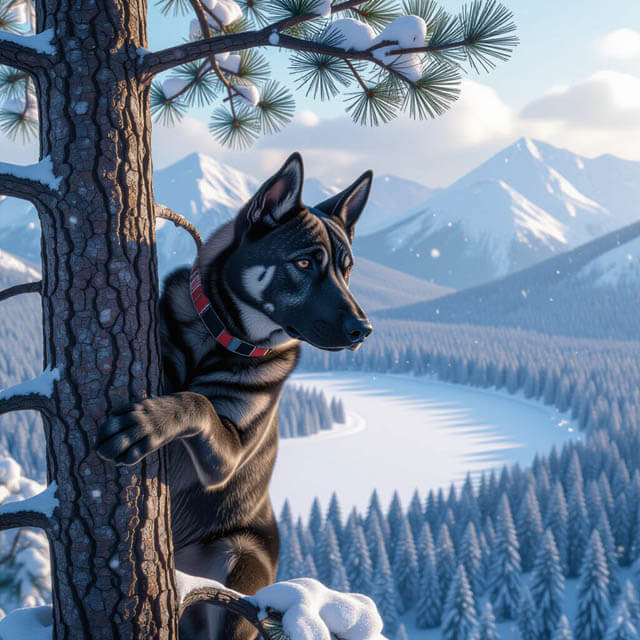

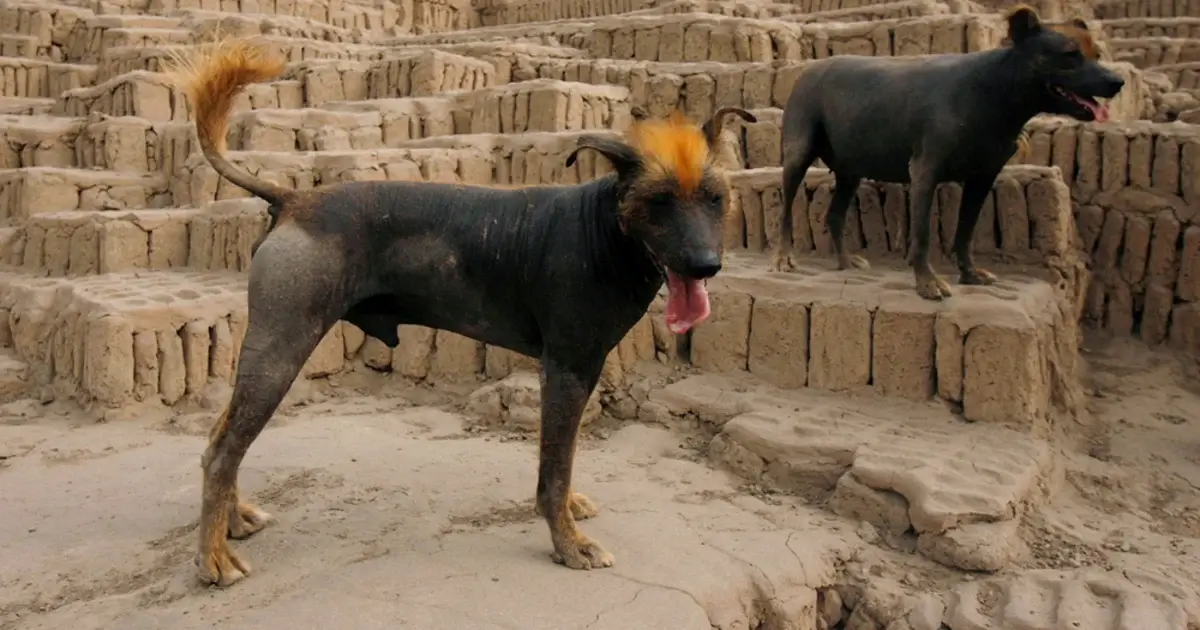
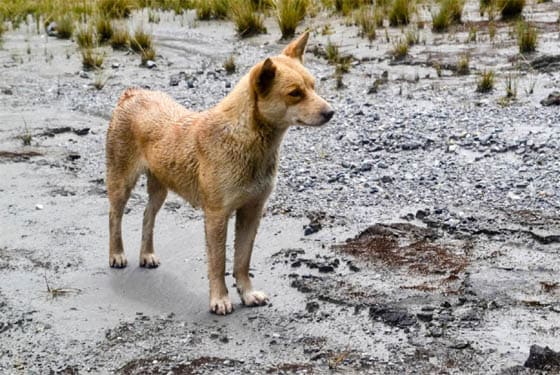
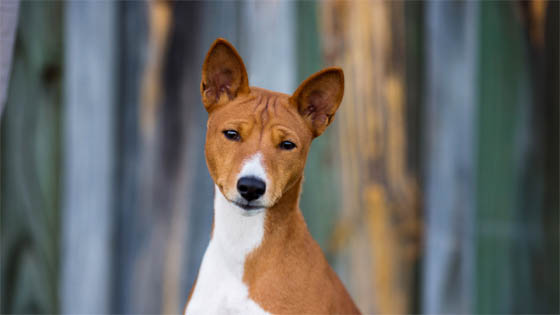
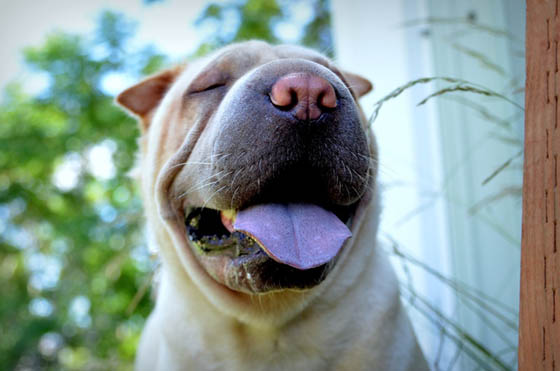
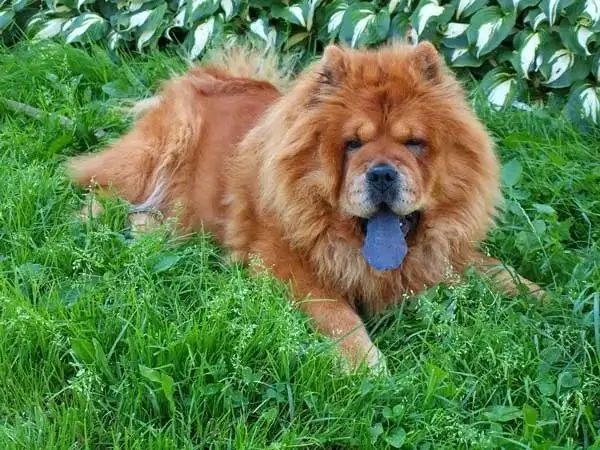

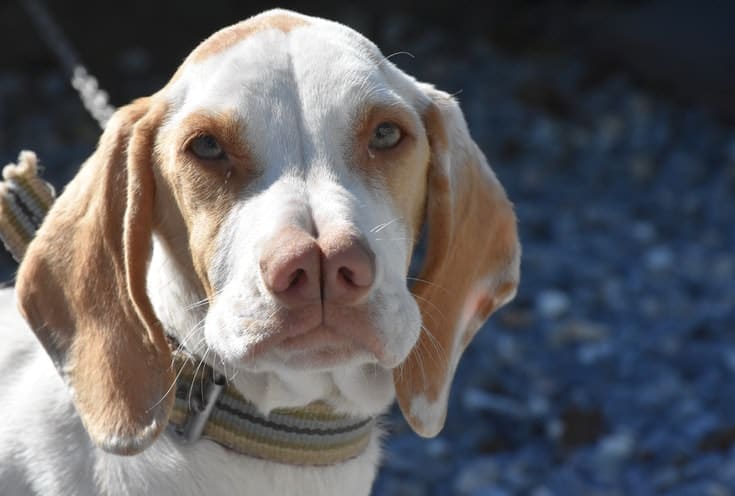
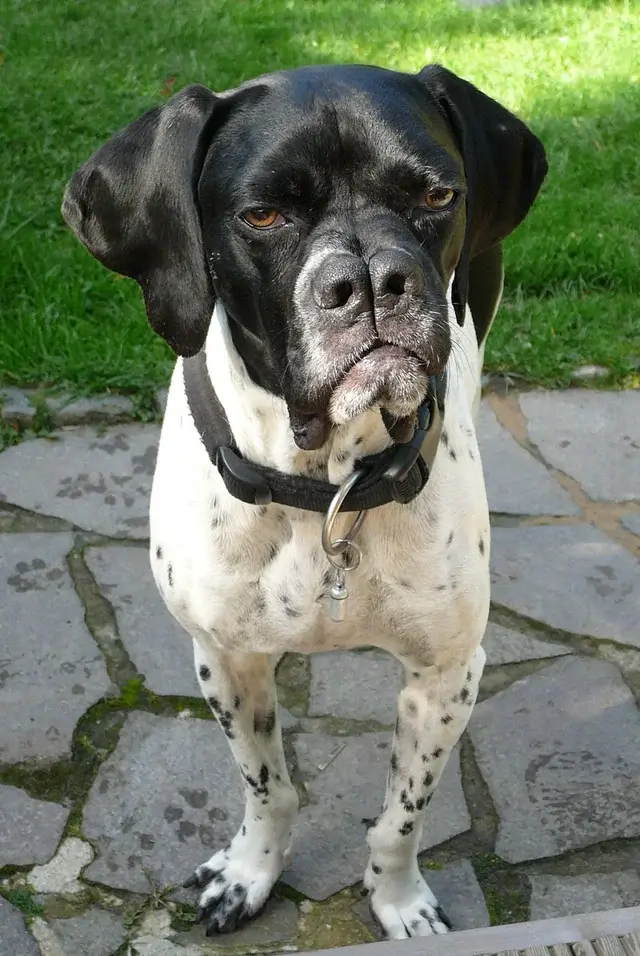
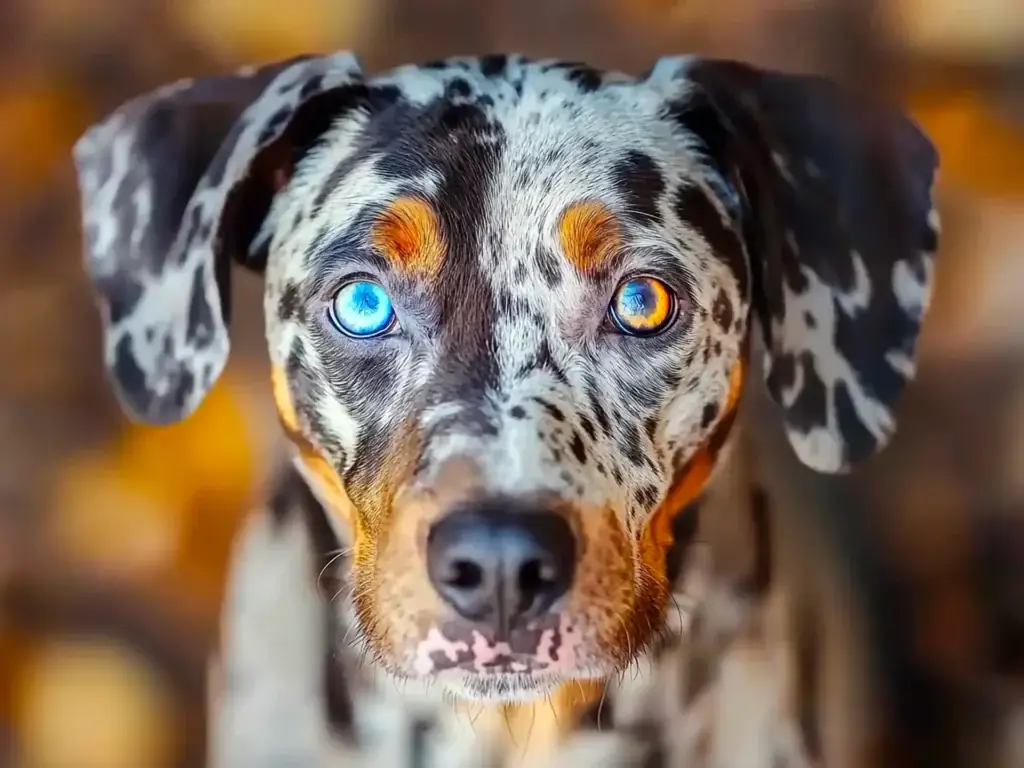
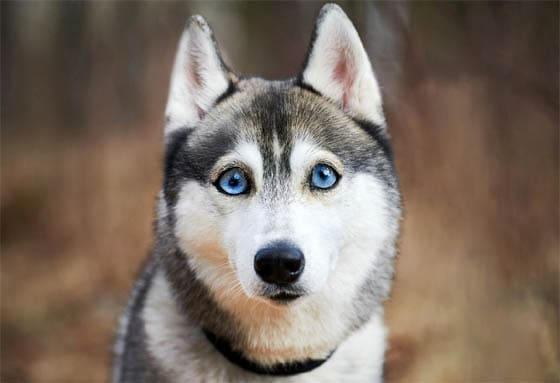

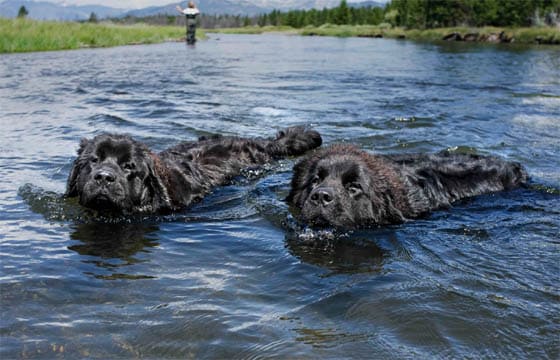
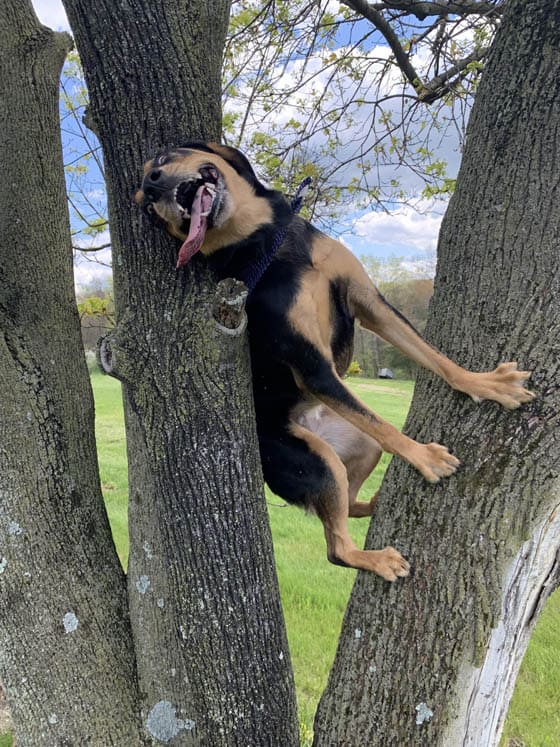
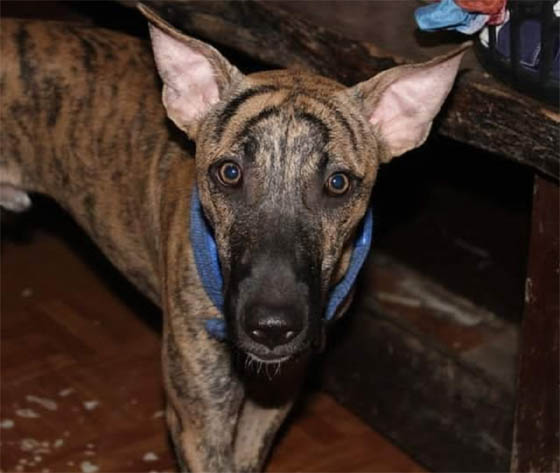
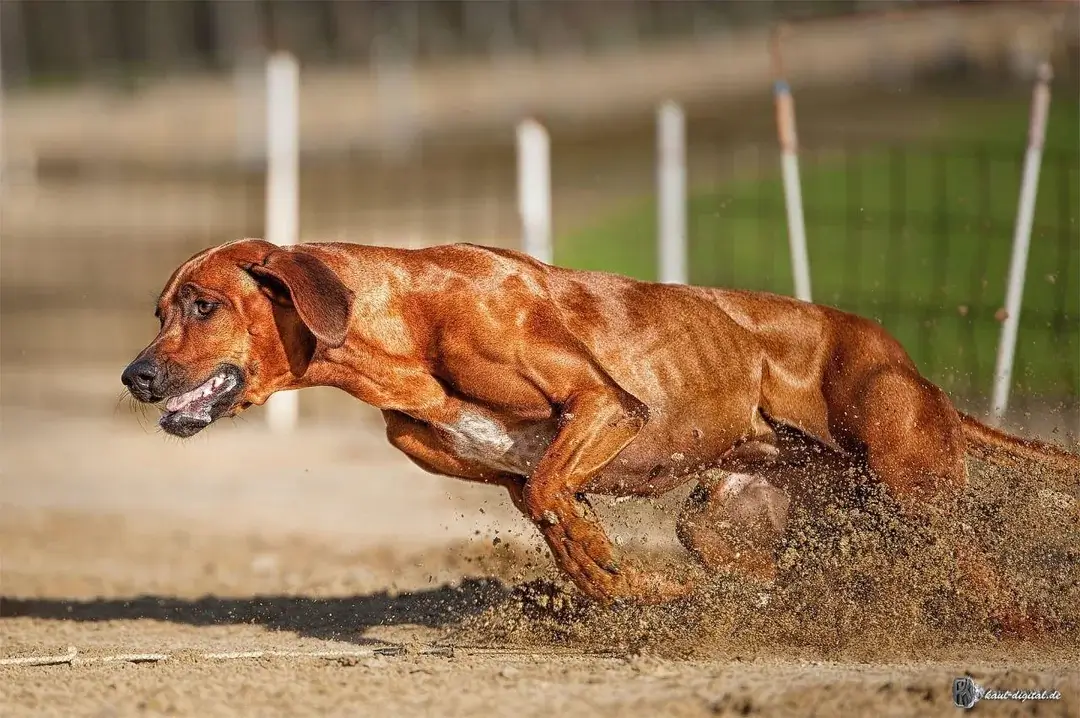
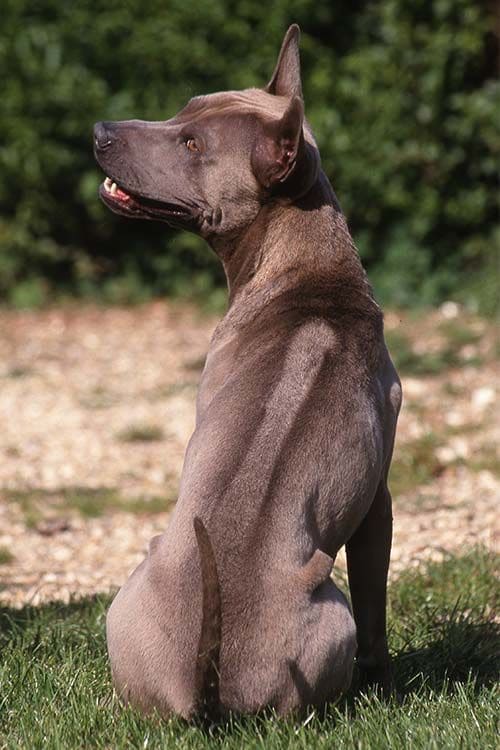
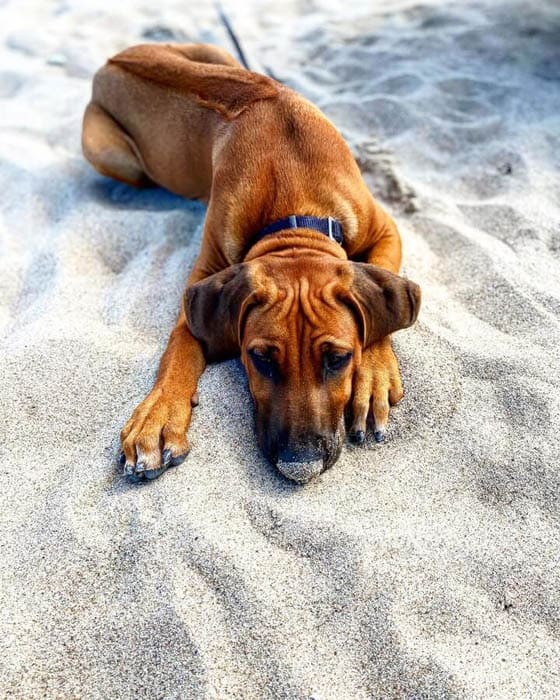
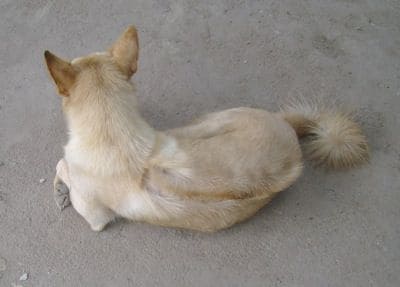
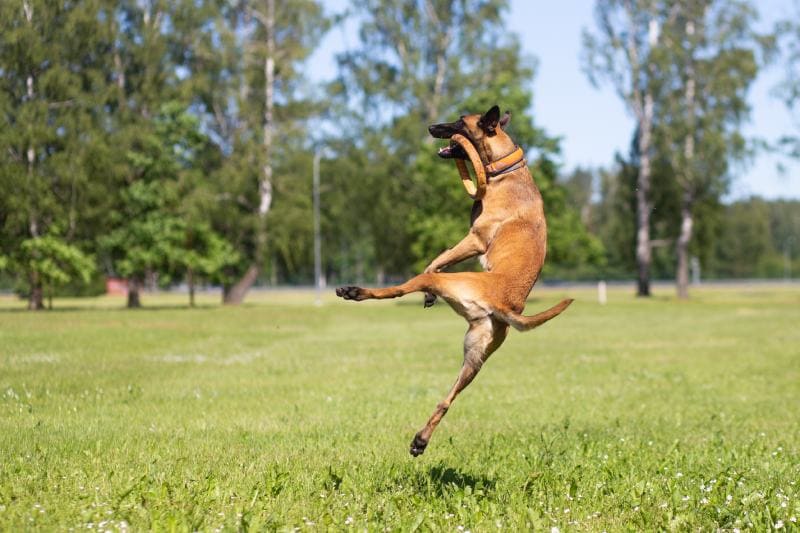
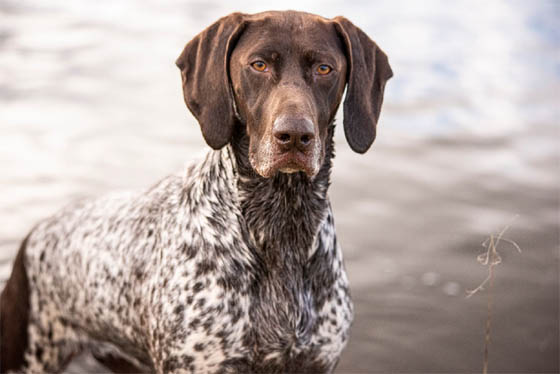

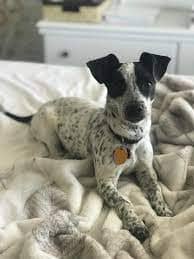
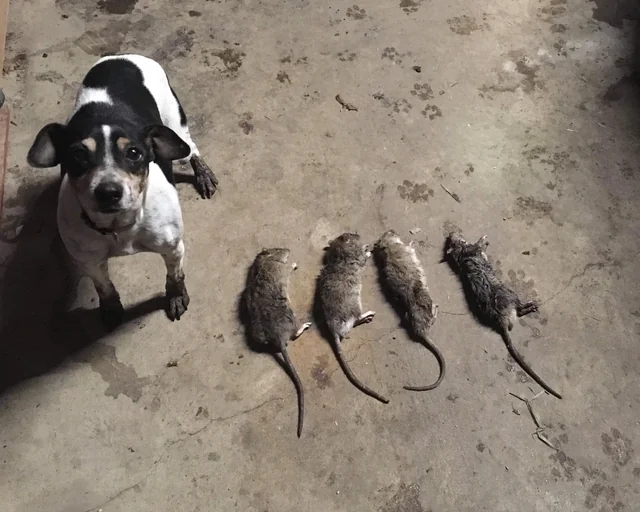
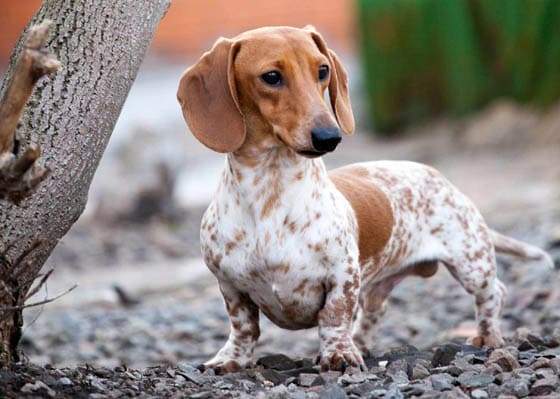
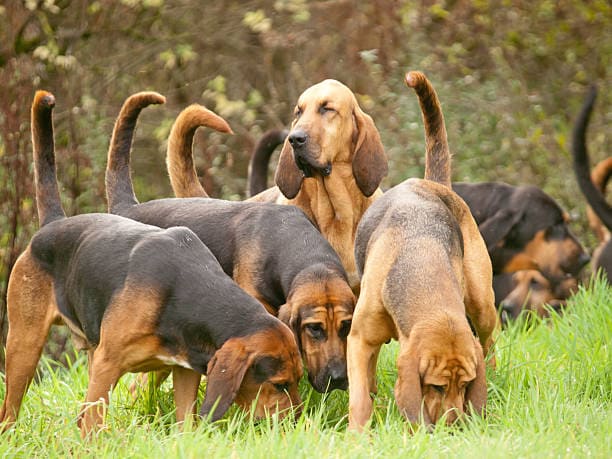


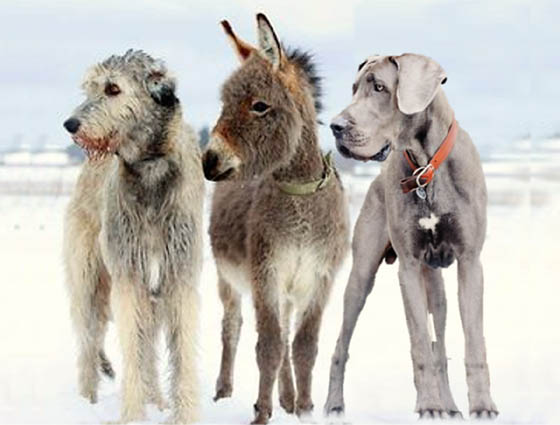

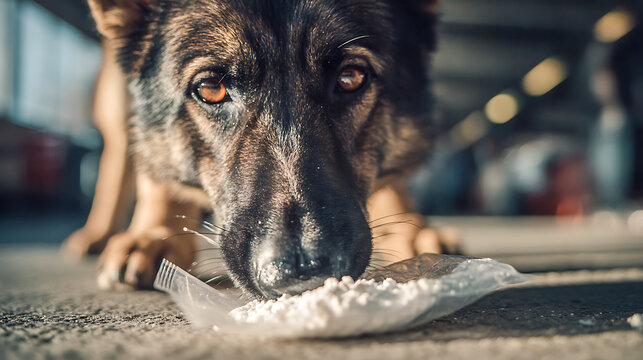
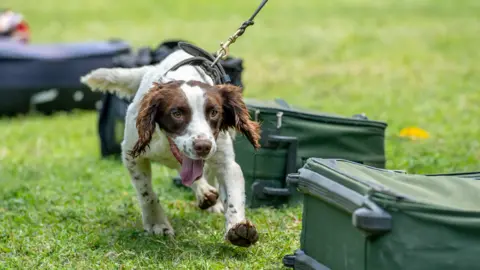
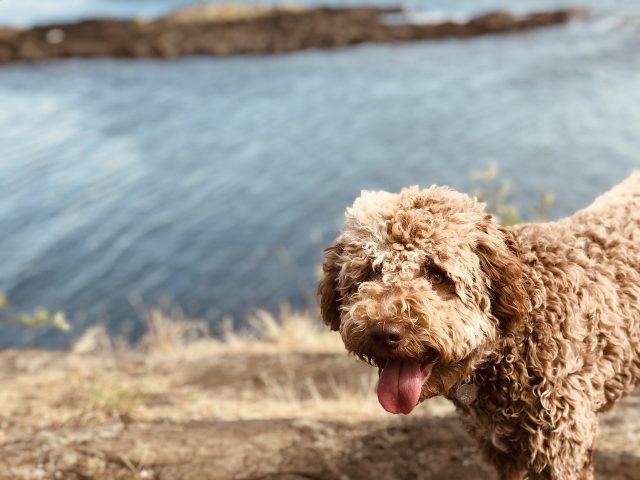

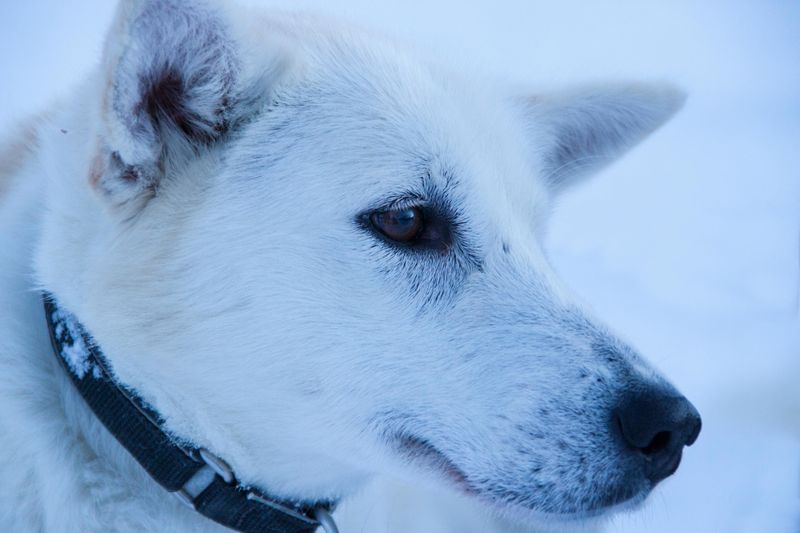
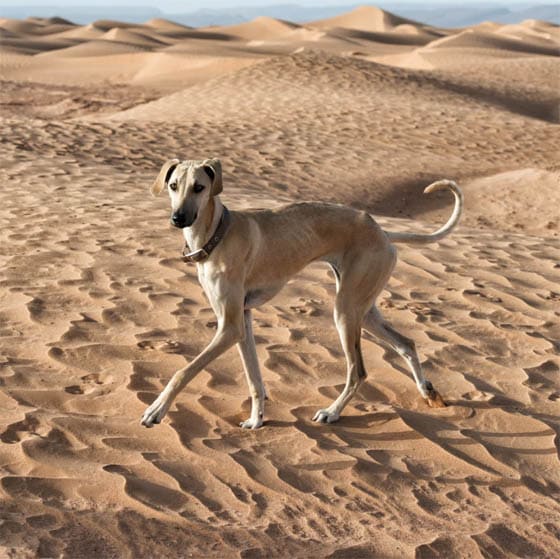
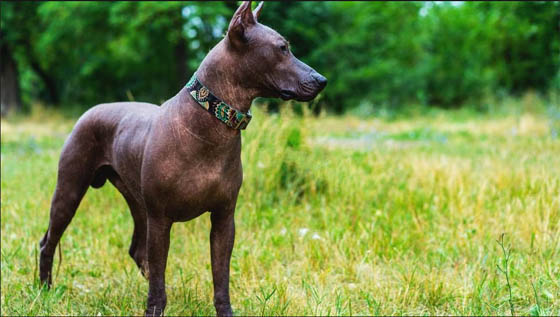
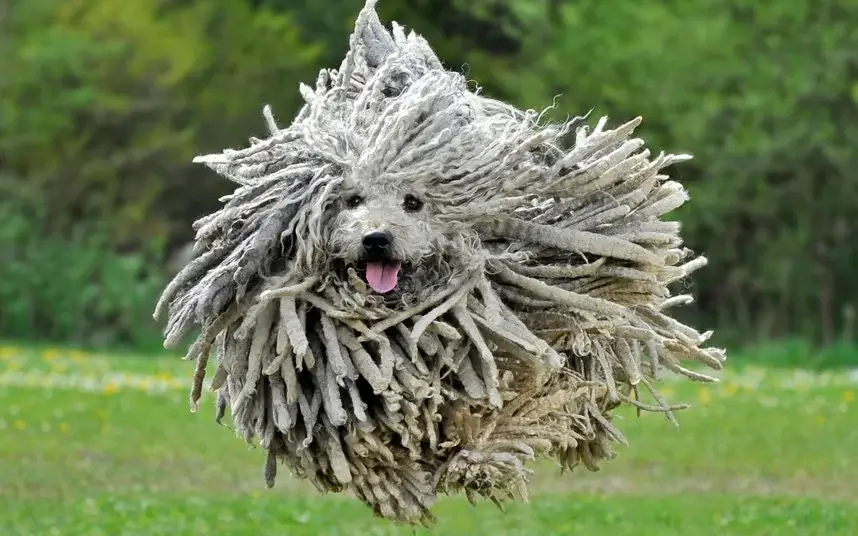
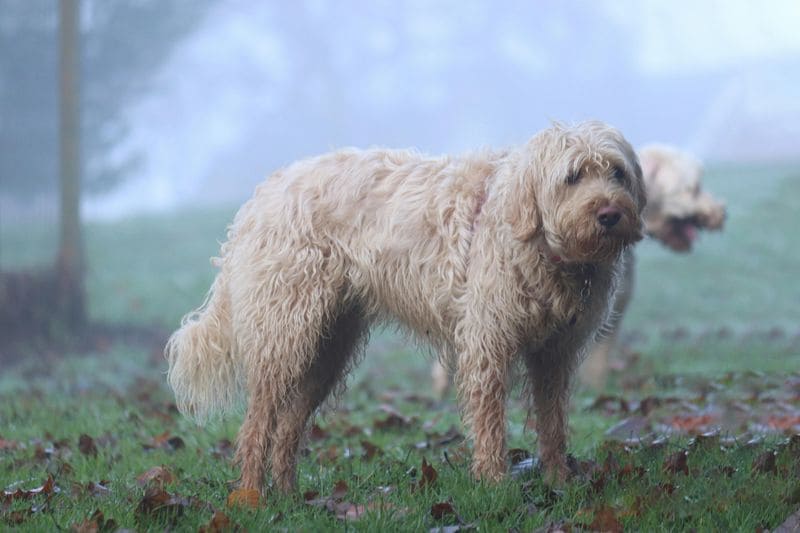
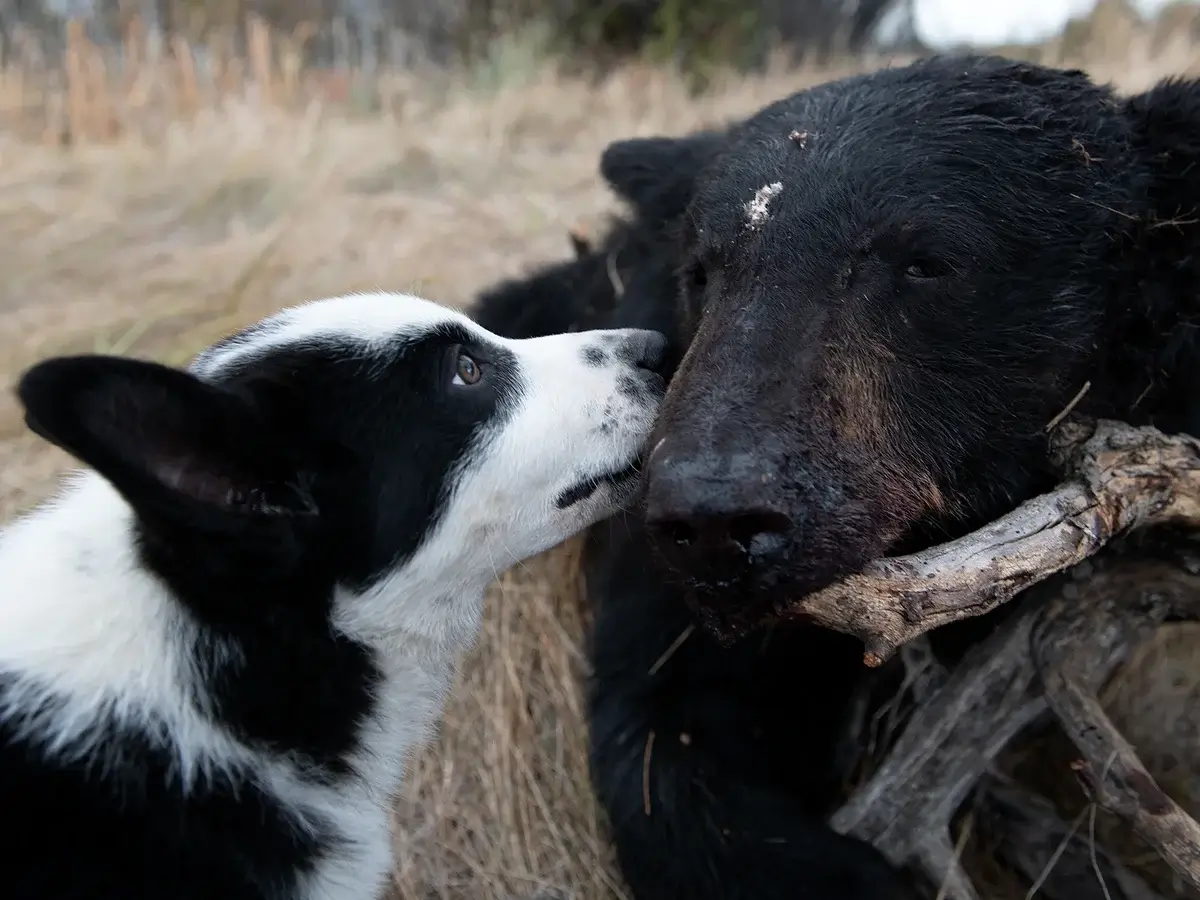
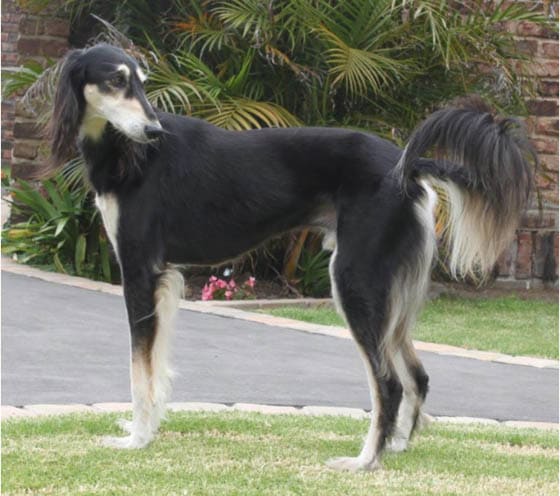
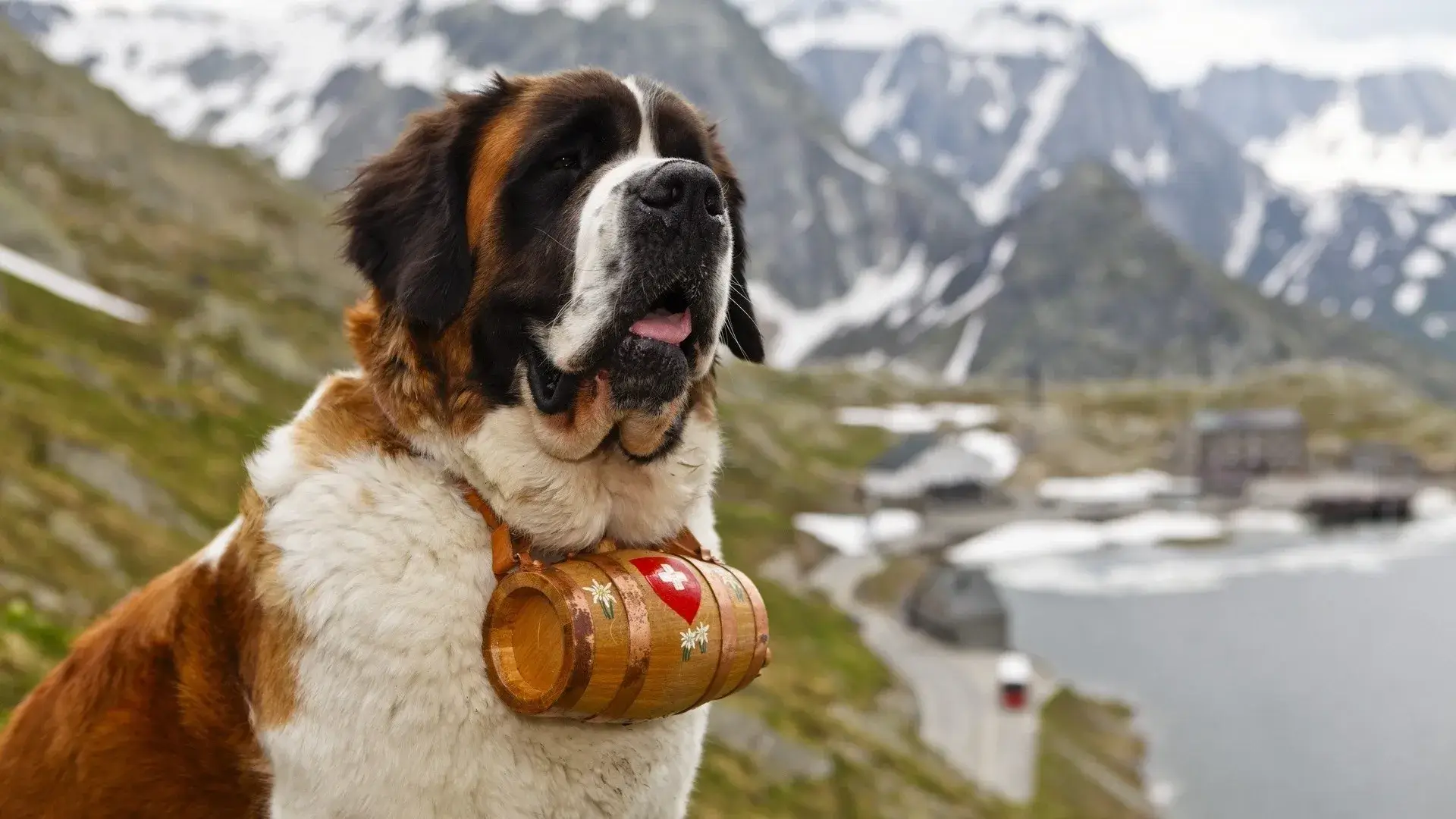
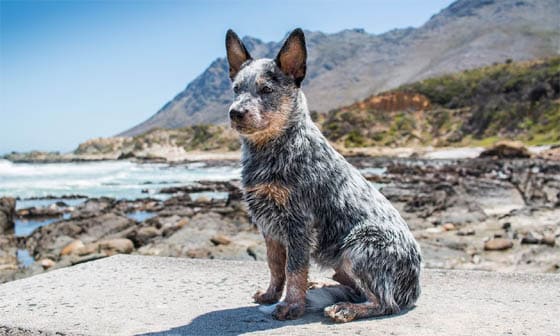
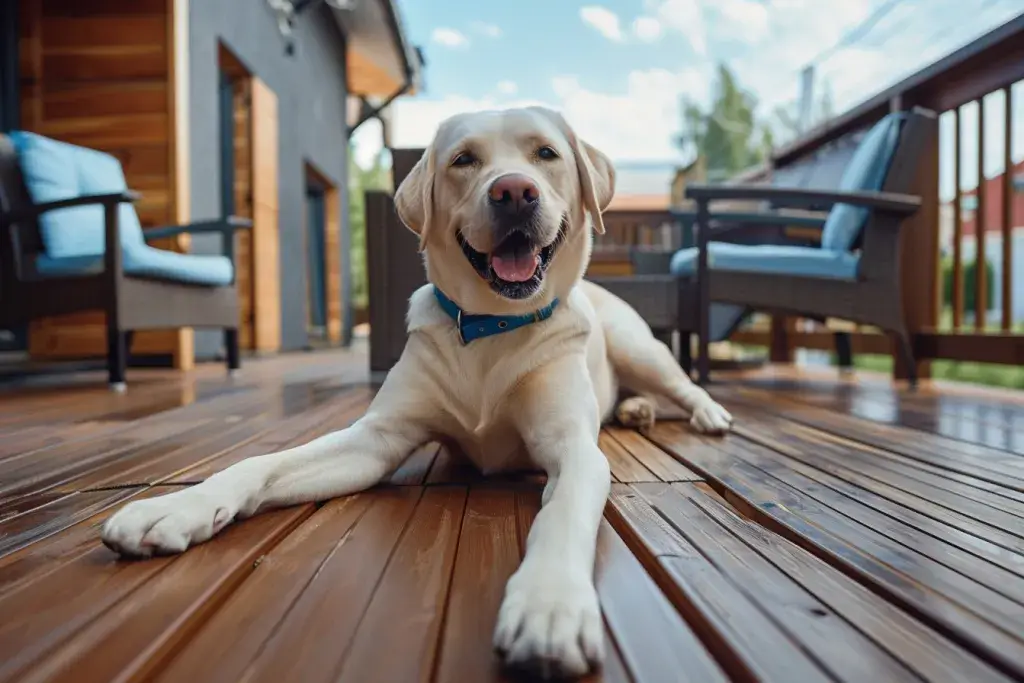
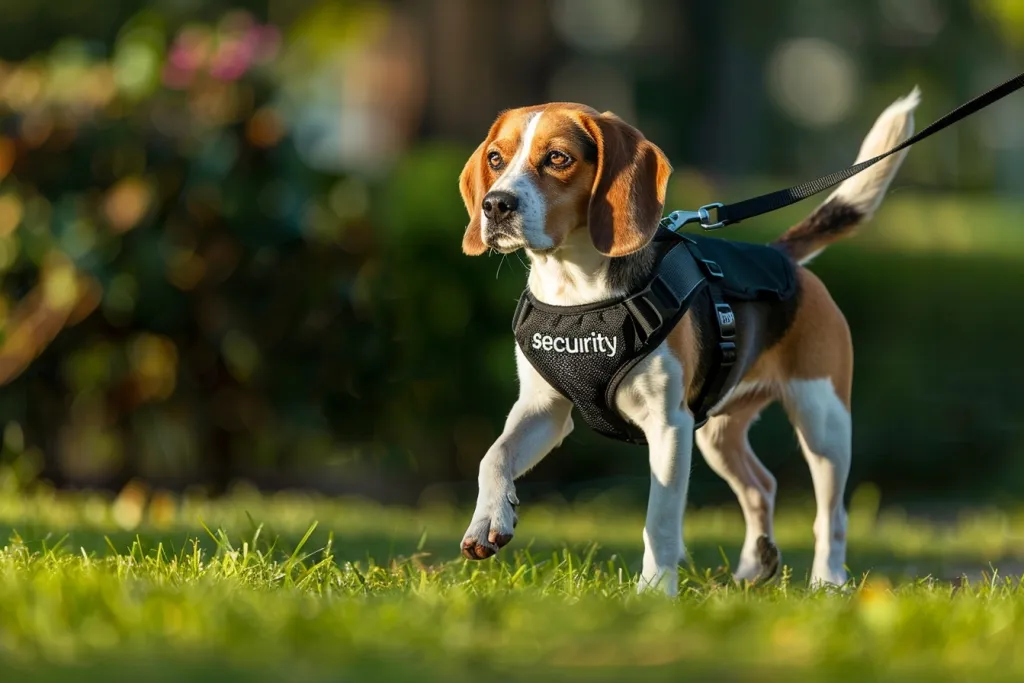
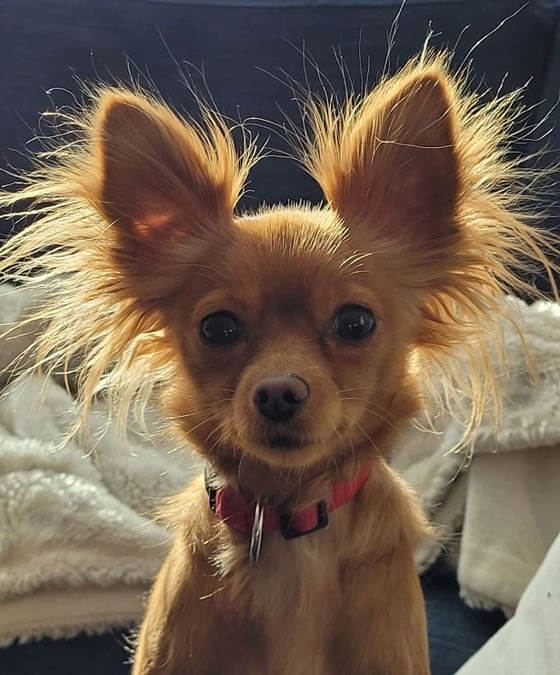

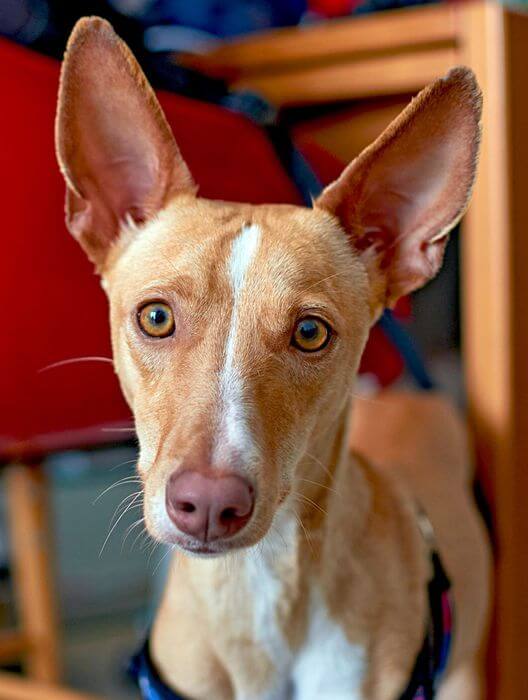
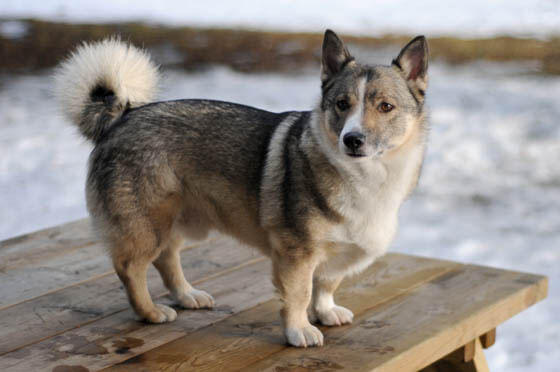
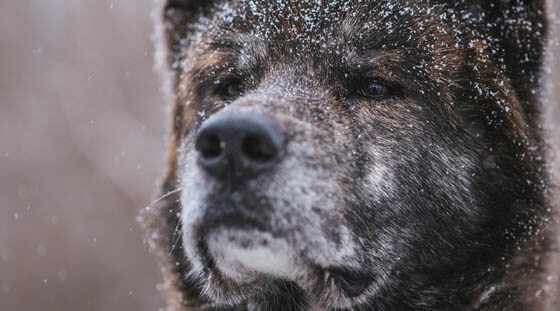
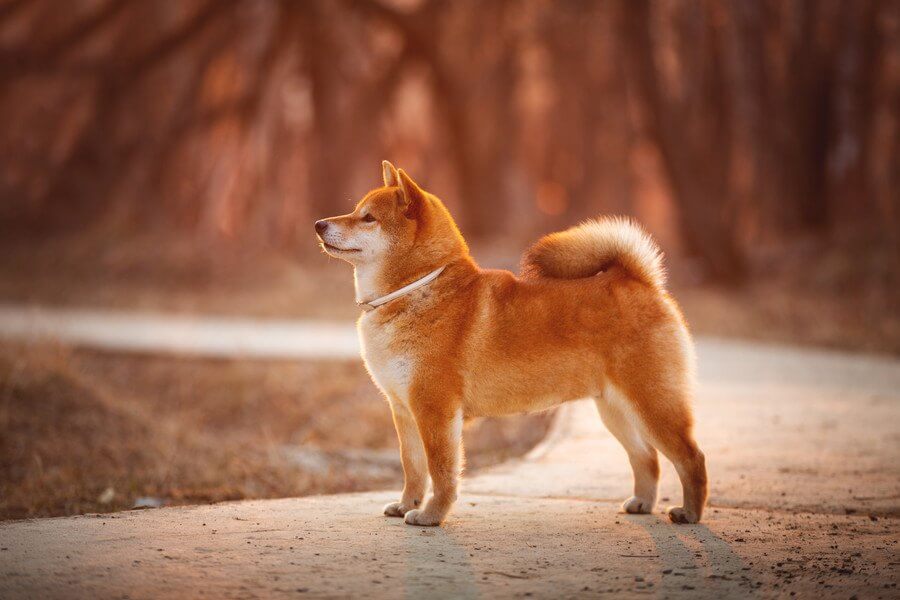












WORLD OF DOG & PUPPY 🐶