79 Blue-Eyed Dog Breeds Purebred & Mixed Dog Breeds with Blue Eyes What breed of dog has blue eyes? What words do dogs hear best? What do dogs see at night? How rare are blue eyes in a dog? Rare Blue-Eyed Dog Breeds List Dog Blue Eyes and Health Problems How Many Dogs With Blue Eyes Are Deaf? What Makes Dog's Eyes Blue?
What Makes
Dog's Eyes Blue?
As a dog lover, you may have noticed that the overwhelming majority of dog breeds possess dark eyes. Usually, dogs’ eyes are brown or, in some cases, even look black. With lighter eyes more of a rarity in dogs, you can imagine how coveted that trait has become for some. Even still, blue is not the most uncommon eye color in pups - green is actually the most unusual eye color in dog breeds. There are a few reasons why a dog might have blue eyes or at least one blue eye:
Merle gene - This gene affects coat and eye pigmentation, often resulting in one or both blue eyes or a mix of blue and brown in the same eye. A dog only needs one copy of the merle gene from one parent to express merle coloring.
Piebald gene - This gene reduces or eliminates pigment in certain areas of the coat, resulting in white patches of varying sizes. It can sometimes lead to one or both eyes being blue. A dog must inherit two copies of the piebald gene (one from each parent) for the effects to occur.
ALX4 gene ("the blue eye variant") - A specific genetic mutation found in Siberian huskies that causes blue eyes independent of coat color.
Random genetic mutation - In rare cases, a dog from a breed that typically has brown or amber eyes may be born with one or both blue eyes due to a random genetic mutation affecting eye pigmentation.
Albinism - This condition is very rare in dogs and can cause very light blue or pinkish eyes due to the absence of melanin.
How Many Dogs
With Blue Eyes
Are Deaf?
Having blue eyes is not a precursor to being deaf. In fact, only about 5 to 10% of canines are deaf, but it tends to correlate with their genes - those with the Merle and Piebald genes and a completely white coat, have higher rates of deafness than other canines.
Are Blue Eyed Dogs
More Likely To Be Deaf?
Yes, they are more likely, but it is not a guarantee. The only clear indicator of deafness in dogs is a positive test for the deafness gene. Deafness is commonly associated with a lack of pigment, similar to how blue eyes are associated with a lack of pigment in the iris. Dalmatian, English Cocker Spaniel, Bull Terrier, and English Setter are the most common breeds with blue eyes, which also are statistically more prone to deafness.
Blue Eyes
and Health Problems
While blue eyes are usually harmless, the color can occur later in life due health problems, such as:
Cataracts - This condition causes a clouding of the cornea that can give eyes a gray, milky, or bluish appearance. Typically found in older dogs, cataracts are caused by age, injury, or disease, and can ultimately lead to blindness if left untreated. Surgery can remove cataracts.
Corneal Dystrophy - The condition typically presents with cloudiness or haziness in one or both eyes. While this is typically harmless and does not affect vision, a veterinarian should monitor for signs of ocular ulcers.
Glaucoma - Caused by pressure in the eye, glaucoma can result in a bluish or gray hue to the eye. Treatment is necessary as the condition is painful and can result in the loss of the eye.
Nuclear Sclerosis - This clouding of the eye is commonly found in dogs and may cause a bluish tinge in the eye of older dogs. It is typically harmless and does not require treatment, but you should consult your vet to rule out cataracts and other other ailments.
Anterior Uveitis - A rare condition that causes clouding of the pupil, Anterior Uveitis can lead to blindness. Symptoms of AU are squinting in dogs or excessive eye discharge.
The Neapolitan Mastiff is a large, heavy Italian dog breed known for its protective nature, loose, wrinkled skin, and affectionate but lazy temperament. They require consistent leadership for training and are best suited for experienced owners due to their size and protective instincts, though they can be gentle with children they know. Key care considerations include moderate exercise needs, potential health issues like bloat and heart conditions, and regular cleaning of their skin folds. These are huge dogs who are neither common nor easy to care for. They’re very smart and independent guard dogs who were bred to work alone, so this means that they’re both slow to trust and tough to train. With this said, a solid training regimen can turn this dog into a sweet companion animal that simply needs a lot of exercise to stay in good shape. The Neapolitan Mastiff is not a breed for everyone. This breed looks a bit intimidating, but is actually affectionate, calm, peaceful and loving. They enjoy family and friends.
This breed is a heavy drooler, particularly in hot weather or after getting a drink. Males may drool more than females. They are very keen to their owners' commands. Intelligent, very protective, courageous, serious and mild-mannered. Generally quiet, they tend to only bark when necessary. They can be reserved with strangers; socialize them well with people, places, sounds and animals. These dogs are usually very loving with children, provided the children know how to display leadership skills. A Neo can get along well with non-canine pets if raised with them from puppyhood and/or properly socialized. Obedience training is very important. Teach them to heel on a lead and to go in and out door and gateways after the humans. This breed needs a dominant owner who understands and is capable of controlling them properly. They will be easiest if this is established when the dog is still a puppy, but it is still possible to communicate with an adult Neo that the human is in charge. Children should be taught how to be pack leaders. Socialize this breed while they are young. This is a natural guard dog and protection training is not necessary. You cannot breed out the guard in the dog, no matter how submissive they become. If they sense there is a threat to the home they will react unless the owner is there and tells them everything is OK. Be sure you are consistent in approach and do not keep repeating commands the dog has failed to obey.
If they are not listening, try a different approach, making sure you are in a confident state of mind. Neos will not listen to meek owners. These are not dogs for beginners, but it is an exaggeration to describe them as difficult in their association with others. A calm handler with natural leadership will achieve the best results. With comprehensive training and an experienced, dominant owner, the Neapolitan Mastiff can be a wonderful family pet. Steady and solid as an oak tree, the Neo is a guardian rather than an attack dog. They’re always alert and aware, even if it looks like they’re relaxing. If you aren’t home, they simply will not let anyone onto your property. And really, who’s going to argue with them? When you welcome someone, though, your Neo will accept that person as well, although they will probably remain aloof. This is not a "hail fellow, well met" kind of dog. The Neo is affectionate toward their family, but they are also strong-willed–and big enough to have their own way. Begin training early, be firm and consistent, and use positive reinforcement techniques, such as praise and food rewards.
The American Indian Dog is a rare breed that captures the versatility and spirit of early Native American and First Nations dogs. These pups excel at a variety of duties and activities, including search and rescue, service, livestock guarding, and herding. They also make nurturing and devoted family companions. The American Indian Dog is a medium-sized, lightly-built, dingo-like working breed known for its intelligence and loyalty. It has distinctive features like pricked ears, almond-shaped eyes - pale yellow or pale blue, a wedge-shaped muzzle, and a bushy tail carried down with a slight curve. Its double coat can come in various colors and shades with sable shading and darker guard hairs. The Native American Indian Dog's intelligence level is extremely high. This breed is highly trainable and eager to please its human companions. It is loyal and protective of its family. Socialize well to avoid it being shy with strangers.
The Native American Indian Dog is totally dedicated to its human owners. Native American Indian Dogs are sensitive animals that do well with firm authority, but not harshness. They are very good with children and other animals, including other dogs, household pets as well as livestock. Usually a stern "NO" will stop them in their tracks. They are extremely versatile animals bred to work, as in pulling a sled or hunting whatever game you choose them to hunt. The objective in training this dog is to achieve pack leader status. It is a natural instinct for a dog to have an order in its pack. When we humans live with dogs, we become their pack. The entire pack cooperates under a single leader. Lines are clearly defined. You and all other humans MUST be higher up in the order than the dog. That is the only way your relationship can be a success. These intelligent working dogs and loyal companions have a strong pack instinct and bond closely with their people. That said, they tend to be reserved with strangers. Their alert personalities and nurturing instincts make them excellent family watch dogs.
The Catahoula Leopard Dog is a strong, intelligent working dog from Louisiana known for its striking coat and blue eyes. These dogs are energetic, independent, and require a confident owner, plenty of physical and mental stimulation, and early socialization to become loyal and affectionate companions. They are bred for hunting and herding, often used for hog and cattle work, but can also be great family pets if their high energy needs are met. The Louisiana Catahoula Leopard Dog is independent, protective and territorial. Loving with its family and all people it knows well but can be reserved with strangers - this would include strange children. Socialize well, preferably at a young age. They need to be allowed to come up and smell a person. They mature right around 2 years of age. Affectionate with his master. The Catahoula is not recommended for an owner who does not take the pack leader issue seriously. For the right owner who understands the importance of structure, leadership, and exercise the Catahoula can make a wonderful pet.
The objective in training this dog is to achieve pack leader status. It is a natural instinct for a dog to have an order in their pack. When we humans live with dogs, we become their pack. The entire pack cooperates under a single leader. Lines are clearly defined and rules are set. Because a dog communicates his displeasure with growling and eventually biting, all other humans MUST be higher up in the order than the dog. The humans must be the ones making the decisions, not the dogs. That is the only way your relationship with your dog can be a complete success. This breed needs a dominant owner who shows strong leadership. Catahoula Leopard Dogs have been bred to be hard workers, enduring the swamps and forests of the South for their stock work. This means that when they are not working, Catahoulas have high energy needs that must be met.
As working dogs, Catahoula Leopard Dogs have abundant energy stores. If they are not working, they require at least one or two hours of exercise every day, which should not be limited to walking. Running, fetching, or dog sports such as agility are great ways to exercise a Catahoula Dog's mind and body. A Catahoula Dog that is not given the exercise it needs will often become destructive. Because of their history, it might be challenging to introduce a Catahoula to another pet. That said, some can do well in a home with other dogs and cats if they’ve been raised with them. Their loyalty to their family makes them great family dogs, especially in homes with older children who understand how to interact with dogs. But smaller children may be accidentally knocked down or stepped on by this rambunctious breed, so always supervise interactions between kids and Catahoula Leopard Dogs. Their instinct for independence can make Catahoulas wary of unfamiliar people or animals, so early training and socialization are essential. While Catahoula Leopard Dogs do not tend to bark, they can be known to dig and chew when bored and therefore need ample time to play, ideally in a securely fenced-in yard.
Frenchies may have blue eyes for a few different reasons. First, piebald (white-spotted) Frenchies are likelier to have blue eyes than their solid counterparts. Second, merle French Bulldogs have recently become very popular in the pet market, and are more likely to have blue eyes than Frenchies of other colors. While piebald is acceptable in the show ring, both merle and blue eyes are not. The French Bulldog, or the Frenchie, is a small companion breed from France that resulted from the crossbreeding of imported English Toy Bulldogs with Parisian ratting dogs. With their unique charm and dynamic personality, the French Bulldog has become a beloved breed among dog lovers everywhere. Over the years, these lovable pups have captured the hearts of many, catapulting them into the most popular dog breed worldwide. French Bulldogs are small, muscular companion dogs from France known for their "bat ears," short faces, and affectionate personalities. They have a smooth coat, a lifespan of about 10-12 years, and a playful but not overly boisterous temperament.
Due to their flat-faced, brachycephalic structure, they are prone to breathing difficulties, overheating, and should be carefully protected from hot weather and strenuous exercise. The French Bulldog is a pleasant, easy-care companion who is playful, alert and affectionate. It is enthusiastic and lively, without being yappy and loud. Curious, sweet and absolutely hilarious, it has a very comical personality and loves to clown around. It is bright and easygoing. The Frenchie gets along fairly well with strangers and other animals and enjoys being with its owner. It plays well with other dogs. Those Frenchies that are allowed to believe they are alpha may become dog aggressive. This breed needs leadership and will not thrive without it. The Frenchie cannot be owned and ignored. When it senses an owner is meek or passive toward it, it will become very stubborn and even snappish. They can be trained if the owner is calm, but firm, consistent and patient. Proper human to canine communication is essential. Do not give them affection or sweet talk them if they are displaying any type of unwanted behaviors; instead correct them sternly with an air of calm authority. French Bulldogs are clean, and most will try to avoid puddles.
Most cannot swim so take caution around water. This breed does best with considerate children who know how to display proper leadership. This breed may drool and slobber; however a good percentage of them do not. They are also a relentless hunter of mice. This smart, loving dog wants and needs to spend lots of time with his people. A fun-loving freethinker, the French Bulldog takes well to training when it’s done in a positive manner with lots of food rewards, praise, and play.
The Old English Sheepdog is a large, shaggy breed known for its distinctive appearance and playful, intelligent, and good-natured personality. They have a thick double coat that requires extensive grooming and come in various shades of grey, grizzle, blue, or blue merle. These dogs need at least two hours of exercise daily and can be suited for families, though their size requires careful handling of children. The Old English Sheepdog is stable and happy-go-lucky. It is able to adjust oneself readily to different conditions, is loving and friendly. Loyal, protective and intelligent, it makes a fine family companion. Friendly and gentle, this breed loves and is good with children and is very much part of the family. They have a strong herding instinct and may try to herd people by bumping, not nipping, and need to be taught not to herd humans. Meek or passive owners or those that do not make the rules of the home clear in a way the dog can understand will cause the dog to become strong-willed. This breed needs firm, but calm, confident and consistent leadership. The Old English Sheepdog is a very good worker and is able to follow commands, but will ignore the instruction if it thinks it is stronger minded than its human pack members. The bark of the Old English Sheepdog sounds like a cracked bell.
This breed remains puppy-like for many years, and age tends to hit it suddenly. This playful, sociable, and obedient breed requires an attentive and responsible owner who will give them the love and proper grooming that they need to thrive. Whether you need a working farm dog or a cuddly family pet, you’ll be happy with an Old English sheepdog by your side. At the dog park, Old English sheepdogs always steal the show thanks to their adorably messy hairdos. Their bubbly personalities only make them cuter. The Old English Sheepdog is an intelligent, affectionate, fun-loving family dog who can be a gentle, playful companion for people of all ages, though their size means that proper precautions should be taken around small kids. Bred to work, Old English Sheepdogs have a moderate energy level and need daily physical and mental enrichment. With their background in herding and protecting livestock, they can be wary of other animals and may need time to warm up to new people. Old English Sheepdogs were bred to work alongside people, and they’d still like to be by their humans' sides. Without proper companionship and opportunities to use their brain and body, the breed can become bored, which can lead to behavior issues like excessive barking and chewing.
Long associated with firehouses, this athletic and dignified breed is distinctive-looking enough even without dramatically colored eyes. Dalmatian, a large breed, famous for protecting fire stations and getting dog-napped by fashionable fictional villains. These intelligent and energetic dogs take to training well and are a great fit for active and dedicated people up to the task. First-time dog owners might want to look for a more manageable pooch, though, especially if your household has small children. Their breed standard markings range from a dappling of black spots to larger black splotches all across a white coat of short hair. Dalmatians are a medium-large, energetic, and highly active dog breed known for their distinctive white coat with black or liver spots. They require significant daily exercise - at least two hours, and human companionship to prevent destructive behaviors, and are well-suited for running, agility, or other canine sports.
The breed has a high incidence of deafness, so proper socialization and training are crucial, and they need regular grooming to manage shedding. Dalmatians are intelligent and energetic. They are the perfect pup for anyone with an active lifestyle because they require a lot of exercise and mental stimulation. Because of this, Dalmatians are at their best when they have a job to do. And while that job does not need to be putting out a fire, they will benefit from learning tricks or competing in dog sports. These playful pups can be good with kids and other pets, but small children must be taught how to treat dogs nicely. And, as with any dog breed, interactions with kids should always be supervised. While Dalmatians are friendly and loving toward people they know, they can be aloof and uninterested when meeting new people, especially in adulthood. This is why socializing Dalmatian puppies early in life is so important. Dalmatians were bred to run under or alongside horse-drawn carriages and therefore have a vast amount of stamina and energy. They do not like to sit around all day with nothing to do.
They are playful, happy, easy going and very dedicated. The Dalmatian needs a lot of leadership along with human companionship in order to be happy. They will not do well left out in the yard all day and have been known to dig crater-size holes when done so. The Dalmatian enjoys playing with children, but if they do not receive enough mental and physical exercise they may become high-strung, and too excitable for a small child. This buildup of energy causes their minds to become unstable and they can become timid without enough socialization. They get along well with other pets, but without proper human to dog alpha communication where the human clearly tells the dog that he is not in charge and fighting is an unwanted behavior, they may become aggressive with strange dogs. Quite intelligent, but can be willful if they sense their owners are in the slightest bit meek or passive, and/or if the owner is not properly communicating with the dog. Generally does well with firm, consistent training.
The Alapaha Blue Blood Bulldog is a muscular, loyal guard dog from the United States, developed from Old English Bulldog stock. Known for being protective and devoted to their families, they are good with children but can be wary of strangers and have a strong prey drive, requiring leashes and containment around smaller animals. These dogs are generally healthy and athletic, with a short coat that needs minimal grooming, and they typically have a lifespan of 12 to 16 years. The Alapaha Blue Blood Bulldog is dutiful and quickly trainable. This breed is named as such for its streak of "royalty." It is a great watch and guard dog. They will fight to the death to defend their owners and make excellent companion dogs. Excellent with and protective of children. These are active, athletic and mindful dogs with a lot of heart. The objective in training this dog is to achieve a pack leader status. It is a natural instinct for a dog to have an order in their pack. When we humans live with dogs, we become their pack. The entire pack cooperates under a single leader, lines are clearly defined.
You and all other humans MUST be higher up in the order than the dog. That is the only way your relationship can be a complete success. With only a few hundred dogs worldwide, the Alapaha Blue Blood Bulldog is definitely one of the rarest bulldog breeds. Despite their uncommonness now, they’re an ancient breed that can be traced back at least 200 years, with bloodlines that have influenced a range of other breeds. As an assertive, loyal, and spirited breed, the original role of Alapahas was as a working dog. These days, their protective streak and powerful build mean they have earned a slightly unfair reputation. But the truth is, these dogs do have a goofy side, but it’s crucial their pet parents are experienced in handling and training large, confident dogs. With a strong work ethic, Alapahas do best in a home where they can combine family time with a specific role. Keep reading to find out what makes this breed so unique and whether they are the right dog for you. They are self-assured, confident, and assertive with people and other dogs, which can make them intimidating for inexperienced dog parents.
Australian Cattle Dog can have blue eyes, although the breed standard calls for brown or gold eyes. Blue eyes can occur due to genetics, sometimes even in purebred dogs, but they are not considered standard for conformation shows. Descended from the dingo and bred to herd animals, Australian Cattle Dogs are known for their extraordinary intelligence and go, go, go personality. The Australian Cattle Dog is a loyal, brave, hardworking, herding breed. One of the most intelligent breeds, it is not the kind of dog to lie around the living room all day or live happily in the backyard with only a 15-minute walk. It needs much more exercise than that and something to occupy its mind daily or it will become bored, leading to serious behavior problems. It needs action in its life and will do best with a job. This alert dog is excellent in the obedience ring and will excel in agility and herding trials. Can be obedience trained to a very high level. Firm training starting when the dog is a puppy and a lot of daily leadership, along with daily mental and physical exercise will produce a wonderful and happy pet. Protective, it makes an excellent guard dog. It is absolutely loyal and obedient to its master. It is sometimes suspicious of people and dogs it does not know. It can be very dog aggressive if allowed to be pack leader, for its dominance level is high. Teach your Australian Cattle Dog that you are alpha and you will not tolerate him fighting with other dogs.
Well balanced Cattle dogs are good and trustworthy with children. Some will nip at people's heels in an attempt to herd them, an owner needs to tell the dog this is not acceptable behavior. If you are adopting a pet, avoid working lines, as these dogs may be too energetic and intense for home life. Australian Cattle Dogs are very easy to train. Problems can and WILL arise with meek owners or owners who do not provide the proper amount and type of exercise. This breed does best with a job to do. If you do not have time to extensively work with and exercise your dog, or do not fully understand canine instincts and their need to have leadership, this is not the breed for you. According to the Guinness Book of World Records, one of the oldest living dog was an Australian cattle dog named Bluey who lived to be 29 years old. Australian Cattle Dogs are tremendously intelligent, hard-working dogs characterized by an intense protective nature for their owners and property. They bond strongly to their owner and are curious but wary of strangers. They can become aggressive when threatened or cornered but are generally friendly and eager to please their owners. Australian Cattle Dogs do not make good sedentary house pets and require a job as an outlet for their high-energy personality. They will try to herd small children, and some adults, so supervision is needed. Australian Cattle Dogs can be considered “mouthy” in that they tend to nip or bite, but this behavior can be redirected with proper training and socialization.
The breed of man's best friend most famed for his blue eyes has got to be the Siberian Husky. About 50% of Huskies have those classic, ice blue eyes that we have come to associate with this arctic breed. Fortunately, the gene responsible for those beautiful peepers in this breed is not typically linked to health conditions like deafness. Spirited but tender-hearted, these pack dogs bred pull to sleds make great pets for active families that can provide the daily exercise they require. The Husky is a medium-sized, energetic working dog from Siberia known for its friendly, intelligent, and independent nature. They have a thick double coat, erect ears, and a lifespan of about 12–15 years. Huskies need significant daily exercise, require consistent training, and shed heavily. Siberian Huskies made their U.S. debut in 1908 when they were brought to Nome, Alaska, by Russian fur trader William Goosak. According to the Siberian Husky Club of America, Alaskans weren’t impressed with this Siberian breed at first. But over the century that followed, Husky dogs became one of the most popular breeds. Siberian Huskies need space to roam and a lot of mental stimulation. Because of this, they make great pets for active families and children. A Siberian Husky will likely become bored with a sedentary lifestyle.
Because Huskies are smart and active, they require consistent training from an early age. Lots of socialization with people and other animals is important for Siberian Husky puppies, but these dogs won’t do well in homes with shared walls or close-by neighbors because they love to talk loudly, and about everything! They are very vocal dogs and can be expected to howl, sing, and bark. Siberian Huskies like to be active and part of the family. They are smart, outgoing, and tend to be independent thinkers, which can easily lead to behavior problems - such as excessive barking and chewing up your furniture, if not corrected early as a puppy. If you’re a first-time Husky parent, consider reaching out to a certified professional trainer to get extra help. Look for a trainer that is fear-free certified and uses the LIMA method (Least Intrusive, Minimally Invasive). Huskies are friendly dogs that are typically good with kids and other pets, but they are also very smart and strong-willed. They need to have room to run and be active with family members. If they’re cooped up all day or are not given proper attention, your Husky will be a handful. Always supervise dogs and children together. Bored Siberian Huskies have a reputation for being destructive indoors, digging holes outside, and escaping yards to run freely. It’s important to provide your Husky dog with lots of mental stimulation and activity or they will likely look elsewhere for entertainment.
The Pachon Navarro is a rare Spanish hunting dog from Navarre, notable for its distinctive split or "double" nose, though its scent sensitivity is not scientifically proven to be superior. It is a sturdy, medium-to-large dog with a rectangular body, high energy, and a calm, friendly temperament when raised correctly. The breed has high exercise needs and can be prone to health issues like cleft palate due to a small gene pool, but is otherwise relatively easy to care for in terms of grooming. Quiet, smart, strong and loyal, the Pachon Navarro is a friendly dog born to hunt with their master. These hard-working dogs have droopy ears and a mouth that gives them a solemn appearance, which is dispelled by their warm brown eyes. The breed was developed in Spain and is easy to recognize due to their unique double nose. The nostrils are divided by a band of skin and they have a deep cleft which divides the nose - it is like looking at the business end of a double barrelled shotgun! Apart from hunting or carousing in the country, this dog makes an ideal family dog. They are affectionate and fun-loving, relate well to other dogs, and are gentle and kind with children. Nothing much escapes their sharp eyes, and they will warn you about strangers, but generally, the Pachon is a quiet natured dog. Other smaller animals or birds do not fare so well, as the Pachon are bred to chase and hunt them.
While they can get along well with cats and other small animals if raised with them, they are not to be trusted as the instinct to chase can kick in at a moments notice. This dog is best where they have a large yard to roam in, with a farm being the ideal location, especially if the owner likes to hunt. The Pachon Navarro likes to be with their people and will sulk if left alone outside. They are part of your pack and want to be included, cossetted and loved. The Pachon Navarro is a kind, gentle dog who's devoted to their family and master. They like to be active - large open spaces suit this dog best. Apartment living is not for them. The Pachon is well adapted for their purpose, that of a hunting dog. They have the focus and patience for hunting small game animals and birds, and yet are obedient and loyal to their master. Daily exercise is important for this dog; they need to be out doing something, not just lazing on a patio, although they will indulge themselves given the opportunity. Although they have a somber appearance, the Pachon is a happy dog and very playful. They will join in family games and enjoy fetching and playing tug of war or other games. No slouch in the muscles stakes, this dog is a good one to have on your side in a game that requires strength. The Pachon Navarro is a devoted pet and will sulk if left outside. They want to be inside with you and the family as that is where they believe they belong - they are part of your "pack". Adorable as puppies, they grow into a lovely mature dog with a great nature and loving personality.
Teddy Roosevelt Terriers can have blue eyes, but it is typically only permitted in dogs with a blue coat color or those with a merle pattern. The Teddy Roosevelt Terrier is an intelligent, affectionate, and energetic dog breed with a muscular build and shorter legs, originally bred in the U.S. for hunting vermin. While intelligent and trainable, their strong prey drive means they may need designated digging spots to prevent destructive behavior. The Teddy Roosevelt terrier, named for the 26th President of the United States, is a small hunting terrier with a short and dense bi- or tri-colored coat. The Teddy Roosevelt terrier is closely related to the rat terrier, but with shorter legs. Affectionately known as "Teddies," the Teddy Roosevelt terrier is a small but feisty breed, with an energetic and fun-loving personality. Teddy Roosevelt terriers are friendly, outgoing, and always ready for the next adventure. They make great family dogs and are wonderful friends to respectful children who handle them gently.
Thanks to their small size, Teddy Roosevelt terriers can live happily in smaller homes and apartments, as long as they get enough daily exercise. After a long day playing and exploring, Teddy Roosevelt terriers are happy to cuddle on the couch. Unlike some terriers, Teddies tend to be dog-friendly and will even get along with much larger breeds. However, the Teddy Roosevelt terrier has a high prey drive - the instinct to chase and kill small critters, so they can not be trusted around smaller pets like rabbits, guinea pigs, hamsters, and sometimes cats. The Teddy Roosevelt terrier is an adorable smaller breed with a keen intellect and a lovable and affectionate personality. They are a breed that requires less grooming than most, and due to their agreeable nature, they can prove to be a great breed for first-time owners. However, they can be shy around new people and may not be the best dogs for certain households. If the term friendly could be personified, it would be a Teddy Roosevelt terrier. These muscular mutts are some of the most endearing dogs you could ever hope to meet and are typically exceptionally friendly to just about everyone in their home. This warm and social nature is a hallmark of the Teddy Roosevelt Terrier personality, and they love interacting with the people they bond with. They have a fair bit of energy, though they can fit into most households as long as they are given some playtime.
Whippet can have blue eyes, but it is rare and considered undesirable in the breed standard, especially for showing or racing. The Whippet is a medium-sized, athletic sighthound from England, known for its elegance, speed, and quiet indoor temperament. Whippets are sleek and slim with a deep chest, long neck, small waist, and graceful legs. Whippets resemble small-scale Greyhounds, as they originated from crossing these large sprinters with smaller terriers. They have a short, smooth coat in many colors and are prone to minimal barking but have a high prey drive. This breed needs regular exercise but is also a comfortable "couch potato" when not running. The Whippet is intelligent, lively, affectionate, sweet and docile. This very devoted companion is quiet and calm in the home. The Whippet should never be roughly trained, for it is extremely sensitive, both physically and mentally. Be sure to introduce plenty of variety during training. The best results will be achieved by including games and running. These dogs are good with children of all ages as long as the children do not roughhouse or tease the dog. Whippets are clean, virtually odor free, easy to care for and easy to travel with. They are good watchdogs and may be reserved with strangers. They will pursue and kill cats and other small animals if given the opportunity, but are good with other dogs. Household cats that they are raised with and have become accustom to will be left alone.
They can be used to hunt. The Whippet's sweet personality makes him a fine companion dog. The Whippet is the ultimate sprinter, unsurpassed by any other breed in its ability to accelerate to top speed and to twist and turn with matchless dexterity. Some can be difficult to housebreak while others housebreak quickly. As long as a Whippet's physical and mental needs are met, he will generally be quiet, calm, and happy. The breed is a sighthound, a group of dogs bred to hunt with their speed and eyesight, such as Greyhounds, Borzois, and Salukis. Whippets generally have a goofy, playful personality. Because of their thin skin and coat, Whippets can get cold easily, and generally do not do well in cold or wet weather. Pet parents can dress them in comfortable sweaters, doggy coats, or pajamas to keep them warm. Whippets are the perfect mix of happy and friendly with calm and quiet. They typically get along well with new people and other animals when properly socialized at a young age. But a home with loud, rambunctious little kids might be too much for these sensitive pups. a calm, quieter home is more likely to be suitable for them, but that does not mean they are not a kid-friendly breed. Whippets can be playful and cheery, so as long as the child and dog are introduced slowly, they have a strong likelihood of being good friends. Whippets have been bred for centuries to chase after prey, so they might see a neighborhood squirrel or your neighbor’s cat as something to run after. Whippets should always be kept on a leash or inside a fenced yard to keep them and smaller animals safe. All Whippets need to be kept active, both physically and mentally. They do not need to run around for hours, but they do need to stretch their long legs and explore.
English Greyhound can have blue eyes, but it is rare in the breed and considered a fault according to official breed standards. The English Greyhound is a tall, lean, and muscular sighthound known for its incredible speed, but surprisingly gentle and laid-back nature. In ancient times it was used as a hunting dog. It has a strong, streamlined body with long graceful legs. The greyhound is the fastest breed in the world, with the ability to race at speeds upwards of 45 miles per hour. The Greyhound's coat is short and may vary in color. However, the most commonly found are spotted white dogs in varied tones, in addition to some speckled areas. They have a short, fine coat that comes in many colors and patterns, but they are prone to some health issues like bloat and hip dysplasia. Despite their athletic build, they are often content with moderate daily exercise and make affectionate, quiet companions that adapt well to apartment living. The Greyhound is brave and devoted. Intelligent, laid-back, charming and loving, its character is often undervalued because of its reserved behavior toward strangers and even its master. Greyhounds are sensitive to the tone of one's voice and will not listen if they sense that they are stronger minded than their owner, however they will also not respond well to harsh discipline. Owners need to be calm, yet possess an air of natural authority. Socialize well to prevent timidity. As a rule, they are gentle and even-tempered -both racing lines and show lines. Most Greyhounds have a definite prey drive. It is instinctive for these dogs to chase anything that moves quickly.
They are extremely fast and some will kill cats and other domestic animals, although this is not the majority - only about 20% of ex-racers are too "keen" on chasing prey to ever be safe with small animals. About 10% are immediately okay due to low prey instinct, and the rest can be trained to leave cats and other small pets in the home alone. They seldom present difficulties with other dogs and are normally good with children, though they do not usually like roughhouse play, and would not be a good choice for young children who are looking for a playmate. Indoors, these dogs are calm and sociable to a point where they can even be considered lazy. They bond strongly with their own people, have tremendous stamina, and do not bark much. Show lines tend to be of a different body style than racing lines, and are often more angulated. Racing lines are bred for performance, but often a good by-product is that they are friendly, outgoing dogs that make wonderful pets when their racing days are over. Greyhounds are not particularly vigilant. Show lines tend to be a bit heavier and bred more for temperament than racing lines, which are bred for speed. However, racing lines also make wonderful pets. Greyhound dogs can make excellent companions for all kinds of people. Even though these dogs are large, many do well with children. They are extremely affectionate with their families and may prefer not to be left alone. Because they have a high prey drive, greyhounds may not be suitable for families with other pets, including cats. Also because of this prey drive, they should be kept on a leash while going for walks to prevent them from running after wildlife. These dogs are rarely aggressive and respond well to strangers. Greyhounds are also sensitive, requiring patience and understanding. It's best for these dogs to live in a peaceful household and be spoken to with kindness.
The Alaskan Klee Kai is a small, spitz-type dog breed developed in Alaska that resembles a miniature Siberian Husky, known for being intelligent, high-energy, and alert. They are known to be wary of strangers, loyal to their owners, and can be prone to separation anxiety. They come in Toy, Miniature, and Standard sizes and have a double coat that requires weekly brushing, and they are known to be vocal and skilled at "talking back" and howling. The Alaskan Klee Kai is a small, sharp-witted and sprightly breed that takes well to training, makes a good watchdog and likes to stick close to his family. Developed in the early 1970s, they remain rare, but when found, often have blue eyes. "Any eye color is acceptable for Klee Kai in the show ring, and most blue eyes in this breed are caused by the same ALX4 gene mutation found in Huskies. This makes sense, given Siberian Huskies were used to create the Klee Kai! About 50% of Klee Kai have at least one copy of the gene associated with blue eyes. Alaskan Klee Kais shed, bark and have a high energy level, therefore not making them ideal choices for everyone. Without the proper amount of daily and physical exercise they can become high strung. However, if in an appropriate home, the Klee Kai can be a wonderful companion. They are friendly but somewhat reserved with strangers.
Socialize well. Docile and very loving, they need the humans around them to be calm but firm, confident and consistent pack leaders. The Alaskan klee kai is an intelligent, high-activity dog. However, they are not "hyper." Unlike other husky breeds, they are highly trainable and make good watchdogs. Also unlike their cousins, they are suspicious of strangers. They require their owner's attention and are most likely found at their owner's side. They "talk back" and howl, but are not excessive barkers. Occasionally, a klee kai will be people-shy. This temperament is considered undesirable and dogs with this temperament are neutered. Klee kai need a moderate amount of exercise. Because of their intelligence, they can become escape artists. If unhappy, the klee kai can escape through fences. Klee kai have a sense of humor and may play tricks on their owner. They excel in the sport of dog agility. Klee kai need a large amount of interaction with their owners. They tolerate other dogs well. They are hunters and should be raised together with cats, if their owner is planning on one. The owner should be careful around pet rodents, birds and reptiles, as their husky prey drive is strong. Because they are clever, no pocket pet will be safe from them. Klee kai make excellent watchdogs, but their size precludes them from being guard dogs. They accept family members and strangers, if introduced by the owner. They are hardy dogs with winter coats, but should not be left outdoors. They need a minimal brushing and combing once a week. Like cats, they are fastidious and keep themselves clean. Klee kai are ideal for owners who want a small, active dog that does not require a large yard and can be content with walks and games of fetch. klee kai do not do well left alone for long periods. Anyone who cannot tolerate dog hair and shedding should consider another breed. Klee kai are long-lived, with claims of 15 to 20 years not unusual.
Labrador Retrievers are friendly, intelligent, and high-energy sporting dogs known for being excellent family pets and service animals. They have a sturdy build, a short double coat that comes in yellow, black, or chocolate, and are known for their love of water and "otter-like" tail. They are very trainable, require regular exercise, and can be prone to obesity if not given proper outlets for their energy and food motivation. One of the most popular breeds in the USA, the Labrador Retriever is loyal, loving, affectionate and patient, making a great family dog. Highly intelligent, good-natured, very willing and eager to please, it is among the top choices for service dog work. Labs love to play, especially in water, never wanting to pass up the opportunity for a good swim. These lively dogs have an excellent, reliable temperament and are friendly, superb with children and equable with other dogs. They crave human leadership and need to feel as though they are part of the family. Labs are easily trained. Some may be reserved with strangers unless very well socialized, preferably while they are still puppies. Adult Labs are very strong, train them while they are puppies to heel on the leash, and not to bolt out doorways and gateways before the humans.
These dogs are watchdogs, not guard dogs, although some have been known to guard. They can become destructive if the humans are not 100% pack leader and/or if they do not receive enough mental and physical exercise, and left too much to their own devices. Show lines are generally heavier and easier going than field lines. Field lines tend to be very energetic and will easily become high strung without enough exercise. Labs bred from English lines (English Labs) are more calm and laid back than Labradors bred from American lines. English Labs mature quicker than the American type. Labrador retrievers tend to have a friendly and outgoing personality. Their temperament also is driven by a high energy level. They like having a job or activity, and they are highly trainable. Labs can become hyperactive and destructive if they don’t get enough daily physical activity and mental stimulation. Therefore, they are best for active pet parents. As true family dogs, Labs usually get along well with children and are known to be incredibly loyal and loving. Labrador Retrievers are prone to eating things that they should not, especially as puppies. They may try to eat socks, shoes, furniture, and other items, or get into the trash. Pet parents must keep a watchful eye on Lab puppies and dedicate time to train them on what they can and cannot eat. The Labrador Retriever temperament is part of what makes them such a popular pet. They are typically affectionate toward children, other pets, and even strangers. Though Labradors get along with nearly anyone, their high energy and strong tails can be dangerous for toddlers and other young children who can get accidentally knocked over. Always supervise playtime between kids and dogs of any breed.
The Carea Leones is another Spanish dog with spots, bred for herding sheep. It is medium-sized with a long snout and floppy or erect ears, depending on the individual. It has a strong, muscular body with an upward curling tail. The Carea Leonés has a semi-long and smooth coat. It has white or grey fur speckled with liver or black spots. There are also some all-black specimens. The Carea Leonés, also known as the Leonese Sheepdog, is a Spanish herding breed from the León region known for its intelligence, loyalty, and high energy. This medium-sized, hardy dog has a coat that can be short or semi-long, typically black, black and tan, or merle, and requires moderate grooming. Historically used for herding sheep and other livestock, today the Carea Leonés makes a devoted companion for active owners who can provide plenty of physical and mental exercise, though it remains relatively unknown outside of Spain. The Leonese Sheepdog, originating in Spain’s León region, is celebrated for its keen intelligence and unwavering loyalty. They have a lively, hardworking spirit and excel at driving livestock across rugged terrain. Despite their strong herding instincts, they can make devoted pets for those who understand their high energy and mental stimulation needs.
These dogs are famously quick-witted and thrive when given a job. They have a "can-do" attitude that keeps them busy from rounding up stray sheep to herding the family cat. Energetic and focused, they need clear direction to channel their intense drive. When their minds are engaged, they’re an absolute delight to have around. The Leonese Sheepdog is generally loyal and protective toward its family, though early socialization is vital for managing their strong herding instincts. Children who respect boundaries will find a devoted playmate ready to chase balls and accompany endless backyard adventures. With strangers, they may appear reserved but rarely shy away from a friendly introduction once trust is established. For households with other pets, patience and training can help the dog coexist peacefully. They might try to ‘herd’ smaller animals, so gentle introductions and supervision are key. This breed forms strong attachments to its favorite humans, often following them around the house like a shadow. Confident owners who appreciate a smart, enthusiastic companion will find these canines incredibly rewarding. These energetic dogs thrive on intense physical and mental activity. Daily walks are a start, but they shine when given herding tasks or challenging games like fetch with obstacles. Without enough outlets for their energy, they may resort to herding family members or pacing the yard. Aim for at least an hour of exercise each day to keep them content.
The American Pit Bull Terrier is a muscular, medium-sized dog known for its loyalty and affectionate nature towards humans, though they can be wary of other dogs. They have a short, glossy coat that comes in nearly any color and require about 30-60 minutes of exercise daily. While originally bred for fighting, consistent training and socialization from a young age help them become excellent family pets. Perhaps the world's most unfairly maligned canine due to its tragic and cruel history in dog fighting rings, Pitties in fact make wonderfully steadfast, sweet-natured additions to the household. The breed's ancestry, which dates back to early 19th-century England, includes Terrier and Bulldog bloodlines. Along with heterochromia - two different colored irises, Pit Bulls can have blue eyes, especially as puppies. They can retain these but they often change to a darker color as they mature. Pit Bulls are extremely affectionate and loving dogs.
With good early and continued training, they make great family pets. The American Pit Bull Terrier (APBT) has a strong desire to please. The APBT has evoked more human emotional, rational and irrational response than any other breed that exists today. By no means are these dogs people-haters or people-eaters. Their natural aggressive tendencies are toward other dogs and animals, not people. However if they are properly socialized with a firm, but calm, confident, consistent pack leader, they will not even be aggressive with them. The American Pit Bull Terrier is a good-natured, amusing, extremely loyal and affectionate family pet that is good with children and adults. Almost always obedient, it is always eager to please its master. It is an extremely courageous and intelligent guard dog that is very full of vitality. Highly protective of his owners and the owner's property, it will fight an enemy to the death. It is usually very friendly, but has an uncanny ability to know when it needs to protect and when everything is okay. The American Pit Bull Terrier can be willful with meek owners and needs a firm hand. They are generally okay with other pets if they are raised with them from puppyhood. They are very friendly, but not recommended for most people, because most people do not understand how to properly raise and treat a dog. Problems arise when one does not understand natural dog behavior, seeing the dog as having human emotions, and ends up with a dog who thinks he is the boss of the house. For a smaller, not as powerful dog, people can sometimes get away with this, however, for a powerful breed, one really needs to understand and follow this concept of keeping a dog. Excellent with children in the family, they have a high pain tolerance and will happily put up with rough child play.
As with any breed, they should not be left alone with unfamiliar children. They were used as fighting dogs, the powerful American Pit Bull may go for the throat of strange dogs. A minimum of training, along with the proper amount of exercise and a firm pack leader, will produce a tranquil, obedient dog. Socialize very thoroughly when young to combat aggressive tendencies and be sure to keep the dog under control when other dogs are present. Teach this dog respect for humans by not allowing it to jump up and not allowing it to enter doorways first.
With their unique and absolutely stunning silvery-gray coat color, Weimaraners with blue eyes are an especially striking sight. The Weimaraner is a sleek, athletic hunting dog from Germany known for its silvery-gray coat and nickname "Gray Ghost". These highly intelligent, energetic, and friendly dogs need significant exercise and interaction to prevent destructive behaviors. They are trainable and excel at activities like hunting, agility, and obedience, but their strong hunting instincts make them unsuitable for homes with small pets. The Weimaraner is happy, loving, intelligent, cheerful and affectionate. It is good with children. Without the proper exercise it will be very rambunctious and difficult to control. This breed learns quickly but will get bored if the training is the same thing over and over again. This breed needs firm, experienced training starting at puppyhood, with an owner who understands how to be a dog's pack leader, or it can become stubborn and willful. Without this proper leadership, it can become combative with other dogs. This hunting dog has a strong prey instinct and should not be trusted with small non-canine animals such as hamsters, rabbits and guinea pigs. Socialized well with people, places, things and other animals. Brave, protective and loyal, the Weimaraner makes a good guard and watchdog. Weimaraners absolutely crave leadership.
They want to know what is expected of them and for how long. If this is not made consistently clear, they will not be stable minded, may be stressed, possibly developing separation anxiety, becoming destructive and restless. Owners should not be harsh, but calm with a natural air of authority to their demeanor. These things are instinctually essential to having a happy, behaved, balanced dog. Give your Weim plenty of extensive exercise, or he will become very restless and over-excited. Because this breed is so full of energy, the first thing it needs to learn is sit. This will help prevent jumping, as this is a strong dog and will knock over the elderly or children by accident. This breed especially should not be hit to discipline, as they become wary easily. Once they have a fear of someone or something, they look to avoid and training is difficult. They are so eager to please and motivated by reward - food or praise, that once a trick is learned, the dog will leap to repeat for praise. Although, they are often mistaken as dumb, because they have such focus, if the trick or owner's request is not their focus at the time, it will not occur! Spend a lot of time with short-leash walking, next to you. If left to run ahead the Weimaraner will pull like a train and start to believe it is alpha, as pack leader goes first. This breed likes to bark, and needs to be corrected if it becomes excessive. Very hardy, with a good sense of smell, and a passionate worker, the Weimaraner can be used for all kinds of hunting
English Setters usually have warm brown or hazel eyes, with blue eyes being less common. These are another breed that is at higher risk of inherited deafness, and blue eyes and a whiter coat can be an indicator of that. The English Setter is an elegant, athletic, and friendly dog breed originating from England, originally developed for bird hunting. They are known for their gentle, affectionate, and playful nature, making them excellent family pets, particularly with children. Key characteristics include a distinctive long, silky coat with a flecked "belton" pattern, a need for significant daily exercise, and high intelligence, though their independent hunting instincts can make consistent training necessary. The English Setter is a quick, quiet worker with an excellent nose and a coat that keeps the dog comfortable in both hot and cold weather. A very gentle, calm dog. Friendly and excellent with children, they are easy going, loving all the affection they can get. Exuberant and vivacious outdoors, but relatively inactive indoors. With meek owners they will become willful. Can be difficult to housebreak. Rules, structure and training should start early to prevent development of bad habits. They need authoritative, calm, but firm, confident and consistent owners, but should never be harshly treated.
They are sensitive to the tone of one's voice and will not listen if they sense that they are stronger minded than their owner, however they will also not respond well to harsh discipline. Owners need to be calm, yet possess an air of natural authority. Need a lot of structure and enjoy playing with other dogs. English Setters are adequate watchdogs. They like to roam, dig and are good jumpers. There are two types, field lines and show lines - bench. Field types are bred for hunting and field trial work and are generally somewhat smaller and lighter. The bench type is bred for conformation shows. Both types are energetic and need daily exercise, but field lines have a higher energy level and need even more exercise. Thanks to their hunting background, English Setters are an active breed. While quiet indoors, they enjoy and need regular exercise, outdoor activities, and interactive games to help keep them physically and mentally stimulated. The dominancy level in this breed varies even within the same litter. If you are not the type of person who can display a natural air of calm, but firm authority, then be sure to choose a pup that is more submissive. The temperament of both show and field lines vary widely, depending upon how the owners treat the dog and how much and what type of exercise they provide. The English Setter can become a nuisance barker if left out in the backyard for long periods of time and if owners do not provide enough mental and physical stimulation and/or leadership. Dogs that bark a lot need to be told this is not acceptable and need their bodies and minds challenged. Some English Setters may be light droolers, although not obsessively like some of the Mastiff type dogs. This breed possesses a mild-mannered, sensitive nature—and loves giving and receiving affection. They do not like being left alone for long and just want to be by their human's side.
The Cane Corso is a large, muscular, and intelligent dog breed from Italy with a short coat and a lifespan of 9-12 years. They are powerful and protective, descended from Roman war dogs, and are known for being loyal and affectionate with their families, though they require extensive early socialization with people and other animals to manage their strong guarding instincts. This breed needs a high level of exercise - at least 2 hours daily, and as a working breed, they are happiest with a job to do. Very loyal, willing to please and quiet around the house, the Cane Corso is highly intelligent and very trainable. Active and even-minded, he is an unequalled watch and protection dog. The Cane Corso Italiano is great with children in the family. Docile and affectionate with the owner, they are protective yet gentle. The Cane Corso has a very stable temperament. It makes an excellent guard dog and watchdog. It will not wander from the home. They stick close to their masters. If necessary he becomes a terribly brave protector of people, house and property. The Cane Corso is not a fighting dog. They were bred as powerful working dogs for hundreds of years. Therefore they will not go out "looking" for a fight, but on the other hand they will not back down from other dogs who try to dominate them.
The Cane Corso requires an experienced owner who knows how to display a natural authority over the dog. It can be aggressive with strangers and other dogs if not socialized or if it sees itself above humans in the pecking order. It should be carefully socialized when it is a pup. It is highly recommended that these dogs become fully obedience trained. If a Cane Corso is fully trained with an owner who is firm, confident and consistent, setting rules the dog must follow and placing clear limits to what he can and cannot do, along with providing the proper daily mental and physical exercise, the Cane Corso will be an amenable companion. Learn what makes the canine animal tick and treat his breed accordingly. Suspicious of strangers, but wonderful with the family, a well-balanced Corso will put up with strangers if the owners are present. When raised correctly, the dog should be submissive to all members of the family. Corso ears were originally cropped to help them ward off wolves while protecting livestock. Their ears are much more sensitive than the rest of their bodies. Generally, they're practically impervious to pain otherwise, so many Corso owners are often disappointed to find that electric "invisible fence" containment systems don't deter their dogs.
The Shih Tzu is a small, long-haired toy dog with a friendly and affectionate temperament, originally from Tibet and developed in China. They are known for their long, flowing coats that come in many colors, and their "pushed-in" face, which makes them susceptible to breathing difficulties, especially in hot weather. Shih Tzus have a low-to-moderate energy level, requiring daily walks and play, and need consistent grooming and training. Some Shih Tzus may have blue eyes, though it is a fault in the show ring. The potential cause for very light blue eyes in this breed is Oculocutaneous Albinism. This is an inherited condition that leads to an all-white coat as well as a pale eye color. Unfortunately, dogs with this condition are prone to developing certain types of tumors, such as melanoma, on their skin and the colored parts of their eyes. The Shih Tzu is an alert, lively, little dog. It is happy and hardy, and packed with character. The gentle, loyal Shih Tzu makes friends easily and responds well to consistent, patient training. It makes a very alert watchdog. It is courageous and clever. Playful and spunky, this affectionate little dog likes to be with people and is generally good with other pets. Some can be difficult to housebreak.
The Shih Tzu needs all of the humans in the house to be pack leaders, with the rules of the house made consistently clear. Owners who allow their dogs to take over may find them to be snappish if they are surprised or peeved. Because of this dog’s small size and its adorable face, it commonly develops Small Dog Syndrome, human induced behaviors where the dog believes he is the boss of humans. This causes a varying degree of behavioral issues, such as, but not limited to separation anxiety, guarding, growling, snapping, and even biting. These dogs may become untrustworthy with children and sometimes adults, as they try and tell the humans what THEY want THEM to do. They will be obstinate as they take their stand and defend their top position in the pack. They may bark obsessively as they try and TELL you what they want. These behaviors are NOT Shih Tzu traits, but rather behaviors brought on by the way they are treated by people around them. Give this dog rules and limits as to what it is and is not allowed to do. Shih Tzu love to be spoiled with attention and treats; they love to please their pet parents and are usually quick to learn new tricks to get the reward and praise they crave. The Shih Tzu temperament is influenced by their origins as “alert dogs,” and they will still bark to alert that someone or something new is coming into their environment all these centuries later.
Yes, Jack Russell Terriers can have blue eyes, but they are not a typical feature and are considered a fault or a disqualification by some breed standardsThe Jack Russell Terrier is a small, energetic, and intelligent English dog breed from the Terrier group, known for being fearless and playful. Originally bred for fox hunting, they require significant exercise and mental stimulation to prevent mischievous behavior. Their high energy and stubborn nature means they need consistent training and firm, experienced owners, and they may have a strong prey drive.
The Jack Russell Terrier is a lively and independent terrier breed developed around 200 years ago to hunt foxes in South England. While they are charming and affectionate, they are also a handful to train and manage and may be best suited for experienced dog parents. At first, this small and playful dog may seem like a good choice for new pet parents and apartment dwellers. However, you may find yourself surprised at this little pup’s energy and intensity. Jack Russell Terriers need plenty of exercise and firm, consistent training, or they may act out with unwanted behaviors such as digging, excessive barking, and chewing. That said, if you know how to handle a bit of rowdiness and can keep up with an energetic pup, they will reward you with a loving and loyal friend for life. Jack Russell Terriers are fiercely loyal to their families and make great companions for active pet parents.
Their intelligence and trainability also make the Jack Russell Terrier good candidates for obedience and agility training. They are highly intelligent, but they also have a mind. This means that they can be difficult to train, but they are also very trainable if you are consistent and patient. They are very energetic and need a lot of exercise. They love to run, jump, and play fetch. If you do not give them enough exercise, they will find ways to entertain themselves, which may not be what you have in mind. They are very curious and love to explore. This means they can be escape artists, so it is important to have a secure yard or confine them to a dog run outside. They have a strong prey drive, so they should never be off-leash in an unfenced area. They will chase anything that moves, including cats, squirrels, and even cars. Jacks are bouncy and will jump up on people and things. They are capable of jumping higher than 5 feet. If you are prepared to meet the challenges of owning a Jack Russell Terrier, you will be rewarded with a loyal, loving, and entertaining companion. However, if you are not prepared to put in the time and effort, this breed is not for you. First-time or timid dog owners should choose another breed. The small-bodied and spirited Jack Russell exudes an energetic and lively personality, eagerly pursuing his delights over fences and through the streets. He is remarkably intelligent, but his strong-willed nature can present challenges during training.
The Alaskan Malamute is a large, strong, wolf-like dog breed originating from Alaska, known for its thick double coat, plumed tail, and powerful build. They are affectionate and loyal but need significant exercise and mental stimulation to prevent destructive behaviors like howling and chewing. Key characteristics include their strength, potential for mischief, and susceptibility to boredom if not adequately challenged. The Alaskan Malamute is extremely loyal and intelligent, sweet and most affectionate toward its master. Great with children who are old enough to play with him safely. If its canine instincts are met, it matures into a dignified and mellow adult dog. They are very friendly and therefore are not suitable as guard dogs. Malamutes are happiest living outdoors as long as they receive enough companionship, but they also enjoy living indoors where their human "pack" lives. Without firm leadership and daily mental and physical exercise, these dogs may become destructive nuisances, acting like big, rambunctious puppies. Malamutes love outdoor activities and even do well in obedience with firm encouragement. Although it can be difficult to train Malamutes for formal obedience, it is not particularly hard to train them to be well-mannered because they love to please. Males can be very dominant. This breed needs the humans around him to be firm, confident and consistent pack leaders.
Some dogs may be difficult to housebreak. This breed is a thrifty feeder and needs less food than you might expect. However they do tend to wolf down whatever is offered, which can lead to obesity and bloat. Malamutes are quiet compared to most dogs but they do like to howl and dig. This breed should be supervised around unfamiliar small animals, as they have a strong prey instinct. This does not mean they are not good with small animals, some Malamutes have been known to raise small kittens as their own. Both sexes can be combative with other dogs, especially with the same sex and breed and firm handling and training are necessary to curb this. Proper socialization with people and other dogs is imperative. Obedience training is highly recommended. Malamutes are large, robust dogs designed for endurance. Initially bred to pull heavy sleds over extended distances, this breed assisted in hauling supplies and transportation tasks. This strong work ethic remains intrinsic, making regular exercise and mental stimulation vital to their well-being. Neglecting these needs can lead to a mischievous Malamute, so engaging activities and frequent outdoor adventures are imperative. Alaskan Malamutes effortlessly win hearts with their playful and friendly nature, viewing everyone, including strangers and first-time visitors, as friends - this, however, makes them less suitable as watchdogs. Their loyalty to family and friends is unwavering, as they thrive on being an integral part of their human pack, eagerly joining in all family activities. While not overly prone to barking, they are known for their distinctive "woo woo" howl.
Miniature Dachshunds are small, affectionate, and energetic dogs originating from Germany, known for their long backs and short legs. They have a lifespan of 12–16 years and come in three coat types: smooth, long-haired, and wire-haired. While intelligent and loyal, their tendency to bark and potential for back issues requires careful training, management of their exercise, and avoidance of activities that strain their spine. Known for being spunky and playful, they are excellent little watchdogs. Mini dachshunds generally have a friendly and upbeat temperament. They tend to be quite playful and need a moderate amount of exercise, despite their small size. There often is a stubborn streak to their personality that can complicate training. Mini dachshunds don’t require an excessive amount of exercise, but they still need mental stimulation and physical activity each day. Their grooming is fairly straightforward, depending on their coat type.
And they should receive early and consistent training and socialization. Don’t expect a mini dachshund to be content sitting around the house all day. These dogs may be small, but they still need to exercise. Plan on at least an hour a day of activity. Moderate-length morning and evening walks plus vigorous playtime should suffice. Puzzle toys and dog sports, such as tracking, also can help to burn mental energy. Always keep your dog on a leash or in a securely fenced area when outside. The dachshund’s high prey drive can cause him or her to run off quickly if they see a small animal or other perceived prey. Likewise, be aware that these dogs often enjoy digging and might burrow under fences if you are not watching them. Furthermore, aim to prevent your dachshund from jumping on and off furniture or racing up and down stairs to prevent back injuries. Dachshunds are quite smart. But they also can be independent and stubborn, which may make training a challenge. Plus, they can get distracted if they see something they perceive as prey that they want to chase. In addition to obedience training, aim to expose your dachshund to different people and other dogs from an early age. Dachshunds don’t always like strangers (people and dogs). But having positive experiences around them can help to boost their comfort and confidence.
American Bulldog can have blue eyes, but it is not common and is not the preferred eye color according to the breed standard. The American Bulldog is a muscular, loyal, and affectionate working dog known for its strength and protective instincts. American Bulldogs boast a variety of jobs held over the centuries: guardians, cattle chasers, farm dogs, and hunting partners These dogs require consistent training and a high level of exercise due to their energetic and athletic nature. They are generally good with children and family but may be territorial with other dogs, so early socialization is crucial. The American Bulldog is loyal, reliable, brave and determined. Not a hostile dog. Alert and self-confident, this breed genuinely loves children. It is known for its acts of heroism toward its master. It has strong protective instincts, and needs a firm, confident, consistent pack leader. Well-socialize and obedience train them at an early age, to prevent them from becoming reserved with strangers. Without that strong-minded pack leader who can tell the dog what is expected of it, it may be aggressive with other dogs. They need to be around people and know their place in their pack to be truly happy. This breed tends to drool and slobber.
Without enough daily mental and physical exercise they will become high strung and may become hard to handle. The American bulldog does best with experienced pet parents who have time to train and exercise their dogs often. These dogs have a clown-like personality. As family dogs, they do well with kids and babies. Regular exercise is important for these strong dogs to beat boredom, which can manifest as bad behavior at home. American bulldogs love brisk walks, and their enthusiastic personalities are great for playing with adults and kids alike. American Bulldogs are loyal, intelligent, and active dogs who require focused training and plenty of exercise. They love to spend their days playing tug-of-war, running agility courses, and going on long walks with their pet parents. With proper care and attention, they can be an excellent addition to your home. Because they are so loyal to their family, they may bark to alert you when anything seems out of the ordinary. American Bulldogs are large, active dogs who need to be kept busy physically and mentally. The amount of exercise your pup needs depends on your dog's age and health status, but healthy adult American Bulldogs typically need one to two hours of exercise daily. Playtime and long walks are important, though they also enjoy a good afternoon nap.
German Shepherd can have blue eyes, but it is very rare and considered a fault according to the breed standard. Blue eyes in a German Shepherd are usually the result of a recessive gene or a mix with another breed, most commonly a Siberian Husky. German Shepherds are intelligent, loyal, and versatile dogs known for their use in police, military, and search and rescue work. They are a large, energetic, and athletic breed that requires significant exercise and mental stimulation, as well as early and consistent socialization. Key characteristics include a strong protective instinct, high trainability, and a medium-length double coat that sheds seasonally. Often used as working dogs, German Shepherds are courageous, keen, alert and fearless. Cheerful, obedient and eager to learn. Tranquil, confident, serious and clever. GSDs are extremely faithful, and brave. They will not think twice about giving their lives for their human pack. They have a high learning ability.
German Shepherds love to be close to their families, but can be wary of strangers. This breed needs his people and should not be left isolated for long periods of time. They only bark when they feel it is necessary. Often used as police dogs, the German Shepherd has a very strong protective instinct, and is extremely loyal to its handler. Socialize this breed well starting at puppyhood. Aggression and attacks on people are due to poor handling and training. Problems arise when an owner allows the dog to believe he is pack leader over humans and/or does not give the dog the mental and physical daily exercise it needs to be stable. This breed needs owners who are naturally authoritative over the dog in a calm, but firm, confident and consistent way. A stable, well-adjusted, and trained dog is for the most part generally good with other pets and excellent with children in the family. They must be firmly trained in obedience from an early age. German Shepherds with passive owners and/or whose instincts are not being met can become timid, skittish and may be prone to fear biting and develop a guarding issue. They should be trained and socialized from an early age. German Shepherds will not listen if they sense that they are stronger minded than their owner, however they will also not respond well to harsh discipline. Owners need to have an air of natural authority to their demeanor. Do not treat this dog as if he were human. Learn canine instincts and treat the dog accordingly. German Shepherds are one of the smartest and most trainable breeds. With this highly skilled working dog comes a drive to have a job and a task in life and a consistent pack leader to show them guidance. They need somewhere to channel their mental and physical energy.
Bull Terrier can have blue eyes, but it is considered a disqualifying fault according to official breed standards. Blue eyes occur due to genetics, sometimes from genes for white spotting that can also affect the eyes, or from the merle gene which is often associated with mixes. The Bull Terrier is a medium to large, muscular dog from England, known for its distinctive "egg-shaped" head and playful, spirited personality. They are loyal and affectionate but require early, consistent training and socialization due to their strong will and potential for stubbornness. This breed is energetic and needs daily exercise, making it best suited for active households that can provide consistent boundaries and plenty of human companionship. Though this breed was once a fierce gladiator, he is much gentler now. A Bull Terrier might have a preventive effect and it might defend its owner in a truly critical situation, but it isn't bred to be a guard dog. Courageous, scrappy, fun-loving, active, clownish and fearless, the Bull Terrier is a loyal, polite, and obedient dog. They become very attached to their owners.
The Bull Terrier thrives on firm, consistent leadership and affection and makes a fine family pet. Bull Terriers like to be doing something and fit in well with active families where they receive a great deal of companionship and supervision. They do not do well in situations where they are left alone for 8 hours a day. With the right type of owner this breed is a joy to own, but not recommended for most households. Fond of both grownups and children, but if they do not get enough physical and mental exercise they may be too energetic for small children. Children should be taught how to display leadership toward the dog. Meek owners will find them to become very protective, willful, possessive and/or jealous. Bull Terriers may try to join into family roughhousing or quarrel. They need very firm training and lots of exercise. Bull Terriers must be given a lot of structure, or they may become destructive. Be sure to socialize them well and remain their pack leader 100% of the time, otherwise, they can be extremely aggressive with other dogs. Unaltered males may not get along with other male dogs. They are not recommended with other non-canine pets such as rabbits, hamsters and guinea pigs. They make excellent watch dogs. This breed can be somewhat difficult to train. The bull terrier generally has a friendly and comical personality. They tend to get along with people well but don’t always like other dogs. A high energy level and love of playtime also shape the bull terrier’s temperament.
Australian Shepherds can have blue eyes, which can appear as one blue eye, two blue eyes, or one eye with multiple colors like blue and brown. The Australian Shepherd, or "Aussie," is an intelligent, energetic, and trainable herding dog developed in the United States, not Australia. They are medium-sized dogs known for their beautiful, weather-resistant double coat in various colors like blue merle, black, red, and red merle. The Australian Shepherd sports a patchwork of black, blue, and red across a luxurious double-layer medium-length coat, to go along with a set of striking blue eyes. With plenty of energy, a playful nature, and affection to spare, this beautiful spotted dog will be right at home with anyone ready to match its enthusiasm. Their high energy levels and intelligence mean they need significant daily exercise and mental stimulation to prevent behavioral issues. Australian Shepherds are easy-going, remaining puppy-like even in their adult years. This courageous dog makes a good watchdog for the home. Aussies are excellent with children, even with an active child, as they love to play.
They are devoted, loyal friends and guardians, for they are naturally protective. Affectionate, very lively, agile and attentive - they are eager to please, with a sixth sense about what the owner wants. Australian Shepherds are highly intelligent and easy to train. Though aggressive when at work with livestock, the Aussie is gentle with human friends. Australian Shepherds are not the kind of dog to lie around the living room all day or live happily in the backyard with only a 15-minute walk. They need much more exercise than that and something to occupy their mind daily or they will become bored, leading to serious behavior problems. Without enough mental and physical exercise or a lack of a true pack leader, they can become nervous and destructive if left alone. Socialize well to prevent them from becoming suspicious of strangers. Working lines may be too energetic for people who only have a moderately active lifestyle. Some like to nip people's heels in an attempt to herd them, and this behavior needs to be corrected, teaching the dog that humans are not to be herded. The Aussie is a quiet worker. This breed is not usually dog aggressive. Australian Shepherds are highly energetic and intelligent dogs, requiring ample mental and physical stimulation. They were developed in the United States with ancestors from Europe and are well-suited for herding, dog sports, and other work. Australian shepherd dogs tend to have an exuberant temperament. They are high-energy dogs with the intelligence to match, so they need lots of mental stimulation and physical activity. The good news is most Aussies have very trainable personalities and are eager to please. Aussies have high exercise requirements and need to be mentally stimulated, so they are not the right choice if you don’t have the time to give them the attention and active lifestyle they need.
The Miniature American Shepherd is an intelligent, energetic, and affectionate herding dog that is a smaller version of the Australian Shepherd. These dogs need significant physical and mental exercise, are highly trainable, and make devoted family companions. Miniature American Shepherds make great family dogs due to their affection, intellect, and good temperament around children and other pets. They are athletic and have a lot of energy, because of this, Miniature American Shepherds need to be given jobs to stay active and prevent boredom. They enjoy going on runs, hikes, or long walks, as well as participating in dog sports where they can compete against other dogs. Because of their smarts and eagerness to please their family members, Miniature American Shepherds are highly trainable and pick up cues quickly.
This breed has a lot of energy and needs at least one hour , though ideally two, of exercise every day. Along with physical activity, Miniature American Shepherds are happiest when their minds are engaged with activities like dog sports, jogging with their favorite human, or running freely in a fenced-in yard. They are good with children and other pets but should be supervised initially when they are getting to know a new family member. Introducing your Miniature American Shepherd to another dog or to a cat should be done slowly and with proper supervision. Miniature American Shepherds are less likely to have behavioral issues if they participate in training classes and obedience classes when they are puppies. This breed can be known to bark, but early socialization and positive reinforcement training can help keep your pup from barking excessively. Their devotion to their family members can make them develop separation anxiety when left alone. It’s important to crate train Miniature American Shepherd puppies at an early age and provide interactive toys to keep their mind occupied when they’re left unattended. Miniature American Shepherds are intelligent and eager-to-please dogs, which makes them easy to train. But that does not mean training is something to slack on; puppies need early and consistent training with positive reinforcement that uses treats and praise as rewards for good behavior.
Boxers are medium to large, muscular, high-energy dogs from Germany, known for being playful, intelligent, and affectionate with their families. They have a short coat in fawn, brindle, or white colors and a distinctive "smushed" face. Boxers need significant daily exercise and companionship to prevent destructive behavior, and they can be intolerant of heat due to their short snouts. While most boxers have fawn or brindle coats, some carry two copies of the piebald gene, resulting in white or mostly white coats. This gene can also lead to blue eyes, though it is relatively rare in the breed. White boxers are more prone to congenital deafness. Boxers are loyal, intelligent, and protective, making them excellent family companions. Their fun-loving, clownish personality ensures they bring joy and excitement to any home. Boxers are happy, playful dogs with a lot of energy. They are known to jump and paw when they play, so teaching them to stay down is beneficial. Because of their tendency to jump, Boxers may not be the best breed for families with young children unless they are well trained to keep all four paws on the ground. Because of their history as hunting dogs, Boxers have a prey drive and can be tempted to chase after birds and small mammals.
They should be kept on a leash or inside a fenced-in space whenever they’re outside, and introductions to smaller pets like cats must be done properly and slowly. Many Boxers enjoy digging in the yard and may even tunnel under a fence. Supervision is important when your pup is outside. Early leash training can help stop your dog from pulling on the leash while walking, which is common in Boxers. You wil always know how a Boxer is feeling! They’re expressive, fun-loving, and silly. But if they feel like their family is in danger, they are excellent guardians and protectors. Full of energy and seemingly boundless joy, this breed is ready to go-go-go. They were bred as working dogs but make loving companions - quite adept at snuggling on the couch, many think they are lap dogs. Though their medium size makes this a bit difficult, that does not stop them from trying. As great contortionist, a Boxer will twist their body into a donut or pretzel shape and try their best to fit in your lap so they can be closer to you. While they are highly versatile, it’s important to provide them with appropriate outlets for their energy and give them the attention they crave. Without proper discipline or enough exercise, these dogs can act out and may be tough to train. Nevertheless, Boxers love being with their people and are known for being both guardian and comforter.
Great Danes can have blue eyes, particularly in those with harlequin or merle coats. In the Great Dane, blue eyes are permitted in the show ring in both the harlequin and merle coat patterns. The Great Dane is a giant, friendly, and patient breed known as the "Apollo of dogs," but they are gentle giants with a loving disposition. They require moderate exercise and have a relatively short lifespan of 8–10 years, with potential health issues like bloat being common for giant breeds. Due to their size, they can be more expensive to care for, but their short coat requires minimal grooming. The immense Great Dane often comes with some massive spots. You will likely see large expanses of color covering lighter base coats like white, bridle, and fawn, but darker, solid color varieties are common, too. The term for a white Dane with black patches is "harlequin" and this coat pattern is among the most sought-after by prospective puppy owners. While the size may be intimidating, pet parents often soon find how gentle these giants can be. The Great Dane is an extra-large working dog breed that originated in Germany.
Known for their impressive size and friendly demeanor, they are often referred to as a “gentle giant.” Standing as one of the tallest dog breeds, Great Danes have a commanding presence with a strong, muscular build and a sleek, well-proportioned body. Despite their imposing stature, they are known for their gentle and affectionate nature, making them good family dogs. Also known for their loyalty and sociable nature, Great Danes form strong bonds with their human family members. Great Danes are often good with children and generally friendly towards strangers, making them excellent guard dogs and amiable household pets. Despite their size, they are known to be relatively low-energy indoors, enjoying lounging and being close to their owners. This may be your breed for any apartment dweller looking for a large and lazy pup. Regular exercise is still important for their overall well-being. The Great Dane has a good disposition, often called a "gentle giant." Charming and affectionate, it is playful and patient with children. It loves everyone and needs to be around people. The Great Dane does not bark much and only becomes aggressive when the circumstances require it. It is reliable, trustworthy and dependable.
Courageous and loyal, it is a good watchdog. The Great Dane does not stay little for long and consistent training and rules should start right from puppyhood. This giant dog should be taught not to jump or lean on people. The objective in training this dog is to achieve pack leader status. It is a natural instinct for a dog to have an order in its pack. When we humans live with dogs, we become their pack. The entire pack cooperates under a single leader. Lines are clearly defined. You and all other humans MUST be higher up in the order than the dog. That is the only way your relationship can be a success. Dogs who know their place below humans in the pack order will be good with children. If you are not a firm, confident, consistent pack leader who knows how to correct the dog when he is showing signs of aggression, the dog can be dog-aggressive. Owners who know how to properly handle their dogs will not have this issue.
Many Boston terriers carry the piebald gene, which creates their signature black-and-white, seal-and-white, or brindle-and-white markings. In cases where a Boston terrier carries two copies of this gene, they can have one or both blue eyes and an increased risk for deafness. The Boston terrier is a small yet sturdy breed known for their charming personality and affectionate nature. While their compact size makes them well-suited for apartment living, they are playful and social dogs who love accompanying their humans on outings. The Boston Terrier is a compact, friendly, and intelligent American dog breed known as "The American Gentleman" for its tuxedo-like markings and well-mannered nature. They typically weigh between 12-25 pounds, have a short coat in black, brindle, or seal with white, and require moderate exercise of about 30-60 minutes daily. While generally healthy, their flat faces can lead to health issues, and they are good watchdogs but not effective guard dogs. The Boston Terrier is gentle, alert, very intelligent, well-mannered and enthusiastic.
Without the proper amount of mental and physical exercise it can become rambunctious and a bit high strung. They are very sensitive to the tone of one's voice. Boston's like to learn and therefore are not difficult to train. Their intelligence ensures they pick things up quickly. If the humans around the dog do not display the leadership that all dogs need, they will become willful as they begin to believe they are running the show and need to tell YOU what to do. Do not allow the Boston Terrier to develop Small Dog Syndrome, human induced behaviors where the dog believes he is pack leader to humans. This can cause a varying degree of behavior issues. Bostons need a gentle, but firm, confident, consistent pack leader who knows how to display authority over the dog. It is canine instinct to have a strong leader and this little guy is no exception to the rule. Either the human will be that leader, or the dog will. Some owners have reported that their dogs are good watchdogs, barking only when necessary, while other owners have reported their female Boston Terriers do not bark at the door at all.
Most reliable with children, especially good with elderly people and very friendly with strangers, the Boston Terrier is playful, very affectionate and likes to be part of the family. Very popular in the United States, due above all to its excellent character, they generally get along well with non-canine pets. Without proper leadership from humans communicating to the dog what is acceptable behavior and what is not, they can become dominant and may fight with other dogs. These little dogs may be difficult to housebreak.
Blue eyes are an acceptable color for the breed, but they are typically only found in dogs with specific coat/skin colorations, namely: Blue & Blue fawn. The American Hairless Terrier is an energetic, intelligent, and playful companion dog known for its hairless coat, though a coated variety exists. Developed from the Rat Terrier in the United States, this sturdy, muscular breed is often recommended for allergy sufferers. They have a medium energy level, enjoy being close companions, and require sun and cold protection due to their skin's exposure. These unusual-looking dogs are tenacious, confident, affectionate, and curious little pups. Genetically, they're very closely related to the Rat Terrier. They are the only hairless breed native to the United States and were actually born "by mistake" to a litter of coated Rat Terriers.
They were further bred to become the American Hairless Terrier. Despite their name, they can be coated too. They may not be the obvious choice when it comes to spotted dogs. But there are many colors and markings accepted by kennel clubs for this breed. American Hairless Terriers are very alert and need to be trained and socialized from a young age if they are not to become too independent. American Hairless Terriers are intelligent, alert, playful and loving dogs. Very inquisitive and lively. This affectionate dog makes an excellent companion for anyone. They are good with children, especially if they are raised with them from puppyhood. The American Hairless Terrier, unlike other dog breeds, will break out in a sweat when hot or scared. They are fairly territorial, and like all dogs, need a human who understands how to be his leader. For the most part friendly with strangers. AHTs make good watchdogs. They are not good swimmers and need to be closely monitored. These dogs are quick and very playful. The temperament of these dogs is pure terrier. They have the lively, feisty, fearless nature found in the best of terriers. Ratting cannot be recommended, due to the increased vulnerability brought on by the lack of a protective coat.
This breed seems to train easily and are eager to please. Small dogs have the tendency to lack in human leadership. Be sure you are this dog’s true pack leader in order to curb any negative behaviors. If you are looking for a big personality in a little body, and one that is likely to be a bit of a challenge but lots of fun, then the American hairless terrier could be for you. The American hairless terrier can get along well with other dogs with the right introductions, but be aware that they often have a bossy personality and will want to rule the roost. As far as temperament goes, the American hairless is a terrier through and through. Intelligent, playful and energetic, these delightful little dogs are as eager to please as they are clever, which makes training easy. Alert and inquisitive, this breed is loyal and protective and makes an excellent watchdog. American hairless terriers are loving and affectionate companions who get along well with children and other animals, making them a great choice for a family pet. This dog's compact size and loyalty also make them a good choice for singles, couples and apartment dwellers.
Collies are intelligent, affectionate, and highly trainable herding dogs known for being good family pets, especially with children. There are two main types: the Rough Collie, with a long coat, and the Smooth Collie, with a short one. Both require moderate to high exercise, which includes daily walks, and have a medium to high grooming needs due to shedding. Collies - either smooth or rough, can sometimes have the merle gene, leading to one or both blue eyes, or even a mix of blue and brown in the same eye. These dogs are highly trainable, affectionate, and devoted family companions. Originally bred for herding, they are known for their strong work ethic, loyalty, and protective instincts. The Collie is a lovable, intelligent, and loyal dog that makes a great family pet. Collies are known for their intelligence, protective tendencies, and responsive nature. They thrive on bonding with their humans and often excel at obedience, agility, and herding work. They typically live 10-14 years with appropriate care. Collies are affectionate with humans, especially children, and are good with other animals. They do, however, have a high energy level and require at least an hour of outdoor exercise daily to stay mentally and physically fit. They tend to calm down and enjoy time with the family indoors as well.
They are equal parts herding champion and couch potato! Collies are well-known for their herding capabilities. They are high-energy if outdoors and working, but will relax once back inside. Due to their high intelligence and energy needs, Collies could potentially become destructive and vocal if they don’t have enough mental and physical stimulation. They may even bark excessively if they are left alone for long periods of time. Collies are best suited to have physical activity and mental stimulation for at least an hour a day. They do well with agility classes, obedience training, herding, or as therapy dogs. Collies typically do not like to dig, but they do like to explore outdoors with and without their humans. Collies are not commonly known as aggressive dogs, although they may nip at ankles and heels when excited - this may be reminiscent of their herding days. It is important to train your Collie not to nip at people, even during play. Collies are loyal and affectionate, with few negative behavioral traits. They rarely show issues of anxiety or fear and have well-rounded personalities. They are family-oriented and will bond with the entire family. They may become protective of their family around strangers or other animals, but they do not often growl or bite. Typically, a Collie will alert their humans by barking with intensity. Collies can also be independent and curious, so caution must be used when letting them off leash. Always make sure your Collie is in a fenced area or otherwise contained to prevent injury or loss.
The Australian Koolie is a high-energy, intelligent, medium-sized herding dog from Australia, known for its strong work ethic and stamina. These dogs are loyal and devoted but are not recommended for novice owners due to their need for significant exercise and mental stimulation. They have a varied coat that can be merle or solid, and they are a healthy breed, although merle-colored dogs with two merle genes have a higher risk of blindness or deafness. The Koolie is first and foremost a working breed, bred for stamina, endurance and to be biddable. Like all working breeds the Koolies natural trait is to herd anything that moves, this includes sheep, cattle, goats, horses, buffalo and fowl. Koolies are known to naturally back - jump on the back of sheep as well as cattle. Today we see the traditional working duties of the Koolie enlarged to include service, sports and human companionship, Koolies are not generally dog-aggressive and tolerate other species when introduced at a young age or handled by experienced owners, Koolies are devoted to the young, but there are always exceptions to the rule, never leave any child unattended with the dog.
Australian Koolies have been worked on stock in Australia since the early 1800s. In order to keep up with the demands of the grazier and stockman the Koolie needed to have stamina for 14-hour days, ability to move from one type of job to another, be it driving cattle on the long mile, backing sheep in the race, or loading 10,000 head on a truck, the Koolie had to do it all. Its adaptability allowed it to be steady and calm around ewe and lamb yet still know when to use force, with bark or bite on scrub and gully bulls and steers, weathers or rams. The Koolie needed to be agile and quick, able to jump, dodge, race, hold, block and drive and do it well, and the Koolie has met these needs and continues to meet the need of their handlers. Not all Koolie pups are born with the strong natural traits of a worker and these pups are perfect for Service such as human assistance, SAR, Alert and bomb detection dogs as well as Sports like agility, endurance, utility and tracking, non-stock working Koolies still retain the stamina, ability and agility, many Koolies have been late bloomers, displaying their natural instincts as late as two years old. This breed must have mental stimulation, it will never do well in a small backyard with nothing to do.
Chinese Crested Dog can have blue eyes, though they are not common and are considered a serious fault in many breed standards. The Chinese Crested is a lively and alert toy breed that comes in two varieties: the hairless, with tufts of hair on its head, feet, and tail, and the "powderpuff," which has a full, soft, and silky coat. They are affectionate, intelligent, and have a playful and loyal personality. Owners should be prepared for specific care needs, including high grooming for both types, skin care for the hairless variety, and a moderate need for exercise. The Chinese Crested is another mainly hairless dog that’s certainly unmistakable. These pups have smooth, pink-spotted bodies with a fluffy hairdo, feet, and tail. Experts do not know a lot about the origin of these ancient dogs. However, according to the AKC, they’re descendants of large, hairless dogs brought to China from Africa. This iconic breed can be many different colors. These include apricot, black, blue, and chocolate. They can also have white and spotted markings. These pups are very affectionate to those they know - both humans and furry, but can be wary around strangers. Socialization is crucial if they’re not to become too anxious. Chinese Crested dogs are agile but do not expect them to want to go out for long walks. They are quite happy relaxing at home and occasionally chasing after a ball. Exercise is, however, important for their mental and physical health.
The most popular of the hairless breeds, the Chinese Crested is still very rare. These dogs are alert, charming, agile and lovable. Though affectionate and playful with children, children should be taught not to be rough with this breed as it is friendly, but it does not have the protective hair that other breeds have and can get injured easily. It is an entertaining and amusing companion. Do not baby this breed or you might cause it to be timid. Socialize your dog well, starting when it is a small puppy, exposing it to loud noises and outside activity. This intelligent dog has the ability to perform tricks. They are generally good with other pets. They are not barkers. Chinese Crested Dogs like to climb and dig holes. They tend to become very attached to their owners. These dogs enjoy companionship and need constant human leadership. Chinese Cresteds are happy and alert dogs. The Chinese Crested is a dog with some rather cat-like quirks—according to the breed club, the breed is known to perch on the back of couches, much like felines do. But they are also eager to please their people and form strong bonds with those they love. Cresteds crave attention, and they might get a little needy if they don’t get enough affection.
The Cambodian Razorback is a very rare, long-haired ridgeback dog from Cambodia, distinguished by a pronounced ridge of hair along its back, a broader head, and a bushy tail compared to the Thai Ridgeback and Phu Quoc dog. These dogs are friendly and good-natured with their families but can be territorial with strangers, and they require early socialization and a strong owner due to being a primitive working breed. They have great stamina, need daily exercise, and are natural watchdogs that bark only when necessary. The Cambodian Razorback Dog is a very rare long-haired ridgeback dog, found only in Cambodia from the Laos border to the capital Phnom Penh. They are larger than the Phu Quoc dog found along the coast. The dog is rather rare and the Cambodians themselves have no particular name for it. Discovered in Cambodia's Mekong Valley. Like the Phu Quoc and Rhodesian Ridgeback, the Cambodian Razorback Dog probably descends from the same basic pariah stock common to South Asia and Africa.
They are physically very different from the two other ridgebacked dogs known in the region - Thai ridgeback and Phu Quoc dog. They are taller, with broader heads and bushy, sword-shaped tails. Their coat is also much longer than that of other ridgebacks. The ridge is very well defined, standing more than 5 centimeters high on the back. Being a long-haired dog, the ridge tends to be even more noticeable. The coat is also much longer than other ridgebacks. Cambodian Razorback Dogs are usually overshadowed by a combination of white with black, blue, brown or fawn. Solid colors without white are also available. Cambodian Razorback Dogs are powerful for their size and, although muscular, very active and agile. Cambodian Razorback Dogs are a primitive breed, but they do not display the temperament and behavioral traits usually associated with primitive or Pariah dogs. They are good-natured, friendly and protective of their human family. They are natural watchdogs that can also be used for hunting. They bark only when they feel there's a real reason. They show the power and confidence of the Thai Ridgeback and are similar in size. Like most other primitive dogs, Cambodian Razorback Dogs are not recommended for novice dog owners. They should be socialized at an early age.
Cardigan Welsh Corgis can have blue eyes, particularly if they have a blue merle coat. The Cardigan Welsh Corgi is an intelligent, loyal, and affectionate herding dog known for its long, low build and long, fox-like tail. These dogs typically stand 10.5–12.5 inches tall, weigh 25–38 pounds, have a lifespan of 12–15 years, and are available in a variety of colors including red, sable, brindle, and blue merle. They require about 60 minutes of daily exercise and weekly grooming, with more intense brushing needed when they shed their coat. While the popular Pembroke Welsh corgi may be considered a socialite, the Cardigan Welsh corgi is a bit more laid back and less outgoing. Cardigans are often a little reserved with strangers, but they are fun-loving once they open up. Alarm barking can be expected, but Cardigans are not known as nuisance barkers. As with all the herding breeds, Cardigan Welsh corgis are intelligent, moderately high-energy dogs that like having something to do. They do well with children, other dogs, and other pets if raised with them, but beware of a tendency to occasionally herd others. Having been bred to work animals much larger than themselves, Cardis can be a little strong-willed and independent. Cardigan Welsh corgis are actually large dogs with short legs but tend to be easy-keepers just the same. Watch their diet and make sure they get exercise or they can become overweight, which is a real health hazard in a dog with the long back.
Cardigan Welsh corgis need daily exercise and do best if they are trained and have jobs to do, even if that is just fetching a ball. Intelligent dogs left to their own devices can become destructive. A firm but patient hand is often needed in training, and a sense of humor can be invaluable. Cardigans compete successfully in almost all performance events including herding and agility. Cardis will guard the family and home, and many retain at least some of their ancestral herding instincts. Socialize them early and well. The Cardigan Welsh Corgi is highly intelligent and obedient, able and willing to please its owner. Reliable, dedicated and loving, but can be wary of strangers. Socialize well, preferably when young. Corgis are extremely active and devoted little dogs, and are good with considerate children so long as the dog sees himself below humans in the pack order. Protective and sturdy, they make fine guards, and excellent show and obedience dogs. Good with other non-canine animals, but can be combative with other dogs if the owners do not properly communicate to the dog that aggressiveness is an unwanted behavior. They sometimes attempt to herd people by nipping at their heels, and should be taught not to do this. The Pembroke tends to bark a lot and makes a good watchdog. If you find your dog is barking at you in order to communicate, you need to hush the dog and look into your leadership skills. A dog that is barking at you in that manner is showing signs of dominancy issues.If you can treat your Corgi in such a way that he is mentally sound, he makes a wonderful companion.
The Miniature Australian Shepherd, now officially recognized as the Miniature American Shepherd, is a smaller version of the Australian Shepherd known for being intelligent, energetic, and loyal. Developed in the U.S., they are used for herding but also make excellent, active companions. Key traits include their high energy, which requires significant exercise, and their herding instincts, which can lead them to "herd" children or other pets. Miniature Australian Shepherds are easygoing, perpetual puppies that love to play. Courageous, loyal and affectionate, they are excellent children's companions that are great with active children. A devoted friend and guardian. Very lively, agile and attentive, they are eager to please with a sixth sense about what the owner wants. Miniature Australian Shepherds are highly intelligent and easy to train. They can become nervous and destructive if left alone too much without enough mental and physical exercise.
They need a job to do, as the breed is very intelligent, active and thus easily bored. Socialize your dog well when it is a puppy to avoid it becoming suspicious of strangers. Some like to nip people's heels in an attempt to herd them. They need to be taught herding humans is not acceptable. A fine companion, it also enjoys working small stock. They are quiet workers. This breed is not usually dog aggressive. Miniature American Shepherds make great family dogs due to their affection, intellect, and good temperament around children and other pets. They are athletic and have a lot of energy; because of this, Miniature American Shepherds need to be given jobs to stay active and prevent boredom. They enjoy going on runs, hikes, or long walks, as well as participating in dog sports where they can compete against other dogs. Because of their smarts and eagerness to please their family members, Miniature American Shepherds are highly trainable and pick up cues quickly. This breed has a lot of energy and needs at least one hour, though ideally two, of exercise every day. Along with physical activity, Miniature American Shepherds are happiest when their minds are engaged with activities like dog sports, jogging with their favorite human, or running freely in a fenced-in yard. They are good with children and other pets but should be supervised initially when they are getting to know a new family member. Introducing your Miniature American Shepherd to another dog or to a cat should be done slowly and with proper supervision.
Chihuahuas can have blue eyes, though they are often associated with specific coat colors and genes. Chihuahuas are a tiny toy breed originating from Mexico, known for their large personality, either a short or long coat, and a life expectancy of 12–16 years. They are affectionate, have a high energy level, and are intelligent, though they can be prone to barking and are only moderately kid-friendly. Chihuahuas need minimal exercise, making them good city pets, but require early socialization and training to manage their spirited nature. For one of the smallest breeds of dogs, Chihuahuas have one of the biggest personalities. There are different types of Chihuahuas, and some of them can have spots and freckles. They can be chocolate, cream, tan, white and black and have a mixture of colored spots.
These fashionable pups can be really sassy, so despite their size, early training is needed. Chihuahua's are loud and protective, making them good watchdogs. The Chihuahua is a good companion dog. Courageous, extremely lively, proud and adventurous, they enjoy affection. Brave, cheerful and agile, Chihuahuas can be strong-willed without proper human leadership. They are loyal and become attached to their owners. Some like to lick their owner's faces. Socialize them well. For some, they may be slightly difficult to train, but they are intelligent, learn quickly, and respond well to proper, firm but gentle, positive reinforcement training. May be difficult to housebreak.While it may be cute for a 5-pound tiny dog to put his paws on your leg when you come home from work, it is allowing a dominant behavior. If you allow this little dog to be your pack leader it will develop many behavior issues such as jealousy, aggression with other dogs and sometimes with humans, and will become undeniably suspicious of people except for its owner. When strangers are present, it will begin to follow its owner's every move, keeping as close as possible. A Chihuahua that is pack leader of its humans may snap at children.
This breed is generally not recommended for children, not because it is not good with them, but because most people treat the Chihuahua differently than they would a large dog, causing it to become untrustworthy. Because of its size, this breed tends to be babied and things we humans clearly see as bad behavior for a large dog are looked over as cute with a small dog. Small dogs also tend to be walked less, as humans assume they get enough exercise just running around during the day. However, a walk provides more than just exercise. It provides mental stimulation and satisfies the migration instinct all dogs have. Because of this, small breeds such as the Chihuahua tend to become snappish, yappy, protective and untrustworthy with kids and humans they do not know. Chihuahuas that are their human's pack leader tend to be fairly dog-aggressive. An owner who realizes this and treats the Chihuahua no differently than they would a large breed, becoming a clear pack leader, will get a different, more appealing temperament out of this wonderful little dog, finding it to be a good little child companion.
The Miniature Bulldog is an English Bulldog bred down in size. It is not a mixed breed. Loyal, extremely affectionate in nature. Extroverted and gregarious, this breed's happiness requires human attention. This breed is good with family pets, but can be scrappy with strange dogs and needs an owner who understands how to correct this behavior. Gets along well with children. May dribble a little after drinking but is not considered a big drooler. Tends to snore while sleeping. Bullheaded and determined, this breed can be very persistent. They do not give up easily. Bulldogs are very much a people’s dog, seeking out human attention and loving every bit it can get!! A lot of human attention is required for the breed's happiness. Some Miniature English Bulldogs can be a bit dominating and need an owner who knows how to display strong leadership and understands alpha canine behavior in order to raise a Bulldog that understands its place in the human pack, and is nice to, and reliable with all people. When Bulldogs are young, they are full of energy, but slow down as they get older. English Bulldogs, including Miniature English Bulldogs, can have blue eyes, especially if they have a merle or white coat, though it is not standard for the breed. Blue eyes are caused by a lack of pigment in the stroma layer of the eye, which scatters light to reflect blue. While some blue eyes are a normal part of a merle dog's genetics, in non-merle Bulldogs, they are often a fault according to the official breed standard.
42. GREAT PYRENEES
Great Pyrenees can have blue eyes, though it is rare and not part of the breed's official standard, which calls for dark brown eyes. The Great Pyrenees is a large, powerfully built dog with a thick, white double coat, originally from the Pyrenees Mountains of France and Spain. They are known for being calm, gentle, and affectionate with family but are also strong-willed, independent, and possess a strong guarding instinct, which includes frequent barking. While they do not need a high amount of daily exercise as adults, they require proper socialization and secure fencing due to their protective nature. The Great Pyrenees is a capable and imposing guardian, devoted to its family, and somewhat wary of strangers -human and canine. It is often used to guard livestock. When not provoked, it is calm, well-mannered and somewhat serious. Courageous, very loyal and obedient. Gentle and affectionate with those he loves. Devoted to family even if self-sacrifice is required. It is very gentle with its family and children. It does best with children when it is raised with them from puppyhood, and if it is not being used as a working flock guard be sure to socialize it well with people, places and noises. It has an independent nature, and may try to dominate a less secure or meek owner or an owner who treats the dog as if he is human, becoming stubborn or territorial. Owners need to be firm, but calm, confident and consistent with the dog.
Setting rules the dog must follow and stick to them. The Great Pyrenees is a serious worker, but very independent. Be patient when training the Great Pyrenees, as it may be slightly difficult. If left alone inside the home without the proper amount of exercise and or leadership it can become destructive. The Great Pyrenees is good with non-canine animals, and usually loves cats. These dogs do not reach maturity until they are about 2 years old. Some are not good off the leash and may wander away. They need an owner who understands and practices natural dogmanship. The Great Pyrenees tends to bark a lot and some tend to drool and slobber. Every dog is an individual with their own personality, but the typical Great Pyrenees temperament is calm, independent, and alert. Their gentle demeanor makes them suitable in families with children who understand how to interact with dogs, but Great Pyrenees may be best in homes without smaller children who may be easily harmed by an accidental bump from a 100-pound dog. They are not highly active dogs, but Great Pyrenees do enjoy roaming outside. It is important to keep your dog within an area enclosed by a sturdy fence to prevent them from roaming too far and becoming lost. Great Pyrenees dogs do not have a strong drive for chasing, but they are known to bark to alert their family - even if it’s just because they spotted the mail carrier. Great Pyrenees live well with other pets but value their alone time. They may need a space where they can retreat for time away from other, more playful companions.
The Red-Tiger Bulldog is a new, athletic bulldog breed developed in the 1990s, known for its unique reddish-brown brindle coat, loyal and protective nature, and leaner, more agile build than traditional bulldogs. These dogs are intelligent, can be good family pets and guard dogs, and have a moderate-to-high energy level requiring both physical and mental exercise. Originally, the breeder's intention was to compose a quality bulldog of distinct color and beauty while maintaining diverse functional working structures and abilities. Additional characteristics that were preserved through breeding were the bulldog’s naturally protective prowess, free-producing sires, free-whelping dams, and natural coursing ability. The Red-Tiger Bulldog breed is recognized by its principal/parent registrant the “Red-Tiger Bulldog Registry and Archive”, The Canine Bodybuilding Association, the American Canidelogical Kennel Club and the Dog Registry of America, Inc. A supreme guardian/utility breed, possessing diverse functional working structure and ability, natural protective prowess, with natural coursing ability, devoid of congenital breathing issues. Trustworthiness and companionship to its family is proverbial. Red-Tiger Bulldogs are also treasured and revered as a distinct 3rd millennium APEX Bulldog breed. The Red-Tiger Bulldog is confident and outgoing, always seeking to please. The breed is trustworthy, mild-mannered, and gentle with children. They are intelligent, discerning, and very protective of their owners and their owner’s property and will guard them even unto death. They can be aloof and intimidating with unannounced strangers, as their watchdog prowess is expressed, but will calm right down with the reassurance of their master. The Red-Tiger Bulldog is always loyal to its family although it is imperative that the Red-Tiger Bulldog understands that human pack members are all superior to them. They get along well with familiar dogs and animals. However, their Alpha Spirit and domineering attitude may lead to continuous bidding for ordinal ranking with specimens of the same sex, especially in males. Their high prey drive leads them to chase rodents and vermin naturally. Therefore, early socialization and obedience training is needed to stifle the possibility of aggression with unfamiliar, same-sex dogs and small, vermin-like animals.
Rottweilers are large, muscular, and loyal dogs with a strong protective instinct, but they can also be playful and confident family pets when well-trained. They require consistent training, early socialization, and at least 60 minutes of daily exercise to prevent boredom and destructive behaviors. Known for their black and tan coats, their lifespan is typically 9-10 years. The Rottie is powerful, calm, trainable, courageous and devoted to its owner and family. Loyal and protective, it will defend its family fiercely if needed, seemingly immune to pain. Serious, even-tempered, brave, confident and courageous, this breed needs an owner who is strong minded, calm, but firm and able to handle this dog’s massive size. The Rottie is a docile, natural guard dog with a laid-back, reliable temperament. It is highly intelligent and has proven its worth beyond question in police, military and customs work over many centuries and can be trained for competitive obedience. Because of its size, training should begin when the dog is a small puppy. This breed needs a lot of leadership and socialization. It will not be happy confined to a kennel or backyard.
The objective in training this dog is to achieve pack leader status. It is a natural instinct for a dog to have an order in its pack. When we humans live with dogs, we become their pack. The entire pack cooperates under a single leader. Lines are clearly defined and rules are set. You and all other humans MUST be higher up in the order than the dog. That is the only way your relationship can be a success. When the Rottweiler receives consistent leadership and is trained, it will be a good playmate for the children. It will accept cats, other dogs and other household pets as long as the dog has been socialized well and has owners who assert their authority over the dog. Friends and relatives of the family are normally enthusiastically welcomed. Strangers from whom the dog senses bad intentions can get no further than the sidewalk. Rottweilers are thinking dogs. They are clever and will take their time working out a situation before they act. This is why you will see some version of "Rottweilers are not for everyone" or "Rottweilers are not for first-time dog owners" on pretty much every informational site and book about Rottweilers. It is often hard to keep up with them, and more than one trainer has noted that they tend to be smarter and learn faster than their owners.
Beagles can have blue eyes, but it is rare and is typically due to one of two reasons: the temporary blue color of puppy eyes that change to brown, or a genetic marker for permanent blue eyes. Beagles are a small to medium-sized, happy, and energetic hound breed known for their strong sense of smell and friendly, family-oriented nature. They are good with children and other pets but have moderate exercise needs and can be prone to barking and being difficult to train. Key characteristics include a short coat in tri-color or other variations, floppy ears, and a lifespan of 10-15 years. The Beagle is loving, sweet and gentle, happy to see everyone, greeting them with a wagging tail. It is sociable, brave and intelligent. The Beagle is excellent with children and generally good with other dogs, but because of its hunting instincts, should not be trusted with non-canine pets, unless socialized with cats and other household animals when young. Beagles have minds of their own. They are determined and watchful and require patient, firm training. It is important you are this dog's pack leader and that you provide the proper amount of mental and physical exercise, including daily pack walks, to avoid separation anxiety. With enough exercise they will be calm. You can also purchase animal scents and play tracking games with your Beagle to help satisfy its instinct to track. The Beagle does not have a normal sounding bark, but rather a loud bay cry that almost sounds like a short howl.
Beagles are curious and have a tendency to follow their noses. If they pick up a scent they may wander off and not even hear you calling them back, or care to listen, as they will be too busy trying to find the critter at the other end. Take care when letting them off leash that you are in a safe area. Beagles that are allowed to be pack leaders over their humans can develop a varying degree of behavior issues, including, but not limited to, guarding, obsessive barking, snapping, biting and destructive behaviors when left alone. These are not Beagle traits, but rather behaviors brought on by lack of leadership and/or exercise from their humans. The behaviors can be corrected when the dog’s instincts are met. Beagles are energetic, carefree, and optimistic dogs, making them one of the most popular breeds for active households. They can be wonderful companions and great family dogs when properly trained and socialized. Beagles are known for their tendency to vocalize, especially their signature bay, which resembles more of a howl than a bark. Some beagles vocalize out of boredom, but many bay due to habit, regardless of activity levels. Be prepared for this before bringing a beagle into your home. Generally, beagles are well-behaved but can be stubborn. They are persistent, especially when catching an intriguing scent, and might dig under fences to escape. A yard with a physical fence is preferable over an electronic one, and ensure your dog has an identification collar or microchip for your little escape artist.
The Seppala Siberian Sleddog is a very rare dog breed with origins in Siberia. Built to withstand the unforgiving northeastern Siberian climate, the Seppala Siberian Sleddog was developed to pull sleds across snowy and dangerously icy terrain, up rugged mountains, and through seemingly bottomless valleys in some of the harshest conditions on Earth. The Seppala Siberian Sleddog is a rare, working sled dog breed developed by Leonhard Seppala from dogs imported from Siberia. They are energetic, docile, and built for endurance, sharing an ancestral base with the Siberian Husky but bred exclusively for working ability rather than show conformation. Key characteristics include a medium build, a thick, stand-off coat, and eyes that can be brown, blue, or a combination. This is an active working breed that will be docile and trainable when it is provided with enough exercise.
This is a high-energy dog, especially when young. Seppalas are very intelligent and trainable, but they will only obey a command if they see the human is stronger minded than themselves. If the handler does not display leadership, they will not see the point in obeying. Training takes patience, consistency and an understanding of the Arctic dog character. If you are not this dogs 100% firm, confident, consistent pack leader, he will take advantage, becoming willful and mischievous. Seppalas make excellent jogging companions, as long as it is not too hot. This breed likes to howl and gets bored easily. Does not do well if left alone for a long period of time without a great deal of exercise beforehand. A lonely Seppala, or a Seppala that does not get enough mental and physical exercise can be very destructive. Remember that the Seppala is a true working sled dog in heart and soul. They are good with other pets if they are raised with them from puppyhood, but do like to hunt small game animals. Seppalas are thrifty eaters and need less food than you might expect. This breed likes to roam. Seppalas can make wonderful companions for people who are aware of what to expect from these beautiful and intelligent animals and are willing to put the time and energy into them.
Most Border Collies are typically dark-eyed, but a smaller percentage of the population can be seen with either one or both eyes being blue. Border Collies can have blue eyes, and it is a common trait in merle-colored dogs. The Border Collie is a highly intelligent, energetic, and athletic herding dog originating from the border region of Scotland and England. They are known for their exceptional working abilities, need at least two hours of daily exercise, and thrive with mental stimulation and a job to do. These medium-sized dogs have a lifespan of 12-15 years and can be excellent companions for active households, though they can be reserved with strangers and may try to "herd" children. The Border Collie is very intelligent and aware of its surroundings. It is able to be trained to a high degree. This is one of the hardest working dogs thriving on praise. Border Collies are represented among the leaders in competitive levels in various sports, excelling in agility skills, obedience, sheepdog trials and Frisbee™. These competitions are right up their alley, and they are commonly used and often win. For those who wish to reach high levels in dog sports, the Border Collie is a gift from heaven. Farmers are also happy with them, as they were originally bred as a farmhand.
The Border Collie is highly energetic with great stamina. Provided they get sufficient activity to keep them occupied and ample exercise, the Border Collie will get along quite happily with other dogs and children, however they may be aggressive with other dogs of the same sex if you are not showing 100% leadership with them. They should not be trusted with small non-canine pets, however there are plenty of Border Collies that live and get along with family cats. This breed can be sensitive and should be very well socialized as a puppy to prevent shyness. To be truly happy, they need a lot of consistent leadership, extensive daily exercise, and a job to occupy their minds. Border Collies will often challenge their owners’ authority when they are adolescents. Dominance levels vary greatly, even within the same litter. You need to be this dog’s firm, confident, consistent pack leader, or he may try and take over. If you allow him to take over, without enough socialization and mental and physical exercise, he can be highly reactive and sound sensitive, making him a poor choice for families with young children. The Border Collie is a perfectionist with a permanent will to please. This breed lives for serving you day in and day out. It is not an ideal pet for people who do not plan to spend a lot of time with it. These dogs are too intelligent to lie around the house all day with nothing to do. In terms of personality, the Border Collie is alert, loyal, and lively. Quite simply, the Border Collie is a dynamo. His personality is characteristically alert, energetic, hardworking, and smart. He learns quickly - so quickly that it is sometimes difficult to keep him challenged. This breed likes to be busy. In fact, he must be busy or he becomes bored, which leads to annoying behavior, such as barking, digging, or chasing cars.
The Titan Bull-Dogge is a muscular, broad-shouldered dog with a short muzzle, deep chest, and short, close-fitting coat. These dogs are known for being powerful and strong, but with a friendly and loving temperament. Their physical traits include a short, wide "bull neck," well-muscled thighs, and fluent movement. The animal should be self-assured, outgoing, and should show a natural ability to protect owner and property. The dog, because of its function, should be aloof of strangers to a point of analyzing the situation and not to the point of aggression. The dog should be at peace with those that are accepted into the master’s circle. A family member that loves children and will not hesitate to protect, it gets along with other pets. This breed is not generally dog aggressive. Needs a strong, firm, consistent, confident pack leader who can keep him in this rightful place, below all humans in the alpha order. The Titan Bull-Dogge is a perky dog with a gigantic head and a very pushed in muzzle similar to that of English Bulldogs. The area of their face between their large dark colored eyes is sunken.
The breed’s forehead is heavily wrinkled, and its lips are so baggy they hang down past their lower jaw which protrudes out farther than their upper jaw. Like all bulldogs, the Titan Bull-Dogge has a bulky and muscular body. Their legs are wide but not very long, and their feet are massive compared to the rest of their body. Their tail can be left natural or can be docked very short. Generally, their coat is short and smooth like most other bulldogs. The breed can come in any color. The Titan Bull-Dogge is a family-oriented dog. They should always seem self-confident and never timid. Most of these dogs are wary of strangers, but they are not aggressive. However, they will guard their family and property. They do wonderful with children of all ages, as well as with other dogs and small animals. Titan Bull-Dogges are very affectionate with their family and with people they know. The Titan Bull-Dogge is a sweet natured dog. They enjoy their family and would love to be in a house with children. They are good apartment dogs, because they are relatively inactive in the house. The breed likes to be played with and enjoys long walks. They do not require a lot of training and are not overly stubborn. They do get along well with other dogs and small animals. Only families who can tolerate drooling should consider the breed because, like most bulldogs, the Titan Bull-Dogge drools a great deal.
The Utonagan, also known as the Northern Inuit Dog, is a rare, large, wolf-like breed developed in the UK in the 1980s by crossing German Shepherds, Siberian Huskies, and Alaskan Malamutes. They are known for their affectionate and gentle, yet imposing, appearance and require a high level of exercise and mental stimulation to prevent behavioral problems. The Utonagan, a breed who showcases a unique wolf-like appearance, comes from a fascinating lineage from of Siberian Husky, Alaskan Malamute, and German Shepherd. Originating in the United Kingdom in the 1980s, the Utonagan was thoughtfully bred to encompass the majestic appearance of a wolf while retaining a gentle and friendly demeanor. This medium to large-sized dog showcases a thick double coat with various colors reminiscent of the wild wolves they draw inspiration from. With a well-proportioned and muscular build, the Utonagan embodies a blend of beauty and strength. Utonagan's temperament is celebrated for their friendly and sociable nature. Due to this demeanor, they make an excellent choice for families seeking an affectionate household dog. Despite their wolf-like aesthetics, the breed is not prone to aggression, but rather, they are known for their loyalty and devotion.
Intelligent and trainable, Utonagan dogs thrive on positive reinforcement training and adapt well to various living environments. These dogs can even thrive in apartment settings, provided they receive sufficient exercise and mental stimulation. This breed's unique combination of captivating appearance and amiable temperament, coupled with their intriguing mix of Northern ancestry, has contributed to their popularity among dog enthusiasts seeking a distinctive and loving four-legged companion. The Utonagan is often good natured and loving with those they know well, but sometimes standoffish with those they do not. It is crucial to work on socialization from a young age for any dog, regardless of typical good temperament, reactivity to people or other dogs will limit them in life, such as preventing them from going to a dog-friendly restaurant or burning off energy at the dog park. Training them consistently when young will ultimately improve their quality of life and yours as an adult. It is important to work on positive reinforcement training consistently and firmly, and to bring in a professional trainer if you feel that you’re starting to see behavioral issues.
Dogo Argentino can have blue eyes, though it is considered a fault according to the breed standard and can be linked to deafness. The Dogo Argentino is a large, muscular, white dog from Argentina, originally bred for big-game hunting and guarding. Known for being intelligent, energetic, and affectionate with family, they require extensive exercise and consistent training. Their short coat is low-maintenance, but they have a high prey drive and may be banned in some countries. The Argentine Dogo is a loyal dog who makes a great guardian of the home and family. Playful and very good with children, it gives kisses and cuddles. Highly intelligent and powerful, Dogos are easy to train if you are consistent, using loving but firm authority. The Argentine Dogo is not a breed for everyone. With the right owners even the more dominant Dogos can be submissive toward all humans and other animals. This breed needs someone who understands how to display leadership: humans who are firm, confident, and consistent. This breed needs rules he must follow and limits to what he is and is not allowed to do.
The objective in training this dog is to achieve pack leader status. It is a natural instinct for a dog to have an order in its pack. When we humans live with dogs, we become their pack. The entire pack cooperates under a single leader. Lines are clearly defined. You and all other humans MUST be higher up in the order than the dog. That is the only way your relationship can be a success. When you put this breed with a meek or passive owner, problems may arise as the dog will feel he needs to "save his pack" and run the show. Adult Dogos can be aggressive with other dogs, however, the Dogo does not usually provoke the confrontation but may if he senses another dog that is unstable. The breed needs an owner who can tell the Dogo it is not his job to put another dog in his place. They are good with other pets if they are raised with them from puppyhood. This white mastiff needs early socialization with other animals. It also requires early obedience training. Potential owners should be aware of the breed's tendency toward hearing issues and the need for proper socialization and early training.
The Dogo Argentino tends to have a loving and loyal temperament with their family, and they are even welcoming to most strangers. Their high prey drive often makes them a poor match for other household pets, especially smaller animals. Overall, this is a smart and athletic dog breed that needs a lot of daily activity. Dogos Argentino have a strong protective instinct. They generally like people once they are comfortable with them, but they need good socialization and training to learn how to behave around strangers. Additionally, some Dogos tend to show aggression toward other dogs.
The Yakutian Laika is a versatile, ancient Siberian working dog originally bred for hunting and sled pulling. This active and intelligent breed is friendly, social, and energetic, with a thick, weather-resistant double coat that can be white or patched in various colors. Yakutian Laikas are known for being vocal and have high exercise needs, making them best suited for experienced owners who can provide plenty of activity. The Yakutian Laika is a large spitz dog breed from Russia with pointed ears, an athletic build, a thick double coat, and a tail that curls upwards over the back. This rare breed has been prized for centuries in Russia as a sled dog, hunting dog, and all-around family companion. The Yakutian Laika has a very affectionate personality, especially with their own family (including respectful children). However, these dogs may be wary of strangers initially until they get to know them or understand that they are welcome. They are protective of their humans and eager to please, which also makes them trainable as long as lessons are consistent, positive, and mentally stimulating.
This breed has a high prey drive, so it shouldn’t be trusted with small pets. Though, the Yakutian Laika can learn to live peacefully with a family cat. It is best to introduce your Yakutian Laika to cats early on to help them keep a friendly temperament toward them throughout their life. The Yakutian Laika breed has co-evolved with humans over thousands of years, so it’s no wonder they are so affectionate and loyal to their people. Since being so close to humans is in their DNA, the Yakutian Laika will not thrive in a home where they have to be alone for long hours. The ancient breed loves to be in the thick of it, constantly interacting with their humans. This is why the Yakutian Laika makes such an amazing family dog. An intelligent breed, the Yakutian Laika is relatively easy to train. Positive reinforcement works best. Your Yakutian Laika might be stubborn or give you a hard time with training if they feel you aren’t giving them the amount of attention they deserve. Scheduling play sessions before and after training can help with this. Yukatian Laikas are a medium-sized dog, and they can fare well in any abode as long as they have their own nook and plenty of play and cuddle time with you. Yard space is definitely a bonus, but again, the Yukatian Laika will want you out there playing with them! If you work from home or live in a home environment where at least one person is always around, this breed could be a great fit for you.
Staffordshire Bull Terrier can have blue eyes, although they are often not considered standard for the breed. Muscular, medium-sized terrier with short coat and high affection for people. The Staffordshire Bull Terrier does everything full throttle: play, work and love. It is extremely courageous and obedient, affectionate with a sense of humor. Staffordshire Bull Terriers are very people friendly. They are not particularly wary of strangers in almost all circumstances. My dogs are always happy to meet new people! The breed's reputation with children is second to none. Adored and adoring within its family circle. It is usually good with other pets in the household, but without a stern, human pack leader giving timely corrections when needed, it may be combative with dogs outside the family.
Socialize them well. This breed is intelligent, persistent and active. Not a good swimmer. As a puppy these dogs tend to chew a great deal so make sure you provide them with plenty of chew toys. Their powerful jaws will tear though vinyl toys to get to the squeaker in no time. This can be dangerous if the dog swallows the plastic. Be sure to only give your Staffie strong toys. Do not let puppies chew on human hands. Do not allow your dog to be off its leash unless it is safe to do so. They can be trained for agility and competitive obedience. The breed competes in agility and obedience in the UK at the highest level. Staffies love a challenge and variety. Owners need to protect these dogs from injuring themselves. Totally fearless and curious, they're liable to jump off of a deck or walk through broken glass. They can be difficult to housebreak. These dogs are not recommended for most families, because they need every member of their family to be a firm, confident, consistent pack leader, providing rules they must follow and placing limits on what they can and cannot do. Without this, they will become stubborn and hard to handle.
Poodles are highly intelligent, affectionate, and active dogs known for their distinctive curly, low-shedding coat. They come in three sizes - Standard, Miniature, and Toy and have a long lifespan, typically 12 to 15 years. Originally bred in Germany as water retrievers, they are now versatile companions and athletes that thrive on training and exercise. Poodles can have blue eyes, but this is rare and often a result of cross-breeding with other dogs that carry the merle gene, as merle is not a naturally occurring gene in the poodle breed. According to breed standards, blue eyes are typically considered a disqualifying fault in purebred poodles. The Standard Poodle is proud, graceful, noble, good-natured, enjoyable and cheerful. This highly intelligent dog is one of the most trainable breeds. Some can be trained to hunt. The Standard Poodle is generally lower energy and often calmer than the smaller varieties of Poodles, but will become high strung if you do not give it the proper amount and type of exercise. It is sensitive to the tone of one's voice and will not listen if it senses that it is stronger minded than its owner, however it will also not respond well to harsh discipline. Owners need to be calm, yet possess an air of natural authority. It are not the type of dog to live outside in a kennel, as it enjoys being with its owners and dislikes being alone.
It is generally friendly toward strangers, and is excellent with children. The Standard Poodle is good with other dogs. Some can make good guard dogs. Make sure you are this dog's firm, consistent, confident pack leader, providing daily pack walks to avoid separation anxiety and other unwanted behavior issues. Poodles are known for their intelligence, friendly nature, and hypoallergenic coats, available in toy, miniature, and standard sizes. The poodle is an extremely smart, energetic, and friendly dog known for their signature curly coat and three size varieties: toy, miniature, and standard. Under the poodle's frilly, low-shedding coat is a powerful athlete and an overall wonderful companion. These dogs typically get along with people very well and can be trained in a variety of tasks, including work as service and therapy dogs. Poodles tend to have a friendly and outgoing personality. High energy and intelligence also influence their temperament, and they prefer to have an active lifestyle. They generally are good with kids and even open to meeting strangers if socialized properly.
While some adult AmStaffs might retain blue eyes, especially those with merle or significant white coat patterns due to the lack of pigment (melanin) in the iris, it is not common for the breed standard. The official breed standard, such as that by the American Kennel Club, states that eyes should be "dark, round, and set wide apart". The American Staffordshire Terrier (AmStaff) is a muscular, agile, and confident breed known for being loyal and affectionate with its family, often good with children, but requires early socialization and consistent training. They are intelligent and energetic, needing regular exercise for at least 30–60 minutes daily to prevent destructive behavior. Physical traits include a stocky build, broad head, and a short, stiff coat that can be any color. The American Staffordshire Terrier is an intelligent, happy, outgoing, stable, and confident dog. Gentle and loving toward people, it is a good-natured, amusing, extremely loyal and affectionate family pet. It is good with children and adults. Almost always obedient, this dog wants nothing more than to please its master. It is an extremely courageous and intelligent guard dog that is very full of life. Over the past 50 years, careful breeding has produced this friendly, trustworthy, dog that is an especially good dog for children. Courageous and a persistent fighter if provoked.
Highly protective of his owners and the owner's property, it will fight an enemy to the death if the enemy traps the dog in a corner and threatens its loved ones. This breed has a very high tolerance for pain. Some un-socialized Staffs may be dog aggressive. Socialize very thoroughly when young to curb any dog aggressive tendencies. This breed can be difficult to housebreak. It has given outstanding results as a guardian of property, but is at the same time esteemed as a companion dog. When properly trained and socialized, the Staff makes a great family companion. This breed is not for the passive owner who does not understand that all dogs have an instinct to have a pack order. They need a firm, confident, consistent owner who understands how to display proper leadership. The objective in training this dog is to achieve pack leader status. It is a natural instinct for a dog to have an order in its pack. When we humans live with dogs, we become their pack. The entire pack cooperates under a single leader; lines are clearly defined. You and all other humans MUST be higher up in the order than the dog. That is the only way your relationship can be a success. A naturally athletic breed, American Staffies need a lot of exercise. Pet parents should aim for at least 60 minutes of exercise daily, which can be broken down into smaller sessions. Games of chase and tug-of-war are favorites of the AmStaff breed, but any vigorous exercise will be welcomed by these energetic dogs! These dogs are known for their loving and extremely affectionate personalities with the people they are close to.
Dachshund can have blue eyes, but it is not common and is most often seen in dapple or double dapple varieties. Famously nicknamed the "hot dog" or "wiener dog," Dachshunds are known for their long silhouette, short and muscular legs, brave and energetic personality, and for always being on the lookout. Dachshunds are a small to medium-sized German breed known for their long bodies and short legs, available in two sizes (standard and miniature) and three coat types: smooth, long-haired, and wire-haired. Bred to hunt badgers, they have a bold, loyal, and sometimes stubborn personality, and require about 1 hour of exercise per day. Their average lifespan is 12 to 14 years. The Dachshund is curious, clever, lively, affectionate, proud, brave and amusing. Devoted to its family, it can be slightly difficult to train and housebreak, but not impossible. Dachshunds travel well. This little dog needs an owner who understands how to be his pack leader or he will take over the house, and begin to try and tell the owner what to do. If the dog is allowed to take over, many behavior problems will arise, such as, but not limited to, guarding furniture, separation anxiety, guarding food, toys or other objects, snapping, biting and obsessive barking. It will become unpredictable with children and adults they do not know.
If it gets really bad, it may become unpredictable with its owner. They are usually recommended for older, considerate children, simply because most owners do not display proper pack leadership to small dogs, causing moderate to severe protectiveness, a behavior that can change if the humans start being their pack leader. If they do get the proper leadership, they can get along well with children. This breed has an instinct to dig. They are generally okay with other pets; however, once again, without proper leadership from their humans, they can be jealous, irritable, obstinate and very quick to bite, sometimes refusing to be handled. If you allow your little dog to take over your house, the dog will try his hardest to keep all of his humans in line -a weight which should not be placed on any dog's shoulders, especially one as sweet as a little dog like the Dachshund. These negative traits are not Dachshund traits, they are small dog syndrome traits. Meaning, most owners treat their small dogs like babies, rather than giving them leadership, As well as rules they need to follow along with limits they are, and are not allowed to do, which all dogs instinctually crave. Dachshunds that have human leadership along with a daily pack walk are wonderful family companions with excellent temperaments.
Basset Hounds are a medium-sized, short-legged scent hound from France known for their laid-back, good-natured, and affectionate temperament. They are easily recognizable by their long, droopy ears, soulful eyes, and distinctive appearance. Key traits include their exceptional sense of smell, loyalty, and a stubborn streak that can make training challenging. Due to their low-slung body and short legs, they are prone to obesity and associated health issues, so maintaining a healthy weight with regular, but not excessive, exercise is crucial. Basset Hound can have blue eyes, but it is uncommon. Blue eyes in a Basset Hound are typically the result of a genetic condition called heterochromia or can appear in puppies before their permanent eye color develops. While blue eyes are not the breed's standard, they do not necessarily affect the dog's vision or overall health and can be a beautiful genetic trait. The Basset Hound is sweet, gentle, devoted, peaceful and naturally well-behaved. It fits into family life well. Its temperament should always be friendly, and never vicious, moody or harsh, and would only become so if the owners lead the dog to believe he is pack leader over humans. It is mild but not timid; very affectionate with its master and friendly with children.
It can be a bit stubborn with meek owners and needs a firm, confident, and consistent owner who displays natural authority over the dog. Dogs need to know the rules of the house and have the humans stick to them. Bassets like to do tricks for food. They have a deep musical bark. Housebreaking is difficult, but they do well with patient, gentle training. With proper training, they are obedient, but when they pick up an interesting smell, it's sometimes hard to get their attention, as they like to follow their noses and may not even hear you calling them back. Only allow your Basset off lead in safe areas. The Basset Hound is a good-natured and low-energy companion. They are generally affectionate and friendly with kids and other pets, especially with proper introductions, socialization, and supervision. Though these calm dogs are likely happy to sleep in their dog bed all day long, pet parents must be diligent about exercising their Basset Hound to prevent obesity and other health issues. As friendly dogs, some Basset Hounds don’t do well when left alone for long periods and can develop separation anxiety. Make sure your Basset has mental enrichment - such as toys or company - such as another dog or a pet sitter, when you are away from home for more than a few hours.
English bulldog can have blue eyes but it is rare and not standard, which can be a side effect of a merle coat. The English Bulldog is a medium-sized, muscular, and low-endurance dog known for its short muzzle, wrinkled face, and easy-going, affectionate, and friendly temperament. They have low exercise needs (about 30 minutes daily) and require moderate grooming, with a focus on keeping their facial wrinkles clean to prevent infections. Due to their distinctive features, they are prone to certain health issues like breathing problems and heatstroke, and their lifespan is typically 7-10 years. Although the English Bulldog's appearance can be somewhat intimidating, it is among the gentlest of dogs. Just the same it will see off any intruder, and few would risk a close encounter with a dog brave enough to bait a bull. It is described as a very affectionate and dependable animal, gentle with children, but known for its courage and its excellent guarding abilities. Bullheaded and determined, this breed can be very persistent. They do not give up easily. Bulldogs are very much a people's dog, seeking out human attention and loving every bit it can get!! A lot of human attention is required for the breed's happiness. Some English Bulldogs can be a bit dominating and need an owner who knows how to display strong leadership and understands alpha canine behavior. A Bulldog who understands its place in the human pack is nice to, and reliable with all people.
This breed is good with family pets, but some can be combative with strange dogs if they do not see themselves as followers in their pack. When Bulldogs are young, they are full of energy, but slow down as they get older. They snore very loudly, most have drool and slobber tendencies and are messy eaters. Bulldogs that display guarding behaviors, such as guarding furniture, food, toys, or other spots in the house, or that are dog aggressive do not have humans who are being the dog's pack leader. This behavior only happens when dogs are allowed to take over. These behaviors can be corrected when the owners start displaying the proper leadership. Dogs that feel they need to run the home are not as happy as dogs that know they are human followers, as it is very stressful for a dog to need to keep "his" humans in line. The English Bulldog typically displays a friendly temperament and can make a great family dog. But they need the right family to thrive in, and potential pet parents need to know what to expect before bringing home a Bulldog puppy. As a brachycephalic (short-nosed) breed, English Bulldogs are not well-adapted to hot climates. When it’s hot, ensure your Bulldog has access to shade, water, and AC at all times, and restrict any neighborhood walks to cooler times of the day - morning and evening.
Springer Spaniel can be born with blue eyes, though it is a rare occurrence, and they often change to a darker color after infancy. In some cases, a Springer Spaniel may have heterochromia, a condition resulting in one blue eye and one brown eye. The English Springer Spaniel is a medium-sized, energetic, and intelligent dog known for being a friendly and trainable family pet. They have a medium-length, feathered coat and require a high level of daily exercise, mental stimulation, and regular grooming to prevent matting and ear infections. These dogs are excellent at activities like hunting, agility, and obedience, but can be prone to separation anxiety if left alone too much. English Springer Spaniels are affectionate, energetic, and known for their "Velcro dog" nature, always wanting to be with their humans. English Springers are even-tempered, gentle, friendly, and sociable dogs that make great child companions. Intelligent, skillful, willing and obedient and a quick learner. Brave, playful, energetic, pleasant and cheerful, their tails are seemingly always in motion.
They are affectionate, good natured and sincere; this dog loves everyone. Springers do best when they are with people who can provide them with some kind of consistent structure where the rules are made clear. Negative issues can arise with meek owners or owners who do not provide daily mental and physical exercise. This can cause frustration in the dog and they may become destructive and start to bark a lot if left alone. If a Springer does not see the owners as strong authority figures they will begin to believe it is their job to take over the leadership role. If you allow this to happen the dog can become a biter in an attempt to keep the humans in line. Adolescent Springers need a lot of authoritative guidance. They are sensitive to the tone of one's voice and will not listen if they sense that they are stronger minded than their owner, however they will also not respond well to harsh discipline. Owners need to be calm, yet possess an air of natural authority. At this age they can be extra high-energy, testing and challenging the leadership position. There are two types, field lines and show lines (bench). Field types are bred for hunting and field trial work. The bench type is bred for conformation shows and has more liver or black on its coat, and the coats are longer and fuller.
The field type has more white on its coat than the show type and a lot less hair. Both types are intelligent and energetic and need daily exercise, but field lines have a higher energy level and need even more exercise. The dominancy level in this breed varies even within the same litter. If you are not the type of person who can display a natural air of calm, but firm authority, then be sure to choose a pup that is more submissive. The temperament of both show and field lines vary widely, depending upon how the owners treat the dog and how much and what type of exercise they provide. They love water and may constantly get themselves wet and muddy. Usually they are good with other pets but since they are natural fowl hunters they should not be trusted with birds. They can be sometimes argumentative with other dogs if owners do not communicate clearly who is in charge.
American Leopard Hound can have blue eyes, though yellow and brown are also common eye colors for the breed. Blue eyes may appear in dogs with leopard or merle coat patterns and can be a single blue eye or both blue. The American Leopard Dog, also known as the American Leopard Hound, is a medium to large, athletic hunting breed with a short, dense coat and a variety of color patterns, including merle. They are intelligent, loyal, and protective, especially of children, but have high energy levels, a strong prey drive, and need significant mental and physical stimulation. This breed is best suited for active owners who can provide them with plenty of space and a job to do, rather than apartment living. The American Leopard Hound is a good cow and hog dog, much like the pure Catahoula. This is a friendly and personable hound dog.
They are very eager to please their owners and always ready for the next adventure. They are fantastic with other dogs, although they still require socialization, and with small children, although they are energetic and should be supervised when around small children. Their size can pose an unintentional threat to the safety of the child should the dog get a little too excited and start playing rough. This energy also leads to a lot of barking as they require a ton of mental stimulation to be satisfied. The American Leopard Hound is highly trainable and adaptable to any climate and environment, provided they have the right owner. These are very protective dogs, barking at the slightest of disturbances so you can rest knowing you have a great watchdog at your service. The American Leopard Hound is a highly intelligent breed, both in terms of social IQ and tracking ability. While it was originally bred to be a hunting dog, it also does exceptionally well as a member of the family. This breed is highly loyal and affectionate toward people of all ages; it seems to be particularly protective of children. Do not expect to treat it like a simple companion though. This breed has a very high-energy, purposeful, work-oriented personality; both its mental and physical needs should be met with games, toys, sports, exercise, and social interactions throughout the entire day. If it does not obtain enough activity time, then it might channel some of its energy into destructive behavior.
The American Leopard Hound is a good choice for owners across the entire spectrum of experience levels. They are fairly easy to train, easy to groom, and easy to feed. However, they do require an owner who’s heavily invested in their lives. Do not expect to buy one and ignore it for half the day. They also need plenty of space for their physical activity. The American Leopard Hound is intelligent, eager to please, and capable of accomplishing the task at hand. Owners should have little trouble teaching this breed proper boundaries, etiquette, and commands. Clear, consistent directions and the occasional treat-inducements should be effective. Just keep in mind that its training should never be neglected, because as a scent hound, it does have the tendency to follow its nose and get into trouble. Encouraging eye contact and distracting its attention from prey can help focus its mind on your commands.
Pining for a chipper and clever Sheltie with bright blue eyes? You're in luck because it's not an unusual trait in this breed. "Shetland Sheepdogs that are merle in color may have one or two blue eyes! The Shetland Sheepdog (Sheltie) is a small to medium-sized herding dog from the Shetland Islands of Scotland, known for being intelligent, affectionate, and loyal. They have a long double coat that requires regular grooming and are highly trainable, excelling in dog sports like agility and obedience. While friendly with family, they can be reserved with strangers and have a tendency to bark, making them good watchdogs. The Shetland Sheepdog is loyal, willing and eager to please, making a wonderful companion dog. Docile and alert with a pleasant temperament. Loving, loyal and affectionate with its family, this breed needs people. Socialize it well starting at puppyhood. It is a good guard and watchdog. Sensitive to the tone of your voice, these dogs will not listen if they sense you do not mean what you say, and will also not listen if you are too harsh. They need their owners to be calm, but firm. They must be raised in a home where the humans are confident, consistent, pack leaders. Very intelligent, lively and trainable, the Shetland Sheepdog is one of the smartest breeds. With intelligence comes the need to occupy their minds. They like to be kept busy. The Sheltie is above all an intelligent herder, capable both of commanding large cattle and holding small sheep in check.
The herding instinct is still very strong in many of them. They love to chase things. Teach this dog not to chase cars. A Sheltie should not be allowed to run free near a road as it may decide to chase a car or something else it sees across the road, running a high risk of getting hit by a car. Because of its beauty and kindness, the Sheltie has become a popular companion dog. Do not allow this dog to believe he needs to run your home, or many behavior problems will start to develop. They can become suspicious with strangers, especially with children. They may not allow themselves to be touched by strangers and will display noisy persistent barking, as they tell the humans to leave them alone. This can lead to guarding, snapping and even biting. They may hide behind something, barking persistently when company arrives. The dog needs to be told this is not an acceptable behavior. Shelties are working dogs that require ample physical and mental stimulation. Because they love to please, training a Sheltie can be fun for everybody. These pups have been known to excel in obedience and agility. Their playful and energetic nature makes Sheltie dogs suitable for families with children and other pets. Shetland Sheepdogs tend to be quite vocal and will bark - not only to alert, but also when they are excited. True to their herding nature, Shelties will chase anything that moves. Keeping them on a leash or inside a fenced yard is crucial with this breed, which will dart after squirrels, rabbits, and even cars.
While the breed standard for the Treeing Walker Coonhound calls for dark eyes, brown or black, it is possible for a purebred individual to have blue eyes due to a recessive gene. The Treeing Walker Coonhound is a large, energetic American hound known for its high-endurance hunting skills, particularly with raccoons. They are friendly, affectionate, and good with families when properly exercised and socialized, but they have a strong prey drive and a loud, vocal nature. This breed requires a lot of daily activity and mental stimulation to stay happy and well-behaved. The Treeing Walker Coonhound is a high-energy, intelligent, and good-natured hound dog. The Treeing Walker Coonhound is a tenacious, loving, intelligent, and confident working dog. The name “Treeing” comes from the breed’s ability to chase game up into trees and keep them bayed there (treed) until the hunter arives. The Treeing Walker Coonhound is a striking spotted breed with a rich hunting heritage. These dogs have a distinctive tricolor coat of white, black, and tan. Their spots are typically found on the white areas of their fur. Treeing Walker Coonhounds are known for their incredible sense of smell and loud, melodious bark.
These traits make them excellent hunting companions, especially for tracking raccoons and other small game. These dogs are energetic and require plenty of exercise. They thrive in homes with large, fenced yards where they can run and play. Daily walks and outdoor activities are essential to keep them happy and healthy. Treeing Walker Coonhounds are friendly and good-natured. They get along well with children and other dogs when properly socialized. Their affectionate nature makes them loving family pets. Training these hounds can be challenging due to their independent streak. Consistent, positive reinforcement methods work best. Early socialization helps curb their tendency to bark excessively. The Treeing Coonhound is good with children and gets along with other dogs. Training is accomplished with little trouble, as these dogs are able to learn from example. They are primarily working and hunting dogs, but will also make great companion dogs. Working, to the Treeing Walker Coonhound, is not work but a sport and diversion. They thrive on consistent and ample attention. The Treeing Walker will be high-strung without enough mental and physical exercise. Loving and eager to please, the Treeing Walker is intelligent, skilled and confident. Some say they are the best breed for coonhound field trials because of their speed, ability to locate quickly and good treeing ability. They are swift with a very good sense of smell and a distinctive howl. Socialize at a young age.
Saint Bernards can have blue eyes, although it is considered a fault in the show ring and is less common than brown eyes. While puppies sometimes have blue eyes that darken to brown as they mature, permanent blue eyes can occur. Saint Bernards are giant dogs first trained by monks in the 1600s to locate and rescue people buried by avalanches in the Swiss Alps. While they are still used as search and rescue dogs today, most Saint Bernards are found in homes where they serve as affectionate and gentle companions. The Saint Bernard is a giant, gentle breed originating from the Swiss Alps, known for its history as a rescue dog. They are affectionate, patient, and kid-friendly, but their large size requires significant space and careful consideration for things like food, vet bills, and exercise. Key facts include their size, moderate exercise needs (about 1 hour daily), and a lifespan of 8-10 years. Saint Bernards are extremely gentle, friendly and very tolerant of children. They are slow moving, patient, obedient, extremely loyal, eager and willing to please. Be sure to socialize this breed very well at a young age with people and other animals. It is highly intelligent and easy to train; however, training should begin early, while the dog is still a manageable size.
Teach this dog not to jump on humans starting at puppyhood. Bear in mind that an unruly dog of this size presents a problem for even a strong adult if it is to be exercised in public areas on a leash, so take control right from the start, teaching the dog to heel. The Saint Bernard is a good watchdog. Even its size is a good deterrent. They drool after they drink or eat. Be sure you remain the dog's pack leader. Dogs want nothing more than to know what is expected of them and the St Bernard is no exception. Allowing a dog of this size and magnitude to be unruly can be dangerous and shows poor ownership skills. Saint Bernards have a highly developed sense of smell and also seem to have a sixth sense about impending danger from storms and avalanches. Because they are friendly and calm dogs, Saint Bernards typically do well around young children and make wonderful family dogs. Saint Bernards have a mellow demeanor that can make them a wonderful addition to the family. They have a reputation for being especially gentle around children that know how to properly interact with dogs. As people-orientated dogs, Saint Bernards can develop separation anxiety if they are left alone for long periods of time. Saint Bernards are not as energetic as many other breeds, but they still need moderate exercise every day. Aim for about 30 minutes of exercise every day. A Saint Bernard puppy is energetic and playful. But as they grow older, they become calmer. Most Saint Bernards have a low prey drive and do well around other animals when socialized from a young age.
Cavalier King Charles Spaniels can have blue eyes, though they are exceedingly rare. The Cavalier King Charles Spaniel is a small, affectionate, and friendly companion dog from the United Kingdom, named after King Charles II. They are highly adaptable for apartment living if they receive proper exercise and mental stimulation. Cavaliers are good with children and other pets but are prone to some health issues, including heart and neurological conditions, and require regular grooming and eye/ear cleaning. The Cavalier King Charles Spaniel is an eager, affectionate and happy dog, always seeming to be wagging its tail. Outgoing and sportive, these fearless lively little dogs are eager and willing to please. They are intelligent enough to understand what you want and therefore are usually easy to train and respond well to gentle obedience training. They are said to be naturally well behaved and get along well with other dogs and non-canine pets. Cavaliers love people, enjoy companionship, and need rules to follow and limits to what they are allowed to do. They are not suited to kennel life and should not be left alone all day. If you do need to leave them, be sure to take them for a pack walk before you leave to put them in a natural rest mode. Do to their hunting background they have an instinct to chase. Do not allow this sweet dog to develop Small Dog Syndrome, human-induced behaviors where the dog thinks he is pack leader to humans. This can cause a varying degree of behavior problems, which are not Cavalier traits, but are brought on by the way they are being treated.
They are recommended with older considerate children, simply because most small dogs are treated in such a way they start to believe they rule the home. In addition to being the dog's leader, socialize well to avoid them being reserved with strangers. The Cavalier King Charles Spaniel is a pleasant companion dog. They have remarkable eyesight and sense of smell and can be used in short hunts in open country. They do well in competitive obedience. Cavalier King Charles Spaniel are known to be great family dogs. They are known to be tolerant and patient, which allows them to get along well with children, cats, and other dogs. Although Cavaliers were bred to be lap dogs, they are descendants of the sporting family and enjoy moderate exercise and outdoor activities. They can do well with both active, athletic families and with less active, homebody types who still prioritize their dog’s well-being with daily walks and playtime. Cavalier King Charles Spaniels need human interaction and companionship to thrive and should not be left alone for long periods of time. They’re exceptionally friendly, good with both families and strangers, and can do well in many different living situations. However, it is not a good idea to let your Cavalier off-leash. A new smell might pique their interest and tempt them to run after it, causing your dog to possibly become lost or hurt. A fenced yard is recommended for a Cavalier King Charles Spaniel.
A cross between a Siberian Husky and a Pomeranian, Pomskies are itty bitty fluff balls that are still relatively rare and therefore usually pricey to purchase, especially if you want one with blue eyes. Prone to barking and protective, they do not typically make great pets for parents with young children, but other families will find these dogs loving and fiercely loyal, along with plenty playful - lots of regular exercise is a must!. Blue-eyed Pomeranians are exceedingly rare. However, given the prevalence of baby blues in Huskies, it is possible for the gene to be passed to the offspring of these so-called designer dogs. A Pomsky is a crossbreed dog resulting from a mix of a Pomeranian and a Siberian Husky. These "designer dogs" are known for their intelligence and playful, high-energy nature, but because they are a new and inconsistent breed, their appearance and temperament can vary significantly. They require a high amount of exercise, attention, and consistent training, along with daily grooming to manage their thick, double coat. Pomskies have only been around since 2012.
Due to the size difference between the two breeds - Pomeranians tend to max out at around 7 pounds while Huskies can weigh as much as 65 pounds, first-generation Pomsky puppies are born to Siberian Husky dams and Pomeranian sires via artificial insemination. The result is a fun, family-friendly pup that can feature traits from both of its parents, like the Pomeranian’s spunky personality and the Husky's talkativeness. Speaking of those parental traits, both Pomeranians and Huskies are known for being highly intelligent and attached to their humans. The Pomsky breed is no different, so you should expect a companion who needs attention and activity to thrive. Boredom can lead to behavior issues, so early training and socialization are musts. Moreover, while Pomskies are naturals at getting along with humans and other dogs, they may not recognize cats and other small pets as companions right away; therefore, slow, supervised introductions are needed. But if the pet parent is consistent and quickly resorts to at the first sign of not being able to control the situation, Pomskies can make fabulous dogs. This breed's energy level as moderate to high and says they are often categorized as "athletic companion dogs." However, most Pomskies acclimate to the amount of exercise you provide, whether that is a 30-minute walk in the morning and evening or hours of hiking or running a day. Their brain needs exercise too, via training, puzzles, and toys.
The Saint Berhusky is a crossbreed between a Saint Bernard and a Siberian Husky that typically combines traits from both parent breeds, resulting in a friendly, affectionate, and playful dog with a giant build and high energy levels. They are known to be good family dogs, often getting along well with children and other pets, but their temperament can vary and they may inherit protective instincts from the Saint Bernard. Due to the parent breeds, they can be prone to shedding and may have high exercise needs. Through heterochromia, or inherited from their Husky parent, the Saint Berhusky can have blue eyes. The Saint Berhusky mixes the Siberian Husky and Saint Bernard. This unique crossbreed will inherit their blue eyes from their husky parent. It’s possible that they end up with Heterochromia, where they have one eye of each color.
This mix will be slightly more laid back than the Siberian Husky but with a slightly thicker and longer coat. They are big dogs and can tip the scales at close to 100 pounds. The Saint Berhusky is a relatively recent designer breed, resulting from the intentional crossbreeding of the Saint Bernard and the Siberian Husky. While the Saint Bernard is a large, powerful dog known for its friendly and calm demeanor, the Siberian Husky is renowned for its endurance, intelligence, and striking appearance. When these two breeds come together, they create a unique hybrid with an eye-catching appearance. The temperament of a Saint Berhusky will depend on the dominant traits of their parent breed. The Husky, in general, has an affectionate temperament with most people. The same goes with the Saint Bernard; they are friendly and docile. However, neither breed will make good watchdogs due to their friendliness. As for their intelligence level, both parent breeds are considered reasonably intelligent. The Saint Bernard, while a bit slow in movements, can be trained to do many tasks. The Husky can also be trained, so a Saint Berhusky should be of decent intelligence.
While just as likely to carry brown eyes, the Husky Inu can have blue eyes as well.The Shiba Inu Husky Mix is a blend of the Siberian Husky and the Shiba Inu. This mix is similar to the Pomsky in the manner that they are designer dogs that are highly sought after. They carry a stiff price tag, and it is not uncommon to see puppies ranging from $1,500 and up in price. This mix will be slightly smaller than the Husky Parent, and it’s quite common for them to carry a pair of stunning baby blue eyes. The term "Husky Inu" likely refers to a mix of a Siberian Husky and a Shiba Inu. The resulting Husky Inu is a small to medium-sized dog with Spitz-like features, a dense double coat, and a range of possible colors. This hybrid is intelligent, energetic, and can be independent, requiring consistent training and significant daily exercise to prevent destructive behaviors. A newly created hybrid that make for an energetic and affectionate pet dog that can be highly-strung at times. Due to their strong personality and powerful bite, they are not suited to every home and require a dedicated trainer that is willing to put in the required time to help their development. An attractive dog with a well-muscled body and plush, dense fur, the Husky Inu is a dog built to work in cold weather.
As with other Spitz breeds, they are quite "wolf-like" in their appearance, with a pointed muzzle and erect ears. Their long, powerful limbs mean that they can cover a large amount of ground in a short space of time. A bundle of energy, the Husky Inu has a vibrant and sociable personality. They thrive on both canine and human companionship and will pine for company if left alone for too long. However, this doesn’t mean that they do not require proper socialisation when younger as some individuals can be wary of new people and may become defensive if they feel threatened. An independent dog, they often remain aloof when around people they don’t know but become completely soppy and affectionate when with their own family. They get on well with other pets, though their prey drive remains high so it would not be realistic to expect them to accept small animals, such as rabbits or birds within their home. Some individuals can be highly-strung and prone to stress, particularly if under-exercised or kept in a confined space. Another potential problem is canine-to-canine aggression, particularly between males. Due to these two possible issues, this cross-breed is best suited to an experienced owner who has owned similar breeds in the past.
The Goberian is a hybrid dog breed, a cross between a Golden Retriever and a Siberian Husky. They are large, energetic, and intelligent dogs that are loyal, friendly, and good with families. Key characteristics include a double coat that requires regular brushing, high exercise needs, and a need for mental stimulation to prevent destructive behavior. It is possible for the Goberian to carry the blue-eyed gene, inherited from their Husky parent. The Goberian mixes the Golden Retriever and the Siberian Husky. This unique mix can look vastly different between two pups from the same litter! It is a very popular mix, though, and it is often done in an effort to get a dog that looks just like a Golden Retriever but with blue eyes. This is a medium to large-sized mix and will do best with a bigger yard. Goberians have plenty of energy and are more socially apt to deal with new surroundings than a purebred Husky. Like most mixed breeds, the Goberian’s history is a bit fuzzy - not unlike their impressive coats.
They are not yet recognized as an official breed by the American Kennel Club (AKC) and therefore do not have a breed standard detailing their appearance and temperament. However, the two parent breeds have been established with the AKC for nearly a century and serve as helpful templates for what you can expect if you add a Goberian to your family. The Goberian's parents were bred for work and companionship. Goberians are smart, eager, and athletic dogs that need to engage their body and brain every day, whether that means joining you on a hunt or a long neighborhood walk. They also care deeply about their people and are highly affectionate and playful, often toward strangers as well. As retrievers, Goldens have been known to snatch and munch on things they should not, like your socks, shoes, and trash. In addition to being annoying and sometimes costly, this habit can be dangerous to your pup, causing gastrointestinal problems and even obstructions. Huskies have destructive tendencies as well, although theirs extend outdoors in the form of digging holes. Because of their history as sled dogs, Huskies jump at the chance to bolt, and need to be kept on a leash or within a safely fenced yard or park at all times. They also have a loud voice, and they aren’t afraid to use it. Bored, lonely Goberians with energy to burn will be more likely to engage in these unwanted behaviors.
The Shepsky, also known as the Gerberian Shepsky, is a hybrid dog breed that results from the crossbreeding of a German Shepherd and Siberian Husky. This unique combination combines the intelligence and loyalty of the German Shepherd with the striking appearance and endurance of the Siberian Husky. Shepskies are typically medium to large-sized dogs with a well-balanced build, erect ears, and a bushy tail. Their coat can vary in color and often features a mix of the parents' coat colors. In terms of temperament, Shepskies are known for being intelligent, energetic, and social dogs. They are often friendly, outgoing, and good with families, but they may exhibit independent and stubborn traits. Due to their intelligence, they require mental stimulation and regular exercise to keep them happy and healthy. Shepskies can make excellent companions for active individuals or families who are willing to invest time in training, socialization, and physical activity for this lively and affectionate breed.
These dogs have high exercise needs, require regular grooming due to heavy shedding, and are best suited for active owners who can provide consistent training and socialization. Their appearance varies, but they are medium to large in size and can have unique features like blue eyes. Like their Husky parent, the Shepsky can have blue eyes. The Husky German Shepherd mix is another crossbreed that is commonly seen with blue eyes. German Shepherds have reportedly popped up with blue eyes from time to time as purebreds, but this is considered a breeding defect and is highly uncommon. Doubling up with the Husky gives this breed a 50/50 chance at having blue eyes, though. This breed is extremely popular and will be medium to large-sized. They will do best in a house with a yard. They can live in an apartment but will need regular routine exercise. Many Shepsky lovers describe their dogs’ as an active and playful breed. They are medium in size and full of energy. They hail from a long line of working parents which is why they often need jobs. Whether small or large they need to be needed. Shepskies are pack dogs and need a pack leader to help guide them. Don’t be surprised if they test the limits of your position in the pack and try to take control from time to time. When this happens, it’s important not to give into their pushiness. Assert yourself as leader by confirming the ground rules with clarity and consistency.
The Shepsky will view you as the keeper of all valuable resources–food, treats, toys, and other canine assets. One thing Shepskys are not good at is being alone for long periods of time. Without the companionship they need, as well as exercise and the chance to put their intelligence to work - they become bored and frustrated. A Shepsky who is under-exercised and ignored by their family is likely to express pent-up energy in ways you do not like, such as howling and chewing. Like every dog, the Shepsky needs early socialization - exposure to many different people, sights, sounds, and experiences, when they are young. Socialization helps ensure that your Shepsky puppy grows up to be a well-rounded dog.
The Huskador is a cross between a Labrador Retriever and a Siberian Husky, known for being energetic, intelligent, and friendly. These medium-to-large dogs can be loyal family pets but require owners prepared for their high energy levels and need for activity. They have a double coat, may have varied eye colors (including heterochromia), and can inherit traits from either parent breed. This pup will tend to look more like their Labrador parent and likely carry the blue-eyed gene. With the Lab being one of the most popular breeds in the world, it only makes sense that they’d be crossed with a Husky to see if they can get those beautiful baby blues to cross. The Siberanian Retriever, also known as the Husky Lab or the Lab Husky Mix, is a medium to large dog that can measure up to 25 inches tall. These dogs are very friendly, playful, and affectionate. They are excellent companions, are great as guide dogs, and work well for police purposes as these dogs are very smart and obedient.
The Siberian Retriever may have hunting instincts, therefore early socialization is recommended. When properly trained and given the opportunity to interact, they do great with children and other animals. This attractive hybrid has silky fur that can be black, white, gray, chocolate, and a mix of these colors. The Siberian Retriever is an energetic, lively, intelligent, and loyal dog. They crave a lot of attention and playtime, and suffer from separation anxiety when left alone for too long. This hybrid is not a dog recommended for people who travel too often, as they get depressed. They are happy and active, and are great companions who will do best in a home with a yard. They do like to be indoors with their family, especially when it’s raining. These dogs might inherit a hunting instinct, therefore, early socialization is a must in order for these dogs to have a good relationship with other animals. They are also great with kids, but it is important to train the children to be careful and to respect the animal. This mixed-breed is excellent for work as they are very trainable, obedient and eager to please. They may also inherit the need to test their owners from the Husky side, so remaining firm and positive is important.
The Horgi is a hybrid dog breed, a cross between a Siberian Husky and a Corgi, known for its friendly, affectionate, and high-energy nature. This mix results in a dog with a striking appearance, often with the Corgi's short legs and the Husky's facial features and eye color, combined with the Husky's thick coat. Horgis are intelligent and can be good family pets, but they need a good amount of exercise: 1-2 hours daily, and consistent training to manage their energy levels and potential for back issues, which are a significant health concern. Because both parents have the blue-eyed gene, this mix has a higher chance of breeding pups that carry baby blues. The Horgi is an extremely loveable pup that is slightly larger than a full-sized Corgi. Another popular designer dog, this pup is a Medium-sized breed and will do best in a house with a small yard due to their energy levels.
This power pack combo creates an incredibly loyal, intelligent dog with exuberant energy. Both parent breeds are highly connected to their families, forming strong bonds with human and animal friends. Huskies, in particular, are pack animal, so it adds to their overall loyalty. Sometimes their intelligence might not pay off as much for you. These dogs could be a little bit rambunctious or destructive if they get bored or are left alone for long periods. There is a high potential for lousy habit development if their energy isn’t channeled properly. These dogs are highly adventurous, and they might be a flight risk. So always make sure any fenced-in outdoor visits are secure and closely monitored. Otherwise, this dog is a joy to have around. They are in good spirits all the time - not aggressive, territorial, or aloof. They are without a doubt a testament to the appeal of hybrid breeds. These dogs generally have a strong, athletic, but endearing, build that reflects both the Husky's strength and the Corgi's agility. In the home, they’re known for their loyalty, intelligence, and affectionate nature, making them perfect companions for adults and kids alike. Horgis are also adaptable creatures, they are comfortable being active or relaxing at home, fitting well into different family dynamics. Whether you are a family of die-hard athletes or you enjoy a casual daily walk, a Horgi will fit well into your life. The Horgi’s lifespan, similar to their parent breeds, ranges from 12 to 15 years, providing a perfect balance of liveliness and companionship in a pet.
An Aussie Siberian is a mixed-breed dog, a cross between an Australian Shepherd and a Siberian Husky. These are intelligent, energetic, and loyal dogs that need a lot of exercise and mental stimulation. They have a dense double coat, can be protective, and are often good with children if socialized early and properly. With both parents sporting blue eyes, there’s a good chance the Siberian Aussie will have them.
Another mix of two potentially blue-eyed dog breeds is the Aussie Siberian. This designer dog mixes the Australian Shepherd with the Siberian Husky. These pups are very energetic and highly likely to have blue eyes. Their coats will come in a range of colors, from white and black, to brown and merle. This mix will be slightly larger than the Australian Shepherd and slightly smaller than the Siberian Husky.
They will need some room to roam as their energy levels are very high. Aussie Siberians can become destructive without a proper energy outlet. An Aussie Siberian is a combination of a purebred Australian Shepherd and Siberian Husky. Aussie Siberians are bred to be active companions that offer security because of their energy, large size, and intelligence. Though the breed is known to be highly trainable, it can also be hyperactive and stubborn. Aussie Siberians are explorers and they need access to outdoor spaces and significant exercise. Accordingly, Aussie Siberians have a double-coated, weather-resistant coat that equips them to be outside in all climates. They have an average life span of 11 to 13 years. Known to be loyal and sweet pets, Aussie Siberians are great family dogs if they receive enough exercise and affection. Brilliant, affectionate, loyal, amazingly easy to train. Eager to please, adaptive. Easy to groom.
The Aussiedoodle, or Aussiepoo, is an intelligent and energetic hybrid dog resulting from a cross between an Australian Shepherd and a Poodle. They are friendly, trainable, and good with families, but require a high level of exercise and mental stimulation due to their high energy. Their size, coat, and color can vary, and while they are low-shedding, they need regular grooming to prevent mats. Although rare, the Aussiepoo can have blue eyes. The Aussiepoo mixes the Australian Shepherd and the Poodle. There is a lower likelihood of this mix carrying the blue-eyed gene, as the Poodle isn’t known to have blue eyes at all. If the Aussiepoo pulls in the merle gene from their Australian Shepherd parent, then there is a chance they will have blue eyes. This fluffy-coated pup will have loads of energy. Their poodle parent is extremely active. This breed can challenge even the most patient dog owner. It is recommended that you have a large yard for backyard playtime or exercise your Aussiepoo at least 60 minutes daily. The Aussiedoodle temperament is characterized by a playful, friendly, and active personality. Because of their intelligence and adaptability, they learn quickly and are highly trainable.
They are often described as curious and eager to please, making them great companions suitable for various dog sports and activities. However, they are energetic and require regular exercise and mental stimulation to stay happy and healthy. Aussiedoodles are considered high-maintenance due to their high energy levels and the required upkeep on their coats. They may not be the ideal breed choice for novice or first-time pet parents. Aussiedoodles are known for their friendly, intelligent, and outgoing temperament. They inherit the Australian Shepherd’s energetic and playful nature combined with the Poodle’s sharp intelligence and eagerness to please. This combination makes them highly trainable and responsive to commands, excelling in activities like obedience, agility, and even therapy work. Aussiedoodles are social dogs that thrive on human interaction and often form strong bonds with their families. They are great with children and other pets, showcasing a gentle and patient demeanor when well-socialized. However, their high energy levels and intelligence mean they require ample exercise and mental stimulation to prevent boredom, which can lead to undesirable behaviors.
The Border Aussie is an intelligent, energetic, medium-sized dog that is a cross between a Border Collie and an Australian Shepherd. These dogs require significant physical and mental exercise, need early and consistent socialization to prevent herding instincts from becoming issues with children or other pets, and are generally good-natured and eager to please. Blue eyes are common in the Border Aussie, as both parents carry the gene. The Border Aussie crosses two potential Blue-Eyed dog breeds by mixing the Border Collie and the Australian Shepherd. The Border Aussie is a bundle of energy and does best with plenty of exercise. Both parent breeds are likely to carry merle coats, and that means this mix very well could have a nice pair of blue eyes to match their long silky coat. The Border Aussie can do just fine in apartment living as long as they have plenty of exercise. They love being near family and are lapdogs when not entertaining themselves. Border Aussies make great agility training dogs and are extremely intelligent. Both Border Collies and Australian Shepherds are energetic and highly intelligent dogs. When these two breeds combine to produce a Border Collie-Australian Shepherd mix, you can expect a medium-sized dog with maximum amounts of smarts, biddability, and energy. Border Aussies have strong working-dog instincts, and will need to find healthy outlets for their skills and stamina.
Understanding the Border Aussie’s herding genetics is core to providing the best care. As the offspring of two dogs that could be described as workaholics, Border Aussies need a job that can supply them with intense physical and mental exercise. Being a family pet can count as a job, but you’ll need to provide one to two hours of daily activity. Border Aussies are good-natured dogs that can get along well with people of all ages and other pets, as long as they are adequately socialized and trained. Without proper direction and outlets for their brain and body, their instincts may prompt them to start herding other animals or children. They can also be reserved around strangers and prone to excessive barking. Border Aussies have a tenacious work ethic deeply embedded in their genes. Those living as family pets will need significant amounts - one to two hours' worth of mental and physical exercise each day. Loyal and good-natured, properly socialized Border Aussies can get along well with people of all ages and other pets. However, in the absence of training or sufficient stimulation, their herding instincts are strong and can be exerted onto other animals and kids in the home. They can also take time to warm up to new people. Despite their need for speed, Border Aussies are affectionate and often happy to cuddle. They just need their exercise first.
The Aussiedor is a hybrid dog breed, a cross between an Australian Shepherd and a Labrador Retriever, known for being intelligent, energetic, and friendly. They are medium to large dogs, weighing between 40 and 80 pounds, with a lifespan of 10-13 years. Aussiedors require high exercise needs, are highly trainable, and need regular brushing due to shedding. The Aussiedor can inherit blue eyes from their Australian Shepherd Parent. The Aussiedor is a mix between the Labrador Retriever and the Australian Shepherd. Only the Aussie parent carries the blue-eyed gene, but that still means it’s possible for an Aussiedor to have blue eyes. You'd need a Merle coat for this pair to produce baby blues. The Aussiedor is a loving and affectionate breed. Smaller than a purebred English or American Labrador, this mix doesn’t lose any of their enthusiasm from either parent.
They will do fine with a small yard as long as they are exercised regularly. Known for being mellow, smart and playful, the Aussiedor is a large, solid dog with a broad face and hanging ears that can be seen in a variety of colors. Popular for being sweet and loving, the Aussiedor does well with children of all ages when trained and often will form strong bonds with his family members. The Aussiedor is an active dog hybrid that will require significant activity to ensure its overall health. The Aussiedor is known to be kind, loyal, gentle and friendly to those that he knows, likely forming close bonds with certain family members. A dog of this breed will tend to cling to his owners, which can lead to his feeling neglected when left home alone. The Aussiedor is protective of his home and can be cautious around strangers, sometimes alerting their owners to signs of danger. As the breed originates from hunting dogs, an Aussiedor may consider small children to be a part of his "flock" and may try to herd them. As the offspring of two intelligent breeds, the Aussiedor will quickly learn that he should not chase or nip children and will ultimately get along well with them. Dogs of the hybrid are easy to train and make good family pets.
The Catahoula Bulldog is a hybrid breed developed from the American Bulldog and the Louisiana Catahoula Leopard Dog, known for being a strong, agile, and loyal working dog with a protective nature. These dogs are well-suited for active families and experienced owners who can provide ample exercise, training, and space, as they require significant daily activity. While they are intelligent, they can be challenging to train and are prone to certain health issues like hip dysplasia. The Catahoula Bulldog tends to be a laid-back dog but can be alert when necessary. Very intelligent and easy to train, they are loyal and love to be around their family. This dog loves to please and should be taught what is expected of them early on. They are very tolerant of children. The Catahoula Bulldog tends to use their ears in a very expressive manner, as if they are talking with them.
Makes a great watch or guard dog. They are sometimes used to hunt and tree game. Protective and loyal, the Catahoula Bulldog is a medium-to-large hybrid breed that was developed from the Louisiana Catahoula Leopard Dog and the American Bulldog. It is believed that the breed has been in existence for over 100 years. While its origins are not widely known, the Catahoula Bulldog was said to be popular in the South due to its protective nature and ability to catch bears. It is known for its alert disposition and ability to scan for suspicious intruders. It is skilled in agility tasks. This gorgeous breed is able to live in either rural or urban environments with a varied climate but a warm climate is preferable. Its energy levels are high and it must be engaged in activity constantly. The Catahoula Bulldog tends to be a relaxed, laid-back breed that comes alive at the sound of a suspicious noise. It is described as a loyal, intelligent, protective breed that loves to be with its family. This loving breed enjoys being able to please others and is incredibly expressive with its ears. This protective canine makes an outstanding watchdog that is used to hunting and treeing game. Its strong build allows it to continuously be on the move but also alert to guarding its family.
This breed is fierce and fearless which can make it seem intimidating to families at first. Early training should be provided in order to ensure children are in a safe environment and know how to interact with the Catahoula Bulldog. Extra precaution should be taken when it comes to strangers. Your dog may require early intervention in order to distinguish the difference between a friendly stranger and an unwelcome intruder. Your loyal canine may take it upon itself to chase after other animals or dogs in the home if this behavior is not dealt with early on. Its original purpose of hunting will kick into gear if intervention is not provided. The energy levels of this hybrid are high and constant stimulation and interaction must be part of the day to day goings on so the Catahoula Bulldog will remain engaged with others. The Catahoula Bulldog may be stubborn to train just because of its independent nature, and is not recommended for first time dog owners.
The Lapponian herder is a rare breed of dog unique to Finland. It is one of three Scandinavian Lapphund types that are descended from a dog used by the Sami people for herding and guarding reindeer. This particular breed is thought to have come about as a result of a union between a female wolf and male dog after domestication. The Lapponian Herder is a medium-sized, intelligent, and active herding dog known for being eager to please, loyal, and good with families. These muscular dogs have a dense, medium-length double coat, which comes in colors like black, grey, or brown, and they need moderate grooming and exercise. They are vocal, thrive when given tasks, and are well-suited for various dog sports. They are a hardworking and resilient breed with roots deeply embedded in the traditional herding practices of the Sami people. Compact and well-muscled, these dogs have a robust build and a fox-like expression. Originating in the Lapland region, they have adapted to harsh climates and demanding terrains, showcasing endurance and agility. Known for their intelligence and strong work ethic, Lapponian Herders excel in herding tasks, herding reindeer with precision and skill.
Their dense double coat provides insulation against the frigid temperatures, underscoring their ability to thrive in challenging weather conditions. With a friendly and cooperative nature, these dogs form close bonds with their human companions, displaying loyalty and adaptability. Despite their working heritage, Lapponian Herders make excellent family pets when given proper socialization and regular exercise. Regarding the Lapponian Herder’s personality, there is a lot to love about the dog. This breed is friendly and playful and will form long-lasting and loving bonds with the humans in their life, including young children. Lapponian Herders can be a little shy when they come into contact with new people, but they will quickly warm up to the constant figures in their lives. The breed is exceptionally smart, so you will need to use interactive toys to help satisfy their mental stimulation needs. Lapponian Herders also need a lot of company and should not be left alone for long stretches of the day, otherwise they might engage in destructive behaviors to keep themselves entertained. As you'd expect from a dog with working roots, the Lapponian Herder loves to be outside and will really need to live with a very active family to prosper.
The Bardino Majorero, or Perro Majorero, is a rare, athletic medium-to-large herding and guarding dog from Fuerteventura in the Canary Islands, known for its brindle coat and high intelligence. These loyal, independent, and protective dogs thrive in active, rural environments. They require firm, experienced handling and early socialization due to their natural aloofness toward strangers. Many dog breeds experienced a period of rapid decline surrounding the two World Wars but the Bardino Majorero is one of the few that continues to struggle. In fact, it is in real danger of extinction, even in its native land. It is unfortunate to see this breed in such danger because it is a beautiful dog and excellent family companion. Hopefully through concerted breeding efforts, this breed can be brought back from the brink of extinction. The Bardino Majorero originated on the island of Feurteventura in the Canary Islands off the coast of Morocco. Popularly known in-country as the Perro Bardino, the Bardino Majorero was traditionally used as a cattle dog and livestock guardian. The first dogs of this type arrived on the island of Ferteventura in the 1400s but the process for officially recognizing the breed wasn’t even begun until 1979. The breed was finally recognized by the Royal Canine society of Spain in 1994 but, unfortunately, no specific breeding plan was enacted to protect the breed and it continues to decline rapidly toward extinction.
Because the Bardino Majorero was bred as a livestock guardian it has a tendency to be fairly independent and a little bit stubborn. This breed can respond to firm and consistent leadership, though it will always be a bit independent. The Bardino Majorero can sometimes be aloof or even aggressive around strangers, which is why early socialization and training is absolutely essential for the breed. Because this breed is large and sometimes difficult to handle, it is not recommended for inexperienced dog owners or for those who do not have the time to devote to training. The Bardino Majorero is a noble breed that is generally fairly independent by nature – this is due to its development as a livestock guarding breed. This breed can be gentle and affectionate with family, though they tend to be pretty aloof or even aggressive around strangers. This breed requires plenty of socialization from an early age to prevent these tendencies. This breed does get along well with children, though it is best for older children due to its size and interactions should always be supervised. This dog does not do well in small condos or apartments. The Bardino Majorero was only recognized by the Royal Canine society in Spain in 1994, but it has yet to be recognized by the AKC. Bardino Majorero can have blue eyes, although it is not the standard or most common eye color for the breed.
The Scandinavian Hound (widely known as the Eurohound or European sled dog) is an athletic crossbreed explicitly developed for sled dog racing, skijoring, and cani-cross. It primarily combines the immense endurance of the Alaskan Husky with the blistering speed of pointing breeds, such as the German Shorthair Pointer. Competitive dog sports and sledding. They are highly favored in sprint and mid-distance races. Highly social, friendly, and deeply bonded to their humans. They show an unbridled joy for running and are very easy to train due to their desire to please their musher. Because of their Husky heritage, they tolerate cold climates exceptionally well - handling temperatures down to -25°C without issues. The Scandinavian Hound is a robust, healthy type of dog with very good paws. At temperatures down to -25°C these dogs do not have any problems with the cold. Before breeding with these dogs one should deal as a Musher first intensively with the different breeding directions and argue. There are lines that produce extremely large and strong dogs or those that produce a very high percentage of unlimited dogs.
When the Eurohound is not competing, they actually make good lively, playful and affectionate companion dogs. They typically enjoy company of other dogs as well and typically have strong pack mentality. The Eurohound is known for its loyalty to its owner, overall friendliness, but also for being kind of mischevious. You will never be bored with this breed. The Eurohound is also a good playful partner for kids, but of course, you should never leave any dog breed with a very young child unsupervised. Many of Eurohounds have naturally strong prey drive and chasing, which is why smaller household pets might be problematic, but this can be vastly influenced by early socialization. The Eurohound can either have dark brown eyes, but thanks to the Alaskan Husky heritage, they can also have the popular blue eyes. These dogs can also show heterochromia, which means they will have each eye in different color, one in dark color and the second one in blue color. And the utilization of Eurohound is racing and they are absolutely best at it. If you would visit any Canicross championship, it is guaranteed that many of the breeds in the starting field will be Eurohounds. And they are not only great at canicross, you will see these dogs competing in dog scootering, bikejoring and skijoring, relays or sledding.
The Texas Heeler is a medium-sized, highly energetic, and intelligent dog resulting from a cross between an Australian Shepherd and an Australian Cattle Dog. They are loyal, loving companions that thrive when given a job or a lot of physical and mental activity, such as herding, agility, or obedience training. This breed needs significant exercise and training to stay happy and well-behaved, as they can become bored and destructive if left with nothing to do. Known for their distinctive blue-tinged coats, the Texas heeler is an energetic and intelligent working breed. Named after the state where they are commonly found, the breed earned the "heeler" nickname from the Australian cattle dog, often known as the Queensland or blue heeler. Ideal for active owners, Texas heelers are highly intelligent and thrive when given tasks, excelling in games and canine sports. They are loyal and devoted family companions, fitting well into homes with children and similar-sized pets when socialized early. If you are looking for a dog that can keep pace with your active and full lifestyle, a Texas heeler may be a great choice. Bred from two highly intelligent and active "parent" breeds, the Texas heeler excels at being put to work or just hitting the great outdoors with their family.
If left unchecked, a Texas heeler's headstrong nature can make them difficult to train, so it's important to implement skills and command authority from the get-go with this breed. The more mentally stimulated and physically active a Texas heeler is, the more likely they are to consistently behave themselves. Texas heelers are a highly intelligent breed, making them relatively easy to train. Though they are very affectionate with their families, they can be protective and suspicious of strangers. As a result, they are popular watchdogs, though they often won't bark unless a stranger is actually spotted. Much like their parents, Texas Heelers have off-the-charts intelligence and energy. Bred to work, they need daily opportunities to exercise their body and brain. This could include farm work, like herding, or canine sports, such as flyball. The Texas Heeler’s herding instincts are strong and can surface at inappropriate times, causing them to try to herd children, cats, other dogs, and even adults. Early socialization and training can help curb this behavior, but it is important to closely supervise your dog's interactions with small children and other animals. Texas Heelers can be wary of new people and animals until they are properly introduced.
Dogica® collects only technical cookies. No any personal or private information being collected, saved or shared here. 3rd Party cookies could be collected by various installed widgets.
The information contained in or provided through DOGICA® site is intended for general consumer understanding and education only and is not intended to be and is not a substitute for professional advice.
Use of this site and any information contained on or provided through this site is provided on an "as is" basis without any representations, warranties or pay.



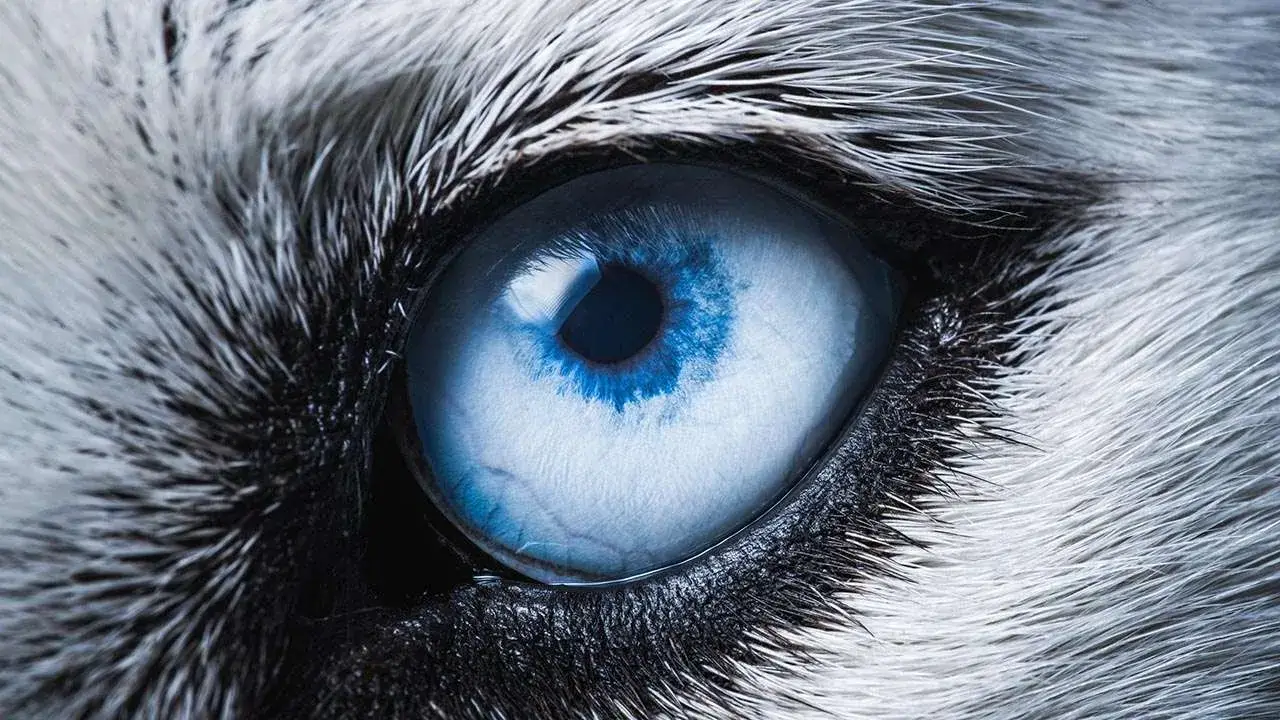
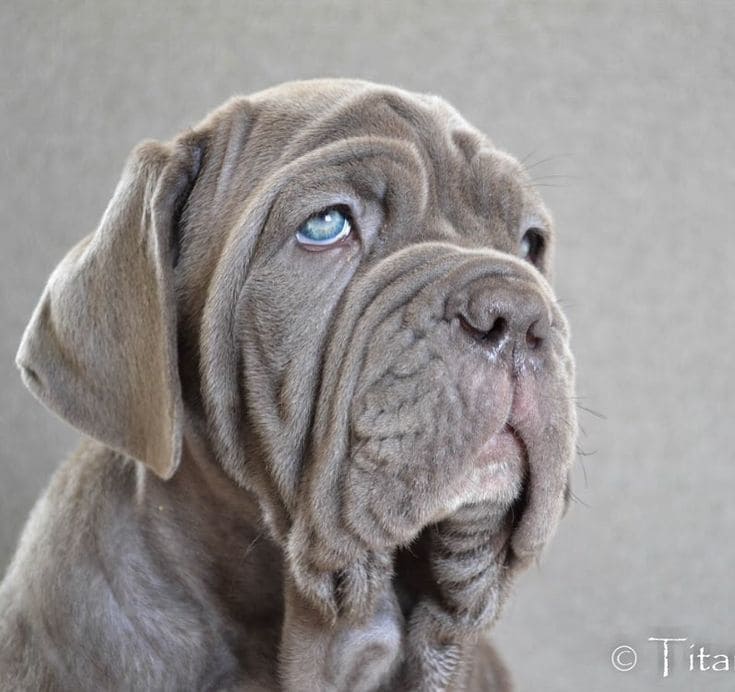
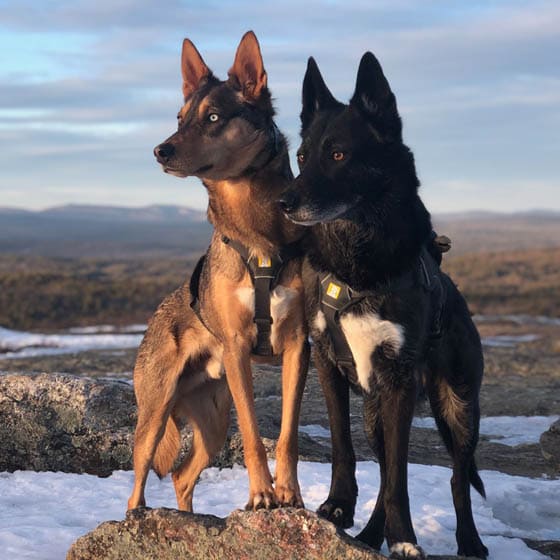
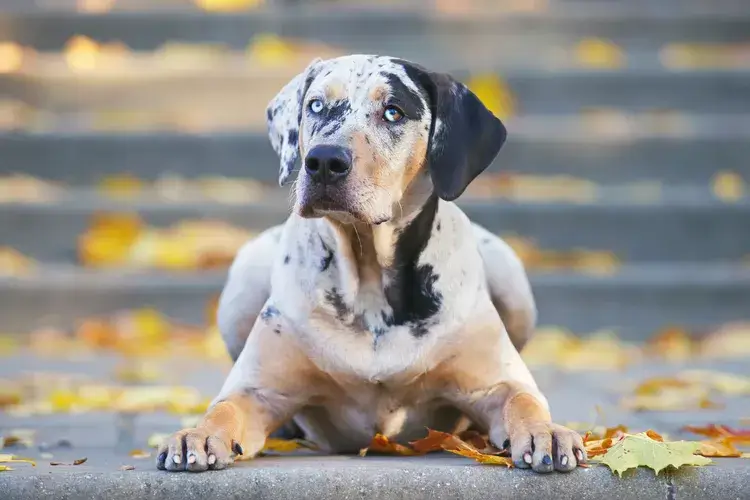
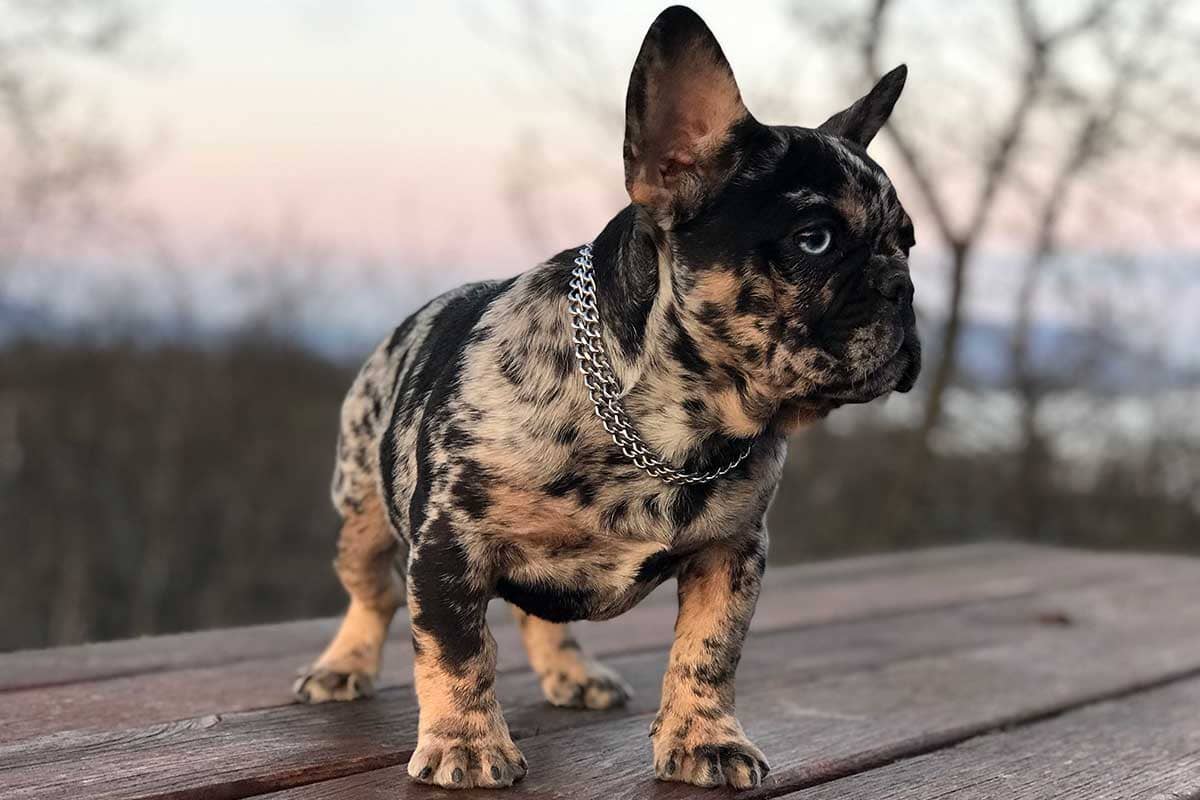
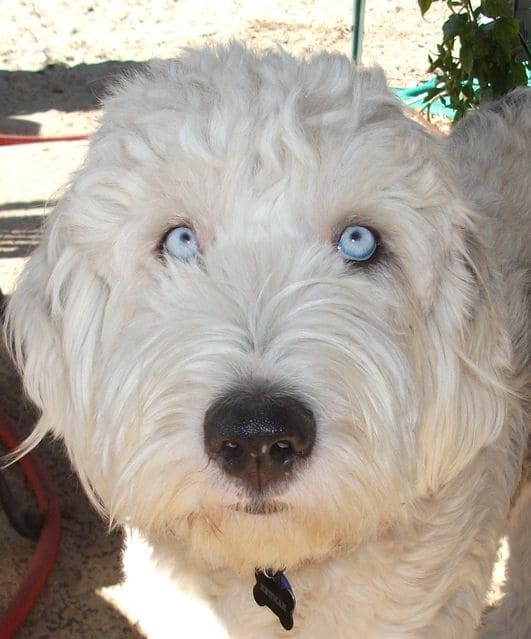

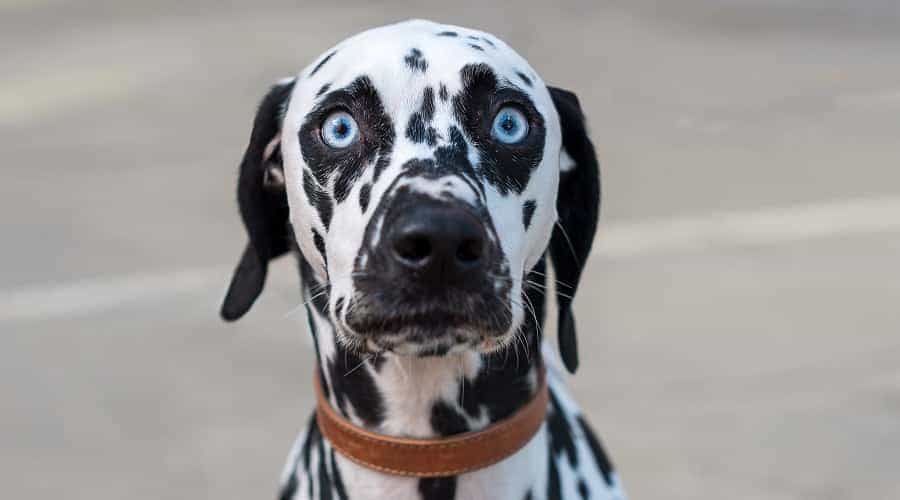
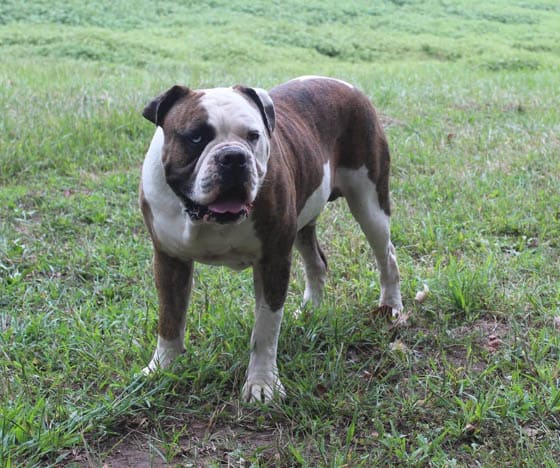
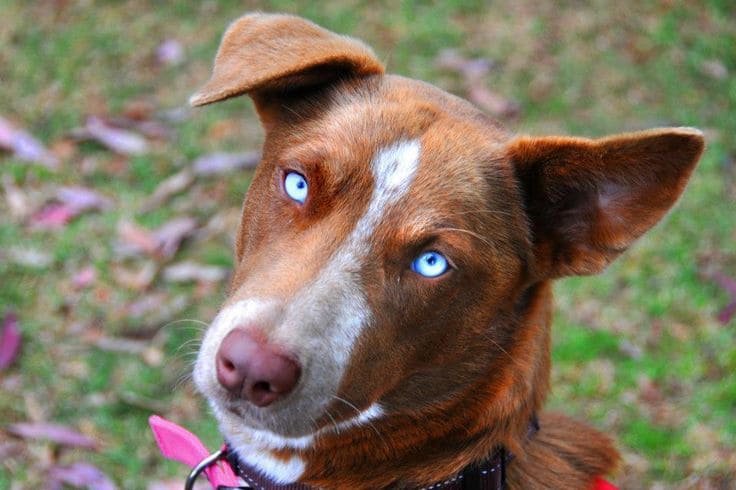
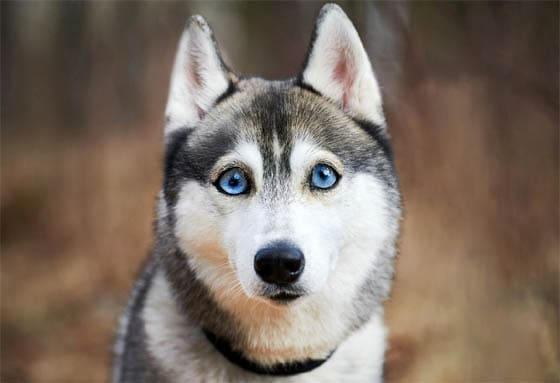
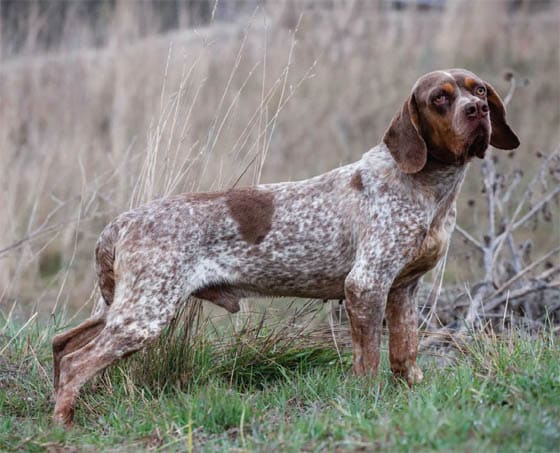

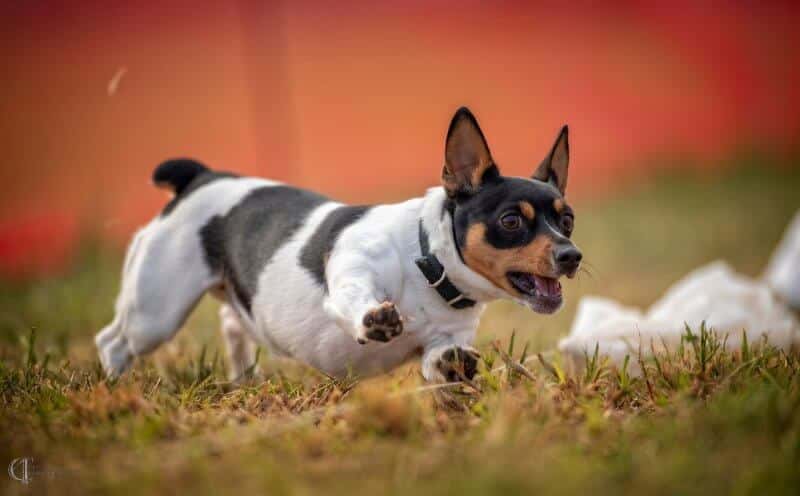
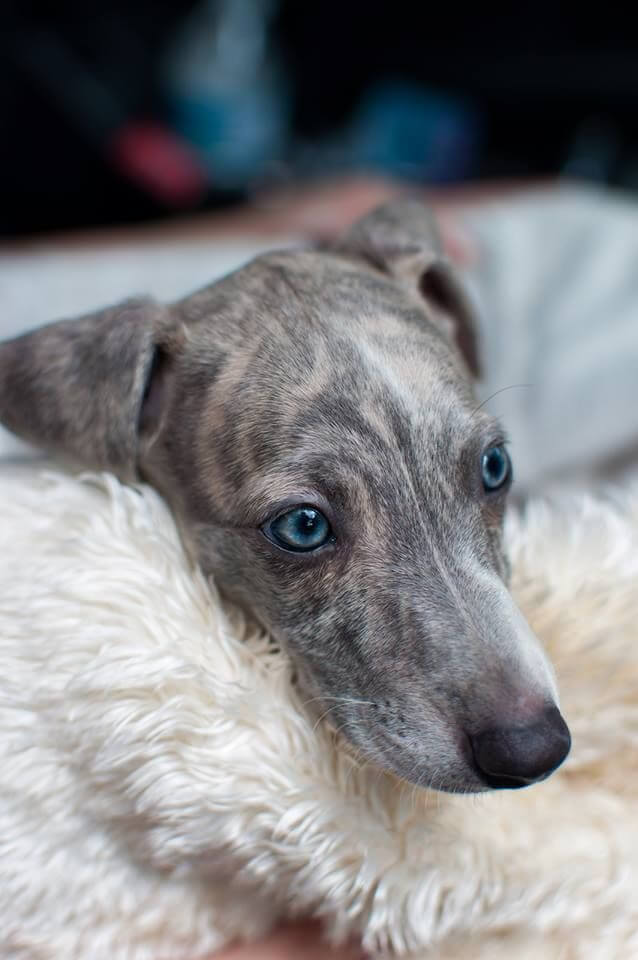
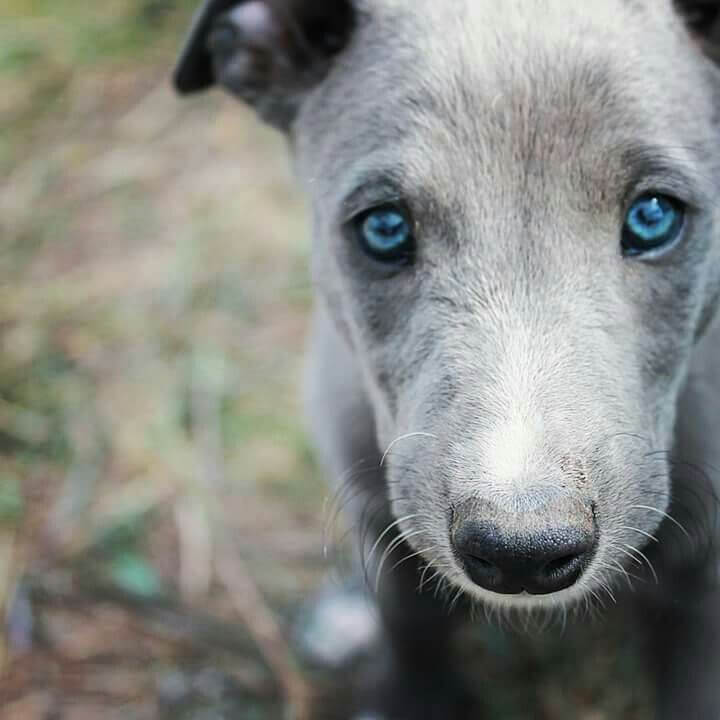
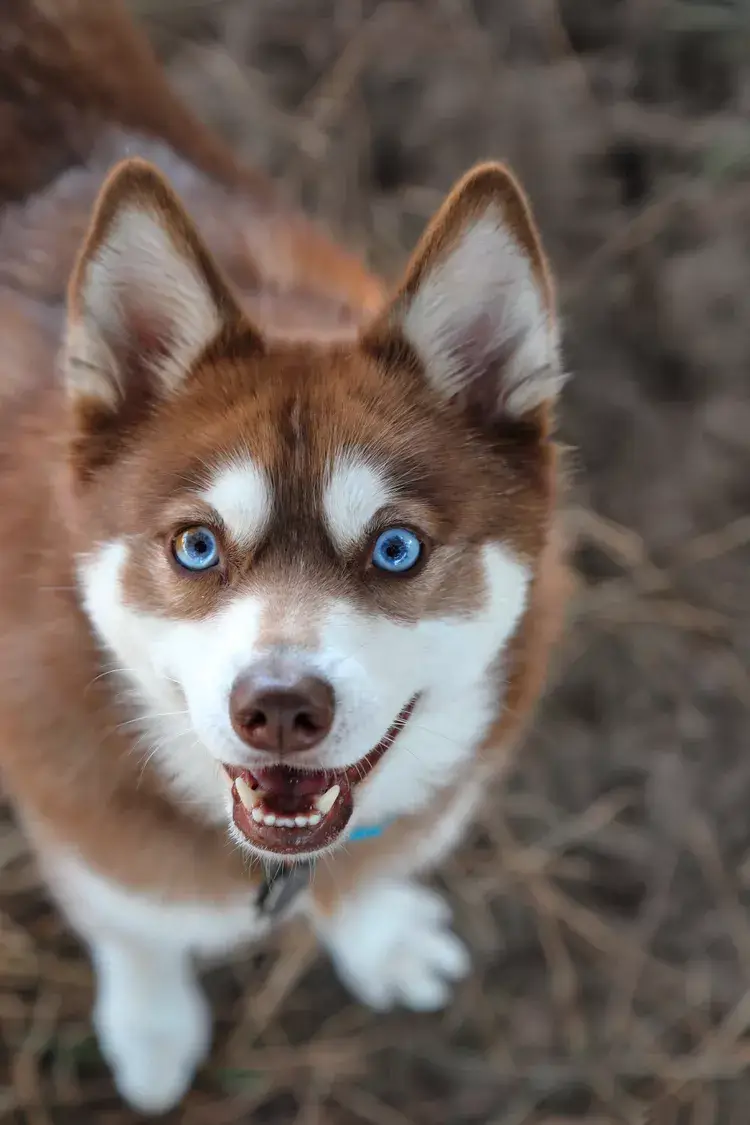
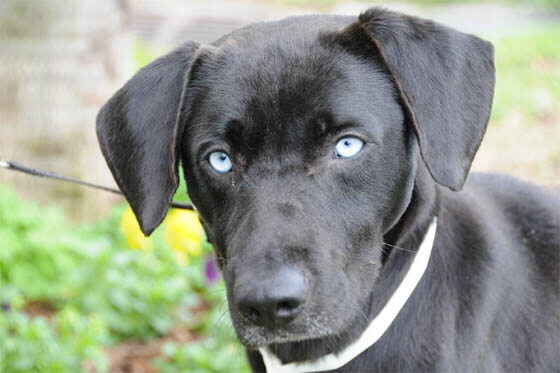
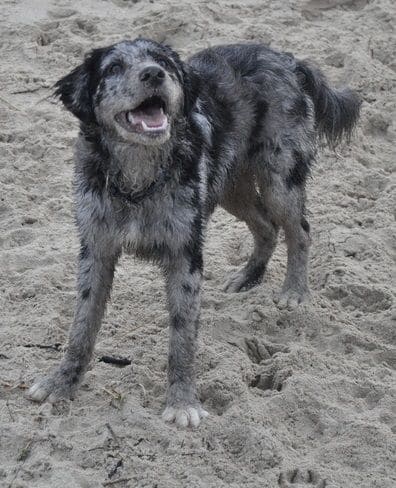
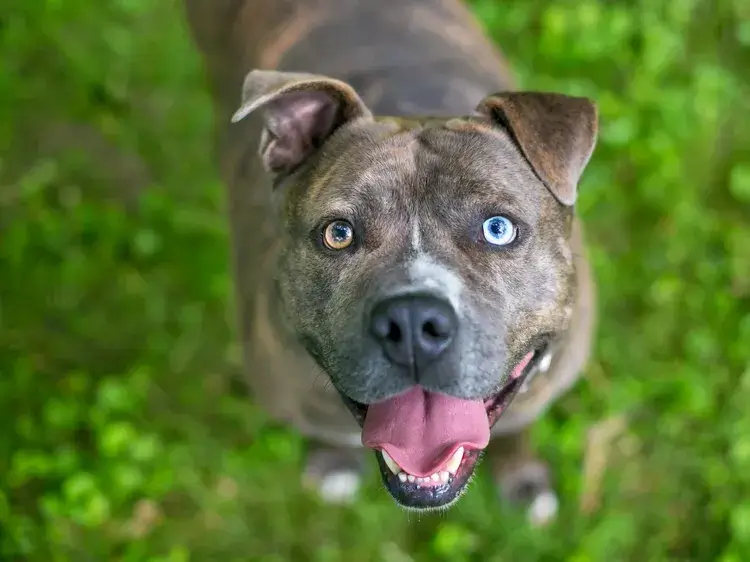
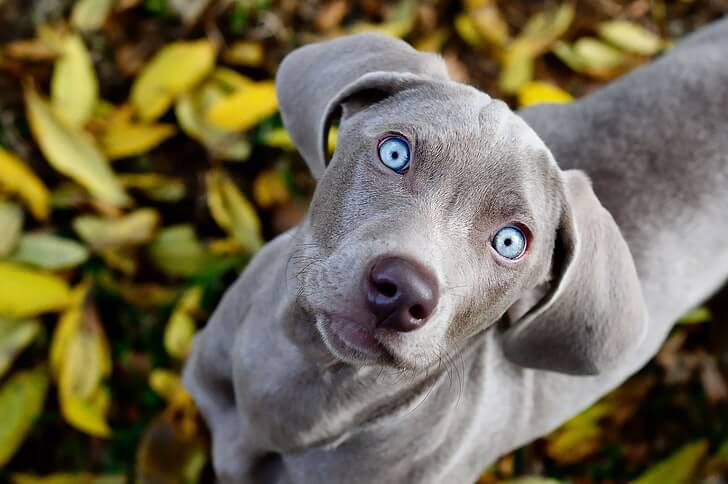
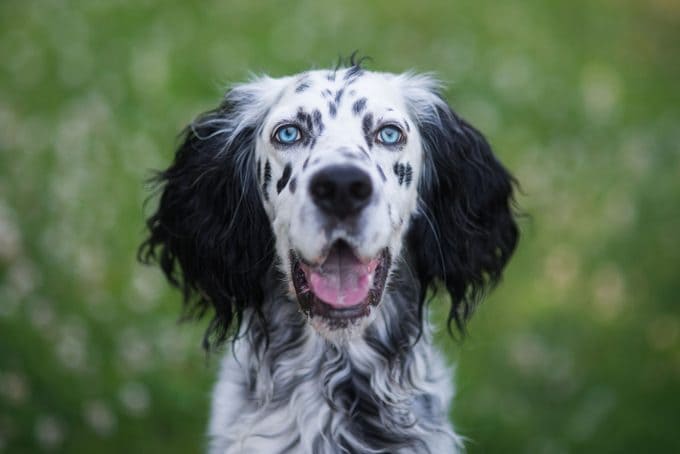
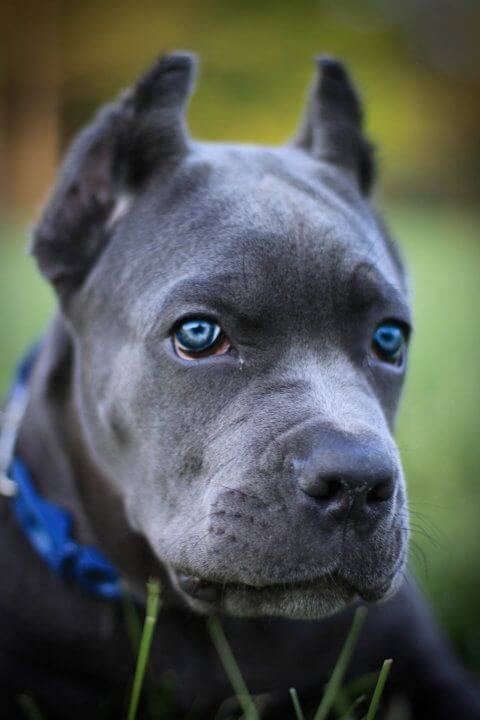
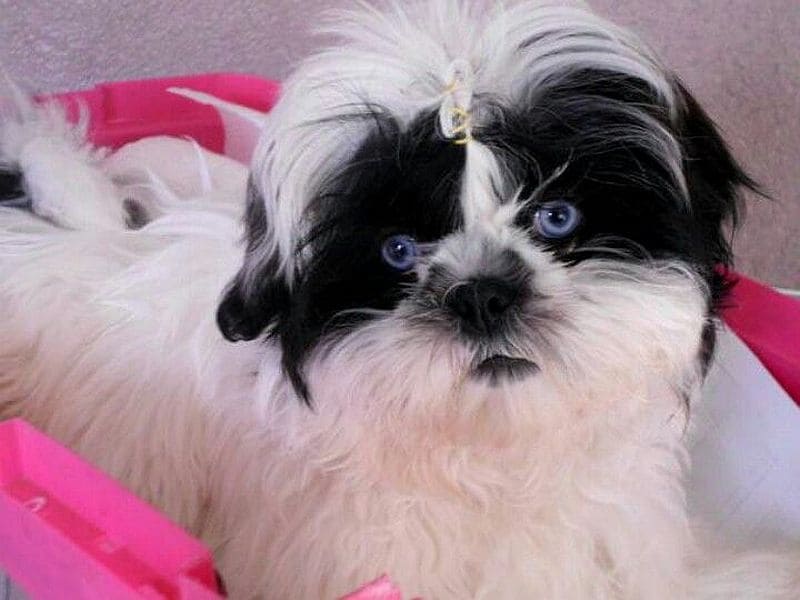

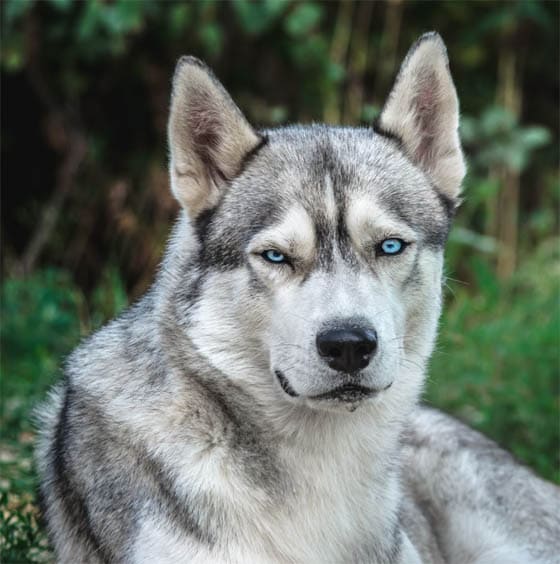
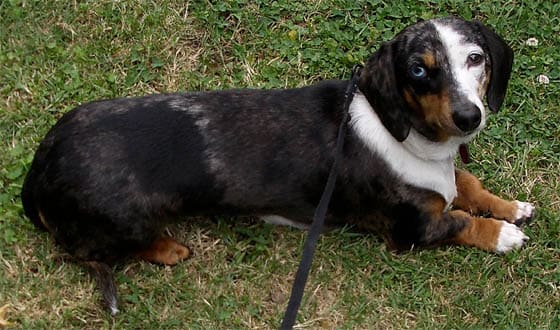
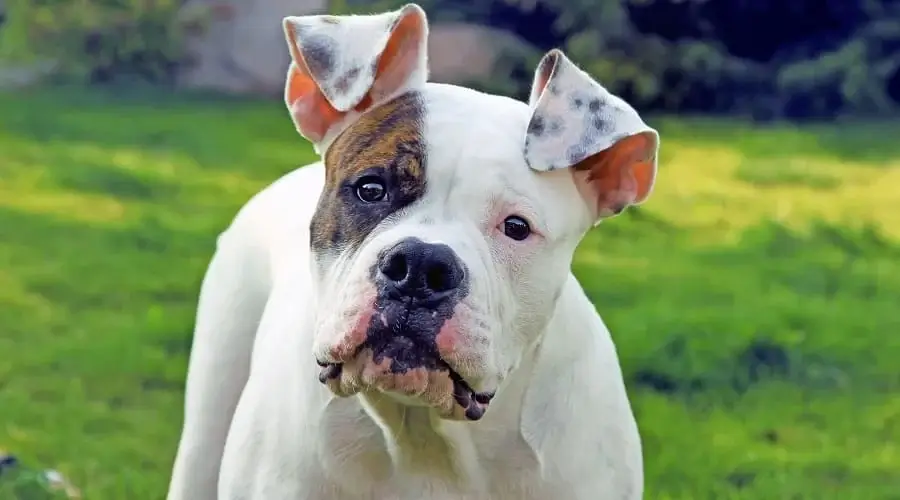
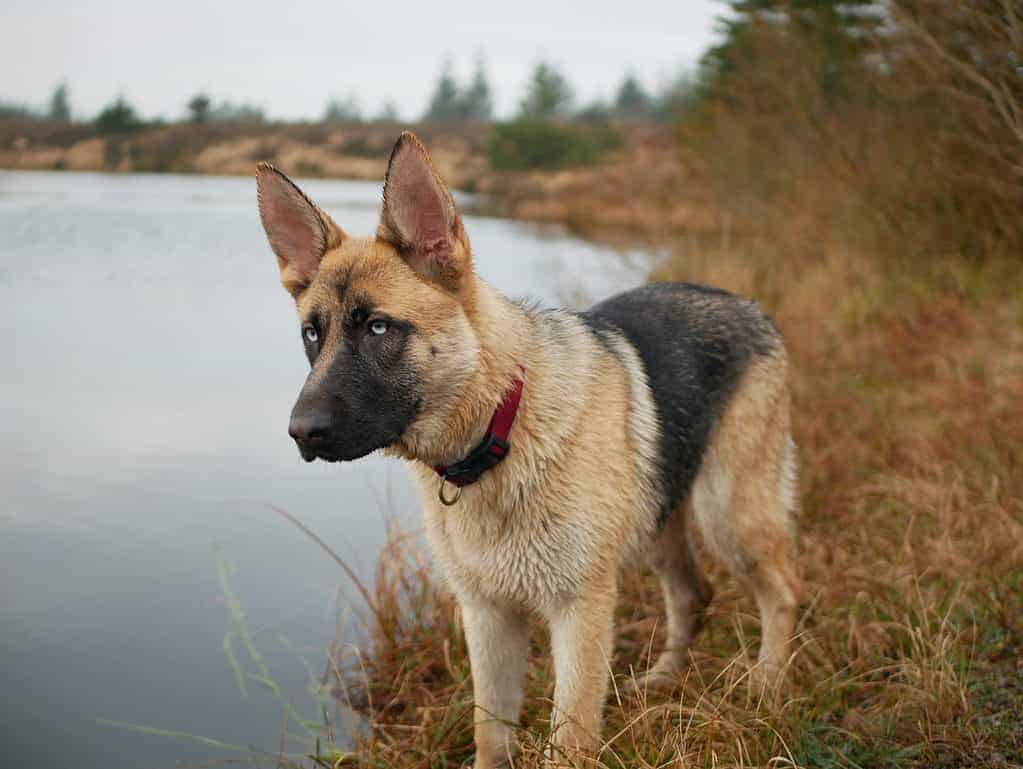
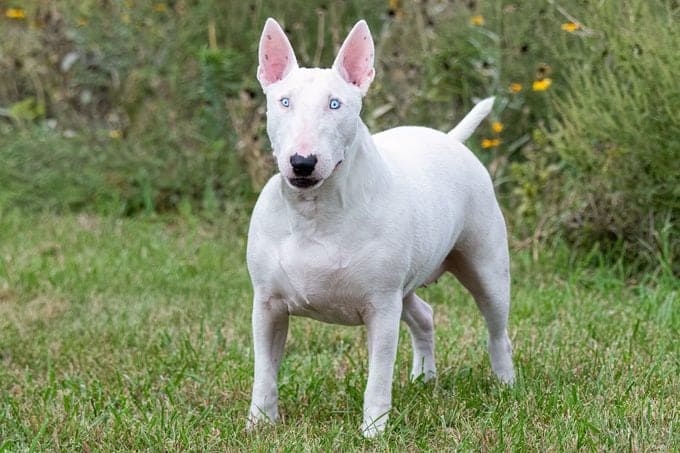
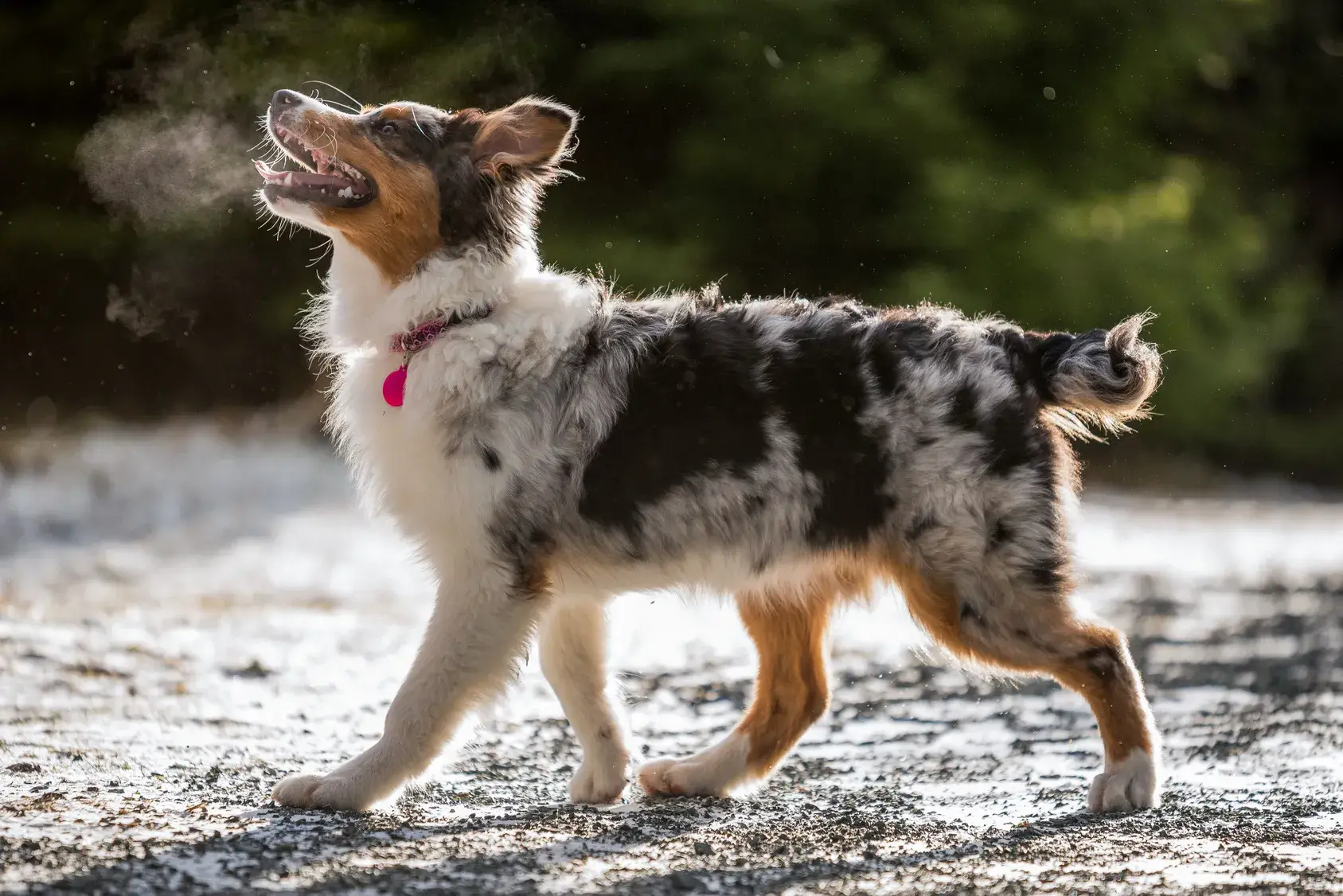
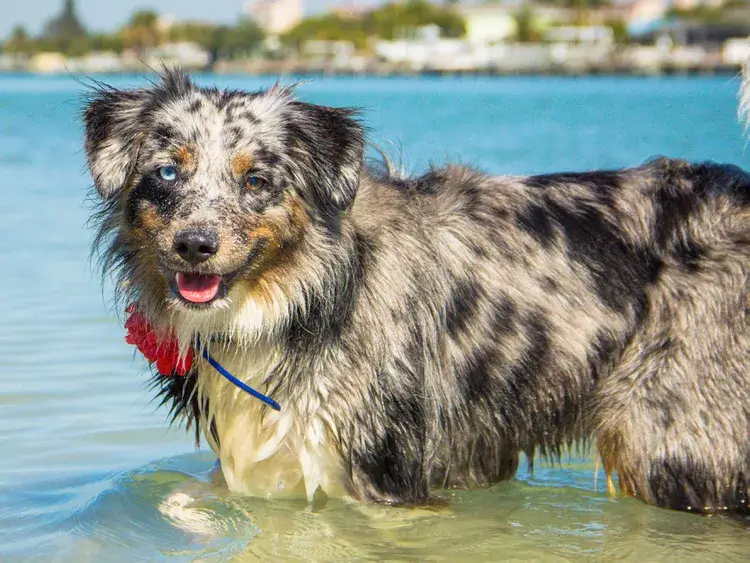
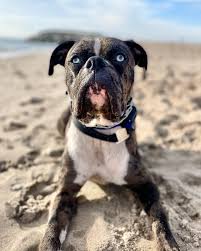
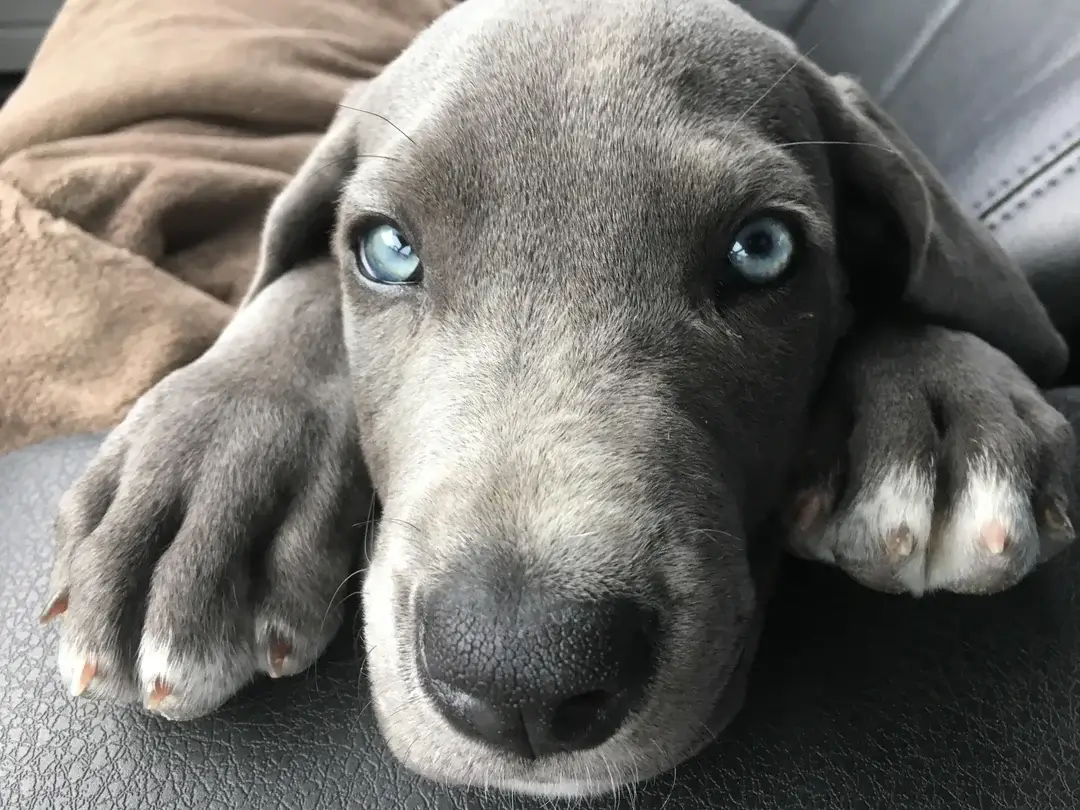
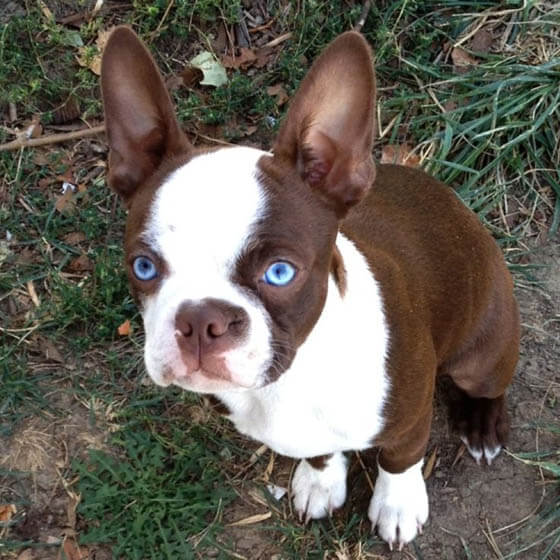
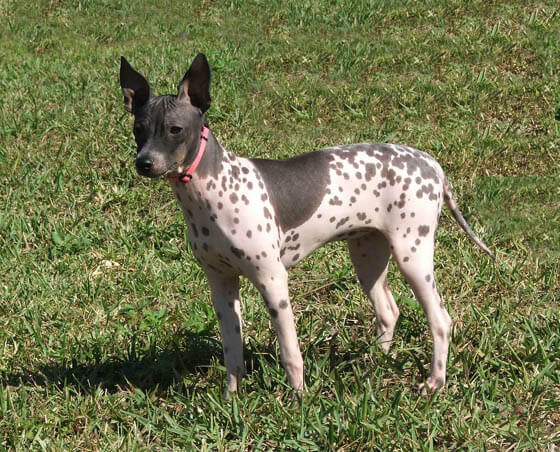
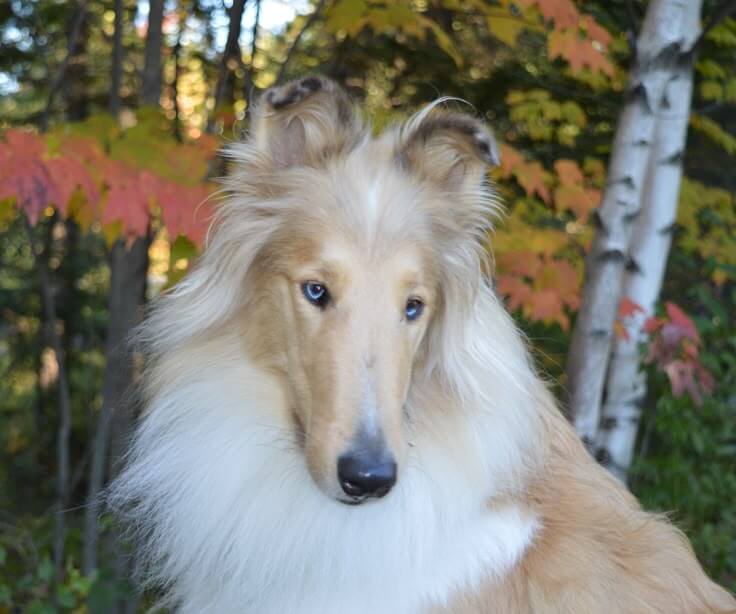
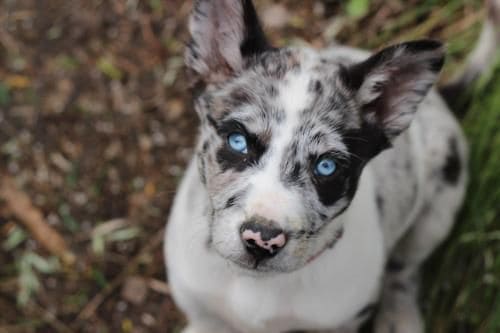
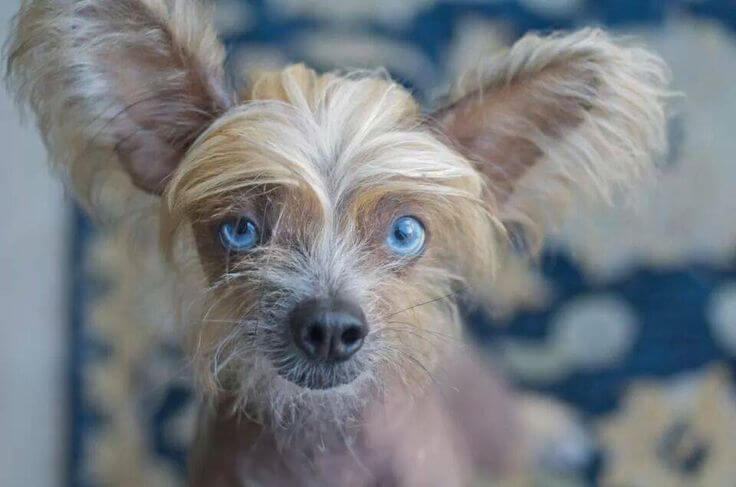
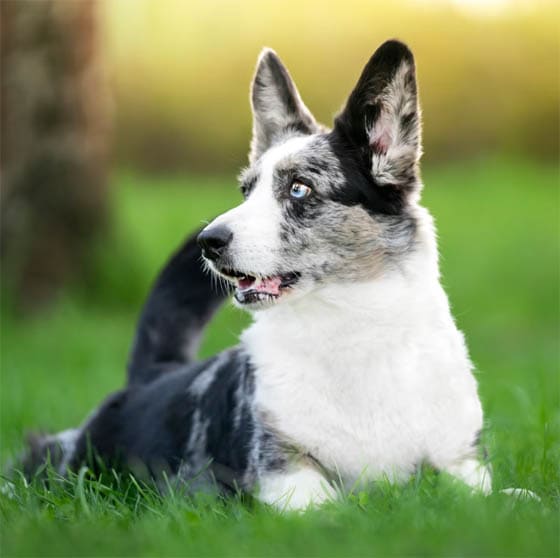
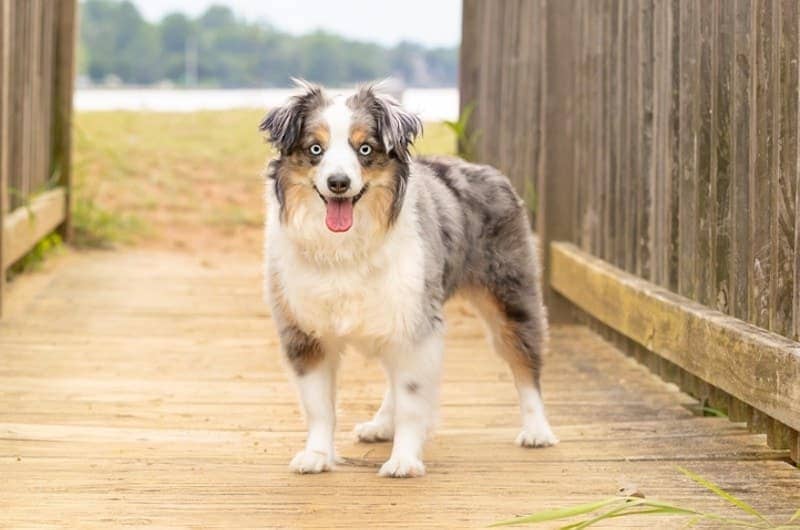
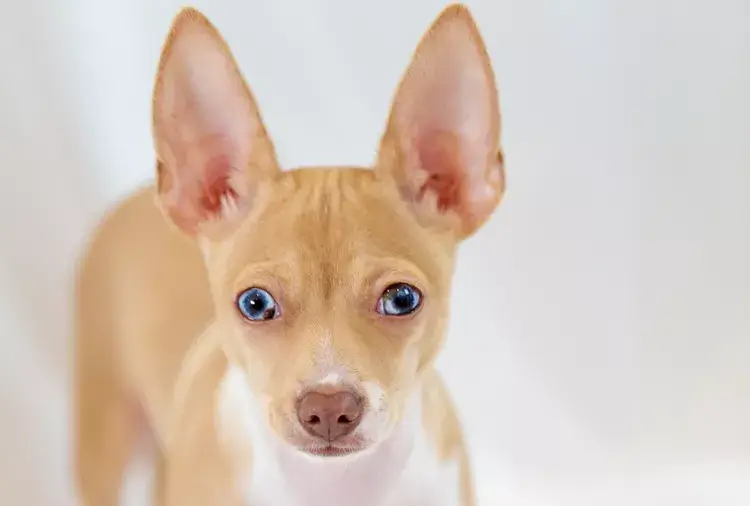
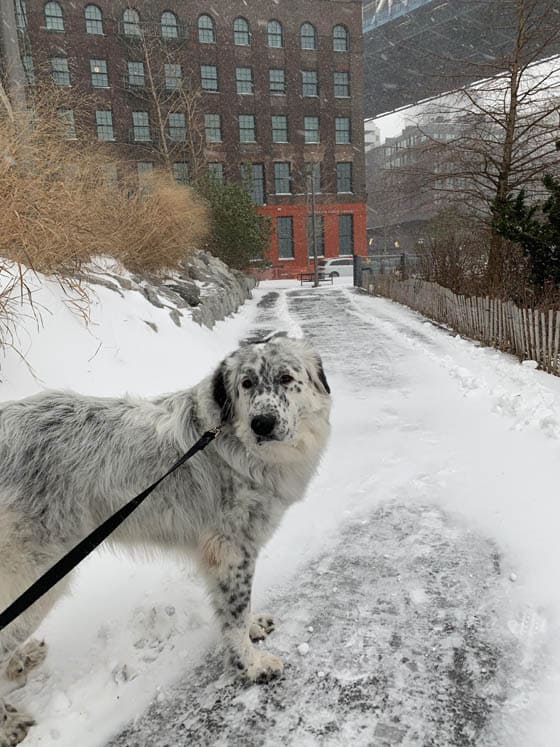
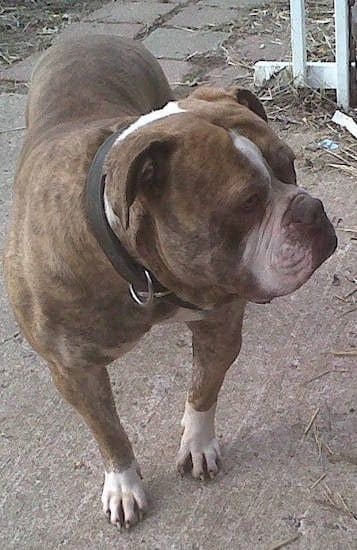
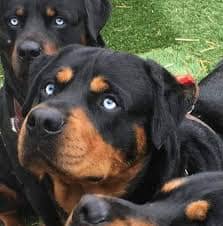
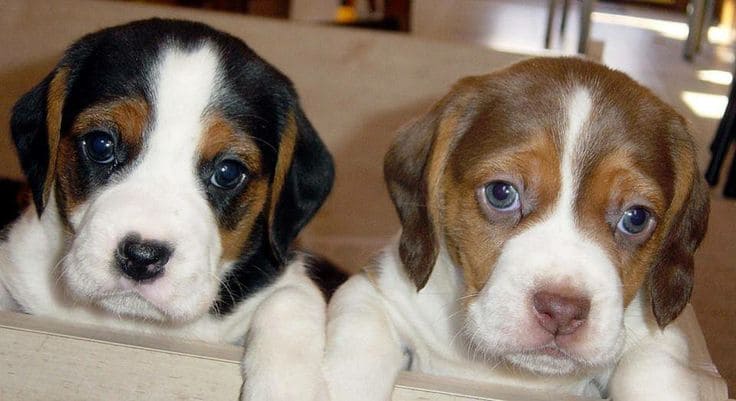
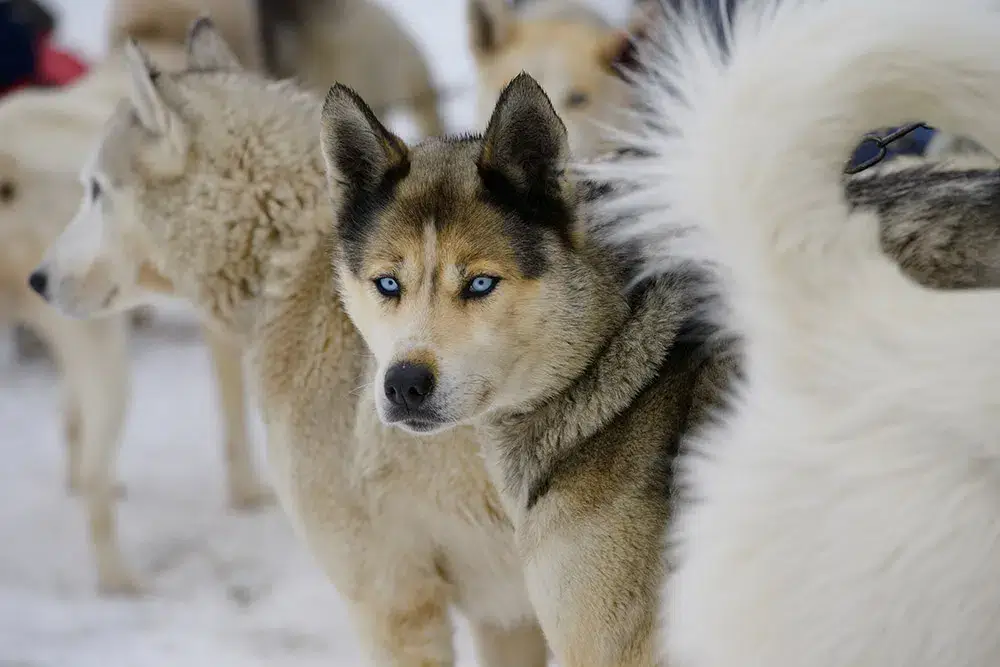
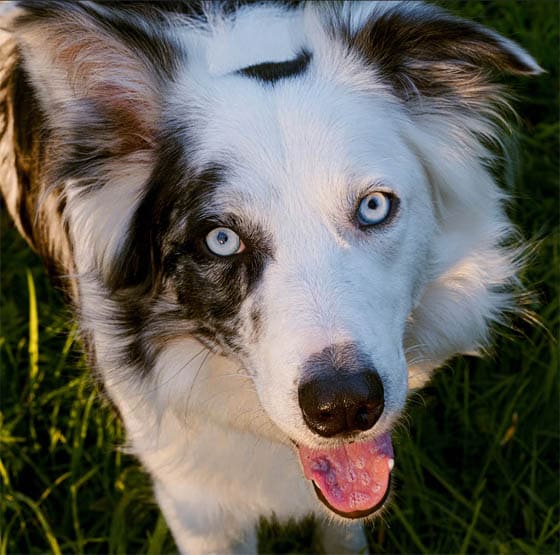
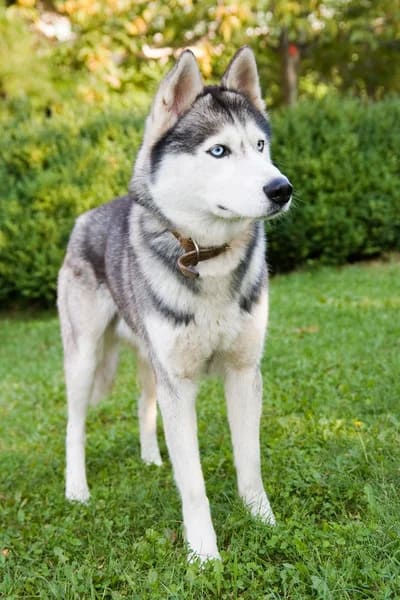
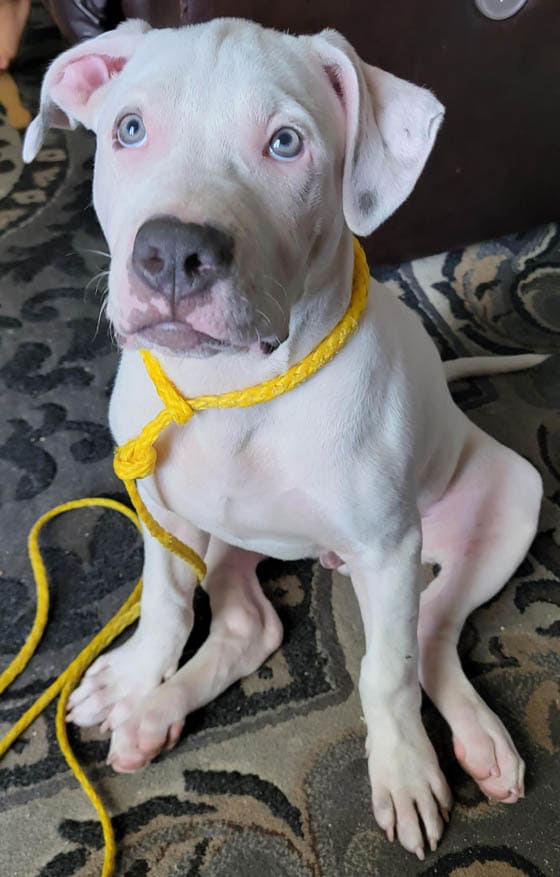
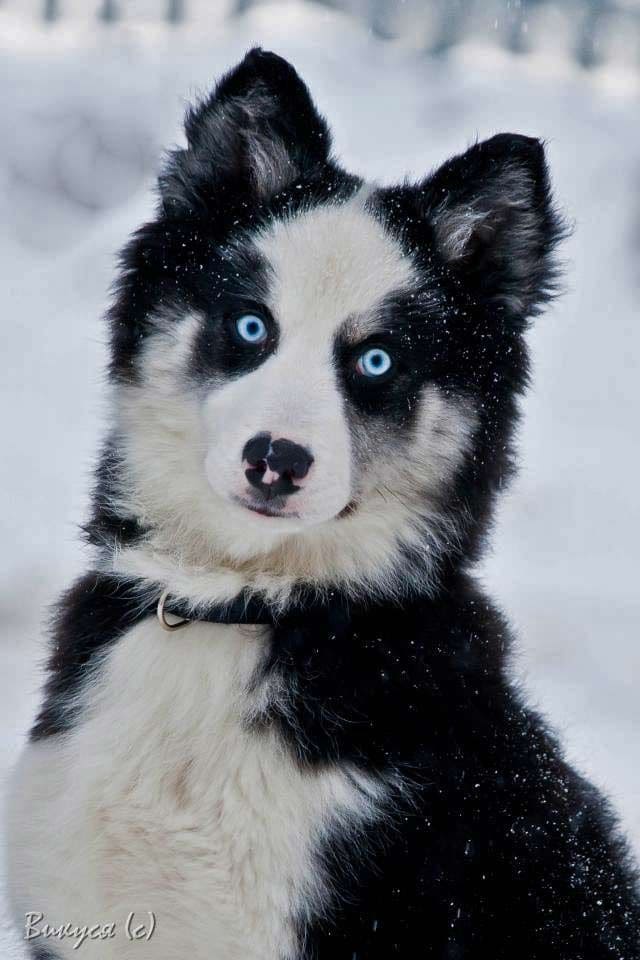
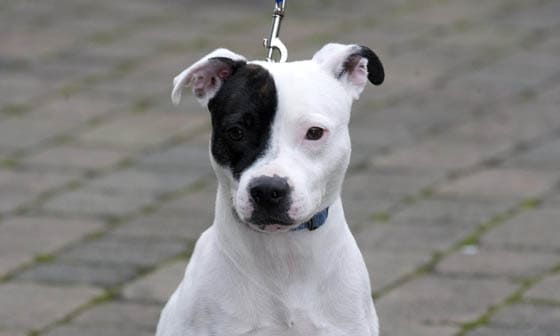
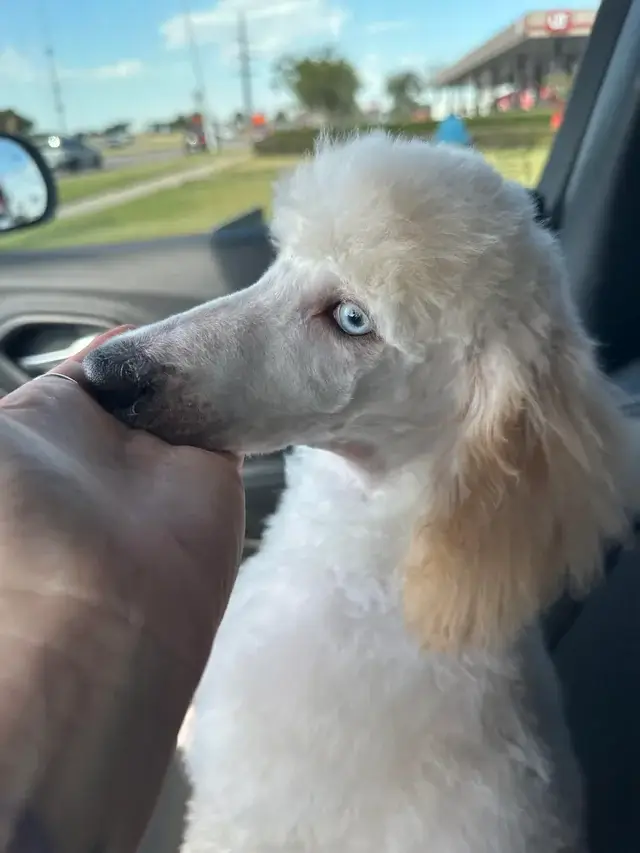
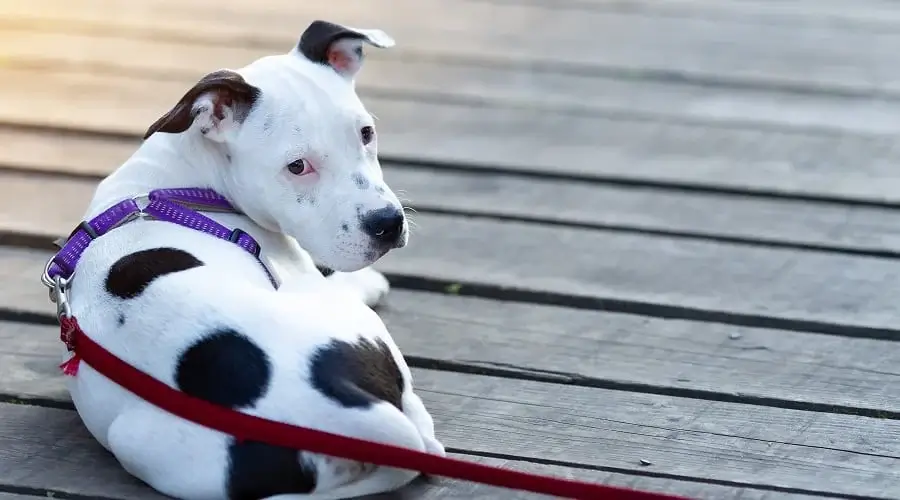
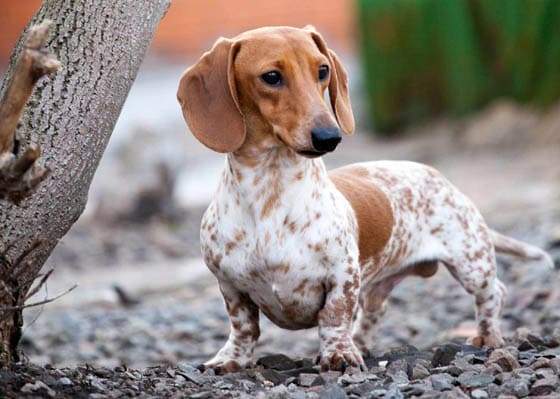
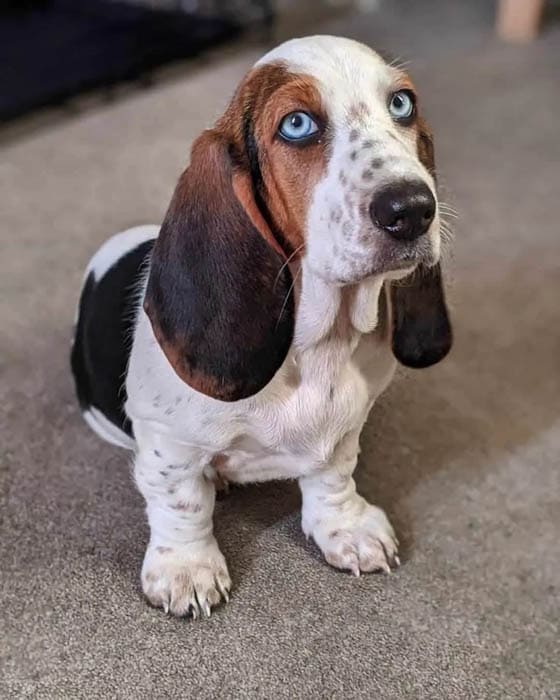
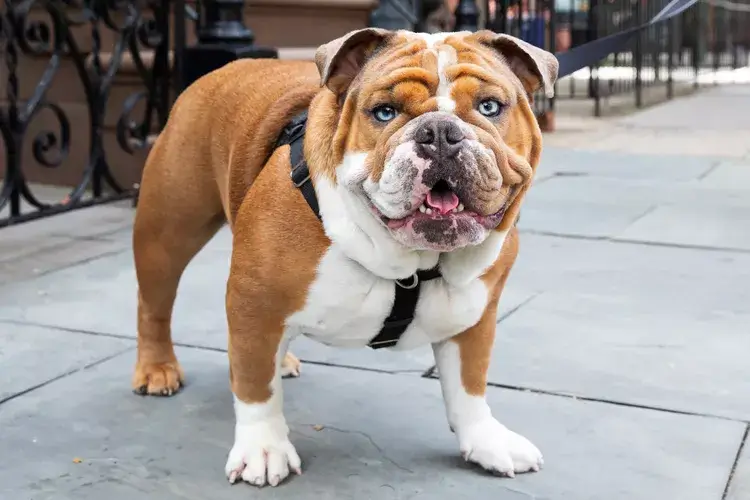
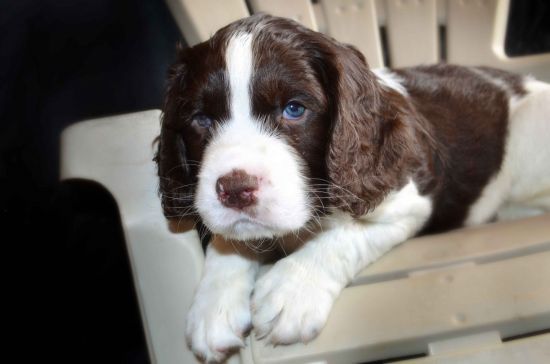
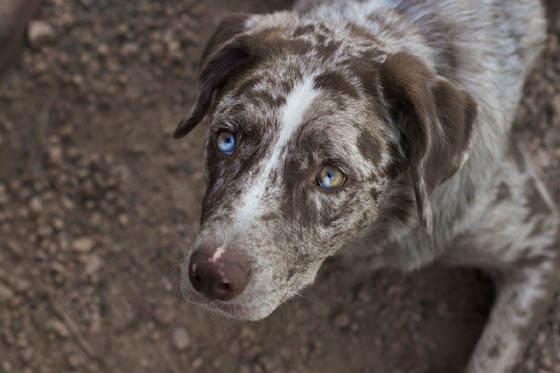
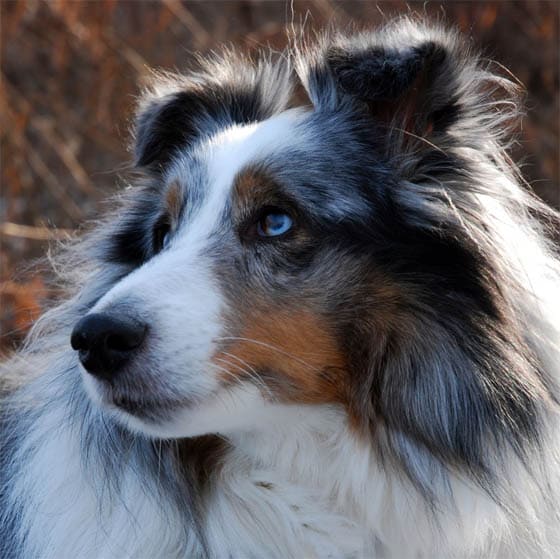
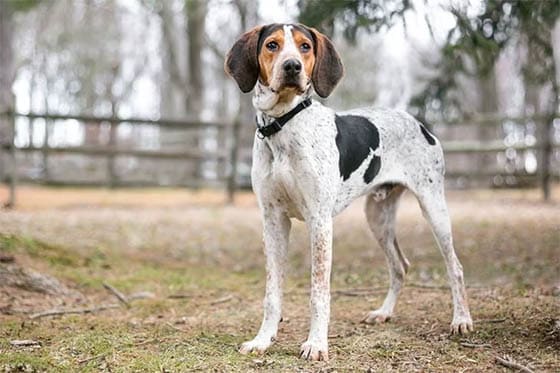
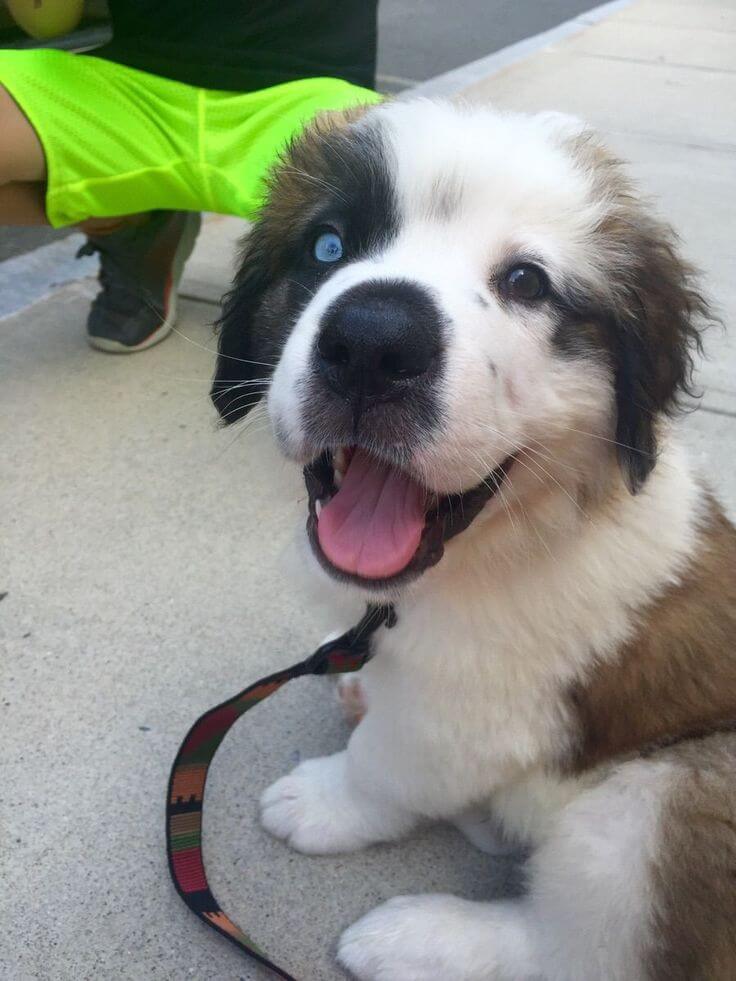
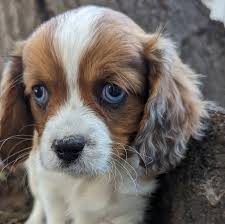
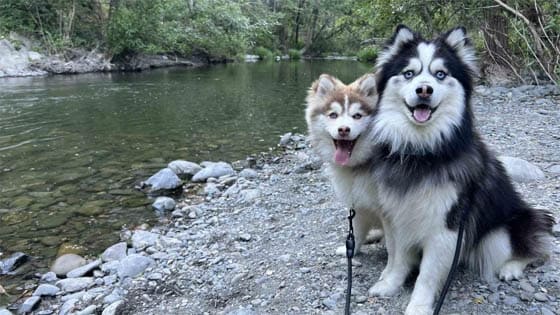
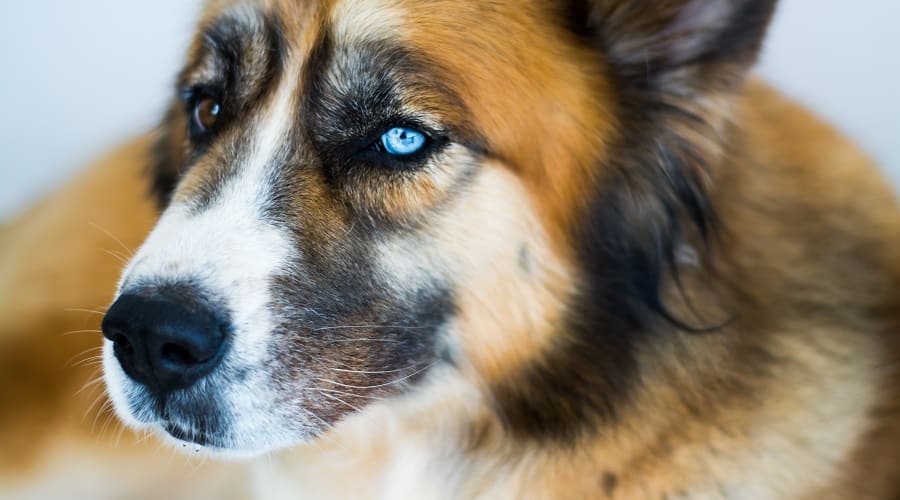
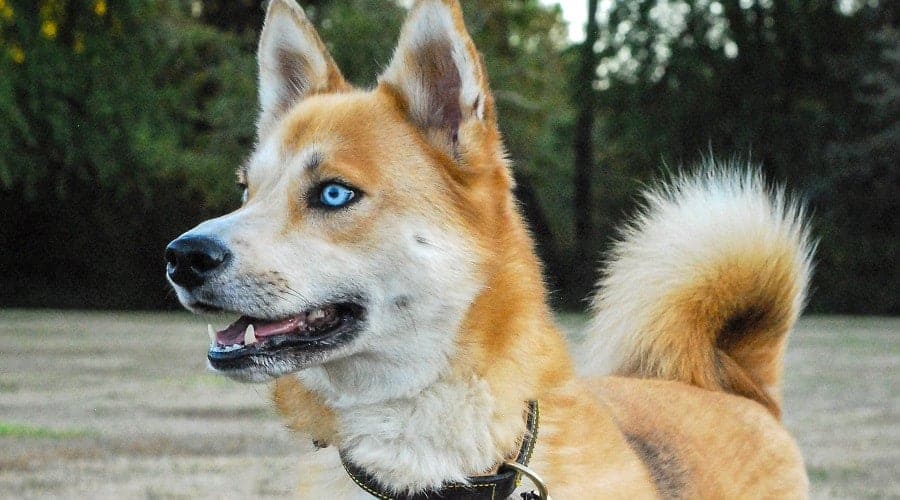
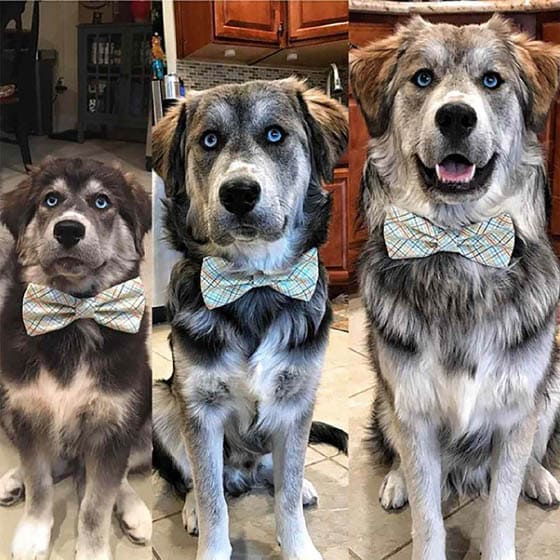
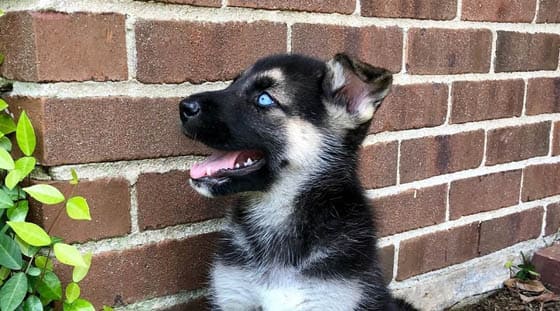
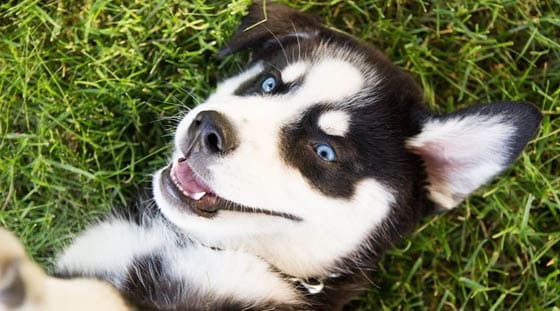
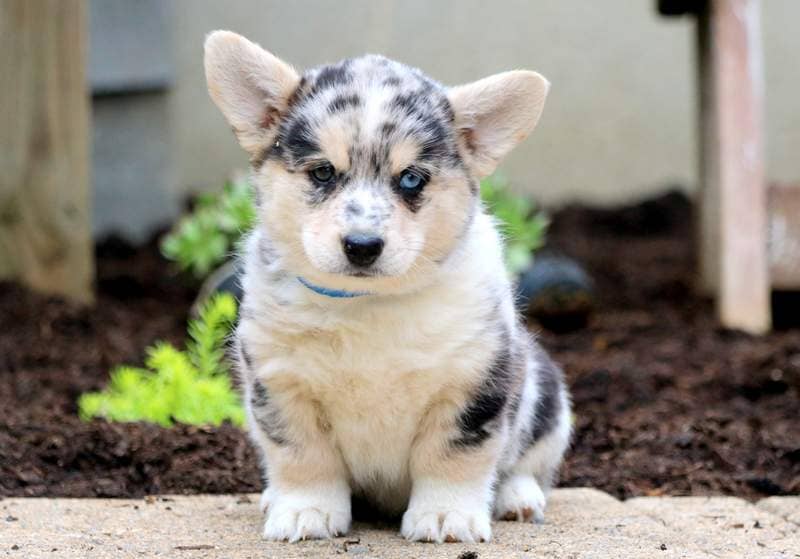
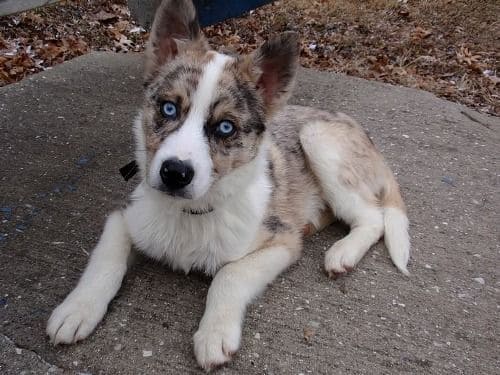
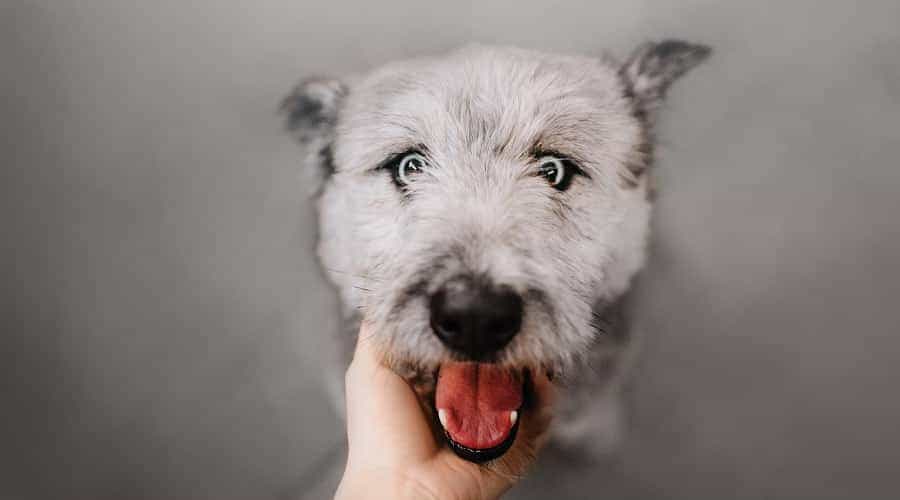
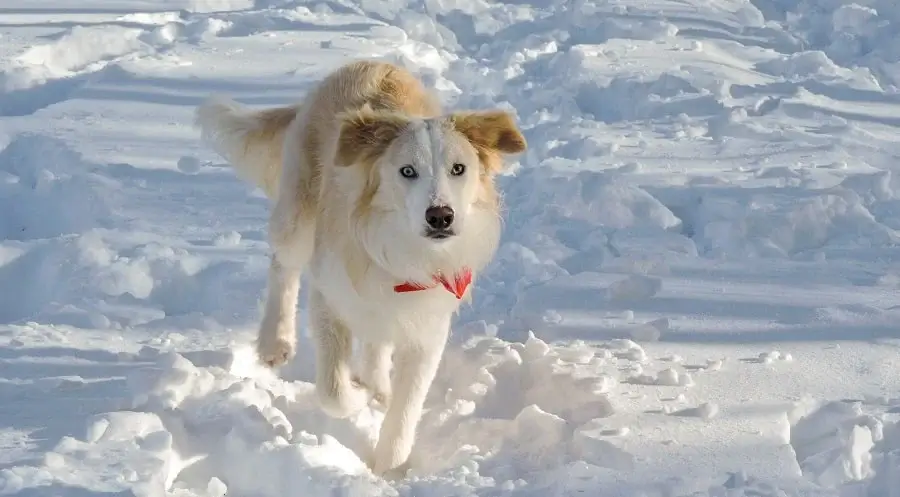
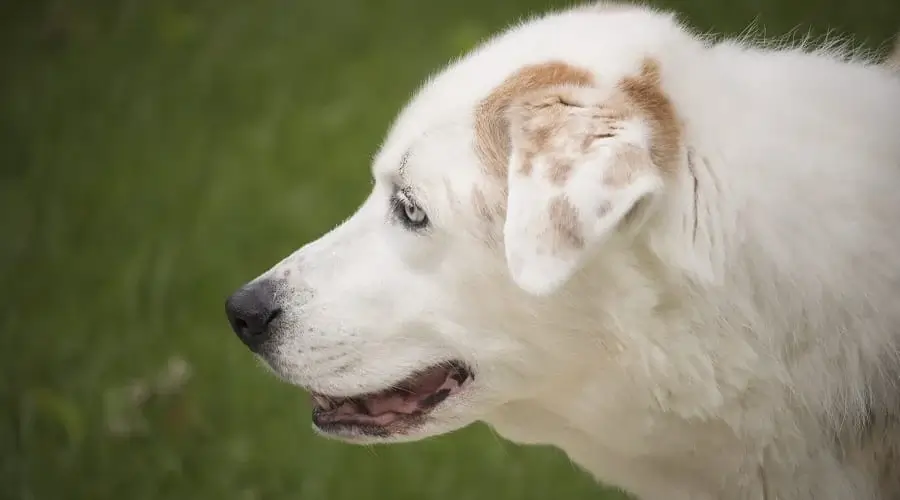
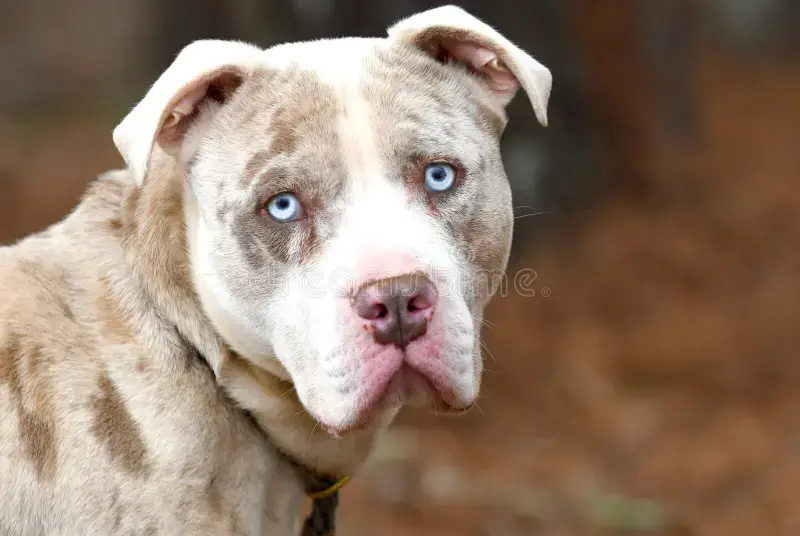
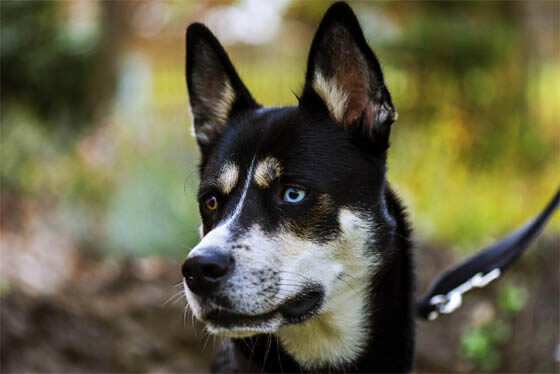
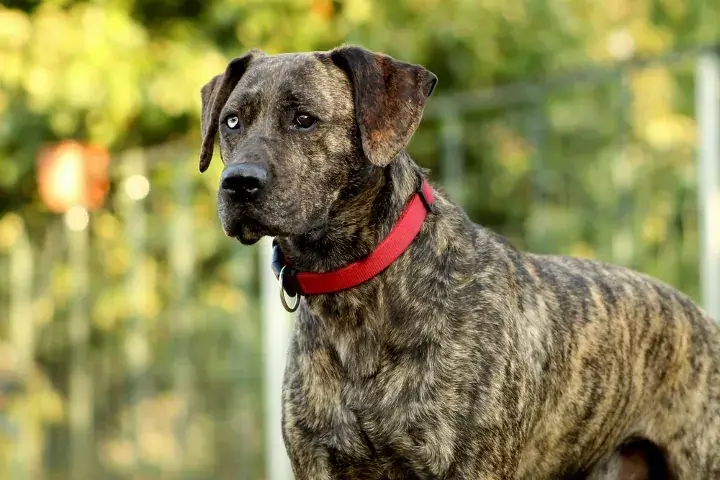
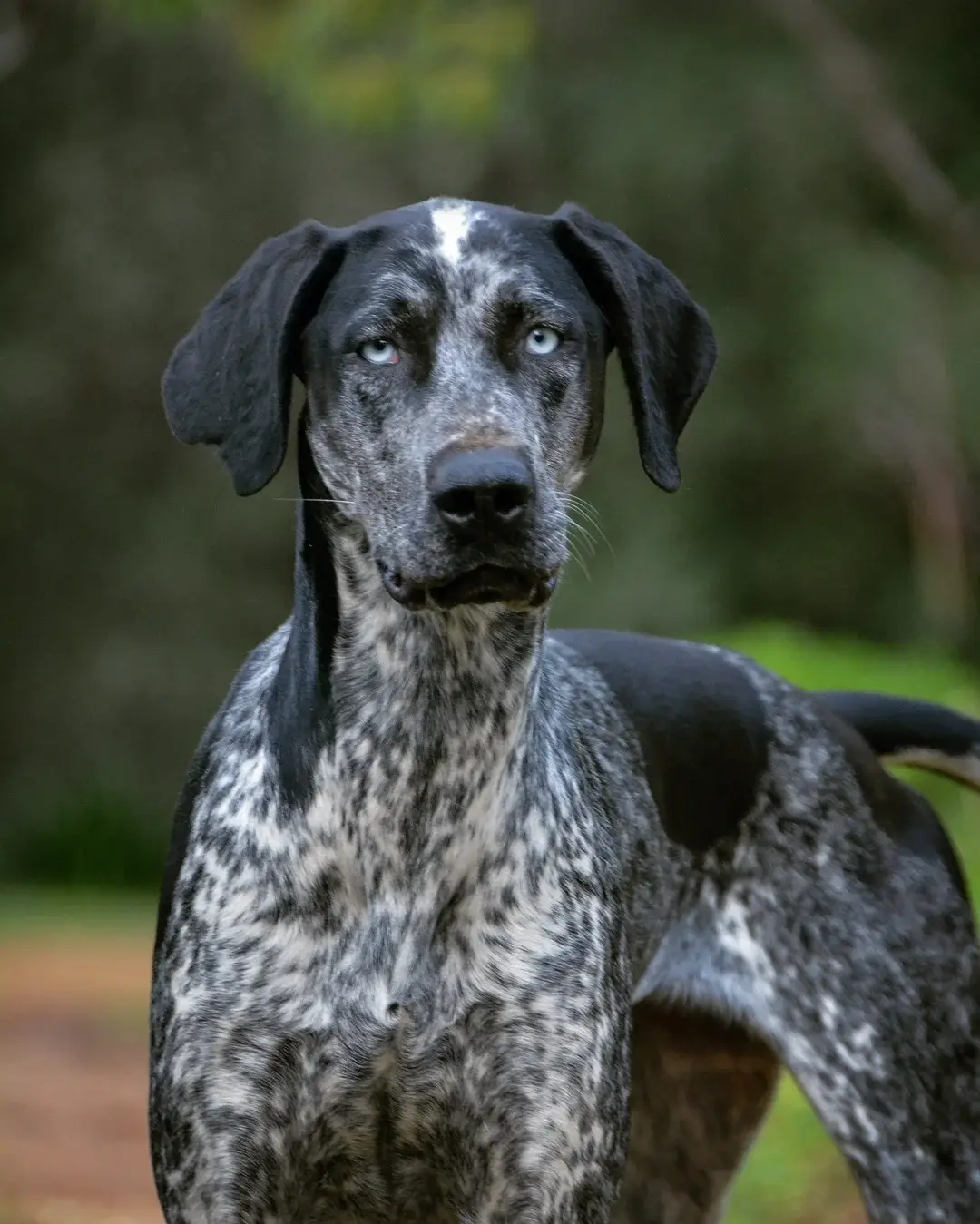
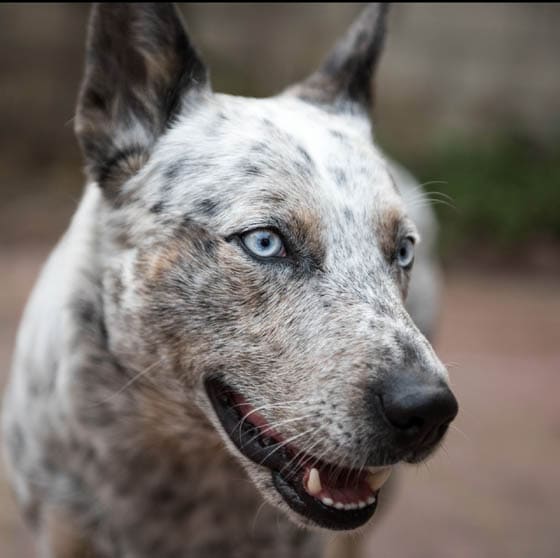











WORLD OF DOG & PUPPY 🐶