66 Spotted Dog Breeds What Makes Dog's Coat Spotted?
What Makes
Dog's Coat Spotted?
"Spotted" - having distinct, isolated dark spots on white or other colored coat. Spots are typically caused by a dominant or recessive gene pair. Spots on dog coat can often be used as a genetic marker and help identify what the dog might look like if it had been piebald (white with large black spots). Many times the coloration of a dog’s fur is due to genetics. This is also true when it comes to hairless animals like snakes and armadillos.
Fragments of broken-down hair follicles are located in many places within the skin, sweat glands often produce oils on their surface that leave stains on areas that lack fur protection, hormones may cause blotches in certain hormone-sensitive areas on some breeds' fur, while some dogs' inner ear flaps form differently than others. Different colors will result based upon each specific type of spot or stripe or blotch that these various causes.
Spots can be caused by exposure to chemicals, exposure to sunlight / sunburns, allergies to food-grade materials in the dog's bedding material. Other potential triggers for spots are abnormal hormonal levels during certain phases of the female canine menstrual cycle, allergies to external irritants such as food items or veterinary medications, ingestion of wild mushrooms or water with high chlorine content.
Spotted coats can appear in several distinct patterns, depending on the breed's history and genetics. These patterns are not just for style. In many breeds, they originally served a purpose, helping dogs blend into the brush, stand out in a pack, or signal their job.
Parti-colored or Patched - Large, clearly defined spots on a contrasting base coat, like a Dalmatian's black dots.
Spotted Coats - A classic "spotted" coat contains small spots that are evenly dispersed across the entire coat. The spots are always a darker color than the base coat color and the spots are normally the size of a coin.
Ticked - Tiny flecks of color scattered across a white background. Common in hunting breeds like the Bluetick Coonhound.
Merle - A marbled, splotchy mix of dark and light patches. Often seen in herders like the Australian Shepherd.
Dapple - Similar to merle, but usually found in Dachshunds and a few smaller breeds.
Roan Coats - A roan pattern is when the coat contains multiple small to medium-sized splotches of color on the dog's body and sometimes face. The roan color is always a darker color than the base coat and the "splotches" normally are uneven in size and shape.
Brindle with White - Some brindle dogs have white patches that give a piebald or spotted appearance.
Mottled / Speckled Coats - A mottled or speckled coat occurs when small clusters of white fur are evenly dispersed across a darker colored base coat. Whether the coat is mottled vs speckled depends on the size of the white clusters. Speckled coats are when the white clusters are one-inch or smaller in size. Mottled coats have white clusters that are larger than one-inch in size.
Dogs with spotted coats are among the most visually striking of all canine companions, drawing attention with their unique patterns and colors. These spots range from small, freckle-like markings to larger, more distinct patches that cover their bodies in various, often symmetrical, patterns. Breeds featuring these distinctive coats are not only beautiful but also carry rich histories, having been bred for various roles from hunting and herding to companionship. The genetics behind these spotted patterns are fascinating, involving complex interactions between different genes that dictate spot size, shape, and distribution. There is something so cute and unique about their individual markings. The combination of colors, the pattern, and the breed all make them so special. Some have small or big spots and some have little specks on a more dominant coat color.
Perhaps the most iconic spotted coat in all of dogdom belongs to the Dalmatian, a large breed, famous for protecting fire stations and getting dog-napped by fashionable fictional villains. These intelligent and energetic dogs take to training well and are a great fit for active and dedicated people up to the task. First-time dog owners might want to look for a more manageable pooch, though, especially if your household has small children. Their breed standard markings range from a dappling of black spots to larger black splotches all across a white coat of short hair. Dalmatians are a medium-large, energetic, and highly active dog breed known for their distinctive white coat with black or liver spots. They require significant daily exercise - at least two hours, and human companionship to prevent destructive behaviors, and are well-suited for running, agility, or other canine sports. The breed has a high incidence of deafness, so proper socialization and training are crucial, and they need regular grooming to manage shedding. Dalmatians are intelligent and energetic. They are the perfect pup for anyone with an active lifestyle because they require a lot of exercise and mental stimulation. Because of this, Dalmatians are at their best when they have a job to do. And while that job does not need to be putting out a fire, they will benefit from learning tricks or competing in dog sports. These playful pups can be good with kids and other pets, but small children must be taught how to treat dogs nicely. And, as with any dog breed, interactions with kids should always be supervised.
While Dalmatians are friendly and loving toward people they know, they can be aloof and uninterested when meeting new people, especially in adulthood. This is why socializing Dalmatian puppies early in life is so important. Dalmatians were bred to run under or alongside horse-drawn carriages and therefore have a vast amount of stamina and energy. They do not like to sit around all day with nothing to do. They are playful, happy, easy going and very dedicated. The Dalmatian needs a lot of leadership along with human companionship in order to be happy. They will not do well left out in the yard all day and have been known to dig crater-size holes when done so. The Dalmatian enjoys playing with children, but if they do not receive enough mental and physical exercise they may become high-strung, and too excitable for a small child. This buildup of energy causes their minds to become unstable and they can become timid without enough socialization. They get along well with other pets, but without proper human to dog alpha communication where the human clearly tells the dog that he is not in charge and fighting is an unwanted behavior, they may become aggressive with strange dogs. Quite intelligent, but can be willful if they sense their owners are in the slightest bit meek or passive, and/or if the owner is not properly communicating with the dog. Generally does well with firm, consistent training.
The Catalburun, also known as the Turkish Pointer or Tarsus Fork-nose, is a rare, medium-sized hunting dog from Turkey distinguished by a unique split or "forked" nose. He is only one of three dog breeds in the world who has a double nose or a fork nose as it is also referred to. He has the choice of two different jackets. Either, a short-haired coat that is shiny and sleek, much like a Pointers coat. Or he can choose a medium-length coat that is thick and dense. The other two breeds are Pachon Navarro and the Andean Tiger Hound. Their coats are typically white-based with darker patches, which can be described as being spotted. It is known for being an intelligent and loyal breed, often used for hunting, search and rescue, and police work due to its acute sense of smell. The breed is still in the process of being standardized, with efforts underway to gain official recognition. The Tarsus Çatalburun is also known as the Turkish Pointer and is one of the rarest breeds in the world. He originated in Mersin which is located in the southern Tarsus province in Turkey. It is estimated that there are only about 200 Tarsus Çatalburuns in existence today. He is distinguishable by his fork-like nose or double nose. He is a smart and devoted family companion as well as a fierce pointer. He is treasured as an excellent partridge hunter.
The Tarsus Çatalburun has not been officially recognized as a breed; however, those devoted to the breed are pushing for recognition. Generally, the Tarsus Çatalburun is an even tempered dog and is very loyal to his family. He still has a high prey drive and makes an excellent hunting companion. He has acute wind and ground tracking capabilities which makes him ideal for search and rescue, narcotic and police work. He is patient with children when he is properly trained. The Tarsus Çatalburun can be dog aggressive because he is dominant about his property. Without proper training, he can become aggressive toward other dogs and strangers. This makes him a great guard dog but he does require a sturdy fence to keep him from attacking those who come near his property. The Tarsus Çatalburun prefers to live indoors with his family and is generally a quiet breed. He is not ideal for apartment life because of his high energy levels. When trained, he will bow to his trainer’s commands and enjoys his training when positive reinforcement is being utilized. The Turkish Pointer or Catalburun is a very even-tempered breed. They are loyal and do well with children if properly trained. Their strong prey drive requires a securely fenced yard and proper leash training. They can be protective therefore early socialization and obedience training is recommended. They are a high energy breed that requires a moderate amount of regular exercise. They have one of the strongest scenting capabilities of the pointer breeds. He is not overly affectionate, but every now and then, he will get the overwhelming urge to cuddle you. When he does this, be sure to enjoy it, because it will not happen every day.
The Catahoula Leopard Dog is a strong, intelligent working dog from Louisiana known for its striking coat and blue eyes. These dogs are energetic, independent, and require a confident owner, plenty of physical and mental stimulation, and early socialization to become loyal and affectionate companions. They are bred for hunting and herding, often used for hog and cattle work, but can also be great family pets if their high energy needs are met. The Louisiana Catahoula Leopard Dog is independent, protective and territorial. Loving with its family and all people it knows well but can be reserved with strangers (this would include strange children). Socialize well, preferably at a young age. They need to be allowed to come up and smell a person. They mature right around 2 years of age. Affectionate with his master. The Catahoula is not recommended for an owner who does not take the pack leader issue seriously. For the right owner who understands the importance of structure, leadership, and exercise the Catahoula can make a wonderful pet. The objective in training this dog is to achieve pack leader status. It is a natural instinct for a dog to have an order in their pack. When we humans live with dogs, we become their pack.
The entire pack cooperates under a single leader. Lines are clearly defined and rules are set. Because a dog communicates his displeasure with growling and eventually biting, all other humans MUST be higher up in the order than the dog. The humans must be the ones making the decisions, not the dogs. That is the only way your relationship with your dog can be a complete success. This breed needs a dominant owner who shows strong leadership. Catahoula Leopard Dogs have been bred to be hard workers, enduring the swamps and forests of the South for their stock work. This means that when they are not working, Catahoulas have high energy needs that must be met. As working dogs, Catahoula Leopard Dogs have abundant energy stores. If they are not working, they require at least one or two hours of exercise every day, which should not be limited to walking. Running, fetching, or dog sports such as agility are great ways to exercise a Catahoula Dog’s mind and body. A Catahoula Dog that is not given the exercise it needs will often become destructive. Because of their history, it might be challenging to introduce a Catahoula to another pet. That said, some can do well in a home with other dogs and cats if they’ve been raised with them. Their loyalty to their family makes them great family dogs, especially in homes with older children who understand how to interact with dogs. But smaller children may be accidentally knocked down or stepped on by this rambunctious breed, so always supervise interactions between kids and Catahoula Leopard Dogs. Their instinct for independence can make Catahoulas wary of unfamiliar people or animals, so early training and socialization are essential. While Catahoula Leopard Dogs do not tend to bark, they can be known to dig and chew when bored and therefore need ample time to play, ideally in a securely fenced-in yard.
The French Bulldog, or the Frenchie, is a small companion breed from France that resulted from the crossbreeding of imported English Toy Bulldogs with Parisian ratting dogs. With their unique charm and dynamic personality, the French Bulldog has become a beloved breed among dog lovers everywhere. Over the years, these lovable pups have captured the hearts of many, catapulting them into the most popular dog breed worldwide. French Bulldogs are small, muscular companion dogs from France known for their "bat ears," short faces, and affectionate personalities. They have a smooth coat, a lifespan of about 10-12 years, and a playful but not overly boisterous temperament. Due to their flat-faced, brachycephalic structure, they are prone to breathing difficulties, overheating, and should be carefully protected from hot weather and strenuous exercise. The French Bulldog is a pleasant, easy-care companion who is playful, alert and affectionate. It is enthusiastic and lively, without being yappy and loud. Curious, sweet and absolutely hilarious, it has a very comical personality and loves to clown around. It is bright and easygoing. The Frenchie gets along fairly well with strangers and other animals and enjoys being with its owner. It plays well with other dogs.
Those Frenchies that are allowed to believe they are alpha may become dog aggressive. This breed needs leadership and will not thrive without it. The Frenchie cannot be owned and ignored. When it senses an owner is meek or passive toward it, it will become very stubborn and even snappish. They can be trained if the owner is calm, but firm, consistent and patient. Proper human to canine communication is essential. Do not give them affection or sweet talk them if they are displaying any type of unwanted behaviors; instead correct them sternly with an air of calm authority. French Bulldogs are clean, and most will try to avoid puddles. Most cannot swim so take caution around water. This breed does best with considerate children who know how to display proper leadership. This breed may drool and slobber; however a good percentage of them do not. They are also a relentless hunter of mice. This smart, loving dog wants and needs to spend lots of time with his people. A fun-loving freethinker, the French Bulldog takes well to training when it’s done in a positive manner with lots of food rewards, praise, and play.
The Bluetick Coonhound is a medium-to-large, muscular scent hound from the United States, known for its distinctive mottled blue coat and high energy. They are affectionate with family but have a strong prey drive and can be vocal, requiring consistent training and lots of exercise to prevent boredom and destructive behavior. Potential owners should be aware of their need for a securely fenced area or leash walks due to their tendency to follow scents, and their medium-to-high shedding and potential for a "houndy" smell. The bluetick coonhound is a medium-large hound dog breed native to the United States that sports a trademark ticked pattern on a short, smooth coat. These dogs generally have a friendly, sweet, and loyal disposition. They are used both for hunting and companionship. Above all, this breed belongs in an active home where there is plenty of access to explore the outdoors. The fast and muscular Bluetick Coonhound dog breed stands out for their striking coat. They have a pleasantly pleading expression and a big bawl mouth, which means they have a long, drawn-out bark. Although they are primarily hunters, Blueticks can be fine housedogs and love their people. These dogs are highly sensitive and affectionate. With proper socialization training, they can even get along with children in the home. However, due to their high energy levels and exercise needs, they are not ideal apartment pets, which is something to consider if you want a Bluetick Coonhound puppy.
They need to stay active with plenty of walks, playtime, and room to roam. Families with large homes would be wise to fence in their yards, as these dogs may chase any critters who wander by! Bluetick Coonhounds are known for their distinctive personality traits that make them both excellent hunting partners and cherished family pets. These dogs are typically characterized by their friendly and affectionate nature. They are often described as loyal and devoted to their human families, forming strong bonds with their owners. Blueticks are also highly energetic and spirited, requiring ample exercise and mental stimulation to stay happy and content. Their curious and adventurous spirit makes them natural explorers, always eager to follow their nose and investigate new scents. The Bluetick Coonhound is a very intelligent dog. Very devoted to its family, it makes a good companion dog. It does well living indoors and plays a fine guardian to his family and home. They are usually best with older children, but can also do well with younger ones. Some can be a bit dog-aggressive if the owner is not a strong leader relaying the message to the dog that is unacceptable behavior. Owners need to be this dog’s firm, confident and consistent pack leader in order to bring out the best in him. Socialize well, preferably while still young, to avoid them from becoming reserved with strangers. The Bluetick is a passionate hunter and should not be trusted with non-canine pets. This breed is extremely alert, attentive, and able to work over difficult terrain in bad weather.
Descended from the dingo and bred to herd animals, Australian Cattle Dogs are known for their extraordinary intelligence and go, go, go personality. The Australian Cattle Dog is a loyal, brave, hardworking, herding breed. One of the most intelligent breeds, it is not the kind of dog to lie around the living room all day or live happily in the backyard with only a 15-minute walk. It needs much more exercise than that and something to occupy its mind daily or it will become bored, leading to serious behavior problems. It needs action in its life and will do best with a job. This alert dog is excellent in the obedience ring and will excel in agility and herding trials. Can be obedience trained to a very high level. Firm training starting when the dog is a puppy and a lot of daily leadership, along with daily mental and physical exercise will produce a wonderful and happy pet. Protective, it makes an excellent guard dog. It is absolutely loyal and obedient to its master. It is sometimes suspicious of people and dogs it doesn’t know. It can be very dog aggressive if allowed to be pack leader, for its dominance level is high. Teach your Australian Cattle Dog that you are alpha and you will not tolerate him fighting with other dogs. Well balanced Cattle dogs are good and trustworthy with children. Some will nip at people's heels in an attempt to herd them, an owner needs to tell the dog this is not acceptable behavior. If you are adopting a pet, avoid working lines, as these dogs may be too energetic and intense for home life. Australian Cattle Dogs are very easy to train. Problems can and WILL arise with meek owners or owners who do not provide the proper amount and type of exercise.
This breed does best with a job to do. If you do not have time to extensively work with and exercise your dog, or do not fully understand canine instincts and their need to have leadership, this is not the breed for you. According to the Guinness Book of World Records, one of the oldest living dog was an Australian cattle dog named Bluey who lived to be 29 years old. Australian Cattle Dogs are tremendously intelligent, hard-working dogs characterized by an intense protective nature for their owners and property. They bond strongly to their owner and are curious but wary of strangers. They can become aggressive when threatened or cornered but are generally friendly and eager to please their owners. Australian Cattle Dogs do not make good sedentary house pets and require a job as an outlet for their high-energy personality. They will try to herd small children, and some adults, so supervision is needed. Australian Cattle Dogs can be considered “mouthy” in that they tend to nip or bite, but this behavior can be redirected with proper training and socialization.
The Bracco Italiano is an ancient, athletic Italian pointing dog breed known for being friendly, loyal, and intelligent. These large, muscular dogs require significant daily exercise and mental stimulation to prevent destructive behaviors. The Bracco Italiano, one of Italy's oldest and most distinguished pointing dog breeds, has roots dating back to the fourth or fifth centuries BCE. They have a short, shiny coat, typically in white with orange, chestnut, or amber markings. The Bracco Italiano is a versatile and loyal breed, known for a gentle temperament and keen intelligence. Pet parents can expect a companion that’s affectionate, social, and eager to please, making the Bracco a great family dog and a cooperative partner in the field. Bracchi Italiani are generally good with other dogs and with children, thanks to their easygoing and patient nature. But their hunting history and prey drive might tempt them to chase smaller animals, like neighborhood squirrels. A high-energy breed that thrives with regular exercise and mental stimulation, the Bracco Italiano requires daily activities such as long walks, playtime, or field training sessions to keep them happy and prevent boredom. Outdoors, they are tireless. But indoors, they are calm dogs - if they have had enough physical activity. The Bracco Italiano temperament is playful, intelligent, gentle, and affectionate.
Their adaptable nature makes them an excellent fit for active families willing to meet their dog’s exercise and engagement needs. Pet parents can expect a loyal and social dog eager to please and bond with family members. Inman describes the breed as having a "sense of humor," which can be endearing, but occasionally exasperating at times. Bracchi Italiani are Velcro dogs that will want to be by your side. The Bracco Italiano is generally friendly and curious, though they may develop anxiety if not properly socialized or if their exercise needs aren't met. While they are not typically anxious or fearful, they are curious and love to explore their environment. Bracchi Italiani are high-energy dogs that thrive on having a job, ideally bird hunting. But you don’t need to be a hunter to keep your dog happy: They also love neighborhood walks, hiking, dock diving, or swimming. Daily mental and physical exercise is crucial; without it, a Bracco may develop unwanted behaviors such as chewing or excessive barking.
Also known as the Nordic Spitz, the Norrbottenspets is a breed from Sweden, where in the past it was used as a hunting dog. It is a small spotted dog with a compact and proportionate body. It is characterized by its raised, pointed ears. The Norrbottenspets has a smooth, semi-long coat. It is usually white with reddish spots on the back, flanks and head. The Norrbottenspets is a small, ancient Swedish Spitz-type dog known for being an agile and fearless hunting companion, but also a loyal and affectionate family pet. They are recognized by their white coat with yellow or red patches, erect ears, and a tail that curls over their back. These dogs are intelligent, attentive, and require regular exercise, but are generally hardy and do not have many common health problems. Norrbottenspets are energetic dogs who generally have sweet, attentive temperaments, but tend to bark when they get excited. They are loving with owners but not always tolerant of children. High energy also helps to shape this dog’s personality, and they prefer an active household. The Norrbottenspets is a fun, active dog that loves being with his family and playing games. He is a lighter built spitz-type dog with the typical spitz tail that curls over his back. He enjoys hunting and was built for endurance, but he also enjoys being inside relaxing with the family.
Be sure to provide plenty of exercise to keep him healthy, this can include a lengthy walk or simply playing fetch in the backyard. He should never be left alone for long in the backyard without something to keep him occupied. He can easily become a nuisance barker or destructive when he becomes bored. The Norrbottenspets is a very loyal and loving family companion. He will bond closely with his family and does expect to be allowed to be with the family and not left out in the yard alone. Children make great playmates for the Norrbottenspets and he is generally gentle during playtime, however, he does expect children to respect him and will avoid children who do not show respect. He is a wonderful guard dog because he is a very vocal dog. He can easily become a problematic barker if he is not taught limits or is left to his own devices for too long. Other dogs and smaller pets are usually accepted however, he should be watched when first introduced. Daily exercise is essential to keep him happy. He loves games that make him think and challenge him physically, this is why he can excel in dog sports such as agility and obedience.
The Bull Arab is a spotted dog from Australia, where it was developed as a dog for wild pig hunting. Like other bull breeds, it is characterized by a sturdy, but athletic body. It is known for its intelligence and physical endurance. The Bull Arab's coat is short and appears in a variety of colors. The most common is white with reddish spots all over the body. The Bull Arab is a large, active dog breed developed in Australia for pig hunting, created by crossing breeds like the Bull Terrier, Greyhound, and German Shorthaired Pointer. Known for being loyal, intelligent, and energetic, they are best suited for experienced owners in a secure, active environment with ample daily exercise. They can make good guard dogs and loyal companions but have a strong prey drive, requiring proper socialization and training. Kind, even tempered, independent and active. Bull Arabs are a versatile breed, making excellent watch dogs with enduring stamina and desire to play. They like to perform tasks independently and have a busy character but can also be bad-tempered, dominant, stubborn, and overly confident. If they are well trained and socialised, Bull Arabs are very kind, loyal and obedient companions and excellent family pets. Despite their drive to hunt, they are remarkably even-tempered and calm – when they are not on the trail of wild boars or wandering sheep – and they can be trained to remain relatively restrained around other animals. When kept indoors or confined to an average-size yard, these dogs tend to be somewhat laid-back and inactive, which can lead to an accumulation of pent-up energy.
This may manifest in destructive behaviours such as chewing, whining, excessive barking and even destruction of property. Several attacks on people in several states of Australia have been allegedly attributed to the breed. Therefore, when around strangers, both of the human kind and other animals, a Bull Arab should always be strictly supervised, and it is recommended to always leash or properly secure the breed when outdoors. Bull Arabs are friendly towards familiar adults and children. Unlike many other breeds of hunting dog, they are generally regarded as a suitable breed for families and are known to be playful and affectionate around children. Smaller children can be easily injured if a dog as large as a Bull Arab gets a little too excited during playtime. It is easier to manage a Bull Arab when there are no other pets in the home and no wild animals in the vicinity. Because of their strong hunting instincts, Bull Arabs tend to chase both smaller and larger animals and livestock and can attack and even kill sheep or other medium-sized animals. They also tend to dominate other dogs. On the other hand, many Bull Arabs get on fine with other dogs and cats, if socialised well together from a young age.
The Andalusian Terrier, also known as the Ratonero Bodeguero Andaluz, is a small to medium-sized Spanish terrier breed originally bred for hunting rats in Sherry cellars. It is characterized by its athletic build, short white coat, and distinctive tricolored head with black and tan markings. They are energetic, quick, and tenacious with a strong prey drive, making them best suited for experienced owners who can provide them with plenty of physical and mental exercise. Also known as the Sherry Terrier or the Ratonero Bodeguero Andaluz in its native Spanish, the Andalusian Terrier is often considered the "Spanish Jack Russell". It is a breed native to Jerez and Cádiz in Spain. It was developed to eradicate rats and mice in wine cellars, but currently serves as a companion animal. It is a medium-sized and slender dog, with a thin tail. It has short, fine, white fur with brown or black spots on the neck and head. Some individuals are speckled dogs, with small flecks all over the body in addition to the characteristic spots on the face. Typical of the terriers, the Perro Ratonero Andaluz is very active, lively and tenacious. It is a good guardian and sweet with people, but has a strong prey instinct. It is also a very fast and agile dog that is used for killing vermin such as rats and mice, in horse stables and in Andalusian cave homes. These dogs should not be trusted with non-canine pets. Be sure to be this breed’s firm, confident, consistent pack leader to prevent behavior problems from developing. Not recommended for the average pet owner. They need to have their minds challenged along with plenty of mental and physical exercise. The Ratonero Bodeguero Andaluz is sometimes referred to as the Spanish Jack Russell due to their similarity to the popular Jack Russell Terrier in looks and temperament, and both breeds have Fox Terrier in their ancestry, but the Ratonero developed in the south of Spain, a mix of Fox Terriers and local ratting dogs.
The result was an extremely quick and agile hunter of vermin that worked well in between the wine barrels stored at the vineyards that flourished in the area. They are known for having an exuberant and joyful personality and are quite affectionate and even comical at home but focused and driven when on the hunt. The Ratonero Bodequero Andaluz is an energetic and friendly animal that tends to have a rather upbeat demeanor. They tend to get along with most people, both familiar and unfamiliar, as well as most other canines, but their extremely high prey drive and speed make them unsafe companions for smaller animals such as rabbits, ferrets, and even some cats. They are often quite entertaining and clownish when relaxing at home but tend to be more somewhat more reserved and well-mannered in more unfamiliar settings when well-socialized. This breed also tends to be drawn to children, and while it is always important to supervise interactions between canines and children, these sturdy, energetic dogs often make very good playmates for the younger set. These dogs are also highly intelligent and tenacious, but good socialization as well as introducing basic obedience early in their life typically helps to prevent that from turning into stubbornness.
This spotted terrier is from Australia, where it was first bred in the 19th century. It is a small dog characterized by a slender body with long legs. It has a strong personality and requires adequate socialization. The Tenterfield Terrier's coat is short and smooth. It is usually a white dog with black, tan or liver spots on the flanks and head. The Tenterfield Terrier is a small, active, and intelligent Australian dog breed known for being fearless, alert, and loyal. They are primarily a tri-colored (black, white, and tan) or black and white dog with a short, smooth coat and have a strong prey drive, making them good with children but not recommended for homes with small pets. This breed needs about 60 minutes of high-intensity exercise daily and has a lifespan of 12-16 years. Small but mighty, the Tenterfield Terrier is a spirited breed with intelligence and endless energy and is built for agility and running. This dog breed was developed to catch and kill rats, mice and other vermin around Australian properties. These dogs are super intelligent, alert little livewires. If bored, under exercised or left alone too long they can become destructive and noisy. They also fancy themselves as pack leaders and without firm guidance they can be bossy, stubborn, impulsive and intense. If their guarding instincts take over they can also be unfriendly to other dogs, children and strangers; snapping and nipping to show dominance. For the reasons above it is essential to provide firm ongoing training and socialisation with positive reinforcement. This will encourage a fun-loving, affectionate pup that will fall in line with your commands.
They can even become subdued and snuggly after a bout of exercise. These dogs are OK in apartments with daily exercise, but would prefer a well-fenced yard they can patrol and dig up. Do not expect them to be quiet either, although good consistent training can curb their barking. And if you have smaller pets? We suggest another dog breed. The Tenterfield Terrier is a strong, active, agile working terrier of great versatility and of pleasing proportion. Bright, happy and confident, with an eagerness to learn, showing great loyalty to its owner. Fearless, lively, clever, independent, bold, keen, and very intelligent with an alert expression. Like all terriers, it takes loving patience to train them. They respond well to a positive reinforcement method of training; yelling and hitting will not get a good response from this loving breed. They are friendly and love to cuddle in your lap. This terrier is a useful working dog and a wonderful companion. It needs an owner who understands how to be a strong pack leader. To keep them from developing Small Dog Syndrome, human induced behaviors, owners need to be consistently firm and confident, providing rules they must follow and limits as to what they are and are not allowed to do. Meek owners will find this dog can easily take over the home, causing a varying degree of behavior issues. These issues include, but are not limited to, quick to bark, bossy, feisty, scrappy, stubborn, persistent, impulsive and intense. They may develop separation anxiety, display guarding behaviors, snap and sometimes even bite. They will become untrustworthy with other dogs, children and sometimes adults they do not know. The Tenterfield Terrier can become destructive, and noisy if bored. They do well with children who know how to display leadership and will play games such as fetch with them. Socializing with other dogs in a neutral setting like a Dog Obedience Club is a wonderful idea.
The Pachon Navarro is a rare Spanish hunting dog from Navarre, notable for its distinctive split or "double" nose, though its scent sensitivity is not scientifically proven to be superior. It is a sturdy, medium-to-large dog with a rectangular body, high energy, and a calm, friendly temperament when raised correctly. The breed has high exercise needs and can be prone to health issues like cleft palate due to a small gene pool, but is otherwise relatively easy to care for in terms of grooming. Quiet, smart, strong and loyal, the Pachon Navarro is a friendly dog born to hunt with their master. These hard-working dogs have droopy ears and a mouth that gives them a solemn appearance, which is dispelled by their warm brown eyes. The breed was developed in Spain and is easy to recognize due to their unique double nose. The nostrils are divided by a band of skin and they have a deep cleft which divides the nose - it is like looking at the business end of a double barrelled shotgun! Apart from hunting or carousing in the country, this dog makes an ideal family dog. They are affectionate and fun-loving, relate well to other dogs, and are gentle and kind with children. Nothing much escapes their sharp eyes, and they will warn you about strangers, but generally, the Pachon is a quiet natured dog. Other smaller animals or birds do not fare so well, as the Pachon are bred to chase and hunt them. While they can get along well with cats and other small animals if raised with them, they are not to be trusted as the instinct to chase can kick in at a moments notice.
This dog is best where they have a large yard to roam in, with a farm being the ideal location, especially if the owner likes to hunt. The Pachon Navarro likes to be with their people and will sulk if left alone outside. They are part of your pack and want to be included, cossetted and loved. The Pachon Navarro is a kind, gentle dog who's devoted to their family and master. They like to be active - large open spaces suit this dog best. Apartment living isn't for them. The Pachon is well adapted for their purpose, that of a hunting dog. They have the focus and patience for hunting small game animals and birds, and yet are obedient and loyal to their master. Daily exercise is important for this dog; they need to be out doing something, not just lazing on a patio, although they will indulge themselves given the opportunity. Although they have a somber appearance, the Pachon is a happy dog and very playful. They will join in family games and enjoy fetching and playing tug of war or other games. No slouch in the muscles stakes, this dog is a good one to have on your side in a game that requires strength. The Pachon Navarro is a devoted pet and will sulk if left outside. They want to be inside with you and the family as that is where they believe they belong - they are part of your "pack". Adorable as puppies, they grow into a lovely mature dog with a great nature and loving personality.
The English Greyhound is a tall, lean, and muscular sighthound known for its incredible speed, but surprisingly gentle and laid-back nature. In ancient times it was used as a hunting dog. It has a strong, streamlined body with long graceful legs. The greyhound is the fastest breed in the world, with the ability to race at speeds upwards of 45 miles per hour. The Greyhound's coat is short and may vary in color. However, the most commonly found are spotted white dogs in varied tones, in addition to some speckled areas. They have a short, fine coat that comes in many colors and patterns, but they are prone to some health issues like bloat and hip dysplasia. Despite their athletic build, they are often content with moderate daily exercise and make affectionate, quiet companions that adapt well to apartment living. The Greyhound is brave and devoted. Intelligent, laid-back, charming and loving, its character is often undervalued because of its reserved behavior toward strangers and even its master. Greyhounds are sensitive to the tone of one's voice and will not listen if they sense that they are stronger minded than their owner, however they will also not respond well to harsh discipline. Owners need to be calm, yet possess an air of natural authority. Socialize well to prevent timidity. As a rule, they are gentle and even-tempered -both racing lines and show lines. Most Greyhounds have a definite prey drive. It is instinctive for these dogs to chase anything that moves quickly. They are extremely fast and some will kill cats and other domestic animals, although this is not the majority - only about 20% of ex-racers are too "keen" on chasing prey to ever be safe with small animals.
About 10% are immediately okay due to low prey instinct, and the rest can be trained to leave cats and other small pets in the home alone. They seldom present difficulties with other dogs and are normally good with children, though they do not usually like roughhouse play, and would not be a good choice for young children who are looking for a playmate. Indoors, these dogs are calm and sociable to a point where they can even be considered lazy. They bond strongly with their own people, have tremendous stamina, and do not bark much. Show lines tend to be of a different body style than racing lines, and are often more angulated. Racing lines are bred for performance, but often a good by-product is that they are friendly, outgoing dogs that make wonderful pets when their racing days are over. Greyhounds are not particularly vigilant. Show lines tend to be a bit heavier and bred more for temperament than racing lines, which are bred for speed. However, racing lines also make wonderful pets. Greyhound dogs can make excellent companions for all kinds of people. Even though these dogs are large, many do well with children. They are extremely affectionate with their families and may prefer not to be left alone. Because they have a high prey drive, greyhounds may not be suitable for families with other pets, including cats. Also because of this prey drive, they should be kept on a leash while going for walks to prevent them from running after wildlife. These dogs are rarely aggressive and respond well to strangers. Greyhounds are also sensitive, requiring patience and understanding. It's best for these dogs to live in a peaceful household and be spoken to with kindness.
The Carea Leones is another Spanish dog with spots, bred for herding sheep. It is medium-sized with a long snout and floppy or erect ears, depending on the individual. It has a strong, muscular body with an upward curling tail. The Carea Leonés has a semi-long and smooth coat. It has white or grey fur speckled with liver or black spots. There are also some all-black specimens. The Carea Leonés, also known as the Leonese Sheepdog, is a Spanish herding breed from the León region known for its intelligence, loyalty, and high energy. This medium-sized, hardy dog has a coat that can be short or semi-long, typically black, black and tan, or merle, and requires moderate grooming. Historically used for herding sheep and other livestock, today the Carea Leonés makes a devoted companion for active owners who can provide plenty of physical and mental exercise, though it remains relatively unknown outside of Spain. The Leonese Sheepdog, originating in Spain’s León region, is celebrated for its keen intelligence and unwavering loyalty. They have a lively, hardworking spirit and excel at driving livestock across rugged terrain. Despite their strong herding instincts, they can make devoted pets for those who understand their high energy and mental stimulation needs.
These dogs are famously quick-witted and thrive when given a job. They have a "can-do" attitude that keeps them busy from rounding up stray sheep to herding the family cat. Energetic and focused, they need clear direction to channel their intense drive. When their minds are engaged, they’re an absolute delight to have around. The Leonese Sheepdog is generally loyal and protective toward its family, though early socialization is vital for managing their strong herding instincts. Children who respect boundaries will find a devoted playmate ready to chase balls and accompany endless backyard adventures. With strangers, they may appear reserved but rarely shy away from a friendly introduction once trust is established. For households with other pets, patience and training can help the dog coexist peacefully. They might try to ‘herd’ smaller animals, so gentle introductions and supervision are key. This breed forms strong attachments to its favorite humans, often following them around the house like a shadow. Confident owners who appreciate a smart, enthusiastic companion will find these canines incredibly rewarding. These energetic dogs thrive on intense physical and mental activity. Daily walks are a start, but they shine when given herding tasks or challenging games like fetch with obstacles. Without enough outlets for their energy, they may resort to herding family members or pacing the yard. Aim for at least an hour of exercise each day to keep them content.
The Valencian Terrier, also known as the Ratonero Valenciano or Gos Rater Valencià, is a small, athletic Spanish terrier breed originally developed for hunting vermin. The Valencian Ratonero, a spirited terrier from Spain’s eastern coast, is a perfect mix of tenacity and charm. Originally bred for vermin control, this small yet fearless breed is equally fond of adventure and affection. With an alert mindset, boundless energy, and a loyal nature, the Valencian Ratonero makes a delightful companion for active households seeking a lively, loving dog. It is a lively, intelligent, and loyal dog that is affectionate with its family but wary of strangers, making it a good watchdog. The breed has a short coat, typically tri-color (black, tan, and white), and stands about 11–16 inches tall, weighing 8–18 pounds. The Valencian Terrier, Ratonero valenciano, or Gos rater valencià, is a Spanish dog breed originating from the Valencian Community. Thought to have existed since the sixteenth century. There are several theories around the breed's origin, including either that stock from British Fox Terriers may have been introduced to native dogs, or that it is simply that breeding dogs for similar purposes have led to similar results. This dog breed has traditionally been dedicated to the traditional hunting of water rats, rabbits and moles.
Moreover, it is a watchdog because of its ability to warn by barking. Brave, both in hunting and defending the property of their owners. Imagine a small dynamo packed with both curiosity and loyalty - that is the essence of this terrier. These dogs typically adore human interaction, showing off their endearing side through cuddles and spirited tail wags. Yet, they also inherit that classic terrier boldness, never afraid to investigate something that moves, squeaks, or scurries. Socializing them early helps channel that inquisitive streak productively. Gentle with children and often eager to join in on family games, they will jump at the chance to chase a ball or zoom around the living room. Strangers might get a bark or two at first, but this breed warms up quickly if they sense no threat. True to terrier temperament, they can be spunky but also deeply affectionate with their chosen people. While the Valencian Ratonero thrives on attention, they aren’t typically clingy. Instead, they prefer to be in the same room, observing and occasionally offering a playful pounce at a toy. When handled with calm confidence, these little hunters embrace household routines and form strong emotional bonds. Prepare for a dedicated friend that’s equal parts lively companion and watchful observer.
The German Shorthaired Pointer (GSP) is an energetic, intelligent, and versatile hunting dog from Germany known for its endurance and affectionate nature. They are medium-sized, typically weighing 45–70 pounds and standing 21–25 inches tall, with a short, dense coat in liver or liver and white patterns. GSPs require significant daily exercise (over 40 minutes) to prevent boredom and destructive behavior and are well-suited for active families and hunting. If you like the sometimes dense packing of Dalmatian spots, you might like some varieties of similarly athletic German Shorthaired Pointers. These robust hunting dogs come in varieties of liver (a shade of brown) ticked with white markings, giving their coat a densely dappled appearance. These white markings help the GSP virtually disappear into the shadows and among trees and brush, making them stealthy and effective hunting companions. One of the most energetic breeds, the German Shorthaired Pointer is a hunting dog by nature. Protective, clever, eager and willing to please, it is very fond of its human family. Happy-go-lucky, it loves nothing more than to engage in some type of constructive activity with its owners such as a long walk, jog, hike, hunt, or a game of Frisbee. This breed is not suited to life in a kennel. Faithful, spirited and friendly, it likes and mixes well with children. Dominancy and energy levels vary slightly from puppy to puppy even within the same litter, however those bred for working in high-performance field competitions usually require more activity than the average Shorthair, but are all still very high energy dogs who need a lot of daily exercise. Best suited for an active family.
When they lack in exercise they can become high strung and frustrated. The GSP will not listen if it senses that it is stronger minded than its owner, however it will also not respond well to harsh discipline. The GSP needs an owner who displays a natural air of authority providing firm, but calm, confident and consistent with rules it must be made to follow. The GSP crave order and need structure in its life. If this breed lacks in either exercise or leadership it can develop separation anxiety and possibly become destructive and nervous. Well adjusted, stable minded GSPs who receive enough mental and physical activity along with a balance of consistent leadership will get along with other dogs and cats. This breed likes to bark and can be reserved with strangers. Socialize well. They will be in their glory if they are actually used for what they were bred for and taken on hunting trips. German shorthaired pointers (GSPs) are versatile sporting dogs that excel in hunting and make excellent companions for active families. These dogs require significant exercise and mental stimulation; otherwise, their high energy levels can lead to destructive behavior.
The Pointer, also called the English Pointer, was used for several hundred years to “point” birds and small game such as rabbits. This remarkable dog breed is a versatile field dog and an exceptional family dog breed. The English Pointer is a highly energetic, athletic breed known for its pointing ability, developed in England as a hunting dog. These dogs need significant daily exercise and mental stimulation to stay happy and well-behaved. They are intelligent, affectionate, and generally friendly with families and other pets, but they do not tolerate being alone well and are moderately independent outdoors. English Pointers are extremely high energy, and very enthusiastic hunters. With enough exercise they will be calm in the home. Intelligent, devoted, loyal and clean, they are patient, friendly, affectionate, love children and are a true friend to the family. They adapt well to new situations. Can be reserved with strangers. Socialize well at an early age and as the owner of the dog, be sure to stay mentally strong so the dog can feed from your energy to avoid timidity. Nervous humans tend to have nervous dogs because the dog can feel your emotions. If you do not provide enough mental and/or physical exercise they will become high-strung and distractible and can become neurotic and destructive. If they sense their owners are not as strong-minded as themselves they will become a bit willful as they will believe they need to be the leader of the relationship. It will bark at suspicious noises, but it is not a watchdog. Hunting instincts develop early.
Puppies will start to display pointing behavior as young as 8 weeks old. These dogs are generally good with other pets and are not usually dog-aggressive. Pointer dogs tend to have a loyal and eager-to-please personality. They’re generally friendly and adaptable. A high energy level also shapes their temperament, and they prefer an active lifestyle. Pointers tend to do well with other dogs, especially when socialized from a young age. They even are typically good about meeting strangers. But they might view smaller household pets as prey. With an energetic and fun-loving disposition, Pointers thrive in active households where they become devoted family members. Apartment dwellers beware, though. This highly active breed needs plenty of space to play and lots of daily exercise to keep their energy in check. Otherwise, they may find their own fun by acting out with unwanted behaviors. Devoted and even-tempered, the Pointer is described as a congenial companion. He has a competitive spirit and an independent streak, but he’s also fun-loving and mischievous. An excellent watchdog, he is protective of his property and will sound the alarm at anything out of the ordinary. In the field, he is hard-driving and courageous. In obedience trials he is willing and exuberant, performing the "come" command, known as the recall in the ring - as if shot out of a cannon. Pointers need early socialization and training.
The English Setter is an elegant, athletic, and friendly dog breed originating from England, originally developed for bird hunting. They are known for their gentle, affectionate, and playful nature, making them excellent family pets, particularly with children. Key characteristics include a distinctive long, silky coat with a flecked "belton" pattern, a need for significant daily exercise, and high intelligence, though their independent hunting instincts can make consistent training necessary. The English Setter is a quick, quiet worker with an excellent nose and a coat that keeps the dog comfortable in both hot and cold weather. A very gentle, calm dog. Friendly and excellent with children, they are easy going, loving all the affection they can get. Exuberant and vivacious outdoors, but relatively inactive indoors. With meek owners they will become willful. Can be difficult to housebreak. Rules, structure and training should start early to prevent development of bad habits. They need authoritative, calm, but firm, confident and consistent owners, but should never be harshly treated. They are sensitive to the tone of one's voice and will not listen if they sense that they are stronger minded than their owner, however they will also not respond well to harsh discipline. Owners need to be calm, yet possess an air of natural authority. Need a lot of structure and enjoy playing with other dogs. English Setters are adequate watchdogs. They like to roam, dig and are good jumpers. There are two types, field lines and show lines - bench. Field types are bred for hunting and field trial work and are generally somewhat smaller and lighter. The bench type is bred for conformation shows. Both types are energetic and need daily exercise, but field lines have a higher energy level and need even more exercise. Thanks to their hunting background, English Setters are an active breed. While quiet indoors, they enjoy and need regular exercise, outdoor activities, and interactive games to help keep them physically and mentally stimulated.
The dominancy level in this breed varies even within the same litter. If you are not the type of person who can display a natural air of calm, but firm authority, then be sure to choose a pup that is more submissive. The temperament of both show and field lines vary widely, depending upon how the owners treat the dog and how much and what type of exercise they provide. The English Setter can become a nuisance barker if left out in the backyard for long periods of time and if owners do not provide enough mental and physical stimulation and/or leadership. Dogs that bark a lot need to be told this is not acceptable and need their bodies and minds challenged. Some English Setters may be light droolers, although not obsessively like some of the Mastiff type dogs. This breed possesses a mild-mannered, sensitive nature—and loves giving and receiving affection. They do not like being left alone for long and just want to be by their human's side.
The Jack Russell Terrier is a small, energetic, and intelligent English dog breed from the Terrier group, known for being fearless and playful. Originally bred for fox hunting, they require significant exercise and mental stimulation to prevent mischievous behavior. Their high energy and stubborn nature means they need consistent training and firm, experienced owners, and they may have a strong prey drive. The Jack Russell Terrier is a lively and independent terrier breed developed around 200 years ago to hunt foxes in South England. While they are charming and affectionate, they are also a handful to train and manage and may be best suited for experienced dog parents. At first, this small and playful dog may seem like a good choice for new pet parents and apartment dwellers. However, you may find yourself surprised at this little pup’s energy and intensity. Jack Russell Terriers need plenty of exercise and firm, consistent training, or they may act out with unwanted behaviors such as digging, excessive barking, and chewing. That said, if you know how to handle a bit of rowdiness and can keep up with an energetic pup, they will reward you with a loving and loyal friend for life. Jack Russell Terriers are fiercely loyal to their families and make great companions for active pet parents. Their intelligence and trainability also make the Jack Russell Terrier good candidates for obedience and agility training. They are highly intelligent, but they also have a mind. This means that they can be difficult to train, but they are also very trainable if you are consistent and patient. They are very energetic and need a lot of exercise.
They love to run, jump, and play fetch. If you do not give them enough exercise, they will find ways to entertain themselves, which may not be what you have in mind. They are very curious and love to explore. This means they can be escape artists, so it is important to have a secure yard or confine them to a dog run outside. They have a strong prey drive, so they should never be off-leash in an unfenced area. They will chase anything that moves, including cats, squirrels, and even cars. Jacks are bouncy and will jump up on people and things. They are capable of jumping higher than 5 feet. If you are prepared to meet the challenges of owning a Jack Russell Terrier, you will be rewarded with a loyal, loving, and entertaining companion. However, if you are not prepared to put in the time and effort, this breed is not for you. First-time or timid dog owners should choose another breed. The small-bodied and spirited Jack Russell exudes an energetic and lively personality, eagerly pursuing his delights over fences and through the streets. He is remarkably intelligent, but his strong-willed nature can present challenges during training.
The American Bulldog is a muscular, loyal, and affectionate working dog known for its strength and protective instincts. American Bulldogs boast a variety of jobs held over the centuries: guardians, cattle chasers, farm dogs, and hunting partners These dogs require consistent training and a high level of exercise due to their energetic and athletic nature. They are generally good with children and family but may be territorial with other dogs, so early socialization is crucial. The American Bulldog is loyal, reliable, brave and determined. Not a hostile dog. Alert and self-confident, this breed genuinely loves children. It is known for its acts of heroism toward its master. It has strong protective instincts, and needs a firm, confident, consistent pack leader. Well-socialize and obedience train them at an early age, to prevent them from becoming reserved with strangers. Without that strong-minded pack leader who can tell the dog what is expected of it, it may be aggressive with other dogs. They need to be around people and know their place in their pack to be truly happy. This breed tends to drool and slobber. Without enough daily mental and physical exercise they will become high strung and may become hard to handle. The American bulldog does best with experienced pet parents who have time to train and exercise their dogs often.
These dogs have a clown-like personality. As family dogs, they do well with kids and babies. Regular exercise is important for these strong dogs to beat boredom, which can manifest as bad behavior at home. American bulldogs love brisk walks, and their enthusiastic personalities are great for playing with adults and kids alike. American Bulldogs are loyal, intelligent, and active dogs who require focused training and plenty of exercise. They love to spend their days playing tug-of-war, running agility courses, and going on long walks with their pet parents. With proper care and attention, they can be an excellent addition to your home. Because they are so loyal to their family, they may bark to alert you when anything seems out of the ordinary. American Bulldogs are large, active dogs who need to be kept busy physically and mentally. The amount of exercise your pup needs depends on your dog's age and health status, but healthy adult American Bulldogs typically need one to two hours of exercise daily. Playtime and long walks are important, though they also enjoy a good afternoon nap.
The Australian Shepherd, or "Aussie," is an intelligent, energetic, and trainable herding dog developed in the United States, not Australia. They are medium-sized dogs known for their beautiful, weather-resistant double coat in various colors like blue merle, black, red, and red merle. The Australian Shepherd sports a patchwork of black, blue, and red across a luxurious double-layer medium-length coat, to go along with a set of striking blue eyes. With plenty of energy, a playful nature, and affection to spare, this beautiful spotted dog will be right at home with anyone ready to match its enthusiasm. Their high energy levels and intelligence mean they need significant daily exercise and mental stimulation to prevent behavioral issues. Australian Shepherds are easy-going, remaining puppy-like even in their adult years. This courageous dog makes a good watchdog for the home. Aussies are excellent with children, even with an active child, as they love to play. They are devoted, loyal friends and guardians, for they are naturally protective. Affectionate, very lively, agile and attentive - they are eager to please, with a sixth sense about what the owner wants. Australian Shepherds are highly intelligent and easy to train.
Though aggressive when at work with livestock, the Aussie is gentle with human friends. Australian Shepherds are not the kind of dog to lie around the living room all day or live happily in the backyard with only a 15-minute walk. They need much more exercise than that and something to occupy their mind daily or they will become bored, leading to serious behavior problems. Without enough mental and physical exercise or a lack of a true pack leader, they can become nervous and destructive if left alone. Socialize well to prevent them from becoming suspicious of strangers. Working lines may be too energetic for people who only have a moderately active lifestyle. Some like to nip people's heels in an attempt to herd them, and this behavior needs to be corrected, teaching the dog that humans are not to be herded. The Aussie is a quiet worker. This breed is not usually dog aggressive. Australian Shepherds are highly energetic and intelligent dogs, requiring ample mental and physical stimulation. They were developed in the United States with ancestors from Europe and are well-suited for herding, dog sports, and other work. Australian shepherd dogs tend to have an exuberant temperament. They are high-energy dogs with the intelligence to match, so they need lots of mental stimulation and physical activity. The good news is most Aussies have very trainable personalities and are eager to please. Aussies have high exercise requirements and need to be mentally stimulated, so they aren’t the right choice if you don’t have the time to give them the attention and active lifestyle they need.
The Great Dane is a giant, friendly, and patient breed known as the "Apollo of dogs," but they are gentle giants with a loving disposition. They require moderate exercise and have a relatively short lifespan of 8–10 years, with potential health issues like bloat being common for giant breeds. Due to their size, they can be more expensive to care for, but their short coat requires minimal grooming. The immense Great Dane often comes with some massive spots. You will likely see large expanses of color covering lighter base coats like white, bridle, and fawn, but darker, solid color varieties are common, too. The term for a white Dane with black patches is "harlequin" and this coat pattern is among the most sought-after by prospective puppy owners. While the size may be intimidating, pet parents often soon find how gentle these giants can be. The Great Dane is an extra-large working dog breed that originated in Germany. Known for their impressive size and friendly demeanor, they are often referred to as a "gentle giant." Standing as one of the tallest dog breeds, Great Danes have a commanding presence with a strong, muscular build and a sleek, well-proportioned body. Despite their imposing stature, they are known for their gentle and affectionate nature, making them good family dogs. Also known for their loyalty and sociable nature, Great Danes form strong bonds with their human family members.
Great Danes are often good with children and generally friendly towards strangers, making them excellent guard dogs and amiable household pets. Despite their size, they are known to be relatively low-energy indoors, enjoying lounging and being close to their owners. This may be your breed for any apartment dweller looking for a large and lazy pup. Regular exercise is still important for their overall well-being. The Great Dane has a good disposition, often called a "gentle giant." Charming and affectionate, it is playful and patient with children. It loves everyone and needs to be around people. The Great Dane does not bark much and only becomes aggressive when the circumstances require it. It is reliable, trustworthy and dependable. Courageous and loyal, it is a good watchdog. The Great Dane does not stay little for long and consistent training and rules should start right from puppyhood. This giant dog should be taught not to jump or lean on people. The objective in training this dog is to achieve pack leader status. It is a natural instinct for a dog to have an order in its pack. When we humans live with dogs, we become their pack. The entire pack cooperates under a single leader. Lines are clearly defined. You and all other humans MUST be higher up in the order than the dog. That is the only way your relationship can be a success. Dogs who know their place below humans in the pack order will be good with children. If you are not a firm, confident, consistent pack leader who knows how to correct the dog when he is showing signs of aggression, the dog can be dog-aggressive. Owners who know how to properly handle their dogs will not have this issue.
The American Cocker Spaniel is a friendly, affectionate, and intelligent sporting dog with a long, silky coat and floppy, feathered ears. Originating in the United States, this breed was developed from hunting ancestors but now makes an excellent companion for families, requiring moderate exercise and daily grooming to prevent mats. Key traits include a cheerful disposition, a gentle nature that is good with children, and a tendency to be people-oriented. American cocker spaniels typically have very affectionate and friendly personalities with a gentle temperament. Many tend to love kids and even other dogs. They are moderately energetic and enjoy playtime with their humans. Cockers are usually eager to please and respond well to positive training methods. Avoid harsh corrections, as they can cause this sensitive breed to shut down and not learn. Start with puppy training classes to teach your dog basic obedience and manners. This will help to prevent bad habits from forming. Regularly clean your Cocker Spaniel's ears after any exposure to water to prevent infections - this is critical given their predisposition to ear issues. The American Cocker Spaniel’s temperament is friendly, quiet, playful, and devoted. Although they have a reputation for being very easygoing dogs, like all breeds, socializing your Cocker Spaniel puppy from an early age is crucial. This breed is generally sociable and affectionate towards people and other pets when well-socialized.
Without proper exposure, they may develop shyness or fearfulness. Positive interactions and experiences with different environments, people, and animals are essential. Cockers have a tendency to bark, so including a “Quiet” command in their training repertoire is essential. They are highly eager to please and enjoy being close to their families. However, being originally bred as hunting dogs, it should not surprise you if your Cocker chases birds or small animals during walks. Always keep them on a leash unless in a secure, fenced area. The Cocker Spaniel possesses a gentle and "soft" personality, making harsh training methods counterproductive and likely to instill fear. Opt for gentle, consistent training to achieve the best results with these affectionate dogs. The well-bred Cocker Spaniel boasts a sweet temperament that effortlessly wins hearts. Affectionate and cuddly, this delightful dog thrives on being an active part of family activities. Playful, alert, and ever-active, the Cocker happily engages in various exercises, whether a brisk walk or the thrill of hunting in the field. Given the Cocker's sensitive nature, both mentally and physically, gentle and considerate handling is essential. Harsh treatment is best avoided, as it can lead to undesirable reactions such as growling or snapping when the dog is in pain or fearful. Early socialization and proper training are vital to instill appropriate canine manners and ensure a well-balanced and well-behaved companion. To bring out the best in the Cocker’s personality, treating them with care and kindness is crucial, as their "soft" disposition requires understanding and patience. In return, they offer boundless love and loyalty, making them cherished members of any loving family.
The American Hairless Terrier is an energetic, intelligent, and playful companion dog known for its hairless coat, though a coated variety exists. Developed from the Rat Terrier in the United States, this sturdy, muscular breed is often recommended for allergy sufferers. They have a medium energy level, enjoy being close companions, and require sun and cold protection due to their skin's exposure. These unusual-looking dogs are tenacious, confident, affectionate, and curious little pups. Genetically, they're very closely related to the Rat Terrier. They are the only hairless breed native to the United States and were actually born ‘by mistake” to a litter of coated Rat Terriers. They were further bred to become the American Hairless Terrier. Despite their name, they can be coated too. They may not be the obvious choice when it comes to spotted dogs. But there are many colors and markings accepted by kennel clubs for this breed. American Hairless Terriers are very alert and need to be trained and socialized from a young age if they are not to become too independent. American Hairless Terriers are intelligent, alert, playful and loving dogs. Very inquisitive and lively. This affectionate dog makes an excellent companion for anyone. They are good with children, especially if they are raised with them from puppyhood. The American Hairless Terrier, unlike other dog breeds, will break out in a sweat when hot or scared.
They are fairly territorial, and like all dogs, need a human who understands how to be his leader. For the most part friendly with strangers. AHTs make good watchdogs. They are not good swimmers and need to be closely monitored. These dogs are quick and very playful. The temperament of these dogs is pure terrier. They have the lively, feisty, fearless nature found in the best of terriers. Ratting cannot be recommended, due to the increased vulnerability brought on by the lack of a protective coat. This breed seems to train easily and are eager to please. Small dogs have the tendency to lack in human leadership. Be sure you are this dog's true pack leader in order to curb any negative behaviors. If you are looking for a big personality in a little body, and one that is likely to be a bit of a challenge but lots of fun, then the American hairless terrier could be for you. The American hairless terrier can get along well with other dogs with the right introductions, but be aware that they often have a bossy personality and will want to rule the roost. As far as temperament goes, the American hairless is a terrier through and through. Intelligent, playful and energetic, these delightful little dogs are as eager to please as they are clever, which makes training easy. Alert and inquisitive, this breed is loyal and protective and makes an excellent watchdog. American hairless terriers are loving and affectionate companions who get along well with children and other animals, making them a great choice for a family pet. This dog's compact size and loyalty also make them a good choice for singles, couples and apartment dwellers.
The Chinese Crested is a lively and alert toy breed that comes in two varieties: the hairless, with tufts of hair on its head, feet, and tail, and the "powderpuff," which has a full, soft, and silky coat. They are affectionate, intelligent, and have a playful and loyal personality. Owners should be prepared for specific care needs, including high grooming for both types, skin care for the hairless variety, and a moderate need for exercise. The Chinese Crested is another mainly hairless dog that’s certainly unmistakable. These pups have smooth, pink-spotted bodies with a fluffy hairdo, feet, and tail. Experts do not know a lot about the origin of these ancient dogs. However, according to the AKC, they are descendants of large, hairless dogs brought to China from Africa. This iconic breed can be many different colors. These include apricot, black, blue, and chocolate. They can also have white and spotted markings. These pups are very affectionate to those they know - both humans and furry, but can be wary around strangers. Socialization is crucial if they’re not to become too anxious. Chinese Crested dogs are agile but do not expect them to want to go out for long walks. They are quite happy relaxing at home and occasionally chasing after a ball. Exercise is, however, important for their mental and physical health. The most popular of the hairless breeds, the Chinese Crested is still very rare.
These dogs are alert, charming, agile and lovable. Though affectionate and playful with children, children should be taught not to be rough with this breed as it is friendly, but it does not have the protective hair that other breeds have and can get injured easily. It is an entertaining and amusing companion. Do not baby this breed or you might cause it to be timid. Socialize your dog well, starting when it is a small puppy, exposing it to loud noises and outside activity. This intelligent dog has the ability to perform tricks. They are generally good with other pets. They are not barkers. Chinese Crested Dogs like to climb and dig holes. They tend to become very attached to their owners. These dogs enjoy companionship and need constant human leadership. Chinese Cresteds are happy and alert dogs. The Chinese Crested is a dog with some rather cat-like quirks, the breed is known to perch on the back of couches, much like felines do. But they are also eager to please their people and form strong bonds with those they love. Cresteds crave attention, and they might get a little needy if they do not get enough affection.
The Pyrenean Mastiff is a large, gentle, and loyal Spanish breed originally used for livestock guarding. They are calm with families and children, possess a low to moderate energy level, and are intelligent but can be aloof with strangers. Males typically weigh between 130–200 pounds (60–90 kg) and stand 28–31 inches tall, with females being slightly smaller. They have a thick, medium-length coat that requires moderate grooming and shedding care. Affectionate, alert, and versatile, the Pyrenean Mastiff dog can be a great, easygoing option for families. Although they enjoy roaming large properties, they are happiest spending time with their favorite humans. They love their people! Despite their looks and size, these amazingly fluffy pups are wonderfully gentle and good-natured. They have thick and heavy fur which is normally white with big gray, black or brown spots. Their fur is perfect for keeping them warm in colder climates. Pyrenean Mastiffs are a guardian breed, originally bred to protect sheep from wolves and thieves, so these spotty dogs can make wonderful family dogs.
They protect their humans, are friendly, and only use their dominant size when there is really a threat. The Pyrenean Mastiff has an extremely gentle, loving personality, which can make them an excellent dog for families with kids. Like other livestock guardian dogs, this breed is calm and a little lazy, says Kaiser, but also likes having a job. Obedience training and low-impact exercise, like leisurely walks and hikes, are great activities for the Pyrenean Mastiff. Watch out for their drool though! Although the Pyrenean Mastiff is generally laid-back and low-energy, this breed does have a guardian instinct. If an unfamiliar person or animal comes around, they may bark to grab your attention. They let you know when something is out of the ordinary or amiss. However, once they know the situation is under control, they go back to their mellow selves. Pyrenean Mastiffs are independent thinkers and can get stuck in their ways if not trained early. But they also love to please their pet parents and are up for the challenge of learning new things.
The Cardigan Welsh Corgi is an intelligent, loyal, and affectionate herding dog known for its long, low build and long, fox-like tail. These dogs typically stand 10.5–12.5 inches tall, weigh 25–38 pounds, have a lifespan of 12–15 years, and are available in a variety of colors including red, sable, brindle, and blue merle. They require about 60 minutes of daily exercise and weekly grooming, with more intense brushing needed when they shed their coat. While the popular Pembroke Welsh corgi may be considered a socialite, the Cardigan Welsh corgi is a bit more laid back and less outgoing. Cardigans are often a little reserved with strangers, but they are fun-loving once they open up. Alarm barking can be expected, but Cardigans are not known as nuisance barkers. As with all the herding breeds, Cardigan Welsh corgis are intelligent, moderately high-energy dogs that like having something to do. They do well with children, other dogs, and other pets if raised with them, but beware of a tendency to occasionally herd others. Having been bred to work animals much larger than themselves, Cardis can be a little strong-willed and independent. Cardigan Welsh corgis are actually large dogs with short legs but tend to be easy-keepers just the same.
Watch their diet and make sure they get exercise or they can become overweight, which is a real health hazard in a dog with the long back. Cardigan Welsh corgis need daily exercise and do best if they are trained and have jobs to do, even if that is just fetching a ball. Intelligent dogs left to their own devices can become destructive. A firm but patient hand is often needed in training, and a sense of humor can be invaluable. Cardigans compete successfully in almost all performance events including herding and agility. Cardis will guard the family and home, and many retain at least some of their ancestral herding instincts. Socialize them early and well. The Cardigan Welsh Corgi is highly intelligent and obedient, able and willing to please its owner. Reliable, dedicated and loving, but can be wary of strangers. Socialize well, preferably when young. Corgis are extremely active and devoted little dogs, and are good with considerate children so long as the dog sees himself below humans in the pack order. Protective and sturdy, they make fine guards, and excellent show and obedience dogs. Good with other non-canine animals, but can be combative with other dogs if the owners do not properly communicate to the dog that aggressiveness is an unwanted behavior. They sometimes attempt to herd people by nipping at their heels, and should be taught not to do this. The Pembroke tends to bark a lot and makes a good watchdog. If you find your dog is barking at you in order to communicate, you need to hush the dog and look into your leadership skills. A dog that is barking at you in that manner is showing signs of dominancy issues.If you can treat your Corgi in such a way that he is mentally sound, he makes a wonderful companion.
The Brittany is an energetic, medium-sized gun dog from France known for its versatility in hunting, affection, and intelligence. They are friendly, eager to please, and require significant daily exercise to prevent destructive behaviors. Their coat is dense, flat or wavy, and typically orange and white, liver and white, or black and white, and requires regular brushing. If you have got endless energy, this breed is the dog for you! Brittanys are fast learners and even faster runners. Bred to work closer to hunters than the larger pointers, Brittanys love to be engaged with their person and are very task-oriented. If you do not give your Brittany something to do, they will exhibit hyperactive and even neurotic behavior. You will tire out long before a Brittany does, so combine lots of physical activity with a good amount of mental enrichment. The Brittany breed is alert and sociable. While often more focused on their owner rather than new people, they are generally happy and friendly dogs. Proper proactive exposure to new sights, sounds, people, dogs, and other animals as a young puppy is essential for their socialization skills. Brittanys are hardy dogs that do well with children. However, their zest for life often means they overwhelm smaller or younger children, simply because they are energetic and constantly zooming around. Extra care should be taken to socializing a Brittany puppy with children and focus on training polite interactions - for both the dog and the children.
Young children and dogs should always be supervised, and it is helpful for a dog to have their own “safe space” where they can go when they need some quiet time.This breed will enjoy the companionship of other pets in the home, as long as they have been properly socialized as a puppy and introduced in a positive way. As a sporting breed, Brittanys can have high prey drive - the tendency to chase after fast-moving or small animals. This can be managed with consistent training and by providing appropriate outlets for their instinctual behaviors. Brittanys have won more dual championships than any other breed. A dual championship means that the dog has won championships in both field trials and conformation shows. However, the Brittany is not for everyone. For one thing, his energy level might be more than many people bargain for. Brittanys have an irrepressible joy of life and a high level of enthusiasm for everything they do, whether that is playing with the kids, seeking out birds, or simply enjoying life with a good, stretched-out, no-holds-barred run. If you do not have the same energy and enthusiasm, it can be difficult to keep up with a Brittany. Because of his extraordinary energy, it’s important to provide him with plenty of exercise.
Chihuahuas are a tiny toy breed originating from Mexico, known for their large personality, either a short or long coat, and a life expectancy of 12–16 years. They are affectionate, have a high energy level, and are intelligent, though they can be prone to barking and are only moderately kid-friendly. Chihuahuas need minimal exercise, making them good city pets, but require early socialization and training to manage their spirited nature. For one of the smallest breeds of dogs, Chihuahuas have one of the biggest personalities. There are different types of Chihuahuas, and some of them can have spots and freckles. They can be chocolate, cream, tan, white and black and have a mixture of colored spots. These fashionable pups can be really sassy, so despite their size, early training is needed. Chihuahua's are loud and protective, making them good watchdogs. The Chihuahua is a good companion dog. Courageous, extremely lively, proud and adventurous, they enjoy affection. Brave, cheerful and agile, Chihuahuas can be strong-willed without proper human leadership. They are loyal and become attached to their owners. Some like to lick their owner's faces. Socialize them well. For some, they may be slightly difficult to train, but they are intelligent, learn quickly, and respond well to proper, firm but gentle, positive reinforcement training. May be difficult to housebreak.
While it may be cute for a 5-pound tiny dog to put his paws on your leg when you come home from work, it is allowing a dominant behavior. If you allow this little dog to be your pack leader it will develop many behavior issues such as jealousy, aggression with other dogs and sometimes with humans, and will become undeniably suspicious of people except for its owner. When strangers are present, it will begin to follow its owner's every move, keeping as close as possible. A Chihuahua that is pack leader of its humans may snap at children. This breed is generally not recommended for children, not because it is not good with them, but because most people treat the Chihuahua differently than they would a large dog, causing it to become untrustworthy. Because of its size, this breed tends to be babied and things we humans clearly see as bad behavior for a large dog are looked over as cute with a small dog. Small dogs also tend to be walked less, as humans assume they get enough exercise just running around during the day. However, a walk provides more than just exercise. It provides mental stimulation and satisfies the migration instinct all dogs have. Because of this, small breeds such as the Chihuahua tend to become snappish, yappy, protective and untrustworthy with kids and humans they do not know. Chihuahuas that are their human's pack leader tend to be fairly dog-aggressive. An owner who realizes this and treats the Chihuahua no differently than they would a large breed, becoming a clear pack leader, will get a different, more appealing temperament out of this wonderful little dog, finding it to be a good little child companion.
The Great Pyrenees is a large, powerfully built dog with a thick, white double coat, originally from the Pyrenees Mountains of France and Spain. They are known for being calm, gentle, and affectionate with family but are also strong-willed, independent, and possess a strong guarding instinct, which includes frequent barking. While they don't need a high amount of daily exercise as adults, they require proper socialization and secure fencing due to their protective nature. The Great Pyrenees is a capable and imposing guardian, devoted to its family, and somewhat wary of strangers -human and canine. It is often used to guard livestock. When not provoked, it is calm, well-mannered and somewhat serious. Courageous, very loyal and obedient. Gentle and affectionate with those he loves. Devoted to family even if self-sacrifice is required. It is very gentle with its family and children. It does best with children when it is raised with them from puppyhood, and if it is not being used as a working flock guard be sure to socialize it well with people, places and noises. It has an independent nature, and may try to dominate a less secure or meek owner, and/or an owner who treats the dog as if he is human, becoming stubborn or territorial. Owners need to be firm, but calm, confident and consistent with the dog. Setting rules the dog must follow and stick to them. The Great Pyrenees is a serious worker, but very independent. Be patient when training the Great Pyrenees, as it may be slightly difficult. If left alone inside the home without the proper amount of exercise and or leadership it can become destructive. The Great Pyrenees is good with non-canine animals, and usually loves cats.
These dogs do not reach maturity until they are about 2 years old. Some are not good off the leash and may wander away. They need an owner who understands and practices natural dogmanship. The Great Pyrenees tends to bark a lot and some tend to drool and slobber. Every dog is an individual with their own personality, but the typical Great Pyrenees temperament is calm, independent, and alert. Their gentle demeanor makes them suitable in families with children who understand how to interact with dogs, but Great Pyrenees may be best in homes without smaller children who may be easily harmed by an accidental bump from a 100-pound dog. They are not highly active dogs, but Great Pyrenees do enjoy roaming outside. It is important to keep your dog within an area enclosed by a sturdy fence to prevent them from roaming too far and becoming lost. Great Pyrenees dogs don’t have a strong drive for chasing, but they are known to bark to alert their family - even if it’s just because they spotted the mail carrier. Great Pyrenees live well with other pets but value their alone time. They may need a space where they can retreat for time away from other, more playful companions.
Beagles are a small to medium-sized, happy, and energetic hound breed known for their strong sense of smell and friendly, family-oriented nature. They are good with children and other pets but have moderate exercise needs and can be prone to barking and being difficult to train. Key characteristics include a short coat in tri-color or other variations, floppy ears, and a lifespan of 10-15 years. The Beagle is loving, sweet and gentle, happy to see everyone, greeting them with a wagging tail. It is sociable, brave and intelligent. The Beagle is excellent with children and generally good with other dogs, but because of its hunting instincts, should not be trusted with non-canine pets, unless socialized with cats and other household animals when young. Beagles have minds of their own. They are determined and watchful and require patient, firm training. It is important you are this dog's pack leader and that you provide the proper amount of mental and physical exercise, including daily pack walks, to avoid separation anxiety. With enough exercise they will be calm. You can also purchase animal scents and play tracking games with your Beagle to help satisfy its instinct to track. The Beagle does not have a normal sounding bark, but rather a loud bay cry that almost sounds like a short howl. Beagles are curious and have a tendency to follow their noses. If they pick up a scent they may wander off and not even hear you calling them back, or care to listen, as they will be too busy trying to find the critter at the other end. Take care when letting them off leash that you are in a safe area. Beagles that are allowed to be pack leaders over their humans can develop a varying degree of behavior issues, including, but not limited to, guarding, obsessive barking, snapping, biting and destructive behaviors when left alone.
These are not Beagle traits, but rather behaviors brought on by lack of leadership and/or exercise from their humans. The behaviors can be corrected when the dog’s instincts are met. Beagles are energetic, carefree, and optimistic dogs, making them one of the most popular breeds for active households. They can be wonderful companions and great family dogs when properly trained and socialized. Beagles are known for their tendency to vocalize, especially their signature bay, which resembles more of a howl than a bark. Some beagles vocalize out of boredom, but many bay due to habit, regardless of activity levels. Be prepared for this before bringing a beagle into your home. Generally, beagles are well-behaved but can be stubborn. They are persistent, especially when catching an intriguing scent, and might dig under fences to escape. A yard with a physical fence is preferable over an electronic one, and ensure your dog has an identification collar or microchip for your little escape artist.
The Border Collie is a highly intelligent, energetic, and athletic herding dog originating from the border region of Scotland and England. They are known for their exceptional working abilities, need at least two hours of daily exercise, and thrive with mental stimulation and a job to do. These medium-sized dogs have a lifespan of 12-15 years and can be excellent companions for active households, though they can be reserved with strangers and may try to "herd" children. The Border Collie is very intelligent and aware of its surroundings. It is able to be trained to a high degree. This is one of the hardest working dogs thriving on praise. Border Collies are represented among the leaders in competitive levels in various sports, excelling in agility skills, obedience, sheepdog trials and Frisbee™. These competitions are right up their alley, and they are commonly used and often win. For those who wish to reach high levels in dog sports, the Border Collie is a gift from heaven. Farmers are also happy with them, as they were originally bred as a farmhand. The Border Collie is highly energetic with great stamina. Provided they get sufficient activity to keep them occupied and ample exercise, the Border Collie will get along quite happily with other dogs and children, however they may be aggressive with other dogs of the same sex if you are not showing 100% leadership with them. They should not be trusted with small non-canine pets, however there are plenty of Border Collies that live and get along with family cats. This breed can be sensitive and should be very well socialized as a puppy to prevent shyness.
To be truly happy, they need a lot of consistent leadership, extensive daily exercise, and a job to occupy their minds. Border Collies will often challenge their owners' authority when they are adolescents. Dominance levels vary greatly, even within the same litter. You need to be this dog’s firm, confident, consistent pack leader, or he may try and take over. If you allow him to take over, without enough socialization and mental and physical exercise, he can be highly reactive and sound sensitive, making him a poor choice for families with young children. The Border Collie is a perfectionist with a permanent will to please. This breed lives for serving you day in and day out. It is not an ideal pet for people who do not plan to spend a lot of time with it. These dogs are too intelligent to lie around the house all day with nothing to do. In terms of personality, the Border Collie is alert, loyal, and lively. Quite simply, the Border Collie is a dynamo. His personality is characteristically alert, energetic, hardworking, and smart. He learns quickly - so quickly that it’s sometimes difficult to keep him challenged. This breed likes to be busy. In fact, he must be busy or he becomes bored, which leads to annoying behavior, such as barking, digging, or chasing cars.
The Dogo Argentino is a large, muscular, white dog from Argentina, originally bred for big-game hunting and guarding. Known for being intelligent, energetic, and affectionate with family, they require extensive exercise and consistent training. Their short coat is low-maintenance, but they have a high prey drive and may be banned in some countries. The Argentine Dogo is a loyal dog who makes a great guardian of the home and family. Playful and very good with children, it gives kisses and cuddles. Highly intelligent and powerful, Dogos are easy to train if you are consistent, using loving but firm authority. The Argentine Dogo is not a breed for everyone. With the right owners even the more dominant Dogos can be submissive toward all humans and other animals. This breed needs someone who understands how to display leadership: humans who are firm, confident, and consistent. This breed needs rules he must follow and limits to what he is and is not allowed to do. The objective in training this dog is to achieve pack leader status. It is a natural instinct for a dog to have an order in its pack. When we humans live with dogs, we become their pack. The entire pack cooperates under a single leader. Lines are clearly defined. You and all other humans MUST be higher up in the order than the dog. That is the only way your relationship can be a success. When you put this breed with a meek or passive owner, problems may arise as the dog will feel he needs to "save his pack" and run the show. Adult Dogos can be aggressive with other dogs; however, the Dogo does not usually provoke the confrontation but may if he senses another dog that is unstable. The breed needs an owner who can tell the Dogo it is not his job to put another dog in his place.
They are good with other pets if they are raised with them from puppyhood. This white mastiff needs early socialization with other animals. It also requires early obedience training. Potential owners should be aware of the breed's tendency toward hearing issues and the need for proper socialization and early training. The Dogo Argentino tends to have a loving and loyal temperament with their family, and they are even welcoming to most strangers. Their high prey drive often makes them a poor match for other household pets, especially smaller animals. Overall, this is a smart and athletic dog breed that needs a lot of daily activity. Dogos Argentino have a strong protective instinct. They generally like people once they are comfortable with them, but they need good socialization and training to learn how to behave around strangers. Additionally, some Dogos tend to show aggression toward other dogs.
Muscular, medium-sized terrier with short coat and high affection for people. The Staffordshire Bull Terrier does everything full throttle: play, work and love. It is extremely courageous and obedient, affectionate with a sense of humor. Staffordshire Bull Terriers are very people friendly. They are not particularly wary of strangers in almost all circumstances, although I've heard a few anecdotes about some being wary of particular people. My dogs are always happy to meet new people! The breed's reputation with children is second to none. Adored and adoring within its family circle. It is usually good with other pets in the household, but without a stern, human pack leader giving timely corrections when needed, it may be combative with dogs outside the family. Socialize them well. This breed is intelligent, persistent and active. Not a good swimmer. As a puppy these dogs tend to chew a great deal so make sure you provide them with plenty of chew toys. Their powerful jaws will tear though vinyl toys to get to the squeaker in no time. This can be dangerous if the dog swallows the plastic. Be sure to only give your Staffie strong toys.
Do not let puppies chew on human hands. Do not allow your dog to be off its leash unless it is safe to do so. They can be trained for agility and competitive obedience. The breed competes in agility and obedience in the UK at the highest level. Staffies love a challenge and variety. Owners need to protect these dogs from injuring themselves. Totally fearless and curious, they're liable to jump off of a deck or walk through broken glass. They can be difficult to housebreak. These dogs are not recommended for most families, because they need every member of their family to be a firm, confident, consistent pack leader, providing rules they must follow and placing limits on what they can and cannot do. Without this, they will become stubborn and hard to handle.
The American Staffordshire Terrier (AmStaff) is a muscular, agile, and confident breed known for being loyal and affectionate with its family, often good with children, but requires early socialization and consistent training. They are intelligent and energetic, needing regular exercise for at least 30–60 minutes daily to prevent destructive behavior. Physical traits include a stocky build, broad head, and a short, stiff coat that can be any color. The American Staffordshire Terrier is an intelligent, happy, outgoing, stable, and confident dog. Gentle and loving toward people, it is a good-natured, amusing, extremely loyal and affectionate family pet. It is good with children and adults. Almost always obedient, this dog wants nothing more than to please its master. It is an extremely courageous and intelligent guard dog that is very full of life. Over the past 50 years, careful breeding has produced this friendly, trustworthy, dog that is an especially good dog for children. Courageous and a persistent fighter if provoked. Highly protective of his owners and the owner's property, it will fight an enemy to the death if the enemy traps the dog in a corner and threatens its loved ones. This breed has a very high tolerance for pain. Some un-socialized Staffs may be dog aggressive. Socialize very thoroughly when young to curb any dog aggressive tendencies. This breed can be difficult to housebreak. It has given outstanding results as a guardian of property, but is at the same time esteemed as a companion dog. When properly trained and socialized, the Staff makes a great family companion.
This breed is not for the passive owner who does not understand that all dogs have an instinct to have a pack order. They need a firm, confident, consistent owner who understands how to display proper leadership. The objective in training this dog is to achieve pack leader status. It is a natural instinct for a dog to have an order in its pack. When we humans live with dogs, we become their pack. The entire pack cooperates under a single leader; lines are clearly defined. You and all other humans MUST be higher up in the order than the dog. That is the only way your relationship can be a success. A naturally athletic breed, American Staffies need a lot of exercise. Pet parents should aim for at least 60 minutes of exercise daily, which can be broken down into smaller sessions. Games of chase and tug-of-war are favorites of the AmStaff breed, but any vigorous exercise will be welcomed by these energetic dogs! These dogs are known for their loving and extremely affectionate personalities with the people they are close to.
The Wirehaired Pointing Griffon is a versatile, intelligent, and affectionate gundog that makes a loving family companion, but requires a lot of exercise and mental stimulation. Known for its distinctive, wiry, low-shedding double coat, it excels in field work and enjoys having a "job" to do. They are generally good with children and eager to please, though they do not tolerate being left alone for long periods. The Wirehaired Pointing Griffon is a loyal, skilled energetic field dog. It is intelligent and makes a distinguished gundog and tracker. These excellent hunting companions can point and retrieve with a deliberate style, generally staying within the hunter's gun range. Especially good for hunters on foot, it combines the ability to be directed by the hunter with the ability to think independently. It has an exceptionally fine sense of smell and a great passion for the hunt, especially for quail and hare. Friendly, lively and active, the breed works well in marshland and upland, and is a fine pointer, flusher and water retriever. The Wirehaired Pointing Griffon's coat protects him from dense brush and bad weather. Very loving, it is also an excellent family pet, gentle and affectionate with children. It is very eager and willing to please and is easily trained. If not properly socialized, exercised and given enough mental stimulation, it can be rather high-strung and nervous with strangers and unfamiliar situations. Dogs that do get enough exercise are generally friendly toward strangers, other dogs and pets. Socialize extensively when young and be sure to always be the dog's pack leader.
This breed is an excellent watchdog. They are affectionate companions known for their minimal shedding, making them a good choice for individuals with allergies. However, they can suffer from separation anxiety if left alone too often. The Wirehaired Pointing Griffon is an excellent choice for a family dog, as it is especially loving toward its owners and gets along well with children. These dogs thrive with company; they can become very attached to their family members, and it is not uncommon for them to become your shadow, following you from room to room in the house. For this reason, they are best suited to a household where they will have company for most of the day. They can develop separation anxiety when left alone for too long on a regular basis. While Wirehaired Pointing Griffons can make good watchdogs, their gentle personas mean they are not suited to be guard dogs. They may bark to let you know someone is approaching, but they tend to be loving and friendly at heart. The Wirehaired Pointing Griffon is the ultimate gun dog. These pups are versatile, hardworking, and eager to please their hunting companions. Griffs can be spotted amongst other hunting dogs thanks to their wiry and bristly coat and an adorable goaty on their chin.
Famously nicknamed the "hot dog" or "wiener dog," Dachshunds are known for their long silhouette, short and muscular legs, brave and energetic personality, and for always being on the lookout. Dachshunds are a small to medium-sized German breed known for their long bodies and short legs, available in two sizes (standard and miniature) and three coat types: smooth, long-haired, and wire-haired. Bred to hunt badgers, they have a bold, loyal, and sometimes stubborn personality, and require about 1 hour of exercise per day. Their average lifespan is 12 to 14 years. The Dachshund is curious, clever, lively, affectionate, proud, brave and amusing. Devoted to its family, it can be slightly difficult to train and housebreak, but not impossible. Dachshunds travel well. This little dog needs an owner who understands how to be his pack leader or he will take over the house, and begin to try and tell the owner what to do. If the dog is allowed to take over, many behavior problems will arise, such as, but not limited to, guarding furniture, separation anxiety, guarding food, toys or other objects, snapping, biting and obsessive barking. It will become unpredictable with children and adults they do not know. If it gets really bad, it may become unpredictable with its owner.
They are usually recommended for older, considerate children, simply because most owners do not display proper pack leadership to small dogs, causing moderate to severe protectiveness, a behavior that can change if the humans start being their pack leader. If they do get the proper leadership, they can get along well with children. This breed has an instinct to dig. They are generally okay with other pets; however, once again, without proper leadership from their humans, they can be jealous, irritable, obstinate and very quick to bite, sometimes refusing to be handled. If you allow your little dog to take over your house, the dog will try his hardest to keep all of his humans in line -a weight which should not be placed on any dog's shoulders, especially one as sweet as a little dog like the Dachshund. These negative traits are not Dachshund traits, they are small dog syndrome traits. Meaning, most owners treat their small dogs like babies, rather than giving them leadership, As well as rules they need to follow along with limits they are, and are not allowed to do, which all dogs instinctually crave. Dachshunds that have human leadership along with a daily pack walk are wonderful family companions with excellent temperaments.
The English Bulldog is a medium-sized, muscular, and low-endurance dog known for its short muzzle, wrinkled face, and easy-going, affectionate, and friendly temperament. They have low exercise needs (about 30 minutes daily) and require moderate grooming, with a focus on keeping their facial wrinkles clean to prevent infections. Due to their distinctive features, they are prone to certain health issues like breathing problems and heatstroke, and their lifespan is typically 7-10 years. Although the English Bulldog's appearance can be somewhat intimidating, it is among the gentlest of dogs. Just the same it will see off any intruder, and few would risk a close encounter with a dog brave enough to bait a bull. It is described as a very affectionate and dependable animal, gentle with children, but known for its courage and its excellent guarding abilities. Bullheaded and determined, this breed can be very persistent. They do not give up easily. Bulldogs are very much a people's dog, seeking out human attention and loving every bit it can get!! A lot of human attention is required for the breed's happiness. Some English Bulldogs can be a bit dominating and need an owner who knows how to display strong leadership and understands alpha canine behavior. A Bulldog who understands its place in the human pack is nice to, and reliable with all people. This breed is good with family pets, but some can be combative with strange dogs if they do not see themselves as followers in their pack.
When Bulldogs are young, they are full of energy, but slow down as they get older. They snore very loudly, most have drool and slobber tendencies and are messy eaters. Bulldogs that display guarding behaviors, such as guarding furniture, food, toys, or other spots in the house, or that are dog aggressive do not have humans who are being the dog's pack leader. This behavior only happens when dogs are allowed to take over. These behaviors can be corrected when the owners start displaying the proper leadership. Dogs that feel they need to run the home are not as happy as dogs that know they are human followers, as it is very stressful for a dog to need to keep "his" humans in line. The English Bulldog typically displays a friendly temperament and can make a great family dog. But they need the right family to thrive in, and potential pet parents need to know what to expect before bringing home a Bulldog puppy. As a brachycephalic (short-nosed) breed, English Bulldogs are not well-adapted to hot climates. When it’s hot, ensure your Bulldog has access to shade, water, and AC at all times, and restrict any neighborhood walks to cooler times of the day - morning and evening.
The Appenzeller Sennenhund is an old, but now very rare breed of dog. Even in its own country, it has endangered status, the only one of its kind among Swiss mountain and herding dogs. The Appenzeller Sennenhund is a medium-sized, muscular, tri-color Swiss herding dog known for being lively, intelligent, and energetic. They make excellent watchdogs due to being reserved with strangers and protective of their families. These dogs need significant daily exercise, are prone to barking, and are best suited for active households with space, not apartment living. Charming and affectionate, tough, sober, brave, intelligent and lively, the Appenzell usually gets along well with other dogs and mixes well with livestock and household animals if it has become used to them while still young. They are rather unsure of strangers but greet family and friends effusively. A well brought up Appenzell Mountain Dog that understands his lower place in the human pack is fine with children. Loyal to the whole family, but tends to bond closely with one person, it responds best to firm, but consistent, even-tempered training. Socialize this dog well with all kinds of situations, people and other animals.
Appenzells learn quickly, partly because they are so intelligent, but also because they really want to have something to do. This breed enjoys the outdoors, loving freedom and open spaces to run. Agility skill trials and games of catch are suitable sports for this breed. Potential problems arise when owners are not the dog’s firm, confident, consistent pack leaders displaying the proper authority over the dog. It is a natural instinct for a dog to have an order in its pack. The Appenzeller Sennenhund generally has a lively and alert temperament. This dog typically bonds closely with their family, though they can be somewhat wary of strangers. The Appenzeller Sennenhund is an intelligent, calm but never lazy, independent, lively, happy and versatile breed of dog. It is basically a working dog, as mentioned above. It was originally used for herding cattle and house herding, and this still shows in its character today. He is an active, very energetic breed, excels in a wide variety of sports and enjoys playing with his owner. He is intelligent, teachable and demands to be challenged.
The English Springer Spaniel is a medium-sized, energetic, and intelligent dog known for being a friendly and trainable family pet. They have a medium-length, feathered coat and require a high level of daily exercise, mental stimulation, and regular grooming to prevent matting and ear infections. These dogs are excellent at activities like hunting, agility, and obedience, but can be prone to separation anxiety if left alone too much. English Springer Spaniels are affectionate, energetic, and known for their "Velcro dog" nature, always wanting to be with their humans. English Springers are even-tempered, gentle, friendly, and sociable dogs that make great child companions. Intelligent, skillful, willing and obedient and a quick learner. Brave, playful, energetic, pleasant and cheerful, their tails are seemingly always in motion. They are affectionate, good natured and sincere; this dog loves everyone. Springers do best when they are with people who can provide them with some kind of consistent structure where the rules are made clear. Negative issues can arise with meek owners or owners who do not provide daily mental and physical exercise. This can cause frustration in the dog and they may become destructive and start to bark a lot if left alone. If a Springer does not see the owners as strong authority figures they will begin to believe it is their job to take over the leadership role. If you allow this to happen the dog can become a biter in an attempt to keep the humans in line.
Adolescent Springers need a lot of authoritative guidance. They are sensitive to the tone of one's voice and will not listen if they sense that they are stronger minded than their owner, however they will also not respond well to harsh discipline. Owners need to be calm, yet possess an air of natural authority. At this age they can be extra high-energy, testing and challenging the leadership position. There are two types, field lines and show lines (bench). Field types are bred for hunting and field trial work. The bench type is bred for conformation shows and has more liver or black on its coat, and the coats are longer and fuller. The field type has more white on its coat than the show type and a lot less hair. Both types are intelligent and energetic and need daily exercise, but field lines have a higher energy level and need even more exercise. The dominancy level in this breed varies even within the same litter. If you are not the type of person who can display a natural air of calm, but firm authority, then be sure to choose a pup that is more submissive. The temperament of both show and field lines vary widely, depending upon how the owners treat the dog and how much and what type of exercise they provide. They love water and may constantly get themselves wet and muddy. Usually they are good with other pets but since they are natural fowl hunters they should not be trusted with birds. They can be sometimes argumentative with other dogs if owners do not communicate clearly who is in charge.
The Central Asian Shepherd Dog is a large, powerful, and ancient breed originating from Central Asia, known for its strong guarding instincts. They are confident, independent, and require experienced owners who can provide early socialization and consistent positive reinforcement training. These dogs need a lot of space and have high exercise needs to manage their strong work ethic. The Central Asian Ovtcharka is a calm, fearless flock guardian. Independent, they stand their ground and do not back down. They are good with all members of their own family, however, they should be supervised with children. Outside the home they may try to dominate other dogs and are wary of strangers; they are guardians and will act as such. They like to bark at night and this may present a problem if you have close neighbors. Socialization is a must for the Central Asians, unless they are being used as flock guards. They get along with cats and other non-canine animals and other dogs, as long as the dog is not a threat to their charge. The CAS lived its life with the Family of Turkmen thus they are family dogs that want and seek interaction with daily life. This flock guardian is not for everyone. They need an owner who understands the flock guard type and the temperament that comes along with it. This is not a breed for the timid or meek owner. The objective in training this dog is to achieve pack leader status.
It is a natural instinct for a dog to have an order in its pack. When we humans live with dogs, we become their pack. The entire pack cooperates under a single leader, lines are clearly defined and rules are set. Because a dog communicates his displeasure with growling and eventually biting, all other humans MUST be higher up in the order than the dog. The humans must be the ones making the decisions, not the dogs. That is the only way your relationship with your dog can be a complete success. Central Asian shepherds may be one of the first dog breeds to ever exist, but they definitely are not a good first dog for someone looking for a pet. This breed has many exceptional qualities, but they are also very strong and fearless which can be difficult attributes for someone with no experience working with dogs. Knowing more about this large working dog can help you decide if they are the right fit for your lifestyle. The Central Asian Shepherd Dog is a loyal, loving, courageous dog that might be more comfortable overseeing livestock than living as a family pet. Central Asian Shepherd Dogs are hard workers dedicated to their family. This family can include other dogs, with proper introductions, and children , when kids are taught to interact with animals and supervised. The breed can also do well with farm animals such as cows and horses, and they prefer having a fenced space to roam within. Though they are not clingy dogs likely to follow you from room to room, Central Asian Shepherd Dogs are not loners. The breed has worked alongside humans for centuries and still prefer to be by their side.
The Braque Français is a medium-sized, shorthaired hunting dog from France, known for being gentle, intelligent, and eager to please. There are two types, the larger Gascogne and the smaller Pyrenean, but both are versatile pointers with a strong sense of smell, natural retrieving instinct, and high stamina. They are friendly, adaptable family pets that require regular exercise, a short coat that needs moderate grooming, and a loving, non-heavy-handed approach to training. Braque Français Pyreneans are hunting dogs at heart. They make energetic and versatile companions in the field and affectionate, well-mannered pets at home. Gentle, friendly, submissive dogs, Braque Français Pyreneans are eager to please their people. They make playful, loyal family pets and good watchdogs. More than anything, these pups are versatile hunting companions. They have solid retrieving and flushing skills, love water, and have a strong prey drive. So, it is best to keep them on-leash when in an unenclosed area to prevent them from chasing after critters. The BFP has a reputation as being a tireless hunting companion and wonderful family dog. At home, our dogs are inside with us and are most often found in our laps or next to us in the study while we work. They are very affectionate and do not respond well to isolation. Kershner continued, mentioning that BFPs are social, people-loving dogs. As a result, they do not make for great home protection or guard dogs.
Newcomers are quickly welcomed with an enthusiastic greeting. When it comes to pointing, BFPs develop early. Although they will happily do so, BFPs weren’t made to nap on the couch. They were bred to work hard, and it’s apparent in their musculature. There are 2 primary traits that make Braque Francais-Pyrenees highly desirable in the home; their calm, quiet easy going temperament and their size. The Braque Francais personality is considered to be submissive, friendly, very sociable, gentle, affectionate and loyal to it‘s family. He is very intelligent but sensitive so positive reinforcement training definitely does better for the Braque Francais than harsh methods. Socialization and mental stimulation are recommended for this breed in order to have a great companion and family member. Temperament of individual dogs can vary, and all puppies should be well socialized with people and other animals at an early age. The Braque Francais needs to spend a lot of time outside getting exercise daily if possible. A large fenced-in yard is adequate but a larger area to run is desirable occasionally . A happy Braque Francais needs to be well loved and given lots of exercise.
The American Leopard Dog, also known as the American Leopard Hound, is a medium to large, athletic hunting breed with a short, dense coat and a variety of color patterns, including merle. They are intelligent, loyal, and protective, especially of children, but have high energy levels, a strong prey drive, and need significant mental and physical stimulation. This breed is best suited for active owners who can provide them with plenty of space and a job to do, rather than apartment living. The American Leopard Hound is a good cow and hog dog, much like the pure Catahoula. This is a friendly and personable hound dog. They are very eager to please their owners and always ready for the next adventure. They are fantastic with other dogs, although they still require socialization, and with small children, although they are energetic and should be supervised when around small children. Their size can pose an unintentional threat to the safety of the child should the dog get a little too excited and start playing rough. This energy also leads to a lot of barking as they require a ton of mental stimulation to be satisfied. The American Leopard Hound is highly trainable and adaptable to any climate and environment, provided they have the right owner. These are very protective dogs, barking at the slightest of disturbances so you can rest knowing you have a great watchdog at your service.
The American Leopard Hound is a highly intelligent breed, both in terms of social IQ and tracking ability. While it was originally bred to be a hunting dog, it also does exceptionally well as a member of the family. This breed is highly loyal and affectionate toward people of all ages; it seems to be particularly protective of children. Do not expect to treat it like a simple companion though. This breed has a very high-energy, purposeful, work-oriented personality; both its mental and physical needs should be met with games, toys, sports, exercise, and social interactions throughout the entire day. If it doesn’t obtain enough activity time, then it might channel some of its energy into destructive behavior. The American Leopard Hound is a good choice for owners across the entire spectrum of experience levels. They are fairly easy to train, easy to groom, and easy to feed. However, they do require an owner who’s heavily invested in their lives. Don’t expect to buy one and ignore it for half the day. They also need plenty of space for their physical activity. The American Leopard Hound is intelligent, eager to please, and capable of accomplishing the task at hand. Owners should have little trouble teaching this breed proper boundaries, etiquette, and commands. Clear, consistent directions and the occasional treat-inducements should be effective. Just keep in mind that its training should never be neglected, because as a scent hound, it does have the tendency to follow its nose and get into trouble. Encouraging eye contact and distracting its attention from prey can help focus its mind on your commands.
The Irish Red and White Setter is an athletic, friendly, and intelligent hunting dog with a distinctive red and white coat. They are energetic and require significant exercise, but their calm, affectionate, and loyal temperament makes them great family companions, and they are known to get along well with children and other pets. Their grooming needs include regular weekly brushing to maintain their silky coat, especially the feathering on the legs, ears, and tail. Irish red and white setters (IRWS) are the "gentleman's hunting dog." They are medium-sized pups with medium-length hair originally bred to hunt birds. Hailing from the Emerald Isle, the Irish Red and White setter is so much more than just a pretty coat or even a sporting dog. They are outdoorsy pups who are intelligent, energetic, and eager to please everyone from their hunting companions to playful children. With consistent training and plenty of exercise, they can also make wonderful additions to families with other pets. Not ones to lounge around, Irish red and white setters might be the perfect match for families who embrace an active lifestyle. These lively pups are ready to trot alongside you on long walks, splash around in refreshing swims, or join you for a day of upland or waterfowl hunting. Given their loyal temperament, they will want to tag along on just about any activity. Irish red and white setters have plenty of energy and need lots of exercise to keep their bodies and brains healthy.
They are wonderful companions in many ways, yet Irish red and white setters are not the best guard dogs. Most IRWS will welcome strangers into their home. They are good with other dogs but require socialization and close supervision when interacting with prey animals, like cats and pet birds. The Irish Red and White Setter almost became extinct until hunters realized his hunting abilities and began preserving the breed. He is similar to his cousin, the Irish Setter, and can be just as stubborn. The Irish Red and White Setter is enthusiastic and loves to work. Many people describe him as tireless. He needs an active family who will take him on long walks or jogs. He also needs to live inside with his family or he could become a nuisance to the neighbors. If he becomes frustrated and has excess energy, he can easily become destructive. Be sure to give him a job to do to keep him happy. The Irish Red and White Setter is a very affectionate and good natured dog. He is not just a hunting dog; he is a devoted family companion. He likes children but can be a little too rambunctious for small children. He is a very active sporting dog and requires a lot of daily exercise as well as interactive play with his family. Generally, the Irish Red and White Setter gets along well with other dogs but he does need to be supervised with smaller pets and cats. If he is raised with cats, then he should do very well. However, even if raised with smaller pets such as ferrets, hamsters or rabbits, he still needs to be supervised when they are together. He can be extremely stubborn and training needs to be approached as a fun-filled activity with lots of praise and positive reinforcement. Training needs to begin as soon as he comes home.
The Teddy Roosevelt Terrier is an intelligent, affectionate, and energetic dog breed with a muscular build and shorter legs, originally bred in the U.S. for hunting vermin. They typically weigh 8–25 pounds and stand 8–14 inches tall, with a short, easy-to-groom coat that has moderate shedding. While intelligent and trainable, their strong prey drive means they may need designated digging spots to prevent destructive behavior. The Teddy Roosevelt terrier, named for the 26th President of the United States, is a small hunting terrier with a short and dense bi- or tri-colored coat. The Teddy Roosevelt terrier is closely related to the rat terrier, but with shorter legs. Affectionately known as “Teddies,” the Teddy Roosevelt terrier is a small but feisty breed, with an energetic and fun-loving personality. Teddy Roosevelt terriers are friendly, outgoing, and always ready for the next adventure. They make great family dogs and are wonderful friends to respectful children who handle them gently. Thanks to their small size, Teddy Roosevelt terriers can live happily in smaller homes and apartments, as long as they get enough daily exercise. After a long day playing and exploring, Teddy Roosevelt terriers are happy to cuddle on the couch.
Unlike some terriers, Teddies tend to be dog-friendly and will even get along with much larger breeds. However, the Teddy Roosevelt terrier has a high prey drive - the instinct to chase and kill small critters, so they can not be trusted around smaller pets like rabbits, guinea pigs, hamsters, and sometimes cats. The Teddy Roosevelt terrier is an adorable smaller breed with a keen intellect and a lovable and affectionate personality. They are a breed that requires less grooming than most, and due to their agreeable nature, they can prove to be a great breed for first-time owners. However, they can be shy around new people and may not be the best dogs for certain households. If the term friendly could be personified, it would be a Teddy Roosevelt terrier. These muscular mutts are some of the most endearing dogs you could ever hope to meet and are typically exceptionally friendly to just about everyone in their home. This warm and social nature is a hallmark of the Teddy Roosevelt Terrier personality, and they love interacting with the people they bond with. They have a fair bit of energy, though they can fit into most households as long as they are given some playtime.
The Rat Terrier is a small to medium-sized American dog breed known for being energetic, intelligent, and friendly. They were originally bred as a versatile farm dog for hunting vermin but are now popular family companions. Key characteristics include a short, smooth coat that can be in many color combinations, two sizes (miniature and standard), and a lifespan of 12 to 18 years. The Rat Terrier is an intelligent, alert and loving dog. It is very inquisitive and lively. This affectionate dog makes an excellent companion for those who will enjoy an energetic dog. They are good with children, especially if they are raised with them from puppyhood. They are, for the most part, friendly with strangers. Rat Terriers make good watchdogs. These dogs are quick, very playful and are not yappers. The temperament of these dogs is pure terrier. The lively, feisty, fearless nature can be found in the best of terriers. They are eager to please and respond and pick training up faster than most dogs. The Rat Terrier is a very well-mannered, well-rounded dog. It is easy to train, very eager to learn and to please its owner. They love to go with you and to do what you do. They are also very good swimmers, not bashful or afraid and have no problem with the water. They make good farm dogs as well as excellent family dogs for pets and companionship. This hardy dog is used for hunting expeditions as well as terrier work. Adult dogs can adjust easily into families with or without children.
Bred to hunt rats, as their name suggests, Rat Terriers are bright and nimble. While they can still certainly excel in the hunt, this is a very family-oriented dog that wants to join in with whatever his people happen to be doing. Rat Terriers are incredible hunters, containing the intelligence and sense of humor that you'd expect in a terrier. They also have a strong desire to be with their people; this is not a breed that enjoys being left alone for long periods. Rat Terriers are persistent and tenacious when it comes to problem-solving and getting a job done. Kallas loves this about the breed, but she admits it can also be downright difficult for inexperienced dog parents who are not prepared to set firm and consistent rules. Ratties need plenty of physical and mental stimulation, remember, these are bright pups with a curious nature, so it is on you to keep them out of trouble. If a Rat Terrier is introduced to new people (including children), other dogs, and cats early on, they will likely get along with everyone.
The Stabyhoun is a Dutch, multi-purpose hunting dog from Friesland known for being calm, friendly, and intelligent. These dogs are gentle, good with families and children, and require plenty of exercise and mental stimulation. They are loyal companions that can be trained for various activities, though their independent nature means they may sometimes be willful. Devoted, soft and gentle as a pet, very intelligent, obedient, the Stabyhoun is a good guard dog, not vicious or snappy. It is highly trainable, but needs consistency. The Stabyhoun has a nice temperament, is friendly, tolerant and willing to please. A characteristic of the Stabyhoun is its great tolerance toward children. Animals that belong to the household are treated in a friendly way. This dog has a laid-back temperament and it loves to play with children. It makes a good watchdogs. It is very affectionate and many of these dogs love to "cuddle." Many Dutch owners use its natural retrieving abilities for playing with balls, because it will go into the water and find the balls and then bring them back. This dog is a wonderful pet to have around the house and is just perfect for life in Holland with its many waterways and parks. While it makes a good watchdog, it is friendly and amiable. It is also a very powerful dog and larger ones can pull sleds in the winter. By its nature, the Stabyhoun is an obedient, peaceful, kind and patient dog that is deeply fond of its family, and it likes to please its owner. Social and quiet, friendly. Socialize well to prevent your Stabyhoun from becoming reserved with strangers. The Stabyhoun is utmost a wonderful family and companion dog. This breed likes to have a job to do, because of its great intelligence, speed, flexibility and eagerness to please, it is ideally suited as an agility dog, they do Flyball, they love to retrieve tennis balls, they show off at obedience class, etc. These dogs are keen and active dogs outside, but calm dogs inside of the house, as long as they get a moderate amount of daily exercise. The origin of the breed is in hunting, and while they are still used for that purpose, they are nowadays foremost used as family companions. It will wait steadily and calmly for the shot.
The Stabyhoun is both a soft-mouthed retriever and a pointer that is particularly useful for hunting ducks. It is a fine retriever, and water work is one of its strongest sides. It marks well and is easily controlled over greater distances and is an eager searcher. It brings in any game alive and undamaged. When catching moles and other vermin these animals are killed through breaking the neck, but the furs remain undamaged. It is an excellent swimmer that can handle cold water and loves to please its owner." Today the Stabyhoun is ultimately a wonderful companion and family dog, but it also enjoys a moderate, though very devoted fancy among Dutch sportsmen. Its numbers are increasing slowly but steadily. Since the dog used to be owned by farmers who were generally poor, it was very welcome to have such an all-rounder, because often only one dog could be afforded. The dog had to be tolerant toward the other livestock on the farm, friendly with the children and protective about the premises, without being vicious or snappy. Be sure you are this dog's firm, confident, consistent pack leader to prevent it from becoming.
The Welsh Springer Spaniel is a medium-sized, energetic, and affectionate dog breed from Wales known for its rich red and white coat and friendly but reserved nature. It is intelligent and versatile, making a good companion and hunting partner but requires consistent training due to its sensitivity. They need regular exercise, moderate grooming, and are susceptible to certain genetic health conditions, including heart issues and joint problems. The loyal, affectionate Welsh Springer Spaniel, or Welshie, is often described as a "Velcro dog" due to their strong need for companionship. However, it is important to note that they want this friendship to come from their family, and they can be reserved when meeting new people. Welsh Springer Spaniels are loyal, affectionate, and devoted family members. This breed can get along well with other dogs and even cats when properly socialized, introduced, and supervised. Welsh Springer Spaniels are active, energetic working dogs who still need "jobs" each day. If you aren’t a hunter, other forms of mental stimulation and physical exercise are just fine. The Welsh Springer Spaniel was originally bred to be a bird dog, and their natural instincts to chase require careful consideration. Their powerful sense of smell and strong prey drive are grounds for keeping them either on a leash or within a securely fenced area at all times. They also shouldn’t join homes with small pets like birds and bunnies for the same reasons.
Welshies are innately reserved around strangers, which often leads to barking. Boredom stemming from lack of exercise and/or companionship may also cause an increase in barking and potentially other unwanted behaviors like chewing. The Welsh springer is a loving, affectionate dog who is less outgoing than the English springer spaniel. He tends to be sensitive and reserved with people he does not know and to confine displays of affection to his family alone. Although physically energetic, his temperament is relatively calm and he is known to be good with children. Within his own family, the Welsh springer spaniel is known for his loyalty and devotion. According to the Welsh Springer Spaniel Club of America, this dog is one who needs to be with his owner every minute that the owner is home. Welsh springers follow their people everywhere, even into the bathroom. The Welsh springer spaniel is not aggressive, but he is alert and watchful. Count on him to announce to his family the presence of any strangers. If you are looking for a dog who worships the ground you walk on, consider the Welsh springer spaniel. His loyalty and devotion are renowned among dogdom. However, the Welsh springer spaniel's reserve around people outside the family makes socialization a must. Exposing the dog to as many new people, places and situations as possible, particularly when he is a puppy, will help prevent the Welsh springer from becoming too timid. These dogs are bred to hunt and need considerable exercise. However, off-leash exercising should take place within a confined area, because Welsh springer spaniels have a tendency to wander. Training can help bring out a Welsh springer spaniel's many talents, which include hunting, retrieving and tracking.
The Whippet is a medium-sized, athletic sighthound from England, known for its elegance, speed, and quiet indoor temperament. Whippets are sleek and slim with a deep chest, long neck, small waist, and graceful legs. Whippets resemble small-scale Greyhounds, as they originated from crossing these large sprinters with smaller terriers. They have a short, smooth coat in many colors and are prone to minimal barking but have a high prey drive. This breed needs regular exercise but is also a comfortable "couch potato" when not running. The Whippet is intelligent, lively, affectionate, sweet and docile. This very devoted companion is quiet and calm in the home. The Whippet should never be roughly trained, for it is extremely sensitive, both physically and mentally. Be sure to introduce plenty of variety during training. The best results will be achieved by including games and running. These dogs are good with children of all ages as long as the children do not roughhouse or tease the dog. Whippets are clean, virtually odor free, easy to care for and easy to travel with. They are good watchdogs and may be reserved with strangers. They will pursue and kill cats and other small animals if given the opportunity, but are good with other dogs. Household cats that they are raised with and have become accustom to will be left alone. They can be used to hunt. The Whippet's sweet personality makes him a fine companion dog. The Whippet is the ultimate sprinter, unsurpassed by any other breed in its ability to accelerate to top speed and to twist and turn with matchless dexterity. Some can be difficult to housebreak while others housebreak quickly.
As long as a Whippet's physical and mental needs are met, he will generally be quiet, calm, and happy. The breed is a sighthound, a group of dogs bred to hunt with their speed and eyesight, such as Greyhounds, Borzois, and Salukis. Whippets generally have a goofy, playful personality. Because of their thin skin and coat, Whippets can get cold easily, and generally do not do well in cold or wet weather. Pet parents can dress them in comfortable sweaters, doggy coats, or pajamas to keep them warm. Whippets are the perfect mix of happy and friendly with calm and quiet. They typically get along well with new people and other animals when properly socialized at a young age. But a home with loud, rambunctious little kids might be too much for these sensitive pups. a calm, quieter home is more likely to be suitable for them, but that does not mean they are not a kid-friendly breed. Whippets can be playful and cheery, so as long as the child and dog are introduced slowly, they have a strong likelihood of being good friends. Whippets have been bred for centuries to chase after prey, so they might see a neighborhood squirrel or your neighbor’s cat as something to run after. Whippets should always be kept on a leash or inside a fenced yard to keep them and smaller animals safe. All Whippets need to be kept active, both physically and mentally. They don’t need to run around for hours, but they do need to stretch their long legs and explore.
The Small Münsterländer is a versatile, intelligent, and energetic hunting dog that is also a friendly and affectionate family pet. They are medium-sized, elegant dogs with medium-length, straight or wavy, feathered coats, typically white with brown patches. These dogs have high exercise needs and a strong prey drive, requiring an active family and regular mental and physical stimulation to stay happy and well-behaved. The Small Münsterländer is a medium-sized hunting dog with an affinity for water and can swim, point, retrieve, track, and even flush out small game. Outside of their favorable hunting qualities, they also make affectionate family dogs and are highly trainable. In their native Germany, they are known as the Kleiner Münsterländer. The Small Münsterländer is an active and intelligent breed. They make great family dogs or hunting companions but regardless of their role, they need a way to exert their energy. They are highly trainable and love water, so they'll probably enjoy dock diving, obedience trials, agility, and other activities. Equally adaptable as a hunting dog or family companion, the Small Munsterlander is bright, willing to learn and quick to obey. The SMs versatile and cooperative nature provides for a reliable foundation for all types of hunting. It is well suited for a variety of game, including the tracking of big game. SMs are adept at adjusting their search pattern relative to the cover conditions at hand, performing well outside of gun range in open country and reducing their range in dense cover. Under all circumstances, they remain responsive to the handler. SMs excel as bird finders before and after the shot due to their excellent noses.
Many SMs point with intensity from early puppyhood, and many also honor naturally. Given their passion for retrieving, steadiness needs to be encouraged through training. Many SMs have voice on trail or scent when tracking game, which is a desirable trait especially in Europe. The hunter can hear the varied/different intonation of the dog’s voice and know what type of game it is tracking. Small Munsterlanders are used for hunting but in the off season they can also be used for agility, obedience, retrieving and hunting tests or trials. The SM is a cooperative dog that seeks to please. But they can also be intense and persistent. When training a Small Munsterlander, it is important to teach them first, and train in different areas and degrees of difficulty with distractions before trying to test or proof the dog. When training your SM it is important to be consistent and not overly repetitious with drills. The stubbornness is a trait that can help make the dog a very persistent hunter. The Small Munsterlander needs regular mental stimulation and adequate exercise. If left alone in a kennel or not trained a SM can be bored and display unwanted behaviors. Small Munsterlanders, like many other German breeds are somewhat slow to mature and often start to show their full potential at about 2.5 years of age.
The Lagotto Romagnolo is an ancient Italian water dog bred to use their sensitive snout to sniff out truffles. But even if you are not in the market for fancy tubers, Lagotto dogs are sweet and attentive pups who, according to the Lagotto Romagnolo Club of America (LRCA), are eager to please and easy to train. The Lagotto Romagnolo is an Italian water dog breed, originally for waterfowl retrieval and now specialized in truffle hunting, known for its keen sense of smell. They have a curly, low-shedding, waterproof coat that requires regular grooming and brushing to prevent matting. The breed is intelligent, energetic, and eager to please, making it highly trainable for various activities like agility and obedience. While they are social and get along with families and other pets, they also have a tendency to dig and a need for regular exercise. The Lagotto is a working dog. It has a natural gift for searching and its very good nose has made this breed very efficient in searching for truffles. While on the search he is not usually distracted by the scent of wild animals or other dogs. The Lagotto is loyal, keen, affectionate, very attached to his owner and easy to train. It gets on well with other dogs and other pets if sufficiently socialized. It is an excellent family companion and a very good warning dog. The Lagotto is a good pet and loves people, but in addition to needing plenty of exercise, it needs to use its brain. This intelligent dog needs a job to do, something to keep its mind occupied.
Tracking, games of searching for people in the woods or searching for mushrooms are some ideas. Obedience is also something they like and are good at, and agility is a favorite! If you are not interested in competition, you can always play hide-and-seek at home. As long as you let the dog use its brain, it won't have to find things to do on its own. For some this breed is perfect because of its allergy friendly, non-shedding coat, its medium size, its happy disposition, its intelligence and its willingness to work. Make sure you are this dog's firm, but calm, consistent pack leader. Proper human to canine communication is essential to ensure it gets along with other dogs and listens to human commands. Lagotti are active but not hyper. This breed is an avid problem-solver and eager to please the people they love. They enjoy learning new things and being active, and one of their favorite pastimes is going for a swim. Lagotti Romagnoli do great in a family environment and don’t necessarily need to be digging up truffles to be happy. But they do need to keep their smart minds sharp with lots of mental stimulation. This breed requires robust companionship, be it with a human or other dogs. The curious pups tend to bark, and they love to dig. Keeping your Lagotto dog well-exercised can help curb these undesirable behaviors.
The Shetland Sheepdog (Sheltie) is a small to medium-sized herding dog from the Shetland Islands of Scotland, known for being intelligent, affectionate, and loyal. They have a long double coat that requires regular grooming and are highly trainable, excelling in dog sports like agility and obedience. While friendly with family, they can be reserved with strangers and have a tendency to bark, making them good watchdogs. The Shetland Sheepdog is loyal, willing and eager to please, making a wonderful companion dog. Docile and alert with a pleasant temperament. Loving, loyal and affectionate with its family, this breed needs people. Socialize it well starting at puppyhood. It is a good guard and watchdog. Sensitive to the tone of your voice, these dogs will not listen if they sense you do not mean what you say, and will also not listen if you are too harsh. They need their owners to be calm, but firm. They must be raised in a home where the humans are confident, consistent, pack leaders. Very intelligent, lively and trainable, the Shetland Sheepdog is one of the smartest breeds. With intelligence comes the need to occupy their minds. They like to be kept busy. The Sheltie is above all an intelligent herder, capable both of commanding large cattle and holding small sheep in check. The herding instinct is still very strong in many of them. They love to chase things. Teach this dog not to chase cars. A Sheltie should not be allowed to run free near a road as it may decide to chase a car or something else it sees across the road, running a high risk of getting hit by a car. Because of its beauty and kindness, the Sheltie has become a popular companion dog. Do not allow this dog to believe he needs to run your home, or many behavior problems will start to develop. They can become suspicious with strangers, especially with children.
They may not allow themselves to be touched by strangers and will display noisy persistent barking, as they tell the humans to leave them alone. This can lead to guarding, snapping and even biting. They may hide behind something, barking persistently when company arrives. The dog needs to be told this is not an acceptable behavior. Shelties are working dogs that require ample physical and mental stimulation. Because they love to please, training a Sheltie can be fun for everybody. These pups have been known to excel in obedience and agility. Their playful and energetic nature makes Sheltie dogs suitable for families with children and other pets. Shetland Sheepdogs tend to be quite vocal and will bark - not only to alert, but also when they are excited. True to their herding nature, Shelties will chase anything that moves. Keeping them on a leash or inside a fenced yard is crucial with this breed, which will dart after squirrels, rabbits, and even cars.
The Braque d'Auvergne is an elegant ancient dog breed from France, known for its excellent hunting and tracking abilities. The Braque du Bourbonnais loves the outdoors but can suffer severe separation anxiety if left alone for a long time. With its distinctive black or brown spot pattern and muscular body, it is an excellent hunting dog. The Braque d'Auvergne is intelligent, energetic and needs plenty of exercise and mental stimulation to stay happy. A loyal companion for experienced dog owners. The Braque d'Auvergne is a medium-sized, robust French hunting dog known for being intelligent, gentle, and energetic. They are affectionate family pets but require significant daily exercise and firm, patient training, as they can be sensitive to harsh methods. Key characteristics include a distinctive black and white coat, long hanging ears, and a need for companionship to prevent separation anxiety. Braque d'Auvergnes are natural hunters with a keen sense of smell and tireless work ethic. Kind and intelligent, these dogs also make great additions to active families.
These good-natured, intelligent dogs serve well as both hunting partners and family pets. They're affectionate pups that love attention and live to make their people happy. They also typically get along well with other dogs. Gentle and affectionate, considered intelligent and biddable. Forms close attachment to owner and family, considered kind and patient with children and friendly with other dogs. May show prey drive towards smaller pets, including cats. Sensitive nature that takes up to three years to mature and requires firm boundaries and step-by-step training without harsh methods. Full of energy, needs up to two hours of daily exercise, including walks, running, training and work in the field or other disciplines. Best suited to home in the country with large garden and access to safe running grounds.
The Braque du Bourbonnais is a charming dog breed from France, known for its hunting instincts and excellent nose. With its elegant brown and white coat and athletic build, it makes an excellent hunting dog. The Braque du Bourbonnais is friendly, intelligent and needs plenty of exercise and mental stimulation. A loyal companion for active dog owners. The Braque du Bourbonnais is a medium-sized, French pointer dog known for being a calm and affectionate family companion, but also a passionate and intelligent hunter. They have a short, dense coat that is white with brown or fawn ticking or flecking, a pear-shaped head, and a muscular build. This loyal and trainable breed is well-suited for an active family who can provide it with regular exercise and training. The Braque du Bourbonnais is a calm, affectionate family companion. When hunting they are full of passion, cautious, balanced, cooperative and intelligent. They have a remarkable ease of adaptation to the most varied terrains and game. This intense pointing dog has an ability to train easily and quickly. They are people-oriented and not happy if isolated from the family. They need human leadership. Owners must be firm, confident and consistent with the rules. When exercised sufficiently, at least once a day, they make a very agreeable family companion. The Braque du Bourbonnais typically gets along with all other canines.
This breed is known for its unique features and versatile attributes, making it a remarkable companion for active families. The Braque du Bourbonnais is known for its calm and affectionate nature, making it an excellent companion for families. This breed thrives on interaction and bonds deeply with its loved ones, but this strong attachment can sometimes lead to challenges. Loyal and loving toward family members. Quick learners and highly trainable, making them ideal for first-time dog owners. Social and friendly, they get along well with other dogs. However, Braques du Bourbonnais are prone to separation anxiety, especially when left alone for long periods. This condition can lead to destructive behaviors or stress. Learn more about effective ways to handle separation anxiety in dogs. With proper training and consistent companionship, the Braque du Bourbonnais can adapt well to family life and thrive as a beloved household member.
The French Spaniel is a medium-sized, elegant hunting dog that is friendly, intelligent, and energetic, making it a great companion for active families. It is muscular, with a medium-length, straight or slightly wavy coat, and is typically white with brown markings. These dogs require at least an hour of daily exercise and moderate grooming. The French Spaniel is a friendly dog breed from France, known for its hunting and rummaging abilities. With its distinctive brown and white coat and elegant build, it is ideal for bird hunting. The French Spaniel is intelligent, loyal and needs regular exercise and mental challenges to stay happy. An ideal companion for active dog owners. Calm, even-tempered and intelligent, French Spaniels very much enjoy the company of their owners. They are gentle with children, making great pets. Rustic looking, relatively tall and powerfully built, the French Spaniel trains well but is easily intimidated; training should be gentle, firm and consistent. They need human companionship and lots of exercise. Known and appreciated for its hunting skills, the French Spaniel works very well on rugged terrain and in the water as a flusher.
French Spaniels are one of the best retrievers and point very precisely. Hunting at a gallop or extended trot, the French Spaniel has an excellent nose, but has less speed and a more limited search range than the Brittany Spaniel. They are enthusiastic hunting dogs, persistent, hardy and courageous. This breed gets along well with other dogs. It is important owners are even-tempered, but firm and consistent with the rules set upon the dog. It is also equally important, when the dog is not hunting, that he receives daily pack walks where he heels beside the handler during the walk. When a dog is lacking in either leadership and or proper mental/physical exercise it causes separation anxiety. This breed’s ability to seamlessly transition from a diligent working dog in the field to a compassionate family member at home makes it an ideal choice for anyone looking for a breed that embodies both the spirit of a skilled hunting dog and the warmth of a household pet. The French Spaniel’s unique blend of characteristics ensures that it can fulfil the roles of both an active working dog and a dedicated family companion with equal aplomb. It is noteworthy that while French Spaniels are not herding dogs, they do possess a hunting heritage which can influence their behavior. This instinct may occasionally surface in the form of enthusiastic chasing or retrieving, which is more a reflection of their hunting background than of aggression. Consistent and positive training from an early age is essential to harness these instincts positively. Training should concentrate on obedience and socialization, guiding the dog to understand and adapt to appropriate family behaviors. For those considering a French Spaniel, it is important to provide an environment where the dog can understand its role within the family; with the right combination of training, socialization, exercise, and mental stimulation, a French Spaniel can adapt excellently to various home settings, becoming a well-mannered and delightful family member.
The Griffon Bleu de Gascogne, or Blue Gascony Griffon, is a French hunting dog known for its diligence, keen sense of smell, and loud voice. They are loyal and affectionate with their families but need consistent training and socialization due to their hunting instincts and high energy. This medium-sized, medium-haired breed requires regular grooming, daily walks, and has a lifespan of about 10–12 years. This highly versatile breed is used for hunting hare. Its keenness and fine nose also make it very well suited to tracking wild boar. Blue Gascony Griffons are fine-nosed, well-voiced dogs that show great diligence on the hunt, as well as keenness and enterprise. They are alert, perhaps even almost on edge, but nevertheless affectionate. These four-legged friends have very keen and well-developed senses. Nervousness, on the other hand, is alien to them. As long as the hunting instinct is not aroused, the Griffon bleu de Gascogne is very calm and affectionate. A Griffon bleu de Gascogne is also a very people-friendly dog. This breed also has a very adventurous character. The dogs are alert and lively. When hunting, the Griffon bleu de Gascogne is characterized by its tenacity. It is very eager and can make decisions independently. Overall, the Griffon bleu de Gascogne is considered a dog with a very strong will of its own. This characteristic makes him a very lovable four-legged friend. When it comes to hunting, this breed is not a mindless recipient of orders.
The dogs think for themselves and don't just wait for you to give them instructions. The fur nose performs its tasks extremely conscientiously and is considered a very resilient working dog. Your four-legged friend is always highly committed to the task at hand. As an original pack dog, the Griffon bleu de Gascogne loves the company of other dogs. But the French breed also enjoys being together with us two-legged friends more than anything else. So outings together in the countryside are always a wonderful and unforgettable experience. As you may have guessed, this breed is not suitable as a city dog. The Griffon bleu de Gascogne will be unhappy in the apartment in the long run. It prefers to live out its hunting instinct. Otherwise, he is not very demanding to keep. He likes it best if you have a large house with a garden in the countryside or near a forest. It does not shy away from the weather and is a loyal companion even on cold and wet days. However, the Griffon bleu de Gascogne does not like to be alone. They love the company of their humans. This breed is also very friendly and peaceful towards children. The breed is considered to be very curious and eager to learn. However, due to its great independence, you should always have the necessary patience when training it. The Griffon bleu de Gascogne is approved for all tests by the Hunting Dog Association and can even be trained as a search dog.
The Deutsch Drahthaar is a versatile dog breed known for its excellent hunting and tracking abilities. With its robust, wiry coat in brown and white spots, it is ideal for bird and big game hunting. The German Wirehair is intelligent, persistent and needs plenty of exercise as well as mental challenges to remain a happy and loyal companion. The German Wirehaired Pointer is an intelligent, energetic, and versatile hunting dog known for its distinctive weather-resistant, wire-like coat and sturdy build. These dogs are loyal and affectionate family companions that need significant exercise and mental stimulation to prevent restlessness and destructive behaviors. They are friendly with children and other pets if properly socialized but can be standoffish with strangers and have a strong prey drive. The German Wirehaired Pointer is one of the most popular hunting dog breeds. As a powerful all-rounder, it can be used in the field, forest and water. Despite its independent character, it is very family-oriented. You should always be aware that the Deutsch Drahthaar is a hunting dog. It is used for single hunting in the field and in the water. In between, he guards his family's house and yard. He is first and foremost a working dog. With the right amount of exercise, however, it can also be an excellent family dog that is good with children.
Even if the German Wirehair is not used for hunting, it should be trained regularly. Tracking work and maintrailing are just the thing for him. Can you train a dog consistently and have empathy? Then it is a good companion dog for long walks. If you have built up a good, trusting bond with your dog, he is also very easy to lead off the lead. The German Wirehaired Pointer has a lot of energy that it wants to live out. If this energy is directed in the right direction, it is a balanced dog that reacts neither shyly nor aggressively. Hecticness is completely alien to him. He gets along well with other dogs. Outside of working hours, the dog needs close family contact. The breed is not suitable for keeping in a kennel. It is an independent dog that thinks for itself and is easy to handle without showing signs of submissiveness.
The Treeing Walker Coonhound is a large, energetic American hound known for its high-endurance hunting skills, particularly with raccoons. They are friendly, affectionate, and good with families when properly exercised and socialized, but they have a strong prey drive and a loud, vocal nature. This breed requires a lot of daily activity and mental stimulation to stay happy and well-behaved. The Treeing Walker Coonhound is a high-energy, intelligent, and good-natured hound dog. The Treeing Walker Coonhound is a tenacious, loving, intelligent, and confident working dog. The name “Treeing” comes from the breed’s ability to chase game up into trees and keep them bayed there (treed) until the hunter arives. The Treeing Walker Coonhound is a striking spotted breed with a rich hunting heritage. These dogs have a distinctive tricolor coat of white, black, and tan. Their spots are typically found on the white areas of their fur. Treeing Walker Coonhounds are known for their incredible sense of smell and loud, melodious bark. These traits make them excellent hunting companions, especially for tracking raccoons and other small game. These dogs are energetic and require plenty of exercise. They thrive in homes with large, fenced yards where they can run and play. Daily walks and outdoor activities are essential to keep them happy and healthy.
Treeing Walker Coonhounds are friendly and good-natured. They get along well with children and other dogs when properly socialized. Their affectionate nature makes them loving family pets. Training these hounds can be challenging due to their independent streak. Consistent, positive reinforcement methods work best. Early socialization helps curb their tendency to bark excessively. The Treeing Coonhound is good with children and gets along with other dogs. Training is accomplished with little trouble, as these dogs are able to learn from example. They are primarily working and hunting dogs, but will also make great companion dogs. Working, to the Treeing Walker Coonhound, is not work but a sport and diversion. They thrive on consistent and ample attention. The Treeing Walker will be high-strung without enough mental and physical exercise. Loving and eager to please, the Treeing Walker is intelligent, skilled and confident. Some say they are the best breed for coonhound field trials because of their speed, ability to locate quickly and good treeing ability. They are swift with a very good sense of smell and a distinctive howl. Socialize at a young age.
The Plott hound is a medium-large hound dog breed from the United States with a short, shiny coat that’s typically brindle. The dog’s ears are medium-length and hang down, and their eyes are usually brown or hazel. Their skin lacks the droopiness and folds of many other hound dog breeds, such as the bloodhound. The Plott Hound is a loyal, intelligent, and energetic hunting dog with a striking brindle coat, originally bred for tracking big game like bear and raccoon. They require significant exercise and mental stimulation, need consistent, early training due to a stubborn streak, and are protective family dogs with a tendency to bark. Key characteristics include a medium build, a short, smooth coat, and medium-length ears that can be prone to infection. This breed makes a fine companion. Loyal and intelligent, the Plott Hound is quick to learn, quick to love and good with children. Its personable nature is surely not evident on the trail. This large-game hunter and scenthound has great courage. Determined, courageous and proud, it will play chicken with a 500-pound bear or a wild, angry boar. The Plott has a curiously sharp and high-pitched voice, unlike the deep-throated howl common to other coonhounds. Socialize this breed at an early age and be sure to teach it simple obedience like walking on a leash.
Plotts tend to drool and slobber. They need a firm, but calm, confident, consistent handler. Proper canine to human communication is essential. Plott hounds generally have a devoted and protective temperament with their family, though they can be wary of strangers. With proper socialization they can get along with other dogs, but they might view smaller household pets as prey. High energy also helps to shape this breed’s personality, and this dog prefers an active lifestyle. Plott hounds require rigorous daily exercise and must be kept on a leash or in a securely fenced area due to their high prey drive, which can lead to them taking off after perceived prey. Plan to give your dog at least one to two hours of vigorous exercise every day. A bored Plott hound without an outlet for their energy might become destructive or engage in other undesirable behaviors.
The American English Coonhound is a high-energy, large dog breed developed for hunting, known for its speed, endurance, and loud voice. Originally bred in the United States from English Foxhound and local American hounds, they have a short to medium-length coat that comes in various colors like redtick, bluetick, and tricolor, and are known to be friendly and sociable. While they are good-natured and can be great with families, their high energy levels and strong hunting instincts mean they need significant exercise and can be challenging for novice owners. English Coonhounds are energetic, intelligent and active. Loving and eager to please their owners, their great senses make them excellent hunters. This breed is an extremely fast, hot-trailing competitive type coonhound. Very devoted to its family, it makes a good companion dog. It does well living indoors and plays a fine guardian to his family and home. They are usually best with older considerate children, but can also do well with younger ones. Without proper human to canine leadership and communication some can be a bit dog-aggressive and/or develop behavior issues. They need owners who are firm, confident and consistent with an air of authority. Socialize this breed well, preferably while still young to prevent them from being reserved with strangers. Do not let this breed off the leash in an unsafe area, as they may take off after an interesting scent. They have a strong instinct to tree animals. Without enough mental and physical exercise they will become high-strung. The American English Coonhound is a sweet, mellow dog that is highly sociable with people and other dogs and requires a lot of outdoor exercise.
Originally bred for hunting as the Virginia Coonhound, breeders encountered lost scent issues when game would climb trees. To overcome the scent loss on tree-climbing game increasingly preyed upon in the southeast United States, breeders crossed the Virginia Coonhound with the Bloodhound, a breed renowned for its scenting abilities. The resulting American English Coonhound was both agile with high endurance capable of crossing the rough American terrain and able to track game in trees. The American English Coonhound is a wonderfully social and mellow dog, especially after a daily run. The breed is particularly disposed for the pack mentality and does very well with other dogs and children, though small dogs and cats may be mistaken for prey. This breed does extremely well with strangers and would not make a very good guard dog as they are more likely to follow a stranger around than bark at them. American English Coonhounds are known as the some of the biggest barkers and howlers among the canines and will intensely bay and howl. However, they are typically quiet and calm indoors. This breed is highly trainable but tends to be prey driven. Once the scent is picked up, you may have a difficult time breaking your hunter's one track mind. Extra training and socialization are required to produce an obedient and mellow dog, but with care and attention, this breed is among the sweetest for an active, outdoor family.
The Clumber Spaniel is a large, heavy-boned, low-slung spaniel known for its dignified yet gentle and affectionate nature. Originating in England, this breed was historically used for hunting game. Key characteristics include a large head, thick lips, and predominantly white coat with lemon or orange markings. They require moderate exercise, consistent grooming due to heavy shedding, and have an average lifespan of 10–12 years. The Clumber Spaniel is a distinctive spotted dog breed with a rich history. These dogs have a white coat adorned with lemon or orange markings, giving them a unique spotted appearance. Clumber Spaniels are known for their large, square heads and heavy-set bodies. They have a gentle and affectionate nature, making them excellent family pets. Despite their size, they move with surprising agility. These dogs were originally bred for hunting in dense undergrowth. Their low-to-the-ground build and powerful legs made them well-suited for this task. Today, Clumber Spaniels are less common but still prized by enthusiasts. Clumber Spaniels require regular grooming due to their thick coats. They shed moderately and need brushing to prevent matting. Regular ear cleaning is also important for this breed. While generally calm, Clumber Spaniels enjoy daily walks and playtime. They have a moderate energy level and adapt well to different living situations. These dogs form strong bonds with their families and are patient with children.
Clumber Spaniels are known for their gentle and laid-back temperament. They are affectionate, loyal, and form strong bonds with their family, according to the breed club. Clumber Spaniels enjoy moderate exercise and play, requiring regular walks and interactive activities to keep them mentally stimulated. Their calm demeanor makes them suitable for many different living situations, and they typically get along well with other pets and children when they are properly socialized as a puppy. Clumber Spaniels benefit from having a job or tasks to fulfill their drive, especially if those tasks are related to their historical role as hunting and retrieving dogs. Clumber Spaniels are not typically known to be anxious or overly fearful. However, individual temperament can vary, and early socialization is imperative to ensure a well-adjusted adult dog. While not excessively vocal, Clumber Spaniels may bark to alert their family to something unusual. If your Clumber Spaniel tends to bark, use positive reinforcement to encourage quiet behavior. Rewarding silence with treats or praise is more effective than negative reinforcement.
The Harrier is an energetic, medium-sized English hound bred for hunting hare, known for being friendly, good with children, and sociable with other dogs. They are muscular with a short coat that requires moderate grooming, though their high energy levels mean they need significant daily exercise, at least one to two hours. Key characteristics include their high stamina, moderate barking tendency, and a need for secure, fenced areas due to their strong prey drive. The Harrier is a medium-sized dog breed known for its distinctive spotted coat. These dogs were originally bred for hunting hares, which explains their name. Harriers have a strong, athletic build that allows them to run for long periods. Their coat is short and dense, typically white with black, tan, or lemon-colored spots. This spotting pattern helps them blend in with their surroundings while hunting. Harriers have long, floppy ears and a keen sense of smell. These dogs are energetic and require plenty of exercise. They thrive in homes with large, fenced yards where they can run and play. Harriers are friendly and get along well with children and other pets when properly socialized. Training a Harrier can be challenging due to their independent nature. They respond best to positive reinforcement methods. Early socialization is important to prevent their strong prey drive from becoming problematic.
Harriers have a lifespan of 10-12 years. They are generally healthy but can be prone to hip dysplasia and eye problems. Regular vet check-ups and a balanced diet help keep them in good shape. The Harrier is somewhat more playful and outgoing than the Foxhound, but not as much as the Beagle. Cheerful, sweet-tempered, and tolerant, it is excellent with children. This pack dog is good with other dogs, but should be supervised with non-canine pets. It prefers life in a pack with people, dogs or both. This active dog likes roaming, exploring, sniffing and trailing. Some Harriers like to bay. They are determined and watchful and require patient, firm training. It is important you are this dog's pack leader and that you provide the proper amount of mental and physical exercise, including daily pack walks, to avoid separation anxiety. When under exercised they can become a handful, possibly destructive and high-strung. There are two types, field lines and show lines (bench). Field types are bred for hunting and field trial work. The bench type is bred for conformation shows. Both types are energetic and need daily exercise, but field lines have a higher energy level and need even more exercise. The dominancy level in this breed varies even within the same litter. If you are not the type of person who can display a natural air of calm, but firm authority, then be sure to choose a pup that is more submissive. The temperament of both show and field lines vary widely, depending upon how the owners treat the dog and how much and what type of exercise they provide.
Saint Bernards are giant dogs first trained by monks in the 1600s to locate and rescue people buried by avalanches in the Swiss Alps. While they’re still used as search and rescue dogs today, most Saint Bernards are found in homes where they serve as affectionate and gentle companions. The Saint Bernard is a giant, gentle breed originating from the Swiss Alps, known for its history as a rescue dog. They are affectionate, patient, and kid-friendly, but their large size requires significant space and careful consideration for things like food, vet bills, and exercise. Key facts include their size, moderate exercise needs (about 1 hour daily), and a lifespan of 8-10 years. Saint Bernards are extremely gentle, friendly and very tolerant of children. They are slow moving, patient, obedient, extremely loyal, eager and willing to please. Be sure to socialize this breed very well at a young age with people and other animals. It is highly intelligent and easy to train; however, training should begin early, while the dog is still a manageable size. Teach this dog not to jump on humans starting at puppyhood. Bear in mind that an unruly dog of this size presents a problem for even a strong adult if it is to be exercised in public areas on a leash, so take control right from the start, teaching the dog to heel. The Saint Bernard is a good watchdog. Even its size is a good deterrent.
They drool after they drink or eat. Be sure you remain the dog's pack leader. Dogs want nothing more than to know what is expected of them and the St Bernard is no exception. Allowing a dog of this size and magnitude to be unruly can be dangerous and shows poor ownership skills. Saint Bernards have a highly developed sense of smell and also seem to have a sixth sense about impending danger from storms and avalanches. Because they are friendly and calm dogs, Saint Bernards typically do well around young children and make wonderful family dogs. Saint Bernards have a mellow demeanor that can make them a wonderful addition to the family. They have a reputation for being especially gentle around children that know how to properly interact with dogs. As people-orientated dogs, Saint Bernards can develop separation anxiety if they are left alone for long periods of time. Saint Bernards aren’t as energetic as many other breeds, but they still need moderate exercise every day. Aim for about 30 minutes of exercise every day. A Saint Bernard puppy is energetic and playful. But as they grow older, they become calmer. Most Saint Bernards have a low prey drive and do well around other animals when socialized from a young age.
The Cavalier King Charles Spaniel is a small, affectionate, and friendly companion dog from the United Kingdom, named after King Charles II. They have a silky, medium-length coat in four main colors (Blenheim, black-and-tan, ruby, and tricolor), weigh 12-18 pounds, and are highly adaptable for apartment living if they receive proper exercise and mental stimulation. Cavaliers are good with children and other pets but are prone to some health issues, including heart and neurological conditions, and require regular grooming and eye/ear cleaning. The Cavalier King Charles Spaniel is an eager, affectionate and happy dog, always seeming to be wagging its tail. Outgoing and sportive, these fearless lively little dogs are eager and willing to please. They are intelligent enough to understand what you want and therefore are usually easy to train and respond well to gentle obedience training. They are said to be naturally well behaved and get along well with other dogs and non-canine pets. Cavaliers love people, enjoy companionship, and need rules to follow and limits to what they are allowed to do. They are not suited to kennel life and should not be left alone all day. If you do need to leave them, be sure to take them for a pack walk before you leave to put them in a natural rest mode. Do to their hunting background they have an instinct to chase.
Do not allow this sweet dog to develop Small Dog Syndrome, human-induced behaviors where the dog thinks he is pack leader to humans. This can cause a varying degree of behavior problems, which are not Cavalier traits, but are brought on by the way they are being treated. They are recommended with older considerate children, simply because most small dogs are treated in such a way they start to believe they rule the home. In addition to being the dog's leader, socialize well to avoid them being reserved with strangers. The Cavalier King Charles Spaniel is a pleasant companion dog. They have remarkable eyesight and sense of smell and can be used in short hunts in open country. They do well in competitive obedience. Cavalier King Charles Spaniel are known to be great family dogs. They are known to be tolerant and patient, which allows them to get along well with children, cats, and other dogs. Although Cavaliers were bred to be lap dogs, they are descendants of the sporting family and enjoy moderate exercise and outdoor activities. They can do well with both active, athletic families and with less active, homebody types who still prioritize their dog’s well-being with daily walks and playtime. Cavalier King Charles Spaniels need human interaction and companionship to thrive and should not be left alone for long periods of time. They’re exceptionally friendly, good with both families and strangers, and can do well in many different living situations. However, it is not a good idea to let your Cavalier off-leash. A new smell might pique their interest and tempt them to run after it, causing your dog to possibly become lost or hurt. A fenced yard is recommended for a Cavalier King Charles Spaniel.
The Japanese Chin is a small, intelligent, and affectionate toy dog breed with a "cat-like" attitude, known for its elegant appearance, short muzzle, large eyes, and plumed tail. They are a good companion dog with moderate exercise needs, but require regular grooming and can be prone to certain health issues like luxating patellas and cataracts. They are sensitive and respond best to positive training methods. The Japanese Chin is a charming, lively, and happy animal. It is pleasant, loving, intelligent, affectionate and extremely devoted to its master. This breed loves everyone it is familiar with, but is known to be reserved around strangers and in unfamiliar situations; socialize this dog well. If you do have small children, teach them to be nice and gentle with the dog. The Chin is good with other dogs and pets. The Japanese Chin has a mind of its own and likes to be the center of attention. This breed is not a barker. It is mild mannered, graceful, yet playful. Sensitive, agile, dainty and clean. So long as you set rules the dog needs to follow, limits to what he is allowed to do, providing consistent leadership, the Chin will be obedient. Chins also make good watchdogs. The Japanese Chin can be taught to perform tricks. Be sure to be this dog's pack leader. Do not allow the dog to develop Small Dog Syndrome, human induced behaviors where the dogs believe they are pack leaders to humans. Chins who are allowed to be pack leaders to humans will develop all types of varying degrees of behavior problems, including, but not limited to, separation anxiety, snapping, growling and guarding, and will not be trusted with children.
This breed can be predisposed to a handful of health issues, and working with a responsible and ethical breeder can help ensure your dog is healthy. Japanese Chin are very affectionate to their family members, though they can be reserved around people they do not know. It is important to enroll your Japanese Chin puppy in socialization classes at an early age so they can grow accustomed to new people, other dogs, and novel experiences. Though they are generally good with children, interactions between kids and Japanese Chin should always be supervised. This breed is so small that they can accidentally be injured during play. While Japanese Chin were bred to be palace companions, don’t assume they are content sitting on the couch all day. These pups have a moderate amount of energy and need a short walk every day, as well as playtime in a fenced space. Thirty minutes of exercise a day is enough to keep this breed happy. Japanese Chin can display separation anxiety, as these people-oriented pups prefer to be around their family members. It’s important to train them at an early age so they are not anxious when left alone. This can be done through crate training. Chin are not known to bark a lot, but they will let their family know when there’s a stranger nearby or if they hear an unknown sound. They also do not tend to dig.
The Nederlandse Kooikerhondje is a small, agile, and lively Dutch sporting dog known for its orange-red and white coat, distinctive black-tipped ears ("earrings"), and feathery tail. Originally bred for luring ducks into traps, these dogs are intelligent, faithful, and energetic, requiring a high amount of both physical and mental exercise. They make good family pets but can be reserved with strangers and need consistent, positive-reinforcement training. This pleasant and friendly dog was once used to hunt ducks and is depicted in artwork dating back to the Middle Ages. They are a medium-size breed, averaging around 25 pounds, with a lovely white coat featuring red patches and black-tipped ears. The Nederlandse Kooikerhondje is a spirited, trainable breed that excels at agility, obedience, and hunting. Known as the "little white and orange dog with a big heart," the Kooikerhondje is a natural fit for families wanting a high-energy, loyal pet. Kooikers are happy, well-behaved dogs that love spending time with their people. Because they tend to be fairly quiet, Kooikerhondjes are a good breed for apartments or homes with small yards. Kooikerhondjes can be reactive around other dogs, especially when on a leash. And dog parks are not generally a good fit for them. To help your Kooiker become a well-mannered dog, start socializing them early. As long as they get plenty of physical exercise and mental stimulation, Kooikerhondjes make easy-going, good-natured, affectionate companions. But they may be slow to warm up to strangers. Kooikerhondjes are high-energy dogs that need daily exercise to be happy.
Long walks, hikes, and backyard play sessions are great ways to keep them active. Alternatively, dog sports - such as competitive obedience, tracking, agility, rally, and field events - let Kooikers show off their natural athletic abilities. Kooikerhondjes' intelligence and eagerness to please make them a very easy breed to train. Because of their determined nature, a firm attitude and positive reinforcement are the best training methods to use. To hold their interest, keep sessions fun and short. The Nederlandse Kooikerhondje is a petite spaniel with Dutch roots and a distinctive white and orange or red coat. The compact size and friendly nature of these sporting dogs have made them a reliable companion for duck hunters for centuries, but today they’re masters of canine competitions and loveable family dogs. Do not let the long name put you off from getting to know this unique dog breed -many people refer to these dogs as Kooikers for short. The Kooiker makes for a low-maintenance and alert family companion, but they can have a sensitive nature and be wary of strangers. While they are often wary of strangers at the start, they make fast friends and will likely do well in homes with other pets. Perhaps one of the lesser-known members of the sporting group, Kooikers are personality-packed, faithful, good-natured, and confident, making them excellent companions for a young and active family. They are up for an adventure any day of the week and love to be put to work with a "job" that keeps them mentally and physically stimulated.
Dogica® collects only technical cookies. No any personal or private information being collected, saved or shared here. 3rd Party cookies could be collected by various installed widgets.
The information contained in or provided through DOGICA® site is intended for general consumer understanding and education only and is not intended to be and is not a substitute for professional advice.
Use of this site and any information contained on or provided through this site is provided on an "as is" basis without any representations, warranties or pay.


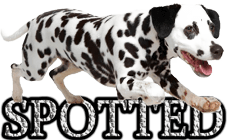


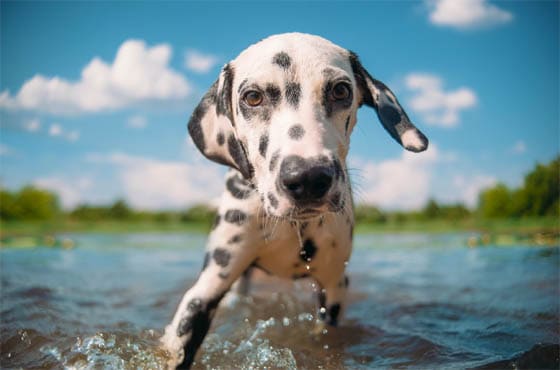
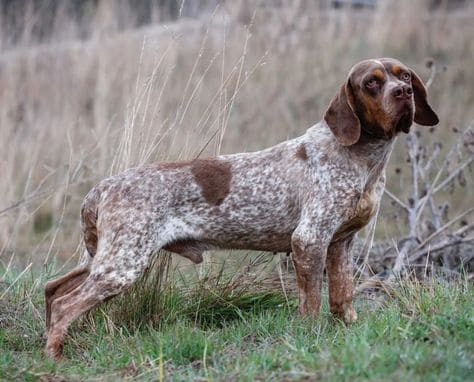
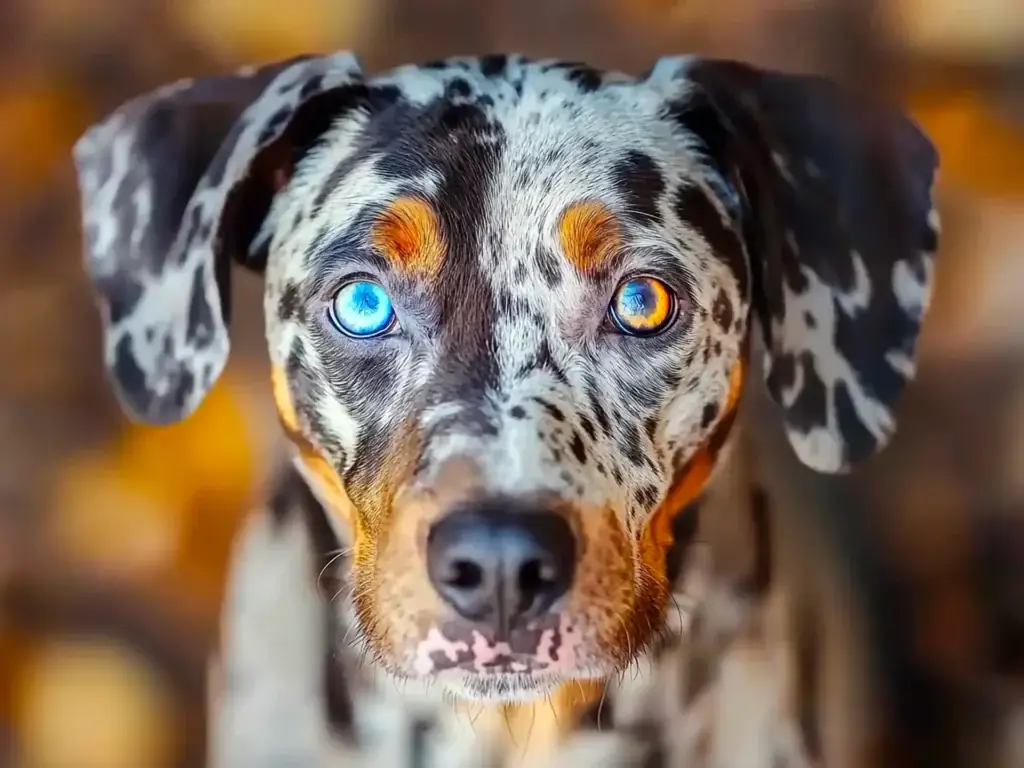
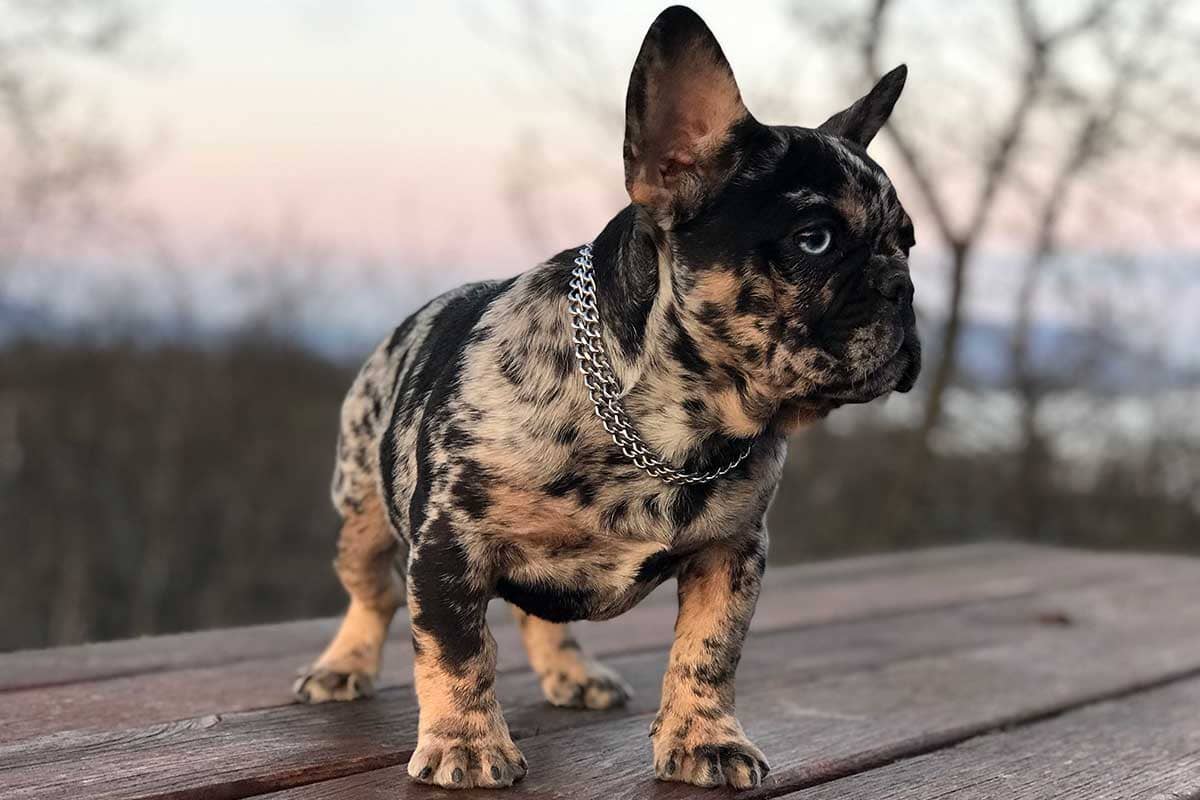
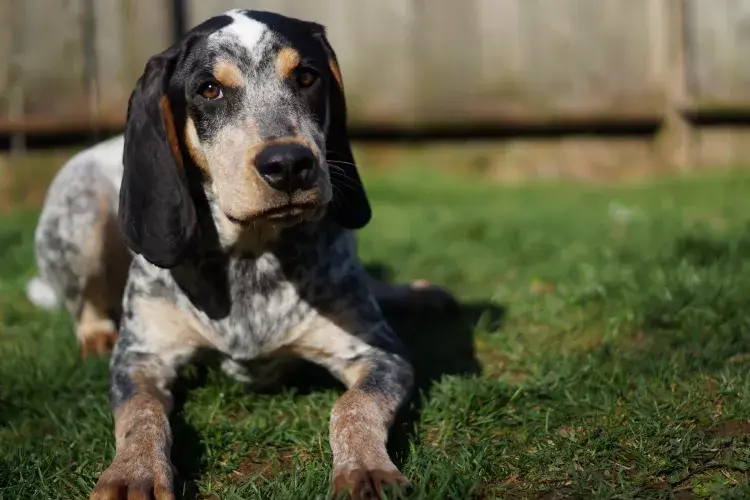

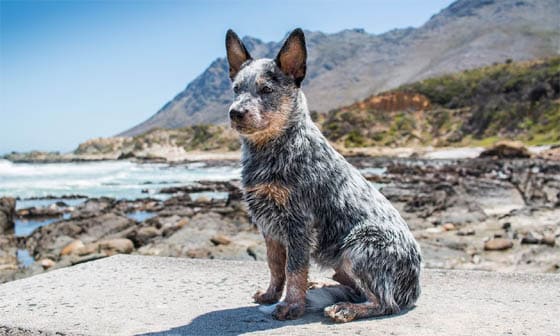
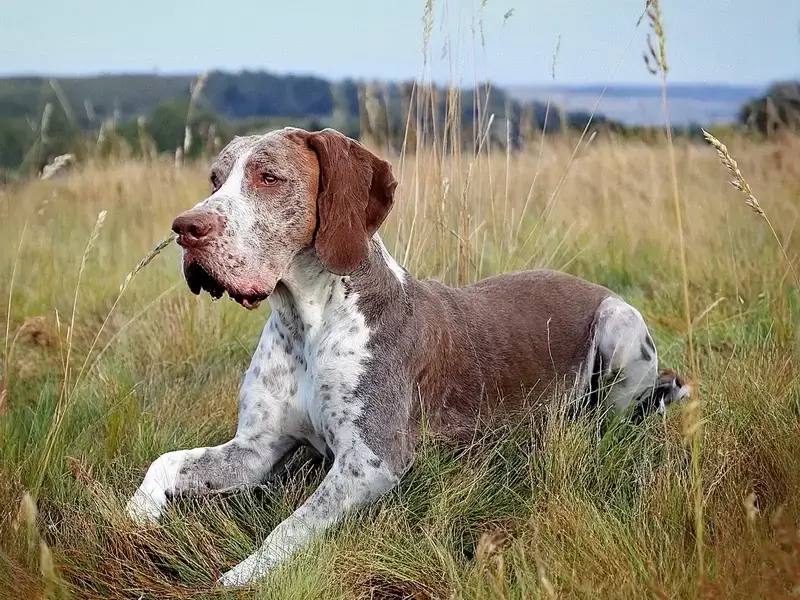
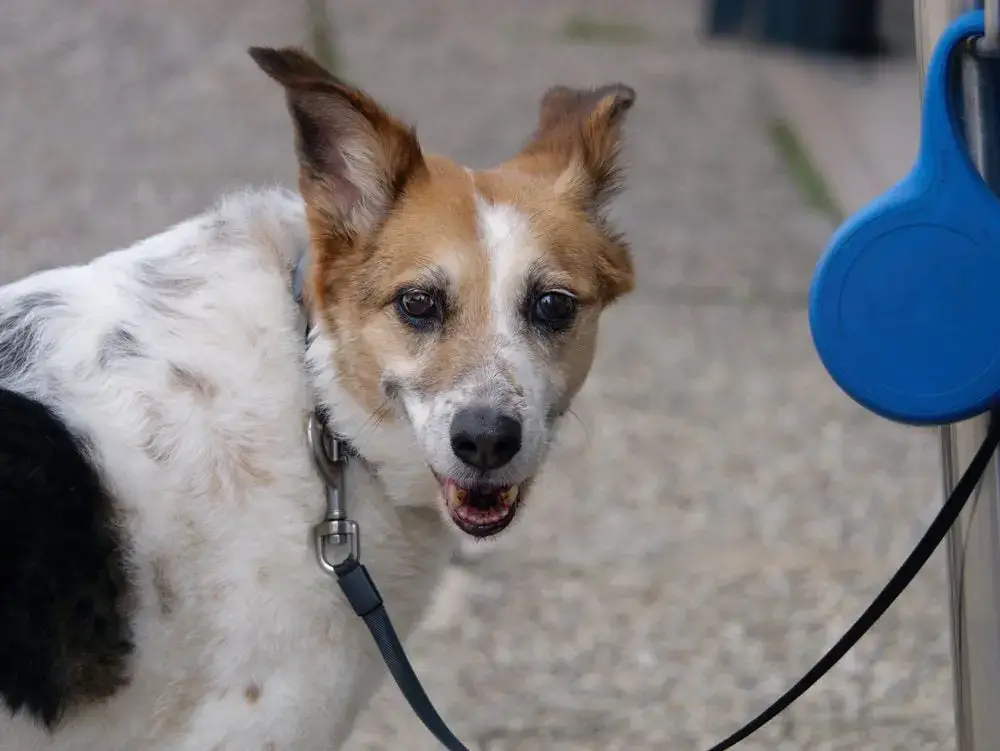
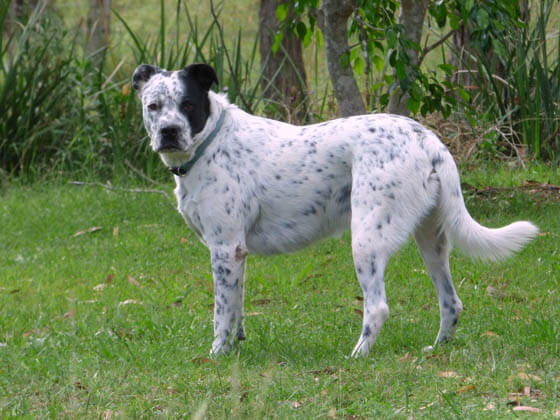
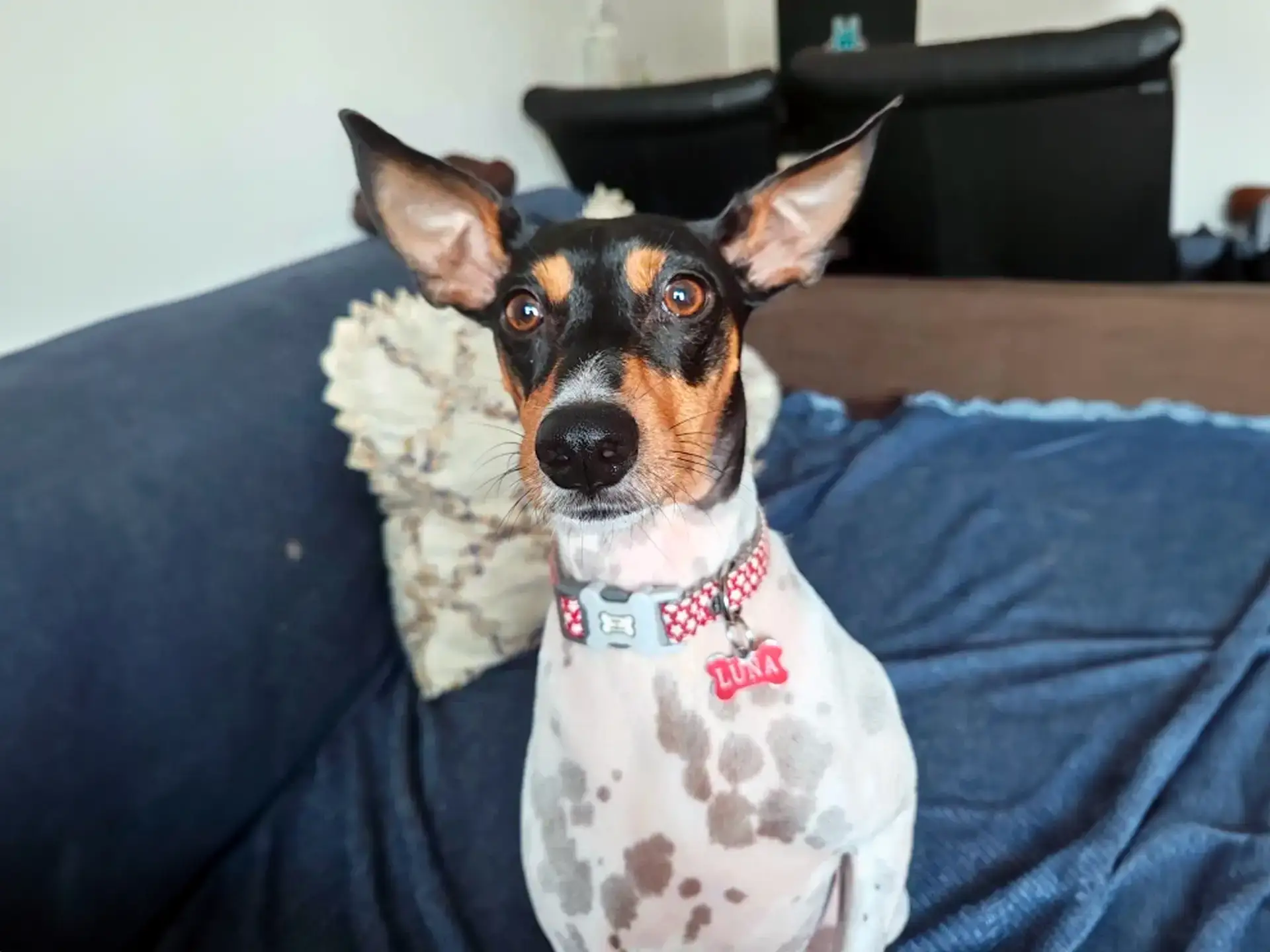

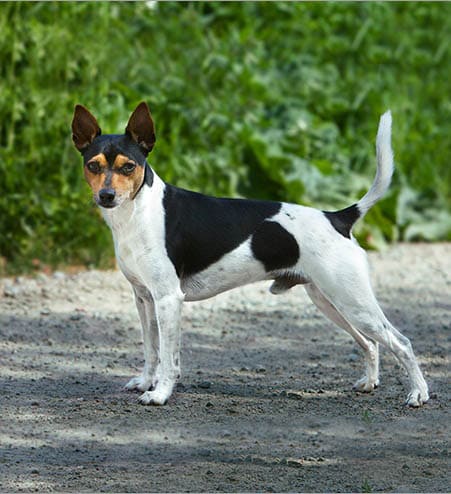
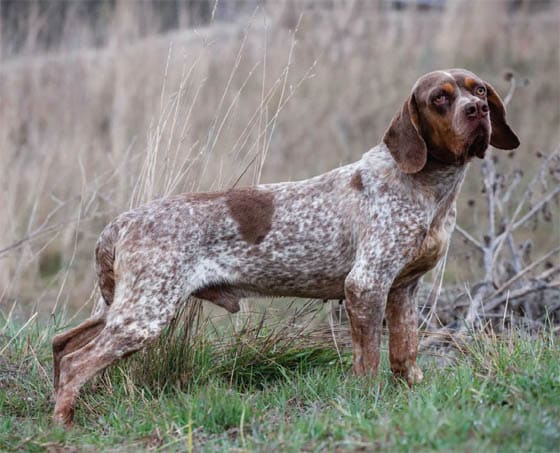
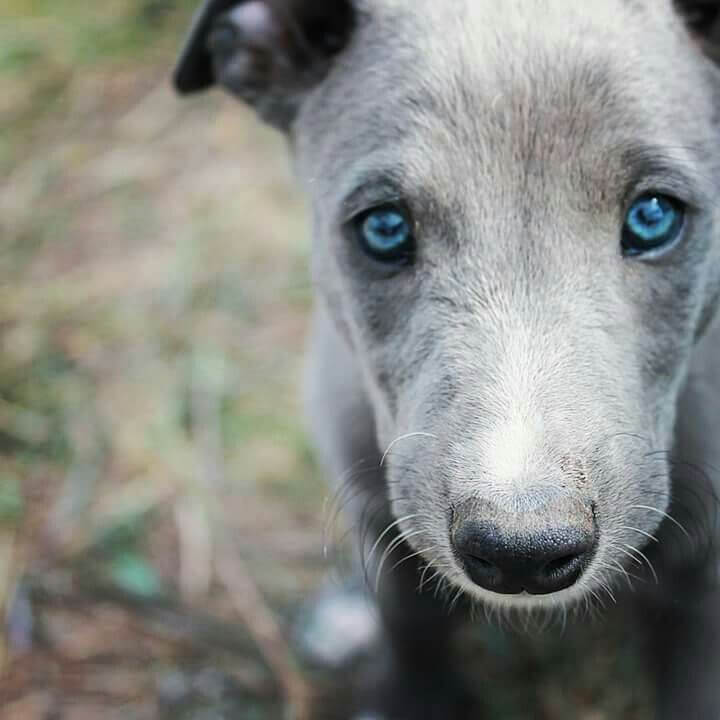
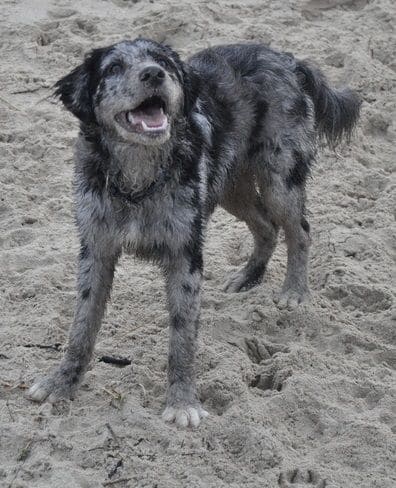
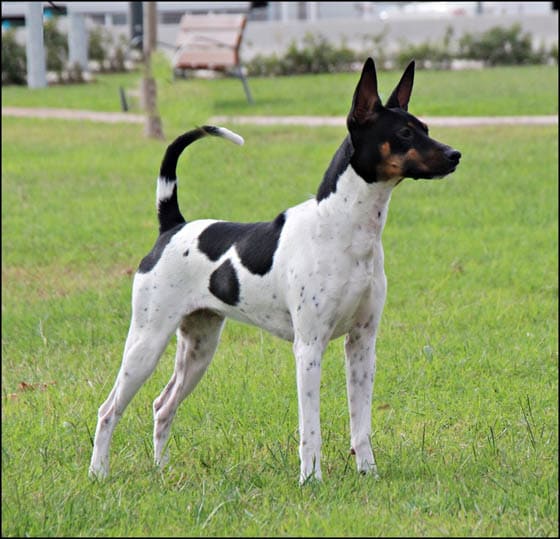
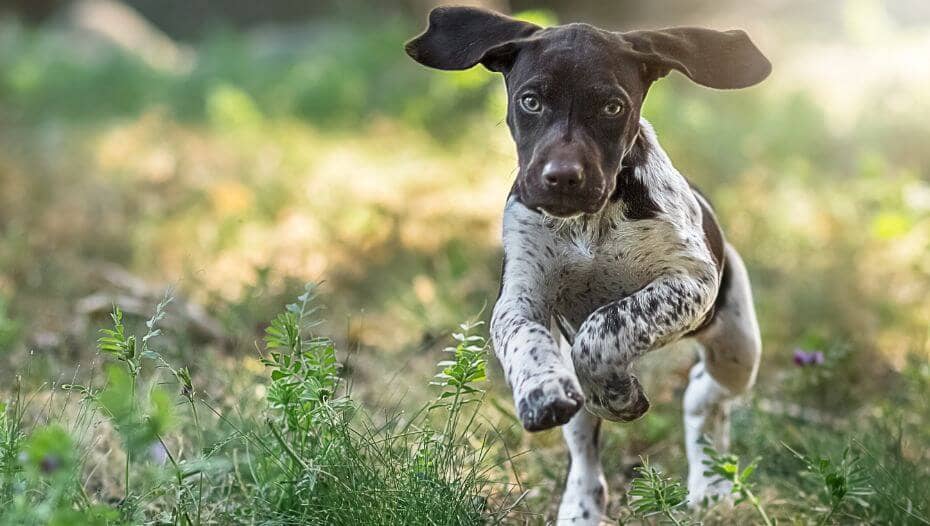
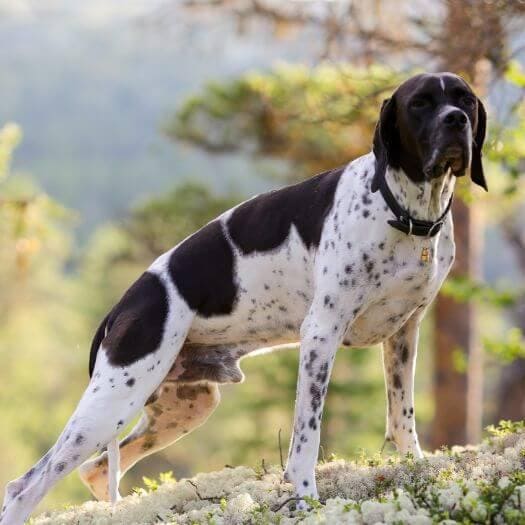
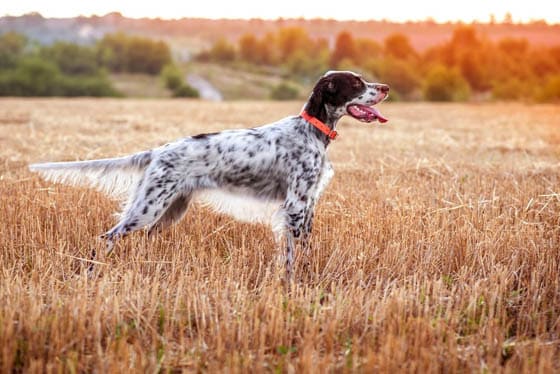
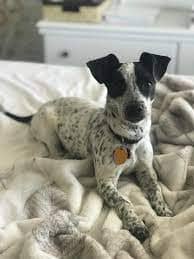
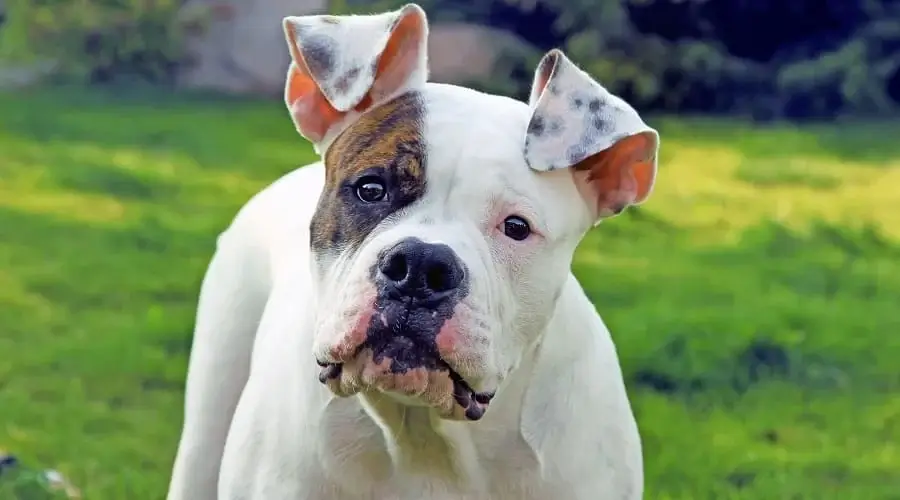
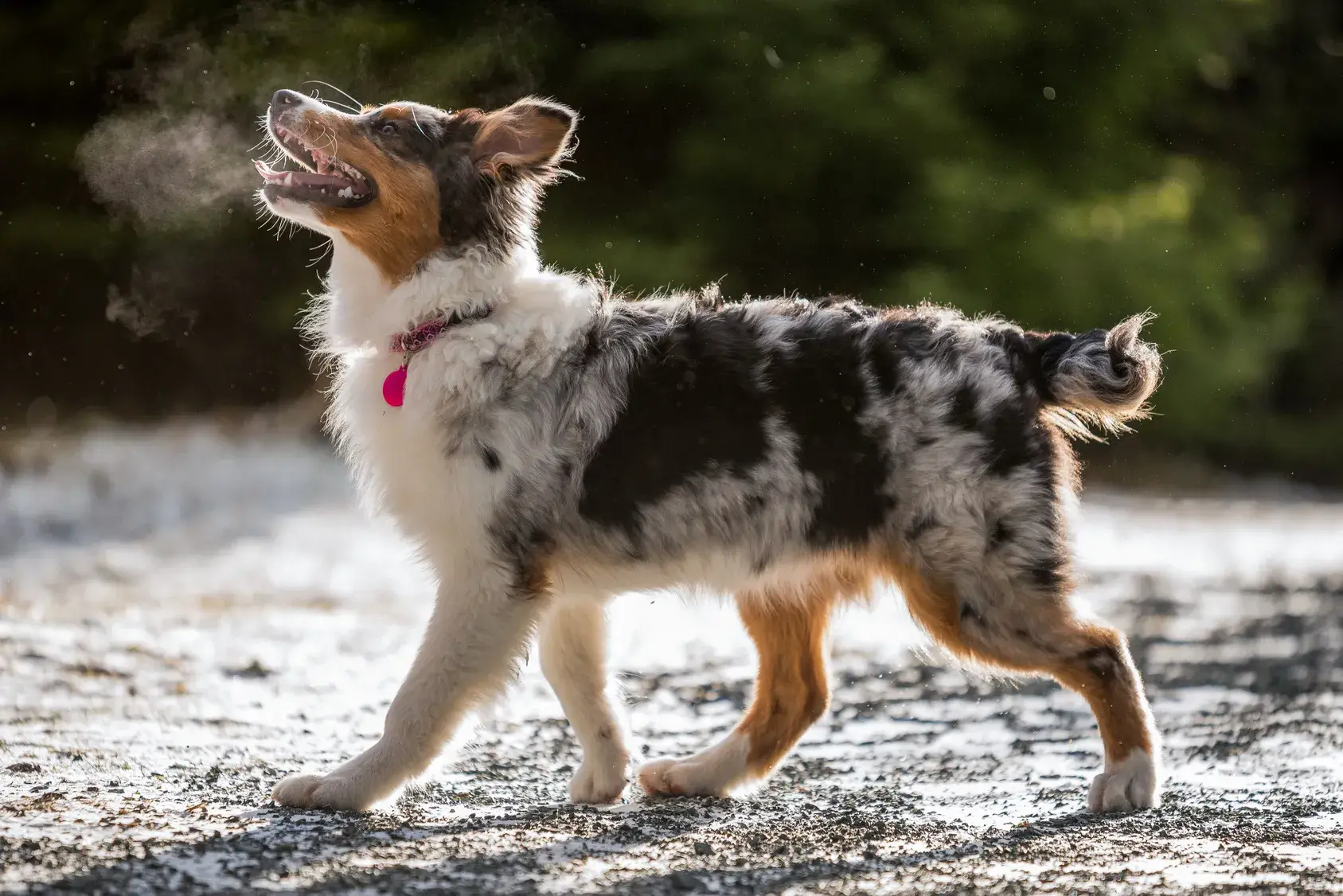
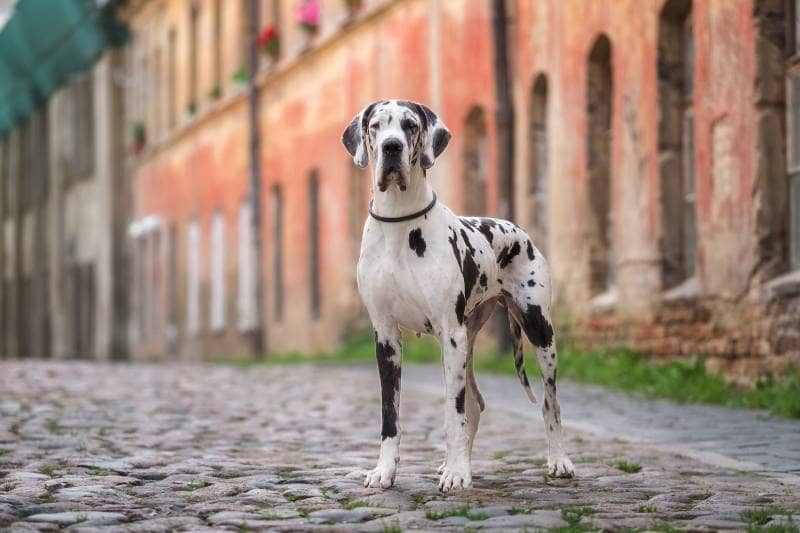
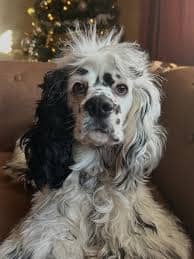
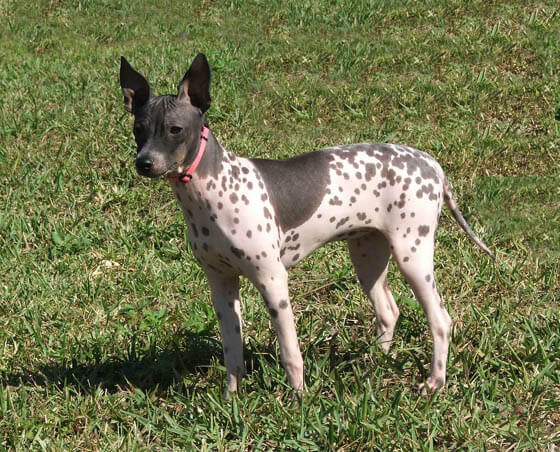
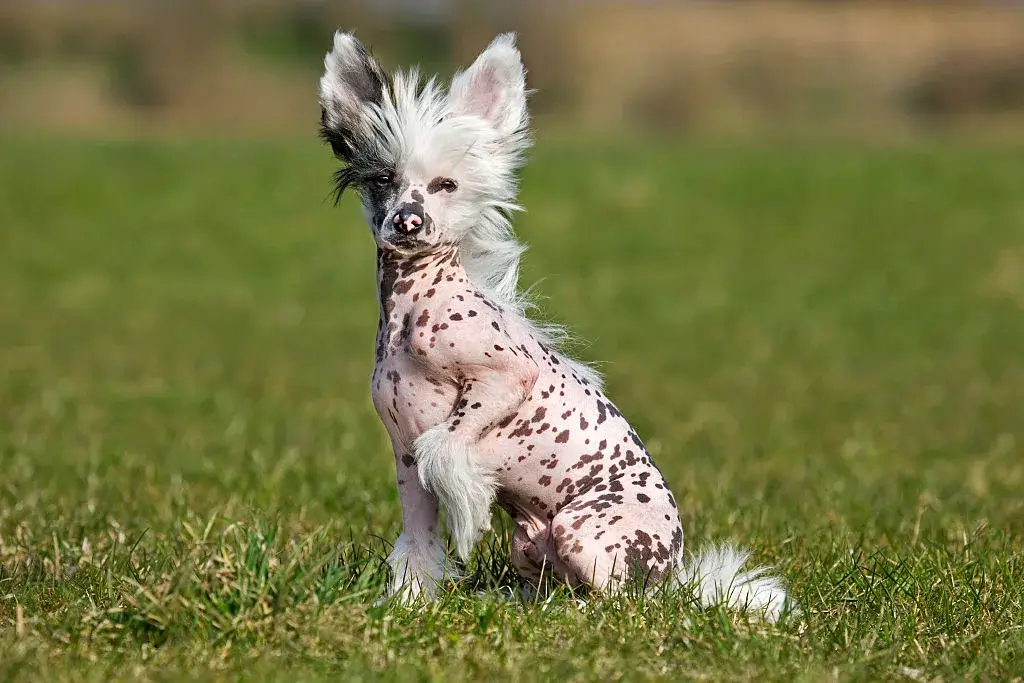
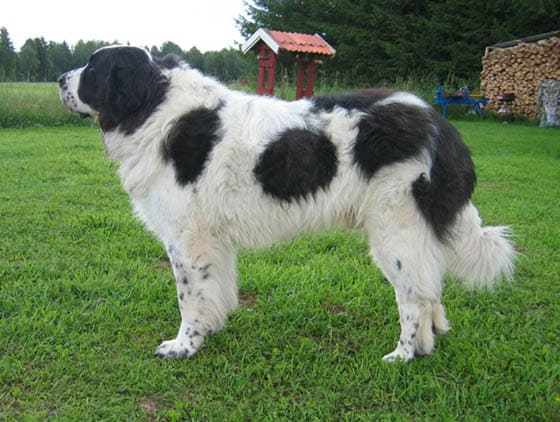
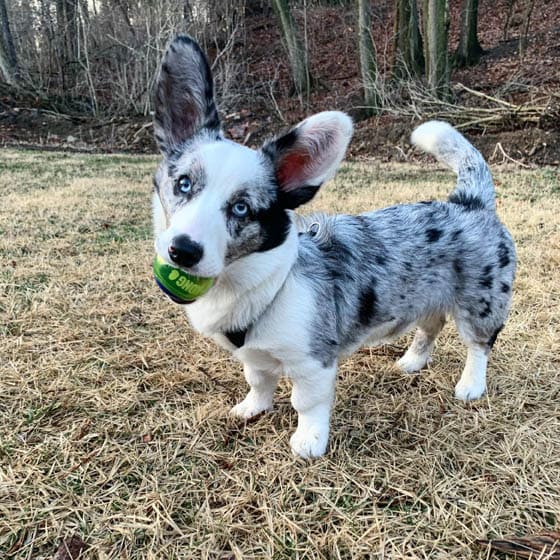
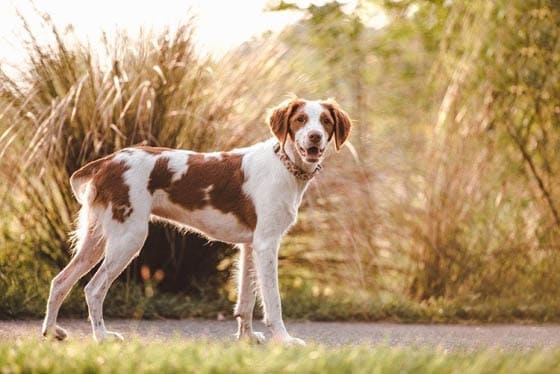
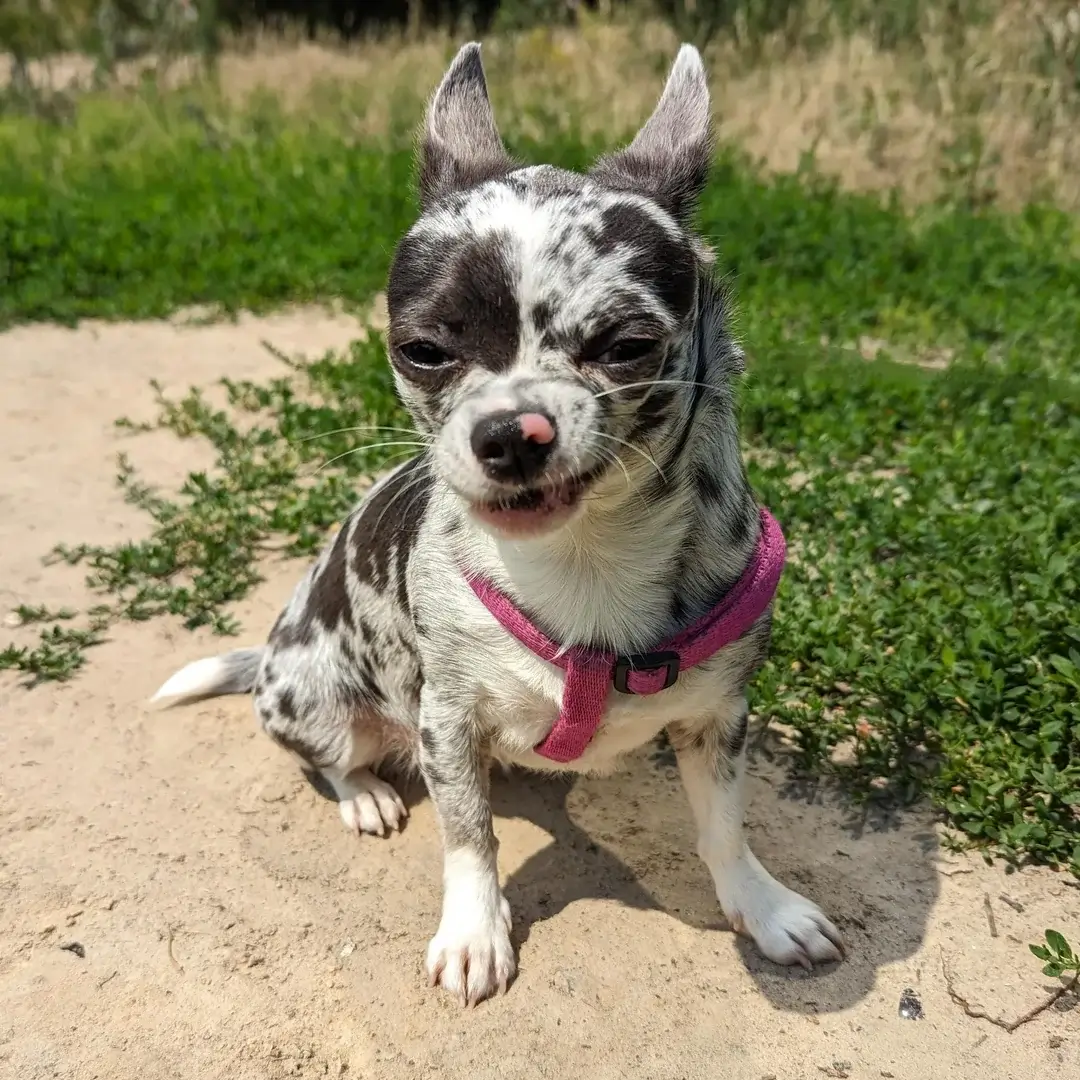
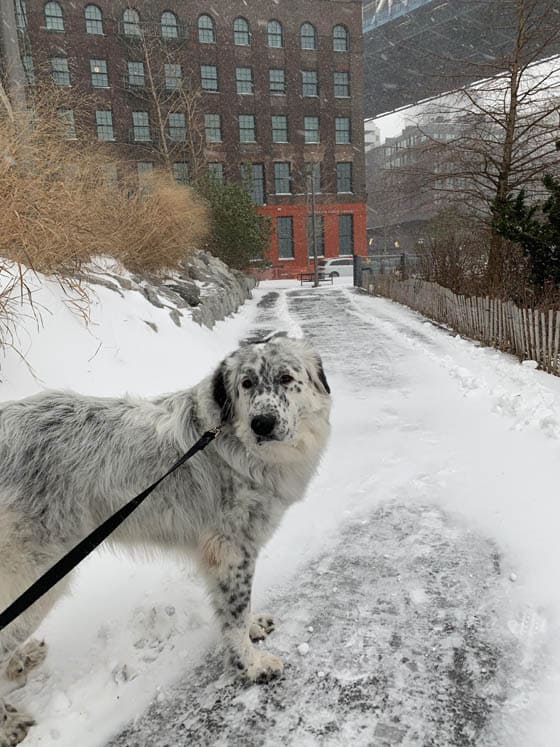
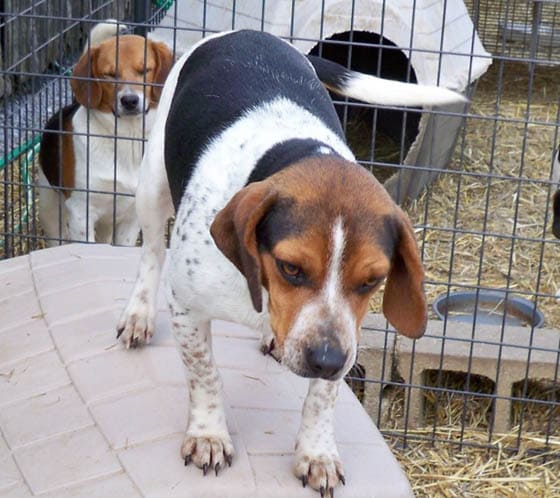
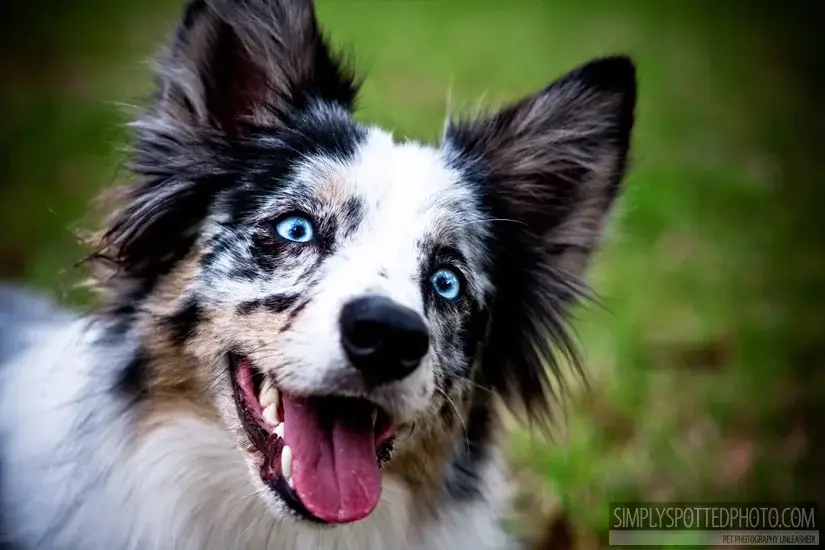
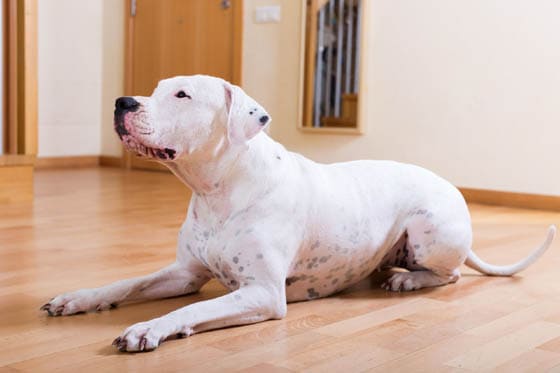
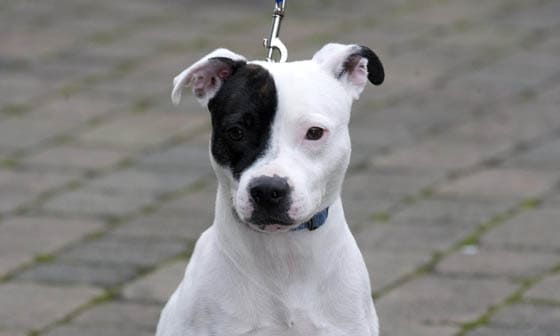
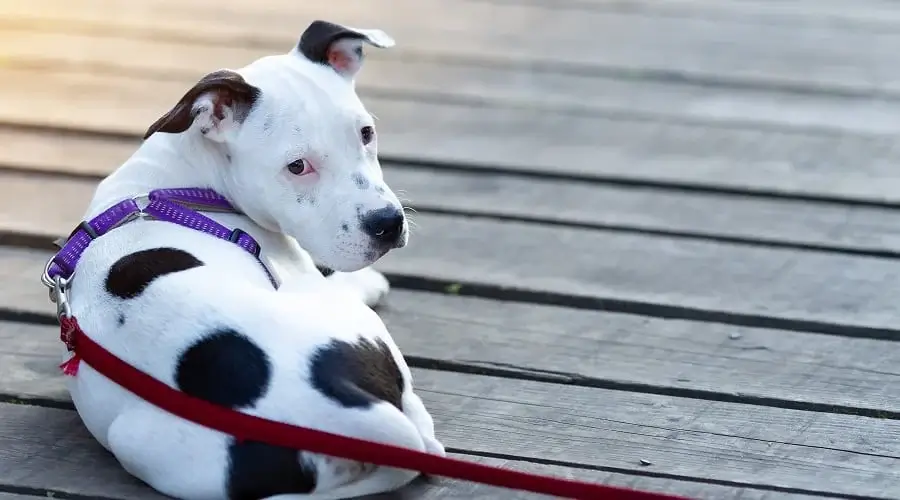
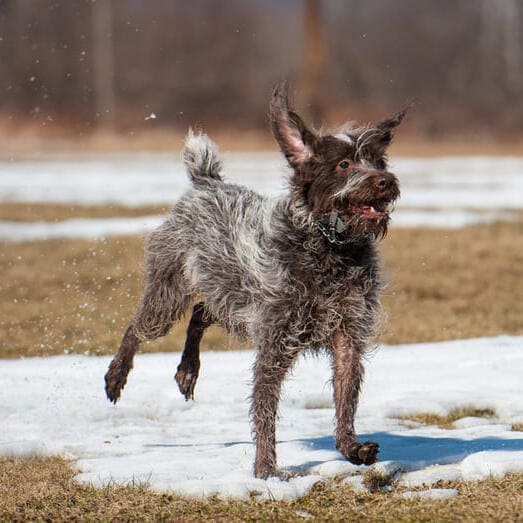
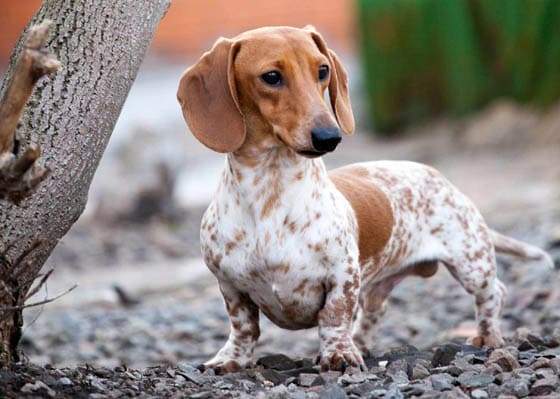
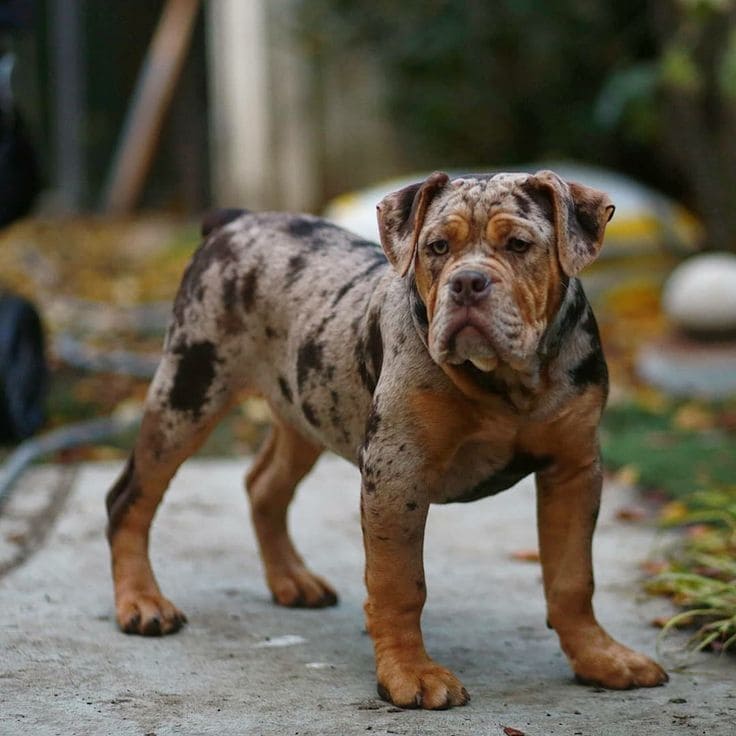
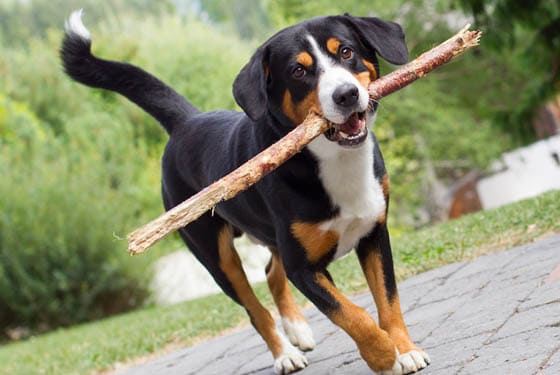
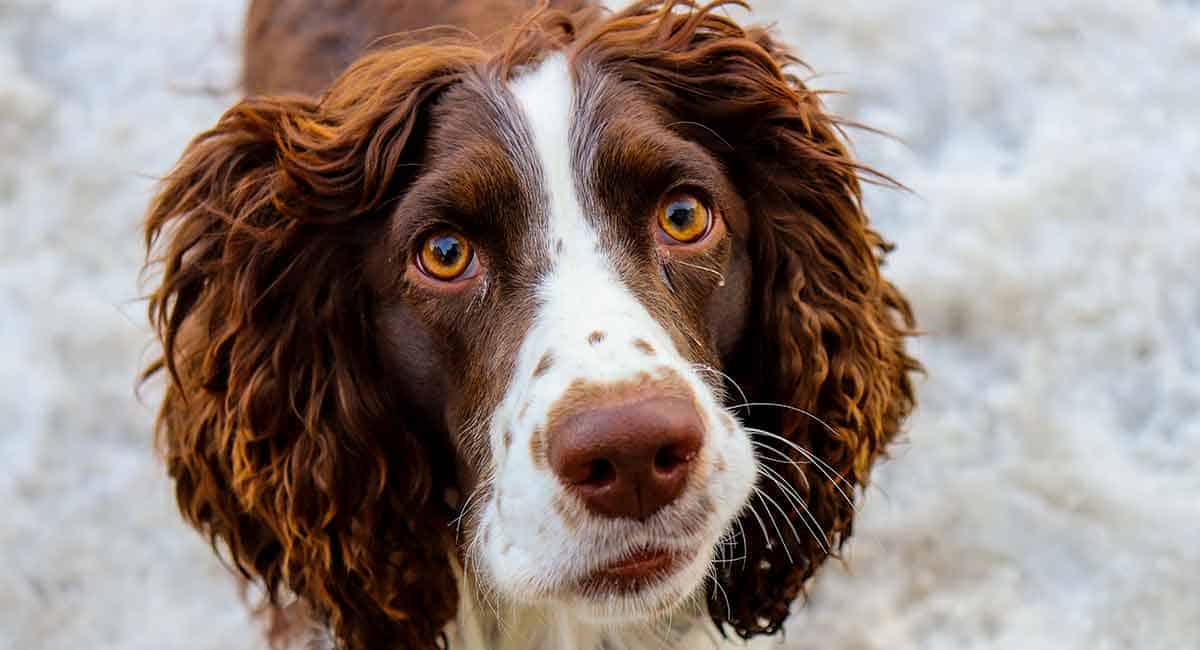
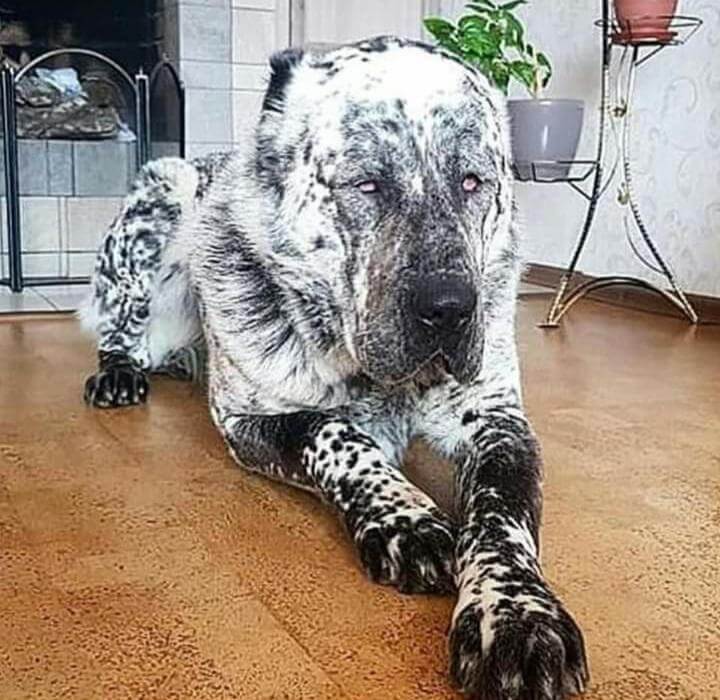
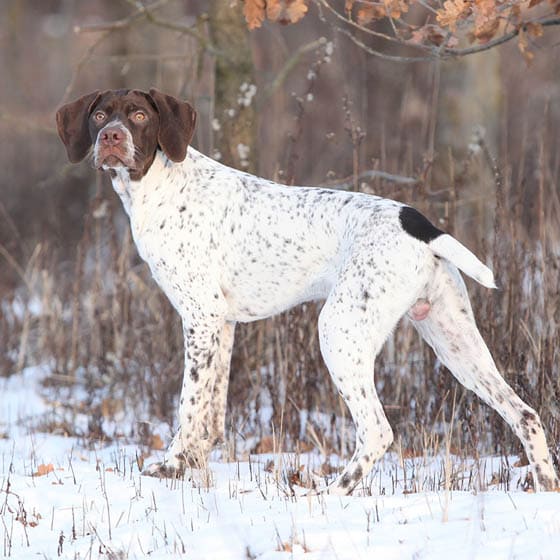
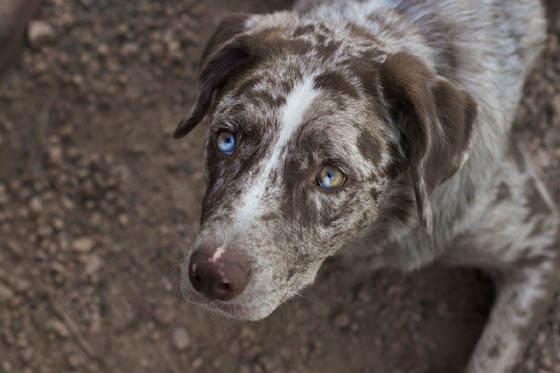
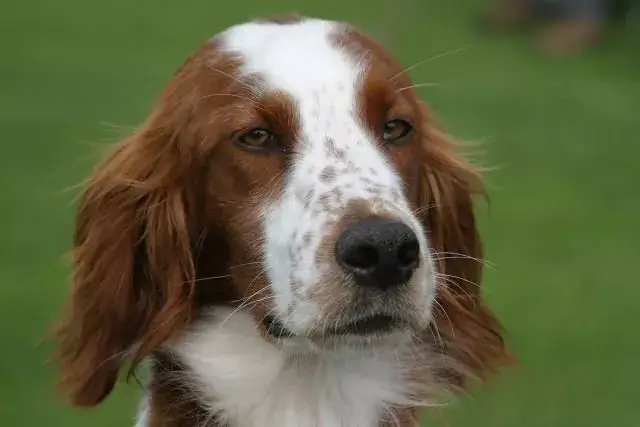
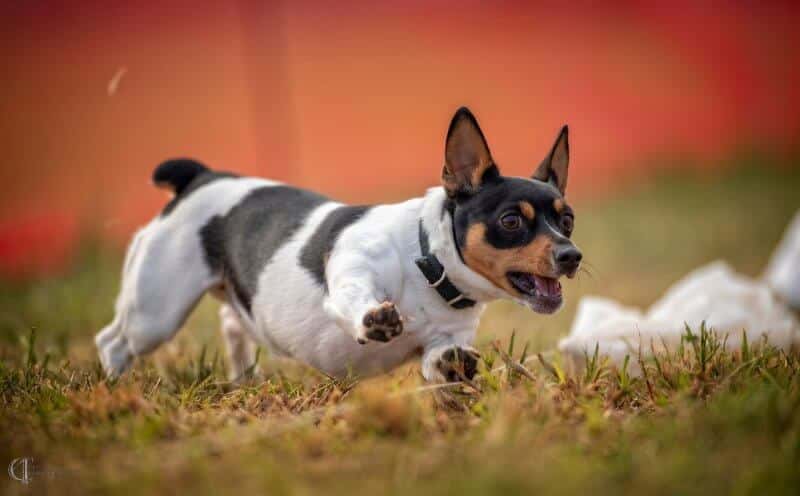
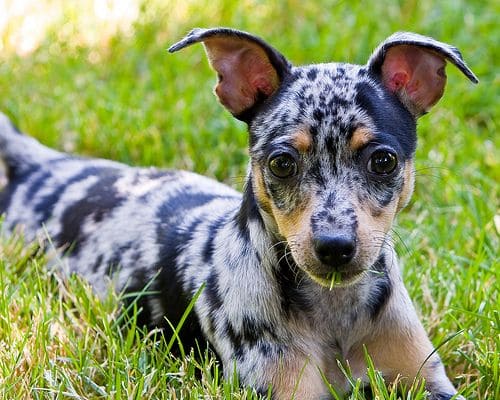
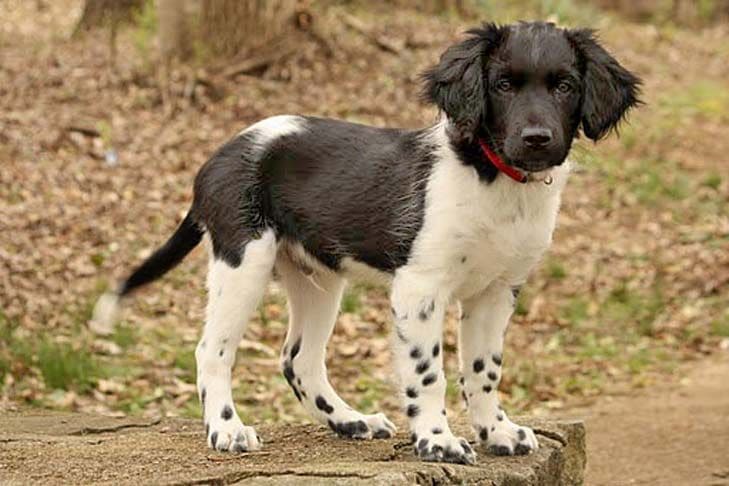
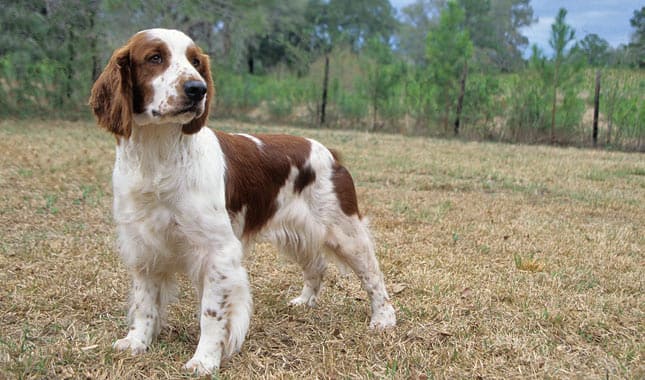
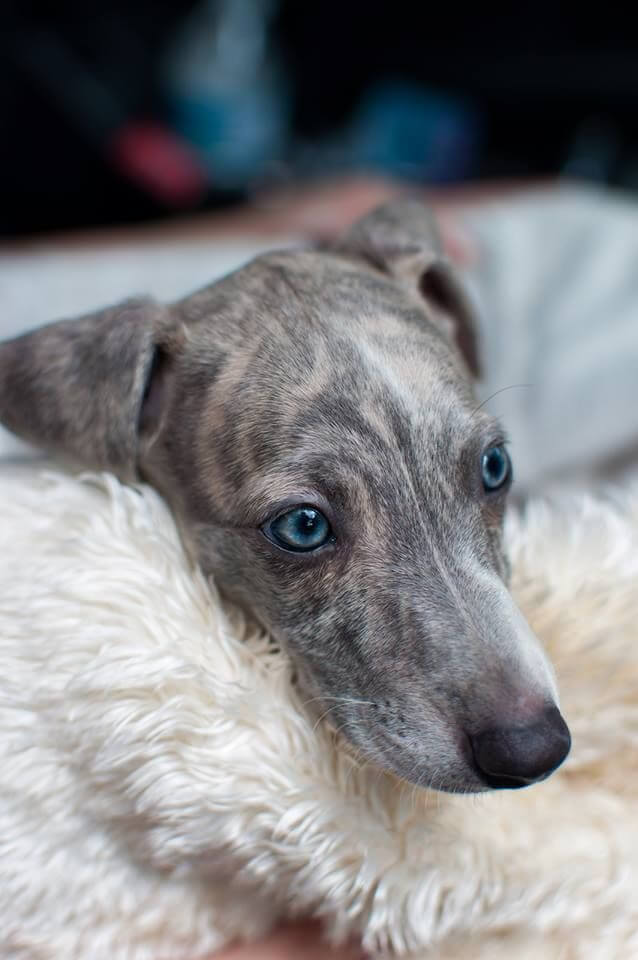
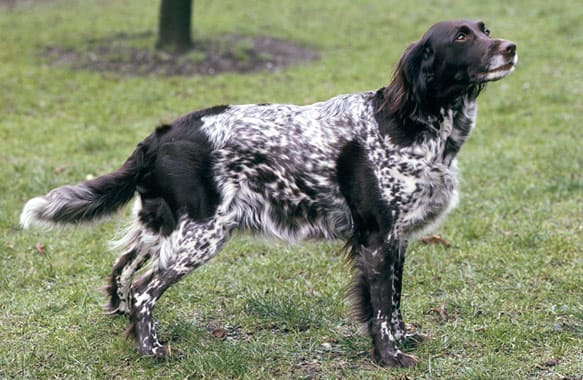
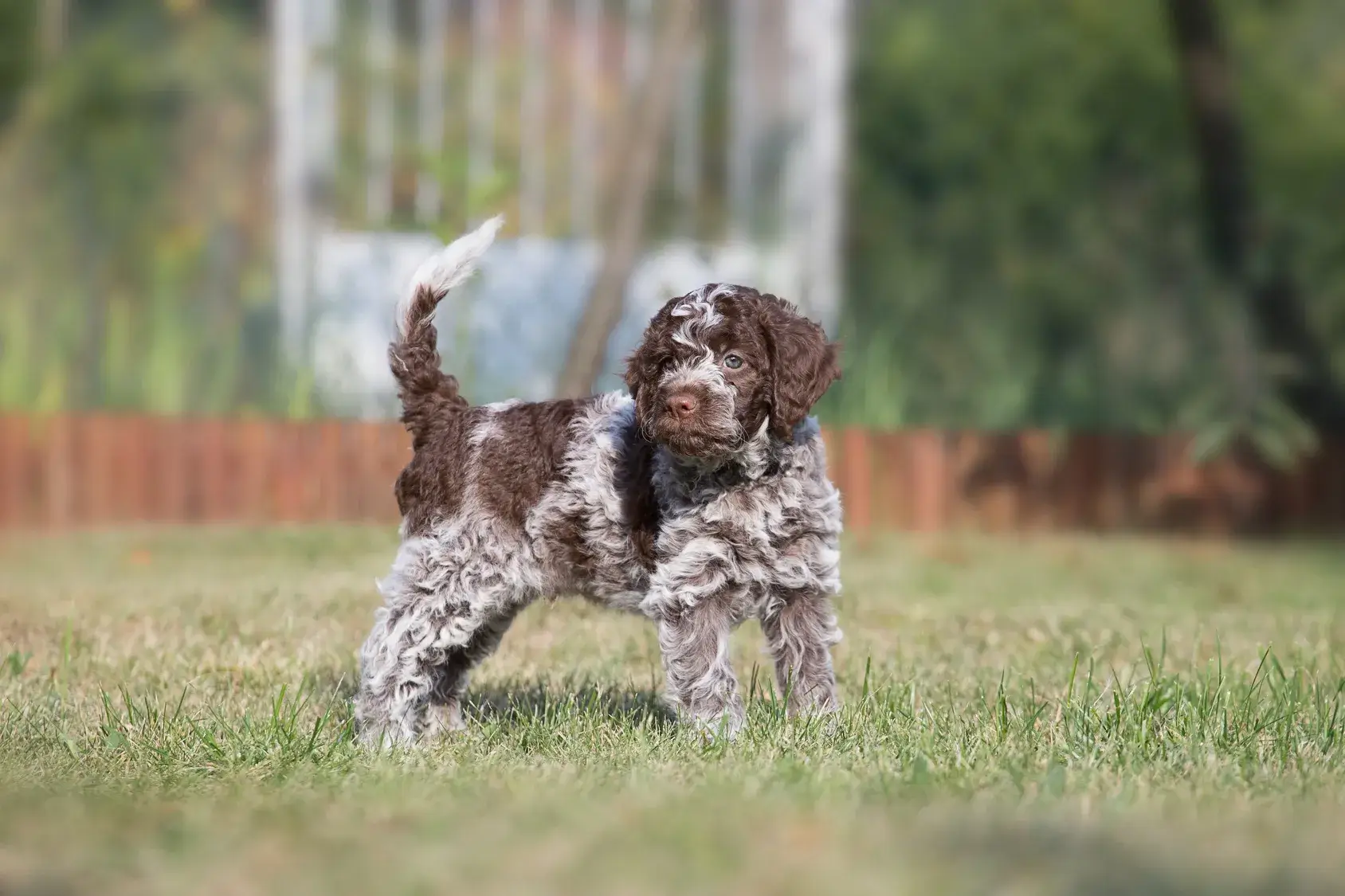
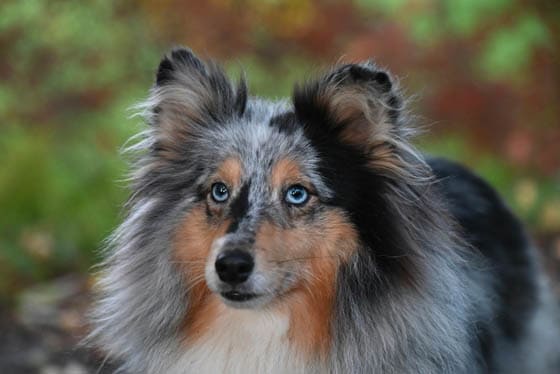
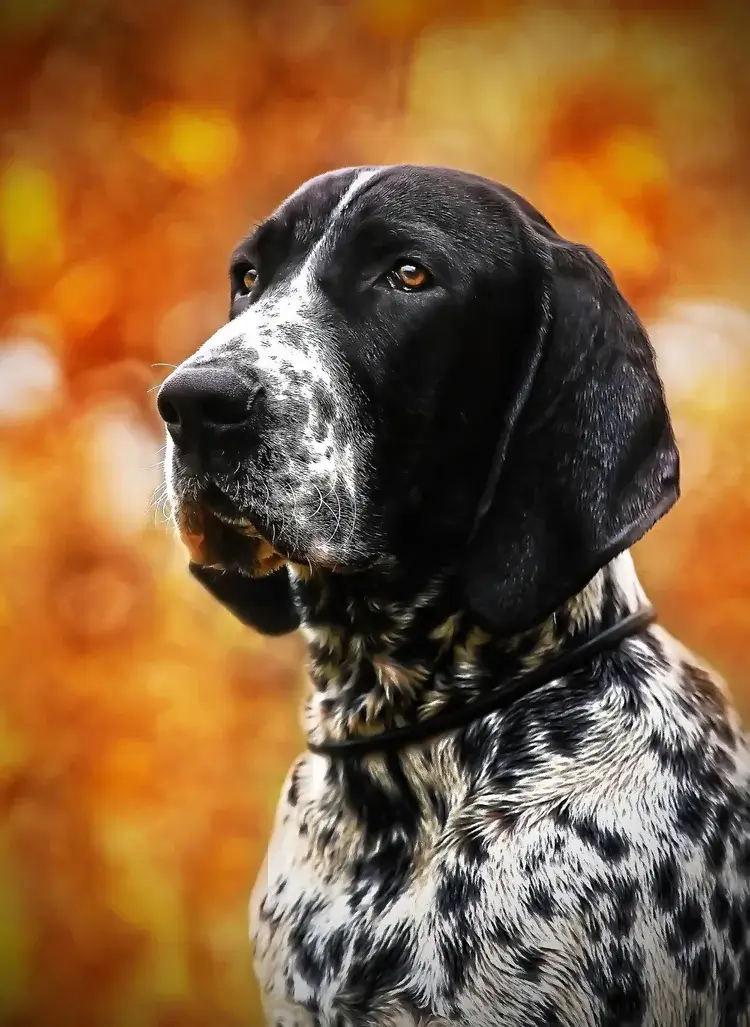
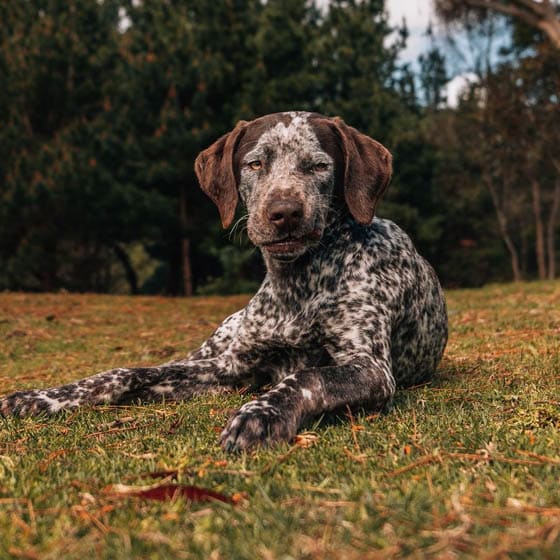
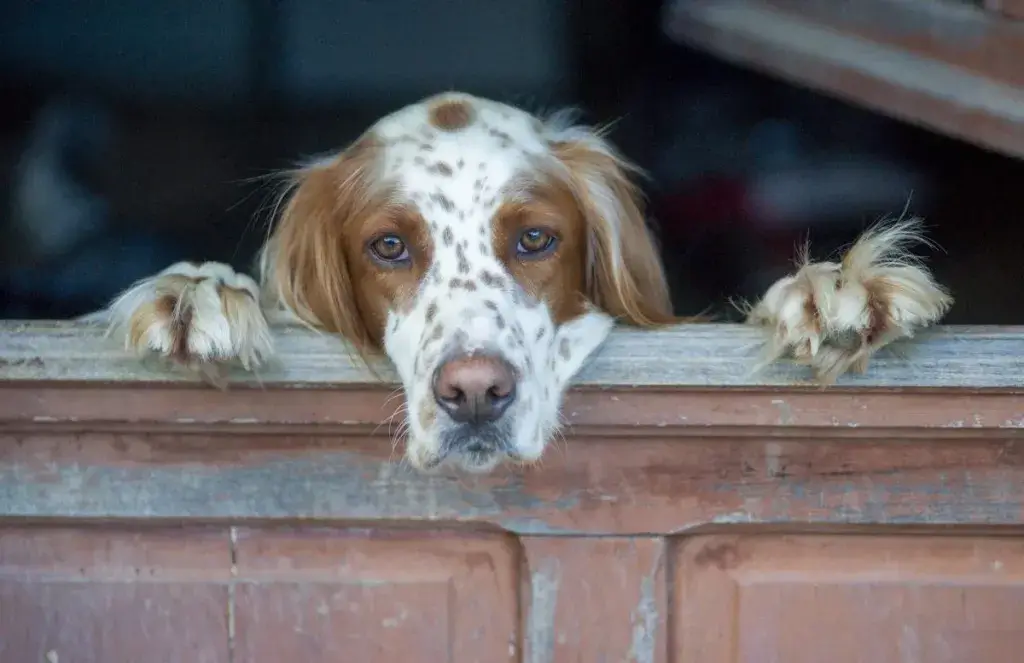
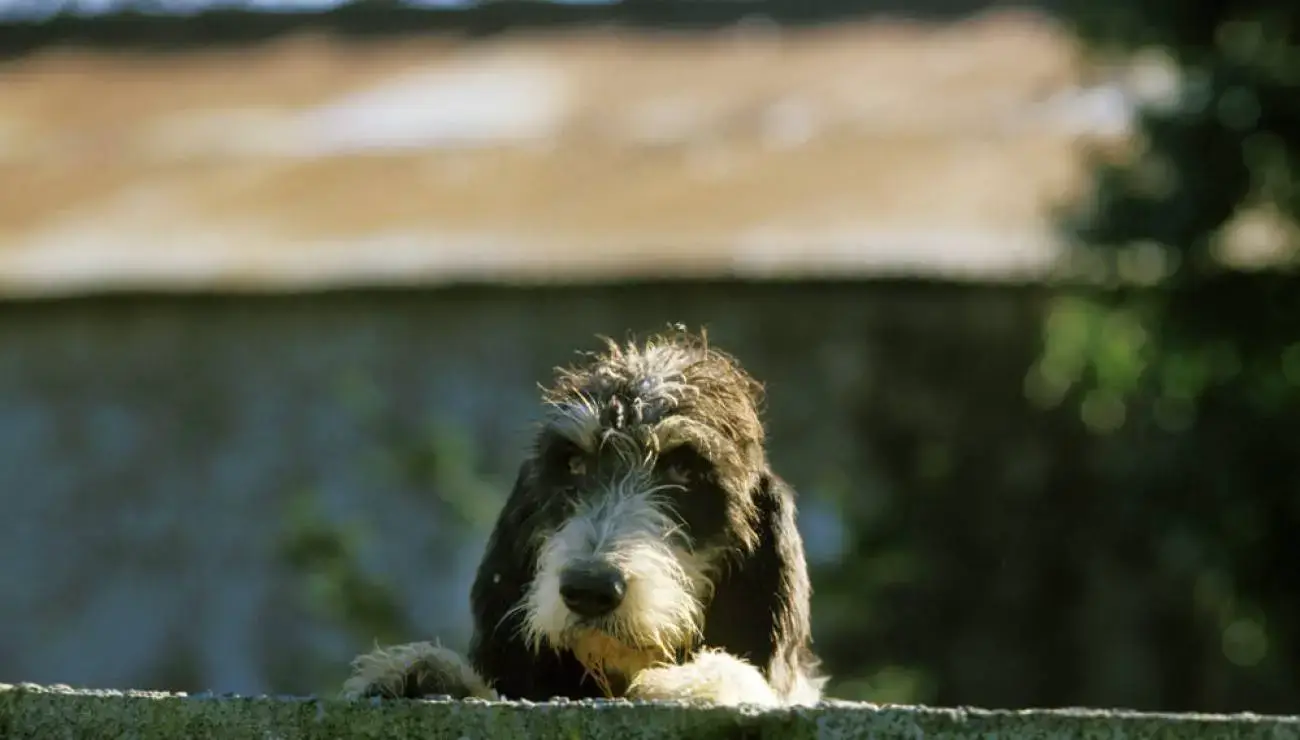
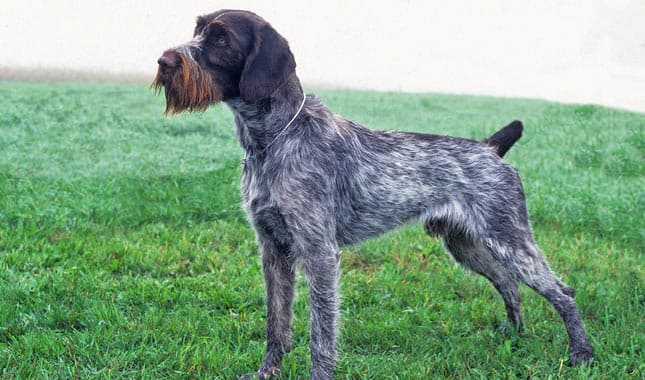
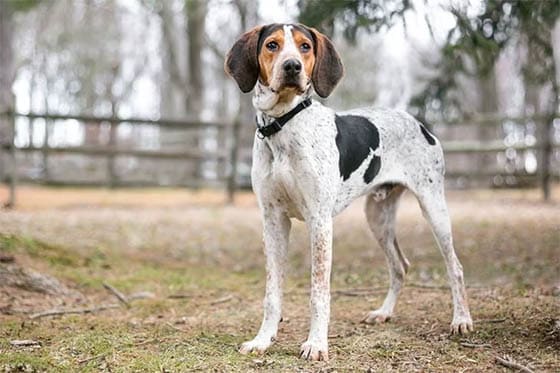
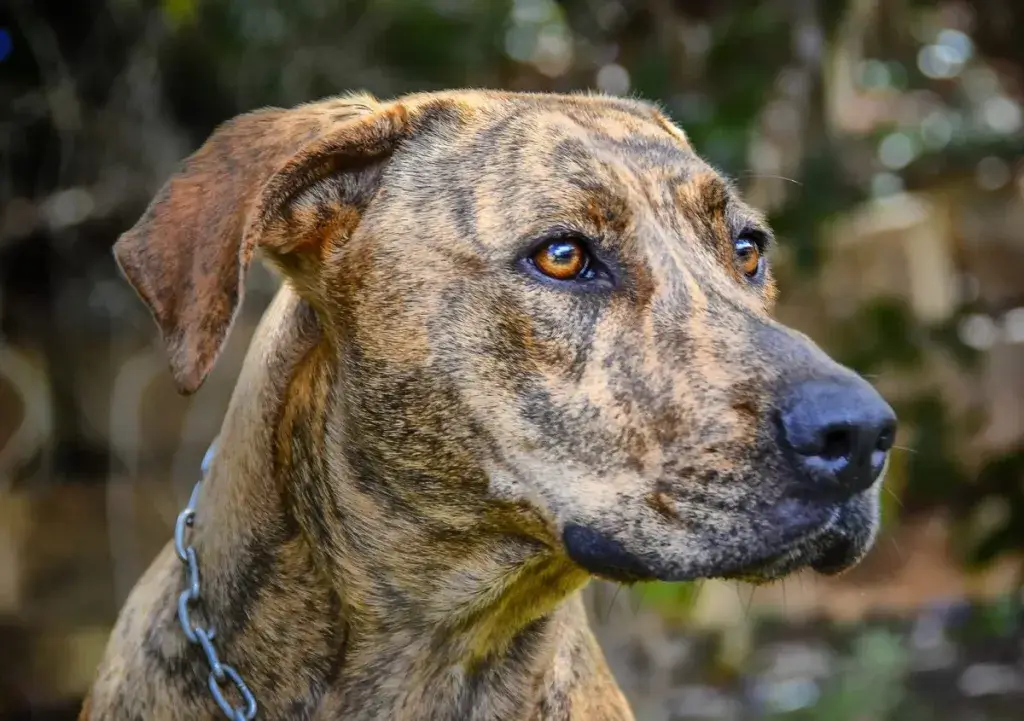
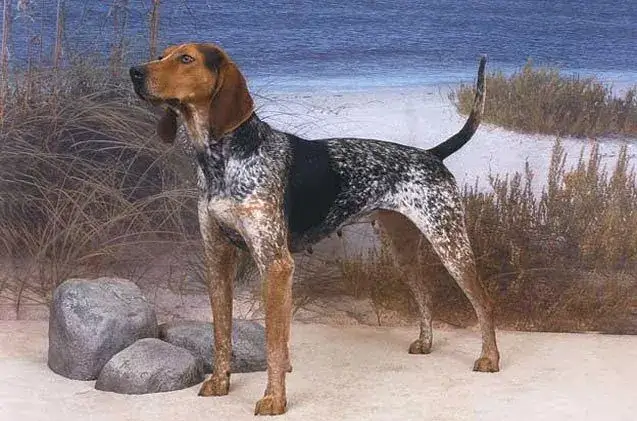
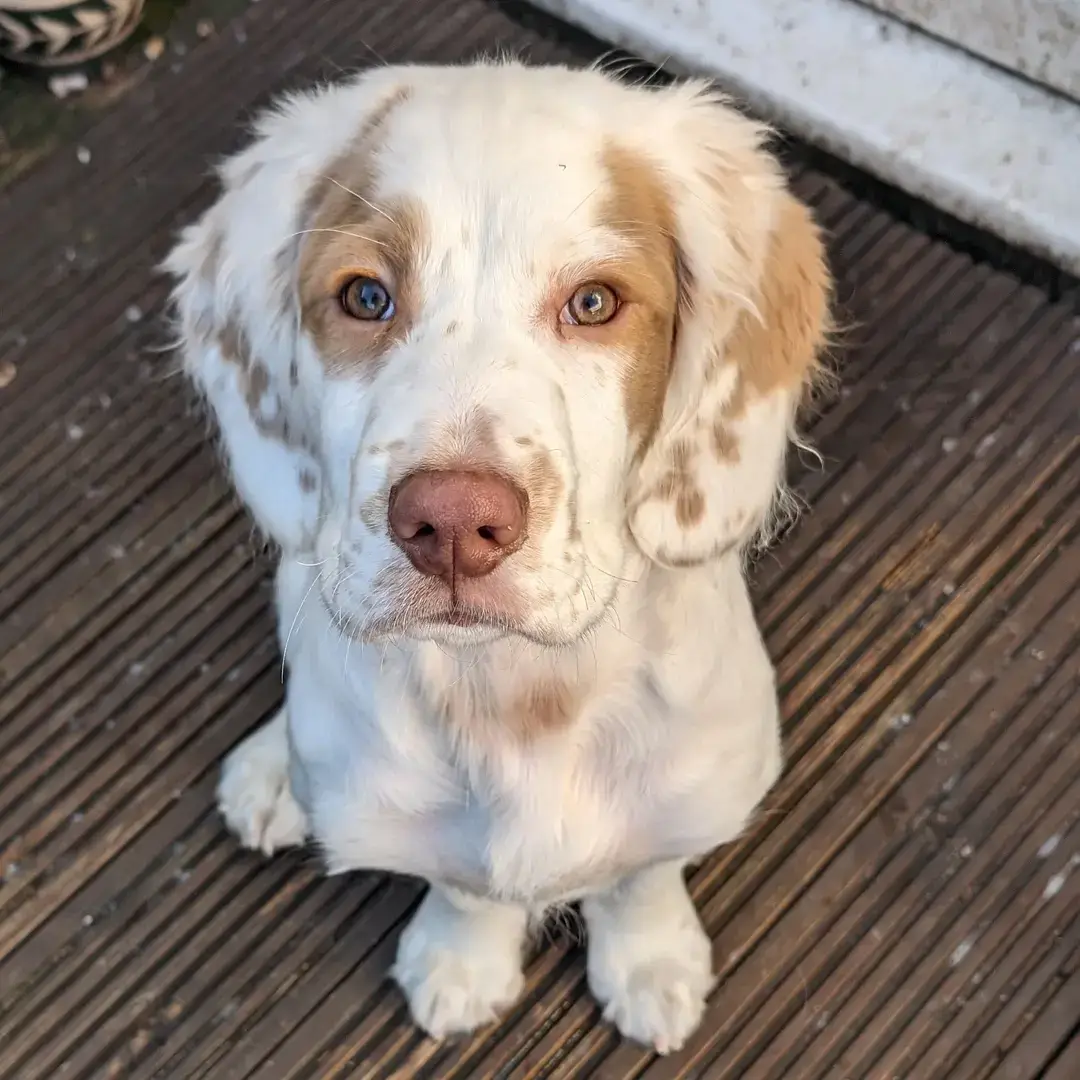
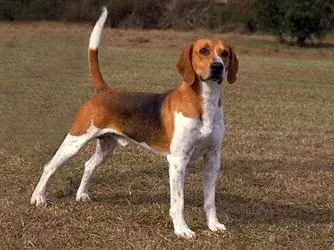
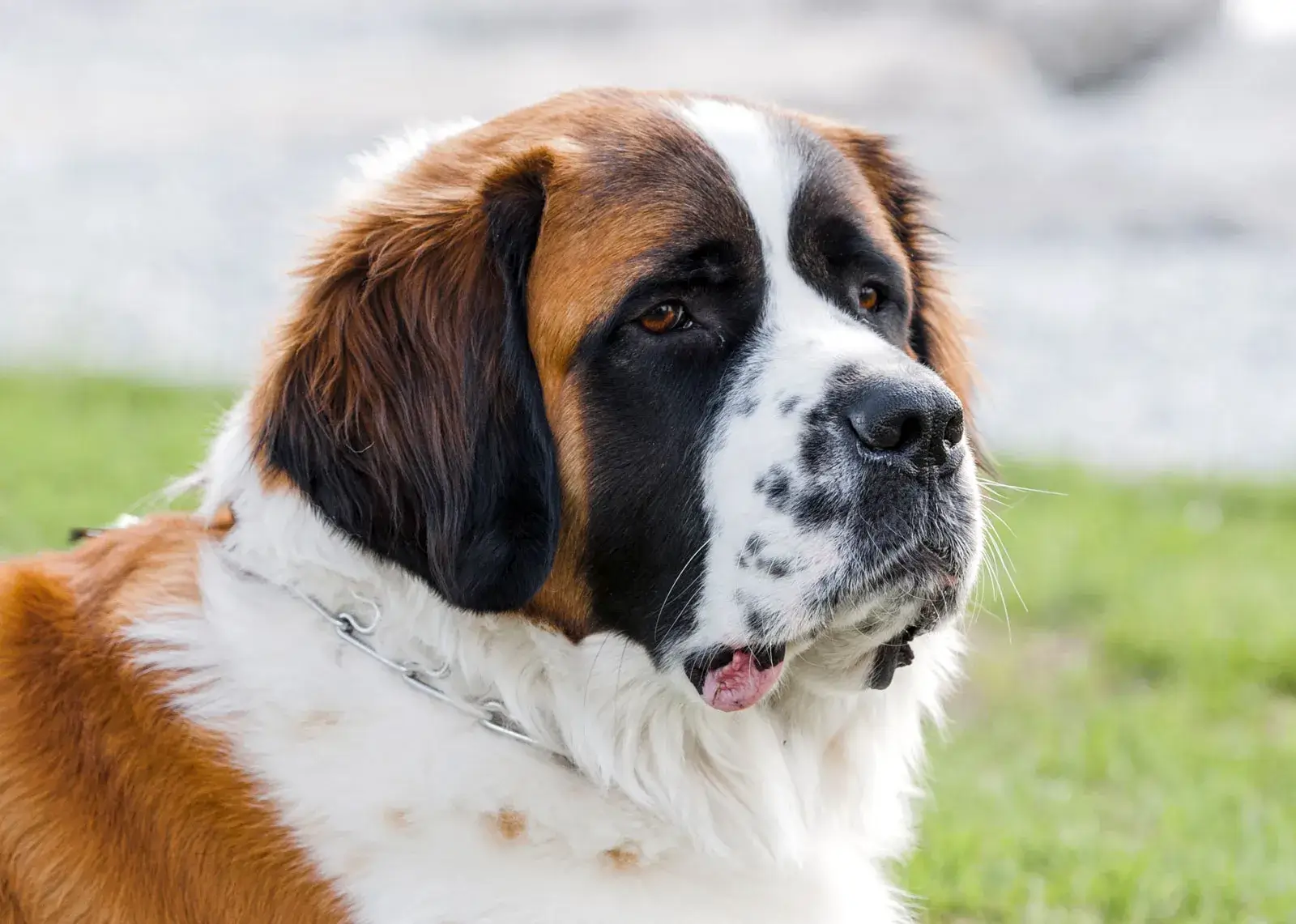
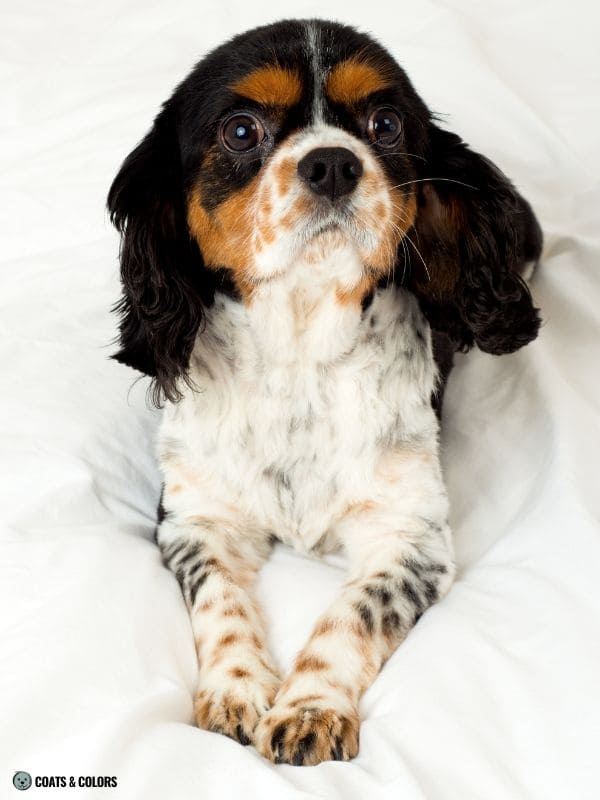
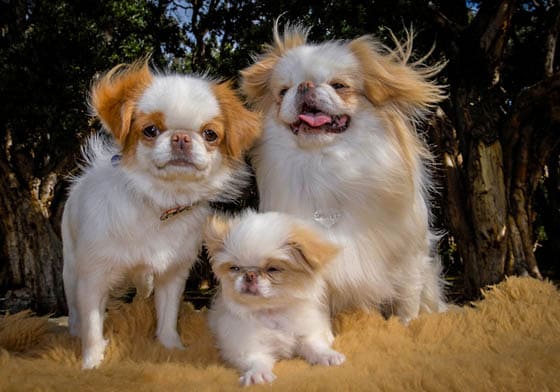
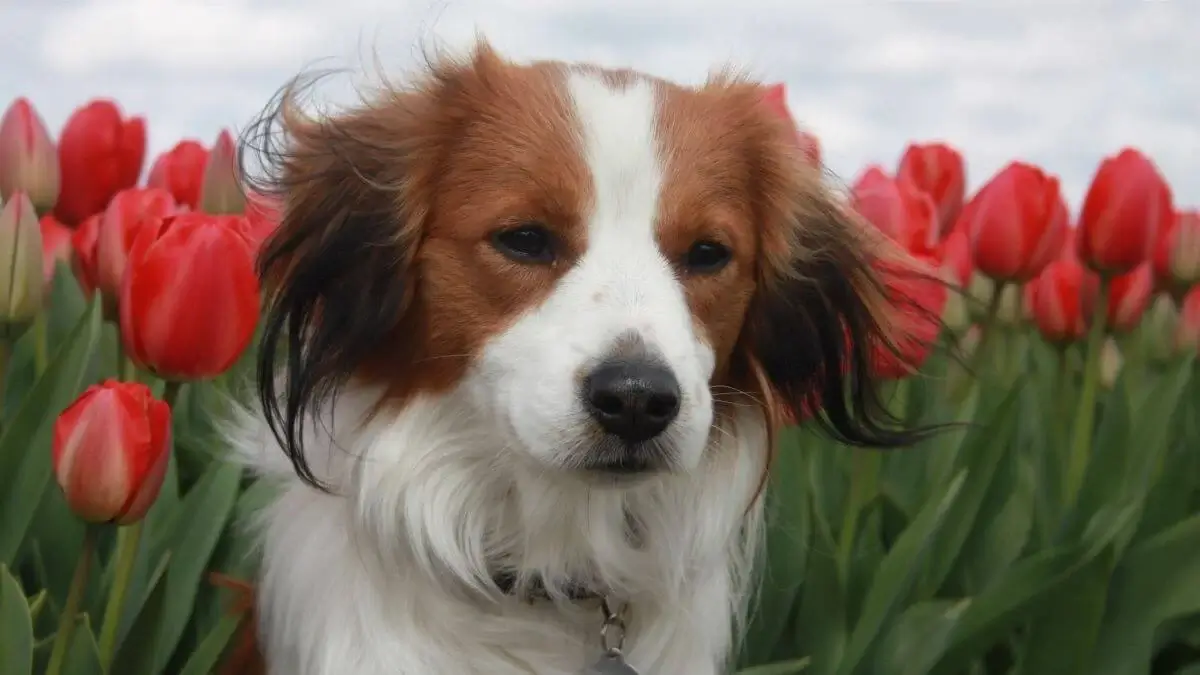










WORLD OF DOG & PUPPY 🐶