70 English Dog Breeds: Photo, Characteristics, Temperament Dogs from England Dogs by Country Dog Breeds by Country Dog Breeds Geographicaly Dogs by Country of Origin Which dog breeds are from England? What dog breeds are native to Britain? Dogs by Native Country Rare English Dog Breeds National Dog Breeds
Many popular dog breeds have their origins in the United Kingdom, specifically English dog breeds. Several English dog breeds were developed for specific working skills, including hunting, retrieving, and pest control. These breeds vary considerably in shape and size due to their specialized breeding for different tasks. Their personalities also differ widely, with some being naturally energetic and athletic, while others are known for being more laid-back.
The Airedale Terrier, or "King of Terriers," is the largest terrier breed. Known for being intelligent, energetic, and sometimes headstrong, they are loyal family companions. They require high daily exercise (>40 mins) and consistent training. The Airedale Terrier will usually do okay with children if they have early exposure and socialization, however they may play too rough for very small ones. Courageous and protective. Fairly friendly with strangers. Intelligent, pleasant and loyal. Sensitive and responsive, he can be obedience trained at a high level. Airedale Terriers are fun-loving and playful when they are puppies. Airedales will be happy to please you if there is nothing more pressing in the environment (chipmunk, other dog, food). An Airedale is extremely loyal, but as an avid hunter you would have to be an ace trainer to get him to come away from a chipmunk even for raw steak!
They are naturally lively and can be very rowdy if they do not receive enough daily mental and physical exercise. Train this dog not to jump on humans. The Airedale Terrier needs proper obedience training and an owner who knows how to be "Top Dog" The Airedale Terrier may have dominance challenges toward family members he sees as submissive. This can lead to willfulness and disobedience. They are not difficult to train, but they do not respond to harsh, overbearing training methods. The Airedale Terrier is intelligent enough to perceive quickly what is required of it, but if you ask it to do the same thing over and over again it may refuse. Try to give it some variety to its training, making the exercise a challenge. They need a calm, but firm, confident and consistent handler. With the right handler, the Airedale Terrier can do well in various dog sports including defense dog trials. This breed generally gets along well with household cats and other animals, but they sometimes try to dominate other dogs. This depends upon the way the humans around the dog treat him, their training and the individual dog.
The Basset Hound is a friendly, low-slung scent hound known for its long ears, wrinkled brow, and gentle, stubborn, and affectionate temperament. Originating from France as a rabbit hunter, they are excellent family companions that generally get along well with children and other pets. They are, however, known for being stubborn, drooling, and having high susceptibility to obesity. The Basset Hound is sweet, gentle, devoted, peaceful and naturally well-behaved. It fits into family life well. Its temperament should always be friendly, and never vicious, moody or harsh, and would only become so if the owners lead the dog to believe he is pack leader over humans. It is mild but not timid; very affectionate with its master and friendly with children. It can be a bit stubborn with meek owners and needs a firm, confident, and consistent owner who displays natural authority over the dog. Dogs need to know the rules of the house and have the humans stick to them. Bassets like to do tricks for food.
They have a deep musical bark. Housebreaking is difficult, but they do well with patient, gentle training. With proper training, they are obedient, but when they pick up an interesting smell, it is sometimes hard to get their attention, as they like to follow their noses and may not even hear you calling them back. Only allow your Basset off lead in safe areas. The Basset Hound is a good-natured and low-energy companion. They are generally affectionate and friendly with kids and other pets, especially with proper introductions, socialization, and supervision. Though these calm dogs are likely happy to sleep in their dog bed all day long, pet parents must be diligent about exercising their Basset Hound to prevent obesity and other health issues. As friendly dogs, some Basset Hounds don’t do well when left alone for long periods and can develop separation anxiety. Make sure your Basset has mental enrichment (such as toys) or company (such as another dog or a pet sitter) when you’re away from home for more than a few hours.
Beagles are small-to-medium-sized, friendly, and active scenthounds known for their, curious, and cheerful, but sometimes stubborn, personality. Typically weighing 20–30 lbs and standing under 15 inches, they are excellent family pets with short, low-maintenance coats. They are high-energy, require daily exercise, and are prone to vocalizing (baying) and wandering. The Beagle is loving, sweet and gentle, happy to see everyone, greeting them with a wagging tail. It is sociable, brave and intelligent. The Beagle is excellent with children and generally good with other dogs, but because of its hunting instincts, should not be trusted with non-canine pets, unless socialized with cats and other household animals when young. Beagles have minds of their own. They are determined and watchful and require patient, firm training. It is important you are this dog's pack leader and that you provide the proper amount of mental and physical exercise, including daily pack walks, to avoid separation anxiety. With enough exercise they will be calm.
You can also purchase animal scents and play tracking games with your Beagle to help satisfy its instinct to track. The Beagle does not have a normal sounding bark, but rather a loud bay cry that almost sounds like a short howl. Beagles are curious and have a tendency to follow their noses. If they pick up a scent they may wander off and not even hear you calling them back, or care to listen, as they will be too busy trying to find the critter at the other end. Take care when letting them off leash that you are in a safe area. Beagles that are allowed to be pack leaders over their humans can develop a varying degree of behavior issues, including, but not limited to, guarding, obsessive barking, snapping, biting and destructive behaviors when left alone. A Beagle's temperament and behavior are influenced by their history as hunting dogs. Led by their powerful nose, Beagles will unzip backpacks to steal lunches and counter-surf for snacks. Their sense of smell keeps their nose to the ground, and they will follow it to anything that smells curious to them. Beagle pups are very curious, which means they can easily get into trouble and wander away if left unattended. When outside, they always need to be on a leash or inside a fenced-in yard so they do not walk off in search of an interesting scent. As hound dogs, Beagles are also known for their loud, long bark and howl. They will bark when confronted with new people and strange noises.
The Bedlington Terrier is a medium-sized (17–23 lbs, 15–16 inches) British breed known for its lamb-like, curly coat and pear-shaped head. They are affectionate, intelligent, and lively, living 12–14 years. These dogs are generally good with children but need early socialization to manage their strong prey drive, high energy, and, at times, stubborn, courageous nature. The Bedlington Terrier is playful, cheerful and affectionate, making a good family companion. Loving with children and fairly friendly with strangers it is loyal and lively, but can become willful and stubborn if it senses its owners are meek or passive. This breed needs to learn to get along with cats and other household animals when it is young. Usually they can get along with other dogs, but keep them away from those that want to dominate, as once challenged they are terrifying fighters, despite their gentle appearance. Often called a "little powerhouse," it is brave and energetic. It is an enthusiastic digger. They are super-fast runners and need to be taught to come back when called. Bedlingtons like to bark, and need to be told enough is enough if it becomes too obsessive. They can be high-strung without enough mental and physical exercise. Only let this breed off its lead in an enclosed area. The Bedlington Terrier thrives on attention and enjoys an active lifestyle, making them an ideal match for energetic pet parents or families with kids. While they possess bursts of energy and benefit from regular exercise and mental stimulation, Bedlingtons are not excessively high-energy dogs. This curious and intelligent dog is generally easy to train and shows gratitude with affectionate gestures after every adventure.
The Border Collie is a highly intelligent, energetic, and agile medium-sized herding dog, renowned as one of the smartest breeds. The Border Collie is very intelligent and aware of its surroundings. It is able to be trained to a high degree. This is one of the hardest working dogs thriving on praise. Border Collies are represented among the leaders in competitive levels in various sports, excelling in agility skills, obedience, sheepdog trials and Frisbee™. These competitions are right up their alley, and they are commonly used and often win. For those who wish to reach high levels in dog sports, the Border Collie is a gift from heaven. Farmers are also happy with them, as they were originally bred as a farmhand. The Border Collie is highly energetic with great stamina. Provided they get sufficient activity to keep them occupied and ample exercise, the Border Collie will get along quite happily with other dogs and children, however they may be aggressive with other dogs of the same sex if you are not showing 100% leadership with them.
They should not be trusted with small non-canine pets, however there are plenty of Border Collies that live and get along with family cats. This breed can be sensitive and should be very well socialized as a puppy to prevent shyness. To be truly happy, they need a lot of consistent leadership, extensive daily exercise, and a job to occupy their minds. Border Collies will often challenge their owners’ authority when they are adolescents. Dominance levels vary greatly, even within the same litter. You need to be this dog’s firm, confident, consistent pack leader, or he may try and take over. If you allow him to take over, without enough socialization and mental and physical exercise, he can be highly reactive and sound sensitive, making him a poor choice for families with young children. The Border Collie is a perfectionist with a permanent will to please. This breed lives for serving you day in and day out. It is not an ideal pet for people who do not plan to spend a lot of time with it. These dogs are too intelligent to lie around the house all day with nothing to do.
The Border Terrier is a small, hardy, and energetic British terrier known for its "otter-like" head, wiry coat, and friendly, intelligent temperament. Developed for fox-hunting, they are agile, affectionate, and suited for active families or apartment living if exercised daily. The Border Terrier is an alert, bold little hunter. Very agile, it is willing to squeeze through a narrow space to capture any quarry that may be on the other side. Lively, they enjoy playing with children. Affectionate, mild-mannered dogs that aim to please their owners makes them easy to train. This sturdy, scruffy, little terrier is a good watchdog, and may bark, but is not aggressive. Be sure to socialize them well. Puppies should be made accustomed to loud noises while they are still young to avoid excessive timidity. Puppies and adolescent Border Terriers are very active, but will mellow as adults provided they get plenty of exercise.
Border Terriers like to dig; it is a good idea to install additional reinforcements along the bottom of fences. Good with family cats if socialized with them, however this hunting terrier has strong instincts and should not be trusted with non-canine pets such as hamsters, guinea pigs, rabbits, and birds. This breed can be single-minded when they spot a neighborhood rabbit, and their willful personality requires patient guidance. A bored Border means trouble, as they will find a way to keep themselves engaged, usually by destroying your couch or digging up your yard. These dogs need a job to focus on, plus regular exercise and play to set them up for success. After they have worked out their energy, Border Terriers are cuddle bugs that love affection and curling up with you on the couch. Border Terriers have a reverberating bark and are known to be independent with a penchant for getting in trouble if they are bored, especially through chewing and digging. They will often dig to free themselves from their fenced yards, so it’s important to supervise your Border whenever they are outside.
The Norfolk Terrier is a small (11-12 lbs), energetic, and affectionate working terrier known for its dropped ears and fearless, yet sociable, personality. Developed in 19th-century England, they are excellent, hardy companions that love play but also enjoy cuddling, making them ideal for families. They require moderate grooming and consistent training. The Norfolk Terrier is among the smallest of the working terriers. Active, courageous, affectionate, balanced and without any nervousness or quarrelsomeness. It is easy to train and needs consistent rules to follow. These little dogs love everyone and are good with children. Because of their ratting instincts they tend to love anything you can toss for them to chase after, such as toys, balls, sticks or bones. If left outside for a long period of time with nothing to do, without providing a long pack walk to drain their energy, they can become barkers and diggers.
This breed is generally good with other pets such as cats and dogs, but should not be trusted with small animals such as hamsters, pet rats, mice or guinea pigs. Do not allow this little dog to develop Small Dog Syndrome, where the dog believes he is pack leader to humans. This can cause many varying degrees of behavior problems including, but not limited to, separation anxiety, jealousy and guarding behaviors. They can be difficult to housebreak. The Norfolk Terrier is a fun, energetic, and sweet breed that’s up for just about any activity. Norfolks like to be active and should have their energy expended through playtime and long walks before being left alone for extended periods. True to their terrier nature, the Norfolk Terrier has a lot of energy that needs to be exhausted to keep them out of trouble. If your Norfolk grows bored, they may bark excessively, dig in the yard, or become destructive. Many Norfolk Terriers have a strong prey drive, which means they do not always live in harmony with cats or other small animals. There’s a crucial socialization period when a Norfolk Terrier puppy is under 12 weeks old, during which they should be exposed to new people, pets, and children. This can be accomplished in puppy classes, where age-appropriate vaccinations are required.
The Bulldog (or English Bulldog) is a medium-sized, muscular breed known for its wrinkled face, pushed-in nose, and affectionate, docile personality. Typically weighing 40–55 pounds, they are loyal companions that make excellent, low-energy family pets. They require minimal grooming but need careful monitoring for overheating and health issues, with a life expectancy of 8–10 years. The English Bulldog is typically friendly, loyal, and good with other pets and children. The official breed standard refers to the Bulldog as equable and kind, resolute and courageous. Like every dog, Bulldogs need to be well-trained and socialized to be confident and well-mannered. Despite their reputation for being lazy, Bulldogs benefit from daily exercise. They typically do not need strenuous activity, but more gentle forms of exercise are beneficial, especially in does who are overweight. Bulldogs with brachycephalic obstructive airway syndrome might not tolerate exercise without having breathing issues.
For these dogs, several short, leashed walks a day in a cool environment are recommended, 10–15 minutes at a time. On walks, use a dog harness instead of clipping their leash to a collar. This will help your English Bulldog breathe easier. Although the English Bulldog is quite docile, they can be curious in new situations. They are affectionate toward those they know and strangers alike. Bulldogs are not known to be excessive barkers or diggers, but boredom in dogs can lead to destructive behaviors. Make sure your pup has enough mental stimulation and attention. Although the English Bulldog's appearance can be somewhat intimidating, it is among the gentlest of dogs. Just the same it will see off any intruder, and few would risk a close encounter with a dog brave enough to bait a bull. It is described as a very affectionate and dependable animal, gentle with children, but known for its courage and its excellent guarding abilities.
Bullheaded and determined, this breed can be very persistent. They do not give up easily. Bulldogs are very much a people's dog, seeking out human attention and loving every bit it can get!! A lot of human attention is required for the breed's happiness. Some English Bulldogs can be a bit dominating and need an owner who knows how to display strong leadership and understands alpha canine behavior. A Bulldog who understands its place in the human pack is nice to, and reliable with all people. This breed is good with family pets, but some can be combative with strange dogs if they do not see themselves as followers in their pack. When Bulldogs are young, they are full of energy, but slow down as they get older. They snore very loudly, most have drool and slobber tendencies and are messy eaters. Bulldogs that display guarding behaviors, such as guarding furniture, food, toys, or other spots in the house, or that are dog aggressive do not have humans who are being the dog's pack leader.
The King Charles Spaniel (known as the English Toy Spaniel in the US) and the Cavalier King Charles Spaniel are two distinct breeds with different breed standards, head shapes, and sizes. Cavaliers have a longer muzzle and flatter skull, whereas King Charles Spaniels have a domed head and a shorter, pushed-in nose. The King Charles Spaniel (or English Toy Spaniel in the US) is a small, affectionate, and quiet toy breed weighing 4.1–6.8 kg, with a domed head, flat face, and long, silky coat. Known for being gentle, loving companions, they are well-suited for apartment living, requiring moderate exercise, and often have a slightly stubborn streak. Distinct from the flatter-faced Cavalier, the King Charles has a more pronounced, "button-nose" brachycephalic look, a high-domed skull, and very large, dark eyes. The King Charles Spaniel is often confused with the Cavalier King Charles Spaniel. And while the two do share many similarities, there are also some differences between them. Both dogs share the same coat colors but the King Charles Spaniel has a heavier coat than the Cavalier King Charles Spaniel. Cavalier Spaniels are also slightly larger than King Charles Spaniels and have longer muzzles with an upturned nose. In terms of temperament, both breeds are very similar. The King Charles Spaniel is loving, loyal, and affectionate. They are playful but don’t require large amounts of exercise. They are also extremely intelligent and easy to train.They are gentle, intelligent, and affectionate lapdogs that can sometimes be shy or aloof with strangers, unlike the generally outgoing Cavalier. Due to their short muzzles, they are prone to brachycephalic issues, as well as heart conditions and, occasionally, Chiari malformation/syringomyelia. They do not need high levels of energy, but enjoy daily walks and can be suited for light activity. Toy Spaniels were first seen in the 16th century. In the 19th century, the King Charles Spaniel was crossbred with the Pug to reduce the size of the nose. King Charles Spaniels have a high prey drive but do better as lap dogs than hunters. The King Charles is a friendly breed, to the extent that it is not typically as suitable as a watchdog as some breeds, though it may still bark to warn its owners of an approaching visitor, It is not a high energy breed, and enjoys the company of family members, being primarily a lapdog. Although able to bond well with children and tolerant of them, it will not accept rough handling. It prefers not to be left alone for long periods. Known as one of the quietest toy breeds, it is suitable for apartment living. The breed can tolerate other pets well, although the King Charles still has the hunting instincts of its ancestors and may not always be friendly towards smaller animals. It is intelligent enough to be used for obedience work and, due to its stable temperament, it can be a successful therapy dog for hospitals and nursing homes.
The Cavalier King Charles Spaniel is a small, affectionate toy breed weighing 13–18 pounds, known for its gentle nature, silky coat, and large, expressive eyes. Originating in the UK, these "lap dogs" are highly sociable, intelligent, and adaptable, making them excellent family pets that generally get along well with children and other animals. The Cavalier King Charles Spaniel is an eager, affectionate and happy dog, always seeming to be wagging its tail. Outgoing and sportive, these fearless lively little dogs are eager and willing to please. They are intelligent enough to understand what you want and therefore are usually easy to train and respond well to gentle obedience training. They are said to be naturally well behaved and get along well with other dogs and non-canine pets.
Cavaliers love people, enjoy companionship, and need rules to follow and limits to what they are allowed to do. They are not suited to kennel life and should not be left alone all day. If you do need to leave them, be sure to take them for a pack walk before you leave to put them in a natural rest mode. Do to their hunting background they have an instinct to chase. Do not allow this sweet dog to develop Small Dog Syndrome, human-induced behaviors where the dog thinks he is pack leader to humans. This can cause a varying degree of behavior problems, which are not Cavalier traits, but are brought on by the way they are being treated. They are recommended with older considerate children, simply because most small dogs are treated in such a way they start to believe they rule the home. In addition to being the dog's leader, socialize well to avoid them being reserved with strangers. The Cavalier King Charles Spaniel is a pleasant companion dog. They have remarkable eyesight and sense of smell and can be used in short hunts in open country. They do well in competitive obedience.
The Clumber Spaniel is a large, sturdy, and affectionate hunting breed known for its white coat, heavy build, and calm demeanor. Weighing 55–85 pounds, these dogs are gentle family companions, known for being "aristocrats of spaniels" that shed consistently and drool, but offer immense loyalty. The Clumber Spaniel is described as a docile, sweet, intelligent and pleasant dog. Among the most low-key and easygoing of the hunting breeds, they are very affectionate, well-behaved, and not very active when mature. Clumbers will get along with other dogs and cats as well as other household animals if they are raised with them. If they sense the owners are meek or passive they can become a bit willful. They are not barkers. Clumbers are playful and usually trustworthy with children of the family. Socialize them well to help them adjust to making friends with strangers. They do not respond well to harsh discipline, but they do need a calm, firm, confident owner who knows how to communicate the rules. This dog has a good memory and likes to do things to please their master, therefore training is not usually difficult. Clumber Spaniels can be used as hunting dogs.
They prefer to hunt for pheasant and partridges, take naturally to retrieving, and are good water dogs. Make sure you have good chew toys for them to chew on. Clumber Spaniels are known for their gentle and laid-back temperament. They are affectionate, loyal, and form strong bonds with their family, according to the breed club. Clumber Spaniels enjoy moderate exercise and play, requiring regular walks and interactive activities to keep them mentally stimulated. Their calm demeanor makes them suitable for many different living situations, and they typically get along well with other pets and children when they are properly socialized as a puppy. Clumber Spaniels benefit from having a job or tasks to fulfill their drive, especially if those tasks are related to their historical role as hunting and retrieving dogs. Clumber Spaniels are not typically known to be anxious or overly fearful. However, individual temperament can vary, and early socialization is imperative to ensure a well-adjusted adult dog. While not excessively vocal, Clumber Spaniels may bark to alert their family to something unusual. If your Clumber Spaniel tends to bark, use positive reinforcement to encourage quiet behavior. Rewarding silence with treats or praise is more effective than negative reinforcement.
The Curly-Coated Retriever is a versatile, intelligent, and energetic gundog, known for its distinctive, water-resistant coat of tight, black or liver curls. As the tallest retriever breed, they are active, confident, and independent, often described as "thinking" dogs that are devoted to their families but can be slow to mature. The Curly-Coated Retriever is easy to get along with, loyal and eager to please. Proud and confident, very intelligent and trainable, be sure to thoroughly obedience train your dog starting from puppyhood. They have been used in competitive obedience and agility, but are not as predictable as some other breeds. This is not a breed for everyone. They do not fully mature until they are about three years old and can be willful with meek owners. Make sure you are the dog's firm, but confident, consistent pack leader to bring out the best in its temperament. Proper canine to human communication is essential. The Curly-Coated Retriever is affectionate, loving and excellent with children.
The more mental and physical exercise you give it, the calmer it will be. Socialize them well with people and other pets at an early age. Without proper balance in its life, it can be reserved or timid with strangers. This breed loves to swim. They make good therapy dogs. Curly-Coated Retrievers make an ideal partner for an active, outdoor-oriented person who also wants a loyal family companion. They make good watch and even guard dogs if they see the family is threatened. Curly-Coated Retrievers are extremely affectionate with their family members and do well with children who know how to interact with pets correctly. Curlies aren’t as outgoing and friendly as some other retrievers, like the Golden or Labrador, and they might be reserved around new people at first. Curly-Coated Retriever dogs are high energy and need an outlet to unleash this energy, such as playing outdoors, going on a long walk or run, or swimming. They need about two hours of exercise every day. This also means Curlies can be destructive if they are left alone for several hours with no attention or entertainment, such as interactive toys.
The English Cocker Spaniel is a medium-sized, Merry, and affectionate sporting dog, standing 15–17 inches tall and weighing 26–32 pounds. Known for their long ears, silky coats, and high-energy, they are ideal family companions that require regular grooming and 20–40 minutes of daily exercise. They typically live 12–15 years and are prone to ear infections and eye issues. The English Cocker Spaniel is an intelligent, sturdy and robust dog. Lively, perky and lovable, pleasant, gentle, playful and affectionate, they are excellent with children. They are average barkers, and are willing and happy to listen to their owners. A superior companion dog. Generally an outgoing breed, taking to strangers easily, some individuals can be reserved without enough socialization.
This breed can do well with family cats. There are two types, field lines and show lines (bench). Field types are bred for hunting and field trial work. The bench type is bred for conformation shows. Both types are energetic and need daily exercise, but field lines have a higher energy level, and need even more exercise. The dominancy level in this breed varies widely even within the same litter. They are sensitive to the tone of one's voice and will not listen if they sense they are stronger-minded than their owner, however they will also not respond well to harsh discipline. If you are not the type of person who can display a natural air of calm, but firm authority, then be sure to choose a pup that is more submissive. The temperament of both show and field lines vary widely, depending upon how the owners treat the dog and how much and what type of exercise they provide. Those individuals that are not taken for daily walks, allowed to believe they are alpha over humans and/or that are treated like little humans with four legs end up with a varying degree of behavior and/or temperament issues. Those individuals that are given consistent structure, calm, stern authority, with rules made clear and daily walks where the dog is made to heel beside or behind the human have the best temperaments.
The English Foxhound is a, loyal, and sociable pack-hound, originally bred for high-stamina,, long-distance hunting. These dogs are highly energetic and require significant daily exercise, making them unsuitable for apartment living. The English Foxhound breed is not a great fit for every home. For example, their barking talents and extensive exercise needs mean they’re not the ideal dog for apartment living. And while English Foxhounds are highly intelligent and capable learners, they are also pretty opinionated, which can make training difficult for inexperienced pet parents. Moreover, with a mind bent on hunting small prey, homes with small pets may pose problems. English Foxhounds are high in intelligence, energy, prey drive, and barking abilities. While these qualities are highly prized in foxhunting, they are less popular in a home setting. But with proper socialization and training, plus enough mental stimulation and physical exercise, English Foxhounds can offer affectionate, playful companionship. As a sociable breed, English Foxhounds enjoy the company of other dogs, as long as they are not small enough to be mistaken for prey to chase after, of course.
English Foxhounds also love people of all ages, but it is important to note that their size and stamina means all interactions with small children should be closely supervised to keep both dog and child safe from accidental injury. The English Foxhound is a courageous, passionate hunter. High energy, it needs a lot of daily exercise. It responds well to leadership and is willing and able to be obedient, but is not as responsive as some breeds and training takes patience and a general understanding of the canine animal. They are friendly with people and excellent with children, but prefer to be in the company of other dogs and do well with other animals. The English Foxhound likes to bay. They are untiring, able to run at a consistent speed for five or six hours without stopping. Can become destructive without enough exercise. The Foxhound does slow down somewhat at about seven or eight years old. The English Foxhound is a bit stockier and slower than the American Foxhound, but has similar traits. There are two types, field lines and show lines (bench). Field types are bred for hunting and field trial work. The bench type is bred for conformation shows. Both types are energetic and need daily exercise, but field lines have a higher energy level and need even more exercise. The dominancy level in this breed varies even within the same litter.
The English Setter is a medium-to-large, elegant hunting dog known for its "belton" speckled coat, affectionate nature, and high energy. Standing 23–27 inches and weighing 45–80 lbs, they require significant daily exercise and thrive with active families. They are friendly, gentle with children, and intelligent but can be independent. The English Setter is a quick, quiet worker with an excellent nose and a coat that keeps the dog comfortable in both hot and cold weather. A very gentle, calm dog. Friendly and excellent with children, they are easy going, loving all the affection they can get. Exuberant and vivacious outdoors, but relatively inactive indoors. With meek owners they will become willful. Can be difficult to housebreak. Rules, structure and training should start early to prevent development of bad habits. They need authoritative, calm, but firm, confident and consistent owners, but should never be harshly treated. They are sensitive to the tone of one's voice and will not listen if they sense that they are stronger minded than their owner, however they will also not respond well to harsh discipline.
Owners need to be calm, yet possess an air of natural authority. Need a lot of structure and enjoy playing with other dogs. English Setters are adequate watchdogs. They like to roam, dig and are good jumpers. There are two types, field lines and show lines (bench). Field types are bred for hunting and field trial work and are generally somewhat smaller and lighter. The bench type is bred for conformation shows. Both types are energetic and need daily exercise, but field lines have a higher energy level and need even more exercise. The dominancy level in this breed varies even within the same litter. If you are not the type of person who can display a natural air of calm, but firm authority, then be sure to choose a pup that is more submissive. The temperament of both show and field lines vary widely, depending upon how the owners treat the dog and how much and what type of exercise they provide. The English Setter can become a nuisance barker if left out in the backyard for long periods of time and if owners do not provide enough mental and physical stimulation and/or leadership. Dogs that bark a lot need to be told this is not acceptable and need their bodies and minds challenged. Some English Setters may be light droolers, although not obsessively like some of the Mastiff type dogs.
The English Springer Spaniel is a medium-sized, high-energy, and affectionate gun dog, usually weighing 18-24 kg and standing 48-56 cm. Originally bred to flush and retrieve game, they require over 2 hours of daily exercise. Known for their intelligence and friendly, eager-to-please temperament, they make excellent, active family pets. English Springers are even-tempered, gentle, friendly, and sociable dogs that make great child companions. Intelligent, skillful, willing and obedient and a quick learner. Brave, playful, energetic, pleasant and cheerful, their tails are seemingly always in motion. They are affectionate, good natured and sincere; this dog loves everyone. Springers do best when they are with people who can provide them with some kind of consistent structure where the rules are made clear.
Negative issues can arise with meek owners and/or owners who do not provide daily mental and physical exercise. This can cause frustration in the dog and they may become destructive and start to bark a lot if left alone. If a Springer does not see the owners as strong authority figures they will begin to believe it is their job to take over the leadership role. If you allow this to happen the dog can become a biter in an attempt to keep the humans in line. Adolescent Springers need a lot of authoritative guidance. They are sensitive to the tone of one's voice and will not listen if they sense that they are stronger minded than their owner, however they will also not respond well to harsh discipline. Owners need to be calm, yet possess an air of natural authority. At this age they can be extra high-energy, testing and challenging the leadership position. There are two types, field lines and show lines (bench). Field types are bred for hunting and field trial work. The bench type is bred for conformation shows and has more liver or black on its coat, and the coats are longer and fuller. The field type has more white on its coat than the show type and a lot less hair. Both types are intelligent and energetic and need daily exercise, but field lines have a higher energy level and need even more exercise.
The English Toy Spaniel is a small (8–14 lbs), affectionate, and gentle companion breed with a signature domed head and pushed-in nose. Known for being quiet and loving, they are excellent for apartment living, requiring only moderate exercise. They are generally healthy but prone to heart and eye issues, and need regular grooming for their coat. The typical English Toy Spaniel personality is sweet, loving, and playful. The English Toy Spaniel is gentle, happy, playful, loving and sweet. The breed is intelligent and naturally well-behaved. These dogs will be quiet and laid-back if treated gently, but firmly. They are friendly with other dogs. They will be good with all children if both owners and children are clear pack leaders toward the dog. It is an average barker, and is an okay watchdog. They are, however, considered exclusively a companion dog. Some are known to be picky eaters. The English Toy Spaniel needs to be with people who can provide them with a determined, consistent, loving approach.
Do not allow this sweet dog to develop Small Dog Syndrome, human induced behaviors where the dog is led to believe they rule the home. This can cause a wide, varying degree of behavior issues including, but not limited to, acting timid, demanding, willfulness and possible obsessive barking. If you allow things to escalate even higher they may begin to guard objects or become untrustworthy with children or strange adults. The English toy spaniel tends to have an affectionate and playful personality with its family, though it can be somewhat reserved around strangers. Its temperament also can include a stubborn streak, which might complicate training. But overall this breed is happy, friendly, and relatively quiet. Plan to spend at least an hour per day exercising your dog. As long as this breed gets enough exercise, it’s typically calm in the house. A morning and evening walk plus playtime throughout the day should suffice for this little dog. Puzzle toys and dog sports also can help to challenge your dog mentally.
The Field Spaniel is a medium-sized, versatile, and affectionate hunting dog, standing 17–18 inches tall and weighing 35–55 lbs. Known for a, gentle, and sometimes sensitive temperament, they are excellent family companions that require moderate to high, regular exercise. Their glossy, single-coat comes in black or liver, requiring moderate grooming. While the personality of each Field Spaniel dog varies, this breed is known for having moderate energy levels. In general, Field Spaniels will readily take to outdoor activities like dog sports, hiking, or hunting, but they are not likely to be the fastest or most driven dog on the field. They are an athletic breed, but in steady fashion. These dogs are affectionate with family members of all ages but can be aloof with strangers. This is why socializing your Field Spaniel puppy early and consistently is so important.
Field Spaniels can be shy if not properly socialized. But if you expose them to a multitude of different environments and do so gently, they will develop into a wonderful companion. As for other animals, the Field Spaniel usually gets along well with other dogs and cats. But caution should be used with smaller pets because of the breed’s moderate prey drive. A Field Spaniel has a docile nature. These dogs are not prone to excessive barking, but they can be mischievous. Field spaniels are mild-mannered, sensitive and affectionate dogs. They tend to be reserved or even timid with strangers, but they are utterly devoted to their human companions.Even though the field spaniel may exhibit some emotional reserve, the dog is no Casper Milquetoast when given a job to do. These dogs love to retrieve and are fond of water. Their hunting instincts may cause them to roam. They enjoy being active and need both regular exercise and time with their owner if they are to thrive.Today's field spaniel has the potential to be a competent hunter, retriever and tracker as well as a loving family pet.
The Flat-Coated Retriever is an active, affectionate, and intelligent medium-to-large gun dog, often called the "Peter Pan" of retrievers for its permanently youthful, happy, and energetic demeanor. Known for their sleek black or liver-colored coats and strong athletic ability, they make excellent, loving family companions but require daily, vigorous exercise to prevent boredom. The flat-coated retriever is a medium-size sporting dog breed from England with a medium-length flat coat from which it derives its name. Flat-coats strongly resemble golden retrievers, except rather than coming in an array of golden hues they are usually only black or liver. They are known for their energetic and cheerful nature, and many retain a puppyish personality even into their senior years. Flat-coats are ideal for active owners who like to spend a lot of time outdoors.
Flat-coated retrievers are known for having a friendly and upbeat temperament. They generally get along well with kids and even other dogs. A high energy level and love of playtime also help to shape this breed's personality. Expect to spend at least two hours per day exercising this active dog. Long walks, running, cycling, hiking, swimming, and vigorous games of fetch all are ideal. Adequate mental stimulation also is important. Puzzle toys and dog sports, such as agility and rally, can help to burn both physical and mental energy. When flat-coats do not get enough exercise and mental stimulation, they might develop problem behaviors, such as excessive barking or chewing. It's best that they live in a home with a yard in which they can run and play freely. Flat-coats are typically highly trainable dogs thanks to their intelligence and connection with their humans. But you should always use positive reinforcement training methods, as they are sensitive to harsh corrections. Start training and socialization from as young of an age as possible to prevent bad habits from forming. Many flat-coats also do well in advanced training, such as learning how to be a service or therapy dog.
Greyhounds are ancient, large-sized sighthounds (27–40 kg; 63–76 cm) known as elite sprinters that are surprisingly calm, affectionate "couch potatoes" indoors. They possess a gentle, quiet, and independent temperament, requiring low maintenance and only moderate exercise, despite their intense, short-burst speed of over 64 km/h (40 mph). The Greyhound is brave and devoted. Intelligent, laid-back, charming and loving, its character is often undervalued because of its reserved behavior toward strangers and even its master. Greyhounds are sensitive to the tone of one's voice and will not listen if they sense that they are stronger minded than their owner, however they will also not respond well to harsh discipline. Owners need to be calm, yet possess an air of natural authority. Socialize well to prevent timidity. As a rule, they are gentle and even-tempered—both racing lines and show lines. Most Greyhounds have a definite prey drive. It is instinctive for these dogs to chase anything that moves quickly. They are extremely fast and some will kill cats and other domestic animals, although this is not the majority (only about 20% of ex-racers are too "keen" on chasing prey to ever be safe with small animals). About 10% are immediately okay due to low prey instinct, and the rest can be trained to leave cats and other small pets in the home alone.
They seldom present difficulties with other dogs and are normally good with children, though they do not usually like roughhouse play, and would not be a good choice for young children who are looking for a playmate. Indoors, these dogs are calm and sociable to a point where they can even be considered lazy. They bond strongly with their own people, have tremendous stamina, and do not bark much. Greyhound dogs can make excellent companions for all kinds of people. Even though these dogs are large, many do well with children. They are extremely affectionate with their families and may prefer not to be left alone. Because they have a high prey drive, greyhounds may not be suitable for families with other pets, including cats. Also because of this prey drive, they should be kept on a leash while going for walks to prevent them from running after wildlife. These dogs are rarely aggressive and respond well to strangers. Greyhounds are also sensitive, requiring patience and understanding. It is best for these dogs to live in a peaceful household and be spoken to with kindness.
The Harrier is a medium-sized, athletic scent hound originally bred in medieval England to hunt hares, often described as a larger, more muscular version of a Beagle or a smaller English Foxhound. Standing 19–21 inches tall and weighing 40–60 lbs, they are social, energetic, and intelligent dogs known for their high endurance, requiring substantial daily exercise. Many times the Harrier is mistaken for a small English Foxhound or a large Beagle. However, the Harrier is a distinct breed that was frequently used as a scenthound to hunt fox and hare. The Harrier is considered a rare breed and most likely dates back to 1066 AD. He is the typical hound who is a loyal companion. He is an active dog with a playful nature and loves talking. The Harrier is a vocal dog and he will use moans, groans, mumbles and grumbles to talk to you.
Since he is a hound, he can also vocalize loudly with the signature bay of a hound. The Harrier is a very outgoing and happy dog. He loves people and is very friendly toward other dogs. Since he is a pack hound, he does not like to be alone; this is why being in a single dog home is not the best choice for him. He is very vocal and will let his family know what he wants. He can be very stubborn and he likes to have his own way. The Harrier will need to be trained using positive reinforcement, firmness and consistency otherwise he will not listen and will do things his own way. He requires a fenced yard that is sturdy or he can wander off scenting some kind of small animal. The Harrier does require a job to do or else he will make his own mischief. He is a great problem solver and can cause big headaches for his owners! He also finds digging to be great fun, therefore, make sure that there are plenty of toys provided to keep him occupied. The harrier dog generally has a very upbeat and outgoing personality. They love people and even other dogs, though they might view smaller household pets as prey.
The Toy Bulldog is an historically extinct, small-sized British breed from the 19th century, typically under 20 lbs (9 kg), which served as a forerunner to the French Bulldog. Today, "Toy Bulldogs" or Miniature Bulldogs are often modern designer mixes,, combining Bulldogs with Pugs or Frenchies, creating friendly, compact companion dogs, though they are not recognized by major kennel clubs. These dogs were known to be very friendly toward all humans and loved playing with young children. They were smart, easily trained, and loyal to their owner. Known to have a quirky personality, they would entertain families easily. The toy bulldog was a British type of miniature or toy bulldog in the nineteenth and early twentieth centuries. It was not recognised as a breed and is extinct. It was a miniature version of the Old English Bulldog, and derived from it either when natural small-sized sports were whelped from full-sized parents, or through systematic selective breeding for small size. A breed society, the Toy Bulldog Club, specified that the dogs should have the features and morphology of the full-sized bulldog, but with a weight not exceeding 9 kg (20 lb).
The Lakeland Terrier is a small, confident, and energetic breed from England's Lake District. Known for their bold, "impish" terrier personality, they are intelligent,, affectionate, and, though sturdy, need daily exercise and consistent, rewarding training due to their stubbornness. The Lakeland Terrier is an alert, lively, cheerful, loving and affectionate dog. This breed loves children. Confident and brave, it needs unyielding training along with a firm, consistent, confident pack leader. The Lakeland Terrier likes to dig and may be a barker, and needs to be told to hush if it becomes obsessive. This breed may be difficult to housebreak, but tends to learn quite easily otherwise. Make sure that the training is full of variety and offers the dog a challenge. You will find the dog quickly learns what you want from him. The Lakeland Terrier gets along well with other dogs if properly socialized. Socialize your dog when it is still young with other dogs, cats and other animals so it does not fight or chase them when it is older.
Dogs that are allowed to take over the home will become feisty, willful, determined, and will tend to guard their toys and food. They may become unsure around strangers. Lakelands are generally considered excellent family dogs - especially if they are kept busy. These intelligent pups are eager to please, and always up for an adventure or game. Lakeland Terrier dogs may be wary of strangers, but their temperament leaves them eager to adopt new people into their family circle once they get to know them. Like all terriers, they do best with older, responsible children. Interactions between dogs and children should always be supervised. They can get along well with other dogs, but be cautious when introducing them to cats or other small animals, as they still have a prey drive from their fox-hunting days. Bred to chase and burrow after foxes, Lakeland Terrier dogs tend to dig holes in gardens and under fences when left to their own devices. Active play will help keep them out of trouble, and leaving them unattended in the yard is not recommended. Lakelands vocalize frequently to alert their pet parents to changes in the environment, and their high-pitched bark may not be appreciated in an apartment setting. Training can help curb this behavior, but it won’t eliminate it. So, be prepared for lots of barking from your pup.
The Lancashire Heeler is a small, intelligent, and energetic herding breed originating from England. Known for their "smile" and sturdy, black-and-tan or liver-and-tan waterproof coat, they are affectionate, vocal, and alert companions. The Lancashire Heeler is very alert and friendly with those he knows but may be wary of strangers. An excellent ratter with rabbit catching potential, it has superior strength and broad instinctive abilities. This breed makes a pleasant companion, and does best with older, considerate children. The Lancashire may nip at people's heels as it has a strong instinct to herd and must be taught not to do it to people. This breed may be difficult to obedience train, but it is trainable. While it has great herding instincts and will make a wonderful herder of cattle, goats and horses, it is rarely used as such. Always remember, dogs are canines, not humans.
Be sure to meet their natural instincts as animals. Lancashire Heelers are small in stature but high in energy, intelligence, and affection. These traits, coupled with their working dog instincts, mean they need a home where they are provided with daily exercise and close companionship. While they were bred to herd cattle and hunt rats, your activities can be far less intense. Games of fetch and walks outside will appropriately stimulate their mind and work their body while giving them the attention they crave. Lancashire Heelers will need constant guidance on how to limit some of their working dog instincts. When Heelers are bored and lonely with energy to burn, unwanted behaviors like barking and chewing tend to increase. Heelers can be a bit reserved around strangers at first. But once they’re properly introduced, these pups can get along well with people of all ages and other pets. However, given their size, it is important to closely supervise interactions between Heelers and children, or larger pets that may cause unintended harm.
The Lancashire Heeler is both a loyal and courageous animal with a happy disposition, although they can tend towards mischievousness and stubbornness, particularly if training is delayed. They can be wary of strangers, but they are devoted to their family and usually get along well with children. They tend to get along fairly well with other cats and dogs in the household, although there is a tendency to try and herd them, but due to their Terrier instincts, they may not be safe around smaller animals. They can do well in smaller spaces and apartments provided they get enough exercise but thrive in an environment where they have room to run. These dogs are also escape artists, so any yard that they play in should be thoroughly examined for holes in the fence or loose boards.
The Manchester Terrier is a lively, intelligent, and compact dog originally bred for ratting in 19th-century England. Available in Toy (under 12 lbs) and Standard (12–22 lbs) varieties, they are loyal, affectionate, and alert watchdogs, ideal for active families in houses or apartments. They require minimal grooming but need regular exercise and training. The Manchester Terrier is a high-spirited, powerful, agile, very intelligent, cunning dog which is eager to learn. It displays the true terrier nature, is independent and faithful. Extremely lively, sporty, alert, keen and vigilant. Discerning and devoted, it is loyal and a good friend to its master. The Manchester Terrier likes to please its handler and learns quite quickly. These dogs can be outstanding in activities like agility skills and catch and also do well in obedience trials. They thrive on attention from their owners, and need leadership from their humans. Without enough exercise, mental stimulation, and/or if the dog is allowed to be pack leader to the humans, they can get upset when left alone. becoming bored, hyper, destructive, and barking excessively. Pack leaders are allowed to leave the followers, however, followers are not allowed to leave the pack leaders.
They very much do enjoy being with their people, and should be taken for a pack walk before they are left for long periods of time to put them in an instinctual rest mode. A Manchester Terrier’s digging behavior comes from their ancestral prey drive. Pet parents can minimize damage from digging by exercising and mentally stimulating their dog so they won’t be tempted to dig for entertainment. They are prone to barking to alert you of something, so that can be problematic if you live close to your neighbors. And they are also prone to digging, especially if they’re bored or left alone for too long. Manchester terriers have a high prey drive, so they may not be suitable for homes with other pets. Watch these natural hunters around other animals in the household, such as rabbits, hamsters, or smaller furry pets. And don’t leave them off-leash in an open area, as they may run off to chase wildlife. Despite their differences in size, toy and standard Manchesters share a similar temperament, sleek, sturdy body type, exceptional athletic ability, and signature tight coat in mahogany tan and jet black.
The Mastiff (or Old English Mastiff) is a giant, powerful working breed, historically used as a guardian, weighing 120–230 pounds and standing 27.5+ inches tall. Known for a calm, affectionate, and loyal temperament, they are excellent family companions but protective of their home. They are low-energy, prone to drooling, and require moderate grooming. The Mastiff is a very massive, powerful, muscular dog. Dominance levels vary, even within the same litter, but it is often called a gentle giant. A born guard dog, the Mastiff rarely barks, but it is in its nature to defend its territory and family, and is more a silent guard rather than a barker. When an intruder is caught the dog is more likely to hold them at bay, either by trapping them in a corner or lying on top of them rather than an all-out attack. You do not need to train your Mastiff to guard. No matter how friendly it is, if it senses danger it will naturally guard on its own unless the owners are there to tell it otherwise. Self-confident and watchful, these dogs are patient and considered excellent with children. Intelligent, calm, even-tempered and docile, this breed is very large and heavy. They respond well to firm, but gentle, patient training.
They love to please and need a lot of human leadership. Socialize them well to prevent them from becoming aloof with strangers. Owners need to be firm, calm, consistent, confident with an air of natural authority to communicate to the Mastiff that dominance is unwanted. If socialized with proper leadership it will get along well with other dogs. The Mastiff tends to drool, wheeze and snore loudly. It can be somewhat difficult to train. The objective in training this dog is to achieve pack leader status. In the home, Mastiffs are generally patient and calm dogs, but they spring into action as soon as they perceive a threat, even if it is just the mail carrier walking by. Their gentle demeanor makes them suitable for families with children who understand how to interact with dogs, but Mastiffs may be best in homes without younger children, who may be easily knocked down by an accidental bump from these enormous dogs. But overall, Mastiffs are gentle giants and tend to do well with other pets, especially when introduced during puppyhood.
The Bull Terrier is a robust, muscular, and playful breed known for its unique egg-shaped head, erect ears, and "clownish" personality. Originally bred in 19th-century England, they are affectionate, loyal, and energetic, requiring active, firm training to manage their sometimes stubborn, tenacious nature. Though this breed was once a fierce gladiator, he is much gentler now. A Bull Terrier might have a preventive effect and it might defend its owner in a truly critical situation, but it is not bred to be a guard dog. Courageous, scrappy, fun-loving, active, clownish and fearless, the Bull Terrier is a loyal, polite, and obedient dog. They become very attached to their owners. The Bull Terrier thrives on firm, consistent leadership and affection and makes a fine family pet. Bull Terriers like to be doing something and fit in well with active families where they receive a great deal of companionship and supervision.
They do not do well in situations where they are left alone for 8 hours a day. With the right type of owner this breed is a joy to own, but not recommended for most households. Fond of both grownups and children, but if they do not get enough physical and mental exercise they may be too energetic for small children. Children should be taught how to display leadership toward the dog. Meek owners will find them to become very protective, willful, possessive and/or jealous. Bull Terriers may try to join into family roughhousing or quarrel. They need very firm training and lots of exercise. Bull Terriers must be given a lot of structure, or they may become destructive. Be sure to socialize them well and remain their pack leader 100% of the time, otherwise, they can be extremely aggressive with other dogs. Unaltered males may not get along with other male dogs. They are not recommended with other non-canine pets such as rabbits, hamsters and guinea pigs. They make excellent watch dogs. This breed can be somewhat difficult to train.
The Miniature Bull Terrier is a compact, muscular, and energetic breed known for its egg-shaped head, mischievous "clown" personality, and tenacious, stubborn temperament. They are excellent, affectionate family companions but require firm, consistent training and significant daily exercise. The Miniature Bull Terrier's personality is playful, tough, lively and comical. This dog is devoted to its family and friendly toward strangers but not fawning to either. The mini bull is a tolerant and playful companion for a child. Obedience training is apt to be an adventure. This breed finds humor in everything, especially efforts to train it. If training is turned into a game, better cooperation is achieved, otherwise, the mini bull will always win in a battle of the wills! Those who invite this breed into their homes and hearts had best have a good sense of humor. The Miniature Bull Terrier enjoys his games. The breed's inquisitive and mischievous nature often land it in hot water, but as long as it gets a chance to exercise mind and body on a daily basis, the mini bull is really a well-behaved house dog. This is a good watchdog and an adequate protection dog - despite being technically too small for the job.
This is not a breed that can live secluded outdoors. Your miniature bull terrier will be the happiest when spending time with you. This breed is known for having a playful, affectionate temperament, but adopt with caution, as these dogs are also very intelligent and become bored easily. MBTs need lots of training and exercise to stay happy, but even with the proper care, they are still likely to flaunt their stubborn temperament at times. This dog needs to be socialized consistently from a young age to prevent guarding behaviors toward strangers, and they are not ideal for homes with other pets. However, that does not mean they aren't still excellent companions. For an experienced, mindful dog parent, the miniature bull terrier is an endless source of entertainment and love thanks to their goofy personality and extra-loyal nature. Training a miniature bull terrier will likely be your greatest delight and hardest challenge. Owners of MBTs simultaneously sing their praises while lamenting the breed's stubborn streak. This is typical for terriers, and the mini bull terrier has a full-sized dose of attitude.
The Norwich Terrier is a small (11-12 lbs), sturdy, prick-eared working terrier originating from England, known for being fearless, affectionate, and highly energetic. Ideal for apartment or country living, they are intelligent but independent, requiring consistent training. They have a wiry coat needing regular grooming (stripping) and are generally healthy, living 13-15 years. Among the smallest of the working terriers, Norwich Terriers are active, courageous, affectionate, balanced and without any nervousness or quarrelsomeness. They are easy to train and need consistent rules to follow. These little dogs love everyone and are good with children. Because of their ratting instincts they tend to love anything you toss for them to chase after, such as toys, balls, sticks or bones. If left outside for a long period of time with nothing to do, without providing long pack walk to drain their energy, they can become barkers and diggers. This breed is generally good with other pets such as cats and dogs, but should not be trusted with small animals such as hamsters, pet rats, mice or guinea pigs. Do not allow this little dog to develop Small Dog Syndrome, where the dog believes he is pack leader to humans.
This can cause many varying degrees of behavior problems including, but not limited to, separation anxiety, jealousy and guarding behaviors.They can be difficult to housebreak. The Norwich Terrier has a friendly and spirited temperament. These dogs are confident, alert, and often exhibit a fearless nature despite their small size. While they have a moderate to high energy level, they adapt well to many living situations, and can live happily in both urban and rural environments. Norwich Terriers are social dogs that typically get along well with children and other pets. Regular exercise and mental stimulation are imperative in keeping them happy and content. Norwich Terriers are known for a bold, curious, and confident attitude. Their curious nature can sometimes lead them into mischief, so it's important to keep them mentally engaged and physically active so they do not get creative in trying to entertain themselves. Barking and digging are behaviors that Norwich Terriers might show, which are reflective of their terrier heritage. Remember: They were bred to hunt small vermin such as rodents, so digging and barking are big drives for this breed. Consistent and early training can help manage these behaviors.
The Old English Sheepdog is a large, intelligent, and affectionate herding breed known for its thick, shaggy coat and "bob-tail". Weighing 60-100 pounds, they are playful, protective family companions with a gentle nature. They require high-maintenance grooming, regular exercise, and thrive in, but are not limited to, country settings. The Old English Sheepdog is stable and happy-go-lucky. It is able to adjust oneself readily to different conditions, is loving and friendly. Loyal, protective and intelligent, it makes a fine family companion. Friendly and gentle, this breed loves and is good with children and is very much part of the family. They have a strong herding instinct and may try to herd people by bumping, not nipping, and need to be taught not to herd humans. Meek or passive owners or those that do not make the rules of the home clear in a way the dog can understand will cause the dog to become strong-willed.
This breed needs firm, but calm, confident and consistent leadership. The Old English Sheepdog is a very good worker and is able to follow commands, but will ignore the instruction if it thinks it is stronger minded than its human pack members. The bark of the Old English Sheepdog sounds like a cracked bell. This breed remains puppy-like for many years, and age tends to hit it suddenly. The Old English Sheepdog is an intelligent, affectionate, fun-loving family dog who can be a gentle, playful companion for people of all ages, though their size means that proper precautions should be taken around small kids. Bred to work, Old English Sheepdogs have a moderate energy level and need daily physical and mental enrichment. With their background in herding and protecting livestock, they can be wary of other animals and may need time to warm up to new people. Old English Sheepdogs were bred to work alongside people, and they’d still like to be by their humans' sides. Without proper companionship and opportunities to use their brain and body, the breed can become bored, which can lead to behavior issues like excessive barking and chewing.
The Otterhound is a rare, large British scent hound originally bred to hunt otters, now primarily a companion breed known for its shaggy coat, webbed feet, and loud, melodic bark. Weighing 65–120 lbs, they are affectionate, amiable with dogs, but independent and require consistent training. They are active, require2+ hours of daily exercise, and are prone to bloat and hip dysplasia. The Otterhound is fearless and animated. It is devoted to its family and good with children. Friendly, loving and happy with a lot of spirit, it makes a good companion. It is a friend to all other dogs, family pets, children and people in general, however due to its hunting instincts, it will chase non-canine animals. It can, however, get along with cats in the family. This breed is affectionate and intelligent. Because the Otterhound was never traditionally kept as a pet, it is not among the most responsive of breeds. Training the Otterhound takes patience. If the Otterhound senses the owners are weaker minded than itself it will become quite willful, acting independent with a mind of its own as it will believe it needs to run the home.
The best results are achieved with a determined, consistent, loving hand. Use the classic "iron fist in a velvet glove" approach when training this dog. The Otterhound is a low-key dog that can function as a quiet companion. They like to roam and use their noses and have a tendency to snore. Otterhounds have a harmonious, boisterous and powerful voice that carries for long distances. They like to bay, though they don't bark excessively. A great swimmer, they can swim for hours without resting, even in cold water. They will dive into the water seeking their prey. Since they are such a friendly breed, otterhounds make great family dogs and companions for active households. Their play-driven temperament is a good match for older kids, and their high energy level makes them a great dog for active people who want to bring their pup along on hikes, bike rides, and runs - however, they should not be allowed off-leash. An otterhound's hunting instincts can override even the best obedience training, and like all hound dogs, the desire to follow their noses can get them in trouble. As long as your otterhound is safely kept on a leash or in a fenced-in yard - assuming the fence is tall enough, this dog can quickly become your best friend thanks to their lovable, silly personality.
The Talbot, or St. Hubert Hound, was a prominent, now-extinct white hunting hound common in medieval England and Normandy. Known for a slow but exceptional scenting ability, these medium-to-large hounds were used for tracking game and are believed to be the ancestor of modern Bloodhounds and Beagles. The Talbot (also known as the St. Hubert Hound) was a type of hunting hound common in England during the Middle Ages. It is depicted in art of the period as small to medium-sized, white in colour, with short legs, large powerful feet, a deep chest with a slender waist, long drooping ears, and a very long curled tail. It is shown in one well-known example at Haddon Hall with a fierce facial expression. It is now extinct, but is believed to be an ancestor of the modern Beagle and Bloodhound. It is uncertain whether it was a scenthound - bred for the quality of its nose, a sighthound (bred for the quality of sight and speed), or a dog used for digging out quarry, nor is it known what type of quarry it hunted, whether deer, fox, boar, etc. They were associated with the Talbot family (Earls of Shrewsbury, the first of whom is shown presenting a book to Margaret of Anjou) who used them as supporters for their coat-of-arms. It may well be that this family was famous for breeding them. In a world where transport was never faster than a horse, dog breeding was often confined to particular families or counties, without any wide-ranging imports of other strains. Hunting dogs were linked to the nobility and gentry – no one else was encouraged to have one. An example of a family strain is the mastiffs bred by the Legh family of Lyme Hall. These Lyme Mastiffs died out as a breed during World War I due to food shortages. The Talbot breed eventually died out, possibly by the end of the 18th Century. This is almost certainly because the type of hunting for which it was bred was no longer popular.
Pointers (or English Pointers) are medium-to-large, high-energy hunting dogs, standing 23-27 inches tall, weighing 45-75 lbs, and featuring short coats in colors like liver, lemon, orange, or black. Known for their "pointer" stance, they are intelligent, loyal family companions that require vigorous daily exercise to prevent boredom and destructive behavior. They have a 12-17 year lifespan. English Pointers are extremely high energy, and very enthusiastic hunters. With enough exercise they will be calm in the home. Intelligent, devoted, loyal and clean, they are patient, friendly, affectionate, love children and are a true friend to the family. They adapt well to new situations. Can be reserved with strangers. Socialize well at an early age and as the owner of the dog, be sure to stay mentally strong so the dog can feed from your energy to avoid timidity.
Nervous humans tend to have nervous dogs because the dog can feel your emotions. If you do not provide enough mental and/or physical exercise they will become high-strung and distractible and can become neurotic and destructive. If they sense their owners are not as strong-minded as themselves they will become a bit willful as they will believe they need to be the leader of the relationship. It will bark at suspicious noises, but it is not a watchdog. Hunting instincts develop early. Puppies will start to display pointing behavior as young as 8 weeks old. These dogs are generally good with other pets and are not usually dog-aggressive. English pointers are considered more independent than many other breed of dogs. A pointer from a working line may be too active and high strung to make a good family pet. Some are strong willed and stubborn. Many pointers, however, are raised for show, and dogs from these lines can make great family pets that are patient with children, good with other animals and calm within the home. They are not considered watchdogs, but will warn their guardians if strangers approach. All pointers have strong hunting instincts, and it is not uncommon to find a 2-month- old pointing.
The Smooth Fox Terrier is a lively, high-energy, and intelligent British breed, originally designed for fox hunting. Weighing 15-19 pounds, they have a short, white-predominant coat, requiring minimal grooming but high daily exercise. They are affectionate with families, alert, and trainable, yet often stubborn and have a high prey drive. The Smooth Fox Terrier is a brave and bold terrier. It is cheerful, lovable, enthusiastic and playful, especially with children. Affectionate, very devoted and loyal with the family, it truly enjoys its company. Because of its strong hunting instincts, the Fox Terrier will also hunt and possibly kill other none K-9 animals, such as rabbits and birds, if given the chance. Keep this breed properly leashed or in a completely enclosed area, because the Fox Terrier likes to go off and explore. If the Fox Terrier is properly socialized and introduced it can get along just fine with other dogs.
Very intelligent, it can be taught to perform tricks. This is a relatively dominant, very high-energy dog that can become stressed and frustrated without the proper type and amount of exercise, both mental and physical. It not only needs its body exercised but its mind as well. Smooth Fox Terriers love to please. Along with having big personalities, they are known for being devoted to and affectionate with their humans. They’re also known to get along well with children and make ideal family pets. When it comes to other dogs and cats, early socialization is key. The breed’s hunting past means they may see other animals as something to bark at and chase, but early training can help manage this prey drive. Smooth Fox Terriers are active dogs that enjoy long walks outside, where you might find them chasing squirrels and rabbits. Because they were bred to hunt foxes, digging is one of their favorite pastimes. Pet parents of Smooths should make sure their yard and flowerbeds are secure. Monitored outdoor activity might be best for this breed, as they have been known to dig their way to escape.
The Sporting Lucas Terrier is a small, sturdy working dog developed to hunt vermin, standing about 10–13 inches tall and weighing 15–20 lbs. Known for being confident, spirited, and intelligent, they feature a harsh, wiry double coat, usually white with patches of color. They require moderate exercise and make loyal, active companions. Curious and intelligent, the Sporting Lucas Terrier benefits from mental enrichment as well as physical exercise as part of its daily routine. Like the Sealyham and Norfolk Terriers, the Sporting Lucas is well suited to relaxed domestic living and gets along easily with children and other house pets when introduced gradually. Full of life, character and enthusiasm, the Sporting Lucas makes a great working dog and companion animal that can be trained to a good degree when socialised early and shown firm leadership. The Sporting Lucas Terrier at one time was strictly used to hunt ground vermin but has evolved into an enchanting, loving companion dog.
He is energetic, feisty and alert, he is a terrier after all. Even though he is an energetic dog, he is not typically a hyperactive dog and is relatively easy to train. He does enjoy spending time running, playing and being with his family but he is also able to take it down a notch and spend time relaxing and lazing around the house. The Sporting Lucas Terrier does require early socialization for him to become a well-adjusted member of the family. Overall, the Sporting Lucas Terrier is a friendly breed but he is wary of strangers and does not readily accept new people into his home. He is an energetic dog, but he is not as hyperactive as his other terrier cousins and can be content spending the evening chewing on a bone or lazing at your feet. Early socialization and training are important to ensure he understands his position within the home and his boundaries. It is a rare occurrence for any Sporting Lucas Terrier to show aggression towards people; however he may show a bit of an attitude towards other dogs when trying to determine dominance. He is not an overly barky dog, he will sound the alarm when a strange person or animal approaches his home or threatens his family. He does require daily interaction and exercise to keep him from becoming a destructive nuisance. The Sporting Lucas Terrier is a good choice for a first time dog owner.
The Staffordshire Bull Terrier ("Staffy") is a small-to-medium, muscular, and athletic dog originating from the UK, known for being affectionate, loyal, and fearless. Renowned as "nanny dogs" for their affinity for children, they are highly people-oriented, energetic, and require 1-2 hours of daily exercise. They stand 13–16 inches tall and weigh 24–38 pounds, with a 12–14 year lifespan. The Staffordshire Bull Terrier does everything full throttle: play, work and love. It is extremely courageous and obedient, affectionate with a sense of humor. One owner of this breed says, "Staffordshire Bull Terriers are very people friendly. They are not particularly wary of strangers in almost all circumstances. The breed’s reputation with children is second to none. Adored and adoring within its family circle. It is usually good with other pets in the household, but without a stern, human pack leader giving timely corrections when needed, it may be combative with dogs outside the family. Socialize them well. This breed is intelligent, persistent and active. Not a good swimmer.
As a puppy these dogs tend to chew a great deal so make sure you provide them with plenty of chew toys. Their powerful jaws will tear though vinyl toys to get to the squeaker in no time. This can be dangerous if the dog swallows the plastic. Be sure to only give your Staffie strong toys. Do not let puppies chew on human hands. Do not allow your dog to be off its leash unless it is safe to do so. They can be trained for agility and competitive obedience. The breed competes in agility and obedience in the UK at the highest level. Staffies love a challenge and variety. Owners need to protect these dogs from injuring themselves. Totally fearless and curious, they're liable to jump off of a deck or walk through broken glass. They can be difficult to housebreak. Staffies are playful and affectionate, so pet parents can expect a breed that craves their love and attention. They are known for their gentle nature toward children. If you already have a dog and are bringing an older Staffy into your home, introduce the dogs away from the house in a neutral area. In general, Staffies are not persistent barkers, though they might bark or "talk" while playing or to alert you of a visitor. Bouts of exercise and long walks are important to meet their high energy levels, but they are also very content napping on your couch.
The Sussex Spaniel is a rare, low-set, and heavily boned gundog known for its golden-liver coat, "frowning" expression, and calm, affectionate, yet stubborn temperament. They are excellent, slow-paced trackers that bay when hunting. These 13-15 inch, 35-55 lb dogs require regular exercise and weekly grooming. With enough exercise the Sussex Spaniel is stable and calm inside the house. It is not very outgoing compared to other spaniels. It works very enthusiastically. On the hunt in the field it barks continuously, moving with a characteristic swinging gait. This breed adapts well to hunting and retrieving small game, especially in wooded areas. This dog sometimes bays when it is hunting. The Sussex Spaniel is the only Spaniel that does this. It is also a good companion dog. This breed loves everyone and is charming, gentle and loyal. These are very sociable dogs, which usually get along well with cats and are excellent with children. A well-socialized Sussex with a true pack leader will get along with other dogs.
They tend to be less playful and demonstrative than other Spaniels, with a lower energy level. The Sussex Spaniel is a quick learner, but it is important to be consistent with them. They need firm leadership and patient training. This breed likes to bark. You should teach them, one bark, for instance when the doorbell rings, is sufficient. The Sussex Spaniel has a well-balanced temperament that makes them an excellent companion. the personality of the breed as laid-back and loving, noting that these dogs like to be by your side all the time. However, far from being a one-person dog, the Sussex Spaniel has plenty of loyalty and affection to share. They bond with the whole family. When it comes to other pets, the Sussex Spaniel generally does fine with dogs but does not necessarily long for their company. When it comes to smaller animals, keep in mind that the breed’s prey drive could mean that they see pets like cats, rabbits, or guinea pigs as an opportunity for a game of chase.
Whippets are medium-sized sighthounds known for their incredible speed (up to 35 mph), gentle, affectionate nature, and,, remarkably calm demeanor indoors. Originating in England as smaller racing dogs, they are excellent family companions that generally weigh 25–40 lbs and live 12–15 years. They need regular, short bursts of, high-speed exercise,, but are otherwise known as "couch potatoes" who love to nap. The Whippet is intelligent, lively, affectionate, sweet and docile. This very devoted companion is quiet and calm in the home. The Whippet should never be roughly trained, for it is extremely sensitive, both physically and mentally. Be sure to introduce plenty of variety during training. The best results will be achieved by including games and running. These dogs are good with children of all ages as long as the children do not roughhouse or tease the dog. Whippets are clean, virtually odor free, easy to care for and easy to travel with. They are good watchdogs and may be reserved with strangers. They will pursue and kill cats and other small animals if given the opportunity, but are good with other dogs. Household cats that they are raised with and have become accustom to will be left alone. They can be used to hunt. The Whippet's sweet personality makes him a fine companion dog. The Whippet is the ultimate sprinter, unsurpassed by any other breed in its ability to accelerate to top speed and to twist and turn with matchless dexterity. Some can be difficult to housebreak while others housebreak quickly. Whippets have a gentle and affectionate nature. They are known for their calm and quiet demeanour indoors, making them excellent companions for families and individuals alike. They are generally good with children and get along well with other dogs. Whippets have a strong prey drive, so it's important to supervise them around small pets such as rabbits or cats, and they may not be the ideal breed for those with those other pets. They are intelligent and eager to please, although they can be independent at times. With proper socialisation and positive reinforcement training, Whippets can become well-mannered and obedient pets.
The Wire Fox Terrier is an energetic, intelligent, and feisty small dog, originally bred in 17th-century Britain for hunting. Weighing 15-19 pounds, these sturdy, alert dogs are known for their wiry coats, high prey drive, and affectionate yet independent, stubborn personality. They require high, consistent exercise and mental stimulation. The Wire Fox Terrier is a brave and bold terrier. It is cheerful, lovable, enthusiastic and playful, especially with children. Affectionate, very devoted and loyal with the family, it truly enjoys their company. Because of its strong hunting instincts, the Wire Fox Terrier will also hunt and possibly kill other none K-9 animals, such as rabbits and birds, if given the chance. Keep this breed properly leashed or in a completely enclosed area, because the Wire Fox Terrier likes to go off and explore. If the Wire Fox Terrier is properly socialized and introduced it can get along just fine with other dogs. Very intelligent, this breed can be taught to perform tricks.
This is a relatively dominant, very high-energy dog that can become stressed and frustrated without the proper type and amount of exercise, both mental and physical. Wire Fox Terriers were developed as working dogs. And while they have transitioned to a companion breed in modern society, their intelligence and desire to perform a job remains strong. These are very smart, personable dogs. Wire fox terriers make good pets, but they require positive reinforcement training and socialization to rein in their high prey drive and exuberance. Otherwise, they can get bored and then unruly. They are small and hardy, which equips them for playtime with the kids, especially when that involves running around a yard or park. But their prey drive could cause them to chase after smaller pets or animals. Wire fox terrier are lively and will not blend quietly into the background of your home. They thrive when given a job to do and strive to please their owners. By nature, they love to dig and may do so, especially if bored. They are best suited to a family who wants to include their pet in lots of active play. The wire fox terrier is an alert dog and will let its owner know if a stranger is approaching. These dogs are easily trained, and obedience classes are recommended to curb the strong hunting instinct. They can learn to get along with other pets, but males can be aggressive toward other males.
The Yorkshire Terrier ("Yorkie") is a small, energetic, and confident toy breed originating from 19th-century England as a ratter. Weighing a maximum of 7 pounds (3.2 kg) and standing 7–8 inches tall, they are known for their long, silky, blue-and-tan coat that requires high-maintenance grooming. Yorkies are loyal companions, ideal for apartments, though they are prone to barking and require consistent training. Yorkshire Terriers seem oblivious of their small size. They are very eager for adventure. This little dog is highly energetic, brave, loyal and clever. With owners who take the time to understand how to treat a small dog, the Yorkie is a wonderful companion! It is affectionate with its master, but if humans are not this dog's pack leader, it can become suspicious of strangers and aggressive to strange dogs and small animals. It can also become yappy, as the dog does their best to tell you what IT wants YOU to do. It has a true terrier heritage and needs someone who understands how to be its leader. Yorkies are often only recommended for older, considerate children, simply because they are so small, most people allow them to get away with behaviors no dog should display.
This changes the dog's temperament, as the dog starts to take over the house (Small Dog Syndrome). Yorkies that become demanding and dependent, appearing to need a lot of human attention or developing jealous behaviors, snapping if surprised, frightened or over-teased, have owners who need to rethink how they are treating the dog. Owners who do not instinctually meet the dog's needs may also find them to become overprotective and become neurotic. Yorkies are easy to train, although they can sometimes be stubborn if owners do not give the dog proper boundaries. They can be difficult to housebreak. The Yorkie is an excellent watchdog. The Yorkie's temperament is brave and bossy. They are typically affectionate with family and strangers alike, though every dog is an individual. Despite the Yorkie’s small stature, their oversized personality means they think of themselves as much larger than they are, and they can be excessive barkers. But if you teach them to be quiet, Yorkshire Terriers are easy partners for apartment living - as long as they get a lot of mental stimulation and chances to play. For the most part, Yorkies are curious and confident companions.
The Smithfield is a large, shaggy, and robust working dog, historically used in London’s meat markets and later as a Tasmanian farm dog. Known for its, intelligent and tenacious nature. With a storied past rooted in herding and droving, the Smithfield Dog remains a hidden gem among rare dog breeds. This rugged worker is celebrated for its keen intelligence, protective nature, and tenacious spirit in the field. At home, it shows a softer side, forging deep bonds with owners who provide ample space, training, and daily challenges. The Smithfield Dog traces its origins to England, where it worked as a drover’s companion, particularly around the busy meat markets of Smithfield, London. Valued for their ability to drive cattle and sheep through crowded streets, these shaggy, durable dogs became known for their endurance and working instinct. Their name directly reflects the market they famously served during England’s agricultural past. During Australia’s colonial era, the Smithfield was introduced by early settlers who needed a versatile and hardy herding dog. If you want a dog with boundless enthusiasm for daily challenges, the Smithfield is right up your alley.
They are known for their tenacity in the field and unwavering devotion at home. Confident around the farm, they can be cautious with unfamiliar faces, making early socialization essential. Their alert disposition translates to a natural guarding instinct, beneficial for those needing a protective companion. Beneath their rugged exterior lies a dog that thrives on close relationships. Smithfields often form deep bonds with family members and enjoy engaging activities that keep their minds busy. They typically do well with older children who respect their space, though supervision is key. Early introductions with other pets usually work out fine, given plenty of positive reinforcement and structure. Those who have lived with a Smithfield Dog often describe them as hearty comedians. Their keen herding instincts may extend to gently corralling family members, which can be amusing if properly channeled. Patience and consistency help mold a well-rounded Smithfield, transforming them into watchful, affectionate friends ready to join in on any lively adventure. Smithfields were not bred to lounge around all day. They possess high energy levels and thrive on purposeful activities. A simple walk might not cut it - think herding exercises, agility courses, or fetch sessions that keep both mind and body engaged. Owners who enjoy hiking, running, or exploring the outdoors will find a willing partner in this hardworking companion.
The Parson Russell Terrier (PRT) is a high-energy, intelligent, and confident terrier originating from 1800s England for fox hunting. Standing 13–15 inches and weighing 13–17 lbs, they are athletic "spitfires" with a predominantly white coat (smooth or rough). They are affectionate and playful with family, but require significant daily exercise, firm training, and secure fencing to prevent escape. The Parson Russell Terrier is a cheerful, merry, devoted and loving dog. Spirited and obedient, yet absolutely fearless. Careful and amusing, he enjoys games and playing with toys. Stable Parsons are friendly and generally kind to children. Children should be taught not to tease or hit the dog. They are intelligent, and if you let them take an inch, they can become willful and determined to take a mile. It is paramount that you are this dog's pack leader. He needs to be given rules to follow, and limitations as to what he is and is not allowed to do. Do not let this little dog fall into Small Dog Syndrome, where he believes he is pack leader to all humans. This is where varying degrees of behavior problems will arise, including, but not limited to guarding, snapping, separation anxiety and obsessive barking.
They are highly trainable, able to perform impressive tricks. They have been used on TV and in the movies. However, if you do not show authority towards the dog, it can be difficult to train. This breed needs a firm, experienced trainer. Parsons that have been allowed to take over can be aggressive with other dogs. Some have killed or been killed in dog fights. Be sure to socialize the Parson. They have strong hunting instincts - stronger than your average terrier and should not be trusted with other small animals. They like to chase and explore. Be careful not to let them off the lead unless they are very well trained. Parson Russells like to bark and dig. They tend to get restless and destructive if not kept fruitfully occupied and well exercised. Parson Russells climb, which means they can climb over a fence; they also jump. A Parson that stands 12 inches high can easily jump five feet. PRTs are not the breed for an inexperienced dog owner. The owner needs to be as strong-willed as the dog is, or this little guy will take over. With the right owner the Parson can really excel, but is not recommended for those who do not understand what it means to be a dog’s true pack leader. Parsons that are mentally stable, with all of their canine instincts met, will not display these negative behaviors.
The Jack Russell Terrier is a small, high-energy, and intelligent hunting dog, typically weighing 13–17 lbs and standing 10–15 inches tall. Originally bred for fox hunting, they are tenacious, vocal, and require significant daily exercise (1+ hours). Their fearless nature makes them great, trainable companions, but they can be stubborn and have a high prey drive. The Jack Russell Terrier is a cheerful, merry, devoted and loving dog. It is spirited and obedient, yet absolutely fearless. Careful and amusing, he enjoys games and playing with toys. Stable Jacks are friendly and generally kind to children. Children should be taught not to tease or hit the dog. They are intelligent, and if you let them take an inch, they can become willful and determined to take a mile. It is paramount that you are this dog's pack leader. He needs to be given rules to follow, and limitations as to what he is and is not allowed to do. Do not let this little dog fall into Small Dog Syndrome, where he believes he is pack leader to all humans. This is where varying degrees of behavior problems will arise, including, but not limited to guarding, snapping, separation anxiety, and obsessive barking. They are highly trainable and able to perform impressive tricks. They have been used on TV and in the movies. However, if you do not show authority toward the dog, it can be difficult to train.
This breed needs a firm, experienced trainer. Jacks that have been allowed to take over can be aggressive with other dogs. Some have killed or been killed in dog fights. Be sure to socialize the Jack. It has strong hunting instincts (stronger than your average terrier) and should not be trusted with other small animals. This hunting dog likes to chase, explore, bark and dig. Only let it off lead if it is well trained or in a safe area. Will get restless and destructive if it does not receive enough exercise and activities to occupy its keen mind. Jack Russells climb, which means they can climb over a fence; they also jump. A Jack that stands 12 inches high can easily jump five feet. JRTs are not the breed for an inexperienced dog owner. The owner needs to be as strong-willed as the dog is, or this little guy will take over. They have a strong prey drive, which means they might not be suitable for households with smaller pets. This breed is intelligent and trainable but requires consistent training with positive reinforcement to manage their willful nature. The JRT, as it’s sometimes referred to, is an agile hunting dog breed. This is also a fun-loving family companion. But don’t be fooled by the small size because these dogs have surprising stamina and willpower, so they can be a challenge for novice dog parents.
The Buckhound is an extinct breed of English scent hound historically used in packs to hunt fallow deer, distinct from larger staghounds. Recognized for their speed, agility, and scenting ability, these hounds were central to the Royal Buckhounds established by Edward III (1327–1377), often described as fast-paced hunters with yellow-pie coloring. They were used to hunt fallow deer in packs. From the Middle Ages, the hunting of deer in England varied depending on whether the quarry was the large stag or red deer or the smaller buck or fallow deer. The use of different hounds for the hunting of different deer species was known from at least the reign of Henry III (1216–1272), with packs of Staghounds maintained for the hunting of stag, whilst the hunting of the smaller buck was conducted with packs of Buckhounds. The English and later British monarchs maintained the Royal Buckhounds until the 20th century. When Queen Anne became too infirm to follow the hounds on horseback, she had paths cut through Windsor Forest so she could follow the hunt in a carriage. Due to scarcity of deer to hunt, by the time of George III's reign (1760–1820), the Royal Buckhounds was one of the few remaining Buckhound packs in England. Buck hunts became hunts for carted deer. A semi-tame deer was released and hunted by the hounds and accompanying riders, but the hounds were prevented from harming the deer, which was recaptured and returned to its deer park unharmed to be hunted again later. Eventually, in 1901, the pack was dissolved as a cost-saving measure by Edward VII. Buck hunting was subsumed by stag hunting and Buckhounds died out.
The Cumberland Sheepdog is an extinct medium-sized working breed from Northern England, closely related to and largely absorbed into the modern Border Collie. Known for a "strong-eye" herding style and a coat that was typically black with white markings, this breed was a likely ancestor of the Australian Shepherd. The Cumberland Sheepdog was extremely intelligent and payed attention to the outer world. They were able to be trained very easily and were able to learn complicated tasks quite quickly. These dogs needed the owner to act as a pack leader in their life in order for them to be stable and happy, otherwise they would likely take the role of leader and not listen as well. In order for these dogs to be affectionate, they needed a lot of socialization, especially while they were puppies. This is because the Cumberland Sheepdog was highly capable of taking care of itself due to their high intelligence. In order to be truly happy and content, they needed lots of exercise, mental training such as learning new tricks, and essentially needed their own job to perform or else they would become bored, resulting in activities such as chewed objects in the household. The Cumberland Sheepman is an extinct dog breed that is an early relative of Border Collie and the Australian Shepherd. Although little information exists regarding the early history or use of this breed, it was called the 6th Earl of Lonsdale, the favorite breed of Lansdale Edward Lothar, and the breed was in his family for over a hundred years. As of now unknown reasons the breed was beginning to adapt by the end of the 19th century and by the early 20th century most of the current members were being referred to as border collages and could in fact be absorbed. The latter breed.
Cur dogs are a diverse group of intelligent, high-energy, and loyal working breeds, originally developed in the United States for hunting, herding, and guarding. Ranging from 16–27 inches tall and 24–95 pounds, they are short-haired, muscular, and require significant exercise, making them better suited for active, rural homes than apartments. Common, well-known varieties include the Mountain Cur, Black Mouth Cur, and Catahoula Leopard Dog. This is a list of Cur breeds and types that have developed over the years: American Leopard Hound, Black Mouth Cur, Blue Lacy, Cajun Cur, Camus Cur, Canadian Cur, Catahoula Cur, Feist, Florida Cracker Cur, Foundation Stock Mountain Cur, Henderson Cur, Kemmer stock Mountain Cur, Kemmer Stock Hybrid Squirrel Dog, Leopard Cur, Mountain Cur, Mountain View Cur, Original Mountain Cur, Parnell's Carolina Cur, Plott Cur, Southern Blackmouth Cur, Stephens Stock Cur, Treeing Tennessee Brindle, Texas Cur, Treeing Cur, Western Mountain Cur. Cur dogs are a group of purebred dogs and their crosses specialized as multipurpose working/hunting dogs from the southern USA. Each Cur breed or type is unique. Curs are usually not recognized as show dogs, but developed solely for their hunting ability. As a result, most of the Cur breeds are types rather than breeds, i.e. one of these dogs can be recognized as a certain type of Cur but the appearance standard is extremely flexible, enough so that a complete breed appearance standard is difficult to create. The name "Cur" means a mongrel dog, and since Curs were developed from a large variety of dogs, that is how they got their name. Cur dogs are not the result of random cross breeding. You cannot "make" a Cur dog. Curs are specialized working dogs bred for ability by breeding the best to the best, based on individual performance and usually regardless of the actual breed. Several kennel clubs do however, register various Cur breeds based on their ancestry (bloodlines), and several lines are recognized within each breed. The United Kennel Club has an active registration program and competition hunting program for these dogs.
The English Toy Terrier (Black & Tan) is a small, alert, and intelligent breed standing 25–30 cm tall and weighing 2.7–3.6 kg, originally bred for hunting small rodents. Known for its distinctive "candle-flame" ears and smooth black and tan coat, this companion breed is affectionate, energetic, and suited for apartment or country living. Belonging to the Toy breed category, the English Toy Terrier is an extremely devoted and loyal dog, yet quite rare and listed as a vulnerable breed. They love attention and adore being part of a family, blending right into family life. Unlike most Terriers, they are not hyperactive. The English Toy Terrier is only moderately active and will enjoy chilling out on your lap as much as they enjoy joining in games or going for a walk. With the breed barely reaching 8 pounds in weight, you have a small dog that is very adapted to living in an apartment or a small home. They are good with children although they can get upset by rough play, so children should be taught to be gentle and respectful. This dog likes to be part of the family; they thrive on attention, dislike being alone for too long, and love cuddles. Good looking, lovely by nature, and a great companion, the English Toy Terrier is a real heart stealer.
Warm, loving and affectionate are the traits of the English Toy Terrier, along with curiosity, intelligence, and a tendency at times to be a little stubborn if they can't have their way. Therefore, training is important for this little dog to overcome this personality glitch and become a well mannered dog. They do respond well to training as long as you are patient and kind, and if the training is interesting. Bored English Toy Terriers tend to wander and get into mischief. They make ideal family pets and will play happily with children as long as they are not too rough. They adapt beautifully to apartment living and do not bark much, which will help when living in a populated building. While they can be left alone, it doesn't pay to leave them for too long as a bored dog is a mischievous dog. Plus, this little dog loves human company and will pine for their owners. They adore your attention, the patting and the snuggling. The English Toy Terrier is ideal for people on their own, or for the family environment. Ensure this little dog gets plenty of socializing in the form of walks with the opportunity to meet other dogs and their owners, or they may grow up fearful of strangers. They will proudly go walking with you and do best on a leash. Sometimes that curious nature can lead to trouble, so the leash ensures you have control. Warm and loving, the English Toy Terrier is well suited as a companion dog.
The English Water Spaniel is a breed of dog that has been extinct since the first part of the 20th century, with the last specimen seen in the 1930s. It was best known for its use in hunting waterfowl and for being able to dive as well as a duck. The English Water Spaniel is an extinct dog breed, with the last specimens seen in the early 20th century (1930s). Historically used for hunting and retrieving waterfowl, they were known for exceptional swimming abilities and curly, water-resistant coats, often in white and liver/tan. They resembled a mix of Poodle and Springer Spaniel. As you can tell by the name, the English Water Spaniel loved to swim and wade in the water. They were known to be able to enter the water slowly and not disturb any of its surroundings. They loved and were trained to hunt quarry and other birds. They were known to be extremely affectionate and loyal to their owners and were easily trained because they were an intelligent breed. They were very popular and were able to perform physical activity for hours a day without a break.
The English Water Spaniel was a remarkable breed renowned for its skills in waterfowl hunting and retrieving. Active during the 16th to 19th centuries, this breed was indispensable to hunters, prized for its agility in water, intelligence, and boundless energy. With its curly, water-resistant coat and strong swimming abilities, the English Water Spaniel was a natural-born aquatic hunter. Medium-sized and muscular, the English Water Spaniel had a distinct appearance, with a curly or wavy coat and long, floppy ears. Its coat allowed it to work efficiently in wet and cold conditions, making it the perfect companion for hunters in marshes, rivers, and coastal areas. Known for its eager-to-please temperament, this spaniel was not only a skilled retriever but also a loyal and friendly companion. As hunting practices and preferences evolved, the English Water Spaniel began to lose favor, with breeds like the Irish Water Spaniel and other modern retrievers taking its place. By the early 20th century, the English Water Spaniel had vanished as a distinct breed, leaving behind a legacy of excellence in hunting and water work. Though the breed is now extinct, its contributions to the development of modern water dogs remain significant.
The English White Terrier is an extinct, small (12–20 lbs) breed from 19th-century England, known for its pure white coat, alert temperament, and refined, whippet-like head. Developed as a companion and show dog, it struggled with inbreeding-related health issues, including deafness, leading to its disappearance around the 1890s. It was key in developing the Bull Terrier and Fox Terrier. The English White Terrier is an extinct breed of dog. "English White Terrier" is the failed show ring name of a pricked-ear form of the white fox-working terriers that have existed in Great Britain since the late 18th century. The name was invented and embraced in the early 1860s by a handful of breeders anxious to create a new breed from a prick-eared version of the small white working terriers that were later developed into the Fox Terrier, the Jack Russell Terrier, the Sealyham Terrier and later, in the United States, the Boston Terrier and the Rat Terrier. In the end, however, the Kennel Club hierarchy decided the "English White Terrier" was a distinction without a difference, while the dog's genetic problems made it unpopular with the public. Within 30 years of appearing on the Kennel Club scene, the English White Terrier had slipped into extinction. However, in Britain it was crossbred with the Old English Bulldog to give rise to the Boston Terrier and Bull and Terriers. English White Terrier was both loyal and loving towards its pack or family. This breed was a more relaxed type of dog compared to other terrier breeds. They would still kill small rodents with eagerness but they also had a gentle side. Many owners said that it was hard to train them because of their lack of intelligence although their unwillingness to train may have been because many English White Terriers were often deaf. These dogs were calm and preferred staying indoors sleeping or being pet by their owners than working outdoors.
The Labrador Retriever is a highly popular, intelligent, and athletic medium-to-large breed known for its friendly, outgoing, and gentle temperament. Originally bred as a water retriever, they have a short, dense, water-resistant coat, webbed paws, and an "otter" tail. Labs need significant daily exercise to avoid becoming destructive. They are excellent family dogs and highly trainable. One of the most popular breeds in the USA, the Labrador Retriever is loyal, loving, affectionate and patient, making a great family dog. Highly intelligent, good-natured, very willing and eager to please, it is among the top choices for service dog work. Labs love to play, especially in water, never wanting to pass up the opportunity for a good swim. These lively dogs have an excellent, reliable temperament and are friendly, superb with children and equable with other dogs. They crave human leadership and need to feel as though they are part of the family. Labs are easily trained. Some may be reserved with strangers unless very well socialized, preferably while they are still puppies. Adult Labs are very strong, train them while they are puppies to heel on the leash, and not to bolt out doorways and gateways before the humans.
These dogs are watchdogs, not guard dogs, although some have been known to guard. They can become destructive if the humans are not 100% pack leader or if they do not receive enough mental and physical exercise, and left too much to their own devices. Show lines are generally heavier and easier going than field lines. Field lines tend to be very energetic and will easily become high strung without enough exercise. Labs bred from English lines (English Labs) are more calm and laid back than Labradors bred from American lines. English Labs mature quicker than the American type. The Labrador Retriever temperament is part of what makes them such a popular pet. They are typically affectionate toward children, other pets, and even strangers. Though Labradors get along with nearly anyone, their high energy and strong tails can be dangerous for toddlers and other young children who can get accidentally knocked over. Labrador Retrievers are prone to eating things that they shouldn’t—especially as puppies. They may try to eat socks, shoes, furniture, and other items, or get into the trash. Pet parents must keep a watchful eye on Lab puppies and dedicate time to train them on what they can and cannot eat. These friendly dogs also love to play and remain highly energetic throughout most of their lives. They need lots of exercise and attention to make them happy.
The Patterdale Terrier, or "Patty," is a small, robust, and highly energetic working dog originating from the UK's Lake District. Known for being fearless and intelligent, they require intense daily exercise - at least 1 hour, and are not suited for apartment living. These dogs have a high prey drive, often coat types including smooth, rough, or broken, and typically live for 10–15 years. The Patterdale Terrier is a laid-back terrier, not as yappy as some other terriers. It enjoys "curling up at the heating duct" in the house. Although the Patterdale Terrier's small size could qualify him as a toy dog, his abilities and gameness deem him as a solid terrier, his determination and toughness demand his inclusion in the mastiff group. They are game and tough when hunting. Hunters often take three or four dogs with them on an outing. The Patterdale Terrier is a good watchdog. This is not a dog for the non-terrier fan or the faint-hearted.
The Patterdale Terrier is a robust, independent hunter bred solely for functional services as a ratter and hunting companion. Its Bull Terrier bloodlines make it too fierce to work as a hunter with pack hounds. They are particularly hard and persistent. Many Foxhound owners would not thank you for attempting to bolt his fox with a hard-bitten Patterdale, for the dog is more likely to get hold and have a go, possibly kill the fox rather than allow him to bolt, thus spoiling the hunt with the hounds. It is an excellent digger, intently willing to encounter and attack any mammal that has gone to ground. The fells of the north country, with the protection afforded foxes in borrans, rock tip, mines and scree, created the need for a hard terrier able to scramble over the terrain and fearless enough to go to ground. The Patterdale filled, and still does, fill that need.
The interest of local breeders ensures its survival. The breed is not easy to obedience train. The Patterdale should not be trusted with non-canine pets. Be sure to be this breed’s firm, confident, consistent pack leader to prevent behavior problems from developing. Patterdale Terriers are energetic and lively dogs with a courageous spirit. They possess a high level of intelligence and are quick to learn. While they are loyal and affectionate towards their family, they can be reserved and wary of strangers. Early socialisation is essential to help them become well-rounded and comfortable around different people and animals. Patterdale Terriers have a strong hunting instinct and may not get along well with small pets such as cats or rabbits. They thrive on mental stimulation and physical activity, so keeping them engaged and providing outlets for their energy is important.
The Plummer Terrier is a working terrier. It was originally bred by Brian Plummer to primarily be a ratter and hunt vermin. The breed, while unrecognized by any kennel club, is known for its rugged determination and hardiness. The Plummer Terrier is a small (12-14 inches, 5.5-7.5 kg), energetic British working terrier developed for hunting, ratting, and bushing. Recognized by their fiery-red and white coats, these intelligent, spirited dogs require firm handling and high exercise levels. They are generally healthy, living 12-15 years, and thrive on mental stimulation. The Plummer Terrier is a pleasant companion when it is sufficiently exercised; however if it does not get enough, it may become a nuisance. This breed needs to be taken on a long, daily, brisk walk. In addition, your dog will be in his glory with space to run, hunt and play. Small, strong and characterful, the Plummer terrier has garnered many fans. These friendly dogs love family life and are great with kids but require plenty of exercise and stimulation. Their distinctive red and white coats set them apart and they are renowned for their robust health. Rarely seen in the domestic setting, the Plummer Terrier is commonly utilised as a pack dog, hunting vermin and rabbits as part of a sporting group. This has no bearing on its character, with the Plummer being an adaptable and affectionate breed, well suited to active family life. With a natural tendency to display stubborn and strong-willed behaviours, the Plummer Terrier benefits from firm leadership, early socialisation and consistent training in order to achieve its pleasing potential. On average, a fully grown Plummer Terrier will weigh 6-8 kg, with a life expectancy of 12-15 years. In the late 1960s and throughout the 1970s, Brian Plummer worked as a somewhat reluctant teacher of several schools throughout southern Yorkshire and the Midlands. He was already well known in his local neighborhood for going around with a pack of terriers to catch rats, when he decided to create his own terrier breed in the 1970s. Well-versed in breeding, he strove to produce a unique strain of terrier by mixing the Jack Russell Terrier with the Beagle, Fell Terrier, and Bull Terrier. These terriers were worked hard and as the breed developed, so too did Plummer's reputation as a breeder of hardy terriers that bred true to type. Initially known as the Huddlesford Rat Pack, the breed is now named after him.
The Bullmastiff is a powerful, large-sized working breed, originally developed in England as a guardian to catch poachers. Weighing 100–130 lbs, they are devoted, calm family companions but possess strong natural guarding instincts, making early socialization essential. They require moderate daily exercise and have a short, low-maintenance coat. Bullmastiffs are known for their loyalty and protective nature, making them excellent guard dogs and family companions. Bullmastiffs have a calm and gentle temperament, combined with a natural protective instinct. They are known for being devoted and loving towards their families. While they are generally good with children and other family pets when properly socialised, their large size requires supervision and caution when interacting with smaller animals or young children.
Bullmastiffs are generally reserved and may be aloof with strangers. They are naturally protective and will typically assess any potential threats before taking action. Early socialisation and training are crucial to ensure they are well-adjusted and can differentiate between actual threats and normal interactions. Bullmastiffs have a kind temperament around family members, including children. But they can become more reserved of new people in their home, which is why socialization during puppyhood is critical. This breed has lots of energy, and training from an early age is important when caring for a Bullmastiff. This breed is very smart and learns quickly, so they do well in socialization classes, puppy training classes, and obedience training. Bullmastiffs have a moderate exercise requirement compared to some other breeds. They benefit from daily walks and playtime, but they are not highly energetic dogs. On average, Bullmastiffs require about 30 to 60 minutes of exercise per day to maintain their physical and mental well-being.
The Norfolk Spaniel is a now-extinct breed that, when alive, looked much like the modern-day Springer Spaniel. The breed was said to have medium length fur and was more stocky and larger boned than other Spaniel types. The Norfolk Spaniel was originally used as a gun dog and was prized for its ability to flush birds. The breed was very common in the 19th century and by the 1860’s it was one of the most popular breeds in England. Soon, however, there were debates as to whether the Norfolk Spaniel and the Springer Spaniel were two distinct breeds, and they eventually merged into one single breed, the Springer Spaniel. The Norfolk Spaniel, also known as the Shropshire Spaniel, was an old English hunting dog breed that went extinct in the early 20th century. It was considered a forerunner to the modern English Springer Spaniel, known for being a freckled white dog with liver or black markings. This dog was very loyal and affectionate to their family.
They would often have separation anxiety when left alone and were known to be difficult to train. Some say they were known for barking a lot, being disobedient, and sometimes had outbursts of aggression. Primarily used as a gun dog for hunting, flushing game from undergrowth. The breed was absorbed into other spaniel lines and ceased to exist as a distinct breed in the early 1900s. The Norfolk Spaniel would typically be unhappy when they were separated from their owners, as they formed a strong attachment. Compared to the springer spaniels of the 19th century, they were more ill-tempered, and could be headstrong and wilful if not successfully broken. Some members of the breed could be noisy, and were described as "babbling" and making noise on the hunt in a similar fashion to hounds, while others were far quieter. Its use in hunting was varied, and the breed was useful both on land and in the water. In particular, it became successful in America and towards the beginning of the 20th century were popular in the area around Boston. They were described by the Spaniel Club of America as being as good in the water as the Chesapeake Bay Retriever.
The North Country Beagle (or Northern Hound) was an extinct British scent hound, common in Yorkshire until the early 19th century. Known as a faster, lighter alternative to the Southern Hound, it was bred for hunting hares and likely crossed with Greyhounds to increase speed. It was a key ancestor of the modern Beagle. The North Country Beagle is a now-extinct breed of dog that got its origins in England. Records of the breed are limited so no one knows exactly what the breed looked like, except that it appeared much like the modern-day English Foxhound. But the appearance of the Foxhound isn’t the only way these two breeds are connected. The North Country Beagle was thought to be a very popular breed of dog up until the 1800s. That is, until the English Foxhound took over in popularity. Some experts claim, however, that the North Country Beagle never actually went extinct. Rather, it was just heavily crossbred with other species like the Foxhound, eventually creating one breed. There are only few records stating the temperment of the North Country Beagle. They would sniff and follow a trail for hours without getting tired and were strong willed, extremely fast, and determined when hunting.
They were known to get along with other dogs but they were not trusted around other animals. Compared with its ancestors, this dog was also probably friendly towards humans as well. The origins of the North Country Beagle are equally unclear. Most writers suggest that it was developed from the Talbot, whose origins are also uncertain, but which some have claimed originated in Normandy. The Talbot was a predominantly white, slow, deep-throated scent hound. At some point the Talbots were crossed with Greyhounds to give them an extra turn of speed, but they remained comparatively slow dogs that relied more on their nose than speed in the chase. The North Country Beagle was a large, bony hound with a square head and long trailing ears. Chiefly bred in Yorkshire, it was common in the north of England, but below the River Trent the similar Southern Hound was more abundant. The North Country Beagle was a faster dog. Aside from the Beagle other modern hound breeds are believed to have North Country Beagle blood: Harriers and Foxhounds among others. Coonhounds and Bloodhounds are likely to have had more influence from the Southern Hound and Talbot lines, as they are excellent trackers but not as swift as other hound breeds.
The Northern Inuit Dog is a large, intelligent, and wolf-like hybrid breed (mixed from German Shepherd, Siberian Husky, and Alaskan Malamute) known for its friendly, confident, and, at times, stubborn temperament. Popularized by Game of Thrones, they are affectionate family pets but require firm, consistent training and significant daily exercise. If you were to ever see a Northern Inuit Dog, you might accidentally mistake it for a wolf. The breed bears a striking resemblance to wolves, though in reality, they share no real DNA. For a few decades, the Northern Inuit breeding program existed exclusively in the UK and Ireland. But that changed in 2014 when the first litter of Northern Inuits was born in South Africa. Today, there are Northern Inuit breeders in South Africa, the United States, and Switzerland. Rather it is believed that the Northern Inuit Dog was created through the crossbreeding of Siberian Huskies, Alaskan Malamutes, and German Shepherds. Others believe that they were created through the crossbreeding of Canadian Eskimo Dogs and Labrador Huskies. Again, though they bear a striking resemblance to wolves, their personalities do not match. The Northern Inuit Dog is a loyal, confident, and friendly breed that lacks aggression and bonds closely with its humans.
Northern Inuits have the rugged good looks of a wolf and the happy, friendly temperament of a beloved family pet. They are intelligent dogs that form tight bonds with their humans. But they may not be the best breed for the novice pet parent. Intelligent, loyal, pack-oriented dogs, Northern Inuits love their humans and get along well with kids. These good-natured pups rarely show aggression and do not tend to bark. They do sometimes howl.Such qualities make them excellent pets but not-so-excellent guard dogs. Northern Inuits often have a stubborn streak and may test the waters to see what they can get away with. So, they need a strong pack leader to establish house rules and keep them in check. These pups are also prone to separation anxiety. If left by themselves for long periods, they may turn to destructive behaviors. Crate training can be a helpful tool to keep your dog calm and safe when home alone. Northern Inuits are not inexhaustible balls of energy like some Northern breeds. But they do need daily exercise to stay fit. They seem to enjoy long walks and hikes with their people, as well as dog sports, such as agility, rally, and competitive obedience. Intelligent, independent thinkers, Northern Inuits respond best to someone who uses consistent and firm, but gentle training techniques. This breed gets bored and impatient easily, so short and varied training activities are best. Lastly, early socialization can help your pup grow into a well-mannered adult dog.
Northern Inuit Dogs are very friendly and loyal, and they’re much more likely to make friends with strangers than to be good guard dogs. They’re great family pets, especially if you can train and socialize them early. While they are not recommended for first-time dog parents due to the higher challenge of training them, they do know to respect authority once they are trained, especially from the "alpha" of your family pack or person who spends the most time with them. Much like the wolves they have been bred to look like, they have a tendency to howl more than bark. This can also be addressed with early training. Northern Inuit Dogs are very intelligent, intuitive, and active, so they thrive with lots of time outside - in temperatures below the mid-70s Fahrenheit, including walks and play time every day. As long as Northern Inuit Dogs are getting enough exercise, they will also be happy relaxing with family indoors. They are playful and social creatures, so the more interaction for them, the better! They do not do well when left alone long periods of time, and they may suffer separation anxiety, so they would do best in households where someone is home most of the day or where they have a canine companion.
When people think of the Bulldog, it’s the modern-day English Bulldog that comes to mind. But the modern-day English Bulldog is not to be confused with the Old English Bulldog which is now extinct. The Old English Bulldog is also not to be confused with the Olde English Bulldogge which is still alive and well. The Old English Bulldog was a medium-sized breed that was described as alert, courageous, and confident. They were much like the Bulldog breeds of today with the same loyal, loving, and docile personalities. It was believed that the Old English Bulldog was derived from ancient wardogs like the Mastiff and was commonly used in the sport of bull-baiting and dogfighting. It was once these sports became illegal that the interest in the Old English Bulldog declined, eventually leading to their extinction. The historical Old English Bulldog (extinct, 18th-19th century) was a highly athletic, muscular, and aggressive dog used for bull-baiting. It served as the ancestor to modern, smaller, and less athletic Bulldogs. These dogs were known for their great strength, courage, and prominent lower jaws. Primarily bred for the violent sport of bull-baiting. Possessed a broad head, short nose, and a strong, muscular build. Described as ferocious and courageous beyond other creatures. The breed began to vanish after bull-baiting was outlawed in the 1830s. It is the direct ancestor of modern Bulldog breeds, which were subsequently bred for companionship and smaller size.
Also referred to as the Black Terrier, the Old English Terrier can be divided into two specific types: the smooth-coated Terrier and the rough-coated Terrier. The rough-coated Terrier was the first of the two types to be developed and was believed to have been established in the 17th century. The smooth-coated Terrier was later developed by cross-breeding rough-coated Black Terriers and smooth-coated English breeds. Unfortunately, not much is known about the personality or history of this breed. It has not been well documented in history. The Old English Terrier, or Black-and-Tan Terrier, was a 17th-18th century British working dog, likely ancestral to modern breeds like the Welsh Terrier and Fox Terrier. Developed for pest control and hunting, they were tenacious,, energetic, and variable in coat (rough/smooth) and size. They are considered extinct, having been absorbed into current terrier breeds. The Old English Terrier is a lively and active breed that loves to play and explore. It is known for its high energy levels, intelligence, and loyalty to its family. This breed is not recommended for first-time dog owners, as it requires an experienced and patient handler who can provide proper training and socialization. Old English Terriers are also known for their protective instincts, and they can be wary of strangers. However, with proper training and socialization, they can learn to be friendly and accepting of new people and other animals. Old English Terriers are intelligent and high-spirited dogs. As with all dogs, early positive obedience training and socialization is necessary. This Terrier is a working dog and has a very high prey drive. They will view small animals as prey and do not do well with small pets. They are loving with their family. They require lots of vigorous exercise and may not be happy confined to an apartment.
Welsh Terriers are medium-sized dogs from Wales with hard, wiry coats along with distinct tan-and-black markings, long faces, and small ears. These spunky dogs were originally bred to chase and trap prey like foxes, badgers, and vermin for local hunters and farmers in harsh, rural Welsh landscapes. The breed still retains many of the character traits that appealed to its owners hundreds of years ago. Welsh Terriers are full of character, but potential adopters should be aware that these dogs are best suited for experienced owners. The Welsh Terrier dog breed's personality matches their history - bred to hunt badgers and otters, they are alert and full of life. And known for the black and tan coat and cheerful-looking beard, they are rather smart-looking, too. The Welsh Terrier is a courageous hunter of foxes, otters, and badgers. Bred for endurance and power to run alongside hounds, the Welsh Terrier has a broader build and a boxier head than a traditional Fox Terrier or Airedale Terrier.
The breed has been recognized, with established breed standards, by the Kennel Club (KC) in 1887, and the first two imports to America were also registered with the American Kennel Club (AKC) in 1885. The Welsh Terrier hails from Wales and was first bred to hunt wildlife including fox and rodents. These days it is mainly used as a show dog. At shows, they perform well, excel in fact, due to being easy to train and very smart. The Welsh Terrier, affectionately known as a Welshie, has a very friendly nature and is full of energy. This medium-sized pooch needs high-paced daily exercise. They are not suited to indoor living, but make great pets and are suitable for families with children. The Welsh Terrier is a handsome breed with small brown eyes and cute floppy v-shaped ears. The Welsh Terrier is a vigilant, active, cheerful dog that is affectionate and intelligent. Loving, devoted, playful and happy, it is usually patient with children and can withstand rough play. Curious, courageous, hardy, energetic and peppy, it is best suited to an active family.
Welsh Terriers need plenty of exercise along with leadership, clearly knowing the rules of the home and what is expected of them. Welsh Terriers also have a lot of energy and need at least one or two hours of exercise every day. This could be a long walk, a brisk run, or chasing a ball or Frisbee in the yard. They need a job to do to stay fit and stimulated, and to prevent obesity and boredom. True to their terrier nature, this Welsh dog breed barks a lot, and needs patience and positive reinforcement to curb unwanted behaviors. Early socialization and training classes with positive reinforcement are crucial at an early age to help keep your dog from barking excessively. Proper training, including strong recall, is also important when your Welsh Terrier is outside. This breed has a strong prey drive because of their hunting history and may see smaller animals as something to chase. Always keep your Welsh Terrier on a leash or inside a fenced area when outside.
The Bearded Collie ("Beardie") is a medium-sized, energetic Scottish herding breed known for its long, shaggy double coat, facial hair, and fun-loving, independent personality. Weighing 40–60 lbs and standing 20–22 inches tall, they are very active and require substantial daily exercise. They make intelligent, affectionate family pets but need consistent, firm training and high-maintenance, frequent grooming. The Bearded Collie has an air of cheerful, happy-go-lucky, tail-wagging humor. It is affectionate, playful and lively, and can make a perfect companion for children. They love to be with their people. An unexercised Beardie that is left alone without anything to do will not be happy, and you may not be happy with what it does while you are gone. If you must leave your Beardie, be sure to take it for a long jog or walk prior to leaving. Known for its "bounce," the Beardie is exuberant and high-energy; without enough daily mental and physical exercise it may get itself into mischief.
It is very trainable for many activities. One needs to be calm, but firm, confident and consistent when dealing with this dog. Set the rules you wish the dog to follow and stick to them. Obedience training is recommended. The Beardie is a natural herder of people and animals. They are noisy barkers, but are not watchdogs. They should not be shy or aggressive. When well balanced between leadership and exercise they will be stable and self-confident. Bearded Collies are friendly dogs that can get along well with other pets at home, from cats and tiny Chihuahuas to giant Irish Wolfhounds, according to the BCCA. Beardies are also gentle around children, though all interactions between kids and dogs - no matter the breed must be supervised. As an intelligent working dog, a Bearded Collie needs to keep both mind and body active.
They are naturally curious pups and can thrive as herders, but they don’t need to be on a farm to be happy as long as their needs are met. Be aware that, as a herding breed, Beardies may be tempted to chase and herd other animals, children, and even cars. Consistent training is a must, and keeping your dog on a leash or inside a fenced space when they’re outside is important for their safety. The bearded collie is known for being quick-witted and lively. They are smart, active and can be stubborn or independent. With all that athletic ability and intelligence in one package, they definitely do best with firm patient training and quite a bit of it. They are usually good with other dogs and can be friendly to a fault. They enjoy working and do very well competing in most dog sports including agility and herding. As with most intelligent, active dogs, if bearded collies do not receive enough exercise and attention they can develop some bad habits. Nuisance barking, digging and sometimes chewing habits can occur. They are sometimes too active for small children, and may nip at the heels of running children as if the children were sheep.
The Irish Terrier, often called the "red daredevil," is a courageous, intelligent, and lively medium-sized dog, standing about 18 inches tall and weighing 25–27 lbs. Renowned for their wiry red coat, they are loyal family companions but can be scrappy with other dogs and have a high prey drive. They are high-energy, requiring daily exercise. The Irish Terrier can be dominant and prefers to be the only pet in the house unless it’s introduced to other pets at an early age. The Irish Terrier will fight with bigger dogs as its personality is strong and fearless. During World War I the Irish Terrier was successfully used as a messenger due to its loyal and brave character. The Irish Terrier is courageous, energetic and loyal, often affectionately called "daredevils" by their fanciers. Sweet with their families, they are entertaining companions. The Irish Terrier is a good friend for active children, loving a good play. Bold, inquisitive and ready for action and adventure. Intelligent, they are very trainable. They have a strong protective instinct and therefore need dominant owners. If this breed senses an owner has a meek side to them it will become willful, as the dog will believe he needs to be in charge.
Can be quite a handful. Train firmly, starting when the dog is a puppy, providing rules the dog must follow and limits to what he is and is not allowed to do. Be calm, but stern and always consistent. Socialized this breed well. May not get along with other dogs if the owners are not on top of communicating that the dog is not in charge and that fighting is an unwanted behavior. This hunting terrier should not be trusted with non-canine pets. They can be difficult to housebreak. The Irish Terrier likes to dig, explore and chase anything that moves. Do not let it run free unless it is in a safe area. Irish Terrier dogs are energetic, intelligent, and love being involved in family activities. Their smaller size and high-energy personality mesh well with children who understand appropriate play with dogs. As always, make sure all interactions between kids and dogs, no matter the breed, are supervised. However, Irish Terriers may prefer to be the only dog in the household. As terriers, Irish Terriers were bred to hunt small animals such as rodents and foxes.
Because of this, they may see cats, small pets such as hamsters, and neighborhood wildlife as something to chase. Make sure to keep your Irish Terrier on a leash or inside a fenced-in space whenever they’re outside to keep everyone safe from this prey drive. Typically quite curious and alert by nature, Irish Terriers might bark to alert their family of strangers or unusual activities, but they are not known to be excessive barkers. However, Irish Terriers have been known to be talented escape artists. They must have a securely fenced-in yard, as they will jump or dig to get out, particularly if they see something to chase. Providing ample physical and mental stimulation will help prevent unwanted destructive behaviors both in and outside of the home. This breed needs at least 60–90 minutes of exercise every day.
The Kerry Blue Terrier is a medium-sized, intelligent, and feisty Irish breed recognized by its soft, curly, hypoallergenic, and blue-gray coat. Weighing 33–40 lbs and living 12–15 years, they are high-energy, versatile, and protective family dogs that require daily exercise (approx. 1 hour) and firm training. They need regular grooming and are prone to being dog-aggressive if not well-socialized. The Kerry Blue Terrier was named after it’s brilliant blue coat which is also curly and soft. It was breed in Ireland for the purpose of hunting rabbits, rats, fox, otters and other pests but now is used mainly for herding cattle and sheep and also as a guard dog. The Kerry Blue Terrier is sometimes referred to as the Irish Blue Terrier. While aggression was needed for the initial purpose of chasing vermin, modern breeders have tried to remove this trait from the dog while keeping the other popular traits it carries such as being energetic and loyal. The Kerry Blue is animated, playful and comical. It has a reputation of making people laugh. Affectionate with the family, it likes to be with its owners.
Alert, determined and rowdy, it enjoys roughhousing. The Kerry is a good watchdog, but will not attack unless it is really provoked. The Kerry is friendly, getting along with strangers and usually gets along with other pets when properly introduced and supervised. If the humans are not 100% pack leader and lack canine communication skills the Kerry can become dog aggressive. This breed is protective and should be extensively socialized, especially with other dogs, or he may be quite a handful. They rarely bark unnecessarily. Kerry Blues require a confident owner who has a natural air of authority, and need firm obedience training. These dogs are intelligent and can be taught to perform tricks. They have a very good memory. With meek owners they will become willful, testing the owner at every turn. Owners need to be consistent with the rules and more determined than the dog. They have an aptitude for sports such as catch and agility training, but make sure the dog enjoys the challenge. If their lessons are too routine for the Kerry Blue, they will lose interest.
The Kerry Blue Terrier is a smart and affectionate breed that will attach closely to their family, according to the breed club. They enjoy hiking, dock diving, and agility. They have a lot of energy and want to play all the time, so they are the best fit for an active and outdoorsy family. When properly introduced to children, most Kerry Blue Terriers are patient with kids. Understanding a Kerry Blue Terrier’s behavior requires understanding their history. This Irish dog breed was historically bred to work on farms as a ratter, retriever, and herder. These behaviors can carry over into pet Kerry Blues today. Kerry Blue Terriers may be tempted to chase smaller animals, like neighborhood squirrels or cats. Because of this, always keep your dog within a securely fenced space or on a leash whenever they are outside. They may also bark to excess, especially if they are not receiving enough mental stimulation or exercise - they need about one hour of exercise every day. The Kerry Blue Terrier was a mascot for patriots during the Irish independence movement. This clever dog can retrieve wildlife from land and water. The Kerry Blue Terrier has a reputation for being gentle with children but aggressive with animals including dogs.
The Glen of Imaal Terrier is a rare, sturdy Irish breed (12–14 inches tall, 32–40 lbs) known for being less excitable and more docile than most terriers, while still retaining a brave, spirited nature. They are intelligent, medium-energy, affectionate companions with harsh, low-shedding coats, making them suitable for active families. This small dog originated from The Glen of Imaal which is an isolated valley in Ireland’s Wicklow Mountains. It was bred to hunt rats, badger and fox. This feisty hound would fearlessly take on animals bigger than itself and win. It is often fondly described as a big dog on small legs. It doesn’t bark much and makes a great family pet. It does love digging, as it was bred to do, so some garden space is recommended and perhaps training so it knows where it’s allowed to dig – not in the rose garden. The Glen of Imaal Terrier has 2 coats – a rough outer coat and a soft inner coat. They are prone to eye and hip disorders which breeders should always check for.
This dog is a small breed but is very strong for its size. The Glen of Imaal is a spirited, brave, patient and devoted little dog. Mellow and gentle with the family, it is vigorous and unyielding when hunting; otherwise mild-mannered and calm indoors. It is intelligent, but also a late bloomer, taking longer to mature than the average dog. It is sensitive to the tone of one's voice and will not listen if it senses that it are stronger minded than its owner, however it will also not respond well to harsh discipline. Owners need to be calm, yet possess an air of natural authority. Do not allow this dog to develop Small Dog Syndrome. If it senses the owners are meek or passive it will become stubborn, pushy, and dominating as it will believe it needs to run the home. If under exercised it will become rambunctious. These loyal dogs make fine family pets. Playful and good with children.
Should not be trusted alone with small animals due to their hunting instincts. Use caution around pets such as hamsters, rabbits and mice. With proper leadership and human to canine communication they can get along well with other dogs. They can live with cats if the cats are able to establish their dominance over the dog. The rules of the home should be made clear and stuck to. Training should always be consistent with some play in every session. They respond well to obedience training and can be taught to retrieve. Glens are keen to learn. A hunting terrier at heart, the Glen likes to dig and chase. This breed does not bark much but when it does its voice is deep. These dogs will bark if they detect danger but will rarely bark without a reason. Although these dogs have a docile temperament at home, they do require an outlet for physical exertion and mental stimulation. Since Glens are terriers and were bred to rid farms of vermin, it may be a challenge to have Glens with small rodents, cats, or similar pets. Glen of Imaal Terriers are known for being curious, so caution is recommended in unfamiliar situations. Unlike a lot of terriers, this breed is typically a quiet companion. In fact, the Glen of Imaal Terrier was specifically bred for this trait, and the breed standard even describes these dogs as silent while working. That being said, a Glen of Imaal Terrier will bark on occasion.
The Soft Coated Wheaten Terrier is a friendly, energetic, and intelligent Irish farm dog known for its silky, wheaten-colored coat and "Wheaten greetin'" - enthusiastic, jumping salutations. Weighing 30-40 lbs and living 12-15 years, they are excellent family companions that require consistent exercise and regular grooming to prevent matting. This Irish-bred dog is a chilled out, friendly breed of terrier. It was bred to be used as a farm dog and now is well-suited to farm life or urban city living also. Like all terriers, it does love to dig. It doesn’t need a lot of exercise but you need to put in regular grooming sessions to maintain a healthy coat. Also, it is very strong-minded so you need to initially train it well as a puppy and keep up training throughout its life to remind him who is the boss. The Soft Coated Wheaten Terrier is strong, agile and well-coordinated. It is a happy, playful, spirited and friendly terrier. Alert, it makes a great watchdog and barks at the arrival of guests. It is usually very loving with children and gets along reasonably well with other dogs.
An unsocialized dog with a meek owner who does not know how and when to correct negative behaviors may end up with a dog-aggressive dog. Some of these dogs that were not raised with cats may not get along well with them. All it takes is some fast movement on the part of the cat, and the dog's instincts will take over and he will chase them. The dog needs to be corrected right before it takes off after the cat. These dogs have a puppy attitude that remains with them throughout their lives. They are sweet-tempered, docile and self-confident. This breed needs to be taught, preferably when young, but older dogs can learn what is and is not acceptable behavior. It is very intelligent, so it will generally grasp quickly what is required of it. It has a straightforward nature and needs to be handled in a straightforward manner. Soft Coated Wheaten Terriers bond closely with their family. They seldom bark unnecessarily. Soft Coated Wheaten Terriers are a cheerful breed. They love human companionship - showing unwavering loyalty to family - and are good with kids. Smart and independent, Wheatens may chase wildlife or motor vehicles and can be difficult to disengage from an activity. They may also be suspicious of strangers and unpredictable with other dogs and pets.
So, early socialization is a must. Soft-coated wheaten terriers tend to have an upbeat, extroverted temperament. They are known for bouncing and giving kisses, and are typically loving with and devoted to their humans. They are moderately wary when it comes to strangers. A bubbly, high energy level also shapes the wheaten’s personality. Although they can be good family dogs, they might not be best for the elderly or very small children, even though they’re well-behaved around kids with proper training and socialization. These dogs do not like to be left home alone for long, so they are not ideal for those who are at work all day. When alone and bored, they can exhibit unwanted behaviors like destructiveness and barking. Thanks to their history as farm dogs, soft-coated wheaten terriers may also bark at new sights and sounds, and that’s something to consider if you live close to your neighbors. The Soft Coated Wheaten Terrier is capable of creating mess. It’s shaggy coat collects debris which can be dropped inside after an outdoor play session. The Soft Coated Wheaten Terrier is too friendly to make a good guard dog. They love to roam so it is better to keep them on a leash.
The Cairn Terrier is a small, hardy, and spirited Scottish terrier, famous as "Toto" from The Wizard of Oz. Known for their "Cairnishness" - an independent, intelligent, and cheerful personality - they are excellent, affectionate family pets. They require weekly grooming, thrive on exercise, and have a high, instinctual prey drive for digging and chasing. The Cairn Terrier hails from the Scottish Highlands and was named after the area it worked in. A Cairn is a pile of stones and was used to show travelers they were on the right track. Farmers put the small terrier to good use on the harsh lands in varying weather conditions to chase many kinds of vermin. It has a long history and is one of the oldest Scottish terriers and first working dogs in Scotland. These days it makes a great family pet and can happily live indoors or outdoors. The Cairn Terrier is an alert, animated, hardy, little dog.
Loyal, curious, cheerful, lovable and friendly, they enjoy playing with children. Independent, but will listen if it sees the human is stronger minded than itself. Meek and/or passive owners will find the dog to be willful. This breed can be taught to do tricks. A fearless, bold vermin hunter, Cairns like to dig. With enoughmental and physical exercise along with consistent leadership they will be calm and easy-going. Cairns adapt well to their new homes. They need firm, but not harsh, training and discipline. Without the proper leadership, the Cairn can become destructive or bark excessively. If they spot a rabbit or other small animal they may take off chasing it. Overall this is an active, intelligent, and highly social breed. They can be good family pets with proper training and if they have outlets to expend their energy.
They make good playmates for children, though interactions between kids and dogs should always be supervised. Because of their hunting origins, Cairn Terriers cannot resist the urge to chase anything and everything - squirrels, cats, rabbits, cars, and other dogs. Always keep your Cairn inside of a fenced-in space or on a leash whenever they are outside, so they don’t dart off after something that catches their eye. And just in case, make sure your Cairn is microchipped and always wearing an up-to-date ID tag. These dogs also love to dig. So if you leave your Cairn Terrier in the backyard unsupervised, don’t be surprised if they turn your garden into a trench. Cairn Terriers are a high-energy breed that thrives on attention. They benefit from continuous playtime, regular training, and dog sports such as agility classes. This curious breed is quick to learn, and with positive reinforcement and patience, your Cairn Terrier puppy can pick up on training cues quickly.
The Dandie Dinmont Terrier is a small, distinctively shaped, and rare Scottish terrier breed (8–11 inches tall, 18–24 lbs) with a long body, short legs, and a silky topknot, originating from the Scotland-England border. Known for their "pepper" or "mustard" coats, they are independent yet affectionate, making them good, charming companions with moderate exercise needs. You can not miss this little Scottish terrier with its long body, short legs and crown of fluffy fur on its head. This dog was bred to track animals including hunter and otter. The name, Dandie Dinmont, comes from a character in a book called Guy Mannering by Sir Walter Scott. It is the only dog known to be named after a book character. There are many conflicting theories about how it was originally bred. It does not need too much rigorous exercise or too much grooming but likes to have companionship.
The Dandie Dinmont makes a great companion dog, affectionate and happy-go-lucky. It is lively, bold, brave, independent and intelligent. Because of this terrier's hunting instincts, it should not be trusted with non-canine pets, such as hamsters, rabbits, pet mice and guinea pigs. It will be okay with cats that it is raised with from puppyhood. They are not difficult to train, if you are firm and consistent. Makes a good watchdog, but needs to be told, after getting your attention with the first warning bark, it is time to be quiet and let you handle the rest. Dandie Dinmont Terriers are personable, friendly dogs that love people. This breed enjoys being trusted with a job, but is also happy to relax and nap away the afternoon. The Dandie Dinmont Terrier is prone to spine problems due to the long length of its back. This breed has a high rate of cancer compared to other terriers.
This dog’s bark is loud and deep which is a surprise when you see its petite appearance. Dandie Dinmonts are mostly well behaved and calm companions. As farm dogs, these terriers learned to stay alert of their environment, so they will occasionally bark to get your attention. They are telling you something happened that you need to know about. These dogs are generally soft-spoken and only bark when they hear unexpected noises. Otherwise, Dandies are happy to lie around and relax in between meals and play time. Many Dandie Dinmonts are show dogs and love to learn new tricks to please their audience. They are, for the most part, very food-motivated. So if there is a snack in it for them, you can get them to do just about anything. To ensure success in training, Hickson says consistency and positive reinforcement are key. Although they are incredibly cute, they’re also terriers that were bred to be independent.
The Scottish Terrier, or "Scottie," is a small (19-22 lbs), sturdy, and confident terrier known for its distinctive beard, erect ears, and independent, feisty personality. Originally bred for hunting vermin in Scotland, they are loyal, intelligent, and often bond with one specific person. Scottie, is an independent, smart and strong-minded terrier. It was bred to hunt animals such as badger and fox which lead to an independent nature. For this reason, obedience isn’t a strong point. But it is very smart and reacts well to praise, rather than scolding. With its short legs, it will be happy with a short daily walk, and it won't need to be too far. This brave and loyal dog will live up to the name of man’s best friend. Brave and alert, the Scottie is hardy and lovable. It is charming and full of character. Playful and friendly as a puppy, he matures into a dignified adult. The Scottish Terrier makes a very good watchdog. It is inclined to be stubborn, however, and needs firm, but gentle handling from an early age or it will dominate the household. Socialize well. This breed is sensitive to correction, therefore if you are firm and confident, the dog should respond to you.
However, if you do not mean it when you tell him, "No," he will know it, and will not listen. Obedience training must be consistent but persuasive. Never hit a dog and do not play aggressive games with a terrier such as the Scottie, like wrestling and tug-of-war. He can challenge family members who have not established leadership over him. Lively, proud and intelligent, the Scottie has a reliable temperament. Likes to dig, enjoys walks, loves to play ball games, and is thoroughly sporty, home loving and independent. It has been described as the dog that can go anywhere and do anything - a big dog in a small dog's body. It is very sensitive to criticism and praise and therefore should be trained gently. These dogs make good house pets. Scotties are incredibly curious and, thanks to their terrier genes, natural-born hunters with a strong prey drive. Because of this, they must be on a leash or inside a fenced yard whenever they are outside. If they are left unsupervised in a yard, make sure the fence can not be jumped, scaled, or dug under; Scotties are notorious diggers. They will dig holes in the garden but also chase out any rodents. hey are small dogs with a surprisingly big bark. The Scottie is not easy to train and has a mind of its own. It is advised to start training when it’s a puppy for the best chance of successful training.
The Sealyham Terrier is a rare, sturdy, and charming small British terrier, standing under 11 inches tall and weighing about 24 pounds. Originally bred to hunt, they are now cherished for being affectionate, confident, and somewhat stubborn companions with a distinct white, wiry coat, a "fall" of hair over the eyes, and a loud, alert bark. The Sealyham Terrier is a rare Welsh breed that was a working dog designed to hunt otters, badgers and fox. It was breed in the mid-to-late-19th century by Captain John Edwardes at Sealyham House in Pembrokeshire. It is believed the breeding process was involved with the following breeds to produce the Sealyham Terrier: Cheshire terrier (extinct), Corgis, Dandie Dinmont Terriers, West Highland White Terriers, Wire Haired Fox Terriers and Bull Terriers.
They are lovely pets suited well to indoor or outdoor living and very loyal to their owners. Pet owners will need to invest time into training and exercising this lovable dog to keep it happy and healthy. Because of their original purpose as hunters, Sealys can be active and outgoing dogs. It’s not uncommon to find them digging or hear them barking; they also have a strong prey drive and love to chase other animals. Sealyham Terriers are confident, spunky, and natural leaders. They enjoy investigating and going on walks, but because of their tendency for chasing other animals, you must always keep them on a leash. Be sure to give your Sealy plenty of mental stimulation and physical exercise to get out any pent-up energy. Sealyham Terriers can be independent thinkers, and training will require patience and consistency. The Sealyham is affectionate, loving, loyal, independent and spirited. It is a brave little dog. It has been descried as "the most beautiful union between cheerfulness and courage." Sealyhams are not as rowdy as some of the other terrier breeds.
They are somewhat reserved with strangers, fairly independent and generally good with other pets. Be sure you socialize this dog well and be his pack leader. Do not allow this sweet dog to develop Small Dog Syndrome, human induced behaviors, where the dog believes he is pack leader to humans. This can lead to many behavior problems, including, but not limited to separation anxiety, dog-aggression and obsessive barking. If this dog sees himself a stronger minded then the humans around him he will become stubborn, as he will believe he needs to make up his own rules. Given the Sealyham's hunting background, it's no surprise that these dogs are known for being brave, adaptable, spunky, and full of character. They were also known for having companionable personalities toward their owners, and these loyal, affectionate traits remain present in the breed today. Sealyham terriers love to play, and they can be very goofy and endearingly humorous. This is one of the traits that enthusiasts of the breed fall in love with.
The Skye Terrier is a rare, small-to-medium Scottish breed known for its long, flowing coat, erect or dropped ears, and long, low-to-the-ground body (often twice as long as tall). They are fiercely loyal, affectionate, and intelligent, weighing 25–40 lbs and living 12–15 years. They need regular, moderate grooming. The Skye is very good-natured, loyal, polite, loving and affectionate. Brave, bold, spirited, playful and happy, it loves attention. Can become a bit willful with a meek or passive owner, needing a handler with a natural air of authority. Socialize well with different people, noises and sights. This breed likes to chase; take caution with other small non-canine pets. Do not allow this breed to develop Small Dog Syndrome, human induced behaviors where the dog believes it is the boss of the home. When this is allowed to happen the dog’s temperament changes for the worse, and may include such behaviors as dog aggressiveness, suspicion of strangers, overprotectiveness, obsessive barking and, in the worst cases, biting.
With proper care and training, a Skye Terrier has a balanced personality. These dogs are not generally hyperactive, but they are not couch potatoes, either. They have the drive and stamina to engage in a variety of activities and respond well to gentle, consistent training. The breed can be somewhat reserved with strangers but forms a deep and close bond with their family. Although Skyes may be selective as to whom they give their deepest affection, their intense loyalty and devotion is truly unsurpassed by any other breed. Skye Terriers tend to be confident and assured, but those qualities require the support of consistent training from an early age. Shine Sturtz, a Skye Terrier pet parent, stresses the importance of positive socialization for a Skye Terrier puppy. Once a Skye Terrier feels comfortable, the breed's personality blossoms and these dogs are very playful, spunky, and affectionate. The Skye Terrier is a charming combination of friendly and shy. Due to its shy nature, it is better around adults than children.
Queen Victoria adored this little dog and was responsible for its rising popularity at the time of her reign. She also bred Skye Terriers. The most important thing to know about training a Skye Terrier is how smart and sensitive the breed is. A heavy-handed or loud approach can cause these dogs to shut down. As terriers, they are independent, they are not exactly people-pleasers, like a Golden Retriever. To those whom he chooses to love, the Skye terrier is adoring, affectionate and, above all, loyal. However, this dog does not bestow such devotion on just anyone. He will be eager to please his family and others whom he holds in high regard; with the rest of humanity, he is likely to be standoffish. Skye terriers are known to be somewhat willful. They have minds of their own and generally are not submissive, timid or fearful. They are alert and protective of their people and territories, and they like to bark.
The West Highland White Terrier ("Westie") is a small, hardy, and friendly Scottish terrier known for its bright white, double coat, erect ears, and confident personality. Typically weighing 15–20 lbs and living 13–15 years, they make excellent, active family companions, though they require regular grooming and, due to a high prey drive, consistent training to manage barking and digging. This one is clearly a comical and confident canine who loves life to the fullest. It has a habit of putting its head to one side and looking at its owner with an adorable expression. The West Highland White Terrier is a very versatile dog. Since initially being bred as a hunting dog, it has over the years been put to use for many activities and jobs including tracking, competitions, search and rescue and of course a beloved pet. The West Highland White Terrier is a game and hardy little terrier that is easy to train. It is fairly friendly toward strangers and gets along well with children. Easy dog to travel with. These dogs are lively and extremely self-assured toward other dogs, but will not pick fights if their owners know how to display proper leadership. They may chase a cat for fun, and need to be corrected if they do attempt this. Robust, friendly and spirited, Westies just love companionship.
Despite their size, they make a very good watchdog. The Westie likes to dig and bark. If a Westie is allowed to become the pack leader, it may snap when irritated and be combative with other dogs. A lack of leadership on the owner’s part can cause many behavior problems, such as biting, guarding food and furniture. A Westie that has an owner who knows how to display firm, confident, consistent, leadership will not experience these behavioral problems. Westies tend to have very affectionate and playful personalties. While they do make for good watchdogs, they also are usually open to meeting strangers. High intelligence helps to shape this terrier’s personality, as well, and can make them strong-willed at times. The West Highland White Terrier is confident, smart, playful, and energetic, but not hyper. While many Westies like to be lap dogs, but they might prefer to be near their people instead of in a lap. Westies often have a strong prey drive due to their history as hunting dogs. This means they need to be on leash or inside a fenced space whenever they’re outside, and they may chase other pets, including cats. They may also bark to excess or dig up your yard if they do not get enough exercise or mental stimulation. Make sure your Westie gets at least 30 minutes of focused exercise per day, even if it is just a scent walk or chasing a ball. The West Highland White Terrier is easy to train and can adapt to urban or rural living easily. It has longer legs than other Scottish terrier breeds. It does not shed much hair and is easy to groom.
The Tweed Water Spaniel is an extinct breed of dog from the 19th-century Scottish Borders, specifically the Berwick-upon-Tweed area. Known as athletic, liver-brown water dogs with curly coats, they played a critical role in developing the Golden Retriever and Curly-Coated Retriever. These dogs were known for their love of water and fishing along the coast lines. They were intelligent, loyal, and very friendly. The Tweed Water Spaniel, or Tweed Spaniel, is a breed of dog extinct since the 19th century. It is best known for being involved in the early development of the modern Curly Coated Retriever and Golden Retriever breeds of dogs. They were described as generally brown, athletic dogs from the area around Berwick-upon-Tweed near the River Tweed and close to the Scottish Borders. A type of water dog, the breed was not well known outside the local area. This breed may have been created by crossing local water dogs with imported St. John's water dog, another breed which is also now extinct. Quote about these dogs: "Along rocky shores and dreadful declivities beyond the junction of the Tweed with the sea of Berwick, water dogs have derived an addition of strength, from the introduction of a cross with the Newfoundland dog, which has rendered them completely adequate to the arduous difficulties and diurnal perils in which they are systematically engaged". The Tweed Water Spaniel had a long tail and a curly, liver-colored coat, and looked similar to the Irish Water Spaniel except it had a heavier muzzle and a pointed skull. The dog also had thick, slightly feathered, hound-like ears, droopy lips, and fore legs that were feathered, but hind legs that were not. Their size was that of a small retriever, with a liver-coloured curly coat.
Dogica® collects only technical cookies. No any personal or private information being collected, saved or shared here. 3rd Party cookies could be collected by various installed widgets.
The information contained in or provided through DOGICA® site is intended for general consumer understanding and education only and is not intended to be and is not a substitute for professional advice.
Use of this site and any information contained on or provided through this site is provided on an "as is" basis without any representations, warranties or pay.



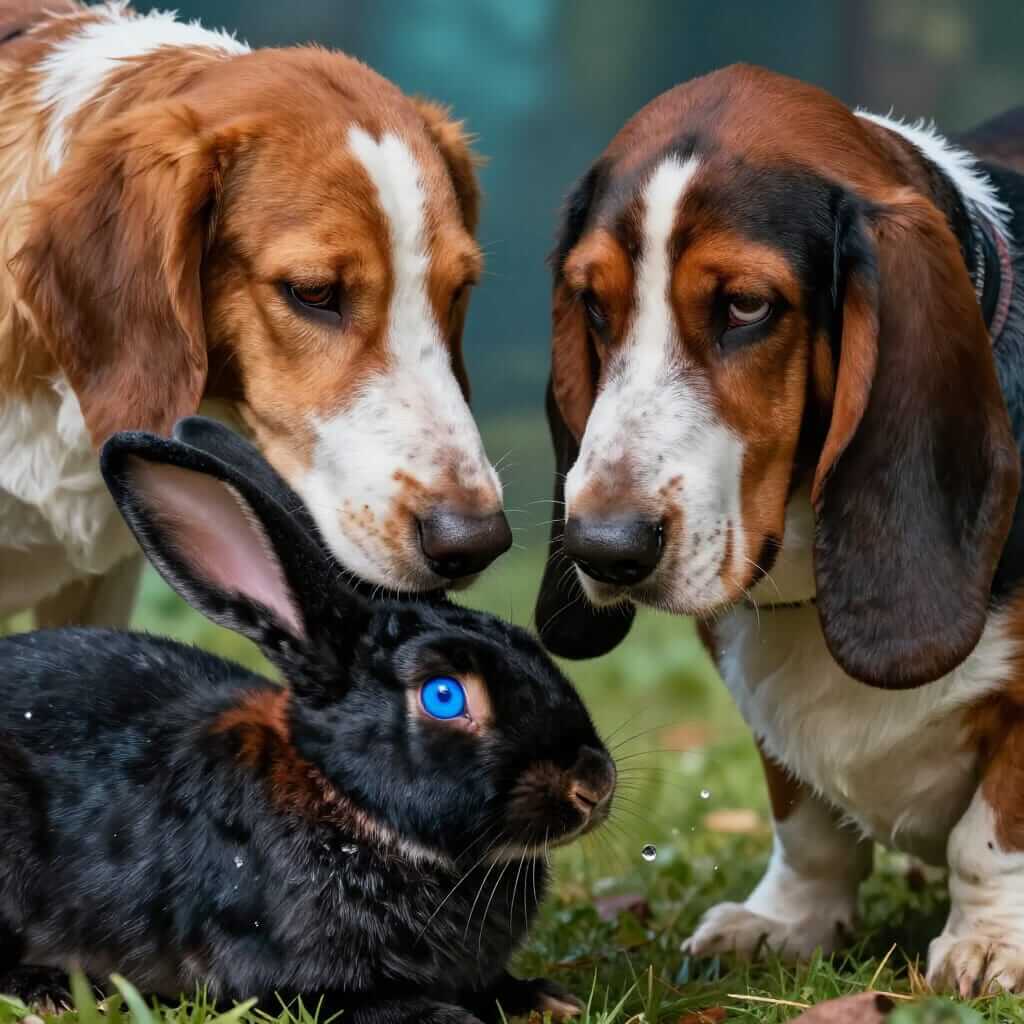

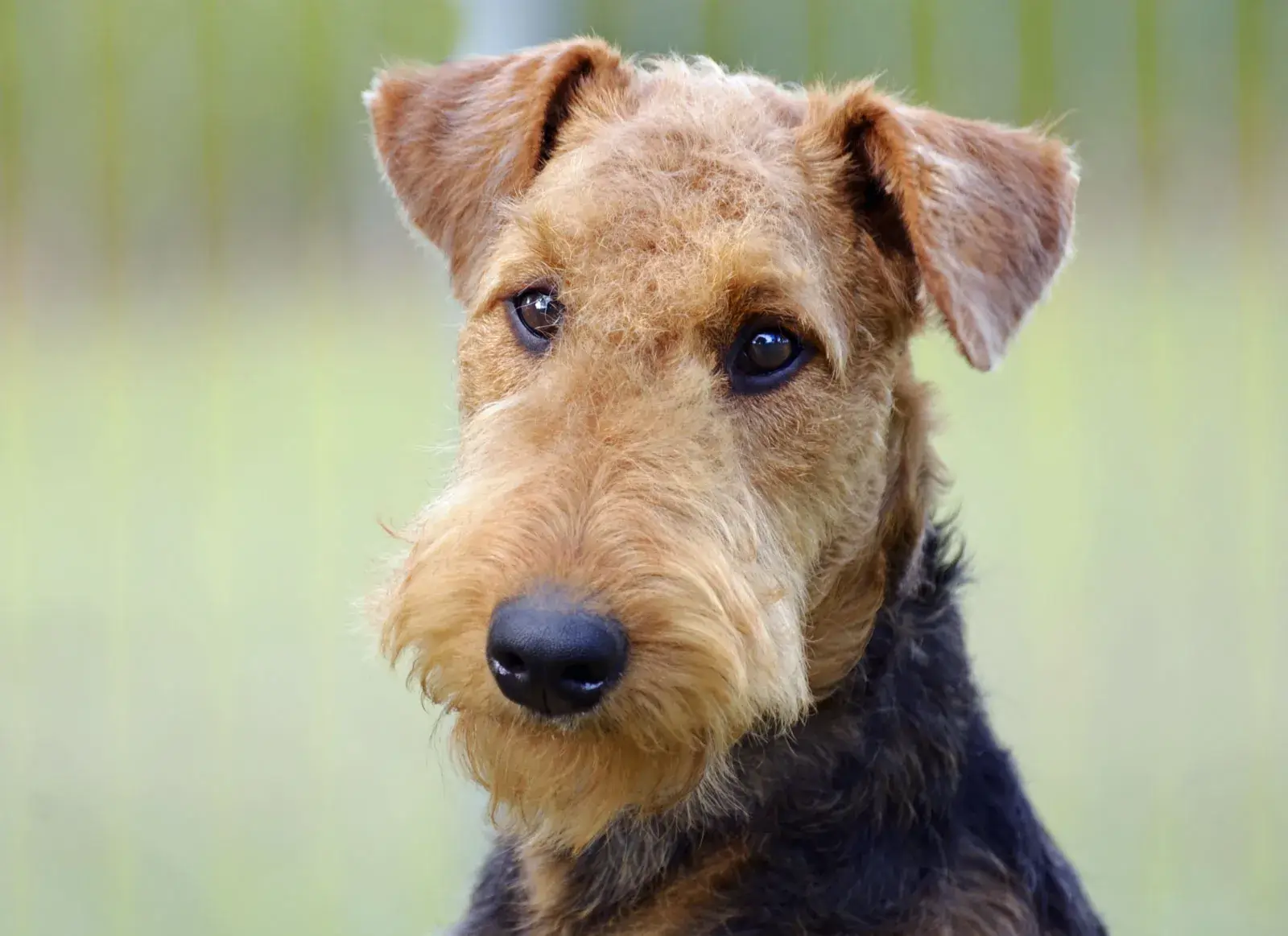
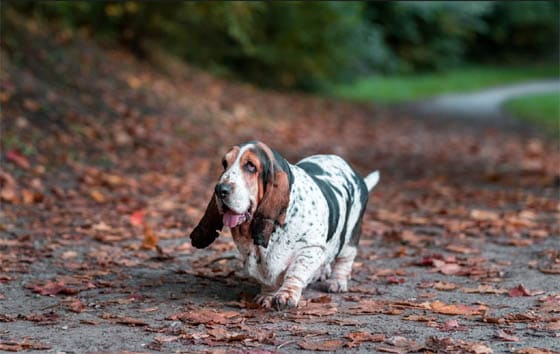
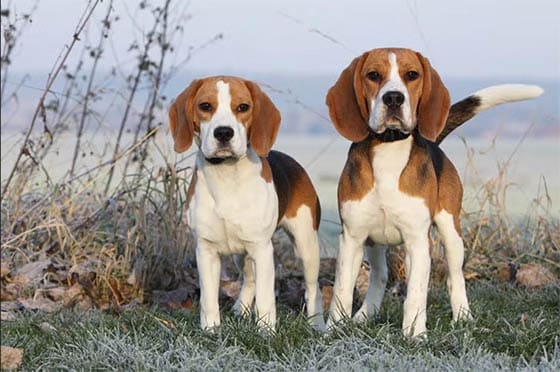
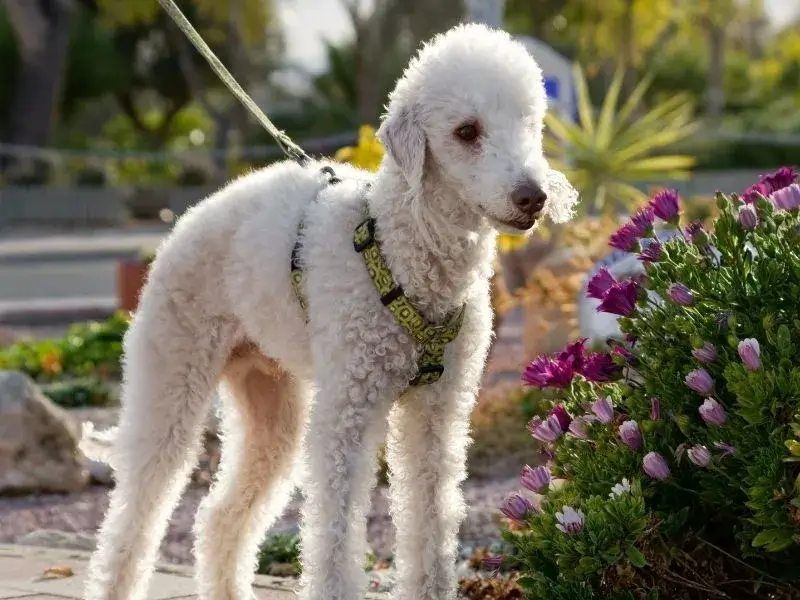
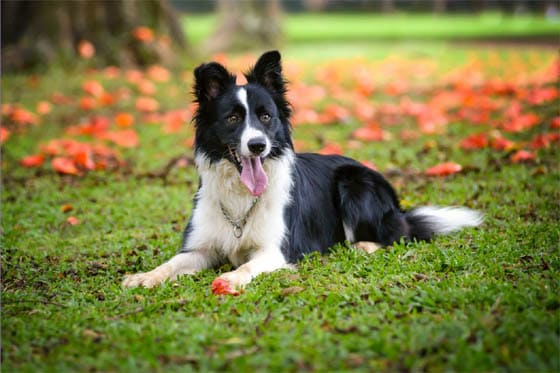

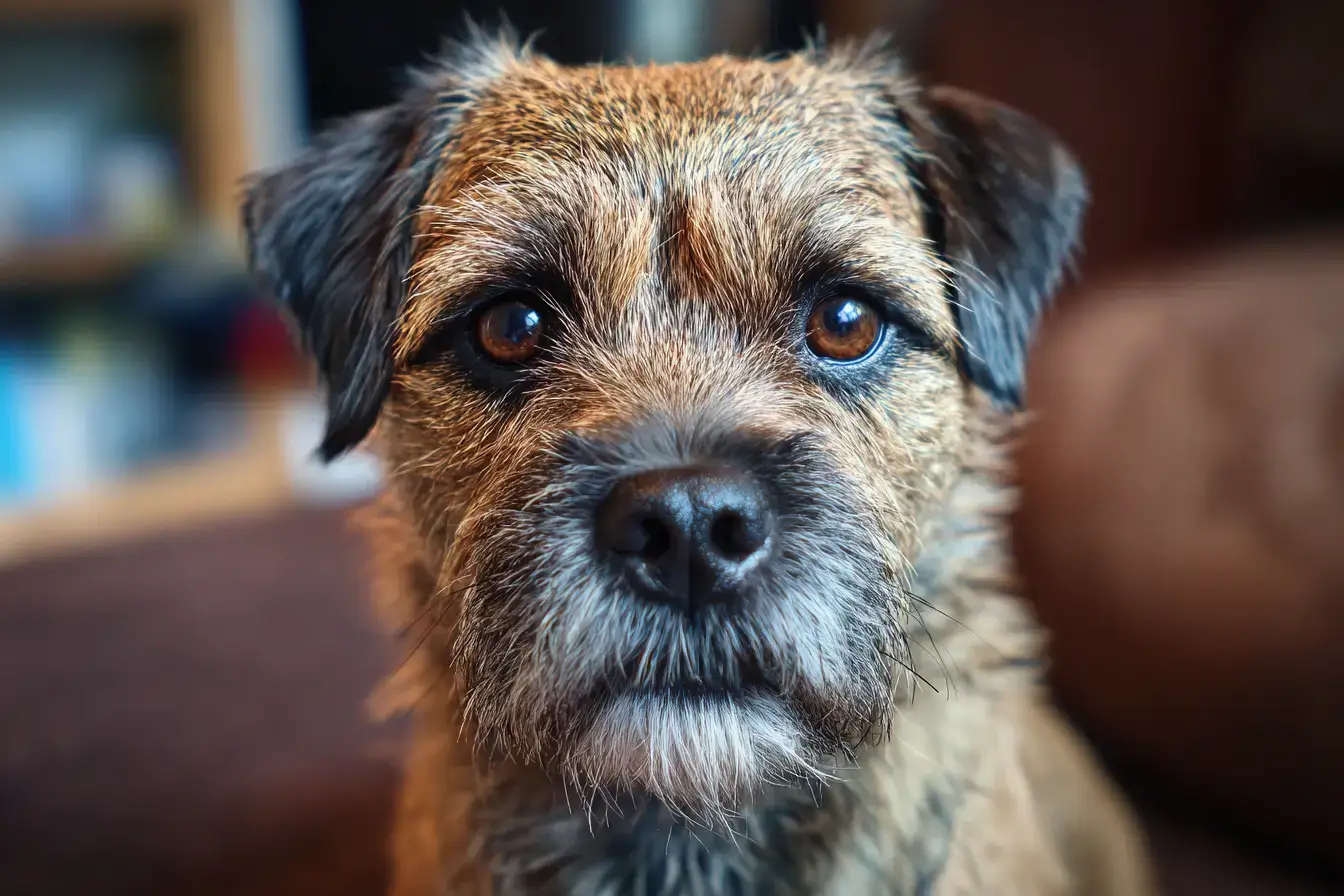
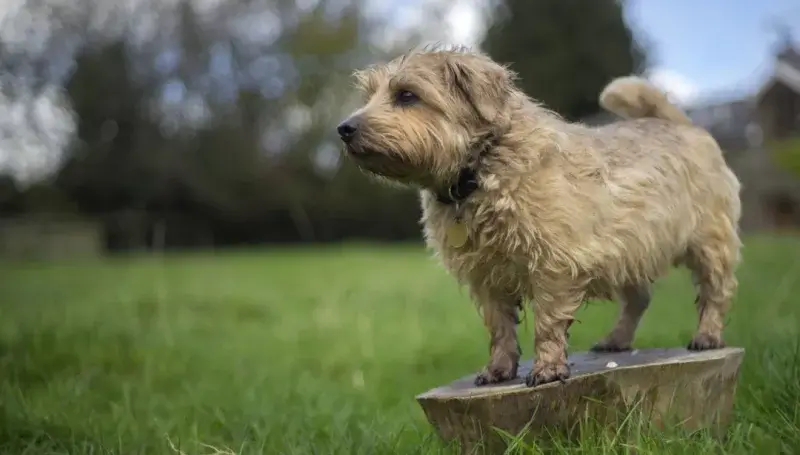
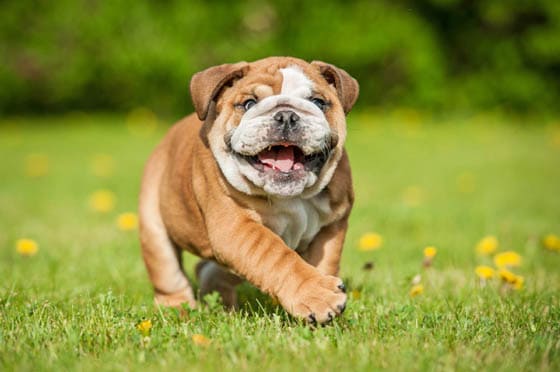
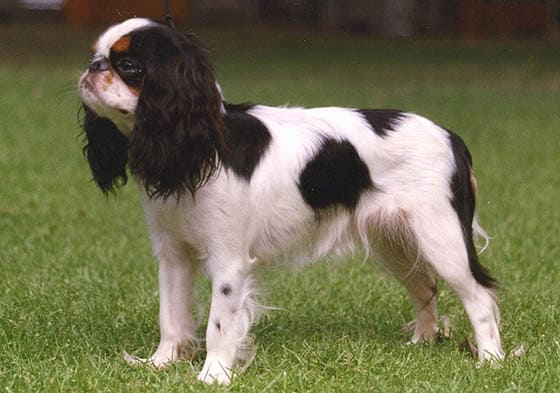
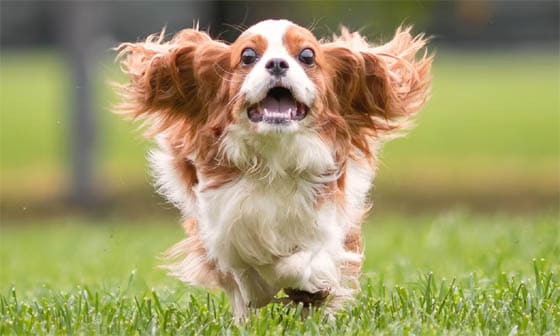

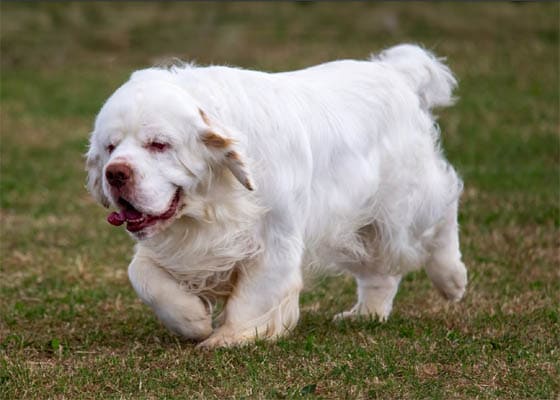
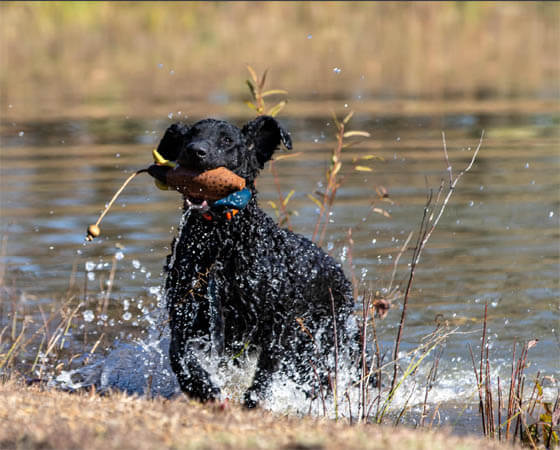
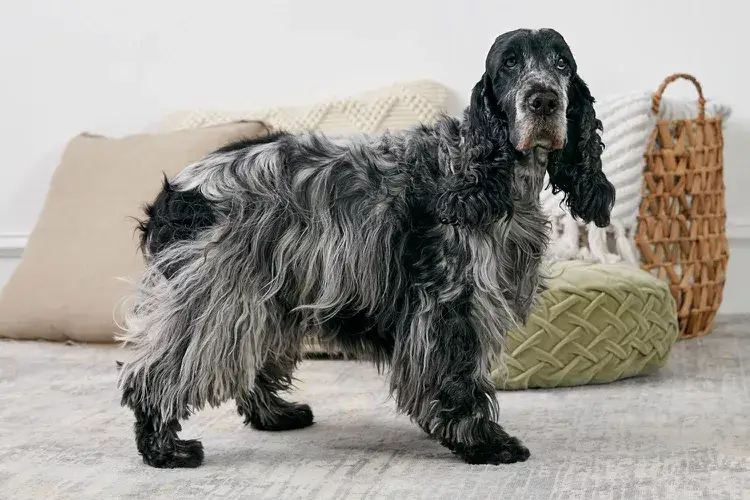
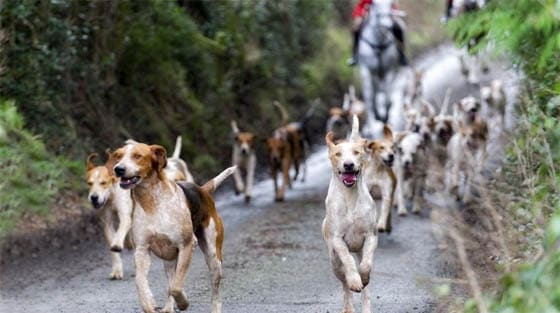
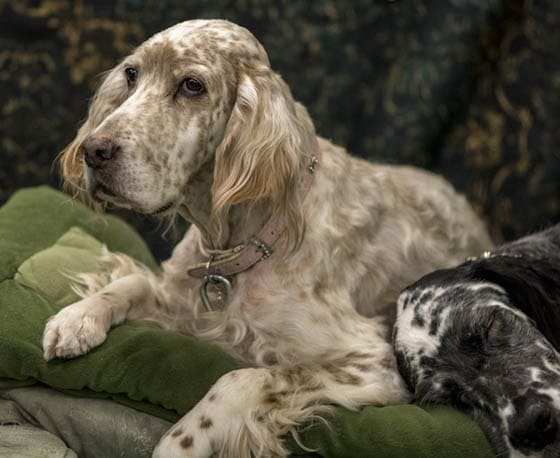
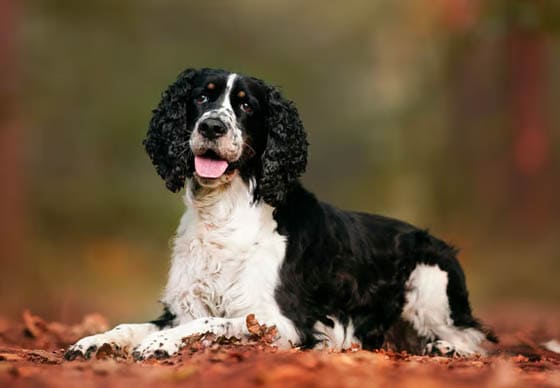
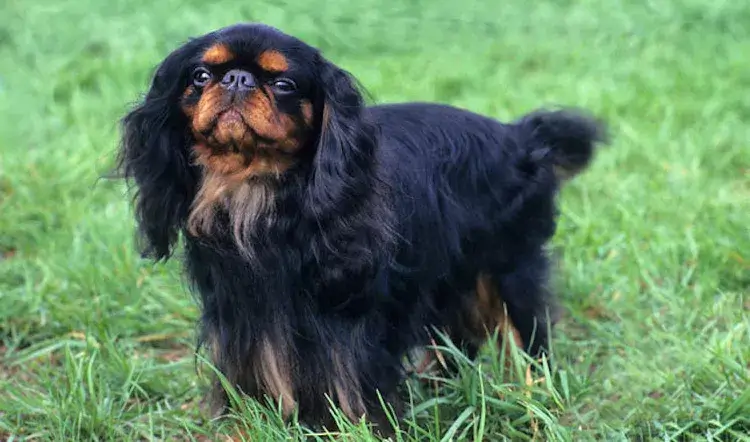
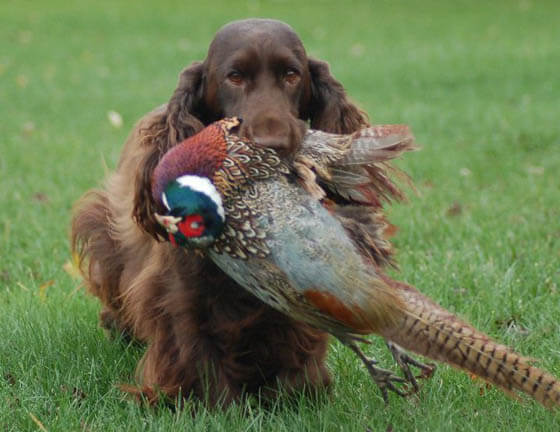
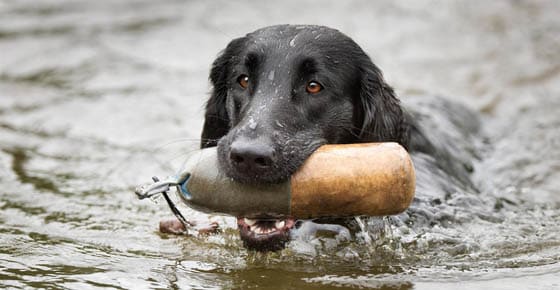
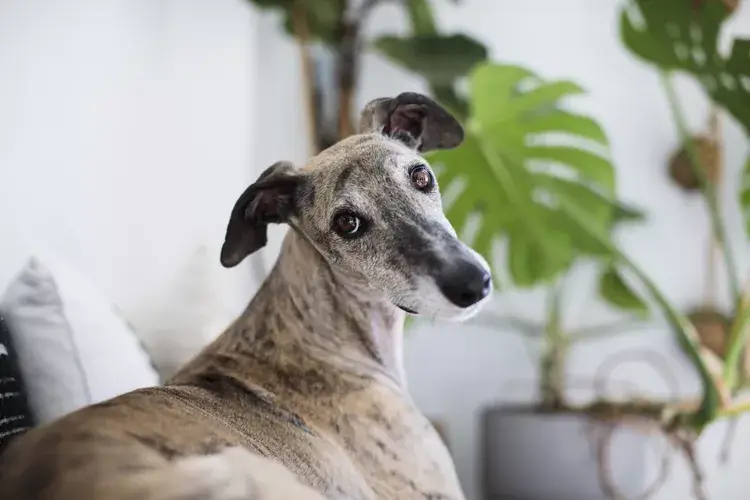
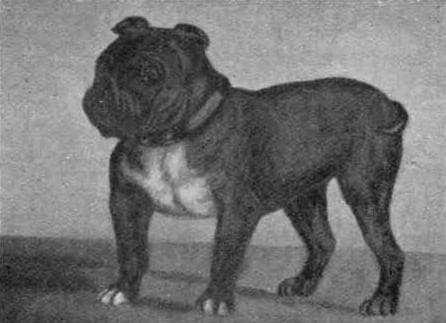
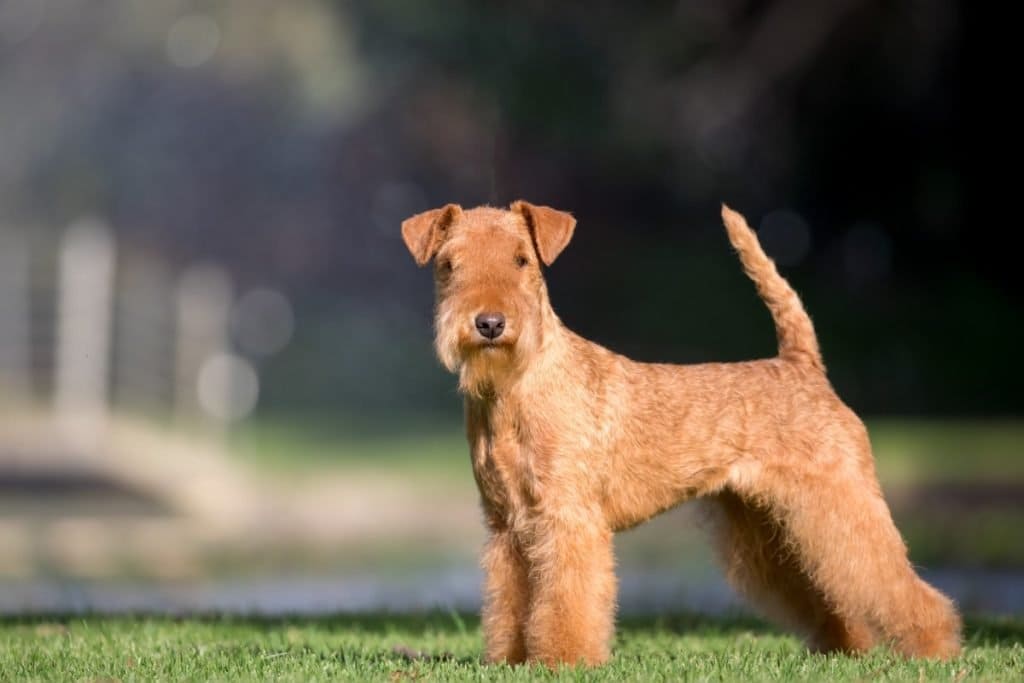
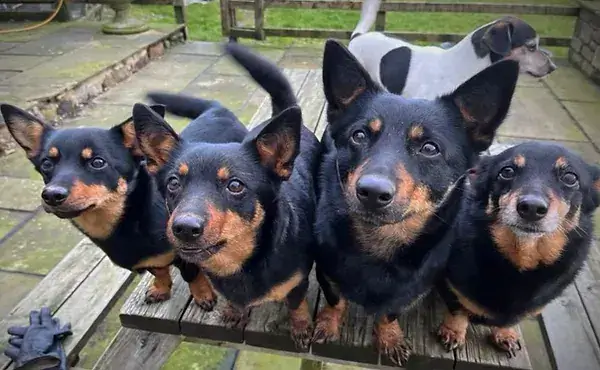
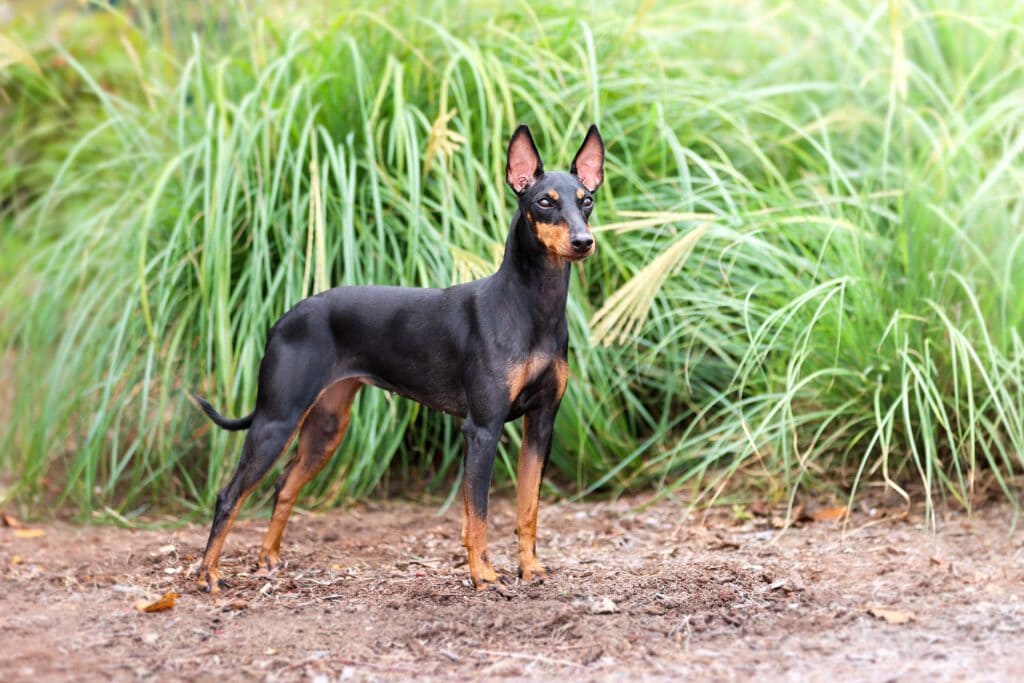
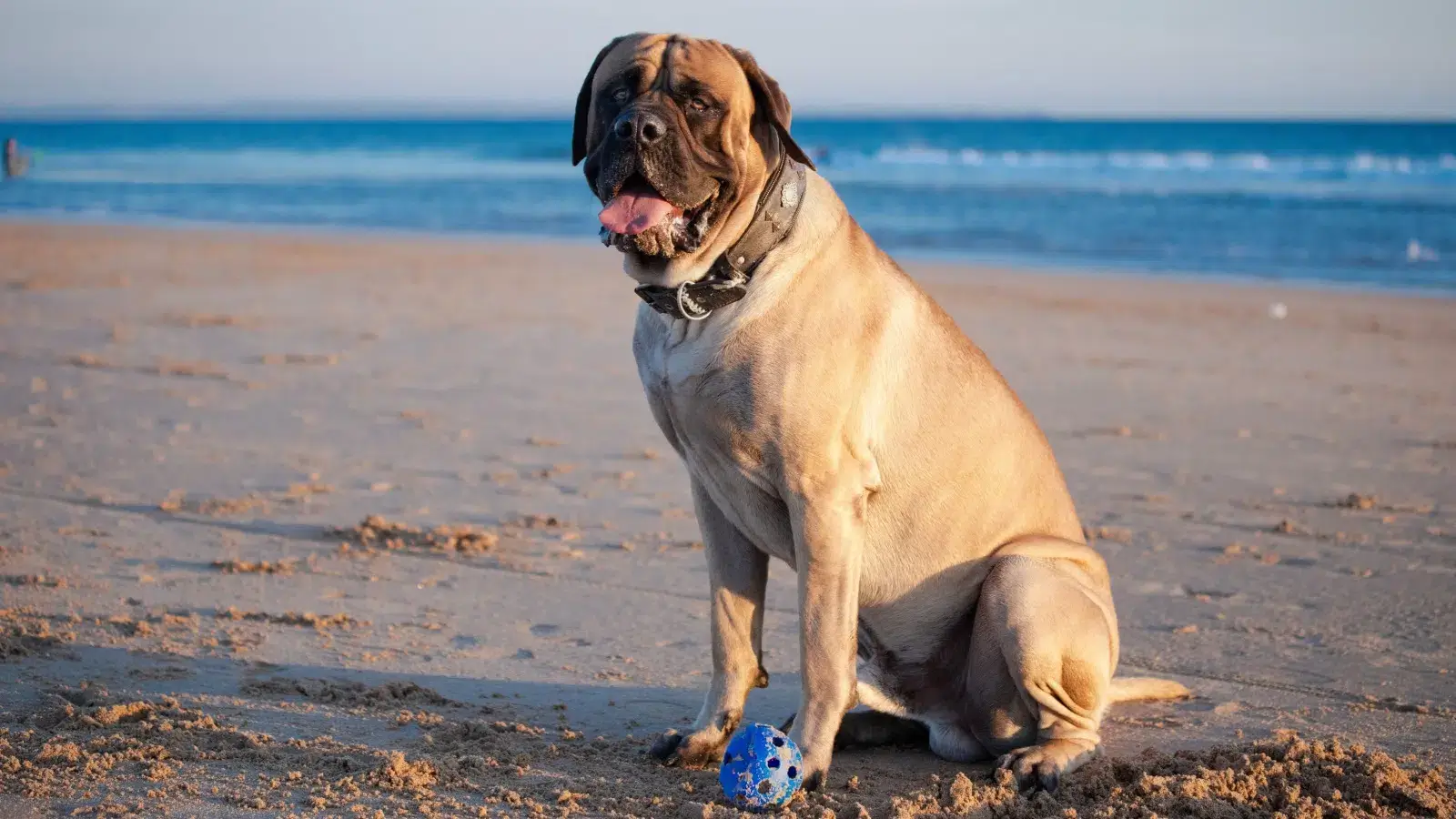
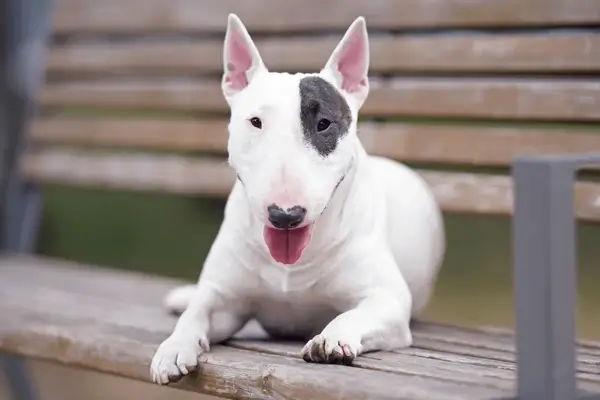
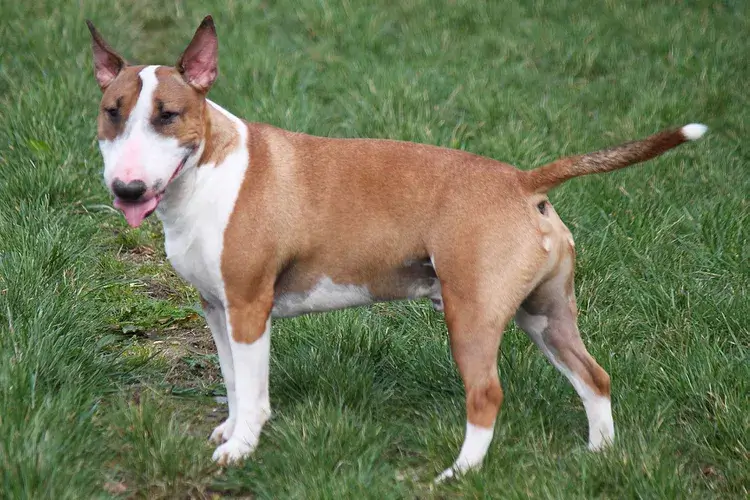
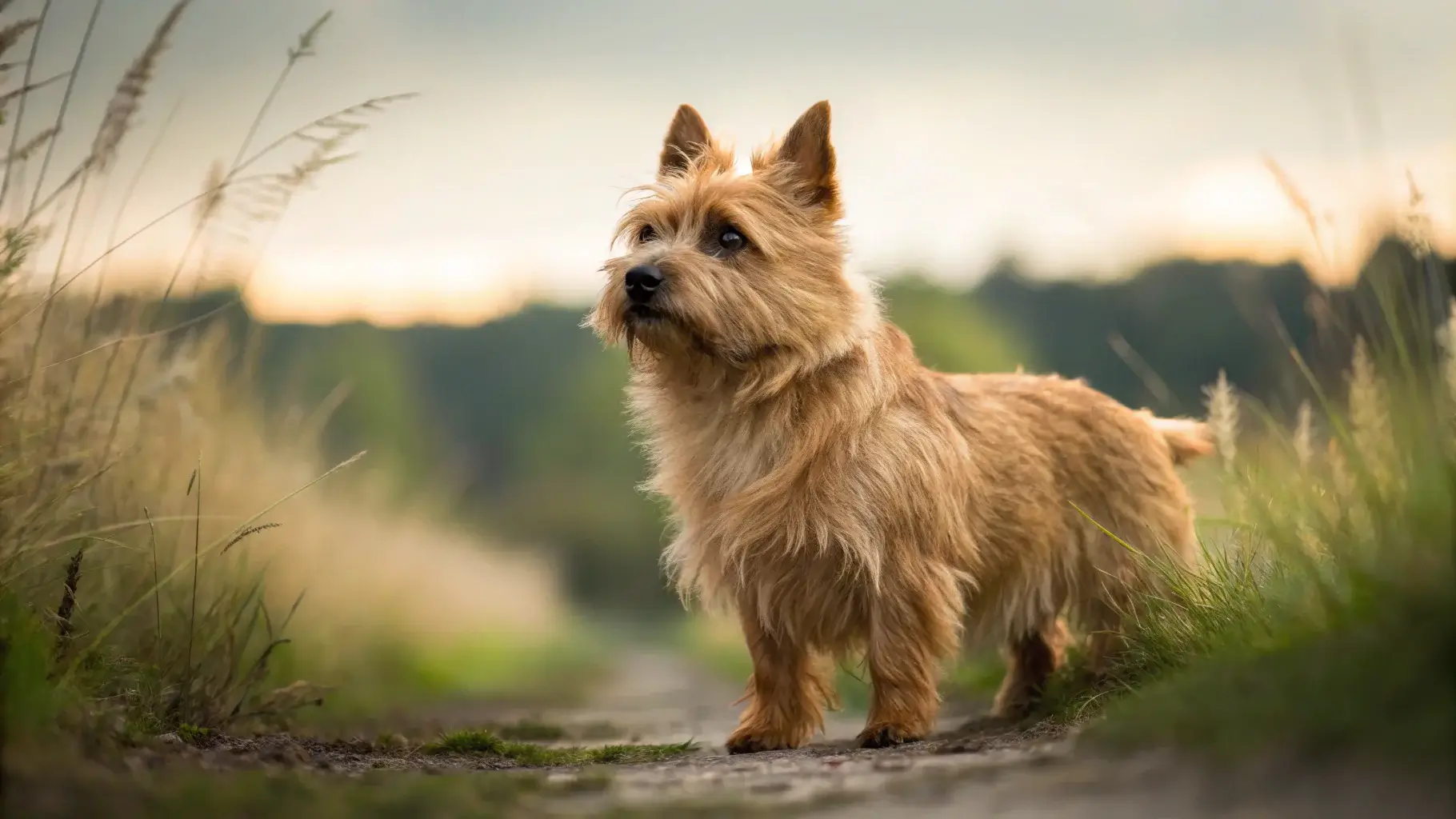
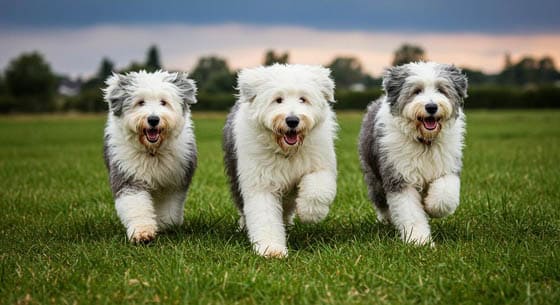
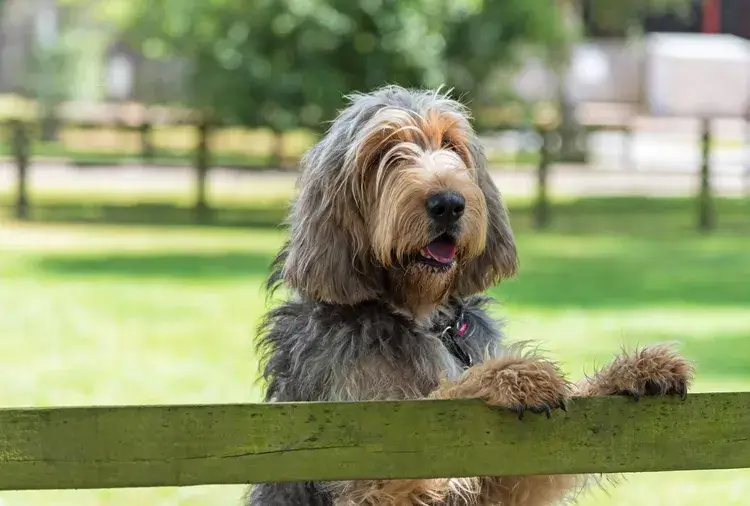
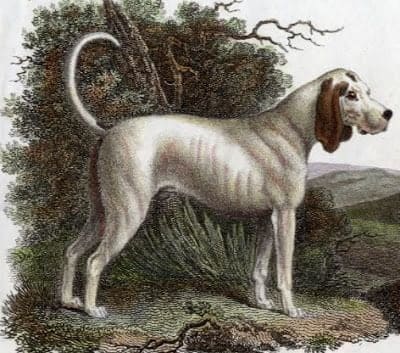
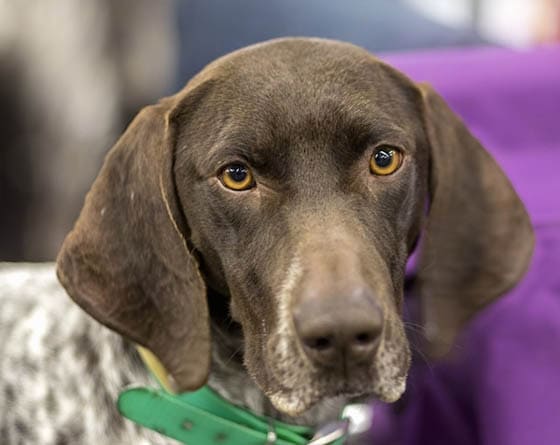
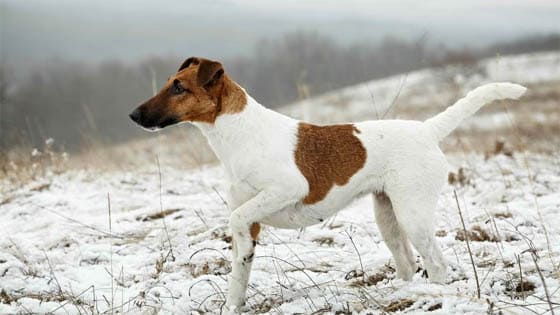
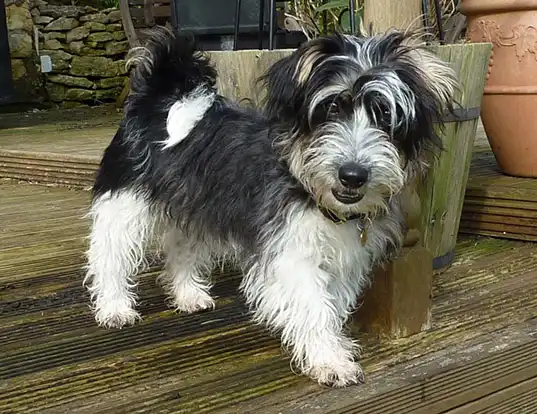
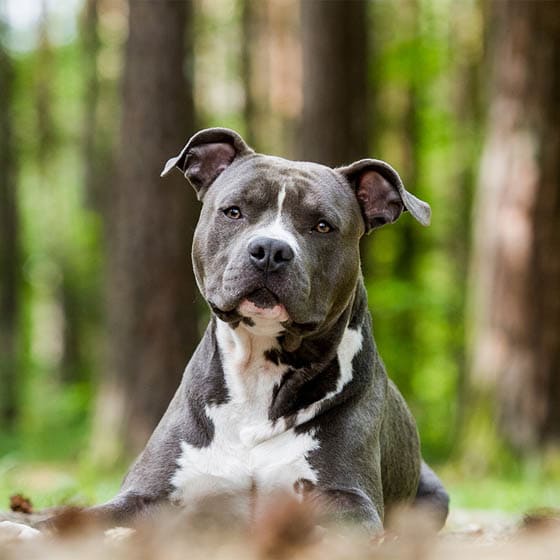
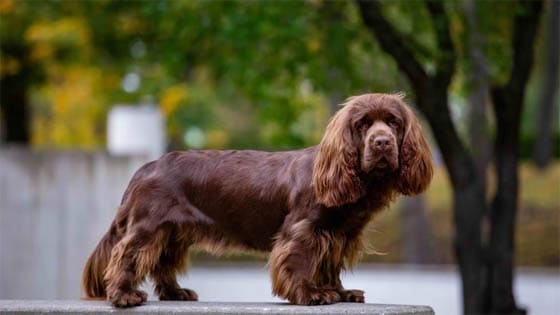
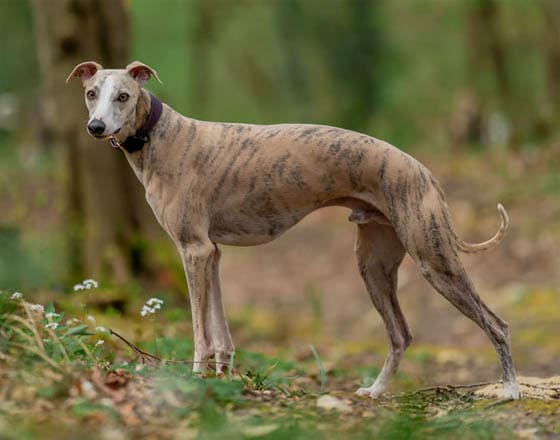
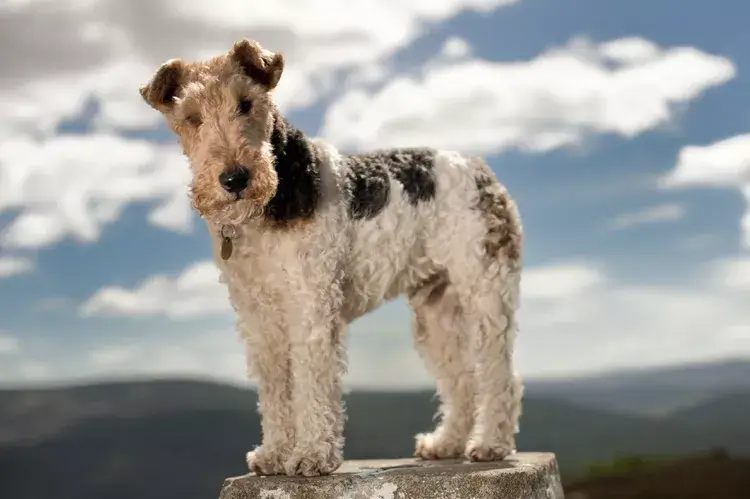
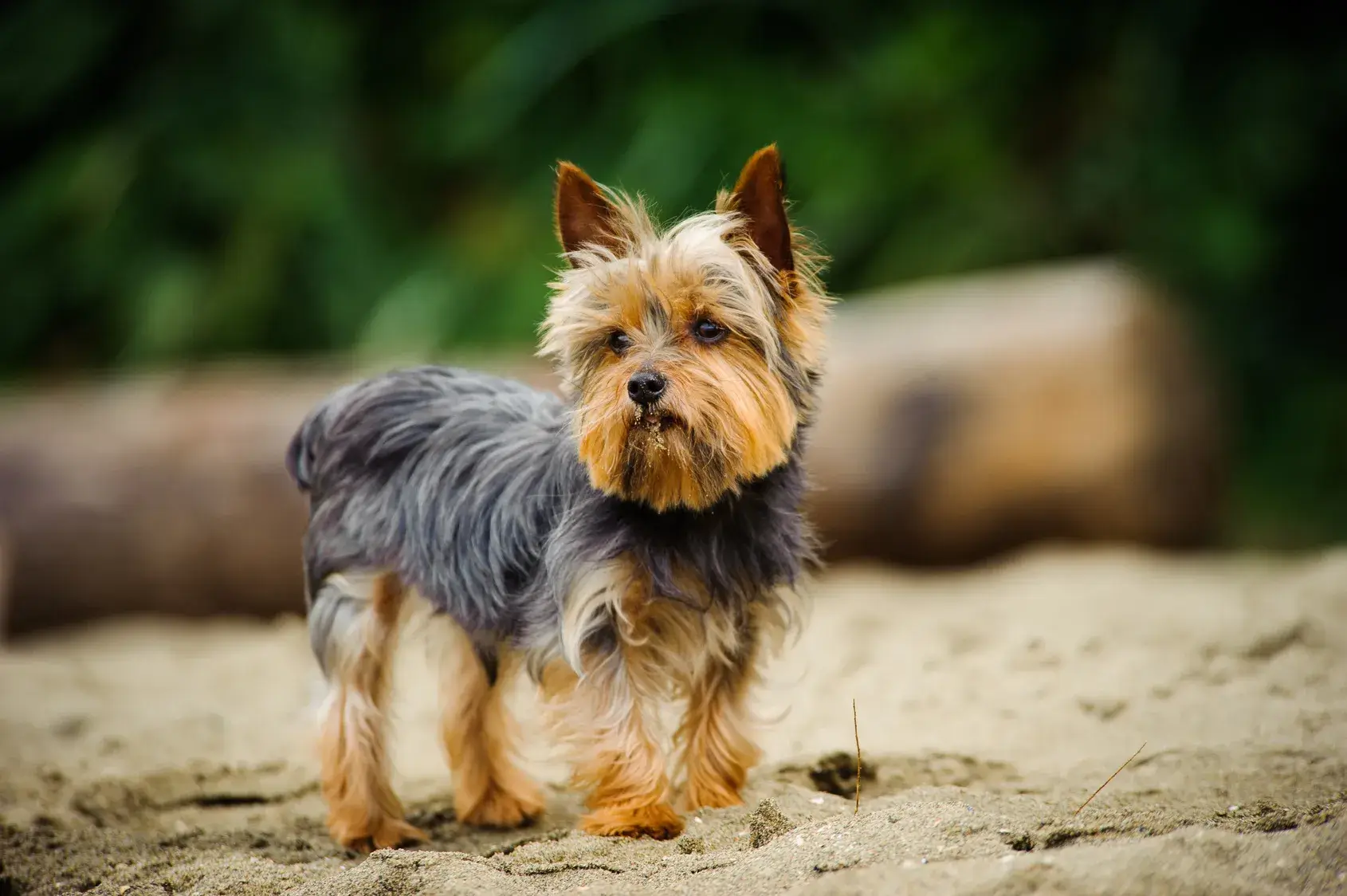
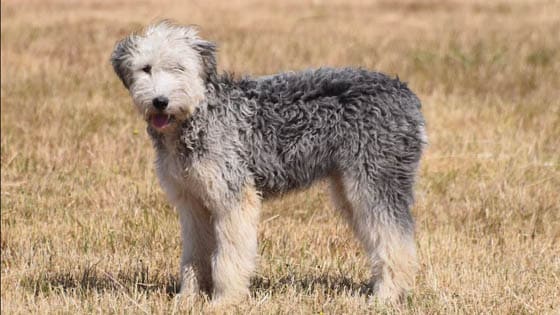
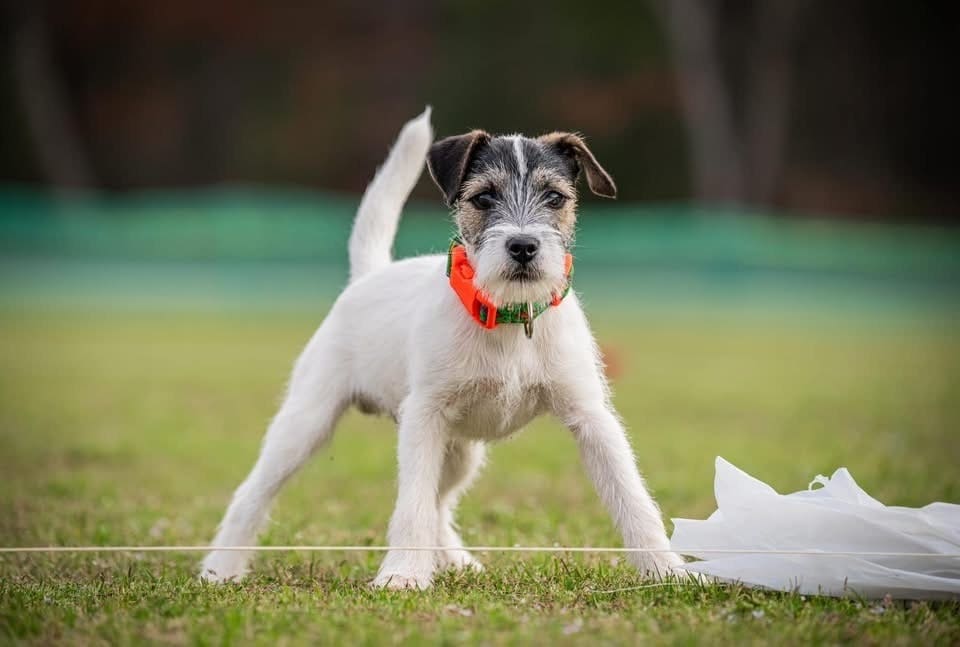
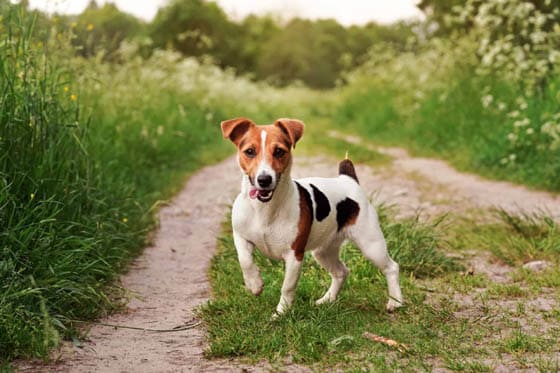
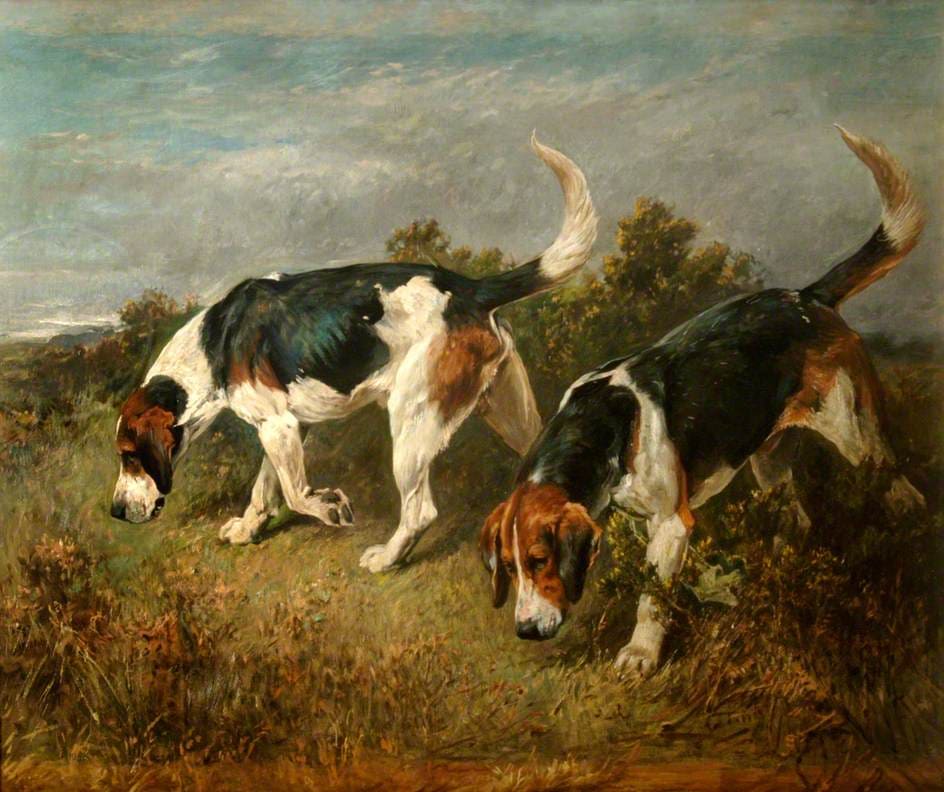
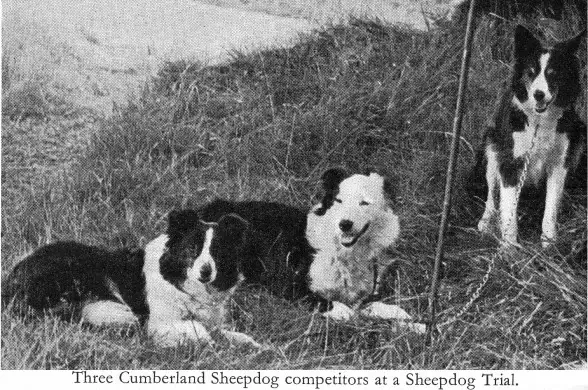
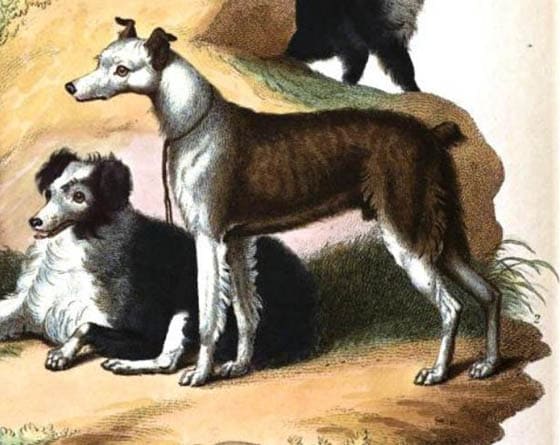
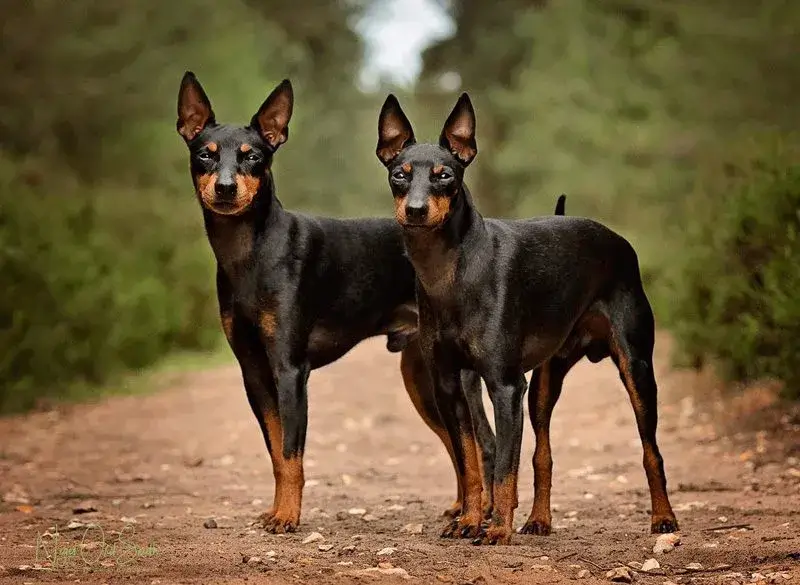
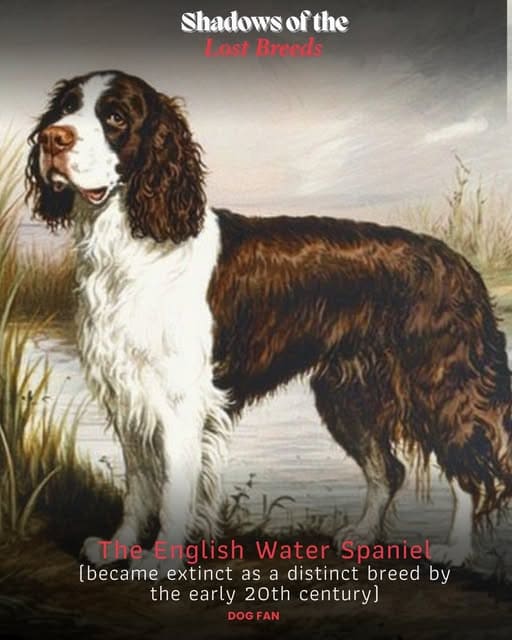
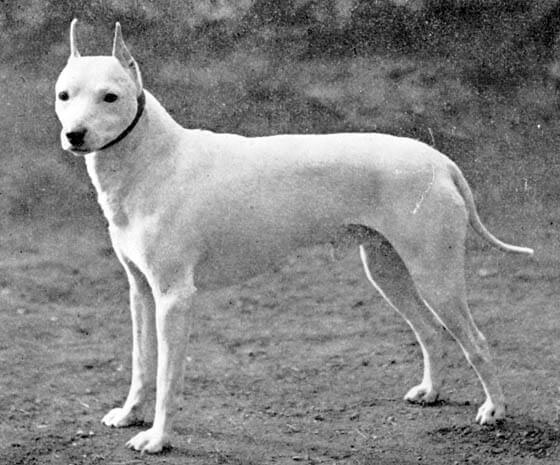
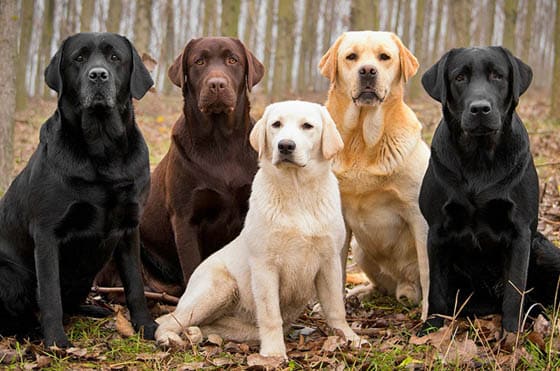
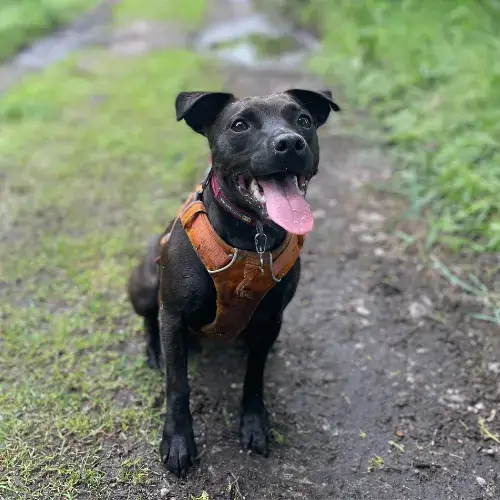
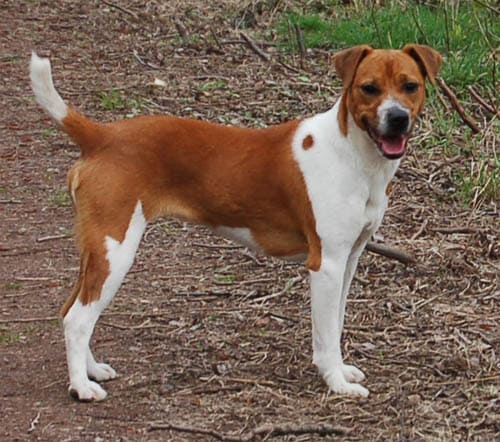
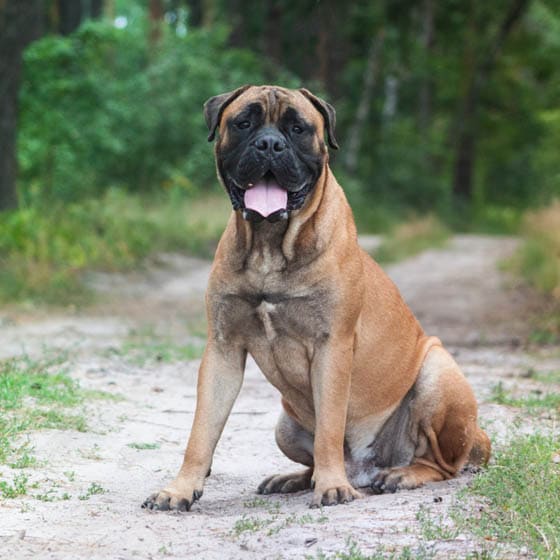
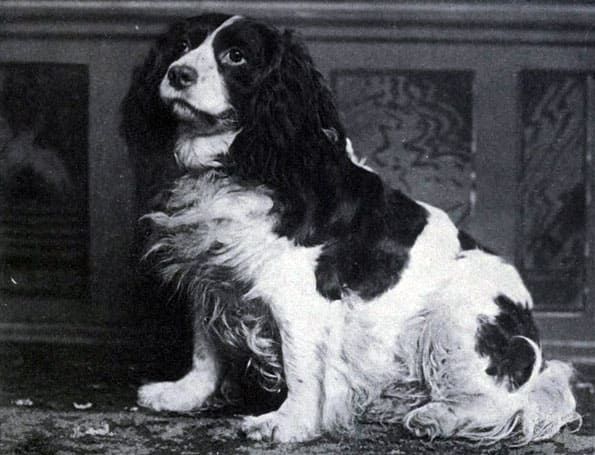
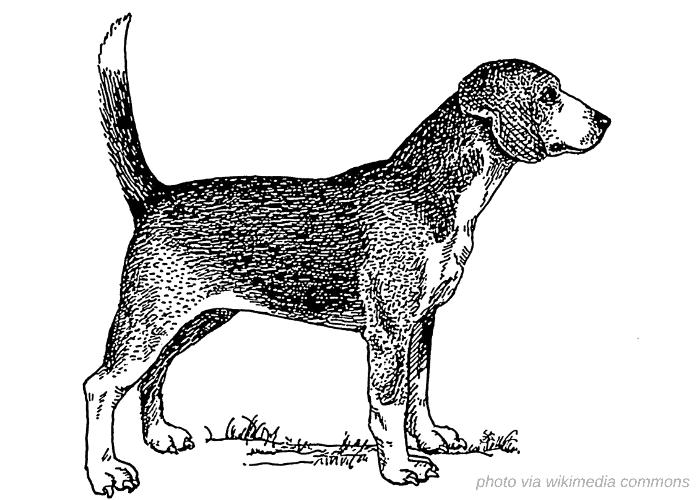
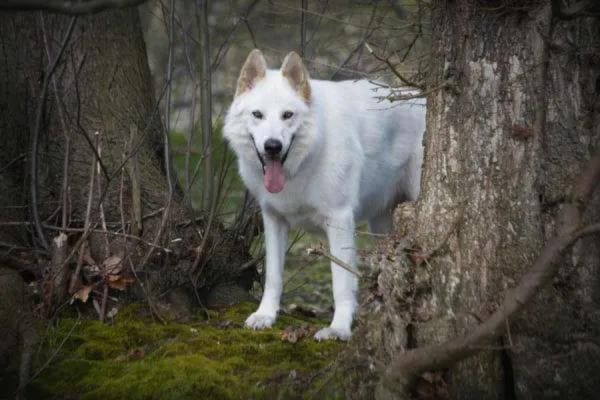
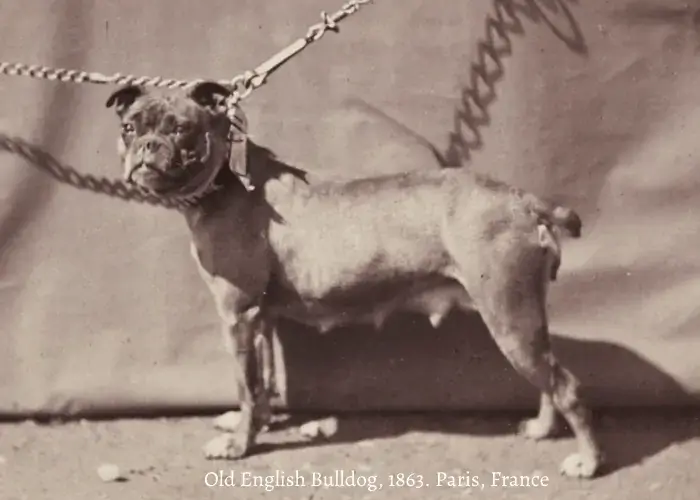
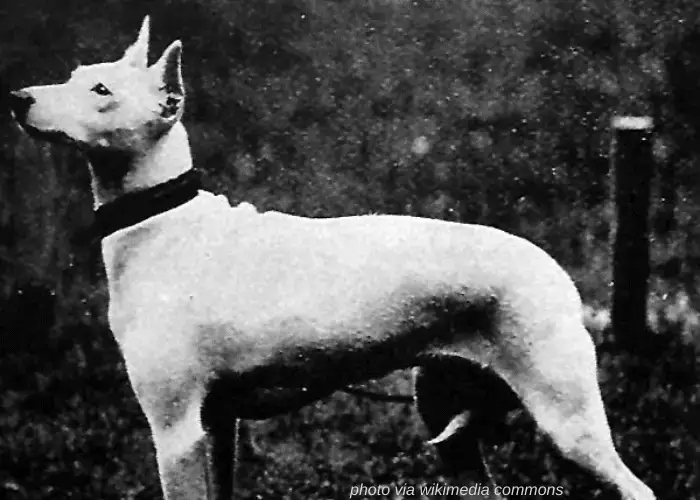
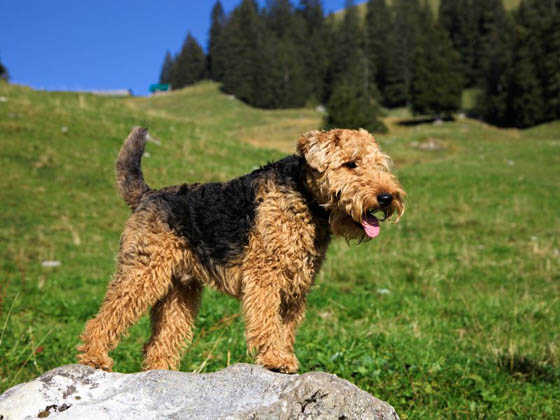
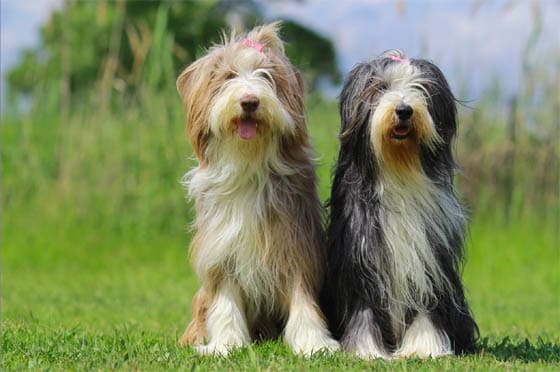
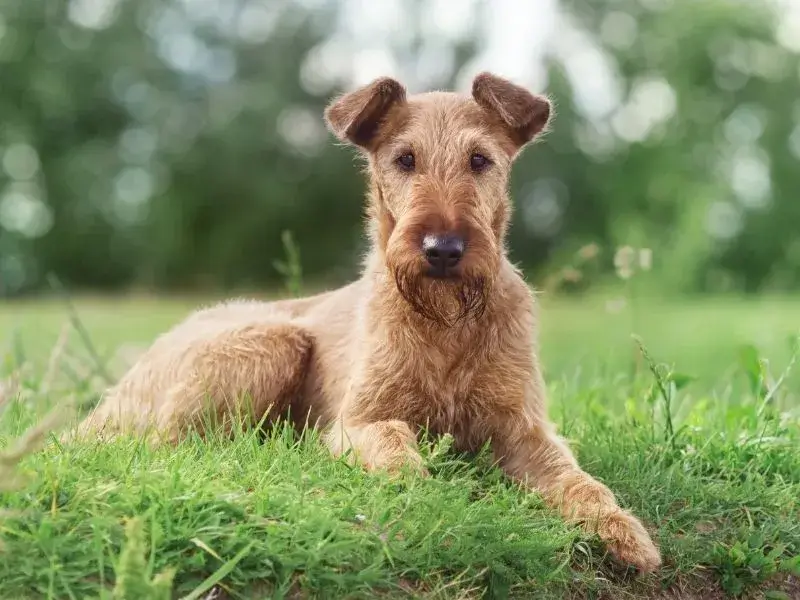
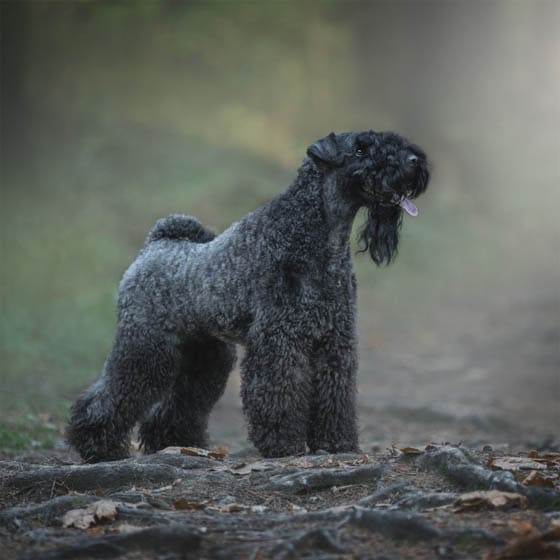
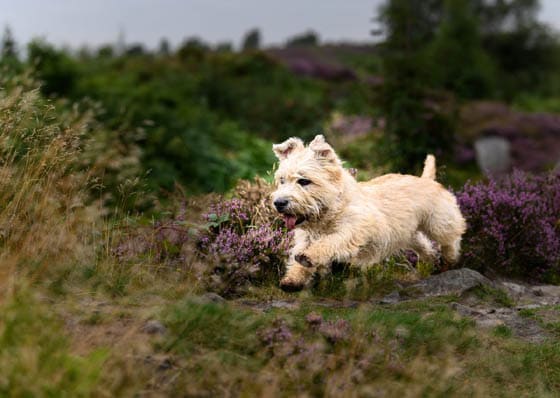
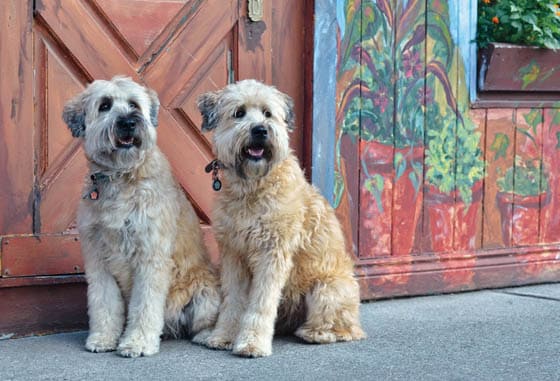
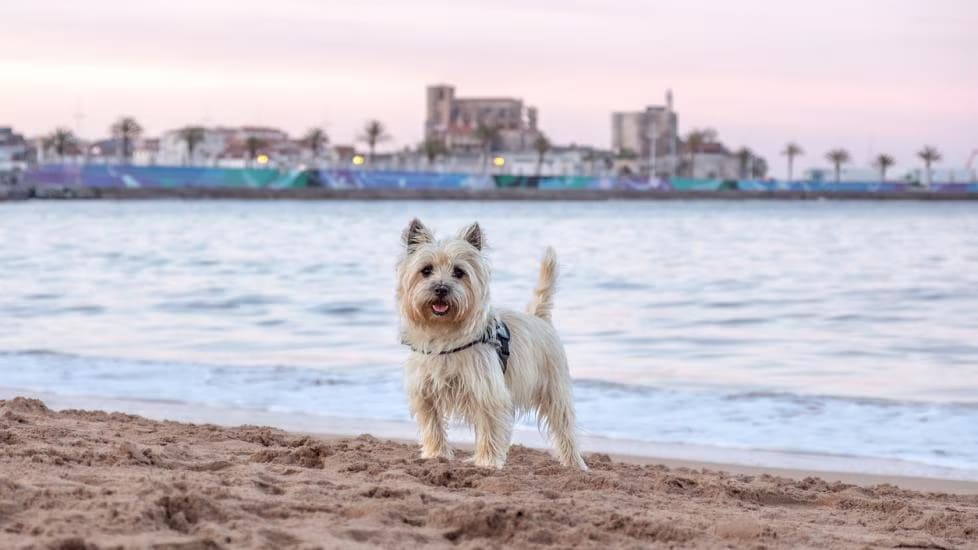
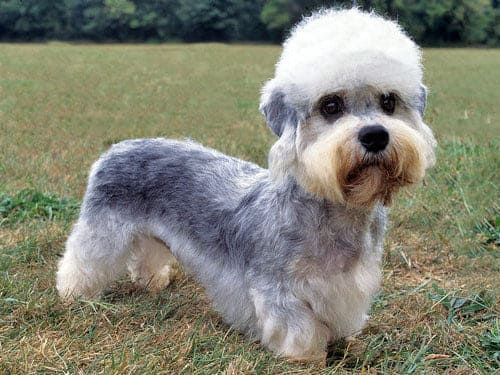
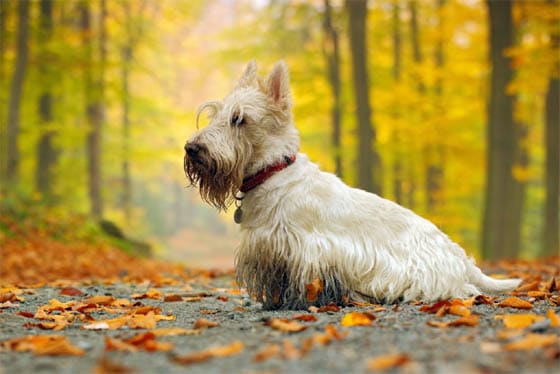
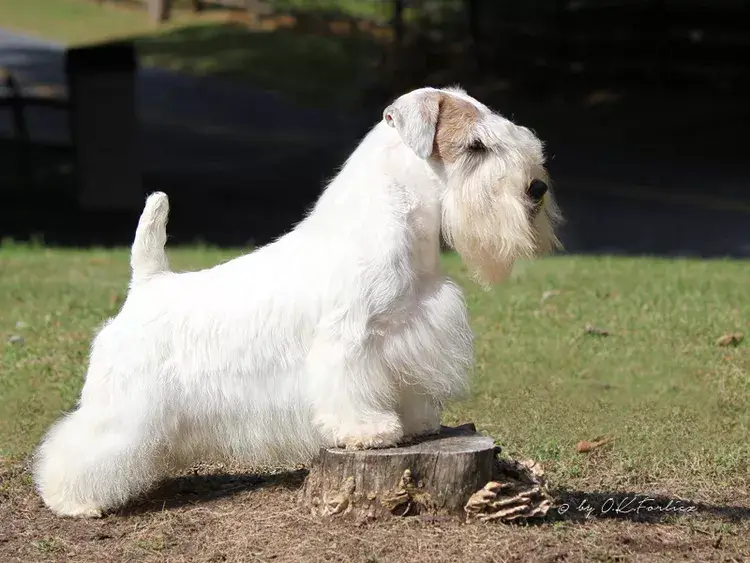
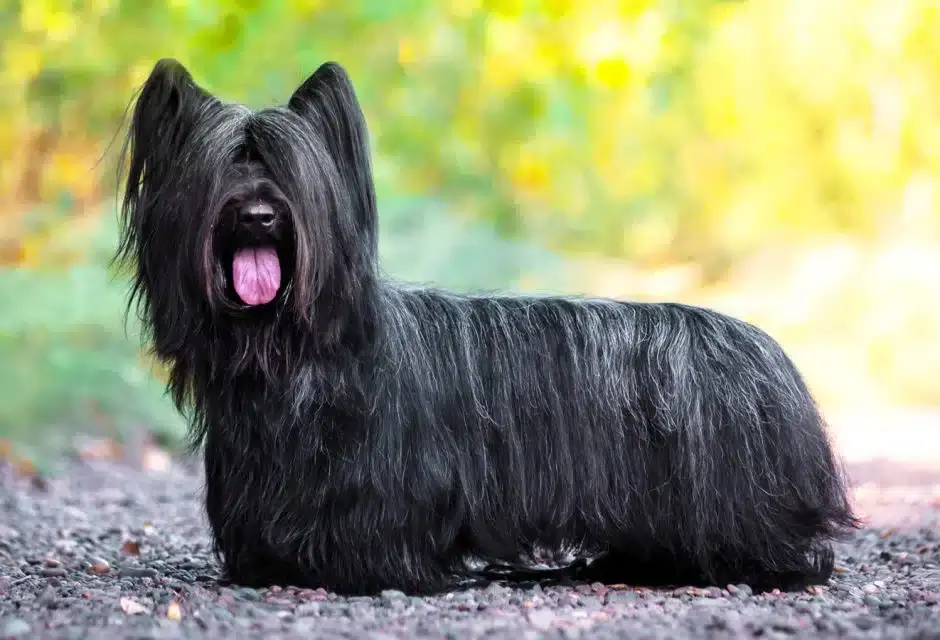
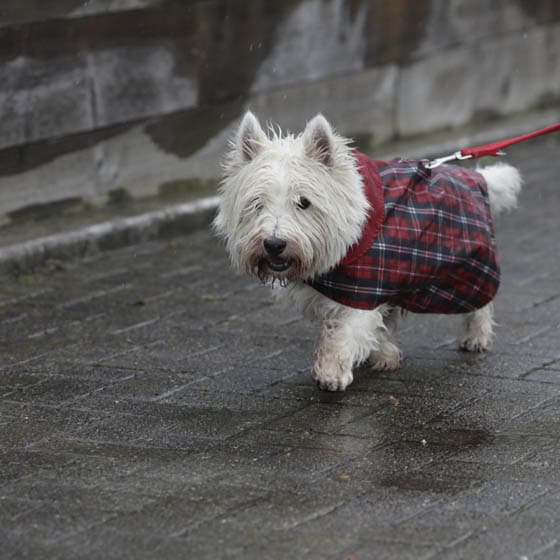











WORLD OF DOG & PUPPY 🐶