77 Brindle Dog Breeds: Photo, Characteristics, Temperament Popular Brindle Dog Breeds Striped Dog Breeds Tiger-Coated Dog Breeds Rare Brindle Dog Breeds Brindle Dog Names
There is no specific breed of dog that looks exactly like a tiger in all aspects. The tiger-stripes present in the coats of many dogs is just a color pattern across different species. These dogs with tiger-like stripes are categorized as brindle dogs. Brindle, controlled by the K2 allele on the K-locus, causes dark stripes over a red or tan base pigment.
Brindle is a specific coat pattern that only occurs in a small number of dogs. A dog typically must have two of the brindle genes in order to present with a brindle coat. While many dogs tend to resemble wild wolves, some breeds bear a closer resemblance to the regal tiger - when it comes to their fur color, at least. Brindle dog breeds have unique stripes setting them apart from solid-colored or spotted pups.
Stripes or streaks of color on a dog are signs of a unique brindle coat. Brindle dogs are very diverse, with no two looking exactly the same. Despite their unique beauty, brindle-colored dogs can be less popular, sometimes leading to longer shelter stays. In simple terms, a brindle coat pattern refers to stripes or streaks of color, most commonly black hairs streaked within a red base coat color.
A dog's brindle coat can come in two ways - brindle or reverse brindle. Both are absolutely stunning in color. It is similar to the tortoiseshell coloring for cats, but just reflective in dogs instead. They can also come in several brindle color types, which include blue brindle, red brindle, fawn brindle, brown brindle and a mixture of white with any of the four.
The brindle coat has been around as long as dogs have been running around on the earth. The Brindle color coat is one of the recessive genes on the K locus . It is charactarized by either having black coloring and stripes on an orange background where the orange occasionally peeks through, or light stripes over a darker background or coat, almost resembling a tiger's striped coat in some ways.
It is similar to tiger stripes, but the "streaking" pattern may not be as distinct as tiger stripes and may appear "muddy". Essentially, if a dog has stripes, they are sporting a brindle coat. But some brindle dogs may have the streaking pattern across their whole body, while others only have patches. Brindle-colored dogs are the result of complex genetics that allow the same genes to produce different colors, so no two brindle dog breeds appear the same, and there may even be variance within a specific breed.
The Mountain Cur is a fiercely loyal, intelligent, and hardworking hunting dog. Developed by early American pioneers in the Appalachian region, these medium-to-large dogs generally stand 16–26 inches tall, weigh between 30–60 pounds, and are prized for their exceptional stamina and high prey drive. These dogs love the great outdoors and are ideal for pet parents who like to explore nature and stay active. A litter of mountain curs may look completely different from pup to pup, but brindle cur dogs are a common manifestation of the breed. Active and alert, the mountain cur is compatible with energetic families down to have a canine companion on their adventures. However, their need for physical exercise and their tendency to be reserved with strangers, means they are not for everyone. Mountain curs are protective of their humans and constantly want to please. Due to their protective nature and their fierce loyalty, they can be reserved with strangers. However, once they warm up to a stranger, they are just as friendly with them as they are with their family.
Being avid hunters, mountain curs have a high prey drive, so they may not be suitable for families with other small pets or small children. But they're affectionate, low-key, and surprisingly not as common as their sweet personalities would suggest. Mountain curs require vigorous daily exercise in order to maintain their physical and mental well-being. Aim to give your pet at least an hour (or more) of active play a day. Good activities for these dogs include: Running, Hiking, Swimming, Fetch. Additionally, outdoor sports and hunting can provide well-rounded stimulation, provided your dog is properly trained in those types of environments. Mountain curs are highly intelligent and can be trained for a variety of tasks, so they require daily mental stimulation. This can be by way of a job or task, such as accompanying hunters while they are out searching for small game, chores around the home or farm, or even puzzle toys and feeders. Considering they were originally bred as working dogs, loud barking is to be expected. The good news is Mountain Curs are unlikely to let out a loud bark unless provoked. They primarily like to warn their family whenever a stranger is approaching. However, they could be barking due to a lack of mental stimulation, a need to exercise, or a missed meal.
Whatever the reason, be prepared for particularly loud barks that can be heard over vast distances. Whether an approaching visitor is a complete stranger or someone the dog has met before, they tend to treat all with suspicion until their owner greets the person. It’s a good idea to get in the habit of greeting visitors in front of your Mountain Cur so that they can relax their standoffish instincts. If you do not greet the visitor, a Mountain Cur dog will stand its ground, showing fearlessness in the protection of its family. They are very dedicated to their owners and do not like it when their family is not at home. This is not necessarily due to separation anxiety but more to do with their desire to protect at all times. Their personality could also be described as motivated, given that they’d rather spend the day tending to farm tasks than lazing around. Mountain Curs are happiest when they have got a job to do.
The Treeing Tennessee Brindle is a purebred dog that is described as being quite rare. They have a distinct coat that is specific to the brindle dog breed. These dogs have a special ability to chase prey up trees and keep them there until hunters catch up. For this reason, they have mainly been bred as hunting dogs used for picking up and following scents of game. Apart from being used as a hunting dog, the Treeing Tennessee Brindle breed of hound is actually known for being quite affectionate towards people. They are high-energy dogs that require a lot of daily physical activity. The Treeing Tennessee Brindle is an intelligent breed that will enjoy learning new tricks and being trained. Their instinct to hunt means that they enjoy chasing things whether that is prey that they are tracking or just a ball in the park. Because the Treeing Tennessee Brindle likes to spend a lot of time running around, they are not described as being a good apartment dog. They work better in a home that has a large garden for them to run around in.
These dogs are affectionate in nature and full of energy. Although they have been used for hunting, these dogs are anything but aggressive and make great loyal companions to families of all shapes and sizes. These dogs are best trained in a large outside area that is fenced off. This will prevent them from picking up a scent and running away from you. Training this breed is not too much hassle due to their intelligent nature and enjoyment of mental stimulation. Although the treeing Tennessee brindle is still predominantly used as a working dog for hunters, this is a playful and energetic pup that can make an excellent pet for active families. This dog is bred specifically for tree hunting skills. The dog will track the scent of an animal and chase them up into a tree to make it easier for the hunter to access them. The treeing Tennessee brindle has a loud, baying bark which is used to alert the hunter that they successfully found the quarry.
There are a variety of activities that you can enjoy with this breed, which is suitable for active households. The treeing Tennessee brindle will suit a family that enjoys hiking and spending time in the great outdoors because the breed loves to be active. This dog is also intelligent and eager to please and known for enjoying competitive dog sports like agility. Of course, if you want to get involved in scent work trials, the treeing Tennessee brindle would make an excellent partner for this activity. Like all dogs, the treeing Tennessee brindle will benefit from proper training and socialization starting in puppyhood. Use positive techniques and rewards, and be consistent and patient in your approach to get the best results. This dog should be trained to stay on-leash and to come when called. Their high prey drive can make them dart off when they spot wildlife, so care should be taken to ensure this does not happen. The treeing Tennessee brindle is an expert vocalizer. The dog has been bred to alert a hunter that they have trapped their quarry. The dog's tendency to bay and howl can be common in the home environment too. You may need to work on rewarding quiet behavior to ensure this natural tendency doesn't get out of control.
The name Africanis is a portmanteau of the words "Africa" and "canis". The Africanis is an ancient, natural southern African landrace dog known for its high intelligence, loyalty, and exceptional endurance. The Africanis is a natural landrace of aboriginal dogs native to Southern Africa. Known for their slender, muscular builds, high endurance, and disease resistance, they are highly independent, intelligent, and loyal watchdogs. Africanis dogs are known for their adaptability, intelligence, and loyalty. They require minimal grooming but need secure, high fencing due to their strong roaming instincts Primarily a hardy, medium-sized guardian and hunting companion, it boasts high disease resistance, a 10–15 year lifespan, and a need for active, open spaces. The Africanis is an ancient, natural landrace breed from southern Africa, known for being highly intelligent, loyal, and hardy.
These medium-sized, athletic dogs are versatile hunters and guardians, characterized by a short coat, slender muscular build, and high endurance. Cooperative but not subservient. They are naturally wary of strangers and possess a strong functional prey drive, but are deeply devoted to their families and pack. They are low-maintenance, affectionate, and suited for active families. The Africanis is very loyal and courageous with tremendous stamina. It is very playful and intelligent. Good with kids and very social
The Africanis has always been attached to human settlements in southern Africa. The dogs have been used to help herd sheep, goats and cattle, guard against predators and help their human companions in the hunt. While generally looked down upon by European settlers who preferred their imported dog breeds, the Africanis was held in higher esteem by Europeans in Africa than the Indian pariah dog was in India. Efforts have been made to protect, preserve and promote these dogs, and prevent them from being split into a number of different breeds based upon different distinguishing physical features.
African dog easily describes this nomadic classic shepherding breed, as historians with the AfriCanis Society believe it's a true representation of the continent's indigenous canines south of the equator. This breed is one of the few dogs in the world to evolve without interference from people. Friendly and faithful, these athletic doggos are naturally tribe-oriented and enjoy activities with their humans such as hiking and agility training. An Africanis dog can absolutely be brindle. Because the breed evolved naturally rather than being shaped by strict cosmetic standards, they have a wide variety of coat colors and patterns. Brindle is one of the more common and natural coat colors for this indigenous African breed, alongside fawn, brown, and black.
The Kintamani-Bali dog is an intelligent, independent, and fiercely loyal mountain breed native to the volcanic highlands of Bali, Indonesia. Officially recognized by the Fédération Cynologique Internationale, this agile guardian is known for its weather-resistant double coat, pricked ears, and curved sickle tail. Kintamani dogs can absolutely be brindle. The Kintamani dog comes from the cool, rough, and forested highlands of the Kintamani region. The active Mount Batur volcano dominates this area. This setting shaped the breed. It became the hardy and agile dog we see today. For example, their thick, double-layered coats keep them warm. They adapt perfectly to the cool mountain climate. This is a big difference from the coast’s heat. Local stories talk about their past. Some people believe they are descendants of ancient Chinese Chow Chows. These dogs arrived with traders many centuries ago. The Kintamani looks something like a mix between a Samoyed and an Alaskan Malamute. They have long hair, a broad face, a flat forehead, and flat cheeks like Chinese dogs, such as the Chow Chow or Shar Pei.
They are happy to live life as a pet or companion at the home, though many do not have formal owners or homes, and are routinely fed by good samaritans and locals. However, these dogs will live much of their lives out-of-doors, digging holes for shelter; some live in small caves among the boulders around Kintamani. Locally, they are considered "good-looking", attractive dogs, and quite desirable as pets. The Kintamani dog is gentle around people, yet retains enough assertive behavior to render it a noteworthy, but not vicious, watchdog. They are genetically very close to dingos, the wild dog of Australia, and bare a very similar resemblance. They are brave, agile, and alert, with a high degree of suspicion. They are known as reliable guards and will take good care of their owners. Kintamani dogs are incredibly territorial, and genetically are prone to attack. However, with correct training and trust in their owners, this is less likely to happen.
They are extremely territorial and don’t generally get along with other dogs or other animals, but they are also extremely devoted and can display intense loyalty towards their chosen owner. While these dogs make excellent watchdogs, they are often too vocal and energetic to make appropriate roommates in a small home or apartment type setting. These dogs generally have a rather amicable temperament towards humans but are known to be somewhat territorial towards other dogs. Even feral dogs that are brought in off of the streets in Indonesia have been known to easily integrate into life as a household pet. They are alert and curious and they are more than happy to alert you if something has entered the territory, making them excellent guard dogs, but they do tend to be rather aggressive towards other dogs, particularly those that encroach on their perceived territory.
They are intelligent and resourceful enough to easily train but they are also independantly minded, and this can make training a bit more challenging. They have a moderately strong prey drive and may be prone to chasing cats and other small animals. These dogs are particularly adept at climbing and should not be left to their own devices, even in what may appear to be a securely fenced yard, as they can easily climb over most fences. These dogs were not bred as working animals and they tend to be fairly easy to care for when it comes to their exercise routine. They are often quite happy with just two or three short walks per day, particularly when interspersed with a few longer rounds of more vigorous activity throughout the week, such as swimming or even climbing, activities these dogs are particularly skilled at. While the Kintamani is small enough to live in an apartment type setting, they are generally too energetic and vocal to make good roommates and they prefer a larger home with a yard.
Boxers are muscular, energetic working dogs known for their playful, goofy, and protective nature. Originating in Germany, they are highly intelligent, fantastic with children, and make excellent family guardians. They require early socialization and consistent daily exercise to keep their high stamina in check. Brindle is one of the two official, standard base coat colors for Boxer dogs (the other is fawn). Brindle Boxers feature a base of fawn, ranging from light tan to deep mahogany, overlaid with distinct black stripes. Boxers are happy, playful dogs with a lot of energy. They are known to jump and paw when they play, so teaching them to stay down is beneficial. Because of their tendency to jump, Boxers may not be the best breed for families with young children unless they’re well trained to keep all four paws on the ground. Because of their history as hunting dogs, Boxers have a prey drive and can be tempted to chase after birds and small mammals. They should be kept on a leash or inside a fenced-in space whenever they’re outside, and introductions to smaller pets like cats must be done properly and slowly.
Many Boxers enjoy digging in the yard and may even tunnel under a fence. Supervision is important when your pup is outside. Early leash training can help stop your dog from pulling on the leash while walking, which is common in Boxers. The Boxer is happy, high-spirited, playful, curious and energetic. Highly intelligent, eager and quick to learn, the Boxer is a good dog for competitive obedience. It is constantly on the move and bonds very closely with the family. Loyal and affectionate, Boxers are known for the way they get along so well with children. A well brought-up and properly socialized Boxer will also get along with his own kind and other household pets such as cats.
Animals such as rodents, ducks, chickens and other farm birds may be too tempting, however, they can be taught to "leave it" but it is still not recommended they be left alone with them. It has been said that the name Boxer came from the way the Boxer likes to use his front paws for just about everything. If you have ever watched a Boxer go about his business you may have noticed the way he paws at his toys, food bowl and you for that matter, in a very playful cat-like way. While participating the sport of Schutzhund, Boxers are known to jump up and use their front paws as if they are boxing. They are very clownish and playful. The Boxer's nature is to protect you, your family, and your home. Known visitors will be welcomed. They are always keen to work and play. Boxers need lots of human leadership. Despite a frowny-faced facade, boxers are actually super social pets and should have plenty of interaction and exercise throughout the day. Boxers are not meant to be left alone for long periods of time and are best as beloved family pets at the center of their family's activities.
The Cardigan Welsh Corgi is a sturdy, intelligent, and highly adaptable herding dog famous for its long body, short bowed legs, and prominent bushy tail. Weighing 25–38 pounds and standing about 10–13 inches tall, they are loyal family companions known for their "big dog" bark and playful, energetic personalities. The long and low-to-the-ground Cardigan Welsh corgi might not have the cute tail-less rump of the Pembroke Welsh corgi, but the two breeds share a friendly face and perky ears up front. Cardigan Welsh corgi coats appear in several different colors and patterns, but many have brindle accents. Their thick, double coats do shed, especially during the spring and fall, so weekly brushing is a good idea to keep up with flowing fur. In fact, brindle is one of the classic and accepted coat colors for the breed. Cardigans can have a solid brindle coat (ranging from red to dark shades) or feature brindle points on a black or blue merle base. This is a major visual distinction from Pembroke Welsh Corgis, which do not naturally come in brindle. The Cardigan Welsh Corgi is highly intelligent and obedient, able and willing to please its owner.
Reliable, dedicated and loving, but can be wary of strangers. Socialize well, preferably when young. Corgis are extremely active and devoted little dogs, and are good with considerate children so long as the dog sees himself below humans in the pack order. Protective and sturdy, they make fine guards, and excellent show and obedience dogs. Good with other non-canine animals, but can be combative with other dogs if the owners do not properly communicate to the dog that aggressiveness is an unwanted behavior. They sometimes attempt to herd people by nipping at their heels, and should be taught not to do this. The Pembroke tends to bark a lot and makes a good watchdog. If you find your dog is barking at you in order to communicate, you need to hush the dog and look into your leadership skills. A dog that is barking at you in that manner is showing signs of dominancy issues.
If you can treat your Corgi in such a way that he is mentally sound, he makes a wonderful companion. Issues will arise if the dog is above the humans in the pack order and if he does not receive enough daily exercise. Do not allow the Corgi to developed Small Dog Syndrome. While the popular Pembroke Welsh corgi may be considered a socialite, the Cardigan Welsh corgi is a bit more laid back and less outgoing. Cardigans are often a little reserved with strangers, but they are fun-loving once they open up. Alarm barking can be expected, but Cardigans are not known as nuisance barkers. As with all the herding breeds, Cardigan Welsh corgis are intelligent, moderately high-energy dogs that like having something to do. They do well with children, other dogs, and other pets if raised with them, but beware of a tendency to occasionally herd others. Having been bred to work animals much larger than themselves, Cardis can be a little strong-willed and independent.
The Phu Quoc Ridgeback is a rare, athletic, and intelligent Vietnamese hunting dog characterized by a reverse hair ridge, webbed paws, and independent nature. Known for being loyal yet protective, this sturdy breed requires significant exercise and firm, early training to manage its high prey drive. Phu Quoc Ridgebacks can be brindle. Often referred to as "tiger brindle," this coat features dark stripes across a lighter base and is a recognized color variation in the breed.While fawn and black are more common, brindle dogs are highly prized by breed enthusiasts for their unique, swirling coat patterns. Recognized by a distinctive backward ridge of hair along its spine, webbed feet, and high intelligence, this medium-sized dog is known for its agility, hunting prowess, and ability to even climb trees. The Phu Quoc is a brave, noble dog that's loyal and loving toward its people.
Though generally friendly, they can be cautious around strangers. This energetic breed likes to swim, run, and play, making them a great fit for active families. A tall, fenced yard is best for these pups, who are excellent at jumping and climbing trees. Courageous and regal, the Phu Quoc Ridgeback has a temperament as unique as his appearance. Due to their low population numbers, owner experiences of their temperament are not as defined as with most other breeds. Having said that, it has been shown that they are dedicated, territorial, courageous, and highly trainable. Signs of aggression have been noted, but proper socialisation and training can likely correct this. These dogs are quite intelligent, add to this their natural obedience and willingness to please - even without being asked and you have a pet that will be easily trained! Basic obedience and commands are a breeze for most individuals, as is house training so they are good for first time owners.
They are natural hunters and protectors and these activities, too, can be enhanced with proper training. Phu Quocs are notoriously friendly, once they verify their owner welcomes you, and are also very social with other dogs. They are natural hunters that likely retain high prey drive so cats and other small creatures may be out of the question, the best way to mitigate this is to raise them together from puppy age. Also, these dogs make great watch dogs and will alert you to approaching strangers, although they are not aggressive. Separation anxiety and neediness is not so much a concern with this breed. These Ridgebacks like to put those webbed feet to good use by swimming. They also run very fast and jump very high, meaning keep them on leash and make sure your fence is secure. Phu Quocs excel at agility activities and sports; they can do most physical exercise better than their owners and are said to even climb trees. All this being said, these are not dogs for sedentary people and they should get an hour of outdoor exercise daily.
The Catahoula Leopard Dog is a loyal, highly energetic working breed from Louisiana known for its striking "leopard" merle coats and heterochromia (different colored eyes). Originally bred to hunt wild boars and herd cattle, they are exceptionally intelligent but require an assertive, experienced owner who can provide consistent training and vigorous daily exercise. Catahoula Leopard Dogs can certainly be brindle. In fact, the breed standard allows for a wide variety of coat colors and patterns. The Louisiana Catahoula Leopard Dog is independent, protective and territorial. Loving with its family and all people it knows well but can be reserved with strangers (this would include strange children). Socialize well, preferably at a young age. They need to be allowed to come up and smell a person.
They mature right around 2 years of age. Affectionate with his master. The Catahoula is not recommended for an owner who does not take the pack leader issue seriously. For the right owner who understands the importance of structure, leadership, and exercise the Catahoula can make a wonderful pet. The Catahoula Leopard Dog temperament is intense, serious and focused when working out in the field, and protective, playful and affectionate at home with their family. If properly socialized from puppyhood, Catahoulas are not aggressive toward people, but they do tend to be wary and aloof around strangers. While they can be taught to get along with other dogs of the opposite sex, they may become aggressive with dogs of the same sex. Their intense prey drive also makes them unsafe around cats and other small pets.
Catahoula leopard dogs generally have an energetic and alert temperament. And with their family they have fairly affectionate and playful personalities. They can be aloof around strangers, but they are not aggressive toward people. Catahoula leopard dogs are high-energy herding dogs, so they need both ample exercise and mental stimulation to be content and well-behaved at home. They're prone to becoming destructive if they do not get their energy out in a constructive manner. These dogs should be kept on leash, as they have a high prey drive that can make them chase other animals. They also may not be suitable for dog parks because they could be aggressive toward other dogs. It’s best to have a fenced yard to keep your dog secure while playing outside. An electric fence likely won't stop this dog from chasing animals they see.
The Bull Terrier is a robust, muscular, and exceptionally energetic breed famous for its unique "egg-shaped" head and playful, clownish personality. Highly affectionate with their human families, they require consistent, firm training and early socialization to manage their strong-willed, independent, and sometimes stubborn nature. Despite their tough appearance, bull terriers are sweet and have a unique, clown-like look. Their coats often mix brindle and white. Though this breed was once a fierce gladiator, he is much gentler now. A Bull Terrier might have a preventive effect and it might defend its owner in a truly critical situation, but it isn't bred to be a guard dog. Courageous, scrappy, fun-loving, active, clownish and fearless, the Bull Terrier is a loyal, polite, and obedient dog. They become very attached to their owners. The Bull Terrier thrives on firm, consistent leadership and affection and makes a fine family pet.
Bull Terriers like to be doing something and fit in well with active families where they receive a great deal of companionship and supervision. They do not do well in situations where they are left alone for 8 hours a day. With the right type of owner this breed is a joy to own, but not recommended for most households. Fond of both grownups and children, but if they do not get enough physical and mental exercise they may be too energetic for small children. Children should be taught how to display leadership toward the dog. Meek owners will find them to become very protective, willful, possessive and/or jealous. Bull Terriers may try to join into family roughhousing or quarrel. They need very firm training and lots of exercise. Bull Terriers must be given a lot of structure, or they may become destructive. Bull Terriers are known for their playful and endearing personalities, but they also possess a stubborn streak and a strong independent nature.
While their devotion to their families is unwavering, this independence means they aren't always the easiest dogs to train. This makes them a less-than-ideal choice for a first-time dog owner. An experienced owner who understands how to handle a dog with a mind of their own will be best equipped to provide a Bull Terrier with the guidance and structure they need. Bull Terriers thrive on companionship and do not do well when left alone for extended periods. They can be prone to separation anxiety and may develop obsessive-compulsive behaviors if not given enough attention and mental stimulation. Providing plenty of engaging activities, like puzzle toys and regular exercise, can help alleviate these tendencies. Consider booking a Sniffspot for your dog to enjoy while you are away. If you work long hours or are frequently away from home, a Bull Terrier might not be the right breed for your lifestyle.
The French Bulldog is a compact, muscular, and affectionate companion. Contrary to popular belief, Frenchies do not hail from France. They are, in fact, British. In the late 19th century, lace makers of Nottingham, England, began breeding a smaller toy version of a Bulldog as a lap companion. During the Industrial Revolution, when many lace makers were out of work, they relocated to France with their French Bulldogs in tow. Brindle is one of the most classic and recognized coat patterns for French Bulldogs. This pattern features a dark base color (like black, blue, or chocolate) intermixed with lighter fawn or tan hairs to create a tiger-like striped appearance. They weigh under 28 lbs and stand 11–13 inches tall. Known for their large "bat ears" and short flat faces, they are playful, low-energy indoor dogs that require minimal grooming but need protection from extreme heat. Unfortunately, research indicates brindle-colored dog breeds are less attractive to pet owners and may more commonly be left at shelters. However, several of the brindle dog breeds on this list hold spots as the most popular dog breeds in America, with the French bulldog taking the silver medal behind only the Labrador retriever. French bulldogs make great companions given their small stature and agreeable nature.
Frenchies are affectionate and fun-loving, with a personality that is larger than life. They love being around people and form strong attachments to their owners. While they are usually quiet and adaptable, they can be a little stubborn during training. Their clownish nature makes them especially entertaining for families, singles, and seniors alike. They are generally very friendly with children, which makes them one of the top breeds Aussies seek out for urban family life. Fit for loving families, the friendly French bulldog has an easy temperament well-suited for first-time dog owners and apartment dwellers. French Bulldogs are intelligent but can be a bit wilful. They respond best to positive reinforcement and short, engaging training sessions. Consistency is key, as they may lose interest quickly. Frenchies rarely bark and require minimal exercise, which is why they’re so popular among city dwellers. However, they do require a great deal of grooming and cleaning and may suffer from separation anxiety.
In terms of French Bulldog physical requirements, a short, daily walk every day should be sufficient exercise, especially when it's over 80 degrees Fahrenheit outdoors. Due to their short muzzles, Frenchies are prone to breathing problems and can overheat very quickly, so watch for signs of heat stroke in dogs to prevent overexertion. Frenchies are naturally playful, which is not a problem, until it becomes aggressive play. Some may bite or nip, so it is useful to understand how to stop a puppy biting when they still have smallish teeth. If your Frenchie nips at your toes or clothing, a "No" in a firm voice will communicate that this is not good behaviour.
The Cairn Terrier is a small, hardy, and alert Scottish working dog standing 9–10 inches tall and weighing 13–14 pounds. Famous for playing Toto in The Wizard of Oz, this loyal, fearless breed features a shaggy double coat, a lively personality, and a strong instinct to dig. Looking for a short, wiry-haired best friend? The Cairn terrier volunteers. These little pups, who are most well-known as Dorothy's Toto in "The Wizard of Oz," come in a variety of colors and patterns: black, red, white, and brindle, to name a few. They are small but spunky terriers and make perfect playmates for a family. The Cairn Terrier is an alert, animated, hardy, little dog. Loyal, curious, cheerful, lovable and friendly, they enjoy playing with children. Independent, but will listen if it sees the human is stronger minded than itself. Meek or passive owners will find the dog to be willful. This breed can be taught to do tricks. A fearless, bold vermin hunter, Cairns like to dig. With enoughmental and physical exercise along with consistent leadership they will be calm and easy-going. Cairns adapt well to their new homes. They need firm, but not harsh, training and discipline. Without the proper leadership, the Cairn can become destructive and/or bark excessively. If they spot a rabbit or other small animal they may take off chasing it. Do not allow this little dog to develop Small Dog Syndrome, human induced behaviors where they believe they are pack leader to humans.
Cairns with this syndrome will develop all types of varying degrees of behavior problems, including, but not limited to separation anxiety, stubbornness, snapping, growling and guarding. Tenacious is a word that seems like it could have been coined specifically for the terrier temperament. Although one of the smaller of the 30-plus AKC-recognized terrier breeds, Cairns are no exception to that description of unwavering determination. They are small enough to fit comfortably on your lap, although they are not inclined to spend much time there, and game and sturdy enough to continue their traditional work of hunting rodent pests, including squirrels in your yard! Cairns are considered right in the middle range for terrier activity: less intense and not as scrappy as some of the other terrier breeds, but still possessed of strong instincts to chase and attack small fleeing creatures. Your cats are probably safe, but pet hamsters or gerbils will be at risk. Keeping them on a leash when out walking is safest for them and the neighborhood squirrels alike. If you have moles, your Cairn will take care of them. But after he is done, you might wish you just had moles. As a dog which enjoys hunting and digging, they are not the best choice for someone who takes pride in their garden. If this sounds like you, it might be worth a rethink! If you want a playful, energetic companion, the Cairn Terrier could be ideal!
The Greyhound is a tall, gentle, and ancient sighthound known as the world's fastest dog, capable of reaching speeds up to 45 mph (72 km/h). Despite their athletic build, they are surprisingly quiet, affectionate, and low-energy indoors, often called "couch potatoes". These lackadaisical loungers carry almost no body fat along with short hair coats, with the brindle pattern being just one variation the breed is born with, greyhounds range from black, white, blue, to red, brindle, and fawn. The Greyhound is brave and devoted. Intelligent, laid-back, charming and loving, its character is often undervalued because of its reserved behavior toward strangers and even its master. Greyhounds are sensitive to the tone of one's voice and will not listen if they sense that they are stronger minded than their owner, however they will also not respond well to harsh discipline. Owners need to be calm, yet possess an air of natural authority.
Socialize well to prevent timidity. As a rule, they are gentle and even-tempered—both racing lines and show lines. Most Greyhounds have a definite prey drive. It is instinctive for these dogs to chase anything that moves quickly. They are extremely fast and some will kill cats and other domestic animals, although this is not the majority (only about 20% of ex-racers are too "keen" on chasing prey to ever be safe with small animals). About 10% are immediately okay due to low prey instinct, and the rest can be trained to leave cats and other small pets in the home alone. Greyhound dogs can make excellent companions for all kinds of people. Even though these dogs are large, many do well with children. They are extremely affectionate with their families and may prefer not to be left alone. These dogs are rarely aggressive and respond well to strangers. Greyhounds are also sensitive, requiring patience and understanding.
It is best for these dogs to live in a peaceful household and be spoken to with kindness. The greyhound has a very gentle and quiet disposition. As it was necessary for the greyhound to hunt and run in groups, aggressiveness toward other dogs has almost been completely eliminated from the breed. The dog does have a strong prey drive, however, and may not be suitable for homes with small pets such as rabbits. The greyhound is often tolerant of children and, being non-aggressive, will usually walk away from annoyance rather than snap or growl. In spite of his great athletic ability, the greyhound is quite happy to spend most of the day sleeping. The dog does not have a lot of endurance and actually requires less exercise time than most dogs. Like most large dogs, greyhounds need a fenced-in yard with plenty of space to roam. While greyhounds often have a reputation for being all-too-willing couch potatoes and they often are later in life, these hounds still need an enclosed yard that allows them to explore and safely sprint after any wildlife that catches their eye, without the possibility of running out of their yard. Greyhounds are some of the most laid-back, easygoing dogs you’re likely to encounter. However, when it comes time to run, a switch flips and they turn into ultra-focused racing machines.
The Whippet is a medium-sized sighthound known as the "poor man's racehorse". They stand 18 to 22 inches tall, weigh 25 to 40 pounds, reach speeds up to 35 mph, and live 12 to 15 years. They are gentle, quiet couch potatoes indoors and fast athletes outside. The Whippet is intelligent, lively, affectionate, sweet and docile. This very devoted companion is quiet and calm in the home. This sighthound is also known for its alert, friendly, and playful demeanor. The joyful whippet is a lovely and loyal companion that makes a delightful addition to almost any household. The Whippet should never be roughly trained, for it is extremely sensitive, both physically and mentally. Be sure to introduce plenty of variety during training. The best results will be achieved by including games and running. These dogs are good with children of all ages as long as the children do not roughhouse or tease the dog. Whippets are clean, virtually odor free, easy to care for and easy to travel with. They are good watchdogs and may be reserved with strangers.
They will pursue and kill cats and other small animals if given the opportunity, but are good with other dogs. Household cats that they are raised with and have become accustom to will be left alone. They can be used to hunt. The Whippet's sweet personality makes him a fine companion dog. The Whippet is the ultimate sprinter, unsurpassed by any other breed in its ability to accelerate to top speed and to twist and turn with matchless dexterity. Some can be difficult to housebreak while others housebreak quickly. Sleek and skinny, whippets are an underrated and easy dog breed perfect for families of all types. Their approachable size and medium exercise needs mean they require a below-average amount of care, while their sweet and easy-going temperament makes them just as likely to enjoy an evening on the couch or a walk in the park. When it comes to whippets, it's important to ensure they get a moderate amount of exercise to circumvent any behavioral issues.
Without exercise, you may see some destructive indoor habits, but they will wear off steam quickly when exercised. They tend to get along well with other dogs without being prone to aggression or dominance. Whippets are calm and affectionate companions who thrive on human connection. They are not known for barking or digging and usually prefer comfort over chaos. Their sensitivity means they respond best to soft voices and kind training methods. Despite their love of running, most Whippets are surprisingly low-maintenance at home. Despite their small size, Whippets are a robust breed and they thrive on companionship. They are affectionate with their families and good with children and other dogs. Looking for a watchdog? The Whippet may not be the best choice. The breed is known for being trusting and unsuspicious and will use their good looks and sweet nature to turn strangers into friends. Whippets rarely bark, so they're great for apartments, but not great for alerting you that someone is at the door.
The Akita is a large, powerful, and deeply loyal Akita Dog Breed Information - American Kennel Club spitz-type dog originating from Japan. Famous for their courage and fierce devotion (exemplified by the true story of Hachikō), they stand 24 to 28 inches tall and weigh between 70 and 130 pounds. They require experienced owners. Large and in charge, the floofy Akita can be any color - brindle included, so the breed is more easily recognized for his distinctive broad face, curled tail, and thick, fluffy coat. Bred for hunting, this dog is not suitable for the inexperienced dog owner. Akitas need an owner who is dedicated to early socialization and consistent positive reinforcement training to help keep these pups happy and thriving. The Akita may always prefer his own humans over strangers and may be best as the only pet in the home as the center of your attention. The Akita is docile, intelligent, courageous and fearless. Careful and very affectionate with its family. Sometimes spontaneous, it needs a firm, confident, consistent pack leader. Without it, the dog will be very willful and may become very aggressive to other dogs and animals. It needs firm training as a puppy.
The objective in training this dog is to achieve a pack leader status. It is a natural instinct for a dog to have an order in its pack. When we humans live with dogs, we become their pack. The entire pack cooperates under a single leader. Lines are clearly defined. You and all other humans MUST be higher up in the order than the dog. That is the only way your relationship can be a success. If the dog is allowed to believe he is the leader over the humans he may become very food-possessive as he tells the humans to wait their turn. He eats first. Considered a first-class guard dog in Japan, Japanese mothers would often leave their children in the family Akita's care. They are extremely loyal and thrive on firm leadership from their handlers. They should definitely be supervised with other household pets and children.
Although the breed may tolerate and be good with children from his own family, if you do not teach this dog he is below all humans in the pack order he may not accept other children and if teased, Akitas may bite. Devoted and chill, the Akita is a nature-lover who adores spending time outside with their person. A true introvert, these dogs need their quiet time and do not love noise or crowds, they will bond with someone who feels the same and loves the fun of hiking through the woods together. They are smart dogs and fairly active, so they enjoy both mental and physical challenges, like going on long hikes together or solving doggy puzzle toys. Despite their high energy levels, they are not social butterflies. In fact, Akitas often feel cautious around strangers.
Because of their aloof personality, they will benefit from extra socialization and training while growing up. The Akita is not the type of dog to follow his people around, but he likes knowing where they are and spending time with them. Other people? He is just not that into them. This intelligent but independent dog can be a challenge to train. The Akita is not going to do something just because you want him to. You have to earn his respect. He responds well to clicker training and positive reinforcement techniques such as play, praise and food rewards, but he also likes to do things his own way. To be successful, you must be patient and willing to try many different methods to see what works. Find an experienced trainer who has an extensive bag of tricks. Keep training sessions short and fun so the Akita does not get bored. Gradual training works best with this breed. Do not try to cram too many concepts into his head at once. On the plus side, Akitas are a fastidious breed, making them easy to house train.
The Mastiff (often called the English Mastiff) is a massive, powerful giant dog breed from England. Known as a gentle giant, an adult male stands at least 30 inches tall and can weigh over 200 pounds. They are calm, loyal, and courageous protectors. The Mastiff is a very massive, powerful, muscular dog. Dominance levels vary, even within the same litter, but it is often called a gentle giant. Known for their kind souls, calm demeanor, and family-friendly nature, they require careful attention due to their size but offer a lifetime of affection and companionship in return. Owning a mastiff does not require a large home, but some extra space is beneficial due to its size, particularly its long tail. Unfortunately, like other giant dog breeds, mastiffs often have shorter lifespans. Proper care can help ensure they live a healthy life. A born guard dog, the Mastiff rarely barks, but it is in its nature to defend its territory and family, and is more a silent guard rather than a barker. When an intruder is caught the dog is more likely to hold them at bay, either by trapping them in a corner or lying on top of them rather than an all-out attack.
You do not need to train your Mastiff to guard. No matter how friendly it is, if it senses danger it will naturally guard on its own unless the owners are there to tell it otherwise. Self-confident and watchful, these dogs are patient and considered excellent with children. Intelligent, calm, even-tempered and docile, this breed is very large and heavy. They respond well to firm, but gentle, patient training. They love to please and need a lot of human leadership. Socialize them well to prevent them from becoming aloof with strangers. Owners need to be firm, calm, consistent, confident with an air of natural authority to communicate to the Mastiff that dominance is unwanted. The Mastiff temperament is often misunderstood. While they look intimidating, most Mastiffs are gentle, calm, and deeply loyal to their families. They form strong bonds with their people and often prefer relaxing near their owners rather than constant play. Mastiffs are usually docile indoors and have a low energy level compared to many other large dogs. Their barking level is low, but they are alert and will step in if they sense danger.
This makes them natural guardians without being overly reactive. Training sessions should start early and stay consistent. Mastiffs are intelligent but can be stubborn. They respond best to calm leadership, praise, and patience, not harsh correction. According to the American Veterinary Society of Animal Behavior, early positive socialization is essential for preventing fear-based behavior in large breeds. In the home, Mastiffs are generally patient and calm dogs, but they spring into action as soon as they perceive a threat - even if it is just the mail carrier walking by. Because they have been used as guardian dogs for centuries, Mastiffs can be instinctually reserved around strangers. Pet parents need to invest in early training and socialization as soon as they bring home their Mastiff puppy. Despite their suspicions toward new people, Mastiffs don’t bark a lot, and they are gentle with humans and animals they know. It is crucial to expose a mastiff to as many new people, places and situations as possible, particularly when during puppy hood. Couch potatoes may find a kindred spirit in the mastiff, but both the dog and his people will be fitter and happier if they get regular exercise. Mastiff guardians should consider buying bibs for their dogs and earplugs for themselves when they buy dog supplies. The mastiff is a well-known drooler and tends to snore loudly.
The Irish Wolfhound is the tallest of all dog breeds, standing over 32 inches tall and weighing up to 180 pounds. Known as a "gentle giant", this ancient sighthound is calm, patient, and deeply affectionate with family, though its short lifespan typically spans only 6 to 8 years. Like the Great Dane, the Irish wolfhound is a supersized pup. Standing at least 30 inches, this breed is one of the biggest, tallest, and calmest dogs in the world. But because they're so enormous, make sure you have a fenced-in yard and enough indoor space for this dog to stretch out before bringing one home. Harsh, wiry hairs protect their insulating undercoat and come in shades of black, blue, silver, and even red and (of course) brindle. Irish Wolfhounds are sweet-tempered, patient, kind, thoughtful and very intelligent. Their excellent nature can be trusted with children. Willing and eager to please, they are unconditionally loyal to their owner and family. They tend to greet everyone as a friend, so do not count on them being a watchdog, but may be a deterrent simply due to their size.
This giant breed can be clumsy and are slow to mature in both body and mind, taking about two years before they are full grown. However, they grow rapidly and high-quality food is essential. While it is important to take a growing pup for daily walks for their mental well-being, hard exercise should not be forced and may be too taxing for this dog's body when it is young. Teach it not to pull on its leash before it gets too strong. The Irish Wolfhound is relatively easy to train. He responds well to firm, but gentle, consistent, leadership. This approach with plenty of canine understanding will go a long way because this dog quickly grasps what you intend. Make sure the young dog is given as much self-confidence as possible and that you are always consistent with it, so that it grows into an equable, confident dog. This calm dog gets along well with other dogs. This is also true with other animals. Having outlived their purpose as hunters, today’s Irish wolfhounds are more commonly family companions. But although they’re known for being affectionate with human and animal family members, their massive size necessitates a certain degree of caution around children.
Even a friendly dog the size of an Irish wolfhound puppy who may be up to 100 pounds, could hurt a child unintentionally, so always supervise their interactions with kids. A fully grown Irish wolfhound can weigh as much as an adult man, and may stand even taller on their hind legs. These dogs mature slowly, so it may take several years for an Irish wolfhound to attain full size and outgrow youthful energy and temperament. Irish wolfhound owners often describe their dogs as giant puppies who do not act their age. Irish wolfhounds are generally easygoing. As with any breed, however, they require daily exercise and plenty of mental stimulation to prevent boredom and stress. These hounds do not tend to bark much, but if their exercise needs go unmet they may make their frustration known. While puppies are slow to mature, Irish wolfhounds are fast learners - it is your job to keep up. When it comes to training, it is important to establish a strong foundation early on. Irish wolfhound puppies tend to do well in puppy training classes, though at-home socialization is not to be neglected. Remember to reward the behaviors you want, and make training fun for your Irish wolfhound. Let them feel good about how the sessions have gone, and expect positive things to happen when they come to you.
The Great Dane is a giant German dog breed known as the "Apollo of Dogs" for its massive size and graceful build. Males stand 30 to 32 inches tall and weigh 140 to 175 pounds, while females stand 28 to 30 inches tall and weigh 110 to 140 pounds. Their lifespan is short, typically 7 to 10 years. The Great Dane is a stereotypical gentle giant. Maxing out at 175 pounds, these big dogs are often best buddies to children and other house pets alike, though supervision is recommended around smaller children and animals to prevent any accidents around the extra-large breed. Being such a big dog breed, the Great Dane is prone to health issues and unfortunately must pack a lot of love into a shorter lifespan. The Great Dane has a good disposition, often called a "gentle giant." Charming and affectionate, it is playful and patient with children. It loves everyone and needs to be around people.
The Great Dane does not bark much and only becomes aggressive when the circumstances require it. It is reliable, trustworthy and dependable. Courageous and loyal, it is a good watchdog. The Great Dane does not stay little for long and consistent training and rules should start right from puppyhood. This giant dog should be taught not to jump or lean on people. These dogs are calm and laid-back both at home and in public when trained well, and their loving nature makes them affectionate members of the family. Surprisingly adaptable. They’re calm indoors and do not need endless exercise, so even apartment life can work with enough space and walks. Low grooming needs. That short coat does not ask for much beyond regular brushing and the usual nail, ear, and dental care. Smart and trainable. They learn quickly and aim to please. An unmistakable presence. They turn heads and make dignified, deeply loyal companions. They are playful and notably good with children, though their size means kids need to be taught to be gentle, and young children should always be supervised around them.
Danes tend to be sociable with other dogs too, especially when introduced early. They are intelligent and eager to please, which makes training both a pleasure and a necessity. A 150-pound dog that pulls on the leash or jumps on guests is not a nuisance so much as a hazard, so early, positive, reward-based training is essential. What makes the Great Dane so great? Well, it depends on who you ask! Some people rely on them as hulking guardians and protectors, others adore them for their goofy charm. This large breed may not suit every lifestyle, but those who have enough space in their home know that "great" is not nearly a strong enough word to describe these awesome animals. Their looks can also be deceiving on the mental front. While they may seem like lumbering oafs at first (drool alert), Danes are quite intelligent. They enjoy stimulating tasks or activities between bouts of barking at the delivery driver.
The Plott Hound is a courageous, high-energy scent hound bred in the United States by German immigrants to hunt big game like bears and wild boar. Plott Hounds are known for their distinct brindle-colored coat, as well as their penchant for hunting and confident, courageous personality. Weighing 40 to 60 pounds and standing 20 to 25 inches tall, they are famous for their striking brindle coats and loud, musical bay. This mid-size, loyal pup loves to hunt and his beautiful brindle coat is easy to care for. If you are looking for an active, intelligent friend, the Plott hound is always down for an outdoor adventure by your side. Plott hounds generally have a devoted and protective temperament with their family, though they can be wary of strangers. With proper socialization they can get along with other dogs, but they might view smaller household pets as prey. High energy also helps to shape this breed’s personality, and this dog prefers an active lifestyle.
This breed makes a fine companion. Loyal and intelligent, the Plott Hound is quick to learn, quick to love and good with children. Its personable nature is surely not evident on the trail. This large-game hunter and scenthound has great courage. Determined, courageous and proud, it will play chicken with a 500-pound bear or a wild, angry boar. The Plott has a curiously sharp and high-pitched voice, unlike the deep-throated howl common to other coonhounds. Socialize this breed at an early age and be sure to teach it simple obedience like walking on a leash. Plotts tend to drool and slobber. They need a firm, but calm, confident, consistent handler. Proper canine to human communication is essential. He generally likes people, but it does not hurt to start socialising him early. It is easy to teach, and requires mental challenges as well as the right amount of exercise. If these are not met and he starts to get bored, he may start to produce unwanted behaviours. However, be aware that he has a very strong hunting instinct, so the use of a leash is highly recommended.
Plott Hounds can be headstrong, but they’re very social pups who love to play with other dogs and their humans. They are often alert and quick to learn. Although they possess inherited hunting instincts, they are loving, people-pleasing dogs who would be a fit for any family. The breed might do best with older children who can keep up with a Plott's active nature. Plott Hounds are scent hounds, so their attention is easily pulled by smells. This, coupled with a high prey drive, means they might be tempted to dash off after smaller animals. Always keep your Plott Hound inside a fenced yard or on a leash whenever they are outside. They have been known to let out long, steady barks - they are hounds, after all. And though Plotts are sometimes suspicious of strangers, they can befriend them quickly with a proper introduction. Because they are alert and intelligent dogs, Plott Hounds love having tasks to complete, although they can be stubborn. Start your Plott puppy's training and socialization early, and use a positive, creative training approach that keeps them on their toes. If you make it a game, your Plott (and you!) will have more fun.
The Dutch Shepherd is an athletic, intelligent, and versatile working dog from the Netherlands. Standing 21–25 inches tall and weighing 42–75 pounds, they are easily recognized by their striking gold or silver brindle coats. Dutch shepherds are intelligent, active, and trainable dogs that require substantial mental and physical stimulation. They have a unique brindle coat and are a healthy breed with few inheritable conditions. The breed thrives in active homes but can be prone to herding and guarding instincts, so proper training is essential. They come in three coat varieties: short-haired, long-haired, and rough-haired. The Dutch Shepherds are among the most competent of all shepherd dogs at such tasks as agility, catch, obedience competitions, guard work, herding, field trailing and companionship. Attached to its territory, and an enthusiastic worker, this affectionate, happy-to-be-around dog is obedient, sober and very loyal to its handler and family.
Friendly, loving, playful and highly energetic, this very happy dog is cunningly smart. Provided children are seen as pack leaders, they can also be good friends with them. Unwanted visitors will be stopped in their tracks, while known family friends will be greeted enthusiastically. Dutch Shepherds enjoy the company of their own kind and get along fine with other animals. Intelligent, easy to obedience train and eager to learn - they learn new commands quite easily. This breed makes an excellent watch and guard dog. Active, lively and alert. The shorthaired variety is the most common sort for defense or police dog trials. Dutch shepherds have high intelligence, a great temperament, and working skills, but they can be quite independent. However, they are affectionate, steadfast, and loyal dogs that form strong attachments with their family. With the right introductions, they live well with other dogs and children, too.
Dutch Shepherds are intelligent, loyal, and high-energy dogs that thrive with lots of mental stimulation and exercise. While affectionate toward their family, Dutch Shepherd dogs require proper socialization to be comfortable and well-mannered around strangers, children, and other animals in the home - just like all other dogs. Because of their history as working dogs, Dutch Shepherds are alert and may bark to let you know someone is approaching your home - even if it is just the mail carrier. They may also develop undesirable behaviors such as digging or trying to herd other pets (like the family cat) when they are allowed to grow bored. As a pet parent, it is important to provide consistent training, exercise, mental stimulation, and socialization so your Dutch Shepherd thrives and practices positive behaviors. Dutch Shepherds excel in training that tests their intelligence, physical prowess, and strong work ethic. Success comes through positive reinforcement and consistency.
The Bullmastiff is a powerful, loyal, and fearless guard dog developed in 19th-century England by crossing the Mastiff and the Bulldog. Weighing 100 to 130 pounds and standing 25 to 27 inches tall, these "gentle giants" combine an imposing size with a calm, quiet, and deeply affectionate family nature. The Bullmastiff carries the brindle gene. These gentle giants have a relatively high likelihood of having this coat color. Similar to the English masttiff, this color combo can make them look more imposing than smaller brindle dog breeds. This breed is like the English Mastiff: Stubborn, Headstrong and can be a bit lazy when they want to be. They like to downplay their intelligence and can drive any new dog owner crazy with their refusal to listen. On the plus side, they are amazing with kids and other animals if properly socialized. They will also protect their family with their life, making them a great family companion. The Bullmastiff is a devoted, alert guard dog, with a good-natured temperament. Docile and affectionate, but fearless if provoked. Although unlikely to attack, it will catch an intruder, knock him down and hold him.
At the same time, it is tolerant of children. Intelligent, even-tempered, calm and loyal, these dogs crave human leadership. The Bullmastiff is extremely powerful and needs a firm master who is confident and consistent with the rules set upon the dog. They should be thoroughly obedience trained, and should be taught not to pull on the leash. When going in and out gateways or doorways the dog should allow the humans to enter and exit first out of pack respect, because in the dog's mind, the leader goes first. The dog must heel beside or behind the human. This is most important, as not only do dogs have migration instincts and need to walk daily, but instinct tells a dog the pack leader goes first. Be sure to socialize extensively with both people and other dogs at an early age. Bullmastiffs were originally bred as guard dogs, and it's for good reason. These English gamekeepers are athletic and brave, and do not scare easily. While Bullmastiffs are gentle and affectionate with their owners, they can be wary of strangers. If there is an intruder or a male dog in your yard, their guard dog instincts will kick into gear.
They are known to be independent and confident. The size and appearance of the Bullmastiff can be intimidating and a deterrent to criminals. Remember, the way the dog has been raised will impact its behavior. Any dog can become skittish if it's been treated poorly. Bullmastiffs are not always aware of their size. If you do have young children, a hug or jump from a dog this big can lead to an accident or injury. Bullmastiffs can be a relaxed breed, especially when in a familiar environment. For example, if you are working from home, your dog will likely be lying on the floor next to you. Bullmastiffs are intelligent and eager to learn. It is a smart breed, but these dogs can also be strong-willed and stubborn. These dogs can be outgoing, playful, and curious. They aren't shy but will need lots of training if you want them to be friendly towards others.
The American Mastiff is a massive, powerful, and gentle-natured giant breed developed in the US by crossing the English Mastiff and the Anatolian Mastiff. It features a drier mouth (less drooling) than other mastiffs, stands 28 to 39 inches tall, weighs 140 to over 200 pounds, and is known for a calm, loyal temperament. The American Mastiff loves children and is totally devoted to its family. It is non-aggressive except in those instances when its family, especially the children, are threatened. In those instances it becomes a courageous defender. The American Mastiff is wise, kind and gentle, patient and understanding, very loving with its own people, neither shy nor vicious. It is loyal and devoted. These huge dogs commonly carry the gene, and the coloring is quite a popular color in the mastiff community.
This coloring combined with their size can make mastiffs look even more imposing than the other breeds in this list. Mastiffs are not the best dogs for first time dog owners, and you should only get one if you are a firm leader with your dog and can spend time training them. Mastiffs are extremely stubborn, and they like to enact that stubbornness regularly which may lead you to think they are stupid. Make no mistake, they are smart and use it to their advantage at any chance they get. While they have a calm demeanor, American Mastiffs are also incredibly protective of their loved ones. Their instinct to guard and protect is a testament to their loyalty. They are always watchful and alert, ready to defend their family and territory from any potential threats. This breed's protective nature makes them excellent watchdogs, as they will not hesitate to alert their owners to any suspicious activity.
Training an American Mastiff requires patience, consistency, and positive reinforcement techniques. These intelligent dogs respond well to reward-based training methods that emphasize positive behaviors. Harsh training methods should be avoided, as they can be counterproductive and potentially damage the bond between the dog and its owner. Socialization is a crucial aspect of raising a well-behaved American Mastiff. Introducing them to different experiences, people, and environments from a young age helps prevent fearfulness or aggression towards unfamiliar situations in adulthood. Regular outings to dog parks, and puppy playgroups, and positive interactions with other dogs and animals can help develop their social skills and ensure they grow up to be friendly and well-adjusted members of the community.
The Glen of Imaal Terrier is a rare, sturdy Irish farm dog. Measuring 12.5 to 14 inches tall, weighing 32 to 40 pounds, and living 10 to 15 years, it looks like a big dog on short, bowed legs. Known for being calmer and quieter than most terriers, it is loyal, bold, and affectionate. This is a lesser-known dog breed. This breed is in the terrier category, and it is one of four Irish terrier breeds . It’s quite common for the Glen of Imaal to carry the reverse brindle coat and like the Irish wolfhound, they have a rougher and more dense coat. The Glen of Imaal is a dwarf breed with curved legs, and has more moderate exercise requirements when compared to other terriers in the same class. These pups are extremely smart, making them a decent choice for first-time dog owners.
They run with a medium activity range, so you won’t be throwing the ball for hours on end like you will if you bring home a Lab puppy. They are smart and stubborn though, so be prepared to start training right away. The Glen was originally used as a pest exterminator and hunting dog, as well as a working farm dog. Plus, they are an affectionate companion that enjoys both being busy and curling up next to their humans. Glen of Imaal terriers tend to have a sweet temperament with their family, though they can be spirited and stubborn at times. They do not have quite the energetic and busy personality that some other terrier breeds do, but they still enjoy an active lifestyle. The Glen of Imaal Terrier is a charming rogue - loving with family and always eager to be involved in daily life. They are intelligent and independent, requiring patient and consistent training. Positive reinforcement with food rewards and toys works best, as Glens do not respond well to harsh handling or dominance-based training. While not as quick to respond as some terriers, Glens are deeply devoted to their owners and will reward patience with unwavering loyalty.
Early socialisation ensures they get along well with children and other animals. They have a strong prey drive, so care should be taken when allowing them off the lead. In general, the Glen of Imaal Terrier dog breed is known for being active and engaged with their pet parents. Although these dogs have a docile temperament at home, they do require an outlet for physical exertion and mental stimulation. Fortunately, they are game for many different activities, including a walk around the neighborhood, or more specific training for dog sports or competition. It’s not hard to find an activity you and your Glen will enjoy doing together. Their playful energy means Glen of Imaal Terriers can be a good dog for families with children, though interactions between kids and dogs must be supervised. For households with other pets, early socialization is key for Glen of Imaal Terrier puppies because of the breed's prey drive.
The American Staffordshire Terrier (AmStaff) is a smart, loyal, and muscular medium-sized dog. Males stand 18 to 19 inches tall and weigh 55 to 70 pounds, while females stand 17 to 18 inches tall and weigh 40 to 55 pounds. They live for 12 to 16 years. American Staffordshire Terriers are a terrier breed and it is commonly interchangeable with the American Pit Bull Terrier. English Staffordshire Terriers were brought up in the 1800s as fighting dogs, which were used for baiting bulls during animal fights. Am Staffs are the American version of the Staffordshire Terrier and are generally taller and leaner than the English counterpart. In the US, the Am Staff is most commonly used for field work on farms and are largely kept as a house pet. This Am Staff has a beautiful red brindle coat. The American Staffordshire Terrier is an intelligent, happy, outgoing, stable, and confident dog. Gentle and loving toward people, it is a good-natured, amusing, extremely loyal and affectionate family pet. It is good with children and adults. Almost always obedient, this dog wants nothing more than to please its master. It is an extremely courageous and intelligent guard dog that is very full of life. Over the past 50 years, careful breeding has produced this friendly, trustworthy, dog that is an especially good dog for children.
Courageous and a persistent fighter if provoked. Highly protective of his owners and the owner's property, it will fight an enemy to the death if the enemy traps the dog in a corner and threatens its loved ones. This breed has a very high tolerance for pain. Some un-socialized Staffs may be dog aggressive. Socialize very thoroughly when young to curb any dog aggressive tendencies. This breed can be difficult to housebreak. It has given outstanding results as a guardian of property, but is at the same time esteemed as a companion dog. When properly trained and socialized, the Staff makes a great family companion. Responsible breeders have focused on creating a dog with a sound, reliable temperament around humans. That breeding history is why many AmStaffs (as their friends call them) have incredibly trustworthy temperaments with their families. The average AmStaff is playful, gentle and tolerant. Most well-socialized AmStaffs are good with children, but as with any dog, AmStaffs and children should always be supervised when together. Interaction with other animals, especially other dogs, should be closely monitored. The AmStaff wasn't meant to be a hop-to-it obedience whiz, and he is not. If you try to force him, he will always win.
If you try to make it a game, he will always play, and you will both win. Despite its tough dog persona the AmStaff is a breed that loves to love. American Staffordshire Terriers are a high-energy breed that does best with at least 60 minutes of daily vigorous exercise. Loving and affectionate with their family, this breed can be somewhat more reserved with strangers, and socialization is required to balance out their natural wariness. Socialization is especially important when AmStaffs are puppies because the social skills they learn as a young pup will continue to serve them into adulthood. AmStaffs can be prone to anxiety, and that can often lead to separation anxiety. Training early and often can help manage this anxiety, and providing a steady routine for your AmStaff can help. Additionally, the basic building blocks of a happy dog - exercise, attention, enrichment, and mental stimulation can all help manage or prevent anxiety.
The Jack Russell Terrier is a small, highly energetic, and fearless working dog bred in 19th-century England by Reverend John Russell for fox hunting. Standing 10–15 inches tall, weighing 13–18 pounds, and living 13–15 years, they feature a predominantly white coat with black or tan markings. Jack Russel Terriers are another dog that many people do not realize have the ability to have a brindle coat. This JRT has a beautiful brindle face, with white colorings on the remainder of the body. Having a brindle coat is slightly more rare in the JRT than other breeds, but it makes for a stunning combination of color and energy. These pups are extremely smart! They are one of the smartest dogs you can own, and they train as easily as a Golden Retriever, if not easier. Jack Russells are also great family dogs and have become one of the more popular breeds in the United States. They are small and agile and make great companions for hikes or other outdoor activities. The Jack Russell Terrier is a cheerful, merry, devoted and loving dog. It is spirited and obedient, yet absolutely fearless.
Careful and amusing, he enjoys games and playing with toys. Stable Jacks are friendly and generally kind to children. Children should be taught not to tease or hit the dog. They are intelligent, and if you let them take an inch, they can become willful and determined to take a mile. The Jack Russell terrier is a happy, energetic dog with a strong desire to work. This breed is most happy when given companionship and a job to do. Digging is normal for a Jack Russell, especially if he decides it is his job to free your yard from rodents! Hunting ability is bred into them - it is their nature. The desire to hunt combined with a high energy level makes training a must for the Jack Russell. You will never win a battle of wills with a Jack Russell. Because he is a baying terrier, the Jack Russell can be vocal. However, these dogs are alert and make good watchdogs. The breed is naturally assertive and may not tolerate young children or other animals in the home.
They especially can be aggressive toward other dogs. They need lots of exercise and mental stimulation. Without it, they might dig, bark, or chew more than they should. But they are not just full of energy. They're also very loving and loyal. Activities like obedience and agility training help use their energy well. The Jack Russell Terrier is known for its energy, smarts, and boldness. About 85% of them chase small animals due to their strong prey drive. They need at least an hour of exercise daily to stay healthy in body and mind. These dogs also love to dig, a trait from their working dog past. Over 70% of Jack Russells do well in obedience training with consistent methods. Jack Russells need at least 1.5 to 2 hours of exercise daily, plus lots of mental stimulation. Activities like long walks, agility training, and fun games to play with your dog work well. These keep them fit, sharp, and joyful.
The dachshund is a small, German hound breed known for its long body and short legs, earning nicknames like the "wiener dog" or "sausage dog". Bred centuries ago to hunt badgers, they are courageous, vocal, and playful companions with a 12-to-16-year lifespan. The dachshund has been known to carry the brindle gene on occasion. It’s definitely not as common with this breed as it is with pups like the American Mastiff or any type of bulldog or american pitbull terrier. Dachshunds can have long or short hair, and both coat lengths can carry the brindle gene. It is a popular color combo, but you typically won’t see a higher ticket price for a brindle pup from a breeder because the coloring is not as common as the traditional black and tan or brown and tan. The Dachshund is curious, clever, lively, affectionate, proud, brave and amusing. Devoted to its family, it can be slightly difficult to train and housebreak, but not impossible.
Dachshunds travel well. This little dog needs an owner who understands how to be his pack leader or he will take over the house, and begin to try and tell the owner what to do. If the dog is allowed to take over, many behavior problems will arise, such as, but not limited to, guarding furniture, separation anxiety, guarding food, toys or other objects, snapping, biting and obsessive barking. With their adorable appearance and goofy personalities, it may come as a surprise that dachshunds were originally bred as ferocious hunters. That is right - that small, sausage-shaped dog used to burrow into dens and either flush out its prey or fight to the death. Though modern dachshunds are more lap dog than Lancelot, the breed has retained its braveness and spunk. Energetic and alert with a loud, deep howl, dachshunds will be sure to sound the alarm at the sight of guests, but they are not, for obvious reasons, suited to guard dog work. Dachshunds can be very playful and will need a decent amount of social attention every day. They also tend to be diggers and burrowers - it is not uncommon to find them digging holes in the backyard or burrowing into blankets in bed. Despite a reputation as being stubborn and mischievous, dachshunds can take to obedience training quite well. As with most hounds, patience and consistency are key.
As with any breed, it is important to properly socialize your dachshund from a young age. Though not considered outright aggressive with humans, dachshunds can be irritable and reactive. Dachshunds are intelligent and full of character. While they can be loving and playful pets, they also require consistent training and plenty of mental stimulation to prevent them from becoming restless. Do not let their small size fool you, either, the breed has a tendency towards obesity, so mental stimulation should be combined with physical exercise to ensure they stay healthy and happy. To curb barking, teach the "quiet" command by rewarding silence and redirecting attention to toys or commands. For digging, provide a designated digging area if possible and ensure your dog gets enough physical exercise and mental stimulation - through chews and puzzle toys, for example, to reduce boredom and the urge to dig. Alone time should be gradually increased to reduce separation anxiety.
The Cane Corso is a large, muscular Italian mastiff breed descended from ancient Roman war dogs. Known for being loyal, intelligent, and fiercely protective, they stand 23.5 to 27.5 inches tall, weigh between 88 and 120 pounds, and have a lifespan of 9 to 12 years. Part of the mastiff family, the Cane Corso is an Italian Mastiff and carries the brindle gene. It’s quite common to see the Corso with a brindle coat when comparing them to other breeds. The corso in the above picture carries orangeish yellow eyes, which is actually less common than the coat color with this particular breed. The Corso is similar to the English Mastiff with its patience and temperament, but they can be more devoted guardians and more aloof with strangers. You will need to train your Corso from a very early age to learn who is the boss in your relationship with your dog. Very loyal, willing to please and quiet around the house, the Cane Corso is highly intelligent and very trainable. Active and even-minded, he is an unequalled watch and protection dog. The Cane Corso Italiano is great with children in the family.
Docile and affectionate with the owner, they are protective yet gentle. The Cane Corso has a very stable temperament. It makes an excellent guard dog and watchdog. It will not wander from the home. They stick close to their masters. If necessary he becomes a terribly brave protector of people, house and property. The Cane Corso is not a fighting dog. They were bred as powerful working dogs for hundreds of years. Therefore they will not go out "looking" for a fight, but on the other hand they will not back down from other dogs who try to dominate them. The Cane Corso requires an experienced owner who knows how to display a natural authority over the dog. It can be aggressive with strangers and other dogs if not socialized or if it sees itself above humans in the pecking order. It should be carefully socialized when it is a pup. It is highly recommended that these dogs become fully obedience trained. If a Cane Corso is fully trained with an owner who is firm, confident and consistent, setting rules the dog must follow and placing clear limits to what he can and cannot do, along with providing the proper daily mental and physical exercise, the Cane Corso will be an amenable companion.
With a strong prey drive, they require secure fencing and supervision around small animals. Despite their intense and muscular appearance, which some might find intimidating, cani corsi can be affectionate and gentle. They bond deeply with their families and act as protectors. Cani corsi bark a normal amount, but their size produces a thunderous noise that can endanger your quality of life. You can teach your dog to stop barking, but make sure you never punish them. With a deep ancestry as working dogs, Cane Corso dogs can be sensitive and serious. Their behavior largely depends on the care and training they receive when they are young. They can be gentle and affectionate in the right hands, but if the pet parent is inexperienced or unkind, the Cane Corso can become reactive. Make sure to supervise your Cane Corso during interactions with children or other pets, and always teach children how to properly interact with dogs. Corsi like to have their family close by, ideally in the same room.
The Presa Canario is a large, powerful mastiff breed from Spain's Canary Islands. Presa Canarios also carry the brindle gene. They are part of the mastiff family and carry some of the same genetic traits that other Molosser dogs do. The breed is Spanish, and it comes from the island of Gran Canaria. They are large pups, like other breeds coming from the same line. Standing 22 to 26 inches tall and weighing 84 to 110 pounds, they feature a massive, broad head and strong muscular build. They are confident, calm, and deeply loyal to their family, but require experienced owners and early socialization. The Presa is a docile, affectionate dog. They are great family protectors and are bred to be family companions as well as guardians. They are distrustful of strangers, but should accept strangers if the owner accepts them. They should be very alert and ready to defend the owner or property if necessary. It is generally a quiet breed but has a very intimidating bark. This breed requires an owner who understands the alpha nature of canines. No member of the family can be uncomfortable around the dog. Canaries make outstanding guard dogs. Just their appearance is a deterrent, not to mention their ability to confront any intruder.
As with all guardian type dogs early socialization and obedience training are a must. Occasionally you will have some dog aggression in the Presa Canario, but with proper socialization and training this is the exception and not the rule. The Presa Canario competes and does well in many conformation, obedience, iron dogs, agility, dock diving, schutzhund and other working trials. As historic guardian dogs, Presa Canarios have off-the-charts courage and confidence. But importantly, they form loyal, affectionate attachments to their families; they are even well-suited to snuggling. It may be hard to imagine such a muscular, stern-looking dog craving cuddle time or acting as your shadow, but Presa Canarios absolutely do. Given their size and strength, Presa Canarios are not an ideal companion for very young children, and all interactions between kids and dogs should be closely monitored to ensure the safety of both the pet and the child.
Presa Canarios tend to do best in homes where they can be the only dog, but remember that every dog is an individual with their own personality. And because of their prey drive, it is best to avoid other animal housemates like cats and bunnies, too. Presa Canarios may look tough, but they crave close companionship with their families. And while they are not a particularly high-energy breed, they do need daily exercise. Bored, lonely Presa Canarios may express their displeasure with unwanted behaviors like barking and chewing. Presa Canarios have a high prey drive, so all outdoor exercise should be done either on a leash or within a securely fenced area. While initially slow to warm up, the Presa Canario has a gentle and sweet disposition, especially around people they trust. They are a confident breed, with an even keel and large presence. The Presa Canario’s stance is firm and vigilant, combined with a calm and confident temperament.
The Kai Ken is a rare, ancient Japanese spitz-type dog breed known for its distinctive brindle "tiger" coat, exceptional agility, and deep loyalty. Designated as a national monument in Japan, this medium-sized athletic hunter weighs 20 to 40 pounds and lives 12 to 15 years. This well-loved and highly regarded animal, sometimes referred to as a "tiger dog" for their subtly striped coat, is an extremely intelligent dog that forms strong, close bonds with their humans and is said to go to great lengths to protect their special person. The Kai Ken was widely used as a versatile hunting dog. A strong, energetic hunter, the Kai Ken is a pack animal that bonds with its people and makes an excellent guard dog. Kai Kens require lots of exercise and careful socialization to become well-mannered companions. Their famous brindle coat acts as a natural camouflage, perfectly equipping this breed for the mountainous terrain in which they were bred to work. Being a loyal, amiable, and affectionate dog, the Kai Ken usually does well with respectful children and other dogs, especially if properly socialized at an early age. In addition, these are hunting dogs, so they listen well and take direction well.
They are eager to please and bond well with family. Though the breed's strong prey drive may take over around smaller pets, each individual Kai Ken will differ. Kai Kens are athletic dogs that like to swim and climb. A tall fence in your yard can prevent them from escaping. As long as they receive enough physical activity daily, they can live in apartments. Getting plenty of exercise will also help prevent unwanted behaviors like barking, digging, and chewing. The Kai Ken comes in three coat colors: black brindle, brindle, and red brindle. Brindle red is the rarest coat color for this breed. This dog is often mistaken for Akitas with their brindle coat. Croatian Sheepdogs are known for their intelligence, agility, and strong work ethic. They have a lively and alert temperament, making them excellent watchdogs. These dogs are often reserved with strangers but loyal and affectionate with their families. Croatian Sheepdogs are very active and require regular physical and mental stimulation. If not given a job to do, they may become bored and develop problem behaviors. This is a breed that requires an active lifestyle and is ideally suited to a rural environment where it can have space to run and work.
They are generally good with children and other dogs if properly socialized from a young age. However, due to their herding instincts, they may try to herd small children and animals. Given their herding background, Croatian Sheepdogs can excel in dog sports such as agility, obedience, and herding events. Their intelligence makes them relatively easy to train, but they can have a stubborn streak, so consistent, positive reinforcement methods work best. The Kai Ken is both active and eager to please. Though reserved around strangers, the breed prefers to be a member of a pack. It is famously devoted to its people - forming strong attachments and working as a steadfast guardian. Bred as a hunting dog, the Kai Ken retains a strong desire to hunt and may view smaller animals as prey. These dogs are excellent climbers known to climb trees in pursuit of game during hunts. These same climbing skills make Kai Kens escape artists that require tall, secure fencing. With adequate exercise, a Kai Ken makes an excellent apartment dog as it is quiet and clean and will happily relax alongside its owners.
The Anatolian Shepherd is an ancient, giant livestock guardian breed from Turkey. Standing up to 29 inches tall and weighing 80 to 150 pounds, these powerful, independent dogs were bred to protect flocks from wolves and bears. They are fiercely loyal, deeply territorial, and require extensive early socialization. The Anatolian Shepherd is a headstrong dog that was bred to protect livestock. They infrequently will be seen with the brindle coat, and are usually fawn or apricot in coloring. You can expect to pay a premium for this coloring of Anatolian, and their size can make them look somewhat intimidating. Anatolians are known to be protectors and are dedicated to their families.
They are reserved with strangers, making them ideal guardians. Because they are headstrong, you will need to brush up on your training skills if you plan to own one of these dominant pups. The Anatolian Shepherd is a flock guardian with a superior sense of sight and hearing. It is not a herding dog. It is very loyal, alert and capable of great speed and endurance. It is intelligent, alert and easy to train, but is not a dog for beginners. It needs a handler who naturally radiates leadership. Independent, calm, unwavering and brave, but not aggressive, they tend to bark at night and if they are living indoors with you, you need to correct this behavior if it is unwanted. Since the Anatolian Shepherd is a born flock guard it will be very watchful and can become possessive if not kept in its rightful place below the humans. If it sees itself above the family it may act affectionate with them but very suspicious of strangers to a point where it is a problem.
This is an issue that is particularly worrisome after the dog reaches adulthood. This is why it is very important that the dog sees the humans as boss. Being a flock guard, it will always have an instinct to protect and this cannot be bred out or raised out of it, however a dog that accepts the humans as its leader will also accept the strangers that the humans formally introduce to them. It will also look to the humans as the ones who make the decisions. You do not want a dog of this size and strength living in your home making all of the calls. The Anatolian Shepherd will still be possessive with the home and property, not allowing anyone in if the owner is not home, unless it has had frequent contact with the person. Friends of the family will be welcomed. This proud dog is demanding of itself, and can be stubborn and dominant if it sees itself as a leader of the home. The Anatolian shepherd generally has an independent and watchful temperament. These dogs don't display overly affectionate personalities, and are not cuddly. But they are loyal to their families, some even expressing possessive behavior. Some Anatolian shepherds can be prone to barking, especially if they detect a threat.
The American Bulldog is a powerful, athletic, and muscular working dog originating from the United States. Known for their loyalty, confidence, and protective nature, they weigh between 60 and 100 pounds (males larger) and stand 20 to 27 inches tall with a short, smooth coat. The American bulldog is a breed that’s descended from the old English bulldog. Like English Bulldogs, they carry the brindle color gene because they are from the same family of dogs. They are strong and durable dogs, mostly used for farming, show and sports. The American Bulldog is a headstrong breed, similar to their cousin, the English bulldog. They need to be socialized early on and can be difficult to train. It’s recommended that you enlist a professional trainer if you are a first-time dog owner to make sure proper socialization is taught from puppyhood. These dogs have powerful jaws and box-like heads, but even with their hearty looks, they are quite agile and light on their feet.
With an American bulldog as a pet, you can expect ultimate loyalty, strength, and friendliness. They are happy, faithful companions who are always ready for work or playtime. The American bulldog does best with experienced pet parents who have time to train and exercise their dogs often. These dogs have a clown-like personality. As family dogs, they do well with kids and babies. Regular exercise is important for these strong dogs to beat boredom, which can manifest as bad behavior at home. American bulldogs love brisk walks, and their enthusiastic personalities are great for playing with adults and kids alike. Every dog has its own personality, but often, the American bulldog is intelligent, friendly and affectionate. With plenty of energy, they are also playful and outgoing. These big, powerful dogs are not for the novice owner, with effective training playing an essential role in making sure they are safe, happy companions.
They are naturally prey-driven and they can sometimes become protective over their loved ones, or even territorial. It is vital to build a strong relationship with American bulldogs, understanding them on an individual basis and guiding them to make better canine choices. It is also important to establish boundaries and rules through consistent training from a young age, to make sure American bulldogs are able to learn how to be a fun-loving, caring part of any family. Due to their territorial nature, it can be beneficial to take them on a variety of different walks, preventing them from seeing any one place as ‘theirs’, which is a common trigger for aggression. Having a variety of toys and challenges to mentally and physically stimulate this breed is important, to encourage positive behaviour and prevent boredom, which is when they are most likely to become destructive or disruptive. This also means they require plenty of space, allowing them to remain occupied through sniffing and active play.
The Hanoverian Scenthound (Hannoverscher Schweisshund) is a calm, loyal, and powerful German breed specialized in tracking wounded game. These medium-to-large scent hounds are known for their high concentration, intelligence, and intense, quiet dedication to their handler. They require high exercise, thrive in active/rural homes, and have minimal grooming needs. The Hanoverian Hound is Germany's version of a typical bloodhound. Breeders in the area of Hanover in the central plains of Germany developed the breed by crossing the descendants of 9th century Leithunds with lighter local breeds such as the Haidbracke and the Harzerbracke. Like all blood hounds, the breed has been refined to sniff out a blood trail, sometimes days old, and lead the hunter to dead or wounded game. Originally used for large game tracking, today the Hanoverian Hound is a good hunting companion and pet. As a pet, the Hanoverian Hound tends to be poised, even-tempered and extremely devoted to its owner and family.
As a hunter, the breed is hard-working, persistent, and even obsessed at times. Hanoverian Hounds can follow a "cold" trail for days, never giving up until it eventually sniffs out its game. Due to a tendency to become bored or depressed if there is not any "work" to do, these dogs are best paired with an owner that is an active hunter. They are calm, balanced and loyal dogs who are also brave and persistent. They have a good temperament and are easily habituated to children. Because of their high energy levels, they need daily exercise and mental stimulation to live peacefully together. They are very intelligent and teachable dogs. In order for a dog to really have the characteristics described above, training must start early, as they are stubborn and independent types and are not necessarily recommended as a first dog. Their predatory instinct is high and therefore difficult to habituate to other pets, but this can be controlled with early training. Although they are not guard dogs, they bark frequently. A hunter to the core, the Hanover Hound is often described as single-minded; completely dedicated to their work.
When on the hunt, they will work to the exclusion of all else, determined to find their prey. Their concentration levels are unparalleled, and while they are not likely to find their prey quicker than other hunting dogs, they do have the ability to seek out a cold trail and persist with it for far longer than most. They are known for their superb sense of smell and should be given the opportunity to use it whenever possible, otherwise they may become frustrated and demoralised. Both originally and nowadays, it is rare for the Hanover Hound to be kept purely as a companion animal. This breed is master at their job and thrives when at work. Calm within the home once the working day is done, the Hanover Hound has the ability to bond strongly with their family and are known to make good family pets. While they tolerate children well, they can be quite boisterous, so are not the ideal playmate for young kids. Often wary of new people, the Hanover Hound can take time to warm up to strangers and requires solid socialisation during their maturation phase to ensure their tolerance of guests within the home. They will always be happy to alert their family of a new presence, and make good watch dogs, barking when anyone arrives.
The Boston Terrier is a friendly, compact, and smart dog breed known as the "American Gentleman" due to its distinct tuxedo-like coat. Originating in the United States in the late 19th century, these lively companion dogs typically weigh under 25 pounds (11 kg) and stand 15 to 17 inches tall. Boston Terriers are often known for their tuxedo-like black and white coats, but they can also come in a brindle pattern that adds a fun twist to their classic look. Brindle Boston Terriers have stripes that mix with white markings, creating a stylish appearance that matches their lively personality. These small, compact dogs are full of energy and love to play, making them great companions for families and individuals alike. Their short coat is easy to care for, and their affectionate nature means they’re always up for a snuggle. A brindle Boston Terrier brings a little extra flair to an already lovable breed. The Boston Terrier is gentle, alert, very intelligent, well-mannered and enthusiastic. Without the proper amount of mental and physical exercise it can become rambunctious and a bit high strung.
They are very sensitive to the tone of one's voice. Boston's like to learn and therefore are not difficult to train. Their intelligence ensures they pick things up quickly. These little dogs really do earn their "American Gentleman" nickname. Loving, friendly and loyal, Boston terriers are excellent dogs to have around both children and the elderly. Affectionate and endlessly playful, they’re also intensely loyal and can be a little territorial, which means early socialisation is key. These small dogs aren’t overly or unnecessarily yappy, easy and quick to train. Sociable and friendly, they make the perfect dog for inner-city dwellers. They do like to run around though, so be sure you can take them to a nearby park to let them run off some steam. They may be loveable but do not let your Boston rule the house. It might be tempting to let them off jumping up or not following instructions, but give them an inch and they will soon think they are the boss.
Despite their small size, Boston terriers are active, high-energy canines that tend to do well in dog sports such as flyball and agility. These intelligent dogs can easily be taught tricks, but are sometimes stubborn, so don't expect your Boston terrier to obey every time you give a command. This is a brachycephalic breed, meaning that the face is flat, with a somewhat "squashed" appearance. Keep in mind, however, that like other breeds with this facial structure, Bostons can overheat easily and should be allowed to rest when needed. Boston Terriers are enthusiastic, clever dogs, though they are not without a hint of stubbornness, that respond well to training sessions with a focus on positive reinforcement. Another thing to consider is that, since they are such people-oriented dogs, Boston Terriers can be sensitive to being left alone, so it's wise to start building positive associations around alone time as early as possible.
The Fila Brasileiro, or Brazilian Mastiff, is a giant working and guard dog breed from Brazil. Known for extreme loyalty to family and intense distrust of strangers, males weigh 110–180 lbs (50+ kg) and stand 26–30 inches tall. They require experienced owners and rural or large properties. The Brazilian Mastiff comes into the minds of many whenever you mention a dog that looks like a tiger. This European dog has thick skin, a massive body structure, a large head, and a tiger-striped coat to give it a unique and beautiful look. The Brazilian Mastiff comes in four natural colors, but the brindled type is the most common. Thanks to its big bones and loose skin, this dog breed comes in huge sizes and is significantly stronger than other dogs.
They can grow as tall as 25.5 to 29.5 inches, with weights going as high as 90 pounds. The Fila Brasileiro is quite protective of its people and has a significantly high prey drive. As a result, this dog is best as a guardian dog. This breed is also illegal to keep as pets in some countries and is not the best to leave in the company of small pets, especially unattended. Brazilian Mastiff is not your best bet, especially for city or town dwellers. They are not children, pets, or stranger friendly. Also, they are more challenging to train and control. But, you can try your luck with them if you have ample open space and training experience. The Fila Brasileiro is a courageous, powerful mastiff. It is amenable with its human family, making a very loyal loving companion. Extremely dedicated to his owner. A Fila will protect you without a moment’s hesitation. He feels that is why he is there. Once you bond with your Fila, you and your family will become his whole world.
You do not teach your Fila to protect you, as he does this on his own. It is the breed’s nature to be loyal and protective of his family. They love kids in their own family and take a lot of abuse from them. Ask anyone who has kids and Filas and they will tell you how unbelievably gentle they are with the children in the family. Filas make great family pets and are gentle, loving, loyal and very protective. They will also bond with other pets in your home. Outstanding courage, determination and bravery are part of his characteristics. He is docile and obedient to his owners and family and extremely tolerant with children in his own family. His faithfulness became a Brazilian proverb. These skilled protectors are not the breed for everyone. The best situation for a Fila is rural living on a substantial property. A Fila will not be happy with city life or even the suburbs.
Chihuahua is the smallest dog breed in the world. They weigh 2 to 6 pounds (1 to 3 kg), stand 5 to 8 inches tall, and live 14 to 16 years. Named after a Mexican state, these loyal pets feature big eyes, erect ears, and a bold, terrier-like personality. Your love for a dog that looks like a tiger does not mean you have to get a giant canine, even if you can manage them. Chihuahuas are a great alternative if you love the tiger stripes in an elegant, sassy, and charming little breed. Most Chihuahuas do not have tiger stripes. But, those lucky to have the feature often give a beautiful impression of a baby tiger. Still, the chances of getting a tiger-striped Chihuahua are pretty thin. Even with a brindle and a solid-colored parent, the chances of getting a brindle Chihuahua is low.
The Chihuahua is a good companion dog. Courageous, extremely lively, proud and adventurous, they enjoy affection. Brave, cheerful and agile, Chihuahuas can be strong-willed without proper human leadership. They are loyal and become attached to their owners. Some like to lick their owner's faces. Socialize them well. For some, they may be slightly difficult to train, but they are intelligent, learn quickly, and respond well to proper, firm but gentle (positive reinforcement) training. May be difficult to housebreak. Do not let the Chihuahua get away with things you would not allow a large dog to do (Small Dog Syndrome), such as jumping up on humans. While it may be cute for a 5-pound tiny dog to put his paws on your leg when you come home from work, it is allowing a dominant behavior. If you allow this little dog to be your pack leader it will develop many behavior issues such as jealousy, aggression with other dogs and sometimes with humans, and will become undeniably suspicious of people except for its owner. When strangers are present, it will begin to follow its owner's every move, keeping as close as possible.
Though small in stature, Chihuahuas are high-energy dogs and require lots of playtime and activity. Daily exercise with walks and indoor playtime helps maintain their physical and mental health. When they feel nervous, they will bark and sometimes forget how truly tiny they are. It is vital for Chihuahua parents to monitor their dog closely whenever they’re around other animals and unfamiliar people. Chihuahuas can be a dedicated lap dog, a sassy ball of energy, or both. The Chihuahua’s small size makes them easy to take everywhere, which can be a blessing and a curse. Because these dogs are often carried around and go lots of places, they can easily develop separation anxiety. Having a safe space for your Chihuahua at home, such as a small dog crate, and giving them plenty of toys can be helpful to avoid this stress. Though small in stature, Chihuahuas are high-energy dogs and require lots of playtime and activity. Daily exercise with walks and indoor playtime helps maintain their physical and mental health.
The Basenji is an ancient, small-to-medium hunting dog from Central Africa famous for being "barkless". Instead of traditional barks, they make a unique yodel or chortle sound. They weigh 22 to 24 pounds, stand 16 to 17 inches tall, and live 12 to 14 years. Often, the Basenji is referred to as “the bark-less dog.” True, they don’t bark per se but they can be very vocal. Of my two, only one was a talker. Coming home to his happy yodels and barroos was a delight. Up until the '80s, the basenjis found in the United States didn't come with brindle markings. Breeders were looking to extend the gene pool of their dogs to combat health problems. So, several dogs were imported from Central Africa, and they brought the brindle gene with them. The basenji is an ancient breed that bears a striking resemblance to dogs painted on the tombstones of Egyptian pharaohs. Basenjis are typically loyal, calm, and gentle. They also tend to be clean and quiet.
The Basenji is alert, affectionate, energetic and curious. It loves to play and makes a good pet, as long as it is handled regularly from an early age. It is very intelligent and responds well to training with a strong desire to please. It can be reserved with strangers, so socialize well. The Basenji is somewhat reserved, but can still form strong bonds with humans. It should not be trusted with non-canine pets. It does best with children who understand how to display leadership toward the dog. The Basenji dislikes wet weather. It likes to chew, so giving it lots of toys of its own would be a good idea. The breed likes to climb and can easily get over chain wire fences. It has the unique properties of not barking (it makes a low, liquid ululation instead) and of cleaning itself like a cat. It can be described as speedy, frisky and tireless at play. Most Basenji problems usually involve a mismatch between owner and pet. The owners mistake the adjective "quiet" to mean inactive instead of noiseless; thus, they become harassed by an active, though relatively silent, dog. Basenjis need daily exercise to release mental and physical energy. Basenjis are very clever at getting their own way; they succeed less by obstinacy than by charm, and therefore need an owner who displays natural authority. one who makes rules and sticks to them.
Calm, but firm, confident and consistent, Basenjis who have meek or passive owners, or owners who are not consistent with the rules will become demanding. The dog will assume the role of pack leader and behavior problems will arise, especially when left alone. An owner who understands canine behaviors and treats the dog accordingly will find them to be wonderful pets. The exotic look of the Basenji sets it apart from the crowd, and the same can be said about its unique temperament. Is this breed half-cat? Well, Basenjis do love to keep themselves fastidiously clean and they tend to be cautious around new people. And Basenjis almost universally dislike the water. One of mine acted like she was being tortured if asked to walk on wet grass, let alone endure a dreaded bath. Lastly, the Basenji does not just lavish affection on anyone. Much like a feline, he loves selectively, but gives his whole heart to his chosen few.
The Staffordshire Bull Terrier (or Staffy) is a small-to-medium, muscular dog from the UK. Known for immense loyalty and affection toward people, they weigh 11–17 kg (24–38 lbs), stand 14–16 inches tall, and live 12–14 years. They are famously great with children. Staffordshire bull terriers are often found with brindle markings, and sometimes the shades can be very dark. Known for being devoted to their families and incredibly affectionate, it's not unusual for a Staffie to climb onto your lap seeking attention. Staffies thrive in company, and they are not suited to living in a household where they are left alone often. Separation anxiety can be a problem with this breed. The Staffordshire Bull Terrier does everything full throttle: play, work and love. It is extremely courageous and obedient, affectionate with a sense of humor. Staffordshire Bull Terriers are very people friendly. They are not particularly wary of strangers in almost all circumstances. These dogs are always happy to meet new people! The breed’s reputation with children is second to none. Adored and adoring within its family circle. It is usually good with other pets in the household, but without a stern, human pack leader giving timely corrections when needed, it may be combative with dogs outside the family. Socialize them well. This breed is intelligent, persistent and active. Not a good swimmer. As a puppy these dogs tend to chew a great deal so make sure you provide them with plenty of chew toys. Their powerful jaws will tear though vinyl toys to get to the squeaker in no time. This can be dangerous if the dog swallows the plastic. Be sure to only give your Staffie strong toys. Do not let puppies chew on human hands. Do not allow your dog to be off its leash unless it is safe to do so. They can be trained for agility and competitive obedience. The breed competes in agility and obedience in the UK at the highest level. Staffies love a challenge and variety. Owners need to protect these dogs from injuring themselves. Totally fearless and curious, they are liable to jump off of a deck or walk through broken glass. They can be difficult to housebreak. These dogs are not recommended for most families, because they need every member of their family to be a firm, confident, consistent pack leader, providing rules they must follow and placing limits on what they can and cannot do. Without this, they will become stubborn and hard to handle. The Staffordshire Bull Terrier temperament is affectionate, devoted, and playful. These loving dogs form strong bonds with their owners and are highly compatible with children. They are the epitome of "Velcro dogs" and can suffer from separation anxiety if left alone for too long. Still, Staffies do best with experienced pet parents who can socialize them early and keep up with consistent training. You may want to research the breed's requirements before bringing a Staffordshire Bull Terrier puppy home.
The Bouvier des Flandres is a large, powerful, and rugged herding dog from the Flanders region of Belgium and France. Known as the "cow herder of Flanders," males weigh 70 to 110 pounds and stand up to 27.5 inches tall. They live 10 to 12 years and feature a distinct shaggy double coat and signature beard. As another long-coated brindle breed, the resolute Bouvier des Flandres was an effective cattle herder in Flanders, which stretched across France, Belgium, and the Netherlands. The breed developed over centuries in the Flanders region before formal recognition in the modern era. As a versatile worker, Bouvier des Flandres often did extra duty as a guardian and cart-puller. The all-purpose brindle dog maintains their impressive work ethic and requires an owner who can satisfy their needs and manage their drive. They’re intelligent, affectionate, and loyal to a fault, and the rugged Bouvier can be a delightful and dependable family dog for the right owner.
Brindle is an accepted and common coat pattern for the breed, often appearing as black-brindle, gray-brindle, or fawn-brindle mixed into their thick double coats. The Bouvier des Flandres is an obedient dog that may look intimidating, but is actually pleasant natured and gentle. With the proper amount of exercise it will also be calm. Enthusiastic, responsible, even tempered and fearless, it is an excellent guard and watchdog that is easy to train. This breed learns commands relatively fast, though not quite as fast as, for example the German Shepherd. They require well-balanced training that remains consistent in nature. Once they learn a command they will remember it for the rest of their life. It is important to consistently make the dog aware, without being harsh or rough, that you are and will remain the boss. This breed needs an experienced owner to prevent dominance and over-protectiveness problems. He should be socialized well, preferably starting at an early age to avoid shyness, suspiciousness, and reservations with strangers
Protection of the family when danger is present is not something that needs to be taught, nor is it something you can train out of them. The dog will arise to the occasion if needed. The Bouvier des Flandres is a loyal dog that craves human companionship. This breed is known for a loving personality and amiable temperament toward family. However, it's not the best for novice dog parents. Bouvier des Flandres dogs are highly intelligent and do best when they have enough mental and physical stimulation. Raising this breed properly can result in a long, happy, and fulfilling friendship. Bouvier des Flandres dogs are highly intelligent with a lot of energy, so they thrive when they have a job that will keep their body and mind stimulated. Bouviers enjoy being with family for a hike or run, working to herd cattle, or competing in dog sports. They need at least two hours of exercise every day, and Bouvier des Flandres dogs can become destructive without enough mental stimulation.
The Rhodesian Ridgeback is a large, muscular hound from Southern Africa known as the "African Lion Hound." Weighing 64 to 90 pounds and standing 24 to 27 inches tall, they are famous for a distinct ridge of hair growing backward along their spine. They are loyal, athletic, and independent. Brindle Rhodesian Ridgebacks can occasionally occur, but the pattern is a major fault and strictly disqualified. A fine hunter, the Rhodesian Ridgeback is ferocious in the hunt, but in the home it is a calm, gentle, obedient, good dog. It is good natured, but some do not do well with small children because they may play too roughly and knock them down. They are intelligent, skillful and straight-forward dogs that are loyal to the family. They are brave and vigilant. Can be reserved toward strangers, so socialize well. They possess considerable stamina and without enough mental and physical exercise they can become high strung and unmanageable. This breed needs a firm, confident, consistent pack leader who can provide rules the dog must follow and limits as to what it can and cannot do.
Meek or passive owners, or owners who treat the dog like a human rather than a canine will have a hard time controlling this breed and may also cause them to become combative with other dogs. When given what they need as the canine animal they will be excellent companion dogs, but are not recommended for most people, as most do not have the time nor energy to put into them. Rhodesian ridgebacks are dignified, confident dogs with a strong sense of themselves. Originally bred in Africa to hunt lions and protect homesteads, they are brave, alert, and incredibly loyal to their families. Do not let their regal appearance fool you - they can be playful and silly with people they trust! Ridgebacks tend to be reserved with strangers, watching and assessing before deciding if someone is welcome. This is not unfriendliness, it is just their natural cautiousness coming into play.
These dogs are independent thinkers who like to make their own decisions. They are not the type to blindly follow commands, they need to understand why they should do the thing that is being asked of them. Despite this independent streak, Ridgebacks are sensitive and can pick up on their owners' emotions. They are devoted companions who form incredibly strong bonds with their families. With proper training and socialisation, they are calm, well-mannered dogs who can fit in well with family life. Rhodesian Ridgebacks require at least 45 minutes of daily exercise. Mental enrichment is also important; Ridgebacks may get bored if left alone in a kennel all day, which can lead to unwanted negative and potentially destructive behaviors. But well-exercised dogs that get enough mental stimulation are gentle and quiet, rarely barking, chewing, or digging. But these are also highly athletic and curious dogs known to steal food from countertops. Rhodesian Ridgeback puppies are more prone to these behaviors, so training must start from day one. The Rhodesian Ridgeback’s intelligence can make them easy to train and take quickly to jobs such as hunting or tracking. They are endurance athletes and can perform in anything from field trial events to agility competitions to the show ring. While the Ridgeback excels in these types of situations, these dogs adapt easily to many living situations. They don’t need a specific job to be happy and healthy as long as they receive other forms of mental stimulation.
The Alapaha Blue Blood Bulldog is a rare, powerful, and athletic working breed from the southern United States. Developed to catch cattle and guard plantations, males stand 20–24 inches tall and weigh 70–90 pounds; females are smaller at 18–22 inches and 55–75 pounds. They feature a broad head, short muzzle, and a stiff coat usually styled in white with patches of merle, brindle, or brown. The Alapaha Blue-Blood Bulldog is an incredibly loving and loyal pup, which are among its core traits. They are extremely protective and eager to please their owners, and when you pair this with their high intelligence, it шs easy to see why they are such effective working dogs. Historically, they were used on farms to move cattle and protect property. Because of this, they spent a lot of time around families. These traits also make them amazing companions, but if you do not have much experience with dogs, specifically training and socializing them, then they can be a bit more troublesome to live with. The Alapaha Blue Blood Bulldog, an impressive and robust breed, bears a distinctive coat pattern.
These dogs were originally bred for herding and protecting livestock, and their imposing appearance reflects their historical roles as guardians and working dogs. With their broad head, strong jaws, and striking coat markings, Alapaha Blue Blood Bulldogs exude a tiger-like presence that commands attention and admiration. Despite their formidable appearance, Alapaha Blue Blood Bulldogs are known for their loyal and affectionate nature towards their families. Their protective instincts and unwavering devotion make them excellent guardians, and their intelligence and trainability allow them to excel in various canine activities. Whether they are partaking in obedience training or simply enjoying quality time with their loved ones, these tiger-like dogs embody a captivating blend of strength, loyalty, and affection. The Alapaha Blue Blood Bulldog is dutiful and quickly trainable. This breed is named as such for its streak of "royalty." It is a great watch and guard dog. They will fight to the death to defend their owners and make excellent companion dogs. Excellent with and protective of children. These are active, athletic and mindful dogs with a lot of heart. Alapahas are best suited to experienced pet parents.
That is because they are self-assured, confident, and assertive with people and other dogs, which can make them intimidating for inexperienced dog parents. Though Alapahas might be energetic, they also need to rest. A cozy corner or a dedicated space can help them wind down after a day of activities. The Alapaha Blue Blood Bulldog has a very high prey drive and he should never be allowed off leash except in a secure fenced area that is at least six feet high where no other dogs are present. He can be too much dog for an inexperienced dog owner. He is possessive of his property and will be territorial. He is also very demanding when it comes to attention. The Alapaha Blue Blood Bulldog is naturally suspicious of strangers. The Alapaha Blue Blood Bulldog needs to begin training by at least eight weeks of age. He requires daily training and daily exercise. When walking him, never allow him to walk in front of you. If allowed to do so, he will think he can take over as the alpha or leader in the home. A strong leader is required for an Alapaha Blue Blood Bulldog in order for him to thrive and become a well-rounded companion. He should never be left alone in his yard, even if you have a secure fence that is over six feet tall. The Alapaha Blue Blood Bulldog becomes bored very easily. When he is bored, he can become extremely destructive. Provide plenty of human interaction as well as appropriate toys to occupy his time.
Uruguayan Cimarron is the only native dog breed of Uruguay. It is a large, powerful, and muscular molosser-type dog standing 23 to 24 inches tall and weighing 75 to 100 lbs. Known for extreme courage and loyalty, it serves as an active working and guard dog. The Uruguayan Cimarron is a powerful and robust breed that shares a striking resemblance to a tiger with its brindle coat and muscular build. Originating from Uruguay, these dogs are known for their protective instincts and unwavering loyalty to their families. Their tiger-like appearance is accentuated by their distinctive brindle coat, which features streaks and stripes reminiscent of a tiger's markings. With their strong, athletic physique and fearless demeanor, Uruguayan Cimarrons exude a sense of wild beauty that is sure to turn heads. Despite their formidable appearance, Uruguayan Cimarrons are known for their affectionate and devoted nature towards their human companions. They form strong bonds with their families and are always eager to protect and watch over them.
Their tiger-like resemblance combined with their steadfast loyalty makes them a captivating choice for those who appreciate both the visual and emotional appeal of a tiger-like dog. Whether they are standing proudly by their owner's side or patrolling their territory with confidence, Uruguayan Cimarrons embody the majestic strength and protective instincts of tigers in the canine form. Loyal to their pack and family, these dogs are usually calm, cool, and collected. They are intelligent dogs who rarely bark and can sometimes be wary of strangers. The Cimarron Uruguayo is kind and friendly toward children, especially if trained when they are puppies. In order to ensure they are calm around other dogs or small animals, it is recommended to socialize this breed at a young age. The Uruguayan Cimarron is not a dog for first time dog owners. He must have a solid fence to keep him contained. The Uruguayan Cimarron loves to wander and if allowed to do so, he can easily become an aggressive dog towards people and other animals. Your fence will have to be examined every few weeks for any weaknesses since the Uruguayan Cimarron is an intelligent dog that will be able to find a way to escape through a weakened spot.
Training and socialization will need to be started at a young age and be continual. He will try to dominate family members; therefore, he must understand his role within the family. Expect the Uruguayan Cimarron to challenge you for the alpha role if you are not a strong leader. Generally, he is not a good choice for families with children. The Uruguayan Cimarron should be closely monitored around children and other pets within the home. The Uruguayan Cimarron is an intelligent dog that will need a lot of attention, training and exercise. He is high energy and will require a strong leader to take him on walks and teach him how to be a socially acceptable dog. When walking your Uruguayan Cimarron keep him fully under your control and do not allow him to pull you. Because he descends from dogs that were feral, he does tend to have a more aggressive personality and exercise is imperative to keep him from becoming unmanageable. When playing with him, never allow play games that challenge your authority over him such as tug-o-war.
Miniature Bull Terriers can be brindle. Brindle is a fully recognized and even historically preferred color variety for "colored" (non-white) Miniature Bull Terriers according to major kennel club standards. Miniature Bull Terrier a muscular breed that bears a striking resemblance to a tiger with its sleek, glossy coat and distinctive facial structure. Originating from England, these dogs were initially bred for bull-baiting, but they have evolved into affectionate and loyal companions. Their coat, which comes in various colors including brindle, gives them a tiger-like appearance that is both captivating and impressive. With their strong, athletic build and determined expression, Miniature Bull Terriers exude a sense of wild strength and beauty that is hard to ignore. Despite their powerful appearance, Miniature Bull Terriers are known for their playful and affectionate nature towards their families. They thrive on human companionship and are always eager to participate in various activities and adventures.
Their tiger-like resemblance combined with their loving and devoted personality makes them a compelling choice for those who appreciate the balance of strength and affection in a dog. Whether they're engaging in a spirited game of fetch or lounging contentedly by their owner's side, Miniature Bull Terriers embody the untamed spirit and gentle affection of tigers in a compact and charismatic form. The Miniature Bull Terrier is a stout, playful, and comical dog breed standing under 14 inches tall and weighing 20 to 35 pounds. Recognized by their signature egg-shaped heads and fearless, clown-like personalities, they make affectionate companions but require firm, patient training. The Miniature Bull Terrier's personality is playful, tough, lively and comical. This dog is devoted to its family and friendly toward strangers but not fawning to either. The mini bull is a tolerant and playful companion for a child. Obedience training is apt to be an adventure. This breed finds humor in everything, especially efforts to train it. If training is turned into a game, better cooperation is achieved; otherwise, the mini bull will always win in a battle of the wills! Those who invite this breed into their homes and hearts had best have a good sense of humor.
The Miniature Bull Terrier enjoys his games. The breed's inquisitive and mischievous nature often land it in hot water, but as long as it gets a chance to exercise mind and body on a daily basis, the mini bull is really a well-behaved house dog. They are smart dogs that benefit from having a job or engaging activities to keep them occupied. Despite their energetic nature, they are generally an affectionate breed and good with children, making them a friendly family companion. Miniature Bull Terriers can also get along well with other pets if properly socialized, though their strong-willed nature requires consistent, patient training and supervision. Generally curious and energetic, Mini Bull Terriers often explore their environment with enthusiasm. They are not typically known for high anxiety or fearfulness, but these dogs can be sensitive to changes in their routine or environment. This may cause stress if not managed properly. Miniature Bull Terriers may also bark and dig if they are bored or not given enough physical and mental stimulation. Regular exercise, engaging activities, and consistent training can help mitigate these behaviors and keep these dogs well-adjusted and happy.
Olde English Bulldogge can be brindle. Brindle is one of the most common and accepted coat colors for the breed according to major registry standards, featuring a base of red, fawn, or black with darker tiger-like stripes. The Olde English Bulldogge is a muscular, medium-sized athletic dog bred in the 1970s to recreate the robust health and appearance of 19th-century working bulldogs. Males weigh 60–80 pounds (17–20 inches tall) and females weigh 50–70 pounds (16–19 inches tall). The Olde English Bulldog is a robust and muscular dog breed that often appears with a brindle coat. Their strong build and characteristic muzzle make them an impressive dog. The brindle coat can appear in different shades such as brown or black. Despite its imposing appearance, the Olde English Bulldog is known for its gentleness and friendliness. They have fewer breathing and birthing issues than standard English Bulldogs. Olde English Bulldogges are docile, but capable and protective, fearless and athletic, fierce-looking, determined and courageous, bold and friendly around their family and friends, but fearless adversaries to anyone who threatens their masters or property. This breed likes to chew and should be supplied with plenty of toys and bones.
Nylabones and rubber Kong toys are highly recommended. Rawhides, soft rubber and stuffed toys are unsafe, for they are easily shredded or swallowed whole. Olde English Bulldogges are so eager to please that they may overexert themselves in an effort to do whatever is asked of them. Although they have a traditionally tough-looking exterior, Olde English Bulldogges are sweet, affectionate and even emotional dogs that are eager to please their owners. While they still maintain some of their predecessors' stubbornness in training, once they form the bond that aligns the owner as alpha of the pack, these dogs will bend over backwards to please them. They are friendly, surprisingly outgoing, and frequently do well with children and even strangers, unless around the home where they tend to be a bit more protective.
Of course, to ensure these results, it is always best for owners to provide thorough training and socialization, but generally speaking, it is a breed that is quite adaptable to different situations and living conditions, making it a great choice for a wide variety of families. Their only restrictions are being averse to extreme heat and cold and those who are unable to deal with their high level of drool and slobber. Despite their sometimes intimidating looks, Olde English Bulldogges are friendly, outgoing, affectionate and eager to please dogs. They are known to be bold, going to great lengths to do what is asked of them and are generally easy-going with strangers outside of the home. Closer to home, however, they still have a protective instinct that keeps them a bit more on edge. They tend to be a bit stubborn but are not too difficult to train and once owners establish themselves as alphas, they are much more receptive to regular command and are loyal and determined in response.
They are also a quite playful breed and appreciate attention, but also enjoy solo time to chew - a favorite past time. If not given enough attention and exercise, like many breeds, they can become frustrated and destructive, but since they require only a modest amount of exercise, do not often run into issues with the average owner. Providing them with plenty of things to chew on will generally keep them happy if left alone but should be restricted to chewies that are not prone to shredding or breaking into pieces small enough to swallow. Any specific higher energy dogs that don't settle as easily can be given work or extra exercise to keep them happy. While not low energy dogs, Olde English Bulldogges don't need a ton of exercise either and are usually most satisfied with moderate daily walks over lots of leashed running. They do appreciate occasional open space to run and burn off some energy, so bigger yards are helpful, but they are quite adaptive and don't have a strict set of requirements to stay happy as long as they are given a decent amount of attention and regular exercise.
The American Bully is a muscular, heavy-boned companion dog breed developed in the United States during the 1980s and 1990s. Known for a stout, blocky build, they blend traits from the American Pit Bull Terrier, American Staffordshire Terrier, and other bulldog breeds to prioritize a loyal and gentle family temperament. An American Bully can be brindle. Brindle is a standard and accepted coat pattern for the breed, featuring dark tiger-like stripes over a base color like fawn, brown, red, or blue. The American Bully is a powerfully built dog that is known for its muscular appearance. It can also appear in a brindle coat variation, with dark stripes standing out on a fawn or blue background. Despite its impressive appearance, the American Bully is a loving, loyal and sociable dog that gets on well with families and children. The American Bully is a happy, outgoing, stable and confident dog. Gentle and loving toward people. Good-natured, amusing, extremely loyal and an affectionate family pet. Almost always obedient, this dog wants nothing more than to please its master. It is an extremely courageous and intelligent guard dog that is very full of life.
This breed possesses the loyalty and stability of the American Pit Bull Terrier while retaining the sociable, amiable, and outgoing temperament of the American Staffordshire Terrier. This unique breed is noted for displaying extreme tolerance with children and an overwhelming eagerness to please its family. Confident, yet not aggressive, this breed possesses a very pleasant temperament. Physically, the American Bully has an impressive, athletic build, which is both muscular and defined, and displays strength and agility. The breed is versatile and capable of accomplishing a wide variety of tasks. All around, the American Bully is a well-rounded, reliable, trustworthy and ideal family companion. The breed is very outgoing with an eagerness to please. They are known for their courage. A persistent fighter if provoked. Highly protective of his owners and the owner's property, it will fight an enemy to the death if the enemy traps the dog in a corner and threatens its loved ones. This breed has a very high tolerance for pain. The American Bully is a breed known for its friendly and outgoing nature.
small, sturdy, and independent dog breed from Scotland. Weighing 18 to 22 pounds and standing about 10 inches tall, they feature a distinct wiry double coat, pointed ears, and a trademark beard. They live 11 to 13 years. The Scottish Terrier is a compact but bold dog known for its independent personality. Although often found in black or gray, the Scottish Terrier can occasionally appear in a brindle variety. With its strong character and striking appearance, this dog is a loyal companion that cuts a fine figure both as a family dog and as a guard dog. Brave and alert, the Scottie is hardy and lovable. It is charming and full of character. Playful and friendly as a puppy, he matures into a dignified adult. The Scottish Terrier makes a very good watchdog. It is inclined to be stubborn, however, and needs firm, but gentle handling from an early age or it will dominate the household. Socialize well. This breed is sensitive to correction, therefore if you are firm and confident, the dog should respond to you. However, if you do not mean it when you tell him, "No," he will know it, and will not listen. Obedience training must be consistent but persuasive.
Never hit a dog and do not play aggressive games with a terrier such as the Scottie, like wrestling and tug-of-war. He can challenge family members who have not established leadership over him. Lively, proud and intelligent, the Scottie has a reliable temperament. Likes to dig, enjoys walks, loves to play ball games, and is thoroughly sporty, home loving and independent. It has been described as the dog that can go anywhere and do anything - a big dog in a small dog's body. It is very sensitive to criticism and praise and therefore should be trained gently. These dogs make good house pets. Do not allow this dog to develop Small Dog Syndrome,human induced behaviors where the dog believes he is pack leader to humans. The personality of the Scottish Terrier is as distinctive as its appearance. Known for their independent and somewhat stubborn nature, these dogs possess a charm that is both endearing and challenging.
Their strong-willed character means they often do best with experienced dog owners who understand the nuances of terrier temperaments. Scottish Terriers are not typically recommended for novice dog owners, as they require consistent and patient training. Their sensitivity level is moderate; they respond well to positive reinforcement but can become withdrawn if treated harshly. While they can enjoy periods of solitude, Scottish Terriers also thrive on interaction and should not be left alone for extended periods. When it comes to socializing with other dogs, Scottish Terriers can be selective. Early socialization is key to helping them develop good canine manners. They are generally good with older children who understand how to interact with dogs respectfully, but their tolerance may not extend to very young, energetic children. In terms of their friendliness towards strangers, Scottish Terriers can be aloof. They are loyal to their family and can be reserved around new people, often sizing up strangers before deciding to engage with them. Owners of Scottish Terriers should be prepared for a dog with a strong personality, one that requires understanding, patience, and a sense of humor to fully appreciate all the qualities that make this breed so unique.
The Ca de Bou, also known as the Perro de Presa Mallorquin or Majorca Mastiff, is a powerful, medium-sized molosser breed from Spain. It stands 20–23 inches tall, weighs 66–84 pounds, and features a massive head, a broad chest, and a short coat in fawn, brindle, or black. The Ca de Bou is a strong and protective dog that originates from Spain. This breed can also appear in a brindle coat variant, with the dark pattern appearing on a mostly brown or black background. Known for its loyalty and bravery, the Ca de Bou is an excellent guard dog and family companion that always stands by its owners. The Ca de Bou dogs were used as fighting dogs, especially in the so called dog sport – bull baiting, which was popular in Spain. Thanks to their strength and brave, courageous and fearless personality, they were doing really good at it. Later, they were also used in the dog fights. Luckily, the Bull Baiting in Spani is banned from 1883 and Dog fighting from 1940.
After that, the Ca de Bou lost their original purpose and a lot of breeders stopped breeding them and after the Second world war the breed almost went extinct. Luckily the breed was saved and they are not in danger of extinction these days, but it is still a rare breed. Bull baiting was not the only purpose of the Ca de Bou. Again, thanks to their loyal, fearless and courageous nature, they were succesfully used as skilled and dependable guards and protectors. These dogs were also used as farm dogs. Despite its heavy frame, the Ca de Bou is athletic, agile and active dog breed. They definitely need daily regular exercise and they can compete in many dog sports, including agility, obedience or even dog dancing. This is definitely not a coach potatoe. This is a very loyal dog breed to its owner and family and they tend to be protective over them. Sometimes even overprotective, which is the main reason why proper early socialization and training is needed.
This is also a reason why they are not a good choice for novices or unexperienced dog owners. Quiet by nature, the Perro de Presa Mallorquin can under some circumstances be courageous and brave. He is at ease with people, faithful and devoted to his master. As a watch and guard dog, he is unsurpassed. In quiet situations, he is trusting and self-assured. When roused, his expression is piercing. Were one to find a purebred Mallorquin Bulldog one would possess a guard dog of unsurpassable ability - a dog that would require discipline and leadership. This breed is strong-minded but obedient if the owners are stronger minded than the dog. If they are not, they will find a dog that will test them every step of the way. These dogs adore children. They remain formidably powerful and alert, and retain the tenacity of their bull-baiting past. This breed is not for the casual pet owner. Makes a good watch and guard dog. Needs an owner who understands a dog's natural "pack order". Proper human to canine communication is essential. The Mallorquin is an independent breed that is psychologically well balanced and laid back in nature - unless challenged to protect their family!
The Cursinu, or Corsican Dog, is a rare, medium-sized working breed from Corsica, France. Dating back to the 16th century, they are athletic, loyal, and versatile farm dogs traditionally used for herding livestock and hunting wild boar. They weigh 33 to 44 pounds and stand 18 to 23 inches tall. Cursinu can be brindle. In fact, a brindle coat - specifically fawn brindle or various shades of fawn and black is the most common and famous coat color for this traditional Corsican dog breed. These French dogs nearly went extinct in the 20th century, but a concentrated effort by breeders brought the Cursinu back to life. These animals have been given just about any job you can imagine over the years, including herding livestock, hunting boar, and guarding valuables. This is hardy breed with extremely loyal natures that are equally adept at hunting and herding and make excellent watchdogs as they are alert and prone to barking. This dog is generally a versatile and intelligent animal, able to carry out both herding and hunting activities with equal vigor but while it is extremely active in the field, the Cursinu dog is easily able to calm down and relax at home.
They are particularly loyal and attached to their owner but can be suspicious and wary with strangers. When socialized they are generally sociable but reserved with other dogs and they can get along well with cats if raised with them, although their high prey drive may make cohabitation with animals such as rabbits less predictable. They are extremely intelligent so it is important to keep their mind occupied in order to keep them from getting into mischief or from developing problem behaviors. This breed is also more likely than other dogs to bark, making it a less than ideal pet for apartment living, but an excellent candidate as a watchdog. They also have a tendency to be stubborn and this can sometimes overwhelm their intelligence making them somewhat challenging to train. This canine is quite capable of being a pleasant and well-behaved companion indoors but does require a great deal of exercise to maintain their calm and composed indoor demeanor. While these dogs love short jogs and long walks, especially in nature, they are also well-suited to many alternative forms of exercise.
These dogs naturally excel at hunting and tracking trials as well as herding trials and are intelligent and agile enough to do well on agility courses and rally sport, although their stubborn nature may make these endeavors a bit more challenging. Cursinu dogs should get around an hour to an hour and a half worth of vigorous activity per day. The Cursinu is often described as a loyal and intuitive breed. These dogs naturally bond closely with their owners and are extremely protective of their families. Cursinus exhibit a calm demeanor while being vigilant guardians, making them excellent watchdogs. They are known for their intelligence and quick learning ability, which stems from their historical role as herders and hunters. Due to their strong protective instinct, Cursinus may exhibit a reserved behavior towards strangers but are often affectionate and playful with their family members. Their high energy levels and need for regular exercise make them well-suited for active families who enjoy spending time outdoors. In terms of compatibility with other pets, Cursinus can coexist harmoniously with other animals if properly socialized from a young age. Their playful nature can turn them into wonderful companions for children, especially if both dog and child are taught to respect each other's space and boundaries.
The Azawakh (pronounced oz-a-wok) is a sight hound native to sub-Saharan Africa. No written records exist that document the breed’s origin, but these dogs were relied on as hunters and guardians for tribes in countries like Mali, Niger, and Burkina Faso, according to the American Azawakh Association. The Azawakh is a tall, elegant West African sighthound, standing 23–29 inches and weighing 35–50 lbs, known for its short coat and "dry," muscular frame. An Azawakh can be brindle. Brindle stripe patterns, featuring dark or black stripes over a fawn or red base are an accepted and recognized coat variation for this West African sighthound breed.Originally from the Sahara as hunters and guardians, they are loyal, affectionate with owners, yet aloof with strangers. They need consistent, gentle training and, while active, are calm indoor companions. Relative to its native environment, the smooth-coated Azawakh hound mentally and structurally manifests his vocation as hunter, protector and companion. Quick, attentive, distant, proud and alert, he remains instinctively reserved with strangers and gentle with those he loves. Socialize well. Especially slender and elegant, his frame and muscles are visible under a dry, fine skin.
The Azawakh has a natural tendency to guard. Be sure you are this dog's calm, but firm, confident and consistent pack leader. Does best with an owner who is even-tempered, displaying a natural, but gentle authority over the dog. Independent and exceptionally fast, these dogs can reach up to 37 mph (60 km/h). The personality of the Azawakh has been shaped by the breed,s history as guardians and hunting dogs. They are incredibly loyal to their humans and quick to notice the strange, unusual, or suspicious. They were valued for their speed, stamina, and courage, excelling in tracking and coursing game such as hares, gazelles, and antelopes. Azawakh are known for being independent, reserved, and somewhat distant. They are loyal to their families but may be wary of strangers. Azawakh dogs also have a strong prey drive and should be kept in a securely fenced area. Exercise is essential for Azawakh dogs as they are sighthounds bred for speed and agility. Grooming for Azawakh dogs is relatively low maintenance as their short coat requires minimal brushing to remove loose hair and dirt.
The Aidi (also known as the Atlas Mountain Dog or Chien de l'Atlas) is a tough, instinctive livestock guardian native to North Africa's Atlas Mountains. Highly protective and agile, they are deeply loyal to their families, serve as excellent watchdogs, and possess an outstanding sense of smell. It is most commonly found in Morocco, which holds the standard under the Fédération Cynologique Internationale. The Aidi is also found in Algeria, Tunisia and Libya. It possesses hunting capabilities and good scenting ability. In Morocco, it is often paired in hunting with the Sloughi, which chases down prey that the Aidi has located by scent. While they are excellent watchdogs, they are not traditional herding dogs. Aidi can have a brindle coat. Official breed standards acknowledge that coat colors are very variable, explicitly allowing for fawn coats with brindle markings as well as general brindle variations. They instinctively assess threats and protect property but require dedicated training and early socialization. Because they are sensitive and highly independent, they are generally not recommended for first-time dog owners. Although they are common to Morocco, they are actually quite rare to find in other countries and have not spread to the extent many other breeds have.
Despite the often hot, dry climate of its origin, the Aidi possesses a surprisingly heavy coat that is both long and thick to protect it from both weather extremes and predators, somewhat resembling a sheepdog. They are generally known to be loyal, energetic, and alert dogs that take their watchdog duties very seriously, so early training and socialization is important if they are to happily co-exist with other people and dogs, as they can grow quite protective of their families. But that's not to say they are not friendly either. Aidis are an affectionate and playful breed as well, and due to their high level of intelligence, are usually easy to train, making them both great companions and utility dogs. They are known to be a bit sensitive, however, so training that centers around positive reinforcement is more successful than one that employs punishments. Because of their history and energy level, Aidis generally do far better in a home with space to run and roam and an active family who engages them on a regular basis.
Aidis are known to be quite affectionate and equally loyal, which is largely why they've transitioned into being companion dogs as much as they are protectors and herders, if not more so. They are highly intelligent and take well to training, but tend to be sensitive in comparison to other breeds, so they need a good amount of attention and lots of positive reinforcement as opposed to a punishment-based training/treatment. They are exceptionally protective and have been known to go to great lengths to keep their families safe, which also tends to make them leery of other dogs, animals, and strangers, so proper training and socialization early on is key to their co-existence with others. They are relatively high energy dogs with a love for purpose so they ideally do best with active families, big yards, and those who are willing to give them things to do, or at least frequent interaction to keep them entertained, as well as an alpha who consistently maintains authority. If left unattended for long periods, especially in small spaces, they tend to get bored and frustrated and can become destructive or loud, especially since they are highly alert, so mental and physical stimulation are paramount to a happy, healthy life for both owner and dog.
The Boerboel (pronounced BOR-bul) is a breed from South Africa, which is why the dogs are sometimes known as South African Mastiffs. This mastiff breed is athletic and reaches 90 kg in size. Boerboel can be brindle. Brindle is a fully recognized and accepted coat color by major kennel clubs. The Boerboel is a large, incredibly powerful, and highly intelligent working breed. Originally bred to protect farms from predators in South Africa, they are intensely loyal to their families but require experienced, confident owners due to their strong guarding instincts and dominant nature Plan on at least one long walk each day for your Boerboel, and do not overlook the importance of building a strong bond through engaging training sessions, since the breed is known for their independent nature. Boerboel seems to be the strongest dog of Africa. The boerboel is mastiff-type dogs that had arrived in the country with 17th-century European settlers as well as local African dogs. The boerboel was used as a farm guardian, protecting livestock from predators and thieves, and keeping the family safe. Although this massive dog is protective, they are not aggressive toward friendly people and are gentle with respectful children. Massive, stocky, and muscular, boerboels need space, so they are not well-suited to apartments or city life.
The breed responds well to positive reinforcement training, but because of their large size and dominant nature, this dog is not for inexperienced dog parents. Consistent and early training and socialization are extremely important. With lots of training and socialization and the right owner, the Boerboel is an intelligent, friendly dog that is known for getting on very well with children. The Boerboel’s name derives from the word "boer" which means "farmer", so it is not difficult to guess what these dog's were originally used for. A giant breed, these pups were originally bred to be guardians and protectors, although nowadays are also known for being pets and companions. They are actually known to be quite lazy and laid-back dogs, despite their size and power! The Boerboel is reliable, obedient and intelligent, with strong watch and guard-dog instincts. It is self-assured and fearless.
The Boerboel is very playful and affectionate toward its owner. Its favorite pastime would be to play a game of fetch loving every minute it spends with its master. Its jaws are strong and they will most often pop the ball it it playing with. Not to fret, it will just play with the popped ball! They are very gentle and good with children they know; allowing them to ride on their backs like a horse, loving every minute of the attention they are getting. Boerboels will do okay with other dogs, cats and other non-canine pets, letting birds come down and snatch from their food bowl! They will guard their family, friends and property with their life. When their owners are not home they will not allow anyone to enter the home, unless they know them very well. When welcomed visitors arrive they will accept them after being properly introduced. This breed requires a dominant owner.
The Saluki is one of the world's oldest domesticated dog breeds, historically prized by nomadic tribes and royalty for their incredible speed, endurance, and hunting prowess. Salukis can genetically carry and display brindle coats, but the trait is heavily penalized or disqualified in official conformation show standards. These elegant, gentle sighthounds make loyal and dignified companions but require dedicated care and exercise. An elegant, ancient sighthound from North Africa and the Middle East, known for its speed and grace. The Saluki is gentle, friendly, even-tempered and extremely devoted. It can be somewhat aloof, even with its family. This loyal dog may become attached to one person. Good with children who do not try and roughhouse with it. Sensitive, this breed does not take kindly to harsh discipline. It must be trained with calm, gentle, but firm, consistency. These dogs are fairly submissive by nature to people and dogs and are easily distracted. Be sure you remain the dog's pack leader so the dog feels secure with his surroundings. Dogs want nothing more than to know what is expected of them and the Saluki is no exception. The Saluki does well with other Salukis. They are a pleasant and calm companion and make good watchdogs.
Though not aggressive with people, the Saluki's natural instinct is to chase and kill non-canine animals. Salukis are not your couch potato companions. They have a high exercise requirement and enjoy a daily dose of vigorous activity. However, once they’ve had their fill, they’re content to curl up and enjoy a peaceful nap indoors. Despite their love for activity, Salukis are not excessively noisy; they might alert you when someone arrives, but they soon return to their composed demeanor. Salukis flourish when socialized early, be it with other dogs, children, or even cats. They can coexist harmoniously with other pets if they have proper training and socialization. Salukis often make excellent companions for children, yet responsible supervision is key for the dog’s comfort and the child’s safety. Salukis adore the outdoors and thrive on exercise. Their high level of independence means that they might entertain themselves if not provided with adequate stimulation. Boredom can lead to destructive behaviors, so a spacious yard and daily dog walks are essential.
Due to their slim physique and lack of natural padding, Salukis benefit from a soft dog bed for restful kip. The Saluki is renowned for its calm, gentle, and dignified temperament, making them a pleasure to have as a companion. Often described as reserved, Salukis form deep bonds with their families but may appear aloof or cautious around strangers. This is a reflection of their independent nature, which is characteristic of many ancient breeds. Early and consistent socialisation is key to helping Salukis feel more comfortable and accepting of new people, pets, and environments. Exposure to a variety of experiences during puppyhood can ensure they grow into well-adjusted, confident adults. As sighthounds, Salukis have a strong prey drive and are naturally inclined to chase small animals. For their safety and the safety of other animals, it’s important to keep them in a secure, fenced area or on a leash during outdoor activities. Despite their hunting instincts, well-socialised Salukis can get along well with other dogs, especially if raised together. They often show a preference for the company of other sighthounds, sharing their calm yet active nature. Salukis are affectionate and loyal to those they trust, making them a unique combination of elegance and devotion. With proper care, training, and socialisation, they are gentle and loving companions.
The Chongqing Dog is an ancient, rare Chinese breed known for being loyal, courageous, and versatile, used historically for hunting game like boar and deer, and now as alert family guardians. They are medium-sized, muscular, with a short, reddish-brown or black coat, distinct upright triangular ears, a "bamboo shoot" tail, and a blue-black tongue. While intelligent and affectionate with family, they are independent, have a strong prey drive, and require early socialization to manage potential wariness of strangers and other dogs. The ancient mastiff Tugou known as the Chongqing dog has a long history of service as a hunter and watchdog in the Chinese city of Chongqing. These dogs are highly sought after because of their reputation as stalwart guardians of the home and family. The Chongqing Dog is noble, alert, intelligent, brave, loyal and dignified. It is good with respectful children, but can be aloof with dogs it is not familiar with. Proper leadership and canine to human communication will resolve this. Socialize this working breed well as a puppy with other dogs and non-canine pets. The Chongqing Dog is fearless, powerful and muscular, tough and agile. They are natural non-canine pets. The Chongqing Dog is fearless, powerful and muscular.
They are natural guard dogs with high drive but are not suitable for competitive or police bite work. If its owner is not with it and a stranger approaches, the Chongqing Dog will heighten watchfulness and make its presence known. If its owner is present, and it sees the stranger is friendly, it will drop its guard even if the owners leave. They are independent and can be a little standoffish with strangers at first but are extremely devoted to their family. Since the Chongqing Dog is an evolutionary breed and not "manmade," their natural instincts are extremely keen and require a dominant owner that isn’t heavy-handed. They do best with an owner who is calm, but firm, confident and consistent with the rules. The Chongqing dog is known for being a loyal, protective, and courageous breed with a strong personality. They are often wary of strangers and can be territorial, making them good watchdogs. Chongqing dogs are typically affectionate and loyal to their family, but they may be reserved or aloof with strangers. They require early socialisation and training to ensure they are well-behaved and adaptable in different environments.
While they are generally good with children and other pets in the household, they may exhibit dominant or territorial behaviour towards unfamiliar animals. Overall, the Chongqing dog is a devoted and protective companion for those who can handle their strong-willed and independent nature. The Chongqing dog can adapt to a variety of living conditions, but they are generally better suited to homes with a moderate amount of space and access to outdoor exercise. They are an active breed that enjoys daily exercise and playtime, so having access to a secure garden or a nearby park is ideal. Chongqing dogs can do well in apartments or small homes if they receive adequate exercise and mental stimulation.
The Pekingese is a small, ancient Chinese toy dog known as a "lion dog" for its luxurious coat, regal bearing, and dignified, affectionate, yet independent personality, thriving as a devoted lap dog in apartments with moderate exercise but requiring significant daily grooming, and is prone to breathing issues due to its flat face - brachycephalic. Pekingese dogs can be brindle. Brindle patterns, which feature tiger-like dark stripes on a lighter base color such as red or fawn are recognized coat variations in the breed. The Pekingese or Peke has quite a sturdy and strong build for a small toy dog breed. The breed is characterized by a lion-like appearance with a broad chest and straight back. The Peke has a very flat face with a snub nose, and wide set eyes. The Pekingese or "Lion Dog" seems to date back to the 9th century in China. Ownership of the Peke was restricted to members of the Chinese Imperial Court and they were considered sacred by the Chinese Tang dynasty. The Pekingese seems to believe in its royal heritage and is a dignified, regal, confident and stubborn dog. The Peke is fearless, good-tempered and not aggressive. Pekes are fairly quiet and are not particularly fond of children or strangers.
Pekingese is a very brave little dog, sensitive, independent and extremely affectionate with its master. These adorable dogs can make wonderful companions. If overfed, the Pekingese will quickly become overweight. This breed makes a good watchdog. The Pekingese may be difficult to housebreak. Do not allow this dog to develop Small Dog Syndrome, human induced behaviors where the dog believes he is pack leader to humans. Another breed that was bred for royalty, Pekingese are affectionate and loyal. Despite their size, they make pretty good watchdogs and will alert you of the comings and goings around your house. These small dogs do well in families with little roughhousing and tend to get attached to one person in the family. This can cause varying degrees of negative behaviors, including, but not limited to being obstinate, self-willed, jealous, separation anxiety, guarding, growling, snapping, biting, and obsessive barking as the dog tries to tell YOU what to do.
They can become wary of strangers, and may become untrustworthy with children and even adults. If you feed them table scraps, they have been known to refuse to eat, as much to show dominance over their owner, as to lack of appetite. They can become dog aggressive and courageous to the point of foolhardiness as they try and take over. These are NOT Pekingese traits. They are behaviors resulting from humans allowing them to take over the home. If a Pekingese is given rules to follow, limits to what they are and are not allowed to do, along with a daily pack walk to relieve their mental and physical energy, they will display a totally different, more appealing temperament. A Pekingese is an independent and alert toy dog and a charming lapdog companion, but this breed is stronger and braver than its compact appearance might suggest. Among the favorite characteristics of the Pekingese is their friendly, social, and affectionate personality and the fact that they can appear so dignified, "opinionated," and walk with a seemingly effortless rolling gait. However, this dog has an assertive side to their personality.
The Tang Dog (or Tong Gau, Tugou) is an ancient, medium-sized Chinese landrace dog known for being a loyal companion, watchdog, and hunter, characterized by a sturdy build, prick ears, almond eyes, and a bluish-black tongue. Tang dog can have a brindle coat. Because they are a diverse local landrace rather than a strictly standardized breed with a closed gene pool, their coat colors vary widely and can include brindle, black, fawn, white, and various bi-color patterns. They are intelligent, trainable, and adaptable, needing early socialization and consistent training to manage their protective instincts, making them good family pets with fulfilling exercise. Southern China is home to the historic medium-sized dog breed known as the Tang Dog. Tang dogs are native to southern China and have served as devoted gatekeepers there for countless years. Although they are occasionally employed for hunting and as meat dogs, tang dogs are treasured as companions and watchdogs. The Tang dog has a dense coat, compact body, and short in height. Tang dogs are always solid-colored, and their hues can range from cream to red to black. The face has a long, broad nose, long, slightly slanted eyes, and a tongue that is bluish-black in colour. The breed bears the name of China's prosperous Tang Dynasty. Tang dogs are loyal, playful and make excellent companions for families as they tend to have balanced temperaments. While they should never be either timid nor aggressive, they become courageous protectors if they need to be.
They can adapt to many different household situations and are capable of living as only-dogs or with other pets when introduced from a young age. They do need daily exercise although as long as this is fulfilled they are generally calm and easygoing in the home. Tangs are intelligent and highly trainable as long as the owner stays consistent and patient. They do learn quickly although can sometimes be hard-headed. It’s best to start training and socializing at a young age. The Tangkhul Hui is a very intelligent and obedient yet fierce dog. This breed learns very quick and is friendly to family members, but aloof to strangers. Tang dogs are loyal, playful and make excellent companions for families as they tend to have balanced temperaments. While they should never be either timid nor aggressive, they become courageous protectors if they need to be. They can adapt to many different household situations and are capable of living as only-dogs or with other pets when introduced from a young age. They do need daily exercise although as long as this is fulfilled they are generally calm and easygoing in the home. Tangs are intelligent and highly trainable as long as the owner stays consistent and patient. They do learn quickly although can sometimes be hard-headed. It’s best to start training and socializing at a young age.
The Tibetan Terrier or TT is a sturdy small- to medium-sized dog with a profuse coat. Tibetan Terriers have a square and powerful build with a fall of hair that covers their dark brown eyes. Tibetan Terrier can be brindle. Brindle is an accepted and natural coat color for the breed, featuring dark tiger-like stripes overlaid on a base color like gold, brown, or silver. Although you may not see their eyes, the TT’s have long eyelashes that keep the hair away from their eyes and have very good eyesight. Tibetan Terriers originated in Tibet almost 2,000 years ago where they were bred and raised as companion dogs for the Lamas in monasteries. Tibetan Terriers were considered as good luck charms and were called "Little People" by the Tibetans. They were called terriers because of their small size but there is no terrier in their backgrounds. The Tibetan Terrier is good-natured, happy, lively, affectionate and very intelligent. This breed is very athletic and agile and is adept at using its paws to hold toys and open cabinet doors. Tibetan Terriers can be somewhat stubborn and mischievous and they mature slowly and will need puppy socialization and training longer than many other faster maturing breeds.
The Tibetan Terrier, a small-to-medium companion dog from Tibet, is an intelligent, affectionate, and lively breed known for its shaggy double coat and "snowshoe" feet, originally serving as monastery guardians and herders. Despite their name, they are not true terriers but belong to the utility group, requiring consistent grooming, patient training (due to potential stubbornness), and moderate exercise, thriving as devoted family pets. A brave, intelligent, dedicated, medium-sized dog. Sweet, loving and gentle, the Tibetan Terrier is lively, mild and fun, with great agility as well as endurance. Be sure you are this dog's pack leader. Dogs that are allowed to run the show, believing they are alpha to humans will become willful and may begin to bark more than you wish them to, as they try and control things, telling you what THEY want YOU to do. This breed's bark is deep like a rising siren. While they do make a good watchdog, Tibetans that bark a lot need to be told enough is enough. After it first alerts you, tell your dog to quiet down. You can handle things from here. If the dog believes he is your leader, rather than the other way around, he will get upset when you leave him. Instinctually, pack leaders are allowed to leave the followers, however followers are not allowed to leave the pack leader.
Will do well with children so long as the entire family is pack leader. As soon as the dog begins to question the order, he may not be trustworthy with young kids and may become reserved with strangers as he tries to assess this role among humans. He may also try to dominate other dogs. Tibetans that have firm, confident, consistent pack leaders and that get enough mental and physical exercise will be wonderful, trustworthy family companions. The Tibetan terrier is known for having a gentle, loving, and companionable personality that thrives with human company. These dogs make excellent family pets, providing the children are respectful and gentle, and can also make excellent therapy dogs because of their temperament. Tibetan terriers typically have a calm temperament inside the home, but they're also happy to play and exercise with their family when opportunities are presented. Barking is a common trait in this breed, so owners should be prepared for a vocal dog and consider special training techniques if it becomes excessive.
Pug is an ancient Chinese dog breed, originating in China thousands of years ago where they were prized companions for Chinese emperors and Buddhist monks, living in luxury and even guarded by soldiers. They were later brought to Europe by Dutch traders, becoming popular with royalty and eventually spreading worldwide. Pugs are small, charming toy dogs known for their wrinkly, flat faces (brachycephalic), curled tails, big eyes, and playful, affectionate nature, making them great companions, especially for apartment dwellers. Pugs can have a brindle coat with tiger-like dark stripes over a fawn or brown base, but it is extremely rare and not accepted as a standard show color by major kennel clubs. The Pug is keen, with a happy-go-lucky attitude. Animated, peppy and spirited, it is loyal, loving and affectionate with its family. Playful, lively and rambunctious, it is sure to keep you laughing. Highly intelligent, it bores easily without variety in its training. These dogs can be a bit willful if they sense they are stronger minded than the humans around them. Pugs are sensitive to the tone of your voice, so harsh punishment is unnecessary. They need an owner who is calm, yet firm, confident and consistent with the rules. This dog is neither excitable nor dull. They are good watchdogs, very devoted and are not yappers. Pugs get along well with other dogs and pets, and they behave impeccably with both children and visitors. Be sure to be your Pug's pack leader. Pugs that do not have strong human leaders can become jealous, and begin to display guarding behaviors, such as guarding furniture, food, toys, or other spots in the house.
This behavior only happens when dogs are allowed to take over. These behaviors can be corrected when the owners start displaying the proper leadership. Pugs are not the lively socialites that some of the toy breeds are. They are a bit more serious, with a dry sense of humor. The breed motto is "multum in parvo," meaning a lot in a little, with plenty of dog in a small package. Pugs can be stubborn but normally want to please. These are fairly laid-back dogs, not usually given to extensive barking, digging or chewing. Pugs tend to get along well with other dogs and are sturdy enough to get along with children. They enjoy company and can be quite affectionate. True to their grouping, they are good companion dogs. Pugs are extremely easy to keep and have a serious tendency to become obese unless their diet and exercise are watched carefully. With the short muzzle, they do not do well in hot, humid weather and must be observed carefully for heatstroke. Pugs do tend to snore, again a result of the short muzzle. The prominent eyes are easily injured and care must be taken to keep them moist. Pugs are fairly robust and often live to 14 or 15 years of age. Pugs do best with some daily exercise to help with their weight problems. Despite their heroic alarm years ago, they are not usually great watchdogs, preferring instead to greet newcomers with a wagging tail. Pugs should be socialized to keep that outgoing temperament, and they do well with other pets.
Fu quan, also known as xiong quan, long quan, tian quan, Chinese foo dog, Chinese foo and Chinese temple forest dog, is a rare working dog breed that originated in China. Due to the fu quan's rarity, they are on the list of endangered and protected species of China. The fu quan has been present in China for at least 3,000 years ago. There are multiple origins theorized, including that the fu quan was originally a mix of Northern Europe's wolves and Chow Chows and another being a mixture of Chinese wolves and Chow Chows. Fu quan are versatile working dogs. The Chinese use fu quan as a shepherd dog, hunting dog, guard dog and sled dog. Today, the fu quan can also be used as a companion dog. In addition to being used as working dogs, Fu Quan are also the mascots of Chinese temples and are considered by the Chinese to bring good luck. Because Fu Quan were believed to bring good fortune, they were used as national symbols during the Tang dynasty. The fu quan is spitz tugou with a compact, square-shaped body, broad head, pricked ears, deep chest, muscular loin, and a tail that is carried over their back.
This dog has a thick, rough coat that comes in a variety of colors, such as silver, blue, black, brown, or red. Fu Quan have played an important role in ancient Chinese culture. In early times, they were used in religious sacrifices and royal hunting. In later periods, especially during the Song, Ming, and Qing dynasties, Fu Quan became symbols of good fortune, loyalty, and prosperity in Chinese culture. In Chinese art, Fu Quan has shown playing with children, symbolizing family harmony and future blessings. The "Fu Quan" refers to the ancient Chinese Spitz-type breed, closely related to the Chow Chow, known as the "puffy-lion dog," used as guardian figures and symbols of protection in Asian culture, characterized by a square build, broad head, pricked ears, and thick double coat, with modern depictions influencing art rather than being a single distinct breed today, but embodying traits of ancient Chinese dogs.
The Chinese Foo Dog is one of obscurity and rarity. These bright-eyed, Chow Chow-looking pups have certainly made an impression. After all, they have the adorable, bear-like look and hunting background of the Chow Chow without the sometimes-unpredictable temperament. The Chinese Foo is known for being very active, comical, and alert. They are on their A-game at all times. They are constantly aware of their surroundings and will absolutely not hesitate to intervene if they know their family member is in trouble. For this reason, they make fantastic guard dogs that can truly protect a family. They won’t simply alert you and let you do all the work. They are going to respond in the event of a threat.
The Lhasa Apso is a small, sturdy dog from Tibet, originally bred as a sentinel for monasteries, known for its long, luxurious double coat, watchful nature, and loyal but sometimes aloof personality with strangers, requiring significant grooming but well-suited for apartments with proper training. These intelligent, alert dogs are known as "Lion Dogs" (Abso Seng Kye in Tibetan) and are hardy companions for families, needing early socialization to manage their innate watchdog tendencies and potential suspicion of newcomers. The Lhasa Apso is a small dog with a lot of personality. Lhasa Apso can be brindle. The brindle pattern, which features dark tiger-like stripes over a base color like gold, red, or brown - is an officially recognized and acceptable marking according to major kennel clubs. The Tibetan Apso dates back at least two thousand years when it was bred in Tibet by holy men and nobles to guard palaces, monasteries, and temples in the holy city of Lhasa. This is a hardy dog with a friendly, assertive manner. Intelligent and lively, it makes a good pet. Lhasa Apsos are spirited and devoted little dogs that are affectionate with their masters. They can be very obedient to their masters. This breed responds to motivational training. They have a keen sense of hearing, and make good watchdogs.
The Lhasa Apso travels well. Sadly, this little dog often falls into Small Dog Syndrome, a human induced behavior where the dog thinks he is pack leader to humans. This causes many varying degrees of negative behaviors to come out in the dog. They become suspicious of strangers, and may not tolerate children. They will become willful with a loud persistent bark, as they try and get THEIR humans to listen to them. They will become nervous and untrustworthy with strangers and children, and inclined to fight with other dogs. Often times they will develop separation anxiety, getting very upset when left alone. Followers are not allowed to leave the pack leader, however pack leaders can leave the followers. The Lhasa Apso typically has an affectionate personality with family members, exhibiting incredible loyalty and sometimes experiencing separation anxiety. However, they may be standoffish toward strangers, showcasing a vigilant watchdog temperament and moderate barking tendency. The Lhasa Apso is an energetic and intelligent dog breed.
Because they were bred to be watchdogs, Lhasa Apso dogs are independent and typically aloof around strangers. This history also led to their frequent sharp, loud barks. But Lhasa Apsos were also bred to be companions for those in the Tibetan monasteries where they served as guardians, making them affectionate with people they know. Despite their history as guardians, Lhasa Apsos can be fun, affectionate family dogs. Their origins mean they’re still alert and will bark often, but training can help reduce nuisance barking behavior. Lhasa Apsos are playful and smart, so mental stimulation is important. Bored dogs might become destructive in attempt to entertain themselves. Play with your dog every day and make sure they have interactive toys to keep them busy, too. Though affectionate and resilient, these tiny pups aren’t afraid to go full watchdog mode. Lhasa Apso dogs are very protective and may bristle at new people or animals. Since they are definitely smarty pants, exercising their minds is as important as exercising their bodies. This can be done during playtime, long walks and agility training. Many Lhasa Apsos also excel at therapy work due to their incredible loyalty.
Forget everything you thought you knew about small, yappy dogs! Shih Tzu pups are cheerful, outgoing and kid-friendly pets. They adapt very well to many different households, even teeny tiny apartments. These are dogs bred by royal families for companionship and status. If you want your pet to enjoy sitting on your lap and giving you tons of attention, the Shih Tzu is the dog for you. Brindle is an accepted coat pattern in the breed and is officially recognized by major kennel clubs. The Shih Tzu is a small, affectionate Chinese toy dog known as a "lion dog," prized for its long, flowing double coat, short snout, and large eyes, bred to be a royal lap companion. They are friendly, sturdy, and adaptable, enjoying lounging but also needing short daily walks and playtime; consistent, patient training with praise works best, though they can be stubborn. Key care points include daily brushing to prevent mats, managing their flat face (brachycephalic) to avoid breathing or overheating issues, and providing plenty of attention to prevent separation anxiety. The Shih Tzu is an alert, lively, little dog. It is happy and hardy, and packed with character.
The gentle, loyal Shih Tzu makes friends easily and responds well to consistent, patient training. It makes a very alert watchdog. It is courageous and clever. Playful and spunky, this affectionate little dog likes to be with people and is generally good with other pets. Some can be difficult to housebreak. The Shih Tzu needs all of the humans in the house to be pack leaders, with the rules of the house made consistently clear. Owners who allow their dogs to take over may find them to be snappish if they are surprised or peeved. Because of this dog’s small size and its adorable face, it commonly develops Small Dog Syndrome, human induced behaviors where the dog believes he is the boss of humans. This causes a varying degree of behavioral issues, such as, but not limited to separation anxiety, guarding, growling, snapping, and even biting. These dogs may become untrustworthy with children and sometimes adults, as they try and tell the humans what THEY want THEM to do.
The Combai (or Kombai) is a rare, ancient Indian dog breed from Tamil Nadu, known for being a powerful, loyal, and protective guard dog with a muscular build and a short, reddish-brown coat. Originally used by Indian royalty for hunting large game and as war dogs, they are highly intelligent, courageous, and tenacious, while also being gentle and tolerant with their own families, including children. Their appearance is often compared to a dingo, and they have a black muzzle and a tail that curls over their back. Combai dog can be red, as the breed's coat is typically reddish-brown to tan, often with a black muzzle. The "red" color ranges from light brown to a dark red, and some individuals may have other variations like sable or brindle, though reddish-brown is the most common standard. Intelligent, alert and eager to please, the Combai is good with children. It does a great job guarding its home and property. The Combai dog has a natural tendency to hunt, it is used for hunting wild boar and other big game such as bison and deer. Be sure you are this dog's calm, but firm, confident and consistent pack leader. Does best with an owner who is even-tempered, displaying a natural, but gentle authority over the dog. The Combai Boarhund has powerful jaws. In Tamil Nadu in the province of India the Combai looks similar to some of the Indian Pariah dogs, but it is stockier. Its ears are pendant shaped folding over to the front in a v-shape. The shorthaired coat comes in tan or red brown with a black muzzle. It can have a small amount of black coloring on its feet and ears and a dark coloring along its back. A white patch on the chest is acceptable. Less common coat colors are piebald and brindle. Piebald is called porru and brindle is called pullisaral in the Tamil language. The more common colors of tan, red or brown with a black muzzle are called Karuvaisevalai or Karumunjinaai in the Tamil language. The piebald and brindle coloring can occur in the same litter but it is rare.
The Magyar Agar, or Hungarian Greyhound, is a large sighthound from Hungary known for its exceptional endurance and speed over long distances. It is a rugged, athletic, and loyal dog that was originally bred for hunting game by sight and is still a great sporting companion today. They require a significant amount of exercise and can also make watchful companions. This dog can be brindle. Brindle (striped patterns of dark and light fur) occurs naturally in the breed and is widely accepted by general registries and phenotype descriptions. Magyar Agar can be red. Red is one of the many accepted colors for the breed according to most kennel club standards, including the FCI and UKC, as long as it is not one of the specifically listed disqualifying colors. The Magyar Agár is a tough, fast sighthound with an endless supply of stamina. Though traditionally used for hunting, these dogs also make vigilant watchdogs and faithful companions. Magyar Agárs are friendly dogs that make wonderful pets for people with active lifestyles. Though they can be a bit reserved, these pups usually get along great with other dogs and kids. Their loyal, protective nature also makes them excellent watchdogs. This breed does require careful socialization to prevent or reduce defensive or fear-based behaviors.
Experiencing a wide variety of people, places, and situations when they're young will help them grow into happy, well-mannered adult dogs. These racing dogs were born to chase and that instinct is likely to take over when they encounter small pets or wildlife. So, exercise caution when little critters are around. The Magyar Agar is an extremely fast, untiring sight hound that loves running. Many people claim that the Magyar Agar is even faster than the Greyhound. He does require a lot of exercise each day. As long as he gets to run and play outside, the Magyar Agar can thrive in an apartment setting. Being reserved by nature, he will not immediately be accepting of strangers. He should never exhibit shyness or aggression towards people or other dogs. The Magyar Agar is very loyal to his family; he makes a good playmate for children although he may be a little unsure around toddlers or babies. Being a sighthound, he will be sensitive to movements, therefore, any small pets should never be left alone with him. Some Magyar Agars may do well with cats that they are raised with, but generally they are not suitable for a home with many diverse pets.
The Miniature Pinscher dog breed was originally bred in Germany to hunt vermin, primarily rats, in homes and stables. Miniature Pinscher can genetically display a brindle coat pattern (tiger-stripes), but it is a serious disqualification or "mismark" under official purebred kennel club standards. Many people think that they were developed by breeding Dobermans to progressively smaller sizes, and indeed, they look similar to Dobermans. However, the Min Pin is a distinct and much older breed. This breed is good for people who live in apartments or small homes. They do not require a lot of exercise, but they do enjoy going for walks and playing fetch. They are also good for families with children, as they are patient and gentle. The Miniature Pinscher or Zwergpinscher is a German breed of small dog of Pinscher type. While the breed's visual similarities to the Toy Manchester Terrier, which somewhat resembles the Pinscher breeds, remain a matter of controversy, genetic research has shown that the two breeds have shared, unique ancestry. Miniature Pinschers can be red. The red color can appear as a solid red or as "stag red," which is a red coat with some black hairs or shading. Red is one of the most common and recognized colors for the breed. The Miniature Pinscher is a small, energetic, and fearless dog known for its "king of toys" personality. Originating in Germany, they have a short, shiny coat and stand 10 to 12.5 inches tall, weighing 8 to 12 pounds. While they are intelligent and affectionate, they require consistent training, early socialization, and ample exercise to manage their high prey drive and potential to be nippy or stubborn. They are good for apartments but need to be supervised around small children and can be prone to separation anxiety. Although he’s a rather delicate-looking toy breed, the Min Pin is a sturdy dog with a dynamite personality.
The Pomeranian is beloved for two traits in particular: their larger-than-life personalities and fluffy coats. These toy dogs—who quite literally look like stuffed animal toys - come in a variety of colors, including red. To help keep their long, double-layered coats looking fabulous, their hair should be brushed regularly to keep it free from tangles. Pomeranian can be brindle. Brindle is a recognized coat pattern in the breed rather than a solid color, featuring dark or black "tiger stripe" cross-over overlays on a lighter base coat like orange, red, tan, or brown. The Pomeranian is a breed of dog of the Spitz type that is named for the Pomerania region in north-west Poland and north-east Germany in Central Europe. Classed as a toy dog breed because of its small size, the Pomeranian is descended from larger Spitz-type dogs, specifically the German Spitz. Pomeranians have large personalities in their tiny bodies. They are sassy, spunky, and often have a confidence of a much larger dog. Pomeranian dogs do well with other pets and love attention. Poms are great companions for many types of pet parents - families, singles, and older adults included. Any while the breed can be playful, the dogs do not require extensive outdoor activity because of their small size. Pomeranians are intelligent dogs with large personalities.
Their intelligence means they enjoy learning and do well with training and mentally stimulating activities for dogs. But Pomeranians like their independence, and because of this, they prefer to walk on the ground instead of being carried. Despite being high-energy, their small frame ensures that they can get plenty of exercise running around the home or with a short neighborhood walk. With proper training, the perky Pomeranian can make an excellent, loyal companion who can even serve as an effective guard dog. And like many small dogs, they live for a long time, up to 16 years. Tiny Pomeranians generally have a bold and lively temperament. Their personality is much bigger than their diminutive size, and they are quite vocal. They can act as alert watchdogs, but their excessive barking could be an issue for apartment or condo dwellers.
The Border Collie is a highly intelligent, high-energy herding dog breed developed in the border region of Scotland and England. Purebred Border Collie can be brindle, though it is very rare. They are medium-sized dogs known for their agility, trainability, and intense "herding eye," and they thrive with a "job" to do, excelling in dog sports and other activities. Border Collies need significant daily physical exercise and mental stimulation to prevent boredom and potential mischief. Border Collies can be red. Red and white is one of the most common color combinations, and the red can range from a light rust or tan to a deep mahogany or chocolate brown. Border collies are highly intelligent and energetic dogs best suited for active households with plenty of space for exercise. The breed requires extensive exercise and mental stimulation to prevent destructive behavior. While excellent for dog sports and herding, border collies may not be ideal for first-time dog parents or small apartment living due to their high exercise needs and strong herding instincts. This breed is extremely driven, loyal, and hard-working. Border collies are happiest when they are working or playing, and will only settle down for cuddle time when the workday is done. Therefore, these dogs do best in homes with large, fenced yards, as well as on farms and ranches, rather than apartments. Border collies are very sensitive to noise and will alert you to visitors, passersby, and any other movement.
The Peruvian Inca orchid is an extremely rare dog breed originating from Peru. Although not all, many Peruvian Inca orchids are hairless. Peruvian Inca Orchid can be brindle. Major kennel clubs and registries explicitly recognize brindle markings and colors for the breed. Although they are one of the oldest dog breeds in the world, their numbers are dwindling due to various factors, such as a small litter size and a high puppy mortality rate due to their genetics. There is also a lack of awareness of the breed, especially outside Peru. Despite all these factors contributing to the breed’s rarity, many consider the Peruvian Inca orchid a potential companion. It is the only living breed of dog indigenous to Peru. As in other hairless breeds, coated examples can also occur. The Peruvian Inca orchid is in a class of its own when it comes to dog breeds.
The breed, sometimes abbreviated to the nickname of PIO or flower dog, spans the spectrum in terms of size with some pups standing small and others much larger. It is known for its usually (but not always) totally hairless body and elegant, slim build. The Peruvian Inca orchid exhibits some features that are similar to other breeds - particularly whippets and greyhounds and some characteristics that are all of its own. What this breed tends to lack in fur, however, the Peruvian Inca orchid makes up for in personality. These flower dogs are affectionate, adaptable, athletic, and make lively and interesting pets. Peruvian Inca orchids are well-balanced dogs with an affectionate and loyal personality. Given that they were kept as companions for hundreds of years, Peruvian Inca orchids are devoted dogs that bond strongly with their immediate family. While affectionate with the family, Peruvian Inca orchids tend to be reserved around strangers. Peruvian Inca orchids typically get along well with children of all ages. They have a soft spot for kids in the family and make good companions to keep children active. However, the Peruvian Inca orchid also has a sensitive side. If children in the family aren’t respectful of their space, they may not tolerate their behavior.
The Jonangi is an Indian native dog breed, also called Jonangi Jagilam or Kolleti Jagilam, originally used for herding ducks and as a hunting / guard dog. Jonangi dog can indeed be brindle. Brindle is officially recognized as one of the standard coat color variations for this native South Indian landrace. They are medium-sized, agile, and intelligent, with a short, dense coat and a loyal, single-person-oriented temperament. Known for being quiet, they respond well to positive reinforcement training and require significant exercise due to their high energy levels. Jonangi dogs can be red. The breed exhibits a variety of coat colors, and red is among them. Jonangi can be hairless, and the hairless variety is considered the original form of the breed. The Jonangi, also known as the Jonangi Jagilam, is an Indian dog breed that was traditionally used for herding ducks and hunting. While some have very short coats, many are hairless. The Jonangi Dog is a unique and ancient breed native to India, particularly prevalent in the states of Andhra Pradesh, Tamil Nadu, and Karnataka. Originally bred by the local fishermen and duck herders, the Jonangi Dog was primarily used for hunting, guarding, and herding purposes. This breed's history is deeply intertwined with the rural lifestyle of the region, where their agility and hunting prowess were highly valued.
Jonangi Dogs are known for their intelligence, loyalty, and strong hunting instincts. They are quiet, often communicating through body language rather than barking, earning them the nickname "silent hunters." Their independent nature requires consistent training from an early age. They are quick learners and respond well to positive reinforcement techniques. Socialization is crucial to ensure they are well-behaved around other animals and people. Family Dog: They make excellent family pets due to their affectionate and protective nature. They are good with children and can adapt well to living in homes or apartments. Farm Dog: Their natural instincts and alertness make them good farm dogs, capable of guarding livestock and property. They are particularly adept at controlling pests and hunting small game. Security Dog: Their vigilance and wariness of strangers make them effective security dogs. Their silent nature can be an advantage in guarding scenarios, allowing them to move undetected. Typically, Jonangi Dogs have a lifespan of 12 to 15 years. They are active and energetic, requiring regular physical activity and mental stimulation to stay healthy and content.
The Aksaray Malaklısı is a large, ancient Turkish livestock guardian dog breed, also known as the Turkish Mastiff or Anatolian Lion. Aksaray Malaklisi can definitely be brindle. Brindle is a recognized and accepted coat color pattern for this massive Turkish livestock guardian breed, alongside fawn, pinto, grizzly, and cream. They are known for being strong, brave, and loyal to their owners, but can be aggressive toward strangers and other dogs, especially of the same sex. These dogs are powerful with a short coat, a large head, and pendulous jowls, and stand between 70 and 85 cm at the withers. Aksaray Malaklisi dog can have red fur. Their thick, short coats come in several colors, including fawn, brown, gray, red, cream, or brindle. The Aksaray Malaklisi is a very rare dog that originated from Turkey. Only seven breeders raise them, and just 100 dogs are exported to other countries. Breeders ensure that puppies are breastfed for the first 2 months of their life before being given a special diet that consists of leftovers from the butchers, dog food, and a mashed mix of barley, eggs, and milk. Breeders claim that this diet ensures that the dog grows quickly and remains free from various diseases. The Aksaray Malaklisi is a livestock guardian dog that is only bred to be used as a working dog, and they are rarely seen outside the Aksaray region of Turkey. Although the giant pup can learn to follow orders from their handler, they don’t generally listen to other people and can be aggressive to other dogs.
They may also be aggressive with people they view as a threat. The breed is not recognized by any kennel clubs, but breeders have a strict regime and diet that must be adhered to to ensure the dog retains their huge form and good health. They have a lifespan of up to 15 years, which is longer than most giant breeds, and this is said to be because of their diet. The Aksaray Malaklisi is a working dog primarily used as a livestock guardian to protect against predators and thieves. The Aksaray Malaklisi is not considered a good pet for families and is not a good dog for families with children. Accidental injuries are highly likely if the dog interacts with tiny kids, and the headstrong guardian will typically only take commands from their handler. They can’t tolerate an apartment and don’t do well when kept indoors, preferring a life outdoors.
The Bully Kutta is a type of large dog that originated in the Indian subcontinent, dating back to the 16th century. The Bully Kutta is a working dog used for hunting and guarding. Bully Kutta dog can definitely be brindle. Brindle - a tiger-like striped pattern of dark stripes on a lighter base like fawn or brown - is a recognized and natural coat color for this large mastiff breed. The type is popular in the Punjab region of India and Pakistan, including Haryana and Delhi. Bully Kutta is a type of mastiff. It is also known as the Sindhi mastiff or Indian mastiff and is a large, muscular breed that originated in the Indian subcontinent, primarily in the region of Punjab and other areas of northern India and Pakistan. Bully Kutta can be red. The red color is one of the recognized coat colors for the breed, which also includes other colors like black, white, brindle, and fawn. The bully kutta is a rare protective breed has a long history as a working dog, and they require experienced dog owners in order to be happy and thrive in their homes. While bully kuttas are rarely seen outside of their home countries, some individuals may be interested in adding this interesting dog to their home. It is important that you learn all you can about the bully kutta if you plan on adopting one. These dogs are not for everyone, and we give you all of the information you might need about this dog below in our complete guide. Read on to understand the basics of this breed and what it takes to care for them properly. The bully kutta is known for being protective, devoted to their owners, and independent. They are strong-willed, and it takes an experienced owner to work with these dogs and properly train them. Bully kuttas are watchful and often distrustful of strangers or intruders in their homes, and they typically need a lot of exercise and mental stimulation to stay happy.
The Himalayan Sheepdog, also known as the Bhote Kukur, is an ancient, large dog breed from the Himalayas used for livestock guarding and herding. They are loyal, protective, and courageous, with a strong guarding instinct, but their independent and stubborn nature requires early socialization and consistent training. Himalayan Sheepdog can indeed be brindle. While the most common and typical coat colors for the main breed are solid black or black-and-tan (often with minor white markings), brindle does exist within regional sub-types and variations of the landrace population. This hardy breed has a thick double coat adapted for high altitudes and is rarely found outside its native regions of Nepal and India. The Himalayan Sheepdog is a very intelligent, courageous and fearless dog that makes a lovely companion. The Himalayan Sheepdog originates from Nepal and India, and is an ancient breed that cared for the welfare of stock and protected them from predators. They enjoy the outdoor life and are quite a rare dog outside of their homelands. Because they are an active dog, they are not suited to an apartment – they need room to move and explore. The Himalayan Sheepdog makes a great companion and is loyal, protective and very affectionate. This large dog tends to bond closely to one owner, but still enjoys the company of the family members. They make great guard dogs and are known for their fearless courage.
They do take their role as the family protector seriously and can be aggressive and ferocious. The secret to raising a well balanced Himalayan Sheepdog is to socialise them fully when still a puppy and start training them early as to what is acceptable behavior. This strong dog needs a strong leader - they need to have respect for you as they can be quite willful and stubborn. But apart from these traits, they are a wonderful companion who will guard and protect you forever. Proud and confident, the Himalayan Sheepdog is not a dog to ignore. They can be quite territorial and will protect the home and family with aggression and courage. Training is necessary for this strong dog to teach them acceptable behavior.
The Jindo (or Korean Jindo) is a medium-sized, loyal, and intelligent spitz-type dog originating from Jindo Island, South Korea. They are known for being exceptionally faithful to their owners, but can be wary of strangers and not very friendly with other dogs, requiring early socialization and consistent, experienced training. Physically, they have a double coat, erect ears, and a tail that curls over their back, and they are agile hunters and watchful guardians. This breed is sometimes called Jindo Gae or the Jindo Dog. Alternate spellings are Chindogae, Chindo Dog or Chin-Do Dog. It is so named after the island on which it has managed to survive. It was originally developed as a general hunting dog, with secondary duties as a ratter, a watchdog and a property guardian. In a country that is still beating millions of dogs to death each year, supposedly to improve the taste of their flesh when are served as favourite dishes in restaurants, it is a miracle that any pure breed can have survived at all. The Jindo Dog is such an animal.
On the island of Jindo, to the south-west of the mainland, it was isolated enough to survive in a pure form. The Jindo is amazingly agile, almost catlike in its ability to climb walls or jump over fences 6 ft (1.8 m) high. On flat ground it has been timed doing a steady 35 mph (56 kph). It is intelligent, proud and independent, with a remarkable homing ability. If its sets off on its own, it is capable of finding its way home again over distances of many miles. Unlike most other hunting dogs, this one prefers to go into action on its own. It is a hunting dog, but it is not a gun dog. With a Jindo, no guns are necessary. Nobody is indifferent to this breed – you either love it or hate it. It is courageous and highly protective of its human family, but does not tolerate strangers. In fact, it is not an easy dog to deal with. Even its most ardent defenders describe it as "naturally beautiful, ridiculously loyal, but stubborn as an ox". They admit that Jindos are never to be trusted "near an open door".
The Drever is a unique and charming Swedish scent hound breed, descended from the German Westphalian Dachsbracke, with a long body and short legs, ideal for driving game like deer and hare. Drever can be brindle. They are known for being tenacious hunters with a calm and friendly disposition as family pets, requiring consistent training and daily exercise to meet their energetic needs. Alert, calm, friendly and even, the Drever is known for the ongoing slight wag of his tail. The Drever often wants to continue working long after its human companion has satisfied his own hunting instinct. It has a first-class nose and is a powerful tracker. Because of its short legs, it is slower than other hounds. This makes it ideal for maneuvering game toward the hunter's gun. The Drever is a steady worker that hunts hare, fox, and occasionally deer; but this dog has the courage to pit himself against even a wild boar. In such cases, he circles and dodges the prey, warning the hunter by barking furiously. The Drever has an excellent nose and a musical voice which is much larger than his size would seem to warrant.
The Drever was bred to be tenacious on the hunt and therefore it is very important that the owners of this breed are just as stern when dealing with him in order to show him where his place is among his human pack. Owners who are determined and consistent with the rules, displaying a natural firm but not harsh authority over the dog will bring out the best in this breed. Passive owners will find the dog to become stubborn and headstrong. Drevers that lack in mental and physical exercise or leadership will develop quirks in their temperament. Socialize this dog well. The Drever is a dog with lots of energy. They love to play and run around the yard if one is available to them. Drevers were bred to be trackers for hunters but are very affectionate to their owners and love to cuddle if they’re indoors. Because of their stature and short legs, they are not very agile, but nonetheless, they are very courageous.
With their unique appearance and hunting ancestry, the Lai Dog is sometimes confused with mammals like dingoes. They are, however, a real dog breed recognized by the AKC. The Lài dog is a distinct landrace of dogs native to the northern mountains of Vietnam, but also sometimes used ambiguously to refer to any indigenous landrace of Vietnam including the Indochina dingo.It is considered to be one of Vietnam's four great national dogs, and the only one that is not recognized by the Vietnamese Kennel Club.The Lài dog is indigenous to the highland areas west of Thanh Hóa along the Mã River and in some remote villages in the northern border area where they function as a farm dog, providing pest control around the house, herding cattle or hunting for food in the forest. Today, this landrace is critically endangered with only a few hundred remaining.
The Lài dog can be traced to ancient dogs whose fossilized remains have been found along the Yangtze River in China, dated to 7000 years ago. Once regarded as a symbol of loyalty, the modern Lai dog is much different than their ancestors in appearance and temperament. They are a great family dog, although nearly extinct. Hopefully, we’ll see some more in the future. Reliefs resembling the Lai Dog have been found in ancient relics, such as war drums and weapons, in Vietnam. The term "Lai Dog" is sometimes used interchangeably to refer to dingoes and jackals in rural Vietnam. The Lai Dog's ancestors are thought to trace back two or three millennia. There are significant conservation efforts to help the breed survive and flourish in the near future.
The Teddy Roosevelt Terrier is an intelligent, affectionate, and energetic dog breed with a muscular build and shorter legs, originally bred in the U.S. for hunting vermin. They typically weigh 8–25 pounds and stand 8–14 inches tall, with a short, easy-to-groom coat that has moderate shedding. While intelligent and trainable, their strong prey drive means they may need designated digging spots to prevent destructive behavior. The Teddy Roosevelt terrier, named for the 26th President of the United States, is a small hunting terrier with a short and dense bi- or tri-colored coat. The Teddy Roosevelt terrier is closely related to the rat terrier, but with shorter legs. Affectionately known as "Teddies," the Teddy Roosevelt terrier is a small but feisty breed, with an energetic and fun-loving personality. Teddy Roosevelt terriers are friendly, outgoing, and always ready for the next adventure. They make great family dogs and are wonderful friends to respectful children who handle them gently. Thanks to their small size, Teddy Roosevelt terriers can live happily in smaller homes and apartments, as long as they get enough daily exercise.
After a long day playing and exploring, Teddy Roosevelt terriers are happy to cuddle on the couch. Unlike some terriers, Teddies tend to be dog-friendly and will even get along with much larger breeds. However, the Teddy Roosevelt terrier has a high prey drive - the instinct to chase and kill small critters, so they can not be trusted around smaller pets like rabbits, guinea pigs, hamsters, and sometimes cats. The Teddy Roosevelt terrier is an adorable smaller breed with a keen intellect and a lovable and affectionate personality. They are a breed that requires less grooming than most, and due to their agreeable nature, they can prove to be a great breed for first-time owners. However, they can be shy around new people and may not be the best dogs for certain households. If the term friendly could be personified, it would be a Teddy Roosevelt terrier. These muscular mutts are some of the most endearing dogs you could ever hope to meet and are typically exceptionally friendly to just about everyone in their home. This warm and social nature is a hallmark of the Teddy Roosevelt Terrier personality, and they love interacting with the people they bond with. They have a fair bit of energy, though they can fit into most households as long as they are given some playtime.
The Saint Miguel Cattle Dog, also known as the Cão de Fila de São Miguel, is a rare, muscular working molosser breed originating from São Miguel Island in the Azores, Portugal. While they are believed to be descended from ancient molosser type dogs, they are somewhat smaller than other molosser breeds and have longer muzzles than most. They tend to be extremely loyal to their owners and families, protecting them at all costs, but are standoffish towards strangers and violent towards other animals. The Saint Miguel Cattle Dog is known for being Loyal, intelligent, protective, work-focused, courageous, alert. It is calm and well-balanced, adapting well to different lifestyles. Early socialization and consistent training are key to bringing out its best qualities. The Cão de Fãila de São Miguel is a rustic and dominant animal, capable of remaining outdoors during the entire year guarding the herds and the tools used in agriculture. It is very intelligent and quick to learn, executing various commands. As a dog used in driving milk cows it usually bites low so as not to wound the mammary glands of the cows, biting higher on the lost cattle. It is a working dog par excellence, but also a good guard dog of property or protection dog. It can have a very sharp temperament, but is docile with his master.
Very intelligent with a great capacity to learn. For the right owner, this breed makes an excellent guard and watch dog. They are very defensive of their territory. This breed of dog typically was bred as an outdoor dog that was tasked with staying with the cattle and keeping them safe and in line. This is not a typically affectionate canine, although they tend to bond deeply with one specific person or family and can be extremely difficult to re-home. They can be socialized to be fairly gentle with children, but these are exceptionally muscular dogs which may not know their own strength, so supervision is always required. They are extremely alert and territorial making them an exceptional candidate as a watchdog, but a poor one for apartment living. It is important to remember that this is a breed designed to be highly aggressive towards other animals, and it is not uncommon for them to attack and even kill smaller animals, including other dogs. While training and socialization will help to curb violent reactions, some Cao Fila de Sao Miguel dogs may never be trustworthy around other canines.
The Villano de las Encartaciones is a rare, athletic working dog breed native to the Basque Country and northern Spain, historically bred for catching feral mountain cattle and hunting wild boars. It is one of five recognized traditional Basque dog breeds. Farmers used them to cut out and drive semi-wild Monchina cattle from mountain pastures. They worked alongside heavier Alano Español dogs, using their speed and bite-hold skills to control livestock. The breed nearly died out around World War II, but dedicated breeders revived and modernized the line in the 1950s and 1960s. Today, numbers remain extremely low. Brave, loyal, energetic, highly independent, and confident. They can be suspicious or cautious around strangers. Not recommended for apartment living or first-time dog owners. They require a large rural space, a clear job or task, and expert, firm handling. Not recognized by major international kennel clubs like the AKC or FCI, but valued locally in Spain as a regional landrace working breed.
The Villano de las Encartaciones (not to be confused with the Villanuco de las Encartaciones) was bred for a purpose and has a long history. Sadly, their fierceness and hunting abilities have little place in the modern world, which is reflected in a dramatic decline in numbers. These once-desirable traits include the ability to herd semi-wild cattle, and control them by biting down hard on their necks until the beasts yield. Give a Villano de las Encartaciones a guarding job to do and they will be happy. These high-energy dogs are the action hero of the canine world. Indeed, if they were a movie star they'd be Vin Diesel, always busting their way out of trouble. The majority of the character traits of the Villano reflect their job of work. They are brave, courageous, and protective. Out on a mountain side, when faced with a threat, Villanos have to think for themselves and this can make them difficult to train. Indeed, the Villano is suspicious of strangers, which makes them good guard dogs but not good as family pets.
The Castro Laboreiro Dog (Cão de Castro Laboreiro) is an ancient, rare livestock guardian and watchdog originating from the rugged northern mountains of Portugal, particularly the village of Castro Laboreiro in the Peneda-Gerês region. The Minho River area and the Peneda and Soajo mountains in northern Portugal, operating at altitudes up to 1,400 meters. Traditionally bred to protect cattle flocks and homesteads from wolves, bears, and other large predators. Recognized by the Fédération Cynologique Internationale (FCI Standard) in Group 2 (Molossoid type) and the United Kennel Club (UKC Standards) in 2006. Considered a rare breed with a small global population and limited numbers outside of Portugal.
The Castro Laboreiro Dog is a large breed weighing between Male: 30-40, Female: 25-35 kg and standing Male: 58-63, Female: 55-60 cm tall. Its sturdy physique and well-proportioned body make it instantly recognizable. The Castro Laboreiro Dog is known for being Loyal, protective, intelligent, independent, alert, courageous. It is calm and well-balanced, adapting well to different lifestyles. Early socialization and consistent training are key to bringing out its best qualities. The Castro Laboreiro Dog is highly intelligent and responds excellently to positive reinforcement training.
Early obedience classes are recommended for all dogs of this breed. Short, engaging training sessions work best to keep their attention and build a strong bond with their owner. Loyal, calm, affectionate, and deeply devoted to familiar people and children. Naturally suspicious, vigilant, and protective, acts as an incorruptible sentinel that rarely "switches off". Unsuited for apartment living, thrives best in a house with a large, secure yard or rural environment where it has space to move. High stamina; requires daily long walks and physical activity (though intense forced exercise should be avoided while young). Demands early, consistent socialization, firm and calm leadership, and positive reinforcement training. The Laboreiro is a very brave protective flock guardian dog that is intelligent, very dominant and fearless. It is a loyal, docile friend to its owners, but is sometimes aggressive with strangers.
Spanish Mastiff is a massive, powerful livestock guardian breed from Spain known for its courage, calm demeanor, and deep protective instincts. Spanish Mastiffs are considered brachycephalic because they have a short, broad muzzle and a "pushed-in" facial conformation. This trait is shared with other mastiff breeds and can lead to potential respiratory issues, such as difficulty breathing, due to shortened upper airways. The Spanish Mastiff or Mastín Español is a breed of mastiff from Spain, originally bred to be a guard dog and whose specialized purpose is to be a livestock guardian dog protecting flocks and/or herds from wolves and other predators. The Spanish Mastiff was originally bred to keep livestock safe from large predators, so it is no surprise that these large dogs typically reach 100 kg. While the Spanish Mastiff looks somewhat similar to the Pyrenean Mastiff, the breed's short, thick coat comes in a wider range of colors, including yellow, red, black, and fawn and might have a brindle pattern, according to the breed standard. True to their guardian nature, the Spanish Mastiff is gentle around their trusted humans but can be aloof around new people.
Spanish Mastiffs, with their giant size and powerful bodies, have been used as livestock guardians for more than 2,000 years. Originally from Spain, the breed was tasked with protecting sheep from wolves and other predators and one Spanish Mastiff dog was considered to be capable of looking after up to 100 sheep on their own, according to the American Kennel Club (AKC). Spanish Mastiffs have a kind and calm temperament around family members, including children they know. However, they can be on guard around strangers, which is why socialization and training during puppyhood is crucial. Many Spanish Mastiffs can live happily with other pets, including small dogs and cats, but they must be supervised and socialized with them starting at an early age. This breed is considered low-energy but does need about an hour of exercise every day. In character and function, the Spanish Mastin is a classic LGD (Livestock Guardian Dog) and is very similar in many ways to his cousin, the Anatolian Shepherd Dog. These dogs are dignified, noble and not overly demonstrative.
The Belgian Malinois is a smart, high-energy herding dog weighing 40–80 pounds and standing 22–26 inches tall. Known for intense loyalty and an unmatched work ethic, they excel in police, military, and search-and-rescue roles, but require extensive physical and mental training. While official breed standards disqualify brindling, and true Malinois come in shades of fawn, red, or mahogany with a black mask, there are many brindle coated Malinois born. The Belgian Malinois is one of four Belgian sheepdogs. A very bright and obedient dog, it is determined and observant with strong protective and territorial instincts. Socialize well to prevent it from becoming shy or sensitive. The Belgian Malinois needs an experienced master who is firm, but not heavy handed. If you are harsh or overbearing it will become uncooperative. Owners need to display a confident, natural authority over the dog. Consistent rules must be set and made clear. This breed is instinctively protective so it should be trained and socialized very well from an early age. Puppies should be socialized right from birth. Good for working and competition obedience, these dogs make excellent police and guard dogs.
This type of work is currently their main occupation. They do however, make excellent pets if they have owners who can challenge their minds with an air of leadership. They are ever watchful, alert and loyal. The Belgian Malinois is good with children if socialized well with them. This breed needs to be part of the family and not locked up in a kennel. They need leadership, daily exercise along with training and companionship, for without it they may become destructive and hard to handle. The Belgian Malinois is high energy, with a high mental capacity, and is quick to comprehend. It needs a job to do, especially if you are dealing with working lines. They are highly intelligent and trainable but require positive reinforcement and early socialization. The Belgian Malinois is known for high energy levels, requiring daily mental and physical stimulation. These dogs need owners who can dedicate time to providing extensive physical and mental activities to prevent boredom and destructive behaviors. These dogs generally have a moderately affectionate and friendly personality, and they form strong bonds with their primary owners. As long as they are treated well and are not abused, they won't turn on their family.
We can not forget about all the mixed breed pups out there that can carry this beautiful coat. Any of the purebred variants above mixed with any other breed, will have the ability to produce a brindle coated offspring. The chances may be less depending on the dog it is mated with. But there is still a chance of brindle colors coming through as long as one parent has the gene.
Dogica® collects only technical cookies. No any personal or private information being collected, saved or shared here. 3rd Party cookies could be collected by various installed widgets.
The information contained in or provided through DOGICA® site is intended for general consumer understanding and education only and is not intended to be and is not a substitute for professional advice.
Use of this site and any information contained on or provided through this site is provided on an "as is" basis without any representations, warranties or pay.



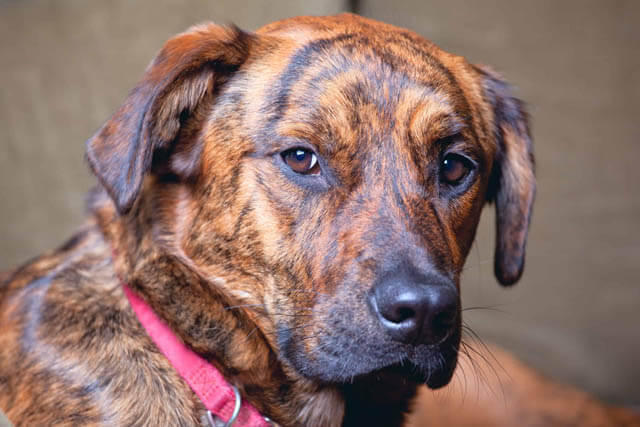
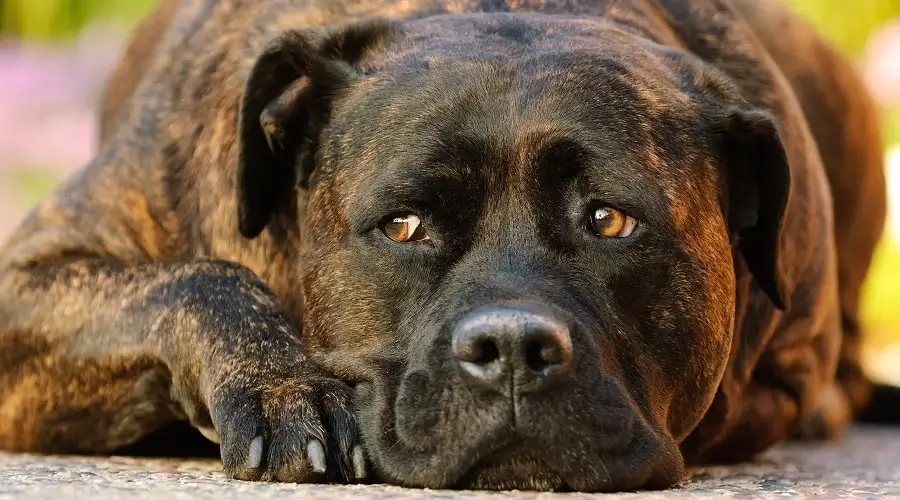
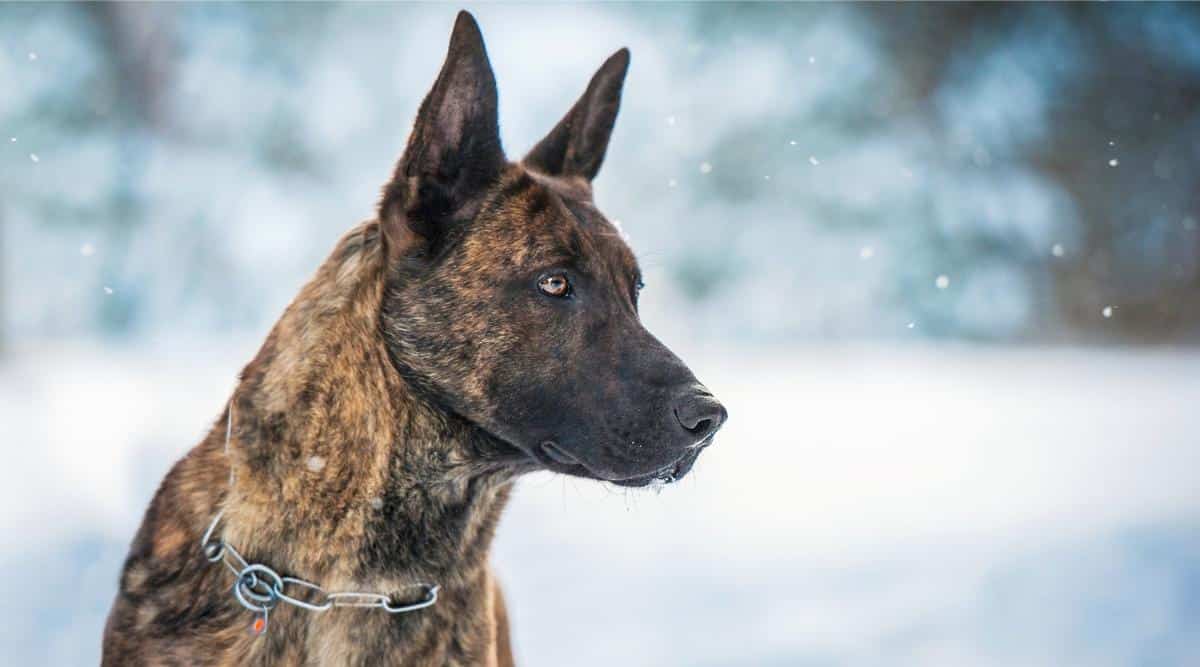
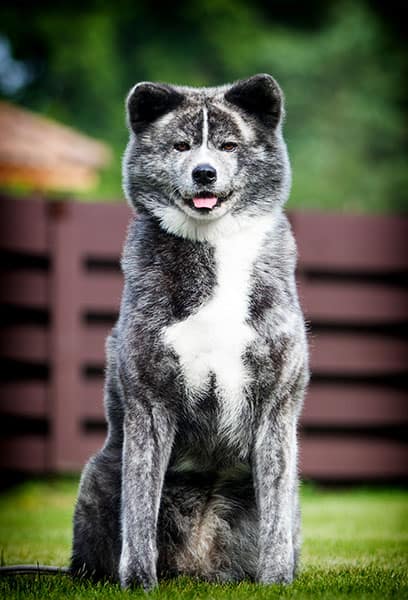
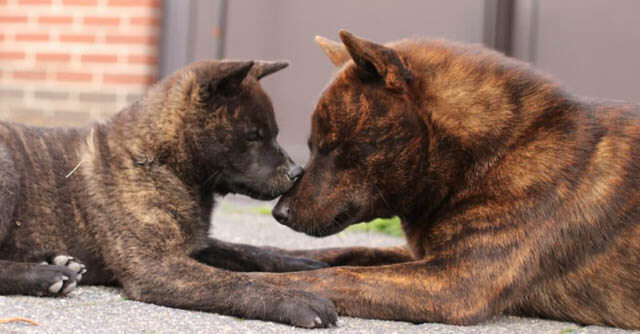
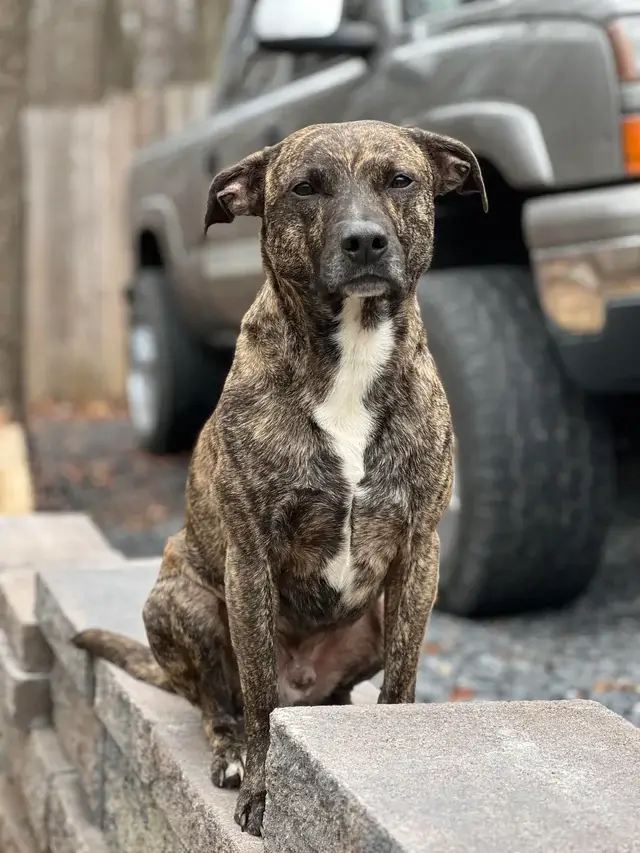
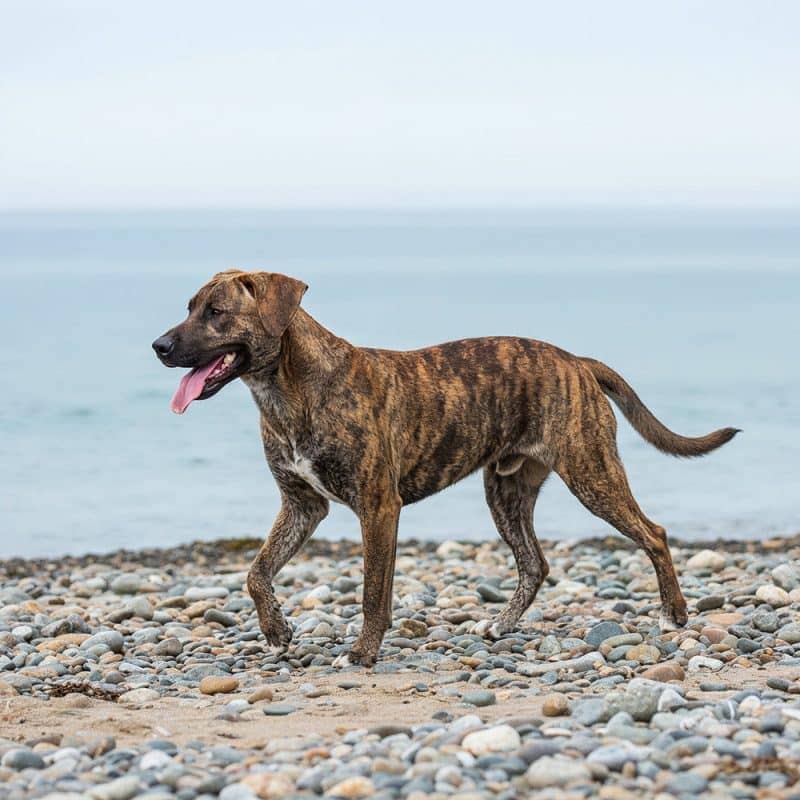
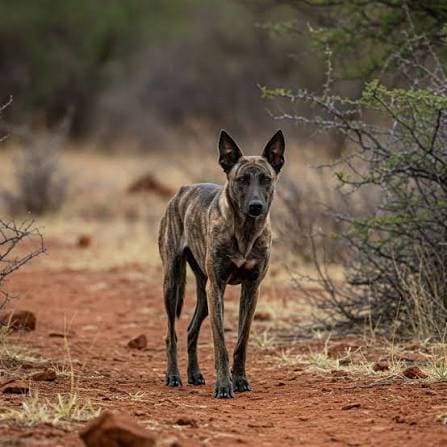
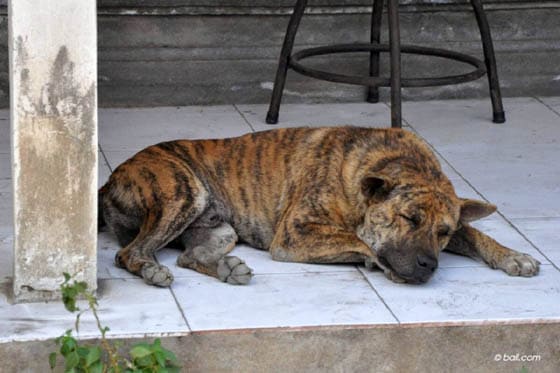
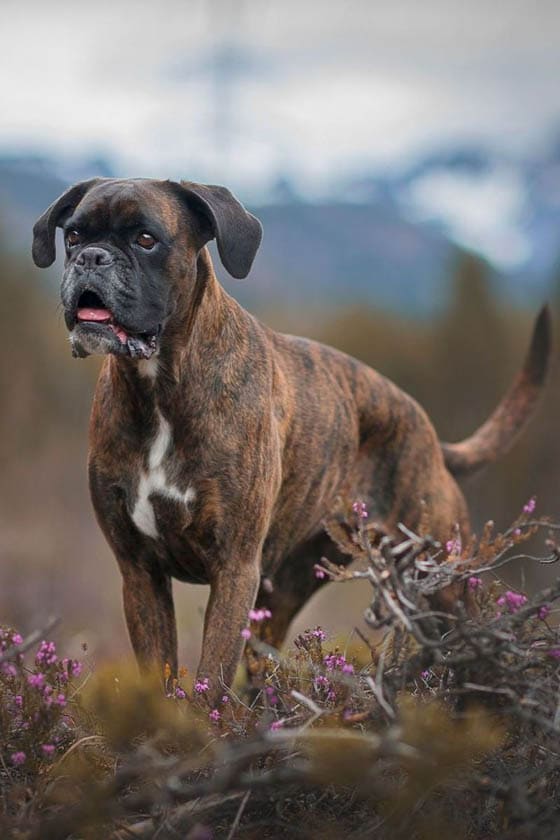

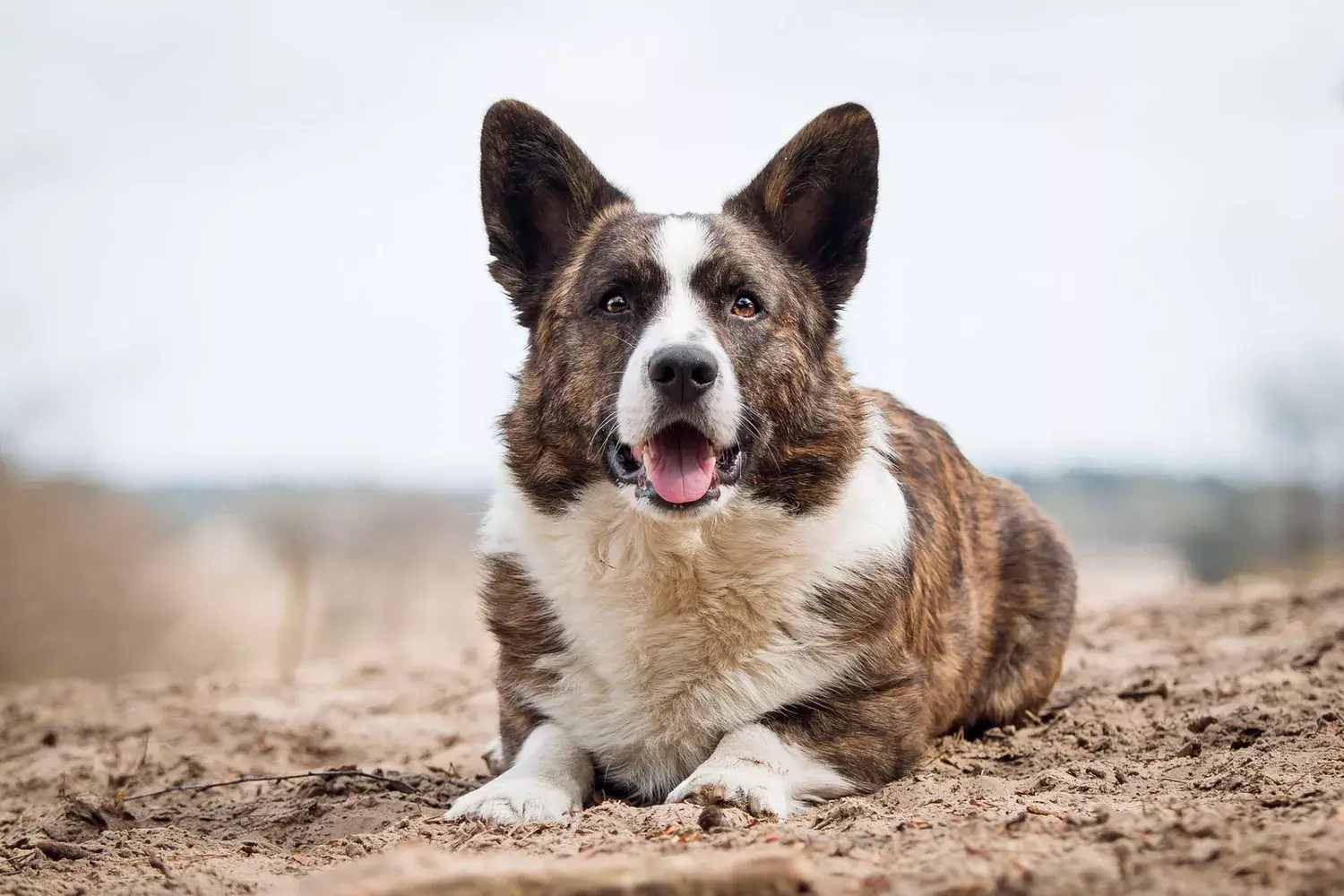
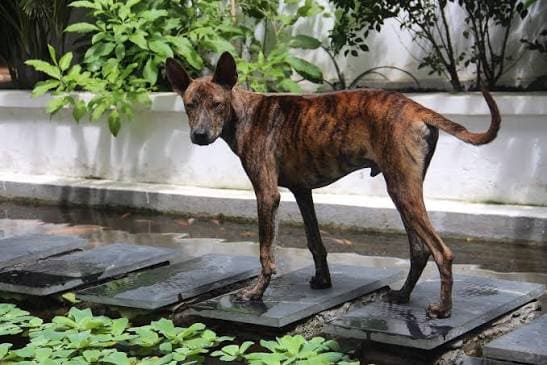
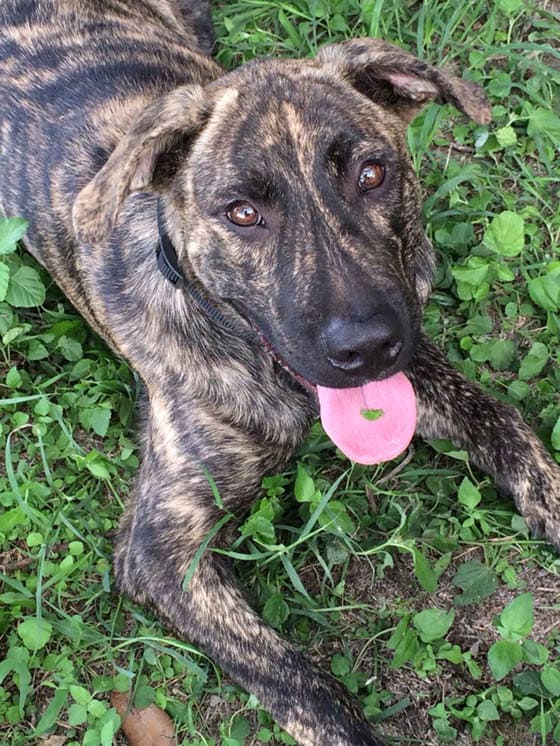
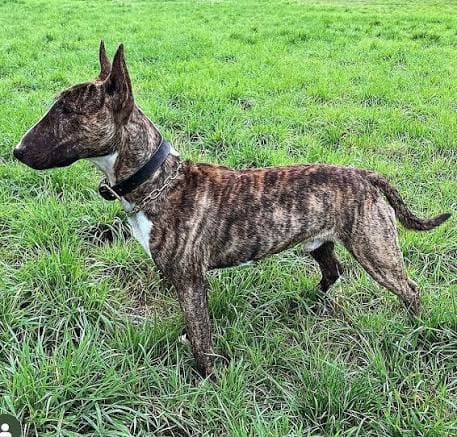
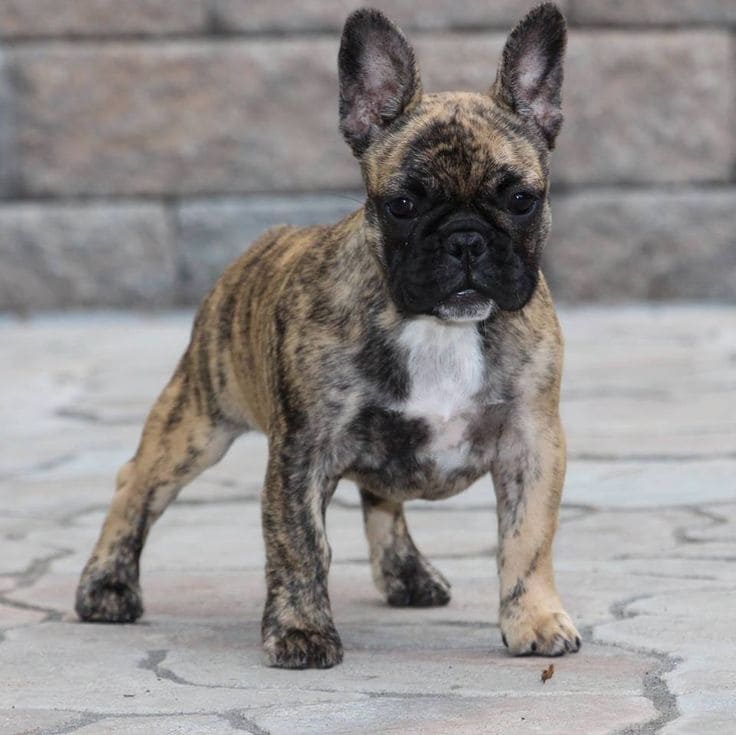

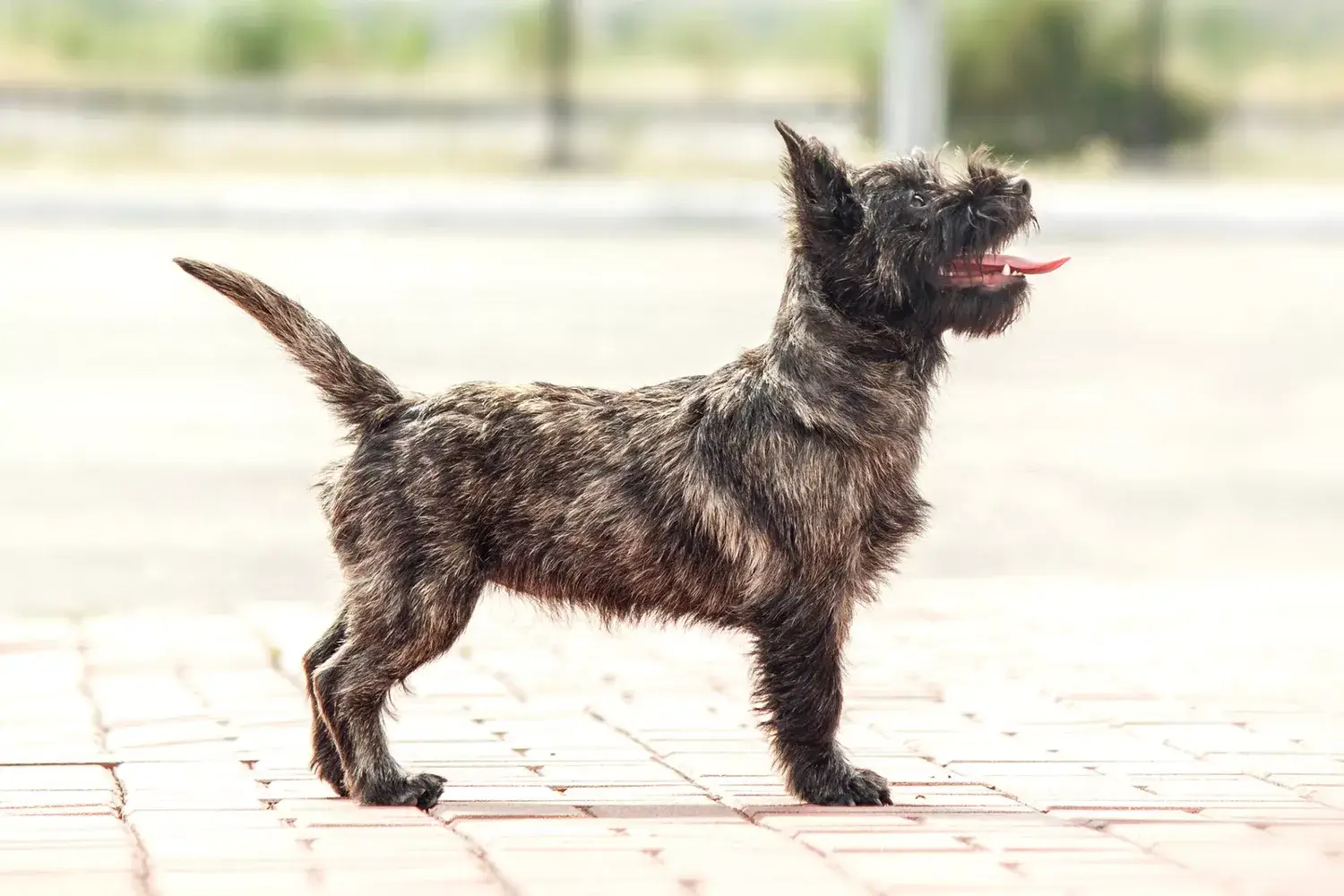
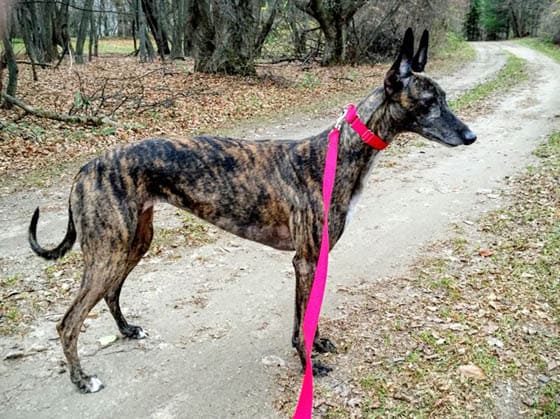
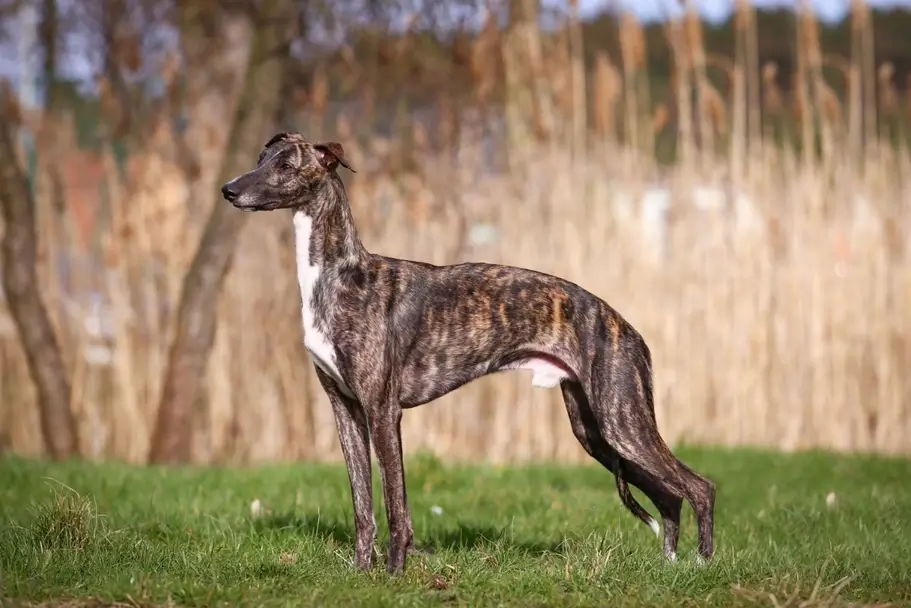
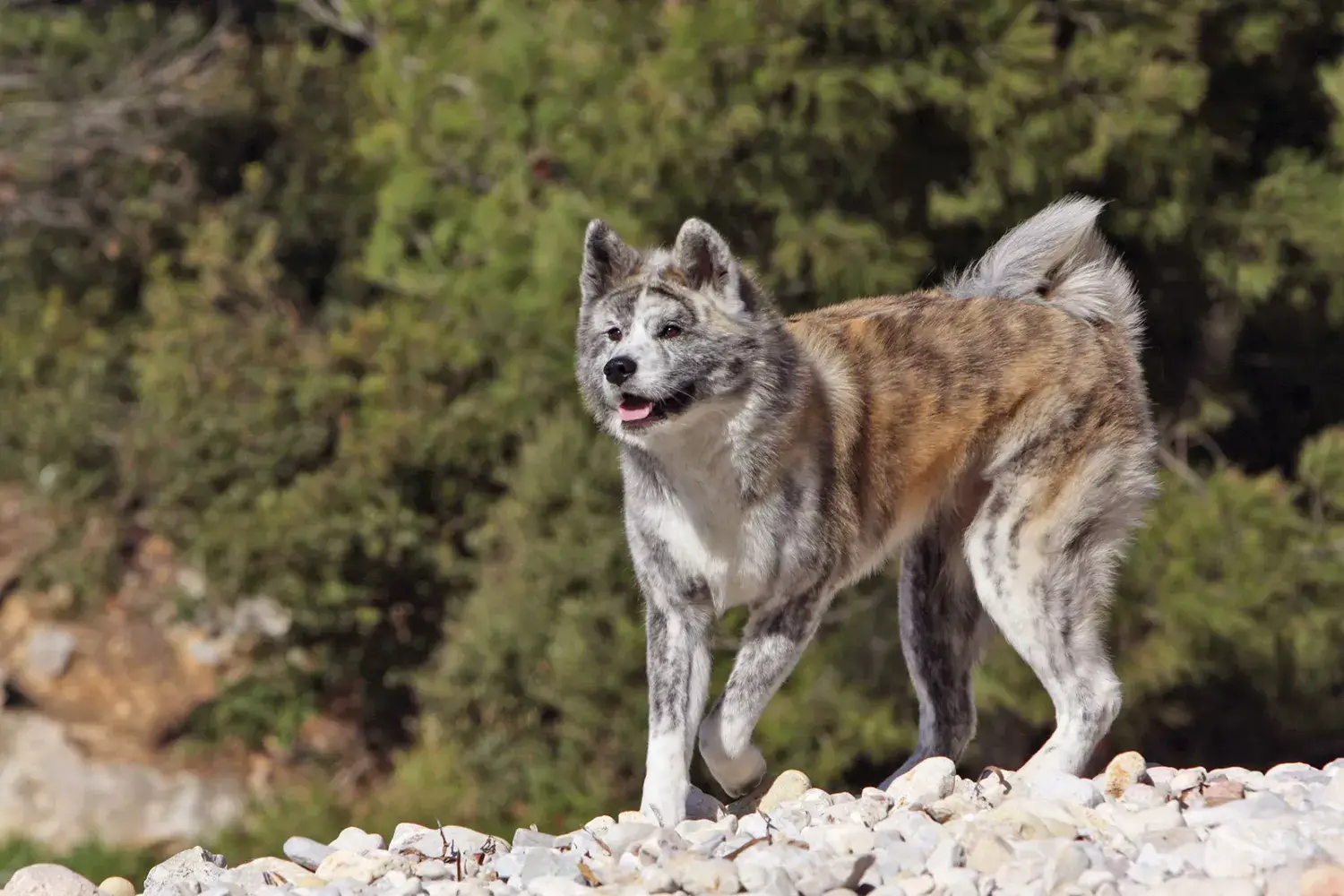
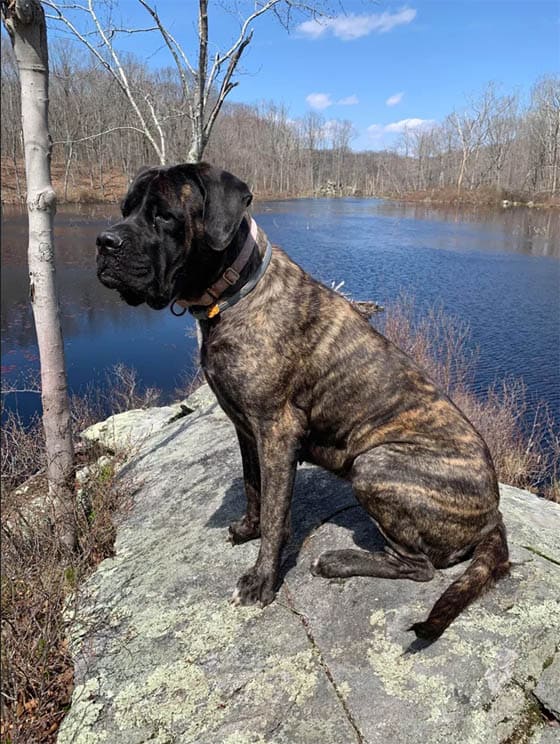
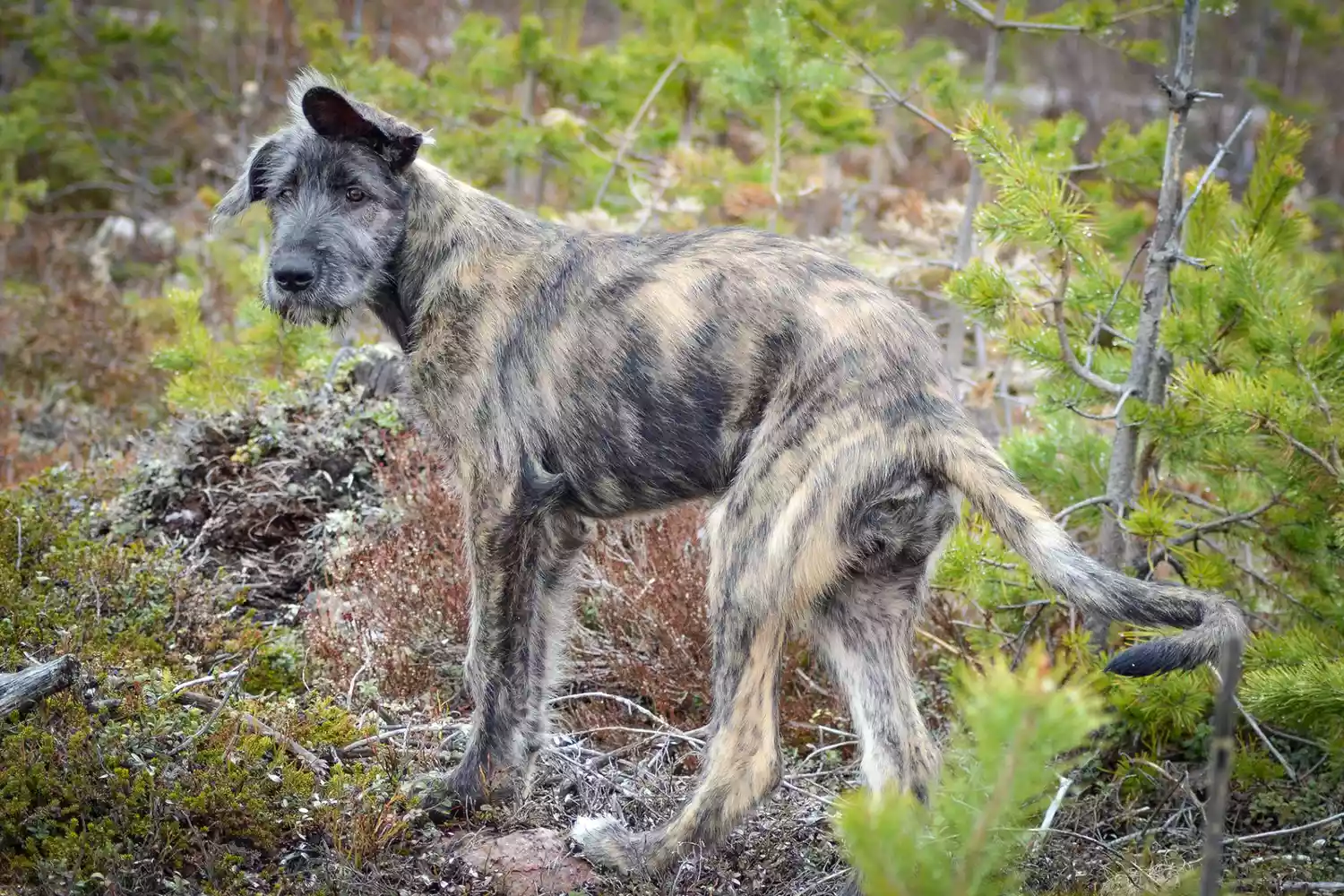
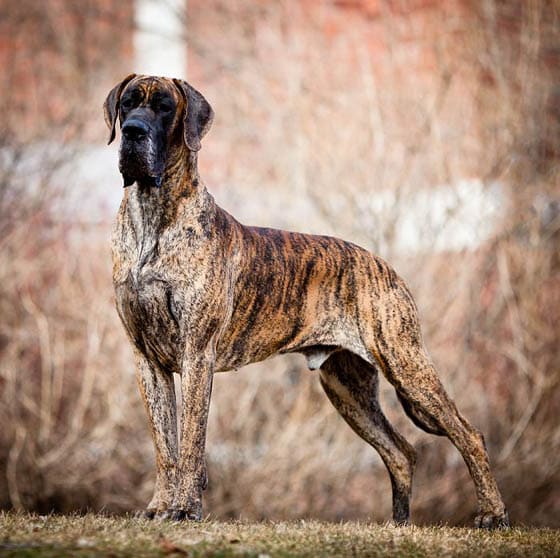
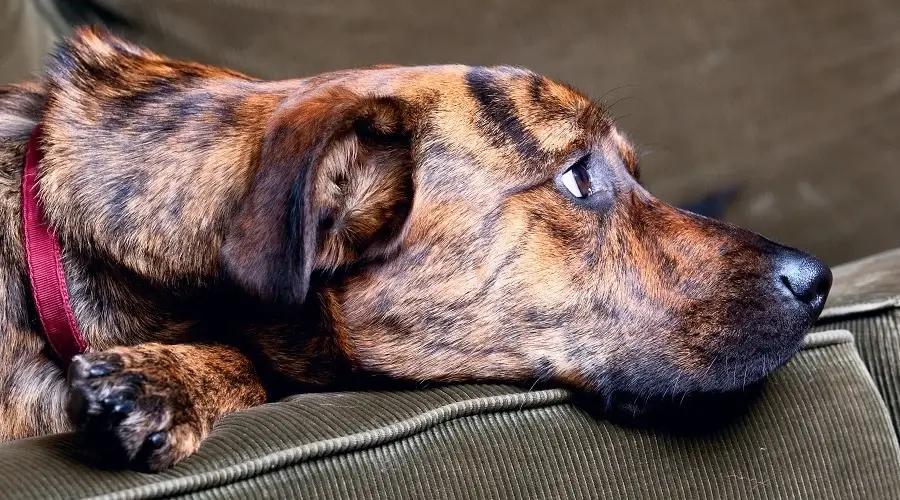
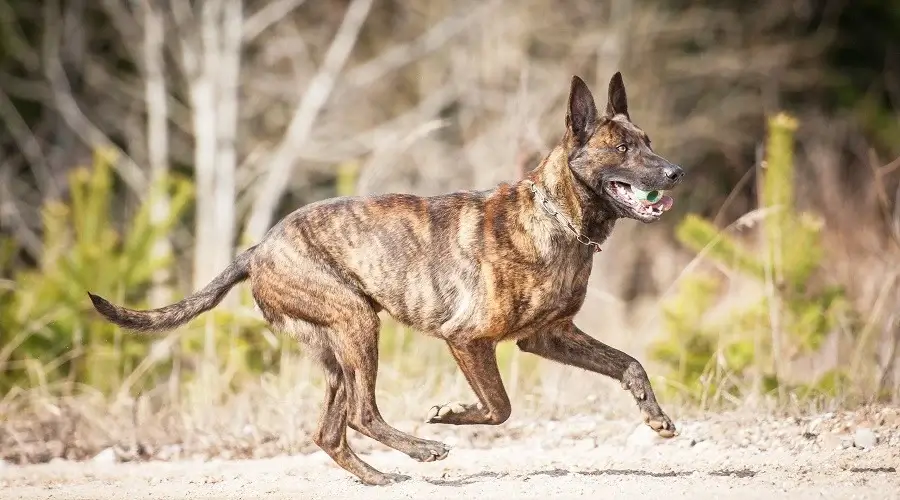
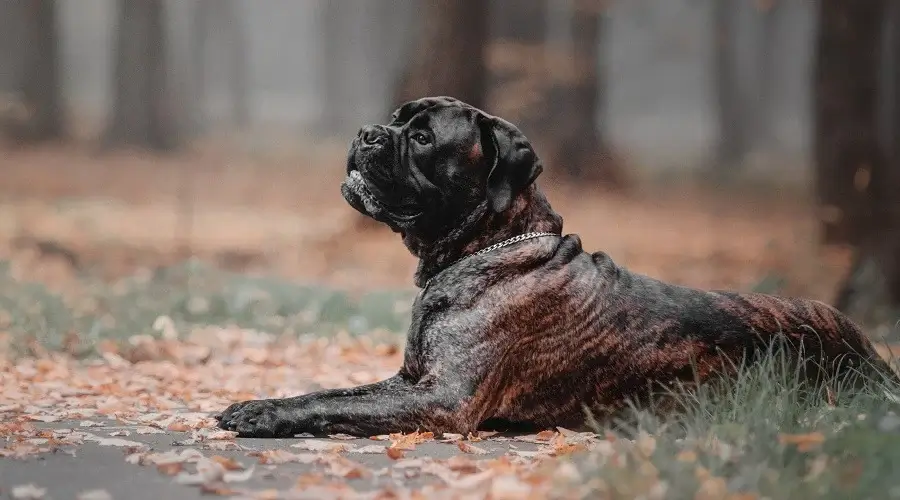
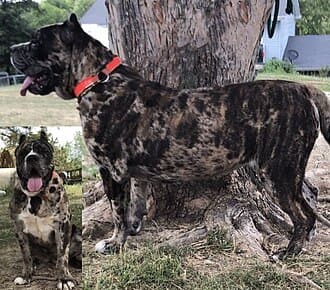
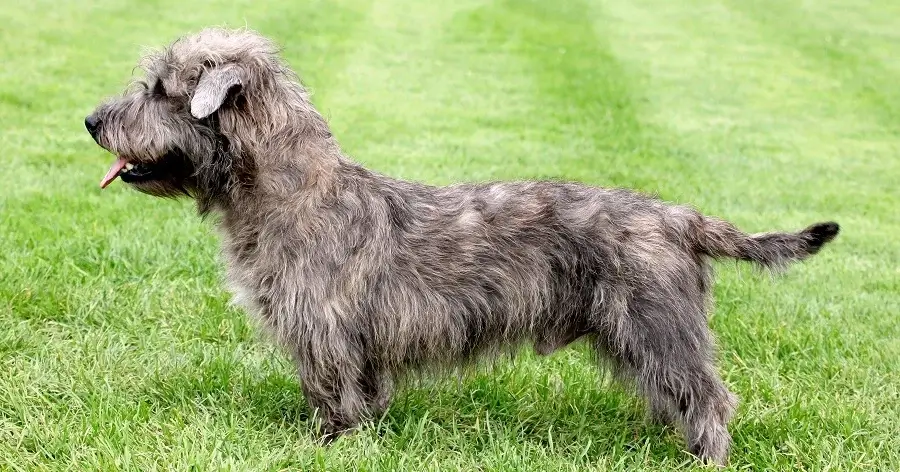
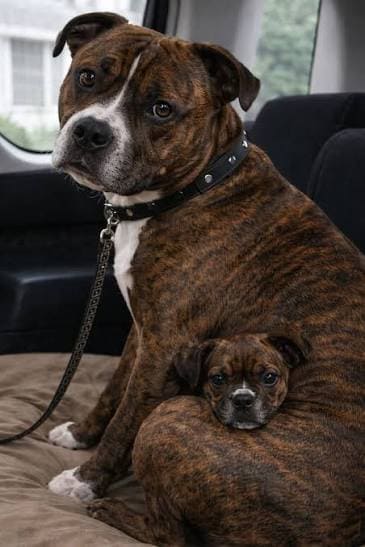
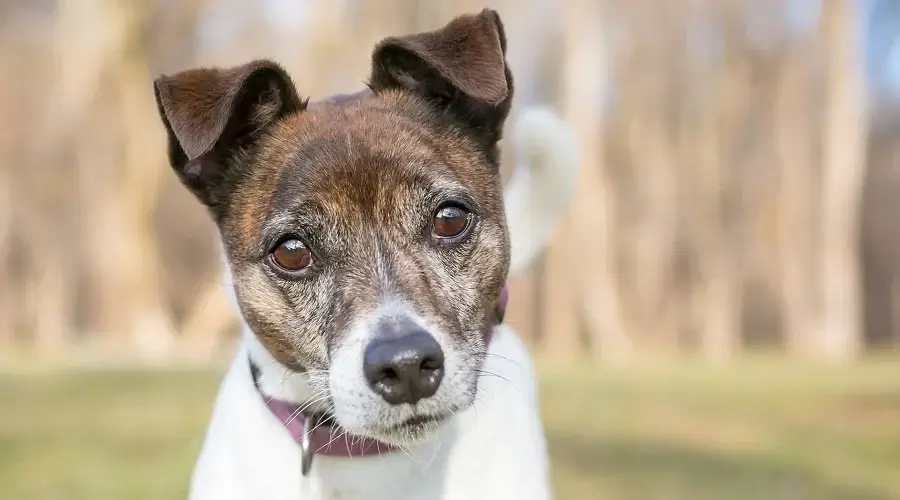
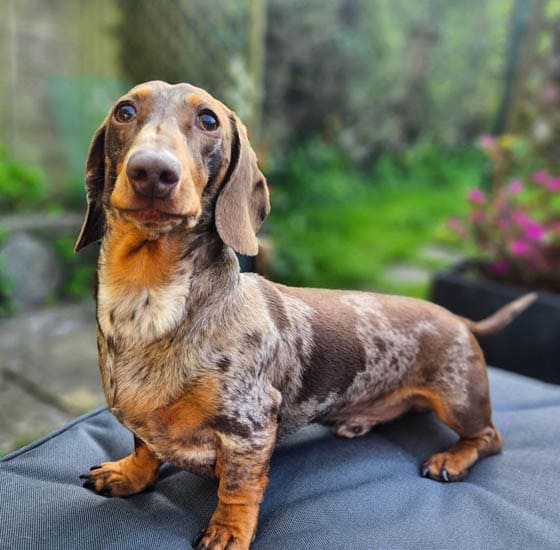
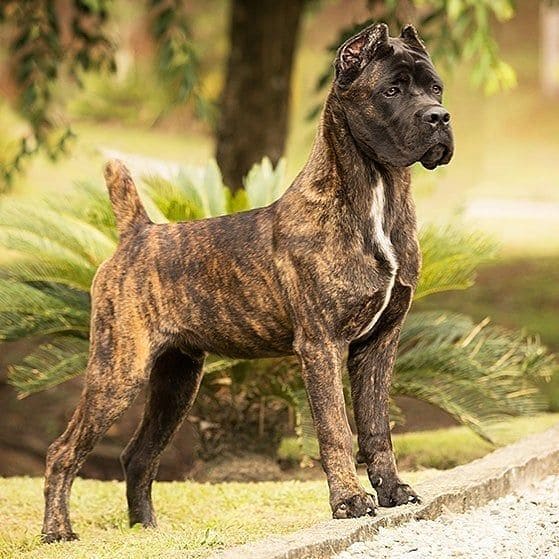
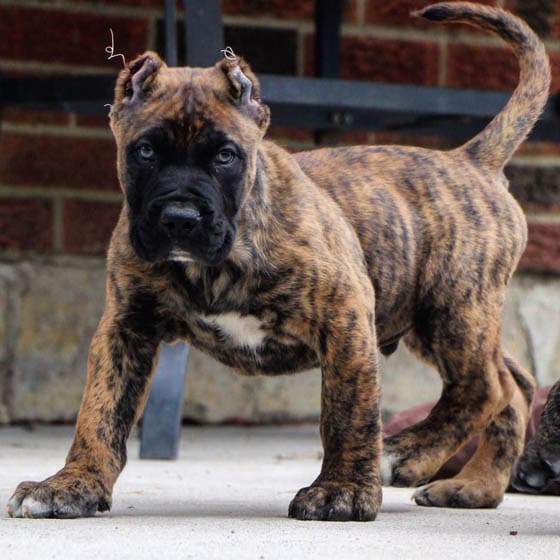
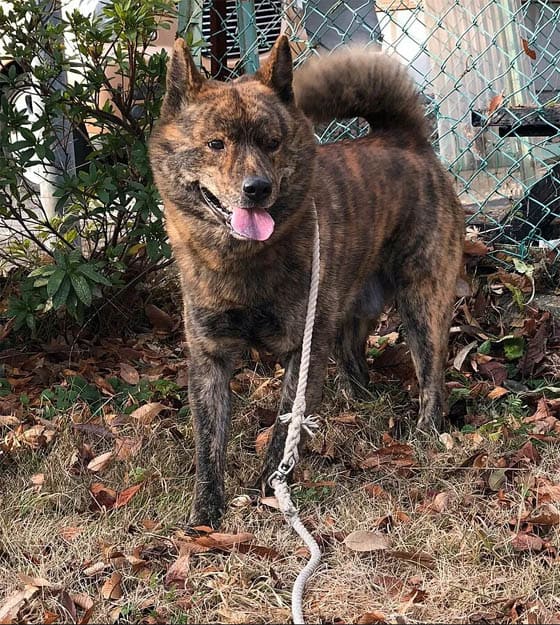
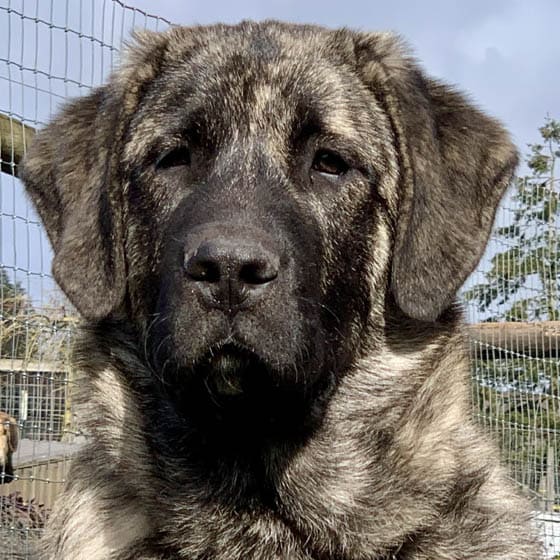
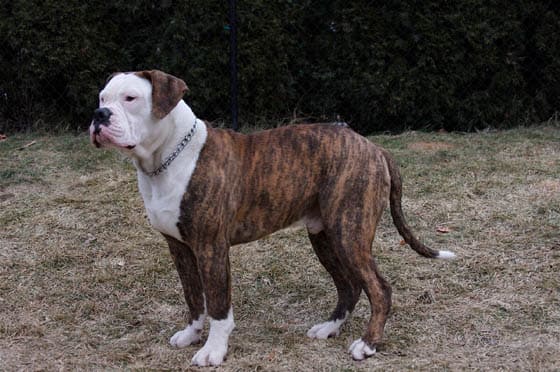
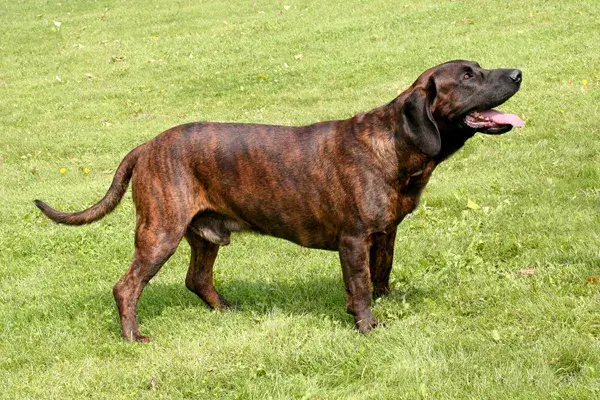
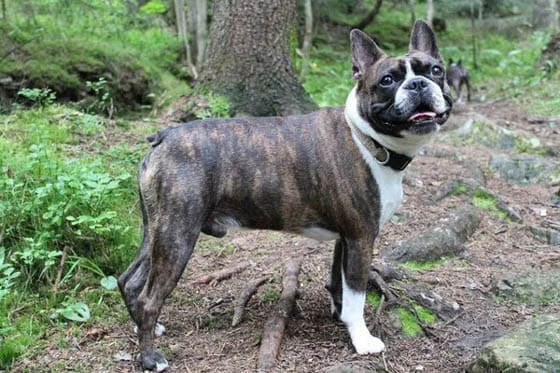
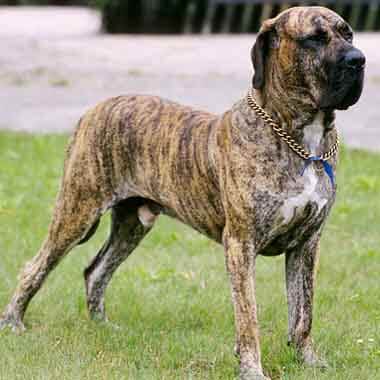
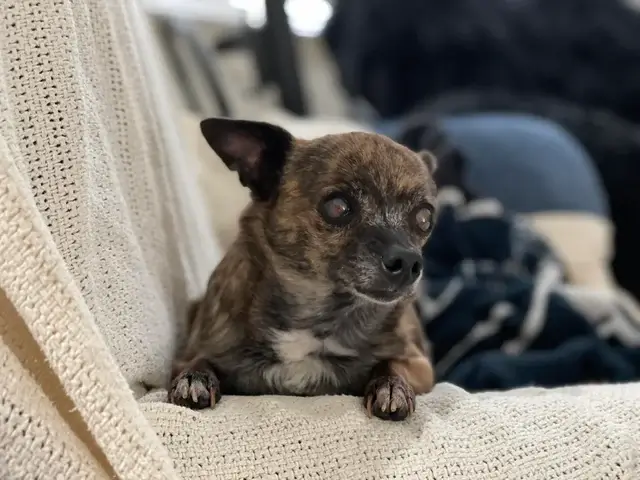
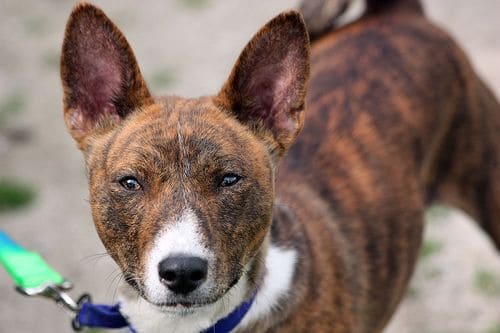
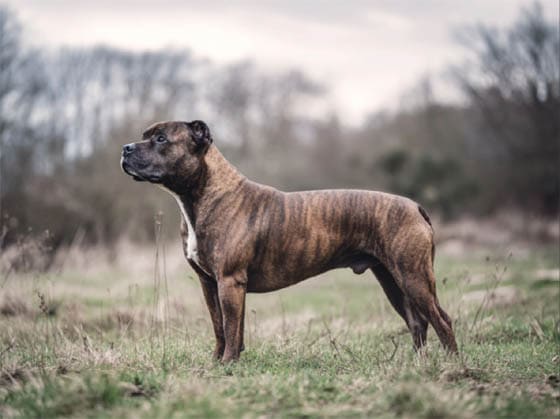
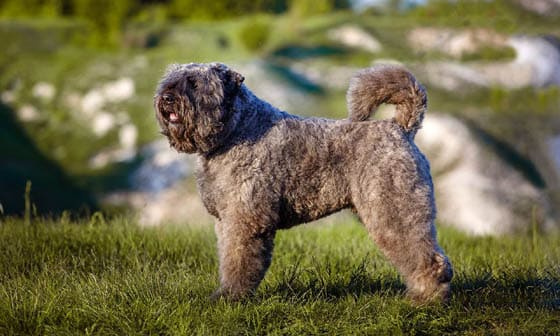
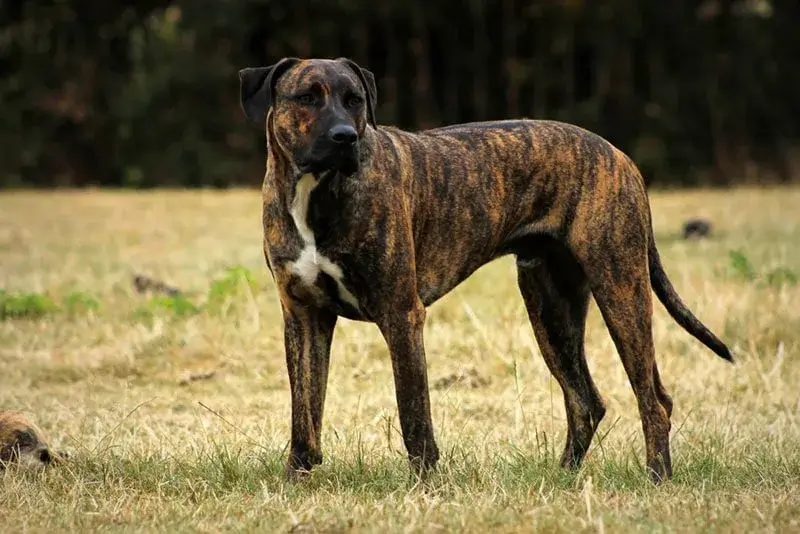
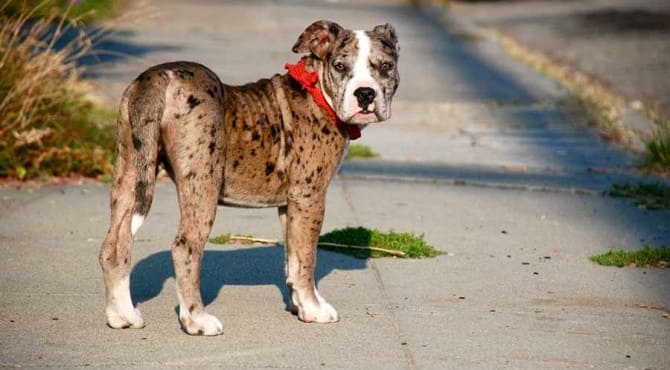
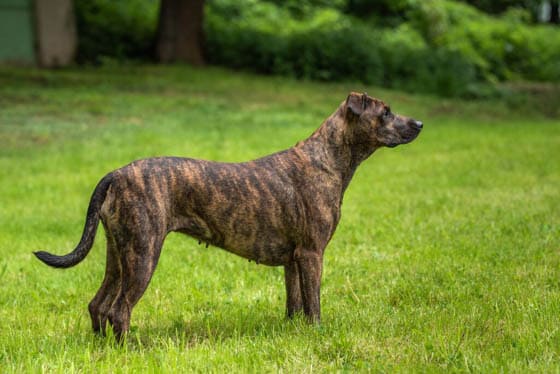
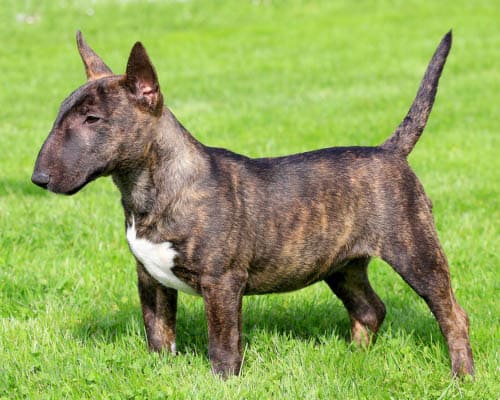
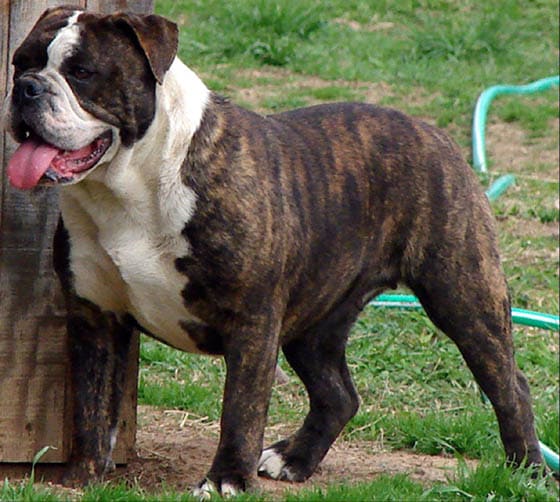
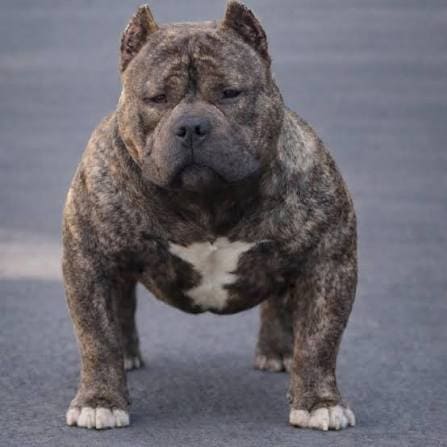
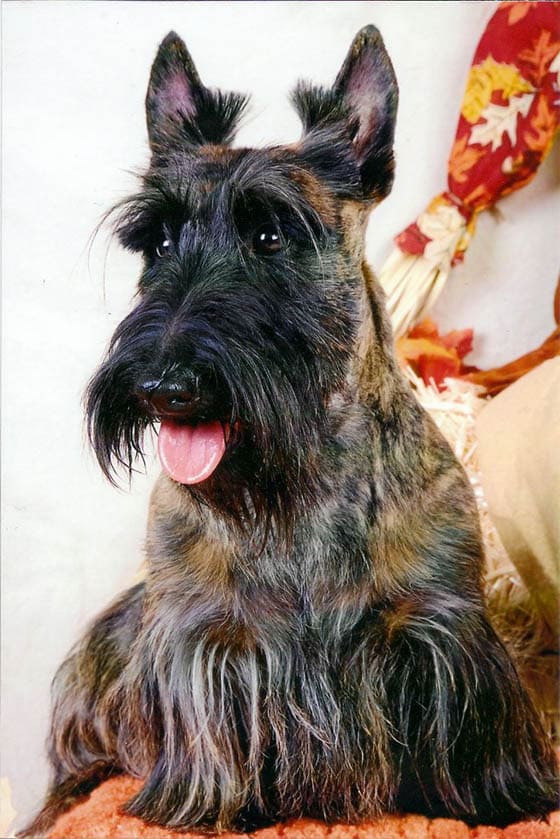
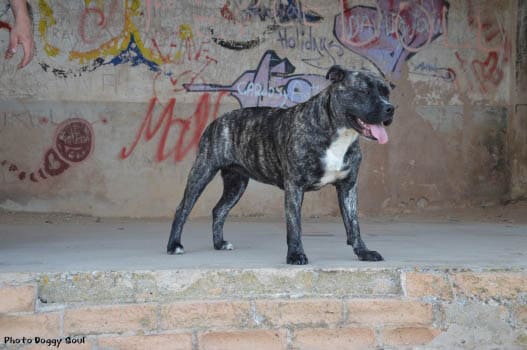
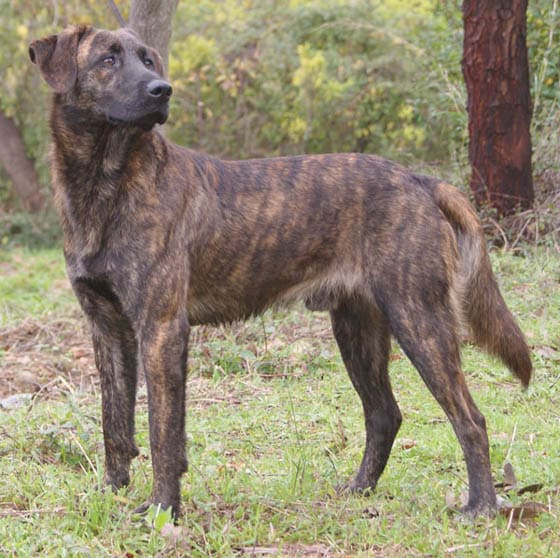
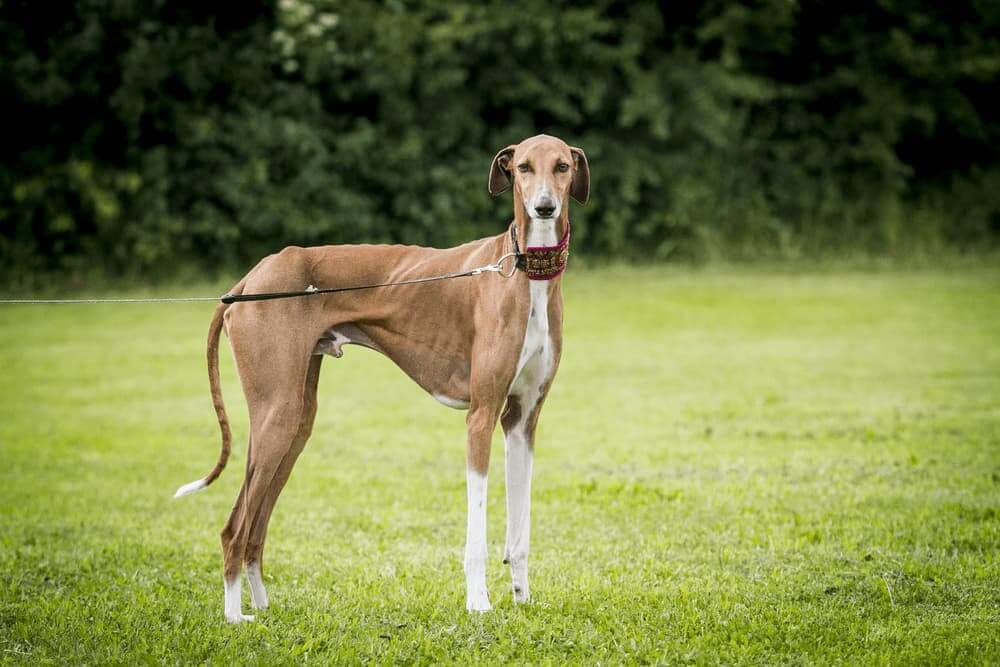
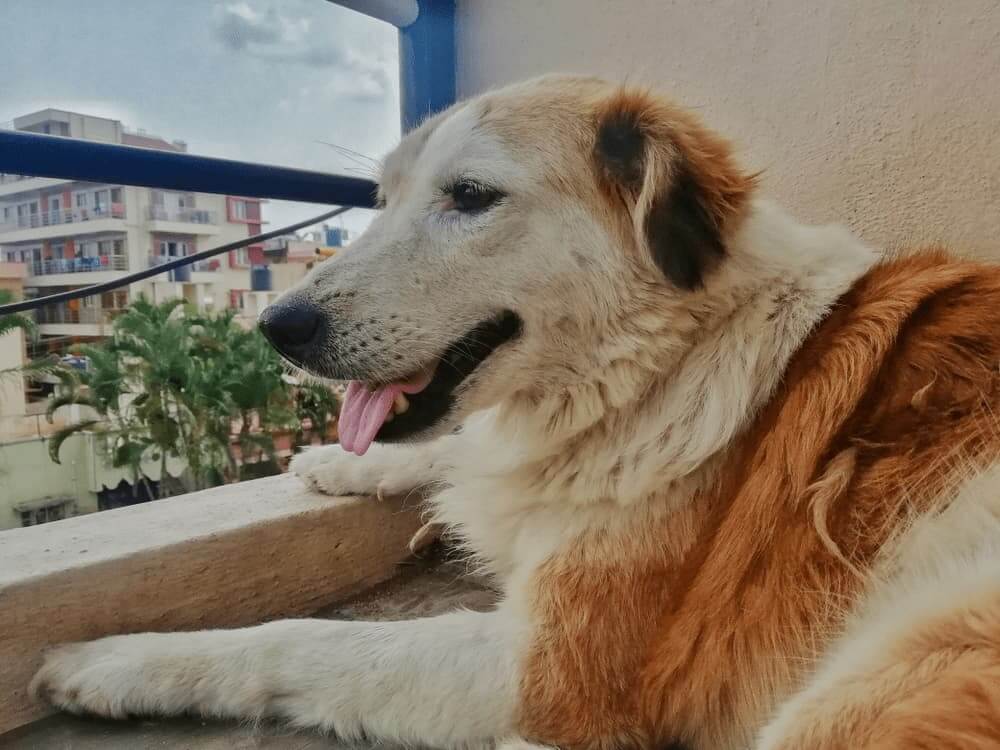
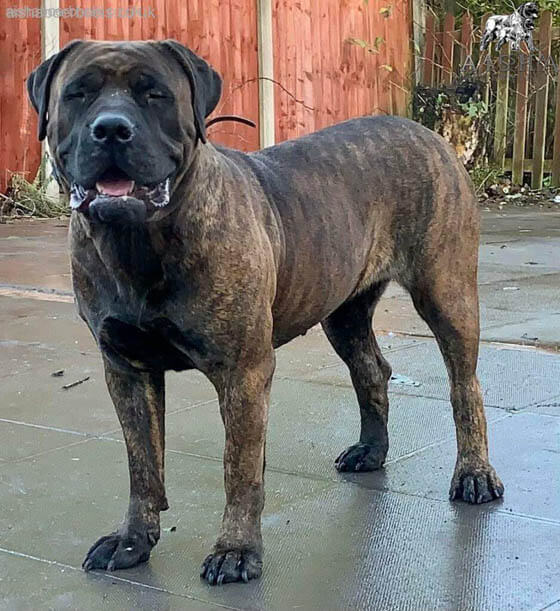
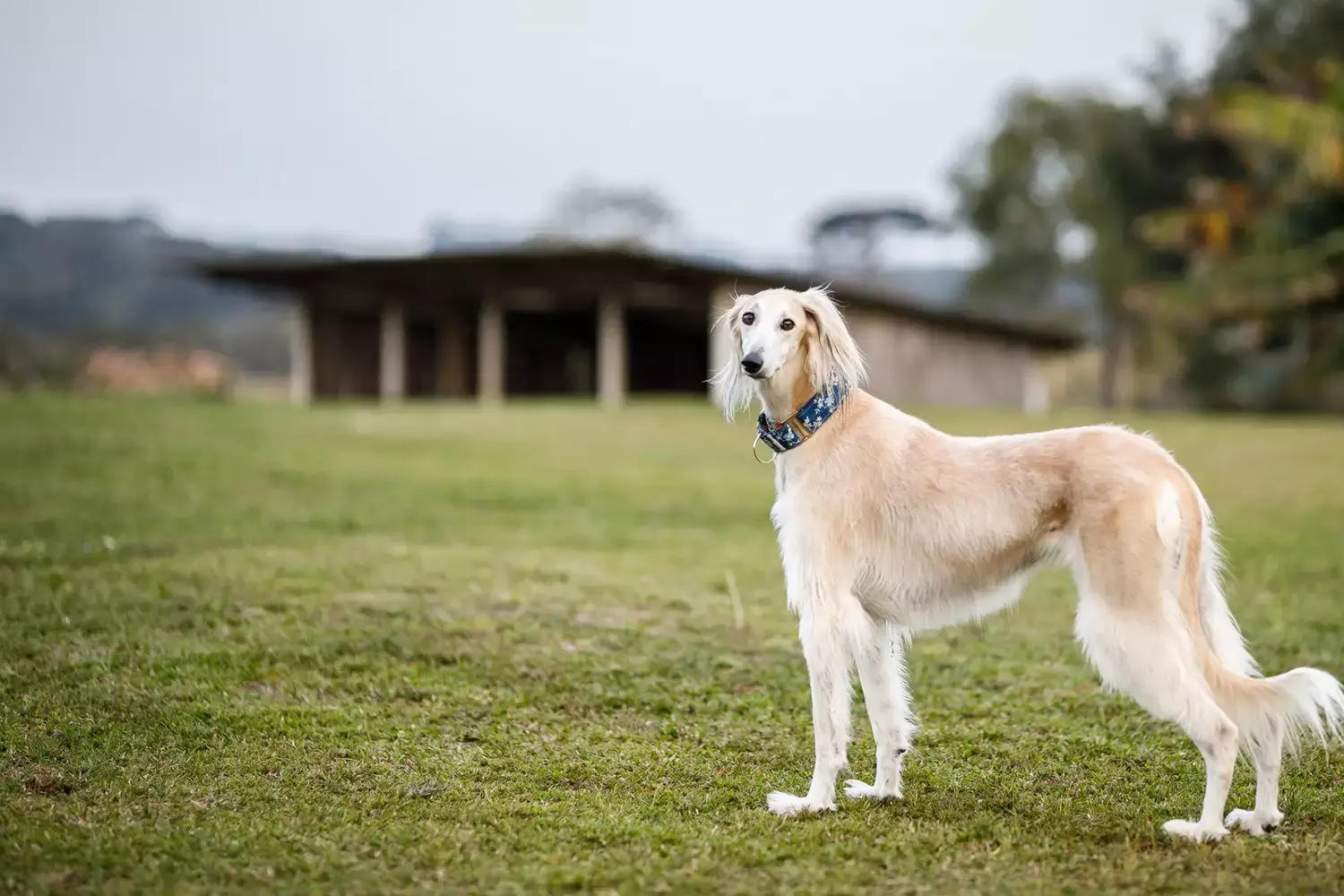

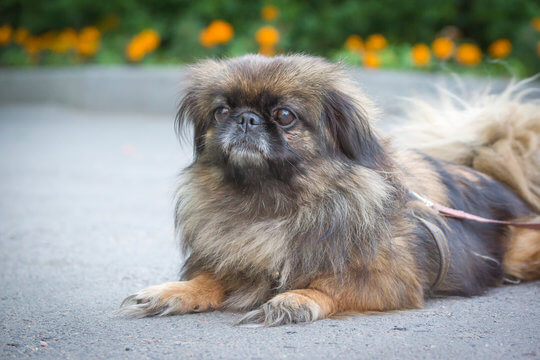


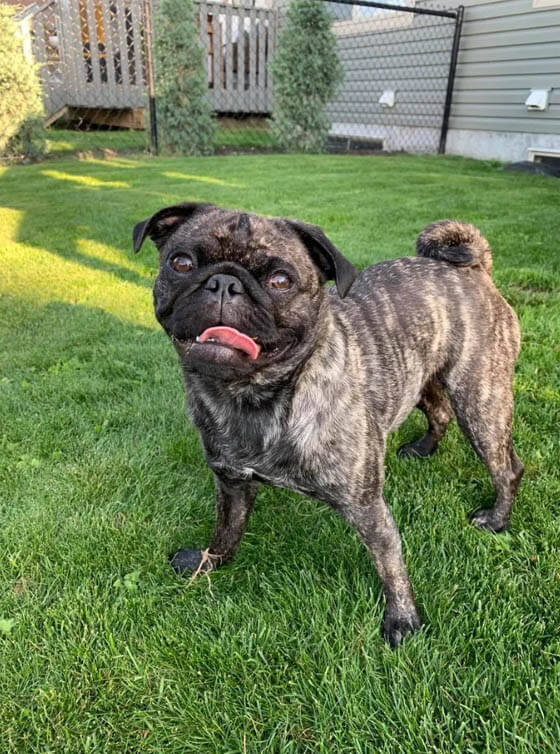

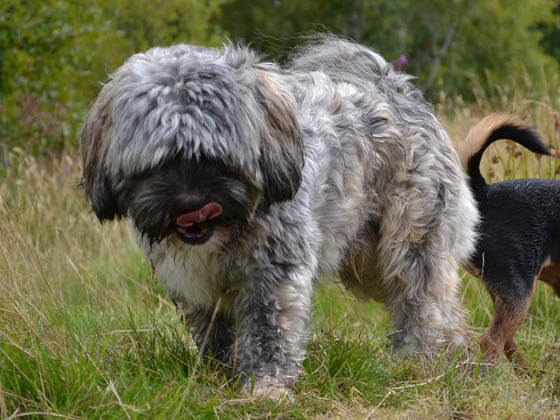
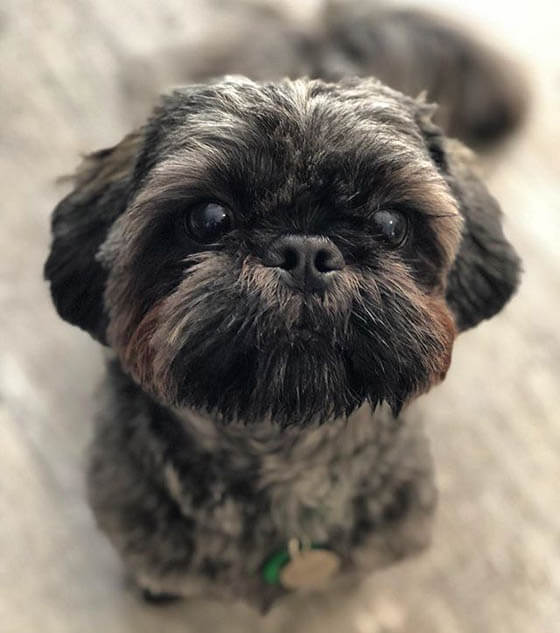
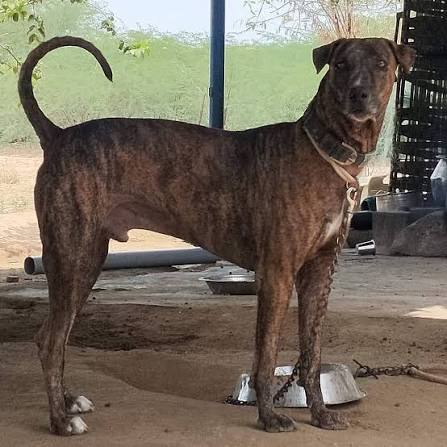
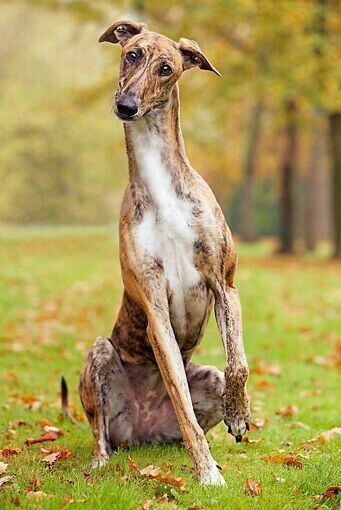
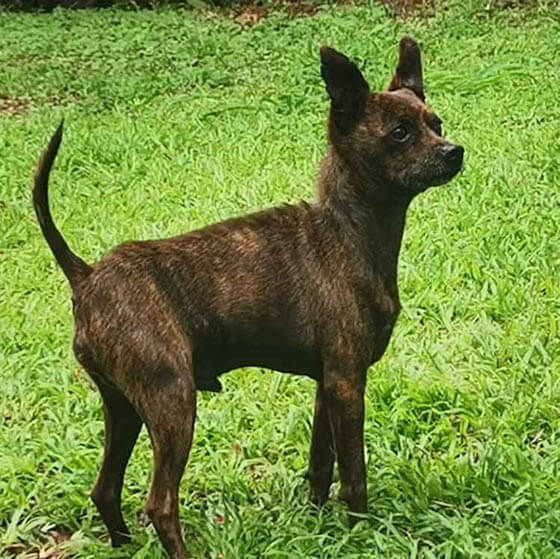
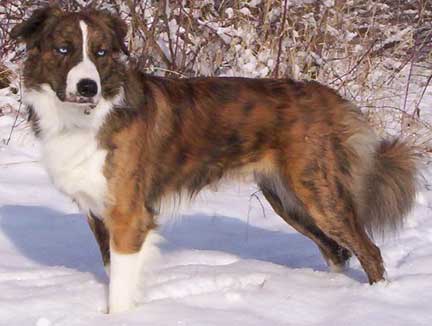
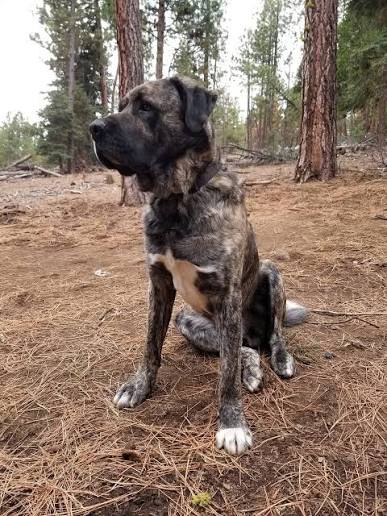
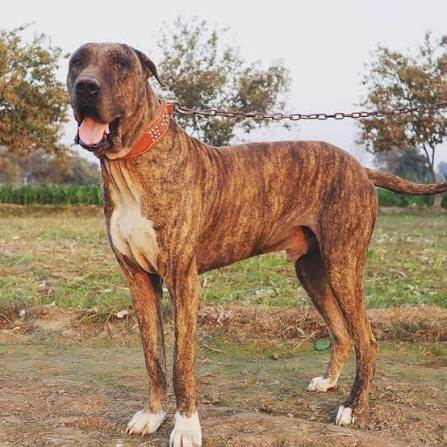
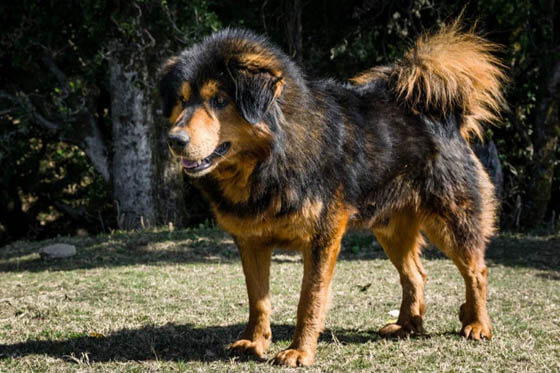
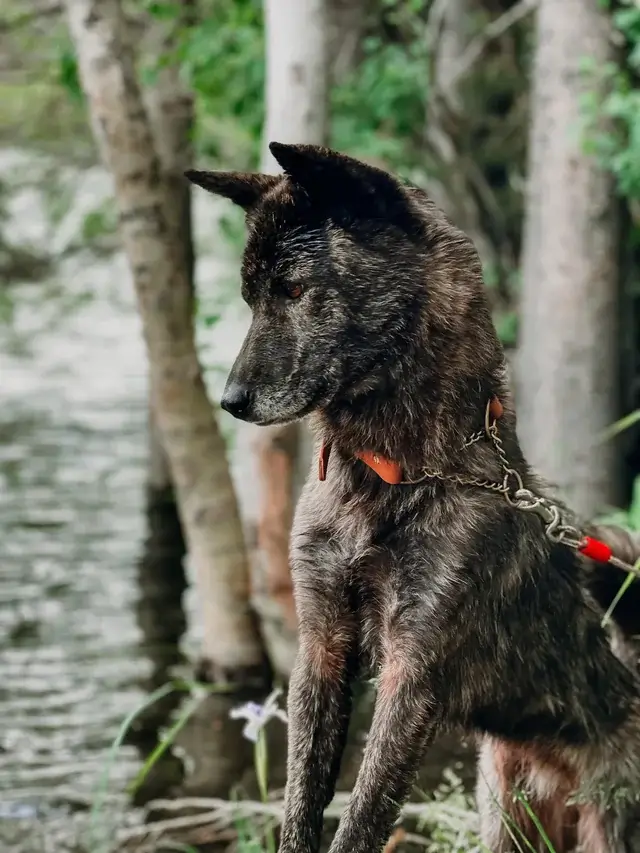
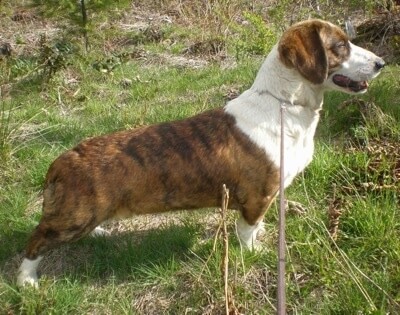
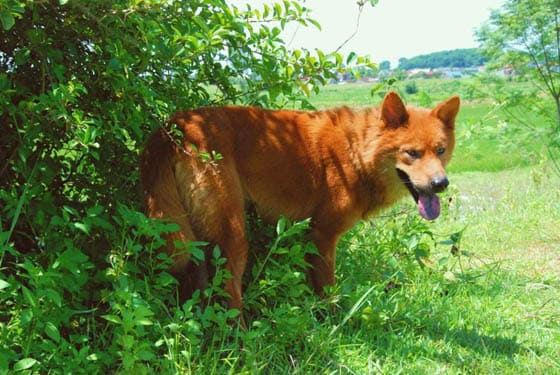
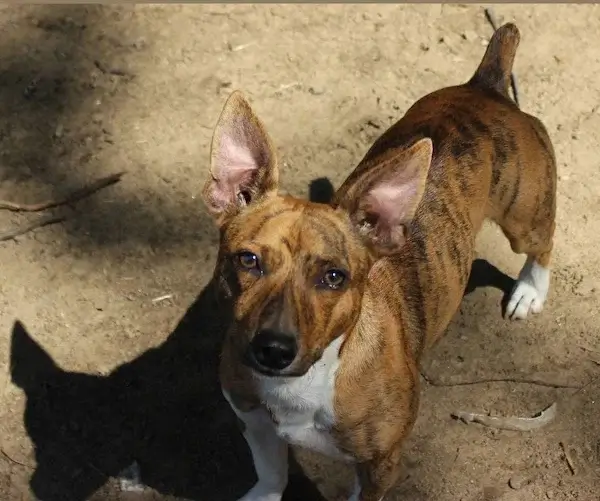
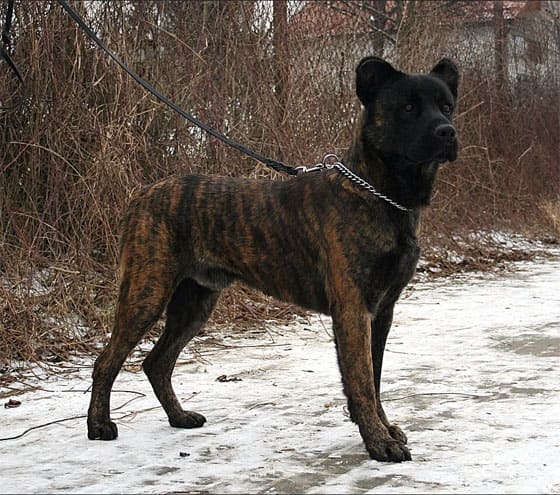
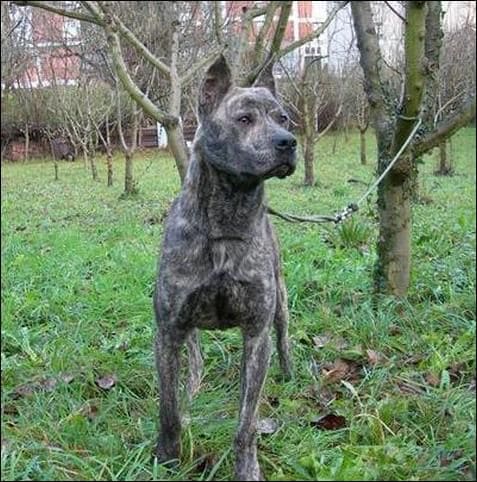
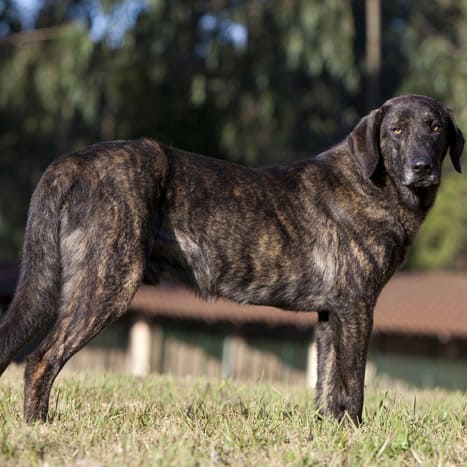
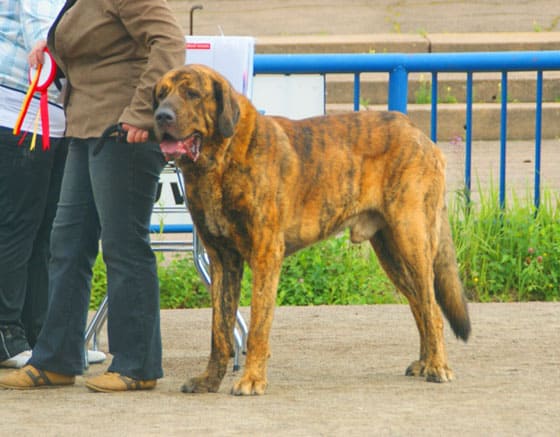
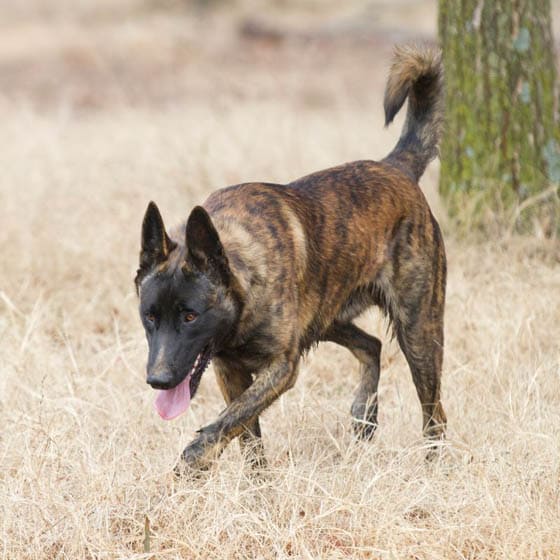
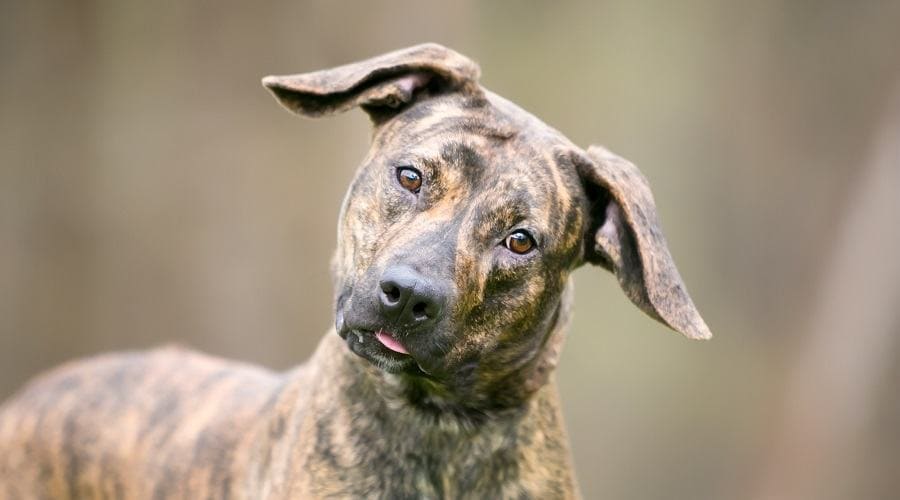










WORLD OF DOG & PUPPY 🐶