8 Czech Dog Breeds Rare Czech Dog Breeds Popular Czech Dog Breeds Czechoslovakian Dog Breeds Dog Breeds from Czech Republic Dog Breeds Originating in Czech Republic Unique Characteristics of Czech Dog Breeds Most Complete List of Czech Dog Breeds Hunting Czech Dog Breeds Top Czech Dog Breeds Most Popular Czech Dog Breeds Temperament of Czech Dog Breeds Behavior of Czech Dog Breeds Extinct Czech Dog Breeds What Makes Czech Dog Breeds Special? What dog breeds are native to Czech Republic? Which dog breed is Czech? Indigenous Czech Dog Breeds Native Czech Dogs Czech Dog Breed Photos Czechh Dog Names
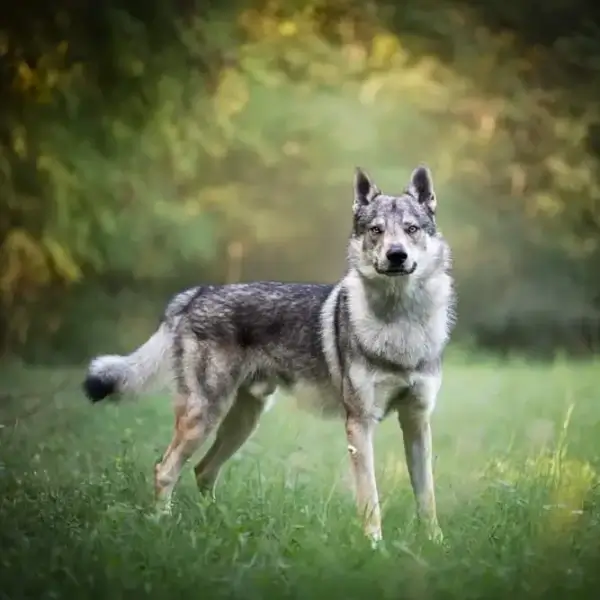
The Czechoslovakian Wolfdog (also known as the Czechoslovakian Vlčák) is a recognized working and companion dog breed created in 1955 in Czechoslovakia. Developed by Karel Hartl through a biological experiment crossing working-line German Shepherds with Carpathian wolves. Approximately 75% German Shepherd and 25% Carpathian wolf ancestry. Originally bred by the Czechoslovakian border guard to combine the German Shepherd's trainability with the wolf's stamina, physical endurance, and sharp senses. Declared a national breed in Czechoslovakia in 1982, recognized by the Fédération Cynologique Internationale (FCI) in 1999, and added to the American Kennel Club (AKC) standard in 2024. Fearless, lively, intelligent, deeply loyal to their family, and naturally athletic with high stamina. Can be aloof or suspicious of strangers and possess a strong prey drive, requires extensive early socialization and experienced ownership. High-energy dogs requiring 2 or more hours of daily physical and mental activity, poorly suited for repetitive, mundane tasks. Generally hardy with a lifespan of 12 to 16 years. This breed has not many owners around the world. But its close resemblance to real wolves is enough to draw attention.
The Czechoslovakian wolfdog is distinguished mainly by its iconic amber eyes and triangle-shaped ears that are erect like that of a wolf. They were reportedly first bred in Austria, Slovenia, and Hungary and then were imported to other countries not long after. They are actually a bred from German shepherds and Carpathian wolves with the goal to create a breed mixed with the strength of a wolf and the temperament of a German shepherd. While they may not be easily available, they are actually great house dogs and are fiercely loyal to their families. However, smaller animals should be introduced at a young age and socialization with other dogs should start early as well. Instead, they created something much different. The Czechoslovakian wolfdog looks like a wolf, which might be scary, but in reality they have lively, playful and curious personalities. Nowadays the breed is much loved and people worldwide are proud owners of the dogs that everyone looks at and double-takes, because it looks "just like a wolf". The Czechoslovakian wolfdog is even used in British Search and Rescue operations.
The Czechoslovak Wolfdog is lively, very active, capable of endurance, docile with quick reactions. It is fearless, courageous, suspicious, yet does not attack without cause. It shows tremendous loyalty towards its master. Resistant to weather conditions. Versatile in his use. The Czechoslovakian Wolfdog is very playful. Without proper leadership it can be temperamental. It learns easily. We can admire its all-around qualities rather than its specialization. However, we should not expect it should train spontaneously, the behavior of the CsV is strictly purposeful - it is necessary to find motivation for training. The most frequent cause of failure is usually the fact that the human is not as strong-minded as the dog, lacking leadership and/or the dog is tired out with long, useless repetitions of the same exercise, which results in the loss of motivation. These dogs have admirable senses and are very good at following trails. They are really independent and can cooperate in the pack with a special purposefulness. If required, they can easily shift their activity to the night hours.
The independent work of the pack without the necessary control of a man was the reason for their use in the army. Understanding the Czechoslovakian Wolfdog means acknowledging its primitive instincts. Most experienced owners describe them as a long way from a standard domestic pet. They tend to operate with a complex group mentality that shapes their whole worldview, and their character is typically intense, observant, and reactive. They learn quickly but tire of repetition fast. Unlike eager-to-please sporting breeds, a Vlcak weighs whether a command is worth following. Lessons have to be highly motivating and consistently firm without being harsh, since they shut down under overly punitive methods. Because that group bond runs so deep, mental engagement and inclusion tend to matter as much as physical activity. A Vlcak shut out of household life often struggles, and that frustration can surface as anxiety and destructive behavior.
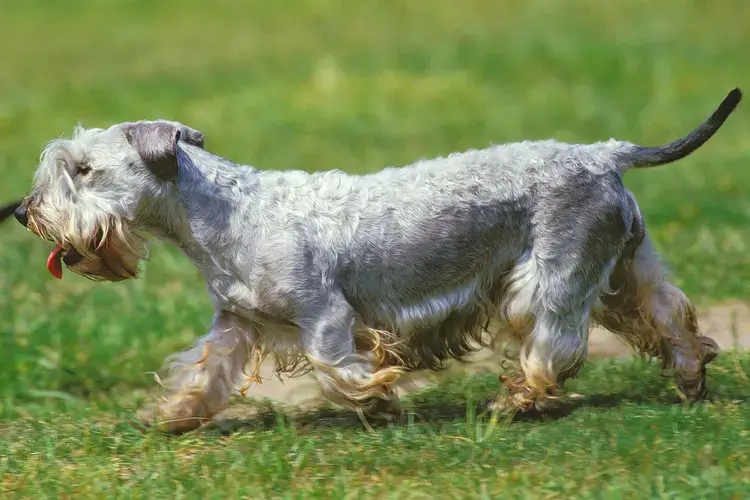
Cesky Terriers originated in Czechoslovakia. They look and act similar to Scottish Terriers. Developed in 1949 by Czech geneticist and breeder František Horák by crossing Scottish Terriers and Sealyham Terriers (with contributions from Dandie Dinmonts and Dachshunds). They have a long body, short legs, a wiry coat, and a shaggy beard. Cesky Terriers are intelligent, cunning, and bond closely with their owners. They grow to be ten to thirteen inches tall and weigh between fourteen and twenty-four pounds. The Cesky terrier - pronounced "chess-kee" is also known as the Bohemian terrier, and is a small dog from the Czech Republic with a long body, short legs, distinct facial hair, and silky fur that is typically trimmed along the back and sides. The word Cesky means "Czech." This is the national dog of the Czech Republic, and the breed’s beginnings were a product of one Czech man's vision and determination. This breed is defined by contrasts: small but sturdy, lively but laid-back, and driven but docile. Cesky Terriers have long, silky fur and unique facial hair. They are companionable, gentle, and affectionate with a low-shedding coat and they can live in large and small homes.
Calmer, quieter, and mellower than most terriers, while remaining clever, loyal, and playful. They can be wary of strangers and retain a natural hunting or prey drive. The Cesky Terrier is patient, playful, sporty yet calm. A sweet and joyful dog that is good with children, it is brave, loyal, obedient and courageous. Intelligent, very trainable and easy to handle, it is important to socialize them while they are puppies, letting them meet with various people and different animals in positive circumstances to experience a variety of situations. This will help them be well adjusted so they can grow up to be happy adults. They love people, especially children and are fairly friendly with strangers, but like most terriers, if you are not 100% pack leader, they can be feisty, stubborn and fearless. Although originally bred to be a more manageable terrier, it is now more of a companion dog. Nevertheless, it should not be forgotten that he was made for hunting and, although he may not have the hunting instincts of a small terrier, his hunting instinct is not negligible.
Intelligent, smart, obedient and just a little bit stubborn. The Cesky Terrier is still a terrier at heart, so many of their characteristics are still there. They are sensitive, yet (just a little bit) fiery, feisty, but not as independent and "going their own way" as terriers. It may seem that we are generalising terriers, which is true, because they have stereotypes, which often turn out to be true. Of course, the degree to which they have "terrier blood" varies from breed to breed and from individual to individual: the true independent, stubborn hunting dog, bred to have a mind of his own. This is not a negative, just a trait that most of them still have, more or less, even if they have been more of a companion animal for generations. Coming back to the Cesky Terrier, we are talking about a devoted ewe who can soar with positive reinforcement-focused training. Either out of misunderstood stubbornness or sensitivity, but does not take well to 'crude' training methods, simply freezes up or resists. This is not to say that you don't need a confident hand, but consistency and patience are more important.
The teaching is therefore very straightforward, dog takes well to obstacles and generally likes to comply or at least compromise. The small size of his body requires a relatively large amount of energy, but if care is taken to ensure that his daily exercise needs are met (by walking, playing in the park or garden, perhaps a long hike) and that he has mental effort to do, it is not difficult at all to create a balanced life for him. He thrives in a (usually) active family who can engage him on a daily basis. It is well adapted to the conditions of an apartment, but it does not mind having a garden to run around in. However, if you do have a yard, it is important that it is well fenced. As the Cesky Terrier's small size and its scoop legacy, means it can easily fit through slightly larger holes in the fence.
The Chodský pes or Bohemian Shepherd dates to the 13th century and was created to guard the Kingdom of Bohemia. The dogs would accompany the farmers, or Chods, from the western Bohemian region of Chodsko to guard the southwestern border crossing to Germany. They were also used to herd sheep and protect people’s property. Today, due to their friendly nature and intelligence, they are used as service animals, therapy dogs, and for scent tracking and search/rescue missions. They are also used as family pets because they are easy to train, playful, and great with children and other dogs. The Bohemian Shepherd became part of Czech consciousness due to the novel Psohlavci (The Dogheads) written by Alois Jirásek. The dog was also depicted in drawings by the Czech painter Mikoláš Aleš and is now used as a symbol on the badges of Czech Scouts.
Originally bred for avalanche rescue, dog sledding, and mountain work, they are celebrated for their immense loyalty, outdoor endurance, and very friendly nature. Friendly, confident, and devoted. They are exceptionally good with children and form very strong bonds with their families, though they can be alert to strangers. The Czech Mountain dog is a combination of tireless worker and loving companion dog. They were used for various utilizations, such as avalanache rescue dogs, sometimes also for sledding or for some dog sports such as carting or mushing. They can also serve as livestock guardians, but they should be trained for this purpose from their puppyhood. They have excellent characteristics for being versatile mountain dogs, for example amazing endurance and strength, alertness, confidence, independence, good problem solving ability and intelligence. The breed is extremely friendly towards its own people, but pretty alert and watchful towards strangers, which is why they can make good property guards and watchdogs as well. But of course, this is not only a worker and majority of these dogs are companion dogs today.
This is pretty sensitive breed that creates extremely strong bond with its owner and family. They should never be agressive, which is why they can make good dog partners for kids as well, but of course, you should never leave any dog breed with a very young child unsupervised. They can also live with other dogs or pets in the family, especially if socialized together from the puppyhood. The Czech Mountain dog is known for its gentle, friendly and lively nature. They also enjoy training, although they might be stubborn from time to time. It is better to keep the training sessions short and regular and to be very patient and kind, but also firm during the training. When it comes to exercise, it is important to say, that this is definitely not a coach potatoe. These dogs are best suited for active families who love long walks or hikes, as these dogs will be always ready for any kind of outdoor adventure.
They will love any kind of mushing sport and they will love long walks and hikes in any kind of weather and it does not matter if its snowing or raining outside. It is important to be ready for active breed, when considering the Czech Mountain dog. Highly energetic, affectionate, and protective. They are tireless workers that bond intensely with their families and make reliable, gentle companions. Energy Level: Very high. Because of their sledding lineage, they require consistent, rigorous exercise - long walks, hikes, or running and thrive best in active families. The Czech Mountain should never be aggressive when raised correctly, and in fact tends towards being submissive in general. However if a real threat exposes itself he is fully ready and capable of defending the family! He gets along with all sizes of animals including other dogs, and is well-behaved and playful around children. It may take him a minute to warm up to strangers but will quickly make friends once he sees there is no reason to worry. In general he is devoted, friendly and easy to be around, with a sparkling personality and calm affectionate nature. He was created to be an easy-to-manage and undemanding dog.
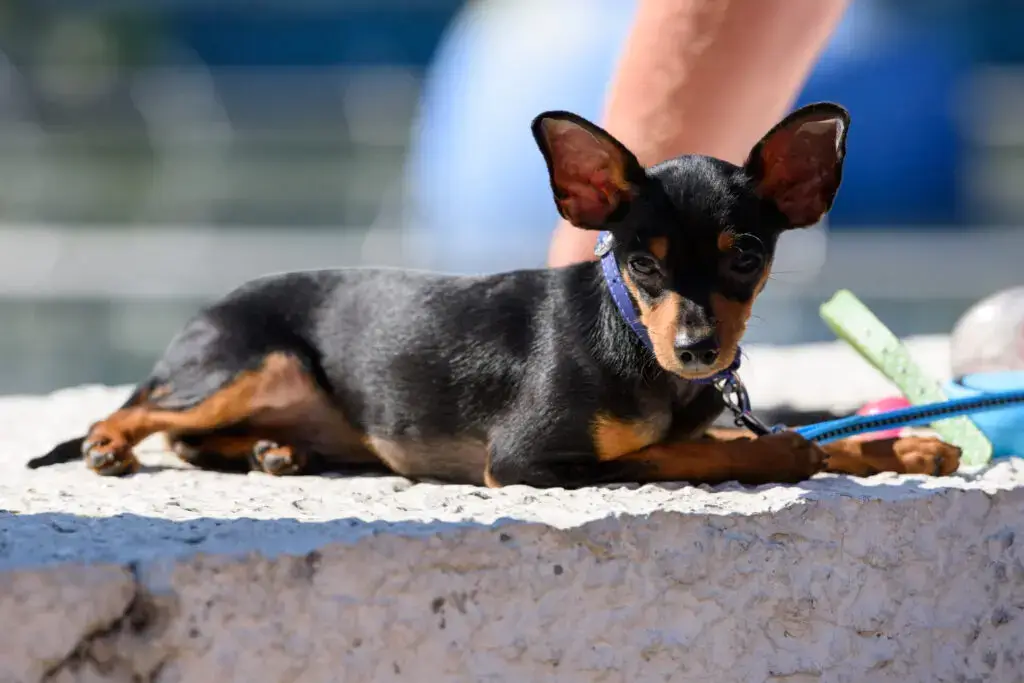
The Prague Ratter (Pražský Krysařík) is a tiny, ancient toy dog breed from the Czech Republic known for its speed, loyalty, and history as a royal rodent hunter. The Pražský Krysařík or Prague Ratter is the smallest Czech dog breed and dates to the Middle Ages. Historical writings state that the Polish King Boleslaw II was very fond of the Prague Ratter and brought two of them to his palace from Bohemia. In 1377 Charles IV, the Holy Roman Emperor and King of Bohemia, presented three of these dogs to the French King Charles V as a gift. This breed is also connected to other European rulers, such as Rudolf II. According to breeder and veterinarian Vladimira Ticha, the Prague Ratter was used in urban and rural houses for catching rats and mice before cats were widely domesticated. They were also used in royal houses to protect people from being poisoned by others. During meals, the dogs would walk on the table tasting the food and drinks to detect poisons. Known for their intelligent, curious nature, Prague Ratters are tiny (yet mighty) dogs. Though playful and full of spunk, they are typically eager to cuddle up to their favorite human once they burn off some energy.
Ratters are social dogs that thrive on strong and dependable relationships with their humans. They love receiving attention and enjoy being around kids. However, due to their small size, these dogs should be supervised when with young children. Though generally friendly, Prague Ratters can be a bit reserved with strangers. They may also be intimidated by other dogs, which may result in confrontations. This breed adapts well to full-time indoor and apartment living. Though they love to play and do so quite energetically, Prague Ratters are more than happy to be a lap warmer during downtime. Unlike other small dogs that can be yappy, the Ratter is typically a very quiet dog. This breed holds the record of being the smallest dog breed - measured by height, in the world. But whilst he only stands around 20 cm tall to the shoulder, he is no slouch when it comes to tracking and killing rats, hence the name. Indeed, the
Prague Ratter is a dog of contrasts, because whilst he’s a loving lapdog to a trusted owner, he is suspicious and grouchy with strangers. When weighing up whether a Prague Ratter would be a good family dog, know they have a strong prey drive and will make the life of other small pets a misery. There are many words to describe the temperament of the Prague Ratter, and to a certain extent, this depends on how well socialised they were as a pup and how knowledgeable their owner is with regards to training. A Prague Ratter is by nature a wired, energetic, power-pack of a dog, which should come as hardly a surprise when a dog of such diminutive stature is prepared to take on rats. This is backed up by a strong prey instinct, which has them on high alert at the slightest movement that might hint at a squirrel up a tree or the family cat having a stretch. With this in mind, a Prague Ratter is a poor choice of pets for the family that already has a menagerie of small pets, as the dog is liable to stalk and attack them.
The Prague Ratter does best when he knows his place and is raised using reward-based obedience training methods. This helps him to constructively direct his energy into appropriate pursuits, and makes for a contented and satisfied pet, rather than a frustrated or bossy one. Indeed, a well brought up Prague Ratter will be affectionate, loyal and loving to his owner, and can make a great pet for the right person. However, be aware that they harbour a natural suspicion of strangers, so only source a pup from a breeder who adequately socialises the pup from a young age. The Prague Ratter may be an independent soul, but he does like to please. When motivated with encouragement and rewards, he responds well to training. The most common training pitfall is to overlook regular training sessions on account of the dog’s small size. Avoid this at all costs and, instead, consider the Prague Ratter as a miniature Doberman and give him the same level of obedience training as you would for a much larger dog. If this sounds too draconian, then harness the dog’s intelligence to teach him tricks. This clever little dog will enjoy the mental challenge of learning to shake paws or play dead, and when training sessions are fun, it helps him focus on the owner as the person in charge.
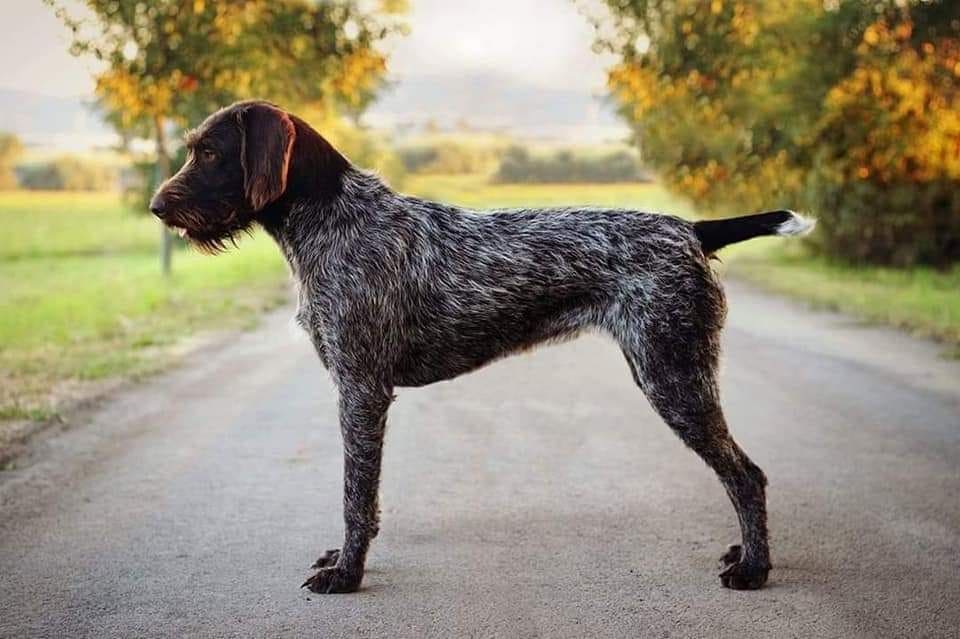
The Český fousek or Bohemian Wire-haired Pointing Griffon was originally bred in the Czech Republic as a versatile hunting dog that could adapt to any terrain (e.g., fields, water, and forest). The Bohemian Wire-Haired Pointing Griffon was originally bred in the Czech Republic as a hunting dog. The Český Fousek and the Wirehaired Pointing Griffon (often called the Korthals Griffon) are close-knit, rugged European gun dogs with deep historical ties, though they developed as distinct breeds. It is wirehaired and has the appearance of having a beard and mustache. A versatile pointer, Český Fousek has the qualities needed to hunt in the field, in the water and in the forest. The breed is part of the griffon hunting dog family and have the beard and moustache ("facial furnishings") common to wirehairs. There is a large difference in size between the females and males of this breed, with the weight difference being up to 11 kilograms (24 lb). A medium-sized breed with a coarse coat, the Český Fousek is an athletically built dog with a wiry, muscular body.
Their most noticeable trait is their distinguishing facial fur. Their soft, bushy eyebrows, mustache, and beard are what make them so recognizable. Their velvety ears hang loosely to the side of their face, while their endearing almond-shaped eyes are deep-set and can be amber or brown in color. These dogs are easy to train and very devoted to their owners. This dog was already an established breed during the Austro-Hungarian Empire and is considered one of the oldest breeds of Pointers in Europe. The breed almost died out during WWI and WWII, but enthusiasts saved them, and their popularity is now growing abroad. Nowadays, the Český fousek is used less for hunting and more as a family pet as it is a very friendly, affectionate, intelligent, and loyal breed. It is also more suited for the countryside than urban areas because it needs a lot of space and exercise. Loyal, intelligent, affectionate, even-tempered, and eager to please.
Gentle and patient with children and other animals, though they have a strong working drive. Built for endurance in fields, forests, and water as a versatile pointer, tracker, and retriever. The females are much smaller than males, but both sexes are equally talented in the field and adaptable to all types of terrain. Although Český Fousek was originally bred as a hunting dog only a fraction of them actually serve this purpose today. While they need a lot of exercise, they are also lovable and affectionate family pets who are surprisingly good around children. Český Fousek is a very manageable dog with a kind nature, without any tendency to aggression or to fight with other dogs. This pointer may look a little bit like a mutt, but it is not true, it is an intelligent breed. It has what is called a three-tier coat, which is extremely hardy and makes it easy for the breed to tolerate being outside in a pen or kennel. The dog will be fine there, but it also likes being around people. The Bohemian Wire-haired Pointing Griffon is a multipurpose dog, highly intelligent, energetic and always willing to please. He has an inherent ability to work in the field, in water or woodland. Cheerful and friendly, he enjoys being with his family as much as he does hunting. He is noble, calm and gentle, and makes a fine family companion. He can display sharpness towards vermin and is devoted to his master.
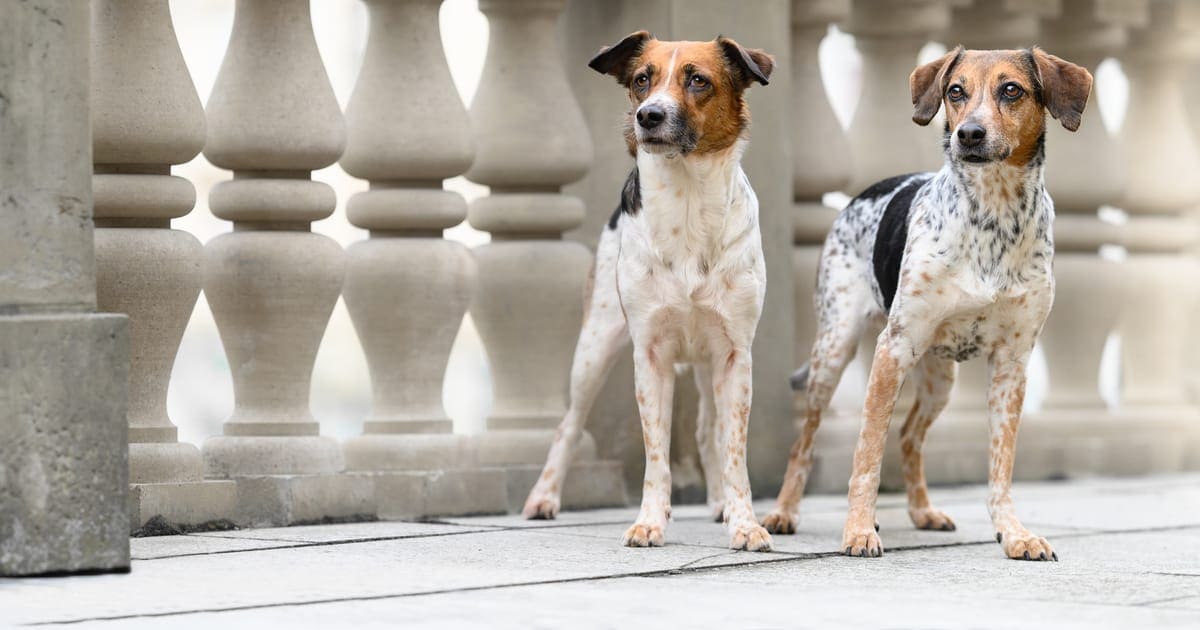
The Český strakatý pes or Bohemian Spotted Dog, originally called "Horák’s Laboratory Dog", was first created in 1954 as a medical research animal. František Horák, a Czech cynologist or specialist in canines, worked in the laboratories of the Czechoslovak Academy of Science’s Institute of Physiology. He wanted to create a dog that would be best for lab experiments, meaning a dog that would be calm, gentle, and easy to care for and breed. He bred a Misi and a Riga to create a breed that was used in research for epilepsy, genetic illnesses, medication testing, and organ transplants. This is a medium sized dog breed with athletic body. The average height is between 43-53 cm, which is 17-21 inch and weight is typically between 15-22 kg, which is 33-48 pounds. Crossbred from Fox Terrier-type dogs, German Shepherds, and German Shorthaired Pointers.
This breed was one of the first animals in Czechoslovakia to receive a kidney transplant. Due to its experimental use, this breed remained a secret and was not seen outside of the laboratory until 1961, when it showed up at a dog show in Prague-Chucle. In the 1970s the use of the breed in experiments was reduced, and by 1981 the breed was no longer used by the laboratories. Any remaining dogs were given to private breeders with the first litter born outside of the labs in 1981. From this point on, the breed was named the Bohemian Spotted Dog. Now the dog is a popular breed in the Czech Republic and makes excellent family pets. Recognized by the Czech Kennel Club, but not yet recognized by the international FCI (Fédération Cynologique Internationale). Kind, outgoing, empathetic, non-aggressive, and deeply devoted to owners. Gets along well with children, elderly owners, other dogs, and small household pets like rabbits, ferrets, or guinea pigs. Excels in therapy work, agility, obedience, and dog dancing. Requires regular daily walks and mental stimulation, making them adaptable pets for both active individuals and relaxed households.
It is known for being kind, outgoing and non-aggressive, which makes it a good choice for first-time owners. It gets on well with people and other dogs, and can learn to live with other pets if raised with them. It still barks to announce strangers. Obedient, well-mannered, and controllable, it adapts seamlessly to the household's rhythm. It happily becomes whatever is asked of it - a hardy and agile athlete on an adventure, or a contented couch potato at home. The Bohemian Spotted dog is normally not used for the typical dog jobs, such as hunting, herding or guarding, but they can make great adepts for therapy dogs. The Bohemian Spotted dog also excells at various dog sports, such as agility, dogtrekking, frisbee or obedience trials.The Bohemian Spotted dog is excellent companion for active people, because they will always be ready for any outdoor adventure. They love long walks and hikes and they also make great jogging partners. With enough exercise, this dog is pretty calm and laid back indoors. Especially younger Bohemian Spotted dogs need regular daily exercise that will satisfy them physically but also mentally.
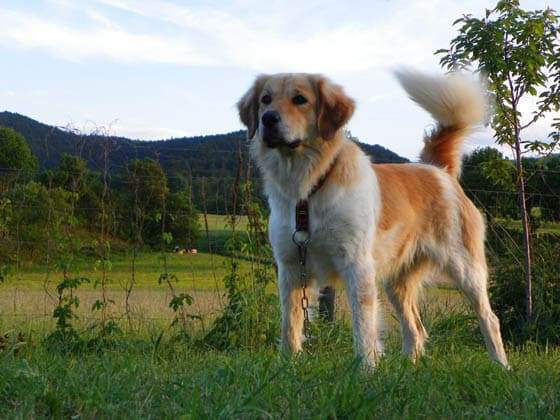
The Czech Mountain Dog (Český horský pes) is a sturdy working, drafting, and sled dog breed developed in Czechoslovakia during the 1970s. The Český horský pes or Czech Mountain dog was created by breeding a Slovak Cuvac with an Alaskan in 1977. The breed is the youngest and the least common of the Czech original dog breeds. Created by crossing the Slovak Cuvac with a Canadian draft dog (along with later influences like Alaskan Malamutes, Siberian Huskies, and other Arctic breeds). Recognized by the Czech Kennel Club in 1984, though it is not yet internationally recognized by the FCI. In the 1990s, the Czech Mountain Dog experienced significant growth. The number of individuals bred increased, and inbreeding was reduced. To further enhance the breed and minimize the effects of inbreeding, other carefully selected breeds were introduced. This large, powerful dog was originally bred for working in the mountains in rescue-work and dog sledding. Today they continue their work as avalanche rescue dogs and are still trained for sledding. However, the breed is mostly kept as family pets.
They are very friendly, loyal, affectionate, and great around children. They are best suited outdoors with a lot of space to exercise. Friendly, confident, lively, fearless, and non-aggressive. They are social with children, strangers, and other household pets if properly socialized. They thrive on active outdoor lifestyles, long hikes, and endurance tasks. Originally bred for mushing and sledding, they also work as search-and-rescue dogs, avalanche dogs, herders, trackers, therapy dogs, and vigilant watchdogs. Used primarily for mushing sports, such as sled-pulling, skijoring, bikejoring and others, the Czech Mountain Dog is a powerful and resilient Molosser, prized for its intelligence and stamina. Although there are slight appearance variations among the working examples to be found, the Horsky Pes is fully standardized and can be seen in Dog Shows in Europe. Generally even-tempered and friendly, the Czech Mountain Dog is a mild-mannered breed, although some specimens can be quite territorial and confrontational around strange dogs.
This handsome worker makes a good family pet and is an alert property watchdog. Broad-chested, well-boned and muscular, this strong, rugged mastiff is reportedly very healthy and long-lived. As the number of Czech Mountain Dogs grew, their use expanded beyond sledding. They became increasingly versatile, finding roles as search and rescue dogs, herding dogs, and excelling in tracking, obedience, and agility. Their friendly nature also made them suitable for pet therapy, while their strength and endurance made them reliable companions for carrying or pulling loads. The Czech Mountain Dog is also becoming a popular choice as a family dog, known for being a good companion and a reliable watch dog. Czech Mountain Dogs should be versatile sport and working dog, intended for the mountains. The ideal temperament is pleasant, friendly, confident and lively, never aggressive. Czech Mountain Dogs thrive with patient and consistent training, especially when given proper motivation. Due to their high energy levels, they need plenty of exercise, making them a great fit for active families.
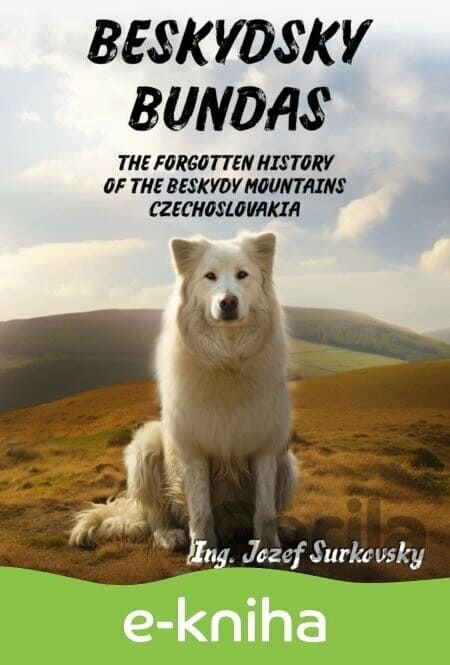
The Beskydský bundáš (also known as the Slezský ovčák) is an extinct medium-sized shepherd dog breed native to the Beskydy Mountains and Těšín Silesia in the Czech Republic and Slovakia. The name comes from the Hungarian word "bunda" (meaning a furry coat). Beskydský bundáš was the original Beskydy breed of dog used for work on the mountain meadows of the Beskydy, where it helped the shepherds guard the sheep. According to the legend, he was an excellent shepherd, but a bad guard, so the Gorals crossed him with a German Shepherd. Pure white puppies were born from this union, inheriting the best traits from both parents. It was still widely seen in the 1950s. In the 1970s, the regeneration of the breed was supposed to take place, but it did not succeed. Prof. MVGr. Antonín Hrůza, who was at the birth of the organized breeding of Slovak Cuvac mentions Beskydský bundáš in his works.
Beskydský bundáš was a medium-sized shepherd-type dog with erect ears. According to Antonín Hrůza it had a height of 45 to 55 cm. It resembled a Slovak Cuvac, but with the height of the withers and, above all, the raised ears resembling Bohemian Shepherd. It was exclusively white with long and bushy fur. Its undercoat very dense. His rich fur (the so-called bunda-coat) gave it the name bundáš - the Hungarian term "bunda" means "fur" (originally Hungarian fur coat), i.e. bundáš means shaggy dog. Beskydský bundáš was also called Slezský ovčák (Silesian Shepherd) suggesting that the breed was bred especially in the area of Těšín Silesia, where it has always been part of typical folklore. In the 1970s, this breed existed not only in the Beskydy Mountains and northern Moravia, but also in the Bohemian-Moravian Highlands and northern Bohemia. Traditionally used by Wallachian shepherds and local farmers for herding and guarding sheep and other livestock in the mountain meadows. The breed was historically listed among Czech/Czechoslovak national dog breeds and is documented in regional history, including the book Beskydský bundáš – Zapomenutá historie Beskyd by Jozef Šurkovský.
Dogica® collects only technical cookies. No any personal or private information being collected, saved or shared here. 3rd Party cookies could be collected by various installed widgets.
The information contained in or provided through DOGICA® site is intended for general consumer understanding and education only and is not intended to be and is not a substitute for professional advice.
Use of this site and any information contained on or provided through this site is provided on an "as is" basis without any representations, warranties or pay.














WORLD OF DOG & PUPPY 🐶