28 Balkan Dog Breeds Rare Balkanian Dog Breeds Bulgarian Dog Breeds Macedonian Dog Breeds Serbian Dog Breeds Croatian Dog Breeds Greek Dog Breeds Popular Balkan Dog Breeds Balkan Dog Breeds Dog Breeds from Balkans Region Dog Breeds Originating in Balkans Region Unique Characteristics of Balkan Dog Breeds How to deal with dogs in the Balkans Most Complete List of Balkan Dog Breeds Top Balkan Dog Breeds Most Popular Balkan Dog Breeds Temperament of Balkan Dog Breeds Behavior of Balkan Dog Breeds Extinct Balkan Dog Breeds What Makes Balkan Dog Breeds Special? What dog breeds are native to Balkans Region? Which dog breed is from Balkans? Indigenous Balkan Dog Breeds Native Balkan Dogs Balkan Dog Breed Photos Balkan Dog Names Island Dogs
Balkan dogs are native to Albania, Bosnia and Herzegovina, Bulgaria, Croatia, Greece, Kosovo, Macedonia, Moldova, Montenegro, Romania, Serbia, and Slovenia. Considering the huge area making up the Balkans it is surprising how few breeds of dog have emerged, with those surviving changes in farming and hunting resembling the corresponding breeds of Western Europe quite distinctly.
The Balkan scenthounds and flock guarding dogs could be mistaken for similar breeds in neighbouring countries. But it is important to identify the Balkan countries, so that the terrain can be studied - and its predictable effect on the types of dog needed to support man there.
The Greek Shepherd (known in Greek as Ellinikós Pimenikós) is an ancient, large livestock guardian dog native to the mountainous regions of Greece. Unlike close-control herding dogs, this is a dedicated livestock guardian that bonds with flocks to patrol, watch, and deter major predators like wolves and bears. Independent, courageous, loyal, protective, and naturally suspicious of strangers. Requires an experienced owner, consistent non-violent training, and ample space (acreage) rather than a standard suburban home. Fewer than 3,000 purebred individuals are estimated to remain worldwide. Organizations like ARCTUROS have run specialized breeding and recovery programs since 1998 to protect the breed from decline and uncontrolled crossbreeding. This flock guardian dog is NOT a breed for the average pet owner. Proud and hard-working, it is a natural sheep and goat guard, but never gathers or directs them. Working in pairs, the dogs prefer to move at the sides of the flock, guarding against wolves and other predators. The Greek Sheepdog is an independent, brave, decisive, loyal, working dog, with a high sense of duty and strong protective instinct toward animals and its environment. Naturally wary, loyal only to the flock leader-shepherd, the Greek Sheepdog can be characterized as the Big Mountain shepherd’s dog of Greece. The Greek Sheepdog is a flock guardian dog used to guard livestock.
This breed had to be strong, to be able to persecute during the fight with the enemy as well as to be able to adapt to rough conditions. It does not tolerate violent behavior. It is extremely dominant and requires an owner with very strong leadership; one who understands its flock guardian ways. When placed in a pack situation, this breed will seek to be top dog by intense fights. Suspicious but tactful in the presence of strangers, he doesn’t make friends easily. He may appear calm, but he is ready to protect at all costs at any time. When protecting his flock he moves along the border, selecting places from where he will be able to see a wide area. He’s aggressive toward the wild animals and able to drive them back with his deep bark. If his deep bark does not drive them away he will pursue the intruder and attack. Early socialization is vital if the dog is to be a trustworthy companion. He can be trained and has a tendency to judge a situation before taking any action. This breed is best trained by an experienced handler who understands how to earn the dog’s respect. They prefer a single master to whom they are loyal their entire life.
They are not easy to train, and they are meant for rural settings where they can run relatively freely. The Greek Shepherd dog works best in pairs, and they work well without direct human contact. They are remarkably smart and know how to assess threats so as to not be distracted as well as to conserve energy for actual encounters. Their ability to manage large flocks while keeping the animals from danger keeps the breed sharp. These dogs are highly dominant, and they are loyal to one person and that person must be an alpha. Once the hierarchy is established, anything in their master's care become's the dog's responsibility and they will not back down from guarding it. These dogs can be very active for long periods of time, but they do not require as much exercise as you may imagine. They are as active as they need to be, whether it's watching the herd or corralling a straggler while fending off a predator at the same time. The Greek Shepherd is not a shepherd in a sense, that he would gather or direct the livestock, but he is an extraordinary sheep and goat guardian.
Thanks to their independent, courageous and brave temperament and strong, muscular and agile body, they are perfect for this job. They are also hard working, not trusting towards other people or animals, decisive and proud. They tend to be very loyal to its owners and family. With the right guidance and good early socialization, the Greek Shepherd is friendly and loving companion who will be always ready to protect its pack. But do not worry, they are not agressive unless they feel they or thier livestock or pack are in danger. This is quite dominant breed, which means they are not the best choice for novice dog owners. They need firm, patient and consistent, but not harsh leader to become obedient. But it is very rewarding feeling to raise this dog and gain love and affection from such an independent breed. There was a lot of superstitions surrounding the Greek Shepherd. Back in the times, people believed that they have magical healing powers and kids were told to take care of Greek Shepherds puppies, because later, the dog will give them its strength. Also, and this will probably sound pretty harsh, some owners would crop or completely remove the right ear of Greek Shepherds males, believing, that it will protect them from evil spirits.
The Romanian Raven Shepherd Dog is one of four native livestock guardian breeds from the Carpathian Mountain region of Romania. Out of all four Romanian dog breeds, the Corob Shepherd might be the toughest and the rarest. This rugged environment shaped the breed's characteristics, making them hardy and resilient. Over the years, the breed has maintained its traditional role as a guardian of flocks, and their reputation as reliable protectors has spread beyond the borders of Romania. The breed's name 'Raven' is derived from their predominantly black coats, which are reminiscent of the bird. The breed makes a calm, courageous working dog and a devoted family companion. The Romanian Raven Shepherd Dog (Ciobanesc Romanesc Corb or Corb) is a large, powerful livestock guardian dog native to the southern and sub-Carpathian regions of Romania (including Argeș, Brașov, Dâmbovița, and Prahova). Traditionally bred as a high-altitude watchdog and livestock guardian against large predators like wolves and bears. Calm, courageous, devoted, and affectionate with family, yet wary and reserved toward strangers.
Known for a deep, booming bark that carries over long distances. Requires ample space to roam (best suited for rural or large properties), weekly brushing to manage its thick coat, regular exercise, and consistent, gentle obedience training. Romanian Raven Shepherd Dogs have natural guardian abilities and a booming bark, making them an ideal breed for protecting livestock from predators or watching over property. As with many watchdogs, they are skeptical of strangers but devoted to their humans. When not working, they typically make happy, playful family pets. The Romanian Raven Shepherd Dog is known for its protective and loyal nature. They are highly intelligent and can be trained to perform various tasks, making them versatile working dogs.
Their temperament is often described as calm and composed, especially within the family setting. While they are affectionate and gentle with family members, they can be wary of strangers, which makes them excellent watchdogs. Their guarding instincts mean they may require early socialization to become comfortable in various social situations. They generally get along well with children and can coexist peacefully with other pets if introduced properly. This breed has a moderate to high energy level, requiring regular exercise to maintain their physical and mental health. They enjoy activities that stimulate their minds, such as obedience training or complex games. Training the Romanian Raven Shepherd Dog requires consistency and patience. They are intelligent and eager to learn, but their independent nature can sometimes pose challenges. Positive reinforcement methods such as treats and praise are most effective. Socialization is crucial, particularly from a young age, to ensure they are comfortable around other people and animals. Introduce them to a variety of environments and experiences to build their confidence.
The Raven Shepherd is intelligent, brave and watchful, with strong guarding instincts. At home it is calm, devoted and gentle with its own people, but it is reserved and doubtful around strangers. It has a deep, far-carrying bark and will not hesitate to confront a threat. Early socialisation and confident, consistent handling are important for such a powerful guardian. This is a dog for a large property, ideally with a job to do or a secure territory to patrol. It needs daily exercise and mental engagement, but is not frantic indoors. As the breed tends to live an average of 12 years it is important to start young and introduce training while they are still at an easier size to manage. It is also interesting to note that although they usually love everyone in the family, they will generally choose one person who they are more likely to "listen to". Corb Shepherd Dogs, or Raven Shepherd Dogs, are powerful, courageous, and easy to train. They are excellent guard dogs and will defend livestock from wolves and bears. Corb Shepherds are friendly and affectionate with family but are unsure of strangers. Sometimes they may display strong protective instincts and behavioral issues which need handling. Because they're large, around 30 inches, they need a lot of exercise. They need at least 60 minutes a day, to curb boredom behaviors.If trained well, the Corb Shepherd is a family dog that is very loyal and affectionate.
The Karakachan dog is an ancient, large livestock guardian breed originating from Bulgaria, historically used by nomadic shepherds to protect flocks from wolves and bears. Though the Bulgarian Shepherd is loyal and loving to their family, they came about as watchdogs who kept an eye over their land and flock. As such, they have a strong protective instinct, and they may be aggressive towards strangers. Early training and socialization is important, although training may be difficult with this breed because they are independent. These dogs have an imposing bark and stature. Although they can be loving with children when they are properly socialized, make sure to always keep a watchful eye around small children, in particular, because of their imposing size. They are known to be intelligent and active dogs. They stand out for their bravery and strong guarding instincts, which are balanced by a calm temperament around their humans. They instinctively fight wolves and bears, often necessary due to their employment at high altitude sheep farms in the Carpathian mountains.
The Romanian Raven Shepherd has a very strong bark, capable of travelling great distances. They are friendly and devoted to their family, but doubtful around strangers. The Karakachan temperament is a delightful mix of characteristics. It is an intelligent and independent dog that should be a joy to have around if it is given love, attention and discipline. It can be the perfect dog for anyone from a young girl to Vladimir Putin. The independence in its character does mean, however, that many things are on the pup's terms, do not expect this dog to lie over and just be told what to do. When it comes to training, it may decide that it simply doesn’t wish to do something. It will take an extremely experienced and confident trainer to convince it otherwise. Karakachans can be nervous of newcomers and are famous for being fiercely protective of their human parents. Because it is so large, a Karakachan losing its temper can be intimidating and, because of its history, it is not afraid to lose its temper. Are Karakachans aggressive? They may be more likely to display their aggressive tendencies than the average dog, but they will only do so when they think you are in danger. It is not hugely different in this respect to plenty of other dogs: if it is to be a domestic pet, it needs to be socialized properly.
The dog being raised alongside the kids of the house will mean you do not need to worry about interactions between the two groups but you should not leave a small child alone with a Karakachan; there is always a risk of such a large dog accidentally sitting on a little person. Still used mainly as a working dog, the Karakachan dog is dedicated to its role. They are hardy, diligent and hard-working. They are always alert, patrolling and guarding their flock. Any perceived threat to their herd will be met with aggression. In a home setting, a Karakachan will usually give plenty of vocal warnings before attacking, if they feel there is a call to do so. These independent working dogs, are immensely loyal and devoted to their masters, trying their level best in protecting his household at any cost. They have a strong smelling and hearing instinct that is instrumental in making them ideal guard dogs. Though not aggressive while guarding their livestock, these territorial dogs display a highly reserved nature while confronting strangers. In fact, they let out a loud growl or barking if they spot any unfamiliar face nearing to the flock, even going to the extent of attacking or biting him on finding anything suspicious. This trait makes them highly suitable for owners having a farm or barn.
The Romanian Mioritic Sheepdog is a large, powerful livestock guardian breed from the Carpathian Mountains. Males stand 28–30 inches tall and females stand 26–28 inches tall. They feature a thick, shaggy coat, a calm yet courageous temperament, and live 12 to 14 years. This is a large livestock guardian and shepherd dog breed originating from the Carpathian Mountains of Romania. It is traditionally used to protect flocks of sheep from large predators like wolves and bears. An old romanian dog breed name is Barac. The Mioritic Sheepdog has a massive body that is fully covered with abundant long and fluffy, light colored hair. The head is massive; the skull is broad, slightly arched, the stop is not clearly marked, the muzzle is strong, tapering gradually on to the nose. The Mioritic Sheepdog is vivid and balanced - alert and vigilant, disciplined and very attached to its owner, but suspicious with strangers. Fearless and very courageous, he is the perfect protector of his owner and the herds. He is a vigilant, courageous and dominant dog, though he obeys his owner with calm and discipline. An incorruptible guard and a wonderful pet. A very goodflock guard, very brave and an efficient fighter against possible attackers - bear, wolf, lynx.
When raised as a working livestock guardian it will not be trustworthy with unknown people. It loves children very much.The Mioritic Sheepdog has a massive body that is fully covered with abundant long and fluffy, light colored hair. The Romanian Mioritic Shepherd Dog is vivid and balanced; alert and vigilant, disciplined and very attached to its owner, but suspicious with strangers. Fearless and very courageous, he is the perfect protector of his owner and the herds. He is a vigilant, courageous and dominant dog, though he obeys his owner with calm and discipline. An incorruptible guard and a wonderful pet. A very goodflock guard, very brave and an efficient fighter against possible attackers (bear, wolf, lynx). When raised as a working livestock guardian it will not be trustworthy with unknown people. It loves children very much. Like most livestock guardian dog breeds, the Romanian Mioritic Shepherd Dog has a calm, independent, courageous personality. These loyal pups are devoted to their family members and like to spend time surrounded by their pack. Because of their protective nature, they are willing to defend their people from perceived dangers.
They typically get along great with children but are often wary of strangers. But even with their relatively high energy outputs, lively personalities, and assertive command of their living spaces, these dogs are usually calm and easy-going inside the home, happy to engage in play appropriated to their partner depending on size and strength, or just lounge around the house with the family. They are quite affectionate and form strong bonds with nearly all members of the family, making them universally lovable even if they can be a pain to train at times. In the home, the Ciobanesc Romanesc Mioritic often become exceptionally attached to their families, showing copious amounts of loyalty and a fair amount of affection to boot, employing patience and gentleness with children and generally maintaining regular obedience.
Because they were so long trained to be an independent breed, they still maintain a strong will and the desire to make their own decisions, so they need firm, consistent training early on to get the absolute best out of them. They also have a considerable amount of energy and will become frustrated or restless if not properly exercised, so they generally do best with an active family or one with a large yard they can regularly roam and burn off some energy. The Mioritic is an intelligent breed that is naturally quite obedient. However, they are not suitable for first time owners, given their strength and protective instinct. Instead, the ideal Mioritic owner should be experienced with dogs and know how to motivate a dog that can be stubborn at times. A powerful dog, the Mioritic must be obedience-trained. The Romanian Mioritic Shepherd is extraordinary livestock protector, so they just have to be courageous, fearless and wary of strange animals or people. They would try to repel any intruder, it can be a thief, but also a wolf or a bear. Because of their strong protective instinct and very big power this is not the best choice for novices or first time owners.
The Istrian Coarse-haired Hound (Istarski oštrodlaki gonič) is a rare, rough-coated scent hound originating from Croatia. The Istrian Coarse-Haired Hound is not currently recognized by the AKC. It is, however, recognized by the UKC and the FCI. This breed is classified in Group 6 with other scent hounds by the FCI – it is also grouped as a scent hound by the UKC. The Istrian Coarse-Haired Hound is a type of scent hound developed in Croatia during the mid-19th century for the purpose of hunting rabbit and fox. It has a rough, weather-resistant coat and a round head with a strong, square muzzle. The ears flop down over the head, and the feet are small and similar to a cat's paws. They are also gentle, devoted, and easy to train. Developed by crossing the French Griffon Vendeen with the Istrian Short-Haired Hound, this breed inherited its hunting abilities from the latter and its wiry coat from the former. The breed first appeared in competition in 1866 in Vienna, though it is still primarily kept as a hunting dog to this day. Tenacious, enthusiastic, and passionate while hunting, though they can be willful, stubborn, and independent, requiring firm, positive training and early socialization. As is true for their ancestors, the Istrian Coarse-Haired Hound is a dedicated hunting dog who has been bred to work hard. Both their physical appearance and their personality reflect this, as they have the temperament of a hunter and an appearance that has not been historically important to breeders and can vary somewhat between individuals. This dog uses its well-developed sense of smell to track down a variety of small game, including rabbits and foxes. They are renowned for their courage and grit when on the hunt.
Primarily kept as a working field dog for hunting hares, foxes, and small game rather than as a casual house pet. High stamina; requires 60+ minutes of vigorous daily exercise and secure fencing. They can be stubborn, and you must be very consistent with training. You must be firm and consistent, and you can be sure that your dog will listen to you. The Istrian Coarse-Haired Hound is an intelligent dog which usually means a dog will be easy to train. However, in the case of this breed, it lends itself to stubbornness or willfulness. This breed is not recommended for inexperienced dog owners and they really need to be used for hunting. These dogs can be tamed with a firm and consistent hand with positive reinforcement training, but you will always need to be an authoritative leader for the dog. Socialization is also extremely important for this dog, especially if he is going to be kept in a home with children or other pets. This dog's primary skill is for hunting but he may also do well in dog sports like agility and competitive obedience.
This hunting dog stands out for its lively and thoughtful temperament. It is generally calm and docile at home, while remaining very alert during outings in nature. Its independent nature is balanced by strong loyalty to its owner. It learns quickly and enjoys performing tracking and searching tasks during hunts. Despite its obedient qualities, it can be reserved with strangers and wary of small animals, due to its hunting instinct. Its sociability within the family is nevertheless appreciable, especially when early socialisation has been established. Opt for training sessions based on positive reinforcement and stimulating exercises to maintain its alertness and behavioural balance, which are essential for a harmonious life. Istrian Hounds are calm and laid-back at home and lively and enthusiastic when hunting. These gentle pups get very attached to their humans but are often wary of strangers. They are loyal and obedient with a powerful, persistent bark. The Istrian Coarse-Haired Hound has a strong desire to hunt and will spend most of its time play hunting, preparing for the real thing. It’s friendly and affectionate but can also be strong-willed and stubborn.
It is alert and makes a great watchdog without being overly barky, and they won't back down from any threats when protecting the home or its family members. It’s calm and well-mannered with the right owner and rarely gets aggressive toward humans. The Istrian Coarse-Haired Hound is extremely intelligent and is a great hunter. It’s capable of learning the complex tasks required when hunting and trapping prey, and it can also learn several tricks. The Istrian Coarse-Haired Hound is a great family pet, and more family members will make it easier to make sure your pet gets enough exercise, which can be difficult for a single owner. It will also watch over the house when you are away and when you sleep. It enjoys playing with children but may not tolerate toddlers pulling its hair, so you might need to separate them until the child gets a little older. Set aside at least 30 minutes each day to help your Istrian Coarse-Haired Hound get the activity they need to stay healthy. Since your dog is a hunter, it will enjoy chasing after balls and frisbees. It will also enjoy long walks and hikes, especially through the woods where it might catch a glimpse of a rabbit or other small game. However, you’ll need to prepare for it to do plenty of pulling on the leash while walking through the woods.
The Istrian Shorthaired Hound (also known as the Istrian Pointer) is a medium-sized scent hound originating from Croatia's Istria region, recognized for hunting hares, rabbits, and foxes. The Istrian Hound comes in two varieties: the longhaired and the shorthaired. Originally from Croatia, this is a very old breed whose exact origins are unknown. Istrian Short-Haired Hounds are calm, docile dogs with exceptional hunting abilities. They are also gentle, devoted, and easy to train. No wonder they have been beloved in their native country for centuries. Istrian Hounds are calm and laid-back at home and lively and enthusiastic when hunting. This dog has always been very popular as a hunting dog in his country of origin, but he has also proven himself as a family dog; indeed, he is a gentle, kind, sociable, and affectionate companion. These gentle pups get very attached to their humans but are often wary of strangers. They are loyal and obedient with a powerful, persistent bark. While they are not the biggest dogs, they are well known to be exceptional hunters, able to track hares, foxes, and rabbits with their quickness, discerning noses, and considerable endurance. In the home, however, they are calm and generally relaxed but that does not necessarily make them the best of pets.
They are still kept almost solely as hunters as they are extremely wary of children, are only moderately good with other dogs, and tend to bark when they are disturbed, uncertain or when strangers are present, limiting their potential living situations. They are usually quite affectionate with their owners or trainers but are far from playful compared to other breeds and still require a fair amount of exercise. With all these traits combined, they are still best reserved for hunters instead of solely owned as companion animals. While many European scent hounds are well-known for having well-rounded personalities, Istrian Shorthaired Hounds tend to be much more wary and reserved in comparison to their regional counterparts. They are generally not great with children, strangers or other dogs, and although not inherently aggressive, will proceed to bark incessantly if they feel threatened, nervous, or uncomfortable unless thoroughly trained and socialized from a very young age and sometimes will anyway.
With their owners, they tend to be much better, as they are loyal, generally calm, and listen well when given orders, even if they're not the most playful or affectionate. They do, however, have quite a presence in the field, quickly showing their tracking ability, determination, and agility when given the chance, making them excellent overall hunters, even if they are not the best candidates for companion animals. This breed is considered a moderately active dog, as it does need a fair amount of exercise, but compared to other hunting breeds, considerably less. It generally does best in homes with more active owners or those with bigger yards it can run around in and burn off energy. While it does not need a ton of daily exercise, it should still receive around 30 to 45 minutes a day minimum or around 14 miles of walking or running. A formidable hunter, the Istrian Shorthaired Hound is mainly used for hare and fox hunting, but also for chasing injured game. He is a passionate dog at work, and he does not fear harsh climates or rough terrain. He is full of energy when he is outside but is rather quiet and calm when he is inside.
The Istrian shorthaired hound is described as a gentle and docile dog. Calm, he is very attached to his owner. He is an excellent small game hunter, who adapts relatively well to family life. On the training side, it will be necessary to show firmness, but never brutality. When it comes to exercise, the Istrian Hound needs to run. You will therefore have to take long daily walks with him so that he spends his energy. Be sure to check your animal's ears after outings in the forest or in the countryside to remove any parasites that may have lodged there. The Istrian Shorthaired Hound is a cheerful and devoted companion with an endearing independent streak. Bred for tracking and flushing game in challenging terrains, these dogs possess a robust work ethic and a keen nose that often guides their adventures. They tend to be gentle and affectionate with their people, though their hound instincts mean they may be inclined to follow a captivating scent. Their expressive eyes and deep bark are characteristic features of the breed, reflecting their alert and engaged nature.
The Barak (officially known as the Bosnian Broken-Haired Hound – called Barak or Bosnian Coarse-haired Hound) is a medium-sized scent hound originating from Bosnia and Herzegovina. Lively, courageous, persistent, and passionate scenthound traditionally used for hunting game like wild boar, fox, and hare. Baraks were bred for the purpose of hunting hare, fox, and wild boar and are amazingly good hunters and trackers in the field thanks to their excellent noses, endurance, and drive to work. They share many characteristics of other European scent hounds in that they are easy-going in the home and wildly dedicated on the hunt. They generally get along well with other dogs and people, especially when fully trained and socialized, but have a strong prey drive that is hard to kick, so they generally don't do very well in homes with other non-canine animals unless raised with them from a very young age.
While they are an intelligent breed, they are also a bit stubborn, so training can be an uphill battle at times, requiring an experienced owner with a knack for consistency. Although they are a relatively popular breed for hunting in their home region, they never made a transition to that of solely companion animals and are still considered quite rare outside of their region of origin. Baraks stem from the classic European scent hound model in that they are a tale of two personalities, one inside the home and one outside. While hunting, they are excitable, dedicated and highly efficient trackers and hunters who will keep their noses to the ground and keep moving for hours on end if need be. In the home, they are generally easy-going and will follow the family with whatever activity they participate in, whether doing work around the house or just lounging. Because of their pack-hunting background, they are generally good with others dogs and children, but are sometimes wary of strangers, which can also make them good watch dogs. Like when on a hunt, their first instinct is to bark when something piques their interest.
They will continue to do so until given direction otherwise and are considered moderate to high frequency barkers compared to other similar breeds. If they are thoroughly trained and socialized, they will be less likely to make as much noise and will be quicker to accept strangers. Unfortunately, training is not always easy because the Barak's high intelligence often means they can be notably stubborn and usually take an owner with experience, a firm hand, and consistency to get the best behavior out of them. Because of their high energy levels, they generally do best with active families or those with a large yard to run in or a dog park nearby. Baraks are considered medium to high energy dogs, which means they need a considerable amount of daily and weekly exercise and can become frustrated, bored and even destructive if they aren't provided a proper amount.
It is safe to say that around 60 minutes a day should be good enough to get them tired, around 16 miles of walking and running per week with supplemental play time in a yard or dog park. Because of their high intelligence and prey drive, if they are not used for hunting, games that stimulate those needs are especially helpful in exhausting them and getting the best behavior out of them. Playing fetch or anything that engages both their mind and body will go a long way in their health and happiness. To understand the character of the Barak means understanding the job they were bred to do. This involved tracking a scent and following it across rough terrain. This accounts for their obsession with smells from which it can be hard to distract them. Another feature of their character is that the dog would frequently run some distance ahead of their owner and then bark to signal their position. This allowed their master to locate them and catch up. In practical terms, this makes the Barak immensely independent and freethinking… not to mention noisy. Whilst a good trait in a hunting dog, this can make for a frustratingly disobedient pet. And, did you spot the mention of barking? These guys like the sound of their own voice and are not afraid to use it. Added to this, remember this bark is one that carries over quite some distance – a trait that is helpful out in the country, but not so good in the city.
The Bulgarian Hound, also known as the Barak (Balgarski Barak), is an ancient, medium-sized scenthound native to Bulgaria. Recognized by the Bulgarian Republican Federation of Cynology (BRFK) in Group 6 (Scenthounds and similar breeds), though not currently recognized by the Fédération Cynologique Internationale (FCI). Loyal to its handler, independent, freethinking, alert, and energetic. It can be distrustful or reserved around strangers. Strong scenthound and tracking instincts, historically used for small and large game (including wild boars). Very vocal and high-energy, requires a high amount of daily outdoor exercise and firm, experienced handling. It is generally unsuited for first-time dog owners or cramped apartment living without a secure yard. The Bulgarian Hound is independent yet closely bonded to its handler. It is a freethinking dog that forms strong attachments and works best when treated as a partner rather than a pet that simply follows commands. Because it is a true working Bulgarian dog, it needs mental stimulation. A bored Bulgarian Hound will invent its own activities, often involving following interesting smells. Early socialization and consistent, reward-based training help channel that energy productively.
This is not a low-energy companion. Daily exercise should include long walks, opportunities to use the nose, and preferably some form of scent work or hunting simulation. A secure garden or rural environment suits the breed far better than a small apartment. This is definitely the most famous hunting breed in Bulgaria, this dog has played a decisive role in the successful hunting of Bulgarians for many centuries. How exactly it appeared on the Bulgarian lands is not entirely certain and its roots can only be assumed. This is a dog breed that is considered to be very old – it is claimed that Barak dogs are descendants of dogs that came from Asia 1 340 years ago! And the amazing thing is that these dogs are still around. The Barak and its relatives are mainly found in Bulgaria, Bosnia, Turkey and other Balkan countries. However, once, Baraks were very popular, and it is even believed that after the Fourth Crusade, returning French knights brought them back from the Balkans, thus starting the famous line of Griffin hunting dogs, and has long been used for their impressive scent tracking abilities.
A story related to Bulgarian Hound is part of an important episode of Bulgarian history, at the end of the Russo-Turkish War. After the heavy siege of Pleven by the Russian troops, Osman Pasha is known to have been captured after the siege, and his first concern when presented to the Russian officials was to ask to be well fed and look after his hunting dogs. The Bulgarian Barak is a breed of dog known for its unique and appealing character. Their intelligence, loyalty, and energy make them excellent companions and working dogs. The Bulgarian Barak is celebrated for its loyalty and devotion to its owners and families. They develop a strong bond with the people they are attached to and are ready to protect them at all costs. They become true family members and care deeply for their loved ones. Baraks have a balanced temperament and show good resilience in challenging situations. A distinctive feature of this breed is their ability to remain calm and responsible, even in stressful circumstances. This makes them confident and reliable companions for their owners.
The Bulgarian Barak has strong protective instincts and bravery. They are prepared to defend their loved ones and their territory. They have a well-developed sense of guarding and are ready to display courage in situations that require protection. The Bulgarian Barak is a breed of intelligent and perceptive dogs. They learn quickly and respond well to training. Their intelligence and cleverness allow them to adapt to new situations rapidly and grasp new commands and skills efficiently. Energy and activity: The Bulgarian Barak is a breed that possesses high energy and activity levels. They need ample physical exercise to maintain their fitness and health. Adequate physical activity also helps them manage stress and maintain a positive mental state.Socialization plays a crucial role in shaping the character of the Bulgarian Barak. Early socialization with other dogs, people, and various situations helps them develop confidence and good manners in daily life.In summary, the Bulgarian Barak is a breed of dogs with a unique and interesting character. Their loyalty, protective qualities, and energy make them wonderful family pets and working dogs. They require socialization, training, and sufficient physical activity to reach their full potential and be happy and healthy.
The Tornjak (Bosnian-Herzegovinian and Croatian Shepherd Dog) is an ancient, large Molosser-type livestock guardian dog native to Bosnia and Herzegovina and Croatia. Developed over 1,000 years ago in the mountains of Bosnia, Herzegovina, and Croatia; first documented in 11th-century writings. Modern pure-blood revival efforts began in the 1970s. It is recognized by the United Kennel Club (UKC) and is part of the American Kennel Club (AKC) Foundation Stock Service. This ancient shepherd breed was on the verge of extinction until some dedicated breed fanciers revived it in the 1970s. While it has been preserved, the Tornjak is still an extremely rare dog breed. Owners of these unique canines will find that their relaxed, even-tempered nature is also a striking contrast to their extremely protective instincts. Originally bred to protect sheep, he is alert and protective of his family. He is calm and malleable, generally easy to train and unlikely to be aggressive towards people and other dogs. He may be provoked towards aggression if he feels his family is being threatened in some way. Calm, peaceful, affectionate, and deeply devoted to their human pack. Fearless, self-confident, and territorial, historically used to protect flocks from wolves and bears.
Naturally suspicious of outsiders and unbribable, though not nervously aggressive when properly socialized. Early socialization (ideally before 9 months) is crucial. The Tornjak is used for herding and protection of livestock, a farmyard guard dog. He has a stable temperament. He is friendly, calm, courageous, obedient, intelligent, full of dignity and self-confidence. When working he is fierce in guarding property entrusted to him, cannot be bribed and is suspicious of strangers. He will protect his owners, herd and property with his life. The Tornjak is friendly with people he knows. Devoted to his master and very composed in his presence, he is very affectionate toward people living in his immediate vicinity. Learns quickly and does not forget things easily, gladly performs tasks assigned to him. Strong and hardy, during the snowing winter nights, these dogs lie on the ground and often get covered by snow. He is easy to train. The objective in training this dog is to achieve pack leader status. The Tornjak is an intelligent, highly trainable, and very obedient dog. Full of dignity and self-confidence, this breed's calm demeanor combines with a steady disposition. Tornjaks have friendly personalities and are extremely devoted to their immediate families. These dogs are known to bestow abundant affection on their people, but they're also very wary of strangers - especially anyone the dog believes to be threatening. Owners of this breed should be aware that it is courageous in the face of danger and fiercely protects its flock.
The Tornjak acts with swift and appropriate aggression when warranted, but at home, it is laid-back and relaxed. The Tornjak is protective of livestock thanks to its origins as a guardian breed, but it can become aggressive with other dogs, especially those it does not know. Some Tornjaks may get along with a family cat, though not all will be able to live with cats peacefully. While this breed is certainly not for everyone, it makes an especially devoted companion for the right owners. The Tornjak is overall a friendly, self confident dog. He takes his guard duty seriously and will be suspicious of strangers that approach his property. He is a quick study and relatively easy to train when he has an experienced trainer. The Tornjak cannot be bribed or lured away from his duties as a guard dog for his home or his flock. His family is very important to him and his loyalty will make it difficult to re-home if his family later decides they do not want him. Because of the strong bond he forms with his family, he should not be relegated to the back yard for long periods of time. His strongest desire is to be wherever his family is. If he is left in the backyard, be sure he has plenty of things to keep him occupied. He is friendly to people who come to the property often. When he is being trained, he responds best to positive reinforcement and rewards.
The Croatian Sheepdog is an ancient, highly intelligent, and energetic medium-sized farm dog featuring a distinct solid black coat, erect triangular ears, and a fox-like head. Known for intense loyalty and strong herding drives, they stand 16 to 21 inches tall and weigh 29 to 44 pounds. Croatian Sheepdog - also known as the Hrvatski Ovčar, is an authentic and recognized herding and shepherd dog breed originating from Croatia. The Croatian Sheepdog is a dog breed from Croatia. The Croatian sheepdog is a weatherproof, adaptable breed. They are of low to medium height and the base color is always black, although there may be very small patches of white on its chest or toes. A characteristic is the short hairs on its somewhat fox-like head and legs. The remainder of the coat is longer and wavy or curly. Nowadays, some dogs are even taller, that is probably due to better nutrition and an easier life - they grow to their full genetic potential.
Traditionally the tail is docked very short but, if undocked, it is carried curled over the dog's back. The Croatian Sheepdog is an alert, agile, keen and intelligent dog with enormous energy and with a strong need for human companionship. It is healthy, resistant to disease and not expensive to keep. It possesses a well-developed herding instinct and is an excellent watchdog. It's a caring and modest shepherd's dog, very loyal to their master. The breed also possesses an hereditary predisposition for working cattle. Some farmers affirm that their Croatian Sheepdog knows and will single out every head of cattle by hearing its name. In the past, the dog was often used to drive herds of pigs to oak woods in autumn, and, in one old document, it states that this versatile breed even herded the horses from Dakovo's stables. It is both a driving and a gathering dog. They are hard-working, healthy, and loyal herding dogs that will thrive best in an active home where they are given a lot of exercise and stimulation. Croatian sheepdogs share many of their personality characteristics with others breeds in the herding group, including their voracious appetite for exercise, quick intelligence, and desire for a "job."
The breed thrives on strong leadership from their humans and will be a loyal and gentle companion given the right training and care. The Croatian Sheepdog is an alert, agile, keen and intelligent dog with enormous energy and a strong need for human leadership. It is healthy, resistant to disease and inexpensive to keep. It possesses a well-developed herding instinct and is an excellent watchdog. An instinctive herder, it is wary of strangers. This is a high-energy breed of dog with a very strong work drive that also has a strong need for human companionship. They are loyal to the extreme and will obey the orders of their chosen human without regard to their own personal safety and they are known to develop the ability to anticipate their owner's next move. While a socialized Croatian Sheepdog is generally pleasant with family members of all ages, they can be a bit shy with outsiders. During training, they prefer to be a one-person dog and will often only obey that chosen person but with that person, they are typically an extremely quick study who picks up and retains new information quickly. They are also very intense dogs and they often use their voices to convey their intensity, frequently barking when they are excited. Their suspicion towards strangers and their tendency to bark makes them excellent watchdogs.
The Sarplaninac (also known as the Yugoslavian Shepherd Dog or Sharplanina) is an ancient, large livestock guardian dog native to the Šar Mountains in the Balkans (Serbia, North Macedonia, and Kosovo). The Yugoslavian Shepherd Dog claimed by both Serbs and Macedonians as their own. Both countries are also listed on the breed's FCI (Fédération Cynologique Internationale) pedigree as the countries of origin. It takes its name from the Šar Mountains on the border between Kosovo and northern Macedonia. It is still most common in this area, but can be found all over the world. The breed has been registered by the FCI since 1939; it was first recognised as a Yugoslavian breed under the name of the Irish Sheepdog. In 1957, the General Assembly accepted the proposal of the Yugoslav Kinological Association and the breed was renamed the Sarplanina Sheepdog. Its origin remains controversial to this day. However, it seems likely that it arrived in Europe from Asia during the prehistoric migrations. The Sar is a flock-guard dog that needs to be working. This sheep-herding guard dog is unaffectionate toward its humans. It prefers the flock it so enthusiastically protects. It has natural guarding qualities and independent thinking typical of the flock guard group. Usually calm, but when the situation warrants, it is ferocious in its efforts to protect the flock. It takes its work seriously. When on sheep-guarding duty it will investigate anything that catches its eye, and has no hesitation about confronting adversaries larger than itself. This is not a brainless tail-wagger; the Sarplaninac is a very wise dog that chooses friends carefully and trusts no one completely. He is more obedient to his ingrained code of proper behavior than to accept commands from one master, to whom he is most loyal.
Calm, intelligent, independent, and devoted, Šarplaninacs have a protective, fearless nature that makes them excellent guard dogs. Though they are not known to be overly affectionate, they typically get along with children and are loyal family members. The Sarplaninac is very often described as head strong or stubborn and it is true. It is an independent breed. They must be able to make their own decisions when they are working and guarding. Independent and stubborn does not mean stupid. Quite the opposite. The Sarplaninac is very intelligent breed, but they might not be the easiest dogs to train the classic obedience, due to their independence. The Sarplaninac is sometimes viewed as dangerous and agressive dog breed, which is a reason why they are banned in some countries, for example in Denmark. But just like with all dogs, if the adult Sarplaninac is agressive without a reason, it is most often fail of the owner, who did not socialize and train the puppy properly. There are many Sarplaninac dogs that are living as family companion dogs and they have no behavioural issues. But it is true, that this is definitely not a dog for novices as they need experienced dog owner who will provide them with firm, but kind, patient and most importantly consistent training and socialization.
When the Sarplaninac is with its family, they are very friendly, they would never harm its own pack. They are also known to be quite gentle with kids, but of course, you should never leave any dog breed with a very young child unsupervised. The Sarplaninac can also live with other dogs or other pets in the family, as they dont have high prey drive, but it is better if they are socialized together from the puppyhood. The personality and temperament of Sarplaninac is just perfect for its purpose. These dogs are used for centuries for protecting the livestock, and they are just amazing at it. The Sarplaninac create pretty strong bond with the livestock, they live with them and they are absolutely devoted to the owner, but also, to the flock. And their loyalty is expceptional. They will definitely protect the flock, its owners and its property against any kind of predator or intruder. It is a highly protective, courageous and brave, alert and watchful breed. In order to be capable of working all day long, these dogs just must be very endurant and indeed, they do have high stamina. If they are not used for livestock protection, they need some kind of regular job in their life. They will naturally patrol your yard if they have the chance and they will definitely enjoy daily long walks and playtime.
They will do best if they can have access to some kind of large outdoor space which they can naturally guard. While Šarplaninacs are known to be protective, family-oriented dogs, they are not particularly affectionate or playful and are much happier when they have work to do. That's not to say that they do not form strong bonds, however, as once they live and work with a family for a period of time, they are endlessly loyal and will go to great lengths to protect them. Once they reach that level, they are great with nearly all family members and even children, despite their lumbering size, and are usually gentle and patient even with small kids, but should be thoroughly socialized and trained to reduce any potential issues. Training itself is a difficult task - it is not for inexperienced owners. Šarplaninacs not only like to assert their dominance, calling for a consistent and firm hand out of their trainers or owners, but even after being trained are still head-strong and independent dogs that will often override commands with their own decision making. Because of their protective nature, they are generally standoffish with strangers and new dogs and will position themselves between newcomers and their families, acting as a barrier when they sense any level of potential threats. They are also high energy dogs and usually need consistent work to do or regular and thorough exercise, leaving them best reserved for active families with big houses and large outdoor spaces for them to roam and patrol.
The Dalmatian is an athletic, high-energy dog breed recognized for its distinct white coat with black or liver-brown spots, historically bred as a coach and carriage companion. Dalmatians were bred to run under or alongside horse-drawn carriages and therefore have a vast amount of stamina and energy. They do not like to sit around all day with nothing to do. They are playful, happy, easy going and very dedicated. The Dalmatian needs a lot of leadership along with human companionship in order to be happy. They will not do well left out in the yard all day and have been known to dig crater-size holes when done so. The Dalmatian enjoys playing with children, but if they do not receive enough mental and physical exercise they may become high-strung, and too excitable for a small child. This buildup of energy causes their minds to become unstable and they can become timid without enough socialization. They get along well with other pets, but without proper human to dog alpha communication where the human clearly tells the dog that he is not in charge and fighting is an unwanted behavior, they may become aggressive with strange dogs.
Quite intelligent, but can be willful if they sense their owners are in the slightest bit meek or passive, or if the owner is not properly communicating with the dog. Generally does well with firm, consistent training. The Dalmatian is trainable to a high degree of obedience. They can be trained for defense and are good watchdogs. Dalmatians are bursting with personality – and with an abundance of energy! You just have to make sure to keep that energy harnessed in a positive way. They love to have a job and to be praised, so keeping their body and minds busy is always a great idea. They are very loyal to their family and very intelligent. Dalmatians are intelligent and energetic. They are the perfect pup for anyone with an active lifestyle because they require a lot of exercise and mental stimulation. Because of this, Dalmatians are at their best when they have a job to do. And while that job does not need to be putting out a fire, they will benefit from learning tricks or competing in dog sports. While Dalmatians are friendly and loving toward people they know, they can be aloof and uninterested when meeting new people, especially in adulthood. This is why socializing Dalmatian puppies early in life is so important. Dalmatians are rambunctious, highly energetic, and need a lot of daily exercise.
Dalmatians are independent and headstrong, so training them is a practice in patience. They respond best to positive reinforcement training, so give them lots of praise with healthy treats, toys, and head pats. But these pups are super smart, too, and can pick up on training cues quickly when properly motivated. Dalmatians are energetic, outgoing, and intelligent, making them great companions for active families. They thrive on interaction and need regular physical and mental stimulation to stay happy. While generally good with children, their boisterous nature may require supervision around younger kids. Their strong hunting instinct can lead to a tendency to chase smaller animals, so early training and socialisation are crucial for positive interactions with other pets and people. Dalmatians are loyal and protective, making them excellent watchdogs, but they are also sensitive and respond best to consistent, positive reinforcement during training. Dalmatians are a highly active breed that thrives on regular physical and mental stimulation. On average, they require at least 1.5 to 2 hours of exercise daily to stay happy, healthy, and well-behaved. Activities such as brisk walks, jogging, playing fetch, or engaging in dog sports like agility and obedience training are great ways to meet their needs and reduce the risk of behavioural problems.
The Posavac Hound (Croatian: posavski gonič) is a medium-sized scenthound native to the Sava River Valley in Croatia. The Posavac Hound is a self-assured, small-game hunting dog with a fine sense of smell. Good with children, he is affectionate with his family. Obedient, lively and a good watchdog. Daily exercise is very important. If these dogs do not receive enough exercise they can become high strung. It is arguable that his character and temperament are the outstanding feature of the Posavac breed. Due to his origins as a working dog, he’s self-assured and loves a good scent trial, but without the self-willed, self-determined nature of some other scent hounds. His natural instinct is to be part of a pack, and, as such, the Posavac looks for leadership. Again this makes him a great fit for a family where the parents are aware of how to set boundaries for the dog and children. The other side of this coin is that in the hands of an inexperienced dog owner who "spoils" the dog and does not set house rules, the Posavac might develop bad habits, such as digging, barking, or chewing. This is not out of malice, but out of frustration because he needs to know what is acceptable and what is not and is bored so making his own fun.
While they are not typically sociable with other animals, they an are affectionate and docile canine with regards to people. They tend to be obedient, as long as their nose does not distract them, but require a great deal of exercise is needed to prevent exasperating and even destructive behaviors from developing. The Posavac Hound was originally a working dog that co-operated with his owner to hunt small game. Unlike some terriers or even other hounds that have a strong sense of self-determination and like to make their own decisions, the Posavac is more malleable. This means the Posavac takes well to training, especially when this is done in a sympathetic manner with reward-based training. The trick is to guide a Posavac hound and teach him by incentivisation – although this doesn’t mean you shouldn’t tell him off for misbehaving. A short sharp "No!" or "Stop!" will instruct a Posavac and steer him away from such behaviour in the future. These dogs are typically very good-natured towards humans and tend to form strong attachments towards their master and human family.
Although all interactions between canines and the younger set should be fully supervised, these dogs are typically easy-going and gentle with children, particularly if they have been raised around children. While they are not particularly gregarious with other dogs they can learn to get along if socialized early, but their strong prey drive may make them unsuited for households with small or fast moving pets. While these dogs are obedient, they also have a tendency to be led by the nose and are known to lose focus during training sessions. They respond best to firm and consistent training and should remain leashed unless they are in working mode. They are also a lively and alert breed with a tendency towards barking, making them an excellent watchdog but a poor apartment dweller. These are fairly active dogs with high exercise requirements and they need at least an hour or more of vigorous activity per day in order to remain happy and healthy. Along with long walks or jogs, this dog is likely to enjoy alternate activities such scent work, swimming, or rally sport training.
They can be prone to getting chills if they are left wet and their feet should be checked for debris after each outdoor excursion. The Posavac Hound is just made for hunt. They are absolutely passionate and enthusiastic on the hunt and their temperament is excellent for this purpose. They have high prey drive, excellent senses, especially the sense of smell is just incredible, they are good problem solvers and they are strongly attached to the owner. But these dogs are not only hunters, as they also make amazing family companions. The Posavac Hound is very often described as docile, loyal and faithful, friendly and playful breed. They are tolerant and gentle towards kids as well, but of course, you should never leave any dog breed with a very young child unsupervised. The nose is both this breed's greatest gift and its most persistent behavioral challenge. Posavaz Hounds are scent-driven to a degree that can override trained recall, learned boundaries, and direct commands from an owner the dog otherwise respects. When a compelling scent trail presents itself, the dog's focus shifts entirely to following it, and the outside world effectively ceases to exist. This is not disobedience in the traditional sense. It is the breed doing exactly what centuries of selection optimized it to do. The practical implication is that off-leash reliability is extremely difficult to achieve and that secure fencing is a necessity rather than a convenience. Vocalization is another core breed trait. These dogs were selected in part for their strong, carrying voices, which allowed hunters to track their progress through thick cover by sound.
Slovenský kopov (also known as the Slovakian Hound or Slovak Hound) is a medium-sized scent hound originating from Slovakia, historically bred for tracking large game and hunting wild boar. The Slovensky Kopov is a fun loving black and tan hound who finds a party in any job he is asked to perform. Like all hounds, he is very vocal and can be a little stubborn. Recognized by kennel clubs and with dedicated breed enthusiasts working to preserve their heritage, the Slovenský Kopov continues to gain recognition and admiration not only for its hunting abilities but also for its qualities as a faithful and loving canine companion. When training, he needs a lot of positive reinforcement to convince him to do a task properly. Extremely courageous, tenacious, independent, and persistent with a remarkable sense of direction and smell. Naturally vocal, known to bark and howl loudly when trailing or alerting. Can be a loyal, laid-back house pet or family companion if properly socialized, though they tend to be independent or suspicious of strangers and intense around non-canine small pets.
High stamina requires substantial daily physical activity - at least 1.5 hours of long walks, jogs, or scent work and tracking per day. Secure fencing is mandatory, as a fresh scent can override recall. The Slovensky Kopov is stubborn, playful and happy. He has boundless energy and does require a lot of exercise each day. His family is extremely important to him. His faithfulness encompasses the entire family but there is usually a special bond formed with one family member. This person is usually the one doing his training or general care. He does well with small children however he can become overexcited and knock them down. It is best to raise him with small children so he learns how to act with them. The Slovensky Kopov is a vocal hound and will easily become a nuisance when left alone for too long. Make sure he has plenty of toys and activities to keep him from becoming bored. Socialization should be started at an early age to ensure he does not become overly shy or fearful of strangers.
Training also should be started at an early age and continued through his life but it should never feel like work for him or he will become stubborn and will not work for you.This determined hunter should be tenacious when on the trail and courageous when faced with the animals its hunting, such as wild boar and deer. They have superb scenting abilities and will thoroughly track a scent to the source. An independent animal that is happy to work with minimal human interaction, the Slovenský Kopov needs little direction. Despite this, they are obedient, and will happily go along with the plans of their master when required. The Slovenský Kopov makes a good watch dog, as they are continually alert and observant. This, along with the fact that they become devoted to their owners, means that they are often protective, and can be used successfully as guard dogs, becoming potentially aggressive if the situation calls for it. Barking can be an issue and is a common complaint of many owners.
Excessive barking can be prevented by ensuring the Slovenský Kopov is not under-exercised and has plenty of activities and jobs to fill its day. Many people describe the Slovensky Kopov as a very independent-minded dog. This means that you will need to be experienced at training a dog to be able to get the best out of the breed and to ward off any of its tendencies to act in a stubborn fashion. Along with needing a very active lifestyle to thrive, the Slovensky Kopov will also need to be challenged mentally so that they stay alert and stimulated. Interactive toys can be a great help when raising this particular breed of dog. The Slovensky Kopov can form a protective relationship with the adults and children in its household, although, be warned that this is a very vocal dog. Parenting a Slovensky Kopov can be a big commitment that will require a lot of time and effort, but once you get the best out of the dog, you will benefit from having a loyal and protective canine addition to the household.
The Serbian Hound (formerly known as the Balkan Hound) is a medium-sized, energetic scent hound originating from Serbia. The breed belongs to a group of tracking dogs that have spread throughout the Balkans. It is believed that tracking dogs from Anatolia (Asia Minor) played an important role in the development of the breed. The first description of these dogs is striking, but is thought to date from 1005. The evidence is thanks to Frank Laska, who described it as the "Balkan scent hound" along with other similar dogs. First standard was developed in 1924, but was not adopted until 1940. As the breed was most widespread in Serbia, the Yugoslavian Kinological Association controlled the breeding and introduced the first official registrations in the studbook. In 1996, the FCI meeting, on the basis of a proposal by the association, gave the Balkan scent hound - Balkan scent hound or Balkan hound, its current name, and it is now Srpski Gonič or Serbian Hound. Traditionally kept as a pack dog. Its usual prey includes wild boar, deer, fox and rabbit. While their hunting instincts often imbue a nearly endless drive in the hunt, in the home this breed is easy-going and known to be kind, gentle, and affectionate.
Serbian Hounds are intensely loyal, especially to whoever trains them and their family, which, given their intelligence, can sometimes be a challenge. They are quite social and do well with other dogs and are known to be a good with kids, but may be a problem if in a home with other non-canine animals because of their strong prey drive. All in all, they make an excellent all-around pet, as they are able to function as hunters, guardians and companions equally well. Serbian Hounds are known to be exceptionally well-mannered animals both in the field and at home. They are tenacious hunters with a determined drive and significant endurance while on the hunt, but while at home with the family, they have been noted to be regularly kind, gentle, affectionate and incredibly loyal. Because they were used as pack animals for so long, they are generally good with other dogs as well as children, especially if properly trained and socialized, but may still be aloof with strangers.
They are not recommended for homes with other non-canine animals, as their high prey drives may be problematic. While they may be relaxed at home, they do require a considerable amount of exercise and may exhibit poor behavior if it is not provided to them. They can also be a bit of a pain to train, as their intelligence and independence can often translate into stubbornness. Overall, however, considering their minimal setbacks, they still make both fantastic family pets as well as companions and will even act as an intimidating guard dog if trained to do so. In common with other scent hounds, the Serbian Hound is known to be dedicated to their work. They are determined dogs that will put all their energy into whatever task is at hand. They love to be in the field or to be active in some way. If this natural tendency to activity is fulfilled, then in the home, they are known for their relaxed nature. In the right hands, a Serbian Hound can be an active outdoor companion, as well as a well-mannered and sociable family pet. Serbian Hounds are often described as gentle and affectionate with their owners.
They form strong bonds with their owners and will develop an unbreakable loyalty to them. Since they enjoy attention so much, well-behaved children are often not a problem. Since Serbian Hounds were previously kept as pack animals, they are sociable and get on well with other dogs. There is some conflicting advice as to their ability to share a home with other household pets. In general, if they are brought up with other animals, they can adapt to their presence. But, it should be noted that any hunting dogs retain a strong prey drive, so whilst they may be able to co-habit with cats, other domestic animals, such as rabbits, may prove too much of a temptation. The Serbian Hound is a dog with many facets. His work as a hunting dog requires endurance, dedication and a strong desire to please his human companions. Therefore, as a working dog, he is very focused and committed. It can travel long distances over rugged terrain and is known for its keen sense of smell, which allows it to follow tracks over long distances. Despite its hard work disposition, the Serbian Hound is an extremely people-oriented dog that builds a strong bond with its family. He is known for his friendliness and his even-tempered nature. His temperament is rather calm and he is not a hyperactive dog, although of course he has his active moments, especially when he is doing his favorite activity, hunting. But even when he is not hunting, he enjoys long walks and activities that allow him to use his sense of smell. With its strong hunting instincts, it is not surprising that the Serbian Hound exhibits strong prey catching and hunting behavior. This can cause him to chase small animals and he must therefore always be guided in safe terrain or have a good recall command. Inside the house, he tends to be alert and aware of his surroundings, but is usually not an excessive barker.
The Serbian Tricolour Hound is a resilient and focused scent hound developed for tracking game in Serbia's rugged terrain. Known for its tricolored coat, keen nose, and strong work ethic, this medium-sized breed is both a skilled hunter and a loyal companion. Its spirited nature and endurance make it a standout choice for active, experienced owners. Today, the FCI recognizes not only the Serbian Hound, but also Serbian Tricolor Hound. Both breeds have identical origins and for most of the time, they were recognized as the same breed, with only different color, but the Serbian Tricolor Hound was given its own breed status in 1946, though except for color the breed standards are nearly identical and other than the color, there really is not much differences in appearance and temperament of those two breeds. This breed, just like almost all the hounds, is very lively and they have rather higher energy level. Of course, they will naturally use this energy on the hunt, but when they are not used for hunting, they need regular daily exercise. Long walks, jogs, hikes, playtime and fun traning sessions are must with this dog. But when you meet their exercise needs, they are typically pretty calm when they are at home.
This dog has a confident and playful temperament. It is naturally lively and adaptable, able to be calm indoors and energetic when out and about. Its high intelligence makes training easier, although it does require early introduction to recall and basic commands. Although reserved with strangers, it is very attached to its family and shows a definite sociability with other animals when socialised correctly from a young age. Its tenacity during hunting activities highlights its natural instinct and perseverance. Despite its independent side, its loyalty and devotion to its owner are evident in daily interactions, making it a companion that is both reliable and respectful of rules. On a daily basis, this dog requires a spacious environment and regular physical activity. It needs long walks and play sessions to satisfy its abundant energy and hunting instinct. Ideally, a house with a large, fenced garden is best, allowing for both relaxation and mental stimulation exercises.
Enthusiasm practically radiates from these hounds whenever there’s a chance to explore. They’re naturally curious, reveling in new scents and terrain with the gusto of a seasoned adventurer. Combined with a gentle yet lively demeanor, they do well around people they trust. However, they can appear reserved initially, keeping a watchful eye on unfamiliar guests or environments. Serbian Tricolour Hounds typically bond closely with their family, showing loyalty and readiness to please. Due to their keen instincts, they benefit from activities that engage both mind and body. While not overly protective, they’ll alert you if something seems amiss. Above all, these dogs thrive on being included in family life and appreciate patient handling. Early socialization is crucial to help them comfortably adapt to various situations. With consistent positive reinforcement, they can flourish alongside children and other pets. Their balanced energy levels allow them to be playful yet calm indoors. Ultimately, they shine when there is ample interaction and a sense of purpose, forming a supportive bond with those they consider their pack.
As a high-energy scenthound, this breed craves daily physical challenges. Long walks, jogs, or vigorous games of fetch help them burn off steam and maintain muscle tone. They thrive on exploring wooded areas, open fields, or even agility courses that tap into their keen nose and athletic build. Consistent activity keeps them balanced, preventing boredom-fueled mischief around the home. Serbian Tricolour Hounds excel when given tasks that spark their innate hunting drive. Engaging them with scent work, such as hiding treats around the yard, can sharpen their tracking instincts while providing mental stimulation. Early morning or late afternoon sessions are ideal in hotter climates, ensuring they remain comfortable during exercise. A bored hound often channels energy into unproductive activities. Weekly hikes or extended playdates with similarly energetic dogs are excellent ways to keep them engaged socially. Consistency is key: skipping routine exercise can lead to restless behavior or excessive vocalization. With the right balance of movement and mental challenges, these hounds remain content, healthy, and ready to share in outdoor adventures whenever you’re up for exploring the great outdoors. The Trobojac does not know how to quit. Liveliness, tenacity, and resilience – that’s what this breed was made for.
The Bulgarian Scenthound (bălgarsko gonche), also known as the Ludogorsko gonche or Bicolor hound, is a medium-sized scent hound native to the Ludogorie (Mad Forest) region of northern Bulgaria. The Bulgarian Scenthound is an ancient breed established in the Balkans many centuries ago. However, as is often the case with these older breeds, their precise origins are lost in the mists of time. One theory is that the first Gonche dogs belonged to the ancient Thracians, around 1,500 years ago. These dogs, along with those brought by the Turks from Asia, were bred together in the Balkan region to create the dog known today as the Bulgarian Scenthound. It is the most popular and widely distributed smooth-haired hunting breed in Bulgaria, though it remains rare outside the country. The Bulgarian Gonche is a hunting dog first and foremost, which is reflected is his love of following a scent. He loves working and will become firmly bonded to his master. Indeed, professional hunters that work with Gonches, often train them to individual commands so that they respond to one person and one person only.
The breed has a good-nature and when socialised well as a puppy, will get along well with strangers and other dogs. However, as will all dogs this depends on the youngster being exposed to a wide variety of sights, sounds, and experiences from a young age. This helps build his confidence and reduce anxiety, making a well-adjusted adult dog. The Bulgarian Scenthound is an intelligent dog and highly trainable. Indeed, he thrives on having a good bond with his owner, often forged through spending time together training. The Gonche is eager to please and thrive on mental stimulation. This makes reward-based training methods ideal for the Bulgarian Scenthound. The combination of working out how to earn that treat, along with one-to-one attention from the handler, pushes all the right buttons for a Gonche. The Bulgarian Gonche is first and foremost a hunting dog, which testifies to its love of scent. He loves to work and will become firmly attached to his master. Indeed, professional hunters who work with Gonches often train them to individual commands so that they respond to one and only one person. The breed has a good temperament and, when properly socialized as a puppy, gets on well with strangers and other dogs. However, like all dogs, this depends on the youngster, who is exposed to a wide variety of sights, sounds and experiences from an early age. This helps to build confidence and reduce anxiety, making a well-adjusted adult dog. Gonche's good nature means he can make a good family dog as long as his physical activity needs are met. However, once trained to hunt, this animal becomes a poor pet due to the high number of prey.
The Montenegrin Mountain Hound (also known historically as the Yugoslavian Mountain Hound or Black Hound) is a rare, medium-sized scent hound originating from the mountainous regions of Montenegro. Officially recognized by the Fédération Cynologique Internationale (FCI) on May 8, 1969, and renamed from Yugoslavian Mountain Hound to Montenegrin Mountain Hound on July 15, 1997. Recognized by the United Kennel Club in 2008. Docile, gentle, loyal, and strongly attached to its owner. High stamina, relentless resolve, and an exceptional tracking nose bred for rough terrain. High natural prey drive, meaning they may not be ideal for homes with small non-canine pets. Known to have a strong voice and a tendency to bark and alert. Montenegrin Mountain Hounds are not the easiest dogs to train, but they are also not the most difficult, and generally do well with at least mildly experienced owners as long as they have firm but caring guidance. While bred for hunting, they have begun to make a slow transition into that of companion animals in recent years, as their laid-back attitudes make for relatively easy care.
They do, however, have a few small setbacks, including their high energy level, which requires a considerable amount of exercise, as well as a high prey drive, which means they're generally not good with non-canine animals. Because they are used to warning their owners of potential prey or general excitement, they also tend to bark a fair amount, making them less suitable for apartment living unless thoroughly trained. Like many other scent hounds, the Montenegrin Mountain Hound is a tale of two good personalities. While on the hunt, they are lively, determined animals with a high level of endurance to match. While in the home, however, they are laid-back, docile dogs that are easy-going with both their families and other dogs. They are an affectionate breed and form tight bonds with their owners and families, going to great lengths to prove their loyalty. Because of their intelligence and the independence developed over centuries of hunting, they can be a bit stubborn, so the earlier owners approach training the better. They can be a bit sensitive, so positive reinforcement and a firm hand will go a long way, especially over a punishment-based training style.
While they are not necessarily inherently wary of strangers, they may have a tendency to be aloof but if directed, will gladly accept a job as a guardian, watching and wandering the premises of their home and alerting their owners of any suspicious activity. Because of it, they can tend to be frequent barkers, making them a bit less suitable for apartment living, especially when combined with their high energy levels. Montenegrin Mountain Hounds are generally known to be good with kids but may have trouble with non-canine animals in and around the home due to their high prey drive. This breed is considered a medium-to-high energy dog, largely due to their highly-muscled frame and the endurance they've developed over centuries of hunting. Because of it, they generally do better in homes with yards, nearby dog parks, or active families who can dedicate at least 45 minutes to 2 miles of walking and running to their dog per day. If they do not get the proper amount of exercise, they may become restless and their behavior may suffer because of it. In truth, the Montenegrin Mountain Hound has the perfect personality – it is just that their temperament is not necessarily suited to city living.
For example, although a laid-back character that behaves well with kids, he does need lots of exercise. Fail to meet this needs and he gets bored, which results in barking – loud noisy barking that neighbours for streets around will hate! So, although you love your dog and he loves you, he will be your only friend in the neighbourhood. A working Montenegrin Mountain Hound is a consummate tracker. He can hunt all day, is talented at following scent trails, and quick to capture his quarry. At the end of the hunting day, the Montenegrin Mountain Hound is a contented family member. He will settle down and relax in the home, being considered docile with children and generally laid-back. This is excellent news, except there’s a small glitch in his perfection, in the shape of Montenegrin Mountain Hound’s high prey drive. Should the children have other pets, such as rabbits, guinea pigs, or a cat, then they will be hunted, which will inevitably end in tears. Another aspect of the Montenegrin Mountain Hound is that they like to get to know someone before they become friends.
The Small Međimurje Dog (also known as the Međi or Štakoraš / "Ratter") is a small, rectangular working dog native to the Međimurje region of northwestern Croatia. Features a lupoid (wolf-like) head, wedge-shaped skull, erect triangular ears, dark almond-shaped eyes, and a tail that curves upward. Lively, agile, intelligent, obedient, and devoted to its family. It can be cautious or vocal around strangers (acting as a good watchdog), but is generally non-aggressive. Historically a farm and mill dog, its compact size also makes it well-suited for urban and apartment living if given enough mental and physical engagement. Officially recognized as a native breed by the kennel clubs of Croatia, Bosnia and Herzegovina, Serbia, Finland, the Netherlands, and the Czech Republic, though it is not yet recognized by the FCI (Fédération Cynologique Internationale). According to oral tradition, the breed was raised in the Međimurje region for over a hundred years to guard farms, poultry and outbuildings, while also working as a mouser and ratter in cellars and mills.
That dual role – guardian and pest hunter, shaped a small but tenacious and alert dog that today increasingly lives as a family companion rather than purely a working farmyard dog. The međi is described as highly intelligent, curious, cheerful and good-natured, with strong attachment to its family. As a watchful guardian it barks fairly readily at unfamiliar people or animals, though it is not described as aggressive. Because of this alertness, socialising the puppy to visitors and new environments matters, or the warning bark can become excessive. Medi is a very intelligent, curious, cheerful, hearty and good-natured dog with a lively character and good social skills with dogs and even though it was used in the past as a vermin hunter, they can be trained to live with other household pets like cats or other dogs. This is highly adaptable dog and it can happily live on farms, but also in apartments. Most Medimurje dogs in Finland live in apartments and they make wonderful loyal, playful and spirited companions. Medi can also make good active companion for kids, but of course, you should never leave any dog breed with a very young child unsupervise. Since the Medi was used as a farm watchdog in the past, it should not be surprising that this is quite cautious and suspicious breed towards strangers. But they should never be agressive and once you show them that the stranger is your friend, they will accept it. The Medi is definitely not a coach potatoe.
They might be small, but they need daily proper exercise to stay healthy and happy. Daily longer walks, jogs, vigorous playtime or fun training sessions are must with this breed. Thanks to its speed, intelligence and trainability, the Medi can also be a good fit for various dog sports, such as agility or flyball. This dog will always be ready for any kind of adventure and you should be prepared for it when considering the Medimurje dog as a pet. Despite its small size, this is an active working dog – breed club sources put its needs at roughly 60 to 90 minutes of structured daily activity, spread across the day. Living in a flat is possible on that condition, though in densely built neighbourhoods its tendency to bark as a warning makes early, consistent socialisation to sounds and passers-by advisable. The Medji is easy to keep and fairly undemanding as long as his basic needs are met. He has a very level head and an exceptionally stable temperament. He loves to play and to shower his loved ones with affection. The breed is obedient, highly intelligent and easily trained. He can be successful in dog sports such as rally and agility, and is equally skilled at catching rodents. This has always been an adaptable breed and he can do almost any job asked of him, and tends to do so with a curious and excited nature. He has a working aptitude and enjoys being given a job to do!
The Serbian Yellow Hound (known in Serbian as Srpski Žuti Gonič) is a rare, regional scent hound variety from Serbia. The Serbian Yellow Hound and the Serbian Tricolour Hound are not the same breed, though they are closely related and share a common background in the Balkan region. It is worth mentioning briefly the two types mentioned above. The Serbian Yellow Hound and the Serbian Tricolour Hound are both medium-sized scent hounds from Serbia, but they differ significantly in official recognition, coat color, and population status. The Serbian Yellow Hound is a non-standardised variety, but the Committee for Indigenous Varieties of the Yugoslav Kinological Association recommended as early as 1954 that the standards in force for the Serbian Tricolour Hound should be adopted for the Serbian Yellow Hound. It was later recognised as a separate breed in its home country, but is still not registered by the FCI. According to some sources, it is a popular breed, according to others it is extremely rare and on the verge of extinction. It is a non-standardized or locally recognized variety in Serbia rather than a globally mainstream breed, and it is not recognized by the Fédération Cynologique Internationale (FCI).
Dragisa Pavlovic, PhD, states that after the exibitions in Belgrade in 1948 and in Ljubljana and Belgrade in 1949 a board of judges for beagles recognized the pedigree of the Balkan Hound, Montenegrin Mountain Hound and Yellow Beagle, naming it "the Yellow Balkanite". In 1954, the Federation of Cynology formed the Indigenous Breeds Commission which suggested that the standards of the Balkan Tricolour Hound should be acknowledged, which was later done. The Commission also suggested the standarads for the Balkan Yellow Hound, a coarse-haired hound. In the documents of the Yugoslavian Federation of Cynology there is still a record of pedigrees of the Yellow Hound as a separate breed, and not as a variety of the Balkan Hound, as it was thought until recently. The evidence of that are also the pedigrees from 1950. These dogs were presented at dog shows and parades, which was recorded in the catalogues from these manifestations in 1949, as well as in the catalogue of the First International Dog Show held in Belgrade in 1952. A research on the size of the Yellow Hound population in Serbia began, based on these historical facts and data collected on the spot in the autumn of 2008. This breed still has not been recognized by the FCI.
Yellow Hounds are medium-sized, strong and tenacious dogs of a rectangular shape. Their head is in proportion with the body, the muzzle is wedge-shaped, with a black nose, and pendant ears of a medium length. The neck is strong, and almost the same length as the head. The trunk and the back are well-muscled and strong. The thorax is approximately 50% of the height at the withers. The hair is short, smooth, gleaming, clinging to the body, with well-developed undercoat. Colours range from yellow to reddish-yellow. Not many specimens have white markings on the head, chest, paws, front part of the legs, and the tip of the tail. In contrast to the Serbian Hound, the Yellow Hound has no black markings on its body. It is used as a hound in big and small hairy game hunting. Historical committees recommended aligning its standards with the Serbian Tricolour Hound, though it is sometimes considered rare or endangered. Tenacious, energetic, and driven, much like other Balkan scent hounds. It is traditionally bred for hunting small game and hares, possessing high stamina and a vocal tracking style. Requires an active owner, significant daily outdoor exercise (at least 1–2 hours), and routine checks for its hanging ears to prevent infections. Extremely rare and considered endangered or on the verge of extinction. Persistence is the main trait here. These hounds do not just chase - they work until the job is done.
The Serbian Shepherd Dog is a distinct breed - officially recognized by the FCI in 2009 as the Southeast European Shepherd Dog, whereas the Šarplaninac (Yugoslavian Shepherd Dog) is a separate, well-known livestock guardian dog named after the Šar Mountains. However, "Serbian Shepherd Dog" is also sometimes used informally as a regional or alternate name for the Šarplaninac or related Balkan mountain dogs. This noble shepherd breed has been living for centuries on the hills and mountains of Serbia. It belongs to a large family of shepherd dogs, spreading from Tibet, to the Middle Europe, and to the North of Africa. Many of these dogs are still not recognized, although they are highly valued by the shepherds in hills as their irreplaceable aid. The population of these dogs in the terrains of Stara Planina and Kopaonik has probably developed from the inter-breeding of the dogs which were brought to that area by Vlachs and the people from Kosovo which arrived to the area of Negotinska Krajina and the western parts of Rtanj Mountain at the end of the 17th and the beginning of the 18th century. This breed was officially cynologically recognized by FCI under the name of Southeast European Shepherd dog. Serbian Shepherd Dog is large and dignified. It is a dog of calm temperament, well-balanced, and children-loving. It is brave, an excellent flock guardian, and a true fighter against potential predators (a bear, wolf and lynx). It barks energetically. When a stranger or an animal shows up in its territory, its barking is loud and low-pitched. During the night, it patrols the household or sheepfold. The height at the withers for a male is from 27 to 31 inches (68 to 78 cm), from 28 to 30 inches (71 to 75 cm) ideally. The height of the majority of female dogs is from 25 to 28.3 inches (64 to 72 cm), from 26 to 27 inches (66 to 68 cm) ideally. Basic color is pure white or beige-white, with black, grey-black or black-reddish markings over the body and on the legs. It is kept as a shepherd dog, the guardian of flocks and households. This specie is endangered.
Karst Shepherd (Slovene: kraški ovčar) is a livestock guardian dog originating from the Balkan region, specifically native to the Karst Plateau in Slovenia, which extends into parts of Croatia and the wider Balkan/former Yugoslavian landscape. Historically used by shepherds to guard livestock against wolves and bears. It shares an ancient lineage with other Balkan guardian breeds and was previously grouped under the name "Illyrian Shepherd Dog". Recognized by the Fédération Cynologique Internationale (FCI standard No. 278) and the United Kennel Club. Brave, calm, independent, loyal, and deeply devoted to its family. Naturally suspicious and distrustful of strangers; historically bred to protect flocks against predators like wolves and bears. The Karst Shepherd is a very specific and extremely reliable breed. As a sheepdog it is independent and brave, but also prudent and reliable with a very stable temperament. This is a very dominant breed and should only be owned by people who truly understand what that means. Proper human to canine communication is essential.
The objective in training this dog is to achieve pack leader status. It is a natural instinct for a dog to have an order in its pack. When we humans live with dogs, we become their pack. The entire pack cooperates under a single leader. Lines are clearly defined and rules are set. Because adog communicates his displeasure with growling and eventually biting, all other humans MUST be higher up in the order than the dog. The humans must be the ones making the decisions, not the dogs. That is the only way your relationship with your dog can be a complete success. Timely and correct training is crucial. In general, the Karst Shepherd is a reliable and independent guard dog, and is an excellent sheepdog. Karst Shepherds are boisterous and energetic. They are not meant for apartment living, but instead, needs at least an enclosed area to play freely. These territorial canines do not get along well with strangers as well as other pets. This loyal dog loves its family members, including children, enjoying spending moments of fun with them. They have an inborn "guardian" in them and are quite protective of their nearest kith and kin.
The dog wouldn’t give a second thought even to give up its life when it comes to defending them. Such a trait makes them a good watchdog as well. Do not keep it on a leash, when it is playing. Make sure, you provide a considerably large, safely-fenced space for this active dog to play. Taking them out regularly for a long walk and jogging is essential. Keep at least an hour's time for that, but the more, the better. Good-natured, brave and watchful without being snappy, very devoted to its master and moderately lively: this is the standard's description. An incorruptible guardian, it distrusts strangers. It is considered a pleasant, obedient companion, but retains a strong independent streak. You get a dog that cooperates when it sees the point. Its work has changed. The standard calls it an excellent herding dog and good guardian, increasingly used as a guard and protection dog and, more recently, primarily as a family dog without losing its pastoral instincts. Long walks in quiet surroundings, scent work and a garden with a sturdy fence suit it. Early familiarisation with guests, children and unfamiliar dogs helps prevent watchfulness from becoming constant stress.
The Macedonian Shepherd Dog – Karaman (also known as the Karaman or Macedonian Karaman) is an ancient, indigenous livestock guardian dog breed originating from the mountainous regions of North Macedonia. Bred for centuries by nomadic and mountain shepherds to guard flocks against large predators like wolves and bears. Officially accepted on a provisional basis by the Fédération Cynologique Internationale (FCI Standard No. 378) on February 11, 2026. Sharr’s dog origins trace back to ancient livestock guardian dogs from regions like Tibet and Turkey. There is a theory that suggests that this breed descended from the Tibetan Mastiff. This Mastiff is native to the Himalayan region, and it also has the same guarding instincts. Besides this, both dogs handle harsh climates well. So, how did this dog arrive from the Himalayan region to the Balkans? Well, nomadic tribes and armies moved westward, and they also brought the dogs with them. There is a lack of direct historical records. However, the similarities in physical characteristics and temperaments between the Šarplaninac and ancient Asian guardian breeds support this connection.
According to stories from the past, Alexander the III of Macedonia (the Great) took a Sharr dog with him on his conquest that reached the Himalayas. The name of his dog was Peritas and there are many tales about him. The Sharr dog is on the list of banned breeds in Denmark. Deeply loyal, often bonding intensely with a single primary person or family. Fearless, independent, and calm, exhibiting controlled wariness or aggression toward strangers or potential threats. Best suited for experienced handlers who can provide firm guidance, early socialization, and a secure environment with plenty of outdoor space. The standard's own wording is warmer than most guardian breeds get: reserved towards strangers, determined and brave when guarding stock and property, calm, good-hearted, cautious on the job, stable and fearless with no aggression at all, affectionate and loyal to its owner. Aggressive dogs and overly shy dogs are both disqualified. One word in the middle of that list carries the weight, though, and it is independent. This is a dog selected to stand with sheep on a mountain, out of sight of anyone, and settle a matter with a wolf at three in the morning without being told to.
Day to day that reads as an animal which watches, weighs, and mostly does nothing, then acts on its own reading rather than yours. Owners in North Macedonia describe a peaceable dog around the household and good with children. What no source describes is a biddable one. Outside its home country there is almost no body of experience with the breed living as a pet, so anyone taking one on is working from the standard and from Macedonian practice rather than from a broad record. Reward-based, started in puppyhood, and largely finished before the dog outweighs you. Lead manners, a settle and a calm routine for visitors are the things worth having in place early, along with wide socialisation through the first two years. Obedience drills are not the point and will not get you far. The breed was selected to act alone at night, so it assesses an instruction before it follows one. Fencing does more than any command: a guardian that decides the boundary lies somewhere else will go and stand there. This breed is very intelligent but is independent and sometimes can be hard to train. That is why this dog needs early socialization and consistency. Positive reinforcement can contribute to raising a well-behaved dog. The interesting thing about this dog is that it is a rural. The chances of finding this dog walking with an owner in cities are very small. But most of the rural households own this dog breed. You will find at least one Macedonian Shepherd in each village, especially in villages from the western part of the country.
The Greek Harehound (Hellenikos Ichnilatis) is a rare, ancient scenthound indigenous to Greece, recognized by the Fédération Cynologique Internationale (FCI) in 1996. The Greek Harehound (also known as the Hellenic Hound or Hellenikos Ichnilatis) is native to Greece rather than a general Balkan breed, though it shares deep ancient roots and physical similarities with other scenthounds in the Balkan region. Brave, outgoing, intelligent and sometimes impatient, this breed is a passionate hunter but it is never vicious. Friendly, affectionate and extremely playful. As a farm dog, it’s happy and useful in many ways, as it is not without a sense of boundaries and it will give voice in the presence of strangers or danger, relentlessly chasing vermin as well. Extremely courageous and resourceful, it possesses the stamina and cunning necessary to face a wild boar. However, in the presence of its master, it’s a happy and friendly fellow, wagging its tail and living peacefully with other dogs. Traditionally, the breed hunts in pairs or small groups of three or four dogs. They are surprisingly swift and powerful for their size. While essentially good-natured, this is an independent breed; young males are best raised by an experienced handler.
Maturity comes late, usually at two or three years of age. The Greek Hound has a beautiful and loud voice that can be heard for many miles. The breed gives voice on the chase and is fit to travel great distances on the gallop, capable of hunting independently if it has to, before turning the hare to its handler. This innate ability means that the breed has a strong temperament and it can be stubborn if it senses it owner is meek or passive. These dogs are slow at maturing. Rough handling makes them worse, as does lack of proper discipline; they need careful guidance, patience and understanding. The cheerful outgoing character of the Greek Harehound suggests he thinks hunting a game, rather than taking life too seriously. With an addiction to following a scent, he is never happier than nose to the ground tracking a promising lead. In turn, this gifts him other characteristics, such as the ability to track all day and a lack of concern for his own safety. Indeed, being active is a hallmark of the breed, and perhaps one of the limiting factors when considering one as a pet. It is a rare city dweller who can give this breed the exercise they crave.
Although principally a tracker, the Harehound does have a sense of place and will bark enthusiastically if someone intrudes on his place. This dog was also created to live in packs and happily gets along just fine with most of canine kind. This is a good-natured, independent breed. The Greek Harehound thrives on exercise, and will become destructive if caged or unable to exercise for extended periods of time. This breed is fast and powerful, and should only be raised by experienced handlers. The Greek Harehound is a hunting dog breed and their hunting utilization formed their personality over the centuries. They are very endurat and agile dogs with great resistance and extraordinary sense of smell. They are also very adaptable and they can easily hunt even in harsh terrain.
When they are hunting, these dogs are known for being very confident, brave, fearless and they are very strong. Just like majority of scenthounds, even the Greek Harehound is little bit independent and strong willed. Because of this strong willed temperament, the training can be sometimes little bit challenging and these dogs need consistent, patient and firm trainer to become completely obedient. This is not a dog for novices.
The Greek Harehound is known for being totally devoted and loyal to its owners. They are also very playful and social and they tend to create a very strong bond with its owners and family and they definitely make good companions for active people. I can guarantee you, that you will never be bored with the lively and outgoing Greek Harehound. This is very friendly dog who typically does not have problem with other dogs, kids or strangers. They can happily live with other dogs in the family, but i would not trust them around smaller household pets. They are also good playful partners for kids, but just like with all breeds, you should always supervise them with very young children. This is very energetic breed, who needs daily proper outdoor exercise, where they can run, explore and sniff. This breed does best in large open spaces where it can stretch its legs offleash.
The Balkan Terrier is not a single standardized, FCI-recognized breed, but rather a historical and regional group of small terrier-type hunting and vermin-destroying dogs native to the Balkan Peninsula. These dogs trace back to ancient local hunting and pariah-type dogs influenced by Greek breeds (like the Alopekis) as well as dogs of early Illyrian and Celtic tribes. During the Middle Ages and up to the 19th century, they were prized as tenacious ratters and small-game hunters used to track, chase, and corner badgers and foxes in underground dens. Rather than a unified breed standard, the Balkan Terrier branched into several regional working types by the late 19th century, most notably: Bosnian Jamar, Voivodina Pacovan (or Voivodina Tekin). Serbian Rupar (which later served as the primary foundation for the modern, rare Belgrade Terrier / Beogradski Terijer). The disruptions of World War II nearly wiped out these working strains. Mid-20th-century efforts to revive them involved crossing remaining dogs with breeds like the Deutscher Jagdterrier, Bosnian Barak, Dachshund, and later companion breeds like Beagles and Poodles, though they remain exceptionally rare today.
Traditionally described as spirited, bold, tenacious, and alert, though modern or revived companion-leaning lines can be friendlier and calmer urban pets. A good watchdog and companion, the Bosnian Jamar was first and foremost a small game hunting dog, valued for its tenacity and willingness to follow the foxes, rabbits and other prey into their underground dens, as well as for the courage needed to confront wild boars on occasion. With the popularity of larger hounds growing in the country, the small Jamars were becoming more common as yard guardians and vermin killers, rarely taken to the fields with other dogs. As ratters, they were well-loved and celebrated in many parts of Bosnia, but also as playful and obedient family companions. The Bosnian Jamar is a squarely built dog, with a muscular body and sturdy legs. The head is small, with drop-ears, a strong muzzle and well-developed jaws, closely resembling the Bosnian Barak in facial features. Some examples could be seen with semi-pricked or fully erect ears, almost never cropped. The tail was docked in the past, but this practice was abandoned in the 20th century.
The Alopekis is an ancient, small-sized primitive landrace dog originating from Greece and the Balkan peninsula, with history tracing back to 3000 BCE. The Alopekis is an ancient Greek dog, dating back thousands of years. References to Alopekis-like dogs can be found in works by Xenophon and Aristotle, hundreds of years before Christ. These dogs have existed in Greece since the Neolithic era, and remarkably, they have changed very little over time. The Alopekis dogs of today still closely resemble their ancestors from the past. Not recognized as a standard breed by major global kennel clubs; preserved largely as a natural landrace. Intelligent, lively, alert, faithful, and affectionate, good with families and acts as an attentive watchdog. Traditionally used as a multi-purpose farm utility dog for ratter/vermin control, hunting small game, and light flock-attending. The Alopekis breed is often categorized as a “pariah dog” or a “primitive breed.” These types of breeds have ancient origins and are often characterized by their natural and unchanged appearance over centuries. Pariah dogs are typically free-ranging, hardy, and adapted to their native environments. They have developed certain traits that enable them to survive in their respective regions without much human intervention.
The Alopekis is known for its fox-like appearance, intelligence, loyalty, alert personality, and adaptable nature. Although small in size, this active dog has a history as a companion, watchdog, vermin hunter, and versatile farm dog. Agile and energetic, requiring daily walks, physical exercise, and mental stimulation. Small, multi-purpose utility and house dog of urban and city life. A faithful and devoted companion. Tireless and eager helper, of pleasant disposition and high intelligence, an easily trained worker. Strong, healthy, hardy and of moderate needs. Watch-dog, ratter, flock-attendant, possessing a natural hunting instinct. Very playful, sociable and very clever. Eager to please his owner, with faithful devotion. Alopecis is a house companion, watchful but self-confident and optimistic. Obedient, lively, alert, attentive, out-going and happy by nature. Friendly and even-tempered. Protective of people and house animals, relentless enemy of vermin. An enthusiastic worker, highly trainable, extremely agile, with a hunting instinct and playful disposition.
Alopecis is the valued companion of the Greek people from antiquity to this day. Full of courage and always bright-eyed, ever-ready for action. Tireless and capable of covering great distances, athletic and with fast reflexes. Positive-thinking and resourceful, with great stamina and persistence. Adaptable and eager to the needs of the master. Full of grace in manners and pleasant in its habits. This is an unspoiled breed of dog, useful in many tasks and blessed with centuries-old resilience and canine wisdom. A true "multum in parvo,"* feeling equally at home in any environment, urban or rural alike. Often quick to learn routines and commands. Naturally notices unfamiliar people and sounds. Likes investigating new environments. While they have energy to burn, Alopekis dogs do not have extremely high exercise needs. Regular walks and playtime will generally suffice to keep them happy and healthy.
Alopekis are intelligent and can be trained with patience and positive reinforcement. Early socialization and training are important to ensure they develop into well-mannered companions. Despite its ancient origins, the Alopekis is relatively unknown among the general population in Greece. The population of Alopekis dogs has experienced a significant decline in the last century, pushing them to the brink of extinction. Factors such as mass sterilization of dogs and crossbreeding with other local breeds have worsened the situation. However, there are still some purebred Alopekis in Greece, particularly in the northern regions, mainly Serres. Recent efforts have been made to identify surviving populations and preserve the breed. Let's hope these efforts will be successful! They thrive on attention and genuinely love their families. They possess courage and curiosity, yet can also adapt to a calmer lifestyle. Alopekis dogs can live harmoniously with other dogs and make great playmates for children. However, it's important to supervise interactions between any dog breed and young children.
Once a common hunting dog in eastern Slavonia, Voivodina and parts of northern Bosnia, the Slavonian Greyhound was a slightly heavier breed than its Bosnian cousin. Some believe that it was developed by crossing the Posavac Hound with the Staro-Bosanski Hrt, the Pannonian Herder, the Staro-Srpski Hrt, the Croatian Sheepdog and the Hungarian Greyhound, but others also include the Kuvasz and the Viszla into the breed's ancestry. This rugged sighthound was also known as the Panonian Hound, Voivodjanski Hrt, Sremski Hrt, Brodski Gonic and even Zemunski Hrt, depending on the area, leading some authorities to conclude that these were either separate breeds or simply regional sub-types of the greater Panonian Greyhound population. This was a popular hunter of boars, foxes, hares and deer, but also a capable livestock herder and watchdog. Being a strictly working dog, bred only for its resilience and working qualities with little regard to its looks, the Slavonski Hrt was not uniformed in appearance and a few types within the breed existed, from lean medium-sized dogs to taller and heavier examples, as well as coming in a wide range of coat types and colourings.
The breed eventually became extinct and by the mid-20th century, the Slavonian Greyhound and all its varieties were assimilated into the more popular breeds of the regions, namely the Croatian Greyhound, as well as some bloodlines of the Pannonian Sheepdog, Old Bosnian Hound and even the rare hunting variety of the Sylvan, which to this day is said to resemble certain strains old Slavonian sighthounds. Before the 1st World War, the Slavonski Hrt was a name commonly used to describe the eastern type of the Croatian Greyhound, but after WW2, the breed was rarely mentioned as anything more than a working cross and was eventually forgotten. Due to the blood of herders, scenthounds, bird dogs, sighthounds and livestock guardians in its background, the Slavonian Hound was an all-around working dog, prized for its stamina, strenght, intelligence and drive, which were the qualities that made it a very common and popular breed in many different parts of the region. Some fanciers consider the use of the name "greyhound" to be incorrect when describing this old Slavonian breed, since it was quite heavier than most sighthounds. Long-legged, deep-chested and strongly boned, the Slavonski Hrt was a powerful and rugged worker, very agile and fast, although not as valued for its speed as its Bosnian, Croatian and Hungarian cousins, which were all typical lean greyhounds, much faster than dogs of Slavonia. The majority of the dogs had typical hound-ilke drop ears, but erect-eared specimens were also common, especially within the so-called Brodski type. Whether it was short, flat, smooth, long, rough or curly, the coat of the Slavonian Hound was the most valued in white-based colourings, with darker markings of various sizes, but also common in black-n-tan, wheaten, red, grey and black colourings, usually with white markings. The average height was 25 inches, but taller examples existed, depending on their home region.
The Old Croatian Sighthound (also known as the Old Bosnian Sighthound) is an extinct breed of sighthound originating from Croatia and Bosnia and Herzegovina. Traced back by some historical accounts to sighthounds kept by the Celts (resembling dogs on 5th-century BC Celtic coins), with regional descriptions appearing in writings by 13th- and 14th-century friars. The breed was never recognized by major kennel clubs. It suffered a steep decline under the former Yugoslavia, which banned coursing with sighthounds and prohibited owning unregistered dogs. In the early 1980s, remaining specimens were found near Orašje and brought to the Zagreb School of Veterinary Medicine to start a breeding program, which ultimately failed. Agile, fast, independent, and affectionate with a strong hunting drive. Traditionally used for coursing and hunting small game (like hares), catching the game and returning it to the hunter. It is a pretty tall dog with height between 50-70 cms, which is 20-28 inch with a typical sighthound body. They almost went extinct during the Croatia's time as part of Yugoslavia, but there is report from 2008 which confirm their existence. It is claimed the Old Croatian Sighthound was descended from sighthounds kept by the Celts, it closely resembled images of dogs on Celtic coins from the 5th century BC, as such it is believed to be closely related to the greyhound, which was introduced to Britain by the Celts.
Descriptions of the breed in the region have been found in the writings of friars from the 13th and 14th centuries AD. One theory suggests that the Old Croatian Greyhound is the primary ancestor of the early Dalmatian, but this belief needs more research, seing how there were quite a few breeds involved in the creation of the popular spotted dog. Although working sight hounds have been around for thousands of years in the Balkans, the Croatian Greyhound is a relatively young breed in comparison to its Serbian and Bosnian cousins, having been developed in the late 1700's and remained somewhat uniform in type until the 20th century, when common crosses with the English Greyhound, Bosnian Greyhound and the modern Dalmatian, as well as hunting dogs from Austria and Germany were made by the hunters in Istria, Slavonia and Dalmatia.
Some believe that the Slavonian Greyhound was a separate breed, closer to the Serbian and Hungarian dogs than to the Croatian Greyhound, but the variety became nearly extinct during the WW2 before the surviving strains were assimilated into the Staro-Hrvatski Hrt population. The Croatian Greyhound is a very agile and fast breed, traditionally used for hunting small game and racing trials. The breed became very rare in the 2nd half of the 20th century and prior to the beginning of Yugoslavian wars, some plans to establish a revival programme were put into motion, but were unfortunately never finalized. The breed can still be sometimes seen in some parts of present-day Croatia, but the majority of these dogs are working crosses, mostly with the ever-popular English Greyhound and the Istrian Hound. In their desire to save the Staro-Hrvatski Hrt from extinction, some overly zealous fanciers in Croatia are widely perpetuating the myth that the Bosnian Greyhound is in fact the same breed as the Croatian Greyhound, angering many dog enthusiasts in the Balkans and serious canine authorities worldwide. These two breeds are definetely related, but their developments had taken them into different directions over the centuries, with the Croatian breed becoming smaller, lighter and calmer than its old Bosnian ancestor.
The Staro-Hrvatski Hrt is a well-muscled, deep-chested and agile breed, reportedly faster than the Bosnian Greyhound, but not as driven or powerful. A capable hunter, this breed also makes a loving and obedient companion, thanks to its intelligence, gentle nature and calm temperament. The Old Croatian Sighthound was almost identical to the Greyhound although slightly smaller, with dogs standing between 60 and 70 centimetres (24 and 28 in) bitches being 5 to 10 centimetres (2.0 to 3.9 in) shorter. The breed had a short coat and was predominantly white with black, brown, red or yellow patches. Traditionally the breed was kept for coursing, predominantly hunting hare, it would catch the game and return it to the hunter. The breed never received recognition by any kennel club and suffered greatly under the former Yugoslavia. The government of Yugoslavia banned coursing with sighthounds and further prohibited hunters from owning dogs without kennel club registration. In the early 1980s, some remaining specimens were found in Orašje and the surrounding villages, a pair were brought to the Zagreb School of Veterinary Medicine with the hope of starting a breeding program, but ultimately the program failed, it is believed the breed was extinct by 1995.
Dogica® collects only technical cookies. No any personal or private information being collected, saved or shared here. 3rd Party cookies could be collected by various installed widgets.
The information contained in or provided through DOGICA® site is intended for general consumer understanding and education only and is not intended to be and is not a substitute for professional advice.
Use of this site and any information contained on or provided through this site is provided on an "as is" basis without any representations, warranties or pay.


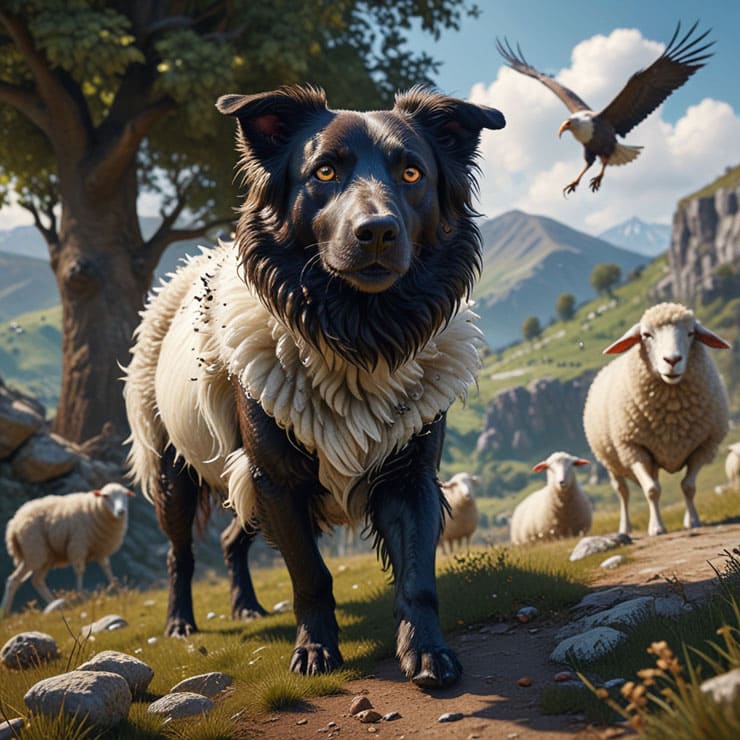

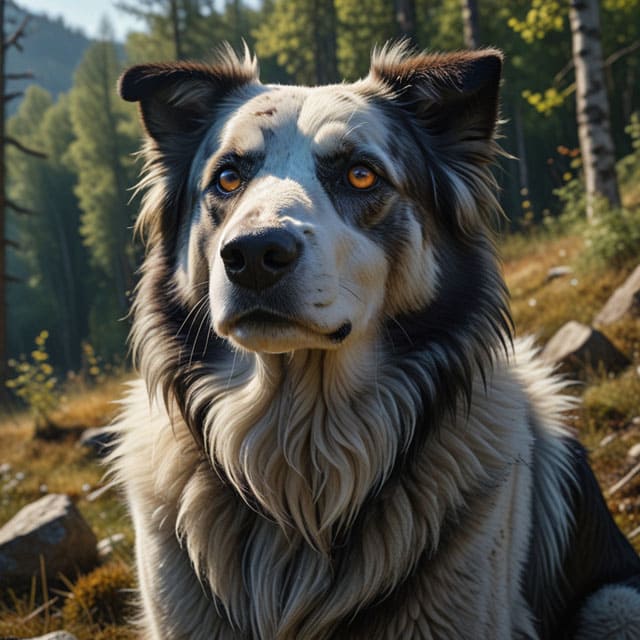
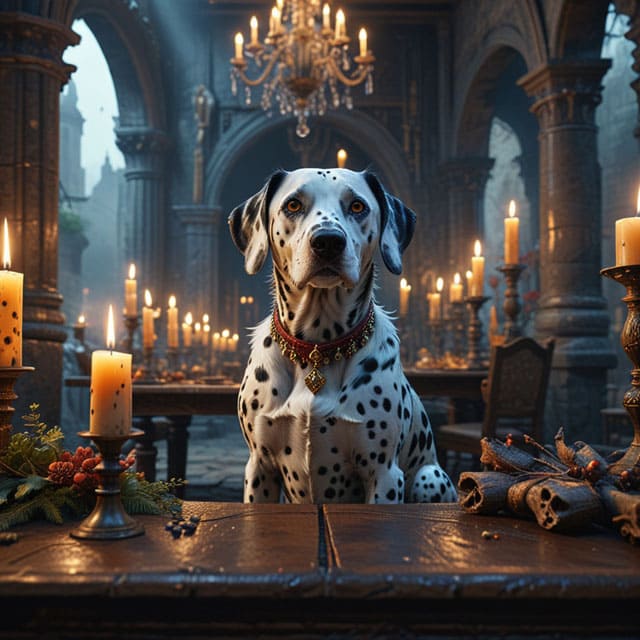
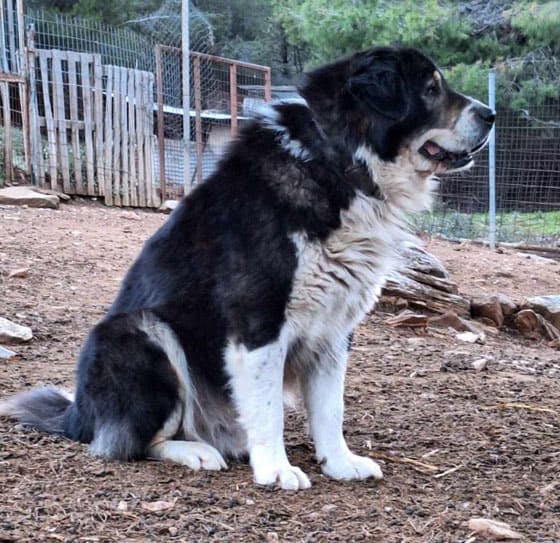
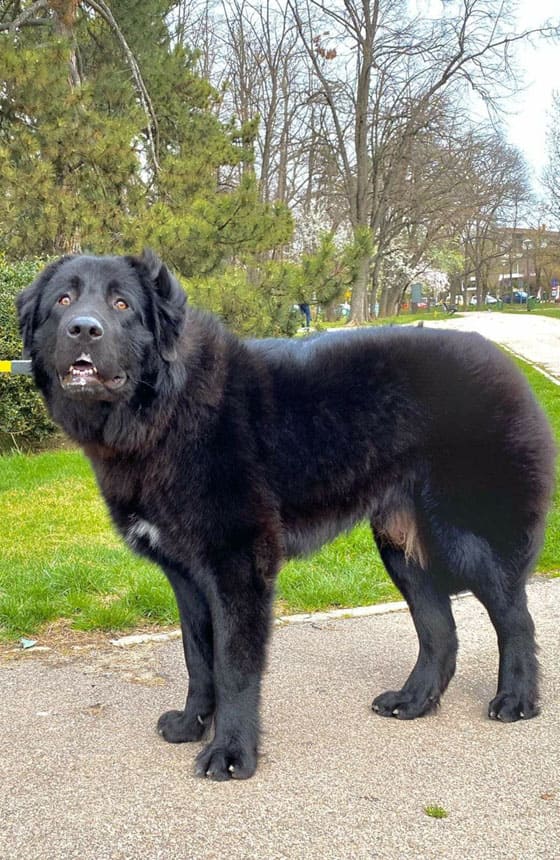
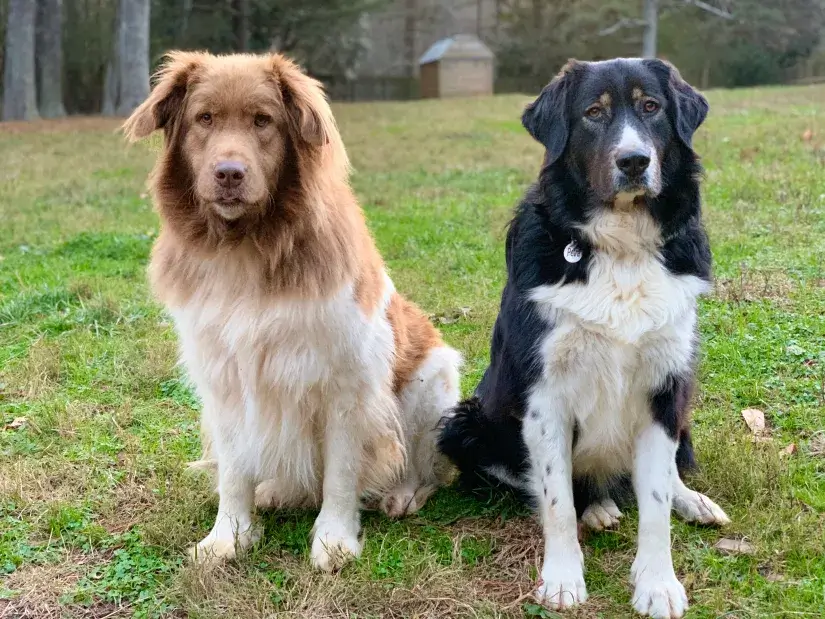

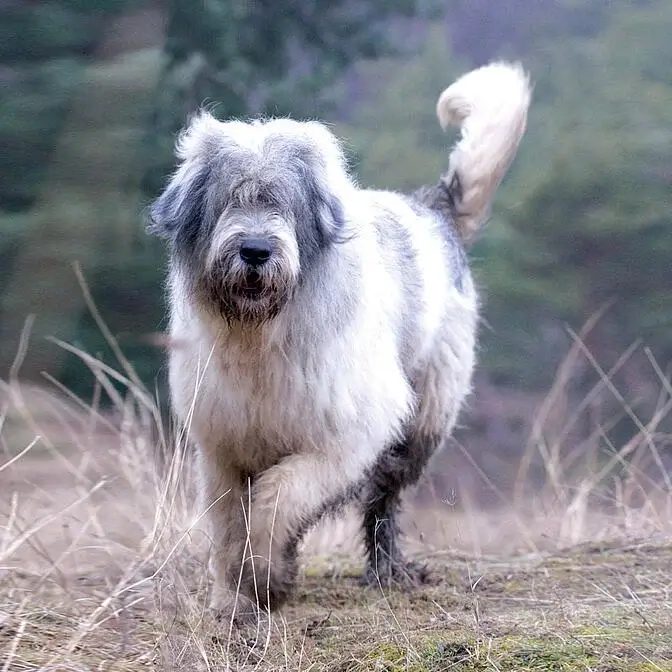
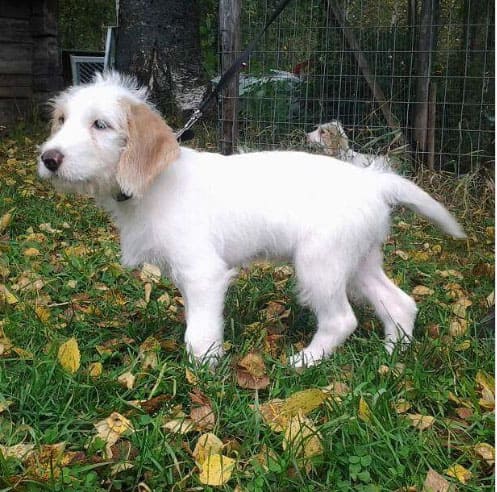
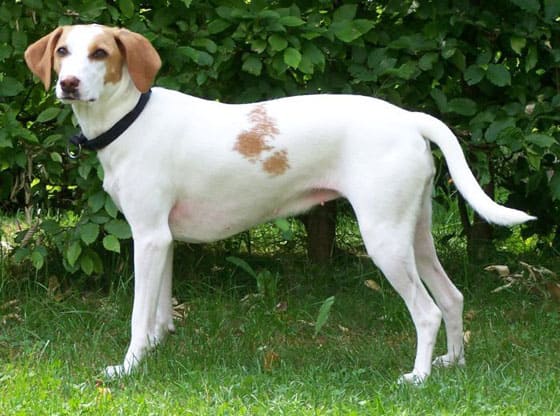
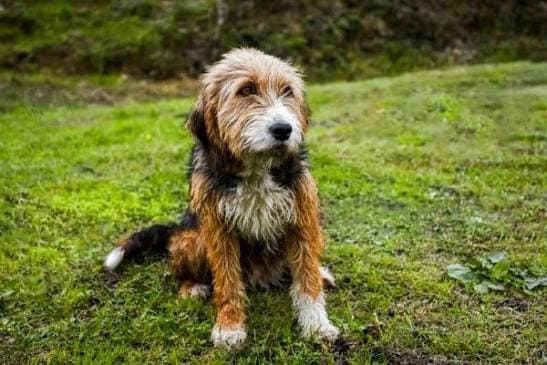
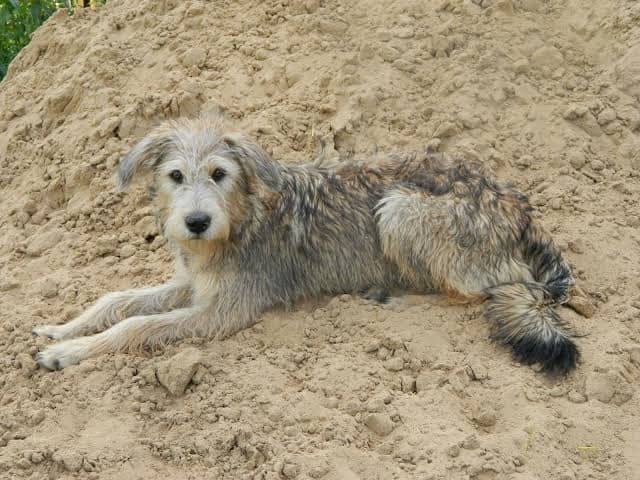
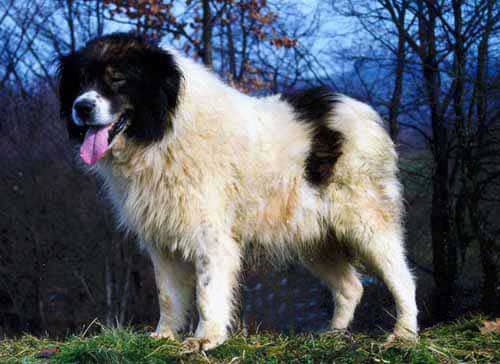
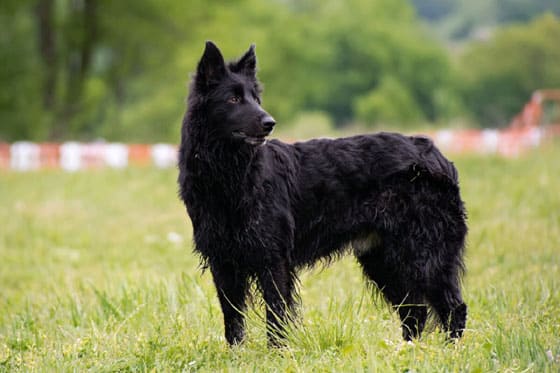
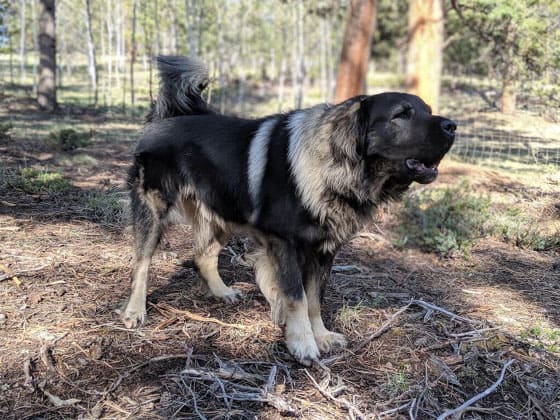
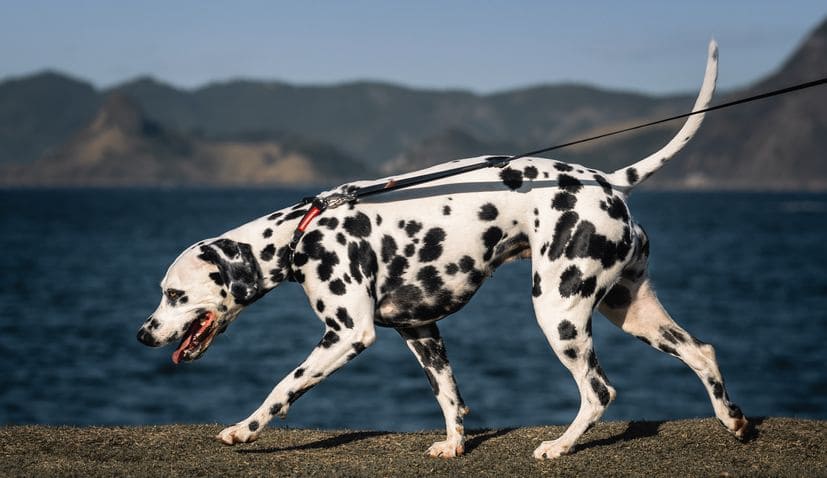
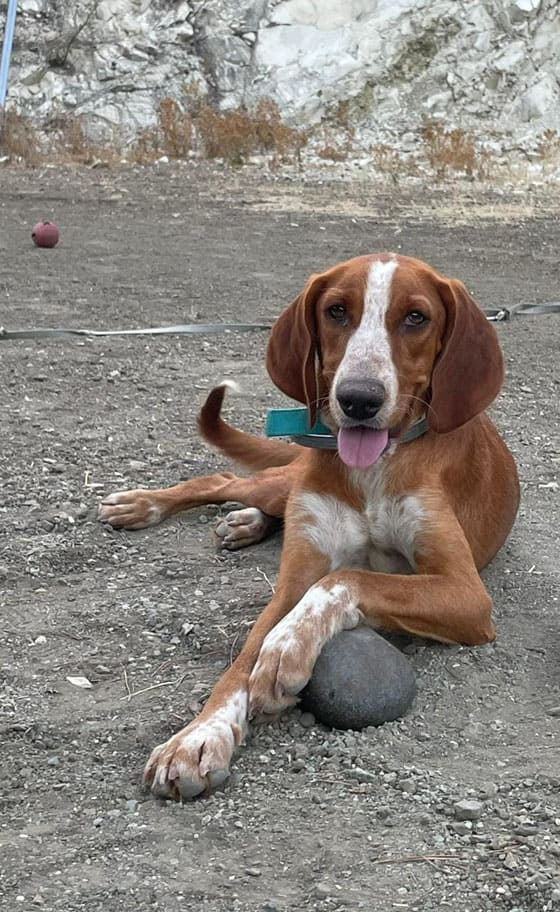
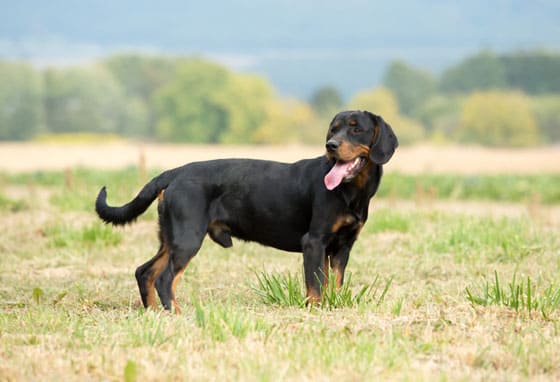
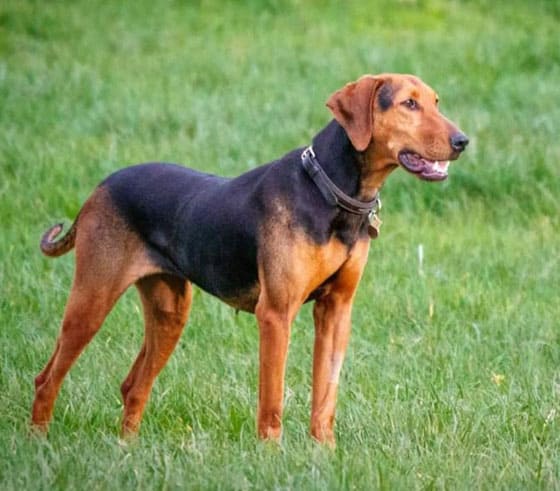
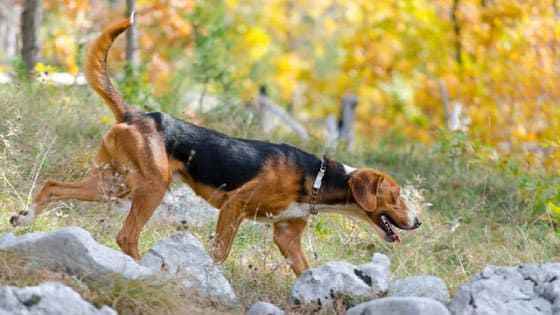
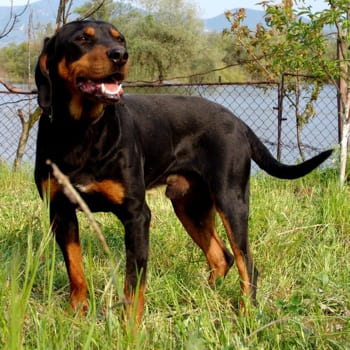
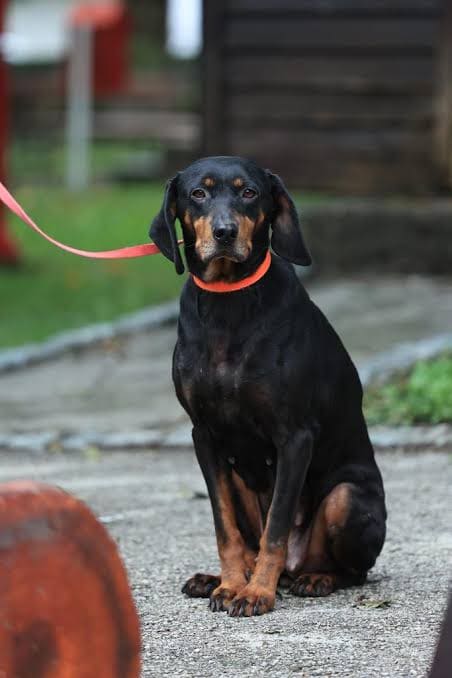
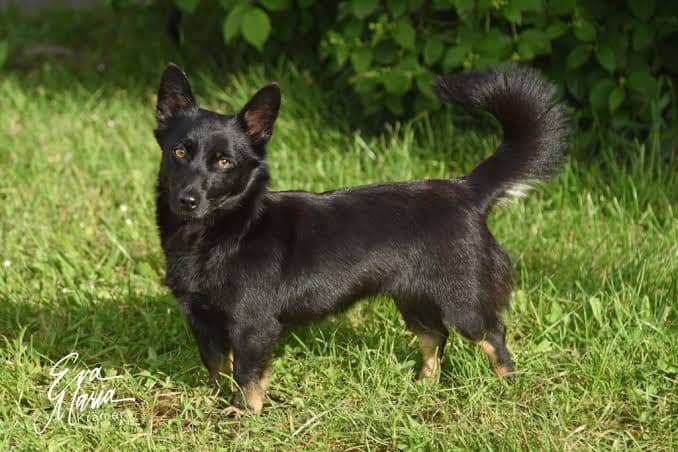
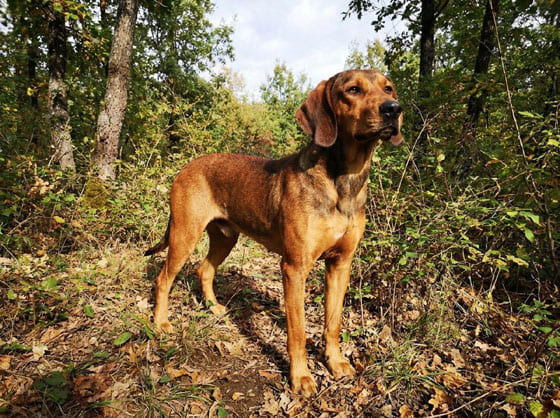
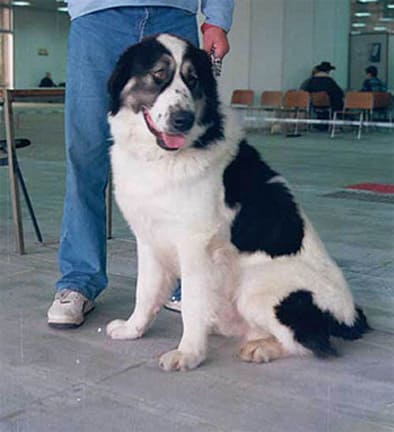
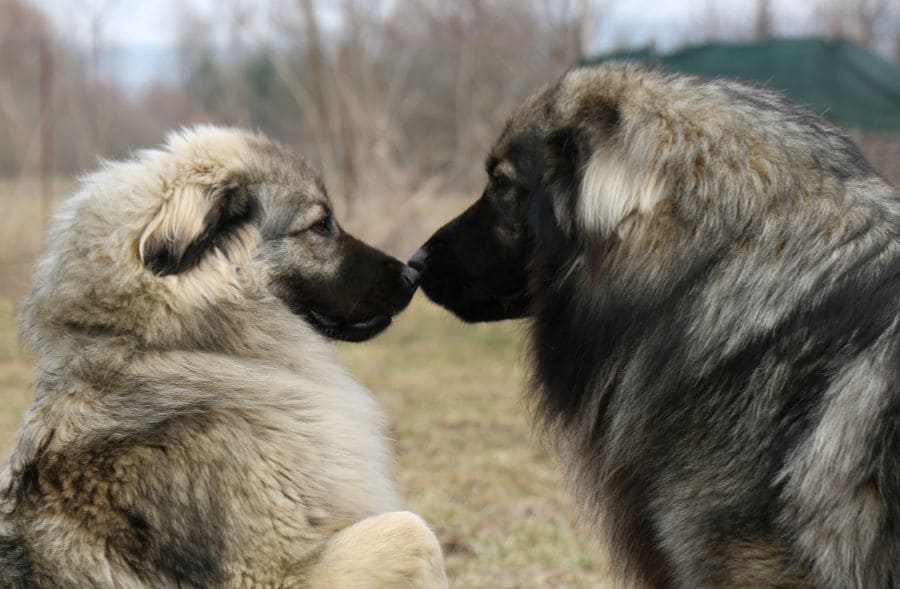
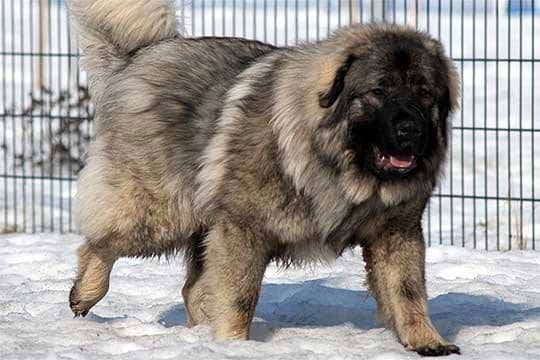
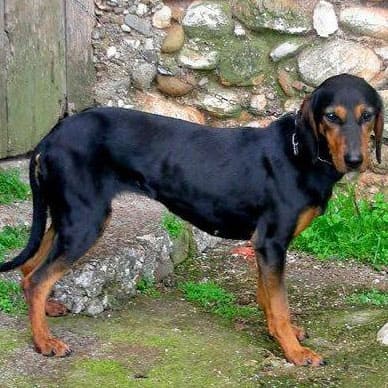
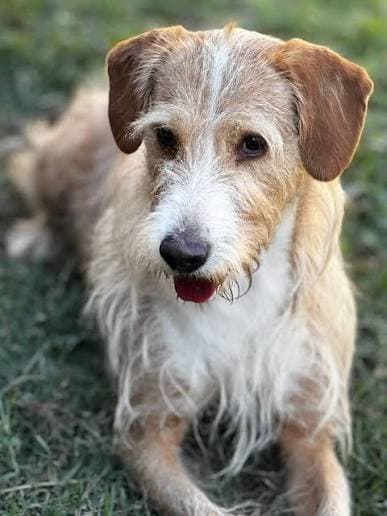
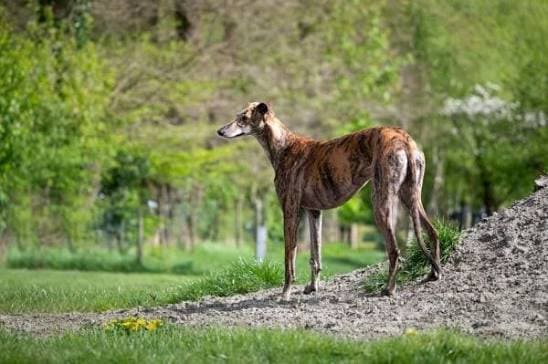
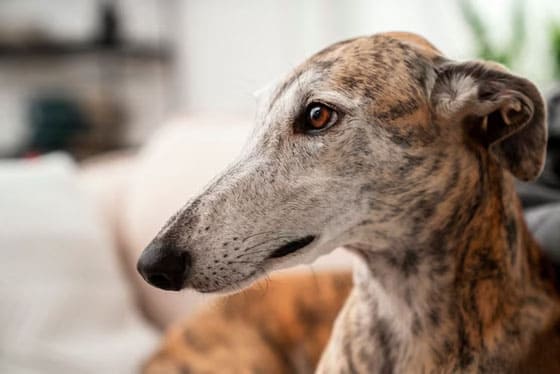










WORLD OF DOG & PUPPY 🐶