76 American Dog Breeds: Photo, Characteristics, Temperament Rare American Dog Breeds Pure American Dog Breeds List Mixed American Dog Breeds List Cross-Breed American Dog Breeds List Dogs Originating In USA Dog Breeds from USA Dog Breeds from United States American Dog Breeds List
The Alaskan Klee Kai is a small, high-energy companion breed (10–25 lbs) that looks like a miniature Siberian Husky. Developed in Alaska in the 1970s, they are intelligent, loyal, and vocal, often acting reserved with strangers. They need daily exercise, consistent training, and grooming, with a 13-16 year lifespan. Alaskan Klee Kais shed, bark and have a high energy level, therefore not making them ideal choices for everyone. Without the proper amount of daily and physical exercise they can become high strung. However, if in an appropriate home, the Klee Kai can be a wonderful companion. They are friendly but somewhat reserved with strangers. The Alaskan klee kai is an intelligent, high-activity dog. However, they are not "hyper." Unlike other husky breeds, they are highly trainable and make good watchdogs. Also unlike their cousins, they are suspicious of strangers. They require their owner's attention and are most likely found at their owner's side. They "talk back" and howl, but are not excessive barkers. Occasionally, a klee kai will be people-shy. This temperament is considered undesirable and dogs with this temperament are neutered. Klee kai need a moderate amount of exercise. Because of their intelligence, they can become escape artists.
If unhappy, the klee kai can escape through fences. Klee kai have a sense of humor and may play tricks on their owner. They excel in the sport of dog agility. Klee kai need a large amount of interaction with their owners. They tolerate other dogs well. They are hunters and should be raised together with cats, if their owner is planning on one. The owner should be careful around pet rodents, birds and reptiles, as their husky prey drive is strong. Because they are clever, no pocket pet will be safe from them. Klee kai make excellent watchdogs, but their size precludes them from being guard dogs. They accept family members and strangers, if introduced by the owner. They are hardy dogs with winter coats, but should not be left outdoors. They need a minimal brushing and combing once a week. Like cats, they are fastidious and keep themselves clean. Klee kai are ideal for owners who want a small, active dog that does not require a large yard and can be content with walks and games of fetch. klee kai do not do well left alone for long periods. Anyone who cannot tolerate dog hair and shedding should consider another breed.
Klee kai are long-lived, with claims of 15 to 20 years not unusual. Klee Kai live to please the people they love, and these pups have a friendly, sweet temperament. But that may not extend to the clumsy hands of small children, so always teach kids how to properly interact with dogs, and supervise all interactions between children and animals. Much like Huskies, Klee Kai are high-energy dogs and need regular playtime to keep them from getting bored. If they do grow bored, Alaskan Klee Kai will complain about it and loudly. Alaskan Klee Kai can get along with other dogs, especially when socialized from a young age. But if you have smaller pets at home, Klee Kai might think of them as something to chase after. These pups can also be nervous around strangers unless properly socialized. At home, Klee Kai will happily join their humans on a long walk or for a backyard playtime session. And when all that energy is spent, Klee Kai dogs make the perfect cuddle companions for movie night.
The Alaskan Malamute is a large, powerful, and affectionate working dog, originally bred for hauling heavy freight in the Arctic. Weighing 34-45+ kg (75-100+ lbs), these "snowshoe-footed" dogs possess a thick, waterproof double coat, high energy levels, and an independent, stubborn streak. They require consistent training, daily exercise, and are known to be vocal, loving, and friendly, but poor guard dogs. The Alaskan Malamute is extremely loyal and intelligent, sweet and most affectionate toward its master. Great with children who are old enough to play with him safely. If its canine instincts are met, it matures into a dignified and mellow adult dog. They are very friendly and therefore are not suitable as guard dogs. Malamutes are happiest living outdoors as long as they receive enough companionship, but they also enjoy living indoors where their human "pack" lives. Without firm leadership and daily mental and physical exercise, these dogs may become destructive nuisances, acting like big, rambunctious puppies. In one case, a single dog ruined an entire living room of furniture valued at $15,000 in just three hours! Malamutes love outdoor activities and even do well in obedience with firm encouragement. Although it can be difficult to train Malamutes for formal obedience, it is not particularly hard to train them to be well-mannered because they love to please. Males can be very dominant.
This breed needs the humans around him to be firm, confident and consistent pack leaders. Some dogs may be difficult to housebreak. This breed is a thrifty feeder and needs less food than you might expect. However they do tend to wolf down whatever is offered, which can lead to obesity and bloat. Malamutes are quiet compared to most dogs but they do like to howl and dig. This breed should be supervised around unfamiliar small animals, as they have a strong prey instinct. This does not mean they are not good with small animals; some Malamutes have been known to raise small kittens as their own. Both sexes can be combative with other dogs, especially with the same sex and breed and firm handling and training are necessary to curb this. Proper socialization with people and other dogs is imperative. Obedience training is highly recommended. Life with Malamutes can be remarkably rewarding, though it can also be challenging if you do not know what to expect. They are gregarious and happiest when treated as an intelligent partner. Alaskan Malamutes love their human pack, and when they are well-trained with positive reinforcement, they can be excellent companions for families.
That said, Alaskan Malamutes might be too much for young children because of their large size and high energy. Interactions between children and all dogs, no matter the breed, should always be supervised to make sure nobody is accidentally knocked over or injured. Pet parents need to socialize their Alaskan Malamute puppy early, so they get along with other pets and learn that smaller animals are not something to chase, as Malamutes can have a high prey drive. A tired Malamute is happy Malamute! This breed needs a lot of exercise, whether that be running, pulling a sled through the snow, or skijoring - a combination of cross-country skiing and dog sledding. If they do not get enough exercise, they might find other ways to entertain themselves, like chewing up your couch. Once they get their fill of exercise, Alaskan Malamutes make delightful couch companions and crave affection from their favorite people. They are curious pups and love being the center of attention at home. Alaskan Malamutes will definitely let you know if they are bored, have lots of pent-up energy, or are unhappy. They are a highly vocal breed and are not shy about using their loud voice to get what they want. Alaskan Malamutes are intelligent and thrive when trained with positive reinforcement. Though, they can be too smart for their own good - Alaskan Malamutes may hear and understand a command, but refuse to follow it if they do not see the point.
The American Bulldog is a powerful, athletic, and confident working dog, originally bred for farm tasks, guarding, and hunting. They are loyal, affectionate, and protective family companions, generally weighing 60–100+ lbs, with a short, low-maintenance coat. They require consistent training, early socialization, and high-energy activity to thrive. American Bulldog’s personality makes them generally outgoing and friendly dogs. Because they are so loyal to their family, they may bark to alert you when anything seems out of the ordinary. Because of their history as working dogs and guardians, and because of how much they love their family, American Bulldogs may be guarded around new people at first. As with every other dog breed, early training and socialization is vital for American Bulldog puppies. American Bulldogs are large, active dogs who need to be kept busy physically and mentally. The amount of exercise your pup needs depends on your dog’s age and health status, but healthy adult American Bulldogs typically need one to two hours of exercise daily. Playtime and long walks are important, though they also enjoy a good afternoon nap. American Bulldogs require dedicated training from their pet parents.
Luckily, they are a smart dog breed that is eager to please. They can pick up training cues quickly, especially when training sessions are done consistently, patiently, and with positive reinforcement. American Bulldogs are powerful, alert, and self-confident dogs that demonstrate endurance and agility. Though they are known to be affectionate, loyal, and fun-loving companions that form stable bonds with their family members, American Bulldogs also have strong protective instincts. American Bulldogs often serve as guard, hunting, and working dogs. They require daily mental and physical activity to prevent hyperactivity and undesirable behaviors. American Bulldogs also need firm, consistent obedience training and socialization to be friendly toward strangers and easy to control in all situations. As such, this breed is best for experienced dog owners. American Bulldogs can be wary of cats and other small pets and may react to strange dogs, especially those of the same sex. And there have been incidents of American Bulldog aggression toward other pets or people. But you can reduce the risk of such events through early socialization.
The American bulldog temperament is quite silly when excited or happy, and these dogs will clown around to make their human companions laugh. Your lap is often their favorite spot, regardless of how much oomph they have. They love to frolic and play, especially fetching and tug-of-war, and they'll spring many feet into the air after a Frisbee or another flying toy. They were bred to do good work, and some of their job titles include feral hog wrangler, hunting dog, livestock herder, personal protection canine, and ranch hand. Establish a no-fear, positive reinforcement-based training program when your American bulldog is about 10 weeks old after all puppy vaccinations are complete, and talk with a behaviorist about future stages of development. When a working dog is bored, their impish charm might toe the line, and they're more likely to engage in undesirable behaviors such as digging, chewing, and barking. American bulldogs can jump more than 3 feet in the air. Some have been known to bounce as high as 7 feet!
The American Bully is a loyal, affectionate, and muscular companion breed developed in the 1990s from various bulldog/pit bull-type breeds. They are known for being excellent, confident family pets that are generally good with children. They come in four distinct sizes (Pocket, Classic, Standard, XL) and require moderate daily exercise. The American Bully is a happy, outgoing, stable and confident dog. Gentle and loving toward people. Good-natured, amusing, extremely loyal and an affectionate family pet. Almost always obedient, this dog wants nothing more than to please its master. It is an extremely courageous and intelligent guard dog that is very full of life. This breed possesses the loyalty and stability of the American Pit Bull Terrier while retaining the sociable, amiable, and outgoing temperament of the American Staffordshire Terrier. This unique breed is noted for displaying extreme tolerance with children and an overwhelming eagerness to please its family. Confident, yet not aggressive, this breed possesses a very pleasant temperament. Physically, the American Bully has an impressive, athletic build, which is both muscular and defined, and displays strength and agility. The American Bully is a distinct breed within the spectrum of "Pit Bulls," a term often used loosely to encompass various breeds such as the American Pit Bull Terrier, American Staffordshire Terrier, Staffordshire Bull Terrier, American Bully, and Bull Terrier. While sharing ancestry with both Pitbulls and Bulldogs, the American Bully has evolved into a breed with its own unique characteristics and standards.
The breed is versatile and capable of accomplishing a wide variety of tasks. All around, the American Bully is a well-rounded, reliable, trustworthy and ideal family companion. The breed is very outgoing with an eagerness to please. They are known for their courage. A persistent fighter if provoked. Highly protective of his owners and the owner's property, it will fight an enemy to the death if the enemy traps the dog in a corner and threatens its loved ones. This breed has a very high tolerance for pain. Always eager to please, American Bullies are a gentle breed who love nothing more than making their family happy. Despite their muscular and sometimes even intimidating appearance, these dogs are friendly, sweet, and goofy – and are especially affectionate with children. Though they are considered the friendliest towards other dogs of all the "bully breeds", you will still want to be careful with them around other pups.
They are generally great with dogs that they are raised with, but may not get along with unknown dogs unless they’re socialized and trained well. Since these are such outgoing, social creatures, American Bullies adore spending time with their loved ones. Loyal and intelligent, they love doing activities with you – from hiking, to backyard games, to socializing – they are happiest when they are hanging out with their pack. Plus, keeping them exercised and entertained means that they won’t revert to destructive behaviors when they get bored. American Bullies can thrive anywhere, just as long as they have access to exercise, mental stimulation, and most of all, their loved ones. They can happily live in apartments or small houses, just be sure to take them out daily for walks, romps in the park, or other activities that get their energy out. They are courageous and protective of their owners and property but require thorough socialization to manage any potential dog-aggressive tendencies. Effective ownership involves establishing clear rules and boundaries to achieve pack leader status, as dogs naturally seek a pack order in their human family.
The true origin of the "Bandogge" or American Bandog Mastiff is unknown, although it is thought that the hybrid breed came into existence in Middle England, around 1250-1300. The ancestors of the Bandog are believed to be the American Pit Bull Terrier and the Neapolitan Mastiff, however other contributing bloodlines may include the early Bullenbeissers and crossed breeds used in the Crusades. Strictly a working dog, the Bandog was primarily bred for hunting, fighting, and guarding property - usually chained throughout the day and released at night to protect the homestead. The Bandog (or American Bandogge) is a powerful, intelligent, and protective working dog, typically a cross between a Mastiff and a Bulldog (such as Pit Bull or American Bulldog) designed for guarding. They are large (85–160 lbs), muscular, and loyal, requiring experienced, consistent owners, early socialization, and firm training. Historically, "Bandog" referred to any dog "bound" by a chain to guard property at night. Protective and fearless, they make excellent guardians.
While devoted and gentle with their family, they can be reserved or unfriendly toward strangers and need strict training. They have a broad, mastiff-like skull, strong limbs, and a short, close coat. They can vary in color, including black, fawn, red, or brindle. They are generally healthy with an average lifespan of 10-12 years. Potential health issues include hip and elbow dysplasia, bloat, and eye problems. Not ideal for first-time owners. They require extensive, early socialization to manage their guarding instincts. They are moderate shedders and require minimal grooming, but they are known to drool. Bandogs need consistent, firm, and loving guidance to prevent them from becoming overly dominant. Selectively bred for its strength, stamina, confidence and fearlessness, the Bandog of old is both imposing and independent-minded, requiring firm leadership and consistent obedience training from puppyhood. Not particularly suited to relaxed domestic life, the Bandog needs regular physical and mental enrichment in order to prevent boredom and destructive behaviours in the home.
Compatible with other house pets only when introduced gradually or raised with them, the Bandog should be observed at all times, especially around children. The Bandogge is an extremely intelligent dog. It is confident and very docile. Like all Mastiffs, they should have owners who are capable of staying dominant over the dogs. They are not usually recommended as good choices for first-time dog owners, because they need someone who truly understands canine instinct and how to properly communicate what it is you want from him. Although not bred as fighting dogs, if they are with a passive owner who does not know how to communicate aggression is not acceptable, they may become dog aggressive. Some people, mainly on the East Coast, still use this dog as a fighting dog. Luckily, there are more folks breeding these dogs for protection than for combat. As a protection dog, they are as a whole, excellent. They have a great deal of drive and are very tractable. The only temperament drawback to protection work is their unwillingness to perform the "bark" portion of the "bark and hold." As they are borne of fighting extraction, most dogs from this lineage do not bark as a warning; this is typically a difficult task. The American Bandogge is a breed that loves attention and thrives on leadership.
The American Cocker Spaniel is a medium-small (13.5–15.5 inches, 20–30 lbs), affectionate, and gentle sporting dog known for its long, silky ears and merry, loyal personality. They are excellent family companions, requiring moderate exercise (~1 hour daily) and intensive, regular grooming to prevent tangles. Bold and keen to work, the American Cocker Spaniel is equally suited to life as a gundog or as a household pet. Cheerful, gentle and sweet, this breed is of average intelligence and is respectful of its master's authority. Amusing, trustworthy and charming with an ever-wagging tail, it is active, playful and devoted, but should be socialized well when it is young to avoid a tendency for shyness. Cockers that understand their place is under humans are good with children. They love everyone and need firm, loving leadership and daily exercise to be happy. They can be difficult to housebreak. They are mostly easy to train and get along well with other animals. American cocker spaniels typically have very affectionate and friendly personalities with a gentle temperament.
Many tend to love kids and even other dogs. They are moderately energetic and enjoy playtime with their humans. Although American cocker spaniels are moderately energetic, they do not need hours of daily exercise like some other sporting breeds. Their small size is an asset in this department. An hour of daily exercise, including walks, games of fetch, or other playtime, is usually sufficient for this breed. Cockers may also enjoy short jogging sessions, hikes, and any activities that provide quality time with their owners. To give it both a physical and mental challenge, consider training for a dog sport, such as agility or flyball. The American Cocker Spaniel is a delightful and affectionate breed that originated in the United States. Known for their charming personalities and striking appearance, they are easily recognised by their silky, flowing coats and distinctive long, droopy ears.
With their playful and gentle nature, American Cocker Spaniels make wonderful family pets and companions. They are highly sociable dogs that thrive on human interaction, making them a popular choice for households with children and other pets. American Cocker Spaniels have a wonderful temperament, characterised by their affectionate and gentle nature. They are loving, loyal dogs that form strong bonds with their families, making them excellent companions for both individuals and households. These sociable dogs typically get along well with children, displaying patience and playfulness, which makes them a popular choice for families. With proper socialisation from a young age, they can also adapt well to living with other pets, fostering a harmonious environment. American Cocker Spaniels thrive on human companionship and enjoy being actively involved in family activities. Whether it’s a walk in the park, playtime at home, or simply curling up next to you, they love being part of their family's daily life. A hallmark of their cheerful disposition is their famously happy and waggy tail, a reflection of their friendly and outgoing personality. With their eager-to-please attitude and natural sociability, American Cocker Spaniels are truly a joy to be around.
The American Foxhound is a medium-to-large (40–75 lbs, 21–25+ inches) scenthound developed for speed and stamina. Known for being sweet, gentle, and loyal with family, they are high-energy dogs that require extensive daily exercise to prevent boredom. They are generally healthy, low-maintenance to groom, and get along well with other dogs, though their strong hunting instinct makes them prone to wandering if not leashed. The American Foxhound is sweet, affectionate, gentle and loving at home, but also a brave and intense warrior in the hunt. They are excellent with children and get along well with other dogs because of their pack-hunting background, but should not be trusted with non-canine pets. Friendliness to strangers varies widely. They are very friendly dogs, however if a particular dog is allowed to see himself as pack leader to humans he may become protective. Be aware, the American Foxhound will take off after an interesting scent if it gets a chance. They like to bay and have a melodious bark, so much so, in fact, that its tones have been used in popular songs. Foxhounds do not always make good house pets due to their history as outdoor pack kennel hounds.
If you are looking for a pet that you are not going to take hunting, try show lines rather than field types. American Foxhounds were bred to work. These are intelligent, high-energy dogs that need opportunities to wear out their body and brain every day. Their innate prey drive can prove problematic around small animals, but American Foxhounds can make fast friendships with other dogs and humans of all ages. He gets along with everyone-especially kids. As long as you don’t look foxlike, they have a reputation for being mild, sweet, devoted companions. Without enough exercise (one to two hours a day) or companionship, American Foxhounds can lean into undesirable behaviors like destructive chewing, barking, and baying. Given their hunting instincts, they should always be kept on a leash or within a securely fenced area to keep them from following their noses into trouble. American Foxhounds are smart and easygoing, but they were also bred to work independently - a trait that can hinder training. Raised to hunt, the American Foxhound is typically a low-maintenance, social breed - a good companion for families and people with other pets.
American Foxhounds need plenty of exercise and attention. Without it, they tend to become depressed, which can lead to trouble. Like most hounds, the American Foxhound excels at hunting and chasing. After all, they have been bred to spend hours doing so. In the absence of a daylong hunt, keeping this energetic breed happy usually requires at least an hour or two of stimulating exercise each day. With the proper amount of exercise, this breed is intelligent and good-humored, with all the makings of an excellent pet. But without it, the American Foxhound may get into trouble - channeling all that anxious energy into destructive behaviors. The breed is also known for its loud howls that, in an apartment or city setting, can be very intrusive. He has a lot of energy but wants to use it on his own time, but he hates being alone. They are not a great choice for novice dog owners, especially those living in urban areas. This is an intelligent, active breed that will find some way to occupy themselves, and in a potentially destructive manner, if they don't have space or time for running.
The American Hairless Terrier (AHT) is a small, energetic, and intelligent breed (12–16 inches tall, 12–28 lbs) known for being affectionate and, in its hairless variety, ideal for allergy sufferers. Descended from Rat Terriers, they have strong hunting instincts, are great with children, and require minimal grooming but need sun protection and sweaters in the cold. American Hairless Terriers are intelligent, alert, playful and loving dogs. Very inquisitive and lively. This affectionate dog makes an excellent companion for anyone. They are good with children, especially if they are raised with them from puppyhood. The American Hairless Terrier, unlike other dog breeds, will break out in a sweat when hot or scared. They are fairly territorial, and like all dogs, need a human who understands how to be his leader. For the most part friendly with strangers. AHTs make good watchdogs. They are not good swimmers and need to be closely monitored. These dogs are quick and very playful. The temperament of these dogs is pure terrier.
They have the lively, feisty, fearless nature found in the best of terriers. American Hairless Terriers are known to be intelligent and full of energy. While they are content being indoor lap dogs, they still require regular exercise. They are very trainable, so keeping their mind occupied with obedience and trick training is a good place to start. Like all terrier dog breeds, American Hairless Terriers are known to be affectionate, playful, and inquisitive. Regular walks and indoor playtime will keep them happy. Also like all terriers, these dogs can be watchful and bark to alert their family to visitors or strange noises. Proper training, exercise, and mental stimulation can help reduce excess barking. The American Hairless Terrier’s temperament lends itself well to training because they are energetic and eager to please. They thrive with obedience and agility training. If you are looking for a big personality in a little body, and one that is likely to be a bit of a challenge but lots of fun, then the American hairless terrier could be for you. However, if you're looking for a little lapdog, this isn't the breed for you. The dog may be small, but is driven, athletic, and has lots of stamina. The American hairless terrier can get along well with other dogs with the right introductions, but be aware that they often have a bossy personality and will want to rule the roost. However, an AHT still has a built-in prey drive and may not be amenable to living alongside smaller furry pets.
An American hairless terrier is a smart dog that likes to have a job to do. If left on their own too much during the day and not given enough exercise or enrichment, problem behaviors can start to surface. The AHT likes short bursts of activity (and not in the direct sun), so a few short walks a day totaling about 30 minutes, plus a quick game of fetch indoors or outdoors, should suffice for exercise. Although they are bundles of energy, American hairless terriers also enjoy curling up in laps and cuddling next to their favorite people. They need about 30 minutes of walking each day to burn off excess energy, as well as vigorous play to alleviate boredom. This breed enjoys participating in activities and tends to excel at agility courses and competitions. Bred from rat terriers, the American hairless has a strong prey drive and loves to chase small animals and dig in the yard. It's best to keep this dog on a leash or inside a fenced yard so they don't run off after squirrels and other small animals. They may require supervision to prevent them from digging up garden beds.
The American Leopard Hound is an ancient, highly intelligent, and athletic hunting breed, originally developed in the U.S. for trailing and treeing game like bear and raccoon. They are medium-to-large, weighing 35–75 pounds, known for their spotted/merle coats, high stamina, protective nature, and affectionate, loyal temperament with family. The American leopard hound (also known as the leopard cur) is a spotted treeing dog known for being incredibly energetic and protective, often quick to bark and guard their loved ones. With proper care, this breed is an affectionate companion, especially for active families. Sometimes confused with the Catahoula leopard dog, the American leopard hound is perfect for dog owners looking for a slightly smaller breed that is better suited for family life- affectionate with kids and other dogs. The American leopard hound is very protective and requires a lot of mental stimulation, and, like all hounds, is very vocal. Because this dog was bred to hunt, they are built to run, chase, and bark, and need outlets for those innate behaviors. If you do not plan to hunt with this breed, you will need to find other ways to fulfill those instincts.
Good examples of activities for American leopard hounds include agility, scent work, and various canine sports. This is a breed for active families only, as these dogs will cause mischief if they are bored and unfulfilled in the home. American leopard hounds are a driven breed. They need to have a job and be mentally stimulated daily. When he is on the hunt, he is tenacious and brave. He has been used to hunt feral hogs, large livestock and even bear. He is able to hunt various types of prey and then hold the prey by using eye contact and body language until the hunter shows up. At home, he also uses eye contact and body language to convey his wishes so his family knows what he needs or wants. The American Leopard Hound is easy to train. The American Leopard Hound is a goofy, lovable hound that loves his family. He will form a very strong bond with his family and do almost anything to please them. He is protective of his family, especially children and will guard them from strangers.
Playing games or just going for long walks will give him enough exercise to keep him healthy. Since he is a hound, he can vocalize very well and if left alone outside for long will make your neighbors upset with his baying and barking. He will get along well with other dogs and if his family is not home during the day, it might be beneficial for him to have a doggy playmate. With other pets in the home, he should be closely monitored and corrected when he exhibits unwanted behaviors. Training is relatively easy since he is intelligent and eager to please. Since he does have such a high prey drive, make sure you have a secure fence to keep him from terrorizing neighborhood pets. This is a friendly and personable hound dog. They are very eager to please their owners and always ready for the next adventure. They are fantastic with other dogs, although they still require socialization, and with small children, although they are energetic and should be supervised when around small children. Their size can pose an unintentional threat to the safety of the child should the dog get a little too excited and start playing rough. Unlike many other hunting dog breeds, these hounds are eager to please their humans. Their ease of training helps to give them great versatility as well as they can be trained to perform nearly any sort of task. They require basic obedience training, like any dog, and specialized training can be done at the owner’s whim
The Catahoula Leopard Dog is an intelligent, high-energy working breed from Louisiana, known for its striking merle coats and heterochromia (different colored eyes). Weighing 50–95 lbs, these loyal but independent dogs require firm training, extensive exercise, and a secure fence. They are versatile, often used for herding or hunting, and typically live 10-14 years. The Louisiana Catahoula Leopard Dog is independent, protective and territorial. Loving with its family and all people it knows well but can be reserved with strangers (this would include strange children). Socialize well, preferably at a young age. They need to be allowed to come up and smell a person. They mature right around 2 years of age. Affectionate with his master. The Catahoula is not recommended for an owner who does not take the pack leader issue seriously. For the right owner who understands the importance of structure, leadership, and exercise the Catahoula can make a wonderful pet. The objective in training this dog is to achieve pack leader status. It is a natural instinct for a dog to have an order in their pack. When we humans live with dogs, we become their pack. The entire pack cooperates under a single leader.
Lines are clearly defined and rules are set. Because a dog communicates his displeasure with growling and eventually biting, all other humans MUST be higher up in the order than the dog. The humans must be the ones making the decisions, not the dogs. That is the only way your relationship with your dog can be a complete success. This breed needs a dominant owner who shows strong leadership. The Catahoula Leopard Dog temperament is intense, serious and focused when working out in the field, and protective, playful and affectionate at home with their family. If properly socialized from puppyhood, Catahoulas are not aggressive toward people, but they do tend to be wary and aloof around strangers. While they can be taught to get along with other dogs of the opposite sex, they may become aggressive with dogs of the same sex. Their intense prey drive also makes them unsafe around cats and other small pets. Their tendency to bark at strangers, combined with their strong protective instincts, make them excellent watchdogs. Catahoulas get along well with older children who are able to treat them with gentleness and respect, especially if raised with them from the time they're puppies. But they should be closely supervised around small children and infants.
This breed is best suited for families with older children or teens who can participate in training and take a firm but gentle hand. It's important for all members of the family to deal fairly with these dogs, who won't hesitate to defend themselves if they perceive they are being mistreated. Catahoula Leopard Dogs feel most at home on a farm or ranch with livestock to herd and plenty of space to run and play. Barring that, they need a home with a large, fenced-in yard, and they need to be provided with an outlet for their herding and tracking instincts. This breed excels in hunting and tracking sports, as well as in agility and obedience training. Your Catahoula will need at least an hour of physical exercise a day. They make a great companion for an active pet parent who enjoys running, hiking or long walks. But because of their aggression toward other dogs and their tendency to chase small animals, they may not be the best candidates for dog parks, and they should never be allowed off leash. In addition to physical exercise, Catahoulas need mental stimulation through sports, interactive games or training activities. Without it, they will become bored, which could lead to destructive behavior. Despite their love for the outdoors, this isn't a breed who can be left outside. Catahoulas hate to be left alone for long.
The American Pit Bull Terrier is a strong, muscular, and medium-sized dog known for being loyal, intelligent, and affectionate with family. They are energetic, requiring at least 30-60 minutes of daily exercise to stay happy and healthy. Weighing 30-80 pounds and living 12-14 years, they require consistent training and socialization. The American Pit Bull Terrier (APBT) has a strong desire to please. The APBT has evoked more human emotional, rational and irrational response than any other breed that exists today. By no means are these dogs people-haters or people-eaters. Their natural aggressive tendencies are toward other dogs and animals, not people. However if they are properly socialized with a firm, but calm, confident, consistent pack leader, they will not even be aggressive with them. The American Pit Bull Terrier is a good-natured, amusing, extremely loyal and affectionate family pet that is good with children and adults. Almost always obedient, it is always eager to please its master.
It is an extremely courageous and intelligent guard dog that is very full of vitality. Highly protective of his owners and the owner's property, it will fight an enemy to the death. It is usually very friendly, but has an uncanny ability to know when it needs to protect and when everything is okay. The American Pit Bull Terrier can be willful with meek owners and needs a firm hand. They are generally okay with other pets if they are raised with them from puppyhood. They are very friendly, but not recommended for most people, because most people do not understand how to properly raise and treat a dog. American Pit Bull Terriers have a friendly and outgoing temperament but can still be quite strong-willed. With their high energy and intelligence, pet parents should be prepared to put extra effort into keeping their Pit Bull entertained, well-exercised, and mentally stimulated. Well-trained and socialized Pit Bulls are often good with children and other pets, but it is important to supervise interactions between kids and dogs, no matter the breed. Pit Bulls are often described as "Velcro dogs" due to their strong bond with their pet parents and desire to always be near them. This always-at-your-side characteristic can make them especially fun for older children who are excited to have a constant companion.
Pit Bulls can be prone to anxiety, especially if they do not receive the socialization, exercise, and mental stimulation they crave. Because this breed is so focused on their favorite people, time spent alone can lead to separation anxiety. They are not a breed that does well when left by themselves all day. As curious and adventurous dogs, Pit Bulls can sometimes get into trouble. They may be inclined to explore their surroundings and can wander away from home if not properly supervised. Always keep your pup on a leash or inside a fenced-in yard. Pit Bulls are generally friendly, loyal, and eager to please, which makes them responsive to positive reinforcement training methods. However, if training gets stale or is not challenging enough for this intelligent breed, you may start to see their independent side.
The American Staffordshire Terrier (AmStaff) is a muscular, confident, and intelligent medium-to-large breed, typically weighing 40–70 lbs and standing 17–19 inches tall. Known for being affectionate, loyal, and protective of family, they are generally healthy with a 12–16 year lifespan. They require consistent training, socialization, and active, engaging daily exercise. The American Staffordshire Terrier is an intelligent, happy, outgoing, stable, and confident dog. Gentle and loving toward people, it is a good-natured, amusing, extremely loyal and affectionate family pet. It is good with children and adults. Almost always obedient, this dog wants nothing more than to please its master. It is an extremely courageous and intelligent guard dog that is very full of life. Over the past 50 years, careful breeding has produced this friendly, trustworthy, dog that is an especially good dog for children. Courageous and a persistent fighter if provoked. Highly protective of his owners and the owner's property, it will fight an enemy to the death if the enemy traps the dog in a corner and threatens its loved ones. This breed has a very high tolerance for pain. Some un-socialized Staffs may be dog aggressive.
Socialize very thoroughly when young to curb any dog aggressive tendencies. This breed can be difficult to housebreak. It has given outstanding results as a guardian of property, but is at the same time esteemed as a companion dog. When properly trained and socialized, the Staff makes a great family companion. This breed is not for the passive owner who does not understand that all dogs have an instinct to have a pack order. They need a firm, confident, consistent owner who understands how to display proper leadership. Though known as a courageous and powerful breed, the American Staffordshire Terrier is also affectionate and loyal. Loving toward family members and excellent with children, these pups make calm, fun-loving household companions when responsibly bred and properly cared for. American Staffordshire Terriers are very loyal to their families and usually good with children. Known as intelligent, hard-working, and stoic, AmStaffs make excellent guard dogs. Though they're good-natured, they may be protective of their families.
That said, they're not aggressive unless provoked. American Staffordshire Terriers can be suspicious of people they do ot know. And they may not get along well with unfamiliar dogs or small pets. Early socialization and training can help them be friendly toward other animals and strangers. American Staffordshire Terriers are a high-energy breed that does best with at least 60 minutes of daily vigorous exercise. Loving and affectionate with their family, this breed can be somewhat more reserved with strangers, and socialization is required to balance out their natural wariness. AmStaffs can be prone to anxiety, and that can often lead to separation anxiety. Training early and often can help manage this anxiety, and providing a steady routine for your AmStaff can help. Additionally, the basic building blocks of a happy dog - exercise, attention, enrichment, and mental stimulation, can all help manage or prevent anxiety. AmStaffs can be vocal in response to strange noises, but they are still generally quiet enough to be apartment-friendly dogs.
The American Water Spaniel is a rare, medium-sized versatile hunting dog originating in the US Midwest during the 1800s. Known for a curly, waterproof coat in brown/liver shades, they are intelligent, energetic, and compact (25–45 lbs), making them excellent family companions and skilled retrievers. They require regular exercise and weekly grooming. The American Water Spaniel is intelligent and very trainable. It is eager to learn and very enthusiastic about its work. It is used, above all, for hunting quail, duck, pheasant, grouse and rabbit. It also makes a good guard dog and companion. Friendly, energetic, confident persistent and obedient, the American Water Spaniel is a pleasant, willing dog that is highly sensitive, so obedience training should be calm, firm, quiet and persuasive, rather than demanding or sharp. He is an easy going, loving companion that is usually excellent with children. If this dog believes he is, or that he could be, in an alpha position over humans he could snap defensively if startled or harshly disciplined. The American Water Spaniel is very willing and responsive, therefore heavy-handed training methods are not necessary, instead be sure to be firm, but calm, consistent and confident. Be authoritative but in an even-tempered, stern way. Dogs do not respond well to harshness or anger. Socialize this breed well at an early age to avoid timidity and potential dog aggressiveness as an adult. They usually get along with non-canine pets. It loves attention, but can entertain itself. Some American Water Spaniels snore. If the dog is lacking in daily mental and/or physical exercise it will tend to bark and whine and can sometimes be hyper or over-excited. It is an enthusiastic swimmer and makes a wonderful hunter in difficult waters, in the woods and over uneven terrain. This breed likes to roam. Some may drool. American Water Spaniels are affectionate dogs that enjoy spending time with their families. This breed has a lot of energy and needs a way to unleash their energy daily, such as going swimming, or for a hike or run. If they are left alone for an extended time, they can be destructive out of boredom. American Water Spaniels can do well with other pets and children if they are socialized and properly trained when young.
The Australian Shepherd ("Aussie") is a highly intelligent, energetic, and versatile medium-sized herding dog, weighing 40-65 pounds and living 12-15 years. Renowned for their trainability and work ethic, they require significant daily exercise and mental stimulation, making them ideal for active owners, agility, or farm work. Yes, despite their name, Australian Shepherds were developed in the United States, specifically on Western ranches and in California during the 1800s. They are a quintessential American breed, named because they worked with sheep imported to the US from Australia. They are intelligent, energetic, and versatile herding dogs. Australian Shepherds are easy-going, remaining puppy-like even in their adult years. This courageous dog makes a good watchdog for the home. Aussies are excellent with children, even with an active child, as they love to play. They are devoted, loyal friends and guardians, for they are naturally protective. Affectionate, very lively, agile and attentive - they are eager to please, with a sixth sense about what the owner wants. Australian Shepherds are highly intelligent and easy to train. Though aggressive when at work with livestock, the Aussie is gentle with human friends.
Australian Shepherds are not the kind of dog to lie around the living room all day or live happily in the backyard with only a 15-minute walk. They need much more exercise than that and something to occupy their mind daily or they will become bored, leading to serious behavior problems. Without enough mental and physical exercise and/or a lack of a true pack leader, they can become nervous and destructive if left alone. Socialize well to prevent them from becoming suspicious of strangers. Working lines may be too energetic for people who only have a moderately active lifestyle. Some like to nip people's heels in an attempt to herd them, and this behavior needs to be corrected, teaching the dog that humans are not to be herded. The Aussie is a quiet worker. This breed is not usually dog aggressive. Australian Shepherds are loyal, intelligent dogs with a strong character. Many Aussies are quite friendly, but some can be reserved toward new people. But with a proper introduction, they will often warm up and be accepting. As with all dog breeds, early socialization is very important.
Australian Shepherds can be good with children, cats, and other dogs as long as they are well socialized. But know that their innate herding tendencies may still result in their attempting to herd other small animals and children if this behavior is not redirected. Australian Shepherds are high-energy dogs who love to have a job. They are known to be smart and loyal dogs who are typically friendly but can sometimes take a bit of time to warm up to strangers. Australian Shepherds are highly energetic and maintain their energy levels through their adult life and sometimes into their senior years. As a result, consistent exercise and mental stimulation is a must for this breed. Without an outlet for their energy, the Australian Shepherd may develop destructive behaviors, such as digging and chewing. With proper training, good socialization, and regular exercise, Australian Shepherds can be very well-behaved dogs. They are also very loyal and attentive to their family, so it is not uncommon for them to become a shadow and follow their pet parents around as much as possible.
The Black and Tan Coonhound is a large, scent-driven American working dog, known for its coal-black coat with rich tan markings (especially over the eyes) and long, velvety ears. Weighing 40-75 lbs, they are friendly, laid-back indoor companions but require significant daily exercise due to a high prey drive. They are vocal, independent, and typically live 10-12 years. A quick-to-follow, intelligent, loyal and good-natured hunter and companion, the Black and Tan Coonhound pleases hunter and owner alike. The Black and Tan is an alert, eager dog who is a passionate worker and very dedicated. It is gentle and friendly with people and willing to listen to his master. Any Black and Tan that shows signs of aggression does not have an owner who is communicating to the dog that human are alpha over him in a way the dog can understand. This may cause the dog to be protective and a bit reserved with strangers. They are usually best with older considerate children, but can do well with younger children if the dog is taught to respect the child as above him in the pecking order.
A Black and Tan that is not taught respect and/or is lacking in exercise can become high strung and play too rough. This breed requires firm, patient and on-going leadership and training to prevent them from becoming willful. Lack of leadership and/or mental and physical exercise may cause separation anxiety, causing them to be destructive and/or howl if they are left alone. Do not let this breed off the leash in an unsafe area, as they may take off after an interesting scent. Some Black and Tans will be aggressive with other strange dogs if the humans are not displaying enough authority, telling the dog it is an unacceptable behavior by applying corrections at the appropriate times. Socialize well.
The Black and Tan Coonhound temperament is outgoing and good-natured, though they may be reserved around people they do not know at first. However, some individuals may be prone to anxiety or fearfulness, especially if they have not been properly socialized. Overall, they are loyal, adaptable dogs that thrive in an active household where they receive plenty of opportunities for outdoor adventures. Providing regular exercise and mental stimulation is important for Black and Tan Coonhounds. Black and Tan Coonhounds are naturally curious and inquisitive dogs, thanks to their strong sense of smell. However, their nose and their strong prey drive. Like many hound breeds, Black and Tan Coonhounds may have a natural instinct to dig, especially if they are bored. The black and tan coonhound is responsive, intelligent, loyal and passionate about their work. They are generally outgoing and friendly, although some may be reserved with strangers.Bred to work somewhat independently, the black and tan may seem a bit headstrong. Training may be more challenging with this breed than with others. They are also likely to be a howler. This noisiness reflects the black and tan's breeding and instinctive working methods. The black and tan coonhound’s instinctive independence makes patient, consistent training a must.
The Black Mouth Cur is a versatile, intelligent, and highly energetic working dog breed, typically weighing 35-95 lbs and standing 16-25 inches tall. Originating in the US South, they are known for their short, often yellow/red coats, black muzzles, and intense loyalty to families. They require 1–2 hours of daily, vigorous exercise. Their energy, intelligence, and tenacity make them loyal workers and companions, while their desire to bond with humans makes them great family dogs. They can become territorial, so ensure you socialize your black mouth cur if you have other pets in the house. While this dog excels at having a job, they're equally content living with family members, with plenty of play and adventures. Their joyful personality and playful demeanor bring smiles to their family's faces every day. Although affectionate and family-oriented, black mouth curs can be territorial about food, toys, or people. Their prey drive may lead them to chase or attack small animals like rabbits and squirrels. For people who hunt, no other dog will do.
Among this swift hunter's quarry are boar, bear, coon, squirrel and deer. With medium-sized game, the Black Mouth catches and kills it with no questions asked. This dog never retreats. It is also proficient at treeing and baying. During the hunt, trailing is semi-open or silent, with a chop or yodel acceptable on tree or at bay. Curs rarely trot, even while hunting, going from a walk to a ground-covering sprint. These dogs are avid hunters, yet can also work with cattle. Breeders say a pup will train himself treeing, protecting and/or bunching and penning cattle by six months of age. As relentless and overpowering as this cur appears at work, he is kind and protective with his family. Loyalty and fearlessness are the norm. They have a burning desire to please their master.
Bred to work, black mouth curs are loyal and strong, making them increasingly popular family dogs. Known for their energy and sensitivity, they excel in herding and protection while bonding closely with their families. This breed may be challenging for first-time dog owners due to their high energy levels and need for constant mental stimulation. A breed that has made its living as an invaluable assistant to rural owners all across the southern United States, the Black Mouth Cur is a quick-minded canine with a ton to offer. Deeply intelligent and adaptable, the cur can shift responsibility from a pest exterminator to a guard dog, depending on what their owners need, which perfectly reflects the typical Black Mouth Cur personality. They are deeply devoted to their owners and will tend to grow very fond of their family. They are natural protectors, making them good candidates for watchdogs, and they possess strong senses from years in hunting positions. The black mouth cur is an exceptional companion if you want a bigger dog that can put its mind to a task.
The Bluetick Coonhound is a loyal, vocal, and athletic scent hound known for its distinctive dark blue, mottled coat. Standing 21–27 inches and weighing 45–80 pounds, these intelligent yet stubborn dogs require active, consistent training. They make affectionate family pets but have high prey drives and need substantial daily exercise. The Bluetick Coonhound is a very intelligent dog. Very devoted to its family, it makes a good companion dog. It does well living indoors and plays a fine guardian to his family and home. They are usually best with older children, but can also do well with younger ones. Some can be a bit dog-aggressive if the owner is not a strong leader relaying the message to the dog that is unacceptable behavior. Owners need to be this dog’s firm, confident and consistent pack leader in order to bring out the best in him. Socialize well, preferably while still young, to avoid them from becoming reserved with strangers. The Bluetick is a passionate hunter and should not be trusted with non-canine pets. This breed is extremely alert, attentive, and able to work over difficult terrain in bad weather. Do not let this breed off the leash in an unsafe area, as they may take off after an interesting scent.
They have a strong instinct to tree animals. A scenthound with a noble history, the Bluetick Coonhound is loyal and loving, and does well as a family pet, especially around older children. They can be reserved and wary of strangers, and are very vocal, but with the proper training and socialization they are excellent companions. These scenthounds are bred to hunt, but when they aren’t in pursuit of quarry, they make loving, loyal, and affectionate dogs, although they can often also be wary of strangers. They are active and smart, but since they have a strong hunting instinct, they should be monitored around cats and other small pets. Proper and consistent training can help mitigate some of their less-desirable traits. The Bluetick is an active dog that requires plenty of mental and physical stimulation to prevent boredom, which can sometimes lead to destructive behavior. Because of their strong hunting instinct, they do not always socialize well with other non-dog pets, and they should be monitored around cats and other small animals. They also tend to be very vocal. Most undesirable traits of the Bluetick can be subdued with the proper training and socialization, especially when started at a young age. With the proper training, the Bluetick makes an excellent family dog, especially for families with older children.
They are intelligent and loyal, although they can be wary around strangers. It is also important to keep Blueticks leashed in all unconfined areas, since their instinct to hunt is strong and they are known to run off after a scent at every opportunity. They are used both for hunting and companionship. Above all, this breed belongs in an active home where there is plenty of access to explore the outdoors. Bluetick coonhounds are large, muscular dogs, with females smaller than males. They tend to have a very affectionate temperament with their humans. Also, bluetick coonhounds can be considered high-maintenance because they require a lot of attention. Blueticks that don’t get enough attention might develop problematic behaviors, including excessively using their booming hound bay. They are best for households where someone is home most of the day, and they will generally also enjoy the company of another dog. Though they can get along well with other dogs, their high prey drive might cause them to see other household pets as their quarry rather than friend.
The Boston Terrier is a compact, affectionate, and lively companion dog, affectionately known as the "American Gentleman" due to its distinctive tuxedo-like coat. Weighing 10–25 pounds and standing 15–17 inches tall, they are ideal for apartment living. They require moderate, daily exercise and are intelligent, often playful, and generally good with children and other pets. The Boston Terrier is gentle, alert, very intelligent, well-mannered and enthusiastic. Without the proper amount of mental and physical exercise it can become rambunctious and a bit high strung. They are very sensitive to the tone of one's voice. Boston's like to learn and therefore are not difficult to train. Their intelligence ensures they pick things up quickly. Boston Terriers are full of energy. They love playing with their family and entertaining anyone, and some of their favorite activities include fetch and Frisbee. However, this high energy level needs to be managed in very hot and humid weather, as this can cause breathing difficulties. Bostons do best with several short bursts of exercise throughout the day rather than, for example, one long morning walk. Schedule indoor or backyard playtime throughout the day, and make sure your pup receives enough mental stimulation.
Without enough exercise, attention, and mental stimulation, Boston Terriers can resort to undesirable behaviors such as excessive barking and chewing to keep themselves entertained. Boston terriers typically like to be around their humans as much as possible and are eager to please. They tend to get along with just about everyone, including young children who know not to be too rough, other household dogs, and dog-friendly cats. With their friendly, lively, and active personalities, it's no wonder that the Boston terrier is such a popular breed. Boston terriers typically have happy, friendly, and affectionate temperaments. Their love of play and comical nature also help to mold their personalities. They’re typically good around people, including kids and strangers, and they often get along well with other pets. Despite their small size, Boston terriers are active, high-energy canines that tend to do well in dog sports such as flyball and agility. These intelligent dogs can easily be taught tricks, but are sometimes stubborn, so do not expect your Boston terrier to obey every time you give a command. Bostons tend to be good-natured, playful dogs. For people who want a cheerful companion, the Boston can be great choice. Bostons generally get along well with other pets, even cats, especially if they are raised together.
Because they have a sturdy build, Bostons are probably more tolerant of children compared with other small dogs. If children treat them well, the Boston really enjoys romping with kids. Most Bostons enjoy burying a bone under the pillow or in the flowerbed, but their favorite game is fetch. Bostons certainly require exercise, but a few short sessions of fetch daily or walks that are moderate in length are better than long, vigorous exercise sessions. Bostons are considered intelligent and can be well trained, but they can be stubborn. In other words, they may know "sit" and "stay," but they may not always obey when you want them to. They can also move very fast, so it is best never to let them outside unless they are in a secure, fenced-in yard or they are on a leash. Although they are likely to bark if there's an unexpected knock at the door, Bostons are not great protectors. Most of them are so congenial they will welcome anyone into the house, whether friend or foe. Because of the short face, care must be taken that the Boston does not get overheated. Bostons also chill easily and, in general, should be protected from extreme cold, too. They are definitely house dogs, not outdoor dogs. Bostons do snort and some may snore, but these are usually endearing rather than irritating qualities.
The Boykin Spaniel is a medium-sized, intelligent, and energetic gun dog originating from South Carolina, known for its rich brown liver coat and exceptional water retrieving abilities. Weighing 25–40 lbs, these friendly "swamp poodles" are excellent family companions that require significant daily exercise. Docile, pleasant and obedient, an intelligent and loyal companion, Its trademark yellow/amber eyes that stare expectantly into your eyes are often commented upon as if the dog is asking, "What do you want me to do next?" The Boykin Spaniel is a fantastic swimmer. They enjoy water and swimming; however they are prone to Spaniel ear infections and should be dried well after getting wet. Most owners report that each of these dogs has a unique personality and an enthusiastic field ability seldom matched by other dogs. His fine nose and enthusiasm in the field make him a versatile hunter. They have been bred as hunting Spaniels and have exceptionally good noses. Their sense of smell can lead them on an excursion if allowed to roam off-lead.
This dog needs an owner who displays natural leadership consistently communicating with the dog what is expected of him and what is not. These affable dogs are devoted to their family, and known for their friendly and outgoing personality. They are easily identifiable by their luscious brown locks and honey-gold eyes, and their webbed toes make them excellent swimming partners. Originally bred in South Carolina to hunt and retrieve waterfowl among the state's many swamps and lakes, Boykin spaniels have recently found themselves out of the swamp and in suburban backyards, edging ever closer to the ubiquity of their cocker spaniel and springer spaniel peers. The Boykin spaniel has an energetic personality and lots of love to give. Because of its background in hunting, this breed is best suited for pet parents who can spend plenty of time with their dog and bring them along for outdoor activities. As loyal and affectionate companions, Boykin spaniels thrive in active family settings and are well-suited for homes with children. With proper socialization from a young age, they often get along well with other dogs and pets, including cats. These highly trainable dogs are eager to learn, making excellent hunting partners and favorable pets for those who can provide the proper care.
The typical Boykin spaniel is friendly and eager to please. He is a born hunter, but also makes a lively, friendly companion in the home. They are outgoing toward people and children, although early socialization is recommended. The Boykin is full of energy and will need a yard to play in or at least a brisk daily walk. The Boykin is easily trained, and should have basic obedience training at an early age. They are fantastic swimmers and are fast learners who enjoy having a job to do. This breed is full of enthusiasm for hunting and is suited for a family that enjoys regular hunting or camping trips. Like many of the sporting breeds, Boykin spaniels make the transition from hunting companion to family pet easily. Stamina even in hot weather and eagerness to please make this a favorite among hunters in the field, but the Boykin is just as enjoyable at home. His compact size allows a family on the go to include their Boykin on many outings. He will need lots of exercise as the breed seems to have boundless energy.
The Carolina Dog, or "American Dingo," is a medium-sized, primitive breed (35–50 lbs) originating from Asia with Paleo-Indians, now found in the US Southeast. The breed originates from wild dogs brought to the U.S. through the Bering Strait, with a history linked to ancient Native American societies. Known for a fox-like appearance, erect ears, and a "fishhook" tail, they are intelligent, loyal, and shy, often requiring experienced owners. The Carolina Dog is a pariah dog. ("Pariah dog" is a general name in India for the half-reclaimed dogs that swarm in every village, owned by no one in particular, but ready to accompany any individual on a hunting expedition.) The Carolina Dog is one of the very few breeds existing today that is truly a primitive dog, a result of natural selection for survival in nature, and not of selective breeding. Wild specimens are still known, so this is not a completely domesticated canine. This dog that has survived as a free living animal in the swamps, savannahs, and forests of South Carolina and Georgia for thousands of years has also proven to be highly adaptable and amenable to domestication, and an excellent pet. Many dogs are known to be extremely shy around people and dislike a lot of handling unless socialized at a very young age. With proper socialization, they are proven to be loyal companion dogs.
Many of the characteristics of the natural dog that are predominant in the Carolina Dog contribute to his ability to adjust well to being a loving pet. The Carolina Dog enjoys and needs to be part of a pack, and thus integrates very well into the family framework. He is a gentle, social dog, and bonds very well with children, enjoying play and activities with them. The Carolina Dog is very clean by nature and is easy to housebreak. The Carolina dog may just be the epitome of a man’s best friend: loyal, playful, protective, and always up for an adventure. A relatively new breed to domestication, Carolina dogs are known for being extremely devoted companions to the humans they bond with. They have a strong pack mentality, so being close to their family unit is a must for these athletic, energetic pets. Carolina Dogs exhibit traits that one would expect from a dog that has survived in the wild for thousands of years. They are intelligent and athletic, requiring daily physical exercise and mental stimulation.
They may be standoffish around people and pets they do not know, but are loyal to the humans and animals they know and love. Carolina Dogs need opportunities to roam and explore outside, and do not do well in settings where they spend much of the day indoors. They also have a high prey drive, which means you’ll need to keep them leashed when on a walk or within a fenced area. Their prey drive is also why they may not be the best companion for smaller pets, like cats. Carolina Dogs are known to eat any wild prey they may capture in your yard or outdoors. Carolina Dogs may not be particularly cuddly, but they do thrive with close companionship - particularly if it involves active outdoor pursuits like jogging and hiking. Without proper attention and opportunities to use their brain and body, the breed can become bored, leading to unwanted behaviors like barking and chewing. One behavior that may be unique to the Carolina Dog and a backyard hazard for your ankles, is their creation of "snout pits," wherein they burrow their nose into the ground. No one knows exactly why the breed creates these funnel-shaped holes for their muzzles, but some have hypothesized that they are getting nutrients from the soil or even hunting for and eating subterranean insects or other invertebrates. You may also notice your Carolina Dog covering their feces with dirt by using their nose instead of their back legs.
The Chesapeake Bay Retriever ("Chessie") is a sturdy, intelligent American sporting dog developed in the 19th century for hunting in harsh, icy water. Known for its waterproof coat, loyalty, and protective nature, this breed requires significant exercise. They are 21-26 inches tall, weigh 55-80 pounds, and have a 10-13 year lifespan. These are intelligent, brave and obedient dogs. They are trainable, willing and able to please, although they may be a little slow to learn. Chesapeake Bay Retrievers are affectionate, loving, friendly and good with children. They have a passion for water, swimming and retrieving. This breed will get along with cats that are already living in your house, but may chase other cats. The Chesapeake Bay Retriever is not recommended for an inexperienced new dog owner. The handler needs to be confident, exerting a natural authority over the dog. A firm, consistent, but kind approach is the most successful way to handle them. If possible, attend obedience classes with this breed. Proper canine to human communication is essential. The Chesapeake can be fairly dominant and will become willful and may develop dominance problems if it senses the owners are passive, meek or timid. Be sure to properly train and socialized them. Take your puppy out with you as much as possible and introduce it to other dogs so that it has a chance to feel relaxed with them.
The Chesapeake tends to be more dominant than other retrievers. Without the proper leadership they can become territorial, aggressive, willful, reserved with strangers and may not get along with other dogs. Chessies are strong canines that require firm training and good management. Chesapeakes are usually slow to mature. With the right owners they are a joy to own. Chesapeake Bay retrievers are not as gregarious as most other retriever breeds. Nonetheless, they generally like children and most are friendly to strangers. They also tend to get along with other animals, although some Chessies have demonstrated aggression toward other dogs. The breed does not bark excessively, nor are Chessies considered particularly excitable. In fact, the breed is considered to be even-tempered. Some breed experts report that Chesapeake Bay retrievers are easy to train and housebreak. Others say that some of these dogs can be strong-willed, that obedience training is strongly recommended, and that the Chessie may not be the best breed for novice dog guardians. Chesapeake Bay retrievers are sporting dogs and require a considerable amount of exercise.
Consequently, they do very well living in areas where they can romp, swim and hunt. However, they can adapt to urban life if the guardian is willing to provide long walks. Occasional trips to places where the dog can swim and fetch toys or sticks is ideal, since these dogs are avid water lovers and retrievers. Chesapeake Bay retrievers are protective of their guardians and are considered moderately good watch dogs. The Chessie is loyal, athletic, and tireless. This dog can also be a bit sensitive and independent, which might not make them ideal for a first-time dog parent. Chesapeake Bay retrievers generally have an affectionate and devoted temperament with their family. But they also have a protective streak to their personality that makes them only moderately open to strangers. In addition, their high energy level makes them very bright and alert dogs. Chessies do not seem to tire, and they prefer to be busy. They have lots of physical and mental energy to burn. Plan to spend ideally at least two hours per day exercising your dog with activities like: Brisk walks, Running, Hiking, Swimming, Fetch.
The Chinook is a rare, athletic, and intelligent American sled dog breed known for its calm, affectionate, and loyal temperament. Originally developed in New Hampshire for sledding and hauling, they are excellent, gentle family companions, weighing 50–90 pounds with a distinctive tawny coat. They are easily trained, active, and require regular exercise, such as hiking or jogging. Bred to be an outstanding athlete, Chinooks are hardy, intelligent and loyal. These dogs thrive in a "pack" environment and may not be suitable in a home where they are alone for long periods. Another dog in the family may help, but Chinooks should be introduced to other pets slowly. Their intelligence makes them easy to train and, because of their non-aggressive nature, they make wonderful working dogs to assist the handicapped. The Chinook will bark at strangers but will not advance beyond giving a warning. This breed makes a good watchdog but was not intended to guard or protect. Chinooks adapt well to family life and prefer to accompany their "pack" on outings such as hiking or camping.
They do not like to be left alone! Long periods of time without their family can lead to destructive behavior. Also, if left outside, they may attempt to dig under a fence. Although they are working dogs, Chinooks require little activity. They are happy to go along on long walks or hikes, but they are just as content to nap on the couch. These are dedicated, hard-working and versatile sled dogs. Performing their given task is their primary concern in life. In addition to sled-pulling, the breed also can be used for carting, obedience, flyball, search and rescue, and packing. The build of the dog, coupled with its agile movement and drive, make it a great agility dog. One of the key breed characteristics is the Chinook's temperament: calm, non-aggressive, with a willing, friendly disposition. Chinooks are bred to work in teams and should not exhibit dog-aggression. Notwithstanding its gentle, even temperament, the Chinook is a dignified dog. Socialize well to prevent them from being reserved with strangers or unfamiliar surroundings. In action, the Chinook is graceful but purposeful, alert but calm.
His expression reflects his intelligence; his proud carriage reflects his dignity. Most Chinooks make excellent pets for children, especially when the dog is raised with them. Most Chinooks tolerate children even when they haven't had any contact with them. These dogs are incredibly loyal. They work totally reliably off-leash and really only want to be with you. Every dog is an individual with their own personality, but the typical Chinook temperament is loving, playful, and eager to please their family members, according to the breed club. They have high energy requirements and do best when given a job to do, such as running, hiking, herding, or other dog sporting events. Chinooks enjoy the company of their family members and other dogs. In fact, the breed can develop separation anxiety if they’re left alone for too long. It may be beneficial to hire a pet sitter to check in on your dog if you will be away. A bored and lonely Chinook dog may turn to destructive tendencies, such as digging their way out of the yard. Attention, exercise, and stimulation are key to keeping this active and alert dog happy.
The American English Coonhound is a fast, athletic, and vocal hunting breed, often called the Redtick Coonhound, standing 23–26 inches tall and weighing 40–65 lbs. Originating from English Foxhounds, they are high-energy dogs suited for active households or hunting, possessing strong prey drives. They are generally friendly with people and other dogs, but require substantial daily exercise and can be loud. English Coonhounds are energetic, intelligent and active. Loving and eager to please their owners, their great senses make them excellent hunters. This breed is an extremely fast, hot-trailing competitive type coonhound. Very devoted to its family, it makes a good companion dog. It does well living indoors and plays a fine guardian to his family and home. They are usually best with older considerate children, but can also do well with younger ones. Without proper human to canine leadership and communication some can be a bit dog-aggressive and/or develop behavior issues. They need owners who are firm, confident and consistent with an air of authority. Socialize this breed well, preferably while still young to prevent them from being reserved with strangers.
Do not let this breed off the leash in an unsafe area, as they may take off after an interesting scent. They have a strong instinct to tree animals. Without enough mental and physical exercise they will become high-strung. Originally bred for hunting, American English Coonhounds are energetic dogs that make wonderful pets. They react well to reward-based training, and their good-natured and sociable attitude also makes them an excellent breed for families with kids or other animals. The energetic drive that makes American English Coonhounds amazing hunters can also make them challenging dogs for novice owners. With a little patience and proper training and socialization, however, this breed can be calm and friendly when not in pursuit of its furry prey. American English Coonhounds do best when they have enough space to run around, explore, and play. With their energy handled appropriately, they can be sweet and docile, ready to interact with people and other animals, alike. Their loud barking makes them great watchdogs—even if, in the end, they’re more likely to lick an intruder than scare them away.
American English Coonhounds are energetic, intelligent, and independent. They need pet parents who will provide ample physical activity and mental stimulation, and the breed often requires a job or task to focus on. While friendly and affectionate with their family, American English Coonhounds can be a bit reserved or independent at times. They tend to be good with children, though their high energy may require supervision around younger kids. The biggest thing to know about American English Coonhounds is that they will follow their nose. This makes them excellent hunting dogs, but it can also get them into trouble. Always keep your Coonhound on a leash or within a fenced area whenever they spend time outside. Their hunting instincts also show through in their frequent and loud bark. Traditionally, American English Coonhounds chased prey up trees and barked to alert their humans that an animal was cornered. Today, they may bark when they catch a scent to let you know a rabbit or squirrel is nearby.
The English Shepherd is an intelligent, versatile, and high-energy working breed, standing 18–23 inches tall and weighing 40–65 pounds. Known for being loyal and protective, they are excellent family pets that thrive on farms or in active households, needing ample daily exercise to prevent boredom. They are affectionate, trainable, and generally healthy, with a 12–15 year lifespan. The English Shepherd is a versatile working dog breed developed in the USA}. Despite their name, they were developed from various farm collies brought to North America by early British settlers. They are considered a "landrace" breed used as all-purpose farm dogs for herding, guarding, and hunting. The English Shepherd is energetic, intelligent, very active, agile, courageous and gritty. Fearless for its purpose. Acting immediately when commanded; very responsive to the master's voice. Adapting themselves almost at once to working commands around farm stock. Working characteristics include: strictly low heeling; and very free with the use of their teeth. Also very watchful as guards of the home. Companionable to their master. Primarily a stock dog, the English Shepherd has also traditionally been used for hunting and as a watchdog in addition to being the family pet.
Recently there has been a growing interest in the English Shepherd as an athlete for competitive events such as agility, Flyball and Frisbee. English Shepherds are hardworking, intelligent farm dogs and devoted pets. As such, these high-energy pups make a great addition to active homes and outdoorsy families. English Shepherds are intelligent, gentle dogs that make great pets for active families. They get along well with other animals and children. But their natural herding tendency may lead them to corral other family members. English Shepherds can be wary of strangers. But with a bit of time, they typically warm up to newcomers. Like most herding dogs, these busybodies thrive when they have a job to do. Without enough activity and mental stimulation, they may get bored and look for ways to entertain themselves - e.g., digging through the trash, chewing on a favorite pair of slippers. Because of their high energy and exercise needs, this breed is not well-suited for apartment living or families looking for a couch potato. Intelligent, gentle, and alert, the English Shepherd is known for their skill at learning new things and their herding instincts.
These traits are key characteristics of the english shepherd personality, and if you adopt this dog into a family, don’t be surprised when they learn all of your routines and attempt to corral you in certain directions. English shepherds love to work, and they are very eager to please their owners. They are a good fit for life on a farm or for someone with a very active lifestyle, as this dog needs ample playtime and exercise to stay happy. Although fearless when it comes to protecting their family, they can become cautious, nervous and suspicious of strangers unless they are well socialised. The English Shepherd is a quick learner, needs demanding exercise and mental stimulation, and is a healthy breed. They suit a country house or a farm so that they can wear off their abundant energy. Apartments are not for this dog. They love action, wide open spaces and lots of walks or work. But they also love snuggling up with their family or snoozing at your feet especially after a busy day. Something else to know about the English shepherd temperament: They were bred to watch out for their herd, so they are typically watchful around strangers.
The Miniature American Shepherd (MAS) is a small (13–18 inches, 18–40 lbs), athletic herding dog known for its high intelligence, loyalty, and "big dog" energy in a compact body. Originally developed from smaller Australian Shepherds in the 1960s, they are excellent, trainable family pets that require1-2 hours of daily activity. They come in black, blue/red merle, and red, with moderate grooming needs. They are athletic and have a lot of energy; because of this, Miniature American Shepherds need to be given jobs to stay active and prevent boredom. They enjoy going on runs, hikes, or long walks, as well as participating in dog sports where they can compete against other dogs. Because of their smarts and eagerness to please their family members, Miniature American Shepherds are highly trainable and pick up cues quickly.
This breed has a lot of energy and needs at least one hour (though ideally two) of exercise every day. Along with physical activity, Miniature American Shepherds are happiest when their minds are engaged with activities like dog sports, jogging with their favorite human, or running freely in a fenced-in yard. They are good with children and other pets but should be supervised initially when they are getting to know a new family member. Introducing your Miniature American Shepherd to another dog or to a cat should be done slowly and with proper supervision. Miniature American Shepherds are less likely to have behavioral issues if they participate in training classes and obedience classes when they are puppies. This breed can be known to bark, but early socialization and positive reinforcement training can help keep your pup from barking excessively. The intelligent and downright adorable Miniature American Shepherd captures trophies in agility and obedience and captures hearts at home. Miniature American Shepherds are working dogs with strong herding and guarding instincts. These dogs are reserved with strangers and make excellent watchdogs.
Their strong herding tendencies could lead them to herd children or other pets. The breed makes good-natured, loyal companions adaptable to various living situations from apartments to wide open spaces - as long as they get sufficient exercise. The miniature American shepherd generally has a lively and loyal temperament. This is a friendly, playful breed that loves people and even other dogs. The dog's temperament also is marked by high intelligence and an ability to learn various tricks. These are smart, athletic dogs that need mental and physical challenges to keep them happy and healthy. Otherwise, they might develop problem behaviors, such as excessive barking and unwanted chewing. They prefer to be active with their humans rather than being left to their own devices. Plan on at least one to two hours of exercise per day via: Walks, Jogging, Hikes, Playtime, Dog sports, Agility, Frisbee, Herding, Dock diving, Puzzle toys.
The Mountain Cur is a versatile, medium-to-large American working dog (30–60 lbs) originally bred by Appalachian settlers for hunting, treeing game (squirrels/raccoons), and guarding. They are intelligent, loyal, and energetic, requiring significant exercise and mental stimulation. These,,short-coated dogs (black, yellow, brindle) live 10–16 years and are generally healthy but need active, experienced owners. This is not a submissive, easygoing dog. With the toughness and courage to confront a very angry, very large cat, these Curs have learned to be decisive and dauntless. Usually silent on the trail, they make consistent guard dogs, but certainly are not ideal for suburbia, where there is no call to work. Trailing ability varies with strains, but they have enough nose to follow game and many carry treeing ability. Some lines are bred for tree dogs and others for baying. This very tough large-game, raccoon and squirrel hunter is willing to face a squealing razorback or an angry wildcat when it is cornered. It has a strong desire to please its master. Very protective of the property and familyб without an owner who is more dominant than itself, it can become over-protective. The Mountain Cur is noted for his courage.
This hunting dog will catch a mad bull head-on in the nose and will hold his ground even against a bear when threatened. Mountain Curs are smart dogs known for their loyalty, making them exceptional hunting companions. They are high-energy dogs that require ample regular exercise and mental stimulation to prevent undesired behaviors from forming. At home, they are well-natured and generally good with children and other pets, especially when they are socialized as puppies. Because of their history as pioneer dogs, Mountain Curs are alert. They can be prone to barking, especially if they think anything is amiss - even if that is just a delivery person approaching your home. Socializing your Mountain Cur puppy early and consistently is important to help your pup learn that new people and experiences do not have to be intimidating. These dogs love the great outdoors and are ideal for pet parents who like to explore nature and stay active. However, their need for physical exercise and their tendency to be reserved with strangers, means they are not for everyone. Mountain curs are protective of their humans and constantly want to please. Due to their protective nature and their fierce loyalty, they can be reserved with strangers. However, once they warm up to a stranger, they are just as friendly with them as they are with their family.
Being avid hunters, mountain curs have a high prey drive, so they may not be suitable for families with other small pets or small children. But they are affectionate, low-key, and surprisingly not as common as their sweet personalities would suggest. The Mountain Cur is a fiercely loyal dog and will protect his family, even to the death if need be. He was bred to work and needs a job to do to ensure he expends all of his extra energy. Otherwise, he can become destructive and a nightmare for his owner. The Mountain Cur is an energetic dog that is dauntless when hunting and takes his job of protecting his family seriously. He is usually silent when hunting but can become vocal at home when he is left alone for too long. The Mountain Cur has to have a job at home or he will become bored and easily become a nuisance and even destructive. He is not a submissive dog by nature and needs to have a strong leader or he will take the dominant role in the family. He can easily become over-protective of his family if he is not properly trained or socialized. Socialization should be started as soon as possible to ensure he is not shy or overly aggressive towards strangers. The Mountain Cur does have a strong prey drive and should be closely watched when around other small pets within the home, including cats. He does well with children that he is raised with as long as he sees them as higher in the pecking order than him.
Olde English Bulldogge (OEB) originated in the USA. Developed in the early 1970s by breeder David Leavitt in Pennsylvania, this breed was created to replicate the19th-century working bulldog - athletic and healthy without the severe health issues of modern English Bulldogs. The Olde English Bulldogge is a muscular, athletic, medium-sized breed (50–70 lbs, 16–19") designed to look like a 19th-century bull-baiting dog but with fewer health issues. They are friendly, confident, and alert, often serving as loyal family guardians with less aggression than their, breed, the English Bulldog. Olde English Bulldogges are docile, but capable and protective, fearless and athletic, fierce-looking, determined and courageous, bold and friendly around their family and friends, but fearless adversaries to anyone who threatens their masters or property. This breed likes to chew and should be supplied with plenty of toys and bones. Nylabones and rubber Kong toys are highly recommended. Rawhides, soft rubber and stuffed toys are unsafe, for they are easily shredded or swallowed whole. Olde English Bulldogges are so eager to please that they may overexert themselves in an effort to do whatever is asked of them. Olde English Bulldogges are short, robust dogs with short lifespans and a long list of health problems. But once upon a time, that wasn’t the case. They were once an athletic breed created for the English sport of bull baiting.
The sport was eventually outlawed, causing the breed to almost vanish entirely. The Olde English Bulldogge is a wonderfully affectionate and submissive breed that loves their family. They love to play, are high-spirited, and never shy away from snuggles or work. An overly shy Olde English Bulldogge is considered a breeding fault but is likely from poor socialization in puppyhood. Olde English Bulldogges are sweet, affectionate and even emotional dogs that are eager to please their owners. While they still maintain some of their predecessors' stubbornness in training, once they form the bond that aligns the owner as alpha of the pack, these dogs will bend over backwards to please them. They are friendly, surprisingly outgoing, and frequently do well with children and even strangers, unless around the home where they tend to be a bit more protective. Of course, to ensure these results, it's always best for owners to provide thorough training and socialization, but generally speaking, it is a breed that is quite adaptable to different situations and living conditions, making it a great choice for a wide variety of families.
Their only restrictions are being averse to extreme heat and cold and those who are unable to deal with their high level of drool and slobber. Despite their sometimes intimidating looks, Olde English Bulldogges are friendly, outgoing, affectionate and eager to please dogs. They are known to be bold, going to great lengths to do what is asked of them and are generally easy-going with strangers outside of the home. Closer to home, however, they still have a protective instinct that keeps them a bit more on edge. They tend to be a bit stubborn but are not too difficult to train and once owners establish themselves as alphas, they are much more receptive to regular command and are loyal and determined in response. They are also a quite playful breed and appreciate attention, but also enjoy solo time to chew - a favorite past time. If not given enough attention and exercise, like many breeds, they can become frustrated and destructive, but since they require only a modest amount of exercise, don't often run into issues with the average owner. Providing them with plenty of things to chew on will generally keep them happy if left alone but should be restricted to chewies that are not prone to shredding or breaking into pieces small enough to swallow. Any specific higher energy dogs that don't settle as easily can be given work or extra exercise to keep them happy.
The Plott Hound is a dedicated, intelligent, and athletic scenthound, originally bred in North Carolina to hunt big game like bear and boar. As the official North Carolina state dog, they are known for being tenacious trackers, loyal companions, and courageous, with a striking brindle coat. This breed makes a fine companion. Loyal and intelligent, the Plott Hound is quick to learn, quick to love and good with children. Its personable nature is surely not evident on the trail. This large-game hunter and scenthound has great courage. Determined, courageous and proud, it will play chicken with a 500-pound bear or a wild, angry boar. The Plott has a curiously sharp and high-pitched voice, unlike the deep-throated howl common to other coonhounds. Socialize this breed at an early age and be sure to teach it simple obedience like walking on a leash. Plotts tend to drool and slobber. They need a firm, but calm, confident, consistent handler. Proper canine to human communication is essential. Plott hounds generally have a devoted and protective temperament with their family, though they can be wary of strangers. With proper socialization they can get along with other dogs, but they might view smaller household pets as prey.
High energy also helps to shape this breed’s personality, and this dog prefers an active lifestyle. These loving dogs enjoy swimming and other activities, and although they do tend to have a stubborn streak, early and proper training can help them become the perfect pup. The Plott Hound is eager to please, but they also have a stubborn and independent streak that can make training difficult. They are loyal and alert when they are with people, and bold and aggressive when hunting in the fields. Plott Hounds can be headstrong, but they are very social pups who love to play with other dogs and their humans. They are often alert and quick to learn. Plott Hounds are known for their distinct brindle-colored coat, as well as their penchant for hunting and confident, courageous personality. Although they possess inherited hunting instincts, they’re loving, people-pleasing dogs who would be a fit for any family. The breed might do best with older children who can keep up with a Plott's active nature. Plott Hounds are scent hounds, so their attention is easily pulled by smells. This, coupled with a high prey drive, means they might be tempted to dash off after smaller animals. Always keep your Plott Hound inside a fenced yard or on a leash whenever they are outside. They have been known to let out long, steady barks - they are hounds, after all!
And though Plotts are sometimes suspicious of strangers, they can befriend them quickly with a proper introduction. Because they are alert and intelligent dogs, Plott Hounds love having tasks to complete, although they can be stubborn. Start your Plott puppy’s training and socialization early, and use a positive, creative training approach that keeps them on their toes. If you make it a game, your Plott (and you!) will have more fun. In fact, he is really more of a big game hound than a coonhound, and Plott people say it is almost a sin to coonhunt a Plott. The Plott Hound is known for his powerful, streamlined body, intelligence, loyalty, and eager-to-please nature. The nature of the prey he was created to track - bear and wild boar - means that he is not only strong but fierce in the hunt. Plotts are fearless and more protective than the average hound. They’re loyal to their people and will protect their property, but they are also affectionate enough to be friendly with everyone they meet.
The Rat Terrier is a, small-to-medium, high-energy American farm dog known for being intelligent, playful, and affectionate, with a lifespan of 12-18 years. Originally bred as vermin hunters, they are fast, trainable, and often bark or dig, making them ideal for active families but requiring consistent training and exercise. The Rat Terrier is an intelligent, alert and loving dog. It is very inquisitive and lively. This affectionate dog makes an excellent companion for those who will enjoy an energetic dog. They are good with children, especially if they are raised with them from puppyhood. They are, for the most part, friendly with strangers. Rat Terriers make good watchdogs. These dogs are quick, very playful and are not yappers. The temperament of these dogs is pure terrier. The lively, feisty, fearless nature can be found in the best of terriers. They are eager to please and respond and pick training up faster than most dogs. The Rat Terrier is a very well-mannered, well-rounded dog. It is easy to train, very eager to learn and to please its owner. They love to go with you and to do what you do.
They are also very good swimmers, not bashful or afraid and have no problem with the water. They make good farm dogs as well as excellent family dogs for pets and companionship. Rat Terriers are persistent and tenacious when it comes to problem-solving and getting a job done. Ratties need plenty of physical and mental stimulation; remember, these are bright pups with a curious nature, so it is on you to keep them out of trouble. As members of the terrier group, Rat Terriers can have a propensity to dig, particularly if they are not receiving enough attention. Paired with their insatiable curiosity and athletic nature, this can make them talented escape artists, so this is not a dog you should leave alone in your backyard. They are not generally nuisance barkers but, again, if they are feeling bored or lonely, they may let you know. Regular exercise is non-negotiable, but they do not need to be kept moving at all times.
The important thing is that your Rat Terrier feels engaged in what their family is doing. They are smart enough and social enough to want to be a part of everything, to want to know and understand what is going on around them, and to try to be part of the fun. Rat terriers are ideal for active families with a large, fenced-in space to run around to help manage their high energy. If their energy is not properly managed, rat terriers can become destructive when bored. It's also important to note that rat terriers have extremely strong prey drives, so they should not be allowed to romp off-leash in open spaces where they can meet up with small animals unless you've done extensive recall training or desensitization. They are fast and can jump high, so a 5- or 6-foot fence is recommended. Rat Terriers are also known for their shrill barking, so if you live in an apartment or a neighborhood with noise rules, be aware of their barking instinct. They were bred to be quick runners and need the space and time to exercise, so make sure they get plenty of exercise. When training a Rat Terrier, be patient and firm. They are highly intelligent but can also be stubborn.
The Redbone Coonhound is a versatile, American-bred hunting dog known for its solid red coat, 21–27 inch height, and 45–75 pound weight. They are tenacious, vocal trackers with a distinctive, "sweet" bay, yet are generally sociable, mellow, and affectionate with family at home. They require high daily activity, such as running or swimming. The Redbone Coonhound is happy, even-tempered and very good with children. It can be surprisingly affectionate and has a pleasant-sounding bark. It loves being with its people. If raised indoors from puppyhood, it will adapt well to family life. Coonhounds are all instinctive hunters, and it is not difficult to train the breed to follow scent and tree a quarry. The Redbone has a strong desire to please his master. Redbones are hotter-nosed, able to locate, and faster tree coons than many other coonhounds. Like other coonhounds, the Redbone is alert, quick and able to work in all types of weather over difficult terrain. Their agility benefits them when hunting in fenced country or steep, rocky ground.
With the thrusting grit of a terrier and the pumping stamina of a Husky, the Redbone is every hunter's hot-trailed dream come true. A natural treeing instinct has been bred into the Redbone, making it a specialist in coon hunting. But it is also proficient in trailing and treeing bear, cougar and bobcat. When used on game, Redbones often hunt in packs. Redbones are known to make excellent water dogs. In the home he is affectionate and kind. The Redbone coonhound is an energetic hunting dog with a short attention span. However, they can be laid-back when not working, allowing a goofy yet soulful personality to shine through. These dogs have lovable personalities, making them desirable family pets. But, true to their hunting dog roots, this dog is usually not excessively clingy with their humans. Redbones are scent hounds, so they will sniff everything with great concentration and intensity. Also, this breed is generally friendly to everyone, which makes them good companions but not ideal guard dogs. The Redbone Coonhound is mellow and kind. As a hunter, they are courageous and tenacious.
This active breed enjoys long bouts of exercise, followed by plenty of rest and recuperation with their people. For the most part, the Redbone Coonhound is even-tempered and affectionate. Their eager-to-please attitude makes them good candidates for training. With the proper training and the right amount of exercise, this breed excels as a family dog. They are, however, an active breed that requires regular daily exercise, and it’s important to always keep them leashed or in a secure area when they are outside because of their hunting instincts. Redbone Coonhounds are known for their friendly and loyal nature. They are high-energy dogs that require regular exercise and ample mental stimulation. Bred for the hunt, Redbone Coonhounds are naturally curious and intelligent dogs. If they are not sufficiently exercised, they can be prone to barking and digging. Leashed walks and a fenced yard are essential to prevent wandering, as Redbone Coonhounds will follow interesting scents and are known to chase critters outdoors.
The Silken Windhound is a small-to-medium-sized, athletic sighthound developed in the U.S. (1980s) from Borzoi and Whippet lines. Known for their silky, medium-length coats and affectionate, intelligent, and gentle nature, they are excellent family companions and versatile competitors in agility and lure coursing, generally weighing 22–55 lbs and standing 18.5–23.5 inches tall. This is an intelligent and responsive hound that demonstrates a strong desire to please its human companions. Though sometimes dignified in its bearing, the Silken Windhound tends to be quite expressive in its display of affection toward those it is fond of. Similarly, though the Silken Windhound exhibits a competitive spirit in the field, it is generally quite sociable with other dogs. It adapts to any family life very quickly and loves adults and children alike. This also will depend on the type of leadership the owner displays, and the child. Some of the dogs may be more sensitive around noisy, loud or excited children. Be careful what sort of temperament you have and make sure that you take your children when you select a Silken so that you know you have picked one that enjoys children.
Bred as a smaller, more sociable version of the borzoi, this breed combines the grace of a coursing hound with the affectionate nature of a devoted family pet. These dogs are known for their gentle temperament, intelligence, and eagerness to please, making great companions for active households. Silkens were developed with the goal of being easy companions to their people. Many owners will describe their silkens as sweet, goofy, snuggly, laidback, intuitive, and velcro dogs. This breed loves being around their people, whether it is working - training or sporting events, or cuddling on the couch in their downtime. Silken windhounds also tend to get along well with children and other dogs. While they do have a natural prey drive, many can comfortably live with cats, especially if raised together from a young age. Silken windhounds are not natural watchdogs or heavy barkers but may alert their owners to unfamiliar visitors. One of the distinguishing features of Silken Windhounds is their easygoing temperament.
Like other sighthounds, many prospective owners might be deterred by an assumption this is a high-energy breed. However, they are very easygoing, gentle, and sociable, and only require enough exercise to burn off energy. Despite their sighthound lineage, they often exhibit a milder prey drive compared to some other breeds in the same category. Silken Windhounds are generally good with children and get along well with other dogs. They are not meant to be left outside or alone for long periods. These dogs are highly expressive, and their responsive ears, soulful eyes, and easily readable body language show off their emotions in ways that even those with little dog ownership experience can understand. Silken Windhounds and Windsprites are friendly, affectionate dogs that make excellent family pets. They form tight bonds with their humans and are gentle and playful with children. Though they need opportunities to run and explore, they're more than happy to relax in the house - preferably on a comfy couch, once they burn off energy. Both breeds have a strong prey drive. So, it's best to keep them in enclosed spaces. Otherwise, small animals might tempt these speedy hunters.
The Stephens' Stock Cur is a small-to-medium, high-energy scent hound (16–23 inches, 35–55 lbs) primarily used for treeing squirrel and raccoon. Developed in Kentucky from Mountain Curs, they are predominantly black with white markings. Known for being intelligent, courageous, and tenacious, they are dedicated hunting dogs that require intense, regular exercise, making them ill-suited for apartment life. The Stephens Cur is a scent hound of medium weight reaching between 44 to 55 pounds. Originating in South-eastern Kentucky by the Stephens family who began this breed, they have been developed for a purpose, which is to hunt squirrels and raccoons. They have strength and tenacity and can also tackle larger game like mountain lions and wild boars. Dedicated and loyal, this canine is also lively and affectionate with children and family members. While they socialize with other dogs, they are not to be trusted around smaller animals that they may consider to be prey. Elegant in appearance, easy to train, and a happy dog in general, the Stephens Cur does need a lot of exercise.
As their master, you must assert your leadership and dominance right from the start of your partnership to avoid any behavioral issues. This dog is only aggressive in the field, when they are on the hunt, but they do need to be socialized from their early days to produce a calm, happy dog. Their nickname of "Darkie" refers to their dark rich coat color; the coat fits them like a glove. The word "cur" once had a derogatory meaning to the name, which was often given to a mangy mongrel of unknown parentage. Nowadays the word "cur" refers to a type of dog. In these modern times, the Cur has gained respectability and has a pedigree or is known as a purebred. The Stephens Cur has gained popularity because of their strong work ethic as much as their elegant appearance. This little dark dog can slip quietly around but once they get on a trail they will tell you about it all with a loud melodious voice. They may be small but they are aggressive in the hunting field. Fast and furious, they are efficient hunters. Once they get home though, the aggression is forgotten. They turn into a mellow, playful and kind dog, although you cannot trust them with small furry animals. Their hunting instinct is very strong. Socializing when young and with positive training methods will produce a dog to be proud of. They are courageous, courteous, and outstanding as a breed. The Stephens Cur has performed well in coon hunting trials.
This dog is registered with the Canadian and the United States Kennel Clubs. Good with children and people of all ages, they can be quite wary and reserved when strangers come calling. The Stephens Cur is well suited to the Southern Kentucky terrain, and is a dedicated and ambitious dog on the trail. Although some of this breed can be quite small in size, they have a big attitude and confidence. They are great walking companions, though are best on a leash in built up areas. Be warned that they can be independent and headstrong when they get a whiff of a scent, which is why they are suited to rural areas. The good thing is that they respond well to training and are willing to please, so you can control this instinct if you train them correctly. They need a daily walk, and will still have energy to play with the children. The Stephens Cur is an active dog and likes walking, running, games and training - all as long as they are all positive activities. They can be wary of other people, especially strangers. Keep this dog busy, however, and you will have a devoted friendly family companion.
The Teddy Roosevelt terrier, named for the 26th President of the United States, is a small hunting terrier with a short and dense bi- or tri-colored coat. Many people believe that President Theodore Roosevelt had a hand in developing the breed, but these claims have not been substantiated. The Teddy Roosevelt terrier is closely related to the rat terrier, but with shorter legs. Affectionately known as “Teddies,” the Teddy Roosevelt terrier is a small but feisty breed, with an energetic and fun-loving personality. The Teddy Roosevelt Terrier is a small-to-medium (8–25 lbs), low-set, and muscular hunting dog known for being affectionate, playful, and high-energy. Originally bred to hunt vermin, they are intelligent companions suitable for active families. They require 30–60 minutes of daily exercise and have low grooming needs. Teddy Roosevelt terriers are friendly, outgoing, and always ready for the next adventure. They make great family dogs and are wonderful friends to respectful children who handle them gently.
Thanks to their small size, Teddy Roosevelt terriers can live happily in smaller homes and apartments, as long as they get enough daily exercise. After a long day playing and exploring, Teddy Roosevelt terriers are happy to cuddle on the couch. Unlike some terriers, Teddies tend to be dog-friendly and will even get along with much larger breeds. However, the Teddy Roosevelt terrier has a high prey drive - the instinct to chase and kill small critters, so they can not be trusted around smaller pets like rabbits, guinea pigs, hamsters, and sometimes cats. Teddy Roosevelt terriers are athletic and full of energy. They need much more exercise than you might assume considering their small size. Daily walks or hikes are nice, but you can also consider swimming, vigorous games of fetch or Frisbee, or even training for a competitive dog sport like agility or flyball. Make sure to keep your Teddy on a leash when you're out and about - their instinct to chase and hunt small creatures is so strong, it can even cause them to run out into traffic. Smart, curious, and eager to please, Teddy Roosevelt terriers can be taught almost anything. Keep training upbeat, fun, and positive, using treat or toy rewards and plenty of praise. They love to dig and will gladly keep your home and property free from rats, mice, gophers, moles, and other vermin if given the chance.
To keep your Teddy Roosevelt terrier from digging in places you’d rather it leave alone, provide it approved digging spots in certain areas of the yard. You can even use a child’s sandbox filled with sand or soil. Try secretly burying treasures like treats, chews, and toys for your Teddy Roosevelt terrier to find. The Teddy Roosevelt Terrier is a very active, playful terrier with a heart of gold. He loves his family and usually does well with other dogs, although he should be watched around other small pets such as ferrets, hamsters or guinea pigs. He is a relentless hunter and will be tenacious when he is on the scent of vermin around the house or property. The Teddy Roosevelt Terrier requires a lot of exercise, including mental stimulation to keep him happy. He would excel in certain dog sports. He is not the type of dog to be left alone outside in the backyard with little interaction; he will become an intolerable nuisance. To make his own fun, he will dig and find things to occupy his time, such as pulling laundry off the clothesline. Training is important to ensure he knows that he has boundaries when in the house. He can also be trained to be an excellent guard dog for your home.
The Toy Fox Terrier ("Amertoy") is a small, energetic, and intelligent breed weighing 3.5–9 pounds and standing 8.5–11.5 inches tall, known for a feisty, loyal personality. Developed in the US from smaller Smooth Fox Terriers and toy breeds, they are excellent, trainable companions with a short coat, requiring minimal grooming, and are well-suited to apartment life. The Toy Fox Terrier may be physically small, but this is a robust, little terrier that retains all the passion of its Fox Terrier ancestors. The breed is tough and bright, and can be stubborn without proper leadership from his owners. Curious and active, the Toy Fox Terrier keeps its young spirit throughout its life. It is intelligent, loving, sensitive and pleasant. It is very alert, inquisitive and quick. This is a companion dog that has not forgotten its ancient terrier instincts, and will therefore fight mice and small animals. This athletic little dog loves the hunt. Affectionate and very loyal, this breed is an exceptionally intelligent, trainable dog. Some have been trained to assist handicapped people around the home. It has proven to be an excellent hearing dog for the deaf. It can be trained to take its human companion to the sources of sounds, such as the telephone.
Typical Toy Fox Terrier temperament is spirited and affectionate. They form strong bonds with their pet parents and, when socialized and trained, can be good playmates for children who know how to interact with small dogs. These small dogs exhibit high energy levels, requiring regular exercise and mental stimulation. They thrive when engaged in activities that challenge their mind. Naturally alert and curious, Toy Fox Terriers have a keen sense of awareness and may be quick to investigate their surroundings. Like many terrier breeds, Toy Fox Terriers were historically used as hunters and still maintain a strong prey drive today. This means they may be prone to barking at and chasing smaller animals. Early and consistent training can help manage excessive barking, and pet parents must keep these pups on a leash or inside a fenced yard whenever their dog is outside. As a smart dog, Toy Fox Terriers can learn cues quickly. But because they were bred to be independent workers, they may lose interest in training sessions that are too long and boring to them. Keep training lessons short and fun, and always use positive reinforcement, such as treats, praise, and play, to motivate them to focus. Toy Fox Terriers are small yet energetic companions with a strong prey drive, requiring significant exercise and enrichment.
Toy fox terriers are intelligent and energetic. They are very affectionate, like to cuddle, and are known for being lapdogs. They can also be fiercely loyal and make excellent watchdogs. Watch for uncontrolled alert barking or you could have some frustrated neighbors. The Toy Fox Terrier is very smart, alert, playful and fearless and is said to be a big dog inside a little dog’s body. Hunters of today still use them to go down into a fox’s den to flush the fox into the open. A hunter can easily fit the dog in his pocket or backpack. The Toy Fox Terrier’s short coat is easy to groom; their appearance is agile and athletic. This confident little canine is full of fun and spunk. The breed can have a bit of the Napoleon complex, which makes him believe he is the boss. There is a lot of personality within this little guy. He must be taught boundaries. It is important to train and socialize a Toy Fox Terrier at a young age. A loving breed, they can also be willful and stubborn. Because they are not as high energy as other Terriers they can make a great companion for an active elderly person. The Toy Fox Terrier can also make a wonderful family pet but are not recommended for families with small children. A toddler can accidentally hurt the toy breed, which may make him bite the child.
The Treeing Cur is a versatile, athletic, and intelligent small-to-medium-sized working dog developed in the southern US for hunting, herding, and guarding. They are energetic, loyal companions, often weighing 30–60 lbs, with short coats, high prey drive, and a reputation for being excellent family watchdogs. While often grouped together under the "Cur" umbrella and sharing similar, versatile working backgroundsTreeing Curs and Mountain Curs are recognized as distinct breeds/types by the United Kennel Club (UKC). They share a common ancestry and purpose but have different, specialized breeding histories. This is not a submissive, easygoing dog. This game dog is athletic, intelligent and alert. With the toughness and courage to confront a very angry, very large cat, these Curs have learned to be decisive and dauntless. Usually silent on the trail, they make consistent guard dogs, but certainly are not ideal for suburbia, where there is no call to work.
They have an exellent treeing ability. This is a very tough hunter that has been successful in raccoon, squirrel, opossum, wild boer, bears, mountain lion, bobcat as well as big game. It has a strong desire to please its master. It is very protective of the property and family; without an owner who is more dominant than itself, it can become over-protective. The Treeing Cur is noted for his courage. The objective in training this dog is to achieve pack leader status. It is a natural instinct for a dog to have an order in its pack. The Treeing Cur is one of several Cur breeds that were developed as all around hunting and farming dogs in the southern United States, capable of herding sheep and cattle, guarding the homestead, and hunting down both large and small game. Although they are consummate and courageous hunters they typically make very pleasant and loyal companions within the home as well, and if socialized they are generally amicable towards other canines. A blend of hound dogs, terriers, and feist breeds, Cur dogs like the Treeing Cur were bred for their abilities rather than for their appearance and often vary quite a bit in both size and coloration.
These dogs are typically alert, intelligent, and athletic, but while they have a strong desire to please their owner, they also very strong-willed, after all, they were bred to be able and willing to protect their families from large predators like mountain lions and bear, as well as to hunt down brutal wild boar, and to manage livestock like Texas Longhorn. While interactions between canines and younger children always require supervision, this breed is generally friendly and affectionate towards family members of all ages, and with proper socialization they are also generally pleasant towards other dogs as well, however, they do require a firm hand at training in order to prevent them from becoming overly protective of their home and family. They are naturally skillful hunters and who use all of their senses when they are tracking prey, although some trail their game silently while others bark when they are in pursuit. All cur dogs have a strong prey drive. They can also be territorial and possessive, so they are best suited for experienced owners. Curs are inclined to roam and explore, which means an escape-proof garden is essential. Mental stimulation through training and puzzle toys is also crucial for this breed. Cur dogs love to have a job and can get easily bored without enough mental stimulation.
The Treeing Feist is a small-to-medium, agile American hunting dog (12–18 inches, 12–30 lbs) specifically bred to hunt small game, especially squirrels, by scent and sight, chasing them up trees and alerting with loud barking. Originating in the Southeastern U.S. from terrier stock, they have been used for centuries by hunters and settlers to catch small game. They are recognized by the United Kennel Club (UKC). They are highly energetic, intelligent, and possess a strong prey drive, making them excellent, loyal, yet vocal companions for active owners. Primarily a "squirrel dog" but also used for raccoons and opossums. Active, alert, and intelligent. They are typically bold and confident, yet loving with their families. A first-time pet owner would have no problem keeping one. They make wonderful companions and are “certainly man’s best friend. Active, alert, and intelligent. They are typically bold and confident, yet loving with their families. Highly intelligent and trainable, but require positive reinforcement. They can be sensitive to harsh methods.
The Treeing Feist is a small, agile dog that was bred over centuries to be, as their name implies, a top treeing breed, meaning it is trained to chase prey into a tree until the hunter arrives and calls it off or kills whatever game is being tracked. Because of their refined abilities, they are often referred to as the "ultimate squirrel dog" although they are also used for raccoon and opossum as well, and take only a second to prove it, taking off with great speed yet maintaining a silent approach and alerting their owners with loud, repetitive barking once they have successfully pinned their target in a tree. They are an affectionate breed and form close bonds with their families, children included, but because of their size and excitability, usually need at least some training and socialization to keep from being too rambunctious around kids. Likely because of their terrier heritage, they are a bit territorial and although they do pretty well with other dogs for the most part, are usually wary of strangers and will issue a round of barking if they are uncomfortable. All in all, they are great companions and possibly even better hunters and watch dogs.
High-spirited, yet very lovable. American breeders are breeding three different varieties: the Mountain Feist, the Bench-legged Feist and the Pencil-tail Feist. For squirrel hunting, this dog is par excellence. These dogs also take on rabbits, birds and any small game. Originally bred as hunting dogs, they are also curious and instinctual - so do not be surprised if your dog's temperament changes on a dime when they smell or see a prey animal. They can be happy, playful, or cuddly. However, turn them into the woods and they become all business. They love to hunt. These "dual-purpose" dogs are adaptable and can thrive in many different living arrangements and situations. With proper socialization, feists get along with just about anyone - kids, other dogs, and even cats. As their name suggests, these dogs are feisty. As such, they have a lot of energy to burn off every day and they need an owner who’s willing to accommodate them. Long hikes, spirited fetch sessions, nosework, and other activities will help keep your feist on her best behavior. Without enough exercise, these little pups can become bored and destructive. Since they’re highly prey driven and bred to chase squirrels and other scurrying creatures, keep a tight hold on your feist's leash unless you are in a securely fenced area. Feists are also skilled athletes who often excel at canine sports. They are particularly well-suited for flyball, agility, and weight pull. And, of course, feists love to go on hunts for small animals. These dogs are very active and love to roam and play.
The Treeing Tennessee Brindle is a medium-sized (30–50 lbs), highly energetic, and intelligent hunting dog developed in the 1960s to "tree" game. Known for their brindle-patterned coats, these dogs are loyal, vocal, and courageous family companions, needing active, outdoor-oriented homes rather than apartments. This loyal, vocal, active, and intelligent working dog is mellow and easygoing at home. Although the treeing Tennessee brindle is still predominantly used as a working dog for hunters, this is a playful and energetic pup that can make an excellent pet for active families. This dog is bred specifically for tree hunting skills. The dog will track the scent of an animal and chase them up into a tree to make it easier for the hunter to access them. The treeing Tennessee brindle has a loud, baying bark which is used to alert the hunter that they successfully found the quarry. A treeing Tennessee brindle does need a decent amount of exercise to satisfy their built-in working drive and energy level. This dog is known for being extremely laid-back when in the home environment if they have been given enough exercise. Also, this dog is loyal to a fault and will enjoy curling up at the feet of their owner on the sofa.
There are a variety of activities that you can enjoy with this breed, which is suitable for active households. The treeing Tennessee brindle will suit a family that enjoys hiking and spending time in the great outdoors because the breed loves to be active. This dog is also intelligent and eager to please and known for enjoying competitive dog sports like agility. Of course, if you want to get involved in scent work trials, the treeing Tennessee brindle would make an excellent partner for this activity. The Treeing Tennessee Brindle is courageous and brave. The dog is an excellent hunter with a bay that sounds like a crying baby. Intelligent, lively, alert and friendly, they make loyal companions. The Treeing Tennessee Brindle dog breed has a strong inbred instinct for hunting and is very courageous. The dog breed bays during a hunt, which means they cry out to the hunter. They are very intelligent, agile and have an extraordinary sense of smell. The Treeing Tennessee Brindle is an active, outgoing breed, which needs to have daily exercise. The dog breed is friendly to other dogs and strangers, though they are good watch dogs and will bark to alert you to visitors. They are usually not an aggressive dog and do not make good guard dogs. Puppies should be trained and socialized at an early age.
As a companion, the Treeing Tennessee Brindle is an affectionate and loving pet. They adore children, although due to their high energy level they are better with older children. The Treeing Tennessee Brindle is not meant to be an apartment dog. They do best in a house with a large yard or farm where they can run, play and explore. The Treeing Tennessee Brindle personality is modest, but they love to get out in the world and hunt. They are naturally curious, which leads them to investigate small animals, chase squirrels, and even meet new people. It is important to dog-proof your home to avoid them escaping or getting into something they should not. As hunting dogs, treeing Tennessee brindles love to hunt and track. Their strong sense of smell will have them smelling just about everything, and they love to get vocal with their owners. Thankfully, treeing Tennessee brindles do not just hunt and bark. They’re also naturally courageous dogs that will protect your family if they sense any danger looming. Overall, TTBs were bred for hunting and undoubtedly make excellent hunting partners. When not on the trail, the TTB is not very noisy but is highly aware of their surroundings. Outside of hunting, they enjoy other activities, such as hiking, camping, backpacking, running, distance walking, or going out on adventures with you.
The Treeing Walker Coonhound is a high-energy, intelligent, and affectionate breed, standing 20–27 inches tall and weighing 45–80 lbs. Originally bred from English Foxhounds for hunting raccoons, they are known for their speed, loud baying voice, and tri-colored, short coats. They are excellent family companions but require daily vigorous exercise. The Treeing Coonhound is good with children and gets along with other dogs. Training is accomplished with little trouble, as these dogs are able to learn from example. They are primarily working and hunting dogs, but will also make great companion dogs. Working, to the Treeing Walker Coonhound, is not work but a sport and diversion. They thrive on consistent and ample attention. The Treeing Walker will be high-strung without enough mental and physical exercise. Loving and eager to please, the Treeing Walker is intelligent, skilled and confident. Some say they are the best breed for coonhound field trials because of their speed, ability to locate quickly and good treeing ability.
They are swift with a very good sense of smell and a distinctive howl. Socialize at a young age. Best known for its excellent wild raccoon hunting skills, the Treeing Walker Coonhound is a fast and active breed. Named for its ability to chase its prey up into trees, Treeing Walker Coonhounds are also smart and social, making it a good candidate for a family pet, as long as it is well-exercised. The first thing on the mind of a Treeing Walker Coonhound is hunting, and they can take off at a moment’s notice to follow their prey. For this reason, they should be kept on a leash or in an enclosed area at all times. Although the Treeing Walker can have a stubborn, independent streak, which can sometimes make training tricky - they tend to be courteous and friendly with people. A hunter at heart, the Treeing Walker Coonhound is a vocal dog with multiple different barks, including a bugle-like sound used to track, and a short, choppy bark to announce trapped prey. Their excellent hunting capabilities earned them the nickname "the people's choice." Treeing Walker Coonhounds are generally even-tempered, trainable, happy companions.
They are very people-oriented and known to be good with children and other dogs, especially when well-socialized and with proper introductions. Because of their long history as hunting dogs, they should be introduced carefully to cats and other small animals because of their prey drive. This breed may see smaller animals as something to chase. Treeing Walker Coonhounds are bred for hunting, and some of the traits that make them great hunting dogs may be unwanted in certain homes. Tracking raccoons through the woods requires endurance and athleticism, which means these dogs need plenty of exercise, with daily hour-long walks as a bare minimum. They are great partners for running and hiking multiple times per week. Field trials are a great way to stimulate your coonhound’s natural desire to hunt and track, even if you are not a hunter yourself. Coonhounds are prized for their howling bark, or bay, which lets the hunter know they’ve cornered their quarry. Needless to say, neighbors in an apartment complex may not appreciate these vocal dogs. Treeing Walkers are intelligent and eager to please, though their exuberance may require extra patience. They are described as slow to mature, so that high-energy puppy stage may last until they are 2 years old or even longer.
With only a few hundred dogs worldwide, the Alapaha Blue Blood Bulldog is definitely one of the rarest bulldog breeds. Despite their uncommonness now, they’re an ancient breed that can be traced back at least 200 years, with bloodlines that have influenced a range of other breeds. The Alapaha Blue Blood Bulldog is a rare, muscular, and athletic working breed from the southern U.S., often used as a guardian or companion. Known for being loyal and protective, these, medium-to-large, short-coated dogs (55-100 lbs) require firm training, daily exercise, and are not recommended for novice owners. They are generally healthy with a 12-16 year lifespan, though their territorial nature demands consistent socialization. They are muscular and sturdy with a large, square head and a short muzzle. They often have merle or spotted coats (white with black, blue, or brown patches). The tail is naturally long, and they have drop ears. They are highly intelligent, confident, and devoted to their families, acting as excellent, natural watchdogs. They can be wary of strangers and may be bossy, requiring a strong, consistent leader. The Alapaha originated as a "catch dog" for cattle and hogs, often called "Otto'.
They are not officially recognized by major registries like the AKC but are recognized by others, such as the ARBA and ABBA. The Alapaha Blue Blood Bulldog is dutiful and quickly trainable. This breed is named as such for its streak of "royalty." It is a great watch and guard dog. They will fight to the death to defend their owners and make excellent companion dogs. Excellent with and protective of children. These are active, athletic and mindful dogs with a lot of heart. The objective in training this dog is to achieve a pack leader status. The Alapaha Bulldog is an intelligent, alert breed from the working dog group. This American-developed breed is often family-oriented, great with children, and naturally protective. Alapahas are devoted, hardworking dogs with protective instincts.
These pups typically get along great with children and are loyal family members. They make wonderful watchdogs, though their vigilant nature can make them wary of strangers. Due to their strong prey drive, keeping them on a leash or confined when small animals are around is best. As an assertive, loyal, and spirited breed, the original role of Alapahas was as a working dog. These days, their protective streak and powerful build mean they have earned a slightly unfair reputation. But the truth is, these dogs do have a goofy side, but it is crucial their pet parents are experienced in handling and training large, confident dogs. With a strong work ethic, Alapahas do best in a home where they can combine family time with a specific role. Alapahas are best suited to experienced pet parents. That is because they’re self-assured, confident, and assertive with people and other dogs, which can make them intimidating for inexperienced dog parents. They are fiercely protective, which can be both a boon and a challenge. Early socialization is the key to ensuring they are well-adjusted and comfortable in various situations. This unique and spirited breed does best with daily training. Additionally, Alapahas thrive in homes with plenty of structure and routine. The Alapaha Blue Blood Bulldog is a breed that requires commitment, time, and understanding.
The Alaskan husky is a specialized, high-energy working sled dog type developed in the USA (specifically Alaska) for speed and endurance, rather than a specific breed. They are a mixture of northern breeds (Siberian Husky, Malamute) and others like pointers or hounds. They are not registered by major kennel clubs. The Alaskan Husky is a specialized working sled dog, not a registered pure breed, known for its incredible athletic ability, endurance, and friendly, high-energy, and intelligent temperament. Originating from northern regions, they weigh 35-75 lbs, stand 20-26 inches tall, and are generally healthier, leaner, and more diverse in appearance than Siberian Huskies. Friendly, affectionate, social, and very active. They love being part of a pack (people or other dogs) and do not like being alone. Alaskan Huskies are primarily bred as working dogs. They have greater endurance in sled racing than Siberian Huskies do. Gentle and playful, this cheerful dog is very fond of his or her family. A puppy at heart, they are clever, sociable and loving, easy-going and docile, though they do generally have a lot of energy, especially as puppies. Good with children and friendly with strangers, they are not watchdogs, for they bark little and love everyone
Huskies are very intelligent and trainable, but they have a mind of their own and will only obey a command if they see the point and if you do not display leadership, they will not see the point in obeying you. Training takes patience, consistency and an understanding of the Arctic dog character. If you are not this dog’s 100% firm, confident, consistent pack leader, he will take advantage if he can, becoming willful and mischievous. Huskies make excellent jogging companion, as long as it is not too hot. Huskies may be difficult to housebreak. This breed likes to howl and gets bored easily. They do not like to be left alone, so if this is the breed for you, you may want to consider having two. A lonely Husky, or a Husky that does not get enough mental and physical exercise can become very destructive. Since the Alaskan husky is a hybrid dog breed, their appearance and personalities can differ depending on which traits they inherit from their diverse parent breeds. Ultimately, they were developed with the sole intention of being extraordinarily skilled sled dogs. Alaskan huskies were quite literally bred to run and thus need plenty of exercise to fulfill their needs. This brawny breed requires anywhere from 1–3 hours minimum of aerobic exercise a day. The best exercise to be a variation of a pulling sport, such as bikejoring, skijoring, or sledding. Alaskan huskies need an outlet for their energy and are happiest in an environment where they can be active.
Alaskan Huskies are strong-willed, confident, hardworking dogs. Born to run, they're dedicated to their people and make a great addition to active families. Alaskan Huskies are smart, dedicated, hardworking dogs. Bred to pull sleds, these pups need to stay active to be happy. When they get enough exercise, they make calm housemates. Since they are used to working in a group, Alaskan Huskies have a strong pack mentality. That means they love being part of a family and prefer not to be alone. If you can direct that energy toward a task like racing or hiking, you will have one of the most steadfast workout buddies around. Alaskan Huskies have an incredible work ethic, especially if you put them in a group. They also get along tremendously with other dogs. These dogs also need good discipline, which means clear communication and firm commands with consistent training. But of course, even though they are working dogs, they still need affection to strengthen your bond!
The American Staghound is a large, athletic sighthound hybrid (typically Scottish Deerhound x Greyhound) designed for speed and endurance, standing 25–33 inches tall and weighing 45–100 pounds. Known as calm, affectionate, yet high-energy hunters, they are used for coursing game, needing1–2 hours of daily exercise. They are not a registered breed. The Staghound is very calm around the home. It craves the attention of humans and is very affectionate with its owner. Although this dog is primarily used for coursing quarry, the American Staghound makes a wonderful companion. In recent years there appears to be more interest in the Staghound as a pet. It is good with children, but its size can pose a problem with the young. Most Staghounds are wonderful watchdogs due to their excellent vision, but they are not guardians or protective. Staghounds are very fast but are not hyperactive. To some people the Staghound even appears to be a bit lazy around the home once mature. The coursing instinct in the American Staghound is unsurpassed, so anything that runs may be considered quarry. In the field this dog is courageous, tenacious and very determined to course anything from a rabbit to a deer.
The Staghound is pack oriented so it may accept other dogs he knows, but pets such as cats are a challenge that may not ever be overcome, however other Staghounds live happily with cats. Staghounds throughout history have been bred for one purpose, TO HUNT! The American Staghound dog is the all-American top-tier hunter that you have probably never heard of before. You won't find this breed on the AKC's most popular list, but that does not mean you should discount it. These dogs are purpose-bred pooches, designed to be able-bodied hunters, and they are still used for that today. American Staghounds are used to hunt a variety of animals, including predators like coyotes and wolves. They are even used in competitive coursing, testing and proving their hunting prowess. American Staghounds need plenty of exercise and yard space and they won’t do well in a small apartment. American Staghounds are loving companions, even though they are mainly intended as hunters. They tend to make great pets for people who become enamored with their dogs, but not casual dog owners.
These dogs become quite needy with their owners and want lots of attention. They can not stand being alone for long spans. They’re also notably stubborn, which can make it more difficult to get them to listen, especially for an inexperienced dog owner. This is where an American Staghound becomes a difficult dog to own. They are purpose-bred for hunting, and with Greyhound and Scottish Deerhound in their genes, these dogs have exceptional speed and endurance. They also have tons of energy to go along with that, and as the owner of an American Staghound, you will be responsible for giving that energy an outlet, lest it becomes boredom and causes negative behaviors you’d rather not see. This is another way that American Staghounds can be difficult for inexperienced dog owners. If you are expecting a dog that is eager to please its owner and is a good listener, then you should look for a different breed. American Staghounds are known for being exceptionally stubborn. You are going to need a very firm hand to train one of these dogs, and even then, you’ll need a boatload of patience. You must establish dominance, but you can never use negative reinforcements or punishments because American Staghounds do not respond well to such methods. They require lots of positive reinforcement but a very firm hand. It is a difficult line to watch, which is why only an experienced dog owner and trainer should attempt to take on an American Staghound.
The Blue Lacy is a medium-sized, high-energy working dog breed from Texas, developed in the 19th century for herding and hunting. Known for being intelligent, intense, and alert, they require significant daily exercise and mental stimulation. They are generally healthy, living 12–16 years, with a short, easy-care coat in blue, red, or tricolor. Lacys are intelligent, intense, active and alert. Originally created to work feral hogs, the Lacy was developed into an all-around working breed for ranchers, cowboys, hunters and trappers. They have incredible drive and determination. Bold and brave, they excel at herding cattle and hunting wild boar. They are naturally territorial and will protect their property. Though Lacys make excellent companions, they do not do well with passive owners. This breed needs a calm yet assertive leader who establishes clear rules. Lacys also need consistent mental and physical exercise. Due to their intelligence, they can be quickly trained to perform many tasks. The Lacy Dog is a hardworking, alert working dog. Despite its frilly name, this is a hardy breed that needs room to run and a task to accomplish in order to satisfy its strong drive to work. Lacy Dogs are a highly driven working breed with natural protective instincts and energy to spare.
These dogs are happiest when engaged in high-energy tasks and, without sufficient work, can become bored and destructive. True to their roots, Lacy Dogs have strong herding instincts and may herd children or other pets, the same sense of smell that allowed the breed to excel at tracking prey could lead the Lacy Dog to run astray if it is not on leash or confined in a securely fenced area. The Lacy is a bold, intelligent, and active breed that was originally developed to work feral hogs. These driven, determined dogs also excel at herding cattle and hunting wild boar. Since their inception in the mid-19th century, the Blue Lacy has developed into one of the working breeds preferred by ranchers, hunters, cowboys, and trappers. The Blue Lacy is well-suited to an active family. They have always loved having a job to do and plenty of open space to run around. They are energetic, dedicated dogs capable of handling livestock ranging from longhorn cattle to hens. Lacys have been trusted watchdogs, as well as herding and droving animals, throughout their history.
Lacy need a minimum of 60 minutes, but more like 90 minutes of vigorous exercise each day. It is important to provide a Blue Lacy with plenty of outdoor time, space to run, and, ideally, a job to do. These dogs will require long, brisk daily walks and plenty of romps in the backyard, but even that may not be enough. Many of these dogs will still demand a challenging job, such as: Herding, Hunting, Tracking, Agility, Flyball, Running trap lines, Hog bays. The Blue Lacy is the ultimate working dog. Intelligent, energetic, and adaptable, they are both easy to train and eager to work. The Blue Lacy’s ranch-hand past is core to the breed’s personality and needs. The Lacy Game Dog Registry describes them as "spectacular working dogs" that are "energetic and dedicated." Barking and boundless energy are great traits for a herding dog but are probably less desirable in a family pet. Because of this, your Blue Lacy puppy needs constant guidance on how to channel their working-dog instincts into safe, appropriate activities. Bored and lonely Blue Lacys with energy to burn are more likely to engage in unwanted behaviors, such as excessive barking and destructive chewing.
The Denmark Feist (or DenMark Feist) is a small-to-medium American hunting dog originating from Virginia in 1917, developed by the Slade family to hunt squirrels, bobcats, and feral pigs. They are muscular, short-coated, active, and intelligent, typically weighing 11-16 lbs with red, white, or yellow coloring and often docked/natural bobtails. The Denmark Feist is descended from a single dog acquired by the Slade family of Chatham, Virginia in 1917, supposedly the dog was bartered from a travelling salesman for three opossum hides, a large raccoon and a wagon wheel. The family were so impressed with the hunting abilities of this dog that they used him as the foundation sire of a line of dogs. In 1984 Mark Slade, with friend Dennis Willis, unveiled these dogs as a breed, in 1986 the DenMark Treeing Feist Association was formed. The Denmark Feist, also known as the Denmark Treeing Feist, is a very agile type of Feist with very little information. It stands around 15-18 inches tall, and can weigh around 25-35 lbs. Its primary coat colors are brown & white, chocolate, light brown, or golden. Denmark Feists have short and rough coats. They have a flat and broad skull, upon it sits dark eyes, a black nose, and short drop ears. They have a deep and broad chest that supports a body that is slightly longer than it is tall.
Many of these dogs are born with bob-tails, but natural ones do occur too, which are carried in an upward curve when excited. Its life expectancy is 12-14 years. The Denmark Feist is used mainly for hunting squirrels, raccoons, bobcats, and occasionally, wild boar! When not hunting, it needs to be taken on a long and brisk daily walk or jog. They are a fearless, friendly, and loyal pooch. It needs little grooming. Contrary to what its name suggests, this breed was actually bred in the United States. "Denmark" references the two creators of this wonderful breed, Dennis Willis, and Mark Slade. The Denmark Feist has its beginnings on a rural farm in the 1917s when the Slade family purchased a Feist dog. The dog's descendants remained on the farm until 1984, when Willis and Mark introduced it as a new breed. The UKC did recognize the Denmark Feist as a separate breed in 1998, until they decided that it was just a strain of Treeing Feist. The Denmark Feist is used to hunt feral pig, bobcat and squirrel, they are said to be silent hunters that can hunt game on the ground or run the game into trees for the hunter to shoot.
The Hare Indian dog is an extinct domesticated canine; possibly a breed of domestic dog, coydog, or domesticated coyote; formerly found and originally bred in northern Canada by the Hare Indians for coursing. It had the speed and some characteristics of the coyote, and the domesticated temperament and other characteristics of a domestic dog. It gradually lost its usefulness as aboriginal hunting methods declined, and became extinct or lost its separate identity through interbreeding with dogs in the 19th century, though some claim the breed still exists in modified form. The Hare Indian Dog was a small (15–20 lbs), slender, and fast domesticated canine, historically used by the Hare Indians in northern Canada for coursing, or chasing down prey. It was known for its coyote-like appearance (long, narrow muzzle, erect ears) but possessed a friendly, dog-like temperament. Hare Indian Dogs were known to be friendly toward strangers and humans in general. They did not do well in confinement as they were found in the wilderness. Their behavior resembled more so wolves in a pack rather than a domestic bred dog. When confronted with a strange situation, they would howl after barking once or twice and growl at the unfamiliar object.
When with a human owner, they were very loyal and would follow them for miles on a journey. Hare Indian Dog is a domesticated canine that originated by humans crossbreeding some dogs with most coyotes and some wild gray wolves, creating a newer species of canine and the newest current domesticated canine species around. It was originally bred in Canada by Hare Indians for coursing. It has the speed and some characteristics of the coyote, but the domesticated temperament and other characteristics of a domestic dog. It gradually lost its usefulness as aboriginal hunting methods declined, but this breed was saved from extinction by some pet owners who helped preserved this breed until modern times. The Hare Indian dog is normally very playful, and can readily befriend strangers, though, historically, it was not very docile, and disliked confinement of any kind, but its has bred and had adapted to be docile and learned to deal with confinements of any form, as long as the confinements are bigger than itself. It expresses affection by rubbing its back against people, similar to a domestic cat.
Historically in its homelands, it was not known to bark, though puppies born in historic Europe learned how to imitate the barking of other dogs, and they retained this barking behavior ever since. When hurt or afraid, it can howl very similar to a wolf, though, today, it also uses howling as its main form of communication and not just barking, and when curious, it makes a growling sound that sounds like a growl building up to a howl. The Hare-Indian Dog is very playful, has an affectionate disposition, and is soon gained by kindness. It is not, however, very docile, and dislikes confinement of every kind. It is very fond of being caressed, rubs its back against the hand like a cat, and soon makes an acquaintance with a stranger. Like a wild animal it is very mindful of an injury, nor does it, like a spaniel, crouch under the lash; but if it is conscious of having deserved punishment, it will hover round the tent of its master the whole day, without coming within his reach, even if he calls it. Its howl, when hurt or afraid, is that of the wolf; but when it sees any unusual object it makes a singular attempt at barking, commencing by a kind of growl, which is not, however, unpleasant, and ending in a prolonged howl. Its voice is very much like that of the prairie wolf (coyote).
The Hawaiian Poi Dog is an extinct breed of pariah dog from Hawaii, historically used by Native Hawaiians as a spiritual guardian and food source. Known for being quiet, lazy, and having a short-haired, pot-bellied, and short-legged appearance, they were often fed a vegetarian diet. The term now refers to mixed-breed dogs in Hawaii. Originally raised on a vegetarian diet (primarily poi), making them docile and sluggish. They were considered spiritual protectors of children and a source of food, frequently associated with the Polynesian pig in local culture. The breed became extinct around the early 20th century due to crossbreeding with introduced, foreign dog breeds. Today, the term "poi dog" is used in Hawaii to describe any mixed-breed dog, often considered a term of endearment for local, intelligent, and scrappy island dogs. In the 1970s, the Honolulu Zoo attempted to breed back the dog, but the original, distinct breed no longer exists in pure form. While the original, specific breed is gone, the name remains a significant, cherished part of Hawaiian cultural heritage. The Hawaiian Poi Dog was clumsy, but friendly and playful. It was said to be fat and lazy and rarely bark. Poi Dogs were fattened up to be eaten by the tribes in which they lived. Fed a paste made from ground, baked and fermented taro root, they were sluggish and were not very smart.
Hawaiian Poi Dogs liked to play with the children, but were too slow to catch the fruits the children would playfully throw at them. Lots of times they ran with the hogs, which the tribes also ate, and acted more like hogs than dogs. Because Hawaiians had no use for hunting or shepherd dogs, they mainly kept poi dogs for four reasons, food, religion, good luck, and companionship. The Hawaiian Poi Dog was considered a delicacy for the Hawaiian people, who were very fond of its flesh. Meat of any kind was a rare treat for Hawaiians, and dogs were rarely eaten except for feasts. Most of the feasts had religious or political implications, and some tribes considered the Hawaiian poi dog to be highly religiously significant. At various points in Hawaii’s history, it was forbidden for women to eat dog meat, which was reserved exclusively for men. However, this did not happen all the time and the case ended when Hawaii was formally canceled by the United States. The dog could also be used as a religious sacrifice as elsewhere in Polynesia, but it is less clear. Hawaiian poi dogs were also seen as a good luck charm, bringing good luck to their owners.
The teeth of the breed in particular were seen as lucky, and charm necklaces were usually made from them. Because meat was so scarce in Hawaii, Hawaiian people could leave no stone unturned for their dogs. Instead, he fed his dogs Poi, a common Polynesian dish made from roots and tubers of the tarot plant known as kalo in Hawaii. Because the breed was fed almost exclusively on poi, it is known as the Hawaiian poi dog. Poe is either liquid or flour-like when it is consumed based on the preferences of the manufacturer. Poi is not particularly nutritious, and in any case dogs do not need meat in their diet to stay healthy. As a result, the Hawaiian Poi Dog almost certainly developed many health problems due to its diet. Most descriptions of the breed say that it was lazy, slow-moving, and unintentional. These are all side effects of malnutrition and poor food. The Hawaiian Poi Dog may have such a poor diet that it is completely lacking in energy, and lack of protein can hamper his mental development. It is very likely that the Hawaiian Poi Dog was also fed some table scraps and possibly trapped Polynesian rats. However, these were occasional and small additions to the Hawaiian Poi Dog’s diet, and almost certainly lacked good nutrition.
The Majestic Tree Hound is a large, powerful American scent hound developed in the 20th century, typically a mix between various Coonhounds and Bloodhounds. Weighing 75–110+ lbs, they are affectionate, loyal, and skilled at tracking large game (bears, cougars). They are low-maintenance, active, and vocal, requiring significant daily exercise. The Majestic Treehound was developed to hunt large game animals such as bears, bobcats and mountain lions. They are terrific hunters, hard workers, and are very loyal and devoted companions. Rarely seen outside the United States, these friendly dogs are gentle and kind with children and get along well with other dogs or household pets. In fact, they are so friendly that it renders them next to useless as a guard dog as they are more inclined to welcome unwanted guests rather than chase them off. However, their sheer size and muscle may act in their favor as a deterrent. This dog does need regular daily exercise, which makes them unsuitable for apartment living. They can also be a bit noisy when excited. But their willing nature makes them ideal to train, and you can expect fewer repetitions because of this when training.
The Majestic Treehound bonds closely to its owners, and may suffer from separation anxiety when left alone for too long. This affable, good looking dog has a gentle nature and is affectionate and people oriented. In fact, they can experience separation anxiety and boredom if left alone for too long. They get along well with children and other pets, although when young they can be boisterous at play. As a hunter's companion, they are ideal. This dog will work their heart out for their owner, and at home - well, you couldn't wish for a better-behaved dog. They are the perfect dog, demonstrating a willingness to learn and please their owners, and they respond well to training. The Majestic Tree Hound is well socialized and can be taken into many situations where they will always show their class by being obedient and happy. There is not an aggressive bone in their body, which may seem strange for a hunting dog, but for them, it is the thrill of following a trail and pointing out the prey to their owner.
This dog will play games, get goofy with the kids, or just chill out at your feet - anything, as long as they are with you. If they are not given enough to do or exercised regularly (as in daily) they can become destructive, digging up the garden, or playing rough inside the house. But usually, they are one soggy, loveable mutt who builds their whole life around yours. The Majestic Tree Hound is a large dog and needs plenty of room to exercise in. An apartment is not really suited to this dog, as they have a very loud, booming voice when they get excited. They are great companions for walkers and runners and have superb stamina and persistence out in the field. As a hunter's companion, they are ideal. For their size, they are quite playful and are very gentle and affectionate with children. A home in the country is ideal for this pooch, or at least a house with a securely fenced yard so that they can prowl to their heart's content. If you are not using them for hunting, keep their mental skills honed by playing games where they are required to find someone who is hiding, or make them work for their meal by seeking out where you hide their stuff. A busy dog is a happy dog and one who gets into less trouble.
The McNab Dog (or McNab Shepherd) is a highly intelligent, energetic, and agile medium-sized herding breed developed in California in the late 19th century to work on cattle ranches. Until recently, the McNab dog was one of California’s well-kept secrets. These days, the breed has garnered attention outside the state for its impressive athleticism, brains, and even-keel temperament. Weighing 30-70 pounds, they have short, dense, weather-resistant coats, and distinct "cat-like" feet. They are loyal companions but require intense daily exercise and training. McNabs are energetic, intelligent working dogs that require tasks to keep their minds and bodies engaged. The breed is known to form tight bonds with its owners and might choose one person as the singular focus of its affection. Like other working dog breeds, McNabs are eager, intelligent, and energetic. These dogs can work long hours without a break and excel in their roles as shepherds and flock guardians. Work is essential to their happiness and, without it, McNabs can develop behavioral issues.
McNabs do best in homes where their owners are active and committed to providing the mental and physical stimulation the breed needs to thrive. McNabs are affectionate and loyal but might not make the best family dogs. Their strong herding tendencies could lead them to chase cars, corral children, or herd other pets. Additionally, McNabs tend to bond closely to a single person instead of spreading their affections around to the entire family. The breed is also known for being aloof, but not aggressive, around strangers. While they make exceptional herding and working dogs, McNabs can also thrive as family pets - provided they’re given lots and lots of physical and mental stimulation. These dogs need ample opportunities to run, play, and put their minds to work. Families with the time and willingness to engage them will be rewarded with a loyal and protective companion. What’s more, these dogs are moderate barkers, minimal shedders, and considerably calmer than many other similar breeds. McNabs are endlessly energetic and whip-smart herding dogs who need tasks that engage their bodies and minds.
Work is central to their happiness. They are also friendly and surprisingly even-tempered dogs eager to please their humans. They need a lot of exercise, and they love to run and play. The breed's stamina, superior intelligence, nimble feet, and willingness to please mean they also excel at dog sports. McNabs are keen competitors in agility, dock diving, disc dog, lure coursing, skijoring, dog sledding, and flyball. They excel at nose work, and they perform well at barn hunt. Besides dog sports, this breed works as cadaver dogs (to locate human remains), archeology dogs, service dogs, and therapy dogs. They can search for evidence and missing persons, and they’re able to detect bombs and drugs. Training a McNab is relatively easy, but they require lots of it. New pet parents should be prepared to set aside 15-30 minutes every day for dedicated training. This can be broken down into smaller intervals to maintain focus.
The Salish Wool Dog (also known as the Comox dog, Clallam Indian Dog in the Hul'q'umi'num language) is an extinct breed of dog that was specifically developed and kept by the Coast Salish peoples of the Pacific Northwest (modern-day British Columbia and Washington state). They were highly valued for their thick, white, wool-like undercoat, which was shorn like sheep's wool and used to weave high-quality, culturally significant blankets. The Salish Wool Dog, also known as the Comox dog or Clallam Indian Dog, is an extinct breed of white, long-haired, Spitz-type dog that was developed and bred by the Coast Salish peoples of what is now Washington state and British Columbia for textile production. The remains of dogs that are a morphological match for the Salish wool dog have been found in archeological sites in Coastal Salish territory dating to ~5,000 years ago. The dogs were sheared like sheep in May or June. In an account by George Vancouver, it was said that the sheared fur was so thick that he could pick up a corner and the whole fleece would hold together. The dog hair was frequently mixed with mountain goat wool, feathers, and plant fibers to change the yarn quality and to extend the supply of fiber.
During the 1800s, the use of dog wool declined and the breed became extinct in either the late 1800s or early 1900s. Today, many scholars have compared the Salish Woolly dog to the contemporary dog breeds of the Japanese Spitz and the American Eskimo. Salish Woolly dogs are more closely related to early Asian breeds of domestic dogs than European ones. Nineteenth-century naturalist John Keast Lord believed that the dogs originated from a Japanese shipwreck on the Pacific Coast, but had no evidence for this claim. Scholars do know that the Salish Woolly dog was a breed developed before European contact; the oldest remains of the dog were found in Puget Sound and the Strait of Georgia, and date from 4,000 years ago. Salish Woolly dogs were most likely owned by high-ranking families within Coast Salish communities. Among the Olympic Peninsula Indigenous nations, the dogs were owned by women and inherited through the female line. The dogs were highly valued in Coast Salish societies since blankets made of their fur were considered a basic source of wealth during potlatches. Salish Woolly dogs were often buried wrapped in a blanket to honour them.
The Toy Manchester Terrier is a breed of dog, categorized as a terrier. The breed was bred down in size in North America from the Manchester Terrier, and is placed in the Toy Group by the American Kennel Club and the Canadian Kennel Club (the Manchester Terrier is placed in the Terrier Group). Neither the Fédération Cynologique Internationale nor The Kennel Club recognize a Toy variety of the Manchester Terrier. The Toy Manchester Terrier is a small, high-spirited, and intelligent companion dog weighing under 12 pounds, originally bred for ratting. They are loyal, alert watchdogs with a sleek black-and-tan coat that requires minimal grooming. These energetic dogs need consistent training, are well-suited for apartment living with daily walks, and live 14-17 years. The Manchester Terrier is a high-spirited, powerful, agile, very intelligent, cunning dog which is eager to learn. It displays the true terrier nature, is independent and faithful. Extremely lively, sporty, alert, keen and vigilant. Discerning and devoted, it is loyal and a good friend to its master.
The Manchester Terrier likes to please its handler and learns quite quickly. These dogs can be outstanding in activities like agility skills and catch and also do well in obedience trials. They thrive on attention from their owners, and need leadership from their humans. Without enough exercise, mental stimulation, and/or if the dog is allowed to be pack leader to the humans, they can get upset when left alone. becoming bored, hyper, destructive, and barking excessively. Pack leaders are allowed to leave the followers, however, followers are not allowed to leave the pack leaders. They very much do enjoy being with their people, and should be taken for a pack walk before they are left for long periods of time to put them in an instinctual rest mode. The Manchester Terrier should be thoroughly socialized when it is young, and be around humans who display leadership towards the dog, along with rules, boundaries and limitations for the dog to follow, to prevent potential aggression.
This breed needs thorough, firm training.A lack of human leadership can result in them becoming demanding, headstrong, protective, snappish or aggressive. Manchester Terriers should not be trusted with other small non-canine animals, as the hunting instinct in them is strong. They should be introduced to children as young pups and children should be taught how to display leadership toward dogs. Well-balanced Manchester Terriers that have owners who do not let them develop small dog syndrome, human induced behaviors where the dog believes he is pack leader to humans, will not display these negative behaviors. If given what they need as a canine animal, they are wonderful family companions. The Toy Manchester is one of the most sensitive and gentle breeds, but in terms of hunting instincts and aggressiveness, it shows its real terrier nature. This inquisitive terrier may give chase to small pets. And while it is reserved or at times timid with unknown people, the Toy Manchester is generally playful with the members of its human family.
The Havapoo, a cross between a Havanese and a Poodle, is a small, intelligent, and affectionate designer dog weighing 7–30 lbs with a 10–18 year lifespan. They are ideal, low-shedding companions known for being friendly, playful, and trainable, making them excellent for apartment living and families, requiring regular grooming to maintain their soft coats. Ultimately, your Havapoo’s personality will depend on which parent they favor. Though Havanese and Poodles both receive top marks for friendliness, playfulness, adaptability, and intelligence, the latter tend to have higher energy levels and mental stimulation needs. Havapoos don’t enjoy being alone for long and can resort to unwanted behaviors like excessive barking if they do not get enough attention. Havanese are descendants of posh lap dogs, and Miniature and Toy Poodles come from hunting dogs. What do these two breeds have in common?
A need for close companionship and their offspring is no different. Bored, lonely Havapoos with energy to burn are more likely to experience separation anxiety and engage in unwanted behaviors, such as excessive barking. Known for their friendly and sociable personality, Havapoos are highly affectionate companions. They are also known for forming strong bonds with their owners. Havapoos are incredibly social and prefer to spend time around their humans. A highly sensitive breed, they don’t do well being left alone for too long. Additionally, Havanese Poodle mixes are intelligent, quick learners and respond well to training. With their playful demeanor and moderate energy level, Havanese Poodles are well-suited for apartment living and homes with yards as long as they receive regular exercise and mental stimulation. This smart, highly empathetic dog breed makes a great candidate for therapy or service dog work, particularly as psychiatric service dogs. Havapoos are renowned for their affectionate, friendly, and intelligent nature, making them ideal companions for individuals and families alike.
They thrive on human interaction and are happiest when spending time with their loved ones. These dogs inherit a playful and lively disposition from both parent breeds, ensuring they bring joy and energy to any household. Their adaptable personality allows them to fit into various living situations, from apartments to larger homes, as long as they receive enough attention and stimulation. Havanese Poodle mixes are also known for their sociable demeanor, often getting along well with children, other pets, and even strangers. Their intelligence, coupled with a strong desire to please, makes them highly trainable and eager learners. However, they can be sensitive and may not respond well to harsh training methods. Positive reinforcement and patience work best with this breed. While they are generally calm and even-tempered, they can develop separation anxiety if left alone for extended periods, as they crave companionship.
Kemmer Feist dogs originated in the Southern United States, specifically developed by Robert Kemmer to be a specialized, high-stamina hunting dog for small game like squirrels. They were bred from a mix of Mountain Curs, Old Timey Mountain Feists, and Fox Terriers, designed to be compact yet tenacious treeing dogs. The Kemmer Feist is a specialized, small-to-medium American hunting dog (12-18 inches, 14-30 lbs) developed by Robert Kemmer, often utilizing Mountain Curs, Fox Terriers, and other Feist lines. Known for exceptional squirrel hunting, they are highly active, agile, and intelligent, with strong scenting abilities and a short, low-maintenance coat. Kemmer Feists will do okay in an apartment so long as they get enough daily exercise. They are fairly active indoors and should have at least a small to medium-sized yard. Kemmer Feists love to dig, and they can get out of a fenced yard relatively easily. Provided they have the proper protection, they are able to spend a good amount of time outdoors. They love to be inside the house and outside to play. Feist dogs were bred to be small and feisty hunting dogs for small prey. Kemmers were developed for their strong scenting abilities. They are considered tree dogs, whose instincts are to drive small prey up into a tree and ensure that it stays there until the hunter arrives.
These dogs can look similar to the Rat Terrier, with long muzzles and floppy triangular ears. They have short coats that are typically tricolor with black, brown, and white or bicolor in brown and white, but they can also be a yellowish or cream color. These dogs are quite an active, energetic, and healthy breed. They have a good lifespan and are moderately easy to train. They are known to be friendly and social dogs. Kemmer Feists are excellent hunting dogs that also make wonderful companions for the entire family. They are loving and loyal dogs that enjoy spending time with their families, and they tend to get along well with most people. While they are active dogs, they are also considered calmer than most other terriers. These dogs have high intelligence and are social and friendly with strangers. This also means they do not necessarily make good watchdogs. Due to their social natures, they don’t do well when left alone for too long, so you should consider another dog to keep them company if you are away from home often. Kemmer Feists are great family dogs! Their playful natures make them great companions for children of all ages. However, always teach your children to be respectful and gentle with all dogs. The younger the child, the more supervision there should always be.
The Seppala Siberian Sleddog is a rare, medium-sized working breed developed for long-distance sledding, originating from Leonhard Seppala's, Togo-line Siberian Huskies. Known for immense endurance, they have a thick double coat, high intelligence, and high energy, requiring consistent training and significant daily exercise, often in cold climates. Exclusively bred for working and racing, not for appearance or the show ring. Active, intelligent, and trainable, but can be escape artists. The breed stems from the Siberian dogs imported to Alaska in the early 1900s, famously utilized by Leonhard Seppala and his lead dog, Togo, during the 1925 diphtheria serum run to Nome. They were recognized as a distinct "evolving breed" in Canada in the late 1990s. In the right setting, in the right climate such as the icy Artic regions, you could be forgiven for thinking the Seppala Siberian Sleddog was a wolf! They have the same lean, muscular body, the same ears, a similar coat and similar eyes - until you notice the friendly, surprisingly gentle expression.
The Seppala was developed from imported Siberian sled pulling pooches, and Leonhard Seppala - a legendary dog driver - was credited for their outstanding development. The Seppala dog stole race after race, their fame earning the dog and Leonhard worldwide fame. Although mostly a working dog, they love to be part of a family, bonding strongly with their owner and known to be kind and gentle with children. They are no pushover though; they require a strong, consistent owner who earns their respect or they will become willful and disobedient. As part of a pack, this dog enjoys the company of their peers and gets on well with most dogs. They do have a strong prey drive, so smaller furred animals may not fare so well. Eager, obedient, for a respected, strong owner, and dedicated, this breed exhibits strength, speed and endurance, which is what makes them so exceptional as a sled dog.
The Seppala Siberian Sleddog is a working dog by nature. They need that workout and purpose each day to be at their best. Intelligent and alert, they can get bored easily. This energy and drive are why they make an ideal work dog – and work prevents bad habits from getting a hold. The Seppala is a rare primitive type of working dog and was created specifically to haul a sled through a cold, treacherous country. This breed is never aggressive, not even to strangers, although they will bark to make their owner aware of people on their home turf. The beauty of this wolf-like dog is their affectionate nature; they are quite docile and gentle. The Seppala forms strong bonds with their master, always willing to cooperate with them and their family. They also bond strongly to other dogs in their group, enjoying their company and co-existing peacefully. The Seppala Siberian Sleddog has the determination and high work ethic that keeps them going even in the appalling weather. Friendly, alert and keen by nature, this is one dog that has been saved from extinction through careful management so that we could all enjoy their beauty and exceptional skills.
The Nanticoke River Dog, so named for its origins along the banks of Delaware's Nanticoke River, came about as a mix between the Newfoundland and the Great Pyrenees. The originator of this breed, a southern Delaware landowner named Gregory Smyth, bred the Newfoundland and Great Pyrenees together to have a working dog that could function well both on water and on the land in a variety of roles. The first record of the Nanticoke River Dog came from 1782, with a journal entry of a visitor to Smyth's home, who described a "whit and blacke dogge, with a good-nature and plesant disposison". Nanticoke River Dogs are popular now both with stock handlers, hunters, and families, who love the breed for their kind natures and excellence with children.
54. ALLEGHENY
MOUNTAIN DOG
The Allegheny Mountain Dog hails from the Allegheny Mountains of Pennsylvania. During the late 18th century, the Allegheny region began to receive large amounts of immigration, mostly from Scotch-Irish and German stock. These people brought various dog breeds with them, which, over time, bred together, creating several new, uniquely American dogs. The only modern surviving and recognized breed from this mountain melting pot is known as the Allegheny Mountain Dog. A rather large dog, the Allegheny was used as a guard dog, as well as a hunting dog, by remote mountain settlers; use of it slowly spread across the Appalachian range. Today, the Allegheny is a favorite breed of large-dog lovers, known for its calm and patient manners.
55. SOUTH JERSEY
SHEPHERD
The South Jersey Shepherd originated among Quaker farming communities that needed a dependeble herding dog. The South Jersey's distinctive yellow color is said to be a sign of ancestry from the sable smooth-coated collies of Scotland, which has been backed up by modern genetic studies. A surprisingly agressive dog (hence the nickname in some circles of "Quaker's Fist"), the South Jersey is extremely smart and protective of its flock or its owners. South Jersey's play into local folktales about the Pine Barrens, and, according to legend, can scare off the Jersey Devil. The South Jersey is still used as a stock dog across the US, and also makes a great dog for active families.
56. GEORGIAN
YELLOW HOUND
The Georgian Yellow Hound can find its point of origin along the Atlantic coast, near Savannah in thr late 18th century. A plantation owner named James Granger sought to create the perfect hound... And failed. He did, however, create the Georgian Yellow Hound, which was a decent hound dog but possessed one of the sweetest nature possessed by any dog breed. A Northern visitor to the plantation in the 1820s described the Yellow Hound as "the best friend of a child, the endearing companion of a lady, and the loyal retainer of a master." Reports such as these created a demand for these dogs in the North, and soon Granger and his descendants were shipping Yellow Hounds to Northern markets. The Civil War made them unfashionable, but they rebounded quickly due to their devoted nature. They remain a family favorite to this day, and are the state dog of Georgia.
57. CONNECTICU
WHALE DOG
The strangely named Connecticut Whale Dog comes from that state in the early 19th century. A certain whaling captain, Rehoboam Hales, had a dog of indrisciminate breed that he took with him on his voyages. Captain Hales became a successful whaler, and he attributed his success to the luck his "pachey dogg" brought him. A superstitious bunch, other whalers sought to get their own "pachey dogg" to bless their voyage, which would breed together and eventually lead to the development of the Connecticut Whale Dog. The last Whale Dog-blessed whaling voyage took place in the 1920s, and since then the dog has been loved by sailors and non-sailors alike for its active and happy nature.
58. BISHOP BULLDOG
The Bishop Bulldog has the unusual distinction of being a completely random yet effective measure of species conservation. Hugely popular in Utah and across the South-West of America, the breed actually originated among the many working bulldog breeds of early Nineteenth-Century Britain. Hard-working and with a charmingly calm disposition, Bishop Bulls are consistently ranked by the American Kennel Club as one of the best breeds to own for families with small children. Brought over by British converts to Mormonism, who in the 1840s and 1850s came over in large numbers to settle the new Mormon promised land around Salt Lake City. Completely by chance, this allowed the breed to survive the steady selective breeding of the Victorian period in Britain which saw the English bulldog become smaller and move from a moderate sized working dog to a small companion type. The Bishop Bulldog retains its more active, working, side although the vast majority are now pets. Originally called the Deseret Bulldog by outsiders, alluding to the Mormon dream of a separate state, their current breed name also originated as a jibe at the LDS church structure that owners themselves adopted as a marker of status.
59. CROSSHORN
RANCH DOG
The Crosshorn Ranch Dog can trace its ancestry to the Cross Horn Ranch near Yellowstone in Wyoming. Named for Josias Cross and Christopher Horn, the ranch saw early problems with predation of their herds from predators and rustlers. They experimented with a variety of breeds and mixes to protect their investment, eventually leading to a large, hairy, smart, and strong dog- the Crosshorn Ranch Dog (or Wyoming Shepherd, in some more prestigous circles). The dog possessed the intelligence, herding mindset, and strength to prove a valuable deterrent for predators and even human rustlers. Mr. Cross and Mr. Horn soon discovered they could make money selling their dogs to other ranchers, and the Crosshorn became a common sight across the West. It is a trial for many families to own a Crosshorn, due to their activity level and size, but those that have the time to invest in the dog and the space to let it roam report that the Crosshorn is a loyal, friendly, and protective dog. The Crosshorn is also a service dog with the US Military and several police forces, which, in recent years, has raised its popularity.
60. CAPTAIN BLAZER
The Captain Blazer traces its origins back to the original Spanish settlers of Texas in the 1700s. Its name is believed to be derived from corruption of the names of one of the settlers, Capt. Blas Maria de la Garza Falcon, who settled the area that would become South Texas. As a large landowner, de la Garza brought a large number of cattle into South Texas and needed a dog that would do well at guarding the herd and assisting in moving them toward Mexico. Turning to the Xoloitzcuintle, which were quite common in his native Mexico, the Captain began breeding with the Poodles that his wife and daughters had purchased while visiting Spanish controlled Louisiana. However, it was not until Great Danes accompanying American settlers in Texas in the 1800s arrived that the pedigree was finalized. As the cattle boom occurred in the late 1800s and cattle drives became more common, the Texas Blazer became the preeminent dog for cowboys and cattle hands in Texas, Oklahoma and Kansas. Yet, when the cattle economy became to dwindle as states diversified the popularity of the dog plummeted and the breed almost went extinct during the Great Depression. Luckily, a few dedicated Texans kept the Captain Blazer breed alive and when the demand for a large, hypoallergenic, which was derived from its Poodle ancestry, dog breed arose in the late 1900s, the Captain Blazer returned to prominence, becoming the dog of choice for many Texans once again. Standing at 3/4's the size of its Great Dane ancestors, the Captain Blazer is quickly rising in popularity throughout breeding circles in the United States and has recently risen in popularity in neighboring Mexico. It is a breed known for its intelligence and stamina, however, it does tend to have a smaller than normal litter size, resulting in surging prices as demand for this historic breed increases dramatically.
61. CAJUN
BAYOU HOUND
So named for its origins in the swamps of Louisiana, the Cajun Bayou Hound is a mix of several French and American breeds. Its earliest ancestors were French dogs brought down with the original French settlers, which mixed gradually with an influx of American breeds as Louisiana was settled more by non-French speakers. The Bayou Hound became its own, recognized breed sometime in the mid-19th century, with reports of a "grey, brown, and black dog" accompanying their Cajun masters almost every day to day activity they carried out. The Bayou Hound acted, of course, as a hound, while also exhibiting some retriever characteristics and acting as a rudimentary guard dog. There are some legends that the Bayou Hound's were used in alligator hunts to draw the reptiles onto land, though those are unsubstantiated. The breed is still most commonly located in Louisiana and surrounding states, where it is beloved for its loyalty and spirited disposition. A famous pair of Bayou Hound's are Napoleon and Josephine, owned by the famous clan of swamp people, the Antoine's- stars of the TV show Swamp Folk. This has had the indirect effect of raising desires for Bayou Hound's across the country.
62. MINCHANDRE
Arising seemingly naturally from native gray wolves interbreeding with working dogs in the Colorado mountains and foothills, the modern Rocky Mountain Dog hails primarily from the work of Jedidiah Bartlet, an agronomist and professor of biology of the University of Colorado, who gathered specimens from all over the state (with special attention to the Rockies), and sought to curtail additional wolf admixture (which he considered dangerous and unpredictable) while keeping the breed's intelligence, work ethic, and resistance to cold and altitude. The end result draws primarily from herding lines, tending to resemble a shaggy wolf, though Bartlet was less concerned with appearance, and so while gray with white shading dominates, many dogs have tawny marks, "patchwork" coats with tawny spots on white, black coats with white markings, or any of a variety of patterns. Strong, erect ears are, however, considered to be a requirement of the breed. Though the Mountain Dog saw limited use as a cart dog in mining, its graceful build and independent nature made it largely unsuitable for the work. The "Rocky", as they are affectionately known, instead found itself performing extensive work herding sheep and cattle along the foothills of the Front Range, and as a guard and companion dog everywhere in the state. Despite repeated attempts, a weak retrieving instinct and a tendency to be gun-shy has tended to make the Rocky fairly ineffective as a hunting dog. Easily trainable and very hardy in cold and altitude, the modern day sees the Rocky often employed by mountaineers and rescue agencies, though the Colorado Rocky Mountain Dog Breeders' Association estimates that the vast majority are kept companion animals. As with most purebred dogs, Rockies tend to suffer from hip dysplasia. They are also prone to cataracts and pneumonia, and overheat easily in hot or humid climates.
63. APPOMATTOX
WATER DOG
One of the progenitors of the Chesapeake Bay Retriever, a male dog that was possibly of the Newfoundland breed by the name of "Sailor", made his way around the Chesapeake Bay area around the year of 1807. Supposedly, he was used for breeding purposes and, by chance, one of the pups ended up in the hands of Peter (Pedro) Francisco, a Portuguese born veteran of the Revolutionary War also known as the "Virginia Hercules." Despite Francisco not having a very good memory of his childhood in the Azores, he did remember his family having what is believed to be a Portuguese Water Dog and eventually ended up acquiring one from a local fisherman at City Point, Virginia. Eventually, the pup and the previously acquired Portuguese Water Dog would be used for breeding. The result would be the beginning of the breed. The breed would be used by local fisherman but gained more exposure to the rest of the world during the Union occupation of the area near City Point in 1864-1865. The Appomattox Water Dog have either a brown, black, or black and white double coat. They are also hypoallergenic and, surprising enough, have webbed toes which makes it easier for them to swim. Males are approximately 60-75 lbs., 23-26 inches in height while the females are approximately 50-65 lbs., 20-23 inches in height. As previously stated they are excellent swimmers and are an ideal choice for a companion in water fowl hunting. The breed is known to be playful, obedient, and, on occasion, stubborn.
64. CHICAGO TERRIER
Throughout the Midwest, with the rise of the Industrial Age, came the need for a dog capable of keeping up with the rising pest control problems of the region's booming cities. Luckily, the Chicago Terrier would rise to the occasion. The go-to ratting dog for cities from Milwaukee to Detroit, it would be Chicago that this dog would eventually capture the hearts of, and eventually come to bare its name upon recognition from the American Kennel Club in 1910. Equal parts tenacious and mischievous, and well known for their high energy and loyalty to their owners, the Chicago Terrier has come to be as much of a symbol of the Windy City as deep dish pizza or Wrigley Field. countless Chi-town residents have been famous proponents of the breed, from gangster Al Capone to President Obama, as well as serving as the mascot for the Chicago-based hot dog chain Nathan's. A longtime favorite of Midwestern city-dwellers due to its versatility and temperament, as well as their compact size, the Chicago Terrier has recently seen as surge in popularity nationally due the popularity of a series of Disney Pixar films centered on a food-loving Chicago Terrier named Bug.
65. CHESAPEAKE BAY
WATER DOG
Depending on who you ask, the ancestors of the Chesapeake Bay Water Dog were either Portugese Water Dogs brought to Maryland by Catholics in the colonial days, or an offshoot of the Appomattox Waterdog. No matter the origins, Iconic for their rich, reddish fur, loyalty to their owners, and the grace and energy they bring to any task charged to them, much like Maryland itself, the Chesapeake Bay Water Dog has a divisive history. In Maryland, the Chesapeake Bay Water Dog enjoys a friendly rivalry with the state's other famed Dog Breed, the Chesapeake Bay Retriever - and not just over the rights for the nickname "Cheasies" either. The Cheasapeake Bay breeds both enjoy common ancestors and origins as hunting dogs, but there the two diverge. The retriever remains a straightforward hunting dog, while the Water Dog has evolved into a guard/family dog, similar to the French Poodle. There is geography as well - the Retriever was the dog of choice in Maryland's Delmarva peninsula, while the Water Dog was the go to choice in the Western half of the state and Baltimore. The Chessies were also one of the breeds at the center of the AKC's tail-docking controversy, with many breeders of the Chesapeake Bay Water Dog openly refusing to dock the Chessies tails over the last few years. Ten years ago, this nearly got the Breed delisted by the AKC, but every dog has its day. The breeders had their day when Jackie-be-Good, a 2-year old Chessie, won the Westminster Dog Show last year, trotting around the arena, head held high, and his undocked tail happily wagging every step of the way.
66. PORTSMOUTH TERRIER
History about the origins of this breed is limited but it is commonly believed that when settlers from Southern Netherlands (modern day Belgium and Luxembourg) came to the New World in the 17th century, specifically the area near Manhattan and Connecticut, they brought dogs that would help get rid of mice on ships. The Smousje, a common ancestor of the Brussels Griffon (Griffon bruxellois), Belgian Griffon (Griffon belge), and the Petit Brabançon, was the breed that was brought over to what is now modern day Connecticut not only to help with the rodent problems on the ships but at the farms as well. The Smousje would be commonly seen on farms in New York and Connecticut even after the English acquired New Netherlands from the Dutch in 1664. The English, having issues with rodents themselves on their ships and farms, brought over what is believed to be the Norwich terrier to take care of their problems.
It was by chance that a derivative of the Smousje (possibly an early version of the Brussels Griffon) and the Norwich terrier came into contact in the state of Rhode Island during the time of John Collins, the third governor of the state (1786-1790). The identity of the person who originally had the idea to breed the Smousje and the Norwich terrier is unknown but the location where this new breed began to appear was in the town of Portsmouth. By 1861, the Portsmouth terrier would be a common sight not only on local ships/boats, but as a companion animal or a hunter of rodents and other small vermin in the area. The Portsmouth terrier is approximately 12-15 lbs and 9.5-11 in. in height. They have a double coat, which is supposedly hypoallergenic, and is more commonly seen in a tan color. Other colors that can be seen are different shades of brown or black and tan, both reminiscent of the Brussels Griffon in its ancestry. This terrier is intelligent, affectionate, protective of their owners (despite their small size), and weary of strangers. The Portsmouth terrier does not bark much but when they do you can be sure that something is not right. Outside of hunting squirrels, rodents and other small vermin, they need daily exercise as they are energetic.
67. APPALACHIAN
COONHOUND
First documented as a distinct breed in 1798 by owner Marcus Walker, the Appalachian Coonhound descends from a mixture of various foxhounds and the Talbot Hound via its descendant the Bloodhound. This breed originated with Piedmont landowners as a hunting dog to bring down fox and other game (up to and including deer and black bear). Despite its 'aristocratic' origin, its tracking characteristics and temperament garnered it a great deal of popularity with overland settlers of the back-country and mountains of western Virginia and North Carolina, to the point where it gradually became bred predominantly in what would later become West Virginia (and in adjacent portions of Kentucky, as well as eastern Tennessee and SW Virginia). Given it origin as a tracking dog, it does possess a distinctive drawled bay that may be off-putting or bothersome to owners unaccustomed to owning hounds, especially in dense communities. However, this breed is characterized by its calm and mellow nature as a pet, but headstrong stubbornness when on the scent. To this day, it remains the unofficial mascot of the WVNG 150th. ACR (whether as part of the 30th. ABCT or on standalone duty).
68. DOUGLAS DOG
SHENANDOAH DOG
Robert Douglas was an Air Force pilot who spent his summer on Martha's Vineyard, off the coast of Massachusetts. He made three promises to himself: he would build his own boat, he would get a to sail with him no matter the weather, and the Vineyard would be his home. Douglas did indeed build his own boat, The Shenandoah. His second wish came true when a black lab-boxer mix came aboard his ship in 1967. She was named The Black Dog for the character in Treasure Island. In 1969, the same year Douglas decided to build a tavern on Martha's Vineyard, The Black Dog had a litter of puppies. They all had her black coat and white markings like hers. Douglas gave many of the puppies to friends on the island. In 1971, the Black Dog Tavern opened. Douglas and The Black Dog herself became more well known on the Vineyard. Souvenir T-shirts were sold featuring The Black Dog on the logo. Some of The Black Dog's puppies were having puppies of their own at this point. Any new puppy born with a black coat was considered one of Douglas' dogs.
By the time The Black Dog died, her descendents were owned by quite a number of families on and off Martha's Vineyard. Enthusiasts of the dogs moved to make them their own unique breed, Douglas' Dog or the Douglas Dog. The breed is also known as The Shenandoah Dog, in honor of Douglas's boat, but the name never caught on due to some people believing the breed had originated in the Shenandoah Valley instead on Martha's Vineyard. Up until the 1990s, Douglas' Dogs remained obscure, rarely found outside of the Northeast. Then The Black Dog T-shirts became well-known as photographs of celebrities wearing the shirts began being published in national media. For example, President Bill Clinton was photographed in a Black Dog T-shirt while jogging. The Black Dog brand, the breed that had inspired it, truly gained national attention when the Lewinsky scandal broke. It was revealed items from the store had been purchased by Bill Clinton for Monica Lewinsky.
The Black Dog brand exploded to more stores off the Vineyard. Douglas' Dogs became a national breed, with many backyard breeders crossing black labs with boxers and hoping to cash in the breed's popularity. To protect its status as a unique breed, the breeders of Douglas' Dogs implemented strict standards. All dogs would have to be born black with white markings, but only a certain amount of white in certain areas. Measurement standards based off the original Black Dog are enforced. Douglas' Dogs are expected to be friendly and gregarious dogs that love the water. Most importantly, every Douglas' Dog must have documented descent going straight back to The Black Dog (or at least Vineyard dogs believed to have descended from The Black Dog.) Although popularity in the breed has waned somewhat in more recent years, Douglas' Dogs enjoy a spike in national attention whenever a Clinton makes headlines.
69. BLACKFOOT TRAILDOG
As pioneers moved West, their domestic dogs would sometimes run away and be seperated from their masters. Occasionally, these dogs would breed into local wolf populations, creating a batch of hybrid dogs. One particularly large and strong hybrid strain appeared in Montana, near the traditional range of the Blackfeet Indians. The Blackfeet, noting these dogs for their strength and power, began to domesticate some of the population, helping to create a more solidified "breed". These early Blackfoot Traildogs would help their masters around the camp, acting as guard dogs, war dogs, pack animals, hunting animals, and even as food sources in time of famine. When the Americans began to strengthen their control over Blackfoot lands, they began to have more encounters with the traildog. One enterprising pioneer, Marcus Daly, thought they would be useful in his mining operations, and soon the Blackfoot Traildogs were put to use in the mines of the Anaconda Mining Company. They became a symbol for the company, almost as much as the namesake serpent. However, as mining became more automated, the dogs were often abandoned or killed. An effort by some miners to preserve the breed proved successful, and the Blackfoot Traildog population slowly rebounded through the 1930s and 1940s. The dogs became famous for their roles in Hollywood Westerns, acting as the standard "Indian Dog" in those productions. Today, they can be found throughout the country, though mostly in Montana and surrounding states. They have a bit of an independent streak, which can be daunting for some owners, but if treated and cared for properly, they can make excellent companion dogs.
70. ALASKAN OVCHARKA
One of the progenitors of the breed, the Caucasian Ovcharka, was brought over during Vitus Bering's expedition in 1741 and several of the dogs remained in the area after the expedition returned to Russia. It wasn't until the 1780's, after James Cook's exploration of British Columbia, that the breed in it's current form began to take form. Dogs that were thought to be the predecessors of the Mackenzie River Husky had begun to interact with the companions of the Russian fur trappers in southeastern Alaska. Prior to the gold rush in Alaska, there were a few cases where the Alaskan Ovcharka, due to its large size, was mistaken for a young bear and resulted in a few being shot being hunters or fur trappers in the area and earned the nickname "Alaskan Bear Dog." Despite these few unfortunate events, their popularity increased during the period of the gold rush and even into the time of the 1925 serum run to Nome. Alaskan Ovcharkas typically retain more of the characteristics of their Caucasian Ovcharka ancestors. They have straight, coarse hair with an undercoat that makes this breed ideal for dealing with the cold weather conditions of the north. Colors vary from black, caramel, cream, or a combination of any of the three. Males range from 130-210 lbs. in weight and 26-30 in. in height. Females range from 110-160 lbs. in weight and 24-28 in. in height. This breed are known to be loyal, stubborn at times, exceptional guard dogs, and capable of hauling freight.
71. CHIPPEWA DOG
The origins of the Chippewa Dog are believed to trace back to the Hare Indian Dog. It is still unknown whether the Hare Indian Dog was a coyote-dog hybrid or a domesticated form of the coyote, but the point is moot in the Chippewa Dog, whose modern form includes a number of European breeds. Regardless of its genetic background, the Hare Indian Dog was kept by the Hare Indians (better known today as the Sahtu or North Slavey) and other neighboring tribes, including the Chippewa (who are also known today as the Ojibwe or Ojibwa.) The Hare Indian Dog was between the coyote and the American red fox in size. They were noted to be very playful and friendly to strangers, but was not docile and disliked confinement of any kind. The Hare Indian Dog expressed its affection by rubbing against people like a cat. When hurt or afraid, the Hare Indian Dog howled like a wolf, and made a sound like a growl building up to a howl when curious. Hare Indian Dogs in their native habitat did not bark, but those puppies raised among other breeds of dogs learned to imitate the sound.
The Hare Indian Dogs were valued as coursers. Although not large enough to pose a danger to moose and reindeer, their small size and broad feet allowed them to pursue their quarry into deep snow, keeping the prey at bay until the hunters arrived. With the introduction of firearms, the Hare Indian Dogs became obsolete as hunters and fell into decline. Most heavily interbred with other breeds. In the late 19th century, it was noted that many dogs among the Minnesota Chippewa resembled the Hare Indian Dog, which was now believed to be on the edge of extinction as a unique breed. Those dogs that most resembled the detailed descriptions of the old Hare Indian Dogs were acquired by breeders. These dogs were then crossed with native breeds, such as the Canadian Eskimo Dog, and small European Spitz dogs, like the German Spitz. Breeders were determined to recreate their ideal image of the Hare Indian Dog, a modern breed which came to be called the Chippewa Dog in honor of those who preserved the last traces of the old breed. Some bold breeders even experimented with a small infusion of coyote blood to really make the breed a little bit "wild" again.
The Chippewa Dog is quite a bit larger than its ancestor. They remain slenderly built with a small head and narrow muzzle. Its legs are slender and relatively long for its size. The tail is thick and bushy, like that of the Canadian Eskimo Dog. Breed standards dictate the fur of the Chippewa Dog must have a white base with patches than can range from black to grayish-brown. Pure white coats and any markings that excessively hint at the breed's coyote ancestry can disqualify a dog from the breed. The modern Chippewa Dog lacks the broad feet of its ancestor, and other adaptations to its paws that made it such an adept runner on the snow. Its relatively small size and long legs still make it adequate in the snow. Chippewa Dogs remain friendly, energetic, and intelligent dogs. Depending on the admixture of coyote blood, some individuals may be less docile than others, but all have a dog's dependable temperament. All dogs bark, but a minority of the breed is known to also use howls and other vocalizations ascribed to the Hare Indian Dog.
72. TENNESSEE COLLIE
CUMBERLAND COLLIE
When people began to spread into Tennessee from the American colonies, they brought with them dogs from across Europe. To colonists living on the Cumberland Plateau, a dog that could hunt, guard, and herd was needed, so using mainly Rough Collie and Irish Setters, they set off to make a breed that could do both. It wasn't until after Tennessee became a state that the breed was truely formalized, with the addition of German Shepherds to the mix. It was around 1815 that the breed as we know it today came into existence. It became known as the Tennessee Collie, for its home state, however some within the state wanted it to be known as the Cumberland Collie, t further distinguish it. However, this name never really caught on outside of the Nashville area. One famous Tennessee Collie owner was Andrew Jackson, a President from the state. He brought two of them with him to the White House;, Washington and LaFayette.
Throughout the years the Tennessee Collie has been one of the country's more popular dogs, due to their levels of intelligence and activeness. They are commonly used in TV shows and movies, such as the show Lassie, which involved a Tennessee Collie saving the day in the midwest. They are also used by the police force, since, like their Shepherd ancestors, they are fast and strong with a tough nose. However, unlike the Shepherd, they never found the same levels of use as attack dogs. The Tennessee Collie was highly unregulated, up until it was recognized by the AKC in 1899. Since then, there has been strict regulations on the breed, including the color of their fur, with is brown with black woven in and large white patches on the chest, legs, and top of the muzzle; a well as on tail length and muzzle shape. This has led to much inbreeding, and fairly high levels of hip dysplasia and other afflictions. Outside of those, they are relatively healthy, and very active, dogs that can live up to 14 years. They tend to have fairly decent dispositions, and can make great family pets for active families with no young children, whom they have a tendency to try and herd.
73. NEW MEXICAN LAPDOG
Originally bred at the turn of the century, the New Mexican Lapdog was originally bred by ranchers to be a companion for young children. Active and playful enough to keep up with them, while small enough to not do any of the harm a ranching dog could. They started by breeding the native mexican dog the chihuahua with the Chicago Terrier. They then added in Jack Russell for good measure. A few generations later, voila, the New Mexican Lapdog, also sometimes called the New Mexican Terrier. They are actives dogs, who get larges surges of energy before crashing for several hours, making them perfect playmates for young children. They also have an even temperament to match. Recognized by the AKC in 1945, the New Mexican Lapdog has even gone on to become the official state dog of that state, and the living mascot for the professional hockey team, the New Mexico Scorpions, up until their fold in 2009. Since then, University of New Mexico has adopted the line of dogs from the Scorpions.
74. MEXICAN TRAILDOG
The Mexican Traildog has it's origins with the hairless dog breeds used by many Central American and Caribbean peoples. When the conquistador's arrived, they continued their tradition of using vicious wardogs, but adopted these hairless dogs instead, breeding them for size and loyalty. Attempts to breed them as fighters failed, but they were still favoured by explorers as their keen senses and loyalty made them good sentries and trackers. They found their way into Spanish California and then into the west coast American colonies, where they were adopted as general purpose working dogs in the great basin. Today, it is being looked into by the U.S military as a working dog due to frequent deployments in desert environments, continuing a 400 year old tradition. There is also a large breeding community, although many animal welfare groups are concerned about inbreeding causing birth defects.
75. SAINT LOUIS
LONGCOAT DACHSHUND
Okay, the Saint Louis Longcoat Dachshund does not really have a long coat. Rather it has a distinct black or dark brown spot covering its back that makes it look like the dog is wearing a longcoat, riding coat or "duster". As the longcoat was also a very popular item for horsemen, in particular rangers and cowboys, the dog was nicknamed "gunslinger" pretty much from the start. The typical "longcoat" pattern first emerged quite randomly among the dachshunds that the German, mostly Bavarian, settlers brought with them to the Missouri valley as badger- and other vermin chasers. By the time the first German breweries began to appear in Saint Louis, owners had already begun to deliberately breed the pattern into their dogs and before long the longcoat dachshunds had surpassed the original German one-color dachshunds in popularity among the Saint Louis citizenry.
Somehow dachshunds, beer and German-ness just seemed to fit together and in Saint Louis the Longcoat gave the whole a nice local, American twist. It helped that the Anheuser Brewery adopted the longcoat very early on as part of their advertising and thus the dog was spared from the association with Germany that plagued all other Dachshund breeds in the Anti-German backlash following WWI. The Longcoat is a typical dachshund in appearance: long snout, long back and short legs. The "coat" or "duster" ranges in color from reddish brown to black and covers the neck, back and typically the top half of the front and back feet. Snout and belly are usually light brown or grey. Overall the fur is short haired. The front feet are short but muscular and very well adapted to digging. Unlike the regular shorthair dachshund, the tail has a distinctive "wedel" or "fan" of long hair. From his origins as a burrowing dog used to flush out badgers and other underground vermin from their nests, the Longcoat retained his keen sense of smell and occasionally can be used as a drug-sniffing dog. However due to going into holes and burrows on its own, the dog also has large streak of autonomy and often will refuse orders that go against its own better judgement.
It is said that a longcoat is "managed" rather then trained or that he is the perfect dog for cat people. Another trait associated with its ancestry is its love for burrowing: blankets, linnen baskets or teddy bear collections: a longcoat that can cover itself in it is a happy longcoat and longcoat owners quickly learn not to leave their work clothes on the bed but to immediately put them in a dirty clothes bin that has a lid on it. Being essentially an American dog, the Longcoat Dachshund is about equal in popularity with the regular shorthaired and wire-haired dachshund in the US and Canada. The dog being featured in Anheuser beer advertisements, even today, does of course help in no small part. Popularity however differs by region: In Saint Louis and in general on the whole upper Mississippi and Missouri river area almost every dachshund is a longcoat. The breed is also very popular in Minnesota, both Dakotas and for some reason the Napa region in California. It is virtually inexistent in New York, Boston and the Gulf Coast. Outside of the North American continent, the Longcoat still remains a curiosity, nowhere in numbers comparable to the "traditional" dachshunds. One exception however is Germany where the 'longcoat' recently gained a solid fan base.
76. CASCADIAN
BEAR DOG
The Cascadian Bear Dog's origins trace to the dogs bred by the Tahltan people of British Columbia and the southern Yukon. Despite their small size, which allowed them to move lightly over snow that slowed down their larger prey, these dogs were tenacious hunters. They were able to harass or confuse a bear into a submission through their high-pitched yips. Bred solely for their hunting value, the appearance between these dogs could widely vary from one individual to another. Most were noted to easily switch gaits as they moved through different terrain or heavy brush, making them versatile hunters. Also noted were their fox-like appearance and the short and bushy tails they carried erect. By the time the Tahltan Bear Dog was recognized as a unique breed in the 1930s, it was nearly on the verge of extinction. Quite a few breeders were interested in these bold little dogs and all had their own plans on how to save and perfect the breed. One breeder in particular moved his breeding stock back to his home state of Oregon. He introduced other breeds to expand his bloodlines, particularly spitz types such the Swedish Lapphund and Norrbottenspets (a Scandanavian breed he saw as quite similar to the Tahltan dogs.) He ran his best dogs through the wilderness of the Cascade Mountains to ensure they never lost their tenaciousness. Due to the introduction of several larger breeds to their gene pool, the modern Cascadian Bear Dog has some variance in their accepted size, but a dog must never be above twenty inches at the shoulder. A number of colors are acceptable. Their ears are large and erect and their muzzle refined and pointed. All members must possess the characteristic "whisk broom" tail of their Tahltan ancestors. They also retain the yodels and yaps that allowed their ancestors to keep a bear at bay. The Cascadian Bear Dog has a reputation as a small and feisty breed. Their gentle nature with their families make them popular pets. Quite a few members of the breed remain working dogs. Most famous are the dogs used in Yellowstone National Park to help track down and trap problem bears for study or relocation. The Tahltan Bear Dog went extinct in the 60s and 70s, with no known genetic descendants. Here the Tahltan Bear Dog survives in several breeds that claim to be "the" Tahltan Bear Dog. The bit about Cascadian Bear Dogs being used in Yellowstone was inspired by Karelian Bear Dogs that are used for similar research or relocation purposes.
Dogica® collects only technical cookies. No any personal or private information being collected, saved or shared here. 3rd Party cookies could be collected by various installed widgets.
The information contained in or provided through DOGICA® site is intended for general consumer understanding and education only and is not intended to be and is not a substitute for professional advice.
Use of this site and any information contained on or provided through this site is provided on an "as is" basis without any representations, warranties or pay.



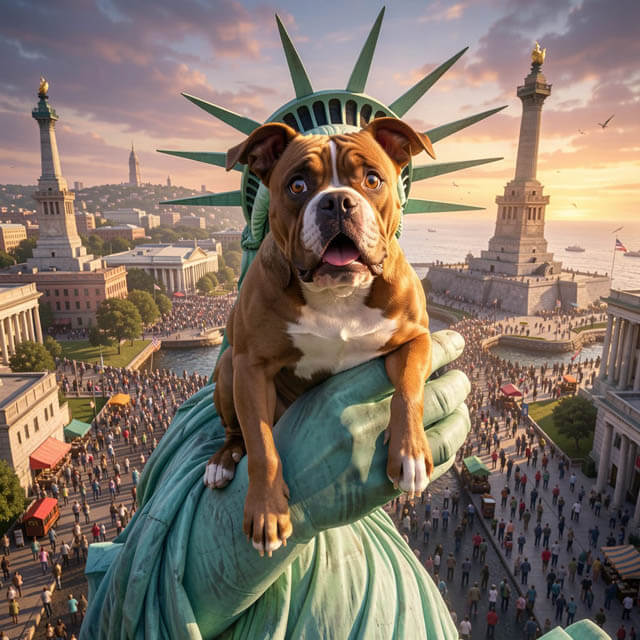

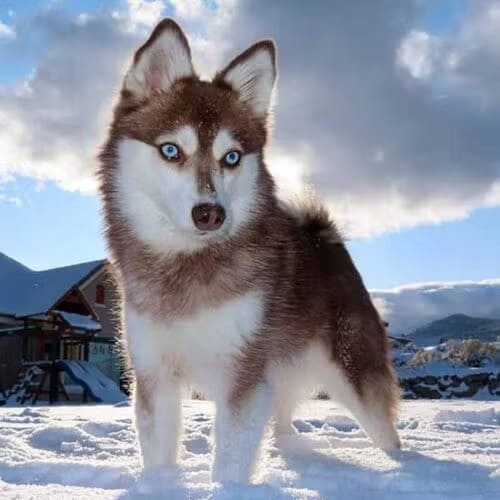
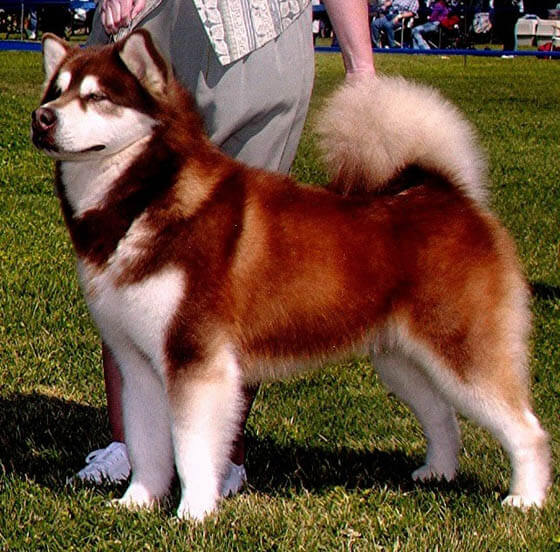
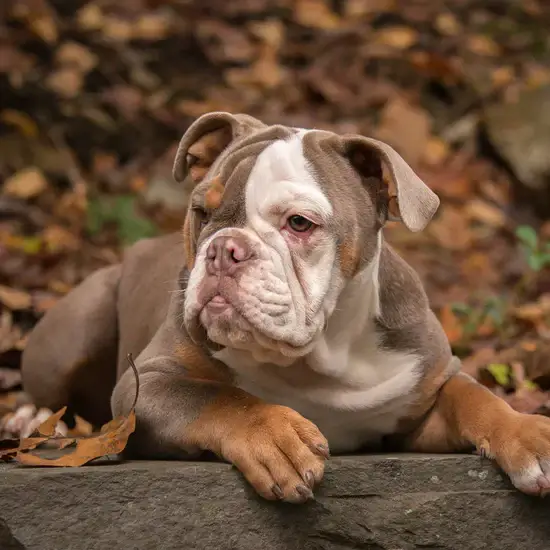
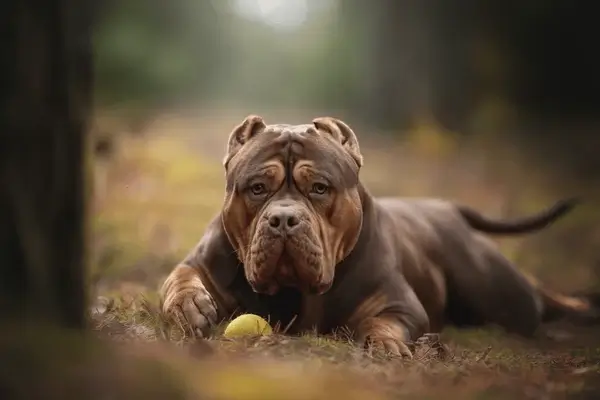
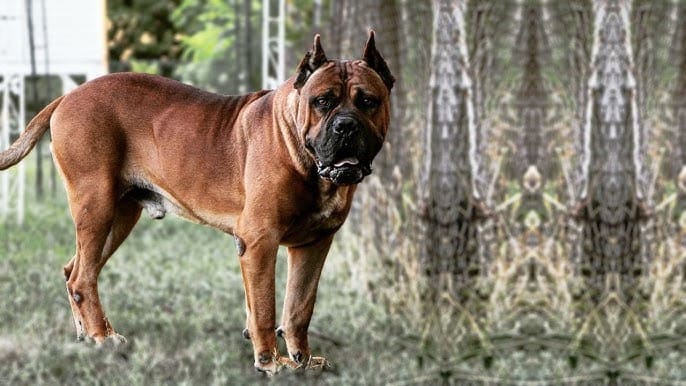

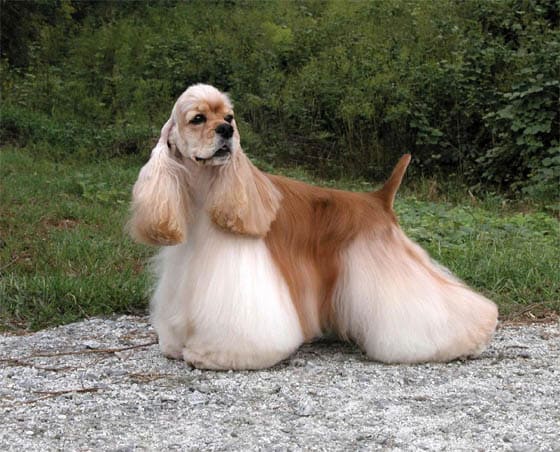
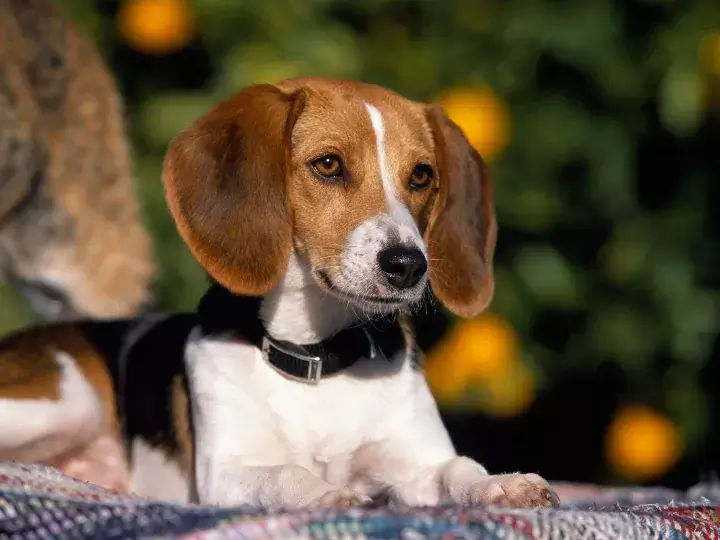
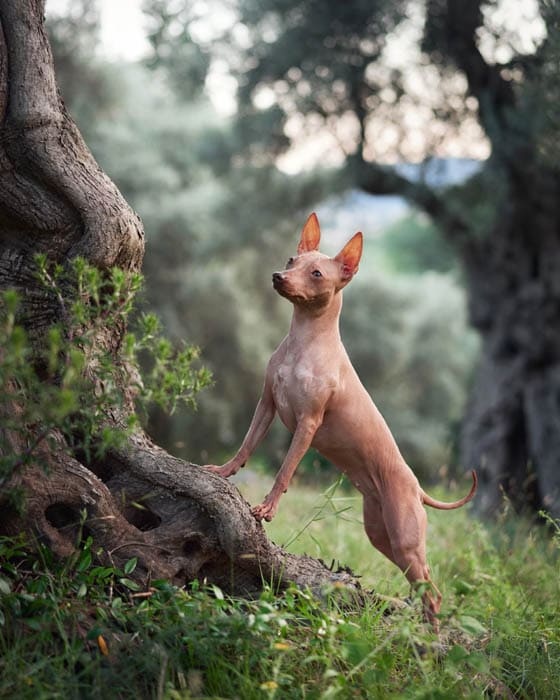
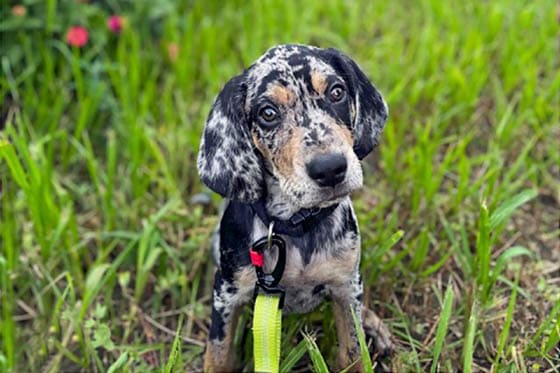
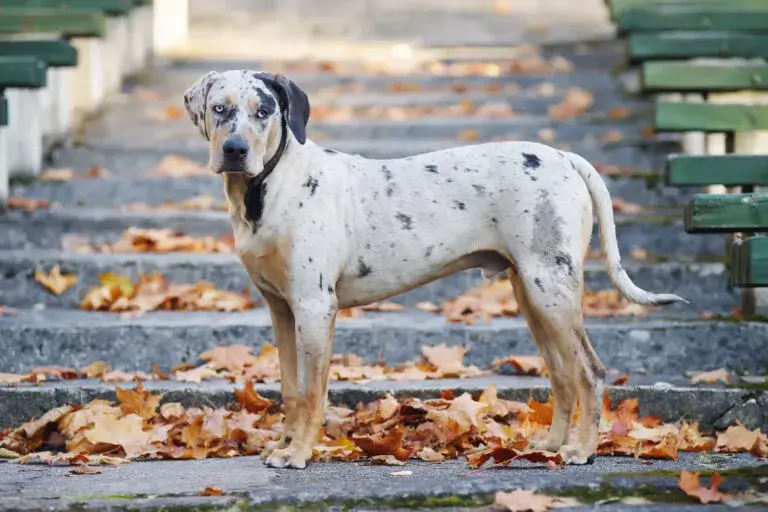

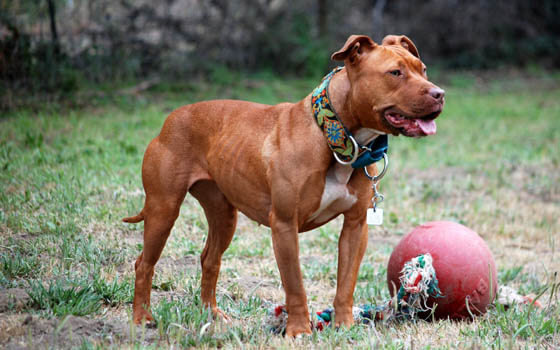
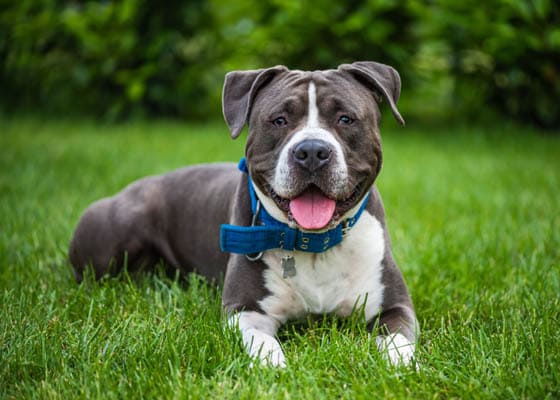
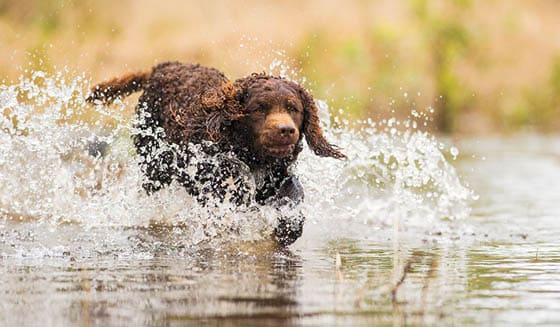
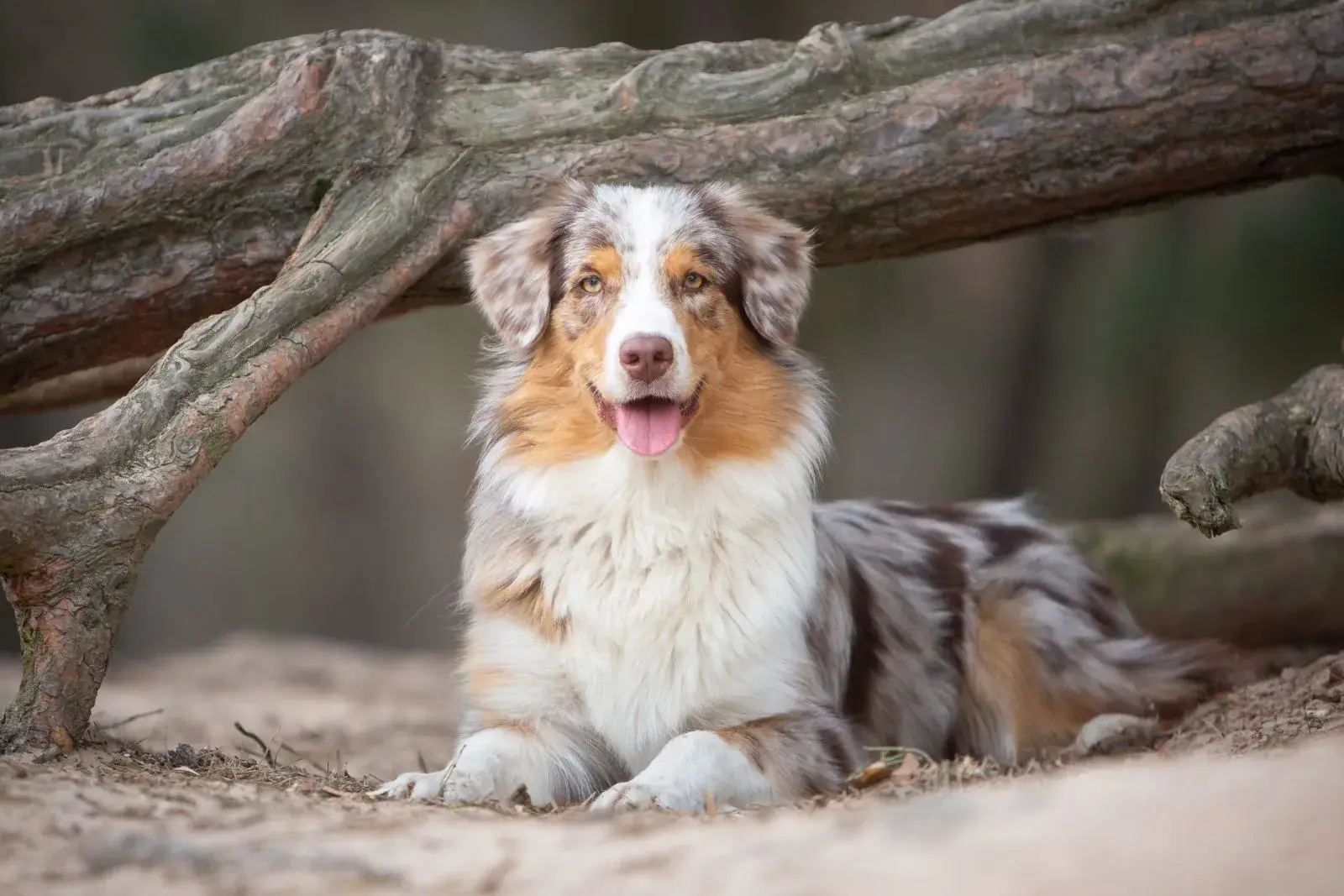
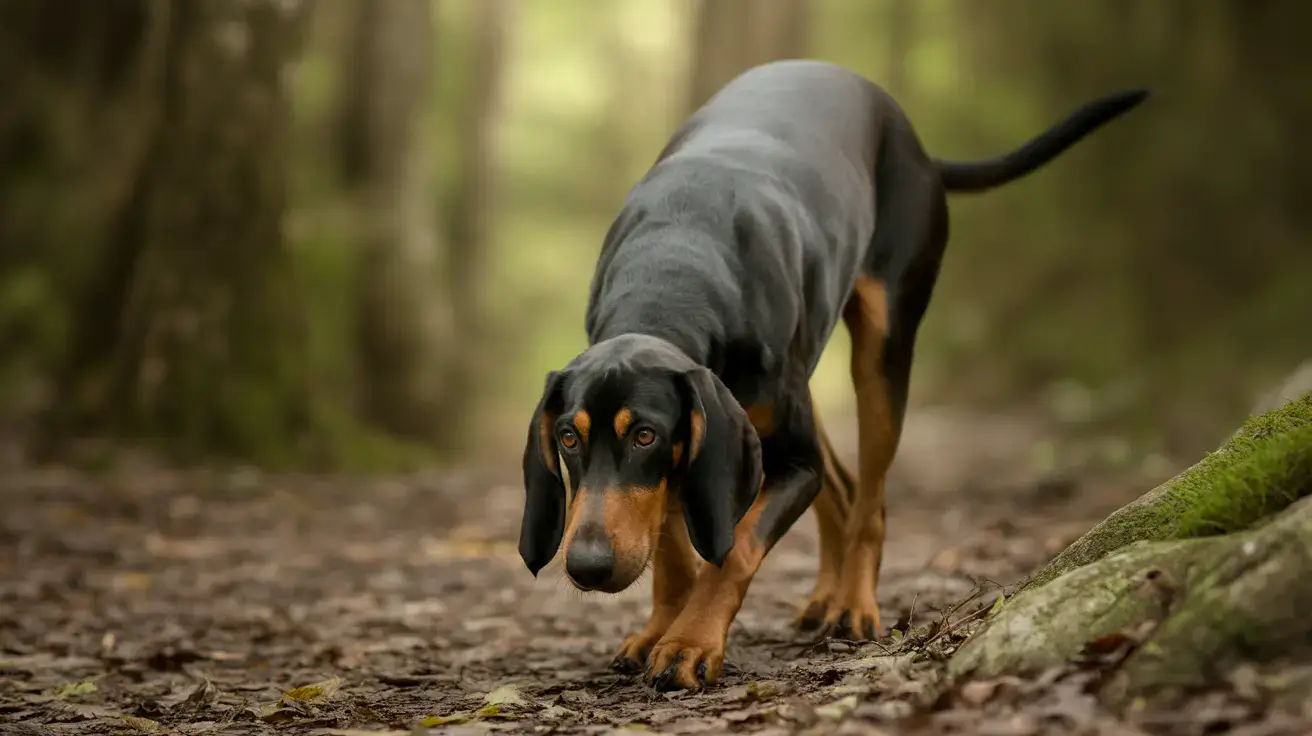
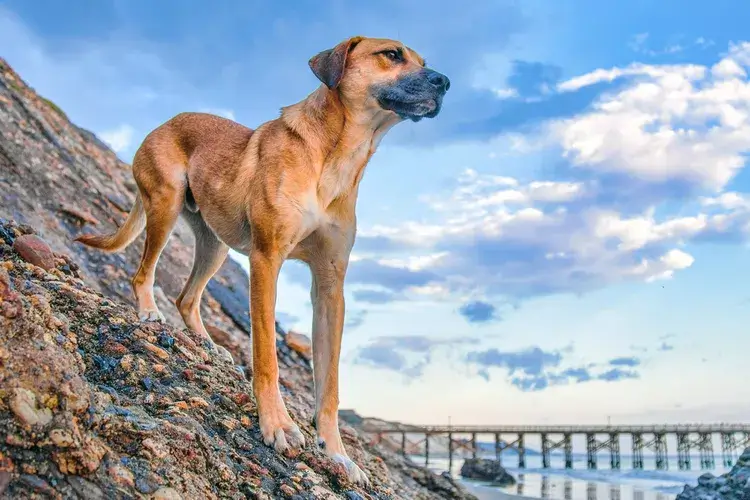
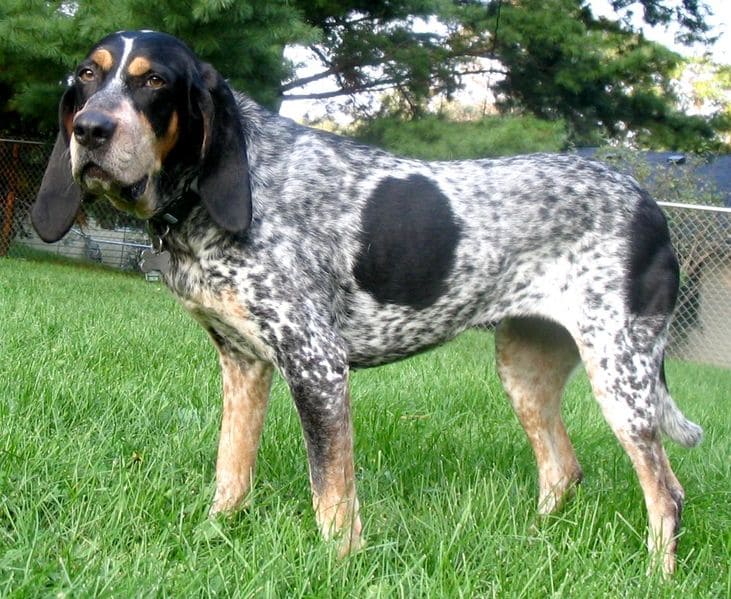
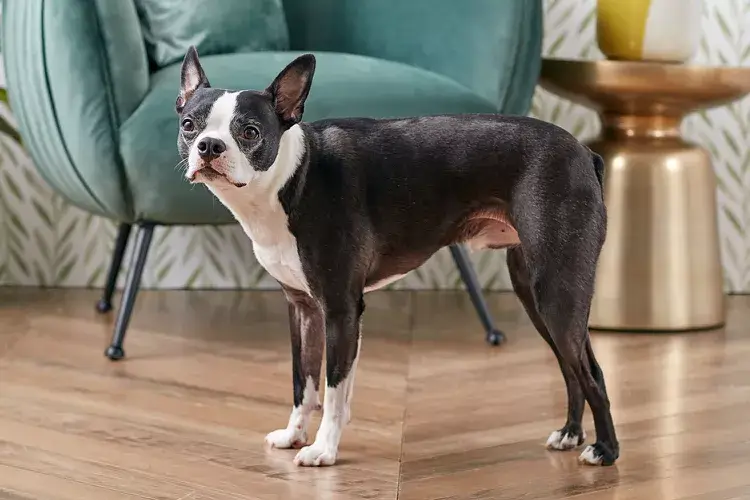
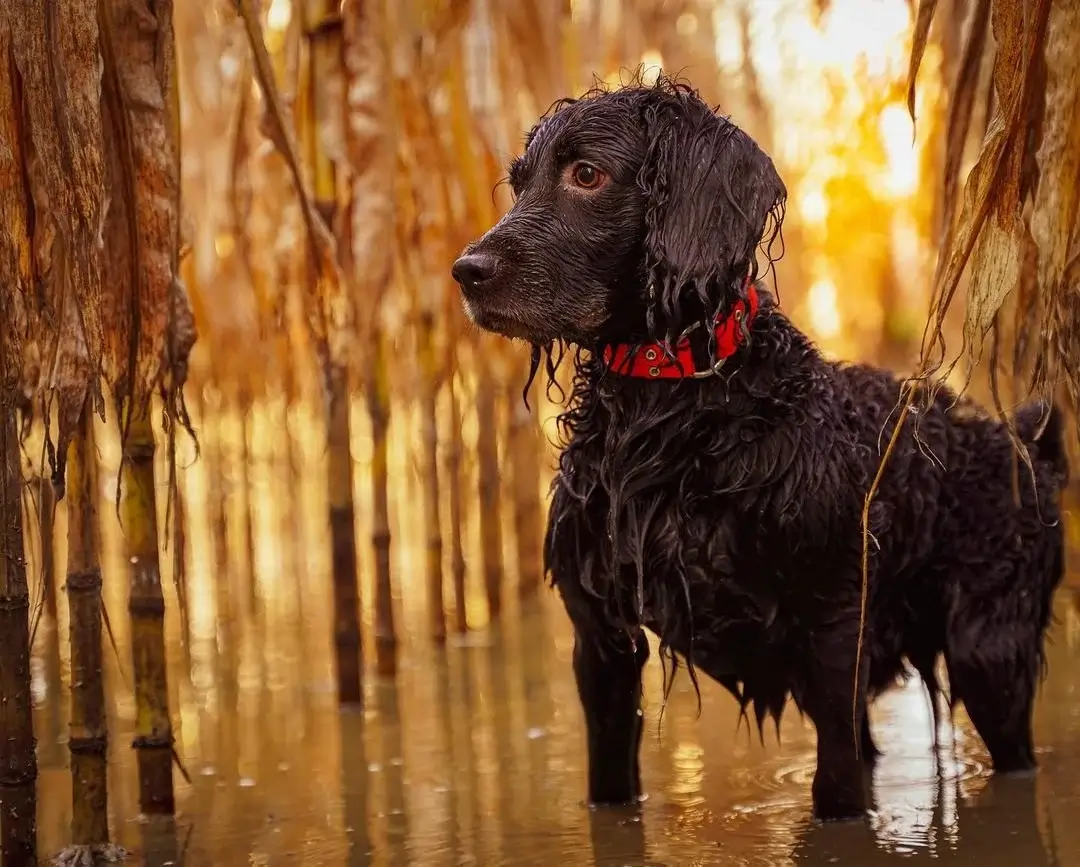
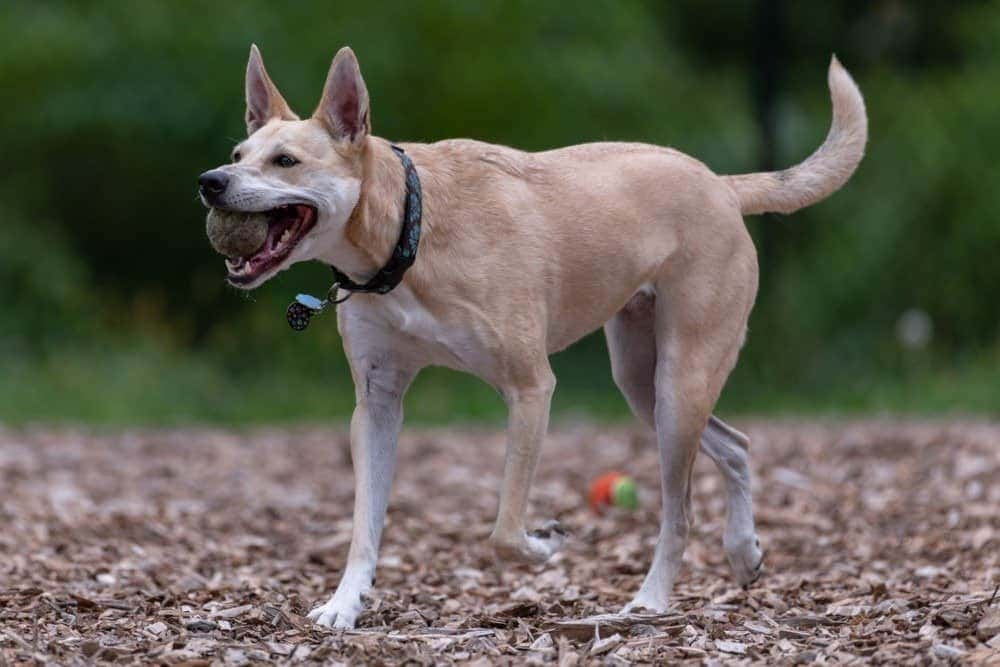
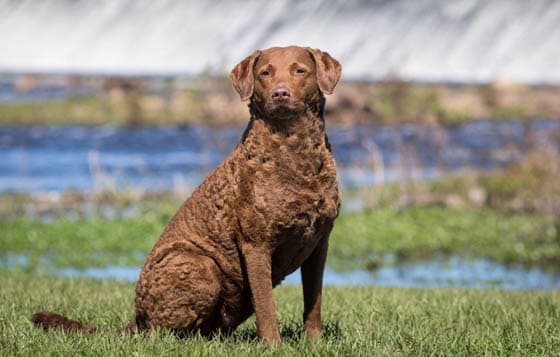
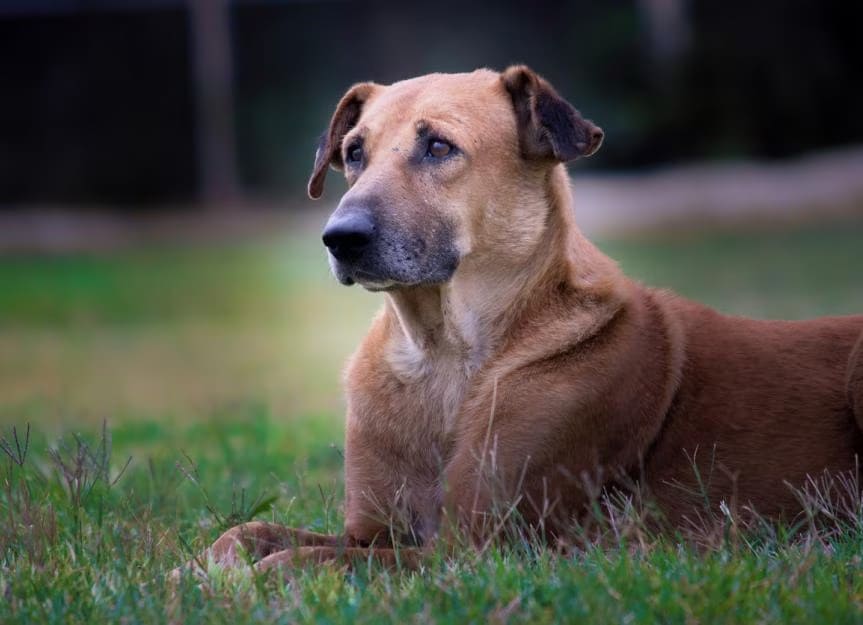
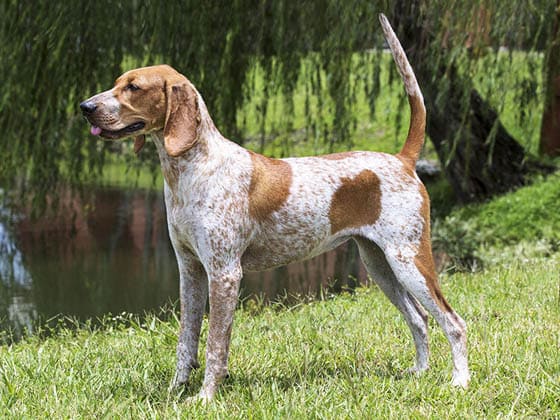
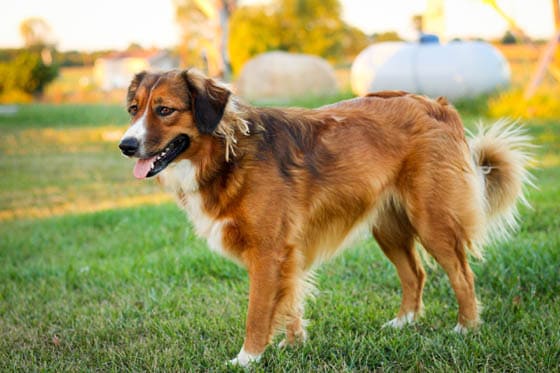
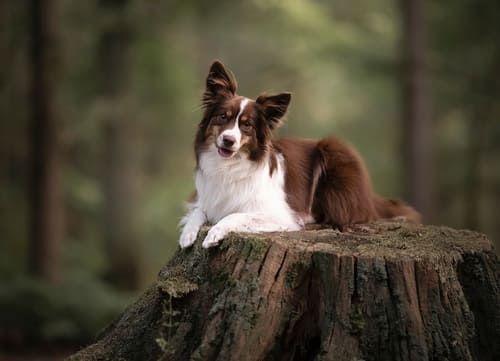
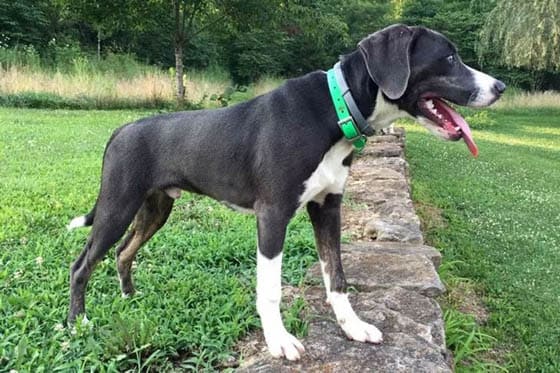
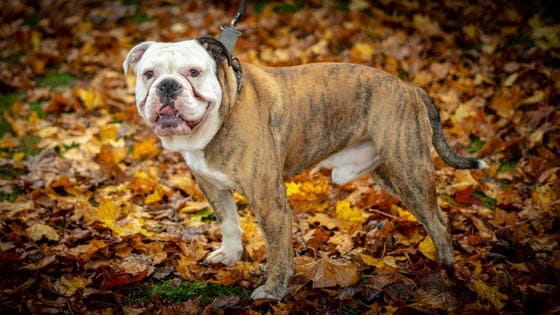
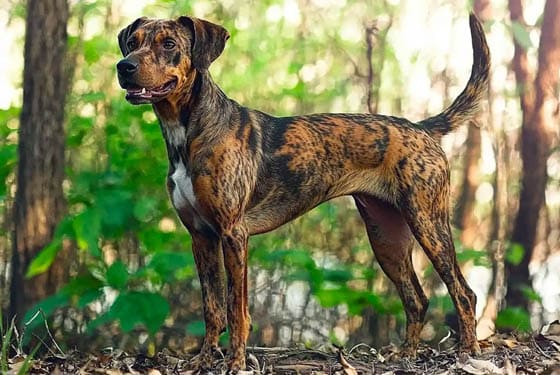
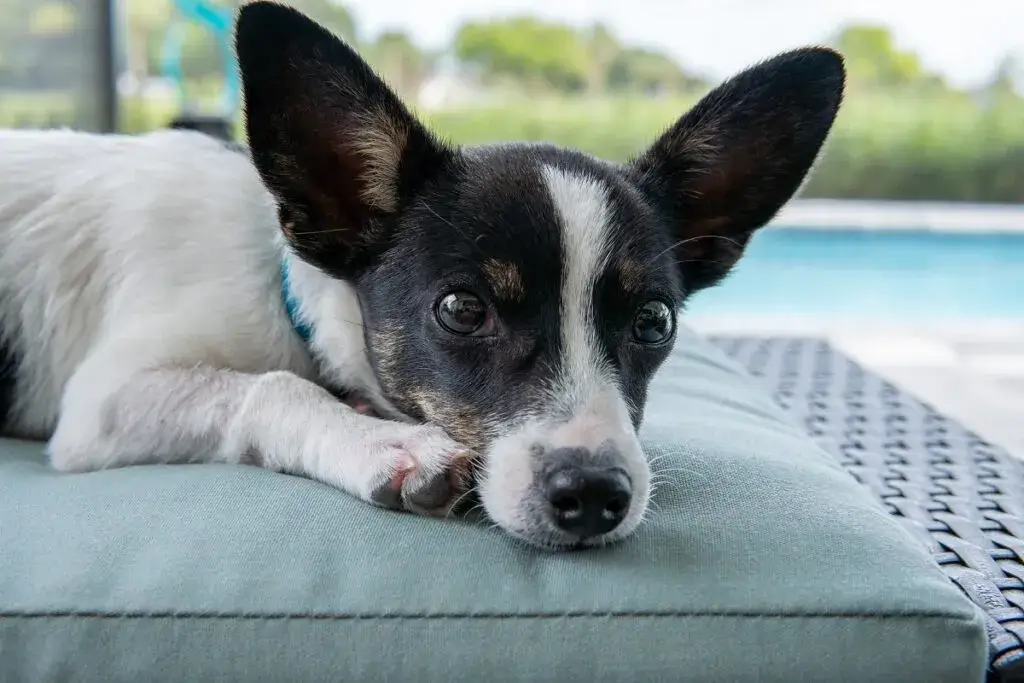
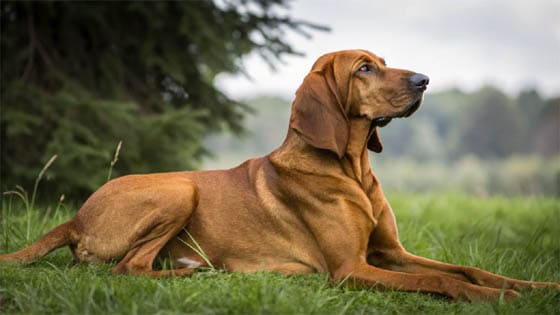
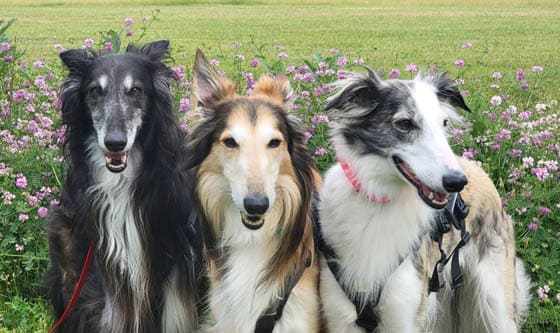
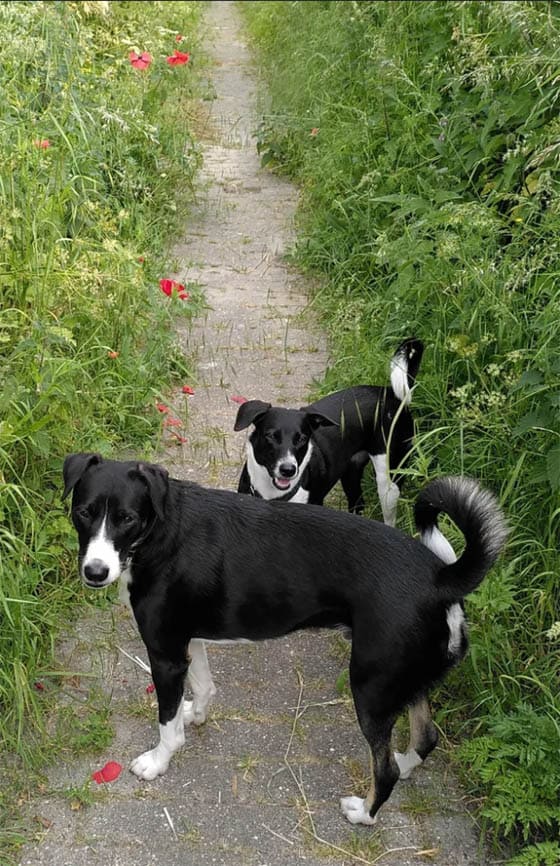
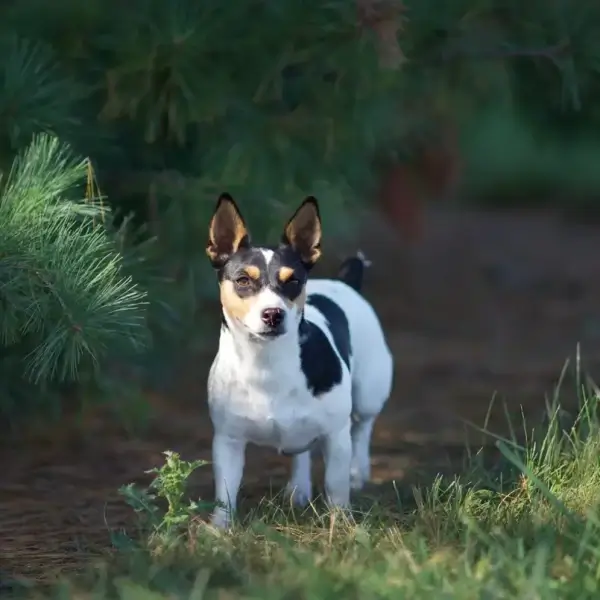
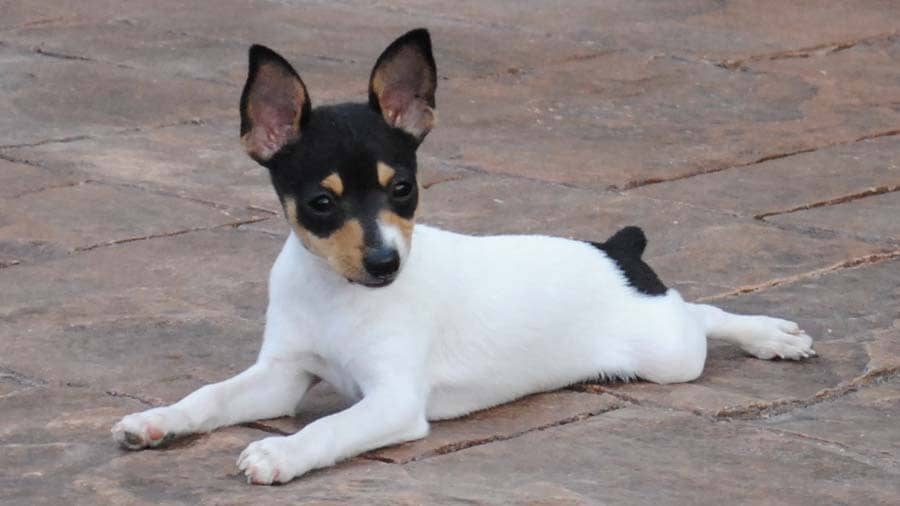
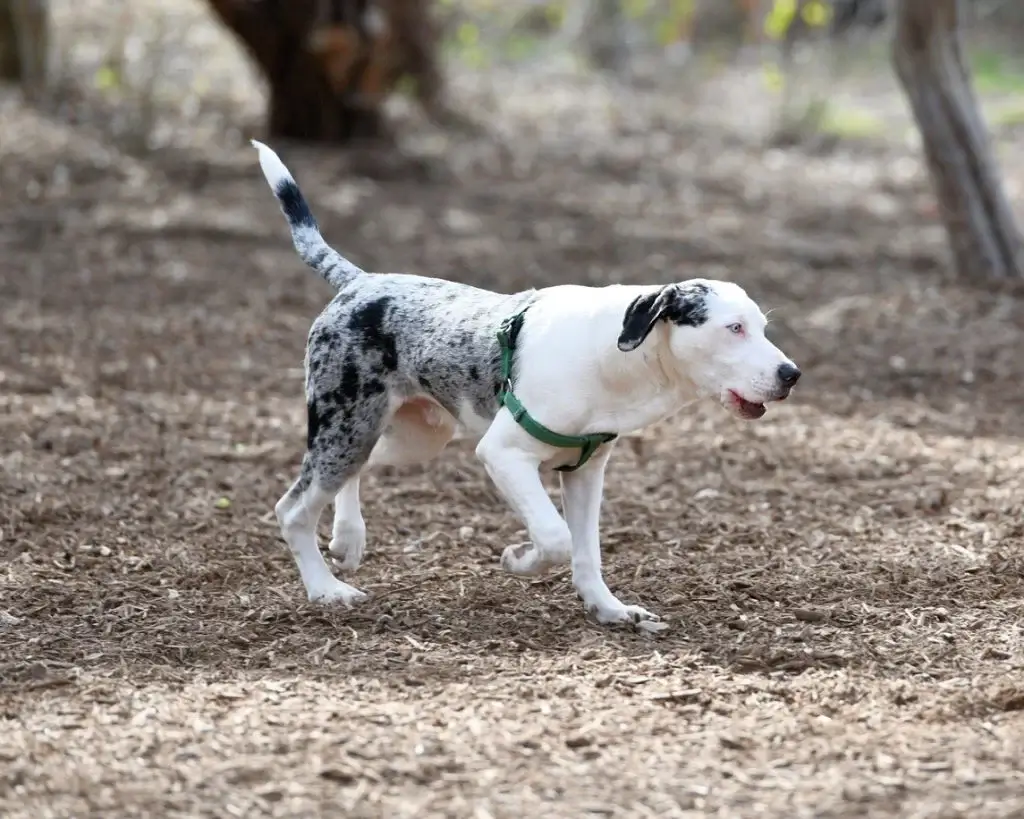
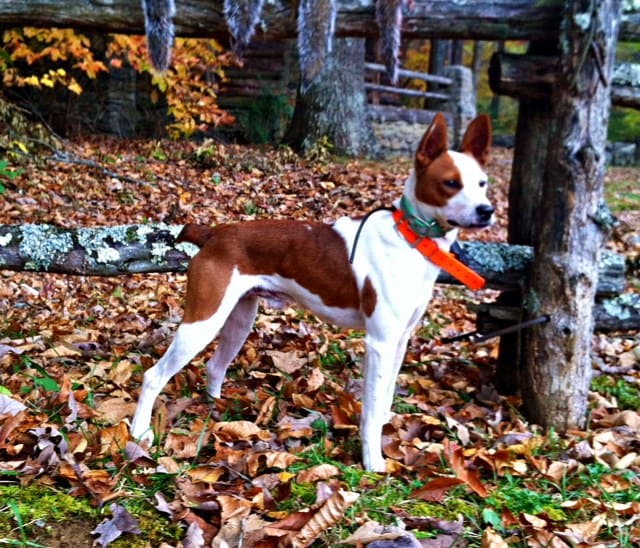
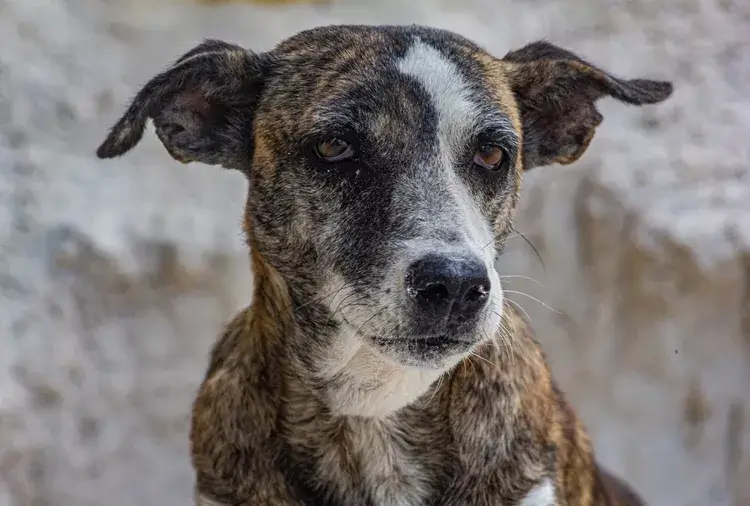
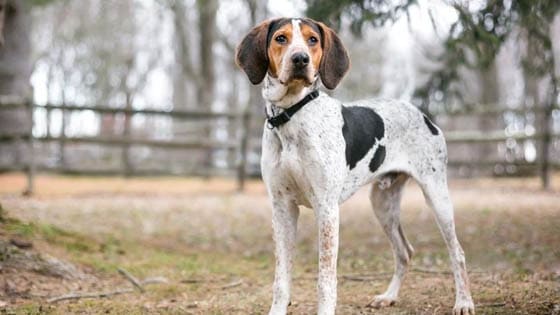
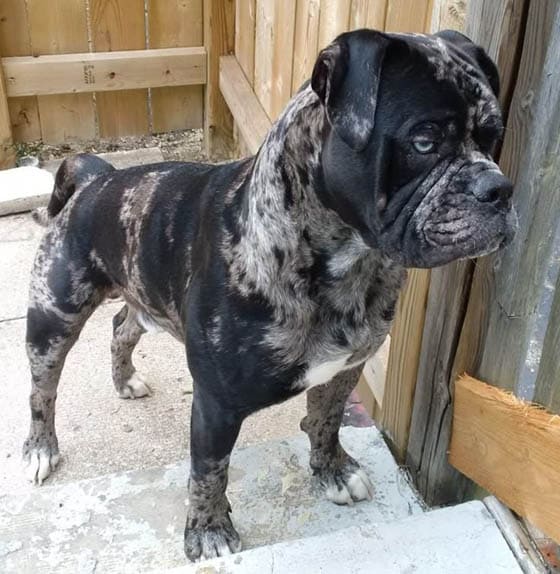
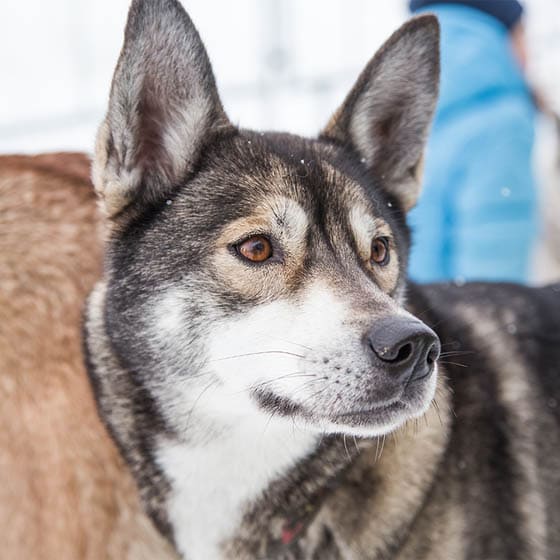
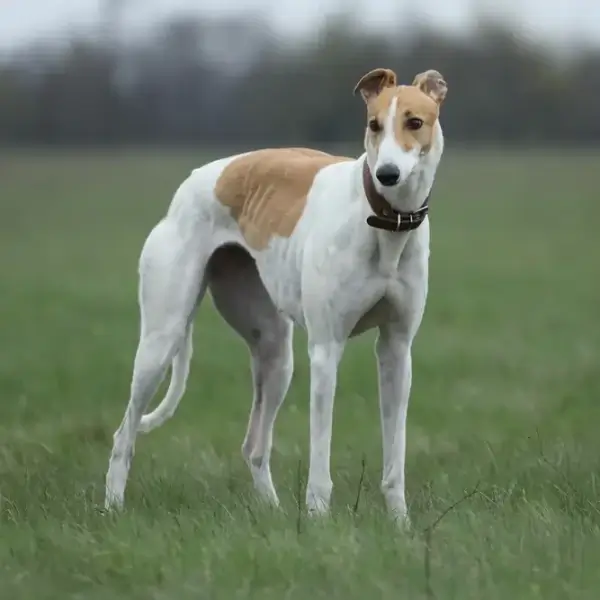
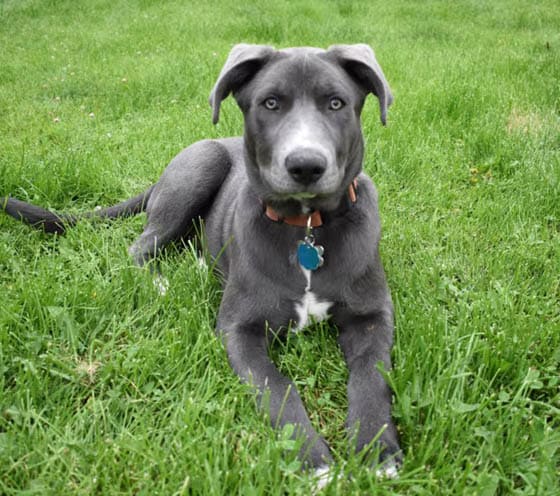
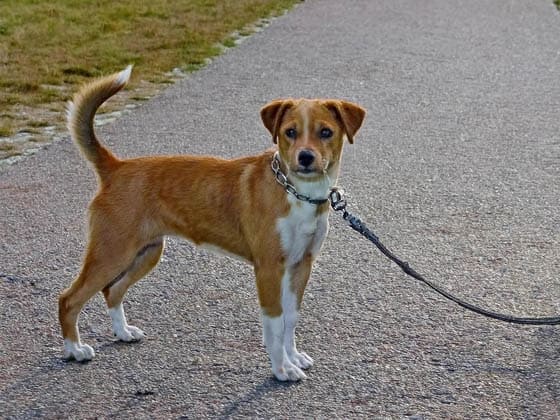
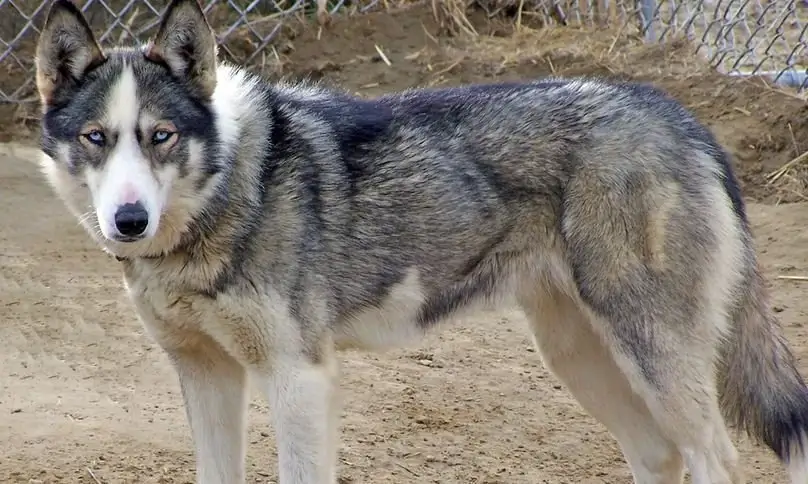
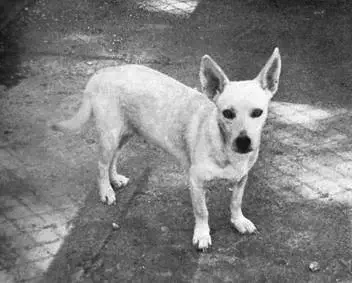
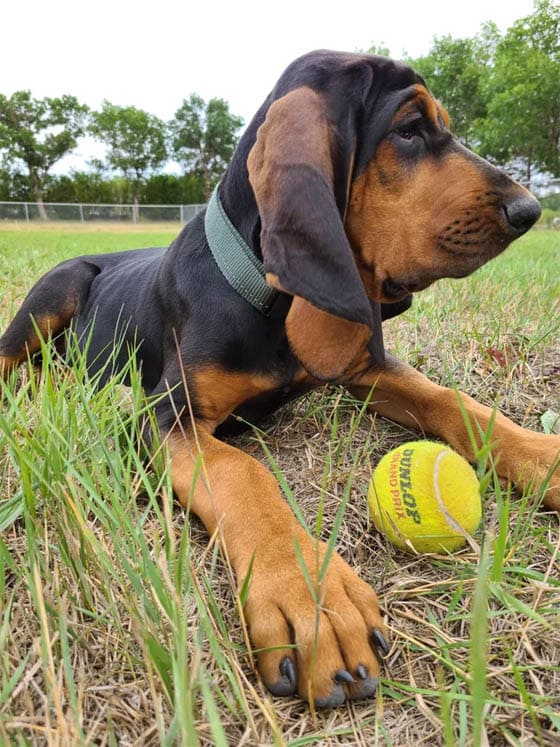
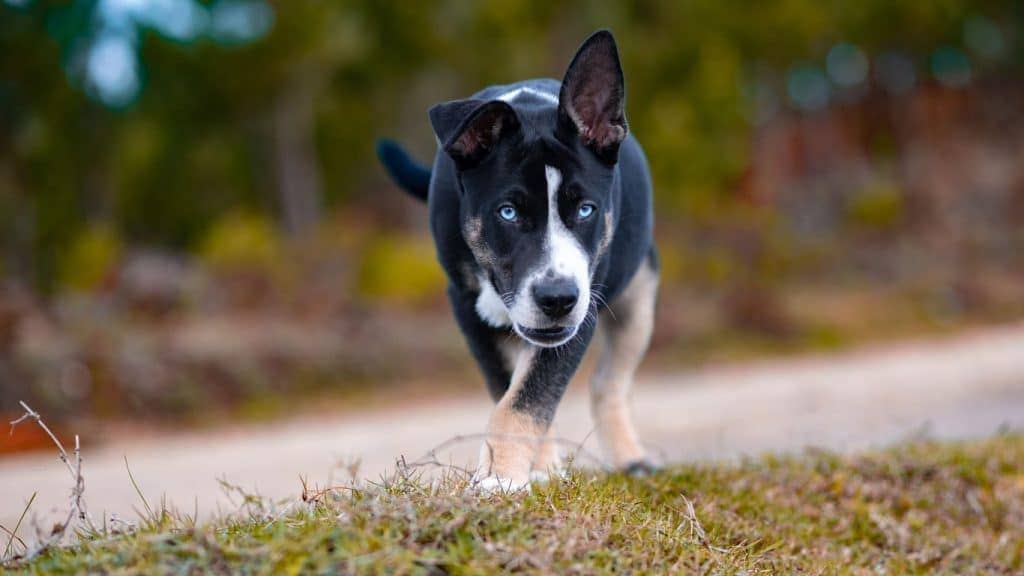
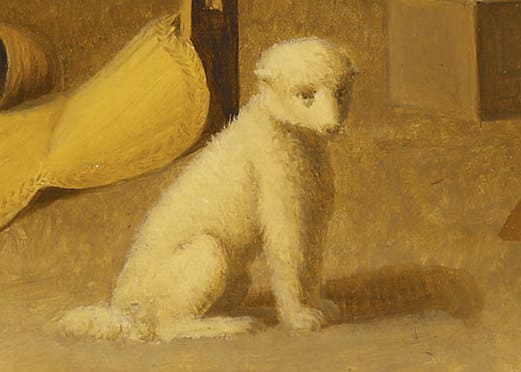
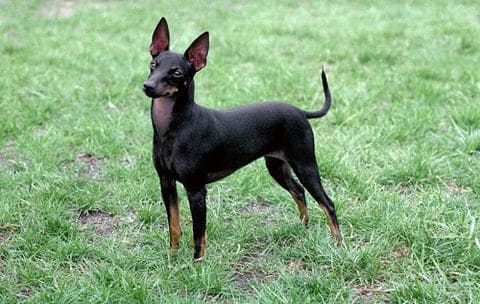
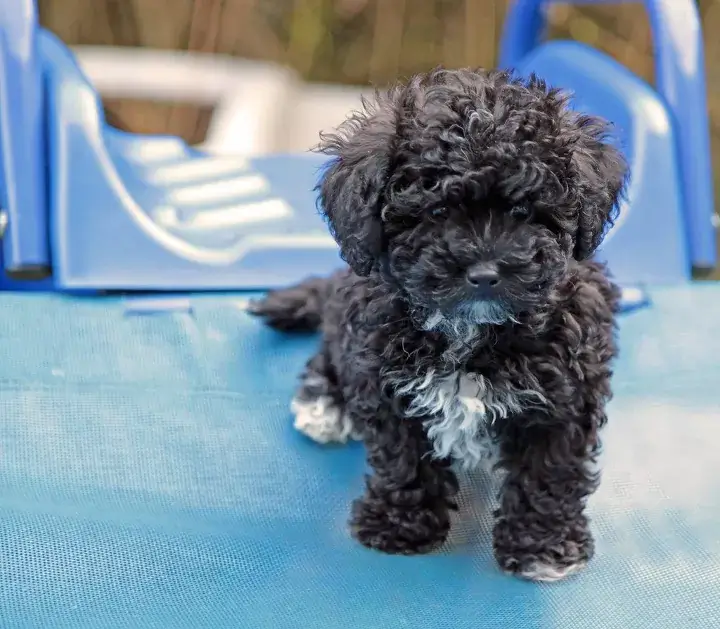
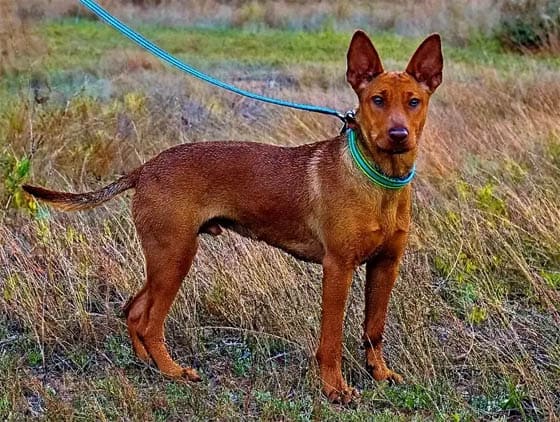
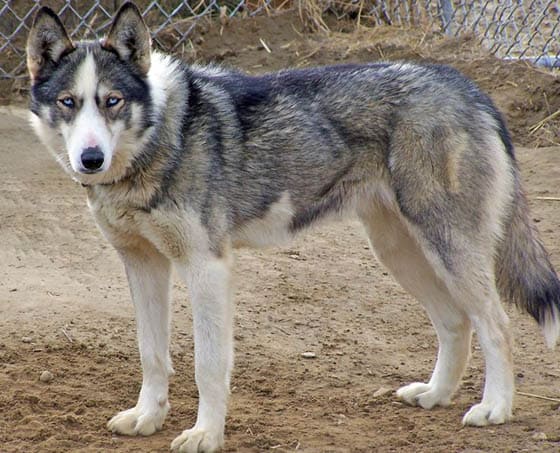
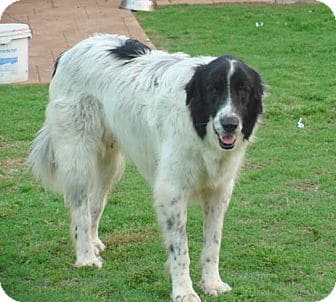
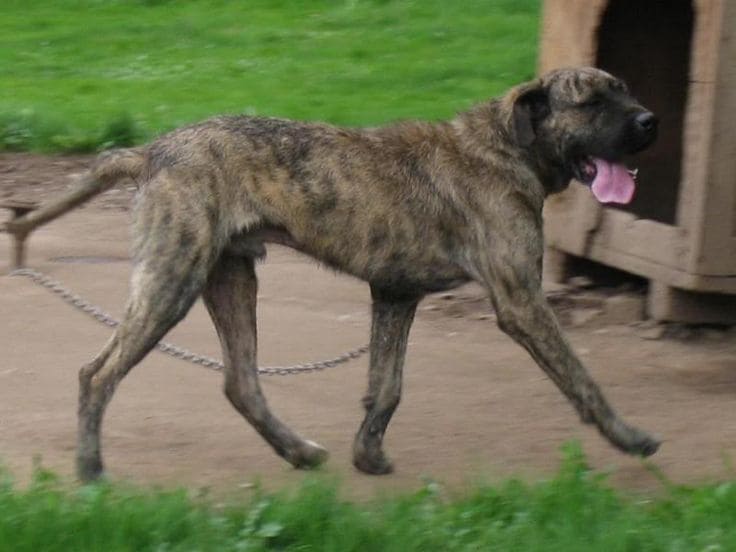
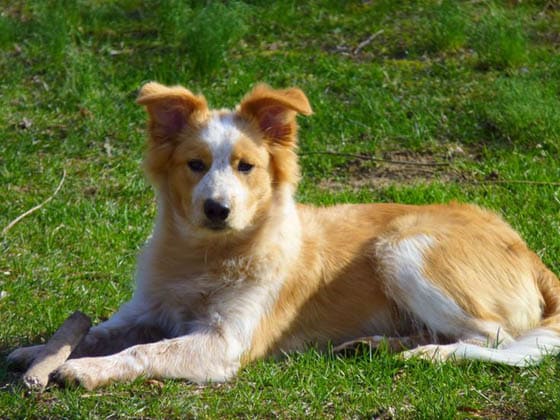
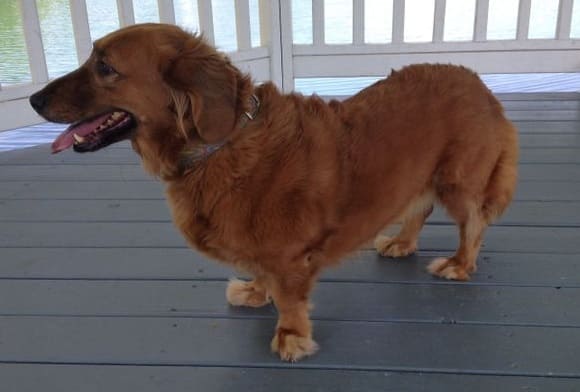
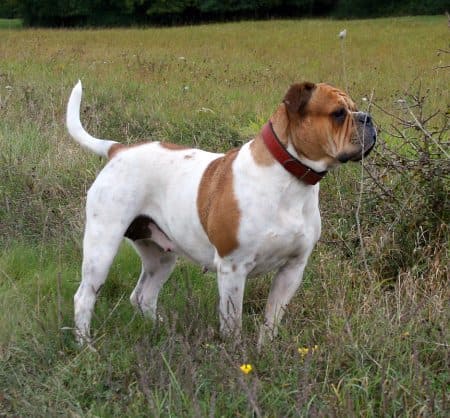
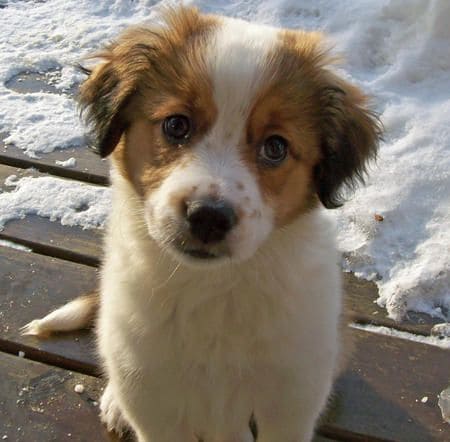
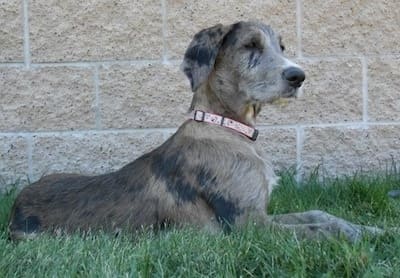
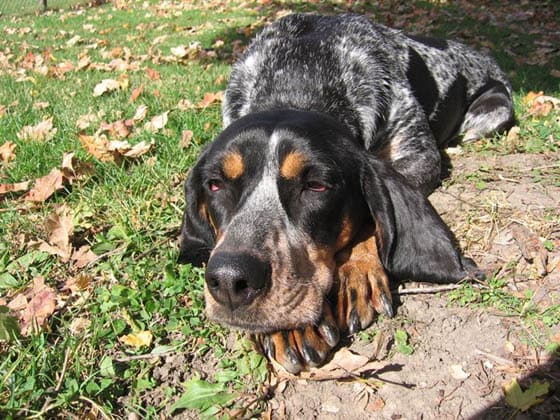
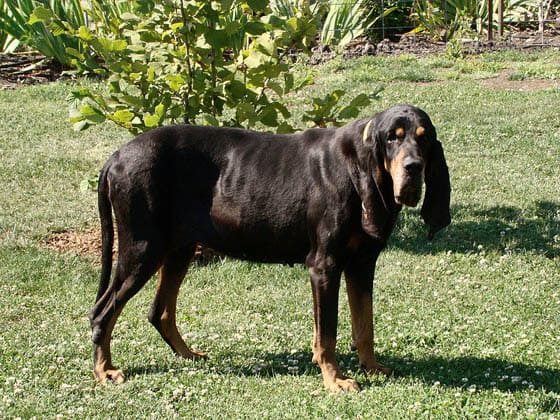
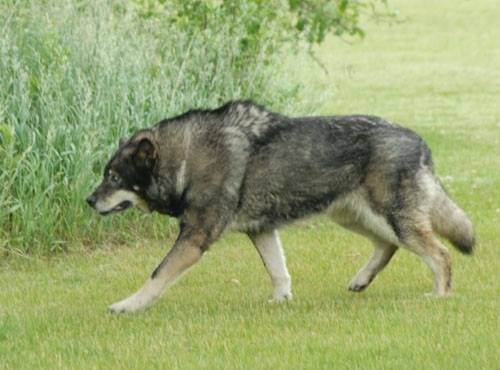
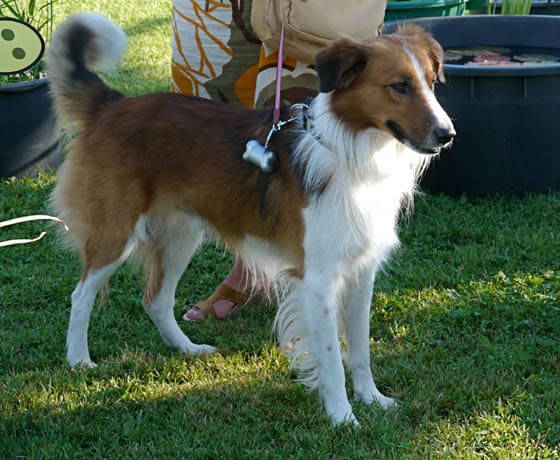
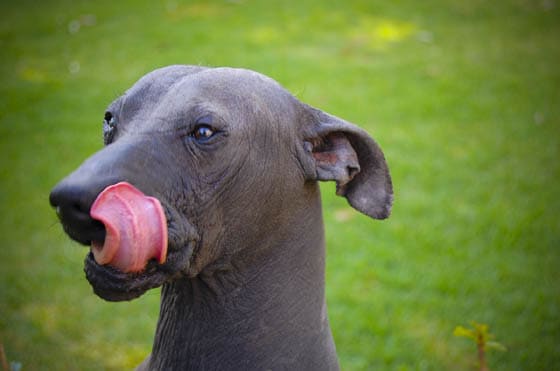
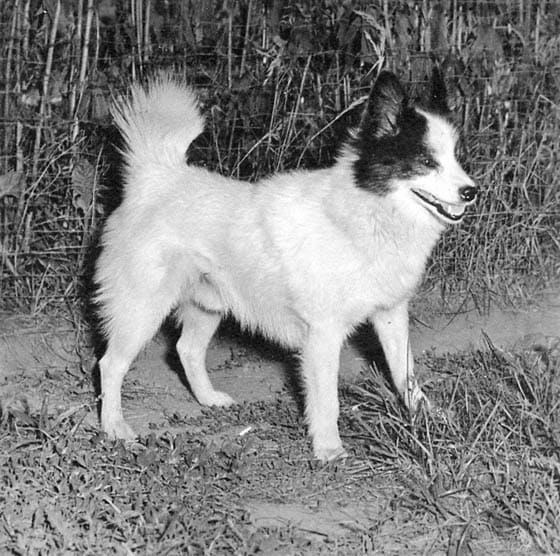












WORLD OF DOG & PUPPY 🐶