77 Shepherd Dog Breeds: Photo, Characteristics, Temperament Unique Characteristics of Shepherd Dog Breeds What makes a dog a Shepherd? How many types of Shepherd dogs are there? Is a Shepherd a good family dog? Shepherd Dog Breeds Characteristics What is Shepherd Dog? Shepherd Dogs Behavior Types of Shepherd What is the best shepherd dog breed? What are all the different shepherd breeds? Is Belgian Malinois a German Shepherd? What makes a dog a shepherd?
A shepherd dog (or sheep dog) is a type of working dog historically bred to manage, herd, or protect livestock like sheep and cattle.
These dogs guide sheep, cattle, and other animals with sharp instincts, quick decisions, and strong obedience.Shepherd dogs combine intelligence, loyalty, and a strong work drive. Farmers and families rely on these breeds to protect property, and respond to commands with focus.
What are the
Unique Characteristics
of Shepherd Dog Breeds?
Shepherd dog breeds share traits that help them manage livestock and respond quickly to human direction.
High intelligence Learns commands quickly and solves problems during work.
Strong work drive Stays motivated during long tasks and active routines.
Alert awareness Notices movement, sounds, and changes in the environment.
Trainability Responds well to structured training and clear commands.
Protective instinct Guards livestock, property, or family members.
Endurance Handles long hours of movement and outdoor activity.
Loyal temperament Forms strong bonds with handlers and families.
Why Are There
"Shepherd" Dogs
That Are not
Herding Dogs?
Some breeds carry the name shepherd because people originally used them to guard livestock or assist shepherds, not to herd animals directly. These dogs protected flocks from predators, watched over property, and supported farm work.
TYPES OF SHEPHERD DOGS
Herding Dogs These dogs are the leaders of the herds. Thanks to their agility, speed, and ability to understand their owners’ movements, they can effectively lead large groups of animals, such as sheep or cattle. The Border Collie, for example, is known to be one of the smartest dogs, capable of learning hundreds of commands and applying them with remarkable precision. Australian Shepherds are also very popular on farms, with their boundless energy and herding instinct.
Guard Dogs These dogs are often large and bred to protect herds from dangerous predators. Their territorial instinct keeps them always alert, ready to defend their group. The Beauceron is a typical example of a guard dog in France, used to protect herds but also as a personal guard dog. Similarly, the Pyrenean Mastiff is used in the mountains to fend off attacks from large predators.
Livestock Guardian Dogs Rather than actively driving or protecting, these dogs guard the herds by staying with them at all times. Their role is to monitor and ensure safety without being constantly on the move. The Pyrenean Shepherd, for example, is known for its agility on rugged terrain and dedication to its herd. The Cane Corso, on the other hand, is a powerful dog, initially used for farm and animal protection.
Sheep Find Sheepdogs Annoying when things are fine
But.. the translation for Friendship is Sheepdog! :)
German Shepherds are intelligent, loyal, and confident working dogs, standing 22–26 inches tall and weighing 50–90 lbs. Originally bred for herding, they are versatile, active, and require significant daily physical/mental exercise. They are generally healthy with a 7–14 year lifespan, though they are prone to hip dysplasia. Often used as working dogs, German Shepherds are courageous, keen, alert and fearless. Cheerful, obedient and eager to learn. Tranquil, confident, serious and clever. GSDs are extremely faithful, and brave. They will not think twice about giving their lives for their human pack. They have a high learning ability. German Shepherds love to be close to their families, but can be wary of strangers. This breed needs his people and should not be left isolated for long periods of time. They only bark when they feel it is necessary. Often used as police dogs, the German Shepherd has a very strong protective instinct, and is extremely loyal to its handler. Socialize this breed well starting at puppyhood. Aggression and attacks on people are due to poor handling and training.
Problems arise when an owner allows the dog to believe he is pack leader over humans and/or does not give the dog the mental and physical daily exercise it needs to be stable. This breed needs owners who are naturally authoritative over the dog in a calm, but firm, confident and consistent way. A stable, well-adjusted, and trained dog is for the most part generally good with other pets and excellent with children in the family. They must be firmly trained in obedience from an early age. German Shepherds with passive owners or whose instincts are not being met can become timid, skittish and may be prone to fear biting and develop a guarding issue. They should be trained and socialized from an early age. German Shepherds will not listen if they sense that they are stronger minded than their owner, however they will also not respond well to harsh discipline. With their history as herders and guardians, you can expect your German Shepherd to be a loyal and alert dog. They are known to be gentle around their family but may be reserved around strangers.
Because of their historical roots, German Shepherds have a strong drive and should be kept on a leash or inside a fenced-in yard at all times when outside. Otherwise, they may dart after a squirrel, rabbit, or cat. The breed is considered to be smart and easy to train. Some poorly bred German shepherd dogs can be high-strung and nervous. Coupled with poor socialization and inadequate training, over guarding and aggressive behavior are risks. Because German shepherd dogs are large and powerful and have strong guarding instincts, great care should be taken to purchase German shepherds from reputable breeders. Poorly bred dogs are more likely to be nervous. To prevent over guarding and aggressive behavior, German shepherd dogs should be carefully socialized from a young age and be obedience trained. They should be with the family and continually exposed under supervision to people and other pets around the neighborhood; they should not be confined to a kennel or backyard either alone or with other dogs. German shepherd dogs are active and like to have something to do. They need ample exercise daily; otherwise, they can get into mischief or become high-strung.
Panda German Shepherds are rare, purebred German Shepherds featuring a unique black, tan, and white coat pattern (typically 35% white) caused by a spontaneous mutation of the KIT gene first documented in 2000. They share the same intelligence, loyalty, and high-energy working temperament as traditional GSDs. While not recognized by some breed standards, they are not mixed breeds. Often used as working dogs, Panda Shepherds are courageous, keen, alert and fearless. Cheerful, obedient eager to learn, tranquil, confident, serious and clever, Panda Shepherds are extremely faithful and brave. They will not think twice about giving their lives for their human pack. They have a high learning ability. Panda Shepherds love to be close to their families, but can be wary of strangers. This breed needs his people and should not be left isolated for long periods of time. They only bark when they feel it is necessary. Often used as police dogs, the Panda Shepherd has a very strong protective instinct, and is extremely loyal to its handler.
Socialize this breed well starting at puppyhood. Aggression and attacks on people are due to poor handling and training. Problems arise when an owner allows the dog to believe he is pack leader over humans or does not give the dog the mental and physical daily exercise it needs to be stable. This breed needs owners who are naturally authoritative over the dog in a calm, but firm, confident and consistent way. A stable, well-adjusted and trained dog is, for the most part, generally good with other pets and excellent with children in the family. They must be firmly trained in obedience from an early age. Panda Shepherds who have passive owners and or whose instincts are not being met can become timid, skittish, may be prone to fear biting and develop a guarding issue. They should be trained and socialized from an early age. Panda Shepherds will not listen if they sense that they are stronger minded than their owner, however they will also not respond well to harsh discipline. Owners need to have an air of natural authority to their demeanor. Do not treat this dog as if he were human. Learn canine instincts and treat the dog accordingly.
Panda Shepherds are one of the smartest and most trainable breeds. Many traditional breeders claim that the "Panda" results from mixed breeding by using Collies or similar dogs. However, genetic testing has shown that it is a spontaneous coloration. In other words, dogs with the Panda gene are purebred. Their common ancestor had a rare genetic mutation that changed her color. This gene is dominant. However, if a puppy receives two of the genes, then it will not develop correctly. Therefore, this gene is considered to be lethal in the womb. Luckily, this can be avoided by not breeding two Panda dogs together. This color is relatively new. It wasn’t until 2000 that a female German Shepherd spontaneously mutated and displayed the Panda gene. German Shepherds are also incredibly smart. They are not the most intelligent breed but are brighter than most. For that reason, you will likely need to provide plenty of mental stimulation as well. This can be accomplished through the use of training and puzzle toys. Some games, like hide-and-seek, can also challenge your dog’s mind. The German Shepherd is eager to learn and easy to train. They are devoted to their owners and bond closely with them, though they aren’t the friendliest around strangers. They can become protective of their people if they are not socialized properly. They make excellent guard dogs for that reason, but they still require training to perform the task correctly. Training is vital for them to be accepting of strangers.
The White Shepherd (or White Swiss Shepherd) is a distinct breed closely related to the German Shepherd, known for its striking white coat, intelligence, and loyal, versatile nature. Developed from white-coated German Shepherds, they are active, trainable, and generally more mellow, yet possess strong protective instincts and require high daily exercise. White Shepherds are courageous, keen, alert and fearless. They are cheerful, obedient and eager to learn. Tranquil, confident, serious and clever, White Shepherds are extremely faithful and brave. They will not think twice about giving their lives for their human pack. They have a high learning ability. White Shepherds love to be close to their families, but can be wary of strangers. This breed needs its people and should not be left isolated for long periods of time. They only bark when they feel it is necessary. Often used as police dogs, the White Shepherd has a very strong protective instinct, and is extremely loyal to its handler. Socialized this breed well starting at puppyhood. Aggression and attacks on people are due to poor handling and training.
The White Shepherd has a distinct personality marked by self-confidence. The breed is poised, but when the situation demands, they are eager, alert and ready to serve in any capacity. White Shepherds demonstrate both herding and protective instincts. With those he/she knows, the White Shepherd is open and friendly. With strangers he is observant and may be somewhat aloof but not apprehensive. They enjoy running, playing fetch or any activity with their human family. This is a joyful, active, intelligent and easy to train working dog with the ability to adapt and integrate to all kinds of social events and situations. Timidity in a mature dog or aggressive behavior is not typical of this breed. White Shepherds are very loyal and tend to be especially protective of the young of various species. With their playful and curious personalities, they make wonderful companions although some do have the tendency toward being quite vocal by exhibiting whining, grunting, moaning and sometimes howling. He is naturally wary of strangers but rarely barks unless he is issuing a warning.
He is eager to learn and training should be a breeze. The White Shepherd does need interaction with people and will become depressed or even destructive if left alone for too long. Be prepared to spend extra time with your White Shepherd if you work away from the home all day. The White Shepherd is a very intelligent, courageous and fearless dog. He is fiercely devoted to his family and forms bonds quickly, especially with the person training him. He does need to be socialized from an early age to ensure he does not become fearful or aggressive towards strangers. He is naturally wary of strangers and can become aggressive if he fears for his safety or his family’s safety. Lack of training and socialization are the main factors in why White Shepherds become aggressive and unmanageable. He will greatly benefit from going to training classes starting at a young age. Generally, he is great with children and other pets, although he does command respect. Children or pets that do not respect his boundaries may not be able to handle the consequences of him becoming annoyed. He is extremely trainable but does require daily interactions such as long walks or playtime in the backyard. When you cannot be with him, he will require a strong fenced yard to play.
The Caucasian Ovcharka, or Caucasian Shepherd, is a massive, ancient livestock guardian breed from the Caucasus Mountains, weighing 99–220 lbs. They are intensely loyal and affectionate with family but fiercely protective, requiring highly experienced, firm handling. Suited for large rural areas, they are independent, confident, and generally low-energy but need daily activity to manage their weight. The Caucasian Shepherd's original purpose was to protect livestock. The typical Caucasian Ovtcharka is assertive, strong-willed and courageous. Unless properly socialized and trained, the Caucasian Shepherd may exhibit ferocious and unmanageable tendencies. It is very brave, alert, strong and hardy. It does not accept people it does not know and it has a powerful urge to defend. Everything and everyone who belongs to the family, including children, cats, other dogs, etc., will be regarded by this dog as part of "its" family and will be respected and protected. This dog should not be left alone with children, because if play becomes too rough, the Caucasian Ovtcharka may feel the need to protect your child, and may do it extensively. It has no time for strangers, but it will greet family friends warmly. It can be rather dominant toward other dogs it does not know.
Some German fanciers employ the dogs as foremost guardians and deterrents. This is not a dog for everyone. It requires an owner who knows how to display strong leadership and who is willing to spend a lot of time socializing and training. Caucasian shepherds generally have a very watchful and protective personality. Their breeding as a guardian plays a huge role in their temperament, and this may make them unsuitable for first-time dog parents. They are typically wary of strangers but are devoted to their family. Also, due to this breed’s large size, these dogs do best in homes with lots of indoor and outdoor space, including a yard with a high fence. They are not suitable for apartment dwellers. Because of this working dog’s independent nature, many Caucasian Shepherds prefer to be the only pet in the home. They also do best in homes without young children, as they don’t do well with kiddos pulling their tail or climbing on them. Historically, this breed has been protective and naturally suspicious around strangers. If you travel a lot, a Caucasian Shepherd will find it difficult to be boarded or even to be cared for by a pet sitter. The breed thrives in a quiet, calm environment with a homebody pet parent. The Caucasian Shepherd Dog is a loyal guardian to the core.
These dogs were bred to help shepherds in the Caucasus Mountain region keep their flocks safe from predators like wolves and bears. They often use these instincts in modern times to act as watchdogs and protectors, though they are sometimes overly apprehensive around strangers and don’t take well to other animals entering their territory, including other dogs. Smart but headstrong, the massive Caucasian Shepherd Dog needs an experienced trainer that can handle an independent attitude with firm boundaries and patience. They are not high-energy dogs, but their size demands space, making them ill-suited for apartment life. A yard with a solid, high fence is ideal. Although they aren’t known for barking more than most dogs, they will alert owners to any dangers, even in the middle of the night, and their bark is quite loud. Caucasian Shepherd Dogs can make excellent family companions and should be indoors with their humans as much as possible. They should not be chained up outside, as this is a recipe for creating an aggressive, dangerous dog. With proper training, they can make loving family pets and guardians, and some have even been trained as therapy dogs.
Central Asian shepherds may be one of the first dog breeds to ever exist, but they definitely aren't a good first dog for someone looking for a pet. The Central Asian Ovcharka (or Alabai) is an ancient, massive livestock guardian breed originating from Central Asia, weighing 88–150 pounds. They are fearless, independent, and fiercely protective of family and territory, making them excellent guardians but best suited for experienced owners with plenty of space. The Central Asian Ovtcharka is a calm, fearless flock guardian. Independent, they stand their ground and do not back down. They are good with all members of their own family, however, they should be supervised with children. Outside the home they may try to dominate other dogs and are wary of strangers; they are guardians and will act as such. They like to bark at night and this may present a problem if you have close neighbors. Socialization is a must for the Central Asians, unless they are being used as flock guards.
They get along with cats and other non-canine animals and other dogs, as long as the dog is not a threat to their charge. The CAS lived its life with the Family of Turkmen thus they are family dogs that want and seek interaction with daily life. This flock guardian is not for everyone. They need an owner who understands the flock guard type and the temperament that comes along with it. This is not a breed for the timid or meek owner. The Central Asian Ovcharka is a unique breed, created by the climate of their native land. These dogs are territorial guard dogs that are protective of their property and their people. They are a large and powerful breed, but they are loyal and loving with the people they know and trust. The Central Asian Ovcharka is not a breed for the first-time pet parent, and it is not suited to apartment life because of their size. This breed is stubborn, fiercely protective, and territorial; they love to dig and bark, and require a lot of attention from their families. With the proper training, though, the Central Asian Ovcharka makes a good companion and excellent watchdog for the seasoned dog owner who is willing to be patient and give this breed the proper attention and care that it craves.
Central Asian Shepherd Dogs are hard workers dedicated to their family. This family can include other dogs - with proper introductions and children. The breed can also do well with farm animals such as cows and horses, and they prefer having a fenced space to roam within. Though they are not clingy dogs likely to follow you from room to room, Central Asian Shepherd Dogs are not loners. The breed has worked alongside humans for centuries and still prefer to be by their side. Some of the attributes that make Central Asian Shepherd Dogs excellent working guardians do not translate well to family dog life. For example, loud barking is great for warning predators, but not so great for you or your neighbors. They might also be wary around strangers, though consistent lifelong socialization and training can help them be more accepting. But despite their reluctance to welcome new people and animals, Central Asian Shepherd Dogs do not prefer to be solitary. In fact, too much time left alone can bring out unwanted behaviors, such as excessive barking and digging. In addition to being large and intimidating, the Central Asian shepherd can be possessive and territorial. This is another reason why properly socializing them is so important.
The East European Shepherd (VEO) is a large, intelligent, and loyal working dog developed in the USSR to withstand harsh, cold climates. Heavier and taller than the German Shepherd, they excel as guard dogs and family companions, exhibiting a confident, calm, and highly trainable temperament. They require consistent training, significant exercise, and thrive with active owners. The East-European Shepherd is very loyal to its own people. It is balanced, confident and can be wary of strangers. An excellent guard dog, the East-European Shepherd will protect its owners at all costs. This breed is a working dog and will be happiest with some type of job to do. The objective in training this dog is to achieve pack leader status. It is a natural instinct for a dog to have an order in its pack. When we humans live with dogs, we become their pack. The entire pack cooperates under a single leader. Lines are clearly defined and rules are set. Because a dog communicates his displeasure with growling and eventually biting, all other humans MUST be higher up in the order than the dog. The humans must be the ones making the decisions, not the dogs. That is the only way your relationship with your dog can be a complete success. The East European Shepherd breed was developed by selectively breeding from the old-style German Shepherd lines to local dogs, reportedly including Ovcharkas and Laikas, to produce a larger dog that was capable of performing in and withstanding some of the harshest environments of the former USSR. The breeding program was carried out by the Soviet Union in the early 1920s in Byelorussia (Belarus), and for this reason, the dogs are also known as the Byelorussian Ovcharka. The breed type was established and fixed by the 1930s-1950s. These dogs became a fixture of the KGB, particularly those adorned in a jet black coat. Litters bred to KGB kennels that included any coat color other than black were destroyed, and mating between the parent dogs was never repeated. These dogs were used extensively in the military and police work for patrol, apprehension, and detection. Eventually, the dogs were released to the public, and restrictions on colors lessened. Today, the breed is seen in a variety of coat colors and patterns. The East European Shepherd remains one of the more popular breeds throughout the countries of the former Soviet Union, but the dogs are still considered quite rare in other countries, including the United States.
The Australian Shepherd is a smart, active medium-sized herding dog. Despite its name, the breed was developed in the United States, not Australia. Australian Shepherd is a smart, active medium-sized herding dog. Developed in the United States (despite the name), they weigh 40 to 65 pounds, stand 18 to 23 inches tall, and live 12 to 15 years. They feature striking merle coats and high energy. Australian Shepherds are easy-going, remaining puppy-like even in their adult years. This courageous dog makes a good watchdog for the home. Aussies are excellent with children, even with an active child, as they love to play. They are devoted, loyal friends and guardians, for they are naturally protective. Affectionate, very lively, agile and attentive - they are eager to please, with a sixth sense about what the owner wants. Australian Shepherds are highly intelligent and easy to train. Though aggressive when at work with livestock, the Aussie is gentle with human friends.
Australian Shepherds are not the kind of dog to lie around the living room all day or live happily in the backyard with only a 15-minute walk. They need much more exercise than that and something to occupy their mind daily or they will become bored, leading to serious behavior problems. Without enough mental and physical exercise and/or a lack of a true pack leader, they can become nervous and destructive if left alone. Socialize well to prevent them from becoming suspicious of strangers. Working lines may be too energetic for people who only have a moderately active lifestyle. Some like to nip people's heels in an attempt to herd them, and this behavior needs to be corrected, teaching the dog that humans are not to be herded. The Aussie is a quiet worker. This breed is not usually dog aggressive. Australian Shepherds often have two different coloured eyes.
Aussie fans are so passionate about this breed that they declared January 9th as Australian Shepherd Appreciation Day, a special day to honour this beloved breed. Australian Shepherds, particularly when they are young, present unique challenges. This breed was specifically developed for herding and guarding animals, and those instincts are very strong. If you do not provide an Australian Shepherd with a job or purpose, they will create their own. When left to their own devices, these dogs may attempt to herd children or become territorial and possessive, guarding their homes and family members. This breed is talented in agility and has been used in rodeos and numerous films since the early years of cinema. Legend has it that Native Americans called Australian Shepherds "ghost eye" and thought they were sacred. Aussies have a one in five chance of being born with a naturally bobbed tail. Ranchers intentionally bred Aussies with these short tails because they are safer for herding.
Few canines can slink through the shadows as well as an all-black dog with not one, but three, aliases! Also known as Belgian shepherd or Groenendael, this handsome and hardy long-haired pup is known for his herding abilities. But while a Belgian sheepdog might know he has a job to do, he's also quite sensitive and sweet, eager to follow you everywhere! The Belgian Shepherd (or Belgian Sheepdog) is one of four recognized varieties of the Belgian shepherding dogs, a cattle-herding group of dog breeds from Belgium with roots in dairy farming. Their thick double coats are often solid black or black and white with spotted markings. They are considered loyal companions and are still used for guarding, making them a bit standoffish when it comes to strangers. But above all, the Belgian Shepherd is loving, energetic, and easily trained.
The Belgian Shepherd/Groenendael is the most popular of the four Belgian sheepdogs. It is a very bright and obedient dog, determined and observant with strong protective and territorial instincts. This breed needs extensive socialization, preferably from an early age, to prevent it from becoming shy or sensitive. Belgian Shepherds need an experienced master who is firm, but not heavy handed. If you are harsh or overbearing they will become uncooperative. Owners need to display a confident, natural authority over the dog. Consistent rules must be set and made clear. This breed is instinctively protective so it should be trained and socialized very well from an early age. Puppies should be socialized right from birth. Good for working and competition obedience. These dogs make excellent police and guard dogs. This type of work is currently their main occupation. They do however, make excellent pets if they have owners who can challenge their minds with an air of leadership. They are ever watchful, alert and loyal. Belgian Sheepdogs are good with children if socialized well with them. This breed needs to be part of the family and not locked up in a kennel. They need leadership, daily exercise along with training and companionship, for without it they may become destructive and hard to handle. The Belgian Shepherd is high energy, with a high mental capacity, and is quick to comprehend. They need a job to do, especially if you are dealing with working lines.
Belgian Shepherds must be confident and outgoing in nature and neither shyness nor aggression is desirable. In company with other working breeds it is essential that right from day one owners must set boundaries for calm and sensible behaviour and with positive reinforcement, establish ground rules for their dogs, just as much as for their children. Do not assume, because of the similarity of name, that a Belgian Shepherd is the same as a German Shepherd, either in temperament or physical characteristics. Belgian Shepherds have a strong guarding instinct when called upon to protect; however, at other times, they should be calm and bold. As with all dogs, children should be supervised so rough play is not misinterpreted by the dog as an aggressive act. The Belgian Shepherd is an intelligent and clever animal, who enjoys the company of his human family, however, if left alone in a kennel or a backyard without companionship or diversions, he is likely to amuse himself by taking the washing off the line, digging holes or other destructive acts. Less experienced first time owners need to attend puppy training classes and preferably make further efforts to expand their dog’s horizons with good socialisation and educating their dog to be well behaved by attending a training club or having lessons.
The Dutch Shepherd is a smart, energetic, and loyal working dog from the Netherlands. Hailing from the Netherlands, this smaller, stocky shepherd cousin is just as smart but more likely to be an all-black dog. Once almost extinct, the loyal Dutch shepherd excels at herding and law enforcement duties. So if these are not part of his daily routine, make sure he is engaged with regular obedience, agility, and scent work training. Hailing from the Netherlands, the Dutch Shepherd has a gorgeous appearance with almond-shaped eyes and a sleek silhouette. They make excellent family pets because of their obedience and affectionate nature. They are great at herding though, so do not be surprised if they try to do it at your home - old habits die hard, after all. The coat on the Dutch Shepherd can vary between short and long, with a wiry texture. It is a medium-sized breed with heights running from 22 to 24 inches and an average weight of around 65 pounds. They tend to live 11 to 14 years.
The Dutch Shepherds are among the most competent of all shepherd dogs at such tasks as agility, catch, obedience competitions, guard work, herding, field trailing and companionship. Attached to its territory, and an enthusiastic worker, this affectionate, happy-to-be-around dog is obedient, sober and very loyal to its handler and family. Friendly, loving, playful and highly energetic, this very happy dog is cunningly smart. Provided children are seen as pack leaders, they can also be good friends with them. Unwanted visitors will be stopped in their tracks, while known family friends will be greeted enthusiastically. Dutch Shepherds enjoy the company of their own kind and get along fine with other animals. Intelligent, easy to obedience train and eager to learn - they learn new commands quite easily.
This breed makes an excellent watch and guard dog. Active, lively and alert. The breed thrives in active homes but can be prone to herding and guarding instincts, so proper training is essential. Dutch shepherds have high intelligence, a great temperament, and working skills, but they can be quite independent. However, they are affectionate, steadfast, and loyal dogs that form strong attachments with their family. With the right introductions, they live well with other dogs and children, too. One of the interesting facts about Dutch Shepherds is that they have various coat types associated with them. Their coat can be short, long, or rough and each one has different grooming needs in terms of brushing. The short-haired coat type needs more frequent brushing at a few times a week while the long-haired coat type needs weekly brushing. The rough-haired coat type tends to be curly, but, unlike the high-maintenance Poodle coat, this coat type only needs to be brushed about once a month. Regardless of coat type, there will be heavier seasonal shedding sessions twice a year, during which the rough coat type will need to be hand-stripped. With either coat type, there will be a few different types of dog grooming brushes you will want to have on hand.
The Anatolian Shepherd is an ancient, giant livestock guardian breed from Turkey. Standing up to 29 inches tall and weighing 80 to 150 pounds, these powerful, independent dogs were bred to protect flocks from wolves and bears. They are fiercely loyal, deeply territorial, and require extensive early socialization. The Anatolian Shepherd is a headstrong dog that was bred to protect livestock. They infrequently will be seen with the brindle coat, and are usually fawn or apricot in coloring. You can expect to pay a premium for this coloring of Anatolian, and their size can make them look somewhat intimidating. Anatolians are known to be protectors and are dedicated to their families.
They are reserved with strangers, making them ideal guardians. Because they are headstrong, you will need to brush up on your training skills if you plan to own one of these dominant pups. The Anatolian Shepherd is a flock guardian with a superior sense of sight and hearing. It is not a herding dog. It is very loyal, alert and capable of great speed and endurance. It is intelligent, alert and easy to train, but is not a dog for beginners. It needs a handler who naturally radiates leadership. Independent, calm, unwavering and brave, but not aggressive, they tend to bark at night and if they are living indoors with you, you need to correct this behavior if it is unwanted. Since the Anatolian Shepherd is a born flock guard it will be very watchful and can become possessive if not kept in its rightful place below the humans. If it sees itself above the family it may act affectionate with them but very suspicious of strangers to a point where it is a problem.
This is an issue that is particularly worrisome after the dog reaches adulthood. This is why it is very important that the dog sees the humans as boss. This proud dog is demanding of itself, and can be stubborn and dominant if it sees itself as a leader of the home. The Anatolian shepherd generally has an independent and watchful temperament. These dogs do not display overly affectionate personalities, and are not cuddly. But they are loyal to their families, some even expressing possessive behavior. Some Anatolian shepherds can be prone to barking, especially if they detect a threat.
The Miniature American Shepherd is an intelligent, energetic, and affectionate herding dog that is a smaller version of the Australian Shepherd. These dogs need significant physical and mental exercise, are highly trainable, and make devoted family companions. Miniature American Shepherds make great family dogs due to their affection, intellect, and good temperament around children and other pets. They are athletic and have a lot of energy, because of this, Miniature American Shepherds need to be given jobs to stay active and prevent boredom. They enjoy going on runs, hikes, or long walks, as well as participating in dog sports where they can compete against other dogs. Because of their smarts and eagerness to please their family members, Miniature American Shepherds are highly trainable and pick up cues quickly.
This breed has a lot of energy and needs at least one hour , though ideally two, of exercise every day. Along with physical activity, Miniature American Shepherds are happiest when their minds are engaged with activities like dog sports, jogging with their favorite human, or running freely in a fenced-in yard. They are good with children and other pets but should be supervised initially when they are getting to know a new family member. Introducing your Miniature American Shepherd to another dog or to a cat should be done slowly and with proper supervision. Miniature American Shepherds are less likely to have behavioral issues if they participate in training classes and obedience classes when they are puppies. This breed can be known to bark, but early socialization and positive reinforcement training can help keep your pup from barking excessively. Their devotion to their family members can make them develop separation anxiety when left alone. It’s important to crate train Miniature American Shepherd puppies at an early age and provide interactive toys to keep their mind occupied when they are left unattended. Miniature American Shepherds are intelligent and eager-to-please dogs, which makes them easy to train. But that does not mean training is something to slack on puppies need early and consistent training with positive reinforcement that uses treats and praise as rewards for good behavior.
The Icelandic Sheepdog, is an Icelandic breed of dog of Nordic Spitz type. The Icelandic Sheepdog is Iceland’s only native dog breed. It derives from dogs brought to Iceland by Viking settlers in the ninth century, it is both similar and closely related to the Buhund of Norway and the Vallhund and Norrbottenpets of Sweden, which derive from the same ancestral stock. Originally brought to Iceland by the Vikings it is is the ancestor of the Shetland sheepdog and Welsh corgi. In the late 19th century over 75% of the breed were killed from plague and canine distemper. The Icelandic sheepdog is the island country's only native breed. Their descendants were brought to Iceland by Viking settlers. Farmers used these hardy, intelligent dogs to herd and protect livestock roaming the harsh, sparsely populated landscapes. The breed is fun-loving, affectionate, and highly trainable.
These dogs drip stamina, drive, and athleticism and are best suited for an active home that can offer them plenty of physical and mental enrichment. As a family dog, its herding instincts have to be managed, and the breed can be rather vocal. While every dog is an individual with their own personality, the Icelandic Sheepdog temperament is known to be affectionate, curious, and friendly. They are not known to be fearful or anxious, and these friendly dogs will greet strangers as old friends. The Icelandic Sheepdog’s herding history carries over to their behavior today. They are known to chase cars and neighborhood wildlife, so it’s important to supervise your dog and keep them within a fenced area or on a leash whenever they’re outside. Icelandic Sheepdogs can also bark a lot, as this was a form of communication when herding livestock. These dogs do best in a home with active and outdoorsy pet parents as Icelandic Sheepdogs love being outside, and need exercise and mental stimulation to be content. Taking long walks and hiking are two of their favorite activities. The Icelandic Sheepdog does not do well with pet birds or birds in the wild.
The Icelandic Sheepdog is usually a very affectionate and happy dog. He does not fear strangers, rather he sees everyone as a friend. This makes him not the best watchdog, even though he may bark when a stranger approaches his home. The Icie will be seen often staring up into the sky searching for birds of prey. For this reason, he is not a good playmate for domesticated birds. Do not leave him unsupervised with any pet birds. He is vocal and will bark, consistent training can minimize this behavior. The Icelandic Sheepdog is very smart and responds well to positive reinforcement when training. He benefits from having a daily routine that includes plenty of playtime and quality time with his family. He does not like to be left alone so be sure to provide plenty of toys and things to keep him occupied when he has to be alone. The Icelandic Sheepdog is a typical herding breed and will chase cars, bicycles, motorcycles and basically anything with a motor. A fenced yard is a necessity for the Icie.
The Faroese Sheepdog is a rare, energetic landrace originating from the North Atlantic's Faroe Islands. Bred for rugged terrain and harsh weather, they are intelligent, loyal, and possess a unique working style, often used to catch and hold free-ranging sheep. They require active owners and are relatively easy to train. Faroese Sheepdog is considered a Nordic dog breed. Originating in the Faroe Islands, it is a hardy, ultra-intelligent breed that has adapted to cold, rugged, and windy northern climates. The Faroese Sheepdog is a medium-sized dog breed belonging to the Herding group originating from Faroe Islands. Known for its Intelligent, energetic, loyal, alert, work-focused, independent, this breed has captivated dog lovers around the world. With a life expectancy of 11-15 years, it makes a wonderful companion for the right family. Faroese Sheepdogs are intelligent and eager to learn, making them relatively easy to train. Consistent, positive reinforcement methods work best. They respond well to a firm but gentle approach. This breed requires regular physical activity to keep them healthy and happy. Daily walks and ample playtime in open spaces are ideal.
They benefit from tasks that stimulate their herding instincts. Irish monks were the first known settlers in the Faroe Islands, and it was they who told of the "Islands of the Sheep and the Paradise of Birds" in the 6th century. The next wave of visitors were Viking settlers who arrived from Norway in the 9th century. The exact origin of the Faroes Sheepdog is not known, but almost certainly it descended from dogs brought to the Faroe Islands by the monks, as well as from sheepdogs that came with the Norsemen. Over time, the gene pool expanded with imported Border Collie-type dogs, especially of late. While the Faroese Sheepdog may look similar to the Border Collie, it works very differently. Sheep on the island have little flocking instinct and are free ranged. The dogs are used to chase down a sheep, catch it by the shoulder wool or foreleg, and bring it to the ground to hold it. The argument could be made that the Faroes Sheepdog is a land race, but it breeds true, and the dogs are more similar to each other than they are different.
The Welsh Sheepdog (also called the Welsh Collie) is a smart, active working landrace from Wales. Bred for performance rather than looks, they vary in appearance. They stand 15 to 22 inches tall, weigh 26 to 55 pounds, live 12 to 15 years, and work independently with a "loose-eyed" herding style. A Welsh Sheepdog is a working herding dog. Farmers in Wales bred these dogs to herd sheep, cattle, and other farm animals. The Welsh Sheepdog is a herding dog that is considered to be a loose-eyed herder,meaning he does not fixate his eye contact onto the animals he is herding, like the Border Collie does. As a herding dog with exceptional intelligence and energy, the Welsh Sheepdog makes for an independent and hard working companion. Responding well to a firm yet fair owner, the Welsh Sheepdog is a tireless worker best suited to a life outdoors. Strong, incredibly active and highly alert at all times, the Welsh Sheepdog needs constant mental stimulation. If you want to keep this beautiful animal as a pet or watchdog then exercise is a must.
This dog will quickly become bored if kept in the house and is at its best when allowed to partake in physically demanding and disciplined activities. The Welsh Sheepdog is an interesting animal to study. It’s not a pedigree, but is instead described as a "landrace" dog. This is the term used to describe canines with greater variation in appearance and temperament. Landrace dogs such as the Welsh Sheepdog are physically adapted to meet the needs of a specific environment, which in this case is the harsh terrain of Wales. They’re often selected for their work ethic over appearance. While the origins of the breed are unclear, the ancient Welsh staghound kept by Welsh noblemen for hunting purposes could have formed part of the foundation stock. As a highly-skilled herder, Welsh Sheepdogs are often acquired for their ability to work independently - often far away from their owner. They respond to positive reinforcements over harsh corrections but take commands extremely well.
Loyal, intelligent and gentle with children, the Welsh Sheepdog loves being included in a wide range of activities. As long as you’re a sporty, on-the-go family who is always walking, cycling and going on adventures, the Welsh Sheepdog will be a good fit. While built to work, the Welsh Sheepdog is affectionate and can build a close bond with humans. Welsh Sheepdogs are at their happiest when they live an outdoorsy lifestyle with plenty of exercise. They also need toys, games and mental stimulation and are not the type to snuggle up by a fire and sleep all day. As herding animals, they’re a top choice for farmers. But this instinct never dies meaning they might even try to herd the family, particularly young children. Firm but kind training can help break this habit in the house. As with all breeds, training is crucial to ensure your Welsh Sheepdog is the right fit for your farm, ranch or household. These dogs can quickly learn bad habits and routines, but with tasks, rules and consistency they can be the very best workers and companions.
The Border Collie is a medium-sized, high-energy herding dog originating from the Anglo-Scottish border. Known as one of the world's smartest dog breeds, they weigh 30 to 55 pounds, stand 18 to 22 inches tall, and live 12 to 15 years. They require extensive physical exercise and mental stimulation. The Border Collie is very intelligent and aware of its surroundings. It is able to be trained to a high degree. This is one of the hardest working dogs thriving on praise. Border Collies are represented among the leaders in competitive levels in various sports, excelling in agility skills, obedience, sheepdog trials and Frisbee™. These competitions are right up their alley, and they are commonly used and often win. For those who wish to reach high levels in dog sports, the Border Collie is a gift from heaven. Farmers are also happy with them, as they were originally bred as a farmhand. The Border Collie is highly energetic with great stamina. Provided they get sufficient activity to keep them occupied and ample exercise, the Border Collie will get along quite happily with other dogs and children, however they may be aggressive with other dogs of the same sex if you are not showing 100% leadership with them.
They should not be trusted with small non-canine pets, however there are plenty of Border Collies that live and get along with family cats. This breed can be sensitive and should be very well socialized as a puppy to prevent shyness. To be truly happy, they need a lot of consistent leadership, extensive daily exercise, and a job to occupy their minds. Border Collies will often challenge their owners’ authority when they are adolescents. Dominance levels vary greatly, even within the same litter. You need to be this dog’s firm, confident, consistent pack leader, or he may try and take over. If you allow him to take over, without enough socialization and mental and physical exercise, he can be highly reactive and sound sensitive, making him a poor choice for families with young children. The Border Collie is a perfectionist with a permanent will to please. This breed lives for serving you day in and day out. It is not an ideal pet for people who do not plan to spend a lot of time with it.
These dogs are too intelligent to lie around the house all day with nothing to do. If you are not willing to put many hours a day into keeping these dogs well exercised in both mind and body, then it is recommended you do not adopt a Border Collie. There are other breeds that are similar yet not as demanding such as the Shetland Sheepdog or the Australian Shepherd, which are both highly trainbable, still need stimulation and exercise, but can usually get away with less than a Border Collie. If there is insufficient activity then the Border Collie will find its own work to do, and that may not be what YOU had in mind when we say the word WORK. When not challenged daily they can and will become destructive. They cannot be left alone for too long with nothing to do if they have not been exercised to the point where they are both mentally and physically tired. A bored Border Collie will not make a good pet, as it can become neurotic and may start using its escape artist talents, among other behavior problems. They have strong herding instincts and may try to herd children and strangers and must be told this is not acceptable.
The Old English Sheepdog is a playful, affectionate clown who delights in frolicking with his family and neighborhood children. In fact, adolescence in the OES often extends to about age three, and an adult OES will retain his playful demeanor well into his golden years. The Old English Sheepdog is a traditional herding and shepherd dog breed. Developed in England, it was historically used by farmers to drive sheep and cattle to market, earning it early names like the "Shepherd's Dog" and "Bob-tail". Without a doubt, the Old English Sheepdog has one of the canine world's most unclear origins. There is evidence that the breed originated in the southwestern counties of England somewhere in the early 19th century, though it may owe its origins to the Scottish Bearded Collie or the Russian Owtchar, or some other dog altogether. The Old English Sheepdog is a large, athletic dog breed with an unmistakable shaggy coat. The Old English Sheepdog was historically a drover, helping farmers drive cattle and sheep to the market. Underneath it, however, this affectionate dog is all muscle because they emerged from early types of herding dogs in England, where they historically helped farmers drive cattle and sheep to market.
This playful, sociable, and obedient breed requires an attentive and responsible owner who will give them the love and proper grooming that they need to thrive. Whether you need a working farm dog or a cuddly family pet, you’ll be happy with an Old English sheepdog by your side. At the dog park, Old English sheepdogs always steal the show thanks to their adorably messy hairdos. Their bubbly personalities only make them cuter. It goes without saying that obedience is its own special challenge for this breed. Agility may allow for some creativity. Things like herding, nose work, and tracking, relying as they do on inherent instincts, give the dog some creative freedom. But obedience, here, the breadth of acceptable performance standards is narrow. Very narrow. Especially according to your average creative OES. The Old English Sheepdog is an intelligent, affectionate, fun-loving family dog who can be a gentle, playful companion for people of all ages, though their size means that proper precautions should be taken around small kids. Old English Sheepdogs are intelligent pupils and are typically eager to please their humans.
Komondor, also known as the Hungarian sheepdog, is a large livestock guardian dog breed. Unlike herding dogs that move and guide livestock, the Komondor was bred specifically to protect sheep and property from predators like wolves and bears. Large, powerful livestock guardian dog from Hungary famous for its distinct white, corded coat that resembles a mop. Males stand over 27.5 inches tall and weigh 100 pounds or more. They are fiercely loyal, independent, and protective. Komondors can be good family dogs if they have owners who know how to display a natural, firm authority over the dog, are socialized, trained thoroughly, and are raised with children from the start, but they are not recommended for most families. Komondors are serious working flock guardians bred to be fiercely protective and confident, as they watch over their charges.
Relentless against wolves and bears that would attack the flock with which it is entrusted. In a few minutes the Komondor can get the better of even the strongest enemy. Because this breed is bred to work independently as a flock guardian it has a high dominancy level. When they are raised to work as the flock guardian they were bred to be, they will be very reserved with strangers and territorial. This breed must be thoroughly socialized with people and other dogs preferably at an early age. They need complete and firm leadership with clear rules they must follow and obedience training by an experienced owner, as they can be very willful if they are stronger minded than the humans around them. Smart, but easily bored, loyal to and respectful of their master, but fierce against threats to their charges.
Adopting a Komondor should be seen as a lifetime commitment to the dog. Raising a Komondor you can live with requires patience and dedication, as well as time devoted to its training and socialization. These dogs do require a sizeable fenced in area in which to run, in addition to regular walks. You should NEVER get a Komondor based on meeting one at a show. The komondor is a strong, loyal, and independent dog that needs a confident leader to train and care for them, otherwise, they may prove to be an unruly pet. When they find a match, the intelligent komondor makes a top-notch furry friend. This powerful guardian and beloved pet has a temperament that is calm and quiet until they sense danger and spring into action, fiercely protecting their home and loved ones. Bred as a chief protector of herds, the Komondor is wary of strangers and fiercely protective. In households today, the Komondor serves as a dutiful guard dog for its human "flock" as well as a devoted companion. The Komondor's early foundations in the open fields, where the dog was left to make working decisions on his own for the benefit of the flock, is a double-edged sword in many homes today. Although the breed is intelligent and has a keen instinct for protection, the Komondor's independent thought processes render this breed ill-suited to many households.
Bearded Collie, or "Beardie," is a lively, medium-sized herding dog from Scotland known for its shaggy double coat, expressive eyebrows, and bouncy, cheerful personality. They typically weigh 45 to 55 pounds, stand 20 to 22 inches tall, and live for 12 to 14 years. The Bearded Collie is a herding and shepherd dog breed. People in Scotland bred these dogs to work with sheep and cattle on farms and hills. The Bearded Collie has an air of cheerful, happy-go-lucky, tail-wagging humor. It is affectionate, playful and lively, and can make a perfect companion for children. They love to be with their people. An unexercised Beardie that is left alone without anything to do will not be happy, and you may not be happy with what it does while you are gone. If you must leave your Beardie, be sure to take it for a long jog or walk prior to leaving. Known for its "bounce," the Beardie is exuberant and high-energy, without enough daily mental and physical exercise it may get itself into mischief. It is very trainable for many activities. An owner who displays a natural authority is a must as Beardies think a lot and will be headstrong if he sees you as meek.
One needs to be calm, but firm, confident and consistent when dealing with this dog. Set the rules you wish the dog to follow and stick to them. Obedience training is recommended. The Beardie is a natural herder of people and animals. They are noisy barkers, but are not watchdogs. They should not be shy or aggressive. When well balanced between leadership and exercise they will be stable and self-confident. Bearded collies are bright, loyal dogs who love to be part of a family. This breed is known for having a spunky and playful personality that is especially evident through their signature "beardie bounce," as these dogs jump up and down on their front feet when excited. Their bouncy nature carries over to their temperament with people and other animals, often enthusiastic to make new friends. While they make great family dogs for kids, bearded collies are still a herding breed, and they require plenty of physical and mental stimulation each day to stay happy. This breed is a great choice for active people who can spend plenty of time with their dog and can tolerate stray fur around the house from their long, shaggy coat. As an intelligent working dog, a Bearded Collie needs to keep both mind and body active.
They are naturally curious pups and can thrive as herders, but they don’t need to be on a farm to be happy as long as their needs are met. A Bearded Collie's brain is the most important thing to keep in mind during training sessions. They are easily distracted and need to be properly motivated to be effectively taught. But they are also smart dogs and can pick up on cues quickly with the proper positive reinforcement methods. A variety of treats combined with effusive praise often works best, but pet parents can experiment with what gets their Beardie's attention. Because of their energy and quickness they are well suited to competing in obedience, rally, agility, and other dog sports. When anyone describes a Bearded Collie, the adjective most often used is enthusiastic! That word, along with hardy, exuberant, active, energetic, bright, reliable, and trustworthy should give you the beginnings of a picture of this well-loved breed. Beardies are outgoing, affectionate dogs, but they can have a stubborn and independent streak from a heritage that required them to make their own decisions while herding sheep.
The Maremma Sheepdog is a large, majestic, and independent livestock guardian breed originating from Italy. Weighing 30–45 kg (66–100 lbs) and standing 59–73 cm tall, they feature a thick white double coat. They are fiercely loyal, brave, and protective, yet calm and independent rather than submissive. The Maremma Sheepdog is a massive, noble, distinctive-looking dog with a bear-like head. The jaws are strong with a scissors bite. It has a black nose that often becomes slightly pink-brown with age. The ears are V-shaped, pointed and rather small. The eyes have a lively, intelligent expression, but are not large. The nasal canal is straight. The tail is low set and thickly feathered with dense hair. The deep, well-rounded ribcage extends to the elbows. The long, harsh and very abundant hair has a slight wave. The undercoat is dense. Coat colors include white with markings of ivory, light yellow or pale orange on the ears. The Maremma is a friendly and well-balanced flock guardian. The Maremma is a friendly and well-balanced flock guardian. For several decades, it has also achieved success as a companion dog.
Sober and dignified, this loyal, brave and determined dog makes an excellent guard dog without being a constant barker. It is correctly described as affectionate, but not dependent. Working lines that are put out to work will not easily follow your every command submissively, as they are bred and trained to be independent. You must display calm, but firm, confident and consistent leadership toward the dog in order to make it listen. It is very intelligent and its training requires mutual respect in handling and voice, and above all, consistency. It gets along with other dogs and pets and can be slightly reserved with strangers but not strongly so. People who are not welcome on your property will be stopped in their tracks. The Maremma is not as large as many of its fellow flock guards, but he still possesses comparable endurance and strength, as well as the ability to make up for the extra 50 pounds it lacks. It is alert and independent. A flock guard of impressive dominance and lifelong dedication, this breed takes control over its flock. Maremmas are calm, watchful and independent.
They are not typical obedience-focused dogs. Their natural role is to observe, assess and protect, which means they need confident handling, early socialisation, secure fencing and a home that respects their guarding instincts. If you are after a dog that’s calm yet courageous, loyal but independent, the Maremma might be your kind of mate. These dogs are not clingy. In fact, they are often content doing their own thing as long as they know their family or flock is safe. They are gentle with kids and livestock but may be reserved or territorial around strangers. With their natural guarding instincts, they thrive in environments where their protective nature is understood. Maremma temperament is shaped by independence, loyalty and watchfulness. They are usually calm around familiar people and animals, but they may become suspicious of unfamiliar visitors, dogs or movement near their property. This does not mean they are naturally aggressive, but their guarding instinct needs careful management. A well-raised Maremma should learn the difference between normal everyday activity and a real concern.
The Carea Leonés, also known as the Leonese Shepherd, is a tough, intelligent medium-sized herding dog from northwestern Spain. Standing 18 to 22 inches tall and weighing 33 to 55 pounds, this rustic breed is built for endurance, historically guiding large sheep and cattle flocks across rugged terrain. Regarding the physical, it can say that this breed is rooted in the regions of the province of Leon and Zamora. This was so because it are agricultural areas where crops shared its existence with sheep herds. For such coexistence come to fruition, and due to shortage of shepherd men who were at any particular time, and the number of heads could be high, it was necessary to resort to a helper who will control cattle to temptation, and this was the Carea Leones. When Spain colonized America, they introduced Churra sheep for food and fiber. They also brought their Carea Leones to manage the huge flocks.
The one and only purpose of Carea Leonés breed is to herd the livestock. They are almost exclusively used for herding sheeps, but they can adapt to herding other animals, such as cows or horses, as well. It is 100% working dog, they are absolutely passionate and determined for herding. Their best qualities for this utilization are extraordinary intelligence, great stamina, strong body and adaptability for any kind of weather. They can work outside for all day long in any terrain and any weather without tiring. These dogs are also very brave and they do not hesitate to nip the livestock and they are absolutely loyal, not only to the shepherd, but also to the herd. Overall, it is just amazing worker. But of course, over the time, the need for herding dogs declined and many of the Carea Leonés dogs today are not working as herding dogs and they are living the typical life of family companions. And they are great companions for active people and families.
The breed is known to create extremely strong bond with its owner, but they can be little bit suspicious towards strangers. But they should never be agressive without a reason. They do not have high prey drive and can live with other dogs and other pets in the family, especially if socialized together from the puppyhood. They can also be good playful partners for kids, but you should never leave any dog breed with a very young child unsupervised. Interesting fact is, that the Carea Leones is most likely one of the ancestors of one of the most famous breed in the world, the Australian Shepherd. When Spain colonized America, they brough their sheeps as well and with sheeps, they also brough various herding dog breeds, which later crossbred together and evolved into the Australian Shepherd. And it is believed, that the ancestor of Carea Leones was one of the herding dogs brought to America as well.
The New Zealand Huntaway is a very unique sheep-herding dog, in that it uses its voice to drive the sheep. Height: 20 - 24 inches (51 - 61 cm). The New Zealand Huntaway originated in the 1900s. While most of the original British sheepdogs transported to New Zealand worked the sheep silently, an occasional dog would work them with his voice. Some shepherds were intrigued with this, liking what they saw in the voice-driving sheepdogs. The dog leans to gather the herd and follows behind it. The New Zealand Huntaway is a large, energetic working dog breed developed in New Zealand during the 19th century to herd sheep across rugged, steep high-country terrain. Known for their deep, loud, and sustained bark, they drive livestock forward rather than working in silence. Heading Dogs - similar to Border Collies, work silently, using eye contact and stalking movements to move sheep. Huntaways use their loud bark and physical presence to push sheep over large distances. Both are brilliant workers but serve different purposes depending on farm needs.
Physically, Huntaways are large, strong, and athletic. Their build reflects their original job - long hours traversing hilly farmland while controlling large flocks. If you imagine a Huntaway as a non-stop engine, you would not be far off. These dogs are intelligent, energetic, bold, and loyal. They thrive on having a job to do - whether that’s herding, agility training, or simply being involved in daily activities. Huntaways can make wonderful family companions, but only if their needs are met. They’re loving with children and protective of their home. However, without enough exercise and stimulation, they may become destructive or bark excessively. A quick walk around the block won’t cut it. Huntaways require vigorous daily exercise: Long runs, Herding games, Agility courses, Advanced obedience training. Without sufficient outlets for their energy, they may develop bad habits like digging, chewing, or nuisance barking. Training a Huntaway is about respect and consistency. They love learning but have an independent streak that needs early guidance. Because they are naturally vocal, teaching a "quiet" command early is highly recommended - especially if you live close to neighbours.
The Smithfield, or Tasmanian Sheepdog, is a historic, shaggy herding dog that originated in England's Smithfield Market and thrived in Australia. Standing 18 to 21 inches tall and weighing 35 to 55 pounds, these hardy working dogs feature long, coarse coats, exceptional intelligence, and strong loyalty. Smithfield Sheepdogs are calm, steady, and loyal dogs with a strong work drive. They are intelligent and naturally attuned to livestock, showing an instinctive ability to control and move animals. With their family, they are affectionate and devoted, often forming particularly close bonds. They can be reserved with strangers but are not aggressive. Smithfields are patient and tolerant, generally good with children and other animals when properly socialised. They have a quiet confidence about them and are not typically excitable or nervous. Smithfields are working dogs that need regular, purposeful exercise - around 1 to 1.5 hours daily.
They thrive on activities that engage their herding instincts and intelligence. Long walks, hiking, and herding activities keep them satisfied. They enjoy having a job to do and can become bored and restless without adequate physical and mental stimulation. They are not sprinters but have excellent endurance for sustained activity. Interactive play and training games help keep their sharp minds engaged. Smithfields are intelligent and willing workers that respond well to consistent, positive training methods. They learn herding tasks naturally and can be trained for a variety of roles. Early socialisation is important to develop their confidence around different people, animals, and environments. They respond best to calm, confident leadership and can be sensitive to harsh corrections. The Smithfield dog was not perfect for the hard work in Australian hot climate.
They had trouble to work on warm days, which is why ranchers started using other Australian herding breeds instead of Smithfield. This include dogs like Australian Cattle dog or Stumpy Tail Cattle dog. This brought the Smithfield dog nearly to extinction on mainland Australia, but they survived in larger numbers in Tasmania, an Australian Island in southern Australia, where they are still sometimes used for working with cattle and other livestock. The Smithfield is quite good herding dog breed. It is a loose eyed dog and they are using mainly their barking and biting to move the livestock. They are described as fast and forceful, when they are working with the stock. Just like other herding breeds, even the Smithfield is very agile, intelligent, alert, they are good problem solvers and they simply just love to work. And just like most of other herding dogs,they are also excellent at various dog sports, like agility or flyball.
The Polish Lowland Sheepdog (also known as the PON or Polski Owczarek Nizinny) is a medium-sized, sturdy, and confident herding dog originating from Poland. They stand 17 to 20 inches tall, weigh 30 to 50 pounds, and feature a thick, shaggy double coat that often covers their eyes. Polish Lowland Sheepdog is a traditional herding and shepherd dog breed. It is a medium-sized, shaggy dog from Poland that people originally bred to work on farms and move sheep. This is a territorial breed that is often wary of strangers, however, to those it knows it is very affectionate. He is obedient and fearless, good-natured with people and other dogs, but highly protective of his flock. He is intelligent, active, strong, and handsome with his characteristic multicolored shaggy coat. In recent years, he has gained popularity as a companion dog. This animated, clever, happy, and alert dog has a good memory. It is obedient, intelligent and affectionate. Somewhat reserved and watchful with strangers, it will announce visitors loudly.
The Polish Lowland Sheepdog should be accustomed to people at an early age. Dependable and fairly easy to train, once convinced the handler is a strong minded being that can take care of its "pack," the Polish Lowland Sheepdog will make the owner happy. It learns quickly and is very willing to please; however, it can be willful if it senses it is stronger minded than its owner. This breed is responsive to firm, fair obedience training, but he is also clever, strong-willed, and will think he knows best if you are not properly communicating with him. The Polish Lowland Sheepdog is a serious, responsible dog who could bite if provoked. This sheepdog may nip at people's heels, displaying herding behavior. The Polish Lowland Sheepdog is excellent with children when raised with them from puppyhood and/or properly socialized. This breed can be friendly with other dogs, but will hold their own if another dog tries to knock them out from being the leader. Polish Lowland Sheepdogs have everything that hardworking herders need to do their job well: intelligence, loyalty, and intuition. But they are also an affectionate dog who can thrive off the farm, if they are in the right family environment.
Polish Lowland Sheepdogs are vocal dogs who often bark to alert, but this barking can become excessive if they are allowed to grow bored. Pet parents can reduce nuisance barking by offering their dog engaging toys, playing mentally enriching games, and keeping their PON worn out with regular exercise. They may be a bit standoffish with strangers at first, but proper socialization and patience usually help them build trust and warm up to new people. With early exposure and slow introductions, they typically do well with children and other pets. The Polish Lowland Sheepdog’s intelligence and independence make training rewarding, but training this smart dog can also be challenging. PONs excel in training activities that engage both their mind and body. They enjoy having a job to do and respond best when training is fun, structured, and mentally stimulating.
The Akbash is a large, majestic livestock guardian dog originating from western Turkey over 3,000 years ago. Bred specifically to blend in with sheep flocks and protect them from predators like wolves, males typically stand 28 to 34 inches tall and weigh 80 to 140 pounds. This livestock guard dog can reach 140 pounds. This solid white flock guard dog is equipped with keen hearing and superior strength. Its white, weather resistant, double, short to medium length coat is coarse and non-matting, with very little doggy odor. The Akbash has a massive head and powerful jaws. The V-shaped ears are set high with the tips slightly rounded, flat to the skull, and are carried pendant. Imported Turkish dogs may have cropped ears. Its almond shaped eyes are set well apart and distinctly oblique. Eye color varies from light golden brown to very dark brown. The neck is strong and muscular, medium in length and arches at the crest. It has strong, large, well-arched toes. The nails are blunt and gray, brown or white. The pads are thick, hard, elastic and normally dark. The tail is long, reaching to the hocks. There is an elastic, springy nature to the gait.
Remember at all times that these are dogs selected to be suspicious and protective. Akbash dogs would often have to function on their own without human guidance, making independent decisions while tending their flocks. This independence can make them more difficult to train and requires a steady but firm hand to make them acceptable family pets. Those same guarding tendencies can make these dogs prone to "alarm barking," sometimes to excess. Digging can be related to trying to keep themselves warm or cool while working. Akbash dogs may not always get along well with other dogs they have not been raised with, regarding them as "predators" approaching their flock (family). If raised with children or other pets, they will be very protective. At least one assistance and service dog group chose Akbash dogs as their preferred breed, using their independent nature, protectiveness and strong bonding tendencies to serve disabled people. The akbash generally has an independent and watchful temperament. Even though this dog is quite intelligent, they can be difficult to train due to their self-governing personality. The breed also has strong protective instincts and will bark at and potentially become aggressive with perceived threats.
The Akbash Dog is a primitive guard dog breed, requiring owners who understand canine behavior. The dogs are a combination of submissive posturing to livestock and dominance aggression - to stand up against bears and wolves. They require owners dedicated to constant socialization if kept as companions. They are naturally dog aggressive. In town with sights and sounds everywhere, barrier frustration-aggression is common. This is a serious working breed and is best placed where it can have a job to do. They are opportunists for taking over control so they are best placed with children over eight years of age, when the child can participate in submission exercises, with an adult, on the dog. Barking and patrolling is their primary means of defense and so they will bark if out at night. Trouble usually occurs when friends come over and aren't supervised by someone the dog knows. As a guardian or guard dog breed, the trained and socialized dog will defer to the owner when the owner is present and will be friendly and happy to visit visitors, however they consider unsupervised people as suspicious. This is an intelligent, courageous and loyal dog, completely dedicated and devoted to its owner and any livestock in its charge. Independent with strong protective instincts. The Akbash is a natural guardian that even at a very young age will bond strongly with the livestock it is protecting. It has such strong maternal instincts that sheep will often allow this dog to sniff and clean their newborn lambs and will flock behind their guardian when threatened.
The Belgian Sheepdog, also known as the Groenendael, is a smart, athletic, and loyal herding dog. Recognizable by its long, solid black coat, this medium-to-large breed stands 22 to 26 inches tall, weighs 45 to 75 pounds, and lives for 12 to 14 years. Groenendael is a variety of the Belgian Shepherd dog breed, specifically known in North America as the Belgian Sheepdog. It is a quintessential herding and working dog characterized by its long, lush black coat. Elegant and graceful, he has a long black coat and an imposing appearance. He's athletic as well as beautiful and maintains the working ability for which he was originally known, making him an excellent choice for agility, herding, and obedience competitions. The Belgian Sheepdog combines the versatility of a working dog with the gentleness of a family companion.
The Belgian Shepherd / Groenendael is the most popular of the four Belgian sheepdogs. It is a very bright and obedient dog, determined and observant with strong protective and territorial instincts. This breed needs extensive socialization, preferably from an early age, to prevent it from becoming shy or sensitive. Belgian Shepherds need an experienced master who is firm, but not heavy handed. If you are harsh or overbearing they will become uncooperative. Owners need to display a confident, natural authority over the dog. Consistent rules must be set and made clear. This breed is instinctively protective so it should be trained and socialized very well from an early age. Puppies should be socialized right from birth. Good for working and competition obedience. These dogs make excellent police and guard dogs. This type of work is currently their main occupation. They do however, make excellent pets if they have owners who can challenge their minds with an air of leadership.
They are ever watchful, alert and loyal. Belgian Sheepdogs are active, engaging dogs. They are considered high energy and love to be included in activities like hiking, jogging, and even competitive dog sports such as agility. They are also happy to relax with their humans on the couch after a busy day. Although Belgian Sheepdogs are a people-oriented breed, which can make them great family dogs, they might present inherited herding behaviors - it is in their nature. Raising a Belgian Sheepdog means teaching them what is not acceptable to herd: children, other animals (like cats), and you. It is not uncommon for Belgian Sheepdogs to show uneasiness toward humans or other animals who are strangers to them. This is why early socialization and training are important. As working dogs who need a job to do, Belgian Sheepdogs’ energy level is an important consideration for pet parents. They tend to do well in homes with active families and fenced yards.
Bucovina Shepherd is a giant livestock guardian dog native to the Carpathian Mountains of Romania. Weighing 110 to 200 pounds and standing 25 to 31 inches tall, this rare breed features a thick white coat, a powerful build, a loud, deep bark, and a calm yet fearless personality. The Bucovina Shepherd - Caine Ciobanesc de Bucovina - is a large and strong rustic dog which was for many centuries the traditional partner and companion for Romanian shepherds in the Carpathian Mountains. The original purpose of this Mountain dog was to guard and protect the herds against predators - wild animals or thieves. Bucovina Shepherd Dogs have become appreciated by people living in cities, who keep them as watch dogs or just as pets, because of their balanced temperament and the kindliness they show to children. There are three types of Romanian shepherd dogs: Mioritic - old name Barac, Carpatin - old name Zavod and Bucovina Shepherd. In the FCI, this breed is known as the Southeastern European Shepherd. Bucovina Shepherd Dog is an official livestock guardian dog breed native to the Carpathian Mountains and the Bukovina region of Romania. It is one of four recognized Romanian shepherd dog breeds. The Bucovina has a very strong defensive instinct and while not aggressive, when faced with a threat they are bold and brave, not to mention formidable! They will bark to warn of any threat, a bark that is deep, loud and at a low tone that can be heard from long distances.
Think about your neighbors here, you may be best in the country on a plot of land! These dogs are used to making their own decisions, so they can be a handful to train, but respond well to consistent commands and instructions. They are ideal for guarding the family and home, often patrolling the boundaries at night. The Bucovina Shepherd is famous for their calm and even temper, their ability to guard and protect either livestock or homes, and their reliability to be gentle and kind with young children in the family. In Romania, this giant of a dog is valued because of their loyalty and total dedication. The Bucovina is a dog with a strong personality as part of their job is to be alone and guarding; therefore, they often take the initiative and think for themselves. This ability can make them very dominant and highly protective which can be an issue with training. They need an experienced handler because of this nature. The Bucovina Shepherd is very protective of their family and home and because of this can be reserved and aloof with strangers.
Proper training will allow this dog to discern what is a threat and what is not. And although they can be trained to accept strangers coming onto the property, they will always remain somewhat aloof and wary towards them. The Bucovina Shepherd has a very loud booming bark, which will alert you (and your neighbors) to intruders. They rarely attack unless provoked, but the breed has been known to fight bears and armed outlaws to the death, and they will give their life to protect their family. They need plenty of exercise and stimulation to keep them mellow and happy and are ideal as pets for an active family who loves the great outdoors.
The Catalan Sheepdog (also known as the Gos d'Atura Català) is a medium-sized herding dog from the Pyrenees in Spain. Weighing 18–27 kg (40–60 lbs) and standing 45–55 cm (17–22 inches) tall, this shaggy, intelligent breed lives an average of 12 to 14 years. The Catalan Sheepdog is an alert, courageous working dog and a loyal, affectionate family pet. Add to that the breed's cheerful attitude, adorable facial hair, and friendly smile, and it's easy to see why these dogs are growing in popularity! Catalan Sheepdogs are good-natured, energetic working dogs. These courageous pups possess a natural desire to care for their sheep and an ability to make instinctual decisions when monitoring the flock. They are also well-suited to work in any weather conditions - it is never too hot, too wet, or too chilly for these dogs to do their jobs. At home, Catalan Sheepdogs make loyal family members. They are usually good with children, provided adults supervise and friendly with other dogs and pets. They can, however, be wary of strangers.
Despite having a heavy, lumbering look, they are actually quite athletic and often do quite well with skills and agility training. They're also known to be great show dogs, as they are surprisingly easy to train. Unlike some of their regional relatives, however, they are much more social and are much more likely to form close bonds with their family, although their mild independence still requires they be properly socialized to be around children and other dogs, even if they are considered a gentle breed. Because they were so long used for the endurance they developed guarding, they do require a lot of exercise, especially if they are primarily kept indoors, and generally do best with an active family and a big yard. But overall, given their versatility, ease of training, and temperament, still make great all-around pets for a good variety of people. Catalan Sheepdogs are known to have very favorable temperaments and are able to live in numerous different home environments. Unlike many other guard dogs from nearby regions, this breed is much more likely to get attached to its family and generally forms strong bonds with them, especially with those who take the time and effort to train and socialize them. They are considered relaxed, easy-going dogs in the home but will take at least some socialization to get them on their best behavior around children and other dogs, even if they are considered a gentle breed overall. They thoroughly appreciate being given a job to do, whether that is patrolling the yard as a watch dog or even just playing games, but because of their endurance, take quite a bit of mental and physical stimulation to tire them out.
They are inherently wary of strangers but are generally non-aggressive, choosing to calmly position themselves between unknowns and their home or family, as they would while guarding flocks of livestock. They are a highly intelligent breed and unlike many others who translate their smarts into stubbornness, Catalan Sheepdogs use their brains to the best of their ability, quickly learning commands and exercising obedience with regularity. Catalan Sheepdogs are considered high energy dogs overall, largely thanks to their combination of muscle, size and historic endurance. They generally do best in a household with an active family or at least one with a large yard where they can run and play or patrol at will. Even so, they require between 16 to 18 miles of running or walking a week or at least 60 to 80 minutes a day if possible. Many owners will find a way to engage them on both a mental and a physical level, such as having them chase hard-thrown balls in the dog park, catching frisbees, or anything else that makes them both think and react physically, as it goes a long way towards keeping their behavior in and outside the home at its best.
The Himalayan Sheepdog is a large, rugged livestock guardian dog native to the Himalayan region spanning India, Nepal, and Bhutan. Also known as the Bhote Kukur, Bhotia, or Himalayan Mastiff, this ancient working breed weighs 55–90 pounds, stands 23–28 inches tall, and features a thick, weather-resistant double coat. Himalayan Sheepdog is a distinct dog breed native to the Himalayan region of India and Nepal. It functions primarily as a livestock guardian dog, though it also helps with herding and property protection. As a powerful and robust breed, the Himalayan Sheepdog is mainly used for herding purposes. The Himalayan Sheepdog is regionally popular as both a loyal companion as well as a working dog. Four commemorative postage stamps were issued on 9th January 2005 by India Post for four breeds - i.e. Himalayan Sheep Dog, Rampur Hound, Mudhol Hound and Rajapalayam. Due to its active nature, this breed is not meant to keep indoors for a long period of time or in an apartment. The Himalayan Sheepdog is normally used as a herd dog or a watchdog and requires a great amount of outdoor exercise. This breed may require obedience training in order to domesticate them. Training this breed may be difficult due to its independent and stubborn nature.
Trust and dominance should be enforced when training the Himalayan Sheepdog. To successfully train this breed, it is best to be stern when doing repetitive training exercises and to socialize them as puppies. Proper care of this breed includes daily exercise and training. Although this rustic breed may be inclined to be ferocious with strangers, they are loyal to their owners making them faithful companions. Aside from being alert and territorial, they are also affectionate and gentle to their owners, making them suitable family pets. It is advised that this breed should not be in the presence of other pets, as Himalayan Sheepdogs tend to show aggression and jealousy towards other animals. They make great guard dogs and are known for their fearless courage. They do take their role as the family protector seriously and can be aggressive and ferocious. The secret to raising a well balanced Himalayan Sheepdog is to socialise them fully when still a puppy and start training them early as to what is acceptable behavior.
This strong dog needs a strong leade, they need to have respect for you as they can be quite willful and stubborn. But apart from these traits, they are a wonderful companion who will guard and protect you forever. Proud and confident, the Himalayan Sheepdog is not a dog to ignore. They can be quite territorial and will protect the home and family with aggression and courage. Training is necessary for this strong dog to teach them acceptable behavior. The Himalayan Sheepdog needs early socialising to get to know other people and pets which will enable them to relax in their company. They are intensely loyal usually to their owner but accept and love the family as well. They are born to work and need to be active. This dog is not a couch potato; they need to be checking out their territory and people to see that everything is how it should be. Born to herd, they may even try pushing or herding family members but are gentle and kind about it. They can be headstrong and independent dogs, which makes them so good at what they do. But they need a strong pack leader (you) to guide them in social skills. As puppies they are big balls of fluff with large paws, making them irresistible. They are eager to please and like to be of service. A working dog first and foremost, then after a long hard day, this dog will be keen to relax and cuddle up.
The Shetland Sheepdog, or Sheltie, is a small, highly intelligent, and affectionate herding dog from Scotland's Shetland Islands. Resembling a miniature Rough Collie, they stand 13 to 16 inches tall, weigh 14 to 25 pounds, and live 12 to 15 years. They make loyal, eager-to-please family pets and excel in obedience and agility. The Shetland Sheepdog is loyal, willing and eager to please, making a wonderful companion dog. Docile and alert with a pleasant temperament. Loving, loyal and affectionate with its family, this breed needs people. Socialize it well starting at puppyhood. It is a good guard and watchdog. Sensitive to the tone of your voice, these dogs will not listen if they sense you do not mean what you say, and will also not listen if you are too harsh. They need their owners to be calm, but firm. They must be raised in a home where the humans are confident, consistent, pack leaders.
Very intelligent, lively and trainable, the Shetland Sheepdog is one of the smartest breeds. With intelligence comes the need to occupy their minds. They like to be kept busy. The Sheltie is above all an intelligent herder, capable both of commanding large cattle and holding small sheep in check. The herding instinct is still very strong in many of them. They love to chase things. Teach this dog not to chase cars. A Sheltie should not be allowed to run free near a road as it may decide to chase a car or something else it sees across the road, running a high risk of getting hit by a car. Because of its beauty and kindness, the Sheltie has become a popular companion dog. Do not allow this dog to believe he needs to run your home, or many behavior problems will start to develop. Shelties are working dogs that require ample physical and mental stimulation. Because they love to please, training a Sheltie can be fun for everybody. These pups have been known to excel in obedience and agility. Their playful and energetic nature makes Sheltie dogs suitable for families with children and other pets.
Shelties are a popular family dog because of their gentle and eager-to-please personalities. However, they are working dogs and prefer to be kept busy over lying around the house. Shetland Sheepdogs tend to be quite vocal and will bark - not only to alert, but also when they are excited. True to their herding nature, Shelties will chase anything that moves. Keeping them on a leash or inside a fenced yard is crucial with this breed, which will dart after squirrels, rabbits, and even cars. Their intelligence and willingness to please make the Sheltie very trainable, and they excel in sports such as agility. As with any breed, early socialization is important and can help with their natural guardian behavior. Fun Activities for Shetland Sheepdogs: Fetch, Obedience, Agility, Herding, Tracking, Working as a therapy dog.
The Australian Kelpie is a medium-sized, highly energetic herding dog developed in Australia during the late 19th century. Known for untiring stamina, loyalty, and intelligence, they stand 43–51 cm tall, weigh 11–20 kg, and come in various short-coated colors like black, red, and fawn. Australian Kelpie, including the Working Kelpie variety, is a famous sheepdog and herding dog breed. It was bred to herd and manage sheep and other livestock in large open spaces. A compact, robust, enthusiastic and tireless working dog. Excellent at herding, the Australian Kelpie is the most popular and successful working dog. Kelpies are devoted one-man dogs but far too work-oriented and energetic for a couch dog or apartment existence. Their easy trainability and keenness on the job make them a fundamental component of the Australian workforce. They are ready to respond immediately to any signal given by their masters, even from a great distance. They are good with children when they are raised with them from puppyhood and properly socialized. Kelpies will try to herd other dogs, pets and animals whether they want to be herded or not. This workaholic will work until it drops. They are independent and in business for themselves rather than for pleasing a handler. Boredom is the breed's doom and the owner's as well. In their native country of Australia, Kelpies work all day even in intense heat, covering 1,000 to 4,000-plus acres. The breed uses its "eye" similar to the Border Collie's on the tractable stock, but utilizes its nipping ability to turn more stubborn cattle. Kelpies can muster thousands of sheep from pasture to pen to truck. When a flock of sheep is packed as tight as Times Square on New Year's Eve, they will look for the shortest way to the other side, which is usually in a straight line. The very clever Kelpie will jump on the back of the nearest sheep and run lightly across the flock to reach the other side. They make excellent watchdogs and can also be trained as seeing-eye dogs. The Australian Kelpie is not an aggressive dog, but he can be protective when needed, and will guard his family and their belongings when necessary, regardless of the risk to himself. With the deep intelligence which this breed exhibits comes a high dominance level. They are highly trainable, eager to please, and loyal. The Australian kelpie can be the ultimate companion for those who understand the breed’s special needs. As far as temperament goes, the cheeky Australian Kelpie has oodles of personality and a wicked sense of humour. Sounds very Australian indeed! They are versatile working dogs, highly intelligent, alert and capable of learning a great deal, but they are also independent thinkers. The Kelpie is a breed with an exceptionally high IQ and may get into mischief if left to their own devices. They require plenty of exercise, and may become bored if cooped up for long periods of time. Keep a Kelpie occupied and engaged, and they will thrive.
The Portuguese Sheepdog (Cão da Serra de Aires), nicknamed the "monkey dog" or cão macaco for its furry, expressive face, is a medium-sized herding breed from Portugal. Weighing 37–60 lbs and standing 15–22 inches tall, they are lively, highly intelligent, loyal, and energetic. Portuguese Sheepdog (locally known as the Cão da Serra de Aires) is a recognized medium-sized herding and shepherd dog breed originating from Portugal. Nicknamed the "monkey dog" for its furry face and lively personality, it was bred to herd sheep, cattle, and goats. One of the most devoted and clever of the sheepdogs, this is a high-spirited, happy dog that is eager to work. Very loyal and bonds with its own people, the Cão da Serra de Aires demands extremely consistent and well-balanced training. It has a lively, above-average intelligence and learns quickly and easily, but can be dominant and will be stubborn if it senses its owners are not as strong minded as itself. Therefore, they have always been a challenge for shepherds to train.
Once trained, this dog is more reliable than any owner could possibly wish. It requires a confident, firm handler. These dogs mix well with other dogs, although some males may try to dominate other males. They can live happily alongside other pets provided they have been properly socialized. Portuguese Sheepdog are usually patient with children but the males in particular can be possessive of their territory. This breed is reserved with strangers and makes a good watchdog. It tends to like only the livestock it cares for and its master; these it will defend tirelessly. This all-purpose shepherd has proven outstanding in both guarding and herding sheep, cows, horses and pigs. These dogs are known for their quick, clever attitude and are particularly adept at bringing back strays. They love their master "above everything on earth." It is said that it is unlikely to snap or bite unless provoked. Portuguese Sheepdogs are intelligent, devoted working dogs.
The Portuguese Sheepdog is a very loyal companion and is always willing to get to work. He is happy and energetic. He will bond closely to his family and will be naturally suspicious of strangers. Keep in mind that the Portuguese Sheepdog will try to take the leadership role within the family if he senses there is no established leader. He can have a stubborn streak and be dominant. It is easy to train a Portuguese Sheepdog when positive reinforcement is being used and he understands his place within the family. He does require a fenced yard to keep him contained so he is not out trying to herd the neighborhood pets or children. Since he is a herding breed, he can be very vocal and become a nuisance barker when left alone for long periods of time. Be sure to provide him with plenty of toys and social interaction to keep him happy. His devotion and loyalty makes him a great choice for dog sports where he works closely with his master.
The Bergamasco Shepherd (or Bergamasco Sheepdog) is an ancient Italian herding breed from the Alps near Bergamo. It is famous for its unique, low-maintenance coat of flat, felted hair "flocks", a sturdy build, and an intelligent, loyal, and calm temperament. Bergamasco Shepherd (also known as the Bergamasco Sheepdog or Cane da Pastore Bergamasco) is an authentic Italian herding and sheepdog breed. It originated in the Italian Alps near Bergamo and was bred to work with livestock. The Bergamasco Sheepdog is recognized as a devoted, intelligent, and patient breed, embodying qualities that have been honed through generations of herding livestock. For those wondering if this breed is a good fit for novice owners, it is worth noting that while the Bergamasco is patient and generally amiable, its intelligent and independent spirit can sometimes present challenges for those unfamiliar with dog training.
These dogs benefit from consistent and understanding training approaches, making them potentially rewarding companions for even those new to dog ownership. One of Bergamasco’s striking traits is its sensitivity. These dogs bond deeply with their families, often becoming finely attuned to the emotions and ambiance around them. This sensitivity means they tend to thrive with positive reinforcement during training and can become somewhat withdrawn if treated harshly. Their deep connection with their families also means they do not take well to being left alone for long stretches. They flourish best when involved in family activities and given regular companionship. With their herding lineage, Bergamascos generally exhibit good behavior around other dogs, especially if they’ve been socialized from a young age. This same background and their gentle, patient nature often make them excellent companions for families with children.
They are known to keep a watchful, protective eye on younger family members. This does not mean, however, that they are overly friendly with every new face they encounter. When it comes to strangers, the Bergamasco Sheepdog tends to be protective and might exhibit reserved behavior, being naturally cautious and observant around unfamiliar individuals. In the company of those they trust and love, Bergamascos shine as both a loyal guardian and a diligent worker, perfectly balancing their roles as family companions and dependable working partners. Training a Bergamasco Sheepdog can be a rewarding experience, thanks to their innate intelligence and eagerness to please. Originating with a list of herding duties, these dogs were bred to be independent thinkers, capable of making decisions in the absence of their handlers. This independent streak, paired with an innate intelligence, means that training methods need to be engaging and varied to keep this breed interested.
The Belgian Malinois is a smart, high-energy working dog from Belgium. They feature a short fawn-to-mahogany coat with a black face mask. They need a lot of daily exercise and a clear job to do. Belgian Malinois is a shepherd and herding dog breed. It originated in Belgium in the late 1800s as a hard-working farm dog designed to manage and herd sheep. The Belgian Malinois is one of four Belgian sheepdogs. A very bright and obedient dog, it is determined and observant with strong protective and territorial instincts. Socialize well to prevent it from becoming shy or sensitive. The Belgian Malinois needs an experienced master who is firm, but not heavy handed. If you are harsh or overbearing it will become uncooperative. Owners need to display a confident, natural authority over the dog. Consistent rules must be set and made clear.
This breed is instinctively protective so it should be trained and socialized very well from an early age. Puppies should be socialized right from birth. Good for working and competition obedience, these dogs make excellent police and guard dogs. This type of work is currently their main occupation. They do however, make excellent pets if they have owners who can challenge their minds with an air of leadership. They are ever watchful, alert and loyal. The Belgian Malinois is good with children if socialized well with them. This breed needs to be part of the family and not locked up in a kennel. Due to their high energy and prey drive, they are not suitable for apartment living, families with small children, or those unable to provide ample exercise and mental stimulation. They are highly intelligent and trainable but require positive reinforcement and early socialization. The Belgian Malinois is known for high energy levels, requiring daily mental and physical stimulation. These dogs need owners who can dedicate time to providing extensive physical and mental activities to prevent boredom and destructive behaviors.
These dogs generally have a moderately affectionate and friendly personality, and they form strong bonds with their primary owners. As long as they are treated well and are not abused, they won't turn on their family. This breed is not always appropriate for families with children. Their high herding instinct can cause them to nip at kids' heels. Belgian Malinois do not always get along with other dogs, but having positive exposure to other dogs from a young age can help. Belgian Malinois require constant daily training to help minimize any behavioral issues and keep their mind engaged. Belgian Malinois are incredibly loyal dogs and tend to form an unbreakable bond with their human. They are not the type of dog that can just be left in the backyard to entertain themselves. Ultimately, they are exceedingly devoted dogs and want nothing more than to spend as much time with you as possible.
The Sarplaninac is a large, powerful livestock guardian dog named after the Šar Mountains in the Balkans. Males weigh 75–100 lbs (35–45 kg) and stand 24 inches tall, while females are slightly smaller. They feature a thick double coat, fierce loyalty to their flock, and a calm, independent nature. This is a traditional shepherd dog breed. It is more specifically a livestock guardian dog originating from the Balkan mountain region, especially the Šar Mountains. The Sar is a flock-guard dog that needs to be working. This sheep-herding guard dog is unaffectionate toward its humans. It prefers the flock it so enthusiastically protects. It has natural guarding qualities and independent thinking typical of the flock guard group. Usually calm, but when the situation warrants, it is ferocious in its efforts to protect the flock. It takes its work seriously. When on sheep-guarding duty it will investigate anything that catches its eye, and has no hesitation about confronting adversaries larger than itself. This is not a brainless tail-wagger, the Sarplaninac is a very wise dog that chooses friends carefully and trusts no one completely. He is more obedient to his ingrained code of proper behavior than to accept commands from one master, to whom he is most loyal.
These dogs are very devoted to their flocks. Sheep and goat raisers are discovering advantages to owning a Sar when the majority of their predator problems disappear. They are a calm, dignified breed that has an extremely strong protective nature, hence their historic use and purpose. Their drive to herd and protect is actually so deep that they will often treat their family like a flock if they have no true flock to guard and will often attempt to herd them if they sense any presence of danger. While they do form strong bonds with their families, they are usually suspicious of strangers and other dogs and their first instinct is to position themselves as a barrier between their loved ones and a potential threat, rarely turning aggressive unless thoroughly provoked or as a last resort. That protective nature is so tenacious, they've been known to guard their families and flocks from wolves, lynxes and even bears. While Šarplaninacs are known to be protective, family-oriented dogs, they are not particularly affectionate or playful and are much happier when they have work to do. That's not to say that they do not form strong bonds, however, as once they live and work with a family for a period of time, they are endlessly loyal and will go to great lengths to protect them.
Once they reach that level, they are great with nearly all family members and even children, despite their lumbering size, and are usually gentle and patient even with small kids, but should be thoroughly socialized and trained to reduce any potential issues. Training itself is a difficult task - it is not for inexperienced owners. Šarplaninacs not only like to assert their dominance, calling for a consistent and firm hand out of their trainers or owners, but even after being trained are still head-strong and independent dogs that will often override commands with their own decision making. Because of their protective nature, they are generally standoffish with strangers and new dogs and will position themselves between newcomers and their families, acting as a barrier when they sense any level of potential threats. They are also high energy dogs and usually need consistent work to do or regular and thorough exercise, leaving them best reserved for active families with big houses and large outdoor spaces for them to roam and patrol.
The Pyrenean Shepherd, or "Pyr Shep," is a small, energetic, and whip-smart herding breed from the Pyrenees mountains of France and Spain. Weighing 15 to 30 pounds and standing 15 to 21 inches tall, they are lean, tough, and fiercely devoted to their owners. the Pyrenean Shepherd is an active and ancient herding dog breed originating from the Pyrenees Mountains in southern France and northern Spain. Often called the "Pyr Shep," it was bred to move and manage flocks of sheep alongside larger guardian dogs. Like all breeds, the Pyrenean Shepherd’s temperament is a very complex matter. They vary greatly from different lines to different techniques used to raise them and how much exercise, both mental and physical, they are given. They are intelligent and are not the type of dog for an owner who does not wish to put a lot of time into keeping them mentally challenged and very well exercised. Owners should be warned that this breed was originally bred to alert the guard dogs of any possible threat. Because of this, they feel it is their duty to bark at anything and everything that comes within proximity of their yard or their people.
There is a fine line between due suspicion and out of control fear-barking or aggressive-barking and dogs need to be taught what is acceptable barking and what is not. Even with proper socialization, Pyres can still go through a long teen phase where they are very cautious of people before they mature and settle down at around 2 years of age. Anyone wanting a Pyre needs to have the time and patience to possibly dedicate months to training and developing a well-adjusted dog. The reason they seem so obedient to people that meet them is because they are often only bought by very experienced, dedicated dog trainers that spend a lot of time and energy shaping the dog's behavior. Anyone with little training experience that just wants a companion should either consider a less difficult breed or do a lot of research on dog behavior and positive training methods. Pyr sheps are herding dogs at heart. Bred from the same ancient line of dogs, they're related to the Great Pyrenees and share its affinity for family and affection. Pyrenean shepherds love to run fast and tend to excel in agility sports. Combined with their loving nature, Pyr sheps make great dogs for owners that can provide them with a job to do. Your Pyrenean shepherd will be happiest when spending time outdoors with you and doing activities like canine sports, advanced training, or practicing herding lessons.
The Pyrenean Shepherd's roots are deep, and those personality traits will be seen in every dog of the breed. This means a highly energetic dog who is enthusiastic, intelligent, and naturally protective. He has a cheery disposition, and is playful with his family, and often attaches himself to one special person to the exclusion of the rest. This is a dog who is involved in all of the day’s activities, and needs an active person or family who can match his energy. He can do well with children if he is raised with them, but often retains the herding behavior and will nip or chase them. The Pyr Shep can get along with other animals, but more often, he is too bossy to share the home. Being a natural guard dog, he is wary of strangers, but can acquire a more cheerful demeanor if he is socialized young. These are highly trainable dogs that require positive reinforcement and a consistent trainer. Without obedience training, he may become adept at nuisance barking. Give the Pyrenean Shepherd a job to do, such as tracking, coursing ability tests, dog shows, herding, rally, and other dog sports to keep him the happiest. This breed will do the best when paired with a family who can keep up and challenge him.
The Romanian Mioritic Sheepdog is a large, powerful livestock guardian breed from the Carpathian Mountains. Males stand 28–30 inches tall and females stand 26–28 inches tall. They feature a thick, shaggy coat, a calm yet courageous temperament, and live 12 to 14 years. This is a large livestock guardian and shepherd dog breed originating from the Carpathian Mountains of Romania. It is traditionally used to protect flocks of sheep from large predators like wolves and bears. An old romanian dog breed name is Barac. The Mioritic Sheepdog has a massive body that is fully covered with abundant long and fluffy, light colored hair. The head is massive; the skull is broad, slightly arched, the stop is not clearly marked, the muzzle is strong, tapering gradually on to the nose. The Mioritic Sheepdog is vivid and balanced - alert and vigilant, disciplined and very attached to its owner, but suspicious with strangers. Fearless and very courageous, he is the perfect protector of his owner and the herds. He is a vigilant, courageous and dominant dog, though he obeys his owner with calm and discipline. An incorruptible guard and a wonderful pet. A very goodflock guard, very brave and an efficient fighter against possible attackers - bear, wolf, lynx.
When raised as a working livestock guardian it will not be trustworthy with unknown people. It loves children very much.The Mioritic Sheepdog has a massive body that is fully covered with abundant long and fluffy, light colored hair. The Romanian Mioritic Shepherd Dog is vivid and balanced; alert and vigilant, disciplined and very attached to its owner, but suspicious with strangers. Fearless and very courageous, he is the perfect protector of his owner and the herds. He is a vigilant, courageous and dominant dog, though he obeys his owner with calm and discipline. An incorruptible guard and a wonderful pet. A very goodflock guard, very brave and an efficient fighter against possible attackers (bear, wolf, lynx). When raised as a working livestock guardian it will not be trustworthy with unknown people. It loves children very much. Like most livestock guardian dog breeds, the Romanian Mioritic Shepherd Dog has a calm, independent, courageous personality. These loyal pups are devoted to their family members and like to spend time surrounded by their pack. Because of their protective nature, they are willing to defend their people from perceived dangers.
They typically get along great with children but are often wary of strangers. But even with their relatively high energy outputs, lively personalities, and assertive command of their living spaces, these dogs are usually calm and easy-going inside the home, happy to engage in play appropriated to their partner depending on size and strength, or just lounge around the house with the family. They are quite affectionate and form strong bonds with nearly all members of the family, making them universally lovable even if they can be a pain to train at times. In the home, the Ciobanesc Romanesc Mioritic often become exceptionally attached to their families, showing copious amounts of loyalty and a fair amount of affection to boot, employing patience and gentleness with children and generally maintaining regular obedience. Because they were so long trained to be an independent breed, they still maintain a strong will and the desire to make their own decisions, so they need firm, consistent training early on to get the absolute best out of them. They also have a considerable amount of energy and will become frustrated or restless if not properly exercised, so they generally do best with an active family or one with a large yard they can regularly roam and burn off some energy.
The Schapendoes (or Dutch Sheepdog) is a cheerful, lively, and intelligent medium-sized herding dog from the Netherlands. Standing 15 to 20 inches tall and weighing 26 to 55 pounds, they are famous for their shaggy, abundant double coat, agile jumping ability, and bouncy, joyful gait. Schapendoes (also called the Dutch Sheepdog) is a traditional herding and shepherd dog breed. This "Dutch sheep poodle" loves to play and gets along well with kids. It is friendliness personified. Often described as cheerful, funny, clever and brave, this shaggy Dutch herding dog also has an astounding ability to jump. Although he sports a thick double coat, it sheds very little and is not difficult to groom. The Schapendoes can be a good companion for an active person or family. The sturdy Schapendoes got his start as a Dutch farm dog, and he retains the traits of intelligence, ability to work on his own and cooperation that made him a good helper for farmers. Today he is more likely to be a family dog, having an adaptable nature that can make him a good choice for those willing to devote the time needed to train him and provide him with daily exercise.
A Schapendoes can be any color or combination of colors, but the preferred coat for the show ring is blue-gray to black. The long, well-feathered tail, carried high with a characteristic swing from side to side, is a notable feature of the breed. Typically, when the Schapendoes is at rest, the tail hangs low, and when the dog gallops, the tail flies straight out behind him. The "shaggy sheepdog of Holland" is a friendly, affectionate, cheery dog that excels as a pet for active families looking for a spirited companion. Schapendoes are herding dogs that moved flocks between pastures. The job required attentiveness and courage - traits that remain hallmarks of the breed; these are also characteristics that make Schapendoes excellent watchdogs. With their families, Schapendoes are outgoing, high spirited, and friendly. They develop a strong sense of loyalty to their human packs and enjoy spending time together, especially outdoor activities. But remember, these are herding dogs so they may attempt to corral children or other pets. An animal that's used to being around humans for long periods of time, the Nederlandse Schapendoes's temperament with people is beautiful.
Friendly, intelligent and loyal, the breed should be a glorious addition to your household. Herding dogs can be known to "herd" young children, which can be a little bit of a problem sometimes, but it is not an aggressive dog. This is an animal that adores the outdoors. It may never be happier than when it is outside - remember this, and try to give it as much outdoor time as physically possible, even if it is just in your back garden. Hiking, swimming and frisbee will also go down very well with a Nederlandse Schapendoe.
The Magellan Sheepdog, also known as the Patagonian Sheepdog or Ovejero Magallánico, is a medium-sized working dog from the southern Patagonian region of Chile. Bred in the late 19th and early 20th centuries, these dogs handle harsh snow, cold weather, and massive flocks of sheep alongside horse riders across rugged terrain. The Magellan sheep dog - Ovejero magallanico, is a breed of dog originated in Chile. It was developed to work in sheep activity of the Magallanes y la Antartica Chilena Region in southern end of Chile. Currently, the Kennel Club of Chile KCC works with the object that the breed be internationally recognized. The story of the Ovejero magallanico data from the late 19th century, when reached to the area groups of people linked to the management of sheep needed of the help and support of specialists dogs. With the passing of the years, these imported dogs, which were probably not of a same type, were crossed with a criterion purely utilitarian, i.e. were selected specimens capable to develop work of grazing, resistant to harsh climatic conditions of the Chilean Patagonia. An inborn instinct for herding sheep, intelligence, submissive and faithful character, and above all foolproof a resistance to extreme cold, snow and long distances to travel, are part of the peculiarities of Ovejero magallánico. Among other things, it is one of the few sheepdogs in the world to keep up with carriers on horseback, by more than 30 km. daily, and caring pines of five thousand sheep only between five companions. In the middle of the southern tundra, used to eating every three days and almost no drinking water while working, for never detach of the flock, which does not happen with other breeds introduced in recent years, as the Scottish Border Collie, or the Australian Kelpie. Of medium height, about 50 centimeters in height, long hair, square muzzle, and pointed ears, a thick fur able to repel the snow.
Kuchi dog, also known as the Afghan Shepherd, is a large livestock guardian landrace named after the nomadic Kuchi people of Afghanistan. They protect flocks and caravans from wolves, big cats, and thieves. They are working dogs, not suited for regular house pet life. Also called the Afghan Shepherd or Sage Kuchi is an ancient working dog breed from Afghanistan. Rather than a herding dog that gathers and drives livestock, it is a livestock guardian dog (LGD). It protects flocks of sheep, goats, and camels from large predators like wolves, bears, and big cats. It is a working dog following the nomads, protecting caravans and flocks of sheep, goats, camels and other livestock from wolves, big cats and thieves. It is sometimes known as just a local variant of the Central Asian Shepherd Dog and its status as a distinct breed is disputable. Sage Kuchi or Sage Jangi is the standard Persian name, and the Pashto name is De Kochyano Spai or Jangi Spai, meaning "Dog of the nomads" and "Fighter Dog". It is found around the central and northern parts of Afghanistan and the surrounding regions in Central Asia. This Mountain dog shares similar genetic background to the Central Asian Ovtcharka.
Because the dog is intricately associated with nomad life in remote and rugged regions where Western breeding techniques are not used, it is difficult to identify a "true" Kuchi type of dog. Warfare and general unrest in the region has also affected the Kuchi people, of whom many have settled around cities creating ample opportunity for the Kuchi to interbreed with other dogs. There is no organizing body for dogs in Afghanistan and some Kuchi dogs have been exported to Europe. The Kuchi dog breed possesses a very rich gene pool, and the dogs adapt well to varying environments. It also means that gene expression can vary greatly from one individual to another. For that reason, it is often difficult for an unaccustomed observer to determine what makes a particular dog a true Kuchi dog, or what type of a Kuchi dog it is. Throughout history, the Kuchi people needed their dogs to be extremely vigilant in guarding their livestock and belongings. They trusted their dogs to safeguard their camps and caravans on their seasonal journeys.
They also needed their dogs to be extremely tough, not only in the face of danger, but also for braving the rough environmental conditions that required incredible ability to adapt. This breed is extremely suspicious of strangers and it takes a long time before they begin to accept anyone as friend. Do not expect them to willingly greet people. Early socialization is a must for the Kuchi to prevent them from becoming aggressive towards strangers. This is a fiercely independent breed that was bred to be vigilant and hard. They are also very clever and extremely trustworthy. The Kuchi is surprisingly agile for their size and have great stamina. When confronted with a predator trying to attack their flock, the Kuchi will fight fearlessly and to the death if need be. They are very territorial and do not do well with other dogs within their area. Therefore, they are recommended to be the only dog in the home. The Kuchi does bond closely with their family and will become very protective of them. Do not walk them around other people or dogs that they may perceive as a threat. These dogs are very suspicious of strangers and it takes them a long time to accept new people. Generally, the Kuchi does not do well having to be re-homed and bond with a different family. They are not recommended to simply be a family companion, their temperament does not allow them to be content just being a pet.
The Croatian Sheepdog is an ancient, highly intelligent, and energetic medium-sized farm dog featuring a distinct solid black coat, erect triangular ears, and a fox-like head. Known for intense loyalty and strong herding drives, they stand 16 to 21 inches tall and weigh 29 to 44 pounds. Croatian Sheepdog - also known as the Hrvatski Ovčar, is an authentic and recognized herding and shepherd dog breed originating from Croatia. The Croatian Sheepdog is a dog breed from Croatia. The Croatian sheepdog is a weatherproof, adaptable breed. They are of low to medium height and the base color is always black, although there may be very small patches of white on its chest and/or toes. A characteristic is the short hairs on its somewhat fox-like head and legs. The remainder of the coat is longer and wavy or curly. Nowadays, some dogs are even taller; that is probably due to better nutrition and an easier life - they grow to their full genetic potential.
Traditionally the tail is docked very short but, if undocked, it is carried curled over the dog's back. The Croatian Sheepdog is an alert, agile, keen and intelligent dog with enormous energy and with a strong need for human companionship. It is healthy, resistant to disease and not expensive to keep. It possesses a well-developed herding instinct and is an excellent watchdog. It's a caring and modest shepherd's dog, very loyal to their master. The breed also possesses an hereditary predisposition for working cattle. Some farmers affirm that their Croatian Sheepdog knows and will single out every head of cattle by hearing its name. In the past, the dog was often used to drive herds of pigs to oak woods in autumn, and, in one old document, it states that this versatile breed even herded the horses from Dakovo's stables. It is both a driving and a gathering dog. They are hard-working, healthy, and loyal herding dogs that will thrive best in an active home where they are given a lot of exercise and stimulation. Croatian sheepdogs share many of their personality characteristics with others breeds in the herding group, including their voracious appetite for exercise, quick intelligence, and desire for a "job."
The breed thrives on strong leadership from their humans and will be a loyal and gentle companion given the right training and care. The Croatian Sheepdog is an alert, agile, keen and intelligent dog with enormous energy and a strong need for human leadership. It is healthy, resistant to disease and inexpensive to keep. It possesses a well-developed herding instinct and is an excellent watchdog. An instinctive herder, it is wary of strangers. This is a high-energy breed of dog with a very strong work drive that also has a strong need for human companionship. They are loyal to the extreme and will obey the orders of their chosen human without regard to their own personal safety and they are known to develop the ability to anticipate their owner's next move. While a socialized Croatian Sheepdog is generally pleasant with family members of all ages, they can be a bit shy with outsiders. During training, they prefer to be a one-person dog and will often only obey that chosen person but with that person, they are typically an extremely quick study who picks up and retains new information quickly. They are also very intense dogs and they often use their voices to convey their intensity, frequently barking when they are excited. Their suspicion towards strangers and their tendency to bark makes them excellent watchdogs.
The Kangal dog is a massive, powerful livestock guardian breed originating from the Sivas Province in Turkey. Famed for having one of the strongest bite forces in the animal kingdom, these loyal and independent dogs are traditionally used to protect sheep and goats from large predators like wolves and bears. Kangals have only recently been added to the list of top LGDs, but do not let that deter you. They are not particularly great for herding animals though they are still a good selection for simply guarding your livestock. Plus, these dogs are supposed to be great with children and other pets. They are known for their loyalty and how gentle they are. They are also very agile dogs and quite speedy too, which is great because when they need to sprint after a predator they are capable of doing so. The typical Kangal Dog is first and foremost a stock guardian dog and possesses a temperament typical of such dogs - alert, territorial and defensive of the domestic animals or the human family to which it has bonded. The Kangal Dog has the strength, the speed and the courage to intercept and confront threats to the flocks of sheep and goats that it guards in both Turkey and the New World. Kangal Dogs prefer to intimidate predators but will take a physical stand and even attack if necessary. Kangal Dogs have an instinctive wariness of strange dogs but are not typically belligerent toward people. They are somewhat reserved with strangers, but loyal and affectionate with family. One of the most notable features of the Kangals is its incredible jaw strength. Studies and measurements show that the Kangal's bite force can reach up to 743 pounds per square inch (PSI). This bite pressure far exceeds that of many other dog breeds, making the Kangal one of the most powerful dogs in the world. Kangal Shepherd Dogs bond really closely with their family. They tend to be pretty cool and calm, unless they think they need to protect their family. Kangals are very intelligent, and can also be quite independent at times. They don’t tend to show any dislike to other dogs in social situations, as long as they were well-socialised when young and unless they are provoked or think their family is in danger. They tend to bark quite a lot as they can be quite territorial. They are powerful chewers and diggers, so watch for escape plans in the garden!
The South Russian Ovcharka, also called the Youzhak, is a large, powerful flock guardian dog from the steppes of Ukraine and southern Russia. Weighing 100 to 140 pounds and standing 24 to 28 inches tall, this rugged breed features a thick, shaggy double coat and fierce protective instincts. South Russian Ovcharka, also called the South Russian Shepherd Dog, is a large pastoral dog breed. However, rather than being a traditional herding dog that moves livestock, it functions as a livestock guardian dog meant to protect flocks from predators. The South Russian Ovcharka is a steadfast guardian and that may be its most dominant characteristic. They were bred to be guard dogs in every facet in order to protect the family, home, and property and they take their responsibility with zeal, willingly acting as intimidators if they sense a big enough threat. They are highly attuned to their environment and act as sentinels of their home even if it is not requested of them. They are highly intelligent but they use it two-fold: one to understand the rigors and aim of training quickly and the other to make their own decisions. They are not particularly difficult dogs to train, as they pick things up rather quickly. But what they do require is a firm and consistent hand, as even after they are fully trained, still prefer to often make their own decisions unless they have someone to tell them otherwise.
Those who choose to spend the time and energy on training will receive a more thorough bond with their dog, although they will also attach to other members of the family and protect them with the same vigor. They are only moderately affectionate and playful but generally respond with as much as in return as they receive. South Russian Ovcharkas generally need thorough socialization from early on if they are to live around other dogs and people outside the family with minimal issues, although they seem to be relatively patient with children on their own. Given their high requirement for exercise and the necessity for a strong hand, they are only recommended for experienced dog owners with a large space for them to run and patrol. While South Russian Ovcharkas are generally easy-going and relatively affectionate dogs with their families, they still retain much of their ancient status as independent guardians.
They are not a particularly difficult breed to train, as they are incredibly intelligent, but their strong-willed nature often means that even once fully trained, they will still attempt to make their own decisions unless told otherwise. Because of it, they need an extremely consistent and firm hand to maintain ideal behavior, as they will often try to reassert themselves as the dominant member of the family if not given direction with regularity. Although they do enjoy spending time with the family, they are just as happy to be alone as long as they've received a proper amount of exercise. If left to their own devices, they will often patrol their home or yard, making sure they don't see or hear anything potentially harmful. Because of the independence acquired by years of guardianship over flocks and families, they can be a bit standoffish, especially with strangers and other dogs and will need thorough socialization early on if they are to co-exist with either regularly with minimal issues. They are also moderately good with children inherently, but should be socialized nonetheless to prevent potential incidents. They do also have high exercise requirements, so they generally do best with an active family, one with a large house, large yard, or with a healthy dog park nearby - another reason for early and thorough socialization.
The Lapponian Herder (or Lapinporokoira) is an energetic, intelligent, and calm Finnish spitz-type dog originally bred by the Sámi people to herd reindeer. Known for their stamina, they are highly capable workers and loyal family companions who thrive on having a job to do. A Lapponian Herder in reindeer herding, but also typically performs well in dog sports. Examples include flyball, agility or obedience. He responds well to training, is a very smart and intelligent dog who is almost a workaholic. He likes to be given a task and is happy to do it, but is also a friendly and loyal family dog. Reindeer herders appreciate the courage, commitment and loyalty of the breed. So much so, that in their circles they consider anyone without a dog of this type to be truly poor, as the last resort is to part with this precious dog. The breed is best suited to its original working role, but is also ideal as a family dog if it is given plenty of attention to ensure that its needs are met, both physically and mentally.
He is not aggressive, but can be dominant with other dogs of his breed, so early socialisation is important. It is recommended for an active family. Not usually an overly barky dog, the Lapponian Herder can become a nuisance if left alone to keep himself entertained. The Lapponian Herder is a very friendly breed that loves children. Remember he is a herding breed and may try to herd children when playing, including nipping at their legs and barking. He is a patient dog and generally does well with other dogs and small pets. Strangers are not readily accepted and he prefers to watch new people rather than interact with them. Do not force him to approach strangers unless he is agreeable. He is not an overly active dog when he is home but he is very active when he is working. Never leave the Lapponian Herder alone with nothing to do, he will amuse himself by barking at the wind or tearing up anything left in the yard. Early socialization and training is necessary to ensure he is a well-adjusted member of the family. Daily exercise is needed to keep him mellow and happy. He also enjoys dog sports such as agility.
Not only, that these dogs were used for reindeer herding in the past, because in many regions, the breed still herds and guards reindeer even today. And they are excellent at it, these dogs use their stamina and intelligence when working. They just love the herding and it is their natural instinct to herd. When these dosg are herding the reindeer, they tend to be quite lively and they bark readily, but when they are at home around their people, around their family, these dogs tend to be very calm, laid back and quiet. These dogs are absolutely friendly, docile, eager to please and intelligent. Thanks to those temperamental traits, they are highly trainable. This is also very patient dog. The Lapponian Herder is a spitz type of a dog and just like all Spitzes, they do have the typical pricked ears. The eyes are almond shaped and set apart. Interesting fact is, that some owners claim, there is a visible difference between the expression of males and females. While the males have a lively and alert expression, the females should have more devoted expression.
The Berger Picard is a rare, medium-to-large French herding dog known for its,,scruffy, wiry coat, erect ears, and "smiling" expression. Standing 21.5–25.5 inches and weighing 50–70 lbs, they are athletic, energetic, and intelligent, but can be stubborn, requiring confident training. Picardy Shepherd - officially known as the Berger Picard, is an ancient and distinct French herding and shepherd dog breed. They live 12–13 years and make devoted family pets but need significant daily exercise. To bring up and prepare a Picard for its future life, it needs a well-balanced owner who can give the dog reassurance in everyday life along with daily pack walks. It has to be a member of the "pack," not to be locked away in a kennel and not to be isolated from the family. Intelligent, the Picard learns quickly but if the handler is not displaying a natural authority the dog will become stubborn and may not always want to learn. Meek or passive owners will most certainly run into behavior issues. It is a real task to train Picards for any kind of dog-sport.
These dogs are very sensitive to the voice so being harsh with them is not necessary. One needs to be patient, calm, but firm, confident and consistent. Make the rules clear and sticking to them. It needs to be well-socialized when it is still young with close contact to friends, children, and even strangers, to give it the best start possible for a good and long life in society. If raised with other animals such as cats, pet rabbits, and geese, there is usually no problem in keeping them together. If well trained, the Picard usually will not hunt. In general it does not even have a strong hunting instinct. Picards that do hunt use sight more than smell. However, some lines do have stronger hunting instincts. Some like to bark and do so frequently unless the humans communicate to the dog that barking obsessively is an unwanted behavior. Without this proper communication between the human and the dog the barking can become a problem if you live surrounded by neighbors. Contact with other animals is not generally a problem. Energetic, alert, loyal and sweet-tempered with children, it is a fine sheep and cattle herder and a good farm guard.
Lively and alert, observant, confident and even-tempered. Such traits served them well as herders of sheep and cattle, but they can also translate nicely to house pet life, especially in active families who can provide them with daily exercise. Though they are described as one-person dogs, Berger Picards can get along with people of all ages. They do need time to warm up to strangers, and due to the Picard’s high prey drive, they may not be a great choice for homes with smaller pets. Bored and lonely Berger Picard dogs with energy to burn will be more likely to display unwanted behaviors, like rowdiness. Daily exercise and close companionship are musts. Known as independent problem solvers with strong stubborn streaks, Berger Picards are also loving and devoted companions. The breed can be reserved with strangers but should not be timid or nervous. True to their herding roots, Berger Picards require a great deal of exercise and are best suited to active families. These dogs also have a sensitive side and prefer to not be on their own for long periods of time. If left alone too long, Berger Picards can become bored and destructive.
The Miniature Australian Shepherd (often called the Mini Aussie or registered officially as the Miniature American Shepherd) is a smart, active herding dog. Adults stand 13 to 18 inches tall and weigh 20 to 40 pounds. They need lots of daily exercise and mental work. Miniature Australian Shepherd (commonly called the Mini Aussie) is a true herding and shepherd dog breed. It was bred down in size from standard Australian Shepherds to retain the same strong work ethic, high intelligence, and herding instincts in a smaller body. Miniature Australian Shepherds are easygoing, perpetual puppies that love to play. Courageous, loyal and affectionate, they are excellent children's companions that are great with active children. A devoted friend and guardian. Very lively, agile and attentive, they are eager to please with a sixth sense about what the owner wants.
Miniature Australian Shepherds are highly intelligent and easy to train. They can become nervous and destructive if left alone too much without enough mental and physical exercise. They need a job to do, as the breed is very intelligent, active and thus easily bored. Socialize your dog well when it is a puppy to avoid it becoming suspicious of strangers. Some like to nip people’s heels in an attempt to herd them. They need to be taught herding humans is not acceptable. A fine companion, it also enjoys working small stock. This unique breed has a gorgeous coat and striking eyes, energetic personality, and impressive intelligence. Miniature Australian Shepherds were bred down in size from small Australian Shepherds and eventually reached their current size in the 1970s. These medium dogs can thrive in almost any environment - as long as they get enough exercise and attention! Mini Australian Shepherds are bright and energetic, traits that can make them outstanding canine companions. They’re highly intelligent, which may come as no surprise given their herding dog roots.
Mini Australian Shepherds learn quickly and typically want to please their human. They can be stubborn at times but are also protective, loving, and want to be with their person. The breed is fairly split when it comes to meeting new people. Some are reserved around strangers, while others are very outgoing. This typically depends on how socialized they are as a puppy. As with any breed, early socialization can help your dog healthily engage with new people and animals. Mini Australian Shepherds are extremely trainable. Working with your Mini Shepherd early can help keep them from developing unwanted habits, like excessive barking, destructive chewing, or nipping. True to their working dog roots, the Mini Aussie breed is super smart and has stamina to spare. It's a breed that needs a lot of exercise and mental stimulation to thrive. Mini Aussies will be happiest in homes that allow them to show off their athletic side through activities like obedience, agility, tracking and herding.
The Chien de Crau (also known as the Crau Shepherd or Berger de Crau) is a rare rustic sheepdog from the stony Crau plain in southeastern France. Traditional herders use it to drive and manage large transhumant flocks. It remains an active working dog rather than a mainstream pet. The Berger de Crau is a rare and captivating breed from the plains of southern France. Known for its rugged resilience and loyalty, this shepherd dog has been a well-kept secret among herders for centuries. With its keen intelligence and protective nature, the Crau Shepherd makes a devoted companion, blending rustic charm with an instinct for guarding livestock. If you’re looking for a unique, hardworking, and loyal breed, this hidden gem is worth discovering. The Berger de Crau traces its roots to the pastoral landscapes of the Crau region in France. Traditionally, these dogs assisted shepherds in herding livestock across rugged terrains.
Despite their invaluable help, the breed remained relatively unknown outside its homeland. Over the centuries, the Berger de Crau adapted to the demanding environment, developing strength and resilience. Their keen intelligence made them indispensable to farmers. However, industrialization led to a decline in their numbers. The Berger de Crau is renowned for its loyalty and protective nature. These dogs form deep bonds with their families, often acting as vigilant guardians. Their innate intelligence makes them quick learners, but they can be independent thinkers. With proper socialization, these dogs get along well with children and other pets. They thrive in environments where they have a job to do. Idle time may lead to boredom, which is not ideal for this active breed. Strangers might find the Berger de Crau reserved at first. However, once trust is established, they reveal a friendly and affectionate side. Their balanced temperament makes them excellent companions for the right owner. The Berger de Crau is a medium-sized, muscular dog built for the demanding work of herding livestock.
Their sturdy frame reflects the strength and endurance needed for long hours of work in the rugged terrain of southern France. Despite their power, they move with surprising agility, making them effective in navigating uneven landscapes. The Berger de Crau is an active breed with high energy levels. They require at least 1–2 hours of exercise daily. Activities like hiking, running, and herding games are ideal for meeting their needs. Mental stimulation is just as important as physical activity. Puzzle toys and obedience training can keep the Berger de Crau engaged. Without adequate exercise, they may become restless or develop unwanted behaviors. This breed thrives in environments where they have space to roam. A rural setting or a large fenced yard is preferable. The Berger de Crau isn’t suited for apartment living due to their activity requirements. Training a Berger de Crau can be a rewarding experience. Their intelligence and eagerness to please make them responsive to positive reinforcement. Consistency and patience are key when working with this breed.
The Rough Collie is a devoted, smart, and gentle herding breed famous for starring as (Lassie). They stand 22 to 26 inches tall, weigh 50 to 75 pounds, and feature a long, thick double coat. Rough collie is a traditional shepherd and herding dog that was originally bred in Scotland to move and control sheep. Rough collies can do well in the country or the city, but they need companionship and daily runs or long walks. Although they are a little less active than border collies, rough collies do need at least forty-five to sixty minutes of outdoor activity every day. Surprisingly, once he is back inside, he is very calm and happy to sit and lounge with his owner. As part of the herding classification, the rough collie personality is known to most as smart, quick to learn, and very in tune to people. Collies respond well to consistent, reward-based training, and they tend to enjoy the attention that comes with performing, whether doing tricks or competing in agility, obedience or herding events. Many collies make great therapy dogs as well, due to their calmness indoors and medium height.
Rough collies, like the one featured in Lassie, can at times be very vocal. When rough collie dogs are bored, their bark is a clear sign that they need attention. They also have a tendency to nip at peoples' heels in play, another indication of their herding background. It is important to train your rough collie to not nip, especially around children, as it may frighten little ones. Due to the rough collie's high intelligence level, he is easy to house train and learns tricks quickly. However, switch up training activities occasionally to prevent boredom. They are very smart, so you should get creative with their training! Rough Collies are highly intelligent and devoted companions, but their herding instincts and sensitivity can sometimes lead to unwanted behaviors without clear guidance and training. Intelligent and famously loyal, Rough Collies have a gentle, calm nature. They are affectionate, without being clingy, and form strong bonds with their humans, often choosing one to be attached to the most. They are typically patient with kiddos and seem to have a greater sense of intuition than some other breeds.
They can read human emotions and often know instinctively how to act around their human family. They can be a little shy with strangers but will soon welcome pats and attention from all. Devoted, gentle, intelligent, and sensitive. Famously good with families and children. Vocal. Collies are alert watchdogs and can be quick to bark, so early training helps. These are gentle, loyal dogs that bond deeply with their families and are especially good with children. They are also highly intelligent and quick to learn, which makes them a joy to train and naturals at obedience, agility, herding, and therapy work. They are natural herders, puppies may try and herd humans, and need to be taught not to do this. Faithful, playful, docile and protective of their family members and good with children, Collies have an uncanny sense of direction. They are good-natured, friendly dogs. They are energetic outdoors. Socialize them well to prevent them from becoming wary of strangers. They are not aggressive, but they do tend to be suspicious of people they sense unstable vibes from.
The English Shepherd is a versatile, medium-sized farm dog originating in the United States from British and Scottish collie stock. Known for high intelligence, loyalty, and a strong work ethic, they excel at herding, guarding property, and acting as devoted family companions. It is a traditional herding and farm dog. Despite the name, the breed was actually developed in the United States from sheep and farm dogs brought over by early settlers from Britain and Ireland. The English Shepherd is energetic, intelligent, very active, agile, courageous and gritty. Fearless for its purpose. Acting immediately when commanded; very responsive to the master's voice. Adapting themselves almost at once to working commands around farm stock. Working characteristics include: strictly low heeling; and very free with the use of their teeth. Also very watchful as guards of the home. Companionable to their master. Primarily a stock dog, the English Shepherd has also traditionally been used for hunting and as a watchdog in addition to being the family pet.
Recently there has been a growing interest in the English Shepherd as an athlete for competitive events such as agility, Flyball and Frisbee. Some individuals may excel in all of these activities, but most will have strengths and weaknesses for one or another purpose. Wonderful with children and not generally dog aggressive with other dogs, they are good with other pets if raised with them from puppyhood. Generally friendly dogs, however they can be reserved with strangers. They make wonderful watchdogs, alerting the owner of approaching strangers. With a hard work ethic and ultra-keen senses, English shepherds are the original all-purpose farm dogs. They are especially eager to help with chores around the farmstead - things like hunting vermin, guarding livestock, and moving sheep between pastures. But with the decline in small family farms over the decades, these dutiful dogs have become a rare breed. But English shepherds do not need a farm to be fulfilled. They can find happiness in a variety of homes, and English shepherd dogs make for curious and loyal pets.
Their love language is definitely quality time, they are so devoted to their humans they have earned the nickname "shadow shepherds." They should fit right in with an active family who will give them the exercise they crave. Because an English shepherd is such a hard worker, he is a stickler for rules. He has a strong sense of order and can come across as a bit bossy. You can think of him as a furry control freak - he will work hard to keep everything running smoothly. If you take him to an off-leash dog park, he might alert you to anything he finds alarming, such as a dog that's playing too rough, or try to right the wrong himself. Something unique about English shepherds is that they do not tend to stray too far from home. To put it another way, these dogs generally do not tend to be fence hoppers or door darters. Like most herding dogs, these busybodies thrive when they have a job to do. Without enough activity and mental stimulation, they may get bored and look for ways to entertain themselves - digging through the trash, chewing on a favorite pair of slippers. Because of their high energy and exercise needs, this breed is not well-suited for apartment living or families looking for a couch potato.
The McNab Shepherd is a tough, medium-sized working dog from California. Alexander McNab bred Scottish collies with local dogs in the late 19th century. He wanted a fast, smart ranch dog for rough land and hot weather. McNab dog, also called the McNab Shepherd, is a distinct breed of herding and shepherd dog. Until recently, the McNab dog was one of California’s well-kept secrets. These days, the breed has garnered attention outside the state for its impressive athleticism, brains, and even-keel temperament. McNabs are endlessly energetic and whip-smart herding dogs who need tasks that engage their bodies and minds. Work is central to their happiness. They are also friendly and surprisingly even-tempered dogs eager to please their humans. They need a lot of exercise, and they love to run and play. If you are not able to provide your with enough exercise, they may become bored or destructive. Short walks around the block won't suffice. Rather, McNabs do better with vigorous activities like running, hiking, and swimming.
If you do not have the time to go on a long walk, hire a dog walker to meet their needs. They also make great trail dogs and companions for mountain biking, horseback riding, and hunting. The breed's stamina, superior intelligence, nimble feet, and willingness to please mean they also excel at dog sports. McNabs are keen competitors in agility, dock diving, disc dog, lure coursing, skijoring, dog sledding, and flyball. They excel at nose work, and they perform well at barn hunt. Besides dog sports, this breed works as cadaver dogs - to locate human remains, archeology dogs, service dogs, and therapy dogs. They can search for evidence and missing persons, and they’re able to detect bombs and drugs. Unlike other herding breeds, the McNab is not high-strung or skittish. Overall, these dogs are good-natured and warm to all family members, including children and other pets. Training a McNab is relatively easy, but they require lots of it.
New pet parents should be prepared to set aside 15-30 minutes every day for dedicated training. This can be broken down into smaller intervals to maintain focus. McNabs are energetic, intelligent working dogs that require tasks to keep their minds and bodies engaged. The breed is known to form tight bonds with its owners and might choose one person as the singular focus of its affection. Like other working dog breeds, McNabs are eager, intelligent, and energetic. These dogs can work long hours without a break and excel in their roles as shepherds and flock guardians. Work is essential to their happiness and, without it, McNabs can develop behavioral issues. McNabs do best in homes where their owners are active and committed to providing the mental and physical stimulation the breed needs to thrive. McNabs are affectionate and loyal but might not make the best family dogs. Their strong herding tendencies could lead them to chase cars, corral children, or herd other pets. Additionally, McNabs tend to bond closely to a single person instead of spreading their affections around to the entire family. The breed is also known for being aloof, but not aggressive, around strangers.
The Mudi (pronounced "moody") is a rare, versatile, and energetic medium-sized herding dog from Hungary. Recognized for its wavy-to-curly coat, wedge-shaped head, and alert prick ears, it excels at farm work, agility, and as an active family companion. Mudi is a true working herding and sheepdog breed from Hungary. It is a medium-sized farm dog used by shepherds to control and move large flocks of sheep and cattle. The Mudi is truly a rare dog. The few owners who employ and favor the Mudi find him incomparable. His seemingly unending list of talents combined with his pleasant disposition makes him a top dog among canines. Highly intelligent, the Mudi can learn as quickly as a Border Collie or even faster. Extremely powerful and courageous, the Mudi is afraid of nothing, not even wild boar, which it can overpower quickly. It makes a good guard dog.
It is very loving and gentle in the family and has therefore gained appreciation as a companion dog that, if the need arises, will defend both property and person. Within the family it also has a tendency to bond with one particular person. Mudik can be wary of strangers. Socialize them well, preferably at a young age. Some will not come up to a stranger until it sees that the person is friendly and doesn't want to hurt it. They are not aggressive when they meet someone they do not know; they just need to get accustomed to them. The Mudi is a lively, courageous and determined dog, distinguished by its versatility. Naturally protective and alert, the Mudi makes an excellent guard dog. It is very attached to its family and enjoys the company of children. Its herding instinct makes it an active dog that needs to expend energy. These alert, powerful canines are courageous enough to herd the most stubborn livestock while standing guard over their homes without an overly aggressive nature.
The multi-talented Mudi is a hard worker that still makes a gentle, loyal family companion. The Mudi is an energetic dog that does best with active families or households that can provide a job for them to do. Whether you are working a farm or practicing agility training in the backyard, this dog is always up for new activities. Thanks to their intelligence and eagerness to please, the Mudi dog is easily trainable and picks up on obedience lessons quickly. These dogs are also very affectionate with both adults and children, and have a friendly temperament with other animals when raised together. Mudi dogs are high-energy with great stamina. To channel that energy, the breed does best when given a job to do or extensive daily exercise. Herding activities are a natural fit for the Mudi dog breed, but their energy can also be channeled into other dog sports, such as agility. When well-exercised, a Mudi at home is happy to relax and take it easy, making the breed adaptable to living in an apartment or house.
The Puli is an ancient, medium-sized Hungarian herding dog famous for its iconic, mop-like corded coat. Standing 16 to 17 inches tall and weighing 25 to 35 pounds, these energetic, highly intelligent, and loyal dogs act as agile, vocal watchdogs requiring regular exercise and intensive coat care. Puli is an ancient Hungarian sheepdog and herding breed famous for its unique, corded coat that looks like dreadlocks or a mop. This active, intelligent, self-confident, self-possessed and manipulative dog is fiercely dedicated to his family and friends. The puli is an extremely intelligent dog with a sense of humor and will remain happy and playful to an advanced age. Bred to be the sole companion of a shepherd working in isolation in the hills, the dog is above all an incomparable companion. The puli can be either outgoing or discriminating in his dealings with those outside the family. Although a herding dog, above all the puli is a family companion and a guardian of family and flock.
This dog feels that his place in life is with his family and will always put them first and come back to check on them, whether off investigating something, working with his flock, or barking an alarm. The puli is a good watchdog but does not usually bark inappropriately. The Puli’s history as a herder and guardian has a big impact on the breed’s temperament. The breed is intelligent and loyal to their family members but can be reserved around new people. When properly introduced, most Pulik are patient with young children who know how to interact with dogs. However, Puli dogs need to learn that kids aren’t to be herded, which they might try to do. The Puli dog breed is active, intelligent, and playful. Because of their herding instincts, they may try to round up children or small animals, and they can bark excessively if they’re allowed to grow bored. Pulik are smart and eager to please their family. This combination makes training easier than in some other breeds, although some Puli dogs can be more independently minded. If you are looking for a dog that is as much a conversation starter as they are a faithful companion, the Hungarian Puli will happily trot into your life, tail wagging, cords bouncing, and ready for anything.
These dogs are known for their playful, intelligent, and lively nature, always ready to chase a ball or run around the garden. They are natural problem-solvers, and because they were bred to work independently, they have got a streak of independence that shows up in their confident demeanour. While they are great watchdogs and will alert you to anything unusual, Puli’s are generally friendly and sociable with their family. They form strong bonds with their humans and are particularly good with children - always ready for a game or a cuddle, depending on what is on offer. Their fun-loving personality makes them great for active families, though they can be a bit reserved around strangers. The Hungarian Puli may be small to medium-sized, but their energy levels are off the charts! These dogs need at least 1-2 hours of exercise each day to keep them happy and healthy. They love running, chasing, and playing, so a large, secure garden is ideal for letting them burn off some of that pent-up energy.
The Pumi is an agile, intelligent Hungarian herding dog recognized by its corkscrew-curled coat, semi-erect ears, and lively expression. Standing 15 to 18.5 inches tall and weighing 22 to 29 pounds, this energetic breed requires active mental and physical stimulation. The Pumi is a traditional herding and sheepdog breed from Hungary used to drive and control livestock. The Pumi is similar to other herding breeds in that they are active, extremely intelligent, and need a job. These dogs thrive on a close working relationship with their pet parent, but this can lead to separation anxiety. It is important to teach a Pumi puppy that it’s OK to be left alone, crate training can help. Socialization is very important for the Pumi breed, who tend to be one-person dogs and cautious around new people. They are wary and shy with strangers if not introduced early to many experiences. Pumik are generally compatible with children, as long as they become accustomed at an early age to the noise and activity of kids.
Pumik have a confident, lively, and alert disposition - all traits that were essential for driving livestock like sheep and cattle. This heritage explains the Pumi's behavior today. They are wary of unusual activity and want to do what the shepherd (in this case, the family) directs them to do. Even now, Pumik continue to be an integral part of the agricultural lifestyle of Hungarian farmers. Here in the United States, they have been used to herd sheep and cattle, along with smaller animals like rabbits and chickens. Vigilance to any unusual sights or sounds is part of the Pumi personality. Pumik often bark to sound the alarm, but whether the alert is justified is sometimes up for debate. They do not bark without reason, but their reason could be a butterfly flying by. A Pumi is smart and independent, so overly repetitive tasks won't hold the dog's attention. The Pumi is not much different than raising a 5-year-old child.
They want to please but also want to understand why they are doing it. Like the Mudi, the Pumi is a multi-functional dog. It is a vigorous and sturdy sheepdog, but also a successful guard dog and hunting dog. Its probable terrier heritage has given it a great interest in the lairs of wild animals such as foxes and hares. It is said to be a successful ratter and also makes a wonderful family companion. It is alert, watchful and energetic. If this dog senses his owners are weaker minded than himself, he will become willful, believing he needs to be the one making the decisions in the relationship. Ready to spring at the slightest noise, the Pumi is an ideal guardian for isolated houses or factories. This is an intelligent breed that is not difficult to train. They are smart enough to grasp what you mean quickly. It is affectionate with its master and when at home surrounded by familiar faces, it is a happy, cheerful fellow. Shy and reserved with strangers, socialize this dog well. A superb watchdog, the Pumi uses its voice liberally and consistently. If you are surrounded by neighbors where you live, it is sensible to teach the dog that after a couple of barks it must be quiet.
The Norwegian Buhund is an ancient breed with a confident, alert temperament. Norwegian Buhund is a type of herding and farm dog. In fact, it is often called the Norwegian Sheepdog. These fun-loving, energetic dogs have excelled as hunters and herders and their friendly, easygoing natures have made them popular family dogs.The Norwegian Buhund is an intelligent, energetic, and affectionate Nordic herding dog, historically used by Vikings for guarding and farm work. Standing 16-18.5 inches and weighing 26-40 pounds, these medium-sized spitz-type dogs are known for being vocal, loyal, and in need of daily, vigorous exercise. Another dog with Viking heritage, the spitz-type Norweigian buhund was an adaptable and reliable little farm dog. This fun-loving, affectionate, and sweet-tempered breed is a devoted family companion. Another smart and energetic dog, it won't be satisfied with a quick walk around the neighborhood. It needs lots of in-home entertainment and exercise. You will need to stay on your toes when it comes to training, too. Buhunds are smart, but they can also be independent and stubborn. Keep them motivated with tasty treats and short, fun sessions.
They are excellent, cheerful family companions requiring consistent training. The Norwegian Buhund is vigilant, cheerful, active, untiring, intelligent and attentive. Very affectionate, it loves giving kisses and snuggling. This breed needs physical and mental stimulation and require consistent, firm leadership as it can be headstrong if it senses its handlers are not as strong minded as itself. These dogs like to be taught and learn very quickly. A natural watchdog, the Buhund is brave and vocal but not aggressive. It is unlikely to bite or snap unless provoked and led to believe it is alpha over the humans as a result of lack of leadership. Buhunds love their family and are known for their fondness of children. It is an ideal size for a house dog and a great people lover. This is a very trainable breed. The Norwegian Buhund is very active and needs a lot of exercise. It needs obedience training to establish reliable manners. If your dog tends to bark at you when it wants something it is a sign that your dog believes he is above you in the pack order, and you not only need to hush him, but you also need to reevaluate your canine to human leadership skills. A dog that believes he is alpha can be very stubborn. May try to herd humans and needs to be taught this is not acceptable.
The Norwegian Buhund is a self-confident and alert breed. These dogs often assume the role of self-appointed watchdogs. They take in their surroundings and alert their owners (usually by barking) if something is amiss. These instincts make them excellent watchdogs, but potentially problematic apartment dogs. Though the breed is alert, Norwegian Buhunds are not aggressive and feel comfortable living with families and other animals.
The Finnish Lapphund is a medium-sized, sturdy reindeer-herding Spitz breed from Lapland with a friendly, intelligent, and calm temperament. Although most people still refer to this breed as the Finnish Lapphund, in 2015, the name was officially changed to the Finnish Lapponian Dog. They possess a thick, waterproof double coat, require moderate exercise, and are excellent, agile family companions, though they are known to bark and shed. These dogs usually weigh 33–53 pounds (15–24 kg) and have a lifespan of 12–15 years. Bred to herd reindeer, the courageous Finnish Lapphund is active, alert, and loud. Expect a vocal dog that needs exercise - whether it be neighborhood walks or running an agility course every day. As companions, Lappies are smart and gentle dogs. Their need for attention is high, and they can get along with people of all ages when socialized as a puppy. Just remember: Interactions between children and all dogs should be supervised.
Finnish Lapphunds are noisy herders, and you do not necessarily remove this working dog trait by removing Lappies from their work. Training can help limit their barking, but it is best to anticipate a highly communicative dog and to plan accordingly. The Lappy may not be the best dog for apartment-dwellers. Reindeer are not the only animals Lappies are interested in rounding up, which is why all outside exercise should occur either on a leash or within a securely fenced area to keep them from running after squirrels, rabbits, or cats. Finally, Finnish Lapphunds are dogs that crave companionship. Bored and lonely Lappies are more likely to engage in unwanted behaviors like excessive barking, chewing, and digging.The Finnish Lapphund is an intelligent dog who is naturally submissive to people and eager to please. As such, this breed does not tolerate being left alone for long and will develop negative habits, such as chewing or barking. The Finnish Lapphund's "pack" mentality demands that he feels like part of the family, so they require a good deal of interaction with people.
Because of this, the Finnish Lapphund is friendly towards strangers and gentle with children and other pet, especially if raised with them at a young age. The Finnish Lapphund's intelligence makes him a quick learner, but this breed can also be strong-willed and independent. He needs to stay engaged mentally, which can be achieved through exercise. The Lappie needs a moderate amount of exercise, such as daily walks or a game of ball in the yard. The Finnish Lapphund should not be left alone in the yard, but all yards should also be fenced in because this breed has a strong tendency towards wanderlust, especially if there is a nearby squirrel, rabbit, cat, or other animals. Lappies are also loyal, sociable, and smart. They can be strong-willed and tend to bark. Their long, dense, weatherproof double coats kept them warm in the harsh climates; thus, they are not as well suited to living in hotter climates. Lappies shed a lot and need regular brushing.
The Savoy Shepherd (known locally as the Berger de Savoie or Savoy Sheepdog) is a rare, muscular farm and herding dog originating from the rugged French Alps. Historically used for driving cattle, guarding livestock, and pulling small carts, this hardy breed is deeply loyal, high-energy, and intelligent. The Savoy Shepherd is a rare and devoted herding breed from the French Alps, prized for its intelligence, agility, and strong work ethic. Bred for guarding livestock in rugged terrains, this resilient dog forms deep bonds with its family. With a keen instinct for protection and an adaptable nature, the Savoy Shepherd thrives in active homes that appreciate its loyalty and drive. The Savoy Shepherd is celebrated for its sharp instincts and fearless demeanor, vital traits for safeguarding flocks against predators. It also boasts a warm, affectionate side, forming deep bonds with those it considers family.
This dual nature - a firm protector and steadfast friend, makes it both reliable in the field and endearing at home, provided it receives proper socialization. Early social interactions can mitigate potential wariness toward unfamiliar faces, ensuring a well-rounded companion. While it typically remains calm and composed around children, supervision is recommended due to its protective instincts. The breed's inherent desire to watch over its family means it is ever on alert, making it an excellent watchdog in diverse living situations. Although calm indoors when given enough exercise, it thrives on mental stimulation. Puzzle toys, obedience challenges, and off-leash exploration keep this dog engaged and happy. Though reserved with strangers, once it recognizes someone as part of the pack, it becomes remarkably devoted. A well-guided introduction to varied environments shapes a confident dog eager to participate in family life. A high-energy working background means the Savoy Shepherd craves ample daily activity. A long morning walk or jog, paired with additional play sessions, can help channel its drive.
Hiking is a personal favorite for this breed, letting it put its muscles to use and explore new scents. Without consistent exercise, restlessness and unwanted behaviors can quickly surface. Ideal activities include retrieving games, agility courses, and advanced obedience tasks that test both body and mind.
The Spanish Water Dog (SWD) is an ancient, highly intelligent, rustic, medium-sized working breed known for its curly, woolly, low-shedding coat and versatility as a herder, retriever, and family companion, requiring significant exercise, consistent training (especially early socialization), and thrives on activity, making them great for active owners who enjoy dog sports like agility or herding. The Spanish Water Dog is an extremely intelligent and well-balanced, versatile working dog with strong herding, hunting and guardian instincts. He is an exceptional companion, devoted to family, attentive and happy dog, showing strength and stamina combined with unusual agility. He is versatile and easily trained, performing his assigned tasks with competence and dignity. He is reserved with strangers but should not exhibit shyness. Although an authoritative worker, viciousness toward people or animals is intolerable.
The Swedish Vallhund is an ancient, small, yet powerful, "long and low" herding breed originating from Sweden over 1,000 years ago, often called the "Viking Dog". They are highly intelligent, energetic, and versatile companions known for their spitz-type coat, unique vocalizations, and, despite their small size, a confident, sturdy, and alert personality. The Swedish Vallhund is a responsive and even-tempered companion. It is intelligent and affectionate. He loves attention and instinctually craves leadership. Owners are never disappointed in his multi-faceted ability or his spontaneous sense of humor. Extremely active and devoted little dog. Be sure you are this dog's pack leader to avoid Small Dog Syndrome, human induced behaviors where the dog believes he is above humans in the pack order. Dogs that do not clearly know their place in the pack can be untrustworthy with children, may begin to guard, bark obsessively, become wary of strangers, and be dog aggressive with other dominant dogs.
Properly socialize this dog, providing rules he must follow, and limits as to what he can and cannot do, in order to avoid overprotective behaviors. These dogs sometimes try to herd people by nipping at their heels, although they can be trained not to do this. The Swedish Vallhund makes a good alarm dog, but should be told to quiet down after it has already given off its warning bark. This breed makes a great companion and can be used for herding and ratting. They also make excellent show and obedience dogs. The Swedish Vallhund temperament is generally very affectionate. While all dogs and children should be supervised and taught how to interact with each other, most Swedish Vallhunds are patient and gentle with children when socialized as puppies. These dogs love to play and have excess energy that requires a lot of physical and mental stimulation.
The Beauceron is a versatile, intelligent, and confident French herding breed, often described as a 100-pound dog with a Border Collie's brain. Standing 24–27.5 inches tall and weighing 70–110 lbs, they are athletic, loyal guardians needing 1–2+ hours of daily exercise, making them ideal for active owners, farm work, or competitive dog sports. The Beauceron is a brave, highly intelligent, obedient, working dog. Eager and willing to please, it excels at obedience training, very quick to understand and respond to its master’s commands. The Beauceron is capable of police work, as it is loyal, patient, faithful, fearless and keenly watchful, able to detect danger. It is a worthy, natural guard dog that loves to work and exercise in wide open spaces. Another one of its many talents is working as a herding dog. It may attempt to herd humans and anything else in its sight and need to be taught this is not acceptable. There are places you can take dogs where they can demonstrate herding ability with flocks of sheep. This is an excellent way for them to release energy at the same time working their minds.
With enough exercise your Beauceron will be calm. It will be good with dogs it knows and can learn to get along with other dogs and cats. It should not be left alone for long periods of time without exercise. The desire of a herding dog to keep their "flock" together, be it children, the neighborhood cats, or sheep, oftentimes frustrates an owner, but it is what a Beauceron was bred to do. In general, the breed is tolerant with children, affectionate with family, and protective of the flock, both human and animal. An intelligent breed, the Beauceron is often described as an independent thinking dog. They are highly trainable and can put energy to good use in dog sports and obedience competitions. This dog has a high, strong drive to work and needs to be given a job to do in order to thrive. Socialize your dog from a young age to expose them to a variety of situations so they are not shy or aggressive. The beauceron is loyal and protective, making a good watchdog and guard dog that is protective of his people and property. They tend to be a dominant breed and require a firm hand in training. If handled with patience, this breed can become an ideal companion. They can be territorial around other pets and should be introduced to other dogs early in their training.
The beauceron is an intelligent breed and a quick learner. They enjoy challenging activities and need a regular outlet for their energy. Daily walks are a must, or at least freedom to run in a large yard. The Beauceron dog breed is known to be very affectionate and loyal toward their family members. They can be good with young children and other dogs when introductions are supervised and done properly. Around new people, Beaucerons can be wary and suspicious. It is important to socialize Beauceron puppies with new people early so they learn that strangers are not scary.
The Belgian Laekenois (pronounced "Lak-in-wah") is a rare, medium-sized herding dog and the rarest of the four native Belgian Shepherd varieties (along with the Malinois, Tervuren, and Groenendael). It features a distinctive rough, wiry, tousled coat and an active, protective, and loyal temperament. Belgian Laekenois is a shepherd and herding dog. It is the rarest of the four official varieties of the Belgian Shepherd family, which also includes the Malinois, Tervuren, and Groenendael. The personality and work ethic of these dogs make them outstanding protectors, but affectionate companions. At the same time, this is not a dog breed for the novice owner. They require abundant mental and physical exertion to keep their inner working-dog persona satisfied. The Laekenois is known to be incredibly loving and attached to its family members, including children. It is not known to have an aggressive personality toward strangers, but it is best described as very wary of them. The breed standard of Laekenois dogs describes their temperament as "watchful, attentive and always in motion when not under command." Owners report that these alert and sensitive dogs are hyper-aware of anything novel in their environment, including objects, people, noises, and more.
This constant motion can be especially challenging during puppyhood and adolescence, while your dog is still learning to settle and control impulses. While the training and care of a Laekenois is a lot of work, these dogs make wonderful companions for the right household. Their intelligence makes them a delight to work with, and they live to please their owners. Ensure you have the time, patience, and commitment to engage in several hours of daily exercise and training with this dog. The Belgian Laekenois is as intelligent, protective and hard-working as the other three Belgian shepherd types. He is also affectionate like the Groenendael and has a very strong desire to stay close to his humans, which means it takes an emotional toll on him to be on his own for long periods of time. He needs to keep busy in order to stay balanced, and his need to please must be channelled into proper obedience training and a form of work he can do daily – preferably all day if he had his way! The rarest of the four Belgian Sheepdog breeds, the Belgian Laekenois is a very bright and obedient dog. It is determined and observant with strong protective and territorial instincts. Socialize well to prevent it from becoming shy or sensitive. Belgian sheepdogs need an experienced master who is firm, but not heavy handed.
Tervuren (or Belgian Tervuren) is a type of shepherd dog. It is one of the four official varieties of the Belgian Shepherd breed, distinguished by its long, rich fawn-to-mahogany coat with black overlay. The Belgian Tervuren is a smart, athletic, and loyal herding dog weighing 45 to 75 pounds and standing 22 to 26 inches tall. Known for a striking long double coat in fawn or mahogany with a black mask, they thrive on active work, high-intensity training, and strong human companionship. While every dog is an individual - breed only accounts for about 9% of a dog’s temperament and behavior, Belgian Tervuren tend to be lively and alert companions that are deeply devoted to their family. Tervs may be hesitant around new people, emphasizing the need for early and consistent socialization. This may be accomplished with puppy classes, where age-appropriate vaccinations are required. Belgian Tervuren are a high-energy breed that benefits from consistent training.
Tervs were bred as working dogs and have nearly inexhaustible energy, and they do best with structured activities such as herding, agility, and other dog sports. As a herding breed, the Belgian Tervuren may try to "herd" children and smaller animals such as cats. Patient and positive training can help correct this behavior, and you can work with a professional trainer for guidance. Keeping your dog well-exercised and stimulated can also help stop unwanted behaviors. Because of their intelligence and energetic nature, the Belgian Tervuren does best in a home with active, experienced pet parents who meet the breed’s need for exercise and mental stimulation. As one of the smartest dog breeds, Belgian Tervuren can be fast and eager learners. Consistent expectations, along with positive reinforcement, are the best ways to successfully train them. Socialization must be prioritized when your Terv is a puppy so they grow into a well-adjusted dog that’s comfortable around new people and situations. Fun Activities for Belgian Tervuren: Obedience training, Agility, Herding trials, Nose work, Tracking, Scent walks, Hiking, Running.
The typical Belgian Tervuren temperament is intelligent, loyal, energetic, protective, alert, and sensitive. These dogs learn quickly, but they can also become bored when they don’t receive enough interaction or mental stimulation. When it comes to Belgian Tervuren personality, one thing stands out above all else: these dogs are deeply devoted and people focused. Many Tervurens form close bonds with their families and prefer to be included in daily activities rather than left alone for long periods. They may be reserved with strangers, which makes early socialization important. Positive exposure to different people, animals, sounds, and places can help them become confident without forcing unwanted interactions. Tervurens can be sensitive dogs and generally respond best to calm, consistent guidance.
The Bohemian Shepherd, also known as the Chodský pes, is a versatile, medium-sized herding breed originating from the Czech Republic in the 14th century. Standing 19 to 22 inches tall and weighing 35 to 55 pounds, they feature a thick black-and-tan double coat, high erect ears, and a loyal, energetic, and stable temperament. Bohemian Shepherd is a traditional herding and shepherd dog breed. This is an excellent dog for active people. Brilliant temperament, brilliant learner. The Bohemian Shepherd has lots of energy. This dog is not aggressive and can be easily trained. It requires training with a handler so it can do things like accompany its handler during long walks or rides on a bike. Good with children, other dogs and pets. This breed is great at agility, rescuing and service-training. It can also be used for sledding. It has an excellent nose and it exhibits aptitude for working alongside of handicapped people.
The Bohemian Shepherd makes an excellent watchdog. This breed possesses an outstanding temperament, free of unstable or nervous behavior. The dog is friendly to both his owner and his family, particularly to children. Socialize well. Can be aloof with strangers unless his family is threatened, when the dog will be both agile and courageous. An excellent watchdog and escort, capable of extensive training. With his ideal medium size and excellent obedience, he can also excel in guide work. His naturally keen sense of smell ensures his success as a rescue dog, helping to locate victims of an avalanche. The dog also has a talent for herding and sled work as well. A bright and beautiful breed, the BHS is highly trainable and relishes having a job to do. They display an extraordinary enthusiasm for all kinds of activities, no matter whether it is participating in dog sports and nose work or lounging beside you on the couch and enjoying life’s little moments. To put it simply, they love doing anything and everything as long as they are with their favorite person.
Bohemian shepherds read their humans, almost as if they can read their minds. Their affectionate and versatile demeanor sets them apart from many other breeds. Lively, fearless dogs, Bohemians are devoted to their people and love a good adventure. Their athleticism and eagerness to be involved in activities make them a good fit for active households. These pups are typically calm and not overly demanding.
The Bouvier des Flandres is a powerful,, versatile, and intelligent herding breed originating from Belgium, traditionally used for driving cattle and guarding farms. Known as "cow herder of Flanders," these dogs are loyal, courageous, and protective, making them excellent, steady family guardians that require regular, vigorous exercise. The Bouvier des Flandres is an obedient dog that may look intimidating, but is actually pleasant natured and gentle. With the proper amount of exercise it will also be calm. Bouvier des Flandres is a livestock herding and droving dog, often grouped with cattle dogs and farm guardians. Its name literally translates from French as "cowherder of Flanders". Enthusiastic, responsible, even tempered and fearless, it is an excellent guard and watchdog that is easy to train. This breed learns commands relatively fast, though not quite as fast as, for example the German Shepherd. They require well-balanced training that remains consistent in nature. Once they learn a command they will remember it for the rest of their life. It is important to consistently make the dog aware, without being harsh or rough, that you are and will remain the boss. This breed needs an experienced owner to prevent dominance and over-protectiveness problems. He should be socialized well, preferably starting at an early age to avoid shyness, suspiciousness, and reservations with strangers.
Protection of the family when danger is present is not something that needs to be taught, nor is it something you can train out of them. The dog will arise to the occasion if needed. A good family dog, the Bouvier likes and is excellent with children. Bouvier des Flandres dogs are highly intelligent with a lot of energy, so they thrive when they have a job that will keep their body and mind stimulated. Bouviers enjoy being with family for a hike or run, working to herd cattle, or competing in dog sports. They need at least two hours of exercise every day, and Bouvier des Flandres dogs can become destructive without enough mental stimulation. They are affectionate dogs that enjoy being around children and other large dog breeds. But Bouviers also have a strong prey drive, so it is best not to have this breed around cats, small dogs, or pocket pets unless introductions are done properly and slowly. They may see these smaller animals as something to chase. The Bouvier des Flandres dog breed is known to be affectionate and loyal toward their family members. They can be good with young children and other large dogs when introductions are supervised and done properly. Bouvier des Flandres puppies need early socialization that stays consistent throughout life, as they may be suspicious around new people and bark. Socializing will help your pup be comfortable around new people and learn to stay calm when there are visitors.
The Canaan Dog is an ancient, medium-sized, and hardy primitive breed from the Middle East and the national dog of Israel. Known for high intelligence, alertness, and strong territorial instincts, they weigh 35 to 55 pounds, stand 19 to 24 inches tall, and live 12 to 15 years. Not only does the Canaan Dog excel as a herder, but it has also proven itself in a variety of tasks involving dependability and obedience such as agility, tracking and herding trials. They work well as a team, but at the same time can think independently. Will respond to positive, motivational training if the owner mixes things up, but will get bored with repetition. This very intelligent breed can do exceptionally well in obedience. Devoted, gentle and loyal, they like their families. A naturally protective, independent guard dog as well as an excellent watchdog that has an instinct to defend their territory, the Canaan Dog will bark a lot if allowed to get away with it. He has a higher dominancy level and can be aggressive with dogs so he needs an authoritative owner who can communicate that aggressiveness toward other dogs is an unwanted behavior.
Active, alert and docile, they are very friendly with those they know. They should be well socialized, preferably when young with both dogs and people, especially with children, as the breed tends to be naturally wary of strangers. Canaan dogs generally have an alert and watchful temperament. Their personality also is marked by their high intelligence and ability to excel in training. Canaan Dogs are highly intelligent, have strong instincts and high self-confidence, but are also very protective of their territory. They are indefatigable and with relatively high energy levels, they can be the perfect companion for active owners. It is important to establish rules early and follow a consistent training routine, as they are independent characters and can easily take the lead. Given that they have been mostly self-reliant for over a millennium, they cannot be blamed for this, but it is a contingency to be prepared for. In fact, any dog sport will work for them, because of their history and instincts. The important thing is that both the dog and the owner enjoy the sport and that the time spent together builds the relationship, not just satisfies physical and mental needs. They bark a lot and they make a lot of noise. This should be taken into account when you are interested in this breed of dog.
The Australian Koolie is a medium-sized, highly energetic working dog bred in Australia to herd sheep and cattle. Known for high intelligence, stamina, and striking merle coats, they function primarily as all-around station dogs rather than show dogs, though they make loyal companions for active owners. Koolie (also called the Australian Koolie or German Coolie) is a working herding and shepherd dog breed developed in Australia to move and manage sheep and cattle. The Koolie is first and foremost a working breed, bred for stamina, endurance and to be biddable. Like all working breeds the Koolies natural trait is to herd anything that moves, this includes sheep, cattle, goats, horses, buffalo and fowl. Koolies are known to naturally back (jump on the back of) sheep as well as cattle. Today we see the traditional working duties of the Koolie enlarged to include service, sports and human companionship, Koolies are not generally dog-aggressive and tolerate other species when introduced at a young age or handled by experienced owners, Koolies are devoted to the young, but there are always exceptions to the rule, never leave any child unattended with the dog.
Australian Koolies have been worked on stock in Australia since the early 1800s. In order to keep up with the demands of the grazier and stockman the Koolie needed to have stamina for 14-hour days, ability to move from one type of job to another, be it driving cattle on the long mile, backing sheep in the race, or loading 10,000 head on a truck, the Koolie had to do it all. Its adaptability allowed it to be steady and calm around ewe and lamb yet still know when to use force, with bark or bite on scrub and gully bulls and steers, weathers or rams. The Koolie needed to be agile and quick, able to jump, dodge, race, hold, block and drive and do it well, and the Koolie has met these needs and continues to meet the need of their handlers. This breed is extremely dedicated and hard-working in the field and just as dedicated to having fun when they get home. They are loyal and devoted to their family and while interactions between dogs and children should always be supervised, they tend to be patient with children as well as adults.
While they are alert and will bark to let you know if someone is approaching, they do not generally excel as guard dogs due to their outgoing natures. They are typically friendly with both people and other animals, although their enthusiastic behavior and unwavering herding instincts may rub some individuals the wrong way. Like most herding dogs, these are high energy, high intelligence animals that require a great deal of exercise and attention, and generally do best with a job. They are not only well-suited to herding activities, but also to therapy positions as they tend to have outgoing and happy-go-lucky attitudes, and their willingness and ability to learn and remember large numbers of commands makes them good candidates for performance work.
The Catahoula Leopard Dog is a loyal, highly energetic working breed from Louisiana known for its striking "leopard" merle coats and heterochromia (different colored eyes). Originally bred to hunt wild boars and herd cattle, they are exceptionally intelligent but require an assertive, experienced owner who can provide consistent training and vigorous daily exercise. Louisiana Catahoula Leopard Dog is classified as a herding and working dog breed, though it works differently than traditional sheepdogs. Major kennel clubs like the United Kennel Club officially place the breed in the herding group. Catahoula Leopard Dogs can certainly be brindle. In fact, the breed standard allows for a wide variety of coat colors and patterns. The Louisiana Catahoula Leopard Dog is independent, protective and territorial. Loving with its family and all people it knows well but can be reserved with strangers (this would include strange children). Socialize well, preferably at a young age. They need to be allowed to come up and smell a person.
They mature right around 2 years of age. Affectionate with his master. The Catahoula is not recommended for an owner who does not take the pack leader issue seriously. For the right owner who understands the importance of structure, leadership, and exercise the Catahoula can make a wonderful pet. The Catahoula Leopard Dog temperament is intense, serious and focused when working out in the field, and protective, playful and affectionate at home with their family. If properly socialized from puppyhood, Catahoulas are not aggressive toward people, but they do tend to be wary and aloof around strangers. While they can be taught to get along with other dogs of the opposite sex, they may become aggressive with dogs of the same sex. Their intense prey drive also makes them unsafe around cats and other small pets.
Catahoula leopard dogs generally have an energetic and alert temperament. And with their family they have fairly affectionate and playful personalities. They can be aloof around strangers, but they are not aggressive toward people. Catahoula leopard dogs are high-energy herding dogs, so they need both ample exercise and mental stimulation to be content and well-behaved at home. They're prone to becoming destructive if they do not get their energy out in a constructive manner. These dogs should be kept on leash, as they have a high prey drive that can make them chase other animals. They also may not be suitable for dog parks because they could be aggressive toward other dogs. It is best to have a fenced yard to keep your dog secure while playing outside. An electric fence likely won't stop this dog from chasing animals they see.
The Shiloh Shepherd is a large, rare dog breed developed in the United States during the 1970s by Tina Barber. She bred German Shepherds with other large breeds like the Alaskan Malamute to create a bigger, calmer, and healthier companion dog with a straight back. The Shiloh Shepherd is very similar to the German Shepherd Dog. The breed club promotes temperament testing and issues certificates for individuals that it considers to be neither fearfully shy nor dominantly aggressive. Although the Shiloh is still relatively unknown, it makes a nice companion dog. It is a very intelligent, courageous and self-confident dog that will willingly protect its family, yet it is friendly and a good companion to its friends and family. Makes a good guard and watchdog. Shilohs have tremendous loyalty and courage. Calmly confident, but not hostile. Serious and intelligent. When considering whether a Shiloh Shepherd is the right fit for your family, it is essential to understand their key personality traits: Shiloh Shepherds are deeply devoted to their families and thrive on being involved in their daily lives.
They enjoy accompanying their pet parents wherever they go, whether it is to restaurants, shopping trips, car rides, or vacations. Shilohs can be sensitive to their environments, making proper exposure and socialization critical throughout their lives. These dogs are active companions who thrive on exploration and mental stimulation. Lastly, their gentle nature distinguishes them from traditional herding breeds. Shiloh Shepherds offer a unique blend of loyalty, versatility, and companionship. They are excellent family dogs, known for their gentle nature and compatibility with children. While they may not be traditional herding dogs, they can excel in various activities, especially those that engage their keen sense of smell. Shiloh Shepherds are primarily companion dogs, but they possess the capability for work and display a protective instinct towards their homes and families. While they’re not attack dogs, their mere presence and a warning bark are often enough to deter potential intruders. They make excellent active companions and are well-suited for families that want a dog that is always ready to join in on their adventures.
The Cardigan Welsh Corgi is a sturdy, intelligent, and highly adaptable herding dog famous for its long body, short bowed legs, and prominent bushy tail. Weighing 25–38 pounds and standing about 10–13 inches tall, they are loyal family companions known for their "big dog" bark and playful, energetic personalities. Welsh Corgi is a herding dog breed, not a traditional flock-guarding or gathering shepherd dog. They were bred to drive and move cattle and sheep by nipping at their heels. The long and low-to-the-ground Cardigan Welsh corgi might not have the cute tail-less rump of the Pembroke Welsh corgi, but the two breeds share a friendly face and perky ears up front. Cardigan Welsh corgi coats appear in several different colors and patterns, but many have brindle accents. Their thick, double coats do shed, especially during the spring and fall, so weekly brushing is a good idea to keep up with flowing fur. In fact, brindle is one of the classic and accepted coat colors for the breed. Cardigans can have a solid brindle coat (ranging from red to dark shades) or feature brindle points on a black or blue merle base. This is a major visual distinction from Pembroke Welsh Corgis, which do not naturally come in brindle. The Cardigan Welsh Corgi is highly intelligent and obedient, able and willing to please its owner.
Reliable, dedicated and loving, but can be wary of strangers. Socialize well, preferably when young. Corgis are extremely active and devoted little dogs, and are good with considerate children so long as the dog sees himself below humans in the pack order. Protective and sturdy, they make fine guards, and excellent show and obedience dogs. Good with other non-canine animals, but can be combative with other dogs if the owners do not properly communicate to the dog that aggressiveness is an unwanted behavior. They sometimes attempt to herd people by nipping at their heels, and should be taught not to do this. The Pembroke tends to bark a lot and makes a good watchdog. If you find your dog is barking at you in order to communicate, you need to hush the dog and look into your leadership skills. A dog that is barking at you in that manner is showing signs of dominancy issues.
If you can treat your Corgi in such a way that he is mentally sound, he makes a wonderful companion. Issues will arise if the dog is above the humans in the pack order and if he does not receive enough daily exercise. Do not allow the Corgi to developed Small Dog Syndrome. While the popular Pembroke Welsh corgi may be considered a socialite, the Cardigan Welsh corgi is a bit more laid back and less outgoing. Cardigans are often a little reserved with strangers, but they are fun-loving once they open up. Alarm barking can be expected, but Cardigans are not known as nuisance barkers. As with all the herding breeds, Cardigan Welsh corgis are intelligent, moderately high-energy dogs that like having something to do. They do well with children, other dogs, and other pets if raised with them, but beware of a tendency to occasionally herd others. Having been bred to work animals much larger than themselves, Cardis can be a little strong-willed and independent.
The Romanian Carpathian Shepherd is a large, powerful livestock guardian dog originating from the Carpathian Mountains. Weighing 70 to 100 pounds and standing up to 29 inches tall, these brave and calm dogs have a wolf-like head, a dense double coat, and live 12 to 14 years. These are intelligent and independent animals who are still primarily used as working dogs in Romania even today. While they are extremely devoted and loyal to their family, they have a tendency to be polite but standoffish to outsiders. Although interactions with young children and dogs should always be closely supervised, properly socialized Carpathian Shepherds are known to be very patient with children. If this dog perceives a threat to their family or flock they will deter it, whatever the cost. Their independent natures and strong wills can make them a challenge to train so they are not usually recommended for first-time or novice dog owners. They are on average more conducive to social interaction with other canines than the majority of independent herd guardians, but some individuals may tend towards shyness or aggression. Early and extensive socialization can often help to prevent negative personality traits like these from becoming a problem. While these dogs are quite large, they were also developed for their skill and athleticism and they require at least an hour or so of exercise per day, preferably in the form of a long walk or jog. As these are large dogs, care should be given to their diet, particularly when they are in their growth stages. The bones of larger dogs are more susceptible to skeletal and joint problems caused by diets that are either too high or too low in calcium. This dog is happiest if it has a large yard or property to patrol and is much too large and active to make a good apartment dweller.
The Briard is a large, rugged French herding dog recognized by its distinctive wavy double coat, natural beard, and peek-a-boo bangs. Standing 22 to 27 inches tall and weighing 55 to 100 pounds, these loyal, intelligent, and high-energy dogs require active owners, regular grooming, and early socialization. The Briard is a farm worker by nature and lives to herd anything, possessing an exceptional hearing ability. It is kind, but with a strong protective instinct. The Briard makes a wonderful, alert watchdog. Sensitive, playful and obedient, but with a definite mind of its own. A long history of working with humans has left it gentle and sweet-natured, as well as loyal, brave and fearless. This breed has a fine memory and is intelligent with a lot of ambition. The Briard is very trainable, willing and eager to please. It needs a firm owner who is able to display leadership at all times. This is definitely not a breed for everyone. Too often they wind up in shelters because people do not realize what a challenge they can be to raise and live with. If they sense the owner is letting up on the authority at all they will become very stubborn and can be fearful, extremely unfriendly, or both, if not treated like a dog.
They not only need a lot of leadership, but they need entertainment and activity to be happy, and are not the sort you can pat on the head and ignore the rest of the day. Briards are really dedicated to their families and tend to be, at best, disinterested in other people. The Briard's sheepherding background is responsible for their strong desire to herd young children in their family, as well as their wariness of new pets and people. In other words, Briards are a fascinating mix of intelligence, independence, loyalty, and love. Their independent thinking came in handy while on the job as sheepherders and guardians, but in a family setting, you will need to provide consistent direction. As a result of their history, Briards can be on high alert and can be aloof around strangers. But early socialization, consistent mental stimulation, and lifelong training can help ease their working instincts. Briards need daily exercise and time with their people. Bored, lonely Briards with energy to burn are more likely to engage in unwanted behaviors like excessive barking and chewing.
American Alsatian is a large companion dog breed developed to resemble the extinct dire wolf. Standing 25 to 32 inches tall and weighing between 75 and 120 pounds, this breed combines a wolf-like appearance with a calm, friendly, and loyal temperament. The American Alsatian is a great family companion dog. They are extremely loyal to their family members and accept children and other pets. The American Alsatian remains aloof to strangers, but is never fearful or aggressive. They are watchful and intelligent, learn quickly and will respond to the softest sounds. With the proper amount of exercise the American Alsatian is extremely calm and quiet, even when left alone for extended periods of time. They do not initiate play unless encouraged. This breed tends to have a low prey drive and activity level. They do not have a tendency to bark, whine, dig or run the fence. They respond well to light correction. Thunderstorms or gun shots do not bother them. Because the American Alsatian is very attached to its family, they readily choose to stay close to the comfort of home. Socialize well.
Be sure to always be your dog’s consistent pack leader. This breed is not recognized by any multibreed kennel club at this time and is not seeking recognition, as breeders are focusing on the consistent temperament and longevity of the breed before turning their attention to its appearance. At present the main focus is increasing the lifespan of these dogs to more closely match that of wolves living in captivity, around fifteen to twenty years; at this time the American Alsatian has a lifespan of twelve to fourteen years. Unlike most large dogs, the American Alsatian has been developed strictly as a companion animal. They prefer to be as close to their owner or family as possible at all times and are generally fairly tolerant of strangers and other animals, although some are more aloof, and a few have tended towards shyness, although this tendency is being addressed through conscientious breeding practices. While they are large dogs, they are very calm indoors and out and while canines and small children should always be closely supervised when interacting, these canines are typically quite trustworthy and not overly boisterous. Despite their size and the German Shepherd in their background, these dogs do not make good protection, guard, or watchdogs except by virtue of their wolf-like physical appearance. They were bred specifically to be on the quiet side and are more likely to cordially show a criminal around the property than to try and protect their territory. They do, however, make excellent therapy dogs due to their naturally accepting and mellow nature and a few have been trained for search and rescue work.
Kunming Dog (or Kunming Wolfdog) is an athletic working breed developed in China during the 1950s by crossing German Shepherds, local civil dogs, and wolf-dog hybrids. It is widely used for military, police, and rescue work. Males stand 61-70 cm at the withers, with a body length of 70-78 cm and a weight of 28-42 kg; females stand 58-66 cm at the withers, with a body length of 68-74 cm and a weight of 26-36 kg. The Kun Ming Dog originated in the Kunming region of Yunnan Province , China . Due to its excellent police performance, it has been widely used by Chinese police forces and later exported to several countries including Singapore, Thailand, Vietnam, and North Korea. It possesses temperament characteristics such as being calm yet lively, highly excitable, active, and combative, as well as working performance traits including a keen sense of smell, boldness and ferocity, strong attacking power, high alertness, good obedience, and good physical fitness. It is one of the dog breeds with the strongest adaptability in the world, capable of adapting to plateau, cold, high-temperature, and high-humidity regions.
The Kun Ming Dog has good working performance, strong reproductive capacity, stable genetics, strong adaptability, and high disease resistance. It is extensively used in training and work operations, suitable for relatively high-intensity tasks, with strong endurance and persistence, covering almost all fields where working dogs are employed. Police forces primarily use it for tracking, identification, drug detection, explosive detection, and patrol duties, the military mainly uses it for patrol, guard duty, tracking, and mine detection, while private enterprises and individuals primarily use it for guarding, protection, and companionship. The Kun Ming Dog possesses police performance characteristics such as a keen sense of smell, fierce biting, strong hunting desire, enduring stamina, alertness, flexibility, ease of training, strong adaptability, and loyalty to its owner. There are also slight differences in personality among the different strains. The Wolf Gray Strain is calm and lively; the Straw Yellow Strain has lasting excitability and strong athletic ability, the Black Back Strain is highly excitable, slightly rough and fierce in temperament, and tends to be active and combative.
Pakistani Shepherd Dog, also known locally as the Bhagyari Kutta, is a strong, loyal, and alert working breed native to the Punjab and Sindh regions of Pakistan. Traditionally used to guard livestock and property, these robust dogs are courageous, highly protective, and deeply devoted to their handlers. The Pakistani Shepherd Dog is a herding breed. Fearless, alert, and intensely loyal. Bred for continuous work, they need a job or heavy daily exercise (like long runs or brisk walks) to prevent boredom and destructive behavior.They excel at guarding and take their work very seriously. They are very keen and love to herd animals, sometimes even little kids and their owners. They are dedicated to their work, courageous, fearless and alert.
Very protective of their property, owners and sheep, they can be trained easily because they love to learn new things. Pakistani Shepherd Dogs are very loyal toward their work and handler, loving their family. They obey their owner’s every command. The Pakistani Shepherd Dog has a loving nature and is very playful with children, enjoying playing games. This breed is bred to work, and can't sit idle all the time. Being able to work is their passion. They should be socialized from an early age and training should start as a puppy. Bhayri Kuttas should not be left alone with other small non-canine pets. This is a very obedient and loyal breed that is not aggressive, but will protect its owner to the death should the need arise. This breed needs owners who are naturally authoritative over the dog in a calm, but firm, confident and consistent way.
American Tundra Shepherd Dog is a rare, large working breed developed in the late 1960s by military trainer Frank Catania through experimental crosses of German Shepherds and tundra wolves. Not recognized by major kennel clubs, these dogs are valued for their striking wolf-like looks and resilient working abilities. This large dog is trainable and capable of a wide range of duties (from police work to disabled assistance) if they are paired with a firm, stern owner that is capable of establishing himself as the "leader of the pack". They make playful companions for active owners and families, but should be socialized at an early age. Some say ATS dogs can be aggressive, as such, owners should be prepared to socialize these dogs with household pets as early as possible.
They may live indoors but thrive outdoors, with their ever alert personalities and harsh, weather-resistant coats. Overall noble, loyal, alert, dedicated, and their temperament ranges from docile and calm to somewhat aggressive, depending upon how they are trained. They make excellent watchdogs and can easily be trained as guard dogs; they are quick to alert you of any hazard whether it be person, animal or even fire. They can make a playful addition to your family with children if they are trained and socialized as a puppy, otherwise their large size and slightly aggressive nature may allow them to become hard to handle.
The Majorca Shepherd Dog (also known as the Ca de Bestiar or Perro de Pastor Mallorquín) is a robust, athletic, and fiercely loyal guard and herding breed originating from the Balearic Islands of Spain. The perro de pastor Mallorquin or Majorcan sheepdog was used in the Balearic Islands for guarding sheep and as a general-purpose farm dog. The Majorca Shepherd Dog is recognized by the FCI but has yet to be recognized by the AKC. This breed's lineage traces back to the 1200s, although its history likely dates back to ancient times. While still used on Spanish farms today and kept as a companion animal, this breed is rarely spotted internationally and is considered a rare breed. The dog comes in both shorthaired and longhaired varieties. The Majorca Shepherd Dog is a Spanish breed developed for shepherding cattle and used as an all-purpose farm dog. The exact origins of the Majorca Shepherd Dog are unknown but it is thought to be an ancient breed, used throughout Majorca and the Balearic Islands as a shepherd and general-purpose farm dog.
The Majorca Shepherd was developed as a shepherd and general-purpose farm dog so his independent and willful nature is part of his breeding. Because these dogs have a strong independent streak, you should be prepared to offer a firm and consistent hand in training. You need to establish yourself as the alpha of the household then set and stick to firm rules with your dog. These dogs are protective and have strong guarding instincts, so early socialization is also recommended to make sure that these dogs do not become overly protective around strangers.The Majorca Shepherd Dog has a temperament that would be expected in a farm dog: energetic, protective and courageous. They will diligently patrol their land, herd their flock and guard their territory. They will readily warn off any intruder and have the potential to become aggressive if the situation warrants it.
The Basque Shepherd Dog (known locally as Euskal Artzain Txakurra) is a rare, highly intelligent, and energetic herding breed originating from the historic Basque Country in northern Spain. The Basque Shepherd is an ancient Spanish breed of dog known as a landrace breed, a breed that has been developed without any formal registry. Landrace breeds like the Basque Shepherd tend to have a greater variation in both appearance and temperament than more standardized breeds, and the Basque Shepherd, in particular, has developed two distinct varieties, the Gorbeiakoa and the Iletsua. While some of these dogs may be territorial or protective, in general, these are high-energy, high-intelligence canines who are friendly with people of all ages, although they may be less so with other animals. While ancient, only the Royal Canine Society of Spain formally recognizes the breed. Basque Shepherd dogs are typically very affectionate and outgoing with family members of all ages and are happiest when they are physically close to their families.
While they are generally extremely kind and loving towards children and very loyal towards all of the members of the family, they can sometimes become overly protective and may occasionally be too rambunctious for smaller children, causing spills and bumps. They are naturally somewhat territorial and do have some guarding instincts, so they can be quite wary of strangers but when they are introduced they quickly display their friendlier side. While generally amicable towards humans, Basque Shepherds typically require socialization to get along with other animals. This is an intelligent and easily trainable breed of dog that is generally quite willing to please, but they may get bored with training sessions that are overly repetitive and they have a mischievous side and a tendency to test their boundaries, making both innovation and consistency necessary to keep them challenged. The Basque Shepherd is an extremely active dog with both an agile mind and an agile body.
The Garafian Shepherd (Pastor Garafiano) is a rare, wolf-like rare Spanish sheepdog native to the rugged island of La Palma in the Canary Islands. The Pastor garafiano or Garafian Shepherd is a Spanish shepherd dog breed also from the Canary Islands and is considered a great watchdog. This Spanish dog breed is known for its protective, faithful character and abundantly smooth fur. It is also characterized for its elongated snout and pointed ears. It is recognized by the Asociación Española Perro Pastor Garafiano. Calm, patient, and deeply docile with family, yet alert and watchful. A quirky behavioral trait when meeting strangers is a unique "smiling" display (retracting lips) accompanied by tail wags and soft barking. Possesses incredible stamina, high intelligence, and an independent problem-solving streak honed from working unassisted in remote pastures. Highly intelligent and quick to pick up new commands, though they need varied, engaging training to prevent boredom. Average-to-high barking frequency, they make great watchdogs but can be quite vocal or prone to howling if under-stimulated.
This is a breed with high intelligence, strong territorial instincts, and deep loyalty to its household. These dogs bond intensely with their primary handlers and maintain a watchful, slightly aloof presence around strangers until formally introduced. They possess a strong territorial instinct. While not typically aggressive without cause, they will alert heavily to unusual activity and place themselves between perceived threats and their family. Proper socialization is required to ensure this instinct remains manageable throughout adulthood. Like many dogs from remote pastoral regions, they were bred to navigate challenges without waiting for human commands. This independence makes them brilliant problem solvers but can manifest as stubbornness during repetitive obedience drills if instruction lacks variety and purpose. Their stamina is extraordinary. A dog without enough daily exercise is prone to becoming restless, vocal, and destructive. They thrive when given disciplined activities and mentally engaging routines, whether that involves formal dog sports, hiking, or advanced command work. Without sufficient stimulation, they can become bored and develop unwanted behaviors.
Galician Shepherd Dog, also known as the Can de Palleiro, is a rare, rustic working breed from the northwest region of Spain. This Galician dog breed was originally developed for gracing and can reach 60 or 62 cm at the withers. It is currently recognized by the Club Can de Palleiro. "Palleiro" translates to haystack or hayloft in the Galician language, reflecting where these farm dogs traditionally slept. Believed to be an old, Indo-European breed, their ancestors likely arrived in Galicia during the Paleolithic era. Local authorities and the Can de Palleiro Breed Club began active preservation and registry efforts in the late 1990s and early 2000s. The Can de Palleiro is a strong and independent breed, though not inherently stubborn or strong-willed. This dog was bred to work on his own with little direction, but that doesn’t mean that he can not be trained. The breed was traditionally used by shepherds of Galicia as versatile working dog. As their name, Galician Shepherd, suggest, their primary work was to herd and protect the livestock, but they were also used as courageous farm and property guards.
And the breed was excellent for this purpose. They create close bond with the livestock and with the owner, they are very alert, watchful, brave, loyal and they have the much needed athleticism and endurance for this kind of a job. This breed will respond well to a firm and consistent leader using positive reinforcement methods. Early socialization and training is recommended, as is true for all dogs. The Can de Palleiro's primary characteristic is his protective instincts. This breed was developed to guard livestock and farm property, so he has an innate strength and independence but is still gentle and calm. The Can de Palleiro is reserved, particularly around strangers, and he takes a little while to warm up to new people. This breed is fiercely devoted to his master and to other people in his family – he can even be sweet and calm around children. If you plan to keep this dog with children or other household pets, however, early socialization and training is recommended.
The King Shepherd is a large, powerful hybrid dog breed developed in the United States in the 1990s by crossing German Shepherds with Alaskan Malamutes, Great Pyrenees, and Shiloh Shepherds. They weigh 75 to 150 pounds, stand up to 31 inches tall, and are known for a calm, loyal, and confident nature. The King Shepherd is a large, shepherd-type dog and a recognized hybrid breed in the United States, but it is not a traditional purebred dog recognized by major kennel clubs like the American Kennel Club (AKC). King shepherds have very calm, adaptable personalities, and are generally very friendly. These dogs are a great choice for families with kids, as they are typically very gentle with children and other pets. They are best suited for single-family homes with fenced-in outdoor spaces due to their large size and high exercise needs. These dogs can live in an apartment if they have the ideal space, but a house is better suited for their needs. In an apartment, a large crate is required. King shepherds can serve as efficient working dogs or be content as companions, and their level of intelligence makes them easily trainable. They are also loyal and protective of their family, but not aggressive. However, this breed bonds closely with their humans, and can become destructive in the house when left alone too often.
The King Shepherd is self-confident with a well-balanced nervous system and should not be shy. Extremely intelligent and easy to train. Faithful and eager to please its owner, this breed makes a fine working dog and sheep-herder. A courageous watch and guard dog showing courage and hardiness in his role of protector, it makes a very nice companion. The King Shepherd is full of strength and vigor. Friendly toward strangers, children and other animals. A docile, obedient breed with an easy gait and plenty of stamina. They are big dogs with big hearts, but they need early socialization to make sure they are friendly with other dogs, people, and pets. While energetic and protective of their family members, the breed has a stable temperament and is not known to be hyper or overly aggressive. Still, you will want to start training and socialization early to prevent nervous, fearful, or reactive behavior from developing. And while King Shepherds are known for being calm and friendly dogs, it is crucial to note that every pup will have their own individual personality independent of their breed. King Shepherds have a loyal and affectionate yet highly energetic disposition. They make a good match for experienced pet parents who have the time and knowledge to dedicate to training and exercise.
The Cumberland sheepdog is an extinct dog breed related to the border collie and other old working collie types. It was a historical working shepherd and herding dog breed from the historic county of Cumberland in Northern England. Today, the breed is extinct. It is claimed to be one of the ancestors of the Australian shepherd and in the early part of the 20th century some Cumberland sheepdogs were being referred to as border collies and may have been absorbed into the latter breed. Cumberland sheepdogs were described in Dogs In Britain, A Description of All Native Breeds and Most Foreign Breeds in Britain by Clifford LB Hubbard, 1948. Hubbard described the breed as much like the Welsh sheepdog and old working collie types. It worked quietly, quickly and low-to-ground.
The head was rather broad and flat, tapering to a medium-length muzzle. The ears fell over to the front or were semi-erect and rather small. The body was fairly long and extremely lithe, with light but muscular legs and a low-set tail carried at the trail. The coat was fairly heavy and quite dense. Cumberland sheepdogs were black with white blaze, chest, feet and tip of tail. Height was about 20 inches and weight ranged 40-50 pounds. Although this dog is extinct, we can probably assume that they had the same needs as the modern day Border Collie. These dogs needed an immense amount of both mental and physical exercise daily. Like the Border Collie, they were one of the smartest breeds in history and were bored easily. Cumberland Sheepdogs did well when they were taught new tricks regularly in order to tire their mind and put them at ease. Since they originated as herding dogs, they were used to running around most of the day and needed this task in order to be at a balanced energetic level. Most of all, this dog was happiest when they had a job to work everyday.
Dogica® collects only technical cookies. No any personal or private information being collected, saved or shared here. 3rd Party cookies could be collected by various installed widgets.
The information contained in or provided through DOGICA® site is intended for general consumer understanding and education only and is not intended to be and is not a substitute for professional advice.
Use of this site and any information contained on or provided through this site is provided on an "as is" basis without any representations, warranties or pay.


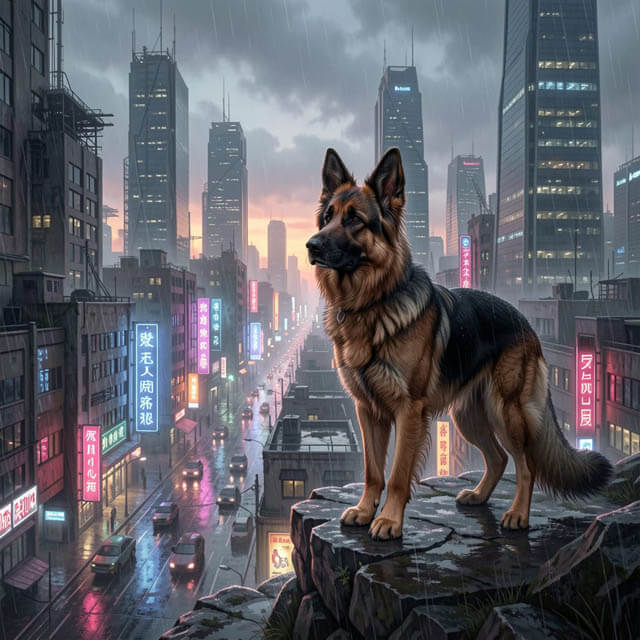

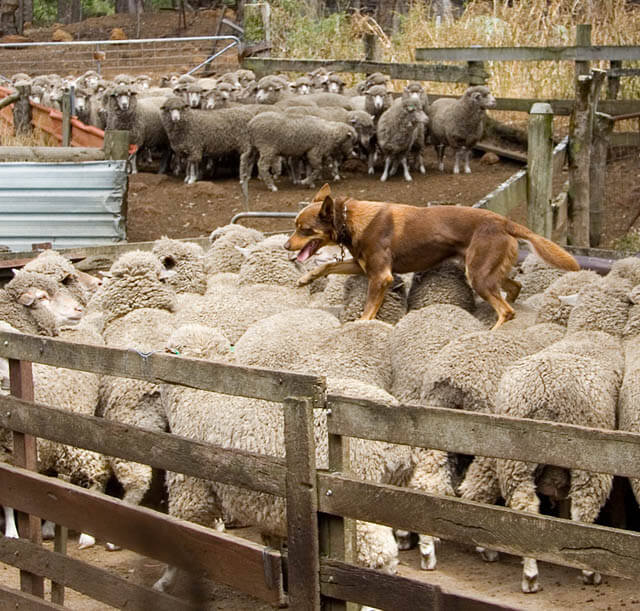
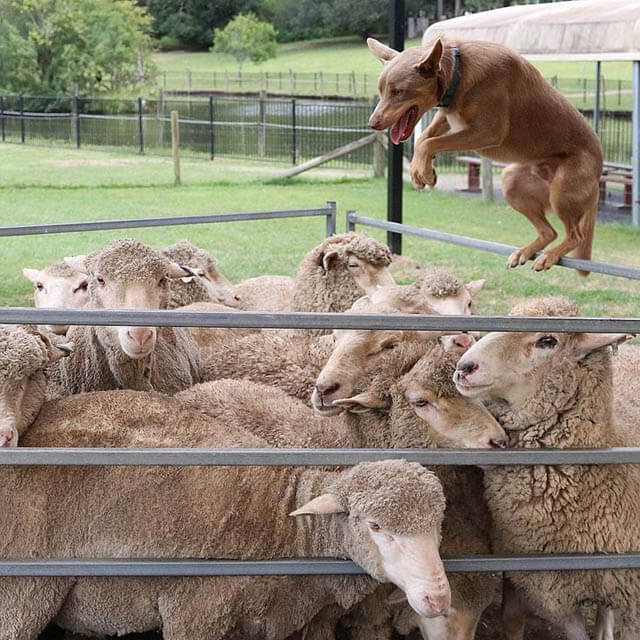

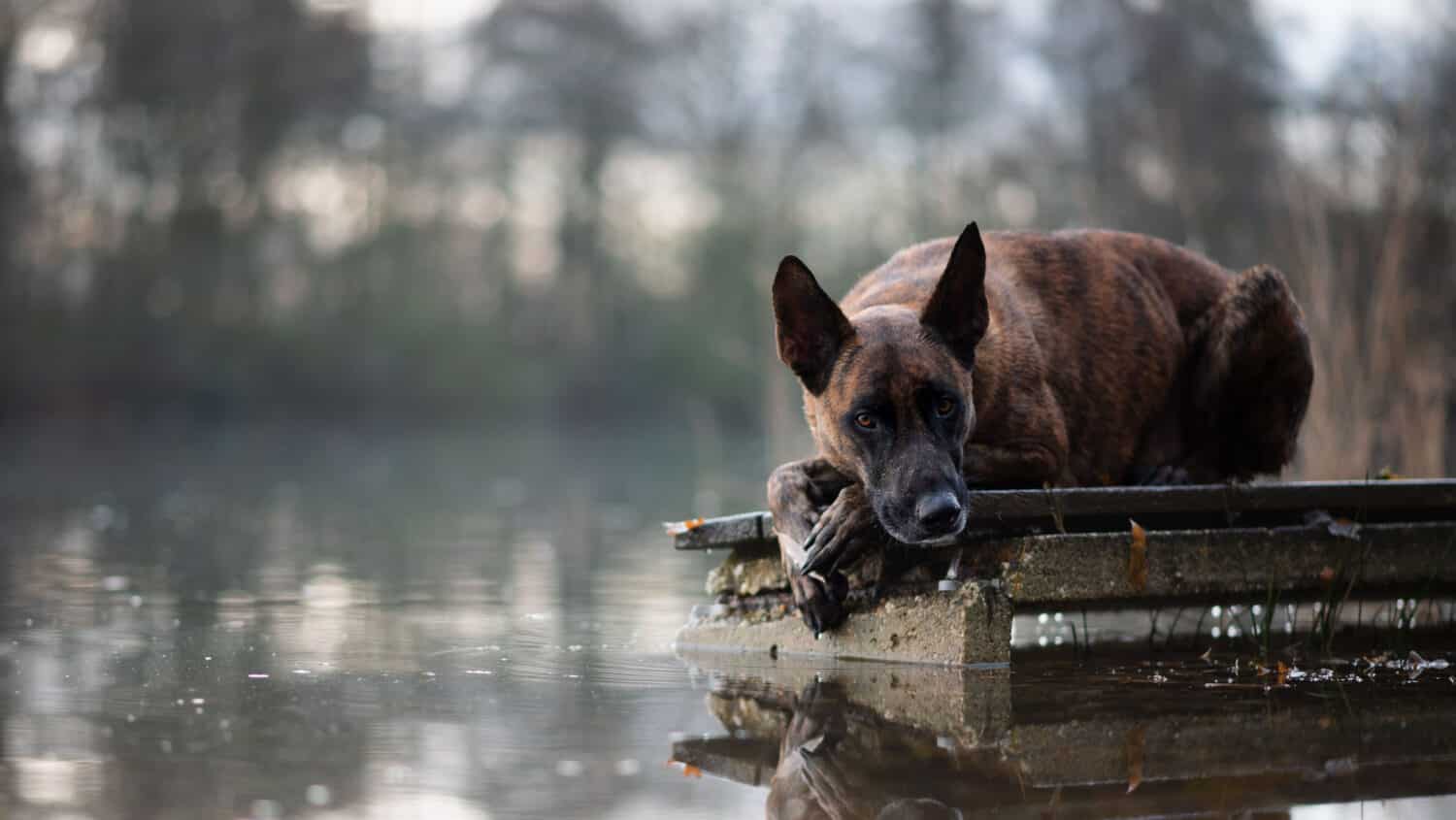


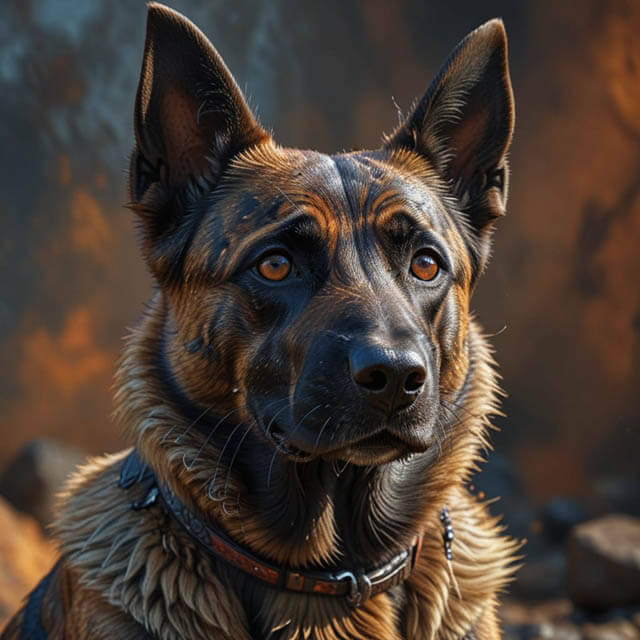
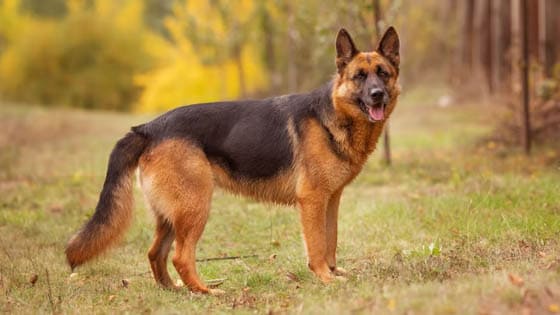
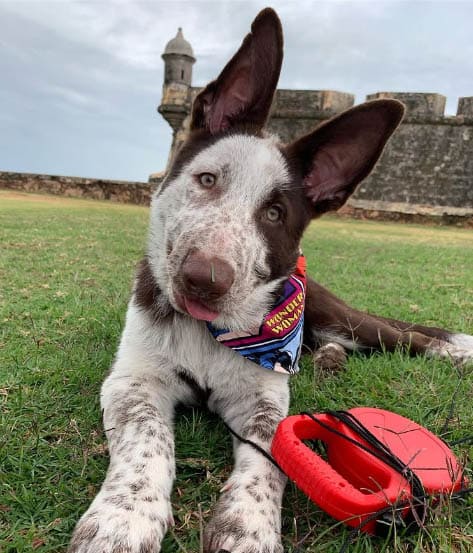
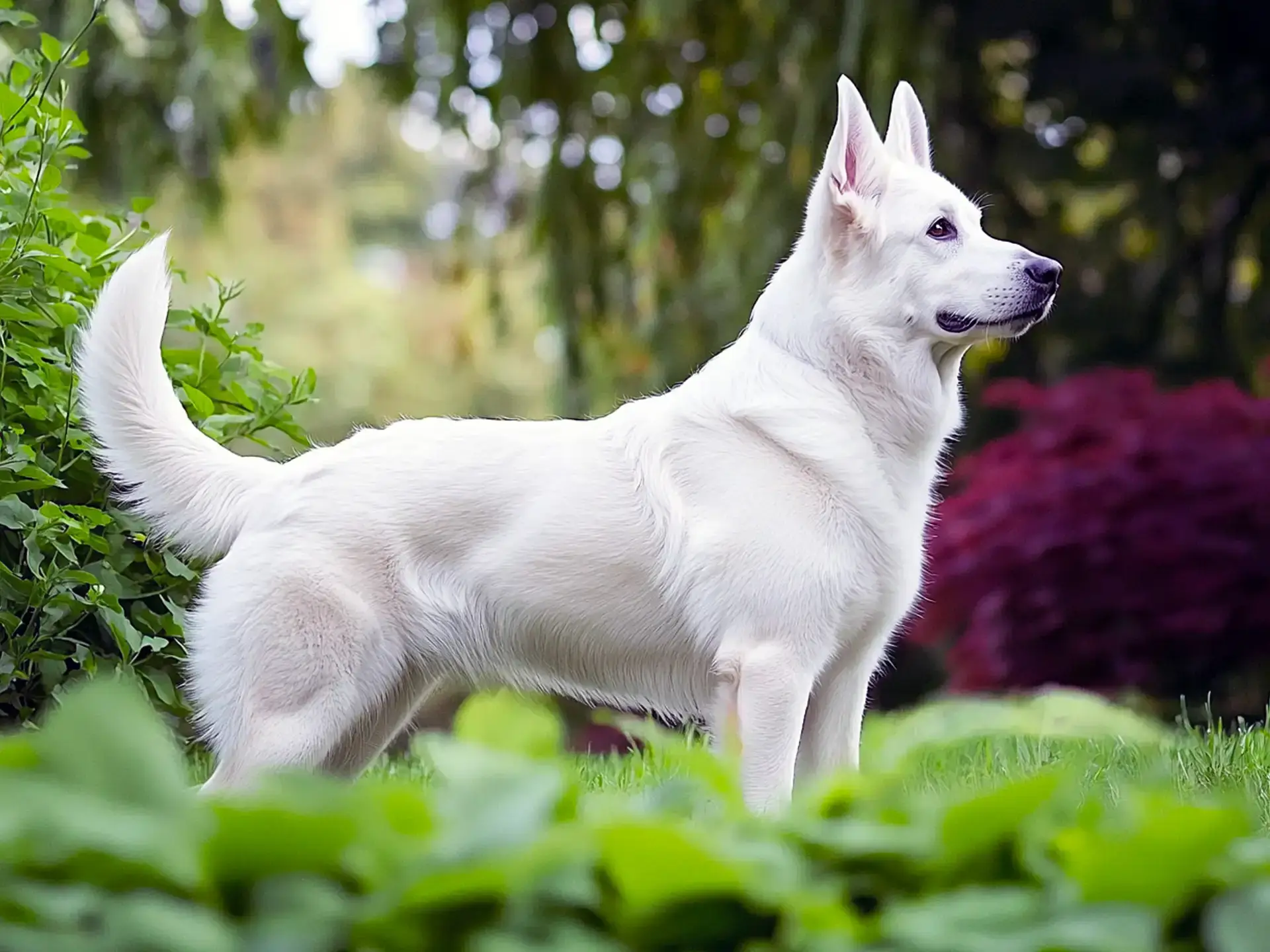
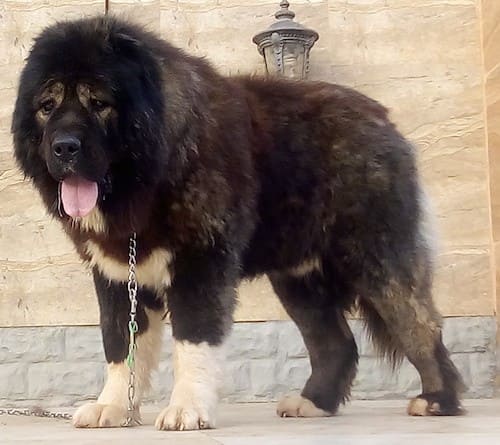
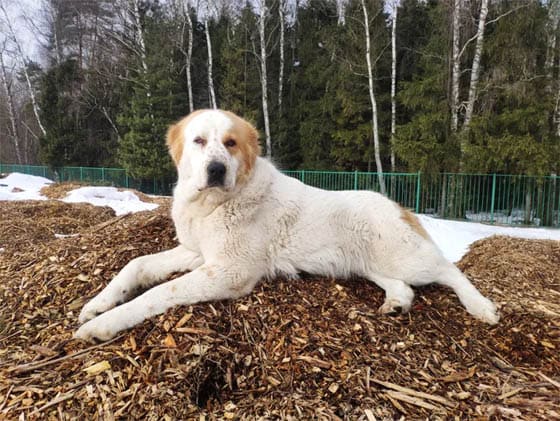

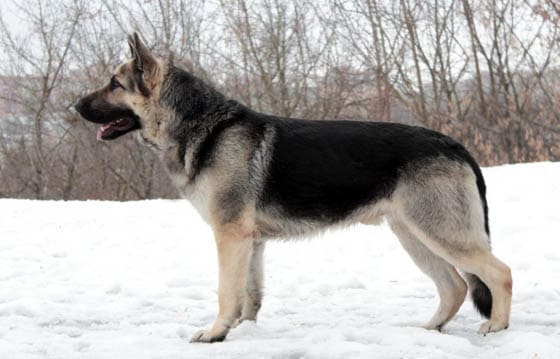
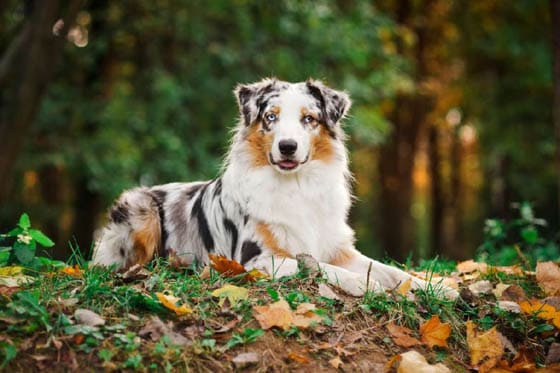
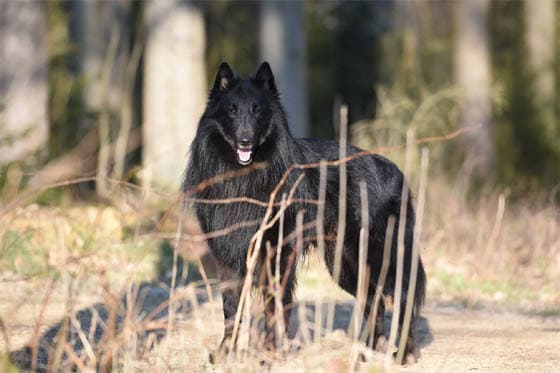
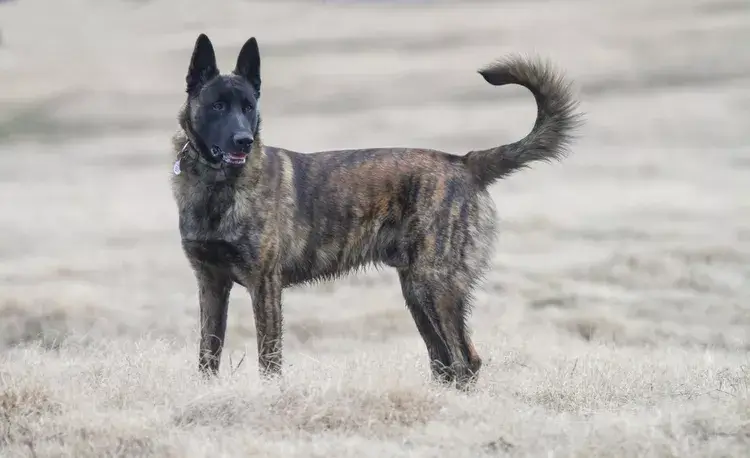
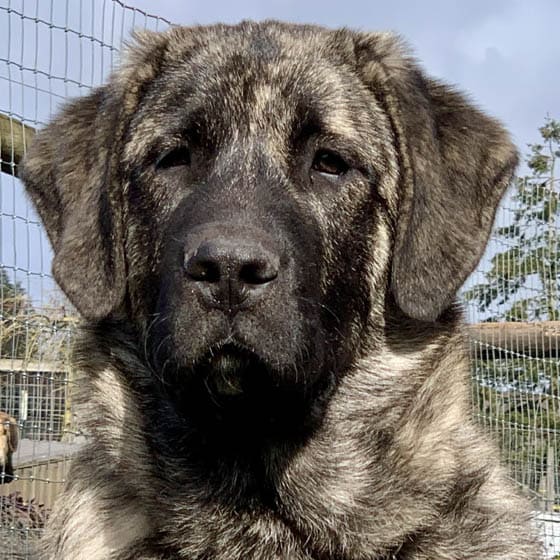

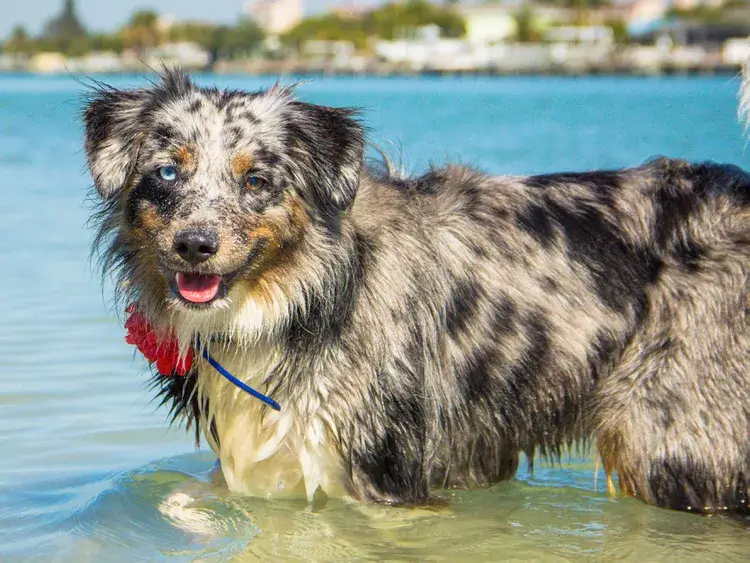
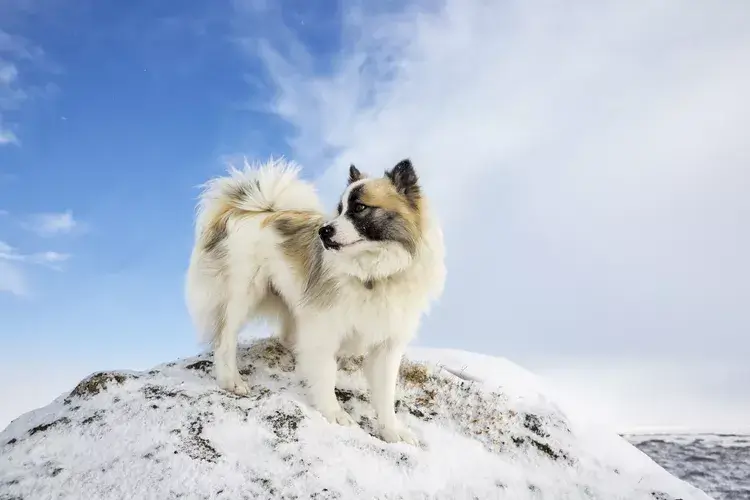
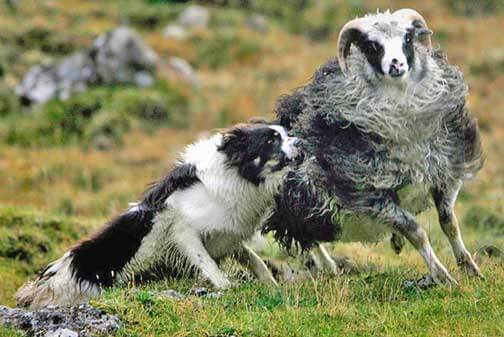
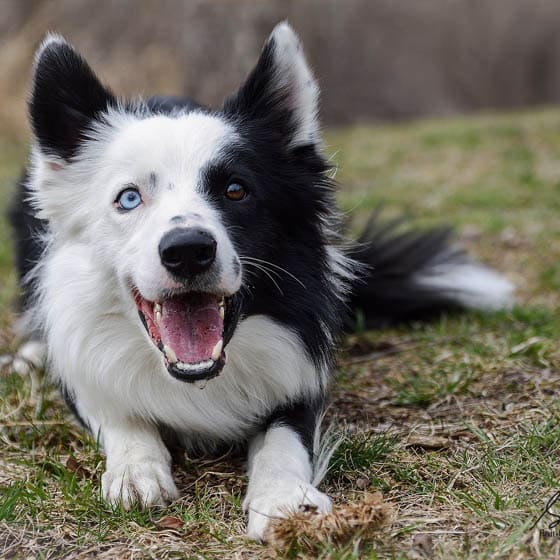
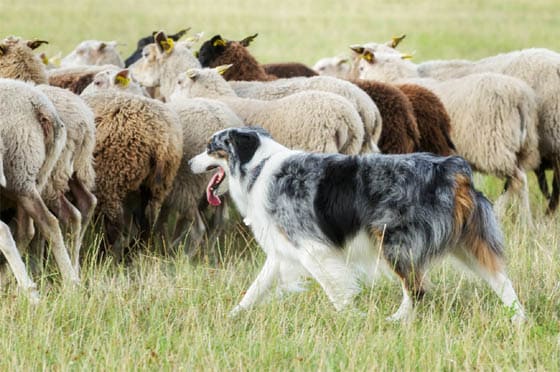


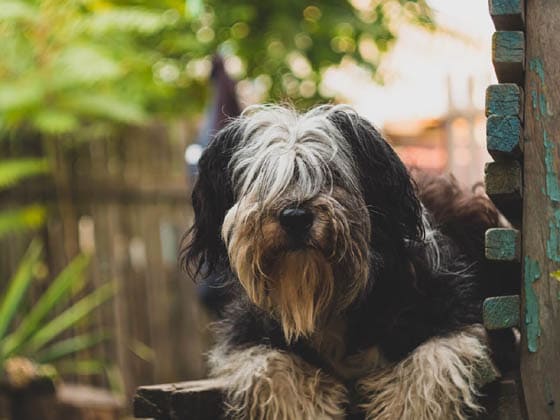


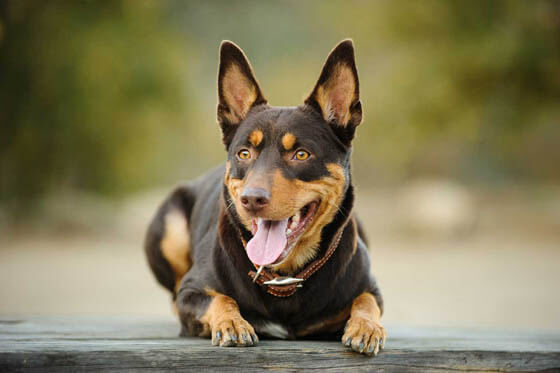


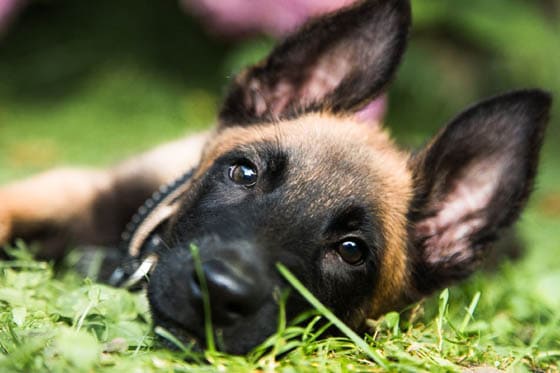


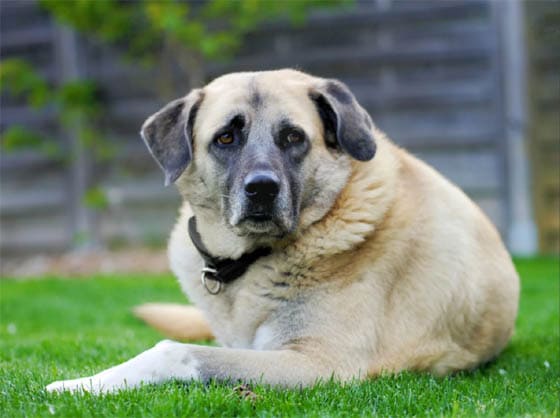
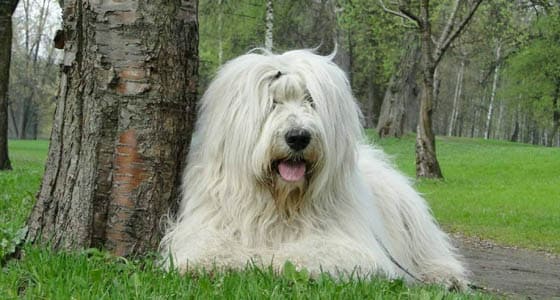
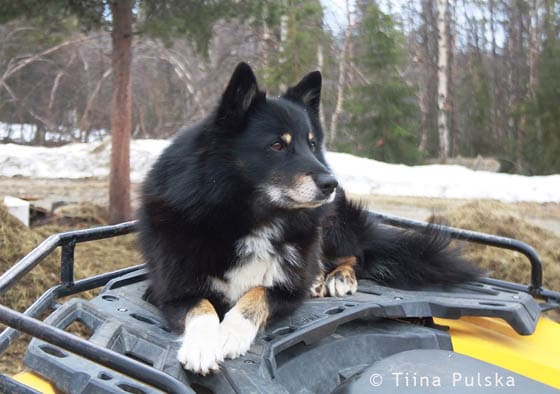
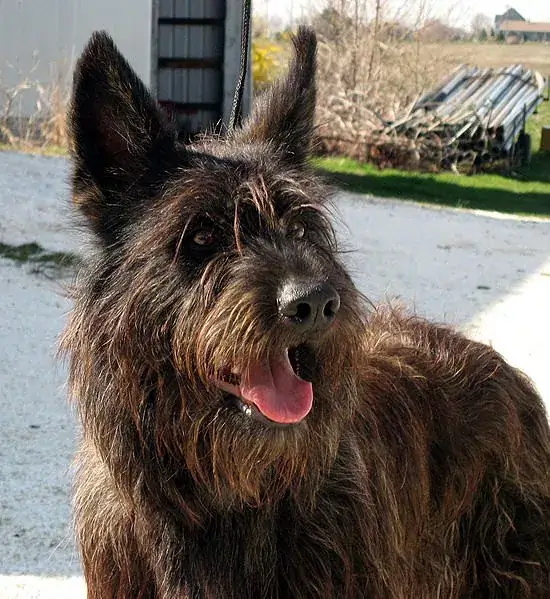
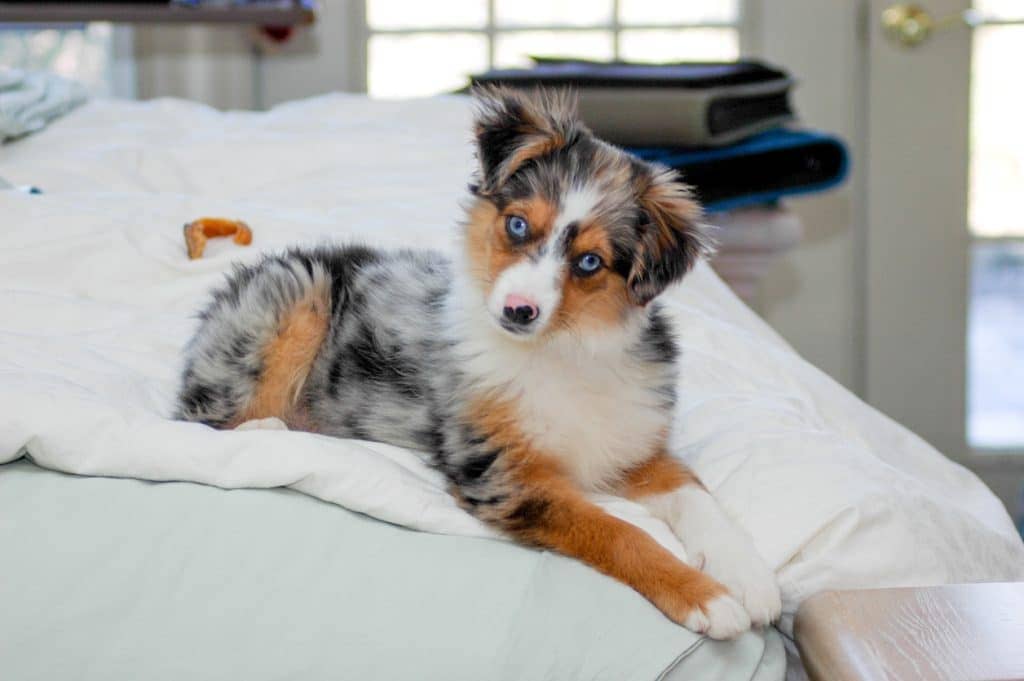
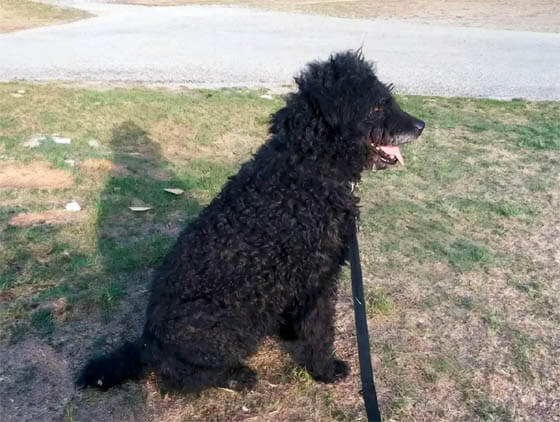
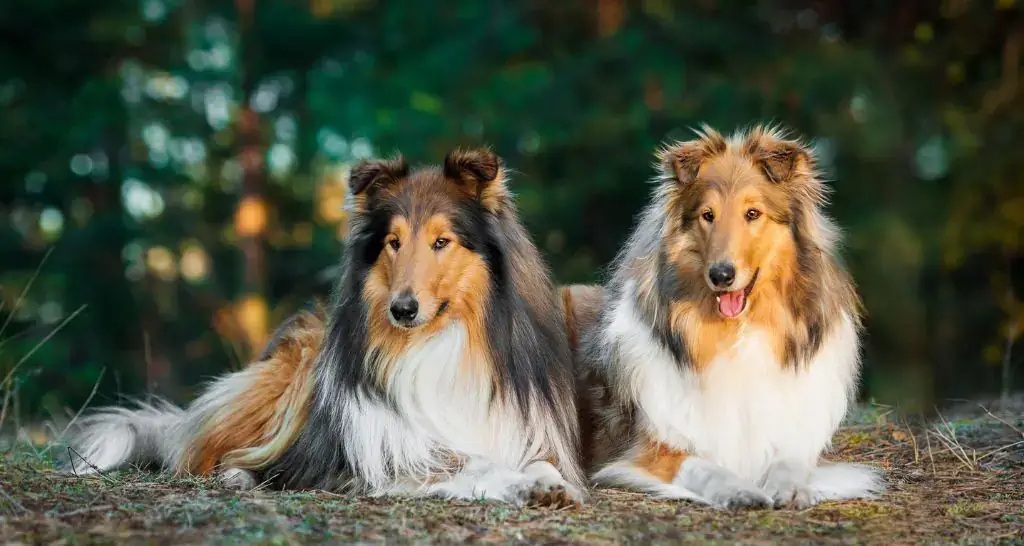
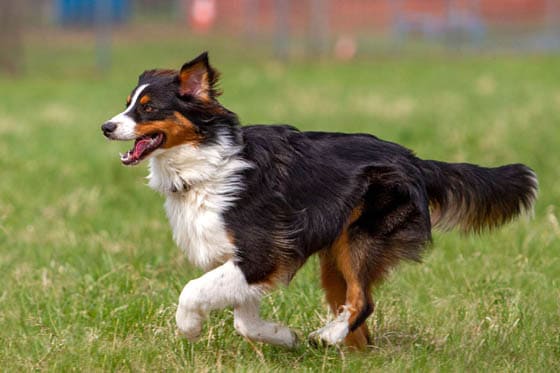
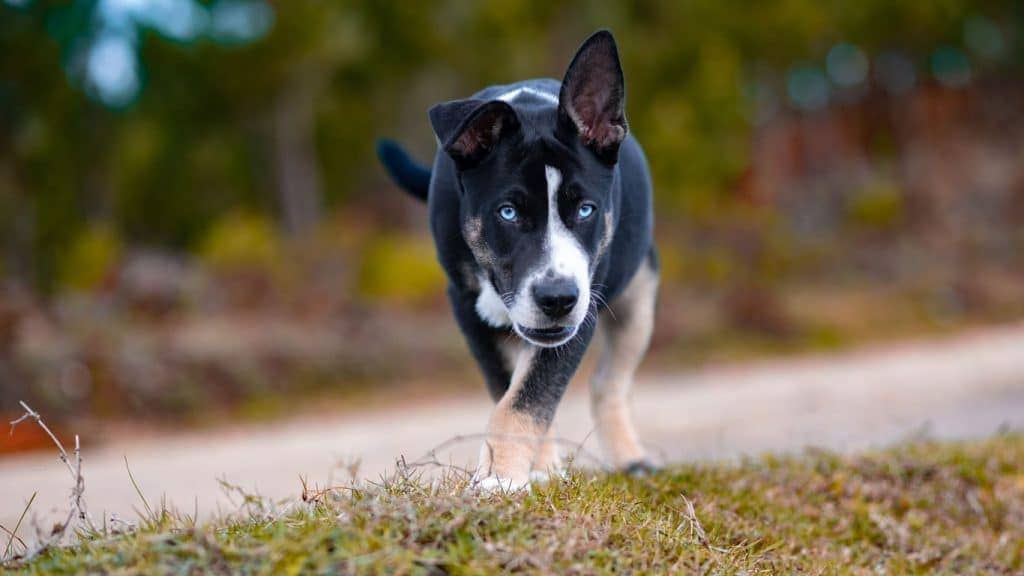
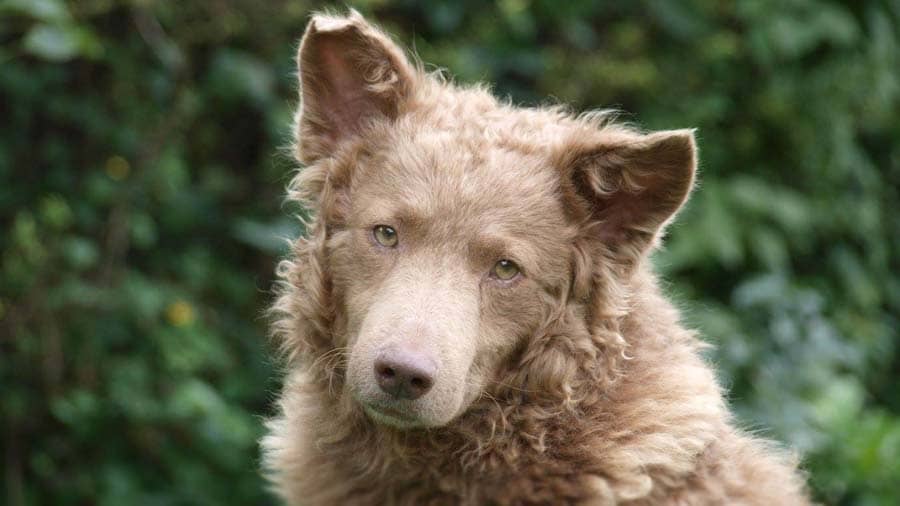
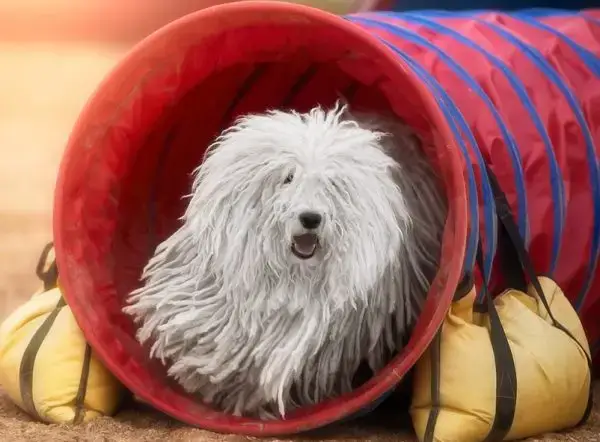
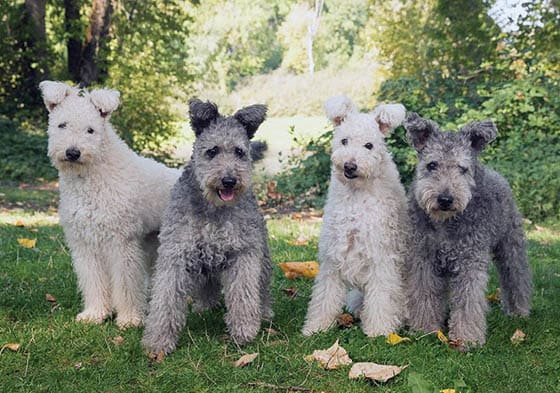
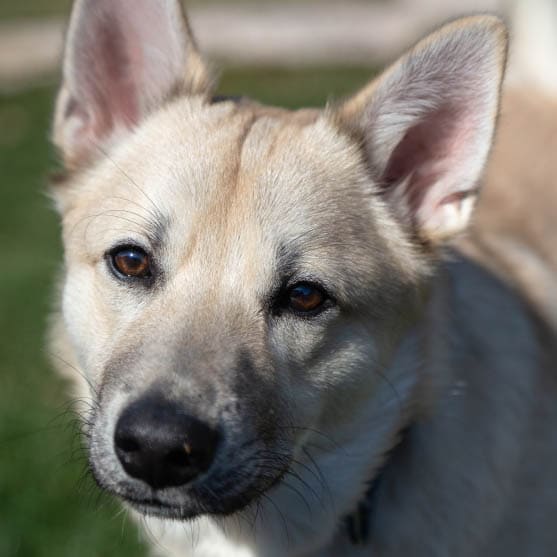
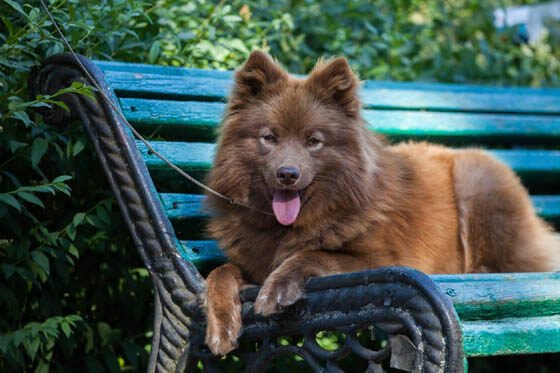
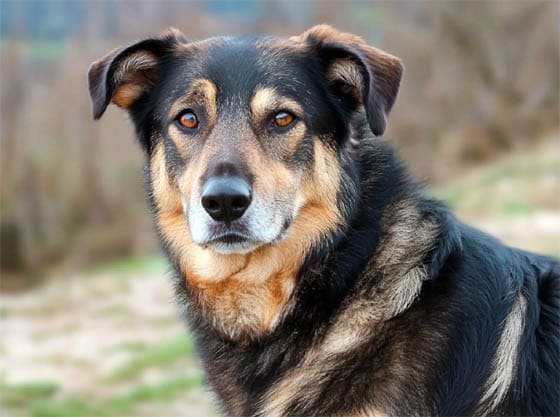
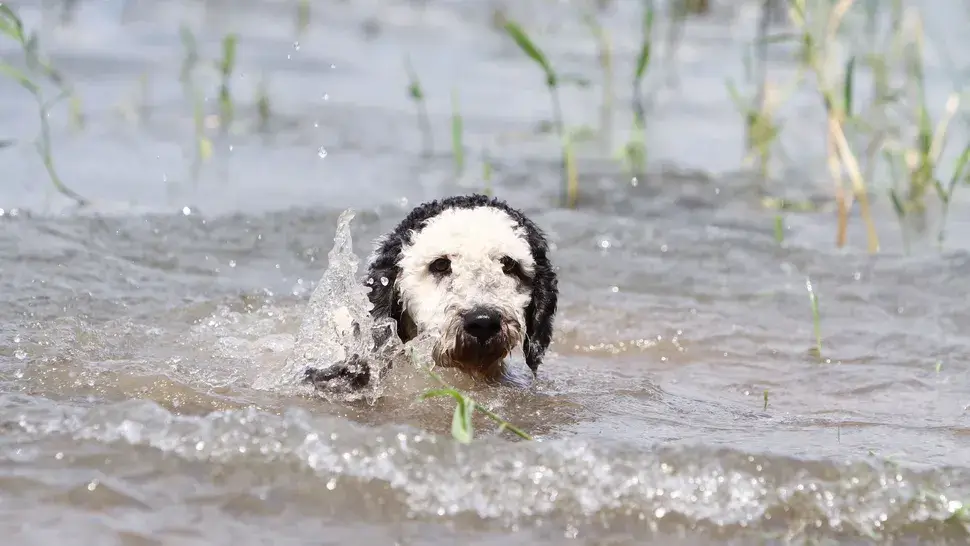
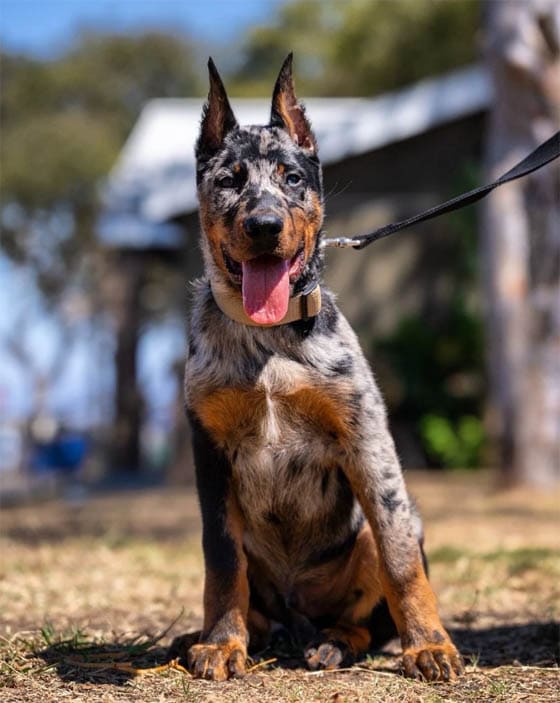
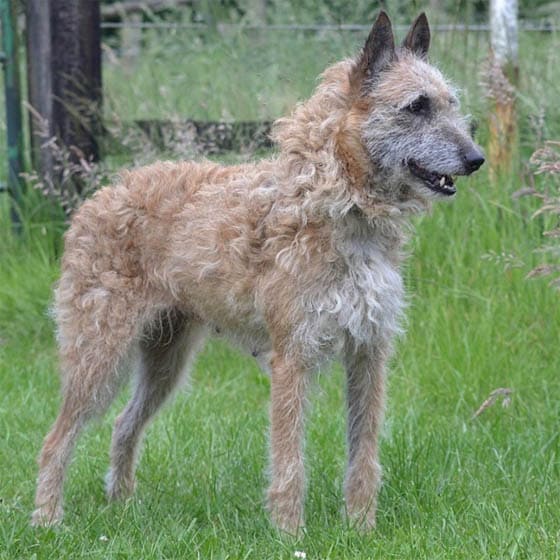
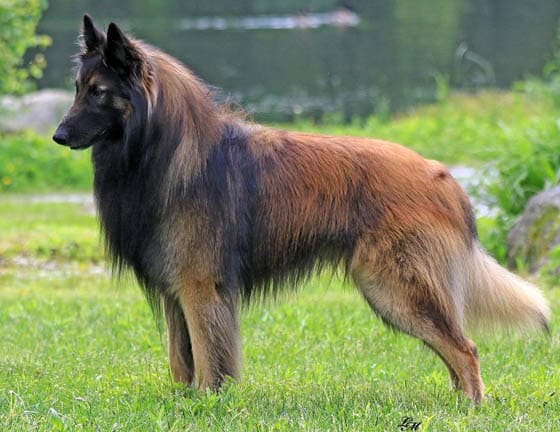
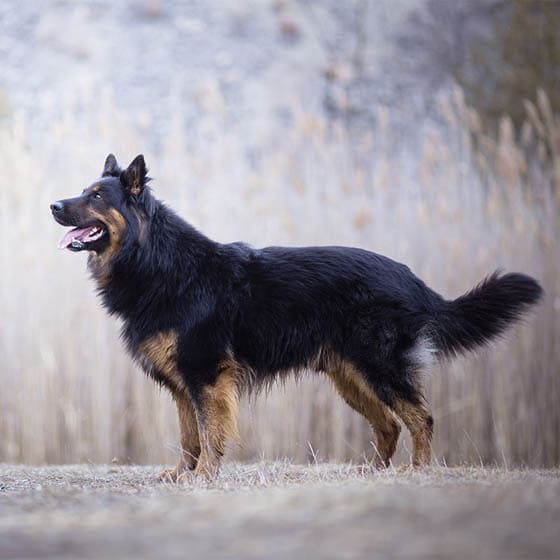
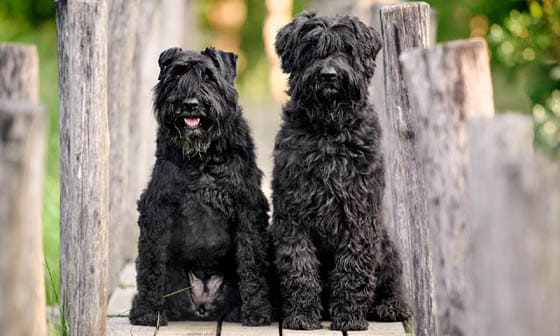

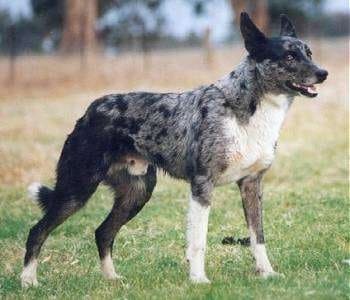
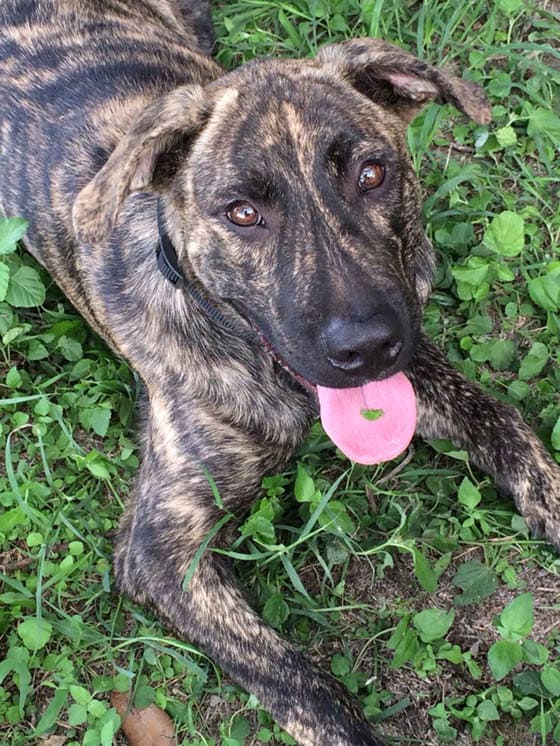
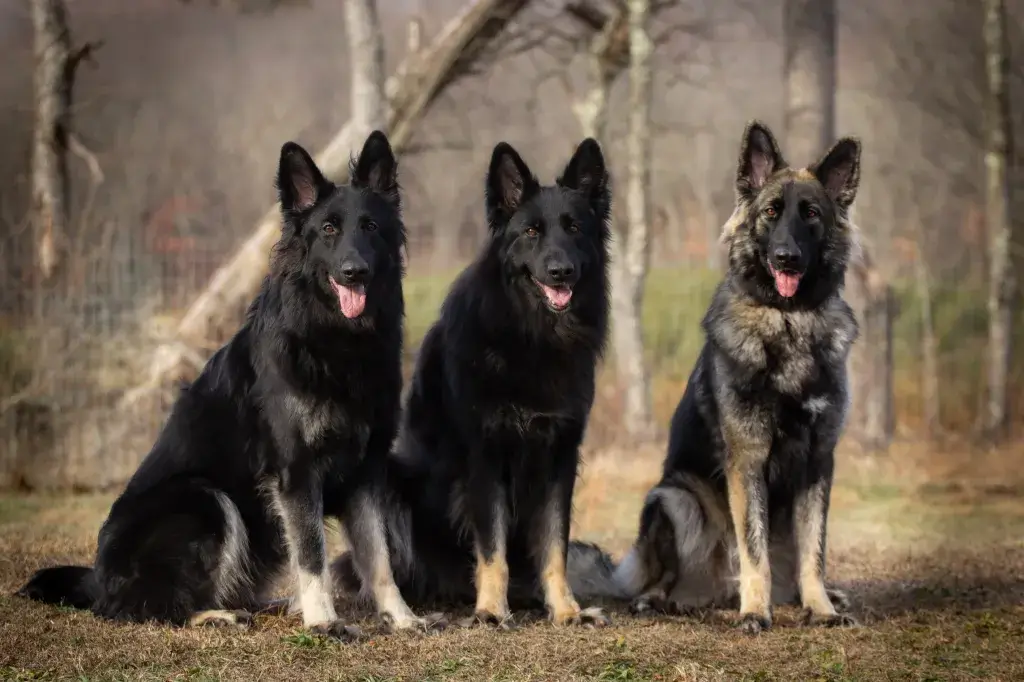
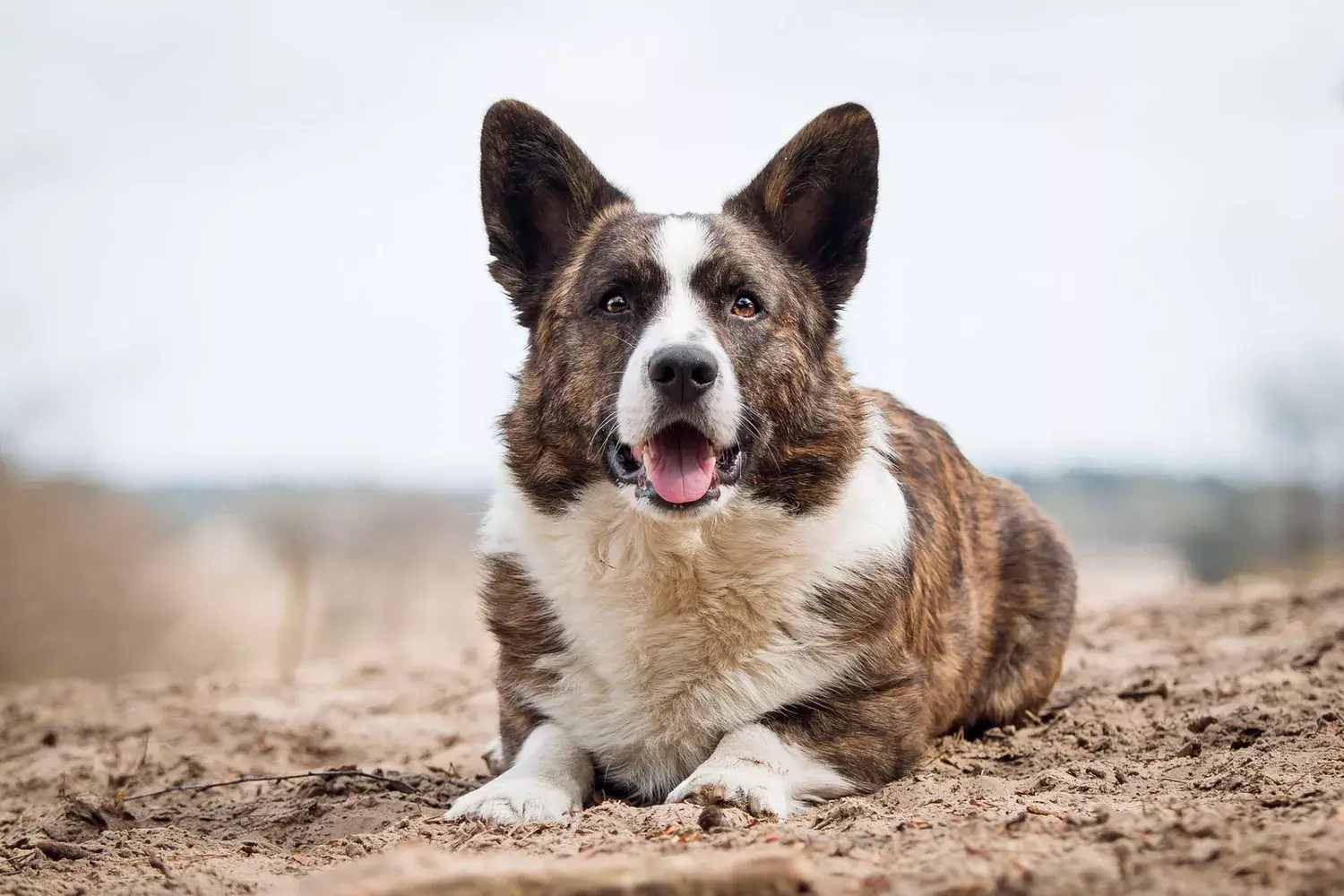
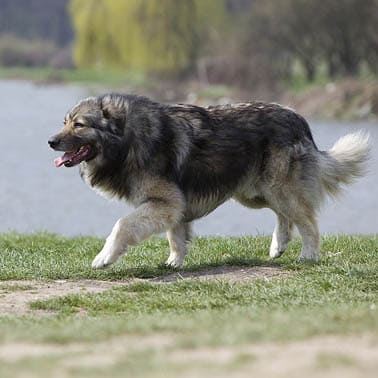
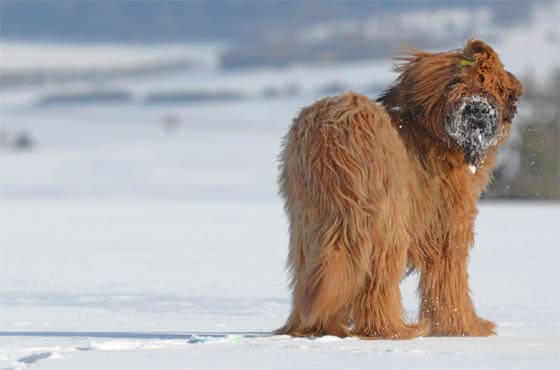
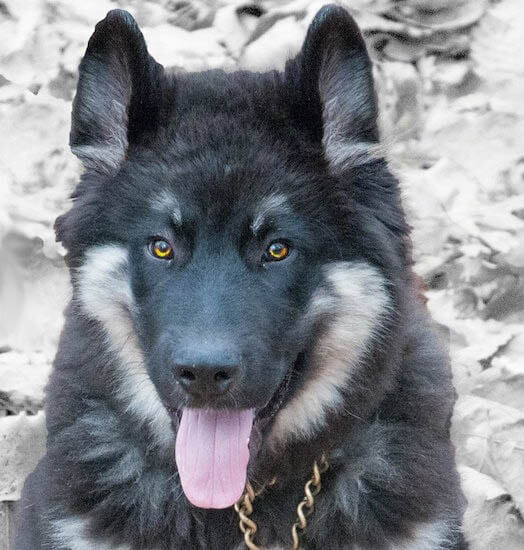
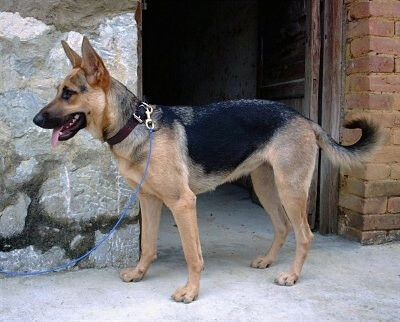
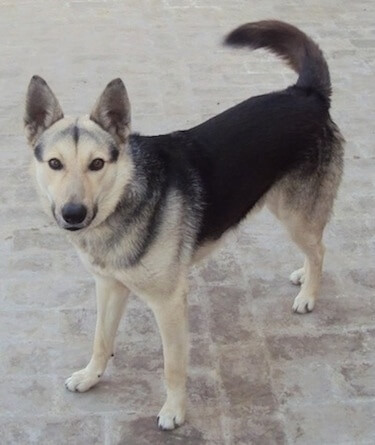
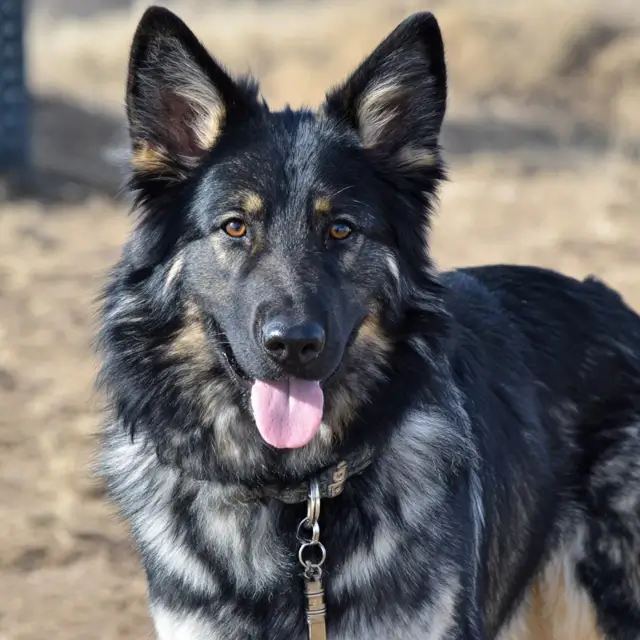
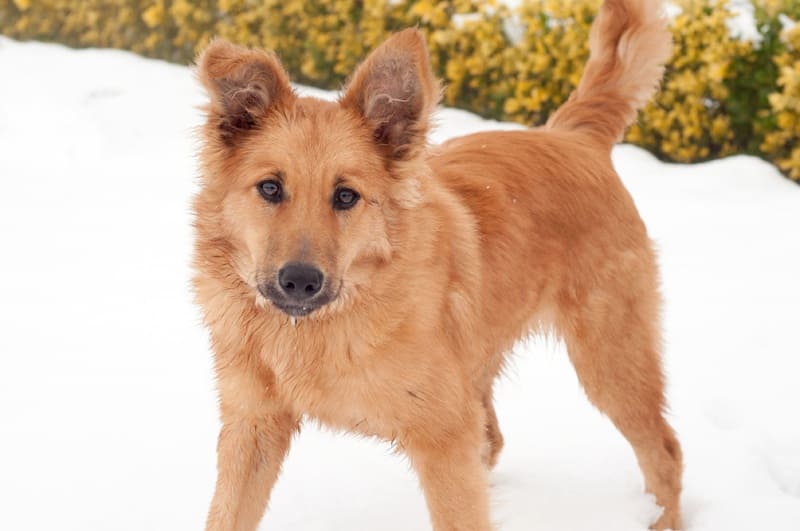
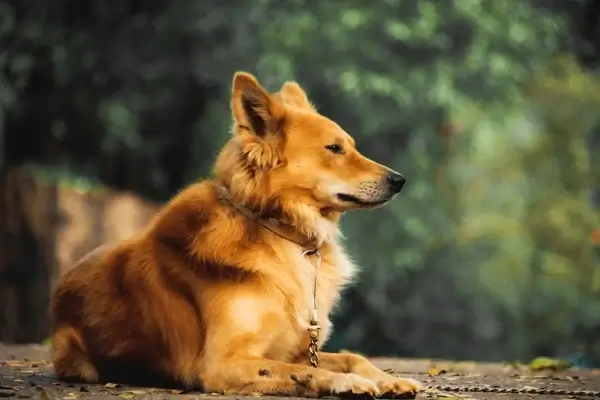
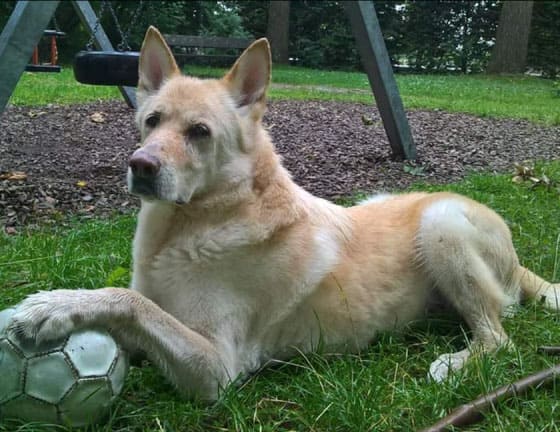
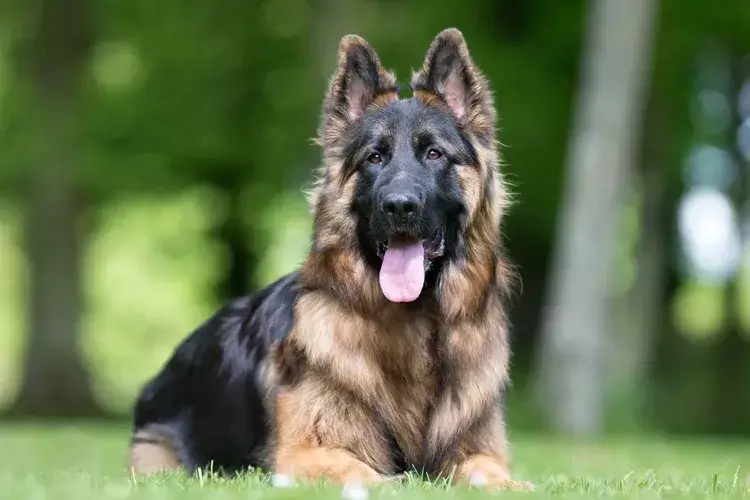











WORLD OF DOG & PUPPY 🐶