151 Pointy Ears Dog Breeds Pricked Ears Dog Breeds Dogs with Erect Ears Rare Dog Breeds with Pointy Ears Popular Dog Breeds with Pointy Ears Pointy-eared Dogs Dogs with Erected Ears Dogs with Pointy Ears What are the dogs with pointy ears called? Can dogs have naturally pointy ears? Why are my dogs ears pointy?
What are pointy dog ears called? Prick Ear: Pointed ear that stands erect.
Dogs with erect ears, also called prick ears, have ears that are the most similar to their wolf predecessors. Breeds with erect, pointy ears were bred to hunt or flush game. They are more alert to sounds and prick up their ears when they hear something, allowing them to pinpoint the location of the prey
Choosing to add a new four-legged friend to your family is an extremely exciting time. There is a chance you have already got your heart set on a very specific breed of dog, which can make the whole process of picking out a pup a lot easier. But if all you know is that you have always found yourself drawn to dogs with pointy ears, it might take you a little longer to settle on your dream breed. To make things a bit easier, we have rounded up all of the amazing and adorable dog breeds with pointy ears to help you make your decision.
There are dogs of every size - from the hefty Alaskan Malamute to the itty bitty Chihuahua and of every personality type - from the independent Siberian Husky to the extremely affectionate Norwich Terrier. You will be sure to find just the dog breed that is going to fit right into your family's lifestyle.
1. ALASKAN MALAMUTE
Malamutes may look very similar to Huskies, but these dogs are a great breed of their own. According to the American Kennel Club, they are affectionate, loyal, playful and sizable - they get up to 85 pounds.
Akitas are gorgeous dogs that were originally used for guarding royalty and nobility in Japan, according to Dog Time. They are very strong and tend to be stubborn, so having a firm hand in training is necessary.
The American Eskimo is a compact, playful dog that is built for the cold, including its extra thick ears that protect it against freezing temperatures, according to Petfinder.
This medium-sized breed is extremely smart and very active, according to Dog Time, so if you are looking for a pup that will always want to be on the go with you, this is it. Australian Cattle Dog has pointy, erect ears. The breed standard calls for medium-sized, pricked, and moderately pointed ears that stand up straight and face forward when the dog is alert.
These small, graceful dogs may be known as the "barkless dog" but thanks to their defined faces, they are known to have almost human-like emotional expressions, the AKC says.
This is a "high-energy breed with a need for regular mental and physical stimulation," Pet Finder notes. They need a jog or a vigorous play session daily, but you will be rewarded with an extremely loyal and protective dog.
The Berger Picard was bred as a herding dog, according to the AKC, and its known to have a bit of a stubborn streak. It needs plenty of daily exercise and is great at competing in agility. American Kennel Club states that the Berger Picard has prominent, naturally pointy ears that stand erect on its head.
Boston Terriers are bred to a happy, friendly dog, and they definitely are. They are also super adaptable, according to Vet Street, and will be happy with an owner who's a couch potato or an exercise enthusiast.
This farm dog is extremely hard working and smart, but also makes for an amazing family companion, according to Dog Time. It is great with kids and easy to train, making this breed an an all-around awesome pet.
bull terrier does have pointy, erect ears. They are small, thin, and placed close together on top of their unique egg-shaped head. If you are looking for a dog that is going to keep you laughing, a Bull Terrier just might be the pup for you. They are extremely mischievous but love affection and playtime, the AKC notes.
These pint-sized pups are great for apartment living and can weigh as little as two pounds, Hills Pet notes. Although they're technically lap dogs, Chihuahuas like to stay active and keep themselves occupied. Yes, adult Chihuahuas typically have large, erect, and pointy (prick) ears that stand upright. However, they are not born this way, and ear development changes as they grow.
It may be hard to see underneath all that fur, but Chow Chows do in fact have pointy ears. According to the AKC, Chow Chows are know to be the "cleanest of dogs." They are easy to housebreak, do not smell much, and are as obsessive about grooming as cats.
This easy-going dog was originally bred to herd reindeer in the north of Finland, according to Dog Time. The Finnish Lapphund is friendly with adults, children, and other dogs, making it the perfect addition to your family. And don't worry - the fluffy coat makes this breed look much larger than it actually is.
Frenchies are small, sturdy pups that love nothing more than getting affection from their owners. According to The Spruce Pets, they do well in small homes but still need a bit of daily exercise.
Possibly one of the most iconic pointy eared dogs, German Shepherds are strong, athletic, and intelligent working dogs. According to the AKC, they are extremely eager to please and can even be retrained for different jobs over the courses of their life.
Once known as the "Dutch barge dog," the Keeshond has a fox-like face with pointy ears. According to the AKC, it's very smart and easily trainable, and can do well in pretty much any size of home.
These dogs are very smart and eager to please meaning they are a dream to train. According to Dog Time, "His alert nature and tendency to bark make him a good watchdog, although he is probably too friendly to pose any real threat."
If you want a little shadow to accompany you around, the Norwich Terrier is your breed. This mischievous and intelligent dog loves being with its owners, Hills Pet says, and is interested in pretty much anything its owners are doing. Norwich Terrier has pointy, erect ears that stand straight up.
The Papillons' most distinctive feature are its big, upright ears which make their name - French for "butterfly", the perfect fit. These dogs are extremely loving, according to Vet Street, but require plenty of exercise and have a tendency to be yappy.
Their tiny pointy ears may be hidden under lots of fluffy fur, but the playful Pomeranian has no issues hiding its big personality. According to the AKC, they are easy to train and make great watch dogs, thanks to their big dog mentality. Pomeranians have small, pointy, and erect (upright) triangle-shaped ears that sit high on their head. Sometimes their thick fur hides the tips, but the ears themselves are naturally pointed.
These alert hunting dogs come in three different sizes (small, medium, and large) and were used thousands of years ago to hunt different sizes of game, according to Pet Finder. These pups are definitely not lap dogs, and "prefer adventure to cuddling."
While they get much bigger than a rat, Rat Terriers typically max out around 25 pounds. The name comes from the fact that they were bred to kill rats, according to the AKC, and they have the stamina and muscles to work a long day.
The Samoyed is a very dignified dog with an agile and athletic build. But despite that, it's extremely gentle and great with other pets and people of all ages, according to Pet Finder.
This lesser-known dog breed was traditionally a barge dog in Belgium, earning it the nickname "little captain," according to the AKC. The breed is built to work and very energetic with extremely playful personalities.
Independent and stubborn are two words that accurately describe the Scottish Terrier, but he will keep your yard free of rodents and will happily join you on a nice long walk, according to Dog Time.
These dogs are small but mighty, and are growing in popularity. According to the AKC, they are incredibly easy to housebreak almost as if they were born with it, but you can never ever let them off leash in an unfenced area, as they will take off.
The Siberian Husky's features, including its pointy ears, make it an incredibly striking dog. But Dog Time warns that the incredibly independent dog can be a bit of a challenge for first time owners.
This small sturdy breed is smart, sociable, and has almost endless energy, according to the AKC. It's not hard to tell that it's a distant cousin of the Corgi, with both having a similar long and low build.
These medium-sized dogs are known for the exceedingly proud carriage, according to Pet Finder. They thrive with daily mental and physical exercise, but it is important to note they may nip at the heels of children in an attempt to herd them.
Also known as Westies, these dogs are almost too cute to ever say "no" to. But having a firm hand in training is extremely important, as they are extremely independent and will chase after anything that moves, according to the AKC.
These little pups have big personalities and boast the title of most popular dog breed in the United States, according to Dog Time. They shed little and do not require a ton of space, making them a great apartment dog. Adult Yorkshire Terriers typically have small, V-shaped, pointy ears that stand upright. However, all Yorkie puppies are born with floppy ears because they lack the muscle strength to hold them up initially.
The Indian pariah dog, also known as INDog, South Asian pye dog and Desi Dog, is a landrace of dog native to the Indian subcontinent. They have erect ears, a wedge-shaped head, and a curved tail. It is easily trainable and often used as a guard dog and police dog.
The Thai Ridgeback is a muscular, medium-sized dog with a streamlined body that makes him very agile and a natural athlete. The ridge on his back is formed by hair growing in the opposite direction from the rest of his coat and the breed has up to 8 different ridge patterns. Puppies can be born without this ridge.
The Haofa Tangkhul Hui is a rare, indigenous hunting dog from Manipur’s Ukhrul district, known for its exceptional loyalty, strength, and bear-like muzzle. Used by the Tangkhul community for hunting and guarding, this breed is often black-coated with white markings, has high stamina, and is now being used by the Assam Rifles for security operations. First things first, this dog has two names rolled into one and is actually a Haofa or Tangkhul Hui. The Haofa Tangkhul Hui (also known as the Indian Bear Hound) is not a Spitz-type dog. While sources can sometimes cause confusion, the Tangkhul Hui is classified as an ancient indigenous sighthound and hunting bree Like so many dogs on this list and in the world, this Indian dog breed's name (one of them anyway) comes from the people who developed it as a breed. Namely, the Tangkhul people. The Haofa Tangkhul Hui breed, although rare with only about a thousand dogs in existence, has found its way into the Indian army. Originally, it was bred to help its humans hunt due to its stamina. Oh, and not only does this Indian dog breed have two names but it also comes in two sizes! In terms of appearance, it’s the inverse of the Gull Dong because it has black fur with white markings. The Tangkhul Hui is a very intelligent and obedient yet fierce dog.
The Gull Terrier, or "Gull Terr," is a rare, athletic, and intelligent breed from India and Pakistan, originally developed for guarding and hunting. It is known for its high energy, loyalty, and protective nature. Typically white-coated and medium-sized, they require consistent, firm training and significant daily exercise to remain disciplined and healthy. Pakistani Bull Terriers are often wary of strangers. They are very protective of their master and property. Talented and easily trained, they are gladiators and if pushed they will defend their family till their last breath. Good with kids in the family, but should be supervised around those they do not know. Socialize this breed from an early age to make them easier to handle when they are grown. They should not be trusted with other non-canine pets. Loyal, the Pakistani Bull Terrier likes to stay close to its master. If it senses something is wrong it will bark first to alert the owners. With adequate training and discipline, these dogs can be used as ideal guard dogs. The Pakistani Bull Terrier is widely popular for its fast speed and accuracy. These dogs are agile, quick and always on their feet. They are excellent personal guard dogs. Pakistani Bull Terriers are often wary of strangers. They are very protective of their master and property. Talented and easily trained, they are gladiators and if pushed they will defend their family till their last breath. Good with kids in the family, but should be supervised around those they do not know. Socialize this breed from an early age to make them easier to handle when they are grown. They should not be trusted with other non-canine pets. Loyal, the Pakistani Bull Terrier likes to stay close to its master.
The Indian Spitz is a highly intelligent, adaptable, and affectionate small-to-medium breed, perfect for apartment living in India's climate. Renowned as popular family dogs, they weigh 5–20 kg, have thick white/brown coats requiring regular grooming, and are excellent watchdogs. They are easy to train but need consistent exercise. During the years of 1980’s and 1990’s, the import rules of the foreign dog breeds became harder. In the result, The Indian Spitz Dogs got a huge popularity among the dog lovers in India. This popularity is continuing among the people even today. However, this fame of Indian Spitz is bit put in the shade by the other dog breeds such as Lhasa Apso and Pugs but still this dog breed has maintained the status of being one of the most reasonably priced yet pleasing pets. The Indian Spitz is a high-spirited, intelligent and playful dog, which is alert, vocal and obedient. This bold little dog is a good watchdog and will alert its owners when it feels it is necessary. The Indian Spitz is not difficult to train as long as the owner is always consistent. This breed learns quickly and really enjoys playing.
The Kaikadi is a rare, small-to-medium Indian sighthound and watchdog, historically kept by the nomadic Kaikadi tribe in Maharashtra and Gujarat. These dogs are known for being highly active, loyal, and intelligent, standing 38-46 cm tall with a short coat in white, tan, or black. Kaikadi is a dog of Indian origin, native to Maharashtra, India that is suited for living in the tropical climate. The Kaikadi is an ancient dog breed that has been known to exist since the 1600s. But there are very few dogs of this breed left in India, and they have been introduced in the endangered category. Kaikadi is a naturally healthy and self-dependent dog breed that needs moderate grooming and vet care. The Kaikadi is basically a lean, sturdy, athletic dog of sighthound dog breed group, that was used for hunting rabbits and small prey. The Kaikadi is gentle and friendly dog that makes an excellent companion and family dog. They are excellent hunters and watchdogs, often described as similar in build to a small Greyhound or Whippet. This dog breed is named after the Kaikadi community, whose name is a combination of kai - hand or a stand in word for a name and kade - a basket or twig. This dog breed from India comes in many colours with black, white and tan being most common.
The Jonangi is a rare, athletic Indian dog breed, primarily found in Andhra Pradesh and coastal areas, historically used to herd ducks and guard farms. Known for their short, smooth coat and intense loyalty, they are intelligent, energetic "silent hunters" that require significant exercise, making them unsuitable for apartment life. The Jonangi pooch once helped duck farmers herd ducks! Sadly, that went out of fashion and many of these dogs became semi-feral. Despite these changes, the Jonangi remains a loyal companion, often bonding deeply with a single person or family. Known for their agility and endurance, these dogs can effortlessly cover vast distances with their long, graceful strides. Although the Jonangi breed may show a hint of nervousness, the majority excel as working dogs. They are happy guarding sprawling farms or keeping a watchful eye on their human’s home. With their unique background and steadfast loyalty, Jonangis are not just pets but true partners, embodying a blend of independence and devotion. Nearly went extinct due to the decline of local duck farming and conflicts with fish farmers, now being preserved by enthusiasts.
The Kanni is a rare, indigenous South Indian sighthound breed, particularly found in Tamil Nadu, traditionally used for hunting and guarding. Known as the "Maiden's Beastmaster," they are loyal, affectionate, and athletic, characterized by a slender body, short coat (often black and tan), and a medium size, standing around 25–29 inches at the withers. The Kanni is a dog breed from India whose name means "pure", which perfectly captures the essence of this dog’s unwavering loyalty and pure heart. The Indian dog breed has also been dubbed the Maiden’s Beastmaster. This is also literal because the Kanni is quite the protector, fiercely guarding its home turf from any wild intruders. And here’s a sweet tradition – these dogs are often given as gifts to newlywed brides to be their loyal guardians. As far as Indian dog breeds go, although people call it the Kanni, the Kennel Club of India (KCI) has registered the breed under two names.
The Pandikona is a rare, ancient hunting and landrace guard dog breed from the Kurnool district of Andhra Pradesh, India. Known as a "primitive" breed, they are highly territorial, independent, and possess intense stamina, often used for hunting wild boar. Named after the village they originated in, Pandikona is an endangered desi sighthound breed hailing from Andhra Pradesh. Due to this breed’s striking resemblance to the European Dobermans, Pandikona is also commonly referred to as the "Indian Doberman." Although the population of Pandikona is steadily shrinking in our country, with their free-spirited nature, this breed wins all hearts wherever they go. This post will throw light on their appearance, personality, and living requirements that you need to be familiar with before bringing one home. They are medium-sized, loyal, and protective, making them excellent, low-maintenance watchdogs. Pandikona dogs are medium sized, strong, athletic and hardy sighthound dogs, native to India. They have their origin from Pandikona, a small rural area in Kurnool district of Andhra Pradesh, after which they got the name Pandikona.Pandikona dogs were developed by the local tribal there for hunting wild boar and to protect from wild animals such as wolves and leopards. This is an ancient breed, which was developed from the Indian primitive type (Indian Desi) kind of dogs, you can call them modified form of Indian Pariah dogs.
The Soneri Kutta is a rare, endangered Indian dog breed hailing from Uttar Pradesh, often used to herd buffalo in water. They are medium-sized, muscular, and typically black, known as agile swimmers with an independent, aloof, and sometimes stubborn temperament. They are suitable for guarding, often considered a "protective" breed. Soneri dog is a native of the Indian states of Uttar Pradesh and Bihar in the northern part of the country. The dogs were generally used by farmers around the Sone River to retrieve buffalo from the water. These dogs are good swimmers and can do so for hours. Because they are an active, athletic and sturdy dog breed, so they are ideal for work. These dogs are being known for their great stamina and high energy levels, they are also very loyal, alert, and protective dogs. However, it should be noted that loyalty usually extends to just one person. These are working dogs, excellent dogs for field work, perfect for rural areas and farm living. Later they were used as a guardian, herding dog. Soneri Kuttas are territorial, dominant, aloof and reserved. This makes them excellent guard dogs. They are also loyal and protective of their families. It should be noted that Soneri Kuttas tend to be aggressive toward strangers, and they are territorial, which is reflected in aggression towards other dogs as well.
The Akita Inu is a large, powerful Japanese breed known for its dignity, loyalty, and protective nature, with a thick double coat, bear-like head, and curled tail. Originating as a versatile hunter of large game, they require experienced owners due to their dominant, sometimes aloof, temperament and high prey drive, needing consistent training, ample exercise, and careful socialization, especially around other pets and kids. They shed heavily seasonally and need regular grooming. The Akita is docile, intelligent, courageous and fearless. Careful and very affectionate with its family. Sometimes spontaneous, it needs a firm, confident, consistent pack leader. Without it, the dog will be very willful and may become very aggressive to other dogs and animals. It needs firm training as a puppy. The objective in training this dog is to achieve a pack leader status. It is a natural instinct for a dog to have an order in its pack. When we humans live with dogs, we become their pack. The entire pack cooperates under a single leader. Lines are clearly defined. You and all other humans MUST be higher up in the order than the dog.
The Kishu Ken is a medium-sized, athletic Japanese hunting dog known for its loyalty, alertness, and endurance, used historically for boar and deer, they have a coarse double coat, erect triangular ears, a curled tail, and come in solid white (most common), red, or sesame, requiring significant exercise and experienced handling due to their strong prey drive, but make affectionate family companions. The Kishu Ken is loyal and loving with its family. It is a friendly, quiet and calm, but tough and agile breed. Intelligent, clean and easily housebroken. Can be aloof with strangers; socialize well. Not a barker. Does well with other dogs. An excellent pack hunter, the Kishu stalks prey rather than barks. It has a high prey drive and should be socialized with cats at a young age and should not be trusted with other small non-canine pets such as hamsters and guinea pigs. The Kishu has been known to climb trees to catch prey. This breed needs an owner who is calm, but firm, confident and consistent, displaying a natural authority over the dog.
The Shikoku is a rare, medium-sized Japanese spitz breed, known as a primitive hunting dog for boar and deer, with a wolf-like appearance, erect ears, curled tail, and distinctive sesame-colored coat. These energetic, loyal, and intelligent dogs are hardy, agile, and protective but require significant exercise, consistent training, and early socialization due to their strong prey drive and independent nature; they thrive with active owners who understand primitive breeds. The ancient Shikoku dog is what is known as a primitive breed, which means they retain more wild characteristics than other domesticated dogs that have grown accustomed to living with humans over the centuries. Because of their nature, your Shikoku's temperament around others will vary considerably depending on socialization in puppyhood. They are calm, reserved, and loyal to their family, but typically are not suitable for homes with other pets or young children. Although this dog resembles a larger version of the more common Shiba Inu, the Shikoku is generally calmer, less stubborn, more obedient, and more submissive than the Shiba. This breed is best for experienced dog parents, as Shikoku dogs require consistent training and have protective tendencies. Although the Shikoku is intelligent and fairly obedient toward their human, the breed is still primitive. This dog is somewhat willful and independent, so training can be a challenge. Train daily using positive techniques and rewards, and always be a fair and consistent leader.
The Kai Ken is a rare, medium-sized Japanese hunting dog known for its distinctive "tiger" brindle coat (red, black, or medium brindle), loyalty, intelligence, and agility, capable of swimming and climbing trees. A Natural Monument in Japan, they are alert, devoted guardians that bond strongly with family but are reserved with strangers, requiring early socialization and plenty of exercise to channel their strong prey drive and active nature. The Kai Ken is a medium-sized and rare dog known for their athletic, muscular build and mix of German shepherd and wolf-like features. The Kai Ken originates from Japan and was widely used as a versatile hunting dog. Their famous brindle coat acts as a natural camouflage, perfectly equipping this breed for the mountainous terrain in which they were bred to work. Being a loyal, amiable, and affectionate dog, the Kai Ken usually does well with respectful children and other dogs, especially if properly socialized at an early age. In addition, these are hunting dogs, so they listen well and take direction well. They’re eager to please and bond well with family. Though the breed's strong prey drive may take over around smaller pets, each individual Kai Ken will differ. Kai Kens are athletic dogs that like to swim and climb. A tall fence in your yard can prevent them from escaping. As long as they receive enough physical activity daily, they can live in apartments. Getting plenty of exercise will also help prevent unwanted behaviors like barking, digging, and chewing. Fast and agile, the Kai Ken is an intelligent dog that loves running and hunting. They are determined and will chase prey through water even if that means swimming in a river with strong currents. This all means the Kai Ken prefers living in the country where they have room to run out all their energy. So they might not be the best dog for city living.
The Hokkaido (or Hokkaido Inu) is a rare, medium-sized Japanese spitz breed known for its bravery, loyalty, and endurance, originally used by the Ainu people for hunting large game like bears in harsh, snowy conditions. These sturdy, well-balanced dogs have a thick double coat, small triangular ears, and a curled tail, coming in colors like red, black, sesame, brindle, and white. Hokkaidos are intelligent, active, and form strong bonds, requiring consistent training and exercise to manage their protective instincts and high energy, making them confident family companions with proper socialization. These dogs are known for their bravery and alertness. They were originally bred as hunting dogs and possess a strong prey drive. Hokkaido Dogs are loyal and devoted to their families. They can form strong bonds with their owners and are protective when necessary. They have an independent streak and may not always be as eager to please as some other breeds. Early socialization and training are essential to ensure they are well-behaved. When properly socialized, Hokkaido Dogs can be good family pets. They are often gentle with children, but supervision is recommended. The Hokkaido Dog is considered one of Japan’s oldest native breeds, with a history dating back thousands of years. They were initially used for hunting large game in the rugged Hokkaido region. At one point, the breed faced endangerment, but efforts to preserve and promote the Hokkaido Dog have helped maintain its population.
The Kawakami Dog (Kawakami Inu) is a rare, native Japanese spitz breed from Nagano's Kawakami Village, known for its wolf-like appearance, fearless loyalty, and high energy, closely related to the Shiba Inu but distinct, acting as a natural guardian with a cautious, stubborn streak requiring firm training and lots of exercise, recognized as a Japanese Natural Monument. The legend of the Kawakami Inu's origin tells how hunters tamed the wild wolves of the Chichibu Mountains, and all Kawakami Inu are thus related to the now extinct Japanese wolf. Because of this, it is believed that a Kawakami Inu will confront an opponent larger than itself. One story tells of a Kawakami Inu that protected its owner from a bear. Personality curious active. And vigilance is also strongly loyal to his master. In addition, I am also facing watchdog. When welcoming a Kawakami dog into your home, it is essential to engage in ample physical affection. In Japan, it is believed that a lack of affection can lead to instability and aggression in dogs. However, with proper communication, a Kawakami dog can develop a deep bond and grow into a loyal and magnificent companion.
The Japanese Spitz are little comedians who want to make you happy and laugh. They are very loyal and smart and make wonderful companions. Game for adventures, they will tag along on a hike, a car ride, or a trip to the beach or lake. They love their humans and just enjoy being with them. The Japanese spitz is a small companion breed developed in Japan with a white, fluffy coat. Spitz breeds, also called Northern breeds, are a type of dog commonly found in cold and snowy regions. Like most spitz breeds, the Japanese spitz has a thick double coat, a wedge-shaped head, upright triangular ears, and a long tail that curls up and over the back. The friendly and fun-loving Japanese spitz is the consummate family dog. Cheerful, quiet, and clean, they are ideal house dogs, which is a good thing because there is nothing they want more than to be with their families. The Japanese spitz’s small size and moderate energy level make them an ideal apartment dog. Most Japanese spitz get along great with other dogs, cats, and respectful children. The Japanese spitz resembles other dogs, such as the Pomeranian, the German spitz, and the American Eskimo dog. Japanese spitz are happy, little dogs that make wonderful companions, especially for your kids! Unlike many of the other dogs on our list, the Spitz is not known for their hunting skills. As well, they bark occasionally, for example, when there is a visitor at the door. Loving, loyal, and friendly are the three best words to describe the Japanese Spitz.
The Sanshu Inu is actually a modern dog, because unlike other dog breeds , it is not so old. The origins of it are marked at the beginning of the 20th century, exactly in the year 1992. The Sanshu Inu is a rare, medium-sized Japanese dog, a cross between Chow Chows, Akitas, and other Japanese breeds, known for being loyal, alert companions and good watchdogs, smaller and friendlier than Akitas but sharing similar traits with a straight tail, making them elegant family dogs despite their rarity. When it comes to selecting a dog breed that combines elegance, loyalty, and a gentle nature, the Sanshu stands out as a remarkable choice. Known for its distinctive appearance and affectionate temperament, the Sanshu is a breed that has captured the hearts of dog lovers around the world. Whether you are a first-time dog owner or an experienced handler, understanding the traits, care requirements, and history of the Sanshu can help you decide if this breed is the perfect addition to your family. The Sanshu is renowned for its affectionate and loyal nature. It forms strong bonds with its family members and thrives on human interaction. Over the years, the Sanshu has maintained its traditional qualities, remaining a symbol of loyalty and elegance within Japanese culture. It was recognized by various kennel clubs in Japan and has gained international recognition for its unique appearance and temperamental qualities. This breed is known to be gentle with children and gets along well with other pets, especially when socialized from an early age.
The Ryukyu Inu (or Ryukyuken) is a rare, indigenous Japanese hunting dog from Okinawa, known for being agile, brave, loyal, and intelligent, originally used for wild boar hunting, possessing strong natural instincts, high prey drive, and unique climbing ability via working dewclaws, requiring significant exercise and mental stimulation, they are generally good with family but wary of strangers and small animals unless socialized early, often sporting a distinctive brindle coat. The Ryukyu Inu is capable of climbing trees due to their working declaw. The Ryukyu Inu has its roots in Okinawa, Japan. They are a pure breed and are considered to be rare as they are decreasing in number because of their unpopularity. They usually cost around $400- $600. They are not as sensitive as other breeds which makes them courageous and great hunting dogs. They have lived in the rainforest for years and are believed to be able to climb trees, but currently, a very small percentage of Ryukyu Inu has a working declaw. They may look similar to the Kai Ken but their behavior is more similar to a Hokkaido. The Ryukyu Inu are intelligent and like to be respected. They are not scared of danger and will protect their family as they are loyal-natured. Even though the Ryukyu Inu is a wild breed, it does not mean they are not playful and friendly. The Ryukyu is not a big barker and mostly enjoys relaxing around. They are extremely confident dogs and difficult to intimidate.
Mino Shiba refers to a historical regional type of Shiba Inu from Japan's Gifu Prefecture, known for its deep red color, thick ears, and sickle tail, distinct from modern Shibas but crucial to their foundation, and can also refer to artificially miniaturized versions sometimes called "Mame Shiba", meaning "bean Shiba". The "Mino Shiba" is not a separate breed but refers to one of the original Japanese Shiba Inu types (Mino, Sonnen, Shinshu) that were blended after WWII to create the modern Shiba Inu, known for its foxy look, curled tail, double coat, alert nature, and independent spirit, originating from Japan as a hunting dog for small game. They are small, muscular, intelligent, bond closely with family, but can be aloof with strangers, requiring early socialization and consistent training to manage their strong prey drive and unique "Shiba scream". The Mino Shiba is a rare Japanese breed, closely related to the Shiba Inu but native to the Mino region. Known for its alertness, loyalty, and independence, this small yet agile dog typically lives 12-16 years and thrives in active, experienced households. A Mino Shiba is a type of Shiba Inu native to the Gifu prefecture in Japan; it is a beautiful deep red colour and extremely rare. There are only something like 200 in Japan. They are one of the oldest Shiba breeds and are quite frankly, stunning as well as endangered, but I know there is a movement in Japan to preserve them.
The Sakhalin Husky (Karafuto Ken) is a critically endangered, powerful sled dog from Japan's Sakhalin Island, known for its endurance, loyalty, and distinctive thick double coat, often darker than Siberian Huskies. Used for freighting and hunting, they are intelligent, hardy, and can haul heavy loads in harsh conditions, but are rarely seen today, with only a handful surviving. The Sakhalin Husky is a rare and ancient breed originating from the Sakhalin Island in Russia. Also known as the Karafuto-Ken or Ainu-ken, the Sakhalin is recognized for its endurance, strength, and resilience. The breed was traditionally employed by the indigenous Ainu people for various tasks, including hunting and pulling sleds in harsh Arctic conditions. These dogs have distinctive characteristics, such as a thick double coat that provides insulation against extreme cold. Additionally, their erect triangular ears and curled tail contribute to their adaptation to the frigid climates of Sakhalin. Known for their loyalty and intelligence, Sakhalin Huskies are typically reserved and independent, displaying a strong sense of pack mentality. While they make devoted companions, their unique history and characteristics make them better suited for experienced dog owners who understand their needs. The breed's rarity and historical significance have led to conservation efforts to preserve and protect the Sakhalin Husky, ensuring its continued existence and recognition as a valuable part of canine heritage.
The Kishu Inu (or Kishu Ken) is a medium-sized, muscular Japanese hunting dog from the Spitz family, known for being loyal, alert, and tenacious, originally used for hunting boar and deer, with erect ears, a curled tail, and a short, coarse double coat, most commonly solid white, though red, sesame, and black & tan are also seen. They are spirited, intelligent, and affectionate with family but can be aloof with strangers and have a strong prey drive, requiring experienced owners. The Kishu Ken is an alert, good-natured hunting dog from Japan’s Kii Peninsula. Often described as being a descendant of the Japanese wolf, the breed certainly looks the part with their short, coarse coat; triangular ears; and sickle-shaped tail. Kishu Ken are devoted, affectionate, and smart dogs, but their temperament and hunting instincts require careful consideration. Though Kishu love their humans, they may have a hard time distinguishing other animals - particularly small ones from things to chase, thanks to their hunting history and prey drive. Multi-animal households are more likely to succeed if a Kishu Ken puppy grows up alongside the other pets. The Kishu is one of the quietest dogs around and can easily sneak up on you without you noticing. Fortunately, they are wonderfully loyal, and unlike some of the other hunting breeds on our list, the Kishu is great with kids.
Often earning the title of class clown, these upbeat and funny little dogs have a muscular build and all the gumption and grit of a terrier breed. Their heads are a unique egg shape, giving them a distinctive look like no other, and their short coats are easy to groom; they will require regular bathing and a weekly brush to keep them looking in tip top condition. Their nails are strong and tend to grow quickly, meaning regular trimming is vital - their ears and teeth should also be tended to regularly to avoid infections and other issues. A cross between Bulldogs and extinct English Terrier, the Miniature Bull Terrier was bred as a fighting dog in the 1830s, however they are now considered companion dogs with remnants of their hunting instincts and protective nature. The breed can be prone to sudden lameness - this can be due to the weight and density of their muscles as well as their rapid growth rate, sometimes their bodies can not keep up - meaning that exercise should be monitored closely and if you notice any issues with your dog’s movement seek professional advice immediately.
The Australian Silky Terrier or simply Silky Terrier is a small breed of dog of the terrier dog type. The breed was developed in Australia, although the ancestral types and breeds were from Great Britain. It is closely related to the Australian Terrier and the Yorkshire Terrier. Formerly known as the Sydney Silky, the Australian Silky Terrier is a petite terrier, classified into the toy group with each respective kennel club. The Silky can easily be mistaken for a Yorkshire Terrier or an Australian Terrier at first glance, and that is not without a reason, because the Australian Terrier and Yorkshire Terrier are the two main contributors to the Silky's gene pool. The Silky Terrier is a small and lively breed with silky, blue and tan coats. These dogs are intelligent, friendly and often display a strong personality. The Silky Terrier is a playful companion dog and is well suited for active families. He is affectionate and enjoys spending time with his humans. Although small, the Silky Terrier has a keen alertness, which makes it a good watchdog. The breed needs regular exercise and mental stimulation to be happy and balanced.
The Chongqing Dog is an ancient, rare Chinese breed known for being loyal, courageous, and versatile, used historically for hunting game like boar and deer, and now as alert family guardians. They are medium-sized, muscular, with a short, reddish-brown or black coat, distinct upright triangular ears, a "bamboo shoot" tail, and a blue-black tongue. While intelligent and affectionate with family, they are independent, have a strong prey drive, and require early socialization to manage potential wariness of strangers and other dogs. The ancient mastiff Tugou known as the Chongqing dog has a long history of service as a hunter and watchdog in the Chinese city of Chongqing. These dogs are highly sought after because of their reputation as stalwart guardians of the home and family. The Chongqing Dog is noble, alert, intelligent, brave, loyal and dignified. It is good with respectful children, but can be aloof with dogs it is not familiar with. Proper leadership and canine to human communication will resolve this. Socialize this working breed well as a puppy with other dogs and non-canine pets. The Chongqing Dog is fearless, powerful and muscular, tough and agile. They are natural non-canine pets. The Chongqing Dog is fearless, powerful and muscular.
The Chuandong Hound is an ancient, medium-sized Chinese scent hound from Sichuan, known for being loyal, clever, and cat-like, with a reddish coat, erect ears, and often a blue-spotted tongue. Used historically for hunting, they are excellent companions, good with families, require moderate exercise, and possess high intelligence and drive, needing consistent training. They're distinct from the shorter-snouted Chongqing Dog, being more of a scenthound built for work. The Chuandong Hound is noble, loyal, courageous, alert, intelligent and dignified. It is good with respectful children, but can be aloof with dogs it is not familiar with. Proper leadership and canine to human communication will resolve this. Socialize this working breed well as a puppy with other dogs and non-canine pets. They are natural non-canine pets.
The Kunming Dog (or Kunming Wolfdog) is a Chinese working breed developed in the 1950s by crossing German Shepherds with local dogs, used extensively by the Chinese military and police for tasks like detection and rescue, known for intelligence, loyalty, and high energy, bearing resemblance to GSDs but often taller with shorter coats, and recognized internationally as China's only indigenous working breed. Kunming dogs are exceptionally bright, assured, confident, fun, enthusiastic, and inquisitive. They are eager to learn, so you can teach them almost anything. They are similar in appearance to the German Shepherd but they stand taller in the back. It is the only working dog breed created in China that has gained recognition on a global scale. Its coat is black and yellow. The Chinese Kunming Dog, often known as the Kunming Dog, is a working dog breed that was created in Kunming, China, in the 1950s from the crossbreeding of native dogs with Alsatians. Their coats can be any colour from deep rust to white to light tan, and they have pointed ears, a robust build, and shorter fur that is thick in hue. In 2007, it gained breed status. In its country of origin, the police and military utilise it often, and it has been exported to many other nations.
The Tang Dog (or Tong Gau, Tugou) is an ancient, medium-sized Chinese landrace dog known for being a loyal companion, watchdog, and hunter, characterized by a sturdy build, prick ears, almond eyes, and a bluish-black tongue. They are intelligent, trainable, and adaptable, needing early socialization and consistent training to manage their protective instincts, making them good family pets with fulfilling exercise. Southern China is home to the historic medium-sized dog breed known as the Tang Dog. Tang dogs are native to southern China and have served as devoted gatekeepers there for countless years. Although they are occasionally employed for hunting and as meat dogs, tang dogs are treasured as companions and watchdogs. The Tang dog has a dense coat, compact body, and short in height. Tang dogs are always solid-colored, and their hues can range from cream to red to black. The face has a long, broad nose, long, slightly slanted eyes, and a tongue that is bluish-black in colour. The breed bears the name of China’s prosperous Tang Dynasty. Tang dogs are loyal, playful and make excellent companions for families as they tend to have balanced temperaments. While they should never be either timid nor aggressive, they become courageous protectors if they need to be.
With their unique appearance and hunting ancestry, the Lai Dog is sometimes confused with mammals like dingoes. They are, however, a real dog breed recognized by the AKC. Laizhou Hong originated in Zhuqiao Town, Laizhou City, Shandong Province, China in the 19th century. It was bred by local enthusiasts using Xigou, Langqing Quan and other native Chinese dog breeds as well as Great Danes, German Shepherds, Rottweilers and other breeds. Laizhou Hong is now widely distributed throughout China. They are known for their calm and loyal personality, unique ornamental value and ability to quickly adapt to new environments and cope with situations. The Laizhou Hong (Chinese Red Dog) is a large, muscular, brave Chinese guarding breed known for its loyalty, intelligence, and athleticism, developed from German Shepherds, Rottweilers, and Great Danes crossed with local dogs. Laizhou Hong pups have gorgeous red coats ("hong" means red) and tall, pointed ears. It is believed these dogs were bred by combining indigenous Chinese breeds with German Shepherds and Rottweilers in the 19th century when German settlers made their way into China. These dogs are brave yet kind and make good social companions. Be sure to give them a job to do.
The Xiasi Hound (or Xiasi Dog) is a rare, ancient Chinese hunting breed from Guizhou province, known for being a loyal, protective, and versatile hunter with a distinctive white/cream wiry coat, pricked ears, and a pig-like snout. These muscular, medium-sized dogs are agile, fast, and excel at tracking, making them great working dogs but also affectionate family companions with proper training, thriving on activity and a high-quality diet. The Xiasi is a true hunting dog bred in China’s Guizhou province. Their wiry hair gives them a plucky, terrier-like look. These hounds enjoy a hard day’s work - herding, chasing, running - but know when to relax with their families at home. Xiasis love their families and work well with kiddos! Smaller pets, like cats or hamsters, might trigger their high prey drive. Again, this is a very rare breed. If you have the good fortune of meeting a Xiasi, count your lucky stars.
The Mojee (or Mojee Quan) is a large, strong, relatively new Chinese working dog, often a cross of German Shepherd and Great Dane, known for its loyalty and versatility as a police, guard, or family dog, appearing black with erect ears, though rare outside China and recognized by some Chinese kennel clubs as a working breed. Mojee and the Laizhou Hong (also known as the Chinese Red Dog or "laighou" colloquially) are considered two distinct, albeit related, Chinese dog breeds. They originated in different regions of China and have different foundational breed mixes. Mojee Quan originated in northern China in the 19th century. It is a Chinese dog breed formed by crossing German Shepherd with the tugou native to northern China and the wild wolf from northern China. The Mojee is a new Chinese dog originally combining German Shepherd (48%) and Great Dane (30%). The Mojee Quan is a large working dog breed. Their fur is short and black in color. The ears are erect. Some atavistic Mojee Quan will have some white fur growing on their chests. The Mojee Quan is a versatile working dog. They are often used as fighting dogs, detection dogs, search and rescue dogs, guard dogs, military working dogs, assistance dogs, service dogs, etc. They can also be used as companion dogs. On July 25, 2011, the China Working Dog Management Association tested Mojee Quan’s obedience, desire to pick up, and other aspects, affirmed this dog breed, and granted its breed working dog registration and chip implantation. In 2013, Mojee Quan was tested in multiple Chinese police dog bases and was recognized by the China National Police Dog Base.
Fu quan, also known as xiong quan, long quan, tian quan, Chinese foo dog, Chinese foo and Chinese temple forest dog, is a rare working dog breed that originated in China. Due to the fu quan's rarity, they are on the list of endangered and protected species of China. The fu quan has been present in China for at least 3,000 years ago. There are multiple origins theorized, including that the fu quan was originally a mix of Northern Europe's wolves and Chow Chows and another being a mixture of Chinese wolves and Chow Chows. Fu quan are versatile working dogs. The Chinese use fu quan as a shepherd dog, hunting dog, guard dog and sled dog. Today, the fu quan can also be used as a companion dog. In addition to being used as working dogs, Fu Quan are also the mascots of Chinese temples and are considered by the Chinese to bring good luck. Because Fu Quan were believed to bring good fortune, they were used as national symbols during the Tang dynasty. The fu quan is spitz tugou with a compact, square-shaped body, broad head, pricked ears, deep chest, muscular loin, and a tail that is carried over their back.
The Formosan Mountain Dog (Taiwan Dog) is a loyal, intelligent, energetic, and primitive breed from Taiwan, known for being wary of strangers but deeply bonded to its family, needing lots of exercise and mental stimulation to prevent destructive boredom. They have a "primitive" look with pointy ears, almond eyes, and a sickle tail, and excel as agile working dogs, but require early socialization due to their protective nature. This hardy breed is an agile, athletic, and intelligent breed that is easy to train. This Chinese dog breed is very loyal and protective and can be aggressive to strangers if not properly socialized. However, due to their alert nature, Formosan Mountain dogs are excellent watchdogs that have even been used as rescue dogs in their native China. The Formosan mountain dog typically has an alert and intelligent temperament. They are often quite connected to their owner and respond well to training, though they can be reserved around strangers. High energy also helps to shape the breed's personality. A breed that roamed wild for years, the Formosan mountain dog is an intelligent breed used for several purposes in its long-standing partnership with human companions.
Tugou literally translates as "Dirt Dog" in the Chinese language. They are a diverse group of dogs that are native to China and are still widespread today. The Chinese Pastoral Dog, the Chongqing Dog, the Liangshan Hound, the Taiwan Dog, and the Xiasi Dog are among the recognised breeds and landraces that are categorised as tugou. The Tugou is not a single breed but a collective term for diverse, indigenous Chinese rural dogs, often called Chinese Field Dogs, known for being sturdy, adaptable, loyal working dogs with prick ears, almond eyes, and sickle tails. Tugou (also known as the Chinese Pastoral Dog) is considered a primitive spitz-type dog. They are ancient landraces with high genetic diversity, serving as ancestors to breeds like the Shar Pei and Chongqing Dog, and are prized for their intelligence, fearlessness, and strong guarding instincts, acting as versatile family protectors and hunters. Tugou are believed to have evolved from grey wolves, and have been domesticated by Han Chinese following their migration, and distributes widely across China. Tugou have significantly higher genetic diversity compared to other populations, indicating that they may be a basal group relating to the divergence of dogs from wolves. Tugou are the ancestors of ancient spitzes like the Sharpei and Chow chow. Sometimes they have black, blue or spotted tongues just like Chows and Sharpeis. They can vary widely in size and coat type like lots of village dogs. Two variations of the Tugou include the Wuhong and Wuhei dogs (meaning five red and five black) I found these pics on red book under the tag for Tugou.
The Norrbottenspitz (Norrbottenspets) is a smaller hunting spitz. It is alert, keen and agile. The breed is mainly known as an excellent hunting dog for forest game birds, such as large forest grouse, capercaillie and black grouse. The Norrbottenspets is a small, energetic, and fearless Nordic Spitz dog known for its fox-like face and high-pitched tree bark. Also known as the Nordic spitz, they once played an integral role in Scandinavia as hunting and farm dogs. This compact, muscular, well-balanced, and rugged breed can withstand rough terrain and climates. Originating in Sweden, these agile dogs are highly intelligent, affectionate with families, and make excellent, albeit very vocal, hunting and companion pets. The Norrbottenspitz, has a distinctive temperament shaped by its survival instincts. It is alert, and known for its rapid response to stimuli, often by barking. This breed is cooperative, lively, and enjoys outdoor activities. It has strong hunting instincts and requires an environment where its natural instincts can be fulfilled. It is best suited for active owners who can provide the necessary stimulation and training. These active and affectionate dogs are mainly seen as companion animals today. Norrbottenspets are energetic dogs who generally have sweet, attentive temperaments, but tend to bark when they get excited. They are loving with owners but not always tolerant of children. High energy also helps to shape this dog’s personality, and they prefer an active household. These dogs are excellent hunters and not only that it is their original purpose, they are still very often used for hunting these days. The Norbottenspets is most often used for hunting forest grouse, but they can hunt fur game as well and they can even baying elks. It is a very courageous and versatile hunter, with strong prey drive, high endurance and speed, excellent sense of smell but also very good hearing and sight.
The Icelandic Sheepdog, is an Icelandic breed of dog of Nordic Spitz type. The Icelandic Sheepdog is Iceland’s only native dog breed. It derives from dogs brought to Iceland by Viking settlers in the ninth century, it is both similar and closely related to the Buhund of Norway and the Vallhund and Norrbottenpets of Sweden, which derive from the same ancestral stock. Originally brought to Iceland by the Vikings it is is the ancestor of the Shetland sheepdog and Welsh corgi. In the late 19th century over 75% of the breed were killed from plague and canine distemper. The Icelandic sheepdog is the island country's only native breed. Their descendants were brought to Iceland by Viking settlers. Farmers used these hardy, intelligent dogs to herd and protect livestock roaming the harsh, sparsely populated landscapes. The breed is fun-loving, affectionate, and highly trainable. These dogs drip stamina, drive, and athleticism and are best suited for an active home that can offer them plenty of physical and mental enrichment. As a family dog, its herding instincts have to be managed, and the breed can be rather vocal. While every dog is an individual with their own personality, the Icelandic Sheepdog temperament is known to be affectionate, curious, and friendly. They are not known to be fearful or anxious, and these friendly dogs will greet strangers as old friends. The Icelandic Sheepdog’s herding history carries over to their behavior today. They are known to chase cars and neighborhood wildlife, so it’s important to supervise your dog and keep them within a fenced area or on a leash whenever they are outside. Icelandic Sheepdogs can also bark a lot, as this was a form of communication when herding livestock.
The Greenland Dog is a true unaffected Arctic Spitz and is still necessity for the people in North Greenland. For them these dogs are vital for their survival and the care for them is reduced to the necessary amount required to maintain the dog's ability to pull their sleighs and detect venison.he Greenland Dog is a Nordic breed. In fact, kennel clubs (like the Fédération Cynologique Internationale) classify it specifically as a Nordic Sledge Dog. The Greenland Dog is an ancient, tireless Spitz-type breed historically used by the Inuit for hunting and pulling sleds. Known for incredible endurance and a pack-oriented temperament, they are best suited for highly active, outdoorsy owners. The Greenland Dog is a true unaffected natural dog with all that this entail. Therefore, this breed is only suitable as a family dog for people, who have great canine experience and who understand the special needs and distinctive character of this dog. In the right environment, this dog is energetic, mentally robust, vigilant and generally kind towards adults and children. It is an overall curious dog with a distinct pack mentality. Aloof and very independent, the Greenland Dog can be loving with an owner he bonds with. The breed remains principally a working dog. It has the typical Nordic, good, loyal temperament, but when the dogs work in teams, they do not have the opportunity to develop a relationship with one master. They are independent, self-willing, rowdy and boisterous in their play.
The Hällefors Elkhound (Hälleforshund) is a large hunting spitz with strong hunting instinct, expecially for big game. It is known for its high energy levels and bravery. It is a strong and sturdy breed, capable of handling challenging environments. The Hällefors Elkhound (Hälleforshund) is a brave, high-energy Swedish spitz originally bred to track large game like moose and bear in harsh Scandinavian climates. It was developed by crossing local Swedish hounds with various European scent hounds, including Bloodhounds and German Hounds. The breed was primarily used for tracking and hunting small game, such as hare and fox, in the dense forests of Sweden. Known for their intelligence and stamina, these loyal, hardy dogs require extensive daily exercise, making them best suited for active, outdoor-focused owners. The breed is also referred to as the Hällefors Elkhound, even though it is not a true Elkhound breed. Temperamentally, Hälleforshunds are known for their intelligence, energy, and unwavering loyalty to their families. While generally good with children and other pets when properly socialized, their strong prey drive and need for extensive exercise make them less suitable for apartment living. They thrive in active households with access to outdoor space, benefiting greatly from training and mental stimulation. The Halleforshund personality is characterized by an intelligent, energetic, and good-natured disposition. This breed is known for its loyalty and devotion to its family, often forming strong bonds. While initially reserved with strangers, they are not typically aggressive and warm up once they perceive no threat. Their temperament of Halleforshund is generally quite friendly and sociable, enjoying the company of their human companions.
The Finnish Spitz is a medium-sized, fox-like dog known as the national breed of Finland, originally bred as a "barking bird dog" to hunt small game. Weighing 23–36 lbs, they are active, friendly, and loyal companions, famous for their vocal nature and distinctive, ringing bark. They require regular exercise and weekly brushing to manage their dense double coat. The Finnish Spitz is friendly, active, playful, keen and courageous. It can be obedience trained, if the owner has an air of natural, gentle, calm, authority to them. The Finnish Spitz is renowned as a hunting dog, and also makes a great companion for family members of all ages, especially children and older adults. This breed does not fully mature until it is about 3 to 4 years old. The Finnish Spitz is aware of its place in the dominance hierarchy, and owners need to clearly communicate to the dog that its place is below all humans. Finnish Spitzes that believe they are higher in the order can become protective, demanding affection and attention, become domineering and can be fairly dog aggressive. Meek or passive owners will find them hard to manage. Socialize them well or they can be reserved and sometimes aloof with strangers. They are generally good with other pets. This breed is lively and curious, though not overwhelmingly so. They are loyal to their own families, but require much consistent patience and understanding. They are good watchdogs, but are not guard dogs. In Finland the Finnish Spitz is nicknamed the "barking bird dog." They were bred to bark a lot and even participate in barking contests, where it is not uncommon for a dog to bark over 150 times in one minute. They were bred to bark (which can sound like a yodel) continuously to point the hunter in the direction of the game bird, therefore you will never get this dog to be totally silent. If you leave the dog outside for long periods of time without the proper exercise or human leadership it can become a nuisance. Teach this dog enough is enough and to limit its barking.
The Karelian Bear Dog (KBD) is a medium-sized, fearless Finnish spitz-type dog (19–23.5 inches tall, 44–49 lbs) originally bred for hunting large game like bears and moose. Known for their independent nature, high prey drive, and black-and-white coat, they are loyal, protective family dogs that require experienced handling, intensive training, and vigorous daily exercise. The Karelian Bear Dog has a good sense of humor. It is sensitive, independent, intelligent, skillful, tough on itself and energetic. A robust, persistent, and powerful dog, it is willing to take on virtually any game animal. This dog is very loyal to its owner's family and makes a good household companion when it has owners who know how to display leadership and the dog is extensively trained. This is not a breed for the casual pet owner, the Karelian Bear Dog is a hunter of unyielding bravery and determination. It will put a bear to flight or attack it with great pugnacity. The true outdoors enthusiast and dedicated hunter can look to this hard-working breed with delight and utter satisfaction. Owners must be capable of handling this very forceful canine. An owner who understands canine behavior, how to communicate by displaying authority over the dog, proper training and socialization are absolute musts. It may try to dominate other dogs and is perfectly willing to fight. Owners must communicate this is not an acceptable behavior. This dog needs a handler with natural authority. The training should be very consistent with both a firm hand and affection. This is not a breed for inexperienced dog owners. They are affectionate toward people and will announce both welcome and unwelcome visitors. Visitors the dog knows well will get an enthusiastic welcome while strangers may be treated coldly. This breed is very protective. They will protect you with their life.
The Karelo-Finnish Laika is a small-to-medium, red-coated spitz-type hunting dog developed in the Karelia region of Russia, closely related to the Finnish Spitz. Known for their fox-like appearance, high energy, and "barker" temperament, they are used for hunting small game and birds. They are affectionate with family but can be independent, vocal, and wary of strangers. The Karelo-Finnish Laika was developed as a hunting dog in the Karelia area of Russia. They are an attractive looking dog with a rich thick fur that is a red coloration. Devoted to their owners, they are affectionate and loyal. But they do tend to distrust strangers and can bark when they arrive and be very standoffish and protective towards their family. Sensitive by nature, they respond best to praise, patience and kindness. If they are punished, this dog can hold a grudge and be stubborn and resentful when handled. While they normally get on well with other family dogs, they can be aggressive to unknown dogs that invade their territory. Being a hunter born and bred, they do tend to treat smaller pets as prey and will often give chase. But their loving nature and their attractive appearance makes for a beloved family member who will bond well with children and adults alike. While this dog matures quickly, they never lose their playful and animated nature and will be a starter for any game, walk or challenge that you can think up. Affectionate, friendly and loveable are words to describe the Karelo-Finnish Laika. However, they can also be sensitive to tone and resentful towards punishment, with some dogs carrying a grudge against their owners for mistreatment that damages their relationship forever.
The Jämthund, or Swedish Elkhound, is a large, powerful Spitz-type hunting dog from Sweden known for its intelligence, independence, and calm, loyal demeanor. Originally bred to hunt big game like moose and bear, they are active, hardy working dogs requiring significant exercise,, making them ideal for experienced owners with large, secure, outdoor spaces. Swedish Elkhounds are intelligent, independent, and alert dogs with a reputation of being loyal to family. Traditionally used in hunting, Swedish Elkhounds have a high prey drive, independent nature, and boundless energy. That means the breed needs plenty of room to run and lots of opportunities to do so. Swedish Elkhounds were bred to hunt elk and other large game. They can be stubborn and overbearing with other dogs, but they show a calm and affectionate side with their family. Swedish Elkhounds also tend to have harmonious relationships with children due to their protective nature. A patient breed, the Swedish Elkhound does not get annoyed easily, making it a stable companion while on a hunt or at home. The Jämthund, also known as the Jämtland Pointer, is a robust and versatile Nordic dog breed that originally comes from Sweden. It belongs to the group of pointing dogs and was specifically bred for hunting large game such as moose and bear. The Jämthund is characterized by its strong, muscular build, a dense, weather-resistant coat, and a distinctive curled tail. Its head is broad with alert, almond-shaped eyes that give an intelligent and watchful expression. This breed is known for its endurance, independence, and loyalty, making it a reliable hunting and family dog.
The Danish Spitz (or Dansk Spids) is a rare, medium-sized Nordic companion breed originally kept as a versatile farm and family dog in Denmark. Known historically as the "children's dog," they are highly prized for their friendly, playful, and incredibly patient temperament around kids. The Dansk Spids has probably existed in Denmark for many years. It has lead a very anonymous and unnoticed existence under names such as samoyed-spitz, wolf-spitz and Greenland-spitz. Dansk spids is a kind, tolerant and sociable breed around people as well as other animals. It is vigilant and somewhat prone to barking. Within the family, it is loving, very devoted and always an enthusiastic playmate for the children. This breed can be a bit reserved towards strangers. It is an unpretentious breed, that enjoys life as a treasured companion dog. The Danish Spitz is primarily a companion dog, known for being cheerful, affectionate, and loyal. While it bonds strongly with its family, it is also naturally alert and vocal, making it a good watchdog. It typically barks to announce the presence of strangers but is not aggressive. This breed enjoys being part of daily activities and thrives on interaction with people. It is gentle with children, friendly with other pets, and thrives in environments where it is included as a family member. Its lively yet even-tempered personality makes it an adaptable and pleasant companion. This breed always has and still does serve as a combination of farm- and companion dog. Its inclination to hunt is very contained and it is unlikely to stray. This breed generally stays in close proximity to its territory and family.
The Swedish Lapphund is a lively, intelligent, and affectionate medium-sized Spitz breed, renowned as Sweden's national dog. Originally used by the Sami people for herding reindeer, they are versatile working dogs, excelling in agility, obedience, and tracking. The Swedish Lapphund (Svensk lapphund) is an eye-catching, long-haired beautiful dog. It is a smart, active dog breed that was originally a herding, hunting and watch dog but is today considered to be a great companion dog. They are known for their dense, primarily black, weather-resistant coats, and they thrive on companionship, making them loyal family pets that require active daily exercise. Lively, alert, kind and affectionate. The Swedish Lapphund is very receptive, attentive and willing to work. Its abilities as a good herding dog made it very useful in the reindeer trade. It is very versatile, suitable for obedience training, agility, herding, tracking, etc. It is easy to train, full of endurance and toughness. Swedish Lapphund are wonderful family dogs and should do well in homes with other dogs, cats, small animals, livestock, small kids, and elderly. They can be sensitive to a harsh hand and do not tolerate those types of corrections well. Aggressive and overly shy dogs will be disqualified from the show ring and should not be bred. The Swedish Lapphund is a friendly, energetic, alert breed. These affectionate pups love to spend time with their humans and make excellent pets for active families. Kind, affectionate dogs, Lappies have a playful, lively personality and love to be included in family activities. Though they need daily outlets for their energy, they are also more than happy to curl up with their people when it's time to relax. Swedish Lapphunds worked as herding and guard dogs for centuries, and the qualities that made them successful in those jobs remain. That means they are alert and always willing to work. It also means they tend to bark if they want to get your attention.
The Lapponian Herder is an energetic, intelligent, and calm Finnish spitz-type dog originally bred by the Sámi people to herd reindeer. Known for their stamina, they are highly capable workers and loyal family companions who thrive on having a job to do. A Lapponian Herder in reindeer herding, but also typically performs well in dog sports. Examples include flyball, agility or obedience. He responds well to training, is a very smart and intelligent dog who is almost a workaholic. He likes to be given a task and is happy to do it, but is also a friendly and loyal family dog. Reindeer herders appreciate the courage, commitment and loyalty of the breed. So much so, that in their circles they consider anyone without a dog of this type to be truly poor, as the last resort is to part with this precious dog. The breed is best suited to its original working role, but is also ideal as a family dog if it is given plenty of attention to ensure that its needs are met, both physically and mentally. He is not aggressive, but can be dominant with other dogs of his breed, so early socialisation is important. It is recommended for an active family. Not usually an overly barky dog, the Lapponian Herder can become a nuisance if left alone to keep himself entertained. The Lapponian Herder is a very friendly breed that loves children. Remember he is a herding breed and may try to herd children when playing, including nipping at their legs and barking. He is a patient dog and generally does well with other dogs and small pets. Strangers are not readily accepted and he prefers to watch new people rather than interact with them. Do not force him to approach strangers unless he is agreeable.
The Mackenzie River Husky is not a standardized dog breed but rather a rugged, historic landrace of Arctic sled and freight dogs from Canada’s Mackenzie River basin. Bred for heavy hauling and endurance in extreme winter conditions, they are significantly larger and more powerful than standard Siberian Huskies. Mackenzie River husky describes several overlapping historical populations of Arctic and sub-Arctic sled dog. Mackenzie River Husky is a type of Northern sled dog, but it is not an officially standardized breed. Instead, it is considered a working "landrace" - a strong, resilient Arctic dog developed by Indigenous peoples and settlers for freight pulling and survival. They were originally bred to support fur traders for Hudson's Bay Company and later prospectors during the Klondike Gold Rush. Mackenzie River huskies are a mixture of native sled dogs and European freighting dogs that were prized for their ability to haul heavy loads long distances in the snow with minimal care. Since the advent of modern mechanized travel in the Arctic, moving cargo by dogsled has become nearly obsolete and only small populations of these dogs still exist.
The Podenco Canario is a Spanish breed of warren hound from the Canary Islands. It is used principally for hunting rabbit, but may also be used to hunt other small or larger game. It is morphologically similar to other warren hounds of Iberia and the Mediterranean region, some of which area also named podenco or podengo, among these are the Podenco Andaluz, the Podenco Ibicenco or Ca Eivissenc, and the Podenco Valenciano. Podenco Canario is considered a primitive or ancient dog breed due to its ancient lineage, believed to be descended from Egyptian and Phoenician hunting dogs. It has been isolated on the Canary Islands for centuries, preserving its original form and characteristics as a highly specialized and multi-sensory hunter. The breed is thought to have ancient roots, brought to the Canary Islands by ancient traders. While it has ancient origins, genetic studies have shown it is more closely related to other European hunting breeds than a truly "primitive" type in the modern sense. However, it is still categorized with primitive dogs by organizations like the American Kennel Club. This sporty dog was trained as a hunting dog from the outset and is still its main area of use today. The Canarian Warren Hound originated in the Canary Islands and was traditionally bred to hunt rabbits and other small game in the rugged island terrain. Known for its keen scenting ability and agility, it served as a versatile hunting companion for local farmers and hunters. He is reserved indoors and hardly attracts attention. However, if you take him outside, he shows just how much temperament he has. He has a pronounced hunting instinct, but is not aggressive. The Podenco Canario needs a firm hand when it comes to training. Even if he is quite temperamental outdoors, his nature is friendly and he loves his owner unconditionally. It feels most at home in a stress-free environment where it can move around freely. The Podenco Canario is only suitable as a family dog to a limited extent.
The Alaskan Klee Kai (AKK) is an energetic, intelligent spitz breed developed in the 1970s to resemble a miniature Siberian Husky. Ranging in size from 5 to 22 pounds, they are loyal family companions but are notably reserved with strangers. They require consistent training, daily exercise, and early socialization. Though the Alaskan klee kai looks like a tiny husky, these dogs were bred for companionship rather than work. Still a relatively new dog breed, the klee kai is less than 50 years old and was only recently recognized as its own breed in 1997 by the United Kennel Club. The Alaskan Klee Kai is named after the Inuit term for "little dog." Though not as big as their sled dog ancestors, Alaskan Klee Kai are active dogs that love to be on the go. And they excel at activities such as (miniature) carting. Full of spunk and playfulness, the Alaskan klee kai makes a great companion dog for the active family. Though they are loving to their families, they are wary of strangers, making them excellent watchdogs. Alaskan Klee Kais shed, bark and have a high energy level, therefore not making them ideal choices for everyone. Without the proper amount of daily and physical exercise they can become high strung. However, if in an appropriate home, the Klee Kai can be a wonderful companion. They are friendly but somewhat reserved with strangers. The Alaskan klee kai is an intelligent, high-activity dog. However, they are not "hyper." Unlike other husky breeds, they are highly trainable and make good watchdogs. Also unlike their cousins, they are suspicious of strangers. They require their owner's attention and are most likely found at their owner's side. They "talk back' and howl, but are not excessive barkers. Occasionally, a klee kai will be people-shy. This temperament is considered undesirable and dogs with this temperament are neutered. Klee kai need a moderate amount of exercise. Because of their intelligence, they can become escape artists. If unhappy, the klee kai can escape through fences.
The Phu Quoc Ridgeback is a rare, ancient dog breed native to Phu Quoc Island in southern Vietnam. Highly athletic and famous for its climbing and swimming abilities, this medium-sized breed is most easily identified by the distinct ridge of hair running in reverse along its spine. The Phu Quoc Ridgeback is classified as a primitive and Spitz-type dog. In many breed classification systems (such as those used by the Phu Quoc Ridgeback Kennel Club), they belong to Group 5, which encompasses Spitz and primitive types. The Phu Quoc is an alert, loyal breed with a sweet disposition and regal appearance. The Phu Quoc is a brave, noble dog that's loyal and loving toward its people. Though generally friendly, they can be cautious around strangers. This energetic breed likes to swim, run, and play, making them a great fit for active families. A tall, fenced yard is best for these pups, who are excellent at jumping and climbing trees. Known for exceptional agility, sharp intelligence, and unwavering loyalty, this athletic dog thrives with active owners who appreciate its adventurous spirit. Whether as a devoted companion or an agile partner, the Phu Quoc Ridgeback stands out as a truly remarkable breed. Confident and spirited, these dogs form tight bonds with their families, often seeking out companionship at every opportunity. Their intelligence and keen observation skills mean they quickly pick up on household routines. Those who spend plenty of time engaging them mentally and physically often witness a well-mannered companion, able to transition seamlessly from guard dog mode to friendly playmate. With children, they tend to be gentle yet energetic, thriving in environments where they can run and explore. Proper socialization from puppyhood encourages them to remain open-minded around newcomers.
The Thai Bangkaew Dog is a medium-sized, spitz-type breed from Thailand known for its loyal, alert, and protective nature. Recognized for their dense double coats and plumed tails, they are excellent watchdogs and loving family companions. The Thai Bangkaew dog is a prominent breed in the Phitsanulok province of Thailand, named for a village there. Some suggest this may be a cross between an Asiatic jackal, the domestic Thai dog, and the shepherding dogs of the Song people. The Thai Bangkaew emerged from selective breeding starting in 1957. These dogs were kept as watchdogs and guardians because of their protective and alert nature. Though wary of strangers, they make devoted, loving members of the family. Like the Kintamani dog, they can be aggressive towards other dogs, so proper socialization and training are important. A great family dog the Thai Bangkaew is good with children. The breed is intelligent, easy to train and loving. Alert and lively, they make a good watch dog with a natural instinct to protect the family home. The Thai Bangkaew is an intelligent, athletic, spitz-type dog. They have strong protective instincts and make loyal family companions. The Thai Bangkaew is an alert, intelligent dog with a protective nature. They are loyal to their people but often wary of strangers. These qualities make them excellent guard dogs. They're also an active breed that enjoys spending time outdoors. This is a loyal guard dog breed, like an Akita in a small package. They are loyal and tenacious, without as much of the prey drive that I see in similar breed types. They are not really as active as the other nordic breeds, happiest playing a game of tug or going for a hike and then settling down on the couch for the rest of the night. Unless there is something to alert to, they are generally quiet and stoic overall, not at all a nuisance barker in my experience.
The Kintamani-Bali dog is an ancient, agile spitz-type breed native to the volcanic highlands of Mount Batur in Bali, Indonesia. Known for their intelligence and fierce territoriality, these alert dogs make excellent guardians. They feature a thick double coat, semi-erect ears, and a curved, bushy tail. The Kintamani Bali dog is a wild dog found on the island of Bali. Though feral, these Indonesian dogs adapt well to home living and are often kept as companions. These dogs were recognized as their own breed by the International Canine Federation (FCI) in 2019. Because of their wild origins, they are territorial and do not usually get along well with other dogs. They make great watchdogs and are very loving towards members of their family. These dogs are known to be good at climbing, so keep an eye on them, even in fenced-in yards. Many of these dogs remain feral but they tend to be quite amicable towards humans and are often brought into the home as family pets and as watchdogs. The Kintamani dog comes from the cool, rough, and forested highlands of the Kintamani region. The active Mount Batur volcano dominates this area. This setting shaped the breed. It became the hardy and agile dog we see today. For example, their thick, double-layered coats keep them warm. They adapt perfectly to the cool mountain climate. This is a big difference from the coast’s heat. Local stories talk about their past. Some people believe they are descendants of ancient Chinese Chow Chows. These dogs arrived with traders many centuries ago. They are extremely territorial and don’t generally get along with other dogs or other animals, but they are also extremely devoted and can display intense loyalty towards their chosen owner. While these dogs make excellent watchdogs, they are often too vocal and energetic to make appropriate roommates in a small home or apartment type setting. These dogs generally have a rather amicable temperament towards humans but are known to be somewhat territorial towards other dogs. Even feral dogs that are brought in off of the streets in Indonesia have been known to easily integrate into life as a household pet.
The Eurasier is a medium-sized, fluffy companion breed developed in Germany in the 1960s. Bred specifically for an even-tempered and devoted personality, they combine the best traits of the Chow Chow, Keeshond, and Samoyed. They are known for being calm indoors, highly loyal, and alert watchdogs. The Eurasier may look like a tough, burly breed, but these dogs are sensitive souls with a loving, calm nature. They need to be with their people to be happy. As suggested by its name, the Eurasier breed is of both European and Asian descent. An excellent companion dog, the Eurasier is calm, quiet, even tempered and friendly. Watchful and alert. Affectionate and loyal toward its family, yet reserved and shy with strangers, without being timid or aggressive. Socialize well when young with other dogs and people. This breed forms a strong bond with its family. It is intelligent and quick to learn. Consistent training should start early. Responds well to training, however one must understand the breed in order to train it successfully. This breed does not respond well to ruthless discipline, you must use soft reprimand, firm, but not harsh. Proper human to canine communication is a must. They can get bored if the training becomes repetitive. If they sense the owners are meek or passive they may become stubborn. Many Eurasiers excel at agility. Playful, a stable-minded Eurasier will get along well with children who have good pack leader skills. They are not guard dogs, but make good watchdogs, barking at things that are unfamiliar to them. This breed rarely barks without good reason; however, as with any breed, some are more vocal than others and you need to communicate to them when enough is enough. Do not allow them to bark at you when they want something as that is a dog a displaying dominant behavior. Usually does well with other dogs. A Eurasie's exercise needs are fairly straightforward: A healthy walk or hike for about an hour a day, with opportunities to sniff and explore, is usually sufficient. After a busy day, they are happy to relax with their family.
The Volpino Italiano is an ancient, rare Spitz-type breed from Italy. Standing 9 to 12 inches tall and weighing 9 to 14 pounds, they are known for their lively, affectionate personalities, fox-like wedge heads, and curled tails. The Volpino Italiano descended from the ancient European Spitz. Italy's contribution to the Spitz family of dogs, Volpinos go back as far as the 15th century. This is very rare dog breed, with only something around 4000 Volpinos in the world. Most of them are living in their home country, Italy, but you can also find them in Scandinavian countries, Great Britain and North America. They make exceptional, vigilant watchdogs and loyal family companions. Though this Italian dog breed is closely related to the Pomeranian and the German spitz, it has its own unique characteristics and history. These dogs have been around for hundreds of years and can be seen in paintings as early as the 1500s. They make fun-loving, active companions and alert watchdogs. This is a friendly, affectionate, happy, playful and lively dog breed, that makes awesome family companion. They tend to create very strong bond with their owners and family. Their positive and happy nature is quite contagious and they will definitely makes you smile. This might be a small breed, but they do have a big personality. It is true, that they are affectionate and playful when they are around their family, but on the other hand, Volpino makes a good watchdog. Just like most of the Spitzes, Volpino is an alert breed and they will most likely bark to let you know when something is going on around your home. This is pretty vocal breed. Volpinos have a lot of energy and they need daily longer walks and playtime. Thanks to their small size it is not hard to deal with their energy. This is also pretty intelligent breed, but they are not pushovers to train. Volpinos are highly food motivated, so prepare a lot of treats before training sessions. The Volpino Italiano is a sweet, lively, and happy breed. These pups make vigilant watchdogs and playful family pets. If you're looking for a lot of personality in a small, fluffy package, the Volpino may be the pup for you. Volpino Italianos are playful, lively, and affectionate dogs.
The Yakutian Laika is a versatile, ancient Siberian working dog originally bred for hunting and sled pulling. This active and intelligent breed is friendly, social, and energetic, with a thick, weather-resistant double coat that can be white or patched in various colors. Yakutian Laikas are known for being vocal and have high exercise needs, making them best suited for experienced owners who can provide plenty of activity. The Yakutian Laika is a large spitz dog breed from Russia with pointed ears, an athletic build, a thick double coat, and a tail that curls upwards over the back. This rare breed has been prized for centuries in Russia as a sled dog, hunting dog, and all-around family companion. The Yakutian Laika has a very affectionate personality, especially with their own family (including respectful children). However, these dogs may be wary of strangers initially until they get to know them or understand that they are welcome. They are protective of their humans and eager to please, which also makes them trainable as long as lessons are consistent, positive, and mentally stimulating. This breed has a high prey drive, so it shouldn’t be trusted with small pets. Though, the Yakutian Laika can learn to live peacefully with a family cat. It is best to introduce your Yakutian Laika to cats early on to help them keep a friendly temperament toward them throughout their life. The Yakutian Laika breed has co-evolved with humans over thousands of years, so it is no wonder they are so affectionate and loyal to their people. Since being so close to humans is in their DNA, the Yakutian Laika will not thrive in a home where they have to be alone for long hours.
The West Siberian Laika (WSL) is an intelligent, energetic Russian hunting spitz. Known for their wolf-like appearance and curled tails, they are highly athletic and possess a strong prey drive. They make loyal family companions but require dedicated training and extensive outdoor exercise. These born hunters are considered to be among some of the dog breeds that hunted alongside humans in prehistoric times. With such an ancient history, it is no wonder that these dogs retain some of the looks and traits of the wolf. They have a strong prey drive and a protective, territorial attitude. They are loving towards members of their adopted people or "pack." With proper training, they make devoted, protective companions. The West Siberian Laika is a medium sized Nordic spitz type of hunting dog. This domestic breed of dog shares many primitive breed characteristics to his wild ancestors. For example, he has little to no " doggy" body odor, females comes into estrus usually only one time of year, generally has puppies in the spring, regurgitates food for puppies, is capable of digging a den in the earth for whelping puppies, and has extreme acute senses that are naturally used for hunting purposes. Although many specimens look wolfy in color pattern, this is not a wolf hybrid, but rather it is an established breed of dog developed in Russia. In the early 1900's the Russians made more effort to fix the individual breed characteristics of the breed and established an actual breed standard. However, with that said, the breed is always preserved to be a natural hunter of various quarry. The natural hunting instincts of the Laika is much different than most modern domestic breeds of hunting dogs. For example, most Laikas naturally look up into the tree canopy for animals, whereas this is a hunting trait that some modern hunting dogs never seem to learn. In Russia and more particularly in the Western Siberia region of Russia the West Siberian Laika is used on quarry that reside in the trees, such as squirrel and sable, which is similar to the North American pine marten.
The Russo-European Laika is a highly energetic, medium-sized hunting Spitz developed in the forested regions of northern Russia. Known for their loyalty and independence, these resilient dogs require substantial daily exercise and are best suited for active owners who spend plenty of time outdoors. The Russo-European Laika is closely related to the Karelian bear dog. Though these tough hunting dogs can hunt large game like bear, their prey typically consists of squirrels or other smaller game. As suggested by its name, this breed was developed in the northern regions of Russia and Europe. This smaller Laika breed is full of energy, smarts, and courage, and is very affectionate towards family, including children. Their bold personality and protective nature make these dogs territorial towards other dogs, so proper training is essential. Lively and affectionate dogs, Russian-European Laikas are loyal to their humans. They have a friendly nature and get along well with kids, making them an excellent choice for a family pet. These friendly, loyal dogs make excellent family pets. They are affectionate with their people and extremely tolerant of kids. But they can be aloof around strangers. Russian-European Laikas have a territorial nature and may act aggressively if another dog enters their space. So, it is essential to socialize these dogs early to teach them how to respond appropriately to such situations. Consistent training can also help them overcome any natural tendencies to guard toys, food, or other objects when sharing a household with other pets. As you already know, Laika dogs are most often hunters and the Russo European Laika is no different. These dogs have a very strong prey drive, extremely good sense of smell and well developed hunting instinct.
The Chukotka Sled Dog is an ancient, hardy aboriginal breed from Eastern Russia, developed by the Chukchi people for transportation and hunting marine mammals. Most famous as the direct progenitor of the modern Siberian Husky, this breed is prized for its extreme endurance, problem-solving skills, and deep-freeze tolerance. The Chukotka sled dog is not just a dog breed but also a historical and cultural symbol of the northern peoples. These amazing creatures serve not only as loyal companions on polar expeditions but also form an integral part of the life of the local residents of Chukotka and other Arctic regions. The history of the breed goes back deep into antiquity. Chukotka sled dogs have been bred for thousands of years to assist with movement across harsh northern terrain. Their ancestors lived alongside humans, providing transport, protection, and help in hunting.
These dogs were developed with strict natural selection in mind, leading to the formation of a breed with its unique characteristics and features. The significance of the Chukotka sled dog to local cultures cannot be overstated. They play a key role in the lives of the Chukchi, Eskimos, and other peoples, providing a means of transportation and assistance in daily tasks. Furthermore, these dogs are often used in the modern sporting world, participating in dog sledding competitions and attracting the attention of many enthusiasts and professionals. In today's world, the preservation and protection of the breed are becoming increasingly important, as changing climate conditions and cultural trends may affect their numbers and characteristics.
The German Spitz is an intelligent, energetic companion and watchdog. Known for their fluffy double coats, fox-like faces, and curled tails, they are highly devoted to their families but can be vocal. They are considered a single breed with multiple sizes recognized globally. German Spitz dogs are intelligent, lively, and highly adaptable. They are known for their outgoing nature and tend to form strong bonds with their family. They are naturally curious and make excellent watchdogs due to their alertness. They have a confident and assertive personality. The German spitz is a lively and entertaining family pet. Happy and outgoing with people they know, the dog is naturally suspicious of strangers and will bark to alert you to anyone approaching the home. A German spitz is extremely devoted to their family. The breed is playful, adoring, and simply fun to have around. Although some German spitzes are small in size, do not get into the habit of carrying your dog everywhere like a baby or they can't fully experience the world like a dog. Happy, alert, watchful and buoyant, German Spitzes make good watchdogs.They are excellent jumpers and love to stand on their hind legs. They enjoy a lot of human attention, and are very happy to please. Teach this dog early that it may bark a couple of times when the doorbell rings or when there are visitors, but then to keep quiet. Be very consistent about this. They are alert, curious and very busy. They must be taught that the owner is the boss, or they will not listen. This breed may become too demanding if the owner allows it. If you do not show this dog all humans are pack leader to him, he will not be trustworthy with children. They may become nervous and snappish toward them. However, they can get along well with children so long as the child is taught how to demonstrate leadership skills. It is a good companion for an elderly person. Without a stern, confident, consistent pack leader, they will be feisty, willful, bold, temperamental, and will not be easy to obedience train.
The Canaan Dog is an ancient, highly alert, and agile breed native to the Middle East. Known as the national dog of Israel, these medium-sized, square-built dogs are deeply devoted to their families but can be naturally aloof and distrustful of strangers. The Canaan Dog is considered a spitz-type breed. Not only does the Canaan Dog excel as a herder, but it has also proven itself in a variety of tasks involving dependability and obedience such as agility, tracking and herding trials. They work well as a team, but at the same time can think independently. Will respond to positive, motivational training if the owner mixes things up, but will get bored with repetition. This very intelligent breed can do exceptionally well in obedience. Devoted, gentle and loyal, they like their families. A naturally protective, independent guard dog as well as an excellent watchdog that has an instinct to defend their territory, the Canaan Dog will bark a lot if allowed to get away with it. He has a higher dominancy level and can be aggressive with dogs so he needs an authoritative owner who can communicate that aggressiveness toward other dogs is an unwanted behavior. Active, alert and docile, they are very friendly with those they know. Confident and alert, the Canaan dog is territorial and will bark when there is any change to his immediate environment. This and his wariness of strangers, strong personality and pack mentality can make him appear overly independent. The trick to tempering his temperament is good, experienced leadership and firm, consistent obedience training. The Canaan is intelligent and hardy, thanks to over a thousand years of having to fend for himself, so if you can appreciate and work with his in-built traits, you will have a willing and amenable dog who’s ‘on your side’. If you try to train the wild out of him, you may find yourself being challenged at every turn. He will get along with other dogs if he undergoes extensive socialisation from as young an age as possible, continuing with it all through his life. Since he is territorial, he tends to be aggressive with other dogs; the Canaan must be continually shown that most situations with other animals are safe and he can remain calm.
The Pungsan (or Poongsan) is a rare, Spitz-type hunting dog originating from the mountainous Kaema Highlands of North Korea. Highly prized for their courage and endurance, they were historically used to hunt large game like tigers and boars. These dogs are highly regarded in their homeland, and in 2000, the president of North Korea gifted two Pungsan dogs to the president of South Korea. Pungsan is also the name of a town in South Korea. They make loving family dogs and protective watchdogs. They are loyal to their families but independent, territorial, and dominant around other dogs. Pungsan Dogs tend to be the dominant type, trying to get things their own way, and can be very protective of their loved ones and territory. Because of these traits, Pungsans are not recommended for inexperienced owners. Like most independent breeds, they need (and thrive under) firm but loving handling and consistency. Owners need to set the rules and stick with them. An owner who has earned the respect of his/her Pungsan will be rewarded with unsurpassed loyalty and obedience. As with all breeds, the Pungsan temperament varies with the quality of breeding and environment. This breed has a high prey drive. Pungsans are loyal, brave dogs. They enjoy spending time with their people and often get along well with other dogs. But they may be wary of strangers. Though their protective nature makes them good guard dogs, Pungsans should be properly trained and socialized for the safety of all. Due to a high prey drive, this breed may not be the best choice for households with small pets. Many enthusiasts believe that this breed's cleverness, hunting ability, and their aggressiveness are due to the inclusion of wolf DNA to the breed but no evidence has been presented either way. This breed came close to extinction due to their perceived value as a fur-bearing animal in the early 19th century but concentrated efforts from the North Korean government has begun to restore their population. These dogs are typically very loyal and protective canines when it comes to their people and property, but they are also more independent than the average dog and may be more aggressive as well, particularly in regards to other animals.
The Korean Jindo is a fiercely loyal, medium-sized hunting dog originating from South Korea's Jindo Island. Revered as a national treasure, they are known for their extreme cleanliness, high intelligence, and strong independence. They require firm, experienced owners. Once these fiercely loyal Korean dogs choose their person, they remain forever faithful to them. The agile, intelligent Jindo requires plenty of mental and physical stimulation, too. From the Korean island of Jindo, these dogs were used for hunting for thousands of years. They are a national treasure in Korea. The president of South Korea gifted the president of North Korea two Jindo dogs in return for the gift of two Pungsan dogs. When paired up with the right person (this is a one-person dog), this breed is loyal, and protective, making for an excellent watchdog that rarely feels separation anxiety or clinginess. A Korean Jindo is also calm, clean, and well-behaved, making them an enjoyable house pet in the right situation. The Korean Jindo is beautiful to behold but is also one that demands a specific type of dog parent. They are tremendously territorial, which makes them great watchdogs. However, their territorial nature means they can be aggressive toward other animals, especially other dogs of the same sex. Korean Jindos are also suspicious of strangers, to the point that it can be difficult to have other people watch the dog if you must be out of town. In the right hands, the Korean Jindo is an exceedingly loyal and faithful companion. However, they can be prone to anxiety, including separation anxiety when they’re left alone for too long. They also may feel anxious during moves or traveling. All of this could lead to unwanted behaviors like barking and chewing. Jindos are careful and intelligent with a calm, confident demeanor. According to the Korean Jindo Association of America (KJAA), they rarely bark without provocation, but they are extremely territorial and will not back down if challenged.
The Donggyeongi is an endangered, indigenous spitz-type Korean dog breed from Gyeongju, recognized for its naturally short or absent tail. Designated as a South Korean National Treasure, they are intelligent, loyal, and athletic mid-sized dogs that share ancient lineage characteristics with the Jindo. The Donggyeongi is a protected breed in Korea. These dogs are famous for their short, bobbed tails. Their history involves significant roadblocks, though, since the Japanese nearly destroyed them during their colonial period in Korea. They are an ancient Korean breed, but too closely resembled the Komainu in Japanese figurines. Since no dog breed likes to be without a purpose, these dogs excel at hunting. They have a small but muscular frame that gives them great agility. In a pack, they function seamlessly. The Donggyeongi dog weighs between 40 to 55 pounds but stands a bit taller than average at about 22 inches. They can be brown, black, cream, and sometimes white. Their ancient bloodline maintains a wild streak in them that can make them challenging to train in a household setting. Donggyeongis are alert, active dogs best suited for experienced pet parents. They are intelligent but strong-willed, and they may become unmanageable if not adequately trained. A fenced yard with lots of space for running will help this breed thrive. They originated in the coastal Korean city of Gyeongju. During the Japanese Colonial Era, many dogs were unfortunately killed because they resembled the Komainu, which were the lion-like statues that guard the entrances of many Japanese shrines. The Japanses also saw their stump tail as a sign of bad luck. The Donggyeongi now a protected breed, and has been listed as a national treasure in Korea since 2012.
The Cirneco dell'Etna is an ancient, athletic Sicilian hunting dog known for being affectionate with its family but wary of strangers. This medium-sized hound has a short, tan or chestnut coat, requires daily physical and mental stimulation, and excels at sports like agility and tracking. They are generally healthy, low-maintenance in terms of grooming, but require secure fencing and leash use due to their strong prey drive and tendency to chase. Hailing from Sicily, the Cirneco dell'Etna is a good-natured, independent, and athletic sighthound. Their petite size makes them a particularly alluring breed for pet owners who want a sporty dog that is not overwhelmingly large or domineering. For the majority of their existence, Cirnechi (the plural of Cirneco) were only found in Italy, and the breed is still considered rare in the United States. Cirnechi were originally bred as fast-moving hunting dogs, but they can be calm, low-maintenance house dogs, perfect for active owners or families with older children.
Although Cirnechi can get along with other pets, it is best to start socialization early and introduce them very slowly. Cirnechi are considered high energy and need at least 30 minutes to one hour of exercise every day. They are not very tolerant of being left alone, either, so if your family has a very busy schedule or if you're away from the home often, you may want to consider a different breed. Cirnechi are intelligent dogs and are considered easy to train if the trainer uses food-based rewards and positive reinforcement. You can try do-it-yourself dog training or find a local trainer who can help you. Early socialization is also vital in Cirnechi, especially if you plan to introduce him or her to another pet or want to frequent local dog parks often. Cirnechi are good-natured and calm, two factors that can make them excellent family dogs. In generally, they are a very active breed, and would benefit most from a family with older children who can be active alongside them. He is a low maintenance dog who does require a good amount of attention to keep him happy. The Cirneco can become destructive and noisy if left to his own devices. Provide him with plenty of toys and companionship to keep him content.
The Canadian Eskimo Dog is an ancient, powerful spitz-type working breed originally bred by the Inuit for pulling heavy loads and hunting in the Arctic. Highly intelligent, loyal, and energetic, they are strictly specialist dogs that require cold climates and massive amounts of daily exercise. Canadian Eskimo dogs are working dogs, highly pack oriented and will challenge their guardians. They are friendly to people but are aggressive to dogs outside their pack and may fight, especially if not worked. They are high-energy dogs. Meet the Canadian Eskimo Dog, the ancient, snow-loving warrior of the Arctic that is as tough as they come. This dog can pull a sled, protect you from polar bears (okay, maybe not in your local park), and still have the energy to run circles around you in the snow. Despite their rugged background, they are also surprisingly affectionate with their families, though they might sometimes look at you as if to say, "You call this weather? Where is the blizzard?". Known for their endurance, strength, and ability to survive in the harshest of environments, the Canadian Eskimo Dog is not for the faint-hearted. But if you are looking for a dog that is as loyal as they are tough, who can happily swap snowy adventures for some family downtime, this breed could be your perfect match. Canadian Eskimo dogs are destructive chewers and diggers. They pull on a leash owing to their working heritage. Canadian Eskimo dogs require human interaction and the ability to work. They do not do well with dogs outside their pack. Other pets, such as cats, rodents, birds and reptiles, should be kept away from them as the dogs see them as prey. Canadian Eskimo dogs are vocal and howl. They can do well in a kennel setting provided there are other Canadian Eskimo dogs around to provide companionship. These dogs will fight among themselves for dominance, and should be kept separated from each other to minimize fighting and injuries. Feed your Canadian Eskimo dog a high-protein dog food. If working or otherwise active, consider supplementing with meat, bonemeal and fat. Canadian Eskimo dogs have difficulty digesting certain grains other than corn and rice.
The name Africanis is a portmanteau of the words "Africa" and "canis". The Africanis is an ancient, natural southern African landrace dog known for its high intelligence, loyalty, and exceptional endurance. Primarily a hardy, medium-sized guardian and hunting companion, it boasts high disease resistance, a 10–15 year lifespan, and a need for active, open spaces. The Africanis is an ancient, natural landrace breed from southern Africa, known for being highly intelligent, loyal, and hardy. These medium-sized, athletic dogs are versatile hunters and guardians, characterized by a short coat, slender muscular build, and high endurance. They are low-maintenance, affectionate, and suited for active families. The Africanis is very loyal and courageous with tremendous stamina. It is very playful and intelligent. Good with kids and very social. The Africanis has always been attached to human settlements in southern Africa. The dogs have been used to help herd sheep, goats and cattle, guard against predators and help their human companions in the hunt. While generally looked down upon by European settlers who preferred their imported dog breeds, the Africanis was held in higher esteem by Europeans in Africa than the Indian pariah dog was in India. Efforts have been made to protect, preserve and promote these dogs, and prevent them from being split into a number of different breeds based upon different distinguishing physical features. African dog easily describes this nomadic classic shepherding breed, as historians with the AfriCanis Society believe it's a true representation of the continent's indigenous canines south of the equator. This breed is one of the few dogs in the world to evolve without interference from people. Friendly and faithful, these athletic doggos are naturally tribe-oriented and enjoy activities with their humans such as hiking and agility training.
The Abyssinian Sand Terrier, or African Hairless Dog, is an ancient and extremely rare breed. Known for being almost entirely hairless with exposed skin and bat-like ears, this loyal companion is highly affectionate but feared to be functionally extinct in the modern world. The Abyssinian Sand Terrier is one of the rarest and most mysterious dog breeds. They only sport hair on the top of their head and the very tip of their tails. Some Abyssinian Sand Terriers are completely hairless. That makes them highly unique. They are also incredibly rare. Abyssinian Sand Terriers have not been seen in modern society for decades leading some to wonder if they have gone extinct. All of this intrigue fuels one of the most interesting dog breeds in the world. Abyssinian Sand Terriers Are the Likely Ancestor to All Current Hairless Breeds. While many people today value dog breeds for their potential as family companions, many dogs were bred for a specific job or adapted out of a certain environment. Native Abyssinian Sand Terriers were what many people call "semi-wild." Abyssinian Sand Terriers existed in their highest numbers in a time before traditional dog foods. They would have eaten food scraps and whatever small morsels they could have hunted and caught on their own around the house. Despite not really being kept as pets, Abyssinian Sand Terriers were easy to train due to the combination of their intelligence and willingness to please. The Abyssinian Sand Terrier, also known as the African Hairless Dog, is an extremely rare and mysterious breed. Valued as a loyal, affectionate, and protective companion, they typically feature smooth, sleek skin with tufts of hair only on the head and tail. Because they lack fur, they require vigilant skin and temperature care. The Abyssinian Sand Terrier got along well with other animals, including other dogs. The calm nature of the Abyssinian Sand Terrier lends itself to getting along with both people and pets alike. They are not too big and did not show many signs of aggressive tendencies. They would get along with their owners, children, and strangers.
The Chinese Crested is a playful, highly affectionate toy breed weighing 5 to 12 pounds. Known for being an ultimate "Velcro dog," they form deep bonds with their families. They come in two striking varieties: Hairless (having tufts of fur on the head, tail, and feet) and Powderpuff (a full coat). The Chinese crested dog is also a hairless dog with origin said to be from Africa. The Chinese crested dog comes in two types with fur and without fur(Powder Puff and Hairless). The powder puff is a type of the Chinese crested dog with a long and soft coat. Hairless is also a type of the Chinese crested dog, but the difference it has with the powder puff is that the hairless has no hair. The breed is seen as a small breed with a weight of 46-60kg. Although this breed is said to have an origin in China, there is a fact also pointing to the fact that this breed originates from Africa. Historical and genetic evidence suggest they originated from ancient hairless dogs in Africa, which were later reduced in size and carried across the globe on Chinese trading ships. The breed was refined in China, where they were famously kept by the Han Dynasty as temple guards and hunting dogs. The most popular of the hairless breeds, the Chinese Crested is still very rare. These dogs are alert, charming, agile and lovable. Though affectionate and playful with children, children should be taught not to be rough with this breed as it is friendly, but it does not have the protective hair that other breeds have and can get injured easily. It is an entertaining and amusing companion.
The American Hairless Terrier (AHT) is a small, energetic, and intelligent breed (12–16 inches tall, 12–28 lbs) known for being affectionate and, in its hairless variety, ideal for allergy sufferers. Descended from Rat Terriers, they have strong hunting instincts, are great with children, and require minimal grooming but need sun protection and sweaters in the cold. American Hairless Terriers are intelligent, alert, playful and loving dogs. Very inquisitive and lively. This affectionate dog makes an excellent companion for anyone. They are good with children, especially if they are raised with them from puppyhood. The American Hairless Terrier, unlike other dog breeds, will break out in a sweat when hot or scared. They are fairly territorial, and like all dogs, need a human who understands how to be his leader. For the most part friendly with strangers. AHTs make good watchdogs. They are not good swimmers and need to be closely monitored. These dogs are quick and very playful. The temperament of these dogs is pure terrier. They have the lively, feisty, fearless nature found in the best of terriers. American Hairless Terriers are known to be intelligent and full of energy. While they are content being indoor lap dogs, they still require regular exercise. They are very trainable, so keeping their mind occupied with obedience and trick training is a good place to start. Like all terrier dog breeds, American Hairless Terriers are known to be affectionate, playful, and inquisitive.
The Carolina Dog, or "American Dingo," is a medium-sized, primitive breed (35–50 lbs) originating from Asia with Paleo-Indians, now found in the US Southeast. The breed originates from wild dogs brought to the U.S. through the Bering Strait, with a history linked to ancient Native American societies. Known for a fox-like appearance, erect ears, and a "fishhook" tail, they are intelligent, loyal, and shy, often requiring experienced owners. The Carolina Dog is a pariah dog. ("Pariah dog" is a general name in India for the half-reclaimed dogs that swarm in every village, owned by no one in particular, but ready to accompany any individual on a hunting expedition.) The Carolina Dog is one of the very few breeds existing today that is truly a primitive dog, a result of natural selection for survival in nature, and not of selective breeding. Wild specimens are still known, so this is not a completely domesticated canine. This dog that has survived as a free living animal in the swamps, savannahs, and forests of South Carolina and Georgia for thousands of years has also proven to be highly adaptable and amenable to domestication, and an excellent pet. Many dogs are known to be extremely shy around people and dislike a lot of handling unless socialized at a very young age. With proper socialization, they are proven to be loyal companion dogs. Many of the characteristics of the natural dog that are predominant in the Carolina Dog contribute to his ability to adjust well to being a loving pet. The Carolina Dog enjoys and needs to be part of a pack, and thus integrates very well into the family framework. He is a gentle, social dog, and bonds very well with children, enjoying play and activities with them. The Carolina Dog is very clean by nature and is easy to housebreak. The Carolina dog may just be the epitome of a man’s best friend: loyal, playful, protective, and always up for an adventure. A relatively new breed to domestication, Carolina dogs are known for being extremely devoted companions to the humans they bond with. They have a strong pack mentality, so being close to their family unit is a must for these athletic, energetic pets. Carolina Dogs exhibit traits that one would expect from a dog that has survived in the wild for thousands of years. They are intelligent and athletic, requiring daily physical exercise and mental stimulation.
The Rat Terrier is a, small-to-medium, high-energy American farm dog known for being intelligent, playful, and affectionate, with a lifespan of 12-18 years. Originally bred as vermin hunters, they are fast, trainable, and often bark or dig, making them ideal for active families but requiring consistent training and exercise. The Rat Terrier is an intelligent, alert and loving dog. It is very inquisitive and lively. This affectionate dog makes an excellent companion for those who will enjoy an energetic dog. They are good with children, especially if they are raised with them from puppyhood. They are, for the most part, friendly with strangers. Rat Terriers make good watchdogs. These dogs are quick, very playful and are not yappers. The temperament of these dogs is pure terrier. The lively, feisty, fearless nature can be found in the best of terriers. They are eager to please and respond and pick training up faster than most dogs. The Rat Terrier is a very well-mannered, well-rounded dog. It is easy to train, very eager to learn and to please its owner. They love to go with you and to do what you do. They are also very good swimmers, not bashful or afraid and have no problem with the water. They make good farm dogs as well as excellent family dogs for pets and companionship. Rat Terriers are persistent and tenacious when it comes to problem-solving and getting a job done.
The Teddy Roosevelt terrier, named for the 26th President of the United States, is a small hunting terrier with a short and dense bi- or tri-colored coat. Many people believe that President Theodore Roosevelt had a hand in developing the breed, but these claims have not been substantiated. The Teddy Roosevelt terrier is closely related to the rat terrier, but with shorter legs. Affectionately known as “Teddies,” the Teddy Roosevelt terrier is a small but feisty breed, with an energetic and fun-loving personality. The Teddy Roosevelt Terrier is a small-to-medium (8–25 lbs), low-set, and muscular hunting dog known for being affectionate, playful, and high-energy. Originally bred to hunt vermin, they are intelligent companions suitable for active families. They require 30–60 minutes of daily exercise and have low grooming needs. Teddy Roosevelt terriers are friendly, outgoing, and always ready for the next adventure. They make great family dogs and are wonderful friends to respectful children who handle them gently. Thanks to their small size, Teddy Roosevelt terriers can live happily in smaller homes and apartments, as long as they get enough daily exercise. After a long day playing and exploring, Teddy Roosevelt terriers are happy to cuddle on the couch. Unlike some terriers, Teddies tend to be dog-friendly and will even get along with much larger breeds. However, the Teddy Roosevelt terrier has a high prey drive - the instinct to chase and kill small critters, so they can not be trusted around smaller pets like rabbits, guinea pigs, hamsters, and sometimes cats. Teddy Roosevelt terriers are athletic and full of energy. They need much more exercise than you might assume considering their small size. Daily walks or hikes are nice, but you can also consider swimming, vigorous games of fetch or Frisbee, or even training for a competitive dog sport like agility or flyball.
The Toy Fox Terrier ("Amertoy") is a small, energetic, and intelligent breed weighing 3.5–9 pounds and standing 8.5–11.5 inches tall, known for a feisty, loyal personality. Developed in the US from smaller Smooth Fox Terriers and toy breeds, they are excellent, trainable companions with a short coat, requiring minimal grooming, and are well-suited to apartment life. The Toy Fox Terrier may be physically small, but this is a robust, little terrier that retains all the passion of its Fox Terrier ancestors. The breed is tough and bright, and can be stubborn without proper leadership from his owners. Curious and active, the Toy Fox Terrier keeps its young spirit throughout its life. It is intelligent, loving, sensitive and pleasant. It is very alert, inquisitive and quick. This is a companion dog that has not forgotten its ancient terrier instincts, and will therefore fight mice and small animals. This athletic little dog loves the hunt. Affectionate and very loyal, this breed is an exceptionally intelligent, trainable dog. Some have been trained to assist handicapped people around the home. It has proven to be an excellent hearing dog for the deaf. It can be trained to take its human companion to the sources of sounds, such as the telephone. Typical Toy Fox Terrier temperament is spirited and affectionate. They form strong bonds with their pet parents and, when socialized and trained, can be good playmates for children who know how to interact with small dogs. These small dogs exhibit high energy levels, requiring regular exercise and mental stimulation. They thrive when engaged in activities that challenge their mind. Naturally alert and curious, Toy Fox Terriers have a keen sense of awareness and may be quick to investigate their surroundings. Like many terrier breeds, Toy Fox Terriers were historically used as hunters and still maintain a strong prey drive today.
The Treeing Cur is a versatile, athletic, and intelligent small-to-medium-sized working dog developed in the southern US for hunting, herding, and guarding. They are energetic, loyal companions, often weighing 30–60 lbs, with short coats, high prey drive, and a reputation for being excellent family watchdogs. While often grouped together under the "Cur" umbrella and sharing similar, versatile working backgroundsTreeing Curs and Mountain Curs are recognized as distinct breeds/types by the United Kennel Club (UKC). They share a common ancestry and purpose but have different, specialized breeding histories. This is not a submissive, easygoing dog. This game dog is athletic, intelligent and alert. With the toughness and courage to confront a very angry, very large cat, these Curs have learned to be decisive and dauntless. Usually silent on the trail, they make consistent guard dogs, but certainly are not ideal for suburbia, where there is no call to work. They have an exellent treeing ability. This is a very tough hunter that has been successful in raccoon, squirrel, opossum, wild boer, bears, mountain lion, bobcat as well as big game. It has a strong desire to please its master. It is very protective of the property and family; without an owner who is more dominant than itself, it can become over-protective. The Treeing Cur is noted for his courage. The objective in training this dog is to achieve pack leader status. It is a natural instinct for a dog to have an order in its pack. Treeing Feists often have pointy, erect (pricked) ears, though ear shape can vary within the breed.
The Toy Manchester Terrier is a breed of dog, categorized as a terrier. The breed was bred down in size in North America from the Manchester Terrier, and is placed in the Toy Group by the American Kennel Club and the Canadian Kennel Club (the Manchester Terrier is placed in the Terrier Group). Neither the Fédération Cynologique Internationale nor The Kennel Club recognize a Toy variety of the Manchester Terrier. The Toy Manchester Terrier is a small, high-spirited, and intelligent companion dog weighing under 12 pounds, originally bred for ratting. They are loyal, alert watchdogs with a sleek black-and-tan coat that requires minimal grooming. These energetic dogs need consistent training, are well-suited for apartment living with daily walks, and live 14-17 years. The Manchester Terrier is a high-spirited, powerful, agile, very intelligent, cunning dog which is eager to learn. It displays the true terrier nature, is independent and faithful. Extremely lively, sporty, alert, keen and vigilant. Discerning and devoted, it is loyal and a good friend to its master. The Manchester Terrier likes to please its handler and learns quite quickly. These dogs can be outstanding in activities like agility skills and catch and also do well in obedience trials. They thrive on attention from their owners, and need leadership from their humans. Without enough exercise, mental stimulation, and/or if the dog is allowed to be pack leader to the humans, they can get upset when left alone. becoming bored, hyper, destructive, and barking excessively.
With their long, hairy beards and confident personalities, these terriers are a true representation of a Scotsman. The breed does originate from Scotland, after all, and is considered the oldest indigenous dog breed in Britain. Do not underestimate the small stature of Scottish Terriers – their natural hunting skills make them fantastic farm and working dogs. Scotties love to play and are nicknamed "diehard" because they won't give up on a game of tug or fetch until you say it is time to stop. These dogs do not need a lot of space and can live happily in a small home or apartment as long as they are getting enough exercise. Scottish Terriers require a bit more grooming compared to other small black dog breeds. As with most terrier breeds, they have a double coat that should be hand-stripped or professionally groomed every month. The Scottish Terrier sports a dual coat with a wiry outer layer and a soft undercoat. This small breed loves to burrow. Scotties are incredibly tough and considered loyal watchdogs to their humans. Because of their strong prey drive, owners should keep them leashed during outdoor activities so they do not take off after tiny critters. That combined with their size makes them a good fit for apartment living.
The Australian Kelpie, or simply Kelpie, is an Australian sheepdog capable of mustering and droving with little or no guidance. It is a medium-sized dog and comes in a variety of colours. The Kelpie has been exported throughout the world and is used to muster livestock, primarily sheep, cattle and goats A purebred black Australian Kelpie is a specific color variation within the breed, which typically features a solid black coat without tan markings and is generally considered the standard color for a "pure" Kelpie, as opposed to other variations like black and tan. While other colors like red, chocolate, fawn, blue, and cream also exist, a solid black dog without tan is considered a pure and traditional color for the breed, according to the Casterton Kelpie Association.
Few canines can slink through the shadows as well as an all-black dog with not one, but three, aliases! Also known as Belgian shepherd or Groenendael, this handsome and hardy long-haired pup is known for his herding abilities. But while a Belgian sheepdog might know he has a job to do, he's also quite sensitive and sweet, eager to follow you everywhere! The Belgian Shepherd (or Belgian Sheepdog) is one of four recognized varieties of the Belgian shepherding dogs, a cattle-herding group of dog breeds from Belgium with roots in dairy farming. Their thick double coats are often solid black or black and white with spotted markings. They are considered loyal companions and are still used for guarding, making them a bit standoffish when it comes to strangers. But above all, the Belgian Shepherd is loving, energetic, and easily trained.
Hailing from the Netherlands, this smaller, stocky shepherd cousin is just as smart but more likely to be an all-black dog. Once almost extinct, the loyal Dutch shepherd excels at herding and law enforcement duties. So if these are not part of his daily routine, make sure he is engaged with regular obedience, agility, and scent work training. Hailing from the Netherlands, the Dutch Shepherd has a gorgeous appearance with almond-shaped eyes and a sleek silhouette. They make excellent family pets because of their obedience and affectionate nature. They are great at herding though, so do not be surprised if they try to do it at your home - old habits die hard, after all. The coat on the Dutch Shepherd can vary between short and long, with a wiry texture. It is a medium-sized breed with heights running from 22 to 24 inches and an average weight of around 65 pounds. They tend to live 11 to 14 years.
Skye Terrier can be black. Black is one of the recognized coat colors for the breed, along with other shades such as gray, blue, silver, fawn, and cream. These colors can sometimes be accompanied by darker points on the ears, muzzle, and tail. The Skye Terrier is a Scottish breed of terrier. It is long, low, hardy and short-legged, and in the twenty-first century is among the most endangered breeds of the United Kingdom. Skye Terriers tend to be confident and assured, but those qualities require the support of consistent training from an early age. With proper care and training, a Skye Terrier has a balanced personality. These dogs are not generally hyperactive, but they aren’t couch potatoes, either. They have the drive and stamina to engage in a variety of activities and respond well to gentle, consistent training. The breed can be somewhat reserved with strangers but forms a deep and close bond with their family. Once a Skye Terrier feels comfortable, the breed’s personality blossoms and these dogs are very playful, spunky, and affectionate.
The Mudi is a herding dog breed from Hungary. It is closely related to the Puli and Pumi, from which it was separated in the 1930s. They continue to be used in herding, as well as participating in a variety of dog sports. Yes, a Mudi can be pure black; "Black" is one of the officially recognized colors for the Mudi breed, and it means a solid black coat with no other colors or shading present. Mudi has distinctively pointy, erect ears that stand straight up.
The Lancashire Heeler is a small, intelligent, and energetic herding dog originating from England, typically weighing 3–6 kg. Known as a "big dog in a small body," they are loyal family companions, though they require significant daily exercise and mental stimulation. They have a smooth, low-maintenance black / liver and tan coat. Lancashire Heelers can be black. According to the American Kennel Club and other breed standards, the accepted coat colors are black and tan or liver and tan. They typically feature rich tan markings on their cheeks, muzzle, chest, and legs. The Lancashire Heeler has relatively large, pointed, and erect ears that stand straight up, giving the small herding dog an alert and eager expression.
The Russian Toy (Russkiy Toy) is a tiny, elegant, and lively breed originating from Russia, weighing only 3–6 lbs (1.5–3 kg) and standing 8–11 inches tall. Known for being affectionate, intelligent, and vocal watchdogs, they come in smooth-haired and long-haired varieties, with a 12–14 year lifespan. Yes, a Russian Toy can be black. According to the breed standard, black and tan is one of the recognized and common coat colors, along with brown-and-tan, blue-and-tan, and red shades. Russian Toy dog has large, pointy, triangle-shaped ears that stand straight up.
It is no surprise that highly trainable and driven border collies are regular winners on the dog sports and obedience circuit. According to Stanley Coren's book The Intelligence of Dogs, they are among the smartest dog breeds. They do need a knowledgeable handler, though. Border collies are not the best choice for first-time dog owners or those primarily looking for a cuddle companion. Border Collies are very eager to please and love their owners. They have flowing fur that needs minimal upkeep. Weekly brushing should be enough. These dogs can struggle without outlets for their brain, herding instincts and energy levels. They are bred to work at livestock at large distances and can run for days. As for that coat, though black and white is the most well-known color combo for borders, they can also have liver, cream or merle in place of black. Border Collies can have pointy (prick) ears. Their ear shapes vary greatly because the breed was chosen for work skill, not looks.
The Stumpy Tail Cattle Dog originates from Australia, and is also sometimes known as a "Heeler". Their tail is short and some carry the gene for a Natural Bob Tail, and it is this that gives them their adorable name. Their coats are a mixture of many colours including blue, white, and tan. This dog has pointy, erect (pricked) ears. The Australian Stumpy Tail Cattle Dog is a distinct, rugged working breed from the 1840s with a natural short bobtail, high energy, and deep loyalty. They are separate from standard Australian Cattle Dogs.
The American Indian Dog is a rare breed that captures the versatility and spirit of early Native American and First Nations dogs. These pups excel at a variety of duties and activities, including search and rescue, service, livestock guarding, and herding. They also make nurturing and devoted family companions. The American Indian Dog is a medium-sized, lightly-built, dingo-like working breed known for its intelligence and loyalty. It has distinctive features like pricked ears, almond-shaped eyes - pale yellow or pale blue, a wedge-shaped muzzle, and a bushy tail carried down with a slight curve. Its double coat can come in various colors and shades with sable shading and darker guard hairs. The Native American Indian Dog's intelligence level is extremely high. This breed is highly trainable and eager to please its human companions. It is loyal and protective of its family. Socialize well to avoid it being shy with strangers. The Native American Indian Dog is totally dedicated to its human owners. Native American Indian Dogs are sensitive animals that do well with firm authority, but not harshness. They are very good with children and other animals, including other dogs, household pets as well as livestock. Usually a stern "NO" will stop them in their tracks. They are extremely versatile animals bred to work, as in pulling a sled or hunting whatever game you choose them to hunt.
The Australian Koolie is a high-energy, intelligent, medium-sized herding dog from Australia, known for its strong work ethic and stamina. These dogs are loyal and devoted but are not recommended for novice owners due to their need for significant exercise and mental stimulation. They have a varied coat that can be merle or solid, and they are a healthy breed, although merle-colored dogs with two merle genes have a higher risk of blindness or deafness. The Koolie is first and foremost a working breed, bred for stamina, endurance and to be biddable. Like all working breeds the Koolies natural trait is to herd anything that moves, this includes sheep, cattle, goats, horses, buffalo and fowl. Koolies are known to naturally back - jump on the back of sheep as well as cattle. Today we see the traditional working duties of the Koolie enlarged to include service, sports and human companionship, Koolies are not generally dog-aggressive and tolerate other species when introduced at a young age or handled by experienced owners, Koolies are devoted to the young, but there are always exceptions to the rule, never leave any child unattended with the dog.
Australian Koolies have been worked on stock in Australia since the early 1800s. In order to keep up with the demands of the grazier and stockman the Koolie needed to have stamina for 14-hour days, ability to move from one type of job to another, be it driving cattle on the long mile, backing sheep in the race, or loading 10,000 head on a truck, the Koolie had to do it all. Its adaptability allowed it to be steady and calm around ewe and lamb yet still know when to use force, with bark or bite on scrub and gully bulls and steers, weathers or rams. The Koolie needed to be agile and quick, able to jump, dodge, race, hold, block and drive and do it well, and the Koolie has met these needs and continues to meet the need of their handlers. Not all Koolie pups are born with the strong natural traits of a worker and these pups are perfect for Service such as human assistance, SAR, Alert and bomb detection dogs as well as Sports like agility, endurance, utility and tracking, non-stock working Koolies still retain the stamina, ability and agility, many Koolies have been late bloomers, displaying their natural instincts as late as two years old. This breed must have mental stimulation, it will never do well in a small backyard with nothing to do.
The Seppala Siberian Sleddog is a very rare dog breed with origins in Siberia. Built to withstand the unforgiving northeastern Siberian climate, the Seppala Siberian Sleddog was developed to pull sleds across snowy and dangerously icy terrain, up rugged mountains, and through seemingly bottomless valleys in some of the harshest conditions on Earth. The Seppala Siberian Sleddog is a rare, working sled dog breed developed by Leonhard Seppala from dogs imported from Siberia. They are energetic, docile, and built for endurance, sharing an ancestral base with the Siberian Husky but bred exclusively for working ability rather than show conformation. Key characteristics include a medium build, a thick, stand-off coat, and eyes that can be brown, blue, or a combination. This is an active working breed that will be docile and trainable when it is provided with enough exercise. This is a high-energy dog, especially when young. Seppalas are very intelligent and trainable, but they will only obey a command if they see the human is stronger minded than themselves.
The Utonagan, also known as the Northern Inuit Dog, is a rare, large, wolf-like breed developed in the UK in the 1980s by crossing German Shepherds, Siberian Huskies, and Alaskan Malamutes. They are known for their affectionate and gentle, yet imposing, appearance and require a high level of exercise and mental stimulation to prevent behavioral problems. The Utonagan, a breed who showcases a unique wolf-like appearance, comes from a fascinating lineage from of Siberian Husky, Alaskan Malamute, and German Shepherd. Originating in the United Kingdom in the 1980s, the Utonagan was thoughtfully bred to encompass the majestic appearance of a wolf while retaining a gentle and friendly demeanor. This medium to large-sized dog showcases a thick double coat with various colors reminiscent of the wild wolves they draw inspiration from. With a well-proportioned and muscular build, the Utonagan embodies a blend of beauty and strength. Utonagan's temperament is celebrated for their friendly and sociable nature. Due to this demeanor, they make an excellent choice for families seeking an affectionate household dog. Despite their wolf-like aesthetics, the breed is not prone to aggression, but rather, they are known for their loyalty and devotion. Intelligent and trainable, Utonagan dogs thrive on positive reinforcement training and adapt well to various living environments. These dogs can even thrive in apartment settings, provided they receive sufficient exercise and mental stimulation. This breed's unique combination of captivating appearance and amiable temperament, coupled with their intriguing mix of Northern ancestry, has contributed to their popularity among dog enthusiasts seeking a distinctive and loving four-legged companion.
The Cairn Terrier is a small, hardy, and alert Scottish working dog standing 9–10 inches tall and weighing 13–14 pounds. Famous for playing Toto in The Wizard of Oz, this loyal, fearless breed features a shaggy double coat, a lively personality, and a strong instinct to dig. Looking for a short, wiry-haired best friend? The Cairn terrier volunteers. These little pups, who are most well-known as Dorothy's Toto in "The Wizard of Oz," come in a variety of colors and patterns: black, red, white, and brindle, to name a few. They are small but spunky terriers and make perfect playmates for a family. The Cairn Terrier is an alert, animated, hardy, little dog. Loyal, curious, cheerful, lovable and friendly, they enjoy playing with children. Independent, but will listen if it sees the human is stronger minded than itself. Meek or passive owners will find the dog to be willful. This breed can be taught to do tricks. A fearless, bold vermin hunter, Cairns like to dig. With enoughmental and physical exercise along with consistent leadership they will be calm and easy-going. Cairns adapt well to their new homes. They need firm, but not harsh, training and discipline. Without the proper leadership, the Cairn can become destructive and/or bark excessively. If they spot a rabbit or other small animal they may take off chasing it.
The Peruvian Inca orchid is an extremely rare dog breed originating from Peru. Although not all, many Peruvian Inca orchids are hairless. Peruvian Inca Orchid can be brindle. Major kennel clubs and registries explicitly recognize brindle markings and colors for the breed. Although they are one of the oldest dog breeds in the world, their numbers are dwindling due to various factors, such as a small litter size and a high puppy mortality rate due to their genetics. There is also a lack of awareness of the breed, especially outside Peru. Despite all these factors contributing to the breed’s rarity, many consider the Peruvian Inca orchid a potential companion. It is the only living breed of dog indigenous to Peru. As in other hairless breeds, coated examples can also occur. The Peruvian Inca orchid is in a class of its own when it comes to dog breeds. The breed, sometimes abbreviated to the nickname of PIO or flower dog, spans the spectrum in terms of size with some pups standing small and others much larger. It is known for its usually (but not always) totally hairless body and elegant, slim build. The Peruvian Inca orchid exhibits some features that are similar to other breeds - particularly whippets and greyhounds and some characteristics that are all of its own. What this breed tends to lack in fur, however, the Peruvian Inca orchid makes up for in personality. These flower dogs are affectionate, adaptable, athletic, and make lively and interesting pets.
The English Toy Terrier (Black & Tan) is a small, alert, and intelligent breed standing 25–30 cm tall and weighing 2.7–3.6 kg, originally bred for hunting small rodents. Known for its distinctive "candle-flame" ears and smooth black and tan coat, this companion breed is affectionate, energetic, and suited for apartment or country living. Belonging to the Toy breed category, the English Toy Terrier is an extremely devoted and loyal dog, yet quite rare and listed as a vulnerable breed. They love attention and adore being part of a family, blending right into family life. Unlike most Terriers, they are not hyperactive. The English Toy Terrier is only moderately active and will enjoy chilling out on your lap as much as they enjoy joining in games or going for a walk. With the breed barely reaching 8 pounds in weight, you have a small dog that is very adapted to living in an apartment or a small home. They are good with children although they can get upset by rough play, so children should be taught to be gentle and respectful. This dog likes to be part of the family, they thrive on attention, dislike being alone for too long, and love cuddles. Good looking, lovely by nature, and a great companion, the English Toy Terrier is a real heart stealer. Warm, loving and affectionate are the traits of the English Toy Terrier, along with curiosity, intelligence, and a tendency at times to be a little stubborn if they can not have their way. Therefore, training is important for this little dog to overcome this personality glitch and become a well mannered dog. They do respond well to training as long as you are patient and kind, and if the training is interesting. Bored English Toy Terriers tend to wander and get into mischief.
The Biewer (pronounced "beaver") Terrier is a small, tri-colored, long-haired toy breed originating from Germany in 1984, recognized by the AKC in 2021. Weighing only 4–8 pounds and standing 7–11 inches tall, they are intelligent, energetic, and affectionate companions with a, long lifespan of 12–15 years. Biewer Terriers seem oblivious of their small size. They are very eager for adventure. This little dog is highly energetic, brave, loyal and clever. With owners who take the time to understand how to treat a small dog, the Biewer Terrier is a wonderful companion! They are affectionate with their masters, but if humans are not this dog's pack leader, they can become suspicious of strangers and aggressive to strange dogs and small animals. They can also become yappy, as the dog does their best to tell you what THEY want YOU to do. They have a true terrier heritage and need someone who understands how to be their leader. Biewer Terriers who become demanding and dependant appearing to need a lot of human attention and/or developing jealous behaviors, snapping if surprised, frightened or over-teased, have owners who need to rethink how they are treating the dog. Owners who do not instinctually meet the dogs needs can also find them to become over-protective and become neurotic. Biewer Terriers are easy to train, although they can sometimes be stubborn if owners do not give the dog proper boundaries. They can be difficult to housebreak. The Biewer Terrier is an excellent watchdog.
Panda German Shepherds are rare, purebred German Shepherds featuring a unique black, tan, and white coat pattern (typically 35% white) caused by a spontaneous mutation of the KIT gene first documented in 2000. They share the same intelligence, loyalty, and high-energy working temperament as traditional GSDs. While not recognized by some breed standards, they are not mixed breeds. Often used as working dogs, Panda Shepherds are courageous, keen, alert and fearless. Cheerful, obedient eager to learn, tranquil, confident, serious and clever, Panda Shepherds are extremely faithful and brave. They will not think twice about giving their lives for their human pack. They have a high learning ability. Panda Shepherds love to be close to their families, but can be wary of strangers. This breed needs his people and should not be left isolated for long periods of time. They only bark when they feel it is necessary. Often used as police dogs, the Panda Shepherd has a very strong protective instinct, and is extremely loyal to its handler. Socialize this breed well starting at puppyhood. Aggression and attacks on people are due to poor handling and training. Problems arise when an owner allows the dog to believe he is pack leader over humans or does not give the dog the mental and physical daily exercise it needs to be stable. This breed needs owners who are naturally authoritative over the dog in a calm, but firm, confident and consistent way.
The XOLOITZCUINTLI (Mexican Hairless Dog) is an ancient, intelligent, and calm breed that comes in three sizes (Toy, Miniature, and Standard) and can be hairless or coated. They are loyal and affectionate with family but can be reserved with strangers, making early socialization crucial. Xolos are generally healthy with a long lifespan, but hairless varieties require extra skin care to prevent sunburn and other issues. The Xolo comes in three sizes: Toy, Miniature, Standard, and two varieties: coated and the hairless, with the hairless being the more sought after and popular variety. It is very hairless with or without a short tuft of hair on the head and tail. The hairless Xolo should never be hairy, or possess long hair, wire hair or wavy hair. Xoloitzcuintli is famously known as the Mexican hairless dog, though it also comes in a coated variety. The hairless version has tough, smooth skin, but some can have a bit of hair on their head, feet, and tail. The Xolo is very intelligent, loyal, alert, athletic and extremely loving to its family. It is important that all family members play a role in leadership, rearing, training and feeding the Xolo or it will bond to the one person or people who do. It is naturally protective and aloof with strangers. With proper socializing it is very good with company and children. It is a myth that Xolos are vegetarians, however they do love veggies. This breed is easy to housetrain, and learns very quickly. You must be the leader and teach the Xolo, or it will lead and run the house for you. This breed is becoming very popular as an obedience dog, in therapy, agility, and conformation. Many swear they have learned more from their Xolo than any other breed, because they are so intelligent and in tune with their family. The Xolo is often called a Velcro dog, staying with its owner at all times, it very seldom runs off or away.
The Bolivian hairless dog, also known as the Hairless Khala, is a rare hairless breed from Bolivia that comes in two sizes: Medio (medium, 14–17 inches) and Grande (large, 17–20 inches). They are affectionate with their families but can be reserved with strangers, so early socialization and training are essential. These dogs have dark skin that requires special care, such as sun protection, moisturizers, and regular bathing to prevent dryness, acne, or clogged pores. The Bolivian hairless dog (Khala) and the Peruvian Inca Orchid are two different but related breeds with shared ancestry. Both are ancient, hairless dog breeds from South America, but they have distinct regional origins and are not the same. While they look similar, the Khala is from Bolivia, and the Peruvian Inca Orchid is specifically from Peru and is considered its national dog. It is very likely that the Hairless Khala shares some ancestry with the Mexican Xolo and the Peruvian Orchid, as the Khala shows very similar colorings and tends to have fur on the forehead like those breeds. Sadly, it is nearly impossible to tell just how purebred the modern Hairless Khalas are at a glance because of how rare they are and the lack of established breed standards. Hairless Khalas are extremely rare and almost never found outside of their native country of Bolivia, but modern interest in hairless breeds has brought them out of the woodwork, so to speak. Hairless breeds like the Xolo and Khala have no standard pricing, so online estimates have a huge range.
Argentine Pila is a hairless dog breed, though some individuals may have small tufts of hair on their head or tail. This ancient breed, also known as the Perro Pila Argentino, is native to Argentina and is closely related to other Latin American hairless dogs. The breed is mostly hairless with soft, dark or light-spotted skin, and can come in three size categories: small, medium, and large. Their hairlessness is caused by a dominant genetic mutation in the FOXI3 gene, which also influences the development of teeth. They are known for being affectionate, loyal, and playful companions. Some may also have a coated variety, or they might be born with a small tuft of hair on their head or tail. The Argentine Pila is a rare, hairless dog characterized by its gentle, playful, and affectionate temperament. It is an ancient breed, closely related to the Peruvian and Mexican hairless dogs, and comes in three sizes. Known for their warm, elastic skin, they are alert and make good watchdogs. Outside of Argentina, not many people have heard of the hairless Argentine Pila dog. Even in their origin country, they’re a rare breed. That said, they have an intriguing past that makes them worth learning about. Since these dogs are mostly a mystery, we delved into their care needs, traits, and history to help you learn more about these affectionate companions. At first glance, the Argentine Pila does not seem like a cuddly dog. While they lack the thick, fluffy coat of many other dogs, they are highly valued for their friendliness and affection. Despite being a hairless breed, they are incredibly warm and are more than willing to help keep the bed toasty on cold nights.
The Norwegian Lundehund is a small, incredibly flexible Arctic spitz, weighing 13–15 pounds, renowned for having six fully functional toes on each foot, the ability to bend its head backward to its spine, and flexible shoulders. Historically bred for hunting puffins on cliffs, this alert, intelligent, and loyal breed is now a unique, active family companion that requires consistent, positive training. Norwegian Lundehunds are friendly and love people. They are not aggressive and will snuggle with people or other dogs for hours. They love to play and will enjoy long sessions of it. Curious, they are ready to explore the world. This breed is intelligent and can be trained for agility. Because of the Norwegian Lundehund’s very unique characteristics, it makes an exceptional hunter. Its six toes on each foot, including two dewclaws, allow the dog to climb steep areas; the extra joints in the nape of the neck allow the dog to turn its head at a 180-degree angle, it has extremely flexible shoulder joints; and its ears have mobility which other dogs do not have. Consistent crate training is mandatory. A doggy door may have to be used. The Norwegian Lundehund is somewhat primitive and can be extremely difficult to housebreak. Some owners say they never do get their Norwegian Lundehunds housebroken. A Norwegian Lundehund is best described as alert, independent, and inquisitive. They have a reputation for being active enough to keep up with activities like hiking and long walks, but they are also happy to settle down inside the house. Most Norwegian Lundehund dogs have a balanced disposition that is not overly hyperactive, skittish, or needy. While these dogs do enjoy time spent with their pet parents, they are not overly affectionate or cuddly.
The East European Shepherd (VEO) is a large, intelligent, and loyal working dog developed in the USSR to withstand harsh, cold climates. Heavier and taller than the German Shepherd, they excel as guard dogs and family companions, exhibiting a confident, calm, and highly trainable temperament. They require consistent training, significant exercise, and thrive with active owners. The East-European Shepherd is very loyal to its own people. It is balanced, confident and can be wary of strangers. An excellent guard dog, the East-European Shepherd will protect its owners at all costs. This breed is a working dog and will be happiest with some type of job to do. The objective in training this dog is to achieve pack leader status. It is a natural instinct for a dog to have an order in its pack. When we humans live with dogs, we become their pack. The entire pack cooperates under a single leader. Lines are clearly defined and rules are set. Because a dog communicates his displeasure with growling and eventually biting, all other humans MUST be higher up in the order than the dog. The humans must be the ones making the decisions, not the dogs. That is the only way your relationship with your dog can be a complete success. The East European Shepherd breed was developed by selectively breeding from the old-style German Shepherd lines to local dogs, reportedly including Ovcharkas and Laikas, to produce a larger dog that was capable of performing in and withstanding some of the harshest environments of the former USSR. The breeding program was carried out by the Soviet Union in the early 1920s in Byelorussia (Belarus), and for this reason, the dogs are also known as the Byelorussian Ovcharka. The breed type was established and fixed by the 1930s-1950s. These dogs became a fixture of the KGB, particularly those adorned in a jet black coat.
The Sulimov dog (or Shalaika) is a specialized Russian jackal-dog hybrid developed primarily by Klim Sulimov for Aeroflot airline to serve as high-performance scent-detection dogs, particularly for explosives. They are known for their exceptional sniffing abilities, ability to work in extreme temperatures (-70 to +40), and high-intensity, independent searching behavior. Crossing Siberian Huskies (sometimes referred to as the Russian Husky) with wild jackals to create a highly efficient sniffer dog was the idea of Soviet biologist Klim Sulimov when he was working at the Interior Ministry in 1965. The breeding program was started in 1975, and in 2002, the institute successfully produced hybrids that were a quarter jackal and three-quarters Husky. The resulting hybrid is sometimes called the Sulimov dog, though Sulmov said in an interview, It is not a breed. We have reproduced the initial "pre-breed norm" of a dog, the way it used to be 100,000 years ago. In other words before humans began to "specialize" it, breeding it for hunting, guarding, etc. Any specialization limits possibilities. The highly scent sensitive jackal and dogs are now being used at Russian airports. As of 2003, twenty-five of the dogs were employed at Russia’s largest airline Aeroflot base in Sheremetyevo Airport, and ten more were working at the forensic criminology examination department nearby. The approach being used to detect bombs is groundbreaking because it is based on analyzing the bioelectric activity of the jackal / dog's brain and central nervous system. In other words, using the dog’s body reaction generated by the dog's central nervous system. This new technique was developed and patented together with Aeroflot in 2015 and replaced a reliance on the traditional dog method of “signal behavior", which was only 60 % accurate. The new method increased detection accuracy to nearly 100 %, a result repeated when scientists conducted about 1,000 experimental tests and only eight of them recorded a mistake.
The Ratonero Valenciano or Gos Rater Valencià is a Spanish breed of ratting dog. It was recognised by the Real Sociedad Canina de España in 2004. A member of the breed won the Spanish National Dog Show in 2011. It is a traditionally docked breed. The Valencian Terrier was formerly used in hunting vermins in stables, as well as rats along the riverside villages of Albufera. There are several speculations about how the breed came about, with the main theory being a cross between the local breeds with the Fox Terriers of Great Britain. Though the exact origin is unclear, the existence of the breed since the 16th century has been verified. Despite its long-existing history, the Valencian Terrier was only officially recognized in 2004 and has just registered with the Fédération Cynologique Internationale (FCI) in 2022, and adopted the terrier name. The Valencian Terrier, Ratonero valenciano, or Gos rater valencià, is a Spanish dog breed originating from the Valencian Community. Thought to have existed since the sixteenth century. There are several theories around the breed's origin, including either that stock from British Fox Terriers may have been introduced to native dogs, or that it is simply that breeding dogs for similar purposes have led to similar results. This dog breed has traditionally been dedicated to the traditional hunting of water rats, rabbits and moles. Moreover, it is a watchdog because of its ability to warn by barking. Brave, both in hunting and defending the property of their owners.
Australian Terriers are energetic and loving small-sized balls of fun. They are friendly, intelligent, tough and adaptable little dogs who love to please their owners and make great family pets. Like most terrier breeds, the Aussie Terrier tends to be bossy and will nudge or bark at you until they get what they want. Courageous, protective and alert, they are natural watch dogs. Among the smallest of the working terriers, Australian Terriers were bred out of a need for a sturdy and courageous working dog, adaptable to Australia’s harsh climate. Aside from controlling and killing rats and snakes, their roles included watchdog, shepherd and companion dog. Australian Terrier dogs are bold pups with high energy levels.Australian Terriers are feisty, energetic little dogs with upbeat and affectionate personalities. Their short coats are waterproof and do not shed much. They have either a blue-and-tan, sandy, or all-red color. Australian Terriers make great family pets. Initially bred for guarding livestock, they have an alert temperament and loyal disposition. Their medium energy level keeps them active, but they quickly adapt to their home's energy. Australian Terriers have an average lifespan of twelve to fifteen years.
The ancestors of the Tenterfield Terrier came to Australia with the British and from them came this Australian breed. The English terriers were bred to be ratters on the ships to Australia. Today’s breed is a hardy, strong, athletic and agile dog. These first dogs were miniature Fox Terriers, bred for ratting. The miniature Fox Terrier was an established breed in the late 19th century in Australia with families and was know as a Mini Foxie. The breed became a steady presence in homes by the 1920's. The breed might not have been named after the area of Tenterfield as many have guessed. Instead they may have been named after a breeder. The owner of the Tenterfield saddlery was called Tenterfield Saddler and he owned several of the breed. In 1990, Don Burke, a television personality suggested the breed be named the Tenterfield Terrier. The Miniature Fox Terrier Club of South Australia. Now there were several clubs in Australia and a lot of disagreement about exactly what type of dog a miniature fox terrier was. Some did not think the name was legitimate, but they wanted recognition from the Australian National Kennel Club (ANKC). So, they became the Tenterfield Terrier Club of Australia in 1993. They were recognized by 2002. Today the breed standard for the Tenterfield Terrier is different from the one for the Miniature Fox Terrier. They are now entirely separate breeds. In addition to the ANKC, the breed is recognized by the New Zealand Kennel Club but not by the AKC. It is also recognized by the American Pet Registry, Inc, the American Canine Registry and the Dog Registry of America, Inc.
The Decker Hunting Terrier is a muscular, athletic, and agile hunting dog, larger than a standard Rat Terrier, but still considered a small to medium breed. They are bred for their hunting skills, with a loyal and confident temperament, and are slightly longer than they are tall. Key characteristics include a smooth, short coat, often pied - white with colored patches in colors like black, chocolate, or red, and triangular ears that stand erect. The Decker Hunting Terrier is an intelligent, alert and loving dog. It is very inquisitive and lively. This affectionate dog makes an excellent companion for those who will enjoy an energetic dog. They are good with children, especially if they are raised with them from puppyhood. They are, for the most part, friendly with strangers. Decker Hunting Terriers make good watchdogs. These dogs are quick, very playful and are not yappers. The temperament of these dogs is pure terrier. The lively, feisty, fearless nature can be found in the best of terriers. They are eager to please and respond and pick training up faster than most dogs. The Decker Hunting Terrier is a very well-mannered, well-rounded dog. It is easy to train, very eager to learn and to please its owner. They love to go with you and to do what you do. They are also very good swimmers, not bashful or afraid and have no problem with the water. They make good farm dogs as well as excellent family dogs for pets and companionship. This hardy dog is used for hunting expeditions as well as terrier work.
The Berger Blanc Suisse, also known as the White Swiss Shepherd, is closely related to the German shepherd, and this can easily be seen in their appearance. This dog breed has a distinctive white coat, pointed ears, and a hard-working nature that makes them attentive and ready to work or learn new things. As long as they get plenty of exercise, the Berger Blanc Suisse makes a great companion for families or solo individuals. It descends from North American White Shepherds imported to Switzerland; the White Shepherd itself descends from white-coloured purebred German Shepherds. The White Swiss Shepherd is a stunning breed with a pure white coat and an elegant, athletic build. Known for their intelligence and trainability, these dogs excel in obedience training and make excellent companions for active families. White Swiss Shepherds are gentle, loyal, and protective, making them great family pets and watchdogs. Their friendly and calm demeanor makes them ideal for homes with children, and their love of outdoor activities means they are always ready for an adventure.
The Tonya Finosu (also called the Fino of Tonya or Kobi) is a rare, small Spitz-type dog breed indigenous to the Trabzon province of Turkey, specifically the Tonya district. Legend suggests the breed's ancestors arrived via medieval Baltic-Black Sea trade sailors during historic fur trades. Unrecognized by major international kennel clubs, though local authorities in Turkey have pursued geographical trademark and indication status to protect and preserve the breed. The Tonya Finosu is a medium-sized breed weighing between Male: 7-11 kg, Female: 6-10 kg and standing Male: 28-32 cm, Female: 26-30 cm tall. Its sturdy physique and well-proportioned body make it instantly recognizable. The Tonya Finosu is known for being Alert, intelligent, energetic, loyal, friendly, courageous. It is very active and needs plenty of daily exercise. It is great with children and families. Early socialization and consistent training are key to bringing out its best qualities.
The Tonya Finosu is highly intelligent and responds excellently to positive reinforcement training. Early obedience classes are recommended for all dogs of this breed. Short, engaging training sessions work best to keep their attention and build a strong bond with their owner. The Tonya Finosu thrives best in a home with a yard or garden where it can run and play freely. Active owners who enjoy outdoor activities will find a perfect partner in this breed. High-energy, athletic, playful, and very affectionate with family members and household pets. Alert and vocal, showing a natural suspicion toward strangers, though they are too small to be true guard dogs. Highly active, they need daily play and exercise to stay happy. The Tonya Finosu is very good alert watchdog, but also loving and loyal family companion. Due to their small size, they are not good choice for guarding purposes, but their alert and watchful temperament makes them great adepts for watchdogs. They will definitely alert you by barking when they will hear something suspicious around your house or when they will see a stranger approaching. They can also be used to watch over farms, where they can also be used to hunt rodents. Thanks to the dense doublecoat, this is very adaptable breed capable of withstanding colder and rainy conditions. And indeed, if they are provided with some form of shelter, they can stay outside all day long. But they will be happiest next to their family.
The Dikkulak is a small, erect-eared spitz-type landrace dog native to the northeastern provinces of Turkey (including Ağrı, Ardahan, Erzurum, Iğdır, and Kars). The Dikkulak is a medium-sized dog breed belonging to the Sighthound group originating from Turkey. In Turkish, dik kulak literally means "erect ear". It is also known locally as Çivikulak ("nail ear") or Zağar. Known for its Alert, energetic, loyal, intelligent, this breed has captivated dog lovers around the world. With a life expectancy of 12-16 years, it makes a wonderful companion for the right family. The Dikkulak is known for being Alert, energetic, loyal, intelligent. It is very active and needs plenty of daily exercise. Early socialization and consistent training are key to bringing out its best qualities. The Dikkulak is highly intelligent and responds excellently to positive reinforcement training. Early obedience classes are recommended for all dogs of this breed. Short, engaging training sessions work best to keep their attention and build a strong bond with their owner. Traditionally kept as a village farm dog and a vocal watchdog rather than an attack dog or standard house pet.
Highly alert, active, and vocal. Instead of attacking intruders, it relies on loud barks to alert owners of strangers. It is naturally reserved or unfriendly toward strangers, but forms tight bonds with its owners. Unsuitable for apartment living or standard urban pet life because it requires rural space, high activity, and freedom to move. The Dikkulak is a native landrace not recognized or standardized by major international kennel clubs. Its population in rural Turkey has been gradually declining over time. It is a genuine native landrace, documented in Turkish and international livestock surveys, but it has never been standardized by a kennel club, it is rarely seen outside its home provinces, and its numbers are reported to be falling. This page covers what the breed actually is, where it comes from, how to recognize one, what it was bred to do, and the honest reality of trying to find or keep one, with realistic guidance rather than the glossy invented detail that fills most breed pages for obscure dogs like this one. The Dikkulak was kept for one main job: to notice things and say so. It is a watch dog in the literal, old sense.
The Zerdava is a rare, compact, athletic spitz-type dog breed native to the Eastern Black Sea region of Turkey (especially Trabzon and Giresun) and parts of Georgia. Also known as the Kapı Köpeği (gate dog) or Black Sea Spitz, it has been documented for over a century as a fearless hunter and vigilant guardian. These pups are a little different from other Turkish dogs on the list because they are a spitz breed. Very rare, a recovering landrace with small breeding numbers, effectively unavailable outside Turkey. They have compact bodies, erect ears, and beautiful, fluffy tails that curve over their backs. They can be in many different colors and patterns and have thick coats. Little is known about the origins of these dogs but some experts think they have been around since the middle ages! They were first discovered in the Baltic and Black Sea ports so it is presumed they came in with traders and were further bred. Zerdava are excellent hunters and guard dogs and are very loyal. They work well in a group and can even hunt large animals such as bears and boars. Whilst devoted to the ones they love, they can be very suspicious of strangers and other canines, making them great guard dogs too! Forms an intense, unwavering bond with its primary owner and family.
Acts as a classic "gate dog" - suspicious, territorial, and protective against outsiders. Known for high courage when confronting large wildlife or perceived threats. Possesses a strong hunting instinct and high energy, meaning it needs robust daily exercise (60–90 minutes) and mental stimulation. Requires early, continuous socialization to manage its stubbornness and wariness around unfamiliar people or animals. Used historically and currently to track and hunt wild boar, bears, badgers, foxes, and jackals. Excellent rural watchman and perimeter guard. Since 2016, the Turkish Armed Forces has utilized Zerdavas for specialized tasks, including bomb and narcotic detection, search and rescue, and tracking. The Zerdava is devoted to its humans but highly distrustful of strangers. These versatile hunters are capable of treeing small game, stalking large prey, and working in teams to corner bears and boar.
The Turkish Pali is a rare, affectionate family companion and watchdog distinct from Turkey's heavy livestock guardian breeds. The Turkish Pali is a perfect friend for the family. Because they are tolerant to rainy and cold climates, they are often used to protect house and farm animals. With their doorbell title, they are incredibly protective, skeptical in every environment, playful towards their owner and family, and their energy never ends. They are compatible with family and children, highly dependent on farm animals, intelligent, patient, and tolerant. Unlike the Kangal or Akbash, which work as intense livestock guardians in open fields, the Pali is specifically valued as an in-home protector and companion. Recognized locally by groups like the Turkish Dog Federation (Köpek Irkları ve Kinoloji Federasyonu) as a distinct regional farm and home protector. Highly affectionate, playful, and gentle with its own owners and family members. Known for being patient and tolerant around children. Retains a natural alertness to guard the home, serving as a reliable watchdog without the excessive aggression of heavier guard breeds. Highly intelligent and quick to respond to household routines. Exceptionally resilient and well-adapted to harsh, cold, or rainy climates due to a sturdy natural coat. Highly playful, loving, and deeply affectionate with its own owners and family members. Highly alert and skeptical of strangers or unfamiliar noises. Known colloquially for its "doorbell" capability - barking persistently to announce visitors or intruders. Despite its smaller size relative to other Turkish breeds, it is courageous, fiercely protective of its home territory, and unintimidated by outsiders. Noted for being patient and generally compatible with children. Adapts well to farm life or home environments where it can act as an active property watchdog. Benefits from standard socialization to balance its natural suspicion toward unfamiliar people.
The Podenco Andaluz (Andalusian Hound) is an intelligent, energetic Spanish hunting breed originating from Andalusia. The Podenco Andaluz is a Spanish hound breed known for its ancient origins, intelligence, and hunting abilities. It is a versatile and energetic dog that comes in three sizes (small, medium, and large) and three coat types (smooth, wire-haired, and long-haired), resulting in nine variations of the same breed. The Podenco Andaluz is a one of the so called Warren Hounds, which refers to a group of Mediterranean rabbit hunting dogs, also known as Podencos. It is believed that all these Podenco dogs were distributed across the Meditterranean region by Phoenicians centuries ago. But there is only very limited information about the Podenco Andaluz history, so its impossible to say for how long they live in mainland Spain, nor what is their exact ancestry. Podencos are loyal and affectionate companions but require significant exercise and consistent training to manage their independent and spirited nature. The Podenco Andaluz hails from the Andalusian region of southern Spain.
It is believed that this dog is likely to have descended from the European hunting dog. Because of the lack of distinctive characteristics, and also the similarities the dog shares with other dog breeds, the dog is not typically recognized in its own right. They have always been used as hunting dogs. The Andaluz is actually one of the lesser known Podencos and it is not recognized by the FCI. The Podenco Andaluz, or Andalusian Podenco varies in looks and size. Bred for hunting, as the name suggests, they originated in the Andalusia region of Spain. It is one of the Mediterranean sighthounds directly descended from the early Egyptian hounds. Despite being a smaller size than the Ibicenco and Canario, these guys are huge characters. Super bright and intelligent, very affectionate and extremely loyal with their owners. The need daily walking and enjoy a good run in a safe field. The Podenco Andaluz excels at obediences and love to please their owners. Their life span is 10-12 years. Regardless of the type of podenco you have, you can expect it to be a very high-energy dog that develops a close bond with its family.
The Ibizan Hound is an ancient, elegant, and athletic sighthound known for its deer-like grace, large erect ears, and incredible vertical jumping ability. With their large, erect ears and svelte shape, the Ibizan hound is a distinctive and elegant sighthound. They originate from the Balearic Islands, off the coast of Spain. These dogs have a very long history, their ancestors can be traced back to ancient Egypt. Fast, agile, and full of stamina, this dog hunts rabbits and hares. Unlike most breeds, Ibizan Hounds have an extremely efficient two-step gait, a trait they share with horses. This allows them to cover a large area of ground quickly and makes them excellent sprinters and high jumpers. With a high prey drive, they may not be suited to living with small furries, and you have to work hard to achieve a solid recall. This breed can be aloof with strangers but is usually calm and even-tempered.
This breed has a highly unique trait of being able to "blush." Their nose and ears turn a deep rose color when they become excited or happy. They make good family dogs in an active household. Ibizan Hounds are eager to please their people, but they are also historically known to be independent thinkers. Forming a strong bond is essential, and they may be more reserved around new people. With early socialization, the Ibizan Hound is a steady companion around children and other pets. The breed’s aptitude for play means it will eagerly engage with active children and other dogs. The Ibizan Hound learns quickly and wants to please their pet parent. But in the absence of appropriate training, the Ibizan Hound can become strong-willed and resistant to following training cues.
In addition, without sufficient exercise, this energetic breed can become anxious and might manifest undesirable traits, such as barking excessively or destructive behavior. Ibizan Hounds also retain a strong prey drive because of their history as hunters. This means they might see smaller animals such as cats, pocket pets, and neighborhood squirrels as something to chase after. It is important to keep your dog on a leash or inside a tall fence for their safety. Make sure your fence is at least 6 feet tall, as the breed club says Ibizan Hounds are accomplished jumpers. The Ibizan's intelligent and sensitive nature means you’ll need to provide consistent training, using positive reinforcement methods. Never resort to using force when training - this will only erode trust.
The Majorca Ratter (known locally as the Ca Rater Mallorquí or Ratonero Mallorquín) is a small, energetic Spanish dog breed native to the island of Majorca in the Balearic Islands, traditionally bred for hunting vermin. Majorca Ratters were originally bred to hunt vermin and keep the rat population in check on the island of Majorca. They are small dogs who look a lot like Miniature Pinschers, but have the typical attitude of a terrier. Majorca Ratters are very intelligent and can be easily trained and even taught tricks. They are, however, very active little dogs who love to run, dig, and bark. They are not lap dogs and if they are treated as such, behavioural problems may arise. If properly cared for though, the Majorca Ratter can make a delightful companion, both affectionate and loyal. The Majorca Ratter has the characteristics and traits of a typical terrier. This small but lively dog is the result of the inbreeding of dogs imported onto the island of Majorca in the 19th century. >Originally a working dog, they were bred to hunt vermin and keep the rat population in check. In more modern times, this engaging breed, with the looks of a Min Pin and the character of a terrier, is rising in popularity as a pet. It is, however, essential to ensure the pups are well socialised from an early age. This reduces a natural tendency to anxiety, and this defensiveness can manifest itself as snappiness. Although an independent thinker, the Majorca Ratter will look to their owner for guidance. The trick is to use reward-based training methods, which encourages good behaviour so the dog is eager to repeat them. Small size is no predictor of how much energy a dog has. Despite being on the diminutive side, the Majorca Ratter is energetic and needs daily exercise off lead. They also thrive when given mental challenges, which makes them great candidates for activities, such as agility or obedience training.
Galician Shepherd Dog, also known as the Can de Palleiro, is a rare, rustic working breed from the northwest region of Spain. This Galician dog breed was originally developed for gracing and can reach 60 or 62 cm at the withers. It is currently recognized by the Club Can de Palleiro. "Palleiro" translates to haystack or hayloft in the Galician language, reflecting where these farm dogs traditionally slept. Believed to be an old, Indo-European breed, their ancestors likely arrived in Galicia during the Paleolithic era. Local authorities and the Can de Palleiro Breed Club began active preservation and registry efforts in the late 1990s and early 2000s. The Can de Palleiro is a strong and independent breed, though not inherently stubborn or strong-willed. This dog was bred to work on his own with little direction, but that does not mean that he can not be trained. The breed was traditionally used by shepherds of Galicia as versatile working dog. As their name, Galician Shepherd, suggest, their primary work was to herd and protect the livestock, but they were also used as courageous farm and property guards.
And the breed was excellent for this purpose. They create close bond with the livestock and with the owner, they are very alert, watchful, brave, loyal and they have the much needed athleticism and endurance for this kind of a job. This breed will respond well to a firm and consistent leader using positive reinforcement methods. Early socialization and training is recommended, as is true for all dogs. The Can de Palleiro's primary characteristic is his protective instincts. This breed was developed to guard livestock and farm property, so he has an innate strength and independence but is still gentle and calm. The Can de Palleiro is reserved, particularly around strangers, and he takes a little while to warm up to new people. This breed is fiercely devoted to his master and to other people in his family – he can even be sweet and calm around children. If you plan to keep this dog with children or other household pets, however, early socialization and training is recommended.
The Villanuco de Las Encartaciones is a critically endangered small Spanish dog breed of the ratter type, originating from northern Spain. These dogs are known as ratters, meaning they are good at hunting rats. Kept as a "door dog" on rural properties to alert owners of strangers with its alertness and speed, as well as to hunt and control rats. Prized for its lively character and small size, making it a potential companion pet, though exceedingly rare to find outside specialized preservation efforts in northern Spain. The Villanuco is one of several ratting breeds in Spain. It shows some similarity to the Ca Rater Mallorquí of Mallorca and to the Gos Rater Valencià, but is phenotypically less similar to them than they are to each other. The Villanuco de Las Encartaciones is known for being Intelligent, alert, courageous, energetic, loyal. It is very active and needs plenty of daily exercise.
They are also very good watchdogs. This means they are alert and will let their owners know if strangers or intruders are nearby. Early socialization and consistent training are key to bringing out its best qualities. The Villanuco de Las Encartaciones is highly intelligent and responds excellently to positive reinforcement training. Early obedience classes are recommended for all dogs of this breed. Short, engaging training sessions work best to keep their attention and build a strong bond with their owner. The Villanuco de Las Encartaciones thrives best in a home with a yard or garden where it can run and play freely. Active owners who enjoy outdoor activities will find a perfect partner in this breed. Sadly, the Villanuco de Las Encartaciones is a critically endangered breed. This means there are very few of them left. In 2009, there were fewer than 50 of these dogs in total. The Basque Ratter has a reputation for being quiet and intelligent. Quiet, that is, until a stranger calls at which point they have a piercing loud bark. As a hunting dog, they are used to living on their wits and making decisions.
The Ca de Conills is a rare Spanish warren hound from the island of Menorca in the Balearic Islands, traditionally used for gunless rabbit hunting. Historically bred and utilized for traditional, large-scale rabbit hunting without guns, relying on its keen sense of smell, sight, and hearing. Mostly medium-to-small, though taller and larger specimens exist due to functional selection by hunters rather than strict cosmetic standards. Exceptionally sturdy, agile, and fast.Features large, expressive ears and a lean, athletic frame adapted for rough Mediterranean terrain. It is the least-known of the native Balearic dog breeds, with a reported census of around 316 individuals. Recognized by the government of the Balearic Islands as an agrupació racial (breed grouping). Not recognized by the Fédération Cynologique Internationale (FCI) or the Real Sociedad Canina de España (RSCE). Managed locally by the Associació de Criadors i Conservadors de Ca de Conills de Menorca based in Ferreries, Menorca. There is no official standardized written breed prototype yet, as breeding focus remains on working ability. As in the past, the dogs are used in their traditional rôle, hunting rabbit in the rocky terrain of the island. They hunt using a combination of scent, sight and hearing. Groups of dogs of all three sizes are used together, each carrying out the task to which it is best suited. Due primarily to the lack of a defined prototype for this group, there is much morphological variation, since the selection is generally made according to the needs of the hunter. The majority of specimens are medium-to-small in size, although there are large and taller examples as well.
The Ratonero Murciano (also known as the Ratonero Murciano de Huerta or Murcian Ratter) is a rare, small-to-medium-sized Spanish dog breed traditionally bred to hunt rats and mice in the fertile agricultural fields and irrigation canals of Murcia. The breed's lineage dates back centuries, with roots tied to dogs brought to the Iberian Peninsula by ancient Egyptian, Carthaginian, and Roman traders. In the 16th and 17th centuries, they were known as canis villaticus (farm or garden dogs). By the 18th century, farmers called them irrigation ditch dogs (perro de acequias) because they hunted rodents nesting in water canals. Later crossbreeding with terriers like the Fox Terrier and Manchester Terrier sharpened their tenacious ratting instincts. By 1997, a specialized breeding program was launched in Spain to revive and protect the dwindling population. The breed remains quite rare outside of its native Spain. Highly focused and relentless when tracking vermin, boasting an impressive vertical jump and fast reflexes. Despite their working background, they are deeply devoted, affectionate, and get along well as household companions or children's playmates.
Naturally alert, they will vocalize or notify owners if strangers approach. With a lively and cheerful character, although with traits of restlessness, which, in turn, demonstrates courage and bravery, sociable with human interaction, loyal and grateful to its owner. In defense and protection, it acts energetically and decisively. At rest, it appears peaceful, self-confident. When alert, its gaze is intent and penetrating. As the name suggests, the Murcian Ratter was expert at vermin control. With bold endeavour they controlled the rat and mouse population, which would otherwise have decimated local farmers’ crops. However with changing farming practices the niche filled by the Murcian Ratter niche became redundant. The result being that this once popular dog is now considered a rare breed. However, there is good news.
The name of this type of Husky is misleading. Many believe that the Labrador Husky is a cross between a Siberian Husky and a Labrador Retriever. In fact, the Labrador Husky is a kind of Husky that originated from an area in Canada called Labrador. Though often confused with Husky-Labrador mixes, it is a distinct purebred spitz-type. They are a cross of the Alaskan malamute, Siberian husky, Samoyed, and Canadian Eskimo dog by the Thule people around 1300 AD. Labrador husky is a very powerful breed and a cross between a farm dog and a Husky in Northern Canada. The Labrador Husky worked hauling heavy loads on sleds. The Inuits bred the dogs with wolves to increase strength, stamina, and intelligence. When the snowmobile was invented, Labrador huskies and other sled dogs lost their jobs of transporting heavy sleds. Lab huskies are loyal, strong, energetic, playful, good with children and dogs, intelligent, and dedicated to their people. They have a strong prey drive, so their owner has to establish dominance to keep them calm. This breed started to be formed in the 1300s. Several other breeds were over the centuries added to the gene pool, including the Siberian Husky and German Shepherd. Labrador Huskies are large dogs that can grow up to 100 pounds in weight. They are generally friendly, but have high exercise needs. Labrador Huskies possess a strong prey drive, which makes them unsuitable for families with cats or very small dogs. These highly energetic, pack-oriented dogs weigh 60–100 pounds and thrive in active, outdoor homes. They were developed for their endurance when pulling a sled and for their personality which is ideal for working with other dogs in a pack. They are playful and lively, very loyal and dedicated, and very energetic.
Wolfdogs can be black due to their domestic dog ancestry, which introduced a melanistic gene responsible for black coloration to wolf populations. Black wolfdogs are born entirely black but undergo a process called "phasing," where their coat gradually lightens to silver or white over several years. Some black-phase wolfdogs may retain more dark coloration as they age, while others become almost entirely silver. Wolfdogs typically have erect, upright ears, but their ear shape differs from typical domestic dogs. Pure wolves have smaller, thickly furred, and slightly rounded tips on their ears. A wolfdog often inherits larger, pointier dog-like ears, though low-content or high-content mixes can vary.
The dhole (Cuon alpinus) is an endangered wild canid native to Central, South, and Southeast Asia, known as the Asiatic wild dog or whistling dog. They are highly social, living in packs of 12-30+ individuals that, unlike wolves, often lack rigid hierarchies. Dholes are medium-sized - weighing 22–46 lbs with rusty-red fur, dark tails, and a distinctive whistling call. Dhole (Cuon alpinus), also known as the Asiatic wild dog or Indian wild dog, is native to India, with the country holding the largest population. They are highly social, endangered carnivores found in India's forests, notably in the Western Ghats, central Indian landscapes, and northeast India. Dholes live primarily in fragmented populations in southern and eastern Asia, and can adapt to many different landscapes, including forests, shrublands, and high mountain steppes. They den underground, sometimes repurposing old burrows left behind by hyenas or other animals. The canines are very social, living in packs of various sizes, even as small as two. One study on pack size in India, which has the highest dhole population, reported that dhole packs were smaller - around six individuals, where tigers were more abundant, and larger - about 17 animals, where tigers were fewer. This suggests competition with tigers for prey keeps dhole packs smaller. Dholes are considered endangered by the International Union for the Conservation of Nature, with only between 949 to 2,215 adults in the wild. They are extinct in 75% of their historic range, and remaining populations are isolated into pockets of protected or undeveloped land. The name Whistling Dog comes from one of its many types of vocalisations, a distinctive whistle used to reassemble pack members in their dense forest habitat. They live in packs and are highly sociable, resembling African Wild Dogs in social structure with less of a dominance hierarchy than Grey Wolves.
The Tamaskan Dog is a rare, athletic working breed developed in the late 1990s in Finland. It was selectively bred from arctic lines, including German Shepherds, Siberian Huskies, and Alaskan Malamutes, to closely resemble a wolf while retaining a friendly, highly trainable temperament. Highly intelligent, active, and affectionate. Unlike some other arctic breeds, they typically have good off-leash recall. They are social pack dogs that thrive on human or canine companionship and can suffer from separation anxiety if left alone for extended periods. Excellent at obedience, agility, and sled racing. They are generally too "soft" or gentle to be guard dogs, but are highly intuitive and devoted to their families. Require substantial daily mental and physical exercise. The Tamaskan is a good family dog, being gentle with children and accepting of other dogs. His high intelligence makes him an excellent working dog and the Tamaskan has been known to exceed in agility and obedience as well as sled racing. This pack dog prefers not to be left alone for long periods of time. It is better suited to other human or canine company. Be sure you are this dog's pack leader, providing plenty of daily mental and physical exercise to avoid separation anxiety. The objective in training this dog is to achieve pack leader status. It is a natural instinct for a dog to have an order in its pack. When we humans live with dogs, we become their pack.
The Argentine Polar Dog (Spanish: perro polar argentino) was an officially recognized dog breed developed by the Argentine Army to serve as a sled dog and cargo hauler in Antarctica. The breed is unfortunately now extinct. Created in the 1950s by the Argentine military to aid polar expeditions, carry heavy loads across glaciers, and operate where mechanized transport struggled. The breed was meticulously developed over decades by crossbreeding the Siberian Husky, Alaskan Malamute, Greenland Dog, and the Manchurian Spitz. They were large, muscular dogs (males weighing up to 60 kg) with a thick triple-coat (wool, hair, and under-hair) and a 2 cm thick layer of subcutaneous fat to survive sub-zero Antarctic temperatures.
The breed's decline began in 1991 when Article 4 of the Antarctic Treaty and the Protocol on Environmental Protection required the removal of all non-native species from the continent. All the dogs were relocated, and the breed ultimately went extinct in the mid-1990s due to genetic integration with other breeds. Friendly and outgoing temperament. Highly intelligent and trainable. Loyal and affectionate with their owners. Energetic and athletic, requiring regular exercise. The Argentine Polar Dog had a loyal, friendly, and affectionate temperament. Since they were trained to transport people from one place to another, they knew how to behave with strangers and new people. The Argentine Polar Dogs were also so protective that they did not back to defend their owners from wild animals or intruders. Their giant-like body and trustworthy nature made them perfect allies for journey. The Argentine Polar Dog was also known as Perro polar argentino. These dogs helped the Argentine military safely, quickly, and cheaply all across Antarctica. They were triple-coated which acted as a shield preventing them from the harsh climate of Antarctica. It was a large and strong dog with weight around 60 kg, which is 130 pounds.
Dogica® collects only technical cookies. No any personal or private information being collected, saved or shared here. 3rd Party cookies could be collected by various installed widgets.
The information contained in or provided through DOGICA® site is intended for general consumer understanding and education only and is not intended to be and is not a substitute for professional advice.
Use of this site and any information contained on or provided through this site is provided on an "as is" basis without any representations, warranties or pay.













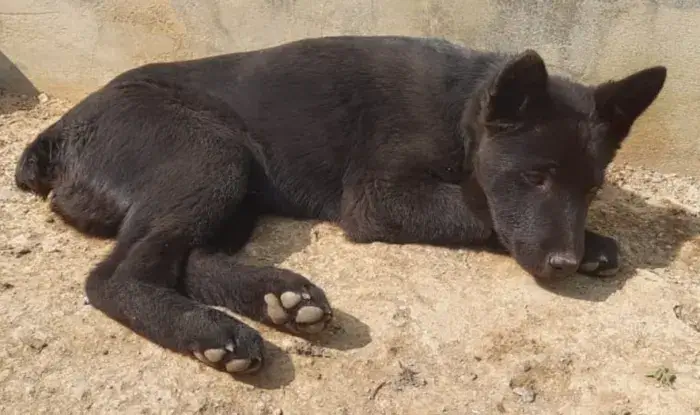
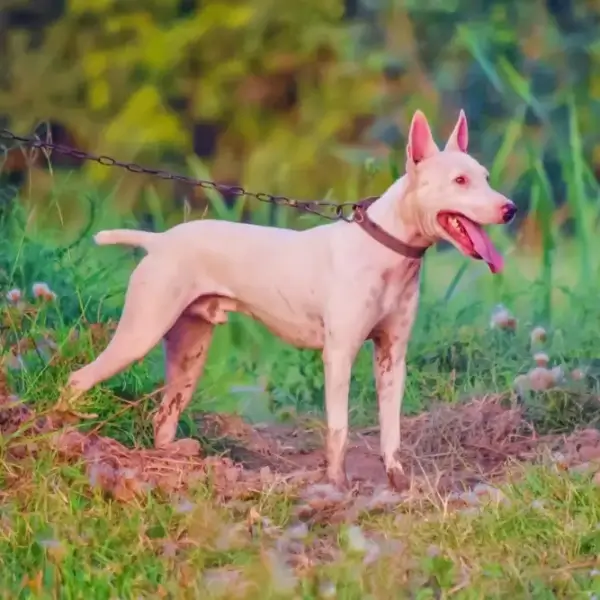
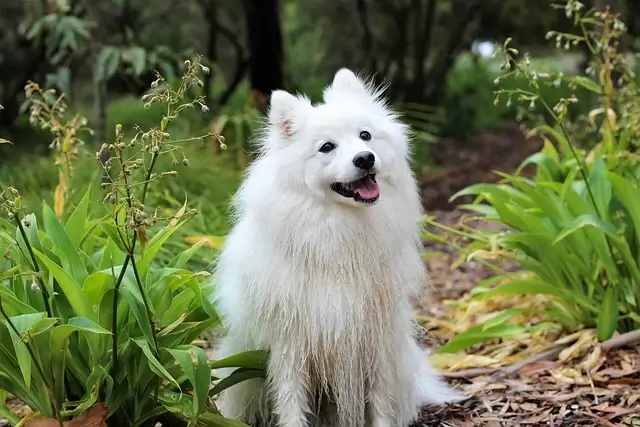
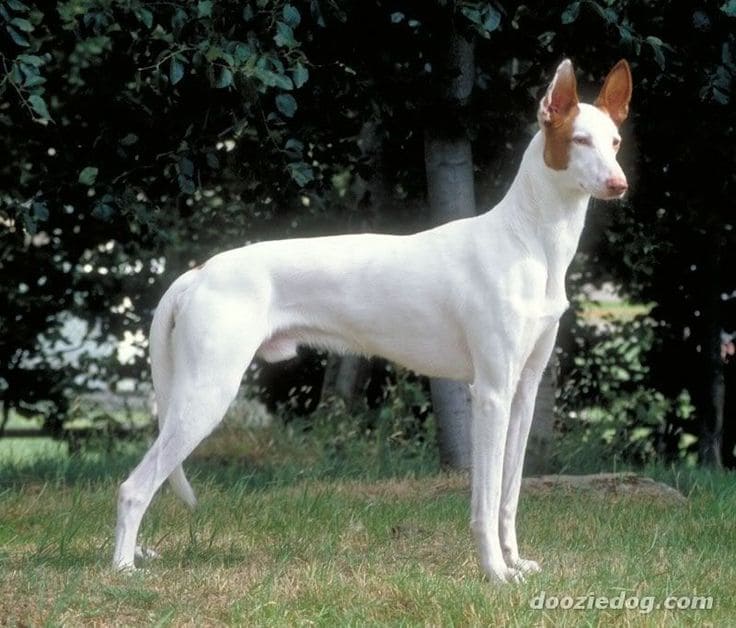
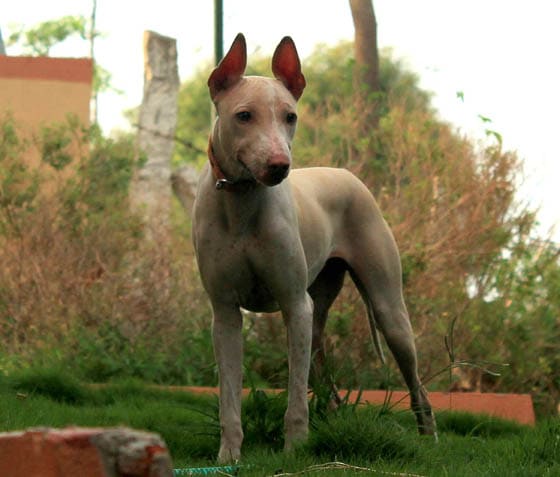
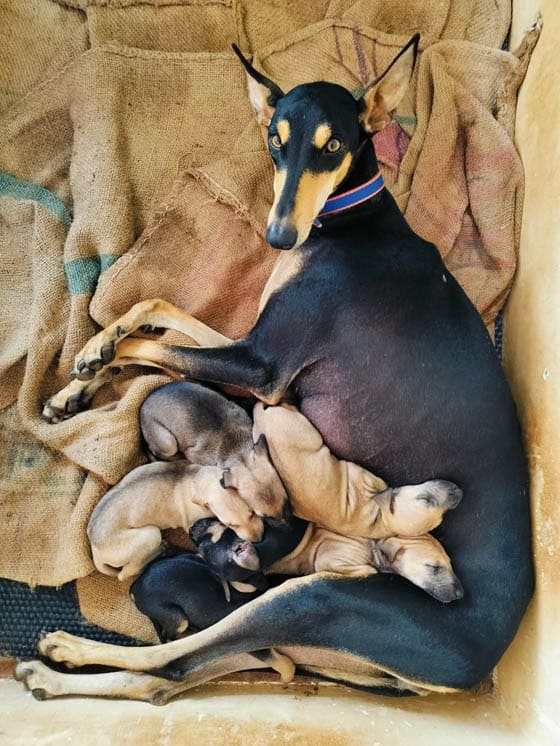
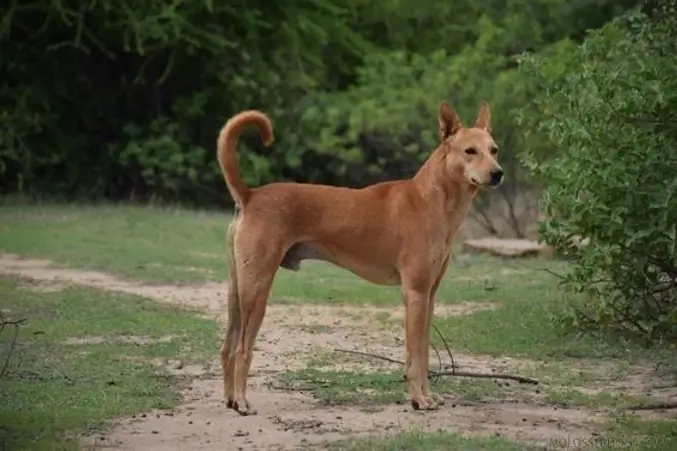
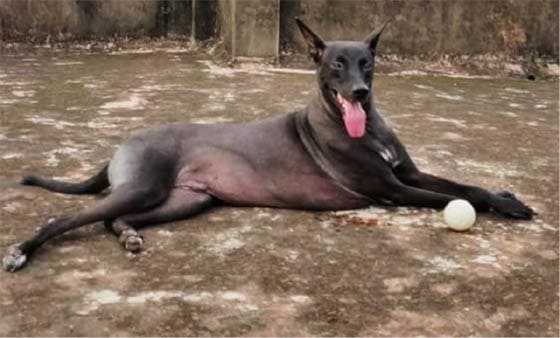
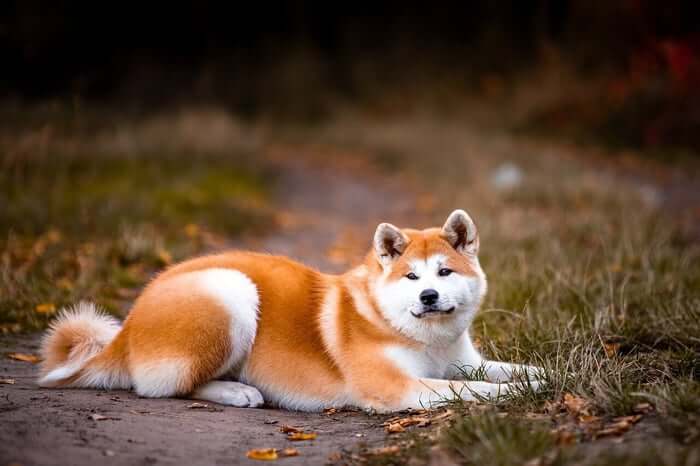
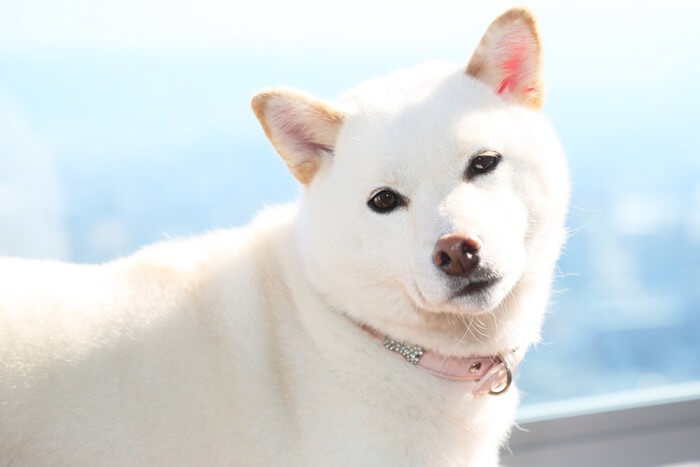
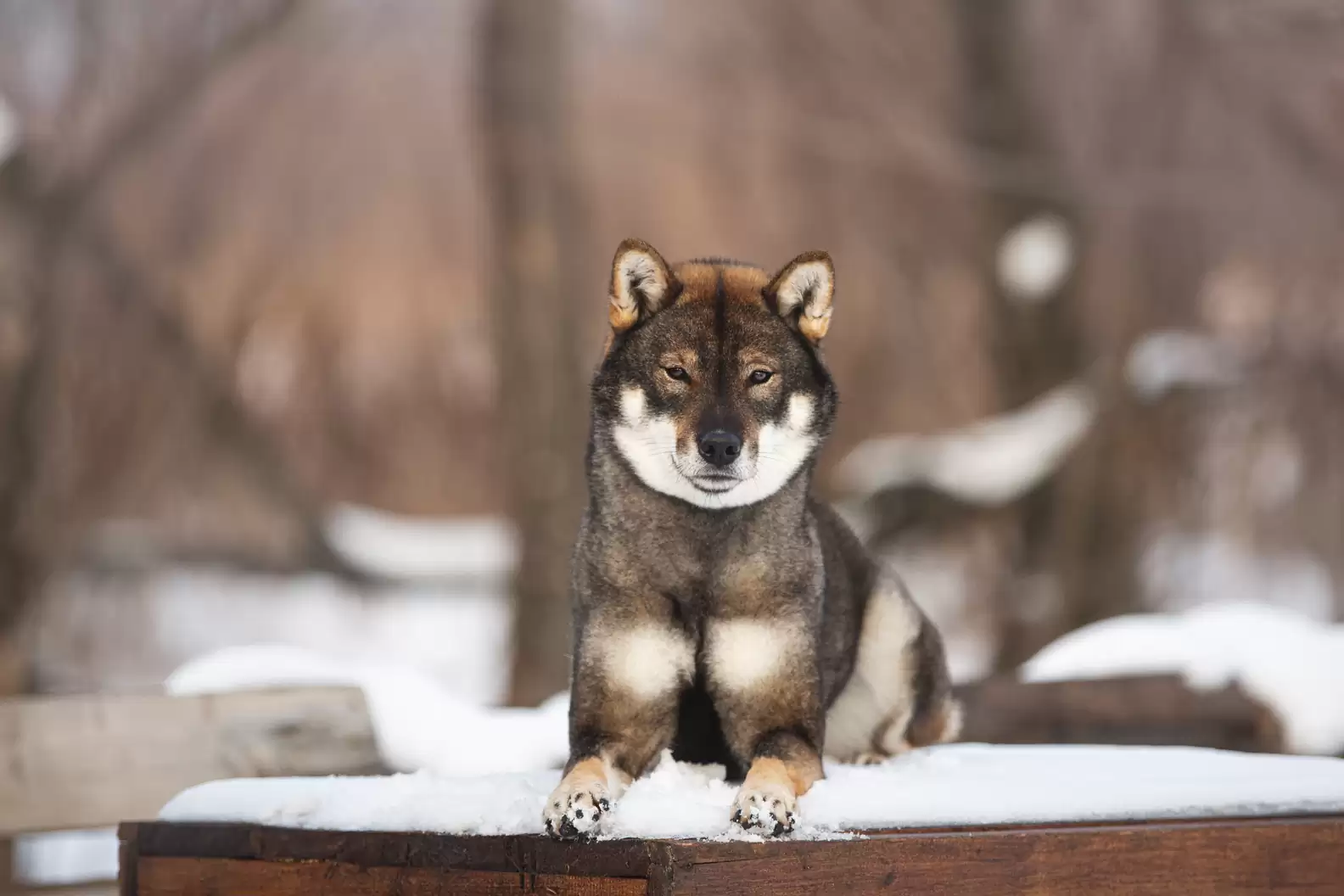
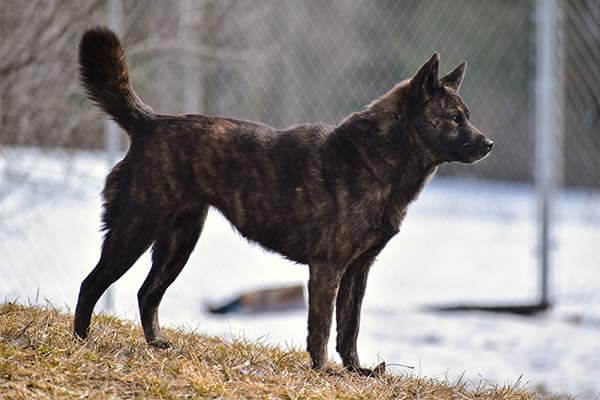

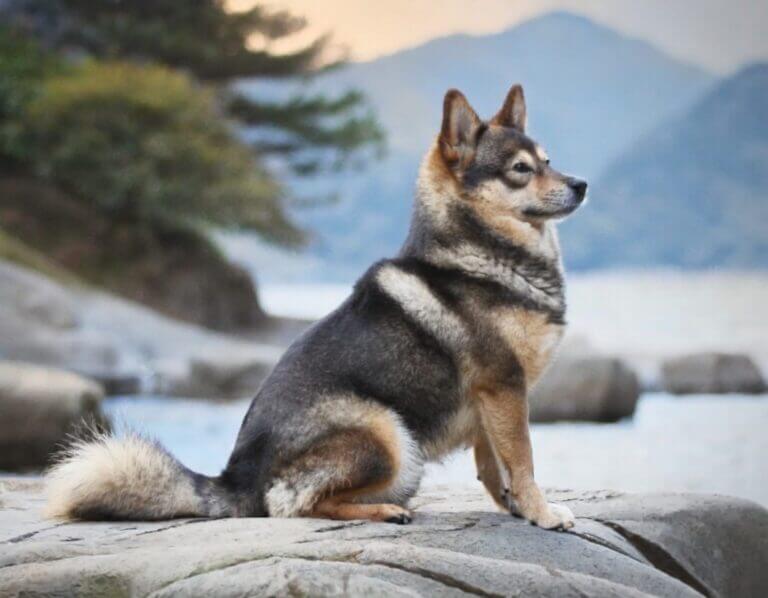
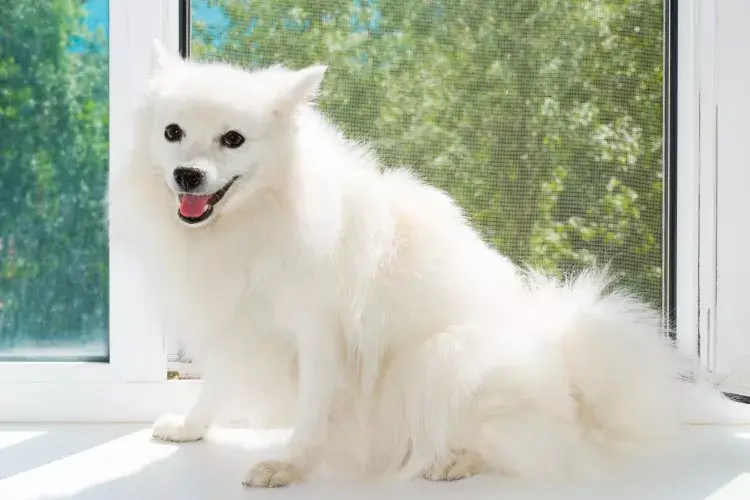
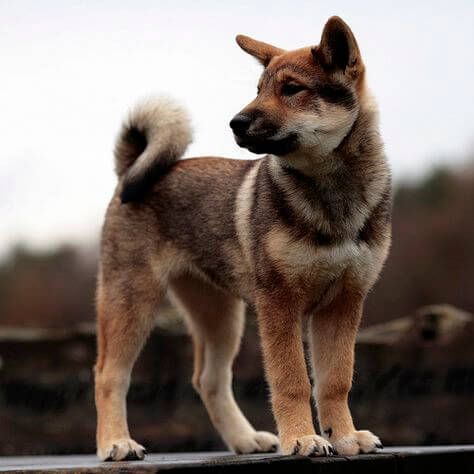
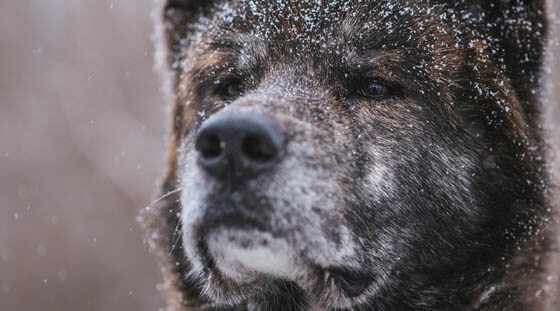
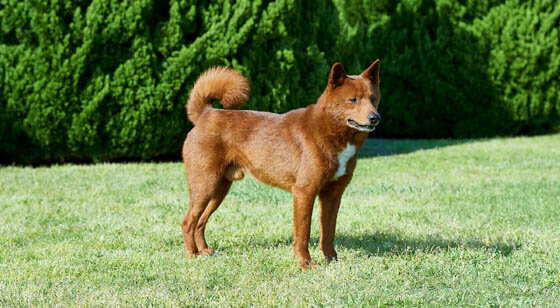
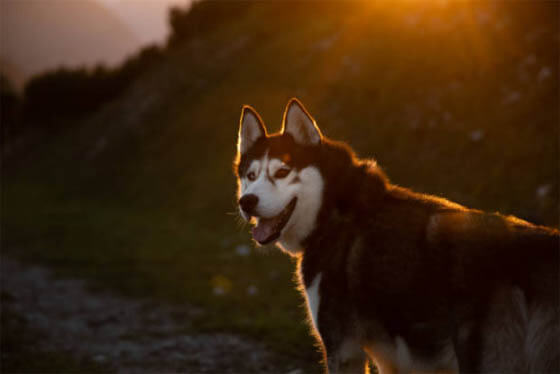
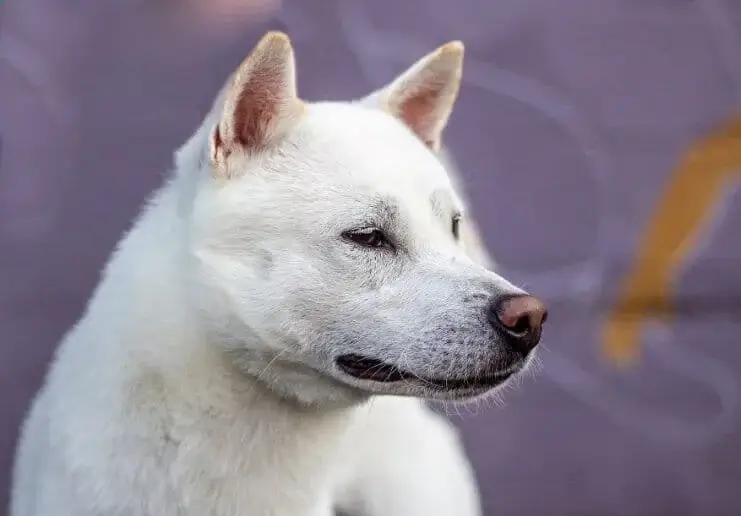
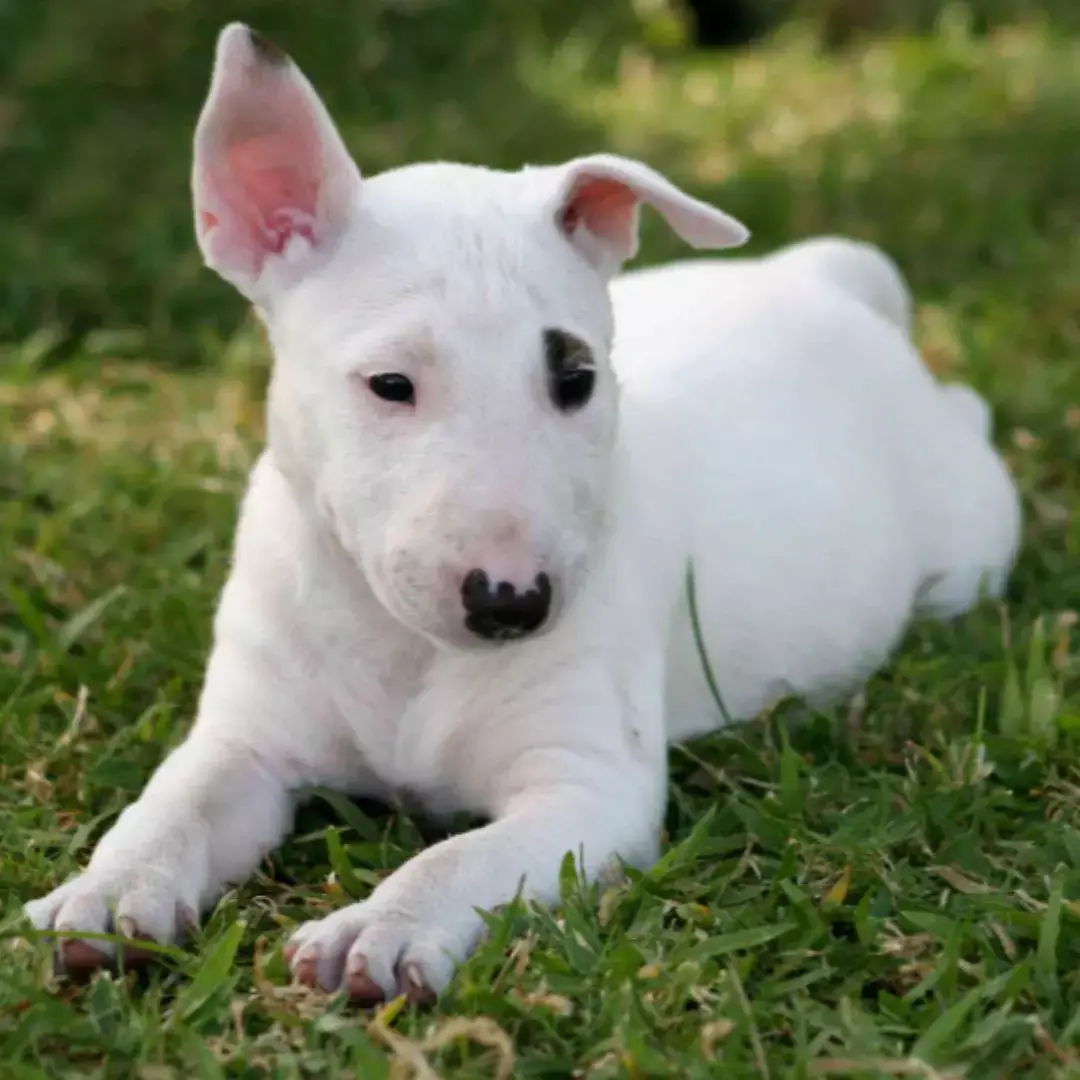
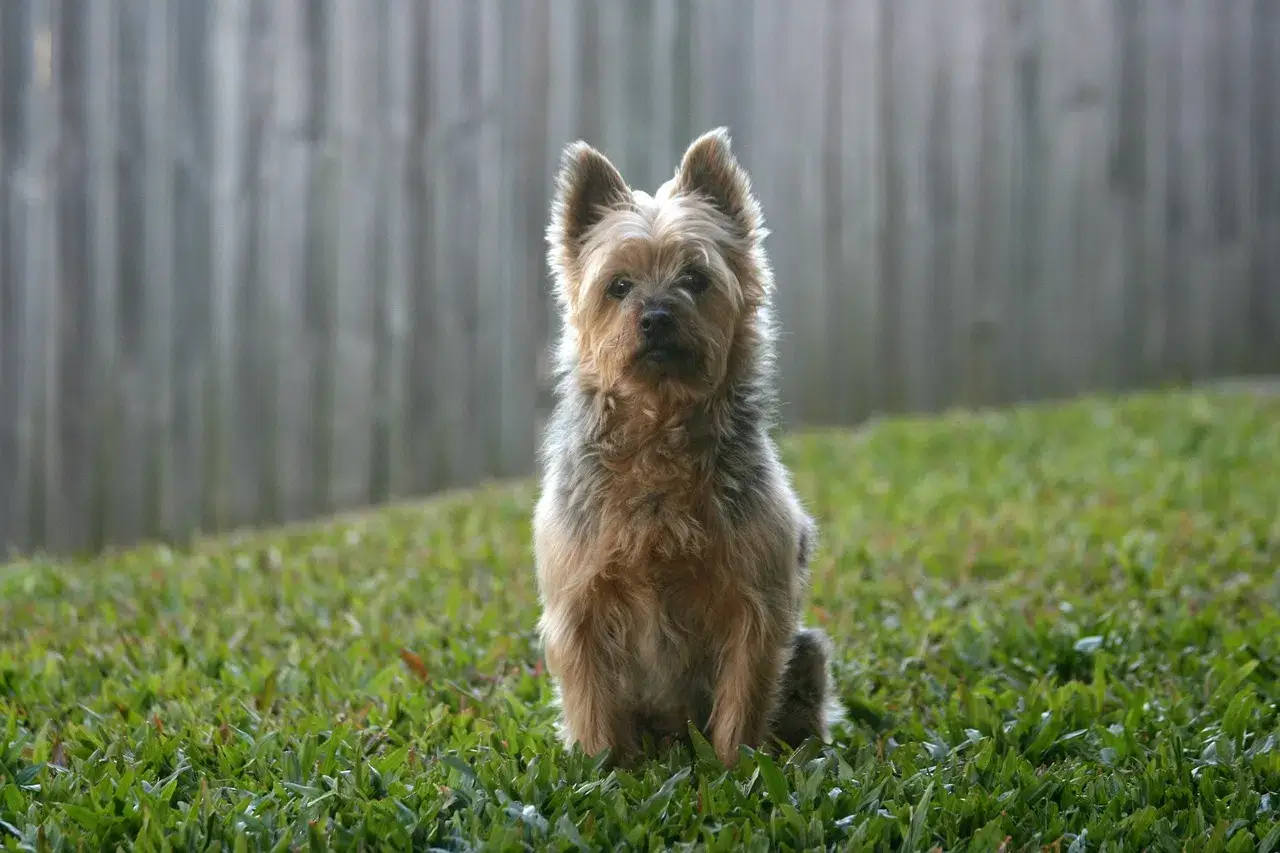


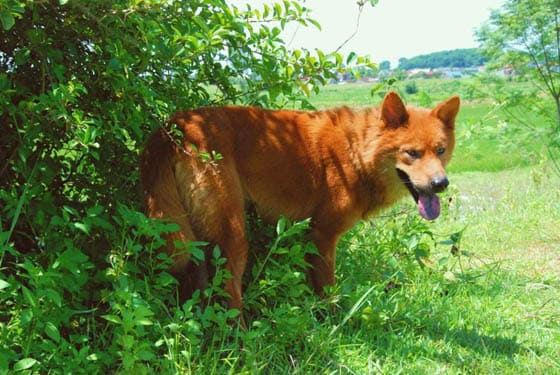


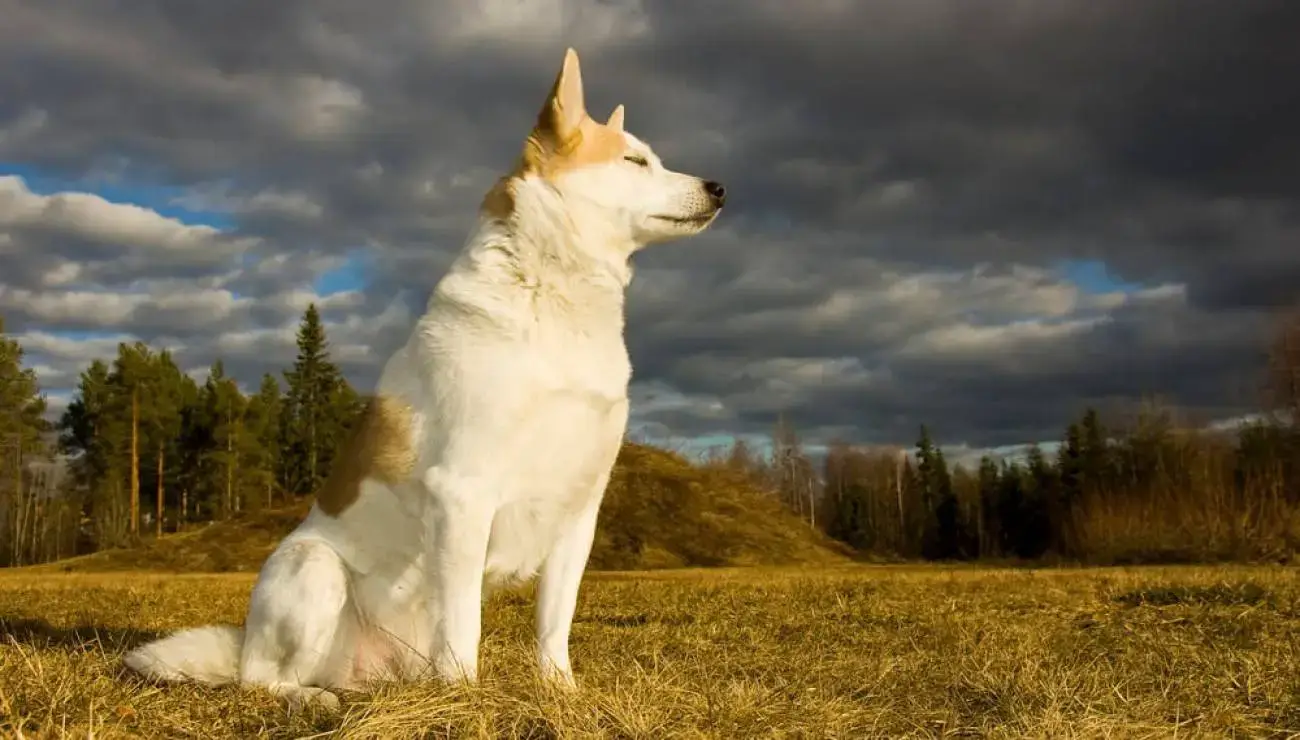
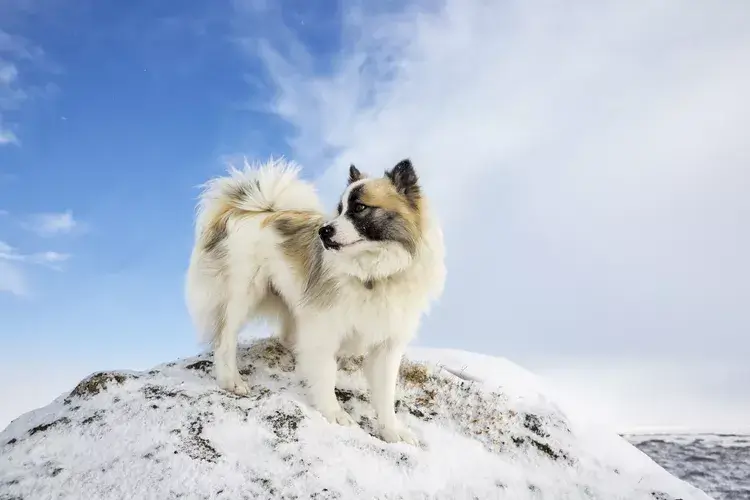
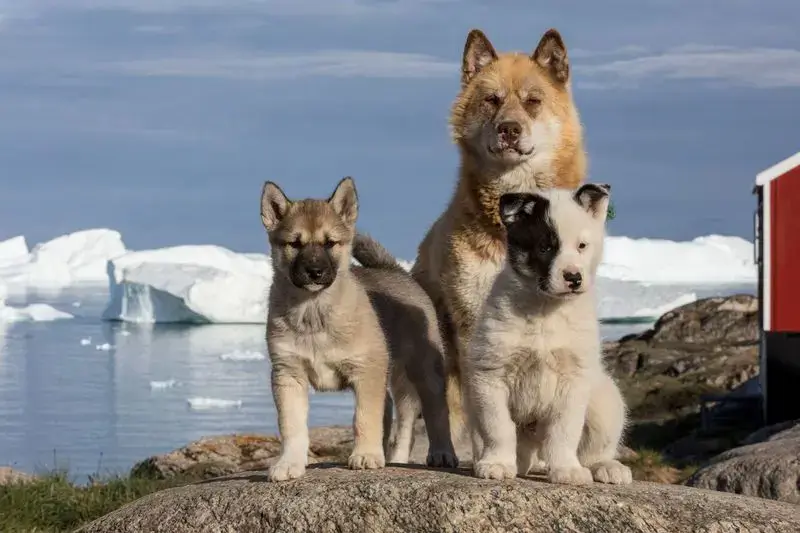
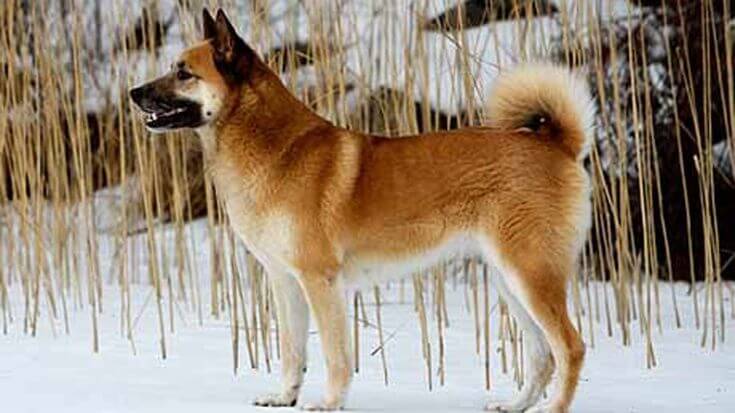
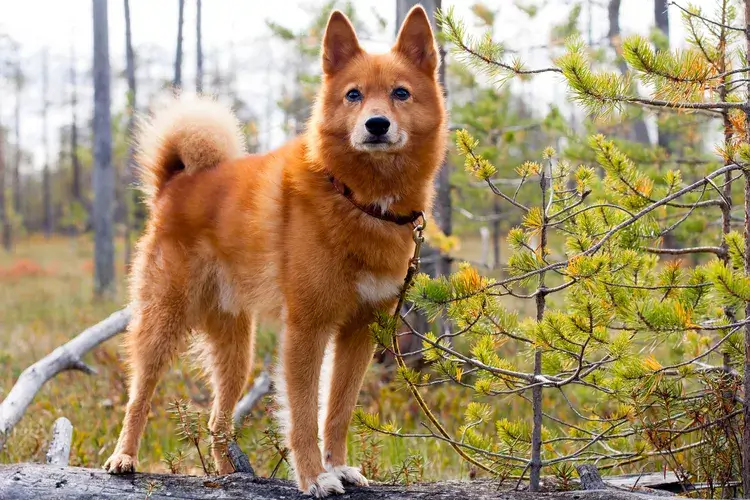
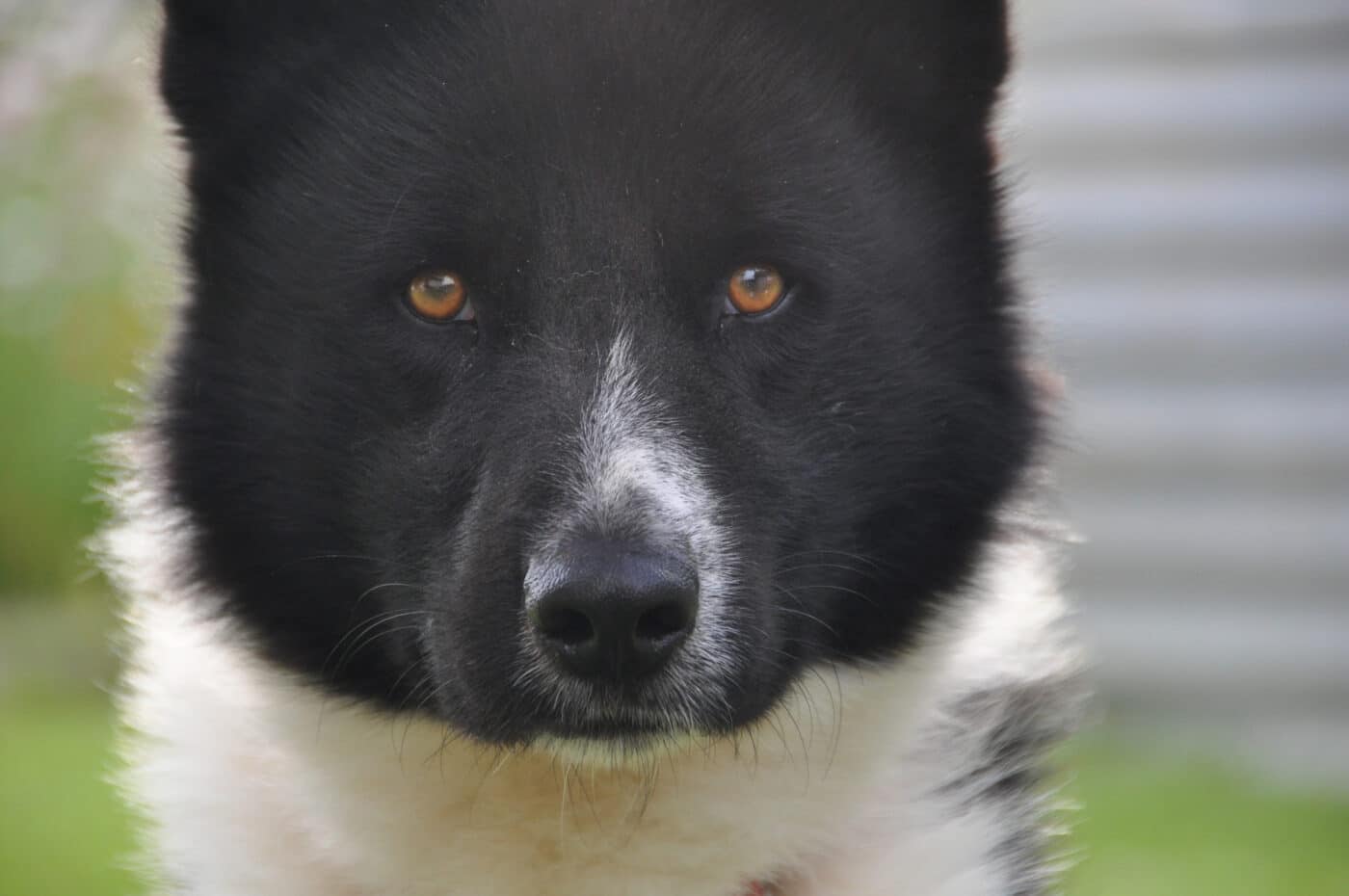
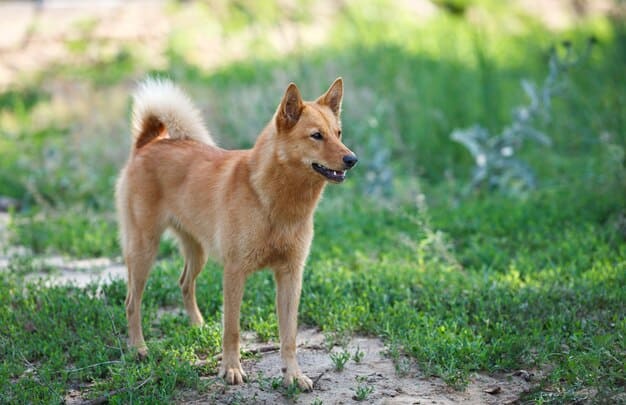
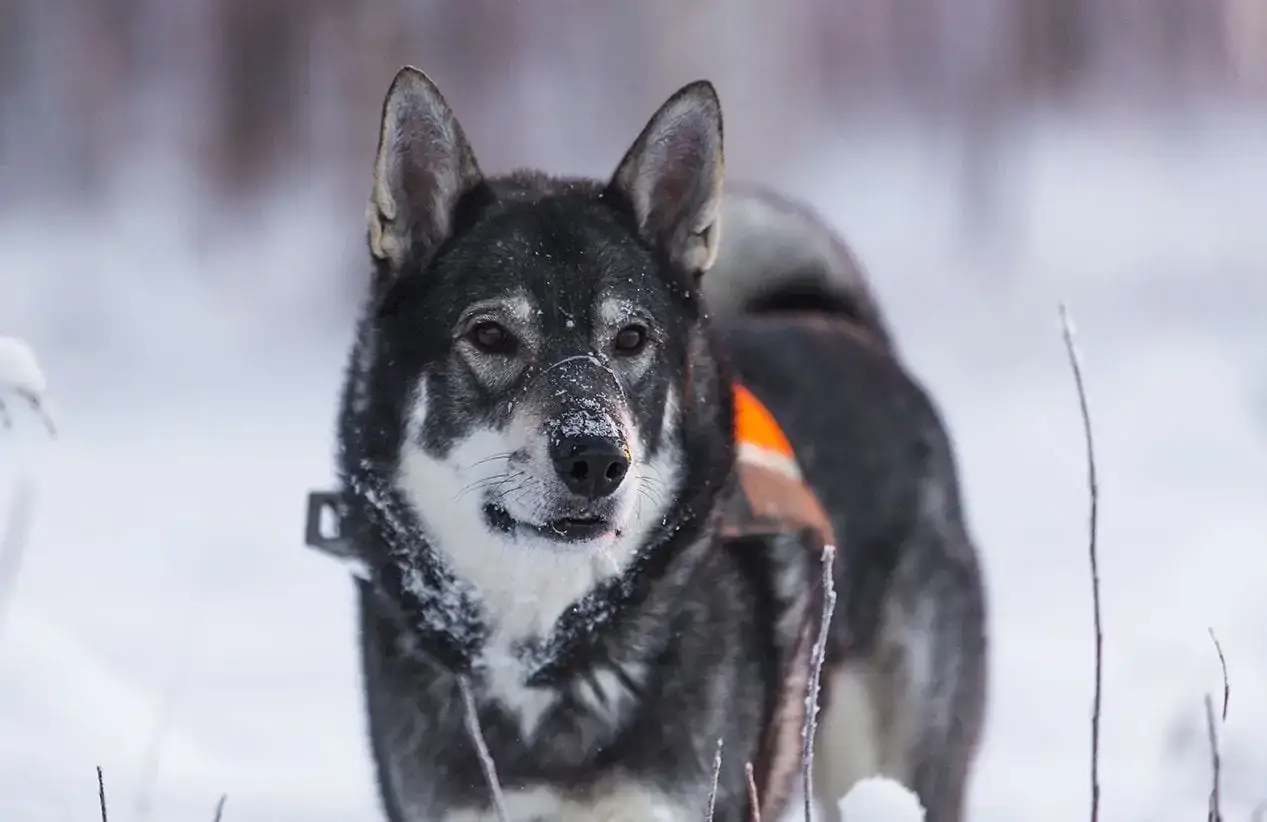
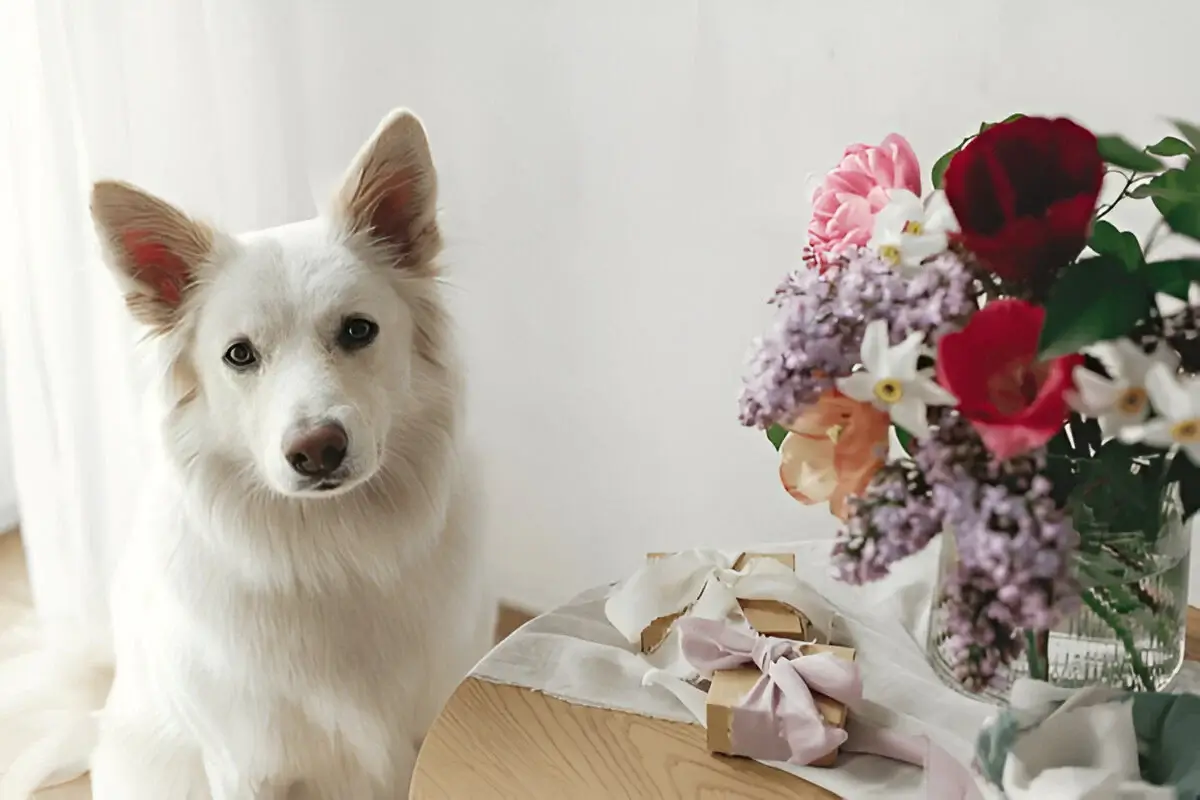
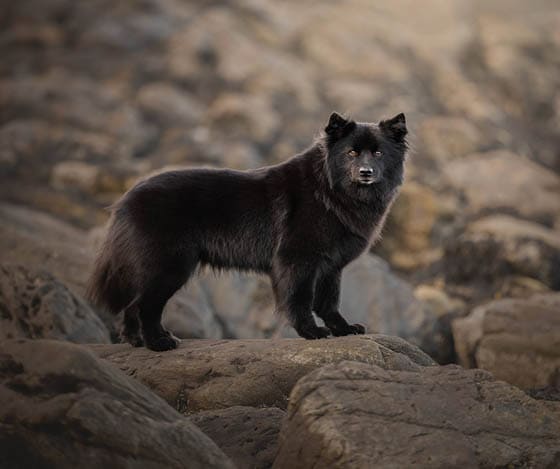
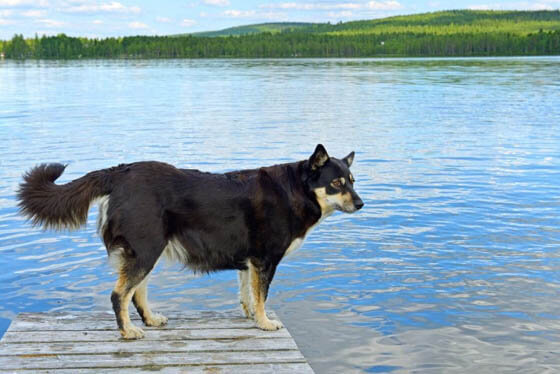
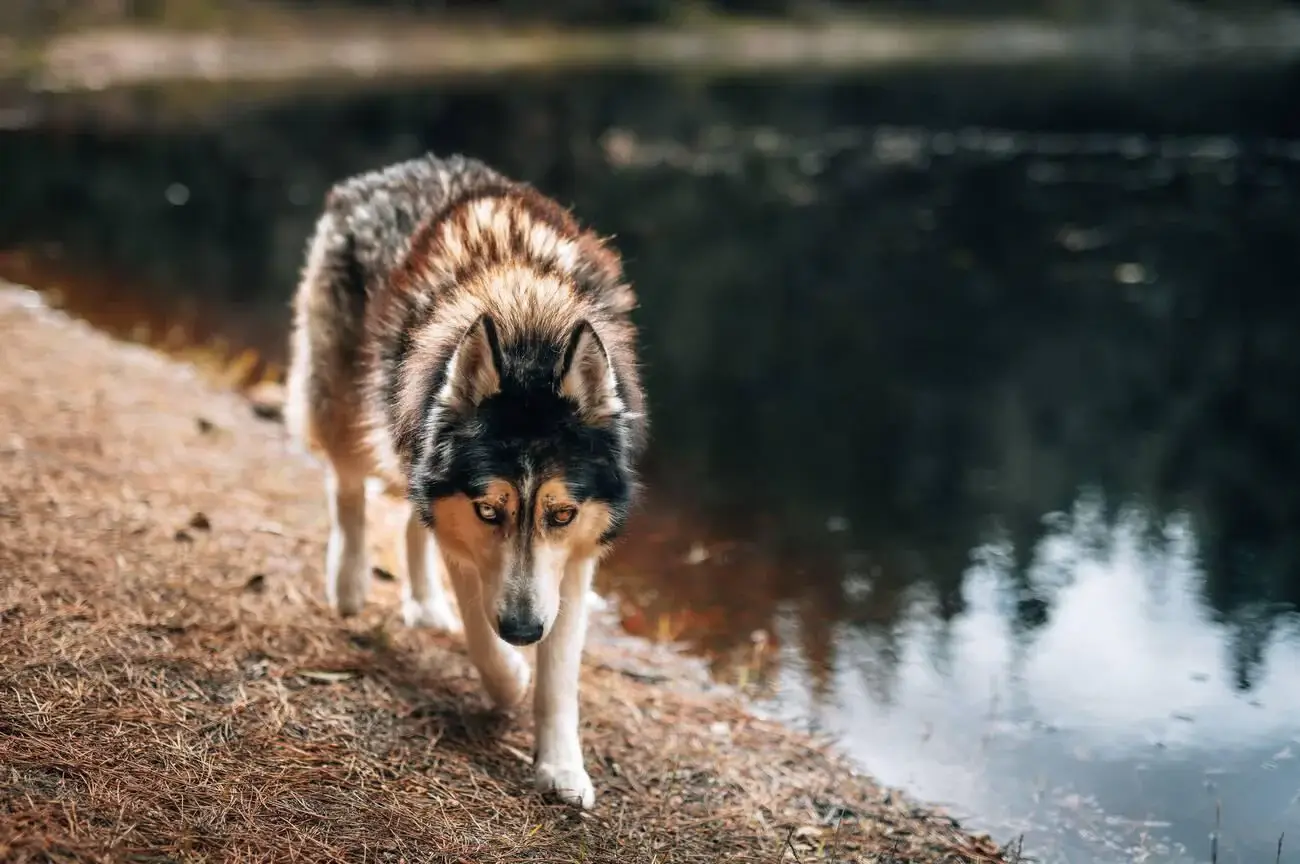
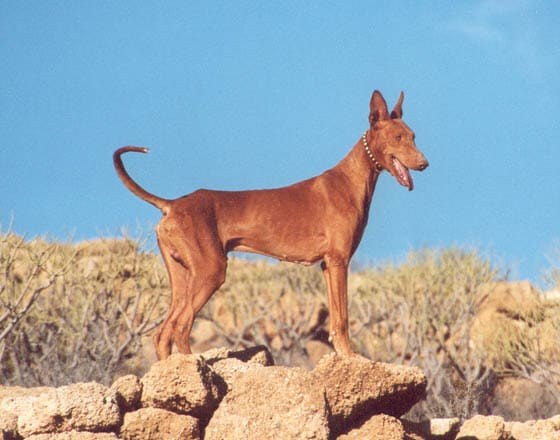
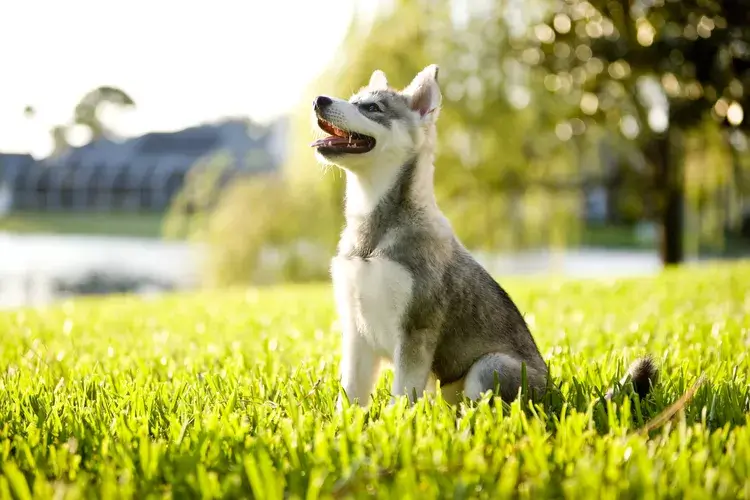
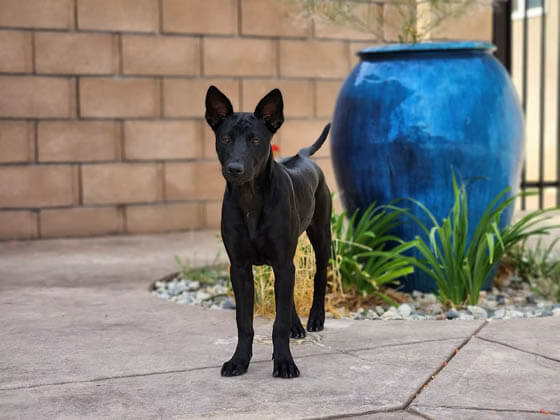
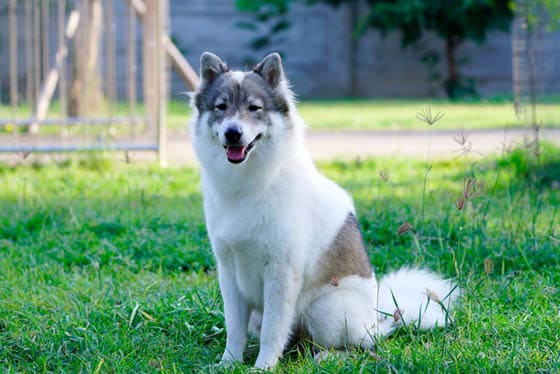
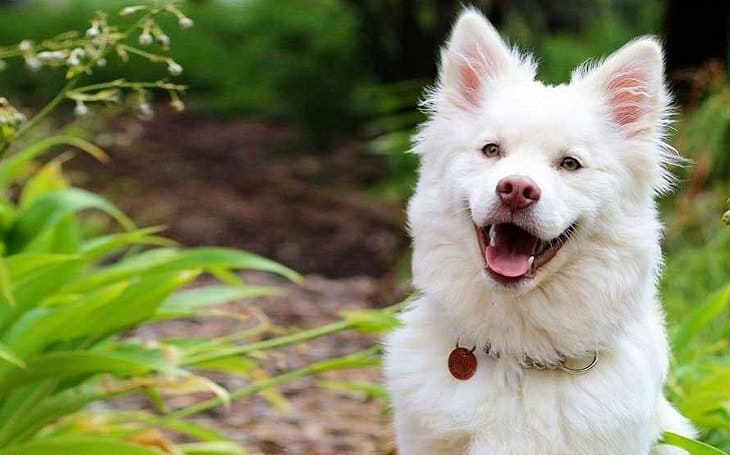
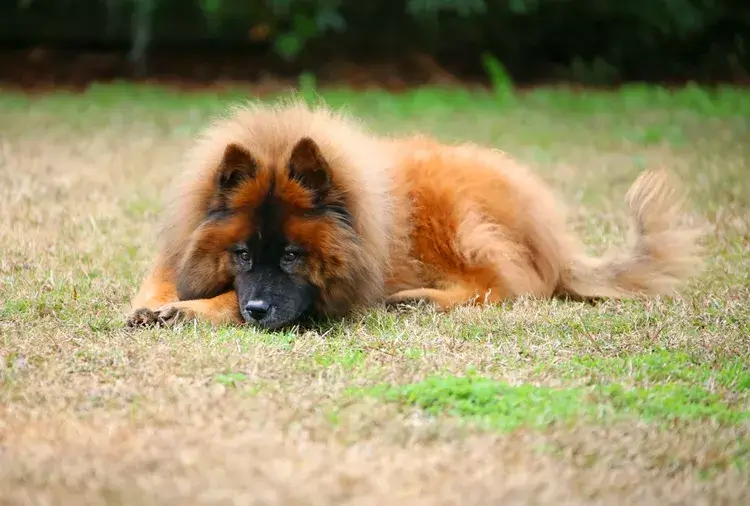
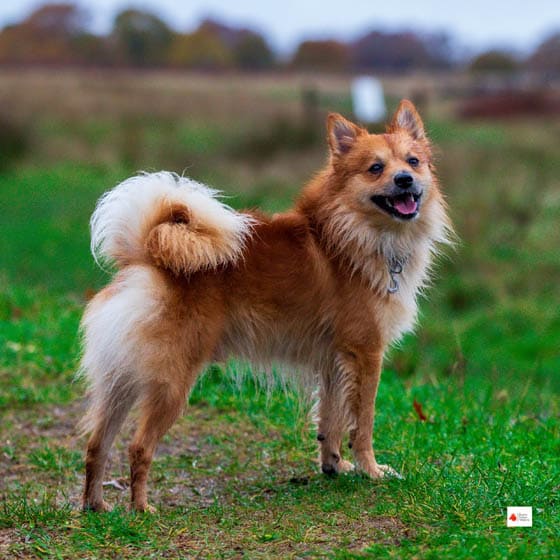
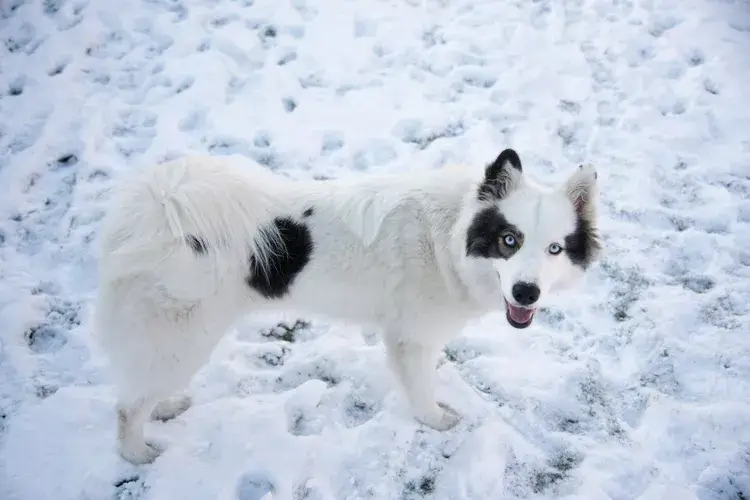
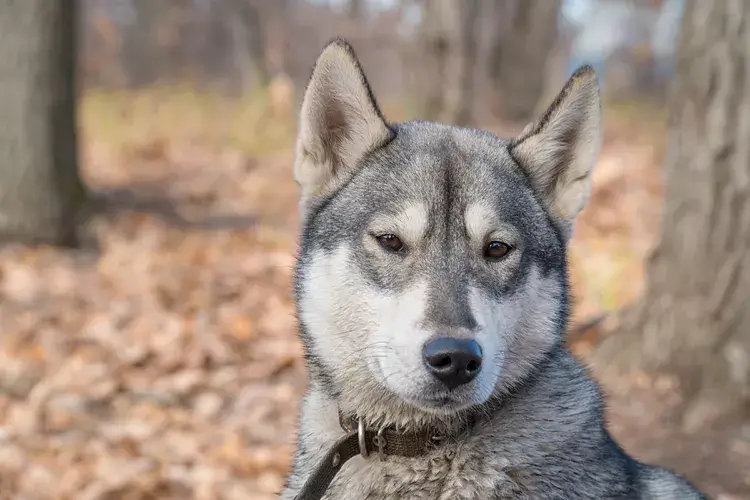
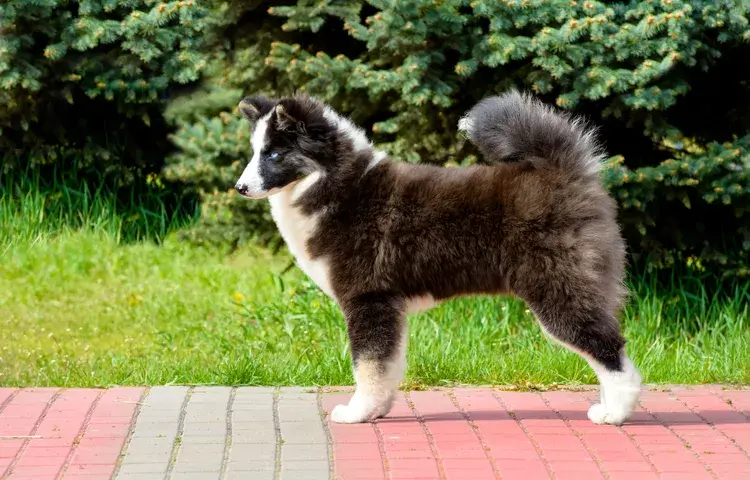
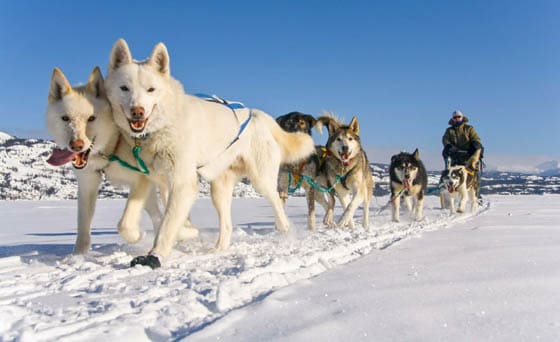
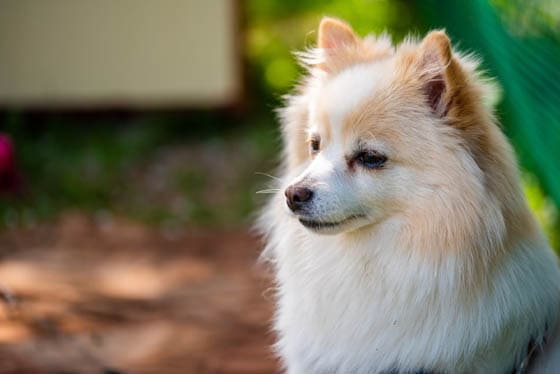
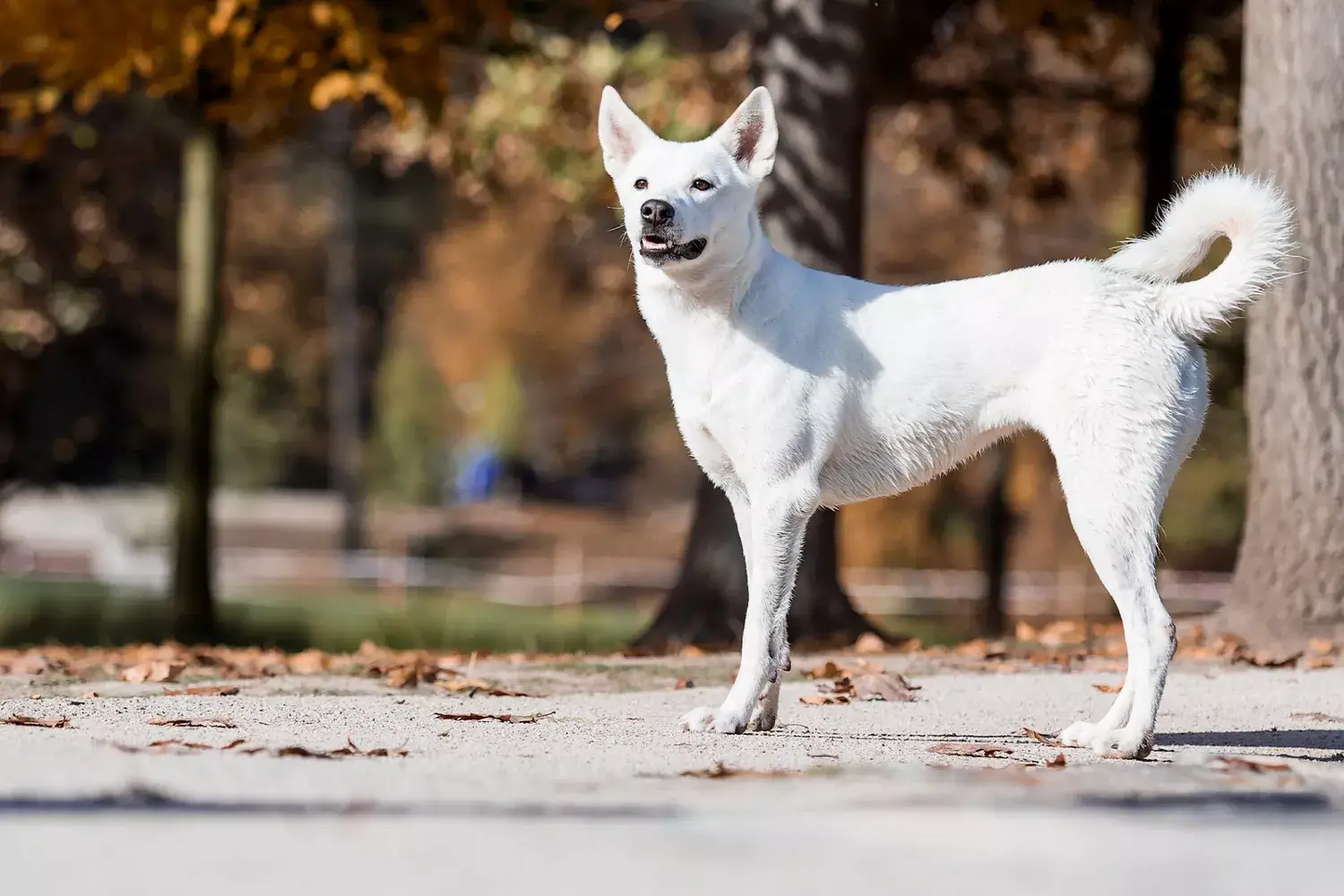
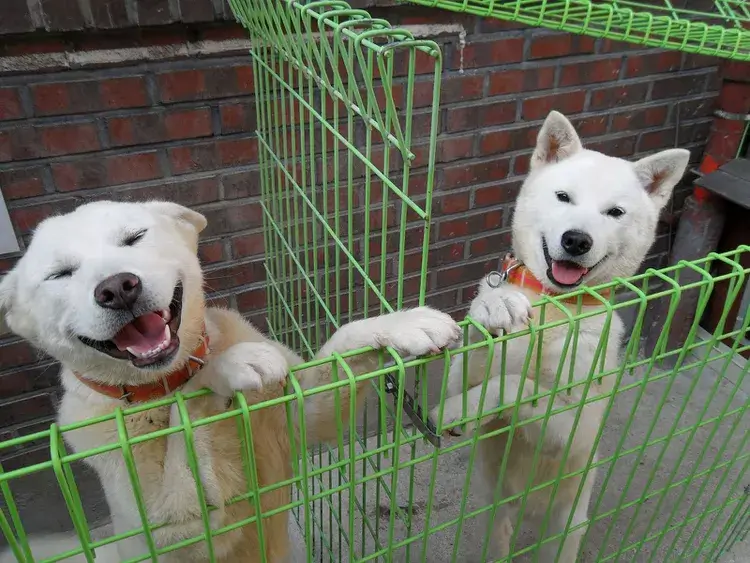
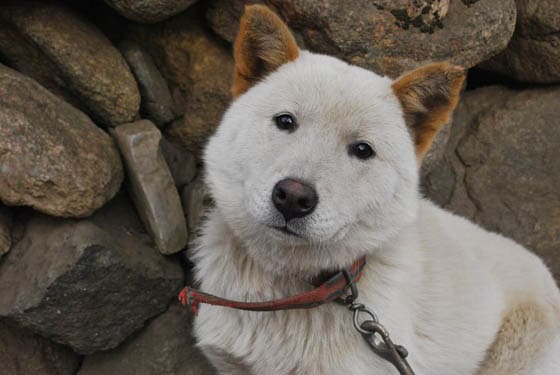
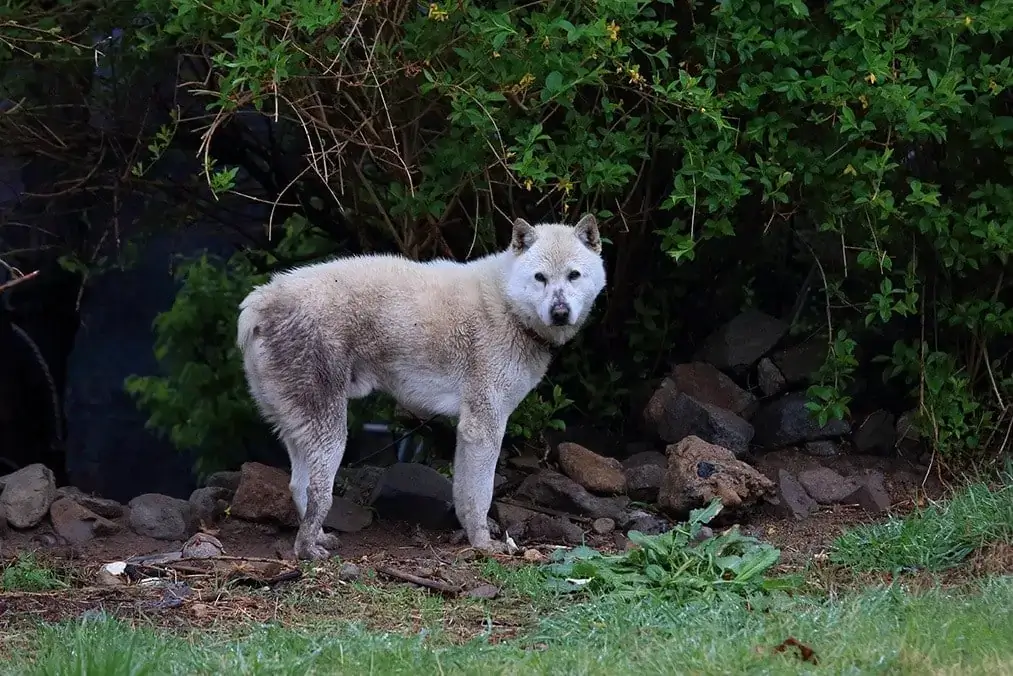
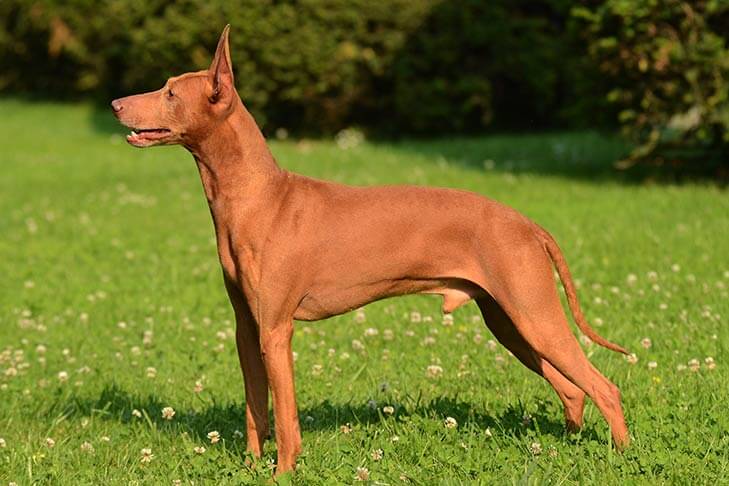
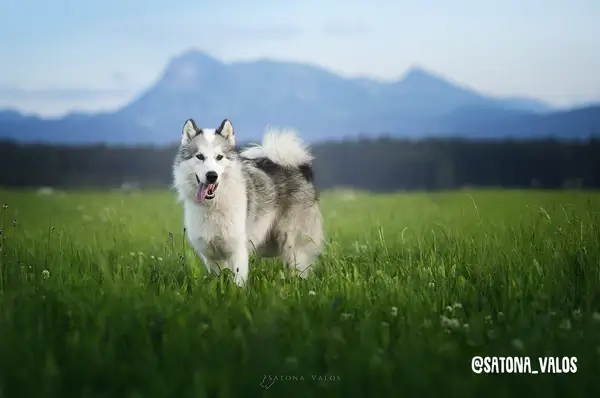
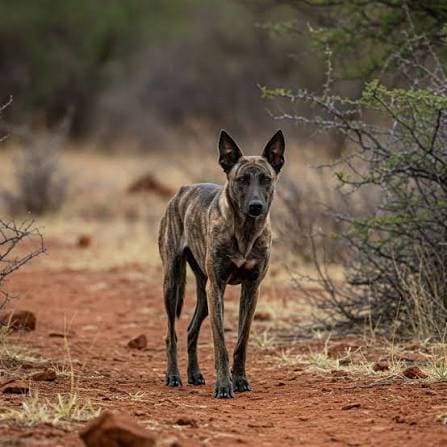
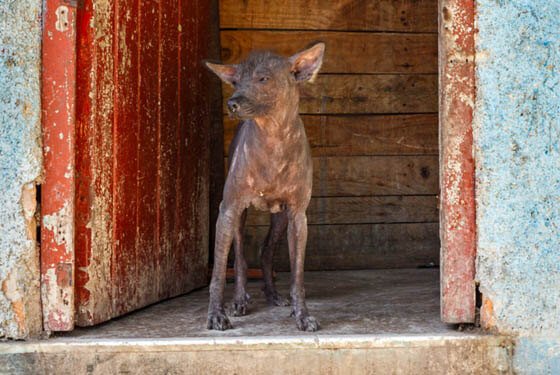
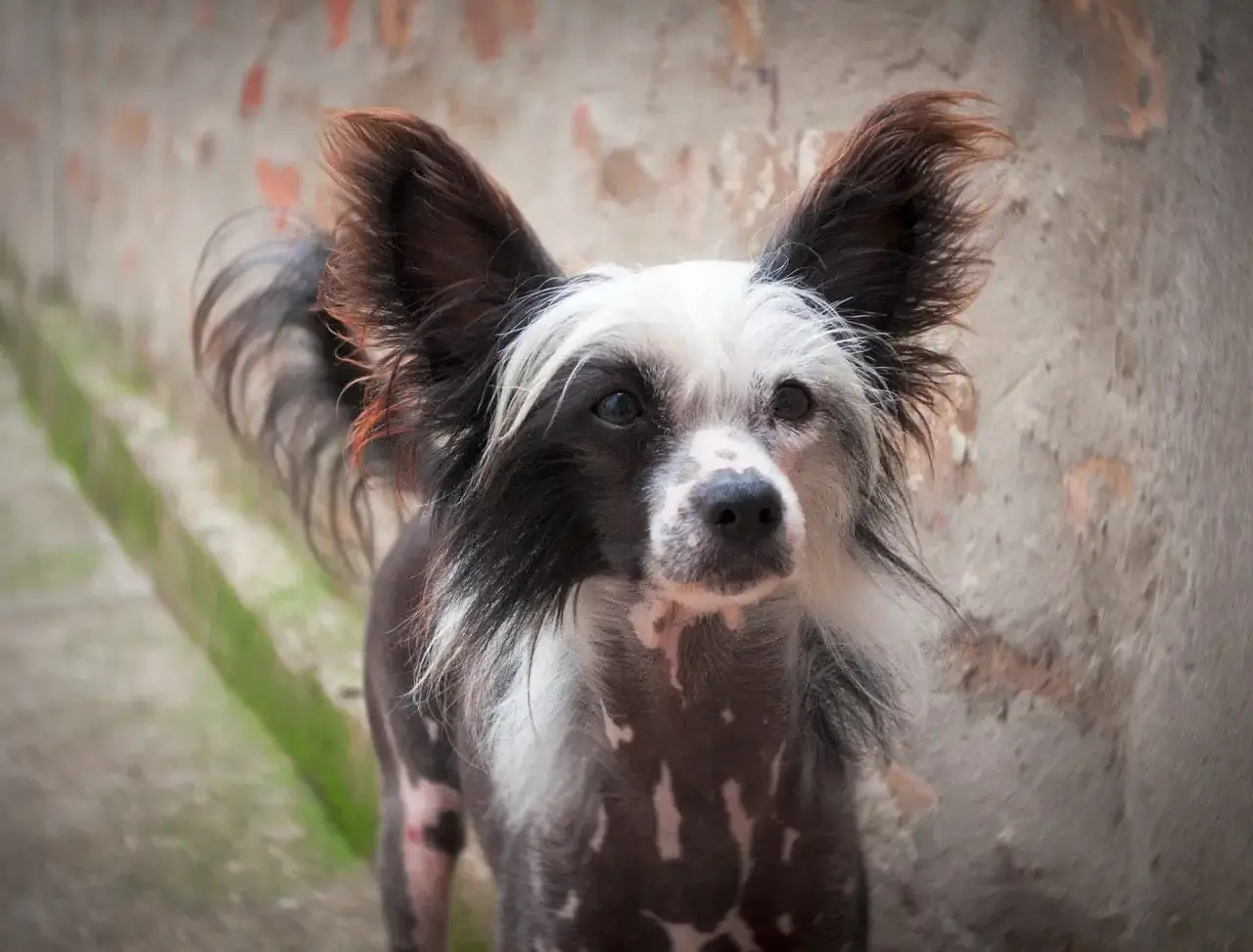
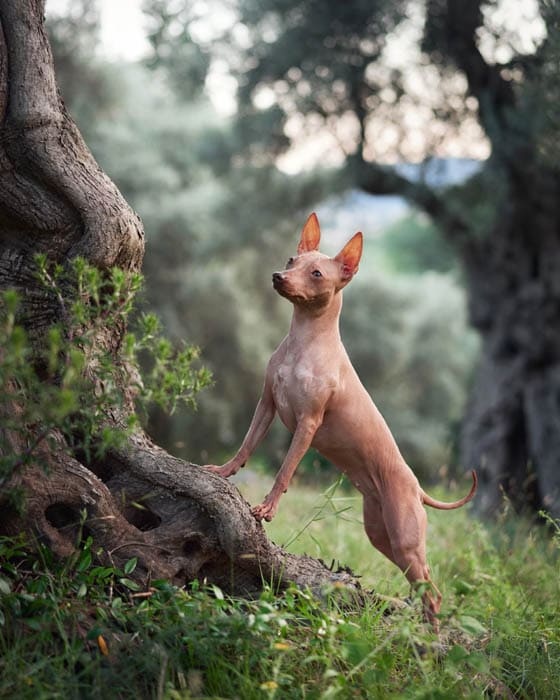
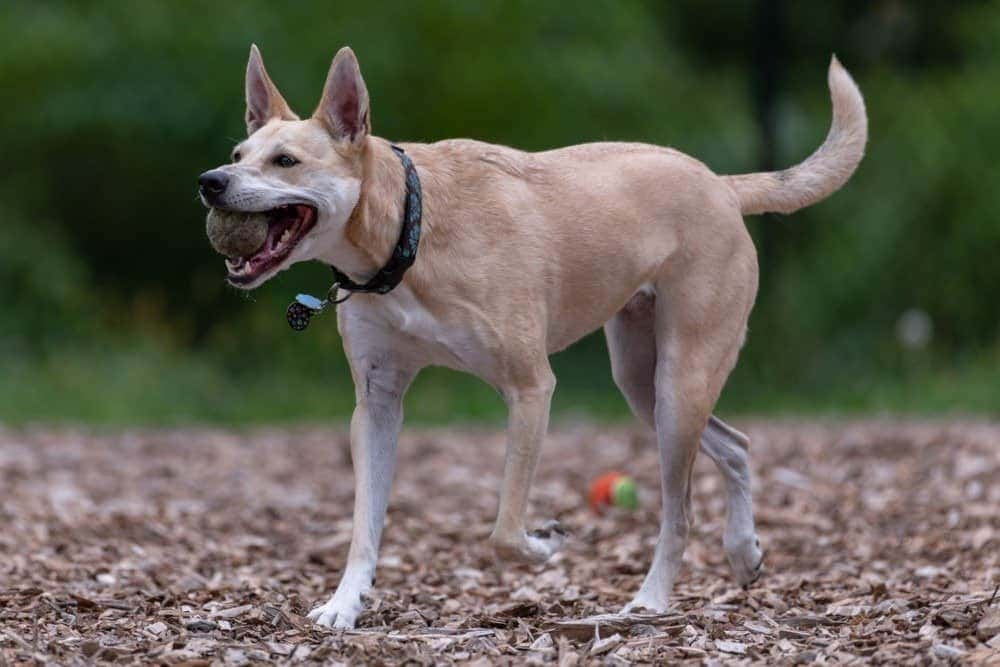
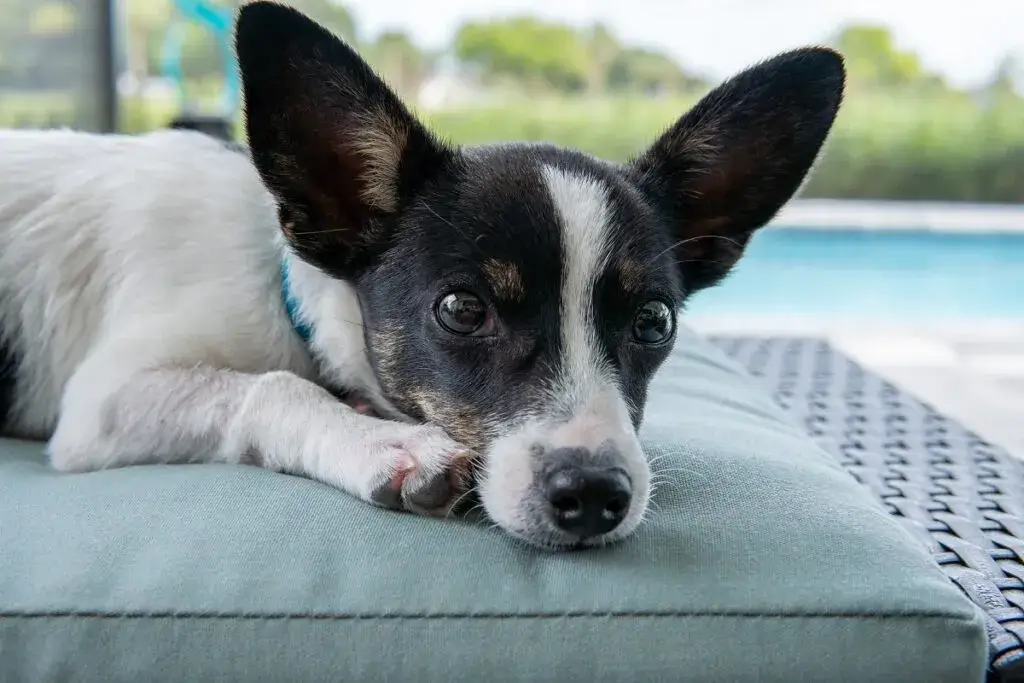
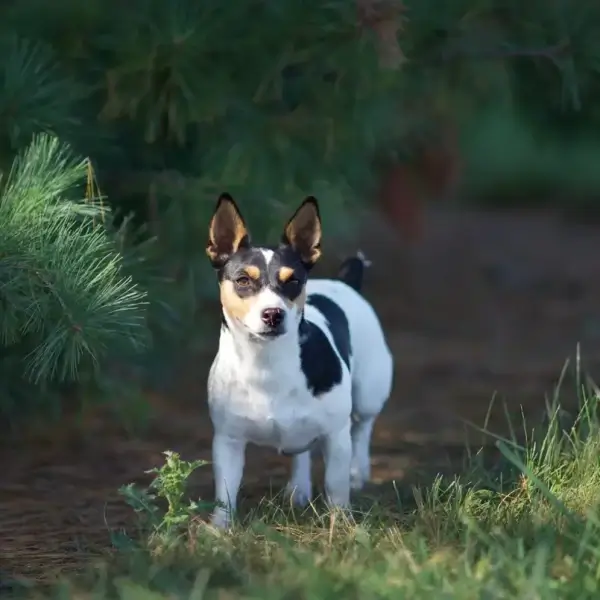
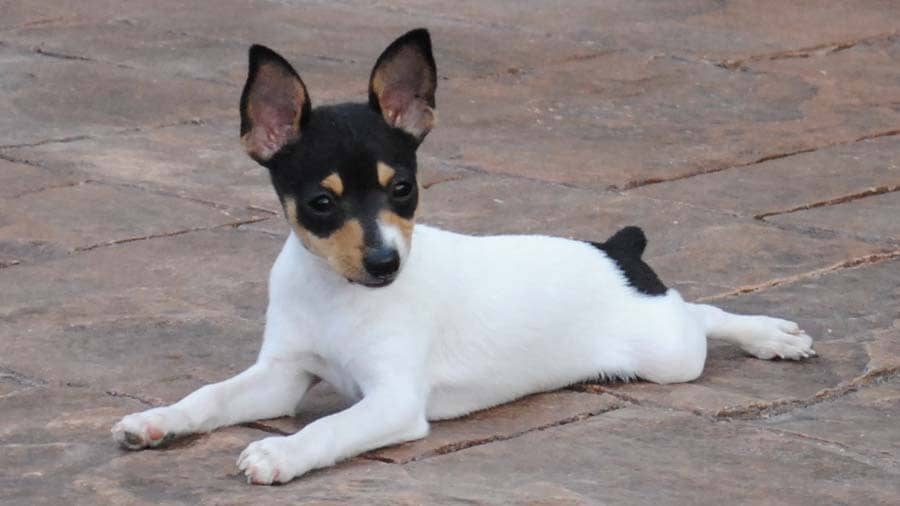
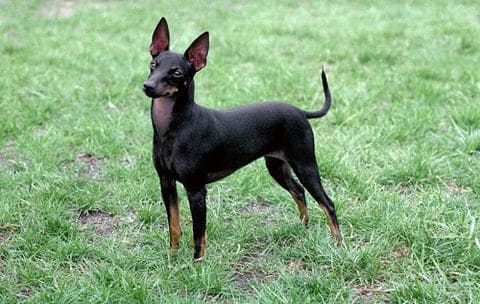
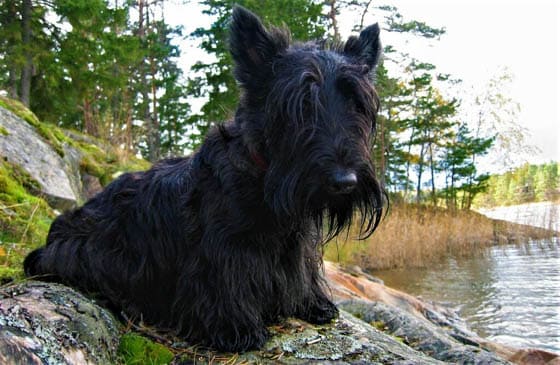
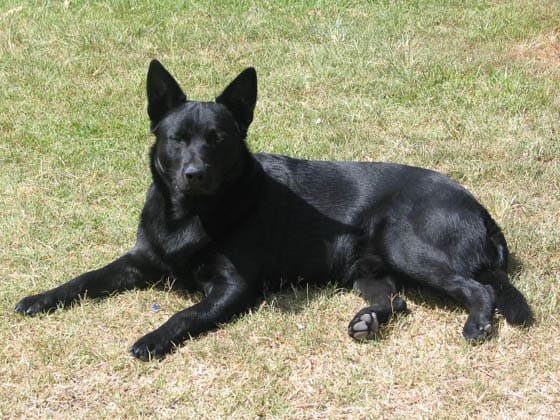
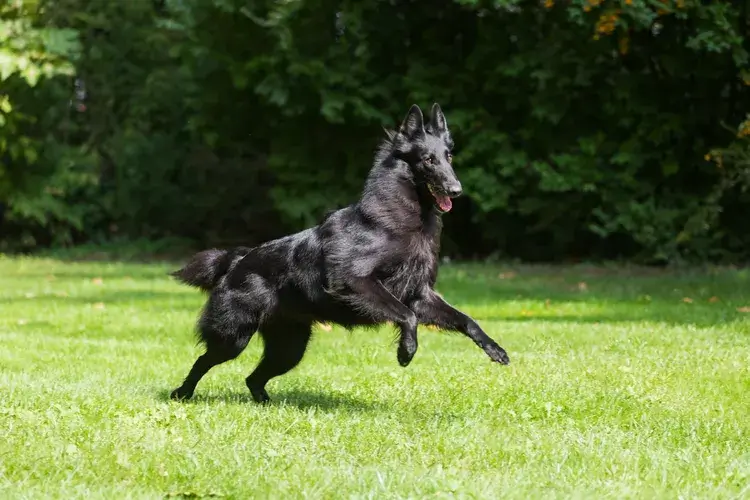
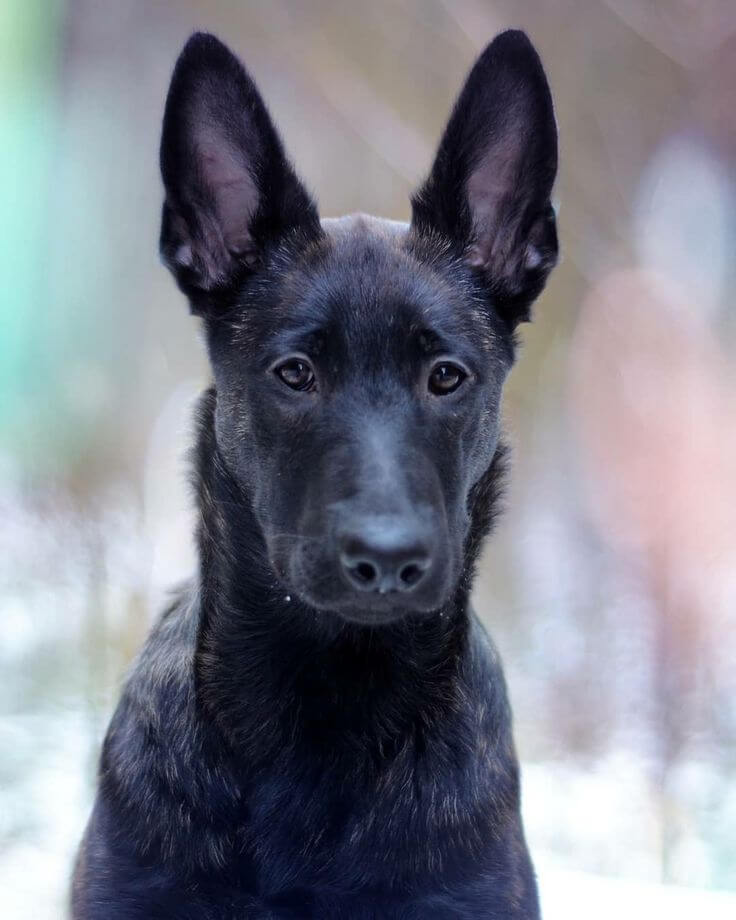
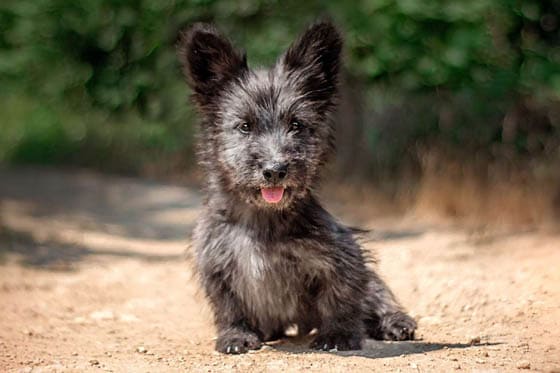
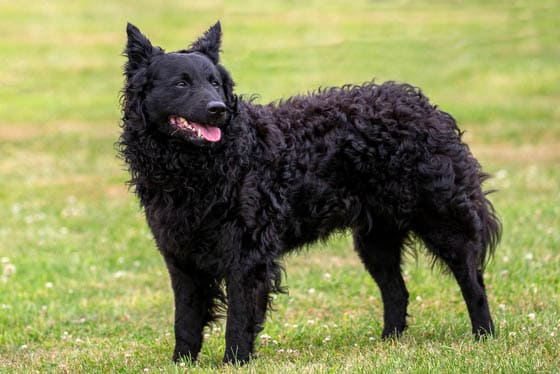
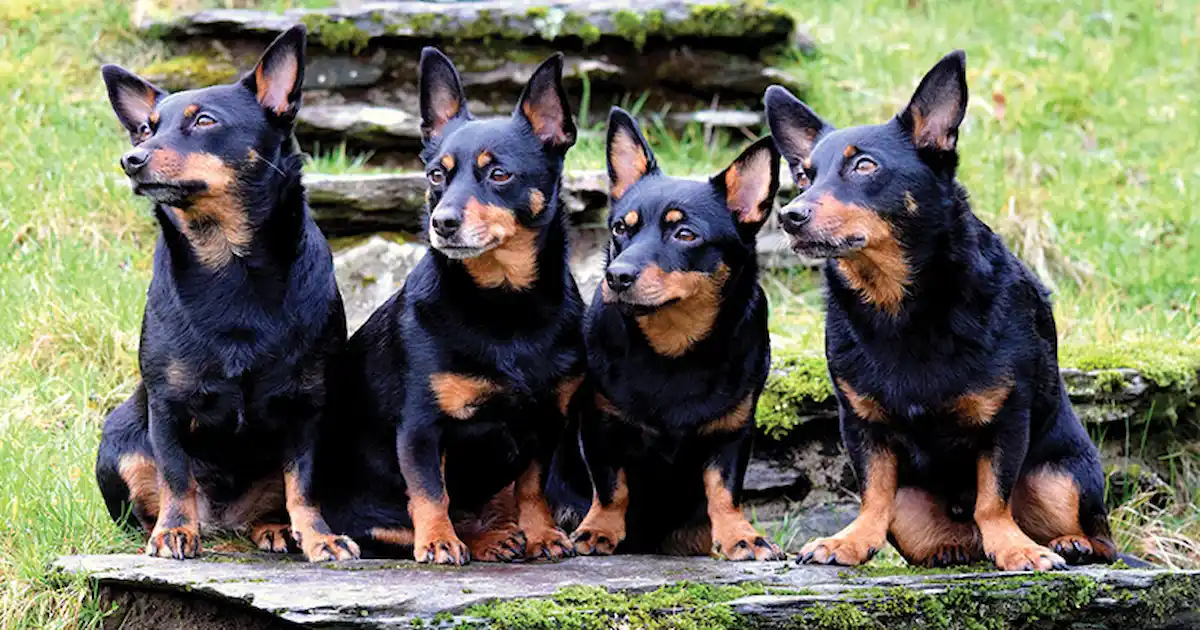
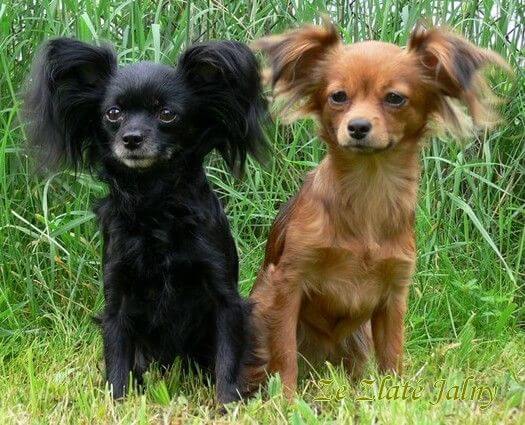
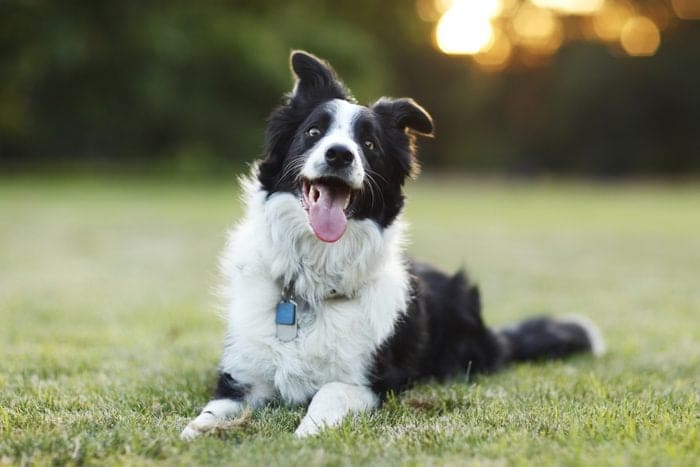

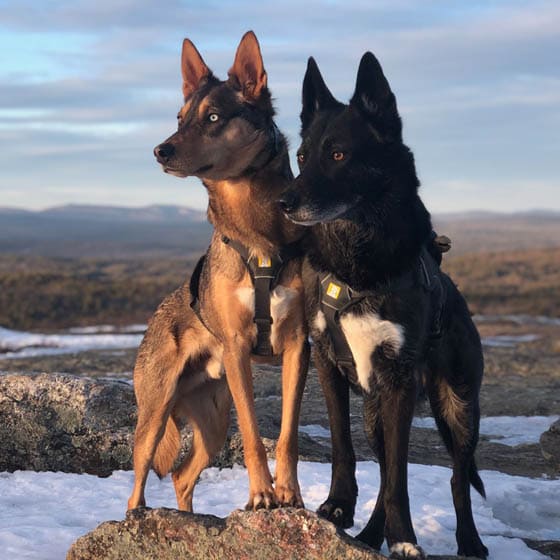
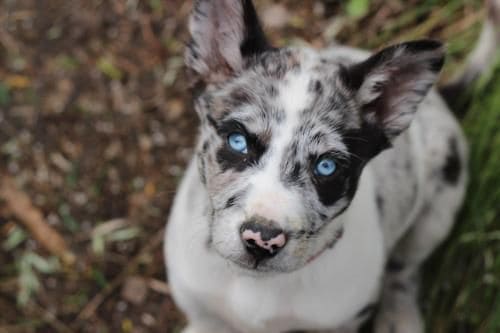
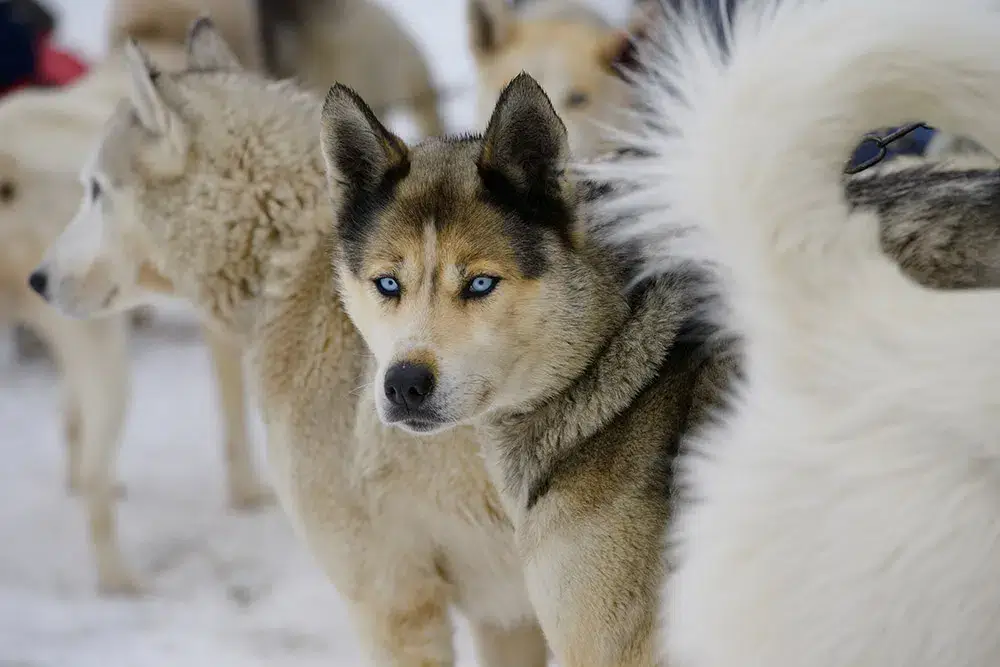
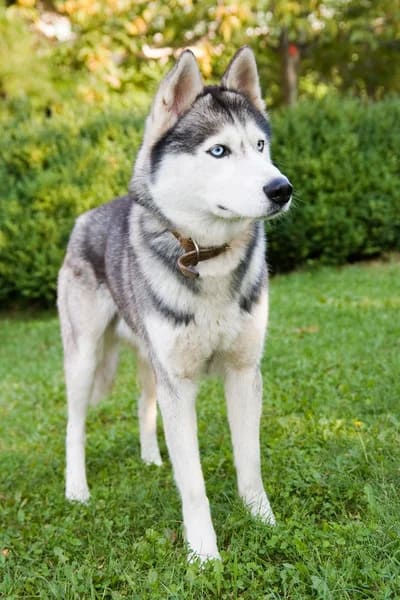
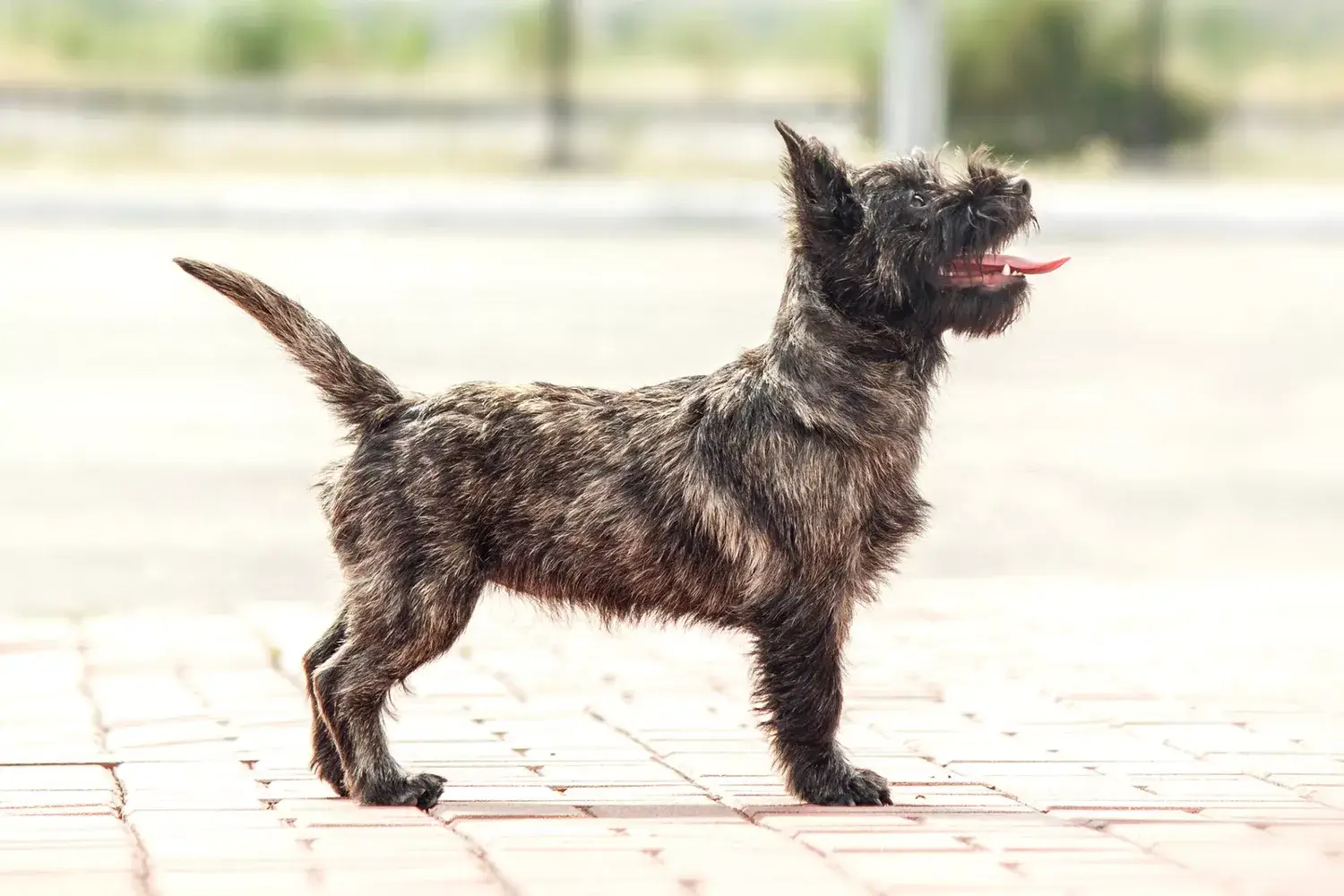
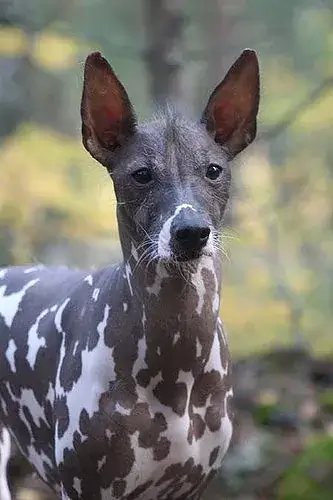
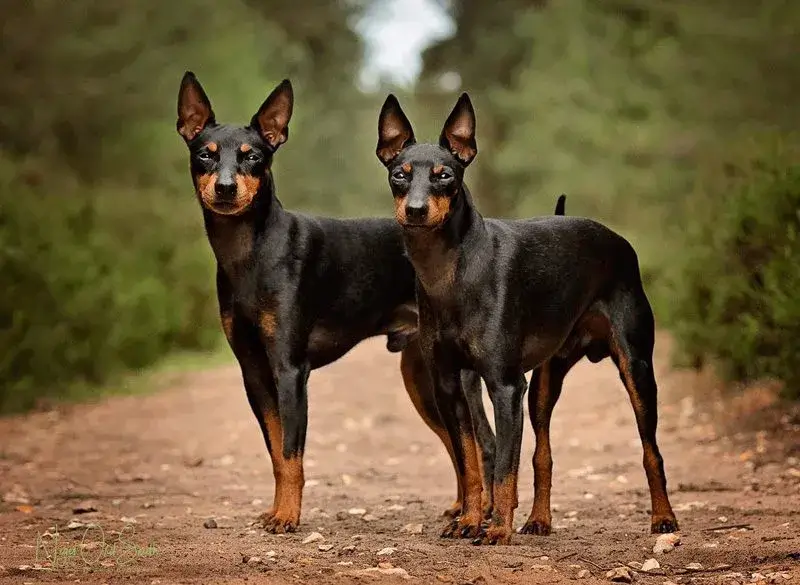
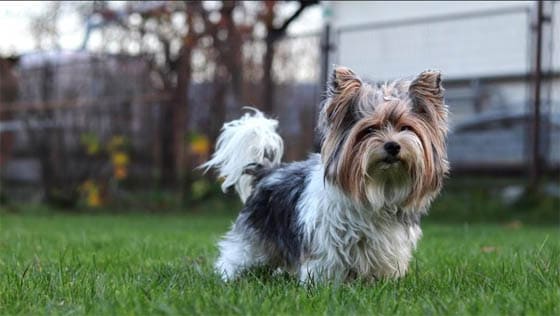
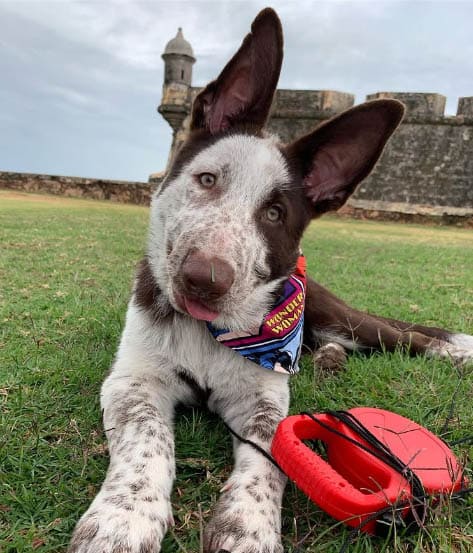
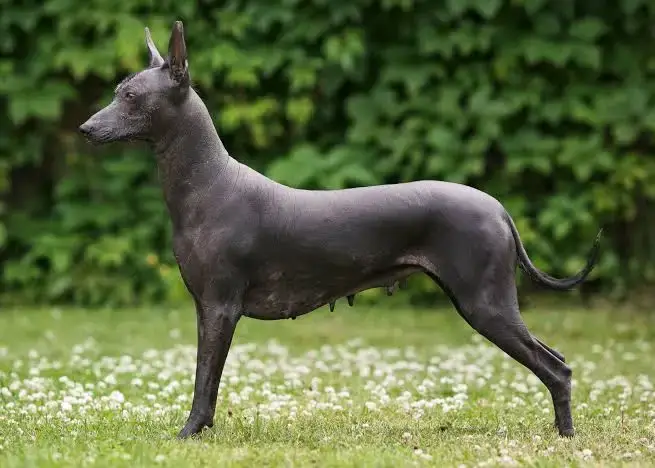
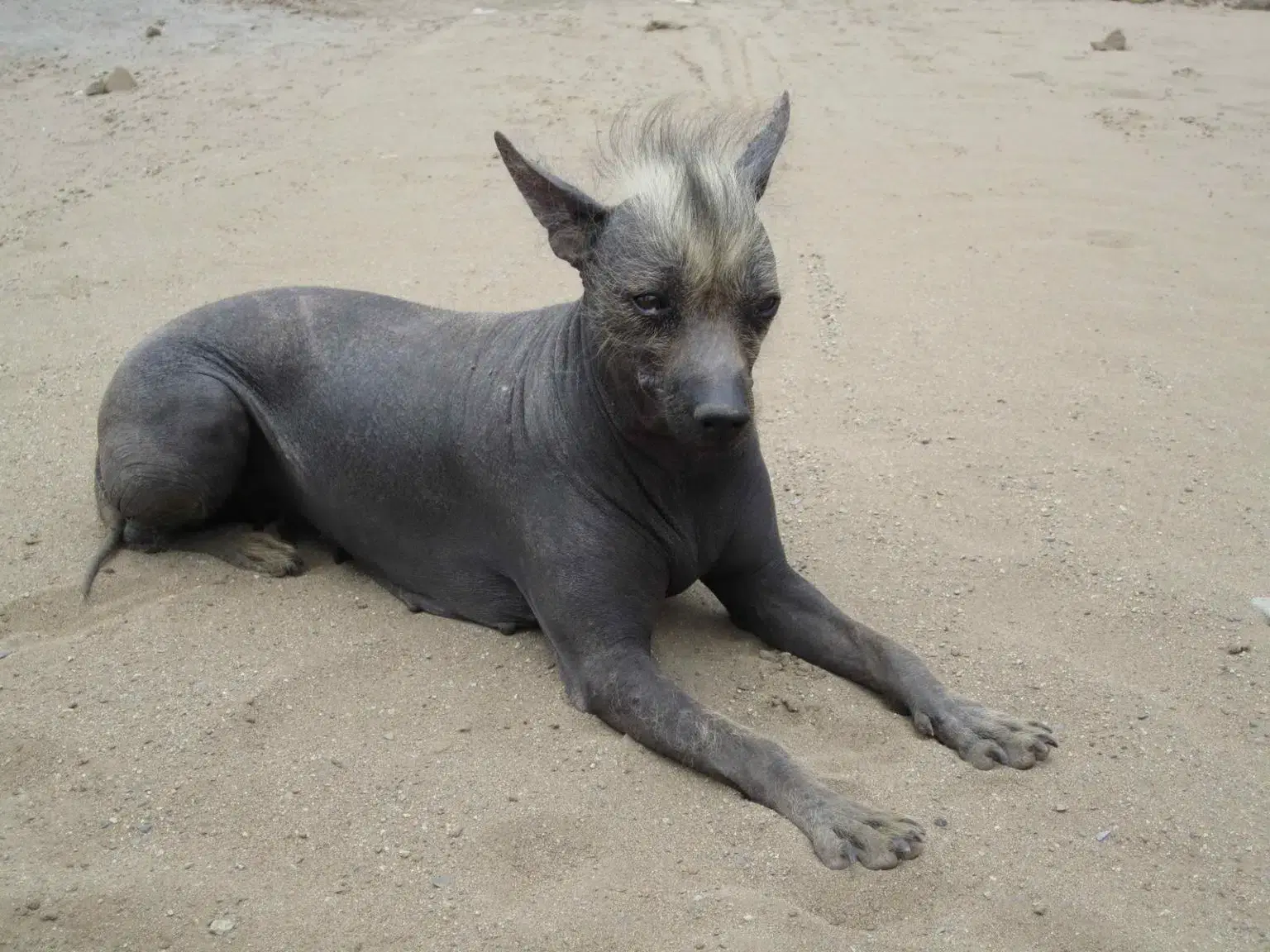
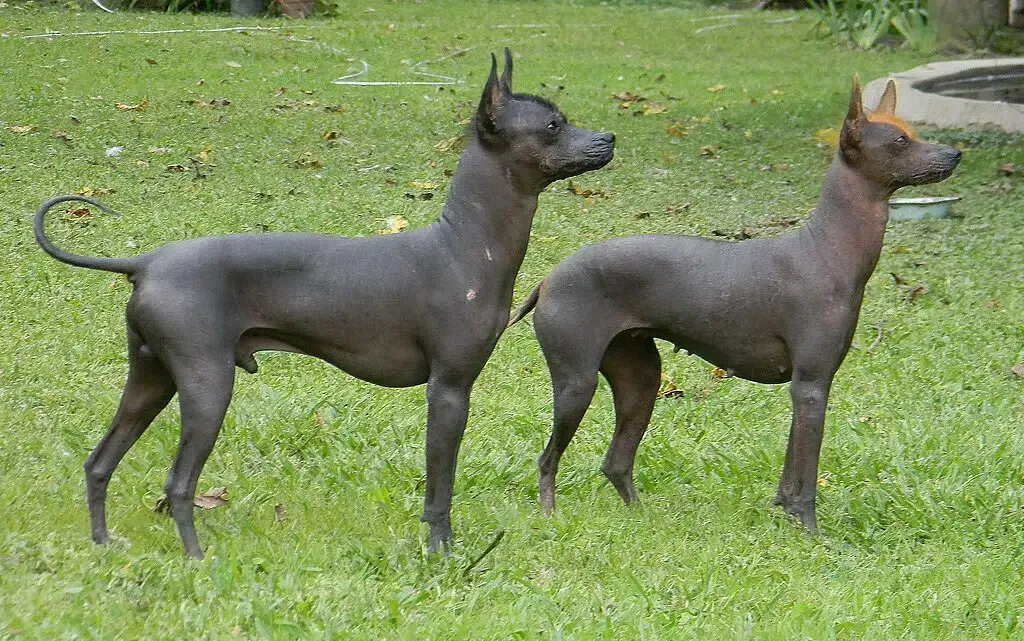
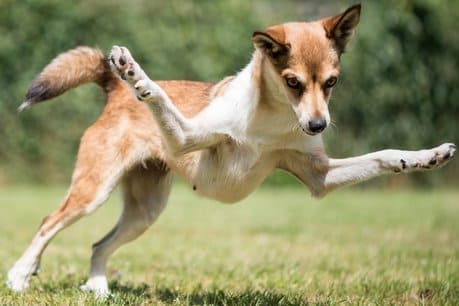
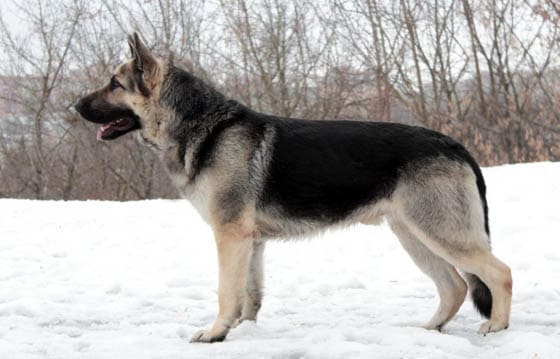
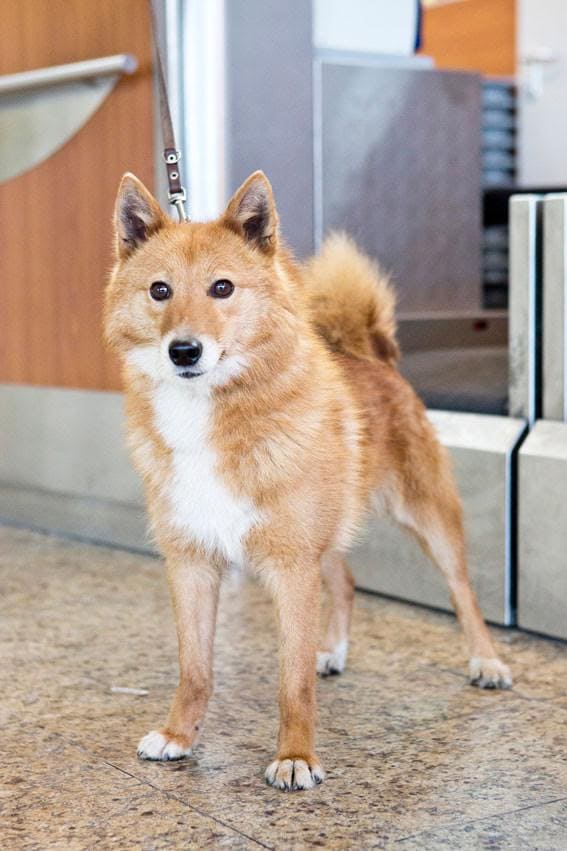
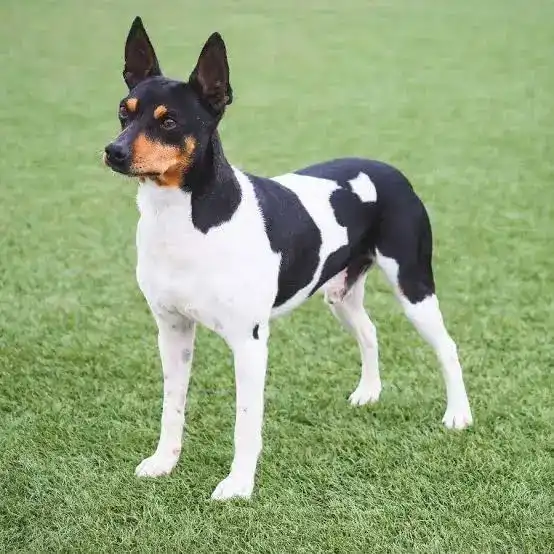
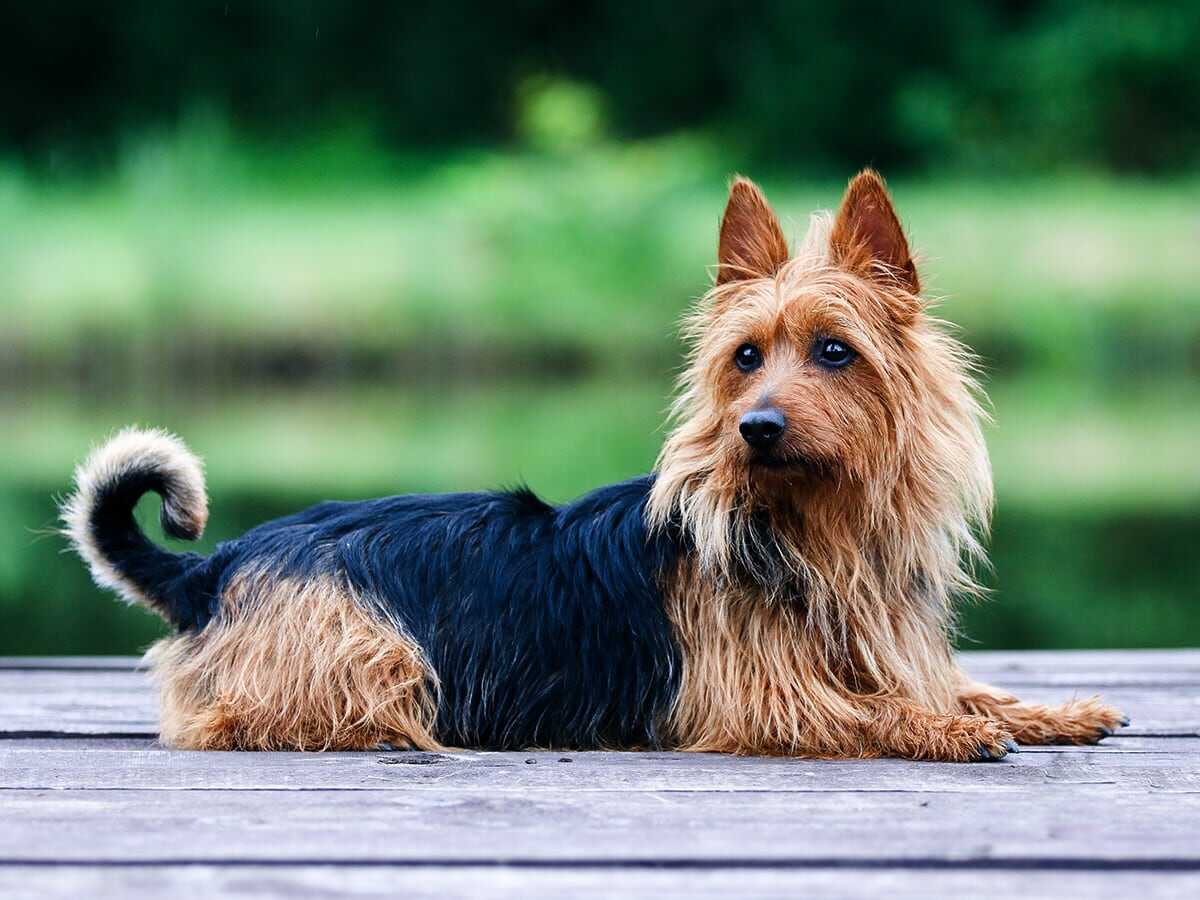
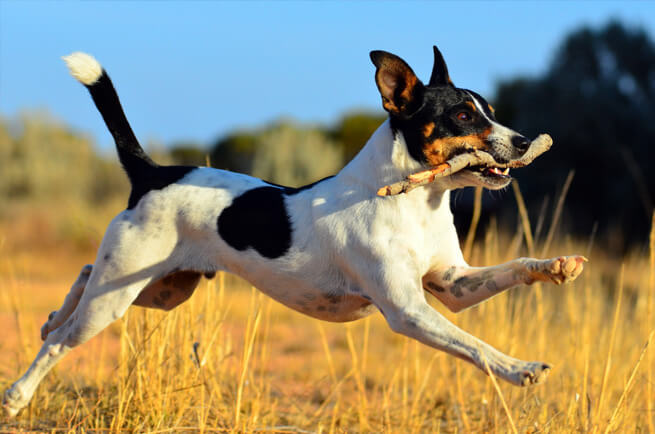
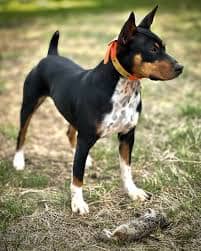
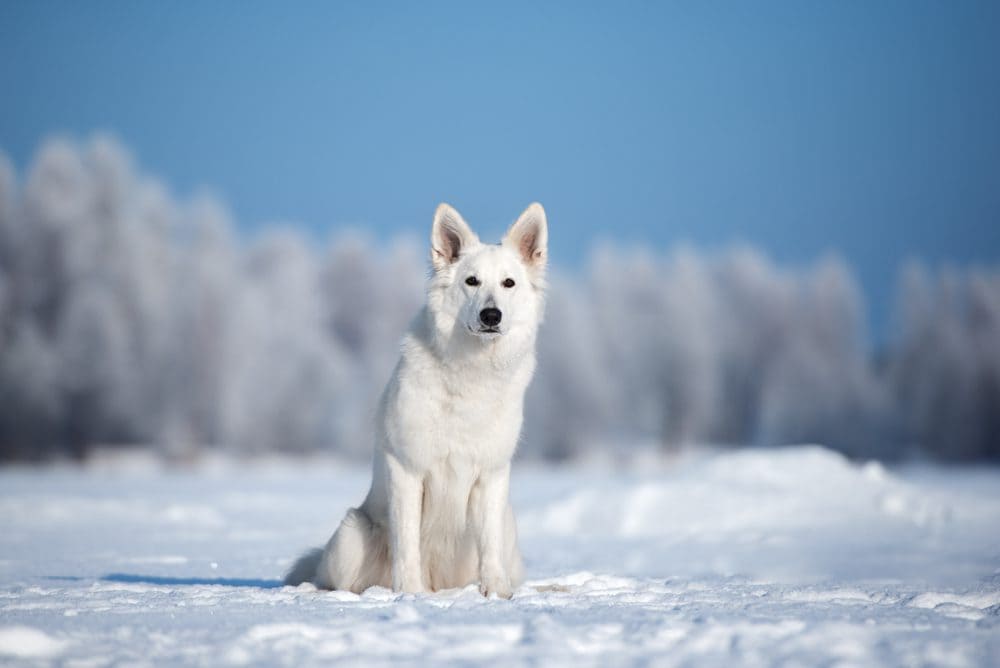
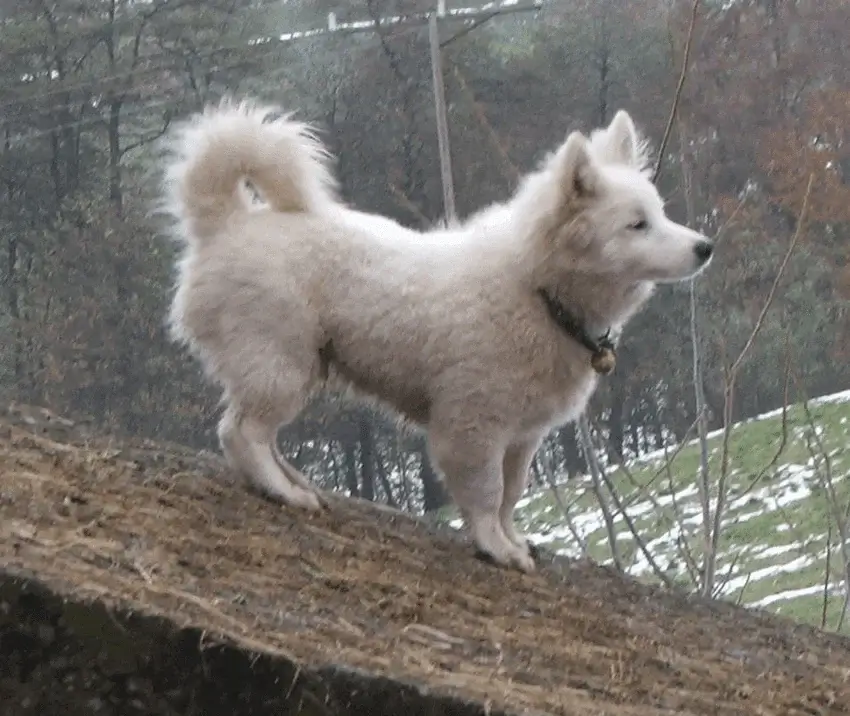
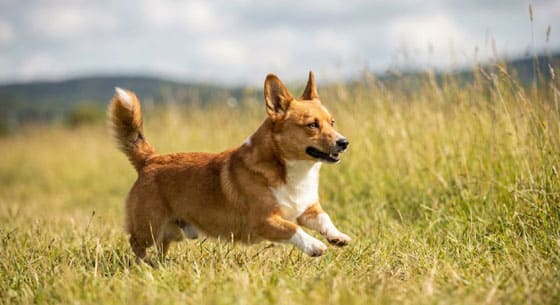
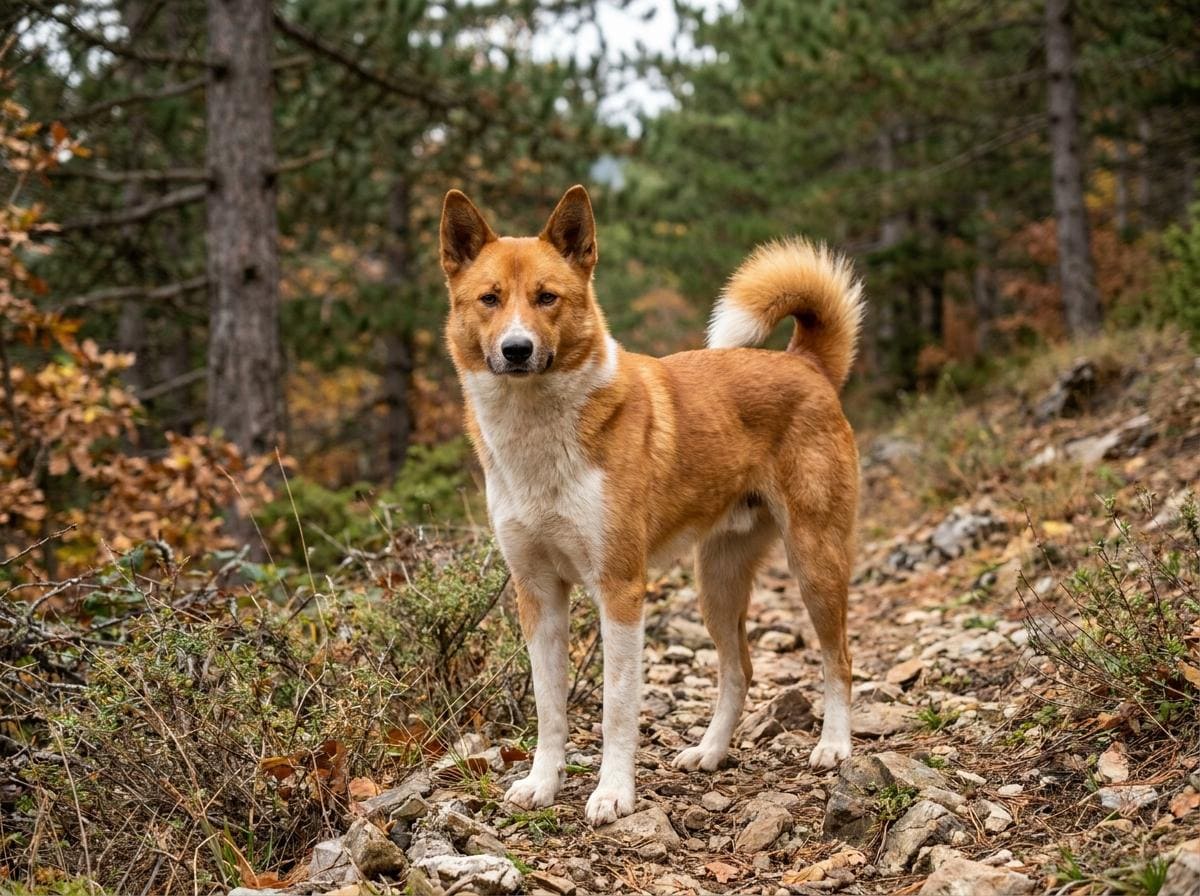
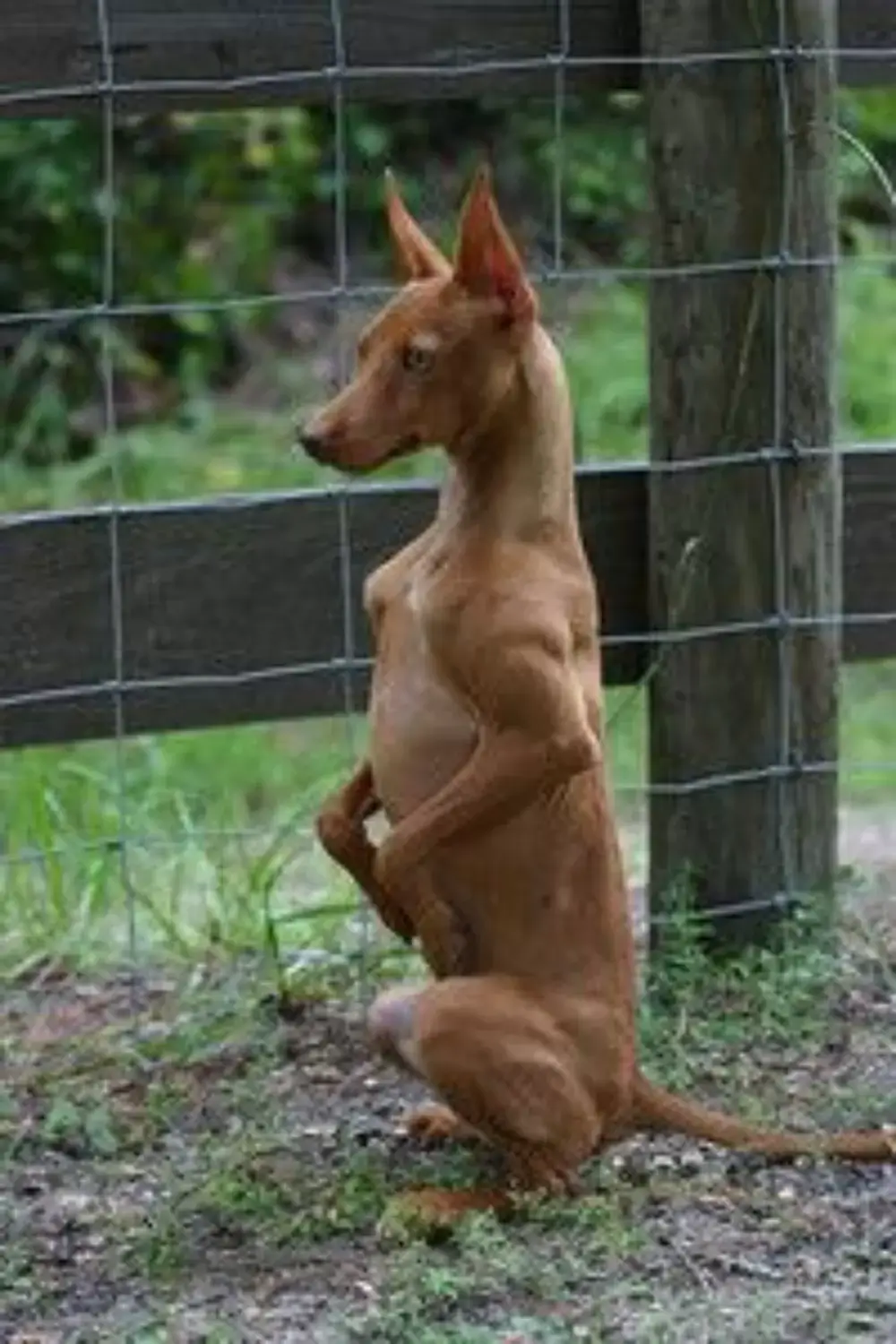
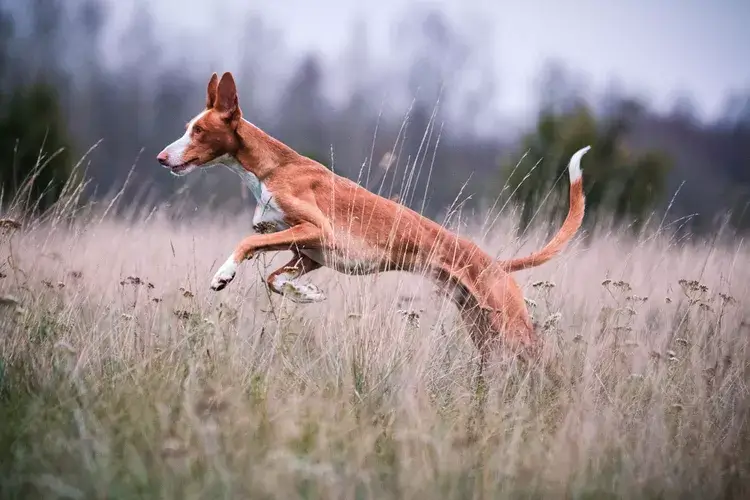
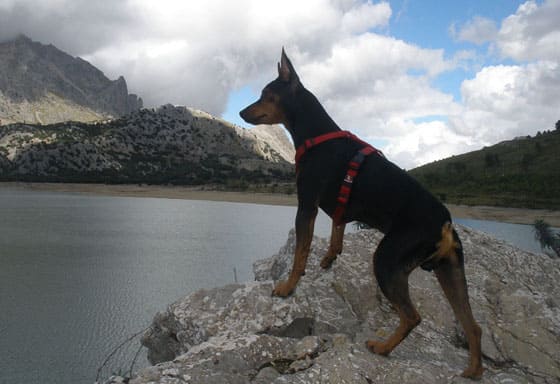
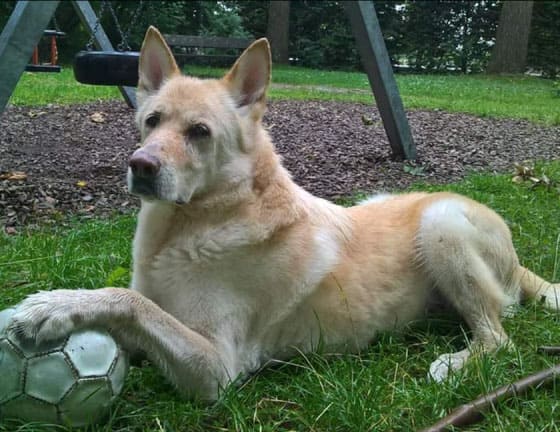
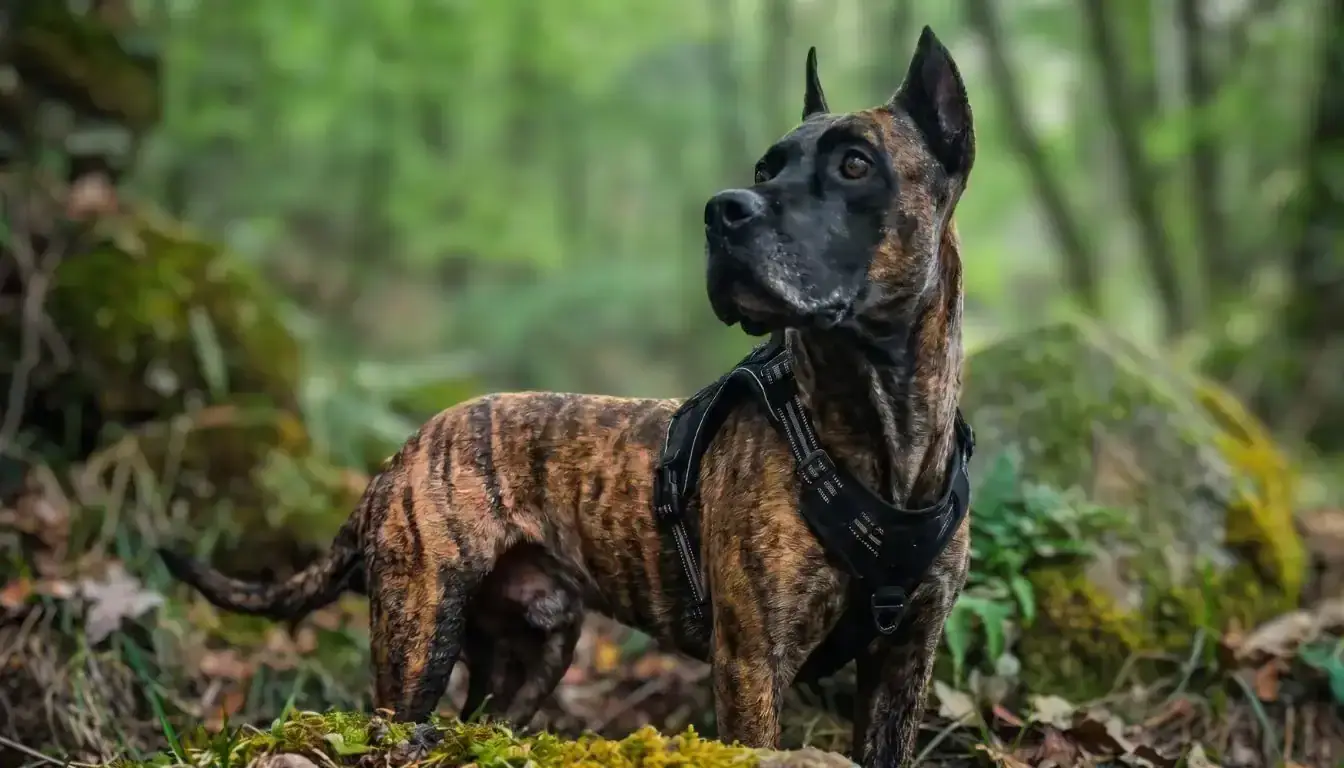
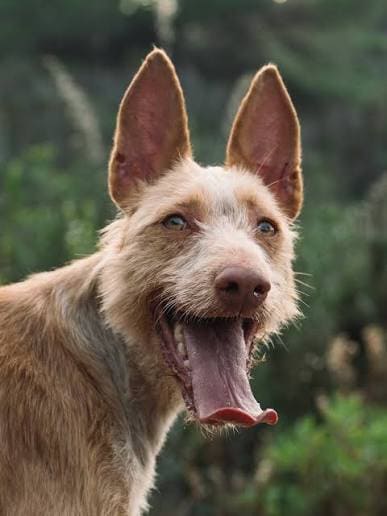
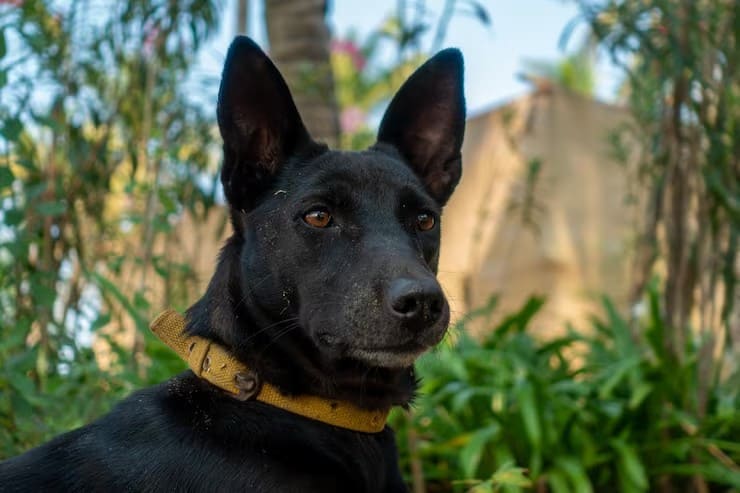
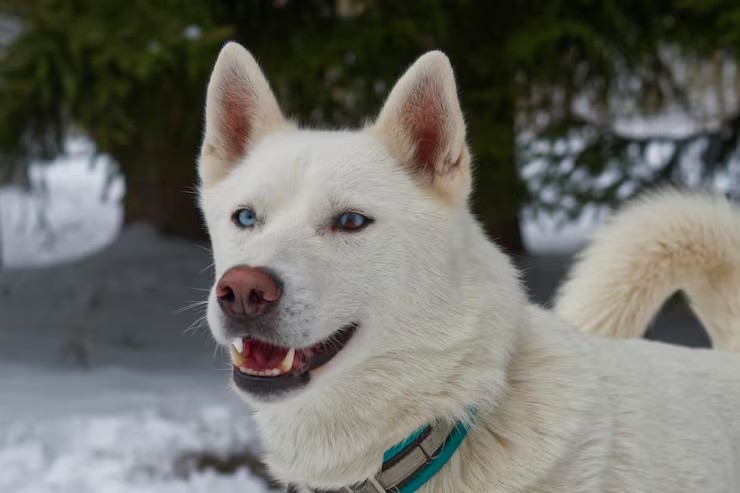
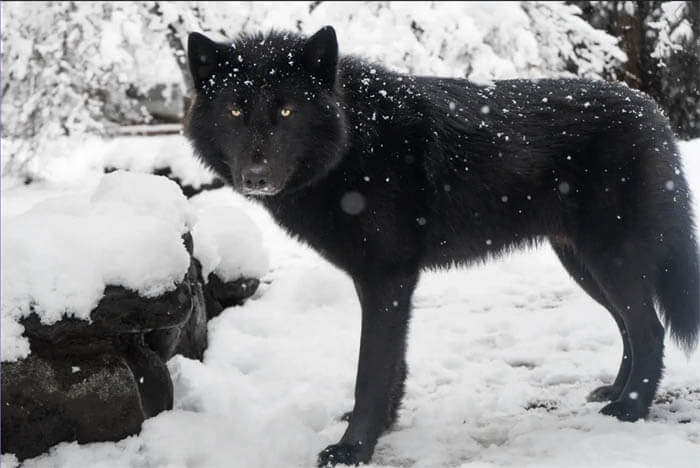
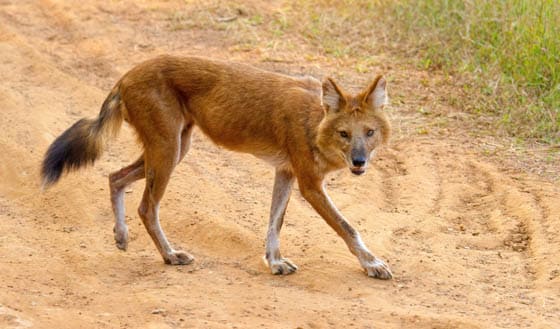
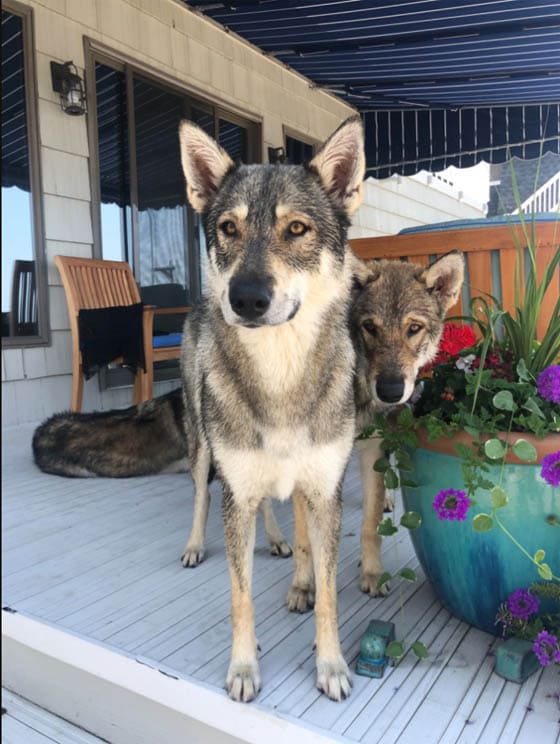
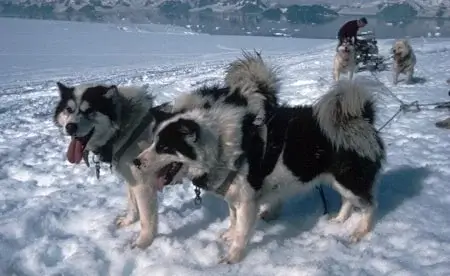











WORLD OF DOG & PUPPY 🐶