81 Bearded Dog Breeds Bearded Dogs Dog's Beard Dogs With Beards Bearded Dog Photos Collection How to keep Clean Dog's Beard Dog Beard Grooming Hunting Bearded Dogs Names for Dogs with Beard Dog Breeds with Coarsed Hair How to Groom Dog's Beard Cleaning Dog Beard Stains How to Trim Dog's Beard How to Groom Dog's Beard and Face Bearded Collies Names for Dogs with Beards Dog Beard Stain Prevention Dog Beard Stain Reasons & Care Dog Beard Cleanser Old Man Looking Dog Breed What Dog Breeds have Beard? What Kind of Dog looks like it has a Beard? Why do Dogs have Beards? Bearded Dog Miniature Schnauzer Bearded Dog Wirehaired Pointer Do Dogs like Beards? Rare Bearded Dog Breeds Popular Dog Breeds Dog Beard Meme Dog Beard Toy Airdale Terrier Schnauzer Griffon Pointer
Are there dogs with beards? Or perhaps the more precise question should be, can dogs have beards? Visually speaking, from the sheer number of dogs that look like they have beards, we would have to conclude, "yup!". Yet canine research tells us that the bearded dog may not relate to his (or her) facial hair quite the same way we do. While men everywhere are growing out their breeds for "No Shave November," these dog breeds upstage them with fashionable beards 365 days of the year.
1. BEARDED COLLIE
The Bearded Collie (or "Beardie") is an active, medium-sized herding dog from Scotland known for its shaggy coat and cheerful personality. Of course we kick off our list of bearded dog breeds with the pooch that not only sports the growth but bears the name. This laddie was bred for herding, hails from Scotland and is one of the oldest breeds in Britain. His long, coarse outer coat repels wind, snow and rain while his handsome beard just looks super cool. The Bearded Collie is perhaps the founder of the beardie dog breeds - after all, that signature trademark beard is right there in this dog breed's name! In fact, sometimes the Bearded Collie is simply called "the beardie," which in this case is a term of endearment by enthusiasts. They were bred to be independent thinkers - canine leaders who could herd without help from their shepherd, who might realistically be hours away from their sheep dog partner and busy tending to another part of the farm.
The Bearded Collie has an air of cheerful, happy-go-lucky, tail-wagging humor. It is affectionate, playful and lively, and can make a perfect companion for children. They love to be with their people. An unexercised Beardie that is left alone without anything to do will not be happy, and you may not be happy with what it does while you are gone. If you must leave your Beardie, be sure to take it for a long jog or walk prior to leaving. Known for its "bounce," the Beardie is exuberant and high-energy, without enough daily mental and physical exercise it may get itself into mischief. It is very trainable for many activities. An owner who displays a natural authority is a must as Beardies think a lot and will be headstrong if he sees you as meek. One needs to be calm, but firm, confident and consistent when dealing with this dog. Set the rules you wish the dog to follow and stick to them.
The Yorkshire Terrier, one of the smallest terrier breeds, originated from the small town of Huddersfield, West Yorkshire, England. Developed from terrier breeds of Scotland, such as the Paisley Terrier (or Clydesdale Terrier) and Skye Terrier, the Yorkshire Terrier was bred to hunt and kill vermins in mines and mills during the industrial age. Though terrier blood runs in its veins, the Yorkshire Terrier is classed within the toy group at the Kennel Club (KC) and American Kennel Club (AKC), while the Fédération Cynologique Internationale (FCI) recognizes it as a member of the terrier group. Yorkshire Terrier is often included in lists of dog breeds with beards because of the long, silky hair growing around their muzzle and chin. The Yorkshire terrier is a small toy dog breed from England, recognizable by its long, silky coat, often black and tan. Known as Yorkies, these dogs have tenacious yet affectionate personalities. Yorkies were originally bred to hunt rats and other vermin, but soon became popular lap dogs amongst the wealthy. Yorkies tend to be very vocal, protective, and loyal. And, despite their small size, they can make excellent guard dogs. But, at heart, they are wonderful companions who enjoy pampering and snuggling up to their loved ones. Yorkshire terriers are small dogs with big personalities, known for their affectionate and playful nature. They require regular grooming due to their long, silky coats and are considered high-maintenance in this aspect. They are energetic and require regular exercise, and their vocal nature makes them excellent watchdogs. They do not require much exercise but benefit from regular walks and playtime outdoors. The Yorkshire Terrier is a popular companion dog and is a good match for individuals or families with older children. He is affectionate and enjoys spending time with his humans. Although small in size, the Yorkshire Terrier often displays a brave nature and can engage well in various activities. The breed requires regular grooming to keep its long coat.
Forget everything you thought you knew about small, yappy dogs! Shih Tzu pups are cheerful, outgoing and kid-friendly pets. They adapt very well to many different households, even teeny tiny apartments. These are dogs bred by royal families for companionship and status. If you want your pet to enjoy sitting on your lap and giving you tons of attention, the Shih Tzu is the dog for you. The Shih Tzu is a small, affectionate Chinese toy dog known as a "lion dog," prized for its long, flowing double coat, short snout, and large eyes, bred to be a royal lap companion. They are friendly, sturdy, and adaptable, enjoying lounging but also needing short daily walks and playtime; consistent, patient training with praise works best, though they can be stubborn. Key care points include daily brushing to prevent mats, managing their flat face (brachycephalic) to avoid breathing or overheating issues, and providing plenty of attention to prevent separation anxiety. The Shih Tzu is an alert, lively, little dog. It is happy and hardy, and packed with character.
The gentle, loyal Shih Tzu makes friends easily and responds well to consistent, patient training. It makes a very alert watchdog. It is courageous and clever. Playful and spunky, this affectionate little dog likes to be with people and is generally good with other pets. Some can be difficult to housebreak. The Shih Tzu needs all of the humans in the house to be pack leaders, with the rules of the house made consistently clear. Owners who allow their dogs to take over may find them to be snappish if they are surprised or peeved. Because of this dog’s small size and its adorable face, it commonly develops Small Dog Syndrome, human induced behaviors where the dog believes he is the boss of humans. This causes a varying degree of behavioral issues, such as, but not limited to separation anxiety, guarding, growling, snapping, and even biting. These dogs may become untrustworthy with children and sometimes adults, as they try and tell the humans what THEY want THEM to do.
Miniature Schnauzers are smart, affectionate, and low-shedding (hypoallergenic) companion dogs typically weighing 10–20 pounds. Originating in Germany as ratters, they are lively, vocal, and often act as excellent watchdogs. They require regular, daily exercise and professional grooming every 4–6 weeks to manage their wiry double coats. The Miniature Schnauzer is an intelligent, loving, happy dog. It is energetic, playful, gets along well with children and likes to be with its people. Affectionate, keen, devoted and docile. With proper leadership it can get along with other dogs. Socialize this breed well. It makes a good companion and family pet. The Mini Schnauzer will not listen if it senses it is stronger minded than its owner. Owners need to be calm, but firm, possessing a natural air of authority. These dogs do not have a yappy bark, but rather they make sounds like a low, carried-out howl of a voice.
This breed makes a good watchdog and vermin hunter. Mini Schnauzers are smart and spunky dogs who love people. They שre energetic but eager to please their family by following cues and commands. Well-trained Miniature Schnauzers do well with kids and other family pets, making fun playmates. Because Schnauzers of all sizes come from a working-dog heritage, many enjoy having a job to do. Try enrolling your Miniature Schnauzer in dog sport classes, such as agility or obedience competitions, so he can give his body (and brain!) a workout. Mini Schnauzers are alert dogs, which means they can be especially vocal and bark at neighbors, delivery people, and neighborhood squirrels. Speaking of barking at neighborhood animals, spunky Miniature Schnauzers can sometimes think they’re much bigger than they actually are. Their history as rat-catching dogs means some are more prone to chasing anything that moves, which can easily get them into trouble. Mini Schnauzers should always be kept on a leash or within a fenced-in yard when they are outside to prevent them from darting off.
Schnauzers are intelligent, high-spirited, and devoted dogs known for their distinctive beards, bushy eyebrows, and wiry, low-shedding double coats. Available in Miniature, Standard, and Giant sizes, they are excellent, vocal watchdogs with a loyal yet independent and sometimes stubborn personality. They require regular grooming and consistent, reward-based training. The Standard Schnauzer makes a great watch and guard dog. It is lively, but not restless if provided with enough exercise. Enthusiastic, spunky and affectionate, it tends to have the temperament of a terrier. Bright, intelligent, and playful, Standard Schnauzers need companionship and are good dogs to travel with. This breed has a high learning rate. If the owner does not display a confident demeanor with firm and consistent rules the dog must follow and limits as to what the dog can and cannot do, he can be quite willful, demanding, and may begin to act fearless. He may become untrustworthy with children. May become very protective and dominant, guarding objects, places and people from other people.
Life is never boring with a Standard Schnauzer. They are fun-loving, energetic, and intelligent dogs that are social and thrive in a family environment, especially around children. Because of their guarding instincts, they are moderate barkers, though usually only to alert others around them of something they find concerning. Standard Schnauzers may bark when new people come to your home, but once they get to know these visitors, they quickly accept them. This breed is high-energy, smart, quick to learn, and inquisitive, but Standard Schnauzers can get bored easily if they are not exercised physically and mentally. They are constantly exploring new surroundings and require a moderate amount of exercise and mental games to keep them from destructive behavior, which they usually turn to out of boredom. If they don’t get enough exercise, they will exercise themselves and likely in ways that you won't appreciate, like running through the house, chasing children, and chewing up whatever’s on the floor. Standard Schnauzers prefer to be around their family rather than isolated in a kennel. Standard Schnauzers can also be territorial and watchful over their family and home. Pet parents will need to be patient and calm their pet's worries about visitors with proper training and socialization.
The Giant Schnauzer is a powerful, intelligent, and loyal working breed originally from Germany, standing 23.5–27.5 inches tall and weighing 65–100 lbs. They are active, protective companions needing extensive daily exercise (90+ minutes) and mental stimulation. They have a low-shedding, wiry double coat requiring regular, professional grooming. While giant schnauzers are not true giants like Great Danes or Irish wolfhounds, they are tall! You are not going to do well stuffing them into a small apartment. A male can stand as high as 27.5 inches - meaning part of training is going to be keeping an eye out to make sure they are not counter surfing. And while Giant Schnauzers are generally said to weigh up to 100 lbs, it is not uncommon to meet male giants who run larger. They have hair and not fur, a potential plus for people with allergies. Giants have a distinctive and distinguished look because of the Schnauzer cut that emphasizes their beard, eyebrows, and the furry "boots" on their legs.
Giant Schnauzers are affectionate companions. While their desire to cuddle may vary, they are known for loving their person and always wanting to be around them. The Giant Schnauzer is an intelligent, versatile working dog that will be calm with enough exercise. Reliable, brave, loyal, bold and vigorous, it loves to be with its owner at all times. It is easy to train, responding best to firm, calm consistency with a positive attitude, rewarding good behavior. If the Giant Schnauzer is properly trained and well exercised with a firm owner, it makes a very good pet. The objective in training this dog is to achieve pack leader status. It is a natural instinct for a dog to have an order in its pack. When we humans live with dogs, we become their pack. The entire pack cooperates under a single leader. Lines are clearly defined and rules are set. You and all other humans MUST be higher up in the order than the dog. That is the only way your relationship can be a success.
Known as the "King of Terriers", this regal pup is a capable hunter, athlete, and companion all at the same time. With their high energy levels and love of the great outdoors, they make fantastic adventure buddies.The largest terrier breed, the Airedale Terrier prefers an active lifestyle and makes the perfect companion for people who enjoy running, hiking, and other outdoor activities. They also do not shed much, which can make them good pets for people with allergies. The Airedale Terrier is the largest of all terrier breeds. The breed is tall and sturdy with a muscular body and covered in a thick, course coat of fur. Airedale Terriers are known for their heavy shedding and need a high level of grooming compared to many other breeds. Originating in England in the 1800s, the Airedale Terrier was developed by cross breeding a Terrier with an Otterhound, although it is suspected that there are other breeds in the mix. It is widely believed that the old Black and Tan Terrier, together with the Broken Coated Terrier were probably used. The Airedale Terrier was developed, like most dogs of the time, strictly for the purposes of hunting. Their great strength, paired with their size and agility made them a suitable breed for the hunting of small and medium-sized game such as rats, rabbits and foxes.
Also known as the "Scottie," Scottish Terriers originated in Scotland as a vermin hunter. They are compact, with a distinctive wiry coat and upright ears. Confident, independent, and sometimes stubborn, they are fiercely loyal to their family. Scotties thrive in a structured environment with consistent training and mental stimulation. These short legged terriers are spirited and courageous. Instantly recognizable with their wiry coats and pointed ears, Scotties are known for being fiercely protective and playful terrier dogs. The National Dog of Scotland, the Scottish Terrier was developed as a badger and vermin hunter in the Scottish Highlands. The breed dated back to as early as the 1700s and was initially referred to as a variant of the Skye Terrier. Though unclear if the Scottish Terrier actually came from the now-extinct Scotch Terrier, it does share a common root with the West Highland White Terriers, both with origins tracing to the Blackmount region of Perthshire and the Moor of Rannoch.
The Coton de Tulear is a small, affectionate companion dog known as the "Royal Dog of Madagascar" for its cotton-like white coat and happy-go-lucky personality. This poufy little dog with the beady dark eyes and dramatic mustachio hails from Madagascar and was thought to have been brought over on pirate ships! No wonder he loves swimming! In spite of his bounty of fur, he is not a big shedder and is known to just treasure his fluffy mustache! This is a typical Bichon-type dog. It is very friendly, gentle, affectionate and alert. Cotons are very sociable dogs that get along well with children, other dogs and animals. It is very attached to its home and master, wanting always to be in their presence and trying its best to please. The Coton makes a great watchdog. Full of tricks and surprises to fulfill his master's every wish. One of their most endearing traits is a tendency to jump and walk on their hind legs.
Their teasing expressions enhance any home willing to spend a few moments a day in the necessary play and grooming routines. The Coton learns quite quickly, but can be a little bit stubborn without the proper leadership. They are intelligent and eager to work. Make sure you are this dog's firm, confident, consistent pack leader to prevent Small Dog Syndrome, human induced behavior problems. Always remember, dogs are canines, not humans. Be sure to meet their natural instincts as animals. Coton de Tulear dogs are friendly, fun-loving fluff balls of energy that thrive on affection. They generally get along great with children and other pets- especially when introductions are done properly and are easily trained. While they need daily playtime and walks around the neighborhood, they are not particularly hyper dogs that require constant stimulation. But what they do need is near-constant attention. In fact, a Coton de Tulear can develop separation anxiety if her pet parents leave her alone for more than a few hours at a time.
Lowchen (or Löwchen, meaning "Little Lion Dog") is a small, rare companion breed known for its affectionate nature, distinctive "lion trim" haircut, and sturdy build. Finishing up our bearded dog breeds list is a unique looking pooch dates back to the 1400s and is traditionally clipped to resemble a lion complete with bracelets of fur around his ankles, a poof at the end of his tail and of course the distinctive furry ruff around his face. While his body is regularly shaved, that beard is forever! If you are looking for a laid-back dog breed, Löwchen dogs are a great choice. Although these dogs may bark to draw attention to new visitors, once they meet a person or animal, they relax into their friendly temperament. This amicable personality dates all the way back to the Löwchen’s early days as a chamber dog. The Löwchen is an easygoing breed. Although puppies can be hyper, adult Löwchen are calm dogs that are happy to lounge with their family. This, Beban-Lawless says, makes them great dogs for older pet parents. Löwchens need moderate exercise to stay fit and healthy, but they aren’t usually up for long hikes or big adventures. Pet parents should take their Löwchens for short walks at least twice daily. Löwchens are relatively relaxed dogs but will dutifully alert you to visitors. However, they will not run over and jump on anyone, Beban-Lawless says. A simple greeting will satisfy their curiosity.
The German Rough-Haired Pointer (Deutsch Stichelhaar) is a rare, versatile German hunting dog known for its stiff, bristly coat, pronounced beard, and bushy eyebrows. Standing 22–27 inches tall and weighing 60–70 lbs, they are loyal, self-assured, and intelligent companions suited for active, rural lifestyles. They are hardy, 12–14 year companions with high exercise needs. German Rough Haired Pointers are self-assured, loyal, and intelligent dogs. This breed is balanced, calm, and courageous - characteristics that make for a versatile gun dog. Loyal dogs, German Rough Haired Pointers are good with children - especially when raised in a family setting. Though they generally have a calm and even temperament, they do have a lot of energy. German Rough Haired Pointers thrive when provided with lots of mental and physical exercise. Because they are sporting dogs, they may chase or hunt small animals, including cats, other small pets, or wildlife. The German Wirehaired Pointer is very active and intelligent.
Eager to learn and loyal to its family, it needs a handler who is consistent in approach. The GWP likes to be occupied and enjoys working for its owner. It is friendly with those it knows, but can be distant with strangers and should be socialized, preferably at an early age. If it senses its owner is meek or passive it will become rather willful. Its hunting instincts lure it to roam. Powerful and energetic, the GWP can become bored and hard to manage without enough exercise. The German Wirehaired Pointer is a good all-around gundog, able to hunt any sort of game on any sort of terrain. This dog has a good nose and can track, point and retrieve on both land and water. It is steady, lively and vigorous. Children should be taught how to display proper leadership skills. If this dog does not see humans as above it in the pecking order it will become dominating and pushy and may try to dominate other animals. With proper leadership it will get along well with other dogs and household animals.
The Affenpinscher, or "Monkey Terrier," is a small, wire-haired toy breed originating from Germany, known for its bold, playful, and mischievous personality. Typically weighing 7–10 pounds (3-4 kg) and standing 9–11.5 inches tall, they make excellent, confident, and loyal companions for apartment living, requiring roughly 20-40 minutes of daily exercise. The Affenpinscher has a terrier-like personality. They tend to get along with other dogs and pets, especially when they are raised with them. They are busy, bold, inquisitive and stubborn, but they also love to monkey around, being playful and mischievous. A lively, sharp-witted little dog that is courageous and confident. A fearless defender, the Affenpinscher will quickly become an authoritarian if owners do not give the proper rules, boundaries, limitations and constantly be this dog’s pack leader. It is very affectionate and amusing.
This friendly little dog enjoys being with its family. It needs consistent, firm training. Make sure there is some variety in the training so the dog does not become bored. They learn commands very quickly. Some may be difficult to housebreak. They are not recommended for very young children, simply because most people who own the breed treat them like small dogs, lacking the proper pack leadership, causing negative behaviors to come out in the dog. Children should be taught how to properly handle a dog. Owners need to consistently be the dog's pack leader to avoid the tendency to guard their food and toys. They like to hike and go camping. Without leadership, it may unwisely challenge large dogs and other large animals. They tend to bark and even climb. This little dog does best with a family who likes entertainment and has a very good sense of humor. Any dog that displays growling, snapping or biting is lacking in pack leadership.
The Bergamasco Sheepdog is an ancient, medium-sized Italian herding breed recognized for its unique, matted "flocked" coat. This naturally corded dog breed has a nice, trim beard that offsets the rest of his appearance nicely. It does tend to get a bit dirty, since the breed standard is to only bathe them a few times a year. Known for their gentle and affectionate nature, Bergamascos make excellent family pets. Loyal and intelligent, they form strong bonds with their human companions. While they may be reserved with strangers, proper socialization helps them become well-adjusted and friendly. Their protective instincts make them effective watchdogs, adding an extra layer of security to the family. Early socialization is paramount for Bergamascos to ensure they are well-adjusted and comfortable in various environments. Obedience training should begin early, incorporating positive reinforcement methods. This helps address their tendency to be independent, ensuring they respond positively to commands and behave appropriately in different situations.
Strong, sound and brave, the Bergamasco is above all very intelligent and balanced. The intelligence of the dog has been refined for natural selection. Being alone with hundreds of sheep to look after and having to sort out different and unexpected problems caused the Bergamasco's intelligence to develop steadily. The Bergamasco is a peaceful dog. Puppies play together nicely. Attentive and reserved, it participates constantly in everything that goes on around it and, even when it appears to be asleep, its eyes will be following you, because it always wants to know where you are and what you are up to. Although not instinctively aggressive, the Bergamasco is an excellent watchdog because it doesn't like strangers invading its world. Its relationship with children is something special. Their presence awakens its most profound and primitive instincts, first as a wolf and then as a sheepdog. Patient, tolerant, attentive and protective, it seeks their company, encouraging their games and establishing true friendship with them.
The Wirehaired Pointing Griffon is a versatile, medium-sized hunting dog (50–70 lbs) known for its wiry, low-shedding coat, friendly nature, and high intelligence. Originating from 19th-century Netherlands/France, they excel as gun dogs and, due to their affectionate, sociable temperament, make excellent family companions. They need significant daily exercise. The Wirehaired Pointing Griffon is a loyal, skilled energetic field dog. It is intelligent and makes a distinguished gundog and tracker. These excellent hunting companions can point and retrieve with a deliberate style, generally staying within the hunter's gun range. Especially good for hunters on foot, it combines the ability to be directed by the hunter with the ability to think independently. It has an exceptionally fine sense of smell and a great passion for the hunt, especially for quail and hare. Friendly, lively and active, the breed works well in marshland and upland, and is a fine pointer, flusher and water retriever. The Wirehaired Pointing Griffon's coat protects him from dense brush and bad weather.
Very loving, it is also an excellent family pet, gentle and affectionate with children. It is very eager and willing to please and is easily trained. If not properly socialized, exercised and given enough mental stimulation, it can be rather high-strung and nervous with strangers and unfamiliar situations. Dogs that do get enough exercise are generally friendly toward strangers, other dogs and pets. Socialize extensively when young and be sure to always be the dog's pack leader. This breed is an excellent watchdog. Despite being bred as a hardworking hunter, the Wirehaired Pointing Griffon is a gentle dog. Due to their history as bird dogs, this breed does best with a physical job that will keep their brain and body active. At a minimum, Wirehaired Pointing Griffons need 20 minutes of activity twice a day. If they are left alone too frequently and not given enough stimulation, they can develop separation anxiety and may even become destructive. Their hunting history also means these pups can have a strong prey drive. A Griff might see smaller animals, such as cats and rabbits, as something to chase.
The Berger Picard is a rare, medium-to-large French herding dog known for its,,scruffy, wiry coat, erect ears, and "smiling" expression. Standing 21.5–25.5 inches and weighing 50–70 lbs, they are athletic, energetic, and intelligent, but can be stubborn, requiring confident training. They live 12–13 years and make devoted family pets but need significant daily exercise. To bring up and prepare a Picard for its future life, it needs a well-balanced owner who can give the dog reassurance in everyday life along with daily pack walks. It has to be a member of the "pack," not to be locked away in a kennel and not to be isolated from the family. Intelligent, the Picard learns quickly but if the handler is not displaying a natural authority the dog will become stubborn and may not always want to learn. Meek or passive owners will most certainly run into behavior issues. It is a real task to train Picards for any kind of dog-sport. These dogs are very sensitive to the voice so being harsh with them is not necessary. One needs to be patient, calm, but firm, confident and consistent. Make the rules clear and sticking to them. It needs to be well-socialized when it is still young with close contact to friends, children, and even strangers, to give it the best start possible for a good and long life in society.
If raised with other animals such as cats, pet rabbits, and geese, there is usually no problem in keeping them together. If well trained, the Picard usually will not hunt. In general it does not even have a strong hunting instinct. Picards that do hunt use sight more than smell. However, some lines do have stronger hunting instincts. Some like to bark and do so frequently unless the humans communicate to the dog that barking obsessively is an unwanted behavior. Without this proper communication between the human and the dog the barking can become a problem if you live surrounded by neighbors. Contact with other animals is not generally a problem. Energetic, alert, loyal and sweet-tempered with children, it is a fine sheep and cattle herder and a good farm guard. Lively and alert, observant, confident and even-tempered. Such traits served them well as herders of sheep and cattle, but they can also translate nicely to house pet life, especially in active families who can provide them with daily exercise. Though they are described as one-person dogs, Berger Picards can get along with people of all ages.
The Smithfield, or Tasmanian Sheepdog, is a historic, shaggy herding dog that originated in England's Smithfield Market and thrived in Australia. Standing 18 to 21 inches tall and weighing 35 to 55 pounds, these hardy working dogs feature long, coarse coats, exceptional intelligence, and strong loyalty. Smithfield Sheepdogs are calm, steady, and loyal dogs with a strong work drive. They are intelligent and naturally attuned to livestock, showing an instinctive ability to control and move animals. With their family, they are affectionate and devoted, often forming particularly close bonds. They can be reserved with strangers but are not aggressive. Smithfields are patient and tolerant, generally good with children and other animals when properly socialised. They have a quiet confidence about them and are not typically excitable or nervous. Smithfields are working dogs that need regular, purposeful exercise - around 1 to 1.5 hours daily.
They thrive on activities that engage their herding instincts and intelligence. Long walks, hiking, and herding activities keep them satisfied. They enjoy having a job to do and can become bored and restless without adequate physical and mental stimulation. They are not sprinters but have excellent endurance for sustained activity. Interactive play and training games help keep their sharp minds engaged. Smithfields are intelligent and willing workers that respond well to consistent, positive training methods. They learn herding tasks naturally and can be trained for a variety of roles. Early socialisation is important to develop their confidence around different people, animals, and environments. They respond best to calm, confident leadership and can be sensitive to harsh corrections. The Smithfield dog was not perfect for the hard work in Australian hot climate. Just like other herding breeds, even the Smithfield is very agile, intelligent, alert, they are good problem solvers and they simply just love to work. And just like most of other herding dogs,they are also excellent at various dog sports, like agility or flyball.
The Lhasa Apso is a small, sturdy dog from Tibet, originally bred as a sentinel for monasteries, known for its long, luxurious double coat, watchful nature, and loyal but sometimes aloof personality with strangers, requiring significant grooming but well-suited for apartments with proper training. These intelligent, alert dogs are known as "Lion Dogs" (Abso Seng Kye in Tibetan) and are hardy companions for families, needing early socialization to manage their innate watchdog tendencies and potential suspicion of newcomers. The Lhasa Apso is a small dog with a lot of personality. The Tibetan Apso dates back at least two thousand years when it was bred in Tibet by holy men and nobles to guard palaces, monasteries, and temples in the holy city of Lhasa. This is a hardy dog with a friendly, assertive manner. Intelligent and lively, it makes a good pet. Lhasa Apsos are spirited and devoted little dogs that are affectionate with their masters. They can be very obedient to their masters. This breed responds to motivational training. They have a keen sense of hearing, and make good watchdogs.
The Lhasa Apso travels well. Sadly, this little dog often falls into Small Dog Syndrome, a human induced behavior where the dog thinks he is pack leader to humans. This causes many varying degrees of negative behaviors to come out in the dog. They become suspicious of strangers, and may not tolerate children. They will become willful with a loud persistent bark, as they try and get THEIR humans to listen to them. They will become nervous and untrustworthy with strangers and children, and inclined to fight with other dogs. Often times they will develop separation anxiety, getting very upset when left alone. Followers are not allowed to leave the pack leader, however pack leaders can leave the followers. The Lhasa Apso typically has an affectionate personality with family members, exhibiting incredible loyalty and sometimes experiencing separation anxiety. However, they may be standoffish toward strangers, showcasing a vigilant watchdog temperament and moderate barking tendency. The Lhasa Apso is an energetic and intelligent dog breed.
The Wirehaired Dachshund is a small-to-medium hound breed known for its distinctive rugged coat, spirited terrier-like personality, and long, low-slung body. If you are a dachshund lover, you know that dachshunds come in several different configurations, both in size and in fur type. For example, there is the miniature, the tweenie, and the standard dachshund. Then there is the short smooth-hair, the long smooth-hair, and the wirehaired dachshund. While a dachshund of any coat type can in theory inherit the recessive gene needed to produce a beard from both parents, it is in the wirehaired dachshund line that beards pop up like clockwork. From there, it is a matter of grooming style whether the beard is trimmed away or allowed to grow and even flourish! Dachshunds may be little on the outside, but they often do not behave like it! Their bark is much bigger than their body, and so is their spirit. Some dachshunds can suffer from back problems on account of their extra-long body and short legs. Dachshunds love to eat, so obesity is also a concern. These dogs make excellent family pets and are loving and devoted towards their owners.
Wire Haired Dachshunds are known for their lively and spirited temperament. They are courageous, curious, and full of energy. Despite their small size, they have a bold and determined personality. They are loyal and loving towards their families and often form strong bonds with their owners. These dogs can be independent thinkers, which can make training a bit challenging at times. Early socialisation and consistent, positive reinforcement training methods are essential for Wire Haired Dachshunds. It's important to provide mental stimulation to keep their active minds engaged. While Wire Haired Dachshunds can be friendly with children and other pets when properly socialised, their hunting instincts may cause them to chase small animals. Supervision is necessary when introducing them to smaller pets to ensure everyone's safety. Wire Haired Dachshunds have moderate exercise needs. They require daily exercise to keep them mentally stimulated and physically fit. On average, they need around 30 to 45 minutes of exercise per day.
The Briard is an ancient, large French herding breed (50–100 lbs) recognized by its long, wavy, goat-like double coat and intelligent "peek-a-boo" hairstyle. Known as loyal, affectionate family companions, they are independent, protective, and often aloof with strangers. They require high activity, consistent training, and regular grooming. The Briard is a farm worker by nature and lives to herd anything, possessing an exceptional hearing ability. It is kind, but with a strong protective instinct. The Briard makes a wonderful, alert watchdog. Sensitive, playful and obedient, but with a definite mind of its own. A long history of working with humans has left it gentle and sweet-natured, as well as loyal, brave and fearless. This breed has a fine memory and is intelligent with a lot of ambition. The Briard is very trainable, willing and eager to please. It needs a firm owner who is able to display leadership at all times. This is definitely not a breed for everyone. Too often they wind up in shelters because people don't realize what a challenge they can be to raise and live with. If they sense the owner is letting up on the authority at all they will become very stubborn and can be fearful, extremely unfriendly, or both, if not treated like a dog. They not only need a lot of leadership, but they need entertainment and activity to be happy, and are not the sort you can pat on the head and ignore the rest of the day. Briards are really dedicated to their families and tend to be, at best, disinterested in other people.
They still need guidance, but they do not want it. And they do love you most of the time. In other words, Briards are a fascinating mix of intelligence, independence, loyalty, and love. Their independent thinking came in handy while on the job as sheepherders and guardians, but in a family setting, you will need to provide consistent direction. The Briard’s working-dog instincts affect other aspects of their personality as well. They can be unsure when meeting new people and animals, and they may also attempt to herd children. And while they can live with other pets, including cats, introductions need to be done slowly and correctly, no matter if your Briard is meeting a cat or another dog. As a result of their history, Briards can be on high alert and can be aloof around strangers. But early socialization, consistent mental stimulation, and lifelong training can help ease their working instincts. Briards need daily exercise and time with their people. Bored, lonely Briards with energy to burn are more likely to engage in unwanted behaviors like excessive barking and chewing. Briards are active dogs that require a high level of physical activity. Although these dogs are independent in nature, they do not make good kennel dogs and prefer being with their owners. They are highly intelligent and need activities to keep them occupied to prevent destructive behavior such as chewing and digging. They need to be kept in a large fenced-in backyard to prevent them from roaming.
The Pudelpointer is a versatile, high-energy German gun dog, created by crossing Poodles with Pointers to excel at hunting, tracking, and retrieving in water and field. Renowned for their intelligence, trainability, and friendly, loyal nature, they thrive as active family companions. They stand 22–27 inches tall, weigh 45–70 lbs, and require significant daily exercise. The pudelpointer is a medium-sized dog breed known for their playful personality and robust work ethic. Although they excel as family companions, this pointer was specifically bred as an ideal hunting partner with a keen sense of smell for tracking scents. Despite their hunting background, pudelpointers can adapt to urban and city living, provided they have plenty of opportunity to explore green space and have jobs to keep them engaged. Pudelpointers are responsive to training and socialization, and while they may bark when they detect an intriguing scent, they are trained and bred to be less vocal than some other popular hunting breeds. That said, pudelpointers are known to "woo" when playing or happily greeting their humans. Pudelpointers are intelligent, calm, versatile gun dogs. They are excellent in the water and always eager to please. Though bred to hunt, these pups have friendly, goofy personalities that make them enjoyable family companions at home. Pudelpointers are hunting dogs through and through. They have strong retrieving instincts and a love of water - making them an excellent choice for waterfowl hunters.
These calm, self-controlled pups typically get along well with other dogs. They also have a friendly, easy-going nature and clownish personality. As a result, they are just as much fun to be around at home as out in the field. These dogs were bred to be the ultimate hunters. Because of this, the typical Pudelpointer temperament is eager to please and energetic. Pudelpointers need at least two hours of exercise every day to expend their energy and stay mentally stimulated. They thrive when they have a job. Pudelpointers can do well around other dogs if they’re socialized as puppies. They can also do well around children who know how to interact with animals. However, because of their long history as hunters, Pudelpointers have a strong prey drive and might not do well around small animals, such as cats and pocket pets like guinea pigs. Make sure introductions to smaller pets are done slowly and correctly, and always supervise your Pudelpointer when they are outside. Pudelpointers are easy to train due to their smarts and eagerness to please. They thrive in activities such as agility and obedience. This breed requires a family who is devoted to keeping them active in both outdoor activities and training sessions.
The Barbet is a rare, medium-sized French water dog (30–60 lbs) known for its distinctive, long, curly coat and,, most notably, its beard. Renowned for being intelligent, friendly, and loyal, they are excellent, active family companions with a love for water. They require high grooming maintenance to prevent matting but are low-shedding. The Barbet has a rich cultural influence and has been depicted in various works of art, including paintings and literature, where the breed often symbolizes loyalty and companionship. Known for their versatility, Barbet have been employed in numerous roles beyond hunting, such as therapy dogs and as search and rescue canines. The Barbet is known for a friendly and affectionate temperament, making the dog breed an excellent companion for many families. They are typically gentle, playful, and intelligent dogs that enjoy being involved in family activities. Barbet have a moderate energy level, and require regular exercise to stay healthy and happy. They thrive when given tasks or activities that engage their minds, such as obedience training and interactive toys.
Barbet are calm and friendly dogs, and they generally get along well with other pets and children, thanks to their patient and tolerant demeanor. They are intelligent and curious dogs, exploring their surroundings with occasional barking to alert or express excitement. Keeping your Barbet well-exercised and entertained will reduce the chance of your dog engaging in undesirable behaviors like excessive barking or digging. Barbet dogs respond best to positive reinforcement training methods, such as being offered praise and treats for following your cues. Keep training sessions consistent and fun to help them learn. Barbet puppies need proper socialization to be confident and adaptable as they grow and navigate the world. Talk to your Barbet breeder about how they have approached socialization, and ask your vet for age-appropriate activities for your puppy. With these strategies, you can foster a well-behaved and confident companion. Barbets love their humans and need constant attention from them, so they may be susceptible to separation anxiety. Excessive drooling, accidents in the house, and destructive behavior can be signs of the condition. Talk to your vet about ways to ease separation anxiety through training or medication for severe cases. Because barbets are extremely intelligent, they have the potential for stubbornness. Obedience training, as well as regular exercise and entertainment, can help. Although the barbet is loving and loyal to its family, it may not be so friendly towards strangers. Ongoing obedience training and proper socialization can help.
The German Rough-Haired Pointer (Deutsch Stichelhaar) is a rare, versatile German hunting dog known for its stiff, bristly coat, pronounced beard, and bushy eyebrows. Standing 22–27 inches tall and weighing 60–70 lbs, they are loyal, self-assured, and intelligent companions suited for active, rural lifestyles. They are hardy, 12–14 year companions with high exercise needs. German Rough Haired Pointers are self-assured, loyal, and intelligent dogs. This breed is balanced, calm, and courageous - characteristics that make for a versatile gun dog. Loyal dogs, German Rough Haired Pointers are good with children—especially when raised in a family setting. Though they generally have a calm and even temperament, they do have a lot of energy. German Rough Haired Pointers thrive when provided with lots of mental and physical exercise. Because they are sporting dogs, they may chase or hunt small animals, including cats, other small pets, or wildlife. The German Wirehaired Pointer is very active and intelligent.
Eager to learn and loyal to its family, it needs a handler who is consistent in approach. The GWP likes to be occupied and enjoys working for its owner. It is friendly with those it knows, but can be distant with strangers and should be socialized, preferably at an early age. If it senses its owner is meek or passive it will become rather willful. Its hunting instincts lure it to roam. Powerful and energetic, the GWP can become bored and hard to manage without enough exercise. The German Wirehaired Pointer is a good all-around gundog, able to hunt any sort of game on any sort of terrain. This dog has a good nose and can track, point and retrieve on both land and water. It is steady, lively and vigorous. Children should be taught how to display proper leadership skills. If this dog does not see humans as above it in the pecking order it will become dominating and pushy and may try to dominate other animals. With proper leadership it will get along well with other dogs and household animals.
The Bouvier des Flandres is a powerful,, versatile, and intelligent herding breed originating from Belgium, traditionally used for driving cattle and guarding farms. Known as "cow herder of Flanders," these dogs are loyal, courageous, and protective, making them excellent, steady family guardians that require regular, vigorous exercise. The Bouvier des Flandres is an obedient dog that may look intimidating, but is actually pleasant natured and gentle. With the proper amount of exercise it will also be calm. Enthusiastic, responsible, even tempered and fearless, it is an excellent guard and watchdog that is easy to train. This breed learns commands relatively fast, though not quite as fast as, for example the German Shepherd. They require well-balanced training that remains consistent in nature. Once they learn a command they will remember it for the rest of their life. It is important to consistently make the dog aware, without being harsh or rough, that you are and will remain the boss. This breed needs an experienced owner to prevent dominance and over-protectiveness problems. He should be socialized well, preferably starting at an early age to avoid shyness, suspiciousness, and reservations with strangers.
Protection of the family when danger is present is not something that needs to be taught, nor is it something you can train out of them. The dog will arise to the occasion if needed. A good family dog, the Bouvier likes and is excellent with children. Bouvier des Flandres dogs are highly intelligent with a lot of energy, so they thrive when they have a job that will keep their body and mind stimulated. Bouviers enjoy being with family for a hike or run, working to herd cattle, or competing in dog sports. They need at least two hours of exercise every day, and Bouvier des Flandres dogs can become destructive without enough mental stimulation. They are affectionate dogs that enjoy being around children and other large dog breeds. But Bouviers also have a strong prey drive, so it is best not to have this breed around cats, small dogs, or pocket pets unless introductions are done properly and slowly. They may see these smaller animals as something to chase. The Bouvier des Flandres dog breed is known to be affectionate and loyal toward their family members. They can be good with young children and other large dogs when introductions are supervised and done properly. Bouvier des Flandres puppies need early socialization that stays consistent throughout life, as they may be suspicious around new people and bark. Socializing will help your pup be comfortable around new people and learn to stay calm when there are visitors.
Known for their wiry coat and friendly little faces, these pups are a small terrier breed, weighing in at a max of 15 pounds. The Border Terrier dog breed will benefit from consistent training and TLC from their humans. The border terrier is a small but perky terrier dog breed native to the United Kingdom with a short, wiry coat and a characteristic broad head with V-shaped ears. These dogs are generally friendly and affectionate. But like other terriers, they also can be vocal and stubborn, and they are prone to chase and dig. They make up for their small stature with a loud, reverberating bark they use to announce something they deem suspicious. Though they don’t bark often, positive reinforcement training to avoid undesired behaviors does not hurt and it will keep your pup active and engaged, too. They have an average lifespan of twelve to fifteen years. Border Terriers are a high-energy, affectionate, and obedient breed that plays well with others, including children and other pets. Unlike its terrier peers, the Border Terrier was bred to be less aggressive and is able to work with other dogs, as opposed to working solo.
Dandie Dinmont Terriers originated in England and Scotland to hunt badgers and otters. They have a distinctive "top knot" of hair and large eyes. They are affectionate, loyal, and gentle adaptable to many living situations. Dandie Dinmont Terriers are tiny, about eight to eleven inches tall and weigh between eighteen to twenty-four pounds. Their average life expectancy is between twelve to fifteen years. They were initially bred to hunt badgers and otters on the border of England and Scotland. They are known for being affectionate and loyal protectors who bond closely to their humans but may not get along well with other animals. Their rough double coat needs regular grooming to keep them looking in tip-top shape. The Dandie Dinmont Terrier, the only breed with permission from the Duke of Buccleuch (Chief of Clan Scott), to wear the official black and white tartan, owing its breed name to Sir Walter Scott and his famous novel, "Guy Mannering". Possible ancestries traced to a crossing between the Otterhound and the now-extinct Scotch Terrier, the breed was originally bred for hunting small animals and later became known for its otter tracking ability. Dandie Dinmont Terrier was considered a vulnerable native breed by The Kennel Club (KC) in 2016, with sightings of low birth rates in both the United Kingdom and the United States.
The Catalan Sheepdog (also known as the Gos d'Atura Català) is a medium-sized herding dog from the Pyrenees in Spain. Weighing 18–27 kg (40–60 lbs) and standing 45–55 cm (17–22 inches) tall, this shaggy, intelligent breed lives an average of 12 to 14 years. The Catalan Sheepdog is an alert, courageous working dog and a loyal, affectionate family pet. Add to that the breed's cheerful attitude, adorable facial hair, and friendly smile, and it's easy to see why these dogs are growing in popularity! Catalan Sheepdogs are good-natured, energetic working dogs. These courageous pups possess a natural desire to care for their sheep and an ability to make instinctual decisions when monitoring the flock. They are also well-suited to work in any weather conditions - it is never too hot, too wet, or too chilly for these dogs to do their jobs. At home, Catalan Sheepdogs make loyal family members. They are usually good with children, provided adults supervise and friendly with other dogs and pets. They can, however, be wary of strangers.
Despite having a heavy, lumbering look, they are actually quite athletic and often do quite well with skills and agility training. They're also known to be great show dogs, as they are surprisingly easy to train. Unlike some of their regional relatives, however, they are much more social and are much more likely to form close bonds with their family, although their mild independence still requires they be properly socialized to be around children and other dogs, even if they are considered a gentle breed. Because they were so long used for the endurance they developed guarding, they do require a lot of exercise, especially if they are primarily kept indoors, and generally do best with an active family and a big yard. But overall, given their versatility, ease of training, and temperament, still make great all-around pets for a good variety of people. Catalan Sheepdogs are known to have very favorable temperaments and are able to live in numerous different home environments. Unlike many other guard dogs from nearby regions, this breed is much more likely to get attached to its family and generally forms strong bonds with them, especially with those who take the time and effort to train and socialize them. They are considered relaxed, easy-going dogs in the home but will take at least some socialization to get them on their best behavior around children and other dogs, even if they are considered a gentle breed overall. They thoroughly appreciate being given a job to do, whether that is patrolling the yard as a watch dog or even just playing games, but because of their endurance, take quite a bit of mental and physical stimulation to tire them out.
The Grand Basset Griffon Vendéen (GBGV) is a robust, medium-sized French scenthound with a shaggy, weatherproof coat and a cheerful, "clown-like" personality. Originally bred to hunt, they are independent, intelligent, and vocal, requiring active owners who can handle a stubborn, high-energy companion that thrives on consistent, positive training. The Grand Basset Griffon Vendeen is known to be fast and courageous when on a hunt. They are alert most times of the day and often make noises such as barking or baying whether it be because they are bored, on a hunt, or restless. They are an intelligent, independent dog breed with a stubborn side. It is best to socialize the Grand Basset Griffon Vendeen while they are a puppy in order to have a balanced dog later on. They are known to be wonderful with people, other dogs, and children although be wary with smaller animals because these dogs have a high hunting instinct. The Grand Basset Griffon Vendeen is very energetic and loves to play, go on walks, and run around outside.
French scent hounds, Grand Basset Griffon Vendéens are independent, cheerful dogs. Though they can be docile and excellent home companions, they are incredibly active and do not tire quickly. As such, this breed needs a lot of exercise to remain happy and healthy. Do not let this breed's shorter stature fool you. The Grand Basset Griffon Vendéen is sturdy, quick, and active. But with enough exercise, the breed can be a docile companion and friendly family pet. Though these noble pack hounds are serious about their work, they are typically calm, happy, and outgoing when off-duty. And Grand Basset Griffon Vendéens tend to fare just fine when left alone- rather than suffer from separation anxiety, as some breeds do. However, like most hounds, the Grand Basset Griffon Vendéen can have an independent streak. Grands are a good fit for households of any size. Those who know this breed best mention their willingness to please their humans and their ability to get along well with other dogs. They are also outgoing, fun-loving, warm and friendly. Expect an energetic, fast-moving pup with lots of stamina. The Grand is a scent hound that likes to chase smaller animals - they used to successfully hunt rabbits and hares in ancient France. Experts says this dog breed can be stubborn and independent, so you need to be prepared to lead. If you are not a strong leader, this probably is not a breed for you. It is not a dog breed suitable for a first-time pet owner.
Known as the "Daredevil of the Emerald Isle", Irish Terriers were bred as farm dogs. The Irish Terrier is one of the oldest terrier breeds. Though their heritage is unclear, they’re believed to have come from the Black & Tan Terrier, and may also be related to the Irish Wolfhound. The Irish Terrier was developed based on the ability to hunt and retrieve, and not appearances. Their good sense of smell also made them an excellent choice as messenger and sentinel dogs during World War I. They are spirited and lively with a fiery personality and are also robust, athletic and energetic. Irish Terriers need proper training and socialization to be at their best. They are fearless and loyal and very devoted to their families. The Irish Terrier dog breed makes for the ideal adventure buddy. They are packed with energy which, matched with those long legs, means they love nothing more than accompanying their humans hiking and running. The Irish Terrier is a medium-sized dog and one of the oldest breeds of terrier. This handsome bearded dog is active and adaptable, suitable for life both in the country and in the city. Irish Terriers have medium-length tails and small, folded ears. The outer coat of the Irish Terrier is dense, wiry, and relatively short, while the undercoat is softer and lighter in colour. This double coat protects the dog from water and harsh weather. It is easy to groom and sheds only lightly.
The Irish Wolfhound is a gentle giant, known as the tallest dog breed, combining a commanding, sturdy presence with a calm, loyal temperament. Originally bred for hunting, they are now cherished family pets with high affectionate, low-to-moderate energy levels. They require moderate exercise, have a wiry coat, and typically live only 6–10 years. Irish Wolfhounds are sweet-tempered, patient, kind, thoughtful and very intelligent. Their excellent nature can be trusted with children. Willing and eager to please, they are unconditionally loyal to their owner and family. They tend to greet everyone as a friend, so do not count on them being a watchdog, but may be a deterrent simply due to their size. This giant breed can be clumsy and are slow to mature in both body and mind, taking about two years before they are full grown. However, they grow rapidly and high-quality food is essential. While it is important to take a growing pup for daily walks for their mental well-being, hard exercise should not be forced and may be too taxing for this dog's body when it is young. Teach it not to pull on its leash before it gets too strong. The Irish Wolfhound is relatively easy to train. He responds well to firm, but gentle, consistent, leadership.
The defining characteristic of the Irish wolfhound is its imposing height, it is the tallest breed of dog. But a good wolfhound is more than just a tall dog. It is a sturdy, yet swift dog, capable of running down and killing large animals. It has a general greyhound build, only larger and stockier. The legs are long, the body comparatively narrow, the loin slightly arched, the chest deep and the waist moderately small. Like most sighthounds, the tail is long and carried low. Irish wolfhounds have a heart as big as the rest of them. They are gentle, noble, sensitive and easygoing. Despite the fact that they can run at great speed, most of their actions around the house are in decidedly slow motion, and they are definitely not snap-to-it obedience prospects. They will eventually mind you, just at their own pace! Just under the surface of their gentle exterior does lie the nature of a coursing hunter, so Irish wolfhound owners must be vigilant when outdoors. Like all sighthounds, Irish wolfhounds love to chase animals that are running away from them, and they can take their time responding to your calls to come back. Yet Irish wolfhounds are generally model citizens with other dogs, pets and children. Their great size is usually enough to scare away intruders; this is fortunate, as most Irish wolfhounds are pacifists and not great protection dogs.
The Kerry Blue Terrier has roots in Ireland, where the breed made ideal farm dogs back in the day. Today, Kerry Blues are still active dogs that enjoy long walks, swimming, and games of fetch with their families. Among the things that make this breed unique is their soft, blue-gray coat. Pet parents typically groom this pup's hair short all over the body, with a long beard on the face for that signature Kerry Blue look. Like many Irish terrier breeds, the Kerry Blue has a farming history. Now, they are known as loving family dogs with a seriously soft, blue-gray curly coat and a signature beard. They have a dense curly coat that requires extra grooming. They are adaptable to various tasks and activities. Intelligent, athletic, and charming, they are loyal and affectionate family members. Donned in a blueish coat, these Terriers are named after the county of Kerry in Ireland. They are of medium stature and have been employed for anything from exterminator to police dog. Kerry Blue Terriers sport a strong prey drive and can be aggressive with other dogs. Be sure to start training early with this breed to ensure a well-behaved, mature dog adult. The Kerry Blue Terr ier is a medium-sized breed known for its soft, curly bluish-gray coat. These dogs are intelligent, courageous and have a strong personality. They are loyal companions and form close bonds with their families. The Kerry Blue Terrier is a versatile dog and can be used in various activities such as dog sports, obedience training and even as a therapy dog. However, this breed requires consistent training and proper socialization to ensure balanced behavior.
The Lagotto Romagnolo is an intelligent, active, small-to-medium Italian water dog known for its curly, low-shedding coat and exceptional truffle-hunting ability, though they also excel in dog sports like agility due to their strong sense of smell and trainability; they are affectionate, bond closely with families, but need significant physical and mental stimulation, and regular grooming for their woolly coat. The Lagotto is a working dog. It has a natural gift for searching and its very good nose has made this breed very efficient in searching for truffles. While on the search he is not usually distracted by the scent of wild animals or other dogs. The Lagotto is loyal, keen, affectionate, very attached to his owner and easy to train. It gets on well with other dogs and other pets if sufficiently socialized. It is an excellent family companion and a very good warning dog.
Lagotto Romagnolo is a retriever, specifically an ancient Italian water retriever originally used for duck hunting in marshlands; its name even means "curly-coated duck retriever," though today it's famous as the world's only purebred truffle hunter, utilizing its powerful retrieving nose. The Lagotto is a good pet and loves people, but in addition to needing plenty of exercise, it needs to use its brain. This intelligent dog needs a job to do, something to keep its mind occupied. Tracking, games of searching for people in the woods or searching for mushrooms are some ideas. Obedience is also something they like and are good at, and agility is a favorite! If you are not interested in competition, you can always play hide-and-seek at home. As long as you let the dog use its brain, it won't have to find things to do on its own - that is never anything good! In Sweden the breed is very popular. For some this breed is perfect because of its allergy friendly, non-shedding coat, its medium size, its happy disposition, its intelligence and its willingness to work. Make sure you are this dog's firm, but calm, consistent pack leader. Proper human to canine communication is essential to ensure it gets along with other dogs and listens to human commands. While Lagotto Romagnolos have become popular truffle hunting dogs, they were originally bred for duck hunting, hence their signature curly coats, and their instincts for swimming and retrieving still remain in modern generations. This breed enjoys stimulation and exercise each day, but your Lagotto will also be happy to relax around the house with family members when not being active.
These dogs are affectionate toward their family, but they also require consistent training: Since they have plenty of energy and intelligence to pair with it, Lagottos may entertain themselves by getting into mischief around the house if not offered more vigorous activity than daily walks. Thankfully, this breed can be trained easily with the right guidance. Lagotto Romagnolos are known for sometimes being rather vocal; they can be keen alert barkers. You may have to spend some time working on bark training to ensure that this does not become out of control. They are a very bright breed and are keen to please their owner. They respond well to positive reinforcement training methods and can begin training at about 8 weeks of age. Lagotti are active but not hyper. This breed is an avid problem-solver and eager to please the people they love. They enjoy learning new things and being active, and one of their favorite pastimes is going for a swim.
The Lakeland Terriers were bred to be fox hunters, dating as far back as the 1700s, making them one of the earlier terrier breeds. But unlike its other fox bolting compadres, the Lakeland Terrier was bred with the ability to kill its prey on the spot. And because of its earlier working environment in the rocky mountains of the Lake District of England, the Lakeland Terrier has developed great stamina from running with the hounds during hunts. Lakeland Terrier has a distinct beard and mustache. The Lakeland terrier is a small terrier dog breed from England with a short, wiry coat that can come in an array of colors and does not shed much. While this dog is small in stature, they still have fairly long legs that allow them to be a sturdy, swift athlete. Their head is rectangular with small, V-shaped ears and fairly small, oval eyes. Overall, the Lakeland terrier dog breed resembles its larger cousins, the Welsh terrier and Airedale terrier. This is a little dog with a big personality, and was bred to be a fearless hunter. Though its appearance resembles that of a Welsh Terrier, the Lakeland Terrier does differ with a smaller build and long legs.
A variant of the traditional jack russell terrier, these wonderful scruffy terriers who are packed full of personality. Bred for hunting originally, and primarily of foxes – they show typical terrier tenacity. They are high energy and require substantial amounts of exercise despite their size. They are also prone to barking. Despite their wirecoat, it is good to note that this breed do shed. Wirehaired (also called rough-coated) Jack Russell Terrier has a wiry, longer coat that often gives them a characteristic "bearded" or whiskered face. The Jack Russell terrier is a happy, energetic dog with a strong desire to work. This breed is most happy when given companionship and a job to do. Digging is normal for a Jack Russell, especially if he decides it is his job to free your yard from rodents! Hunting ability is bred into them; it is their nature. The desire to hunt combined with a high energy level makes training a must for the Jack Russell. You will never win a battle of wills with a Jack Russell. Because he is a baying terrier, the Jack Russell can be vocal. However, these dogs are alert and make good watchdogs. The breed is naturally assertive and may not tolerate young children or other animals in the home. They especially can be aggressive toward other dogs.
The Maltese is a gentle, playful, and affectionate toy dog breed famous for its long, silky, pure-white coat and fearless personality. Maltese dog refers both to an ancient variety of dwarf, white-coated dog breed from Italy and generally associated also with the island of Malta, and to a modern breed of similar dogs in the toy group, genetically related to the Bichon, Bolognese, and Havanese breeds. The Maltese is not formally classified as a "bearded" dog breed, but its long facial hair can form a soft, silky white beard and mustache. The Maltese is spirited, lively and playful. Gentle, loving, trusting and devoted to its master. Highly intelligent. Good at learning tricks. Bold and quick to sound the alarm in case of suspicious noises. It is a classic companion dog: graceful and lovable. It does well with other non-canine animals and other dogs. Maltese love to play outdoors. Some like to jump in puddles. May be difficult to housebreak. If you feed them table scraps, they can become picky eaters. Do not allow these dogs to develop Small Dog Syndrome, human induced behaviors where the dog believes he is pack leader to humans. Gentle, playful, smart, affectionate, trainable - Maltese lovers swear that these charming pups are among the best out there. They are a small dog breed that has a good temperament. They are just playful, they are vigorous, they are cute, and they are affectionate. For those who like to have fun companions, Maltese are the perfect breed. They do not need long walks every day like other breeds with a similar energy level. Because of their love for humans, Maltese dogs will also need plenty of human attention. Without enough love and care from their owners, these pups are prone to separation anxiety.
The Pekingese is a small, ancient Chinese toy dog known as a "lion dog" for its luxurious coat, regal bearing, and dignified, affectionate, yet independent personality, thriving as a devoted lap dog in apartments with moderate exercise but requiring significant daily grooming, and is prone to breathing issues due to its flat face - brachycephalic. The Pekingese or Peke has quite a sturdy and strong build for a small toy dog breed. The breed is characterized by a lion-like appearance with a broad chest and straight back. The Peke has a very flat face with a snub nose, and wide set eyes. The Pekingese or "Lion Dog" seems to date back to the 9th century in China. Ownership of the Peke was restricted to members of the Chinese Imperial Court and they were considered sacred by the Chinese Tang dynasty. The Pekingese seems to believe in its royal heritage and is a dignified, regal, confident and stubborn dog. The Peke is fearless, good-tempered and not aggressive. Pekes are fairly quiet and are not particularly fond of children or strangers.
Pekingese is a very brave little dog, sensitive, independent and extremely affectionate with its master. These adorable dogs can make wonderful companions. If overfed, the Pekingese will quickly become overweight. This breed makes a good watchdog. The Pekingese may be difficult to housebreak. Do not allow this dog to develop Small Dog Syndrome, human induced behaviors where the dog believes he is pack leader to humans. Another breed that was bred for royalty, Pekingese are affectionate and loyal. Despite their size, they make pretty good watchdogs and will alert you of the comings and goings around your house. These small dogs do well in families with little roughhousing and tend to get attached to one person in the family. This can cause varying degrees of negative behaviors, including, but not limited to being obstinate, self-willed, jealous, separation anxiety, guarding, growling, snapping, biting, and obsessive barking as the dog tries to tell YOU what to do.
The Soft-Coated Wheaten Terrier dog breed were working dogs from rural Ireland, and are found with two iconic coat types: heavy and Irish. Soft-Coated Wheaten Terrier is famous for having a distinct, luxurious beard. The latter is more silky and wavy, while the heavy coat is thicker. Also known as the Soft-coated Wheaten Terrier, Wheatens are medium-size dogs. They measure between seventeen and nineteen inches tall and weigh thirty to forty pounds. They have a silky soft, curly coat and wheaten coloring. Underneath their soft coat is a muscular build. Wheaten Terriers are working dogs with a medium energy level. They love to exercise and have a job to do but have a happy, easy-going temperament at home. Claimed to be the ancestor of the Irish Terrier and the Kerry Blue Terrier, the Soft-coated Wheaten Terrier is a pure Irish breed. Formerly used as an all-around farm dog, as peasants were not allowed to own hounds or beagles, the Soft-coated Wheaten Terriers were versatile as herding, guarding, hunting, and gun dogs. The Soft-coated Wheaten Terrier has a soft silky coat, which differs from its other variant, the American Wheaten Terrier, which wears a much heavier and thicker coat.
The Otterhound is a rare, large British scent hound originally bred to hunt otters, now primarily a companion breed known for its shaggy coat, webbed feet, and loud, melodic bark. Weighing 65–120 lbs, they are affectionate, amiable with dogs, but independent and require consistent training. They are active, require2+ hours of daily exercise, and are prone to bloat and hip dysplasia. The Otterhound is fearless and animated. It is devoted to its family and good with children. Friendly, loving and happy with a lot of spirit, it makes a good companion. It is a friend to all other dogs, family pets, children and people in general, however due to its hunting instincts, it will chase non-canine animals. It can, however, get along with cats in the family. This breed is affectionate and intelligent. Because the Otterhound was never traditionally kept as a pet, it is not among the most responsive of breeds. Training the Otterhound takes patience. If the Otterhound senses the owners are weaker minded than itself it will become quite willful, acting independent with a mind of its own as it will believe it needs to run the home.
The best results are achieved with a determined, consistent, loving hand. Use the classic "iron fist in a velvet glove" approach when training this dog. The Otterhound is a low-key dog that can function as a quiet companion. They like to roam and use their noses and have a tendency to snore. Otterhounds have a harmonious, boisterous and powerful voice that carries for long distances. They like to bay, though they don't bark excessively. A great swimmer, they can swim for hours without resting, even in cold water. They will dive into the water seeking their prey. Since they are such a friendly breed, otterhounds make great family dogs and companions for active households. Their play-driven temperament is a good match for older kids, and their high energy level makes them a great dog for active people who want to bring their pup along on hikes, bike rides, and runs - however, they should not be allowed off-leash. An otterhound's hunting instincts can override even the best obedience training, and like all hound dogs, the desire to follow their noses can get them in trouble. As long as your otterhound is safely kept on a leash or in a fenced-in yard - assuming the fence is tall enough, this dog can quickly become your best friend thanks to their lovable, silly personality.
The Polish Lowland Sheepdog (also known as the PON or Polski Owczarek Nizinny) is a medium-sized, sturdy, and confident herding dog originating from Poland. They stand 17 to 20 inches tall, weigh 30 to 50 pounds, and feature a thick, shaggy double coat that often covers their eyes. Polish Lowland Sheepdog is a traditional herding and shepherd dog breed. It is a medium-sized, shaggy dog from Poland that people originally bred to work on farms and move sheep. This is a territorial breed that is often wary of strangers, however, to those it knows it is very affectionate. He is obedient and fearless, good-natured with people and other dogs, but highly protective of his flock. He is intelligent, active, strong, and handsome with his characteristic multicolored shaggy coat. In recent years, he has gained popularity as a companion dog. This animated, clever, happy, and alert dog has a good memory. It is obedient, intelligent and affectionate. Somewhat reserved and watchful with strangers, it will announce visitors loudly.
The Polish Lowland Sheepdog should be accustomed to people at an early age. Dependable and fairly easy to train, once convinced the handler is a strong minded being that can take care of its "pack," the Polish Lowland Sheepdog will make the owner happy. It learns quickly and is very willing to please; however, it can be willful if it senses it is stronger minded than its owner. This breed is responsive to firm, fair obedience training, but he is also clever, strong-willed, and will think he knows best if you are not properly communicating with him. The Polish Lowland Sheepdog is a serious, responsible dog who could bite if provoked. This sheepdog may nip at people's heels, displaying herding behavior. The Polish Lowland Sheepdog is excellent with children when raised with them from puppyhood and/or properly socialized. This breed can be friendly with other dogs, but will hold their own if another dog tries to knock them out from being the leader. Polish Lowland Sheepdogs have everything that hardworking herders need to do their job well: intelligence, loyalty, and intuition. But they are also an affectionate dog who can thrive off the farm, if they are in the right family environment.
The Bolonka Zwetna is a rare and charming toy breed from Russia, adored for its affectionate personality and hypoallergenic coat. These small dogs are perfect companions for families and seniors, with their adaptable nature making them well-suited for apartment living. Their playful spirit, combined with minimal shedding, ensures they bring joy and ease to any home, making them ideal for a variety of lifestyles. The Russian Tsvetnaya Bolonka ("Russian Colored Lapdog") is a small, affectionate, and intelligent companion breed developed in1950s Soviet-era Russia for apartment living. Weighing only 4–11 lb, these charming, wavy-coated dogs are loyal, sociable, and generally quiet, making them ideal family pets. They are low-shedding but require regular grooming and do not enjoy being alone. Bolonki are sturdy, happy, playful little dogs with an affectionate and loving temperament that is ideal for their role in life. They are intelligent, outgoing, trusting and energetic dogs that will also be content to sit quietly on a lap for as long as it is allowed. They need gentle, firm obedience training. The Russian Tsvetnaya Bolonka is a charming, curious, clever, and spirited breed. These little dogs have big hearts and make great family pets.
Despite all of their positive qualities, this toy breed remains rare. Bolonki are sweet, even-tempered dogs that are affectionate with their families and friendly toward strangers. Children love them for their small size and spirited but easy going personalities and Bolonki love them right back. These charming dogs can turn strangers into friends and transform those unfamiliar with the breed into enthusiastic fans. Although Bolonki are quick to alert their owners if something seems amiss, they are not vocal dogs and, with training, will not be a constant barker. This intelligent breed adapts well to many different situations, including apartment living. The Bolonka Zwetna is known for its affectionate and gentle disposition. They thrive on human companionship and love being part of family activities. Their friendly nature makes them excellent companions for individuals of all ages. With children, these dogs are playful yet patient, enjoying games and cuddles alike. They generally get along well with other pets, including cats, especially when socialized early. Their non-aggressive demeanor contributes to a harmonious household. When it comes to strangers, the Bolonka Zwetna is typically welcoming, though they may be slightly reserved at first. Their intelligent and adaptable personality allows them to adjust quickly to new people and environments, making them ideal for social settings.
The Pyrenean Shepherd, or "Pyr Shep," is a small, high-energy, and intelligent herding breed originating from France. Weighing 15-30 lbs and standing 15-21 inches tall, they are known for their, intense loyalty, and, sometimes, mischievous,, "terrier-like" personality. They require significant daily mental and physical exercise, making them excellent, for agility, hiking, and,, active, families. Pyrenean Shepherd features a prominent, windswept face with a beard, though the breed also includes a smooth-faced variety with shorter hair on the muzzle. Like all breeds, the Pyrenean Shepherd’s temperament is a very complex matter. They vary greatly from different lines to different techniques used to raise them and how much exercise, both mental and physical, they are given. They are intelligent and are not the type of dog for an owner who does not wish to put a lot of time into keeping them mentally challenged and very well exercised. Owners should be warned that this breed was originally bred to alert the guard dogs of any possible threat. Because of this, they feel it is their duty to bark at anything and everything that comes within proximity of their yard or their people.
There is a fine line between due suspicion and out of control fear-barking or aggressive-barking and dogs need to be taught what is acceptable barking and what is not. Even with proper socialization, Pyres can still go through a long teen phase where they are very cautious of people before they mature and settle down at around 2 years of age. Anyone wanting a Pyre needs to have the time and patience to possibly dedicate months to training and developing a well-adjusted dog. With the right amount of activity, these dogs are especially loving and protective. This breed does very well with children, but is not recommended for homes with other pets; their temperament can become bossy when herding instincts kick in. Your Pyrenean shepherd will be happiest when spending time outdoors with you and doing activities like canine sports, advanced training, or practicing herding lessons. While they are far from being the most popular of today's purebreds, these intelligent, curious dogs have a lot to offer when it comes to working. Pyr sheps are herding dogs at heart. Bred from the same ancient line of dogs, they are related to the Great Pyrenees and share its affinity for family and affection. However, unlike their giant, fluffy cousins, Pyrenean shepherds love to run fast and tend to excel in agility sports.
The Scottish Deerhound is a majestic, large sighthound known as the "Royal Dog of Scotland" with a gentle and dignified indoor demeanor. The Scottish Deerhound, or simply the Deerhound, is a breed of large sighthound, once bred to hunt the red deer by coursing. In outward appearance it is similar to the Greyhound, but larger and more heavily boned, with a rough coat. The Scottish deerhound moves with a drifting elegance that feels unique even among sighthounds. Tall, ethereally peaceful and noble, they carry the quiet mystique of a dog built for ancient landscapes. Scottish deerhounds are gentle, affectionate companions who bond closely with their families without demanding constant contact. Many choose one human as the center of their universe, but deerhounds still spread their affection in families when they feel secure. Many choose a specific favorite spot in the home where they can rest while still keeping an eye on people.
Their interactions tend to be subtle, deliberate and gentle. Deerhounds can coexist with respectful children when boundaries and supervision are in place. Strangers are usually greeted with polite reserve, warming as the dog becomes comfortable. Most deerhounds do well with calm, polite dogs. Their prey drive varies from moderate to high - quick movement often flips on their "chase" switch. Squirrels, rabbits and anything darting across a field can trigger instinctive pursuit, so good management and recall work are important for safety. Their mischief is usually soft and strategic: think blanket rearranging, selective sock relocation or a decision to nap on the sofa you didn't intend to share. In general, deerhounds love when you give them space to make small choices throughout the day. Letting them choose their resting spot or taking them for free-choice sniffing walks help them feel grounded and understood.
First employed as an Otter Hound, the Sealyham Terrier first made its home in Wales. He is quick to adapt, small in stature, and requires regular brushing. Sealyham Terrier is known for having a prominent, shaggy beard and mustache. The Sealyham terrier is a small terrier breed from Wales with a wiry double coat, white fur, short legs, and long facial hair that grows in tufts above the nose and under the chin. Once exceedingly popular, the Sealyham is now one of the rarest terrier breeds. Known for their fun-loving and playful personalities, their terrier traits shine through their spirit, courage, and sometimes stubborn nature. Sealys are terrier dogs that’ll have you at hello - these energetic companion dogs are known for their “fall” - the mass of fluff that covers those cute faces. The Sealyham Terrier was developed in the mid-19th century in Pembrokeshire, Wales, particularly for badger and otter hunting. Breeders wanted a visible white coat that was easily distinguishable, hence the Welsh Corgi, Fox Terrier, and the now-extinct English White Terrier were chosen for the development process. These dogs are bold, intelligent and show a loving bond with their family. The Sealyham Terrier was originally bred to hunt small prey, but is also an excellent companion dog. With its friendly and even-tempered nature, it fits well in families with children and other pets. However, the breed requires consistent training and proper socialization to ensure obedient behavior.
One of the original terriers from the isles of Scotland, the Skye Terrier plays a major role in all development of terriers in Scotland, tracing back to possibly as far as the 14th century. The Skye Terrier typically features a moderate beard as part of its facial feathering. Contrary to its appearance, the Skye Terrier is a fearless fox and badger hunter, who’s known for its loyalty and devotion towards its owner. Its also listed as a vulnerable native terrier breed by the Kennel Club (KC) since 2005 with only 30 being born, and currently only 75 are registered in 2021. Skye Terriers were originally bred on the Isle of Skye off the Western coast of Scotland. They are small-medium dogs - about ten inches tall and between twenty-five to forty pounds. They have long coats that can hide their eyes and trail down their sides like a skirt. They come in various colors, including black, grey, silver, and cream. Their happy-go-lucky attitudes make them endearing companions. Some Skye Terriers are trained as therapy dogs. Their lifespan is typically between twelve and fifteen years. Another small little pal, the Skye Terrier carries long, silky hair that looks best when brushed often. He is good-natured and fun. Plus, he is exceptionally rare. So if you see one at the park, be sure to say hi !
Bred to hunt like the rest of the terrier family, the West Highland White Terrier is closely related to the Scottish Terrier and the Cairn Terrier, with a distinctive white coat that was propagated by Colonel Edward Donald Malcolm of Poltalloch to prevent hunting accidents. Known for their crisp white coats and black button eyes, they are spirited, friendly, and adaptable, with a strong prey drive. Westies require regular grooming and moderate exercise to maintain their happy disposition. Westies are typically confident and charming little dogs. They were bred to hunt, but they also tend to love playtime with their family. It is only fitting that the wee West Highland White Terrier dog breed is fondly referred to as the Westie. A furry family member since the 17th century, this terrier breed is known for their brown button eyes, snowy coats and playful personalities. Ranked as one of the most popular terrier breeds, the West Highland White Terrier was named after the rugged terrain of the Scottish Highlands and was officially listed in 1907 at the Crufts dog show in England. Prior to that, the breed was referred to as the Poltalloch Terrier or the Roseneath Terrier.
The Spanish Water Dog (SWD) is an ancient, highly intelligent, rustic, medium-sized working breed known for its curly, woolly, low-shedding coat and versatility as a herder, retriever, and family companion, requiring significant exercise, consistent training (especially early socialization), and thrives on activity, making them great for active owners who enjoy dog sports like agility or herding. The Spanish Water Dog is an extremely intelligent and well-balanced, versatile working dog with strong herding, hunting and guardian instincts. He is an exceptional companion, devoted to family, attentive and happy dog, showing strength and stamina combined with unusual agility. He is versatile and easily trained, performing his assigned tasks with competence and dignity. He is reserved with strangers but should not exhibit shyness. Although an authoritative worker, viciousness toward people or animals is intolerable.
The Spanish Water Dog is a large dog in a medium body. It should be socialized at a young age with people and other small animals. Be sure you are this dog's firm, consistent, confident pack leader to prevent it from becoming protective and territorial. Although it makes a fine companion and pet, the Spanish Water Dog (as any other dog) should never be left unsupervised with small children. Because of its high intelligence and working drive, this dog must be kept mentally and physically active doing something. Some of the tasks that the Spanish Water Dogs are used for are search and rescue, bomb detection, narcotics detection, herding, water sports, competitive agility, therapy work, etc. Teams of Spanish Water Dogs as rescue dogs were sent to Turkey, Mexico and Colombia after they experienced earthquakes. Known for their friendly and affectionate temperament, Spanish Water Dogs thrive as family companions. When properly socialized from a young age, these dogs are generally good with other pets and children. However, pet parents may need to teach their dog that kids and the family cat are not something to herd.
The Spinone Italiano is an Italian breed of hunting dog, traditionally used for tracking, for pointing and for retrieving game. The Spinone Italiano is a large, rugged, and affectionate all-purpose Italian gundog known for its distinctive wiry coat, bushy eyebrows, and gentle "human-like" expression. The Spinone has great strength and stamina, suited for hunting in all climates and on all terrains. Extremely intelligent, happy, upbeat and enthusiastic, the Spinone Italiano is a pleasant, easy-going breed. He is easily satisfied when treated as a lower-ranking member of his human pack family. Although serious when at work in the field, he definitely has a clownish side that is often quite entertaining. Never bossy or whiny, unless he does not see humans as pack leader, this gentle soul loves children, those he knows, and those he does not. Children must be taught how to display leadership skills. His great patience should never be taken for granted, for abuse is abuse, whether intentional or not.
This breed gets along well with other animals, particularly enjoying the company of another dog. He wants to be with his people, whether that means at home or traveling. He is a quiet breed in general, but may occasionally howl along with a siren. The Spinone is not a protection breed. He is either unlikely to attack under any circumstance or would only do so if he or his family is directly threatened. He learns fast. If the dog does not see humans as ranking over him in the pack order, he can become stubborn. An intelligent hunter, the Spinone is aware of the difference between a real hunt and an exercise. Patient, loving, and often playful with family, Spinoni are an even-tempered breed with a sweet nature. Though they may be hesitant with new people, well-socialized Spinoni will warm up quickly. If their high level of energy is not given an appropriate outlet, they may resort to destructive or rambunctious behavior. They can be couch potatoes and often enjoy stretching out on the furniture for a good nap. Though the loyal Spinone Italiano may bark at the approach of a stranger, they do not possess a strong guarding instinct. They will alert you to newcomers but are far too friendly to act as guard dogs.
The Tibetan terrier is a medium-sized dog breed with long fur, floppy ears, facial hair, and a tail that curls around the back. This ancient breed was once revered in their native Tibet and thought to bring good luck to their owners. Tibetan terriers were raised as companions for Buddhist monks, and they also made excellent guard dogs for the nomadic high-plateau herdsmen. Nowadays, with their affectionate and laid-back personalities, these dogs are popular as family pets. The Tibetan Terrier, "Holy Dog of Tibet" with origins in Central Himalaya, is a watchdog and herding dog and is considered a symbol of good luck in Tibetan culture. The breed was first brought into England in 1930, and subsequently, the western variant of the Tibetan Terrier was developed. In a genetic study of the Tibetan Terrier, the breed was found to be a basal breed for domestic dogs and belongs to the same branch as Afghan Hound, Basenji, Lhasa Apso, and Shi Tzu. Initially classified within the terrier group, the Tibetan Terrier now falls under the Companion & Toy, Non-sporting, and Utility group with the Fédération Cynologique Internationale (FCI), American Kennel Club (AKC), and the Kennel Club (KC) respectively.
Welsh Terriers are medium-sized dogs from Wales with hard, wiry coats along with distinct tan-and-black markings, long faces, and small ears. These spunky dogs were originally bred to chase and trap prey like foxes, badgers, and vermin for local hunters and farmers in harsh, rural Welsh landscapes. The breed still retains many of the character traits that appealed to its owners hundreds of years ago. Welsh Terriers are full of character, but potential adopters should be aware that these dogs are best suited for experienced owners. The Welsh Terrier dog breed's personality matches their history - bred to hunt badgers and otters, they are alert and full of life. And known for the black and tan coat and cheerful-looking beard, they are rather smart-looking, too. The Welsh Terrier is a courageous hunter of foxes, otters, and badgers. Bred for endurance and power to run alongside hounds, the Welsh Terrier has a broader build and a boxier head than a traditional Fox Terrier or Airedale Terrier. The breed has been recognized, with established breed standards, by the Kennel Club (KC) in 1887, and the first two imports to America were also registered with the American Kennel Club (AKC) in 1885.
This terrier breed's most noticeable feature has to be those wiry coats. It will need regular attention by the groomer, and might need cleaning after that typical terrier personality comes out on walkies. This dog is known as a bearded dog breed because its wiry muzzle features a distinct, scruffy beard and mustache.Early traces of the Wire Fox Terrier may be dated back to the 1700s, in paintings of dog breeds that resembled the Smooth and Wire Fox Terrier. Known as the Rough-haired Terriers in those times, many huntsmen would have their own breed of terriers with different mixes, each residing in the various regions of England. Contrary to its relative, the Smooth Fox Terrier’s smooth flat coat, the Wire Fox Terrier has a wiry outer coat that serves as protection during fox bolting. Both breeds, despite their likeness and once considered the same breed, are believed to have been developed separately.
The Tibetan Mastiff is a massive, ancient guardian breed from Tibet, known for being an independent, loyal, and territorial family protector with a massive double coat, requiring significant grooming, especially during heavy seasonal sheds. They are intelligent but stubborn, needing early socialization and consistent, positive training, with moderate exercise needs but sensitivity to heat, making them calm, aloof-but-loving companions for experienced owners. A huge breed of Tibetan dog is the Tibetan Mastiff. Depending on the temperature, its double coat can be medium to lengthy and come in a broad range of hues, including solid black, black and tan, different degrees of red (from pale gold to deep red), bluish-gray (diluted black), and occasionally with white patterns on the neck, chest, and legs. These canines were initially employed to guard Tibetan Buddhist monasteries and monks from creatures like bears, wolves, and snow leopards. The Tibetan Mastiff is courageous, fearless, even-tempered, calm and thoughtful.
Very loyal to its own family. Tends to bark at night if left outside, but will be quiet indoors. It is an outstanding flock guardian and is ferocious against wolves, leopards or any prey that try to approach its flock. It is easy to housebreak, but matures later in life than the average breed. The Tibetan Mastiff needs a firm, confident, consistent pack leader to prevent it from becoming willful and stubborn, overprotective and territorial. These dogs have a strong desire to please their owners. They are loving with children, but can distrust and be reserved with strangers if not properly socialized. It comes naturally to this Mastiff to guard its family and their property. It has to be raised to adulthood in a careful, well-balanced manner. A stable, well-adjusted and trained dog is for the most part generally good with non-canine pets. It is possible for them to get along with other dogs if the owners are able to communicate with them that fighting is an unwanted behavior.
The Portuguese Sheepdog (Cão da Serra de Aires), nicknamed the "monkey dog" or cão macaco for its furry, expressive face, is a medium-sized herding breed from Portugal. Weighing 37–60 lbs and standing 15–22 inches tall, they are lively, highly intelligent, loyal, and energetic. Portuguese Sheepdog (locally known as the Cão da Serra de Aires) is a recognized medium-sized herding and shepherd dog breed originating from Portugal. Nicknamed the "monkey dog" for its furry face and lively personality, it was bred to herd sheep, cattle, and goats. One of the most devoted and clever of the sheepdogs, this is a high-spirited, happy dog that is eager to work. Very loyal and bonds with its own people, the Cão da Serra de Aires demands extremely consistent and well-balanced training. It has a lively, above-average intelligence and learns quickly and easily, but can be dominant and will be stubborn if it senses its owners are not as strong minded as itself. Therefore, they have always been a challenge for shepherds to train.
Once trained, this dog is more reliable than any owner could possibly wish. It requires a confident, firm handler. These dogs mix well with other dogs, although some males may try to dominate other males. They can live happily alongside other pets provided they have been properly socialized. Portuguese Sheepdog are usually patient with children but the males in particular can be possessive of their territory. This breed is reserved with strangers and makes a good watchdog. It tends to like only the livestock it cares for and its master; these it will defend tirelessly. This all-purpose shepherd has proven outstanding in both guarding and herding sheep, cows, horses and pigs. These dogs are known for their quick, clever attitude and are particularly adept at bringing back strays. They love their master "above everything on earth." It is said that it is unlikely to snap or bite unless provoked. Portuguese Sheepdogs are intelligent, devoted working dogs.
The Schapendoes (or Dutch Sheepdog) is a cheerful, lively, and intelligent medium-sized herding dog from the Netherlands. Standing 15 to 20 inches tall and weighing 26 to 55 pounds, they are famous for their shaggy, abundant double coat, agile jumping ability, and bouncy, joyful gait. Schapendoes (also called the Dutch Sheepdog) is a traditional herding and shepherd dog breed. This "Dutch sheep poodle" loves to play and gets along well with kids. It is friendliness personified. Often described as cheerful, funny, clever and brave, this shaggy Dutch herding dog also has an astounding ability to jump. Although he sports a thick double coat, it sheds very little and is not difficult to groom. The Schapendoes can be a good companion for an active person or family. The sturdy Schapendoes got his start as a Dutch farm dog, and he retains the traits of intelligence, ability to work on his own and cooperation that made him a good helper for farmers. Today he is more likely to be a family dog, having an adaptable nature that can make him a good choice for those willing to devote the time needed to train him and provide him with daily exercise.
A Schapendoes can be any color or combination of colors, but the preferred coat for the show ring is blue-gray to black. The long, well-feathered tail, carried high with a characteristic swing from side to side, is a notable feature of the breed. Typically, when the Schapendoes is at rest, the tail hangs low, and when the dog gallops, the tail flies straight out behind him. The "shaggy sheepdog of Holland" is a friendly, affectionate, cheery dog that excels as a pet for active families looking for a spirited companion. Schapendoes are herding dogs that moved flocks between pastures. The job required attentiveness and courage - traits that remain hallmarks of the breed; these are also characteristics that make Schapendoes excellent watchdogs. With their families, Schapendoes are outgoing, high spirited, and friendly. They develop a strong sense of loyalty to their human packs and enjoy spending time together, especially outdoor activities. But remember, these are herding dogs so they may attempt to corral children or other pets. An animal that's used to being around humans for long periods of time, the Nederlandse Schapendoes's temperament with people is beautiful.
The Magellan Sheepdog, also known as the Patagonian Sheepdog or Ovejero Magallánico, is a medium-sized working dog from the southern Patagonian region of Chile. Bred in the late 19th and early 20th centuries, these dogs handle harsh snow, cold weather, and massive flocks of sheep alongside horse riders across rugged terrain. The Magellan sheep dog - Ovejero magallanico, is a breed of dog originated in Chile. It was developed to work in sheep activity of the Magallanes y la Antartica Chilena Region in southern end of Chile. Currently, the Kennel Club of Chile KCC works with the object that the breed be internationally recognized. The story of the Ovejero magallanico data from the late 19th century, when reached to the area groups of people linked to the management of sheep needed of the help and support of specialists dogs. With the passing of the years, these imported dogs, which were probably not of a same type, were crossed with a criterion purely utilitarian, i.e. were selected specimens capable to develop work of grazing, resistant to harsh climatic conditions of the Chilean Patagonia. An inborn instinct for herding sheep, intelligence, submissive and faithful character, and above all foolproof a resistance to extreme cold, snow and long distances to travel, are part of the peculiarities of Ovejero magallánico. Among other things, it is one of the few sheepdogs in the world to keep up with carriers on horseback, by more than 30 km. daily, and caring pines of five thousand sheep only between five companions. In the middle of the southern tundra, used to eating every three days and almost no drinking water while working, for never detach of the flock, which does not happen with other breeds introduced in recent years, as the Scottish Border Collie, or the Australian Kelpie. Of medium height, about 50 centimeters in height, long hair, square muzzle, and pointed ears, a thick fur able to repel the snow.
The South Russian Ovcharka, also called the Youzhak, is a large, powerful flock guardian dog from the steppes of Ukraine and southern Russia. Weighing 100 to 140 pounds and standing 24 to 28 inches tall, this rugged breed features a thick, shaggy double coat and fierce protective instincts. South Russian Ovcharka, also called the South Russian Shepherd Dog, is a large pastoral dog breed. However, rather than being a traditional herding dog that moves livestock, it functions as a livestock guardian dog meant to protect flocks from predators. The South Russian Ovcharka is a steadfast guardian and that may be its most dominant characteristic. They were bred to be guard dogs in every facet in order to protect the family, home, and property and they take their responsibility with zeal, willingly acting as intimidators if they sense a big enough threat. They are highly attuned to their environment and act as sentinels of their home even if it is not requested of them. They are highly intelligent but they use it two-fold: one to understand the rigors and aim of training quickly and the other to make their own decisions. They are not particularly difficult dogs to train, as they pick things up rather quickly. But what they do require is a firm and consistent hand, as even after they are fully trained, still prefer to often make their own decisions unless they have someone to tell them otherwise.
Those who choose to spend the time and energy on training will receive a more thorough bond with their dog, although they will also attach to other members of the family and protect them with the same vigor. They are only moderately affectionate and playful but generally respond with as much as in return as they receive. South Russian Ovcharkas generally need thorough socialization from early on if they are to live around other dogs and people outside the family with minimal issues, although they seem to be relatively patient with children on their own. Given their high requirement for exercise and the necessity for a strong hand, they are only recommended for experienced dog owners with a large space for them to run and patrol. While South Russian Ovcharkas are generally easy-going and relatively affectionate dogs with their families, they still retain much of their ancient status as independent guardians.
The Pumi is an agile, intelligent Hungarian herding dog recognized by its corkscrew-curled coat, semi-erect ears, and lively expression. Standing 15 to 18.5 inches tall and weighing 22 to 29 pounds, this energetic breed requires active mental and physical stimulation. The Pumi is a traditional herding and sheepdog breed from Hungary used to drive and control livestock. The Pumi is similar to other herding breeds in that they are active, extremely intelligent, and need a job. These dogs thrive on a close working relationship with their pet parent, but this can lead to separation anxiety. It is important to teach a Pumi puppy that it’s OK to be left alone, crate training can help. Socialization is very important for the Pumi breed, who tend to be one-person dogs and cautious around new people. They are wary and shy with strangers if not introduced early to many experiences. Pumik are generally compatible with children, as long as they become accustomed at an early age to the noise and activity of kids.
Pumik have a confident, lively, and alert disposition - all traits that were essential for driving livestock like sheep and cattle. This heritage explains the Pumi's behavior today. They are wary of unusual activity and want to do what the shepherd (in this case, the family) directs them to do. Even now, Pumik continue to be an integral part of the agricultural lifestyle of Hungarian farmers. Here in the United States, they have been used to herd sheep and cattle, along with smaller animals like rabbits and chickens. Vigilance to any unusual sights or sounds is part of the Pumi personality. Pumik often bark to sound the alarm, but whether the alert is justified is sometimes up for debate. They do not bark without reason, but their reason could be a butterfly flying by. A Pumi is smart and independent, so overly repetitive tasks won't hold the dog's attention. The Pumi is not much different than raising a 5-year-old child.
The Belgian Laekenois (pronounced "Lak-in-wah") is a rare, medium-sized herding dog and the rarest of the four native Belgian Shepherd varieties (along with the Malinois, Tervuren, and Groenendael). It features a distinctive rough, wiry, tousled coat and an active, protective, and loyal temperament. Belgian Laekenois is a shepherd and herding dog. It is the rarest of the four official varieties of the Belgian Shepherd family, which also includes the Malinois, Tervuren, and Groenendael. The personality and work ethic of these dogs make them outstanding protectors, but affectionate companions. At the same time, this is not a dog breed for the novice owner. They require abundant mental and physical exertion to keep their inner working-dog persona satisfied. The Laekenois is known to be incredibly loving and attached to its family members, including children. It is not known to have an aggressive personality toward strangers, but it is best described as very wary of them. The breed standard of Laekenois dogs describes their temperament as "watchful, attentive and always in motion when not under command." Owners report that these alert and sensitive dogs are hyper-aware of anything novel in their environment, including objects, people, noises, and more.
This constant motion can be especially challenging during puppyhood and adolescence, while your dog is still learning to settle and control impulses. While the training and care of a Laekenois is a lot of work, these dogs make wonderful companions for the right household. Their intelligence makes them a delight to work with, and they live to please their owners. Ensure you have the time, patience, and commitment to engage in several hours of daily exercise and training with this dog. The Belgian Laekenois is as intelligent, protective and hard-working as the other three Belgian shepherd types. He is also affectionate like the Groenendael and has a very strong desire to stay close to his humans, which means it takes an emotional toll on him to be on his own for long periods of time. He needs to keep busy in order to stay balanced, and his need to please must be channelled into proper obedience training and a form of work he can do daily – preferably all day if he had his way! The rarest of the four Belgian Sheepdog breeds, the Belgian Laekenois is a very bright and obedient dog. It is determined and observant with strong protective and territorial instincts. Socialize well to prevent it from becoming shy or sensitive. Belgian sheepdogs need an experienced master who is firm, but not heavy handed.
Glen of Imaal Terriers originated in Ireland and were bred for hunting vermin. Especially agile, they are rugged and hardy with a sweet, striking appearance. They form strong bonds with their families and are intelligent, charming, and versatile. The Glen of Imaal terrier is a medium-size terrier dog breed from Ireland with a medium-length wiry coat that does not shed much. Overall, the dog is longer than tall. This appears to be a big dog on short legs thanks to their large head and deep, muscular chest. Their front legs have a bow to them, yet the dog still has a powerful and agile gait. The Glen was originally used as a pest exterminator and hunting dog, as well as a working farm dog. Plus, they're an affectionate companion that enjoys both being busy and curling up next to their humans. The Glen of Imaal Terrier, an intelligent and hardy terrier breed theorized to have come from the crossing of the Flemish hounds and local Irish breeds during the 1600s when the land was given to the Flemish soldiers for defeating an Irish rebellion in Wicklow, Ireland. Glen of Imaal Terriers is a tough terrier breed used to working in the mountainous terrains of Wicklow. They would also work together with Lakeland Terriers and Fox Terriers in fox and badger hunting. The breed came close to being extinct and was revived by local breeders in the early 20th century.
Pronounced as "yahk" terrier and also known as the German hunting terrier, the jagdterrier is a compact, highly sociable, and trainable terrier. Bred to hunt and flush out rabbits, raccoons, foxes, and other wild animals, this breed may not be prevalent in the States, but they have a following with those that value their prey drive. The Jagdterrier is a result of german breeders wanting a hunting breed with abilities that exceed the Black & Tan Terrier. Initial breeding resulted in two coat variations, smooth and rough. But subsequently, the smooth coat was being bred out, leaving what was described as a slape coat. Jagdterriers were bred for hunting quarries such as badgers, foxes, and raccoons. But they’re also capable of chasing animals off premises, as well as animal tracking. The breed is currently recognized by the Fédération Cynologique Internationale (FCI) within the terrier group, and the American Kennel Club (AKC) within the foundation stock service* group. The Jagdterrier (German Hunt Terrier) can have a rough or wirehaired coat variety that develops a distinct, wiry beard around the muzzle.
The Kromfohrlander is a medium-sized companion breed that is sensitive, loving and loyal to its owners. He has a distinctive "smile" and will sneeze to greet you. Pronunciation of the breed is "krome-for-lahn-dair." The Kromfohrländer can be a bearded dog breed, but only in one of its two official coat varieties. The Kromfohrlander is a very intelligent, funny, agile dog which loves to climb and jump and easily excels at agility and dog-trick training but can be fussy with food. They come in two coat types: wirehaired (with beard) and smooth haired (smooth face with no beard and beautiful, long, soft hair). The breed's nickname in North America is "Kromi" (krome-ee). The Kromfohrlander was bred to be a companion only, retains very little hunting instinct (despite its terrier heritage), and is often long-lived (17-18 years old). He is good with children and family and tends to be a one-person dog. He is very attached to his owner, will not run away, and is first to alert to strangers. The Kromfohrländer is one of the youngest German breeds being internationally recognized since 1955. Though not considered a terrier, it does have terrier blood in its gene, coming from a cross between a Griffon-type breed and a Fox Terrier. Kromfohrländer looks a lot like a terrier on the outside, but its temperament is said to be less aggressive. Originally categorized in the terrier group by the UKC, this extremely rare breed is now considered a companion breed and is also recognized by the Fédération Cynologique Internationale (FCI) and the German Kennel Club (VDH).
The Lucas Terrier was developed in England by crossing the Sealyham Terrier and Norfolk terrier to create a breed with a smaller head and softer shoulders than that of the Sealyham conformation. The Lucas Terrier is primarily considered a house pet in the United Kingdom, but there are efforts being made in America to return this breed to its original status as a working dog, as well as participating in sporting trials. The Lucas Terrier is a small, sweet, non-exaggerated British terrier that is making a comeback in popularity in the U.S. Smart and easy to train. Friendly toward people and other dogs. Excellent with children. Eagar to please. Not a yapper by nature. Likes to dig. Make sure you are this dog's firm, confident, consistent pack leader to avoid Small Dog Syndrome, human induced behavior problems. Always remember, dogs are canines, not humans. Be sure to meet their natural instincts as animals.
The Sporting Lucas Terrier breed, sharing the same origin as the Lucas Terrier, was further developed by crossing with smaller terrier breeds such as the Jack Russell Terrier and various Fell Terriers. The Sporting Lucas Terrier is a modern breed with a well-documented history. Today, the breed is maintained primarily as a working Terrier in Great Britain, where it is used to hunt ground vermin and go to ground when required. The Sporting Lucas Terrier is a low-stationed, sturdy, well-boned, compact but free-moving working terrier, standing about 12 inches at the withers, with a wiry outer coat and a thick dense undercoat. The Sporting Lucas Terrier is determined, self-confident, lively, bustling, alert, sharp-eyed, spirited, keen to hunt, fearless but not foolhardy, physically robust, active without being hyperactive, independent-minded yet responsible to training and commands. This breed is friendly by nature, extroverted but not dog aggressive or prone to give tongue without good reason. Sporting Lucas Terriers are not immediately welcoming with strangers but not immediately submissive either. This breed has a stable temperament without excessive excitability. It is willing to hunt ground vermin above and below ground, persevering in difficult working conditions. When hunting, this breed displays no hesitation in tackling ground quarry, without being too hard or oblivious to instruction. It has an offensive approach without ever being out of control.
While this poufy little Wookie look-alike appears to be of the pampered pooch variety, he was originally bred as a ratter and lived as a street dog in Belgium. With this school of hard knocks background it is no wonder he wears his massive stash with an air of self-importance. Brussels Griffons are big personalities in small packages. Known for their childlike expressions and intelligence, this breed will keep you entertained. These dogs are best suited for pet parents who prioritize companionship and are prepared to spend a lot of time with their dog. They are considered "Velcro dogs" and do not like to be left alone for extended periods of time. They will flourish in settings where they can be a central part of the family. Brussels Griffons have a medium energy level and will do fine with up to 30 minutes of moderate activity or neighborhood walks per day. They are happy to get up and go, or to take more of a lounging role - as long as they are with their loving pet parent, they are happy. Brussels Griffons typically do well in families with children, other dogs, or cats, but they can be sensitive, so supervision is recommended. Similarly, Brussels Griffon dogs can be nervous around strangers or in new situations. However, early and consistent socialization can help them feel more confident and comfortable. In general, they are fun-loving, happy dogs. But expect them to bark when someone knocks at the door.
The Bedlington terrier is a small-sized and unique English dog breed that looks like a lamb with a touch of poodle. This dog is known for their lamb-like tufted face, pear-shaped head, curly coat, and gracefully arched back. Though unique and endearing, this is a rare breed, in part because of an inherited liver disease which impacted many of these dogs in the 1970s and 1980s. Bedlington terriers are named for the mining town in England where they first originated. Today, these English dogs make charming family companions that sometimes act clownish. And, while they are lovable and cuddly, they are also alert watchdogs and versatile athletes that are fiercely protective of their loved ones. This kind of terrier is one of the most agile - those long legs are made for running. Originally bred for hunting small game, these pups are great when it comes to agility and naturally, chasing off squirrels. AKC includes the Bedlington Terrier on its list of dog breeds with beards, mustaches, and bushy eyebrows.
The Norfolk Terrier is a British breed of dog. Prior to gaining recognition as an independent breed in 1964, it was a variety of the Norwich Terrier, distinguished from the "prick eared" Norwich by its "drop ears". Together, the Norfolk and Norwich Terriers are the smallest of the working terriers. Coming from Great Britain, the Norfolk Terrier is a small little chap, weighing around 12 pounds. He is among the smallest of Terriers and feisty just like the rest! He is quick to learn and was first employed as a ratter and fox hunter. Thanks to his preference for working in packs, the Norfolk Terrier is generally friendly toward other dogs. Teddy bear in terrier breed form, anyone? Norfolk Terrier dog breeds are known for their sporting instincts and brave personalities. Along with their love for the outdoors, they are low on the allergen front, too.
Norwich Terriers are similar in appearance and temperament to their Norfolk Terrier cousins, but they tend to have slightly longer coats and ears that stand up rather than fold over. These pups bark often, so getting started with positive reinforcement training classes from a young age can help redirect undesirable behaviors. The Norwich Terrier is an affectionate and curious dog named for its hometown in England. Standing at just 10 inches tall, the small-but-mighty Norwich Terrier is a cute and cuddly breed that also happens to be courageous and seemingly fearless when hunting vermin, like rats. Similar to the Norfolk Terrier except for the ears, the Norwich Terrier also hails from Great Britain. This breed is sturdy, fearless, and deeply independent. They stand a short 10" tall and can be difficult to find, thanks to their small litters and needing to be delivered via c-section.
Cairn Terriers are a tenacious breed who were initially bred for hunting foxes and badgers in the rocky hillsides of Scotland. A Cairn Terrier has a distinct shaggy coat featuring long whiskers and a prominent beard. They have a strong prey drive that keeps them busy - they like to dig and chase vermin around the yard. Cairn Terriers are cute, scruffy looking small size dogs with loads of energy and personality. Best known as the dog in The Wizard of Oz, they love being part of the family and being busy and active. Small but mighty, the Cairn Terrier was first bred to be a working dog. Originating from the Isle of Skye and the Scottish Highlands, Cairn Terriers were expert vermin hunters for farmers, according to the Cairn Terrier Club of America. Today, these pups thrive in homes with a fenced yard, since they are prone to chase thanks to their high prey drive. The cairn terrier is a small Scottish dog breed with a round head, short legs, coarse fur, and small, pointed ears. These dogs are smart, energetic, affectionate, and known for their cheerful personalities with classic terrier traits. Cairn terriers rose to prominence when one played Dorothy's dog, Toto, in the classic movie The Wizard of Oz.
Australian Terriers are energetic and loving small-sized balls of fun. They are friendly, intelligent, tough and adaptable little dogs who love to please their owners and make great family pets. Australian Terrier has a rugged, shaggy appearance with a distinct ruff of hair around its neck and face, but it is not formally classified as a primary "bearded" breed in the way other dogs like the Bearded Collie or Brussels Griffon are. Like most terrier breeds, the Aussie Terrier tends to be bossy and will nudge or bark at you until they get what they want. Courageous, protective and alert, they are natural watch dogs. Among the smallest of the working terriers, Australian Terriers were bred out of a need for a sturdy and courageous working dog, adaptable to Australia’s harsh climate. Aside from controlling and killing rats and snakes, their roles included watchdog, shepherd and companion dog. Australian Terrier dogs are bold pups with high energy levels.Australian Terriers are feisty, energetic little dogs with upbeat and affectionate personalities. Their short coats are waterproof and don’t shed much. They have either a blue-and-tan, sandy, or all-red color. Australian Terriers make great family pets. Initially bred for guarding livestock, they have an alert temperament and loyal disposition. Their medium energy level keeps them active, but they quickly adapt to their home's energy. Australian Terriers have an average lifespan of twelve to fifteen years.
Cesky Terriers originated in Czechoslovakia. They look and act similar to Scottish Terriers. They have a long body, short legs, a wiry coat, and a shaggy beard. Cesky Terriers are intelligent, cunning, and bond closely with their owners. They grow to be ten to thirteen inches tall and weigh between fourteen and twenty-four pounds. The Cesky terrier - pronounced "chess-kee" is also known as the Bohemian terrier, and is a small dog from the Czech Republic with a long body, short legs, distinct facial hair, and silky fur that is typically trimmed along the back and sides. The word Cesky means "Czech." This is the national dog of the Czech Republic, and the breed’s beginnings were a product of one Czech man's vision and determination. This breed is defined by contrasts: small but sturdy, lively but laid-back, and driven but docile. Cesky Terriers have long, silky fur and unique facial hair. They are companionable, gentle, and affectionate with a low-shedding coat and they can live in large and small homes.
The Tibetan Kyi Apso (or Kyi-Apso) is a rare, ancient Tibetan livestock guardian dog, a lighter, more agile relative of the Tibetan Mastiff, characterized by a shaggy, bearded muzzle, long hair, and a curled tail, known for being independent, intelligent, and territorial guardians of yak herds, typically large, athletic, and black with lighter markings, though other colors exist. Originally from Tibet and the Himalayas, the Tibetan Kyi Apso is a medium- to large-sized breed of livestock guardian dog. The breed was actually unknown to the West, up until it was photographed by Mrs Eric Bailey, the wife of a British diplomat attached to the British Diplomatic Mission in Lhasa. She took a photograph of the dog that belonged to the 13th Dalai Lama. It is believed that this dog has been around since ancient times and that it diverged from the Tibetan Mastiff as a distinct, bearded variety at some point. The Tibetan Kyi Apso is known for its protective instincts and loyalty to its family. It is closely related to the Tibetan Mastiff but is distinguished by its unique coat and slightly leaner build.
This breed is rare and is prized for its capabilities as a livestock guardian in the harsh environments of the Himalayas. Training requires patience and consistency due to its independent nature. Positive reinforcement methods work best with this sensitive breed. Daily exercise is essential for this active breed, including long walks or runs to meet its physical needs. Mental stimulation through training or interactive play is also crucial. The Kyi-Apso is an ancient bearded Molosser, believed by some to be the oldest of its kind and a variant of the Tibetan Mastiff breed. Indigeneous to the Mt.Kailish region of the Tibetan Plateau, this rare dog has evolved over the countless centuries into a superbly resilient and resourceful animal. Used primarily for guarding livestock and property, the Tibetan Kyi Apso is also a very fast and effective hunter. The breed is naturally suspicious of strangers and some specimens might be quite stubborn and independent, but with early socialization and proper training, the Kyi Apso can make an amenable companion.
The Griffon Fauve de Bretagne is a medium-sized French scenthound (19–22 inches, 37–46 lbs) known for its rough, fawn-colored coat and high-energy, friendly, and affectionate nature. Originally bred for hunting, they are intelligent,, somewhat stubborn, and require regular exercise (1–2 hours daily), making them great for active families and country living. Griffon Fauve de Bretagne and Basset Fauve de Bretagne are distinct but closely related French scent hound breeds. The Basset is a smaller, short-legged version (basset) developed from the larger, wire-haired Griffon, sharing the same fawn-colored coat, energetic temperament, and hunting heritage from Brittany. The Griffon Fauve de Bretagne is both talented and good-looking. With a keen sense of smell and a solid work ethic, these dogs make excellent hunters. And their rich, golden color makes them stand out in every family photo.
The Griffon Fauve de Bretagne is a good-natured dog that is affectionate and social with people. Still, their preference is to spend their days doing what they do best: hunting. The Griffon Fauve de Bretagne is rough coated, stocky dog that is a fast runner and very energetic. These interesting little dogs are mischievous and do well with children and other pets in the home. They can become a little overbearing for smaller children. Because of their mischievous nature, training is important to keep them from getting into too much trouble. The Griffon Fauve de Bretagne is not a barker, but does have a distinct voice and will sound off when something catches their attention. They do not know a stranger and will do their best to make friends with everyone they meet. The Griffon Fauve de Bretagne is full of mischief and loves to play games. They are very social dogs and early socialization will help them learn their basic manners.
The Griffon Fauve de Bretagne is relatively easy to train and does well as a family companion. Because they are an active little dog they are not recommended for apartment living. They do well with children and other dogs; they can do well with smaller pets they are raised with. Training is important to ensure the Griffon Fauve de Bretagne becomes a well-adjusted and happy member of the family. Like all dogs, they do need a structured setting with set rules. Because they are so mischievous be sure to provide plenty of toys that keep them occupied when you are too busy to play; interactive toys that make them forage for treats are great tools. They also need a fenced yard to keep them contained when they are outside alone. The Griffon Fauve de Bretagne needs a lot of exercise to keep them mentally and physically fit. Without a proper outlet they can become bored and obnoxious. While they are not a barky dog, they can become loud when left alone for too long. Expect to go for long walks with your Griffon Fauve de Bretagne and also spend time playing either in the backyard or at a dog park. A quick walk around the block just will not do for this breed. They have excellent stamina and love to run, therefore, they can run for up to an hour a day and be content.
The Briquet Griffon Vendéen is a medium-sized, rugged French scent hound, originally bred for hunting hare and boar. Known for its rough, wire-haired coat, intelligence, and high stamina, it is a lively but independent, often stubborn, companion. They typically stand 48–55 cm tall, live 10–12 years, and require regular grooming and extensive exercise. The Briquet, in comparison to the Grand, can also be used to hunt smaller game like hare and rabbits beside wild boar, deer and other small game. However, in Spain, just like in Switzerland, France and Corsica, the Briquet Vendéen is actively used and specifically for hunting wild boar. These griffons often hunt in packs, sometimes with other breeds, and work together while on the scent, but most of all to drive the boars out from hiding. Briquets make great companions. They love to be with people, they are affectionate and like to cuddle. Also they are quite playful. They are easier to train than Grands. They are really good with children, have little aggression and they generally adapt well to living with cats, other dogs and whatever animals make up the household. As they are used to being around others and love to be with their person(s), teaching them to stay alone at home may need extra time and training. Briquets make great pets. They need exercise though, much more than his basset brothers that are a tad more lazy bums who consider lounging with their owner on the sofa all day also a great activity.
Briquets like long walks where they can use their nose to sniff out their surroundings. Probably you will need to keep them on leash all the time, because they can’t help but to find out where that rabbit went, Some will like it a lot to play with a ball or some other toy, but because they have an innate need to hunt and trace you might also consider a course for nose work, man trailing or a training you and your briquet can learn to track wounded wildlife or lost pets. They can be quite successfully trained for these jobs! The Briquet Griffon Vendeen is enthusiastic and cheerful. It’s always ready to work or play and loves to entertain its owners and family members. It can get stubborn and even a bit mouthy from time to time, but it is generally a loving breed that loves to spend time snuggling on the couch with its owners. It’s also extremely intelligent and will learn new tricks quickly if you can keep it focused. It often has a one-track mind for chasing after small animals. The Briquet Griffon Vendeen will need high-quality food that contains plenty of protein. The Briquet Griffon Vendeen is a smart dog, but it can be difficult to train because it is hard to keep it focused, and it tends to wander off. We recommend setting a few minutes aside each night to train your dog. The best time is after a walk when your pup is a little tired and it will be easier for you to keep its attention. When you have its attention, repeat a command while motioning what you want it to do. If it follows your order, give it a treat and some praise and start again. It may take several tries to lock the command to memory, but you will be successful if you are patient.
The Grand Bleu de Gascogne is a large, ancient French scent hound known for its striking mottled black-and-white (blue) coat, exceptional nose, and deep, resonant voice. Originally bred for hunting large game in packs, these dogs are highly energetic, loyal, and affectionate but require significant daily exercise and experienced handling. The Grand Bleu de Gascogne is a friendly dog that does well in packs and tends to get along with most other dogs. They are very affectionate toward people and enjoy playing with children. Since they are hunting dogs, beware around small animals like cats or rodents. They are specialized hunters, slow and a bit plodding but undoubtedly methodical and effective nonetheless, as they've been used for centuries to hunt large game such as deer, wolves, and boar - the size of their game denoted by their name, "grand". Throughout their history, they have been hunted in packs, allowing them to develop a very dog-friendly demeanor and an incredibly powerful and almost melodious voice used to alert other members of the pack as well as the hunter.
They are well-known to be even-keeled dogs, showcasing friendly and pleasant temperaments in the home but truly showing their zeal when in the field. Because of the dying trend of pack hunting, partially due to lack of necessity, partially due to maintenance costs, the Grand Bleu de Gascogne has become a rare breed, especially after twice having their numbers decimated by warring periods prior to their modern decline, but there are still breed enthusiasts that are keeping their numbers stable, even if in a limited capacity. Although they are a French breed, their near cult-status in the United States has lead many to believe they are more populous and popular in the United States than anywhere else in the world. Grand Bleu de Gascognes have all-around great temperaments both inside and outside the home, making them a great fit for a wide variety of families as long as they have ample space to burn energy. Because of their history as a pack-oriented breed, they generally do well with other dogs outside of showing the occasional dominance positioning within their canine group but are usually relatively easy-going in social settings. This also makes them an affectionate, loving, and loyal breed, as they often shower their owners and families with a good amount of attention when not distracted by following their noses. However, this also means they need a considerable amount of attention themselves and do no appreciate being left alone for too long or being kept in an isolated kennel and may become frustrated or lonely and therefore potentially loud or destructive.
The Griffon Nivernais is a medium-sized, rustic French scenthound (55-60 cm, 20-25 kg) known for its shaggy, grizzled coat,, courageous nature, and high stamina. Originally bred for hunting wild boar, these independent, intelligent, and vocal dogs require active owners, consistent training, and regular exercise. The Griffon Nivernais is a stubborn dog that needs to be trained by a leader or they may take control in their own way. They love humans and are very friendly toward strangers although be careful around small animals. If they do not grown up with other animals such as cats, their hunting instincts may come forward. Despite the fact that these dogs can be independent, they still love affection and cuddles. The Griffon Nivernais tends to have an affectionate temperament with its family, but it can be somewhat reserved around strangers. A stubborn streak also can be part of this dog's personality, complicating training at times. Plus, the breed is known for its vocal nature, though that can vary by individual dog. Plan to spend at least one to two hours per day exercising your Griffon Nivernais.
Long walks, jogging, cycling, and hiking all are ideal activities to burn some of this breed’s energy. Plus, dog sports, such as tracking, can provide mental challenges. Always keep your Griffon Nivernais on a leash or in a securely fenced area when outdoors. This breed has a high prey drive. And it might ignore recall commands in favor of chasing a small animal or other perceived prey. The breed is known for having a stubborn and independent streak. But it typically takes well to positive-reinforcement training methods. Avoid harsh corrections, which can cause your dog to shut down and refuse to learn. And be consistent in your commands; do not let bad behaviors slide. He is a very smart dog and an independent thinker. This can get him into trouble and he is somewhat mischievous when he is left to his own devices. He can be extremely willful when he wants his way and therefore does need a strong leader in the home. He also gets along well with other dogs. The Griffon Nivernais is a barker and can become a nuisance if left outside alone for too long.
The Petit Basset Griffon Vendéen (PBGV) is a small, rough-coated French scent hound, weighing 14-18kg and standing 33-37cm tall. Originally bred for hunting rabbits, they are known for a "happy," extroverted, and independent personality. They are active, vocal, and intelligent but can be stubborn, requiring consistent training. The Petit Basset Griffon Vendeen is sometimes called the "Little Griffon Vendeen Basset." Cheerful, friendly and intelligent, this little dog is comical to watch. This delightful bugger is curious and self-assured. Bold and lively, compact and robust, it loves to explore. He's a dog that needs firm leadership and will become demanding and willful if his owner does not provide it. The PBGV is basically a pack animal and much of his behavior reflects this heritage. It has a casual appearance, but is always alert. Loves to dig and is an escape artist.
These dogs are generally good with other dogs, but should not be trusted with non-canine pets, however can get along with cats. The PBGV is intelligent and can be trained for many purposes. He also has a great desire to please. The problem arises when the owners are not as strong minded as the dog and the dog believes he is the leader of the home, needing to come up with his own agenda, which may not be the same as the owner’s!. They are good with children and are fairly friendly with strangers. A bored or lonely PBGV will make his own "entertainment". Giving your dog daily long pack walks, proper human to canine communication, along with a variety of toys and things to chew on, a safe environment and eliminating the opportunity to be destructive will control this potential problem. The use of a crate not only provides this safety, but it also becomes his own special place. A PBGV that is provided with the proper amount of mental and physical exercise along with strong leadership from the humans will be less likely to get himself in trouble.
The Wirehaired Pointing Griffon is a versatile, medium-sized hunting dog (50–70 lbs) known for its wiry, low-shedding coat, friendly nature, and high intelligence. Originating from 19th-century Netherlands/France, they excel as gun dogs and, due to their affectionate, sociable temperament, make excellent family companions. They need significant daily exercise. The Wirehaired Pointing Griffon is a loyal, skilled energetic field dog. It is intelligent and makes a distinguished gundog and tracker. These excellent hunting companions can point and retrieve with a deliberate style, generally staying within the hunter's gun range. Especially good for hunters on foot, it combines the ability to be directed by the hunter with the ability to think independently. It has an exceptionally fine sense of smell and a great passion for the hunt, especially for quail and hare. Friendly, lively and active, the breed works well in marshland and upland, and is a fine pointer, flusher and water retriever. The Wirehaired Pointing Griffon's coat protects him from dense brush and bad weather.
Very loving, it is also an excellent family pet, gentle and affectionate with children. It is very eager and willing to please and is easily trained. If not properly socialized, exercised and given enough mental stimulation, it can be rather high-strung and nervous with strangers and unfamiliar situations. Dogs that do get enough exercise are generally friendly toward strangers, other dogs and pets. Socialize extensively when young and be sure to always be the dog's pack leader. This breed is an excellent watchdog. Despite being bred as a hardworking hunter, the Wirehaired Pointing Griffon is a gentle dog. Due to their history as bird dogs, this breed does best with a physical job that will keep their brain and body active. At a minimum, Wirehaired Pointing Griffons need 20 minutes of activity twice a day. If they are left alone too frequently and not given enough stimulation, they can develop separation anxiety and may even become destructive. Their hunting history also means these pups can have a strong prey drive. A Griff might see smaller animals, such as cats and rabbits, as something to chase.
The Chien de Crau (also known as the Crau Shepherd or Berger de Crau) is a rare rustic sheepdog from the stony Crau plain in southeastern France. Traditional herders use it to drive and manage large transhumant flocks. It remains an active working dog rather than a mainstream pet. The Berger de Crau is a rare and captivating breed from the plains of southern France. The Berger de Crau (sometimes called the Crau Shepherd) is a shaggy French herding dog that naturally features a distinct facial beard. Known for its rugged resilience and loyalty, this shepherd dog has been a well-kept secret among herders for centuries. With its keen intelligence and protective nature, the Crau Shepherd makes a devoted companion, blending rustic charm with an instinct for guarding livestock. If you’re looking for a unique, hardworking, and loyal breed, this hidden gem is worth discovering. The Berger de Crau traces its roots to the pastoral landscapes of the Crau region in France. Traditionally, these dogs assisted shepherds in herding livestock across rugged terrains.
Despite their invaluable help, the breed remained relatively unknown outside its homeland. Over the centuries, the Berger de Crau adapted to the demanding environment, developing strength and resilience. Their keen intelligence made them indispensable to farmers. However, industrialization led to a decline in their numbers. The Berger de Crau is renowned for its loyalty and protective nature. These dogs form deep bonds with their families, often acting as vigilant guardians. Their innate intelligence makes them quick learners, but they can be independent thinkers. With proper socialization, these dogs get along well with children and other pets. They thrive in environments where they have a job to do. Idle time may lead to boredom, which is not ideal for this active breed. Strangers might find the Berger de Crau reserved at first. However, once trust is established, they reveal a friendly and affectionate side. Their balanced temperament makes them excellent companions for the right owner. The Berger de Crau is a medium-sized, muscular dog built for the demanding work of herding livestock.
The South Russian Ovcharka is a large, powerful livestock guardian dog (108–110 lb, 24–26 in) known for its long, thick shaggy coat, which is often white, fawn, or gray. They are intensely loyal and protective, requiring experienced handling, rigorous socialization from a young age, and ample space, as they can be independent and aggressive toward strangers. The Ovtcharka of southern Russia is a very large, robust dog. He adapts easily to diverse climatic conditions and temperatures. This breed needs an owner who knows how to display strong leadership; someone who is firm, confident, and 100% consistent. If you do not show your authority over this flock guard, he may become very dominant with strange people and other dogs. This breed is not very demanding, but he does need a strong-minded human to be his leader. Males are stronger and more massive than females. They were bred to guard their property; therefore, they are independent and will respond negatively to nervous activity. These dogs are strong, balanced and lively. They have a dominant reaction; it is their active way of defense. As guardians they extend themselves to include their families, their home and as much land as they can scent and thus fully call their own. The possessive nature of this dog requires extensive property, a sizable family, and preferably other animals that he can protect. He has a dominating personality and can enforce his will upon other dogs with ease. Socialize well while young.
The Black Russian Terrier was bred by mating the Giant Schnauzer with the Airedale Terrier and Rottweiler. Offsprings were then bred together with input from other breeds to develop a specialized breed of guard dog and general service dog. Though Airedale blood runs in its veins, the Black Russian Terrier is not entirely a terrier and is being classified as a working dog and breed standard recognized by the Fédération Cynologique Internationale in 1984. The black Russian terrier is a large working dog breed from Russia with a medium-to-long coarse coat that forms a beard and eyebrows. This is a big-boned, muscular dog breed that stands quite tall. Yet this dog still can move with good agility. Black Russian terriers were bred to have both brains and brawn as a working dog. They have been used for police and military work and have a strong protective nature. They need firm, consistent leadership and might not be ideal for a novice dog parent due to their size and smarts. The Russian Black Terrier is an imposing and powerful breed with a protective nature. These dogs are intelligent, loyal and often show a strong bond with their family. The Russian Black Terrier was originally bred as a service dog and is an excellent guard dog. He is wary of strangers and shows a strong determination to protect his family. Although this breed has a calm and even-tempered personality, it requires consistent training and adequate physical and mental exercise.
The Barbado da Terceira is an incredibly rare, athletic, and intelligent medium-sized herding breed originating from Terceira Island in the Azores, Portugal. Despite their recent recognition by the Portuguese Kennel Club in 2004, the breed is one of the oldest to hail from the Azores, with documented sightings dating back to the 19th century. The Barbado da Terceira is known for being Intelligent, loyal, energetic, docile, playful, courageous, alert. It is very active and needs plenty of daily exercise. It is great with children and families. Historically, these dogs were primarily used as herding dogs and their exceptional ability to guide and protect livestock is still evident today. The Barbado da Terceira's unique "herding eye" - an intense gaze employed to control herd animals - is a unique trait rarely found in other breeds. Early socialization and consistent training are key to bringing out its best qualities.
The Barbado da Terceira is highly intelligent and responds excellently to positive reinforcement training. Early obedience classes are recommended for all dogs of this breed. Short, engaging training sessions work best to keep their attention and build a strong bond with their owner. The name translates from Portuguese to "Bearded from Terceira," referencing the thick, wavy hair around the jaw that forms a distinct beard and mustache. Deeply devoted to their families, highly alert, and naturally protective. As a primitive working breed, they possess high stamina, strong herding instincts, and an independent streak. Joyful, playful, and affectionate with active owners, though they do not enjoy being left alone for long periods. Requires early socialization and training, can be sensitive and is best suited for experienced dog owners. Needs high daily physical and mental stimulation (roughly 60–90 minutes of activity per day, such as long walks, interactive play, or swimming).
These dogs are social butterflies and adore being around their human family. They are keen observers and fast learners, so expect some fun-filled training sessions! Their playful nature makes them a hit with kids, while their alertness could make them a casual watchdog. The breed displays an unusually high level of intelligence, learning commands and routines more quickly than many other breeds. Although not as familiar to the mainstream as other working dogs, the Barbado da Terceira is known for its incredibly versatile nature, adaptability is one of the breed’s distinguishing characteristics. One of the most endearing traits of this breed is its love of water; Barbados da Terceira are known for their strong swimming skills and fondness of water games. A distinct trait of the breed is their webbed feet, a characteristic that aids their swimming prowess and sets them aside from many other dog breeds.
The Portuguese Podengo Grande is an ancient, rare large-sized hound from Portugal originally bred for hunting deer and wild boar. Descended from ancient Mediterranean and North African hunting dogs brought to the Iberian Peninsula by Phoenicians and Moors over 2,000 years ago. The Grande is the largest and original size of the Portuguese Podengo lineage, from which the medium (Médio) and small (Pequeno) sizes later evolved. Designed to hunt large game like deer and wild boar in packs or individually, using both sight and scent to track, exhaust, and hold down prey until the hunter arrives. Today, the Podengo Grande is extremely rare, even in its native country of Portugal, where it is sometimes considered critically scarce or hard to find. Possesses strong primitive hound instincts, making it a keen watchdog. Very clever and capable, though its independent nature means it requires a patient, consistent handler rather than harsh discipline.
Loyal and loving with its family, but can be cautious or suspicious of strangers if not properly socialized. Built for endurance and speed, requiring a high level of daily physical and mental exercise. Needs vigorous daily exercise (1 to 2 hours minimum), such as long running sessions, hiking, or scent work. Requires high, secure fencing because of their strong prey drive and impressive jumping or leaping ability. All podengos great and small (and in between) are generally lively and loving dogs with large appetites for play. And as sight and scent hounds with a long history of hunting rabbits, stags, and wild boars, these alert, agile pups have also gained a reputation for their wits. There is a famous architectural principle that says form should follow function. In other words, a building should be designed for how it will be used. The same could certainly be said of not only the podengo's appearance but of his temperament as well.
These dogs were built for hunting, both physically and mentally. So what traits make for a prime hunting dog? In addition to their impressive scent, vision, and hearing abilities, the Portuguese podengo is prized for being alert, brave, and intelligent. They are able to work alone but can also hunt in packs and are quick learners. When they are not working, podengos can be loyal, affectionate companions. But while he adores his family, the Portuguese podengo can be wary around strangers and will bark to let you know when anyone unfamiliar approaches. A hardy breed, they can thrive in a variety of climates and terrains, although smooth-haired podengos do especially well in wet climates (their fur dries faster) while wirehaired podengos are especially suited to dry, hot weather. Because podengos often work in packs, they can share a home with other dogs their own size. But use caution when introducing a podengo to a smaller animal, like a cat, that the breed could mistake for prey.
A doodle dog is a mixed-breed dog created by crossing a Standard, Miniature, or Toy Poodle with another purebred dog breed. In the last 15 years, Poodle mixes, commonly known as Doodles, have become a popular choice for many pet parents. While any dog can be a loving, kind family dog, certain Doodles can fit better than others. Whether you want a big, rough a tumble dog, or a small, cuddle lapdog, Doodles have you covered. Every doodle dog is a little different, based on the type of Poodle parent (Standard, Miniature, or Toy Poodle) and the breed they are mixed with. They are designer mixes, such as Labradoodles or Goldendoodles, bred for traits like friendliness and allergy-friendly coats, rather than recognized, standardized purebred breeds.
Adorable Custom Dogs Gifts Our dogs are the closest members of our family and most loyal friends. They always company us and comfort us. If you are a dog lover or if you are looking for some personalized gifts about dogs, you might be interested in these custom dog gifts.
You can make your dogs' photos into cute dog gifts such as custom holographic stickers, hard enamel pins, keychains, PVC Patches, etc. It's an interesting thing to design gifts with the dogs' names, photos, or other elements. You can use them to decorate your clothes or bags. The custom gifts you design on your own would be special gifts for your families or friends. Why not design some adorable dog gifts with your little ones?
Long beards get dirty from your dog's food, get wet as your pooch drinks and can become tangled. While a groomer can clip your dog's beard as part of a grooming appointment, touch up your pal's facial hair in between appointments to keep him clean and tidy. Lots of dogs have beards, that is, long hair under their mouth and chin. It looks cute, right? Unless it is tangled or soiled, then not so cute! Beards are especially common on wavy haired, hypoallergenic dogs, who are often clipped with their beards left long because it looks nice. However, your dog is not aware that he looks dapper with his beard all clean and fluffed up.
Your dog is quite likely to bury his face in a hole he just dug, drool on his beard while eating or chewing a bone, or to drag it through whatever disgusting thing he is investigating under that bush on your walk. It does not take long for beards to become soiled with debris, saliva and food particles. No one wants a slobbery dog kiss from their dog with chunks of dirt or food hanging from the hair under his mouth. You will need to clean, brush, and sometimes trim your dog's beard to keep it looking spick and span and your bearded buddy looking handsome.
Having his beard groomed may not be high on your dog's list of fun things to do today. Beards become tangled and dirty, especially on wavy haired, low shedding dogs, where they are common. Pulling on a matted, knotted, dirty, beard to comb it out and clean it is uncomfortable for your dog. His chin and lips are a sensitive area, and he may be resistant. Working gently and using the appropriate tools to work out tangles and remove debris in this area will make it easier for your dog to tolerate growing his beard.
Caution & Considerations Always use cutting tools with sharp blades as they are less likely to pull and cause discomfort. Make sure scissors are held parallel to your dog with sharp tips pointed away. Change blades on mat splitters - they should glide easily thru mats to be effective. Because you are working around your dog's mouth, be sure to brush or rinse off cleaning agents so your dog does not ingest them. Use non-toxic substances. Be gentle, do not pull on your dog's beard as it can be painful.
BASIC TECHNIQUE OF GROOMING
Step 1 Comb your pup's beard first, using a metal pet comb. Comb out any snarls or tangles in the beard.
Step 2 Stabilize your dog's face by holding it firmly with one hand. While you trim your pup's facial hair, try to hold his face as still as possible to ensure an even cut.
Step 3 Trim the beard hair using blunt-edged scissors to a length of 1 inch. You may opt for a longer beard if you prefer, but these require regular maintenance. Cut in an even line for a straight look.
Step 4 Stand back and inspect your work. Touch up any spots you missed with the scissors.
THE CLEAN IT UP METHOD
Step 1 - Position dog Hold your dog with his face elevated and out. A neck restraint on a grooming table is ideal. You can also have an assistant hold your dog on a leash with a loop under his head to help position it.
Step 2 - Bristle brush Brush your dog's beard out with a bristle brush to remove debris and surface tangles. A bristle brush is gentler than a comb as it distributes pressure and works on the surface first.
Step 3 - Comb Gently insert a metal comb into your dog's beard and gently work the comb through the beard. If you come upon tangles that won't comb out easily, work them out with your fingers.
Step 4 - Wipe Wipe the beard with disposable pet cleaning cloths or soak a microfiber cloth in white vinegar, wring out the cloth and rub the beard to clean soiled areas. If using vinegar, wipe with a cloth damp with warm water afterwards to rinse.
Step 4 - Use Baking Soda Sprinkle baking soda onto your dog's beard and then brush it out Baking soda will absorb dirt and freshen up your dog's beard.
THE KNOTTY BEARDS METHOD
Step 1 - Split Mats For especially knotted, matted beards, insert a mat splitter blade into the beard, carefully between the skin and the mat. The mat splitter should have a guard facing your dog's skin, with the sharp side pointed away from your dog. The blade should be sharp and move easily through the mats, if not the blade may need changing. Pull the mat splitter through mats carefully to break the mat or tangle into smaller mats.
Step 2 - Detangle Once mats are broken up, spray detangler onto a soft cloth and wipe onto your dog's beard, or sprinkle cornstarch on to his beard to make hair slide easier.
Step 3 - Brush Use a pin or bristle brush to brush the beard and work at smaller mats and knots.
Step 4 - Comb Insert a metal comb and use the comb and your fingers to loosen any remaining tangles.
Step 5 - Trim If any tangles or mats remain that cannot be removed this way you may need to carefully trim them out by holding a pair of scissors parallel to your dog's skin with points away from your dog.
A fluffy, well-groomed beard can make your dog look very cute. A messy, tangled dirty one, not so much. Since your dog is not very picky about where he puts his face, and it is frequently contaminated with whatever he has been eating, drinking, smelling or rooting around in, you will want to clean it up and remove tangles as necessary. Brushing and combing regularly and cleaning with a damp cloth usually takes care of day to day needs. If you have a dog whose beard has become very dirty, tangled or matted you may need to use tools like dematters or scissors to break up mats, and detanglers, to get all the knots out. It will be worth it when your pup looks pretty again with a clean soft beard that you don't mind cuddling up to.
DOG BEARD STAINS: REASONS, CARE & PREVENTION This material proudly presented by WWW.CHEWY.COM and WWW.EYEENVY.COM and WWW.HAPPYTAIL SSPA-BLOG.COM and Marcelo Lalau
If you have ever seen a dog with red or brown marks in the areas around and just under the eyes, you have seen a dog that is suffering from tear staining . The staining can matte around the dog's eyes and leave a gooey, thick mess that is hard to clean. Most people assume that the stains are caused by excessive moisture from the dog's eyes and that they are just a fact of life. In fact though, tear stains have many different causes, and figuring out the root of the problem could end up saving you some work and also improve your dog's life. Anyone who has ever owned a toy dog knows the constant battle that must be waged against dog beard and tear stains. Even after you discover the root cause of it, it is an unending battle that must be waged on a daily basis in order to get rid of them and keep it that way.
At the microscopic level, your dog's tear stains are caused by bacteria. That's one of the reasons why, while all dogs can suffer from beard and tear stains, it's mostly light colored toy dogs that suffer from epiphora - the syndrome characterized by excessive tearing. For the most part, epiphora is mostly noticeable in white and light colored dogs that tend to suffer from excessive tear production. Over time, those tear streaks leave rusted brown stains on the fur around the eyes. It's as irritating as it is for humans when our tear ducts over-produce, but it's not really health threatening. It is however a clear sign that your dog is suffering from epiphora.
Another, more dangerous but common root cause of tear stains is porphyrins. Basically, porphyrins are bacteria contained in your dog's waste. They don't only go number two to empty their bowels. When they tear, slobber, and pee, they are excreting little molecules that contain waste from their bowels. The iron contained in those molecules cause the brown staining that darkens over time. Tears and waste excretion are the cause. What creates the staining is a combination of improper hygiene and typical dog behavior.
Dog Breeds Prone to Tear Stains When you were shopping for a dog, if you took into account the breed, then you know why your dog is going to wrestle with tear and beard staining. Again, any dog can get an eye infection which results in staining, but it shows more on light colored dogs. Pig nosed, toy sized, big eyed dogs are generally the types of dogs that suffer the worst, which include:
Dog breeders have created whole new breeds that combine toy dogs with bigger dogs. For example Labradoodles combine Labrador Retrievers with Poodles and Puggles are Pugs mixed with Beagles. Some of these new hybrid breeds, including Puggles, are presenting the same problem with beard and tear stains as their pure bred cousins. In addition to Puggles, Maltese Poodle mixes called Maltipoos, Cavalier King Terriers bred with Shih Tzus known as Cavashus, and Goldendoodles, Golden Retrievers mixed with Poodles, all suffer from tear staining.
THE REASONS
Dog Spit Think of how many times and how many ways your dog spit gets on things. It's on their fur, on your furniture, even on you. That dog spit contains waste byproducts that cause tear staining around the mouth of dogs with beards. When they eat and drool, over time, that build up creates dark brown staining.
Bad Diet Your dog's diet could also be one of the things you can change that could be causing the staining. If you are feeding your dog artificially colored dog treats, that's likely one reason why your dog may be getting beard stains around its mouth.
Dirty Dog (or Owners) It's really not fair to blame the dog for beard and eye stains that are the result of poor hygiene. Let's put the blame where it belongs, on the owner. If you notice that your dog has clumps of tears in its eyes but you do't do anything about it, or if you don't bathe them frequently enough or brush the fur around their mouths, there will be staining.
Sick Dog If the other three problems aren't the culprit and improving grooming habits haven't helped, it could be that your dog is sick. There are medical conditions in your dog for which excessive tearing is a symptom. One way to tell if it is a medical condition is if the problem occurs suddenly and is accompanied with other symptoms of illness. Your dog could also be suffering from allergies which is the main medical condition afflicting dogs with tear and beard stain problems. Many of these problems just come with the breed or are just growing pains. Teething will eventually stop. Hair growth will irritate for a while and then go back to normal. But if you insist on buying a Pug or Poodle, with large eyes and short snouts, prepare for battle with a reliable dog beard and tear stain remover and regimen.
Ear Infections Tear staining can be linked back to ear infections, so it's important to keep your dog's ears as clean and dry as possible. If you notice that your dog is getting a lot of ear infections which also coincide with excessive tearing, the two are probably related. Use a good cleansing product to make sure the ears are clean and your dog's tear stains might be reduced as a result.
Blocked Tear Ducts Some dogs are born with tear ducts that are closed which need to be surgically opened by a vet, but this isn't the only way a duct can be blocked. At times, a dog can develop clogged tear ducts which can add to excessive tearing, and unfortunately, a trip to the vet will be needed to irrigate the ducts. Luckily, this isn't a very common problem, but if you suspect clogged tear ducts, it should be taken care of, lest your dog suffer unnecessarily.
Red Yeast One of the biggest causes of tear staining is from a dog having an excessive amount of tears. This high level of moisture can keep the hair around the face wet, which then becomes an area where bacteria can breed. One of the most common forms of this bacteria is called Red Yeast, which causes a yeast infection around the eyes and leads to the brownish-red stains that you sometimes see on dogs.
Water Some waters contain a high mineral content, which can cause staining on a dog's entire face and beard. A lot of moisture can remain on the face trapped in the hairs after a dog drinks, which can be moved to eye level by the dog trying to lick his face clean. And, if the mineral content is high, it will increase the level of red-brown staining on a dog's face. If you notice both tear stains and a discolored beard, try switching your dog's water to combat the problem.
Other Reasons There are other causes that there really isn't anything that you can do about:
Hair Growth Ingrown Eyelashes Large Eyes Large Tear Glands Narrow or Small Noses Shallow Eye Sockets Small Tear Duct Openings Teething
Red or brown tear stains are not attractive to look at, and they can be a symptom of a larger problem. If your dog has excessive staining around they eyes and on its face, it might be worth looking into what the cause of the staining is.
Beard & Tear Stain Removal is a Never-ending Battle! After you have gotten to the root of your dog's staining problem, it is time to develop a plan for combating it. The first thing you have to prepare for is the fact that there is no end to this battle. For as long as you have your particular breed of dog, you will have to adopt a daily regimen that helps to prevent staining. But, before we can get to a daily regimen, we have to get rid of the existing stains so that you can start fresh. Keep in mind that there will be a number of factors that will determine how best to treat your dog's tear stains. For example, the type of breed will determine the type of fur your animal has which tells you how strong the remedy must be. Super white dogs will show the tiniest of stains.
The frequency of your daily maintenance routine, for example, will have to account for that whereas the owner of a brown furred Chihuahua could probably skip a day or two. Another factor to consider is how those stains have been treated in the past. Certain antibiotics may make your dog's fur resistant to some treatments. Bleaches and whiteners could also make the time it takes for your daily efforts to bear fruit longer and the process more intense. Check out these 10 remedies for removing existing dog beard and tear stains.
10 Dog Tear Stain Remedies and How to Pick the Best One Because several of the reasons why your dog gets stains on its face are unavoidable, you will have to incorporate one or more tear stain remedies into your pet care routine. Our team is here to walk you through the best fixes for tear stains, and, once you have made your way through this list, you will be ready to pick the best one for your dog's needs. Here are ten dog tear stain remedies and how to pick the best one for your furry friend.
Flush Eyes with Eyewash Flushing your dog's eyes with an eyewash or saline eyewash solution treats his or her eyes and provides a remedy for dog tear stains by improving eye health.
Wash Fur with Shampoo Washing your dog's fur with dry or waterless shampoo cleans his or her muzzle and offers a remedy for dog tear stains by washing away discoloration and any associated smells.
Refresh System with Water Refreshing your pet's system with clean water hydrates his or her body and presents a remedy for dog tear stains by clearing out impurities.
Clean Surfaces with Soap and Water Cleaning your dog's eating and drinking surfaces with soap and water protects his or her immunity, improves his or her hygiene and proposes a remedy for tear stains by eliminating bacteria growth.
Nourish Body with Food Nourishing your pet's body with healthy, high-quality food balances his or her diet and serves as a remedy for dog tear stains by preventing allergic reactions and exposure to filler-type products.
Dry Moisture with Cornstarch Drying the moisture around your dog's head and feet with cornstarch controls his or her excess perspiration and works as a remedy for dog tear stains by soaking up wetness.
Trim Hair with Grooming Trimming your dog's hair with grooming regulates the amount of bacteria around his or her eyes and acts as a remedy for dog tear stains by minimizing matted fur and moisture build-up.
Remove Stains with Tear Stain Solution Removing stains with tear stain solution eliminates dark stains and succeeds as a remedy for dog tear stains by inhibiting stain production with a safe, non-irritating cleanser.
Treat Streaks with Powder for Dogs Treating streaks with powder for dogs repels moisture and functions as an effective remedy for dog tear stains by enhancing the tear stain solution and keeping the fur dry.
Penetrate Stained Areas with Applicator Pads Penetrating stained areas with applicator pads massages the tear stain solution into the discolored area and plays its role as a remedy for dog tear stains by facilitating the cleansing process while exfoliating your dog's skin.
Now that you are familiar with the reasons why your dog gets stains on its face and the best tear stain remedies, you can figure out the best one for your pet based on this information. In addition to keeping your pet's face clean and moisture-free, you will need to evaluate the extent to which your pup has tear stains and decide how much time you want to devote to care. Use one or more of these ten remedies to ensure your pet receives the attention it needs to be healthy and happy.
Long Term Tear Stain Treatment If you are wondering whether your not your pet's stains will disappear forever, you are not the only one. The bad news is that your dog's tear stains will not disappear forever given that tearing is a natural function that affects most breeds, especially ones with flat facial structures. The good news, however, is that you can do a few things regularly to prevent tear stains once you have cleaned up any existing ones. By using products like Angel Eyes tear stain solution for dogs, powder for dogs and dry jar of pads for dogs, for example, you can clean your pet's face, keep debris away and cultivate a neat appearance. Check your dog's face every day as a part of your maintenance routine to maintain his or her eye and mouth hygiene.
Removing stains from your dog's fur is not a onetime thing. To make it as manageable as possible, a daily routine will help keep your dog's fur from amassing stains. Even if you are busy and on the go, you can take steps to keep your dog's eyes moisture free and its hygiene up to par. How clean is your dog dish? Are they drinking fresh water everyday instead of tap water that can contain impurities that are excreted through the tear ducts creating those rusty brown stains? Take steps to make sure that your dog's food and water dishes are clean.
How to prevent tear stains There have been mixed research on whether tear stains are an external issue, an internal issue, or both. Besides keeping your dog's face clean and free of moisture, here are some suggestions to help prevent tear stains on your pet:
Keep your dog's face hair trimmed. If you are unable to keep the hair around your pet's face trimmed on your own, schedule regular appointments with a groomer. This will help keep your dog's face neat and clean and will assist in keeping unnecessary debris out of their face.
Consider daily eye and mouth-hair hygiene in addition to keeping your dog's face hair trimmed. A quick daily check can go a long way to help avoid tear stains. A quick flush of the eyes with an eyewash or other saline eyewash solution should be included in your routine. Dry or waterless shampoos can also be used to keep muzzle hair clean.
Consider examining the quality of your dog food. Feeding your pet a high quality, balanced diet is always recommended. If possible, avoid feeding your pets brands of food that use filler-type products. A good diet will ensure your pet has a good long-term health and will help avoid allergic reactions, which is one possible cause of excessive tearing.
What's your water like? Provide fresh, filtered drinking water instead of tap. Tap water can contain high amounts of iron, other mineral content, or impurities. Chlorine and fluoride, when consumed by pets, can be toxic. Excess minerals can cause tear stains.
Replace plastic bowls. Plastic bowls can harbor bacteria over time, especially if they aren't being cleaned on a regular basis. Bacteria can irritate your dog's face and linger which may be a possible cause for tear staining. Some pet owners will even use glass water bottles similar to those made for birds instead of water bowls to help absorb excess water around your dog's mouth.
Use cornstarch. To help keep the eye, muzzle, and toe area free of moisture, some pet owners have used a small amount of cornstarch dusted in these areas to soak up any excess moisture.
Dogica® collects only technical cookies. No any personal or private information being collected, saved or shared here. 3rd Party cookies could be collected by various installed widgets.
The information contained in or provided through DOGICA® site is intended for general consumer understanding and education only and is not intended to be and is not a substitute for professional advice.
Use of this site and any information contained on or provided through this site is provided on an "as is" basis without any representations, warranties or pay.






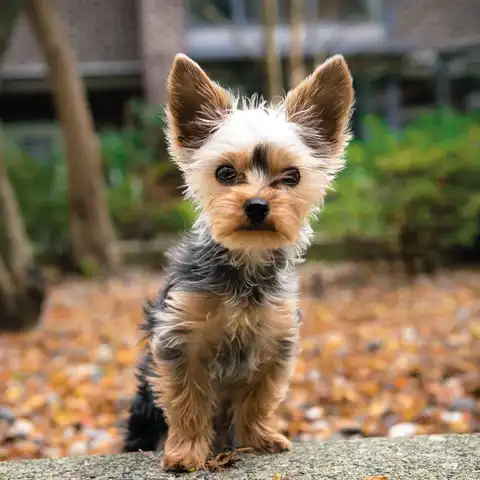

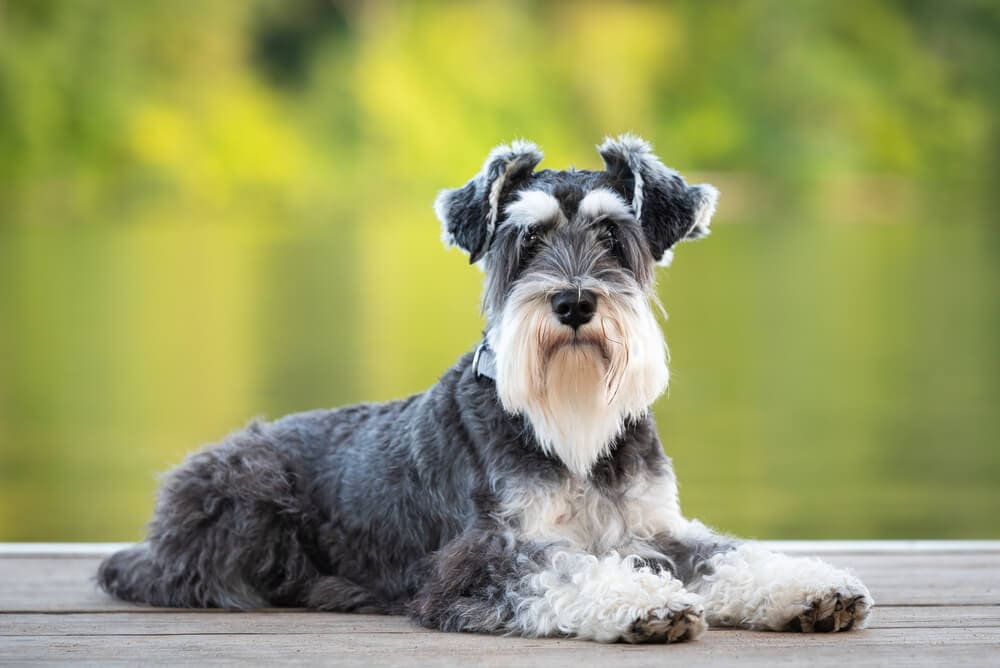
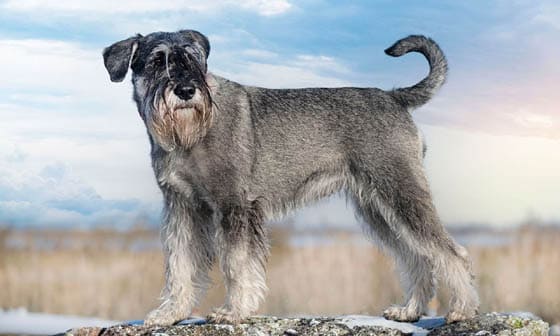
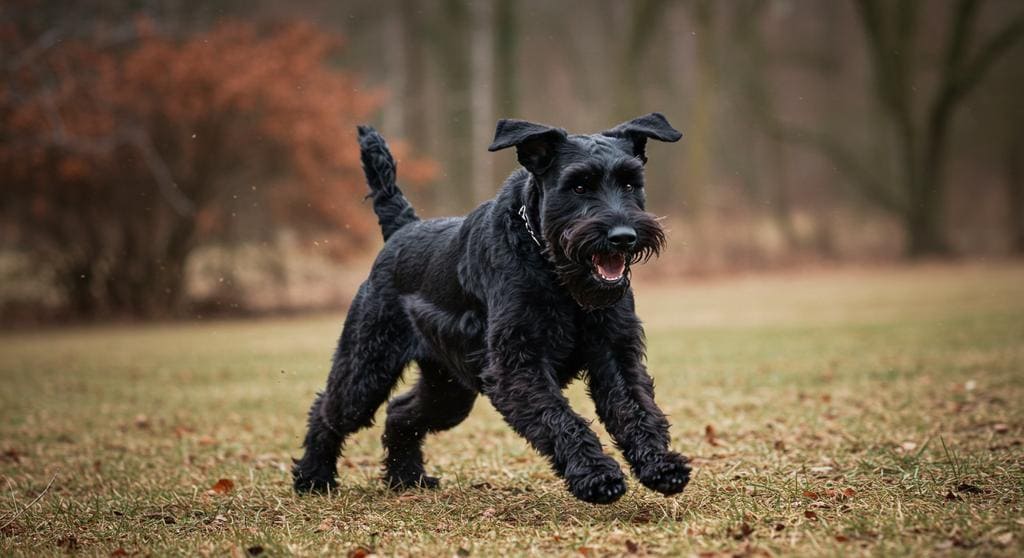
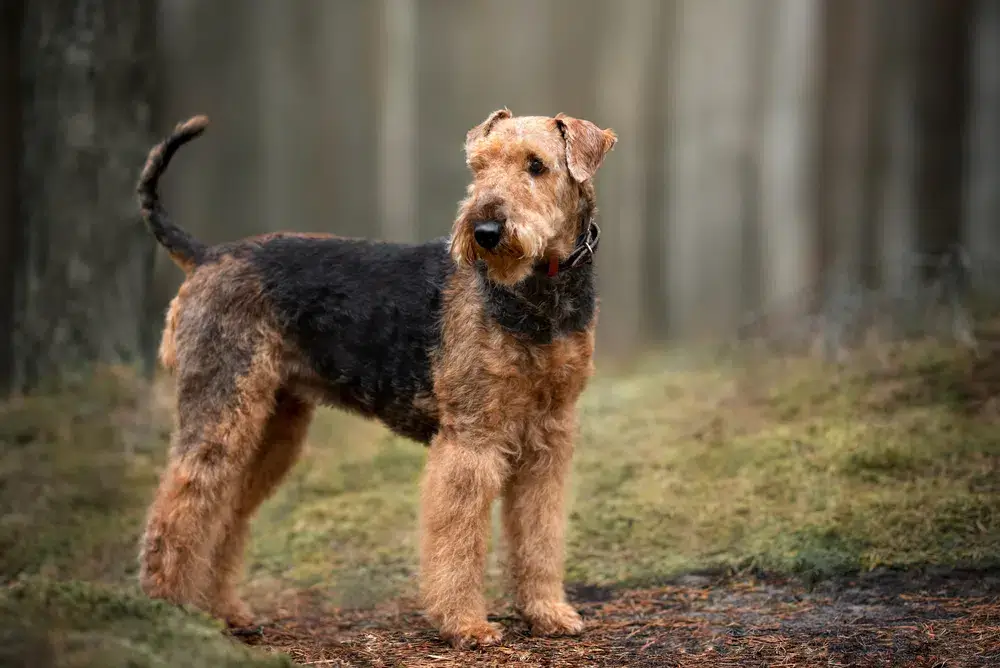
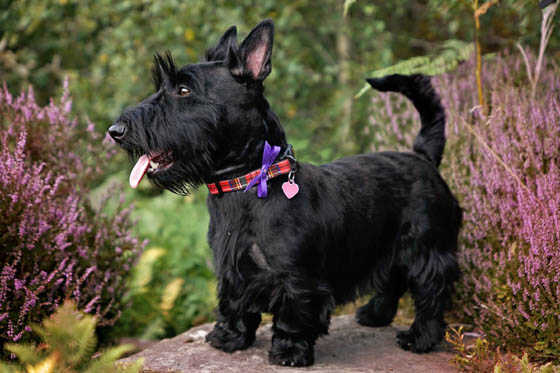



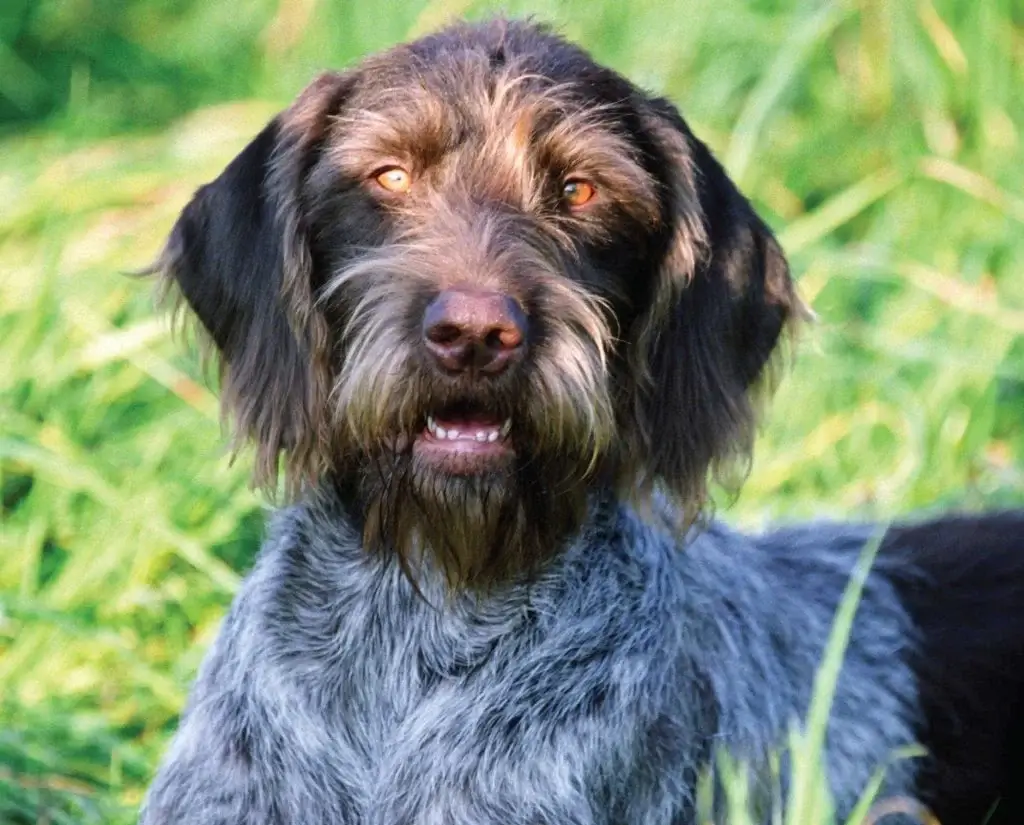
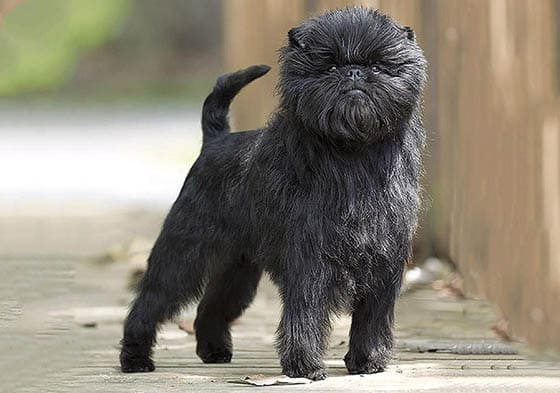

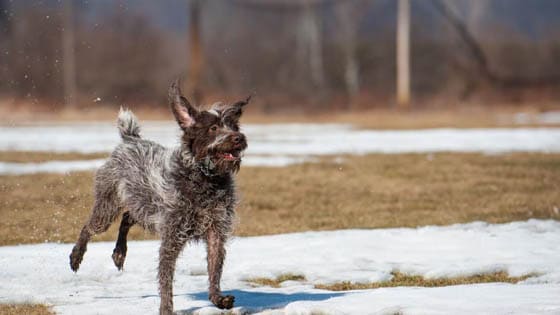
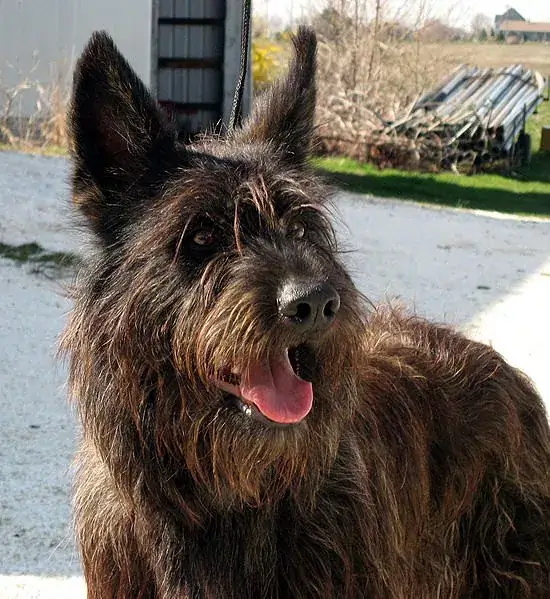


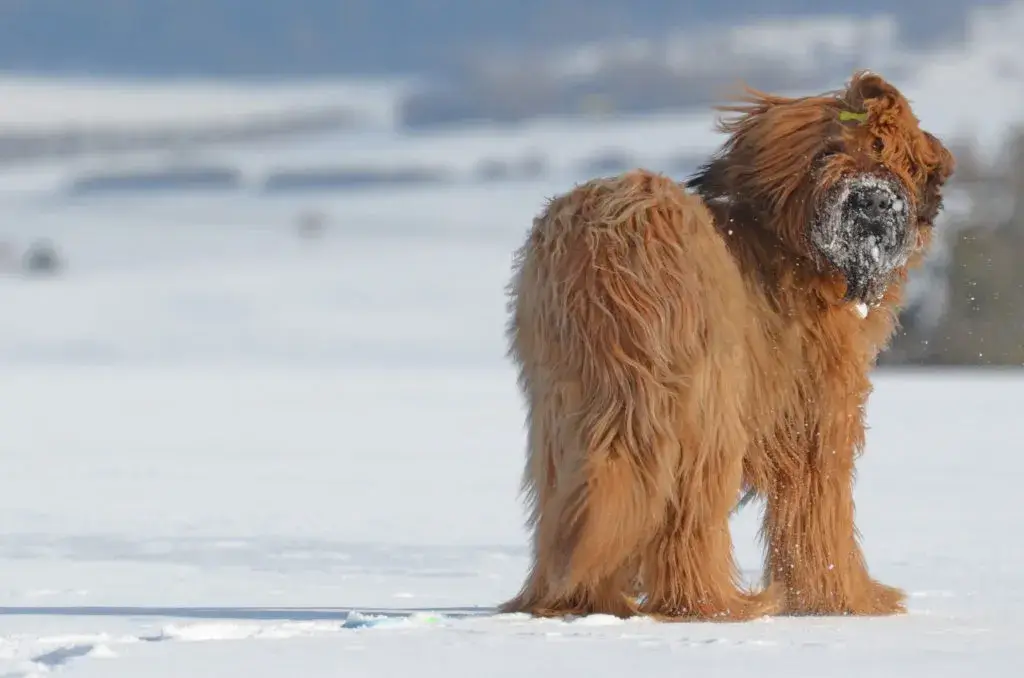
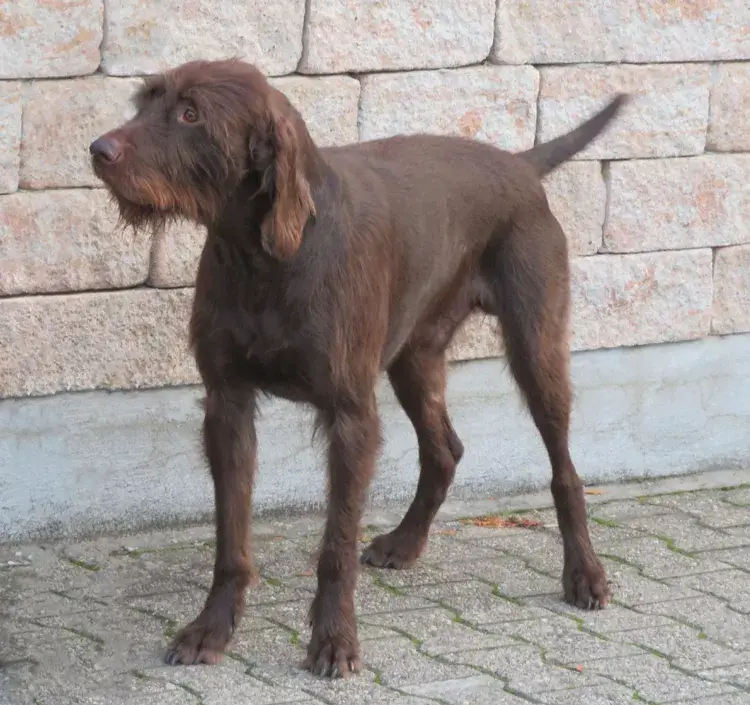
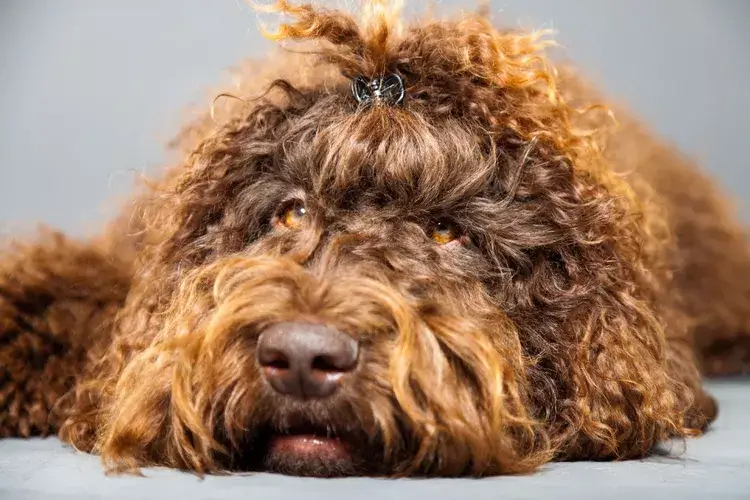
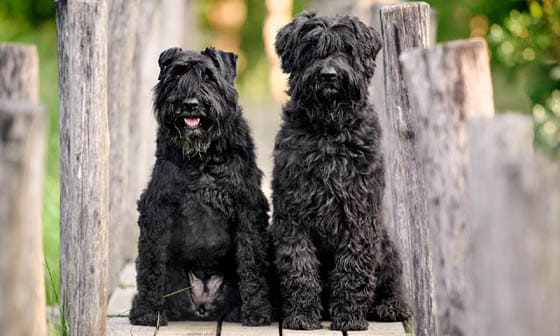
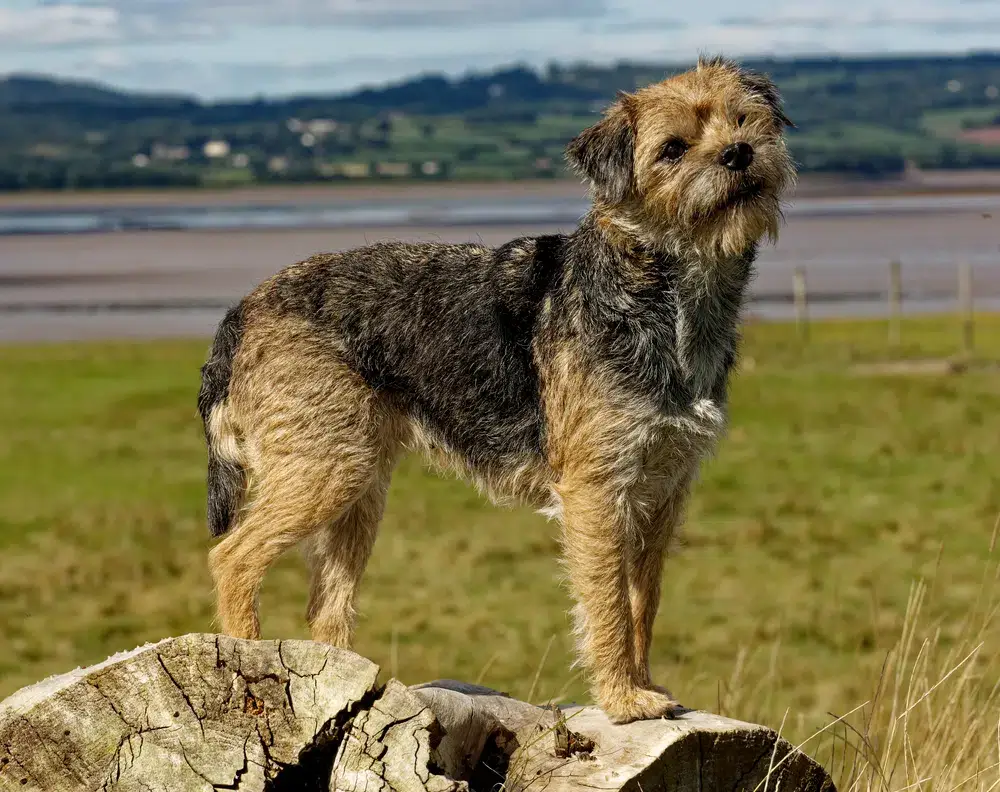
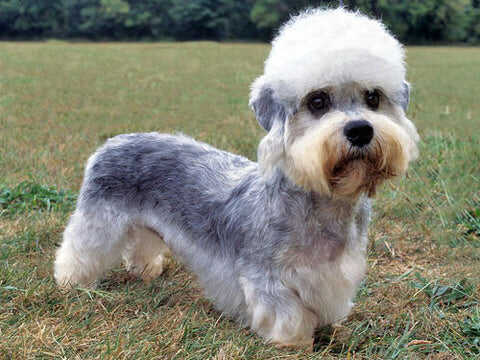

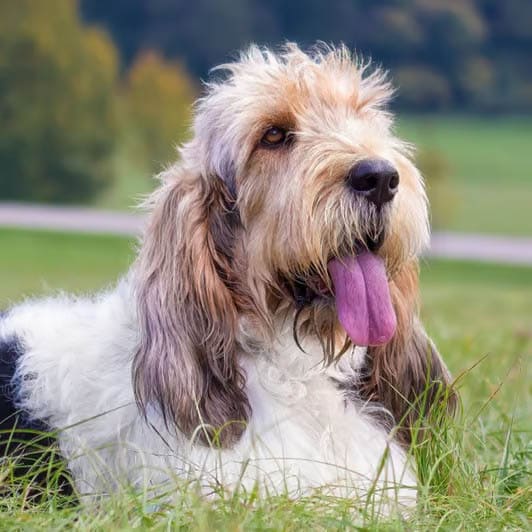
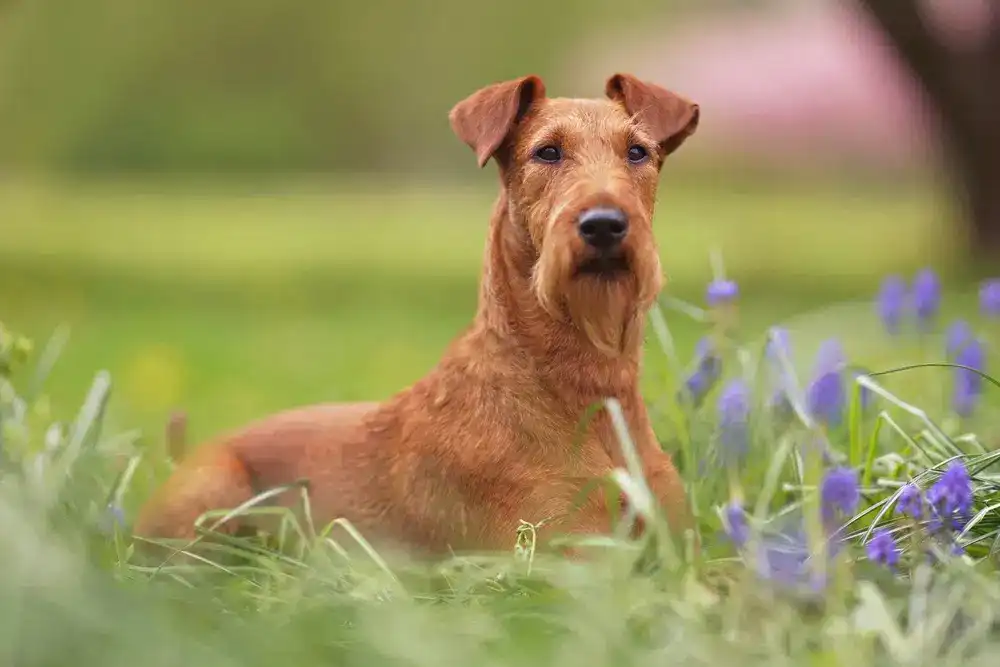
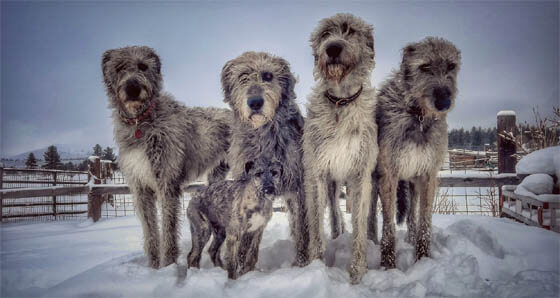
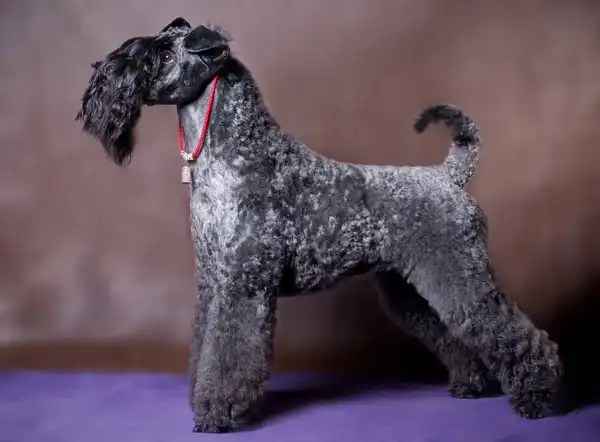
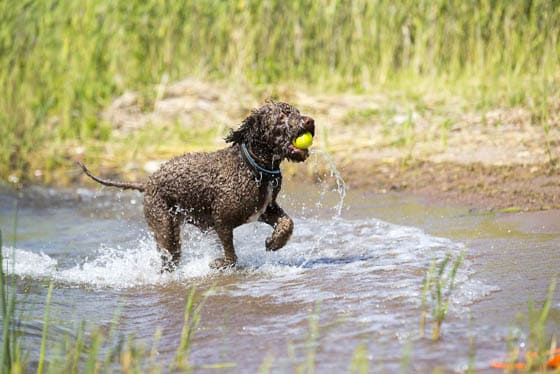
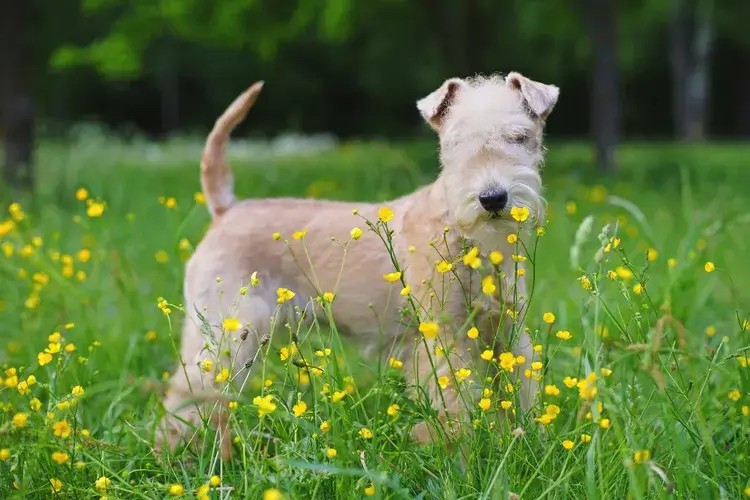


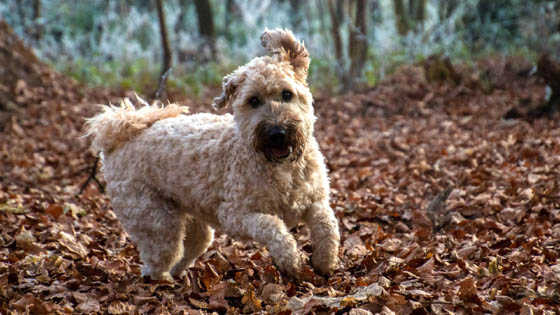
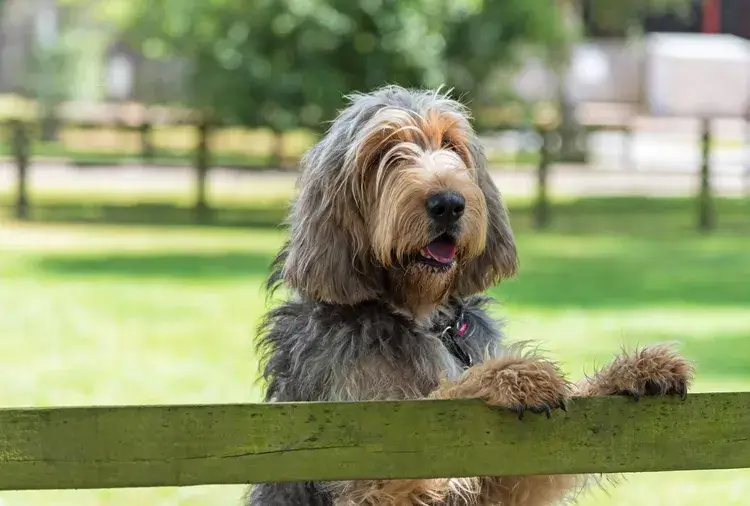
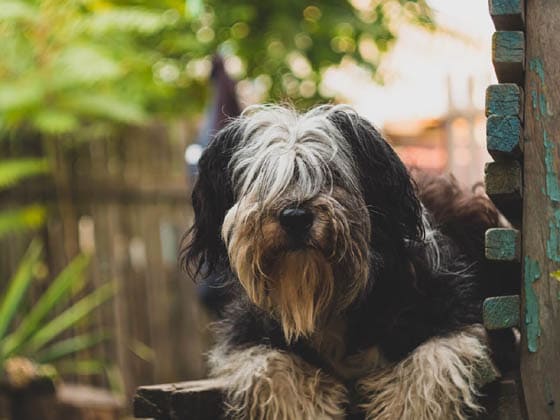
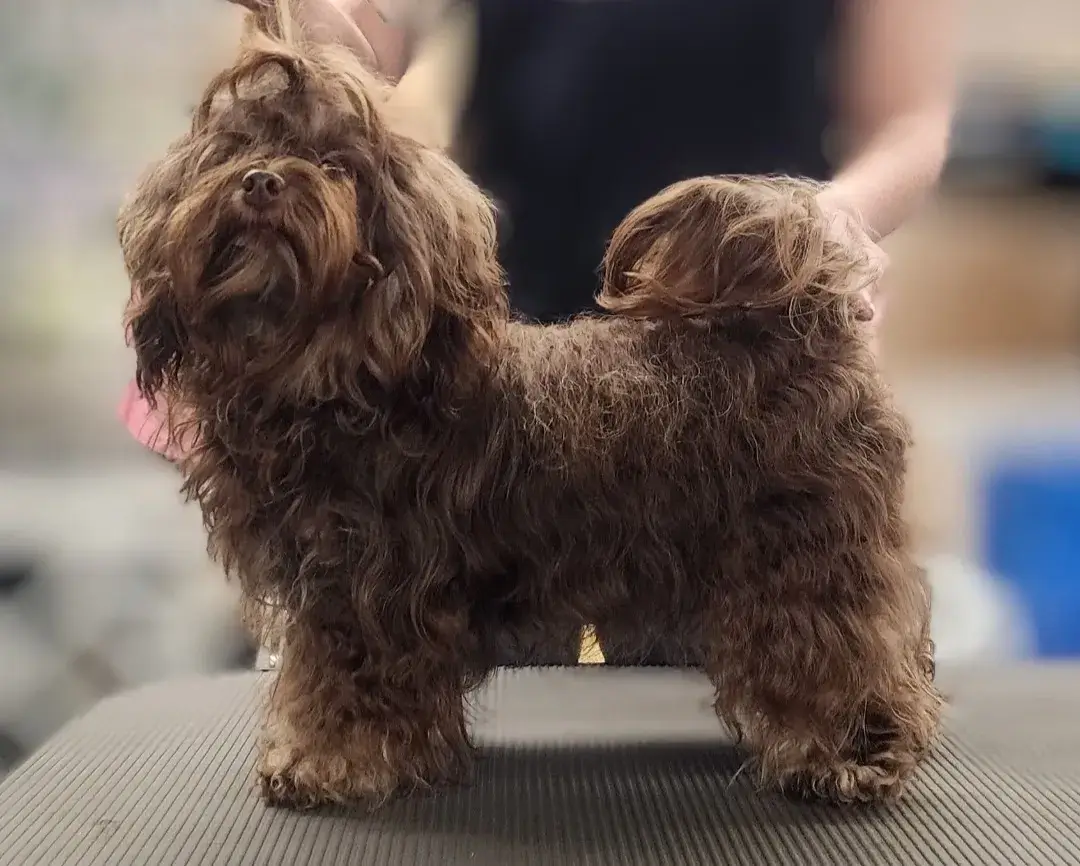
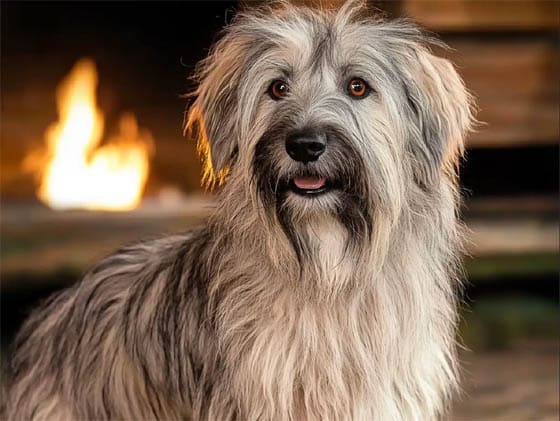

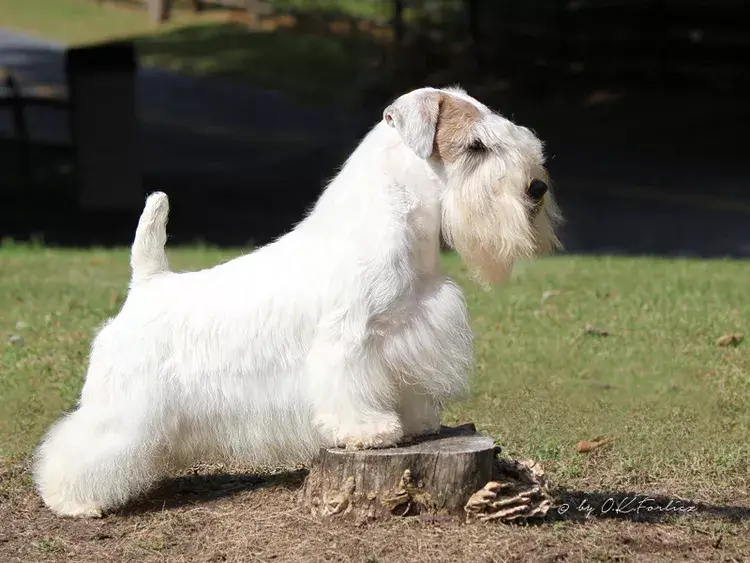
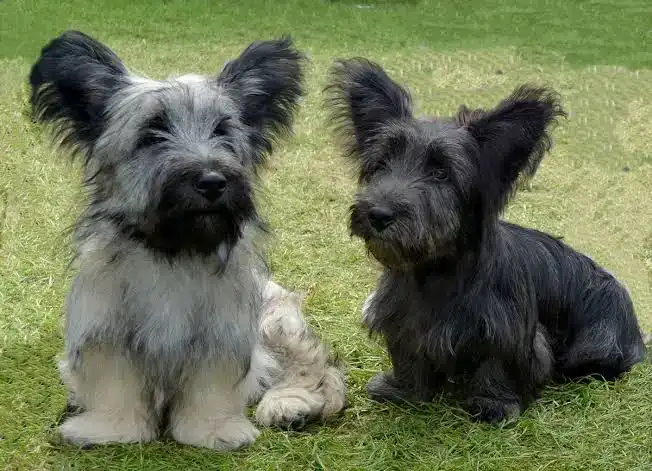
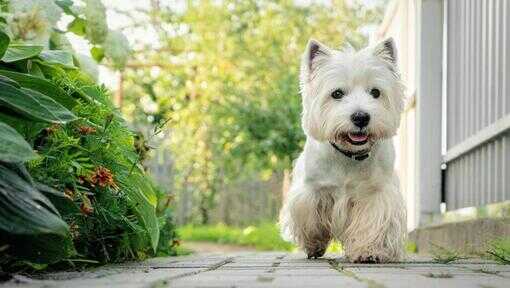
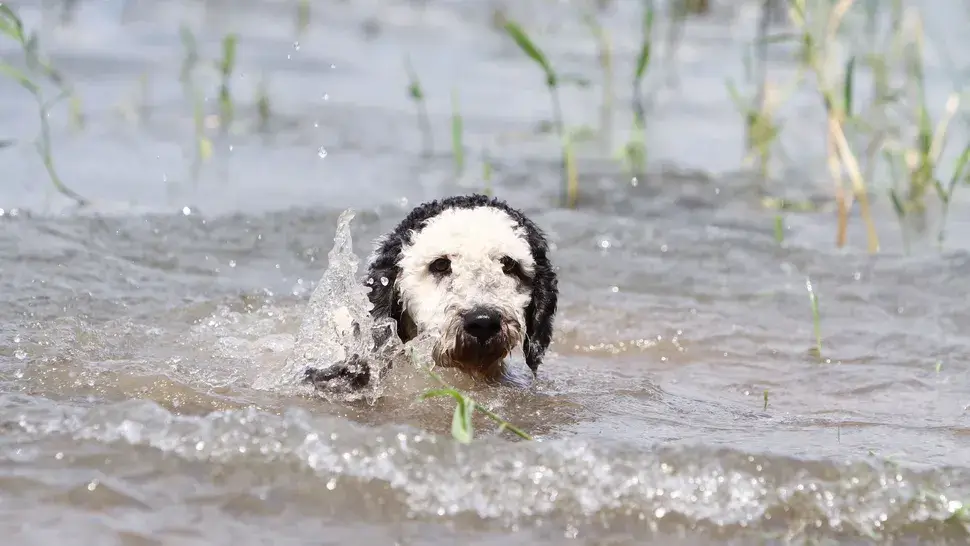

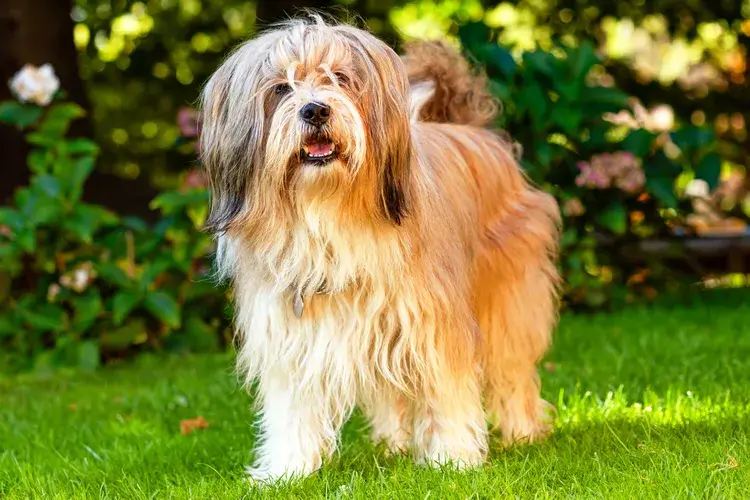
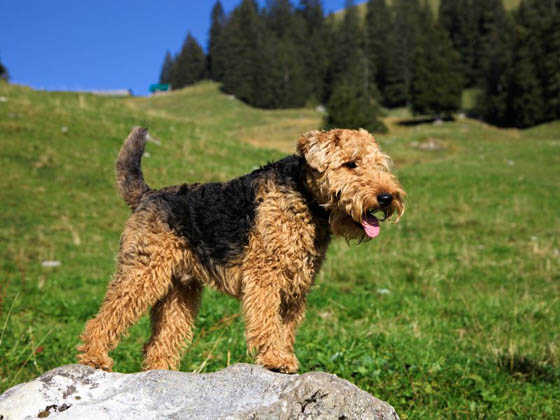
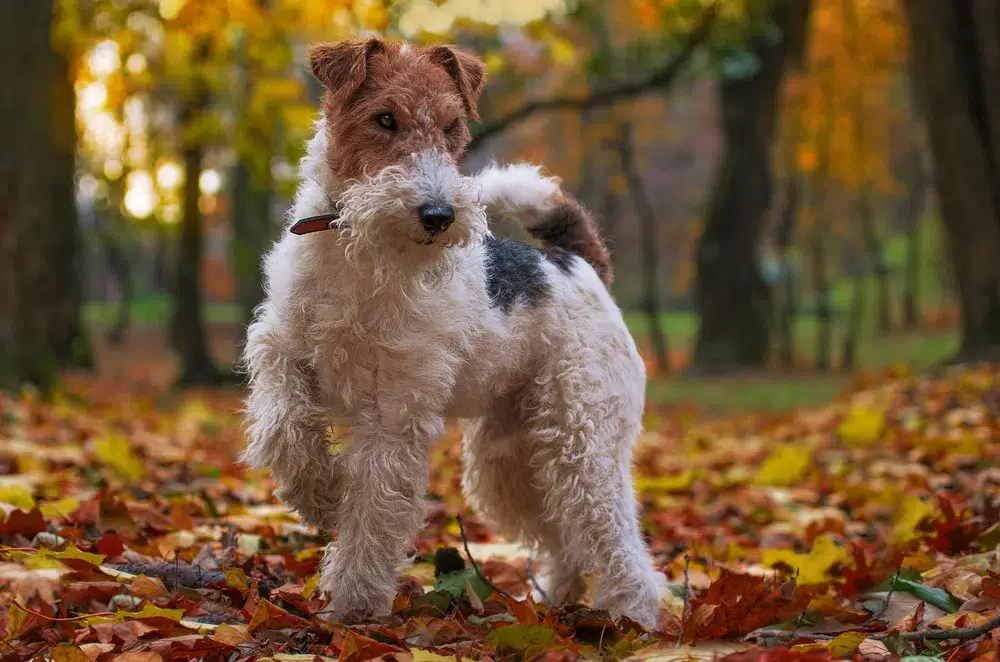


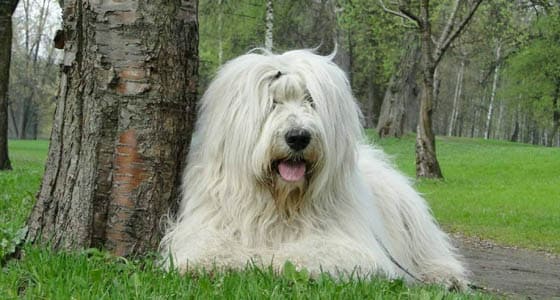
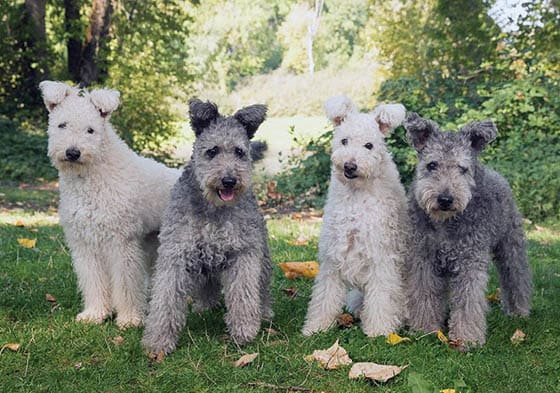
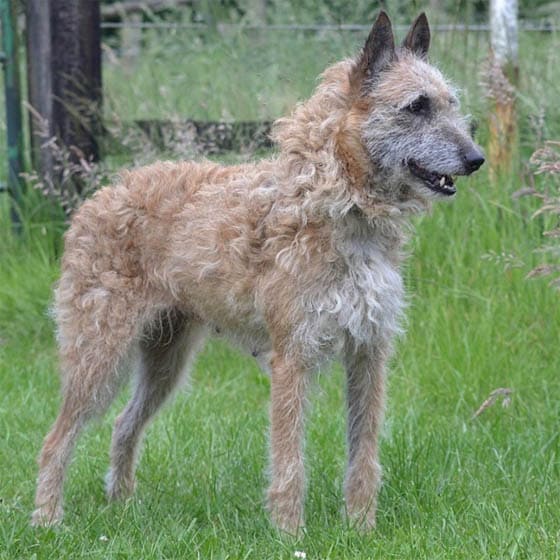
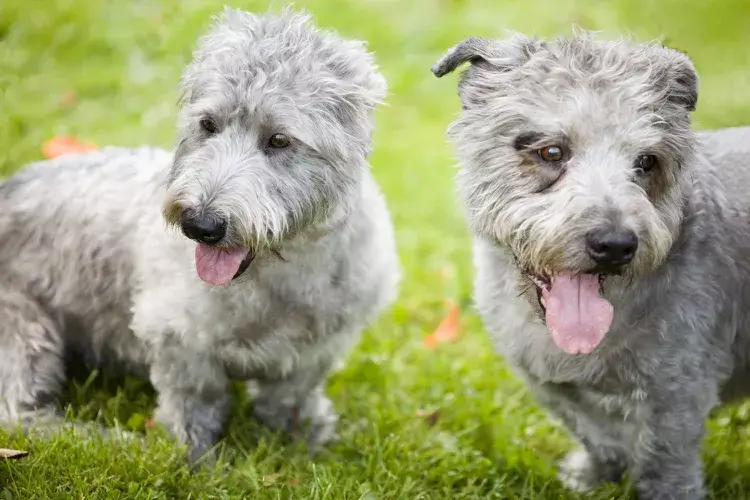
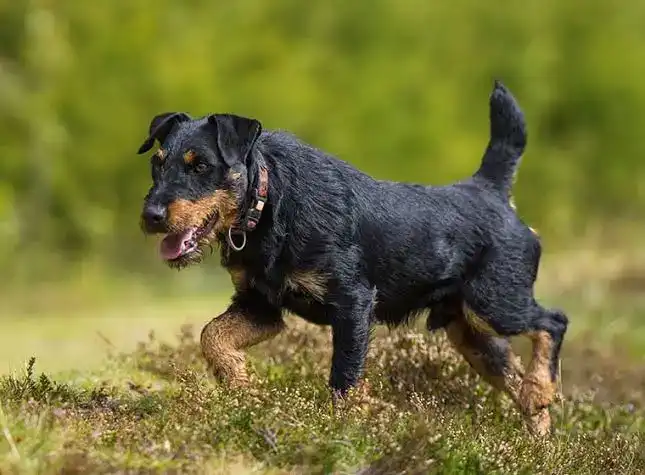
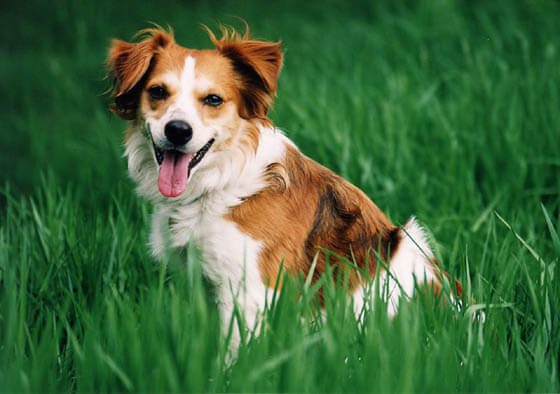
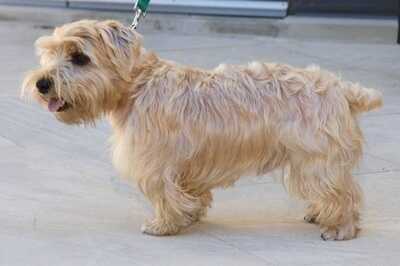
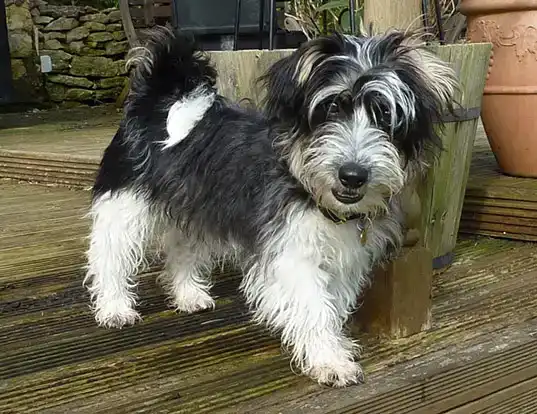

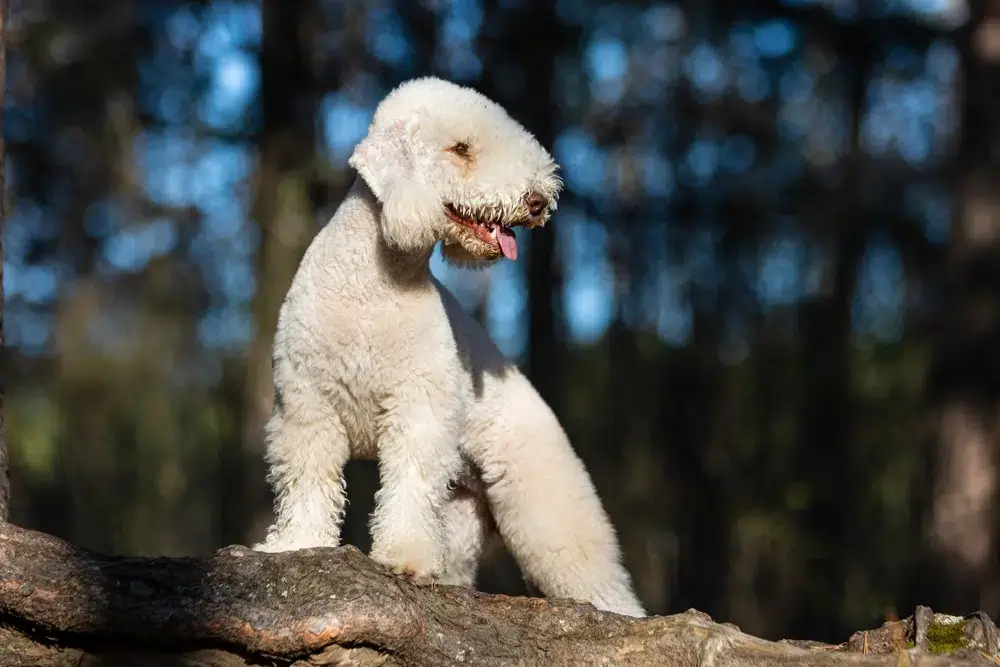
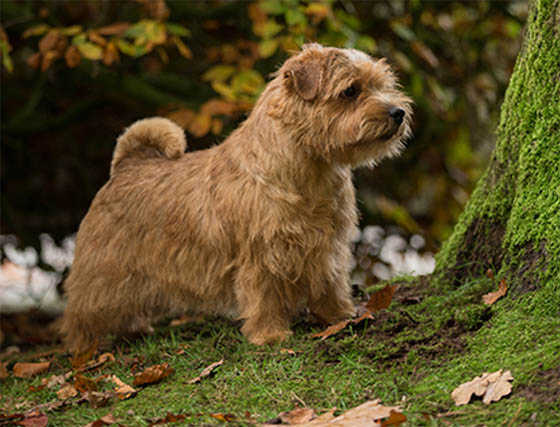
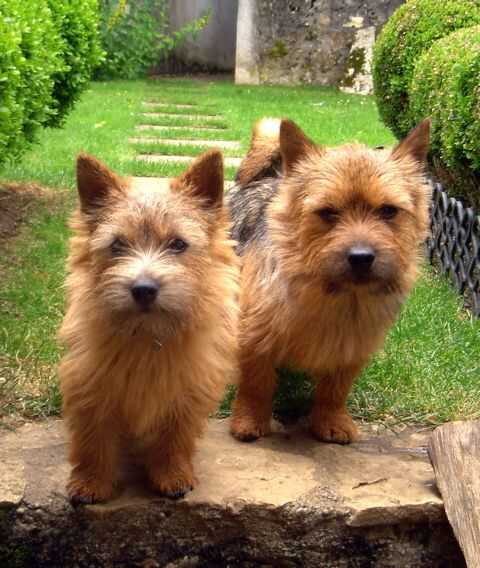
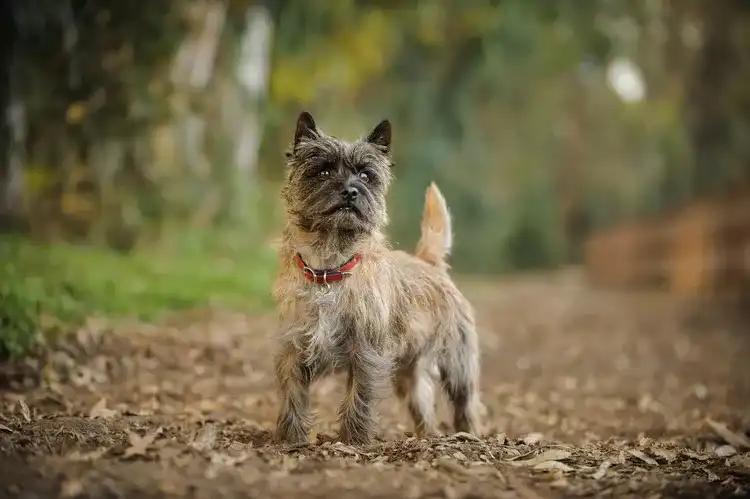
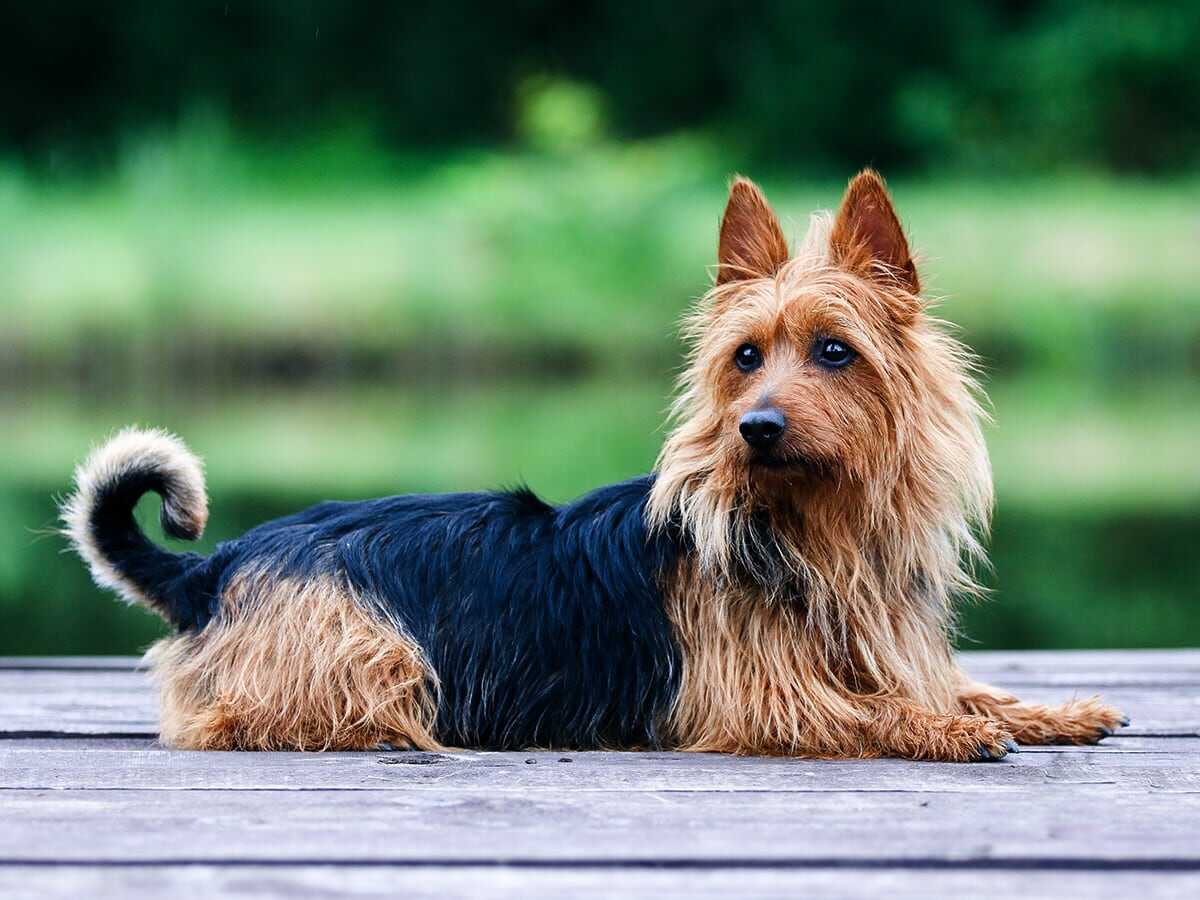
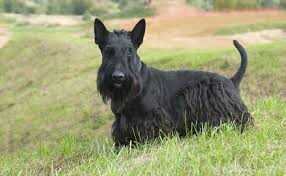

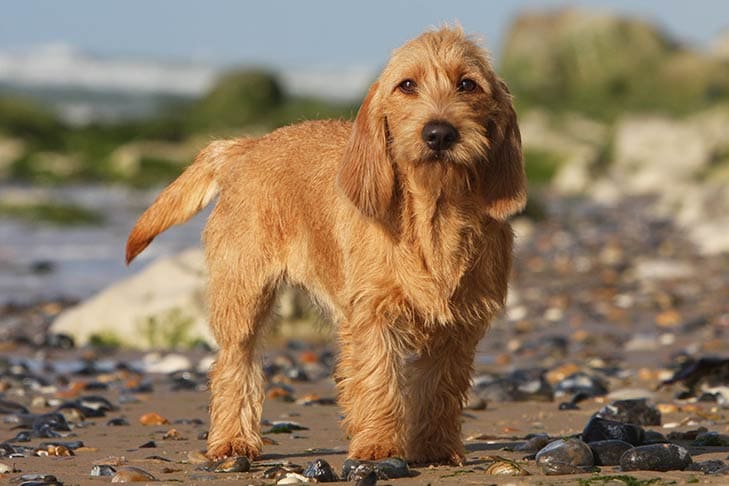
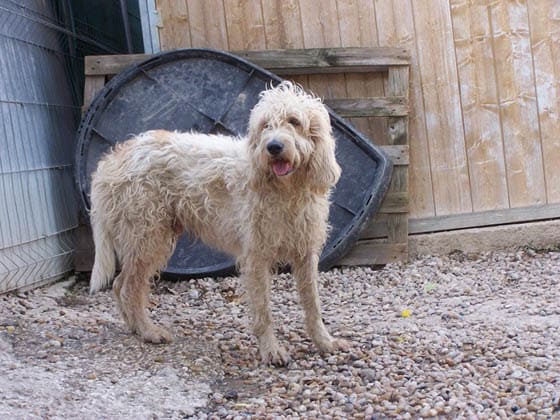
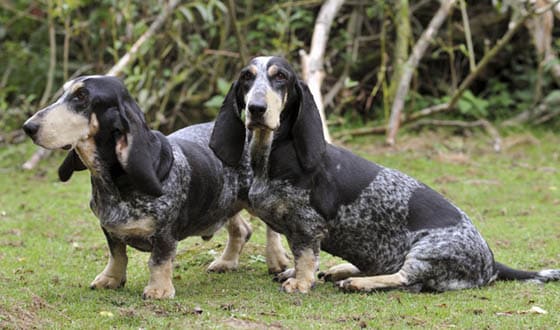
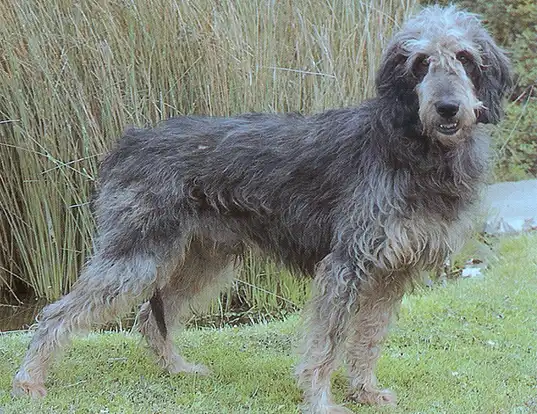
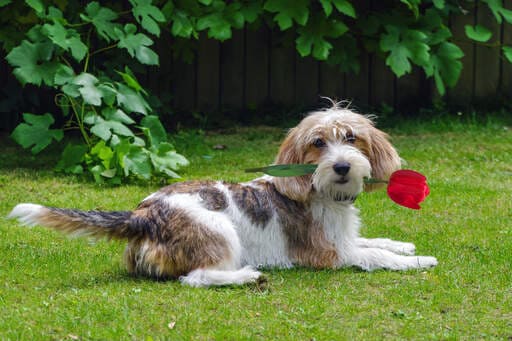
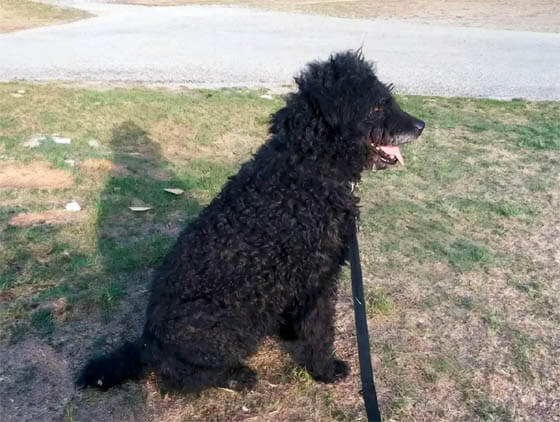
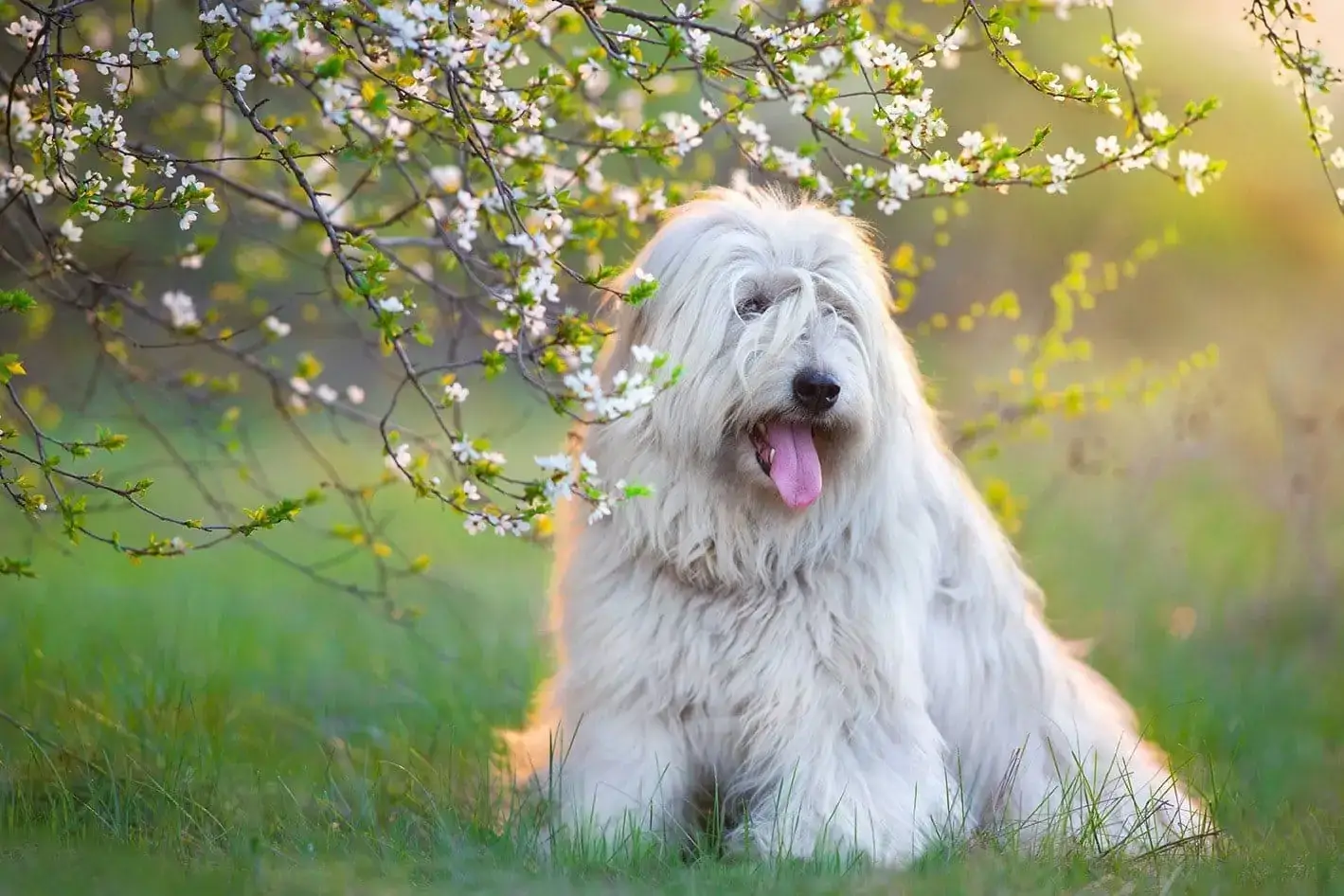
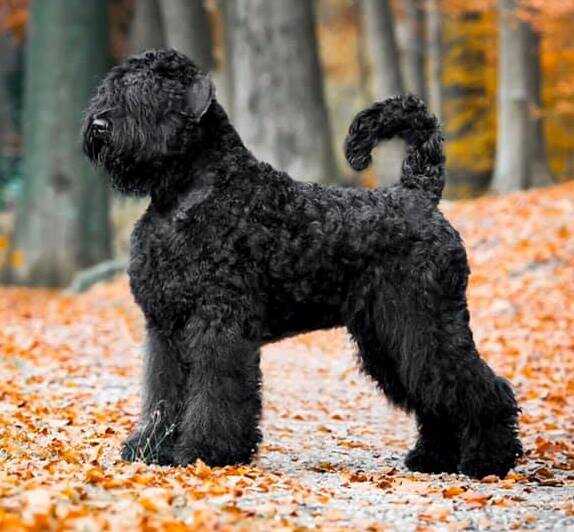
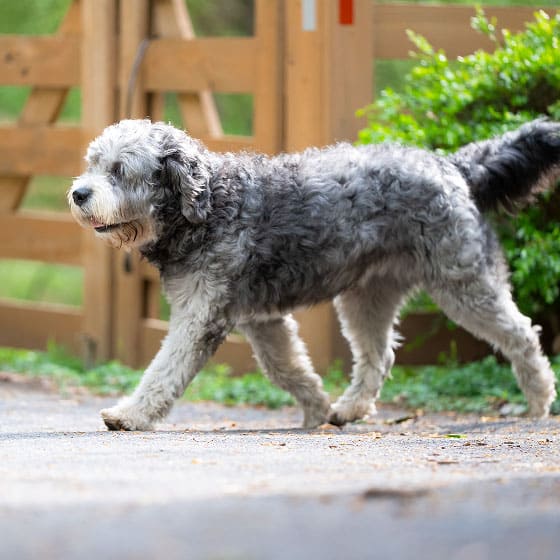
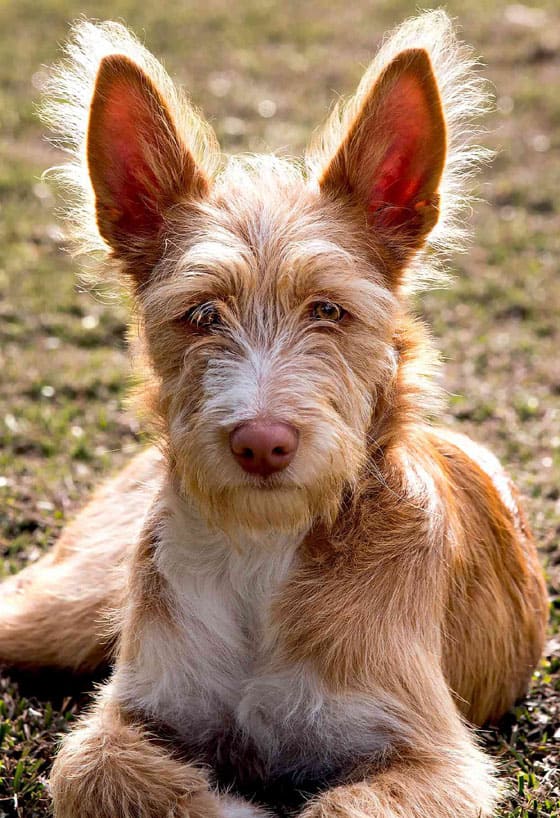












WORLD OF DOG & PUPPY 🐶